Search Result
Results for "
and antipyretic activities
" in MedChemExpress (MCE) Product Catalog:
13
Isotope-Labeled Compounds
| Cat. No. |
Product Name |
Target |
Research Areas |
Chemical Structure |
-
- HY-P0252
-
-
-
- HY-N0055
-
|
3-O-Caffeoylquinic acid; Heriguard; NSC-407296
|
HIF/HIF Prolyl-Hydroxylase
Reactive Oxygen Species (ROS)
Bacterial
Influenza Virus
Endogenous Metabolite
|
Infection
Cardiovascular Disease
Inflammation/Immunology
Cancer
|
|
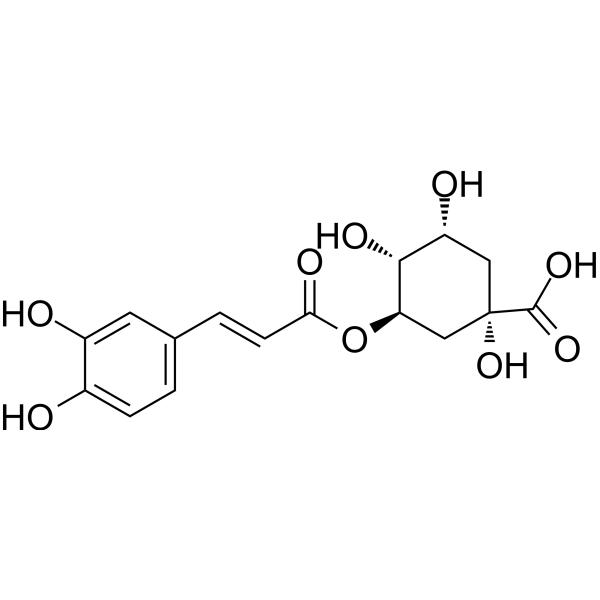
Chlorogenic acid is a major phenolic compound in Lonicera japonica Thunb. It is an orally active antioxidant activity, antibacterial, hepatoprotective, cardioprotective, anti-inflammatory, antipyretic, neuroprotective, anti-obesity, antiviral, anti-microbial, anti-hypertension compound .
|
-
-
- HY-10582
-
|
dl-Flurbiprofen
|
COX
Apoptosis
|
Infection
Neurological Disease
Inflammation/Immunology
Cancer
|
|
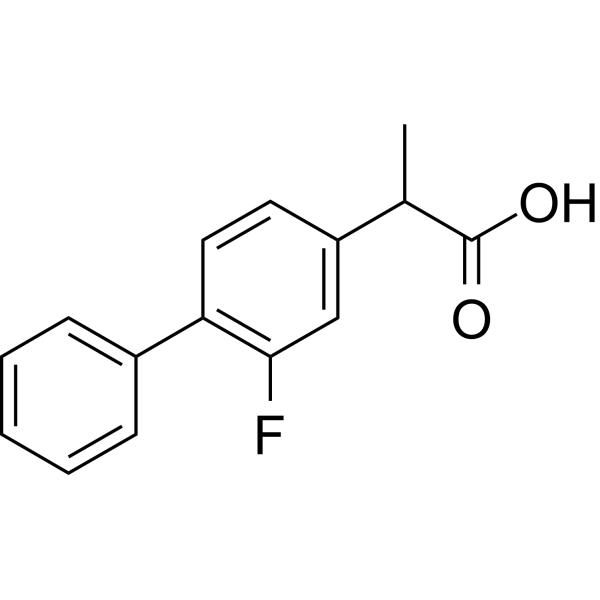
Flurbiprofen (dl-Flurbiprofen) is a potent, orally active nonsteroidal anti-inflammatory agent (NSAIA/NSAID), with antipyretic and analgesic activities. Flurbiprofen is commonly used for the research of inflammatory diseases, including osteoarthritis and rheumatoid arthritis. Flurbiprofen is a non-selective cyclooxygenase (COX) inhibitor that can be used for the research of colorectal cancer .
|
-
-
- HY-13913
-
|
|
COX
|
Inflammation/Immunology
Cancer
|
|
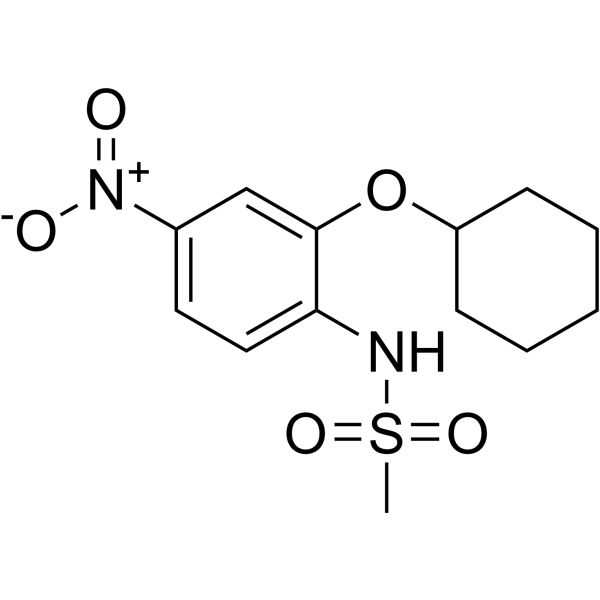
NS-398 is a non-steroidal an-inflammatory agent with analgesic and antipyretic effects, and selectively inhibits prostaglandin G/H synthase 2/cyclooxygenase 2 (COX-2) activity, with an IC50 of 3.8 μM, and has no effect on COX-1 at 100 μM.
|
-
-
- HY-B0578
-
|
|
COX
|
Cardiovascular Disease
Inflammation/Immunology
Cancer
|
|
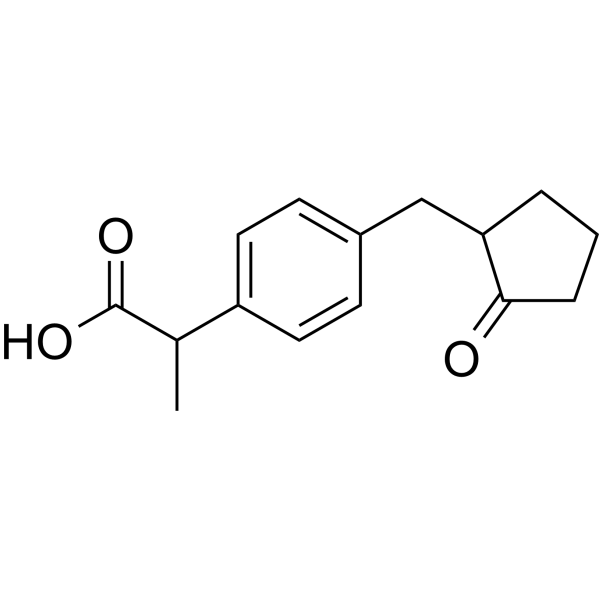
Loxoprofen is a non-steroidal, orally active anti-inflammatory agent with analgesic and anti-pyretic properties. Loxoprofen is a nonselective COX inhibitor with IC50s of 6.5 and 13.5 μM for COX-1 and COX-2, respectively. Loxoprofen can reduce atherosclerosis and shows antitumor activity .
|
-
-
- HY-B0367
-
|
Chlortenoxicam; Ro 13-9297
|
Apoptosis
COX
NO Synthase
Interleukin Related
Prostaglandin Receptor
TNF Receptor
|
Inflammation/Immunology
Cancer
|
|
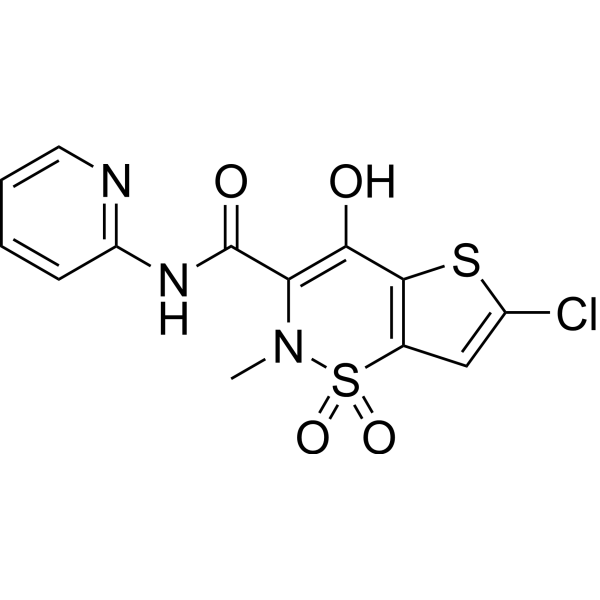
Lornoxicam (Chlortenoxicam) is an orally active oxycontin nonsteroidal anti-inflammatory drug (NSAID) with analgesic, anti-inflammatory, antipyretic and anticancer activities. Lornoxicam exhibits good inhibitory effects on both COX-1 and COX-2 (COX-1: IC50=0.005 μM; COX-2:IC50=0.008 μM) and inhibits the production of NO by iNOS (IC50=65 μM) and the proinflammatory cytokine IL-6 (IC50=54 μM). Lornoxicam also inhibits tumor cell proliferation and migration and induces tumor cell apoptosis. Lornoxicam can be used in the study of inflammatory pain, colorectal cancer and breast cancer .
|
-
-
- HY-B1279
-
|
Dipyrone hydrate; Methamizole sodium hydrate
|
COX
Apoptosis
|
Inflammation/Immunology
|
|
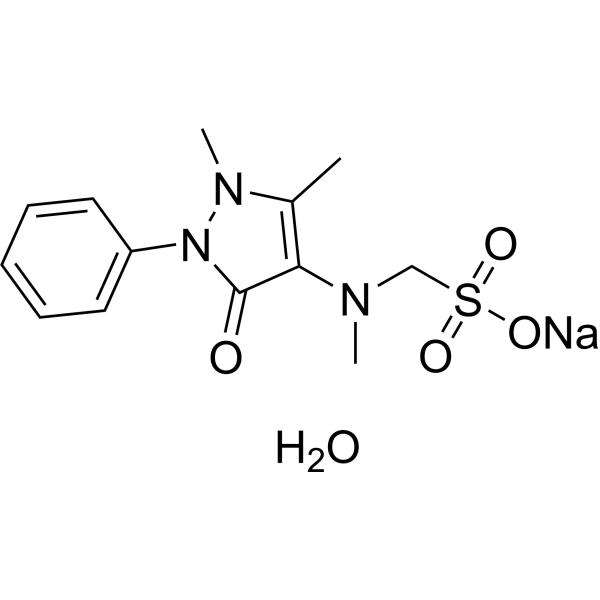
Metamizole sodium hydrate (Dipyrone) is an orally active cyclooxygenase (COX) inhibitor.. Metamizole sodium hydrate can inhibit cell proliferation and promote cell apoptosis. Metamizole sodium hydrate has anti-inflammatory and antioxidant activities. Metamizole sodium hydrate is an antipyretic, analgesic and spasmolytic agent. Metamizole sodium hydrate can be used in research to relieve a variety of pain .
|
-
-
- HY-B1138
-
|
CL-82204
|
COX
Caspase
|
Infection
Neurological Disease
Inflammation/Immunology
Cancer
|
|
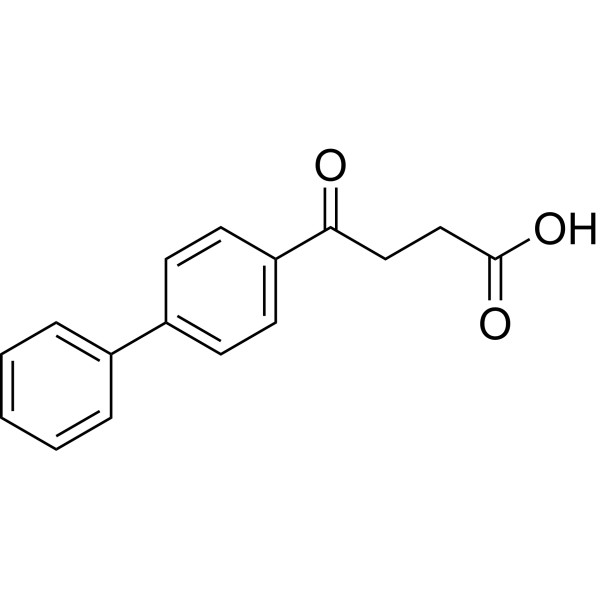
Fenbufen (CL-82204) is an orally active non-steroidal anti-inflammatory drug (NSAID), with analgetic and antipyretic effects. Fenbufen has potent activity in a variety of animal model, including carageenin edema, UV erythema and adjuvant arthritis. Fenbufen has inhibitory activities against COX-1 and COX-2 with IC50s of 3.9 μM and 8.1 μM, respectively. Fenbufen is a caspases (caspase-1, 3, 4, 5, 9) inhibitor .
|
-
-
- HY-N1984
-
|
Qing Hao acid; Artemisinic acid; Arteannuic acid
|
JNK
Interleukin Related
|
Infection
Metabolic Disease
Inflammation/Immunology
Cancer
|
|
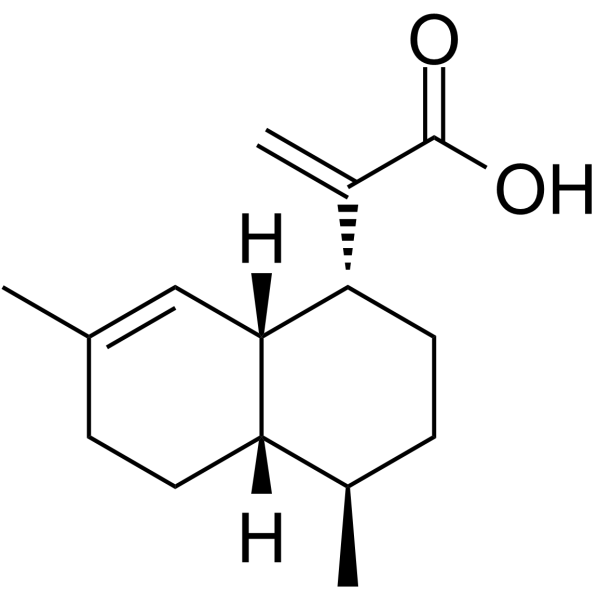
Artemisinic acid (Qing Hao acid) is a sesquiterpene that can be isolated from Artemisia annua L. Artemisinic acid is also an important precursor for the synthesis of Artemisinin (HY-B0094). Artemisinic acid has various pharmacological activities, such as antimalarial activity, antitumor activity, antipyretic effect, antibacterial activity, allelopathic effect, and anti-adipogenic effect .
|
-
-
- HY-118752
-
|
|
COX
|
Inflammation/Immunology
|
|
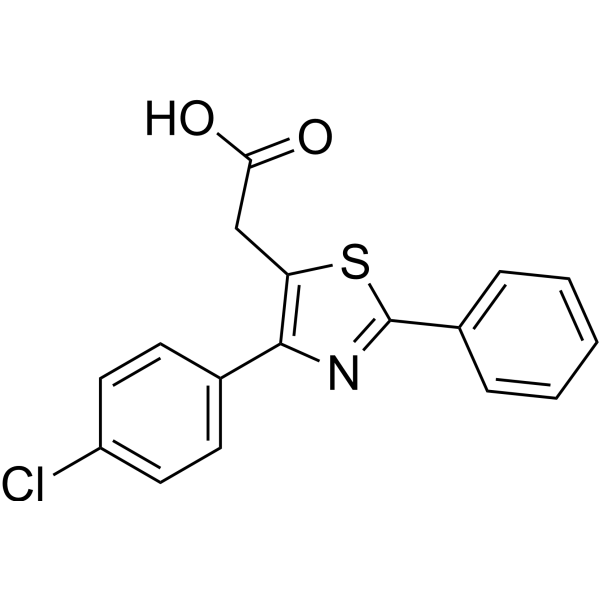
Fentiazac, alkanoic acid derivative, is an orally active non-steroidal anti-inflammatory agent, with analgesic, antipyretic and platelet anti-aggregation activity. Fentiazac can be used to research inflammatory diseases such as rheumatoid arthritis, osteoarthritis and tendinitis .
|
-
-
- HY-13507
-
|
COX-189
|
COX
|
Metabolic Disease
Inflammation/Immunology
Cancer
|
|
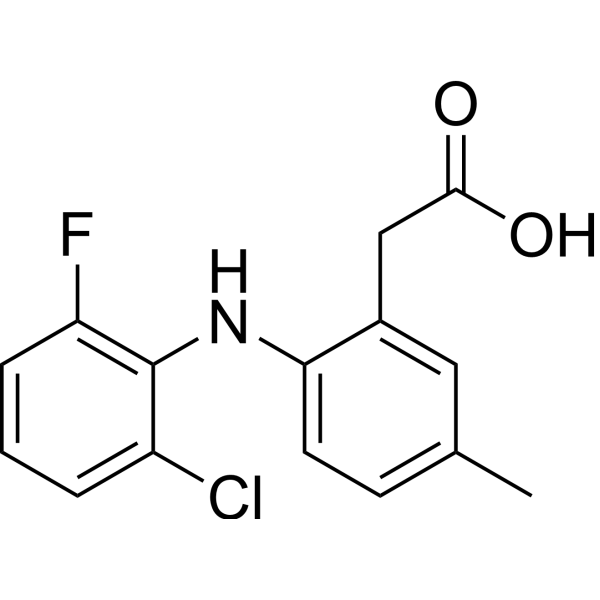
Lumiracoxib is a potent,selective and orally active COX-2 inhibitor with a Ki value of 0.06?μM . Lumiracoxib acts as a nonselective NSAID with?anti-inflammatory, analgesic and antipyretic activities. Lumiracoxib can be used for osteoarthritis and bone cancer research .
|
-
-
- HY-B1279A
-
|
Dipyrone; Methamizole sodium
|
COX
Apoptosis
|
Inflammation/Immunology
Cancer
|
|
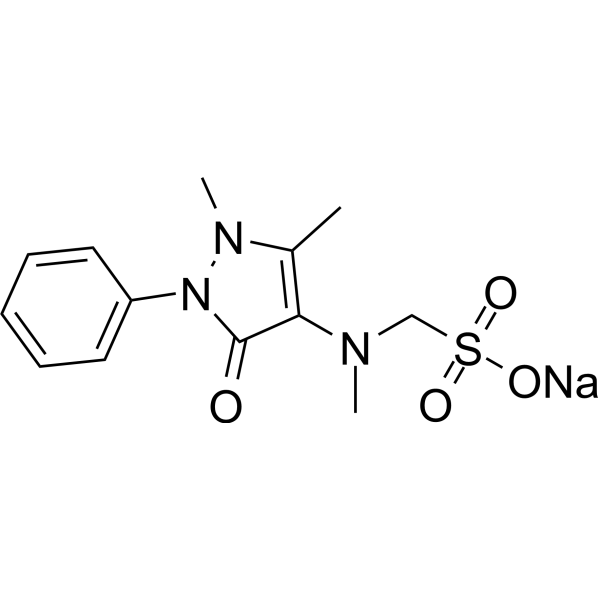
Metamizole sodium (Dipyrone) is an orally active cyclooxygenase (COX) inhibitor. Metamizole sodium can inhibit cell proliferation and promote cell apoptosis. Metamizole sodium has anti-inflammatory and antioxidant activities. Metamizole sodium is an antipyretic, analgesic and spasmolytic agent. .Metamizole sodium can be used in research to relieve a variety of pain .
|
-
-
- HY-B0578A
-
|
|
COX
|
Cardiovascular Disease
Inflammation/Immunology
Cancer
|
|
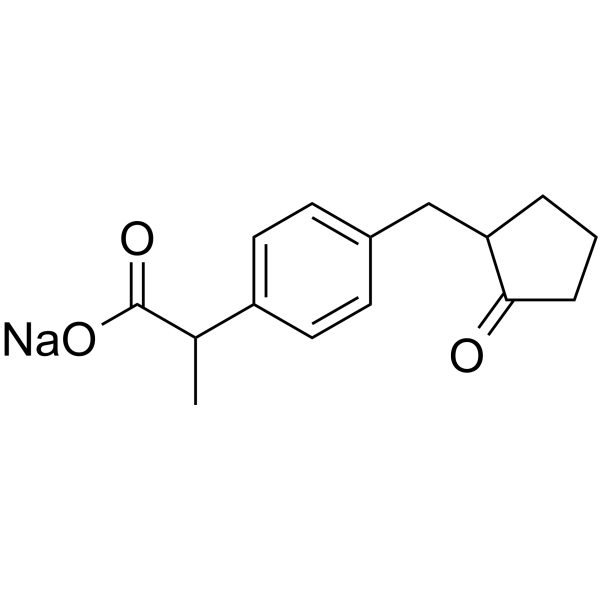
Loxoprofen sodium is a non-steroidal, orally active anti-inflammatory agent with analgesic and anti-pyretic properties. Loxoprofen sodium is a nonselective COX inhibitor with IC50s of 6.5 and 13.5 μM for COX-1 and COX-2, respectively. Loxoprofen sodium can reduce atherosclerosis and shows antitumor activity .
|
-
-
- HY-N3945
-
|
O,O-Dimethylisoboldine; S-(+)-Glaucine; NSC 34396
|
Phosphodiesterase (PDE)
Calcium Channel
MMP
NF-κB
|
Inflammation/Immunology
Cancer
|
|
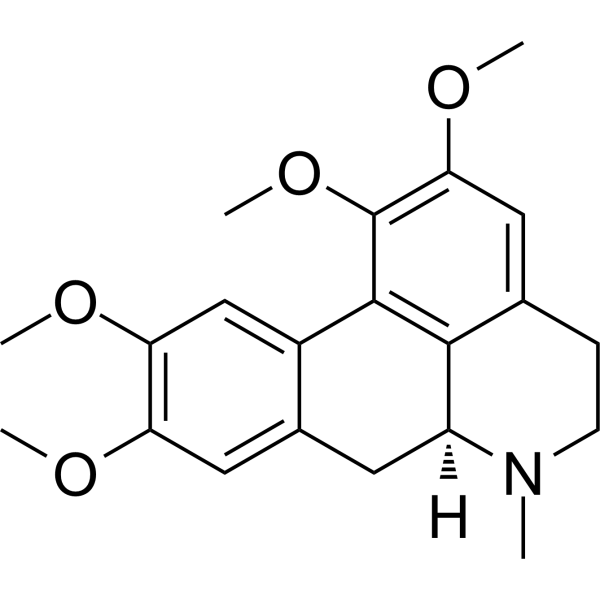
Glaucine (O,O-Dimethylisoboldine) is an alkaloid extracted from Glaucium flavum that possesses various activities, including cough relief, bronchodilation, anti-inflammatory effects, analgesia, antipyretic properties, and anticancer effects. Glaucine acts as a selective and orally active inhibitor of phosphodiesterase 4 (PDE4), with a Ki of 3.4 µM in human bronchial tissues and polymorphonuclear leukocytes. Glaucine induces relaxation of human isolated bronchi by antagonizing calcium channels. Additionally, Glaucine inhibits the activation of NF-κB, leading to a reduction in the expression of the MMP-9 gene, thereby suppressing the migration and invasion of breast cancer cells. Therefore, Glaucine holds potential for research in asthma and breast cancer .
|
-
-
- HY-106628
-
|
|
COX
|
Inflammation/Immunology
|
|
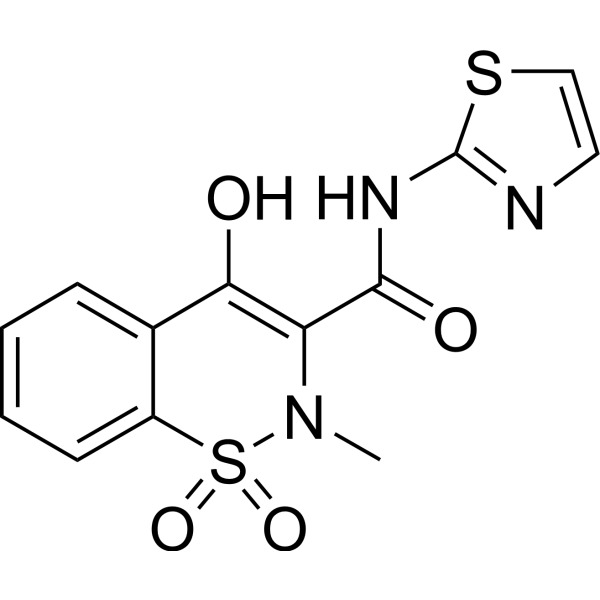
Sudoxicam is a reversible and orally active COX antagonist and a non-steroidal anti-inflammatory drug (NSAID) from the enol-carboxamide class. Sudoxicam has potent anti-inflammatory, anti-edema and antipyretic activity .
|
-
-
- HY-101432
-
|
ICI-54450; Acidum fenclozicum; Mialex
|
COX
|
Inflammation/Immunology
|
|
Fenclozic acid (ICI-54450) is an orally active anti-inflammatory, analgesic, and antipyretic agent. Fenclozic acid exhibits anti-inflammatory activity in Edadjuvant-induced arthritis and Carrageenin-induced oedema in rats. Fenclozic acid can be used for the research of arthritis .
|
-

-
- HY-B1419
-
|
2-Hydroxybenzyl alcohol; Saligenin
|
Drug Intermediate
Bacterial
|
Others
|
|
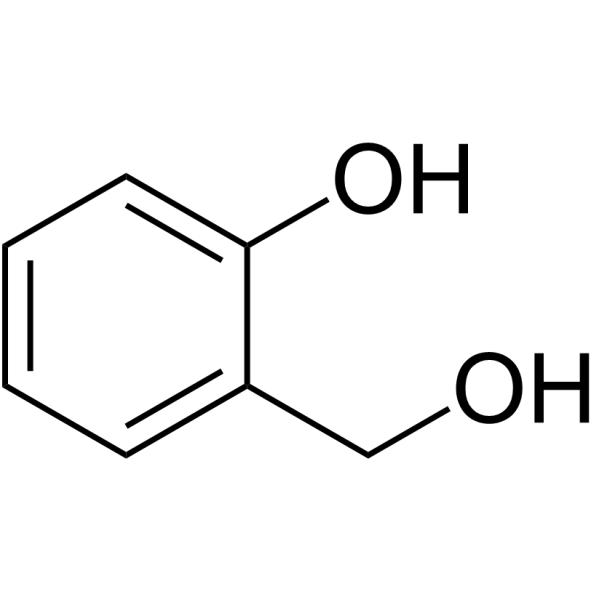
Salicyl alcohol (2-Hydroxybenzyl alcohol; Saligenin) is a phenolic alcohol-type topical anesthetic and strong sensitizer with antiseptic, antibacterial and antipyretic activities. Salicyl alcohol serves as a precursor for salicin synthesis. Salicyl alcohol induces contact dermatitis and eczematous skin reactions, and is a well-known allergen identified in phenolic resins. Salicyl alcohol is isolated from the barks of European aspen (Populus tremula), rowan (Sorbus aucuparia) and willow (Salix spp.). Salicyl alcohol is used in studies related to allergic contact dermatitis .
|
-
-
- HY-129724A
-
|
ACTH-(11-13) acetate; Lys-Pro-Val acetate; H-Lys-Pro-Val-OH acetate
|
Melanocortin Receptor
NF-κB
Bacterial
Interleukin Related
Apoptosis
|
Infection
Neurological Disease
Metabolic Disease
Inflammation/Immunology
|
|
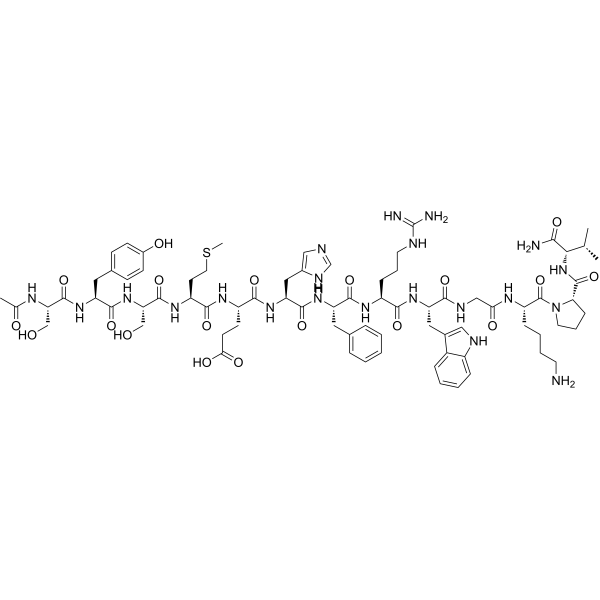
α-MSH (11-13) (ACTH-(11-13)) acetate is a C-terminal tripeptide of α-MSH that can cross the blood-brain barrier. α-MSH (11-13) acetate exhibits antipyretic, anti-inflammatory, and antibacterial activities. α-MSH (11-13) acetate also exerts neuroprotective effects after traumatic brain injury by inhibiting excessive activation of microglia and reducing neuronal apoptosis. α-MSH (11-13) acetate can be used in research related to traumatic brain injury, fever, and bacterial infections .
|
-

-
- HY-W089845
-
|
|
Environmental Pollutants
Fungal
Sex Pheromone
|
Infection
Endocrinology
|
|
Heneicosane is a royal-specific pheromone of insects (such as subterranean termites) and is an identification signal for queens and kings in termites. Heneicosane mediates royal recognition and the maintenance of social division of labor by being sensed by worker ants and triggering vibrations and antennal behaviors. Heneicosane can exert anti-inflammatory, analgesic and antipyretic activities by inhibiting the release of inflammatory mediators (such as prostaglandins and cytokines). At the same time, Heneicosane can also inhibit the mycelial growth of aflatoxin-producing fungi and inhibit the production of aflatoxin. Heneicosane can be used in insect chemical ecology research to analyze the regulatory mechanism of termite social behavior, and is also a potential target for new anti-inflammatory drugs .
|
-

-
- HY-B1137
-
|
Isopropylaminoantipyrine
|
Bacterial
|
Inflammation/Immunology
|
|
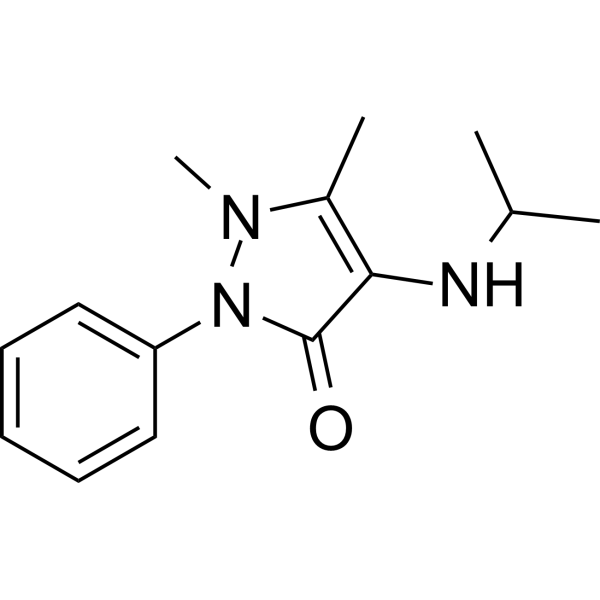
Ramifenazone (Isopropylaminoantipyrine) is a pyrazole derivative and acts as a non-steroidal anti-inflammatory agent (NSAID). Ramifenazone has analgesic, antipyretic, anti-inflammatory and antimicrobial activities .
|
-
-
- HY-N6656
-
|
|
Fungal
Bacterial
|
Inflammation/Immunology
Cancer
|
|
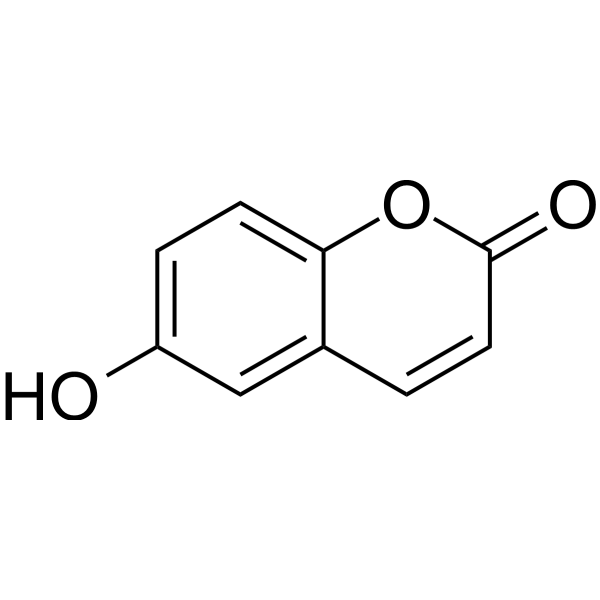
6-Hydroxycoumarin is a coumarin which has anti-inflammatory, anti-pyretic, anti-oxidant, vasodilator, anti-amoebic, anti-bacterial, anti-fungal, bacteriostatic and antitumor activity .
|
-
-
- HY-W009706
-
|
Allopydin; W-7320
|
Prostaglandin Receptor
|
Neurological Disease
Inflammation/Immunology
|
|
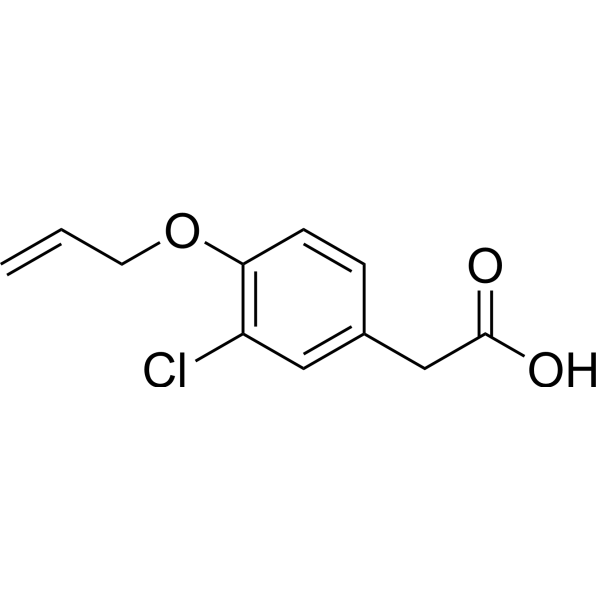
Alclofenac (Allopydin) is an orally active prostaglandin synthase inhibitor with anti-inflammatory, analgesic and antipyretic activities. Alclofenac irreversibly inhibits platelet aggregation. Alclofenac can be used in research related to rheumatoid arthritis, osteoarthritis, ankylosing spondylitis, low back pain and sciatica .
|
-
-
- HY-P0252A
-
-
-
- HY-N7926
-
|
|
Environmental Pollutants
Apoptosis
Parasite
TNF Receptor
Interleukin Related
|
Infection
Inflammation/Immunology
|
|
Pentadecane is an orally active natural plant volatile alkane with anti-inflammatory, analgesic, antipyretic and anti-leishmanial activities. Pentadecane presents IC50 values of 65.3 μM, 60.5 μM and 194.8 μM against Leishmania infantum promastigotes, amastigotes and intracellular amastigotes, respectively. Pentadecane downregulates the mRNA expression of TNF-α and IL-12 and inhibits the release of inflammatory mediators. Pentadecane arrests the cell cycle of Leishmania infantum and induces apoptosis. Pentadecane can be applied to the research of inflammation and leishmaniasis .
|
-

-
- HY-116070
-
|
4-Iodoantipyrine
|
Fluorescent Dye
|
Infection
|
|
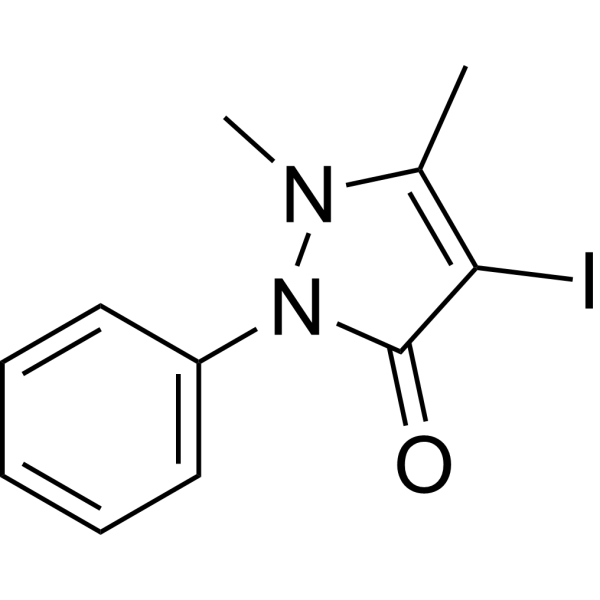
Iodoantipyrine (4-Iodoantipyrine) is an iodinated Antipyrine (HY-B0171) with potential antiviral activity. Antipyrine (Phenazone) is an antipyretic and analgesic that also serves as a molecular probe of hepatic oxidative metabolites .
|
-
-
- HY-114806
-
|
Flenac; R 67408
|
Thyroid Hormone Receptor
|
Inflammation/Immunology
|
|
Fenclofenac is an orally active anti-inflammatory agent with a low ulcerogenic effect. Fenclofenac also exhibits antipyretic and analgesic activities, with an oral LD50 of 2280 mg/kg in rats. Fenclofenac can be utilized in inflammation research .
|
-

-
- HY-19384
-
|
E 6087
|
COX
|
Inflammation/Immunology
|
|
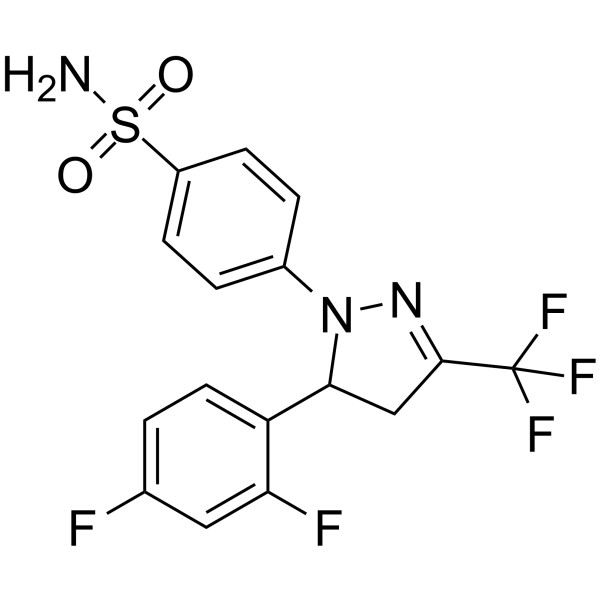
Enflicoxib (E 6087) is a nonsteroidal anti-inflammatory compound that selectively inhibits cyclooxygenase-2 (COX-2).?Enflicoxib does not inhibit cyclooxygenase-1 (COX-1). E-6087 shows anti-inflammatory, analgesic and antipyretic activities in animal models .
|
-
-
- HY-N0055R
-
|
3-O-Caffeoylquinic acid (Standard); Heriguard (Standard); NSC-407296 (Standard)
|
Reference Standards
HIF/HIF Prolyl-Hydroxylase
Reactive Oxygen Species (ROS)
Bacterial
Influenza Virus
Endogenous Metabolite
|
Infection
Inflammation/Immunology
Cancer
|
|
Chlorogenic acid (Standard) is the analytical standard of Chlorogenic acid. This product is intended for research and analytical applications. Chlorogenic acid is a major phenolic compound in Lonicera japonica Thunb. It is an orally active antioxidant activity, antibacterial, hepatoprotective, cardioprotective, anti-inflammatory, antipyretic, neuroprotective, anti-obesity, antiviral, anti-microbial, anti-hypertension compound .
|
-

-
- HY-N1746
-
|
2'-O-Methylkurarinone
|
RANKL/RANK
|
Metabolic Disease
Inflammation/Immunology
Cancer
|
|
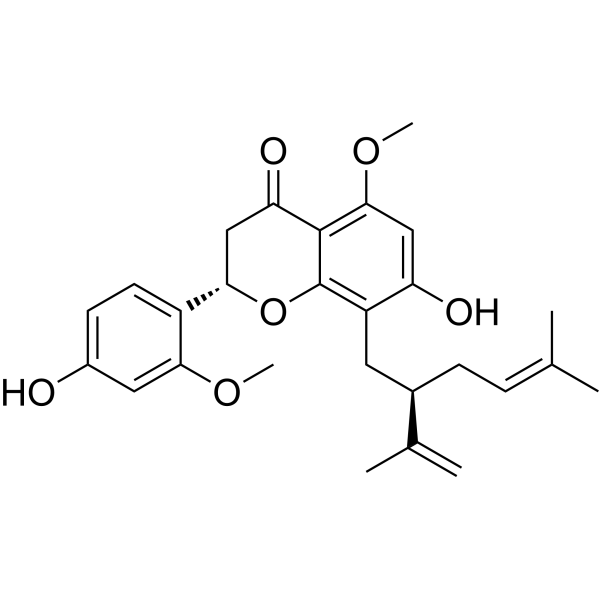
(2S)-2'-Methoxykurarinone, a compound isolated from the roots of Sophora flavescens, has anti-inflammatory, antipyretic, antidiabetic, and antineoplastic effects. (2S)-2'-Methoxykurarinone (MK) inhibits osteoclastogenesis and bone resorption through down-regulation of RANKL signaling. (2S)-2'-Methoxykurarinone (MK) displays cytotoxic activity against human myeloid leukemia HL-60 cells .
|
-
-
- HY-A0273
-
|
4-Isopropylantipyrine; Isopropylphenazone
|
COX
|
Inflammation/Immunology
|
|
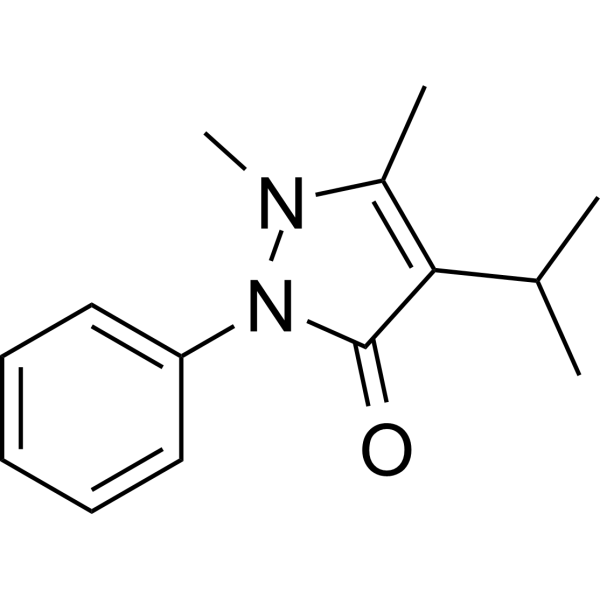
Propyphenazone (4-Isopropylantipyrine) is an orally active nonacidic pyrazole nonsteroidal anti-inflammatory drug (NSAID). Propyphenazone is a weak nonselective COX inhibitor. Propyphenazone has the effect of reducing pain and antipyretic activity with minimal anti-inflammatory activity .
|
-
-
- HY-10582S
-
|
dl-Flurbiprofen-d3
|
COX
Apoptosis
|
Inflammation/Immunology
Cancer
|
|
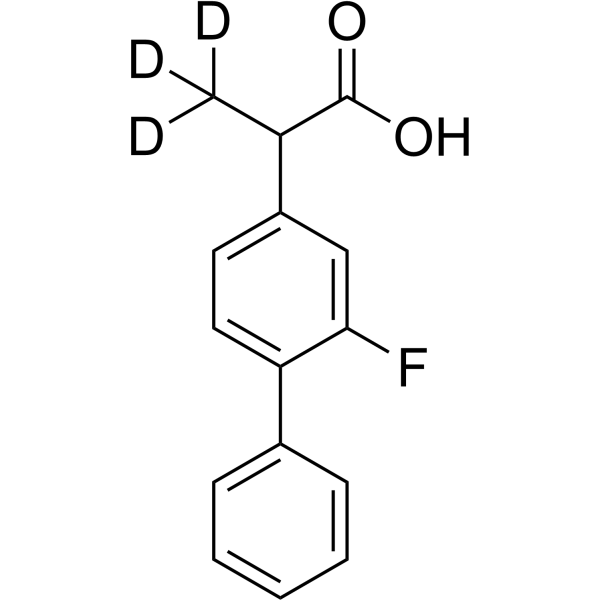
Flurbiprofen-d3 is the deuterium labeled Flurbiprofen. Flurbiprofen (dl-Flurbiprofen) is a potent, orally active nonsteroidal anti-inflammatory agent (NSAIA/NSAID), with antipyretic and analgesic activities. Flurbiprofen is commonly used for the research of inflammatory diseases, including osteoarthritis and rheumatoid arthritis. Flurbiprofen is a non-selective cyclooxygenase (COX) inhibitor that can be used for the research of colorectal cancer .
|
-
-
- HY-10582S1
-
|
dl-Flurbiprofen-d5
|
COX
Apoptosis
|
Inflammation/Immunology
Cancer
|
|
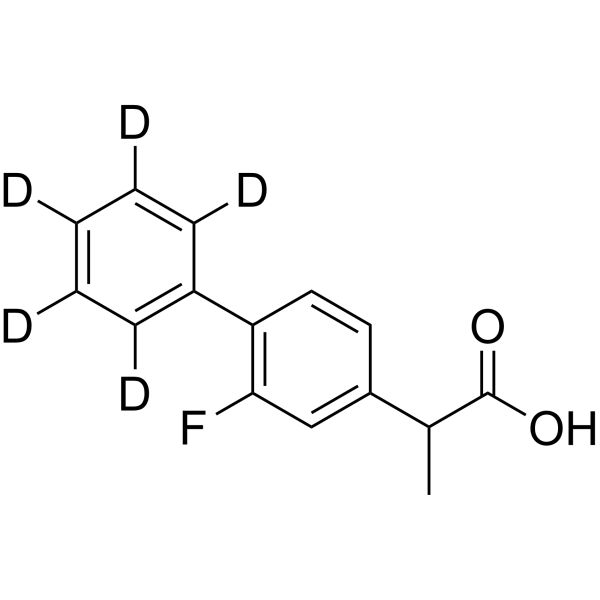
Flurbiprofen-d5 is the deuterium labeled Flurbiprofen. Flurbiprofen (dl-Flurbiprofen) is a potent, orally active nonsteroidal anti-inflammatory agent (NSAIA/NSAID), with antipyretic and analgesic activities. Flurbiprofen is commonly used for the research of inflammatory diseases, including osteoarthritis and rheumatoid arthritis. Flurbiprofen is a non-selective cyclooxygenase (COX) inhibitor that can be used for the research of colorectal cancer .
|
-
-
- HY-129724
-
-

-
- HY-W747297
-
|
|
COX
Endogenous Metabolite
|
Neurological Disease
Inflammation/Immunology
|
|
β-Selinene is a sesquiterpene and is the main active component of the essential oil of red purple hibiscus (Callicarpa macrophylla). β-Selinene exhibits significant related antioxidant activity, anti-inflammatory activity, and antipyretic analgesic activity. β-Selinene may exert antioxidant effects by directly scavenging free radicals (DPPH, NO, •OH) and chelating pro-oxidative metal ions (Fe²⁺); inhibit cyclooxygenase (COX) activity, reduce prostaglandin (such as PGE₂) synthesis to exert anti-inflammatory effects; regulate the thermoregulatory set point of the hypothalamus and inhibit inflammatory mediators to exert antipyretic and analgesic effects .
|
-

-
- HY-B0578B
-
|
|
COX
|
Cardiovascular Disease
Inflammation/Immunology
Cancer
|
|
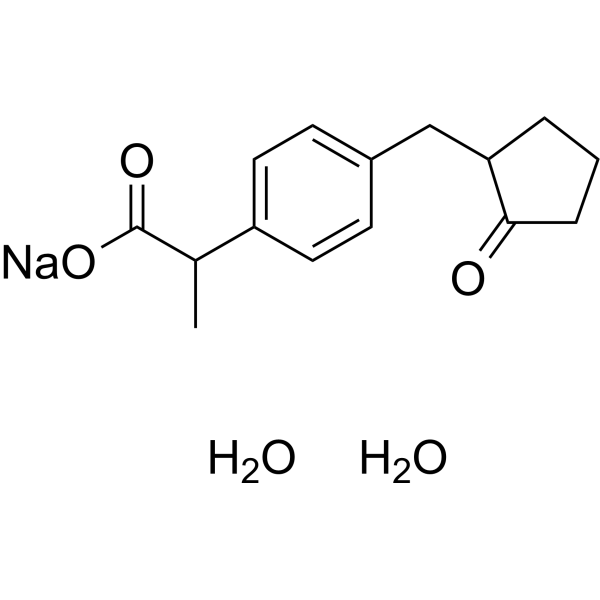
Loxoprofen sodium dihydrate is a non-steroidal, orally active anti-inflammatory agent with analgesic and anti-pyretic properties. Loxoprofen sodium dihydrate is a nonselective COX inhibitor with IC50s of 6.5 and 13.5 μM for COX-1 and COX-2, respectively. Loxoprofen sodium dihydrate can reduce atherosclerosis and shows antitumor activity .
|
-
-
- HY-114911
-
|
DA2370; Prenazone; Zepelin
|
COX
Reactive Oxygen Species (ROS)
MMP
|
Inflammation/Immunology
|
|
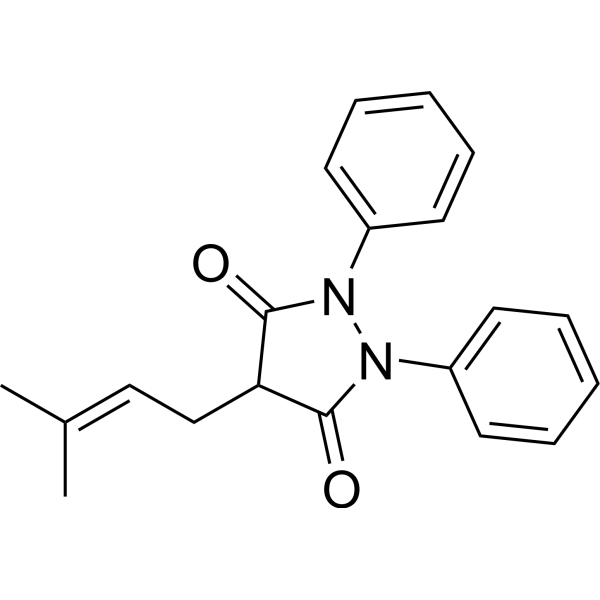
Feprazone (DA2370; Prenazone), an analogue of Phenylbutazone (HY-B0230), is a nonsteroidal anti-inflammatory agent with analgesic and antipyretic activities. Feprazone acts by inhibiting the activity of cyclooxygenase (COX)-2. Feprazone ameliorates free fatty acid (FFA)-induced oxidative stress by reducing the production of mitochondrial reactive oxygen species (ROS). Feprazone can decrease the expression of MMP-2 and MMP-9. Besides, Feprazone can suppress adipogenesis and increase lipolysis in differentiating 3 T3-L1 cells. Feprazone also can be used to research atherosclerosis and obesity .
|
-
-
- HY-B1015
-
|
Ethosalamide
|
Others
|
Inflammation/Immunology
|
|
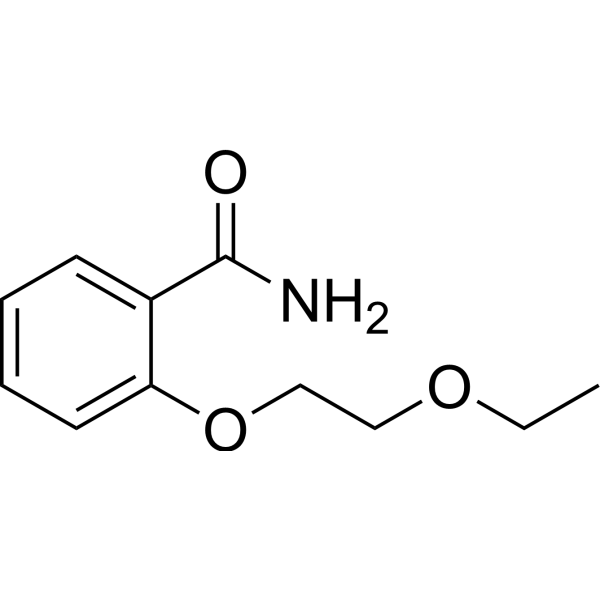
Etosalamide (Ethosalamide) is an antipyretic and analgesic agent. Etosalamide has anti-inflammatory activity and can be used for allergic disease research .
|
-
-
- HY-78131AS
-
|
(S)-Ibuprofen d3
|
COX
|
Inflammation/Immunology
|
|
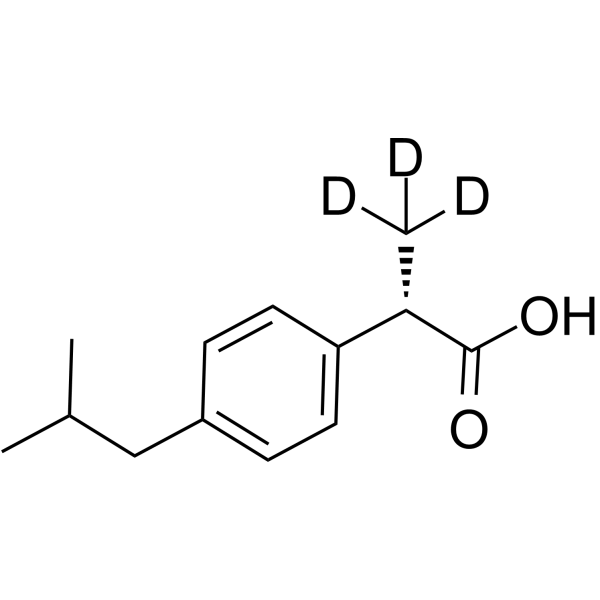
(S)-(+)-Ibuprofen-d3 is a deuterium labeled (S)-(+)-Ibuprofen. (S)-(+)-Ibuprofen is the S(+)-enantiomer of Ibuprofen that inhibits COX-1 and COX-2 activity with IC50s of 2.1 μM and 1.6 μM. (S)-(+)-Ibuprofen has analgesic, antiinflammatory and antipyretic effects .
|
-
-
- HY-Z7640
-
|
|
COX
|
Inflammation/Immunology
|
|
4-Desmethyl-2-methyl celecoxib (Compound 1g) is an orally active and selective Cyclooxygenase-2 (COX-2) inhibitor with an IC50 value of 0.069 μM. 4-Desmethyl-2-methyl celecoxib shows anti-inflammatory, analgesic, and antipyretic activities. 4-Desmethyl-2-methyl celecoxib can reduces the synthesis of prostaglandins. 4-Desmethyl-2-methyl celecoxib is promising for research of inflammatory diseases and pain-related diseases, such as rheumatoid arthritis and osteoarthritis .
|
-

-
- HY-N8471
-
|
|
Parasite
SARS-CoV
|
Infection
Inflammation/Immunology
|
|
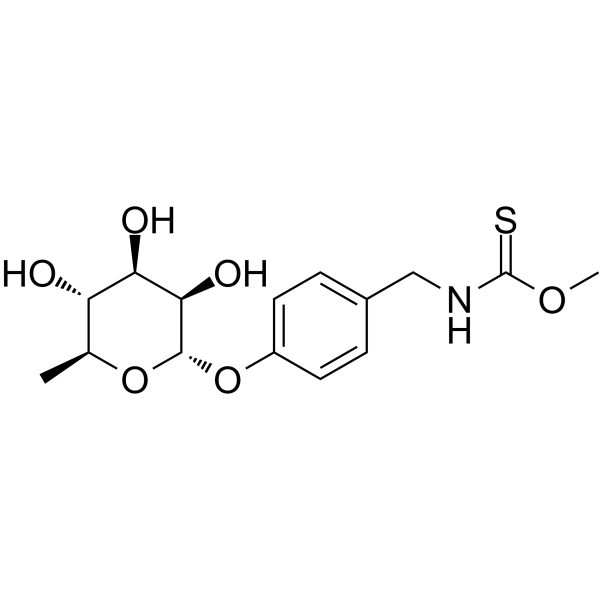
Niazinin is a thiocarbamate glycoside with antileishmanial activities, with an IC50 value of 5.25 μM. Niazinin also shows a binding affinity with the target protein 3CL protease. Niazinin has promising leishmanicidal, anti-inflammatory and anti-pyretic activity .
|
-
-
- HY-107796
-
|
Dipyrone magnesium; Methamizole magnesium
|
COX
Apoptosis
|
Inflammation/Immunology
|
|
Metamizole magnesium is an orally active cyclooxygenase (COX) inhibitor. Metamizole magnesium can inhibit cell proliferation and promote cell apoptosis. Metamizole magnesium has anti-inflammatory and antioxidant activities. Metamizole magnesium is an antipyretic, analgesic and spasmolytic agent .
|
-

-
- HY-N1984R
-
|
Qing Hao acid (Standard); Artemisinic acid (Standard); Arteannuic acid (Standard)
|
Reference Standards
JNK
Interleukin Related
|
Infection
Metabolic Disease
Inflammation/Immunology
Cancer
|
|
Artemisic acid (Standard) (Qing Hao acid (Standard)) is the analytical standard of Artemisic acid (HY-N1984). This product is intended for research and analytical applications. Artemisinic acid (Qing Hao acid) is a sesquiterpene that can be isolated from Artemisia annua L. Artemisinic acid is also an important precursor for the synthesis of Artemisinin (HY-B0094). Artemisinic acid has various pharmacological activities, such as antimalarial activity, antitumor activity, antipyretic effect, antibacterial activity, allelopathic effect, and anti-adipogenic effect .
|
-

-
- HY-19384R
-
|
E 6087 (Standard)
|
COX
Reference Standards
|
Inflammation/Immunology
|
|
Enflicoxib (Standard) is the analytical standard of Enflicoxib. This product is intended for research and analytical applications. Enflicoxib (E 6087) is a nonsteroidal anti-inflammatory compound that selectively inhibits cyclooxygenase-2 (COX-2). Enflicoxib does not inhibit cyclooxygenase-1 (COX-1). E-6087 shows anti-inflammatory, analgesic and antipyretic activities in animal models .
|
-

-
- HY-N0055S
-
|
3-O-Caffeoylquinic acid-13C3; Heriguard-13C3; NSC-407296-13C3
|
Isotope-Labeled Compounds
|
Cancer
|
|
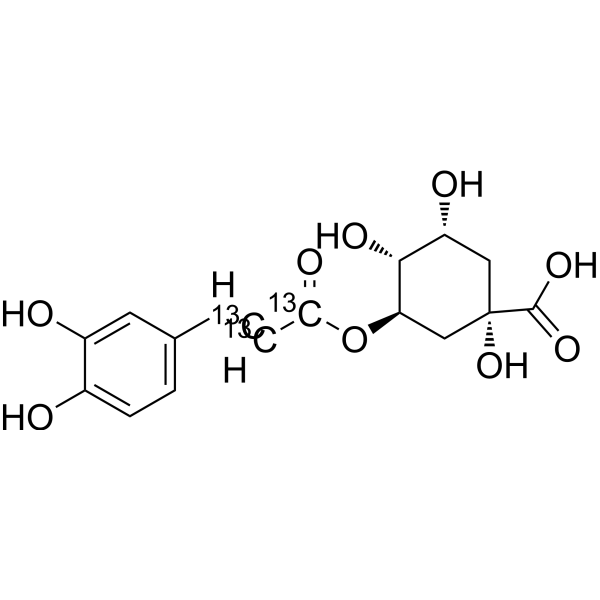
Chlorogenic acid- 13C3 (Heriguard- 13C3; NSC-407296- 13C3) is 13C- and 15N-labeled Chlorogenic acid (HY-N0055). Chlorogenic acid is a major phenolic compound in Lonicera japonica Thunb.. It plays several important and therapeutic roles such as antioxidant activity, antibacterial, hepatoprotective, cardioprotective, anti-inflammatory, antipyretic, neuroprotective, anti-obesity, antiviral, anti-microbial, anti-hypertension .
|
-
-
- HY-106325
-
-
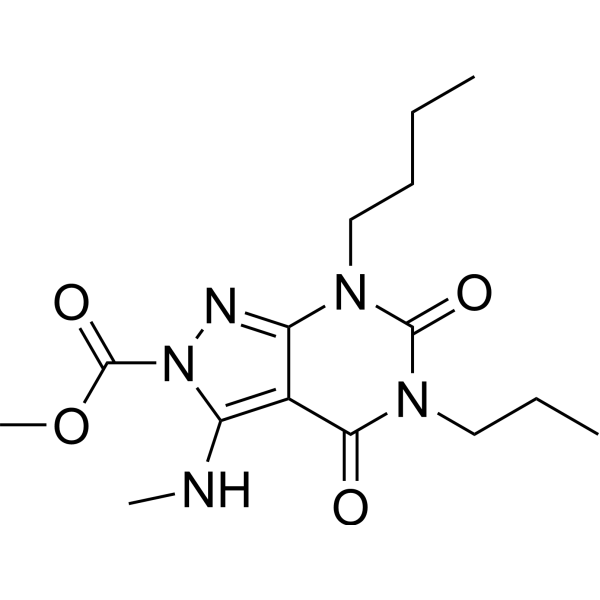
-
- HY-106555
-
|
|
Phospholipase
|
Inflammation/Immunology
|
|
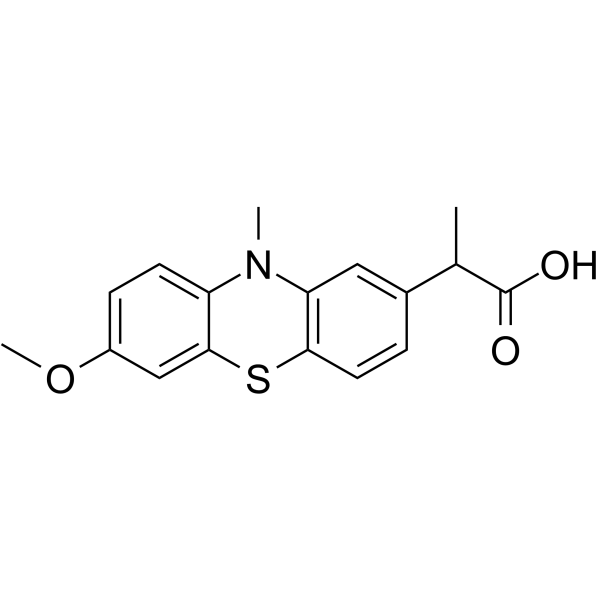
Protizinic acid is an orally active non-steroidal antiinflammatory agent with antiinflammatory and antipyretic activity. Protizinic acid inhibits phospholipase A2 (PLA2) activity, and the IC50 value is 210 μM .
|
-
-
- HY-17482
-
|
Z-876
|
Drug Derivative
|
Inflammation/Immunology
|
|
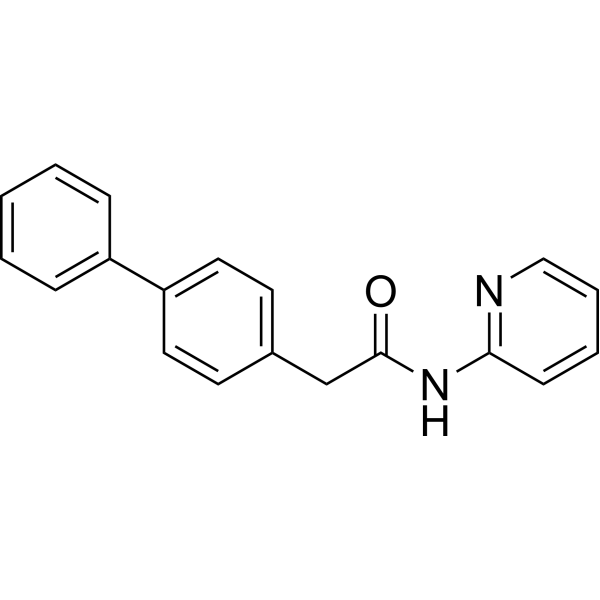
Difenpiramide (Z-876) is a bisphenylalcanoic derivative with marked anti-inflammatory, analgesic, antipyretic and uricosuric properties. Difenpiramide has platelet anti-aggregation activity .
|
-
-
- HY-121046S
-
|
Sch 14714-d3
|
COX
|
Inflammation/Immunology
|
|
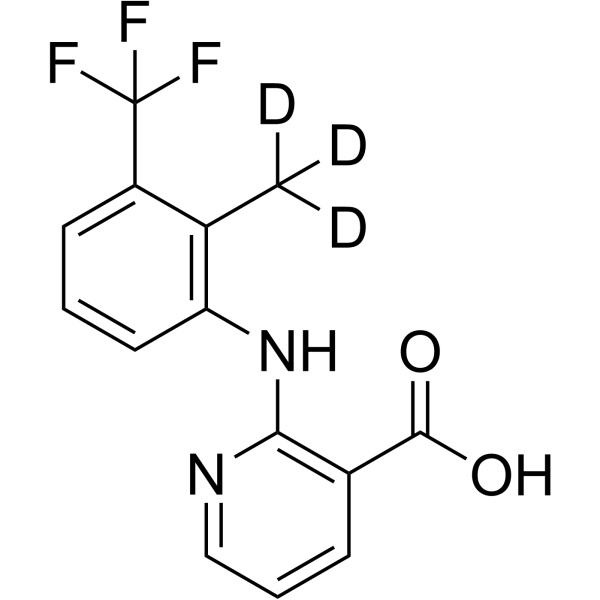
Flunixin-d3 is the deuterium labeled Flunixin. Flunixin Meglumine is a potent inhibitor of COX used as analgesic agent with anti-inflammatory and antipyretic activity .
|
-
-
- HY-U00157
-
|
W2395; NSC297623
|
P2Y Receptor
|
Inflammation/Immunology
|
|
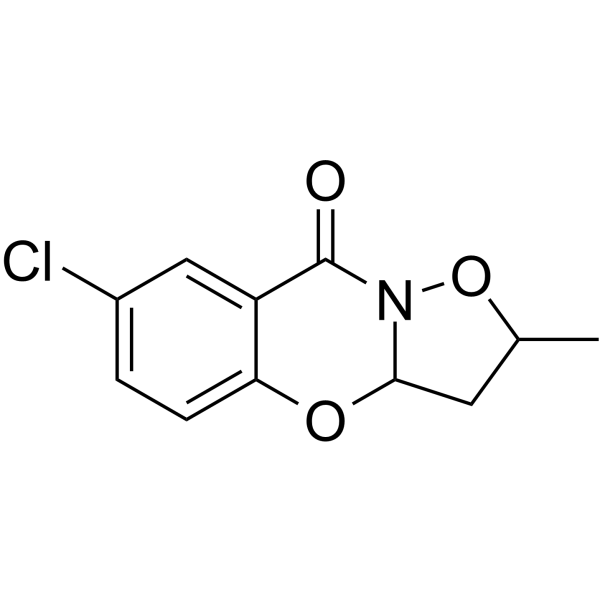
Meseclazone (W2395;NSC297623) exhibits inhibitory potency of secondary phase ADP aggregation. Meseclazone possesses anti-inflammatory, analgesic and antipyretic activity.
|
-
-
- HY-A0273S
-
|
|
COX
|
Inflammation/Immunology
|
|
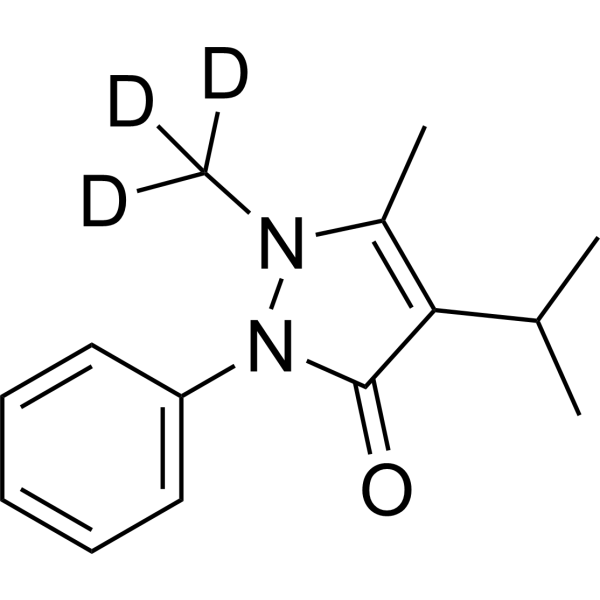
Propyphenazone-d3 is the deuterium labeled Propyphenazone. Propyphenazone is a pyrazolone derivative with anti-inflammatory, analgesic and antipyretic activity, Propyphenazone-based analogues as proagents and selective cyclooxygenase-2 inhibitors.
|
-
- HY-130392
-
|
Rheumopyrin
|
Endogenous Metabolite
|
Inflammation/Immunology
|
|
Wofapyrin (Rheumopyrin) is an antipyretic and anti-inflammatory agent, exhibiting notable activity in promoting lesion volume compared to penicillin, while being less effective than OTESOLUT and nearly equivalent to 5% WOFAPYRIN.
|
-

- HY-B1137S
-
|
|
Isotope-Labeled Compounds
Bacterial
|
Inflammation/Immunology
|
|
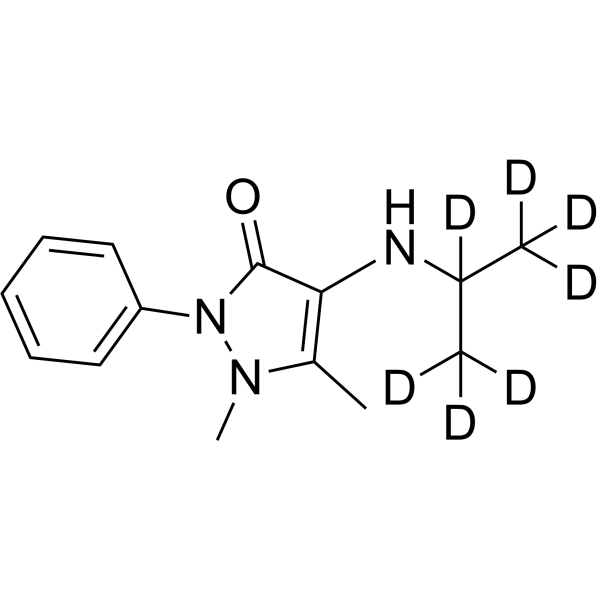
Ramifenazone-d7 is the deuterium labeled Ramifenazone. Ramifenazone (Isopropylaminoantipyrine) is a pyrazole derivative and acts as a non-steroidal anti-inflammatory agent (NSAID). Ramifenazone has analgesic, antipyretic, anti-inflammatory and antimicrobial activities .
|
-
- HY-118561
-
|
AD-1590
|
COX
|
Inflammation/Immunology
|
|
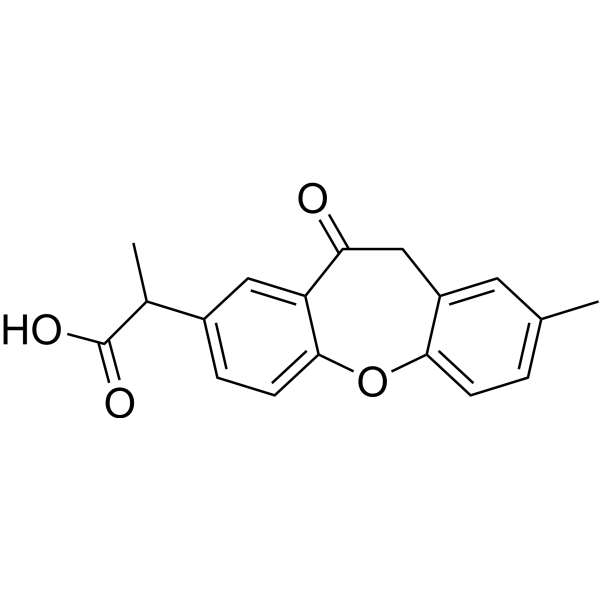
Bermoprofen (AD-1590) is an orally active non-steroidal anti-inflammatory agent. Bermoprofen has potent antipyretic activities with a short biological half-life. Bermoprofen is a potent antagonist of LPS-induced fever in rabbits .
|
-
- HY-W721656
-
|
|
Drug Derivative
|
Inflammation/Immunology
|
|
Triclacetamol is the trichloroacetyl derivative of Acetaminophen (HY-66005), exhibiting weak cyclooxygenase inhibition and possessing analgesic and antipyretic activities as a nonsteroidal anti-inflammatory drug (NSAID). Triclacetamol acts as an anti-inflammatory agent and promotes the excretion of uric acid .
|
-

- HY-121783
-
|
|
Adrenergic Receptor
|
Others
|
|
BE2254 is a compound with antipyretic and metabolic activity, which has the activity of regulating the febrile response and metabolism. BE2254 can reduce the metabolic and febrile activity induced by lipopolysaccharide in febrile rabbits, suggesting that it may regulate body temperature by acting on the α1-adrenergic receptor mechanism.
|
-

- HY-159634
-
|
|
COX
|
Inflammation/Immunology
|
|
Zidometacin is a nonsteroidal anti-inflammatory agent. Zidometacin significantly inhibits prostaglandin synthesis with low gastrolesive influence. Zidometacin has antinociceptive and antipyretic activities and shows relatively low ulcerogenicity in rat models. Zidometacin can be used for analgesia and osteoarthritis research .
|
-

- HY-W009706A
-
|
Allopydin sodium; W-7320 sodium
|
Prostaglandin Receptor
|
Neurological Disease
Inflammation/Immunology
|
|
Alclofenac (Allopydin) sodium is an orally active prostaglandin synthase inhibitor with anti-inflammatory, analgesic and antipyretic activities. Alclofenac sodium irreversibly inhibits platelet aggregation. Alclofenac can be used in research related to rheumatoid arthritis, osteoarthritis, ankylosing spondylitis, low back pain and sciatica .
|
-

- HY-N7514
-
|
|
5-HT Receptor
|
Neurological Disease
|
|
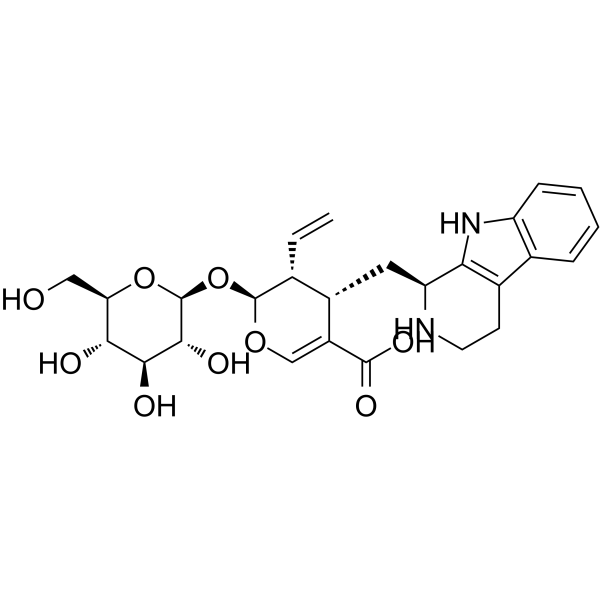
Strictosidinic acid, an orally active glycoside indole monoterpene alkaloid isolated from Psychotria myriantha leaves, inhibits precursor enzymes of 5-HT biosynthesis and reduces the 5-HT levels. Strictosidinic acid has peripheral analgesic and antipyretic activities in mice .
|
-
- HY-A0273R
-
|
4-Isopropylantipyrine (Standard); Isopropylphenazone (Standard)
|
Reference Standards
COX
|
Inflammation/Immunology
|
|
Propyphenazone (Standard) is the analytical standard of Propyphenazone. This product is intended for research and analytical applications. Propyphenazone (4-Isopropylantipyrine) is an orally active nonacidic pyrazole nonsteroidal anti-inflammatory drug (NSAID). Propyphenazone is a weak nonselective COX inhibitor. Propyphenazone has the effect of reducing pain and antipyretic activity with minimal anti-inflammatory activity .
|
-

- HY-N15147
-
|
|
DNA/RNA Synthesis
|
Cardiovascular Disease
Neurological Disease
Metabolic Disease
Inflammation/Immunology
Cancer
|
|
Panax saponin C is a ginsenoside found in Ginseng with biological activities including regulatory effects on immunomodulation, protection functions in the central nervous and cardiovascular systems, anti-diabetic, anti-aging, anti-carcinogenic, anti-fatigue, anti-pyretic, anti-stress, boosting physical vitality, and promotion of DNA, RNA, and protein synthesis activities .
|
-

- HY-W009706B
-
|
Allopydin (lysinate); W-7320 (lysinate)
|
Prostaglandin Receptor
|
Neurological Disease
Inflammation/Immunology
|
|
Alclofenac (Allopydin) lysinate is an orally active prostaglandin synthase inhibitor with anti-inflammatory, analgesic and antipyretic activities. Alclofenac lysinate irreversibly inhibits platelet aggregation. Alclofenac lysinate can be used in research related to rheumatoid arthritis, osteoarthritis, ankylosing spondylitis, low back pain and sciatica .
|
-

- HY-116070R
-
|
4-Iodoantipyrine (Standard)
|
Fluorescent Dye
Reference Standards
|
Infection
|
|
Iodoantipyrine (Standard) is the analytical standard of Iodoantipyrine. This product is intended for research and analytical applications. Iodoantipyrine (4-Iodoantipyrine) is an iodinated Antipyrine (HY-B0171) with potential antiviral activity. Antipyrine (Phenazone) is an antipyretic and analgesic that also serves as a molecular probe of hepatic oxidative metabolites .
|
-

- HY-123100R
-
|
|
Reference Standards
Others
|
Others
|
|
Isoxepac (Standard) is the analytical standard of Isoxepac. This product is intended for research and analytical applications. Isoxepac (HP 549) is a nonsteroidal anti-inflammatory agent (NSAID) with anti-inflammatory, analgesic and antipyretic activity. Isoxepac has been studied in rat, rabbit, dog, rhesus monkey, etc .
|
-

- HY-114806R
-
|
Flenac (Standard); R 67408 (Standard)
|
Thyroid Hormone Receptor
Reference Standards
|
Inflammation/Immunology
|
|
Fenclofenac (Standard) is the analytical standard of Fenclofenac. This product is intended for research and analytical applications. Fenclofenac is an orally active anti-inflammatory agent with a low ulcerogenic effect. Fenclofenac also exhibits antipyretic and analgesic activities, with an oral LD50 of 2280 mg/kg in rats. Fenclofenac can be utilized in inflammation research .
|
-

- HY-106628R
-
|
|
Reference Standards
COX
|
Inflammation/Immunology
|
|
Sudoxicam (Standard) is the analytical standard of Sudoxicam. This product is intended for research and analytical applications. Sudoxicam is a reversible and orally active COX antagonist and a non-steroidal anti-inflammatory drug (NSAID) from the enol-carboxamide class. Sudoxicam has potent anti-inflammatory, anti-edema and antipyretic activity .
|
-

- HY-118752R
-
|
|
COX
Reference Standards
|
Inflammation/Immunology
|
|
Fentiazac (Standard) is the analytical standard of Fentiazac. This product is intended for research and analytical applications. Fentiazac, alkanoic acid derivative, is an orally active non-steroidal anti-inflammatory agent, with analgesic, antipyretic and platelet anti-aggregation activity. Fentiazac can be used to research inflammatory diseases such as rheumatoid arthritis, osteoarthritis and tendinitis .
|
-

- HY-13507R
-
|
COX-189 (Standard)
|
Reference Standards
COX
|
Metabolic Disease
Inflammation/Immunology
Cancer
|
|
Lumiracoxib (Standard) is the analytical standard of Lumiracoxib. This product is intended for research and analytical applications. Lumiracoxib is a potent,selective and orally active COX-2 inhibitor with a Ki value of 0.06 μM . Lumiracoxib acts as a nonselective NSAID with anti-inflammatory, analgesic and antipyretic activities. Lumiracoxib can be used for osteoarthritis and bone cancer research .
|
-

- HY-15036B
-
|
DDNL
|
COX
|
Inflammation/Immunology
|
|
Diclofenac deanol (DDNL) is a nonsteroidal anti-inflammatory drug with anti-inflammatory, analgesic and antipyretic activities. Diclofenac deanol has a more potent inhibitory effect on cyclooxygenase (COX)-2 than on COX-1. The solubility of diclofenac deanol is significantly higher than that of other diflunisal salts reported earlier. Diclofenac deanol has a wide range of potential applications in the medical field due to its biological activity and high water solubility .
|
-

- HY-B1279R
-
|
Dipyrone hydrate (Standard); Methamizole sodium hydrate (Standard)
|
Reference Standards
COX
Apoptosis
|
Inflammation/Immunology
|
|
Metamizole (sodium hydrate) (Standard) is the analytical standard of Metamizole (sodium hydrate). This product is intended for research and analytical applications. Metamizole sodium hydrate (Dipyrone) is an orally active cyclooxygenase (COX) inhibitor.. Metamizole sodium hydrate can inhibit cell proliferation and promote cell apoptosis. Metamizole sodium hydrate has anti-inflammatory and antioxidant activities. Metamizole sodium hydrate is an antipyretic, analgesic and spasmolytic agent. Metamizole sodium hydrate can be used in research to relieve a variety of pain .
|
-

- HY-10582R
-
|
dl-Flurbiprofen (Standard)
|
Reference Standards
COX
Apoptosis
|
Inflammation/Immunology
Cancer
|
|
Flurbiprofen (Standard) is the analytical standard of Flurbiprofen. This product is intended for research and analytical applications. Flurbiprofen (dl-Flurbiprofen) is a potent, orally active nonsteroidal anti-inflammatory agent (NSAIA/NSAID), with antipyretic and analgesic activities. Flurbiprofen is commonly used for the research of inflammatory diseases, including osteoarthritis and rheumatoid arthritis. Flurbiprofen is a non-selective cyclooxygenase (COX) inhibitor that can be used for the research of colorectal cancer .
|
-

- HY-10582S3
-
|
dl-Flurbiprofen-d4
|
COX
Apoptosis
Isotope-Labeled Compounds
|
Inflammation/Immunology
Cancer
|
|
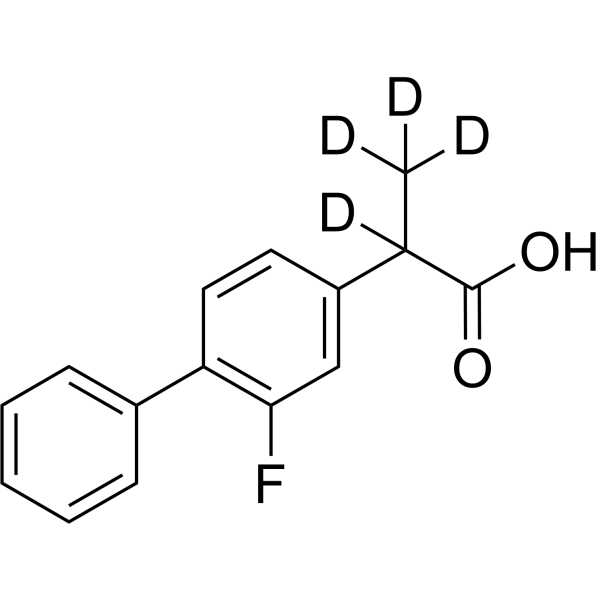
Flurbiprofen-d4 is deuterated labeled Flurbiprofen (HY-10582). Flurbiprofen (dl-Flurbiprofen) is a potent, orally active nonsteroidal anti-inflammatory agent (NSAIA/NSAID), with antipyretic and analgesic activities. Flurbiprofen is commonly used for the research of inflammatory diseases, including osteoarthritis and rheumatoid arthritis. Flurbiprofen is a non-selective cyclooxygenase (COX) inhibitor that can be used for the research of colorectal cancer .
|
-
- HY-10582S2
-
|
dl-Flurbiprofen-13C,d3
|
Isotope-Labeled Compounds
COX
Apoptosis
|
Inflammation/Immunology
Cancer
|
|
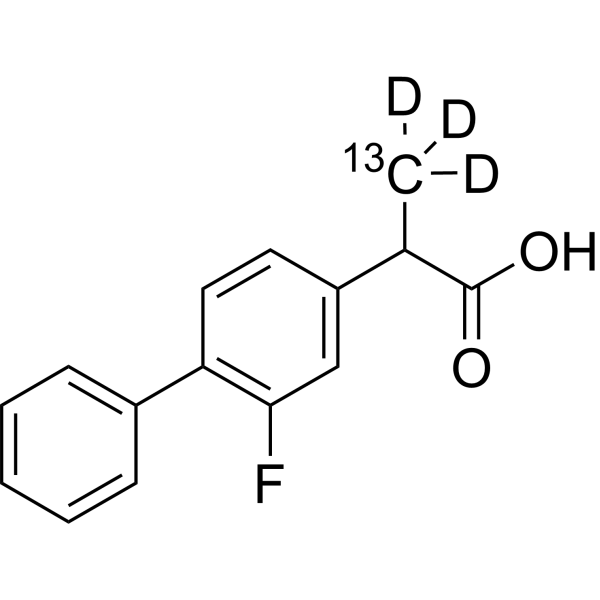
Flurbiprofen- 13C,d3 is the 13C- and deuterium labeled Flurbiprofen. Flurbiprofen (dl-Flurbiprofen) is a potent, orally active nonsteroidal anti-inflammatory agent (NSAIA/NSAID), with antipyretic and analgesic activities. Flurbiprofen is commonly used for the research of inflammatory diseases, including osteoarthritis and rheumatoid arthritis. Flurbiprofen is a non-selective cyclooxygenase (COX) inhibitor that can be used for the research of colorectal cancer .
|
-
- HY-13913R
-
|
|
COX
|
Inflammation/Immunology
Cancer
|
|
NS-398 (Standard) is the analytical standard of NS-398. This product is intended for research and analytical applications. NS-398 is a non-steroidal an-inflammatory agent with analgesic and antipyretic effects, and selectively inhibits prostaglandin G/H synthase 2/cyclooxygenase 2 (COX-2) activity, with an IC50 of 3.8 μM, and has no effect on COX-1 at 100 μM.
|
-

- HY-W654009
-
|
|
Isotope-Labeled Compounds
COX
|
Inflammation/Immunology
|
|
Loxoprofen-d3 is deuterium labeled Loxoprofen. Loxoprofen is a non-steroidal, orally active anti-inflammatory agent with analgesic and anti-pyretic properties. Loxoprofen is a nonselective COX inhibitor with IC50s of 6.5 and 13.5 μM for COX-1 and COX-2, respectively. Loxoprofen can reduce atherosclerosis and shows antitumor activity .
|
-

- HY-B0578AR
-
|
|
Reference Standards
COX
|
Cardiovascular Disease
Inflammation/Immunology
Cancer
|
|
Loxoprofen (sodium) (Standard) is the analytical standard of Loxoprofen (sodium). This product is intended for research and analytical applications. Loxoprofen sodium is a non-steroidal, orally active anti-inflammatory agent with analgesic and anti-pyretic properties. Loxoprofen sodium is a nonselective COX inhibitor with IC50s of 6.5 and 13.5 μM for COX-1 and COX-2, respectively. Loxoprofen sodium can reduce atherosclerosis and shows antitumor activity .
|
-

- HY-B0578R
-
|
|
Reference Standards
COX
|
Cardiovascular Disease
Inflammation/Immunology
Cancer
|
|
Loxoprofen (Standard) is the analytical standard of Loxoprofen. This product is intended for research and analytical applications. Loxoprofen is a non-steroidal, orally active anti-inflammatory agent with analgesic and anti-pyretic properties. Loxoprofen is a nonselective COX inhibitor with IC50s of 6.5 and 13.5 μM for COX-1 and COX-2, respectively. Loxoprofen can reduce atherosclerosis and shows antitumor activity .
|
-

- HY-119413R
-
|
|
Reference Standards
Endogenous Metabolite
|
Neurological Disease
|
|
Loxoprofen (sodium) (Standard) is the analytical standard of Loxoprofen (sodium). This product is intended for research and analytical applications. Loxoprofen sodium is a non-steroidal, orally active anti-inflammatory agent with analgesic and anti-pyretic properties. Loxoprofen sodium is a nonselective COX inhibitor with IC50s of 6.5 and 13.5 μM for COX-1 and COX-2, respectively. Loxoprofen sodium can reduce atherosclerosis and shows antitumor activity .
|
-

- HY-105142
-
|
|
COX
|
Inflammation/Immunology
|
|
M-5011 is a potent and orally active anti-inflammatory agent. M-5011 shows potent antinociceptive effects and inhibits kaolin (HY-W115786)-induced writhing. M-5011 decreases peritoneal 6-keto-PGF1 alpha levels with low ulcerogenic activities. M-5011 shows anti-inflammatory and anti-pyretic effects and analgesic effect .
|
-

- HY-B1138R
-
|
CL-82204 (Standard)
|
Reference Standards
COX
Caspase
|
Inflammation/Immunology
|
|
Fenbufen (Standard) is the analytical standard of Fenbufen. This product is intended for research and analytical applications. Fenbufen (CL-82204) is an orally active non-steroidal anti-inflammatory drug (NSAID), with analgetic and antipyretic effects. Fenbufen has potent activity in a variety of animal model, including carageenin edema, UV erythema and adjuvant arthritis. Fenbufen has inhibitory activities against COX-1 and COX-2 with IC50s of 3.9 μM and 8.1 μM, respectively. Fenbufen is a caspases (caspase-1, 3, 4, 5, 9) inhibitor .
|
-

- HY-B1138S
-
|
|
Isotope-Labeled Compounds
COX
Caspase
|
Inflammation/Immunology
|
|
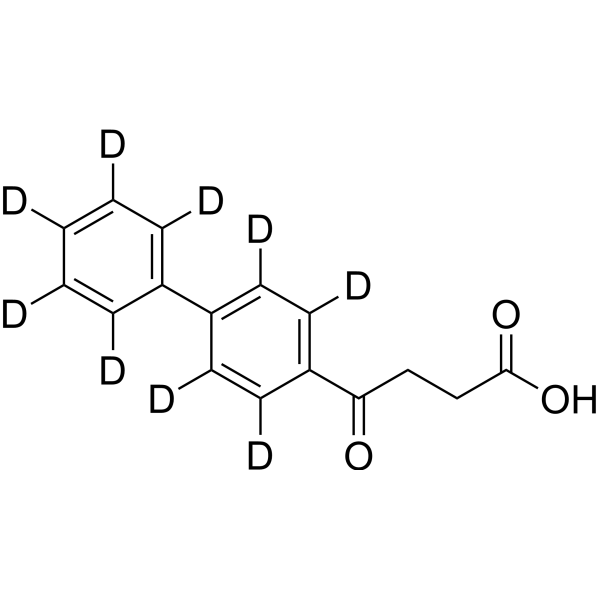
Fenbufen-d9 (CL-82204-d9) is the deuterium labeled Fenbufen. Fenbufen (CL-82204) is an orally active non-steroidal anti-inflammatory drug (NSAID), with antipyretic effects. Fenbufen has potent activity in a variety of animal model, including carageenin edema, UV erythema and adjuvant arthritis. Fenbufen has inhibitory activities against COX-1 and COX-2 with IC50s of 3.9 μM and 8.1 μM, respectively. Fenbufen is a caspases (caspase-1, 3, 4, 5, 9) inhibitor .
|
-
- HY-114911R
-
|
DA2370 (Standard); Prenazone (Standard); Zepelin (Standard)
|
Reference Standards
COX
Reactive Oxygen Species (ROS)
MMP
|
Inflammation/Immunology
|
|
Feprazone (Standard) is the analytical standard of Feprazone. This product is intended for research and analytical applications. Feprazone (DA2370; Prenazone), an analogue of Phenylbutazone (HY-B0230), is a nonsteroidal anti-inflammatory agent with analgesic and antipyretic activities. Feprazone acts by inhibiting the activity of cyclooxygenase (COX)-2. Feprazone ameliorates free fatty acid (FFA)-induced oxidative stress by reducing the production of mitochondrial reactive oxygen species (ROS). Feprazone can decrease the expression of MMP-2 and MMP-9. Besides, Feprazone can suppress adipogenesis and increase lipolysis in differentiating 3 T3-L1 cells. Feprazone also can be used to research atherosclerosis and obesity .
|
-

- HY-N7926S
-
|
|
Isotope-Labeled Compounds
Parasite
TNF Receptor
Interleukin Related
Apoptosis
|
Infection
Inflammation/Immunology
|
|
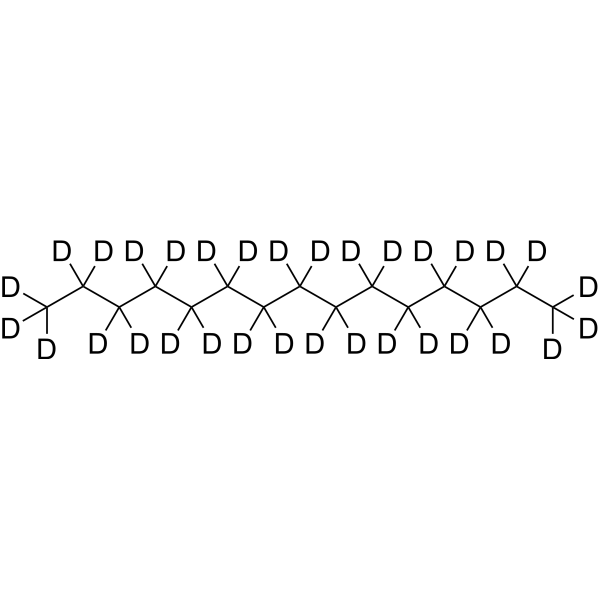
Pentadecane-d32 is the deuterium labeled Pentadecane (HY-N7926). Pentadecane is an orally active natural plant volatile alkane with anti-inflammatory, analgesic, antipyretic and anti-leishmanial activities. Pentadecane presents IC50 values of 65.3 μM, 60.5 μM and 194.8 μM against Leishmania infantum promastigotes, amastigotes and intracellular amastigotes, respectively. Pentadecane downregulates the mRNA expression of TNF-α and IL-12 and inhibits the release of inflammatory mediators. Pentadecane arrests the cell cycle of Leishmania infantum and induces apoptosis. Pentadecane can be applied to the research of inflammation and leishmaniasis .
|
-
- HY-N7926R
-
|
|
Parasite
Reference Standards
TNF Receptor
Interleukin Related
Apoptosis
|
Infection
Inflammation/Immunology
|
|
Pentadecane (Standard) is the analytical standard of Pentadecane (HY-N7926). This product is intended for research and analytical applications. Pentadecane is an orally active natural plant volatile alkane with anti-inflammatory, analgesic, antipyretic and anti-leishmanial activities. Pentadecane presents IC50 values of 65.3 μM, 60.5 μM and 194.8 μM against Leishmania infantum promastigotes, amastigotes and intracellular amastigotes, respectively. Pentadecane downregulates the mRNA expression of TNF-α and IL-12 and inhibits the release of inflammatory mediators. Pentadecane arrests the cell cycle of Leishmania infantum and induces apoptosis. Pentadecane can be applied to the research of inflammation and leishmaniasis .
|
-

- HY-W089845S
-
|
|
Isotope-Labeled Compounds
Sex Pheromone
Fungal
|
Infection
Endocrinology
|
|
Heneicosane-d44 is the deuterium labeled Heneicosane (HY-W089845). Heneicosane is a royal-specific pheromone of insects (such as subterranean termites) and is an identification signal for queens and kings in termites. Heneicosane mediates royal recognition and the maintenance of social division of labor by being sensed by worker ants and triggering vibrations and antennal behaviors. Heneicosane can exert anti-inflammatory, analgesic and antipyretic activities by inhibiting the release of inflammatory mediators (such as prostaglandins and cytokines). At the same time, Heneicosane can also inhibit the mycelial growth of aflatoxin-producing fungi and inhibit the production of aflatoxin. Heneicosane can be used in insect chemical ecology research to analyze the regulatory mechanism of termite social behavior, and is also a potential target for new anti-inflammatory drugs .
|
-

- HY-W089845R
-
|
|
Reference Standards
Sex Pheromone
Fungal
|
Infection
Endocrinology
|
|
Heneicosane (Standard) is the analytical standard of Heneicosane (HY-W089845). This product is intended for research and analytical applications. Heneicosane is a royal-specific pheromone of insects (such as subterranean termites) and is an identification signal for queens and kings in termites. Heneicosane mediates royal recognition and the maintenance of social division of labor by being sensed by worker ants and triggering vibrations and antennal behaviors. Heneicosane can exert anti-inflammatory, analgesic and antipyretic activities by inhibiting the release of inflammatory mediators (such as prostaglandins and cytokines). At the same time, Heneicosane can also inhibit the mycelial growth of aflatoxin-producing fungi and inhibit the production of aflatoxin. Heneicosane can be used in insect chemical ecology research to analyze the regulatory mechanism of termite social behavior, and is also a potential target for new anti-inflammatory drugs .
|
-

- HY-119466
-
-

- HY-B1137R
-
|
Isopropylaminoantipyrine (Standard)
|
Reference Standards
Bacterial
|
Inflammation/Immunology
|
|
Ramifenazone (Standard) is the analytical standard of Ramifenazone. This product is intended for research and analytical applications. Ramifenazone (Isopropylaminoantipyrine) is a pyrazole derivative and acts as a non-steroidal anti-inflammatory agent (NSAID). Ramifenazone has analgesic, antipyretic, anti-inflammatory and antimicrobial activities .
|
-

- HY-105592
-
-

- HY-182610
-
|
Isopropyl vanillate
|
COX
Interleukin Related
|
Inflammation/Immunology
|
|
ISP-VT (Isopropyl vanillate) is a COX-2 inhibitor. ISP-VT exhibits anti-inflammatory, antipyretic and immunomodulatory activities. ISP-VT reduces neutrophil migration and the release of inflammatory factors . ISP-VT can be used for the research of inflammatory and immune diseases and other conditions .
|
-

- HY-N6656R
-
|
|
Fungal
Reference Standards
Bacterial
|
Inflammation/Immunology
Cancer
|
|
6-Hydroxycoumarin (Standard) is the analytical standard of 6-Hydroxycoumarin (HY-N6656). This product is intended for research and analytical applications. 6-Hydroxycoumarin is a coumarin which has anti-inflammatory, anti-pyretic, anti-oxidant, vasodilator, anti-amoebic, anti-bacterial, anti-fungal, bacteriostatic and antitumor activity .
|
-

- HY-N18018
-
|
|
Drug Derivative
|
Metabolic Disease
Inflammation/Immunology
|
|
Tetrahydroswertianolin (Compound 1) is a tetrahydroxyxanthone glycoside that can be isolated from the whole plant of Swertia japonica Makino. Tetrahydroswertianolin reduces the elevated blood ALT levels in mice with immune-induced liver injury and exhibits protective activity against liver injury. Tetrahydroswertianolin can be used in studies related to anthelmintic, antipyretic and immune-induced liver injury .
|
-

- HY-W870794
-
|
SU 21524
|
PGE synthase
|
Cardiovascular Disease
Neurological Disease
Inflammation/Immunology
|
|
Pirprofen (SU 21524) is an orally active non-steroidal anti-inflammatory agent. pirprofen is a reversible prostaglandin synthetase inhibitor. Pirprofen inhibits leucocyte chemotaxis. Pirprofen shows anti-inflammatory, analgesic, antipyretic, ulcerogenic activities. Pirprofen inhibits the secondary phase of platelet aggregation induced by Collagen and Arachidonic acid (HY-109590). Pirprofen induces hepatitis .
|
-

- HY-105628
-
|
CI-427
|
Others
|
Neurological Disease
Inflammation/Immunology
|
|
Prodilidine (CI-427) is an orally active, pyrrolidine-derived non-narcotic pain inhibitor. Prodilidine exerts analgesic activity against various nociceptive stimuli, and shows no antipyretic, anti-inflammatory or respiratory depressive effects. Prodilidine fails to inhibit withdrawal symptoms of addictive agents in monkeys, but exhibits excitatory effects and enhances the crossed extensor reflex at toxic doses. Prodilidine is well absorbed from the gastrointestinal tract and metabolized via hepatic microsomal N-demethylation, displaying isomer-specific activity, toxicity and metabolic characteristics. Prodilidine can be used in research related to chronic pain (e.g., cancer-, musculoskeletal/arthritis-derived), traumatic pain and arthritic pain .
|
-

- HY-160184
-
|
|
COX
|
Neurological Disease
Inflammation/Immunology
|
|
COX-1-IN-5 (example 13, compound PS13) is a potent and selective COX-1 inhibitor (COX-1 IC50 = 1 nM, COX-2 IC50 > 0.1 μM) exhibiting >1000-fold selectivity over COX-2. COX-1-IN-5 possesses strong anti-inflammatory, antipyretic, analgesic, antithrombotic, anti-cancer activities. COX-1-IN-5 can be used for COX-mediated diseases research, such as inflammatory conditions and pain. COX-1-IN-5 radiolabeled with 11C can be used as a selective PET tracer for whole‑body imaging of COX‑1 distribution and target engagement in vivo .
|
-

-
-
HY-L130
-
|
|
627 compounds
|
|
Non-steroidal anti-inflammatory drugs (NSAIDs) are members of a therapeutic drug class with potent anti-inflammatory, analgesic and antipyretic activity, and are among the most widely used drugs worldwide. The most prominent NSAIDs are aspirin, ibuprofen, and naproxen.
The main mechanism of action of NSAIDs is the inhibition of the enzyme cyclooxygenase (COX), based on which NSAIDs can be classified into two types: non-selective and COX-2 selective. Most NSAIDs are non-selective and inhibit both COX-1 and COX-2 activity.
MCE offers a unique collection of 627 non-steroidal compounds with identified anti-inflammatory activity. MCE non-steroidal anti-inflammatory library is a useful tool for the study of anti-inflammatory drugs and pharmacology.
|
| Cat. No. |
Product Name |
Target |
Research Area |
| Cat. No. |
Product Name |
Category |
Target |
Chemical Structure |
-
- HY-N0055
-
|
3-O-Caffeoylquinic acid; Heriguard; NSC-407296
|
Caprifoliaceae
Classification of Application Fields
Lonicera japonica Thunb.
Anti-aging
Plants
Endogenous metabolite
Infection
Human Gut Microbiota Metabolites
Microorganisms
Simple Phenylpropanols
Phenols
Polyphenols
Phenylpropanoids
Inflammation/Immunology
Disease Research Fields
Source Classification
Cancer
|
HIF/HIF Prolyl-Hydroxylase
Reactive Oxygen Species (ROS)
Bacterial
Influenza Virus
Endogenous Metabolite
|
|
Chlorogenic acid is a major phenolic compound in Lonicera japonica Thunb. It is an orally active antioxidant activity, antibacterial, hepatoprotective, cardioprotective, anti-inflammatory, antipyretic, neuroprotective, anti-obesity, antiviral, anti-microbial, anti-hypertension compound .
|
-
-
- HY-B0367
-
-
-
- HY-N1984
-
-
-
- HY-N3945
-
|
O,O-Dimethylisoboldine; S-(+)-Glaucine; NSC 34396
|
Infection
Alkaloids
other families
Classification of Application Fields
Plants
Isoquinoline Alkaloids
Glaucium flavum
Inflammation/Immunology
Disease Research Fields
Papaveraceae
Source Classification
|
Phosphodiesterase (PDE)
Calcium Channel
MMP
NF-κB
|
|
Glaucine (O,O-Dimethylisoboldine) is an alkaloid extracted from Glaucium flavum that possesses various activities, including cough relief, bronchodilation, anti-inflammatory effects, analgesia, antipyretic properties, and anticancer effects. Glaucine acts as a selective and orally active inhibitor of phosphodiesterase 4 (PDE4), with a Ki of 3.4 µM in human bronchial tissues and polymorphonuclear leukocytes. Glaucine induces relaxation of human isolated bronchi by antagonizing calcium channels. Additionally, Glaucine inhibits the activation of NF-κB, leading to a reduction in the expression of the MMP-9 gene, thereby suppressing the migration and invasion of breast cancer cells. Therefore, Glaucine holds potential for research in asthma and breast cancer .
|
-
-
- HY-B1419
-
-
-
- HY-W089845
-
|
|
Infection
Structural Classification
Natural Products
other families
Classification of Application Fields
Plants
Disease Research Fields
Source Classification
|
Environmental Pollutants
Fungal
Sex Pheromone
|
|
Heneicosane is a royal-specific pheromone of insects (such as subterranean termites) and is an identification signal for queens and kings in termites. Heneicosane mediates royal recognition and the maintenance of social division of labor by being sensed by worker ants and triggering vibrations and antennal behaviors. Heneicosane can exert anti-inflammatory, analgesic and antipyretic activities by inhibiting the release of inflammatory mediators (such as prostaglandins and cytokines). At the same time, Heneicosane can also inhibit the mycelial growth of aflatoxin-producing fungi and inhibit the production of aflatoxin. Heneicosane can be used in insect chemical ecology research to analyze the regulatory mechanism of termite social behavior, and is also a potential target for new anti-inflammatory drugs .
|
-
-
- HY-N6656
-
-
-
- HY-N7926
-
-
-
- HY-N0055R
-
|
3-O-Caffeoylquinic acid (Standard); Heriguard (Standard); NSC-407296 (Standard)
|
Structural Classification
Human Gut Microbiota Metabolites
Microorganisms
Caprifoliaceae
Simple Phenylpropanols
Lonicera japonica Thunb.
Phenols
Polyphenols
Phenylpropanoids
Plants
Endogenous metabolite
Source Classification
|
Reference Standards
HIF/HIF Prolyl-Hydroxylase
Reactive Oxygen Species (ROS)
Bacterial
Influenza Virus
Endogenous Metabolite
|
|
Chlorogenic acid (Standard) is the analytical standard of Chlorogenic acid. This product is intended for research and analytical applications. Chlorogenic acid is a major phenolic compound in Lonicera japonica Thunb. It is an orally active antioxidant activity, antibacterial, hepatoprotective, cardioprotective, anti-inflammatory, antipyretic, neuroprotective, anti-obesity, antiviral, anti-microbial, anti-hypertension compound .
|
-
-
- HY-N1746
-
-
-
- HY-W747297
-
|
|
Other Terpenoids
Structural Classification
Terpenoids
Psidium guajava Linn.
Myrtaceae
Plants
Source Classification
|
COX
Endogenous Metabolite
|
|
β-Selinene is a sesquiterpene and is the main active component of the essential oil of red purple hibiscus (Callicarpa macrophylla). β-Selinene exhibits significant related antioxidant activity, anti-inflammatory activity, and antipyretic analgesic activity. β-Selinene may exert antioxidant effects by directly scavenging free radicals (DPPH, NO, •OH) and chelating pro-oxidative metal ions (Fe²⁺); inhibit cyclooxygenase (COX) activity, reduce prostaglandin (such as PGE₂) synthesis to exert anti-inflammatory effects; regulate the thermoregulatory set point of the hypothalamus and inhibit inflammatory mediators to exert antipyretic and analgesic effects .
|
-
-
- HY-N8471
-
-
-
- HY-N1984R
-
-
-
- HY-N7514
-
-
-
- HY-N15147
-
|
|
Panax ginseng C. A. Meyer
Natural Products
Plants
Araliaceae
Source Classification
|
DNA/RNA Synthesis
|
|
Panax saponin C is a ginsenoside found in Ginseng with biological activities including regulatory effects on immunomodulation, protection functions in the central nervous and cardiovascular systems, anti-diabetic, anti-aging, anti-carcinogenic, anti-fatigue, anti-pyretic, anti-stress, boosting physical vitality, and promotion of DNA, RNA, and protein synthesis activities .
|
-
-
- HY-123100R
-
-
-
- HY-119413R
-
|
|
Natural Products
Microorganisms
Source Classification
|
Reference Standards
Endogenous Metabolite
|
|
Loxoprofen (sodium) (Standard) is the analytical standard of Loxoprofen (sodium). This product is intended for research and analytical applications. Loxoprofen sodium is a non-steroidal, orally active anti-inflammatory agent with analgesic and anti-pyretic properties. Loxoprofen sodium is a nonselective COX inhibitor with IC50s of 6.5 and 13.5 μM for COX-1 and COX-2, respectively. Loxoprofen sodium can reduce atherosclerosis and shows antitumor activity .
|
-
-
- HY-N7926R
-
|
|
Structural Classification
Natural Products
Kaempferia galanga L.
Plants
Source Classification
Zingiberaceae
|
Parasite
Reference Standards
TNF Receptor
Interleukin Related
Apoptosis
|
|
Pentadecane (Standard) is the analytical standard of Pentadecane (HY-N7926). This product is intended for research and analytical applications. Pentadecane is an orally active natural plant volatile alkane with anti-inflammatory, analgesic, antipyretic and anti-leishmanial activities. Pentadecane presents IC50 values of 65.3 μM, 60.5 μM and 194.8 μM against Leishmania infantum promastigotes, amastigotes and intracellular amastigotes, respectively. Pentadecane downregulates the mRNA expression of TNF-α and IL-12 and inhibits the release of inflammatory mediators. Pentadecane arrests the cell cycle of Leishmania infantum and induces apoptosis. Pentadecane can be applied to the research of inflammation and leishmaniasis .
|
-
-
- HY-W089845R
-
|
|
Structural Classification
Natural Products
other families
Plants
Source Classification
|
Reference Standards
Sex Pheromone
Fungal
|
|
Heneicosane (Standard) is the analytical standard of Heneicosane (HY-W089845). This product is intended for research and analytical applications. Heneicosane is a royal-specific pheromone of insects (such as subterranean termites) and is an identification signal for queens and kings in termites. Heneicosane mediates royal recognition and the maintenance of social division of labor by being sensed by worker ants and triggering vibrations and antennal behaviors. Heneicosane can exert anti-inflammatory, analgesic and antipyretic activities by inhibiting the release of inflammatory mediators (such as prostaglandins and cytokines). At the same time, Heneicosane can also inhibit the mycelial growth of aflatoxin-producing fungi and inhibit the production of aflatoxin. Heneicosane can be used in insect chemical ecology research to analyze the regulatory mechanism of termite social behavior, and is also a potential target for new anti-inflammatory drugs .
|
-
-
- HY-N6656R
-
-
-
- HY-N18018
-
-
| Cat. No. |
Product Name |
Chemical Structure |
-
- HY-10582S
-
|
|
|
Flurbiprofen-d3 is the deuterium labeled Flurbiprofen. Flurbiprofen (dl-Flurbiprofen) is a potent, orally active nonsteroidal anti-inflammatory agent (NSAIA/NSAID), with antipyretic and analgesic activities. Flurbiprofen is commonly used for the research of inflammatory diseases, including osteoarthritis and rheumatoid arthritis. Flurbiprofen is a non-selective cyclooxygenase (COX) inhibitor that can be used for the research of colorectal cancer .
|
-
-
- HY-10582S1
-
|
|
|
Flurbiprofen-d5 is the deuterium labeled Flurbiprofen. Flurbiprofen (dl-Flurbiprofen) is a potent, orally active nonsteroidal anti-inflammatory agent (NSAIA/NSAID), with antipyretic and analgesic activities. Flurbiprofen is commonly used for the research of inflammatory diseases, including osteoarthritis and rheumatoid arthritis. Flurbiprofen is a non-selective cyclooxygenase (COX) inhibitor that can be used for the research of colorectal cancer .
|
-
-
- HY-78131AS
-
|
|
|
(S)-(+)-Ibuprofen-d3 is a deuterium labeled (S)-(+)-Ibuprofen. (S)-(+)-Ibuprofen is the S(+)-enantiomer of Ibuprofen that inhibits COX-1 and COX-2 activity with IC50s of 2.1 μM and 1.6 μM. (S)-(+)-Ibuprofen has analgesic, antiinflammatory and antipyretic effects .
|
-
-
- HY-N0055S
-
|
|
|
Chlorogenic acid- 13C3 (Heriguard- 13C3; NSC-407296- 13C3) is 13C- and 15N-labeled Chlorogenic acid (HY-N0055). Chlorogenic acid is a major phenolic compound in Lonicera japonica Thunb.. It plays several important and therapeutic roles such as antioxidant activity, antibacterial, hepatoprotective, cardioprotective, anti-inflammatory, antipyretic, neuroprotective, anti-obesity, antiviral, anti-microbial, anti-hypertension .
|
-
-
- HY-121046S
-
1 Publications Verification
|
|
Flunixin-d3 is the deuterium labeled Flunixin. Flunixin Meglumine is a potent inhibitor of COX used as analgesic agent with anti-inflammatory and antipyretic activity .
|
-
-
- HY-A0273S
-
|
|
|
Propyphenazone-d3 is the deuterium labeled Propyphenazone. Propyphenazone is a pyrazolone derivative with anti-inflammatory, analgesic and antipyretic activity, Propyphenazone-based analogues as proagents and selective cyclooxygenase-2 inhibitors.
|
-
-
- HY-B1137S
-
|
|
|
Ramifenazone-d7 is the deuterium labeled Ramifenazone. Ramifenazone (Isopropylaminoantipyrine) is a pyrazole derivative and acts as a non-steroidal anti-inflammatory agent (NSAID). Ramifenazone has analgesic, antipyretic, anti-inflammatory and antimicrobial activities .
|
-
-
- HY-10582S3
-
|
|
|
Flurbiprofen-d4 is deuterated labeled Flurbiprofen (HY-10582). Flurbiprofen (dl-Flurbiprofen) is a potent, orally active nonsteroidal anti-inflammatory agent (NSAIA/NSAID), with antipyretic and analgesic activities. Flurbiprofen is commonly used for the research of inflammatory diseases, including osteoarthritis and rheumatoid arthritis. Flurbiprofen is a non-selective cyclooxygenase (COX) inhibitor that can be used for the research of colorectal cancer .
|
-
-
- HY-10582S2
-
|
|
|
Flurbiprofen- 13C,d3 is the 13C- and deuterium labeled Flurbiprofen. Flurbiprofen (dl-Flurbiprofen) is a potent, orally active nonsteroidal anti-inflammatory agent (NSAIA/NSAID), with antipyretic and analgesic activities. Flurbiprofen is commonly used for the research of inflammatory diseases, including osteoarthritis and rheumatoid arthritis. Flurbiprofen is a non-selective cyclooxygenase (COX) inhibitor that can be used for the research of colorectal cancer .
|
-
-
- HY-W654009
-
|
|
|
Loxoprofen-d3 is deuterium labeled Loxoprofen. Loxoprofen is a non-steroidal, orally active anti-inflammatory agent with analgesic and anti-pyretic properties. Loxoprofen is a nonselective COX inhibitor with IC50s of 6.5 and 13.5 μM for COX-1 and COX-2, respectively. Loxoprofen can reduce atherosclerosis and shows antitumor activity .
|
-
-
- HY-B1138S
-
|
|
|
Fenbufen-d9 (CL-82204-d9) is the deuterium labeled Fenbufen. Fenbufen (CL-82204) is an orally active non-steroidal anti-inflammatory drug (NSAID), with antipyretic effects. Fenbufen has potent activity in a variety of animal model, including carageenin edema, UV erythema and adjuvant arthritis. Fenbufen has inhibitory activities against COX-1 and COX-2 with IC50s of 3.9 μM and 8.1 μM, respectively. Fenbufen is a caspases (caspase-1, 3, 4, 5, 9) inhibitor .
|
-
-
- HY-N7926S
-
|
|
|
Pentadecane-d32 is the deuterium labeled Pentadecane (HY-N7926). Pentadecane is an orally active natural plant volatile alkane with anti-inflammatory, analgesic, antipyretic and anti-leishmanial activities. Pentadecane presents IC50 values of 65.3 μM, 60.5 μM and 194.8 μM against Leishmania infantum promastigotes, amastigotes and intracellular amastigotes, respectively. Pentadecane downregulates the mRNA expression of TNF-α and IL-12 and inhibits the release of inflammatory mediators. Pentadecane arrests the cell cycle of Leishmania infantum and induces apoptosis. Pentadecane can be applied to the research of inflammation and leishmaniasis .
|
-
-
- HY-W089845S
-
|
|
|
Heneicosane-d44 is the deuterium labeled Heneicosane (HY-W089845). Heneicosane is a royal-specific pheromone of insects (such as subterranean termites) and is an identification signal for queens and kings in termites. Heneicosane mediates royal recognition and the maintenance of social division of labor by being sensed by worker ants and triggering vibrations and antennal behaviors. Heneicosane can exert anti-inflammatory, analgesic and antipyretic activities by inhibiting the release of inflammatory mediators (such as prostaglandins and cytokines). At the same time, Heneicosane can also inhibit the mycelial growth of aflatoxin-producing fungi and inhibit the production of aflatoxin. Heneicosane can be used in insect chemical ecology research to analyze the regulatory mechanism of termite social behavior, and is also a potential target for new anti-inflammatory drugs .
|
-
Your information is safe with us. * Required Fields.
Inquiry Information
- Product Name:
- Cat. No.:
- Quantity:
- MCE Japan Authorized Agent:








