1. Search Result
Search Result
Results for "

antimicrobial effect

" in MedChemExpress (MCE) Product Catalog:

88

Inhibitors & Agonists

3

Screening Libraries

1

Biochemical Assay Reagents

19

Peptides

26

Natural
Products

5

Isotope-Labeled Compounds

2

Oligonucleotides

Cat. No. Product Name Target Research Areas Chemical Structure
  • HY-Y0520
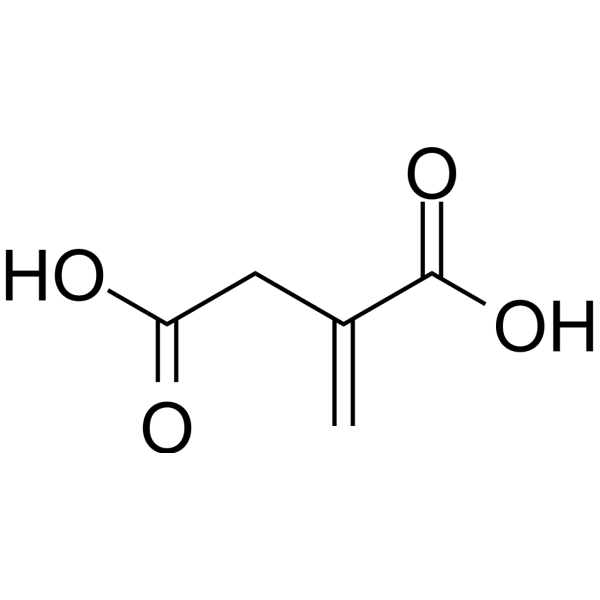
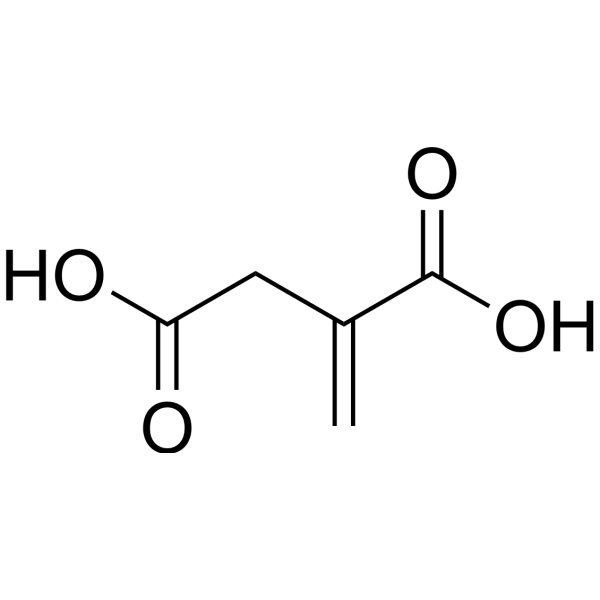
    Itaconic acid
    2 Publications Verification

    Methylenesuccinic acid

    Endogenous Metabolite Ferroptosis Inflammation/Immunology Cancer
    Itaconic acid, a precursor of polymers, chemicals, and fuels, can be synthesized by many fungi. Itaconic acid also is a macrophage-specific metabolite. Itaconic acid mediates crosstalk between macrophage metabolism and peritoneal tumors. Itaconic acid has anti-inflammatory, anti-microbial and immunomodulatory effect .
    Itaconic acid
  • HY-B0220
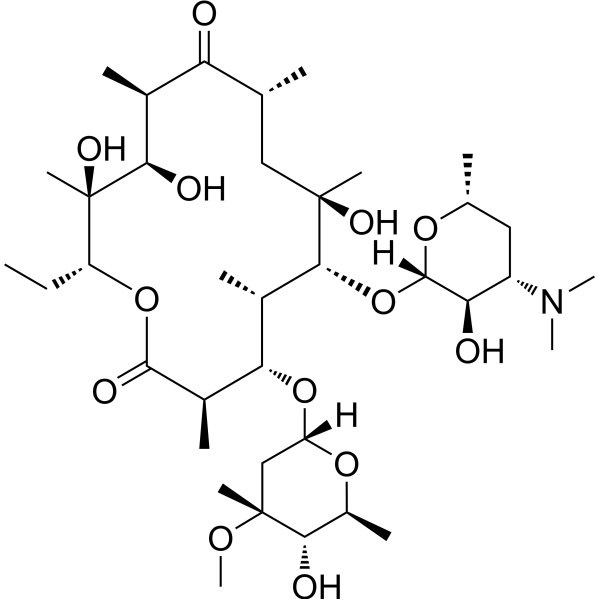
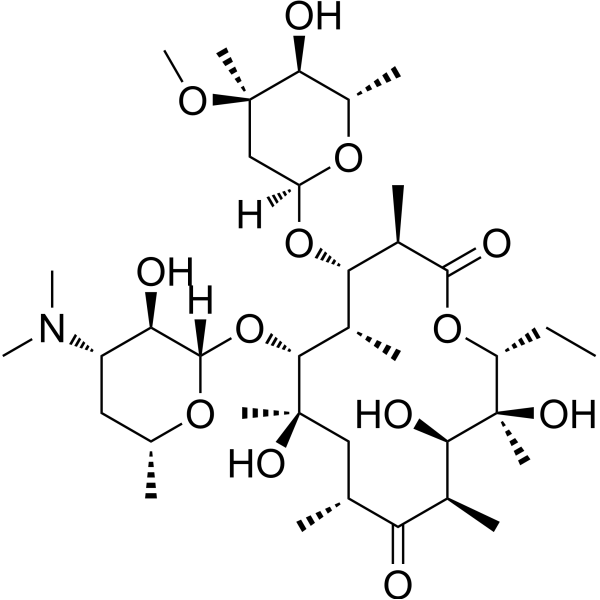
    Erythromycin
    Maximum Cited Publications
    24 Publications Verification

    Bacterial Antibiotic DNA/RNA Synthesis Infection Cancer
    Erythromycin is a macrolide antibiotic produced by actinomycete?Streptomyces erythreus?with a broad spectrum of antimicrobial activity. Erythromycin binds to bacterial 50S ribosomal subunits and inhibits?RNA-dependent protein synthesis?by blockage of transpeptidation and/or translocation reactions, without affecting synthesis of nucleic acid [1][2]. Erythromycin also exhibits antitumor and neuroprotective effect in different fields of research [3][4].
    Erythromycin
  • HY-B0479

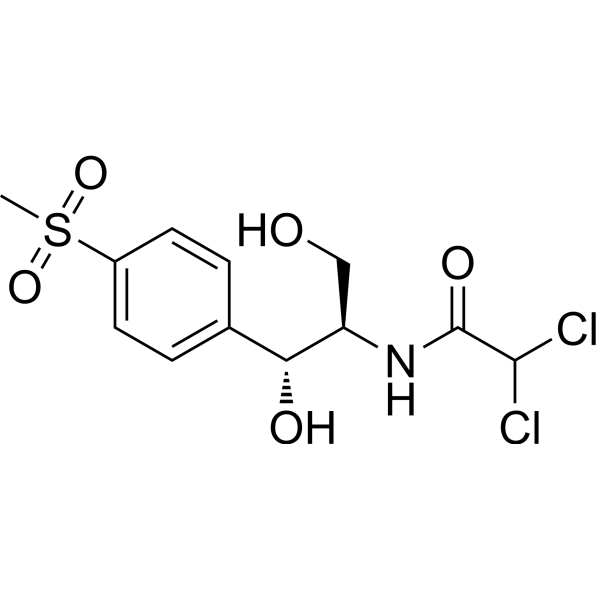
    Thiophenicol; Dextrosulphenidol

    Beta-lactamase Bacterial Antibiotic Infection
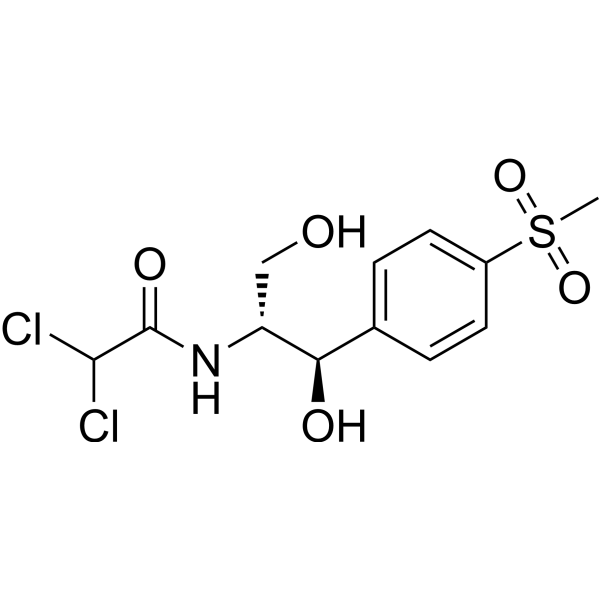
    Thiamphenicol (Thiophenicol), a methyl-sulfonyl derivative of Chloramphenicol, is a broad-spectrum antimicrobial antibiotic. Thiamphenicol acts by binding to the 50S ribosomal subunit, leading to inhibition of protein synthesis and bacteriostatic effect (against Gram-negative, Gram-positive aerobic and anaerobic bacteria) .
    Thiamphenicol
  • HY-N2515
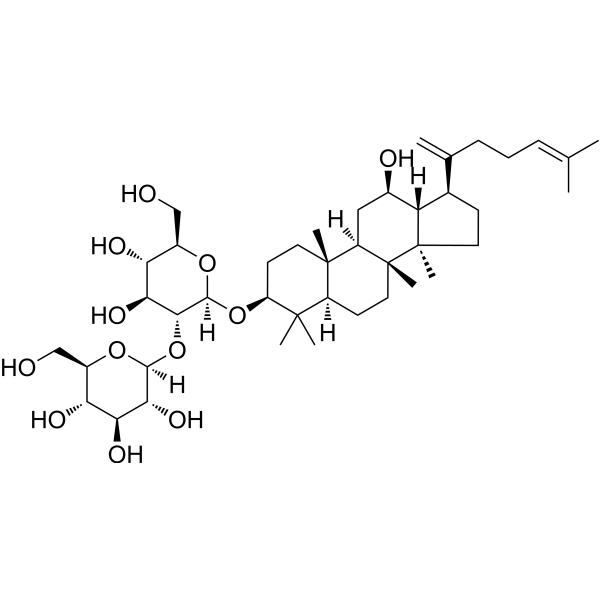
    Ginsenoside Rk1
    5+ Cited Publications

    NF-κB PI3K JAK Apoptosis Inflammation/Immunology Cancer
    Ginsenoside Rk1 is a unique component created by processing the ginseng plant (mainly Sung Ginseng, SG) at high temperatures . Ginsenoside Rk1 has anti-inflammatory effect, suppresses the activation of Jak2/Stat3 signaling pathway and NF-κB . Ginsenoside Rk1 has anti-tumor effect, antiplatelet aggregation activities, anti-insulin resistance, nephroprotective effect, antimicrobial effect, cognitive function enhancement, lipid accumulation reduction and prevents osteoporosis . Ginsenoside Rk1 induces cell apoptosis by triggering intracellular reactive oxygen species (ROS) generation and blocking PI3K/Akt pathway .
    Ginsenoside Rk1
  • HY-N2011
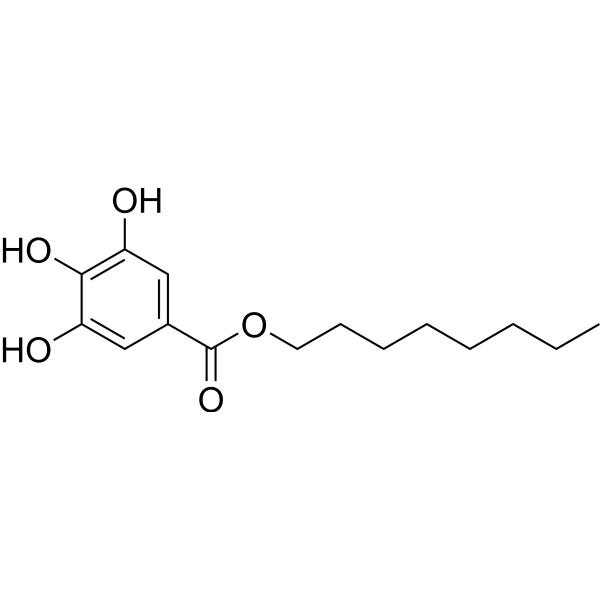
    Octyl gallate
    3 Publications Verification

    n-Octyl gallate; Stabilizer GA 8

    VSV Bacterial HSV Influenza Virus Reactive Oxygen Species (ROS) Infection
    Octyl gallate (Progallin O) is widely used as a food additive, with antimicrobial and antioxidant activity . Octyl gallate (Progallin O) shows selective and sensitive fluorescent property . Octyl gallate shows a marked antiviral effect against HSV-1, vesicular stomatitis virus (VSV) and poliovirus .
    Octyl gallate
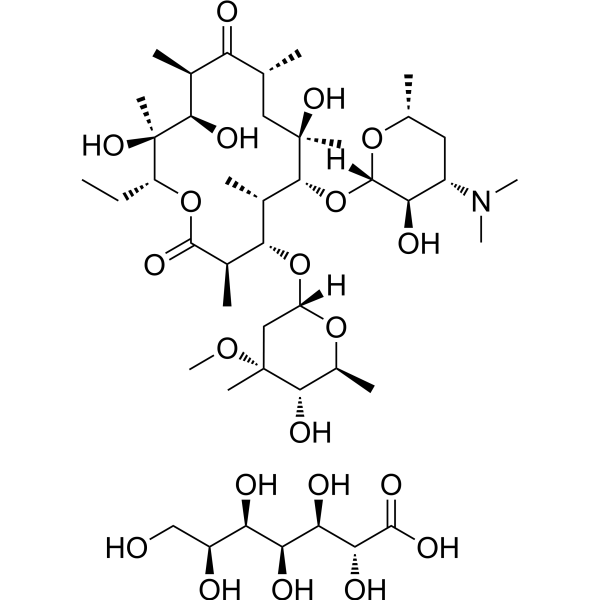
  • HY-B0220A
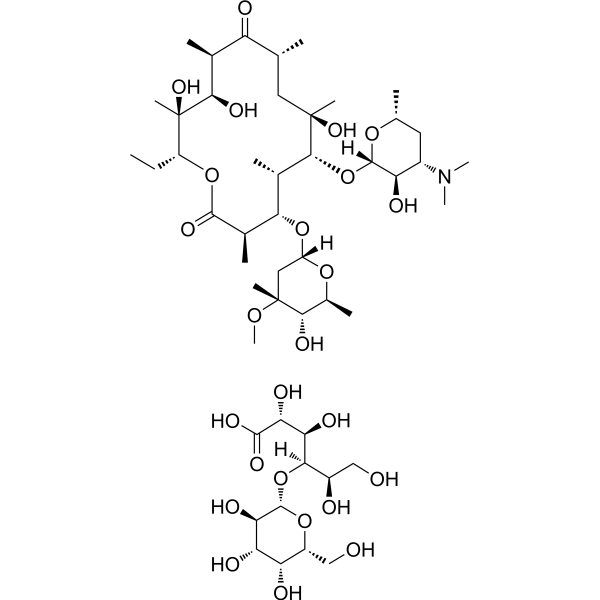
    Erythromycin lactobionate
    Maximum Cited Publications
    24 Publications Verification

    Antibiotic Bacterial DNA/RNA Synthesis Infection Cancer
    Erythromycin lactobionate is a macrolide antibiotic produced by actinomycete Streptomyces erythreus with a broad spectrum of antimicrobial activity. Erythromycin lactobionate binds to bacterial 50S ribosomal subunits and inhibits RNA-dependent protein synthesis by blockage of transpeptidation and/or translocation reactions, without affecting synthesis of nucleic acid [1][2]. Erythromycin lactobionate also exhibits antitumor and neuroprotective effect in different fields of research [3][4].
    Erythromycin lactobionate
  • HY-B0220D
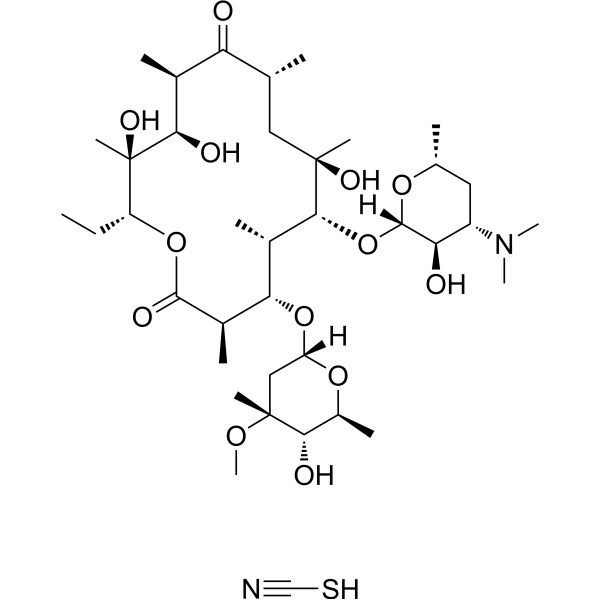
    Erythromycin thiocyanate
    Maximum Cited Publications
    24 Publications Verification

    Bacterial Antibiotic DNA/RNA Synthesis Infection Cancer
    Erythromycin thiocyanate is a macrolide antibiotic produced by actinomycete Streptomyces erythreus with a broad spectrum of antimicrobial activity. Erythromycin thiocyanate binds to bacterial 50S ribosomal subunits and inhibits RNA-dependent protein synthesis by blockage of transpeptidation and/or translocation reactions, without affecting synthesis of nucleic acid [1][2]. Erythromycin thiocyanate also exhibits antitumor and neuroprotective effect in different fields of research [3][4].
    Erythromycin thiocyanate
  • HY-P1068
    Lysozyme
    5+ Cited Publications

    Muramidase

    Bacterial TNF Receptor Interleukin Related TGF-β Receptor Infection Inflammation/Immunology
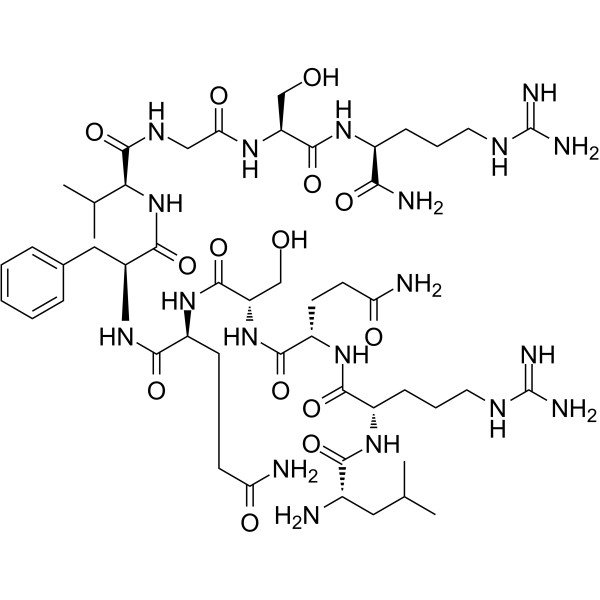
    Lysozyme (Muramidase) is a conserved antimicrobial protein. Lysozyme exerts its bactericidal effect by hydrolyzing bacterial cell wall peptidoglycan (PG). Lysozyme plays an important role in limiting bacterial growth on mucosal surfaces and other sites, not only controlling potential pathogens but also limiting overgrowth of microbiota to prevent dysbiosis. Extracellular lysozyme can also degrade polymeric PG into soluble fragments, activate NOD receptors in mucosal epithelial cells, and lead to the secretion of chemokines and activating factors by neutrophils and macrophages .
    Lysozyme
  • HY-137371

    Bacterial Apoptosis Antibiotic Infection Cancer
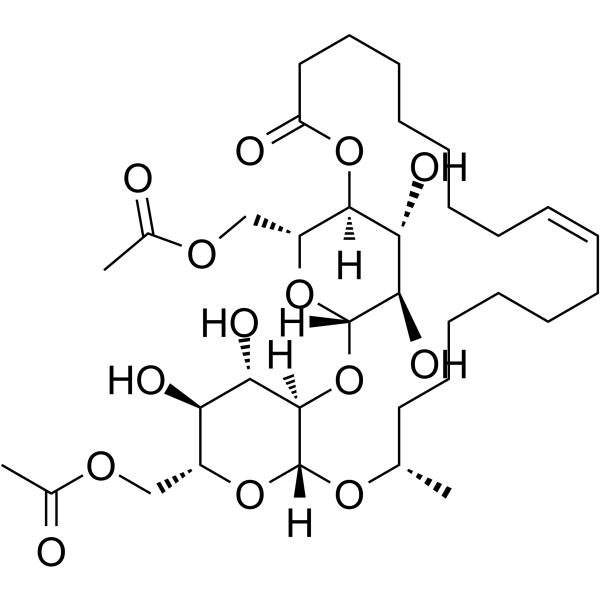
    Lactonic sophorolipid is an apoptosis inducer and antimicrobial surfactant with antitumor activity. Lactonic sophorolipid regulates Bax/Bcl-gene expression through caspase-3/9 and induces apoptosis in tumor cells. Lactonic sophorolipid can disrupt cell membrane permeability and exert antibacterial effects (MIC for oral pathogens is 100-400 μg/mL). Lactonic sophorolipid promotes mitochondrial membrane potential depolarization, activates the intrinsic apoptotic pathway, and can synergize with antibiotics to enhance the antibacterial effect. Lactonic sophorolipid can be used in liver cancer research and the development of oral hygiene antibacterial agents[1][2][3].
    Lactonic sophorolipid
  • HY-N10473
    Pulcherriminic acid
    3 Publications Verification

    Bacterial Fungal Infection
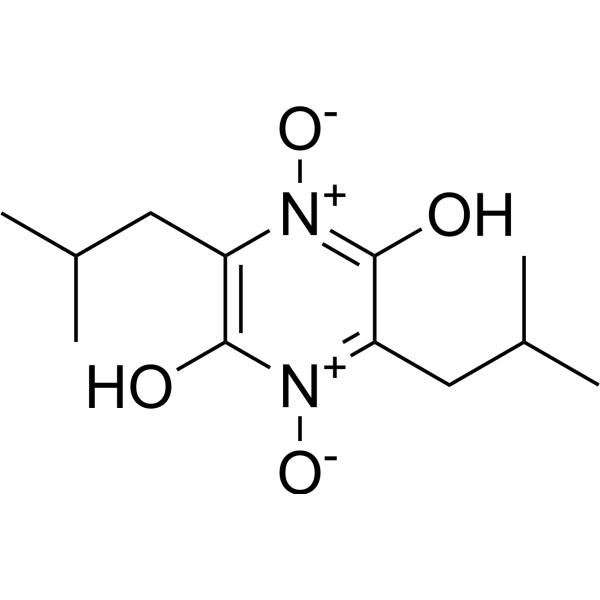
    Pulcherriminic acid is a cyclic dipeptide antimicrobial agent with high affinity for Fe 3+, found mainly in Bacillus and yeast. Pulcherriminic acid chelates iron ions through a non-enzymatic reaction to form the extracellular red pigment pulcherrimin, which competes for iron nutrition and thus achieves an antibacterial effect. Pulcherriminic acid has great applications in food, agriculture and medical industries .
    Pulcherriminic acid
  • HY-N0656A
    (+)-Usnic acid
    2 Publications Verification

    mTOR Bacterial Autophagy Infection Inflammation/Immunology Cancer
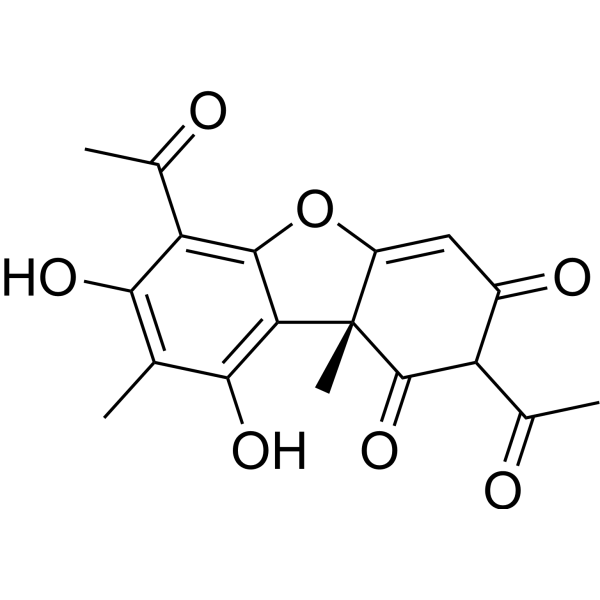
    (+)-Usnic acid is isolated from isolated from lichens, binds at the ATP-binding pocket of mTOR, and inhibits mTORC1/2 activity. (+)-Usnic acid inhibits the phosphorylation of mTOR downstream effectors: Akt (Ser473), 4EBP1, S6K, induces autophay, with anti-cancer and anti-inflammatory activity. (+)-Usnic acid possesses antimicrobial activity against a number of planktonic gram-positive bacteria, including Staphylococcus aureus, Enterococcus faecalis, and Enterococcus faecium .
    (+)-Usnic acid
  • HY-W009123

    cis-13-Docosenamide

    Endogenous Metabolite Bacterial Infection Neurological Disease
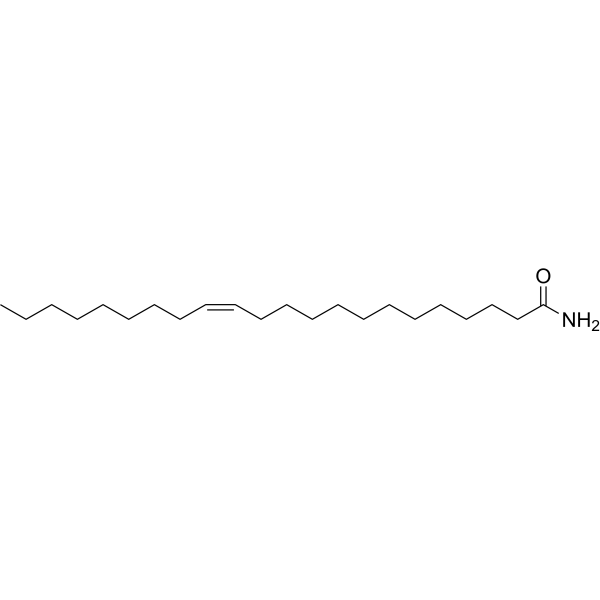
    Erucamide is an orally active, blood-brain barrier-permeable TMEM19 ligand and T3SS inhibitor. Erucamide exerts retinal neuroprotective effects in mouse models of retinal degeneration. Erucamide attenuates depression- and anxiety-like behaviors in mice.\n\nErucamide binds to the conserved hydrophobic pocket in HrcC, disrupts its outer membrane localization, and blocks T3SS-mediated effector protein secretion in Gram-negative pathogenic bacteria. Erucamide enhances the antimicrobial immunity of plants against pathogenic bacteria. Erucamide can be used in research related to retinitis pigmentosa, anxiety and depression, bacterial wilt, and bacterial blight .
    Erucamide
  • HY-P5645
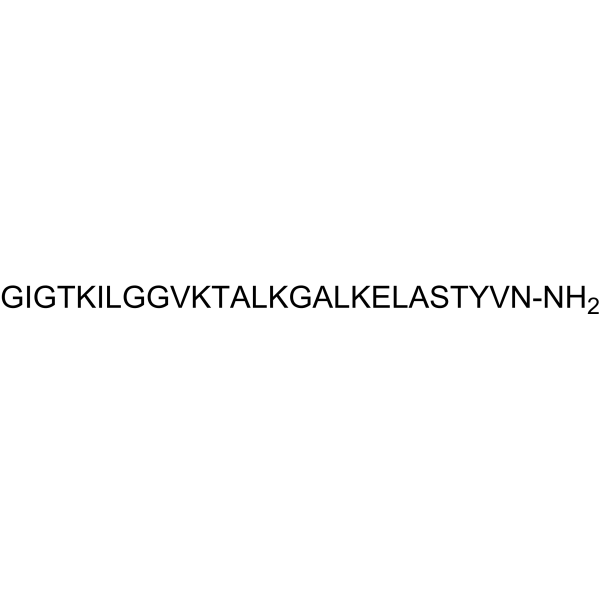
    LEAP-2
    1 Publications Verification

    Human liver expressed antimicrobial peptide-2

    GHSR Interleukin Related IFNAR TNF Receptor Bacterial Infection Metabolic Disease Inflammation/Immunology
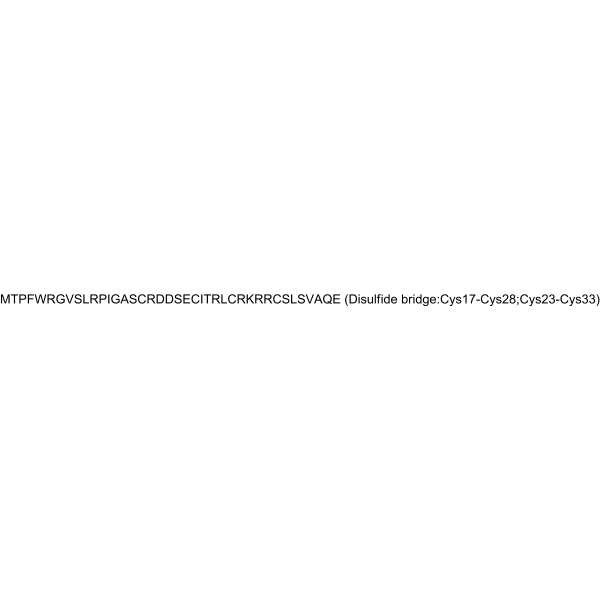
    LEAP-2 (Human liver expressed antimicrobial peptide-2) is a GHS-R1a antagonist, with an IC50 of 6.0 nM. LEAP-2 suppresses the orexigenic effect of ghrelin. LEAP-2 attenuates ghrelin-induced growth hormone (GH) release and reduces basal food intake. LEAP-2 exhibits antimicrobial activity against microbial model organisms. LEAP-2 can be used for the study of obesity and infection .
    LEAP-2
  • HY-W094710

    Sodium hydrogen diacetate

    Environmental Pollutants Bacterial Infection
    Sodium diacetate (Sodium hydrogen diacetate) is a multifunctional biochemical reagent with antibacterial (bacteria) and antifungal (fungi) activities. Sodium diacetate exerts its antimicrobial effect mainly by effectively penetrating the cell walls of microorganisms and interfering with enzyme interactions. Sodium diacetate inhibits the growth and survival of fungi such as Botrytis cinerea, as well as bacteria such as Listeria and Escherichia coli. Sodium diacetate inhibits the growth of endothelial cells. Sodium diacetate can be used in the synthesis of food preservatives, flavoring agents and pH control additives .
    Sodium diacetate
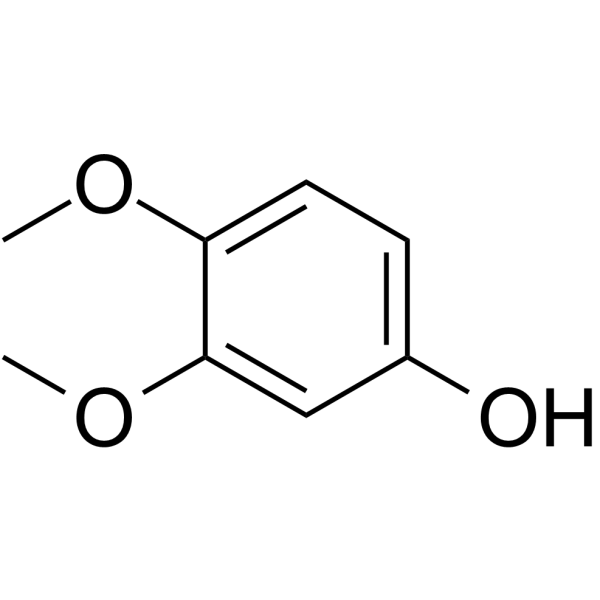
  • HY-N1780

    Tyrosinase Bacterial Infection
    3,4-Dimethoxyphenol is a plant-derived phenylpropanoid compound and can use as a whitening agent in cosmetics. 3,4-Dimethoxyphenol exhibits broad-spectrum antimicrobial activity. 3,4-Dimethoxyphenol has tyrosinase-inhibiting activity. 3,4-Dimethoxyphenol has potent antioxidant effect isolated from the bacterial fermentation broth. 3,4-Dimethoxyphenol can be used for the study of infection .
    3,4-Dimethoxyphenol
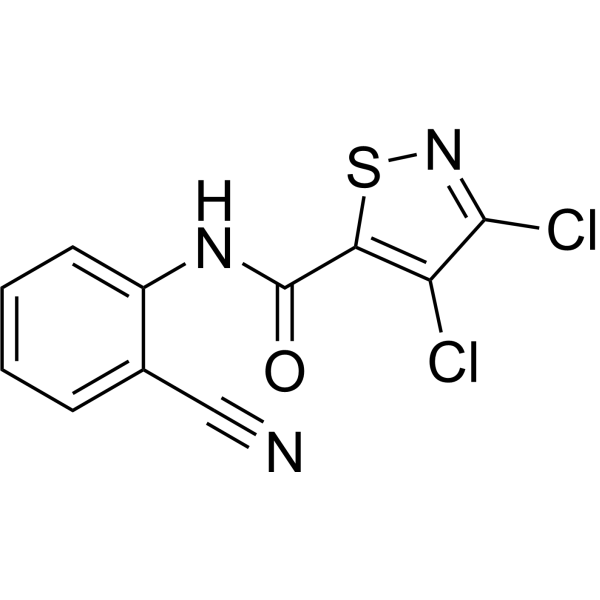
  • HY-W075256

    Environmental Pollutants Bacterial Others
    Isotianil is a plant defense inducer that has no direct antimicrobial effect but instead activates typical plant defense responses. Isotianil can be used as a plant protection agent for controlling rice blast .
    Isotianil
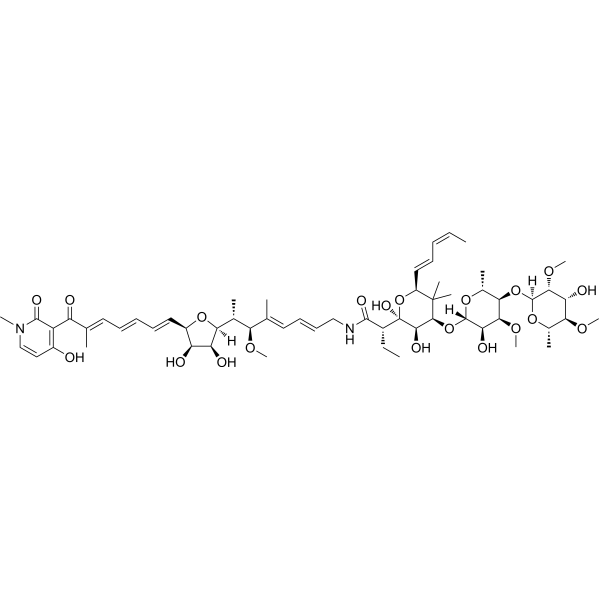
  • HY-126569

    Antibiotic Bacterial Infection
    Efrotomycin is an orally active antibiotic. Efrotomycin can be isolated from the Streptomyces Lactamdurans. Efrotomycin has insignificant effect on Salmonella typhimurium quantity, duration, shedding rate, and antimicrobial susceptibility in infected pigs .
    Efrotomycin
  • HY-P5589

    PlnA

    Bacterial Reactive Oxygen Species (ROS) Infection Inflammation/Immunology
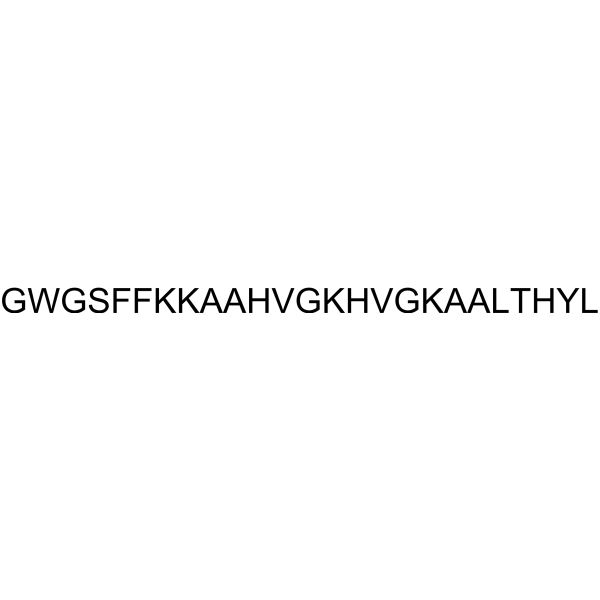
    Plantaricin A is an antimicrobial peptide that can be derived from Lactobacillus plantarum. Plantaricin A has a synergistic effect with Ciprofloxacin. Plantaricin A shows anti-microbial activity. Plantaricin A increases the membrane potential of S. aureus and the level of intracellular ROS. Plantaricin A inhibits the function of the efflux pump by binding it and altering the structure of MepA, NorA, and LmrS. Plantaricin A significantly relieves inflammation, and promotes wound healing. Plantaricin A permeabilizes cancerous rat pituitary cells [1][2].
    Plantaricin A
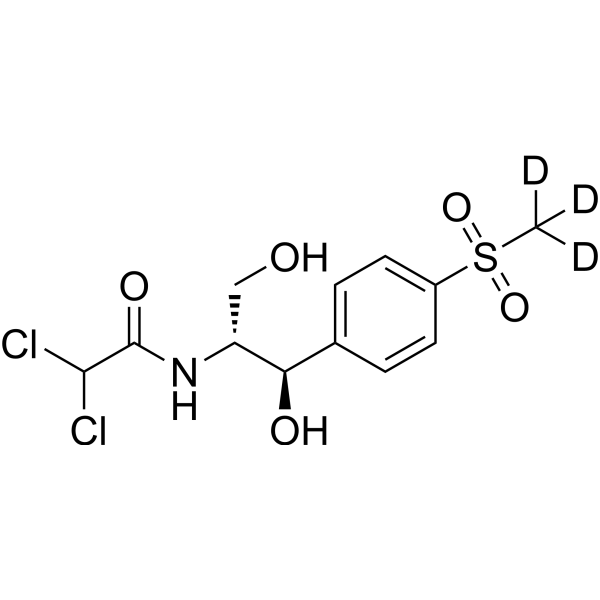
  • HY-B0479S

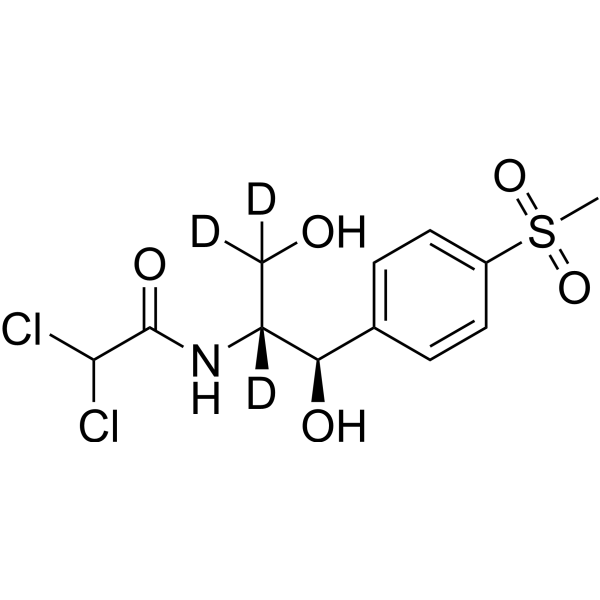
    Thiophenicol-d3; Dextrosulphenidol-d3

    Isotope-Labeled Compounds Bacterial Antibiotic Infection
    Thiamphenicol-d3 is a deuterium labeled Thiamphenicol. Thiamphenicol, a methyl-sulfonyl derivative of Chloramphenicol, is a broad-spectrum antimicrobial antibiotic. Thiamphenicol acts by binding to the 50S ribosomal subunit, leading to inhibition of protein synthesis and bacteriostatic effect (against Gram-negative, Gram-positive aerobic and anaerobic bacteria) .
    Thiamphenicol-d3
  • HY-P2920

    Biochemical Assay Reagents Thrombin Bacterial Infection Cardiovascular Disease
    Protamine from salmon is a biochemical agent with antioxidant, antiheparin and antimicrobial activities. Protamine from salmon neutralizes the anticoagulant effect of heparin, thereby preventing the formation of antithrombin complexes in canine samples pretreated with heparin in vitro .
    Protamine from salmon
  • HY-Y0532
    N-Chlorosuccinimide
    1 Publications Verification

    Succinchlorimide

    Environmental Pollutants Bacterial Infection
    N-Chlorosuccinimide is a five-membered N-containing heterocyclic molecule. N-Chlorosuccinimide is a versatile reagent and can be used for different types of reactions, such as aliphatic and aromatic chlorination. N-Chlorosuccinimide can enhance the antimicrobial effect of Benzalkonium chloride (HY-B2232) on biofilm Pseudomonas aeruginosa .
    N-Chlorosuccinimide
  • HY-P5391

    Bacterial Others
    LL-37(17-32) is a biological active peptide. (This peptide is an active segment of LL-37, a peptide derived from the C-terminal domain of human cathelicidin antimicrobial peptide. It has been reported that the LL17-32 peptide exhibits reversal effect on ABCG2-mediated multidrug resistance in cancer cell lines.)
    LL-37(17-32)
  • HY-Y0520R

    Methylenesuccinic acid (Standard)

    Reference Standards Endogenous Metabolite Ferroptosis Inflammation/Immunology
    Itaconic acid (Standard) is the analytical standard of Itaconic acid. This product is intended for research and analytical applications. Itaconic acid, a precursor of polymers, chemicals, and fuels, can be synthesized by many fungi. Itaconic acid also is a macrophage-specific metabolite. Itaconic acid mediates crosstalk between macrophage metabolism and peritoneal tumors. Itaconic acid has anti-inflammatory, anti-microbial and immunomodulatory effect .
    Itaconic acid (Standard)
  • HY-P11085

    Bacterial Infection
    WLBU2 is a engineered cationic antimicrobial peptide (eCAP) that overcomes the environmental sensitivity of natural antimicrobial peptides (AMPs). WLBU2 exhibits rapid bactericidal effect, with the MIC values of ≤ 10 μM against both Gram-negative and Gram-positive bacteria including MRSA, vancomycin-resistant enterococci, K. pneumoniae, E.aerogenes, E. cloacae, Escherichia coli, et, al. WLBU2 prevents P. aeruginosa biofilm growth and retains its activity in an environment rich in mucus, low pH and high salt concentrations without negative effects on human airway epithelial cells. WLBU2 can be used for the studies of cystic fibrosis (CF) and Pseudomonas aeruginosa infections .
    WLBU2
  • HY-P11211A

    Bacterial Infection Cancer
    D2A21 TFA is an antimicrobial peptide with significant antimicrobial activity against Pseudomonas and bactericidal effect on burn scabs. D2A21 TFA has antitumor activity and can be used in prostate cancer research .
    D2A21 TFA
  • HY-N2011R

    n-Octyl gallate (Standard); Stabilizer GA 8 (Standard)

    VSV Reference Standards Bacterial HSV Influenza Virus Reactive Oxygen Species (ROS) Infection
    Octyl gallate (Standard) is the analytical standard of Octyl gallate. This product is intended for research and analytical applications. Octyl gallate (Progallin O) is widely used as a food additive, with antimicrobial and antioxidant activity . Octyl gallate (Progallin O) shows selective and sensitive fluorescent property . Octyl gallate shows a marked antiviral effect against HSV-1, vesicular stomatitis virus (VSV) and poliovirus .
    Octyl gallate (Standard)
  • HY-B0220S2

    Bacterial DNA/RNA Synthesis Antibiotic Infection
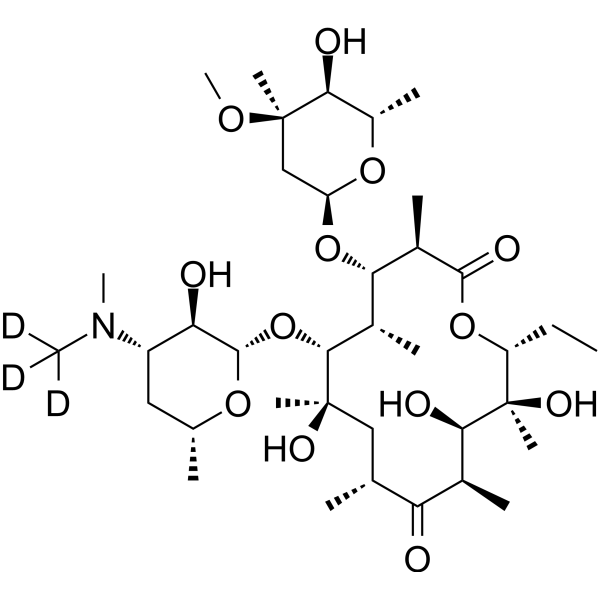
    Erythromycin-d3 is the deuterium labeled Erythromycin . Erythromycin is a macrolide antibiotic produced by actinomycete Streptomyces erythreus with a broad spectrum of antimicrobial activity. Erythromycin binds to bacterial 50S ribosomal subunits and inhibits RNA-dependent protein synthesis by blockage of transpeptidation and/or translocation reactions, without affecting synthesis of nucleic acid. Erythromycin also exhibits antitumor and neuroprotective effect in different fields of research .
    Erythromycin-d3
  • HY-N8097

    Bacterial Infection
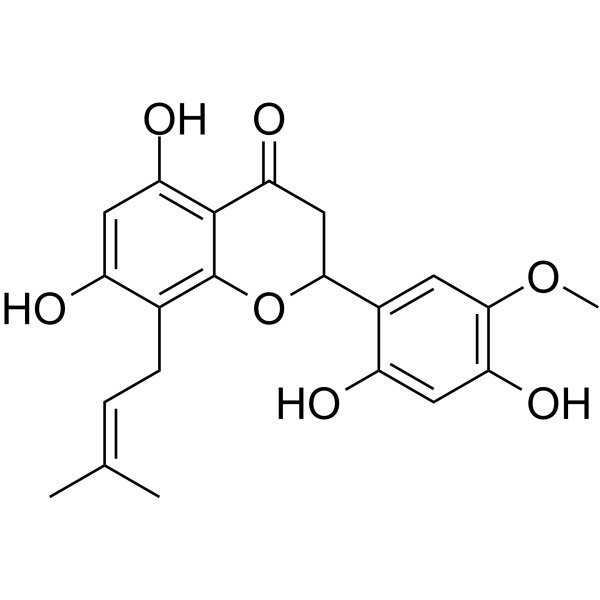
    Kushenol W is a prenylated flavonoid that can be isolated from the root of Sophora flavescens. Kushenol W has antimicrobial effect, with a MIC of 10 μg/mL for Staphylococcus aureus .
    Kushenol W
  • HY-W728085

    Bacterial Antibiotic Insecticide Reactive Oxygen Species (ROS) Infection
    CPPD-Q is an antimicrobial agent and insecticide. CPPD-Q has an EC50 of 6.98 mg/L against Vibrio fischeri. At doses of 1 or 10 µg/mL, CPPD-Q exerts its insecticidal effect by inducing the production of reactive oxygen species (ROS) in the intestines of Caenorhabditis elegans .
    CPPD-Q
  • HY-B0479R

    Thiophenicol (Standard); Dextrosulphenidol (Standard)

    Beta-lactamase Reference Standards Bacterial Antibiotic Infection
    Thiamphenicol (Standard) is the analytical standard of Thiamphenicol. This product is intended for research and analytical applications. Thiamphenicol (Thiophenicol), a methyl-sulfonyl derivative of Chloramphenicol, is a broad-spectrum antimicrobial antibiotic. Thiamphenicol acts by binding to the 50S ribosomal subunit, leading to inhibition of protein synthesis and bacteriostatic effect (against Gram-negative, Gram-positive aerobic and anaerobic bacteria) .
    Thiamphenicol (Standard)
  • HY-N0349S1

    Methyl 4-hydroxybenzoate-13C6

    Isotope-Labeled Compounds Bacterial Endogenous Metabolite Infection
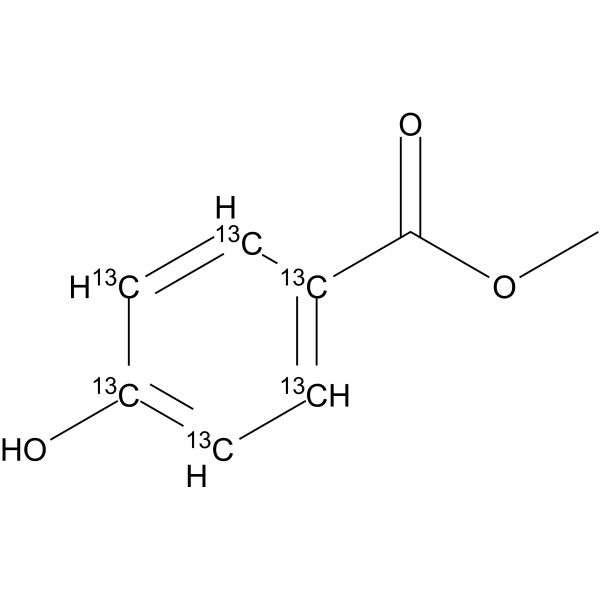
    Methyl Paraben- 13C6 (Methyl 4-hydroxybenzoate- 13C6) is a 13C labeled Methyl Paraben (HY-N0349) . Methyl Paraben, isolated from the barks of Tsuga dumosa the methyl ester of p-hydroxybenzoic acid, is a standardized chemical allergen. Methyl Paraben is a stable, non-volatile compound used as an antimicrobial preservative in foods, agents and cosmetics. The physiologic effect of Methyl Paraben is by means of increased histamine release, and cell-mediated immunity .
    Methyl paraben-13C6
  • HY-P5640

    Bacterial Parasite Infection
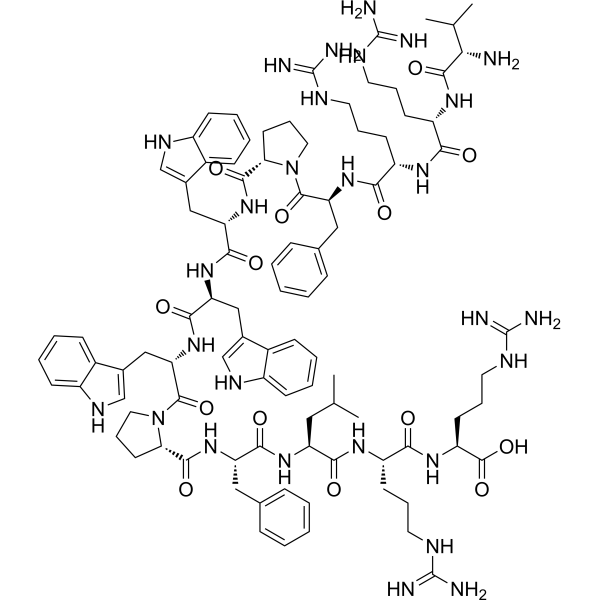
    Tritrpticin is a porcine-derived antimicrobial peptide with properties such as membrane disruption and hemolysis. Tritrpticin disrupts the cell membranes of bacteria, fungi and Jurkat T cell leukemia cells and induces their death. Tritrpticin also enhances the efficacy of Metronidazole (HY-B0318) against *Trichomonas vaginalis*, reduces plasma endotoxin and inflammatory cytokine levels, restricts bacterial growth in blood and visceral tissues, decreases the mortality rate of septic shock in rats and enhances the therapeutic effect of ertapenem. Tritrpticin exhibits selective cytotoxicity against Jurkat T cell leukemia cells, while showing low toxicity to normal peripheral blood mononuclear cells and red blood cells, and can serve as a template for antimicrobial peptide design. Tritrpticin can be applied to research related to bacterial infections, fungal infections, trichomoniasis, septic shock and leukemia .
    Tritrpticin
  • HY-P5641
    Pleurocidin
    1 Publications Verification

    Bacterial p38 MAPK NF-κB NADH Dehydrogenase Antibiotic Infection Inflammation/Immunology
    Pleurocidin is an Antimicrobial peptide. Pleurocidin is derived from the skin mucosa or intestinal secretions of Pseudopleuronectes americanus. Pleurocidin inhibits the expression of key proteins in the MAPK and NF-κB inflammatory signaling pathways. Pleurocidin alters serum inflammatory and immune cytokine levels, regulates the down-regulation of tight junction proteins, and modulates the intestinal flora. Pleurocidin exerts antibacterial activity by inducing bacterial membrane damage, hydroxyl radical formation, and NADH depletion, and also produces a synergistic effect with Antibiotics. Pleurocidin alleviates DSS-induced ulcerative colitis. Pleurocidin can be used for research on ulcerative colitis, bacterial infections, and bacterial biofilm-related infections .
    Pleurocidin
  • HY-P11165

    Bacterial Infection
    DRGN-1 is an antimicrobial peptide. DRGN-1 exhibits potent antimicrobial and anti-biofilm activities, inhibiting both Gram-negative and Gram-positive bacteria, with an EC50 range of 0.50-4.62 μM. DRGN-1 exerts its antimicrobial effect by disrupting bacterial membrane permeability and slightly depolarizing the membrane potential. DRGN-1 inhibits the formation of biofilms of single bacterial species and mixed species of Pseudomonas aeruginosa and Staphylococcus aureus. DRGN-1 can significantly promote the healing of uninfected and mixed biofilm-infected mouse wounds. DRGN-1 can be used for the study of infections .
    DRGN-1
  • HY-B0220B

    Antibiotic Bacterial Infection Cancer
    Erythromycin gluceptate is a macrolide antibiotic produced by actinomycete Streptomyces erythreus with a broad spectrum of antimicrobial activity. Erythromycin gluceptate binds to bacterial 50S ribosomal subunits and inhibits RNA-dependent protein synthesis by blockage of transpeptidation and/or translocation reactions, without affecting synthesis of nucleic acid [1][2]. Erythromycin gluceptate also exhibits antitumor and neuroprotective effect in different fields of research [3][4].
    Erythromycin (gluceptate)
  • HY-P5711

    Bacterial Infection
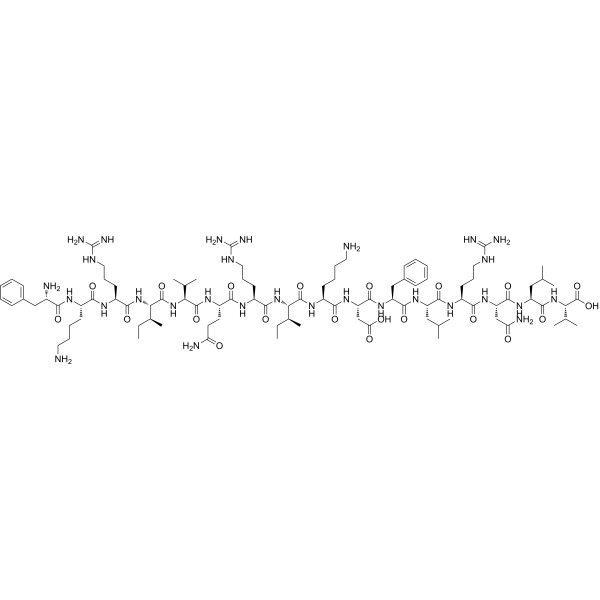
    NEMURI is an antimicrobial peptide with sleep-promoting effect .
    NEMURI
  • HY-P1768

    Uru-TK I

    Bacterial Infection
    Urechistachykinin I (Uru-TK I), an invertebrate tachykinin-related peptides (TRPs) isolated from echiuroid worms, shows antimicrobial activities without a hemolytic effect .
    Urechistachykinin I
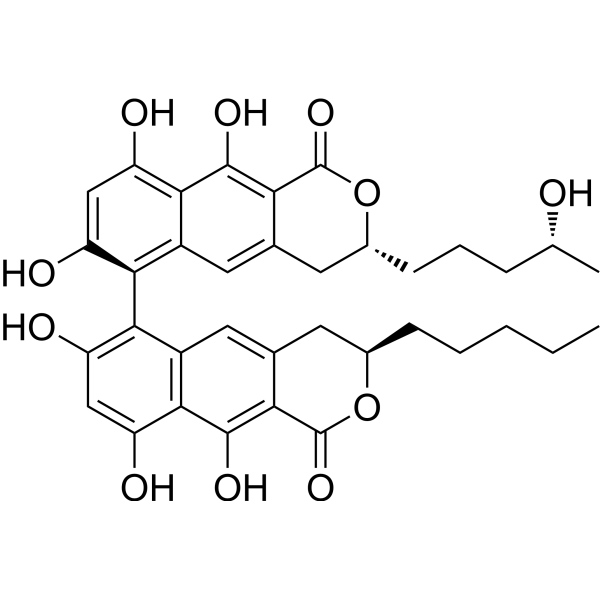
  • HY-N14904

    Glycosidase Infection
    Panosialin D can inhibit α,β-glucosidase and mannose glycosidase. Panosialin D does not inhibit the influenza virus, but it has weak anti-microbial effect .
    Panosialin D
  • HY-152249

    Antibiotic Bacterial Fungal Infection
    Antibacterial agent 131 is a quinoline derivative. Antibacterial agent 131 has antimicrobial effect. Antibacterial agent 131 destroys the integrity of the fungal cells via blocking ergosterol production .
    Antibacterial agent 131
  • HY-149155

    Bacterial Infection
    o-Cymen-5-ol is a broad-spectrum antimicrobial agent with direct antimicrobial activity. o-Cymen-5-ol showed effective minimum inhibitory concentrations (MICs) against a variety of bacteria and fungi, such as Streptococcus mutans and Candida albicans. The combination of o-Cymen-5-ol and zinc showed synergistic effects, enhancing the inhibitory effect against oral pathogens. o-Cymen-5-ol was able to inhibit the glycolysis process and co-enhanced this effect with zinc. o-Cymen-5-ol showed a stronger antibacterial effect in toothpaste than placebo .
    o-Cymen-5-ol
  • HY-Y0532R

    Bacterial Reference Standards Infection
    N-Chlorosuccinimide is a five-membered N-containing heterocyclic molecule. N-Chlorosuccinimide is a versatile reagent and can be used for different types of reactions, such as aliphatic and aromatic chlorination. N-Chlorosuccinimide can enhance the antimicrobial effect of Benzalkonium chloride (HY-B2232) on biofilm Pseudomonas aeruginosa .
    N-Chlorosuccinimide (Standard)
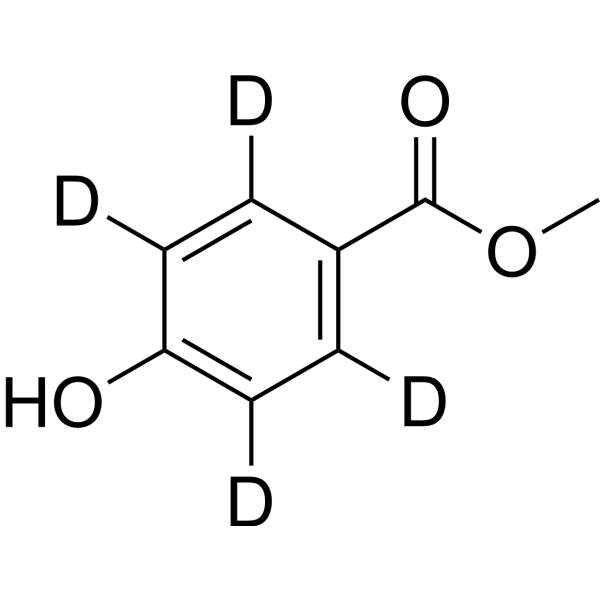
  • HY-N0349S

    Methyl 4-hydroxybenzoate-d4

    Bacterial Endogenous Metabolite Infection
    Methyl paraben-d4 is the deuterium labeled Methyl Paraben . Methyl Paraben, isolated from the barks of Tsuga dumosa the methyl ester of p-hydroxybenzoic acid, is a standardized chemical allergen. Methyl Paraben is a stable, non-volatile compound used as an antimicrobial preservative in foods, agents and cosmetics. The physiologic effect of Methyl Paraben is by means of increased histamine release, and cell-mediated immunity .
    Methyl paraben-d4
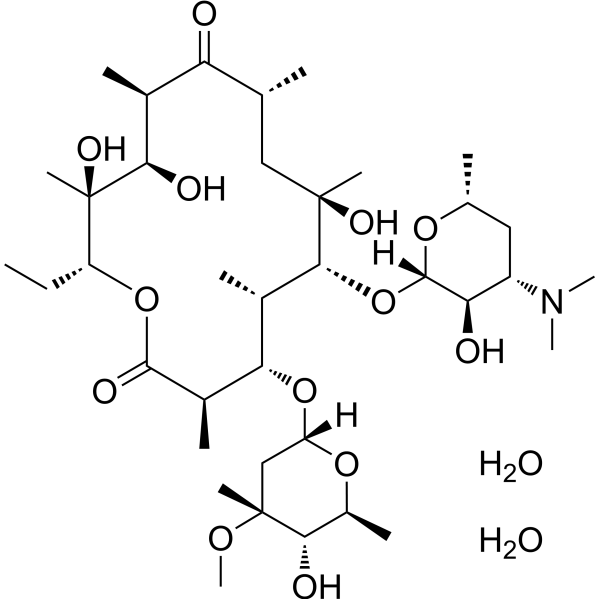
  • HY-B0220E

    Bacterial Antibiotic DNA/RNA Synthesis Infection Cancer
    Erythromycin A dihydrate is a macrolide antibiotic produced by actinomycete Streptomyces erythreus with a broad spectrum of antimicrobial activity. Erythromycin A dihydrate binds to bacterial 50S ribosomal subunits and inhibits RNA-dependent protein synthesis by blockage of transpeptidation and/or translocation reactions, without affecting synthesis of nucleic acid [1][2]. Erythromycin A dihydrate also exhibits antitumor and neuroprotective effect in different fields of research [3][4].
    Erythromycin A dihydrate
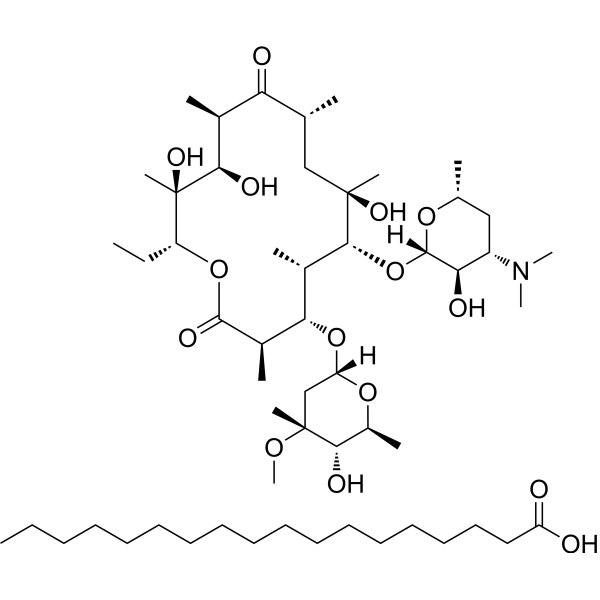
  • HY-108875

    Antibiotic Bacterial DNA/RNA Synthesis Infection Cancer
    Erythromycin stearate is a macrolide antibiotic produced by actinomycete Streptomyces erythreus with a broad spectrum of antimicrobial activity. Erythromycin stearate binds to bacterial 50S ribosomal subunits and inhibits RNA-dependent protein synthesis by blockage of transpeptidation and/or translocation reactions, without affecting synthesis of nucleic acid [1][2]. Erythromycin stearate also exhibits antitumor and neuroprotective effect in different fields of research [3][4].
    Erythromycin stearate
  • HY-B0220R
    Erythromycin (Standard)
    Maximum Cited Publications
    24 Publications Verification

    Reference Standards Bacterial Antibiotic DNA/RNA Synthesis Infection Cancer
    Erythromycin (Standard) is the analytical standard of Erythromycin. This product is intended for research and analytical applications. Erythromycin is a macrolide antibiotic produced by actinomycete?Streptomyces erythreus?with a broad spectrum of antimicrobial activity. Erythromycin binds to bacterial 50S ribosomal subunits and inhibits?RNA-dependent protein synthesis?by blockage of transpeptidation and/or translocation reactions, without affecting synthesis of nucleic acid . Erythromycin also exhibits antitumor and neuroprotective effect in different fields of research .
    Erythromycin (Standard)
  • HY-B0317F

    Calcium Channel Infection
    Amlodipine hydrochloride is a biologically active drug used to lower blood pressure and prevent chest pain. Amlodipine hydrochloride has shown synergistic effects with antimicrobial drugs in in vitro studies, especially against carbene peptide-resistant Acinetobacter baumannii. Amlodipine hydrochloride can be used in combination with other antibiotics to enhance the inhibitory effect against resistant bacteria. The use of amlodipine hydrochloride helps reduce the dosage requirements of the drug, reduce toxic effects, and delay the emergence of drug resistance .
    Amlodipine hydrochloride
  • HY-P5608

    Bacterial Infection
    Maximin 4 is an antimicrobial peptide derived from skin secretions of Bombina maxima. Maximin 4 has cytotoxicity on tumor cells and spermicidal effect .
    Maximin 4
  • HY-P5609

    Bacterial Infection
    Maximin 5 is an antimicrobial peptide derived from skin secretions of Bombina maxima. Maximin 5 has cytotoxicity on tumor cells and spermicidal effect .
    Maximin 5
  • HY-P5604

    Bacterial Infection
    Maximin 1 is an antimicrobial peptide derived from skin secretions of Bombina maxima. Maximin 1 has cytotoxicity on tumor cells and spermicidal effect .
    Maximin 1
  • HY-P5605

    Bacterial Infection
    Maximin 2 is an antimicrobial peptide derived from skin secretions of Bombina maxima. Maximin 2 has cytotoxicity on tumor cells and spermicidal effect .
    Maximin 2

Inquiry Online

Your information is safe with us. * Required Fields.

Salutation


Country or Region *

Applicant Name *


Organization Name *

Department *


Email Address *


Product Name *

Cat. No.


Requested quantity *

Phone Number *


Remarks

Inquiry Online

Inquiry Information

Product Name:
Cat. No.:
Quantity:
MCE Japan Authorized Agent: