Search Result
Results for "
bactericidal antibiotics
" in MedChemExpress (MCE) Product Catalog:
8
Isotope-Labeled Compounds
| Cat. No. |
Product Name |
Target |
Research Areas |
Chemical Structure |
-
- HY-B0108
-
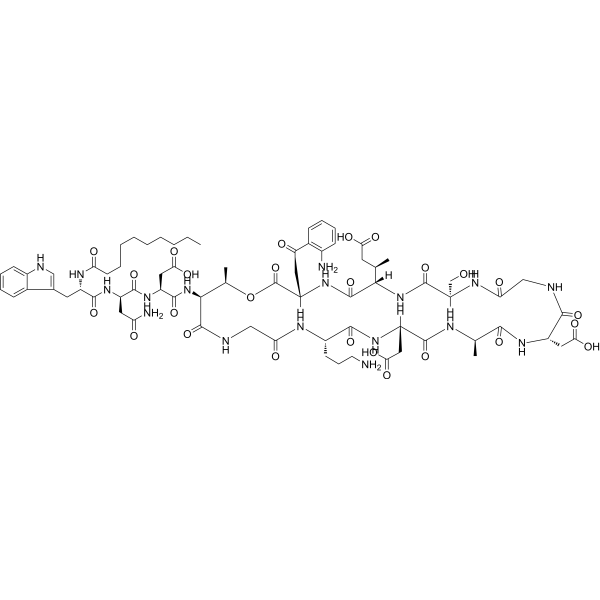
Daptomycin
Maximum Cited Publications
25 Publications Verification
LY146032
|
Bacterial
Antibiotic
|
Infection
Cancer
|
|
Daptomycin is a lipopeptide antibiotic with rapid in vitro bactericidal activity against gram-positive organisms.
|
-
-
- HY-B1923
-
|
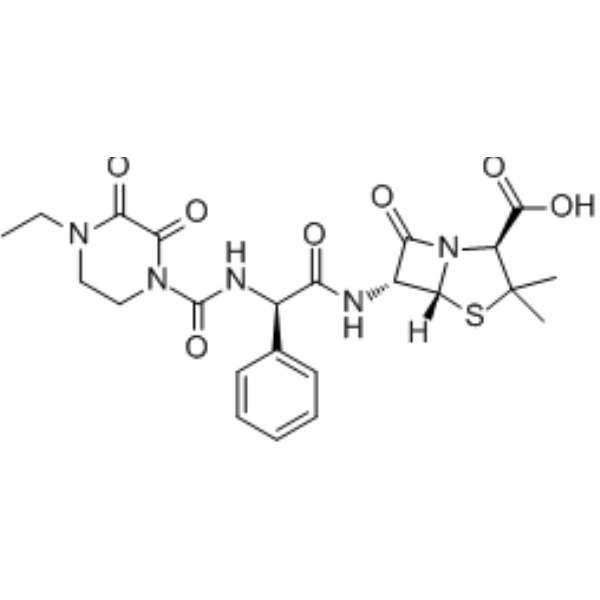
Pipracil
|
Antibiotic
Bacterial
Beta-lactamase
Penicillin-binding protein (PBP)
|
Infection
Cancer
|
|
Piperacillin is a semisynthetic broad-spectrum β-lactam antibiotic which exhibits potent bactericidal activity against Gram-negative bacteria as well as select Gram-positive strains through penicillin-binding proteins. Piperacillin is most commonly used in combination with the β-lactamase inhibitor Tazobactam .
|
-
-
- HY-106783
-
|
|
Bacterial
Antibiotic
|
Infection
|
|
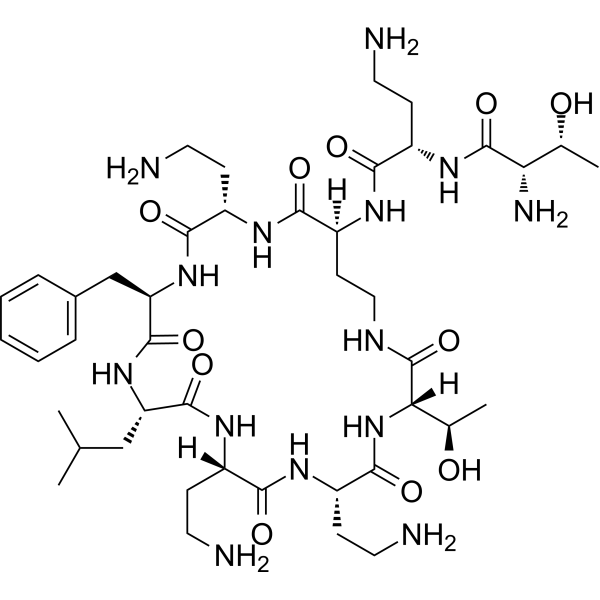
Polymyxin B nonapeptide is a cyclic peptide obtained from Polymyxin B by proteolytic removal of its terminal amino acyl residue. Polymyxin B nonapeptide is less toxic, lacks bactericidal activity, and retains its ability to render gram-negative bacteria susceptible to several antibiotics by permeabilizing their outer membranes .
|
-
-
- HY-B0956
-
|
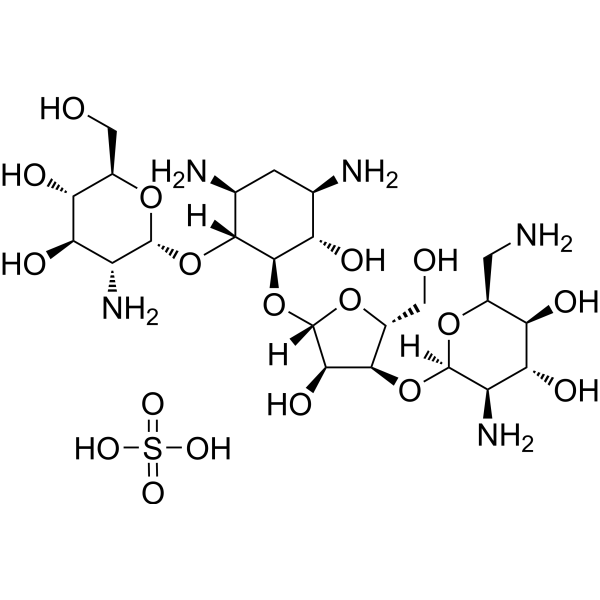
Aminosidine sulfate
|
Antibiotic
Parasite
Bacterial
|
Infection
|
|
Paromomycin (Aminosidine) sulfate, a neomycin (HY-B0470) derivative, is a broad spectrum aminoglycoside antibiotic with amebicidal and bactericidal effects. Paromomycin sulfate prematures termination of translation of mRNA and inhibits protein synthesis by specifically binds to the RNA oligonucleotide at the A site of bacterial 30S ribosomes. Paromomycin sulfate can be used for the research of bacterial and parasitic infections .
|
-
-
- HY-B1218
-
|
|
Cytochrome P450
Antibiotic
Bacterial
Necroptosis
Apoptosis
|
Infection
Cardiovascular Disease
|
|
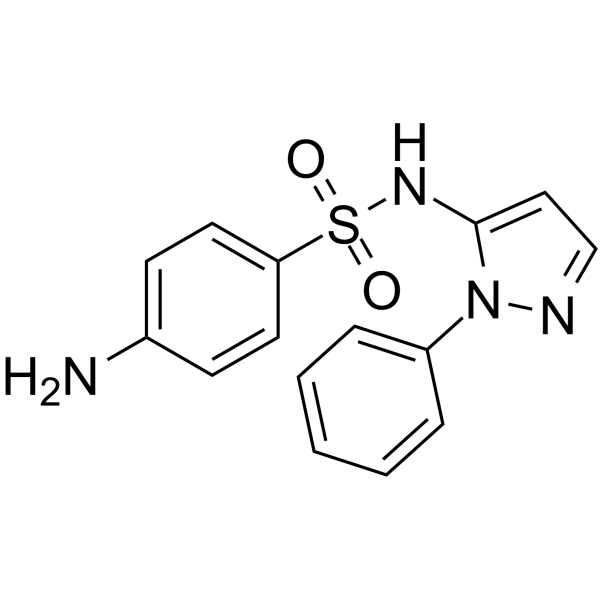
Sulfaphenazole is a selective inhibitor of human cytochrome P450 (CYP) 2C9 enzyme. Sulfaphenazole is a cytoprotective agent against light-induced death of photoreceptors. Sulfaphenazole inhibits light-induced necrosis and mitochondrial stress-initiated apoptosis. Sulfaphenazole is an off patent sulfonamide antibiotic and demonstrates bactericidal activity through enhanced M1 macrophage activity. Sulfaphenazole can significantly reduce infarct size and restore post-ischemic coronary flow following ischemia and reperfusion .
|
-
-
- HY-B1327
-
|
7-Chlorotetracycline hydrochloride
|
Bacterial
Antibiotic
Parasite
|
Infection
Inflammation/Immunology
|
|
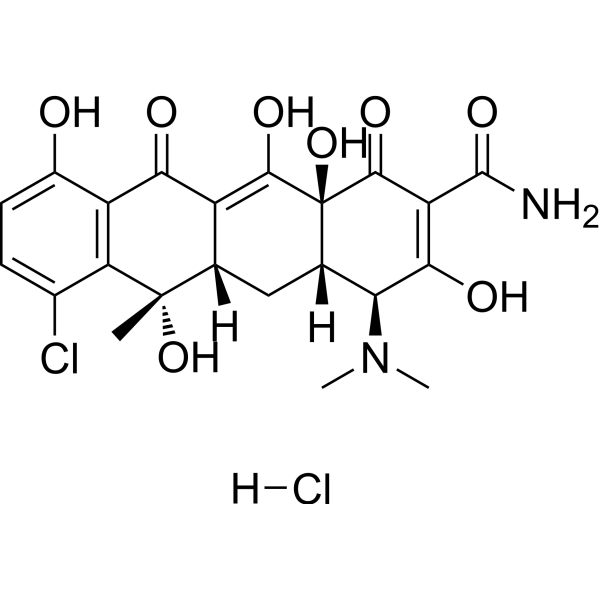
Chlortetracycline hydrochloride (7-Chlorotetracycline hydrochloride) is an orally active, effective and selectively methanogenic bacteria inhibitor with bactericidal effects. Chlortetracycline hydrochloride is also a antibiotic that acts by inhibiting bacterial protein synthesis. Additionally, Chlortetracycline hydrochloride is a specific and potent calcium ionophore antibiotic, inhibiting binding of aminoacyl-tRNA to ribosomes .
|
-
-
- HY-B0555A
-
|
|
Beta-lactamase
Bacterial
Antibiotic
|
Infection
|
|
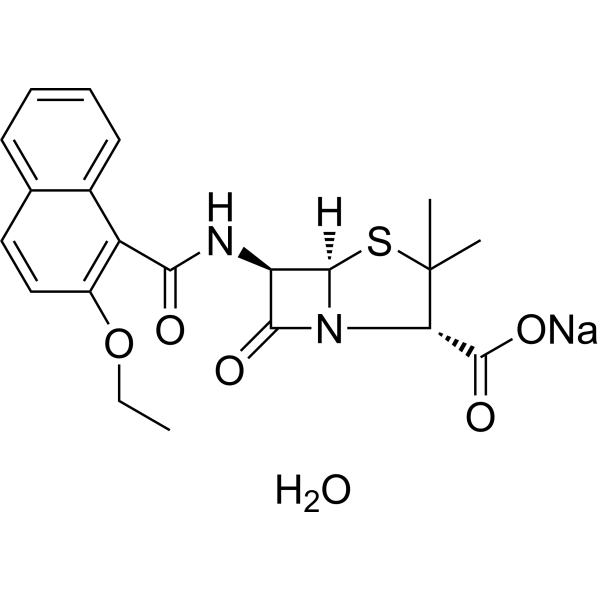
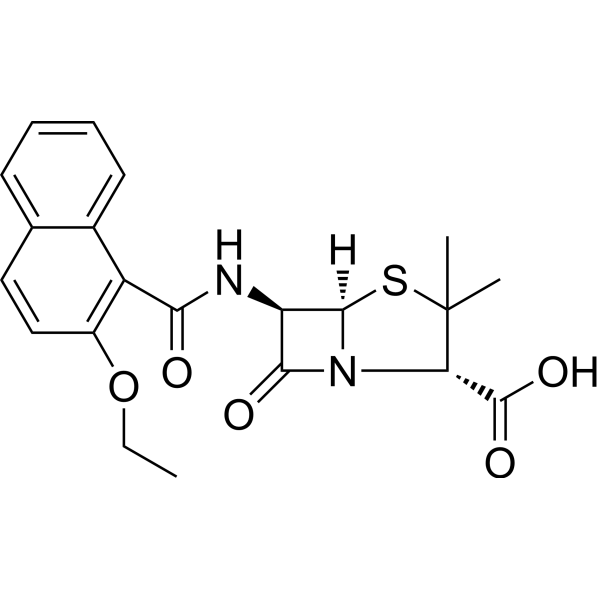
Nafcillin sodium monohydrate, an antibiotic, is a reversible inhibitor of β-lactamase. Nafcillin sodium monohydrate can be used for the research of staphylococcal infections .
|
-
-
- HY-B0398
-
|
|
Bacterial
Antibiotic
Topoisomerase
|
Infection
|
|
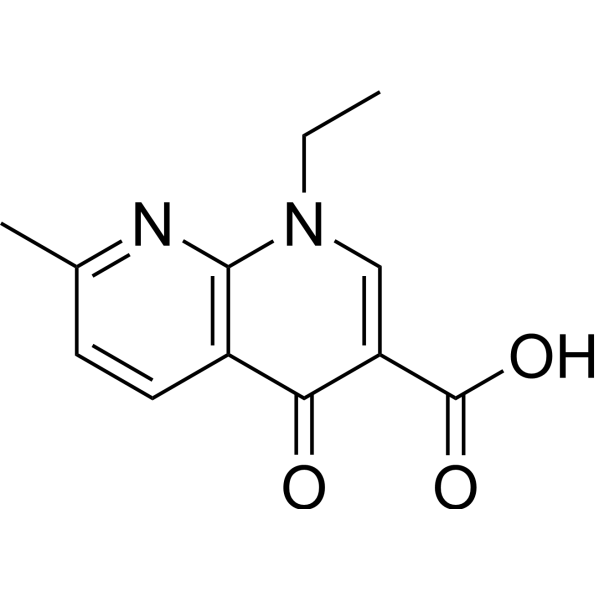
Nalidixic acid, a quinolone antibiotic, is effective against both gram-positive and gram-negative bacteria. Nalidixic acid acts in a bacteriostatic manner in lower concentrations and is bactericidal in higher concentrations. Nalidixic acid inhibits a subunit of DNA gyrase and topoisomerase IV and reversibly blocks DNA replication in susceptible bacteria .
|
-
-
- HY-B0509B
-
|
BAY 41-6551 disulfate
|
Bacterial
Antibiotic
|
Infection
Cancer
|
|
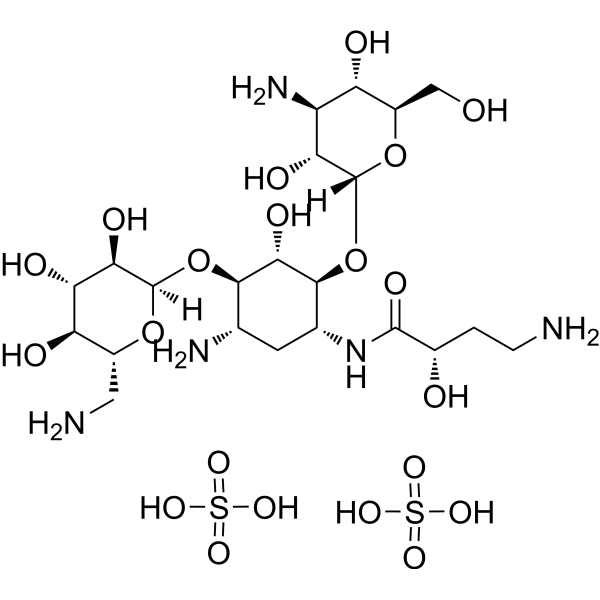
Amikacin disulfate (BAY 41-6551 dissulfate) is an aminoglycoside antibiotic and a semisynthetic analog of kanamycin. Amikacin disulfate is bactericidal, acting directly on the 30S and 50S bacerial ribosomal subunits to inhibit protein synthesis. Amikacin disulfate is very active against most Gram-negative bacteria including gentamicin- and tobramycin-resistant strains. Amikacin disulfate also inhibits the infections caused by susceptible Nocardia and nontuberculous mycobacteria .
|
-
-
- HY-B1190
-
|
BL-S 578
|
Bacterial
Antibiotic
EAAT
|
Infection
Neurological Disease
|
|
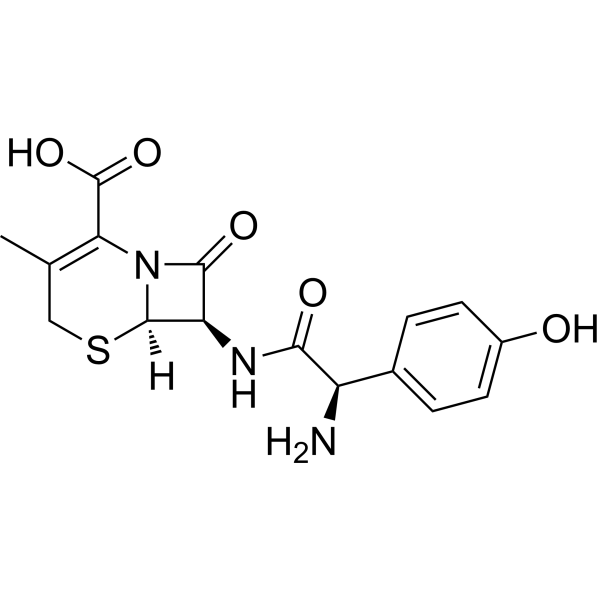
Cefadroxil is an orally active broad-spectrum cephalosporin antibiotic. Cefadroxil inhibits bacterial cell wall synthesis and enhances the expression of glutamate transporter-1. Cefadroxil is dependent on the intestinal peptide transporter PepT1 for small intestinal absorption. Cefadroxil has inhibitory and bactericidal activity against a variety of Gram-positive and Gram-negative bacteria and has analgesic effects on neuropathic pain .
|
-
-
- HY-B1831A
-
|
LY333328 diphosphate
|
Bacterial
Antibiotic
|
Infection
Inflammation/Immunology
|
|
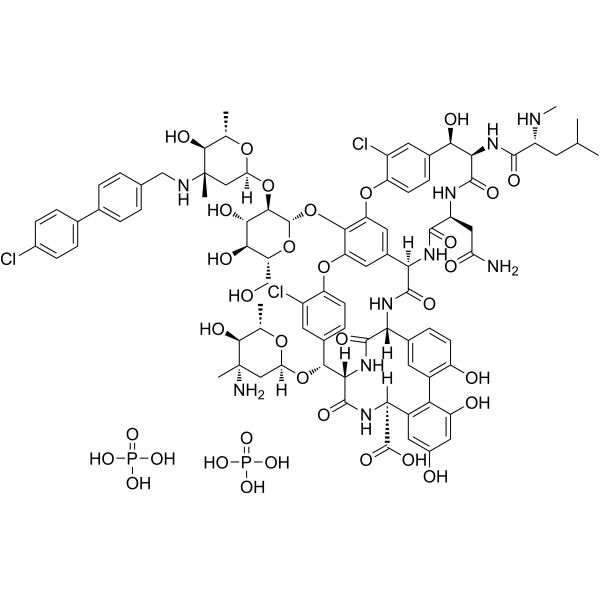
Oritavancin diphosphate (LY333328 diphosphate), a semisynthetic derivative of Vancomycin (HY-B0671), is an orally active glycopeptide antibiotic with bactericidal activity against gram-positive organisms. Oritavancin diphosphate shows antibacterial effect against B. anthracis, such as Ames strain with a MIC value of 0.015 g/mL. Oritavancin diphosphate inhibits cell wall synthesis and disrupts the membrane potential. Oritavancin diphosphate inhibits ArlS kinase activity thereby interfering the signal transduction. Oritavancin diphosphate enters cells by adsorptive endocytosis, which drives it to lysosomes, where it exerts antibiotic activity .
|
-
-
- HY-A0241
-
|
RP54476
|
Antibiotic
Bacterial
|
Infection
|
|
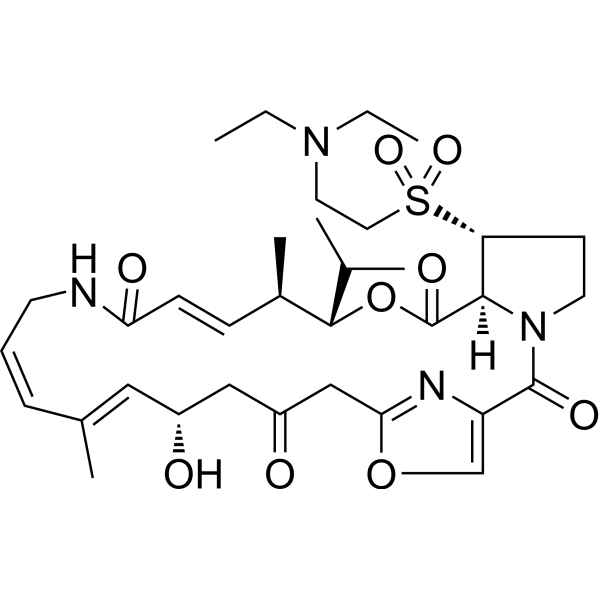
Dalfopristin (RP54476) is a semisynthetic sulfone antibiotic. Dalfopristin alone has limited antibacterial activity, but synergistically with Quinupristin it has significant bactericidal activity against many pathogenic Gram-positive cocci .
|
-
-
- HY-B0278
-
|
Zinc bacitracin
|
Environmental Pollutants
Antibiotic
Bacterial
|
Infection
|
|
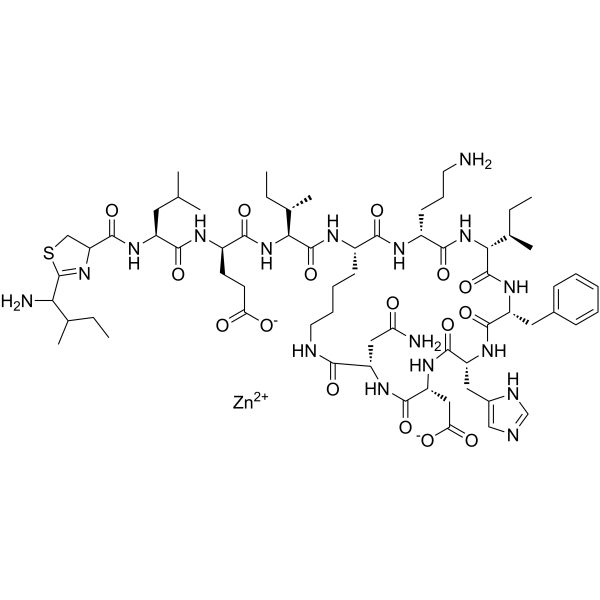
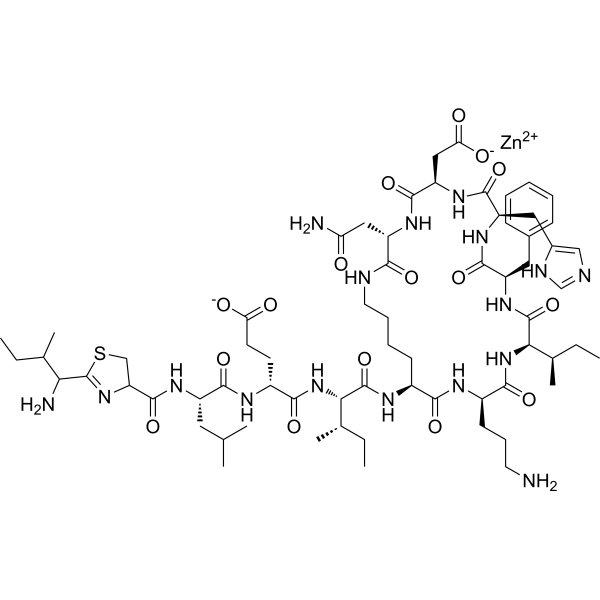
Bacitracin Zinc is a complex formed by the binding of Bacitracin (HY-107193) with zinc ions. Bacitracin Zinc is an orally active polypeptide antibiotic with bactericidal properties. Bacitracin Zinc can cause DNA and deoxyribose damage, as well as improve the gut microbiota of broiler and beef cattle .
|
-
-
- HY-B0915
-
|
CP-104354
|
Bacterial
Antibiotic
|
Infection
|
|
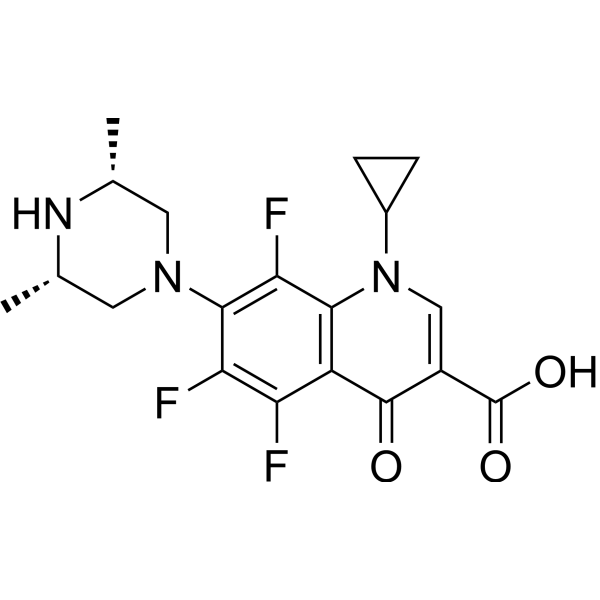
Orbifloxacin is an orally administrable Antibiotic. Orbifloxacin disrupts the replication and proliferation of Bacterial DNA, inhibits bacterial growth and exerts bactericidal activity. Orbifloxacin inhibits the growth of canine-derived E. coli and Pseudomonas aeruginosa isolates. Orbifloxacin is used in research related to bacterial infections .
|
-
-
- HY-B1286
-
|
Sodium piperacillin
|
Bacterial
Antibiotic
Penicillin-binding protein (PBP)
|
Infection
Cancer
|
|
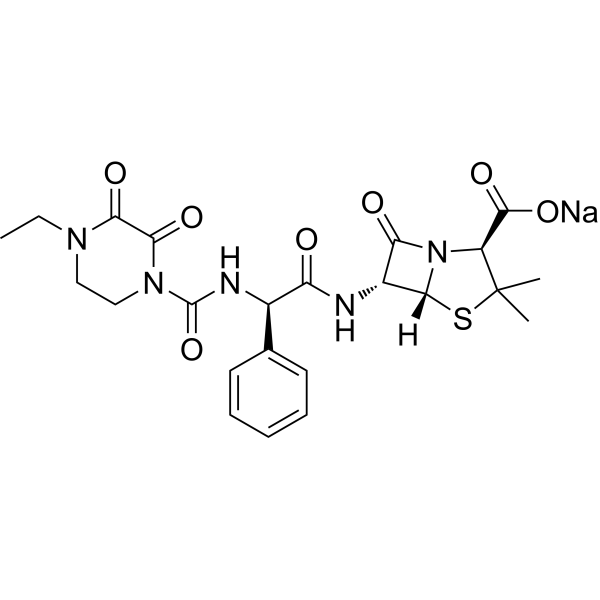
Piperacillin sodium is a semisynthetic broad-spectrum β-lactam antibiotic which exhibits potent bactericidal activity against Gram-negative bacteria as well as select Gram-positive strains through penicillin-binding proteins. Piperacillin is most commonly used in combination with the β-lactamase inhibitor Tazobactam .
|
-
-
- HY-B1228
-
|
Vistamycin sulfate
|
Antibiotic
PDI
|
Infection
|
|
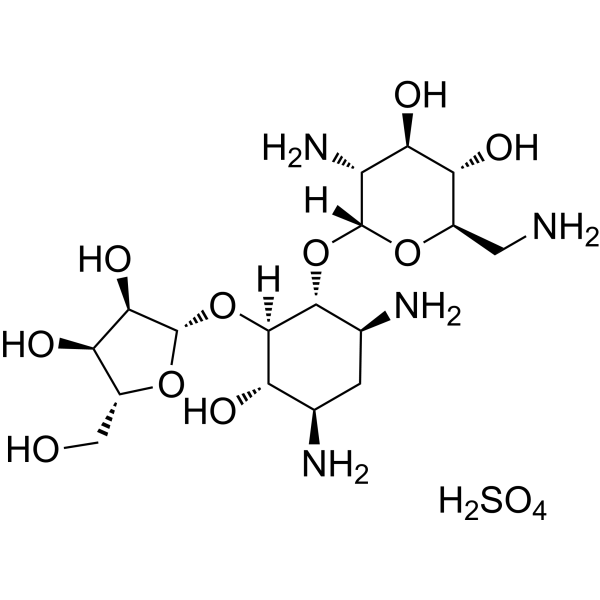
Ribostamycin sulfate (Vistamycin sulfate) is a broad-spectrum aminoglycoside Antibiotic with bactericidal activity against Gram-positive cocci, Gram-negative cocci, bacilli, and drug-resistant strains. Ribostamycin sulfate also acts as an inhibitor of protein disulfide isomerase (PDI), with a binding constant KD of 319 μM for bovine PDI. Ribostamycin sulfate targets bacterial 16S ribosomal RNA and the 30S ribosomal subunit, causing translational misreading and thereby inhibiting bacterial protein synthesis. Ribostamycin sulfate disrupts the integrity of bacterial cell membranes, induces membrane pore formation, and leads to bacterial death. Ribostamycin sulfate can be used in studies related to bacterial infections .
|
-
-
- HY-B1175
-
|
|
Antibiotic
Bacterial
|
Infection
|
|
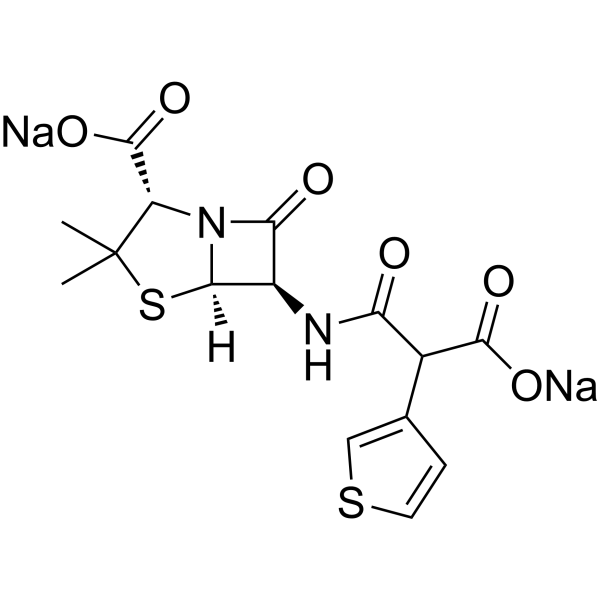
(2S,5R,6R)-Ticarcillin disodium is a semisynthetic antibiotic with bactericidal activities. (2S,5R,6R)-Ticarcillin disodium is the (2S,5R,6R)-enantiomer of Ticarcillin (HY-139805) .
|
-
-
- HY-107813
-
|
BAY 41-6551 sulfate
|
Bacterial
Antibiotic
|
Infection
Cancer
|
|
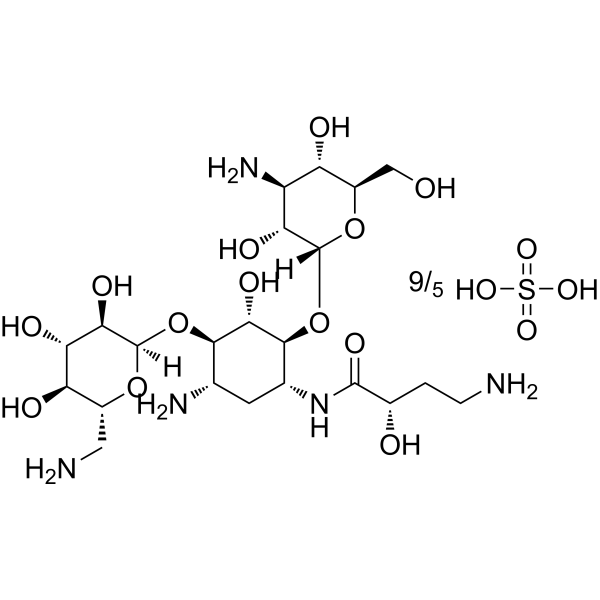
Amikacin sulfate (BAY 41-6551 sulfate) is an aminoglycoside antibiotic and a semisynthetic analog of kanamycin. Amikacin sulfate is bactericidal, acting directly on the 30S and 50S bacerial ribosomal subunits to inhibit protein synthesis. Amikacin sulfate is very active against most Gram-negative bacteria including gentamicin- and tobramycin-resistant strains. Amikacin sulfate also inhibits the infections caused by susceptible Nocardia and nontuberculous mycobacteria .
|
-
-
- HY-B1327A
-
|
7-Chlorotetracycline
|
Bacterial
Antibiotic
Parasite
|
Infection
Inflammation/Immunology
|
|
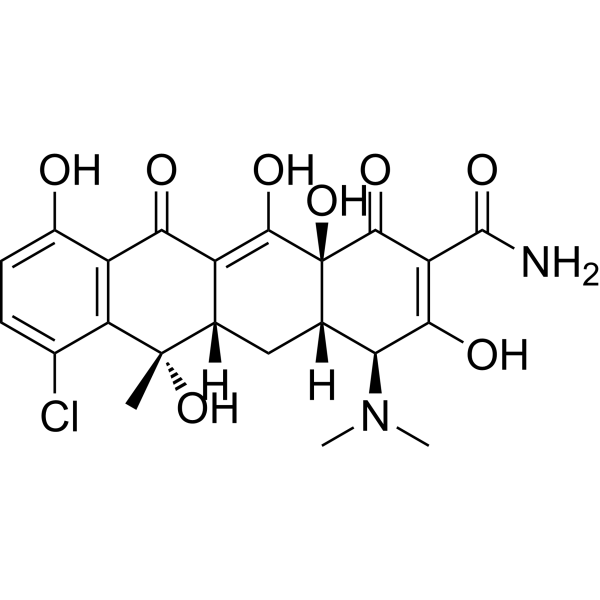
Chlortetracycline (7-Chlorotetracycline) is an orally active, effective and selectively methanogenic bacteria inhibitor with bactericidal effects. Chlortetracycline is also a antibiotic that acts by inhibiting bacterial protein synthesis. Additionally, Chlortetracycline is a specific and potent calcium ionophore antibiotic, inhibiting binding of aminoacyl-tRNA to ribosomes .
|
-
-
- HY-17586
-
|
MDL-63397 hydrochloride; BI-397 hydrochloride
|
Bacterial
Antibiotic
|
Infection
|
|
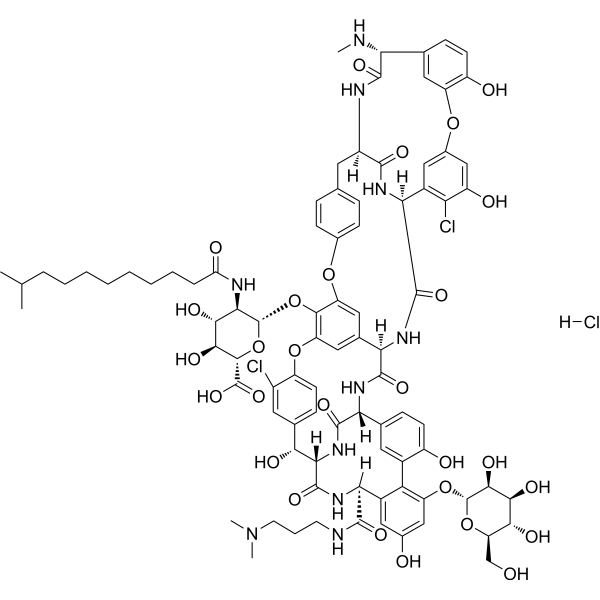
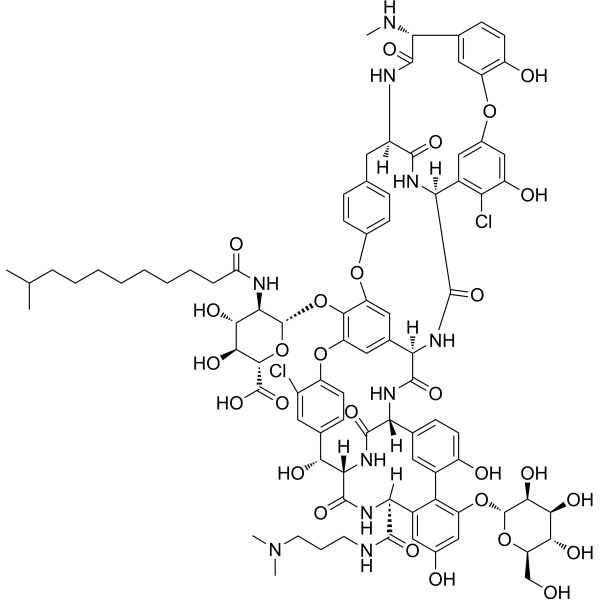
Dalbavancin hydrochloride (MDL-63397 hydrochloride) is a semisynthetic lipoglycopeptide antibiotic with potent bactericidal activity against Gram-positive bacteria. Dalbavancin hydrochloride inhibits Staphylococcus aureus and Bacillus anthracis with MIC90s of 0.06 μg/mL and 0.25 μg/mL, respectively .
|
-
-
- HY-17586A
-
|
MDL-63397; BI-397
|
Bacterial
Antibiotic
|
Infection
|
|
Dalbavancin (MDL-63397) is a semisynthetic lipoglycopeptide antibiotic with potent bactericidal activity against Gram-positive bacteria. Dalbavancin inhibits Staphylococcus aureus and Bacillus anthracis with MIC90s of 0.06 μg/mL and 0.25 μg/mL, respectively .
|
-
-
- HY-B0398A
-
|
|
Bacterial
Antibiotic
Topoisomerase
|
Infection
|
|
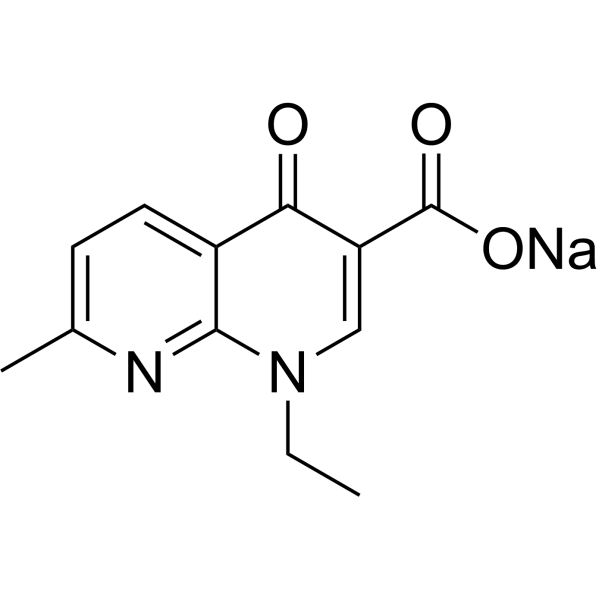
Nalidixic acid sodium salt, a quinolone antibiotic, is effective against both gram-positive and gram-negative bacteria. Nalidixic acid acts in a bacteriostatic manner in lower concentrations and is bactericidal in higher concentrations. Nalidixic acid inhibits a subunit of DNA gyrase and topoisomerase IV and reversibly blocks DNA replication in susceptible bacteria .
|
-
-
- HY-B0330D
-
|
Dextrofloxacin
|
Bacterial
Antibiotic
|
Infection
|
|
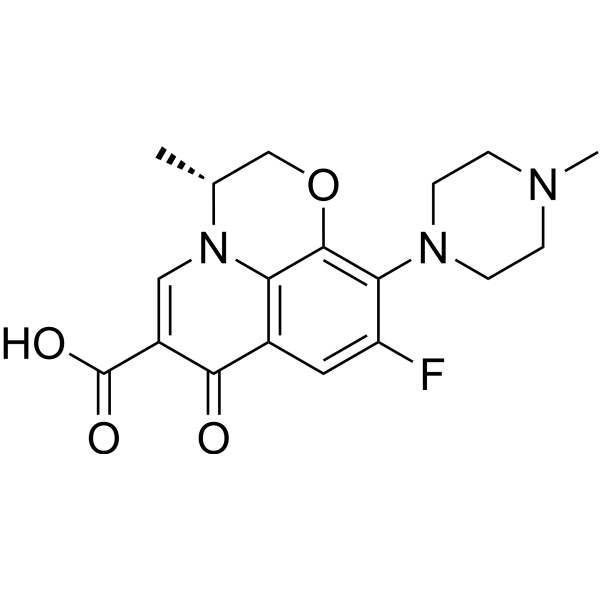
(R)-Ofloxacin is the dextrorotatory enantiomer of Ofloxacin (HY-B0125) and is an orally effective fluoroquinolone antibiotic. (R)-Ofloxacin can inhibit the activity of bacterial DNA topoisomerase II, interfere with bacterial DNA replication and repair, and exert a bactericidal effect. (R)-Ofloxacin has a broad-spectrum antibacterial activity and has inhibitory effects on both Gram-negative and Gram-positive bacteria .
|
-
-
- HY-B0455
-
|
SC47111A hydrochloride; NY-198 hydrochloride
|
Antibiotic
Bacterial
Topoisomerase
Reactive Oxygen Species (ROS)
Apoptosis
|
Infection
Endocrinology
Cancer
|
|
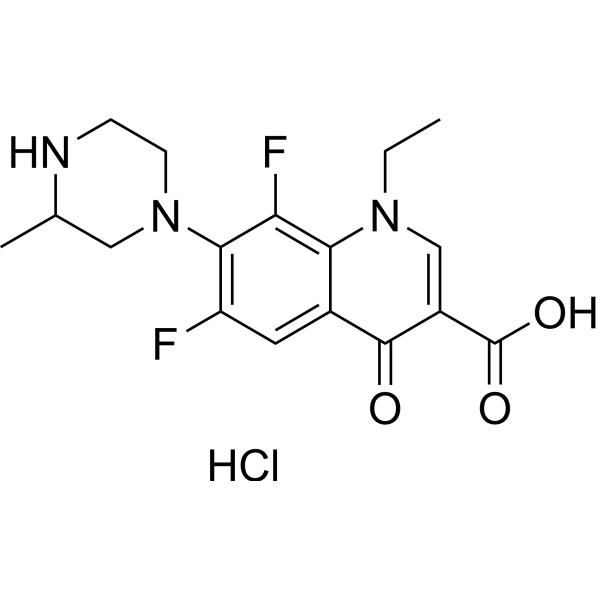
Lomefloxacin hydrochloride (NY-198 hydrochloride) is an orally active difluoroquinolone antibiotic. Lomefloxacin hydrochloride prevents DNA supercoiling and replication by inhibiting bacterial topoisomerase II. Lomefloxacin hydrochloride induces ROS production and Apoptosis. Lomefloxacin hydrochloride has broad-spectrum bactericidal activity against Gram-positive and Gram-negative bacteria. Lomefloxacin hydrochloride has anticancer effects against melanoma. Lomefloxacin hydrochloride can be used in the study of systemic bacterial infections (such as Salmonella typhimurium infections), skin and melanoma .
|
-
-
- HY-B1915
-
|
Gentamicin C2b; Antibiotic XK-62-2; Sagamicin
|
Antibiotic
Bacterial
|
Infection
|
|
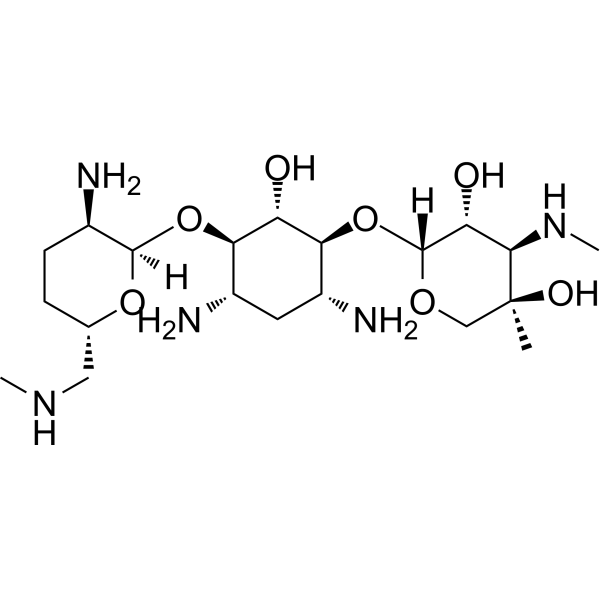
Micronomicin (Gentamicin C2b) is an aminoglycoside antibiotic, with antibacterial and bactericidal activities .
|
-
-
- HY-17586AS
-
|
MDL-63397-d6; BI-397-d6
|
Bacterial
Antibiotic
|
Infection
|
|
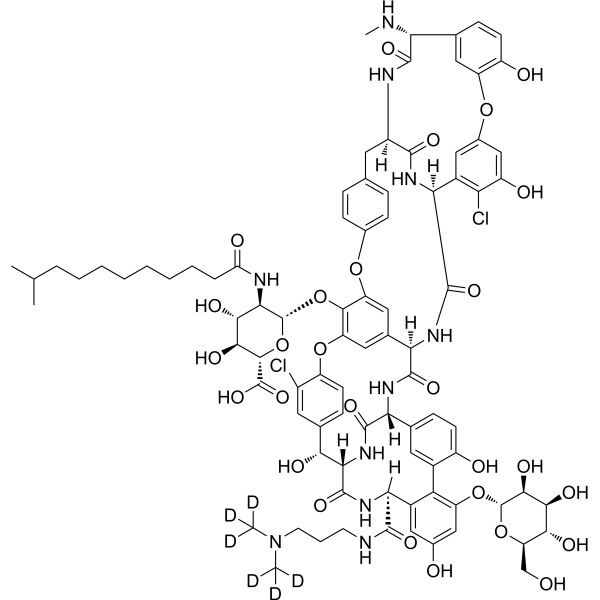
Dalbavancin-d6 is the deuterium labeled Dalbavancin . Dalbavancin (MDL-63397) is a semisynthetic lipoglycopeptide antibiotic with potent bactericidal activity against Gram-positive bacteria. Dalbavancin inhibits Staphylococcus aureus and Bacillus anthracis with MIC90s of 0.06 μg/mL and 0.25 μg/mL, respectively .
|
-
-
- HY-B0509
-
|
BAY 41-6551 hydrate
|
Bacterial
Antibiotic
|
Infection
Cancer
|
|
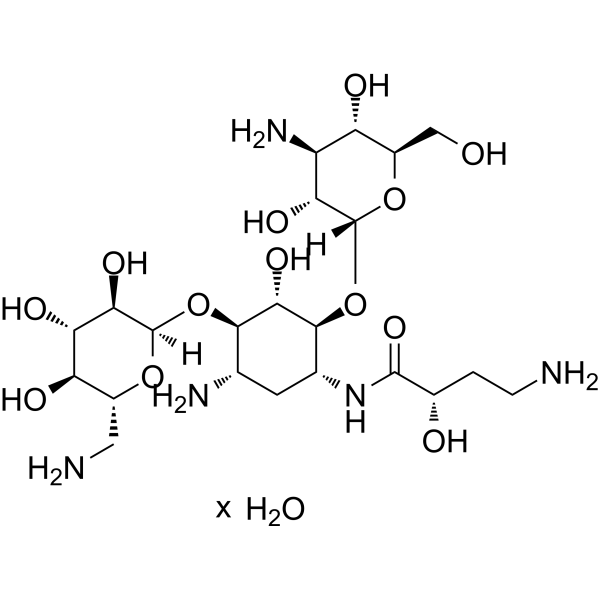
Amikacin hydrate (BAY 41-6551 hydrate) is an aminoglycoside antibiotic and a semisynthetic analog of kanamycin. Amikacin hydrate is bactericidal, acting directly on the 30S and 50S bacerial ribosomal subunits to inhibit protein synthesis. Amikacin hydrate is very active against most Gram-negative bacteria including gentamicin- and tobramycin-resistant strains. Amikacin hydrate also inhibits the infections caused by susceptible Nocardia and nontuberculous mycobacteria .
|
-
-
- HY-B0771A
-
|
SCE-2787 hydrochloride
|
Antibiotic
Bacterial
Penicillin-binding protein (PBP)
|
Infection
|
|
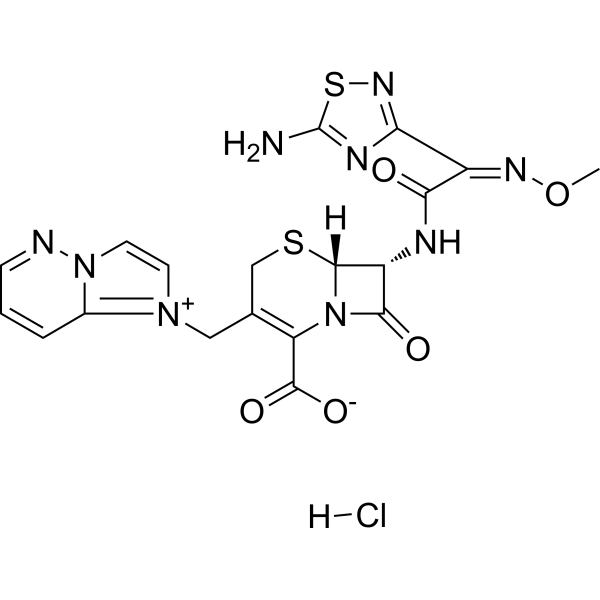
Cefozopran (SCE-2787) hydrochloride is a potent antibiotic with broad-spectrum antibacterial activity. Cefozopran hydrochloride binds PBPs, induces cell wall destruction, cell elongation, filamentation, irregular septa formation, and bactericidal, bacteriolytic activity. Cefozopran hydrochloride reduces bacterial counts and eradicates bacteria in mouse respiratory, urinary, and thigh muscle infections. Cefozopran hydrochloride can be used for the research of bacterial infections .
|
-
-
- HY-B1824
-
|
HR-810 sulfate
|
Bacterial
Antibiotic
|
Infection
|
|
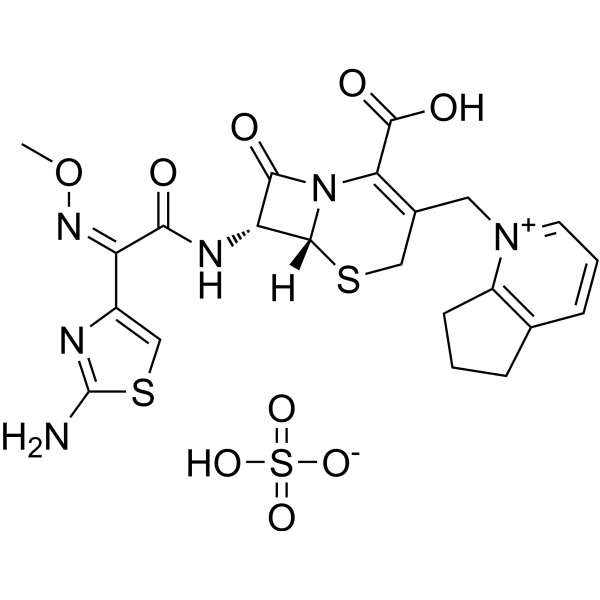
Cefpirome (HR-810) sulfate is a cephalosporin antibiotic that can cross cell membranes and the blood-brain barrier. Cefpirome sulfate binds to penicillin-binding proteins with high affinity, thereby inhibiting bacterial cell wall synthesis. Cefpirome sulfate exhibits bactericidal and growth-inhibitory activities against Gram-negative bacteria, Gram-positive bacteria, and susceptible anaerobic bacteria (including some β-lactamase-producing strains) .
|
-
-
- HY-132823
-
|
VNRX-5236
|
Beta-lactamase
Bacterial
|
Infection
|
|
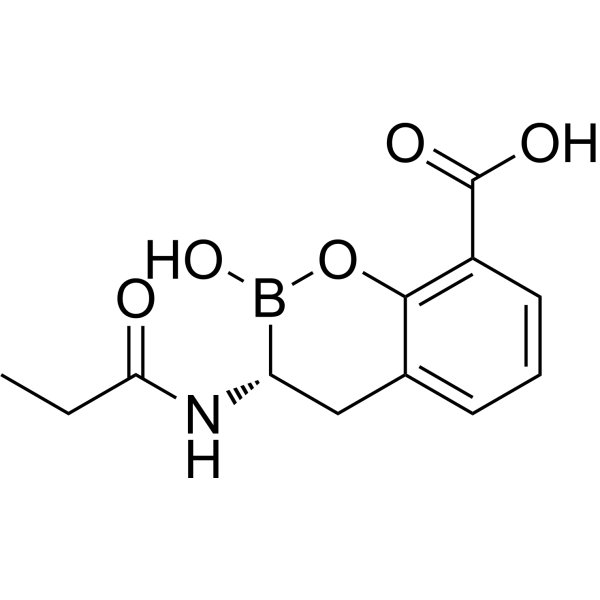
Iedaborbactam (VNRX-5236), as a β-lactamase inhibitor (WO2015191907, Example 62), can be used for the research of bacterial infections .
|
-
-
- HY-128932
-
|
MT-141
|
Antibiotic
Bacterial
PPAR
Prostaglandin Receptor
PTEN
Akt
mTOR
|
Infection
Cardiovascular Disease
Endocrinology
|
|
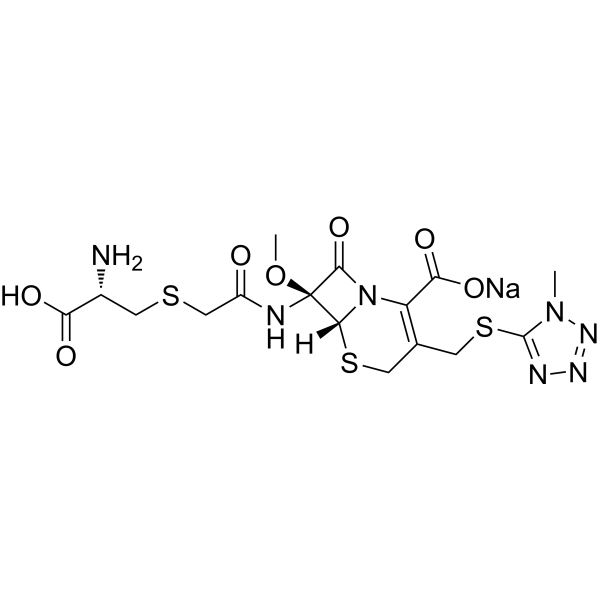
Cefminox sodium (MT-141) is a semisynthetic cephamycin, which exhibits antibacterial activity. Cefminox sodium is a broad-spectrum, bactericidal cephalosporin antibiotic. Cefminox sodium also acts as a dual agonist of prostacyclin receptor (IP) and PPARγ. Cefminox sodium upregulates cAMP production and PTEN expression and inhibits Akt/mTOR signaling. Cefminox sodium also prevents pulmonary arterial hypertension in rat model .
|
-
-
- HY-B1923R
-
|
Pipracil (Standard)
|
Bacterial
Reference Standards
Antibiotic
Beta-lactamase
Penicillin-binding protein (PBP)
|
Infection
Cancer
|
|
Piperacillin (Standard) is the analytical standard of Piperacillin. This product is intended for research and analytical applications. Piperacillin is a semisynthetic broad-spectrum β-lactam antibiotic which exhibits potent bactericidal activity against Gram-negative bacteria as well as select Gram-positive strains through penicillin-binding proteins. Piperacillin is most commonly used in combination with the β-lactamase inhibitor Tazobactam .
|
-

-
- HY-B1190A
-
|
BL-S 578 hydrate
|
Bacterial
Antibiotic
EAAT
|
Infection
Neurological Disease
|
|
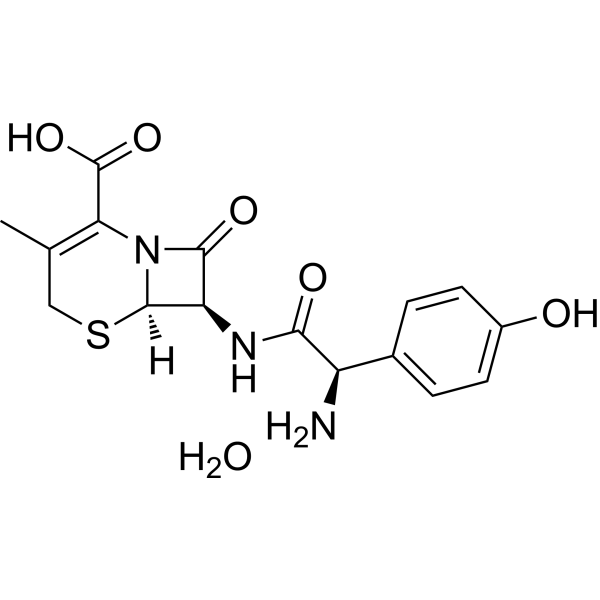
Cefadroxil hydrate is an orally active broad-spectrum cephalosporin antibiotic. Cefadroxil hydrate inhibits bacterial cell wall synthesis and enhances the expression of glutamate transporter-1. Cefadroxil hydrate is dependent on the intestinal peptide transporter PepT1 for small intestinal absorption. Cefadroxil hydrate has inhibitory and bactericidal activity against a variety of Gram-positive and Gram-negative bacteria and has analgesic effects on neuropathic pain .
|
-
-
- HY-N6680
-
|
|
Bacterial
Antibiotic
|
Infection
|
|
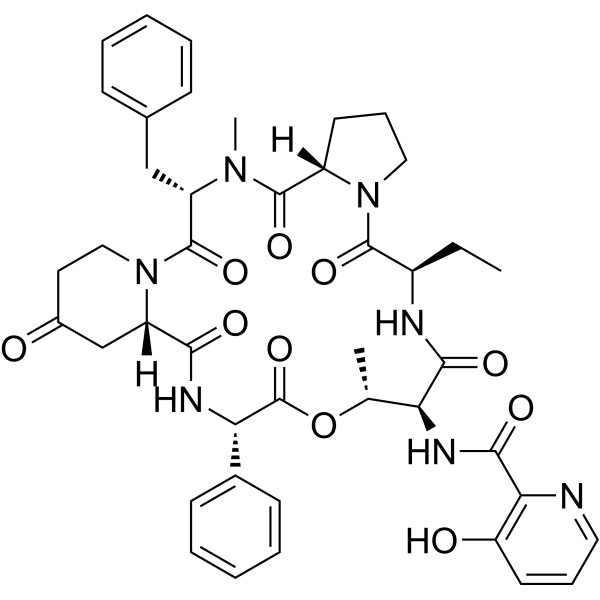
Virginiamycin S1 is a cyclic hexadepsipeptide antibiotic, inhibits bacterial protein synthesis at the level of aminoacyl-tRNA binding and peptide bond formation. Virginiamycin S1 belongs to the type B compounds in the streptogramin family and is produced by Streptomyces virginiae, shows a strong bactericidal activity against a wide range of Gram-positive bacteria. Virginiamycin S1 together with virginiamycin M1 is more effective in treat multidrug-resistant bacterial infections [1][2].
|
-
-
- HY-B0455A
-
|
SC47111A; NY-198
|
Bacterial
Antibiotic
Topoisomerase
Reactive Oxygen Species (ROS)
Apoptosis
|
Infection
|
|
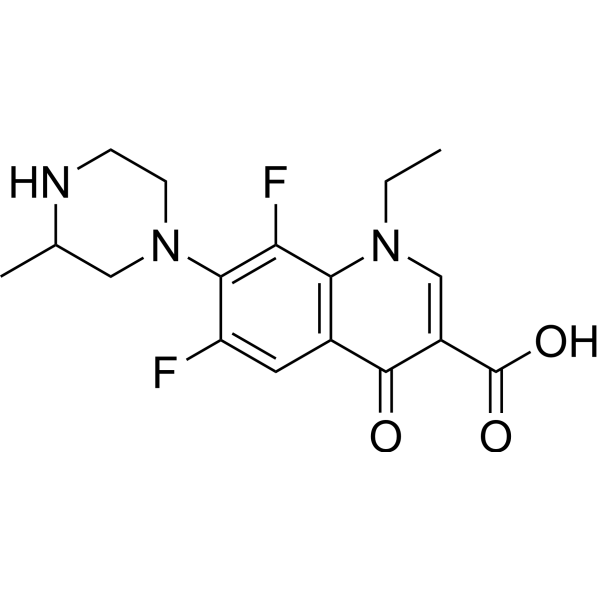
Lomefloxacin (SC47111A) is an orally active difluoroquinolone antibiotic. Lomefloxacin prevents DNA supercoiling and replication by inhibiting bacterial topoisomerase II. Lomefloxacin induces ROS production and Apoptosis. Lomefloxacin has broad-spectrum bactericidal activity against Gram-positive and Gram-negative bacteria. Lomefloxacin has anticancer effects against melanoma. Lomefloxacin can be used in the study of systemic bacterial infections (such as Salmonella typhimurium infections), skin and melanoma .
|
-
-
- HY-128916
-
|
|
Antibiotic
Bacterial
|
Infection
|
|
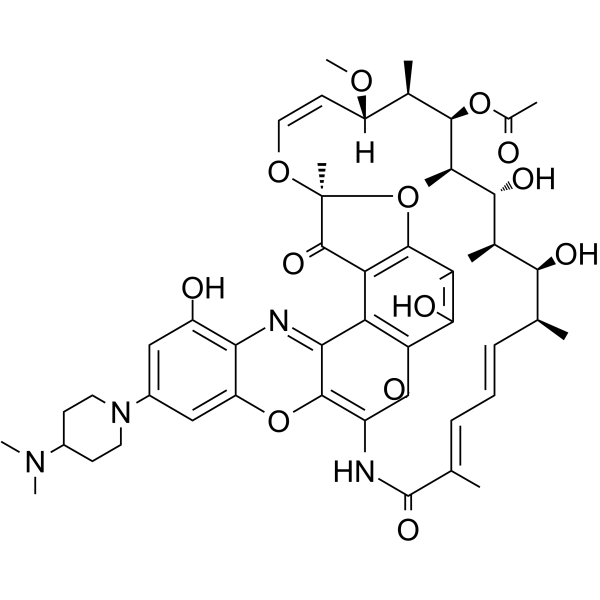
dmDNA31 is a rifamycin-class antibiotic that inhibits bacterial DNA-dependent RNA polymerase with potent bactericidal activity against S. aureus .
|
-
-
- HY-106783A
-
|
|
Bacterial
Antibiotic
|
Infection
|
|
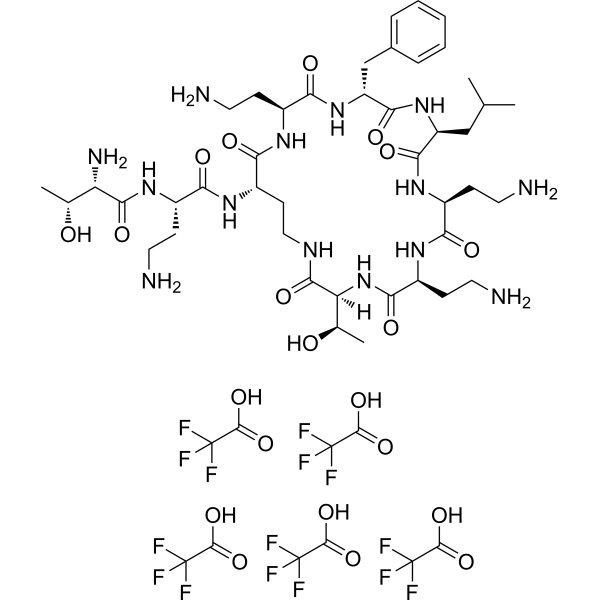
Polymyxin B nonapeptide TFA is a cyclic peptide obtained from Polymyxin B by proteolytic removal of its terminal amino acyl residue. Polymyxin B nonapeptide TFA is less toxic, lacks bactericidal activity, and retains its ability to render gram-negative bacteria susceptible to several antibiotics by permeabilizing their outer membranes .
|
-
-
- HY-B0555
-
|
|
Beta-lactamase
Antibiotic
Bacterial
|
Infection
|
|
Nafcillin, an antibiotic, is a reversible inhibitor of β-lactamase. Nafcillin exhibits bactericidal activity, and can be used for the research of staphylococcal infections .
|
-
-
- HY-N11857
-
|
|
Antibiotic
Bacterial
|
Infection
|
|
Gentamicin C2 is an aminoglycoside antibiotic with broad-spectrum bactericidal activity, selectively binding to the bacterial 16S rRNA A-site. Gentamicin C2 interferes with protein synthesis initiation and translation fidelity to exert bactericidal effects. Gentamicin C2 can be used for the research of bacterial infections .
|
-

-
- HY-111331
-
|
|
Antibiotic
Hexokinase
Bacterial
|
Infection
|
|
Germicidin B is an antibiotic with bactericidal activity. Germicidin B inhibits hexokinase II with an IC50 of 25.16 μM. Germicidin B suppresses spore germination in Streptomyces. Germicidin B is applicable to studies on bacterial infections .
|
-

-
- HY-B1286R
-
|
Sodium piperacillin (Standard)
|
Reference Standards
Bacterial
Antibiotic
Penicillin-binding protein (PBP)
|
Infection
|
|
Piperacillin (sodium) (Standard) is the analytical standard of Piperacillin (sodium). This product is intended for research and analytical applications. Piperacillin sodium is a semisynthetic broad-spectrum β-lactam antibiotic which exhibits potent bactericidal activity against Gram-negative bacteria as well as select Gram-positive strains through penicillin-binding proteins. Piperacillin is most commonly used in combination with the β-lactamase inhibitor Tazobactam .
|
-

-
- HY-121300
-
|
(-)-TAN2162
|
Antibiotic
Bacterial
Endothelin Receptor
CGRP Receptor
|
Infection
Cancer
|
|
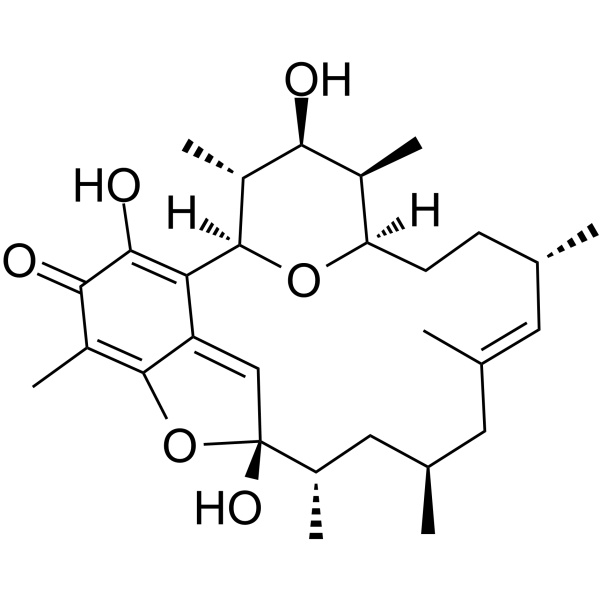
Kendomycin ((−)-TAN 2162) is a polyketide antibiotic with remarkable antibacterial and cancer cells cytotoxic activities. Kendomycin tends to be bacteriostatic rather than bactericidal and inhibits the growth of the methicillin-resistant Staphylococcus aureus (MRSA) strain COL at a low concentration (MIC of 5 μg/mL). Kendomycin is a potent antagonist of the endothelin receptor and a calcitonin receptor agonist which plays its role as an anti-osteoporotic agent .
|
-
-
- HY-B0771
-
|
SCE-2787
|
Antibiotic
Bacterial
Penicillin-binding protein (PBP)
|
Infection
|
|
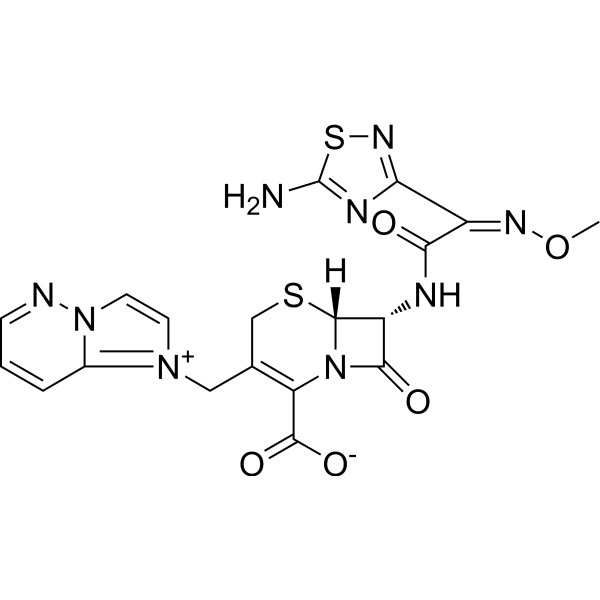
Cefozopran (SCE-2787) is a potent antibiotic with broad-spectrum antibacterial activity. Cefozopran binds PBPs, induces cell wall destruction, cell elongation, filamentation, irregular septa formation, and bactericidal, bacteriolytic activity. Cefozopran reduces bacterial counts and eradicates bacteria in mouse respiratory, urinary, and thigh muscle infections. Cefozopran can be used for the research of bacterial infections .
|
-
-
- HY-108988
-
|
|
Antibiotic
Bacterial
Topoisomerase
DNA/RNA Synthesis
|
Infection
|
|
Albicidin is a peptide antibiotic with phytotoxic activity. Albicidin potently inhibits bacterial and plant DNA gyrase at nanomolar concentrations, blocks DNA replication, and exhibits excellent antibacterial efficacy against multidrug-resistant bacteria. Albicidin possesses bactericidal activity against Gram-positive and Gram-negative microorganisms, and acts as a virulence factor for the systemic plant infection by Xanthomonas albilineans. Albicidin can be used in studies related to bacterial infections and sugarcane leaf blight .
|
-

-
- HY-B1190R
-
|
BL-S 578 (Standard)
|
Reference Standards
Bacterial
Antibiotic
EAAT
|
Infection
Neurological Disease
|
|
Cefadroxil (Standard) is the analytical standard of Cefadroxil (HY-B1190). This product is intended for research and analytical applications. Cefadroxil is an orally active broad-spectrum cephalosporin antibiotic. Cefadroxil inhibits bacterial cell wall synthesis and enhances the expression of glutamate transporter-1. Cefadroxil is dependent on the intestinal peptide transporter PepT1 for small intestinal absorption. Cefadroxil has inhibitory and bactericidal activity against a variety of Gram-positive and Gram-negative bacteria and has analgesic effects on neuropathic pain .
|
-

-
- HY-B1831
-
|
LY 333328; Orbactiv
|
Antibiotic
Bacterial
|
Infection
Inflammation/Immunology
|
|
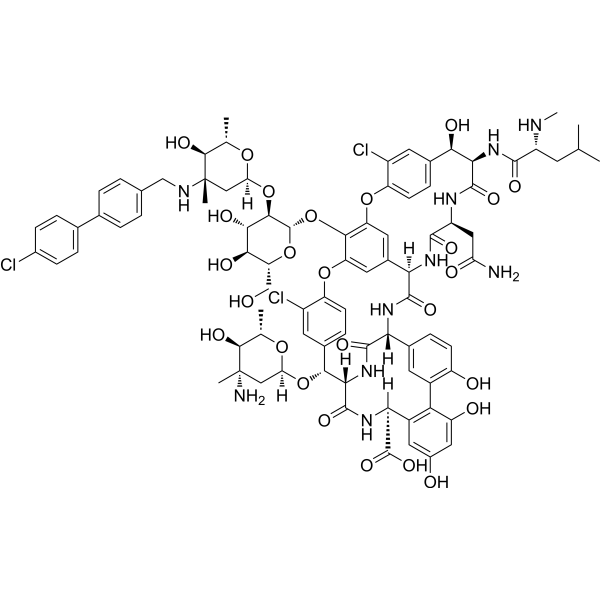
Oritavancin (LY 333328), a semisynthetic derivative of Vancomycin (HY-B0671), is an orally active glycopeptide antibiotic with bactericidal activity against gram-positive organisms. Oritavancin shows antibacterial effect against B. anthracis, such as Ames strain with a MIC value of 0.015 g/mL. Oritavancin inhibits cell wall synthesis and disrupts the membrane potential. Oritavancin inhibits ArlS kinase activity thereby interfering the signal transduction. Oritavancin enters cells by adsorptive endocytosis, which drives it to lysosomes, where it exerts antibiotic activity .
|
-
-
- HY-125416
-
|
|
Antibiotic
Bacterial
|
Infection
|
|
Streptothricin F is a bactericidal antibiotic. Streptothricin F interacts with the 30S subunit of 70S ribosome. Streptothricin F shows rapid, bactericidal activity against highly drug-resistant, carbapenem-resistant Enterobacterales (CRE) (MIC50 and MIC90: 2 and 4 μM, respectively) and Acinetobacter baumannii .
|
-

-
- HY-128384
-
|
|
Bacterial
|
Infection
|
|
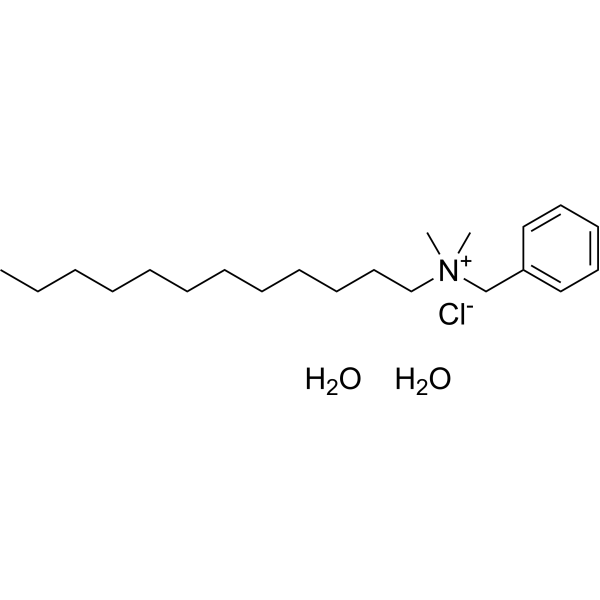
Benzyldodecyldimethylammonium chloride dihydrate is a quaternary ammonium compound (QAC) and can be used as a biocide to target antibiotic-resistant bacteria, such as methicillin-resistant Staphylococcus aureus (MRSA), multidrug-resistant (MDR) P. aeruginosa et. al. Benzyldodecyldimethylammonium chloride dihydrate, an antimicrobial agent, bacteriostatic or bactericidal properties depending on the concentration.
|
-
-
- HY-P10519
-
|
|
Bacterial
Reactive Oxygen Species (ROS)
|
Infection
|
|
Brevicidine is an antimicrobial peptide with selective bactericidal activity against Gram-negative pathogens. Brevicidine disrupts bacterial morphology by binding to lipopolysaccharide (LPS) on the bacterial cell membrane to form pores. Brevicidine causes dissipation of intracellular proton motive force, outer membrane damage, inhibition of ATP biosynthesis and reactive oxygen species accumulation in bacterial cells. As a sensitizer, Brevicidine exerts synergistic activity when combined with a variety of conventional antibiotics .
|
-

-
- HY-178347
-
|
|
Bacterial
|
Infection
|
|
Debio 1453 is a bactericidal FabI inhibitor potent against N. gonorrhoeae (IC50 = 0.6 nM), including drug-resistant strains. Debio 1453 demonstrates a low propensity for resistance selection and is effective in eradicating both planktonic and intracellular bacteria through a mechanism of concurrently inhibiting FabI and engaging the non-mutable NADH cofactor. Debio 1453 clears antibiotic-resistant N. gonorrhoeae infection in a murine vaginal model. Debio 1453 can be used for gonorrhoea research .
|
-

- HY-U00380
-
|
|
Antibiotic
Beta-lactamase
Bacterial
|
Infection
|
|
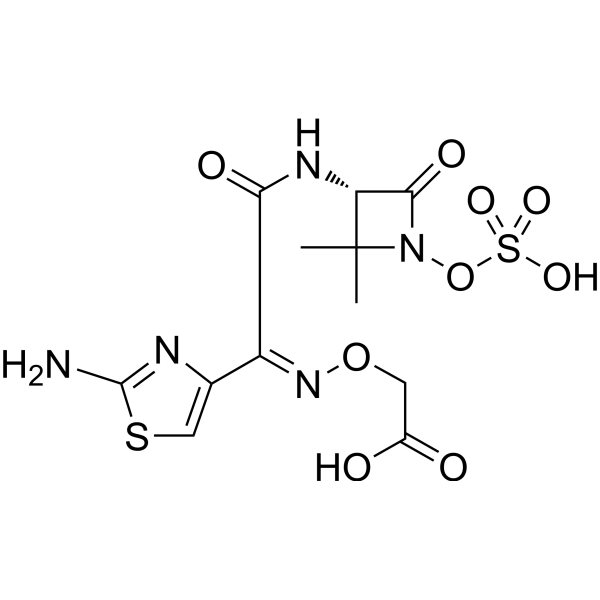
Tigemonam is an orally active monobactam antibiotic with a Ki of 0.86 μM against Enterobacter cloacae P99 β-lactamase and 50.8 μM against Escherichia coli TEM-1 β-lactamase. Tigemonam binds to penicillin-binding proteins 1a, 3, and 4, inhibits bacterial cell wall synthesis, and exhibits bactericidal activity against aerobic gram-negative bacteria including Enterobacteriaceae, Haemophilus influenzae, and Neisseria gonorrhoeae. Tigemonam resists hydrolysis by multiple β-lactamase enzymes, reduces bacterial load in systemic, pyelonephritic, lung, and thigh muscle infections in rodents, and shows minimal difference between minimum inhibitory and bactericidal concentrations. Tigemonam can be used for the research of gram-negative bacterial infections, acute pyelonephritis, lung infection, and thigh muscle infection .
|
-
- HY-B1824R
-
|
HR-810 sulfate (Standard)
|
Reference Standards
Antibiotic
Bacterial
|
Infection
|
|
Cefpirome (HR-810) sulfate (Standard) is the analytical standard of Cefpirome sulfate. This product is intended for research and analytical applications. Cefpirome sulfate is a cephalosporin antibiotic that can cross cell membranes and the blood-brain barrier. Cefpirome sulfate binds to penicillin-binding proteins with high affinity, thereby inhibiting bacterial cell wall synthesis. Cefpirome sulfate exhibits bactericidal and growth-inhibitory activities against Gram-negative bacteria, Gram-positive bacteria, and susceptible anaerobic bacteria (including some β-lactamase-producing strains).
|
-

- HY-N16459
-
|
|
Antibiotic
Bacterial
|
Infection
|
|
Albomycin δ1 is a selective bacterial ribosome-targeted antibiotic (MIC: 0.0625 μg/mL against S. pneumoniae). Albomycin δ1 exerts bactericidal activity via covalent binding to 70S ribosomes and irreversible inhibition of peptidyl transferase. Albomycin δ1 is promising for research of S. pneumoniae and S. aureus infections .
|
-

- HY-108879
-
|
|
Bacterial
Antibiotic
|
Infection
|
|
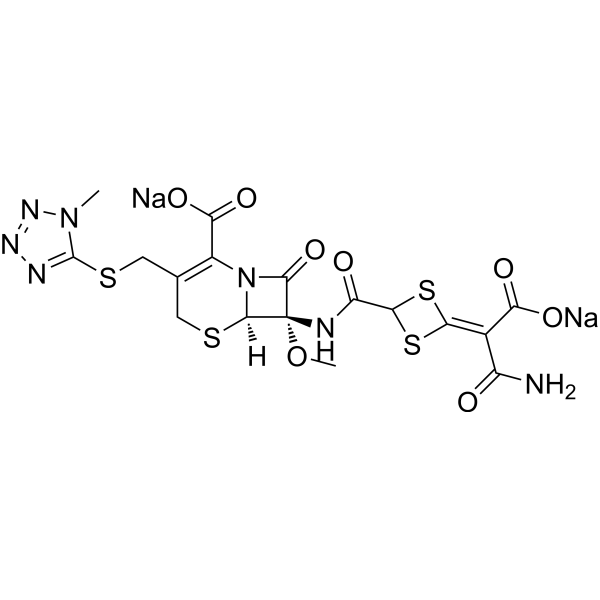
Cefotetan disodium is a semisynthetic cephamycin antibiotic that exerts its bactericidal effects by inhibition of cell-wall synthesis .
|
-
- HY-B0555AR
-
|
|
Beta-lactamase
Reference Standards
Bacterial
Antibiotic
|
Infection
|
|
Nafcillin (sodium monohydrate) (Standard) is the analytical standard of Nafcillin (sodium monohydrate). This product is intended for research and analytical applications. Nafcillin sodium monohydrate, an antibiotic, is a reversible inhibitor of β-lactamase. Nafcillin sodium monohydrate can be used for the research of staphylococcal infections .
|
-

- HY-146535S
-
-

- HY-B0398S
-
|
|
Isotope-Labeled Compounds
Bacterial
Antibiotic
Topoisomerase
|
Infection
|
|
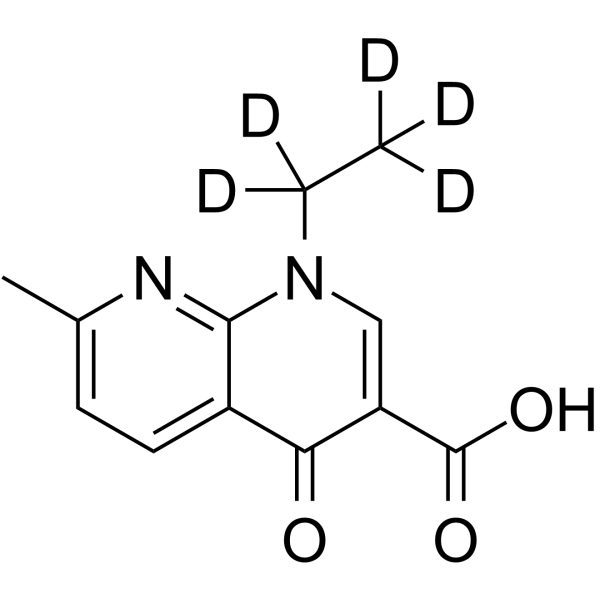
Nalidixic Acid-d5 is the deuterium labeled Nalidixic acid. Nalidixic acid, a quinolone antibiotic, is effective against both gram-positive and gram-negative bacteria. Nalidixic acid acts in a bacteriostatic manner in lower concentrations and is bactericidal in higher concentrations. Nalidixic acid inhibits a subunit of DNA gyrase and topoisomerase IV and reversibly blocks DNA replication in susceptible bacteria .
|
-
- HY-B0398R
-
|
|
Reference Standards
Bacterial
Antibiotic
Topoisomerase
|
Infection
|
|
Nalidixic acid (Standard) is the analytical standard of Nalidixic acid. This product is intended for research and analytical applications. Nalidixic acid, a quinolone antibiotic, is effective against both gram-positive and gram-negative bacteria. Nalidixic acid acts in a bacteriostatic manner in lower concentrations and is bactericidal in higher concentrations. Nalidixic acid inhibits a subunit of DNA gyrase and topoisomerase IV and reversibly blocks DNA replication in susceptible bacteria .
|
-

- HY-B1190S
-
|
BL-S 578-d4 hydrate
|
Isotope-Labeled Compounds
Bacterial
Antibiotic
EAAT
|
Infection
Neurological Disease
|
|
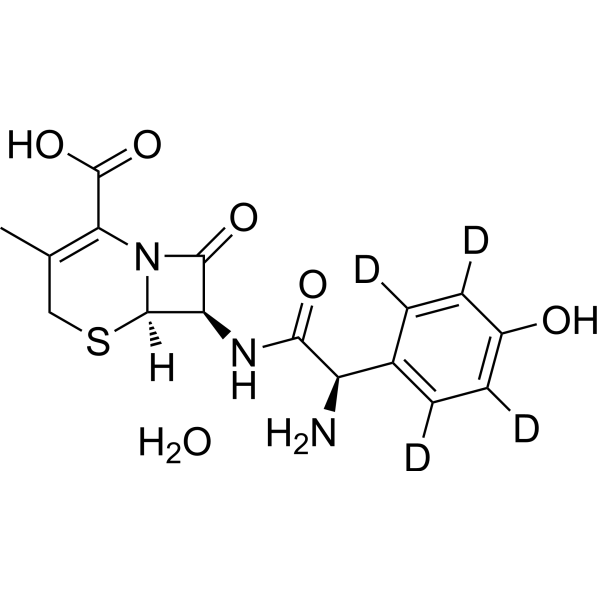
Cefadroxil-d4 (hydrate) is the deuterium labeled Cefadroxil hydrate (HY-B1190A). Cefadroxil hydrate is an orally active broad-spectrum cephalosporin antibiotic. Cefadroxil hydrate inhibits bacterial cell wall synthesis and enhances the expression of glutamate transporter-1. Cefadroxil hydrate is dependent on the intestinal peptide transporter PepT1 for small intestinal absorption. Cefadroxil hydrate has inhibitory and bactericidal activity against a variety of Gram-positive and Gram-negative bacteria and has analgesic effects on neuropathic pain .
|
-
- HY-B1218R
-
|
|
Reference Standards
Cytochrome P450
Antibiotic
Bacterial
Necroptosis
Apoptosis
|
Infection
Cardiovascular Disease
|
|
Sulfaphenazole (Standard) is the analytical standard of Sulfaphenazole. This product is intended for research and analytical applications. Sulfaphenazole is a selective inhibitor of human cytochrome P450 (CYP) 2C9 enzyme. Sulfaphenazole is a cytoprotective agent against light-induced death of photoreceptors. Sulfaphenazole inhibits light-induced necrosis and mitochondrial stress-initiated apoptosis. Sulfaphenazole is an off patent sulfonamide antibiotic and demonstrates bactericidal activity through enhanced M1 macrophage activity. Sulfaphenazole can significantly reduce infarct size and restore post-ischemic coronary flow following ischemia and reperfusion .
|
-

- HY-106095
-
|
|
Antibiotic
Bacterial
Penicillin-binding protein (PBP)
|
Infection
|
DQ 2556 is a semi-synthetic cephalosporin antibiotic. DQ-2556 exhibits significant activity against both Gram-positive and Gram-negative bacteria, particularly Gram-positive bacteria and Enterobacteriaceae infections. DQ 2556 exerts its bactericidal effect by interfering with cell division. DQ-2556 has a strong affinity for the penicillin-binding proteins (PBPs) of Escherichia coli: PBP1A/1B (IC₅₀ = 0.57-0.73 μg/mL) and PBP3 (IC₅₀ = 0.088 μg/mL). DQ-2556 demonstrates significant in vivo protective effects. DQ-2556 can be used in the development of injectable cephalosporins .
|
-

- HY-111019A
-
|
|
Antibiotic
Bacterial
|
Infection
|
|
SCH 34343 sodium is a potent β-lactam Antibiotic with bactericidal activity against Streptococcus pneumoniae, viridans streptococci, streptococci of groups A, B, C and G, and Str. bovis .
|
-

- HY-156189
-
|
|
Antibiotic
|
Infection
|
|
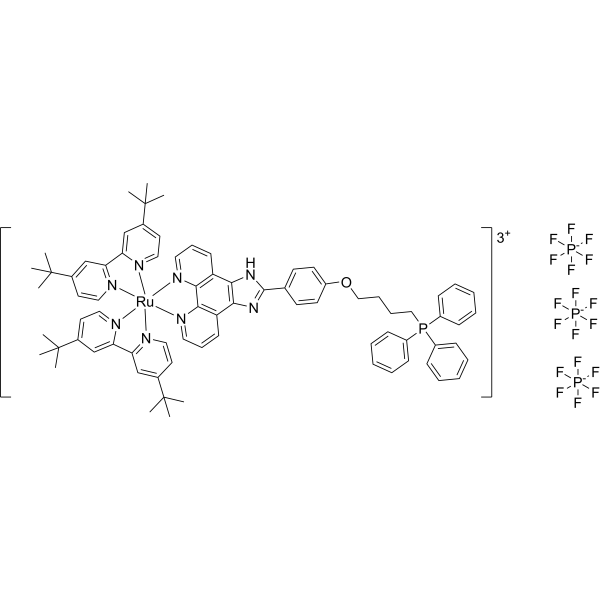
CcpA-IN-1 is a Staphylococcus aureus antibiotic. CcpA-IN-1 has significant bactericidal activity (MICS=460 nM) .
|
-
- HY-B1915R
-
|
Gentamicin C2b (Standard); Antibiotic XK-62-2 (Standard); Sagamicin (Standard)
|
Antibiotic
Bacterial
Reference Standards
|
Infection
|
|
Micronomicin (Standard) is the analytical standard of Micronomicin. This product is intended for research and analytical applications. Micronomicin (Gentamicin C2b) is an aminoglycoside antibiotic, with antibacterial and bactericidal activities .
|
-

- HY-B1831AR
-
|
LY333328 diphosphate (Standard)
|
Reference Standards
Bacterial
Antibiotic
|
Infection
Inflammation/Immunology
|
|
Oritavancin (diphosphate) (Standard) is the analytical standard of Oritavancin (diphosphate). Oritavancin diphosphate (Standard), a semisynthetic derivative of Vancomycin (HY-B0671), is an orally active glycopeptide antibiotic with bactericidal activity against gram-positive organisms. Oritavancin diphosphate (Standard) shows antibacterial effect against B. anthracis, such as Ames strain with a MIC value of 0.015 g/mL. Oritavancin diphosphate (Standard) inhibits cell wall synthesis and disrupts the membrane potential. Oritavancin diphosphate (Standard) inhibits ArlS kinase activity thereby interfering the signal transduction. Oritavancin diphosphate (Standard) enters cells by adsorptive endocytosis, which drives it to lysosomes, where it exerts antibiotic activity .
|
-

- HY-169175
-
|
|
Antibiotic
Bacterial
|
Infection
|
|
CN-CC-861 is a broad-spectrum antibiotic. CN-CC-861 shows antibiotic activities for susceptible and multidrug-resistant bacteria. CN-CC-861 shows potent bactericidal activity in vivo .
|
-

- HY-N6670R
-
|
|
Reference Standards
Antibiotic
Raf
ERK
Ras
MEK
Bacterial
|
Infection
|
|
Cefotetan (Standard) is the analytical standard of Cefotetan. This product is intended for research and analytical applications. Cefotetan is a semisynthetic cephamycin antibiotic that exerts its bactericidal effects by inhibition of cell-wall synthesis .
|
-

- HY-178738
-
|
|
Antibiotic
Bacterial
Topoisomerase
DNA/RNA Synthesis
|
Infection
|
|
GC-072 is an orally active, 4-oxoquinolizine antibiotic that selectively inhibits bacterial DNA gyrase and Topo IV enzymes. GC-072 does not inhibit human topoisomerases I and II. GC-072 demonstrates strong antimicrobial activity against various bacterial strains, including Gram-positive, Gram-negative, and resistant bacteria. GC-072 also exhibits bactericidal activity against Burkholderia pseudomallei both extracellularly and intracellularly, leading to dose-dependent survival in mice exposed to lethal inhalational models of B. pseudomallei infection. GC-072 can be used for the research of melioidosis .
|
-

- HY-121294
-
|
X 14547A
|
Antibiotic
|
Infection
|
|
Indanomycin is an antibiotic of the pyrroloketoindane class, which includes an unusual indane ring structure. It has bactericidal activity against Gram-positive bacteria, with minimum inhibitory concentration (MIC) values of ≤0.2 μg/mL.
|
-

- HY-A0241A
-
|
RP54476 mesylate
|
Antibiotic
Bacterial
|
Infection
|
|
Dalfopristin (RP54476) mesylate is a semisynthetic sulfone antibiotic. Dalfopristin mesylate alone has limited antibacterial activity, but synergistically with Quinupristin it has significant bactericidal activity against many pathogenic Gram-positive cocci .
|
-

- HY-P991273
-
|
|
Antibiotic
Bacterial
|
Infection
|
|
MP196 is a cationic hexapeptide antibiotic targeting the bacterial cytoplasmic membrane, which exerts rapid bactericidal activity by disrupting membrane integrity, inhibiting cell respiration and cell wall synthesis. MP196 is promising for research of drug-resistant bacterial infections .
|
-

- HY-P5680
-
|
|
Bacterial
|
Inflammation/Immunology
|
|
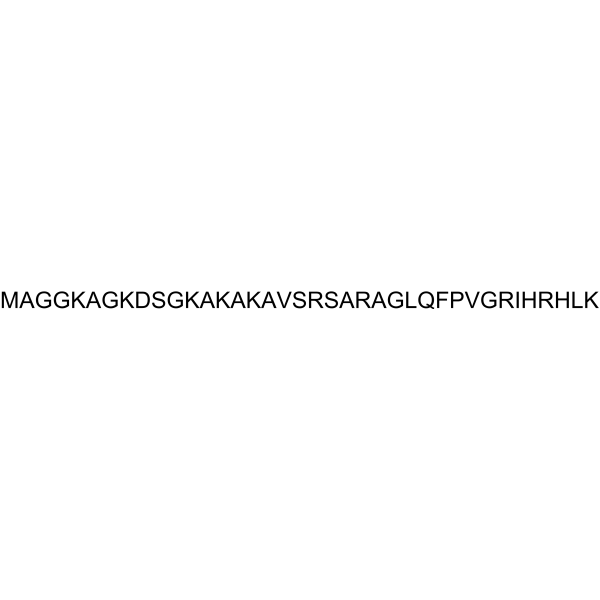
SpHistin is an antimicrobial peptide (AMP). SpHistin can bind to LPS (HY-D1056) and permeabilize the bacterial membrane. SpHistin combined with Rifampicin (HY-B0272) and Azithromycin (HY-17506) promotes the intracellular uptake of the antibiotics and subsequently enhances the bactericidal activity of both agents against P. aeruginosa .
|
-
- HY-B1923A
-
|
Pipracil hydrate
|
Antibiotic
Bacterial
Beta-lactamase
Penicillin-binding protein (PBP)
|
Infection
Cancer
|
|
Piperacillin hydrate is a semisynthetic broad-spectrum β-lactam antibiotic which exhibits potent bactericidal activity against Gram-negative bacteria as well as select Gram-positive strains through penicillin-binding proteins. Piperacillin hydrate is most commonly used in combination with the β-lactamase inhibitor Tazobactam (HY-B1418) .
|
-

- HY-B0915R
-
|
CP-104354 (Standard)
|
Reference Standards
Bacterial
Antibiotic
|
Infection
|
|
Orbifloxacin (Standard) is the analytical standard of Orbifloxacin. This product is intended for research and analytical applications. Orbifloxacin is an orally administrable Antibiotic. Orbifloxacin disrupts the replication and proliferation of Bacterial DNA, inhibits bacterial growth and exerts bactericidal activity. Orbifloxacin inhibits the growth of canine-derived E. coli and Pseudomonas aeruginosa isolates. Orbifloxacin is used in research related to bacterial infections.
|
-

- HY-106668
-
|
Sch 21420
|
Antibiotic
Bacterial
|
Infection
|
|
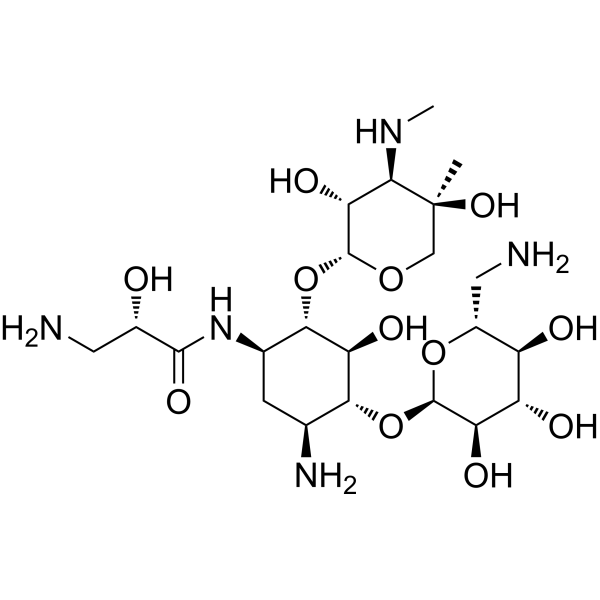
Isepamicin (Sch 21420) is an aminoglycoside antibacterial. Isepamicin has better activity against strains producing type I 6'-acetyltransferase. Isepamicin’s antibacterial spectrum includes Enterobacteriaceae and staphylococci. Anaerobes, Neisseriaceae and streptococci are resistant. Isepamicin exhibits a strong concentration-dependent bactericidal effect, a long post-antibiotic effect (several hours) and induces adaptive resistance .
|
-
- HY-130280
-
|
|
Bacterial
|
Infection
|
|
Ianthelliformisamine A TFA is an antibiotic enhancer with activity against resistant Gram-negative bacteria. Ianthelliformisamine A TFA exhibits bactericidal activity against Staphylococcus aureus with an IC50 value of 3.8 μM (minimum inhibitory concentration = 25 μM). The biological activity of Ianthelliformisamine A TFA is derived from the structural variation of its synthetic derivatives and its coupling reaction with different amino ester derivatives .
|
-

- HY-B0278R
-
|
Zinc bacitracin (Standard)
|
Reference Standards
Bacterial
Antibiotic
|
Infection
|
|
Bacitracin Zinc (Standard) is the analytical standard of Bacitracin Zinc (HY-B0278). Bacitracin Zinc (Standard) is a complex formed by the binding of Bacitracin (HY-107193) with zinc ions. Bacitracin Zinc (Standard) is an orally active polypeptide antibiotic with bactericidal properties. Bacitracin Zinc (Standard) can cause DNA and deoxyribose damage, as well as improve the gut microbiota of broiler and beef cattle .
|
-
- HY-106783R
-
|
|
Reference Standards
Bacterial
Antibiotic
|
Infection
|
|
Polymyxin B nonapeptide (Standard) is the analytical standard of Polymyxin B nonapeptide. This product is intended for research and analytical applications. Polymyxin B nonapeptide is a cyclic peptide obtained from Polymyxin B by proteolytic removal of its terminal amino acyl residue. Polymyxin B nonapeptide is less toxic, lacks bactericidal activity, and retains its ability to render gram-negative bacteria susceptible to several antibiotics by permeabilizing their outer membranes[1][2][3].
|
-

- HY-N0677AR
-
|
Potassium dehydroandrographolide succinate (Standard)
|
Antibiotic
Reference Standards
|
Infection
Inflammation/Immunology
Cancer
|
|
Paromomycin (sulfate) (Standard) is the analytical standard of Paromomycin (sulfate). This product is intended for research and analytical applications. Paromomycin (Aminosidine) sulfate, a neomycin (HY-B0470) derivative, is a broad spectrum aminoglycoside antibiotic with amebicidal and bactericidal effects. Paromomycin sulfate prematures termination of translation of mRNA and inhibits protein synthesis?by specifically binds to the RNA oligonucleotide at the A site of bacterial 30S ribosomes. Paromomycin sulfate can be used for the research of bacterial and parasitic infections .
|
-

- HY-128932R
-
|
MT-141 (Standard)
|
Reference Standards
Antibiotic
Bacterial
PPAR
Prostaglandin Receptor
PTEN
Akt
mTOR
|
Infection
Cardiovascular Disease
Endocrinology
|
|
Cefminox (sodium) (MT-141) (Standard) is the analytical standard of Cefminox (sodium). This product is intended for research and analytical applications. Cefminox sodium is a semisynthetic cephamycin, which exhibits antibacterial activity. Cefminox sodium is a broad-spectrum, bactericidal cephalosporin antibiotic. Cefminox sodium also acts as a dual agonist of prostacyclin receptor (IP) and PPARγ. Cefminox sodium upregulates cAMP production and PTEN expression and inhibits Akt/mTOR signaling. Cefminox sodium also prevents pulmonary arterial hypertension in rat model .
|
-

- HY-106783AR
-
|
|
Reference Standards
Bacterial
Antibiotic
|
Infection
|
|
Polymyxin B nonapeptide (TFA) (Standard) is the analytical standard of Polymyxin B nonapeptide (TFA). This product is intended for research and analytical applications. Polymyxin B nonapeptide TFA is a cyclic peptide obtained from Polymyxin B by proteolytic removal of its terminal amino acyl residue. Polymyxin B nonapeptide TFA is less toxic, lacks bactericidal activity, and retains its ability to render gram-negative bacteria susceptible to several antibiotics by permeabilizing their outer membranes[1][2][3].
|
-

- HY-B0771AR
-
|
SCE-2787 hydrochloride (Standard)
|
Reference Standards
Antibiotic
Bacterial
Penicillin-binding protein (PBP)
|
Infection
|
|
Cefozopran (SCE-2787) hydrochloride (Standard) is the analytical standard of Cefozopran hydrochloride. Cefozopran (SCE-2787) dihydrochloride is a potent antibiotic with broad-spectrum antibacterial activity. Cefozopran dihydrochloride binds PBPs, induces cell wall destruction, cell elongation, filamentation, irregular septa formation, and bactericidal, bacteriolytic activity. Cefozopran dihydrochloride reduces bacterial counts and eradicates bacteria in mouse respiratory, urinary, and thigh muscle infections. Cefozopran dihydrochloride can be used for the research of bacterial infections .
|
-

- HY-B0330DS
-
|
|
Isotope-Labeled Compounds
Bacterial
Antibiotic
|
Infection
|
|
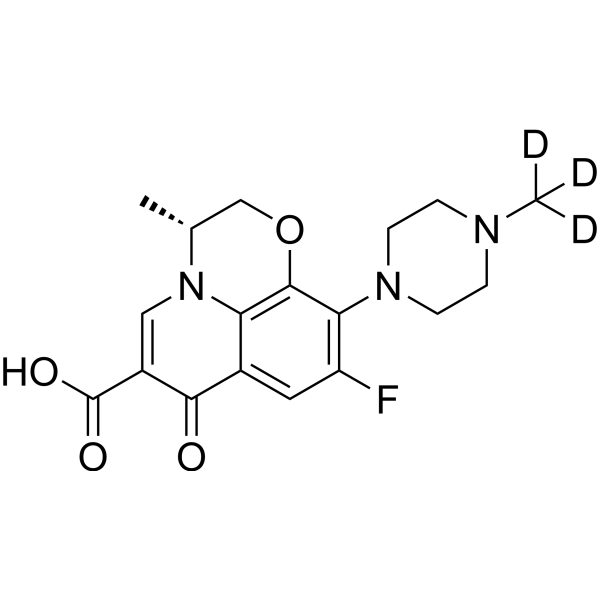
(R)-Ofloxacin-d3 is the deuterium labeled (R)-Ofloxacin. (R)-Ofloxacin is the dextrorotatory enantiomer of Ofloxacin (HY-B0125) and is an orally effective fluoroquinolone antibiotic. (R)-Ofloxacin can inhibit the activity of bacterial DNA topoisomerase II, interfere with bacterial DNA replication and repair, and exert a bactericidal effect. (R)-Ofloxacin has a broad-spectrum antibacterial activity and has inhibitory effects on both Gram-negative and Gram-positive bacteria .
|
-
- HY-B0956R
-
|
Aminosidine sulfate (Standard)
|
Reference Standards
Antibiotic
Parasite
Bacterial
|
Infection
|
|
Paromomycin (sulfate) (Standard) is the analytical standard of Paromomycin (sulfate). This product is intended for research and analytical applications. Paromomycin (Aminosidine) sulfate, a neomycin (HY-B0470) derivative, is a broad spectrum aminoglycoside antibiotic with amebicidal and bactericidal effects. Paromomycin sulfate prematures termination of translation of mRNA and inhibits protein synthesis?by specifically binds to the RNA oligonucleotide at the A site of bacterial 30S ribosomes. Paromomycin sulfate can be used for the research of bacterial and parasitic infections .
|
-

- HY-B0330DR
-
|
Dextrofloxacin (Standard)
|
Reference Standards
Bacterial
Antibiotic
|
Infection
|
|
(R)-Ofloxacin (Standard) is the analytical standard of (R)-Ofloxacin (HY-B0330D). (R)-Ofloxacin is the dextrorotatory enantiomer of Ofloxacin (HY-B0125) and is an orally effective fluoroquinolone antibiotic. (R)-Ofloxacin can inhibit the activity of bacterial DNA topoisomerase II, interfere with bacterial DNA replication and repair, and exert a bactericidal effect. (R)-Ofloxacin has a broad-spectrum antibacterial activity and has inhibitory effects on both Gram-negative and Gram-positive bacteria .
|
-

- HY-B0509BR
-
|
BAY 41-6551 disulfate (Standard)
|
Reference Standards
Bacterial
Antibiotic
|
Infection
Cancer
|
|
Amikacin (disulfate) (Standard) is the analytical standard of Amikacin (disulfate). This product is intended for research and analytical applications. Amikacin disulfate (BAY 41-6551 dissulfate) is an aminoglycoside antibiotic and a semisynthetic analog of kanamycin. Amikacin disulfate is bactericidal, acting directly on the 30S and 50S bacerial ribosomal subunits to inhibit protein synthesis. Amikacin disulfate is very active against most Gram-negative bacteria including gentamicin-and tobramycin-resistant strains. Amikacin disulfate also inhibits the infections caused by susceptible Nocardia and nontuberculous mycobacteria .
|
-

- HY-N6680R
-
|
|
Reference Standards
Bacterial
Antibiotic
|
Infection
|
|
Virginiamycin S1 (Standard) is the analytical standard of Virginiamycin S1. This product is intended for research and analytical applications. Virginiamycin S1 is a cyclic hexadepsipeptide antibiotic, inhibits bacterial protein synthesis at the level of aminoacyl-tRNA binding and peptide bond formation. Virginiamycin S1 belongs to the type B compounds in the streptogramin family and is produced by Streptomyces virginiae, shows a strong bactericidal activity against a wide range of Gram-positive bacteria. Virginiamycin S1 together with virginiamycin M1 is more effective in treat multidrug-resistant bacterial infections .
|
-

- HY-B1190S2
-
|
BL-S 578-13C6
|
Isotope-Labeled Compounds
Bacterial
Antibiotic
EAAT
|
Infection
Neurological Disease
|
|
Cefadroxil- 13C6 (BL-S 578- 13C6) is 13C labeled Cefadroxil (HY-B1190). Cefadroxil is an orally active broad-spectrum cephalosporin antibiotic. Cefadroxil inhibits bacterial cell wall synthesis and enhances the expression of glutamate transporter-1. Cefadroxil is dependent on the intestinal peptide transporter PepT1 for small intestinal absorption. Cefadroxil has inhibitory and bactericidal activity against a variety of Gram-positive and Gram-negative bacteria and has analgesic effects on neuropathic pain .
|
-

- HY-B0455R
-
|
SC47111A hydrochloride (Standard); NY-198 hydrochloride (Standard)
|
Reference Standards
Bacterial
Antibiotic
Topoisomerase
Reactive Oxygen Species (ROS)
Apoptosis
|
Infection
Endocrinology
Cancer
|
|
Lomefloxacin (hydrochloride) (Standard) is the analytical standard of Lomefloxacin hydrochloride (HY-B0455). This product is intended for research and analytical applications. Lomefloxacin hydrochloride (NY-198 hydrochloride) is an orally active difluoroquinolone antibiotic. Lomefloxacin hydrochloride prevents DNA supercoiling and replication by inhibiting bacterial topoisomerase II. Lomefloxacin hydrochloride induces ROS production and Apoptosis. Lomefloxacin hydrochloride has broad-spectrum bactericidal activity against Gram-positive and Gram-negative bacteria. Lomefloxacin hydrochloride has anticancer effects against melanoma. Lomefloxacin hydrochloride can be used in the study of systemic bacterial infections (such as Salmonella typhimurium infections), skin and melanoma .
|
-

- HY-B1175R
-
|
|
Reference Standards
Antibiotic
Bacterial
|
Infection
|
|
(2S,5R,6R)-Ticarcillin disodium (Standard) is the analytical standard of (2S,5R,6R)-Ticarcillin disodium. This product is intended for research and analytical applications. (2S,5R,6R)-Ticarcillin disodium is a semisynthetic antibiotic with bactericidal activities. (2S,5R,6R)-Ticarcillin disodium is the (2S,5R,6R)-enantiomer of Ticarcillin (HY-139805).
|
-

- HY-106026
-
|
IMC-XV
|
Antibiotic
Bacterial
|
Infection
|
|
YM 133 (IMC-XV) is a semisynthetic macrolide antibiotic with potent bactericidal activity. YM 133 shows activity against Erythromycin (HY-B0220)-, Josamycin (HY-B1920)-, and rokitamycin-resistant (MIC ≥ 100 μg/mL) strains of staphylococci, streptococci, Bacteroides spp., and Clostridium spp. YM 133 exhibits excellent activity against macrolide-resistant strains and against anaerobes. YM 133 can be used for antibacterial research .
|
-

- HY-B0108AS
-
-

- HY-182622
-
|
|
Antibiotic
Bacterial
|
Infection
|
|
Etimicin is a fourth-generation semisynthetic aminoglycoside antibiotic. Etimicin exhibits broad spectrum of activity against gram-positive, gram-negative, and aminoglycoside-resistant bacterial strains, with lower ototoxicity and nephrotoxicity. Etimicin exerts rapid, concentration-dependent bactericidal activity against bacteria. Etimicin can be used for the research of bacterial infections .
|
-

- HY-W740077
-
|
SCE-2787 dihydrochloride
|
Antibiotic
Bacterial
Penicillin-binding protein (PBP)
|
Infection
|
|
Cefozopran (SCE-2787) dihydrochloride is a potent antibiotic with broad-spectrum antibacterial activity. Cefozopran dihydrochloride binds PBPs, induces cell wall destruction, cell elongation, filamentation, irregular septa formation, and bactericidal, bacteriolytic activity. Cefozopran dihydrochloride reduces bacterial counts and eradicates bacteria in mouse respiratory, urinary, and thigh muscle infections. Cefozopran dihydrochloride can be used for the research of bacterial infections .
|
-

- HY-P11659
-
|
|
Antibiotic
Bacterial
|
Infection
|
|
B26 peptoid is a ptoid antibiotic. B26 peptoid exhibits excellent broad-spectrum activity and high selectivity toward a panel of Gram-positive and Gram-negative bacterial strains. B26 peptoid disrupts bacterial membranes and has bactericidal activity. B26 peptoid shows low propensity for bacterial drug resistance. B26 peptoid can be used for the research of bacterial infection .
|
-

- HY-W780694
-
|
|
Bacterial
Antibiotic
DNA/RNA Synthesis
Topoisomerase
|
Infection
|
|
PD 124816 is an orally active fluoroquinolone antibiotic. PD 124816 exerts broad-spectrum antibacterial effects by inhibiting DNA gyrase (topoisomerase IV), and it has no cross-resistance with commonly used antibiotics. PD 124816 is effective against both Gram-positive and Gram-negative bacteria (MIC₉₀ ≤ 0.06 μg/mL), and the MIC₉₀ for anaerobic bacteria (Peptostreptococcus fragi) is 1 μg/mL. PD 124816 exhibits complete bactericidal activity in a mouse model of Mycobacterium leprae infection. PD 124816 can be used for studying mixed infections and infections caused by drug-resistant bacteria .
|
-

- HY-P10519A
-
|
|
Bacterial
Reactive Oxygen Species (ROS)
|
Infection
|
|
Brevicidine TFA is an antimicrobial peptide with selective bactericidal activity against Gram-negative pathogens. Brevicidine TFA disrupts bacterial morphology by binding to lipopolysaccharide (LPS) on the bacterial cell membrane to form pores. Brevicidine TFA causes dissipation of intracellular proton motive force, outer membrane damage, inhibition of ATP biosynthesis and reactive oxygen species accumulation in bacterial cells. As a sensitizer, Brevicidine TFA exerts synergistic activity when combined with a variety of conventional antibiotics .
|
-

- HY-153572A
-
|
|
PROTACs
Bacterial
|
Infection
|
|
Homo-BacPROTAC7 TFA is a PROTAC protein degrader targeting ClpC1/ClpC2 with a Kd of 0.5-2.5 nM for both targets. Homo-BacPROTAC7 (TFA) acts as a bactericidal agent, induces killing of pathogenic mycobacteria, retains activity against dormant-like mycobacterial cells with reduced intracellular ATP levels, and shows elevated antibiotic potency relative to its parent monomer. Homo-BacPROTAC7 (TFA) can be used for the research of tuberculosis .
|
-

- HY-181282
-
|
|
Bacterial
|
Infection
|
|
MSU-44147 is an inhibitor and antimicrobial agent targeting MmpL3 in Mycobacterium abscessus, with low eukaryotic cytotoxicity, a narrow antimicrobial spectrum that is specific only to mycobacteria, and low drug resistance frequency. MSU-44147 reduces trehalose dimycolate levels by inhibiting MmpL3 function, disrupts biofilm formation and reduces the viability of related bacteria, while exerting bactericidal effects on intracellular Mycobacterium abscessus. MSU-44147 exhibits additive or synergistic effects with antibiotics and can be used in research on multidrug-resistant isolates and infections of Mycobacterium abscessus .
|
-

- HY-B1218S
-
|
|
Isotope-Labeled Compounds
Cytochrome P450
Antibiotic
Bacterial
Necroptosis
Apoptosis
|
Infection
|
|
Sulfaphenazole-d4 is the deuterium labeled Sulfaphenazole (HY-B1218). Sulfaphenazole is a selective inhibitor of human cytochrome P450 (CYP) 2C9 enzyme. Sulfaphenazole is a cytoprotective agent against light-induced death of photoreceptors. Sulfaphenazole inhibits light-induced necrosis and mitochondrial stress-initiated apoptosis. Sulfaphenazole is an off patent sulfonamide antibiotic and demonstrates bactericidal activity through enhanced M1 macrophage activity. Sulfaphenazole can significantly reduce infarct size and restore post-ischemic coronary flow following ischemia and reperfusion .
|
-

- HY-18257
-
|
|
Antibiotic
Bacterial
Dengue Virus
Amyloid-β
HIV Integrase
|
Infection
Neurological Disease
Inflammation/Immunology
|
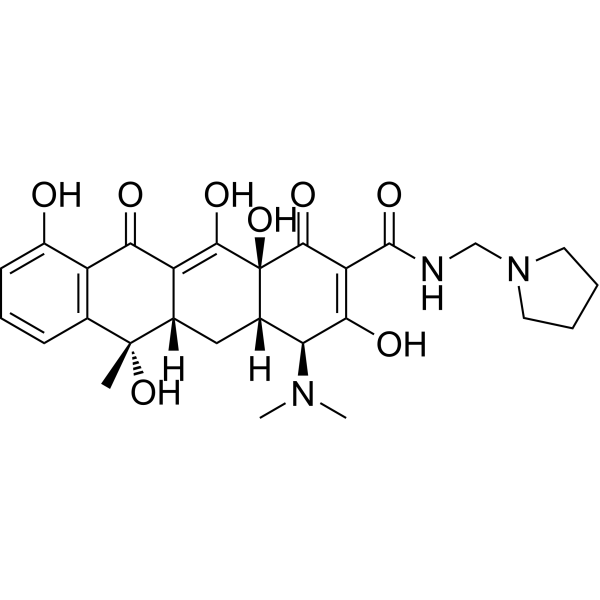
Rolitetracycline is a highly soluble, broad-spectrum antibiotic derived from tetracycline. Rolitetracycline binds to and stabilizes bovine serum albumin, and also inhibits HIV-1 integrase, blocks Aβ fibril formation and suppresses dengue virus proliferation. Rolitetracycline mediates the inhibition of Aβ fibrils via a specific three-dimensional pharmacophore conformation, and exerts bacteriostatic and bactericidal activities. Rolitetracycline acts synergistically with Penicillin G (HY-N7139) or Cephalothin (HY-B1275A) to alter the effects on microbial growth. Rolitetracycline serves as an important tool compound for the study of bacterial infections (urinary tract infections, sepsis), HIV-1 and dengue virus infections, as well as Alzheimer's disease .
|
-
- HY-107833
-
|
|
Antibiotic
Bacterial
|
Infection
|
|
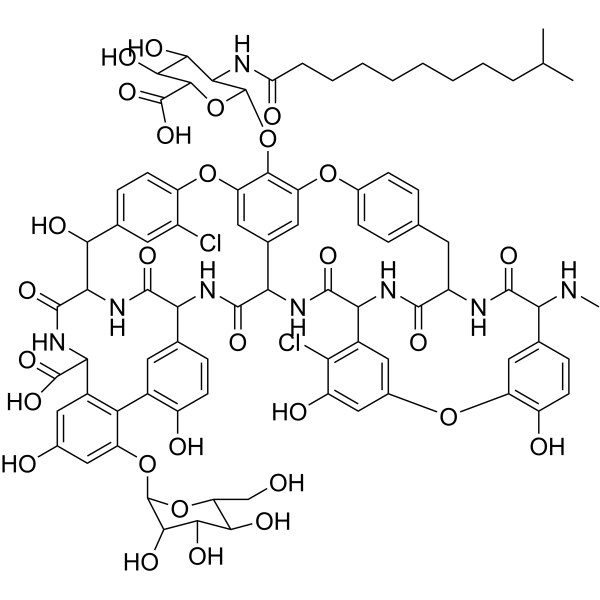
A40926 is a glycopeptide antibiotic that targets the bacterial cell wall peptidoglycan precursor D-alanyl-D-alanine (D-Ala-D-Ala). A40926 irreversibly inhibits cell wall synthesis by competitively binding to this target, and has high bactericidal activity against Gram-positive bacteria (such as Staphylococcus, Streptococcus) and Neisseria gonorrhoeae, with MIC=0.06-2 μg/mL, and is also effective against penicillin-resistant strains. A40926 blocks peptidoglycan cross-linking, destroys cell wall integrity, and causes bacterial lysis and death. A40926 has a fat-soluble fatty acid structure, which can increase serum concentrations and prolong the duration of action (e.g., the terminal half-life in rats is 61.22 h) .
|
-
- HY-159796A
-
|
GR69153
|
Bacterial
Antibiotic
Glycosidase
|
Infection
Metabolic Disease
|
|
Ceftezole (GR69153) is a broad-spectrum cephalosporin antibiotic and an α-glucosidase inhibitor. Ceftezole inhibits bacterial cell lysis by inhibiting cell wall synthesis and binding to penicillin-binding proteins (PBPs). Ceftezole exhibits in vivo anti-diabetic activity in diabetic mice. Ceftezole can be used in antibacterial and anti-diabetic research .
|
-

- HY-103251
-
|
LpxC-4
|
Antibiotic
Bacterial
|
Infection
|
|
PF-5081090 (LpxC-4) is a potent LpxC inhibitor, is a rapidly bactericidal with broad-spectrum activity. PF-5081090 serves as a regulator of lipid A biosynthesis in Gram-negative pathogens .
|
-
- HY-169331
-
|
|
Bacterial
|
Infection
|
|
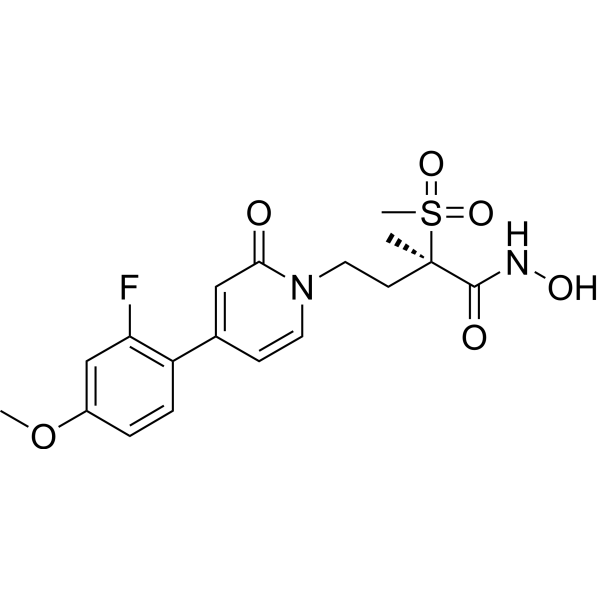
H2S scavenger 1 triflate is a selective H2S scavenger and antibacterial adjuvant. H2S scavenger 1 triflate consumes hydrogen sulfide produced by H2S-producing bacteria via chemical scavenging, and does not act on H2S synthases. H2S scavenger 1 triflate enhances the clearance of H2S-producing bacteria mediated by macrophages and polymorphonuclear neutrophils. H2S scavenger 1 triflate inhibits the biofilm formation of H2S-producing bacteria and eliminates pre-formed biofilms. H2S scavenger 1 triflate can be used for the research of Pseudomonas aeruginosa-infected pneumonia and Pseudomonas aeruginosa-infected skin wounds .
|
-

- HY-103251R
-
|
LpxC-4 (Standard)
|
Reference Standards
Antibiotic
Bacterial
|
Infection
|
|
Cefalonium (dihydrate) (Standard) is the analytical standard of Cefalonium (dihydrate). This product is intended for research and analytical applications. Cefalonium dihydrate is a cephalosporin antibiotic. Cefalonium (dihydrate) is effective against Staphylococcus aureus. Cefalonium (dihydrate) has anti-inflammatory and antibacterial activities .
|
-

- HY-179038
-
|
|
Bacterial
|
Infection
|
|
PYO12 is a 3-phenyl-4-phenoxypyrazole type antibacterial compound. PYO12 exhibits selective activity against Gram-positive bacteria with MIC for S. aureus, B. subtilis, S. pneumoniae, and MRSA of 1, 1, 1, and 4 μg/mL respectively. PYO12 has no activity against Gram-negative bacteria. PYO12 can significantly increase bacterial membrane permeability and significantly upregulate cell wall stress-related genes, possibly by binding to the C55-PP part of lipid II. PYO12 shows a concentration-dependent bactericidal effect, has low toxicity to mammalian cells, and does not cause hemolysis. PYO12 can be used to develop new antibiotics targeting bacterial cell wall synthesis .
|
-

- HY-128866
-
|
|
Bacterial
|
Infection
|
|
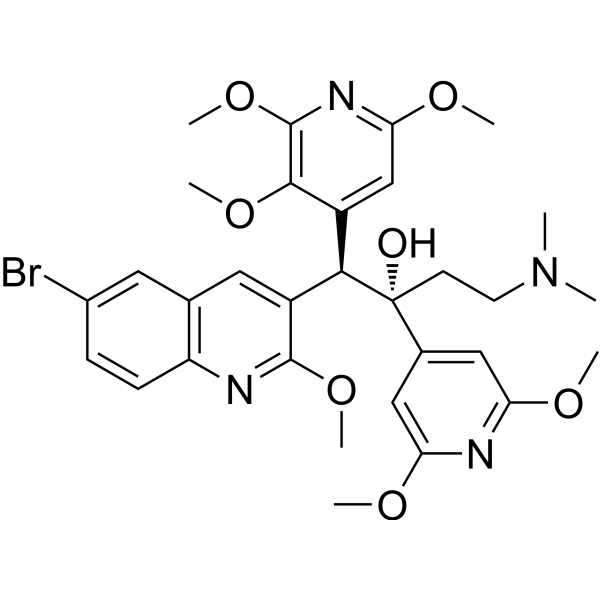
TBAJ-876 is an orally active diarylquinoline anti-Mycobacterium agent. TBAJ-876 regulates energy metabolism by targeting the c and ε subunits of Mycobacterium tuberculosis F-ATP synthase, exerts bactericidal activity against replicating Mycobacterium tuberculosis, and retains activity against strains carrying the Rv0678 mutation. TBAJ-876 undergoes N-demethylation in vivo to form its major active metabolite TBAJ-876-M3, which has lower lipophilicity and hERG potassium channel binding affinity. TBAJ-876 is well tolerated in BALB/c mice and significantly reduces the colony-forming units of Mycobacterium tuberculosis in the lungs. In addition, TBAJ-876 exhibits inhibitory activity against Mycobacterium abscessus, reduces bacterial loads in the lungs and spleens of infected mice, and shows no antagonistic effect when used in combination with common antibiotics. TBAJ-876 can be used in studies related to tuberculosis and Mycobacterium abscessus pulmonary diseases .
|
-
| Cat. No. |
Product Name |
Target |
Research Area |
-
- HY-B0108
-
Daptomycin
Maximum Cited Publications
25 Publications Verification
LY146032
|
Bacterial
Antibiotic
|
Infection
Cancer
|
|
Daptomycin is a lipopeptide antibiotic with rapid in vitro bactericidal activity against gram-positive organisms.
|
-
- HY-106783
-
|
|
Bacterial
Antibiotic
|
Infection
|
|
Polymyxin B nonapeptide is a cyclic peptide obtained from Polymyxin B by proteolytic removal of its terminal amino acyl residue. Polymyxin B nonapeptide is less toxic, lacks bactericidal activity, and retains its ability to render gram-negative bacteria susceptible to several antibiotics by permeabilizing their outer membranes .
|
-
- HY-106783A
-
|
|
Bacterial
Antibiotic
|
Infection
|
|
Polymyxin B nonapeptide TFA is a cyclic peptide obtained from Polymyxin B by proteolytic removal of its terminal amino acyl residue. Polymyxin B nonapeptide TFA is less toxic, lacks bactericidal activity, and retains its ability to render gram-negative bacteria susceptible to several antibiotics by permeabilizing their outer membranes .
|
-
- HY-P10519
-
|
|
Bacterial
Reactive Oxygen Species (ROS)
|
Infection
|
|
Brevicidine is an antimicrobial peptide with selective bactericidal activity against Gram-negative pathogens. Brevicidine disrupts bacterial morphology by binding to lipopolysaccharide (LPS) on the bacterial cell membrane to form pores. Brevicidine causes dissipation of intracellular proton motive force, outer membrane damage, inhibition of ATP biosynthesis and reactive oxygen species accumulation in bacterial cells. As a sensitizer, Brevicidine exerts synergistic activity when combined with a variety of conventional antibiotics .
|
-
- HY-P5680
-
|
|
Bacterial
|
Inflammation/Immunology
|
|
SpHistin is an antimicrobial peptide (AMP). SpHistin can bind to LPS (HY-D1056) and permeabilize the bacterial membrane. SpHistin combined with Rifampicin (HY-B0272) and Azithromycin (HY-17506) promotes the intracellular uptake of the antibiotics and subsequently enhances the bactericidal activity of both agents against P. aeruginosa .
|
-
- HY-106783R
-
|
|
Reference Standards
Bacterial
Antibiotic
|
Infection
|
|
Polymyxin B nonapeptide (Standard) is the analytical standard of Polymyxin B nonapeptide. This product is intended for research and analytical applications. Polymyxin B nonapeptide is a cyclic peptide obtained from Polymyxin B by proteolytic removal of its terminal amino acyl residue. Polymyxin B nonapeptide is less toxic, lacks bactericidal activity, and retains its ability to render gram-negative bacteria susceptible to several antibiotics by permeabilizing their outer membranes[1][2][3].
|
-
- HY-106783AR
-
|
|
Reference Standards
Bacterial
Antibiotic
|
Infection
|
|
Polymyxin B nonapeptide (TFA) (Standard) is the analytical standard of Polymyxin B nonapeptide (TFA). This product is intended for research and analytical applications. Polymyxin B nonapeptide TFA is a cyclic peptide obtained from Polymyxin B by proteolytic removal of its terminal amino acyl residue. Polymyxin B nonapeptide TFA is less toxic, lacks bactericidal activity, and retains its ability to render gram-negative bacteria susceptible to several antibiotics by permeabilizing their outer membranes[1][2][3].
|
-
- HY-P11659
-
|
|
Antibiotic
Bacterial
|
Infection
|
|
B26 peptoid is a ptoid antibiotic. B26 peptoid exhibits excellent broad-spectrum activity and high selectivity toward a panel of Gram-positive and Gram-negative bacterial strains. B26 peptoid disrupts bacterial membranes and has bactericidal activity. B26 peptoid shows low propensity for bacterial drug resistance. B26 peptoid can be used for the research of bacterial infection .
|
-
- HY-P10519A
-
|
|
Bacterial
Reactive Oxygen Species (ROS)
|
Infection
|
|
Brevicidine TFA is an antimicrobial peptide with selective bactericidal activity against Gram-negative pathogens. Brevicidine TFA disrupts bacterial morphology by binding to lipopolysaccharide (LPS) on the bacterial cell membrane to form pores. Brevicidine TFA causes dissipation of intracellular proton motive force, outer membrane damage, inhibition of ATP biosynthesis and reactive oxygen species accumulation in bacterial cells. As a sensitizer, Brevicidine TFA exerts synergistic activity when combined with a variety of conventional antibiotics .
|
| Cat. No. |
Product Name |
Target |
Research Area |
Image |
-
- HY-P991273
-
|
|
Antibiotic
Bacterial
|
Infection
|
|
MP196 is a cationic hexapeptide antibiotic targeting the bacterial cytoplasmic membrane, which exerts rapid bactericidal activity by disrupting membrane integrity, inhibiting cell respiration and cell wall synthesis. MP196 is promising for research of drug-resistant bacterial infections .
|
-

(5)
| Cat. No. |
Product Name |
Category |
Target |
Chemical Structure |
| Cat. No. |
Product Name |
Chemical Structure |
-
- HY-17586AS
-
|
|
|
Dalbavancin-d6 is the deuterium labeled Dalbavancin . Dalbavancin (MDL-63397) is a semisynthetic lipoglycopeptide antibiotic with potent bactericidal activity against Gram-positive bacteria. Dalbavancin inhibits Staphylococcus aureus and Bacillus anthracis with MIC90s of 0.06 μg/mL and 0.25 μg/mL, respectively .
|
-
-
- HY-146535S
-
|
|
|
Daptomycin-d5 (LY146032-d5) TFA is the deuterium labeled Daptomycin TFA. Daptomycin TFA is a lipopeptide antibiotic with rapid in vitro bactericidal activity against gram-positive organisms .
|
-
-
- HY-B0398S
-
|
|
|
Nalidixic Acid-d5 is the deuterium labeled Nalidixic acid. Nalidixic acid, a quinolone antibiotic, is effective against both gram-positive and gram-negative bacteria. Nalidixic acid acts in a bacteriostatic manner in lower concentrations and is bactericidal in higher concentrations. Nalidixic acid inhibits a subunit of DNA gyrase and topoisomerase IV and reversibly blocks DNA replication in susceptible bacteria .
|
-
-
- HY-B1190S
-
|
|
|
Cefadroxil-d4 (hydrate) is the deuterium labeled Cefadroxil hydrate (HY-B1190A). Cefadroxil hydrate is an orally active broad-spectrum cephalosporin antibiotic. Cefadroxil hydrate inhibits bacterial cell wall synthesis and enhances the expression of glutamate transporter-1. Cefadroxil hydrate is dependent on the intestinal peptide transporter PepT1 for small intestinal absorption. Cefadroxil hydrate has inhibitory and bactericidal activity against a variety of Gram-positive and Gram-negative bacteria and has analgesic effects on neuropathic pain .
|
-
-
- HY-B0330DS
-
|
|
|
(R)-Ofloxacin-d3 is the deuterium labeled (R)-Ofloxacin. (R)-Ofloxacin is the dextrorotatory enantiomer of Ofloxacin (HY-B0125) and is an orally effective fluoroquinolone antibiotic. (R)-Ofloxacin can inhibit the activity of bacterial DNA topoisomerase II, interfere with bacterial DNA replication and repair, and exert a bactericidal effect. (R)-Ofloxacin has a broad-spectrum antibacterial activity and has inhibitory effects on both Gram-negative and Gram-positive bacteria .
|
-
-
- HY-B1190S2
-
|
|
|
Cefadroxil- 13C6 (BL-S 578- 13C6) is 13C labeled Cefadroxil (HY-B1190). Cefadroxil is an orally active broad-spectrum cephalosporin antibiotic. Cefadroxil inhibits bacterial cell wall synthesis and enhances the expression of glutamate transporter-1. Cefadroxil is dependent on the intestinal peptide transporter PepT1 for small intestinal absorption. Cefadroxil has inhibitory and bactericidal activity against a variety of Gram-positive and Gram-negative bacteria and has analgesic effects on neuropathic pain .
|
-
-
- HY-B0108AS
-
|
|
|
Daptomycin-d5 (LY146032-d5) is the deuterium labeled Daptomycin (HY-B0108).
Daptomycin is a lipopeptide antibiotic with rapid in vitro bactericidal activity against gram-positive organisms.
|
-
-
- HY-B1218S
-
|
|
|
Sulfaphenazole-d4 is the deuterium labeled Sulfaphenazole (HY-B1218). Sulfaphenazole is a selective inhibitor of human cytochrome P450 (CYP) 2C9 enzyme. Sulfaphenazole is a cytoprotective agent against light-induced death of photoreceptors. Sulfaphenazole inhibits light-induced necrosis and mitochondrial stress-initiated apoptosis. Sulfaphenazole is an off patent sulfonamide antibiotic and demonstrates bactericidal activity through enhanced M1 macrophage activity. Sulfaphenazole can significantly reduce infarct size and restore post-ischemic coronary flow following ischemia and reperfusion .
|
-
| Cat. No. |
Product Name |
|
Classification |
-
- HY-169175
-
|
|
|
Alkynes
|
|
CN-CC-861 is a broad-spectrum antibiotic. CN-CC-861 shows antibiotic activities for susceptible and multidrug-resistant bacteria. CN-CC-861 shows potent bactericidal activity in vivo .
|
Your information is safe with us. * Required Fields.
Inquiry Information
- Product Name:
- Cat. No.:
- Quantity:
- MCE Japan Authorized Agent:








