1. Search Result
Search Result
Results for "

biological mediator

" in MedChemExpress (MCE) Product Catalog:

73

Inhibitors & Agonists

1

Screening Libraries

4

Biochemical Assay Reagents

10

Peptides

5

Inhibitory Antibodies

26

Natural
Products

4

Isotope-Labeled Compounds

2

Click Chemistry

2

Oligonucleotides

Cat. No. Product Name Target Research Areas Chemical Structure
  • HY-15337
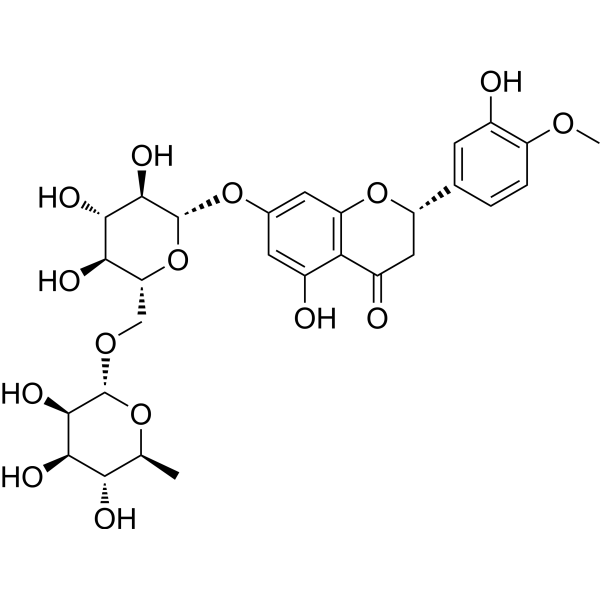
    Hesperidin
    Maximum Cited Publications
    30 Publications Verification

    Hesperetin 7-rutinoside

    Apoptosis Autophagy Reactive Oxygen Species (ROS) Endogenous Metabolite Cancer
    Hesperidin (Hesperetin 7-rutinoside), a flavanone glycoside, is isolated from citrus fruits. Hesperidin has numerous biological properties, such as decreasing inflammatory mediators and exerting significant antioxidant effects. Hesperidin also exhibits antitumor and antiallergic activities .
    Hesperidin
  • HY-B0456
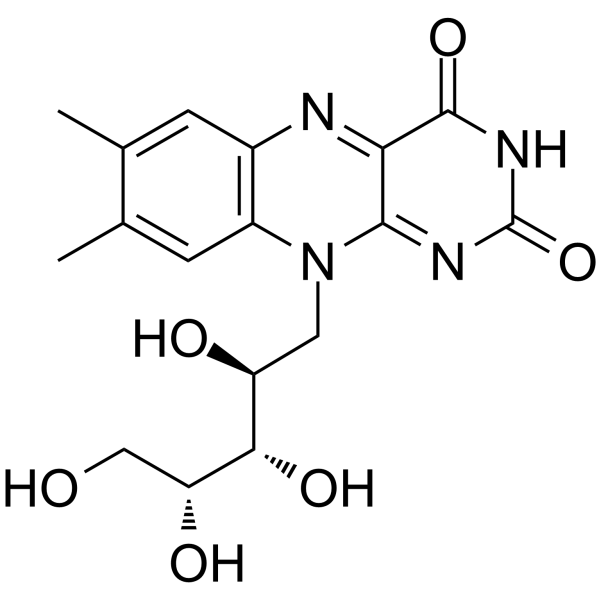
    Riboflavin
    5+ Cited Publications

    Vitamin B2; E101

    Environmental Pollutants Endogenous Metabolite Bacterial Metabolic Disease Cancer
    Riboflavin, an orally active and easily absorbed micronutrient, is a precursor of flavin mononucleotide (FMN) and flavin adenine dinucleotide (FAD), which serve as coenzymes for numerous enzymatic reactions and perform key metabolic functions by mediating the transfer of electrons in biological oxidation-reduction reaction .
    Riboflavin
  • HY-116282
    Dextran sulfate sodium salt (MW 5000)
    5 Publications Verification

    DSS (MW 5000); DXS (MW 5000)

    HIV Complement System Apoptosis Infection Inflammation/Immunology
    Dextran sulfate sodium salt (DSS) (MW 5000) is a polymer of dehydrated glucose with a molecular weight of approximately 5000. Dextran sulfate sodium salt (DSS) with different molecular weights exhibits different biological activities. Dextran sulfate sodium salt (MW 5000) is an inhibitor of complement and coagulation pathways, and belongs to the glycosaminoglycans (GAG) family. Dextran sulfate sodium salt (MW 5000) acts as an anticoagulant, antiviral, and anti-lipemic agent. Dextran sulfate sodium salt (DSS) stops HIV-1 virus adsorption to host cells. Dextran sulfate sodium salt (MW 5000) prevents NK cell-mediated cytotoxicity. Dextran sulfate sodium salt (MW 5000) inhibits instant blood-mediated inflammatory reaction (IBMIR) .
    Dextran sulfate sodium salt (MW 5000)
  • HY-116282A

    DSS (MW 4500-5500); DXS (MW 4500-5500)

    HIV Apoptosis Complement System Infection Inflammation/Immunology
    Dextran sulfate sodium salt (DSS) (MW 4500-5500) is a polymer of dehydrated glucose with a molecular weight of approximately 4500-5500. Dextran sulfate sodium salt with different molecular weights exhibits different biological activities. Dextran sulfate sodium salt (MW 4500-5500) is an inhibitor of complement and coagulation pathways, and belongs to the glycosaminoglycans (GAG) family. Dextran sulfate sodium salt (MW 4500-5500) acts as an anticoagulant, antiviral, and anti-lipemic agent. Dextran sulfate sodium salt (MW 4500-5500) stops HIV-1 virus adsorption to host cells. Dextran sulfate sodium salt (MW 4500-5500) prevents NK cell-mediated cytotoxicity. Dextran sulfate sodium salt (MW 4500-5500) inhibits instant blood-mediated inflammatory reaction (IBMIR) .
    Dextran sulfate sodium salt (MW 4500-5500)
  • HY-N1372A
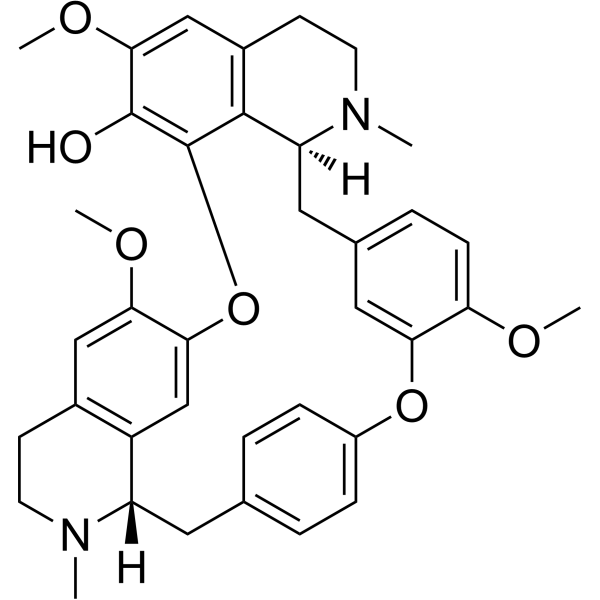
    Fangchinoline
    5+ Cited Publications

    HIV FAK Apoptosis Autophagy Infection Cancer
    Fangchinoline is isolated from Stephania tetrandra with extensive biological activities, such as enhancing immunity, anti-inflammatory sterilization and anti-atherosclerosis. Fangchinoline, a novel HIV-1 inhibitor, inhibits HIV-1 replication by impairing gp160 proteolytic processing . Fangchinoline targets Focal adhesion kinase (FAK) and suppresses FAK-mediated signaling pathway in tumor cells which highly expressed FAK . Fangchinoline induces apoptosis and adaptive autophagy in bladder cancer .
    Fangchinoline
  • HY-P9976
    Isatuximab
    1 Publications Verification

    ch38SB19; hu38SB19; SAR-650984

    CD38 Apoptosis Cancer
    Isatuximab is a monoclonal antibody targeting the transmembrane receptor and ectoenzyme CD38, a protein highly expressed on hematological malignant cells, including those in multiple myeloma (MM). Isatuximab has antitumor activity via multiple biological mechanisms, including antibody-dependent cellular-mediated cytotoxicity, complement-dependent cytotoxicity, antibody-dependent cellular phagocytosis, and direct induction of apoptosis without crosslinking. Isatuximab also directly inhibits CD38 ectoenzyme activity, which is implicated in many cellular functions .
    Isatuximab
  • HY-N0535
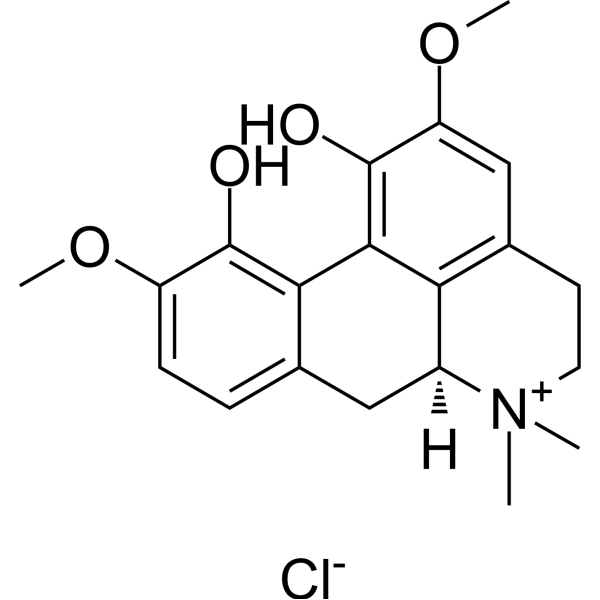
    (+)-Magnoflorine chloride
    1 Publications Verification

    Magnoflorine chloride; α-Magnoflorine chloride; Thalictrine chloride

    Fungal Autophagy Apoptosis PINK1/Parkin NOD-like Receptor (NLR) Caspase JNK NF-κB Sirtuin AMPK Reactive Oxygen Species (ROS) Infection Metabolic Disease
    (+)-Magnoflorine (α-Magnoflorine) chloride is an orally active aporphine alkaloid with multiple biological activities. (+)-Magnoflorine chloride promotes Parkin/PINK1-mediated mitochondrial autophagy, inhibits the activation of NLRP3/Caspase-1 pathway, regulates the intestinal microbiota, and exhibits significant anti-inflammatory and immunomodulatory activities. (+)-Magnoflorine chloride inhibits JNK and TLR4/NF-κB signaling pathways, activates Sirt1/AMPK pathway, alleviates neuronal oxidative stress and apoptosis. Magnoflorine chloride upregulates miR-410-3p, inhibits HMGB1/NF-κB pathway, and has anti-tumor activity. (+)-Magnoflorine chloride also has significant antifungal activity .
    (+)-Magnoflorine chloride
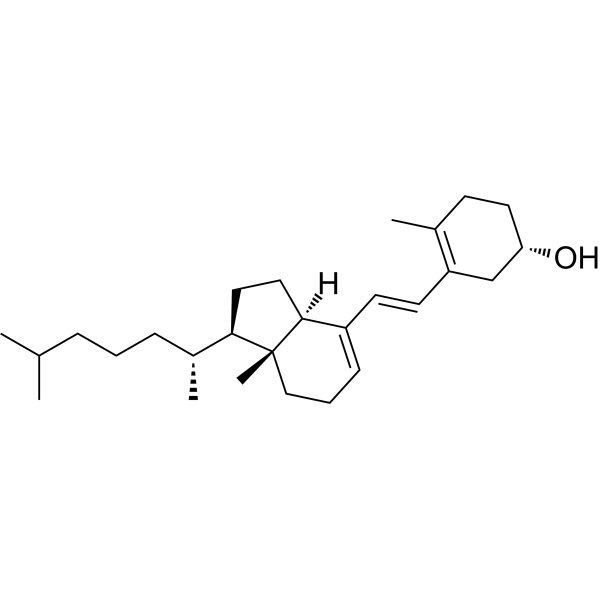
  • HY-130705A

    VD/VDR Endogenous Metabolite Metabolic Disease Inflammation/Immunology
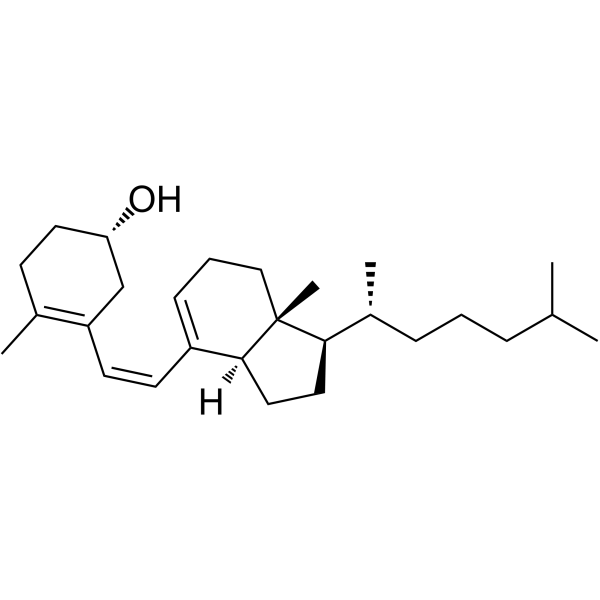
    Tachysterol 3 is a photoproduct of Previtamin D3 (HY-130705). Previtamin D3 is an orally active, thermolabile steroidal compound that generates vitamin D3, as well as biologically inactive lumisterol and tachysterol. Previtamin D3 is synthesized in the skin of humans and rats via the UV-B-mediated photoconversion of 7-dehydrocholesterol. Previtamin D3 lacks direct anti-rachitic activity, and its in vivo activity relies on the vitamin D3 it produces. Previtamin D3 can be used in studies related to rickets and vitamin D metabolism .
    Tachysterol 3
  • HY-N10470
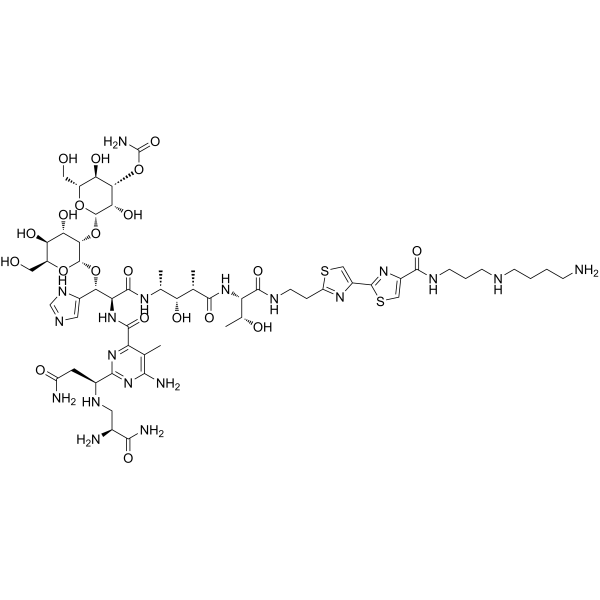
    Bleomycin A5
    1 Publications Verification

    Pingyangmycin

    Antibiotic DNA/RNA Synthesis Apoptosis Dynamin PINK1/Parkin Mitophagy Infection Cancer
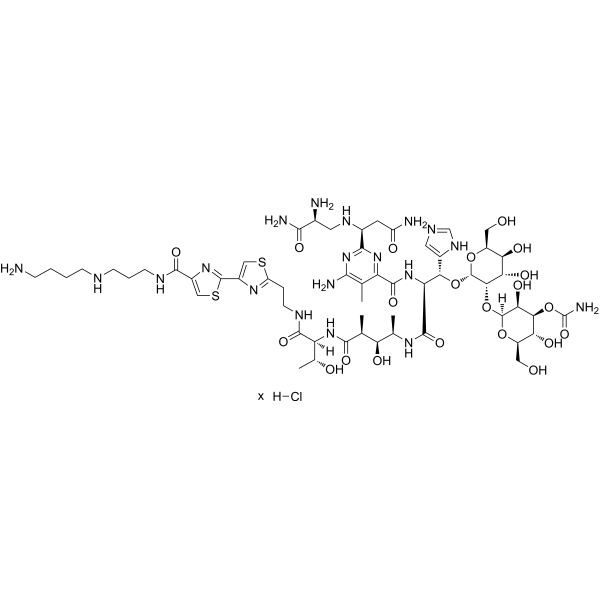
    Bleomycin A5 (Pingyangmycin) is a glycopeptide antibiotic with multiple biological activities, which can be isolated from Streptomyces. Bleomycin A5 exerts cytotoxic effects by binding to Fe 2+ to form a complex, inducing single-strand and double-strand DNA breaks, and inhibiting DNA replication. Bleomycin A5 inhibits Drp1-mediated mitochondrial fission and suppresses PINK1/Parkin pathway-mediated mitophagy, ultimately triggering mitochondria-mediated cellular apoptosis. Bleomycin A5 can be used in cancer research .
    Bleomycin A5
  • HY-P10373

    JAK IFNAR Interleukin Related Infection Inflammation/Immunology
    pJAK2(1001-1013) is a cell-penetrating peptide that corresponds to the activation loop of JAK2 tyrosine kinase and functions as a SOCS1/3antagonist. pJAK2 (1001-1013) blocks SOCS1-mediated negative regulation of immune function, and enhances the biological activity of cytokines such as IFNγ and IL6. pJAK2(1001-1013) inhibits the replication of a broad range of viruses and exerts dose-dependent protective efficacy against lethal viral infections. pJAK2(1001-1013) can be used for the study of immune regulation and infection .
    pJAK2(1001-1013)
  • HY-N0334

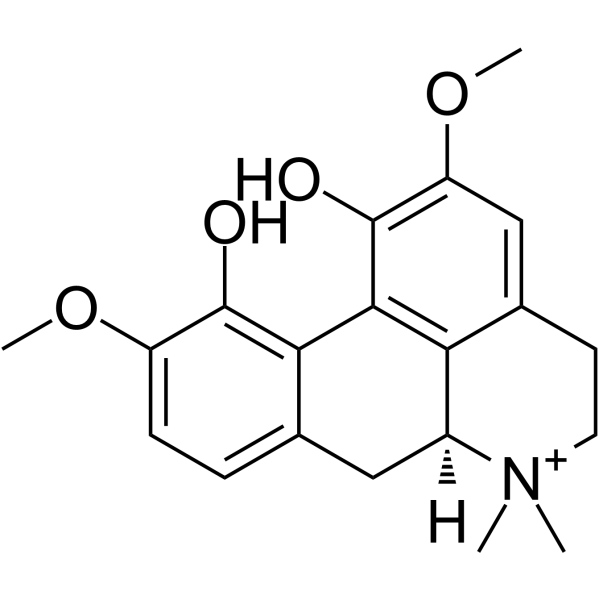
    Magnoflorine; α-Magnoflorine; Thalictrine

    Fungal Autophagy Apoptosis PINK1/Parkin NOD-like Receptor (NLR) Caspase JNK NF-κB Sirtuin AMPK Reactive Oxygen Species (ROS) Cardiovascular Disease Infection Neurological Disease Metabolic Disease Inflammation/Immunology Cancer
    (+)-Magnoflorine (α-Magnoflorine) is an orally active aporphine alkaloid with multiple biological activities. (+)-Magnoflorine promotes Parkin/PINK1 -mediated mitochondrial autophagy, inhibits the activation of NLRP3/Caspase-1 pathway, regulates the intestinal microbiota, and exhibits significant anti-inflammatory and immunomodulatory activities. (+)-Magnoflorine inhibits JNK and TLR4/NF-κB signaling pathways, activates Sirt1/AMPK pathway, alleviates neuronal oxidative stress and apoptosis. Magnoflorine upregulates miR-410-3p, inhibits HMGB1/NF-κB pathway, and has anti-tumor activity. (+)-Magnoflorine also has significant antifungal activity .
    (+)-Magnoflorine
  • HY-177575

    Cadherin Inflammation/Immunology Cancer
    CDH11-IN-1 is a CDH11 inhibitor. CDH11-IN-1 regulates CDH11-mediated biological pathways. CDH11-IN-1 can be used for research on cancer and rheumatoid arthritis .
    CDH11-IN-1
  • HY-112016

    C20 Ceramide; N-Arachidoyl-D-sphingosine

    Endogenous Metabolite Neurological Disease
    C20 Ceramide (d18:1/20:0) (N-Arachidoyl-D-sphingosine) is a natural 20:0 ceramide and a N-acylsphingosine in which the ceramide N-acyl group is specified as eicosanoyl. C20 Ceramide (d18:1/20:0) acts as a key signal molecule mediating biological processes .
    C20 Ceramide (d18:1/20:0)
  • HY-111434A

    UAA crosslinker 1 hydrochloride

    Amino Acid Derivatives Cancer
    N6-[(2-Azidoethoxy)carbonyl]-L-lysine hydrochloride (UAA crosslinker 1 hydrochloride) is a click chemistry-reactive amino acid derivative. N6-[(2-Azidoethoxy)carbonyl]-L-lysine hydrochloride mediates the generation of antibody-drug conjugates (ADCs). N6-[(2-Azidoethoxy)carbonyl]-L-lysine hydrochloride is used for site-specific incorporation into recombinant proteins, or for synthesizing chemical probes and tools for biological research .
    N6-[(2-Azidoethoxy)carbonyl]-L-lysine hydrochloride
  • HY-N0334A
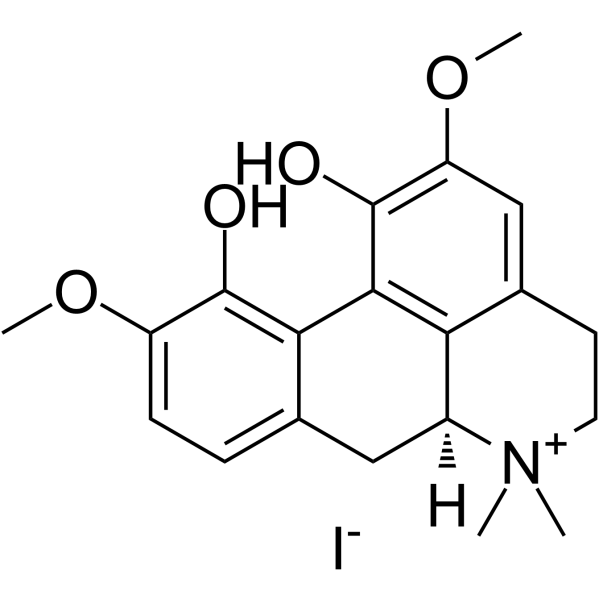
    (+)-Magnoflorine iodide
    1 Publications Verification

    Magnoflorine iodide; α-Magnoflorine iodide; Thalictrine iodide

    Fungal Autophagy Apoptosis PINK1/Parkin NOD-like Receptor (NLR) Caspase JNK NF-κB Sirtuin AMPK Reactive Oxygen Species (ROS) Cardiovascular Disease Infection Neurological Disease Metabolic Disease Inflammation/Immunology Cancer
    (+)-Magnoflorine (α-Magnoflorine) iodide is an orally active aporphine alkaloid with multiple biological activities. (+)-Magnoflorine iodide promotes Parkin/PINK1 -mediated mitochondrial autophagy, inhibits the activation of NLRP3/Caspase-1 pathway, regulates the intestinal microbiota, and exhibits significant anti-inflammatory and immunomodulatory activities. (+)-Magnoflorine iodide inhibits JNK and TLR4/NF-κB signaling pathways, activates Sirt1/AMPK pathway, alleviates neuronal oxidative stress and apoptosis. Magnoflorine upregulates miR-410-3p, inhibits HMGB1/NF-κB pathway, and has anti-tumor activity. (+)-Magnoflorine iodide also has significant antifungal activity .
    (+)-Magnoflorine iodide
  • HY-P0242

    Neurokinin Receptor Neurological Disease Endocrinology
    Neurokinin B belongs to the tachykinin family of peptides. Neurokinin B binds a family of GPCRs-including neurokinin receptor 1 (NK1R), NK2R, and NK3R-to mediate their biological effect .
    Neurokinin B
  • HY-P0242A

    Neurokinin Receptor Neurological Disease Endocrinology
    Neurokinin B TFA belongs to the tachykinin family of peptides. Neurokinin B binds a family of GPCRs-including neurokinin receptor 1 (NK1R), NK2R, and NK3R-to mediate their biological effect .
    Neurokinin B TFA
  • HY-B1805
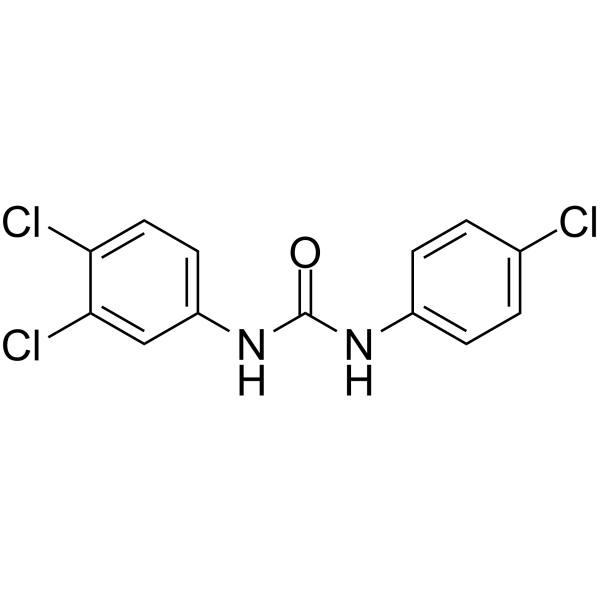
    Triclocarban
    3 Publications Verification

    3,4,4′-Trichlorocarbanilide

    Environmental Pollutants Bacterial Infection
    Triclocarban (3,4,4′-Trichlorocarbanilide), a broad spectrum antibacterial compound, is widely used in a broad range of applications such as the production of soaps, skin creams, toothpastes and deodorants. Triclocarban is a potential endocrine-disrupting chemical with the capacity to modulate androgen and estrogen activities as well as other hormone-mediated biological processes .
    Triclocarban
  • HY-148234

    Anaplastic lymphoma kinase (ALK) TGF-beta/Smad Cancer
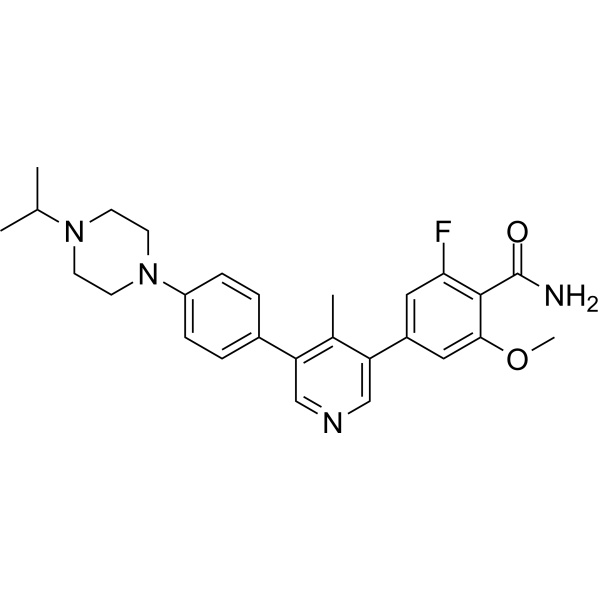
    M4K2234, a chemical probe, is an orally active, highly selective inhibitor of ALK1 and ALK2 with IC50 values of 7 nM and 14 nM, respectively. M4K2234 specifically blocks BMP signaling by inhibiting the phosphorylation of SMAD1/5/8. M4K2234 inhibits BMP7-stimulated reporter gene activity (IC50 = 16 nM). M4K2234 can be used for the investigation of ALK1/2-mediated biological processes and related diseases such as diffuse midline glioma (DMG) and fibrodysplasia ossificans progressiva (FOP) .
    M4K2234
  • HY-P9976A
    Isatuximab (anti-CD38)
    1 Publications Verification

    CD38 Apoptosis Cancer
    Isatuximab (anti-CD38) is a monoclonal antibody that targets the transmembrane receptor and extracellular enzyme CD38, a protein highly expressed in hematological malignancies, including multiple myeloma. Isatuximab (anti-CD38) exhibits anti-tumor activity through multiple biological mechanisms, including antibody-dependent cell-mediated cytotoxicity, complement-dependent cytotoxicity, antibody-dependent cell phagocytosis, and non-crosslinking direct induction of apoptosis. Isatuximab (anti-CD38) also directly inhibits the extracellular enzyme activity of CD38, which is related to many cellular functions .
    Isatuximab (anti-CD38)
  • HY-N1983
    Caudatin
    1 Publications Verification

    Apoptosis Autophagy Reactive Oxygen Species (ROS) Mitochondrial Metabolism PARP Caspase Bcl-2 Family VEGFR FAK WDR5 p38 MAPK JNK PPAR Neurological Disease Inflammation/Immunology Cancer
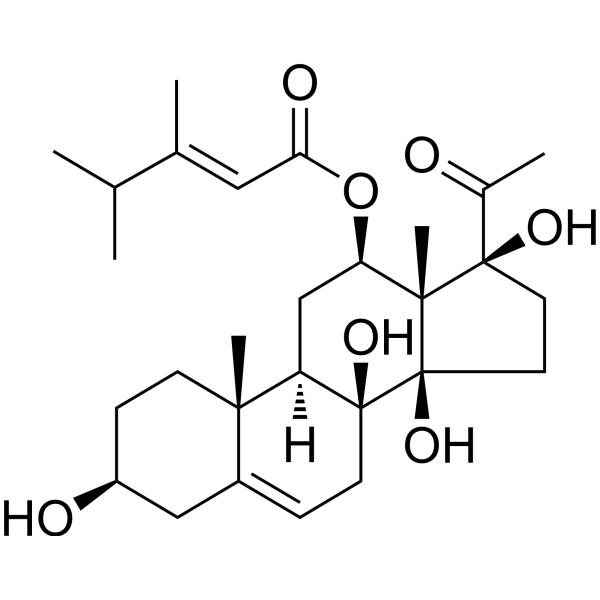
    Caudatin is an orally active and brain-penetrant C-21 steroidal found in Cynanchum bungei decne with a variety of biological activities. Caudatin can inhibit cell proliferation, migration, invasion, cause cell phase arrest, induce apoptosis, autophagy, ROS prodution and loss of mitochondrial membrane potential. Caudatin activates PARP, caspase-3, -7, -9, upregulates pro-apoptotic Bad and Bax and downregulates anti-apoptotic Bcl-2 and Bcl-XL. Caudatin suppresses VEGF, FAK phosphorylation, upregulates p21, p27, DR5 protein expression, activates the p38 MAPK, JNK and PPARα/TFEB-mediated autophagy-lysosomal signaling pathways. Caudatin can be used for the research of cancer, inflammation and neurological disease, such as glioma and Alzheimer's disease .
    Caudatin
  • HY-N1401
    20(R)-Ginsenoside Rh2
    2 Publications Verification

    MMP Apoptosis HSV DNA/RNA Synthesis NO Synthase Prostaglandin Receptor Reactive Oxygen Species (ROS) Akt Infection Inflammation/Immunology Cancer
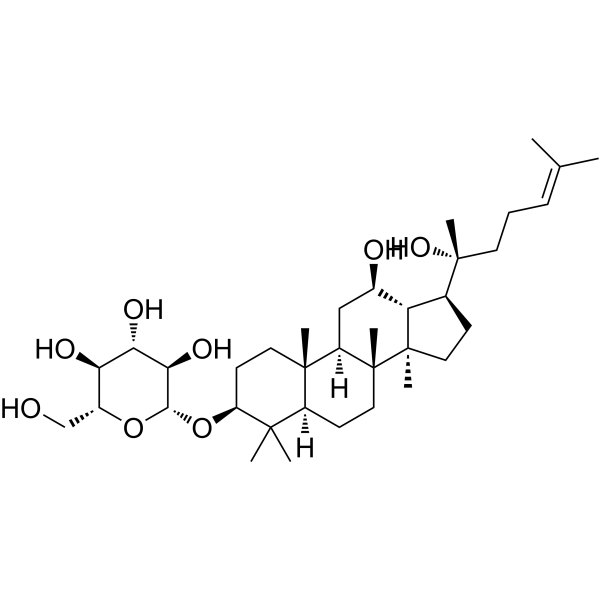
    20(R)-Ginsenoside Rh2 is an orally active protopanaxadiol-type saponin with multiple biological activities. 20(R)-Ginsenoside Rh2 exerts a significant inhibitory effect on non-small cell lung cancer and liver cancer by inducing cell cycle arrest and promoting apoptosis. 20(R)-Ginsenoside Rh2 exerts anti-γ-herpesvirus effects by inhibiting viral DNA replication. 20(R)-Ginsenoside Rh2 inhibits inflammatory mediators by reducing the levels of NO, PGE2, and ROS; it can delay skin photoaging by reducing ROS and inhibiting MMP-9/2 activity. 20(R)-Ginsenoside Rh2 accelerates the recovery after muscle injury by activating the Akt1/PKB signaling pathway. 20(R)-Ginsenoside Rh2 can inhibit osteoclast formation and exert an anti-osteoporosis effect .
    20(R)-Ginsenoside Rh2
  • HY-Y0148

    NSC 15139; 10-HDAA

    Parasite Autophagy NF-κB Interleukin Related NO Synthase MDM-2/p53 TNF Receptor RANKL/RANK Caspase Infection Neurological Disease Inflammation/Immunology
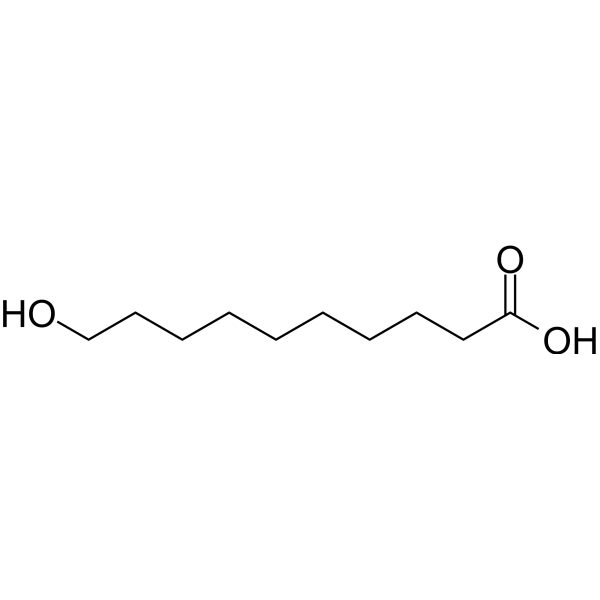
    10-Hydroxydecanoic acid (10-HDAA) is a saturated fatty acid derived from 10-hydroxy-trans-2-decenoic acid, which can be isolated from royal jelly. 10-Hydroxydecanoic acid exhibits various biological activities, including anti-inflammatory, insecticidal, anti-malarial, and anti-Leishmania properties, as well as enhancing antigen-specific immune responses. The anti-inflammatory effects of 10-Hydroxydecanoic acid are primarily mediated by inhibiting the activation of NF-κB and the translation of interferon regulatory factor 1 (IRF-1), which reduces the production of interleukin 6 (IL-6) and nitric oxide (NO) in inflammatory cells. Additionally, 10-Hydroxydecanoic acid alleviates neuroinflammatory responses through the p53-autophagy pathway and the p53-NLRP3 pathway. Finally, 10-Hydroxydecanoic acid enhances antigen-specific immune responses by promoting the effective uptake of antigens by microfold cells .
    10-Hydroxydecanoic acid
  • HY-P99316

    CNTO-136

    Interleukin Related Inflammation/Immunology
    Sirukumab (CNTO-136) is a humanized monoclonal anti-IL6 (Interleukin Related) IgG1κ antibody. Sirukumab binds to IL6, preventing IL6-mediated signal transduction and activation of transcriptional activators, thereby blocking the downstream biological effects of IL6. Sirukumab can be used in the study of active lupus nephritis and rheumatoid arthritis .
    Sirukumab
  • HY-W008888

    4,6-Bis(diphenylphosphino)phenoxazine

    Biochemical Assay Reagents Others
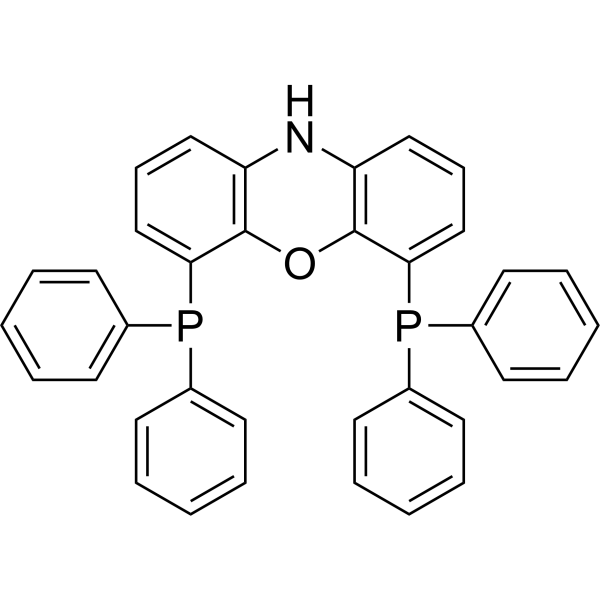
    N-Xantphos (4,6-Bis(diphenylphosphino)phenoxazine) is a biochemical reagent that can be used as a biological material or organic compound for life science related research. N-Xantphos is a functionalized analog of the Xantphos ligand. N-Xantphos can be used as supporting ligand for Pd-mediated carbonylation .
    N-Xantphos
  • HY-W540972

    Primuline

    Fluorescent Dye HCV Dengue Virus Infection
    Primulin is a versatile fluorescent dye and bioactive compound widely used in analytical, biological, botanical and virological studies. Primulin acts as a versatile stain that labels plant cell walls and differentiates live and dead spermatozoa via distinct fluorescence patterns. Primulin exhibits strong albumin‑binding capacity. Primulin acts as a retrograde axonal tracer in neurobiological investigations. Primulin and its derivatives inhibit HCV NS3, block dengue virus NS3-mediated ATP hydrolysis, and disrupt HCV replicase assembly .
    Primulin
  • HY-108618
    BC11-38
    2 Publications Verification

    Phosphodiesterase (PDE) Endocrinology
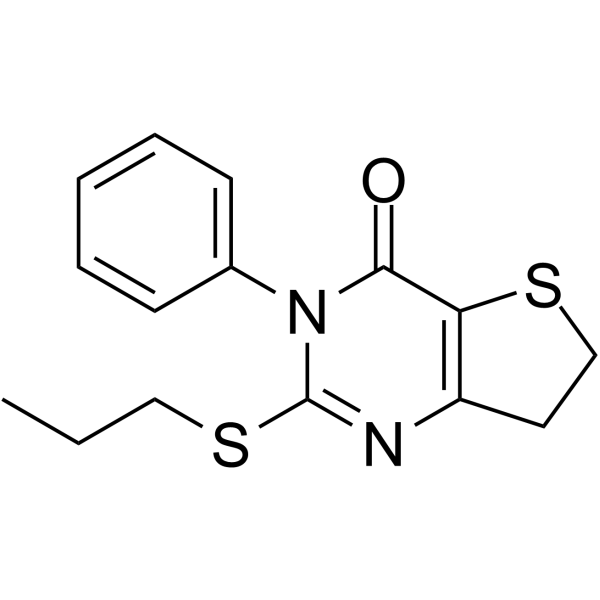
    BC11-38 is a potent, selective, and biologically active PDE11 inhibitor, with IC50s of 0.28 µM and >100 µM for PDE11 and PDE1-10, respectively. BC11-38 elevates cAMP levels, PKA-mediated ATF-1 phosphorylation, and cortisol production in H295R cells .
    BC11-38
  • HY-B1173
    (+)-Camphor
    1 Publications Verification

    D-(+)-Camphor; (1R)-(+)-Camphor

    Environmental Pollutants Bacterial Neurological Disease Inflammation/Immunology Cancer
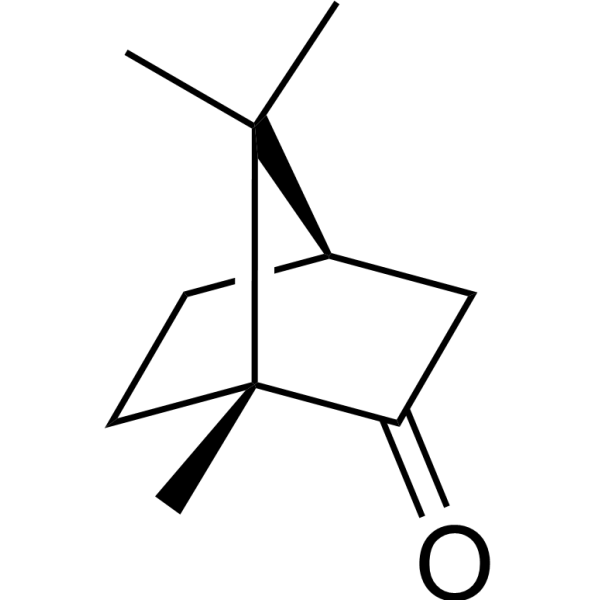
    (+)-Camphor (D-(+)-Camphor; (1R)-(+)-Camphor) is an isomer of Camphor. Camphor is an agonist of monoterpenoid transient receptor potential (TRP) channels (such as TRPV1, TRPV3, TRPM8) and an inhibitor of TRPA1 channels. Camphor's derivatives have multiple biological activities, including antibacterial, antiviral, antioxidant, analgesic and anticancer. Camphor can selectively activate cold-sensitive TRP channels and inhibit TRPA1-mediated nociceptive signals. Camphor stimulates the cold-sensing nerve endings in the skin and regulates the activity of ion channels to exert analgesic, anti-inflammatory and anti-itching effects. It also has anti-proliferative and anti-mutagenic activities on tumor cells, which may be related to inhibiting ribosome function or inducing cell apoptosis. Camphor can be absorbed through the skin and (+)-Camphor can be used in the study of muscle and joint pain and inflammation .
    (+)-Camphor
  • HY-P5391

    Bacterial Others
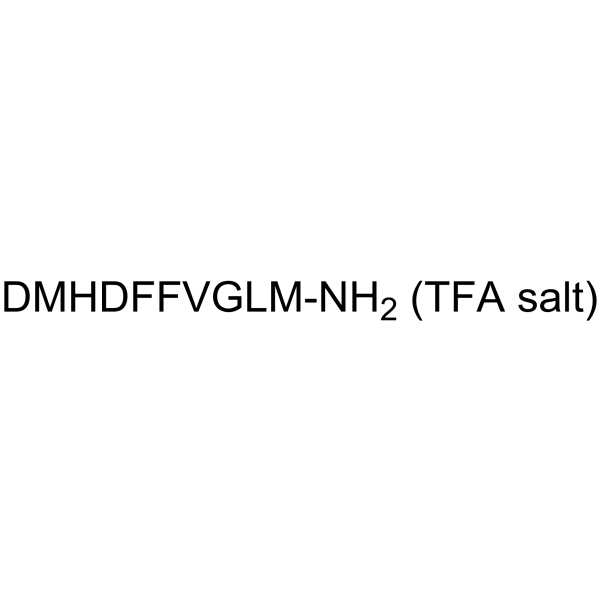
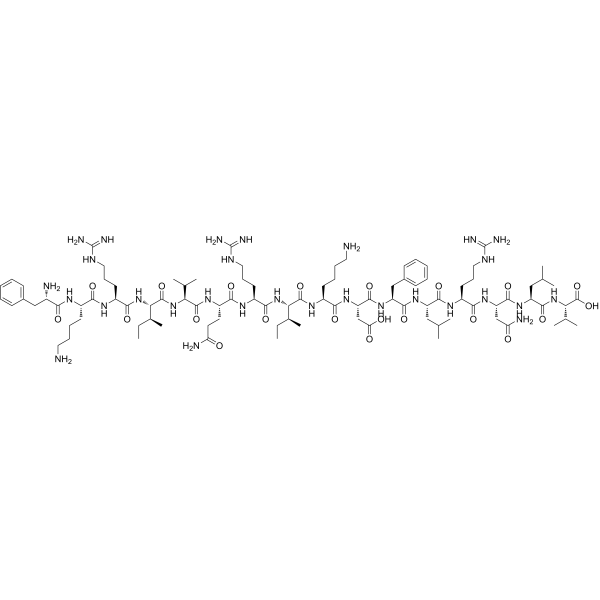
    LL-37(17-32) is a biological active peptide. (This peptide is an active segment of LL-37, a peptide derived from the C-terminal domain of human cathelicidin antimicrobial peptide. It has been reported that the LL17-32 peptide exhibits reversal effect on ABCG2-mediated multidrug resistance in cancer cell lines.)
    LL-37(17-32)
  • HY-125918

    Pingyangmycin hydrochloride

    Antibiotic DNA/RNA Synthesis Apoptosis Dynamin PINK1/Parkin Mitophagy Infection Cancer
    Bleomycin A5 (Pingyangmycin) hydrochloride is a glycopeptide antibiotic with multiple biological activities, which can be isolated from Streptomyces. Bleomycin A5 hydrochloride exerts cytotoxic effects by binding to Fe 2+ to form a complex, inducing single-strand and double-strand DNA breaks, and inhibiting DNA replication. Bleomycin A5 hydrochloride inhibits Drp1-mediated mitochondrial fission and suppresses PINK1/Parkin pathway-mediated mitophagy, ultimately triggering mitochondria-mediated cellular apoptosis. Bleomycin A5 hydrochloride can be used in cancer research .
    Bleomycin A5 hydrochloride
  • HY-B0456R
    Riboflavin (Standard)
    1 Publications Verification

    Vitamin B2 (Standard); E101 (Standard)

    Reference Standards Endogenous Metabolite Bacterial Metabolic Disease Cancer
    Riboflavin (Standard) is the analytical standard of Riboflavin. This product is intended for research and analytical applications. Riboflavin, an orally active and easily absorbed micronutrient, is a precursor of flavin mononucleotide (FMN) and flavin adenine dinucleotide (FAD), which serve as coenzymes for numerous enzymatic reactions and perform key metabolic functions by mediating the transfer of electrons in biological oxidation-reduction reaction .
    Riboflavin (Standard)
  • HY-111434

    UAA crosslinker 1

    Amino Acid Derivatives Cancer
    N6-[(2-Azidoethoxy) carbonyl]-L-lysine (UAA crosslinker 1) is a click chemistry-reactive amino acid derivative. N6-[(2-Azidoethoxy) carbonyl]-L-lysine mediates the generation of antibody-drug conjugates (ADCs). N6-[(2-Azidoethoxy) carbonyl]-L-lysine is used for site-specific incorporation into recombinant proteins, or for synthesizing chemical probes and tools for biological research .
    N6-[(2-Azidoethoxy)carbonyl]-L-lysine
  • HY-N6924
    Zingibroside R1
    1 Publications Verification

    HIV PIN1 Fungal GLUT Reactive Oxygen Species (ROS) Infection Neurological Disease Metabolic Disease Cancer
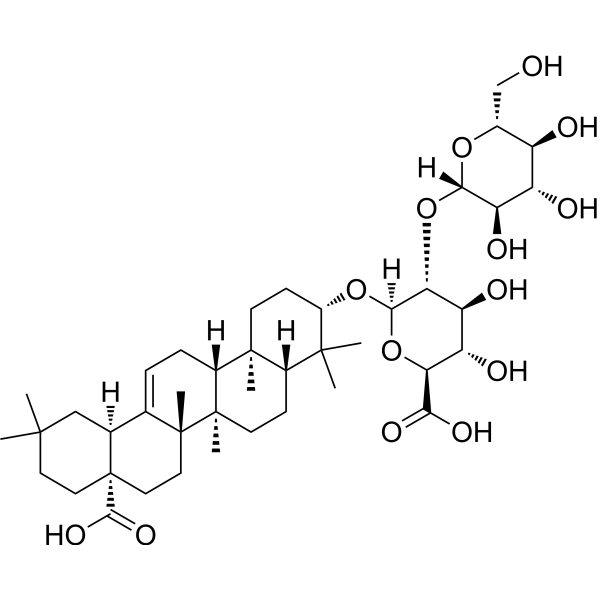
    Zingibroside R1 is an orally active triterpene saponin with multiple biological activities including antioxidant, anti-inflammatory, antiviral, and metabolic regulatory properties. Zingibroside R1 reduces the expression of PIN family members, inhibits the expression of PLT1/PLT2, WOX5, SHR, and SCR, disrupts auxin transport and distribution, triggers plant ROS responses, and inhibits root growth. Zingibroside R1 extends the lifespan of Caenorhabditis elegans, enhances its heat stress resistance, and improves its motor ability. Hydrogel derivatives of Zingibroside R1 inhibit the proliferation of Candida albicans by binding to its β-1,3-glucan and exhibit antifungal activity. Zingibroside R1 inhibits GLUT1-mediated uptake and alleviates liver injury. Zingibroside R1 can be used in research related to neurodegenerative diseases, vulvovaginal candidiasis, acute liver injury, Ehrlich ascites tumor and HIV-1 infection .
    Zingibroside R1
  • HY-15337R

    Hesperetin 7-rutinoside (Standard)

    Reference Standards Apoptosis Autophagy Reactive Oxygen Species (ROS) Endogenous Metabolite Cancer
    Hesperidin (Standard) is the analytical standard of Hesperidin. This product is intended for research and analytical applications. Hesperidin (Hesperetin 7-rutinoside), a flavanone glycoside, is isolated from citrus fruits. Hesperidin has numerous biological properties, such as decreasing inflammatory mediators and exerting significant antioxidant effects. Hesperidin also exhibits antitumor and antiallergic activities .
    Hesperidin (Standard)
  • HY-W127502

    1-Hexadecyl LPA; 1-Palmityl LPA; LPA O-16:0

    Biochemical Assay Reagents Others
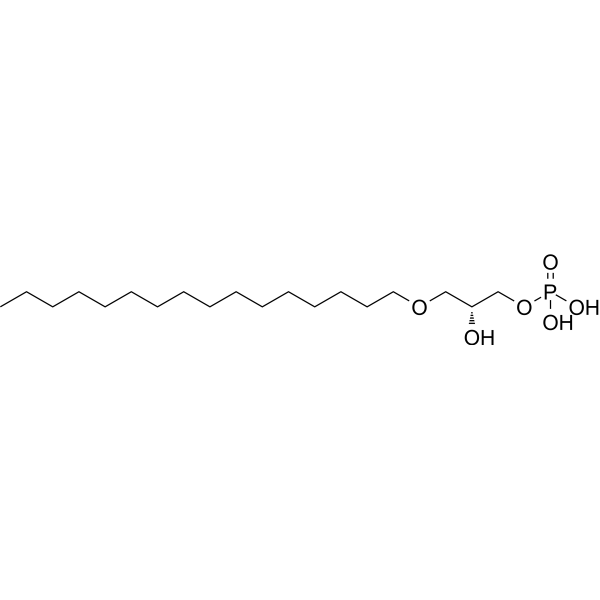
    1-Hexadecyl lysophosphatidic acid is an ether analog of lysophosphatidic acid (LPA) containing a hexadecyl group in the sn-1 position. LPA binds to five different G protein-coupled receptors and mediates a variety of biological responses, including cell proliferation, smooth muscle contraction, platelet aggregation, neurite contraction, and cell motility.
    1-Hexadecyl lysophosphatidic acid
  • HY-P5413

    Cholecystokinin Receptor Others
    [Lys3]-Bombesin is a biological active peptide. (PET (Positron Emission Tomography) imaging of [Lys3]-bombesin is able to detect gastrin-releasing peptide receptor (GRPR) positive prostate cancer. An immunoconjugate of [Lys3]-bombesin and corresponding monoclonal antibody can specifically induce (CD64)-dependent monocyte and neutrophil-mediated lysis of small cell carcinoma.)
    [Lys3]-Bombesin
  • HY-130705

    VD/VDR Drug Intermediate Metabolic Disease Inflammation/Immunology
    Previtamin D3 is an orally active, thermolabile steroidal compound that generates vitamin D3, as well as biologically inactive lumisterol and tachysterol. Previtamin D3 is synthesized in the skin of humans and rats via the UV-B-mediated photoconversion of 7-dehydrocholesterol. Previtamin D3 lacks direct anti-rachitic activity, and its in vivo activity relies on the vitamin D3 it produces. Previtamin D3 can be used in studies related to rickets and vitamin D metabolism .
    Previtamin D3
  • HY-101230

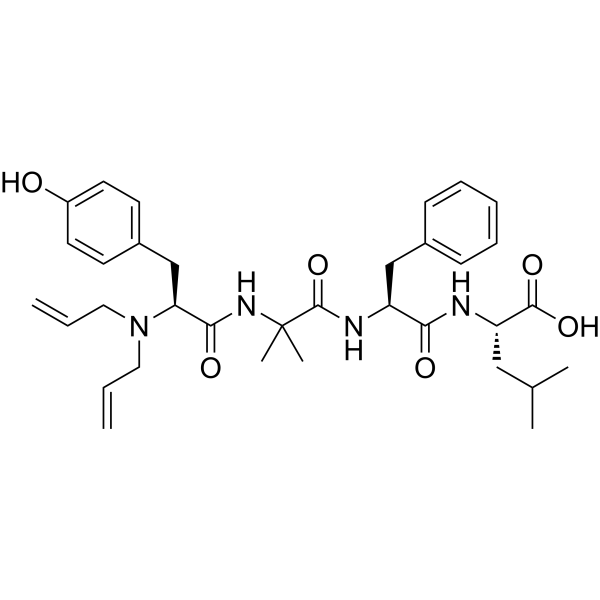
    Opioid Receptor Neurological Disease
    ICI 174864 is a selective and brain-penetrant δ-opioid receptor antagonist with Ke values of 22.0 nM to 30.6 nM at δ-opioid receptor in mouse vas deferens. ICI 174864 selectively blocks biological effects mediated by the δ-opioid receptor agonist DPDPE (HY-P1334) after central administration. ICI 174864 reverses hypotension in rats with endotoxic shock and inhibits acetic acid-induced writhing in mice. ICI 174864 can be used for the research of opioid receptor subtypes, endotoxic hypotension and analgesic pathways .
    ICI 174864
  • HY-N6052

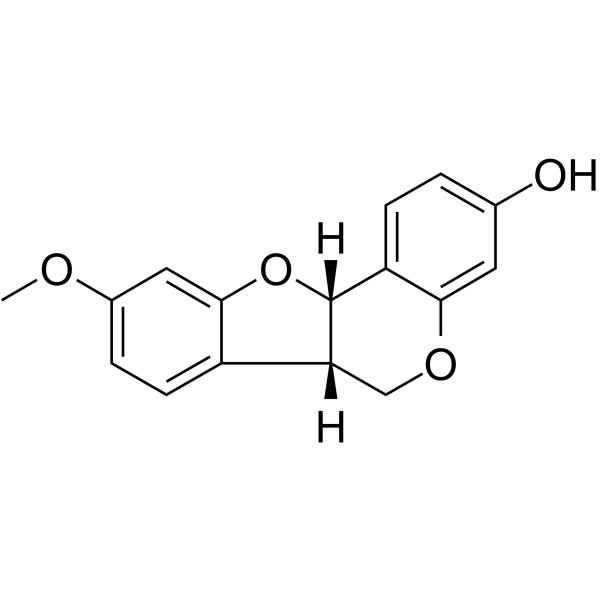
    Estrogen Receptor/ERR Cancer
    (+)-Medicarpin, a pterocarpan, is a type of isoflavonoid isolated from several medicinal plant species with various biological effects, including Sophora japonica, Zollernia paraensis and Platymiscium yucatamun, Machaerium aristulatum, Platymiscium floribundum, and so on. (+)-Medicarpin potently inhibits osteoclastogenesis and promotes bone healing and increases bone mass by osteoblast differentiation with estrogen receptor (ER) β-mediated osteogenic action .
    (+)-Medicarpin
  • HY-B0456S5

    Vitamin B2-d8 ; E101-d8

    Isotope-Labeled Compounds Bacterial Endogenous Metabolite Metabolic Disease Cancer
    Riboflavin-d8 (Vitamin B2-d8 ) is deuterium labeled Riboflavin. Riboflavin, an orally active and easily absorbed micronutrient, is a precursor of flavin mononucleotide (FMN) and flavin adenine dinucleotide (FAD), which serve as coenzymes for numerous enzymatic reactions and perform key metabolic functions by mediating the transfer of electrons in biological oxidation-reduction reaction .
    Riboflavin-d8
  • HY-W585956

    3,4,4′-Trichlorocarbanilide-13C6

    Isotope-Labeled Compounds Others
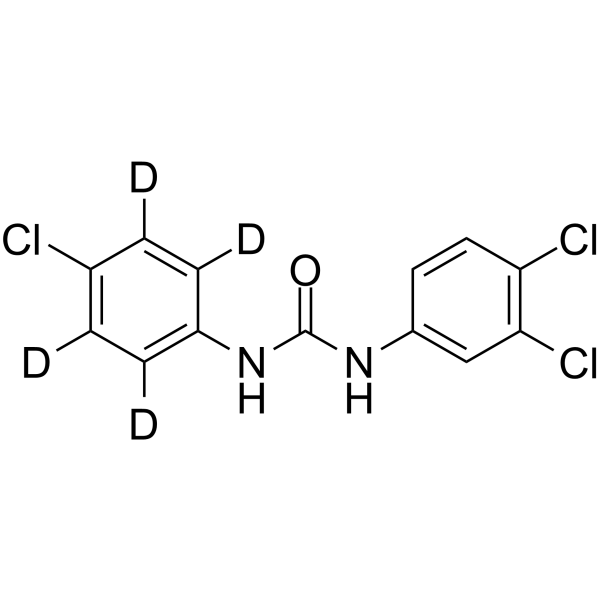
    Triclocarban- 13C6 is the 13C labeled isotope of Triclocarban (HY-B1805). Triclocarban (3,4,4′-Trichlorocarbanilide), a broad spectrum antibacterial compound, is widely used in a broad range of applications such as the production of soaps, skin creams, toothpastes and deodorants. Triclocarban is a potential endocrine-disrupting chemical with the capacity to modulate androgen and estrogen activities as well as other hormone-mediated biological processes .
    Triclocarban-13C6
  • HY-B1805R

    3,4,4′-Trichlorocarbanilide (Standard)

    Reference Standards Bacterial Infection Endocrinology
    Triclocarban (Standard) (3,4,4′-Trichlorocarbanilide (Standard)) is the analytical standard of Triclocarban (HY-B1805). This product is intended for research and analytical applications. Triclocarban, a broad spectrum antibacterial compound, is widely used in a broad range of applications such as the production of soaps, skin creams, toothpastes and deodorants. Triclocarban is a potential endocrine-disrupting chemical with the capacity to modulate androgen and estrogen activities as well as other hormone-mediated biological processes .
    Triclocarban (Standard)
  • HY-W923483

    1-O-Hexadecyl-2-oleoyl-sn-glycero-3-phosphocholine

    Platelet-activating Factor Receptor (PAFR) Endogenous Metabolite Cardiovascular Disease
    C16-18:1 PC (1-O-Hexadecyl-2-oleoyl-sn-glycero-3-phosphocholine), also known as 1-O-hexadecyl-2-oleoyl-sn-glycero-3-phosphocholine (HOPC), is a member of the platelet-activating factor (PAF) family of glycerophospholipids and serves as a pro-inflammatory lipid mediator with diverse biological and pharmacological effects; it features a mono-ether structure with an oleoyl chain (18:1) ester-linked at the sn-2 position and a hexadecyl chain (16:0) ether-linked at the sn-1 position.
    C16-18:1 PC
  • HY-N1983R

    Reference Standards Apoptosis Autophagy Reactive Oxygen Species (ROS) Mitochondrial Metabolism PARP Caspase Bcl-2 Family VEGFR FAK WDR5 p38 MAPK JNK PPAR Neurological Disease Inflammation/Immunology Cancer
    Caudatin (Standard) is the analytical standard of Caudatin (HY-N1983). This product is intended for research and analytical applications. Caudatin is an orally active and brain-penetrant C-21 steroidal found in Cynanchum bungei decne with a variety of biological activities. Caudatin can inhibit cell proliferation, migration, invasion, cause cell phase arrest, induce apoptosis, autophagy, ROS prodution and loss of mitochondrial membrane potential. Caudatin activates PARP, caspase-3, -7, -9, upregulates pro-apoptotic Bad and Bax and downregulates anti-apoptotic Bcl-2 and Bcl-XL. Caudatin suppresses VEGF, FAK phosphorylation, upregulates p21, p27, DR5 protein expression, activates the p38 MAPK, JNK and PPARα/TFEB-mediated autophagy-lysosomal signaling pathways. Caudatin can be used for the research of cancer, inflammation and neurological disease, such as glioma and Alzheimer's disease .
    Caudatin (Standard)
  • HY-174641

    mRNA Inflammation/Immunology
    Human IL12B mRNA encodes the human interleukin 12B (IL12B) protein, a subunit of interleukin 12, is a cytokine that acts on T and natural killer cells, and has a broad array of biological activities. IL12B has been found to be important for sustaining a sufficient number of memory/effector Th1 cells to mediate long-term protection to an intracellular pathogen.
    Human IL12B mRNA
  • HY-N1372AR

    Reference Standards HIV FAK Apoptosis Autophagy Infection Cancer
    Fangchinoline (Standard) is the analytical standard of Fangchinoline. This product is intended for research and analytical applications. Fangchinoline is isolated from Stephania tetrandra with extensive biological activities, such as enhancing immunity, anti-inflammatory sterilization and anti-atherosclerosis. Fangchinoline, a novel HIV-1 inhibitor, inhibits HIV-1 replication by impairing gp160 proteolytic processing . Fangchinoline targets Focal adhesion kinase (FAK) and suppresses FAK-mediated signaling pathway in tumor cells which highly expressed FAK . Fangchinoline induces apoptosis and adaptive autophagy in bladder cancer .
    Fangchinoline (Standard)
  • HY-B1173R

    D-(+)-Camphor (Standard); (1R)-(+)-Camphor (Standard)

    Reference Standards Bacterial Neurological Disease Inflammation/Immunology Cancer
    (+)-Camphor (Standard) is the analytical standard of (+)-Camphor. This product is intended for research and analytical applications. (+)-Camphor (D-(+)-Camphor; (1R)-(+)-Camphor) is an isomer of Camphor. Camphor is an agonist of monoterpenoid transient receptor potential (TRP) channels (such as TRPV1, TRPV3, TRPM8) and an inhibitor of TRPA1 channels. Camphor's derivatives have multiple biological activities, including antibacterial, antiviral, antioxidant, analgesic and anticancer. Camphor can selectively activate cold-sensitive TRP channels and inhibit TRPA1-mediated nociceptive signals. Camphor stimulates the cold-sensing nerve endings in the skin and regulates the activity of ion channels to exert analgesic, anti-inflammatory and anti-itching effects. It also has anti-proliferative and anti-mutagenic activities on tumor cells, which may be related to inhibiting ribosome function or inducing cell apoptosis. Camphor can be absorbed through the skin and (+)-Camphor can be used in the study of muscle and joint pain and inflammation .
    (+)-Camphor (Standard)
  • HY-174595

    mRNA Inflammation/Immunology
    Human IL9R mRNA encodes the human interleukin 9 receptor (IL9R) protein, a cytokine receptor that specifically mediates the biological effects of interleukin 9 (IL9).
    Human IL9R mRNA
  • HY-P10432

    Formyl Peptide Receptor (FPR) Others Inflammation/Immunology
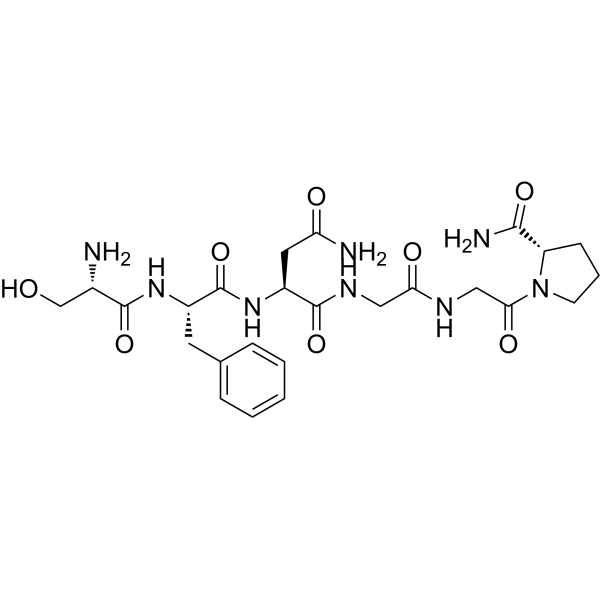
    SHAAGtide is a FPRL1 activator. SHAAGtide has anti-inflammatory activity, mediates its biological activity via FPR2 and is used to reduce the expression of inflammatory cytokines in mouse models. SHAAGtide can be used in the study of diseases such as lung inflammation and fibrosis .
    SHAAGtide
  • HY-119265

    Acyltransferase Metabolic Disease
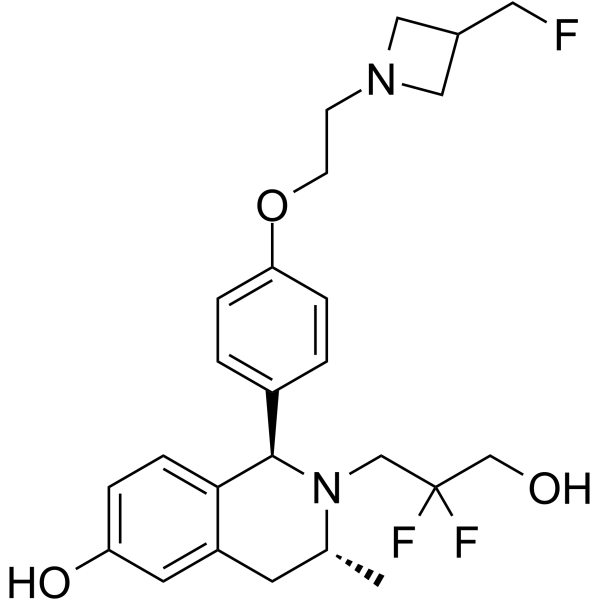
    LDL-IN-4 (Compound 2) inhibits human acyl-CoA:cholesterol acyltransferase-1 and -2 activities. LDL-IN-4 inhibits copper-mediated low density lipoprotein (LDL) oxidation, with an IC50 of 3 μM. LDL-IN-4 has anti-atherosclerotic biological activity .
    LDL-IN-4

Inquiry Online

Your information is safe with us. * Required Fields.

Salutation


Country or Region *

Applicant Name *


Organization Name *

Department *


Email Address *


Product Name *

Cat. No.


Requested quantity *

Phone Number *


Remarks

Inquiry Online

Inquiry Information

Product Name:
Cat. No.:
Quantity:
MCE Japan Authorized Agent: