


Search Result
Results for "
cell size
" in MedChemExpress (MCE) Product Catalog:
4
Biochemical Assay Reagents
| Cat. No. |
Product Name |
Target |
Research Areas |
Chemical Structure |
-
- HY-D0714
-
|
2,3,5-Triphenyltetrazolium chloride; TPTZ; TTC
|
Biochemical Assay Reagents
|
Cardiovascular Disease
|
|
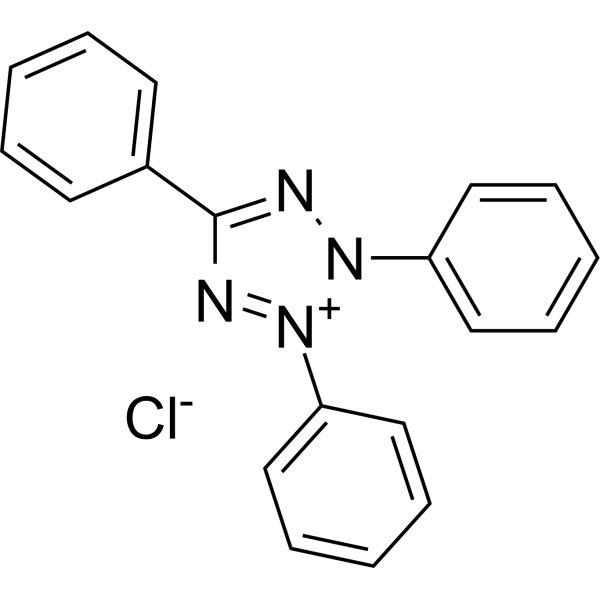
Tetrazolium Red (2,3,5-Triphenyltetrazolium chloride; TTC) is a not brain-penetrant, colorless, water-soluble dye that is reduced by mitochondrial enzymes to a deep red, water-insoluble compound (formazan) mainly in the mitochondria of living cells. Tetrazolium Red is used to observe the activity of dehydrogenase, and it turns colorless to red when exposed to hydrogen. Tetrazolium Red distinguishes between surviving and infarcted brain tissue after stroke. Tetrazolium Red has been used to stain heart tissue to measure the extent of acute lesions and also used to stain brain tissue to detect the size of the infarcted area. The absorption wavelength of Tetrazolium Red is 570 nm .
|
-
-
- HY-P99896
-
|
BTRC-4017A; RG-6194
|
EGFR
CD3
|
Cancer
|
|
Runimotamab (BTRC-4017A) is a HER2 and CD3 T cell-engaging bispecific antibody. Runimotamab can decrease the size of liver tumor spheroids. Runimotamab can be studied in oncology research such as HER2-expressing cancers. Recommend Isotype Controls: Human IgG1 kappa, Isotype Control (HY-P99001) .
|
-
-
- HY-100685
-
MS-444
2 Publications Verification
BE-34776
|
HuR
Apoptosis
COX
|
Neurological Disease
Cancer
|
|
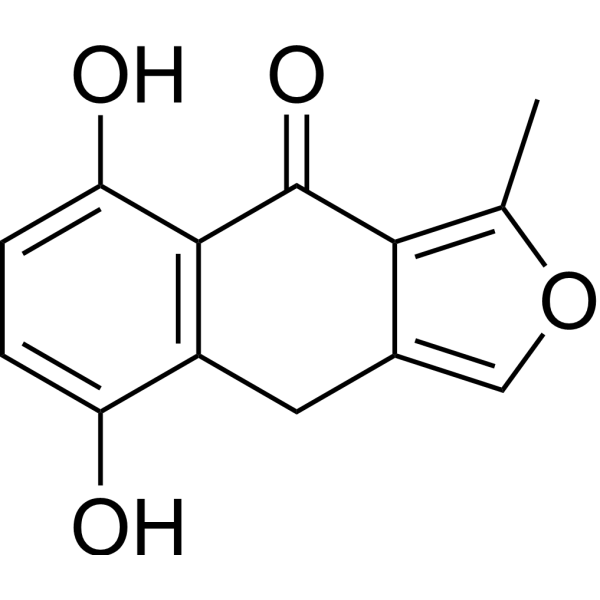
MS-444 (BE-34776) is a HuR (ELAVL1) inhibitor that blocks the cytoplasmic translocation of HuR and inhibits its dimerization. MS-444 reduces cytoplasmic HuR levels by preventing the binding of HuR to ARE-mRNA, without altering the total expression of HuR. MS-444 induces apoptosis, inhibits cell growth, angiogenesis and invasion, and also regulates immune function and microbiota. MS-444 effectively alters the number, size and invasiveness of tumors in various cancer models. MS-444 is tolerable to intraperitoneal injection in vivo and can be applied to research related to colorectal cancer, familial adenomatous polyposis, colitis-associated cancer and glioblastoma .
|
-
-
- HY-W048825
-
|
|
Amino Acid Derivatives
|
Others
|
|
Fmoc-Ala-Ala-OH is a self-assembling fluorenylmethoxycarbonyl dipeptide, a small amphiphilic building block composed of a dipeptide linked to a fluorenylmethoxycarbonyl (Fmoc) group. Under conditions of pH < 4, Fmoc-Ala-Ala-OH spontaneously assembles to form a nanofiber network, constructing a hydrogel scaffold with a water content exceeding 99% (w/w). The fibers have a diameter of approximately 22 nm, matching the size of extracellular matrix (ECM) components. Fmoc-Ala-Ala-OH supports cell adhesion, proliferation, and maintains of cell phenotype. Fmoc-Ala-Ala-OH's function is to mimic the ECM, providing a 3D growth microenvironment for cells, and Fmoc-Ala-Ala-OH is primarily used in tissue engineering and 3D cell culture, particularly suitable for in vitro culture studies of cells such as chondrocytes[1] .
|
-
-
- HY-DY1006
-
|
|
Fluorescent Dye
DNA/RNA Synthesis
|
Others
|
Propidium Iodide (PI) (solution) is a nuclear staining agent that stains DNA. Propidium Iodide is an analogue of ethidine bromide that emits red fluorescence upon embedding in double-stranded DNA. Propidium Iodide cannot pass through living cell membranes, but it can pass through damaged cell membranes to stain the nucleus. Propidium Iodide has a fluorescence wavelength of 493/617 nm and a wavelength of 536/635 nm after Mosaic with DNA. Propidium Iodide is commonly used in the detection of apoptosis (apoptosis) or necrosis (necrosis) , and is often used in flow cytometry analysis. Solvent and Concentration: Sterile water: 1 mg/mL The 1 mL volume is defined as the base specification. All larger sizes correspond to incremental volumes of this base.
|
-
-
- HY-N0430
-
|
Coptisin
|
Indoleamine 2,3-Dioxygenase (IDO)
NF-κB
p38 MAPK
PI3K
Akt
Apoptosis
Reactive Oxygen Species (ROS)
Mitochondrial Metabolism
DNA/RNA Synthesis
ROCK
LDLR
|
Cardiovascular Disease
Neurological Disease
Metabolic Disease
Inflammation/Immunology
Cancer
|
|
Coptisine is an orally active and brain-penetrant alkaloid found in Coptis chinensis. Coptisine is a reversible, uncompetitive IDO inhibitor with a Ki of 5.8 μM and an IC50 of 6.3 μM. Coptisine suppresses neuroinflammation, reduces Aβ plaque burden and shows neuroprotective activity. Coptisine shows anti-inflammation activity by blocking NF-κB, MAPK, and PI3K/Akt activation. Coptisine inhibits cancer cells proliferation, induces DNA damage, G2/M phase cell cycle arrest, apoptosis, ROS production and mitochondrial dysfunction. Coptisine inhibits Rho/ROCK pathway activation, reduces arrhythmia, limits cardiac injury marker release, reduces infarct size, and preserves cardiac function in rat myocardial ischemia/reperfusion models. Coptisine downregulates HMGCR and upregulates LDLR and CYP7A1 to modulate cholesterol metabolism, reduces abnormal serum lipid levels, and promotes fecal bile acid excretion. Coptisine can be used for the research of cancer, hypercholesterolemia, Alzheimer’s disease, inflammatory disorders and cardiovascular disease .
|
-
-
- HY-N0430A
-
|
|
Indoleamine 2,3-Dioxygenase (IDO)
NF-κB
p38 MAPK
PI3K
Akt
Apoptosis
Reactive Oxygen Species (ROS)
Mitochondrial Metabolism
DNA/RNA Synthesis
ROCK
LDLR
|
Cardiovascular Disease
Neurological Disease
Metabolic Disease
Inflammation/Immunology
Cancer
|
|
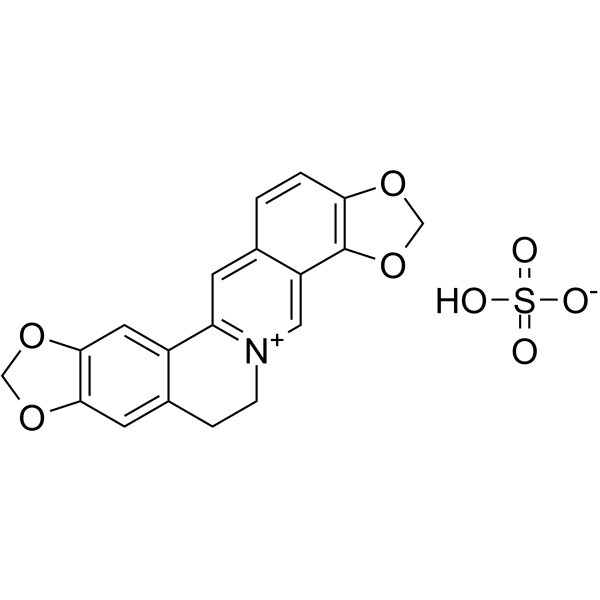
Coptisine Sulfate is an orally active and brain-penetrant alkaloid found in Coptis chinensis. Coptisine Sulfate is a reversible, uncompetitive IDO inhibitor with a Ki of 5.8 μM and an IC50 of 6.3 μM. Coptisine Sulfate suppresses neuroinflammation, reduces Aβ plaque burden and shows neuroprotective activity. Coptisine Sulfate shows anti-inflammation activity by blocking NF-κB, MAPK, and PI3K/Akt activation. Coptisine Sulfate inhibits cancer cells proliferation, induces DNA damage, G2/M phase cell cycle arrest, apoptosis, ROS production and mitochondrial dysfunction. Coptisine Sulfate inhibits Rho/ROCK pathway activation, reduces arrhythmia, limits cardiac injury marker release, reduces infarct size, and preserves cardiac function in rat myocardial ischemia/reperfusion models. Coptisine Sulfate downregulates HMGCR and upregulates LDLR and CYP7A1 to modulate cholesterol metabolism, reduces abnormal serum lipid levels, and promotes fecal bile acid excretion. Coptisine Sulfate be used for the research of cancer, hypercholesterolemia, Alzheimer’s disease, inflammatory disorders and cardiovascular disease .
|
-
-
- HY-P1201
-
|
|
Somatostatin Receptor
|
Cancer
|
|
Cyclosomatostatin is a potent somatostatin (SST) receptor antagonist. Cyclosomatostatin can inhibit somatostatin receptor type 1 (SSTR1) signaling and decreases cell proliferation, ALDH+ cell population size and sphere-formation in colorectal cancer (CRC) cells .
|
-
-
- HY-DY1002
-
|
|
Reactive Oxygen Species (ROS)
Fluorescent Dye
|
Others
|
H2DCFDA (DCFH-DA) (solution) is a cell-permeable probe used to detect intracellular reactive oxygen species (ROS) (Ex/Em=488/525 nm) . Solvent and concentration: DMSO: 10 mM. The 1 mL volume is defined as the base specification. All larger sizes correspond to incremental volumes of this base.
|
-
-
- HY-DY1038
-
|
|
Fluorescent Dye
|
Others
|
Acridine Orange hydrochloride (solution) is a cell-penetrable nucleic acid-selective fluorescent dye. Acridine Orange hydrochloride produces orange fluorescence when it binds to ssDNA or RNA, and green fluorescence when it binds to dsDNA (Ex: 488 nM; Em: green fluorescence at 530 nm, orange fluorescence at 640 nm) . Solvent and Concentration: Sterile water: 10 mg/mL The 1 mL volume is defined as the base specification. All larger sizes correspond to incremental volumes of this base.
|
-
-
- HY-158976
-
|
Lactated ringer's solution (LRS)
|
Biochemical Assay Reagents
Collagen
HSP
|
Inflammation/Immunology
|
|
Sodium lactate ringer's solution (Lactated ringer's solution (LRS)) is an isotonic crystal intravenous injection and arthroscopic irrigation solution containing racemic sodium lactate and electrolytes such as sodium, potassium, calcium and chloride (130 mEq sodium/L, 274 mOsm/L), which can be used as a cell integrity protectant. Sodium lactate ringer's solution maintains the integrity of human meniscus cells, ensures that they retain normal cell morphology, membrane regularity, size and density, and does not alter the mRNA expression levels of α1 (I) procollagen, α1 (II) procollagen, aggrecan or HSP70. Sodium lactate ringer's solution can be applied to studies related to extracellular fluid deficiency and meniscus tears .
|
-
-
- HY-B1128A
-
|
Cephamandole sodium
|
Antibiotic
Bacterial
|
Infection
|
|
Cefamandole (Cephamandole) sodium is a semi-synthetic second-generation cephalosporin antibiotic with broad-spectrum antimicrobial activity. Cefamandole sodium is resistant to hydrolysis by β-lactamases produced by some Gram-negative bacteria. Cefamandole sodium kills Gram-positive cocci and various Gram-negative bacilli mainly by inhibiting cell wall synthesis, but it is inactive against Pseudomonas, Proteus vulgaris and Providencia stuartii, and its efficacy is affected by inoculum size. The plasma elimination half-life of Cefamandole sodium in rats is only 0.4 h, it is mainly excreted in urine in biologically active form, and it hardly penetrates the non-inflamed blood-brain barrier. Cefamandole sodium is widely used in studies related to bacterial infections .
|
-
-
- HY-P99922
-
|
|
LAG-3
|
Cancer
|
|
Encelimab is an anti-LAG3 antibody. Encelimab blocks the interaction between LAG-3 and MHC II, and enhances T-cell activation. Encelimab alone or in combination with an anti-PD-1 antibody reduces tumor size in a lymphoma mice model (A20 cell xenograft) .
|
-
-
- HY-125039
-
|
|
Glutathione Peroxidase
|
Cardiovascular Disease
Neurological Disease
|
|
N-Acetyl lysyltyrosylcysteine amide is a potent, reversible, specific, and non-toxic tripeptide inhibitor of myeloperoxidase (MPO). N-Acetyl lysyltyrosylcysteine amide effectively inhibits MPO generation of toxic oxidants in vivo. N-Acetyl lysyltyrosylcysteine amide reduces neuronal damage and preserves brain tissue and neurological function in the stroked brain. N-Acetyl lysyltyrosylcysteine amide inhibits MPO-dependent hypochlorous acid (HOCl) generation, protein nitration, and LDL oxidation .
|
-
-
- HY-DY1021
-
|
|
Fluorescent Dye
|
Others
|
DiSC3 (5) (solution) is a fluorescent probe commonly used as a tracer dye to evaluate mitochondrial membrane potential. The excitation/emission wavelength of DiSC3 (5) is up to 622/670 nm. DiSC3 (5) can inhibit the respiratory system associated with mitochondrial NAD, and the IC50 value is 8 μM. DiSC3 (5) in the presence of Na +/K +-ATPase inhibitor ouabain 2 can induce membrane hyperpolarization of Ehrlich ascites tumor cells . Solvent and concentration: DMSO: 1 mM The 1 mL volume is defined as the base specification. All larger sizes correspond to incremental volumes of this base.
|
-
-
- HY-W353469
-
|
Glucosylglycerol
|
Biochemical Assay Reagents
|
Others
|
|
2-O-(α-D-Glucopyranosyl) glycerol (55% in water) (Glucosylglycerol) is a glycerol glycoside and compatible solute. 2-O-(α-D-Glucopyranosyl) glycerol is isolable from the marine cyanobacterium Oscillatoria sp. 2-O-(α-D-Glucopyranosyl) glycerol (55% in water) acts as a salt stress protectant in Synechocystis sp. PCC 6803 ΔggpS cells. It enhances salt tolerance of Synechocystis sp. PCC 6803 ΔggpS cells and maintains cell division under salt stress .
|
-
-
- HY-P1047
-
|
[Pro18, Asp21] β-Amyloid (17-21)
|
Amyloid-β
|
Neurological Disease
|
|
β-Sheet Breaker Peptide iAβ5 is an effective brain amyloid-β (Abeta) degrader. Abeta deposits are associated with Alzheimer's disease (AD), and the related toxicity arises from its β-sheet conformation and aggregation. β-Sheet Breaker Peptide iAβ5 can repeatedly induce the degradation of fibrillary amyloid deposits in vivo. Therefore, β-Sheet Breaker Peptide iAβ5 can prevent and/or reverse neuronal contraction caused by Abeta and reduce the range of interleukin IL-1beta positive microglial-like cells around Abeta deposits. β-Sheet Breaker Peptide iAβ5 can reduce the size and/or number of brain amyloid plaques in AD. β-Sheet Breaker Peptide iAβ5 is labeled with a hydrophobic benzyl alcohol (HBA) tag and shows a bright blue color under acidic conditions, which can be used for quantitative determination.
|
-
-
- HY-W009245
-
|
|
HIV
|
Infection
Cancer
|
|
Bz-RS-iSer(3-Ph)-OMe (compound 2), a Taxol derivative, inhibits HSV replication cycle at low cytotoxicity, blocks mitotic divisions of Vero cells, influences M-MSV induced tumor size and affects immune response by inhibiting PHA-induced T lymphocyte proliferation .
|
-
-
- HY-125172
-
|
Polyglutamine Aggregation inhibitor III
|
Huntingtin
|
Others
|
|
C2-8 is an inhibitor of polyglutamine (polyQ) aggregation (IC50s=25 and 0.05 μM for recombinant HDQ51 and in PC12 cells, respectively). It also inhibits polyQ aggregation in organotypic hippocampal slice cultures isolated from R6/2 transgenic mice and reduces neurodegeneration in a dose-dependent manner in a Drosophila model of Huntington's disease. C2-8 (100 and 200 mg/kg) reduces huntingtin aggregate size, reduces neuronal atrophy, and improves motor performance in a rotarod test in the R6/2 transgenic mouse model of Huntington's disease.
|
-
-
- HY-E70425
-
|
|
Glycosyltransferase
|
Metabolic Disease
|
|
Sucrose synthase belongs to glycosyltransferases and is a reversible catalyst present in plants, which catalyzes the conversion of sucrose into fructose and UDP-G or ADP-G. Sucrose synthase localizes to the cytoplasm, plasma membrane, cell wall, vacuole and mitochondria of plants. Sucrose synthase regulates sugar metabolism, supports the development of taproots, fruits, seeds and vascular tissues, drives the synthesis of starch, cellulose and callose, and enhances nitrogen fixation capacity. Sucrose synthase mediates signal transduction in plant meristems. Sucrose synthase is associated with plant growth, anaerobic stress tolerance, as well as shoot apical meristem and leaf morphology; overexpression of this enzyme promotes plant growth, increases xylem size, and elevates cellulose and starch contents .
|
-
-
- HY-121779
-
|
2,4'-DDE; 2,4-Dichlorodiphenyldichloroethylene; 2,4'-DDE; o,p'-Dichlorodiphenyldichloroethylene
|
Insecticide
|
Endocrinology
|
|
o,p'-DDE (2,4-Dichlorodiphenyldichloroethylene) is a metabolite and degradation product of the organochlorine pesticide DDT. It accumulates in smallmouth buffalo, channel catfish, and largemouth bass, and in sediments from DDT manufacturing plants around the Huntsville Spring Branch-Indian Creek tributary system, where it is considered a persistent organic pollutant (POP). o,p'-DDE inhibits estrogen binding to the rainbow trout estrogen receptor (rtER) with an IC50 value of 3.2 μM. It induces concentration-dependent estradiol secretion in co-cultures of granulosa and theca cells isolated from porcine follicles. In ovo exposure to o,p'-DDE increases follicular degeneration and reduces testis size in Japanese medaka (O. latipes).
|
-
-
- HY-Y0317I
-
|
Disodium sulfate, meets analytical specification of Ph. Eur. BP USP
|
Biochemical Assay Reagents
|
Cancer
|
|
Sodium sulfate anhydrous (Disodium sulfate), meets analytical specification of Ph. Eur. BP USP is an orally active multifunctional ionic salt that serves as a protein precipitant, collagen fibril bundling inducer, and chlorine-free sodium source. Sodium sulfate anhydrous, meets analytical specification of Ph. Eur. BP USP promotes collagen fibril bundling to increase matrix pore size, alters cancer cell morphology and regulates their migration direction via geometric signals, and separates plasma/serum proteins or concentrates proteins at 37°C without causing thermal denaturation. In poultry farming applications, Sodium sulfate anhydrous, meets analytical specification of Ph. Eur. BP USP improves laying performance and eggshell quality, and is safe and effective at an addition level of 0.3-1.5%, while a high concentration of 3.0% causes negative physiological effects. Sodium sulfate anhydrous, meets analytical specification of Ph. Eur. BP USP can be widely applied in scientific research on cervical cancer and related fields .
|
-
-
- HY-DY1058
-
|
|
Fluorescent Dye
Reactive Oxygen Species (ROS)
|
Others
|
2′,7′-Dichlorofluorescein diacetate (DCFH2-DA) (solution) is a cell-permeable fluorescent probe. 2′,7′-Dichlorofluorescein diacetate can be used to detect the generation of reactive oxygen intermediates and for assessing the overall oxidative stress in toxicological phenomenon . Solvent and concentration: DMSO: 10 mM The 1 mL volume is defined as the base specification. All larger sizes correspond to incremental volumes of this base.
|
-
-
- HY-B1128
-
|
Cephamandole
|
Antibiotic
Bacterial
|
Infection
|
|
Cefamandole (Cephamandole) is a semi-synthetic second-generation cephalosporin antibiotic with broad-spectrum antimicrobial activity. Cefamandole is resistant to hydrolysis by β-lactamases produced by some Gram-negative bacteria. Cefamandole kills Gram-positive cocci and various Gram-negative bacilli mainly by inhibiting cell wall synthesis, but it is inactive against Pseudomonas, Proteus vulgaris and Providencia stuartii, and its efficacy is affected by inoculum size. The plasma elimination half-life of Cefamandole in rats is only 0.4 h, it is mainly excreted in urine in biologically active form, and it hardly penetrates the non-inflamed blood-brain barrier. Cefamandole is widely used in studies related to bacterial infections .
|
-
-
- HY-175640
-
|
|
Pyroptosis
Reactive Oxygen Species (ROS)
Interleukin Related
Caspase
|
Cardiovascular Disease
|
|
Troponin-IN-1 is a troponin inhibitor. Troponin-IN-1 protects OGD/R-injured H9c2 cardiomyocytes by reducing LDH leakage, pyroptosis and ROS accumulation. Troponin-IN-1 inhibits NO production and IL-1β/TNF-α/IL-18 release in LPS (HY-D1056)-induced RAW264.7 cells. Troponin-IN-1 acts via caspase-1/GSDMD/IL-18 pathway. Troponin-IN-1 reduces myocardial infarct size in LAD-induced myocardial ischemia/reperfusion (MI/R) male rats. Troponin-IN-1 can be used for the study of myocardial ischemia/reperfusion (MI/R) injury .
|
-
-
- HY-19230
-
|
|
Calmodulin
NO Synthase
CaMK
Calcineurin
Proteasome
Caspase
|
Cardiovascular Disease
|
|
DY-9760e is a calmodulin (CaM) inhibitor. DY-9760e selectively inhibits the activity of various calmodulin-dependent enzymes by antagonizing the Ca²⁺/CaM complex, exhibiting the strongest inhibitory activity against nNOS, CaM kinase II, and calcineurin (Ki: 0.9, 1.4, and 2.0 μM, respectively). DY-9760e inhibits excessive nitric oxide production and protein tyrosine nitration, as well as the activation of calpain and caspase-3. DY-9760e reduces infarct size, improves cardiac function, and inhibits oxidative stress and cell death. DY-9760e can be used in research on the treatment of myocardial infarction, cerebral ischemia, and other diseases .
|
-
-
- HY-N9689
-
|
|
Biochemical Assay Reagents
|
Others
|
D-Apiose (10% in water) is a branched pentose found in rhamnogalacturonan-II (RG-II) in the cell walls of higher plants and in apigalacturonan in the cell walls of aquatic monocots. D-Apiose (10% in water) increases cell wall stability by participating in interstrand RG-II crosslinking via boronate esters . Size denotes the total mass of the entire solution, with the D-Apiose content of 10% (w/w).
|
-
-
- HY-N15201
-
|
|
STAT
|
Cancer
|
|
Betavulgarin is an anticancer agent. Betavulgarin can be isolated from Sugar Beet (Beta vulgaris). Betavulgarin suppresses the proliferation, migration, colony formation, and mammosphere formation of breast cancer cells, and reduces the size of the CD44 +/CD24 − subpopulation and the expression of the self-renewal- related genes C-Myc, Nanog and Oct4. Betavulgarin promotes BCSCs death through the regulation of Stat3/Sox2 signaling .
|
-
-
- HY-178919
-
|
|
Formyl Peptide Receptor (FPR)
Apoptosis
Bacterial
|
Inflammation/Immunology
|
|
N-19004 is a FPR1 antagonist. N-19004 shows broad-spectrum antibacterial effects against a variety of pathogens. N-19004 exhibits significant retinal protective effects in the rd10 mouse model of retinitis pigmentosa (RP). N-19004 can attenuate retinal dysfunction, mitigate rod and cone degeneration, and reduce immune cell activation, gliosis, inflammation, oxidative stress, and apoptosis. N-19004 can reduce the size of laser-induced choroidal lesions and promote edema absorption through dual anti-inflammatory and anti-angiogenic effects. N-19004 can be used for the research of retinal degenerative diseases such as retinitis pigmentosa .
|
-
-
- HY-175675
-
|
|
P2Y Receptor
Keap1-Nrf2
|
Cardiovascular Disease
Neurological Disease
|
|
P2Y1 antagonist 4 is a selective P2Y1 receptor antagonist with excellent blood-brain barrier (BBB) penetration.
P2Y1 antagonist 4 inhibits P2Y1 receptor-mediated cytosolic Ca 2+ increase (IC50 = 1.95 μM) and platelet aggregation (IC50 = 3.24 μM) induced by ADP in rabbit washed platelets. P2Y1 antagonist 4 significantly upregulates the level of nuclear Nrf2 protein in H2O2-treated HT22 cells. P2Y1 antagonist 4 reduces myocardial infarct size in a mouse acute myocardial infarction (MI) model. P2Y1 antagonist 4 can be used for the study of ischemic stroke and myocardial infarction .
|
-
-
- HY-P1201A
-
|
|
Somatostatin Receptor
|
Cancer
|
|
Cyclosomatostatin TFA is a potent somatostatin (SST) receptor antagonist. Cyclosomatostatin TFA can inhibit somatostatin receptor type 1 (SSTR1) signaling and decreases cell proliferation, ALDH+ cell population size and sphere-formation in colorectal cancer (CRC) cells .
|
-
-
- HY-164411
-
|
|
c-Met/HGFR
|
Cancer
|
|
KRC-00715 is an effective oral c-Met inhibitor with an IC50 of 9.0 nM, demonstrating high selectivity in gastric cancer cells. KRC-00715 specifically inhibits the growth of c-Met-highly expressed cell lines by inducing G1/S phase arrest, leading to a reduction in downstream signaling pathways, including Akt and Erk, as well as c-Met activity. KRC-00715, in the gastric cancer cell line Hs746, is characterized by an IC50 of 39 nM, and it selectively inhibits the proliferation of c-Met-highly expressed cell lines. KRC-00715 reduces tumor size in Hs746T xenograft mouse models .
|
-
-
- HY-N15744
-
|
|
NO Synthase
|
Cardiovascular Disease
|
|
Anti-Heart Failure Agent 3 (Compound 2) is an anti-heart failure agent with anti-inflammatory activity found in processed Cornus officinalis. Anti-Heart Failure Agent 3 inhibits NO release in LPS-induced RAW264.7 cells. Anti-Heart Failure Agent 3 alleviates myocardial ischemia-reperfusion injury, reduces myocardial infarction size, and improves myocardial histopathological changes. Anti-Heart Failure Agent 3 is promising for research of heart failure .
|
-
-
- HY-130272
-
|
|
Drug Derivative
|
Cardiovascular Disease
|
|
Anti-MI/R injury agent 1 (compound 18), a Panaxatriol derivative, is an orally active, potent anti-myocardial ischemia/reperfusion (anti-MI/R) injury agent. Anti-MI/R injury agent 1 enhances oxygen-glucose deprivation and reperfusion (OGD/R)-induced cardiomyocyte injury cell viability. Anti-MI/R injury agent 1 can markedly reduce myocardial infarction size, decrease circulating cardiac troponin I (cTnI) leakage, and alleviate cardiac tissue damage in the rats .
|
-
-
- HY-168770
-
|
|
RIP kinase
TNF Receptor
Apoptosis
|
Cardiovascular Disease
|
|
Cl-Necrostatin-1 is a RIPK1 inhibitor. Cl-Necrostatin-1 can also inhibit TNF-α-induced necroptosis in Jurkat cells deficient in Fas-associated death domain protein (FADD; EC50 = 180 nM), a modification that prevents caspase activation in response to death-domain receptor signaling. Cl-Necrostatin-1 can also reduce infarct size in a mouse model of middle cerebral artery occlusion (MCAO). Cl-Necrostatin-1 is used for research in cardiovascular and cerebrovascular diseases .
|
-
-
- HY-B1128B
-
|
Cephamandole lithium
|
Antibiotic
Bacterial
|
Infection
|
|
Cefamandole (Cephamandole) lithium is a semi-synthetic second-generation cephalosporin antibiotic with broad-spectrum antimicrobial activity. Cefamandole lithium is resistant to hydrolysis by β-lactamases produced by some Gram-negative bacteria. Cefamandole lithium kills Gram-positive cocci and various Gram-negative bacilli mainly by inhibiting cell wall synthesis, but it is inactive against Pseudomonas, Proteus vulgaris and Providencia stuartii, and its efficacy is affected by inoculum size. The plasma elimination half-life of Cefamandole lithium in rats is only 0.4 h, it is mainly excreted in urine in biologically active form, and it hardly penetrates the non-inflamed blood-brain barrier. Cefamandole lithium is widely used in studies related to bacterial infections .
|
-
-
- HY-B1128AR
-
|
Cephamandole sodium (Standard)
|
Reference Standards
Antibiotic
Bacterial
|
Infection
|
|
Cefamandole (sodium) (Standard) is the analytical standard of Cefamandole (sodium). This product is intended for research and analytical applications. Cefamandole (Cephamandole) sodium is a semi-synthetic second-generation cephalosporin antibiotic with broad-spectrum antimicrobial activity. Cefamandole sodium is resistant to hydrolysis by β-lactamases produced by some Gram-negative bacteria. Cefamandole sodium kills Gram-positive cocci and various Gram-negative bacilli mainly by inhibiting cell wall synthesis, but it is inactive against Pseudomonas, Proteus vulgaris and Providencia stuartii, and its efficacy is affected by inoculum size. The plasma elimination half-life of Cefamandole sodium in rats is only 0.4 h, it is mainly excreted in urine in biologically active form, and it hardly penetrates the non-inflamed blood-brain barrier. Cefamandole sodium is widely used in studies related to bacterial infections .
|
-
-
- HY-161972
-
|
|
HyT
Ferroptosis
Glutathione Peroxidase
|
Cancer
|
|
ZX782 is a HyT GPX4 degrader and a ferroptosis inducer, which induces GPX4 degradation and significantly increases lipid ROS accumulation in HT1080 cells. ZX782 can be used to treat AD by reducing the size and/or number of brain amyloid plaques and by inhibiting the spread of IL-1beta-positive microglial-like cells around amyloid plaques. ZX782 is labeled with hydrophobic benzyl alcohol (HBA) and appears bright blue under acidic conditions, which can be used for quantitative determination . ZX782 is composed of target protein ligand (red part) ML-210 (HY-100003), PROTAC linker (black part) Bromo-PEG2-CH2-Boc (HY-141371) and Hty molecule (blue part) Adamantan-1-ylmethanamine (HY-W037848). The conjugate consisting of Hyt and linker parts is Adamantan-C-amide-PEG2-C-Br (HY-161974), and the activity control of the target protein ligand is Hydroxyl-ML-210 (HY-161973).
|
-
-
- HY-DY1091
-
|
Fluorexon (solution)
|
Fluorescent Dye
|
Others
|
Calcein (solution) (Fluorexon (solution)) is a fluorescent dye and self-quenching probe, used as an indicator of lipid vesicle leakage, and also as a complexometric indicator for titration of calcium ions with EDTA, and for fluorometric determination of calcium. Calcein cannot directly cross the intact cell membrane of a living cell, unlike Calcein-AM (HY-D0041) which is cell-permeable. Calcein can also be used as a model drug for evaluating efficiency and bioavailability of drug delivery systems . Solvent and concentration: DMSO: 2 mM The 1 mL volume is defined as the base specification. All larger sizes correspond to incremental volumes of this base.
|
-
-
- HY-120015
-
|
|
MMP
|
Cancer
|
|
BE-16627B is a metalloproteinase inhibitor. BE-16627B can be isolated from microbial cultures. BE-16627B can inhibit metalloproteinases in enzyme assays. BE-16627B reduces the number and size of HT1080 cell nodules on lung surface in mouse models. BE-16627B inhibits growth of HT1080 cells in mice. BE-16627B can be studied in anti-cancer research .
|
-
-
- HY-180961
-
|
|
PROTACs
Estrogen Receptor/ERR
|
Cancer
|
|
His-TERRα is a ERRα PROTAC degrader. His-TERRα uses a single amino acid (His) as the E3 ligand and employs the N-end rule pathway to induce the degradation of the target protein, significantly reducing the molecular size, and thus is called a mini-PROTAC. His-TERRα significantly inhibits the proliferation and migration of MCF7 breast cancer cells. His-TERRα can be used for the study of breast cancer .
|
-
-
- HY-DY1092
-
|
Ce6 (solution)
|
Caspase
Apoptosis
Fluorescent Dye
PARP
Bcl-2 Family
|
Cancer
|
Chlorin e6 (solution) (Ce6 (solution)) is a photosensitizer and has strong absorption peaks at wavelength of 402 and 662 nm, as well as exhibiting intense fluorescence at 668 nm. Chlorin e6 has antimicrobial efficacy and anticancer activity. Chlorin e6 induces cell apoptosis via caspase-3 activation and can be used for the research of cancer . Solvent and concentration: DMSO: 10 mM The 1 mL volume is defined as the base specification. All larger sizes correspond to incremental volumes of this base.
|
-
-
- HY-N15743
-
|
|
NO Synthase
|
Cardiovascular Disease
|
|
Anti-Heart Failure Agent 2 (Compound 1) is an anti-heart failure agent with anti-inflammatory activity found in processed Cornus officinalis. Anti-Heart Failure Agent 2 inhibits NO release in LPS-induced RAW264.7 cells. Anti-Heart Failure Agent 2 alleviates myocardial ischemia-reperfusion injury, reduces myocardial infarction size, and improves myocardial histopathological changes. Anti-Heart Failure Agent 2 is promising for research of heart failure .
|
-
-
- HY-N15745
-
|
|
NO Synthase
|
Cardiovascular Disease
|
|
Anti-Heart Failure Agent 4 (Compound 3) is an anti-heart failure agent with anti-inflammatory activity found in processed Cornus officinalis. Anti-Heart Failure Agent 4 inhibits NO release in LPS-induced RAW264.7 cells. Anti-Heart Failure Agent 4 alleviates myocardial ischemia-reperfusion injury, reduces myocardial infarction size, and improves myocardial histopathological changes. Anti-Heart Failure Agent 4 is promising for research of heart failure .
|
-
-
- HY-180962
-
|
|
PROTACs
Bcr-Abl
|
Cancer
|
|
Phe-PEG1-Dasa is a BCR-ABL PROTAC degrader, with its DC50 being 1.56 nM. Phe-PEG1-Dasa uses a single amino acid (Phe) as the E3 ligand and employs the N-end rule pathway to induce the degradation of the target protein, significantly reducing the molecular size, thus being called a mini-PROTAC. Phe-PEG1-Dasa significantly inhibits the proliferation of K562 cells. Phe-PEG1-Dasa can be used for the study of leukemia .
|
-
-
- HY-105854A
-
|
|
Ras
MEK
ERK
PI3K
Akt
MMP
Keap1-Nrf2
Heme Oxygenase (HO)
Reactive Oxygen Species (ROS)
Apoptosis
|
Cardiovascular Disease
Neurological Disease
Inflammation/Immunology
Cancer
|
|
Pipoxolan is an orally active smooth muscle relaxant, anti-inflammatory agent and anticancer agent. Pipoxolan modulates PI3K/AKT signaling pathways, and reduces the levels of Ras/MEK/p-ERK, MMP-2 and MMP-9. Pipoxolan inhibits pro-inflammatory transcription factor pathways, activates Nrf2/HO-1, and suppresses the production of pro-inflammatory mediators. Pipoxolan induces ROS generation, endogenous mitochondrial Apoptosis, and G0/G1 cell cycle arrest. Pipoxolan reduces cerebral infarction size and inhibits intimal hyperplasia. Pipoxolan can be used in research related to cerebral ischemia, intimal hyperplasia, oral squamous cell carcinoma, leukemia and lung cancer .
|
-
-
- HY-DY1097
-
|
|
Fluorescent Dye
|
Others
|
Thiazole Orange (solution) is an asymmetric anthocyanin dye that can be coupled with oligonucleotides (ONs) to prepare fluorescent hybridization probes. Thiazole Orange has been widely used in biomolecular detection and staining of DNA/ RNA in gels and can be used for reticulocyte analysis. Thiazole orange generates a significant fluorescence enhancement and high quantum yield when it binds with nucleic acids, especially RNA. Thiazole orange can permeate living cell membranes. Thiazole orange can use UV light for detection, but can also be detected with blue light. The excitation and emission of Thiazole orange are λex = 510 nm (488 nm and 470 nm also show strong excitation) and λem = 527 nm, respectively . Solvent and concentration: DMSO: 10 mM The 1 mL volume is defined as the base specification. All larger sizes correspond to incremental volumes of this base.
|
-
-
- HY-P991947
-
|
AFS98; TG3003
|
c-Fms
|
Inflammation/Immunology
|
|
ELB041 (AFS98) is a rat monoclonal anti-murine c-fms antibody (IgG2a). AFS98 inhibits M-CSF–dependent colony formation and cell growth by blocking the binding of M-CSF to its receptor. AFS98 prevents development of fatty streaks in ApoE-deficient mice. ELB041 can be used for the research of atherosclerosis .
|
-
-
-
HY-L168
-
|
|
643 compounds
|
|
Extracellular vesicles (EVs) are small membrane binding structures that are released from cells into the surrounding environment and play a crucial role in mediating and regulating intercellular communication related to physiological and pathological processes. EVs are lipid membrane vesicles composed of proteins, lipids, and nucleic acids. EVs can be divided into several types based on their source, such as extracellular vesicles, microcapsules, and apoptotic vesicles. The size range of exosomes is 30-150nm, which are endocrine in multi vesicular endosomes (MVEs); microvesicles (50-1000nm) are secreted directly through extracellular interactions, thereby releasing plasma membrane vesicles. In contrast, apoptotic bodies are usually larger, ranging in size from 1 to 5 μ m. This is generated during programmed cell death. EV plays a crucial role in transmitting information between cells and influencing the behavior and function of receptor cells.
MCE designs a unique collection of 643 small molecules related to extracellular vesicles (EVs). It is a good tool to be used for research on metabolize, cancer and other diseases.
|
| Cat. No. |
Product Name |
Type |
-
- HY-DY1006
-
|
|
Fluorescent Dyes
|
Propidium Iodide (PI) (solution) is a nuclear staining agent that stains DNA. Propidium Iodide is an analogue of ethidine bromide that emits red fluorescence upon embedding in double-stranded DNA. Propidium Iodide cannot pass through living cell membranes, but it can pass through damaged cell membranes to stain the nucleus. Propidium Iodide has a fluorescence wavelength of 493/617 nm and a wavelength of 536/635 nm after Mosaic with DNA. Propidium Iodide is commonly used in the detection of apoptosis (apoptosis) or necrosis (necrosis) , and is often used in flow cytometry analysis. Solvent and Concentration: Sterile water: 1 mg/mL The 1 mL volume is defined as the base specification. All larger sizes correspond to incremental volumes of this base.
|
-
- HY-DY1002
-
|
|
Fluorescent Dyes
|
H2DCFDA (DCFH-DA) (solution) is a cell-permeable probe used to detect intracellular reactive oxygen species (ROS) (Ex/Em=488/525 nm) . Solvent and concentration: DMSO: 10 mM. The 1 mL volume is defined as the base specification. All larger sizes correspond to incremental volumes of this base.
|
-
- HY-DY1038
-
|
|
Fluorescent Dyes
|
Acridine Orange hydrochloride (solution) is a cell-penetrable nucleic acid-selective fluorescent dye. Acridine Orange hydrochloride produces orange fluorescence when it binds to ssDNA or RNA, and green fluorescence when it binds to dsDNA (Ex: 488 nM; Em: green fluorescence at 530 nm, orange fluorescence at 640 nm) . Solvent and Concentration: Sterile water: 10 mg/mL The 1 mL volume is defined as the base specification. All larger sizes correspond to incremental volumes of this base.
|
-
- HY-DY1021
-
|
|
Fluorescent Dyes
|
DiSC3 (5) (solution) is a fluorescent probe commonly used as a tracer dye to evaluate mitochondrial membrane potential. The excitation/emission wavelength of DiSC3 (5) is up to 622/670 nm. DiSC3 (5) can inhibit the respiratory system associated with mitochondrial NAD, and the IC50 value is 8 μM. DiSC3 (5) in the presence of Na +/K +-ATPase inhibitor ouabain 2 can induce membrane hyperpolarization of Ehrlich ascites tumor cells . Solvent and concentration: DMSO: 1 mM The 1 mL volume is defined as the base specification. All larger sizes correspond to incremental volumes of this base.
|
-
- HY-DY1058
-
|
|
Fluorescent Dyes
|
2′,7′-Dichlorofluorescein diacetate (DCFH2-DA) (solution) is a cell-permeable fluorescent probe. 2′,7′-Dichlorofluorescein diacetate can be used to detect the generation of reactive oxygen intermediates and for assessing the overall oxidative stress in toxicological phenomenon . Solvent and concentration: DMSO: 10 mM The 1 mL volume is defined as the base specification. All larger sizes correspond to incremental volumes of this base.
|
-
- HY-DY1091
-
|
Fluorexon (solution)
|
Fluorescent Dyes
|
Calcein (solution) (Fluorexon (solution)) is a fluorescent dye and self-quenching probe, used as an indicator of lipid vesicle leakage, and also as a complexometric indicator for titration of calcium ions with EDTA, and for fluorometric determination of calcium. Calcein cannot directly cross the intact cell membrane of a living cell, unlike Calcein-AM (HY-D0041) which is cell-permeable. Calcein can also be used as a model drug for evaluating efficiency and bioavailability of drug delivery systems . Solvent and concentration: DMSO: 2 mM The 1 mL volume is defined as the base specification. All larger sizes correspond to incremental volumes of this base.
|
-
- HY-DY1092
-
|
Ce6 (solution)
|
Fluorescent Dyes
|
Chlorin e6 (solution) (Ce6 (solution)) is a photosensitizer and has strong absorption peaks at wavelength of 402 and 662 nm, as well as exhibiting intense fluorescence at 668 nm. Chlorin e6 has antimicrobial efficacy and anticancer activity. Chlorin e6 induces cell apoptosis via caspase-3 activation and can be used for the research of cancer . Solvent and concentration: DMSO: 10 mM The 1 mL volume is defined as the base specification. All larger sizes correspond to incremental volumes of this base.
|
-
- HY-DY1097
-
|
|
Fluorescent Dyes
|
Thiazole Orange (solution) is an asymmetric anthocyanin dye that can be coupled with oligonucleotides (ONs) to prepare fluorescent hybridization probes. Thiazole Orange has been widely used in biomolecular detection and staining of DNA/ RNA in gels and can be used for reticulocyte analysis. Thiazole orange generates a significant fluorescence enhancement and high quantum yield when it binds with nucleic acids, especially RNA. Thiazole orange can permeate living cell membranes. Thiazole orange can use UV light for detection, but can also be detected with blue light. The excitation and emission of Thiazole orange are λex = 510 nm (488 nm and 470 nm also show strong excitation) and λem = 527 nm, respectively . Solvent and concentration: DMSO: 10 mM The 1 mL volume is defined as the base specification. All larger sizes correspond to incremental volumes of this base.
|
| Cat. No. |
Product Name |
Type |
-
- HY-D0714
-
|
2,3,5-Triphenyltetrazolium chloride; TPTZ; TTC
|
Biochemical Assay Reagents
|
|
Tetrazolium Red (2,3,5-Triphenyltetrazolium chloride; TTC) is a not brain-penetrant, colorless, water-soluble dye that is reduced by mitochondrial enzymes to a deep red, water-insoluble compound (formazan) mainly in the mitochondria of living cells. Tetrazolium Red is used to observe the activity of dehydrogenase, and it turns colorless to red when exposed to hydrogen. Tetrazolium Red distinguishes between surviving and infarcted brain tissue after stroke. Tetrazolium Red has been used to stain heart tissue to measure the extent of acute lesions and also used to stain brain tissue to detect the size of the infarcted area. The absorption wavelength of Tetrazolium Red is 570 nm .
|
-
- HY-158976
-
|
Lactated ringer's solution (LRS)
|
Biochemical Assay Reagents
|
|
Sodium lactate ringer's solution (Lactated ringer's solution (LRS)) is an isotonic crystal intravenous injection and arthroscopic irrigation solution containing racemic sodium lactate and electrolytes such as sodium, potassium, calcium and chloride (130 mEq sodium/L, 274 mOsm/L), which can be used as a cell integrity protectant. Sodium lactate ringer's solution maintains the integrity of human meniscus cells, ensures that they retain normal cell morphology, membrane regularity, size and density, and does not alter the mRNA expression levels of α1 (I) procollagen, α1 (II) procollagen, aggrecan or HSP70. Sodium lactate ringer's solution can be applied to studies related to extracellular fluid deficiency and meniscus tears .
|
-
- HY-Y0317I
-
|
Disodium sulfate, meets analytical specification of Ph. Eur. BP USP
|
Biochemical Assay Reagents
|
|
Sodium sulfate anhydrous (Disodium sulfate), meets analytical specification of Ph. Eur. BP USP is an orally active multifunctional ionic salt that serves as a protein precipitant, collagen fibril bundling inducer, and chlorine-free sodium source. Sodium sulfate anhydrous, meets analytical specification of Ph. Eur. BP USP promotes collagen fibril bundling to increase matrix pore size, alters cancer cell morphology and regulates their migration direction via geometric signals, and separates plasma/serum proteins or concentrates proteins at 37°C without causing thermal denaturation. In poultry farming applications, Sodium sulfate anhydrous, meets analytical specification of Ph. Eur. BP USP improves laying performance and eggshell quality, and is safe and effective at an addition level of 0.3-1.5%, while a high concentration of 3.0% causes negative physiological effects. Sodium sulfate anhydrous, meets analytical specification of Ph. Eur. BP USP can be widely applied in scientific research on cervical cancer and related fields .
|
-
- HY-N9689
-
|
|
Biochemical Assay Reagents
|
D-Apiose (10% in water) is a branched pentose found in rhamnogalacturonan-II (RG-II) in the cell walls of higher plants and in apigalacturonan in the cell walls of aquatic monocots. D-Apiose (10% in water) increases cell wall stability by participating in interstrand RG-II crosslinking via boronate esters . Size denotes the total mass of the entire solution, with the D-Apiose content of 10% (w/w).
|
| Cat. No. |
Product Name |
Target |
Research Area |
-
- HY-W048825
-
|
|
Amino Acid Derivatives
|
Others
|
|
Fmoc-Ala-Ala-OH is a self-assembling fluorenylmethoxycarbonyl dipeptide, a small amphiphilic building block composed of a dipeptide linked to a fluorenylmethoxycarbonyl (Fmoc) group. Under conditions of pH < 4, Fmoc-Ala-Ala-OH spontaneously assembles to form a nanofiber network, constructing a hydrogel scaffold with a water content exceeding 99% (w/w). The fibers have a diameter of approximately 22 nm, matching the size of extracellular matrix (ECM) components. Fmoc-Ala-Ala-OH supports cell adhesion, proliferation, and maintains of cell phenotype. Fmoc-Ala-Ala-OH's function is to mimic the ECM, providing a 3D growth microenvironment for cells, and Fmoc-Ala-Ala-OH is primarily used in tissue engineering and 3D cell culture, particularly suitable for in vitro culture studies of cells such as chondrocytes[1] .
|
-
- HY-P1201
-
|
|
Somatostatin Receptor
|
Cancer
|
|
Cyclosomatostatin is a potent somatostatin (SST) receptor antagonist. Cyclosomatostatin can inhibit somatostatin receptor type 1 (SSTR1) signaling and decreases cell proliferation, ALDH+ cell population size and sphere-formation in colorectal cancer (CRC) cells .
|
-
- HY-P1047
-
|
[Pro18, Asp21] β-Amyloid (17-21)
|
Amyloid-β
|
Neurological Disease
|
|
β-Sheet Breaker Peptide iAβ5 is an effective brain amyloid-β (Abeta) degrader. Abeta deposits are associated with Alzheimer's disease (AD), and the related toxicity arises from its β-sheet conformation and aggregation. β-Sheet Breaker Peptide iAβ5 can repeatedly induce the degradation of fibrillary amyloid deposits in vivo. Therefore, β-Sheet Breaker Peptide iAβ5 can prevent and/or reverse neuronal contraction caused by Abeta and reduce the range of interleukin IL-1beta positive microglial-like cells around Abeta deposits. β-Sheet Breaker Peptide iAβ5 can reduce the size and/or number of brain amyloid plaques in AD. β-Sheet Breaker Peptide iAβ5 is labeled with a hydrophobic benzyl alcohol (HBA) tag and shows a bright blue color under acidic conditions, which can be used for quantitative determination.
|
-
- HY-P1201A
-
|
|
Somatostatin Receptor
|
Cancer
|
|
Cyclosomatostatin TFA is a potent somatostatin (SST) receptor antagonist. Cyclosomatostatin TFA can inhibit somatostatin receptor type 1 (SSTR1) signaling and decreases cell proliferation, ALDH+ cell population size and sphere-formation in colorectal cancer (CRC) cells .
|
-
- HY-K3005
-
|
|
|
Phosphate-Buffered Saline (PBS) is a balanced salt solution used for a variety of cell culture applications, such as washing cells, diluting cells and preparing reagents. The 500 mL is defined as the base specification. All larger sizes correspond to incremental volumes of this base.
|
-
- HY-K3006
-
|
|
|
Phosphate-Buffered Saline (PBS) is a balanced salt solution used for a variety of cell culture applications, such as washing cells, diluting cells and preparing reagents. The 500 mL is defined as the base specification. All larger sizes correspond to incremental volumes of this base.
|
-
- HY-K3008
-
|
|
|
Dulbecco's phosphate-buffered saline (DPBS) is a balanced salt solution used for a variety of cell culture applications, such as washing cells, diluting cells and preparing reagents. The 500 mL is defined as the base specification. All larger sizes correspond to incremental volumes of this base.
|
-
- HY-K0301
-
Maximum Cited Publications
3907 Publications Verification
|
|
Cell Counting Kit-8 (CCK-8) allows sensitive colorimetric assays for the determination of cell viability in cell proliferation and cytotoxicity assays.The 5 mL volume is defined as the base specification. All larger sizes correspond to incremental volumes of this base.
|
-
- HY-K0302
-
|
|
|
MCE Cell-ATP Viability Detection Kit is used for detecting the number and viability of living cells in culture based on high-sensitivity bioluminescence detection technology of the ATP present.Product specifications: Large sizes are based on 100 mL increments.
|
-
- HY-K1094
-
|
|
|
MCE Viability/Cytotoxicity Assay Kit for Live & Dead Cells (Calcein/PI) enables dual fluorescent staining of both live and dead cells, making it suitable for assessing cell viability and cytotoxicity. The 500 T is defined as the base specification. All larger sizes correspond to incremental volumes of this base.
|
-
- HY-K0247
-
|
|
|
MCE ConA Magnetic Beads can be used to isolate cells or purify glycoproteins from serum and cell extracts. It is also employed in experiments such as collecting and immobilizing cell nuclei, CUT & Run, and CUT & Tag. The 1 mL is defined as the base specification. All larger sizes correspond to incremental volumes of this base.
|
-
- HY-K3016
-
|
|
|
MCE HAT Supplement (50×) can be added to cell culture medium as a selection agent for post-fusion selection of HGPRT-myeloma hybridoma cells used for antibody production. The 10 mL is defined as the base specification. All larger sizes correspond to incremental volumes of this base.
|
-
- HY-K3033
-
|
|
|
Hanks’ Balanced Salt Solution (HBSS) is widely used in various cell culture applications, including washing cells prior to dissociation, transporting cells or tissue samples, diluting cells for cell counting, and preparing a variety of reagent solutions. Formulations without calcium and magnesium are suitable for washing chelating agents prior to cell dissociation procedures. The 500 mL is defined as the base specification. All larger sizes correspond to incremental volumes of this base.
|
-
- HY-K3031
-
|
|
|
Hanks’ Balanced Salt Solution (HBSS) is widely used in various cell culture applications, including washing cells prior to dissociation, transporting cells or tissue samples, diluting cells for cell counting, and preparing a variety of reagent solutions. Formulations without calcium and magnesium are suitable for washing chelating agents prior to cell dissociation procedures. The 500 mL is defined as the base specification. All larger sizes correspond to incremental volumes of this base.
|
-
- HY-K3032
-
|
|
|
Hanks’ Balanced Salt Solution (HBSS) is widely used in various cell culture applications, including washing cells prior to dissociation, transporting cells or tissue samples, diluting cells for cell counting, and preparing a variety of reagent solutions. Formulations without calcium and magnesium are suitable for washing chelating agents prior to cell dissociation procedures. The 500 mL is defined as the base specification. All larger sizes correspond to incremental volumes of this base.
|
-
- HY-K3034
-
|
|
|
Hanks’ Balanced Salt Solution (HBSS) is widely used in various cell culture applications, including washing cells prior to dissociation, transporting cells or tissue samples, diluting cells for cell counting, and preparing a variety of reagent solutions. Formulations without calcium and magnesium are suitable for washing chelating agents prior to cell dissociation procedures. The 500 mL is defined as the base specification. All larger sizes correspond to incremental volumes of this base.
|
-
- HY-K0222
-
|
|
|
MCE Anti-GST Magnetic Beads are used for immunoprecipitation (IP) of specific GST-tagged proteins expressed in bacterial and mammalian cells and in vitro expression systems. The 1 mL is defined as the base specification. All larger sizes correspond to incremental volumes of this base.
|
-
- HY-K0209
-
|
|
|
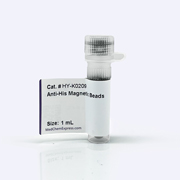
MCE Anti-His Magnetic Beads are used for immunoprecipitation (IP) of specific His-tagged proteins expressed in bacterial and mammalian cells and in vitro expression systems. The 1 mL is defined as the base specification. All larger sizes correspond to incremental volumes of this base.
|
-
- HY-K3011
-
|
|
|
MEM Non-essential Amino Acid Solution (100×) has been filtered and can be used directly. It adds nutrients and reduces the biosynthetic burden on cell in vitro. The 100 mL is defined as the base specification. All larger sizes correspond to incremental volumes of this base.
|
-
- HY-K0201
-
|
|
|
MCE Anti-HA Magnetic Beads are used for immunoprecipitation (IP) of specific HA-tagged proteins expressed in bacterial and mammalian cells and in vitro expression systems.The 1 mL volume is defined as the base specification. All larger sizes correspond to incremental volumes of this base.
|
-
- HY-K3007
-
5 Publications Verification
|
|
MCE 0.25% Trypsin-EDTA (1x), phenol red consists of dried trypsin powder dissolved in EDTA. MCE Trypsin hydrolyzes intercellular proteins and disperses primary tissues or adherent cells into individual cells, and can be widely used for cell dissociation, cell culture passaging and primary tissue dissociation. The 100 mL is defined as the base specification. All larger sizes correspond to incremental volumes of this base.
|
-
- HY-K0206
-
|
|
|
MCE Anti-c-Myc Magnetic Beads are used for immunoprecipitation (IP) of specific c-Myc-tagged proteins expressed in bacterial and mammalian cells and in vitro expression systems. The 1 mL is defined as the base specification. All larger sizes correspond to incremental volumes of this base.
|
-
- HY-K3017
-
|
|
|
MCE HT Supplement (50×) is a liquid mixture of hypoxanthine (5 mM) and thymidine (0.8 mM), and can be added to cell culture medium as an additive for the DNA salvage synthesis pathway. The 10 mL is defined as the base specification. All larger sizes correspond to incremental volumes of this base.
|
-
- HY-K3001
-
|
|
|
DMEM (Dulbecco's Modified Eagle Medium) is a widely used basal medium for supporting the growth of many different mammalian cells. Cell lines successfully cultured in DMEM include Hela, 293, Cos-7, and PC-12, as well as primary fibroblasts, neurons, glial cells, HUVECs, and smooth muscle cells. The 500 mL is defined as the base specification. All larger sizes correspond to incremental volumes of this base.
|
-
- HY-K3002
-
|
|
|
DMEM/F-12 (Dulbecco's Modified Eagle Medium/Nutrient Mixture F-12) is a widely used basal medium for supporting the growth of many different mammalian cells. Cell successfully cultured in DMEM/F-12 include MDCK, glial cells, fibroblasts, human endothelial cells, etc. The 500 mL is defined as the base specification. All larger sizes correspond to incremental volumes of this base.
|
-
- HY-K3003
-
|
|
|
DMEM (Dulbecco's Modified Eagle Medium) is a widely used basal medium for supporting the growth of many different mammalian cells. Cell lines successfully cultured in DMEM include Hela, 293, Cos-7, and PC-12, as well as primary fibroblasts, neurons, glial cells, HUVECs, and smooth muscle cells, etc. The 500 mL is defined as the base specification. All larger sizes correspond to incremental volumes of this base.
|
-
- HY-K0201A
-
4 Publications Verification
|
|
MCE Anti-HA Magnetic Beads (1 μm) are used for immunoprecipitation (IP) of specific HA-tagged proteins expressed in bacterial and mammalian cells andin vitro expression systems. The 1 mL is defined as the base specification. All larger sizes correspond to incremental volumes of this base.
|
-
- HY-K0208
-
|
|
|
MCE Streptavidin Magnetic Beads provide a fast and convenient method for numerous applications, including purification of proteins and nucleic acids, protein interaction studies, immunoprecipitation, immunoassays, pull-down and cell isolation. The 1 mL is defined as the base specification. All larger sizes correspond to incremental volumes of this base.
|
-
- HY-K6014
-
|
|
|
MCE Organoid Cryopreservation Medium (Serum Free) is a ready-to-use cryopreservation medium, widely applicable to organoids and cell lines derived from various mammals (such as human, mouse, pig, cow, etc.). The 100 mL is defined as the base specification. All larger sizes correspond to incremental volumes of this base.
|
-
- HY-K1003
-
1 Publications Verification
|
|
MCE Mammalian Active Protein Extraction Reagent are gentle, non-denaturing detergents designed for the rapid, high-quality, and high-activity
extraction of cytoplasmic, nuclear, and membrane proteins from mammalian cells or tissues. The 100 mL is defined as the base specification. All larger sizes correspond to incremental volumes of this base.
|
-
- HY-K0228
-
|
|
|
MCE Oligo (dT)30 Magnetic Beads are designed for the rapid isolation of highly purified, intact mRNA from eukaryotic total RNA or directly from crude extracts of cells, plant and animal tissues. The 1 mL volume is defined as the base specification. All larger sizes correspond to incremental volumes of this base.
|
-
- HY-K0207
-
|
|
|
MCE Anti-Flag Magnetic Beads are used for immunoprecipitation (IP) of specific Flag-tagged (DYKDDDDK) proteins expressed in bacterial and mammalian cells and in vitro expression systems, and also suitable for Co-immunoprecipitation and purification of Flag-tagged protein. The 1 mL is defined as the base specification. All larger sizes correspond to incremental volumes of this base.
|
-
- HY-K3012A
-
|
|
|
MCE N-2 Serum-free Supplement (100×) can be used in conjunction with growth factors such as bFGF and EGF in serum-free neuronal cell culture mediums, DMEM and the DMEM/F12. This product is formulated with basal culture medium. The 5 mL is defined as the base specification. All larger sizes correspond to incremental volumes of this base.
|
-
- HY-K3012
-
1 Publications Verification
|
|
This product is serum-free and supports cell growth and survival. It has been associated with the growth and expression of neuroblastoma, and with post-mitotic
neuronal survival and expression in primary cultures of both the peripheral nervous system (PNS) and central nervous system (CNS). This product is formulated with water-for-injection. The 5 mL is defined as the base specification. All larger sizes correspond to incremental volumes of this base.
|
-
- HY-K3014
-
|
|
|
This product is serum-free and vitamin A-free.It is a customized variant of the standard Bi-27 formulation with vitamin A removed as a supplement for neuronal cell culture to support the low- or high-density growth and short- or long-term viability of embryonic. This product is formulated with water-for-injection. The 10 mL is defined as the base specification. All larger sizes correspond to incremental volumes of this base.
|
-
- HY-K3009
-
5 Publications Verification
|
|
MCE 0.25% Trypsin-EDTA (1×), Phenol Red-Free, is prepared by dissolving trypsin powder (a mixture of proteases from porcine pancreas, irradiated and sterilized) and EDTA in a calcium- and magnesium-free balanced salt solution. It is filter-sterilized and can be directly used for the dissociation of cultured cells and tissues. The 100 mL is defined as the base specification. All larger sizes correspond to incremental volumes of this base.
|
-
- HY-K0614
-
|
|
|
MCE Oil Red O Staining Kit for Cell Smears effectively stains lipid droplets of various sizes, including smaller lipid droplets, and preferentially adsorbs dye from the solvent. It is suitable for staining oil red O in cell smears, bone marrow smears, fluid smears, blood smears, and other samples. When using the kit, specimens should not be fixed with fixatives containing ethanol. If fixation is required, 10% formalin can be used. The positive staining result for fat typically appears orange-yellow to red, with the exact color varying depending on the lipid concentration.
|
-
- HY-K2014
-
|
|
|
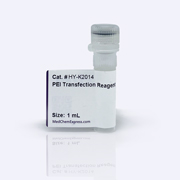
MCE PEI Transfection Reagent is designed based on 25 kDa PEI. It has high-efficiency, low-toxicity, strong-stability, and is suitable for many cell types, such as HEK-293、HEK-293T、CHO-K1、COS-1、COS-7、NIH/3T3、Sf9、HepG2 and HeLa et, even some hard-to-transfect cells. It can also be applied to large-scale recombinant protein expression and virus production. The 1 mL is defined as the base specification. All larger sizes correspond to incremental volumes of this base.
|
| Cat. No. |
Product Name |
Target |
Research Area |
Image |
-
- HY-P99896
-
|
BTRC-4017A; RG-6194
|
EGFR
CD3
|
Cancer
|
|
Runimotamab (BTRC-4017A) is a HER2 and CD3 T cell-engaging bispecific antibody. Runimotamab can decrease the size of liver tumor spheroids. Runimotamab can be studied in oncology research such as HER2-expressing cancers. Recommend Isotype Controls: Human IgG1 kappa, Isotype Control (HY-P99001) .
|
-
(5)
-
- HY-P99922
-
|
|
LAG-3
|
Cancer
|
|
Encelimab is an anti-LAG3 antibody. Encelimab blocks the interaction between LAG-3 and MHC II, and enhances T-cell activation. Encelimab alone or in combination with an anti-PD-1 antibody reduces tumor size in a lymphoma mice model (A20 cell xenograft) .
|
-
(5)
-
- HY-P991947
-
|
AFS98; TG3003
|
c-Fms
|
Inflammation/Immunology
|
|
ELB041 (AFS98) is a rat monoclonal anti-murine c-fms antibody (IgG2a). AFS98 inhibits M-CSF–dependent colony formation and cell growth by blocking the binding of M-CSF to its receptor. AFS98 prevents development of fatty streaks in ApoE-deficient mice. ELB041 can be used for the research of atherosclerosis .
|
-
(5)
| Cat. No. |
Product Name |
Category |
Target |
Chemical Structure |
-
- HY-N0430
-
|
Coptisin
|
Alkaloids
Structural Classification
Classification of Application Fields
Coptis chinensis Franch.
Ranunculaceae
Metabolic Disease
Quinoline Alkaloids
Plants
Disease Research Fields
Source Classification
|
Indoleamine 2,3-Dioxygenase (IDO)
NF-κB
p38 MAPK
PI3K
Akt
Apoptosis
Reactive Oxygen Species (ROS)
Mitochondrial Metabolism
DNA/RNA Synthesis
ROCK
LDLR
|
|
Coptisine is an orally active and brain-penetrant alkaloid found in Coptis chinensis. Coptisine is a reversible, uncompetitive IDO inhibitor with a Ki of 5.8 μM and an IC50 of 6.3 μM. Coptisine suppresses neuroinflammation, reduces Aβ plaque burden and shows neuroprotective activity. Coptisine shows anti-inflammation activity by blocking NF-κB, MAPK, and PI3K/Akt activation. Coptisine inhibits cancer cells proliferation, induces DNA damage, G2/M phase cell cycle arrest, apoptosis, ROS production and mitochondrial dysfunction. Coptisine inhibits Rho/ROCK pathway activation, reduces arrhythmia, limits cardiac injury marker release, reduces infarct size, and preserves cardiac function in rat myocardial ischemia/reperfusion models. Coptisine downregulates HMGCR and upregulates LDLR and CYP7A1 to modulate cholesterol metabolism, reduces abnormal serum lipid levels, and promotes fecal bile acid excretion. Coptisine can be used for the research of cancer, hypercholesterolemia, Alzheimer’s disease, inflammatory disorders and cardiovascular disease .
|
-
-
- HY-N0430A
-
|
|
Alkaloids
Structural Classification
Chelidonium majus
Classification of Application Fields
Metabolic Disease
Quinoline Alkaloids
Plants
Disease Research Fields
Papaveraceae
Source Classification
|
Indoleamine 2,3-Dioxygenase (IDO)
NF-κB
p38 MAPK
PI3K
Akt
Apoptosis
Reactive Oxygen Species (ROS)
Mitochondrial Metabolism
DNA/RNA Synthesis
ROCK
LDLR
|
|
Coptisine Sulfate is an orally active and brain-penetrant alkaloid found in Coptis chinensis. Coptisine Sulfate is a reversible, uncompetitive IDO inhibitor with a Ki of 5.8 μM and an IC50 of 6.3 μM. Coptisine Sulfate suppresses neuroinflammation, reduces Aβ plaque burden and shows neuroprotective activity. Coptisine Sulfate shows anti-inflammation activity by blocking NF-κB, MAPK, and PI3K/Akt activation. Coptisine Sulfate inhibits cancer cells proliferation, induces DNA damage, G2/M phase cell cycle arrest, apoptosis, ROS production and mitochondrial dysfunction. Coptisine Sulfate inhibits Rho/ROCK pathway activation, reduces arrhythmia, limits cardiac injury marker release, reduces infarct size, and preserves cardiac function in rat myocardial ischemia/reperfusion models. Coptisine Sulfate downregulates HMGCR and upregulates LDLR and CYP7A1 to modulate cholesterol metabolism, reduces abnormal serum lipid levels, and promotes fecal bile acid excretion. Coptisine Sulfate be used for the research of cancer, hypercholesterolemia, Alzheimer’s disease, inflammatory disorders and cardiovascular disease .
|
-
-
- HY-W353469
-
-
-
- HY-N9689
-
-
-
- HY-N15201
-
|
|
Structural Classification
Flavonoids
Beta vulgaris Linn.
Plants
Isoflavones
Chenopodiaceae
Source Classification
|
STAT
|
|
Betavulgarin is an anticancer agent. Betavulgarin can be isolated from Sugar Beet (Beta vulgaris). Betavulgarin suppresses the proliferation, migration, colony formation, and mammosphere formation of breast cancer cells, and reduces the size of the CD44 +/CD24 − subpopulation and the expression of the self-renewal- related genes C-Myc, Nanog and Oct4. Betavulgarin promotes BCSCs death through the regulation of Stat3/Sox2 signaling .
|
-
-
- HY-N15744
-
|
|
Cornaceae
Cornus officinalis Sieb. et Zucc.
Ketones, Aldehydes, Acids
Plants
Source Classification
|
NO Synthase
|
|
Anti-Heart Failure Agent 3 (Compound 2) is an anti-heart failure agent with anti-inflammatory activity found in processed Cornus officinalis. Anti-Heart Failure Agent 3 inhibits NO release in LPS-induced RAW264.7 cells. Anti-Heart Failure Agent 3 alleviates myocardial ischemia-reperfusion injury, reduces myocardial infarction size, and improves myocardial histopathological changes. Anti-Heart Failure Agent 3 is promising for research of heart failure .
|
-
-
- HY-N15743
-
|
|
Cornaceae
Cornus officinalis Sieb. et Zucc.
Ketones, Aldehydes, Acids
Plants
Source Classification
|
NO Synthase
|
|
Anti-Heart Failure Agent 2 (Compound 1) is an anti-heart failure agent with anti-inflammatory activity found in processed Cornus officinalis. Anti-Heart Failure Agent 2 inhibits NO release in LPS-induced RAW264.7 cells. Anti-Heart Failure Agent 2 alleviates myocardial ischemia-reperfusion injury, reduces myocardial infarction size, and improves myocardial histopathological changes. Anti-Heart Failure Agent 2 is promising for research of heart failure .
|
-
-
- HY-N15745
-
|
|
Cornaceae
Cornus officinalis Sieb. et Zucc.
Ketones, Aldehydes, Acids
Plants
Source Classification
|
NO Synthase
|
|
Anti-Heart Failure Agent 4 (Compound 3) is an anti-heart failure agent with anti-inflammatory activity found in processed Cornus officinalis. Anti-Heart Failure Agent 4 inhibits NO release in LPS-induced RAW264.7 cells. Anti-Heart Failure Agent 4 alleviates myocardial ischemia-reperfusion injury, reduces myocardial infarction size, and improves myocardial histopathological changes. Anti-Heart Failure Agent 4 is promising for research of heart failure .
|
-
Your information is safe with us. * Required Fields.
Inquiry Information
- Product Name:
- Cat. No.:
- Quantity:
- MCE Japan Authorized Agent:

