
1. Search Result
Search Result
Results for "

cytoprotective activity

" in MedChemExpress (MCE) Product Catalog:

59

Inhibitors & Agonists

3

Biochemical Assay Reagents

4

Peptides

1

Inhibitory Antibodies

30

Natural
Products

1

Isotope-Labeled Compounds

8

Oligonucleotides

Cat. No. Product Name Target Research Areas Chemical Structure
  • HY-D1005A

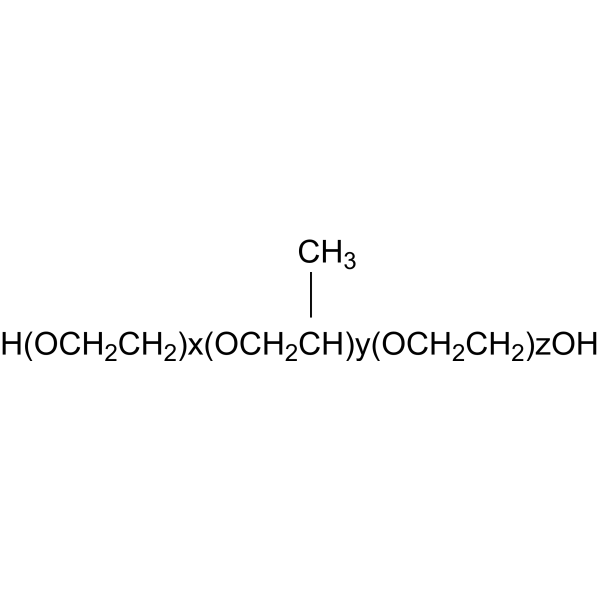
    PEG-PPG-PEG, 8800 (Average Mn)

    Environmental Pollutants Biochemical Assay Reagents Inflammation/Immunology
    Poloxamer 188 is a nonionic linear copolymer with surfactant properties. Poloxamer 188 exhibits anti-thrombotic, anti-inflammatory, and cytoprotective activities in various tissue injury models. Poloxamer 188 can be used for drug delivery .
    Poloxamer 188
  • HY-P9930
    Evolocumab
    3 Publications Verification

    AMG 145

    NF-κB Ser/Thr Protease Toll-like Receptor (TLR) Cardiovascular Disease Metabolic Disease Inflammation/Immunology Cancer
    Evolocumab (AMG 145) is a human monoclonal antibody that inhibits PCSK9. Evolocumab is used in the study of hypercholesterolemia and atherosclerotic cardiovascular disease. Evolocumab binds to circulating PCSK9 protein and inhibits its binding to LDLR. Evolocumab has antioxidant and cytoprotective activities against H2O2-induced oxidative damage to endothelial cells. Evolocumab may also negatively regulate activation of the TLR-4/NF-κB signaling pathway to prevent inflammation .
    Evolocumab
  • HY-N0890
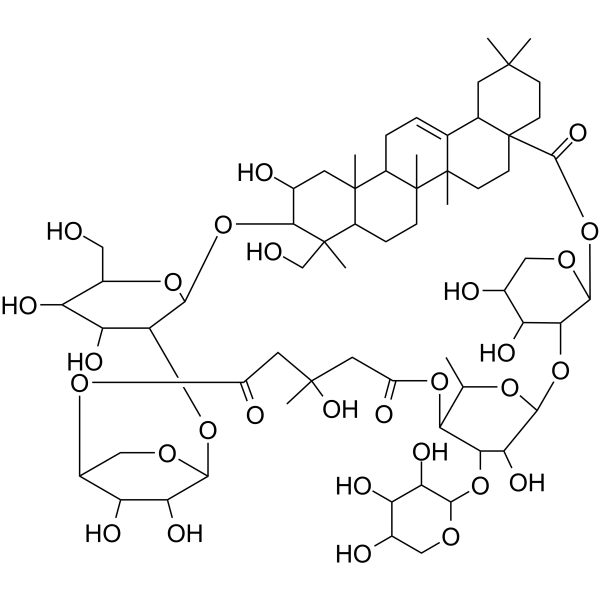
    Tubeimoside I
    4 Publications Verification

    Tubeimoside-1; Lobatoside-H

    HSP NF-κB p38 MAPK Akt Autophagy Interleukin Related VEGFR Cardiovascular Disease Inflammation/Immunology Cancer
    Tubeimoside I is an orally active HSPD1 inhibitor. Tubeimoside I inhibits NF-κB, MAPK, as well as regulates eNOS-VEGF. Tubeimoside I induces cytoprotective Autophagy via an Akt-mediated pathway. Tubeimoside I inhibits proinflammatory cytokine (IL-6 and IL-1β) production. Tubeimoside I exhibits anti-inflammatory activities. Tubeimoside I promotes angiogenesis and improves sepsis symptoms. Tubeimoside I is used in the research of inflammatory diseases, various cancers, sepsis and ischemic diseases .
    Tubeimoside I
  • HY-100001
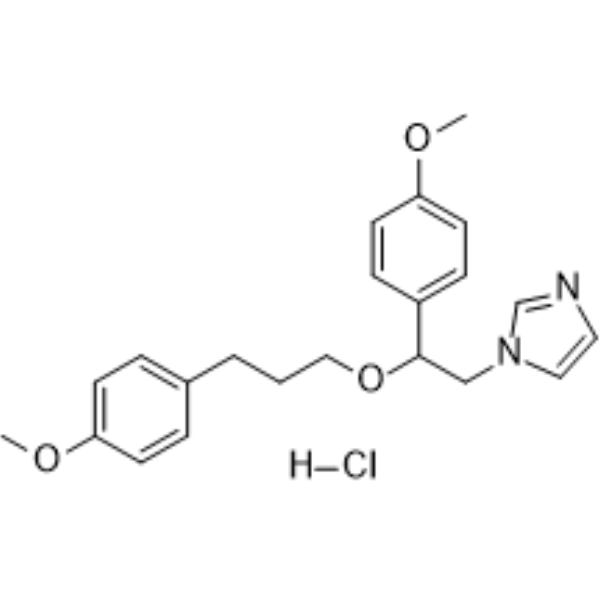
    SKF-96365 (hydrochloride)
    Maximum Cited Publications
    27 Publications Verification

    TRP Channel CRAC Channel Autophagy CaMK Akt Apoptosis Na+/Ca2+ Exchanger Calcium Channel Neurological Disease Inflammation/Immunology Cancer
    SKF-96365 hydrochloride is a TRPC channel antagonist and store-operated calcium entry (SOCE) inhibitor. SKF-96365 hydrochloride reduces calcium ion influx by inhibiting the activity and expression of TRPC6, STIM1 and Orai1. SKF-96365 hydrochloride inhibits voltage-gated sodium current (cardiac INa/NaV1.5) and slows myocardial conduction. SKF-96365 hydrochloride inhibits phosphorylation/activation of CaMKIIγ and suppresses the downstream AKT signaling pathway. SKF-96365 hydrochloride induces G2/M phase cell cycle arrest, apoptosis and cytoprotective autophagy in colorectal cancer cells. SKF-96365 hydrochloride alleviates allergic rhinitis symptoms by reducing inflammatory cytokine levels. SKF-96365 hydrochloride reduces intracellular calcium overload, inhibits Homer1 expression, prevents nuclear damage and suppresses apoptosis. SKF-96365 hydrochloride inhibits the growth of colorectal cancer xenografts in nude mice . SKF-96365 hydrochloride is applicable to research related to allergic rhinitis, colorectal cancer, Parkinson's disease, persistent spontaneous nociception and hyperalgesia .
    SKF-96365 (hydrochloride)
  • HY-B1218
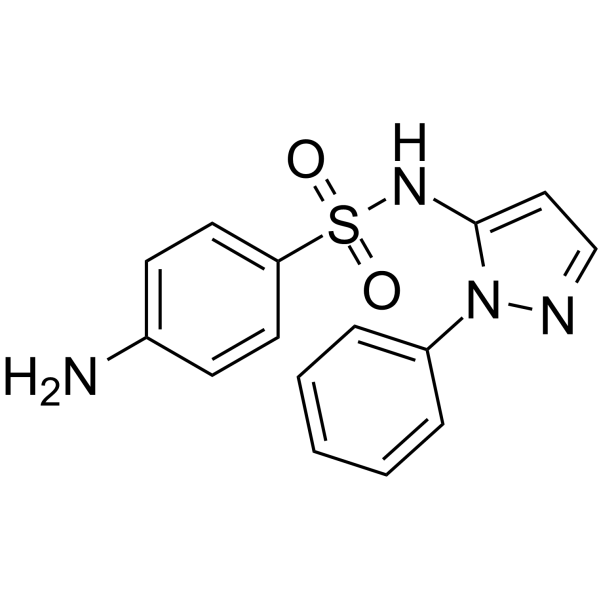
    Sulfaphenazole
    10+ Cited Publications

    Cytochrome P450 Antibiotic Bacterial Necroptosis Apoptosis Infection Cardiovascular Disease
    Sulfaphenazole is a selective inhibitor of human cytochrome P450 (CYP) 2C9 enzyme. Sulfaphenazole is a cytoprotective agent against light-induced death of photoreceptors. Sulfaphenazole inhibits light-induced necrosis and mitochondrial stress-initiated apoptosis. Sulfaphenazole is an off patent sulfonamide antibiotic and demonstrates bactericidal activity through enhanced M1 macrophage activity. Sulfaphenazole can significantly reduce infarct size and restore post-ischemic coronary flow following ischemia and reperfusion .
    Sulfaphenazole
  • HY-N0017
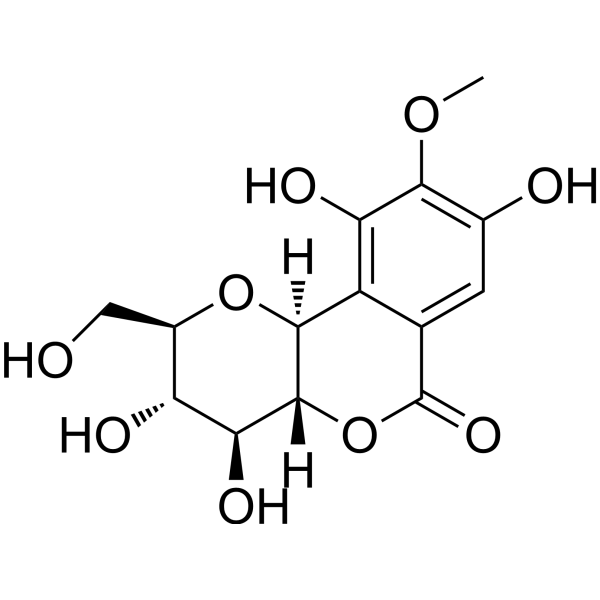
    Bergenin
    5+ Cited Publications

    Cuscutin

    NF-κB Autophagy Apoptosis Bacterial Fungal Virus Protease Infection Inflammation/Immunology Cancer
    Bergenin is a cytoprotective and antioxidative polyphenol found in many medicinal plants. Bergenin has a wide spectrum activities such as hepatoprotective, antiinflammatory, immunomodulatory, antitumor, antiviral, and antifungal properties .
    Bergenin
  • HY-D1005H

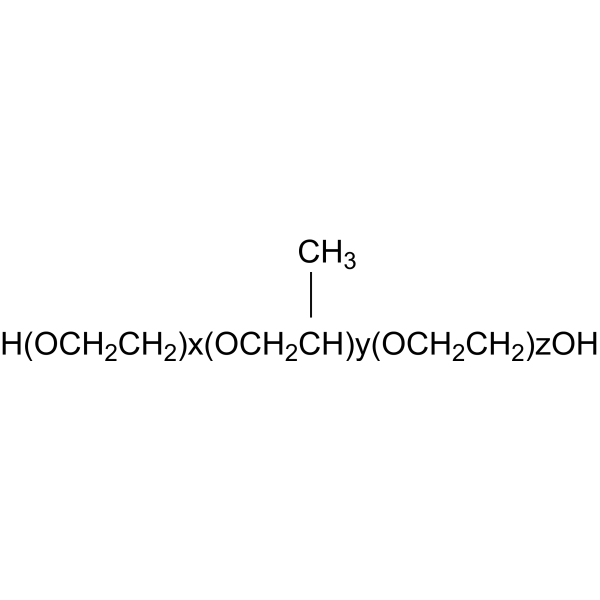
    PEG-PPG-PEG, 8400(Average Mn)

    Environmental Pollutants Biochemical Assay Reagents Fluorescent Dye Others
    Poloxamer 188 is a nonionic linear copolymer with surfactant properties. Poloxamer 188 exhibits anti-thrombotic, anti-inflammatory, and cytoprotective activities in various tissue injury models .
    Poloxamer 188 (F68)
  • HY-N0513

    Reactive Oxygen Species (ROS) Phosphatase NF-κB Keap1-Nrf2 Metabolic Disease Inflammation/Immunology
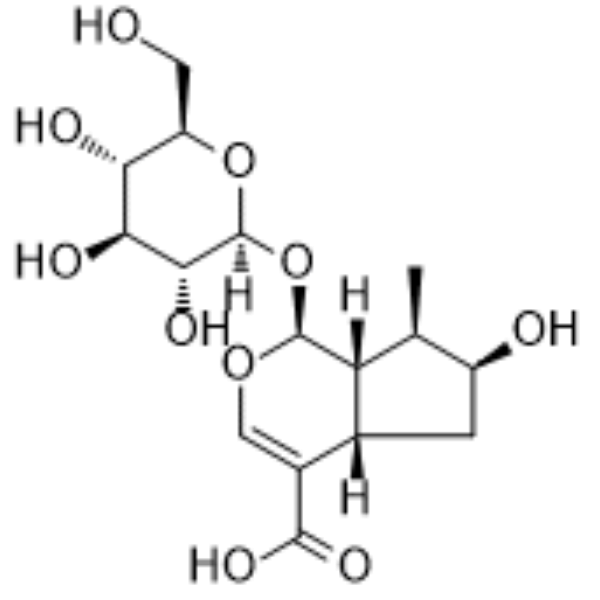
    Loganic acid is an iridoid isolated from cornelian cherry fruits. Loganic acid inhibits NF-κB signaling pathway, activates Nrf2 signaling pathway, exhibits anti-inflammatory activity. Loganic acid can modulate diet-induced atherosclerosis and redox status. Loganic acid has strong free radical scavenging activity and remarkable cyto-protective effect against heavy metal mediated toxicity. Loganic acid is orally active .
    Loganic acid
  • HY-N0281
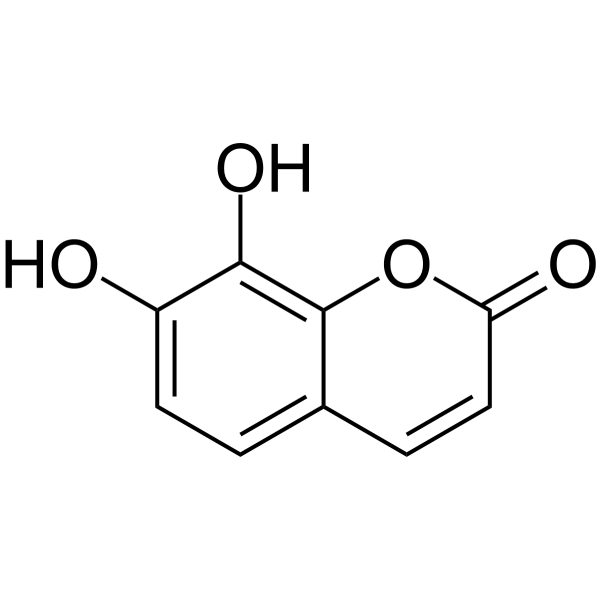
    Daphnetin
    Maximum Cited Publications
    7 Publications Verification

    7,8-Dihydroxycoumarin

    EGFR PKA PKC Autophagy Apoptosis AMPK Akt mTOR Reactive Oxygen Species (ROS) Caspase Bcl-2 Family PARP Parasite Cardiovascular Disease Inflammation/Immunology Cancer
    Daphnetin (7,8-dihydroxycoumarin), one coumarin derivative can be found in plants of the Genus Daphne, is a potent, oral active protein kinase inhibitor, with IC50s of 7.67 μM, 9.33 μM and 25.01 μM for EGFR, PKA and PKC in vitro, respectively. Daphnetin triggers ROS-induced cell apoptosis and induces cytoprotective autophagy by modulating the AMPK/Akt/mTOR pathway. Daphnetin has anti-inflammation activitity and inhibits TNF-α, IL-1β, ROS, and MDA production. Daphnetin has schizontocidal activity against malaria parasites. Daphnetin can be used for rheumatoid arthritis , cancer and anti-malarian research .
    Daphnetin
  • HY-N0646
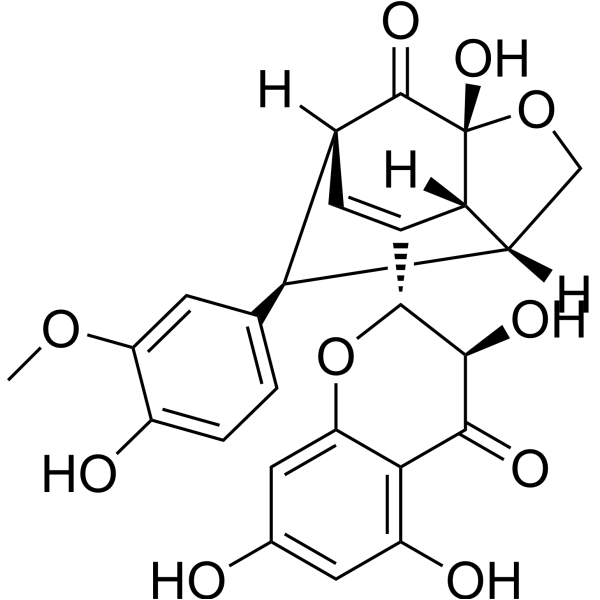
    Silydianin
    1 Publications Verification

    Phosphatase Endogenous Metabolite Tyrosinase Apoptosis Interleukin Related Inflammation/Immunology Cancer
    Silydianin is a flavonolignan. Silydianin can be obtained from Silybum marianum. Silydianin inhibits PTP1B with an IC50 of 17.38 μM. Silydianin inhibits both monophenolase and diphenolase of tyrosinase significantly, with IC50s of 2.6 μM and 16.5 μM, respectively. Silydianin induces Apoptosis and reduces cytokines (IL-4 and IL-5). Silymarin has antioxidant, cytoprotective and immunomodulatory effects. Silydianin has antitumor activity against prostate cancer. Silymarin can be used in allergic asthma research .
    Silydianin
  • HY-N3121

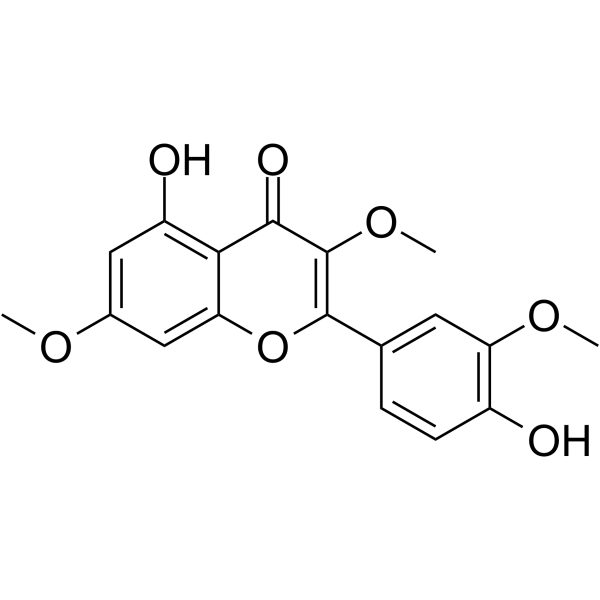
    PERK Keap1-Nrf2 Apoptosis Cardiovascular Disease Neurological Disease Metabolic Disease Cancer
    Pachypodol is an orally active methoxyflavonoid compound. Pachypodol activates the ERK-dependent Nrf2 pathway and inhibits Apoptosis. Pachypodol exhibits activities such as antioxidant, cytoprotective, anti-inflammatory effects. Pachypodol improves cognition. Pachypodol exerts protective effects against cardiac and liver damage. Pachypodol has anticancer activity against colon cancer .
    Pachypodol
  • HY-N7675

    NF-κB TGF-beta/Smad Syk Cardiovascular Disease Neurological Disease Metabolic Disease
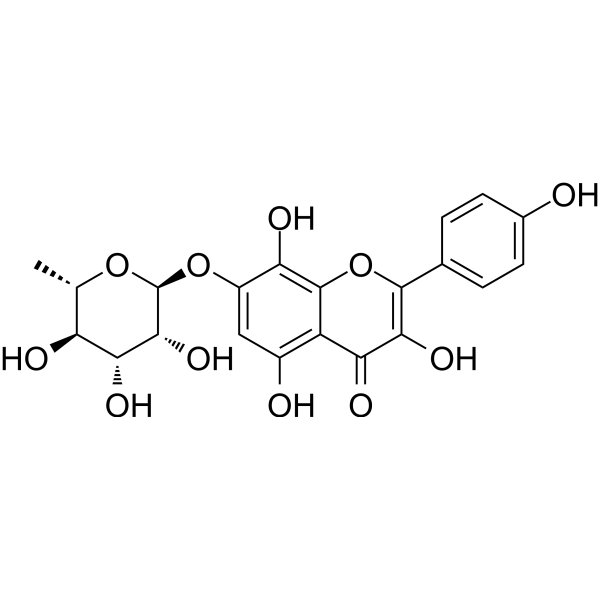
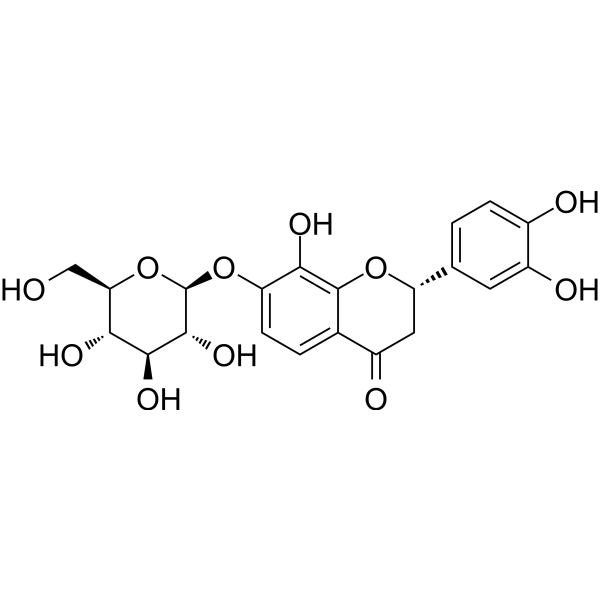
    Flavanomarein is a substance with cytoprotective, anti-inflammatory and antioxidant activities, with a Ka of 3.064e-5 M against human Syk. Flavanomarein enhances the phosphorylation level of AKT, regulates the expression of PKC-δ, P85α, PKC-β1, Sirt1, Bcl-2 and ICAD, and inhibits the nuclear translocation of NF-κB p65. Flavanomarein regulates EMT marker proteins, promotes the proliferation of HK-2 cells, and protects neuronal cells from 6-OHDA-induced neurotoxic damage. Flavanomarein can be used in studies related to Parkinson's disease and diabetic nephropathy.
    Flavanomarein
  • HY-N8439

    Phx-3

    HSP Bacterial Antibiotic Infection Cancer
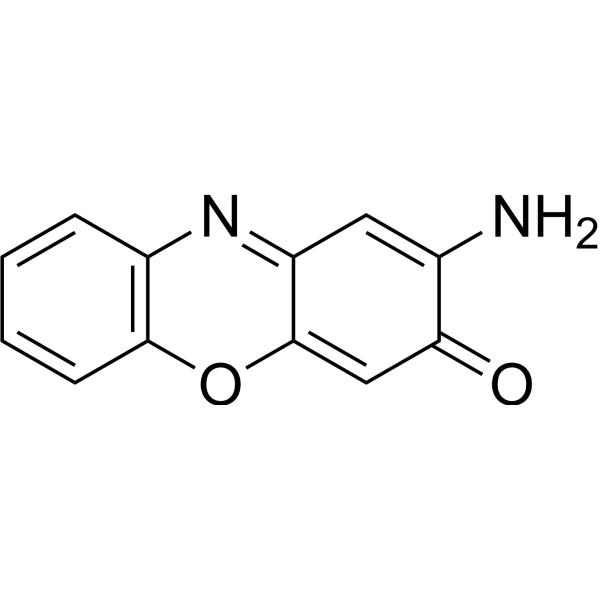
    Questiomycin A (Phx-3) is a GRP78 (cytoprotective endoplasmic reticulum chaperone) degrader and enhances the anticancer activity of Sorafenib. Questiomycin A is also an antimicrobial/antibiotic that can be obtained from the metabolite of Pseudomonas chlororaphis HT66. Questiomycin A can be used in research on biological control of cancer and plant diseases .
    Questiomycin A
  • HY-164926

    PARP Neurological Disease
    PARP1-IN-33 (Example 6) is a PARP1 inhibitor (IC50: 0.41 nM). PARP1-IN-33 has retinal cytoprotective effect, with an EC50 of 0.02 nM (inhibition on MTS activity of H2O2 induced human retinal pigment epithelial cell) .
    PARP1-IN-33
  • HY-P1777

    Insulin-like Growth Factor I (24-41)

    IGF-1R Metabolic Disease Inflammation/Immunology
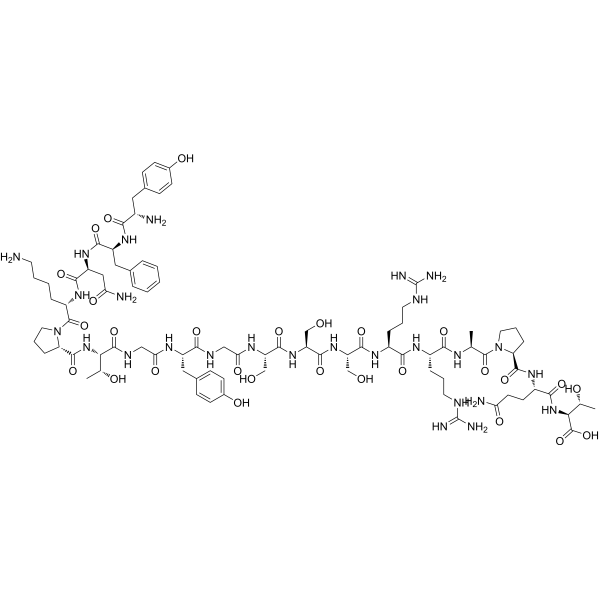
    IGF-I (24-41) (Insulin-like Growth Factor I (24-41)) is amino acids 24 to 41 fragment of IGF-I. IGF-I, a 70 aa polypeptide hormone, is a trophic factor for both neurons and glial cells. IGF-I is partly responsible for systemic growth hormone (GH) activities. IGF-I has anabolic, antioxidant, anti-inflammatory and cytoprotective actions. IGF-I (24-41) regulates somatic growth and behavioral development .
    IGF-I (24-41)
  • HY-W013605A
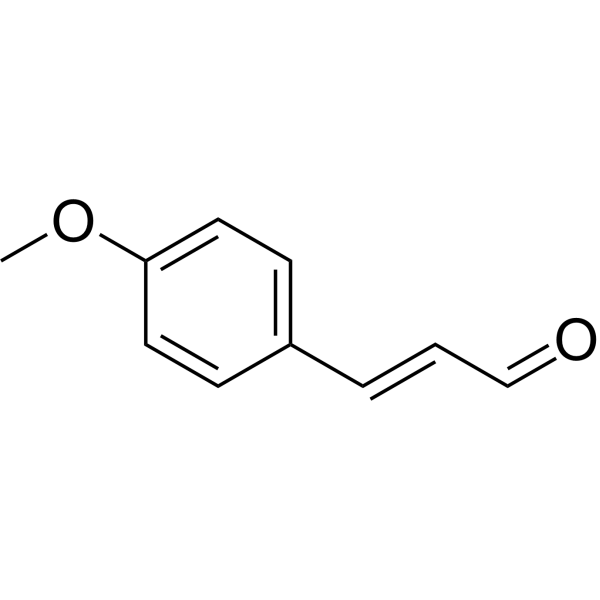
    4-Methoxycinnamaldehyde
    2 Publications Verification

    p-Methoxycinnamaldehyde

    Environmental Pollutants RSV Infection
    4-Methoxycinnamaldehyde (p-Methoxycinnamaldehyde), an active constituent of Agastache rugosa, exhibits cytoprotective activity against respiratory syncytial virus (RSV) in human larynx carcinoma cell line. 4-Methoxycinnamaldehyde effectively inhibits cytopathic effect of RSV with an estimated IC50 of 0.055 μg/mL .
    4-Methoxycinnamaldehyde
  • HY-N2996

    HIV Protease Infection
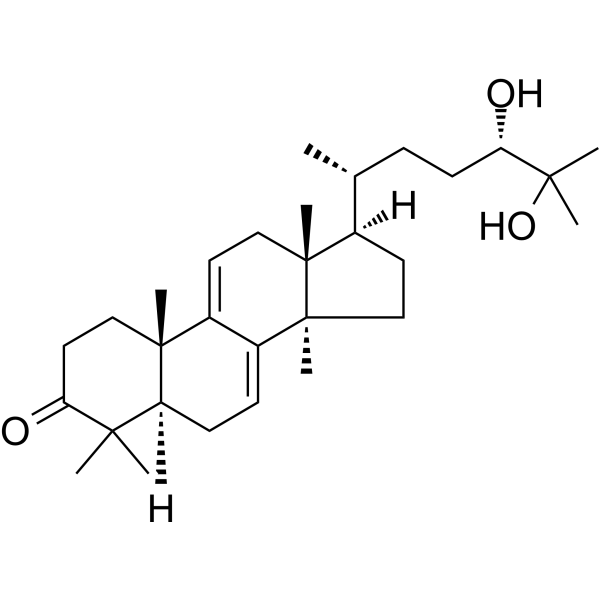
    Ganodermanondiol is a melanogenesis inhibitor isolated from the Ganoderma lucidum .Ganodermanondiol exhibits potent cytoprotective effects on tert-butyl hydroperoxide-induced hepatotoxicity . Ganodermanondiol shows significant anti-HIV-1 protease activity with an IC50 of 90 μM . Ganodermanondiol exhibits a strong anticomplement activity against the classical pathway of the complement system with an IC50 of 41.7μM .
    Ganodermanondiol
  • HY-N6896
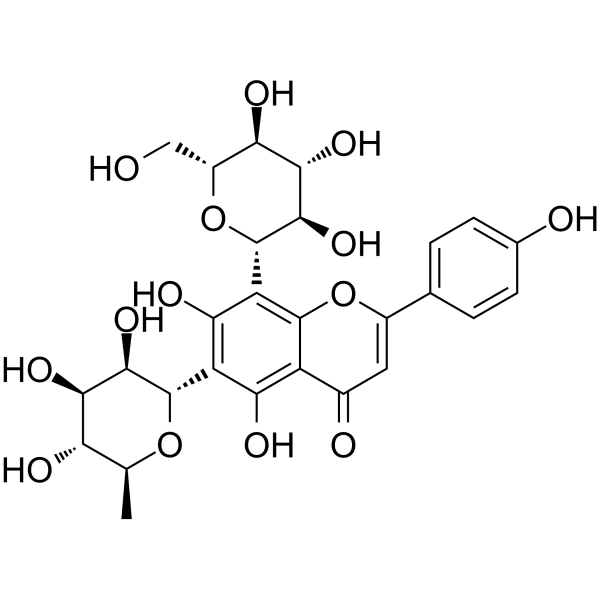
    Isoviolanthin
    1 Publications Verification

    TGF-beta/Smad PI3K Akt mTOR MMP Histone Demethylase Endocrinology Cancer
    Isoviolanthin is a flavonoid glycoside. Isoviolanthin can be extracted from Dendrobium officinale. Isoviolanthin has a strong affinity for binding to KDM6B, CHAC2, ESCO2, and IPO4. Isoviolanthin decreases MMP-2 and MMP-9. Isoviolanthin inhibits TGF-β/Smad and PI3K/Akt/mTOR signaling pathways. Isoviolanthin increases Fhl3 expression. Isoviolanthin has cytoprotective effects. Isoviolanthin has anticancer activity against hepatocellular carcinoma .
    Isoviolanthin
  • HY-117970

    MMP Cardiovascular Disease
    MMPI-1154 is a promising novel cardio-cytoprotective imidazole-carboxylic acid (ICA) MMP-2 inhibitor(IC50=6.6 μM) and can be used for the study of acute myocardial infarction. MMPI-1154 also inhibits the activity of MMP-13, MMP-1 and MMP-9 with IC50s of 1.8 μM,10 μM, and 13 μM, respectively .
    MMPI-1154
  • HY-W141392

    Nucleoside Antimetabolite/Analog Xanthine Oxidase Phosphoramidites Cancer
    2'-Fluoro-5'-O-DMT-2'-deoxyinosine-3'-CE-phosphoramidite is a hypoxanthine analog. Hypoxanthine is a kind of purine base mainly present in muscle tissue. And it is a metabolite produced by purine oxidase acting on xanthine. Hypoxanthine has typical anti-inflammatory effects and is a potential endogenous poly(ADP-ribose) polymerase (PARP) inhibitor. It is cytoprotective by inhibiting PAPR activity, inhibiting peroxynitrite-induced mitochondrial depolarization and secondary superoxide production. Hypoxanthine can also be used as an indicator of hypoxia .
    2'-Fluoro-5'-O-DMT-2'-deoxyinosine-3'-CE-phosphoramidite
  • HY-125942
    SKF-96365
    Maximum Cited Publications
    27 Publications Verification

    CRAC Channel TRP Channel CaMK Akt Apoptosis Autophagy Na+/Ca2+ Exchanger Calcium Channel Neurological Disease Inflammation/Immunology Cancer
    SKF-96365 is a TRPC channel antagonist and store-operated calcium entry (SOCE) inhibitor. SKF-96365 reduces calcium ion influx by inhibiting the activity and expression of TRPC6, STIM1 and Orai1. SKF-96365 inhibits voltage-gated sodium current (cardiac INa/NaV1.5) and slows myocardial conduction. SKF-96365 inhibits phosphorylation/activation of CaMKIIγ and suppresses the downstream AKT signaling pathway. SKF-96365 induces G2/M phase cell cycle arrest, apoptosis and cytoprotective autophagy in colorectal cancer cells. SKF-96365 alleviates allergic rhinitis symptoms by reducing inflammatory cytokine levels. SKF-96365 reduces intracellular calcium overload, inhibits Homer1 expression, prevents nuclear damage and suppresses apoptosis. SKF-96365 inhibits the growth of colorectal cancer xenografts in nude mice . SKF-96365 is applicable to research related to allergic rhinitis, colorectal cancer, Parkinson's disease, persistent spontaneous nociception and hyperalgesia .
    SKF-96365
  • HY-N7372

    Apoptosis Infection Inflammation/Immunology
    Licoisoflavanone is an orally active isoflavane-based immunomodulator with multiple activities including antiviral, anti-inflammatory, cytoprotective and cancer cell apoptosis-inducing effects. Licoisoflavanone can be isolated from the roots and rhizomes of Glycyrrhiza uralensis Fisch. Licoisoflavanone not only enhances the body's immunity, but also effectively prevents acute respiratory distress syndrome and multiple organ damage by alleviating cytokine storm, thereby reducing the degree of inflammation. In rats, Licoisoflavanone undergoes multiple metabolic transformation processes such as glucuronidation, hydroxylation, sulfation, methylation and dehydrogenation. Licoisoflavanone has become an important candidate molecule for research on COVID-19 and related inflammatory diseases .
    Licoisoflavanone
  • HY-N7031

    (±)​-Peganine

    Proton Pump Inflammation/Immunology
    (±)-Vasicine is the racemate of Vasicine. Vasicine (Peganine) significantly inhibits H +-K +-ATPase activity in vitro with an IC50 of 73.47 μg/mL. Anti-ulcer activity. Vasicine shows significant anti-secretory, antioxidant and cytoprotective effect .
    (±)​-​Vasicine
  • HY-N0377A

    (±)-4',7-Dihydroxyflavanone

    Reactive Oxygen Species (ROS) Cardiovascular Disease
    (±)-Liquiritigenin ((±)-4',7-Dihydroxyflavanone) is isolated from Angelica keiskei, a hardy perennial herb of the Umbelliferae family. (±)-Liquiritigenin promotes cell proliferation, has cytoprotective activity and reduces cytotoxicity, and also has antioxidant stress effects .
    (±)-Liquiritigenin
  • HY-151526

    Virus Protease Flavivirus Infection
    LabMol-301 inhibits both NS5 RdRp and NS2B-NS3pro activity (IC50: 0.8 and 7.4 μM, respectively). LabMol-301 has a cytoprotective effect and prevents Zika virus (ZIKV)-induced cell death .
    LabMol-301
  • HY-116282W

    DSS (MW 6500-10000); DXS (MW 6500-10000)

    HIV Inflammation/Immunology
    Dextran sulfate sodium salt (DSS) (MW 6500-10000) is a polymer of dehydrated glucose with a molecular weight of approximately 5000. Dextran sulfate sodium salt with different molecular weights exhibits different biological activities. Dextran sulfate sodium salt (MW 6500-10000) has antiviral activity against HIV-1 and HIV-2. Dextran sulfate sodium salt (MW 6500-10000) blocks the binding of virions to CD4 T lymphocytes and inhibits syncytia formation. Dextran sulfate sodium salt (MW 6500-10000) also prevents experimental urolithiasis due to its cytoprotective actions. Moreover, because of its biocompatible and highly charged properties, Dextran sulfate sodium salt (MW 6500-10000) is a suitable choice for pharmaceutical systems .
    Dextran sulfate sodium salt (MW 6500-10000)
  • HY-N0241

    Cholinesterase (ChE) Lipase Bacterial Cytochrome P450 Infection Metabolic Disease
    Rhodionin is an orally active, multifunctional antivirulence and cytoprotective agent that targets and inhibits Lipase, sortase A (SrtA), CYP2D6 (IC50=0.761 μM), AChE (IC50=2.43-57.5 μM), and DPPH free radicals (IC50=19.49 μM). Rhodionin is isolable from the roots of Rhodiola crenulata. Rhodionin reduces postprandial serum triglyceride levels in mice by inhibiting lipase activity. Rhodionin also binds directly to SrtA to inhibit its transpeptidase activity, thereby reducing the fibrinogen adhesion and surface protein A levels of MRSA, effectively inhibiting biofilm formation and protecting against MRSA-induced cell damage. Rhodionin improves the survival rate of infected mice without affecting MRSA growth, and finds wide application in studies related to hyperlipidemia, exogenous obesity, and pneumonia induced by methicillin-resistant Staphylococcus aureus (MRSA) .
    Rhodionin
  • HY-N3421

    Interleukin Related TNF Receptor Influenza Virus Infection Inflammation/Immunology Cancer
    Koaburaside is a cytoprotective and anti-inflammatory natural compound. Koaburaside shows antioxidant activity with an IC50 of 9.0 μM for DPPH-free radical scavenging assay. Koaburaside inhibits histamine release and expressions of IL-6 and TNF-α in human mast cells. Koaburaside also effectively inhibits influenza A neuraminidase .
    Koaburaside
  • HY-152696

    Xanthine Oxidase Nucleoside Antimetabolite/Analog Others
    6-O-Methylinosine is a hypoxanthine analogue. Hypoxanthine is a kind of purine base mainly present in muscle tissue. And it is a metabolite produced by purine oxidase acting on xanthine. Hypoxanthine has typical anti-inflammatory effects and is a potential endogenous poly(ADP-ribose) polymerase (PARP) inhibitor. It is cytoprotective by inhibiting PAPR activity, inhibiting peroxynitrite-induced mitochondrial depolarization and secondary superoxide production. Hypoxanthine can also be used as an indicator of hypoxia .
    6-O-Methylinosine
  • HY-N8788

    Others Inflammation/Immunology Cancer
    Baicalein 7-O-β-D-ethylglucuronide is a natural flavone glycoside that can be extracted from Scutellaria baicalensis Georgi. Baicalein 7-O-β-D-ethylglucuronide has antioxidant activity. Baicalein 7-O-β-D-ethylglucuronide inhibits FeSO4-Cys-induced lipid peroxidation of liver homogenate. Baicalein 7-O-β-D-ethylglucuronide also shows strong cytoprotective effect on H2O2-induced oxidative damage of human umbilical vein endothelial cells .
    Baicalein 7-O-β-D-ethylglucuronide
  • HY-N0017R

    Cuscutin (Standard)

    NF-κB Reference Standards Autophagy Apoptosis Bacterial Fungal Virus Protease Infection Inflammation/Immunology Cancer
    Bergenin (Standard) is the analytical standard of Bergenin. This product is intended for research and analytical applications. Bergenin is a cytoprotective and antioxidative polyphenol found in many medicinal plants. Bergenin has a wide spectrum activities such as hepatoprotective, antiinflammatory, immunomodulatory, antitumor, antiviral, and antifungal properties .
    Bergenin (Standard)
  • HY-B1218R

    Reference Standards Cytochrome P450 Antibiotic Bacterial Necroptosis Apoptosis Infection Cardiovascular Disease
    Sulfaphenazole (Standard) is the analytical standard of Sulfaphenazole. This product is intended for research and analytical applications. Sulfaphenazole is a selective inhibitor of human cytochrome P450 (CYP) 2C9 enzyme. Sulfaphenazole is a cytoprotective agent against light-induced death of photoreceptors. Sulfaphenazole inhibits light-induced necrosis and mitochondrial stress-initiated apoptosis. Sulfaphenazole is an off patent sulfonamide antibiotic and demonstrates bactericidal activity through enhanced M1 macrophage activity. Sulfaphenazole can significantly reduce infarct size and restore post-ischemic coronary flow following ischemia and reperfusion .
    Sulfaphenazole (Standard)
  • HY-W392836

    Nucleoside Antimetabolite/Analog Xanthine Oxidase Phosphoramidites Cancer
    2'-O-Methyl-5'-O-dmt-inosine-3'-CE-phosphoramidite is a hypoxanthine analog. Hypoxanthine is a kind of purine base mainly present in muscle tissue. And it is a metabolite produced by purine oxidase acting on xanthine. Hypoxanthine has typical anti-inflammatory effects and is a potential endogenous poly(ADP-ribose) polymerase (PARP) inhibitor. It is cytoprotective by inhibiting PAPR activity, inhibiting peroxynitrite-induced mitochondrial depolarization and secondary superoxide production. Hypoxanthine can also be used as an indicator of hypoxia .
    2'-O-Methyl-5'-O-dmt-inosine-3'-CE-phosphoramidite
  • HY-N0281R

    7,8-Dihydroxycoumarin (Standard)

    Reference Standards EGFR PKA PKC Autophagy Apoptosis AMPK Akt mTOR Reactive Oxygen Species (ROS) Caspase Bcl-2 Family PARP Parasite Inflammation/Immunology Cancer
    Daphnetin (Standard) is the analytical standard of Daphnetin. This product is intended for research and analytical applications. Daphnetin (7,8-dihydroxycoumarin), one coumarin derivative can be found in plants of the Genus Daphne, is a potent, oral active protein kinase inhibitor, with IC50s of 7.67 μM, 9.33 μM and 25.01 μM for EGFR, PKA and PKC in vitro, respectively. Daphnetin triggers ROS-induced cell apoptosis and induces cytoprotective autophagy by modulating the AMPK/Akt/mTOR pathway. Daphnetin has anti-inflammation activitity and inhibits TNF-α, IL-1 , ROS, and MDA production. Daphnetin has schizontocidal activity against malaria parasites. Daphnetin can be used for rheumatoid arthritis , cancer and anti-malarian research .
    Daphnetin (Standard)
  • HY-W013605AR

    p-Methoxycinnamaldehyde (Standard)

    Reference Standards RSV Infection
    4-Methoxycinnamaldehyde (Standard) is the analytical standard of 4-Methoxycinnamaldehyde. This product is intended for research and analytical applications. 4-Methoxycinnamaldehyde (p-Methoxycinnamaldehyde), an active constituent of Agastache rugosa, exhibits cytoprotective activity against respiratory syncytial virus (RSV) in human larynx carcinoma cell line. 4-Methoxycinnamaldehyde effectively inhibits cytopathic effect of RSV with an estimated IC50 of 0.055 μg/mL[1].
    4-Methoxycinnamaldehyde (Standard)
  • HY-106322

    Bacterial Infection
    IO-21 (Compound 3) is a candidate cytoprotective agent. IO-21 exhibits a marked cytoprotective effect. IO-21 shows a potent inhibitory activity against HCl•ethanol-induced lesions. IO-21 shows a MIC of 50 μg/mL against Helicobacter pylori 7795. IO-21 can be used in the research of gastric mucosal ulcers .
    IO-21
  • HY-N7031R

    (±)​-Peganine (Standard)

    Reference Standards Proton Pump Inflammation/Immunology
    (±)-Vasicine (Standard) is the analytical standard of (±)-Vasicine (HY-N7031). This product is intended for research and analytical applications. (±)-Vasicine is the racemate of Vasicine. Vasicine (Peganine) significantly inhibits H+-K+-ATPase activity in vitro with an IC50 of 73.47 μg/mL. Anti-ulcer activity. Vasicine shows significant anti-secretory, antioxidant and cytoprotective effect .
    (±)-Vasicine (Standard)
  • HY-N10642

    Others Others
    Pedaliin 6''-acetate (compound 10) is a natural product that can be isolated from Dracocephalum tanguticum. Pedaliin 6''-acetate shows antioxidative activity and cytoprotective effect on doxorubicin (DOX)-induced toxicity in H9c2 cardiomyocytes with an EC50 value of 19.1 μM .
    Pedaliin 6''-acetate
  • HY-N10352

    Others Cancer
    4-epi-Withaferin A (compound 28) is the analogue of Withaferin A. 4-epi-Withaferin A enhances cytotoxicity and cytoprotective heat-shock-inducing activity (HSA). 4-epi-Withaferin A has the potential for the research of protein aggregation-associated diseases by stimulating cellular defense mechanisms .
    4-epi-Withaferin A
  • HY-P1773

    Insulin-like Growth Factor I (30-41)

    Insulin Receptor Metabolic Disease Inflammation/Immunology
    IGF-I (30-41) is amino acids 30 to 41 fragment of Insulin-like Growth Factor I (IGF-I). IGF-I is partly responsible for systemic GH activities although it possesses a wide number of own properties (anabolic, antioxidant, anti-inflammatory and cytoprotective actions) .
    IGF-I (30-41)
  • HY-P1773A

    Insulin-like Growth Factor I (30-41) TFA

    IGF-1R Metabolic Disease Inflammation/Immunology
    IGF-I (30-41) (TFA) is amino acids 30 to 41 fragment of Insulin-like Growth Factor I (IGF-I). IGF-I is partly responsible for systemic GH activities although it possesses a wide number of own properties (anabolic, antioxidant, anti-inflammatory and cytoprotective actions) .
    IGF-I (30-41) TFA
  • HY-N3121R

    Reference Standards PERK Keap1-Nrf2 Apoptosis Cardiovascular Disease Neurological Disease Metabolic Disease Cancer
    Pachypodol (Standard) is the analytical standard of Pachypodol (HY-N3121). This product is intended for research and analytical applications. Pachypodol is an orally active methoxyflavonoid compound. Pachypodol activates the ERK-dependent Nrf2 pathway and inhibits Apoptosis. Pachypodol exhibits activities such as antioxidant, cytoprotective, anti-inflammatory effects. Pachypodol improves cognition. Pachypodol exerts protective effects against cardiac and liver damage. Pachypodol has anticancer activity against colon cancer .
    Pachypodol (Standard)
  • HY-N0513R

    Reference Standards Reactive Oxygen Species (ROS) Phosphatase NF-κB Keap1-Nrf2 Metabolic Disease Inflammation/Immunology
    Loganic acid (Standard) is the analytical standard of Loganic acid. This product is intended for research and analytical applications. Loganic acid is an iridoid isolated from cornelian cherry fruits. Loganic acid inhibits NF-κB signaling pathway, activates Nrf2 signaling pathway, exhibits anti-inflammatory activity. Loganic acid can modulate diet-induced atherosclerosis and redox status. Loganic acid has strong free radical scavenging activity and remarkable cyto-protective effect against heavy metal mediated toxicity. Loganic acid is orally active .
    Loganic acid (Standard)
  • HY-W039271

    2-Chloro-6-O-methyl-inosine

    Nucleoside Antimetabolite/Analog Xanthine Oxidase Cancer
    2-Chloro-6-methoxypurine riboside is a hypoxanthine analog. Hypoxanthine is a kind of purine base mainly present in muscle tissue. And it is a metabolite produced by purine oxidase acting on xanthine. Hypoxanthine has typical anti-inflammatory effects and is a potential endogenous poly(ADP-ribose) polymerase (PARP) inhibitor. It is cytoprotective by inhibiting PAPR activity, inhibiting peroxynitrite-induced mitochondrial depolarization and secondary superoxide production. Hypoxanthine can also be used as an indicator of hypoxia .
    2-Chloro-6-methoxypurine riboside
  • HY-154017

    Nucleoside Antimetabolite/Analog Xanthine Oxidase Cancer
    2′-C-Methyl-6-O-methylinosine is a hypoxanthine analog. Hypoxanthine is a kind of purine base mainly present in muscle tissue. And it is a metabolite produced by purine oxidase acting on xanthine. Hypoxanthine has typical anti-inflammatory effects and is a potential endogenous poly(ADP-ribose) polymerase (PARP) inhibitor. It is cytoprotective by inhibiting PAPR activity, inhibiting peroxynitrite-induced mitochondrial depolarization and secondary superoxide production. Hypoxanthine can also be used as an indicator of hypoxia .
    2′-C-Methyl-6-O-methylinosine
  • HY-154393

    Nucleoside Antimetabolite/Analog Xanthine Oxidase Cancer
    2-Chloro-2'-deoxy-6-O-methylinosine is a hypoxanthine analog. Hypoxanthine is a kind of purine base mainly present in muscle tissue. And it is a metabolite produced by purine oxidase acting on xanthine. Hypoxanthine has typical anti-inflammatory effects and is a potential endogenous poly(ADP-ribose) polymerase (PARP) inhibitor. It is cytoprotective by inhibiting PAPR activity, inhibiting peroxynitrite-induced mitochondrial depolarization and secondary superoxide production. Hypoxanthine can also be used as an indicator of hypoxia .
    2-Chloro-2'-deoxy-6-O-methylinosine
  • HY-P1777A

    Insulin-like Growth Factor I (24-41) TFA

    IGF-1R Metabolic Disease Inflammation/Immunology
    IGF-I (24-41) (Insulin-like Growth Factor I (24-41)) TFA is amino acids 24 to 41 fragment of IGF-I. IGF-I TFA, a 70 aa polypeptide hormone, is a trophic factor for both neurons and glial cells. IGF-I TFA is partly responsible for systemic growth hormone (GH) activities. IGF-I TFA has anabolic, antioxidant, anti-inflammatory and cytoprotective actions. IGF-I (24-41) TFA regulates somatic growth and behavioral development .
    IGF-I (24-41) TFA
  • HY-152678

    Nucleoside Antimetabolite/Analog Xanthine Oxidase Cancer
    6-Methoxypurine-9-β-D-5’(R)-C-methylriboside is a hypoxanthine analog. Hypoxanthine is a kind of purine base mainly present in muscle tissue. And it is a metabolite produced by purine oxidase acting on xanthine. Hypoxanthine has typical anti-inflammatory effects and is a potential endogenous poly(ADP-ribose) polymerase (PARP) inhibitor. It is cytoprotective by inhibiting PAPR activity, inhibiting peroxynitrite-induced mitochondrial depolarization and secondary superoxide production. Hypoxanthine can also be used as an indicator of hypoxia .
    6-Methoxypurine-9-β-D-5’(R)-C-methylriboside
  • HY-N6896R

    Reference Standards TGF-beta/Smad PI3K Akt mTOR MMP Histone Demethylase Endocrinology Cancer
    Isoviolanthin (Standard) is the analytical standard of Isoviolanthin (HY-N6896). This product is intended for research and analytical applications. Isoviolanthin is a flavonoid glycoside. Isoviolanthin can be extracted from Dendrobium officinale. Isoviolanthin has a strong affinity for binding to KDM6B, CHAC2, ESCO2, and IPO4. Isoviolanthin decreases MMP-2 and MMP-9. Isoviolanthin inhibits TGF-β/Smad and PI3K/Akt/mTOR signaling pathways. Isoviolanthin increases Fhl3 expression. Isoviolanthin has cytoprotective effects. Isoviolanthin has anticancer activity against hepatocellular carcinoma .
    Isoviolanthin (Standard)
  • HY-N0646R

    Reference Standards Phosphatase Endogenous Metabolite Tyrosinase Apoptosis Interleukin Related Inflammation/Immunology Cancer
    Silydianin (Standard) is the analytical standard of Silydianin (HY-N0646). This product is intended for research and analytical applications. Silydianin is a flavonolignan. Silydianin can be obtained from Silybum marianum. Silydianin inhibits PTP1B with an IC50 of 17.38 μM. Silydianin inhibits both monophenolase and diphenolase of tyrosinase significantly, with IC50s of 2.6 μM and 16.5 μM, respectively. Silydianin induces Apoptosis and reduces cytokines (IL-4 and IL-5). Silymarin has antioxidant, cytoprotective and immunomodulatory effects. Silydianin has antitumor activity against prostate cancer. Silymarin can be used in allergic asthma research .
    Silydianin (Standard)

Inquiry Online

Your information is safe with us. * Required Fields.

Salutation


Country or Region *

Applicant Name *


Organization Name *

Department *


Email Address *


Product Name *

Cat. No.


Requested quantity *

Phone Number *


Remarks

Inquiry Online

Inquiry Information

Product Name:
Cat. No.:
Quantity:
MCE Japan Authorized Agent:

