Search Result
Results for "
glutathione S-transferases
" in MedChemExpress (MCE) Product Catalog:
1
Biochemical Assay Reagents
1
Isotope-Labeled Compounds
| Cat. No. |
Product Name |
Target |
Research Areas |
Chemical Structure |
-
- HY-B1640
-
|
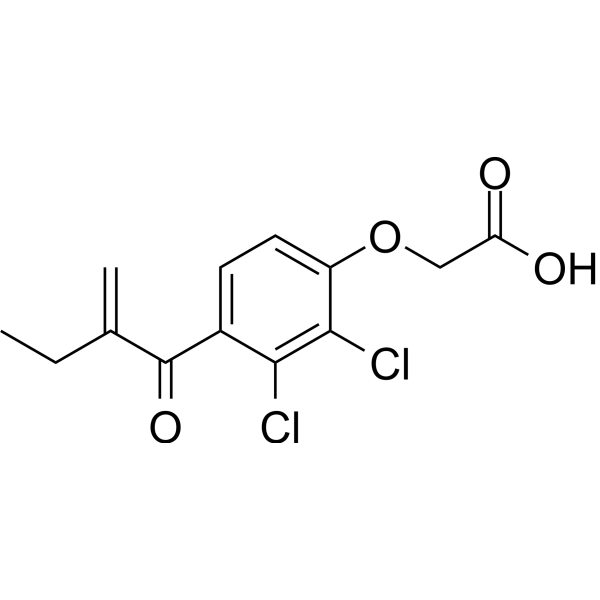
Etacrynic acid
|
Wnt
Glutathione S-transferase
NF-κB
Calcium Channel
NO Synthase
|
Cardiovascular Disease
Inflammation/Immunology
Cancer
|
|
Ethacrynic acid has anti-inflammatory and anticancer activity. Ethacrynic acid is an orally active diuretic. Ethacrynic acid is an inhibitor of glutathione S-transferase (GSTs) and Wnt signaling pathways. Ethacrynic acid is a radiosensitizer. Ethacrynic acid can inhibit airway smooth muscle (ASM) contraction in mice. Ethacrynic acid can increase the outflow of aqueous humor from the eye for the study of glaucoma .
|
-
-
- HY-13634A
-
|
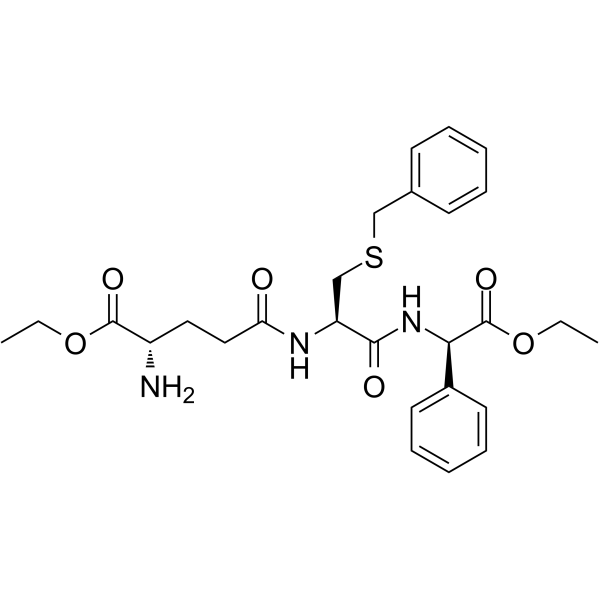
TER199free base; TLK199
|
Glutathione S-transferase
Apoptosis
|
Cancer
|
|
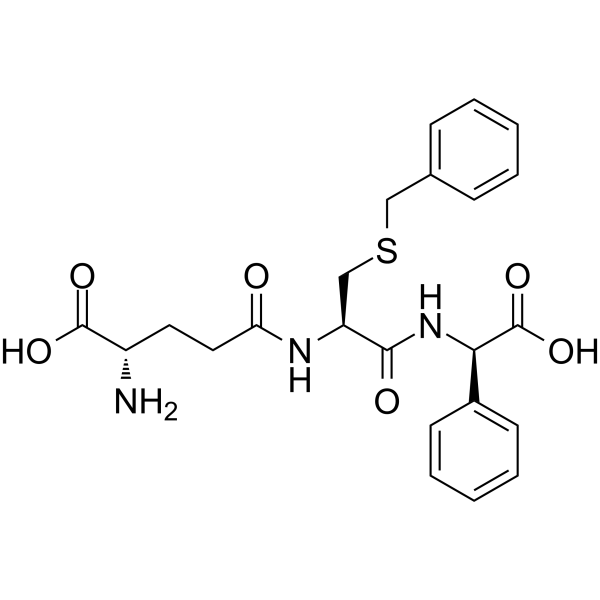
Ezatiostat (TER199 free base; TLK199) is a tripeptide analog of glutathione and is a selective and orally active glutathione S-transferase P1-1 (GSTP1) inhibitor. Ezatiostat leads to JNK activation by inhibiting GSTP1. Ezatiostat stimulates both lymphocyte production and bone marrow progenitor proliferation. Ezatiostat has the potential for myelodysplastic syndrome (MDS) treatment .
|
-
-
- HY-Y1147
-
|
Maleic acid diethyl ester
|
Biochemical Assay Reagents
|
Others
|
|
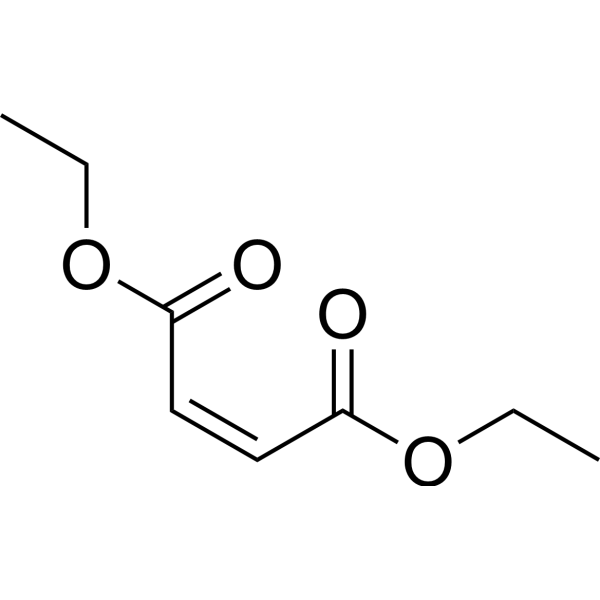
Diethyl maleate (DEM) is an orally available, effective glutathione (GSH) depletor that crosses the blood-brain barrier. Diethyl maleate covalently binds irreversibly to GSH via glutathione S-transferase with an in vitro IC50 of 0.1-0.5 mM. Diethyl maleate selectively depletes GSH in liver, lung, and brain tissues, exacerbating oxidative stress and enhancing hyperbaric oxygen toxicity. Diethyl maleate promotes precursor amino acid uptake and in turn promotes GSH synthesis by upregulating the activity of the cystine-glutamate transporter XO -. Diethyl maleate can be used to study redox homeostasis and GSH protection mechanisms in oxidative stress-related diseases such as hyperbaric oxygen injury and metabolic diseases[1][2][3].
|
-
-
- HY-126752
-
|
|
Reactive Oxygen Species (ROS)
|
Neurological Disease
Metabolic Disease
Inflammation/Immunology
|
|
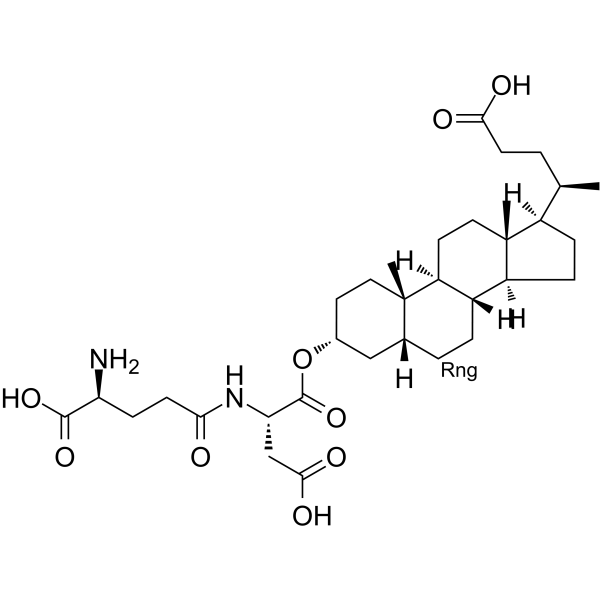
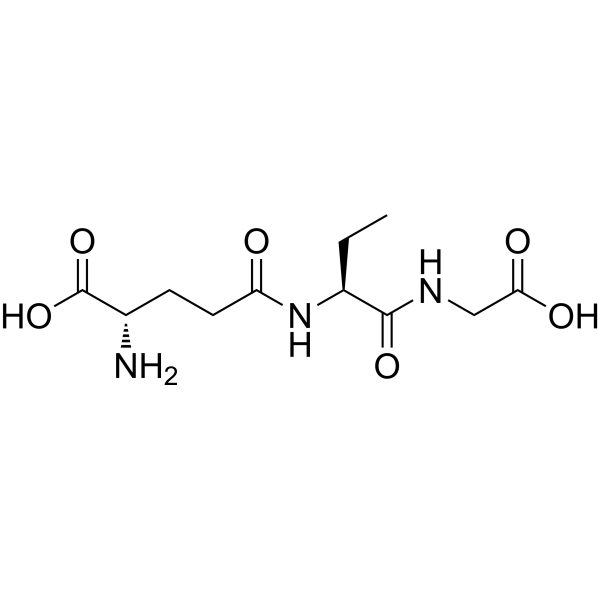
Ophthalmic acid is a ubiquitous metabolite and glutathione modulator, with a Ki of 0.95 mM for glyoxalase I. Ophthalmic acid competitively inhibits glyoxalase I, glutathione S-transferase, glutaredoxin, glutamate-cysteine ligase, protein disulfide reductase (glutathione), as well as non-selective cation channels. Ophthalmic acid is applicable in diabetes-related research .
|
-
-
- HY-115673
-
LAS17
1 Publications Verification
|
Glutathione S-transferase
|
Cancer
|
|
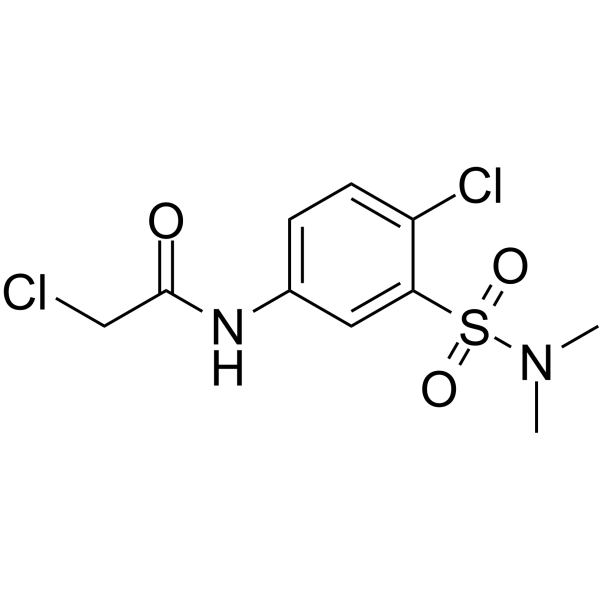
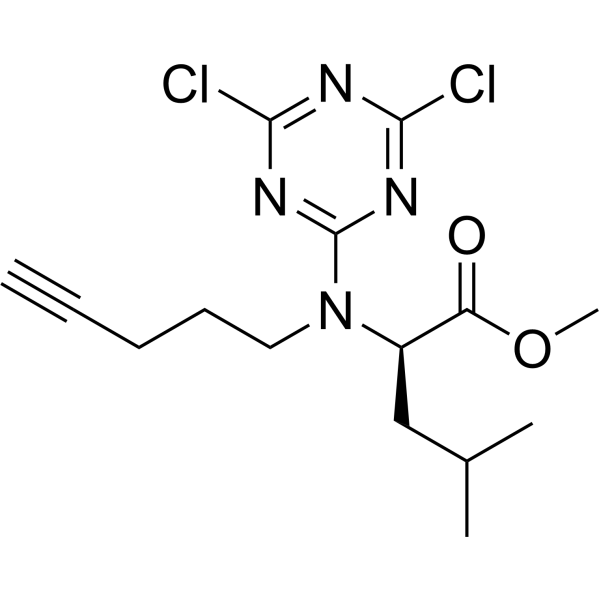
LAS17 is a potent and selective tyrosine-directed irreversible inhibitor for glutathione S-Transferase Pi (GSTP1) . LAS17 inhibits GSTP1 activity with an IC50 of 0.5 μM . LAS17 is a click chemistry reagent, it contains an Alkyne group and can undergo copper-catalyzed azide-alkyne cycloaddition (CuAAc) with molecules containing Azide groups.
|
-
-
- HY-111530
-
-
-
- HY-13634B
-
-
-
- HY-135318
-
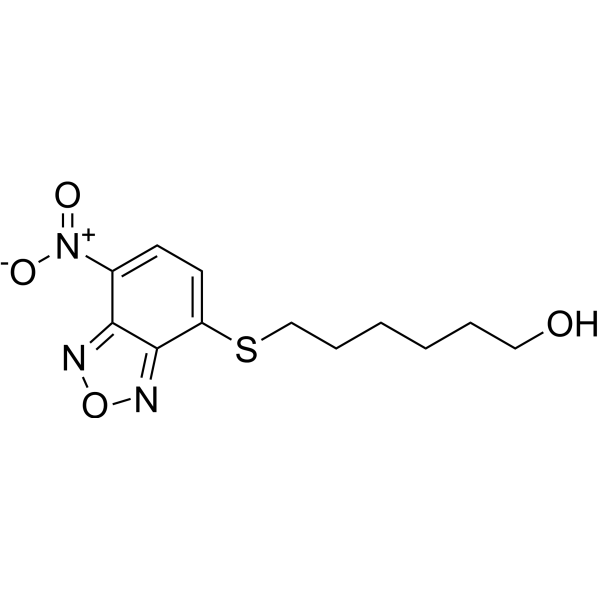
NBDHEX
2 Publications Verification
|
Apoptosis
Autophagy
Glutathione S-transferase
|
Cancer
|
|
NBDHEX is a potent glutathione S-transferase P1-1 (GSTP1-1) inhibitor. NBDHEX induces apoptosis of tumor cells. NBDHEX acts as an anticancer agent by inhibiting GSTs catalytic activity, avoiding inconvenience of the inhibitor extrusion from the cell by specific pumps and disrupting the interaction between the GSTP1-1 and key signaling effectors. NBDHEX can also act as late-phase autophagy inhibitor .
|
-
-
- HY-N1916
-
|
|
Glutathione S-transferase
P-glycoprotein
Apoptosis
iGluR
CaMK
p38 MAPK
Reactive Oxygen Species (ROS)
Bacterial
|
Infection
Cardiovascular Disease
Neurological Disease
Inflammation/Immunology
Cancer
|
|
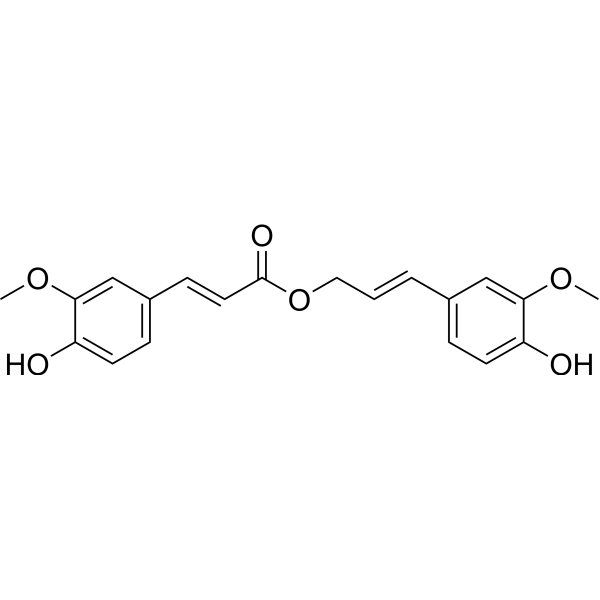
Coniferyl ferulate is an orally active phenolic acid compound. Coniferyl ferulate is a potent inhibitor of glutathione S-transferase (GST) (IC50 = 0.3 μM), which downregulates P-gp expression, induces apoptosis in B-MD-C1 (ADR+/+) cells, and reverses multidrug resistance. Coniferyl ferulate blocks the NMDAR/NR2B-CaMKII-MAPKs signaling pathway, inhibits ROS production and mitochondrial apoptosis, while reshapes the intestinal microbiota and microbial metabolism, ameliorates colonic inflammation and alleviates depressive symptoms in mice. Coniferyl ferulate can alleviate the toxicity of xylene to hematopoietic stem and progenitor cells by targeting Mgst2. Coniferyl ferulate exhibits antibacterial activity against the Gram-positive Bacillus subtilis and Staphylococcus aureus .
|
-
-
- HY-N9348A
-
|
|
Glutathione S-transferase
Cytochrome P450
|
Metabolic Disease
|
|
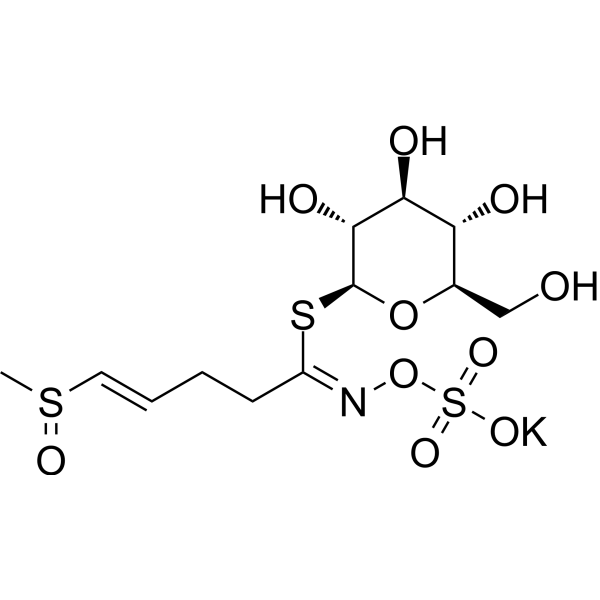
Glucoraphenin potassium is an orally effective glucosinolate. Glucoraphenin potassium can be isolated from radish sprouts. Glucoraphenin potassium enhances the enzymatic activity of Glutathione S-transferase. Glucoraphenin potassium enhances the activity of cytochrome P450-related monooxygenase .
|
-
-
- HY-N2560
-
|
Senecionan-11,16-dione, 12-hydroxy-; Aureine; Senecionin
|
Others
|
Metabolic Disease
|
|
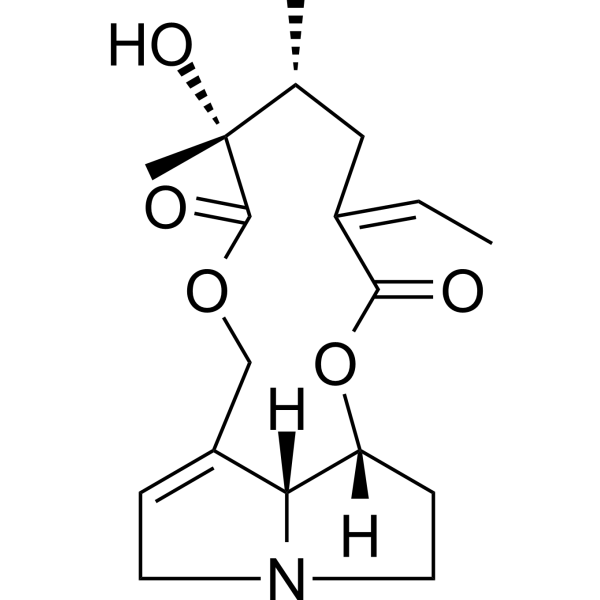
Senecionine (Senecionan-11,16-dione, 12-hydroxy-) is a pyrrolizidine alkaloid could be isolated from Senecio vulgaris. Senecionine decreases the activities of glutathione S-transferase, aminopyrine demethylase and arylhydrocarbon hydroxylase (AHH) .
|
-
-
- HY-147517
-
|
|
Keap1-Nrf2
|
Neurological Disease
Inflammation/Immunology
|
|
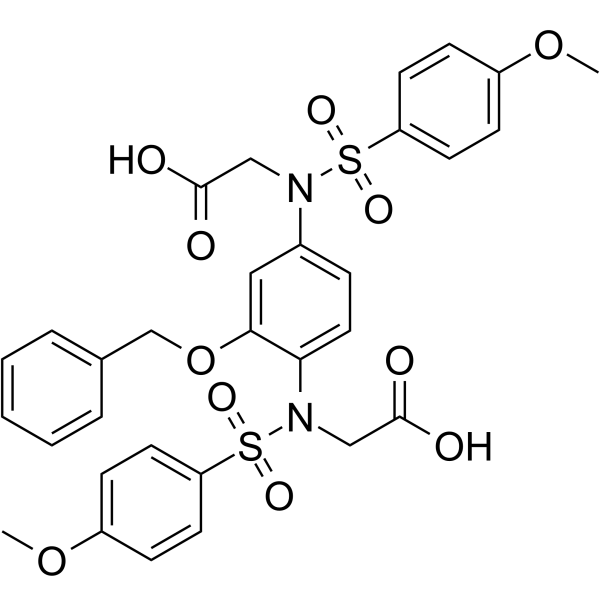
Keap1-Nrf2-IN-9 (Compound 11) is a potent Keap1-Nrf2 PPI (Keap1-Nrf2 protein-protein interaction) inhibitor with an IC50 of 0.575 μM. Keap1-Nrf2-IN-9 increases the expression of Nrf2 target genes including heme oxygenase 1 (Hmox1), glutathione S-transferase P (GstP), and glutamate-cysteine ligase catalytic (Gclc) and modulatory (Gclm) subunits. Keap1-Nrf2-IN-9 shows no cytotoxic activity in ARPE19 cells .
|
-
-
- HY-N7227
-
-
-
- HY-W013754
-
|
|
Glutathione S-transferase
|
Others
|
|
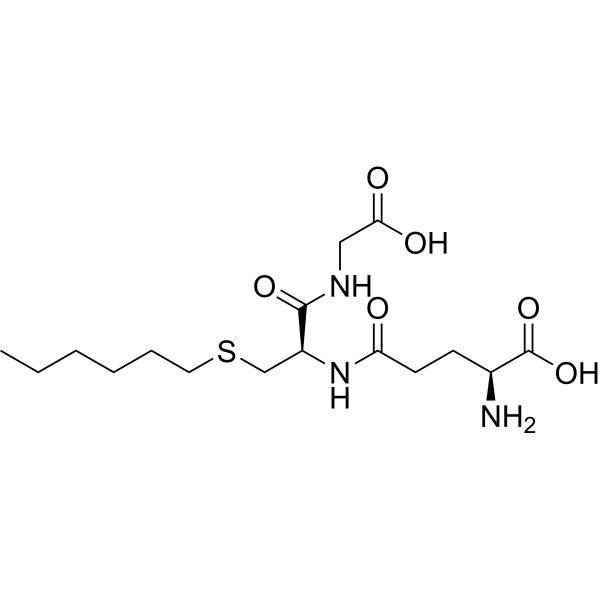
S-Hexylglutathione is an S-substituted glutathione in which the hydrogen of the thiol has been replaced by a hexyl group. S-Hexylglutathione is also an competitive inhibitor against glutathione-S-transferase. S-Hexylglutathione can be used as an affinity chromatographic ligand for glutathione-S-transferase and glutathione peroxidase .
|
-
-
- HY-136376
-
|
|
Environmental Pollutants
Herbicide
|
Others
|
|
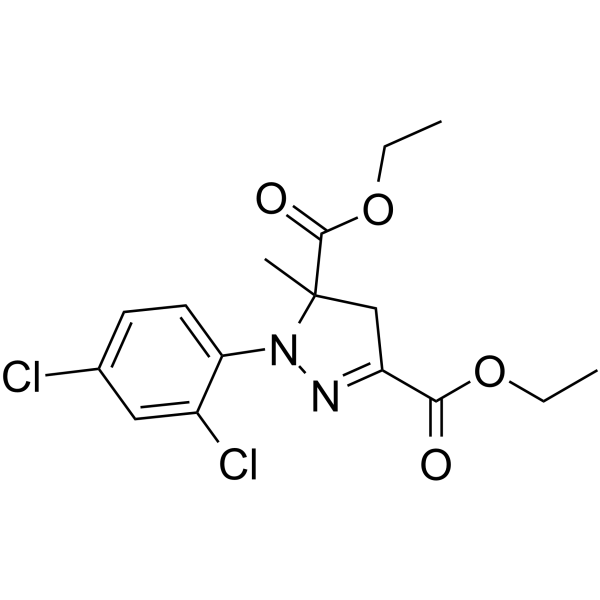
Mefenpyr-diethyl is a pyrazoline-type herbicide safener that functions to enhance lipid biosynthesis. Mefenpyr-diethyl effectively prevents herbicide-induced phytotoxic damage caused by herbicides such as fenoxaprop-p-ethyl (HY-B2013) and mesosulfuron-methyl (HY-126987) by protecting cereal crops including wheat. Mefenpyr-diethyl significantly increases lipid content in wheat either when applied alone or in combination with the herbicide fenoxaprop-p-ethyl. The mechanism of action of Mefenpyr-diethyl does not involve the induction of glutathione S-transferase (GST) activity in wheat .
|
-
-
- HY-P2961
-
|
|
Glutathione S-transferase
|
Cancer
|
|
Glutathione S-transferase is a phase II metabolic enzyme consisting of three superfamilies: cytosolic, mitochondrial, and microsomal. Glutathione S-transferase possesses various catalytic activities such as catalytic detoxification and thiol transfer, as well as chaperone function. GSTP1, a subtype of Glutathione S-transferase, is highly expressed in malignant tissues and serves as a tumor marker .
|
-
-
- HY-167920
-
|
S-Sulfoglutathione
|
Endogenous Metabolite
|
Cancer
|
|
Glutathione sulfonate (S-Sulfoglutathione) is a multifunctional bioactive compound that inhibits angiogenesis and tumor growth. Glutathione sulfonate is a competitive inhibitor of glutathione S-transferase and is involved in the detoxification process and the binding of a variety of exogenous and endogenous compounds. Glutathione sulfonate acts in the substrate binding site of Escherichia coli glutathione S-transferase, affecting the catalytic mechanism. The structural characteristics of Glutathione sulfonate contribute to its inhibitory effect by hydrogen bonding in the active center of the enzyme .
|
-
-
- HY-B2029
-
|
|
Insecticide
Cholinesterase (ChE)
|
Infection
Inflammation/Immunology
|
|
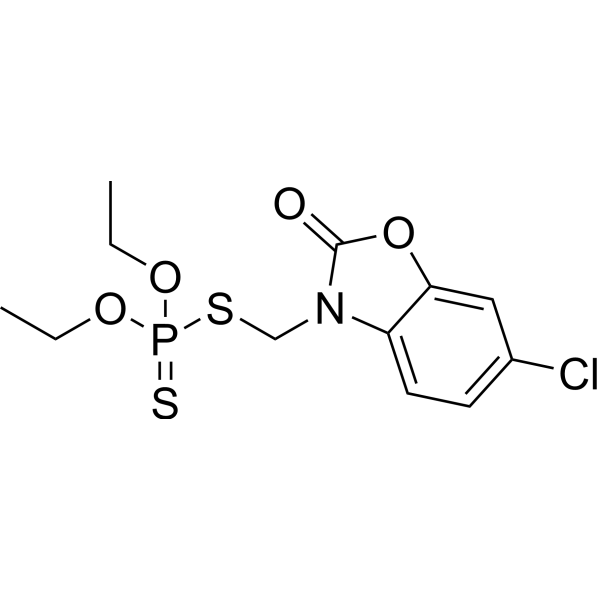
Phosalone is an orally active, blood-brain barrier penetrant Insecticide and acaricide. Phosalone inhibits the activity of Acetylcholinesterase. Phosalone acts as a substrate for detoxifying esterases. Phosalone induces symptoms of cholinergic hyperactivity, toxic reactions, mortality, oxidative stress, and changes in pro-inflammatory protein levels, and exerts toxic effects on colonic tissues and cells. Phosalone controls pistachio psyllids. Phosalone can be used in studies related to colitis .
|
-
-
- HY-112534
-
-
-
- HY-W020788
-
|
CGA 154281
|
Environmental Pollutants
Glutathione S-transferase
Estrogen Receptor/ERR
Pregnane X Receptor (PXR)
FXR
|
Metabolic Disease
Cancer
|
Benoxacor (CGA 154281) is a herbicide safener and xenobiotic metabolism regulator. Benoxacor protects maize from the toxicity of metolachlor mainly by inducing detoxifying enzymes such as Glutathione S-transferase. Benoxacor also activates FXR, PXR and ERRα, and inhibits aromatase (aromatase). However, Benoxacor exhibits potential subacute oral toxicity and a high risk of hepatotoxicity in animal models. Benoxacor induces reactive oxygen species accumulation, interferes with embryonic heart development, and causes increased liver and kidney weights as well as alterations in gut microbiota in mice. Benoxacor can be used in studies related to hepatic steatosis, infertility, breast cancer and developmental toxicity .
|
-
-
- HY-16124
-
|
TLK-286; TER286
|
DNA-PK
Apoptosis
|
Cancer
|
|
Canfosfamide (TLK-286, TER286) is a glutathione analogue prodrug that is activated by glutathione S-transferase P1-1 and induces apoptosis. Canfosfamide also inhibits the catalytic kinase activity of DNA-dependent protein kinase (DNA-PK). Canfosfamide produces an anticancer alkylating agent and a glutathione derivative after activation. Canfosfamide can be used to research malignancies .
|
-
-
- HY-126329
-
AZD9898
1 Publications Verification
|
Glutathione S-transferase
|
Inflammation/Immunology
|
|
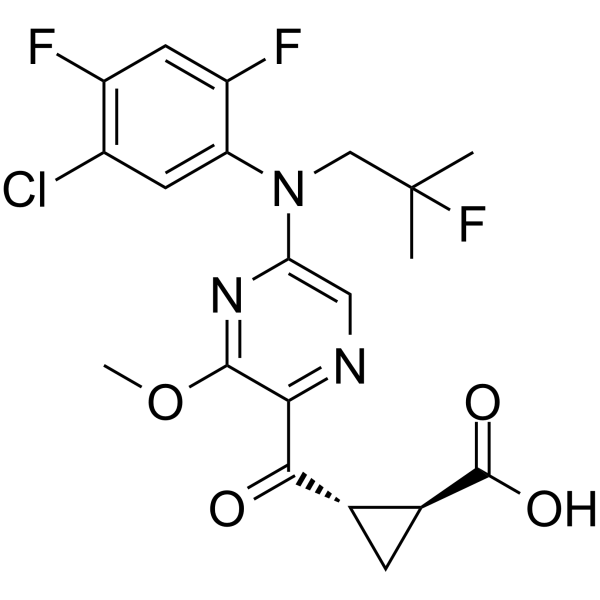
AZD9898 is an orally active leukotriene-C4 synthetase (LTC4S, glutathione S-transferase II) inhibitor, with an IC50 of 0.28 nM. AZD9898 mitigates the GABA binding and hepatic toxicity signal. AZD9898 has the potential to treat asthma .
|
-
-
- HY-N7436
-
|
|
Glutathione S-transferase
|
Cancer
|
|
Methyl propyl disulfide is an orally administrable volatile sulfide present in onions. Methyl propyl disulfide reduces the activity of spermine N'1-acetyltransferase (SAT), inhibits cell proliferation, and decreases the induction of placental glutathione S-transferase (GST-P)-positive hepatocyte foci in rat livers. Methyl propyl disulfide can be used in studies related to the mechanism of hepatocarcinogenesis .
|
-
-
- HY-B1640R
-
|
Etacrynic acid (Standard)
|
Reference Standards
Glutathione S-transferase
NF-κB
Calcium Channel
|
Inflammation/Immunology
Cancer
|
|
Ethacrynic acid (Standard) is the analytical standard of Ethacrynic acid. This product is intended for research and analytical applications. Ethacrynic acid (Etacrynic acid) is a diuretic. Ethacrynic acid is an inhibitor of glutathione S-transferases (GSTs). Ethacrynic acid is a potent inhibitor of NF-kB-signaling pathway, and also modulates leukotriene formation. Ethacrynic acid also inhibits L-type voltage-dependent and store-operated calcium channel, leading to relaxation of airway smooth muscle (ASM) cells. Ethacrynic acid has anti-inflammatory properties that reduces the retinoid-induced ear edema in mice .
|
-
-
- HY-132281
-
-
-
- HY-138164
-
|
|
Glutathione S-transferase
COX
|
Cancer
|
|
Cafestol palmitate is an active constituent of green coffee beans. Cafestol palmitate can enhance glutathione S-transferase activity in the mouse. Cafestol palmitate also exhibits weak COX-2 inhibitory activity .
|
-
-
- HY-W024365
-
|
|
PROTAC Linkers
|
Cancer
|
|
3-tert-Butyl-4-methoxyphenol is a PROTAC linker, belongs to alkyl/ether class, with insecticidal activity. 3-tert-Butyl-4-methoxyphenol also induced increased activities of glutathione (GSH) S-transferase and epoxide hydrolase in the liver and forestomach tissues of A/HeJ mice, regulating the carcinogen metabolism system .
|
-
-
- HY-137330
-
|
|
Endogenous Metabolite
|
Metabolic Disease
|
|
S-(2,4-Dinitrophenyl)glutathione is a substrate for glutathione-S-transferase. (2,4-Dinitrophenyl)glutathione can be used as an irreversible glutathione reductase inhibitor with an Ki value of 30 µM .
|
-
-
- HY-160875
-
|
|
Glutathione S-transferase
|
Metabolic Disease
|
|
GST-FH.1 is a GST-FH compound, a complex that produces frequent false positive hits (FH) in the interaction between glutathione S-transferase (GST) and glutathione (GSH) . GST-FH.4 inhibits glutathione S-transferase (GST) activity with an IC50 of 0.32 μM .
|
-
-
- HY-W013744
-
-
-
- HY-W681867
-
|
CGA-133205
|
Herbicide
Glutathione S-transferase
|
Others
|
|
Fluxofenim (CGA-133205) is a herbicide safener, with activity against Pyroxasulfone (HY-136633) and Metolachlor (HY-B1871). Fluxofenim enhances the activity of needle glutathione S-transferase (GST) towards the substrate 1-chloro-2,4-dinitrobenzene (CDNB) .
|
-
-
- HY-W020788R
-
|
CGA 154281 (Standard)
|
Reference Standards
Glutathione S-transferase
Estrogen Receptor/ERR
Pregnane X Receptor (PXR)
FXR
|
Others
|
|
Benoxacor (Standard) is the analytical standard of Benoxacor. This product is intended for research and analytical applications. Benoxacor (CGA 154281) is a herbicide safener and xenobiotic metabolism regulator. Benoxacor protects maize from the toxicity of metolachlor mainly by inducing detoxifying enzymes such as Glutathione S-transferase. Benoxacor also activates FXR, PXR and ERRα, and inhibits aromatase (aromatase). However, Benoxacor exhibits potential subacute oral toxicity and a high risk of hepatotoxicity in animal models. Benoxacor induces reactive oxygen species accumulation, interferes with embryonic heart development, and causes increased liver and kidney weights as well as alterations in gut microbiota in mice. Benoxacor can be used in studies related to hepatic steatosis, infertility, breast cancer and developmental toxicity .
|
-
-
- HY-160926
-
|
|
Glutathione S-transferase
|
Cancer
|
|
16-Oxocafestol enhances levels of glutathione S-transferase (GST) and tissue sulfhydryl in liver and in small bowel mucosa .
|
-
-
- HY-149419
-
|
|
Glutathione S-transferase
|
Others
|
|
GST-IN-1 (compound 16) is a glutathione S-transferase (GST) inhibitor with IC50s of 1.55 μM (sjGST) and 2.02 μM (hGSTM2), respectively.
|
-
-
- HY-116726
-
|
|
Glutathione S-transferase
|
Cancer
|
|
Crambene is an orally active cyanide compound isolated from cruciferous vegetables. Crambene has a cancer-preventive effect and induces significant upregulation of quinone reductase and glutathione S-transferase in vitro and in vivo .
|
-
-
- HY-177695
-
|
|
Glutathione S-transferase
|
Cancer
|
|
GSTO1-IN-5 is a potent and selective glutathione S-transferase omega 1 (GSTO1) inhibitor with an IC50of 0.22 nM. GSTO1-IN-5 can be used for the researches of cancer and inflammation, such as colon cancer .
|
-
-
- HY-W975966
-
|
|
Keap1-Nrf2
|
Neurological Disease
|
|
CPDT is an orally active and highly potent inducer of phase 2 enzymes and an activator of Nrf2. The activities of key phase 2 enzymes, including glutathione S-transferase, NAD(P)H:quinone:oxidoreductase 1 and glutamate cysteine synthetase, and levels of glutathione were elevated by CPDT in rat bladder in vivo and in cultured bladder cells in vitro [2].
|
-
-
- HY-13634
-
|
TER199; TLK199 hydrochloride
|
Glutathione S-transferase
Apoptosis
|
Cancer
|
|
Ezatiostat hydrochloride (TER199; TLK199 hydrochloride) is a tripeptide analog of glutathione and is a selective and orally active glutathione S-transferase P1-1 (GSTP1) inhibitor. Ezatiostat hydrochloride leads to JNK activation by inhibiting GSTP1. Ezatiostat hydrochloride stimulates both lymphocyte production and bone marrow progenitor proliferation. Ezatiostat hydrochloride has the potential for myelodysplastic syndrome (MDS) treatment .
|
-
-
- HY-160455
-
|
|
Glutathione S-transferase
|
Cancer
|
|
GSTP1-1 inhibitor 1 (compound 6b) is an irreversible, long-acting, glutathione S-transferase inhibitor with an IC50 of 21 μM targeting GSTP1-1 . GSTP1-1 is a key tumor suppressor target, and GSTP1-1 inhibitor 1 has potential anticancer activity .
|
-
-
- HY-W019780
-
|
Dichlorobromomethane
|
Glutathione S-transferase
|
Metabolic Disease
Cancer
|
|
Bromodichloromethane (Dichlorobromomethane) is a type of trihalomethane, commonly found in chlorinated drinking water for disinfection, and is a disinfection by-product. The bromination of bromodichloromethane can cause the formation of mutagenic intermediates through the transformation mediated by glutathione S-transferase (GST). Bromodichloromethane inhibits the differentiation of human placental trophoblast cells and reduces the secretion of chorionic gonadotropin (CG). Bromodichloromethane has potential reproductive toxicity and carcinogenicity .
|
-
-
- HY-N1282R
-
|
|
Reference Standards
Glutathione S-transferase
Cytochrome P450
|
Cancer
|
|
Seneciphylline (Standard) is the analytical standard of Seneciphylline. This product is intended for research and analytical applications. Seneciphylline is a toxic pyrrolizidine alkaloid in Gynura japonica . Seneciphylline significantly increases the activities of epoxide hydrase and glutathione-S-transferase but causes reduction of cytochrome P-450 and related monooxygenase activities .
|
-
-
- HY-160874
-
|
|
Glutathione S-transferase
|
Metabolic Disease
|
|
GST-FH.4 is a GST-FH compound, a complex that produces frequent false positive hits (FH) in the interaction between glutathione S-transferase (GST) and glutathione (GSH) . GST-FH.4 inhibits glutathione S-transferase (GST) activity with an IC50 of 24.38 μM .
|
-
-
- HY-16123
-
|
|
DNA Alkylator/Crosslinker
|
Cancer
|
|
Canfosfamide (hydrochloride) is a prodrug that upon activation by glutathione s-transferase P1-1 (GSTP1-1) yields an anticancer alkylating agent and a glutathione derivative.
|
-
-
- HY-133199
-
-
-
- HY-N11778
-
|
|
Bacterial
|
Infection
|
|
Bequinostatin C is a naphthoquinone originally isolated from Streptomyces and a glutathione S-transferase pi 1 (GSTP1) inhibitor (IC50=40 μg/mL for human GSTP1).
|
-
-
- HY-N11699
-
|
|
Glutathione S-transferase
|
Inflammation/Immunology
|
|
Bequinostatin A is a benzo[a]naphthacenequinone metabolite that can be isolated from Streptomyces sp. MI384-DF12. Bequinostatin A shows considerable inhibitory activity against human pi class glutathione S-transferase (GST pi) .
|
-
-
- HY-W017785
-
|
Diisopropylidene acetone
|
Glutathione S-transferase
|
Metabolic Disease
Cancer
|
|
Phorone (Diisopropylidene acetone) is a glutathione (GSH) depletor. Phorone specifically and reversibly depletes free GSH through enzymatic binding (Glutathione S-transferase) (Km = 0.9 mM). Phorone reversibly reduces the binding and nuclear uptake of glucocorticoid receptors in rat liver, and this effect is related to the temporal changes in GSH levels. Phorone can be used for studying liver toxicity.
|
-
-
- HY-W100026S
-
-
-
- HY-W154265
-
|
|
Glutathione S-transferase
Apoptosis
|
Cancer
|
|
2,2′-Dihydroxychalcone, a flavonoid, is a glutathione S-transferase (GST) inhibitor with an IC50 of 28.9 μM in human colon cancer cells. 2,2′-Dihydroxychalcone induces cell cycle arrest and apoptosis in prostate cancer cells. 2,2′-Dihydroxychalcone has anticancer and anti-inflammatory properties .
|
-
-
- HY-N2560R
-
|
Senecionan-11,16-dione, 12-hydroxy- (Standard); Aureine (Standard); Senecionin (Standard)
|
Reference Standards
Others
|
Metabolic Disease
|
|
Senecionine (Standard) is the analytical standard of Senecionine. This product is intended for research and analytical applications. Senecionine (Senecionan-11,16-dione, 12-hydroxy-) is a pyrrolizidine alkaloid could be isolated from Senecio vulgaris. Senecionine decreases the activities of glutathione S-transferase, aminopyrine demethylase and arylhydrocarbon hydroxylase (AHH) .
|
-
- HY-169350
-
|
|
Glutathione S-transferase
|
Cancer
|
|
EA-B2L is a potent degrader of glutathione S-transferase (GSTP), with the DC50 of 48 μM. EA-B2L is a kind of Boc2Lys-linked Ethacrynic acid (HY-B1640). EA-B2L plays an important role in cancer research .
|
-
- HY-179057
-
|
|
Glutathione S-transferase
|
Cancer
|
|
GSTA4-IN-1 (Compound 3a) is a potent and competitive inhibitor of glutathione S-transferase A4 (GSTA4), with an IC50 of 3.12 μM and a Ki of 2.38 μM. GSTA4-IN-1 is cytotoxic to colorectal cancer cells. GSTA4-IN-1 can be used for research on colorectal cancer .
|
-
- HY-N12261
-
|
|
Glutathione S-transferase
Bacterial
|
Infection
Inflammation/Immunology
Cancer
|
|
Benastatin B is an inhibitor for glutathione S-transferase, that inhibits human pi class GST with an IC50 of 1.10 μg/mL. Benastatin B exhibits board-spectrum antibacterial efficacy, inhibits MRSA with MIC 3.1 μg/mL. Benastatin B exhibits anti-inflammatory efficacy through inhibition of IgE mediated β-hexosaminidase release with an IC50 of 79 μg/mL .
|
-
- HY-132913
-
|
|
Biochemical Assay Reagents
|
Cancer
|
|
Cyclopropenone probe 1 can specifically and efficiently modify a triple-negative breast cancer driver, glutathione S-transferase pi-1 (GSTP1), by covalently binding at the catalytic active site. Cyclopropenone probe 1 is a click chemistry reagent, it contains an Alkyne group and can undergo copper-catalyzed azide-alkyne cycloaddition (CuAAc) with molecules containing Azide groups.
|
-
- HY-B1640A
-
|
Etacrynic acid sodium; Sodium etacrynate
|
NF-κB
Glutathione S-transferase
Calcium Channel
NO Synthase
|
Cardiovascular Disease
Inflammation/Immunology
Cancer
|
|
Ethacrynic acid (Etacrynic acid sodium) sodium is a diuretic. Ethacrynic acid sodium is an inhibitor of glutathione S-transferases (GSTs). Ethacrynic acid sodium is a potent inhibitor of NF-kB-signaling pathway, and also modulates leukotriene formation. Ethacrynic acid sodium also inhibits L-type voltage-dependent and store-operated calcium channel, leading to relaxation of airway smooth muscle (ASM) cells. Ethacrynic acid sodium has anti-inflammatory properties that reduces the retinoid-induced ear edema in mice .
|
-
- HY-108538
-
|
|
Glutathione S-transferase
NF-κB
Calcium Channel
|
Inflammation/Immunology
|
|
Ethacrynic acid D5 is a deuterium labeled Ethacrynic acid. Ethacrynic acid is a diuretic. Ethacrynic acid is an inhibitor of glutathione S-transferases (GSTs). Ethacrynic acid is a potent inhibitor of NF-kB-signaling pathway, and also modulates leukotriene formation. Ethacrynic acid also inhibits L-type voltage-dependent and store-operated calcium channel, leading to relaxation of airway smooth muscle (ASM) cells. Ethacrynic acid has anti-inflammatory properties that reduces the retinoid-induced ear edema in mice .
|
-
- HY-169058
-
|
|
Glutathione S-transferase
|
Cancer
|
|
GSTP1-1 inhibitor 2 (Compound 5g) is an hGSTP1-1 (glutathione S-transferase P1-1) inhibitor with an IC50 value of 12.2 μM. GSTP1-1 inhibitor 2 exhibits significant cytotoxicity against DU-145, PC3, and MCF-7 cell lines, with CC50 values of 36.6 μM, 11.9 μM, and 17.4 μM, respectively. It can be used in cancer research .
|
-
- HY-W024365R
-
|
|
PROTAC Linkers
Reference Standards
|
Cancer
|
|
3-tert-Butyl-4-methoxyphenol (Standard) is the analytical standard of 3-tert-Butyl-4-methoxyphenol. This product is intended for research and analytical applications. 3-tert-Butyl-4-methoxyphenol is a PROTAC linker, belongs to alkyl/ether class, with insecticidal activity. 3-tert-Butyl-4-methoxyphenol also induced increased activities of glutathione (GSH) S-transferase and epoxide hydrolase in the liver and forestomach tissues of A/HeJ mice, regulating the carcinogen metabolism system .
|
-
- HY-N19312
-
|
|
Apoptosis
Glutathione S-transferase
Topoisomerase
|
Cancer
|
|
Diospyrin is a dinaphthoquinone anticancer agent with pro-apoptotic (apoptosis) activity, glutathione S-transferase (Glutathione S-transferase) inhibitory activity, and topoisomerase (Topoisomerase) I inhibitory activity. Diospyrin is present in the heartwood of various Diospyros plants and can be used for research on Ehrlich ascites carcinoma, acute myeloid leukemia, chronic myeloid leukemia, mammary adenocarcinoma, cervical epithelial carcinoma, malignant cutaneous melanoma, laryngeal epidermoid carcinoma, human osteosarcoma, and human lymphoblastic carcinoma .
|
-
- HY-177958
-
-
- HY-P2961A
-
|
|
Glutathione S-transferase
|
Metabolic Disease
|
|
Glutathione-S-Transferase, Rat (EC 2.5.1.18) comprises a family of eukaryotic and prokaryotic phase II metabolic isozymes best known for their ability to catalyze the conjugation of the reduced form of glutathione (GSH) to xenobiotic substrates for the purpose of detoxification.
|
-
- HY-N17963
-
|
|
Glutathione S-transferase
Influenza Virus
Interleukin Related
IFNAR
STAT
|
Infection
|
|
Cappariloside A is a larvicide that exhibits larvicidal activity against Aedes aegypti larvae and reduces larval glutathione-S-transferase activity. Cappariloside A also possesses antiviral activity, decreases the level of phosphorylated STAT1 in cells, inhibits the replication of influenza viruses H1N1, H3N2, PIV3 and ADV, and downregulates the expression of IL-6, IP-10, MIG, RANTES/CCL-5, IFN-β and IL-29. Cappariloside A suppresses the inflammatory response induced by mouse lung-adapted influenza virus strains. Cappariloside A can be used in studies related to larvicidal applications and influenza virus infection .
|
-
- HY-W727481
-
|
|
Parasite
Insecticide
|
Infection
|
|
Cyetpyrafen is a pyrazole insecticide/acaricide with broad-spectrum insecticidal activity. Cyetpyrafen binds to DhelOBP4 (Ki = 4.95 μM) and DhelOBP21 (Ki = 5.51 μM) to mediate olfactory recognition in *Cryptolaemus montrouzieri*. Cyetpyrafen induces dose-dependent electroantennogram responses in *Cryptolaemus montrouzieri* and exhibits repellent effects on the species. Cyetpyrafen has bioaccumulative properties, is rapidly and passively absorbed by the roots of lettuce and rice, reaches a steady state within 24 h, preferentially accumulates in roots, and shows limited xylem/phloem translocation .
|
-
| Cat. No. |
Product Name |
Type |
-
- HY-Y1147
-
|
Maleic acid diethyl ester
|
Biochemical Assay Reagents
|
|
Diethyl maleate (DEM) is an orally available, effective glutathione (GSH) depletor that crosses the blood-brain barrier. Diethyl maleate covalently binds irreversibly to GSH via glutathione S-transferase with an in vitro IC50 of 0.1-0.5 mM. Diethyl maleate selectively depletes GSH in liver, lung, and brain tissues, exacerbating oxidative stress and enhancing hyperbaric oxygen toxicity. Diethyl maleate promotes precursor amino acid uptake and in turn promotes GSH synthesis by upregulating the activity of the cystine-glutamate transporter XO -. Diethyl maleate can be used to study redox homeostasis and GSH protection mechanisms in oxidative stress-related diseases such as hyperbaric oxygen injury and metabolic diseases[1][2][3].
|
| Cat. No. |
Product Name |
Target |
Research Area |
-
- HY-13634A
-
|
TER199free base; TLK199
|
Glutathione S-transferase
Apoptosis
|
Cancer
|
|
Ezatiostat (TER199 free base; TLK199) is a tripeptide analog of glutathione and is a selective and orally active glutathione S-transferase P1-1 (GSTP1) inhibitor. Ezatiostat leads to JNK activation by inhibiting GSTP1. Ezatiostat stimulates both lymphocyte production and bone marrow progenitor proliferation. Ezatiostat has the potential for myelodysplastic syndrome (MDS) treatment .
|
-
- HY-13634B
-
-
- HY-137330
-
|
|
Endogenous Metabolite
|
Metabolic Disease
|
|
S-(2,4-Dinitrophenyl)glutathione is a substrate for glutathione-S-transferase. (2,4-Dinitrophenyl)glutathione can be used as an irreversible glutathione reductase inhibitor with an Ki value of 30 µM .
|
-
- HY-13634
-
|
TER199; TLK199 hydrochloride
|
Glutathione S-transferase
Apoptosis
|
Cancer
|
|
Ezatiostat hydrochloride (TER199; TLK199 hydrochloride) is a tripeptide analog of glutathione and is a selective and orally active glutathione S-transferase P1-1 (GSTP1) inhibitor. Ezatiostat hydrochloride leads to JNK activation by inhibiting GSTP1. Ezatiostat hydrochloride stimulates both lymphocyte production and bone marrow progenitor proliferation. Ezatiostat hydrochloride has the potential for myelodysplastic syndrome (MDS) treatment .
|
| Cat. No. |
Product Name |
Category |
Target |
Chemical Structure |
-
- HY-126752
-
-
-
- HY-N1916
-
-
-
- HY-N2560
-
-
-
- HY-N7227
-
-
-
- HY-N7436
-
-
-
- HY-W024365
-
-
-
- HY-137330
-
-
-
- HY-N1282R
-
-
-
- HY-133199
-
-
-
- HY-N11778
-
-
-
- HY-N11699
-
-
-
- HY-W017785
-
-
-
- HY-N2560R
-
-
-
- HY-N12261
-
|
|
Microorganisms
Phenols
Polyphenols
Source Classification
|
Glutathione S-transferase
Bacterial
|
|
Benastatin B is an inhibitor for glutathione S-transferase, that inhibits human pi class GST with an IC50 of 1.10 μg/mL. Benastatin B exhibits board-spectrum antibacterial efficacy, inhibits MRSA with MIC 3.1 μg/mL. Benastatin B exhibits anti-inflammatory efficacy through inhibition of IgE mediated β-hexosaminidase release with an IC50 of 79 μg/mL .
|
-
-
- HY-W024365R
-
|
|
Monophenols
Jatropha curcas Linn.
Phenols
Euphorbiaceae
Plants
Source Classification
|
PROTAC Linkers
Reference Standards
|
|
3-tert-Butyl-4-methoxyphenol (Standard) is the analytical standard of 3-tert-Butyl-4-methoxyphenol. This product is intended for research and analytical applications. 3-tert-Butyl-4-methoxyphenol is a PROTAC linker, belongs to alkyl/ether class, with insecticidal activity. 3-tert-Butyl-4-methoxyphenol also induced increased activities of glutathione (GSH) S-transferase and epoxide hydrolase in the liver and forestomach tissues of A/HeJ mice, regulating the carcinogen metabolism system .
|
-
-
- HY-N19312
-
|
|
Quinones
Structural Classification
Ebenaceae
Phenols
Polyphenols
Benzene Quinones
Plants
Source Classification
|
Apoptosis
Glutathione S-transferase
Topoisomerase
|
|
Diospyrin is a dinaphthoquinone anticancer agent with pro-apoptotic (apoptosis) activity, glutathione S-transferase (Glutathione S-transferase) inhibitory activity, and topoisomerase (Topoisomerase) I inhibitory activity. Diospyrin is present in the heartwood of various Diospyros plants and can be used for research on Ehrlich ascites carcinoma, acute myeloid leukemia, chronic myeloid leukemia, mammary adenocarcinoma, cervical epithelial carcinoma, malignant cutaneous melanoma, laryngeal epidermoid carcinoma, human osteosarcoma, and human lymphoblastic carcinoma .
|
-
-
- HY-N17963
-
-
| Cat. No. |
Product Name |
Chemical Structure |
-
- HY-W100026S
-
|
|
|
Galaxolide-d6 (mixture of diastereomers) (>80%) is the deuterium labeled Galaxolide (HY-W100026). Galaxolide can induce estrogenic activity (Estrogen Receptor/ERR), trigger oxidative stress and genotoxicity, and induce EROD and GST (Glutathione S-transferase) enzyme activity .
|
-
| Cat. No. |
Product Name |
|
Classification |
-
- HY-115673
-
LAS17
1 Publications Verification
|
|
Alkynes
|
|
LAS17 is a potent and selective tyrosine-directed irreversible inhibitor for glutathione S-Transferase Pi (GSTP1) . LAS17 inhibits GSTP1 activity with an IC50 of 0.5 μM . LAS17 is a click chemistry reagent, it contains an Alkyne group and can undergo copper-catalyzed azide-alkyne cycloaddition (CuAAc) with molecules containing Azide groups.
|
-
- HY-132913
-
|
|
|
Alkynes
|
|
Cyclopropenone probe 1 can specifically and efficiently modify a triple-negative breast cancer driver, glutathione S-transferase pi-1 (GSTP1), by covalently binding at the catalytic active site. Cyclopropenone probe 1 is a click chemistry reagent, it contains an Alkyne group and can undergo copper-catalyzed azide-alkyne cycloaddition (CuAAc) with molecules containing Azide groups.
|
Your information is safe with us. * Required Fields.
Inquiry Information
- Product Name:
- Cat. No.:
- Quantity:
- MCE Japan Authorized Agent:

