Search Result
Results for "
histamine release inhibitor
" in MedChemExpress (MCE) Product Catalog:
12
Isotope-Labeled Compounds
| Cat. No. |
Product Name |
Target |
Research Areas |
Chemical Structure |
-
- HY-17043
-
-
-
- HY-B0320A
-
|
Cromoglycate disodium; Cromoglicic acid disodium; FPL-670
|
GSK-3
NF-κB
Amyloid-β
|
Neurological Disease
Metabolic Disease
Inflammation/Immunology
Cancer
|
|
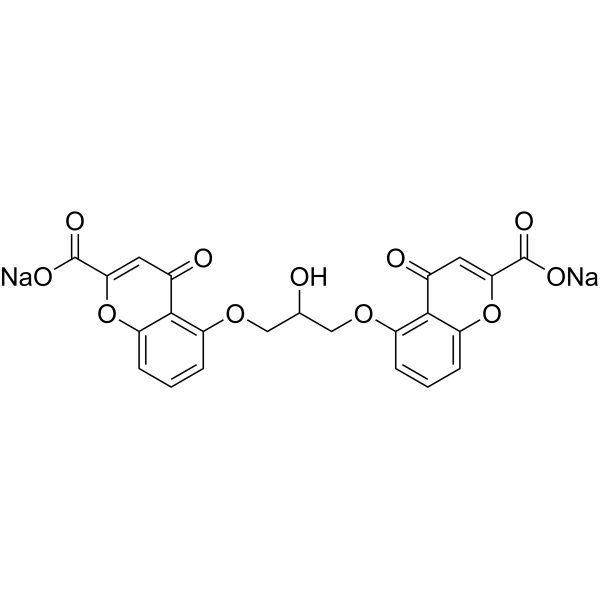
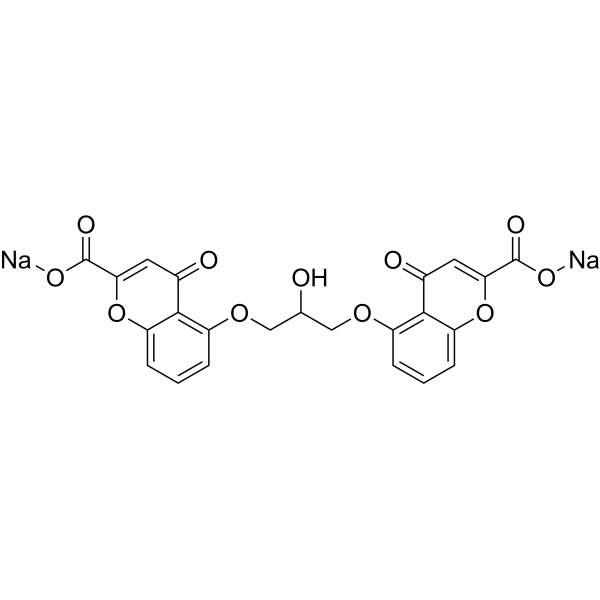
Cromolyn (Cromoglycate) disodium is an orally active GSK-3β inhibitor with an IC50 of 2.0 μM. Cromolyn disodium is also a mast cell stabilizer that can inhibit the release of mediators from mast cells, regulate reflex bronchoconstriction, and reduce non-specific bronchial hyperreactivity, and Cromolyn disodium can be used in the research of bronchial asthma. In addition, Cromolyn disodium has multiple activities such as anti-inflammatory, anti-allergic, anti-histamine, anti-cancer, and neuroprotective effects .
|
-
-
- HY-B0539
-
Desloratadine
Maximum Cited Publications
13 Publications Verification
Sch34117
|
Histamine Receptor
TNF Receptor
Leukotriene Receptor
|
Inflammation/Immunology
|
|
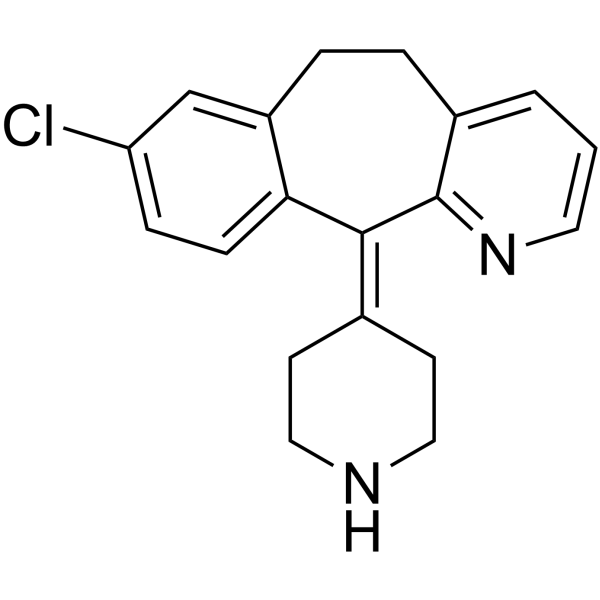
Desloratadine (Sch34117) is an orally active and selective H1 receptor antagonist (Ki=0.9 nM) with anti-inflammatory and anti-allergic activities. Desloratadine inhibits the release of histamine and LTC4 from human basophils and targets the regulatory signals of IL-4 and IL-13 production in basophils. Desloratadine significantly alleviates SAR symptoms in patients with concurrent asthma and can be used in the study of seasonal allergic rhinitis and chronic idiopathic urticaria .
|
-
-
- HY-12206
-
|
MR-12842
|
Histamine Receptor
|
Neurological Disease
|
|
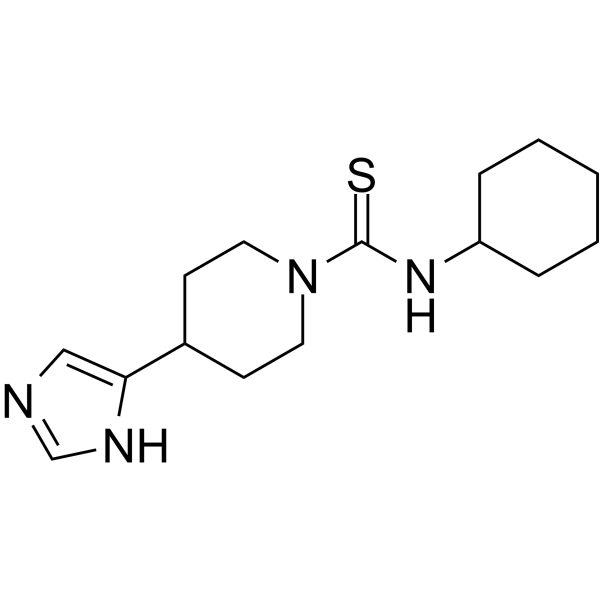
Thioperamide (MR-12842) is a potent, orally available, brain penetrant and selective H3 receptor antagonist with a Ki of 4.3 nM for inhibition of [ 3H]histamine release. Thioperamide inhibits [ 3H]histamine synthesis with a Ki of 31 nM .
|
-
-
- HY-130592
-
|
C48/80 trihydrochloride
|
Phospholipase
|
Neurological Disease
|
|
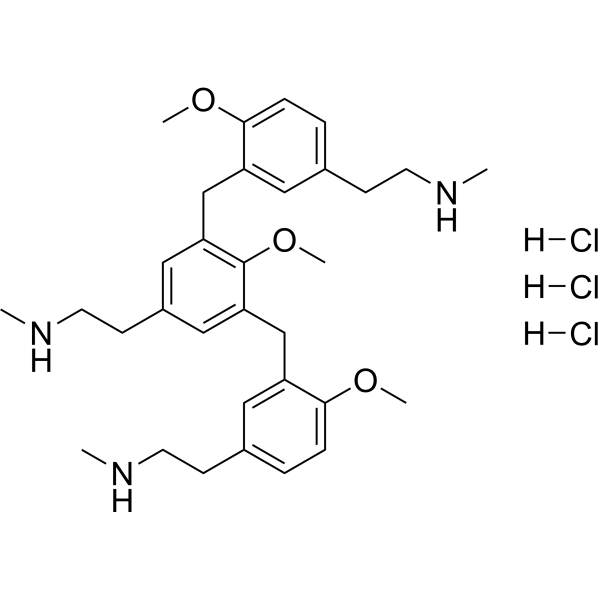
Compound 48/80 trihydrochloride (C48/80 trihydrochloride) is a mixture of condensation products of N-methyl-p-methoxyphenethylamine with formaldehyde. Compound 48/80 trihydrochloride is also a histamine releaser and a mast cell degranulator. Compound 48/80 inhibits phosphatidylinositol-specific phospholipase C activity from human platelets .
|
-
-
- HY-N0631
-
|
|
p38 MAPK
NF-κB
JNK
Cholinesterase (ChE)
Acyltransferase
NO Synthase
Interleukin Related
TNF Receptor
Prostaglandin Receptor
ERK
COX
|
Neurological Disease
Inflammation/Immunology
|
|
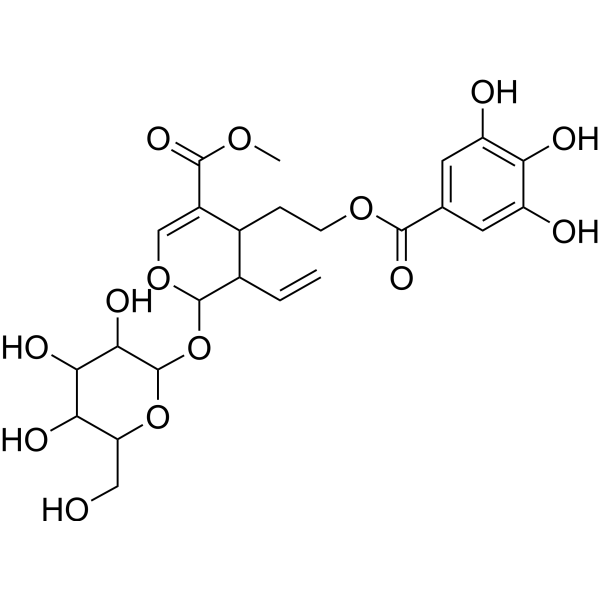
Cornuside is an iridoid glycoside with anti-allergic, anti-inflammatory, and neuroprotective activities. Cornuside exerts anti-allergic activity by downregulating the p38 MAPK, JNK, and NF-κB signaling pathways, and inhibits IgE-mediated histamine release from mast cells. Cornuside improves cognitive impairment in mice by inhibiting BACE1 activity (IC50 = 55.84 μg/mL) and enhancing ChAT activity. Cornuside inhibits LPS (HY-D1056)-induced inflammatory mediators, including iNOS, COX-2, PGE2, TNF-α, IL-6, and IL-1β, by suppressing NF-κB activation .
|
-
-
- HY-N2081
-
|
|
Cholinesterase (ChE)
PI3K
Akt
NF-κB
|
Neurological Disease
Inflammation/Immunology
Cancer
|
|
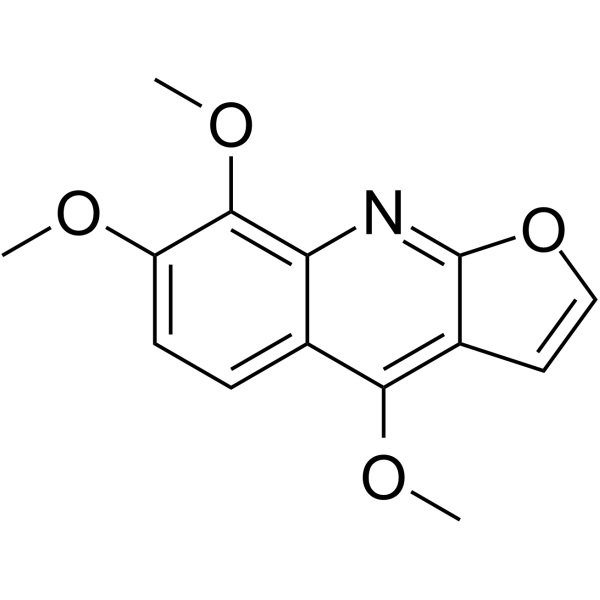
Skimmianine is an orally active furoquiniline alkaloid present mainly in the Rutaceae family. Skimmianine has analgesic, antispastic, sedative, and anti-inflammatory properties. Skimmianine inhibits acetylcholinesterase (AChE) (IC50 = 8.6 μg/mL). Skimmianine exhibits cytotoxicity against a variety of cancer cell lines and genotoxicity. Skimmianine has antioxidant and anti-inflammatory effects on ischemia-reperfusion (IR) injury. Skimmianine exerts anti-inflammatory effects through activation of the phosphatidylinositol-3-kinase (PI3K)-protein kinase B (AKT) pathway. Skimmianine is neuroprotective by targeting the NF-κB activation pathway to prevent neuroinflammation. Skimmianine inhibits the release of histamine, intracellular Ca 2+ signaling and protein kinase C signaling .
|
-
-
- HY-B1619
-
|
Cromoglycate; Cromoglicic acid; FPL-670 free acid
|
GSK-3
NF-κB
Amyloid-β
|
Neurological Disease
Metabolic Disease
Inflammation/Immunology
Cancer
|
|
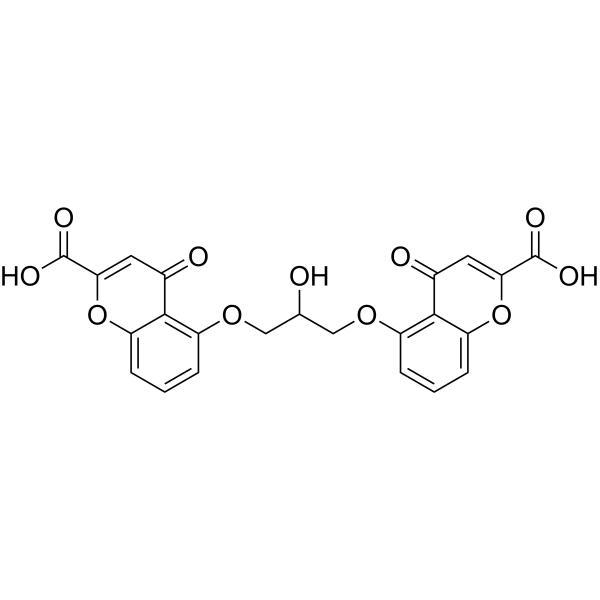
Cromolyn (Cromoglycate) is an orally active GSK-3β inhibitor with an IC50 of 2.0 μM. Cromolyn is also a mast cell stabilizer that can inhibit the release of mediators from mast cells, regulate reflex bronchoconstriction, and reduce non-specific bronchial hyperreactivity, and Cromolyn can be used in the research of bronchial asthma. In addition, Cromolyn has multiple activities such as anti-inflammatory, anti-allergic, anti-histamine, anti-cancer, and neuroprotective effects .
|
-
-
- HY-B1693
-
|
Methotrimeprazine
|
5-HT Receptor
Dopamine Receptor
Histamine Receptor
Autophagy
Enterovirus
Calcium Channel
|
Infection
Neurological Disease
Inflammation/Immunology
|
|
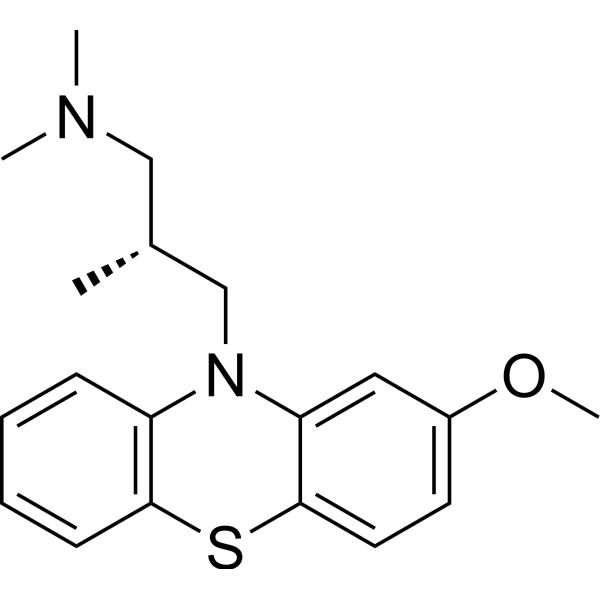
Levomepromazine (Methotrimeprazine) is an orally active antipsychotic compound and Ca 2+ release inducer. Levomepromazine inhibits SERCA pump and induces an increase in cytoplasmic Ca 2+ levels. Levomepromazine has antagonistic effects on a variety of neurotransmitter receptors, including dopamine, cholinergic, serotonin, and histamine receptors. Levomepromazine can induce adaptive ER stress and autophagy. In addition, Levomepromazine has antiviral, anti-inflammatory, neuroprotective and analgesic, sedative and anti-injurious activities. Levomepromazine can be used in the study psychiatric disorders and relieving nausea and vomiting .
|
-
-
- HY-13568
-
|
LRCL 3794
|
Cytochrome P450
COX
Lipoxygenase
PGE synthase
|
Inflammation/Immunology
|
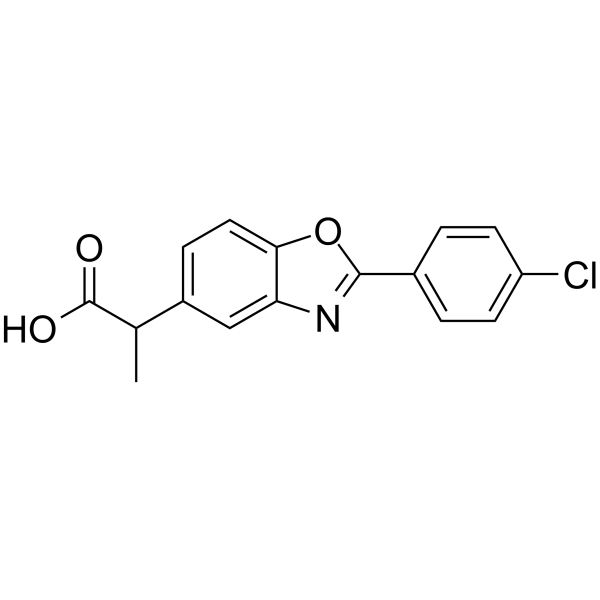
Benoxaprofen (LRCL 3794) is a nonsteroidal anti-inflammatory agent that blocks the biosynthesis of inflammatory mediators such as leukotrienes and prostaglandins by inhibiting 5-LOX, PGH2 synthase and cytochrome P-450. Benoxaprofen exhibits significant toxicity: it not only alters cellular redox status, uncouples oxidative phosphorylation and disrupts calcium ion homeostasis, but also causes liver injury through the formation of covalent adducts between its active metabolites and hepatic proteins. Benoxaprofen shows strong phototoxicity under ultraviolet irradiation, and induces erythrocyte lysis, mast cell degranulation and histamine release. Benoxaprofen is widely used in studies of urticaria and related phototoxic mechanisms .
|
-
-
- HY-B0426A
-
|
ALO4943A; KW4679
|
Histamine Receptor
CXCR
|
Infection
Neurological Disease
Metabolic Disease
Inflammation/Immunology
|
|
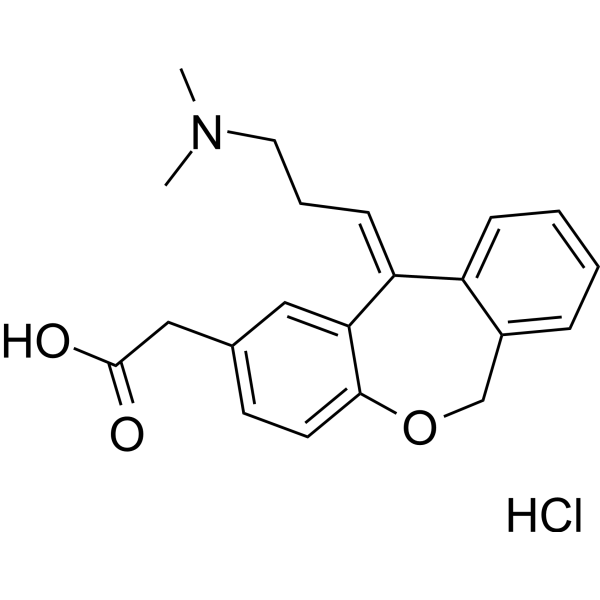
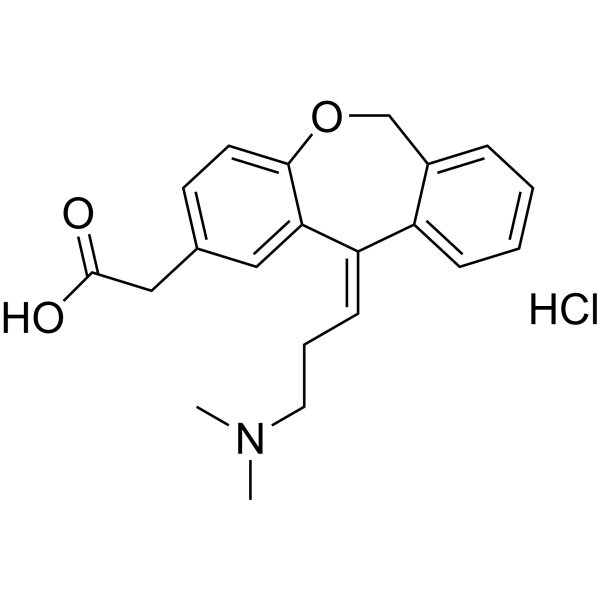
Olopatadine hydrochloride (ALO4943A; KW4679) is an orally active histamine H1 receptor antagonist and mast cell stabilizer. Olopatadine hydrochloride exerts antiallergic effects by blocking histamine H1 receptor-mediated activities. Olopatadine hydrochloride inhibits exocytosis, chemokine release, F-actin polymerization, CXCL10-induced calcium influx, and T cell chemotactic activity. Olopatadine hydrochloride also reduces the expression levels of CXCR3 on the surface of CD4 + and CD8 + T cells. Olopatadine hydrochloride inhibits scratching behavior, improves dermatitis scores, and suppresses intraepidermal neurite outgrowth. Olopatadine hydrochloride simultaneously decreases the levels of inflammatory markers, growth factors, histamine, and specific IgE, while increasing the expression of ErbB3A/HER3A. Olopatadine hydrochloride can be used in research related to seasonal pollinosis, chronic rhinitis, urticaria, allergic conjunctivitis, alopecia areata, and atopic dermatitis .
|
-
-
- HY-43521
-
|
|
Target Protein Ligand-Linker Conjugates
Btk
STAT
|
Inflammation/Immunology
Cancer
|
|
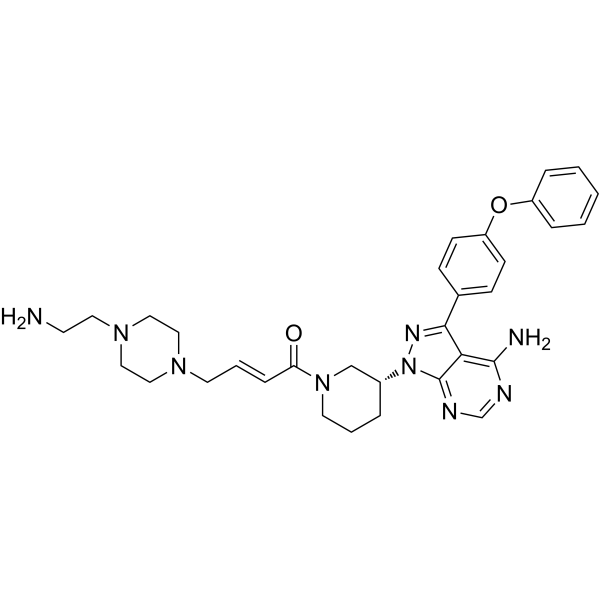
Ibrutinib-MPEA is an orally active, blood-brain barrier permeable inhibitor of BTK and STAT5. As a derivative of Ibrutinib (HY-10997) conjugated with a PROTAC linker, Ibrutinib-MPEA allows the synthesis of a series of PROTAC molecules. Ibrutinib-MPEA significantly reduces the proliferation of neoplastic mast cells and primary mastocytoma cells by inducing apoptosis and inhibiting IgE-dependent histamine release. Ibrutinib-MPEA is applicable to the research of canine mast cell tumors, cerebral ischemia/reperfusion injury in diabetic mice, and neuroinflammation-related diseases .
|
-
-
- HY-12206A
-
|
MR-12842 maleate
|
Histamine Receptor
|
Neurological Disease
|
|
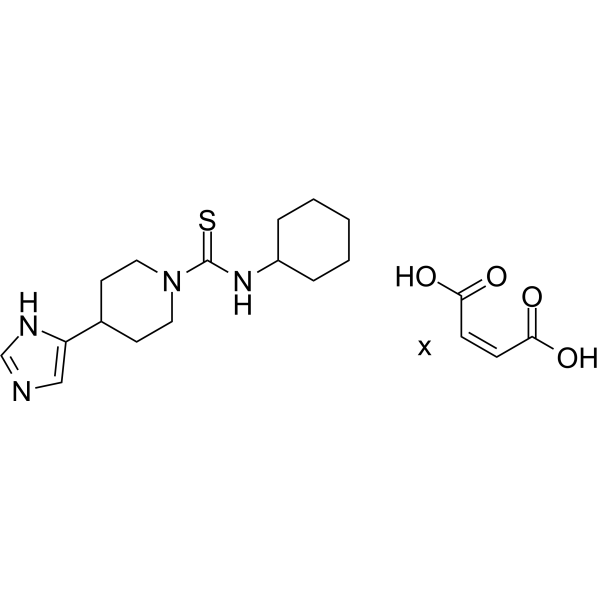
Thioperamide maleate (MR-12842 maleate) is a potent, orally available, brain penetrant and selective H3 receptor antagonist with a Ki of 4.3 nM for inhibition of [ 3H]histamine release. Thioperamide maleate inhibits [ 3H]histamine synthesis with a Ki of 31 nM .
|
-
-
- HY-135490
-
|
|
Adrenergic Receptor
Phosphodiesterase (PDE)
|
Inflammation/Immunology
|
|
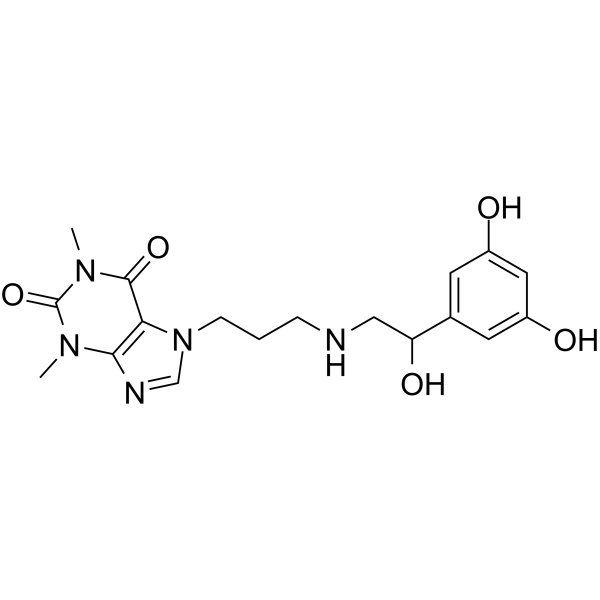
Reproterol is a selective β2-adrenoceptor agonist and cAMP phosphodiesterase (PDE) inhibitor. Reproterol inhibits adenylate cyclase-induced phosphodiesterase activity. Reproterol inhibits histamine release from mast cells. Reproterol is applicable to research related to asthma .
|
-
-
- HY-172458
-
Z-3578
1 Publications Verification
|
Mas-related G-protein-coupled Receptor (MRGPR)
TNF Receptor
|
Inflammation/Immunology
|
|
Z-3578 is an orally active small-molecule antagonist of MrgX2 with potent antipseudoallergic activity, exhibiting a KD value of 729 nM. Z-3578 effectively inhibits mast cell degranulation induced by substance P (SP) and C48/80, suppresses the release of β-hexosaminidase, significantly reduces the release of histamine and TNF-α, and decreases intracellular calcium flux. In a mouse pseudoallergy model, Z-3578 significantly alleviates paw swelling and dye extravasation, and reduces serum histamine levels. Z-3578 can be used for the study of pseudoallergic reactions .
|
-

-
- HY-17043S1
-
-
-
- HY-W062109
-
|
|
Histamine Receptor
CXCR
|
Inflammation/Immunology
|
|
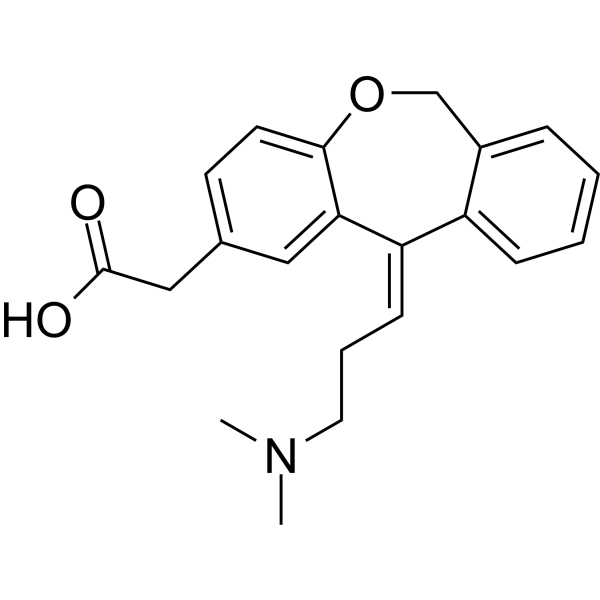
Olopatadine (ALO4943A; KW4679) is an orally active histamine H1 receptor antagonist and mast cell stabilizer. Olopatadine exerts antiallergic effects by blocking histamine H1 receptor-mediated activities. Olopatadine inhibits exocytosis, chemokine release, F-actin polymerization, CXCL10-induced calcium influx, and T cell chemotactic activity. Olopatadine also reduces the expression levels of CXCR3 on the surface of CD4 + and CD8 + T cells. Olopatadine inhibits scratching behavior, improves dermatitis scores, and suppresses intraepidermal neurite outgrowth. Olopatadine simultaneously decreases the levels of inflammatory markers, growth factors, histamine, and specific IgE, while increasing the expression of ErbB3A/HER3A. Olopatadine can be used in research related to seasonal pollinosis, chronic rhinitis, urticaria, allergic conjunctivitis, alopecia areata, and atopic dermatitis .
|
-
-
- HY-N10182
-
|
|
Histamine Receptor
|
Inflammation/Immunology
|
|
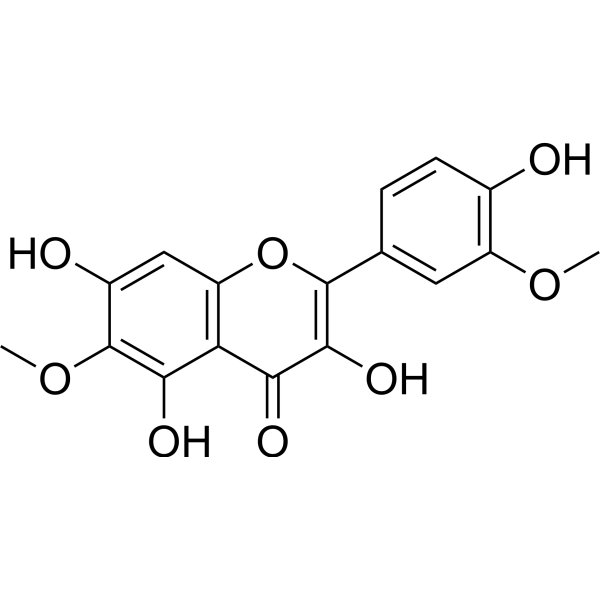
Spinacetin is a natural product that can be isolated from Inula japonica. Spinacetin inhibits the release of histamine. Spinacetin has anti-inflammatory activity .
|
-
-
- HY-109544
-
|
MY-5116
|
Histamine Receptor
|
Inflammation/Immunology
|
|
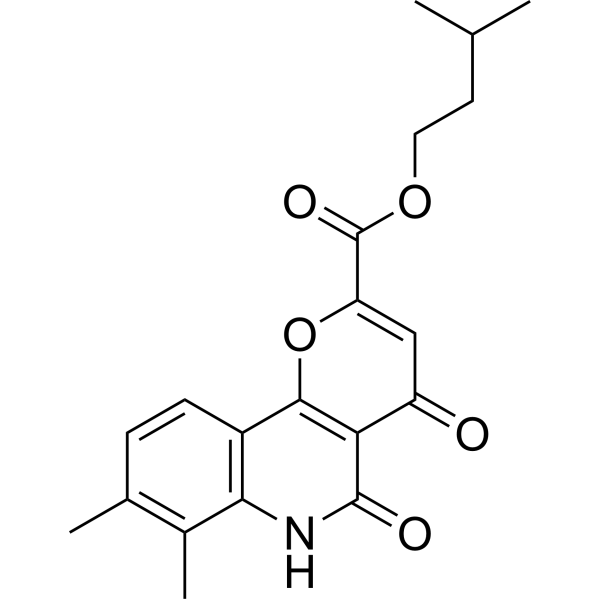
Repirinast (MY-5116) is an orally active anti-allergic agent. Repirinast inhibits histamine release. Repirinast can be used in the research of bronchial asthma .
|
-
-
- HY-137941
-
|
|
Histamine Receptor
Caspase
NF-κB
p38 MAPK
|
Inflammation/Immunology
|
|
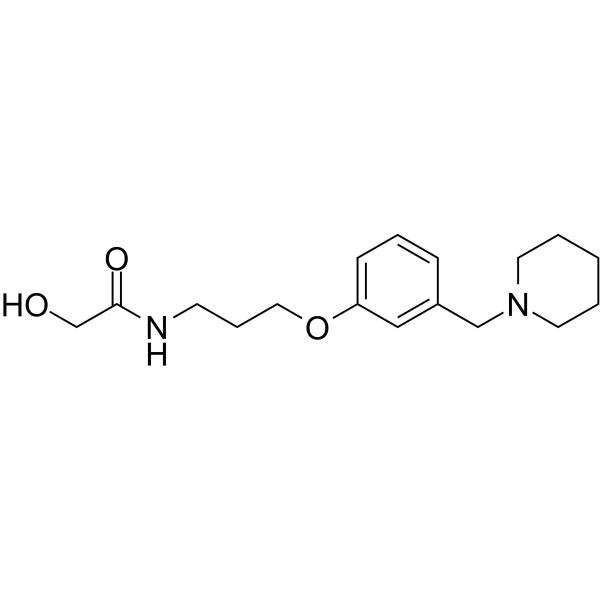
Roxatidine is an active metabolite of Roxatidine acetate hydrochloride, is an orally active histamine H2-receptor antagonist. Roxatidine, an anti-ulcer agent, suppresses histamine release (thus inhibiting proton secretion) and inhibits the production of VEGF-1, an important marker of inflammation and angiogenesis. Anti-allergic inflammatory effect. Roxatidine is promising for research of gastric and duodenal ulcers .
|
-
-
- HY-N3007A
-
|
|
Others
|
Inflammation/Immunology
|
|
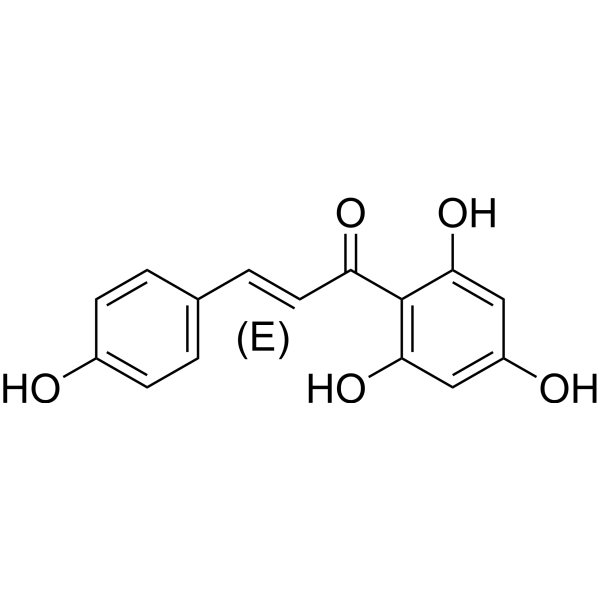
(E)-Naringenin chalcone is an orally active anti-allergic agent. (E)-Naringenin chalcone also has antioxidant, anti-inflammatory activities. (E)-Naringenin chalcone can improve adipocyte functions. (E)-Naringenin chalcone inhibits histamine release from rat peritoneal mast cell .
|
-
-
- HY-17043R
-
-

-
- HY-106481
-
|
|
GPR35
Histamine Receptor
|
Inflammation/Immunology
|
|
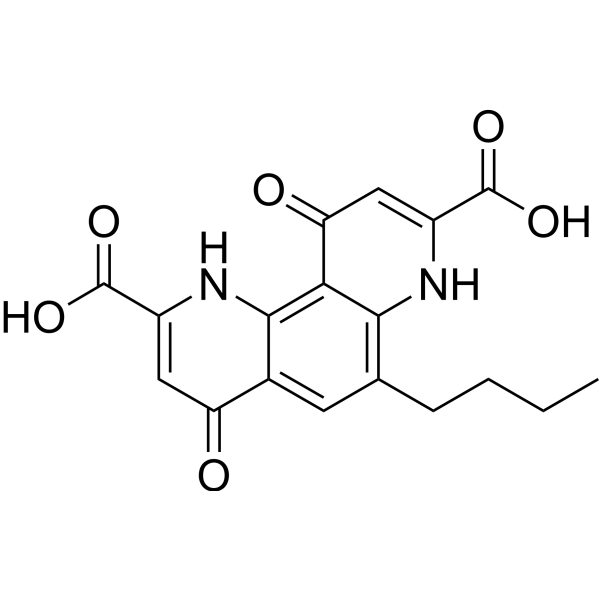
Bufrolin is a Cromoglycate (histamine release inhibitor) analog and a high potency agonist of GPR35. Bufrolin promotes interactions between β-arrestin-2 and either human GPR35a or rat GPR35. Bufrolin also serves as antiallergic mast cell stabilizer and inhibit an anti-inflammatory response inducible by the internalization peptide. Bufrolin acts as an anti-inflammatory agent to be used in research of delivering pharmacol linked with internalization peptide .
|
-
-
- HY-N15663
-
|
EGCG4′′Me
|
Drug Derivative
|
Inflammation/Immunology
|
|
(-)-Epigallocatechin-3-O-(4-O-methyl)gallate is an orally active catechin derivative found in Taiwanese oolong tea. (-)-Epigallocatechin-3-O-(4-O-methyl)gallate can inhibit histamine release and exhibits anti-inflammation and anti-allergic effect. (-)-Epigallocatechin-3-O-(4-O-methyl)gallate can be used for the researches of immunology and inflammation, such as type I allergic .
|
-

-
- HY-U00027
-
-
-
- HY-B0320AR
-
|
Cromoglycate disodium (Standard); Cromoglicic acid disodium (Standard); FPL-670 (Standard)
|
Reference Standards
GSK-3
NF-κB
Amyloid-β
|
Neurological Disease
Metabolic Disease
Inflammation/Immunology
Cancer
|
|
Cromolyn disodium (Standard) (Cromoglycate disodium (Standard)) is the analytical standard of Cromolyn disodium (HY-B0320A). This product is intended for research and analytical applications. Cromolyn (Cromoglycate) disodium is an orally active GSK-3β inhibitor with an IC50 of 2.0 μM. Cromolyn disodium is also a mast cell stabilizer that can inhibit the release of mediators from mast cells, regulate reflex bronchoconstriction, and reduce non-specific bronchial hyperreactivity, and Cromolyn disodium can be used in the research of bronchial asthma. In addition, Cromolyn disodium has multiple activities such as anti-inflammatory, anti-allergic, anti-histamine, anti-cancer, and neuroprotective effects .
|
-
-
- HY-13218
-
|
WP-871
|
Histamine Receptor
|
Inflammation/Immunology
|
|
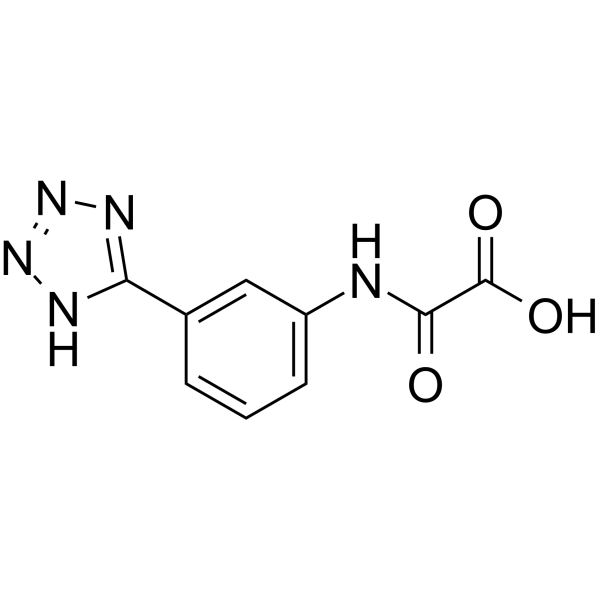
Acitazanolast is an orally active antiallergic agent, can inhibit histamine release. Acitazanolast can be used in study of type I anaphylaxis (immediate) caused by IgE antibodies .
|
-
-
- HY-N3421
-
|
|
Interleukin Related
TNF Receptor
Influenza Virus
|
Infection
Inflammation/Immunology
Cancer
|
|
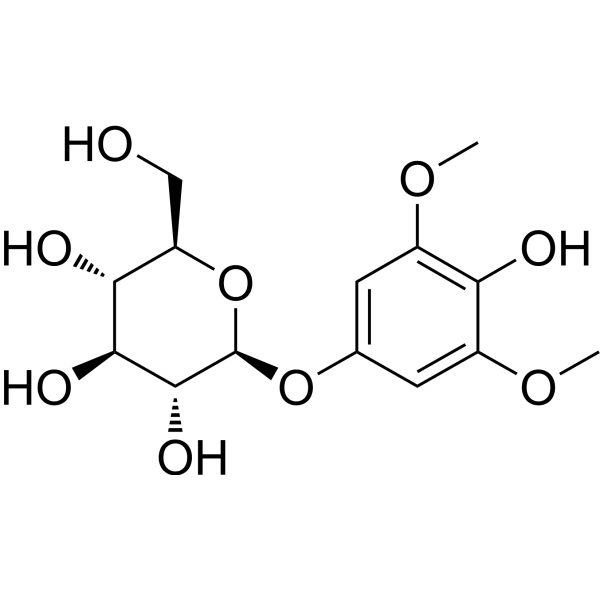
Koaburaside is a cytoprotective and anti-inflammatory natural compound. Koaburaside shows antioxidant activity with an IC50 of 9.0 μM for DPPH-free radical scavenging assay. Koaburaside inhibits histamine release and expressions of IL-6 and TNF-α in human mast cells. Koaburaside also effectively inhibits influenza A neuraminidase .
|
-
-
- HY-W062109S
-
|
|
Isotope-Labeled Compounds
Histamine Receptor
CXCR
|
Inflammation/Immunology
|
|
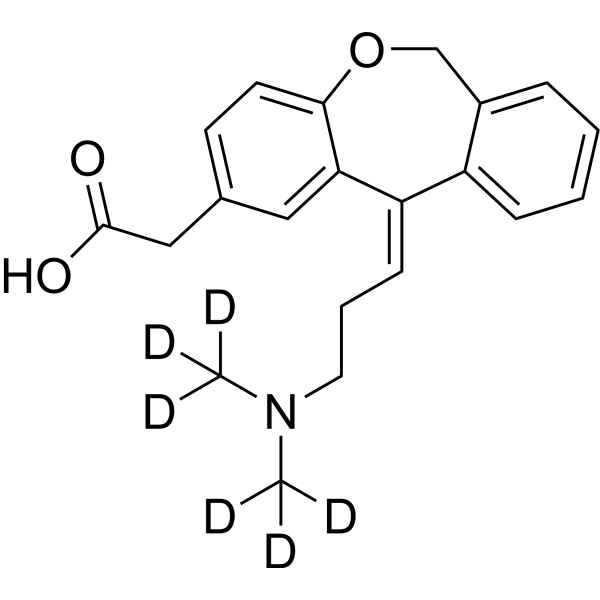
Olopatadine-d6 is the deuterium labeled Olopatadine. Olopatadine hydrochloride (ALO4943A; KW4679) is an orally active histamine H1 receptor antagonist and mast cell stabilizer. Olopatadine hydrochloride exerts antiallergic effects by blocking histamine H1 receptor-mediated activities. Olopatadine hydrochloride inhibits exocytosis, chemokine release, F-actin polymerization, CXCL10-induced calcium influx, and T cell chemotactic activity. Olopatadine hydrochloride also reduces the expression levels of CXCR3 on the surface of CD4 + and CD8 + T cells. Olopatadine hydrochloride inhibits scratching behavior, improves dermatitis scores, and suppresses intraepidermal neurite outgrowth. Olopatadine hydrochloride simultaneously decreases the levels of inflammatory markers, growth factors, histamine, and specific IgE, while increasing the expression of ErbB3A/HER3A. Olopatadine hydrochloride can be used in research related to seasonal pollinosis, chronic rhinitis, urticaria, allergic conjunctivitis, alopecia areata, and atopic dermatitis .
|
-
-
- HY-13405
-
|
RHC 2592-A
|
Histamine Receptor
|
Inflammation/Immunology
|
|
Tiaramide (RHC 2592-A) hydrochloride is an analgesic agent with antiallergic activity, and is also a non-steroidal, anti-inflammatory compound. Tiaramide hydrochloride inhibits histamine release .
|
-

-
- HY-137090
-
|
BP 2.94
|
Histamine Receptor
|
Neurological Disease
|
|
BP 2-94 (BP 2.94) is an orally active and highly selective prodrug targeting the histamine H3 receptor. BP 2-94 exerts anti-inflammatory, analgesic and antinociceptive effects by inhibiting histamine release and modulating neurogenic inflammation. BP 2-94 is promising for research of asthma, migraines, and inflammatory pain-related disorders .
|
-

-
- HY-U00364
-
-
-
- HY-N13148
-
|
|
Others
|
Others
|
|
Ganodermatriol is a lanostane type triterpenoid compound derived from Ganoderma lucidum. These compounds have been reported to possess various biological activities, such as inhibiting histamine release from rat mast cells and exhibiting anti-hepatoma cell activity in vitro .
|
-

-
- HY-N3622
-
|
(6S,9S)-Roseoside
|
Others
|
Inflammation/Immunology
|
|
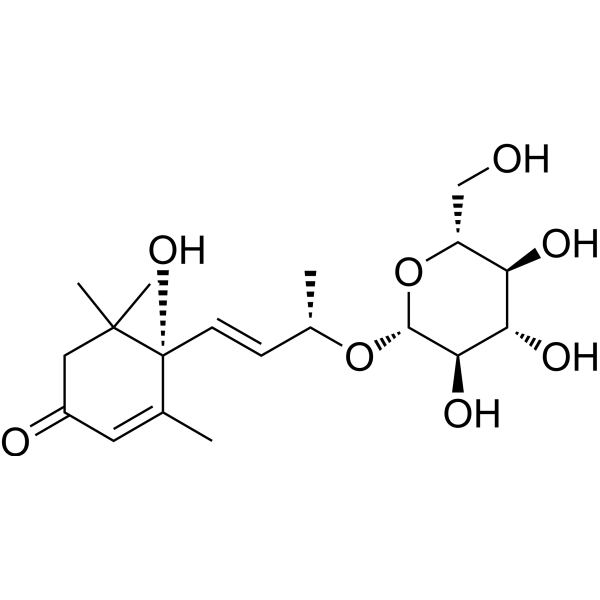
Corchoionoside C ((6S,9S)-Roseoside), an ionone glucoside, can be isolated from Capparis spinosa. Corchoionoside C inhibits the antigen-antibody reaction induced histamine release from rat peritoneal exudate cells .
|
-
-
- HY-14271
-
|
TYB-2285
|
Histamine Receptor
|
Inflammation/Immunology
|
|
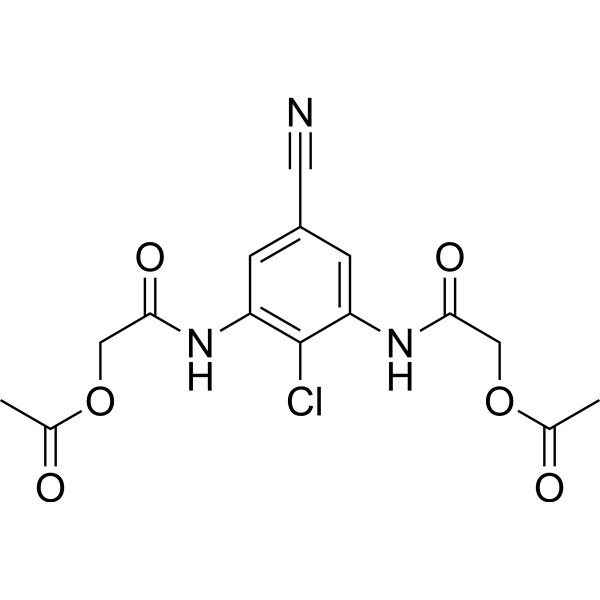
Acreozast (TYB-2285) is a histamine release inhibitor. Acreozast inhibits the histamine release primed with IL-3. Acreozast might regulate allergic inflammation in vivo by the suppression of mediator release primed with IL-3 .
|
-
-
- HY-105505
-
|
|
Phosphodiesterase (PDE)
Histamine Receptor
|
Inflammation/Immunology
|
|
KF-17625 is an orally active bronchodilator. KF-17625 can inhibit bronchoconstriction induced by Carbachol (HY-B1208), Histamine (HY-B1204), or Leukotriene D4 (HY-113456). KF-17625 can inhibit canine tracheal phosphodiesterase (PDE) IV (IC50 = 12 μM) and Concanavalin-A (HY-P2149)-induced histamine release from rat mast cells (44% inhibition at 10 mM). KF-17625 can be used for the researches of immunology and inflammation .
|
-

-
- HY-B0640S
-
-
-
- HY-B0426AS
-
|
|
Isotope-Labeled Compounds
Histamine Receptor
CXCR
|
Inflammation/Immunology
Endocrinology
|
|
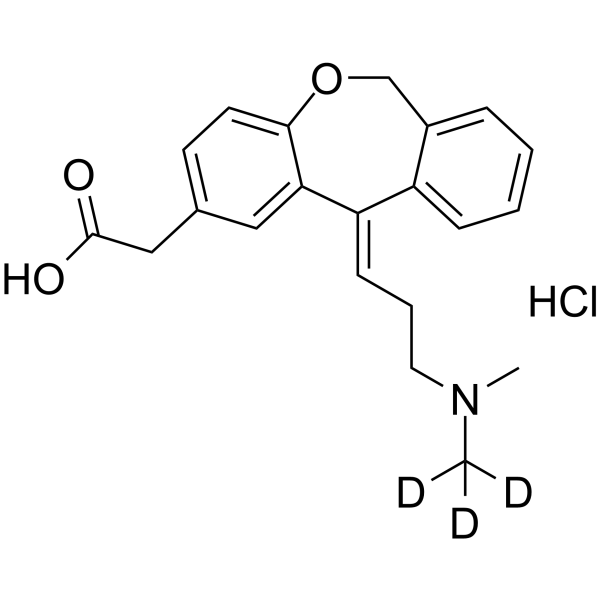
Olopatadine-d3 hydrochloride (ALO4943A-d3) is the deuterium labeled Olopatadine hydrochloride. Olopatadine hydrochloride (ALO4943A; KW4679) is an orally active histamine H1 receptor antagonist and mast cell stabilizer. Olopatadine hydrochloride exerts antiallergic effects by blocking histamine H1 receptor-mediated activities. Olopatadine hydrochloride inhibits exocytosis, chemokine release, F-actin polymerization, CXCL10-induced calcium influx, and T cell chemotactic activity. Olopatadine hydrochloride also reduces the expression levels of CXCR3 on the surface of CD4 + and CD8 + T cells. Olopatadine hydrochloride inhibits scratching behavior, improves dermatitis scores, and suppresses intraepidermal neurite outgrowth. Olopatadine hydrochloride simultaneously decreases the levels of inflammatory markers, growth factors, histamine, and specific IgE, while increasing the expression of ErbB3A/HER3A. Olopatadine hydrochloride can be used in research related to seasonal pollinosis, chronic rhinitis, urticaria, allergic conjunctivitis, alopecia areata, and atopic dermatitis .
|
-
-
- HY-B0426AR
-
|
ALO4943A (Standard); KW4679 (Standard)
|
Reference Standards
Histamine Receptor
CXCR
|
Inflammation/Immunology
Endocrinology
|
|
Olopatadine (hydrochloride) (Standard) is the analytical standard of Olopatadine (hydrochloride). This product is intended for research and analytical applications. Olopatadine hydrochloride (ALO4943A; KW4679) is an orally active histamine H1 receptor antagonist and mast cell stabilizer. Olopatadine hydrochloride exerts antiallergic effects by blocking histamine H1 receptor-mediated activities. Olopatadine hydrochloride inhibits exocytosis, chemokine release, F-actin polymerization, CXCL10-induced calcium influx, and T cell chemotactic activity. Olopatadine hydrochloride also reduces the expression levels of CXCR3 on the surface of CD4 + and CD8 + T cells. Olopatadine hydrochloride inhibits scratching behavior, improves dermatitis scores, and suppresses intraepidermal neurite outgrowth. Olopatadine hydrochloride simultaneously decreases the levels of inflammatory markers, growth factors, histamine, and specific IgE, while increasing the expression of ErbB3A/HER3A. Olopatadine hydrochloride can be used in research related to seasonal pollinosis, chronic rhinitis, urticaria, allergic conjunctivitis, alopecia areata, and atopic dermatitis .
|
-
-
- HY-B1619R
-
|
Cromoglycate (Standard); Cromoglicic acid (Standard); FPL-670 free acid (Standard)
|
GSK-3
NF-κB
Amyloid-β
Reference Standards
|
Neurological Disease
Metabolic Disease
Inflammation/Immunology
Cancer
|
|
Cromolyn (Standard) is the analytical standard of Cromolyn. This product is intended for research and analytical applications. Cromolyn (Cromoglycate) is an orally active GSK-3β inhibitor with an IC50 of 2.0 μM. Cromolyn is also a mast cell stabilizer that can inhibit the release of mediators from mast cells, regulate reflex bronchoconstriction, and reduce non-specific bronchial hyperreactivity, and Cromolyn can be used in the research of bronchial asthma. In addition, Cromolyn has multiple activities such as anti-inflammatory, anti-allergic, anti-histamine, anti-cancer, and neuroprotective effects .
|
-

-
- HY-B1693A
-
|
Methotrimeprazine hydrochloride
|
5-HT Receptor
Dopamine Receptor
Histamine Receptor
Autophagy
Enterovirus
Calcium Channel
|
Infection
Neurological Disease
Inflammation/Immunology
|
|
Levomepromazine (Methotrimeprazine) hydrochloride is an orally active antipsychotic compound and Ca 2+ release inducer. Levomepromazine inhibits SERCA pump and induces an increase in cytoplasmic Ca 2+ levels. Levomepromazine hydrochloride has antagonistic effects on a variety of neurotransmitter receptors, including dopamine, cholinergic, serotonin, and histamine receptors. Levomepromazine hydrochloride can induce adaptive ER stress and autophagy. In addition, Levomepromazine hydrochloride has antiviral, anti-inflammatory, neuroprotective and analgesic, sedative and anti-injurious activities. Levomepromazine hydrochloride can be used in the study psychiatric disorders and relieving nausea and vomiting .
|
-

-
- HY-B1693R
-
|
Methotrimeprazine (Standard)
|
Reference Standards
5-HT Receptor
Dopamine Receptor
Autophagy
Histamine Receptor
Enterovirus
Calcium Channel
|
Infection
Neurological Disease
Inflammation/Immunology
|
|
Levomepromazine (Standard) is the analytical standard of Levomepromazine. This product is intended for research and analytical applications. Levomepromazine (Methotrimeprazine) is an orally active antipsychotic compound and Ca 2+ release inducer. Levomepromazine inhibits SERCA pump and induces an increase in cytoplasmic Ca 2+ levels. Levomepromazine has antagonistic effects on a variety of neurotransmitter receptors, including dopamine, cholinergic, serotonin, and histamine receptors. Levomepromazine can induce adaptive ER stress and autophagy. In addition, Levomepromazine has antiviral, anti-inflammatory, neuroprotective and analgesic, sedative and anti-injurious activities. Levomepromazine can be used in the study psychiatric disorders and relieving nausea and vomiting .
|
-

-
- HY-N2081R
-
|
|
Reference Standards
Cholinesterase (ChE)
PI3K
Akt
NF-κB
|
Neurological Disease
Inflammation/Immunology
Cancer
|
|
Skimmianine (Standard) is the analytical standard of Skimmianine. This product is intended for research and analytical applications. Skimmianine is an orally active furoquiniline alkaloid present mainly in the Rutaceae family. Skimmianine has analgesic, antispastic, sedative, and anti-inflammatory properties. Skimmianine inhibits acetylcholinesterase (AChE) (IC50 = 8.6 μg/mL). Skimmianine exhibits cytotoxicity against a variety of cancer cell lines and genotoxicity. Skimmianine has antioxidant and anti-inflammatory effects on ischemia-reperfusion (IR) injury. Skimmianine exerts anti-inflammatory effects through activation of the phosphatidylinositol-3-kinase (PI3K)-protein kinase B (AKT) pathway. Skimmianine is neuroprotective by targeting the NF-κB activation pathway to prevent neuroinflammation. Skimmianine inhibits the release of histamine, intracellular Ca 2+ signaling and protein kinase C signaling .
|
-

-
- HY-163061
-
|
|
Histamine Receptor
|
Inflammation/Immunology
|
|
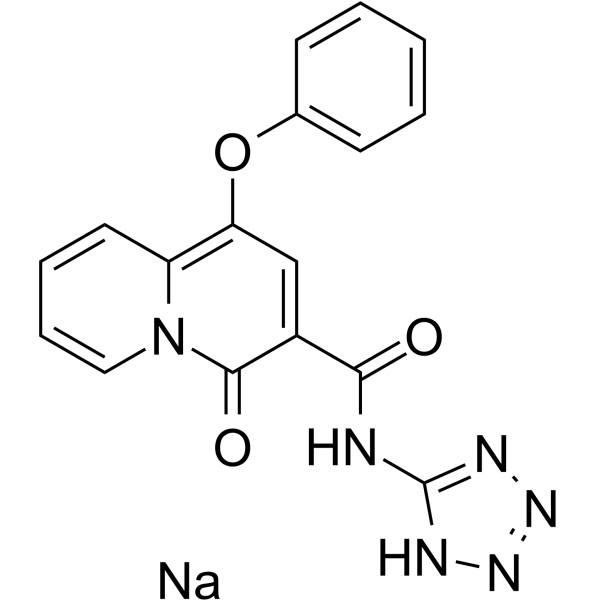
Quinotolast is an orally active antiallergic agent. Quinotolast inhibits histamine release from rat peritoneal cells. Quinotolast inhibits cutaneous cromoglycate in guinea pig model. Quinotolast has inhibitory effect on histamine and peptide leukotrienes release from guinea pig lung fragments and mouse cultured mast cells. Quinotolast can be studied in allergy-related research .
|
-

-
- HY-106076
-
|
Eclazolast; CHBZ
|
Histamine Receptor
|
Inflammation/Immunology
|
|
REV 2871 (Eclazolast; CHBZ) is a potent and oral activity antiallergic agent. REV 2871 also is an irreversibility histamine release (HR) inhibitor .
|
-

-
- HY-N12295
-
|
|
Others
|
Inflammation/Immunology
|
|
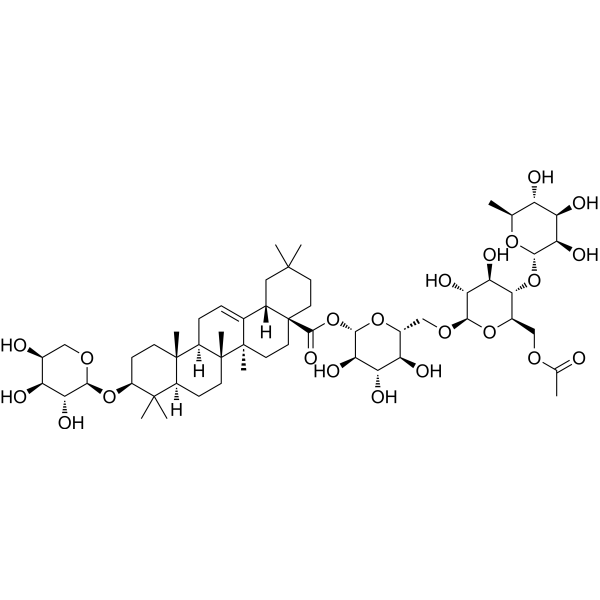
Ciwujianoside D1 is a natural product that can inhibit histamine release induced by anti-immunoglobulin E from rat peritoneal mast cells .
|
-
-
- HY-N15704
-
|
|
Histamine Receptor
|
Inflammation/Immunology
|
|
Cassiaside C2 is a naphthopyrone with a strong antiallergic activity. Cassiaside C2 inhibits the histamine release from rat peritoneal exudate mast cells induced by antigen-antibody reaction .
|
-

-
- HY-137941R
-
|
|
Reference Standards
Histamine Receptor
|
Inflammation/Immunology
|
|
Roxatidine (Standard) is the analytical standard of Roxatidine. This product is intended for research and analytical applications. Roxatidine is an active metabolite of Roxatidine acetate hydrochloride, is a histamine H2-receptor antagonist. Roxatidine, an anti-ulcer agent, suppresses histamine release (thus inhibiting proton secretion) and inhibits the production of VEGF-1, an important marker of inflammation and angiogenesis. Anti-allergic inflammatory effect .
|
-

-
- HY-137787R
-
|
|
Drug Intermediate
Reference Standards
|
Others
|
|
Nylidrin (hydrochloride) (Standard) is the analytical standard of Nylidrin (hydrochloride). This product is intended for research and analytical applications. Nylidrin hydrochloride is an inhibitor of IgE-mediated histamine release in passive sensitized rat peritoneal mast cells, and it has anti-allergic effects.
|
-

-
- HY-P3317
-
|
Azaline A
|
GnRH Receptor
|
Endocrinology
|
|
Azaline (Azaline A) is a gonadotropin-releasing hormone (GnRH) receptor antagonist with a KD value of 0.48 nM. Azaline can effectively induce histamine release, with an effect comparable to that of GnRH, and it can completely inhibit ovulation at a dose of 2.0-3.0 μg per female rat. Azaline has potential applications in regulating reproductive functions .
|
-

- HY-105999A
-
|
|
Ser/Thr Protease
|
Inflammation/Immunology
|
|
APC 366 hydrochloride is a selective inhibitor of mast cell trypsin activity. APC 366 hydrochloride is able to inhibit trypsin-induced histamine release in human tonsil and lung cells. APC 366 hydrochloride may have important applications in regulating allergic reactions and inflammation .
|
-

- HY-19108
-
|
|
Reactive Oxygen Species (ROS)
Histamine Receptor
|
Inflammation/Immunology
Endocrinology
|
|
CI-959 is an inhibitor of inflammatory cell activation. CI-959 exhibits anti-inflammatory and anti-allergic activities. CI-959 can inhibit the production of reactive oxygen species by neutrophils, as well as neutrophil adhesion, respiratory burst, and histamine release from mast cells. CI-959 can also inhibit the release of inflammatory mediators such as histamine, leukotrienes, and thromboxane from guinea-pig and human lung tissues, and effectively suppress anti-IgE-induced contractions of human bronchial smooth muscle. CI-959 can be used in the research of inflammatory and allergic diseases, such as asthma .
|
-

- HY-123103
-
|
|
Lipoxygenase
Histamine Receptor
|
Inflammation/Immunology
|
|
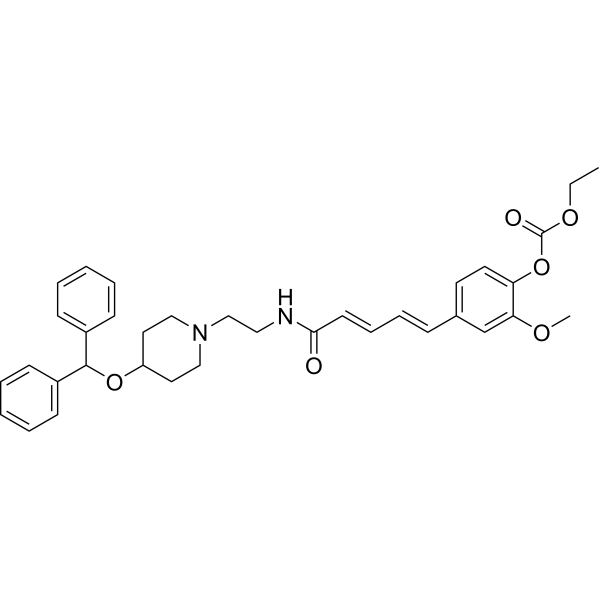
Linetastine is an orally active and potent 5-Lipoxygenase inhibitor. Linetastine shows antihistamine activity. Linetastine inhibits leukotriene production and antagonizes the effect of histamine. Linetastine inhibits the release of leukotrienes B4 and C4 from calcium ionophore-stimulated human leukocytes .
|
-
- HY-W754020
-
|
|
Histamine Receptor
|
Others
|
|
Elbanizine inhibits histamine, bradykinin, histamin-release from rat mast cells (IC50 of 0.26 μM) and the IgE-mediated passive cutaneous anaphylaxis (PCA) reaction. Elbanizine exhibits antiallergic and antiasthmatic in guinea pig model .
|
-

- HY-123432
-
|
|
Histamine Receptor
|
Inflammation/Immunology
|
|
AHR-13268D is an oral active antiallergic and antihistaminic agent, with bioavailable approximately 88%. AHR-13268D is a potent inhibitor of histamine release from rat peritoneal mast cells, with the IC50 of 0.51 nM .
|
-

- HY-113802
-
|
|
Histamine Receptor
|
Neurological Disease
|
|
VUF 8328 is a potent histamine H(3) receptor agonist. VUF 8328 inhibits the electrically-evoked [ 3H]-no-radrenaline release from rat cortical slices. VUF 8328 is promising for research of central nervous system disorders .
|
-

- HY-106064A
-
|
U 60257B
|
Leukotriene Receptor
|
Inflammation/Immunology
|
|
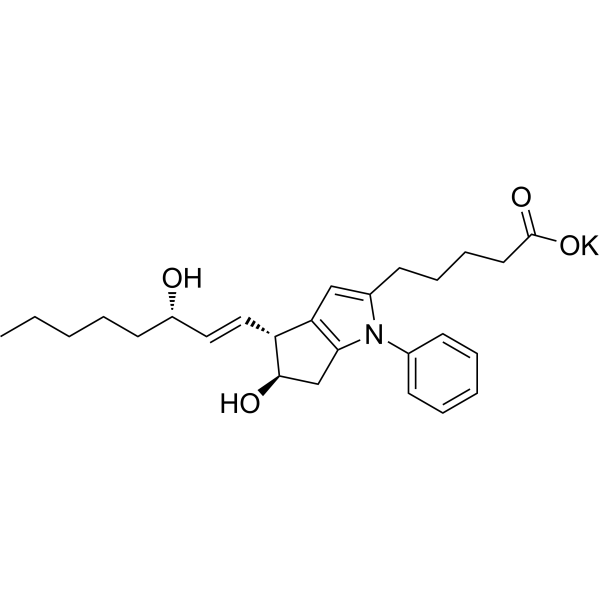
Piriprost (U-60,257B) potassium is an inhibitor of leukotriene synthesis. Piriprost potassium inhibits the release of both leukotriene and histamine with an IC50 of 0.11 μM from isolated porcine lung cells. Piriprost potassium increases alkaline phosphatase (ALP) activity in cultured endometrial stromal cells .
|
-
- HY-17043S
-
-
- HY-23188
-
|
Loratidine-d5-1; SCH 29851-d5-1
|
Isotope-Labeled Compounds
|
Others
|
|
Loratadine-d5-1 is a deuterated labeled Loratadine (HY-17043). Loratadine (SCH-29851) is a selective inverse peripheral histamine H1-receptor agonist with an IC50 of >32 μM. Loratadine has anti-dengue-virus (DENV) activity. Loratadine can inhibit immunologic release of inflammatory mediators.
|
-

- HY-17043S2
-
-

- HY-17043S3
-
-

- HY-167715
-
|
|
Histamine Receptor
Phosphodiesterase (PDE)
|
Inflammation/Immunology
|
|
Traxanox is an orally available diuretic that enhances phagocytosis of yeast granules by mouse peritoneal macrophages and rat peritoneal polymorphonuclear leukocytes in vitro.
Traxanox inhibits IgE-mediated histamine release and cyclic AMP phosphodiesterase
activity.Traxanox exhibits anti-inflammatory activity, as it inhibits the anaphylactoid reaction and reduces pleural fluid accumulation in experimental models of inflammation. Traxanox also demonstrates a synergistic effect when combined with hydrocortisone or indomethacin in suppressing adjuvant arthritis in rats.
|
-

- HY-126127
-
|
|
Histamine Receptor
|
Inflammation/Immunology
|
|
BRL 22321 free base is a stabilizer with similar mast cell stabilizing activity to Cromolyn sodium (HY-B0320A) and also has some smooth muscle relaxant activity. BRL 22321 free base is more potent than Cromolyn sodium (HY-B0320A) in inhibiting rat passive cutaneous and peritoneal anaphylaxis and antigen-induced histamine release from passively sensitized rat peritoneal cells .
|
-

- HY-B1619S
-
|
Cromoglycate-d5; Cromoglicic acid-d5; FPL-670-d5 free acid
|
Isotope-Labeled Compounds
GSK-3
NF-κB
Amyloid-β
|
Neurological Disease
Metabolic Disease
Inflammation/Immunology
Cancer
|
|
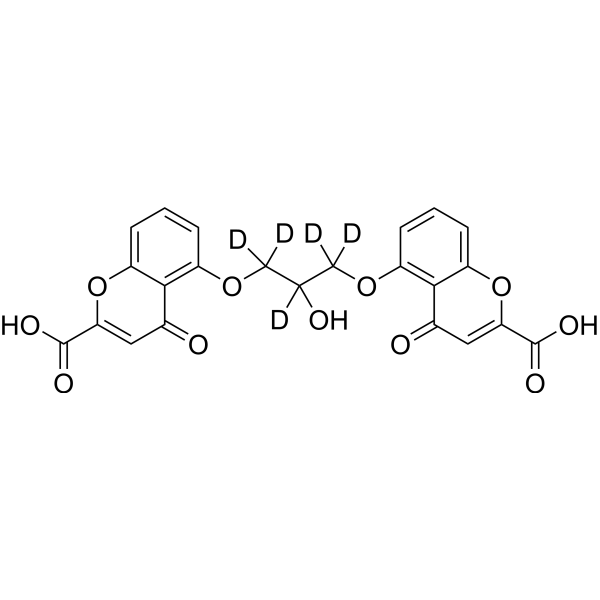
Cromolyn-d5 (Cromoglycate-d5) is the deuterium labeled Cromolyn (HY-B1619). Cromolyn (Cromoglycate) is an orally active GSK-3β inhibitor with an IC50 of 2.0 μM. Cromolyn is also a mast cell stabilizer that can inhibit the release of mediators from mast cells, regulate reflex bronchoconstriction, and reduce non-specific bronchial hyperreactivity, and Cromolyn can be used in the research of bronchial asthma. In addition, Cromolyn has multiple activities such as anti-inflammatory, anti-allergic, anti-histamine, anti-cancer, and neuroprotective effects .
|
-
- HY-B0426AS2
-
|
ALO4943A-d6 hydrochloride; KW4679-d6 hydrochloride
|
Isotope-Labeled Compounds
Histamine Receptor
CXCR
|
Inflammation/Immunology
|
|
Olopatadine-d6 (ALO4943A-d6; KW4679-d6) hydrochloride is deuterium-labeled Olopatadine (hydrochloride) (HY-B0426A). Olopatadine hydrochloride (ALO4943A; KW4679) is an orally active histamine H1 receptor antagonist and mast cell stabilizer. Olopatadine hydrochloride exerts antiallergic effects by blocking histamine H1 receptor-mediated activities. Olopatadine hydrochloride inhibits exocytosis, chemokine release, F-actin polymerization, CXCL10-induced calcium influx, and T cell chemotactic activity. Olopatadine hydrochloride also reduces the expression levels of CXCR3 on the surface of CD4 + and CD8 + T cells. Olopatadine hydrochloride inhibits scratching behavior, improves dermatitis scores, and suppresses intraepidermal neurite outgrowth. Olopatadine hydrochloride simultaneously decreases the levels of inflammatory markers, growth factors, histamine, and specific IgE, while increasing the expression of ErbB3A/HER3A. Olopatadine hydrochloride can be used in research related to seasonal pollinosis, chronic rhinitis, urticaria, allergic conjunctivitis, alopecia areata, and atopic dermatitis .
|
-

- HY-137312
-
|
SKF 40383-A
|
Adrenergic Receptor
|
Inflammation/Immunology
|
|
Carbuterol (SKF 40383-A) is a selective β2-adrenergic receptor agonist that primarily targets bronchial smooth muscle, exhibiting significant bronchodilatory and anti-allergic activity. Carbuterol can directly inhibit the immunologically induced release of histamine and slow-reacting substance of anaphylaxis (SRS-A), thereby alleviating allergic responses. Carbuterol exerts mild β1-mediated cardiac stimulation and is applicable to studies related to respiratory and immune-related diseases such as asthma and allergic disorders .
|
-

- HY-137312A
-
|
SKF 40383-A hydrochloride
|
Adrenergic Receptor
|
Inflammation/Immunology
|
|
Carbuterol (SKF 40383-A) hydrochloride is a selective β2-adrenergic receptor agonist that primarily targets bronchial smooth muscle, exhibiting significant bronchodilatory and anti-allergic activity. Carbuterol hydrochloride can directly inhibit the immunologically induced release of histamine and slow-reacting substance of anaphylaxis (SRS-A), thereby alleviating allergic responses. In addition, it exerts mild β1-mediated cardiac stimulation and is applicable to studies related to respiratory and immune-related diseases such as asthma and allergic disorders .
|
-

- HY-N0631R
-
|
|
Reference Standards
Prostaglandin Receptor
ERK
p38 MAPK
Acyltransferase
TNF Receptor
COX
Cholinesterase (ChE)
Interleukin Related
JNK
NO Synthase
NF-κB
|
Neurological Disease
Inflammation/Immunology
|
|
Cornuside (Standard) is the analytical standard of Cornuside (HY-N0631). This product is intended for research and analytical applications. Cornuside is an iridoid glycoside with anti-allergic, anti-inflammatory, and neuroprotective activities. Cornuside exerts anti-allergic activity by downregulating the p38 MAPK, JNK, and NF-κB signaling pathways, and inhibits IgE-mediated histamine release from mast cells. Cornuside improves cognitive impairment in mice by inhibiting BACE1 activity (IC50 = 55.84 μg/mL) and enhancing ChAT activity. Cornuside inhibits LPS (HY-D1056)-induced inflammatory mediators, including iNOS, COX-2, PGE2, TNF-α, IL-6, and IL-1β, by suppressing NF-κB activation.
|
-

- HY-12191
-
|
|
Histamine Receptor
|
Metabolic Disease
|
|
A-331440 is a potent and selective histamine H3 receptor antagonist that regulates neurotransmitter release by inhibiting presynaptic H3 receptors. In preclinical studies involving mice on a high-fat diet, A-331440 demonstrated dose-dependent effects on weight reduction and fat loss. At 5 mg/kg, it effectively decreased body weight comparable to dexfenfluramine, while at 15 mg/kg, it significantly reduced body fat and improved insulin tolerance, similar to mice on a low-fat diet. These findings suggest that A-331440 holds promise as an antiobesity agent by modulating histaminergic pathways involved in food intake and metabolic regulation .
|
-

- HY-111136
-
|
|
GABA Receptor
5-HT Receptor
Dopamine Receptor
Histamine Receptor
|
Neurological Disease
|
|
BL-1020 mesylate is the mesylate salt form of BL-1020. BL-1020 mesylate is an antipsychotic agent. BL-1020 mesylate is inhibitor for dopamine receptor and serotonin receptor (5-HT receptor), with Ki of 0.066, 0.062 and 0.21 nM, for D2L, D2S and 5-HT2A receptors, respectively. BL-1020 mesylate is agonist for GABAA receptor with Ki of 3.74 μM, and enhances the GABA release. BL-1020 mesylate exhibits high affinity with histamine receptor (Ki is 0.47 nM). BL-1020 mesylate reduces Amphetamine-induced hyperactivity, with lower catalepsy and sedation. BL-1020 mesylate is blood-brain barrier penetrate .
|
-

- HY-W778179
-
|
LRCL 3794-13C,d3
|
Isotope-Labeled Compounds
COX
Cytochrome P450
Lipoxygenase
PGE synthase
|
Inflammation/Immunology
|
|
Benoxaprofen- 13C, d3 is the 13C-labeled Benoxaprofen (HY-13568). Benoxaprofen (LRCL 3794) is a nonsteroidal anti-inflammatory agent that blocks the biosynthesis of inflammatory mediators such as leukotrienes and prostaglandins by inhibiting 5-LOX, PGH2 synthase and cytochrome P-450. Benoxaprofen exhibits significant toxicity: it not only alters cellular redox status, uncouples oxidative phosphorylation and disrupts calcium ion homeostasis, but also causes liver injury through the formation of covalent adducts between its active metabolites and hepatic proteins. Benoxaprofen shows strong phototoxicity under ultraviolet irradiation, and induces erythrocyte lysis, mast cell degranulation and histamine release. Benoxaprofen is widely used in studies of urticaria and related phototoxic mechanisms .
|
-

- HY-13568R
-
|
LRCL 3794 (Standard)
|
Reference Standards
COX
Cytochrome P450
Lipoxygenase
PGE synthase
|
Inflammation/Immunology
|
|
Benoxaprofen (Standard) is the analytical standard of Benoxaprofen. This product is intended for research and analytical applications. Benoxaprofen (LRCL 3794) is a nonsteroidal anti-inflammatory agent that blocks the biosynthesis of inflammatory mediators such as leukotrienes and prostaglandins by inhibiting 5-LOX, PGH2 synthase and cytochrome P-450. Benoxaprofen exhibits significant toxicity: it not only alters cellular redox status, uncouples oxidative phosphorylation and disrupts calcium ion homeostasis, but also causes liver injury through the formation of covalent adducts between its active metabolites and hepatic proteins. Benoxaprofen shows strong phototoxicity under ultraviolet irradiation, and induces erythrocyte lysis, mast cell degranulation and histamine release. Benoxaprofen is widely used in studies of urticaria and related phototoxic mechanisms .
|
-

- HY-135621
-
-

- HY-165395
-
|
|
Phosphodiesterase (PDE)
|
Inflammation/Immunology
|
|
AY 25674 is an orally active antiallergic agent and a PDE inhibitor. AY 25674 inhibits the release of allergic histamine from mast cells. AY 25674 suppresses passive anaphylaxis induced by reaginic (IgE) antibodies. AY 25674 does not inhibit the increased vascular permeability caused by non-reaginic antibodies, serotonin or histamine. AY 25674 reaches its peak activity shortly after administration; rapid tolerance occurs at high doses. AY 25674 can be used in research related to passive anaphylaxis .
|
-

- HY-N11725
-
|
|
Fc Receptor (FcR)
|
Inflammation/Immunology
|
|
Phlorofucofuroeckol A is a FcεRI inhibitor with low cytotoxicity toward basophilic leukemia cells. Phlorofucofuroeckol A suppresses binding activity between IgE and FcεRI receptor. Phlorofucofuroeckol A inhibits histamine release from basophilic leukemia cells stimulated by IgE/anti-IgE or calcium ionophore A23187 (HY-N6687). Phlorofucofuroeckol A inhibits β-hexosaminidase release from basophilic leukemia cells stimulated by IgE/DNP-BSA. Phlorofucofuroeckol A can be used for the research of allergy disease .
|
-

- HY-106919
-
-

- HY-105594
-
|
BRL 10833 free base
|
Histamine Receptor
|
Inflammation/Immunology
|
|
Nivimedone (BRL 10833 free base) is an orally active antiallergic agent. Nivimedone inhibits IgE-mediated passive cutaneous anaphylaxis in rats. Nivimedone suppresses antigen-induced histamine release from lung tissues passively sensitized with atopic serum. Nivimedone can be used in research related to bronchial asthma .
|
-

- HY-N17738
-
|
|
Calcium Channel
|
Cardiovascular Disease
Inflammation/Immunology
|
|
Acetyljujuboside B is a saponin. Acetyljujuboside B can be isolated from seeds of Zizyphus jujuba Mill. var. spinosa. Acetyljujuboside B inhibits Ca 2+ influx. Acetyljujuboside B shows only sustained vasorelaxant effects, with no transient effect on NE-induced vasoconstrictions. Acetyljujuboside B inhibits histamine release from rat peritoneal exudate cells induced by the antigen-antibody reaction .
|
-

- HY-N19243
-
|
|
Histamine Receptor
|
Inflammation/Immunology
|
|
6-O-Senesioyl plenolin is a sesquiterpene lactone found in Centipeda minima with antiallergic activity. 6-O-Senesioyl plenolin inhibits histamine release from mast cells (IC50 = 18 μM) and suppresses pigment exudation in passive cutaneous anaphylaxis tests. 6-O-Senesioyl plenolin can be used in research related to allergy .
|
-

- HY-107062
-
|
|
Histamine Receptor
|
Inflammation/Immunology
|
|
AA 344 is an orally active antiallergic agent. AA 344 inhibits the IgE, IgGa, Concanavalin A (HY-P2149), Dextran -mediated release of histamine. AA 344 shows inhibitory effects on the homologous passive cutaneous anaphylaxis and the passive systemic anaphylaxis in guinea pigs. AA 344 selectively suppresses the type I allergic reaction .
|
-

- HY-171338
-
|
GCG3″Me
|
Histamine Receptor
|
Inflammation/Immunology
|
|
Gallocatechin-3-O-(3''-O-methyl)-gallate (GCG3''Me) is a catechin polyphenol. Gallocatechin-3-O-(3''-O-methyl)-gallate inhibits histamine release. Gallocatechin-3-O-(3''-O-methyl)-gallate can be used in allergy-related studies .
|
-

- HY-W665882
-
|
|
TNF Receptor
Parasite
Drug Metabolite
|
Infection
Inflammation/Immunology
|
|
Norketotifen is the active metabolite of Ketotifen (HY-B0157). Norketotifen exhibits skin anti-inflammatory activity, anti-malarial activity, and antipruritic activity against non-histamine-mediated dog itching in mice. Norketotifen effectively inhibits TNF-α release without causing any sedative side effects. Norketotifen can be used for research on non-sedating anti-inflammatory agents .
|
-

- HY-182414
-
|
|
Ser/Thr Protease
|
Inflammation/Immunology
|
|
NCO-650 free base is an antiallergic agent that acts by inhibiting tryptase, a key trypsin-like protease in mast cells. NCO-650 free base inhibits mast cell histamine release, increases intracellular cAMP levels in mast cells, suppresses bronchoconstriction, and prevents decreases in perfusion pressure and systemic blood pressure. NCO-650 free base is applicable to the research of allergic diseases and bronchial asthma .
|
-

- HY-182434
-
|
|
Phosphatase
FAP
|
Inflammation/Immunology
|
|
CL 118326 is a potent, selective, competitive inhibitor of mammalian pancreatic phospholipase A2 (PLA2) and a weak antagonist of platelet-activating factor receptor (PAF receptor). CL 118326 competitively inhibits mammalian pancreatic PLA2 (porcine: IC50 = 1.55 μg/mL), and shows no activity against snake venom or bee venom PLA2. CL 118326 inhibits PAF-induced and thrombin-induced platelet aggregation, as well as the release of leukotriene (LTC4) and histamine from basophil-enriched leukocytes. CL 118326 can be used for research on inflammation and allergic reactions .
|
-

- HY-N16715
-
|
|
Cholinesterase (ChE)
|
Neurological Disease
|
|
Monardic acid A is a selective inhibitor of AChE, with an IC50 of 53.1 μM against AChE from electric eel. Monardic acid A shows weak inhibitory activity against human erythrocyte AChE (IC50 >100 μM) and has no significant inhibitory effect on BChE. Monardic acid A reduces acetylcholine breakdown by inhibiting AChE activity, and also exhibits inhibitory activity against histamine release and hyaluronidase, thus exerting anti-inflammatory and neurotransmitter regulatory effects. Monardic acid A can be isolated from lungwort (Pulmonaria officinalis) and thyme (Thymus gobicus), and is mainly used in the development of anti-inflammatory drugs and drugs related to neurodegenerative diseases .
|
-

- HY-166562S
-
|
Methotrimeprazine-d6 hydrochloride
|
Isotope-Labeled Compounds
Enterovirus
Histamine Receptor
Autophagy
5-HT Receptor
Calcium Channel
Dopamine Receptor
|
Infection
Neurological Disease
Inflammation/Immunology
|
|
Levomepromazine-d6 hydrochloride (Methotrimeprazine-d6 hydrochloride) is the deuterium labeled Levomepromazine hydrochloride. Levomepromazine (Methotrimeprazine) hydrochloride is an orally active antipsychotic compound and Ca 2+ release inducer. Levomepromazine inhibits SERCA pump and induces an increase in cytoplasmic Ca 2+ levels. Levomepromazine hydrochloride has antagonistic effects on a variety of neurotransmitter receptors, including dopamine, cholinergic, serotonin, and histamine receptors. Levomepromazine hydrochloride can induce adaptive ER stress and autophagy. In addition, Levomepromazine hydrochloride has antiviral, anti-inflammatory, neuroprotective and analgesic, sedative and anti-injurious activities. Levomepromazine hydrochloride can be used in the study psychiatric disorders and relieving nausea and vomiting .
|
-

| Cat. No. |
Product Name |
Target |
Research Area |
-
- HY-P3317
-
|
Azaline A
|
GnRH Receptor
|
Endocrinology
|
|
Azaline (Azaline A) is a gonadotropin-releasing hormone (GnRH) receptor antagonist with a KD value of 0.48 nM. Azaline can effectively induce histamine release, with an effect comparable to that of GnRH, and it can completely inhibit ovulation at a dose of 2.0-3.0 μg per female rat. Azaline has potential applications in regulating reproductive functions .
|
| Cat. No. |
Product Name |
Category |
Target |
Chemical Structure |
-
- HY-B0539
-
-
-
- HY-N0631
-
|
|
Structural Classification
Iridoids
Cornaceae
Classification of Application Fields
Cornus officinalis Sieb. et Zucc.
Terpenoids
Phenols
Polyphenols
Plants
Inflammation/Immunology
Disease Research Fields
Source Classification
|
p38 MAPK
NF-κB
JNK
Cholinesterase (ChE)
Acyltransferase
NO Synthase
Interleukin Related
TNF Receptor
Prostaglandin Receptor
ERK
COX
|
|
Cornuside is an iridoid glycoside with anti-allergic, anti-inflammatory, and neuroprotective activities. Cornuside exerts anti-allergic activity by downregulating the p38 MAPK, JNK, and NF-κB signaling pathways, and inhibits IgE-mediated histamine release from mast cells. Cornuside improves cognitive impairment in mice by inhibiting BACE1 activity (IC50 = 55.84 μg/mL) and enhancing ChAT activity. Cornuside inhibits LPS (HY-D1056)-induced inflammatory mediators, including iNOS, COX-2, PGE2, TNF-α, IL-6, and IL-1β, by suppressing NF-κB activation .
|
-
-
- HY-N2081
-
-
-
- HY-B0426A
-
|
ALO4943A; KW4679
|
Structural Classification
Alkaloids
Classification of Application Fields
Ketones, Aldehydes, Acids
Other Alkaloids
Endogenous metabolite
Inflammation/Immunology
Disease Research Fields
Source Classification
|
Histamine Receptor
CXCR
|
|
Olopatadine hydrochloride (ALO4943A; KW4679) is an orally active histamine H1 receptor antagonist and mast cell stabilizer. Olopatadine hydrochloride exerts antiallergic effects by blocking histamine H1 receptor-mediated activities. Olopatadine hydrochloride inhibits exocytosis, chemokine release, F-actin polymerization, CXCL10-induced calcium influx, and T cell chemotactic activity. Olopatadine hydrochloride also reduces the expression levels of CXCR3 on the surface of CD4 + and CD8 + T cells. Olopatadine hydrochloride inhibits scratching behavior, improves dermatitis scores, and suppresses intraepidermal neurite outgrowth. Olopatadine hydrochloride simultaneously decreases the levels of inflammatory markers, growth factors, histamine, and specific IgE, while increasing the expression of ErbB3A/HER3A. Olopatadine hydrochloride can be used in research related to seasonal pollinosis, chronic rhinitis, urticaria, allergic conjunctivitis, alopecia areata, and atopic dermatitis .
|
-
-
- HY-W062109
-
|
|
Structural Classification
Alkaloids
Classification of Application Fields
Other Alkaloids
Endogenous metabolite
Inflammation/Immunology
Disease Research Fields
Source Classification
|
Histamine Receptor
CXCR
|
|
Olopatadine (ALO4943A; KW4679) is an orally active histamine H1 receptor antagonist and mast cell stabilizer. Olopatadine exerts antiallergic effects by blocking histamine H1 receptor-mediated activities. Olopatadine inhibits exocytosis, chemokine release, F-actin polymerization, CXCL10-induced calcium influx, and T cell chemotactic activity. Olopatadine also reduces the expression levels of CXCR3 on the surface of CD4 + and CD8 + T cells. Olopatadine inhibits scratching behavior, improves dermatitis scores, and suppresses intraepidermal neurite outgrowth. Olopatadine simultaneously decreases the levels of inflammatory markers, growth factors, histamine, and specific IgE, while increasing the expression of ErbB3A/HER3A. Olopatadine can be used in research related to seasonal pollinosis, chronic rhinitis, urticaria, allergic conjunctivitis, alopecia areata, and atopic dermatitis .
|
-
-
- HY-N10182
-
-
-
- HY-N3007A
-
|
|
Phenols
Polyphenols
Solanum lycopersicum L.
Solanaceae
Plants
|
Others
|
|
(E)-Naringenin chalcone is an orally active anti-allergic agent. (E)-Naringenin chalcone also has antioxidant, anti-inflammatory activities. (E)-Naringenin chalcone can improve adipocyte functions. (E)-Naringenin chalcone inhibits histamine release from rat peritoneal mast cell .
|
-
-
- HY-N15663
-
-
-
- HY-N3421
-
-
-
- HY-N13148
-
-
-
- HY-N3622
-
-
-
- HY-B0426AR
-
|
ALO4943A (Standard); KW4679 (Standard)
|
Structural Classification
Alkaloids
Ketones, Aldehydes, Acids
Other Alkaloids
Endogenous metabolite
Source Classification
|
Reference Standards
Histamine Receptor
CXCR
|
|
Olopatadine (hydrochloride) (Standard) is the analytical standard of Olopatadine (hydrochloride). This product is intended for research and analytical applications. Olopatadine hydrochloride (ALO4943A; KW4679) is an orally active histamine H1 receptor antagonist and mast cell stabilizer. Olopatadine hydrochloride exerts antiallergic effects by blocking histamine H1 receptor-mediated activities. Olopatadine hydrochloride inhibits exocytosis, chemokine release, F-actin polymerization, CXCL10-induced calcium influx, and T cell chemotactic activity. Olopatadine hydrochloride also reduces the expression levels of CXCR3 on the surface of CD4 + and CD8 + T cells. Olopatadine hydrochloride inhibits scratching behavior, improves dermatitis scores, and suppresses intraepidermal neurite outgrowth. Olopatadine hydrochloride simultaneously decreases the levels of inflammatory markers, growth factors, histamine, and specific IgE, while increasing the expression of ErbB3A/HER3A. Olopatadine hydrochloride can be used in research related to seasonal pollinosis, chronic rhinitis, urticaria, allergic conjunctivitis, alopecia areata, and atopic dermatitis .
|
-
-
- HY-N2081R
-
|
|
Alkaloids
Structural Classification
Rutaceae
Quinoline Alkaloids
Plants
Skimmia reevesiana Fort.
Source Classification
|
Reference Standards
Cholinesterase (ChE)
PI3K
Akt
NF-κB
|
|
Skimmianine (Standard) is the analytical standard of Skimmianine. This product is intended for research and analytical applications. Skimmianine is an orally active furoquiniline alkaloid present mainly in the Rutaceae family. Skimmianine has analgesic, antispastic, sedative, and anti-inflammatory properties. Skimmianine inhibits acetylcholinesterase (AChE) (IC50 = 8.6 μg/mL). Skimmianine exhibits cytotoxicity against a variety of cancer cell lines and genotoxicity. Skimmianine has antioxidant and anti-inflammatory effects on ischemia-reperfusion (IR) injury. Skimmianine exerts anti-inflammatory effects through activation of the phosphatidylinositol-3-kinase (PI3K)-protein kinase B (AKT) pathway. Skimmianine is neuroprotective by targeting the NF-κB activation pathway to prevent neuroinflammation. Skimmianine inhibits the release of histamine, intracellular Ca 2+ signaling and protein kinase C signaling .
|
-
-
- HY-N12295
-
-
-
- HY-N15704
-
-
-
- HY-137787R
-
-
-
- HY-N0631R
-
|
|
Structural Classification
Iridoids
Cornaceae
Cornus officinalis Sieb. et Zucc.
Terpenoids
Phenols
Polyphenols
Plants
Source Classification
|
Reference Standards
Prostaglandin Receptor
ERK
p38 MAPK
Acyltransferase
TNF Receptor
COX
Cholinesterase (ChE)
Interleukin Related
JNK
NO Synthase
NF-κB
|
|
Cornuside (Standard) is the analytical standard of Cornuside (HY-N0631). This product is intended for research and analytical applications. Cornuside is an iridoid glycoside with anti-allergic, anti-inflammatory, and neuroprotective activities. Cornuside exerts anti-allergic activity by downregulating the p38 MAPK, JNK, and NF-κB signaling pathways, and inhibits IgE-mediated histamine release from mast cells. Cornuside improves cognitive impairment in mice by inhibiting BACE1 activity (IC50 = 55.84 μg/mL) and enhancing ChAT activity. Cornuside inhibits LPS (HY-D1056)-induced inflammatory mediators, including iNOS, COX-2, PGE2, TNF-α, IL-6, and IL-1β, by suppressing NF-κB activation.
|
-
-
- HY-N11725
-
|
|
Structural Classification
Microorganisms
Phenols
Polyphenols
Source Classification
|
Fc Receptor (FcR)
|
|
Phlorofucofuroeckol A is a FcεRI inhibitor with low cytotoxicity toward basophilic leukemia cells. Phlorofucofuroeckol A suppresses binding activity between IgE and FcεRI receptor. Phlorofucofuroeckol A inhibits histamine release from basophilic leukemia cells stimulated by IgE/anti-IgE or calcium ionophore A23187 (HY-N6687). Phlorofucofuroeckol A inhibits β-hexosaminidase release from basophilic leukemia cells stimulated by IgE/DNP-BSA. Phlorofucofuroeckol A can be used for the research of allergy disease .
|
-
-
- HY-N17738
-
-
-
- HY-N19243
-
|
|
Structural Classification
Terpenoids
Sesquiterpenes
|
Histamine Receptor
|
|
6-O-Senesioyl plenolin is a sesquiterpene lactone found in Centipeda minima with antiallergic activity. 6-O-Senesioyl plenolin inhibits histamine release from mast cells (IC50 = 18 μM) and suppresses pigment exudation in passive cutaneous anaphylaxis tests. 6-O-Senesioyl plenolin can be used in research related to allergy .
|
-
-
- HY-171338
-
-
-
- HY-N16715
-
|
|
Structural Classification
Lignans
Phenylpropanoids
Plants
Pulmonaria officinalis L.
Boraginaceae
Source Classification
|
Cholinesterase (ChE)
|
|
Monardic acid A is a selective inhibitor of AChE, with an IC50 of 53.1 μM against AChE from electric eel. Monardic acid A shows weak inhibitory activity against human erythrocyte AChE (IC50 >100 μM) and has no significant inhibitory effect on BChE. Monardic acid A reduces acetylcholine breakdown by inhibiting AChE activity, and also exhibits inhibitory activity against histamine release and hyaluronidase, thus exerting anti-inflammatory and neurotransmitter regulatory effects. Monardic acid A can be isolated from lungwort (Pulmonaria officinalis) and thyme (Thymus gobicus), and is mainly used in the development of anti-inflammatory drugs and drugs related to neurodegenerative diseases .
|
-
| Cat. No. |
Product Name |
Chemical Structure |
-
- HY-17043S1
-
|
|
|
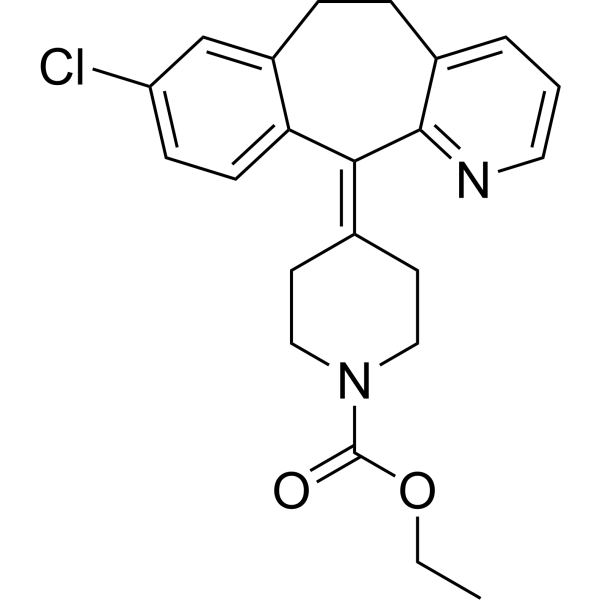
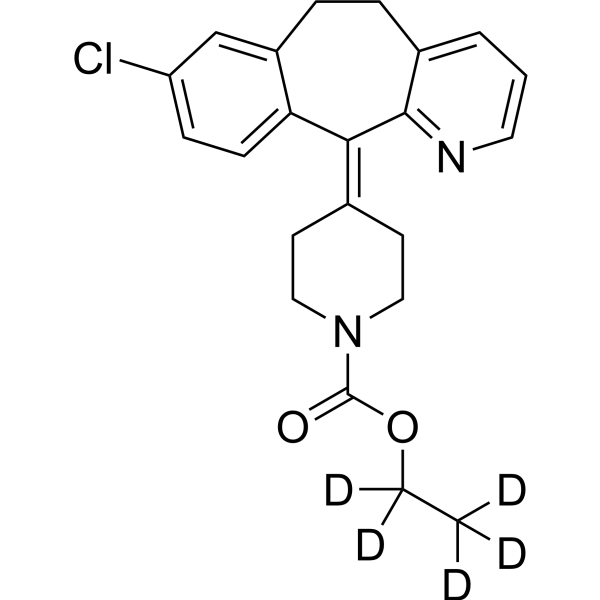
Loratadine-d5 is the deuterium labeled Loratadine. Loratadine (SCH-29851) is a selective inverse peripheral histamine H1-receptor agonist with an IC50 of >32 μM. Loratadine has anti-dengue-virus (DENV) activity. Loratadine can inhibit immunologic release of inflammatory mediators.
|
-
-
- HY-W062109S
-
|
|
|
Olopatadine-d6 is the deuterium labeled Olopatadine. Olopatadine hydrochloride (ALO4943A; KW4679) is an orally active histamine H1 receptor antagonist and mast cell stabilizer. Olopatadine hydrochloride exerts antiallergic effects by blocking histamine H1 receptor-mediated activities. Olopatadine hydrochloride inhibits exocytosis, chemokine release, F-actin polymerization, CXCL10-induced calcium influx, and T cell chemotactic activity. Olopatadine hydrochloride also reduces the expression levels of CXCR3 on the surface of CD4 + and CD8 + T cells. Olopatadine hydrochloride inhibits scratching behavior, improves dermatitis scores, and suppresses intraepidermal neurite outgrowth. Olopatadine hydrochloride simultaneously decreases the levels of inflammatory markers, growth factors, histamine, and specific IgE, while increasing the expression of ErbB3A/HER3A. Olopatadine hydrochloride can be used in research related to seasonal pollinosis, chronic rhinitis, urticaria, allergic conjunctivitis, alopecia areata, and atopic dermatitis .
|
-
-
- HY-B0640S
-
|
|
|
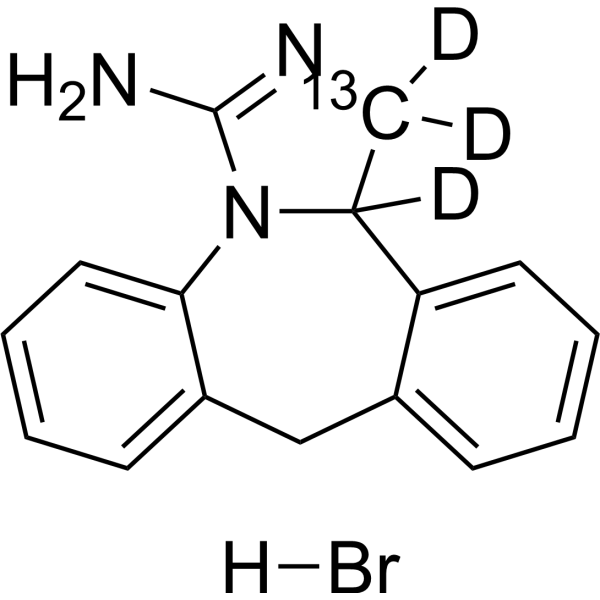
Epinastine- 13C,d3 (hydrobromide) is the 13C- and deuterium labeled Epinastine. Epinastine (WAL801) is an antihistamine and mast cell stabilizer. Epinastine is a potent, selective and orally-active histamine H1 receptor antagonist. Epinastine also inhibits IL-8 release and has an antiallergic action .
|
-
-
- HY-B0426AS
-
|
|
|
Olopatadine-d3 hydrochloride (ALO4943A-d3) is the deuterium labeled Olopatadine hydrochloride. Olopatadine hydrochloride (ALO4943A; KW4679) is an orally active histamine H1 receptor antagonist and mast cell stabilizer. Olopatadine hydrochloride exerts antiallergic effects by blocking histamine H1 receptor-mediated activities. Olopatadine hydrochloride inhibits exocytosis, chemokine release, F-actin polymerization, CXCL10-induced calcium influx, and T cell chemotactic activity. Olopatadine hydrochloride also reduces the expression levels of CXCR3 on the surface of CD4 + and CD8 + T cells. Olopatadine hydrochloride inhibits scratching behavior, improves dermatitis scores, and suppresses intraepidermal neurite outgrowth. Olopatadine hydrochloride simultaneously decreases the levels of inflammatory markers, growth factors, histamine, and specific IgE, while increasing the expression of ErbB3A/HER3A. Olopatadine hydrochloride can be used in research related to seasonal pollinosis, chronic rhinitis, urticaria, allergic conjunctivitis, alopecia areata, and atopic dermatitis .
|
-
-
- HY-17043S
-
|
|
|
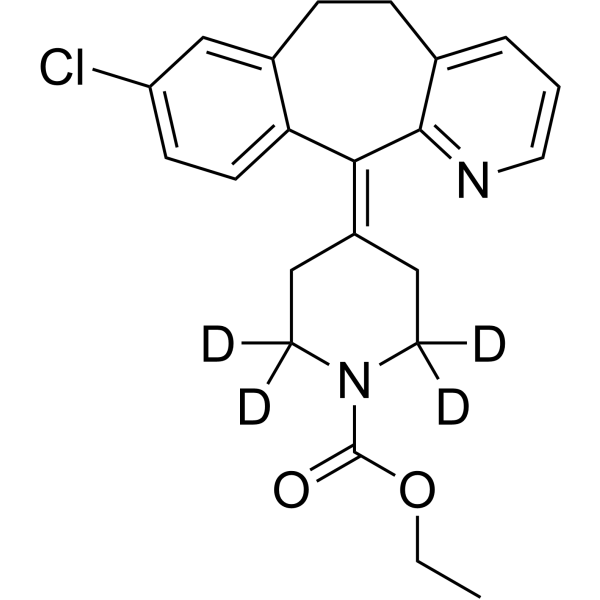
Loratadine-d4 is the deuterium labeled Loratadine. Loratadine (SCH-29851) is a selective inverse peripheral histamine H1-receptor agonist with an IC50 of >32 μM. Loratadine has anti-dengue-virus (DENV) activity. Loratadine can inhibit immunologic release of inflammatory mediators.
|
-
-
- HY-23188
-
|
|
|
Loratadine-d5-1 is a deuterated labeled Loratadine (HY-17043). Loratadine (SCH-29851) is a selective inverse peripheral histamine H1-receptor agonist with an IC50 of >32 μM. Loratadine has anti-dengue-virus (DENV) activity. Loratadine can inhibit immunologic release of inflammatory mediators.
|
-
-
- HY-17043S2
-
|
|
|
Loratadine-d4-1 (Loratidine-d4-1) is deuterium labeled Loratadine. Loratadine (SCH-29851) is a selective inverse peripheral histamine H1-receptor agonist with an IC50 of >32 μM. Loratadine has anti-dengue-virus (DENV) activity. Loratadine can inhibit immunologic release of inflammatory mediators .
|
-
-
- HY-17043S3
-
|
|
|
Loratadine- 13C6 (SCH 29851- 13C6) is 13C labeled Loratadine. Loratadine (SCH-29851) is a selective inverse peripheral histamine H1-receptor agonist with an IC50 of >32 μM. Loratadine has anti-dengue-virus (DENV) activity. Loratadine can inhibit immunologic release of inflammatory mediators.
|
-
-
- HY-B1619S
-
|
|
|
Cromolyn-d5 (Cromoglycate-d5) is the deuterium labeled Cromolyn (HY-B1619). Cromolyn (Cromoglycate) is an orally active GSK-3β inhibitor with an IC50 of 2.0 μM. Cromolyn is also a mast cell stabilizer that can inhibit the release of mediators from mast cells, regulate reflex bronchoconstriction, and reduce non-specific bronchial hyperreactivity, and Cromolyn can be used in the research of bronchial asthma. In addition, Cromolyn has multiple activities such as anti-inflammatory, anti-allergic, anti-histamine, anti-cancer, and neuroprotective effects .
|
-
-
- HY-B0426AS2
-
|
|
|
Olopatadine-d6 (ALO4943A-d6; KW4679-d6) hydrochloride is deuterium-labeled Olopatadine (hydrochloride) (HY-B0426A). Olopatadine hydrochloride (ALO4943A; KW4679) is an orally active histamine H1 receptor antagonist and mast cell stabilizer. Olopatadine hydrochloride exerts antiallergic effects by blocking histamine H1 receptor-mediated activities. Olopatadine hydrochloride inhibits exocytosis, chemokine release, F-actin polymerization, CXCL10-induced calcium influx, and T cell chemotactic activity. Olopatadine hydrochloride also reduces the expression levels of CXCR3 on the surface of CD4 + and CD8 + T cells. Olopatadine hydrochloride inhibits scratching behavior, improves dermatitis scores, and suppresses intraepidermal neurite outgrowth. Olopatadine hydrochloride simultaneously decreases the levels of inflammatory markers, growth factors, histamine, and specific IgE, while increasing the expression of ErbB3A/HER3A. Olopatadine hydrochloride can be used in research related to seasonal pollinosis, chronic rhinitis, urticaria, allergic conjunctivitis, alopecia areata, and atopic dermatitis .
|
-
-
- HY-W778179
-
|
|
|
Benoxaprofen- 13C, d3 is the 13C-labeled Benoxaprofen (HY-13568). Benoxaprofen (LRCL 3794) is a nonsteroidal anti-inflammatory agent that blocks the biosynthesis of inflammatory mediators such as leukotrienes and prostaglandins by inhibiting 5-LOX, PGH2 synthase and cytochrome P-450. Benoxaprofen exhibits significant toxicity: it not only alters cellular redox status, uncouples oxidative phosphorylation and disrupts calcium ion homeostasis, but also causes liver injury through the formation of covalent adducts between its active metabolites and hepatic proteins. Benoxaprofen shows strong phototoxicity under ultraviolet irradiation, and induces erythrocyte lysis, mast cell degranulation and histamine release. Benoxaprofen is widely used in studies of urticaria and related phototoxic mechanisms .
|
-
-
- HY-166562S
-
|
|
|
Levomepromazine-d6 hydrochloride (Methotrimeprazine-d6 hydrochloride) is the deuterium labeled Levomepromazine hydrochloride. Levomepromazine (Methotrimeprazine) hydrochloride is an orally active antipsychotic compound and Ca 2+ release inducer. Levomepromazine inhibits SERCA pump and induces an increase in cytoplasmic Ca 2+ levels. Levomepromazine hydrochloride has antagonistic effects on a variety of neurotransmitter receptors, including dopamine, cholinergic, serotonin, and histamine receptors. Levomepromazine hydrochloride can induce adaptive ER stress and autophagy. In addition, Levomepromazine hydrochloride has antiviral, anti-inflammatory, neuroprotective and analgesic, sedative and anti-injurious activities. Levomepromazine hydrochloride can be used in the study psychiatric disorders and relieving nausea and vomiting .
|
-
Your information is safe with us. * Required Fields.
Inquiry Information
- Product Name:
- Cat. No.:
- Quantity:
- MCE Japan Authorized Agent:








