Search Result
Results for "
human lung adenocarcinoma cells
" in MedChemExpress (MCE) Product Catalog:
2
Biochemical Assay Reagents
| Cat. No. |
Product Name |
Target |
Research Areas |
Chemical Structure |
-
- HY-146244
-
|
ODN 2006; PF-3512676; CpG 7909; ODN 7909
|
Toll-like Receptor (TLR)
Bacterial
NO Synthase
Apoptosis
|
Infection
Cancer
|
|
Agatolimod ((ODN 2006; PF-3512676; CpG 7909)) is a TLR9 agonist and immunomodulator with an EC50 of 180 nM against human TLR9. Agatolimod activates and upregulates the expression of both TLR9 and TLR6, and mediates downstream signaling pathways via IRAK4, IRF5, IRF7. Agatolimod induces Th1-type innate and adaptive immune responses, activates various immune cells and promotes antigen presentation, regulates antibody levels and immune cell infiltration, upregulates the secretion of multiple cytokines, induces apoptosis and cell cycle arrest, enhances cytotoxicity, and clears intracellular Salmonella. Agatolimod is applicable to research on COVID-19, breast cancer, lung adenocarcinoma, HPV-related tumors, melanoma, and salmonellosis .
|
-

-
- HY-124745
-
|
|
MAP4K
Wnt
Apoptosis
|
Cancer
|
|
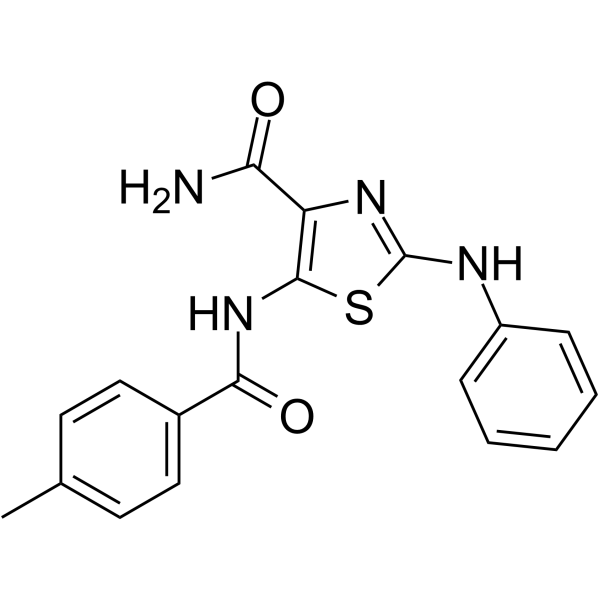
KY-05009 is an ATP-competitive Traf2- and Nck-interacting kinase (TNIK) inhibitor with a Ki of 100 nM. KY-05009 pharmacologically inhibits TGF-β1-induced epithelial-to-mesenchymal transition (EMT) in human lung adenocarcinoma cells. KY-05009 inhibits the protein expression of TNIK and transcriptional activity of Wnt target genes and induces apoptosis in cancer cells. KY-05009 exerts anti-cancer activity .
|
-
-
- HY-W075517
-
|
2-Methylimidazole zinc salt
|
Caspase
Pyroptosis
MOFs
|
Cancer
|
|
ZIF-8 (2-Methylimidazole zinc salt) is a caspase-1/Gasdermin D activator and a pH- and stimulus-responsive inducer of drug release, which serves as a highly efficient drug delivery carrier. ZIF-8 is a metal-organic framework (MOF). ZIF-8 activates the caspase-1/Gasdermin D-dependent pyroptosis pathway, induces pyroptosis, necrosis and immunogenic cell death, initiates in situ anti-tumor immunity, reprograms the immunosuppressive tumor microenvironment and inhibits tumor proliferation. ZIF-8 is applicable to related research on multiple cancers including colorectal cancer and breast cancer .
|
-

-
- HY-Y0030
-
|
3-hydroxypyridine-2-carboxylic acid
|
Biochemical Assay Reagents
|
Infection
Cancer
|
|
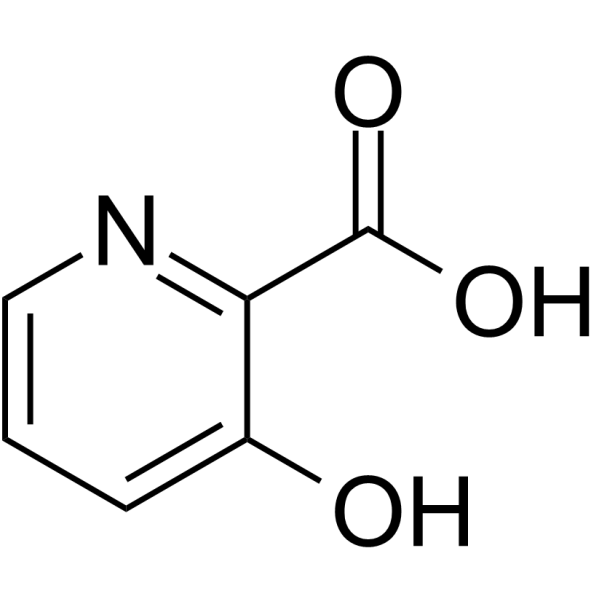
3-Hydroxypicolinic acid is a heterocyclic carboxylic acid ligand and cytotoxin, with a MIC90 of >25 μg/mL against Mycobacterium tuberculosis H37Rv. 3-Hydroxypicolinic acid inhibits the growth of cancer cells and normal fibroblasts. 3-Hydroxypicolinic acid is applicable to research related to chronic myeloid leukemia, human lung adenocarcinoma, and tuberculosis .
|
-
-
- HY-P5098
-
|
|
Integrin
|
Neurological Disease
Cancer
|
|
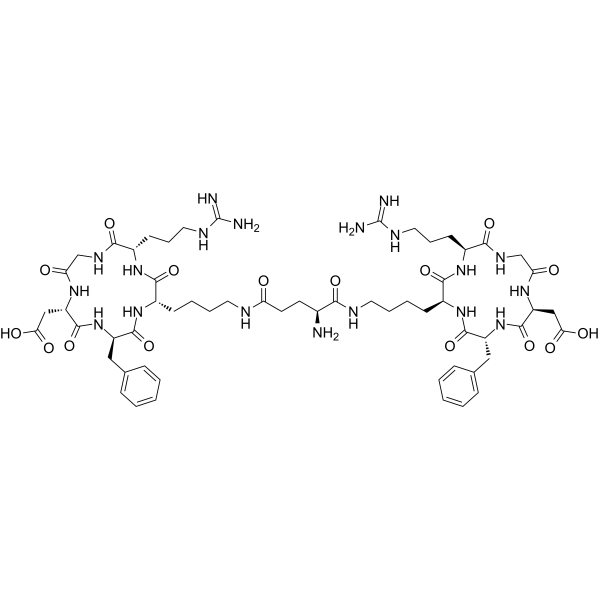
E (c (RGDfK)) 2 is a αvβ3 integrin ligand and tumor-targeting agent. E (c (RGDfK)) 2 binds to αvβ3 integrin, mediates receptor-mediated endocytosis of conjugated payloads, and inhibits integrin-dependent cell adhesion to fibrinogen. E (c (RGDfK)) 2 inhibits the proliferation of cancer cells and endothelial cells. E (c (RGDfK)) 2 preferentially accumulates in orthotopic mouse breast tumors and human ovarian cancer xenograft tumors. E (c (RGDfK)) 2 can be used in research related to glioblastoma, lung cancer, breast adenocarcinoma and ovarian cancer .
|
-
-
- HY-W020955
-
|
Chloro(triphenylphosphine)gold(I)
|
Biochemical Assay Reagents
Apoptosis
DNA Alkylator/Crosslinker
Lipoxygenase
|
Cancer
|
|
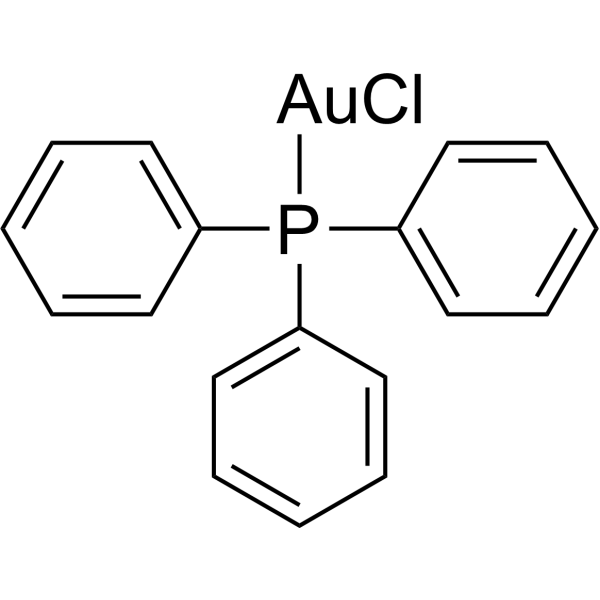
Triphenylphosphinechlorogold (Chloro(triphenylphosphine)gold(I)) is a gold complex, Apoptosis inducer, and catalyst. Triphenylphosphinechlorogold exhibits high LOX inhibitory activity. Triphenylphosphinechlorogold induces cell cycle arrest and apoptosis. Triphenylphosphinechlorogold catalyzes the peroxidation of linoleic acid. A weak interaction exists between Triphenylphosphinechlorogold and DNA. Triphenylphosphinechlorogold displays antiproliferative activity against breast cancer cells .
|
-
-
- HY-148819A
-
|
|
ADC Payload
Topoisomerase
|
Cancer
|
|
NH2-bicyclopentane-7-MAD-MDCPT hydrochloride (Formula I) is a topoisomerase I (TOP1) inhibitor. NH2-bicyclopentane-7-MAD-MDCPT hydrochloride is applicable to the synthesis of the ADC ABBV-969. NH2-bicyclopentane-7-MAD-MDCPT hydrochloride is used in research on lung adenocarcinoma and melanoma .
|
-
![NH2-bicyclo[1.1.1]pentane-7-MAD-MDCPT hydrochloride](//file.medchemexpress.com/product_pic/hy-148819a.gif)
-
- HY-142997
-
|
|
Liposome
|
Cancer
|
|
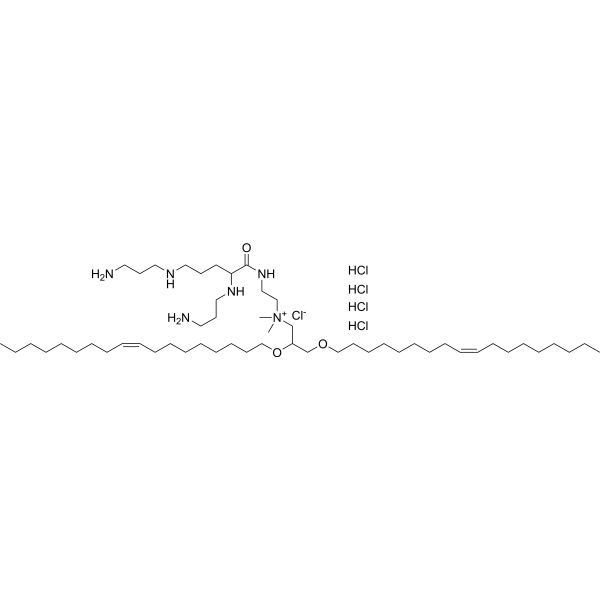
DOSPA is a cationic lipid. DOSPA can form lipid nanoparticles with DOPE (HY-112005) to serve as a carrier for nucleic acid transfection. DOSPA is applicable in research related to drug delivery .
|
-
-
- HY-N3225
-
|
|
NAMPT
Sirtuin
Microtubule/Tubulin
Apoptosis
Autophagy
PDGFR
NF-κB
AMPK
|
Cardiovascular Disease
Neurological Disease
Metabolic Disease
Inflammation/Immunology
Cancer
|
|
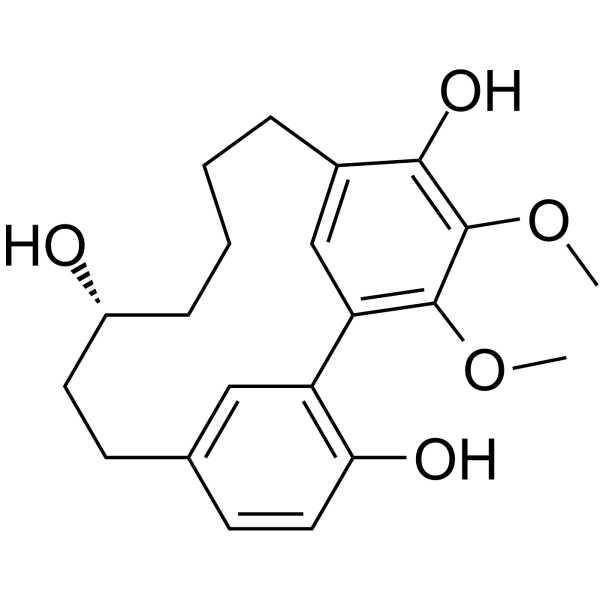
Myricanol is a diarylheptanoid and a Nampt activator. Myricanol exerts anti-inflammatory effects and alleviates glucocorticoid-induced muscle atrophy by increasing Sirtuin 1 (SIRT1) and PRDX5 activities while regulating inflammatory factors. Myricanol exhibits growth inhibition and induces apoptosis in human lung adenocarcinoma A549 cells. Myricanol promotes autophagy-mediated clearance of microtubule-associated protein tau to exert neuroprotective effects. Myricanol protects cardiovascular function by inhibiting PDGFRβ and NF-κB signaling pathways. Myricanol activates mitochondrial transcription factor A (TFAM) expression to exert anti-renal fibrosis effects. Myricanol improves insulin resistance through AMPK activation .
|
-
-
- HY-N1745A
-
|
|
Reactive Oxygen Species (ROS)
Apoptosis
|
Infection
Inflammation/Immunology
Cancer
|
|
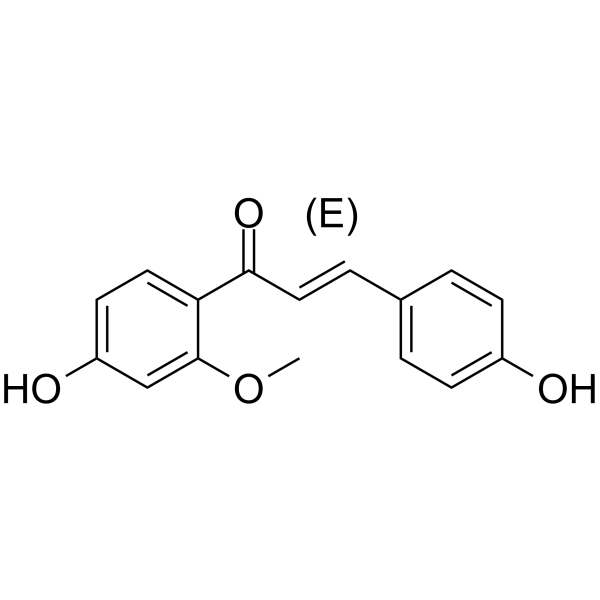
3-Deoxysappanchalcone is a natural chalcone compound isolated from the heartwood of Caesalpinia sappan L. 3-Deoxysappanchalcone induces cell cycle arrest, ROS production, and apoptosis. 3-Deoxysappanchalcone exhibits anti-inflammatory, anti-allergic, anticoagulant, and antithrombotic activities. 3-Deoxysappanchalcone is applicable to research related to lung cancer, esophageal squamous cell carcinoma, thrombosis, and influenza virus infection .
|
-
-
- HY-16261A
-
|
(E/Z)-Aldoxorubicin; Doxorubicin(6-maleimidocaproyl)hydrazone
|
ADC Payload
Topoisomerase
|
Cancer
|
|
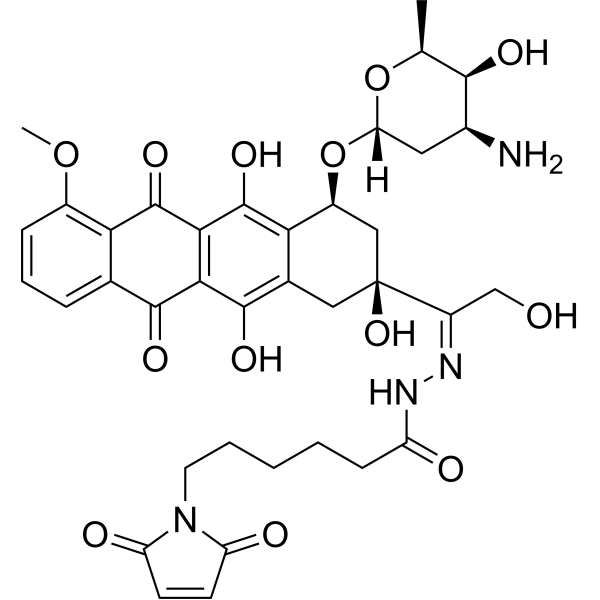
MC-DOXHZN ((E/Z)-Aldoxorubicin; Doxorubicin(6-maleimidocaproyl)hydrazone) is an albumin-binding proagent of Doxorubicin (HY-15142A) (DNA topoisomerase II inhibitor), with acid-sensitive properties. MC-DOXHZN can be used to synthesize ADC .
|
-
-
- HY-165245
-
|
|
Transmembrane Glycoprotein
|
Cancer
|
|
SBI-183 is an orally active inhibitor of QSOX1 (Kd: 20 μM). SBI-183 suppresses the proliferative and invasive phenotype of renal cancer cell lines, including triple negative breast cancer cell line, lung adenocarcinoma cell line and pancreatic ductal adenocarcinoma. SBI-183 inhibits tumor growth in two human xenograft mouse models of renal cell carcinoma in vivo .
|
-

-
- HY-147027
-
|
|
PARP
Caspase
Apoptosis
|
Neurological Disease
Inflammation/Immunology
Cancer
|
|
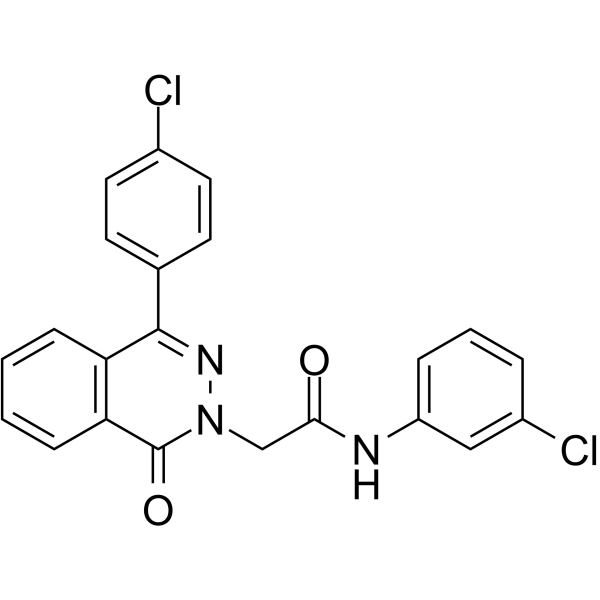
PARP-1-IN-2 (compound 11g) is a potent PARP1 inhibitor, with an IC50 of 149 nM, and ADME prediction indicates it has high blood-brain barrier permeability. PARP1-IN-2 shows significantly potent anti-proliferative activity against Human lung adenocarcinoma epithelial cell line A549. PARP1-IN-2 can induce A549 cells apoptosis .
|
-
-
- HY-P991739
-
|
|
VEGFR
PD-1/PD-L1
|
Cancer
|
|
RC148 is a humanized IgG1 bispecific antibody targeting VEGF and PD-1. RC148 blocks PD-1-PD-L1 and VEGF-VEGFR interactions, triggers VEGF-dependent enhanced PD-1 binding, enables VEGF crosslinking, and inhibits PD-1-mediated immunosuppression. RC148 can be used for the research of metastatic gastric/gastroesophageal junction adenocarcinoma, non-small cell lung cancer, and metastatic breast cancer .
|
-

-
- HY-N8420
-
|
|
Fungal
|
Infection
Cancer
|
|
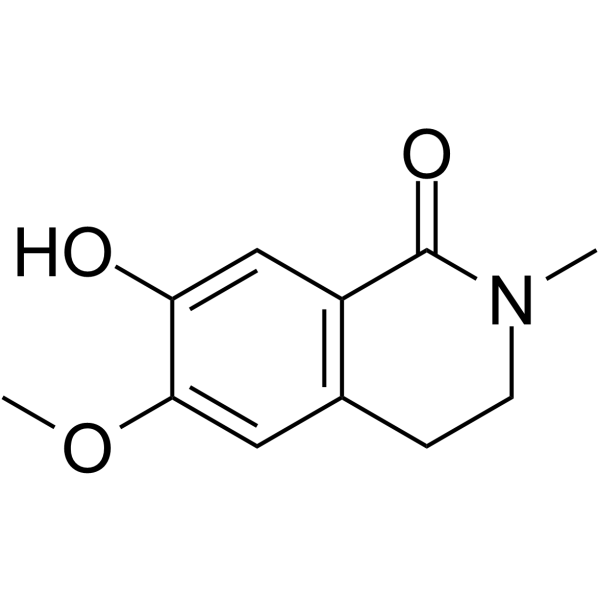
Thalifoline is an isoquinoline alkaloid. Thalifoline exerts cytotoxic effects on cancer cells. Thalifoline inhibits the growth of Fusarium oxysporum f. sp. lycopersici. Thalifoline can be used in research related to lung adenocarcinoma, colon cancer, oral epidermoid carcinoma, and fungal infections .
|
-
-
- HY-16676
-
|
4-epi-Docetaxel; 7-Epidocetaxel; 7-Epitaxotere
|
Drug Metabolite
Cytochrome P450
|
Cancer
|
|
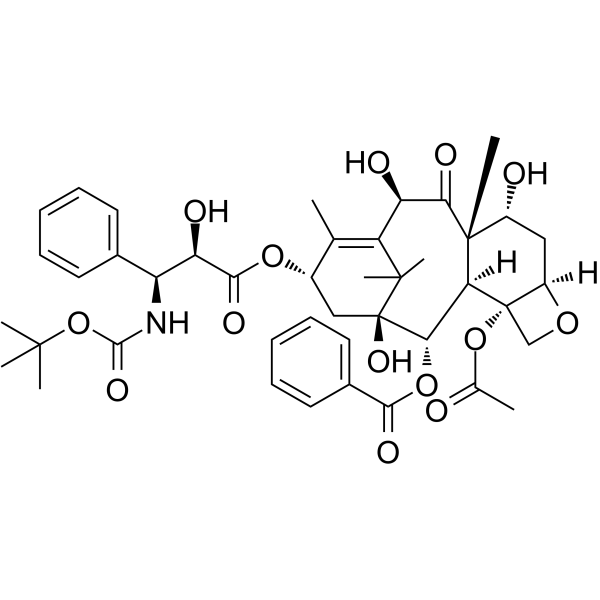
7-Epi-docetaxel (4-epi-Docetaxel; 7-Epidocetaxel; 7-Epitaxotere) is the major C7 epimeric impurity/in vivo metabolite of Docetaxel (HY-B0011). 7-Epi-docetaxel acts as a potent allosteric activator of rhCYP1B1. 7-Epi-docetaxel exhibits certain cell line-specific anti-migratory activity . 7-Epi-docetaxel can be used in research related to melanoma and lung adenocarcinoma .
|
-
-
- HY-W854385A
-
|
SLeA sodium
|
Biochemical Assay Reagents
|
Cancer
|
|
Sialyl Lewis A (SLeA) sodium is a tumor-associated carbohydrate antigen, also known as carbohydrate antigen 19-9 (CA19-9), that binds to E-selectin (ELAM-1) and selectins to mediate cell-endothelium adhesion. Sialyl Lewis A sodium promotes cancer cell-vascular endothelium adhesion, and its surface presence correlates with increased tumorigenicity and invasiveness in cancer cells. Sialyl Lewis A sodium shows elevated expression in human adenocarcinomas of the colon, pancreas, and stomach, with expression levels linked to tumor progression and poor prognosis in colorectal and gastric carcinomas. Sialyl Lewis A sodium can be used for the research of cancers, such as colon, pancreas, stomach, and squamous lung cancer .
|
-

-
- HY-W854385
-
|
SLeA
|
Biochemical Assay Reagents
E-Selectin
|
Cancer
|
|
Sialyl Lewis A (SLeA) is a tumor-associated carbohydrate antigen, also known as carbohydrate antigen 19-9 (CA19-9), that binds to E-selectin (ELAM-1) and selectins to mediate cell-endothelium adhesion. Sialyl Lewis A promotes cancer cell-vascular endothelium adhesion, and its surface presence correlates with increased tumorigenicity and invasiveness in cancer cells. Sialyl Lewis A shows elevated expression in human adenocarcinomas of the colon, pancreas, and stomach, with expression levels linked to tumor progression and poor prognosis in colorectal and gastric carcinomas. Sialyl Lewis A can be used for the research of cancers, such as colon, pancreas, stomach, and squamous lung cancer .
|
-

-
- HY-Y0030R
-
|
3-hydroxypyridine-2-carboxylic acid (Standard)
|
Reference Standards
Biochemical Assay Reagents
Drug Intermediate
|
Infection
|
|
3-Hydroxypicolinic acid (Standard) is an analytical standard for 3-Hydroxypicolinic acid. This product is for research and analytical applications. 3-Hydroxypicolinic acid is a heterocyclic carboxylic acid ligand and cytotoxin, with a MIC90 of >25 μg/mL against Mycobacterium tuberculosis H37Rv. 3-Hydroxypicolinic acid inhibits the growth of cancer cells and normal fibroblasts. 3-Hydroxypicolinic acid is applicable to research related to chronic myeloid leukemia, human lung adenocarcinoma, and tuberculosis .
|
-

-
- HY-N14303
-
|
|
Antibiotic
Bacterial
|
Infection
Cancer
|
|
16-Methyloxazolomycin is an antibiotic. 16-Methyloxazolomycin has the effect of resisting bacteria and algae. 16-Methyloxazolomycin against leukemia P388 and human lung adenocarcinoma cells .
|
-

-
- HY-N10363
-
|
|
Others
|
Cancer
|
|
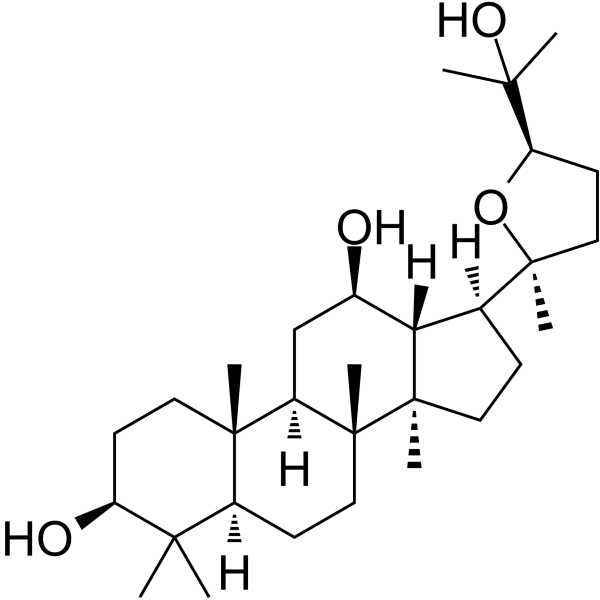
Pixinol, a natural glycoside, shows cytotoxicity against the human lung carcinoma GLC4 and adenocarcinoma COLO 320 cell lines (IC50=71 µM and 43 µM, respectively) .
|
-
-
- HY-111320
-
|
|
Bacterial
Antibiotic
|
Cancer
|
|
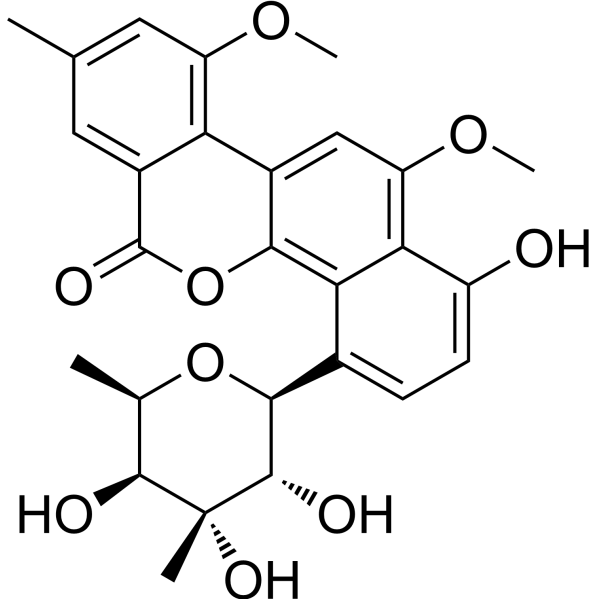
Chrysomycin B is an antibiotic isolated from a strain of Streptomyces. Chrysomycin B causes DNA damage in the human lung adenocarcinoma A549 cell line and inhibits topoisomerase II. Chrysomycin B suppresses the growth of transplantable tumors in mice.
|
-
-
- HY-144361
-
|
|
Apoptosis
|
Cancer
|
|
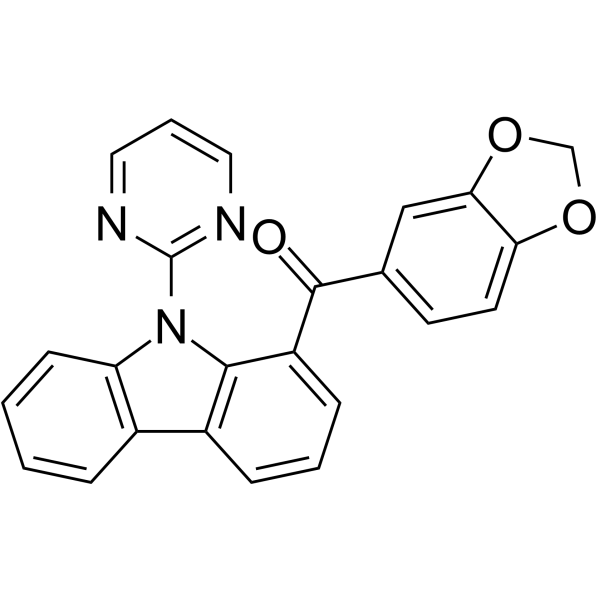
Antitumor agent-44 (Compound 5n) disrupts the mitochondrial homeostasis, induces cell cycle arrest and apoptosis in human adenocarcinoma cells. Antitumor agent-44 (Compound 5n) possesses good anti-tumor activity in a lung-cancer-cell xenograft mice model .
|
-
-
- HY-172881
-
|
|
Pyruvate Kinase
|
Cancer
|
|
PKM2-IN-10 (Compound 16) is a PKM2 inhibitor. PKM2-IN-10 inhibits the proliferation of A549 and HCC1833 cell lines with IC50 of 3.36 μM and 9.20 μM, respectively. PKM2-IN-10 exhibits antitumor activity in human non-small cell lung cancer (NSCLC) and mouse lung adenocarcinoma models. PKM2-IN-10 can be used in lung cancer research .
|
-

-
- HY-147030
-
|
|
PARP
|
Cancer
|
|
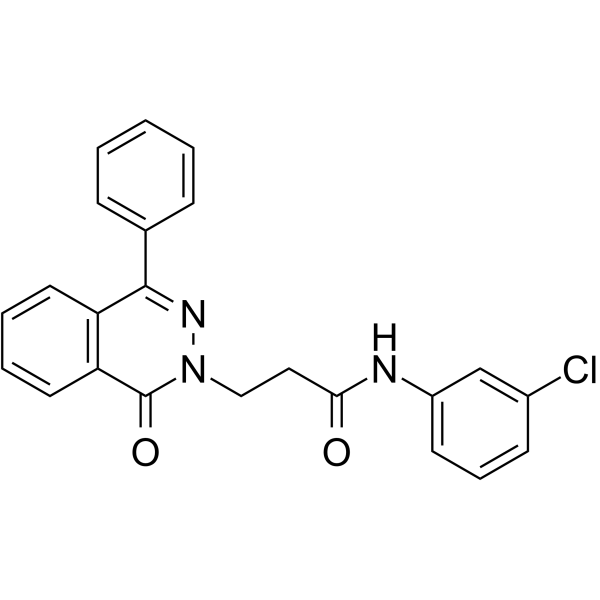
PARP1-IN-8 (compound 11c) is a potent and BBB-penetrated PARP1 inhibitor, with an IC50 of 97 nM. PARP1-IN-8 shows significantly potent anti-proliferative activity against Human lung adenocarcinoma epithelial cell line A549 .
|
-
-
- HY-151295
-
|
|
DNA/RNA Synthesis
|
Cancer
|
|
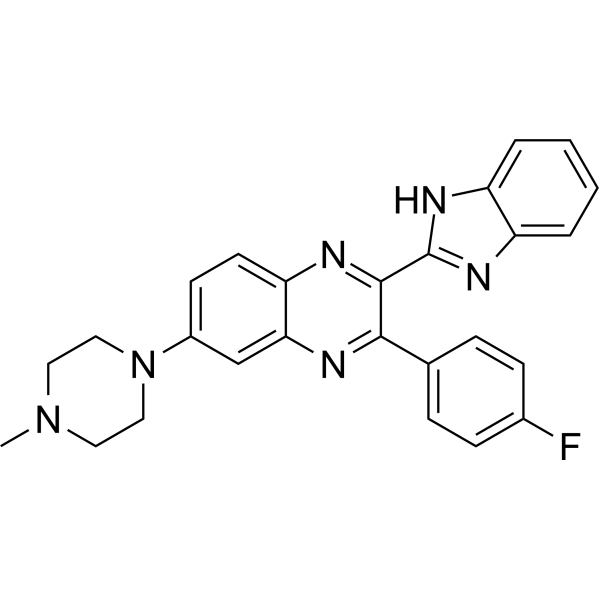
Antitumor agent-75 is a novel potent antitumor agent. Antitumor agent-75 has cytotoxic effects on cancer and normal human cell lines. Antitumor agent-75 shows a highly selective cytotoxic effect against human lung adenocarcinoma (cell line A549) when combined with Antitumor agent-74 (HY-151292), the IC50 value of 2.8 μM. Antitumor agent-75 can be used for the research of cancer .
|
-
-
- HY-N17957
-
|
|
Others
|
Cancer
|
|
Homoisopogon B is a homoisoflavane found in the tubers of Ophiopogon japonicus. Homoisopogon B shows cytotoxic activity against cancer cells. Homoisopogon B can be used for the research of cancer, such as human lung adenocarcinoma and human melanoma .
|
-

-
- HY-179501
-
|
|
PDK-1
Reactive Oxygen Species (ROS)
Apoptosis
Oxidative Phosphorylation
|
Cancer
|
|
PDK1-IN-5 is a selective PDK1 inhibitor. PDK1-IN-5 activaties PDH by diminishing phosphorylation level via PDK1 inhibition. PDK1-IN-5 effectively reverses the Warburg effect and shifts cellular energy metabolism from glycolysis toward oxidative phosphorylation by increased acetyl-CoA, reduced lactate, elevated mitochondrial ROS, and subsequent induction of apoptosis. PDK1-IN-5 robustly inhibits tumor growth in vivo without inducing systemic toxicity. PDK1-IN-5 can be used for lung adenocarcinoma, human non-small cell lung adenocarcinoma and gastric colorectal .
|
-

-
- HY-P992347
-
|
|
CD276/B7-H3
|
Cancer
|
|
DS-5573a is a human monoclonal antibody targeting B7-H3, with a Kd of 1.8 nM for the 4Ig isoform and 11 nM for the 2Ig isoform. DS-5573a induces antibody-dependent cellular cytotoxicity and antibody-dependent cellular phagocytosis against B7-H3-expressing cancer cells. DS-5573a exerts dose-dependent anti-tumor activity via effector cells. DS-5573a can be used in the research of cancers including breast adenocarcinoma, non-small cell lung cancer, renal cell adenocarcinoma, gastric cancer and prostate cancer .
|
-

-
- HY-181657
-
|
|
EGFR
TNF Receptor
Interleukin Related
Apoptosis
|
Cancer
|
|
EGFR-IN-200 is an inhibitor targeting EGFR, TNF-α, and the IL-6/GP130 complex, which potently targets human EGFR (IC50=0.03 μM), TNF-α (IC50=3.1 μM), and the IL-6/GP130 complex (IC50=1.6 μM). EGFR-IN-200 binds to the ATP pocket of EGFR, the trimer interface of TNF-α, and the cytokine-receptor interface of IL-6/GP130, induces G2/M cell cycle arrest, apoptosis, and antiproliferative activity. EGFR-IN-200 exhibits high gastrointestinal absorbability, low BBB permeability, and complies with the Lipinski's rule. EGFR-IN-200 can be used for the research of lung cancer and breast adenocarcinoma .
|
-

-
- HY-N16695
-
|
|
Others
|
Others
|
|
(2S,3S)-Pterosin S 14-O-glucoside is a sesquiterpene glycoside compound that can be isolated from the fern Pteris multifida. (2S,3S)-Pterosin S 14-O-glucoside showed no significant cytotoxicity against A549 (human lung adenocarcinoma), LOVO (colon adenocarcinoma), PANC-1 (human pancreatic cancer), and NCI-H446 (human small cell lung cancer) cell lines (IC50 > 100 μM) .
|
-

-
- HY-174271
-
|
|
Apoptosis
|
Cancer
|
|
Antioxidant agent-21 (Compound 9) is a phenolic heterocyclic compound with antioxidant and anticancer activities. Antioxidant agent-21 shows significant cytotoxicity toward human gastric adenocarcinoma (AGS) and lung cancer (A549) cells. Antioxidant agent-21 induces caspase-dependent apoptosis in cancer cells .
|
-

-
- HY-181166
-
|
|
EGFR
Apoptosis
|
Cancer
|
|
EGFR-IN-194 is a potent EGFR tyrosine kinase inhibitor with an IC50 of 54.3 nM against human EGFR. EGFR-IN-194 induces apoptosis, inhibits migration in cancer cells, selectively promotes invasion in cancer cells, and exhibits antiproliferative effects across multiple cancer cell lines. EGFR-IN-194 can be used for the research of prostate adenocarcinoma, non-small cell lung carcinoma, breast carcinoma, chronic myeloid leukemia .
|
-

-
- HY-181174
-
|
|
SOD
Glutathione Peroxidase
Caspase
Interleukin Related
Bcl-2 Family
Apoptosis
|
Cancer
|
|
Antioxidant agent-22 is a paraben derivative tetracyclic spermine cyclotriphosphazene compound. Antioxidant agent-22 exhibits antioxidant, anti-Inflammatory, and apoptotic activities. Antioxidant agent-22 significantly upregulates CAT, SOD, caspase-3 and IL-6 expression, suppresses GSH, IL-1β, and reduces BCL-2 and BAX levels. Antioxidant agent-22 can be used for the research of cancer, such as lung cancer .
|
-

-
- HY-N17431
-
|
|
Others
|
Cancer
|
|
Cynanoside K is a pregnane glycoside isolated from Cynanchum atratum. Cynanoside K shows no activity against HL-60, KATO-III, and A549 cells .
|
-

-
- HY-159803
-
|
6-O-(3-Ethoxypropionyl)-3',4'-O-exo-benzylidenechartreusin
|
Endogenous Metabolite
|
Cancer
|
|
IST-622 (6-O-(3-Ethoxypropionyl)-3',4'-O-exo-benzylidenechartreusin) is an anti-tumor agent with significant growth inhibitory activity. IST-622 exhibits significant anti-tumor effects against a variety of mouse tumors such as P388 and L1210 leukemias, B16 melanoma, Lewis lung carcinoma, Colon 26 and Colon 38 adenocarcinomas, and M5076 reticulum cell sarcoma. IST-622 was orally administered and the results showed efficacy in different tumor types. In addition, IST-622 provided significant inhibitory effects against two human tumor xenograft models: large cell lung carcinoma (Lu-116) and gastric adenocarcinoma (St-4). IST-622 also exhibited significant growth inhibitory activity against P388 leukemia in vitro, with a half inhibitory concentration (IC50) more than 20 times lower than CT .
|
-

-
- HY-182883
-
|
|
Ras
|
Cancer
|
|
KRASG12C IN-20 is an orally potent KRAS G12C inhibitor with an EC50 of 3.9 nM. KRASG12C IN-20 covalently modifies KRAS G12C in its inactive GDP-bound state and locks it to block oncogenic signal transduction. KRASG12C IN-20 exhibits significant activity in lung adenocarcinoma xenograft models. KRASG12C IN-20 can be used for research related to lung adenocarcinoma .
|
-

-
- HY-183582
-
|
|
Galectin
|
Cancer
|
|
GB1841 is an orally active and selective galectin inhibitor with human galectin-1 Kd of 0.027 μM, human galectin-3 Kd of 0.14 μM, mouse galectin-1 Kd of 0.034 μM and mouse galectin-3 Kd of 1.170 μM. GB1841 can be used for the research of lung cancer .
|
-

-
- HY-181943
-
|
|
Acyltransferase
|
Cancer
|
|
SPT-IN-2 is an orally active serine palmitoyltransferase (SPT) inhibitor (with an IC50 of 0.71 nM against human SPT2). SPT-IN-2 inhibits ceramide synthesis, suppresses cancer cell growth, and exhibits in vivo anti-tumor activity, favorable metabolic stability and cell membrane permeability in xenograft mouse models. SPT-IN-2 blocks the de novo sphingolipid synthesis pathway, significantly reducing intracellular ceramide levels and the levels of 3-ketodihydrosphingosine (3-KDS), the immediate downstream product of SPT. SPT-IN-2 can be used in research related to lung adenocarcinoma, acute promyelocytic leukemia and breast cancer .
|
-

-
- HY-111103
-
|
|
PAK
LIM Kinase (LIMK)
MMP
|
Cancer
|
|
CZh226 is a selective PAK4 inhibitor with an IC50 of 0.0111 μM and a Ki of 0.009 μM. CZh226 functionally inhibits PAK4 activity and reduces the phosphorylation level of downstream signaling molecules. CZh226 inhibits the migration and invasion of tumor cells. CZh226 is applicable to lung cancer-related research .
|
-

-
- HY-180404
-
|
|
DNA/RNA Synthesis
|
Cancer
|
|
SU0383 is a dual MTH1 and OGG1 inhibitor with IC50 values of 0.034 μM and 0.49 μM, respectively. SU0383 induces cytotoxicity in cancer cells and increases sensitivity of tumor cells to oxidative stress, and showing low toxicity in normal cells. SU0383 can be used for cancer research .
|
-

-
- HY-N16806
-
-

-
- HY-182917
-
|
|
|
Cancer
|
|
MMB-DTCs-1,3-diaminopropane-DTCs-MMB is a Cuproptosis/Ferroptosis/Apoptosis inducer, and serves as the active metabolite of DMAPT-DTCs-1,3-diaminopropane-DTCs-DMAPT dimethanesulfonate (HY-182918). MMB-DTCs-1,3-diaminopropane-DTCs-MMB induces mitochondrial dysfunction, promotes reactive oxygen species (ROS) production, disrupts redox homeostasis, and triggers apoptosis, ferroptosis and cuproptosis in lung cancer cells. MMB-DTCs-1,3-diaminopropane-DTCs-MMB can be used in the research of lung cancer .
|
-

-
- HY-183788
-
|
|
EGFR
Apoptosis
|
Cancer
|
|
EGFR-IN-212 is an EGFR inhibitor with human IC50 values of 1.83 μM. EGFR-IN-212 reduces EGFR mRNA expression and induces apoptosis. EGFR-IN-212 can be used for the research of non-small cell lung carcinoma .
|
-

-
- HY-P11845
-
|
|
Radionuclide-Drug Conjugates (RDCs)
Neurotensin Receptor
|
Cancer
|
|
DOTA-NT-20.3-IPBA is a Neurotensin receptor 1 (NTR1)-targeting albumin binder with specific high-affinity binding to NTR1. DOTA-NT-20.3-IPBA is formed by the conjugation of DOTA-NT-20.3 and IPBA. DOTA-NT-20.3-IPBA can be used for positron emission tomography (PET) imaging following labeling with [ 68Ga]Ga .
|
-

-
- HY-183783
-
|
|
PROTACs
RET
STAT
ERK
Apoptosis
|
Endocrinology
Cancer
|
|
PROTAC RET Degrader 2 is a RET degrader with a target IC50 of 0.36 nM. PROTAC RET Degrader 2 is mainly composed of RET-IN-34 (HY-183729) and Thalidomide (HY-14658). PROTAC RET Degrader 2 mediates RET degradation via the ubiquitin-proteasome system. PROTAC RET Degrader 2 induces apoptosis, inhibits colony-forming ability, and exhibits antiproliferative activity in cancer cells. PROTAC RET Degrader 2 suppresses tumor growth in xenograft models. PROTAC RET Degrader 2 can be used in research related to medullary thyroid carcinoma, papillary thyroid carcinoma, and RET fusion-positive lung adenocarcinoma .
|
-

-
- HY-186120A
-
|
|
Amino Acid Derivatives
|
Cancer
|
|
N-(Aminoiminomethyl)-N-methyl-L-alanine is an Amino acid analog. N-(Aminoiminomethyl)-N-methyl-L-alanine can be used in cancer-related research .
|
-

-
- HY-182266
-
|
|
Mitochondrial Metabolism
Apoptosis
Reactive Oxygen Species (ROS)
DNA/RNA Synthesis
|
Cancer
|
|
FBP is a mitochondria-targeted, selective anticancer agent. FBP induces oxidative stress and mitochondrial dysfunction, leading to Apoptosis. FBP generates ROS and causes double-strand DNA breaks in cancer cells. FBP exhibits cytotoxic efficacy against cancer cells, with cervical cancer cells being the most sensitive. FBP can be used for the research of cervical cancer, lung cancer, melanoma and breast cancer .
|
-

| Cat. No. |
Product Name |
Type |
-
- HY-W020955
-
|
Chloro(triphenylphosphine)gold(I)
|
Biochemical Assay Reagents
|
|
Triphenylphosphinechlorogold (Chloro(triphenylphosphine)gold(I)) is a gold complex, Apoptosis inducer, and catalyst. Triphenylphosphinechlorogold exhibits high LOX inhibitory activity. Triphenylphosphinechlorogold induces cell cycle arrest and apoptosis. Triphenylphosphinechlorogold catalyzes the peroxidation of linoleic acid. A weak interaction exists between Triphenylphosphinechlorogold and DNA. Triphenylphosphinechlorogold displays antiproliferative activity against breast cancer cells .
|
-
- HY-142997
-
|
|
Biochemical Assay Reagents
|
|
DOSPA is a cationic lipid. DOSPA can form lipid nanoparticles with DOPE (HY-112005) to serve as a carrier for nucleic acid transfection. DOSPA is applicable in research related to drug delivery .
|
| Cat. No. |
Product Name |
Target |
Research Area |
-
- HY-P5098
-
|
|
Integrin
|
Neurological Disease
Cancer
|
|
E (c (RGDfK)) 2 is a αvβ3 integrin ligand and tumor-targeting agent. E (c (RGDfK)) 2 binds to αvβ3 integrin, mediates receptor-mediated endocytosis of conjugated payloads, and inhibits integrin-dependent cell adhesion to fibrinogen. E (c (RGDfK)) 2 inhibits the proliferation of cancer cells and endothelial cells. E (c (RGDfK)) 2 preferentially accumulates in orthotopic mouse breast tumors and human ovarian cancer xenograft tumors. E (c (RGDfK)) 2 can be used in research related to glioblastoma, lung cancer, breast adenocarcinoma and ovarian cancer .
|
-
- HY-P11845
-
|
|
Radionuclide-Drug Conjugates (RDCs)
Neurotensin Receptor
|
Cancer
|
|
DOTA-NT-20.3-IPBA is a Neurotensin receptor 1 (NTR1)-targeting albumin binder with specific high-affinity binding to NTR1. DOTA-NT-20.3-IPBA is formed by the conjugation of DOTA-NT-20.3 and IPBA. DOTA-NT-20.3-IPBA can be used for positron emission tomography (PET) imaging following labeling with [ 68Ga]Ga .
|
| Cat. No. |
Product Name |
Target |
Research Area |
Image |
-
- HY-P991739
-
|
|
VEGFR
PD-1/PD-L1
|
Cancer
|
|
RC148 is a humanized IgG1 bispecific antibody targeting VEGF and PD-1. RC148 blocks PD-1-PD-L1 and VEGF-VEGFR interactions, triggers VEGF-dependent enhanced PD-1 binding, enables VEGF crosslinking, and inhibits PD-1-mediated immunosuppression. RC148 can be used for the research of metastatic gastric/gastroesophageal junction adenocarcinoma, non-small cell lung cancer, and metastatic breast cancer .
|
-

(5)
-
- HY-P992347
-
|
|
CD276/B7-H3
|
Cancer
|
|
DS-5573a is a human monoclonal antibody targeting B7-H3, with a Kd of 1.8 nM for the 4Ig isoform and 11 nM for the 2Ig isoform. DS-5573a induces antibody-dependent cellular cytotoxicity and antibody-dependent cellular phagocytosis against B7-H3-expressing cancer cells. DS-5573a exerts dose-dependent anti-tumor activity via effector cells. DS-5573a can be used in the research of cancers including breast adenocarcinoma, non-small cell lung cancer, renal cell adenocarcinoma, gastric cancer and prostate cancer .
|
-
(5)
| Cat. No. |
Product Name |
Category |
Target |
Chemical Structure |
| Cat. No. |
Product Name |
|
Classification |
-
- HY-146244
-
|
ODN 2006; PF-3512676; CpG 7909; ODN 7909
|
|
CpG ODNs
|
|
Agatolimod ((ODN 2006; PF-3512676; CpG 7909)) is a TLR9 agonist and immunomodulator with an EC50 of 180 nM against human TLR9. Agatolimod activates and upregulates the expression of both TLR9 and TLR6, and mediates downstream signaling pathways via IRAK4, IRF5, IRF7. Agatolimod induces Th1-type innate and adaptive immune responses, activates various immune cells and promotes antigen presentation, regulates antibody levels and immune cell infiltration, upregulates the secretion of multiple cytokines, induces apoptosis and cell cycle arrest, enhances cytotoxicity, and clears intracellular Salmonella. Agatolimod is applicable to research on COVID-19, breast cancer, lung adenocarcinoma, HPV-related tumors, melanoma, and salmonellosis .
|
-
- HY-142997
-
|
|
|
Cationic Lipids
|
|
DOSPA is a cationic lipid. DOSPA can form lipid nanoparticles with DOPE (HY-112005) to serve as a carrier for nucleic acid transfection. DOSPA is applicable in research related to drug delivery .
|
Your information is safe with us. * Required Fields.
Inquiry Information
- Product Name:
- Cat. No.:
- Quantity:
- MCE Japan Authorized Agent:





![NH2-bicyclo[1.1.1]pentane-7-MAD-MDCPT hydrochloride](http://file.medchemexpress.com/product_pic/hy-148819a.gif)





