

1. Search Result
Search Result
Results for "

insulin modulator

" in MedChemExpress (MCE) Product Catalog:

61

Inhibitors & Agonists

5

Peptides

13

Natural
Products

7

Isotope-Labeled Compounds

Cat. No. Product Name Target Research Areas Chemical Structure
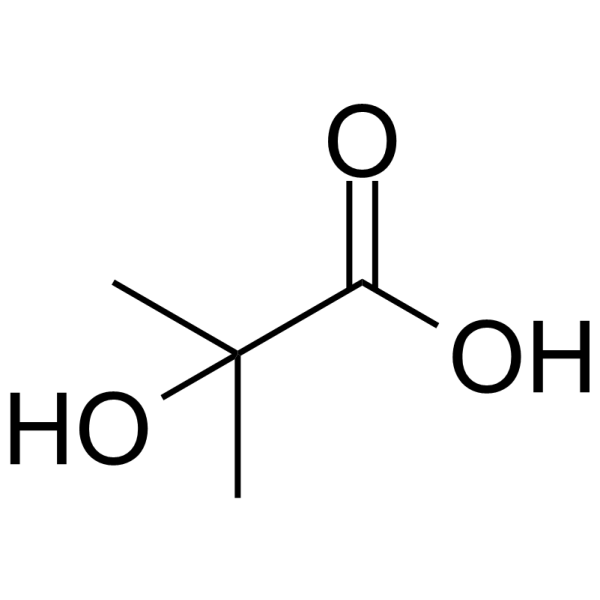
  • HY-W015924

    Endogenous Metabolite Metabolic Disease
    2-Hydroxyisobutyric acid (2-HIBA) is a selective modulator of the Insulin/IGF-1 pathway and the p38 MAPK pathway, which reduces reactive oxygen species (ROS) and fat accumulation in Caenorhabditis elegans. 2-Hydroxyisobutyric acid promotes β-oxidation and inhibits fatty acid synthesis by upregulating SKN-1/NRF2 and downregulating SREBP-1c transcription factors. 2-Hydroxyisobutyric acid has anti-aging and lipid-lowering effects, and can be used to study metabolic diseases such as obesity and diabetes. 2-Hydroxyisobutyric acid is also a renewable precursor of methacrylate through 2-HIB-CoA mutase-mediated biosynthesis[1][2].
    2-Hydroxyisobutyric acid
  • HY-P2048
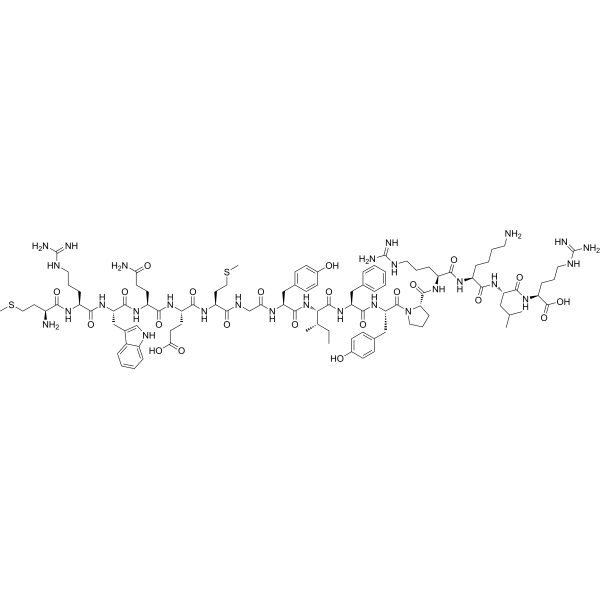
    MOTS-c (human)
    1 Publications Verification

    Apoptosis GLUT AMPK Neurological Disease Metabolic Disease Inflammation/Immunology Endocrinology
    MOTS-c (human) is a blood-brain barrier-penetrating, mitochondrial-derived peptide that modulates the AMPK/PGC-1α pathway to enhance insulin sensitivity. MOTS-c (human) inhibits the folate cycle and de novo purine synthesis, increases AICAR levels to activate AMPK, and then regulates the Nrf2/Keap1 antioxidant pathway and inhibits the NF-κB inflammatory pathway, while promoting mitochondrial biogenesis and energy metabolism. MOTS-c (human) has the effects of improving glucose and lipid metabolism, anti-oxidative stress, anti-inflammatory and neuroprotection, and can be used in the study of type 2 diabetes, traumatic brain injury, inflammatory diseases and aging-related metabolic disorders .
    MOTS-c (human)
  • HY-P4070

    Insulin Receptor Metabolic Disease
    Insulin icodec is an Insulin (HY-P0035) analog that strongly but reversibly binds to albumin. Insulin icodec has long plasma half-life. Insulin icodec modulates insulin receptor activity, controls blood glucose levels, reduces HbA1c levels, and binds reversibly to human serum albumin. Insulin icodec can be used for the research of type 2 diabetes mellitus .
    Insulin icodec
  • HY-143712
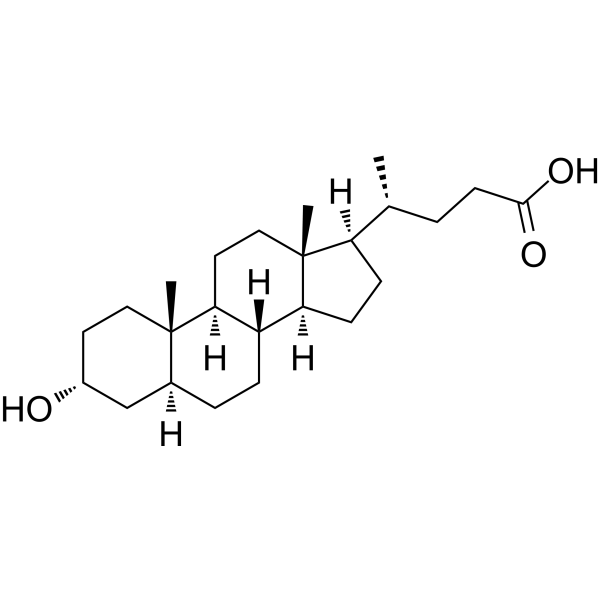
    Allolithocholic acid
    1 Publications Verification

    Drug Metabolite G protein-coupled Bile Acid Receptor 1 ROR Metabolic Disease Inflammation/Immunology Cancer
    Allolithocholic acid is an orally active metabolite of Lithocholic acid (HY-B0172). Allolithocholic acid is a dual GPBAR1 agonist (EC50 = 2.7 μM) and RORγt inverse agonist (IC50 = 3.4 μM). Allolithocholic acid modulates immune and metabolic pathways, regulates immune cell polarization, prevents M1 macrophage and Th17 CD4 cell polarization. Allolithocholic acid improves insulin sensitivity, reduces liver lipid accumulation, reverses liver immunological, inflammatory and metabolic signaling dysregulation, restores bile acid homeostasis, adipose tissue histopathology/function, and intestinal microbiota composition, modulates intestinal immunity. Allolithocholic acid can be used for the researches of cancer, inflammayion, immunology and metabolic disease .
    Allolithocholic acid
  • HY-100550
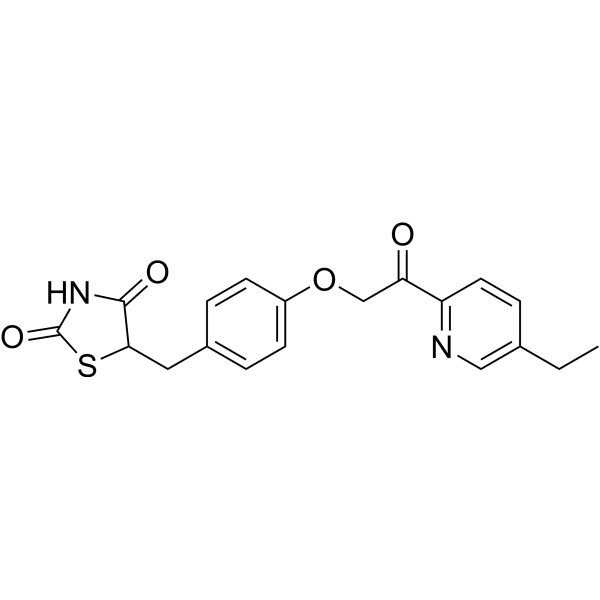
    MSDC 0160
    4 Publications Verification

    Mitoglitazone; CAY10415

    Insulin Receptor Mitochondrial Metabolism Neurological Disease Endocrinology
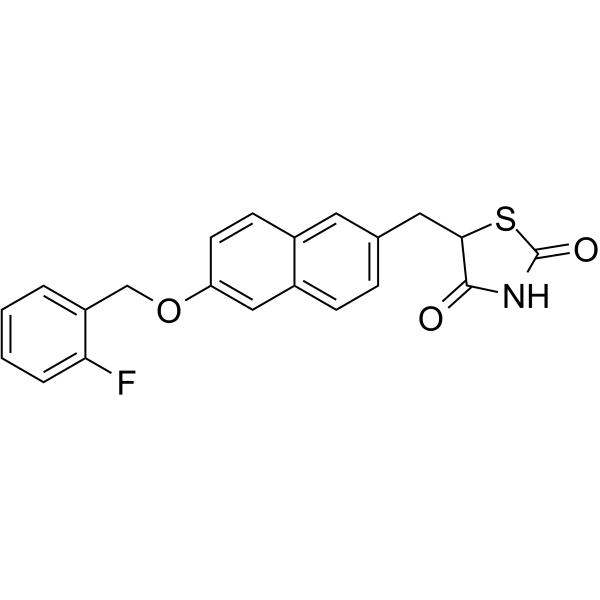
    MSDC 0160 (Mitoglitazone) is a mitochondrial target of thiazolidinediones (mTOT)-modulating insulin sensitizer and a modulator of mitochondrial pyruvate carrier (MPC). MSDC 0160 is a thiazolidinedione (TZD) with antidiabetic and neuroprotective activities. MSDC 0160 has the potential for Alzheimer′s disease .
    MSDC 0160
  • HY-15671

    Glucokinase Metabolic Disease
    GKA50 is a potent glucokinase activator (EC50=33 nM at 5 mM glucose). GKA50 stimulates insulin release from mouse islets of Langerhans. GKA50 is a glucose-like activator of beta-cell metabolism in rodent and human islets and a Ca 2+-dependent modulator of insulin secretion. GKA50 shows significant glucose lowering in high fat fed female rats .
    GKA50
  • HY-139142
    Simufilam
    1 Publications Verification

    PTI-125

    mTOR iGluR Amyloid-β Tau Protein Neurological Disease Metabolic Disease Inflammation/Immunology Cancer
    Simufilam (PTI-125) is an orally active FLNA modulator. Simufilam restores NMDAR signaling and Arc expression. Simufilam inhibits overactive mTOR signaling by restoring the normal conformation of FLNA, improves insulin sensitivity, reduces Aβ42-induced neuroinflammation and tau protein hyperphosphorylation. Simufilam can be used for research of Alzheimer's disease .
    Simufilam
  • HY-N3686

    AMPK PGC-1α Metabolic Disease
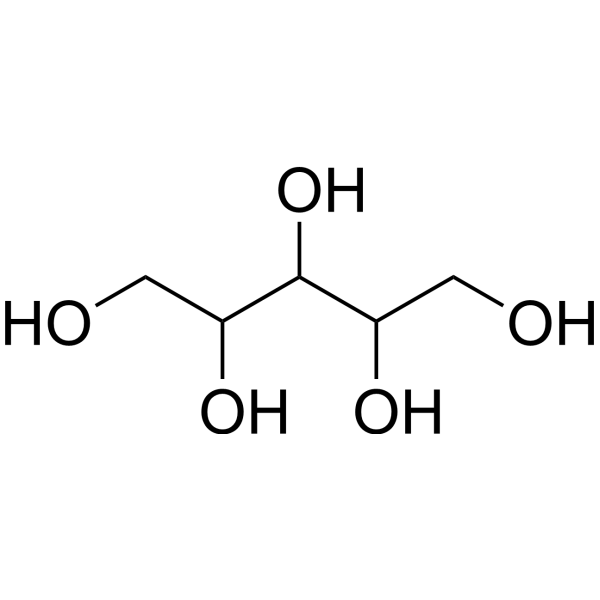
    D-Arabitol is an orally active D-enantiomer of arabitol. D-Arabitol modulates the composition of gut microbiota, increases short-chain fatty acids, and promotes AMPK-PGC-1α-related browning of white adipose tissue. D-Arabitol improves weight gain, fat accumulation, insulin resistance, lipid deposition and inflammatory responses. D-Arabitol serves as the sole carbon/energy source for Bacillus methanolicus MGA3, a strain that can co-utilize it with mannitol. D-Arabitol is applicable to obesity-related research .
    D-Arabitol
  • HY-142162

    GCGR Metabolic Disease
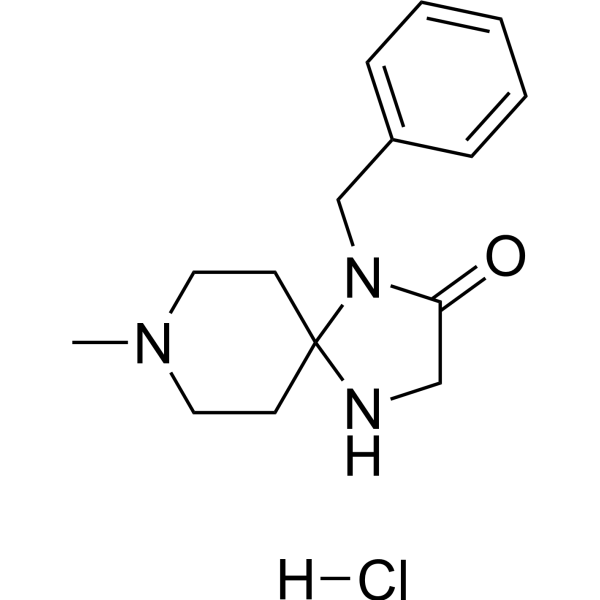
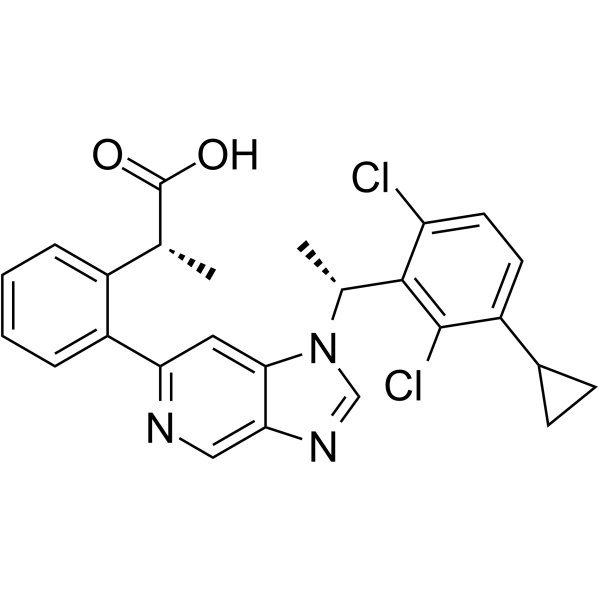
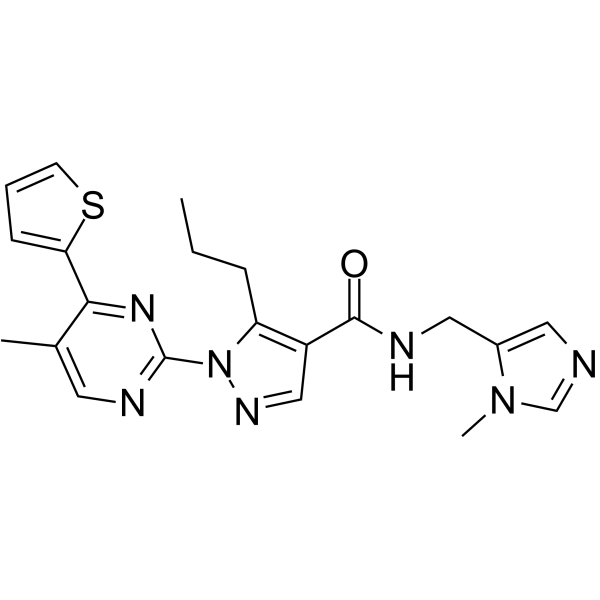
    LSN3318839 is an orally active positive modulator of the glucagon-like peptide-1 receptor (GLP-1R). LSN3318839 can increase the secretion of insulin and has the effect of lowering blood sugar .
    LSN3318839
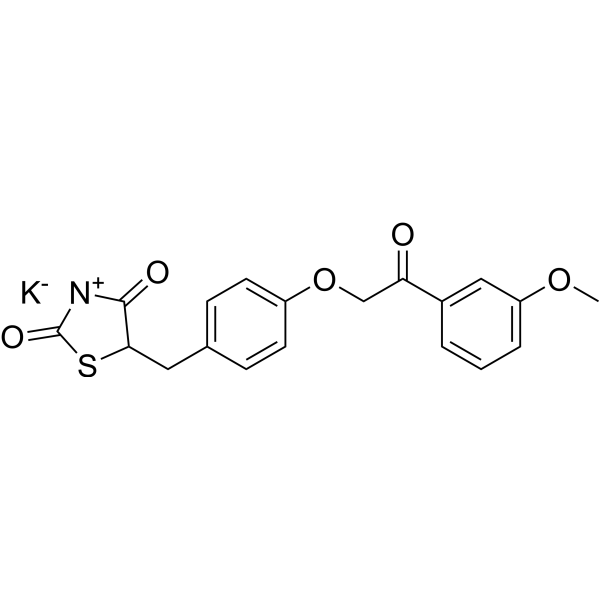
  • HY-108022A
    Azemiglitazone potassium
    1 Publications Verification

    MSDC-0602K

    Insulin Receptor PPAR Metabolic Disease
    Azemiglitazone potassium (MSDC-0602K), a PPARγ-sparing thiazolidinedione (Ps-TZD), binds to PPARγ with the IC50 of 18.25 μM . Azemiglitazone potassium modulates the mitochondrial pyruvate carrier (MPC). Azemiglitazone potassium can be used for the research of fatty liver including dysfunctional lipid metabolism, inflammation, and insulin resistance . Azemiglitazone potassium, an insulin sensitizer, improves insulinemia and fatty liver disease in mice, alone and in combination with Liraglutide .
    Azemiglitazone potassium
  • HY-N15135

    Interleukin Related Toll-like Receptor (TLR) Fungal Metabolic Disease
    Arabinoxylan Medium viscosity is an orally active Dectin-1 splice variant modulator, glucose absorption inhibitor, and chyme viscosity enhancer. Arabinoxylan Medium viscosity inhibits particulate β-glucan-induced Dectin-1A activation and mildly suppresses Dectin-1B activation. In human dendritic cells stimulated with particulate β-glucan, Arabinoxylan Medium viscosity reduces the production of IL-10 and TNF-α, and increases the production of IL-4 and IL-23. Arabinoxylan Medium viscosity also supports antifungal immune responses without activating TLR2, TLR4 or TLR5, and does not induce cytokine production when used to stimulate human dendritic cells alone. Arabinoxylan Medium viscosity increases small intestinal chyme viscosity, gets degraded in the large intestine to produce short-chain fatty acids, reduces glucose absorption and insulin response, and improves glucose homeostasis. Arabinoxylan Medium viscosity supports microbial fermentation and the growth of beneficial microbiota in the gastrointestinal tract, prevents bile acid reabsorption, and delays starch digestion. Arabinoxylan Medium viscosity can be used in research related to type 2 diabetes, impaired glucose tolerance, and metabolic syndrome .
    Arabinoxylan (Medium viscosity)
  • HY-128400

    PARP Metabolic Disease Cancer
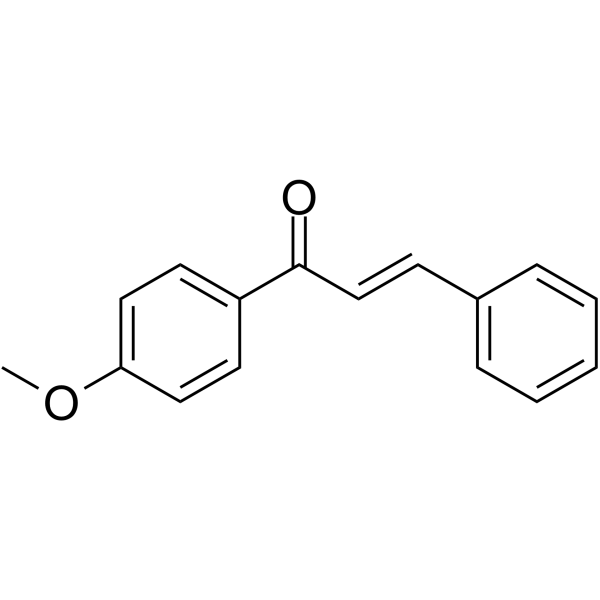
    4'-Methoxychalcone regulates adipocyte differentiation through PPARγ activation. 4'-Methoxychalcone modulates the expression and secretion of various adipokines in adipose tissue that are involved in insulin sensitivity .
    4'-Methoxychalcone
  • HY-107651
    VU 0365114
    1 Publications Verification

    mAChR Metabolic Disease
    VU 0365114 is a selective mAChR M5 positive allosteric modulator, with an EC50 of 2.7 μM, and >30 μM for M1, M2, M3 and M4 receptors. VU 0365114 increases insulin secretion stimulated by ACh in human β-cells .
    VU 0365114
  • HY-100428

    MCC-555; Isaglitazone

    PPAR Metabolic Disease
    Netoglitazone (MCC-555) is an orally active PPARγ ligand with an EC50 of 8 μM. Netoglitazone mediates cell type-specific functional regulation, and modulates the transcriptional activity of PPARγ as a full agonist, partial agonist or antagonist. Netoglitazone induces adipogenesis, inhibits osteoblastogenesis, alters the weight of extramedullary fat depots and enhances insulin sensitivity. Netoglitazone reduces blood glucose levels. Netoglitazone can be used in research related to type 2 diabetes and non-insulin-dependent diabetes mellitus .
    Netoglitazone
  • HY-101064S3

    PPAR Metabolic Disease
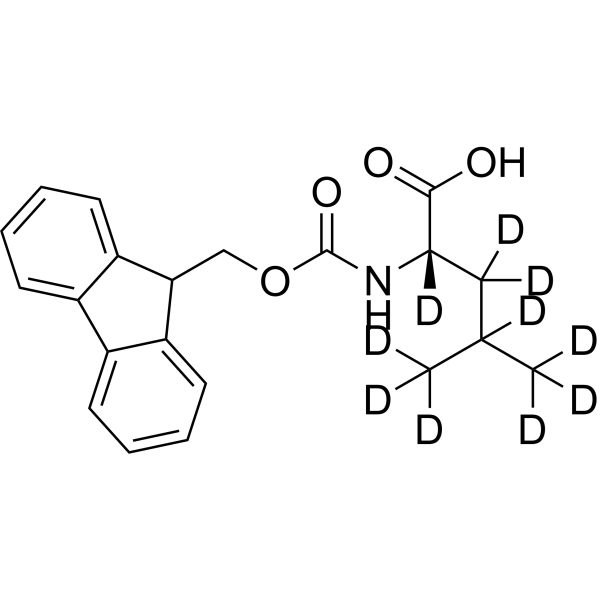
    Fmoc-leucine-d10 is the deuterium labeled Fmoc-leucine. Fmoc-leucine is a selective PPARγ modulator. Fmoc-leucine activates PPARγ with a lower potency but a similar maximal efficacy than rosiglitazone. Fmoc-leucine improves insulin sensitivity in normal, diet-induced glucose-intolerant, and in diabetic db/db mice. Fmoc-leucine has a lower adipogenic activity .
    Fmoc-leucine-d10
  • HY-116819

    GCGR Neurological Disease Metabolic Disease
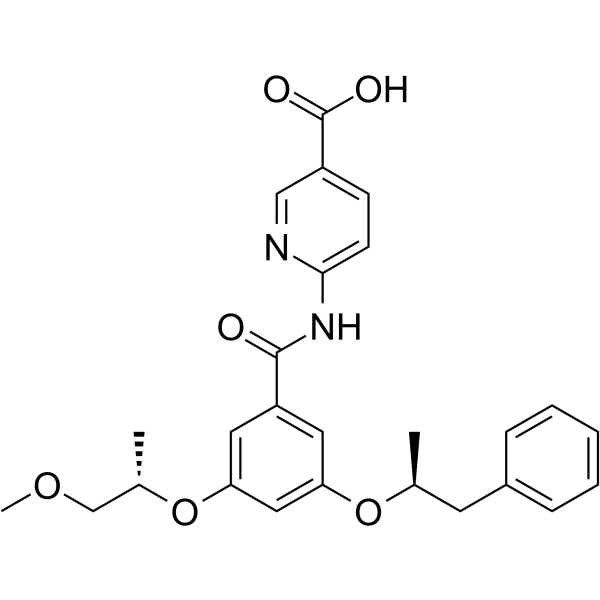
    VU0453379 is a blood-brain barrier permeable GLP-1R positive allosteric modulator (PAM) with an EC50 value of 1.3 μM. VU0453379 potentiates the actions of endogenous GLP-1 and synthetic peptide agonists, and promotes GLP-1 receptor internalization. VU0453379 stimulates insulin secretion from primary mouse islets. VU0453379 enhances the function of endogenous GLP-1R and reverses catalepsy in animal models. VU0453379 is useful for research on Parkinson's disease and type 2 diabetes .
    VU0453379
  • HY-P2048A
    MOTS-c(human) acetate
    1 Publications Verification

    AMPK GLUT Neurological Disease Metabolic Disease Inflammation/Immunology Endocrinology
    MOTS-c (human) acetate is a blood-brain barrier-penetrating, mitochondrial-derived peptide that modulates the AMPK/PGC-1α pathway to enhance insulin sensitivity. MOTS-c (human) acetate inhibits the folate cycle and de novo purine synthesis, increases AICAR levels to activate AMPK, and then regulates the Nrf2/Keap1 antioxidant pathway and inhibits the NF-κB inflammatory pathway, while promoting mitochondrial biogenesis and energy metabolism. MOTS-c (human) acetate has the effects of improving glucose and lipid metabolism, anti-oxidative stress, anti-inflammatory and neuroprotection, and can be used in the study of type 2 diabetes, traumatic brain injury, inflammatory diseases and aging-related metabolic disorders .
    MOTS-c(human) acetate
  • HY-112819

    Insulin Receptor Metabolic Disease
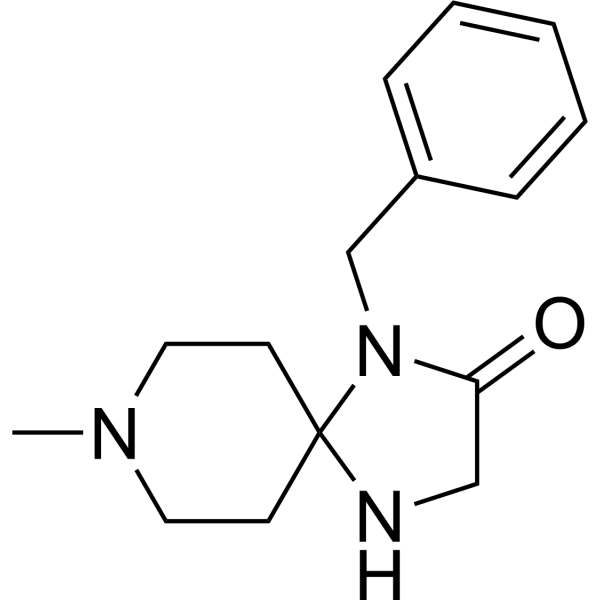
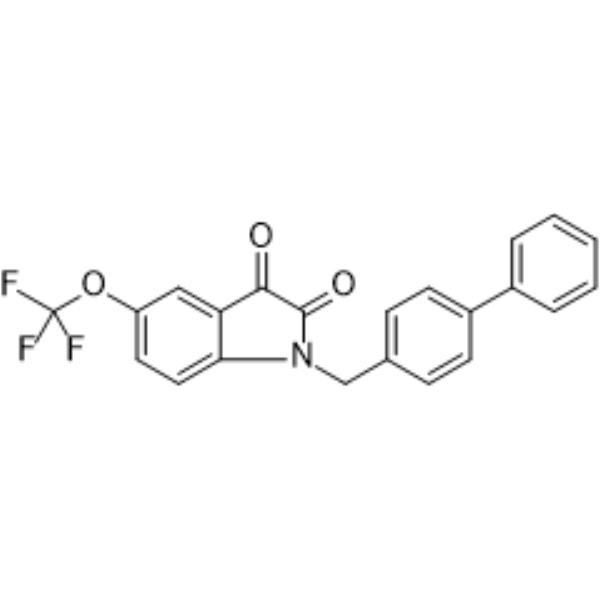
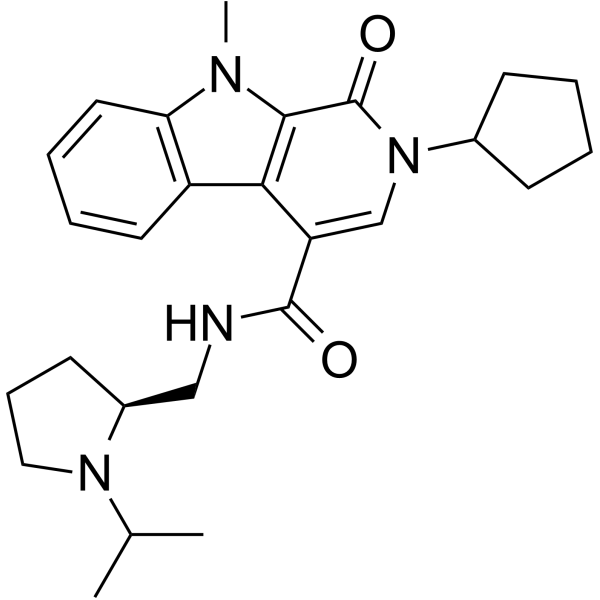
    Insulin levels modulator (Example 49) is an orally active insulin secretagogue. Insulin levels modulator can be used for the research of type 2 diabetes and type 2 diabetes-related disorders .
    Insulin levels modulator
  • HY-108523

    UVI 2112

    RAR/RXR Metabolic Disease
    LG100754 (UVI 2112) is a RXR dimers modulater. LG100754 acts as a RXR:RXR homodimer antagonist, but functions as a agonist towards RXR:PPARα and RXR:PPARγ heterodimers. LG100754 is an insulin sensitizer that functions through RXR .
    LG100754
  • HY-143312

    GLP Receptor Metabolic Disease Inflammation/Immunology
    V-0219 is an orally active glucagon-like peptide-1 receptor (GLP-1R) positive allosteric modulator. V-0219 potentiates GLP-1R stimulation, and enhances GLP-1-induced cAMP production and insulin secretion. V-0219 potentiates glucose-dependent insulin secretion. V-0219 improves glucose handling in normal and diabetic rodents. V-0219 can be used for the research of obesity-associated diabetes .
    V-0219
  • HY-139142B
    Simufilam hydrochloride
    1 Publications Verification

    PTI-125 hydrochloride

    mTOR iGluR Amyloid-β Tau Protein Neurological Disease Metabolic Disease Inflammation/Immunology Cancer
    Simufilam hydrochloride (PTI-125 hydrochloride) is an orally active FLNA modulator. Simufilam hydrochloride restores NMDAR signaling and Arc expression. Simufilam hydrochloride inhibits overactive mTOR signaling by restoring the normal conformation of FLNA, improves insulin sensitivity, reduces Aβ42-induced neuroinflammation and tau protein hyperphosphorylation. Simufilam hydrochloride can be used for research of Alzheimer's disease .
    Simufilam hydrochloride
  • HY-101064S2

    N-FMOC-leucine-d3; NPC 15199-d3; NSC 334290-d3

    PPAR Metabolic Disease
    Fmoc-leucine-d3 is the deuterium labeled Fmoc-leucine. Fmoc-leucine is a selective PPARγ modulator. Fmoc-leucine activates PPARγ with a lower potency but a similar maximal efficacy than rosiglitazone. Fmoc-leucine improves insulin sensitivity in normal, diet-induced glucose-intolerant, and in diabetic db/db mice. Fmoc-leucine has a lower adipogenic activity .
    Fmoc-leucine-d3
  • HY-143312A

    GLP Receptor Metabolic Disease Inflammation/Immunology
    V-0219 hydrochloride is an orally active glucagon-like peptide-1 receptor (GLP-1R) positive allosteric modulator. V-0219 hydrochloride potentiates GLP-1R stimulation, and enhances GLP-1-induced cAMP production and insulin secretion. V-0219 hydrochloride potentiates glucose-dependent insulin secretion. V-0219 hydrochloride improves glucose handling in normal and diabetic rodents. V-0219 hydrochloride can be used for the research of obesity-associated diabetes .
    V-0219 hydrochloride
  • HY-101064S1

    Isotope-Labeled Compounds PPAR Metabolic Disease
    Fmoc-leucine- 13C6, 15N is a 15N-labeled and 13C-labled Fmoc-leucine. Fmoc-leucine is a selective PPARγ modulator. Fmoc-leucine activates PPARγ with a lower potency but a similar maximal efficacy than rosiglitazone. Fmoc-leucine improves insulin sensitivity
    Fmoc-leucine-13C6,15N
  • HY-P3580A

    Human N-acetyl GIP TFA

    Insulin Receptor Metabolic Disease Endocrinology
    Acetyl Gastric Inhibitory Peptide (human) TFA is a fatty acid derivatized analog of glucose-dependent insulinotropic polypeptide with improved antihyperglycaemic and insulinotropic properties. Acetyl Gastric Inhibitory Peptide (human) TFA can be used for research of diabetes, insulin resistance and obesity .
    Acetyl Gastric Inhibitory Peptide (human) TFA
  • HY-134299

    8-(4-Chlorophenylthio)-cAMP-AM

    Ras PKA Cardiovascular Disease Metabolic Disease Cancer
    8-CPT-cAMP-AM (8-(4-Chlorophenylthio)-cAMP-AM) is an Epac/PKA activator. 8-CPT-cAMP-AM potentiates glucose-dependent first- and second-phase insulin secretion, induces β-cell depolarization, modulates intracellular calcium via influx and ryanodine-sensitive store mobilization, and facilitates calcium-induced calcium release resistant to PKA inhibition. 8-CPT-cAMP-AM can be used for the research of cardiac hypertrophy, diabetic cardiomyopathy, and melanoma .
    8-CPT-cAMP-AM
  • HY-N3686R

    Reference Standards AMPK PGC-1α Metabolic Disease
    D-Arabitol (Standard) is the analytical standard of D-Arabitol. This product is intended for research and analytical applications. D-Arabitol is an orally active D-enantiomer of arabitol. D-Arabitol modulates the composition of gut microbiota, increases short-chain fatty acids, and promotes AMPK-PGC-1α-related browning of white adipose tissue. D-Arabitol improves weight gain, fat accumulation, insulin resistance, lipid deposition and inflammatory responses. D-Arabitol serves as the sole carbon/energy source for Bacillus methanolicus MGA3, a strain that can co-utilize it with mannitol. D-Arabitol is applicable to obesity-related research.
    D-Arabitol (Standard)
  • HY-N3542

    Glycosidase Cancer
    Carpachromene is a potent α-glucosidase enzyme inhibitor. Carpachromene ameliorates insulin resistance in HepG2 cells via modulating IR/IRS1/PI3k/Akt/GSK3/FoxO1 pathway .
    Carpachromene
  • HY-139142A

    PTI-125 dihydrochloride

    Tau Protein Amyloid-β mTOR iGluR Neurological Disease
    Simufilam dihydrochloride (PTI-125 dihydrochloride) is an orally active FLNA modulator. Simufilam dihydrochloride restores NMDAR signaling and Arc expression. Simufilam dihydrochloride inhibits overactive mTOR signaling by restoring the normal conformation of FLNA, improves insulin sensitivity, reduces Aβ42-induced neuroinflammation and tau protein hyperphosphorylation. Simufilam dihydrochloride can be used for research of Alzheimer's disease .
    Simufilam dihydrochloride
  • HY-W015924R

    Reference Standards Endogenous Metabolite Metabolic Disease
    2-Hydroxyisobutyric acid (Standard) is the analytical standard of 2-Hydroxyisobutyric acid. This product is intended for research and analytical applications. 2-Hydroxyisobutyric acid (2-HIBA) is a selective modulator of the Insulin/IGF-1 pathway and the p38 MAPK pathway, which reduces reactive oxygen species (ROS) and fat accumulation in Caenorhabditis elegans. 2-Hydroxyisobutyric acid promotes β-oxidation and inhibits fatty acid synthesis by upregulating SKN-1/NRF2 and downregulating SREBP-1c transcription factors. 2-Hydroxyisobutyric acid has anti-aging and lipid-lowering effects, and can be used to study metabolic diseases such as obesity and diabetes. 2-Hydroxyisobutyric acid is also a renewable precursor of methacrylate through 2-HIB-CoA mutase-mediated biosynthesis[1][2].
    2-Hydroxyisobutyric acid (Standard)
  • HY-142162A

    GCGR Metabolic Disease
    (S,R)-LSN3318839 is the stereoisomer of LSN3318839 (HY-142162). LSN3318839 is an orally active positive modulator of the glucagon-like peptide-1 receptor (GLP-1R). LSN3318839 can increase the secretion of insulin and has the effect of lowering blood sugar .
    (S,R)-LSN3318839
  • HY-171850

    GLP Receptor Metabolic Disease Inflammation/Immunology
    GLP-1R modulator-1 (Compound 384) is an orally active, potent selective glucagon-like peptide-1 receptor (GLP-1R) agonist. GLP-1R modulator-1 activates G-protein coupled signaling, elevates intracellular cAMP levels, promotes insulin secretion, delays gastric emptying and suppresses appetite. GLP-1R modulator-1 is promising for research of type 2 diabetes, obesity, and non-alcoholic steatohepatitis (NASH) .
    GLP-1R modulator-1
  • HY-178958

    PPAR Adenosine Receptor Fatty Acid Synthase (FASN) Endogenous Metabolite Metabolic Disease Inflammation/Immunology Endocrinology
    PPAR agonist 7 is an orally active pan-PPAR agonist, demonstrating potent activation of all three subtypes, PPARα (EC50 = 1.51 μM), PPARδ (EC50 = 1.11 μM), and PPARγ (EC50 = 3.14 μM). PPAR agonist 7 significantly enhances glucose uptake in adipocytes while exhibiting minimal adipogenic activity. PPAR agonist 7 can suppress PPARγ Ser273 phosphorylation in white adipose tissue and upregulate insulin-sensitizing genes. PPAR agonist 7 does not cause weight gain or fluid retention in high-fat diet (HFD)/ Streptozotocin (HY-13753) (STZ)-induced type 2 diabetes mellitus (T2DM) models. PPAR agonist 7 has selective modulation of PPAR signaling pathways without activation of adipogenic gene programs. PPAR agonist 7 can be used for the study of diabetes .
    PPAR agonist 7
  • HY-P3580

    Human N-acetyl GIP

    Insulin Receptor Metabolic Disease Endocrinology
    Acetyl Gastric Inhibitory Peptide (human) is a fatty acid derivatized analog of glucose-dependent insulinotropic polypeptide with improved antihyperglycaemic and insulinotropic properties. Acetyl Gastric Inhibitory Peptide (human) can be used for research of diabetes, insulin resistance and obesity .
    Acetyl Gastric Inhibitory Peptide (human)
  • HY-143712S1

    3α-hydoxy-5α-Cholaoic Acid-d4, allo-LCA-d4

    Isotope-Labeled Compounds Drug Metabolite G protein-coupled Bile Acid Receptor 1 ROR Metabolic Disease Inflammation/Immunology Cancer
    Allolithocholic Acid-d4 (3α-hydoxy-5α-Cholaoic Acid-d4, allo-LCA-d4) is deuterium labeled Allolithocholic acid (HY-143712). Allolithocholic acid is an orally active metabolite of Lithocholic acid (HY-B0172). Allolithocholic acid is a dual GPBAR1 agonist (EC50 = 2.7 μM) and RORγt inverse agonist (IC50 = 3.4 μM). Allolithocholic acid modulates immune and metabolic pathways, regulates immune cell polarization, prevents M1 macrophage and Th17 CD4 cell polarization. Allolithocholic acid improves insulin sensitivity, reduces liver lipid accumulation, reverses liver immunological, inflammatory and metabolic signaling dysregulation, restores bile acid homeostasis, adipose tissue histopathology/function, and intestinal microbiota composition, modulates intestinal immunity. Allolithocholic acid can be used for the researches of cancer, inflammayion, immunology and metabolic disease .
    Allolithocholic Acid-d4
  • HY-173622

    PPAR Metabolic Disease Endocrinology
    PPARγ modulator-4 (Compound (I)) is a PPARγ inhibitor (KD: 3.75 μM). PPARγ modulator-4 can inhibit CDK5-mediated phosphorylation of PPARγ at Ser245. PPARγ modulator-4 can be used in insulin resistance research .
    PPARγ modulator-4
  • HY-176062

    PPAR Metabolic Disease
    PPARγ modulator-3 (Compound 11) is a peroxisome proliferator-activated receptor γ (PPARγ) modulator with a KD value of 186 nM. PPARγ modulator-3 is promising for research of insulin resistance (IR)-related diseases, such as type 2 diabetes mellitus (T2DM) and metabolic syndrome .
    PPARγ modulator-3
  • HY-121796

    Neprilysin Others
    Mixanpril is a compound with the ability to modulate insulin sensitivity and has the activity of regulating insulin sensitivity and femoral blood flow in obese Zucker rats. Mixanpril can affect insulin-mediated glucose disposal in obese Zucker rats and also has a regulatory effect on femoral blood flow, with different effects compared to the ACE inhibitor captopril.
    Mixanpril
  • HY-170874

    PPAR Metabolic Disease
    PPARγ modulator-2 (Compound (R)-2n) is the reversible modulator for PPARγ that inhibits PPARγ ligand-binding domain (LBD) with an IC50 of 41 nM. PPARγ modulator-2 reduces blood glucose, improves the glucose tolerance and insulin tolerance, and exhibits anti-diabetic efficacy in db/db mouse models .
    PPARγ modulator-2
  • HY-155967

    AMPK Cannabinoid Receptor Metabolic Disease
    CB1R/AMPK modulator 1 (Compound 38-S) is an orally active CB1R/AMPK modulator, with an Ki of 0.81 nM and an IC50 of 3.9 nM for CB1R. CB1R/AMPK modulator 1 activates AMPK. CB1R/AMPK modulator 1 reduces food intake and body weight, and improves glucose tolerance and insulin sensitivity .
    CB1R/AMPK modulator 1
  • HY-N16508

    3-Hydroxyphlorizin

    Phosphatase Metabolic Disease
    3-Hydroxyphloridzin (3-Hydroxyphlorizin) is a protein tyrosine phosphatase 1B (PTP1B) inhibitor. 3-Hydroxyphloridzin modulates insulin receptor phosphorylation levels. 3-Hydroxyphloridzin is promising for research of type 2 diabetes .
    3-Hydroxyphloridzin
  • HY-15671A

    Glucokinase Metabolic Disease
    GKA50 quarterhydrate is a potent glucokinase activator (EC50=33 nM at 5 mM glucose) and stimulates insulin release from mouse islets of Langerhans. GKA50 quarterhydrate is a glucose-like activator of beta-cell metabolism in rodent and human islets and a Ca 2+-dependent modulator of insulin secretion. GKA50 quarterhydrate shows significant glucose lowering in high fat fed female rats .
    GKA50 quarterhydrate
  • HY-147705

    PPAR Metabolic Disease
    PPARγ phosphorylation inhibitor 1 (Compound 10) is a potent PPARγ binder with the IC50 of 24 nM. PPARγ phosphorylation inhibitor 1 inhibits CDK5-mediated phosphorylation of PPARγ Ser273 with the IC50 of 160 nM. PPARγ phosphorylation inhibitor 1 displays negligible PPARγ agonism in a reporter gene assay. Antidiabetic effects .
    PPARγ phosphorylation inhibitor 1
  • HY-126969

    PPAR Metabolic Disease
    C333H is a selective PPARγ modulator with insulin-sensitizing and hypoglycemic activities. C333H exhibits similar insulin-sensitizing effects to thiazolidinediones (TZDs) in diabetic mouse models without significantly increasing body weight or adipose tissue weight. C333H increases circulating high molecular weight adiponectin isoform levels in diabetic db/db mice, reduces serine phosphorylation of PPARγ 273 in brown adipose tissue, and selectively modulates the expression of specific PPARγ target genes in adipose tissue. Express. C333H exhibits weak recruitment of co-activators and weak dissociation of co-repressors in vitro. These properties suggest that C333H may be a potential inhibitor of type 2 diabetes .
    C333H
  • HY-128400R

    PARP Reference Standards Metabolic Disease Cancer
    4'-Methoxychalcone (Standard) is the analytical standard of 4'-Methoxychalcone. This product is intended for research and analytical applications. 4'-Methoxychalcone regulates adipocyte differentiation through PPARγ activation. 4'-Methoxychalcone modulates the expression and secretion of various adipokines in adipose tissue that are involved in insulin sensitivity .
    4'-Methoxychalcone (Standard)
  • HY-100428R

    MCC-555 (Standard); Isaglitazone (Standard)

    Reference Standards PPAR Metabolic Disease
    Netoglitazone (Standard) is the analytical standard of Netoglitazone (HY-100428). This product is intended for research and analytical applications. Netoglitazone (MCC-555) is an orally active PPARγ ligand with an EC50 of 8 μM. Netoglitazone mediates cell type-specific functional regulation, and modulates the transcriptional activity of PPARγ as a full agonist, partial agonist or antagonist. Netoglitazone induces adipogenesis, inhibits osteoblastogenesis, alters the weight of extramedullary fat depots and enhances insulin sensitivity. Netoglitazone reduces blood glucose levels. Netoglitazone can be used in research related to type 2 diabetes and non-insulin-dependent diabetes mellitus .
    Netoglitazone (Standard)
  • HY-117459

    PPAR Metabolic Disease
    E-3030 free acid is a potent dual activator of peroxisome proliferator-activated receptor (PPAR) alpha and PPARgamma, exhibiting significant antidiabetic and lipid-modulating effects. E-3030 decreases blood glucose, triglyceride, non-esterified fatty acids, and insulin levels, while increasing blood adiponectin levels. E-3030 improves glucose tolerance and shows remarkable triglyceride- and non-high-density lipoprotein cholesterol-lowering effects in animal models.
    E-3030 free acid
  • HY-161926

    PPAR Metabolic Disease
    YGT-31 is a modulator for PPARγ with an IC50 of 1.72 μM, and a Ki of 0.62 μM. YGT-31 reduces blood glucose levels and improves insulin resistance in db/db mice type 2 diabetes models, through inhibition of CDK5-mediated PPARγ-Ser273 phosphorylation. YGT-31 exhibits anti-hepatic steatosis effect in mice non-alcoholic fatty liver disease (NAFLD) model .
    YGT-31
  • HY-143712R

    Reference Standards Drug Metabolite G protein-coupled Bile Acid Receptor 1 ROR Metabolic Disease Inflammation/Immunology Cancer
    Allolithocholic acid (Standard) is the analytical standard of Allolithocholic acid (HY-143712). This product is intended for research and analytical applications. Allolithocholic acid is an orally active metabolite of Lithocholic acid (HY-B0172). Allolithocholic acid is a dual GPBAR1 agonist (EC50 = 2.7 μM) and RORγt inverse agonist (IC50 = 3.4 μM). Allolithocholic acid modulates immune and metabolic pathways, regulates immune cell polarization, prevents M1 macrophage and Th17 CD4 cell polarization. Allolithocholic acid improves insulin sensitivity, reduces liver lipid accumulation, reverses liver immunological, inflammatory and metabolic signaling dysregulation, restores bile acid homeostasis, adipose tissue histopathology/function, and intestinal microbiota composition, modulates intestinal immunity. Allolithocholic acid can be used for the researches of cancer, inflammayion, immunology and metabolic disease .
    Allolithocholic acid (Standard)
  • HY-N3686S

    Isotope-Labeled Compounds AMPK PGC-1α Metabolic Disease
    D-Arabitol- 13C is the 13C labeled D-Arabitol. D-Arabitol is an orally active D-enantiomer of arabitol. D-Arabitol modulates the composition of gut microbiota, increases short-chain fatty acids, and promotes AMPK-PGC-1α-related browning of white adipose tissue. D-Arabitol improves weight gain, fat accumulation, insulin resistance, lipid deposition and inflammatory responses. D-Arabitol serves as the sole carbon/energy source for Bacillus methanolicus MGA3, a strain that can co-utilize it with mannitol. D-Arabitol is applicable to obesity-related research.
    D-Arabitol-13C

Inquiry Online

Your information is safe with us. * Required Fields.

Salutation


Country or Region *

Applicant Name *


Organization Name *

Department *


Email Address *


Product Name *

Cat. No.


Requested quantity *

Phone Number *


Remarks

Inquiry Online

Inquiry Information

Product Name:
Cat. No.:
Quantity:
MCE Japan Authorized Agent:

