1. Search Result
Search Result
Results for "

mitochondrial calcium

" in MedChemExpress (MCE) Product Catalog:

77

Inhibitors & Agonists

1

Screening Libraries

1

Fluorescent Dyes

2

Biochemical Assay Reagents

6

Peptides

9

Natural
Products

11

Isotope-Labeled Compounds

1

Antibodies

1

Click Chemistry

1

GMP Molecules

Cat. No. Product Name Target Research Areas Chemical Structure
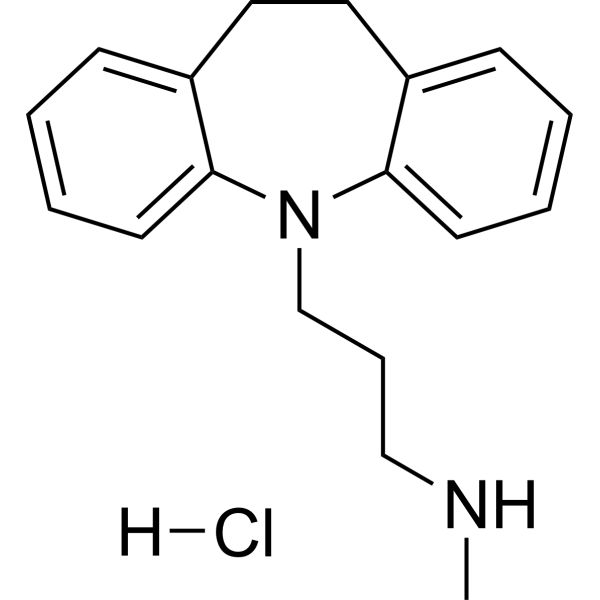
  • HY-B1272
    Desipramine hydrochloride
    10+ Cited Publications

    Adrenergic Receptor ERK JNK p38 MAPK NF-κB AP-1 Apoptosis Reactive Oxygen Species (ROS) Mitochondrial Metabolism TNF Receptor Neurological Disease Inflammation/Immunology Cancer
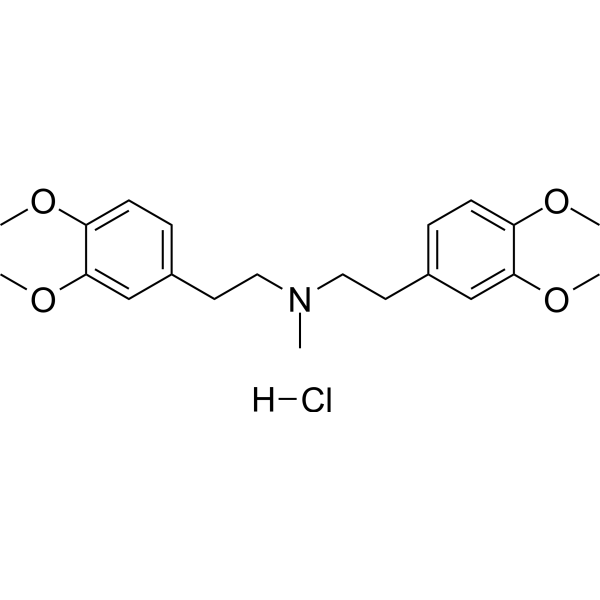
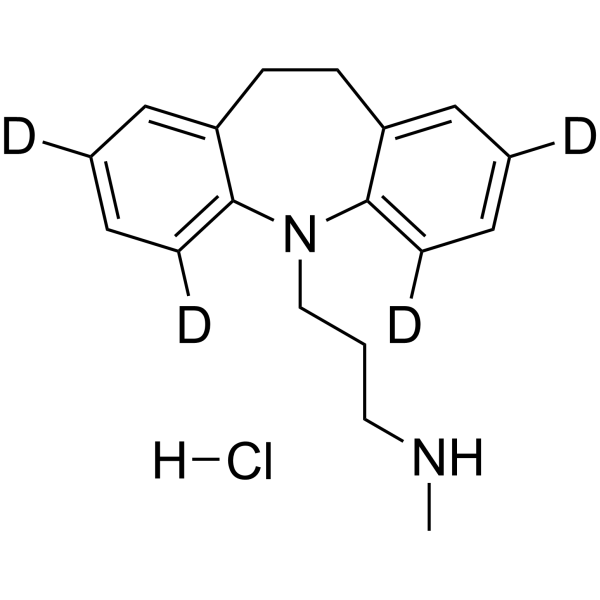
    Desipramine hydrochloride is a first-generation tricyclic antidepressant. Desipramine hydrochloride selectively binds to norepinephrine transporter and blocks neuronal norepinephrine reuptake. Desipramine hydrochloride activates MAPK signaling via ERK1/2, JNK, and p38, represses NF-κB and AP-1 activity, and induces apoptosis via ROS elevation, mitochondrial membrane potential reduction, and intracellular calcium increase. Desipramine hydrochloride also shows anyi-inflammatory activity, inhibiting TNF-α production. Desipramine hydrochloride can be used for the research of hepatocellular cancer, inflammation, and neurological diseases .
    Desipramine hydrochloride
  • HY-107859
    Tris(2-chloroethyl) phosphate
    5+ Cited Publications

    TCEP

    Environmental Pollutants Apoptosis FXR Calcium Channel Toll-like Receptor (TLR) SOD Reactive Oxygen Species (ROS) DNA/RNA Synthesis Interleukin Related NF-κB TNF Receptor Others
    Tris(2-chloroethyl) phosphate (TCEP) is a widely used organic phosphorus flame retardant, mainly used as a plasticizer. Tris(2-chloroethyl) phosphate has orally active hepatotoxicity, inducing an increase in reactive oxygen species (ROS) and calcium ions (Ca²⁺) influx, a decrease in mitochondrial membrane potential (△Ψm), and causing DNA damage and cell apoptosis. Tris(2-chloroethyl) phosphate directly binds to FXR, inducing obesity and the formation of fatty liver in mice. Chloroethyl) phosphate activates the TLR4/NF-κB pathway, triggering liver inflammation .
    Tris(2-chloroethyl) phosphate
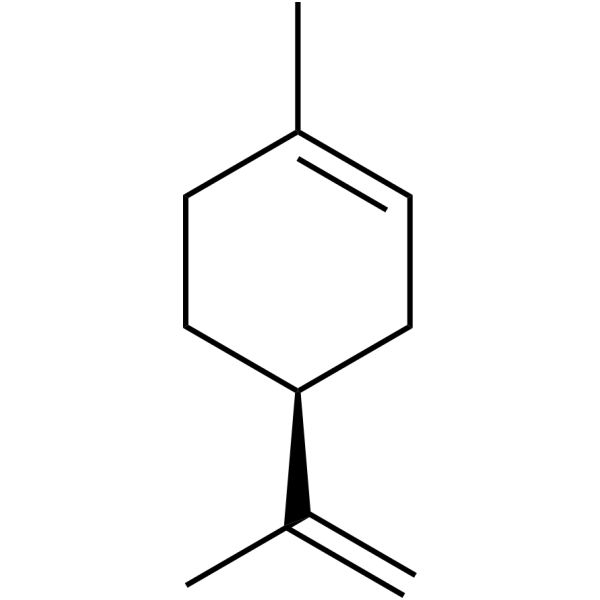
  • HY-Z0478
    (-)-Limonene
    1 Publications Verification

    (S)-(-)-Limonene

    Bacterial Antibiotic CaMK Infection Cardiovascular Disease Metabolic Disease
    (-)-Limonene ((S)-(-)-Limonene) is orally active and can cause mild bronchoconstriction. (-)-Limonene alleviates cytosolic and mitochondrial oxidative stress by inhibiting the increase of calcium ions (Ca 2+) and Ca 2+/calmodulin-dependent protein kinase II (CaMKII). It also exerts anti-stress effects by inhibiting the activity of the hypothalamic-pituitary-adrenal (HPA) axis. Additionally, (-)-Limonene can be used as an antibacterial agent in aquaculture .
    (-)-Limonene
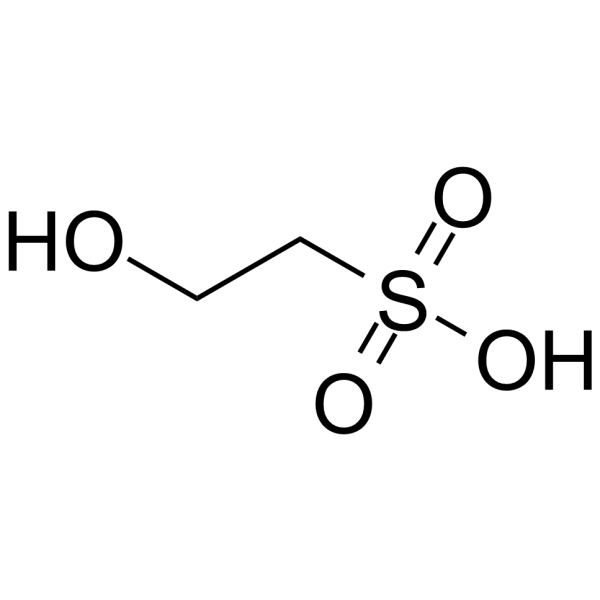
  • HY-Y0095

    2-Hydroxyethanesulfonic acid

    Environmental Pollutants Mitochondrial Metabolism Parasite Metabolic Disease
    Isethionic acid is a calcium binder and anionic detergent that enhances mitochondrial calcium binding capacity by competitively binding to calcium binding sites on the outer mitochondrial membrane. Isethionic acid can inhibit calcium-activated mitochondrial respiration. Isethionic acid inhibits barnacle (Balanus amphitrite) larvae with LC50s of 23 μg/mL (24 h) and 17 μg/mL (48 h), respectively. Isethionic acid can inhibit the attachment of barnacle larvae (complete inhibition at 10 μg/mL) and regulate mitochondrial calcium transport, and can enhance ATP-dependent calcium uptake at high calcium concentrations. Isethionic acid can be used to study the mechanism of mitochondrial calcium metabolism.
    Isethionic acid (80% in water)
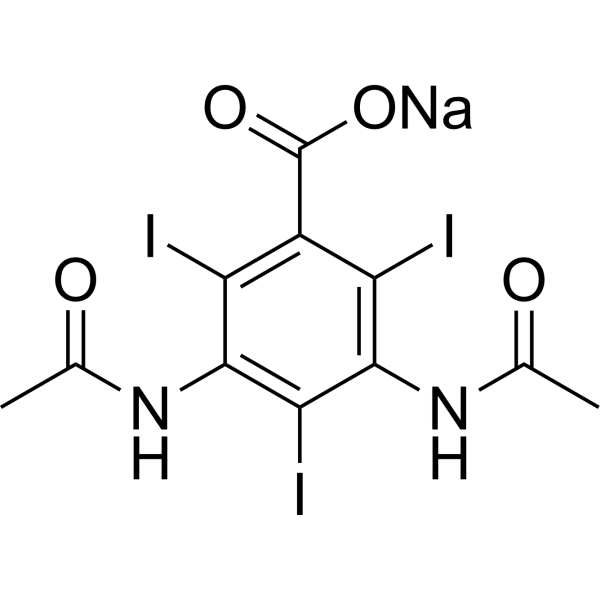
  • HY-B0926A

    Diatrizoic acid sodium salt; Sodium amidotrizoate

    Apoptosis Inflammation/Immunology
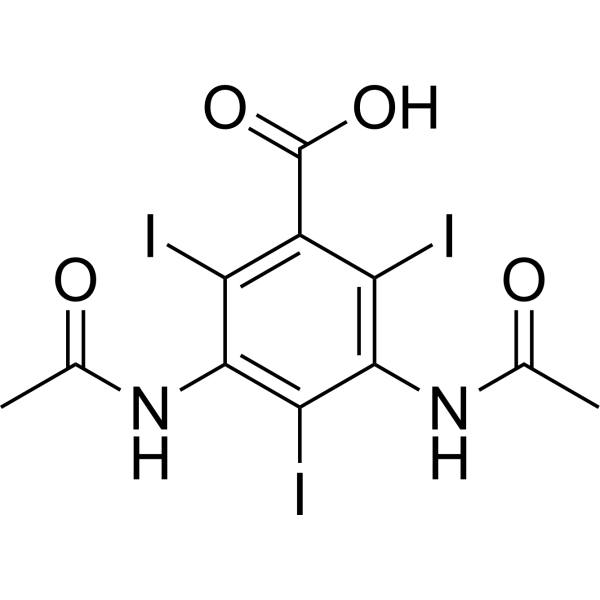
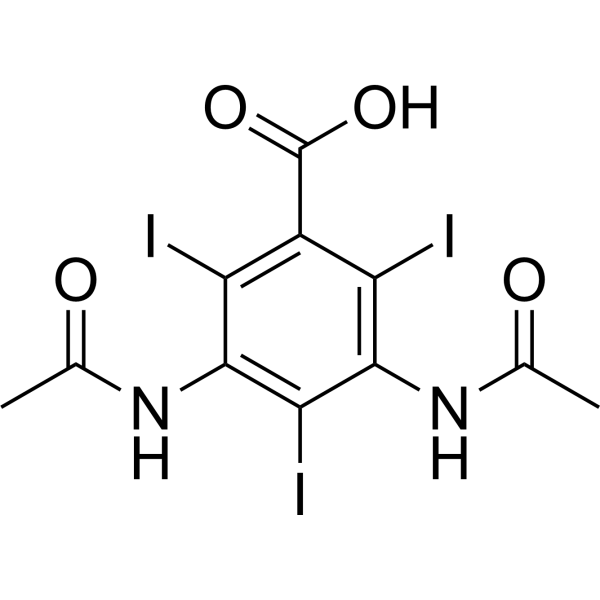
    Sodium diatrizoate (Diatrizoic acid sodium salt) is an iodinated radiocontrast agent and has the potential for radiographic imaging of the airways. Sodium diatrizoate induces mitochondrial turnover and oxidative stress, and activating apoptosis by dysregulating calcium .
    Sodium diatrizoate
  • HY-B0926

    Diatrizoate; Amidotrizoic acid

    Apoptosis Inflammation/Immunology
    Diatrizoic acid (Diatrizoate) is an iodinated radiocontrast agent and has the potential for radiographic imaging of the airways. Diatrizoic acid induces mitochondrial turnover and oxidative stress, and activating apoptosis by dysregulating calcium .
    Diatrizoic acid
  • HY-109804
    CORM-401
    10+ Cited Publications

    Reactive Oxygen Species (ROS) Inflammation/Immunology
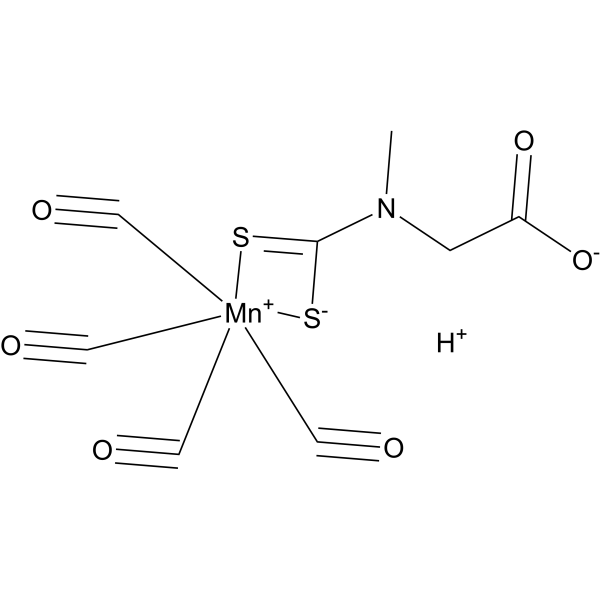
    CORM-401 is an oxidant-sensitive CO-releasing molecule. CORM-401 induces NO increase in the regulation of endothelial calcium signalling. CORM-401 reduces TNF-α/CHX and H2O2-induced ROS production. CORM-401 uncouples mitochondrial respiration and inhibits glycolysis .
    CORM-401
  • HY-W013150

    GABA Receptor Neurological Disease
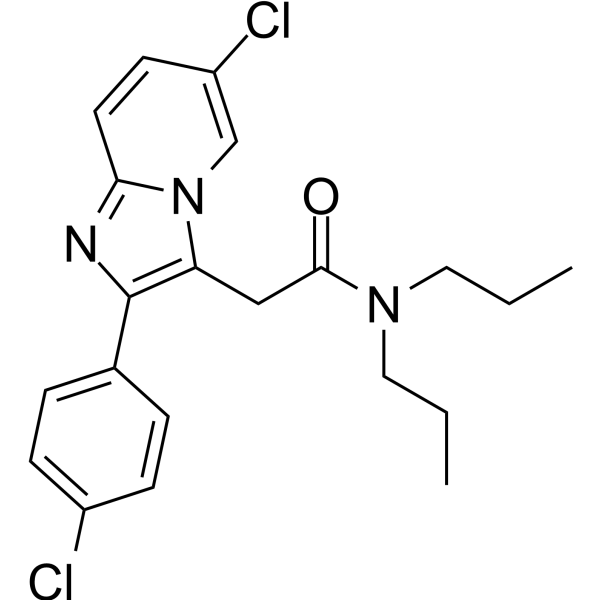
    Alpidem, an anxiolytic agent, is an orally active and brain-penetrant GABAA receptor ligand, binds to α1β2γ2 subunit-containing GABAA receptors (IC50 of 17 nM) over α5β2γ2 subunit-containing GABAA receptors (IC50 of >10 μM). Alpidem modulates calcium-induced mitochondrial permeability transition, induces glutathione depletion and hepatocyte necrosis, potentiates TNF-α toxicity, inhibits marble-burying and locomotor activity, enhances stressed rodent feeding behavior, and exerts anticonvulsant effects. Alpidem can be used for the research of anxiety, anxiety disorders, and convulsions .
    Alpidem
  • HY-W194810
    MCU-i11
    2 Publications Verification

    Mitochondrial Metabolism Calcium Channel Neurological Disease Cancer
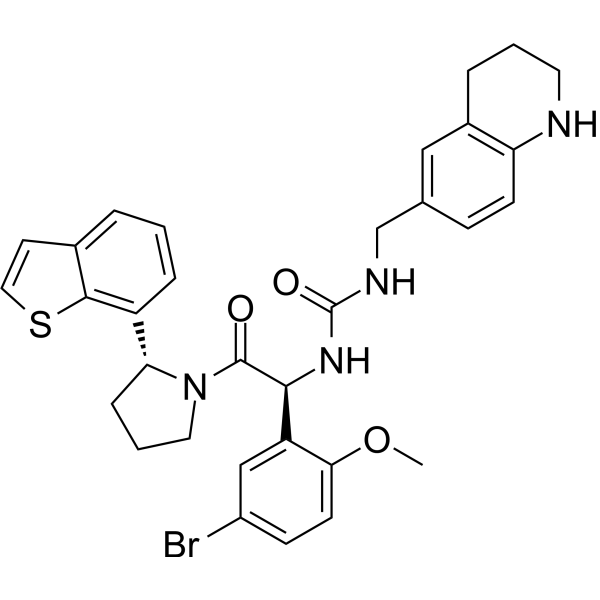
    MCU-i11 is a negative regulator of the mitochondrial calcium uniporter (MCU) complex. MCU-i11 can reduce mitochondrial Ca 2+ uptake. MCU-i11 impairs muscle cell growth. MCU-i11 can be used to study breast cancer, cervical cancer and neurological diseases .
    MCU-i11
  • HY-N7063
    Nerol
    1 Publications Verification

    Environmental Pollutants Apoptosis Endogenous Metabolite Fungal Mitochondrial Metabolism Reactive Oxygen Species (ROS) Infection
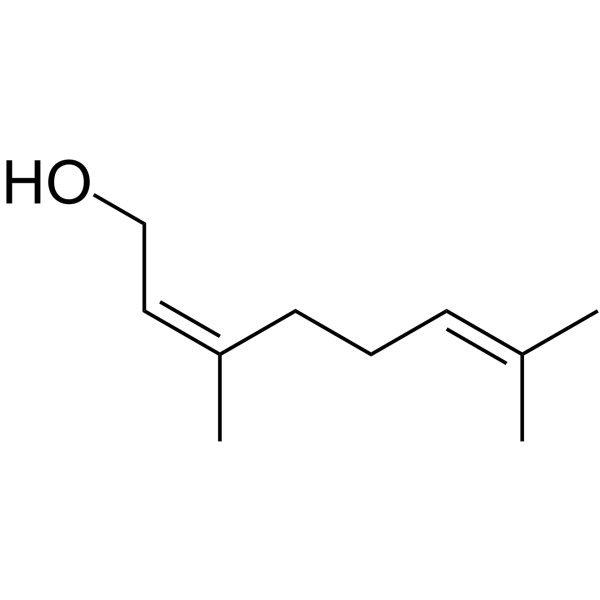
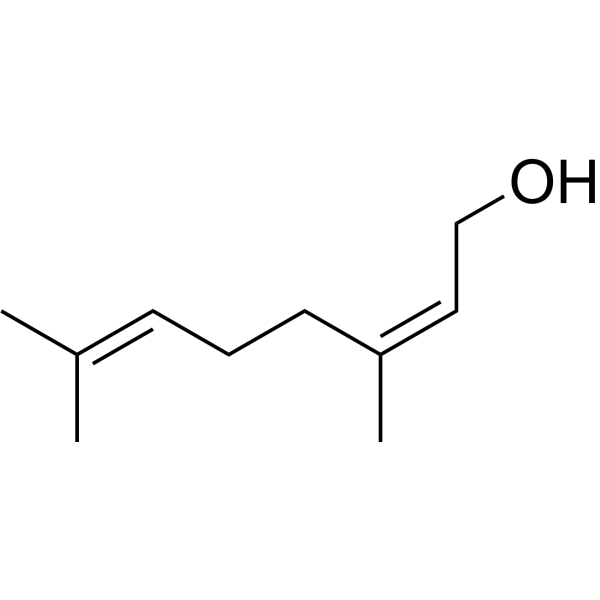
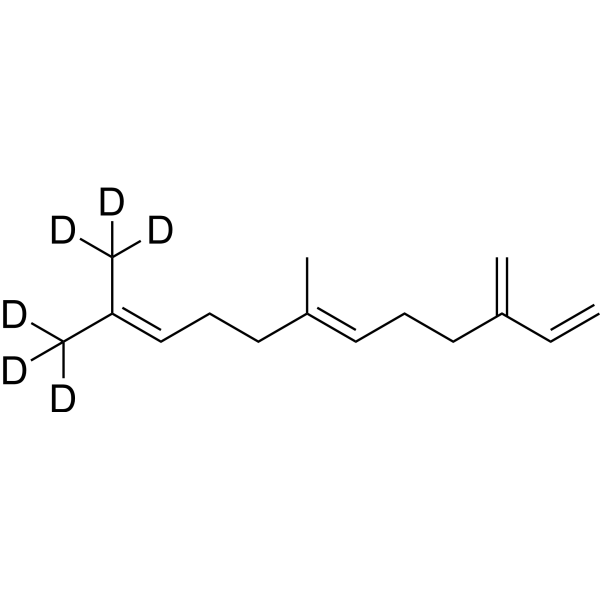
    Nerol is a constituent of neroli oil. Nerol Nerol triggers mitochondrial dysfunction and induces apoptosis via elevation of Ca 2+ and ROS. Antifungal activity .
    Nerol
  • HY-W008923
    Doxycycline monohydrate
    Maximum Cited Publications
    173 Publications Verification

    MMP Parasite Bacterial Antibiotic Apoptosis Akt PI3K Infection Neurological Disease Inflammation/Immunology Cancer
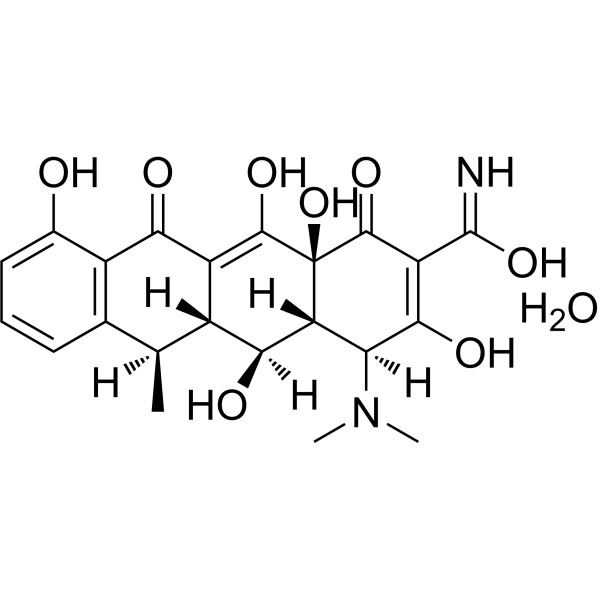
    Doxycycline monohydrate is an orally active highly lipophilic, tissue-permeable MMP inhibitor with broad-spectrum antibacterial activity. Doxycycline monohydrate is also a semi-synthetic antibiotic with chelating properties, which blocks bacterial protein synthesis and inhibits extracellular matrix degradation through interactions with zinc and calcium atoms. Doxycycline monohydrate also inhibits mitochondrial biogenesis, translation, and the expression of respiratory chain proteins. Doxycycline monohydrate induces apoptosis, inhibits autophagy and EMT, downregulates stem cell markers, and activates the PI3K-AKT pathway, thereby effectively inhibiting the viability and proliferation of cancer cells such as breast cancer cells. Doxycycline monohydrate also promotes the survival and self-renewal of embryonic stem cells and neural stem cells, and reduces the frequency of medium changes in culture. Doxycycline monohydrate has been applied in studies related to breast cancer, prostate cancer, bladder cancer, and other cancers .
    Doxycycline monohydrate
  • HY-113285

    3-Ureidopropionic acid

    Oxidative Phosphorylation Metabolic Disease
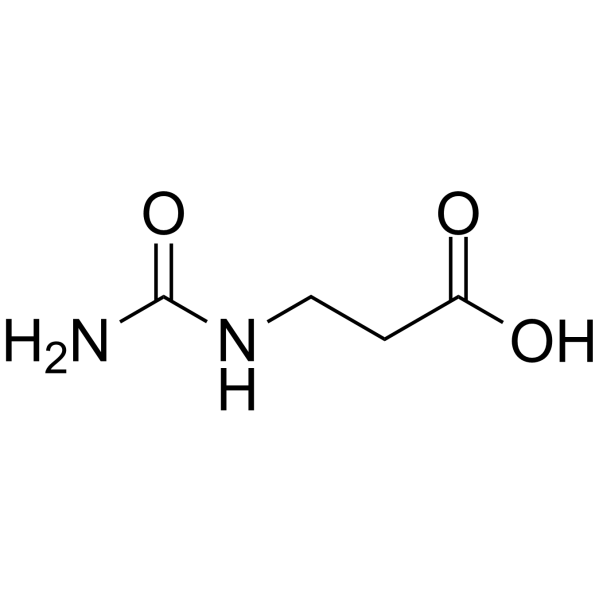
    Ureidopropionic acid is a mitochondrial respiratory chain complex V inhibitor that selectively inhibits the activity of mitochondrial respiratory chain complex V, with no effect on respiratory chain complexes I-IV or mitochondrial fatty acid β-oxidation. Ureidopropionic acid induces the production of reactive oxygen species, delayed elevation of intracellular calcium concentration, secondary energy-dependent excitotoxicity and neurodegeneration in neurons. Ureidopropionic acid promotes neuropathological changes by impairing mitochondrial energy metabolism, oxidative stress and excitotoxicity pathways. Ureidopropionic acid can be used in studies related to 3-ureidopropionase deficiency and severe propionic aciduria .
    Ureidopropionic acid
  • HY-142035
    N-Propargylglycine
    1 Publications Verification

    Mitochondrial Metabolism Neurological Disease Metabolic Disease Inflammation/Immunology Cancer
    N-Propargylglycine is a brain-penetrant and orally active PRODH inhibitor. N-Propargylglycine covalently modifies enzyme-bound FAD and active site lysine, causing enzyme structural distortion, protein decay, and irreversible inhibition of proline and 4-hydroxyproline catabolism. N-Propargylglycine induces UPRmt, upregulates mitochondrial chaperones and YME1L1, enhances mitochondrial proteostasis, blocks astrocytic L-proline consumption, and abolishes L-proline’s ATP-maintaining and viability-protective effects. N-Propargylglycine stimulates neural processes, increases brain proline, hydroxyproline, and sarcosine levels, partially normalizes Huntington’s disease whole brain transcriptomes. N-Propargylglycine reduces hyperoxaluria, prevents calcium oxalate stone formation, reduces kidney tubular damage, and restores weight and survival in Grhpr knockout mice. N-Propargylglycine can be used for the research of breast cancer, neurodegenerative disorders, Huntington’s disease, and primary hyperoxaluria type 2 .
    N-Propargylglycine
  • HY-100607A

    ONO1101 hydrochloride

    Adrenergic Receptor Calcium Channel Potassium Channel Reactive Oxygen Species (ROS) Cardiovascular Disease Inflammation/Immunology Endocrinology
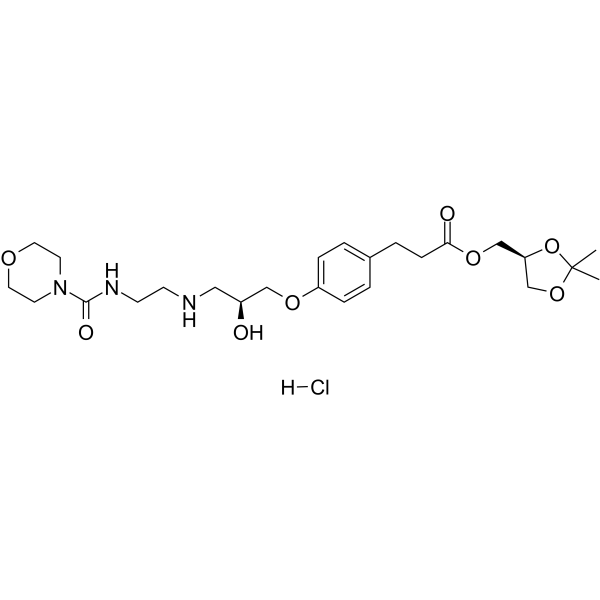
    Landiolol (ONO1101) hydrochloride is a highly selective, ultra-short-acting competitive inhibitor of β1 adrenergic receptors. Landiolol hydrochloride specifically blocks cardiac β1 receptors, reducing heart rate and myocardial oxygen consumption. Landiolol hydrochloride inhibits TNF-α-induced excessive mitochondrial oxygen consumption and reactive oxygen species production in a sepsis model, alleviating renal injury. Landiolol hydrochloride has little effect on cardiac ion channels (such as L-type calcium current and inward rectifier potassium current) and has a weak negative inotropic effect. Landiolol hydrochloride can be used for perioperative tachycardia control and protection studies of sepsis-related acute kidney injury .
    Landiolol hydrochloride
  • HY-W002199

    6:2 FTOH; 1H,1H,2H,2H-Perfluoro-1-octanol; 2-(Perfluorohexyl)ethanol

    Bacterial Apoptosis ERK TNF Receptor Infection Neurological Disease
    6:2 Fluorotelomer alcohol (6:2 FTOH) is an orally active, blood-brain barrier-permeable modulator of cyclin D1 and ETS1. 6:2 Fluorotelomer alcohol downregulates cyclin D1 expression, upregulates ETS1 via the TNF-α/ERK 1/2 pathway, impairs mitochondrial membrane potential and respiratory function, increases reactive oxygen species levels, disrupts calcium homeostasis and activates endoplasmic reticulum stress markers, and induces cell proliferation inhibition and endothelial-mesenchymal transition. Furthermore, 6:2 Fluorotelomer alcohol induces morphological abnormalities in zebrafish embryos and liver developmental damage, while disrupting the brain immune microenvironment in mice, causing systemic toxicity and delayed pup maturation in CD-1 mice. 6:2 Fluorotelomer alcohol also induces cortical neuron apoptosis, glial cell activation, synaptic abnormalities, colonic barrier damage, intestinal dysbiosis and autism spectrum disorder-like symptoms in mice. 6:2 Fluorotelomer alcohol shows no mutagenic, clastogenic, primary skin/eye irritation or skin sensitizing effects, exhibits no selective reproductive toxicity in CD-1 mice, and is classified as GHS Category 4 for acute oral toxicity. 6:2 Fluorotelomer alcohol can be used in studies of neurodevelopmental disorders and autism spectrum disorders .
    6:2 Fluorotelomer alcohol
  • HY-157088

    Caspase Apoptosis Cyclophilin Others
    C105SR is a cyclophilin D (CypD) inhibitor targeting to peptidyl-prolylcis-trans isomerase (PPIase). C105SR inhibits mitochondrial permeability transition opening (mPTP) with an IC 50 of 5 nM. C105SR inhibits hypoxia and reoxygenation inudced hepatocyte apoptosis and increases the level of calcium retention capacity (CRC). C105SR exhibits hepaprotective effect in ischaemia-reperfusion injury (IRI) mouse model .
    C105SR
  • HY-17522

    2,4-DNOPC

    Fungal ERK JNK p38 MAPK Apoptosis Mitochondrial Metabolism Infection Endocrinology
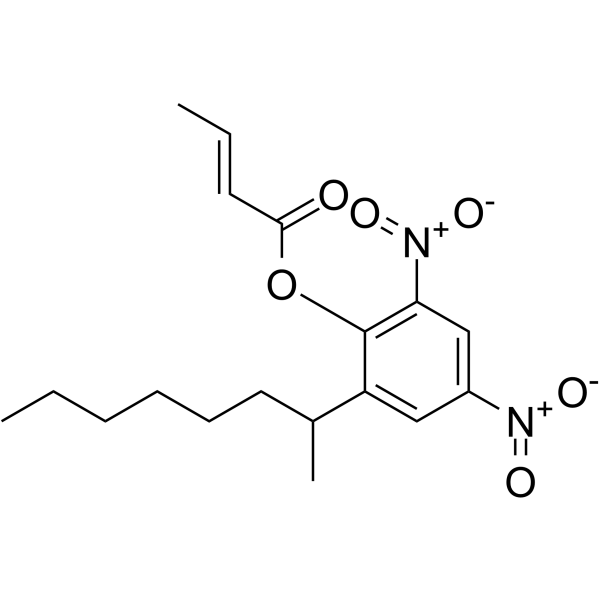
    Meptyldinocap (2,4-DNOPC) is a fungicide and cytotoxic agent that acts against powdery mildew. Meptyldinocap upregulates the phosphorylation levels of ERK1/2, JNK and p38. Meptyldinocap induces apoptosis and endoplasmic reticulum stress, disrupts calcium homeostasis, inhibits cell proliferation and migration, downregulates the expression of proliferation- and pregnancy-related genes, and triggers mitochondrial dysfunction. Meptyldinocap can be used in studies related to powdery mildew and implantation failure .
    Meptyldinocap
  • HY-N6850
    Calenduloside E
    1 Publications Verification

    Apoptosis Pyroptosis AMPK Bcl-2 Family JAK STAT Calcium Channel Interleukin Related TNF Receptor SOD Reactive Oxygen Species (ROS) PPAR Cardiovascular Disease Inflammation/Immunology
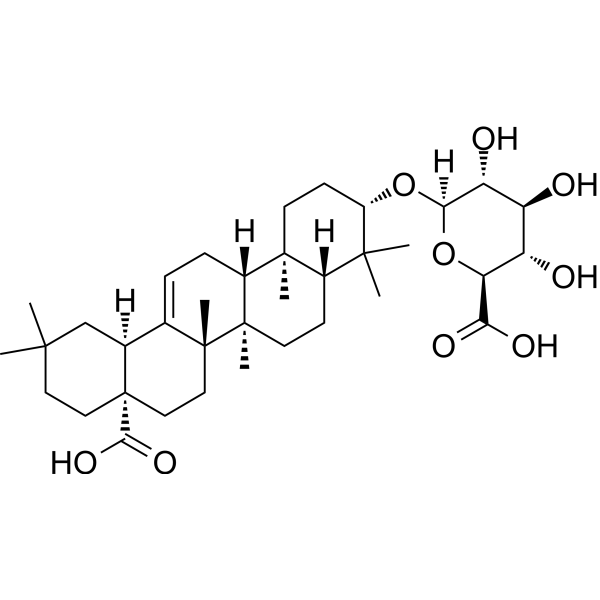
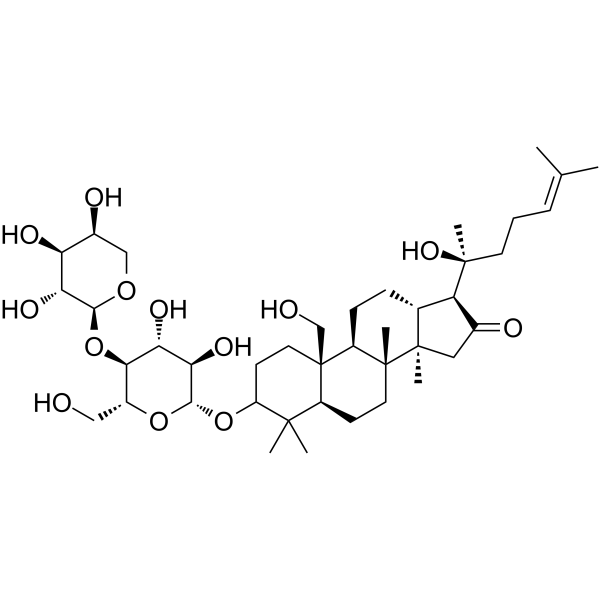
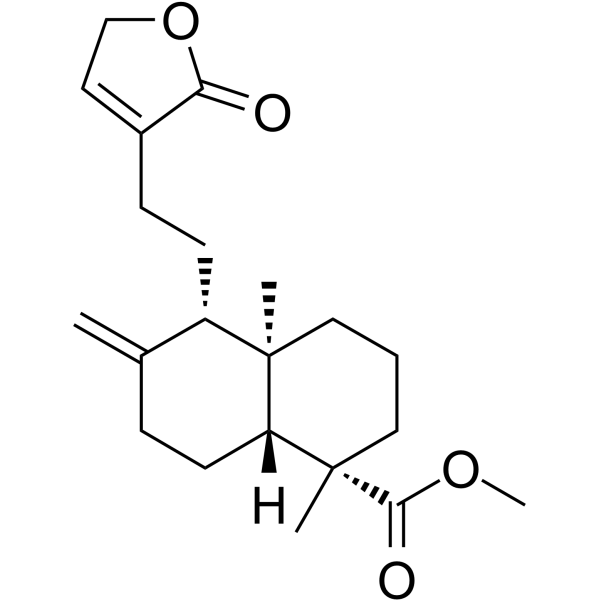
    Calenduloside E is a pentacyclic triterpenoid saponin that can be extracted from the bark and roots of Aralia ovata, and has anti-inflammatory and anti-apoptotic activities. Calenduloside E alleviates atherosclerosis by regulating macrophage polarization, improves mitochondrial function by regulating the AMPK-SIRT3 pathway, and alleviates acute liver injury. In addition, Calenduloside E promotes the interaction between L-type calcium channels and Bcl-2 related apoptosis genes, inhibits calcium overload, and alleviates myocardial ischemia/reperfusion injury. Calenduloside E also improves non-alcoholic fatty liver disease by regulating heat shock-dependent pathways, and inhibits ROS mediated JAK1-STAT3 pathways to reduce cellular inflammatory responses .
    Calenduloside E
  • HY-N0565S1

    Isotope-Labeled Compounds MMP Parasite Bacterial Antibiotic Apoptosis Akt PI3K Infection Neurological Disease Inflammation/Immunology Cancer
    Doxycycline-d3 hyclate (major) is the deuterium labeled Doxycycline hyclate (HY-N0565B). Doxycycline hyclate is an orally active highly lipophilic, tissue-permeable MMP inhibitor with broad-spectrum antibacterial activity. Doxycycline hyclate is also a semi-synthetic antibiotic with chelating properties, which blocks bacterial protein synthesis and inhibits extracellular matrix degradation through interactions with zinc and calcium atoms. Doxycycline hyclate also inhibits mitochondrial biogenesis, translation, and the expression of respiratory chain proteins. Doxycycline hyclate induces apoptosis, inhibits autophagy and EMT, downregulates stem cell markers, and activates the PI3K-AKT pathway, thereby effectively inhibiting the viability and proliferation of cancer cells such as breast cancer cells. Doxycycline hyclate also promotes the survival and self-renewal of embryonic stem cells and neural stem cells, and reduces the frequency of medium changes in culture. Doxycycline hyclate has been applied in studies related to breast cancer, prostate cancer, bladder cancer, and other cancers .
    Doxycycline-d3 (hyclate) (major)
  • HY-100662

    Bisdesethylchloroquine

    Drug Metabolite Cardiovascular Disease Infection
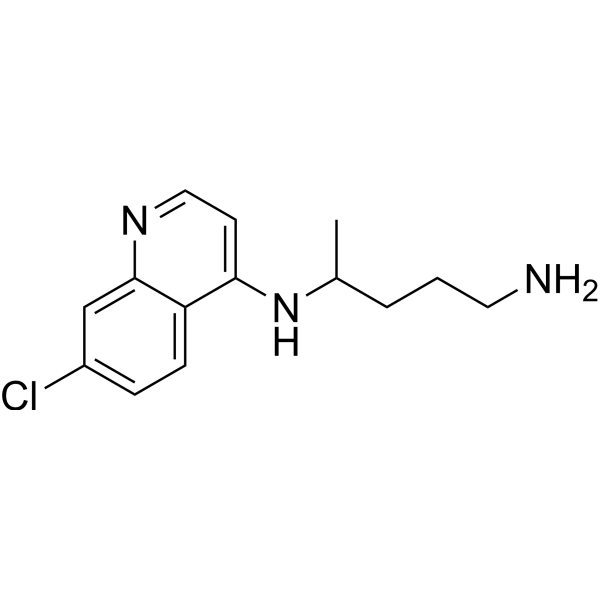
    Didesethyl chloroquine (Bisdesethylchloroquine) is the major metabolite of the antimalarial agent Chloroquine (HY-17589A). Didesethyl chloroquine is a potent myocardial inhibitor. Didesethyl chloroquine reduces calcium binding and accumulation in cardiac mitochondria, induces mitochondrial swelling, rupture and membrane conformational changes. Didesethyl chloroquine inhibits the growth of Plasmodium falciparum strains. Didesethyl chloroquine can be used in research related to malaria, chikungunya virus infection, and cardiovascular and cerebrovascular diseases .
    Didesethyl chloroquine
  • HY-N0565AR

    Reference Standards MMP Parasite Bacterial Antibiotic Apoptosis Akt PI3K Infection Neurological Disease Inflammation/Immunology Cancer
    Doxycycline hydrochloride (Standard) is the analytical standard of Doxycycline hydrochloride (HY-N0565A). This product is intended for research and analytical applications. Doxycycline hydrochloride is an orally active highly lipophilic, tissue-permeable MMP inhibitor with broad-spectrum antibacterial activity. Doxycycline hydrochloride is also a semi-synthetic antibiotic with chelating properties, which blocks bacterial protein synthesis and inhibits extracellular matrix degradation through interactions with zinc and calcium atoms. Doxycycline hydrochloride also inhibits mitochondrial biogenesis, translation, and the expression of respiratory chain proteins. Doxycycline hydrochloride induces apoptosis, inhibits autophagy and EMT, downregulates stem cell markers, and activates the PI3K-AKT pathway, thereby effectively inhibiting the viability and proliferation of cancer cells such as breast cancer cells. Doxycycline hydrochloride also promotes the survival and self-renewal of embryonic stem cells and neural stem cells, and reduces the frequency of medium changes in culture. Doxycycline hydrochloride has been applied in studies related to breast cancer, prostate cancer, bladder cancer, and other cancers .
    Doxycycline (hydrochloride) (Standard)
  • HY-N0565R

    Reference Standards MMP Parasite Bacterial Antibiotic Apoptosis Akt PI3K Infection Neurological Disease Inflammation/Immunology Cancer
    Doxycycline (Standard) is the analytical standard of Doxycycline (HY-N0565). This product is intended for research and analytical applications. Doxycycline is an orally active highly lipophilic, tissue-permeable MMP inhibitor with broad-spectrum antibacterial activity. Doxycycline is also a semi-synthetic antibiotic with chelating properties, which blocks bacterial protein synthesis and inhibits extracellular matrix degradation through interactions with zinc and calcium atoms. Doxycycline also inhibits mitochondrial biogenesis, translation, and the expression of respiratory chain proteins. Doxycycline induces apoptosis, inhibits autophagy and EMT, downregulates stem cell markers, and activates the PI3K-AKT pathway, thereby effectively inhibiting the viability and proliferation of cancer cells such as breast cancer cells. Doxycycline also promotes the survival and self-renewal of embryonic stem cells and neural stem cells, and reduces the frequency of medium changes in culture. Doxycycline has been applied in studies related to breast cancer, prostate cancer, bladder cancer, and other cancers .
    Doxycycline (Standard)
  • HY-N0565BR

    Doxycycline (hydrochloride hemiethanolate hemihydrate) (Standard); WC2031 (Standard)

    Reference Standards MMP Parasite Bacterial Antibiotic Apoptosis Akt PI3K Infection Neurological Disease Inflammation/Immunology Cancer
    Doxycycline hyclate (Standard) is the analytical standard of Doxycycline hyclate (HY-N0565B). This product is intended for research and analytical applications. Doxycycline hyclate is an orally active highly lipophilic, tissue-permeable MMP inhibitor with broad-spectrum antibacterial activity. Doxycycline hyclate is also a semi-synthetic antibiotic with chelating properties, which blocks bacterial protein synthesis and inhibits extracellular matrix degradation through interactions with zinc and calcium atoms. Doxycycline hyclate also inhibits mitochondrial biogenesis, translation, and the expression of respiratory chain proteins. Doxycycline hyclate induces apoptosis, inhibits autophagy and EMT, downregulates stem cell markers, and activates the PI3K-AKT pathway, thereby effectively inhibiting the viability and proliferation of cancer cells such as breast cancer cells. Doxycycline hyclate also promotes the survival and self-renewal of embryonic stem cells and neural stem cells, and reduces the frequency of medium changes in culture. Doxycycline hyclate has been applied in studies related to breast cancer, prostate cancer, bladder cancer, and other cancers .
    Doxycycline hyclate (Standard)
  • HY-P10738

    Formyl Peptide Receptor (FPR) Infection
    N-Formyl-MMYALF is a potent mitochondrial N-formyl peptide (mtFP) that has the activity of depleting calcium ions in the endoplasmic reticulum. N-Formyl-MMYALF can inhibit the FPR-1-mediated chemotactic response of polymorphonuclear leukocytes (PMNs) to bacterial peptides .
    N-Formyl-MMYALF
  • HY-14256
    BMS-191095
    1 Publications Verification

    Potassium Channel Cardiovascular Disease Neurological Disease
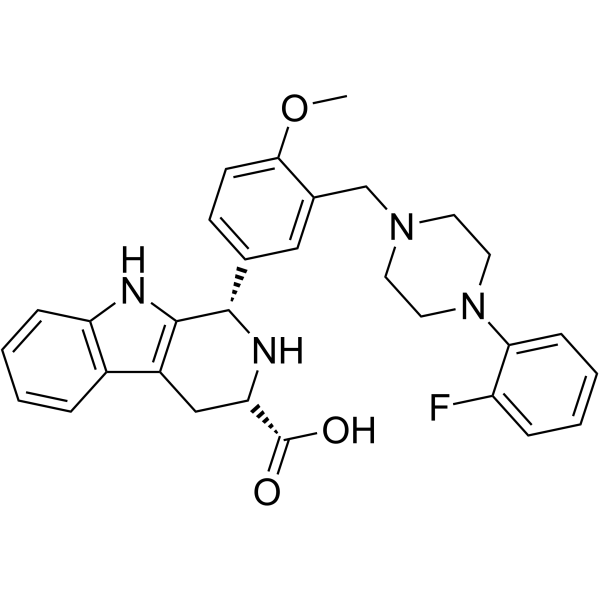
    BMS-191095 is a selective activator of mitochondrial ATP-sensitive potassium (mitoKATP) channels. BMS-191095 inhibits human platelet aggregation by opening mitochondrial K(ATP) channels .
    BMS-191095
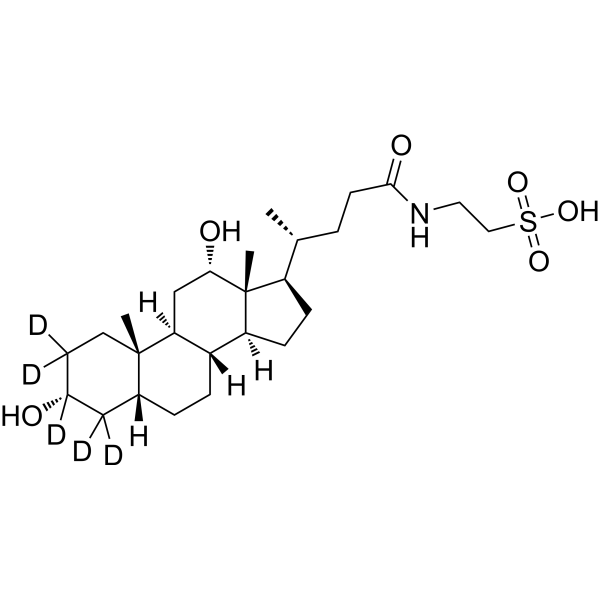
  • HY-B1899S

    Taurodeoxycholate-d5

    Isotope-Labeled Compounds Endogenous Metabolite Apoptosis Others
    Taurodeoxycholic acid-d5 is the deuterium labeled Taurodeoxycholic acid (HY-B1899) . Taurodeoxycholic acid, a bile acid, stabilizes the mitochondrial membrane, decreases free radical formation. Taurodeoxycholic acid inhibits apoptosis by blocking a calcium-mediated apoptotic pathway as well as caspase-12 activation. Taurodeoxycholic acid exhibits neuroprotective effect in 3-nitropropionic acid induced mouse model or genetic mouse model of Huntington's disease (HD) .
    Taurodeoxycholic acid-d5
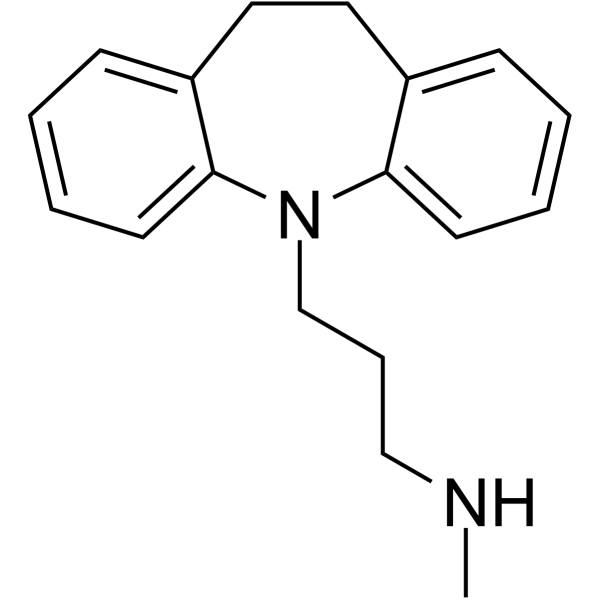
  • HY-B1272A

    Adrenergic Receptor ERK JNK p38 MAPK NF-κB AP-1 Apoptosis Reactive Oxygen Species (ROS) Mitochondrial Metabolism TNF Receptor Neurological Disease Inflammation/Immunology Cancer
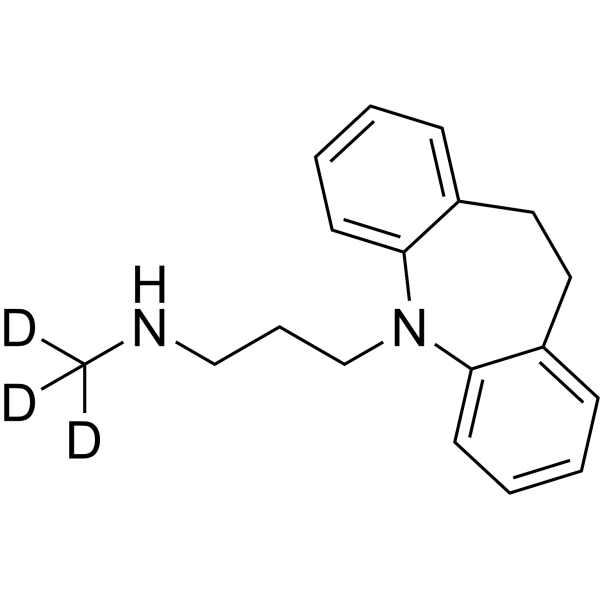
    Desipramine is a first-generation tricyclic antidepressant. Desipramine selectively binds to norepinephrine transporter and blocks neuronal norepinephrine reuptake. Desipramine activates MAPK signaling via ERK1/2, JNK, and p38, represses NF-κB and AP-1 activity, and induces apoptosis via ROS elevation, mitochondrial membrane potential reduction, and intracellular calcium increase. Desipramine also shows anyi-inflammatory activity, inhibiting TNF-α production. Desipramine can be used for the research of hepatocellular cancer, inflammation, and neurological diseases .
    Desipramine
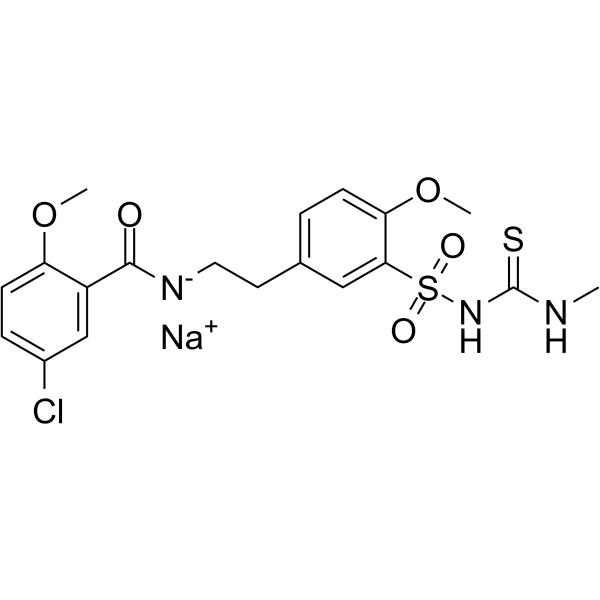
  • HY-15208

    HMR 1098

    Potassium Channel Neurological Disease
    Clamikalant sodium (HMR 1098) is an ATP-sensitive potassium (KATP) channel blocker. Clamikalant sodium can be used for the research of arrhythmia .
    Clamikalant sodium
  • HY-N1989

    Na+/K+ ATPase CaMK Apoptosis Cholinesterase (ChE) NO Synthase NF-κB Neurological Disease Cancer
    Bacoside A is an orally active, blood-brain barrier-permeable triterpenoid saponin that modulates the activities of ATPases, AChE, CaMK2A and iNOS. Derived from Bacopa monniera. Bacoside A exerts significant antioxidant, anti-inflammatory and anti-apoptotic effects by maintaining ion balance, scavenging reactive oxygen species, stabilizing cell membranes, and regulating the expression of NF-κB and apoptosis-related proteins. Bacoside A counteracts morphine-induced reductions in Na +/K +-ATPase, Ca 2+-ATPase and Mg 2+-ATPase activities, increases mitochondrial membrane potential, and decreases intracellular reactive oxygen species levels. Bacoside A specifically binds to calcium/calmodulin-dependent protein kinase IIA to trigger endoplasmic reticulum calcium release. Bacoside A exhibits non-apoptotic cytotoxicity against glioblastoma cells while protecting normal nerve cells from stress-induced damage. Bacoside A is applicable to the research of Parkinson's disease and glioblastoma multiforme .
    Bacoside A
  • HY-100928

    Calcium Channel Neurological Disease
    YS 035 hydrochloride is a Ca 2+ antagonist on cellular uptake and mitochondrial efflux of calcium ions. YS 035 hydrochloride inhibits Ca 2+ uptake by muscle cells and inhibits Na +/Ca 2+ exchange (Ki=28 µM). YS 035 hydrochloride is a useful tool for research on the mitochondrial Ca 2+ transport .
    YS 035 hydrochloride
  • HY-N0565AS

    Isotope-Labeled Compounds MMP Parasite Bacterial Antibiotic Apoptosis Akt PI3K Infection Neurological Disease Inflammation/Immunology Cancer
    Doxycycline-d3 hydrochloride is deuterium labeled Doxycycline hydrochloride (HY-N0565A). Doxycycline hydrochloride is an orally active highly lipophilic, tissue-permeable MMP inhibitor with broad-spectrum antibacterial activity. Doxycycline hydrochloride is also a semi-synthetic antibiotic with chelating properties, which blocks bacterial protein synthesis and inhibits extracellular matrix degradation through interactions with zinc and calcium atoms. Doxycycline hydrochloride also inhibits mitochondrial biogenesis, translation, and the expression of respiratory chain proteins. Doxycycline hydrochloride induces apoptosis, inhibits autophagy and EMT, downregulates stem cell markers, and activates the PI3K-AKT pathway, thereby effectively inhibiting the viability and proliferation of cancer cells such as breast cancer cells. Doxycycline hydrochloride also promotes the survival and self-renewal of embryonic stem cells and neural stem cells, and reduces the frequency of medium changes in culture. Doxycycline hydrochloride has been applied in studies related to breast cancer, prostate cancer, bladder cancer, and other cancers .

    Doxycycline-d3 (hydrochloride)
  • HY-N0565S3

    Isotope-Labeled Compounds MMP Parasite Bacterial Antibiotic Apoptosis Akt PI3K Infection Neurological Disease Inflammation/Immunology Cancer
    Doxycycline- 13C,d3 is 13C and deuterium labeled Doxycycline (HY-N0565). Doxycycline is an orally active highly lipophilic, tissue-permeable MMP inhibitor with broad-spectrum antibacterial activity. Doxycycline is also a semi-synthetic antibiotic with chelating properties, which blocks bacterial protein synthesis and inhibits extracellular matrix degradation through interactions with zinc and calcium atoms. Doxycycline also inhibits mitochondrial biogenesis, translation, and the expression of respiratory chain proteins. Doxycycline induces apoptosis, inhibits autophagy and EMT, downregulates stem cell markers, and activates the PI3K-AKT pathway, thereby effectively inhibiting the viability and proliferation of cancer cells such as breast cancer cells. Doxycycline also promotes the survival and self-renewal of embryonic stem cells and neural stem cells, and reduces the frequency of medium changes in culture. Doxycycline has been applied in studies related to breast cancer, prostate cancer, bladder cancer, and other cancers .

    Doxycycline-13C,d3
  • HY-172876

    iGluR Reactive Oxygen Species (ROS) Trk Receptor Cardiovascular Disease
    FLY26 is a selective partial GluN2B antagonist with an IC50 value of 0.64 μM. FLY26 partially inhibits the GluN2B subunit of NMDA receptors, reduces calcium ion influx and reactive oxygen species (ROS) production and activates the BDNF/TrkB/CREB neuroprotective signaling pathway to alleviate neuronal excitotoxicity and mitochondrial dysfunction. FLY26 is promising for research of neurological deficits caused by cerebral ischemia-reperfusion injury .
    FLY26
  • HY-P11205A

    Cys-txCD47 TFA

    CD47 Reactive Oxygen Species (ROS) Thrombopoietin Receptor Inflammation/Immunology Cancer
    Cys-PKHB1 (Cys-txCD47) TFA is a peptide conjugated to PKHB1, a CD47 agonist peptide and a thrombospondin-1 peptide mimic with antitumor effects. PKHB1 induces mitochondrial alterations, ROS generation, intracellular Ca + accumulation, and calcium-dependent cell death in breast cancer cells. PKHB1 induces immune system activation in breast cancer cells through immunogenic cell death .
    Cys-PKHB1 TFA
  • HY-P11114

    Bacterial p38 MAPK Reactive Oxygen Species (ROS) Apoptosis Caspase Infection Inflammation/Immunology
    Periplanetasin-4 is an antimicrobial peptide that can be derived from the American cockroach (Periplaneta americana). Periplanetasin-4 reduces cell rounding and apoptosis. Periplanetasin-4 blocks Clostridium difficile toxin A-induced ROS production and the activation of downstream p38 MAPK and p21. Periplanetasin-4 significantly increases mitochondrial calcium level, reduces DPH fluorescence intensity and vacuolar dysfunction in Candida albicans ATCC 90028 cells. Periplanetasin-4 significantly ameliorates toxin A-induced mucosal damage in the mouse gut. Periplanetasin-4 can be used for the study of colitis .
    Periplanetasin-4
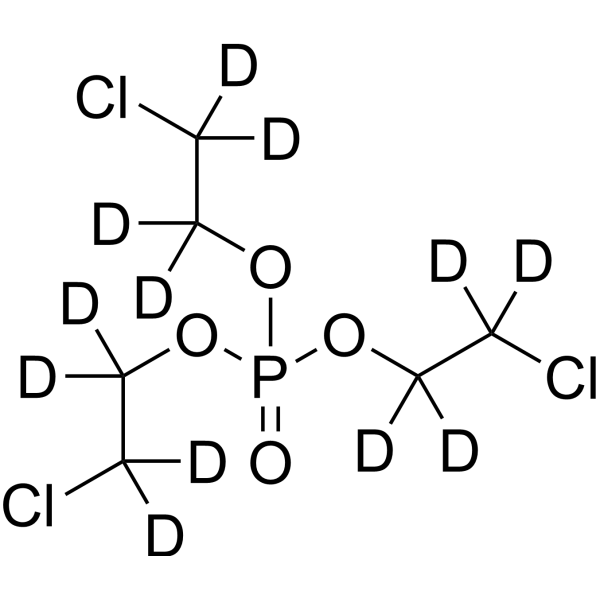
  • HY-107859S

    TCEP-d12

    Isotope-Labeled Compounds Reactive Oxygen Species (ROS) Apoptosis DNA/RNA Synthesis Calcium Channel FXR Toll-like Receptor (TLR) NF-κB SOD Interleukin Related TNF Receptor Others
    Tris(2-chloroethyl)phosphate-d12 is the deuterium labeled Tris(β-chloroethyl) phosphate. Tris(2-chloroethyl) phosphate is a widely used organic phosphorus flame retardant, mainly used as a plasticizer. Tris(2-chloroethyl) phosphate has orally active hepatotoxicity, inducing an increase in reactive oxygen species (ROS) and calcium ions (Ca²⁺) influx, a decrease in mitochondrial membrane potential (△Ψm), and causing DNA damage and cell apoptosis. Tris(2-chloroethyl) phosphate directly binds to FXR, inducing obesity and the formation of fatty liver in mice. Chloroethyl) phosphate activates the TLR4/NF-κB pathway, triggering liver inflammation.
    Tris(2-chloroethyl)phosphate-d12
  • HY-B1272R

    Reference Standards Adrenergic Receptor ERK JNK p38 MAPK NF-κB AP-1 Apoptosis Reactive Oxygen Species (ROS) Mitochondrial Metabolism TNF Receptor Neurological Disease Inflammation/Immunology Cancer
    Desipramine hydrochloride (Standard) is the analytical standard of Desipramine hydrochloride (HY-B1272). This product is intended for research and analytical applications. Desipramine hydrochloride is a first-generation tricyclic antidepressant. Desipramine hydrochloride selectively binds to norepinephrine transporter and blocks neuronal norepinephrine reuptake. Desipramine hydrochloride activates MAPK signaling via ERK1/2, JNK, and p38, represses NF-κB and AP-1 activity, and induces apoptosis via ROS elevation, mitochondrial membrane potential reduction, and intracellular calcium increase. Desipramine hydrochloride also shows anyi-inflammatory activity, inhibiting TNF-α production. Desipramine hydrochloride can be used for the research of hepatocellular cancer, inflammation, and neurological diseases .
    Desipramine hydrochloride (Standard)
  • HY-103305

    Fluorescent Dye Calcium Channel Others
    cis-Ned19 is an irreversible nicotinic acid adenine dinucleotide phosphate (NAADP) antagonist. cis-Ned19 localizes to lysosomes and endolysosomal vesicles, stains two-pore calcium channels and fluorescently labels NAADP receptors (Ex/Em = 365/410 nm) .
    cis-Ned19
  • HY-172227

    Mitochondrial Metabolism Cardiovascular Disease
    S-15176 is an inhibitor of the mitochondrial permeability transition pore (PTP). S-15176 inhibits mitochondrial swelling induced by tert-butylhydroperoxide with an IC50 value of 45.7 μM. S-15176 inhibits PTP opening, prevents mitochondrial membrane potential dissipation and NAD(P)H oxidation, and increases mitochondrial calcium loading capacity. S-15176 is promising for research of ischemia-reperfusion injury .
    S-15176
  • HY-N7063R

    Reactive Oxygen Species (ROS) Endogenous Metabolite Fungal Mitochondrial Metabolism Apoptosis Reference Standards Infection
    Nerol (Standard) is the analytical standard of Nerol. This product is intended for research and analytical applications. Nerol is a constituent of neroli oil. Nerol Nerol triggers mitochondrial dysfunction and induces apoptosis via elevation of Ca 2+ and ROS. Antifungal activity .
    Nerol (Standard)
  • HY-172959

    Mitochondrial Metabolism Cardiovascular Disease
    mPTP-IN-1 (Compound 14e) is a mitochondrial permeability transition pore (mPTP) inhibitor. mPTP-IN-1 blocks calcium-induced mPTP opening by targeting the C subunit of ATP synthase. mPTP-IN-1 can be used to study myocardial ischemia/reperfusion injury (IRI) .
    mPTP-IN-1
  • HY-P10371

    txCD47

    Reactive Oxygen Species (ROS) Thrombopoietin Receptor Mitochondrial Metabolism HSP HSV CD47 Infection Inflammation/Immunology Cancer
    PKHB1 (txCD47) is a CD47 agonist and Thrombospondin-1 peptide mimetic. PKHB1 activates CD47 and triggers Caspase-independent, calcium-dependent cell death via mitochondrial alterations, ROS production, endoplasmic reticulum morphological changes, and dissipation of mitochondrial membrane potential. PKHB1 induces the exposure of Calreticulin, HSP70, and HSP90, thereby driving immunogenic cell death. PKHB1 promotes intratumoral CD8 + T cell infiltration and inhibits breast tumorigenesis. PKHB1 reduces HSV-1 levels and alleviates the severity of herpes simplex keratitis. PKHB1 can be used in research related to breast cancer, herpes simplex keratitis, and T-cell acute lymphoblastic leukemia .
    PKHB1
  • HY-121746

    PPAR Calcium Channel Apoptosis Cardiovascular Disease Metabolic Disease
    GW7845 is an orally active non-thiazolidinedione, tyrosine-derived PPARγ agonist. GW7845 is effective at inhibiting voltage-dependent calcium channels (VDCC) and relaxing pressurized arteries with IC50 of 3 μM by using Ba 2+ as the charge carrier through VDCC. GW7845-induced apoptosis is mitochondria- and apoptosome-dependent. GW7845 induces rapid mitochondrial membrane depolarization and release of cytochrome c in primary pro-B cells and BU-11 cells .
    GW7845
  • HY-174377

    Androgen Receptor p38 MAPK Caspase Cytochrome P450 Calcium Channel Reactive Oxygen Species (ROS) Apoptosis Mitochondrial Metabolism GLUT Cancer

    PeS-9 is an Androgen Receptor (AR) degrader that induces androgen receptor degradation PeS-9 induces mitochondrial and ER stress by promoting cytotoxic ROS production, leading to the release of mitochondrial cytochrome C and AIF. PeS-9 subsequently activates caspases-9 and -3, causing DNA fragmentation and apoptotic cell death. PeS-9 has anticancer activity against prostate cancer and exerts in vivo antitumor and antimetastatic activity with minor side effects. PeS-9 can be used for the study of targeting monotherapy against GLUT-1-overexpressing tumors .

    PeS-9
  • HY-150966

    Mitochondrial Metabolism Cancer
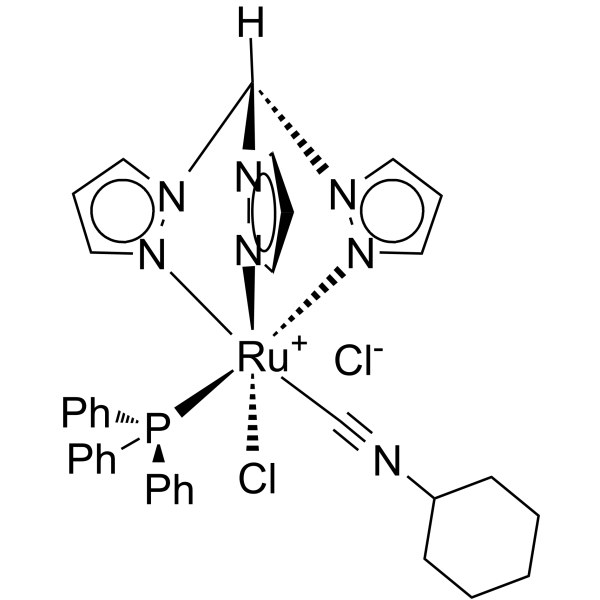
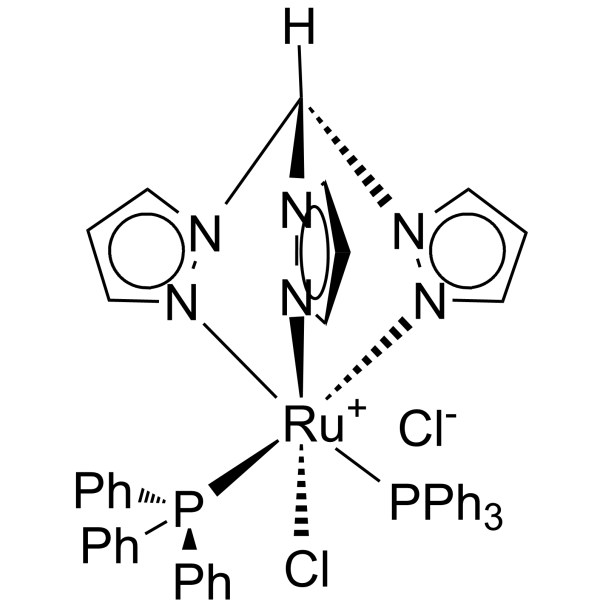
    Antiproliferative agent-10 (compound 8) is an anti-tumour ruthenium(II)-tris-pyrazolylmethane complex that inhibits the growth of cancer cells by inhibiting mitochondrial calcium uptake .
    Antiproliferative agent-10
  • HY-150969

    Mitochondrial Metabolism Cancer
    Antiproliferative agent-10 (compound 1) is an anti-tumour ruthenium(II)-tris-pyrazolylmethane complex that inhibits the growth of cancer cells by inhibiting mitochondrial calcium uptake .
    Antiproliferative agent-12
  • HY-P10738A

    Formyl Peptide Receptor (FPR) Infection
    N-Formyl-MMYALF TFA is a mitochondrial N-formyl peptide that has the activity of depleting calcium ions in the endoplasmic reticulum. N-Formyl-MMYALF TFA can inhibit the FPR-1-mediated chemotactic response of PMNs to bacterial peptides .
    N-Formyl-MMYALF TFA
  • HY-B0926AR

    Diatrizoic acid sodium salt (Standard); Sodium amidotrizoate (Standard)

    Reference Standards Apoptosis Inflammation/Immunology
    Sodium diatrizoate (Standard) is the analytical standard of Sodium diatrizoate. This product is intended for research and analytical applications. Sodium diatrizoate (Diatrizoic acid sodium salt) is an iodinated radiocontrast agent and has the potential for radiographic imaging of the airways. Sodium diatrizoate induces mitochondrial turnover and oxidative stress, and activating apoptosis by dysregulating calcium .
    Sodium diatrizoate (Standard)
  • HY-B0926R

    Diatrizoate (Standard); Amidotrizoic acid (Standard)

    Reference Standards Apoptosis Inflammation/Immunology
    Diatrizoic acid (Standard) is the analytical standard of Diatrizoic acid. This product is intended for research and analytical applications. Diatrizoic acid (Diatrizoate) is an iodinated radiocontrast agent and has the potential for radiographic imaging of the airways. Diatrizoic acid induces mitochondrial turnover and oxidative stress, and activating apoptosis by dysregulating calcium .
    Diatrizoic acid (Standard)
  • HY-N0565C

    MMP Parasite Bacterial Antibiotic Apoptosis Akt PI3K Infection Neurological Disease Inflammation/Immunology Cancer
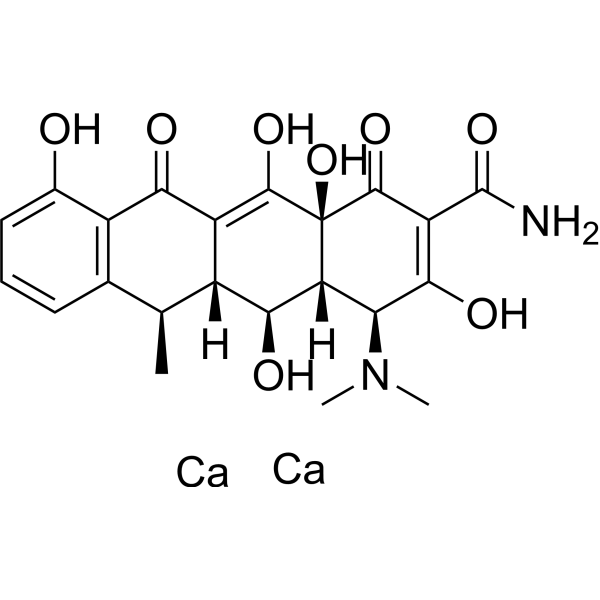
    Doxycycline calcium is an orally active highly lipophilic, tissue-permeable MMP inhibitor with broad-spectrum antibacterial activity. Doxycycline calcium is also a semi-synthetic antibiotic with chelating properties, which blocks bacterial protein synthesis and inhibits extracellular matrix degradation through interactions with zinc and calcium atoms. Doxycycline calcium also inhibits mitochondrial biogenesis, translation, and the expression of respiratory chain proteins. Doxycycline calcium induces apoptosis, inhibits autophagy and EMT, downregulates stem cell markers, and activates the PI3K-AKT pathway, thereby effectively inhibiting the viability and proliferation of cancer cells such as breast cancer cells. Doxycycline calcium also promotes the survival and self-renewal of embryonic stem cells and neural stem cells, and reduces the frequency of medium changes in culture. Doxycycline calcium has been applied in studies related to breast cancer, prostate cancer, bladder cancer, and other cancers .
    Doxycycline calcium

Inquiry Online

Your information is safe with us. * Required Fields.

Salutation


Country or Region *

Applicant Name *


Organization Name *

Department *


Email Address *


Product Name *

Cat. No.


Requested quantity *

Phone Number *


Remarks

Inquiry Online

Inquiry Information

Product Name:
Cat. No.:
Quantity:
MCE Japan Authorized Agent: