1. Search Result
Search Result
Results for "

multiple kinase inhibitor

" in MedChemExpress (MCE) Product Catalog:

91

Inhibitors & Agonists

1

Bibliotecas de Screening

3

Peptides

7

Natural
Products

5

Isotope-Labeled Compounds

4

Antibodies

Cat. No. Nombre del producto Target Áreas de investigación Chemical Structure
  • HY-14596
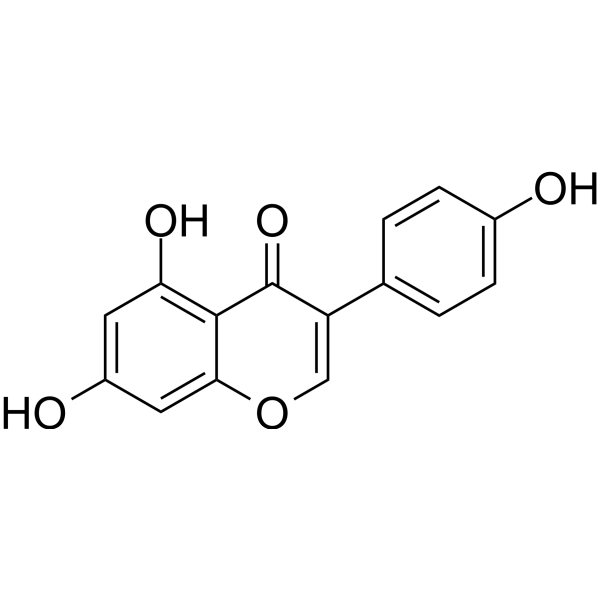
    Genistein
    Maximum Cited Publications
    88 Publications Verification

    NPI 031L

    EGFR Autophagy Apoptosis Endogenous Metabolite Cancer
    Genistein, a soy isoflavone, is a multiple tyrosine kinases (e.g., EGFR) inhibitor which acts as a chemotherapeutic agent against different types of cancer, mainly by altering apoptosis, the cell cycle, and angiogenesis and inhibiting metastasis.
    Genistein
  • HY-12137
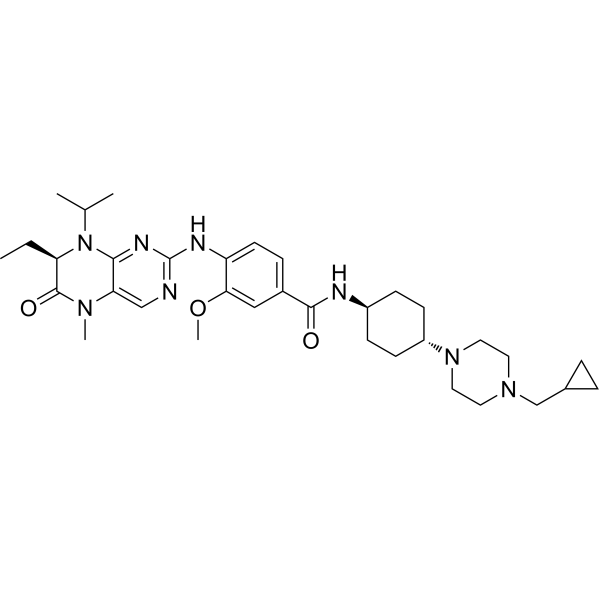
    Volasertib
    30+ Cited Publications

    BI 6727

    Polo-like Kinase (PLK) Apoptosis Cancer
    Volasertib (BI 6727) is an orally active, highly potent and ATP-competitive Polo-like kinase 1 (PLK1) inhibitor with an IC50 of 0.87 nM. Volasertib inhibits PLK2 and PLK3 with IC50s of 5 and 56 nM, respectively. Volasertib induces mitotic arrest and apoptosis. Volasertib, a dihydropteridinone derivative, shows marked antitumor activity in multiple cancer models .
    Volasertib
  • HY-148810
    Zongertinib
    1 Publications Verification

    BI 1810631

    c-Met/HGFR Cancer
    Zongertinib (BI 1810631) is a potent and selective HER2 and EGFR tyrosine kinase inhibitor with IC50 values of 13 nM and 579 nM, respectively. Zongertinib has antitumor activity and can be used in the study of multiple solid tumors .
    Zongertinib
  • HY-112306
    Ripretinib
    5+ Cited Publications

    DCC-2618

    c-Kit PDGFR FLT3 VEGFR Apoptosis Cancer
    Ripretinib (DCC-2618) is an orally bioavailable, selective KIT and PDGFRA switch-control inhibitor. Ripretinib (DCC-2618) targets and binds to both wild-type and mutant forms of KIT and PDGFRA specifically at their switch pocket binding sites, thereby preventing the switch from inactive to active conformations of these kinases and inactivating their wild-type and mutant forms. Ripretinib (DCC-2618) also inhibits multiple other kinase targets, such as FLT3 and KDR (or VEGFR-2) . DCC-2618 exerts antineoplastic effect and induces apoptosis .
    Ripretinib
  • HY-12044
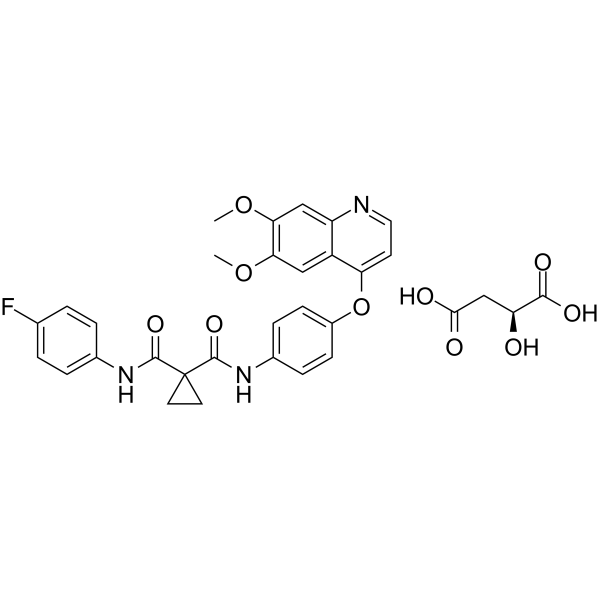
    Cabozantinib S-malate
    55+ Cited Publications

    XL184 S-malate; BMS-907351 S-malate

    VEGFR Apoptosis Cancer
    Cabozantinib S-malate (XL184 S-malate) is a potent multiple receptor tyrosine kinases inhibitor that inhibits VEGFR2, c-Met, Kit, Axl and Flt3 with IC50s of 0.035, 1.3, 4.6, 7 and 11.3 nM, respectively.
    Cabozantinib S-malate
  • HY-138696
    Zanzalintinib
    1 Publications Verification

    XL092

    TAM Receptor c-Met/HGFR VEGFR Cancer
    Zanzalintinib (XL092) is an orally active, ATP-competitive inhibitor of multiple receptor tyrosine kinases (RTKs) including MET, VEGFR2, AXL and MER, with IC50s in cell-based assays of 15 nM, 1.6 nM, 3.4 nM, 7.2 nM respectively. Zanzalintinib exhibits anti-tumor activity. Zanzalintinib has the potential for kinase-dependent diseases and conditions research .
    Zanzalintinib
  • HY-15160
    TAK-960
    2 Publications Verification

    Polo-like Kinase (PLK) Cancer
    TAK-960 is an orally available, selective inhibitor of polo-like kinase 1 (PLK1), with an IC50 of 0.8 nM. TAK-960 also shows inhibitory activities against PLK2 and PLK3, with IC50s of 16.9 and 50.2 nM, respectively. TAK-960 inhibits proliferation of multiple cancer cell lines and exhibits significant efficacy against multiple tumor xenografts .
    TAK-960
  • HY-50514
    AT9283
    5+ Cited Publications

    JAK Aurora Kinase Bcr-Abl FLT3 Apoptosis Autophagy Cancer
    AT9283 is a multi-targeted kinase inhibitor with potent activity against Aurora A/B, JAK2/3, Abl (T315I) and Flt3 (IC50s ranging from 1 to 30 nM). AT9283 inhibits growth and survival of multiple solid tumors in vitro and in vivo .
    AT9283
  • HY-15728
    Radotinib
    1 Publications Verification

    IY-5511

    Bcr-Abl Apoptosis STAT JAK Prion Protein Infection Neurological Disease Cancer
    Radotinib (IY-5511) is an orally active and BBB-permeable selective tyrosine kinase Bcr-Abl1 inhibitor with an IC50 of 34 nM. Radotinib has anti-prion and anti-tumor activities. Radotinib can inhibit the proliferation, induce cell cycle arrest and apoptosis of tumor cells . Radotinib can be used in the research of cancer such as chronic myeloid leukemia and multiple myeloma, as well as neurodegenerative diseases such as prion diseases .
    Radotinib
  • HY-N0031
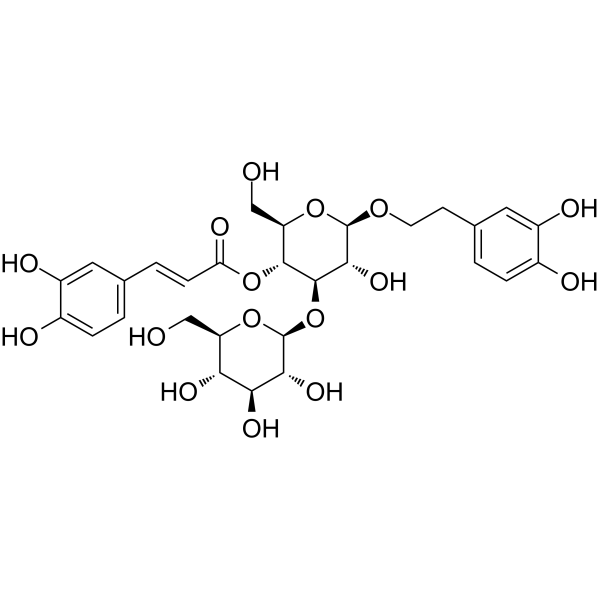
    Plantamajoside
    2 Publications Verification

    NF-κB PI3K Akt Apoptosis Autophagy p38 MAPK Src Cardiovascular Disease Neurological Disease Metabolic Disease Inflammation/Immunology Cancer
    Plantamajoside is an orally active phenylpropanoid glycoside. Plantamajoside can be isolated from Plantago asiatica L.(Plantaginaceae). Plantamajoside inactivates NF-κB, PI3K/akt, induces Apoptosis, and improves Autophagy. Plantamajoside regulates MAPK, integrin-linked kinase/c-Src. Plantamajoside inhibits multiple cancers, improves lung and kidney damage. Plantamajoside has neuroprotective and anti-inflammatory effects .
    Plantamajoside
  • HY-118266
    BTdCPU
    3 Publications Verification

    Phosphatase Apoptosis Cancer
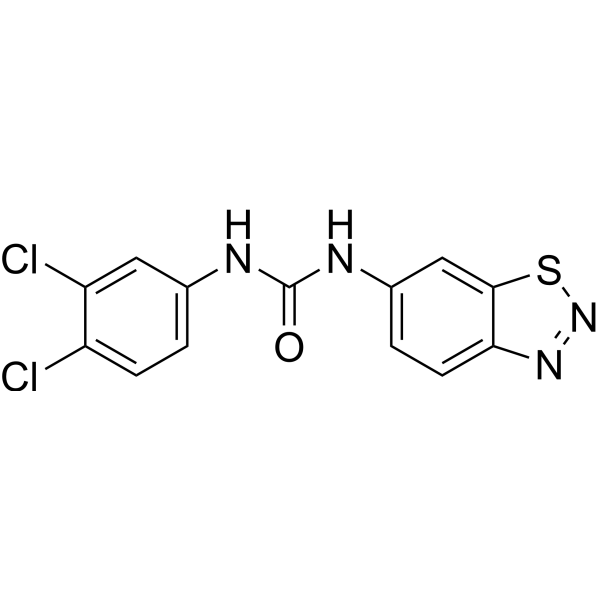
    BTdCPU is a potent heme regulated inhibitor kinase (HRI) activator that promotes eIF2α phosphorylation and induces apoptosis in Dexamethasone (HY-14648) (Dex)-resistant cancer cells. BTdCPU can be used in the study of cancers such as multiple myeloma and Dex-resistant multiple myeloma .
    BTdCPU
  • HY-B1165

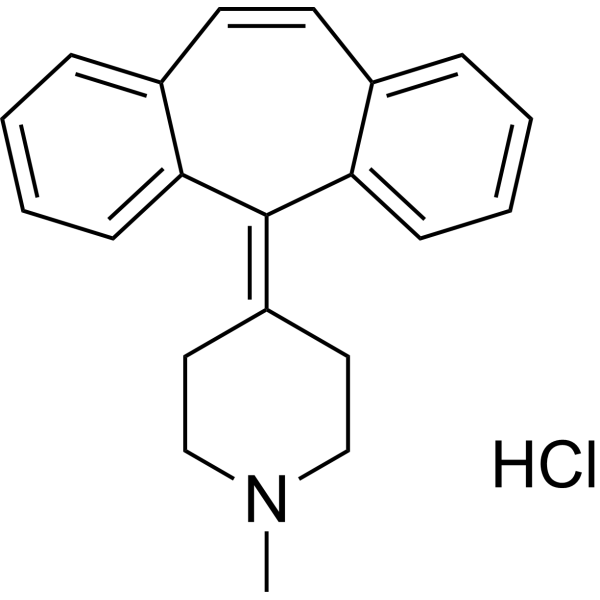
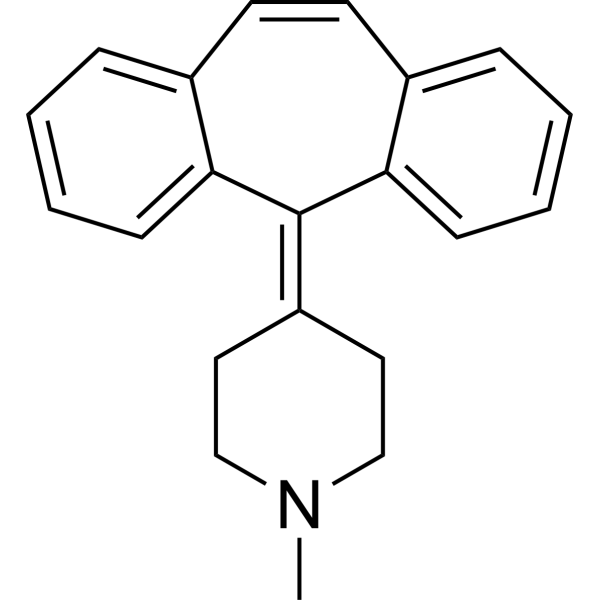
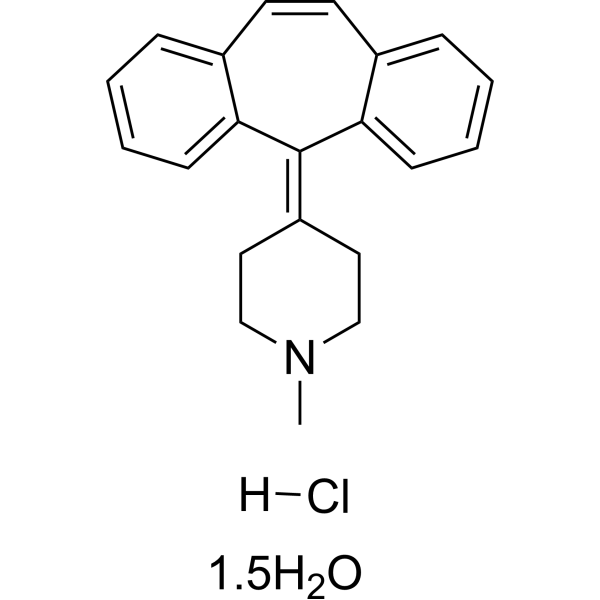
    p38 MAPK Checkpoint Kinase (Chk) Histamine Receptor 5-HT Receptor CDK PARP Apoptosis Cancer
    Cyproheptadine hydrochloride sesquihydrate acts as a p38 MAP kinase activator, CHK2 activator, histamine H1 receptor inhibitor and serotonin receptor inhibitor. Cyproheptadine hydrochloride sesquihydrate mediates cell cycle arrest via G1 phase arrest, G1/S transition arrest, G0/G1 phase arrest, reduced expression of cyclins D1/D2/D3, upregulated expression of HBP1, p16, p21, p27, and decreased phosphorylation of retinoblastoma protein. Cyproheptadine hydrochloride sesquihydrate induces Apoptosis by increasing PARP and cleaved PARP, as well as activating the mitochondrial caspase pathway. Cyproheptadine hydrochloride sesquihydrate inhibits tumor growth with extremely low toxicity to normal cells. Cyproheptadine hydrochloride sesquihydrate can be used in research related to hepatocellular carcinoma, multiple myeloma and acute myeloid leukemia .
    Cyproheptadine (hydrochloride sesquihydrate)
  • HY-14596S

    NPI 031L-d4

    EGFR Autophagy Apoptosis Endogenous Metabolite Cancer
    Genistein-d4 is the deuterium labeled Genistein. Genistein, a soy isoflavone, is a multiple tyrosine kinases (e.g., EGFR) inhibitor which acts as a chemotherapeutic agent against different types of cancer, mainly by altering apoptosis, the cell cycle, and angiogenesis and inhibiting metastasis .
    Genistein-d4
  • HY-13016S

    XL184-d6; BMS-907351-d6

    VEGFR c-Met/HGFR c-Kit TAM Receptor FLT3 Apoptosis Cancer
    Cabozantinib-d6 is the deuterium labeled Cabozantinib. Cabozantinib is a potent multiple receptor tyrosine kinases (RTKs) inhibitor that inhibits VEGFR2, c-Met, Kit, Axl and Flt3 with IC50s of 0.035, 1.3, 4.6, 7 and 11.3 nM, respectively .
    Cabozantinib-d6
  • HY-150617
    Lartesertib
    1 Publications Verification

    M4076; ATM inhibitor-5

    ATM/ATR STING PD-1/PD-L1 Cardiovascular Disease Inflammation/Immunology Cancer
    Lartesertib (M4076) is an inhibitor of the serine/threonine protein kinase ATM with high potency. Lartesertib can inhibit the growth of multiple hematopoietic cell lines. Additionally, when combined with the ATR inhibitor Tuvusertib (HY-111451), Lartesertib can promote the death of tumor cells, activate the immune signaling pathway, and exhibit anti-tumor activity .
    Lartesertib
  • HY-123981
    5MPN
    3 Publications Verification

    Phosphatase Cancer
    5MPN is a first-in-class, potent, orally active and selective 6-phosphofructo-2-kinase/fructose-2,6-bisphosphatase 4 (PFKFB4) inhibitor. 5MPN appears to be a competitive inhibitor of the F6P binding site (Ki=8.6 μM). 5MPN does not inhibit PFK-1 or PFKFB3. 5MPN targets the sugar metabolism of tumors and suppresses proliferation of multiple human cancer cell lines .
    5MPN
  • HY-14596R
    Genistein (Standard)
    Maximum Cited Publications
    88 Publications Verification

    NPI 031L (Standard)

    Reference Standards EGFR Autophagy Apoptosis Endogenous Metabolite Cancer
    Genistein (Standard) is the analytical standard of Genistein. This product is intended for research and analytical applications. Genistein, a soy isoflavone, is a multiple tyrosine kinases (e.g., EGFR) inhibitor which acts as a chemotherapeutic agent against different types of cancer, mainly by altering apoptosis, the cell cycle, and angiogenesis and inhibiting metastasis.
    Genistein (Standard)
  • HY-16976
    GDC-0339
    2 Publications Verification

    Pim Cancer
    GDC-0339 is a potent, orally bioavailable and well tolerated pan-Pim kinase inhibitor, with Kis of 0.03 nM, 0.1 nM and 0.02 nM for Pim1, Pim2 and Pim3, respectively. GDC-0339 is discovered as a potential treatment of multiple myeloma .
    GDC-0339
  • HY-109192
    Tolebrutinib
    5+ Cited Publications

    SAR442168; PRN2246

    Btk Neurological Disease
    Tolebrutinib (SAR442168) is a potent, selective, orally active and brain-penetrant inhibitor of Bruton tyrosine kinase (BTK), with IC50s of 0.4 and 0.7 nM in Ramos B cells and in HMC microglia cells, respectively. Tolebrutinib exhibits efficacy in central nervous system immunity. Tolebrutinib can be used for the research of multiple sclerosis (MS) .
    Tolebrutinib
  • HY-109082

    SKI-O-703

    Syk Inflammation/Immunology
    Cevidoplenib (SKI-O-703) is an orally available inhibitor of spleen tyrosine kinase (Syk), with potential anti-inflammatory and immunomodulating activities. Cevidoplenib is also the mesylate form of SKI-O-592. Cevidoplenib and SKI-O-592 inhibits BCR-mediated survival, proliferation, and differentiation of B cells. And SKI-O-592 potently inhibits multiple kinases with IC50s of 6.2 nM (Syk), 1.859 μM (Jak2), 5.807 μM (Jak3), 0.412 μM (RET), 0.687 μM (KOR), 1.783 μM (FLT3), 16.96 μM (FGFR1), 5.662 μM (FGFR3), and 0.709 μM (Pyk2), respectively .
    Cevidoplenib
  • HY-N0442

    4'-O-β-D-Glucosyl-5-O-methylvisamminol

    NF-κB p38 MAPK JNK Src TNF Receptor NOD-like Receptor (NLR) Amyloid-β MEK ERK Ferroptosis VEGFR Anaplastic lymphoma kinase (ALK) Reactive Oxygen Species (ROS) Neurological Disease Metabolic Disease Inflammation/Immunology Cancer
    5-O-Methylvisammioside (4'-O-β-D-Glucosyl-5-O-methylvisamminol) is an orally active natural chromone glycoside and multiple biological activities. 5-O-Methylvisammioside inhibits ferroptosis by activating the Nrf2/HO-1 signaling axis. 5-O-Methylvisammioside alleviates intestinal barrier damage by inhibiting the ROS/NF-κB/NLRP3 pathway. 5-O-Methylvisammioside exerts a protective effect against acute liver injury by reducing ALT/AST, decreasing inflammatory infiltration, and inhibiting IκB-α phosphorylation and NF-κB nuclear translocation. 5-O-Methylvisammioside blocks the HMGB1/RAGE/MEK/ERK signaling axis to exert anti-tumor and anti-angiogenic effects. 5-O-Methylvisammioside improves depression-like behaviors by inhibiting Src kinase and the NF-κB pathway .
    5-O-Methylvisammioside
  • HY-142817
    GRK6/Aurora A-IN-1
    3 Publications Verification

    G Protein-coupled Receptor Kinase (GRK) Aurora Kinase Cancer
    GRK6/Aurora A-IN-1 is a dual inhibitor of G protein-coupled receptor kinase 6 (GRK6)/Aurora A, with IC50 values of 120 nM and 11 nM, respectively. GRK6 is a key kinase required for the survival of multiple myeloma (MM) cells. GRK6-IN-2 has the potential for research on multiple myeloma .
    GRK6/Aurora A-IN-1
  • HY-141687
    NSC 107512
    1 Publications Verification

    CDK Apoptosis Cancer
    NSC 107512 is a potent inhibitor of cyclin-dependent kinase 9 (CDK9). NSC 107512 is a class of sangivamycin-like molecules (SLM). NSC 107512 inhibits growth and induces apoptosis of multiple myeloma tumors .
    NSC 107512
  • HY-12137A
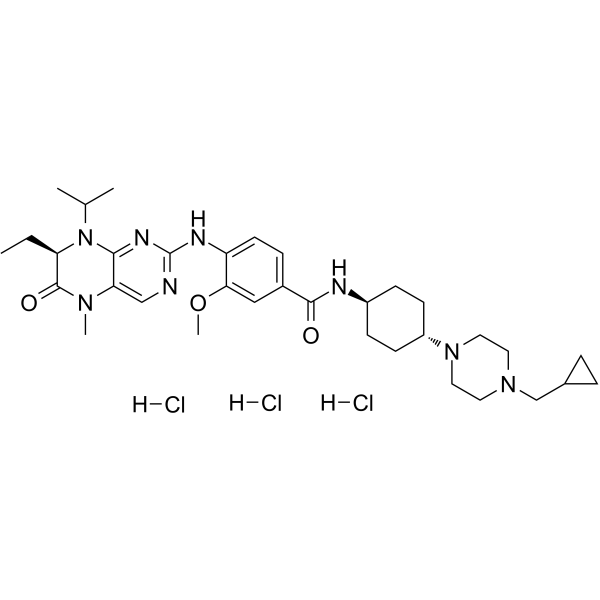
    Volasertib trihydrochloride
    30+ Cited Publications

    BI 6727 trihydrochloride

    Polo-like Kinase (PLK) Apoptosis Cancer
    Volasertib (BI 6727) trihydrochloride is an orally active, highly potent and ATP-competitive Polo-like kinase 1 (PLK1) inhibitor with an IC50 of 0.87 nM. Volasertib trihydrochloride inhibits PLK2 and PLK3 with IC50s of 5 and 56 nM, respectively. Volasertib trihydrochloride induces mitotic arrest and apoptosis. Volasertib trihydrochloride, a dihydropteridinone derivative, shows marked antitumor activity in multiple cancer models .
    Volasertib trihydrochloride
  • HY-112411

    EGFR ERK PDGFR FGFR Neurological Disease Inflammation/Immunology
    PD 174265 is a highly selective, reversible EGFR/ErbB2 tyrosine kinase inhibitor (IC50=0.45 nM) and cell differentiation inducer. By blocking receptor autophosphorylation and the downstream ERK signaling pathway (with an IC50 of 0.45 μM for full-length ERK), PD 174265 effectively inhibits tumor growth and exhibits antitumor activity without obvious toxicity in in vivo models. PD 174265 drives oligodendrocyte precursor cells to switch from a proliferative state to a differentiated state, significantly upregulates the expression of myelin proteins such as CNP, PLP and MBP, and induces neurite branching. PD 174265 shows no inhibitory effect on other kinases including insulin, PDGF and basic FGF receptors, and serves as a crucial tool molecule for investigating the treatment of human epidermoid carcinoma and the mechanism of myelin repair in multiple sclerosis .
    PD 174265
  • HY-126328

    PKC Interleukin Related Inflammation/Immunology
    PKC-theta inhibitor 1 is an orally active and selective ATP-competitive inhibitor of Protein Kinase Cθ (PKCθ), with a Ki value of 6 nM. PKC-theta inhibitor 1 inhibits T-cell-mediated inflammatory responses by suppressing the release of proinflammatory cytokines (IL-2 IC50 = 0.21 μM in anti-CD3/CD28-stimulated PBMCs; IL-17 IC50 = 1 μM in CD3/CD28-stimulated Th17 cells) PKC-theta inhibitor 1 significantly reduces symptoms in mice with ongoing experimental autoimmune encephalomyelitis (EAE). PKC-theta inhibitor 1 can be used for the study of T-cell-mediated inflammatory diseases such as multiple sclerosis .
    PKC-theta inhibitor 1
  • HY-164795

    Neurotensin Receptor Arrestin iGluR ERK Sodium Channel Neurological Disease
    SBI-810 is a blood-brain barrier-permeable NTSR1 modulator. SBI-810 promotes the recruitment of β-arrestin-2 to NTSR1 and antagonizes NTSR1-mediated Gq activation. SBI-810 inhibits excitatory synaptic transmission, NMDA receptor and extracellular signal-regulated kinase (ERK) signaling in spinal nociceptive neurons, reduces surface expression of Nav1.7 and action potential firing in primary sensory neurons, and attenuates C-fiber responses. SBI-810 effectively alleviates acute and chronic pain in various rodent models through peripheral and central modulation. SBI-810 is applicable to research related to multiple pain disorders .
    SBI-810
  • HY-164795A

    Neurotensin Receptor Arrestin iGluR ERK Sodium Channel Neurological Disease
    SBI-810 hydrochloride is a blood-brain barrier-permeable NTSR1 modulator. SBI-810 hydrochloride promotes the recruitment of β-arrestin-2 to NTSR1 and antagonizes NTSR1-mediated Gq activation. SBI-810 hydrochloride inhibits excitatory synaptic transmission, NMDA receptor and extracellular signal-regulated kinase (ERK) signaling in spinal nociceptive neurons, reduces surface expression of Nav1.7 and action potential firing in primary sensory neurons, and attenuates C-fiber responses. SBI-810 hydrochloride effectively alleviates acute and chronic pain in various rodent models through peripheral and central modulation. SBI-810 hydrochloride is applicable to research related to multiple pain disorders .
    SBI-810 hydrochloride
  • HY-P5904

    Caveolin-1 scaffolding domain peptide

    c-Met/HGFR Others
    Caveolin-1 (82-101) amide (human, mouse, rat) (Caveolin-1 scaffolding domain peptide) is a peptide that reverses aging-associated deleterious changes in multiple organs. Caveolin-1 (82-101) amide (human, mouse, rat) inhibits tyrosine kinases .
    Caveolin-1 (82-101) amide (human, mouse, rat)
  • HY-163565

    Btk Neurological Disease
    BIIB129 is a covalent, selective, small molecule inhibitor of Bruton's tyrosine kinase (BTK) capable of penetrating the blood-brain barrier. BIIB129 inhibits the activity of BTK by covalently binding to Cys481 in BTK, thereby affecting the function of B cells and myeloid cells. BIIB129 can be used in multiple sclerosis (MS) research .
    BIIB129
  • HY-16462
    CDK9-IN-2
    5+ Cited Publications

    CDK Cancer
    CDK9-IN-2 is a special cyclin-dependent kinase 9 (CDK9) inhibitor, extracted from patent WO/2012131594A1, compound CDKI(8), has an IC50 of 5 nM and 7 nM in H929 multiple myeloma(MM) cell line (72 hours) and A2058 skin cell line (72 hours), respectively.
    CDK9-IN-2
  • HY-153077

    Phosphatase Neurological Disease Metabolic Disease Inflammation/Immunology Cancer
    PFKFB3-IN-2 is a 6-phosphofructo-2-kinase/fructose-2,6-bisphosphatase 3 (PFKFB3) inhibitor. PFKFB3-IN-2 has potential applications in cancer, neurodegenerative diseases, autoimmune diseases, inflammatory diseases, multiple sclerosis, metabolic diseases, angiogenesis inhibition and other diseases .
    PFKFB3-IN-2
  • HY-16129

    Calmodulin Checkpoint Kinase (Chk) MAPKAPK2 (MK2) MAP3K Cancer
    CBP-501, a cell-permeable calmodulin-binding peptide and a G2-abrogating drug candidate, inhibits the activity of multiple Ser 216-specific kinases, such as MAPKAP-K2, C-Tak1, CHK1 and CHK2, with IC50 values of 0.9 μM, 1.4 μM 3.4 μM and 6.5 μM, respectively. CBP-501 is used for various types of cancer .
    CBP-501
  • HY-117102

    Aryl Hydrocarbon Receptor Checkpoint Kinase (Chk) Cancer
    ANI-7 is an activator of aryl hydrocarbon receptor (AhR) pathway. ANI-7 inhibits the growth of multiple cancer cells, and potently and selectively inhibits the growth of MCF-7 breast cancer cells with a GI50 of 0.56 μM. ANI-7 induces CYP1-metabolizing mono-oxygenases by activating AhR pathway, and also induces DNA damage, checkpoint Kinase 2 (Chk2) activation, S-phase cell cycle arrest, and cell death in sensitive breast cancer cell lines .
    ANI-7
  • HY-117548
    UNC1062
    2 Publications Verification

    TAM Receptor Apoptosis p38 MAPK ERK PI3K Akt JAK STAT Cardiovascular Disease Cancer
    UNC1062 is a highly selective tyrosine kinase (MERTK) inhibitor with an IC50 of 1.1 nM (Morrison Ki = 0.33 nM). UNC1062 exhibits good selectivity for the TAM family (TYRO3 IC50 = 60 nM, AXL IC50 = 85 nM). UNC1062 exhibits significant anti-proliferative effects and induces apoptosis in various cancer models (such as melanoma, gastric cancer, and acute myeloid leukemia). UNC1062 inhibits multiple pathways, including MAPK/ERK, PI3K/AKT and JAK/STAT and affects the motility of head and neck squamous cell carcinoma (HNSCC) cells through the RhoA signaling pathway. UNC1062 inhibits macrophage efferocytosis, and it suitable for research on atherosclerosis .
    UNC1062
  • HY-13016S1

    XL184-d4; BMS-907351-d4

    VEGFR c-Met/HGFR c-Kit TAM Receptor FLT3 Apoptosis Cancer
    Cabozantinib-d4 is deuterium labeled Cabozantinib. Cabozantinib is a potent multiple receptor tyrosine kinases (RTKs) inhibitor that inhibits VEGFR2, c-Met, Kit, Axl and Flt3 with IC50s of 0.035, 1.3, 4.6, 7 and 11.3 nM, respectively.
    Cabozantinib-d4
  • HY-128879

    Phosphodiesterase (PDE) GSK-3 Neurological Disease
    VP3.15 is a potent, orally bioavailable and CNS-penetrant dual phosphodiesterase (PDE)7- glycogen synthase kinase (GSK)3 inhibitor, with IC50s of 1.59 μM and 0.88 μM for PDE7 and GSK-3, respectively. VP3.15 has neuroprotective and neuroreparative activities, thus as potential combined anti-inflammatory and pro-remyelinating therapies for multiple sclerosis (MS) .
    VP3.15
  • HY-175525

    PROTACs Aurora Kinase Cancer
    MS44 is a potent aurora kinase B (AURKB PROTAC) degrader (DC50 = 103 nM). MS44 effectively degrades AURKB in a time- and ubiquitin-proteasome system (UPS)-dependent manner and is selective for AURKB over AURKA and AURKC. MS44 effectively inhibits the proliferation in multiple cancer cell lines and potently induces G2/M arrest. MS44 can be used for the study of AURKB-dependent tumors (Pink: Target protein ligand (HY-175526); Blue: E3 ligand (HY-112078); Black: Linker; E3 ligand + Linker (HY-132938)) .
    MS44
  • HY-149636

    EGFR CDK VEGFR Apoptosis Cancer
    Multi-target kinase inhibitor 2 is a multi-targeted kinase inhibitor, and exhibits activity against EGFR, Her2, VEGFR2, and CDK2 enzymes, with IC50 values of 79 nM, 40 nM,136 nM, and 204 nM, respectively. Multi-target kinase inhibitor 2 shows cytotoxic effects were observed against HepG2, HeLa , MDA-MB-231 and MCF-7, with IC50 of 41, 57, 51 and 59 μM. Multi-target kinase inhibitor 2 induces cell cycle arrest and apoptosis in HepG2 cells .
    Multi-target kinase inhibitor 2
  • HY-163471

    PDGFR VEGFR Cancer
    PDGFRα/β/VEGFR-2-IN-1 (6f), a multiple PDGFRα/ and VEGFR-2 tyrosine kinase inhibitor, particularly targets PDGFRα, PDGFRβ, and VEGFR-2 kinases with Nano molar concentrations .
    PDGFRα/β/VEGFR-2-IN-1
  • HY-12470A

    Casein Kinase Cancer
    PF-4800567 hydrochloride is a potent and selective inhibitor of?casein kinase?1? (CK1?), with an?IC50?of 32 nM, which is greater than 20-fold selectivity over CK1δ (IC50, 711 nM). PF-4800567 hydrochloride is useful in probing unique roles between these two kinases in multiple signaling pathways .
    PF-4800567 hydrochloride
  • HY-15160B
    TAK-960 dihydrochloride
    2 Publications Verification

    Polo-like Kinase (PLK) Cancer
    TAK-960 dihydrochloride is an orally available, selective inhibitor of polo-like kinase 1 (PLK1), with an IC50 of 0.8 nM. TAK-960 dihydrochloride also shows inhibitory activities against PLK2 and PLK3, with IC50s of 16.9 and 50.2 nM, respectively. TAK-960 dihydrochloride inhibits proliferation of multiple cancer cell lines and exhibits significant efficacy against multiple tumor xenografts .
    TAK-960 dihydrochloride
  • HY-15160A

    Polo-like Kinase (PLK) Cancer
    TAK-960 hydrochloride is an orally available, selective inhibitor of polo-like kinase 1 (PLK1), with an IC50 of 0.8 nM. TAK-960 hydrochloride also shows inhibitory activities against PLK2 and PLK3, with IC50s of 16.9 and 50.2 nM, respectively. TAK-960 hydrochloride inhibits proliferation of multiple cancer cell lines and exhibits significant efficacy against multiple tumor xenografts .
    TAK-960 hydrochloride
  • HY-10058

    JAK Aurora Kinase Bcr-Abl FLT3 Apoptosis Autophagy Cancer
    AT9283 lactic acid is a multi-targeted kinase inhibitor with potent activity against Aurora A/B, JAK2/3, Abl (T315I) and Flt3 (IC50s ranging from 1 to 30 nM). AT9283 lactic acid inhibits growth and survival of multiple solid tumors in vitro and in vivo .
    AT9283 lactic acid
  • HY-178133

    Pim Apoptosis Caspase Cancer
    Pim-1 kinase-IN-14 is a PIM-1 kinase inhibitor with an IC50 value of 94 nM. Pim-1 kinase-IN-14 shows broad-spectrum and high-efficiency anticancer activity against multiple human cancer cell lines, including liver cancer (HepG-2), colon cancer (Caco-2), myeloid leukemia (NFS-60), and prostate cancer (PC-3) cells. Pim-1 kinase-IN-14exerts its anticancer effects by inducing apoptosis and activating caspase 3/7. Pim-1 kinase-IN-14 can be used for the study of cancers associated with PIM-1 kinase overexpression .
    Pim-1 kinase-IN-14
  • HY-174256

    G Protein-coupled Receptor Kinase (GRK) Cardiovascular Disease Cancer
    GRL-098-22 (Compound 6t) is a potent inhibitor targeting G protein-coupled receptor kinase 5 (GRK5) and GRK6 with IC50 values of 0.6 μM and 0.19 μM, respectively. GRL-098-22 is promising for research of diseases such as heart failure and multiple myeloma .
    GRL-098-22
  • HY-157871

    MAP3K Cancer
    TAK1-IN-5 (Compound 26) is an inhibitor of the transforming growth factor-β activated kinase (TAK1) with an IC50 value of 55 nM. TAK1-IN-5 can inhibit the growth of MPC-11 and H929 cells with a GI50 lower than 30 nM. TAK1-IN-5 can be used in the study of multiple myeloma .
    TAK1-IN-5
  • HY-150617A

    (Rac)-M4076; (Rac)-ATM inhibitor-5

    ATM/ATR STING PD-1/PD-L1 Cardiovascular Disease Inflammation/Immunology Cancer
    (Rac)-Lartesertib ((Rac)-M4076) is an isoform of Lartesertib (HY-150617). Lartesertib (M4076) is an inhibitor of the serine/threonine protein kinase ATM with high potency. Lartesertib can inhibit the growth of multiple hematopoietic cell lines. Additionally, when combined with the ATR inhibitor Tuvusertib (HY-111451), Lartesertib can promote the death of tumor cells, activate the immune signaling pathway, and exhibit anti-tumor activity .
    (Rac)-Lartesertib
  • HY-107592

    IKK STAT Apoptosis Inflammation/Immunology Cancer
    ACHP (compound 4j) is a selective and orally active IκB kinase inhibitor with IC50 values of 8.5 nM and 250 nM for IKKβ and IKKα, respectively. ACHP can effectively inhibit the STAT3 signaling pathway and induce cancer cell cycle arrest and apoptosis. ACHP shows anti-inflammatory activity in a mouse ear edema model. ACHP can be used in anti-inflammatory and anti-cancer (such as multiple myeloma and leukemia) studies .
    ACHP
  • HY-12137R

    BI 6727 (Standard)

    Polo-like Kinase (PLK) Apoptosis Reference Standards Cancer
    Volasertib (Standard) is the analytical standard of Volasertib. This product is intended for research and analytical applications. Volasertib (BI 6727) is an orally active, highly potent and ATP-competitive Polo-like kinase 1 (PLK1) inhibitor with an IC50 of 0.87 nM. Volasertib inhibits PLK2 and PLK3 with IC50s of 5 and 56 nM, respectively. Volasertib induces mitotic arrest and apoptosis. Volasertib, a dihydropteridinone derivative, shows marked antitumor activity in multiple cancer models .
    Volasertib (Standard)

Consulta en línea

Your information is safe with us. * Required Fields.

Saludo


Country or Region *

Nombre del solicitante *


Nombre de la Organizaciòn *

Department *


Direcciòn del E-mail *


Nombre del producto *

Cat. No.


Requested quantity *

Número de teléfono *


Observaciones

Consulta en línea

Inquiry Information

Nombre del producto:
Cat. No.:
Cantidad:
MCE Japan Authorized Agent:

