


Search Result
Results for "
nasopharyngeal
" in MedChemExpress (MCE) Product Catalog:
7
Biochemical Assay Reagents
2
Isotope-Labeled Compounds
| Cat. No. |
Nombre del producto |
Target |
Áreas de investigación |
Chemical Structure |
-
- HY-10108
-
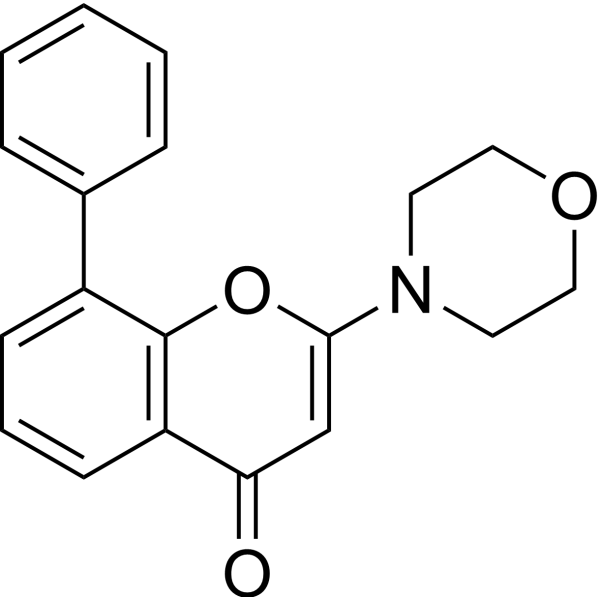
LY294002
Maximum Cited Publications
1120 Publications Verification
|
PI3K
Casein Kinase
DNA-PK
Apoptosis
Autophagy
|
Infection
Cancer
|
|
LY294002 is a broad-spectrum inhibitor of PI3K with IC50s of 0.5, 0.57, and 0.97 μM for PI3Kα, PI3Kδ and PI3Kβ, respectively . LY294002 also inhibits CK2 with an IC50 of 98 nM . LY294002 is a competitive DNA-PK inhibitor that binds reversibly to the kinase domain of DNA-PK with an IC50 of 1.4 μM. LY294002 is an apoptosis activator .
|
-
-
- HY-B0350A
-
-
-
- HY-N0108
-
|
Parietin; Rheochrysidin
|
Bacterial
Toll-like Receptor (TLR)
NF-κB
Apoptosis
Autophagy
Antibiotic
|
Infection
Inflammation/Immunology
Cancer
|
|
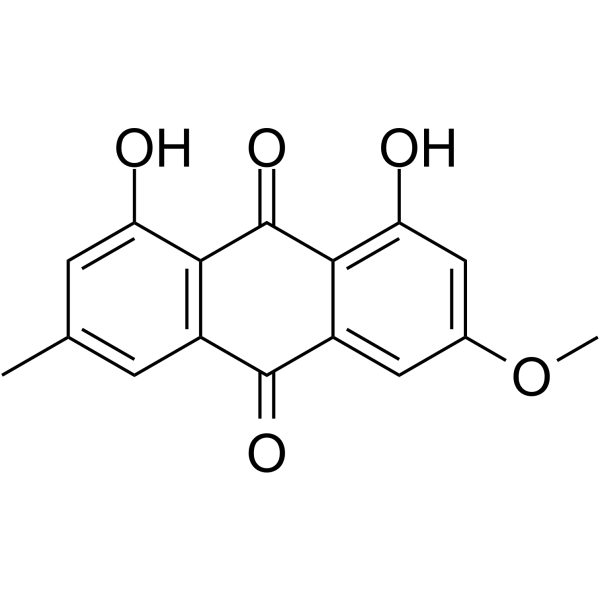
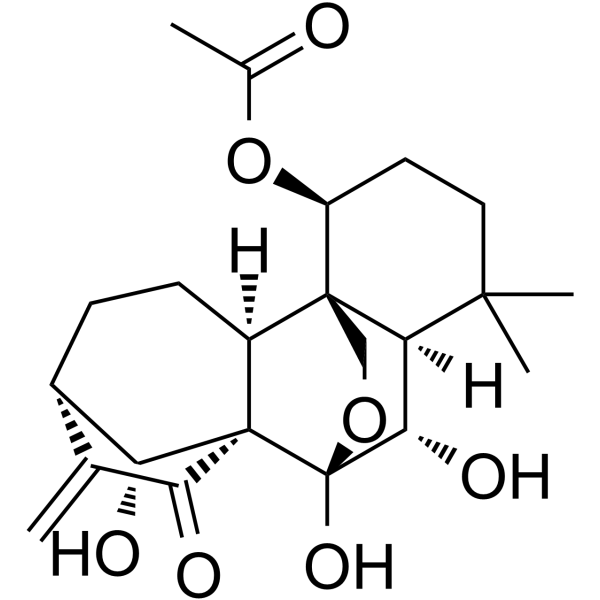
Physcion (Parietin), an anthraquinone derivative derived from the traditional Chinese medicine rhubarb, is an effective oral active 6-phosphogluconate dehydrogenase inhibitor with blood-brain barrier permeability, with IC50 and Kd values of 38.5 μM and 26.0 μM, respectively. Additionally, Physcion is an inhibitor of the <>bTLR4/NF-κB signaling pathway, exhibiting anti-inflammatory, antibacterial, and anticancer effects, and can induce Apoptosis and Autophagy in cancer cells .
|
-
-
- HY-10108A
-
|
|
PI3K
Casein Kinase
DNA-PK
Apoptosis
|
Cancer
|
|
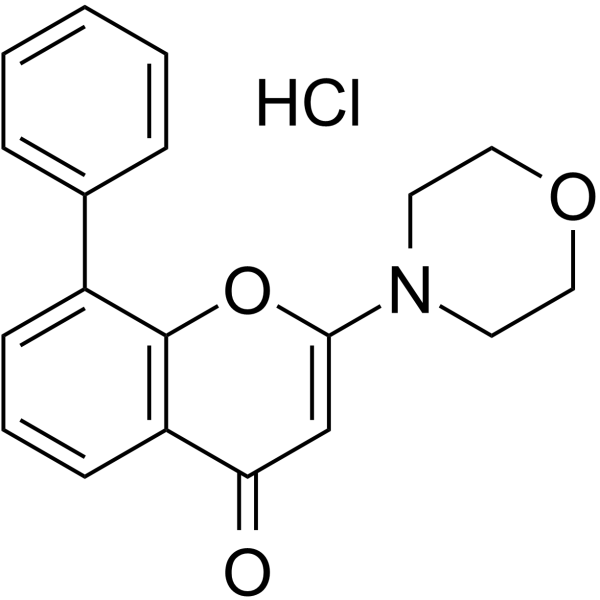
LY294002 hydrochloride is a potent and broad-spectrum PI3K inhibitor, with IC50 values of 0.5, 0.57, and 0.97 μM for P110α, P110δ and P110β, respectively. LY294002 hydrochloride also inhibits CK2 with an IC50 of 98 nM. LY294002 hydrochloride can be used for pancreatic cancer research .
|
-
-
- HY-18768
-
NCT-501
5 Publications Verification
|
Aldehyde Dehydrogenase (ALDH)
Akt
β-catenin
Necroptosis
|
Cancer
|
|
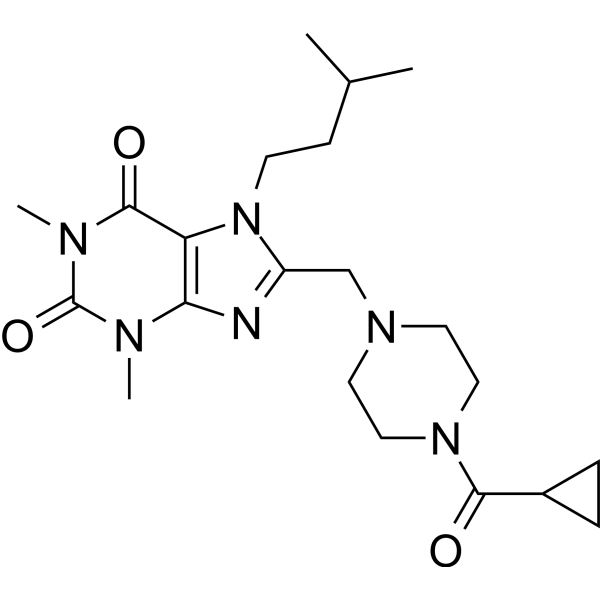
NCT-501 is a reversible, non-competitive, selective, blood-brain barrier-permeable ALDH1A1 inhibitor with an IC50 of 40 nM. NCT-501 inhibits the AKT-β-catenin signaling pathway, induces necroptosis in nasopharyngeal carcinoma cells, suppresses their proliferation and inhibits stem cell spheroid formation. NCT-501 can be used in research related to nasopharyngeal carcinoma, esophageal squamous cell carcinoma and malignant tumors .
|
-
-
- HY-P9978
-
|
JS-001
|
PD-1/PD-L1
|
Cancer
|
|
Toripalimab is a selective, recombinant, humanized monoclonal antibody against PD-1. Toripalimab is able to bind to PD-1 and block the interaction with its ligands. Toripalimab has exhibited primary anti-tumor effects in tumors such as melanoma, lung cancer, digestive tract tumors, hepatobiliary and pancreatic tumors, neuroendocrine neoplasms, nasopharyngeal carcinoma and urothelial carcinoma .
|
-
-
- HY-B0986
-
-
-
- HY-125593
-
|
APG-1387
|
IAP
Apoptosis
|
Cancer
|
|
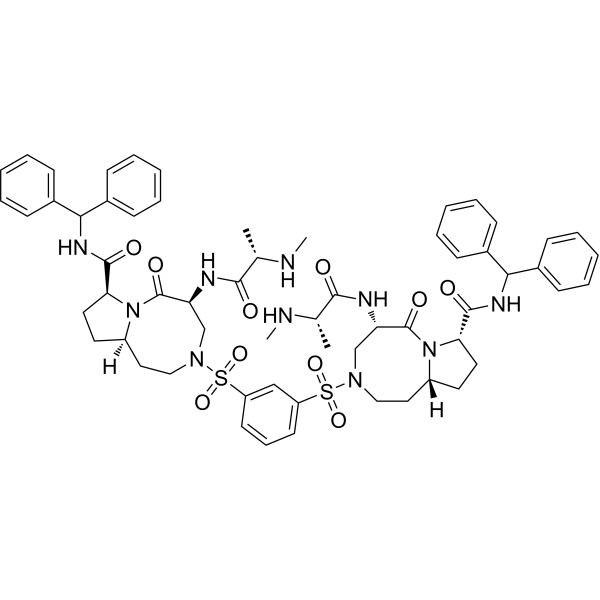
Dasminapant (APG-1387), a bivalent SMAC mimetic and an IAP antagonist, blocks the activity of IAPs family proteins (XIAP, cIAP-1, cIAP-2, and ML-IAP). Dasminapant induces degradation of cIAP-1 and XIAP proteins, as well as caspase-3 activation and PARP cleavage, which leads to apoptosis. Dasminapant can be used for the research of hepatocellular carcinoma, ovarian cancer, and nasopharyngeal carcinoma .
|
-
-
- HY-N2144
-
|
4',7-Dimethoxy-5-Hydroxyflavone
|
Endogenous Metabolite
|
Cancer
|
|
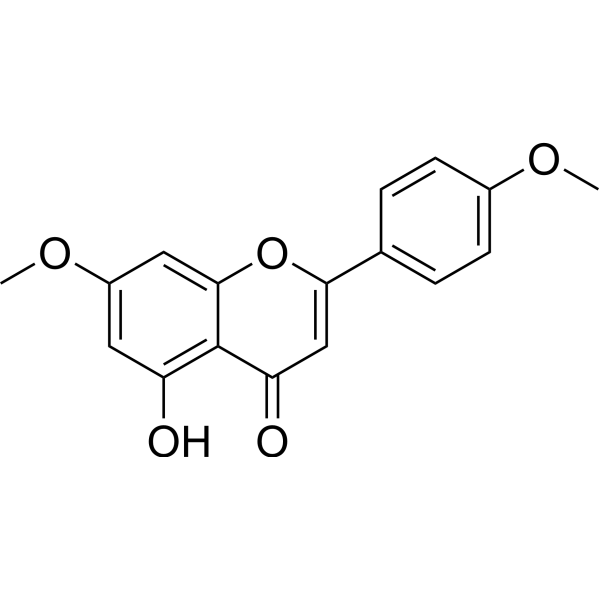
7,4'-Di-O-methylapigenin (4',7-Dimethoxy-5-Hydroxyflavone) is a flavonoid present in Lethedon tannaensis. 7,4'-Di-O-methylapigenin exhibits cytotoxicity against human nasopharyngeal carcinoma cells .
|
-
-
- HY-P10412
-
|
ANXA1-derived 11 amino acid-long peptide
|
Ephrin Receptor
Annexin A
|
Cancer
|
|
A11 (ANXA1-derived 11 amino acid-long peptide) is a ANXA1-EphA2 interaction-blocking peptide. A11 reduces ANXA1 bound to EphA2 and increases Cbl (the E3 ubiquitin ligase of EphA2) bound to EphA2. A11 inhibits the proliferation, migration and invasion of nasopharyngeal carcinoma cells. A11 inhibits angiogenesis. A11 can be used in studies related to nasopharyngeal carcinoma .
|
-
-
- HY-W725179
-
|
|
EBV
|
Cancer
|
|
VK-2019 is an orally bioavailable selective inhibitor of EBNA1. By binding to the protein-DNA interface to interfere with the recruitment and anchoring of the viral DNA replication machinery, VK-2019 effectively blocks the replication and proliferation of EBV in latently infected cells. VK-2019 reduces the copy number and gene expression level of Epstein-Barr virus in tumor cells, decreases the number of EBER-positive cells, and exhibits significant antiviral, immunomodulatory and antiproliferative activities. VK-2019 successfully inhibits tumor growth in EBV-dependent xenograft models. VK-2019 has favorable systemic exposure and acceptable safety profiles, and is widely used in research on advanced nasopharyngeal carcinoma and various EBV-associated cancers .
|
-
-
- HY-113427
-
|
|
Endogenous Metabolite
Bcl-2 Family
Apoptosis
|
Cardiovascular Disease
Cancer
|
|
trans-Vaccenic acid is a naturally occurring trans fatty acid (TFA). trans-Vaccenic acid inhibits nasopharyngeal carcinoma (NPC) cell growth and induces apoptosis through the inhibition of Bad/Akt phosphorylation. trans-Vaccenic acid is a precursor for the synthesis of saturated fatty acid in the rumen and of conjugated Linoleic acid (CLA) at the tissue level. trans-Vaccenic acid exerts hypolipidemic effects in a rat model of obesity .
|
-
-
- HY-N0120
-
|
(E/Z)-Piceid
|
Drug Isomer
|
Cardiovascular Disease
Metabolic Disease
Inflammation/Immunology
Cancer
|
|
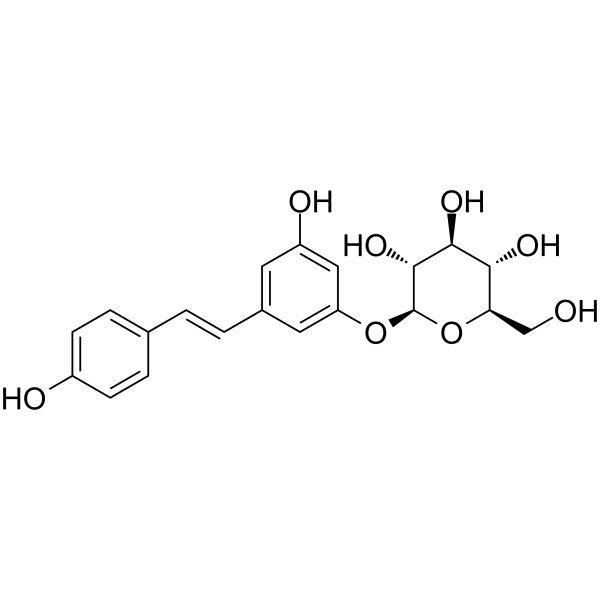
(E/Z)-Polydatin ((E/Z)-Piceid) is a mixture of the E/Z configurations of Polydatin (HY-N0120A). Polydatin can be isolated from Polygonum cuspidatum, grapes, peanuts, red wine, hop pellets, cocoa-containing products and chocolate products. Polydatin exhibits multiple biological properties, such as anti-platelet aggregation, anti-low-density lipoprotein oxidation, cardioprotective activity, anti-inflammatory and immunomodulatory functions. Polydatin shows favorable cytotoxic effects against various tumor cell lines, including cervical cancer cells, liver cancer cells, and nasopharyngeal carcinoma cells .
|
-
-
- HY-P99943
-
|
KN-046
|
PD-1/PD-L1
CTLA-4
|
Cancer
|
|
Erfonrilimab (KN-046) is a monoclonal antibody targeting PD-L1/CTLA-4. Erfonrilimab blocks the PD-L1 and CTLA-4 pathways, thereby regulating T cell function. Erfonrilimab enhances the secretion of IL-2 in superantigen-stimulated peripheral blood mononuclear cells. Erfonrilimab inhibits tumor growth in xenograft and double gene knock-in mouse models. Erfonrilimab can be used in research related to a variety of advanced solid tumors, including non-small cell lung cancer and nasopharyngeal carcinoma.
|
-
-
- HY-N2445
-
|
|
Apoptosis
Akt
JNK
PERK
Caspase
PARP
MDM-2/p53
IAP
Reactive Oxygen Species (ROS)
SOD
FABP
Autophagy
AMPK
mTOR
GLUT
EGFR
PI3K
HSP
VEGFR
FAK
|
Cancer
|
|
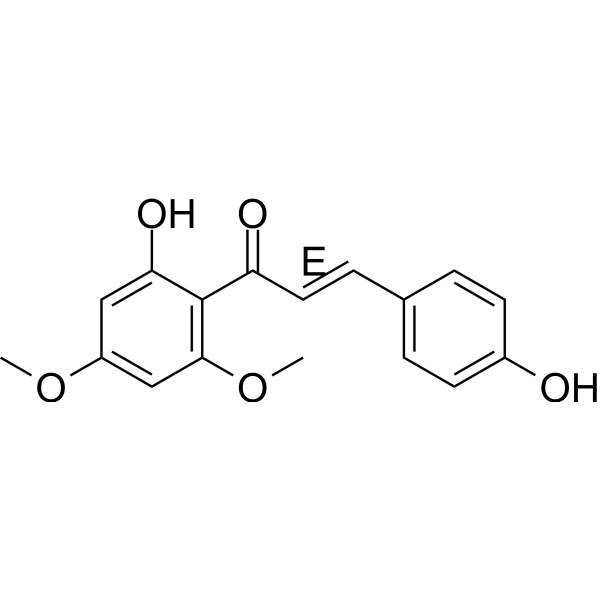
Flavokawain C is an orally active natural chalcone. Flavokawain C inhibits the proliferation of various cancer cells. Flavokawain C upregulates GADD153 in cancer cells, inhibits the phosphorylation of Akt and JNK, suppresses early ERK phosphorylation, activates late ERK phosphorylation, activates caspase related subtypes, induces PARP-1 cleavage, causes upregulation of p21 and p27, downregulation of mutant p53 and anti-apoptotic IAP proteins, elevates intracellular ROS levels, reduces SOD activity, and induces apoptosis. Flavokawain C downregulates FABP4, induces autophagy in cancer cells, and activates the AMPK/mTOR pathway . Flavokawain C decreases the expression of glycolysis-related proteins GLUT1 and HK2, and inhibits glycolysis in nasopharyngeal carcinoma cells. Flavokawain C inhibits the activation of the EGFR/PI3K/Akt/mTOR signaling pathway and reduces the expression of HSP90B1. Flavokawain C inhibits angiogenesis by decreasing the expression of angiogenic proteins Ang-1 and VEGF in human umbilical vein endothelial cells. Flavokawain C increases γ-H2AX levels in cells, inhibits the phosphorylation of FAK, PI3K and AKT in cells, and induces DNA damage in cells. Flavokawain C exerts anti-tumor activity in multiple tumor xenograft mouse models. Flavokawain C is applicable to research related to colorectal cancer, colon adenocarcinoma, nephroblastoma, nasopharyngeal carcinoma and liver cancer .
|
-
-
- HY-160215
-
|
|
TGF-β Receptor
p38 MAPK
TGF-beta/Smad
Interleukin Related
|
Cancer
|
|
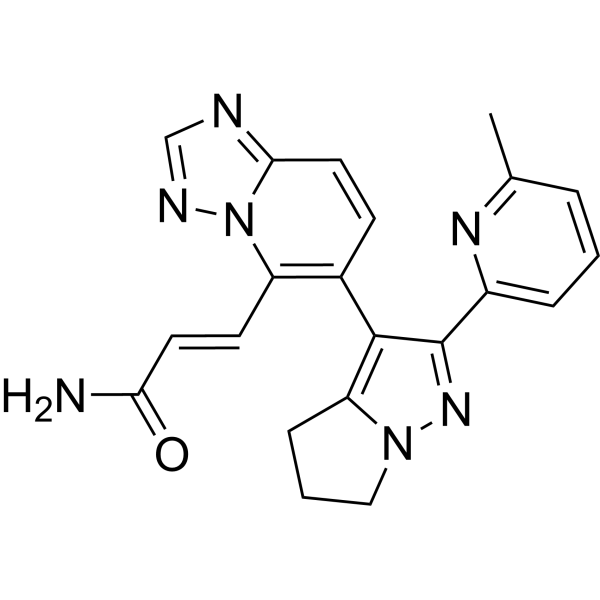
GFH018 is an orally active, selective and ATP-competitive TGF-βR1 inhibitor with an IC50 of 40 nM. GFH018 reactivates the immune system by blocking the immunosuppression mediated by regulatory T cells and M2 macrophages. GFH018 inhibits tumor angiogenesis. GFH018 suppresses tumor growth in mouse tumor models. GFH018 can be used for the research of solid tumors, hepatocellular carcinoma, colorectal cancer, breast cancer, and relapsed/metastatic nasopharyngeal carcinoma .
|
-
-
- HY-136433
-
|
1,4-Dinitrosopiperazine; DNP
|
Others
|
Cancer
|
|
N,N'-Dinitrosopiperazine (1,4-Dinitrosopiperazine; DNP) is a carcinogen with specificity for nasopharyngeal epithelium and facilitates NPC metastasis. N,N'-Dinitrosopiperazine regulates multiple signaling pathways through protein phosphorylation, including LYRIC at serine 568 .
|
-
-
- HY-N6954
-
|
|
ATM/ATR
STAT
CDK
Hedgehog
|
Inflammation/Immunology
Cancer
|
|
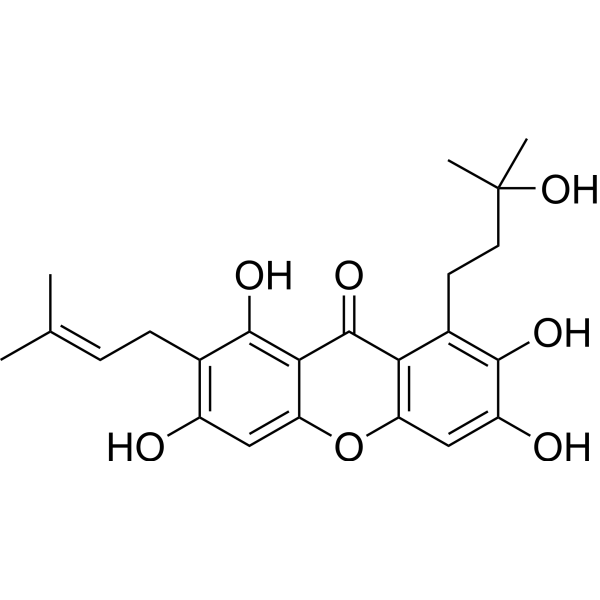
Garcinone C, a xanthone derivative, is a natural compound extracted from Garcinia oblongifolia that is used as an anti-inflammatory, astringency and granulation-promoting medicine, and has potential cytotoxic effects on certain cancers. Garcinone C stimulates the expression levels of ATR and 4E-BP1, arrests the cell cycle, inhibits cell viability of the human Nasopharyngeal carcinoma (NPC) cell lines CNE1, CNE2, HK1 and HONE1 in a time‑ and dose‑dependent manner through inhibition of Hedgehog signaling pathway. Garcinone C is orally active .
|
-
-
- HY-P990661
-
|
|
c-Met/HGFR
ERK
PERK
|
Cancer
|
|
SAIT-301 is a Met-targeting monoclonal antibody. SAIT-301 inhibits Met activation, induces downregulated expression of phosphorylated Met(p-Met) and phosphorylated ERK(p-ERK), and reduces EGR-1 expression. SAIT-301 inhibits the migration and invasion of nasopharyngeal carcinoma cells. SAIT-301 is applicable to relevant research on nasopharyngeal carcinoma. For the isotype control of SAIT-301, refer to Human IgG1 kappa, Isotype Control (HY-P99001) .
|
-
-
- HY-P99544
-
|
HBM-9167; KL-A167
|
PD-1/PD-L1
|
Cancer
|
|
Tagitanlimab (HBM-9167) is a humanized anti-PD-L1 antibody (IgG1κ type). Tagitanlimab selectively blocks the interaction of PD-L1 and PD-1. Tagitanlimab has the potential to be studied in recurrent or metastatic nasopharyngeal carcinoma (NPC) .
|
-
-
- HY-W1123936B
-
|
DBCO-PEG1000-Folate
|
Folate Receptor (FR)
|
Cancer
|
|
DBCO-PEG1000-FA (DBCO-PEG1000-Folate) is a multifunctional bioconjugation reagent, which is a copolymer of DBCO and Folic acid (FA) (HY-16637) and can target folate receptors (FR). Folate receptors are highly overexpressed on the surface of many cancer cells (such as lung cancer, nasopharyngeal cancer, ovarian cancer, etc.), but exhibit extremely low expression levels in normal tissues. DBCO-PEG-FA can be used for click chemistry conjugation via its DBCO terminal, and thus applies to various bioconjugation and drug delivery applications .
|
-
-
- HY-P5470
-
|
|
EBV
IFNAR
|
Inflammation/Immunology
|
|
LMP2A (426-434) is a HLA-A2-restricted cytotoxic T lymphocyte (CTL) epitope of Epstein-Barr virus (EBV) latent membrane protein 2A (LMP2A). LMP2A (426-434) can trigger an immune response in individuals expressing different HLA-A*02 subtypes (A*02:01, A*02:03, A*02:06 and A*02:07). LMP2A (426-434) can induce a strong IFN-γ secretion response, stimulating the production of a high proportion of CD8 + IFN-γ + T cells. LMP2A (426-434) induces specific CTLs to effectively kill target cells expressing LMP2A. LMP2A (426-434) can be used to study EBV-related malignant tumors (such as Hodgkin's disease and nasopharyngeal carcinoma) .
|
-
-
- HY-16055
-
|
AR-67; DB 67
|
Topoisomerase
Drug Derivative
MDM-2/p53
|
Cancer
|
|
Silatecan (AR-67) is a blood-brain barrier-permeable derivative of Camptothecin (HY-16560), DNA topoisomerase I inhibitor, an anticancer agent, and a radiosensitizer. Silatecan potently radiosensitizes wild-type p53 gliomas. Silatecan can be used in research related to glioma, leukemia, non-small cell lung cancer, colon cancer, ovarian cancer, renal cancer, prostate cancer, breast cancer, cervical cancer, gastric cancer, nasopharyngeal cancer, and uterine cancer .
|
-
-
- HY-P10412A
-
|
ANXA1-derived 11 amino acid-long peptide acetate
|
Ephrin Receptor
Annexin A
|
Cancer
|
|
A11 (ANXA1-derived 11 amino acid-long peptide) acetate is a ANXA1-EphA2 interaction-blocking peptide. A11 acetate reduces ANXA1 bound to EphA2 and increases Cbl (the E3 ubiquitin ligase of EphA2) bound to EphA2. A11 acetate inhibits the proliferation, migration and invasion of nasopharyngeal carcinoma cells. A11 acetate inhibits angiogenesis. A11 acetate can be used in studies related to nasopharyngeal carcinoma .
|
-
-
- HY-N8619
-
|
|
Others
|
Cancer
|
|
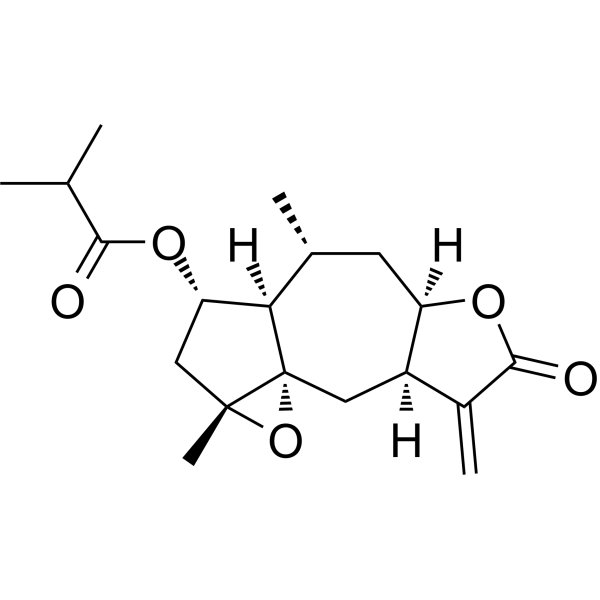
Minimolide F is a sesquiterpene lactone. Minimolide F has inhibitory activity against human nasopharyngeal cancer cells. Minimolide F can be used for the research of cancer .
|
-
-
- HY-W1123936C
-
|
DBCO-PEG2000-Folate
|
Folate Receptor (FR)
|
Others
|
|
DBCO-PEG2000-FA (DBCO-PEG2000-Folate) is a multifunctional bioconjugation reagent, which is a copolymer of DBCO and Folic acid (FA) (HY-16637) and can target folate receptors (FR). Folate receptors are highly overexpressed on the surface of many cancer cells (such as lung cancer, nasopharyngeal cancer, ovarian cancer, etc.), but exhibit extremely low expression levels in normal tissues. DBCO-PEG-FA can be used for click chemistry conjugation via its DBCO terminal, and thus applies to various bioconjugation and drug delivery applications .
|
-
-
- HY-N10133
-
|
3′-Prenylnaringenin
|
Bacterial
mTOR
Akt
PI3K
NF-κB
Caspase
JNK
ERK
COX
NO Synthase
Apoptosis
|
Others
|
Licoflavanone (3′-Prenylnaringenin) is a flavanone with antioxidant, anti-inflammatory and anticancer activities. Licoflavanone can be isolated from the leaf extract of Glycyrrhiza glabra. Licoflavanone downregulates the mTOR/PI3K/AKT signaling pathway to inhibit the proliferation, migration and invasion of cancer cells, while activates Bax, Bad and multiple caspase enzymes to induce apoptosis. Its anti-inflammatory effect is manifested by reducing the nuclear translocation of NF-κB, decreasing the phosphorylation levels of p38, JNK and ERK1/2, thereby inhibiting the expression of nitric oxide, proinflammatory cytokines, COX-2 and iNOS. Licoflavanone is used in studies on nasopharyngeal carcinoma and related mechanisms .
|
-
-
- HY-N1261
-
|
|
Others
|
Cancer
|
|
Scutebarbatine B shows significant cytotoxic activities against three human cancer lines, namely, HONE-1 nasopharyngeal, KB oral epidermoid carcinoma, and HT29 colorectal carcinoma cells, with IC50 values in the range 3.5-8.1 mM [1]<
|
-
-
- HY-B0350AG
-
|
Butanoic acid sodium; Butyric acid sodium
|
HDAC
Autophagy
Apoptosis
Endogenous Metabolite
|
Cancer
|
|
Sodium butyrate (GMP) refers to Sodium butyrate (HY-B0350A) of GMP grade. Small molecules of GMP grade can be used as adjuvants in cell therapy. Sodium Butyrate (sodium butanoate) is an inhibitor of HDAC, possessing anti-tumor activity .
|
-
-
- HY-W1123936D
-
|
DBCO-PEG3400-Folate
|
Folate Receptor (FR)
|
Others
|
|
DBCO-PEG-FA (DBCO-PEG-Folate) (MW 3400) is a multifunctional bioconjugation reagent, which is a copolymer of DBCO and Folic acid (FA) (HY-16637) and can target folate receptors (FR). Folate receptors are highly overexpressed on the surface of many cancer cells (such as lung cancer, nasopharyngeal cancer, ovarian cancer, etc.), but exhibit extremely low expression levels in normal tissues. DBCO-PEG-FA can be used for click chemistry conjugation via its DBCO terminal, and thus applies to various bioconjugation and drug delivery applications .
|
-
-
- HY-N10304
-
|
|
Apoptosis
|
Cancer
|
|
Isodispar B is an anticancer agent that inhibits the proliferation of nasopharyngeal carcinoma and breast cancer cells and induces cell apoptosis. Isodispar B is cytotoxic to a wide range of cancer cell lines .
|
-
-
- HY-120429
-
|
|
Apoptosis
|
Cancer
|
|
SKLB-163 is an orally active inhibitor for Rho GDP-dissociation (RhoGDI). SKLB-163 inhibits highly expressed RhoGDI tumor cell proliferation and migration, and increases radiosensitivity of tumor cells. SKLB-163 induces cancer cell Apoptosis .
|
-
-
- HY-N6842
-
|
|
Others
|
Infection
Cancer
|
|
ArnicolideC is a sesquiterpene lactone isolated Centipeda minima . ArnicolideC exertes a cytotoxic effect on the panel of Nasopharyngeal carcinoma (NPC) cells, significantly inhibiting cell growth in a dose- and time- dependent manner. ArnicolideC also exhibits inhibitory effects on NPC proliferation .
|
-
-
- HY-137135
-
|
|
Phosphatase
Apoptosis
ERK
p38 MAPK
JNK
|
Cancer
|
|
Cantharidic acid is a selective inhibitor for protein phosphatase 2 (PP2A) and protein phosphatase 1 (PP1). Cantharidic acid inhibits cell viability and arrest cell cycle at sub G1 phase, induces apoptosis in cells NPC-39 and HONE-1 through the upregulation of ERK1/2, p38, and JNK1/2 pathway .
|
-
-
- HY-160215A
-
|
|
TGF-β Receptor
p38 MAPK
TGF-beta/Smad
Interleukin Related
|
Cancer
|
|
GFH018 is an orally active, selective and ATP-competitive TGF-βR1 inhibitor with an IC50 of 40 nM. GFH018 reactivates the immune system by blocking the immunosuppression mediated by regulatory T cells and M2 macrophages. GFH018 inhibits tumor angiogenesis. GFH018 suppresses tumor growth in mouse tumor models. GFH018 can be used for the research of solid tumors, hepatocellular carcinoma, colorectal cancer, breast cancer, and relapsed/metastatic nasopharyngeal carcinoma .
|
-
-
- HY-113427S
-
|
|
Isotope-Labeled Compounds
Endogenous Metabolite
Bcl-2 Family
Apoptosis
|
Cardiovascular Disease
Cancer
|
|
trans-Vaccenic acid-d13 is deuterium labeled trans-Vaccenic acid (HY-113427). trans-Vaccenic acid is a naturally occurring trans fatty acid (TFA). trans-Vaccenic acid inhibits nasopharyngeal carcinoma (NPC) cell growth and induces apoptosis through the inhibition of Bad/Akt phosphorylation. trans-Vaccenic acid is a precursor for the synthesis of saturated fatty acid in the rumen and of conjugated Linoleic acid (CLA) at the tissue level. trans-Vaccenic acid exerts hypolipidemic effects in a rat model of obesity .
|
-
-
- HY-10108R
-
|
|
Reference Standards
PI3K
Casein Kinase
DNA-PK
Apoptosis
Autophagy
|
Infection
Cancer
|
|
LY294002 (Standard) is the analytical standard of LY294002. This product is intended for research and analytical applications. LY294002 is a broad-spectrum inhibitor of PI3K with IC50s of 0.5, 0.57, and 0.97 μM for PI3Kα, PI3Kδ and PI3Kβ, respectively . LY294002 also inhibits CK2 with an IC50 of 98 nM . LY294002 is a competitive DNA-PK inhibitor that binds reversibly to the kinase domain of DNA-PK with an IC50 of 1.4?μM. LY294002 is an apoptosis activator .
|
-
-
- HY-16459
-
|
Sodium glycididazole
|
Apoptosis
|
Cancer
|
|
Glycididazole sodium (Sodium glycididazole) is a radiosensitizer. Glycididazole sodium increases the sensitivity of nasopharyngeal carcinoma cells to radiation, through increaased DNA damage and enhanced apoptosis in NPC cells
|
-
-
- HY-126598
-
|
|
Endogenous Metabolite
|
Cancer
|
|
Chaetoglobosin F is a cytochalasan-based alkaloid from Chaetomium globosum. Chaetoglobosin F exhibits cytotoxicity against human nasopharyngeal epidermoid tumor cell KB, with IC50 of 52.0 µM .
|
-
-
- HY-163726
-
|
|
GLUT
EGFR
Apoptosis
|
Cancer
|
|
GLUT1/EGFR-IN-1 (compound H) is a potent inhibitor of GLUT1 and EGFR. GLUT1/EGFR-IN-1 can simultaneously act on the EGFR tyrosine kinase ATP-binding site and inhibit GLUT1-mediated energy metabolism, resulting in reductions in ATP, MMP, intra-cellular lactic acid, and EGFR nuclear transfer. GLUT1/EGFR-IN-1 can be used for nasopharyngeal carcinoma (NPC) and triple-negative breast cancer (TNBC) research .
|
-
-
- HY-P10607
-
|
|
EBV
|
Cancer
|
|
IALYLQQNW is a specific nonapeptide sequence derived from the tumor-associated antigen latent membrane protein 1 (LMP1) encoded by Epstein-Barr virus (EBV). As a latent T-cell epitope, IALYLQQNW is able to activate EBV-specific cytotoxic T lymphocytes (CTLs), which are able to recognize and kill EBV-infected cells expressing LMP1. IALYLQQNW plays an important role in the immune response against EBV-associated tumors and can be used in the study of Hodgkin's disease and nasopharyngeal carcinoma .
|
-
-
- HY-W1123936H
-
|
DBCO-PEG10000-Folate
|
Folate Receptor (FR)
|
Others
|
|
DBCO-PEG10000-FA (DBCO-PEG10000-Folate) is a multifunctional bioconjugation reagent, which is a copolymer of DBCO and Folic acid (FA) (HY-16637) and can target folate receptors (FR). Folate receptors are highly overexpressed on the surface of many cancer cells (such as lung cancer, nasopharyngeal cancer, ovarian cancer, etc.), but exhibit extremely low expression levels in normal tissues. DBCO-PEG-FA can be used for click chemistry conjugation via its DBCO terminal, and thus applies to various bioconjugation and drug delivery applications .
|
-
-
- HY-W1123936E
-
|
DBCO-PEG5000-Folate
|
Folate Receptor (FR)
|
Others
|
|
DBCO-PEG5000-FA (DBCO-PEG5000-Folate) is a multifunctional bioconjugation reagent, which is a copolymer of DBCO and Folic acid (FA) (HY-16637) and can target folate receptors (FR). Folate receptors are highly overexpressed on the surface of many cancer cells (such as lung cancer, nasopharyngeal cancer, ovarian cancer, etc.), but exhibit extremely low expression levels in normal tissues. DBCO-PEG-FA can be used for click chemistry conjugation via its DBCO terminal, and thus applies to various bioconjugation and drug delivery applications .
|
-
-
- HY-N2144R
-
|
4',7-Dimethoxy-5-Hydroxyflavone (Standard)
|
Reference Standards
Endogenous Metabolite
|
Cancer
|
|
7,4'-Di-O-methylapigenin (4',7-Dimethoxy-5-Hydroxyflavone) Standard is the analytical standard of 7,4'-Di-O-methylapigenin (HY-N2144). This product is intended for research and analytical applications. 7,4'-Di-O-methylapigenin is a flavonoid present in Lethedon tannaensis. 7,4'-Di-O-methylapigenin exhibits cytotoxicity against human nasopharyngeal carcinoma cells.
|
-
-
- HY-122324
-
|
(+)-(S)-Tylophorine; DCB-3500; NSC-717335
|
Others
|
Cancer
|
|
Tylophorine and its analogs are benzoindole alkaloids, most of which are derived from Garcinia plants. Tylophorine analogs all show potent growth inhibition against human hepatocellular carcinoma HepG2 and human nasopharyngeal carcinoma KB cell lines. Tylophorine analogs can also induce increased albumin expression and inhibit α-fetoprotein expression in HepG2 cells, and have the potential to induce HepG2 cell differentiation .
|
-
-
- HY-113427R
-
|
|
Endogenous Metabolite
Reference Standards
Bcl-2 Family
Apoptosis
|
Cardiovascular Disease
Cancer
|
|
trans-Vaccenic acid (Standard) is the analytical standard of trans-Vaccenic acid (HY-113427). This product is intended for research and analytical applications. trans-Vaccenic acid is a naturally occurring trans fatty acid (TFA). trans-Vaccenic acid inhibits nasopharyngeal carcinoma (NPC) cell growth and induces apoptosis through the inhibition of Bad/Akt phosphorylation. trans-Vaccenic acid is a precursor for the synthesis of saturated fatty acid in the rumen and of conjugated Linoleic acid (CLA) at the tissue level. trans-Vaccenic acid exerts hypolipidemic effects in a rat model of obesity.
|
-
-
- HY-118385
-
|
|
Microtubule/Tubulin
|
Cancer
|
ER-67880 is a potent microtubule inhibitor with an IC50 of 9.5 μM. ER-67880 exhibits anti-proliferative activity against KB, Colon 38 and P338 cells with IC50s of 0.55, 0.2 and 0.76 μg/mL. ER-67880 causes G2/M phase arrest and is accompanied by abnormal DNA replication. ER-67880 exhibits a down-regulation pattern of G1 phase-related genes. ER-67880 can be used in various cancer studies, including those of nasopharyngeal carcinoma and murine adenocarcinoma .
|
-
-
- HY-N6954R
-
|
|
Reference Standards
ATM/ATR
STAT
CDK
Hedgehog
|
Inflammation/Immunology
Cancer
|
|
Garcinone C (Standard) is the analytical standard of Garcinone C. This product is intended for research and analytical applications. Garcinone C, a xanthone derivative, is a natural compound extracted from Garcinia oblongifolia that is used as an anti-inflammatory, astringency and granulation-promoting medicine, and has potential cytotoxic effects on certain cancers. Garcinone C stimulates the expression levels of ATR and 4E-BP1, arrests the cell cycle, inhibits cell viability of the human Nasopharyngeal carcinoma (NPC) cell lines CNE1, CNE2, HK1 and HONE1 in a time‑ and dose‑dependent manner through inhibition of Hedgehog signaling pathway. Garcinone C is orally active .
|
-
-
- HY-B0986R
-
|
4-Hexylresorcinol (Standard)
|
Reference Standards
Parasite
Bacterial
Apoptosis
Glycosidase
Endogenous Metabolite
|
Infection
Metabolic Disease
Cancer
|
|
Hexylresorcinol (Standard) is the analytical standard of Hexylresorcinol. This product is intended for research and analytical applications. Hexylresorcinol (4-Hexylresorcinol) is a natural compound found in plants with antimicrobial, anthelmintic, antiseptic and antitumor activities. Hexylresorcinol can induce apoptosis in squamous carcinoma cells. Hexylresorcinol is a reversible and noncompetitive inhibitor of α-glucosidase. Hexylresorcinol has protective effects against oxidative DNA damage .
|
-
-
- HY-111137
-
|
XC-302 free base
|
Akt
|
Cancer
|
|
Puquitinib (XC-302 free base) is a multi-target inhibitor with the activity of inducing autophagy in nasopharyngeal carcinoma cells by inhibiting the PI3K/AKT/mTOR signaling pathway. Puquitinib was able to inhibit the proliferation of CNE-2 cells, showing a dose-dependent antiproliferative effect. Puquitinib induced the formation of autophagosomes and autolysosomes in CNE-2 cells, which were observed by fluorescence microscopy and electron microscopy. Puquitinib promoted the formation of LC3-II and increased the expression of beclin 1, while reducing the level of p62. Puquitinib inhibited the PI3K/AKT/mTOR pathway by reducing the expression of p-AKT and p-mTOR. Puquitinib also induced apoptosis in CNE-2 cells, and when autophagy was inhibited, the apoptosis rate was reduced, which means that autophagy may interact with apoptosis to induce cell death .
|
-
- HY-10108AR
-
|
|
Reference Standards
PI3K
Casein Kinase
DNA-PK
Apoptosis
|
Cancer
|
|
LY294002 (hydrochloride) (Standard) is the analytical standard of LY294002 (hydrochloride). This product is intended for research and analytical applications. LY294002 hydrochloride is a potent and broad-spectrum PI3K inhibitor, with IC50 values of 0.5, 0.57, and 0.97 μM for P110α, P110δ and P110β, respectively. LY294002 hydrochloride also inhibits CK2 with an IC50 of 98 nM. LY294002 hydrochloride can be used for pancreatic cancer research .
|
-
- HY-W353474
-
|
|
Drug Derivative
|
Cancer
|
|
iso-Dehydrozingerone is a dehydrozingerone analog. iso-Dehydrozingerone exhibits moderate in vitro cytotoxic activity against human tumor cells, with IC50 values of 10.0 μg/mL, 8.2 μg/mL and >10 μg/mL against human nasopharyngeal carcinoma cells, multidrug-resistant nasopharyngeal carcinoma cells and human lung cancer cells, respectively. iso-Dehydrozingerone can be used in studies related to nasopharyngeal carcinoma, multidrug-resistant nasopharyngeal carcinoma and lung cancer .
|
-
- HY-181064
-
|
|
Epigenetic Reader Domain
|
Cancer
|
|
FWG-33B is an activator of TRMT112:METTL5 complex with an IC50 value of 0.47 μM. FWG-33B can be used for the research of breast carcinoma, hepatocellular carcinoma, nasopharyngeal carcinoma .
|
-
- HY-W779743
-
|
|
Drug Derivative
|
Infection
Cancer
|
|
NE58043 (Compound 21) is a nitrogen-containing bisphosphonate compound. NE58043 has no significant inhibitory activity against Entamoeba histolytica and Plasmodium falciparum with IC50 > 200 μM. NE58043 shows a LD50 of 171 μM for human nasopharyngeal carcinoma KB cells. NE58043 can be used for the research of cancer and infection, such as nasopharyngeal carcinoma .
|
-
- HY-N19257
-
|
|
Others
|
Cancer
|
|
Cassaidine is an alkaloid. Cassaidine can be isolated from Erythuouhleum species. Cassaidine is applicable to research related to nasopharyngeal carcinoma .
|
-
- HY-N2792
-
-
- HY-136433S
-
|
1,4-Dinitrosopiperazine-d8; DNP-d8
|
Isotope-Labeled Compounds
|
Cancer
|
|
N,N'-Dinitrosopiperazine-d8 is the deuterium labeled N,N'-Dinitrosopiperazine . N,N'-Dinitrosopiperazine (1,4-Dinitrosopiperazine;DNP) is a carcinogen with specificity for nasopharyngeal epithelium and facilitates NPC metastasis. N,N'-Dinitrosopiperazine regulates multiple signaling pathways through protein phosphorylation, including LYRIC at serine 568 .
|
-
- HY-N7020
-
|
|
Others
|
Cancer
|
|
Cinobufaginol is a natural bufadienolide isolated from toad venom which has been widely used for centuries in China to treat different diseases, especially for cancer. Cinobufaginol potently inhibits the activity against human nasopharyngeal carcinoma cell lines with IC50s of 803 μΜ and 1.270 μΜ for CNE-1 and CNE-2Z, respectively .
|
-
- HY-182633
-
|
|
P-glycoprotein
|
Cancer
|
|
Hapalosin is a multidrug resistance reversal agent and chemosensitizer with mild cytotoxicity against cancer cells. Hapalosin inhibits the ATP-dependent drug efflux pump function of P-glycoprotein and antagonizes multidrug resistance-associated proteins. Hapalosin reverses multidrug resistance mediated by P-glycoprotein and multidrug resistance-associated proteins, increases the intracellular accumulation of drugs transported by P-glycoprotein, and enhances the cytotoxicity of these drugs against cancer cells overexpressing P-glycoprotein. Hapalosin can be used in the research of multidrug-resistant cancers .
|
-
- HY-W1123937C
-
|
|
Biochemical Assay Reagents
|
Others
|
|
Biotin-PEG-CHO (with a molecular weight of 5000) is a biotin-attached PEG derivative that can be used for biotinylation of biological molecules or other material surfaces. Biotin can be easily detected through the biotin/streptavidin binding test, and is widely used in molecular targeted detection.
|
-
| Cat. No. |
Nombre del producto |
Type |
-
- HY-B0350AG
-
|
Butanoic acid sodium; Butyric acid sodium
|
Fluorescent Dyes
|
|
Sodium butyrate (GMP) refers to Sodium butyrate (HY-B0350A) of GMP grade. Small molecules of GMP grade can be used as adjuvants in cell therapy. Sodium Butyrate (sodium butanoate) is an inhibitor of HDAC, possessing anti-tumor activity .
|
| Cat. No. |
Nombre del producto |
Type |
-
- HY-W1123936B
-
|
DBCO-PEG1000-Folate
|
Biochemical Assay Reagents
|
|
DBCO-PEG1000-FA (DBCO-PEG1000-Folate) is a multifunctional bioconjugation reagent, which is a copolymer of DBCO and Folic acid (FA) (HY-16637) and can target folate receptors (FR). Folate receptors are highly overexpressed on the surface of many cancer cells (such as lung cancer, nasopharyngeal cancer, ovarian cancer, etc.), but exhibit extremely low expression levels in normal tissues. DBCO-PEG-FA can be used for click chemistry conjugation via its DBCO terminal, and thus applies to various bioconjugation and drug delivery applications .
|
-
- HY-W1123936C
-
|
DBCO-PEG2000-Folate
|
Biochemical Assay Reagents
|
|
DBCO-PEG2000-FA (DBCO-PEG2000-Folate) is a multifunctional bioconjugation reagent, which is a copolymer of DBCO and Folic acid (FA) (HY-16637) and can target folate receptors (FR). Folate receptors are highly overexpressed on the surface of many cancer cells (such as lung cancer, nasopharyngeal cancer, ovarian cancer, etc.), but exhibit extremely low expression levels in normal tissues. DBCO-PEG-FA can be used for click chemistry conjugation via its DBCO terminal, and thus applies to various bioconjugation and drug delivery applications .
|
-
- HY-B0350AG
-
|
Butanoic acid sodium; Butyric acid sodium
|
Biochemical Assay Reagents
|
|
Sodium butyrate (GMP) refers to Sodium butyrate (HY-B0350A) of GMP grade. Small molecules of GMP grade can be used as adjuvants in cell therapy. Sodium Butyrate (sodium butanoate) is an inhibitor of HDAC, possessing anti-tumor activity .
|
-
- HY-W1123936D
-
|
DBCO-PEG3400-Folate
|
Biochemical Assay Reagents
|
|
DBCO-PEG-FA (DBCO-PEG-Folate) (MW 3400) is a multifunctional bioconjugation reagent, which is a copolymer of DBCO and Folic acid (FA) (HY-16637) and can target folate receptors (FR). Folate receptors are highly overexpressed on the surface of many cancer cells (such as lung cancer, nasopharyngeal cancer, ovarian cancer, etc.), but exhibit extremely low expression levels in normal tissues. DBCO-PEG-FA can be used for click chemistry conjugation via its DBCO terminal, and thus applies to various bioconjugation and drug delivery applications .
|
-
- HY-W1123936H
-
|
DBCO-PEG10000-Folate
|
Biochemical Assay Reagents
|
|
DBCO-PEG10000-FA (DBCO-PEG10000-Folate) is a multifunctional bioconjugation reagent, which is a copolymer of DBCO and Folic acid (FA) (HY-16637) and can target folate receptors (FR). Folate receptors are highly overexpressed on the surface of many cancer cells (such as lung cancer, nasopharyngeal cancer, ovarian cancer, etc.), but exhibit extremely low expression levels in normal tissues. DBCO-PEG-FA can be used for click chemistry conjugation via its DBCO terminal, and thus applies to various bioconjugation and drug delivery applications .
|
-
- HY-W1123936E
-
|
DBCO-PEG5000-Folate
|
Biochemical Assay Reagents
|
|
DBCO-PEG5000-FA (DBCO-PEG5000-Folate) is a multifunctional bioconjugation reagent, which is a copolymer of DBCO and Folic acid (FA) (HY-16637) and can target folate receptors (FR). Folate receptors are highly overexpressed on the surface of many cancer cells (such as lung cancer, nasopharyngeal cancer, ovarian cancer, etc.), but exhibit extremely low expression levels in normal tissues. DBCO-PEG-FA can be used for click chemistry conjugation via its DBCO terminal, and thus applies to various bioconjugation and drug delivery applications .
|
-
- HY-W1123937C
-
|
|
Biochemical Assay Reagents
|
|
Biotin-PEG-CHO (with a molecular weight of 5000) is a biotin-attached PEG derivative that can be used for biotinylation of biological molecules or other material surfaces. Biotin can be easily detected through the biotin/streptavidin binding test, and is widely used in molecular targeted detection.
|
| Cat. No. |
Nombre del producto |
Target |
Research Area |
-
- HY-P10412
-
|
ANXA1-derived 11 amino acid-long peptide
|
Ephrin Receptor
Annexin A
|
Cancer
|
|
A11 (ANXA1-derived 11 amino acid-long peptide) is a ANXA1-EphA2 interaction-blocking peptide. A11 reduces ANXA1 bound to EphA2 and increases Cbl (the E3 ubiquitin ligase of EphA2) bound to EphA2. A11 inhibits the proliferation, migration and invasion of nasopharyngeal carcinoma cells. A11 inhibits angiogenesis. A11 can be used in studies related to nasopharyngeal carcinoma .
|
-
- HY-P5470
-
|
|
EBV
IFNAR
|
Inflammation/Immunology
|
|
LMP2A (426-434) is a HLA-A2-restricted cytotoxic T lymphocyte (CTL) epitope of Epstein-Barr virus (EBV) latent membrane protein 2A (LMP2A). LMP2A (426-434) can trigger an immune response in individuals expressing different HLA-A*02 subtypes (A*02:01, A*02:03, A*02:06 and A*02:07). LMP2A (426-434) can induce a strong IFN-γ secretion response, stimulating the production of a high proportion of CD8 + IFN-γ + T cells. LMP2A (426-434) induces specific CTLs to effectively kill target cells expressing LMP2A. LMP2A (426-434) can be used to study EBV-related malignant tumors (such as Hodgkin's disease and nasopharyngeal carcinoma) .
|
-
- HY-P10607
-
|
|
EBV
|
Cancer
|
|
IALYLQQNW is a specific nonapeptide sequence derived from the tumor-associated antigen latent membrane protein 1 (LMP1) encoded by Epstein-Barr virus (EBV). As a latent T-cell epitope, IALYLQQNW is able to activate EBV-specific cytotoxic T lymphocytes (CTLs), which are able to recognize and kill EBV-infected cells expressing LMP1. IALYLQQNW plays an important role in the immune response against EBV-associated tumors and can be used in the study of Hodgkin's disease and nasopharyngeal carcinoma .
|
| Cat. No. |
Nombre del producto |
-
- HY-K6136
-
|
|
|
MCE Human Nasopharyngeal Carcinoma Organoid Kit includes a basic culture medium for Nasopharyngeal Carcinoma organoids, as well as culture supplements, and is designed for the effective construction of human Nasopharyngeal Carcinoma organoids.
|
| Cat. No. |
Nombre del producto |
Target |
Research Area |
Image |
-
- HY-P9978
-
|
JS-001
|
PD-1/PD-L1
|
Cancer
|
|
Toripalimab is a selective, recombinant, humanized monoclonal antibody against PD-1. Toripalimab is able to bind to PD-1 and block the interaction with its ligands. Toripalimab has exhibited primary anti-tumor effects in tumors such as melanoma, lung cancer, digestive tract tumors, hepatobiliary and pancreatic tumors, neuroendocrine neoplasms, nasopharyngeal carcinoma and urothelial carcinoma .
|
-
(5)
-
- HY-P99943
-
|
KN-046
|
PD-1/PD-L1
CTLA-4
|
Cancer
|
|
Erfonrilimab (KN-046) is a monoclonal antibody targeting PD-L1/CTLA-4. Erfonrilimab blocks the PD-L1 and CTLA-4 pathways, thereby regulating T cell function. Erfonrilimab enhances the secretion of IL-2 in superantigen-stimulated peripheral blood mononuclear cells. Erfonrilimab inhibits tumor growth in xenograft and double gene knock-in mouse models. Erfonrilimab can be used in research related to a variety of advanced solid tumors, including non-small cell lung cancer and nasopharyngeal carcinoma.
|
-
(5)
-
- HY-P990661
-
|
|
c-Met/HGFR
ERK
PERK
|
Cancer
|
|
SAIT-301 is a Met-targeting monoclonal antibody. SAIT-301 inhibits Met activation, induces downregulated expression of phosphorylated Met(p-Met) and phosphorylated ERK(p-ERK), and reduces EGR-1 expression. SAIT-301 inhibits the migration and invasion of nasopharyngeal carcinoma cells. SAIT-301 is applicable to relevant research on nasopharyngeal carcinoma. For the isotype control of SAIT-301, refer to Human IgG1 kappa, Isotype Control (HY-P99001) .
|
-
(5)
-
- HY-P99544
-
|
HBM-9167; KL-A167
|
PD-1/PD-L1
|
Cancer
|
|
Tagitanlimab (HBM-9167) is a humanized anti-PD-L1 antibody (IgG1κ type). Tagitanlimab selectively blocks the interaction of PD-L1 and PD-1. Tagitanlimab has the potential to be studied in recurrent or metastatic nasopharyngeal carcinoma (NPC) .
|
-
(5)
| Cat. No. |
Nombre del producto |
Category |
Target |
Chemical Structure |
-
- HY-B0350A
-
-
-
- HY-N0108
-
-
-
- HY-B0986
-
-
-
- HY-N2144
-
-
-
- HY-113427
-
-
-
- HY-N0120
-
|
(E/Z)-Piceid
|
Structural Classification
Stilbenes
Classification of Application Fields
Polygonaceae
Reynoutria japonica Houtt.
Phenols
Polyphenols
Plants
Inflammation/Immunology
Disease Research Fields
Source Classification
|
Drug Isomer
|
|
(E/Z)-Polydatin ((E/Z)-Piceid) is a mixture of the E/Z configurations of Polydatin (HY-N0120A). Polydatin can be isolated from Polygonum cuspidatum, grapes, peanuts, red wine, hop pellets, cocoa-containing products and chocolate products. Polydatin exhibits multiple biological properties, such as anti-platelet aggregation, anti-low-density lipoprotein oxidation, cardioprotective activity, anti-inflammatory and immunomodulatory functions. Polydatin shows favorable cytotoxic effects against various tumor cell lines, including cervical cancer cells, liver cancer cells, and nasopharyngeal carcinoma cells .
|
-
-
- HY-N2445
-
|
|
Structural Classification
Classification of Application Fields
Piperaceae
Plants
Chalcones
Flavonoids
other families
Phenols
Polyphenols
Piper methysticum G.Forst.
Disease Research Fields
Source Classification
Cancer
|
Apoptosis
Akt
JNK
PERK
Caspase
PARP
MDM-2/p53
IAP
Reactive Oxygen Species (ROS)
SOD
FABP
Autophagy
AMPK
mTOR
GLUT
EGFR
PI3K
HSP
VEGFR
FAK
|
|
Flavokawain C is an orally active natural chalcone. Flavokawain C inhibits the proliferation of various cancer cells. Flavokawain C upregulates GADD153 in cancer cells, inhibits the phosphorylation of Akt and JNK, suppresses early ERK phosphorylation, activates late ERK phosphorylation, activates caspase related subtypes, induces PARP-1 cleavage, causes upregulation of p21 and p27, downregulation of mutant p53 and anti-apoptotic IAP proteins, elevates intracellular ROS levels, reduces SOD activity, and induces apoptosis. Flavokawain C downregulates FABP4, induces autophagy in cancer cells, and activates the AMPK/mTOR pathway . Flavokawain C decreases the expression of glycolysis-related proteins GLUT1 and HK2, and inhibits glycolysis in nasopharyngeal carcinoma cells. Flavokawain C inhibits the activation of the EGFR/PI3K/Akt/mTOR signaling pathway and reduces the expression of HSP90B1. Flavokawain C inhibits angiogenesis by decreasing the expression of angiogenic proteins Ang-1 and VEGF in human umbilical vein endothelial cells. Flavokawain C increases γ-H2AX levels in cells, inhibits the phosphorylation of FAK, PI3K and AKT in cells, and induces DNA damage in cells. Flavokawain C exerts anti-tumor activity in multiple tumor xenograft mouse models. Flavokawain C is applicable to research related to colorectal cancer, colon adenocarcinoma, nephroblastoma, nasopharyngeal carcinoma and liver cancer .
|
-
-
- HY-N6954
-
-
-
- HY-N8619
-
-
-
- HY-N10133
-
|
3′-Prenylnaringenin
|
Structural Classification
Glycyrrhiza glabra Linn.
Flavonoids
Leguminosae
Flavonones
Plants
Source Classification
|
Bacterial
mTOR
Akt
PI3K
NF-κB
Caspase
JNK
ERK
COX
NO Synthase
Apoptosis
|
Licoflavanone (3′-Prenylnaringenin) is a flavanone with antioxidant, anti-inflammatory and anticancer activities. Licoflavanone can be isolated from the leaf extract of Glycyrrhiza glabra. Licoflavanone downregulates the mTOR/PI3K/AKT signaling pathway to inhibit the proliferation, migration and invasion of cancer cells, while activates Bax, Bad and multiple caspase enzymes to induce apoptosis. Its anti-inflammatory effect is manifested by reducing the nuclear translocation of NF-κB, decreasing the phosphorylation levels of p38, JNK and ERK1/2, thereby inhibiting the expression of nitric oxide, proinflammatory cytokines, COX-2 and iNOS. Licoflavanone is used in studies on nasopharyngeal carcinoma and related mechanisms .
|
-
-
- HY-N1261
-
-
-
- HY-N10304
-
-
-
- HY-N6842
-
-
-
- HY-126598
-
-
-
- HY-N2144R
-
-
-
- HY-122324
-
|
(+)-(S)-Tylophorine; DCB-3500; NSC-717335
|
Apocynaceae
Plants
Tylophora
Source Classification
|
Others
|
|
Tylophorine and its analogs are benzoindole alkaloids, most of which are derived from Garcinia plants. Tylophorine analogs all show potent growth inhibition against human hepatocellular carcinoma HepG2 and human nasopharyngeal carcinoma KB cell lines. Tylophorine analogs can also induce increased albumin expression and inhibit α-fetoprotein expression in HepG2 cells, and have the potential to induce HepG2 cell differentiation .
|
-
-
- HY-113427R
-
-
-
- HY-N6954R
-
-
-
- HY-B0986R
-
-
-
- HY-N19257
-
-
-
- HY-N2792
-
-
-
- HY-N7020
-
-
| Cat. No. |
Compare |
Nombre del producto |
Species |
Source |
Image |
Compare Products
|
| Products |
|
| Cat. No. |
|
| Species |
|
| Source |
|
| Tag |
|
| Accession |
|
| Gene ID |
|
| Molecular Weight |
|
| Purity |
|
| Endotoxin Level |
|
| Biological Activity |
|
| Appearance |
|
| Formulation |
|
| Storage & Stability |
|
| Shipping |
|
| Free Sample |
Yes
No
|
| Size |
* This product has been "discontinued".
Optimized version of product available:
-
Añadir al carrito
Obtener un presupuesto
|
| Cat. No. |
Nombre del producto |
Chemical Structure |
-
- HY-113427S
-
|
|
|
trans-Vaccenic acid-d13 is deuterium labeled trans-Vaccenic acid (HY-113427). trans-Vaccenic acid is a naturally occurring trans fatty acid (TFA). trans-Vaccenic acid inhibits nasopharyngeal carcinoma (NPC) cell growth and induces apoptosis through the inhibition of Bad/Akt phosphorylation. trans-Vaccenic acid is a precursor for the synthesis of saturated fatty acid in the rumen and of conjugated Linoleic acid (CLA) at the tissue level. trans-Vaccenic acid exerts hypolipidemic effects in a rat model of obesity .
|
-
-
- HY-136433S
-
|
|
|
N,N'-Dinitrosopiperazine-d8 is the deuterium labeled N,N'-Dinitrosopiperazine . N,N'-Dinitrosopiperazine (1,4-Dinitrosopiperazine;DNP) is a carcinogen with specificity for nasopharyngeal epithelium and facilitates NPC metastasis. N,N'-Dinitrosopiperazine regulates multiple signaling pathways through protein phosphorylation, including LYRIC at serine 568 .
|
-
| Cat. No. |
Nombre del producto |
|
Classification |
-
- HY-W1123936B
-
|
DBCO-PEG1000-Folate
|
|
DBCO
|
|
DBCO-PEG1000-FA (DBCO-PEG1000-Folate) is a multifunctional bioconjugation reagent, which is a copolymer of DBCO and Folic acid (FA) (HY-16637) and can target folate receptors (FR). Folate receptors are highly overexpressed on the surface of many cancer cells (such as lung cancer, nasopharyngeal cancer, ovarian cancer, etc.), but exhibit extremely low expression levels in normal tissues. DBCO-PEG-FA can be used for click chemistry conjugation via its DBCO terminal, and thus applies to various bioconjugation and drug delivery applications .
|
-
- HY-W1123936C
-
|
DBCO-PEG2000-Folate
|
|
DBCO
|
|
DBCO-PEG2000-FA (DBCO-PEG2000-Folate) is a multifunctional bioconjugation reagent, which is a copolymer of DBCO and Folic acid (FA) (HY-16637) and can target folate receptors (FR). Folate receptors are highly overexpressed on the surface of many cancer cells (such as lung cancer, nasopharyngeal cancer, ovarian cancer, etc.), but exhibit extremely low expression levels in normal tissues. DBCO-PEG-FA can be used for click chemistry conjugation via its DBCO terminal, and thus applies to various bioconjugation and drug delivery applications .
|
-
- HY-W1123936D
-
|
DBCO-PEG3400-Folate
|
|
DBCO
|
|
DBCO-PEG-FA (DBCO-PEG-Folate) (MW 3400) is a multifunctional bioconjugation reagent, which is a copolymer of DBCO and Folic acid (FA) (HY-16637) and can target folate receptors (FR). Folate receptors are highly overexpressed on the surface of many cancer cells (such as lung cancer, nasopharyngeal cancer, ovarian cancer, etc.), but exhibit extremely low expression levels in normal tissues. DBCO-PEG-FA can be used for click chemistry conjugation via its DBCO terminal, and thus applies to various bioconjugation and drug delivery applications .
|
-
- HY-W1123936H
-
|
DBCO-PEG10000-Folate
|
|
DBCO
|
|
DBCO-PEG10000-FA (DBCO-PEG10000-Folate) is a multifunctional bioconjugation reagent, which is a copolymer of DBCO and Folic acid (FA) (HY-16637) and can target folate receptors (FR). Folate receptors are highly overexpressed on the surface of many cancer cells (such as lung cancer, nasopharyngeal cancer, ovarian cancer, etc.), but exhibit extremely low expression levels in normal tissues. DBCO-PEG-FA can be used for click chemistry conjugation via its DBCO terminal, and thus applies to various bioconjugation and drug delivery applications .
|
-
- HY-W1123936E
-
|
DBCO-PEG5000-Folate
|
|
DBCO
|
|
DBCO-PEG5000-FA (DBCO-PEG5000-Folate) is a multifunctional bioconjugation reagent, which is a copolymer of DBCO and Folic acid (FA) (HY-16637) and can target folate receptors (FR). Folate receptors are highly overexpressed on the surface of many cancer cells (such as lung cancer, nasopharyngeal cancer, ovarian cancer, etc.), but exhibit extremely low expression levels in normal tissues. DBCO-PEG-FA can be used for click chemistry conjugation via its DBCO terminal, and thus applies to various bioconjugation and drug delivery applications .
|
| Cat. No. |
Nombre del producto |
Target |
Áreas de investigación |
Chemical Structure |
-
- HY-B0350AG
-
|
Butanoic acid sodium; Butyric acid sodium
|
HDAC
Autophagy
Apoptosis
Endogenous Metabolite
|
Cancer
|
|
Sodium butyrate (GMP) refers to Sodium butyrate (HY-B0350A) of GMP grade. Small molecules of GMP grade can be used as adjuvants in cell therapy. Sodium Butyrate (sodium butanoate) is an inhibitor of HDAC, possessing anti-tumor activity .
|
-
Your information is safe with us. * Required Fields.
Inquiry Information
- Nombre del producto:
- Cat. No.:
- Cantidad:
- MCE Japan Authorized Agent:

