1. Search Result
Search Result
Pathways Recommended: Protein Tyrosine Kinase/RTK
Results for "

protein tyrosine kinase inhibitor

" in MedChemExpress (MCE) Product Catalog:

88

Inhibitors & Agonists

2

Screening Libraries

17

Natural
Products

5

Isotope-Labeled Compounds

Cat. No. Product Name Target Research Areas Chemical Structure
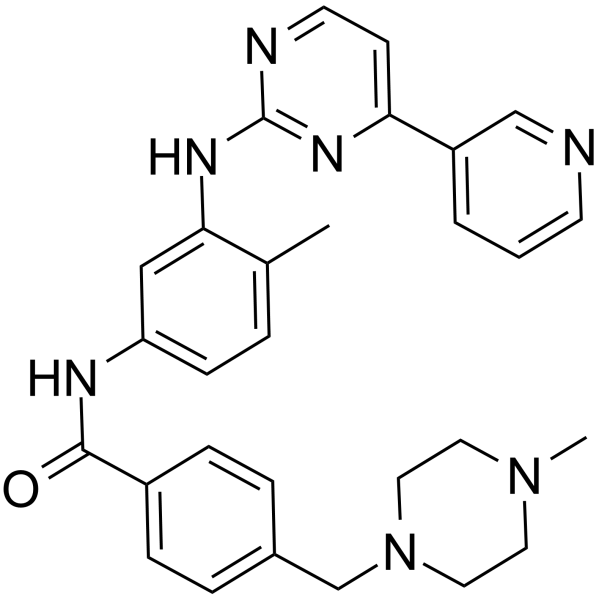
  • HY-15463
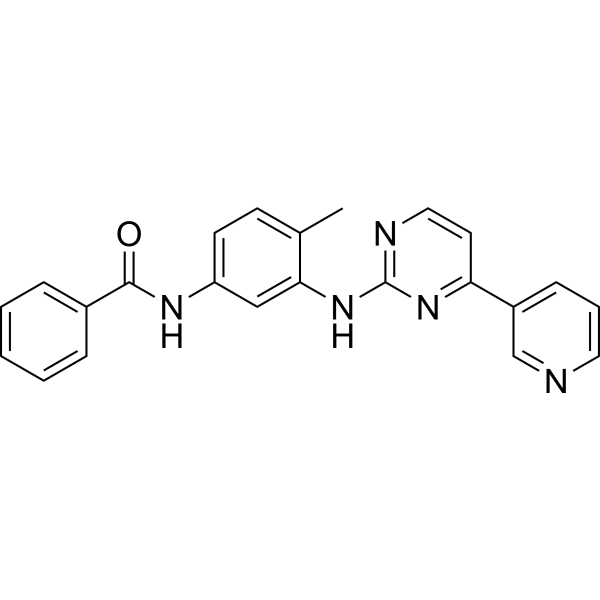
    Imatinib
    Maximum Cited Publications
    120 Publications Verification

    STI571; CGP-57148B

    Bcr-Abl PDGFR c-Kit SARS-CoV Autophagy Cancer
    Imatinib (STI571) is an orally bioavailable tyrosine kinases inhibitor that selectively inhibits BCR/ABL, v-Abl, PDGFR and c-kit kinase activity. Imatinib (STI571) works by binding close to the ATP binding site, locking it in a closed or self-inhibited conformation, therefore inhibiting the enzyme activity of the protein semicompetitively . Imatinib also is an inhibitor of SARS-CoV and MERS-CoV .
    Imatinib
  • HY-14435
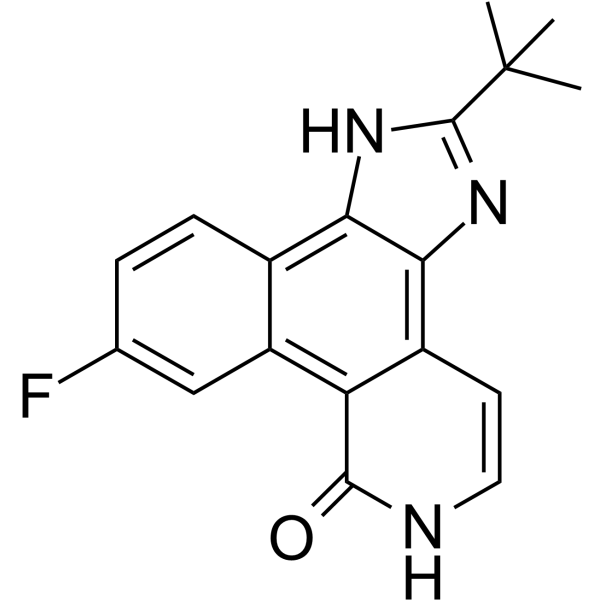
    Pyridone 6
    10+ Cited Publications

    JAK Cancer
    Pyridone 6 is a pan-JAK inhibitor, which potently inhibits the JAK kinase family, with IC50s of 1 nM for JAK2 and TYK2, 5 nM for JAK3, and 15 nM for JAK1, while displaying significantly weaker affinities (130 nM to >10 mM) for other protein tyrosine kinases.
    Pyridone 6
  • HY-N6732
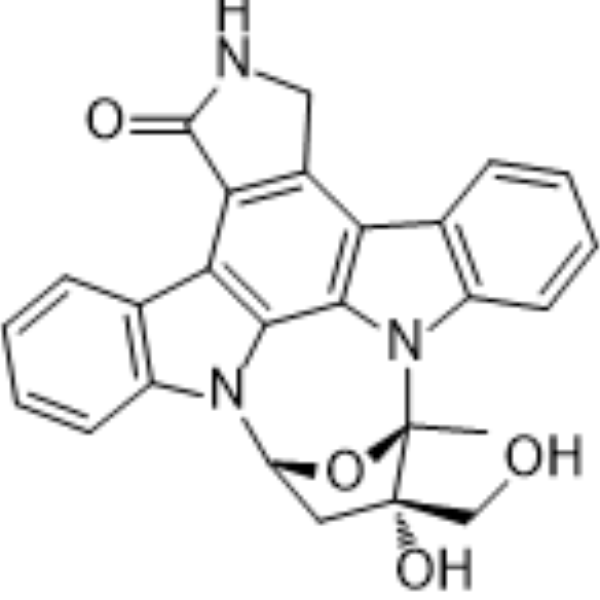
    K-252a
    Maximum Cited Publications
    27 Publications Verification

    SF2370; Antibiotic K 252a; Antibiotic SF 2370

    Autophagy PKA PKC Trk Receptor CaMK Infection Inflammation/Immunology
    K-252a, a staurosporine analog, inhibits protein kinase, with IC50 values of 470 nM, 140 nM, 270 nM, and 1.7 nM for PKC, PKA, Ca 2+/calmodulin-dependent kinase type II, and phosphorylase kinase, respectively . K-252a is a potent inhibitor (IC50 of 3 nM) of the tyrosine protein kinase (TRK) activity of the NGF receptor gp140trk, the product of the trk protooncogene .
    K-252a
  • HY-50867
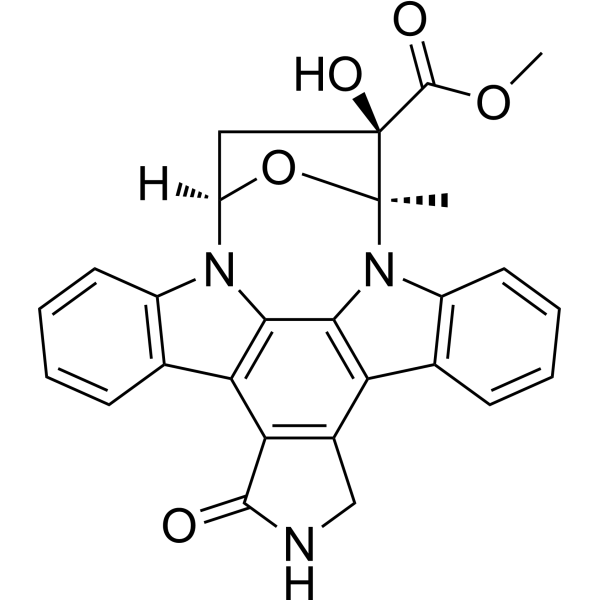
    Lestaurtinib
    4 Publications Verification

    CEP-701; KT-5555

    JAK FLT3 Trk Receptor Apoptosis STAT Cancer
    Lestaurtinib (CEP-701) is an orally active and selective RPTKs (receptor protein tyrosine kinase) inhibitor, competitively inhibits ATP binding to the TrkA/B/C domain. Lestaurtinib inhibits RPTKs phosphorylation, with IC50s of 2, 25 and 0.9 nM for FLT3, TrkA and JAK2, respectively. Lestaurtinib induces apoptosis and cycle arrest, also can inhibit growth of tumor .
    Lestaurtinib
  • HY-50868
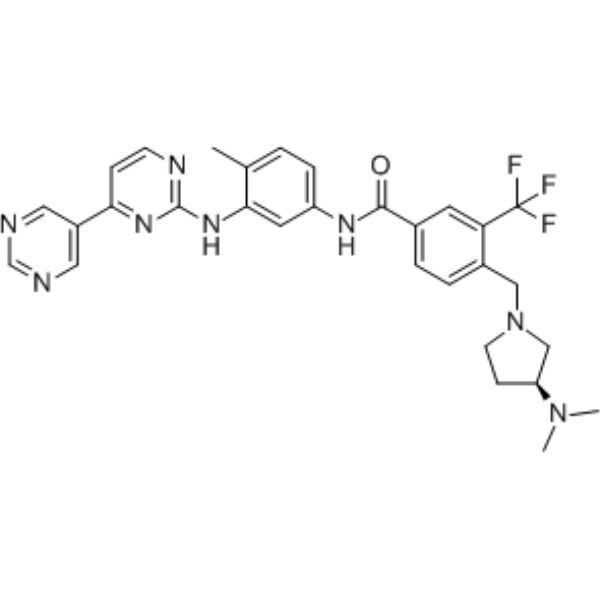
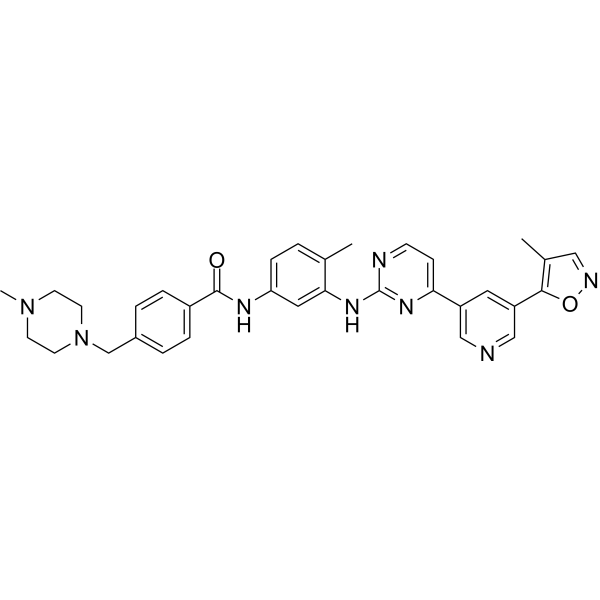
    Bafetinib
    10+ Cited Publications

    INNO-406; NS-187

    Bcr-Abl Src Apoptosis Cancer
    Bafetinib is an orally active Lyn/Bcr-Abl tyrosine kinase inhibitor. Bafetinib enhances the activity of several pro-apoptotic Bcl-2 homology (BH) 3-pure proteins (Bim, Bad, Bmf, and Bik) through intrinsic apoptotic pathways regulated by the Bcl-2 family, and induces apoptosis of Ph + leukemia cells. Bafetinib has antitumor activity .
    Bafetinib
  • HY-16558
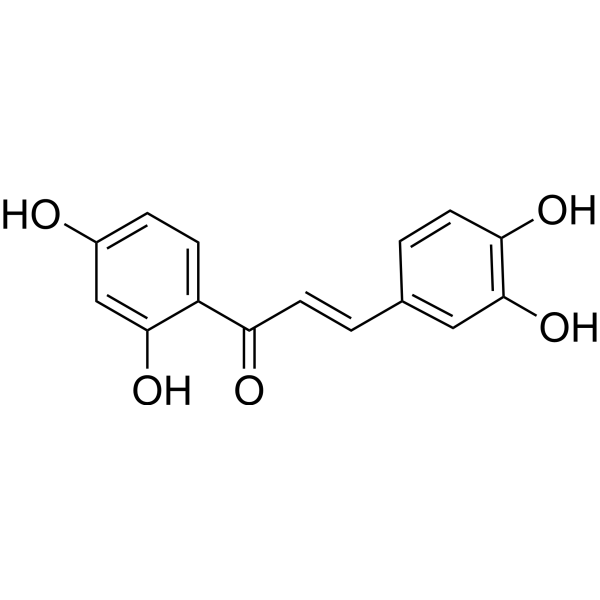
    Butein
    5+ Cited Publications

    2’,3,4,4’-tetrahydroxy Chalcone

    EGFR Autophagy Apoptosis Phosphodiesterase (PDE) Cancer
    Butein is a cAMP-specific PDE inhibitor with an IC50 of 10.4 μM for PDE4 . Butein is a specific protein tyrosine kinase inhibitor with IC50s of 16 and 65 μM for EGFR and p60 c-src in HepG2 cells . Butein sensitizes HeLa cells to Cisplatin through AKT and ERK/p38 MAPK pathways by targeting FoxO3a . Butein is a SIRT1 activator (STAC).
    Butein
  • HY-136179
    ZAP-180013
    3 Publications Verification

    Tyrosinase Inflammation/Immunology
    ZAP-180013 is a zeta-chain-associated protein kinase 70 (ZAP-70) inhibitor with an IC50 of 1.8 μM. ZAP-180013 inhibits the interaction of ZAP-70 SH2 domain with immunoreceptor tyrosine-based activation motif (ITAMs) .
    ZAP-180013
  • HY-10206
    Amuvatinib
    5+ Cited Publications

    MP470; HPK 56

    c-Kit PDGFR RAD51 FLT3 c-Met/HGFR RET Apoptosis Cancer
    Amuvatinib (MP470) is an orally bioavailable multi-targeted tyrosine kinase inhibitor with potent activity against mutant c-Kit, PDGFRα, Flt3, c-Met and c-Ret. Amuvatinib (MP470) is also a DNA repair suppressor through suppression of DNA repair protein RAD51, thereby disrupting DNA damage repair . Antineoplastic activity .
    Amuvatinib
  • HY-171830

    YX39-105

    PROTACs Tyrosinase Apoptosis Cancer
    MS105 (YX39-105) is an orally active and selective protein tyrosine kinase 6 (PTK6) (BRK) PROTAC degrader. MS105 recruits VHL E3 ligase via a VHL ligand moiety, promotes PTK6 ubiquitination and proteasomal degradation, inhibits the proliferation and migration of breast cancer cells, and induces apoptosis. MS105 shows potential for use in breast cancer research .
    MS105
  • HY-148794

    IkT-148009

    c-Met/HGFR Bcr-Abl Neurological Disease Cancer
    Risvodetinib (IkT-148009) is an orally active, selective and brain-penetrant protein tyrosine kinase inhibitor, displaying excellent target efficacy against c-Abl1, c-Abl2/Arg with IC50 values of 33 nM, 14 nM, respectively. Risvodetinib suppresses c-Abl activation and substantially protects dopaminergic neurons from degeneration in mouse models of both inherited and sporadic Parkinson’s disease (PD), which is promising for research in the field of PD .
    Risvodetinib
  • HY-160144S

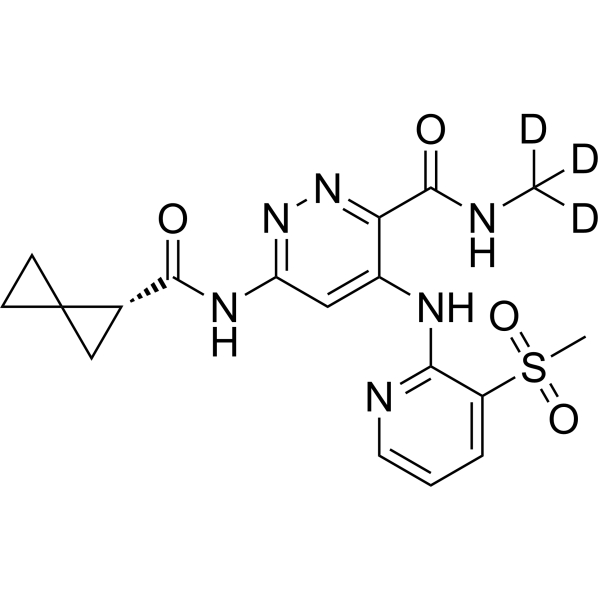
    BMS-986322

    Isotope-Labeled Compounds JAK Inflammation/Immunology
    Lomedeucitinib (BMS-986322) is a tyrosine protein kinase (TYK2) inhibitor .
    Lomedeucitinib
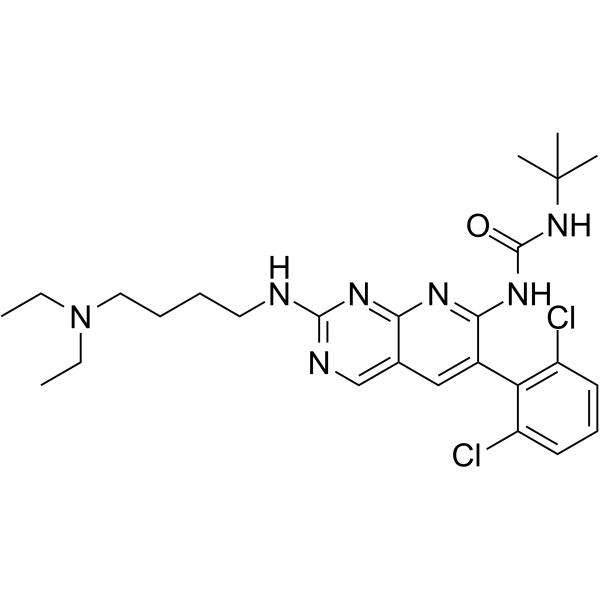
  • HY-100434

    FGFR PDGFR EGFR Src TGF-β Receptor Cardiovascular Disease Cancer
    PD-161570 is a potent and ATP-competitive human FGF-1 receptor inhibitor with an IC50 of 39.9 nM and a Ki of 42 nM. PD-161570 also inhibits the PDGFR, EGFR and c-Src tyrosine kinases with IC50 values of 310 nM, 240 nM, and 44 nM, respectively. PD-161570 inhibits PDGF-stimulated autophosphorylation and FGF-1 receptor phosphorylation with IC50s of 450 nM and 622 nM, respectively . PD-161570 is also a bone morphogenetic proteins (BMPs) and TGF-β signaling inhibitor .
    PD-161570
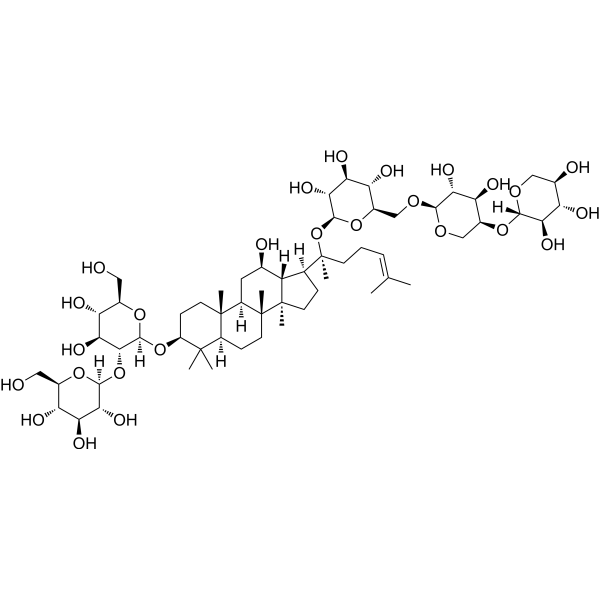
  • HY-N2506

    Others Cardiovascular Disease
    Ginsenoside Ra1 is a component from ginseng, inhibits protein tyrosine kinase (PTK) activation induced by hypoxia/reoxygenation .
    Ginsenoside Ra1
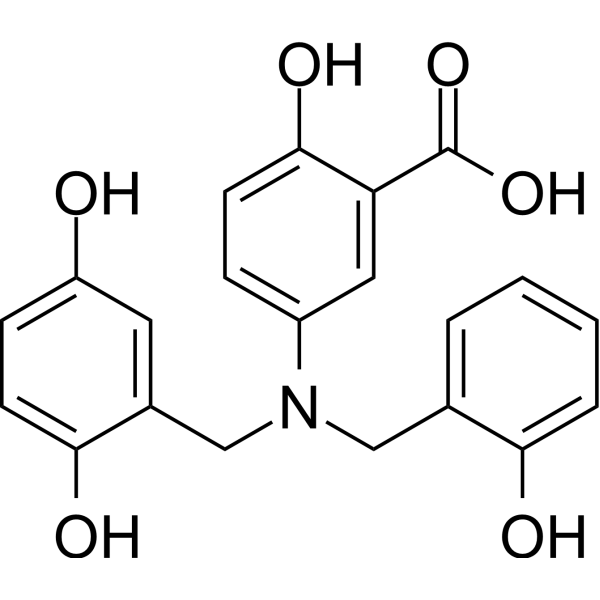
  • HY-18963
    Lavendustin A
    1 Publications Verification

    RG-14355

    EGFR Cancer
    Lavendustin A (RG-14355) is a potent, selective and ATP-competitive inhibitor of epidermal growth factor receptor (EGFR) tyrosine kinase, with an IC50 of 11 nM. Lavendustin A does not inhibit protein kinase A or C. Lavendustin A can suppress VEGF-induced angiogenesis .
    Lavendustin A
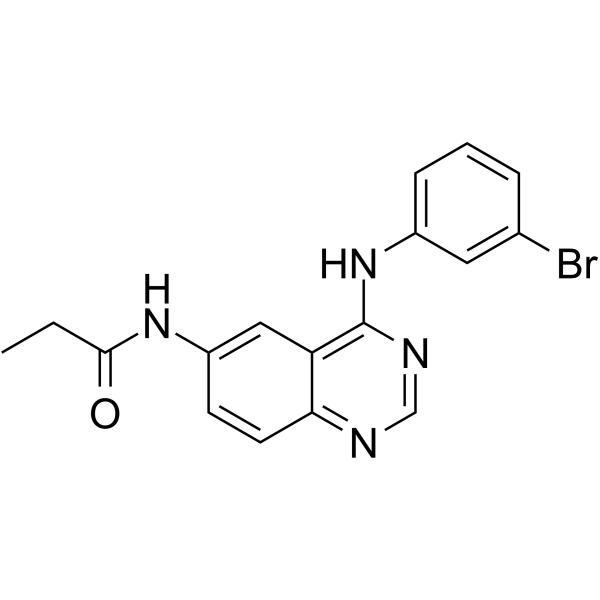
  • HY-112411

    EGFR ERK PDGFR FGFR Neurological Disease Inflammation/Immunology
    PD 174265 is a highly selective, reversible EGFR/ErbB2 tyrosine kinase inhibitor (IC50=0.45 nM) and cell differentiation inducer. By blocking receptor autophosphorylation and the downstream ERK signaling pathway (with an IC50 of 0.45 μM for full-length ERK), PD 174265 effectively inhibits tumor growth and exhibits antitumor activity without obvious toxicity in in vivo models. PD 174265 drives oligodendrocyte precursor cells to switch from a proliferative state to a differentiated state, significantly upregulates the expression of myelin proteins such as CNP, PLP and MBP, and induces neurite branching. PD 174265 shows no inhibitory effect on other kinases including insulin, PDGF and basic FGF receptors, and serves as a crucial tool molecule for investigating the treatment of human epidermoid carcinoma and the mechanism of myelin repair in multiple sclerosis .
    PD 174265
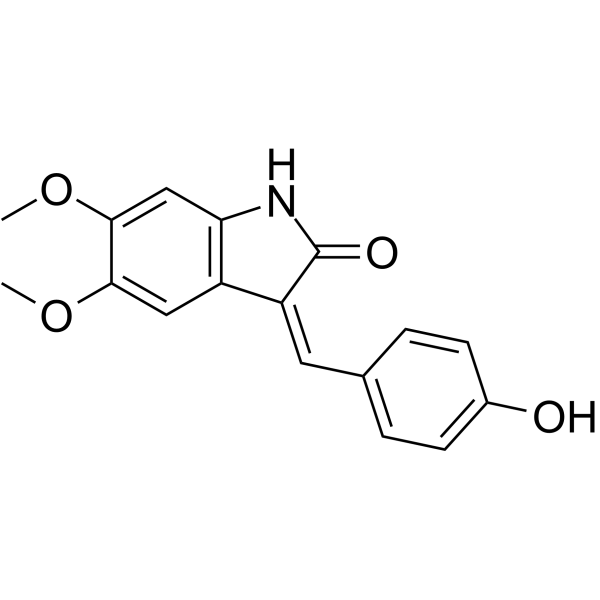
  • HY-101246

    RET Cancer
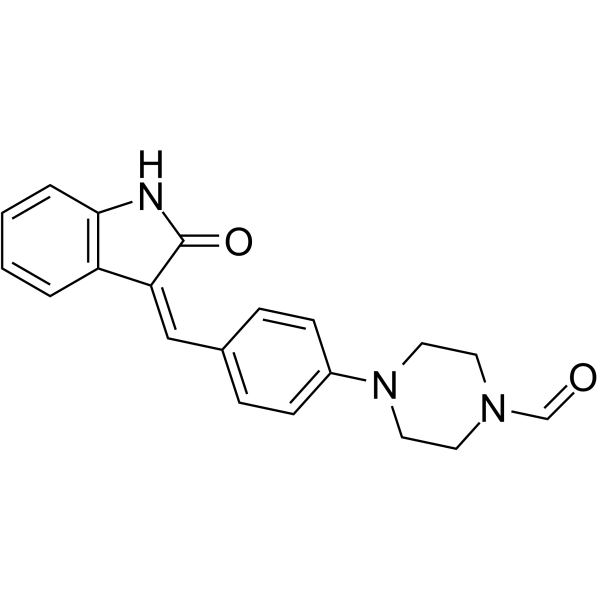
    RPI-1 is a specific, orally available 2-indolinone Ret tyrosine kinase inhibitor. RPI-1 inhibits proliferation, Ret tyrosine phosphorylation, Ret protein expression, and the activation of PLCgamma, ERKs and AKT in human medullary thyroid carcinoma TT cells. Antitumor activity .
    RPI-1
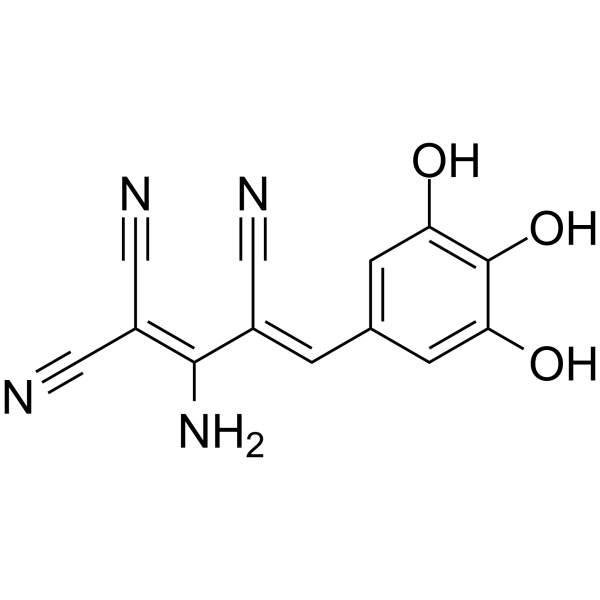
  • HY-101960A

    AG-183

    EGFR Cancer
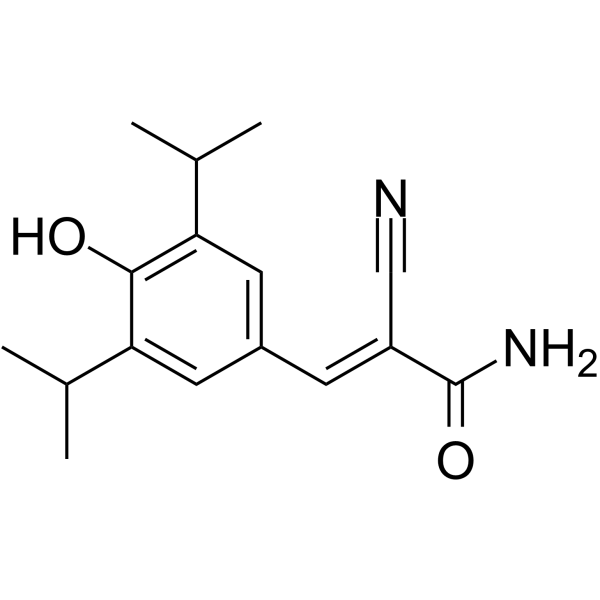
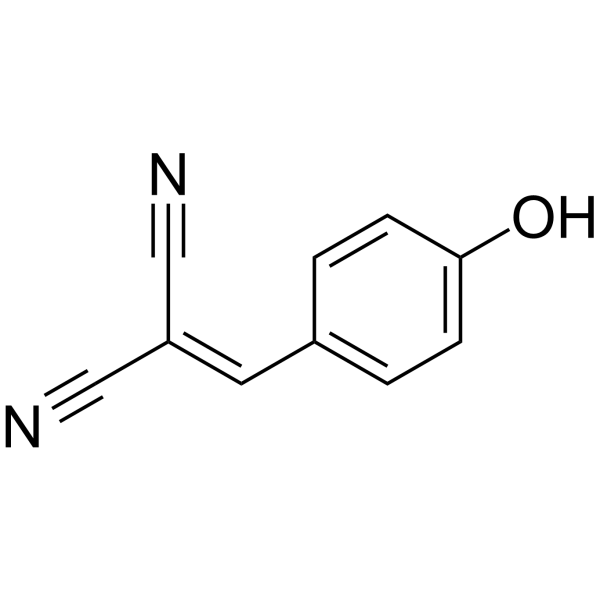
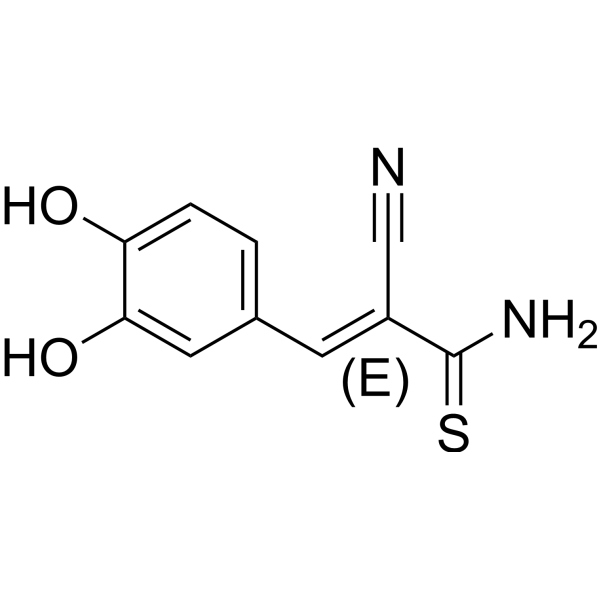
    Tyrphostin A51 is a potent protein tyrosine kinase (PTK) inhibitor. Tyrphostin A51 inhibits the volume-dependent release of [ 3H]taurine in a dose-dependent manner. Tyrphostin A51 markedly reduces cellular tyrosyl phosphorylation level. Tyrphostin A51 inhibits both basal and EGF-induced human bone cell proliferation .
    Tyrphostin A51
  • HY-N4201

    EGFR Src Cancer
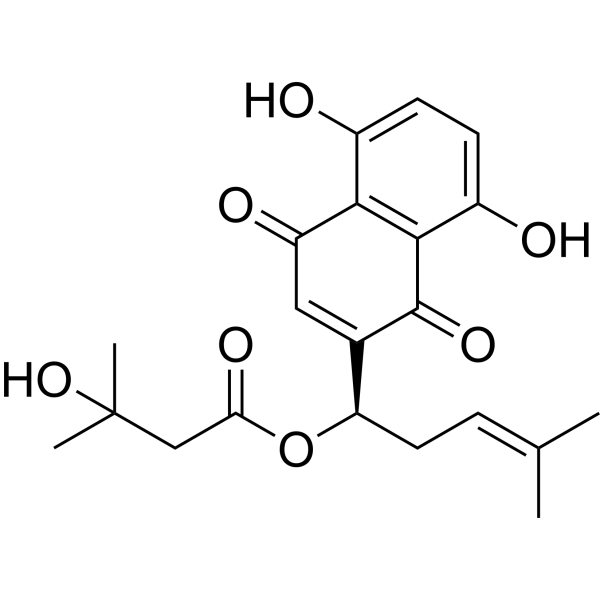
    Beta-hydroxyisovalerylshikonin is a natural product isolated from Lithospermum erythrorhizon, acts as a potent inhibitor of protein tyrosine kinases (PTK), with IC50s of 0.7μM and 1μM for EGFR and v-Src receptor, respectively. Beta-hydroxyisovalerylshikonin is effective against a wide variety of tumor cell lines, and most efficiently induces cell-death in NCI-H522 and DMS114 cells .
    β-Hydroxyisovalerylshikonin
  • HY-143657

    Myosin Ferlin Family MMP Cancer
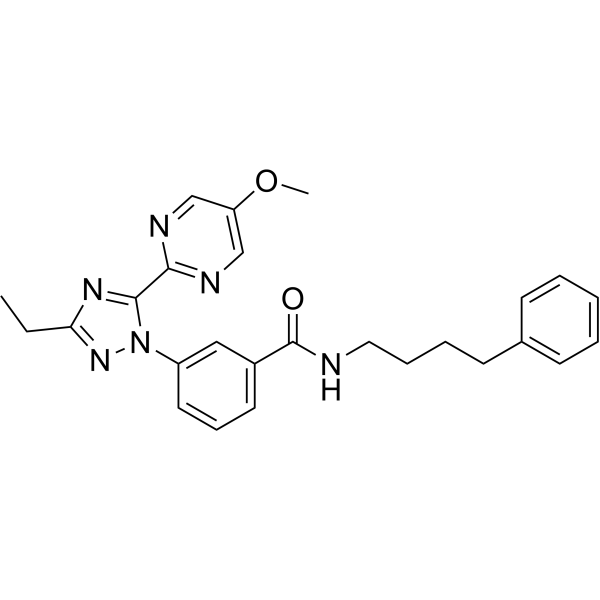
    Myoferlin inhibitor 1 is a compound that exhibits reversible, concentration-dependent binding to the myoferlin MYOF-C2D protein, with a KD of 0.094 μM. Myoferlin inhibitor 1 shows potent anti-invasion and anti-migration activities against different pancreatic cancer cells. Myoferlin inhibitor 1 inhibits pancreatic cancer metastasis through reversing mesenchymal transition (EMT), inhibiting the secretions of MMP1 and MMP2 and blocking the receptor tyrosine kinases. Myoferlin inhibitor 1 displays effective antimetastatic activities in pancreatic cancer in vitro and in vivo. Myoferlin inhibitor 1 can be used in research on preventing pancreatic cancer metastasis .
    Myoferlin inhibitor 1
  • HY-100499
    Tyrphostin AG 528
    1 Publications Verification

    Tyrphostin B66; AG 528

    EGFR Cancer
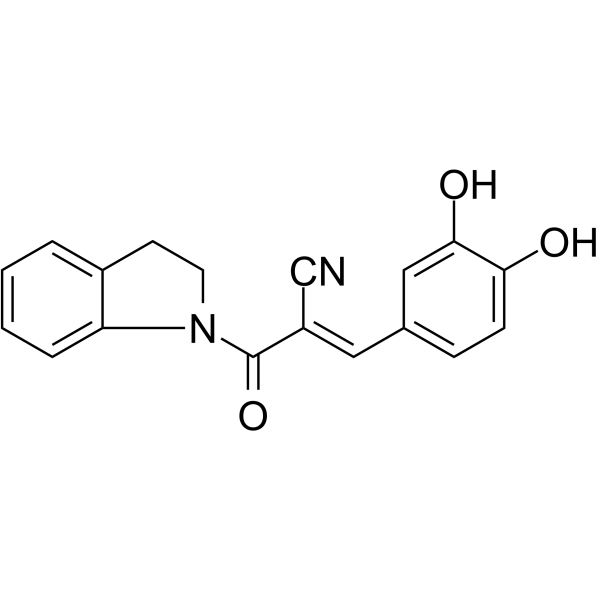
    Tyrphostin AG 528 is an inhibitor of EGFR and ErbB2 with IC50s of 4.9 and 2.1 μM, respectively. Tyrphostin AG 528 (Tyrphostin B66) is a protein tyrosine kinase inhibitor, with IC50s of 4.9 μM for epidermal growth factor receptors (EGFR) and 2.1 μM for ErbB2 . Tyrphostin AG 528 is also an anticancer agent .
    Tyrphostin AG 528
  • HY-103097

    Phospholipase Others
    ST271 is a potent inhibitor of protein tyrosine kinase (PTK), inhibits phospholipase D activation stimulated by fMet-Leu-Phe and PAF, with IC50s of 6.7 and 9 μM, respectively.
    ST271
  • HY-101837

    PDGFR Inflammation/Immunology
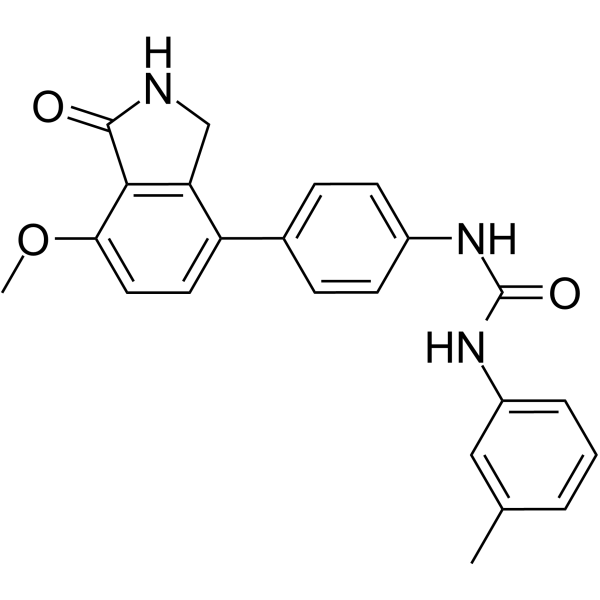
    CGP 53716 is a potent protein tyrosine kinase inhibitor. CGP 53716 has selective activity of platelet-derived growth factor (PDGF) receptor. CGP 53716 can be used in the study of disease induced by abnormal cell proliferation induced by PDGF receptor activation .
    CGP 53716
  • HY-118203

    FGFR PDGFR Insulin Receptor Cancer
    SU4984 is a protein tyrosine kinase inhibitor, with an IC50 of 10-20 μM for fibroblast growth factor receptor 1 (FGFR1). SU4984 is also inhibits platelet-derived growth factor receptor, and insulin receptor. SU4984 can be used for the research of cancer .
    SU4984
  • HY-N10411

    Reverse Transcriptase HIV Xanthine Oxidase Infection Cardiovascular Disease Cancer
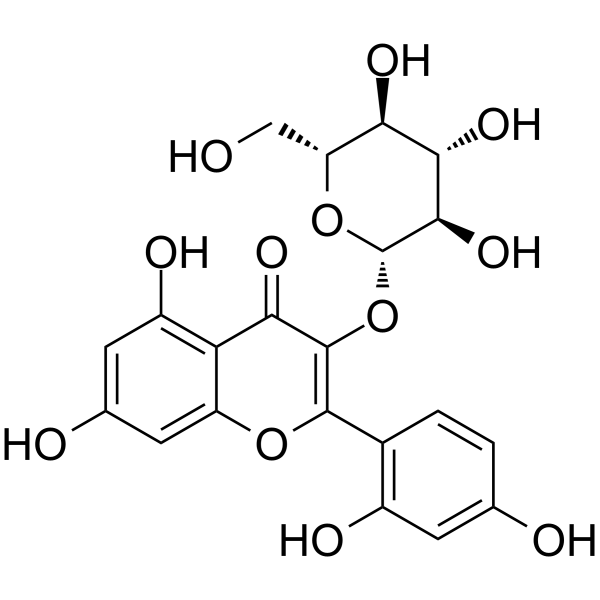
    Morin 3-O-β-D-glucopyranoside is a natural flavonoid with antifungal, anticancer and antioxidant activities. Morin 3-O-β-D-glucopyranoside inhibits reverse transcriptase, protein-tyrosine kinase and xanthine oxidase, and also shows anti-HIV, antiarteriosclerotic, and superoxide scavenging activities .
    Morin 3-O-β-D-glucopyranoside
  • HY-15463R

    STI571 (Standard); CGP-57148B (Standard)

    Reference Standards Bcr-Abl PDGFR c-Kit SARS-CoV Autophagy Cancer
    Imatinib (Standard) is the analytical standard of Imatinib. This product is intended for research and analytical applications. Imatinib (STI571) is an orally bioavailable tyrosine kinases inhibitor that selectively inhibits BCR/ABL, v-Abl, PDGFR and c-kit kinase activity. Imatinib (STI571) works by binding close to the ATP binding site, locking it in a closed or self-inhibited conformation, therefore inhibiting the enzyme activity of the protein semicompetitively . Imatinib also is an inhibitor of SARS-CoV and MERS-CoV .
    Imatinib (Standard)
  • HY-123468

    Cyclic GMP-AMP Synthase PKA ERK Tyrosine Hydroxylase Calcium Channel Cardiovascular Disease Metabolic Disease
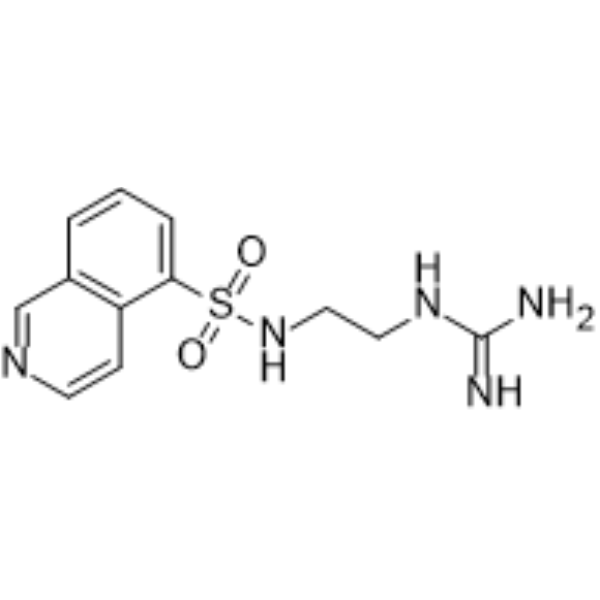
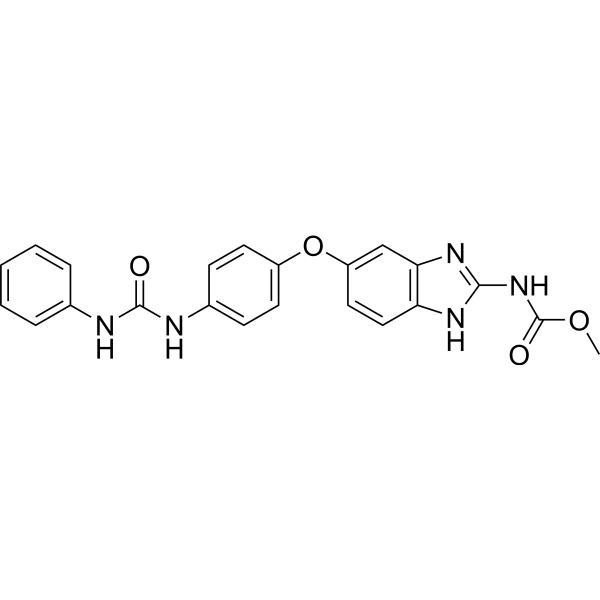
    HA-1004 is a selective inhibitor of PKA, which can inhibit lipolysis and induce vascular relaxation. HA-1004 is also a dual inhibitor of cyclic GMP-dependent protein kinase and cyclic AMP-dependent protein, and is involved in smooth muscle, second messenger, cyclic AMP and cyclic GMP regulation mechanisms. HA-1004 is an antagonist for calcium, that can be used as a vasodilator to inhibit the contraction of rabbit aortic strips, or to antagonize ERK and tyrosine hydroxylase (TH) phosphorylation in morphine abstinence rat models .
    HA-1004
  • HY-179177

    DYRK CDK Tau Protein Amyloid-β Neurological Disease
    AO-365/43472821 is a selective, brain-penetrant Dual-specificity tyrosine phosphorylation-regulated kinase 1A (DYRK1A) inhibitor (IC50 = 0.29 μM) and shows a significant inhibitory effect on (CDC-like kinase 1) CLK1 (IC50 = 0.08 μM). AO-365/43472821 could protect the human neuroblastoma cell line SH-SY5Y from Okadaic acid (HY-N6785) (OA)-induced injury. AO-365/43472821 decreased tau (pSer396)/tau and Aβ1-42 protein expression. AO-365/43472821 can be used for the study of Alzheimer's disease .
    AO-365/43472821
  • HY-133083
    BAY-474
    1 Publications Verification

    c-Met/HGFR Cancer
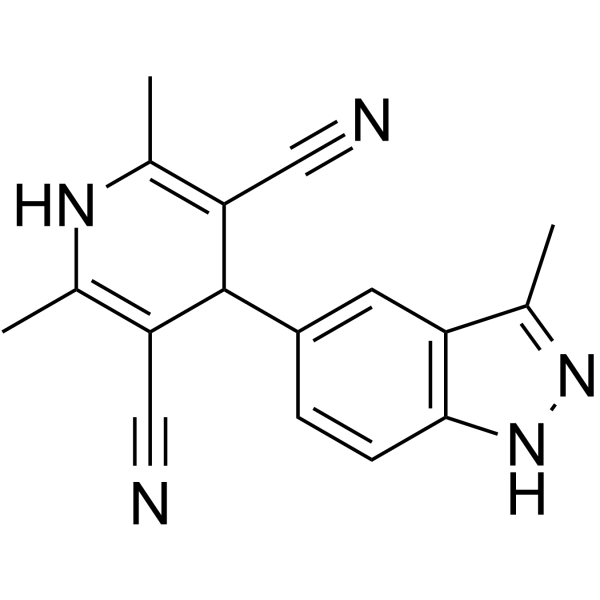
    BAY-474 is a tyrosine-protein kinase c-Met inhibitor. BAY-474 acts as an epigenetics probe .
    BAY-474
  • HY-178120

    Src Apoptosis Cancer
    Lck-IN-4 (Compound A-1) is a protein tyrosine kinase Lck inhibitor with an IC50 of 2  nM. Lck-IN-4 significantly inhibits YAP tyrosine phosphorylation and activity and induces apoptosis in cholangiocarcinoma CCA cells. Lck-IN-4 is cytotoxic in CCA tumor-derived organoids with elevated YAP activity Lck-IN-4 can be used for cancers like cholangiocarcinoma (CCA) research .
    Lck-IN-4
  • HY-10206A

    MP470 hydrochloride; HPK 56 hydrochloride

    c-Kit PDGFR RAD51 FLT3 c-Met/HGFR RET Cancer
    Amuvatinib hydrochloride (MP470 hydrochloride) is an orally bioavailable multi-targeted tyrosine kinase inhibitor with potent activity against mutant c-Kit, PDGFRα, Flt3, c-Met and c-Ret. Amuvatinib hydrochloride (MP470 hydrochloride) is also a DNA repair suppressor through suppression of DNA repair protein RAD51, thereby disrupting DNA damage repair . Antineoplastic activity .
    Amuvatinib hydrochloride
  • HY-19230

    Calmodulin NO Synthase CaMK Calcineurin Proteasome Caspase Cardiovascular Disease
    DY-9760e is a calmodulin (CaM) inhibitor. DY-9760e selectively inhibits the activity of various calmodulin-dependent enzymes by antagonizing the Ca²⁺/CaM complex, exhibiting the strongest inhibitory activity against nNOS, CaM kinase II, and calcineurin (Ki: 0.9, 1.4, and 2.0 μM, respectively). DY-9760e inhibits excessive nitric oxide production and protein tyrosine nitration, as well as the activation of calpain and caspase-3. DY-9760e reduces infarct size, improves cardiac function, and inhibits oxidative stress and cell death. DY-9760e can be used in research on the treatment of myocardial infarction, cerebral ischemia, and other diseases .
    DY-9760e
  • HY-101962

    Insulin Receptor Metabolic Disease
    HNMPA is a membrane impermeable insulin receptor tyrosine kinase inhibitor. HNMPA inhibits serine and tyrosine autophosphorylation by the human insulin receptor. HNMPA has no effect on protein kinase C or cyclic AMP-dependent protein kinase activities
    HNMPA
  • HY-18316

    JAK Inflammation/Immunology
    RO495 is a potent inhibitor of non-receptor tyrosine-protein kinase 2 (TYK2 kinase) .
    RO495
  • HY-W174279

    EGFR Ras Phosphatase Metabolic Disease
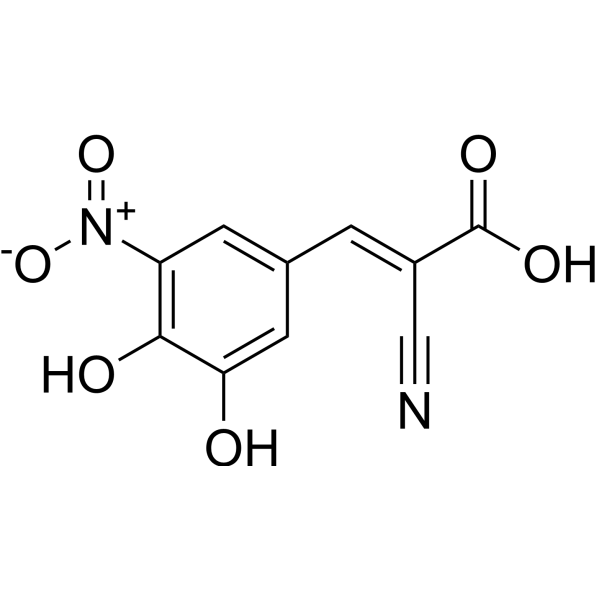
    Tyrphostin 8 is a tyrosine kinase, with an IC50 of 560 μM for EGFR kinase. Tyrphostin 8 is also a GTPase inhibitor. Tyrphostin 8 can inhibit the protein serine/threonine phosphatase calcineurin (IC50=21 μM) .
    Tyrphostin 8
  • HY-160689

    UNC10112731

    c-Myc c-Kit Discoidin Domain Receptor PDGFR Others
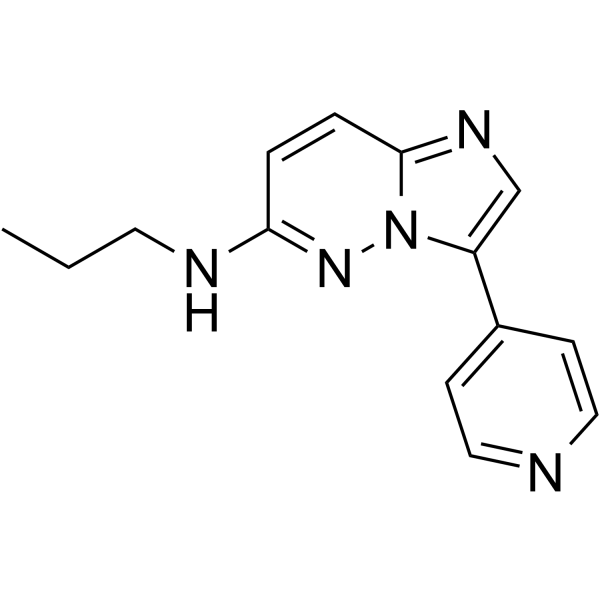
    GW694590A (UNC10112731) is a MYC protein stabilizer that increases endogenous MYC protein levels. GW694590A also targets receptor tyrosine kinases, inhibiting DDR2, KIT and PDGFRα by 81% at 1 μM. , 68% and 67%. GW694590A is a protein kinase inhibitor across ATP-dependent and -independent luciferases with potential effects on the Fluc reporter gene .
    GW694590A
  • HY-14435R

    JAK Reference Standards Cancer
    Pyridone 6 (Standard) is the analytical standard of Pyridone 6. This product is intended for research and analytical applications. Pyridone 6 is a pan-JAK inhibitor, which potently inhibits the JAK kinase family, with IC50s of 1 nM for JAK2 and TYK2, 5 nM for JAK3, and 15 nM for JAK1, while displaying significantly weaker affinities (130 nM to >10 mM) for other protein tyrosine kinases.
    Pyridone 6 (Standard)
  • HY-164487

    Proteasome Cancer
    JBJ-08-178-01 is a mutant-selective tyrosine kinase inhibitor against human epidermal growth factor receptor 2 (HER2) with an antitumoral activity. JBJ-08-178-01 reduces both the kinase activity and protein levels of HER2 by inducing proteasomal degradation of the receptor in lung cancer. JBJ-08-178-01 is promising for research of non-small-cell lung cancer .
    JBJ-08-178-01
  • HY-15463S3

    STI571-13C,d3; CGP-57148B-13C,d3

    Isotope-Labeled Compounds Autophagy SARS-CoV Bcr-Abl PDGFR c-Kit Cancer
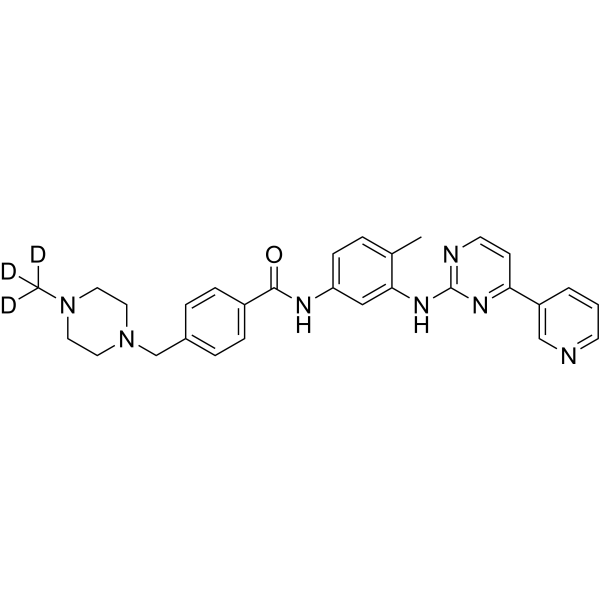
    Imatinib- 13C,d3 (STI571- 13C,d3) is 13C labeled Imatinib. Imatinib (STI571) is an orally bioavailable tyrosine kinases inhibitor that selectively inhibits BCR/ABL, v-Abl, PDGFR and c-kit kinase activity. Imatinib (STI571) works by binding close to the ATP binding site, locking it in a closed or self-inhibited conformation, therefore inhibiting the enzyme activity of the protein semicompetitively . Imatinib also is an inhibitor of SARS-CoV and MERS-CoV .
    Imatinib-13C,d3
  • HY-101960

    (Z)-AG-183

    EGFR Others
    (Z)-Tyrphostin A51 is the Z configuration of Lanoconazole A51. Tyrphostin A51 is a potent protein tyrosine kinase (PTK) inhibitor. Tyrphostin A51 inhibits the volume-dependent release of [ 3H]taurine in a dose-dependent manner. Tyrphostin A51 markedly reduces cellular tyrosyl phosphorylation level. Tyrphostin A51 inhibits both basal and EGF-induced human bone cell proliferation .
    (Z)-Tyrphostin A51
  • HY-112348

    Cyclic GMP-AMP Synthase PKA ERK Calcium Channel Cardiovascular Disease Metabolic Disease
    HA-1004 hydrochloride is a selective inhibitor of PKA, which can inhibit lipolysis and induce vascular relaxation. HA-1004 hydrochloride is also a dual inhibitor of cyclic GMP-dependent protein kinase and cyclic AMP-dependent protein (Cyclic GMP-AMP Synthase), and is involved in smooth muscle, second messenger, cyclic AMP and cyclic GMP regulation mechanisms. HA-1004 hydrochloride an antagonist for calcium, that can be used as a vasodilator to inhibit the contraction of rabbit aortic strips, or to antagonize ERK and tyrosine hydroxylase (TH) phosphorylation in morphine abstinence rat models .
    HA-1004 hydrochloride
  • HY-160144S2

    (rac)-BMS-986322

    Drug Isomer Others
    (rac)-Lomedeucitinib ((rac)-BMS-986322) is the racemate of Lomedeucitinib. Lomedeucitinib (BMS-986322) is a tyrosine protein kinase (TYK2) inhibitor. Lomedeucitinib has anti-inflammatory activity and significant inhibitory effect on IFNα (IC50=0.047 μM) production downstream of IL-12/TYK2. Lomedeucitinib is indicated for the study of plaque psoriasis and pruritus .
    (rac)-Lomedeucitinib
  • HY-10206R

    MP470 (Standard); HPK 56 (Standard)

    Reference Standards c-Kit PDGFR RAD51 FLT3 c-Met/HGFR RET Apoptosis Cancer
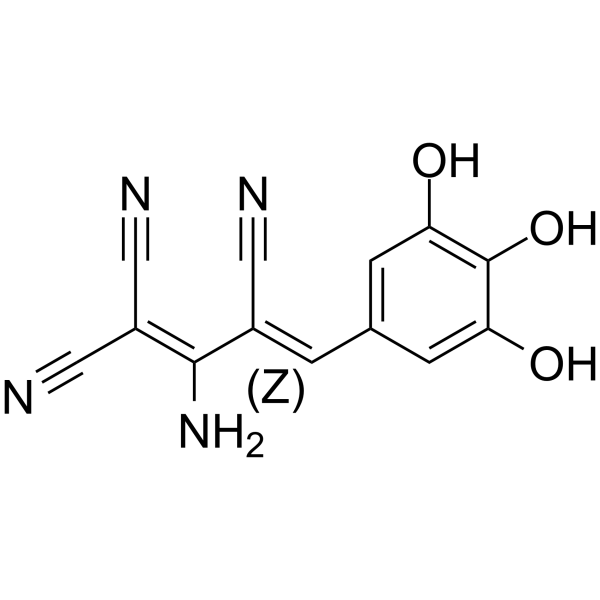
    Amuvatinib (Standard) is the analytical standard of Amuvatinib. This product is intended for research and analytical applications. Amuvatinib (MP470) is an orally bioavailable multi-targeted tyrosine kinase inhibitor with potent activity against mutant c-Kit, PDGFRα, Flt3, c-Met and c-Ret. Amuvatinib (MP470) is also a DNA repair suppressor through suppression of DNA repair protein RAD51, thereby disrupting DNA damage repair . Antineoplastic activity .
    Amuvatinib (Standard)
  • HY-16558R

    2’,3,4,4’-tetrahydroxy Chalcone (Standard)

    Reference Standards EGFR Autophagy Apoptosis Phosphodiesterase (PDE) Cancer
    Butein (Standard) is the analytical standard of Butein. This product is intended for research and analytical applications. Butein is a cAMP-specific PDE inhibitor with an IC50 of 10.4 μM for PDE4 . Butein is a specific protein tyrosine kinase inhibitor with IC50s of 16 and 65 μM for EGFR and p60c-src in HepG2 cells . Butein sensitizes HeLa cells to Cisplatin through AKT and ERK/p38 MAPK pathways by targeting FoxO3a . Butein is a SIRT1 activator (STAC).
    Butein (Standard)
  • HY-180888

    Src CD3 Inflammation/Immunology
    Lck-IN-5 (example C10) is a potent and selective lymphocyte-specific protein tyrosine kinase (LCK) inhibitor. Lck-IN-5 selectively disrupts the interaction between the SH3 domain of LCK and the RK motif of CD3ε, thereby impairing LCK recruitment to the TCR. Lck-IN-5 modulates the activity of CD3ε-containing CAR and TRuC T cells, attenuating cytokine production and promoting a central-memory-like phenotype associated with enhanced persistence. Lck-IN-5 can be used for autoimmune diseases and graft-versus-host disease research .
    Lck-IN-5
  • HY-161708

    PROTACs CDK FLT3 Cancer
    PROTAC FLT3/CDKs degrader-1 (Compound C3) is a degrader for cyclin-dependent kinases (DC50 is 18.73 nM for CDK2) and the FMS-like tyrosine kinase 3 (FLT3). PROTAC FLT3/CDKs degrader-1 induces differentation of HL-60 (72.77% differentation at 6.25 nM), inhibits proliferation of AML cells, with IC50s of 2.9-37 nM. PROTAC FLT3/CDKs degrader-1 is potential for ameliorating acute myeloid leukemia. (Pink: ligand for target protein FLT3/CDKs ligand-1 (HY-161709); Black: linker (HY-W012935); Black: ligand for E3 ligase Thalidomide 5-fluoride (HY-W087383))
    PROTAC FLT3/CDKs degrader-1
  • HY-147612

    c-Met/HGFR Cancer
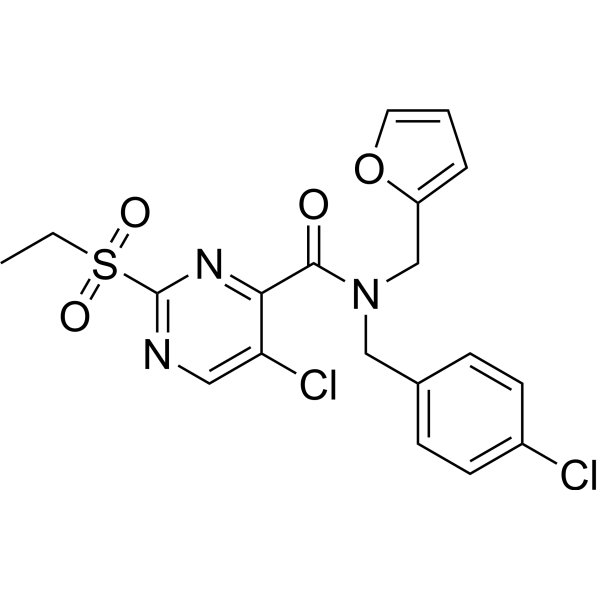
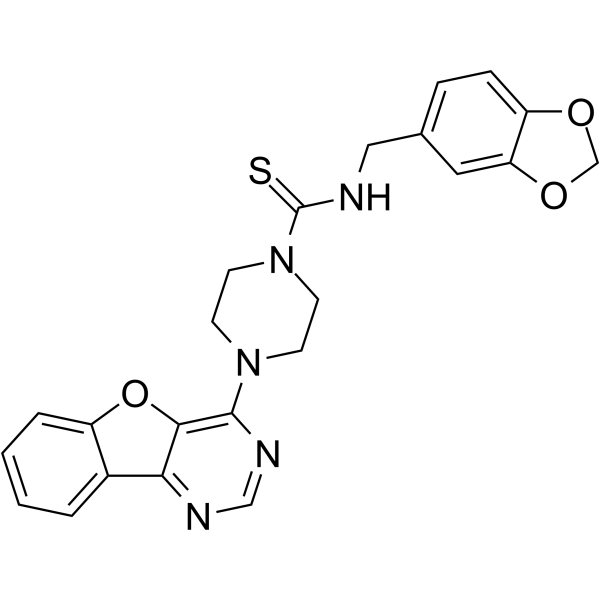
    Tyrosine kinase-IN-4 (EXAMPLE 107) is a protein tyrosine kinase inhibitor .
    Tyrosine kinase-IN-4
  • HY-N14635

    EGFR Infection
    Paeciloquinone A can inhibit EGFR protein tyrosine kinase. Paeciloquinone A inhibits the V-abl protein tyrosine kinase with an IC50 of 0.59 μM .
    Paeciloquinone A
  • HY-N14637

    EGFR Infection
    Paeciloquinone C can inhibit the EGFR protein tyrosine kinase. Paeciloquinone C inhibits the V-abl protein tyrosine Kinase with an IC50 of 0.56 μM .
    Paeciloquinone C
  • HY-N14638

    EGFR Infection
    Paeciloquinone D can inhibit the EGFR protein tyrosine kinase .
    Paeciloquinone D
  • HY-N14639

    EGFR Infection
    Paeciloquinone E can inhibit the EGFR protein tyrosine kinase .
    Paeciloquinone E

Inquiry Online

Your information is safe with us. * Required Fields.

Salutation


Country or Region *

Applicant Name *


Organization Name *

Department *


Email Address *


Product Name *

Cat. No.


Requested quantity *

Phone Number *


Remarks

Inquiry Online

Inquiry Information

Product Name:
Cat. No.:
Quantity:
MCE Japan Authorized Agent: