1. Search Result
Search Result
Results for "

renal failure

" in MedChemExpress (MCE) Product Catalog:

93

Inhibitors & Agonists

2

Screening Libraries

3

Biochemical Assay Reagents

9

Peptides

1

Inhibitory Antibodies

17

Natural
Products

12

Isotope-Labeled Compounds

1

Oligonucleotides

Cat. No. 상품명 Target 연구분야 Chemical Structure
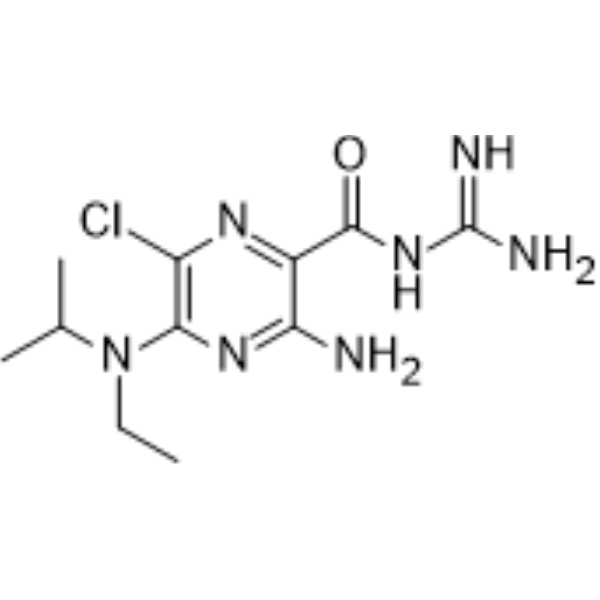
  • HY-101840
    EIPA
    Maximum Cited Publications
    98 Publications Verification

    L593754; MH 12-43; Ethylisopropylamiloride

    TRP Channel Prostaglandin Receptor Autophagy COX Na+/H+ Exchanger (NHE) Inflammation/Immunology Cancer
    EIPA (L593754) is an orally active TRPP3 channel inhibitor with an IC50 of 10.5 μM. EIPA also enhances autophagy by inhibiting Na +/H +-exchanger 3 (NHE3). EIPA inhibits macropinocytosis as well. EIPA can be used in the research of inflammation and cancers, such as gastric cancer, colon carcinoma, pancreatic carcinoma .
    EIPA
  • HY-42682
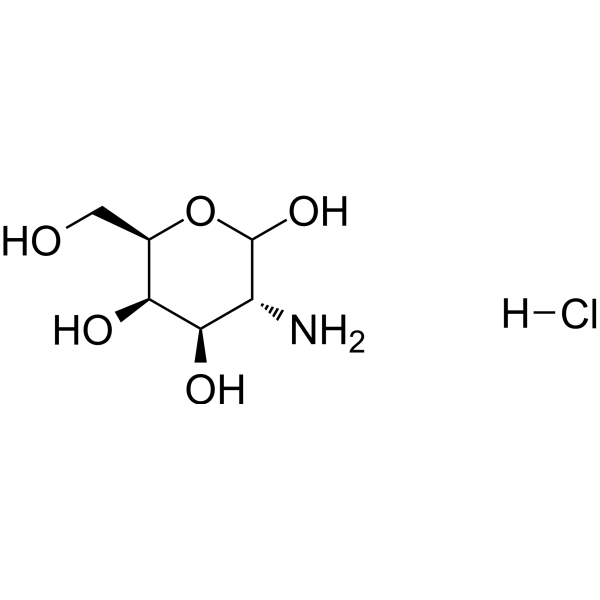
    D(+)-Galactosamine hydrochloride
    3 Publications Verification

    D-Galactosamine HCl

    Drug Derivative Inflammation/Immunology
    D(+)-Galactosamine (D-Galactosamine) hydrochloride, which is an established experimental toxin, primarily causes liver injury by the generation of free radicals and depletion of UTP nucleotides. D(+)-Galactosamine hydrochloride intoxication also induces renal dysfunction thus, renal failure is often associated with the end-stage of the liver damage. Lipopolysaccharide/D(+)-Galactosamine-induced acute liver injury is a known animal model of fulminant hepatic failure .
    D(+)-Galactosamine hydrochloride
  • HY-B0202
    Irbesartan
    5+ Cited Publications

    SR-47436; BMS-186295

    Angiotensin Receptor Apoptosis Cardiovascular Disease Endocrinology
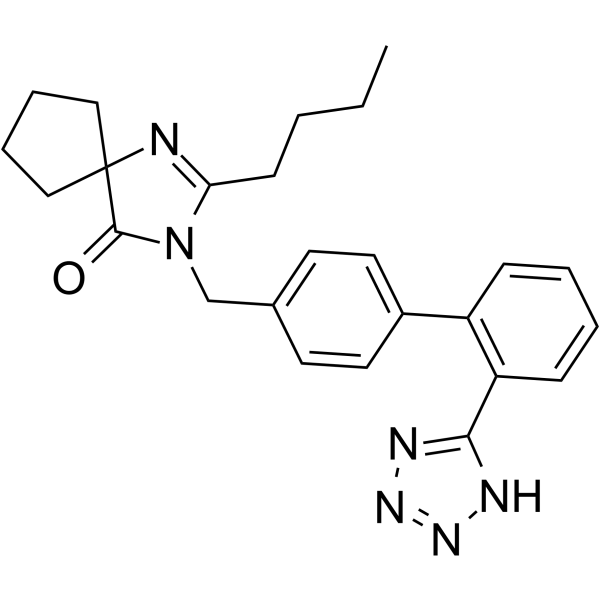
    Irbesartan (SR-47436) is an orally active Ang II type 1 (AT1) receptor blocker (ARB). Irbesartan can relax the blood vessels, low blood pressure and increase the supply of blood and oxygen to the heart. Irbesartan can be used for the research of high blood pressure, heart failure, and diabetic kidney disease .
    Irbesartan
  • HY-B0504S
    Creatinine-d3
    5 Publications Verification

    NSC13123-d3

    Isotope-Labeled Compounds Endogenous Metabolite iGluR GABA Receptor Metabolic Disease Cancer
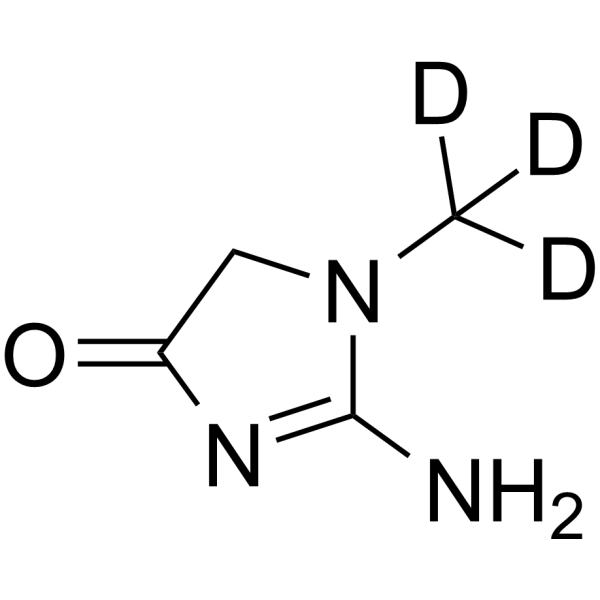
    Creatinine-d3 is a deuterium labeled Creatinine. Creatinine (NSC13123) is an orally active, blood-brain barrier-permeable modulator of GABAA and NMDA receptors, with activities of antioxidation and metabolic regulation. Creatinine is generated via non-enzymatic conversion of creatine and phosphocreatine in muscle. Creatinine serum levels correlate with muscle mass, glomerular filtration rate, and extrarenal clearance, serving as an evaluation biomarker for renal function, muscle mass, and clinical outcomes, and used for perioperative renal risk assessment. In addition, Creatinine can induce specific Cryptococcus species to produce creatinine deiminase and act as their nitrogen source, while it can be secreted via renal tubules. Creatinine is widely used in research related to various diseases such as neurodegenerative diseases, psychiatric disorders, acute kidney injury, chronic kidney disease, and renal failure .
    Creatinine-d3
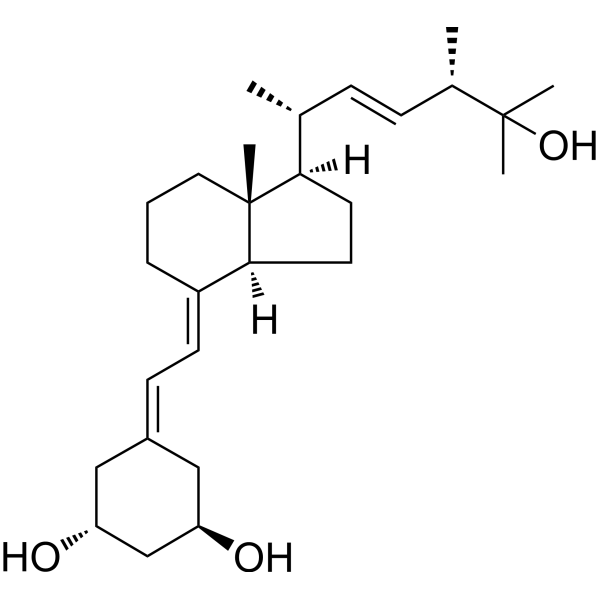
  • HY-50919
    Paricalcitol
    10+ Cited Publications

    VD/VDR Metabolic Disease Cancer
    Paricalcitol, a vitamin D analogue, is a vitamin D receptor agonist, used for the prevention and treatment of secondary hyperparathyroidism (excessive secretion of parathyroid hormone) associated with chronic renal failure.
    Paricalcitol
  • HY-B0504
    Creatinine
    Maximum Cited Publications
    6 Publications Verification

    NSC13123

    Endogenous Metabolite GABA Receptor iGluR Infection Neurological Disease Metabolic Disease Cancer
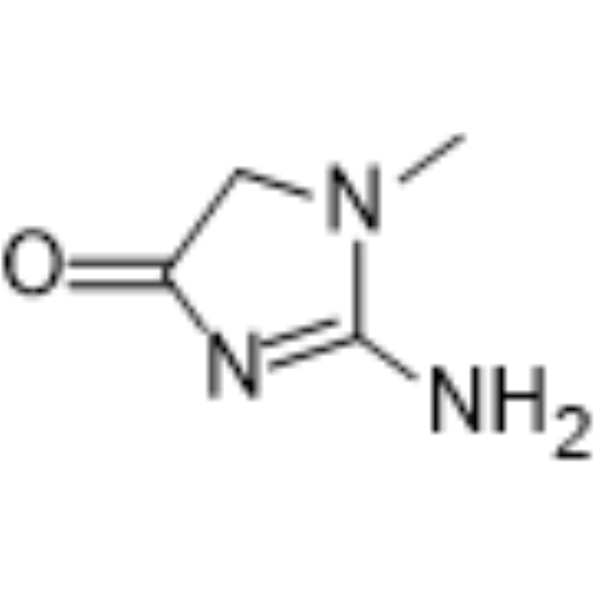
    Creatinine (NSC13123) is an orally active, blood-brain barrier-permeable modulator of GABAA and NMDA receptors, with activities of antioxidation and metabolic regulation. Creatinine is generated via non-enzymatic conversion of creatine and phosphocreatine in muscle. Creatinine serum levels correlate with muscle mass, glomerular filtration rate, and extrarenal clearance, serving as an evaluation biomarker for renal function, muscle mass, and clinical outcomes, and used for perioperative renal risk assessment. In addition, Creatinine can induce specific Cryptococcus species to produce creatinine deiminase and act as their nitrogen source, while it can be secreted via renal tubules. Creatinine is widely used in research related to various diseases such as neurodegenerative diseases, psychiatric disorders, acute kidney injury, chronic kidney disease, and renal failure .
    Creatinine
  • HY-113149A

    Endogenous Metabolite Reactive Oxygen Species (ROS) Neurological Disease Metabolic Disease Inflammation/Immunology
    Argininosuccinic acid disodium is an intermediate metabolite in the urea cycle, and its level is associated with argininosuccinic aciduria. Argininosuccinic acid disodium can induce oxidative stress, leading to lipid and protein oxidation, reduction of glutathione, and decrease in antioxidant enzyme activity. Argininosuccinic acid disodium can be converted into guanidinosuccinic acid, a nitric oxide mimic, under the action of nitric oxide-derived free radicals. Argininosuccinic acid disodium can be used in the research of metabolic diseases, renal failure, nervous system diseases, etc .
    Argininosuccinic acid disodium
  • HY-113432

    2PY

    Endogenous Metabolite PARP Metabolic Disease
    Nudifloramide (2PY) is one of the end products of nicotinamide-adenine dinucleotide (NAD) degradation. Nudifloramide significantly inhibits poly(ADP-ribose) polymerase (PARP-1) activity in vitro .
    Nudifloramide
  • HY-B0247
    Torsemide
    1 Publications Verification

    Torasemide

    NKCC Cardiovascular Disease Metabolic Disease
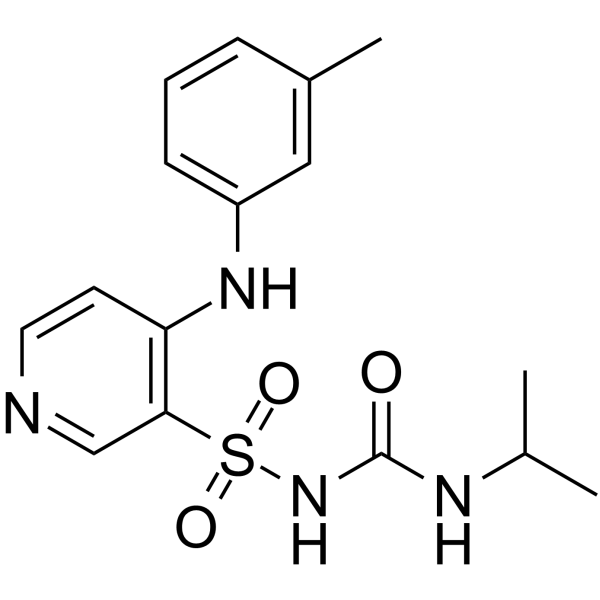
    Torsemide (Torasemide) is an orally active loop diuretic. Torsemide has anti-aldosterone and vasodilatory effects. Torsemide also can be used for the research of heart failure, renal disease and hepatic cirrhosis .
    Torsemide
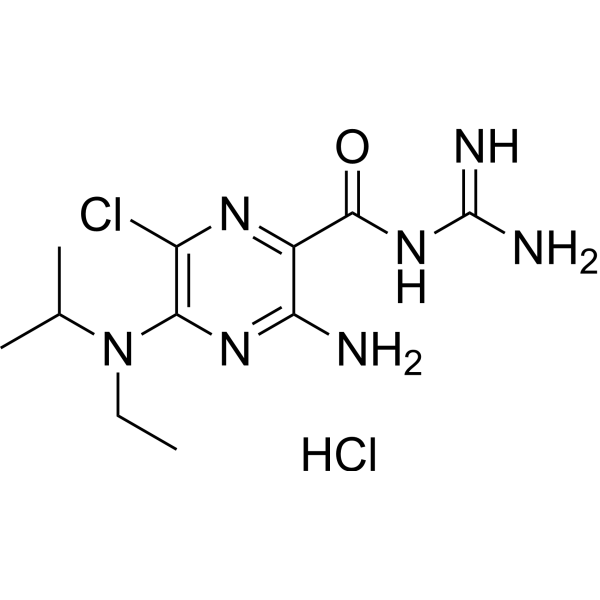
  • HY-101840A
    EIPA hydrochloride
    Maximum Cited Publications
    98 Publications Verification

    L593754 hydrochloride; MH 12-43 hydrochloride; Ethylisopropylamiloride hydrochloride

    TRP Channel Autophagy COX Prostaglandin Receptor Na+/H+ Exchanger (NHE) Inflammation/Immunology Cancer
    EIPA (L593754) hydrochloride is an orally active TRPP3 channel inhibitor with an IC50 of 10.5 μM. EIPA hydrochloride also enhances autophagy by inhibiting Na +/H +-exchanger 3 (NHE3). EIPA hydrochloride inhibits macropinocytosis as well. EIPA hydrochloride can be used in the research of inflammation and cancers, such as gastric cancer, colon carcinoma, pancreatic carcinoma .
    EIPA hydrochloride
  • HY-B0504S2

    NSC13123-d5

    Isotope-Labeled Compounds Endogenous Metabolite iGluR GABA Receptor Metabolic Disease
    Creatinine-d5 is the deuterium labeled Creatinine. Creatinine (NSC13123) is an orally active, blood-brain barrier-permeable modulator of GABAA and NMDA receptors, with activities of antioxidation and metabolic regulation. Creatinine is generated via non-enzymatic conversion of creatine and phosphocreatine in muscle. Creatinine serum levels correlate with muscle mass, glomerular filtration rate, and extrarenal clearance, serving as an evaluation biomarker for renal function, muscle mass, and clinical outcomes, and used for perioperative renal risk assessment. In addition, Creatinine can induce specific Cryptococcus species to produce creatinine deiminase and act as their nitrogen source, while it can be secreted via renal tubules. Creatinine is widely used in research related to various diseases such as neurodegenerative diseases, psychiatric disorders, acute kidney injury, chronic kidney disease, and renal failure .
    Creatinine-d5
  • HY-13995A
    Sevelamer (hydrochloride)
    1 Publications Verification

    FXR Metabolic Disease Endocrinology
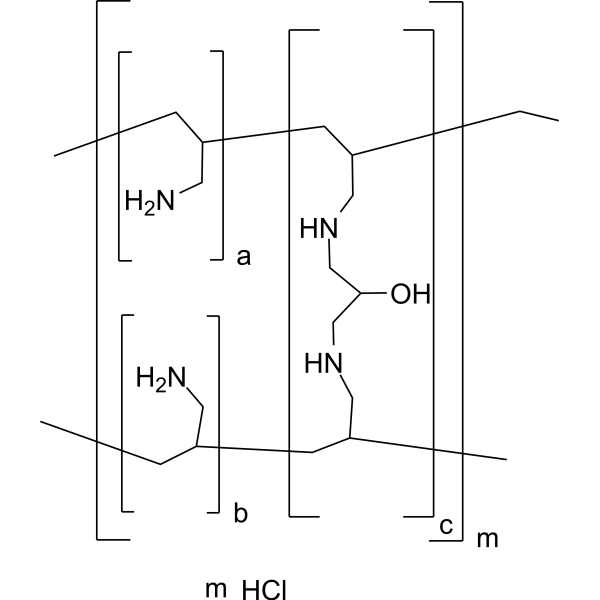
    Sevelamer hydrochloride is an orally active polymeric phosphate binder and bile acid sequestrant. Sevelamer hydrochloride binds dietary phosphate in the gastrointestinal tract, reducing phosphate absorption and serum phosphorus levels, and reduces urinary phosphate excretion. Sevelamer hydrochloride binds polyanion bile acids, increases bile acid faecal excretion, and reduces total cholesterol and LDL cholesterol levels. Sevelamer hydrochloride can be used for the research of hyperphosphataemia, hyperparathyroidism, chronic renal failure, kidney disease, and type 2 diabetes .
    Sevelamer (hydrochloride)
  • HY-113472

    Drug Metabolite Others
    N-Methyl-4-pyridone-3-carboxamide (compound 4PY) is a final product of nicotinamide adenine dinucleotide (NAD) degradation .
    N-Methyl-4-pyridone-3-carboxamide
  • HY-113149

    Endogenous Metabolite Reactive Oxygen Species (ROS) Neurological Disease Metabolic Disease Inflammation/Immunology
    Argininosuccinic acid is an intermediate metabolite in the urea cycle, and its level is associated with argininosuccinic aciduria. Argininosuccinic acid can induce oxidative stress, leading to lipid and protein oxidation, reduction of glutathione, and decrease in antioxidant enzyme activity. Argininosuccinic acid can be converted into guanidinosuccinic acid, a nitric oxide mimic, under the action of nitric oxide-derived free radicals. Argininosuccinic acid can be used in the research of metabolic diseases, renal failure, nervous system diseases, etc .
    Argininosuccinic acid
  • HY-13995B
    Sevelamer carbonate
    1 Publications Verification

    FXR Metabolic Disease Endocrinology
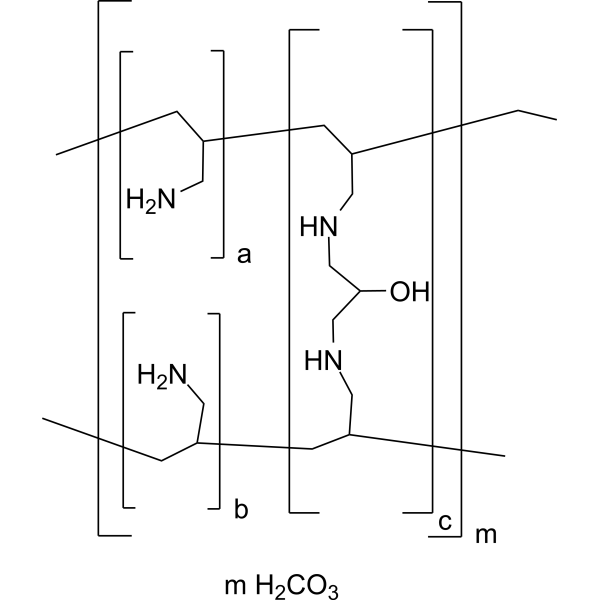
    Sevelamer carbonate is an orally active polymeric phosphate binder and bile acid sequestrant. Sevelamer carbonate binds dietary phosphate in the gastrointestinal tract, reducing phosphate absorption and serum phosphorus levels, and reduces urinary phosphate excretion. Sevelamer carbonate binds polyanion bile acids, increases bile acid faecal excretion, and reduces total cholesterol and LDL cholesterol levels. Sevelamer carbonate can be used for the research of hyperphosphataemia, hyperparathyroidism, chronic renal failure, kidney disease, and type 2 diabetes .
    Sevelamer carbonate
  • HY-129440

    NF-κB Toll-like Receptor (TLR) p38 MAPK NO Synthase COX ERK Caspase PDGFR MyD88 Reactive Oxygen Species (ROS) Apoptosis Neurological Disease Metabolic Disease Inflammation/Immunology Cancer
    N-(p-Coumaroyl) Serotonin is an orally active polyphenol found in safflower seeds with potent anti-inflammatory, antioxidant, and antitumor activities. N-(p-Coumaroyl) Serotonin suppresses NF‑κB, TLR4/MyD88 and MAPK signaling, activates NQO1/HO‑1 pathways, and inhibits pro‑inflammatory cytokines, iNOS and COX‑2 and ROS production. N-(p-Coumaroyl) Serotonin induces S‑phase arrest and apoptosis in glioblastoma cells, reduces atherosclerotic lesions, and alleviates renal and vascular injuries. N-(p-Coumaroyl) Serotonin acts as a vasodilator, regulates calcium dynamics. N-(p-Coumaroyl) Serotonin can be used for the research of neurodegenerative diseases, atherosclerosis, glioblastoma, and acute renal failure .
    N-(p-Coumaroyl) Serotonin
  • HY-W042301

    Anion Exchangers Carbonic Anhydrase Endothelin Receptor Cardiovascular Disease
    Xipamide is an orally active carbonic anhydrase (CA) inhibitor and Na +/Cl --potassium transporter inhibitor with diuretic and antihypertensive effects. Xipamide reduces NaCl reabsorption by inhibiting the Cl -/NaCO3 - anion exchanger, and increases calcium reabsorption while promoting potassium and magnesium excretion. Xipamide is mainly cleared via the renal pathway and causes a temporary decrease in glomerular filtration rate under specific conditions. Xipamide does not affect Ca 2+ signaling induced by endothelin-1 and other factors, nor does it inhibit various ion cotransport or pump activities in red blood cells. Xipamide can be used in researches related to cardiovascular diseases, hypertension (especially with left ventricular hypertrophy), advanced renal failure, and liver cirrhosis with ascites .
    Xipamide
  • HY-B0932S2

    L-Propionylcarnitine-d9 chloride

    Isotope-Labeled Compounds Others
    Levocarnitine propionate-d9 hydrochloride (L-Propionylcarnitine-d9 chloride) is deuterium labeled Levocarnitine propionate hydrochloride. Levocarnitine propionate hydrochloride is used to study diseases such as renal function deterioration, congestive heart failure, and intermittent claudication .
    Levocarnitine propionate-d9 hydrochloride
  • HY-P99220

    LY2127399

    TNF Receptor Inflammation/Immunology Cancer
    Tabalumab (LY2127399) is a human anti-BAFF (B-cell activating factor) monoclonal antibody (IgG4 type) with neutralising activity against membrane bound and soluble BAFF. Tabalumab can be used in studies of autoimmune diseases such as rheumatoid arthritis, renal failure and systemic lupus erythematosus .
    Tabalumab
  • HY-B0504R

    NSC13123 (Standard)

    Reference Standards Endogenous Metabolite iGluR GABA Receptor Metabolic Disease Cancer
    Creatinine (Standard) is the analytical standard of Creatinine. This product is intended for research and analytical applications. Creatinine (NSC13123) is an orally active, blood-brain barrier-permeable modulator of GABAA and NMDA receptors, with activities of antioxidation and metabolic regulation. Creatinine is generated via non-enzymatic conversion of creatine and phosphocreatine in muscle. Creatinine serum levels correlate with muscle mass, glomerular filtration rate, and extrarenal clearance, serving as an evaluation biomarker for renal function, muscle mass, and clinical outcomes, and used for perioperative renal risk assessment. In addition, Creatinine can induce specific Cryptococcus species to produce creatinine deiminase and act as their nitrogen source, while it can be secreted via renal tubules. Creatinine is widely used in research related to various diseases such as neurodegenerative diseases, psychiatric disorders, acute kidney injury, chronic kidney disease, and renal failure .
    Creatinine (Standard)
  • HY-109136
    Runcaciguat
    1 Publications Verification

    BAY 1101042

    Guanylate Cyclase Cardiovascular Disease Metabolic Disease
    Runcaciguat (BAY 1101042) is a selective, orally active, allosteric activator of soluble guanylate cyclase (sGC) that specifically targets its oxidized and heme-free form. Runcaciguat binds to sGC in a histidine-dependent manner and restores cyclic guanosine monophosphate (cGMP) production under oxidative stress, independent of nitric oxide (NO) or heme. Runcaciguat exhibits renoprotective and cardioprotective activities, such as reduced proteinuria and improved renal function. Runcaciguat is primarily being studied in chronic kidney disease (CKD) associated with hypertension, diabetes, and metabolic disorders, as well as potential cardiovascular indications such as heart failure with preserved ejection fraction (HFpEF) .
    Runcaciguat
  • HY-B0235
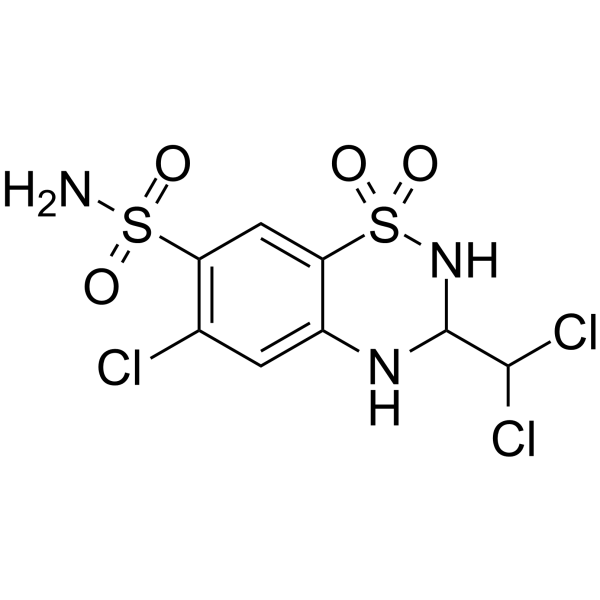
    Trichlormethiazide
    2 Publications Verification

    Carbonic Anhydrase Metabolic Disease
    Trichlormethiazide is an orally active thiazide diuretic, with antihypertensive effect. Trichlormethiazide increases urine volume (UV), Na and K excretion and tends to improve the depressed creatinine clearance (CCRE) in acute renal failure rats model .
    Trichlormethiazide
  • HY-156696

    Na+/H+ Exchanger (NHE) Metabolic Disease
    S3226 is a highly selective NHE-3 inhibitor (IC50<1 μM) that specifically blocks NHE-3-mediated sodium transport. S3226 significantly inhibits blastocyst formation and expansion in mouse embryos, and reduces fluid and electrolyte reabsorption in rat proximal tubules in a dose-dependent manner. S3226 effectively alleviates ischemia-induced acute renal failure by improving renal function parameters, reducing renal tubular injury and restoring intracellular pH homeostasis, without interfering with the normal tubuloglomerular feedback response. S3226 is widely used in studies of acute renal failure and related pathological mechanisms .
    S3226
  • HY-B0384
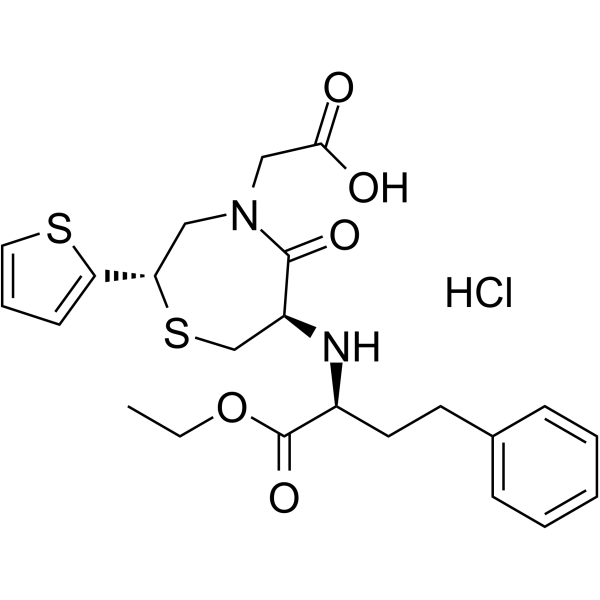
    Temocapril hydrochloride
    2 Publications Verification

    Angiotensin-converting Enzyme (ACE) Cardiovascular Disease
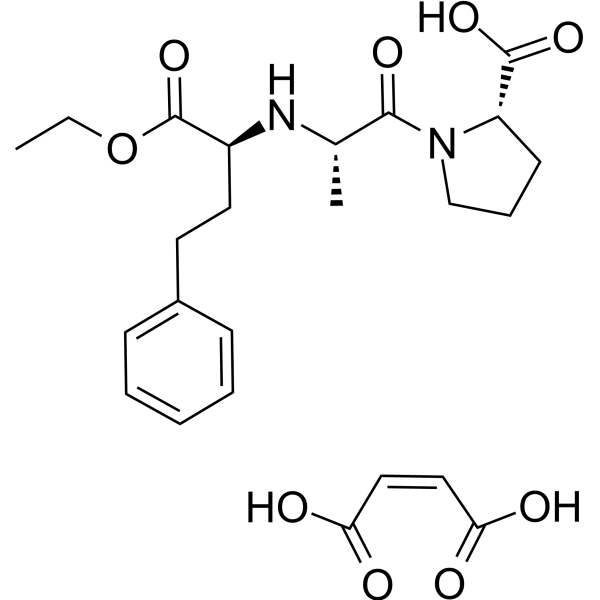
    Temocapril hydrochloride is an orally active angiotensin-converting enzyme (ACE) inhibitor. Temocapril hydrochloride can be used for the research of hypertension, congestive heart failure, acute myocardial infarction, insulin resistance, and renal diseases .
    Temocapril hydrochloride
  • HY-B0932

    L-Propionylcarnitine chloride; ST-261

    Integrin Others
    Levocarnitine propionate hydrochloride (L-Propionylcarnitine chloride) is used to study diseases such as renal function deterioration, congestive heart failure, and intermittent claudication.
    Levocarnitine propionate hydrochloride
  • HY-P0083

    POR-8

    Vasopressin Receptor Cardiovascular Disease
    Ornipressin (POR-8) is a vasopressin agonist specific for the V1 receptor. Ornipressin can be used as a local vasoconstrictor. Ornipressin can reverse the hypotension associated with combine general/epidural anesthesia. Ornipressin has antidiuretic activity. Ornipressin decreases renal vascular resistance and increases renal blood flow in renal failure model .
    Ornipressin
  • HY-B0932S

    L-Propionylcarnitine-d3 chloride; ST-261-d3

    Isotope-Labeled Compounds Others
    Levocarnitine propionate-d3 (hydrochloride) is the deuterium labeled Levocarnitine propionate hydrochloride. Levocarnitine propionate hydrochloride (L-Propionylcarnitine chloride; ST-261) is used to treat the deterioration of renal function, congestive heart failure, intermittent claudication, and other diseases.
    Levocarnitine propionate-d3 hydrochloride
  • HY-B0504S1

    NSC13123-13C

    Isotope-Labeled Compounds Endogenous Metabolite iGluR GABA Receptor Metabolic Disease
    Creatinine- 13C is the 13C-labeled Creatinine. Creatinine (NSC13123) is an orally active, blood-brain barrier-permeable modulator of GABAA and NMDA receptors, with activities of antioxidation and metabolic regulation. Creatinine is generated via non-enzymatic conversion of creatine and phosphocreatine in muscle. Creatinine serum levels correlate with muscle mass, glomerular filtration rate, and extrarenal clearance, serving as an evaluation biomarker for renal function, muscle mass, and clinical outcomes, and used for perioperative renal risk assessment. In addition, Creatinine can induce specific Cryptococcus species to produce creatinine deiminase and act as their nitrogen source, while it can be secreted via renal tubules. Creatinine is widely used in research related to various diseases such as neurodegenerative diseases, psychiatric disorders, acute kidney injury, chronic kidney disease, and renal failure .
    Creatinine-13C
  • HY-15195

    Ro 67-0565; SPP-301

    Endothelin Receptor Cardiovascular Disease Endocrinology
    Avosentan (Ro 67-0565; SPP-301) is an orally active endothelin (ETA) receptor antagonist. Avosentan can block the ETA receptor, thereby reducing vascular contraction and exerting a renal protective effect. Avosentan inhibits vascular contraction caused by ET-1 and alleviates the reduction in retinal and optic nerve head blood flow induced by it, lowering intraocular pressure in the glaucoma monkey model. Avosentan non-specifically blocks ETB receptors at high doses, inhibiting ETB-mediated diuresis and natriuresis, and may cause fluid retention. Avosentan can be used to reduce proteinuria with diabetic nephropathy, but induces significant fluid overload and congestive heart failure .
    Avosentan
  • HY-D0227J

    Tris HCl (≥99%, for cell culture); Tris hydrochloride (≥99%, for cell culture)

    Biochemical Assay Reagents Metabolic Disease
    THAM hydrochloride (≥99%, for cell culture) is a low-toxicity amino alcohol buffer, a specific CO2-consuming proton acceptor that buffers carbon dioxide and acid both in vitro and in vivo. THAM hydrochloride (≥99%, for cell culture) binds protons to form bicarbonate, reduces PaCO2, and induces intracellular alkalization, thereby ameliorating hypercapnia-induced elevation of pulmonary blood vessels and pulmonary arterial pressure. THAM hydrochloride (≥99%, for cell culture) may cause PaCO2 rebound, hypoglycemia, and respiratory depression. THAM hydrochloride (≥99%, for cell culture) removes amniotic epithelium and preserves the basement membrane, but depletes extracellular matrix and reduces the adhesion rate of limbal epithelial cells. THAM hydrochloride (≥99%, for cell culture) can act as a CO2 carrier to enhance the productivity and carbon utilization rate of Scenedesmus obliquus. THAM hydrochloride (≥99%, for cell culture) is a key component of buffer solutions used in various biological, cell culture, biochemical, and molecular biology applications .
    THAM hydrochloride (≥99%, for cell culture)
  • HY-100713
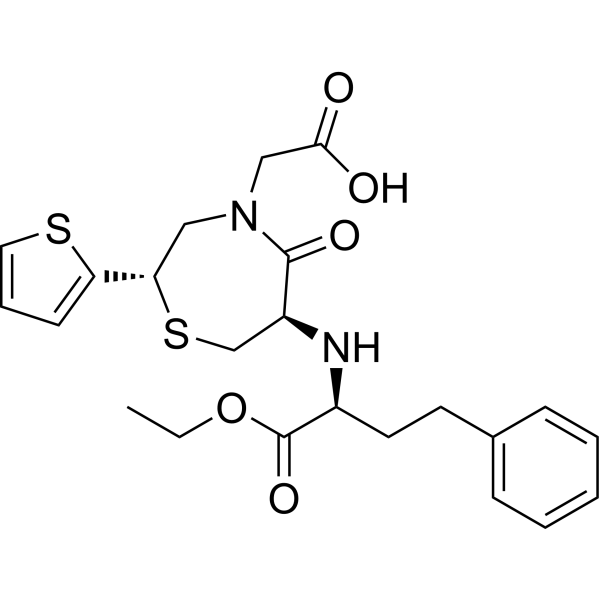
    Temocapril
    2 Publications Verification

    Angiotensin-converting Enzyme (ACE) Cardiovascular Disease
    Temocapril is an orally active angiotensin-converting enzyme (ACE) inhibitor. Temocapril can be used for the research of hypertension, congestive heart failure, acute myocardial infarction, insulin resistance, and renal diseases .
    Temocapril
  • HY-76585

    VD/VDR Metabolic Disease
    Paricalcitol-d6 is the deuterium labeled Paricalcitol. Paricalcitol is a agent used for the prevention and treatment of secondary hyperparathyroidism (excessive secretion of parathyroid hormone) associated with chronic renal failure .
    Paricalcitol-d6
  • HY-129242

    4-Oxo-Tempo

    SOD Others
    Tempone (4-Oxo-Tempo) is a stable water-soluble nitro radical. Tempone is widely used as a contrast agent for metabolic activity and hypoxic sensitivity in electron spin resonance spectroscopy, magnetic resonance imaging and dynamic nuclear polarization. Tempone reduces superoxide radicals by mimicking the activity of superoxide dismutase (SOD), thereby reducing the formation of hydroxyl radicals and peroxynitrites. Tempone can be used in the study of ischemia-reperfusion injury and acute renal failure .
    Tempone
  • HY-10965

    KW-3902

    Adenosine Receptor Neurological Disease
    Rolofylline (KW-3902) is a potent, selective adenosine A1 receptor antagonist that is under development for the treatment of patients with acute congestive heart failure and renal impairment. Rolofylline is metabolized primarily to the pharmacologically active M1-trans and M1-cis metabolites by cytochrome P450 (CYP450) . Rolofylline is alleviating the presynaptic dysfunction and restores neuronal activity as well as dendritic spine levels in vitro, is an interesting candidate to combat the hypometabolism and neuronal dysfunction associated with Tau-induced neurodegenerative diseases .
    Rolofylline
  • HY-P10369

    Biochemical Assay Reagents Radionuclide-Drug Conjugates (RDCs) Cardiovascular Disease Inflammation/Immunology
    Betiatide, as a chelating agent for Technetium-99m ( 99mTc), is used to prepare 99mTc-MAG3 (mercaptoacetyltriglycine), a radiopharmaceutical for renal function imaging. Betiatide is used for the diagnosis of congenital and acquired abnormalities, renal failure, urinary tract obstructions, and calculi . Betiatide can be used for the synthesis/research of Radionuclide-Drug Conjugates (RDCs).
    Betiatide
  • HY-W002438

    Biochemical Assay Reagents Endogenous Metabolite OAT Ferroptosis Neurological Disease Metabolic Disease
    6-Hydroxyindole is an orally active, endogenous long-acting OATP1B1 inhibitor. 6-Hydroxyindole does not alter the cell surface expression or subcellular localization of OATP1B1. 6-Hydroxyindole protects cells against Ferroptosis. 6-Hydroxyindole possesses intrinsic radical-trapping antioxidant activity. 6-Hydroxyindole serves as a component of oxidative hair dyes. 6-Hydroxyindole can be used in research related to renal failure and neurodegenerative diseases .
    6-Hydroxyindole
  • HY-W392413

    Drug Derivative Reactive Oxygen Species (ROS) Cardiovascular Disease Neurological Disease Metabolic Disease Inflammation/Immunology
    Glutathione monoethyl ester is a glutathione derivative that can be transported into cells and hydrolyzed into glutathione. Glutathione monoethyl ester downregulates the gene expression of TEN1 and CTC1 while upregulating TERT expression. Glutathione monoethyl ester enhances telomerase activity, promotes proliferation and differentiation in aged bone marrow stromal cells, while elevating glutathione levels and reducing oxidative stress, protein aggregation and cell death in motor neuronal cells. Glutathione monoethyl ester confers broad multi-organ protection against cerebral ischemia, renal injury, liver damage, and pancreatitis. Glutathione monoethyl ester can be used for the research of amyotrophic lateral sclerosis, stroke, acute renal failure, liver injury, and acute pancreatitis .
    Glutathione monoethyl ester
  • HY-P0083A

    POR-8 acetate

    Vasopressin Receptor Cardiovascular Disease
    Ornipressin (POR-8) acetate is a potent vasoconstrictor, hemostatic and renal agent. Ornipressin acetate is a vasopressin agonist specific for the V1 receptor. Ornipressin acetate can be used as a local vasoconstrictor. Ornipressin acetate can reverse the hypotension associated with combine general/epidural anesthesia. Ornipressin acetate has antidiuretic activity. Ornipressin acetate decreases renal vascular resistance and increases renal blood flow in renal failure model .
    Ornipressin acetate
  • HY-B0247S

    Torasemide-d7

    Isotope-Labeled Compounds Cardiovascular Disease Metabolic Disease
    Torsemide-d7 is the deuterium labeled Torsemide. Torsemide (Torasemide) is an orally active loop diuretic. Torsemide has anti-aldosterone and vasodilatory effects. Torsemide also can be used for the research of heart failure, renal disease and hepatic cirrhosis .
    Torsemide-d7
  • HY-B0247R
    Torsemide (Standard)
    1 Publications Verification

    Torasemide (Standard)

    NKCC Reference Standards Cardiovascular Disease Metabolic Disease
    Torsemide (Standard) is the analytical standard of Torsemide. This product is intended for research and analytical applications. Torsemide (Torasemide) is an orally active loop diuretic. Torsemide has anti-aldosterone and vasodilatory effects. Torsemide also can be used for the research of heart failure, renal disease and hepatic cirrhosis .
    Torsemide (Standard)
  • HY-A0043A
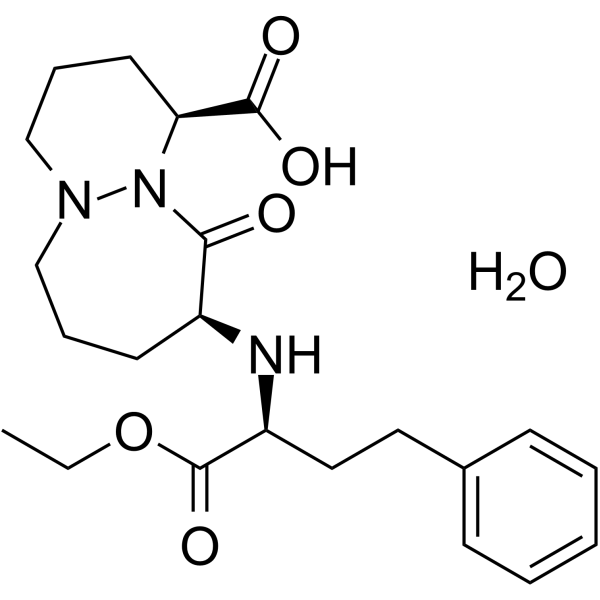
    Cilazapril monohydrate
    1 Publications Verification

    Ro 31-2848 monohydrate

    Angiotensin-converting Enzyme (ACE) Cardiovascular Disease
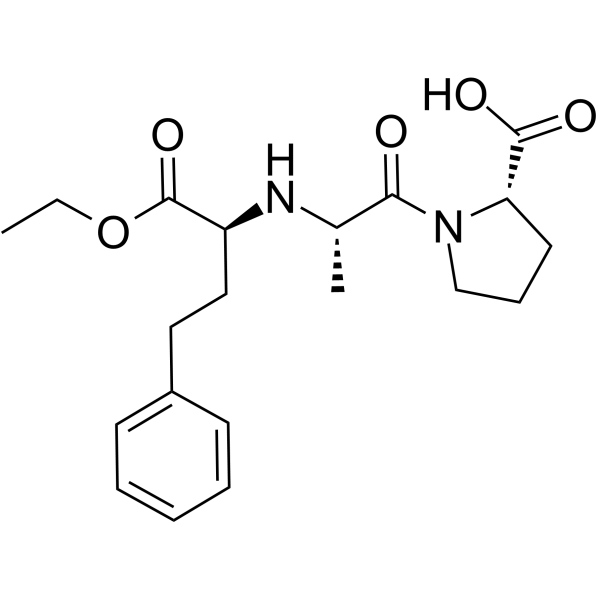
    Cilazapril monohydrate is an orally active prodrug of the angiotensin-converting enzyme (ACE) inhibitor Cilazaprilat (HY-A0113). Cilazapril monohydrate reduces plasma ACE activity. Cilazapril monohydrate can be used in the research of hypertension (including essential and renal hypertension) and congestive heart failure .
    Cilazapril monohydrate
  • HY-W661499

    Phosphatase Apoptosis Reactive Oxygen Species (ROS) Caspase Cancer
    Orellanine, a nephrotoxic alkaloid found in Cortinarius orellanus, is an orally active and selective non-competitive inhibitor of alkaline phosphatase. Orellanine chelates iron, generates reactive oxygen species (ROS), induces DNA scission, forms ortho-semiquinone radicals, downregulates antioxidant defenses, and inhibits mitochondrial function. Orellanine induces caspase 8/9-mediated apoptosis. Orellanine inhibits synthesis of proteins, RNA, DNA, and mitochondrial protein synthesis, with metabolic activation required for cell-free protein synthesis inhibition. Orellanine can be used for the research of metastatic clear cell renal cell carcinoma, acute renal failure, chronic renal insufficiency, and kidney damage .
    Orellanine
  • HY-B0504S5

    NSC13123-15N

    Isotope-Labeled Compounds Endogenous Metabolite iGluR GABA Receptor Metabolic Disease Cancer
    Creatinine- 15N (NSC13123- 15N) is the 15N-labeled Creatinine (HY-B0504). Creatinine (NSC13123) is an orally active, blood-brain barrier-permeable modulator of GABAA and NMDA receptors, with activities of antioxidation and metabolic regulation. Creatinine is generated via non-enzymatic conversion of creatine and phosphocreatine in muscle. Creatinine serum levels correlate with muscle mass, glomerular filtration rate, and extrarenal clearance, serving as an evaluation biomarker for renal function, muscle mass, and clinical outcomes, and used for perioperative renal risk assessment. In addition, Creatinine can induce specific Cryptococcus species to produce creatinine deiminase and act as their nitrogen source, while it can be secreted via renal tubules. Creatinine is widely used in research related to various diseases such as neurodegenerative diseases, psychiatric disorders, acute kidney injury, chronic kidney disease, and renal failure .
    Creatinine-15N
  • HY-113432R

    2PY (Standard)

    Reference Standards Endogenous Metabolite PARP Metabolic Disease
    Nudifloramide (Standard) is the analytical standard of Nudifloramide. This product is intended for research and analytical applications. Nudifloramide (2PY) is one of the end products of nicotinamide-adenine dinucleotide (NAD) degradation. Nudifloramide significantly inhibits poly(ADP-ribose) polymerase (PARP-1) activity in vitro .
    Nudifloramide (Standard)
  • HY-D0227B
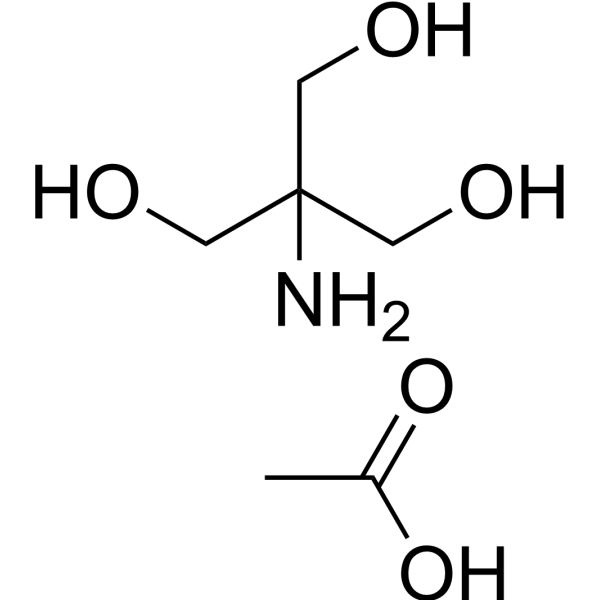
    THAM acetate
    1 Publications Verification

    Tris acetate; Tris(hydroxymethyl)aminomethane acetate

    Biochemical Assay Reagents Metabolic Disease
    THAM acetate is a low-toxicity amino alcohol buffer, a CO2-consuming proton acceptor that buffers carbon dioxide and acid both in vitro and in vivo. THAM acetate binds protons to form bicarbonate, reduces PaCO2, and induces intracellular alkalization, thereby ameliorating hypercapnia-induced elevation of pulmonary blood vessels and pulmonary arterial pressure. THAM acetate may cause PaCO2 rebound, hypoglycemia, and respiratory depression. THAM acetate removes amniotic epithelium and preserves the basement membrane, but depletes extracellular matrix and reduces the adhesion rate of limbal epithelial cells. THAM acetate can act as a CO2 carrier to enhance the productivity and carbon utilization rate of Scenedesmus obliquus. THAM acetate is a key component of buffer solutions used in various biological, cell culture, biochemical, and molecular biology applications .
    THAM acetate
  • HY-42682R

    D-Galactosamine HCl (Standard)

    Reference Standards Inflammation/Immunology
    D(+)-Galactosamine (hydrochloride) (Standard) is the analytical standard of D(+)-Galactosamine (hydrochloride). This product is intended for research and analytical applications. D(+)-Galactosamine (D-Galactosamine) hydrochloride, which is an established experimental toxin, primarily causes liver injury by the generation of free radicals and depletion of UTP nucleotides. D(+)-Galactosamine hydrochloride intoxication also induces renal dysfunction thus, renal failure is often associated with the end-stage of the liver damage. Lipopolysaccharide/D(+)-Galactosamine-induced acute liver injury is a known animal model of fulminant hepatic failure .
    D(+)-Galactosamine hydrochloride (Standard)
  • HY-A0043

    Ro 31-2848

    Angiotensin-converting Enzyme (ACE) Cardiovascular Disease
    Cilazapril is an orally active prodrug of the angiotensin-converting enzyme (ACE) inhibitor Cilazaprilat (HY-A0113). Cilazapril reduces plasma ACE activity. Cilazapril can be used in the research of hypertension (including essential and renal hypertension) and congestive heart failure .
    Cilazapril
  • HY-113245

    Endogenous Metabolite Others
    3-Indolyl-β-D-glucuronide, a chromogenic substrate for β-D-glucuronidase, employs in the detection and enumeration of E. coli, yielding a blue precipitate upon cleavage. 3-Indolyl-β-D-glucuronide in? patients' plasma act as a new indicator of renal failure .
    3-Indolyl-β-D-glucuronide
  • HY-B0235R

    Carbonic Anhydrase Reference Standards Metabolic Disease
    Trichlormethiazide (Standard) is the analytical standard of Trichlormethiazide. This product is intended for research and analytical applications. Trichlormethiazide is an orally active thiazide diuretic, with antihypertensive effect. Trichlormethiazide increases urine volume (UV), Na and K excretion and tends to improve the depressed creatinine clearance (CCRE) in acute renal failure rats model .
    Trichlormethiazide (Standard)
  • HY-13995

    FXR Metabolic Disease Endocrinology
    Sevelamer is an orally active polymeric phosphate binder and bile acid sequestrant. Sevelamer binds dietary phosphate in the gastrointestinal tract, reducing phosphate absorption and serum phosphorus levels, and reduces urinary phosphate excretion. Sevelamer binds polyanion bile acids, increases bile acid faecal excretion, and reduces total cholesterol and LDL cholesterol levels. Sevelamer can be used for the research of hyperphosphataemia, hyperparathyroidism, chronic renal failure, kidney disease, and type 2 diabetes .
    Sevelamer

온라인 문의

Your information is safe with us. * Required Fields.

호칭


Country or Region *

고객명 *


회사명 *

Department *


메일주소 *


상품명 *

Cat. No.


Requested quantity *

전화번호 *


비고

온라인 문의

Inquiry Information

상품명:
Cat. No.:
수량:
MCE Japan Authorized Agent:

