Delivery of temperature sensitive items including proteins and kits will be paused on 6/19 for the Juneteenth holiday. For urgent orders please contact customer service.
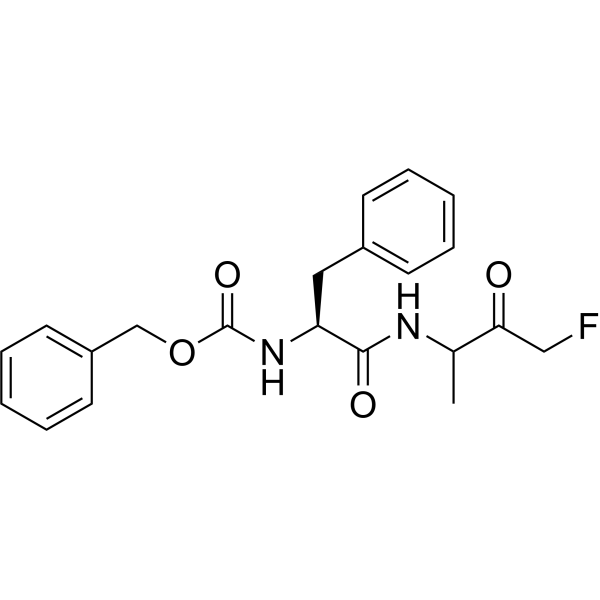
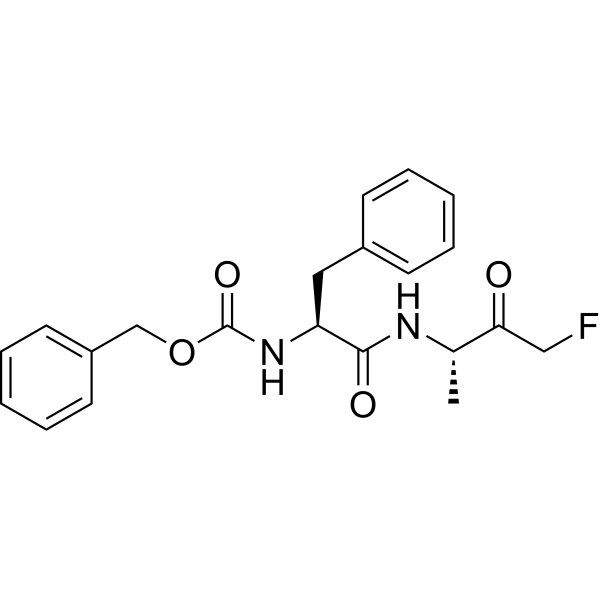
Z-FA-FMK ((1S)-Z-FA-FMK) is a potent Cathepsin B and L inhibitor. Z-FA-FMK blocks the induction of DEVDase activity, DNA fragmentation, and externalization of phosphatidylserine by selective synthetic retinoid-related molecules (RRMs). Z-FA-FMK inhibits apoptosis. Z-FA-FMK inhibits caspase activity and selectively inhibits recombinant effector caspases 2, -3, -6, and -7. Z-FA-FMK is a viral inhibitor. Z-FA-FMK inhibits reovirus replication in a susceptible host .
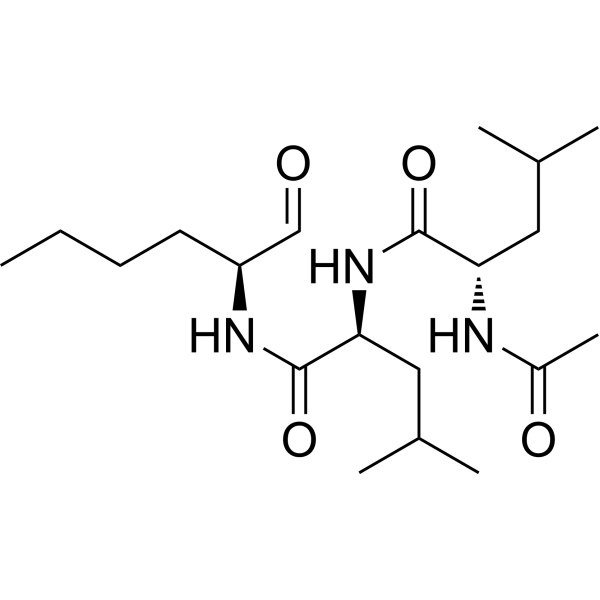
MG-101 (ALLN) is an inhibitor of cysteine proteases which inhibits calpain I, calpain II, cathepsin B and cathepsin L with Kis of 190, 220, 150 and 500 pM, respectively. MG-101 induces apoptosis and inhibits tumor growth, it can be used for the research of colon cancer .
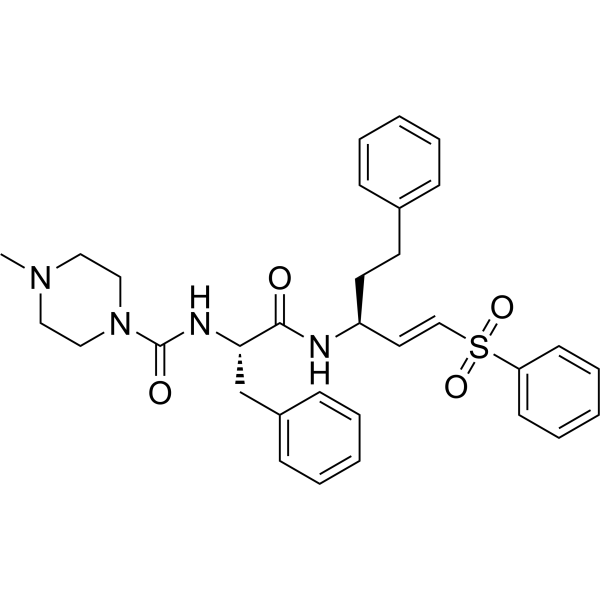
K777 is a potent, orally active and irreversible cysteine protease inhibitor. K777 is also a potent CYP3A4 inhibitor with an IC50 of 60 nM. K777 irreversibly inhibits Cruzain, the major cysteine protease of Trypansoma cruzi, and cathepsins B and L. K777 is a broad-spectrum antiviral by targeting cathepsin-mediated cell entry. K777 inhibits SARS-CoV and EBOV pseudovirus entry with IC50 values of 0.68 nM and 0.87 nM, respectively .
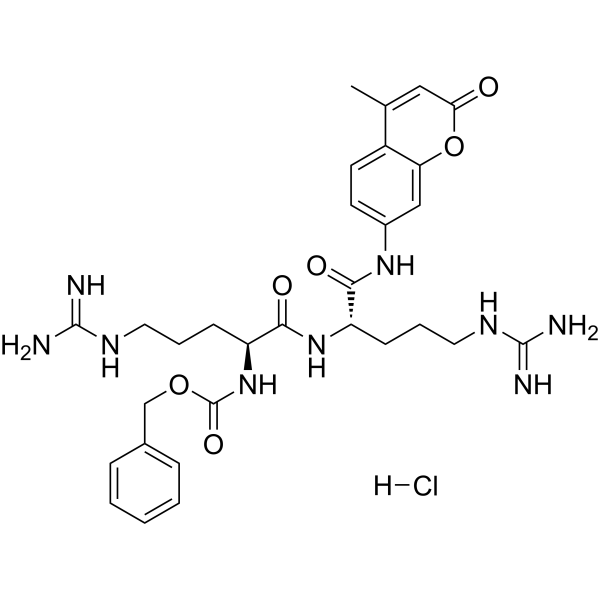
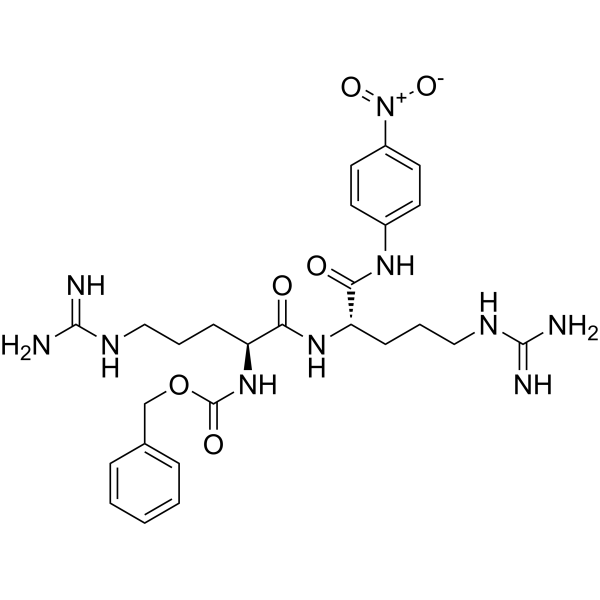
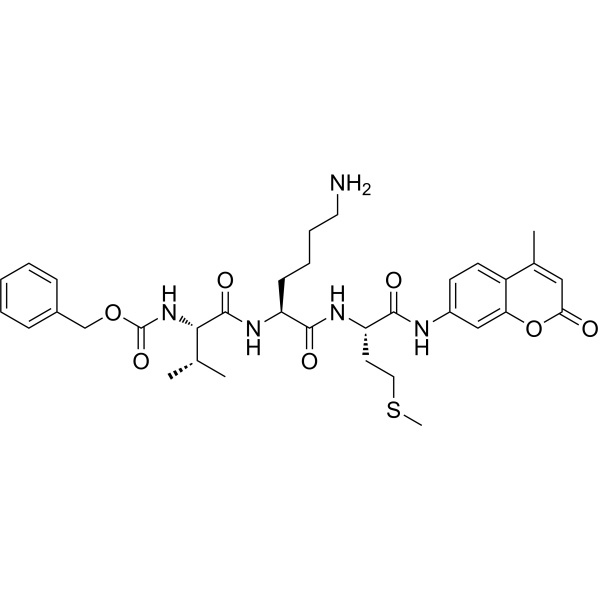
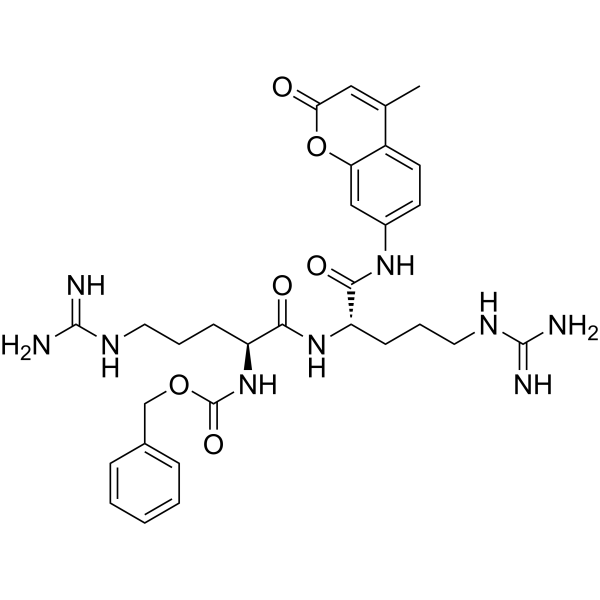
Z-Arg-Arg-AMC hydrochloride is a highly selective fluorescent Cathepsin B substrate. Z-Arg-Arg-AMC hydrochloride can be hydrolyzed by Cathepsin B to produce a fluorescent product for enzyme activity detection .
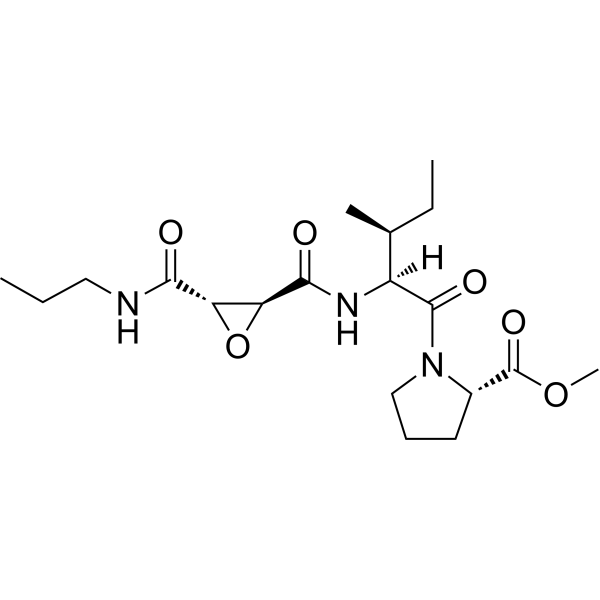
CA-074 methyl ester is a specific inhibitor of Cathepsin B, which has potent bioactivities such as neuroprotective, anti-cancer, and anti-inflamatory effects.
diABZI-V/C-DBCO is a STING agonist with an EC50 of 1.47 nM. diABZI-V/C-DBCO activates the STING pathway, induces the production of IFN-I, and stimulates the secretion of IFN-β. diABZI-V/C-DBCO serves as a substrate for cathepsin B, and releases active diABZI-amine via cathepsin B-mediated cleavage. In an orthotopic mouse model of breast cancer, diABZI-V/C-DBCO increases serum IFN-β levels and the frequency of granzyme B + CD8 + T cells. diABZI-V/C-DBCO is applicable to research related to triple-negative breast cancer .
Cathepsin B, Bovine spleen is a cysteine protease and is involved in multiple kinds of programmed cell death (including apoptosis, pyroptosis, ferroptosis, necroptosis, and autophagic cell death) .
Alloc-Val-Ala-PAB is a peptide cleavable linker used in the synthesis of antibody-drug conjugates (ADCs). The Val-Ala will specifically be cleaved by Cathepsin B. The Alloc group is stable to treatment with piperidine and TFA, but can be easily removed under mild conditions by palladium catalyzed allyl transfer.
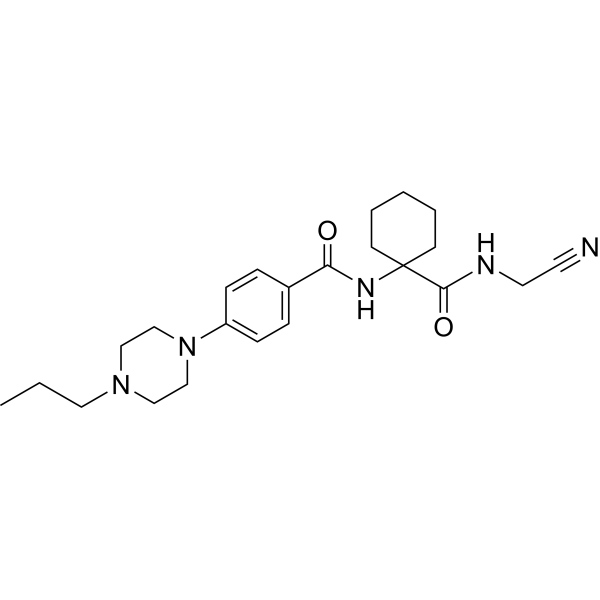
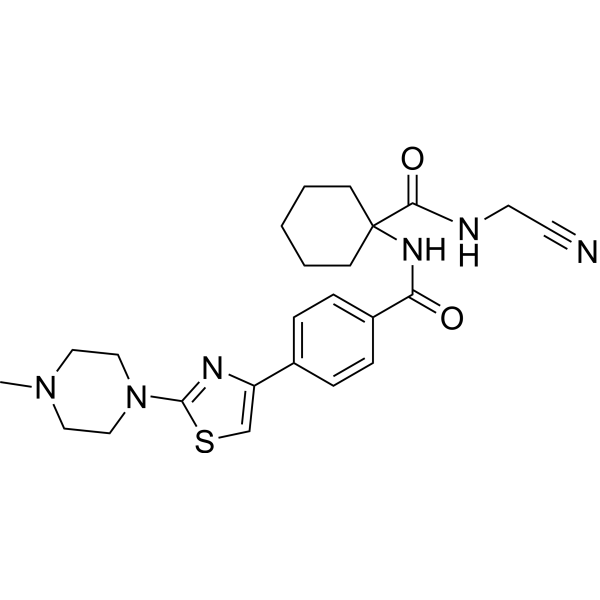
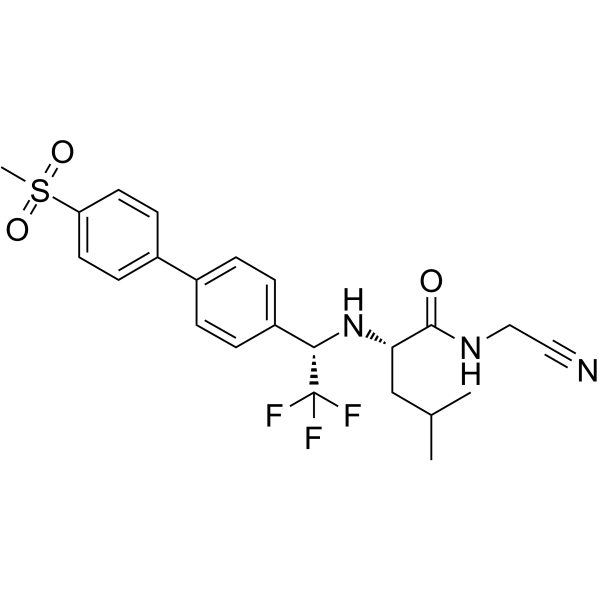
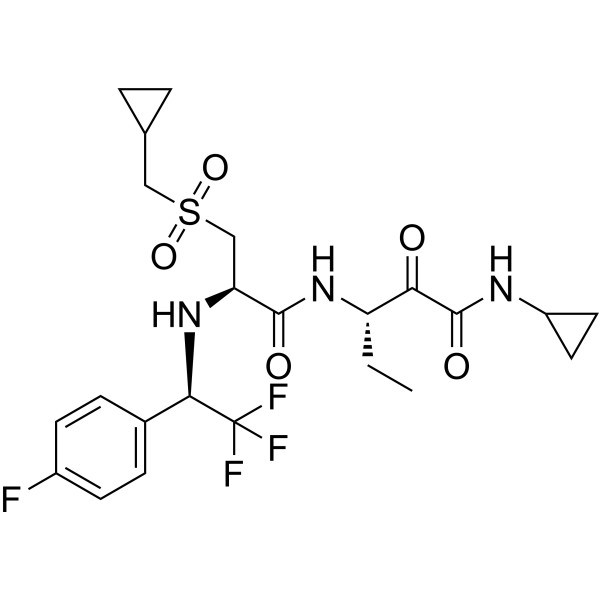
Balicatib (AAE581) is a potent, orally active and selective cathepsin K inhibitor with IC50 values of 22, 61, 48, 2900 nM for cathepsin K, cathepsin B, cathepsin L, cathepsin S, respectively. Balicatib inhibits bone turnover, decreases bone formation rates. Balicatib has the potential for the research of osteoporosis .
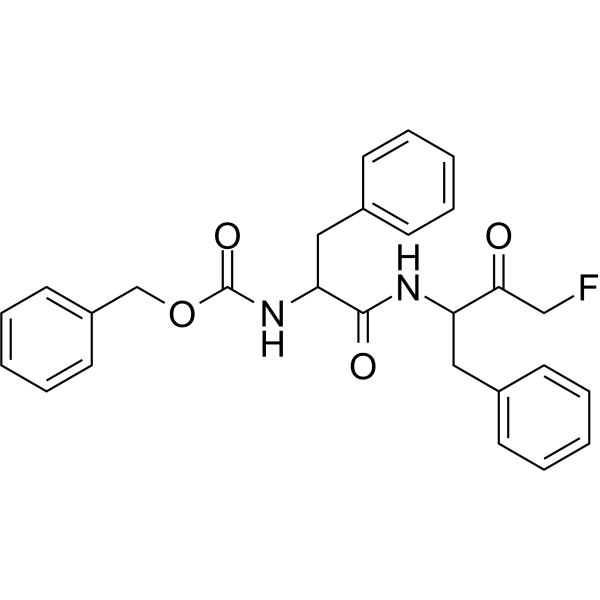
Cathepsin L-IN-2 ((Rac)-Z-Phe-Phe-FMK) is an isomer of the Cathepsin L inhibitor Z-Phe-Phe-FMK (HY-141867), with an IC50 of 15 μM for cathepsin L. Z-Phe-Phe-FMK irreversibly blocks the proteolytic function of cathepsins by covalently binding to the cysteine residues in the active center of the enzyme. Cathepsin L-IN-2 and Z-Phe-Phe-FMK can be used to study neurodegenerative diseases (such as GRN-related frontotemporal dementia) and cancer invasion and metastasis.
diABZI-V/C-Mal is a STING agonist (with a STINGEC50 of 314 nM in TH1 dual reporter cells) and a Cathepsin B substrate. diABZI-V/C-Mal activates STING, thereby triggering the IRF3 signaling pathway. diABZI-V/C-Mal is cleaved by Cathepsin B to regenerate diABZI-NH2 .
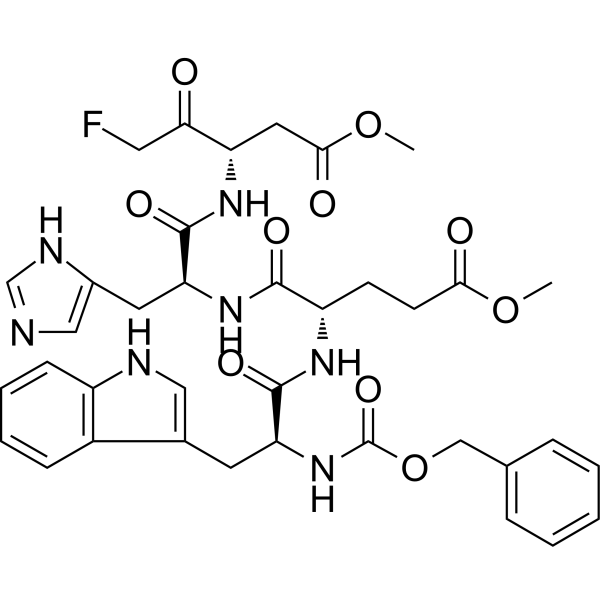
Z-WEHD-FMK is a potent, cell-permeable and irreversible caspase-1/5 inhibitor. Z-WEHD-FMK also exhibits a robust inhibitory effect on cathepsin B activity (IC50=6 μM). Z-WEHD-FMK can be used to investigate cells for evidence of apoptosis .
L-006235 (L-235) is a potent, selective, reversible and orally active inhibitor of cathepsin K, with an IC50 of 5 nM in bone resorption assay. L-006235 shows selectivity for cathepsin K (Ki=0.2 nM) over cathepsin B, cathepsin L, and cathepsin S (Ki=1, 6, and 47 μM, respectively). L-006235 can reduce collagen degradation and prevent bone loss .
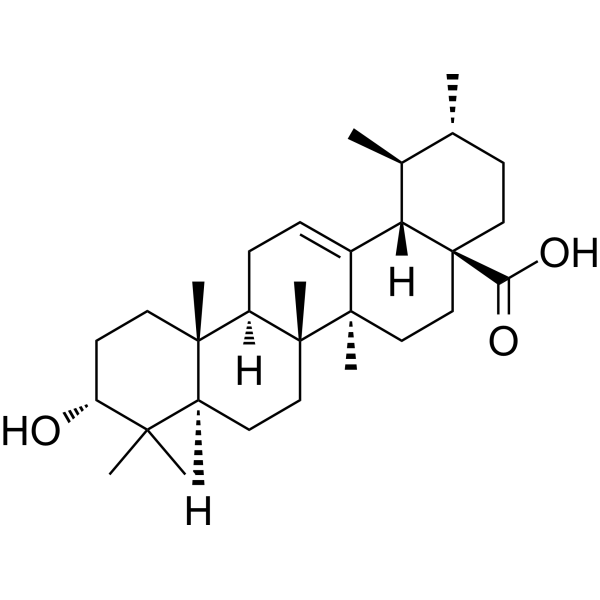
3-Epiursolic Acid is a triterpenoid that can be isolated from Eriobotrya japonica, acts as a competitive inhibitor of cathepsin L (IC50, 6.5 μM; Ki, 19.5 μM), with no obvious effect on cathepsin B .
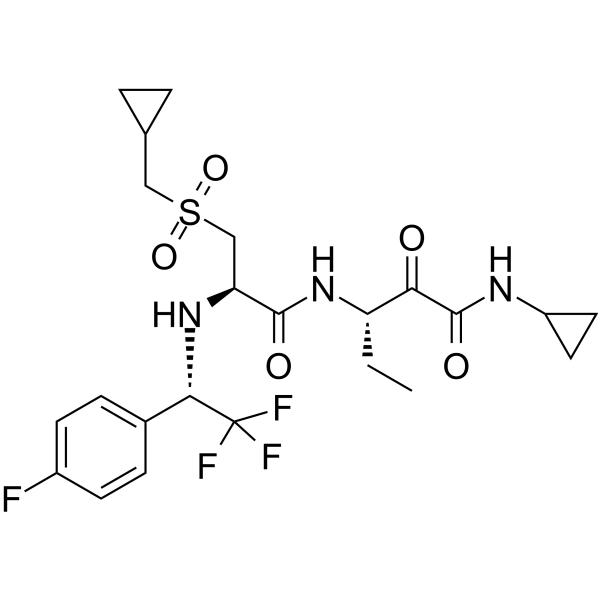
VBY-825 is an orally available novel reversible cathepsin inhibitor that has high inhibitory potency against cathepsin B, L, S and V, and possesses anti-tumor, anti-inflammatory and analgesic effects .
Poly-L-Glutamic acid (MW 700000) is a synthetic polypeptide with biocompatibility, biodegradability and non-immunogenicity. Poly-L-Glutamic acid is an ideal tumor-targeting polymer carrier. Poly-L-Glutamic acid can be hydrolyzed by cathepsin B during metabolic decomposition .
PD 151746 is a selective calpain-1 inhibitor with an IC50 of 260 nM. PD 151746 binds μ-calpain Ca 2+-binding sites, and shows selectivity over cathepsin B, papain, trypsin, thermolysin, and basal calcineurin. PD 151746 reduces Oxidized low-density lipoprotein (oxLDL)-induced cytotoxicity, apoptotic DNA fragmentation, and blocks IL-1α maturation. PD 151746 can be used for the research of atherosclerosis and psoriasis .
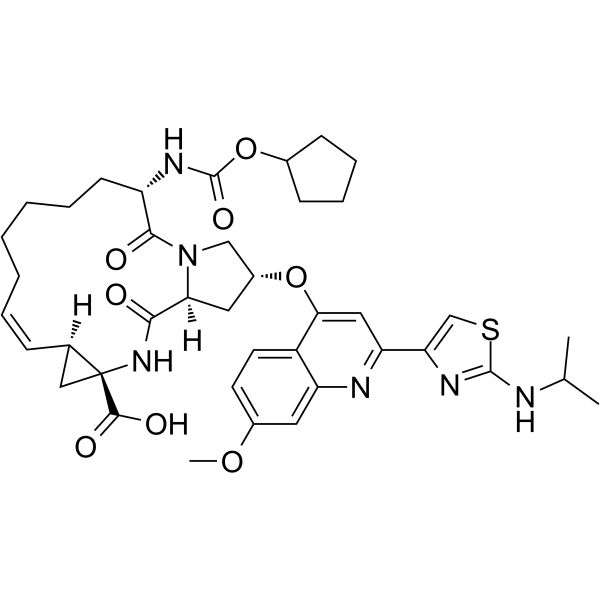
Ciluprevir (BILN 2061; BILN 2061ZW) is an orally active macrocyclic peptide inhibitor of hepatitis C virus (HCV)NS3 protease, with an IC50 of 3 nM. Ciluprevir has Kᵢ values of 0.66 nM and 0.30 nM against genotypes 1b and 1a, respectively. Ciluprevir inhibits HCV RNA replication with an EC50 of 1.2 nM, and its EC50 values against genotypes 1b and 1a are 3 nM and 4 nM, respectively. Ciluprevir shows no significant inhibition against human leukocyte elastase and hepatic cathepsin B. Ciluprevir can be used for genotype 1 HCV infection .
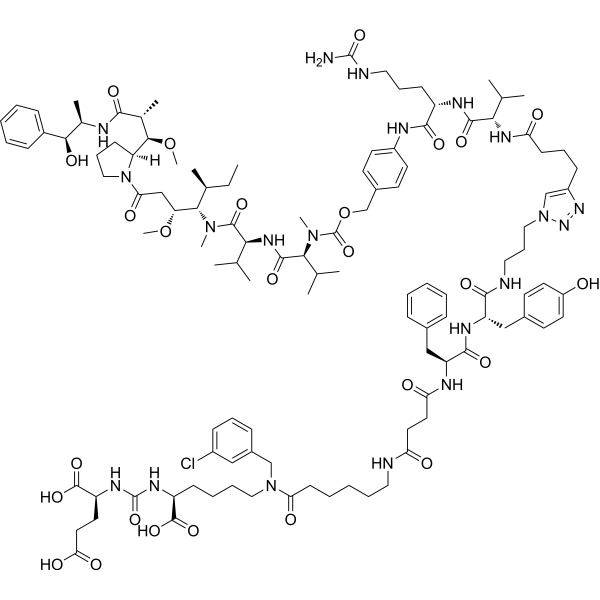
PSMA-Val-Cit-PAB-MMAE is a small-molecule conjugate targeting PSMA, with Monomethyl auristatin E (MMAE) (HY-15162) as its cytotoxic payload. PSMA-Val-Cit-PAB-MMAE binds to PSMA, thereby being delivered into PSMA-expressing prostate cancer cells. Subsequently, the Val-Cit linker is cleaved under the mediation of cathepsin B, releasing active MMAE. PSMA-Val-Cit-PAB-MMAE inhibits CYP3A4 activity (IC50 = 11.2 μM), induces intracellular ROS production and oxidative stress, disrupts the cytoskeleton through microtubule destabilization, and induces prostate cancer cell death. PSMA-Val-Cit-PAB-MMAE can be used in research related to prostate cancer .
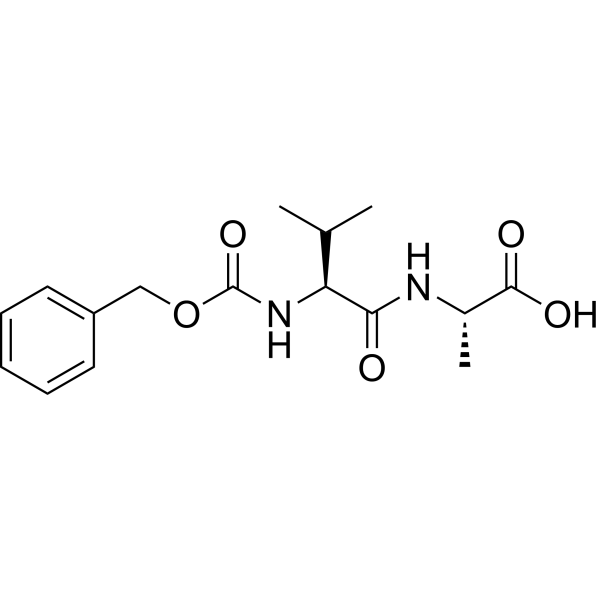
Z-Val-Ala-OH is a dipeptide derivative of valine and alanine. Z-Val-Ala-OH undergoes cleavage by cathepsin B and other lysosomal proteases to enable payload release following lysosomal internalization.Z-Val-Ala-OH can be used for the research of antibody-drug conjugate (ADC) development[1] .
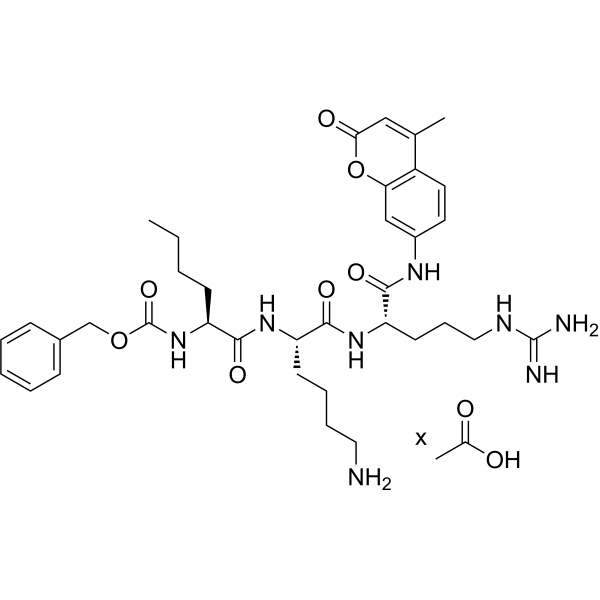
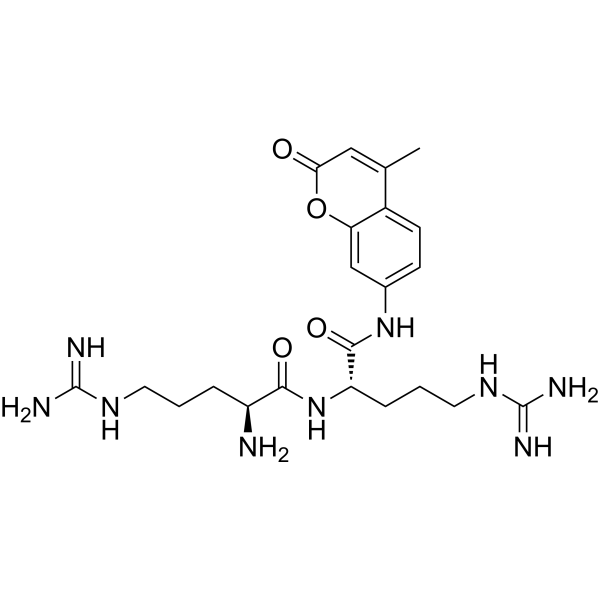
Arg-Arg-AMC acetate is the acetate salt form of Arg-Arg-AMC (HY-P4340). Arg-Arg-AMC acetate is a fluorescent substrate for cathepsin B and used in the cathepsin B activity assay .
Poly-L-glutamic acid sodium salt (MW 30000) is a synthetic polypeptide with biocompatibility, biodegradability and non-immunogenicity. Poly-L-glutamic acid sodium salt is an ideal tumor-targeting polymer carrier. Poly-L-glutamic acid sodium salt can be hydrolyzed by cathepsin B during metabolic decomposition .
DBCO-PEG4-Val-Cit-PAB-PNP is a cleavable ADC linker. The Val-Cit will specifically be cleaved by Cathepsin B. PNP can be substituted by amine-containing payload. DBCO enable click chemistry with azide molecules.
DBCO-PEG4-Val-Ala-PAB-PNP is a cleavable ADC linker. The Val-Ala linkers can be cleaved by Cathepsin B. The DBCO groups is commonly used for Click Chemistry reactions. PEG spacer improves the compound's aqueous solubility. PNP is a good leaving group.
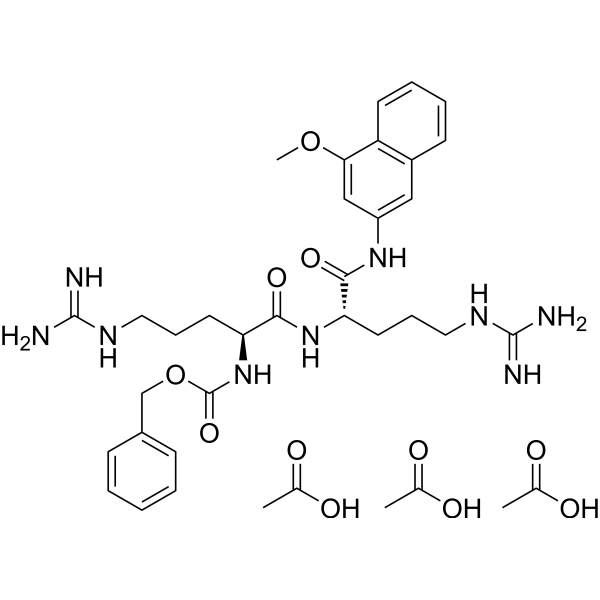
Z-Arg-Arg-βNA acetate is a sensitive dipeptide substrate of the protease Cathepsin B and resistant to proteases H and L. Z-Arg-Arg-βNA acetate can serve as an important tool for distinguishing non-Cathepsin B type proteins .
Poly-L-glutamic acid sodium salt (MW 15000) is a synthetic polypeptide with biocompatibility, biodegradability and non-immunogenicity. Poly-L-glutamic acid sodium salt is an ideal tumor-targeting polymer carrier. Poly-L-glutamic acid sodium salt can be hydrolyzed by cathepsin B during metabolic decomposition .
Poly-L-glutamic acid sodium salt (MW 7500) is a synthetic polypeptide with biocompatibility, biodegradability and non-immunogenicity. Poly-L-glutamic acid sodium salt is an ideal tumor-targeting polymer carrier. Poly-L-glutamic acid sodium salt can be hydrolyzed by cathepsin B during metabolic decomposition .
Dibenzyl trisulfide (DTS) is an active ingredient that can be isolated from Petiveria alliacea L.. Dibenzyl trisulfide inhibits cell proliferation and migration. Dibenzyl trisulfide decreased the mRNA and protein expression of BAK-1 and LTA. Dibenzyl trisulfide induces lysosomal membrane permeabilization and cathepsin B release .
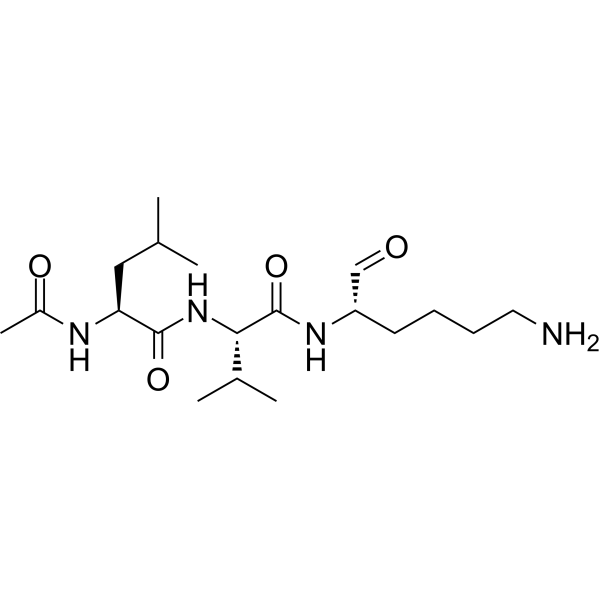
Ac-Leu-Val-Lys-Aldehyde is a potent cathepsin B inhibitor with IC50s of 4 nM. Ac-Leu-Val-Lys-Aldehyde significantly reduces quinolinic acid (HY-100807)-induced striatal cell death and causes accumulation of LC3-II .
SARS-CoV-2 Mpro-IN-6 is a covalent, irreversible and selective SARS-CoV-2 M pro inhibitor with an IC50 of 0.18 μM. SARS-CoV-2 Mpro-IN-6 does not inhibit human cathepsins B, F, K, and L, and caspase 3 .
L-873724 is a potent, orally bioavailable, selective and reversible non-basic cathepsin K inhibitor, with IC50s of 0.2, 178, 264, and 5239 nM for cathepsin K, cathepsin S, cathepsin L, cathepsin B, respectively . L-873724 also exhibits an IC50 of 0.5 nM for rabbit cathepsin K. L-873724 inhibits bone resorption .
(Rac)-Calpain Inhibitor XII is a reversible and selective inhibitor of calpain I (μ-calpain, Ki=19 nM). (Rac)-Calpain Inhibitor XII has lower affinities for calpain II (m-calpain, Ki=120 nM) and cathepsin B (Ki=750 nM). (Rac)-Calpain Inhibitor XII has the potential for studying the role of calpains in diverse processes, including neutrophil chemotaxis, neuronal signaling, and cardiac response to injury .
K777 tosylate is a potent, orally active and irreversible cysteine protease inhibitor. K777 tosylate is also a potent CYP3A4 inhibitor with an IC50 of 60 nM. K777 tosylate irreversibly inhibits Cruzain, the major cysteine protease of Trypansoma cruzi, and cathepsins B and L. K777 tosylate is a broad-spectrum antiviral by targeting cathepsin-mediated cell entry. K777 tosylate inhibits SARS-CoV and EBOV pseudovirus entry with IC50 values of 0.68 nM and 0.87 nM, respectively .
NM-001 is a theranostic prodrug that targets ανβ3 integrin. NM-001 consists of cRGD and GFLG peptides, a DCM fluorophore and Chlorambucil (HY-13593). NM-001 internalizes into lysosomes of tumor cells via the cRGD peptide, and generates NM-002 (HY-178820) and Chlorambucil through intracellular cleavage at the GFLG peptide by overexpressed Cathepsin B (CTSB). NM-001 exhibits green fluorescence under physiological conditions, and converts to NIR fluorescence by CTSB activation. NM-001 has significant antitumor activity with low toxicity in HeLa cell xenografts mouse models. NM-001 can be used for real-time drug release monitoring research .
Arg-Arg-AMC is a highly selective substrate of Cathepsin B. Arg-Arg-AMC can be used to cathepsin B activity assay in cancer cells, while cathepsin B is assocaited with cell invasive and metastatic phenotype in numerous types of cancer .
Ac-RR-AFC TFA is a Cathepsin B fluorogenic substrate (Ex=400 nm, Em=505 nm). Cathepsin B activity in cells lysates is determined by measuring cleavage of Ac-RR-AFC TFA and its cleavage occurs at the RR-AFC amide bond. Ac-RR-AFC TFA can be used for activity assays and mechanistic studies on cathepsin B .
Poly-L-glutamic acid sodium salt (MW 60000) is a synthetic polypeptide with biocompatibility, biodegradability and non-immunogenicity. Poly-L-glutamic acid sodium salt is an ideal tumor-targeting polymer carrier. Poly-L-glutamic acid sodium salt can be hydrolyzed by cathepsin B during metabolic decomposition .
MC-Val-Ala-NHS ester is a cleavable ADC linker with a malimide group and an NHS ester group. The Val-Ala linkers can be cleaved by Cathepsin B. Maleimide group is reactive toward thiol groups. MC is reactive with thiol moieties. The NHS ester is able to react specifically and efficiently with amines (e.g. the side chain of lysine residues or aminosilane-coated surfaces) at neutral or slightly basic condition to form a covalent bond.
SmCB1-IN-1 (Compound 2h) is an inhibitor for S. mansonicathepsin B1 (SmCB1) with an Ki of 0.05 μM . SmCB1-IN-1 exhibits selectivity toward human off-target cathepsins (29% and 37% inhibition for CatB and CatL at 20 μM). SmCB1-IN-1 inhibits 68% Schistosoma mansoni at 1 μM .
HDAC3-IN-4 is a selective and orally active HDAC3 inhibitor with an IC50 of 89 nM. HDAC3-IN-4 induces the degradation of PD-L1 by regulating cathepsin B (CTSB) in the lysosomes, with a DC50 of 5.7 μM. HDAC3-IN-4 shows better selectivity for HDAC3 over HDAC1, HDAC6, HDAC7, and HDAC8 .
NCO-700 is a dual cathepsin B and calcium-activated neutral protease (CANP) inhibitor with IC50 values of 0.8 and 46 μM, respectively. NCO-700 reduces the degradation of myocardial fibrin by inhibiting protease activity. NCO-700 also has inhibitory effects on hormone-independent tumor cells, such as prostate cancer cells, and induces apoptosis. NCO-700 can be used to study myocardial ischemia and refractory hormone-independent tumors .
FGA139 is a cysteine proteases inhibitor with IC50 values of 4.98/3.14 μM for cathepsin B/L. FGA139 reduces LPS-induced NO production in RAW264.7 cells and tumor necrosis factor (TNFα) levels in microglia, and has anti-oxidative stress and anti-inflammatory activities. FGA139 promotes the secretion of neuroprotective metabolites purine and linoleic acid by LPS-stimulated microglia. FGA139 can be used in neuroinflammatory diseases research .
MG-101 (GMP) (Calpain inhibitor I (GMP)) is MG-101 (HY-18964) produced by using GMP guidelines. GMP small molecules works appropriately as an auxiliary reagent for cell therapy manufacture. MG-101 (ALLN) is an inhibitor of cysteine proteases which inhibits calpain I, calpain II, cathepsin B and cathepsin L with Kis of 190, 220, 150 and 500 pM, respectively. MG-101 induces apoptosis and inhibits tumor growth, it can be used for the research of colon cancer .
(Rac)-Z-FA-FMK is the racemate of Z-FA-FMK. (Rac)-Z-FA-FMK is an inhibitor of cathepsin B with a Ki of 1.5 μM. (Rac)-Z-FA-FMK inhibits caspase-2, -3, -6, -7, and -9 with IC50s of 6.147, 15.41, 32.45, 9.077, and 110.7 μM. (Rac)-Z-FA-FMK inhibits the main protease of SARS-CoV-2 replication with an IC50 of 11.39 μM. (Rac)-Z-FA-FMK inhibits the increased IL-1β level induced by LPS and NF-κB transactivation in macrophages .
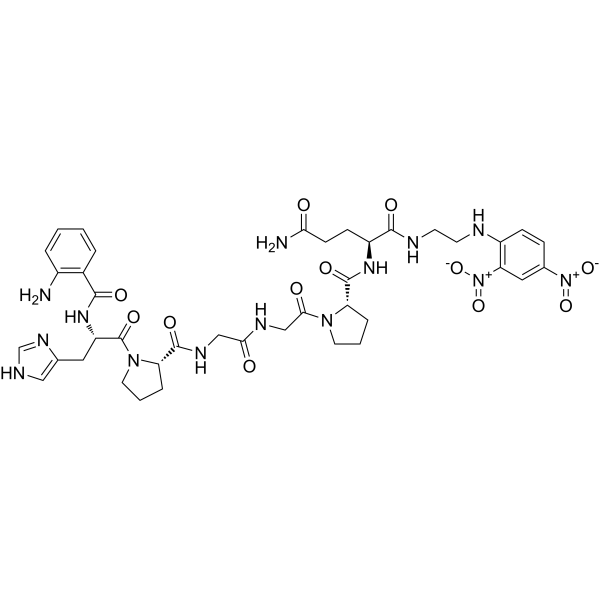
Abz-HPGGPQ-EDDnp (Cathepsin K substrate) is a biological active peptide. (Cathepsins are a class of globular lysosomal proteases, playing a vital role in mammalian cellular turnover. They degrade polypeptides and are distinguished by their substrate specificities. Cathepsin K is the lysosomal cysteine protease involved in bone remodeling and resorption. It has potential as a drug target in autoimmune diseases and osteoporosis.This FRET peptide can be used to monitor selectively cathepsin K activity in physiological fluids and cell lysates. Abz-HPGGPQ-EDDnp [where Abz represents o-aminobenzoic acid and EDDnp represents N -(2, 4-dinitrophenyl)-ethylenediamine], a substrate initially developed for trypanosomal enzymes, is efficiently cleaved at the Gly-Gly bond by cathepsin K. This peptide is resistant to hydrolysis by cathepsins B, F, H, L, S and V, Ex/Em=340 nm/420 nm.)
Poly-L-glutamic acid sodium salt (MW 120000) is a synthetic polypeptide with biocompatibility, biodegradability and non-immunogenicity. Poly-L-glutamic acid sodium salt is an ideal tumor-targeting polymer carrier. Poly-L-glutamic acid sodium salt can be hydrolyzed by cathepsin B during metabolic decomposition .
Poly-L-glutamic acid sodium salt (MW 3000) is a synthetic polypeptide with biocompatibility, biodegradability and non-immunogenicity. Poly-L-glutamic acid sodium salt is an ideal tumor-targeting polymer carrier. Poly-L-glutamic acid sodium salt can be hydrolyzed by cathepsin B during metabolic decomposition .
Poly-L-glutamic acid sodium salt (MW 45000) is a synthetic polypeptide with biocompatibility, biodegradability and non-immunogenicity. Poly-L-glutamic acid sodium salt is an ideal tumor-targeting polymer carrier. Poly-L-glutamic acid sodium salt can be hydrolyzed by cathepsin B during metabolic decomposition .
Poly-L-Glutamic acid (MW 100000) is a synthetic polypeptide with biocompatibility, biodegradability and non-immunogenicity. Poly-L-Glutamic acid is an ideal tumor-targeting polymer carrier. Poly-L-Glutamic acid can be hydrolyzed by cathepsin B during metabolic decomposition .
(S,R,R)-VBY-825 is the isomer of VBY-825 (HY-15958), and can be used as an experimental control. VBY-825 is a novel reversible inhibitor of cathepsin with high inhibition of cathepsin B, L, S and V.
DBCO-PEG4-Val-Ala-PAB is a cleavable ADC linker. The Val-Ala linkers can be cleaved by Cathepsin B. The DBCO groups is commonly used for Click Chemistry reactions. PEG spacer improves the compound's aqueous solubility.
hCAIX-IN-21 (compound 16c) is a potent hCAIX inhibitor with KI values of 5.2, 3.5, 12.6, 13600 nM for hCAIX, hCA II, hCA XII, hCA I, respectively. hCAIX-IN-21 inhibits cathepsin B enzyme activity .
NC 2300 (VEL-0230)is a selective and orally active cysteine cathepsin inhibitor with the IC50 values of 284, 34.5, and 186 nM for cathepsin B, K, and S, respectively.NC 2300 can be used for study of diseases involving bone mineral disorders .
hCAXII-IN-10 (Compound 18b) is a dual inhibitor of human carbonic anhydrase isoform XII (hCAXII) and cathepsin B, with a Ki value of 2.2 nM. hCAXII-IN-10 can inhibit the role of hCAXII in providing tumors with a pH microenvironment conducive to tumor growth, and is expected to be used in the study of tumor diseases .
AM4299B is an inhibitor for thiol protease. AM4299B inhibits bovine spleen cathepsin B, human kidney cathepsin L and papain with IC50s of 0.7, 0.5 and 20 μM, respectively. AM4299B can be used in research in osteoporosis, and has potential to be used as an antiparasitic agent .
Alloc-Val-Ala-OH (((Allyloxy)carbonyl)-L-valyl-L-alanine) is a building block in the synthesis of Tesirine, a clinical antibody-drug conjugate (ADC) pyrrolobenzodiazepine (PBD) dimer payload. The Val-Ala will specifically be cleaved by Cathepsin B. The Alloc group is stable to treatment with piperidine and TFA, but can be easily removed under mild conditions by palladium catalyzed allyl transfer.
SARS-CoV-2 Mpro-IN-31 (Compound 18) is an inhibitor of SARS-CoV-2 M Pro with an IC50 value of 11 nM. Additionally, SARS-CoV-2 Mpro-IN-31 effectively inhibits the enzymatic activity of the cysteine proteases cathepsin B and cathepsin L, with IC50 values of 24 nM and 1.8 nM, respectively .
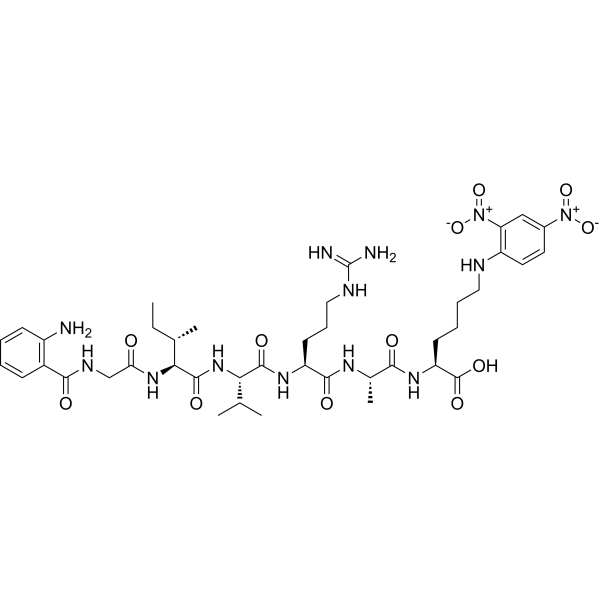
Abz-GIVRAK(Dnp) is the most efficient substrate for cathepsin B and is highly selective for this enzyme among lysosomal cysteine proteases. After Abz-GIVRAK(Dnp) is hydrolyzed, aminoacylbenziminosulfosuccinic acid (Abz-SAS) is released, and dinitrobenzoyl (Dnp) is also released. The product of this hydrolysis reaction, Abz-SAS, is fluorescent under ultraviolet light and can emit a fluorescent signal .
Oxocarbazate is an inhibitor of human cathepsin L with the IC50 values of 6.9 nM (human Cathepsin L,0 h) 0.4 nM ((human Cathepsin L,4 h) and 5.07 μM (human cathepsin B), respectively. Oxocarbazate blockes both SARS-CoV (IC50 = 273 nM) and Ebola virus (IC50 = 193 nM) entry into 293T cells .
Azido-PEG8-Amido-Val-Cit-PAB is a cleavable ADC linker. The Val-Cit will specifically be cleaved by Cathepsin B. As this enzyme is only present in the lysosome, the ADC payload will be released only in the cell. Azido will react with DBCO, BCN or other alkyne groups through click chemistry. PEG spacer increases aqueous solubility. Reagent grade, for research purpose.
HDAC3-IN-7 (Compound 8ae) is a selective HDAC3 inhibitor with an IC50 value of 311 nM. HDAC3-IN-7 degrades PD-L1 through the lysosome pathway mediated by Cathepsin B, exerting activities such as inhibiting tumor cell proliferation, migration, and invasion. HDAC3-IN-7 is promising for research of cancers .
(S,S)-Z-FA-FMK is a cell-permeable, irreversible cathepsin B inhibitor. (S,S)-Z-FA-FMK blocks LPS-induced production of IL-1α and IL-1β. (S,S)-Z-FA-FMK can be used as a negative control for caspase-1 and caspase-2 inhibitors because it lacks an aspartic acid residue at the P1 position .
Tetromycin B is a cysteine protease inhibitor with Ki values of 0.62, 1.42, 32.5, and 1.59 μM for rhodesain, falcipain-2, cathepsin L, and cathepsin B, respectively. It inhibits the growth of T. brucei in vitro (IC50=30.87 μM). Tetromycin B is also cytotoxic to HEK293T kidney cells and J774.1 macrophages (IC50s=71.77 and 20.2 μM, respectively).
L-006235 (Standard) is the analytical standard of L-006235. This product is intended for research and analytical applications. L-006235 (L-235) is a potent, selective, reversible and orally active inhibitor of cathepsin K, with an IC50 of 5 nM in bone resorption assay. L-006235 shows selectivity for cathepsin K (Ki=0.2 nM) over cathepsin B, cathepsin L, and cathepsin S (Ki=1, 6, and 47 μM, respectively). L-006235 can reduce collagen degradation and prevent bone loss .
NDI-Lyso is a lysosome-targeted anticancer agent that induces the formation of rigid long fibers in cancer cell lysosomes through an enzyme-instructed self-assembly (EISA) mechanism catalyzed by cathepsin B. This process triggers lysosomal swelling, membrane permeabilization (LMP), and membrane disruption, ultimately leading to cancer cell apoptosis via a non-classical caspase-independent pathway. NDI-Lyso exhibits significant selective anticancer activity in various cancer cell lines and drug-resistant cancer cells (IC50 ~10 μM) while showing low toxicity to normal cells (IC50 > 60 μM) .
Ono 3307 Free base is a novel synthetic protease inhibitor that exhibits protective effects against acute pancreatitis by preventing hyperamylasemia and pancreatic edema. Ono 3307 Free base also inhibits the redistribution of lysosomal enzymes in acinar cells and mitigates lactic dehydrogenase discharge. Ono 3307 Free base effectively reduces cathepsin B leakage from lysosomes in a dose-dependent manner. Ono 3307 Free base is able to target trypsin (Ki=48 nM), thrombin (Ki=0.18 μM), plasma kallikrein (Ki=0.29 μM), plasmin (Ki=0.31 μM), pancreatic kallikrein (Ki=3.6 μM), and chymotrypsin (Ki=47 μM).
Mal-N(Me)-C6-N(Me)-PNU-159682 (Compound 27), an agent-linker conjugate for ADC, consists the ADC linker Mal-N(Me)-C6-N(Me) and a potent ADC cytotoxin PNU-159682. Mal-N(Me)-C6-N(Me)-PNU-159682 (Compound 27) selectively delivers the payload to CD46-expressing cells, where the linker is cleaved by cathepsin B to release PNU-159682, inducing DNA damage and apoptosis. Mal-N(Me)-C6-N(Me)-PNU-159682 shows durable tumor regression in xenograft (PDX) models of non-small cell lung cancer (NSCLC) and colorectal cancer (CRC) .
Z-Arg-Lys-AOMK is a cathepsin B inhibitor that can cross the blood-brain barrier. Z-Arg-Lys-AOMK reduces cytosolic cathepsin B activity in homogenates of mouse cerebral cortex and hippocampal tissues, and alleviates motor dysfunction associated with CCI-TBI. Z-Arg-Lys-AOMK can be used in the research of traumatic brain injury .
Cathepsin L-IN-7 is an inhibitor of cathepsin L, cathepsin B and cathepsin S. Cathepsin L-IN-7 has an IC50 of 0.011 μM against cathepsin L and an IC50 of 0.062 μM against cathepsin S, while it shows weak inhibitory activity against cathepsin B. Cathepsin L-IN-7 binds to the active site of cysteine proteases and blocks their proteolytic function. Cathepsin L-IN-7 can be used in research on viral infections and cancer .
CA-074 (Standard) is the analytical standard of CA-074 (HY-103350). This product is intended for research and analytical applications. CA-074 is a potent inhibitor of cathepsin B with a Ki of 2 to 5 nM.
PI3K-001 is a cathepsin B-responsive prodrug and antifibrotic agent. PI3K-001 undergoes cathepsin B-mediated cleavage of the Val-Ala linker in fibrotic lung lesions to release an active PI3K inhibitor payload, while it remains stable in healthy tissues. PI3K-001 improves collagen deposition, tissue collapse and alveolar injury in fibrotic lung tissues. PI3K-001 is applicable for the research of pulmonary fibrosis .
CA-074 methyl ester (Standard) is the analytical standard of CA-074 methyl ester (HY-100350). This product is intended for research and analytical applications. CA-074 methyl ester is a specific inhibitor of Cathepsin B, which has potent bioactivities such as neuroprotective, anti-cancer, and anti-inflamatory effects.
Cathepsin K-IN-9 is a selective, potent and orally active Cathepsin K inhibitor with an IC50 of 6.2 nM. Cathepsin K-IN-9 has IC50 > 10000 nM for cathepsin B, L, and S, showing over 1600-fold selectivity. Cathepsin K-IN-9 has excellent safety and metabolic stability.Cathepsin K-IN-9 can be used for the research of osteoporosis .
NM-002 is a metabolite of prodrug NM-001 (HY-178819), with NIR emission. NM-002 generates through activates the prodrug NM-001 by overexpressed Cathepsin B (CTSB) within tumor cells. NM-002 has no toxicity towards tumor cells and can escape from the lysosomes into the cytoplasm. NM-002 can be used for real-time drug release monitoring research .
TML-2Cl is a dichloro-modified trimethyl lock adapter for antibody-drug conjugates and payload releaser.TML-2Cl undergoes 1,6-elimination followed by rapid self-cyclization to facilitate release of the payload Exatecan after cathepsin B cleavage of the associated linker.TML-2Cl exhibits high stability when conjugated to a drug and high intrinsic hydrophobicity.TML-2Cl can be used for the research of gastric carcinoma .
Mal-VC-PAB-seco-CBI-PBD dimer is a highly active drug-linker conjugate. Mal-VC-PAB-seco-CBI-PBD dimer integrates the DNA-damaging effects of two distinct types of compounds: seco-cyclopropabenzindoline (seco-CBI) and pyrrolobenzodiazepine (PBD). Mal-VC-PAB-seco-CBI-PBD dimer is linked via a valine-alanine (VC) linker cleavable by cathepsin B and achieves targeted delivery relying on monoclonal antibodies. Mal-VC-PAB-seco-CBI-PBD dimer is applicable for cancer research .
GK730 is a potent and selective SARS-CoV-2 main protease inhibitor with an IC50 of 5.75 nM. GK730 does not inhibit cathepsin B, while exhibits weak inhibition of cathepsin L (IC50 = 11 μM). GK730 can simultaneously block the replication of the virus and the entry pathways for variants such as Omicron into cells. GK730 demonstrates an EC50 value of 5.70 μM against a wild-type SARS-CoV-2 strain in Vero E6 cells and CC50 value greater than 100 μM. GK730 can be used for the research of COVID-19 .
Anti-hepatic fibrosis agent 3 is an orally active anti-hepatic fibrosis compound targeting Cathepsin D. Anti-hepatic fibrosis agent 3 shows an IC50 of 53.18 μM against COL1A1-promoter and a Kd of 8.86 μM for binding to Cathepsin D. Anti-hepatic fibrosis agent 3 directly binds to and promotes the degradation of Cathepsin D, with no significant effect on Cathepsin B or Cathepsin L. Anti-hepatic fibrosis agent 3 inhibits hepatic stellate cell activation and reduces extracellular matrix deposition and inflammatory cytokine expression. Anti-hepatic fibrosis agent 3 exhibits remarkable anti-fibrotic activity in rat BDL and mouse CDAHFD-induced hepatic fibrosis models. Anti-hepatic fibrosis agent 3 can be used for the study of hepatic fibrosis .
MG-101 (GMP) (Calpain inhibitor I (GMP)) is MG-101 (HY-18964) produced by using GMP guidelines. GMP small molecules works appropriately as an auxiliary reagent for cell therapy manufacture. MG-101 (ALLN) is an inhibitor of cysteine proteases which inhibits calpain I, calpain II, cathepsin B and cathepsin L with Kis of 190, 220, 150 and 500 pM, respectively. MG-101 induces apoptosis and inhibits tumor growth, it can be used for the research of colon cancer .
Poly-L-glutamic acid sodium salt (MW 30000) is a synthetic polypeptide with biocompatibility, biodegradability and non-immunogenicity. Poly-L-glutamic acid sodium salt is an ideal tumor-targeting polymer carrier. Poly-L-glutamic acid sodium salt can be hydrolyzed by cathepsin B during metabolic decomposition .
Poly-L-glutamic acid sodium salt (MW 15000) is a synthetic polypeptide with biocompatibility, biodegradability and non-immunogenicity. Poly-L-glutamic acid sodium salt is an ideal tumor-targeting polymer carrier. Poly-L-glutamic acid sodium salt can be hydrolyzed by cathepsin B during metabolic decomposition .
Poly-L-glutamic acid sodium salt (MW 7500) is a synthetic polypeptide with biocompatibility, biodegradability and non-immunogenicity. Poly-L-glutamic acid sodium salt is an ideal tumor-targeting polymer carrier. Poly-L-glutamic acid sodium salt can be hydrolyzed by cathepsin B during metabolic decomposition .
Poly-L-glutamic acid sodium salt (MW 60000) is a synthetic polypeptide with biocompatibility, biodegradability and non-immunogenicity. Poly-L-glutamic acid sodium salt is an ideal tumor-targeting polymer carrier. Poly-L-glutamic acid sodium salt can be hydrolyzed by cathepsin B during metabolic decomposition .
MG-101 (GMP) (Calpain inhibitor I (GMP)) is MG-101 (HY-18964) produced by using GMP guidelines. GMP small molecules works appropriately as an auxiliary reagent for cell therapy manufacture. MG-101 (ALLN) is an inhibitor of cysteine proteases which inhibits calpain I, calpain II, cathepsin B and cathepsin L with Kis of 190, 220, 150 and 500 pM, respectively. MG-101 induces apoptosis and inhibits tumor growth, it can be used for the research of colon cancer .
Poly-L-glutamic acid sodium salt (MW 120000) is a synthetic polypeptide with biocompatibility, biodegradability and non-immunogenicity. Poly-L-glutamic acid sodium salt is an ideal tumor-targeting polymer carrier. Poly-L-glutamic acid sodium salt can be hydrolyzed by cathepsin B during metabolic decomposition .
Poly-L-glutamic acid sodium salt (MW 3000) is a synthetic polypeptide with biocompatibility, biodegradability and non-immunogenicity. Poly-L-glutamic acid sodium salt is an ideal tumor-targeting polymer carrier. Poly-L-glutamic acid sodium salt can be hydrolyzed by cathepsin B during metabolic decomposition .
Poly-L-glutamic acid sodium salt (MW 45000) is a synthetic polypeptide with biocompatibility, biodegradability and non-immunogenicity. Poly-L-glutamic acid sodium salt is an ideal tumor-targeting polymer carrier. Poly-L-glutamic acid sodium salt can be hydrolyzed by cathepsin B during metabolic decomposition .
Poly-L-Glutamic acid (MW 100000) is a synthetic polypeptide with biocompatibility, biodegradability and non-immunogenicity. Poly-L-Glutamic acid is an ideal tumor-targeting polymer carrier. Poly-L-Glutamic acid can be hydrolyzed by cathepsin B during metabolic decomposition .
Z-Arg-Arg-AMC hydrochloride is a highly selective fluorescent Cathepsin B substrate. Z-Arg-Arg-AMC hydrochloride can be hydrolyzed by Cathepsin B to produce a fluorescent product for enzyme activity detection .
Z-WEHD-FMK is a potent, cell-permeable and irreversible caspase-1/5 inhibitor. Z-WEHD-FMK also exhibits a robust inhibitory effect on cathepsin B activity (IC50=6 μM). Z-WEHD-FMK can be used to investigate cells for evidence of apoptosis .
Z-Val-Ala-OH is a dipeptide derivative of valine and alanine. Z-Val-Ala-OH undergoes cleavage by cathepsin B and other lysosomal proteases to enable payload release following lysosomal internalization.Z-Val-Ala-OH can be used for the research of antibody-drug conjugate (ADC) development[1] .
Arg-Arg-AMC acetate is the acetate salt form of Arg-Arg-AMC (HY-P4340). Arg-Arg-AMC acetate is a fluorescent substrate for cathepsin B and used in the cathepsin B activity assay .
Z-Arg-Arg-βNA acetate is a sensitive dipeptide substrate of the protease Cathepsin B and resistant to proteases H and L. Z-Arg-Arg-βNA acetate can serve as an important tool for distinguishing non-Cathepsin B type proteins .
Ac-Leu-Val-Lys-Aldehyde is a potent cathepsin B inhibitor with IC50s of 4 nM. Ac-Leu-Val-Lys-Aldehyde significantly reduces quinolinic acid (HY-100807)-induced striatal cell death and causes accumulation of LC3-II .
Arg-Arg-AMC is a highly selective substrate of Cathepsin B. Arg-Arg-AMC can be used to cathepsin B activity assay in cancer cells, while cathepsin B is assocaited with cell invasive and metastatic phenotype in numerous types of cancer .
Ac-RR-AFC TFA is a Cathepsin B fluorogenic substrate (Ex=400 nm, Em=505 nm). Cathepsin B activity in cells lysates is determined by measuring cleavage of Ac-RR-AFC TFA and its cleavage occurs at the RR-AFC amide bond. Ac-RR-AFC TFA can be used for activity assays and mechanistic studies on cathepsin B .
Abz-HPGGPQ-EDDnp (Cathepsin K substrate) is a biological active peptide. (Cathepsins are a class of globular lysosomal proteases, playing a vital role in mammalian cellular turnover. They degrade polypeptides and are distinguished by their substrate specificities. Cathepsin K is the lysosomal cysteine protease involved in bone remodeling and resorption. It has potential as a drug target in autoimmune diseases and osteoporosis.This FRET peptide can be used to monitor selectively cathepsin K activity in physiological fluids and cell lysates. Abz-HPGGPQ-EDDnp [where Abz represents o-aminobenzoic acid and EDDnp represents N -(2, 4-dinitrophenyl)-ethylenediamine], a substrate initially developed for trypanosomal enzymes, is efficiently cleaved at the Gly-Gly bond by cathepsin K. This peptide is resistant to hydrolysis by cathepsins B, F, H, L, S and V, Ex/Em=340 nm/420 nm.)
Abz-GIVRAK(Dnp) is the most efficient substrate for cathepsin B and is highly selective for this enzyme among lysosomal cysteine proteases. After Abz-GIVRAK(Dnp) is hydrolyzed, aminoacylbenziminosulfosuccinic acid (Abz-SAS) is released, and dinitrobenzoyl (Dnp) is also released. The product of this hydrolysis reaction, Abz-SAS, is fluorescent under ultraviolet light and can emit a fluorescent signal .
(S,S)-Z-FA-FMK is a cell-permeable, irreversible cathepsin B inhibitor. (S,S)-Z-FA-FMK blocks LPS-induced production of IL-1α and IL-1β. (S,S)-Z-FA-FMK can be used as a negative control for caspase-1 and caspase-2 inhibitors because it lacks an aspartic acid residue at the P1 position .
NDI-Lyso is a lysosome-targeted anticancer agent that induces the formation of rigid long fibers in cancer cell lysosomes through an enzyme-instructed self-assembly (EISA) mechanism catalyzed by cathepsin B. This process triggers lysosomal swelling, membrane permeabilization (LMP), and membrane disruption, ultimately leading to cancer cell apoptosis via a non-classical caspase-independent pathway. NDI-Lyso exhibits significant selective anticancer activity in various cancer cell lines and drug-resistant cancer cells (IC50 ~10 μM) while showing low toxicity to normal cells (IC50 > 60 μM) .
3-Epiursolic Acid is a triterpenoid that can be isolated from Eriobotrya japonica, acts as a competitive inhibitor of cathepsin L (IC50, 6.5 μM; Ki, 19.5 μM), with no obvious effect on cathepsin B .
Dibenzyl trisulfide (DTS) is an active ingredient that can be isolated from Petiveria alliacea L.. Dibenzyl trisulfide inhibits cell proliferation and migration. Dibenzyl trisulfide decreased the mRNA and protein expression of BAK-1 and LTA. Dibenzyl trisulfide induces lysosomal membrane permeabilization and cathepsin B release .
Cathepsin B Protein, Mouse (HEK293, His) is an approximately 32-50 kDa Cathepsin B protein with a His-flag. Cathepsin B is an enzymatic protein belonging to the peptidase C1 family.
Cathepsin B is a lysosomal cysteine protease that plays a role in intracellular protein catabolism. Cathepsin B mediates JNK signaling pathway to regulate the migration of glioma initiation cells. Cathepsin B is involved in the pathology of chronic inflammatory diseases of the airway and joints, as well as cancer and pancreatitis. Cathepsin B Protein, Rat (HEK293, His) is the recombinant rat-derived Cathepsin B protein, expressed by HEK293 , with C-His labeled tag.
Cathepsin B Protein, Human (HEK293, His) functions in intracellular protein catabolism and in certain situations may also be involved in other physiological processes, such as processing of antigens in the immune response, hormone activation and bone turnover.
Cathepsin B Protein, a thiol protease, is crucial for intracellular protein degradation, cleaving matrix extracellular phosphoglycoprotein MEPE. It's implicated in solubilizing cross-linked TG/thyroglobulin in the thyroid follicle lumen. Associated with tumor invasion and metastasis, Cathepsin B signifies potential relevance in cancer-related pathways. Cathepsin B Protein, Human (L26V, HEK293) is the recombinant human-derived Cathepsin B protein, expressed by HEK293 , with L26V mutation.
Cathepsin B Protein, a thiol protease, is crucial for intracellular protein degradation, cleaving matrix extracellular phosphoglycoprotein MEPE. It's implicated in solubilizing cross-linked TG/thyroglobulin in the thyroid follicle lumen. Associated with tumor invasion and metastasis, Cathepsin B signifies potential relevance in cancer-related pathways. Cathepsin B Protein, Human (L26V, HEK293, His) is the recombinant human-derived Cathepsin B protein, expressed by HEK293 , with C-His labeled tag and L26V mutation.
Cathepsin H Protein, Mouse (HEK293, His) is an approximately 36-40 kDa cathepsin H protein with a His-flag. Cathepsin H is a lysosomal cysteine protease of the papain family.
diABZI-V/C-DBCO is a STING agonist with an EC50 of 1.47 nM. diABZI-V/C-DBCO activates the STING pathway, induces the production of IFN-I, and stimulates the secretion of IFN-β. diABZI-V/C-DBCO serves as a substrate for cathepsin B, and releases active diABZI-amine via cathepsin B-mediated cleavage. In an orthotopic mouse model of breast cancer, diABZI-V/C-DBCO increases serum IFN-β levels and the frequency of granzyme B + CD8 + T cells. diABZI-V/C-DBCO is applicable to research related to triple-negative breast cancer .
DBCO-PEG4-Val-Cit-PAB-PNP is a cleavable ADC linker. The Val-Cit will specifically be cleaved by Cathepsin B. PNP can be substituted by amine-containing payload. DBCO enable click chemistry with azide molecules.
DBCO-PEG4-Val-Ala-PAB-PNP is a cleavable ADC linker. The Val-Ala linkers can be cleaved by Cathepsin B. The DBCO groups is commonly used for Click Chemistry reactions. PEG spacer improves the compound's aqueous solubility. PNP is a good leaving group.
DBCO-PEG4-Val-Ala-PAB is a cleavable ADC linker. The Val-Ala linkers can be cleaved by Cathepsin B. The DBCO groups is commonly used for Click Chemistry reactions. PEG spacer improves the compound's aqueous solubility.
hCAIX-IN-21 (compound 16c) is a potent hCAIX inhibitor with KI values of 5.2, 3.5, 12.6, 13600 nM for hCAIX, hCA II, hCA XII, hCA I, respectively. hCAIX-IN-21 inhibits cathepsin B enzyme activity .
hCAXII-IN-10 (Compound 18b) is a dual inhibitor of human carbonic anhydrase isoform XII (hCAXII) and cathepsin B, with a Ki value of 2.2 nM. hCAXII-IN-10 can inhibit the role of hCAXII in providing tumors with a pH microenvironment conducive to tumor growth, and is expected to be used in the study of tumor diseases .
Azido-PEG8-Amido-Val-Cit-PAB is a cleavable ADC linker. The Val-Cit will specifically be cleaved by Cathepsin B. As this enzyme is only present in the lysosome, the ADC payload will be released only in the cell. Azido will react with DBCO, BCN or other alkyne groups through click chemistry. PEG spacer increases aqueous solubility. Reagent grade, for research purpose.
TML-2Cl is a dichloro-modified trimethyl lock adapter for antibody-drug conjugates and payload releaser.TML-2Cl undergoes 1,6-elimination followed by rapid self-cyclization to facilitate release of the payload Exatecan after cathepsin B cleavage of the associated linker.TML-2Cl exhibits high stability when conjugated to a drug and high intrinsic hydrophobicity.TML-2Cl can be used for the research of gastric carcinoma .
Sgc8c-M is a PTK7-targeted aptamer-drug conjugate (ApDC). Sgc8c-M is composed of the classic PTK7-specific aptamer Sgc8c, a cathepsin B (CTSB)-cleavable valine-citrulline (VC)-based linker, and the potent antimitotic agent Monomethyl auristatin E (MMAE) (HY-15162) as the payload. Sgc8c-M inhibits the growth of PTK7-overexpressing cancer cells. Sgc8c-M can be used for the study of PTK7-expressing advanced solid tumors .
MG-101 (GMP) (Calpain inhibitor I (GMP)) is MG-101 (HY-18964) produced by using GMP guidelines. GMP small molecules works appropriately as an auxiliary reagent for cell therapy manufacture. MG-101 (ALLN) is an inhibitor of cysteine proteases which inhibits calpain I, calpain II, cathepsin B and cathepsin L with Kis of 190, 220, 150 and 500 pM, respectively. MG-101 induces apoptosis and inhibits tumor growth, it can be used for the research of colon cancer .
Inquiry Online
Your information is safe with us. * Required Fields.
Western blot analysis of extracts from THP-1(lane 2(20μg), Jurkat (lane 3(20μg) and NIH3T3(lane 4(20μg) using FOXO1A (HY-P80132) Rabbit mAb. Proteins were transferred
to a PVDF membrane and blocked with 5% non-fat milk in TBST for 2 hour at room temperature. The primary antibody (1/1000) and Loading control antibody (Beta Actin, HY-P80438, 1/10000) was
used in 5% non-fat milk in TBST at 4°C overnight. Goat Anti-Mouse/Rabbit IgG-HRP Secondary Antibody (1/10000) was used for 1 hour at room temperature.
Western blot analysis of extracts from THP-1(lane 2(20μg), Jurkat (lane 3(20μg) and NIH3T3(lane 4(20μg) using FOXO1A (HY-P80132) Rabbit mAb. Proteins were transferred
to a PVDF membrane and blocked with 5% non-fat milk in TBST for 2 hour at room temperature. The primary antibody (1/1000) and Loading control antibody (Beta Actin, HY-P80438, 1/10000) was
used in 5% non-fat milk in TBST at 4°C overnight. Goat Anti-Mouse/Rabbit IgG-HRP Secondary Antibody (1/10000) was used for 1 hour at room temperature.
Western blot analysis of extracts from THP-1(lane 2(20μg), Jurkat (lane 3(20μg) and NIH3T3(lane 4(20μg) using FOXO1A (HY-P80132) Rabbit mAb. Proteins were transferred
to a PVDF membrane and blocked with 5% non-fat milk in TBST for 2 hour at room temperature. The primary antibody (1/1000) and Loading control antibody (Beta Actin, HY-P80438, 1/10000) was
used in 5% non-fat milk in TBST at 4°C overnight. Goat Anti-Mouse/Rabbit IgG-HRP Secondary Antibody (1/10000) was used for 1 hour at room temperature.
Western blot analysis of extracts from THP-1(lane 2(20μg), Jurkat (lane 3(20μg) and NIH3T3(lane 4(20μg) using FOXO1A (HY-P80132) Rabbit mAb. Proteins were transferred
to a PVDF membrane and blocked with 5% non-fat milk in TBST for 2 hour at room temperature. The primary antibody (1/1000) and Loading control antibody (Beta Actin, HY-P80438, 1/10000) was
MedchemExpress Validation 03
Western blot analysis of extracts from THP-1(lane 2(20μg), Jurkat (lane 3(20μg) and NIH3T3(lane 4(20μg) using FOXO1A (HY-P80132) Rabbit mAb. Proteins were transferred
MedchemExpress Validation 04
Western blot analysis of extracts from THP-1(lane 2(20μg), Jurkat (lane 3(20μg) and NIH3T3(lane 4(20μg) using FOXO1A (HY-P80132) Rabbit mAb. Proteins were transferred
to a PVDF membrane and blocked with 5% non-fat milk in TBST for 2 hour at room temperature. The primary antibody (1/1000) and Loading control antibody (Beta Actin, HY-P80438, 1/10000) was
used in 5% non-fat milk in TBST at 4°C overnight. Goat Anti-Mouse/Rabbit IgG-HRP Secondary Antibody (1/10000) was used for 1 hour at room temperature.
MedchemExpress Validation
Western blot analysis of extracts from THP-1(lane 2(20μg), Jurkat (lane 3(20μg) and NIH3T3(lane 4(20μg) using FOXO1A (HY-P80132) Rabbit mAb. Proteins were transferred
to a PVDF membrane and blocked with 5% non-fat milk in TBST for 2 hour at room temperature. The primary antibody (1/1000) and Loading control antibody (Beta Actin, HY-P80438, 1/10000) was
used in 5% non-fat milk in TBST at 4°C overnight. Goat Anti-Mouse/Rabbit IgG-HRP Secondary Antibody (1/10000) was used for 1 hour at room temperature.
Western blot analysis of extracts from THP-1(lane 2(20μg), Jurkat (lane 3(20μg) and NIH3T3(lane 4(20μg) using FOXO1A (HY-P80132) Rabbit mAb. Proteins were transferred
to a PVDF membrane and blocked with 5% non-fat milk in TBST for 2 hour at room temperature. The primary antibody (1/1000) and Loading control antibody (Beta Actin, HY-P80438, 1/10000) was
used in 5% non-fat milk in TBST at 4°C overnight. Goat Anti-Mouse/Rabbit IgG-HRP Secondary Antibody (1/10000) was used for 1 hour at room temperature.
MedchemExpress Validation
Western blot analysis of extracts from THP-1(lane 2(20μg), Jurkat (lane 3(20μg) and NIH3T3(lane 4(20μg) using FOXO1A (HY-P80132) Rabbit mAb. Proteins were transferred
to a PVDF membrane and blocked with 5% non-fat milk in TBST for 2 hour at room temperature. The primary antibody (1/1000) and Loading control antibody (Beta Actin, HY-P80438, 1/10000) was
used in 5% non-fat milk in TBST at 4°C overnight. Goat Anti-Mouse/Rabbit IgG-HRP Secondary Antibody (1/10000) was used for 1 hour at room temperature.
MedchemExpress Validation
Western blot analysis of extracts from THP-1(lane 2(20μg), Jurkat (lane 3(20μg) and NIH3T3(lane 4(20μg) using FOXO1A (HY-P80132) Rabbit mAb. Proteins were transferred
to a PVDF membrane and blocked with 5% non-fat milk in TBST for 2 hour at room temperature. The primary antibody (1/1000) and Loading control antibody (Beta Actin, HY-P80438, 1/10000) was
used in 5% non-fat milk in TBST at 4°C overnight. Goat Anti-Mouse/Rabbit IgG-HRP Secondary Antibody (1/10000) was used for 1 hour at room temperature.
MedchemExpress Validation
Western blot analysis of extracts from THP-1(lane 2(20μg), Jurkat (lane 3(20μg) and NIH3T3(lane 4(20μg) using FOXO1A (HY-P80132) Rabbit mAb. Proteins were transferred
to a PVDF membrane and blocked with 5% non-fat milk in TBST for 2 hour at room temperature. The primary antibody (1/1000) and Loading control antibody (Beta Actin, HY-P80438, 1/10000) was
used in 5% non-fat milk in TBST at 4°C overnight. Goat Anti-Mouse/Rabbit IgG-HRP Secondary Antibody (1/10000) was used for 1 hour at room temperature.
MedchemExpress Validation
Western blot analysis of extracts from THP-1(lane 2(20μg), Jurkat (lane 3(20μg) and NIH3T3(lane 4(20μg) using FOXO1A (HY-P80132) Rabbit mAb. Proteins were transferred
to a PVDF membrane and blocked with 5% non-fat milk in TBST for 2 hour at room temperature. The primary antibody (1/1000) and Loading control antibody (Beta Actin, HY-P80438, 1/10000) was
used in 5% non-fat milk in TBST at 4°C overnight. Goat Anti-Mouse/Rabbit IgG-HRP Secondary Antibody (1/10000) was used for 1 hour at room temperature.
MedchemExpress Validation
Western blot analysis of extracts from THP-1(lane 2(20μg), Jurkat (lane 3(20μg) and NIH3T3(lane 4(20μg) using FOXO1A (HY-P80132) Rabbit mAb. Proteins were transferred
to a PVDF membrane and blocked with 5% non-fat milk in TBST for 2 hour at room temperature. The primary antibody (1/1000) and Loading control antibody (Beta Actin, HY-P80438, 1/10000) was
used in 5% non-fat milk in TBST at 4°C overnight. Goat Anti-Mouse/Rabbit IgG-HRP Secondary Antibody (1/10000) was used for 1 hour at room temperature.
MedchemExpress Validation
Western blot analysis of extracts from THP-1(lane 2(20μg), Jurkat (lane 3(20μg) and NIH3T3(lane 4(20μg) using FOXO1A (HY-P80132) Rabbit mAb. Proteins were transferred
to a PVDF membrane and blocked with 5% non-fat milk in TBST for 2 hour at room temperature. The primary antibody (1/1000) and Loading control antibody (Beta Actin, HY-P80438, 1/10000) was
used in 5% non-fat milk in TBST at 4°C overnight. Goat Anti-Mouse/Rabbit IgG-HRP Secondary Antibody (1/10000) was used for 1 hour at room temperature.
MedChemExpress values your privacy and your trust is important to us. We use cookies to enhance your website experience. Some cookies are necessary to run the website.
Privacy and Cookie Policy