

1. Search Result
Search Result
Pathways Recommended: Immunology/Inflammation
Results for "

Acute inflammation diseases

" in MedChemExpress (MCE) Product Catalog:

54

Inhibitors & Agonists

1

Biochemical Assay Reagents

5

Peptides

5

Inhibitory Antibodies

17

Natural
Products

1

Isotope-Labeled Compounds

Cat. No. Product Name Target Research Areas Chemical Structure
  • HY-N0164
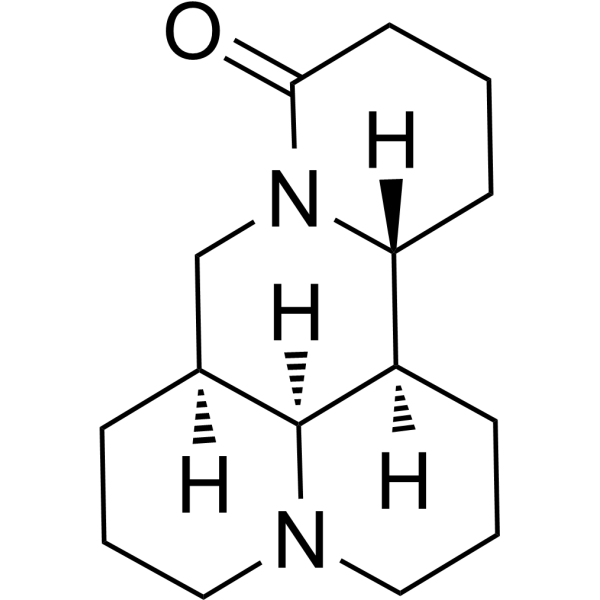
    Matrine
    Maximum Cited Publications
    18 Publications Verification

    Matridin-15-one; Vegard; α-Matrine

    PINK1/Parkin Opioid Receptor Autophagy Mitophagy Ferroptosis Apoptosis Inflammation/Immunology Cancer
    Matrine (Matridin-15-one) is an alkaloid found in plants from the Sophora genus that can act as a kappa opioid receptor and u-receptor agonist. Matrine has a variety of pharmacological effects, including anti-cancer, anti-oxidative stress, anti-inflammation and anti-apoptosis effects. Matrine is potential in the research of disease like human non-small cell lung cancer, hepatoma, papillary thyroid cancer and acute kidney injury (AKI) .
    Matrine
  • HY-113298
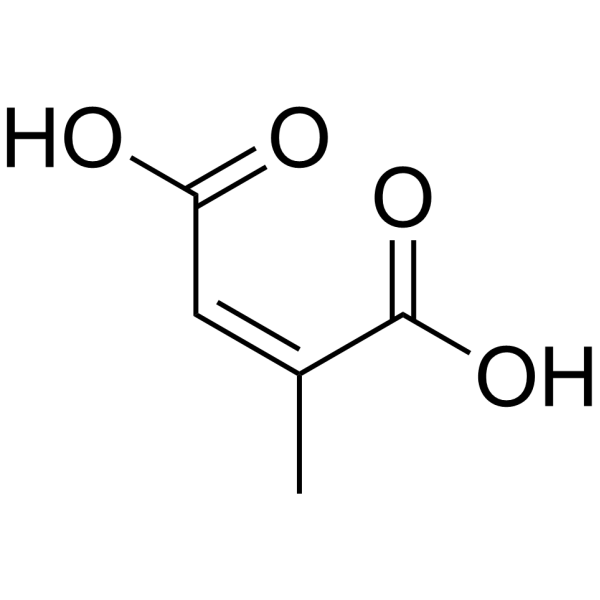
    Citraconic acid
    4 Publications Verification

    Methylmaleic acid

    NOD-like Receptor (NLR) Keap1-Nrf2 Reactive Oxygen Species (ROS) Cardiovascular Disease Inflammation/Immunology
    Citraconic acid (Methylmaleic acid) is an orally active inhibitor targeting the NLRP3 inflammasome and Keap1-Nrf2 pathway. Citraconic acid reduces reactive oxygen species (ROS) generation by inhibiting succinate dehydrogenase (SDH) activity. Citraconic acid also modifies the conformation of Keap1 protein, relieves its inhibition of Nrf2, promotes antioxidant gene expression, and inhibits NLRP3 activation and the release of pro-inflammatory factors such as IL-1β and IL-18. Citraconic acid has anti-inflammatory and antioxidant activities, can reduce oxidative stress and cell pyroptosis, improve tissue damage, and can be used for the research of inflammation-related diseases such as acute renal ischemia-reperfusion injury. Citraconic acid is an isomer of Itaconic acid (HY-Y052) .
    Citraconic acid
  • HY-108831A
    Natalizumab (Anti-CD49d)
    3 Publications Verification

    AN100226; BG00002

    Integrin Inflammation/Immunology Cancer
    Natalizumab (Anti-CD49d) (AN100226; BG00002) Solution is a humanized monoclonal IgG4 antibody inhibitor that selectively targets α4 integrin (CD49d), blocking the interaction of integrins such as α4β1 (VLA-4) with vascular cell adhesion molecule VCAM-1, intercellular adhesion molecule ICAM-1, and fibronectin by competitively binding to the α4 subunit. Natalizumab solution inhibits the adhesion, retention, and transendothelial migration of immune cells (such as CD4 + T cells), reducing the infiltration of inflammatory cells into the central nervous system or lesion sites, thereby exerting anti-inflammatory and immunomodulatory activity. Natalizumab (Anti-CD49d) solution is used in the study of relapsing-remitting multiple sclerosis (RRMS) and is also applied in the research of autoimmune or inflammation-related diseases such as Crohn's disease, B-cell lymphoma, and non-infectious uveitis. Natalizumab (Anti-CD49d) can also prevent lymphocytes from entering the central nervous system, thus preventing acute demyelinating relapses .
    Natalizumab (Anti-CD49d)
  • HY-P991049

    ATM-001

    TNF Receptor Metabolic Disease Inflammation/Immunology
    Atrosimab is an Fv-Fc1K fusion protein with an EC50 value of 0.37 nM against humans. Atrosimab inhibits TNF-induced TNFR1 activation, release of IL-6 and IL-8, and cell death, and alleviates neuroinflammation. Atrosimab is applicable to research related to inflammatory diseases, neurodegenerative diseases, acute and chronic inflammation, experimental arthritis, non-alcoholic steatohepatitis, and experimental autoimmune encephalomyelitis .
    Atrosimab
  • HY-118590
    ICRF-193
    2 Publications Verification

    Topoisomerase DNA/RNA Synthesis Apoptosis Fungal Infection Cardiovascular Disease Inflammation/Immunology Cancer
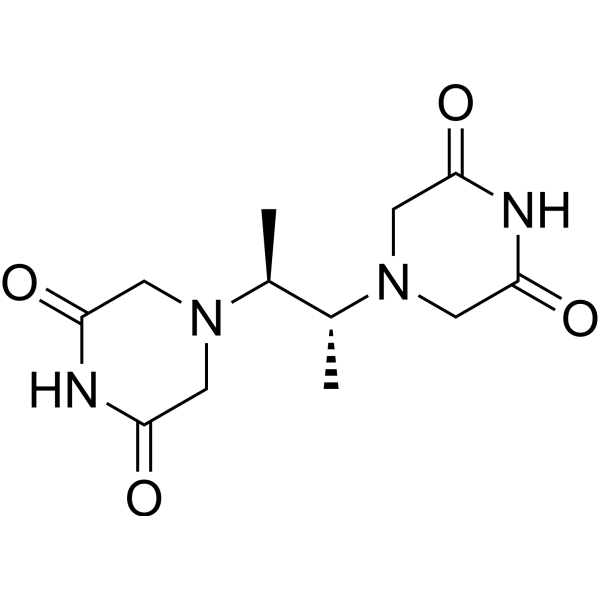
    ICRF-193 is a DNA Topoisomerase II inhibitor. (S,S)- and (R,R)-isomers ICRF-193 make up an racemic mixture, ICRF-196 (HY-118590A). ICRF-193 can inhibit DNA syntheses and induces apoptosis. ICRF-193 exhibits anti-cancer and anti-inflammation effects. ICRF-193 shows cardioprotective effect against anthracycline toxicity to cardiomyocytes. ICRF-193 can be used for the researches of cancer, infection, inflammation and cardiovascular disease, such as acute promyelocytic leukemia .
    ICRF-193
  • HY-N1990
    Gypenoside XLIX
    2 Publications Verification

    PPAR Sirtuin Keap1-Nrf2 Toll-like Receptor (TLR) NF-κB Reactive Oxygen Species (ROS) NOD-like Receptor (NLR) Apoptosis Pyroptosis Autophagy Cardiovascular Disease Neurological Disease Metabolic Disease Inflammation/Immunology
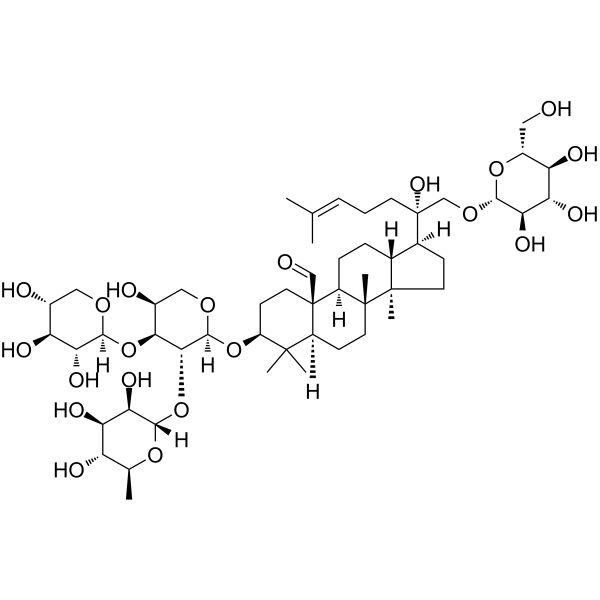
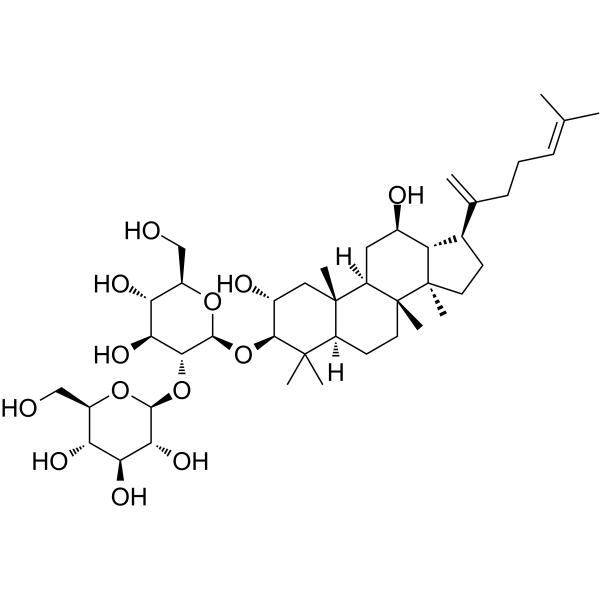
    Gypenoside XLIX is a multifunctional bioactive compound that can be isolated from Gynostemma pentaphyllum, with a Ka value of 1.58 μM for its binding to SIRT1. Gypenoside XLIX acts as a PPAR-α agonist. It inhibits the activation of TLR4-mediated NF-κB signaling pathway by activating the Sirt1/Nrf2 signaling pathway, reduces ROS accumulation, and alleviates hepatic inflammatory injury in mice with sepsis-induced liver disease. Gypenoside XLIX targets SIRT1 to block YAP-NLRP3 activation and improve sepsis-induced cardiomyopathy. Gypenoside XLIX inhibits apoptosis (Apoptosis), pyroptosis (Pyroptosis), autophagy (Autophagy), lipid peroxidation, pro-inflammatory cytokines and anti-inflammatory cytokines. Gypenoside XLIX alleviates sepsis-induced splenic injury by inhibiting inflammation and oxidative stress, and mitigates sepsis-associated encephalopathy by targeting PPAR-α. Gypenoside XLIX prevents acute kidney injury by inhibiting IGFBP7/IGF1R-mediated programmed cell death and inflammation. Gypenoside XLIX inhibits the expression and activity of vascular cell adhesion molecule-1 in cytokine-induced human endothelial cells. Gypenoside XLIX is applicable to research related to acute liver injury, lung injury, cardiomyopathy, acute splenic injury, sepsis-associated encephalopathy, acute kidney injury, atherosclerosis and chronic inflammation .
    Gypenoside XLIX
  • HY-103363
    SB-328437
    3 Publications Verification

    CCR Thymidylate Synthase Inflammation/Immunology Cancer
    SB-328437 is a potent, selective non-peptide CCR3 antagonist with an IC50 of 4.5 nM. SB-328437 can inhibit eosinophil migration induced by eotaxin, eotaxin-2, and monocyte chemotactic protein-4. In addition, SB-328437 can sensitize 5-FU (HY-90006)-resistant gastric cancer cells. SB-328437 can also reduce the recruitment of neutrophils to the lungs and pulmonary inflammation during acute inflammation. SB-328437 can be used in the research of inflammation-related diseases .
    SB-328437
  • HY-12119
    GW274150
    2 Publications Verification

    NO Synthase Neurological Disease Inflammation/Immunology
    GW274150 is a potent, selective, orally active and NADPH-dependent inhibitor of human inducible nitric oxide synthase (iNOS) (IC50=2.19 μM; Kd=40 nM) and rat iNOS (ED50=1.15 μM). GW274150 also displays less potency for both humans or rats endothelial NOS (eNOS) and neuronal NOS (nNOS). GW274150 exerts a protective role in an acute model of lung injury inflammation .
    GW274150
  • HY-106373
    Adrenocorticotropic hormone
    1 Publications Verification

    ACTH; Adrenocorticotrophic hormone

    Androgen Receptor Reactive Oxygen Species (ROS) Mitochondrial Metabolism Interleukin Related TNF Receptor Metabolic Disease Inflammation/Immunology
    Adrenocorticotropic hormone (ACTH; Adrenocorticotrophic hormone) is a polypeptide tropic hormone produced by the anterior pituitary gland. Adrenocorticotropic hormone stimulates cortisol secretion from the adrenal cortex via the hypothalamic-pituitary-adrenal (HPA) axis. Adrenocorticotropic hormone regulates cortisol and androgen production. Adrenocorticotropic hormone can promote the development of spermatogenesis. Adrenocorticotropic hormone can relieve acute inflammation in gout models by inhibiting the polarization of macrophages to M1 type, inhibiting ROS and proinflammatory factor production and protecting mitochondrial function. Adrenocorticotropic hormone can be used for the researches of inflammation, endocrinology, metabolic disease, such as gout and nephrotic syndrome .
    Adrenocorticotropic hormone
  • HY-108775A

    Sodium hyposulfite (99%, water≤1.0%)

    Environmental Pollutants Biochemical Assay Reagents COX Interleukin Related NF-κB β-catenin GSK-3 Cardiovascular Disease Neurological Disease Inflammation/Immunology Endocrinology Cancer
    Sodium thiosulfate is an antioxidant. Sodium thiosulfate inhibits the expression of p-GSK-3β and β-catenin proteins, reduces IL-1β, COX-2, and Iba-1, and inhibits NFκB activation. Sodium thiosulfate promotes angiogenesis, inhibits inflammation, and improves acute lung injury. Sodium thiosulfate also exhibits anti-cancer activity against melanoma. Sodium thiosulfate also exerts renal protective effects. Sodium thiosulfate can be used in the research of osteoarthritis, brain inflammation, cancer (such as breast cancer, melanoma), and kidney disease .
    Sodium thiosulfate (99%, water≤1.0%)
  • HY-N0444

    Reactive Oxygen Species (ROS) NF-κB HBV Apoptosis Bacterial Fungal Parasite Infection Neurological Disease Metabolic Disease Inflammation/Immunology Cancer
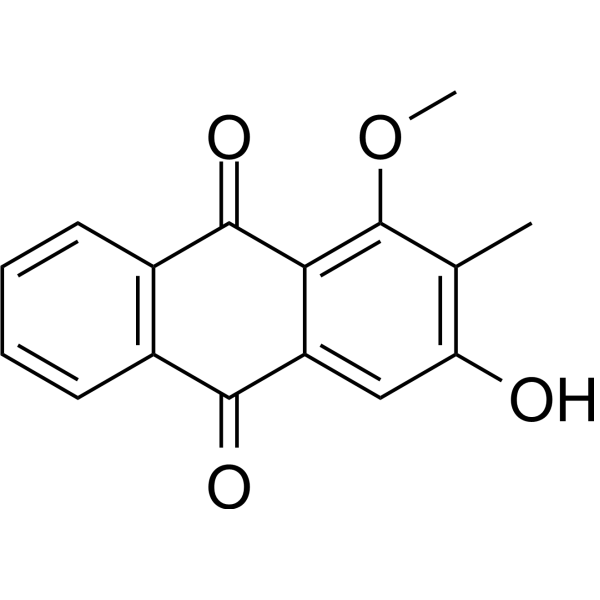
    Rubiadin is an orally active free radical scavenger that inhibits the activation of the NF-κB pathway. Rubiadin inhibits osteoclast formation, bone resorption, lipid peroxidation, HBV DNA replication and cancer cell proliferation; reduces pro-inflammatory cytokine levels; induces cancer cell apoptosis; and possesses antifungal, antimalarial, antibacterial and anticonvulsant activities. Rubiadin can be used in the research of osteoporosis, acute inflammation, chronic inflammation, carbon tetrachloride-induced liver injury, Alzheimer's disease, breast cancer, iron overload disorders, hepatitis B virus infection, colon cancer, liver cancer, T-lymphocytic leukemia, cervical cancer, diabetic nephropathy, epileptic seizures, fungal infections, malaria and bacterial infections .
    Rubiadin
  • HY-N4093

    trans-Astringin

    Apoptosis Ferroptosis Reactive Oxygen Species (ROS) Interleukin Related PI3K NF-κB Akt Toll-like Receptor (TLR) MyD88 Neurological Disease Metabolic Disease Inflammation/Immunology Cancer
    Astringin (trans-Astringin) is an orally active natural phenolic stilbene glucoside. Astringin can inhibit the production of oxidative stress, inflammatory factors, etc. Astringin has multiple activities such as anti-oxidation, anti-inflammation, and anti-apoptosis. Astringin is also an inhibitor of ferroptosis. Astringin can be used in the research of diseases such as acute lung injury .
    Astringin
  • HY-163763

    G2A (GPR132) Neurological Disease Inflammation/Immunology Cancer
    T-10418 is a potent and highly selective G2A/GPR132 agonist. T-10418 has an EC50 of 0.82 μM for human G2A activation. T-10418 has good water solubility, metabolic stability, and pharmacokinetic properties. T-10418 can be used for the research of various diseases such as neuropathic pain, acute myeloid leukemia, and inflammation .
    T-10418
  • HY-114869
    DPQ
    3 Publications Verification

    PARP Neurological Disease Cancer
    DPQ is a selective PARP-1 inhibitor that blocks PARP-1-mediated DNA damage repair and NAD +/ATP consumption, thereby inhibiting excessive inflammatory responses. DPQ inhibits NF-κB pathway activation, reduces the expression of pro-inflammatory factors (such as TNF-α, IL-6) and oxidative stress. DPQ can be used in inflammation-related studies of acute lung injury, myocardial infarction, and neurodegenerative diseases .
    DPQ
  • HY-123936

    NF-κB IKK COX Interleukin Related Neurological Disease Inflammation/Immunology
    SR12343 is a IKK/NF-κB inhibitor and a mimetic of the NF-κB essential modulator (NEMO)-binding domain (NBD). SR12343 inhibits TNF-α- and LPS-induced NF-κB activation by blocking the interaction between IKKβ and NEMO. SR12343 suppresses LPS-induced acute pulmonary inflammation in mice. SR12343 extends the healthspan of naturally aged and accelerated aging mice. SR12343 can be used for research on inflammatory and degenerative diseases .
    SR12343
  • HY-119171

    KMO Neurological Disease Inflammation/Immunology
    GSK 366 is a type II kynurenine-3-monooxygenase (KMO) inhibitor with IC50 values of 2.3 nM and 0.7 nM for human KMO and P. fluorescens-KMO (Pf-KMO). GSK 366 binds to KMO’s substrate site, prevents productive NADPH association, substrate binding, and FAD hydroperoxy species formation. GSK 366 does not stimulate hydrogen peroxide (H2O2) production and reduces H2O2 levels. GSK 366 can be used for the researches of inflammation and neurological disease, such as acute pancreatitis multiple organ dysfunction syndrome and Alzheimer’s disease .
    GSK 366
  • HY-P990094

    CSL311

    c-Fms Inflammation/Immunology
    Trabikibart (CSL311) is a specific inhibitor targeting the βc receptor (CSF2RB) that inhibits signal transduction mediated by GM-CSF, IL-5, and IL-3. Trabikibart exhibits significant anti-inflammatory and anti-edema effects, reduces myeloid cell infiltration, and inhibits inflammatory cell survival. Trabikibart also possesses antiviral immune functions, which alleviate pulmonary inflammation, reverse airway dysfunction and fibrosis, and thereby restore impaired pulmonary function. Trabikibart can be used in research on related diseases such as acute respiratory distress syndrome, viral pneumonia, asthma, and chronic rhinosinusitis with nasal polyps .
    Trabikibart
  • HY-108831
    Natalizumab
    3 Publications Verification

    Integrin Inflammation/Immunology Cancer
    Natalizumab (AN100226; BG00002) is a humanized monoclonal IgG4 antibody inhibitor that selectively targets α4 integrin (CD49d). It blocks the interaction of integrins such as α4β1 (VLA-4) with vascular cell adhesion molecule VCAM-1, intercellular adhesion molecule ICAM-1, and fibronectin by competitively binding to the α4 subunit. Natalizumab inhibits the adhesion, retention, and transendothelial migration of immune cells (such as CD4 + T cells), reducing the infiltration of inflammatory cells into the central nervous system or lesion sites, thus exerting anti-inflammatory and immunomodulatory activity. Natalizumab is used in the study of relapsing-remitting multiple sclerosis (RRMS) and also has applications in the study of autoimmune or inflammation-related diseases such as Crohn's disease, B-cell lymphoma, and non-infectious uveitis. Natalizumab can also prevent lymphocytes from entering the central nervous system, thereby preventing acute demyelinating relapses .
    Natalizumab
  • HY-12119A
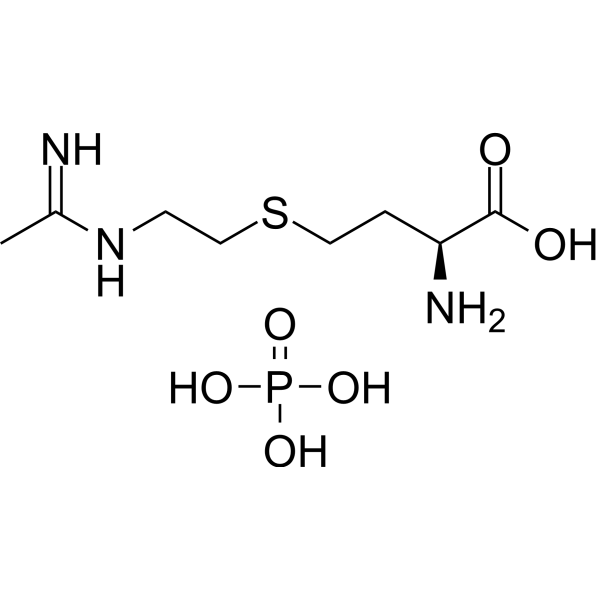
    GW274150 phosphate
    2 Publications Verification

    NO Synthase Neurological Disease Inflammation/Immunology
    GW274150 phosphate is a potent, selective, orally active and NADPH-dependent inhibitor of human inducible nitric oxide synthase (iNOS) (IC50=2.19 μM; Kd=40 nM) and rat iNOS (ED50=1.15 μM). GW274150 phosphate displays less potency for both humans or rats endothelial NOS (eNOS) and neuronal NOS (nNOS). GW274150 phosphate exerts a protective role in an acute model of lung injury inflammation .
    GW274150 phosphate
  • HY-173425

    STING IFNAR TNF Receptor Interleukin Related Inflammation/Immunology
    STING-IN-15 is an orally active STING inhibitor, with an IC50 of 116 nM against h-STING and an IC50 of 96.3 nM against m-STING. STING-IN-15 inhibits the STING signaling pathway in cells, reduces the secretion of IFN-β and IP-10, downregulates the expression of ISG15, ISG56 and TNF-α, and suppresses the phosphorylation of TBK1/IRF3. STING-IN-15 alleviates systemic and renal inflammation induced by STING agonists in mice, reduces tissue damage and the expression of interferon pathway genes, and inhibits spontaneous tissue inflammation in mice. STING-IN-15 can be used for the research of acute kidney injury and autoimmune/inflammatory diseases .
    STING-IN-15
  • HY-N1956
    Rubiadin-1-methyl ether
    1 Publications Verification

    NF-κB RANKL/RANK Autophagy TGF-β Receptor Metabolic Disease Inflammation/Immunology
    Rubiadin-1-methyl ether is an orally potent NF-κB p65 inhibitor and autophagy inhibitor. Rubiadin-1-methyl ether inhibits RANKL-induced phosphorylation and nuclear translocation of p65, suppresses BECN1 transcription, blocks LC3 conversion and autophagosome formation, thereby reducing the levels of BECN1 mRNA and Beclin1 protein. Rubiadin-1-methyl ether inhibits osteoclastogenesis, cell proliferation, macrophage M2 polarization and the TGF-β1 signaling pathway, and effectively alleviates pulmonary inflammation. Rubiadin-1-methyl ether is widely used in research on osteoporosis, pulmonary fibrosis, idiopathic pulmonary fibrosis, acute lung injury and other related diseases .
    Rubiadin-1-methyl ether
  • HY-16942
    Damulin B
    1 Publications Verification

    Apoptosis Reactive Oxygen Species (ROS) Bcl-2 Family CDK MMP Interleukin Related MDM-2/p53 Metabolic Disease Inflammation/Immunology Cancer
    Damulin B is a dammarane-type saponin found in Gynostemma pentaphyllum. Damulin B can inhibit cancer cell apoptosis, decrease mitochondrial membrane potential, inhibit ROS production and cause G0/G1 phase arrest. Damulin B can prevent Cisplatin (HY-17394)-induced acute kidney injury and induce hair growth. Damulin B shows anti-inflammation anti-diabetic and anti-obesity effect. Damulin B can be used for the researches of cancer, inflammation, metabolic disease, such as lung cancer, osteoarthritis and diabetes .
    Damulin B
  • HY-N5073

    4''-O-Glucosylvitexin

    JNK p38 MAPK Interleukin Related TNF Receptor Caspase Lactate Dehydrogenase Apoptosis Cardiovascular Disease Metabolic Disease
    Vitexin-4''-O-glucoside (4''-O-Glucosylvitexin) is an orally active natural flavonoid component with multiple pharmacological effects including antioxidation, anti-inflammation, cytoprotection and anti-apoptosis. Vitexin-4''-O-glucoside regulates the MAPK signaling pathway by downregulating the phosphorylation levels of JNK and p38, thereby blocking endoplasmic reticulum stress responses. Vitexin-4''-O-glucoside alleviates oxidative stress by reducing MDA content and upregulating the activities of SOD and CAT, attenuates inflammation by downregulating the expressions of inflammatory factors TNF-α, IL-1β and IL-6, and also reduces LDH release and inhibits caspase-3 activation. Vitexin-4''-O-glucoside effectively improves drug-induced acute liver injury and exerts significant protective effects against myocardial hypoxia/reoxygenation injury. Vitexin-4''-O-glucoside can be used in studies on acute liver injury, cardiovascular diseases and myocardial hypoxia-reoxygenation injury .
    Vitexin-4''-O-glucoside
  • HY-N0469R

    Reference Standards Endogenous Metabolite Virus Protease HSV Infection Metabolic Disease Inflammation/Immunology
    L-Lysine (Standard) is the analytical standard of L-Lysine. This product is intended for research and analytical applications. L-lysine is an essential amino acid for humans with orally activity. L-lysine can inhibit the occurrence of HSV infections and is used in herpes research. L-lysine increases calcium absorption, reduces diabetes-related diseases, improves gut health, and alleviates pancreatic inflammation. L-lysine can be used in research on metabolism, infection, and inflammation . IC50 & Target:L-lysine (150 mg/kg) promotes, but not initiates, bladder cancer. The administration of L-lysine to rats submitted to colovesical cystoplasty accelerates the development of transitional metaplasia of the intestinal epithelium .
    L-lysine (10 mg/kg) treatment attenuates pancreatic tissue injury induced by L-arginine by inhibiting the release of the inflammatory cytokine IL-6 and enhance antioxidant activity . In Vivo:L-lysine (10?mg/kg, p.o., pre-treated or post-treated, administration duration 15 days) treatment attenuates pancreatic tissue injury induced by L-arginine by inhibiting the release of the inflammatory cytokine IL-6 and enhance antioxidant activity in acute pancreatitis mice model . L-lysine (5 or 10?mg/kg, p.o., 45 days) ameliorates sepsis-induced acute lung injury in a lipopolysaccharide (HY-D1056)-induced mouse model .
    L-Lysine (Standard)
  • HY-106373A
    Adrenocorticotropic hormone TFA
    1 Publications Verification

    ACTH TFA; Adrenocorticotrophic hormone TFA

    Androgen Receptor Reactive Oxygen Species (ROS) Mitochondrial Metabolism Interleukin Related TNF Receptor Metabolic Disease Inflammation/Immunology
    Adrenocorticotropic hormone (ACTH; Adrenocorticotrophic hormone) TFA is a polypeptide tropic hormone produced by the anterior pituitary gland. Adrenocorticotropic hormone TFA stimulates cortisol secretion from the adrenal cortex via the hypothalamic-pituitary-adrenal (HPA) axis. Adrenocorticotropic hormone TFA regulates cortisol and androgen production. Adrenocorticotropic hormone TFA can promote the development of spermatogenesis. Adrenocorticotropic hormone TFA can relieve acute inflammation in gout models by inhibiting the polarization of macrophages to M1 type, inhibiting ROS and proinflammatory factor production and protecting mitochondrial function. Adrenocorticotropic hormone TFA can be used for the researches of inflammation, endocrinology, metabolic disease, such as gout and nephrotic syndrome .
    Adrenocorticotropic hormone TFA
  • HY-17484
    Ampiroxicam
    2 Publications Verification

    CP 65703

    Drug Derivative Inflammation/Immunology
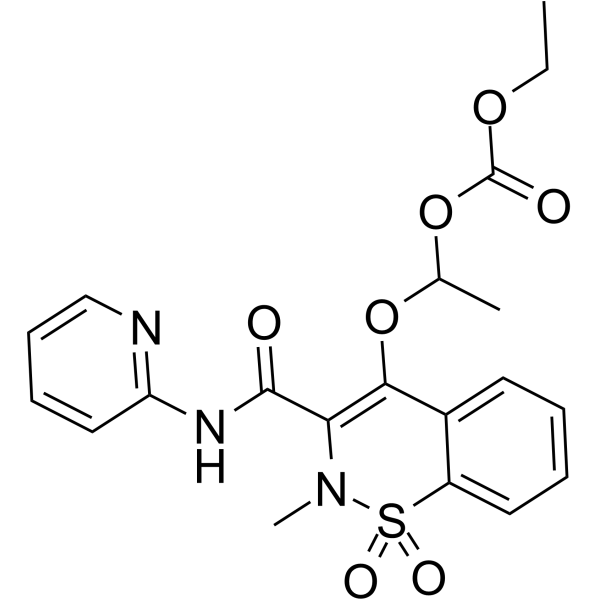
    Ampiroxicam is an orally active prodrug of non-steroidal anti-inflammatory drug (NSAID). Ampiroxicam inhibits paw swelling in adjuvant-induced arthritis and acute inflammation models, and suppresses phenylbenzoquinone-induced stretching responses in mice. Ampiroxicam is rapidly and completely converted to Piroxicam (HY-B0253) via non-specific esterases and first-pass metabolism. Ampiroxicam induces contact hypersensitivity and photosensitivity reactions through photoproducts generated by UVA. Ampiroxicam can be used in research related to photosensitivity, adjuvant-induced arthritis, rheumatism, osteoarthritis and other inflammatory diseases .
    Ampiroxicam
  • HY-W072025

    Cytochrome P450 Keap1-Nrf2 Heme Oxygenase (HO) Reactive Oxygen Species (ROS) Inflammation/Immunology
    CYP2E1-IN-1 (Compound 10) is an orally active cytochrome P450 2E1 (CYP2E1) inhibitor with a Kd of 7.02 μM, an IC50 of 1.64 μM, and a Ki of 0.897 μM. CYP2E1-IN-1 activates the Nrf2/HO-1 signaling pathway and inhibits ROS production, thereby alleviating pancreatic injury. CYP2E1-IN-1 has significant anti-inflammatory and antioxidant activities and can effectively reduce inflammation and oxidative stress in severe acute pancreatitis (SAP). CYP2E1-IN-1 can be used in the study of SAP and other inflammatory-related diseases .
    CYP2E1-IN-1
  • HY-N0278

    Pulsatilla camphor; Anemonine; trans-Anemonin

    PKC NO Synthase Inflammation/Immunology
    Anemonin (Pulsatilla camphor), a selective iNOS inhibitor, is also a PKC-θ inhibitor. Anemonin can significantly inhibit the translation or protein stability of PKC-θ protein. Anemonin also ameliorates dextran sodium sulfate-induced acute ulcerative colitis (UC) in mice. Anemonin can be used in the research of inflammation-related diseases .
    Anemonin
  • HY-N0278A

    (Rac)-Pulsatilla camphor; (Rac)-Anemonine

    PKC NO Synthase Inflammation/Immunology
    (Rac)-Anemonin ((Rac)-Pulsatilla camphor) is the diastereoisomer of Anemonin (HY-N0278). Anemonin (Pulsatilla camphor), a selective iNOS inhibitor, is also a PKC-θ inhibitor. Anemonin can significantly inhibit the translation or protein stability of PKC-θ protein. Anemonin also ameliorates dextran sodium sulfate-induced acute ulcerative colitis (UC) in mice. Anemonin can be used in the research of inflammation-related diseases .
    (Rac)-Anemonin
  • HY-N7372

    Apoptosis Infection Inflammation/Immunology
    Licoisoflavanone is an orally active isoflavane-based immunomodulator with multiple activities including antiviral, anti-inflammatory, cytoprotective and cancer cell apoptosis-inducing effects. Licoisoflavanone can be isolated from the roots and rhizomes of Glycyrrhiza uralensis Fisch. Licoisoflavanone not only enhances the body's immunity, but also effectively prevents acute respiratory distress syndrome and multiple organ damage by alleviating cytokine storm, thereby reducing the degree of inflammation. In rats, Licoisoflavanone undergoes multiple metabolic transformation processes such as glucuronidation, hydroxylation, sulfation, methylation and dehydrogenation. Licoisoflavanone has become an important candidate molecule for research on COVID-19 and related inflammatory diseases .
    Licoisoflavanone
  • HY-P10966A

    IKK NF-κB Inflammation/Immunology
    Tat-IKIP (46-60) TFA is the trifluoroacetic acid of Tat-IKIP (46-60) (HY-P10966). Tat-IKIP (46-60) is a IκB kinase (IKK)-targeting membrane-penetrating peptide. Tat-IKIP (46-60) inhibits IKK activation and NF-κB targeted gene expression by disrupting the IKKβ/NEMO complex. Tat-IKIP (46-60) significantly reduces DSS (HY-116282)-induced acute inflammation in inflammatory bowel disease (IBD) mice model and attenuates Zymosan-induced acute arthritis in acute arthritis model (AAM). Tat-IKIP (46-60) can be used for inflammatory diseases research, such as IBD, pancreatitis and rheumatoid arthritis .
    Tat-IKIP (46-60) TFA
  • HY-178776

    Ser/Thr Protease IKK NF-κB TNF Receptor Interleukin Related Inflammation/Immunology
    DCLK1-IN-6 (Compound 12n) is a Doublecortin-like kinase 1 (DCLK1) inhibitor with an IC50 of 58 nM. DCLK1-IN-6 significantly inhibits DCLK1 enzyme activity and its mediated inflammatory pathway. DCLK1-IN-6 has remarkable anti-inflammatory activity and significantly alleviates symptoms in acute lung injury (ALI) and sepsis mouse models. DCLK1-IN-6 can be used for acute inflammation diseases research .
    DCLK1-IN-6
  • HY-107355

    Reactive Oxygen Species (ROS) Inflammation/Immunology
    Letosteine is an orally active, potent and safe expectorant. Letosteine has the effect of scavenging reactive oxygen species (ROS). Letosteine dissolves bronchial mucus and reduces respiratory inflammation symptoms, and restores gas exchanges and natural defense mechanisms in the lung. Letosteine can be used for acute or chronic respiratory diseases (such as bronchopneumopathies) research .
    Letosteine
  • HY-118590A

    Topoisomerase DNA/RNA Synthesis Apoptosis Fungal Infection Cardiovascular Disease Inflammation/Immunology Cancer
    ICRF-196 is an racemic mixture of the (S,S)- and (R,R)-isomers of ICRF-193 (HY-118590). ICRF-193 is a DNA Topoisomerase II inhibitor. ICRF-193 can inhibit DNA syntheses and induces apoptosis. ICRF-193 exhibits anti-cancer and anti-inflammation effects. ICRF-193 shows cardioprotective effect against anthracycline toxicity to cardiomyocytes. ICRF-193 can be used for the researches of cancer, infection, inflammation and cardiovascular disease, such as acute promyelocytic leukemia .
    ICRF-196
  • HY-P990164

    Transmembrane Glycoprotein Inflammation/Immunology Cancer
    Anti-Mouse RGMb Antibody (307.9D1) is a rat-derived IgG2a κ type antibody inhibitor, targeting to mouse RGMb. Anti-Mouse RGMb Antibody (307.9D1) blocks RGMb binding to PD-L2. Anti-Mouse RGMb Antibody (307.9D1) can be used for the researches of cancer inflammation and immunology, such as acute myeloid leukemia (AML) and graft versus-host disease (GVHD) .
    Anti-Mouse RGMb Antibody (307.9D1)
  • HY-N0444R

    Reference Standards Reactive Oxygen Species (ROS) Apoptosis Fungal Parasite NF-κB HBV Bacterial Infection Neurological Disease Metabolic Disease Inflammation/Immunology Cancer
    Rubiadin (Standard) is the analytical standard of Rubiadin (HY-N0444). This product is intended for research and analytical applications. Rubiadin is an orally active free radical scavenger that inhibits the activation of the NF-κB pathway. Rubiadin inhibits osteoclast formation, bone resorption, lipid peroxidation, HBV DNA replication and cancer cell proliferation; reduces pro-inflammatory cytokine levels; induces cancer cell apoptosis; and possesses antifungal, antimalarial, antibacterial and anticonvulsant activities. Rubiadin can be used in the research of osteoporosis, acute inflammation, chronic inflammation, carbon tetrachloride-induced liver injury, Alzheimer's disease, breast cancer, iron overload disorders, hepatitis B virus infection, colon cancer, liver cancer, T-lymphocytic leukemia, cervical cancer, diabetic nephropathy, epileptic seizures, fungal infections, malaria and bacterial infections.
    Rubiadin (Standard)
  • HY-W654256

    Matridin-15-one-d3; Vegard-d3; α-Matrine-d3

    Isotope-Labeled Compounds PINK1/Parkin Opioid Receptor Autophagy Mitophagy Ferroptosis Apoptosis Inflammation/Immunology Cancer
    Matrine-d3 (Matridin-d3) is a deuterium labeled Matrine (HY-N0164). Matrine (Matridin-15-one) is an alkaloid found in plants from the Sophora genus that can act as a kappa opioid receptor and u-receptor agonist. Matrine has a variety of pharmacological effects, including anti-cancer, anti-oxidative stress, anti-inflammation and anti-apoptosis effects. Matrine is potential in the research of disease like human non-small cell lung cancer, hepatoma, papillary thyroid cancer and acute kidney injury (AKI) .
    Matrine-d3
  • HY-125495

    NO Synthase Inflammation/Immunology
    Telmesteine is an amucolitic agent. Telmesteine has anti-protease activity. Telmesteine inhibits LPS-induced NO production in RAW264.7 cells. Telmesteine can be used for research of inflammation, such as acute and chronic bronchitis and obstructive airways disease .
    Telmesteine
  • HY-P10966

    IKK NF-κB Inflammation/Immunology
    Tat-IKIP (46-60) is a IκB kinase (IKK)-targeting membrane-penetrating peptide. Tat-IKIP (46-60) inhibits IKK activation and NF-κB targeted gene expression by disrupting the IKKβ/NEMO complex. Tat-IKIP (46-60) significantly reduces DSS (HY-116282)-induced acute inflammation in inflammatory bowel disease (IBD) mice model and attenuates Zymosan-induced acute arthritis in acute arthritis model (AAM). Tat-IKIP (46-60) can be used for inflammatory diseases research, such as IBD, pancreatitis and rheumatoid arthritis .
    Tat-IKIP (46-60)
  • HY-W590845

    AMPK Keap1-Nrf2 Neurological Disease Inflammation/Immunology
    Ethyl (E)-ferulate is an AMPK/Nrf2 signaling pathway activator that can reduce lipopolysaccharide (HY-D1056)-induced acute lung injury. Additionally, Ethyl (E)-ferulate exhibits free radical scavenging properties, providing anti-inflammatory, antioxidant, neuroprotective, and sunscreen effects. Ethyl (E)-ferulate holds promise for research in the fields of inflammation and neurodegenerative diseases .
    Ethyl (E)-ferulate
  • HY-172135

    p38 MAPK Phosphodiesterase (PDE) Inflammation/Immunology
    PDE4-IN-26 (Compound A5) is an orally active and highly selective PDE4 inhibitor. PDE4-IN-26 has anti-inflammatory activity and can inhibit the phosphorylation of p38 MAPK. In mouse models of acute lung injury and chronic obstructive pulmonary disease, PDE4-IN-26 can improve pulmonary inflammation, injury and fibrosis, promote sputum secretion and relieve cough in mice. PDE4-IN-26 can be used for the research of lung injury-related diseases .
    PDE4-IN-26
  • HY-N4093R

    trans-Astringin (Standard)

    Reference Standards Apoptosis Ferroptosis Reactive Oxygen Species (ROS) PI3K Interleukin Related NF-κB Akt Toll-like Receptor (TLR) MyD88 Inflammation/Immunology
    Astringin (trans-Astringin) (Standard) is the analytical standard of Astringin (HY-N4093). This product is intended for research and analytical applications. Astringin (trans-Astringin) is an orally active natural flavonoid compound. Astringin can inhibit the production of oxidative stress, inflammatory factors, etc. Astringin has multiple activities such as anti-oxidation, anti-inflammation, and anti-apoptosis. Astringin is also an inhibitor of ferroptosis. Astringin can be used in the research of diseases such as acute lung injury .
    Astringin (Standard)
  • HY-W424851

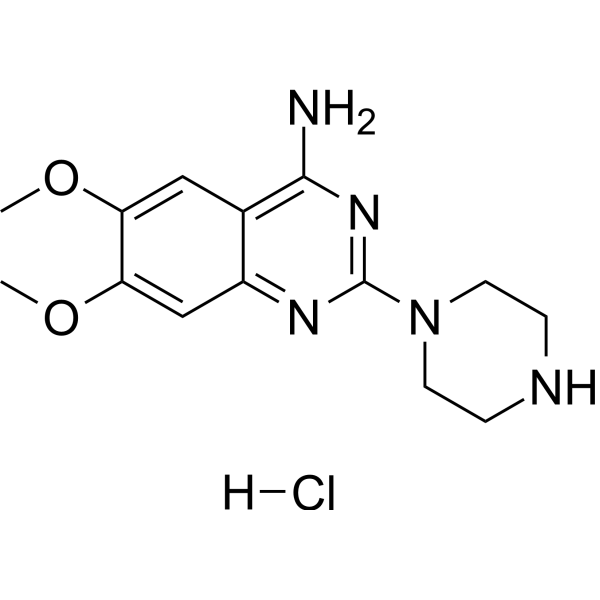
    6,7-Dimethoxy-2-(1-piperazinyl)-4-quinazolinamine hydrochloride

    PARP Infection Inflammation/Immunology
    DPQ hydrochloride is a blood-brain barrier permeable and selective PARP-1 inhibitor that blocks PARP-1-mediated DNA damage repair and NAD +/ATP consumption, thereby inhibiting excessive inflammatory responses. DPQ hydrochloride inhibits NF-κB pathway activation, reduces the expression of pro-inflammatory factors (such as TNF-α, IL-6) and oxidative stress. DPQ hydrochloride can be used in inflammation-related studies of acute lung injury, myocardial infarction, and neurodegenerative diseases .
    DPQ hydrochloride
  • HY-N0164R

    Matridin-15-one (Standard); Vegard (Standard); α-Matrine (Standard)

    PINK1/Parkin Reference Standards Opioid Receptor Autophagy Mitophagy Ferroptosis Apoptosis Inflammation/Immunology Cancer
    Matrine (Standard) is the analytical standard of Matrine. This product is intended for research and analytical applications. Matrine (Matridin-15-one) is an alkaloid found in plants from the Sophora genus that can act as a kappa opioid receptor and u-receptor agonist. Matrine has a variety of pharmacological effects, including anti-cancer, anti-oxidative stress, anti-inflammation and anti-apoptosis effects. Matrine is potential in the research of disease like human non-small cell lung cancer, hepatoma, papillary thyroid cancer and acute kidney injury (AKI) .
    Matrine (Standard)
  • HY-17484R

    CP 65703 (Standard)

    Reference Standards Inflammation/Immunology
    Ampiroxicam (Standard) is the analytical standard of Ampiroxicam. This product is intended for research and analytical applications. Ampiroxicam is an orally active prodrug of non-steroidal anti-inflammatory drug (NSAID). Ampiroxicam inhibits paw swelling in adjuvant-induced arthritis and acute inflammation models, and suppresses phenylbenzoquinone-induced stretching responses in mice. Ampiroxicam is rapidly and completely converted to Piroxicam (HY-B0253) via non-specific esterases and first-pass metabolism. Ampiroxicam induces contact hypersensitivity and photosensitivity reactions through photoproducts generated by UVA. Ampiroxicam can be used in research related to photosensitivity, adjuvant-induced arthritis, rheumatism, osteoarthritis and other inflammatory diseases.
    Ampiroxicam (Standard)
  • HY-113298R

    Methylmaleic acid (Standard)

    Reference Standards NOD-like Receptor (NLR) Keap1-Nrf2 Reactive Oxygen Species (ROS) Cardiovascular Disease Inflammation/Immunology
    Citraconic acid (Methylmaleic acid) (Standard) is the analytical standard of Citraconic acid (HY-113298). This product is intended for research and analytical applications. Citraconic acid is an orally active inhibitor targeting the NLRP3 inflammasome and Keap1-Nrf2 pathway. Citraconic acid reduces reactive oxygen species (ROS) generation by inhibiting succinate dehydrogenase (SDH) activity. Citraconic acid also modifies the conformation of Keap1 protein, relieves its inhibition of Nrf2, promotes antioxidant gene expression, and inhibits NLRP3 activation and the release of pro-inflammatory factors such as IL-1β and IL-18. Citraconic acid has anti-inflammatory and antioxidant activities, can reduce oxidative stress and cell pyroptosis, improve tissue damage, and can be used for the research of inflammation-related diseases such as acute renal ischemia-reperfusion injury. Citraconic acid is an isomer of Itaconic acid (HY-Y052) .
    Citraconic acid (Standard)
  • HY-P10854

    NF-κB Interleukin Related STAT Akt Neurological Disease Inflammation/Immunology
    TAT-N15 is a p55PIK inhibitor with remarkable anti-inflammatory activity and neuroprotective effects. TAT-N15 can significantly inhibit the activation of IL-6, IL-8, Akt, and NF-κB pathways, as well as suppress the protein expression of phosphorylated STAT3 and NF-κB. By inhibiting the activation of Akt, STAT3, and NF-κB pathways, TAT-N15 is used in research on acute conjunctivitis, allergic rhinitis, chronic obstructive pulmonary disease (COPD), and stroke .
    TAT-N15
  • HY-183337

    NOD-like Receptor (NLR) Interleukin Related Inflammation/Immunology
    ZM734 is an orally active and selective NLRP3 inflammasome inhibitor. ZM734 inhibits the secretion of IL-1β. ZM734 alleviates pulmonary inflammation in a mouse model of acute lung injury. ZM734 can be used for the research of inflammatory diseases such as acute lung injury .
    ZM734
  • HY-106797

    SOD Xanthine Oxidase Cardiovascular Disease Inflammation/Immunology Cancer
    CV 3611 is a potent and orally active free radical scavenger. CV 3611 shows anti-inflammatory, antiarrhythmic and anticancer effects. CV 3611 can be used for the researches of cancer, inflammation and cardiovascular disease, such as hepatocellular carcinoma and acute pancreatitis .
    CV 3611
  • HY-19090

    NO Synthase HSP Cardiovascular Disease Inflammation/Immunology
    FK 409 is a NO donor that can penetrate cell membranes. FK 409 has a vasodilatory effect on bovine retinal arteries. FK 409 alleviates acute-phase inflammation, induces HSP, and mitigates liver transplantation injury in a rat model of orthotopic liver transplantation. FK 409 can be used in research on cardiovascular diseases and liver transplant rejection and inflammatory immune system disorders .
    FK 409

Inquiry Online

Your information is safe with us. * Required Fields.

Salutation


Country or Region *

Applicant Name *


Organization Name *

Department *


Email Address *


Product Name *

Cat. No.


Requested quantity *

Phone Number *


Remarks

Inquiry Online

Inquiry Information

Product Name:
Cat. No.:
Quantity:
MCE Japan Authorized Agent:

