1. Search Result
Search Result
Results for "

Evenity

" in MedChemExpress (MCE) Product Catalog:

111

Inhibitors & Agonists

10

Screening Libraries

9

Fluorescent Dye

2

Biochemical Assay Reagents

4

Peptides

1

MCE Kits

1

Inhibitory Antibodies

20

Natural
Products

13

Isotope-Labeled Compounds

4

Click Chemistry

1

Oligonucleotides

Cat. No. Product Name Target Research Areas Chemical Structure
  • HY-10224
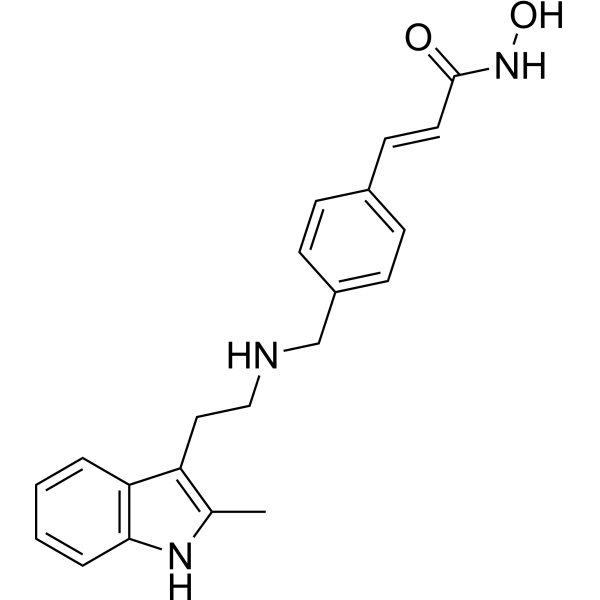
    Panobinostat
    Maximum Cited Publications
    83 Publications Verification

    LBH589; NVP-LBH589

    HDAC Autophagy HIV Apoptosis Cancer
    Panobinostat (LBH589; NVP-LBH589) is a potent and orally active non-selective HDAC inhibitor, and has antineoplastic activities . Panobinostat induces HIV-1 virus production even at low concentration range 8-31 nM, stimulates HIV-1 expression in latently infected cells . Panobinostat induces cell apoptosis and autophagy. Panobinostat can be used for the study of refractory or relapsed multiple myeloma .
    Panobinostat
  • HY-N0378
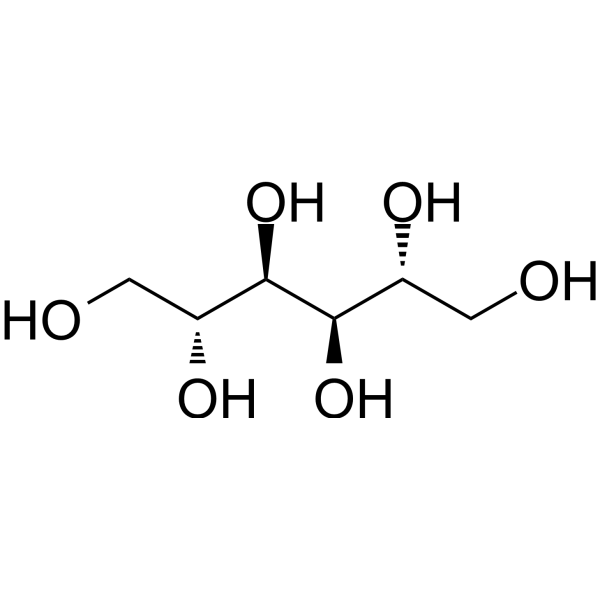
    D-Mannitol
    10+ Cited Publications

    Mannitol; Mannite

    Environmental Pollutants Endogenous Metabolite Apoptosis PGC-1α PKA Adrenergic Receptor Cardiovascular Disease Metabolic Disease Cancer
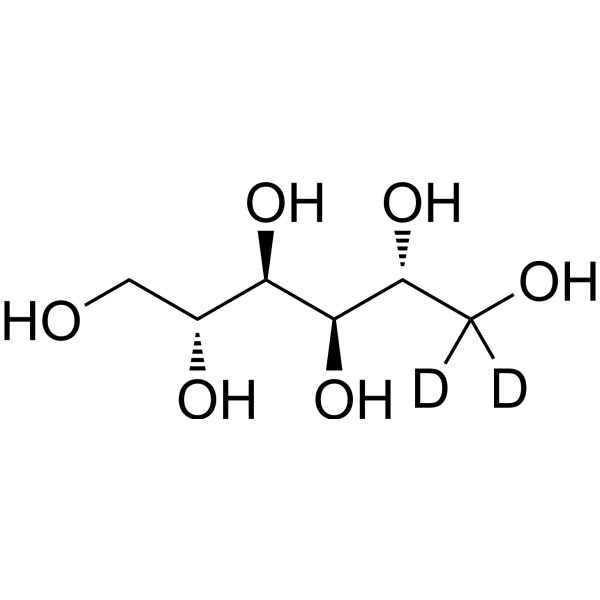
    D-Mannitol (Mannitol) is an oral, resistant sugar widely used in the food and pharmaceutical industries to promote the absorption and retention of calcium and magnesium through cecal fermentation, while acting as a osmotic diuretic to reduce tissue edema. D-Mannitol can enhance brown fat formation, improve insulin effect, reduce blood sugar levels, And through the start the β3-adrenergic receptor (β3-AR), PGC1α and PKA induced by means of white fat cells into brown fat cells . D-Mannitol is commonly used to maintain osmotic pressure between the plant cytoplasm and the culture medium and protect cells when the cell wall is weakened or even removed .
    D-Mannitol
  • HY-B1247
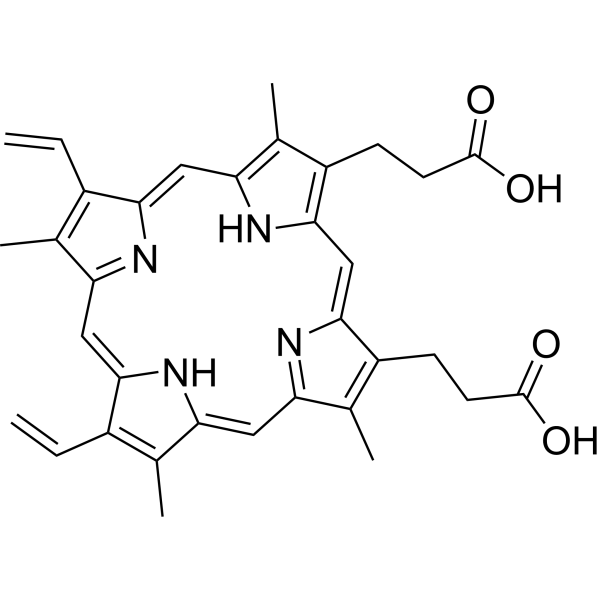
    Protoporphyrin IX
    Maximum Cited Publications
    22 Publications Verification

    PPIX

    Endogenous Metabolite Others
    Protoporphyrin IX is a final intermediate in the heme biosynthetic pathway, which acts as a radiation sensitizer enhancing ROS generation even in a hypoxic state and inducing DNA damage. Protoporphyrin IX also acts as a photo sensitizer undergoing photobleaching that occurs through direct degradation by light irradiation. Protoporphyrin IX is formed and accumulated following 5-aminolevulinic acid (5-ALA) (HY-W000450) administration in the tumor cells of rats. Protoporphyrin IX causes selective improvement of basal cell carcinoma when activated red fluorescence of a peak wavelength at 405 nm. Protoporphyrin IX is promising for research of sonodynamic and photodynamic agents for a wide range of cancers, such as bladder cancer and nodular basal cell carcinoma .
    Protoporphyrin IX
  • HY-W034953
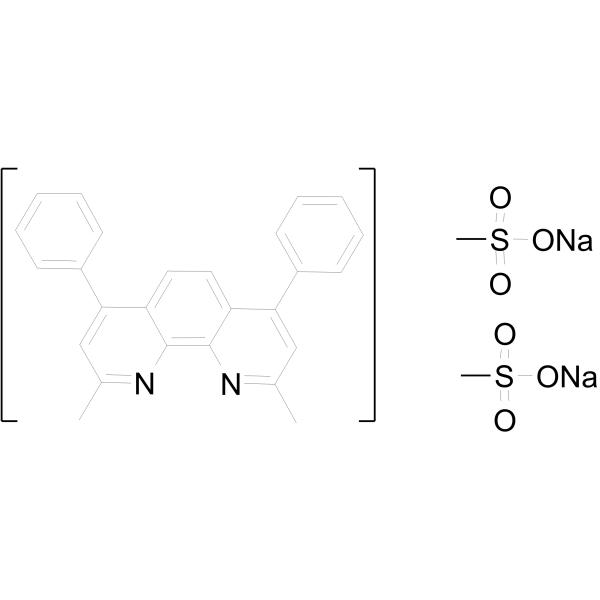
    Bathocuproine disulfonate disodium
    2 Publications Verification

    Biochemical Assay Reagents Others
    Bathocuproine disulfonate disodium (BCS) is an organic compound used as a highly sensitive colorimetric reagent for copper ions in biochemical and analytical applications. It has a bright yellow color and absorbs light at specific wavelengths, so it can be used to detect and quantify trace copper. In biochemical applications, BCS is commonly used to study the role of copper ions in various biological processes. Copper is an essential nutrient for many organisms, but it can also be toxic in high concentrations, so accurate measurement of copper levels is important to understand its impact on living systems. In terms of analysis, BCS is often used in environmental monitoring and water quality testing to detect copper pollution. It can detect copper even at very low concentrations, making it an invaluable tool for identifying potential sources of pollution and assessing the impact of industrial activities on aquatic ecosystems.
    Bathocuproine disulfonate disodium
  • HY-D2449
    DQ-BSA-RED
    2 Publications Verification

    Fluorescent Dye Others
    DQ-BSA-Red is a bovine serum albumin labeled with a red fluorescent dye that can be used to detect lysosomal activity. The excitation wavelength and emission wavelength of DQ-BSA-Red are 590 nm and 620 nm, respectively. The BSA molecule in DQ-BSA-Red is labeled with high concentration of red fluorescent dye in multiple sites, which shows high fluorescence self-inhibition. Once DQ-BSA-RED enters the lysosome, DQ-BSA is cleaved by lysosomal proteases, resulting in unquenched and released fluorescent fragments, emitting bright fluorescence. Inactivated lysosomes are unable to degrade the BSA protein and thus have a lower or even no fluorescent signal .
    DQ-BSA-RED
  • HY-14521
    Lometrexol
    3 Publications Verification

    DDATHF

    Antifolate Apoptosis Caspase Bcl-2 Family Cancer
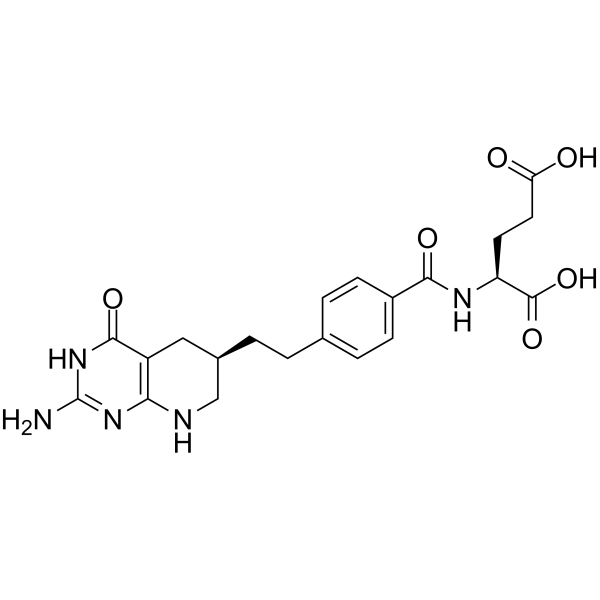
    Lometrexol (DDATHF), an antipurine antifolate, can inhibit the activity of glycinamide ribonucleotide formyltransferase (GARFT) but do not induce detectable levels of DNA strand breaks. Lometrexol can further inhibit de novo purine synthesis, causing abnormal cell proliferation and apoptosis, even cell cycle arrest. Lometrexol has anticancer activity. Lometrexol also is a potent human Serine hydroxymethyltransferase1/2 (hSHMT1/2) inhibitor .
    Lometrexol
  • HY-112780
    UC2288
    5+ Cited Publications

    MDM-2/p53 Apoptosis Cancer
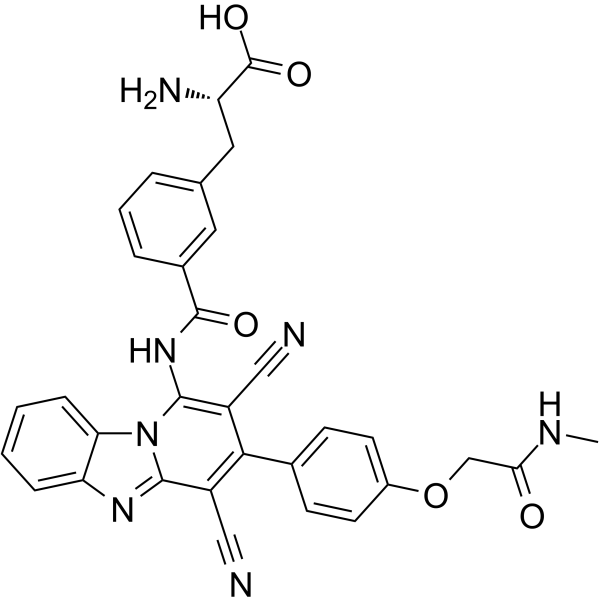
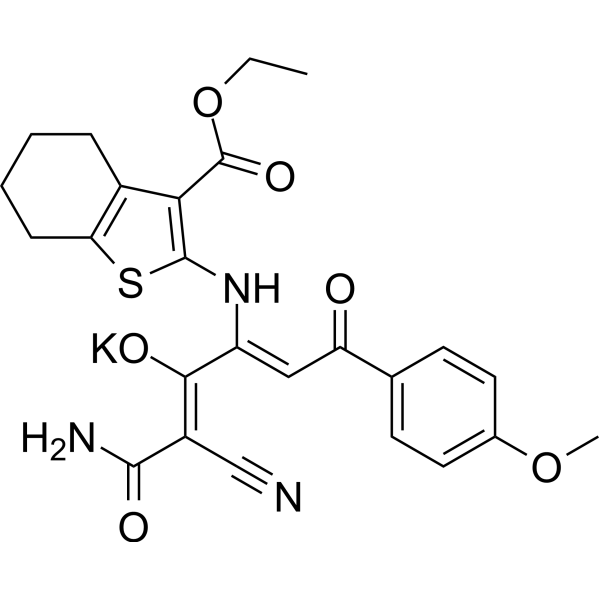
    UC2288 is a potent and orally active p21 attenuator (relatively selective activity for p21), which is synthesized based Sorafenib (HY-10201). UC2288 potently inhibits cancer cell growth by inducing apoptosis. UC2288 has no inhibition of VEGFR2 and Raf kinases even at 10 μM .
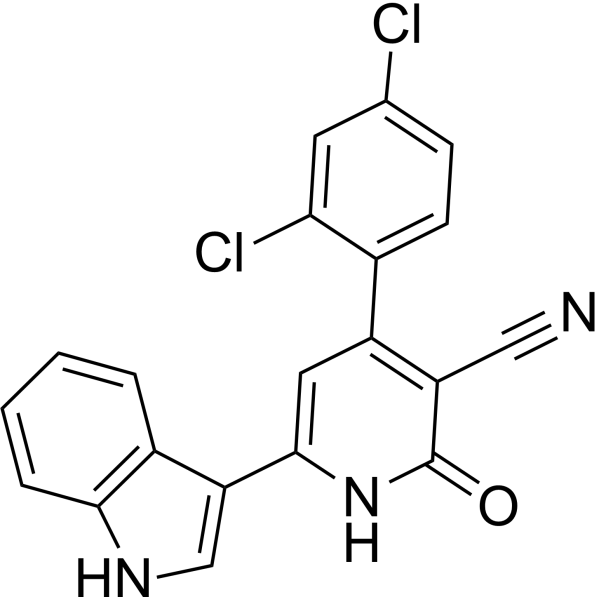
    UC2288
  • HY-120139
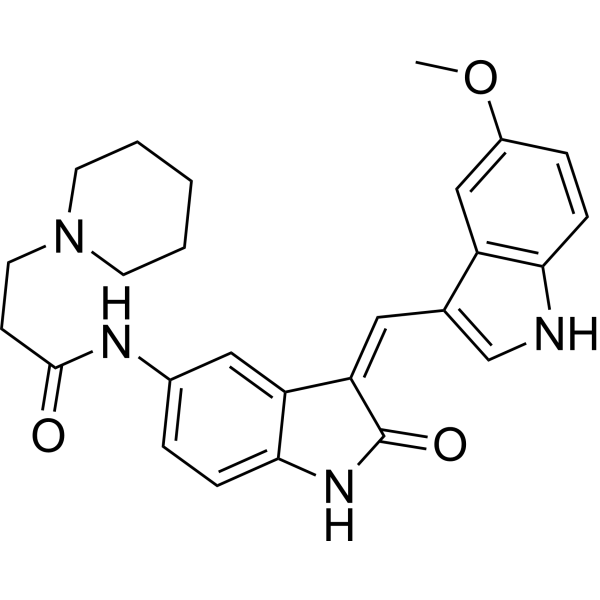
    KMH-233
    1 Publications Verification

    Amino acid Transporter Cancer
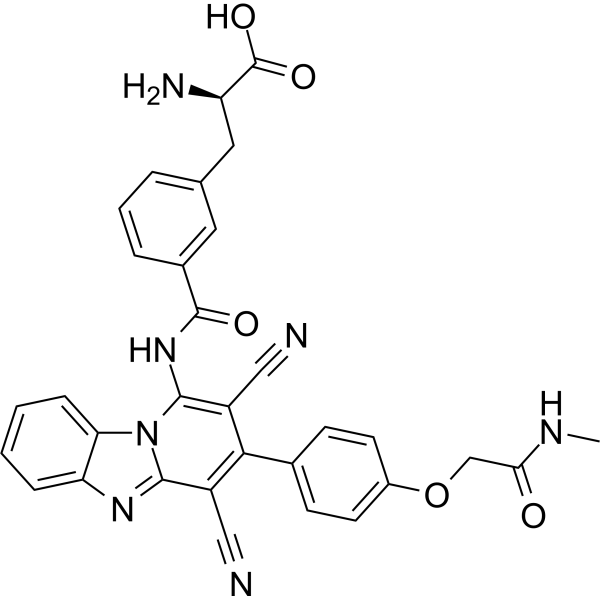
    KMH-233, a potent, reversible and selective inhibitor of l-type amino acid transporter LAT1/SLC7A5, inhibits the uptake of LAT1 substrate, l-leucin (IC50=18 μM) as well as cell growth. KMH-233 significantly potentiates the efficacy of Bestatin and Cisplatin even at low concentrations (25 μM) .
    KMH-233
  • HY-128676

    H-​L-​Lys(Poc)​-​OH hydrochloride

    Amino Acid Derivatives Cancer
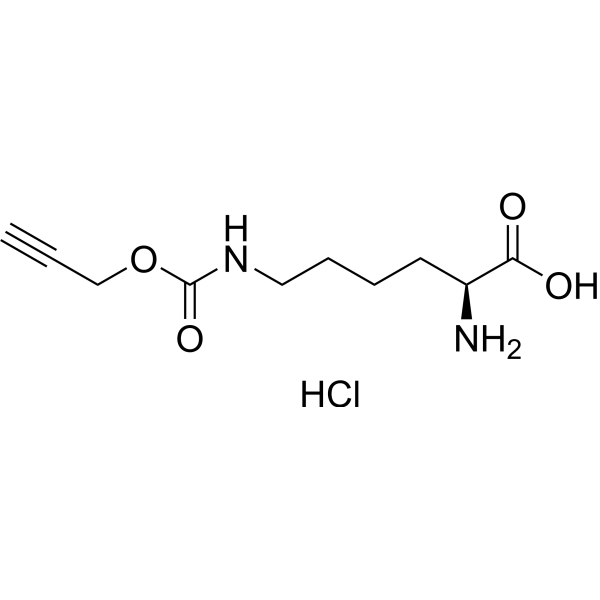
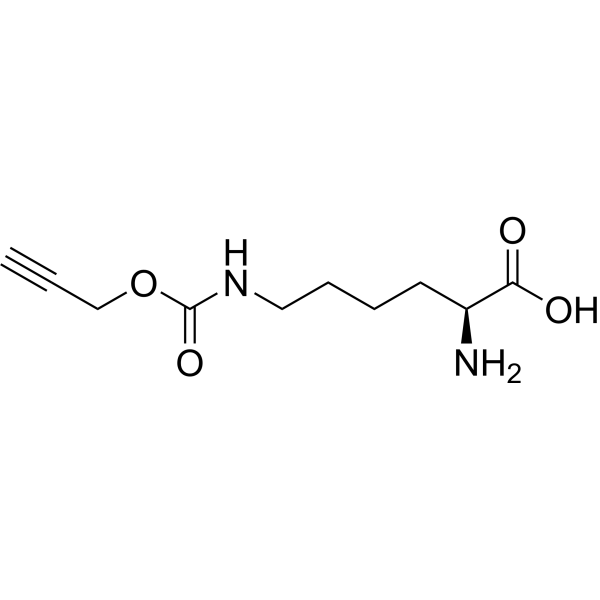
    N-ε-propargyloxycarbonyl-L-lysine (H-L-Lys(Poc)-OH) hydrochloride is a lysine-based unnatural amino acid (UAA). N-ε-propargyloxycarbonyl-L-lysine is widely used for bio-conjugation of fluorescent probes in diverse organisms from E. coli to mammalian cells even in animals . N-ε-propargyloxycarbonyl-L-lysine (hydrochloride) is a click chemistry reagent, it contains an Alkyne group and can undergo copper-catalyzed azide-alkyne cycloaddition (CuAAc) with molecules containing Azide groups.
    N-ε-propargyloxycarbonyl-L-lysine hydrochloride
  • HY-18932
    DEL-22379
    2 Publications Verification

    ERK Apoptosis Cancer
    DEL-22379 is an ERK dimerization Inhibitor. DEL-22379 readily binds to ERK2 with a Kd estimated in the low micromolar range, though binding is detectable even at low nanomolar concentrations. ERK2 dimerization is progressively inhibited with an IC50 of ~0.5 μM.
    DEL-22379
  • HY-121329

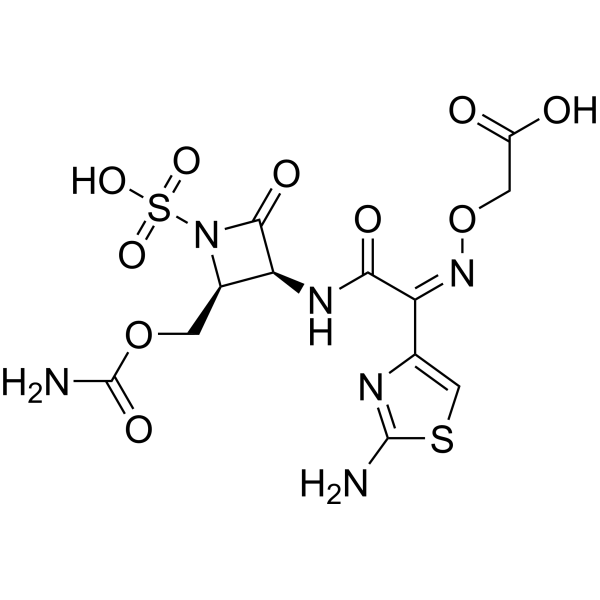
    AMA-1080; Ro 17-2301

    Penicillin-binding protein (PBP) Antibiotic Bacterial Infection
    Carumonam (AMA-1080; Ro 17-2301) is a sulfonated monocyclic β-Lactam Antibiotic, targeting to penicillin-binding protein (PBP). Carumonam exerts highly activity against Enterobacteriaceae, Pseudomonas aeruginosa, and Haemophilus influenzae, while it weakly and even inactively inhibits Streptococcus pneumoniae and Staphylococcus aureus. Carumonam is resistant to beta-lactamase-mediated hydrolysis .
    Carumonam
  • HY-126224

    Biochemical Assay Reagents Others
    Driselase, Basidiomycetes sp, a complex mixt. of wall-digesting enzymes, is a specific commercial fungal protoplasting enzyme preparation. Driselase can be used in combination with lyase to promote protoplast formation in fungi. Driselase is by far the most potent of the enzymes tested for polysaccharide digestion and greatly increases both tensile and indentation compliances, yet it does not induce wall creep, even after 6 h of digestion .
    Driselase, Basidiomycetes sp
  • HY-D0936

    Fluorescent Dye Others
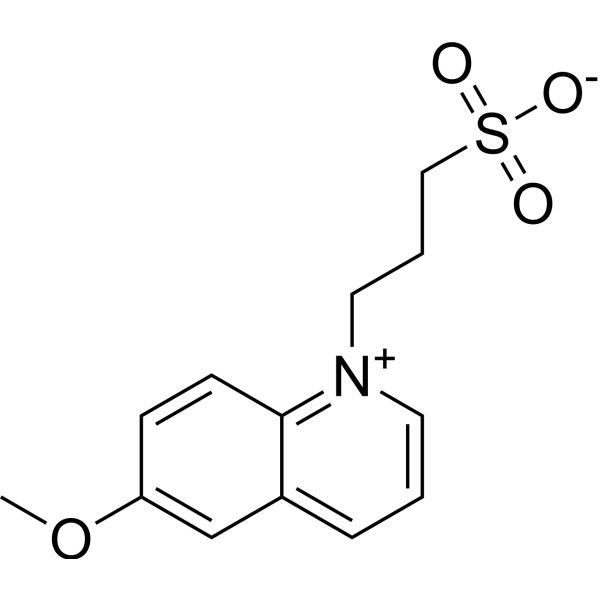
    SPQ is a fluorescent dye. SPQ can be used to measure chloride ion concentration transients and transport rates in vesicles, cells, and even intact epithelium .
    SPQ
  • HY-Y0378

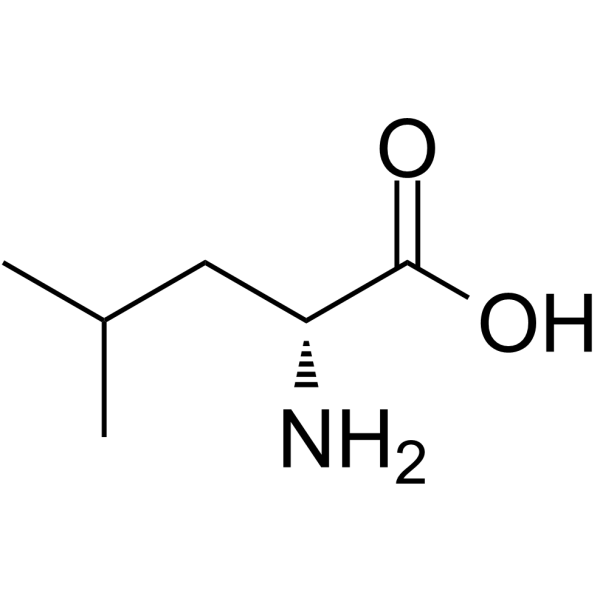
    (R)-Leucine

    Endogenous Metabolite Neurological Disease
    D-Leucine is a more potent anti-seizure agent than L-leucine. D-leucine potently terminates seizures even after the onset of seizure activity. D-leucine, but not L-leucine, reduces long-term potentiation but had no effect on basal synaptic transmission in vitro .
    D-Leucine
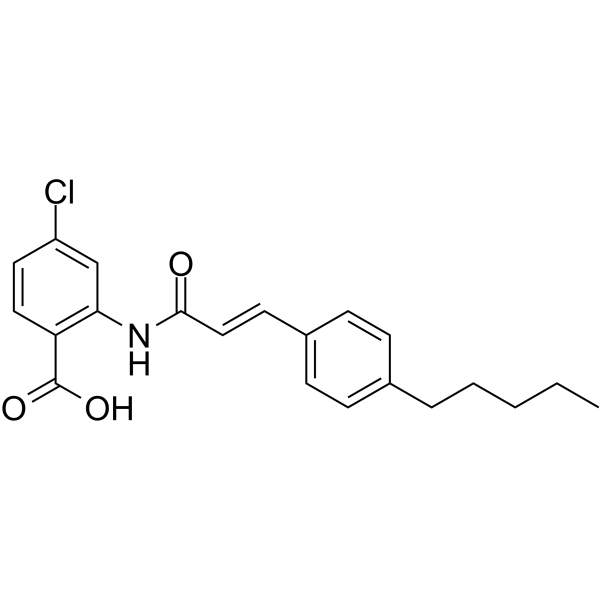
  • HY-145561

    BLD-0409; PAT-409

    Phosphodiesterase (PDE) LPL Receptor Inflammation/Immunology Cancer
    Cudetaxestat (BLD-0409; PAT-409) is an orally active and noncompetitive autotaxin (ATX) inhibitor. Cudetaxestat inhibits the activity of ATX, reduces the production of LPA, and thereby blocks the signal transduction of the ATX-LPA axis. Cudetaxestat can still maintain nanomolar-level biochemical efficacy even when the concentration of the LPC substrate increases. Cudetaxestat can be used for the study of various diseases related to LPA including fibrosis, tumor metastasis, inflammation and autoimmune diseases, etc .
    Cudetaxestat
  • HY-112747

    LPI; PE (soy)

    Phospholipase Infection
    Soy PE (LPI) is the most abundant phospholipid in prokaryotes and the second most abundant found in the membrane of mammalian, plant, and yeast cells, comprising approximately 25% of total mammalian phospholipids. In the brain, phosphatidylethanolamine comprises almost half of the total phospholipids. It is synthesized mainly through the cytidine diphosphate-ethanolamine and phosphatidylserine decarboxylation pathways, which occur in the endoplasmic reticulum (ER) and mitochondrial membranes, respectively. It is a precursor in the synthesis of phosphatidylcholine and arachidonoyl ethanolamide and is a source of ethanolamine used in various cellular functions. In E.coli, phosphatidylethanolamine deficiency prevents proper assembly of lactose permease, suggesting a role as a lipid chaperone. It is a cofactor in the propagation of prions in vitro and can convert recombinant mammalian proteins into infectious molecules even in the absence of RNA. This product contains phosphatidylethanolamine molecular species with variable fatty acyl chain lengths at the sn-1 and sn-2 positions .
    Soy PE
  • HY-172509

    Biochemical Assay Reagents Liposome Others
    N-Tetradecyl-pSar25 (Compound C14-pSar25) is a polysarcosine (pSar) lipid. PSar lipids exhibit maintained or even enhanced LNP transfection efficiency .
    N-Tetradecyl-pSar25
  • HY-123070

    Phospholipase Inflammation/Immunology
    ONO-RS-082 is an inhibitor of phospholipase A (PLA) . ONO-RS-082 inhibits PLA2 with the IC50 of 1.0 μM, but does not inhibit PLC even at 100 μM .
    ONO-RS-082
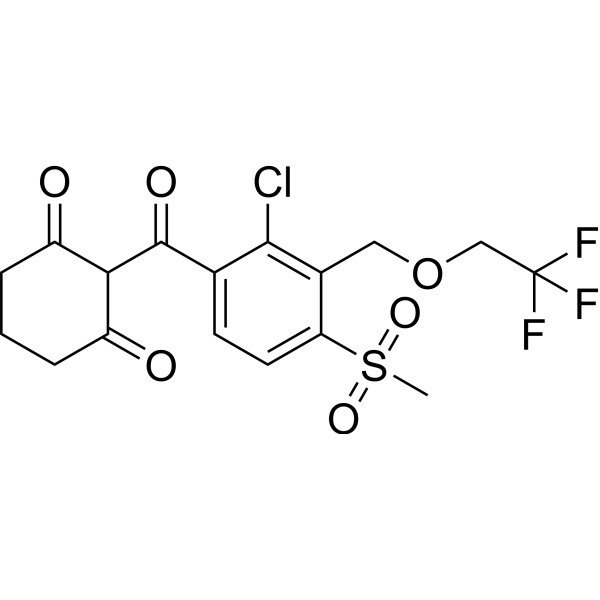
  • HY-137910

    Environmental Pollutants HPPD Herbicide Infection
    Tembotrione is a herbicide belonging to the HPPD (dioxygenase) inhibitor class with crop selectivity. Tembotrione effectively controls a variety of weeds including broadleaf and gramineous species by disrupting carotenoid synthesis, which leads to chlorophyll degradation and leaf whitening. Mixing Tembotrione with isoxaflutole or adding surfactants optimizes its efficacy and reduces phytotoxicity, with no residual impact on subsequent cruciferous crops, thus helping to increase maize grain yield. The activity of Tembotrione decreases under drought conditions, and under specific conditions (such as double-dose treatment), it may cause reversible yellowing and even yield reduction in crops such as poppy .
    Tembotrione
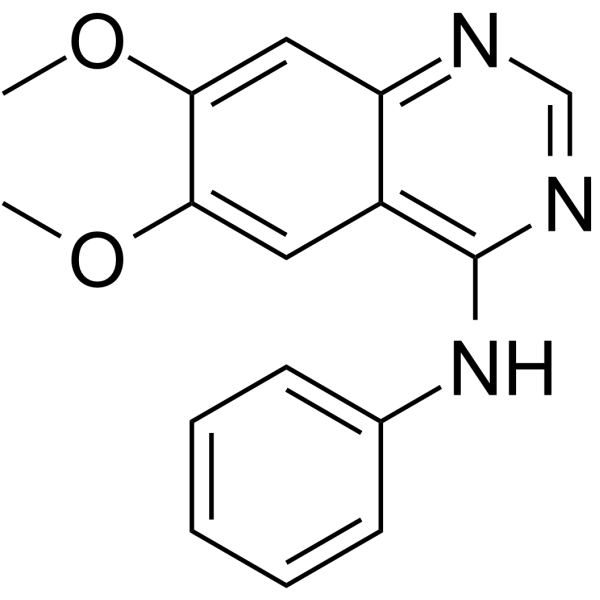
  • HY-108419

    JNK Cancer
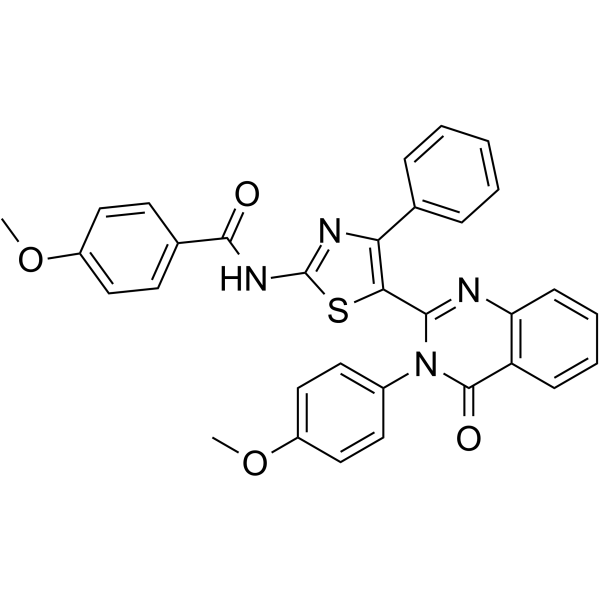
    WHI-P258, a quinazoline compound, binds to the active site of JAK3 with an estimated Ki of 72 µM. WHI-P258 does not inhibit JAK3 and does not affect the thrombin-induced aggregation of platelets even at 100 μM .
    WHI-P258
  • HY-139014
    N-ε-propargyloxycarbonyl-L-lysine
    1 Publications Verification

    H-​L-​Lys(Poc)​-​OH

    Fluorescent Dye Cancer
    N-ε-propargyloxycarbonyl-L-lysine (H-L-Lys(Poc)-OH) is a lysine-based unnatural amino acid (UAA). N-ε-propargyloxycarbonyl-L-lysine is widely used for bio-conjugation of fluorescent probes in diverse organisms from E. coli to mammalian cells even in animals . N-ε-propargyloxycarbonyl-L-lysine is a click chemistry reagent, it contains an Alkyne group and can undergo copper-catalyzed azide-alkyne cycloaddition (CuAAc) with molecules containing Azide groups.
    N-ε-propargyloxycarbonyl-L-lysine
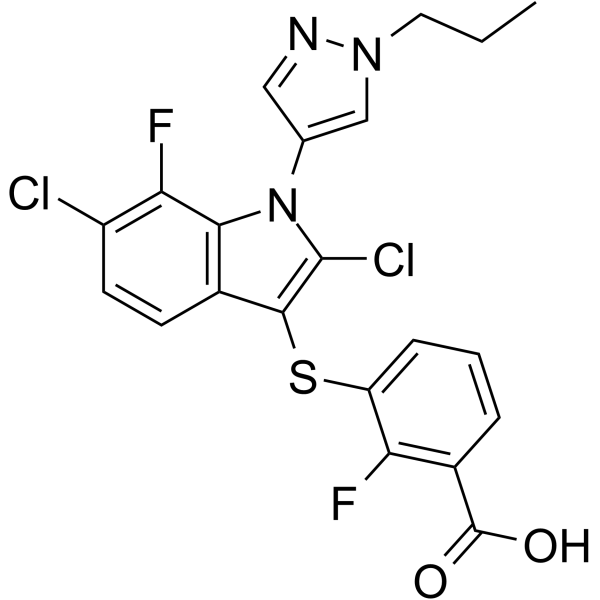
  • HY-103645
    GW779439X
    1 Publications Verification

    Bacterial Aurora Kinase Apoptosis Infection Cancer
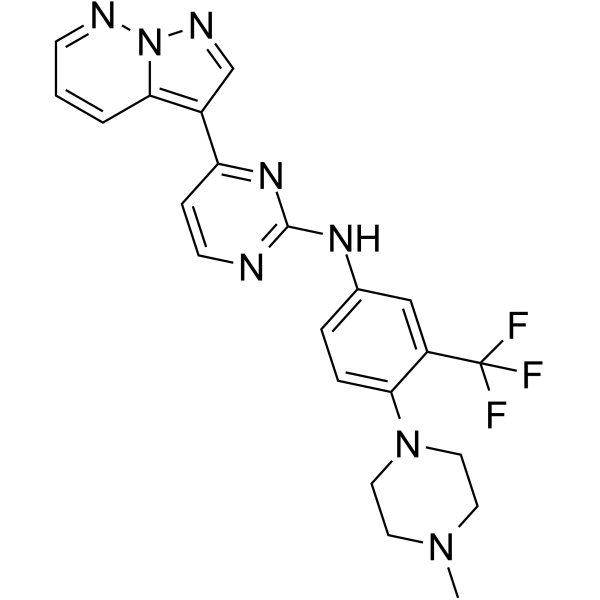
    GW779439X is a pyrazolopyridazine identified in an inhibitor of the S. aureus PASTA kinase Stk1. GW779439X potentiates the activity of β-lactam antibiotics against various MRSA and MSSA isolates, some even crossing the breakpoint from resistant to sensitive. GW779439X is an AURKA inhibitor and induces apoptosis by the caspases 3/7 pathway . MRSA:methicillin-resistant S. aureus; MSSA: methicillin-sensitive S. aureus
    GW779439X
  • HY-131492

    Endogenous Metabolite VD/VDR Metabolic Disease
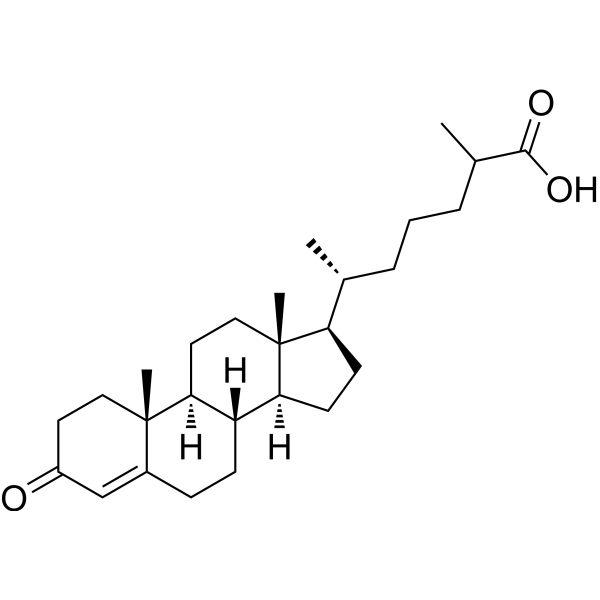
    Δ4‑Dafachronic acid is an endogenous steroid hormone, an agonist of the DAF‑12 nuclear receptor, and a key ligand for the vitamin D receptor (VDR). Δ4‑Dafachronic acid promotes the active escape developmental trajectory in Austrofundulus limnaeus embryos even under diapause‑inducing conditions. Δ4‑Dafachronic acid is suitable for research on the developmental biology .
    Δ4-Dafachronic acid
  • HY-B1247R

    PPIX (Standard)

    Reference Standards Endogenous Metabolite Others
    Protoporphyrin IX (Standard) is the analytical standard of Protoporphyrin IX. This product is intended for research and analytical applications. Protoporphyrin IX is a final intermediate in the heme biosynthetic pathway, which acts as a radiation sensitizer enhancing ROS generation even in a hypoxic state and inducing DNA damage. Protoporphyrin IX also acts as a photo sensitizer undergoing photobleaching that occurs through direct degradation by light irradiation. Protoporphyrin IX is formed and accumulated following 5-aminolevulinic acid (5-ALA) (HY-W000450) administration in the tumor cells of rats. Protoporphyrin IX causes selective improvement of basal cell carcinoma when activated red fluorescence of a peak wavelength at 405 nm. Protoporphyrin IX is promising for research of sonodynamic and photodynamic agents for a wide range of cancers, such as bladder cancer and nodular basal cell carcinoma .
    Protoporphyrin IX (Standard)
  • HY-133876

    DiA

    Fluorescent Dye Others
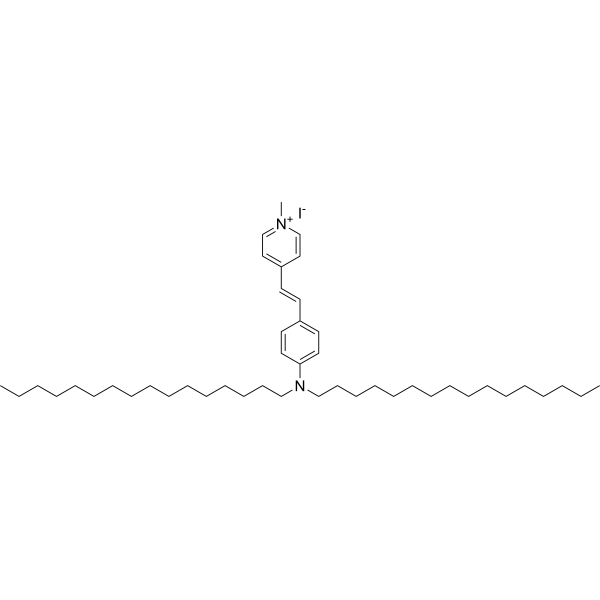
    4-Di-16-ASP is a green fluorescent membrane dye. 4-Di-16-ASP is a lipophilic aminostyryl probe with a broad emission spectrum (can be detected with green, orange or even red filters). It is commonly used for neuronal membrane tracing (it diffuses faster than DiO) .
    4-Di-16-ASP
  • HY-Y0378S

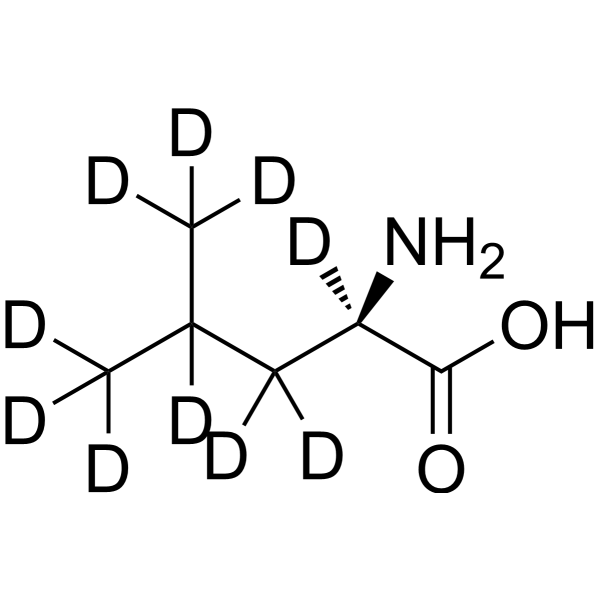
    (R)-Leucine-d10

    Isotope-Labeled Compounds Endogenous Metabolite Neurological Disease
    D-Leucine-d10 is the deuterium labeled D-Leucine. D-Leucine is a more potent anti-seizure agent than L-leucine. D-leucine potently terminates seizures even after the onset of seizure activity. D-leucine, but not L-leucine, reduces long-term potentiation but had no effect on basal synaptic transmission in vitro .
    D-Leucine-d10
  • HY-158779

    SSP4

    Fluorescent Dye Others
    Sulfane sulfur probe 4 (SSP4) is a fluorescent probe used to detect sulfane sulfur species (Ex/Em=494/515 nm). Sulfane sulfur probe 4 exhibits high sensitivity in detecting sulfane sulfur, even in the presence of other substances such as homocysteine, methionine, cysteine, glutathione, N-acetyl-L-cysteine, glycine, tyrosine, tryptophan, arginine, and metal ions (Fe 2+, Fe 3+, Mg 2+, Ca 2+, and Zn 2+) .
    Sulfane sulfur probe 4
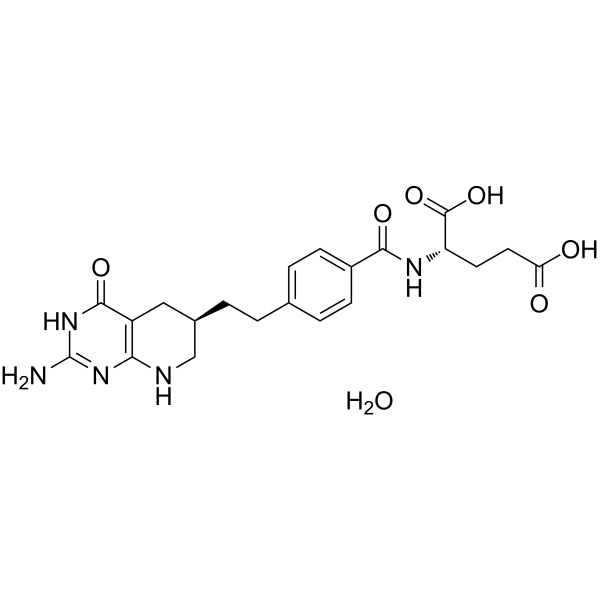
  • HY-14521B
    Lometrexol hydrate
    3 Publications Verification

    DDATHF hydrate

    Antifolate Apoptosis Caspase Bcl-2 Family Cancer
    Lometrexol (DDATHF) hydrate, an antipurine antifolate, can inhibit the activity of glycinamide ribonucleotide formyltransferase (GARFT) but do not induce detectable levels of DNA strand breaks. Lometrexol hydrate can further inhibit de novo purine synthesis, causing abnormal cell proliferation and apoptosis, even cell cycle arrest. Lometrexol hydrate has anticancer activity. Lometrexol hydrate also is a potent human Serine hydroxymethyltransferase1/2 (hSHMT1/2) inhibitor .
    Lometrexol hydrate
  • HY-10224R
    Panobinostat (Standard)
    80+ Cited Publications

    LBH589 (Standard); NVP-LBH589 (Standard)

    Reference Standards HDAC Autophagy HIV Apoptosis Infection Cancer
    Panobinostat (Standard) (LBH589 (Standard)) is the analytical standard of Panobinostat (HY-10224). This product is intended for research and analytical applications. Panobinostat is a potent and orally active non-selective HDAC inhibitor, and has antineoplastic activities . Panobinostat induces HIV-1 virus production even at low concentration range 8-31 nM, stimulates HIV-1 expression in latently infected cells . Panobinostat induces cell apoptosis and autophagy. Panobinostat can be used for the study of refractory or relapsed multiple myeloma .
    Panobinostat (Standard)
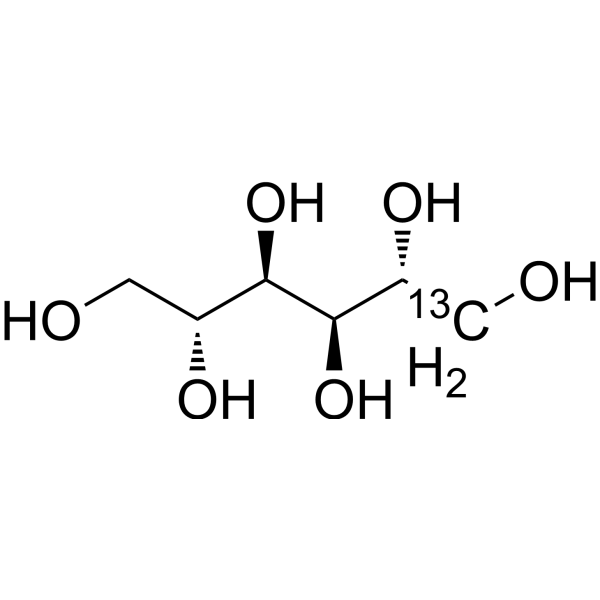
  • HY-N0378S1

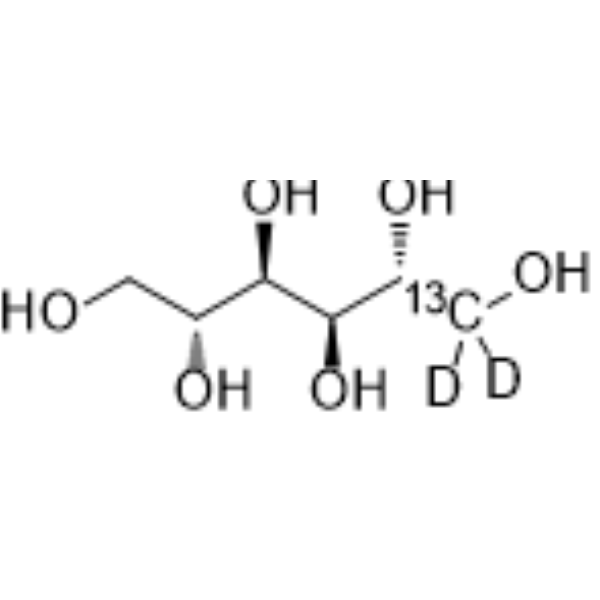
    Mannitol-13C; Mannite-13C

    Isotope-Labeled Compounds Endogenous Metabolite Apoptosis PGC-1α Adrenergic Receptor PKA Cardiovascular Disease Metabolic Disease Cancer
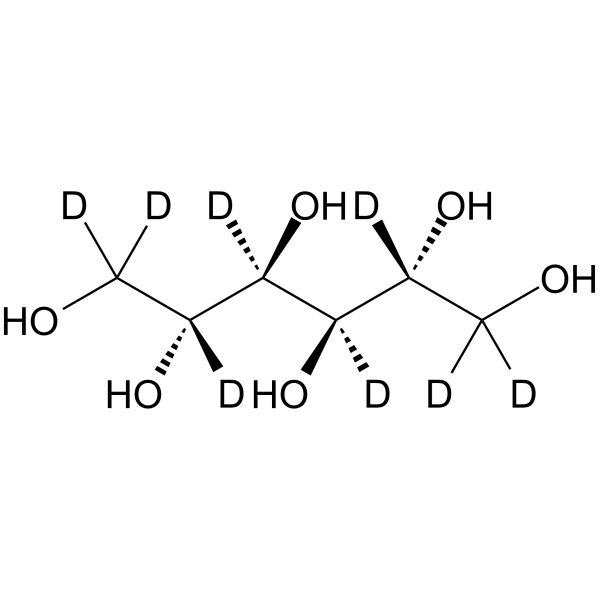
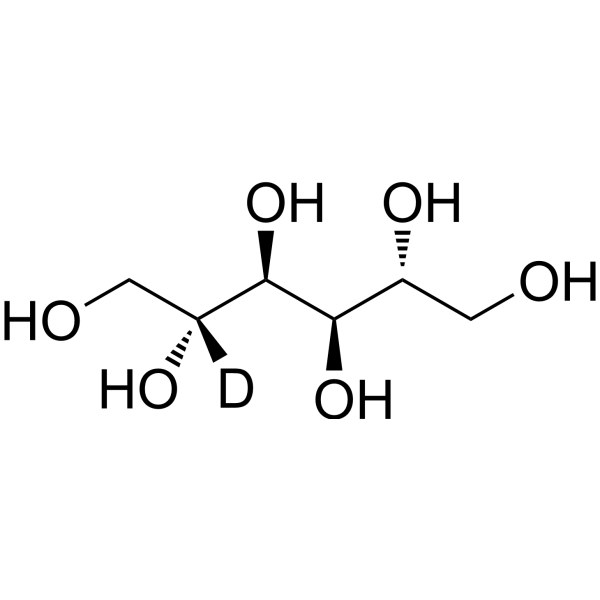
    D-Mannitol- 13C is the 13C labeled D-Mannitol (HY-N0378). D-Mannitol (Mannitol) is an oral, resistant sugar widely used in the food and pharmaceutical industries to promote the absorption and retention of calcium and magnesium through cecal fermentation, while acting as a osmotic diuretic to reduce tissue edema. D-Mannitol can enhance brown fat formation, improve insulin effect, reduce blood sugar levels, And through the start the β3-adrenergic receptor (β3-AR), PGC1α and PKA induced by means of white fat cells into brown fat cells . D-Mannitol is commonly used to maintain osmotic pressure between the plant cytoplasm and the culture medium and protect cells when the cell wall is weakened or even removed .
    D-Mannitol-13C
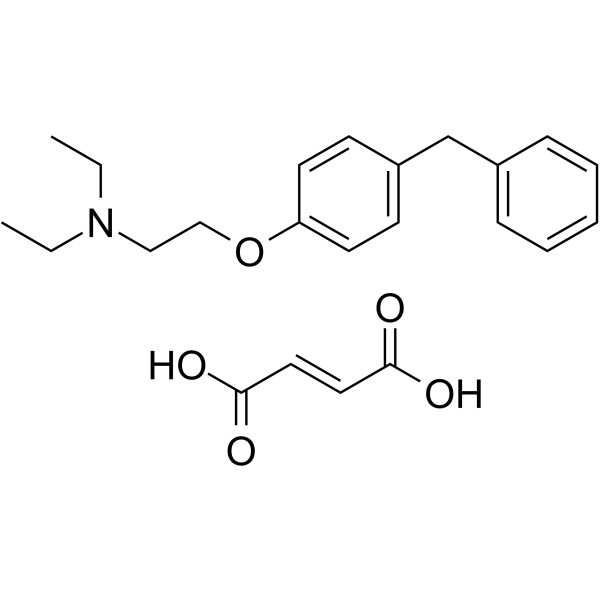
  • HY-101179

    DPPE fumarate

    Histamine Receptor Neurological Disease Inflammation/Immunology Cancer
    Tesmilifene fumarate (DPPE fumarate), an H1C receptor antagonist, potentiates a wide range of cytotoxics and even to offer some protection of normal cells .
    Tesmilifene fumarate
  • HY-I0673

    Apoptosis Infection Inflammation/Immunology
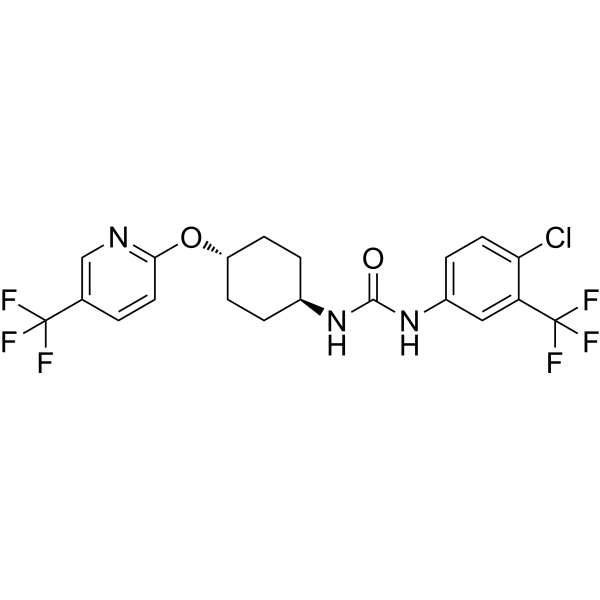
    Flucofuron exhibits high efficacy against trophozoites of both N. fowleri strains (ATCC 30808 : IC50 = 2.58 μM and ATCC 30215: IC50 = 2.47 μM), being even active against the resistant cyst stage (IC50 = 0.88 μM). Flucofuron can induce cell apoptosis. Flucofuron can be used for the researches of infection and inflammation, such as Primary amoebic meningoencephalitis (PAM) .
    Flucofuron
  • HY-B2220B

    Endogenous Metabolite Others
    Thermostable cellulase recombinant is a cellulose hydrolase present in hyperthermophiles, which catalyzes the hydrolysis of β-1,4 glycosidic bonds in cellulose. Thermostable cellulase recombinant targets carboxymethyl cellulose (CMC) as its primary substrate, and retains high residual activity even after incubation at high temperatures. The activity of Thermostable cellulase recombinant is inhibited by ionic and non-ionic detergents, and can be enhanced by cobalt ions. Thermostable cellulase recombinant can be applied in the paper industry .
    Thermostable cellulase (recombinant)
  • HY-14521A
    Lometrexol disodium
    3 Publications Verification

    DDATHF disodium

    Antifolate Apoptosis Caspase Bcl-2 Family Cancer
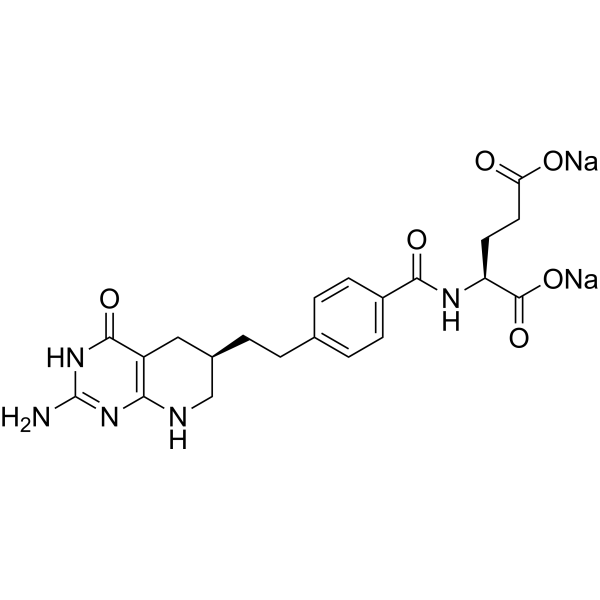
    Lometrexol (DDATHF) disodium, an antipurine antifolate, can inhibit the activity of glycinamide ribonucleotide formyltransferase (GARFT) but do not induce detectable levels of DNA strand breaks. Lometrexol disodium can further inhibit de novo purine synthesis, causing abnormal cell proliferation and apoptosis, even cell cycle arrest. Lometrexol disodium has anticancer activity. Lometrexol disodium also is a potent human Serine hydroxymethyltransferase1/2 (hSHMT1/2) inhibitor .
    Lometrexol disodium
  • HY-W099571
    Lithium stearate
    20+ Cited Publications

    Stearic acid lithium; Lithium octadecanoate

    Environmental Pollutants Biochemical Assay Reagents Others
    Lithium stearate (Stearic acid (lithium)) is a compound that forms vesicles in reaction with silver nitrate, thereby changing the reaction kinetics of the nucleation and self-assembly process of silver stearate. It has the activity that even in the presence of excess silver nitrate, only about 80% can be converted into silver stearate and the residual lithium stearate will inhibit the growth process of silver stearate crystals, thereby producing silver stearate crystals that are much smaller than those obtained from sodium stearate, providing an opportunity to further control the self-assembly and crystal growth of silver stearate.
    Lithium stearate
  • HY-155736

    p38 MAPK EGFR Raf CDK c-Met/HGFR Cancer
    MAPK-IN-2 (compound 3h) is a potent MAPK inhibitor with antineoplastic activity. MAPK-IN-2 inhibits cancer cell proliferation among serval cancer cell lines, and suppresses MAPK pathway with potant efficacy (EGFR WT IC50=281 nM, c-MET IC50=205 nM, B-RAF WT IC50=112 nM, and CDK4/6 IC50=95 and 184 nM, respectively). MAPK-IN-2 even shows a remarkable potency against mutated EGFR and B-RAF (EGFR T790M IC50=69 nM and B-RAF V600E IC50=83 nM) .
    MAPK-IN-2
  • HY-B1247A
    Protoporphyrin IX disodium
    20+ Cited Publications

    PPIX disodium

    Endogenous Metabolite Cancer
    Protoporphyrin IX disodium is a final intermediate in the heme biosynthetic pathway, which acts as a radiation sensitizer enhancing ROS generation even in a hypoxic state and inducing DNA damage. Protoporphyrin IX disodium also acts as a photo sensitizer undergoing photobleaching that occurs through direct degradation by light irradiation. Protoporphyrin IX disodium is formed and accumulated following 5-aminolevulinic acid (5-ALA) (HY-W000450) administration in the tumor cells of rats. Protoporphyrin IX disodium causes selective improvement of basal cell carcinoma when activated red fluorescence of a peak wavelength at 405 nm. Protoporphyrin IX disodium is promising for research of sonodynamic and photodynamic agents for a wide range of cancers, such as bladder cancer and nodular basal cell carcinoma .
    Protoporphyrin IX disodium
  • HY-W008820R

    Reference Standards Endogenous Metabolite Metabolic Disease
    Glutaric acid (Standard) is the analytical standard of Glutaric acid. This product is intended for research and analytical applications. Glutaric acid, C5 dicarboxylic acid, is an intermediate during the catabolic pathways of lysine and tryptophan. Glutaric acid affects pericyte contractility and migration. Glutaric acid is an indicator of glutaric aciduria type I . In Vitro: Glutaric acid (GA) at concentrations of 1 and 2 mM is able to reduce TRAP measurement by up to 28% in a dose-dependent manner (β=0.77; P<0.001). Furthermore, a significantly inverse correlation is also verified between chemiluminescence and TRAP (β=0.81; P<0.001). Glutaric acid does not alter the activities of Cat and SOD, but strongly inhibits (up to 46%) the activity of GPx even at the lower concentration used (0.5 mM). It is observed that the metabolite inhibits this activity in a dose-dependent manner at concentrations as low as 0.05 mM .
    Glutaric acid (Standard)
  • HY-118899

    Endogenous Metabolite Cancer
    XR5944 is an anti-tumor compound with DNA-targeting activity. As a topoisomerase inhibitor, XR5944 can effectively inhibit the activities of topoisomerase I and II. XR5944 shows excellent anti-tumor activity against human and mouse tumor cells in vitro and in vivo. XR5944 exhibits significant potency in multiple cell lines, with IC50 values of 0.04-0.4 nM. XR5944 is not affected by atypical drug resistance in cells and remains significantly active even in cells overexpressing P-glycoprotein or multidrug resistance-related proteins. XR5944 showed anti-tumor efficacy in human tumor models of H69 small cell lung cancer and HT29 colon cancer, inducing tumor regression in most animals in the HT29 model. XR5944 can be used to study biological processes related to colon and lung cancer .
    XR5944
  • HY-160052

    Interleukin Related Inflammation/Immunology Cancer
    IL-6 aptamer sodium is an aptamer that specifically binds to IL-6, and can serve as a biological recognition receptor for high-sensitivity detection. IL-6 aptamer sodium enables label-free specific detection through changes in electrical signals of carbon nanotube microarrays or alterations in capacitive impedance on the surface of gold sensors. IL-6 aptamer sodium still maintains high selectivity even below the gray zone threshold for cancer diagnosis, and shows no significant non-specific binding to bovine serum albumin. IL-6 aptamer sodium can form an ordered self-assembled monolayer with 6-mercapto-1-hexanol on gold surfaces, making it suitable for reagent-free capacitive impedance biosensing platforms. IL-6 aptamer sodium is widely used in research related to fields such as cancer, inflammatory diseases, myeloma, liver cancer and glioma .
    IL-6 aptamer sodium
  • HY-N0378S2

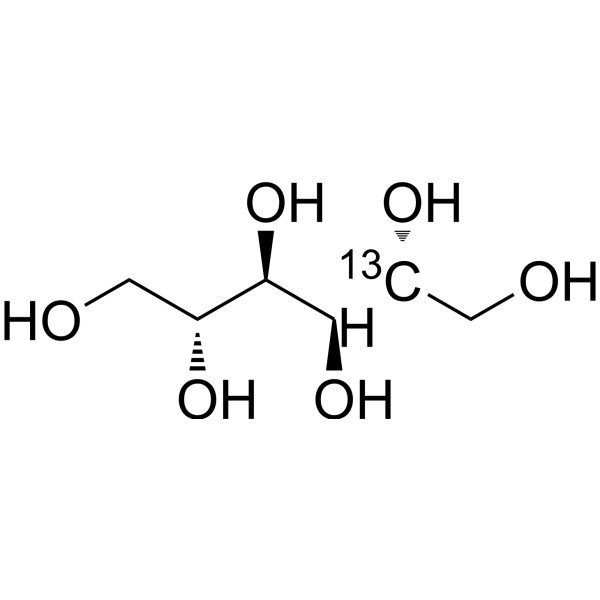
    Mannitol-13C6; Mannite-13C6

    Isotope-Labeled Compounds Endogenous Metabolite Apoptosis PGC-1α Adrenergic Receptor PKA Cardiovascular Disease Metabolic Disease Cancer
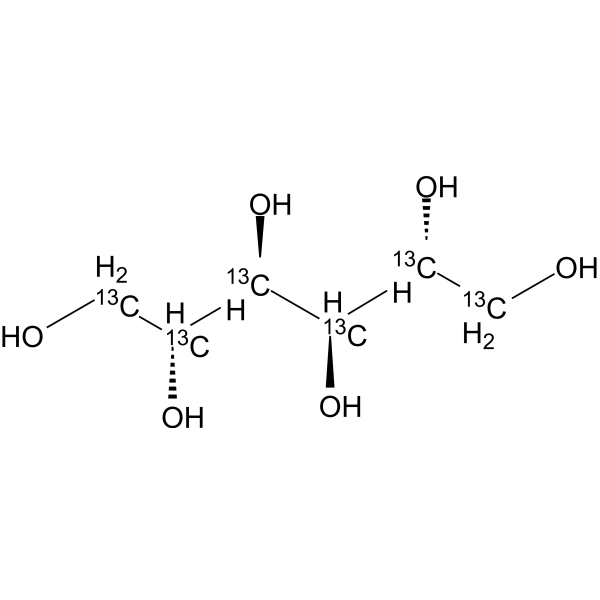
    D-Mannitol- 13C6 is the 13C labeled D-Mannitol (HY-N0378). D-Mannitol (Mannitol) is an oral, resistant sugar widely used in the food and pharmaceutical industries to promote the absorption and retention of calcium and magnesium through cecal fermentation, while acting as a osmotic diuretic to reduce tissue edema. D-Mannitol can enhance brown fat formation, improve insulin effect, reduce blood sugar levels, And through the start the β3-adrenergic receptor (β3-AR), PGC1α and PKA induced by means of white fat cells into brown fat cells . D-Mannitol is commonly used to maintain osmotic pressure between the plant cytoplasm and the culture medium and protect cells when the cell wall is weakened or even removed .
    D-Mannitol-13C6
  • HY-W015850

    Insecticide Infection
    2,3-Dimethylmaleic anhydride is biofumigant found in Colocasia esculenta var. esculenta (L.) Schott. 2,3-Dimethylmaleic anhydride is highly toxic to insect pests for stored grains even at very low concentration, but has no adverse effect on seed germination. 2,3-Dimethylmaleic anhydride can be used as insecticide .
    2,3-Dimethylmaleic anhydride
  • HY-P11026

    DOTA-PEG4-TMVP1446

    VEGFR Cancer
    DOTA-TMVP1446 is a VEGFR-3 targeting peptide. DOTA-TMVP1446 labeled with 68Ga accurately detectes the status of lymph node metastasis, even in micrometastatic tumors, in the B16-F10 tumor mice model. DOTA-TMVP1446 can be used as a radiotracer for cancer-metastatic sentinel lymph nodes (m-SLN) imaging .
    DOTA-TMVP1446
  • HY-146457

    Adenosine Receptor Inflammation/Immunology
    A3AR antagonist 1 (compound 17) is a potent and selective human A3 adenosine receptor (AR) antagonist, with an Ki of 4.63 nM. A3AR antagonist 1 shows no affinity for the rat A3 AR even at high concentrations .
    A3AR antagonist 1
  • HY-139831

    Galectin Cancer
    Galectin-8-IN-1 is a selective ligand for the galectin-8 N-terminal domain (galectin-8N), with a Kd of 48 μM and 15-fold selectivity over galectin-3 and even better selectivity over the other mammalian galectins.
    Galectin-8-IN-1
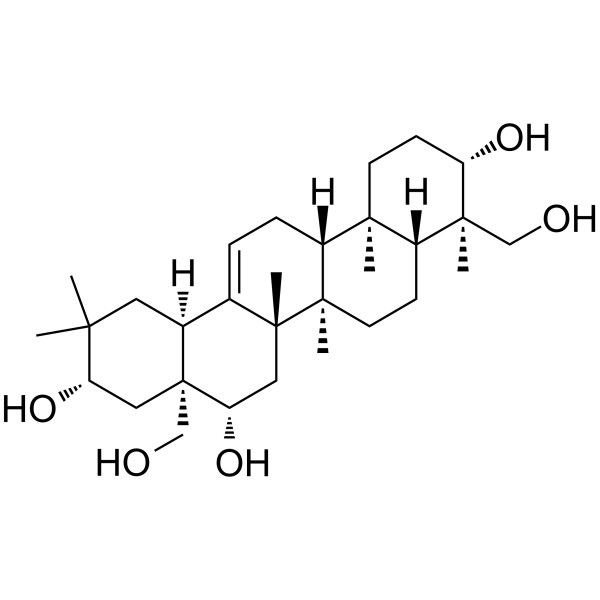
  • HY-N2273

    LXR Metabolic Disease
    Gymnestrogenin is a pentahydroxytriterpene from the leaves of Gymnema sylvestre R.Br . Gymnestrogenin is a LXR antagonist with IC50s of 2.5 and 1.4 μM for LXRα and LXRβ transactivation, respectively. Gymnestrogenin reduces the transcriptional activity of LXR even on its own promoter, thus reducing the mRNA expression .
    Gymnestrogenin
  • HY-171012

    NSC 335504

    STING Inflammation/Immunology
    Clonixeril (NSC 335504) is a non-nucleotide hSTING modulator. Clonixeril has weak agonist activity at micromolar concentrations and results in antagonism of the hSTING WT pathway at low femtomolar (10 -15 M) and in some cases even attomolar (10 -18 M) concentrations. Clonixeril reduces hSTING oligomerization at a concentration of 1 aM-1 pM .
    Clonixeril
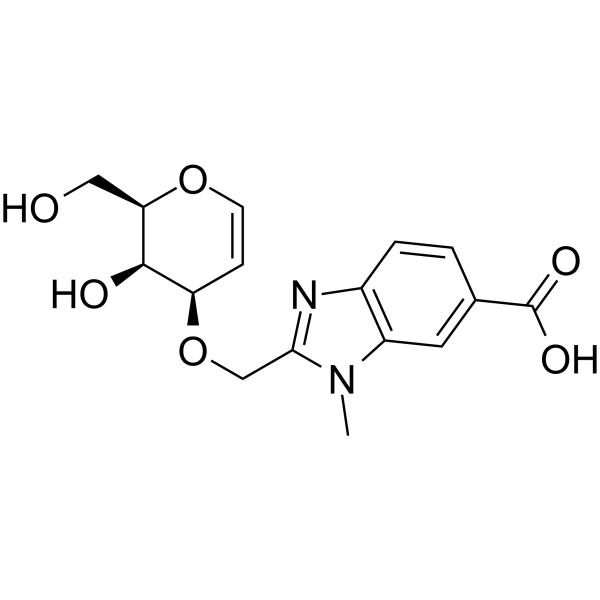
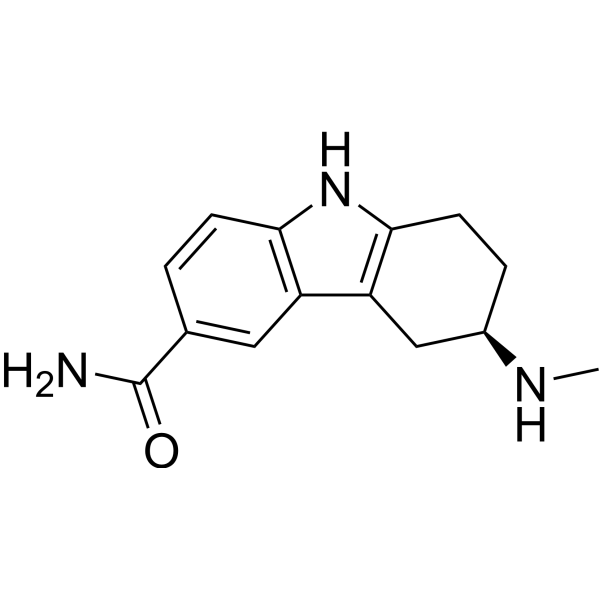
  • HY-B1658

    (R)-Frovatriptan; SB 209509; VML 251

    5-HT Receptor Neurological Disease
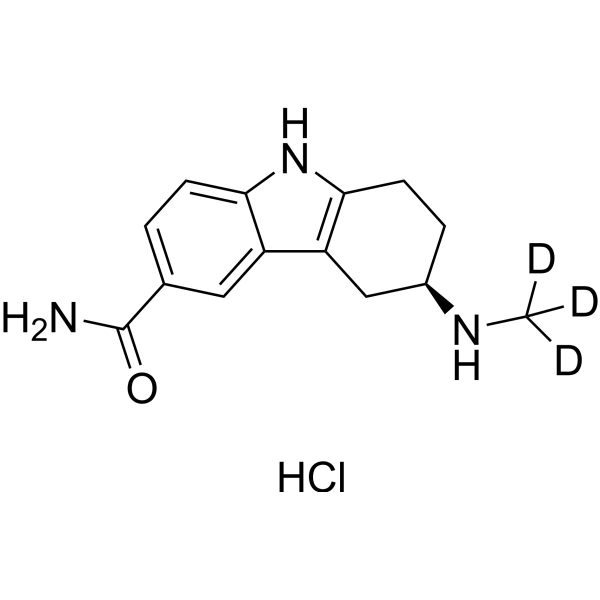
    Frovatriptan is a potent 5-HT1B//D receptor agonist and has the highest 5-HT1B potency in the triptan class. Frovatriptan is apparently cerebroselective. Frovatriptan is efficacious and even superior in some endpoints also when taken during the headache phase in migraine attacks with aura .
    Frovatriptan
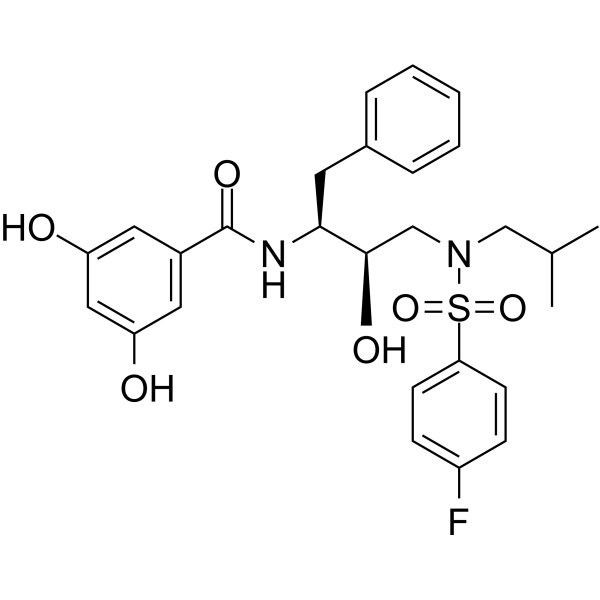
  • HY-150549

    HIV Protease HIV Infection Inflammation/Immunology
    HIV-1 protease-IN-6 (compound 17d) is a potent HIV-1 protease inhibitor, with an IC50 of 21 pM and a Ki of 4.7 pM, respectively. HIV-1 protease-IN-6 exhibits potent antiviral activity to DRV (darunavir)-resistant variant, even more than wild type virus .
    HIV-1 protease-IN-6
  • HY-120139A

    ASCT Cancer
    (R)-KMH-233 is the isomer of KMH-233 (HY-120139), and can be used as an experimental control. KMH-233, a potent, reversible and selective l-type amino acid transporter 1 (LAT1) inhibitor, inhibits the uptake of LAT1 substrate, l-leucin (IC50=18 μM) as well as cell growth. KMH-233 significantly potentiates the efficacy of Bestatin and Cisplatin even at low concentrations (25 μM) .
    (R)-KMH-233

Inquiry Online

Your information is safe with us. * Required Fields.

Salutation


Country or Region *

Applicant Name *


Organization Name *

Department *


Email Address *


Product Name *

Cat. No.


Requested quantity *

Phone Number *


Remarks

Inquiry Online

Inquiry Information

Product Name:
Cat. No.:
Quantity:
MCE Japan Authorized Agent: