Search Result
Results for "
MCF7/HCT116
" in MedChemExpress (MCE) Product Catalog:
| Cat. No. |
Product Name |
Target |
Research Areas |
Chemical Structure |
-
- HY-18351
-
|
LMP-400; NSC-724998
|
Topoisomerase
|
Infection
Cancer
|
|
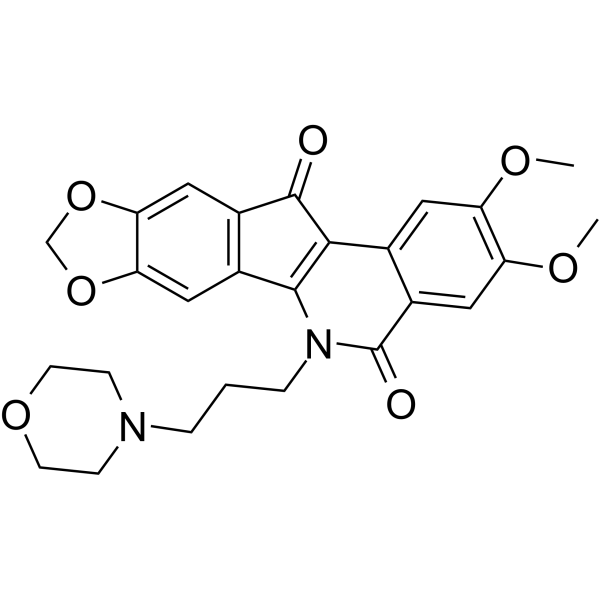
Indotecan (LMP-400), an indenoisoquinoline derivative, is a potent Topoisomerase I inhibitor, with IC50s of 300, 1200, 560 nM for P388, HCT116, MCF-7 cell lines, respectively. Indotecan prevents the relaxation of supercoiled DNA and can be used for the research of visceral leishmaniasis .
|
-
-
- HY-110088
-
|
|
MDM-2/p53
|
Cancer
|
|
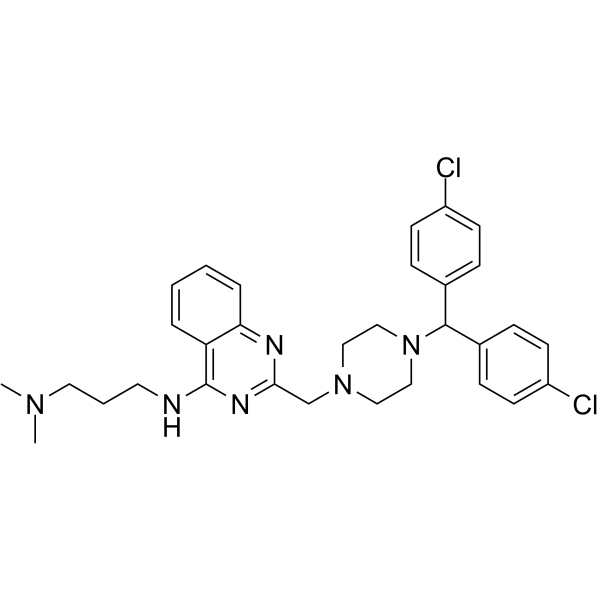
SCH529074 is a potent and orally active p53 activator. SCH529074 binds specifically and conformation-dependently to p53 DBD ( DNA binding domain) with a Ki of 1-2 μM in a saturable manner. SCH529074 restores mutant p53 function and interrupts HDM2-mediated ubiquitination of wild Type p53. SCH529074 can be used for the study of non-small-cell lung carcinoma (NSCLC) .
|
-
-
- HY-15587
-
|
|
DNA/RNA Synthesis
|
Cancer
|
|
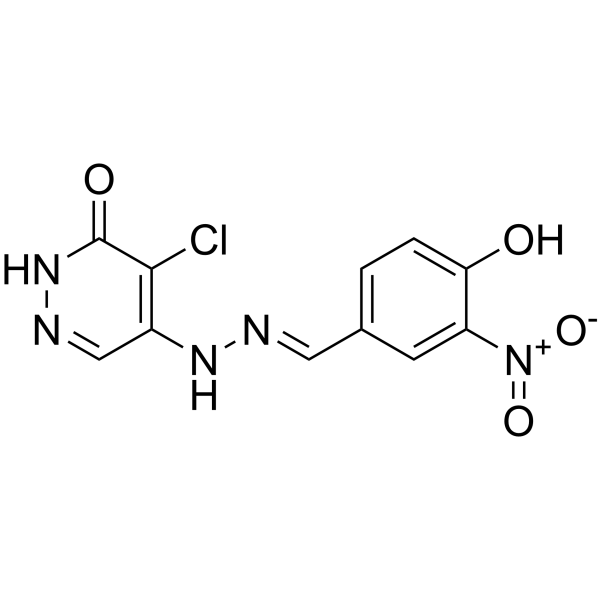
L82 is a selective and uncompetitive DNA ligase 1 (DNA Lig1) inhibitor (hLig1 IC50=12 μM). L82 shows anti-proliferative activity to breast cancer cells .
|
-
-
- HY-170935
-
|
|
SRPK
PARP
Caspase
Apoptosis
Autophagy
|
Cancer
|
|
SRSF1-IN-1 is a SRSF1 inhibitor. SRSF1-IN-1 inhibits SRSF1 expression, thereby modulating the splicing of Bcl-x pre-mRNA. SRSF1-IN-1 inhibits the proliferation of various cancer cells. SRSF1-IN-1 induces apoptosis in gastric cancer cells, reduces Bcl-xl expression, and upregulates cleaved PARP and caspase 3. SRSF1-IN-1 induces autophagy and promotes cell death. SRSF1-IN-1 exhibits anti-tumor activity in a mouse gastric cancer xenograft model. SRSF1-IN-1 can be used for the research of various cancers including liver cancer, gastric cancer, breast cancer, colon cancer, glioma, and melanoma .
|
-
-
- HY-18351A
-
|
LMP-400 hydrochloride; NSC-724998 hydrochloride
|
Topoisomerase
|
Infection
Cancer
|
|
Indotecan hydrochloride, an indenoisoquinoline derivative, is a potent Topoisomerase I inhibitor, with IC50s of 300, 1200, 560 nM for P388, HCT116, MCF-7 cell lines, respectively. Indotecan hydrochloride prevents the relaxation of supercoiled DNA and can be used for the research of visceral leishmaniasis .
|
-
-
- HY-139342
-
|
|
CDK
|
Cancer
|
|
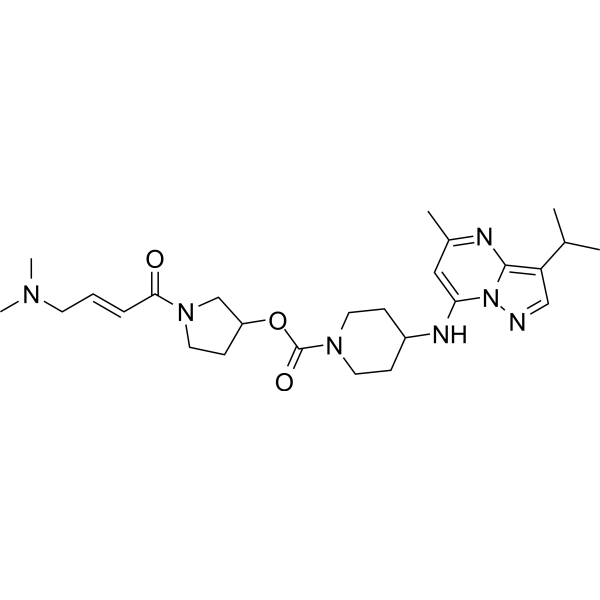
CDK7-IN-4 (compound I) is a potent CDK7 (Cyclin-dependent kinase 7) inhibitor. CDK7-IN-4 shows anticancer activity. CDK7-IN-4 inhibits the in vitro growth of cancer cell lines from a variety of histologies including colon , breast , lung , ovary and stomach , in a dose dependent manner .
|
-
-
- HY-146819
-
|
|
Carbonic Anhydrase
|
Cancer
|
|
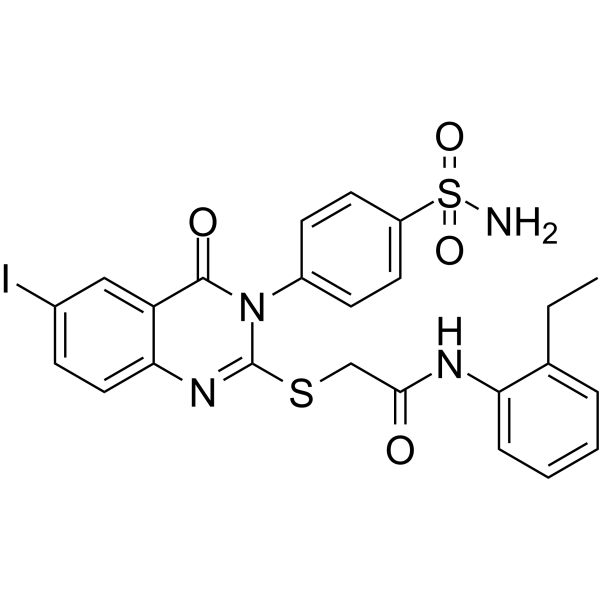
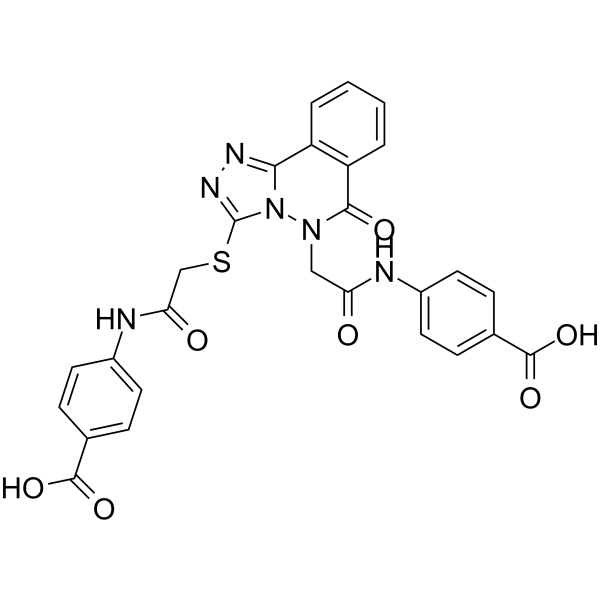
Compound 9 is the most effective against tumor specific Ca ix/ca XII (ki=29.1 and 8.8 nm), so it is possible to evaluate its cytotoxicity and selectivity to HepG-2, HCT-116 and MCF-7 cancer cell lines in vitro, and its IC50 values to tumor cells are 1.78, 1.94 and 3.07, respectively μ M. It showed that it had obvious cytotoxicity.
|
-
-
- HY-156912
-
|
|
EGFR
|
Cancer
|
|
Tyrosine kinase-IN-7 (compound 13h) is an inhibitor of the tyrosine kinase EGFR. The IC50s for inhibiting EGFR(WT) and EGFR(T790M) are 0.630 μM and 0.956 μM respectively. Tyrosine kinase-IN-7 has antitumor activity against four cancer cell lines (HepG2, HCT-116, MCF-7, and A431) with IC50s of 13.02 μM, 10.14 μM, 12.68 μM, and 47.05 μM, respectively .
|
-
-
- HY-147920
-
|
|
Pim
|
Cancer
|
|
PIM1-IN-6 (compound 5h) is a potent PIM-1 inhibitor, with an IC50 of 0.60 μM. PIM1-IN-6 shows the high cytotoxicity activity against HCT-116 and MCF-7 cells, with IC50 values of 1.51 and 15.2 μM, respectively .
|
-
-
- HY-156470
-
|
|
Trk Receptor
Anaplastic lymphoma kinase (ALK)
c-Kit
EGFR
Pim
Casein Kinase
Checkpoint Kinase (Chk)
CDK
Apoptosis
|
Cancer
|
|
Multi-kinase-IN-6 (compound 10e) is a multikinase inhibitor that shows good enzyme inhibitory activity against TrkA, ALK2, c-KIT, EGFR, PIM1, CK2α, CHK1, and CDK2. Multi-kinase-IN-6 reveals antiproliferative activity against MCF7, HCT116 and EKVX with IC50 values of 3.36 μM, 1.40 μM and 3.49 μM, respectively. Multi-kinase-IN-6 shows cell cycle arrest at the G1/S phase and G1 phase in MCF7 and HCT116 cells with good apoptotic effect .
|
-
-
- HY-147839
-
|
|
Topoisomerase
Apoptosis
|
Cancer
|
|
Topoisomerase II inhibitor 10 (compound 32a) is a potent topoisomerase II inhibitor with an IC50 value of 7.45 μM. Topoisomerase II inhibitor 10 causes cell cycle arrest at G2-M phase and induces apoptosis of HepG-2 cells. Topoisomerase II inhibitor 10 has excellent anti-proliferative activities against HepG-2, MCF-7, and HCT-116 cells .
|
-
-
- HY-161687
-
|
|
Src
|
Cancer
|
|
Cisplatin/Dasatinib prodrug-1 (Compound 3) is a prodrug of Cisplatin (HY-17394) and Dasatinib (HY-10181). Cisplatin/Dasatinib prodrug-1 exhibits antiproliferative activity against A2780, MDA-MB-231, MCF7, HCT116, RD, Thp1 and HL60 cancer cells with IC50s of 0.1, 0.1, 0.36, 2.0, 0.4, 0.3 and 0.25 μM, respectively .
|
-
-
- HY-178112
-
|
|
CDK
Apoptosis
|
Cancer
|
|
CDK2-IN-47 is a potent CDK2 inhibitor with an IC50 of 0.21 μM. CDK2-IN-47 exhibits outstanding anticancer activity against MCF-7, HCT-116, and MGC-803 cell lines. CDK2-IN-47 effectively induces G1 cell cycle arrest, retinoblastoma protein (Rb) dephosphorylation, and significant apoptosis. CDK2-IN-47 can be used for the studies of breast cancer, colorectal cancer and gastric cancer .
|
-
-
- HY-170910
-
|
|
HSP
|
Cancer
|
|
Hsp90-IN-39 (Compound 16t) is a HSP90 inhibitor with notable selectivity for the HSP90α isoform. Hsp90-IN-39 demonstrates significant antiproliferative activity in various cancer cell lines, including MCF-7, HCT116, SKBr3, K562, and A549. Hsp90-IN-39 holds potential for cancer research .
|
-
-
- HY-157419
-
|
7-(4-Ethylphenyl)-FL118
|
Apoptosis
|
Cancer
|
|
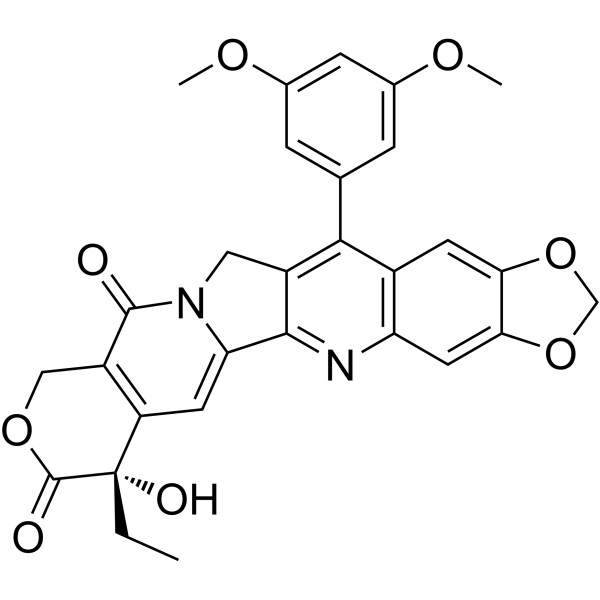
FL77-24, a FL118 analog and apoptosis inducer, possesses antitumor activity, with IC50 values of 99.4 nM, 118 nM, <6.4 nM, 28.5 nM and <6.4 nM in HCT116, HepG2, MCF-7, A549 and HeLa cells, respectively. FL77-24 mainly causes cell cycle arrest in S and G2/M phases .
|
-
-
- HY-N2150
-
|
|
HDAC
DNA Methyltransferase
DNA/RNA Synthesis
Bacterial
Aminopeptidase
Farnesyl Transferase
PPAR
Apoptosis
|
Infection
Inflammation/Immunology
Cancer
|
|
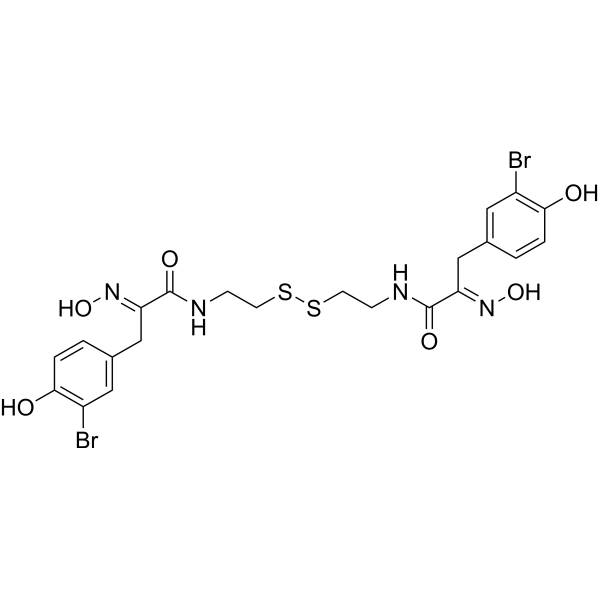
Psammaplin A is a marine metabolite. Psammaplin A is a selective HDAC1 (IC50: 45 nM), DNA methyltransferases (IC50: 18.6 nM) and aminopeptidase N (APN) (IC50: 18 μM) inhibitor. Psammaplin A also inhibits DNA topoisomerase and farnesyl protein transferase. Psammaplin A is a PPARγ activator and induces apoptosis. Psammaplin A has antitumor and anti-inflammatory activities. Psammaplin A has antibacterial activity against Gram-positive bacteria and inhibits DNA synthesis and DNA gyrase activity. Psammaplin A inhibits angiogenesis .
|
-
-
- HY-174404
-
|
|
Topoisomerase
Apoptosis
Bcl-2 Family
|
Cancer
|
|
Topoisomerase II inhibitor 23 is a potent topoisomerase II inhibitor (IC50 = 0.94 μM). Topoisomerase II inhibitor 23 shows high selectivity and exceptional cytotoxic activity in MCF-7, HepG2, and HCT116 cells. Topoisomerase II inhibitor 23 induces cell cycle arrest at the G1 phase, leading to inhibition of cell proliferation. Topoisomerase II inhibitor 2 induces apoptosis by up-regulating the pro-apoptotic Bax level and down-regulating the anti-apoptotic Bcl-2 level.
|
-
-
- HY-172097
-
|
|
Drug Derivative
|
Cancer
|
|
HL22 is a harmaline derivative. HL22 significantly inhibits HCT116, MGC803 and MCF7 cancer cell lines, and inhibits MGC803 cell migration and monoclonal formation. The anti-cancer mechanism of HL22 is related to a variety of metabolic pathways and can be used in the study of cancer .
|
-
-
- HY-170895
-
|
|
HSP
Na+/K+ ATPase
|
Cancer
|
|
Hsp90-IN-38 (compound 20m) is a HSP90 (heat shock protein) inhibitor. Hsp90-IN-38 exhibits strong HSP90 binding affinity with a Kd of 87 nM. Hsp90-IN-38 inhibits ATPase with an IC50 of 0.13 μM. Hsp90-IN-38 inhibits HCT116, MCF-7, SKBr3, K562 and A549 cells with IC50s of 0.187, 0.072, 0.105, 0.403 and 031 μM, respectively .
|
-
-
- HY-113796
-
|
|
Others
|
Cancer
|
|
Kopsoffinol, a bisindole alkaloid, shows in vitro growth inhibitory activity against human PC-3, HCT-116, MCF-7, and A549 cells and moderate effects in reversing multidrug-resistance in vincristine-resistant human KB cells .
|
-
-
- HY-175698
-
|
|
ACSL Family
Ferroptosis
Microtubule/Tubulin
COX
Glutathione Peroxidase
|
Cancer
|
|
Ferroptosis inducer-9 is a ferroptosis inducer and colchicine site tubulin polymerization inhibitor. Ferroptosis inducer-9 inhibits MCF-7 cell growth with an IC50 of 14 nM and inhibits [ 3H]colchicine binding. Ferroptosis inducer-9 reduces expression of GPX4 and FTH, increases COX2 and ACSL4, lowers GSH, NADP+, and NADPH levels, increases LPO, MDA, and Fe(II) levels, and decreases SOD concentrations. Ferroptosis inducer-9 demonstrates significant anti-tumor efficacy in HCT116 CRC xenograft model. Ferroptosis inducer-9 can be used for the study of triple negative breast cancer (TNBC) and colorectal cancer (CRC) .
|
-
-
- HY-156444
-
|
|
HDAC
CDK
Apoptosis
|
Cancer
|
|
HDAC1/CDK7-IN-1 (compound 8e) is a dual CDK7 and HDAC1 inhibitor with IC50s of 893 nM and 248 nM, respectively. HDAC1/CDK7-IN-1 inhibits the growth cells of MDA-MB-231, MCF-7, A549, and HCT-116 cancer cells. HDAC1/CDK7-IN-1 induces cell cycle arrest and apoptosis in HCT-116 cells, as well as hindered the migration of HCT-116 cells .
|
-
-
- HY-157402
-
|
|
Topoisomerase
EGFR
|
Cancer
|
|
Topoisomerase II/EGFR-IN-1 is topoisomerase II/EGFR dual inhibitor. Topoisomerase II/EGFR-IN-1 has superior cytotoxic activity to MCF-7, A549 and HCT-116 cell lines, displays strong apoptotic activity and can be used for the research of cancer .
|
-
-
- HY-147921
-
|
|
Pim
|
Cancer
|
|
PIM1-IN-7 (compound 6c) is a potent PIM-1 inhibitor, with an IC50 of 0.67 μM. PIM1-IN-7 shows the high cytotoxicity activity against HCT-116 and MCF-7 cells, with IC50 values of 42.9 and 7.68 μM, respectively .
|
-
-
- HY-149995
-
|
|
Pim
|
Cancer
|
|
Pim-1 kinase inhibitor 5 (Compound 4c) is a Pim-1 kinase inhibitor (IC50: 0.61 μM). Pim-1 kinase inhibitor 5 shows cytotoxicity against cancer cells, with IC50s of 6.95-20.19 μM for HepG2, MCF-7, PC3, and HCT-116 cells .
|
-
-
- HY-164619
-
|
|
CDK
SARS-CoV
|
Infection
Cancer
|
|
CDK9-IN-34 (Compound 1b) is an inhibitor for CDK9 with an IC50 of 0.25 μM. CDK9-IN-34 exhibits cytotoxicity to cancer cell HCT116, MCF7 and K652 with IC50s of 1.43, 3.01 and 50.27 μM, respectively. CDK9-IN-34 exhibits antiviral activity against coronavirus 229E with an IC50 of 145.92 μM .
|
-
-
- HY-158371
-
|
|
HDAC
Casein Kinase
|
Cancer
|
|
HDAC/CK2-IN-1 (compound 38) is a HDAC1 (IC50 = 1.46 μM), HDAC6 (IC50 = 0.66 μM), and CK2 (IC50 = 3.67 μM) inhibitor. HDAC/CK2-IN-1 exhibits promising antproliferative activity against Jurkat, MCF-7, HCT-116, and HL-60 cell lines .
|
-
-
- HY-161641
-
|
|
Microtubule/Tubulin
|
Cancer
|
|
Tubulin polymerization-IN-62 (Compound 14b) is an inhibitor for microtubule polymerization (IC50 is 7.5 μM) and a degrader for α- and β-tubulin. Tubulin polymerization-IN-62 inhibits proliferation of cancer cells MCF-7, A549 and HCT-116, with IC50 of 32, 60 and 29 nM, respectively. Tubulin polymerization-IN-62 arrests the cell cycle at G2/M phase, inhibits the migration of MCF-7. Tubulin polymerization-IN-62 exhibits antitumor efficacy with a tumor growth inhibition rate (TGI) of 74.27% in 4T1 homograft mouse model .
|
-
-
- HY-147853
-
|
|
Raf
|
Cancer
|
|
B-Raf IN 8 (compound 7g) is a potent B-Raf inhibitor, with an IC50 of 70.65 nM. B-Raf IN 8 exhibits antitumor activity against hepatocellular carcinoma (HEPG-2), colon carcinoma (HCT-116), mammary gland (MCF-7) and human prostate cancer (PC-3) cells, with IC50 values of 9.78, 13.78, 18.52 and 29.85 µM .
|
-
-
- HY-147852
-
|
|
Raf
|
Cancer
|
|
B-Raf IN 7 (compound 6a) is a potent B-Raf inhibitor, with an IC50 of 110.23 nM. B-Raf IN 7 exhibits antitumor activity against colon carcinoma (HCT-116), mammary gland (MCF-7), hepatocellular carcinoma (HEPG-2), human cervical carcinoma (Hela) and human prostate cancer (PC-3) cells, with IC50 values of 7.50, 9.87, 10.57, 11.63 and 12.83 µM .
|
-
-
- HY-162670
-
|
|
CDK
|
Cancer
|
|
Anticancer agent 238 (compound 5) is an anticancer agent with a notably strong binding affinity towards the CDK-5 enzyme. Anticancer agent 238 shows a strong efficacy agains HCT116 and MCF7 cells, with IC50 values of 13.46 µM and 16.43 µM, respectively .
|
-
-
- HY-167694
-
|
|
Quinone Reductase
|
Cancer
|
|
Antiproliferative agent-62 (compound 5) is a functionalized benzylidene-indolin-2-one with notable antiproliferative activity and NQO1 activity induciton funciton, particularly in inducing NQO1 expression in murine Hepa1c1c7 cells and demonstrating effectiveness against human cancer cell lines, including MCF-7 and HCT116.
|
-
-
- HY-163615
-
|
|
Bacterial
|
Infection
|
|
Antimicrobial agent-32 (Compound 4g) is an antimicrobial agent that exhibits significant activity against various bacteria, including Staphylococcus aureus, Bacillus subtilis, Bacillus cereus (MIC=1000 µg/mL), Klebsiella pneumonia, and Staphylococcus aureus (MRSA) (MIC=500 µg/mL), as well as Escherichia coli (MIC=250 µg/mL). Additionally, Antimicrobial agent-32 inhibits the proliferation of MCF-7, HCT-116, and HepG-2 cells, demonstrating anticancer activity .
|
-
-
- HY-146103
-
|
|
Apoptosis
Reactive Oxygen Species (ROS)
|
Cancer
|
|
Antiproliferative agent-7 (compound 8f) is a potent anti-proliferative agent. Antiproliferative agent-7 has antiproliferative activity against cancer cell lines MCF-7, MDA-MB-231, HCT-116 and FR-2 with IC50s of 3.5 μM, 15.54 μM, 30.43 μM and 34.8 μM, respectively. Antiproliferative agent-7 can increase ROS production and induce apoptosis .
|
-
-
- HY-150968
-
|
|
Apoptosis
|
Cancer
|
|
Antiproliferative agent-11 (compound 7) is an antiproliferative and selective Ruthenium(II)-Tris-pyrazolylmethane complex. Antiproliferative agent-11 shows antiproliferative activity towards MCF-7, HeLa, 518A2, HCT116 and RD with IC50s of 6, 10, 6.8, 6.7 and 6 μM, respectively. Antiproliferative agent-11 can be used for the research of cancer .
|
-
-
- HY-146454
-
|
|
DNA/RNA Synthesis
|
Cancer
|
|
Antiproliferative agent-6 (compound 8a) is a potent antitumor agent. Antiproliferative agent-6 has antiproliferative activity against cancer cell lines HCT116, MCF-7, H460 and non-tumor aneuploid immortal keratinocyte HaCaT cells with GI50s of 0.5 μM, 2 μM, 0.7 μM and 3.5 μM, respectively .
|
-
-
- HY-175174
-
|
|
Glutaminase
|
Cancer
|
|
Antiproliferative agent-73 (Compound 7) is an antiproliferative agent. Antiproliferative agent-73 significantly inhibits proliferation of human cancer cells with excellent cytotoxicity. Antiproliferative agent-73 has potent anticancer activity with IC50s of 15.20, 18.18, 20.20 and 13.23 μM for HepG2, MCF-7, HCT-116 and WI38 cells, respectively. Antiproliferative agent-73 can be used for cancers research, such as breast, colorectal and liver cancer .
|
-
-
- HY-175779
-
|
|
Phosphodiesterase (PDE)
|
Cancer
|
|
TDP1-IN-4 (Compound 33) is a Tyrosyl-DNA phosphodiesterase 1 (TDP1) inhibitor with an IC50 of 0.90 μM. TDP1-IN-4 has a strong synergistic effect with Camptothecin (HY-16560) in SK-Mel-2 cells, but not in cancer cells (A549, HCT-116 and MCF-7 cells) and non-cancerous Ges-1 cells. TDP1-IN-4 can be used for cancer chemotherapy and radiotherapy research .
|
-
-
- HY-155177
-
|
|
CDK
|
Cancer
|
|
CDK9-IN-27 (Compound 6a) is a CDK9 inhibitor (IC50s: 0.424 μM). CDK9-IN-27 induces apoptosis and cell cycle arrest at S stage. CDK9-IN-27 has cytotoxic action against HepG2, HCT-116 and MCF-7 cell lines, with IC50s of 10.31-40.34 μM. CDK9-IN-27 can be used for cancer research .
|
-
-
- HY-155118
-
|
|
EGFR
|
Cancer
|
|
EGFR-IN-81 (Compound 10i) is an EGFR inhibitor. EGFR-IN-81 inhibits EGFR WT and L858R/T790M with IC50s 4.38 nM and 5.69 nM. EGFR-IN-81 has cytotoxic activity against MCF-7 and HCT116 cells with of 2.07 μM and 6.72 μM respectively .
|
-
-
- HY-161324
-
|
|
Microtubule/Tubulin
|
Cancer
|
|
Tubulin degrader 1 (Compound 5i) is a BML284 (HY-19987) derivative that is an orally active colchicine-site noncovalent tubulin degradation agent with IC50 values ranging from 0.02 to 0.05 μM against the five tumor cell lines (Hela, HCT116, MCF-7, K562 and Molm-13). Tubulin degrader 1 has antiproliferative activity that effectively suppressed tumor growth .
|
-
-
- HY-163678
-
|
|
E3 Ligase Ligand-Linker Conjugates
|
Cancer
|
|
Pomalidomide-CO-C7-NH-CO-C3-COOH is a conjugate of a ligand for E3 ligase and a linker. Pomalidomide-CO-C7-NH-CO-C3-COOH can be used for synthesis of PROTAC degrader ARM165 (HY-163677) .
|
-
-
- HY-156018
-
|
|
PI3K
|
Cancer
|
|
PI3Kα-IN-13 (Compound 18a) is a PI3Kα inhibitor (IC50: 2.5 nM). PI3Kα-IN-13 induces tumor cell apoptosis. PI3Kα-IN-13 inhibits cancer cell proliferation with IC50s of 0.75 μM (MCF-7), 3.79 μM (HCT-116), 13.71 μM (MDA-MB-231), 9.85 μM (SW620), respectively. PI3Kα-IN-13 inhibits tumor cell colony formation, migration and invasion .
|
-
-
- HY-173492
-
|
|
EGFR
Apoptosis
|
Cancer
|
|
EGFR-IN-156 (Compound 7f) is an EGFR inhibitor that also has inhibitory activity against mutations EGFRL858R and EGFRT790M (IC50 values are 0.186, 0.131, and 0.107 μM, respectively). EGFR-IN-156 has significant anticancer activity against human cancer cell lines HepG-29 (liver cancer), MCF-7 (breast cancer), and HCT-116 (colon cancer) (IC50 values are 1.67, 5.32, and 6.56 μM, respectively). EGFR-IN-156 inhibits cancer cell proliferation by inducing cell cycle arrest at the G/G1 phase and triggering apoptosis. EGFR-IN-156 shows promise in EGFR-related cancers .
|
-
-
- HY-186161
-
|
|
Others
|
Cancer
|
|
Antiproliferative agent-77 is an anticancer cell proliferation agent that exerts significant antiproliferative effects on HCT116, HepG2, H1299 and MCF-7 .
|
-
-
- HY-159122
-
|
|
Carbonic Anhydrase
Reactive Oxygen Species (ROS)
Apoptosis
|
Cancer
|
|
CA IX-IN-2 (Compound 9o) is an inhibitor for carbonic anhydrase (CA), that inhibits CA IX, CA XII and CA II with an IC50 of 5.6, 7.4 and 430 nM, respectively. CA IX-IN-2 inhibits the proliferation of cancer cell HCT-116, SW480, MDA-MB 231 and MCF-7, with IC50s of 14.63-29.33 μM. CA IX-IN-2 intercalates DNA, arrests cell cycle at G1/S phase, and induces apoptosis in MDA-MB-231. CA IX-IN-2 affects the mitochondrial membrane potential (MMP), increases the intracellular ROS levels, causes mitochondrial damage, and inhibits the cell migration of MDA-MB-231. CA IX-IN-2 exhibits antitumor efficacy in mouse models .
|
-
-
- HY-168435
-
|
|
VEGFR
|
Cancer
|
|
VEGFR-2-IN-63 (Compound 12b) is the inhibitor for VEGFR2 that inhibits 87.2% VEGFR-2 at 10 μM. VEGFR-2-IN-63 exhibits antiproliferative activity in multiple cancer cell, IC50s for HCT116, MCF7 and PaCa2 is 6.5 μM, 2.1 μM and 4.1 μM, respectively .
|
-
-
- HY-161786
-
|
|
Bcl-2 Family
Apoptosis
Reactive Oxygen Species (ROS)
|
Cancer
|
|
Bcl-2-IN-20 (Compound 81) is an inhibitor for Bcl-2 with IC50 <10 μM (79.1% inhibition at 9 μM). Bcl-2-IN-20 exhibits cytotoxicity in SK-MEL-28 (IC50>10 μM), A549 (IC50=6.1 μM), HepG2 (IC50>10 μM), MCF-7 (IC50=8.9 μM), HCT116 (IC50>10 μM) and HEK-293 (IC50=14.1 μM). Bcl-2-IN-20 promotes the ROS production, induces apoptosis and DNA damage .
|
-
-
- HY-169096
-
|
|
Microtubule/Tubulin
Apoptosis
|
Cancer
|
|
DPP-21 is an inhibitor of tubulin polymerization (IC50: 2.4 μM). DPP-21 shows anti-proliferative activity against cancer cell lines, with IC50s of 0.38 nM (HCT116), 11.69 nM (B16), 5.37 nM (HeLa), 9.53 nM (MCF7), 8.94 nM (H23) and 9.37 nM (HepG2) respectively. DPP-21 arrests the cell cycle in the G2/M phase of mitosis, subsequently inducing tumor cell apoptosis (decreases Bcl-2 but upregulates the pro-apoptotic protein Bax) .
|
-
-
- HY-155239
-
|
|
VEGFR
|
Cancer
|
|
VEGFR-2-IN-35 (compound 7) is a potent VEGFR-2 inhibitor with IC50=37 nM. VEGFR-2-IN-35 inhibits MCF-7 and HCT 116 cancer cells with IC50 values of 10.56 and 7.07 μM, respectively .
|
-
- HY-175297
-
|
|
VEGFR
EGFR
|
Cancer
|
|
EGFR T790M/VEGFR-2-IN-1 (Compound 6) is a dual EGFR T790M mutant (IC50=0.26 μM) and VEGFR-2 (IC50=0.95 μM) inhibitor. EGFR T790M/VEGFR-2-IN-1 blocks tumor cell proliferation and angiogenesis signaling pathways. EGFR T790M/VEGFR-2-IN-1 exhibits potent cytotoxicity against multiple cancer cell lines (HCT116, MCF-7, HepG2, A549; IC50=5.35-9.90 μM). EGFR T790M/VEGFR-2-IN-1 is promising for research of non-small cell lung cancer and solid tumors .
|
-
- HY-N10949
-
|
|
Others
|
Cancer
|
|
Viscosalactone B is a withanolide found in Withania somnifera. Viscosalactone B shows potent inhibitory activities to NCI-H460, HCT-116, MCF-7 and SF-268 cancer cells with IC50 values of 0.32, 0.47, 0.4 and 0.45 μg/mL. Viscosalactone B can be used for the research of cancer .
|
-
- HY-172748
-
|
|
Drug Derivative
|
Neurological Disease
Cancer
|
|
9β-Hydroxyhexahydrocannabinol is a synthetic cannabinoid derivative. 9β-Hydroxyhexahydrocannabinol exhibits cytotoxicity against various tumor cell lines, such as HCT-116, MCF-7, K562, MIAPaCa-2, PANC-1, A549, PC-3 and SW-620, with IC50 values ranging from 15.23 to 33.74 μM. 9β-Hydroxyhexahydrocannabinol can be used in the study of cancer .
|
-
- HY-146471
-
|
|
EGFR
Apoptosis
|
Cancer
|
|
EGFR-IN-51 (Compound 6) is a potent EGFR inhibitor with IC50 values of 0.493, 102.60 and 461.63 µM against EGFR, EGFR L858R-TK and EGFR T790M-TK, respectively. EGFR-IN-51 shows cytotoxic activity against cancer cell lines and induces apoptosis .
|
-
- HY-164533
-
|
|
STAT
|
Cancer
|
|
STAT3-IN-33 (compound 7f) is a potent STAT3 inhibitor with anti-cancer activity. STAT3-IN-33 exhibits antiproliferative activity in HCT116, MCF-7, and MDA-MB-231 cells, with IC50s of 6.44, 3.29, and 4.86 μM, respectively. STAT3-IN-33 can be used for breast and colon cancer research .
|
-
- HY-149632
-
|
|
EGFR
Dihydrofolate reductase (DHFR)
|
Cancer
|
|
EGFR/HER2/DHFR-IN-2 (Compound 4b) is an inhibitor of EGFR, HER2, and DHFR (IC50: 0.248, 0.156, 0.138 μM respectively). EGFR/HER2/DHFR-IN-2 has anticancer activities against a panel of cancer cells (IC50: 9.14, 7.33, 14.18, 24.87, 20.07, 6.16 μM for Hep G2, HeLa, HEp-2, HCT 116, PC-3, MCF7 cells). EGFR/HER2/DHFR-IN-2 reduce breast cancer tumor growth .
|
-
- HY-180546
-
|
|
CDK
|
Cancer
|
|
CDK2-IN-53 (compound 9) is a CDK2 inhibitor with anticancer activity. CDK2-IN-53 selectively inhibits the proliferation of HCT-116 and MCF-7cells with IC50 values of 13.89 and 7.65 μM, respectively, while showing lower cytotoxicity toward normal lung fibroblast (WI-38) cells (IC50 = 71.24 μM). CDK2-IN-53 can be used for cancer research, such as colon and breast cancer .
|
-
- HY-146474
-
|
|
EGFR
|
Cancer
|
|
EGFR-IN-54 (Compound 3c) is a potent EGFR inhibitor with an IC50 of 1.623 µM. EGFR-IN-54 shows cytotoxic activity against cancer cell lines .
|
-
- HY-146473
-
|
|
EGFR
|
Cancer
|
|
EGFR-IN-53 (Compound 7) is a potent EGFR inhibitor with an IC50 of 8.264 µM. EGFR-IN-53 shows cytotoxic activity against cancer cell lines .
|
-
- HY-145859
-
-
- HY-P10286
-
|
|
MDM-2/p53
|
Cancer
|
|
Phage-derived 12/1 peptide exhibits antitumor activity by targeting MDM2 and MDMX, an thus disrupt the MDM2-p53 and MDMX-p53 interaction, with IC50 of 0.15 and 1.25 μM .
|
-
- HY-146472
-
|
|
EGFR
Apoptosis
|
Cancer
|
|
EGFR-IN-52 (Compound 4) is a potent EGFR inhibitor with IC50 values of 0.358, 86.02 and 432.67 µM against EGFR, EGFR L858R-TK and EGFR T790M-TK, respectively. EGFR-IN-52 shows cytotoxic activity against cancer cell lines and induces apoptosis .
|
-
- HY-158018
-
|
|
EGFR
|
Cancer
|
|
EGFR-TK-IN-2 (compound 10b) is EGFR-TK inhibitor with the IC50 of 0.16 μM. EGFR-TK-IN-2 inhibits cell growth .
|
-
- HY-146444
-
|
|
Apoptosis
Bcl-2 Family
Caspase
Reactive Oxygen Species (ROS)
|
Cancer
|
|
Anticancer agent 56 (compound 4d) is a potent anti-cancer agent with agent-likeness properties, possessing anticancer activity against several cancer cell lines (IC50<3 μM). Anticancer agent 56 induces cell cycle arrest at G2/M phase and triggers mitochondrial apoptosis pathway. Anticancer agent 56 acts by accumulation of ROS, up regulation of BAX, down regulation of Bcl-2 and activation of caspases 3, 7, 9 .
|
-
- HY-183319
-
|
|
Apoptosis
Mitochondrial Metabolism
|
Cancer
|
|
Anticancer agent 320 is a potent broad-spectrum anticancer agent, with low toxicity toward noncancerous cells. Anticancer agent 320 induces cell cycle arrest, DNA double-strand breaks, and early apoptosis. Anticancer agent 320 disrupts mitochondrial function in cancer cells. Anticancer agent 320 inhibits proliferation of lung, colon, and breast cancer cells. Anticancer agent 320 can be used for the research of lung carcinoma, colon carcinoma, breast carcinoma .
|
-
- HY-N11846
-
|
|
Apoptosis
Caspase
|
Inflammation/Immunology
Cancer
|
|
4′-O-Methylglabridin is an apoptosis inducer with antioxidant, cell cycle-disrupting and anticancer cytotoxic activities. 4′-O-Methylglabridin inhibits various cancer cell lines including liver cancer, breast cancer and colorectal cancer cell lines. By reducing the expression levels of phosphorylated Rb (Ser807/811) and p21 proteins, 4′-O-Methylglabridin promotes cell accumulation at the subG1 and G2/M phases, and triggers caspase-dependent apoptosis via cytochrome C release and caspase-9 activation. 4′-O-Methylglabridin also exerts antioxidant effects by inhibiting lipid peroxide levels and reducing β-carotene consumption, thereby blocking LDL oxidation. 4′-O-Methylglabridin can be used in the research of various cancers and atherosclerotic diseases .
|
-
- HY-N6998A
-
|
|
Others
|
Infection
Cancer
|
|
6-epi-Paederosidic acid is a cyclopentanoid monoterpene glycoside found in the aerial parts of Paederia foetida L. 6-epi-Paederosidic acid does not exhibit cytotoxic activity against human tumor cells, hepatoprotective activity against APAP (HY-66005)-induced cellular toxicity, or inhibitory activity against LPS (HY-D1056)-induced nitric oxide production in murine microglia .
|
-
| Cat. No. |
Product Name |
Target |
Research Area |
-
- HY-P10286
-
|
|
MDM-2/p53
|
Cancer
|
|
Phage-derived 12/1 peptide exhibits antitumor activity by targeting MDM2 and MDMX, an thus disrupt the MDM2-p53 and MDMX-p53 interaction, with IC50 of 0.15 and 1.25 μM .
|
| Cat. No. |
Product Name |
Category |
Target |
Chemical Structure |
Your information is safe with us. * Required Fields.
Inquiry Information
- Product Name:
- Cat. No.:
- Quantity:
- MCE Japan Authorized Agent:

