From 11:00 pm to 12:00 pm EST ( 8:00 pm to 9:00 pm PST ) on January 6th, the website will be under maintenance. We are sorry for the inconvenience. Please arrange your schedule properly.
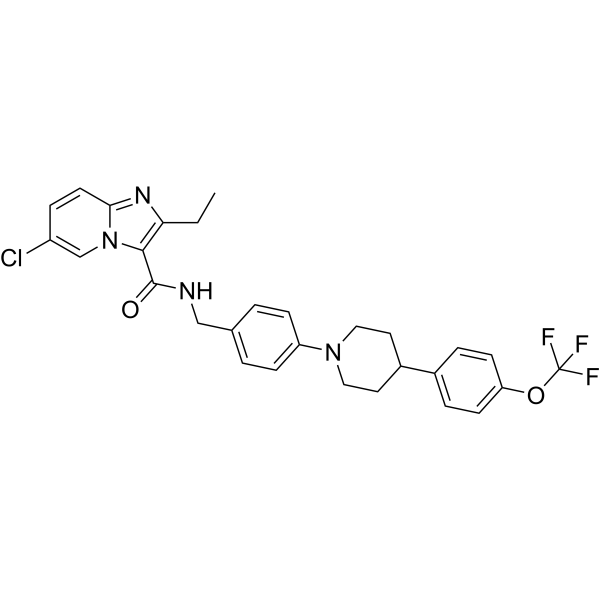
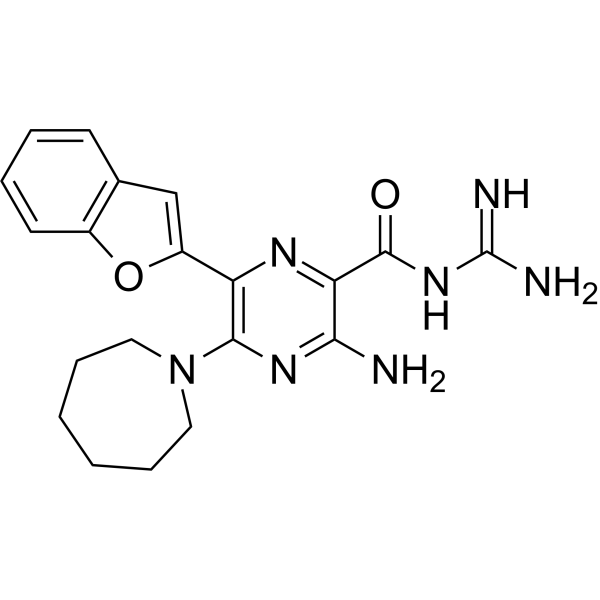
Telacebec (Q203) is a midazopyridine amide compound. Telacebec is active against MycobacteriumtuberculosisH37Rv with an MIC50 of 2.7 nM in culture broth medium.
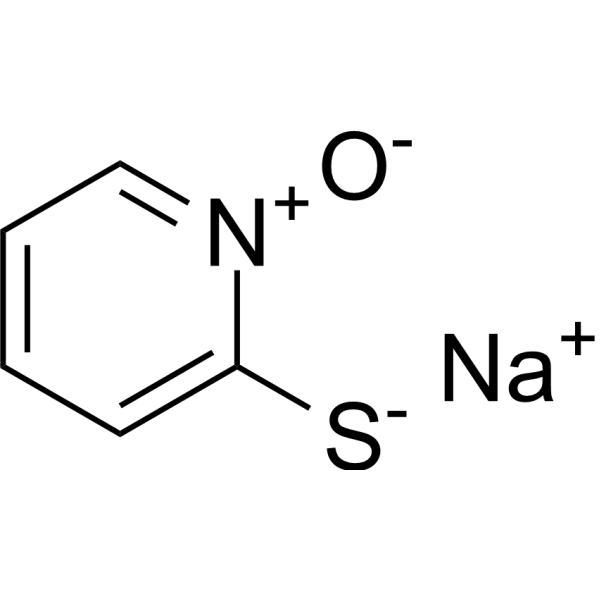
2-Mercaptopyridine N-oxide sodium has bactericidal effect and is against a standard strain of MycobacteriumtuberculosisH37Rv (ATCC 27294) with MIC90 of 7.20 μM. 2-Mercaptopyridine N-oxide sodium and its complex with iron, gallium, and bismuth have good anti-M. tuberculosis activity. 2-Mercaptopyridine N-oxide sodium has potential for the treatment of tuberculosis .
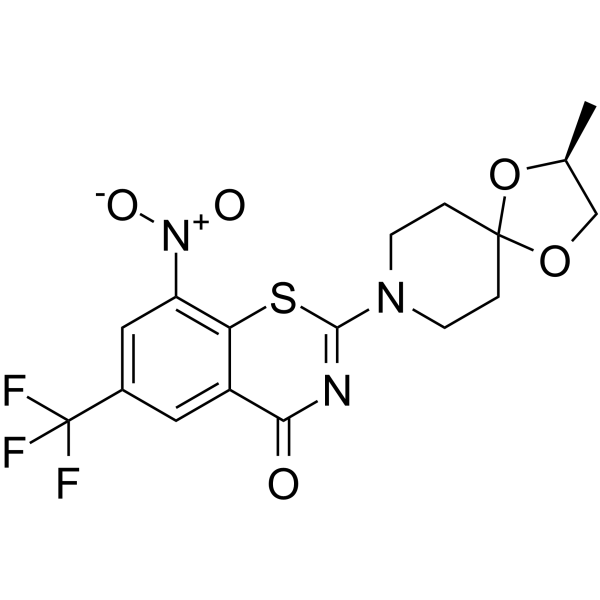
BTZ043 is an inhibitor of decaprenyl-phosphoribose-epimerase (DprE1), with MICs of of 2.3 nM and 9.2 nM for M. tuberculosisH37Rv and Mycobacterium smegmatis, respectively.
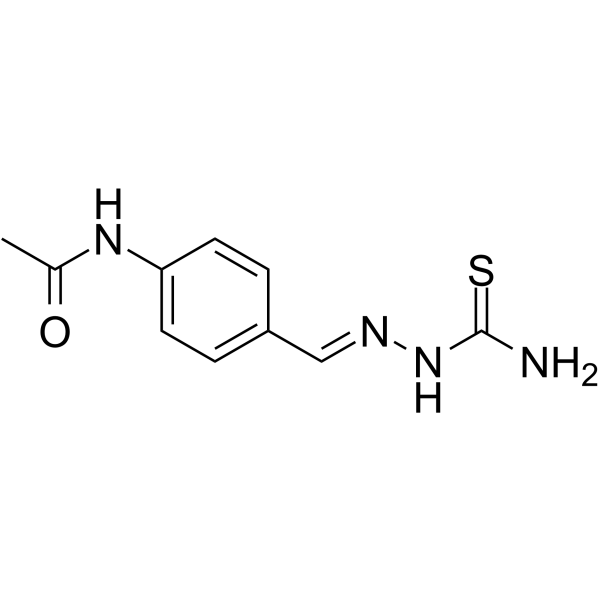
Thiacetazone (Thioacetazone) is a thiourea-containing antitubercular agent and is an orally active antibiotic. Thiacetazone has antibacterial action, which inhibits growth of MycobacteriumtuberculosisH37Rv with a MIC value of 0.1 μg/mL .
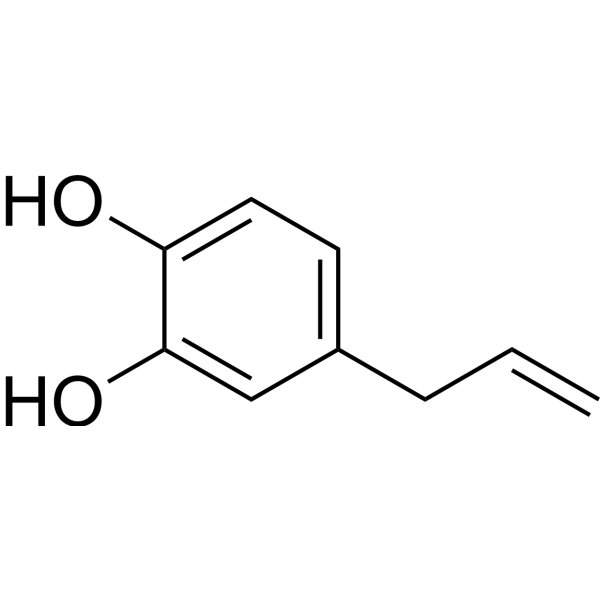
4-Allylcatechol (4-Allylpyrocatechol) is a xylan which has oral activity and can be isolated from the root of Piper taiwanense. 4-Allylcatechol has a strong inhibitory activity against collagen-induced platelet aggregation (IC50 = 5.3 μM). In addition, 4-Allylcatechol has anti-tuberculosis activity against MycobacteriumtuberculosisH37Rv (MIC = 27.6 μg/mL) .
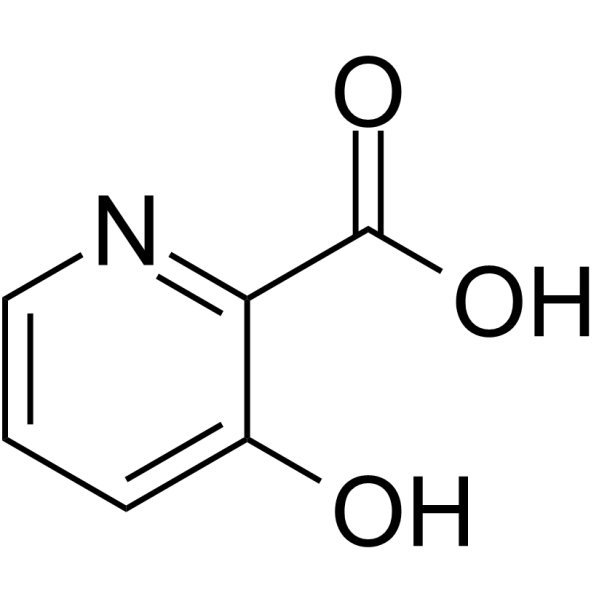
3-Hydroxypicolinic acid is a heterocyclic carboxylic acid ligand and cytotoxin, with a MIC90 of >25 μg/mL against MycobacteriumtuberculosisH37Rv. 3-Hydroxypicolinic acid inhibits the growth of cancer cells and normal fibroblasts. 3-Hydroxypicolinic acid is applicable to research related to chronic myeloid leukemia, human lung adenocarcinoma, and tuberculosis .
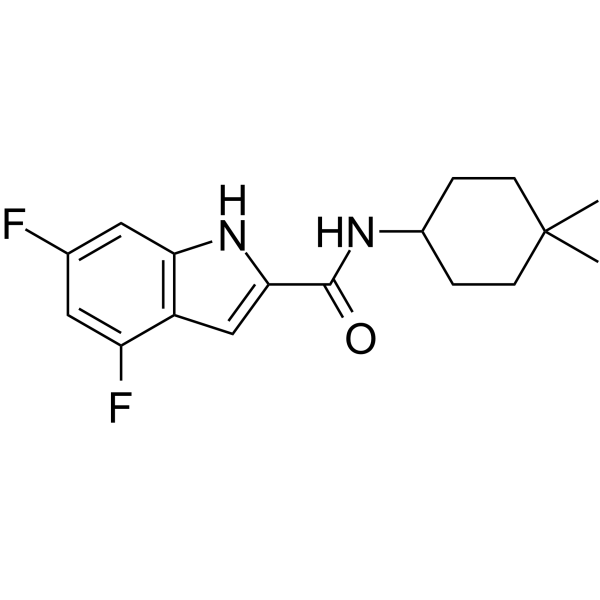
NITD-349 is an MmpL3 inhibitor that shows highly potent anti-mycobacterial activity with MIC50 of 23 nM against virulent MycobacteriumtuberculosisH37Rv.
Thiocarlide is a potent antibacterial agent. Thiocarlide inhibits MycobacteriumtuberculosisH37Rv, Mycobacterium bovisBCG, Mycobacterium avium, and Mycobacterium aurum A+ with MICs of 2.5, 0.5, 2.0 and 2.0 μg/mL, respectively .
BB2-50F is an antimicrobial agent and succinate dehydrogenase and F1Fo-ATP synthase inhibitor. BB2-50F induces ROS. BB2-50F inhibits succinate oxidation and reduces tricarboxylic acid (TCA) cycle activity. BB2-50F inhibits the growth of MycobacteriumtuberculosisH37Rv and its auxotrophic, attenuated derivative mc2 6230 (ΔRD1, ΔpanCD) with an MIC of 8 μM .
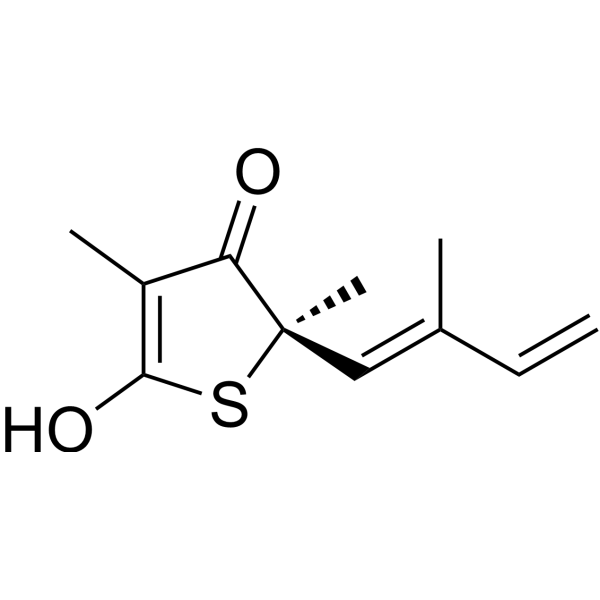
Thiolactomycin is an orally active bacterial type II fatty acid synthase (FAS-II) inhibitor with antibacterial and antimalarial activities. Thiolactomycin specifically targets KasA/KasB in mycobacteria and FabB/FabF in bacteria, thereby inhibiting the biosynthesis of fatty acids and mycolic acids. Thiolactomycin can be used in studies related to tuberculosis, systemic bacterial infections, and experimental pyelonephritis .
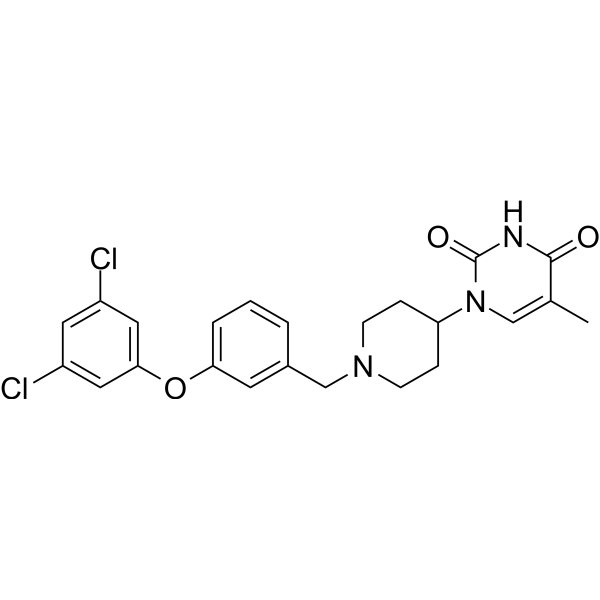
MtTMPK-IN-3 (compound 25) is a potent Mycobacteriumtuberculosis thymidylate kinase (MtTMPK) inhibitor with an IC50 value of 0.12 μM. MtTMPK-IN-3 has inhibitory activity against MtbH37Rv (MIC = 12.5 μM). MtTMPK-IN-3 exhibits certain cytotoxicity in human fibroblast cells MRC-5 (EC50 = 12.5 μM). MtTMPK-IN-3 can be used for researching tuberculosis .
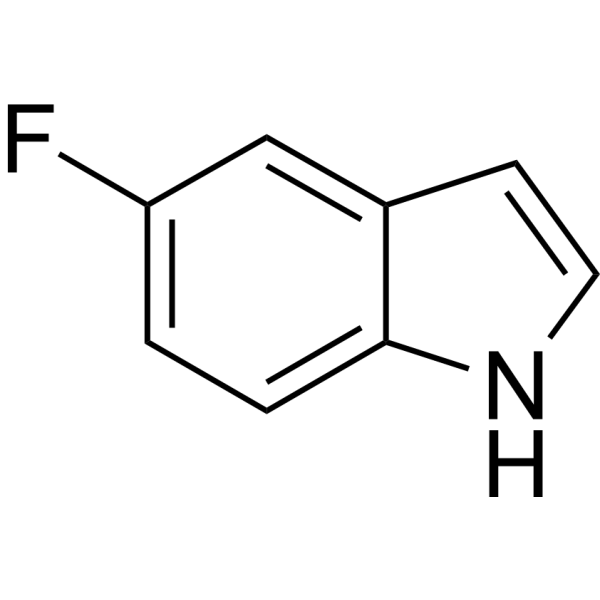
5-Fluoroindole is an orally active fluorinated indole derivative and antibacterial agent. 5-Fluoroindole induces ROS accumulation and triggers Apoptosis. 5-Fluoroindole inhibits the growth of pan-susceptible Mycobacteriumtuberculosis (Mtb) H37Rv strains. 5-Fluoroindole has significant bactericidal activity against Pseudomonas syringae pv. actinidiae (Psa) with an EC50 of 15.34 μg/mL. 5-Fluoroindole introduces fluorine labeling for protein research. 5-Fluoroindole can be used in the study of tuberculosis and kiwifruit bacterial canker .
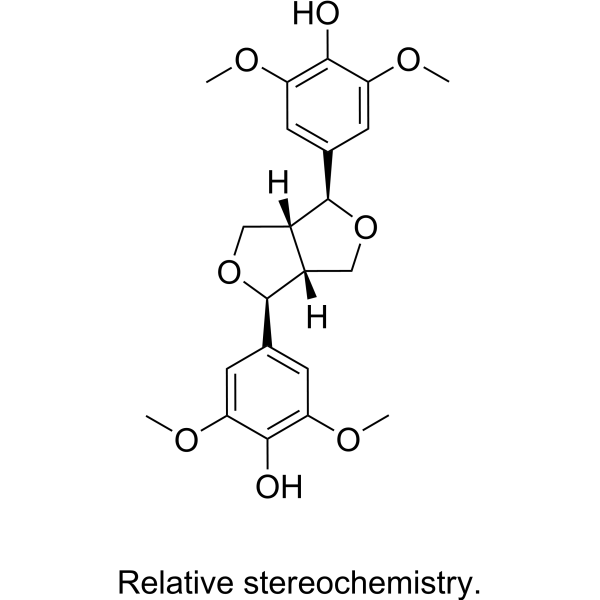
DL-Syringaresinol ((±)-Syringaresinol), a lignin, inhibits UVA-induced upregulation of MMP-1 by suppressing MAPK/AP-1 signaling in human HaCaT keratinocytes and dermal fibroblasts (HDFs). DL-Syringaresinol has antiphotoaging properties against UVA-induced skin aging. DL-Syringaresinol exhibits weak antimycobacterial activity against MycobacteriumtuberculosisH37Rv .
Telacebec ditosylate is a midazopyridine amide compound. Telacebec ditosylate is active against MycobacteriumtuberculosisH37Rv with an MIC50 of 2.7 nM in culture broth medium.
JSF-4898 is an orally active inhibitor of the MenG enzyme in Mycobacteriumtuberculosis. JSF-4898 has MIC of 0.78 μM against MycobacteriumtuberculosisH37Rv. JSF-4898 can enhance the efficacy of Rifampicin (HY-B0272) in a subacute model of Mycobacteriumtuberculosis infection in mice .
Tuberculosis inhibitor 4 (compound 16), a mandelic acid-based spirothiazolidinone, has potent antimycobacterial activity against Mycobacteriumtuberculosis strain H37Rv with the high inhibition value 98% at lower than 6.25 µg/mL concentration .
Amycolatopsin A is a 20-membered macrolide, that can be isolated from a strain of the rare actinomycete Amycolatopsis sp. MST‐108494. Amycolatopsin A shows antimycobacterial activity against Mycobacterium bovis (BCG) and M. tuberculosis (H37Rv) with IC50 values of 0.4 µM and 4.4 µM, respectively .
UH-NIP-16 exhibits antimicrobial activity against Mycobacteriumtuberculosis, with MIC50 of 1.86 and 3.05 μM, for pathogenic mycobacterial strains H37Rv and CDC1551. UH-NIP-16 synergizes with Streptomycin (HY-B1906), Isoniazid (HY-B0329), Ethambutol (HY-B0535) and Bedaquiline (HY-14881), potentiates their anti-tuberculosis activities .
VEGFR-2/InhA-IN-1 is a pyrazole-based dual inhibitor of InhA-VEGFR with anti-tuberculosis and anti-angiogenic activities. VEGFR-2/InhA-IN-1 has good antibacterial activity against MycobacteriumtuberculosisH37Rv strain (MIC=6.25 μg/mL) and significantly inhibits VEGFR-2 (IC50=15.27 nM) .
Antituberculosis agent-16 is an orally active antituberculosis agent. Antituberculosis agent-16 exhibits stable antituberculosis activity with a MIC of 0.48 μg/mL against MycobacteriumtuberculosisH37Rv sensitive strain and 0.49 μg/mL against multidrug-resistant strain 14862. Antituberculosis agent-16 shows high Caco-2 permeability. Antituberculosis agent-16 can be used for the research of infection .
Antitubercular agent-58 is an antitubercular agent with an IC50 of 51 nM against MycobacteriumtuberculosisH37Rv. Antitubercular agent-58 can be used for the research of tuberculosis .
MptpB-IN-2 (compound 20) is a selective mycobacteriumtuberculosis protein tyrosine phosphatase B (MptpB) inhibitor with IC50s of 0.64 μM, 4.06 μM and 4.14 μM for MptpB, MptpA and PTP1B, respectively. MptpB-IN-2 shows weak antituberculosis activity with a MIC of 64.9 μM for Mtb H37Rv .
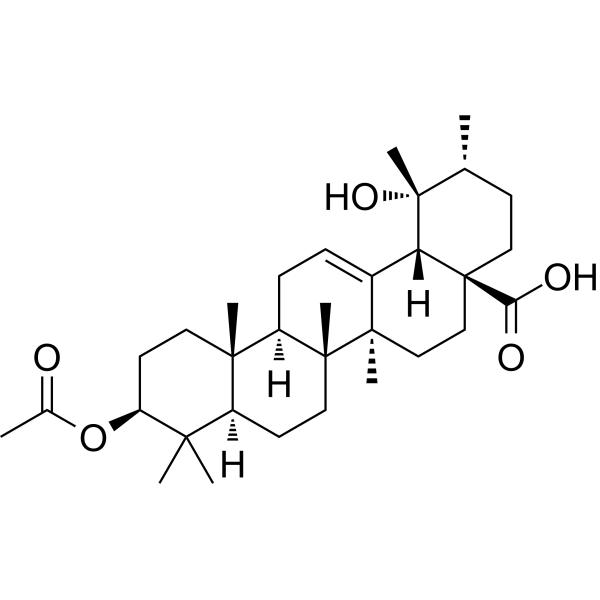
Maniladiol is a triterpenoid that can be isolated from the flowers of Chrysanthemum morifolium. Maniladiol exhibits antitubercular activity against Mycobacteriumtuberculosis strain H37Rv with a MIC of 4 mg/mL. Maniladiol can be used for Mycobacteriumtuberculosis infection research .
The minimum inhibitory concentration (MIC) of a new 2- (quinoline-4-methoxy) acetamide antituberculotic agent against the reference strain of MycobacteriumtuberculosisH37Rv was as low as 0.3 μ M. It also inhibited the growth of Mycobacteriumtuberculosis in the macrophage model of tuberculosis infection.
MycobacteriumTuberculosis-IN-8 (Compound 6g) is a selective inhibitor of Mycobacteriumtuberculosis (MTB) with an MIC value of 6.25 µg/mL against MTB H37Rv. MycobacteriumTuberculosis-IN-8 shows potent antitubercular activities, inhibiting mycolic acid biosynthesis critical for bacterial cell wall integrity. MycobacteriumTuberculosis-IN-8 is promising for research of antitubercular agents .
(Rac)-Sativan is an isoflavanoid with a broad spectrum of antimicrobial activity against bacteria and phytopathogenic fungi. (Rac)-Sativan exhibits antituberculosis activity against MycobacteriumtuberculosisH37Rv, with MIC values of 50 µg/mL .
Mtb-IN-8 (compound 5jb) is an orally active inhibitor of Mycobacteriumtuberculosis (Mtb) with MIC values of 0.03 μg/mL for H37Rv and 0.125-0.06 μg/mL for MDR-Mtb, respectively .
MtInhA-IN-1 is a selective and orally active Mycobacteriumtuberculosis NADH-dependent enoyl-acyl carrier protein reductase (MtInhA) inhibitor with an IC50 of 0.23 μM. MtInhA-IN-1 potently against M. tuberculosisH37Rv strain with a MIC value of 0.4 μM .
BTZ043 (Standard) is the analytical standard of BTZ043. This product is intended for research and analytical applications. BTZ043 is an inhibitor of decaprenyl-phosphoribose-epimerase (DprE1), with MICs of of 2.3 nM and 9.2 nM for M. tuberculosisH37Rv and Mycobacterium smegmatis, respectively.
MmpL3-IN-5 (Compound 3G) is a MmpL3 inhibitor. MmpL3-IN-5 has an antitubercular activity with a pMIC of 7.0 μM for MycobacteriumtuberculosisH37Rv strain. MmpL3-IN-5 can be used for tuberculosis research .
sCNH240 (Compound P1) is an oral active and selective Rv1625c/Cya activator. sCNH240 has significant anti-tuberculosis activity with a MIC90 of 1.24 μM for Mycobacteriumtuberculosis (Mtb) H37Rv strain on cholesterol. sCNH240 can be used for tuberculosis research .
Amycolatopsin C is a glycosylated macrolactone with antibacterial activity. Amycolatopsin C selectively inhibits the growth of Mycobacterium bovis (BCG) and Mycobacteriumtuberculosis (H37Rv) compared to other Gram-positive and Gram-negative bacteria. Amycolatopsin C demonstrates low levels of cytotoxicity toward mammalian cells and can be utilized in antibacterial research .
Anti-infective agent 8 (compound 9d) is an antibacterial agent with an MIC of 0.5 μg/mL against Staphylococcus aureus and MycobacteriumtuberculosisH37Rv. Anti-infective agent 8 has anti-biofilm activity and significantly reduces Staphylococcus aureus biofilm formation .
HT1171 is a potent and selective inhibitor of mycobacteriumtuberculosis proteasome. HT1171 shows strong anti-tuberculosis activity against MycobacteriumtuberculosisH37Rv with an MIC90 of 2 μg/mL and an MIC of 4 μg/mL. When HT1171 concentration is 100 μM, the inhibition rate of human normal hepatocytes L02 is 53.8%. HT1171 can be used in the research of antitubercular agent .
Thiacetazone (Standard) is the analytical standard of Thiacetazone. This product is intended for research and analytical applications. Thiacetazone (Thioacetazone) is a thiourea-containing antitubercular agent and is an orally active antibiotic. Thiacetazone has antibacterial action, which inhibits growth of MycobacteriumtuberculosisH37Rv with a MIC value of 0.1 μg/mL[1].
MtTMPK-IN-1 (compound 3) is a potent Mycobacteriumtuberculosis thymidylate kinase (MtTMPK) inhibitor with an IC50 value of 2.5 μM. MtTMPK-IN-1 has moderate to weak activity against MtbH37Rv and low cytotoxicity in human fibroblast cells MRC-5. MtTMPK-IN-1 can be used for researching tuberculosis .
Mtb-IN-2 (compound 10c) is an antimicrobial agent against Mycobacteriumtuberculosis (Mtb), without cytotoxicity. Mtb-IN-2 significantly decreases colony-forming units (CFU) in spleen of murine tuberculosis models, and distinguishes both drug-sensitive and drug-resistant Mtb H37Rv strains. Mtb-IN-2 affects methionine metabolism but not folate pathway directly.
Mt KARI-IN-4 (compound 5c) is a potent Mycobacteriumtuberculosis ketol-acid reductoisomerase (Mtb KARI) inhibitor with a Ki value of 5.48 μM. Mt KARI-IN-4 has inhibitory activity against MtbH37Rv (MIC = 0.78 μM) and low cytotoxicity (HEK IC50 > 72 μg/mL) .
Mt KARI-IN-5 (compound 6c) is a potent Mycobacteriumtuberculosis ketol-acid reductoisomerase (Mtb KARI) inhibitor with a Ki value of 4.72 μM. Mt KARI-IN-5 has inhibitory activity against MtbH37Rv (MIC = 1.56 μM) and low cytotoxicity (HEK IC50 > 64 μg/mL)
Mt KARI-IN-2 (compound 5b) is a potent Mycobacteriumtuberculosis ketol-acid reductoisomerase (Mtb KARI) inhibitor with a Ki value of 2.02 μM. Mt KARI-IN-2 has inhibitory activity against MtbH37Rv (MIC = 0.78 μM) and low cytotoxicity (HEK IC50 > 86 μg/mL) .
ATP synthase inhibitor 3 (compound PT6) is an orally active inhibitor of mycobacterial F-ATP synthase (IC50=0.788 μM). ATP synthase inhibitor 3 inhibits the growth of MycobacteriumtuberculosisH37Rv strain (ATCC-27294) in vitro and depletes intracellular ATP levels at an IC50 value of 30μM .
Antimycobacterial agent-2 (compound 58) is a potent antimycobacterial agent. Antimycobacterial agent-2 shows anti-mycobacterial activities with an MIC99 of 0.8 µM for Mycobacteriumtuberculosis (M.tb) H37Rv. Antimycobacterial agent-2 shows cytotoxic activities with an IC50 of48.1 µM for CHO cells .
2-Chloroisonicotinohydrazide (2-Chloro-isonicotinic acid hydrazide) (Compound 13a) is an Antibacterial agent. 2-Chloroisonicotinohydrazide exhibits antibacterial activity against Mycobacteriumtuberculosis strain H37Rv, with a MIC50 of 392.0 μM. 2-Chloroisonicotinohydrazide can be used in the research of tuberculosis .
(24S)-Cycloartane-3β,24,25-triol, a cycloartane, has antitubercular activity against MycobacteriumtuberculosisH37Rv (MIC: 32 μg/mL). (24S)-Cycloartane-3β,24,25-triol can be isolated from the flowers of Chrysanthemum morifolium .
Antimycobacterial agent-6 (compound 25) is a potent inhibitor of Mycobacteriumtuberculosis (Mtb),targeting to both wild-type and fluoroquinolone-resistant Mtb strains. Antimycobacterial agent-6 inhibits Mtb DprE1-C387S mutant with MIC90s of 0.9 μM (H37Rv),0.9 μM (MoxR),0.5 μM (DprE1-P116S),respectively .
Pks13-IN-2 (Compound 43) is an orally active inhibitor of Pks13. Pks13-IN-2 exhibits inhibitory activity against MycobacteriumtuberculosisH37Rv, with a MIC of 0.8-1.8 μM. Pks13-IN-2 shows good metabolic stability in mouse liver microsomes and hepatocytes. Pks13-IN-2 can be used for tuberculosis research .
Antituberculosis agent-17 (compound 21) is a potent and selective antituberculosis agent. Antituberculosis agent-17 displays excellent anti-Tuberculosis (TB) activity against H37Rv, MDR and XDR strains of TB (MIC = 0.2-0.78 μM). Antituberculosis agent-17 exhibits selectivity for Mycobacteriumtuberculosis over selected non-TB forming mycobacteria and bacteria. Antituberculosis agent-17 can be used for TB research .
MtTMPK-IN-2 (compound 15) is a potent Mycobacteriumtuberculosis thymidylate kinase (MtTMPK) inhibitor with an IC50 value of 1.1 μM. MtTMPK-IN-2 has inhibitory activity against MtbH37Rv (MIC = 12.5 μM). MtTMPK-IN-2 exhibits certain cytotoxicity in human fibroblast cells MRC-5 (EC50 = 6.1 μM). MtTMPK-IN-2 can be used for researching tuberculosis .
Antitubercular agent-27 (compound 1) is a potent antitubercular agent with an IC50 value of 3.2 µM, an MIC value of 7.8 µM, an IC90 value of 7.0 µM. Antitubercular agent-27 shows antimycobacterial activity for resistant isolates of MycobacteriumtuberculosisH37Rv. Antitubercular agent-27 shows effective intracellular antimycobacterial activity and low cytotoxicity .
Antitubercular agent-28 (compound 2) is a potent antitubercular agent with an IC50 value of 1.5 µM, an MIC value of 4.5 µM, an IC90 value of 2.5 µM. Antitubercular agent-28 shows antimycobacterial activity for resistant isolates of MycobacteriumtuberculosisH37Rv. Antitubercular agent-28 shows effective intracellular antimycobacterial activity and low cytotoxicity .
CYP121A1-IN-1 is a potent CYP121A1 inhibitor with favorable activity against Mycobacteriumtuberculosis (H37RvMIC90~6.25 μM, ~2.2 μg/mL). CYP121A1-IN-1 can markedly reduce the production of mycocyclosin via inhibiting the CYP121A1 mediated turnover of cyclo(l-tyrosyl-l-tyrosyl) to mycocyclosin .
Antimicrobial agent-47 is an anti-mycobacterial agent. Antimicrobial agent-47 exhibits inhibitory activity against MycobacteriumtuberculosisH37Rv, with a MIC50 of 0.78 μg/mL. Antimicrobial agent-47 can be used in the research of tuberculosis .
Antimycobacterial agent-16 is a pyrazinamide derivative and antimycobacterial agent with a selectivity index >25 against HepG2 cells.Antimycobacterial agent-16 does not undergo hydrolysis by mycobacterial pyrazinamidase.Antimycobacterial agent-16 exerts activity against MycobacteriumtuberculosisH37Rv, multidrug-resistant Mycobacteriumtuberculosis strains, and Mycobacterium kansasii.Antimycobacterial agent-16 shows no inhibitory activity against mycobacterial enoyl-ACP reductase (InhA).Antimycobacterial agent-16 has low cytotoxicity against HepG2 cells.Antimycobacterial agent-16 can be used for the research of tuberculosis .
T504 is an oxazolidinone antibiotic. T504 exhibits significant growth inhibitory effects on MycobacteriumtuberculosisH37Rv, Mycobacterium bovis BCG, and Mycobacterium abscessus, and the MIC value for the reference strain MycobacteriumtuberculosisH37Rv is 0.5-1.0 μg/mL. T504 effectively inhibits the growth of Mycobacteriumtuberculosis within macrophages and does not show obvious cytotoxicity. T504 can be used in the research of mycobacterial infections .
I2906 is an orally active isocitrate lyase (ICL) inhibitor with a Mycobacterium tuberculosisIC50 of 134.3 μg/mL. I2906 inhibits the growth of Mycobacterium tuberculosis. I2906 can be used for the research of tuberculosis .
Anti-inflammatory agent 11 (compound 16) is a potent antimycobacterial and anti-inflammatory agent. Anti-inflammatory agent 11 inhibits Mtb H37Rv and M299 growth, with MIC50 (minimum inhibitory concentration 50%) of 1.3 and 6.9 μM, respectively. Anti-inflammatory agent 11 inhibits NO through the suppression of iNOS expression, and also inhibited the production of TNF-α and IL-1β. Anti-inflammatory agent 11 can be used for tuberculosis (TB) research .
I-A09 and its derivatives, specifically 1,2,3-triazole-adamantylacetamide hybrids (5a–u), exhibit significant antitubercular activity. These hybrids were synthesized using copper-catalyzed click chemistry, combining bioactive fragments from antitubercular I-A09 and substituted adamantyl urea. The compound N-(1-adamantyl)-2-azido acetamide was reacted with various alkyl/aryl acetylenes to produce new analogues. Among them, N-(1-adamantan-1-yl)-2-(4-(phenanthren-2-yl)-1H-1,2,3-triazol-1-yl)acetamide (5t) showed the most promise with a minimum inhibitory concentration (MIC) of 3.12 μg/mL against MycobacteriumtuberculosisH37Rv, and a selectivity index greater than 15 .
Antitubercular agent-54 is an antitubercular agent with potent intramacrophage activity (EC50 = 0.68 μM). Antitubercular agent-54 shows a MIC of 0.31 μM against Mycobacteriumtuberculosis (Mtb) H37Rv in cholesterol-containing medium. Antitubercular agent-54 can be used for the research of tuberculosis .
Antimycobacterial agent-15 (Compound 55) is a highly selective anti-mycobacterial agent that has an MIC99 of 8 μM against MycobacteriumtuberculosisH37Rv. Antimycobacterial agent-15 exhibits significant efficacy against multidrug-resistant and extensively drug-resistant isolates. This agent can be used in the research of tuberculosis .
Pks13-IN-1 (Compound 44) is an orally active inhibitor for MycobacteriumtuberculosisPolyketide synthase 13 (Pks13). Pks13-IN-1 inhibits M. tuberculosis strain H37Rv with a MIC of 0.07 μM. Pks13-IN-1 exhibits antibacterial efficacy in mouse model .
Antitubercular agent-55 (Compound 2e) is an anti-tuberculous agent. Antitubercular agent-55 exhibits significant inhibitory activity against the standard strain of MycobacteriumtuberculosisH37Rv and also has moderate inhibitory activity against multidrug-resistant TB (MDR-TB). Antitubercular agent-55 has a strong affinity for the key enzyme InhA involved in the biosynthesis of mycotic acids. Antitubercular agent-55 can be used for research on tuberculosis infection caused by Mycobacteriumtuberculosis.
Antitubercular agent-59 is an orally active antitubercular agent with an IC50 of 51 nM against MycobacteriumtuberculosisH37Rv. Antitubercular agent-59 inhibits growth of Bedaquiline (HY-14881)-resistant Rv0678G12C mutant strains. Antitubercular agent-59 exerts bactericidal activity in chronic tuberculosis mouse models with 1-Aminobenzotriazole (HY-103389) coadministration .
EGFR/InhA-IN-1 (Compound 15) is an inhibitor of the anti-cancer target EGFR tyrosine kinase (1M17) (Ki = 0.05 μM) and the anti-tuberculosis target InhA enzyme (1OUZ) (Ki = 0.02 μM). EGFR/InhA-IN-1 exhibits anti-proliferative activity against A549 cells, with an IC50 of 10.38 μM. EGFR/InhA-IN-1 has inhibitory activity against MycobacteriumtuberculosisH37Rv, with a MIC of 6.25 μM. EGFR/InhA-IN-1 can be used for research on non-small cell lung cancer and Mycobacteriumtuberculosis infection .
Antibacterial agent 228 (Compound 8) inhibits the mycobacterial ribosome (IC50 for Mycobacterium smegmatis is 2.31 μM) and exhibits antibacterial activity against M. tuberculosisH37Rv (MIC=2 and 0.25 μg/mL for wildtype and Δ1258c mutant), M. abscessus ATCC 19977 (MIC=8 and 8 μg/mL for wildtype and Δ2780c mutant) and M. smegmatis (MIC=8 μg/mL) .
Anti-inflammatory agent 15 (compound 29) is a potent antimycobacterial and anti-inflammatory agent. Anti-inflammatory agent 15 inhibits Mtb H37Rv and M299 growth, with MIC50 (minimum inhibitory concentration 50%) of 2.3 and 7.8 μM, respectively. Anti-inflammatory agent 15 inhibits NO through the suppression of iNOS expression, and also inhibited the production of TNF-α and IL-1β. Anti-inflammatory agent 15 can be used for tuberculosis (TB) research .
GSK 124576A (compound 8) is a Mycobacterium tuberculosis cytochrome bc1 complex inhibitor and member of the 2-(quinolin-4-yloxy)acetamide class. GSK 124576A can be used for the research of tuberculosis .
PknB-IN-3 is a Mycobacterium tuberculosisProtein kinase B (PknB) inhibitor with an IC50 of 0.06 μM. PknB-IN-3 inhibits growth of Mycobacterium tuberculosis and can be used for the research of tuberculosis .
F1414-1444 is a DBPI skeleton derivative and a potent inhibitor of IspQ (Rv0338c)-targeting Mycobacterium tuberculosis. F1414-1444 binds to the membrane-bound iron-sulfur oxidoreductase IspQ, induces oxidative stress and thiol stress in bacterial cells, upregulates the expression of stress-related genes such as the SigK regulon, thereby inhibiting bacterial proliferation and exerting bactericidal activity. F1414-1444 only inhibits the Mycobacterium tuberculosis complex and Mycobacterium marinum. F1414-1444 can be used in studies related to Mycobacterium tuberculosis .
ETX1975-3 is an orally active inhibitor and bactericide targeting the bdcytochrome oxidase of Mycobacterium tuberculosis. ETX1975-3 disrupts electron transfer between the b-heme centers of the target enzyme, and in combination with Q203 (HY-101040), exerts bactericidal activity against both replicating and non-replicating Mycobacterium tuberculosis, and reduces bacterial loads in acute mouse models. ETX1975-3 retains activity against clinical isolates of multidrug-resistant/extensively drug-resistant Mycobacterium tuberculosis and non-tuberculous mycobacteria, while possessing favorable preclinical ADMET properties. ETX1975-3 can be used in studies related to tuberculosis and non-tuberculous mycobacterial infections .
CB6513745 is a MelF flavin-dependent oxidoreductase inhibitor with a Ki of 18 μM against Mycobacterium marinumMelF. CB6513745 inhibits the activity of MelF flavin-dependent oxidoreductase via hydrophobic interactions with the binding pocket of the protein. CB6513745 is applicable to research related to tuberculosis .
MptpB-IN-3 is a selective inhibitor of Mycobacterium tuberculosis protein tyrosine phosphatase B (MptpB) with an IC50 of 0.19 μM. MptpB-IN-3 blocks MptpB-mediated inhibition of the macrophage MAPK pathway and restores the phosphorylation levels of Erk1/2 and p38. MptpB-IN-3 exhibits direct anti-tuberculosis activity against Mycobacterium tuberculosis and reduces the Mycobacterium tuberculosis load in mouse macrophages. MptpB-IN-3 can be used for tuberculosis research .
MmpL3-IN-6 is a mycobacterial membrane protein large 3 (MmpL3) transporter inhibitor and is an antitubercular agent. MmpL3-IN-6 exerts bactericidal activity against replicating Mycobacterium tuberculosis.MmpL3-IN-6 retains activity against drug-resistant Mycobacterium tuberculosis.MmpL3-IN-6 can be used for the research of tuberculosis .
InhA-IN-11 is a Mycobacterium tuberculosis InhA inhibitor with an IC50 of 0.36 μM. InhA-IN-11 exhibits activity against Mycobacterium tuberculosis, disrupts pre-formed Mycobacterium tuberculosis biofilms, and reduces bacterial viability within biofilms. InhA-IN-11 is applicable for the research of tuberculosis .
GyrB-IN-1 is a DNA gyrase (GyrB) inhibitor. GyrB-IN-1 shows an IC50 of 19.1 μM against Mycobacterium smegmatis GyrB ATPase activity and 21.9 μM against Mycobacterium tuberculosis GyrB DNA supercoiling activity. GyrB-IN-1 exerts antimycobacterial activity and has cytotoxicity. GyrB-IN-1 can be used for the research of tuberculosis .
Pyridomycin-4-F, Pyridomycin (HY-111402) derivative, is an antimycobacterial agent targeting fatty acid synthesis enzyme InhA (enoyl ACP reductase). Pyridomycin-4-F binds to the pyridomycin binding pocket of InhA, forms hydrogen bond interactions with Lys-165. Pyridomycin-4-F can be used for the research of tuberculosis .
DprE1-IN-15 is a covalent Mycobacterium tuberculosis essential cell wall enzyme DprE1 inhibitor with an IC50 of 0.073 μM. DprE1-IN-15 forms an irreversible covalent adduct with its target enzyme. DprE1-IN-15 shows inhibitory effects against multiple Mycobacterium tuberculosis .
UCI-14 is a gltA1/lprQ modulator with in vitro anti-tuberculosis activity against drug-sensitive and multidrug-resistant mycobacteria. UCI-14 upregulates the expression of genes encoding citrate synthase I, downregulates the expression of genes encoding conserved mycobacterial lipoprotein, and alters the carbon metabolism of mycobacteria. UCI-14 reactivates the expression of wild-type p53 target genes in p53-mutated cells. UCI-14 can be used in the research of tuberculosis and cancer .
RMR-Tre is a fluorescent probe targeting the mycobacterial acyltransferase Ag85. Under the catalysis of Ag85, RMR-Tre undergoes 6-position mycoloylation and anchors to the mycobacterial membrane, while achieving fluorescence activation by inhibiting the intramolecular twisted charge transfer state transition. RMR-Tre can distinguish live mycobacteria from dead ones through metabolism-driven labeling, enabling rapid, wash-free, low-background detection of viable bacteria. RMR-Tre reports the drug resistance of Mycobacterium tuberculosis via the trehalose catalytic shift activity readout associated with TreS. In addition, RMR-Tre can be combined with flow cytometry or high-content imaging techniques to visualize and quantitatively analyze the metabolic heterogeneity of Mycobacterium tuberculosis related to persistence and drug resistance. RMR-Tre is widely used in tuberculosis-related research .
IDD-AN-A1 is a potent Mycobacterium tuberculosis (Mtb) isocitrate lyase (ICL) inhibitor with an IC50 of 7 μg/mL. IDD-AN-A1 shows additive and synergistic activity with anti-tuberculosis agents. , respectively.IDD-AN-A1 exhibits potent anti-tuberculosis activity. IDD-AN-A1 can be used for the research of tuberculosis .
RMR-Tre is a fluorescent probe targeting the mycobacterial acyltransferase Ag85. Under the catalysis of Ag85, RMR-Tre undergoes 6-position mycoloylation and anchors to the mycobacterial membrane, while achieving fluorescence activation by inhibiting the intramolecular twisted charge transfer state transition. RMR-Tre can distinguish live mycobacteria from dead ones through metabolism-driven labeling, enabling rapid, wash-free, low-background detection of viable bacteria. RMR-Tre reports the drug resistance of Mycobacterium tuberculosis via the trehalose catalytic shift activity readout associated with TreS. In addition, RMR-Tre can be combined with flow cytometry or high-content imaging techniques to visualize and quantitatively analyze the metabolic heterogeneity of Mycobacterium tuberculosis related to persistence and drug resistance. RMR-Tre is widely used in tuberculosis-related research .
5-Fluoroindole is an orally active fluorinated indole derivative and antibacterial agent. 5-Fluoroindole induces ROS accumulation and triggers Apoptosis. 5-Fluoroindole inhibits the growth of pan-susceptible Mycobacteriumtuberculosis (Mtb) H37Rv strains. 5-Fluoroindole has significant bactericidal activity against Pseudomonas syringae pv. actinidiae (Psa) with an EC50 of 15.34 μg/mL. 5-Fluoroindole introduces fluorine labeling for protein research. 5-Fluoroindole can be used in the study of tuberculosis and kiwifruit bacterial canker .
4-Allylcatechol (4-Allylpyrocatechol) is a xylan which has oral activity and can be isolated from the root of Piper taiwanense. 4-Allylcatechol has a strong inhibitory activity against collagen-induced platelet aggregation (IC50 = 5.3 μM). In addition, 4-Allylcatechol has anti-tuberculosis activity against MycobacteriumtuberculosisH37Rv (MIC = 27.6 μg/mL) .
3-Hydroxypicolinic acid is a heterocyclic carboxylic acid ligand and cytotoxin, with a MIC90 of >25 μg/mL against MycobacteriumtuberculosisH37Rv. 3-Hydroxypicolinic acid inhibits the growth of cancer cells and normal fibroblasts. 3-Hydroxypicolinic acid is applicable to research related to chronic myeloid leukemia, human lung adenocarcinoma, and tuberculosis .
DL-Syringaresinol ((±)-Syringaresinol), a lignin, inhibits UVA-induced upregulation of MMP-1 by suppressing MAPK/AP-1 signaling in human HaCaT keratinocytes and dermal fibroblasts (HDFs). DL-Syringaresinol has antiphotoaging properties against UVA-induced skin aging. DL-Syringaresinol exhibits weak antimycobacterial activity against MycobacteriumtuberculosisH37Rv .
Amycolatopsin A is a 20-membered macrolide, that can be isolated from a strain of the rare actinomycete Amycolatopsis sp. MST‐108494. Amycolatopsin A shows antimycobacterial activity against Mycobacterium bovis (BCG) and M. tuberculosis (H37Rv) with IC50 values of 0.4 µM and 4.4 µM, respectively .
Maniladiol is a triterpenoid that can be isolated from the flowers of Chrysanthemum morifolium. Maniladiol exhibits antitubercular activity against Mycobacteriumtuberculosis strain H37Rv with a MIC of 4 mg/mL. Maniladiol can be used for Mycobacteriumtuberculosis infection research .
(Rac)-Sativan is an isoflavanoid with a broad spectrum of antimicrobial activity against bacteria and phytopathogenic fungi. (Rac)-Sativan exhibits antituberculosis activity against MycobacteriumtuberculosisH37Rv, with MIC values of 50 µg/mL .
Amycolatopsin C is a glycosylated macrolactone with antibacterial activity. Amycolatopsin C selectively inhibits the growth of Mycobacterium bovis (BCG) and Mycobacteriumtuberculosis (H37Rv) compared to other Gram-positive and Gram-negative bacteria. Amycolatopsin C demonstrates low levels of cytotoxicity toward mammalian cells and can be utilized in antibacterial research .
(24S)-Cycloartane-3β,24,25-triol, a cycloartane, has antitubercular activity against MycobacteriumtuberculosisH37Rv (MIC: 32 μg/mL). (24S)-Cycloartane-3β,24,25-triol can be isolated from the flowers of Chrysanthemum morifolium .
Western blot analysis of extracts from THP-1(lane 2(20μg), Jurkat (lane 3(20μg) and NIH3T3(lane 4(20μg) using FOXO1A (HY-P80132) Rabbit mAb. Proteins were transferred
to a PVDF membrane and blocked with 5% non-fat milk in TBST for 2 hour at room temperature. The primary antibody (1/1000) and Loading control antibody (Beta Actin, HY-P80438, 1/10000) was
used in 5% non-fat milk in TBST at 4°C overnight. Goat Anti-Mouse/Rabbit IgG-HRP Secondary Antibody (1/10000) was used for 1 hour at room temperature.
Western blot analysis of extracts from THP-1(lane 2(20μg), Jurkat (lane 3(20μg) and NIH3T3(lane 4(20μg) using FOXO1A (HY-P80132) Rabbit mAb. Proteins were transferred
to a PVDF membrane and blocked with 5% non-fat milk in TBST for 2 hour at room temperature. The primary antibody (1/1000) and Loading control antibody (Beta Actin, HY-P80438, 1/10000) was
used in 5% non-fat milk in TBST at 4°C overnight. Goat Anti-Mouse/Rabbit IgG-HRP Secondary Antibody (1/10000) was used for 1 hour at room temperature.
Western blot analysis of extracts from THP-1(lane 2(20μg), Jurkat (lane 3(20μg) and NIH3T3(lane 4(20μg) using FOXO1A (HY-P80132) Rabbit mAb. Proteins were transferred
to a PVDF membrane and blocked with 5% non-fat milk in TBST for 2 hour at room temperature. The primary antibody (1/1000) and Loading control antibody (Beta Actin, HY-P80438, 1/10000) was
used in 5% non-fat milk in TBST at 4°C overnight. Goat Anti-Mouse/Rabbit IgG-HRP Secondary Antibody (1/10000) was used for 1 hour at room temperature.
Western blot analysis of extracts from THP-1(lane 2(20μg), Jurkat (lane 3(20μg) and NIH3T3(lane 4(20μg) using FOXO1A (HY-P80132) Rabbit mAb. Proteins were transferred
to a PVDF membrane and blocked with 5% non-fat milk in TBST for 2 hour at room temperature. The primary antibody (1/1000) and Loading control antibody (Beta Actin, HY-P80438, 1/10000) was
MedchemExpress Validation 03
Western blot analysis of extracts from THP-1(lane 2(20μg), Jurkat (lane 3(20μg) and NIH3T3(lane 4(20μg) using FOXO1A (HY-P80132) Rabbit mAb. Proteins were transferred
MedchemExpress Validation 04
Western blot analysis of extracts from THP-1(lane 2(20μg), Jurkat (lane 3(20μg) and NIH3T3(lane 4(20μg) using FOXO1A (HY-P80132) Rabbit mAb. Proteins were transferred
to a PVDF membrane and blocked with 5% non-fat milk in TBST for 2 hour at room temperature. The primary antibody (1/1000) and Loading control antibody (Beta Actin, HY-P80438, 1/10000) was
used in 5% non-fat milk in TBST at 4°C overnight. Goat Anti-Mouse/Rabbit IgG-HRP Secondary Antibody (1/10000) was used for 1 hour at room temperature.
MedchemExpress Validation
Western blot analysis of extracts from THP-1(lane 2(20μg), Jurkat (lane 3(20μg) and NIH3T3(lane 4(20μg) using FOXO1A (HY-P80132) Rabbit mAb. Proteins were transferred
to a PVDF membrane and blocked with 5% non-fat milk in TBST for 2 hour at room temperature. The primary antibody (1/1000) and Loading control antibody (Beta Actin, HY-P80438, 1/10000) was
used in 5% non-fat milk in TBST at 4°C overnight. Goat Anti-Mouse/Rabbit IgG-HRP Secondary Antibody (1/10000) was used for 1 hour at room temperature.
Western blot analysis of extracts from THP-1(lane 2(20μg), Jurkat (lane 3(20μg) and NIH3T3(lane 4(20μg) using FOXO1A (HY-P80132) Rabbit mAb. Proteins were transferred
to a PVDF membrane and blocked with 5% non-fat milk in TBST for 2 hour at room temperature. The primary antibody (1/1000) and Loading control antibody (Beta Actin, HY-P80438, 1/10000) was
used in 5% non-fat milk in TBST at 4°C overnight. Goat Anti-Mouse/Rabbit IgG-HRP Secondary Antibody (1/10000) was used for 1 hour at room temperature.
MedchemExpress Validation
Western blot analysis of extracts from THP-1(lane 2(20μg), Jurkat (lane 3(20μg) and NIH3T3(lane 4(20μg) using FOXO1A (HY-P80132) Rabbit mAb. Proteins were transferred
to a PVDF membrane and blocked with 5% non-fat milk in TBST for 2 hour at room temperature. The primary antibody (1/1000) and Loading control antibody (Beta Actin, HY-P80438, 1/10000) was
used in 5% non-fat milk in TBST at 4°C overnight. Goat Anti-Mouse/Rabbit IgG-HRP Secondary Antibody (1/10000) was used for 1 hour at room temperature.
MedchemExpress Validation
Western blot analysis of extracts from THP-1(lane 2(20μg), Jurkat (lane 3(20μg) and NIH3T3(lane 4(20μg) using FOXO1A (HY-P80132) Rabbit mAb. Proteins were transferred
to a PVDF membrane and blocked with 5% non-fat milk in TBST for 2 hour at room temperature. The primary antibody (1/1000) and Loading control antibody (Beta Actin, HY-P80438, 1/10000) was
used in 5% non-fat milk in TBST at 4°C overnight. Goat Anti-Mouse/Rabbit IgG-HRP Secondary Antibody (1/10000) was used for 1 hour at room temperature.
MedchemExpress Validation
Western blot analysis of extracts from THP-1(lane 2(20μg), Jurkat (lane 3(20μg) and NIH3T3(lane 4(20μg) using FOXO1A (HY-P80132) Rabbit mAb. Proteins were transferred
to a PVDF membrane and blocked with 5% non-fat milk in TBST for 2 hour at room temperature. The primary antibody (1/1000) and Loading control antibody (Beta Actin, HY-P80438, 1/10000) was
used in 5% non-fat milk in TBST at 4°C overnight. Goat Anti-Mouse/Rabbit IgG-HRP Secondary Antibody (1/10000) was used for 1 hour at room temperature.
MedchemExpress Validation
Western blot analysis of extracts from THP-1(lane 2(20μg), Jurkat (lane 3(20μg) and NIH3T3(lane 4(20μg) using FOXO1A (HY-P80132) Rabbit mAb. Proteins were transferred
to a PVDF membrane and blocked with 5% non-fat milk in TBST for 2 hour at room temperature. The primary antibody (1/1000) and Loading control antibody (Beta Actin, HY-P80438, 1/10000) was
used in 5% non-fat milk in TBST at 4°C overnight. Goat Anti-Mouse/Rabbit IgG-HRP Secondary Antibody (1/10000) was used for 1 hour at room temperature.
MedchemExpress Validation
Western blot analysis of extracts from THP-1(lane 2(20μg), Jurkat (lane 3(20μg) and NIH3T3(lane 4(20μg) using FOXO1A (HY-P80132) Rabbit mAb. Proteins were transferred
to a PVDF membrane and blocked with 5% non-fat milk in TBST for 2 hour at room temperature. The primary antibody (1/1000) and Loading control antibody (Beta Actin, HY-P80438, 1/10000) was
used in 5% non-fat milk in TBST at 4°C overnight. Goat Anti-Mouse/Rabbit IgG-HRP Secondary Antibody (1/10000) was used for 1 hour at room temperature.
MedchemExpress Validation
Western blot analysis of extracts from THP-1(lane 2(20μg), Jurkat (lane 3(20μg) and NIH3T3(lane 4(20μg) using FOXO1A (HY-P80132) Rabbit mAb. Proteins were transferred
to a PVDF membrane and blocked with 5% non-fat milk in TBST for 2 hour at room temperature. The primary antibody (1/1000) and Loading control antibody (Beta Actin, HY-P80438, 1/10000) was
used in 5% non-fat milk in TBST at 4°C overnight. Goat Anti-Mouse/Rabbit IgG-HRP Secondary Antibody (1/10000) was used for 1 hour at room temperature.
MedChemExpress values your privacy and your trust is important to us. We use cookies to enhance your website experience. Some cookies are necessary to run the website.
Privacy and Cookie Policy

