

Search Result
Results for "
antitumour activity
" in MedChemExpress (MCE) Product Catalog:
6
Isotope-Labeled Compounds
| Cat. No. |
Product Name |
Target |
Research Areas |
Chemical Structure |
-
- HY-101488
-
-
-
- HY-16293
-
|
PM01183; LY-01017
|
DNA Alkylator/Crosslinker
DNA/RNA Synthesis
|
Cancer
|
|
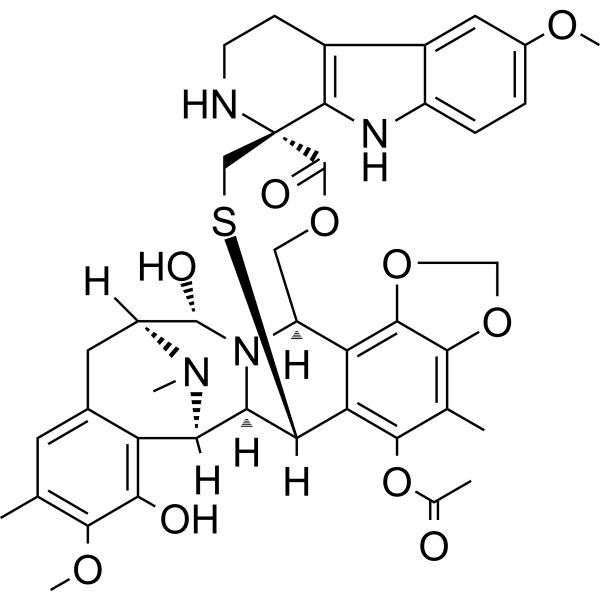
Lurbinectedin (PM01183) is a DNA minor groove covalent binder with potent anti-tumour activity; inhibits RMG1 and RMG2 cell growth with IC50 values of 1.25 and 1.16 nM, respectively.
|
-
-
- HY-129389
-
|
|
Glycosyltransferase
|
Cancer
|
|
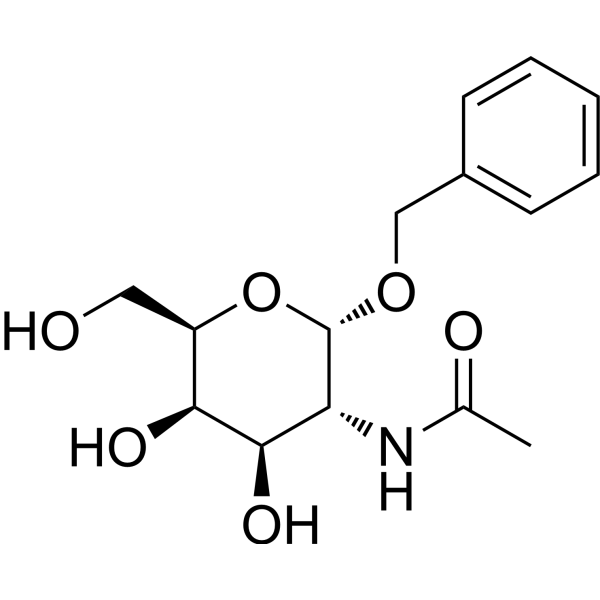
Benzyl-α-GalNAc is a potent O-glycosylation inhibitor. Benzyl-α-GalNAc effectively inhibits the proliferation and activation of LX-2 cells and suppresses the expression of collagen I/III, which has good potential for investigation in liver fibrosis. Benzyl-α-GalNAc also significantly enhances the anti-tumour activity of 5-Fluorouracil (HY-90006) (e.g. pancreatic cancer) by inhibiting O-glycosylation .
|
-
-
- HY-P99380
-
|
ZW 25; ZW-49 Antibody
|
EGFR
|
Cancer
|
|
Zanidatamab (ZW25) is a humanised, bispecific monoclonal antibody targeting 2 distinct HER2 epitopes (ECD2 and ECD4). Zanidatamab has anti-tumour activity .
|
-
-
- HY-N1214
-
-
-
- HY-103160A
-
|
|
Adenosine Deaminase
Phosphodiesterase (PDE)
Influenza Virus
|
Infection
Cardiovascular Disease
Neurological Disease
Cancer
|
|
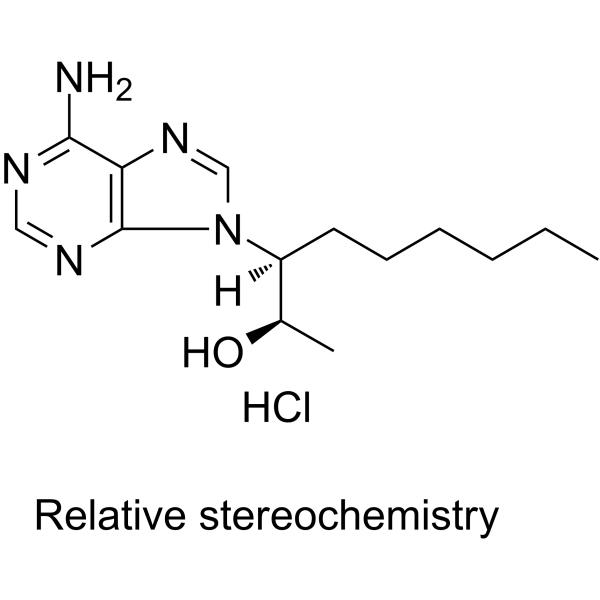
EHNA hydrochloride is a potent and selective dual inhibitor of cyclic nucleotide phosphodiesterase 2 (PDE2)(IC50=4 μM) and adenosine deaminase (ADA). EHNA hydrochloride exerts a concentration inhibition of the cGMP-stimulated PDE II (cGs-PDE)(IC50:0.8 μM (human), 2 μM (porcine myocardium)), but has smaller inhibitory effect on the unstimulated PDE2 activity. EHNA hydrochloride play roles in mediating diverse pharmacological responses, including antiviral, antitumour and antiarrhythmic effects .
|
-
-
- HY-N1214S
-
|
Super Squalene-d6; trans-Squalene-d6; AddaVax-d6
|
Isotope-Labeled Compounds
|
Others
|
|
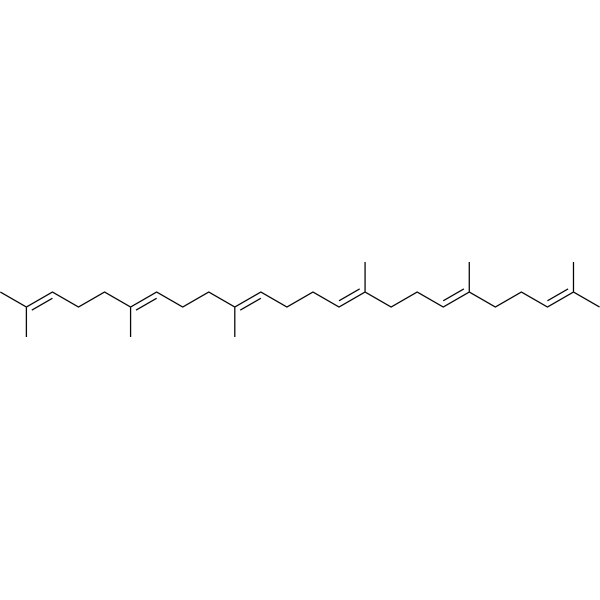
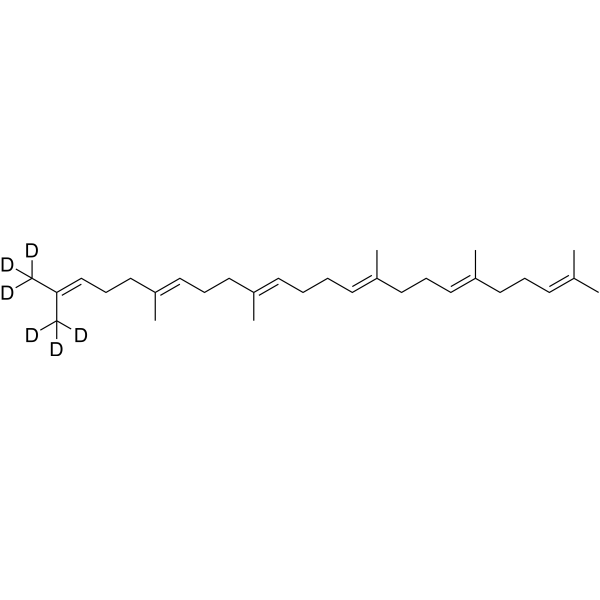
Squalene-d6 (Super Squalene-d6) is a deuterium labeled Squalene. Squalene (Super Squalene) is an intermediate product in the synthesis of cholesterol, and shows several pharmacological properties such as hypolipidemic, hepatoprotective, antiatherosclerotic, cardioprotective, antioxidant, and antitumour activity .
|
-
-
- HY-111651
-
-
-
- HY-121401A
-
|
(1R)-(−)-Myrtenal; (−)-(1R,5S)-Myrtenal
|
Akt
|
Metabolic Disease
Cancer
|
|
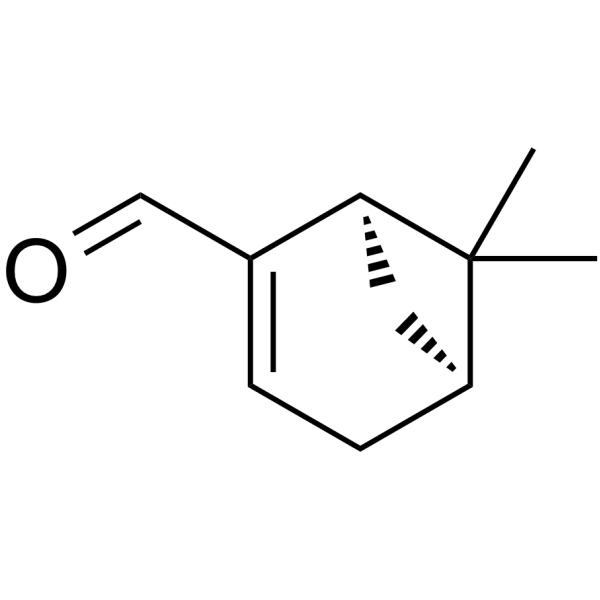
(-)-Myrtenal ((1R)-(-)-Myrtenal) is an orally active terpene with antitumour activity. (-)-Myrtenal ameliorates hyperglycemia by enhancing GLUT2 through Akt in the skeletal muscle and liver of diabetic rats .
|
-
-
- HY-50895A
-
|
ZD-1839 hydrochloride
|
EGFR
|
Cancer
|
|
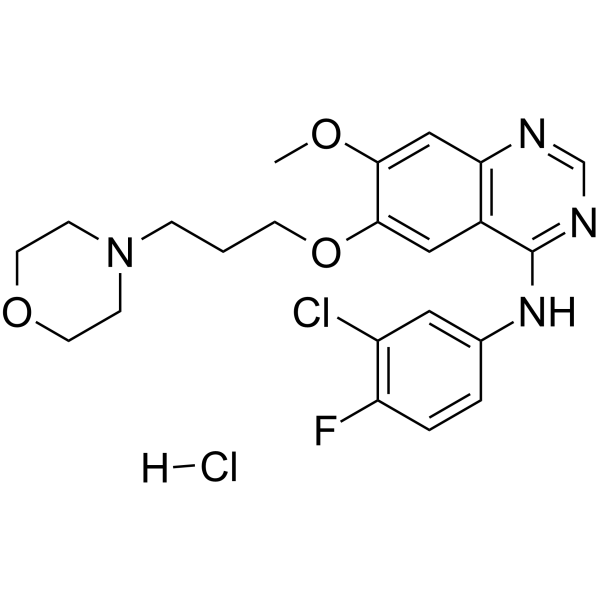
Gefitinib hydrochloride (ZD1839 hydrochloride) is a potent, selective and orally active EGFR tyrosine kinase inhibitor with an IC50 of 33 nM. Gefitinib hydrochloride selectively inhibits EGF-stimulated tumor cell growth (IC50 of 54 nM) and that blocks EGF-stimulated EGFR autophosphorylation in tumor cells. Gefitinib hydrochloride also induces autophagy. Gefitinib hydrochloride has antitumour activity .
|
-
-
- HY-175606
-
|
|
ATP Citrate Lyase
|
Cancer
|
|
EVT0185 is an orally active ATP citrate lyase (ACLY) inhibitor. EVT0185 is converted to a CoA thioester in the liver by SLC27A2 and interacts with the CoA-binding site of ACLY. EVT0185-CoA inhibits ACLY activity with an IC50 of 2.5 μM. EVT0185 can phenocopy the immune and antitumour effects of genetic ACLY deletion. EVT0185 can increase tumour-infiltrating B cells and chemokine CXCL13 levels. EVT0185 can be used for the research of cancer, such as hepatocellular carcinoma (HCC) .
|
-
-
- HY-P9964
-
|
11F8; IMC-11F8; LY3012211
|
EGFR
|
Cancer
|
|
Necitumumab (11F8; IMC-11F8; LY3012211) is a human IgG monoclonal antibody directed against EGFR. Necitumumab binds to the EGF binding site of EGFR, blocks ligand binding, neutralizes ligand-induced EGFR phosphorylation and downstream signaling, induces EGFR internalization and degradation, and mediates antibody-dependent cellular cytotoxicity (ADCC) in EGFR-expressing cells. Necitumumab enhances antitumour activity in combination with Gemcitabine (HY-17026) and Cisplatin (HY-17394) in murine non-small-cell lung cancer xenograft models. Necitumumab can be used in research on cancers such as non-small cell lung cancer and colorectal cancer .
|
-
-
- HY-110244
-
|
|
BRK
|
Cancer
|
|
Tilfrinib (compound 4f) is a potent and selective Brk/PTK6 inhibitor with an IC50 value of 3.15 nM for Brk. Tilfrinib shows good anti-proliferative activity and has potential of anti-tumour .
|
-
-
- HY-119367
-
|
|
FGFR
VEGFR
|
Cancer
|
|
ODM-203 is an orally active and selective FGFR/VEGFR inhibitor with IC50 values of 6, 11, 16, 5, 9, 26 and 35 nM for FGFR3/1/2 and VEGFR3/2/1/4, respectively. ODM-203 has strong anti-tumour activity and activates immune responses in the tumour microenvironment .
|
-
-
- HY-P99617
-
|
REGN3767
|
LAG-3
|
Inflammation/Immunology
Cancer
|
|
Fianlimab (REGN3767) is a human monoclonal antibody that targets the immune checkpoint receptor LAG-3 on T cells and has anti-tumour activity .
|
-
-
- HY-N0793
-
-
-
- HY-108345
-
|
|
Antibiotic
|
Cancer
|
|
Bleomycin is a glycopeptide antibiotic. Bleomycin has potent antitumour activities against a range of lymphomas, head and neck cancers and germ-cell tumours. Bleomycin can be used for the research of cancer and chemotherapy .
|
-
-
- HY-125098
-
|
|
DNA Alkylator/Crosslinker
Apoptosis
|
Infection
Cancer
|
|
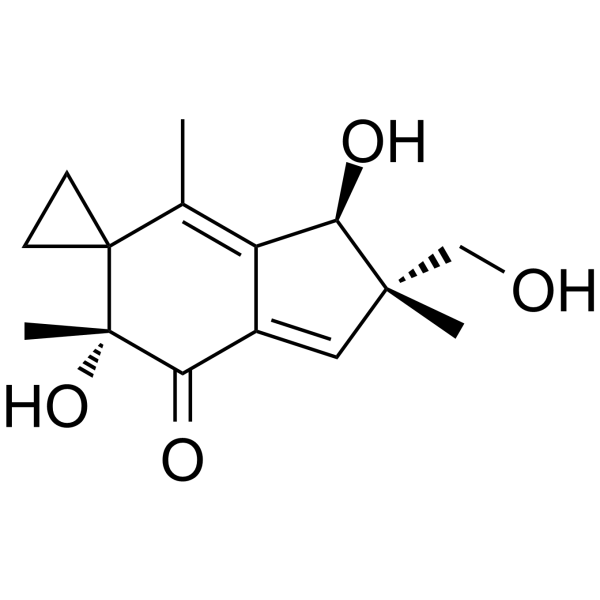
Illudin S, a cytotoxic Illudin, is a natural sesquiterpene with strong anti-tumour and antiviral activities. Illudin S has genotoxic activities. Illudin S blocks the G1-S phase interface of the cell cycle in human leukemia cells .
|
-
-
- HY-40294
-
|
|
Monoamine Oxidase
GSK-3
LRRK2
|
Cardiovascular Disease
Neurological Disease
Cancer
|
|
Indazole, also called isoindazole, a heterocyclic aromatic organic compound. Its derivatives display a broad variety of biological activities including anti-inflammatory, antibacterial, anti-HIV, antiarrhythmic, antifungal and antitumour properties. Indazole and its derivatives can be used for research of cancer, neurological disorders, cardiovascular diseases, gastrointestinal diseases .
|
-
-
- HY-P99189
-
|
IMC-A12; NSC742460
|
IGF-1R
|
Cancer
|
|
Cixutumumab (IMC-A12) is a human anti-IGF-1R monoclonal antibody with high affinity that inhibits ligand-dependent receptor activation and downstream signaling. Cixutumumab also mediates the internalization and degradation of IGF-IR. Cixutumumab shows broad-spectrum anti-tumour activity and can be used in studies of cancers such as lung cancer, malignancies, leukaemia, non-small cell lung cancer and prostate cancer .
|
-
-
- HY-19350
-
BML-210
2 Publications Verification
|
HDAC
Apoptosis
|
Cancer
|
|
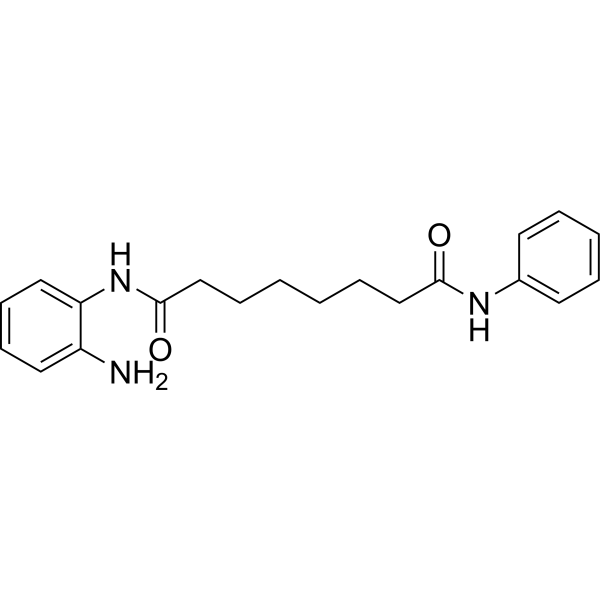
BML-210 is a potent HDAC inhibitor. BML-210 can inhibit the HDAC4-VP16-driven reporter signal with an apparent IC50 of ∼5 µM. BML-210 has a specific disruptive effect on the HDAC4:MEF2 interaction. BML-210 causes an increase in the G0/G1 phase. BML-210 induces apoptosis and displays antitumour activities in orthotopic mammary tumours in mice .
|
-
-
- HY-N3845
-
|
|
Bacterial
|
Inflammation/Immunology
Cancer
|
|
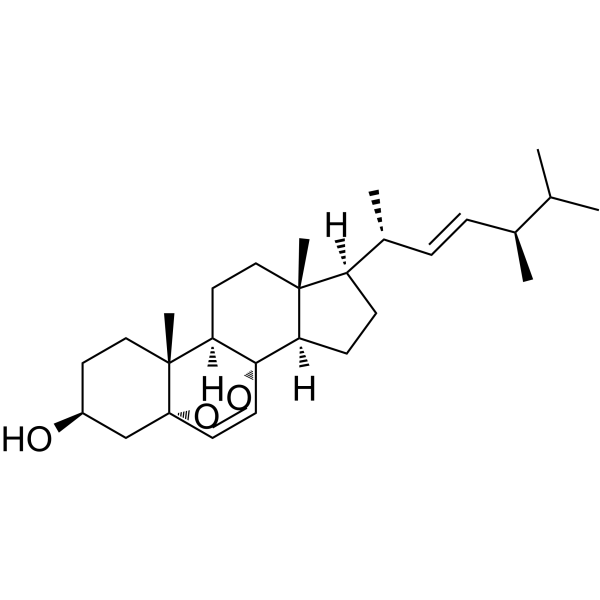
Ergosterol peroxide is a steroid derivative and can be isolated from a variety of fungi, yeast, lichens or sponges. Ergosterol peroxide has anti-tumour, proapoptotic, anti-inflammatory, anti-mycobacterial, and anti-proliferative activities .
|
-
-
- HY-147895
-
|
|
Histone Acetyltransferase
Apoptosis
|
Cancer
|
|
PCAF-IN-2 (compound 17) is a potent PCAF inhibitor with an IC50 value of 5.31 µM. PCAF-IN-2 shows anti-tumour activity. CAF-IN-2 induces apoptosis and arrest the cell cycle at the G2/M phase .
|
-
-
- HY-15228
-
RX-3117
2 Publications Verification
TV-1360; Fluorocyclopentenylcytosine
|
Nucleoside Antimetabolite/Analog
Apoptosis
|
Cancer
|
|
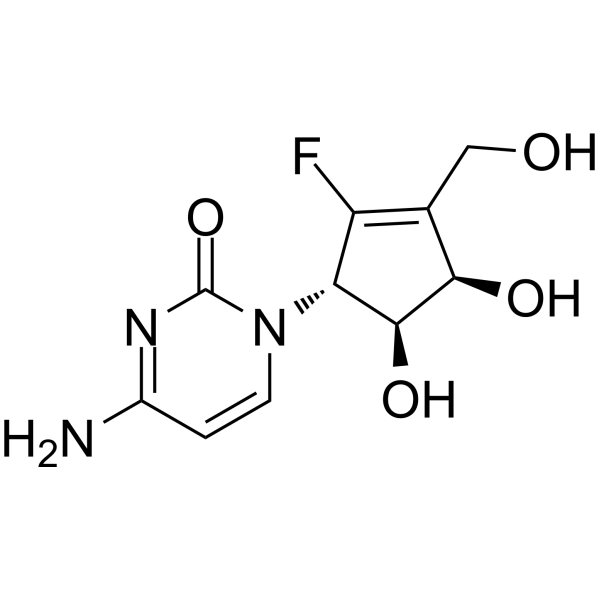
RX-3117 (TV-1360) is a potent and orally active anticancer and antimetaboliteagent. RX-3117 inhibits DNA methyltransferase 1 (DNMT1). RX-3117 shows antiproliferative and anti-tumour activity. RX-3117 induces cell cycle arrest at S phase and apoptosis .
|
-
-
- HY-N1377
-
-
-
- HY-N2447
-
|
|
AMPK
Apoptosis
|
Metabolic Disease
Cancer
|
|
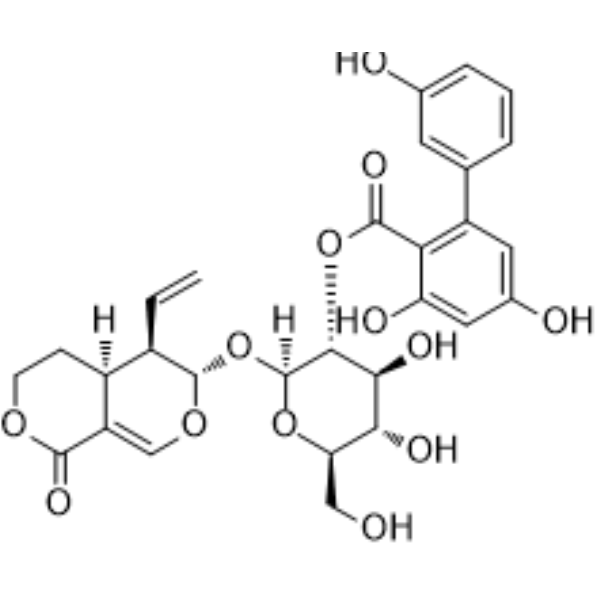
Amarogentin is a secoiridoid glycoside that is mainly extracted from Swertia and Gentiana roots. Amarogentin exhibits many biological effects, including anti-oxidative, anti-tumour, and anti-diabetic activities. Amarogentin exerts hepatoprotective and immunomodulatory effects. Amarogentin promotes apoptosis, arrests G2/M cell cycle and downregulates of PI3K/Akt/mTOR signalling pathways. Amarogentin exerts beneficial vasculo-metabolic effect by activating AMPK .
|
-
-
- HY-N10793
-
|
|
Others
|
Cancer
|
|
RA-XI is a bicyclic hexapeptide isolated from Rubia cordifolia with antitumour activity .
|
-
-
- HY-P99895
-
|
|
PD-1/PD-L1
|
Inflammation/Immunology
Cancer
|
|
Rulonilimab is a human IgG1 monoclonal antibody against PD-1 that targets, binds and inhibits PD-1 and its downstream signalling pathways with potential immune checkpoint inhibition and anti-tumour activity .
|
-
-
- HY-N1214R
-
|
Super Squalene (Standard); trans-Squalene (Standard); AddaVax (Standard)
|
Reference Standards
Endogenous Metabolite
Reactive Oxygen Species (ROS)
Fungal
|
Infection
Cardiovascular Disease
|
|
Squalene (Standard) is the analytical standard of Squalene. This product is intended for research and analytical applications. Squalene (Super Squalene) is an intermediate product in the synthesis of cholesterol, and shows several pharmacological properties such as hypolipidemic, hepatoprotective, antiatherosclerotic, cardioprotective, antioxidant, and antitumour activity .
|
-
-
- HY-W000427
-
|
|
Bacterial
|
Infection
Cancer
|
|
Ethyl orsellinate is a lichen metabolite and a derivative of lecanoric acid with antiproliferative and antitumour activities . Ethyl Orsellinate is against A. salina for the cytotoxic activity with an LC50 of 495 μM .
|
-
-
- HY-N9318
-
|
|
Others
|
Cancer
|
|
4'-Demethyldehydropodophyllotoxin is an aryltetralin lignan that can be isolated from leaves of Podophyllum hexandrum. 4'-Demethyldehydropodophyllotoxin exhibits some cytotoxic and antitumour activity .
|
-
-
- HY-113604
-
|
|
TGF-β Receptor
|
Cancer
|
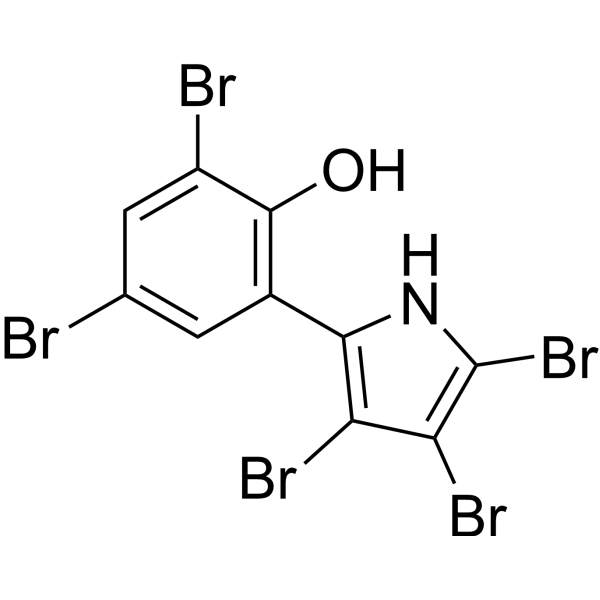
Pentabromopseudilin (PBrP) is a marine antibiotic isolated from the marine bacteria Pseudomonas bromoutilis and Alteromonas luteoviolaceus. PBrP exhibits antimicrobial, anti-tumour and phytotoxic activities. PBrP is a reversible and allosteric inhibitor of myosin Va (MyoVa). PBrP also is a potent inhibitor of transforming growth factor-β (TGF-β) activity. PBrP can be used for the research of fibrotic diseases and cancer .
|
-
-
- HY-148278
-
|
|
SOS1
Ras
|
Cancer
|
|
BI-0474 is a potent KRAS G12C inhibitor with an IC50 value of 7.0 nM for the GDP-KRAS::SOS1 protein-protein interaction. BI-0474 exhibits good anti-proliferative activity against NCI-H358 cells carrying the G12C mutation. BI-0474 also shows good anti-tumour activity in non-small cell lung cancer xenograft models .
|
-
-
- HY-13743
-
|
Linomide; FCF89; ABR212616
|
TNF Receptor
Interleukin Related
IFNAR
|
Neurological Disease
Inflammation/Immunology
Cancer
|
|
Roquinimex (Linomide) is an orally active immunomodulator with antineoplastic, anti-inflammatory, and antiangiogenic activity. Roquinimex suppresses TH1 lymphocyte cytokines (IL-2, IFN-γ), promotes TH2 lymphocyte cytokines (IL-4, IL-10), increases NK cell, activated monocyte, and T cell activity. Roquinimex blocks macrophage TNF-α production and suppresses IL-1/IL-6 secretion. Roquinimex exhibits in vivo antitumour activity, suppresses rodent autoimmune disease signs, and ameliorates murine colitis and psoriasis. Roquinimex can be used for the research of leukemia, inflammatory bowel disease, multiple sclerosis, and psoriasis .
|
-
-
- HY-W145584
-
-
-
- HY-119995
-
|
|
Apoptosis
Histamine Receptor
|
Cardiovascular Disease
Cancer
|
|
Chloropyramine is competitive reversible H1 receptor antagonist. Chloropyramine also has anti-tumour activity in breast cancer. Chloropyramine can be used for the research of allergic conditions, such as conjunctivitis and bronchial asthma .
|
-
-
- HY-N3797A
-
|
Ditaine chloride
|
Apoptosis
|
Cancer
|
|
Echitamine (Ditaine) chloride is the major monoterpene indole alkaloid present in Alstonia scholaris with potent anti-tumour activity. Echitamine chloride induces DNA fragmentation and cells apoptosis. Echitamine chloride inhibits pancreatic lipase with an IC50 of 10.92 μM .
|
-
-
- HY-103396
-
|
CI-898 glucuronate
|
Antifolate
Bacterial
|
Infection
Cancer
|
|
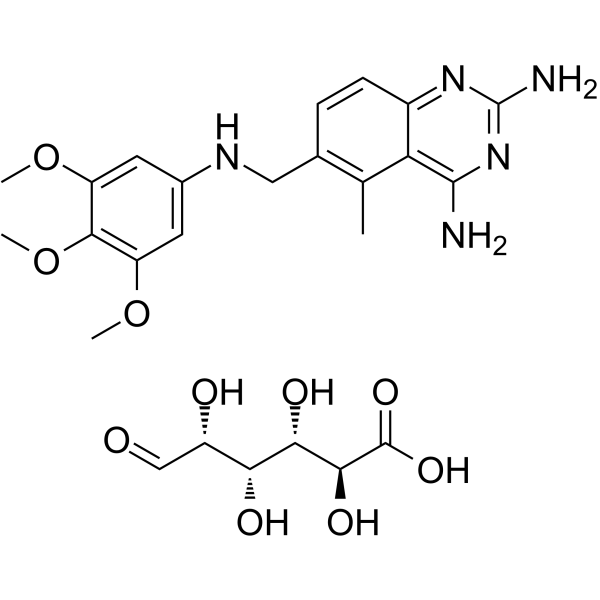
Trimetrexate glucuronate (NSC 352122) is a folic acid antagonist. Trimetrexate glucuronate affects DNA and RNA synthesis by inhibiting dihydrofolate reductase and preventing the synthesis of purine nucleotides and thymidylate. Trimetrexate glucuronate has potential antitumour activity and can also be used to inhibit Pneumocystis carinii pneumonia .
|
-
-
- HY-16293S
-
|
PM01183-d3; LY-01017-d3
|
DNA Alkylator/Crosslinker
DNA/RNA Synthesis
|
Cancer
|
|
Lurbinectedin-d3 is deuterium labeled Lurbinectedin. Lurbinectedin (PM01183) is a DNA minor groove covalent binder with potent anti-tumour activity; inhibits RMG1 and RMG2 cell growth with IC50 values of 1.25 and 1.16 nM, respectively .
|
-
-
- HY-133779
-
|
|
Drug Metabolite
|
Cancer
|
|
Gefitinib impurity 5 is the impurity of Gefitinib (HY-133779). Gefitinib (ZD1839) is a potent, selective and orally active EGFR tyrosine kinase inhibitor with an IC50 of 33 nM. Gefitinib selectively inhibits EGF-stimulated tumor cell growth (IC50 of 54 nM) and that blocks EGF-stimulated EGFR autophosphorylation in tumor cells. Gefitinib also induces Autophagy. Gefitinib has antitumour activity .
|
-
-
- HY-50895S2
-
|
|
Isotope-Labeled Compounds
EGFR
Autophagy
|
Cancer
|
|
Gefitinib-d3 (ZD1839-d3) is the deuterium labeled Gefitinib. Gefitinib (ZD1839) is a potent, selective and orally active EGFR tyrosine kinase inhibitor with an IC50 of 33 nM. Gefitinib selectively inhibits EGF-stimulated tumor cell growth (IC50 of 54 nM) and that blocks EGF-stimulated EGFR autophosphorylation in tumor cells. Gefitinib also induces autophagy. Gefitinib has antitumour activity .
|
-
-
- HY-13611
-
|
BN 80915
|
Topoisomerase
|
Cancer
|
|
Diflomotecan (BN 80915) is a potent and orally active inhibitor of topoisomerase I. Diflomotecan (BN 80915) causes enhanced plasma stability and has the superior preclinical anti-tumour activity compared with other established compounds .
|
-
-
- HY-14375
-
|
|
NAMPT
|
Cancer
|
|
CB 300919 is a quinazoline-based antitumour agent with high activity in the CH1 human ovarian tumour xenograft. CB 300919 has a continuous exposure (96 h) growth inhibition IC50 value of 2 nM in human CH1 ovarian tumor xenograft . CB 300919 is a click chemistry reagent, it contains an Alkyne group and can undergo copper-catalyzed azide-alkyne cycloaddition (CuAAc) with molecules containing Azide groups.
|
-
-
- HY-23120
-
|
|
Antibiotic
Virus Protease
|
Infection
Cancer
|
|
1-Hydroxyguanidine sulfate is an antitumor agent that inhibits mast cell P815, leukaemia P388, leukaemia L1210 and carcinosarcoma Walker 256 cells growth. 1-Hydroxyguanidine sulfate also has antiviral activity .
|
-
-
- HY-N8459
-
|
α-CBD
|
EBV
|
Cancer
|
|
α-Cembrenediol is a potent inhibitor of EBV.α-Cembrenediol inhibits the early antigen of the Epstein-Bar virus. α-Cembrenediol also has anti-tumour activity .
|
-
-
- HY-W074006
-
|
|
Biochemical Assay Reagents
|
Others
|
|
Tris(2-cyanoethyl)phosphine is a protein crosslinker. Tris(2-cyanoethyl)phosphine can be used to synthesis copper(I) complexes which shows antitumour activity .
|
-
-
- HY-50895S1
-
|
ZD1839-d6
|
EGFR
Autophagy
|
Cancer
|
|
Gefitinib-d6 is the deuterium labeled Gefitinib. Gefitinib (ZD1839) is a potent, selective and orally active EGFR tyrosine kinase inhibitor with an IC50 of 33 nM. Gefitinib selectively inhibits EGF-stimulated tumor cell growth (IC50 of 54 nM) and that blocks EGF-stimulated EGFR autophosphorylation in tumor cells. Gefitinib also induces autophagy. Gefitinib has antitumour activity .
|
-
-
- HY-50895AR
-
|
ZD-1839 hydrochloride (Standard)
|
EGFR
Reference Standards
|
Cancer
|
|
Gefitinib (hydrochloride) (Standard) is the analytical standard of Gefitinib (hydrochloride). This product is intended for research and analytical applications. Gefitinib hydrochloride (ZD1839 hydrochloride) is a potent, selective and orally active EGFR tyrosine kinase inhibitor with an IC50 of 33 nM. Gefitinib hydrochloride selectively inhibits EGF-stimulated tumor cell growth (IC50 of 54 nM) and that blocks EGF-stimulated EGFR autophosphorylation in tumor cells. Gefitinib hydrochloride also induces autophagy. Gefitinib hydrochloride has antitumour activity .
|
-
-
- HY-40294R
-
|
|
Monoamine Oxidase
GSK-3
LRRK2
|
Cardiovascular Disease
Neurological Disease
Cancer
|
|
Indazole (Standard) is the analytical standard of Indazole. This product is intended for research and analytical applications. Indazole, also called isoindazole, a heterocyclic aromatic organic compound. Its derivatives display a broad variety of biological activities including anti-inflammatory, antibacterial, anti-HIV, antiarrhythmic, antifungal and antitumour properties. Indazole and its derivatives can be used for research of cancer, neurological disorders, cardiovascular diseases, gastrointestinal diseases .
|
-
-
- HY-103160B
-
|
|
Adenosine Deaminase
Phosphodiesterase (PDE)
Influenza Virus
|
Infection
Cardiovascular Disease
Neurological Disease
Cancer
|
|
EHNA is a potent and selective dual inhibitor of cyclic nucleotide phosphodiesterase 2 (PDE2)(IC50=4 μM) and adenosine deaminase (ADA). EHNA exerts a concentration inhibition of the cGMP-stimulated PDE II (cGs-PDE)(IC50:0.8 μM (human), 2 μM (porcine myocardium)), but has smaller inhibitory effect on the unstimulated PDE2 activity. EHNA play roles in mediating diverse pharmacological responses, including antiviral, antitumour and antiarrhythmic effects .
|
-
- HY-124904
-
-
- HY-N13892
-
-
- HY-106091B
-
|
CI 941 hydrochloride; DUP 94 hydrochloride
|
DNA Alkylator/Crosslinker
|
Cancer
|
|
Losoxantrone hydrochloride (CI 941 hydrochloride) is a DNA-binding agent. Losoxantrone hydrochloride has broad-spectrum antitumour activity. Losoxantrone hydrochloride induces dose-dependent leukopenia .
|
-
- HY-N0793A
-
-
- HY-133222
-
-
- HY-W145584S
-
-
- HY-N7557
-
|
|
Drug Derivative
|
Cancer
|
|
(E)-2'-Hydroxy-3,4-dimethoxychalcone (compound 7) is a Chalcone derivative with orally active. (E)-2'-Hydroxy-3,4-dimethoxychalcone has anti-tumour activities .
|
-
- HY-N0793R
-
-
- HY-152257
-
|
|
MAP4K
|
Inflammation/Immunology
Cancer
|
|
HPK1-IN-31 (compound 5i) is an orally active hematopoietic progenitor kinase 1 (HPK1) inhibitor with an IC50 value of 0.8 nM. HPK1-IN-31 has anti-tumour activity and has great potential for immunoresearch .
|
-
- HY-131257
-
|
|
Drug Metabolite
|
Others
Cancer
|
|
Gefitinib impurity 1 is the impurity of Gefitinib. Gefitinib (ZD1839) is a potent, selective and orally active EGFR tyrosine kinase inhibitor with an IC50 of 33 nM. Gefitinib selectively inhibits EGF-stimulated tumor cell growth (IC50 of 54 nM) and that blocks EGF-stimulated EGFR autophosphorylation in tumor cells. Gefitinib also induces autophagy. Gefitinib has antitumour activity .
|
-
- HY-103396R
-
|
CI-898 glucuronate (Standard)
|
Reference Standards
Antifolate
Bacterial
|
Infection
Cancer
|
|
Trimetrexate (glucuronate) (Standard) is the analytical standard of Trimetrexate (glucuronate). This product is intended for research and analytical applications. Trimetrexate glucuronate (NSC 352122) is a folic acid antagonist. Trimetrexate glucuronate affects DNA and RNA synthesis by inhibiting dihydrofolate reductase and preventing the synthesis of purine nucleotides and thymidylate. Trimetrexate glucuronate has potential antitumour activity and can also be used to inhibit Pneumocystis carinii pneumonia .
|
-
- HY-100663
-
|
|
EGFR
|
Others
Cancer
|
|
Gefitinib impurity 2 is the impurity of Gefitinib. Gefitinib (ZD1839; HY-50895) is a potent, selective and orally active EGFR tyrosine kinase inhibitor with an IC50 of 33 nM. Gefitinib selectively inhibits EGF-stimulated tumor cell growth (IC50 of 54 nM) and that blocks EGF-stimulated EGFR autophosphorylation in tumor cells. Gefitinib also induces autophagy. Gefitinib has antitumour activity .
|
-
- HY-W768245
-
|
|
Isotope-Labeled Compounds
HIV
Endogenous Metabolite
|
Infection
Cancer
|
|
a-D-Galactose-1,2- 13C2 1-phosphate potassium is the 13C- and 15N-labeled a-D-Galactose (HY-121370). α-D-Galactose is a non-starch polysaccharide found in the bulb tissues of Lilium davidii var. unicolor Salisb. α-D-Galactose has anti-oxidation properties, anti-tumour activities, immunomodulatory effects and anti-HIV functions .
|
-
- HY-133779R
-
|
|
Drug Metabolite
Reference Standards
|
Others
Cancer
|
|
Gefitinib impurity 5 (Standard) is the analytical standard of Gefitinib impurity 5. This product is intended for research and analytical applications. Gefitinib impurity 5 is the impurity of Gefitinib. Gefitinib (ZD1839) is a potent, selective and orally active EGFR tyrosine kinase inhibitor with an IC50 of 33 nM. Gefitinib selectively inhibits EGF-stimulated tumor cell growth (IC50 of 54 nM) and that blocks EGF-stimulated EGFR autophosphorylation in tumor cells. Gefitinib also induces autophagy. Gefitinib has antitumour activity .
|
-
- HY-N2447R
-
|
|
Reference Standards
AMPK
Apoptosis
|
Metabolic Disease
Cancer
|
|
Amarogentin (Standard) is the analytical standard of Amarogentin. This product is intended for research and analytical applications. Amarogentin is a secoiridoid glycoside that is mainly extracted from Swertia and Gentiana roots. Amarogentin exhibits many biological effects, including anti-oxidative, anti-tumour, and anti-diabetic activities. Amarogentin exerts hepatoprotective and immunomodulatory effects. Amarogentin promotes apoptosis, arrests G2/M cell cycle and downregulates of PI3K/Akt/mTOR signalling pathways. Amarogentin exerts beneficial vasculo-metabolic effect by activating AMPK .
|
-
- HY-N1377R
-
|
Lysionotin (Standard)
|
Carboxylesterase (CES)
Reference Standards
DNA/RNA Synthesis
Apoptosis
Bacterial
|
Infection
Metabolic Disease
Inflammation/Immunology
Endocrinology
Cancer
|
|
Nevadensin (Standard) (Lysionotin (Standard)) is the analytical standard of Nevadensin (HY-N1377). This product is intended for research and analytical applications. Nevadensin, a natural flavonoid, is a selective human carboxylesterase 1 (hCE1) inhibitor with an IC50 of 2.64 μM. Nevadensin is more selective for hCE1 than hCE2 (IC50 of 132.8 μM). Nevadensin can induce apoptosis and DNA damage in cancer cells. Nevadensin has a variety of pharmacological effects such as anti-inflammatory, anti-tumour, anti-hypertensive, anti-tubercular, antitussive, antioxidant and anti-microbial activities.
|
-
- HY-157569
-
|
|
PD-1/PD-L1
|
Cancer
|
|
PD1-PDL1-IN 2 (ZE132) is a potent and selective PD-1/PD-L1 inhibitor, which has robust anti-tumour activity in vivo. PD1-PDL1-IN 2 promotes cytotoxic T-cell tumour infiltration and induces IL-2 expression. In addition, PD1-PDL1-IN 2 elicits strong inhibitory effects on the mRNA expression of TGF-β .
|
-
- HY-157398
-
|
|
EGFR
|
Cancer
|
|
EGFR T790M/L858R-IN-3 (compound B1) is a EGFR L858R/T790M inhibitor with IC50 value of 13?nM. EGFR T790M/L858R-IN-3 shows anti-tumour activity in H1975 cells with an IC50 value of 0.087 μΜ. EGFR T790M/L858R-IN-3 inhibits cell migration in A549 cells and induces apoptosis in H1975 cells .
|
-
- HY-113743
-
|
CY233; NSC-609224
|
Others
|
Cancer
|
|
Ecomustine (CY233) is a nitrosoureido sugar derived from acosamine. Ecomustine shows antitumour activity .
|
-
- HY-106091
-
|
CI 941; DuP-941; Biantrazole
|
DNA Alkylator/Crosslinker
|
Cancer
|
|
Losoxantrone (CI 941) is a DNA-binding agent. Losoxantrone has broad-spectrum antitumour activity. Losoxantrone induces dose-dependent leukopenia .
|
-
- HY-117759
-
|
KAR-2
|
Microtubule/Tubulin
|
Cancer
|
|
Deacetoxyvinzolidine (KAR-2) is a bis-indol derivative with high anti-microtubular and anti-tumour activities. Deacetoxyvinzolidine exhibits high affinity for bovine purified brain tubulin (Kd of 3 μM) and inhibits microtubule assembly at a concentration of 10 nM. Deacetoxyvinzolidine does not possess anti-calmodulin activity. Deacetoxyvinzolidine can be used for the study of leukaemia .
|
-
- HY-101488R
-
|
|
Molecular Glues
Ligands for E3 Ligase
Reference Standards
|
Cancer
|
|
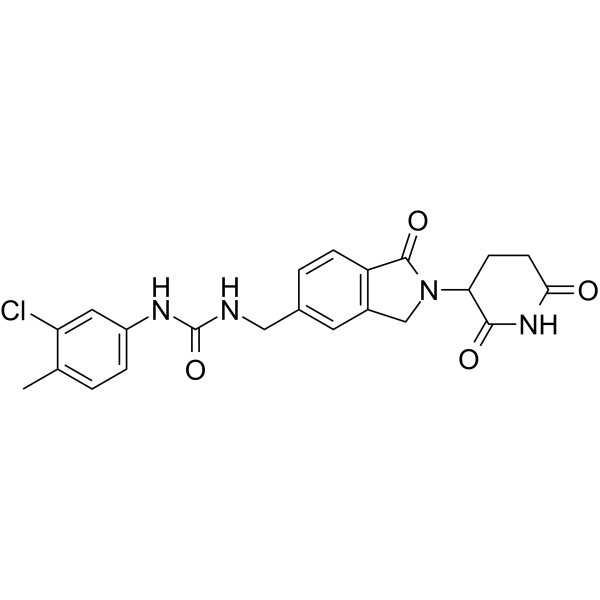
CC-885 (Standard) is the analytical standard of CC-885 (HY-101488). This product is intended for research and analytical applications. CC-885 is a cereblon (CRBN) modulator with potent anti-tumour activity. CC-885 is also a known degrader of GSPT1, inhibiting protein translation.
|
-
- HY-119200
-
|
|
Endogenous Metabolite
|
Cancer
|
|
LY-195448 hydrochloride is a phenethanolamine that exhibits anti-tumour activity across various murine tumour models. LY-195448 hydrochloride acts by blocking cells at metaphase. LY-195448 hydrochloride has demonstrated a lack of "standard" side effects commonly associated with cancer treatments, such as myelosuppression and gastrointestinal toxicity. LY-195448 hydrochloride was evaluated in a phase I trial, where it showed only mild and reversible side effects like hypotension, tachycardia, and tremor.
|
-
- HY-13743R
-
|
Linomide (Standard); FCF89 (Standard); ABR212616 (Standard)
|
Reference Standards
TNF Receptor
Interleukin Related
IFNAR
|
Inflammation/Immunology
|
|
Roquinimex (Standard) is the analytical standard of Roquinimex (HY-13743). Roquinimex (Linomide) is an orally active immunomodulator with antineoplastic, anti-inflammatory, and antiangiogenic activity. Roquinimex suppresses TH1 lymphocyte cytokines (IL-2, IFN-γ), promotes TH2 lymphocyte cytokines (IL-4, IL-10), increases NK cell, activated monocyte, and T cell activity. Roquinimex blocks macrophage TNF-α production and suppresses IL-1/IL-6 secretion. Roquinimex exhibits in vivo antitumour activity, suppresses rodent autoimmune disease signs, and ameliorates murine colitis and psoriasis. Roquinimex can be used for the research of leukemia, inflammatory bowel disease, multiple sclerosis, and psoriasis .
|
-
- HY-103160AR
-
|
|
Reference Standards
Adenosine Deaminase
Phosphodiesterase (PDE)
Influenza Virus
|
Infection
Cardiovascular Disease
Neurological Disease
Cancer
|
|
EHNA hydrochloride (Standard) is the analytical standard of EHNA hydrochloride (HY-103160A). This product is intended for research and analytical applications. EHNA hydrochloride is a potent and selective dual inhibitor of cyclic nucleotide phosphodiesterase 2 (PDE2)(IC50=4 μM) and adenosine deaminase (ADA). EHNA hydrochloride exerts a concentration inhibition of the cGMP-stimulated PDE II (cGs-PDE)(IC50:0.8 μM (human), 2 μM (porcine myocardium)), but has smaller inhibitory effect on the unstimulated PDE2 activity. EHNA hydrochloride play roles in mediating diverse pharmacological responses, including antiviral, antitumour and antiarrhythmic effects .
|
-
- HY-139499
-
|
|
DNA/RNA Synthesis
|
Cancer
|
|
Sudemycin D6 is a pre-mRNA splicing modulator with potent antitumour activity. Sudemycin D6 changes splice site usage of the DUSP11 and SRRM1 pre-mRNA. Sudemycin D6 reduces survival and alters cell cycle in haematopoietic cells expressing mutant U2AF1. Sudemycin D6 attenuates mutant U2AF1-induced haematopoietic progenitor cell expansion in U2AF1(S34F) transgenic mice. Sudemycin D6 can be used for cancer research .
|
-
| Cat. No. |
Product Name |
Target |
Research Area |
Image |
-
- HY-P99380
-
|
ZW 25; ZW-49 Antibody
|
EGFR
|
Cancer
|
|
Zanidatamab (ZW25) is a humanised, bispecific monoclonal antibody targeting 2 distinct HER2 epitopes (ECD2 and ECD4). Zanidatamab has anti-tumour activity .
|
-
(5)
-
- HY-P9964
-
|
11F8; IMC-11F8; LY3012211
|
EGFR
|
Cancer
|
|
Necitumumab (11F8; IMC-11F8; LY3012211) is a human IgG monoclonal antibody directed against EGFR. Necitumumab binds to the EGF binding site of EGFR, blocks ligand binding, neutralizes ligand-induced EGFR phosphorylation and downstream signaling, induces EGFR internalization and degradation, and mediates antibody-dependent cellular cytotoxicity (ADCC) in EGFR-expressing cells. Necitumumab enhances antitumour activity in combination with Gemcitabine (HY-17026) and Cisplatin (HY-17394) in murine non-small-cell lung cancer xenograft models. Necitumumab can be used in research on cancers such as non-small cell lung cancer and colorectal cancer .
|
-
(5)
-
- HY-P99617
-
|
REGN3767
|
LAG-3
|
Inflammation/Immunology
Cancer
|
|
Fianlimab (REGN3767) is a human monoclonal antibody that targets the immune checkpoint receptor LAG-3 on T cells and has anti-tumour activity .
|
-
(5)
-
- HY-P99189
-
|
IMC-A12; NSC742460
|
IGF-1R
|
Cancer
|
|
Cixutumumab (IMC-A12) is a human anti-IGF-1R monoclonal antibody with high affinity that inhibits ligand-dependent receptor activation and downstream signaling. Cixutumumab also mediates the internalization and degradation of IGF-IR. Cixutumumab shows broad-spectrum anti-tumour activity and can be used in studies of cancers such as lung cancer, malignancies, leukaemia, non-small cell lung cancer and prostate cancer .
|
-
(5)
-
- HY-P99895
-
|
|
PD-1/PD-L1
|
Inflammation/Immunology
Cancer
|
|
Rulonilimab is a human IgG1 monoclonal antibody against PD-1 that targets, binds and inhibits PD-1 and its downstream signalling pathways with potential immune checkpoint inhibition and anti-tumour activity .
|
-
(5)
| Cat. No. |
Product Name |
Category |
Target |
Chemical Structure |
| Cat. No. |
Product Name |
Chemical Structure |
-
- HY-N1214S
-
|
|
|
Squalene-d6 (Super Squalene-d6) is a deuterium labeled Squalene. Squalene (Super Squalene) is an intermediate product in the synthesis of cholesterol, and shows several pharmacological properties such as hypolipidemic, hepatoprotective, antiatherosclerotic, cardioprotective, antioxidant, and antitumour activity .
|
-
-
- HY-16293S
-
|
|
|
Lurbinectedin-d3 is deuterium labeled Lurbinectedin. Lurbinectedin (PM01183) is a DNA minor groove covalent binder with potent anti-tumour activity; inhibits RMG1 and RMG2 cell growth with IC50 values of 1.25 and 1.16 nM, respectively .
|
-
-
- HY-50895S2
-
|
|
|
Gefitinib-d3 (ZD1839-d3) is the deuterium labeled Gefitinib. Gefitinib (ZD1839) is a potent, selective and orally active EGFR tyrosine kinase inhibitor with an IC50 of 33 nM. Gefitinib selectively inhibits EGF-stimulated tumor cell growth (IC50 of 54 nM) and that blocks EGF-stimulated EGFR autophosphorylation in tumor cells. Gefitinib also induces autophagy. Gefitinib has antitumour activity .
|
-
-
- HY-50895S1
-
|
|
|
Gefitinib-d6 is the deuterium labeled Gefitinib. Gefitinib (ZD1839) is a potent, selective and orally active EGFR tyrosine kinase inhibitor with an IC50 of 33 nM. Gefitinib selectively inhibits EGF-stimulated tumor cell growth (IC50 of 54 nM) and that blocks EGF-stimulated EGFR autophosphorylation in tumor cells. Gefitinib also induces autophagy. Gefitinib has antitumour activity .
|
-
-
- HY-W145584S
-
|
|
|
D-Iditol- 13C is the 13C labeled D-Iditol. D-Iditol is a fungal metabolite, a sugar alcohol that accumulates in galactokinase deficiency. D-Iditol may have potential antitumour activity .
|
-
-
- HY-W768245
-
|
|
|
a-D-Galactose-1,2- 13C2 1-phosphate potassium is the 13C- and 15N-labeled a-D-Galactose (HY-121370). α-D-Galactose is a non-starch polysaccharide found in the bulb tissues of Lilium davidii var. unicolor Salisb. α-D-Galactose has anti-oxidation properties, anti-tumour activities, immunomodulatory effects and anti-HIV functions .
|
-
| Cat. No. |
Product Name |
|
Classification |
-
- HY-14375
-
|
|
|
Alkynes
|
|
CB 300919 is a quinazoline-based antitumour agent with high activity in the CH1 human ovarian tumour xenograft. CB 300919 has a continuous exposure (96 h) growth inhibition IC50 value of 2 nM in human CH1 ovarian tumor xenograft . CB 300919 is a click chemistry reagent, it contains an Alkyne group and can undergo copper-catalyzed azide-alkyne cycloaddition (CuAAc) with molecules containing Azide groups.
|
Your information is safe with us. * Required Fields.
Inquiry Information
- Product Name:
- Cat. No.:
- Quantity:
- MCE Japan Authorized Agent:

