1. Search Result
Search Result
Results for "

diminishes

" in MedChemExpress (MCE) Product Catalog:

78

阻害剤およびアゴニスト

9

ペプチド

1

阻害性抗体

4

天然物

4

同位体標識化合物

1

クリックケミストリー

製品番号 製品名 Target 研究分野 構造式
  • HY-A0134
    Isoflurane
    Maximum Cited Publications
    17 Publications Verification

    Reactive Oxygen Species (ROS) Cardiovascular Disease Neurological Disease Inflammation/Immunology Endocrinology
    Isoflurane is a volatile anaesthetic. Isoflurane diminishs the effect of ROS activity. Isoflurane suppresses respiration. Isoflurane enables rapid anesthesia induction and emergence. Isoflurane protects against noise-induced hearing loss and tissue damage in mice. Isoflurane protects against renal ischemia and reperfusion injury and modulates leukocyte infiltration .
    Isoflurane
  • HY-12532
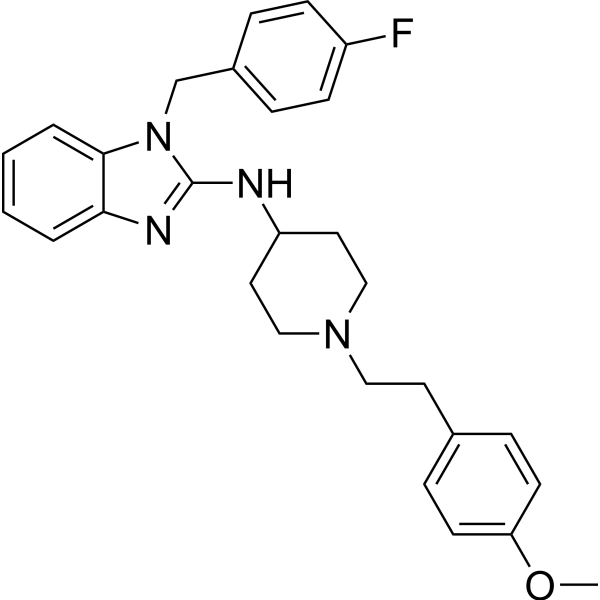
    Astemizole
    5+ Cited Publications

    R 43512

    Histamine Receptor Potassium Channel Inflammation/Immunology Endocrinology
    Astemizole (R 43512), a second-generation antihistamine agent to diminish allergic symptoms with a long duration of action, is a histamine H1-receptor antagonist, with an IC50 of 4 nM. Astemizole also shows potent hERG K + channel blocking activity with an IC50 of 0.9 nM. Astemizole has antipruritic effects .
    Astemizole
  • HY-P10136
    IA9
    2 Publications Verification

    human TREM-2 182-190

    TREM receptor Inflammation/Immunology
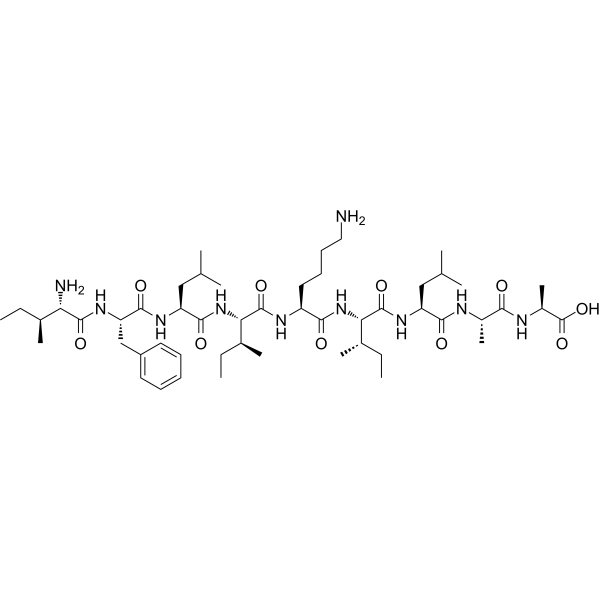
    IA9 (human TREM-2 182-190) is a potent, CNS-penetrant TREM-2 inhibitor. IA9 can diminish the release of proinflammatory cytokines and suppress joint inflammation and damage in a Collagen (HY-P5003)-induced arthritis (CIA) mouse model. IA9 can be used for neuroinflammation PET imaging. IA9 can be used for Rheumatoid arthritis (RA) and neuroinflammation research .
    IA9
  • HY-18719
    Endoxifen (Z-isomer)
    3 Publications Verification

    Estrogen Receptor/ERR Drug Metabolite PKC Akt Apoptosis Neurological Disease Cancer
    Endoxifen Z-isomer hydrochloride, an orally active Tamoxifen (HY-13757A) metabolite, is a selective estrogen receptor modulator with 100-fold more potency than its parent agent, Tamoxifen. Endoxifen Z-isomer inhibits PKCβ1 kinase activity. Endoxifen Z-isomer attenuates PKCβ1-activated AKT Ser473 phosphorylation, diminishes AKT substrate phosphorylation, and induces Apoptosis. Endoxifen Z-isomer exhibits anticancer activity against hormone-resistant metastatic breast cancer .
    Endoxifen (Z-isomer)
  • HY-B0921
    Succinylsulfathiazole
    1 Publications Verification

    Succinylsulphathiazole

    Antibiotic Bacterial Dihydrofolate reductase (DHFR) mTOR Infection
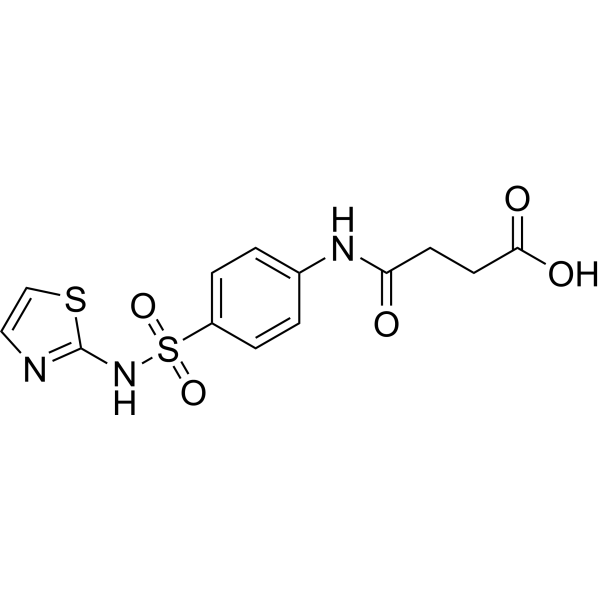
    Succinylsulfathiazole (Succinylsulphathiazole) is a long-acting sulfonamide antibiotic with localized gut-specific antibacterial activity and is orally active. Succinylsulfathiazole inhibits bacterial folate synthesis, reduces coliform counts, suppresses intestinal bacterial growth and vitamin biosynthesis, and depletes gut folate-producing bacteria. Succinylsulfathiazole modulates hepatic mTOR signaling, diminishes cecal fermentation, decreases hepatic folate levels and total folate excretion, elevates nitrogen excretion and reduces the fermentability of certain dietary fibers. Succinylsulfathiazole induces folate deficiency and triggers biotin- and folate-related nutritional deficiency symptoms in rats and C57BL/6 mice .
    Succinylsulfathiazole
  • HY-110143

    Potassium Channel Neurological Disease
    CLP257 is a selective K +-Cl cotransporter KCC2 activator with an EC50 of 616 nM. CLP257 is inactive against NKCC1, GABAA receptors, KCC1, KCC3 or KCC4. CLP257 restores impaired Cl transport in neurons with diminished KCC2 activity. CLP257 alleviates hypersensitivity in rats with neuropathic pain. CLP257 modulates plasmalemmal KCC2 protein turnover post-translationally .
    CLP257
  • HY-P10899

    PROTACs TGF-beta/Smad Endocrinology
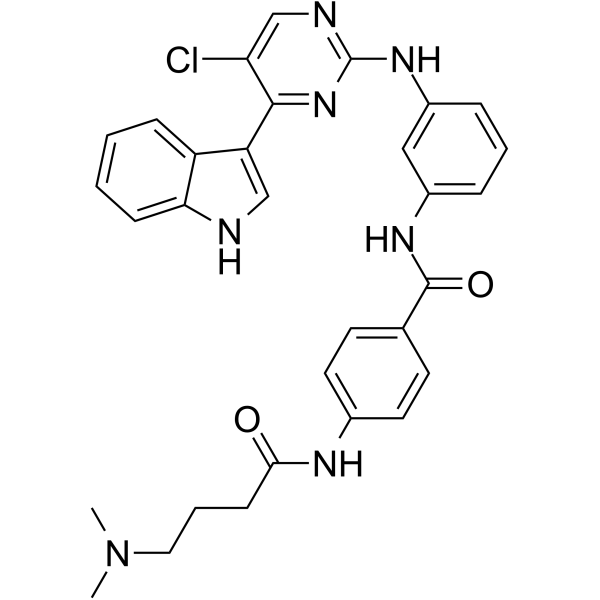
    ETTAC-2 is a LRG1 PROTAC degrader, degrading LRG1 via the ubiquitin-proteasome pathway with a DC50 value of 8.38 μM. ETTAC-2 penetrates damaged renal cells to reduce the extracellular secretion of LRG1. ETTAC-2 effectively inhibits the TGF-β-Smad3 signaling pathway and diminishes the secretion of fibrosis-associated extracellular matrix proteins. ETTAC-2 degrades LRG1 within fibrotic kidneys and the efficacy in inhibiting the TGF-β-Smad3 pathway both in vitro and vivo. ETTAC-2 can be used for renal fibrosis research .
    ETTAC-2
  • HY-107582

    Ser/Thr Protease Calcium Channel PKC Cancer
    JW480 is a selective KIAA1363/AADACL1 inhibitor with oral activity, featuring IC50 values of 12 nM against human KIAA1363, 20 nM against mouse KIAA1363. JW480 blocks lipid deacetylase activity to restrain HAG metabolism and lowers retinyl ester hydrolase function in hepatic stellate cells. JW480 reduces MAGE lipid levels and inhibits migration, invasion, survival and tumor growth of prostate cancer cells. JW480 lowers PKCδ phosphorylation, facilitates HAGP accumulation, diminishes platelet aggregation, dense granule secretion and Ca 2+ flux, delays arterial thrombosis and prolongs tail bleeding time in rats. JW480 can be used for the study of prostate cancer and thrombosis .
    JW480
  • HY-108022
    Azemiglitazone
    1 Publications Verification

    MSDC-0602

    Mitochondrial Metabolism PPAR Neurological Disease Metabolic Disease Inflammation/Immunology
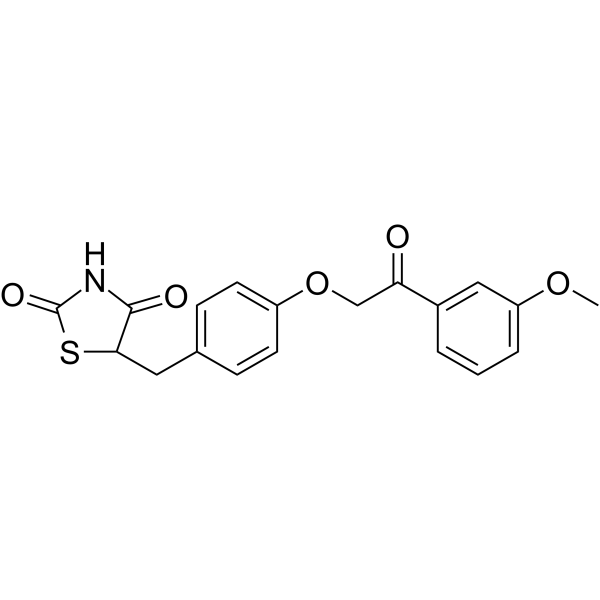
    Azemiglitazone (MSDC-0602) is an orally active thiazolidinedione (TZD) -like molecule, which binds to PPARγ with low binding and activating affinity. Azemiglitazone inhibits mitochondrial pyruvate carrier (MPC), which inhibits Alzheimer’s disease and diminishes nonalcoholic steatohepatitis (NASH) caused liver injury .
    Azemiglitazone
  • HY-18638
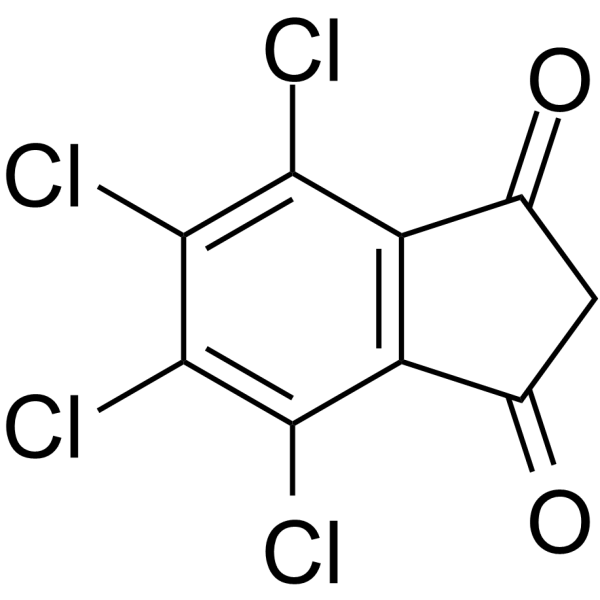
    TCID
    5+ Cited Publications

    4,5,6,7-Tetrachloroindan-1,3-dione

    Deubiquitinase Neurological Disease
    TCID (4,5,6,7-Tetrachloroindan-1,3-dione) is a potent and selective neuronal ubiquitin C-terminal hydrolase (UCH-L3) inhibitor with an IC50 of 0.6 μM . TCID diminishes glycine transporter GlyT2 ubiquitination in brainstem and spinal cord primary neurons .
    TCID
  • HY-119847

    BAY-W-6341

    Fungal Infection
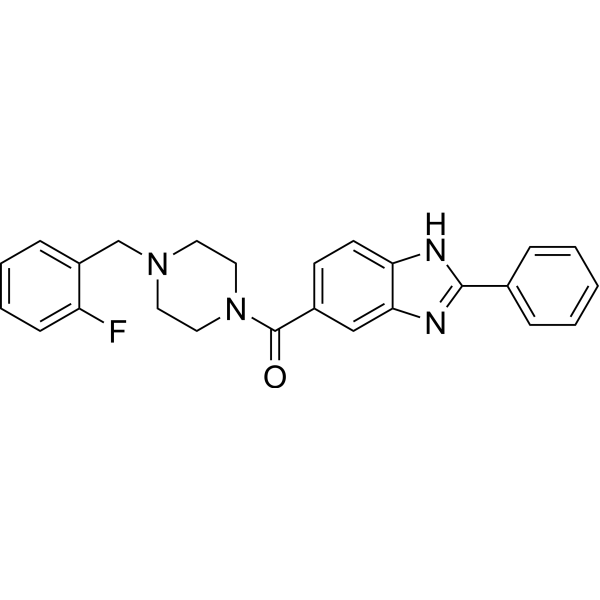
    Abafungin (BAY-W-6341) is a broad-spectrum fungicidal arylguanidine compound and a selective inhibitor of sterol-C-24-methyltransferase. Abafungin blocks the transmethylation reaction at the C-24 position of the sterol side chain during the ergosterol biosynthesis pathway. Abafungin directly disrupts fungal cell membrane integrity, and diminishes fungal viability independent of the fungal growth state. Abafungin can be applied to the research of fungal infections, particularly dermatomycoses .
    Abafungin
  • HY-B0530
    Azacyclonol
    1 Publications Verification

    γ-pipradol

    Histamine Receptor Neurological Disease
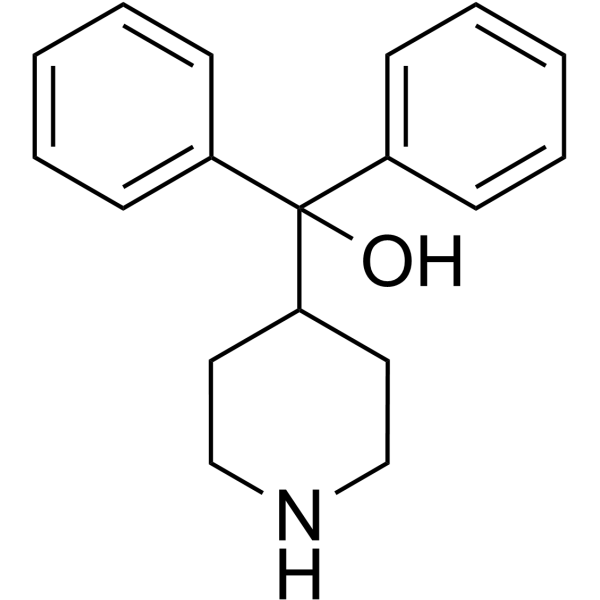
    Azacyclonol (γ-pipradol), a metabolite of Terfenadine, is a central depressant agent. Azacyclonol is a ganglion-blocking agent. Azacyclonol can be used to diminish psychoses-induced hallucinations .
    Azacyclonol
  • HY-126020
    Bractoppin
    3 Publications Verification

    DNA/RNA Synthesis RAD51 Cancer
    Bractoppin is a potent and selective agent-like inhibitor of phosphopeptide recognition by the human BRCA1 tandem(t) BRCT domain (binding IC50: 74 nM). Bractoppin diminishes BRCA1 recruitment to DNA breaks, in turn suppressing damage-induced G2 arrest and assembly of the recombinase, RAD51. Bractoppin preferentially inhibits BRCA1 tBRCT-dependent steps in the DNA damage response .
    Bractoppin
  • HY-107426
    Verrucarin A
    1 Publications Verification

    Muconomycin A

    Apoptosis Reactive Oxygen Species (ROS) Cancer
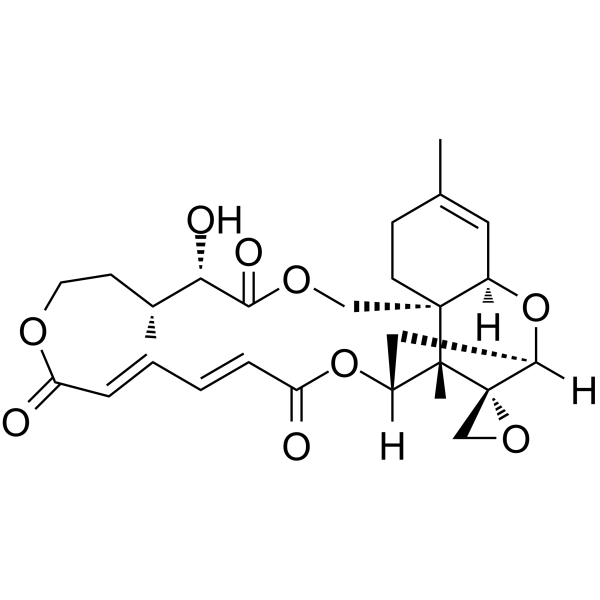
    Verrucarin A (Muconomycin A), a Type D macrocyclic mycotoxin derived from the pathogen fungus Myrothecium verrucaria, is an inhibitor of protein synthesis. Verrucarin A inhibits growth of leukemia cell lines and activates caspases and apoptosis and inflammatory signaling in macrophages. Verrucarin A effectively increased the phosphorylation of p38 MAPK and diminished the phosphorylation of ERK/Akt. Verrucarin A caused cell cycle deregulation through the induction of p21 and p53 .
    Verrucarin A
  • HY-147255

    ZM-H1505R

    HBV Infection
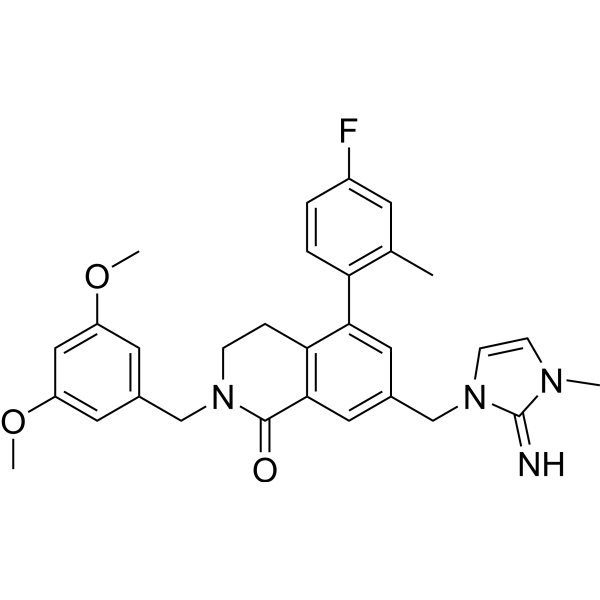
    Canocapavir (ZM-H1505R) is an orally active HBV core protein-targeting antiviral agent. Canocapavir binds to the hydrophobic pocket at the dimer-dimer interface of HBV core protein (HBc), stimulating intracellular accumulation of nonfunctional HBV capsids, disrupting viral replication. Canocapavir interferes with the interaction between HBc and HBV large surface protein, resulting in diminished
    production of empty virionsis. Canocapavir can be used for the research of hepatitis B virus (HBV) infection .
    Canocapavir
  • HY-18719A
    Endoxifen Z-isomer hydrochloride
    3 Publications Verification

    Estrogen Receptor/ERR Drug Metabolite PKC Akt Apoptosis Neurological Disease Cancer
    Endoxifen Z-isomer hydrochloride, an orally active Tamoxifen (HY-13757A) metabolite, is a selective estrogen receptor modulator with 100-fold more potency than its parent agent, Tamoxifen. Endoxifen Z-isomer hydrochloride inhibits PKCβ1 kinase activity. Endoxifen Z-isomer hydrochloride attenuates PKCβ1-activated AKT Ser473 phosphorylation, diminishes AKT substrate phosphorylation, and induces Apoptosis. Endoxifen Z-isomer hydrochloride exhibits anticancer activity against hormone-resistant metastatic breast cancer .
    Endoxifen Z-isomer hydrochloride
  • HY-Y0136
    3-Indoleacetonitrile
    2 Publications Verification

    Endogenous Metabolite Influenza Virus HSV VSV Infection
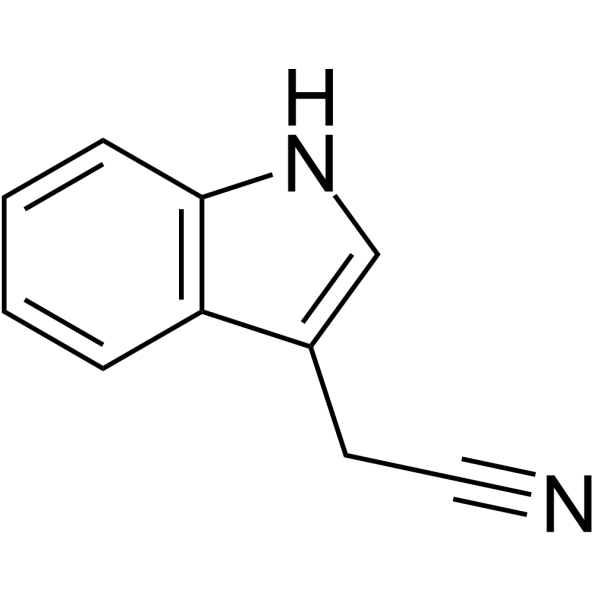
    3-Indoleacetonitrile is an indole derivative with anti-influenza activity. 3-Indoleacetonitrile is a plant hormone produced by cruxiferous vegetables. 3-Indoleacetonitrile exerts profound antiviral activity against a broad spectrum of influenza A viruses, HSV-1 and VSV viruses in vitro. 3-Indoleacetonitrile diminishes lung virus titers and alleviates lung lesions in vivo. 3-Indoleacetonitrile induces an increase in mitochondrial antiviral-signaling (MAVS) protein levels. 3-Indoleacetonitrile can be used in research for combating viral infections including COVID-19, HSV-1, and VSV .
    3-Indoleacetonitrile
  • HY-19988
    THZ1-R
    3 Publications Verification

    CDK Cancer
    THZ1-R is a non-cysteine reactive analog of THZ1 which displays diminished activity for CDK7 inhibition. THZ1-R binds to CDK7 with a Kd of 142 nM.
    THZ1-R
  • HY-157416

    ATGL E1/E2/E3 Enzyme Metabolic Disease
    COP1-ATGL modulator 1 (86) is an orally active modulator for COP1-ATGL axis. COP1-ATGL modulator 1 (86) could increase ATGL protein expression, reduce ATGL ubiquitination and COP1 autoubiquitination, and diminish lipid accumulation in hepatocytes in the nanomolar range .
    COP1-ATGL modulator 1
  • HY-124704
    Chst15-IN-1
    1 Publications Verification

    SULT Neurological Disease
    Chst15-IN-1 is a potent reversible covalent Chst15 inhibitor. Chst15-IN-1 effectively inhibits chondroitin sulfate-E (CS-E) sulfation levels and other closely related glycosaminoglycans (GAG) sulfotransferases. Chst15-IN-1, as a selective sulfotransferase inhibitor, can diminish the inhibitory effects of chondroitin sulfate proteoglycans (CSPGs), and can be used for the stimulation of neuronal repair .
    Chst15-IN-1
  • HY-P10136A
    IA9 TFA
    2 Publications Verification

    human TREM-2 182-190 TFA

    TREM receptor Inflammation/Immunology
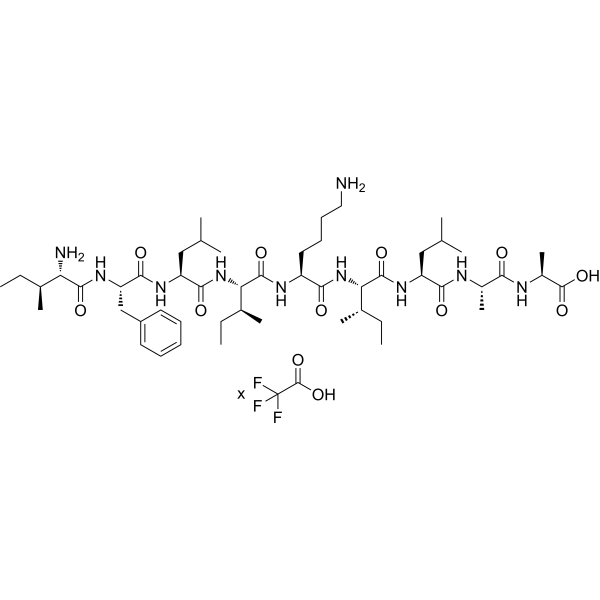
    IA9 TFA (human TREM-2 182-190 TFA) is a potent, CNS-penetrant TREM-2 inhibitor. IA9 TFA can diminish the release of proinflammatory cytokines and suppress joint inflammation and damage in a Collagen (HY-P5003)-induced arthritis (CIA) mouse model. IA9 TFA can be used for neuroinflammation PET imaging. IA9 TFA can be used for Rheumatoid arthritis (RA) and neuroinflammation research .
    IA9 TFA
  • HY-133121

    Apoptosis WDR5 Cancer
    WDR5-IN-1 is a potent and selective WD repeat domain 5 (WDR5) inhibitor, with a Kd of <0.02 nM. WDR5-IN-1 inhibits MLL1 histone methyltransferase (HMT) activity with an IC50 of 2.2 nM. WDR5-IN-1 diminishes MYC recruitment at WDR5-displaced genes and exhibits potent anti-proliferative effects in CHP-134 (neuroblastoma) and Ramos (Burkitt’s lymphoma) lines .
    WDR5-IN-1
  • HY-N0086R
    N6-Methyladenosine (Standard)
    1 Publications Verification

    6-Methyladenosine (Standard); N-Methyladenosine (Standard)

    Endogenous Metabolite Influenza Virus Reference Standards Infection
    N6-Methyladenosine (Standard) is the analytical standard of N6-Methyladenosine. This product is intended for research and analytical applications. N6-Methyladenosine is the most prevalent internal (non-cap) modification present in the messenger RNA (mRNA) of all higher eukaryotes. N6-Methyladenosine can modifies viral RNAs and has antiviral activities. In Vitro: N6-methyladenosine (m6A) is selectively recognized by the human YTH domain family 2 (YTHDF2) protein to regulate mRNA degradation. N6-methyladenosine (m6A), a prevalent internal modification in the messenger RNA of all eukaryotes, is post-transcriptionally installed by m6A methyltransferase (e.g., MT-A70) within the consensus sequence of G(m6A)C (70%) or A(m6A)C (30%). N6-methyladenosine (m6A)-containing RNAs are greatly enriched in the YTHDF-bound portion and diminished in the flow-through portion . N6-methyladenosine (m6A), the most abundant internal RNA modification, functions in diverse biological processes, including regulation of embryonic stem cell self-renewal and differentiation. N6-methyladenosine (m6A) is a large protein complex, consisting in part of methyltransferase-like 3 (METTL3) and methyltransferase-like 14 (METTL14) catalytic subunits .
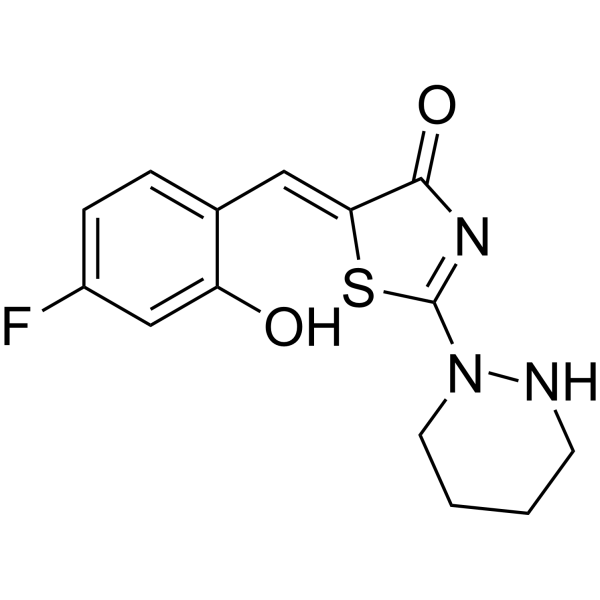
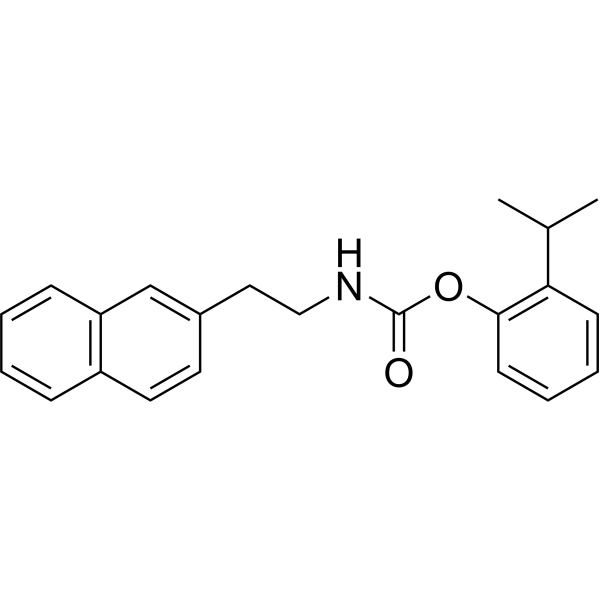
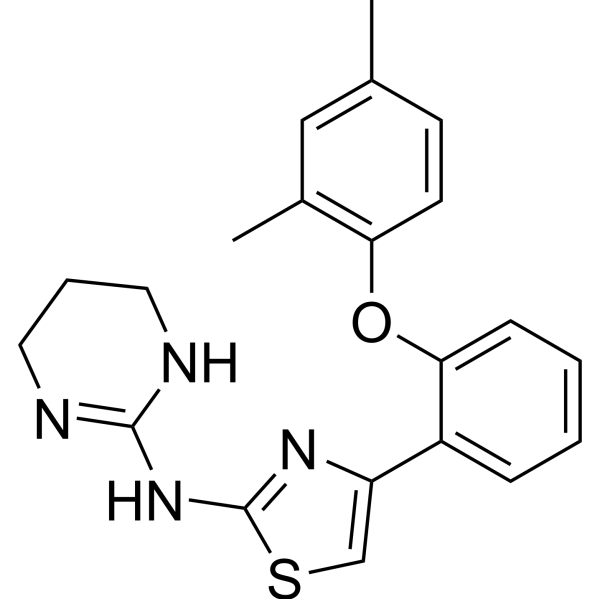
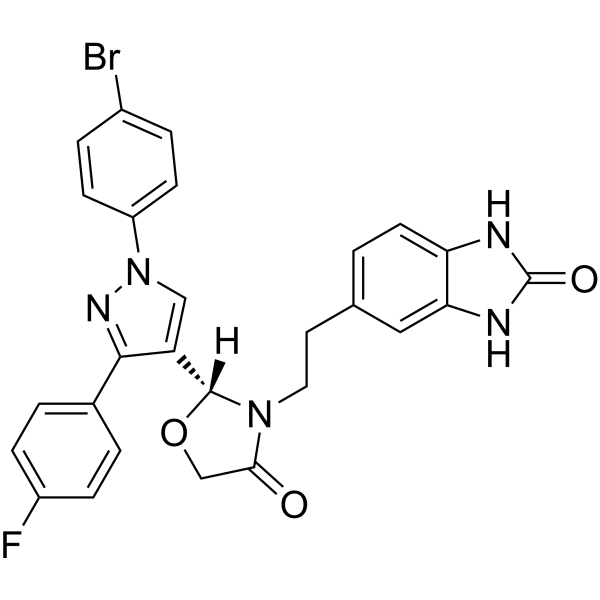
    N6-Methyladenosine (Standard)
  • HY-162946

    Ligands for Target Protein for PROTAC Cancer
    Alkyne-P60 is a potent 15-mer peptide inhibitor of Foxp3. Alkyne-P60 can bind with Foxp3, hinder its nuclear translocation, and diminish Foxp3-mediated inhibition of NFKB and NFAT functions. Alkyne-P60 is a ligand for target protein for PROTAC (HY-162943).
    Alkyne-P60
  • HY-146307

    TrxR Cancer
    TrxR-IN-3 (Compound 2c) is a potent inhibitor of TrxR. TrxR-IN-3 exhibits potent antiproliferative activities against five human cancer cell lines, especially against breast tumor cells. TrxR-IN-3 increases ROS levels and resulted in marked apoptosis by regulating apoptosis-related proteins expressed in the breast cancer cells. TrxR-IN-3 also triggers the formation of autophagosomes and autolysosomes by promoting the expression of LC3-II and Beclin-1 and diminishing the expression of LC3-I and p62 proteins .
    TrxR-IN-3
  • HY-165061

    Sciadonic acid

    Apolipoprotein Inflammation/Immunology
    5(Z),11(Z),14(Z)-Eicosatrienoic acid (Sciadonic acid), a polyunsaturated fatty acid sourced from maritime pine seed oil, gymnospermae leaves and seeds, and freshwater gastropods, has been shown to reduce high-density lipoprotein and ApoA1 levels in transgenic mice expressing human ApoA1 when included in their diet. In vitro studies indicate that it diminishes cholesterol efflux, and when applied topically in its methyl ester form, it alleviates inflammatory processes, likely by displacing arachidonic acid from phospholipid pools and lowering concentrations of downstream inflammatory mediators such as prostaglandin E2 and leukotrienes.
    5(Z),11(Z),14(Z)-Eicosatrienoic acid
  • HY-Y0136S1

    Isotope-Labeled Compounds Endogenous Metabolite Influenza Virus HSV VSV Infection
    3-Indoleacetonitrile-d4 is deuterium labeled 3-Indoleacetonitrile (HY-Y0136). 3-Indoleacetonitrile is an indole derivative with anti-influenza activity. 3-Indoleacetonitrile is a plant hormone produced by cruxiferous vegetables. 3-Indoleacetonitrile exerts profound antiviral activity against a broad spectrum of influenza A viruses, HSV-1 and VSV viruses in vitro. 3-Indoleacetonitrile diminishes lung virus titers and alleviates lung lesions in vivo. 3-Indoleacetonitrile induces an increase in mitochondrial antiviral-signaling (MAVS) protein levels. 3-Indoleacetonitrile can be used in research for combating viral infections including COVID-19, HSV-1, and VSV.
    3-Indoleacetonitrile-d4
  • HY-W250160

    Polydeoxyribonucleotide

    Sirtuin Autophagy Inflammation/Immunology
    PDRN (Polydeoxyribonucleotide) is a linear polyribonucleotide fragment mainly derived from salmon sperm. PDRN exhibits antioxidant and anti-aging properties by diminishing autophagy and enhancing SIRT1 expression. PDRN shows tissue regeneration and anti-inflammatory effects .
    PDRN
  • HY-12532S

    Isotope-Labeled Compounds Histamine Receptor Potassium Channel Inflammation/Immunology Endocrinology
    Astemizole-d3 is the deuterium labeled Astemizole. Astemizole (R 43512), a second-generation antihistamine drug to diminish allergic symptoms with a long duration of action, is a histamine H1-receptor antagonist, with an IC50 of 4 nM. Astemizole also shows potent hERG K+ channel blocking activity with an IC50 of 0.9 nM. Astemizole has antipruritic effects .
    Astemizole-d3
  • HY-170309

    SARS-CoV Virus Protease Infection
    NZ-804 is an orally active inhibitor for SARS-CoV-2 main protease Mpro with an IC50 of 8.9 nM. NZ-804 inhibits the SARS-CoV-2 replication in HeLa-hACE2 cell with an EC50 of 14 nM. NZ-804 exhibits board-spectrum antiviral activity aganst multiple CoVs. NZ-804 diminishes virus replication in mouse and hamster model .
    NZ-804
  • HY-120349

    p38 MAPK JNK Apoptosis Reactive Oxygen Species (ROS) Cancer
    LL-Z1640-4 is a potent p38/JNK signaling inhibitor. LL-Z1640-4 significantly diminishes p38 and JNK activation in HCC cells transfected with MLK4 siRNA. LL-Z1640-4 markedly attenuates ROS production induced by MLK4 knockdown. LL-Z1640-4 significantly reduces the apoptotic cells in HCC cells transfected with siMLK4 .
    LL-Z1640-4
  • HY-Y0136R

    Reference Standards Endogenous Metabolite Influenza Virus HSV VSV Metabolic Disease
    3-Indoleacetonitrile (Standard) is the analytical standard of 3-Indoleacetonitrile. This product is intended for research and analytical applications. 3-Indoleacetonitrile is an indole derivative with anti-influenza activity. 3-Indoleacetonitrile is a plant hormone produced by cruxiferous vegetables. 3-Indoleacetonitrile exerts profound antiviral activity against a broad spectrum of influenza A viruses, HSV-1 and VSV viruses in vitro. 3-Indoleacetonitrile diminishes lung virus titers and alleviates lung lesions in vivo. 3-Indoleacetonitrile induces an increase in mitochondrial antiviral-signaling (MAVS) protein levels. 3-Indoleacetonitrile can be used in research for combating viral infections including COVID-19, HSV-1, and VSV .
    3-Indoleacetonitrile (Standard)
  • HY-P5265

    DNA/RNA Synthesis Metabolic Disease
    Tetrapeptide, an analogue of α-MSH, induces melanin synthesis. Tetrapeptide diminishes DNA damage by reducing the production of reactive oxidative species and enhancing repair of DNA photoproducts .
    Tetrapeptide
  • HY-165407

    Elastase CFTR Inflammation/Immunology
    Neltenexine, a mucolytic agent, is an Elastase inhibitor. Neltenexine diminishes anion secretion in in bronchial epithelial cells by inhibiting the Cl− and HCO3- uptake via Na/K/2Cl++− and Na+/HCO3- cotransporter without blockade of the CFTR channel, and also diminishes anion secretion via stimulation of Cl−/HCO3- exchanger. Neltenexine significantly prevents pulmonary emphysema with a reduction of alveolar deformation in rat models induced by Elastase. Neltenexine can be used for lung diseases such as chronic obstructive pulmonary disease (COPD) research .
    Neltenexine
  • HY-144285

    CXCR HIV Inflammation/Immunology
    CXCR4 antagonist 4 is a potent, orally active CXCR4 antagonist (IC50=24 nM) with diminished CYP 2D6 activity, improved PAMPA permeability, potent inhibition of human immunodeficiency virus entry (IC50=7 nM) .
    CXCR4 antagonist 4
  • HY-12532R

    R 43512 (Standard)

    Reference Standards Histamine Receptor Potassium Channel Inflammation/Immunology Endocrinology
    Astemizole (Standard) is the analytical standard of Astemizole. This product is intended for research and analytical applications. Astemizole (R 43512), a second-generation antihistamine agent to diminish allergic symptoms with a long duration of action, is a histamine H1-receptor antagonist, with an IC50 of 4 nM. Astemizole also shows potent hERG K + channel blocking activity with an IC50 of 0.9 nM. Astemizole has antipruritic effects .
    Astemizole (Standard)
  • HY-175303

    Xanthine Oxidase Metabolic Disease
    Xanthine oxidase-IN-17 is a potent xanthine oxidase (XOD) inhibitor with an IC50 of 298 nM and a Ki of 167 nM. Xanthine oxidase-IN-17 decreases the formation of O radical by inhibiting the catalytic activity of XOD to diminish the production of uric acid. Xanthine oxidase-IN-17 shows no cytotoxicity in AML-12 hepatocytes, while suppressing uric acid production. Xanthine oxidase-IN-17 can be used for the studies of hyperuricemia and subsequently to gout .
    Xanthine oxidase-IN-17
  • HY-123394

    Src Metabolic Disease
    AP22161 is a potent and selective Src SH2 domain inhibitor with an IC50 of 0.24 µM. AP22161 exhibits >120-fold selectivity over Yes SH2 (IC50 = 29.38 µM) and ZAP SH2 (IC50 = 421.86 µM). AP22161 inhibits Src-dependent cellular activity and diminishes osteoclast resorptive activity. AP22161 can be used for osteoporosis research .
    AP-22161
  • HY-110246

    Formyl Peptide Receptor (FPR) Inflammation/Immunology
    Quin C1 is a highly specific and potent agonist for formyl peptide receptor 2 (FPR2/ALX). Quin-C1 significantly reduces the neutrophil and lymphocyte counts in BALF, diminishes expression of TNF-α, IL-1β, KC, and TGF-β1, and decreases collagen deposition in lung tissue. Quin C1 has the potential for the research of lung injury .
    Quin C1
  • HY-P11007

    β-catenin Wnt Androgen Receptor Cancer
    β-catenin inhibitory peptoid (compound 13) inhibits the β-catenin:TCF interaction with an IC50 of 5.44 µM. β-catenin inhibitory peptoid inhibits both Wnt (IC50 of 0.105 µM) and androgen receptor (AR)-signaling (IC50 of 1.02 µM) in prostate cancer cell lines. β-catenin inhibitory peptoid markedly diminishes cell proliferation of prostate cancer cell lines .
    β-catenin inhibitory peptoid
  • HY-15048

    PARP Inflammation/Immunology
    GPI 15427 is a potent inhibitor of the enzyme poly (ADP-ribose) polymerase-1 (PARP-1), which plays a harmful role during inflammation. In a rat model of gut injury and inflammation, including splanchnic artery occlusion (SAO) shock and dinitrobenzene sulfonic acid (DNBS)-induced colitis, GPI 15427 demonstrates strong anti-inflammatory effects that reduces inflammatory cell infiltration, histological injury. GPI 15427 also diminishes the accumulation of poly (ADP-ribose) in the ileum and colon of treated rats .
    GPI 15427
  • HY-125807

    G Protein-coupled Receptor Kinase (GRK) Apoptosis Reactive Oxygen Species (ROS) Akt p38 MAPK Cardiovascular Disease Cancer
    IS20 is a Prokineticin receptor 1 (PKR1) agonist. IS20 diminishes Doxorubicin (HY-15142A) mediated apoptosis and ROS production by activating Akt or MAPK pathways. IS20 protects the heart against Doxorubicin-induced cardiovascular toxicity and improves the survival rate and cardiac function in mouse models. IS20 does not alter the cytotoxicity and antitumor activity of acute DOX treatment in breast cancer cells and MDA-MB-231 xenograft mouse models. IS20 can be used for cancers research .
    IS20
  • HY-P11469

    Melanocortin Receptor Interleukin Related Neurological Disease Metabolic Disease Inflammation/Immunology
    PG-901 is a full, selective MC5R agonist (EC50 = 0.072 nM for hMC5R). PG-901 is also a full antagonist at the hMC3R and the hMC4R (Kb: 1.0 nM and 0.53 nM, respectively). PG-901 significantly diminishes Cytokines (IL-1α, IL-1β, IL-6). PG-901 increases glucose tolerance, reduces blood glucose, decreases retinal damage .
    PG-901
  • HY-13588A

    SCE-129

    Bacterial Antibiotic Others
    Cefsulodin (SCE-129) showed potent activity against Pseudomonas aeruginosa and strains susceptible to penicillin and gentamicin, with effectiveness comparable to that of gentamicin and debendazole. However, its effectiveness was diminished against penicillin-resistant strains of P. aeruginosa, particularly strains that were also resistant to gentamicin. For P. aeruginosa maltofila, SCE-129 showed similar minimum inhibitory concentrations to penicillin, gentamicin, and debendazole. Pseudomonas cepacia strains generally showed moderate resistance to SCE-129 and penicillin, and high resistance to gentamicin and debendazole .
    Cefsulodin
  • HY-P99140

    Interleukin Related Infection Metabolic Disease Inflammation/Immunology
    Anti-Mouse IL-1R Antibody (JAMA-147) is an anti-mouse IL-1R IgG2b antibody inhibitor derived from host Armenian Hamster. Anti-Mouse IL-1R Antibody (JAMA-147) diminishes Spp1hi-TAM-mediated T cell suppression. Anti-Mouse IL-1R Antibody (JAMA-147) can be used for the researches of inflammation, metabolic disease and infection, such as diabetes .
    Anti-Mouse IL-1R Antibody (JAMA-147)
  • HY-155297

    FLA-136

    Histamine Receptor Cardiovascular Disease
    Nebidrazine is a centrally-acting hypotensive agent compared to clonidine, demonstrating weaker cardiovascular effects in rats. It induces dose-dependent hypotension and bradycardia when administered intracerebroventricularly (i.c.v.), with significantly lower sedative potential than clonidine in conscious rats. Yohimbine attenuates the cardiovascular effects of both Nebidrazine and clonidine, suggesting involvement of central alpha-autoreceptors sensitive to yohimbine. Unlike clonidine, Nebidrazine does not affect peripheral alpha-adrenoceptors in pithed rats, indicating a selective central mechanism. Chemical sympathectomy reduces Nebidrazine's cardiovascular effects more than clonidine's, and metiamide diminishes responses to both drugs, implicating central histamine receptors. These findings highlight Nebidrazine's distinct pharmacological profile and potential therapeutic application in managing hypertension through central alpha-autoreceptor stimulation .
    Nebidrazine
  • HY-14886

    MEN16132 free base

    Bradykinin Receptor Cardiovascular Disease Neurological Disease
    Fasitibant chloride (MEN16132 free base) is a potent and selective nonpeptide bradykinin B2 receptor (B2R) antagonist. Fasitibant chloride reduces joint pain and diminishes joint oedema in Carrageenan-induced arthritis rat model .
    Fasitibant chloride
  • HY-107434S

    (±)-Molindone-d8; SPN-810M-d8

    Isotope-Labeled Compounds Dopamine Receptor Neurological Disease
    Molindone-d8 is the deuterium labeled Molindone. Molindone hydrochloride (EN-1733A) is a therapeutic antipsychotic, used in the treatment of schizophrenia, works by blocking the effects of dopamine in the brain, leading to diminished psychoses .
    Molindone-d8
  • HY-106754

    Lipoxygenase Cardiovascular Disease Inflammation/Immunology
    FLM-5011 is a lipoxygenase inhibitor. FLM-5011 can diminish myocardial ischaemia injury and shows anti-inflammatory effect. FLM-5011 can be used for the researches of inflammation and cardiovascular disease, such as myocarditis .
    FLM-5011
  • HY-120865

    NO Synthase Inflammation/Immunology
    1,3-PBIT is a potent inhibitor of iNOS with a Ki of 47 nM compared to Ki values for eNOS and nNOS are 9 and 0.25 μM, respectively, for the purified human enzymes. Its inhibition in whole cells is greatly diminished, presumably to poor membrane permeability.
    1,3-PBIT dihydrobromide

オンラインお問い合わせ

入力情報は安全に管理されます. 必須入力項目.

タイトル


国或いは地域 *

お名前 *


組纖名 *

デパートメント *


メールアドレス *


製品名 *

製品番号


カスタマ需要量 *

電話番号 *


必ず会社名を記載ください。個人への返信は行いません。

備考

バルクお問い合わせ

Inquiry Information

製品名:
製品番号:
数量:
MCE 日本正規代理店:

