

1. Search Result
Search Result
Pathways Recommended: Stem Cell/Wnt Cell Cycle/DNA Damage
Results for "

endothelial cell adhesion

" in MedChemExpress (MCE) Product Catalog:

52

Inhibitors & Agonists

4

Biochemical Assay Reagents

23

Peptides

7

Inhibitory Antibodies

6

Natural
Products

8

Recombinant Proteins

2

Isotope-Labeled Compounds

11

Antibodies

5

Oligonucleotides

Cat. No. Product Name Target Research Areas Chemical Structure
  • HY-E70005H

    Proteasome Cardiovascular Disease
    Collagenase, Type VIII is a mixed enzyme derived from Clostridium histolyticum that contains collagenase, a nonspecific protease, and a clostripain. Collagenase, Type VIII can hydrolyze Type VIII collagen and may be used to study the formation of atherosclerosis. Type VIII collagen is a regulator of endothelial cell differentiation and angiogenesis, a substrate for cell adhesion and migration such as smooth muscle cells, and may accumulate in atherosclerosis. After endotoxin activates the expression of Collagenase, Type VIII, it can reduce the production of Type VIII collagen and has the potential to inhibit atherosclerosis .
    Collagenase, Type VIII
  • HY-N1990
    Gypenoside XLIX
    2 Publications Verification

    PPAR Sirtuin Keap1-Nrf2 Toll-like Receptor (TLR) NF-κB Reactive Oxygen Species (ROS) NOD-like Receptor (NLR) Apoptosis Pyroptosis Autophagy Cardiovascular Disease Neurological Disease Metabolic Disease Inflammation/Immunology
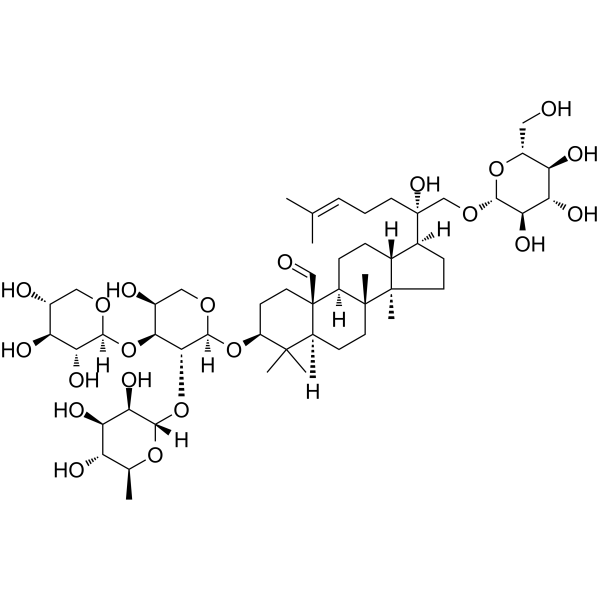
    Gypenoside XLIX is a multifunctional bioactive compound that can be isolated from Gynostemma pentaphyllum, with a Ka value of 1.58 μM for its binding to SIRT1. Gypenoside XLIX acts as a PPAR-α agonist. It inhibits the activation of TLR4-mediated NF-κB signaling pathway by activating the Sirt1/Nrf2 signaling pathway, reduces ROS accumulation, and alleviates hepatic inflammatory injury in mice with sepsis-induced liver disease. Gypenoside XLIX targets SIRT1 to block YAP-NLRP3 activation and improve sepsis-induced cardiomyopathy. Gypenoside XLIX inhibits apoptosis (Apoptosis), pyroptosis (Pyroptosis), autophagy (Autophagy), lipid peroxidation, pro-inflammatory cytokines and anti-inflammatory cytokines. Gypenoside XLIX alleviates sepsis-induced splenic injury by inhibiting inflammation and oxidative stress, and mitigates sepsis-associated encephalopathy by targeting PPAR-α. Gypenoside XLIX prevents acute kidney injury by inhibiting IGFBP7/IGF1R-mediated programmed cell death and inflammation. Gypenoside XLIX inhibits the expression and activity of vascular cell adhesion molecule-1 in cytokine-induced human endothelial cells. Gypenoside XLIX is applicable to research related to acute liver injury, lung injury, cardiomyopathy, acute splenic injury, sepsis-associated encephalopathy, acute kidney injury, atherosclerosis and chronic inflammation .
    Gypenoside XLIX
  • HY-W588250

    Integrin Inflammation/Immunology
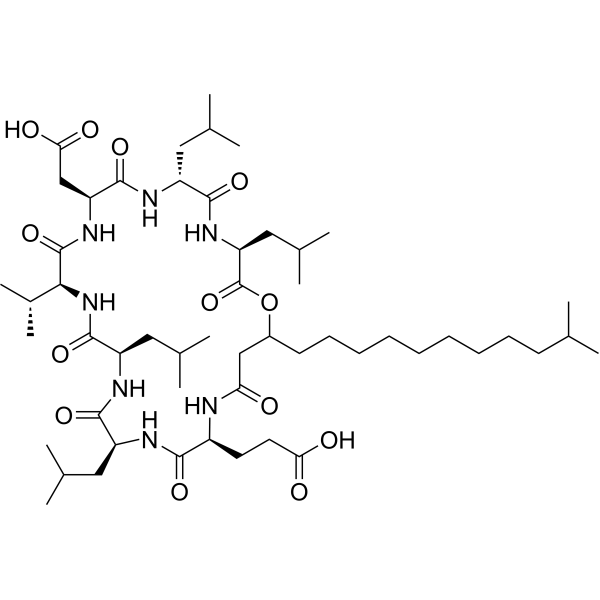
    Surfactin C1 is an amphiphilic biosurfactants. Surfactin C1 inhibits leukemic cell (HL-60) adhesion to human umbilical vein endothelial cells (HUVEC). Surfactin C1 inhibits adhesion melecules expression, such as ICAM-1 and VCAM-1 .
    Surfactin C1
  • HY-P1408
    Obtustatin
    4 Publications Verification

    Integrin VEGFR Cancer
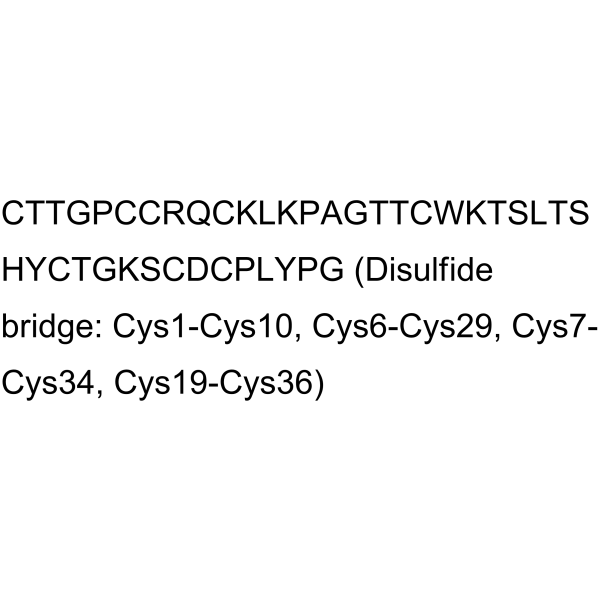
    Obtustatin is a non-RGD disintegrin consisting of 41 residues. Obtustatin inhibits the adhesion of α1β1 integrin to type IV Collagen (HY-NP003), blocks α1β1 integrin signaling in endothelial cells, and suppresses FGF2-induced angiogenesis. Obtustatin inhibits tumor progression in mouse models and upregulates VEGF expression in sarcoma-bearing mice. Obtustatin can be used in research related to Lewis lung carcinoma and S-180 sarcoma .
    Obtustatin
  • HY-N1353
    Rhamnocitrin
    2 Publications Verification

    p38 MAPK Cardiovascular Disease Inflammation/Immunology
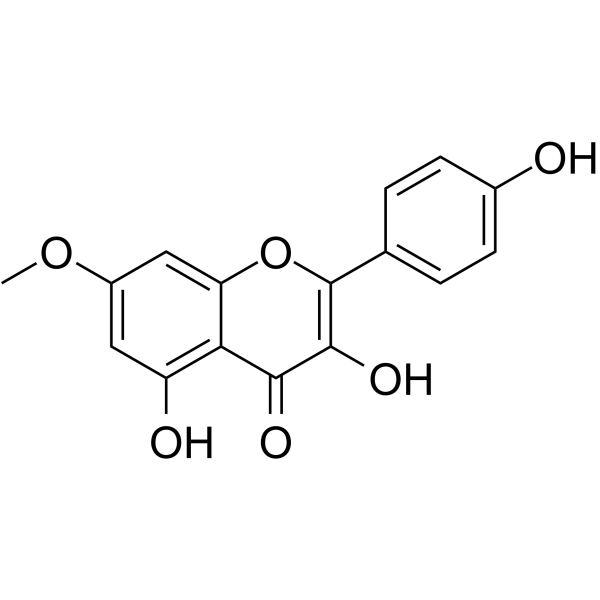
    Rhamnocitrin is an anti-inflammatory and antioxidant agent that targets STIM-1, NFATc3 and MAPK pathways and can scavenge DPPH (IC50=28.38 mM). Rhamnocitrin selectively inhibits oxidative stress and inflammatory responses in vascular endothelial cells and neurons. Rhamnocitrin up-regulates miR-185 to inhibit STIM-1-mediated store-operated calcium entry (SOCE), thereby blocking NFATc3 nuclear translocation and downstream inflammatory factor expression, while inducing heme oxygenase HO-1 expression and regulating the ERK/p38 MAPK pathway, inhibiting antioxidant and pro-inflammatory cytokines (such as IL-6, IL-8) and adhesion molecules (such as ICAM-1, VCAM-1). Rhamnocitrin can be used in the study of endothelial-related inflammatory diseases (such as sepsis, acute lung injury, atherosclerosis) and neuroprotection (such as oxidative damage of PC12 cells) .
    Rhamnocitrin
  • HY-P3522

    Integrin Cardiovascular Disease
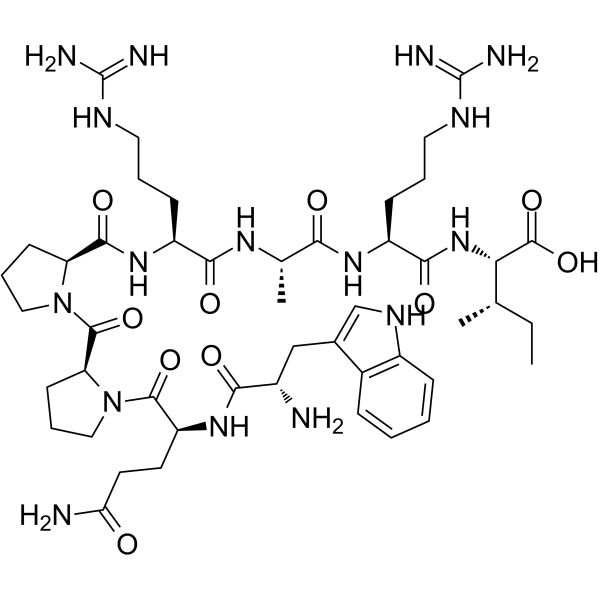
    REDV is the minimal active sequence within the CS5 site of the alternatively spliced type III connecting segment (IIICS) region of fibronectin. REDV can mediate adhesion to the IIICS region of plasma fibronectin by binding the integrin alpha 4 beta 1(α4β1). REDV can be used for the research of cell adhesion. REDV is used to study the effects of gene vectors containing REDV on cells .
    REDV
  • HY-P99296

    CNTO 95; Anti-Human CD51 Recombinant Antibody

    Integrin Apoptosis Cancer
    Intetumumab (CNTO 95) is a human monoclonal antibody targeting αv integrin, with a Kd value of 1-24 nM. Through high-affinity binding to αv integrin, Intetumumab inhibits its interaction with extracellular matrix proteins (such as vitronectin and fibronectin), thereby blocking the downstream focal adhesion kinase signaling pathway. This further inhibits the adhesion, migration and invasion of tumor cells as well as the proliferation of vascular endothelial cells, promotes cell apoptosis, and exerts anti-tumor and anti-angiogenic effects. Intetumumab can be used in research related to head and neck cancer, non-small cell lung cancer and uterine serous papillary carcinoma .
    Intetumumab
  • HY-P5098

    Integrin Neurological Disease Cancer
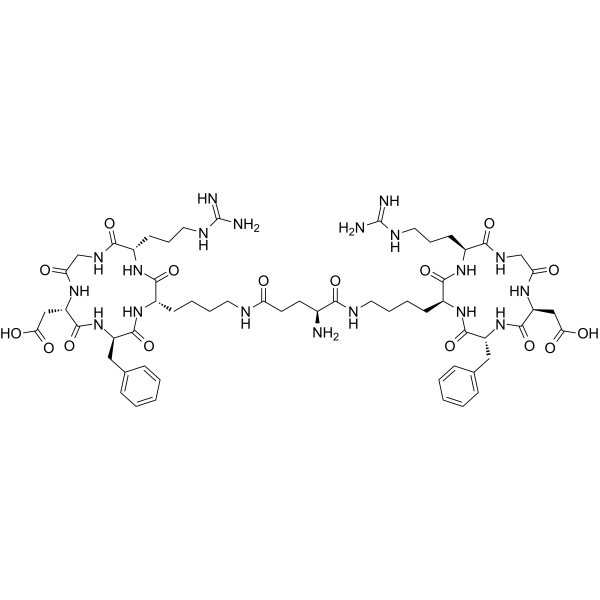
    E (c (RGDfK)) 2 is a αvβ3 integrin ligand and tumor-targeting agent. E (c (RGDfK)) 2 binds to αvβ3 integrin, mediates receptor-mediated endocytosis of conjugated payloads, and inhibits integrin-dependent cell adhesion to fibrinogen. E (c (RGDfK)) 2 inhibits the proliferation of cancer cells and endothelial cells. E (c (RGDfK)) 2 preferentially accumulates in orthotopic mouse breast tumors and human ovarian cancer xenograft tumors. E (c (RGDfK)) 2 can be used in research related to glioblastoma, lung cancer, breast adenocarcinoma and ovarian cancer .
    E(c(RGDfK))2
  • HY-P99291

    LM609; MEDI-522

    Integrin Apoptosis Akt Cancer
    Etaracizumab (LM 609) is an αvβ3 integrin IgG mAb. Etaracizumab is developed to target αvβ3+ cancer cells via NK cell-mediated cytotoxicity. Etaracizumab sterically hinders access of large ligands to the RGD-binding pocket, without obstructing it. Etaracizumab decreases p-Akt in vitro. Etaracizumab can decrease cancer proliferation and invasion. Etaracizumab induces tumor cell apoptosis, and inhibition ofαvβ3-mediated cell adhesion, endothelial cell migration and osteoclast-mediated bone resorption. Etaracizumab can be studied in anti-tumor research against cancers such as ovarian cancer, metastatic melanoma as well as advanced solid tumors. Recommend Isotype Control: Human IgG1 kappa, Isotype Control (HY-P99001) .
    Etaracizumab
  • HY-P991400

    TNF Receptor Apoptosis Interleukin Related NF-κB JNK p38 MAPK Inflammation/Immunology
    GSK1995057 is a human monoclonal antibody (mAb) targeting TNFRSF1A. GSK1995057 selectively binds to TNFR1, blocks the binding of TNF-α and LT-α, and does not interfere with TNFR2 signaling. GSK1995057 inhibits the activation of NF-κB, JNK and MAPK pathways, alleviates apoptosis (apoptosis) and inflammatory responses (inhibiting IL-1β, IL-6, IL-10, TNF-α), and prevents viability loss of human nucleus pulposus cells. GSK1995057 inhibits the expression of cytokines and neutrophil adhesion molecules in human pulmonary microvascular endothelial cell monolayers, and reduces inflammatory responses and lung injury symptoms in non-human primates. GSK1995057 forms complexes with HAVH autoantibodies, thereby activating TNFR1 and triggering the release of cytokines and IL-8 in human cells. GSK1995057 can be used in research related to intervertebral disc degeneration and acute lung injury .
    GSK1995057
  • HY-B0708
    β-Estradiol 17-acetate
    1 Publications Verification

    1,3,5(10)-Estratriene-3,17β-diol 17-acetate

    Estrogen Receptor/ERR Endocrinology
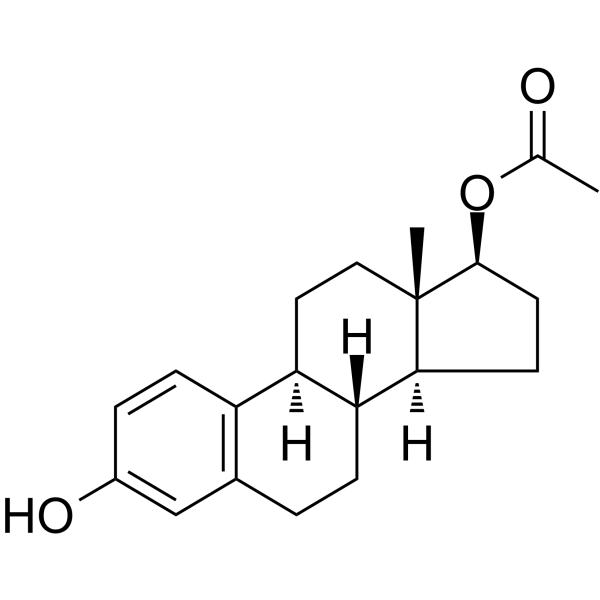
    β-Estradiol 17-acetate (1,3,5(10)-Estratriene-3,17β-diol 17-acetate) is a long-acting endogenous estrogen precursor and also a cell viability and proliferation enhancer. β-Estradiol 17-acetate promotes the adhesion and proliferation of freshly isolated and revived female-derived human brain microvascular endothelial cells, and reverses the decreased viability of revived male-derived human brain microvascular endothelial cells. β-Estradiol 17-acetate exerts the microvascular protective effect of estrogen, enabling non-tumor human brain microvascular endothelial cells to be cultured in vitro for 2 months after cryopreservation. β-Estradiol 17-acetate is biotransformed into β-estradiol via hydrolase action in the in vitro skin of humans, hairless dogs, rats and hairless mice .
    β-Estradiol 17-acetate
  • HY-P10580

    Tie PI3K Akt Cadherin Claudin Cardiovascular Disease Infection Inflammation/Immunology
    Vasculotide is a blood-brain barrier (BBB)-penetrant Tie2 agonist. Vasculotide binds to a unique domain of Tie2, induces receptor clustering to drive phosphorylation, activates downstream PI3K/Akt and eNOS pathways, enhances inter-endothelial cell junctions (such as VE-cadherin and claudin-5), and inhibits inflammatory adhesion molecules, ultimately stabilizing the vascular endothelial barrier and reducing its permeability . Vasculotide alleviates pulmonary microvascular leakage and microcirculatory dysfunction caused by cardiopulmonary bypass, acts as an adjuvant radioprotective agent to reduce acute radiation dermatitis, and promotes BBB recovery after focused ultrasound (FUS). Combination of Vasculotide with antibiotics reduces lung injury .
    Vasculotide
  • HY-125475

    GMI-1070

    E-Selectin Cardiovascular Disease
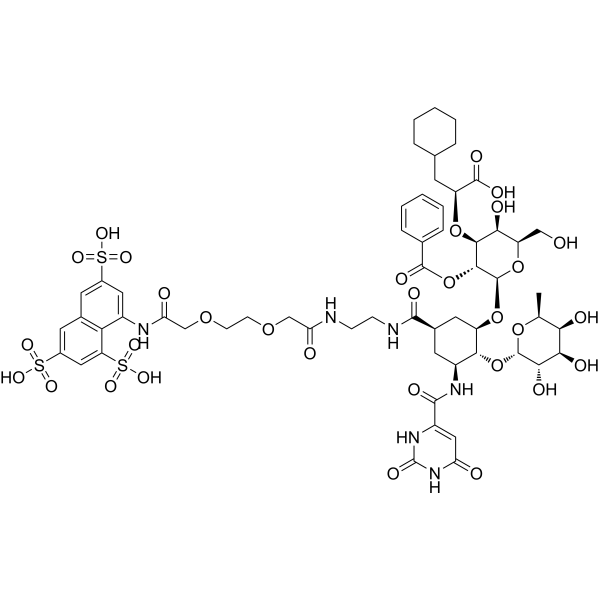
    Rivipansel is a small-molecule glycomimetic pan-selectin antagonist with inhibitory activity against E-selectin and P-selectin. Rivipansel binds tightly to the lectin domain of E-selectin, and selectively blocks the recognition of CD62L by E-selectin without affecting the binding of PSGL-1 to E-selectin. Rivipansel functionally inhibits the adhesion of hematopoietic cells to endothelial cells, and is applicable to research related to sickle cell disease .
    Rivipansel
  • HY-10656

    Urotensin Receptor Inflammation/Immunology
    SB-657510 is a selective urotensin II (UII) receptor (UT) antagonist. The Ki values are 61, 17, 30, 65 and 56 nM for human, monkey, cat, rat and mouse receptors, respectively. SB-657510 exerts anti-inflammatory effects by inhibiting UII-induced upregulation of inflammatory mediators such as adhesion molecules, cytokines, and tissue factor in human vascular endothelial cells .
    SB-657510
  • HY-P10586A

    MALP-2 TFA

    Toll-like Receptor (TLR) NO Synthase Cardiovascular Disease Metabolic Disease
    Macrophage-activating lipopeptide 2 TFA is an agonist of Toll like receptors TLR-2/TLR-6. Macrophage-activating lipopeptide-2 enhances endothelial nitric oxide synthase (eNOS) phosphorylation and endothelial cell release of NO, thereby improving vasodilation. Macrophage-activating lipopeptide-2 enhances endothelial adhesion of white blood cells and improve perfusion recovery and collateral growth in the hind limbs of hypercholesterolemic Apoe deficient mice undergoing experimental femoral artery ligation (FAL) .
    Macrophage-activating lipopeptide 2 TFA
  • HY-P10300

    IL-8 (54-72)

    CXCR Inflammation/Immunology
    CXCL8 (54-72) is a C-terminal peptide based on the chemokine CXCL8. CXCL8 (54-72) has an interaction between a long and highly positively charged C-terminal region and a negative charge on the GAG that binds to the GAG. CXCL8 (54-72) can inhibit the adhesion and migration of neutrophils and adhesion of endothelial cells. CXCL8 (54-72) can be used to study chemokines in inflammatory response .
    CXCL8 (54-72)
  • HY-P10580A

    Cadherin Tie Claudin PI3K Akt Cardiovascular Disease Infection Inflammation/Immunology
    Vasculotide TFA is a blood-brain barrier (BBB)-penetrant Tie2 agonist. Vasculotide TFA binds to a unique domain of Tie2, induces receptor clustering to drive phosphorylation, activates downstream PI3K/Akt and eNOS pathways, enhances inter-endothelial cell junctions (such as VE-cadherin and claudin-5), and inhibits inflammatory adhesion molecules, ultimately stabilizing the vascular endothelial barrier and reducing its permeability . Vasculotide TFA alleviates pulmonary microvascular leakage and microcirculatory dysfunction caused by cardiopulmonary bypass, acts as an adjuvant radioprotective agent to reduce acute radiation dermatitis, and promotes BBB recovery after focused ultrasound (FUS). Combination of Vasculotide TFA with antibiotics reduces lung injury .
    Vasculotide TFA
  • HY-P10323

    Tumstatin (74-98), human

    Integrin FAK mTOR Apoptosis Cancer
    T7 Peptide is a protein synthesis inhibitor and anti-angiogenic agent, with a Kd of 10 nM for human transferrin receptor. T7 Peptide inhibits the phosphorylation of focal adhesion kinase, the activation of phosphatidylinositol 3-kinase and Akt, the kinase activity of mTOR, as well as the phosphorylation of 4E-BP1 in endothelial cells. T7 Peptide induces G0/G1 cell cycle arrest, apoptosis and protective autophagy in hepatocellular carcinoma cells, and suppresses tumor growth in mouse models. T7 Peptide is applicable to research related to cancer, glioblastoma, hepatocellular carcinoma and glioma .
    T7 Peptide
  • HY-P10323A

    Tumstatin (74-98), human TFA

    Integrin FAK mTOR Apoptosis Cancer
    T7 Peptide TFA is a protein synthesis inhibitor and anti-angiogenic agent, with a Kd of 10 nM for human transferrin receptor. T7 Peptide TFA inhibits the phosphorylation of focal adhesion kinase, the activation of phosphatidylinositol 3-kinase and Akt, the kinase activity of mTOR, as well as the phosphorylation of 4E-BP1 in endothelial cells. T7 Peptide TFA induces G0/G1 cell cycle arrest, apoptosis and protective autophagy in hepatocellular carcinoma cells, and suppresses tumor growth in mouse models. T7 Peptide TFA is applicable to research related to cancer, glioblastoma, hepatocellular carcinoma and glioma .
    T7 Peptide TFA
  • HY-P990277

    Transmembrane Glycoprotein Cancer
    Anti-Mouse CD31/PECAM-1 Antibody (390) is a rat-derived IgG2a κ type antibody inhibitor, targeting to mouse CD31/PECAM-1. Anti-Mouse CD31/PECAM-1 Antibody (390) reacts with mouse CD31, also known as PECAM-1 (platelet endothelial cell adhesion molecule). Anti-Mouse CD31/PECAM-1 Antibody (390) inhibits angiogenesis. Anti-Mouse CD31/PECAM-1 Antibody (390) can be used for the research of cancer, such as A549 tumor .
    Anti-Mouse CD31/PECAM-1 Antibody (390)
  • HY-N6737

    Bacterial Antibiotic Infection
    Aureothricin is a dithiolopyrrolone (DTP) antibiotic first isolated from Streptomyces and exhibits relatively broad-spectrum antibiotic activity. Aureothricin can inhibit adhesion of human umbilical vein endothelial cells (HUVECs) to vitronectin .
    Aureothricin
  • HY-172476

    Liposome Cancer
    DSPE-PEG2000-YIGSR is a PEG compound which composed of DSPE and a biomimetic peptide YIGSR. YIGSR interacts with the 67 kDa laminin binding protein (LBP) and promotes adhesion and spreading of a large number of cell types including endothelial cells, fibroblasts and smooth muscle cells. DSPE-PEG2000-YIGSR can be used for drug delivery .
    DSPE-PEG2000-YIGSR
  • HY-P10586

    MALP-2

    Toll-like Receptor (TLR) NO Synthase Cardiovascular Disease
    Macrophage-activating lipopeptide 2 (MALP-2) is an agonist of Toll like receptors TLR-2/TLR-6. Macrophage-activating lipopeptide-2 can enhance endothelial nitric oxide synthase (eNOS) phosphorylation and endothelial cell release of NO, thereby improving vasodilation. Macrophage-activating lipopeptide-2 can enhance endothelial adhesion of white blood cells and improve perfusion recovery and collateral growth in the hind limbs of hypercholesterolemic Apoe deficient mice undergoing experimental femoral artery ligation (FAL) .
    Macrophage-activating lipopeptide 2
  • HY-169138

    Lipoxygenase Inflammation/Immunology
    ZD 2138 is a selective 5-lipoxygenase (5-lipoxygenase) inhibitor with an IC50 of 20-50 nM. ZD 2138 inhibits cytokine-induced rolling and adhesion of leukocytes on bovine aortic endothelial cells. ZD 2138 is applicable to research related to inflammatory diseases such as acute asthma .
    ZD 2138
  • HY-P3444

    PECAM-1

    SHP2 Bacterial Metabolic Disease Inflammation/Immunology
    CD31 (PECAM-1) is platelet endothelial cell adhesion molecule-1, serves as the endothelial cell-specific receptor of clostridium perfringens b-Toxin (CPB). CD31 is also an ER-MP12 antigen, acts as a linker between mechanical stress, metabolism and inflammation. CD31 peptide is able to sustain phosphorylation of the CD31 ITIM686 and of SHP2 and to inhibit TCR-induced T-cell activation - .
    CD31
  • HY-P990123

    Transmembrane Glycoprotein Influenza Virus Infection Inflammation/Immunology
    Anti-Mouse ICOSL/CD275 Antibody (HK5.3) is an anti-mouse ICOSL/CD275 IgG2a monoclonal antibody. Anti-Mouse ICOSL/CD275 Antibody (HK5.3) can inhibit the adhesion between T cells and endothelial cells. Anti-Mouse ICOSL/CD275 Antibody (HK5.3) can reduce the expansion of tissue resident (TR) Treg cells. Anti-Mouse ICOSL/CD275 Antibody (HK5.3) can be used for researches on inflammation and infection conditions such as influenza virus infection and arthritis .
    Anti-Mouse ICOSL/CD275 Antibody (HK5.3)
  • HY-142444

    VAP-1 Metabolic Disease
    SSAO/VAP-1 inhibitor 1 is a potent inhibitor of SSAO/VAP-1. SSAO/VAP-1 promotes the transfer of Glucose transport 4 (GLUT 4) from adipocytes to the cell membrane, thereby regulating glucose transport. In endothelial cells, SSAO/VAP-1 can mediate the adhesion and exudation of leukocytes and endothelial cells, and participate in inflammatory responses. SSAO/VAP-1 inhibitor 1 has the potential for the research of inflammation and/or inflammation-related disease or diabetes and/or diabetes-related disease (extracted from patent WO2021102774A1, compound E3) .
    SSAO/VAP-1 inhibitor 1
  • HY-120200

    VEGFR Cardiovascular Disease Cancer
    YF-452 is a potent inhibitor of vascular endothelial growth factor receptor 2 (VEGFR2). YF-452 remarkably inhibits the migration, invasion and tube-like structure formation of human umbilical vein endothelial cells (HUVECs) with little toxicity. YF-452 inhibits VEGF-induced phosphorylation of VEGFR2 kinase and the downstream protein kinases including extracellular signal regulated kinase (ERK), focal adhesion kinase (FAK) and Src. YF-452 is a potential antiangiogenic agent candidate for cancer research .
    YF-452
  • HY-13412

    HOE-642

    Potassium Channel Sodium Channel Cardiovascular Disease
    Cariporide is a Na+/H+ Exchanger 1 (NHE-1) inhibitor. Cariporide inhibits the expression of monocyte endothelial cell adhesion and intercellular adhesion molecule-1 (ICAM-1) mediated by high glucose (HG) by inhibiting the activation of NHE-1 .
    Cariporide (mesilate)
  • HY-P1086

    Transmembrane Glycoprotein Others
    Cadherin Peptide, avian is a calcium-dependent glycoprotein. Cadherin Peptide, avian takes part in homophilic cell-cell adhesion and dose-dependently inhibits bovine brain microvessel endothelial cells (BBMECs) adhesion .
    Cadherin Peptide, avian
  • HY-174546

    mRNA Inflammation/Immunology
    Human PECAM1 mRNA encodes the human platelet and endothelial cell adhesion molecule 1 (PECAM1) protein, a member of the immunoglobulin superfamily. PECAM1 is likely involved in leukocyte migration, angiogenesis, and integrin activation.
    Human PECAM1 mRNA
  • HY-P3444A

    PECAM-1 TFA

    SHP2 Bacterial Metabolic Disease Inflammation/Immunology
    CD31 (PECAM-1) TFA is platelet endothelial cell adhesion molecule-1, serves as the endothelial cell-specific receptor of clostridium perfringens b-Toxin (CPB). CD31 TFA is also an ER-MP12 antigen, acts as a linker between mechanical stress, metabolism and inflammation. CD31 TFA peptide is able to sustain phosphorylation of the CD31 ITIM686 and of SHP2 and to inhibit TCR-induced T-cell activation - .
    CD31 TFA
  • HY-P990847

    E-Selectin Inflammation/Immunology
    Anti-E-Selectin Antibody (CL2) is a kind of mouse IgG2a κ chimeric antibody inhibitor, targeting to human E-Selectin. Anti-E-Selectin Antibody (CL2) reacts with human E-selectin also known as CD62E, endothelial-leukocyte adhesion molecule 1 (ELAM-1), and leukocyte-endothelial cell adhesion molecule 2 (LECAM2). Anti-E-Selectin Antibody (CL2) directly blocks the binding of E selectin to carbohydrate ligands. Anti-E-Selectin Antibody (CL2) can be used for the detection of flow cytometry .
    Anti-E-Selectin Antibody (CL2)
  • HY-W179151

    Dopamine Receptor Inflammation/Immunology
    N-Octanoyl dopamine is superior to dopamine in protecting graft contractile function when administered to the heart transplant recipients from brain-dead donors. N-Octanoyl dopamine inhibits cytokine production in activated T-cells and diminishes MHC-class-II expression as well as adhesion molecules in IFNγ-stimulated endothelial cells .
    N-Octanoyl dopamine
  • HY-172475

    Liposome Cancer
    DSPE-PEG1000-YIGSR is a PEG compound which composed of DSPE and a biomimetic peptide YIGSR. YIGSR interacts with the 67 kDa laminin binding protein (LBP) and promotes adhesion and spreading of a large number of cell types including endothelial cells, fibroblasts and smooth muscle cells. DSPE-PEG1000-YIGSR can be used for drug delivery .
    DSPE-PEG1000-YIGSR
  • HY-172476A

    Liposome Cancer
    DSPE-PEG3400-YIGSR is a PEG compound which composed of DSPE and a biomimetic peptide YIGSR. YIGSR interacts with the 67 kDa laminin binding protein (LBP) and promotes adhesion and spreading of a large number of cell types including endothelial cells, fibroblasts and smooth muscle cells. DSPE-PEG3400-YIGSR can be used for drug delivery .
    DSPE-PEG3400-YIGSR
  • HY-N1990R

    Reference Standards PPAR Cardiovascular Disease Inflammation/Immunology
    Gypenoside XLIX (Standard) is the analytical standard of Gypenoside XLIX. This product is intended for research and analytical applications. Gypenoside XLIX, a dammarane-type glycoside, is a prominent component of G. pentaphyllum. Gypenoside XLIX is a selective peroxisome proliferator-activated receptor (PPAR)-alpha activator and inhibits cytokine-induced vascular cell adhesion molecule-1 (VCAM-1) overexpression and hyperactivity in human endothelial cells .
    Gypenoside XLIX (Standard)
  • HY-W027751R

    Drug Intermediate Reference Standards Others
    Gypenoside XLIX (Standard) is the analytical standard of Gypenoside XLIX. This product is intended for research and analytical applications. Gypenoside XLIX, a dammarane-type glycoside, is a prominent component of G. pentaphyllum. Gypenoside XLIX is a selective peroxisome proliferator-activated receptor (PPAR)-alpha activator and inhibits cytokine-induced vascular cell adhesion molecule-1 (VCAM-1) overexpression and hyperactivity in human endothelial cells .
    2-Methylanisole (Standard)
  • HY-118101

    Apoptosis NF-κB Inflammation/Immunology
    15-Deoxy-Δ12,14-prostaglandin A1 is a deoxyanalog of prostaglandins that inhibits NF-κB signaling and induces apoptosis. 15-Deoxy-Δ12,14-prostaglandin A1 inhibits TNF-α-induced upregulation of inflammatory endothelial cell adhesion molecule (CAM) and avoids monocyte arrest .
    15-Deoxy-Δ12,14-prostaglandin A1
  • HY-163712

    Estrogen Receptor/ERR Endocrinology
    17-Epiestriol is an estrogen metabolite and a selective estrogen receptor (ER) β agonist. 17-epiestriol inhibits the mRNA and protein expression of the vascular cell adhesion molecule VCAM-1 induced by tumor necrosis factor α (TNFα). 17-epiestriol also inhibits TNFα-induced VCAM-1 expression and prevents NF-κB migration to the nucleus. 17-Epiestriol also induces the mRNA and protein expression of endothelial nitric oxide synthase .
    17-Epiestriol
  • HY-N1353R

    Reference Standards Others p38 MAPK Cardiovascular Disease Inflammation/Immunology
    Rhamnocitrin (Standard) is the analytical standard of Rhamnocitrin. This product is intended for research and analytical applications. Rhamnocitrin is an anti-inflammatory and antioxidant agent that targets STIM-1, NFATc3 and MAPK pathways and can scavenge DPPH (IC50=28.38 mM). Rhamnocitrin selectively inhibits oxidative stress and inflammatory responses in vascular endothelial cells and neurons. Rhamnocitrin up-regulates miR-185 to inhibit STIM-1-mediated store-operated calcium entry (SOCE), thereby blocking NFATc3 nuclear translocation and downstream inflammatory factor expression, while inducing heme oxygenase HO-1 expression and regulating the ERK/p38 MAPK pathway, inhibiting antioxidant and pro-inflammatory cytokines (such as IL-6, IL-8) and adhesion molecules (such as ICAM-1, VCAM-1). Rhamnocitrin can be used in the study of endothelial-related inflammatory diseases (such as sepsis, acute lung injury, atherosclerosis) and neuroprotection (such as oxidative damage of PC12 cells) .
    Rhamnocitrin (Standard)
  • HY-163712S

    Isotope-Labeled Compounds Estrogen Receptor/ERR Endocrinology
    17-Epiestriol-d5-1 is the deuterium labeled 17-Epiestriol (HY-163712). 17-Epiestriol is an estrogen metabolite and a selective estrogen receptor (ER) β agonist. 17-epiestriol inhibits the mRNA and protein expression of the vascular cell adhesion molecule VCAM-1 induced by tumor necrosis factor α (TNFα). 17-epiestriol also inhibits TNFα-induced VCAM-1 expression and prevents NF-κB migration to the nucleus. 17-Epiestriol also induces the mRNA and protein expression of endothelial nitric oxide synthase .
    17-Epiestriol-d5-1
  • HY-P3522A

    Integrin Cancer
    REDV TFA is the minimal active sequence within the CS5 site of the alternatively spliced type III connecting segment (IIICS) region of fibronectin. REDV TFA can mediate adhesion to the IIICS region of plasma fibronectin by binding the integrin alpha 4 beta 1(α4β1). REDV TFA can be used for the research of cell adhesion .
    REDV TFA
  • HY-172477

    Liposome Cancer
    DSPE-PEG5000-YIGSR is a PEG compound which composed of DSPE and a biomimetic peptide YIGSR. YIGSR interacts with the 67 kDa laminin binding protein (LBP) and promotes adhesion and spreading of a large number of cell types including endothelial cells, fibroblasts and smooth muscle cells. DSPE-PEG5000-YIGSR can be used for drug delivery .
    DSPE-PEG5000-YIGSR
  • HY-P11648

    Osteopontin Inflammation/Immunology Cancer
    SVVYGLR is an osteopontin-derived peptide. SVVYGLR can promote the differentiation of fibroblasts into myofibroblast-like cells and promote the production of type III collagen by cardiac fibroblasts. SVVYGLR can activate the adhesion, migration and tubule formation of endothelial cells in vitro. SVVYGLR promotes angiogenesis and wound healing and promotes the migration of dermal fibroblasts and keratinocytes. SVVYGLR can be used for research related to angiogenesis, dermal wounds and bone regeneration .
    SVVYGLR
  • HY-P991896

    AT14-012

    Transmembrane Glycoprotein Inflammation/Immunology Cancer
    AT1412 is a CD9-binding antibody. AT1412 binds to the tetraspanin protein CD9 and modulates CD9 function by enhancing T cell adhesion to endothelial cells (HUVECs) and transendothelial migration. AT1412 binds to B-ALL cell lines but not to T-ALL. AT1412 induces antibody-dependent cellular cytotoxicity in B-ALL cell lines. AT1412 binds to melanoma cells, B-ALL, gastric cancer, colorectal cancer, and pancreatic cancer cells [1] .
    AT1412
  • HY-118273

    Integrin Inflammation/Immunology Cancer
    IPS-05002 is an α5β1 antagonist. IPS-05002 can inhibit VEGF-stimulated human umbilical vein endothelial cell (HUVEC) proliferation, adhesion, and migration, and also suppresses tubular network formation. IPS-05002 can upregulate IKB-β, XRCC4, and downregulate Cdc6 in VEGF-induced HUVECs. IPS-05002 can be used for the study of tumor angiogenesis .
    IPS-05002
  • HY-P11728

    CXCR Apoptosis Caspase Akt ERK Cancer
    Peptide E5 is an antagonist targeting the CXCR4/CXCL12 axis. Peptide E5 blocks the CXCR4/CXCL12 axis, downregulates CXCR4 expression, and inhibits the phosphorylation of downstream Akt and Erk. Peptide E5 induces apoptosis, suppresses migration and adhesion of breast cancer cells. Peptide E5 inhibits CXCL12-mediated endothelial progenitor cell recruitment, thereby suppressing tumor angiogenesis. Peptide E5 is applicable to relevant research on breast cancer .
    Peptide E5
  • HY-10656R

    Reference Standards Urotensin Receptor Inflammation/Immunology
    SB-657510 (Standard) is the analytical standard of SB-657510 (HY-10656). This product is intended for research and analytical applications. SB-657510 is a selective urotensin II (UII) receptor (UT) antagonist. The Ki values are 61, 17, 30, 65 and 56 nM for human, monkey, cat, rat and mouse receptors, respectively. SB-657510 exerts anti-inflammatory effects by inhibiting UII-induced upregulation of inflammatory mediators such as adhesion molecules, cytokines, and tissue factor in human vascular endothelial cells .
    SB-657510 (Standard)
  • HY-182639

    Exosomes MAGL Interleukin Related VEGFR Cancer
    AM9928 is a monoacylglycerol lipase (MAGL) inhibitor with IC50 and Ki values of 8.9 nM and 7.3 nM, respectively. AM9928 blocks the adhesion and migration of triple-negative breast cancer (TNBC) cells, and inhibits the secretion of IL-6, IL-8 and VEGF-A by TNBC cells. AM9928 suppresses the activation of human brain microvascular endothelial cells (HBMECs) induced by TNBC-derived exosomes, and reduces the secretion of IL-8 and VEGF-A by HBMECs. AM9928 attenuates changes in blood-brain barrier permeability, inhibits tumor growth in the mammary fat pad, and reduces brain colonization of TNBC. AM9928 can be used in studies related to triple-negative breast cancer .
    AM9928

Inquiry Online

Your information is safe with us. * Required Fields.

Salutation


Country or Region *

Applicant Name *


Organization Name *

Department *


Email Address *


Product Name *

Cat. No.


Requested quantity *

Phone Number *


Remarks

Inquiry Online

Inquiry Information

Product Name:
Cat. No.:
Quantity:
MCE Japan Authorized Agent:

