1. Search Result
Search Result
Results for "

epidermal growth factor receptor (EGFR)
" in MedChemExpress (MCE) Product Catalog:

73

Inhibitors & Agonists

1

Screening Libraries

5

Peptides

1

Inhibitory Antibodies

3

Natural
Products

39

Recombinant Proteins

1

Isotope-Labeled Compounds

21

Antibodies

6

Click Chemistry

1

Oligonucleotides

Cat. No. Product Name Target Research Areas Chemical Structure
  • HY-P9905
    Cetuximab
    50+ Cited Publications

    C225; IMC-C225

    Radionuclide-Drug Conjugates (RDCs) EGFR Cancer
    Cetuximab (C225) is a human IgG1 monoclonal antibody that inhibits epidermal growth factor receptor (EGFR), with a Kd of 0.201 nM for EGFR by SPR. Cetuximab has potent antitumor activity .
    Cetuximab
  • HY-P0221
    PACAP (1-38), human, ovine, rat
    5 Publications Verification

    Pituitary Adenylate Cyclase Activating Polypeptide 38

    PACAP Receptor ERK EGFR Reactive Oxygen Species (ROS) Calcium Channel Infection Neurological Disease
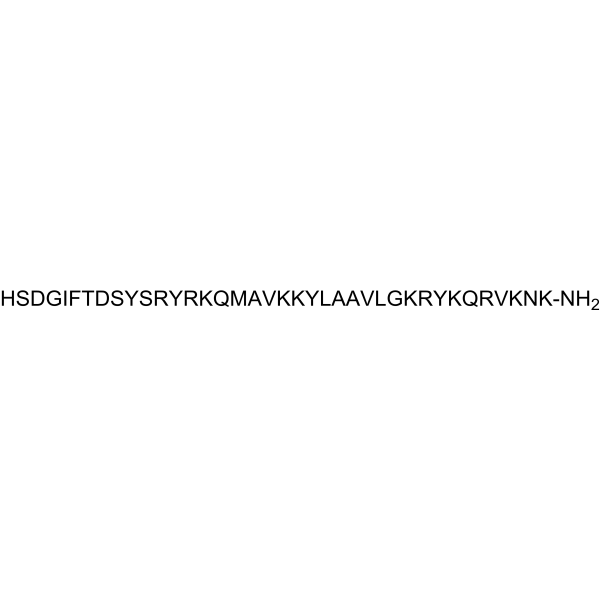
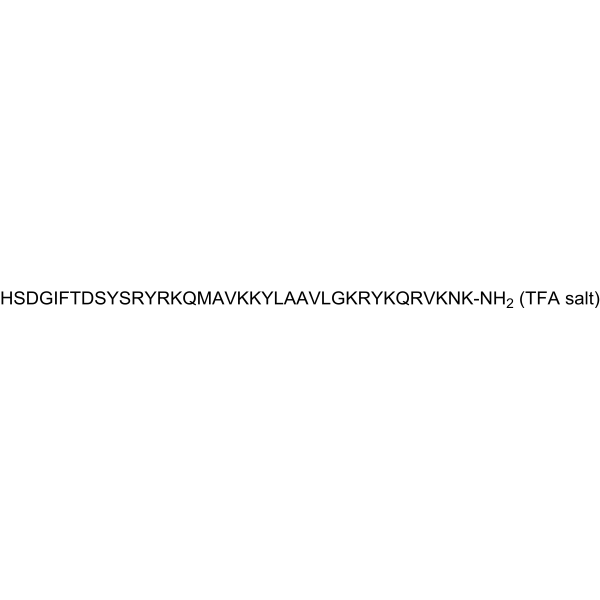
    PACAP (1-38), human, ovine, rat is a PAC1 receptor agonist. PACAP (1-38), human, ovine, rat binds to PACAP type I receptor, PACAP type II receptor VIP1, and PACAP type II receptor VIP2 with IC50s of 4 nM, 2 nM, and 1 nM, respectively. PACAP (1-38), human, ovine, rat increases the α-secretase activity. PACAP (1-38), human, ovine, rat elevates cytosolic Ca 2+, increases proliferation and increases phosphorylation of extracellular regulates kinase (ERK) and the epidermal growth factor receptor (EGFR). PACAP (1-38), human, ovine, rat demonstrates potent, efficacious, and sustained stimulatory effects on sympathetic neuronal NPY and catecholamine production. PACAP (1-38), human, ovine, rat can be used for neurotrophic and neuroprotective research .
    PACAP (1-38), human, ovine, rat
  • HY-13314
    Tesevatinib
    4 Publications Verification

    XL-647; EXEL-7647; KD-019

    EGFR VEGFR Src Cancer
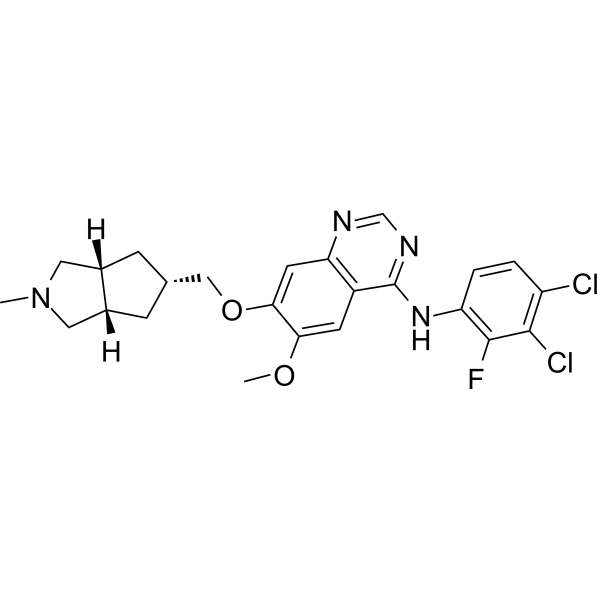
    Tesevatinib (XL-647) is an orally available, blood-brain barrier-penetrant inhibitor of the epidermal growth factor receptor (EGFR). Tesevatinib significantly reduces cellular viability, with IC50 values of 11 nM and 102 nM in GBM12 and GBM6, respectively. Tesevatinib also inhibits HER2 (IC50=16.1 nM), VEGFR2 (IC50=1.5 nM), and Src (IC50=10.3 nM). Tesevatinib can inhibit tumor proliferation and exhibits antitumor activity .
    Tesevatinib
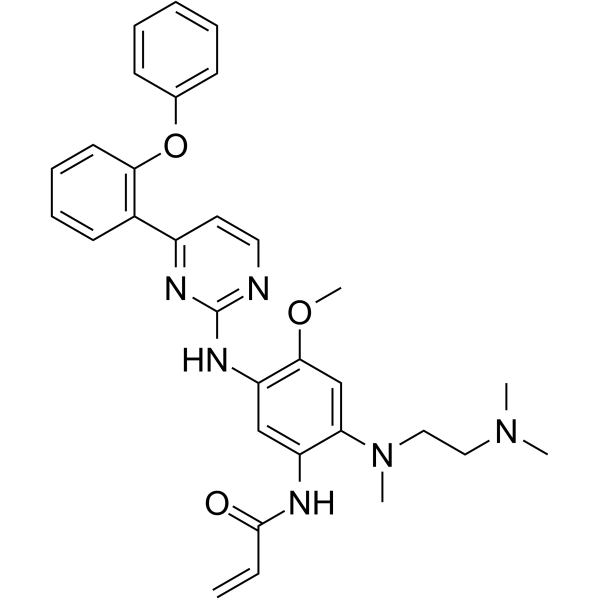
  • HY-144680

    ZL-2313

    EGFR Cancer
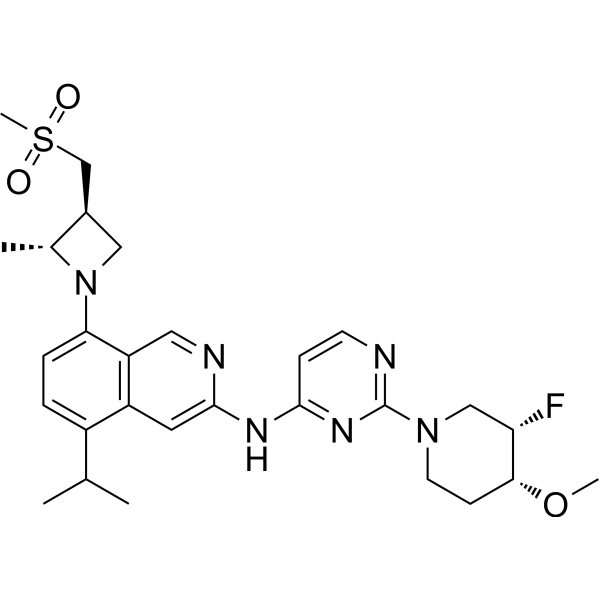
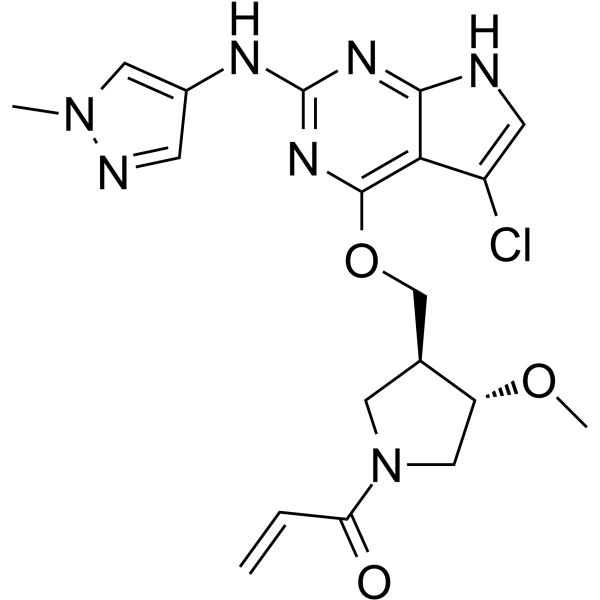
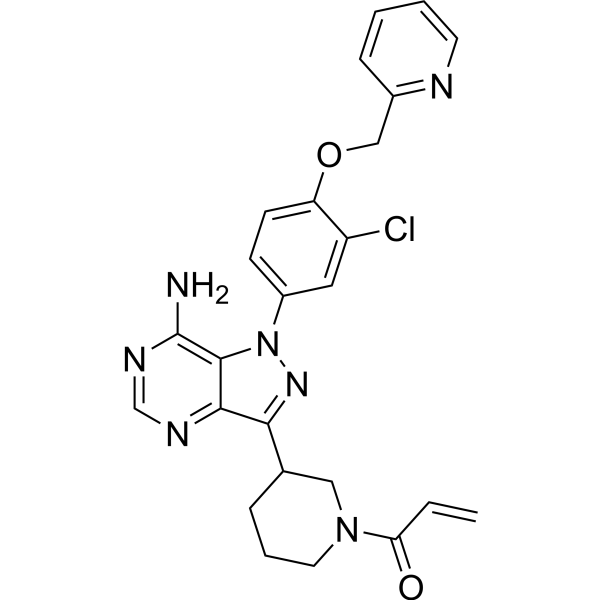
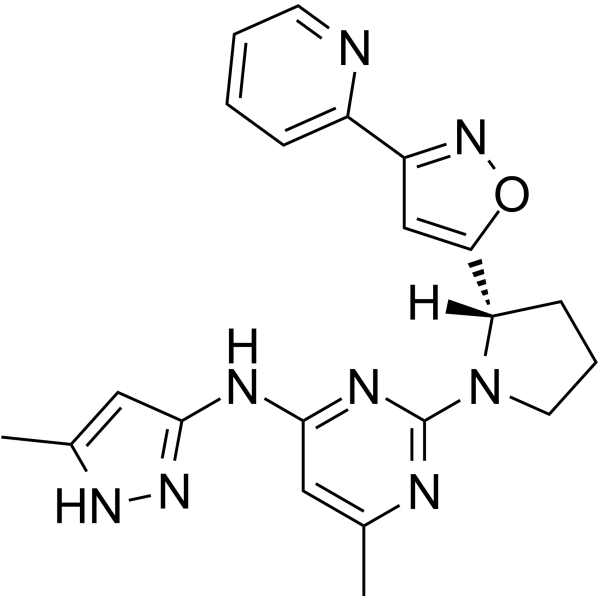
    BLU-945 is a potent, highly selective, reversible and orally active epidermal growth factor receptor (EGFR) tyrosine kinase inhibitor (TKIs). BLU-945 can effectively inhibit EGFR with L858R and/or exon 19 deletion mutation, T790M mutation and C797S mutation. BLU-945 can be used for the research of lung cancer including non-small cell lung cancer (NSCLC) .
    BLU-945
  • HY-132259
    Depatuxizumab mafodotin
    1 Publications Verification

    ABT-414

    Antibody-Drug Conjugates (ADCs) EGFR Cancer
    Depatuxizumab mafodotin (ABT-414) is an antibody-drug conjugate (ADC). Depatuxizumab mafodotin specifically targets the epidermal growth factor receptor (EGFR). Depatuxizumab mafodotin can be used in the study of glioma, head and neck squamous cell carcinoma, non-small cell lung cancer, epidermoid carcinoma of the skin, and squamous cell carcinoma of the tongue .
    Depatuxizumab mafodotin
  • HY-N0447
    8-Gingerol
    5 Publications Verification

    TRP Channel Bacterial Apoptosis Autophagy STAT PERK EGFR PI3K Akt mTOR Caspase MMP Infection Cardiovascular Disease Inflammation/Immunology Cancer
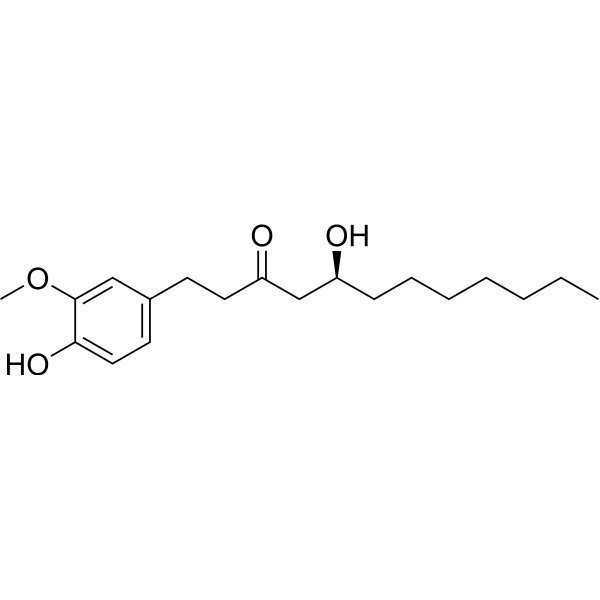
    8-Gingerol can be found in the rhizome of ginger (Z. officinale) and has oral bioactivity. It activates TRPV1, with an EC50 value of 5.0 µM. 8-Gingerol inhibits COX-2 and also suppresses the growth of H. pylori in vitro. Additionally, 8-Gingerol exhibits anticancer, antioxidant, and anti-inflammatory properties by inhibiting the epidermal growth factor receptor (EGFR) and modulating its downstream STAT3/ERK pathway to suppress the proliferation, migration, and invasion of colorectal cancer cells. 8-Gingerol also exerts immunosuppressive effects by inhibiting oxidative stress, inducing cell cycle arrest, promoting apoptosis, and regulating autophagy. Furthermore, 8-Gingerol has cardioprotective effects. 8-Gingerol is promising for research in the fields of cancer, infection, immunosuppression, and cardiovascular diseases.
    8-Gingerol
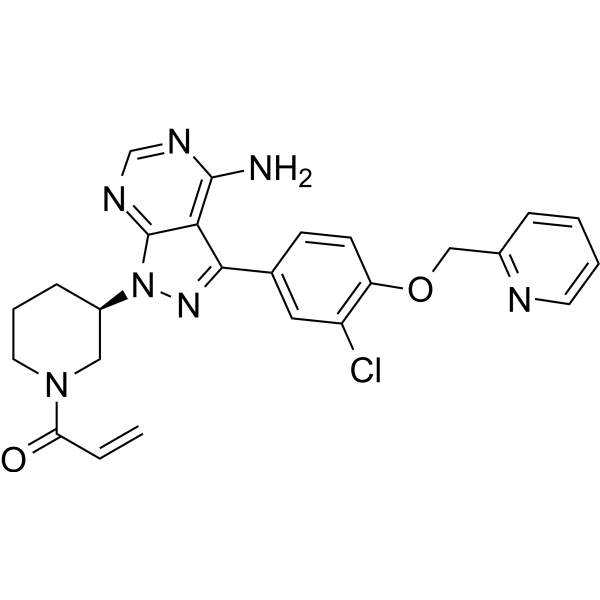
  • HY-19815

    CK-101; RX518

    EGFR Cancer
    Olafertinib (CK-101) is an orally available, third generation and irreversible epidermal growth factor receptor tyrosine kinase inhibitor (EGFR-TKI). Olafertinib selectively inhibits both EGFR-TKI-sensitizing and resistance mutations with minimal activity on wild-type EGFR. Olafertinib can be used in research for non-small cell lung cancer (NSCLC) with EGFR mutations and other advanced malignancies .
    Olafertinib
  • HY-48999A
    FSK hydrochloride
    1 Publications Verification

    EGFR Cancer
    FSK hydrochloride is fluorosulfonyloxybenzoyl-L-lysine, which features a long, flexible aryl fluorosulfate-containing side chain that can reach protein sites inaccessible to covalent conjugation. FSK hydrochloride modifies nanomolecules to target epidermal growth factor receptor (EGFR), resulting in irreversibly bound covalent interactions. Through genetically encoded chemical crosslinking, FSK hydrochloride captures unknown enzyme-substrate interactions in living cells, targets residues other than Cys, and mediates crosslinking at the binding periphery. FSK hydrochloride enables the construction of a bioreactive SuFEx system for generating covalent bonds in various proteins both in vitro and in vivo .
    FSK hydrochloride
  • HY-18963
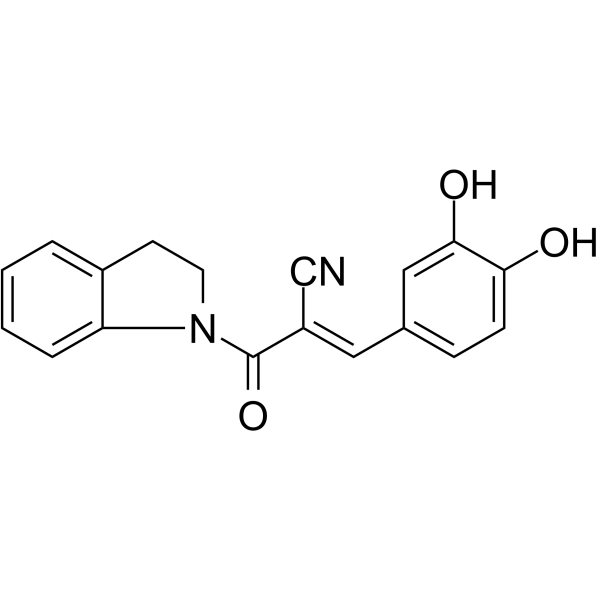
    Lavendustin A
    1 Publications Verification

    RG-14355

    EGFR Cancer
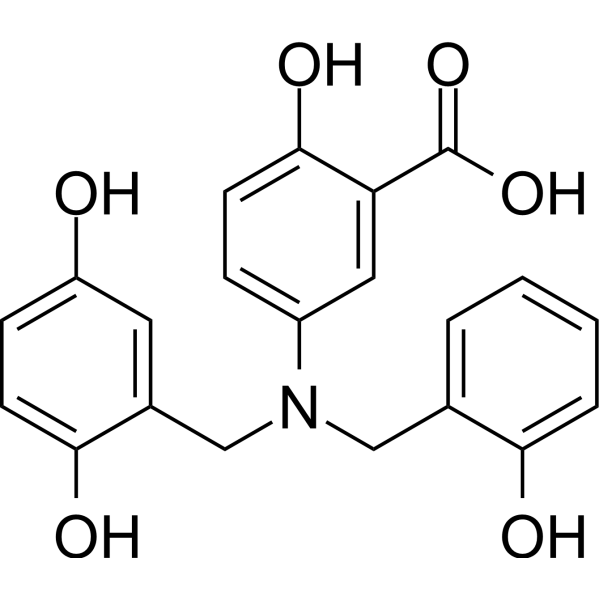
    Lavendustin A (RG-14355) is a potent, selective and ATP-competitive inhibitor of epidermal growth factor receptor (EGFR) tyrosine kinase, with an IC50 of 11 nM. Lavendustin A does not inhibit protein kinase A or C. Lavendustin A can suppress VEGF-induced angiogenesis .
    Lavendustin A
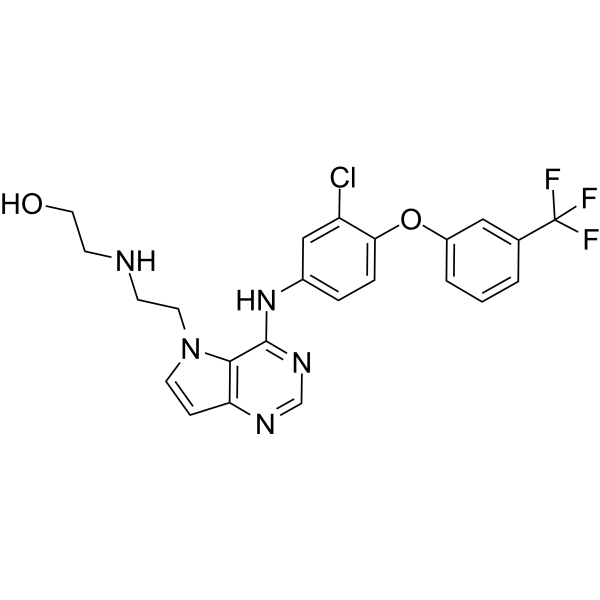
  • HY-138916

    Biochemical Assay Reagents EGFR Others
    PF-06672131 is an alkynylated afatinib derivative and a small molecule probe that is reactive to cysteine. PF-06672131 is an inhibitor of epidermal growth factor receptor (EGFR) kinase that targets the ATP pockets of EGFR. PF-06672131 can be used for activity-based protein profiling studies .
    PF-06672131
  • HY-12806

    EGFR Cancer
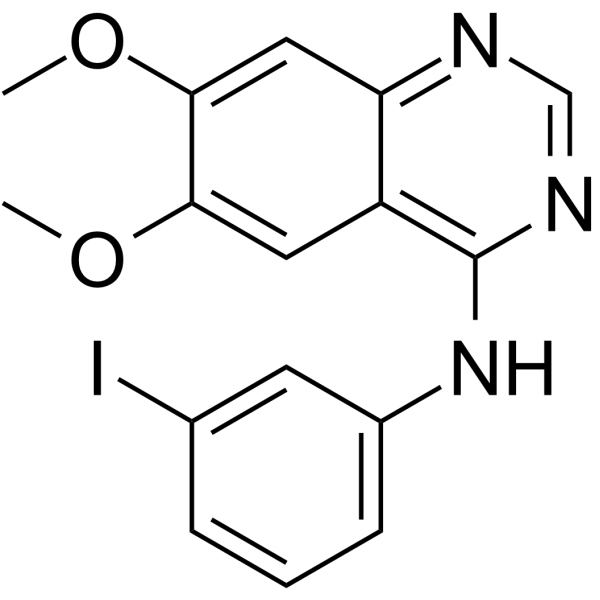
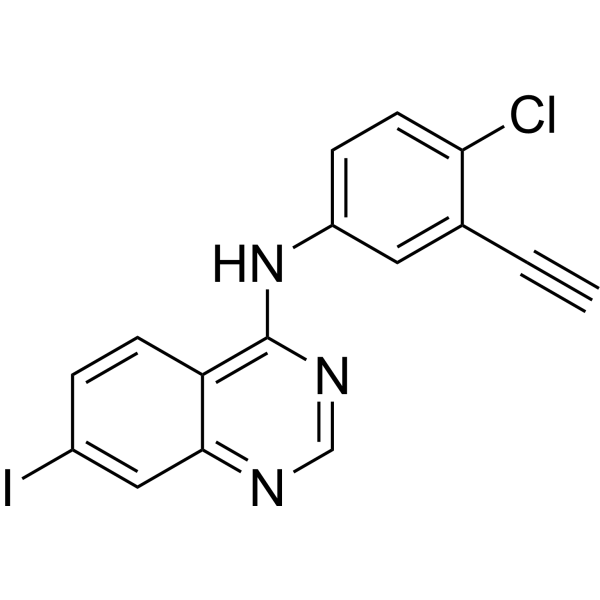
    AG1557 is a specific and ATP competitive inhibitor of epidermal growth factor receptor (EGFR) tyrosine kinase, has a pIC50 value of 8.194 .
    AG1557
  • HY-100214

    EGFR Cancer
    EAI001 is a potent, selective mutant epidermal growth factor receptor (EGFR) allosteric inhibitor with an IC50 value of 24 nM for EGFR L858R/T790M. EAI001 can be used for research of cancer .
    EAI001
  • HY-161633

    PROTACs EGFR FAK Cancer
    PROTAC EGFR degrader 11 (Compound B71) is a PROTAC degrader for epidermal growth factor receptor (EGFR), with DC50 <100 nM. PROTAC EGFR degrader 11 binds CRBN-DDB1 with a Ki of 36 nM. PROTAC EGFR degrader 11 degrades EGFR, focal adhesion kinase (FAK), and RSK1, inhibits the proliferation of BaF3 wild type and EGFR mutants, with IC50 <100 nM.
    PROTAC EGFR degrader 11
  • HY-115605

    EGFR p38 MAPK ERK Phosphatase Cancer
    CN009543V is an epidermal growth factor receptor (EGFR) agonist. CN009543V enhances tyrosine phosphorylation of EGFR at Tyr1068 and Tyr1173, thereby activating the MAPK/ERK cascade. CN009543V inhibits the activity of PTP-1B in MDA MB468 cells. CN009543V can be used in cancer research .
    CN009543V
  • HY-100499
    Tyrphostin AG 528
    1 Publications Verification

    Tyrphostin B66; AG 528

    EGFR Cancer
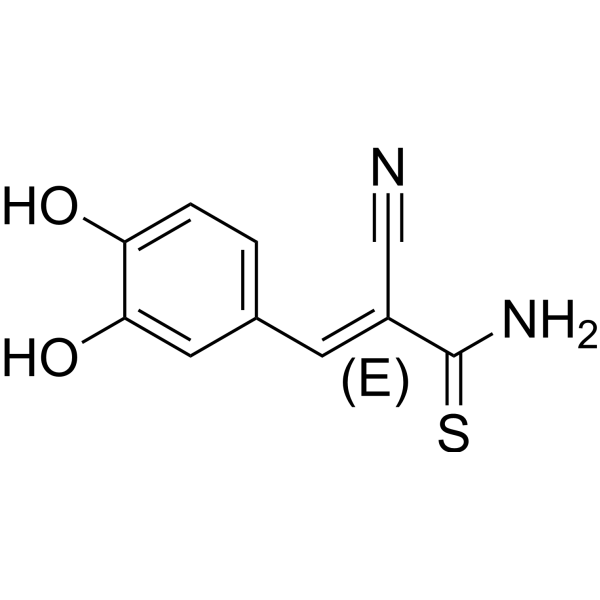
    Tyrphostin AG 528 is an inhibitor of EGFR and ErbB2 with IC50s of 4.9 and 2.1 μM, respectively. Tyrphostin AG 528 (Tyrphostin B66) is a protein tyrosine kinase inhibitor, with IC50s of 4.9 μM for epidermal growth factor receptors (EGFR) and 2.1 μM for ErbB2 . Tyrphostin AG 528 is also an anticancer agent .
    Tyrphostin AG 528
  • HY-19985A

    EGFR Cancer
    (3S, 4S)-PF-06459988 is the S enantiomer of PF-06459988 with less active. PF-06459988 is a potent irreversible inhibitor of T790M mutant epidermal growth factor receptor (EGFR). PF-06459988 has excellent selectivity against EGFR wild-type while possessing a minimally reactive electrophile that reduces the propensity of off-target labeling .
    (3S,4S)-PF-06459988
  • HY-P1085

    EGFR Cancer
    Epidermal Growth Factor Receptor Peptide (985-996) is an amino acid peptide fragment derived from positions 985-996 in epidermal growth factor receptor (EGFR) .
    Epidermal Growth Factor Receptor Peptide (985-996)
  • HY-U00002

    VEGFR EGFR Cancer
    ZD-4190 is a potent, orally available inhibitor of the vascular endothelial cell growth factor receptor 2 (VEGFR2) and of epidermal growth factor receptor (EGFR) signalling, used for the treatment of cancer.
    ZD-4190
  • HY-15772S3

    asandeutertinibum; Osimertinib-d3; AZD-9291-d3

    EGFR Cancer
    Asandeutertinib (Osimertinib-d3; AZD-9291-d3) is a epidermal growth factor receptor (EGFR) tyrosine kinase inhibitor, with antineoplastic effect .
    Asandeutertinib
  • HY-176279

    HSP Cancer
    Hsp90-IN-42 (Compound 13l) is a potent heat shock protein 90 (Hsp90) inhibitor (IC50=15.65 nM). Hsp90-IN-42 reduces the stability of the epidermal growth factor receptor (EGFR), suppressing the activation of the EGFR-Akt signaling pathway, inducing G0/G1 phase arrest in colorectal cancer cells (such as HT-29 cells), and slightly triggering apoptosis. Hsp90-IN-42 also inhibits cell proliferation and migration by down-regulating the expression of CDK12, CDK13, and Bcl-2 proteins, and up-regulating the expression of Bax protein. Hsp90-IN-42 is promising for research of colorectal cancer .
    Hsp90-IN-42
  • HY-117852

    TRX-13

    EGFR Tyrosinase Cancer
    CGP-59326 (TRX-13) is a highly potent and selective epidermal growth factor receptor (EGFR) tyrosine kinase inhibitor (IC50=0.027 μM). CGP-59326 blocks the EGFR signaling pathwa, demonstrating highly selective inhibition of EGFR-dependent tumor cells. CGP-59326 is promising for research of cancers .
    CGP-59326
  • HY-129510

    EGFR Mitosis Cancer
    4-Methyl erlotinib, is a potent and selective epidermal growth factor receptor (EGFR) tyrosine kinase inhibitor. 4-Methyl erlotinib potently inhibits EGF-mediated tumor cell mitosis by reducing EGFr-specific tyrosine phosphorylation. Using a mouse model of human tumor transplantation, 4-Methyl erlotinib demonstrated significant and sustained suppression of EGFr phosphotyrosine levels, resulting in significant growth inhibition of EGFr-dependent human cancers .
    4-Methyl erlotinib
  • HY-19909

    EGFR Cancer
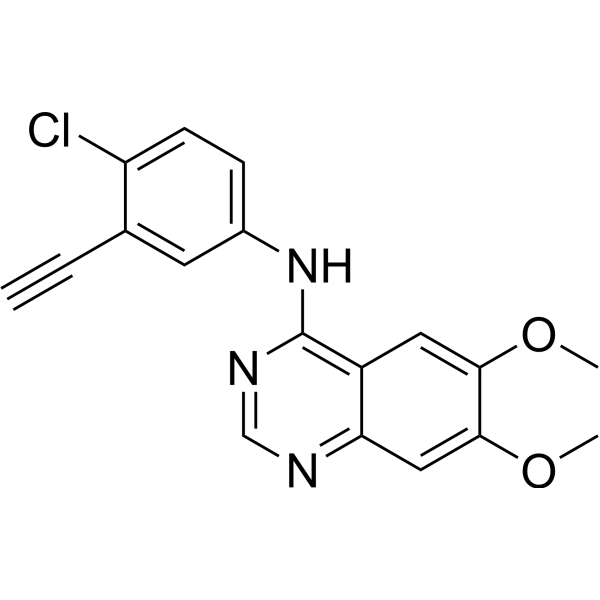
    NRC-2694 is an epidermal growth factor receptor (EGFR) antagonist with anti-cancer and anti-proliferative properties. NRC-2694 is a click chemistry reagent, it contains an Alkyne group and can undergo copper-catalyzed azide-alkyne cycloaddition (CuAAc) with molecules containing Azide groups.
    NRC-2694
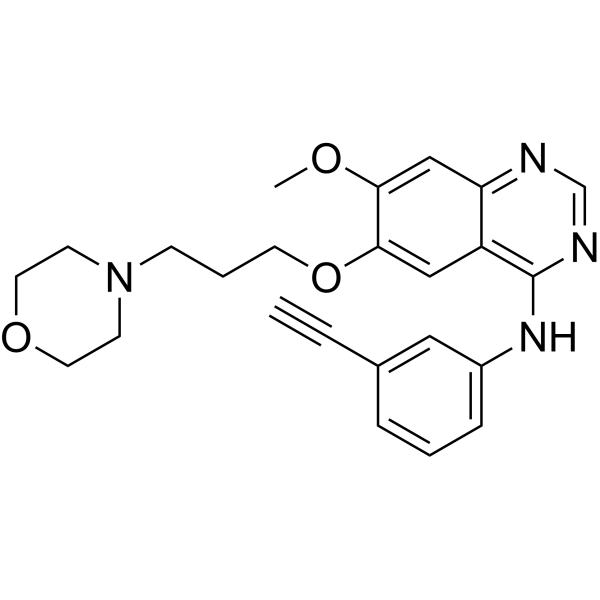
  • HY-139300A

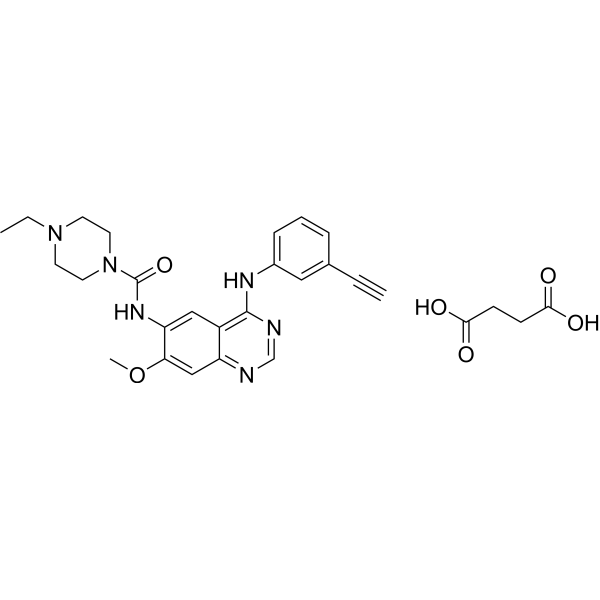
    HMPL-813 succinate

    EGFR Cancer
    Epitinib succinate is an orally active and selective epidermal growth factor receptor tyrosine kinase inhibitor (EGFR-TKI) designed for optimal brain penetration. Epitinib succinate can be used for the research of cancer . Epitinib (succinate) is a click chemistry reagent, it contains an Alkyne group and can undergo copper-catalyzed azide-alkyne cycloaddition (CuAAc) with molecules containing Azide groups.
    Epitinib succinate
  • HY-101522

    EGFR BMX Kinase Btk MEK Cancer
    CHMFL-EGFR-202 is a potent, irreversible inhibitor of epidermal growth factor receptor (EGFR) mutant kinase, with IC50s of 5.3 nM and 8.3 nM for drug-resistant mutant EGFR T790M and WT EGFR kinases, respectively. CHMFL-EGFR-202 exhibits ~10-fold selectivity for EGFR L858R/T790M against the EGFR wild-type in cells. CHMFL-EGFR-202 adopts a covalent “DFG-in-C-helix-out” inactive binding conformation with EGFR, with strong antiproliferative effects against EGFR mutant-driven nonsmall-cell lung cancer (NSCLC) cell lines .
    CHMFL-EGFR-202
  • HY-144049

    EGFR Cancer
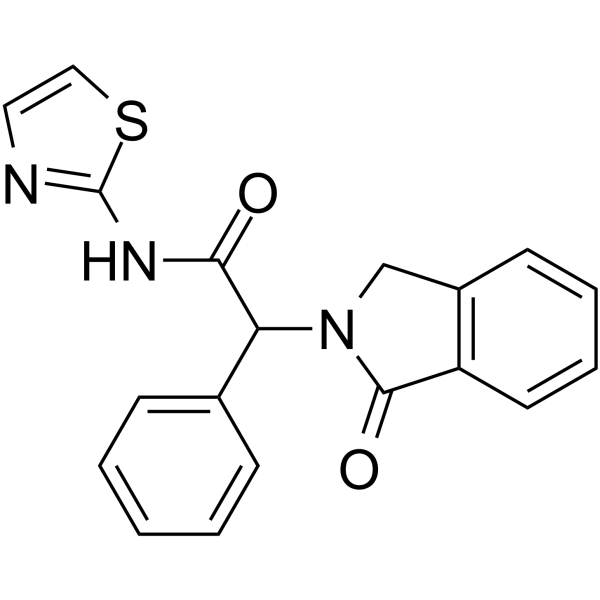
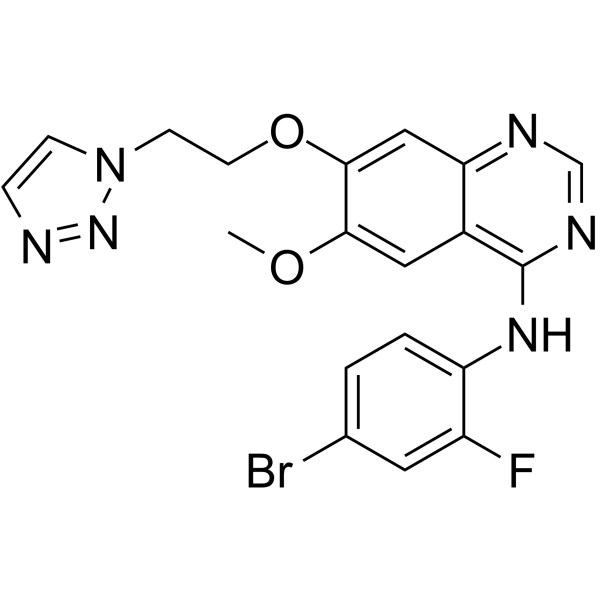
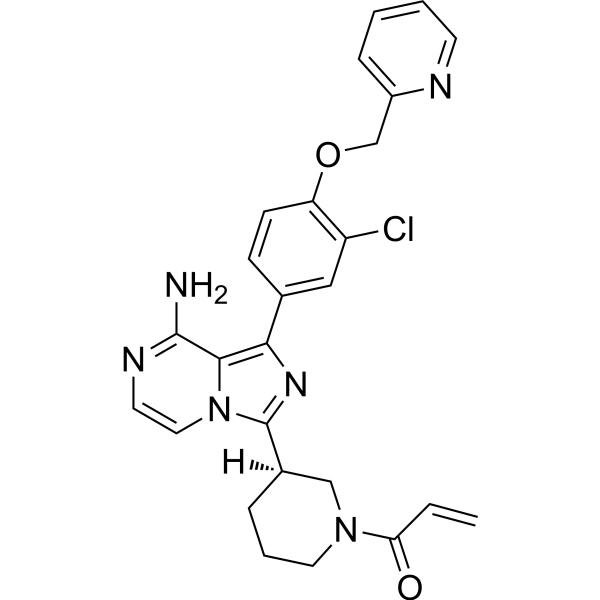
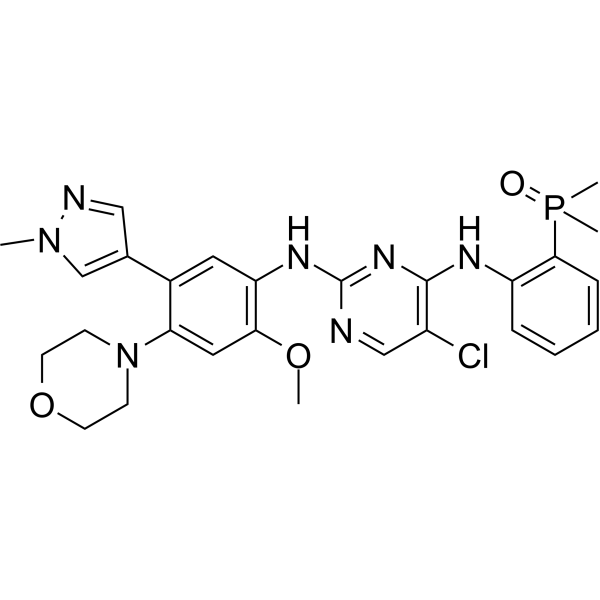
    EGFR-IN-32 is a potent inhibitor of EGFR. Overexpression and mutation of the epidermal growth factor receptor (EGFR) has been clearly demonstrated to lead to uncontrollable cell growth and is associated with the progression of most cancer diseases, especially NSCLC. EGFR-IN-32 has the potential for the research of diseases associated with EGFR mutations (extracted from patent WO2021185297A1, compound 2) .
    EGFR-IN-32
  • HY-164527

    Src FAK EGFR Cancer
    Si306 is a Src inhibitor with antitumor activity. Si306 reduces the phosphorylation of focal adhesion kinase (FAK) and the expression of epidermal growth factor receptor (EGFR), and inhibits the invasion of human glioblastoma (GBM) .
    Si306
  • HY-174231

    EGFR Apoptosis Cancer
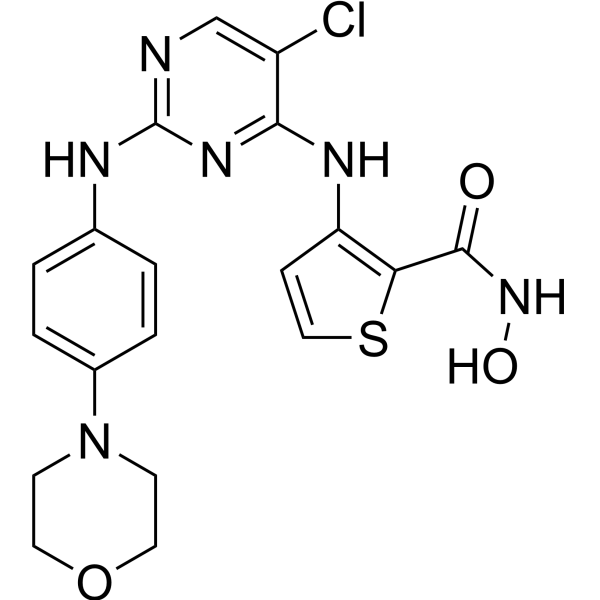
    EGFR-IN-163 (Compound 13) is a competitive epidermal growth factor receptor (EGFR) inhibitor (IC50=0.079 μM, selective for HER-2 inhibition). EGFR-IN-163 induces tumor cell apoptosis and cell cycle arrest at G₂/M phase. EGFR-IN-163 is promising for research of estrogen receptor-positive (ER+) breast cancer .
    EGFR-IN-163
  • HY-161632

    PROTACs EGFR FAK Cancer
    PROTAC EGFR degrader 10 (Compound B56) is a PROTAC degrader for epidermal growth factor receptor (EGFR), with DC50 <100 nM. PROTAC EGFR degrader 10 binds CRBN-DDB1 with a Ki of 37 nM. PROTAC EGFR degrader 10 degrades EGFR, focal adhesion kinase (FAK), and RSK1, inhibits the proliferation of BaF3 wild type and EGFR mutants, with IC50 <150 nM .
    PROTAC EGFR degrader 10
  • HY-120412

    EGFR Apoptosis Cancer
    SKLB188 is an orally active and potent epidermal growth factor receptor (EGFR) inhibitor (IC50=5 nM). SKLB188 suppresses MEK/Erk and Akt/mTOR signaling pathways to inhibit head and neck squamous cell carcinoma (HNSCC) proliferation and induce caspase-dependent apoptosis. SKLB188 is promising for research of EGFR-overexpressing solid tumors .
    SKLB188
  • HY-178440

    EGFR COX Apoptosis Inflammation/Immunology Cancer
    EGFR/COX-2-IN-2 (Compound 10a) is a dual inhibitor targeting epidermal growth factor receptor (EGFR) (IC50= 6.0 μM) and cyclooxygenase-2 (COX-2) (IC50=50 μM). EGFR/COX-2-IN-2 induces S-phase cell cycle arrest and apoptosis. EGFR/COX-2-IN-2 is promising for research of cancers and inflammation-related diseases .
    EGFR/COX-2-IN-2
  • HY-174232

    EGFR Carbonic Anhydrase Caspase Cancer
    EGFR/CA-IX-IN-1 (Compound 14) is a dual inhibitor against epidermal growth factor receptor (EGFR) and carbonic anhydrase IX (CA-IX) with IC50 values of 5.92 nM and 63 nM, respectively. EGFR/CA-IX-IN-1 shows strong cytotoxicity against breast cancer cells (MDA-MB-231, MCF-7) with IC50 values of 5.78 μM and 8.05 μM, respectively. EGFR/CA-IX-IN-1 inhibits the catalytic activity of CA-IX, up-regulates BAX/Bcl-2, activates caspases, and arrests the cell cycle at the G1 phase. EGFR/CA-IX-IN-1 is promising for research of breast cancer .
    EGFR/CA-IX-IN-1
  • HY-174841

    EGFR Cancer
    EGFR/HER2-IN-19 (Compound L1) is a dual inhibitor against epidermal growth factor receptor (EGFR) and human epidermal growth factor receptor 2 (HER2). EGFR/HER2-IN-19 is promising for research of cancers driven by EGFR/HER2 .
    EGFR/HER2-IN-19
  • HY-160613

    EGFR Cancer
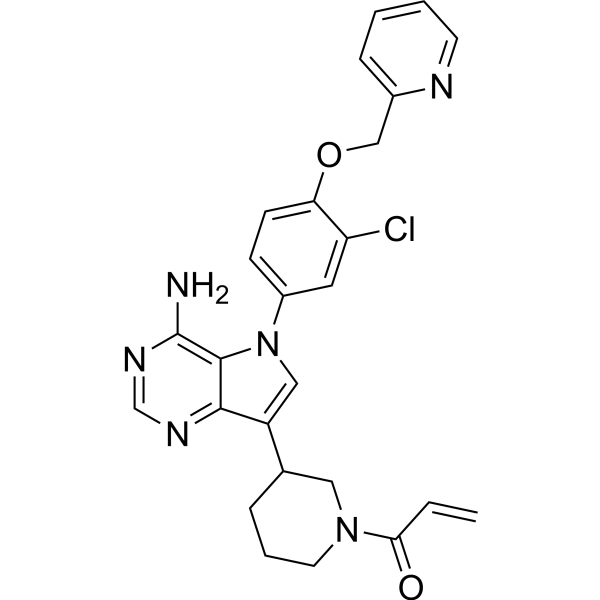
    EGFR/HER2-IN-11 (compound 20) is an orally active dual inhibitor for human epidermal growth factor receptor 2 (HER2) and epidermal growth factor receptor (EGFR), with IC50s of 7.7 and 22 nM, respectively. EGFR/HER2-IN-11 exhibits antitumor efficacy and inhibits proliferation against cancer cells BT-474 with GI50 of 601 nM .
    EGFR/HER2-IN-11
  • HY-169755

    EGFR Cancer
    Tyrphostin 63 (compound 13) is an epidermal growth factor receptor (EGFR) inhibitor with IC50 and Ki values are 375 and 123 μM, respectively .
    Tyrphostin 63
  • HY-172623

    EGFR Caspase Apoptosis Bcl-2 Family Cancer
    EGFR/HER2-IN-17 (Compound 7h) is a dual inhibitor of epidermal growth factor receptor (EGFR) and human epidermal growth factor receptor 2 (HER2). EGFR/HER2-IN-17 inhibits cancer cell proliferation. EGFR/HER2-IN-17 interacts with the binding pockets of EGFR and HER2, activating caspase-3 and caspase-8, and decreases the expression of Bcl-2, thereby inducing apoptosis. EGFR/HER2-IN-17 is promising for research of cancers .
    EGFR/HER2-IN-17
  • HY-115716

    EGFR Cancer
    EGFR-IN-17 is a potent and selective inhibitor of the epidermal growth factor receptor ( IC50 0.0002 μM) to overcome C797S-mediated resistance.
    EGFR-IN-17
  • HY-144048

    EGFR Cancer
    EGFR-IN-31 is a potent inhibitor of EGFR. Overexpression and mutation of the epidermal growth factor receptor (EGFR) has been clearly demonstrated to lead to uncontrollable cell growth and is associated with the progression of most cancer diseases, especially NSCLC. EGFR-IN-31 has the potential for the research of diseases associated with EGFR mutations (extracted from patent WO2021185298A1, compound 2) .
    EGFR-IN-31
  • HY-P1799

    Phosphatase Others
    [pTyr5] EGFR (988-993) is derived from the autophosphorylation site (Tyr992) of epidermal growth factor receptor (EGFR 988-993). [pTyr5] EGFR (988-993) is often complexed with the catalytically inactive protein-tyrosine phosphate 1B (PTP1B) .
    [pTyr5] EGFR (988-993)
  • HY-P1799A

    Phosphatase Others
    [pTyr5] EGFR (988-993) TFA is derived from the autophosphorylation site (Tyr992) of epidermal growth factor receptor (EGFR 988-993). [pTyr5] EGFR (988-993) TFA is often complexed with the catalytically inactive protein-tyrosine phosphate 1B (PTP1B) .
    [pTyr5] EGFR (988-993) TFA
  • HY-162099

    EGFR Cancer
    VEGFR-IN-4 (Compound 6e) is an epidermal growth factor receptor (EGFR) inhibitor. VEGFR-IN-4 has potent antiproliferative activity with an IC50 value of 24.6nM against HCC827 cells .
    VEGFR-IN-4
  • HY-145867

    Topoisomerase EGFR CDK Apoptosis Cancer
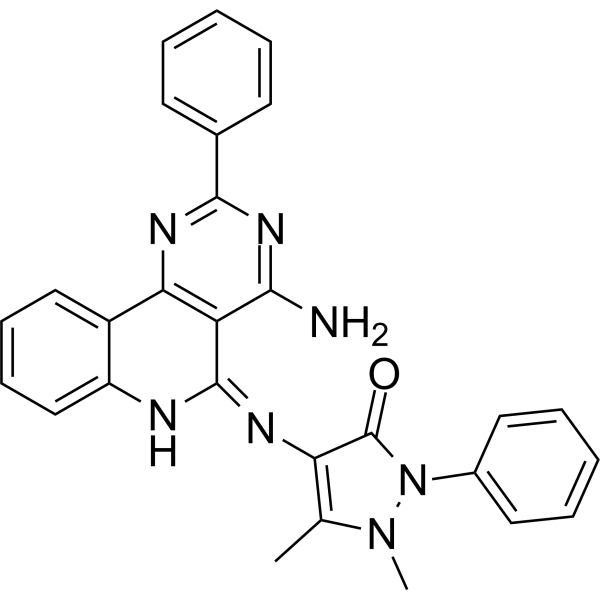
    EGFR-IN-45 is a potent epidermal growth factor receptor (EGFR) pan inhibitor, with IC50s of 0.4 µM and 1.6 µM for EGFR and CDK2, respectively. EGFR-IN-45 also inhibit Topo I and Topo II. EGFR-IN-45 arrests cancer cells in the pre-G1 phase and induces apoptosis .
    EGFR-IN-45
  • HY-162482

    EGFR Apoptosis Inflammation/Immunology Cancer
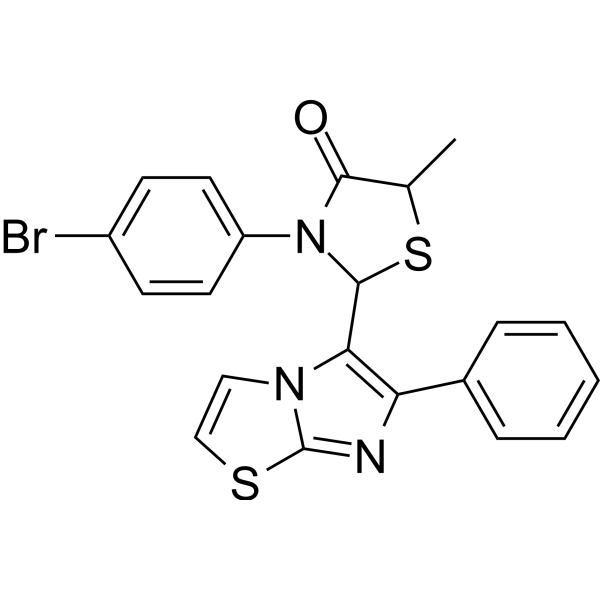
    EGFR kinase inhibitor 5 (Compound 4c) is an orally active inhibitor for epidermal growth factor receptor (EGFR) kinase, with IC50 of 18.35 μM. EGFR kinase inhibitor 5 induces apoptosis. EGFR kinase inhibitor 5 exhibits anticancer and anti-inflammatory activity with low toxicity (LD50 range: 500-2000 mg/kg) .
    EGFR kinase inhibitor 5
  • HY-162483

    EGFR Apoptosis Inflammation/Immunology Cancer
    EGFR kinase inhibitor 6 (Compound 4b) is an orally active inhibitor for epidermal growth factor receptor (EGFR) kinase, with IC50 of 24.34 μM. EGFR kinase inhibitor 6 induces apoptosis. EGFR kinase inhibitor 6 exhibits anticancer and anti-inflammatory activity with low toxicity (LD50 range: 500-2000 mg/kg) .
    EGFR kinase inhibitor 6
  • HY-144050

    EGFR Cancer
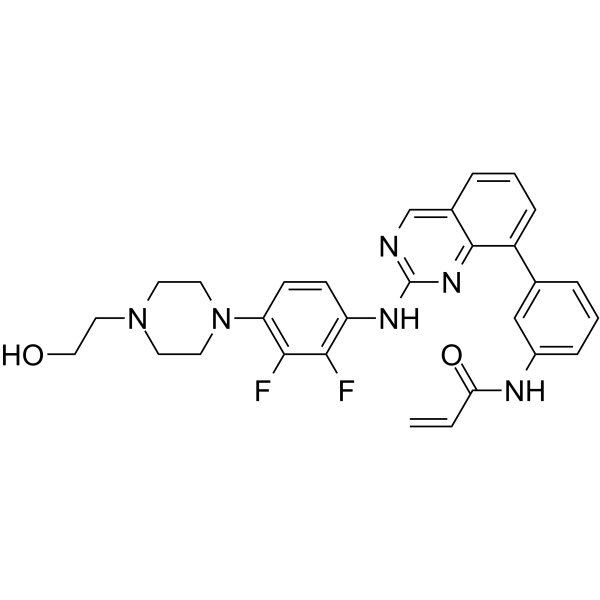
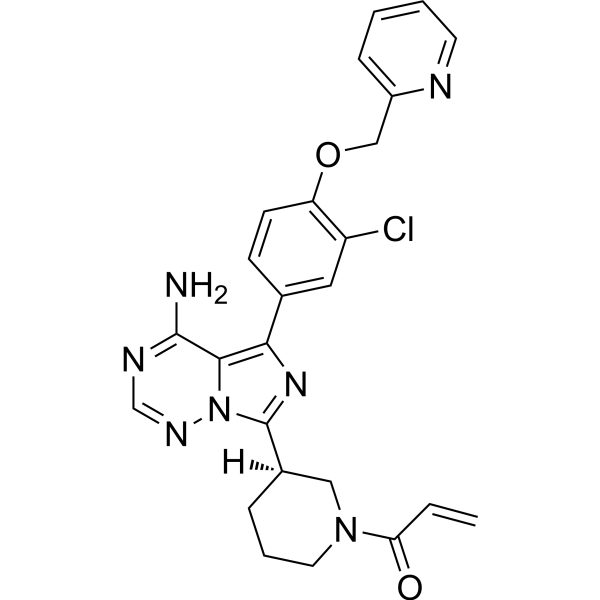
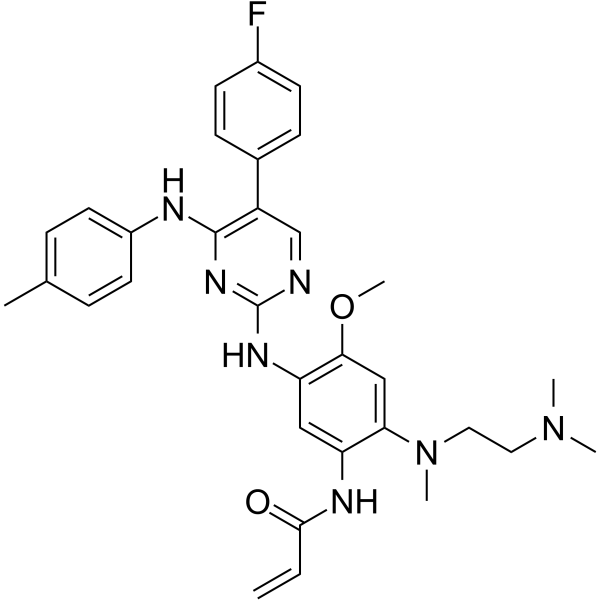
    EGFR-IN-33 is a potent inhibitor of EGFR. EGFR-IN-33 is an anti-tumor agent with low toxic side effects. EGFR-IN-33 is an acrylamide derivative compound. Overexpression and mutation of the epidermal growth factor receptor (EGFR) has been clearly demonstrated to lead to uncontrollable cell growth and is associated with the progression of most cancer diseases, especially NSCLC. EGFR-IN-33 has the potential for the research of diseases associated with EGFR mutations (extracted from patent WO2021185348A1, compound 13) .
    EGFR-IN-33
  • HY-144052

    EGFR Cancer
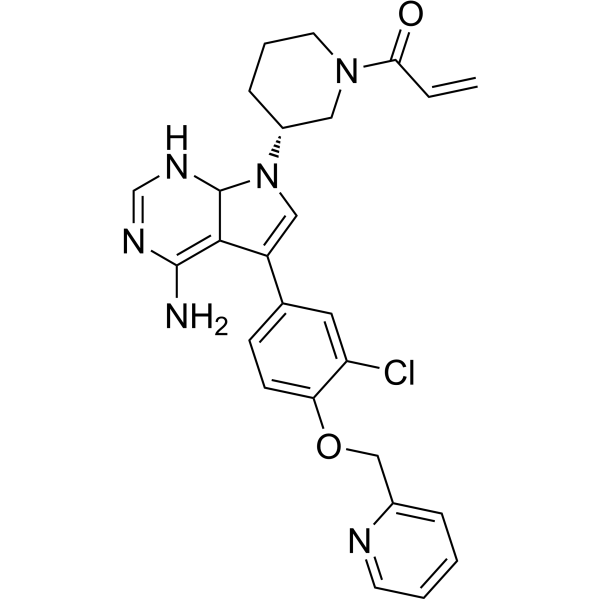
    EGFR-IN-35 is a potent inhibitor of EGFR. EGFR-IN-35 is an anti-tumor agent with low toxic side effects. EGFR-IN-35 is an acrylamide derivative compound. Overexpression and mutation of the epidermal growth factor receptor (EGFR) has been clearly demonstrated to lead to uncontrollable cell growth and is associated with the progression of most cancer diseases, especially NSCLC. EGFR-IN-35 has the potential for the research of diseases associated with EGFR mutations (extracted from patent WO2021185348A1, compound 11) .
    EGFR-IN-35
  • HY-144051

    EGFR Cancer
    EGFR-IN-34 is a potent inhibitor of EGFR. EGFR-IN-34 is an anti-tumor agent with low toxic side effects. EGFR-IN-35 is an acrylamide derivative compound. Overexpression and mutation of the epidermal growth factor receptor (EGFR) has been clearly demonstrated to lead to uncontrollable cell growth and is associated with the progression of most cancer diseases, especially NSCLC. EGFR-IN-34 has the potential for the research of diseases associated with EGFR mutations (extracted from patent WO2021185348A1, compound 12) .
    EGFR-IN-34
  • HY-144056

    EGFR Cancer
    EGFR-IN-39 is a potent inhibitor of EGFR. EGFR-IN-39 is an anti-tumor agent with low toxic side effects. EGFR-IN-39 is an acrylamide derivative compound. Overexpression and mutation of the epidermal growth factor receptor (EGFR) has been clearly demonstrated to lead to uncontrollable cell growth and is associated with the progression of most cancer diseases, especially NSCLC. EGFR-IN-39 has the potential for the research of diseases associated with EGFR mutations (extracted from patent WO2021185348A1, compound 2) .
    EGFR-IN-39
  • HY-144054

    EGFR Cancer
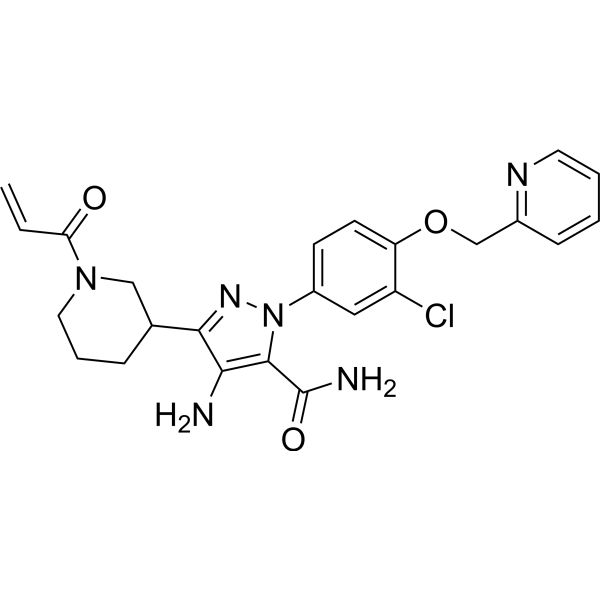
    EGFR-IN-37 is a potent inhibitor of EGFR. EGFR-IN-37 is an anti-tumor agent with low toxic side effects. EGFR-IN-39 is an acrylamide derivative compound. Overexpression and mutation of the epidermal growth factor receptor (EGFR) has been clearly demonstrated to lead to uncontrollable cell growth and is associated with the progression of most cancer diseases, especially NSCLC. EGFR-IN-37 has the potential for the research of diseases associated with EGFR mutations (extracted from patent WO2021185348A1, compound 7) .
    EGFR-IN-37
  • HY-144055

    EGFR Cancer
    EGFR-IN-38 is a potent inhibitor of EGFR. EGFR-IN-38 is an anti-tumor agent with low toxic side effects. EGFR-IN-33 is an acrylamide derivative compound. Overexpression and mutation of the epidermal growth factor receptor (EGFR) has been clearly demonstrated to lead to uncontrollable cell growth and is associated with the progression of most cancer diseases, especially NSCLC. EGFR-IN-38 has the potential for the research of diseases associated with EGFR mutations (extracted from patent WO2021185348A1, compound 4) .
    EGFR-IN-38

Inquiry Online

Your information is safe with us. * Required Fields.

Salutation


Country or Region *

Applicant Name *


Organization Name *

Department *


Email Address *


Product Name *

Cat. No.


Requested quantity *

Phone Number *


Remarks

Inquiry Online

Inquiry Information

Product Name:
Cat. No.:
Quantity:
MCE Japan Authorized Agent: