Search Result
Results for "
influenza H1N1 viruses
" in MedChemExpress (MCE) Product Catalog:
4
Isotope-Labeled Compounds
| Cat. No. |
Product Name |
Target |
Research Areas |
Chemical Structure |
-
- HY-10964
-
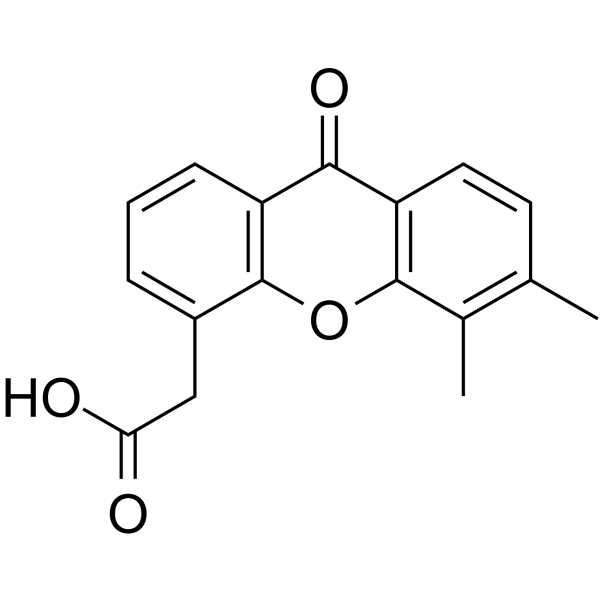
Vadimezan
Maximum Cited Publications
71 Publications Verification
DMXAA; ASA-404
|
STING
IFNAR
Influenza Virus
|
Infection
Cancer
|
|
Vadimezan (DMXAA), the tumor vascular disrupting agent (tumor-VDA), is a murine agonist of the stimulator of interferon genes (STING) and also a potent inducer of type I IFNs and other cytokines. Vadimezan is unable to activate human STING. Vadimezan has anti-influenza virus H1N1-PR8 activities.
|
-
-
- HY-13317
-
|
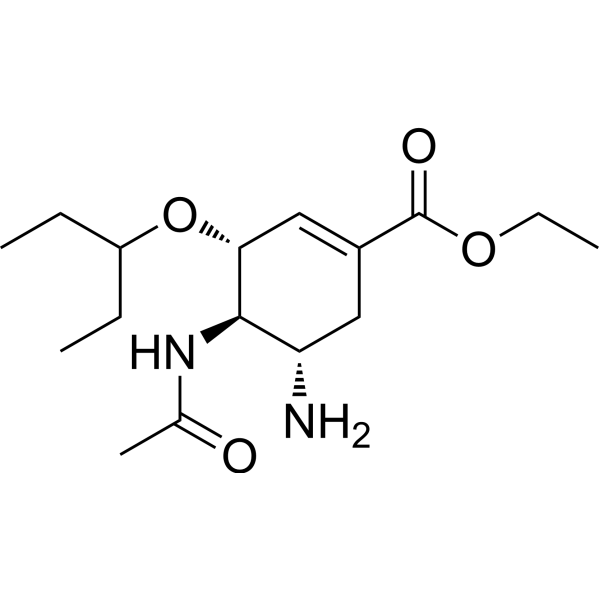
GS 4104
|
Influenza Virus
|
Infection
Cancer
|
|
Oseltamivir (GS 4104) is an orally active influenza virus neuraminidase inhibitor (NAI). Oseltamivir inhibits influenza A/H3N2, A/H1N2, A/H1N1, and B viruses with mean IC50s of 0.67, 0.9, 1.34 and 13 nM, respectively .
|
-
-
- HY-107201
-
|
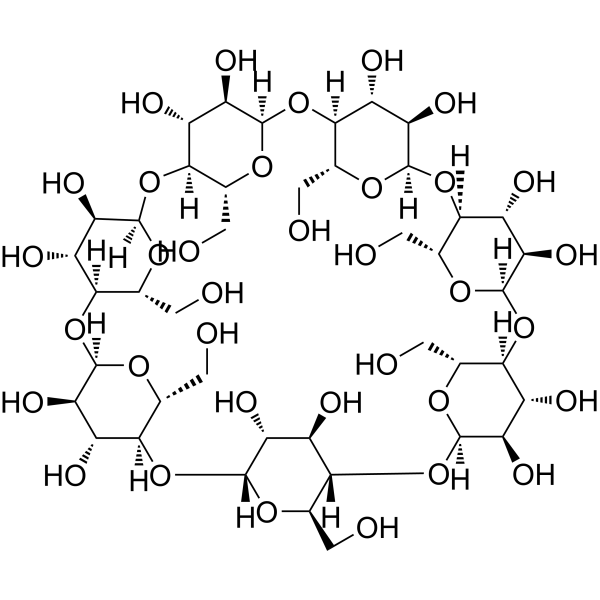
Betadex
|
Environmental Pollutants
Influenza Virus
|
Infection
|
|
β-Cyclodextrin is a cyclic polysaccharide composed of seven units of glucose (α-D-glucopyranose) linked by α-(1,4) type bonds. β-Cyclodextrin has often been used to enhance the solubility of agents. β-Cyclodextrin has anti-influenza virus H1N1 activities.
|
-
-
- HY-N0638
-
-
-
- HY-175469
-
|
|
Influenza Virus
|
Infection
|
|
VNT-101 is an orally active influenza A (IAV) inhibitor. VNT-101 disrupts NP-NP PPI to block NP oligomerization and destabilize the viral ribonucleoprotein (RNP) complex, with potent antiviral activity across multiple influenza A subtypes. VNT-101 exhibits EC50 values of 4-5 nM in cellular cytopathic effect (CPE) assay, 4-8 nM in neuraminidase (NA) assay, and 21-45 nM in RNP assay. VNT-101 demonstrates robust in vivo antiviral efficacy in mice infected with lethal H1N1 virus. VNT-101 can be used for the study of influenza A infection .
|
-

-
- HY-P99620
-
|
CT-P22; CT120
|
Influenza Virus
|
Infection
|
|
Firivumab (CT-P22; CT120) is a human IgG1 monoclonal influenza A virus hemagglutinin (Anti-IAV HA) antibody. Firivumab is capable of neutralizing H1N1, H5N1, H6N1, H6N2, H8N4, H8N8, H9N2 and H12N7. Firivumab shows protection against H1N1 virus in mice .
|
-

-
- HY-126136
-
|
|
Influenza Virus
|
Infection
|
|
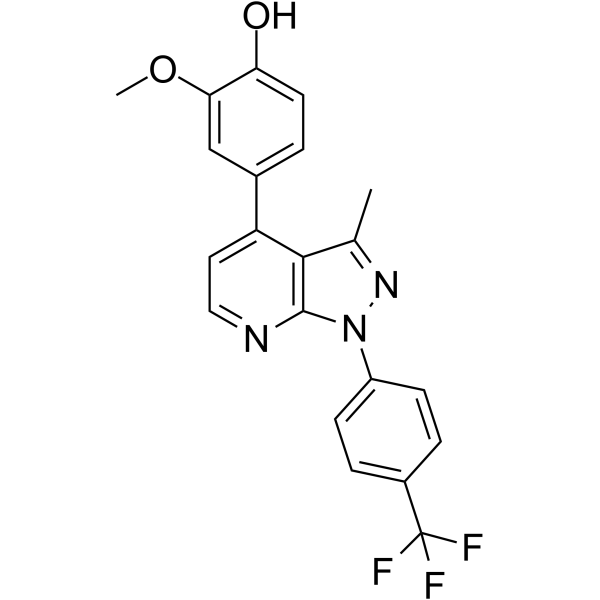
ML303 is a pyrazolopyridine influenza virus nonstructural protein 1 (NS1) antagonist (IC90 = 155 nM), with an EC50 of 0.7 μM for Influenza A virus H1N1 .
|
-
-
- HY-13317S
-
|
|
Influenza Virus
|
Infection
|
|
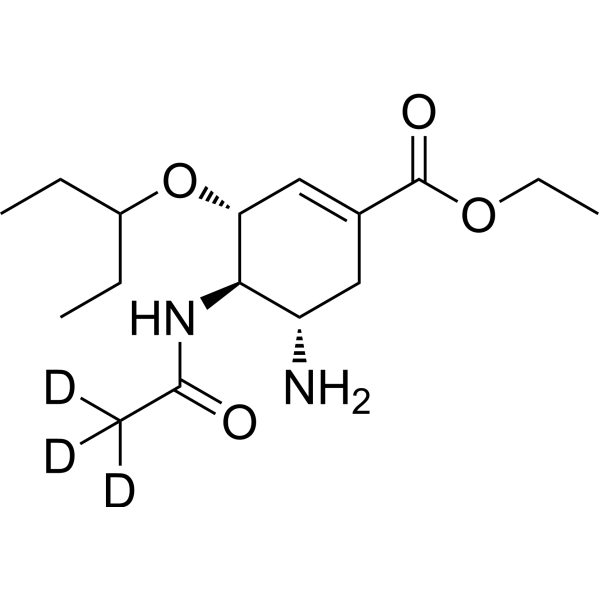
Oseltamivir-d3 is a deuterium labeled Oseltamivir. Oseltamivir is an influenza virus neuraminidase inhibitor (NAI). Oseltamivir inhibits influenza A/H3N2, A/H1N2, A/H1N1, and B viruses with mean IC50s of 0.67, 0.9, 1.34 and 13 nM, respectively. Anti-influenza A and B agent .
|
-
-
- HY-P991059
-
|
|
Influenza Virus
|
Infection
|
|
VIS-410 is an antibody inhibitor targeting the stem region of hemagglutinin (HA). VIS-410 inhibits influenza virus replication by blocking HA-mediated membrane fusion. VIS-410 exhibits broad-spectrum neutralization against influenza A viruses with group 1 and group 2 hemagglutinins, including subtypes such as H1N1, H3N2, H5N1, and H7N9 (H5N1 IC50 = 1.5 μg/mL). VIS-410 is applicable to research related to influenza A virus infection .
|
-

-
- HY-B1404
-
|
Buphenine hydrochloride
|
iGluR
Influenza Virus
|
Infection
Cardiovascular Disease
Inflammation/Immunology
|
|
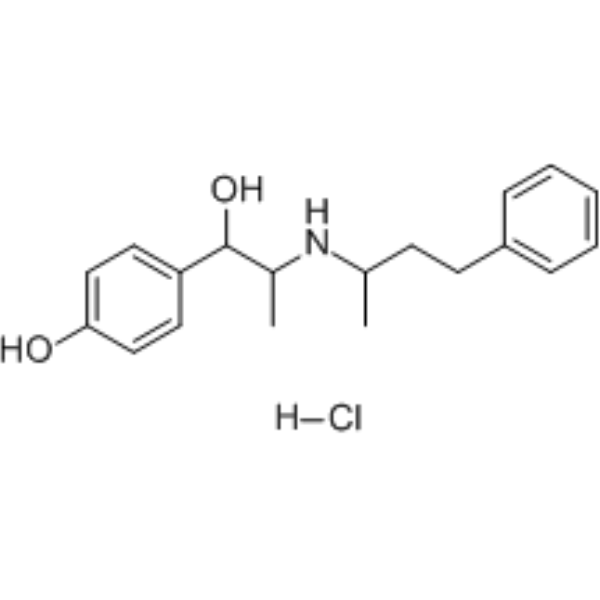
Nylidrin hydrochloride (Buphenine hydrochloride) is an orally active β-adrenergic agonist. Nylidrin hydrochloride antagonizes NR1A/2B NMDA receptors (IC50 = 0.18 μM in Xenopus oocytes). Nylidrin hydrochloride reduces the levels of NP, HA, and M1. Nylidrin hydrochloride has antiviral activity against multiple H1N1 subtype influenza A viruses. Nylidrin hydrochloride improves hemorrhagic shock and anti-allergic effects .
|
-
-
- HY-P1837
-
|
|
Influenza Virus
HSV
|
Infection
|
|
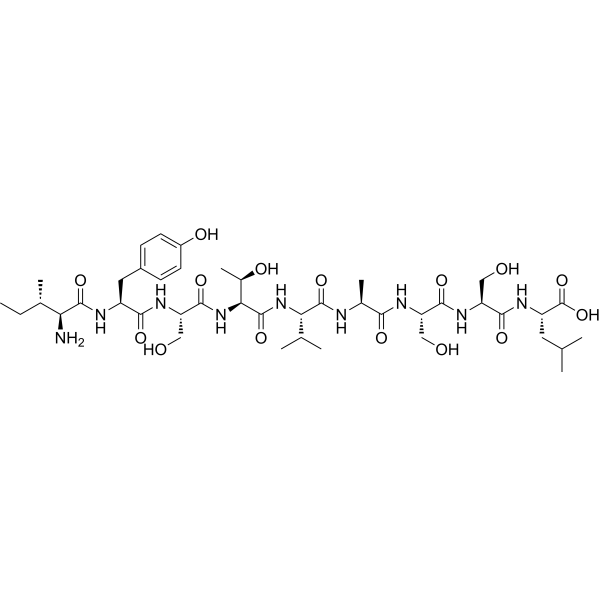
Influenza HA (518-526) is an H-2d-restricted CTL epitope derived from influenza virus hemagglutinin. Influenza HA (518-526) is highly conserved across various H5N1, some H9N2, and H1N1 strains. Influenza HA (518-526) binds to the mouse MHC class I allele K d to form a complex, which is then recognized by specific CD8 + T cells. Influenza HA (518-526) is an immunodominant epitope in influenza-infected BALB/c mice, and it stimulates CD8 + T cells to secrete IFN-γ to induce a robust immune response. Currently, Influenza HA (518-526) is widely used in research related to respiratory syncytial virus (RSV), influenza virus, and H5N1 influenza .
|
-
-
- HY-N2735
-
|
|
Influenza Virus
|
Infection
Inflammation/Immunology
|
|
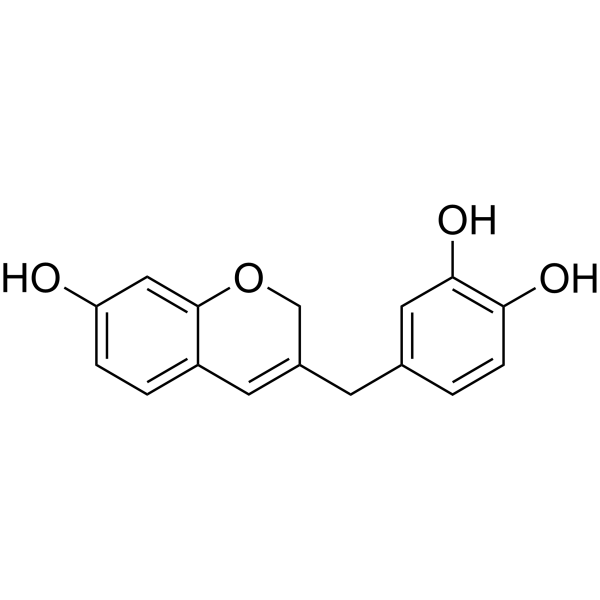
7,3',4'-Trihydroxy-3-benzyl-2H-chromene is an reversible noncompetitive neuraminidase (NA) inhibitor. 7,3',4'-Trihydroxy-3-benzyl-2H-chromene can be isolated from the dried heartwood of Caesalpinia sappan L. 7,3',4'-Trihydroxy-3-benzyl-2H-chromene has potent NAs inhibitory activities with IC50 values of 34.6 µM [H1N1], 39.5 µM [H3N2], and 50.5µM [H9N2], respectively. 7,3',4'-Trihydroxy-3-benzyl-2H-chromene can be used for the research of influenza virus .
|
-
-
- HY-137334
-
|
|
Influenza Virus
|
Infection
|
|
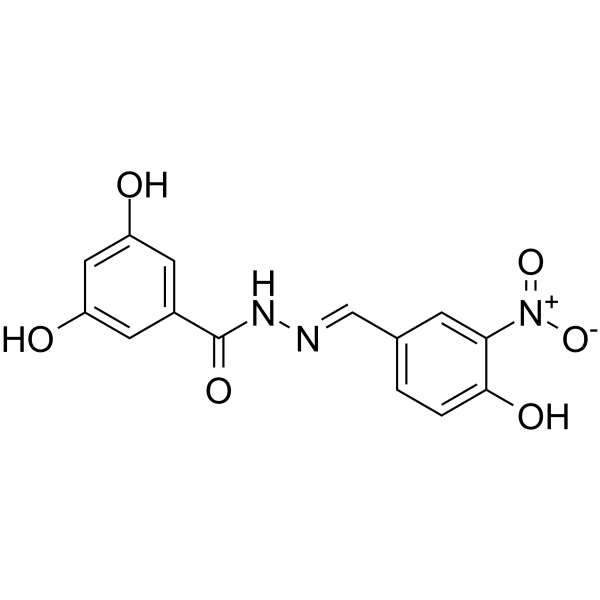
Neuraminidase-IN-1 is a neuraminidase inhibitor, with an IC50 of 0.21 μM. Neuraminidase-IN-1 has excellent activity against H1N1 influenza virus .
|
-
-
- HY-A0235
-
|
Stakane
|
Drug Derivative
Influenza Virus
|
Infection
Neurological Disease
Metabolic Disease
Inflammation/Immunology
|
|
Antrafenine (Stakane) is a derivative of 2-(quinolin-4-ylamino) benzoate, and is an orally active anti-inflammatory and analgesic agent. Antrafenine protects mammalian epithelial cells from cell death upon exposure to influenza A virus A/WSN/33 (H1N1). Antrafenine inhibits carrageenan-induced paw swelling in rats, and reduces exudate volume and total leukocyte infiltration in carrageenan- and calcium pyrophosphate dihydrate crystal-induced pleurisy in rats. Antrafenine can be used in studies related to influenza and pseudogout .
|
-

-
- HY-143494
-
|
|
RSV
Influenza Virus
|
Infection
|
|
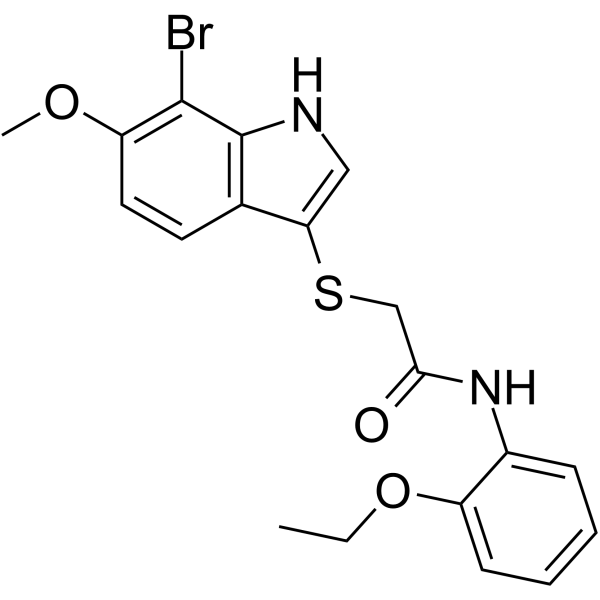
RSV/IAV-IN-3 (compound 14'i) is a dual inhibitor of respiratory syncytial virus (RSV) and influenza A virus (IAV) with EC50 values of 2.92 µM and 1.90 µM,respectively. RSV/IAV-IN-3 has antiviral effect against H1N1 and H3N2 with EC50 values of 3.25 µM and 1.50 µM in MDCK cells, respectively. RSV/IAV-IN-3 significantly inhibits the activity of luciferase in a dose-dependent manner, with an EC50 of 3.89 µM. RSV/IAV-IN-3 inhibits IAV infectivity and RdRp activity. RSV/IAV-IN-3 inhibits IAV and RSV replication at the post-entry stage .
|
-
-
- HY-13317R
-
|
GS 4104 (Standard)
|
Reference Standards
Influenza Virus
|
Infection
|
|
Oseltamivir (Standard) is the analytical standard of Oseltamivir. This product is intended for research and analytical applications. Oseltamivir (GS 4104) is an orally active influenza virus neuraminidase inhibitor (NAI). Oseltamivir inhibits influenza A/H3N2, A/H1N2, A/H1N1, and B viruses with mean IC50s of 0.67, 0.9, 1.34 and 13 nM, respectively .
|
-

-
- HY-P990811
-
|
|
Influenza Virus
|
Infection
|
|
Anti-Influenza A virus NP Antibody (H16-L10-4R5 (HB-65)) is mouse-derived IgG2a κ type antibody inhibitor, targeting to influenza virus nucleoprotein. Anti-Influenza A virus NP Antibody (H16-L10-4R5 (HB-65)) reacts with influenza virus nucleoprotein (NP). Anti-Influenza A virus NP Antibody (H16-L10-4R5 (HB-65)) can induce passive immunity to influenza A virus. Anti-Influenza A virus NP Antibody (H16-L10-4R5 (HB-65)) can be used for the detections of western blot, flow cytometry and immunohistochemistry in Influenza A virus infection .
|
-

-
- HY-10964R
-
|
DMXAA (Standard); ASA-404 (Standard)
|
STING
IFNAR
Influenza Virus
Reference Standards
|
Infection
Cancer
|
|
Vadimezan (Standard) (DMXAA (Standard)) is the analytical standard of Vadimezan (HY-10964). This product is intended for research and analytical applications. Vadimezan (DMXAA; ASA-404), the tumor vascular disrupting agent (tumor-VDA), is a murine agonist of the stimulator of interferon genes (STING) and also a potent inducer of type I IFNs and other cytokines. Vadimezan is unable to activate human STING. Vadimezan has anti-influenza virus H1N1-PR8 activities.
|
-

-
- HY-131069A
-
|
|
Influenza Virus
|
Infection
|
|
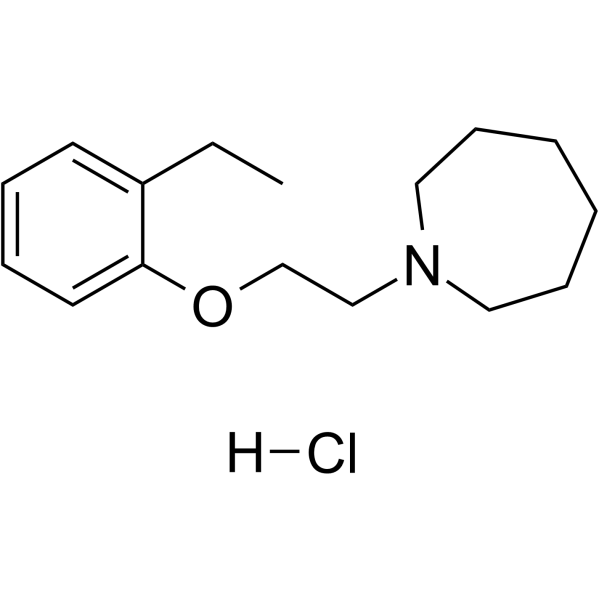
MBX2329, a potent influenza virus inhibitor, specifically inhibits hemagglutinin (HA)-mediated viral entry with HIV/HA(H5) displaying IC90 of 8.6 μM. MBX2329 inhibits a wide spectrum of influenza A viruses, which includes the 2009 pandemic influenza virus A/H1N1/2009, highly pathogenic avian influenza (HPAI) virus A/H5N1, and oseltamivir-resistant A/H1N1 strains .
|
-
-
- HY-N0224A
-
|
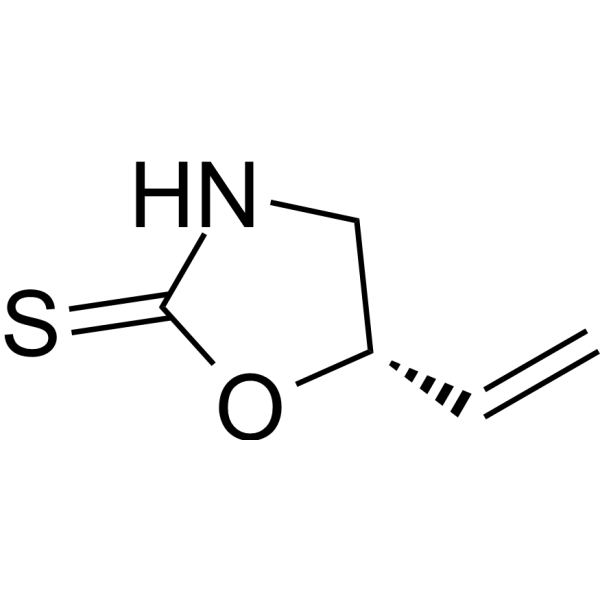
(S)-Goitrin; L-5-Vinyl-2-thiooxazolidone
|
Influenza Virus
|
Metabolic Disease
|
|
Goitrin ((S)-Goitrin), a product of glucosinolate-myrosinase reactions, is a potent inhibitor of thyroid peroxidase. Goitrin can inhibit iodine utilization by the thyroid. Goitrin also exhibits anti-influenza virus (H1N1) activity .
|
-
-
- HY-177791
-
|
|
PROTACs
Influenza Virus
|
Infection
|
|
vRNPs degrader-1 is a potent PROTAC viral ribonucleoproteins (vRNPs) degrader. vRNPs degrader-1 shows broad-spectrum anti-influenza A viruses (IAV) activity by targeting the conserved 5′ end of viral RNA, thereby inducing proteasomal degradation of viral proteins. vRNPs degrader-1 inhibits H1N1, H9N2, and H3N2 infection in mice. vRNPs degrader-1 can be used for influenza research .
|
-

-
- HY-N10843
-
|
|
Influenza Virus
|
Infection
|
|
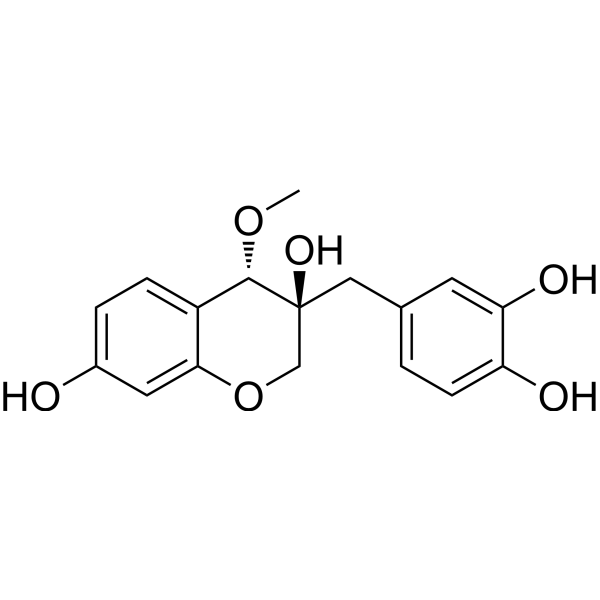
4-O-Methylepisappanol (compound 9) is nature product that could be isolated from heartwood of Caesalpinia sappan. 4-O-Methylepisappanol is a potent neuraminidase inhibitor on the surface of influenza viruses with IC50 values of 42.8, 63.2, and 63.2 µM for A/Chicken/Korea/MS96/96 [H9N2], A/PR/8/34 [H1N1], and A/Hong Kong/8/68 [H3N2], respectively .
|
-
-
- HY-156786
-
|
|
Reactive Oxygen Species (ROS)
Influenza Virus
SARS-CoV
HSV
|
Infection
|
|
TLD-1433 is the fourth-generation ruthenium (II) based photodynamic compound (PDC). TLD-1433 is activated by green light (525 ± 25 nm) and efficiently generates ROS to achieve pathogen inactivation. After photoinactivation, TLD-1433 significantly induces lipid peroxidation of the cell membrane, which can directly damage the integrity of the viral envelope. TLD-1433 has ID50 for enveloped viruses (such as H1N1 influenza virus, coronavirus OC43, HSV-1, Zika virus) is as low as nanomolar level; for non-enveloped viruses (such as adenovirus Ad5, mammalian rotavirus MRV), a concentration of micro-molar level is required for inactivation. TLD-1433 has antigen retention property and can be used for the preparation of inactivated vaccines .
|
-

-
- HY-116182
-
|
|
Influenza Virus
|
Infection
|
|
RO5487624, an analogue of RO5464466 (HY-120690), is an orally active hemagglutinin (HA) inhibitor of influenza H1N1 viruses that abolishes influenza virus fusion by blocking HA conformational changes in low pH environments. RO5487624 displays a protective effect on mice that are lethally challenged with influenza H1N1 virus .
|
-

-
- HY-129150
-
|
|
Influenza Virus
|
Infection
|
|
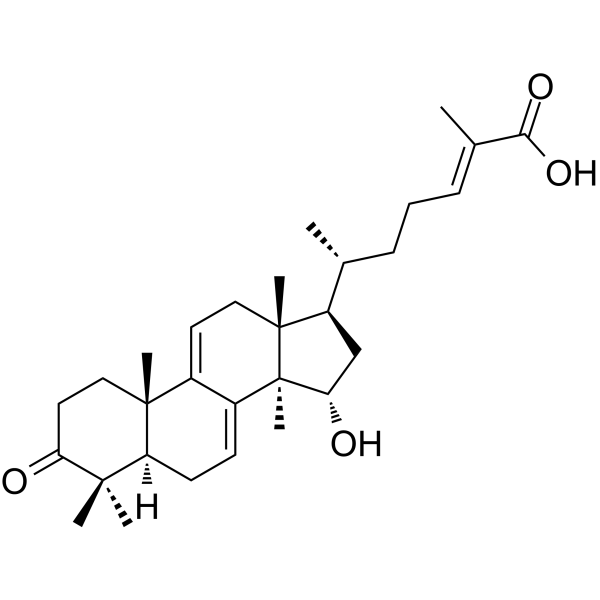
Ganoderic acid TR is a broad-spectrum inhibitor of influenza neuraminidase enzymes (NAs). Ganoderic acid TR has IC50 values of 10.9 and 4.6 μM for H5N1 and H1N1 NAs, respectively. Ganoderic acid TR is limited by cytotoxicity and shows only weak activity against Oseltamivir (HY-13317)-resistant H1N1 viruses and influenza B viruses .
|
-
-
- HY-N7915
-
|
|
Influenza Virus
|
Infection
|
|
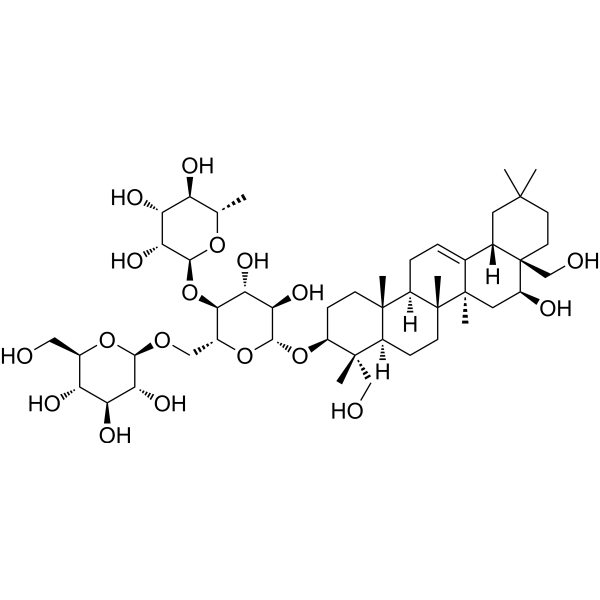
Nepasaikosaponin K is an anti-influenza agent. Nepasaikosaponin K shows an EC50 of 17.91 μM against influenza virus A/WSN/33 (H1N1) in 239T-Gluc cells .
|
-
-
- HY-131059
-
|
|
Influenza Virus
|
Infection
|
|
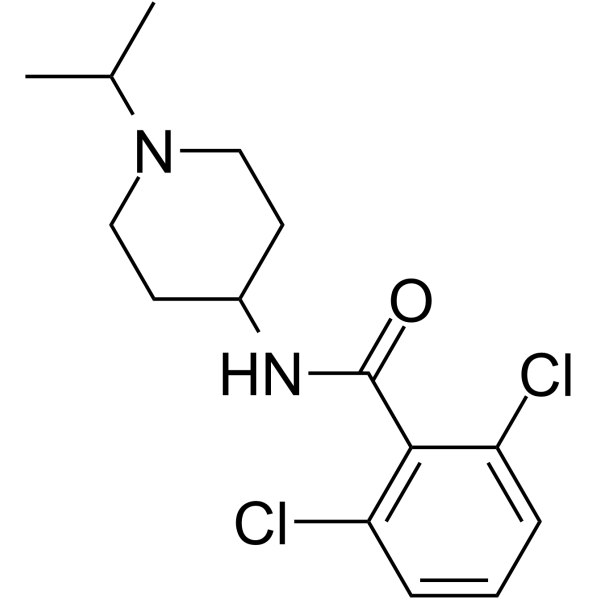
CBS1117 is a virus entry inhibitor with an IC50 of 70 nM for influenza A virus, A/Puerto Rico/8/34 (H1N1). CBS1117 interferes with the hemagglutinin (HA)-mediated fusion process .
|
-
-
- HY-N16441
-
|
|
Endogenous Metabolite
Influenza Virus
|
Infection
|
|
Pulvic acid (Compound 3), a butenolide, is a microbial secondary metabolite. Pulvic acid can be isolated from the marine-derived fungus Aspergillus terreus Gwq-48. Pulvic acid has significant antiviral activity with an IC50 of 29.1 μg/mL for influenza A H1N1 virus. Pulvic acid can be used for influenza virus infections research .
|
-

-
- HY-N16425
-
|
(-)-Mitorubrin
|
Influenza Virus
|
Infection
|
|
Mitorubrin ((-)-Mitorubrin) is a compound that can be isolated from Penicillium purpurogenum JS03-21. Mitorubrin shows no significant inhibitory activity against the H1N1 influenza virus (IC50 > 200 μM) .
|
-

-
- HY-161902
-
|
|
Ser/Thr Protease
Influenza Virus
SARS-CoV
|
Infection
|
|
MI-1904 is the inhibitor for matriptase/TMPRSS2, that exhibits antiviral activity against influenza virus H1N1 and H9N2. MI-1904 blocks the cleavage of glycoproteins on the viral surface, prevents the virus from binding to host cell receptors, and thus inhibits the entry and replication of the virus .
|
-

-
- HY-147974
-
|
|
HSP
Influenza Virus
|
Infection
|
|
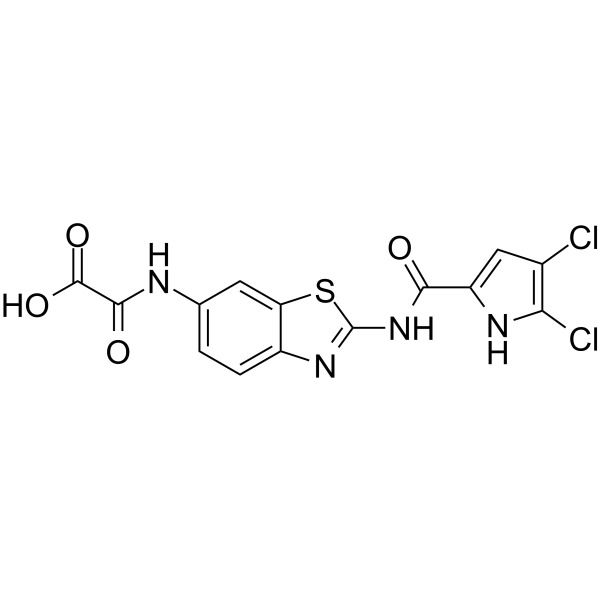
HSP90-IN-14 (compound 4) is a potent Hsp90 (heat shock protein 90) inhibitor, with a Kd of 0.26 μM. HSP90-IN-14 shows anti-influenza virus activity in MDCK cells, with EC50 values of 2.6, 3.9, and 17 μM for influenza A/H3N2, A/H1N1, and B, respectively .
|
-
-
- HY-N17236
-
|
|
β-glucuronidase
Influenza Virus
RSV
|
Infection
|
|
Foryshiyanine A is a triterpenoid alkaloid. Foryshiyanine A possesses anti-inflammatory activity, inhibiting the release of β-glucuronidase from rat polymorphonuclear leukocytes. Foryshiyanine A exhibits antiviral activity, with an EC50 of 4.5 μM against respiratory syncytial virus (RSV) and an IC50 of 7.3 μM against influenza A virus (H1N1). Foryshiyanine A reduces viral load by disrupting viral replication and entry. Foryshiyanine A may be used for the researches of inflammation and infection .
|
-

-
- HY-105395
-
|
|
Influenza Virus
|
Infection
|
|
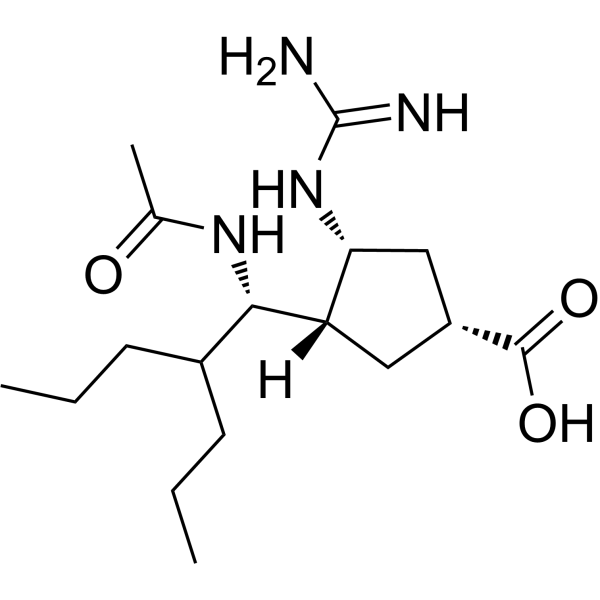
BCX-1898, a cyclopentane derivative, is an orally active and selective influenza virus neuraminidase inhibitor. BCX-1898 has antiviral activity with EC50s of <0.01-21 μM on influenza A (H1N1, H3N2, and H5N1) and influenza B viruses replication in MDCK cells. BCX-1898 shows protection against the mouse influenza model .
|
-
-
- HY-N15215
-
|
|
Enterovirus
Influenza Virus
RSV
HSV
|
Infection
Cancer
|
|
Antiviral agent 64 (Compound 12) is a diarylheptanoid that can be isolated from Alpinia officinarum. Antiviral agent 64 exhibits cytotoxicity in human neuroblastoma cell IMR-32 with an IC50 of 0.23 μM. Antiviral agent 64 exhibits antiviral efficacy, that inhibits RSV, poliovirus, measles virus, HSV-1, and influenza virus H1N1, with EC50 of 13.3, 3.7, 6.3, 5.7, and <10 μg/mL, respectively .
|
-

-
- HY-100858
-
|
|
Influenza Virus
|
Infection
|
|
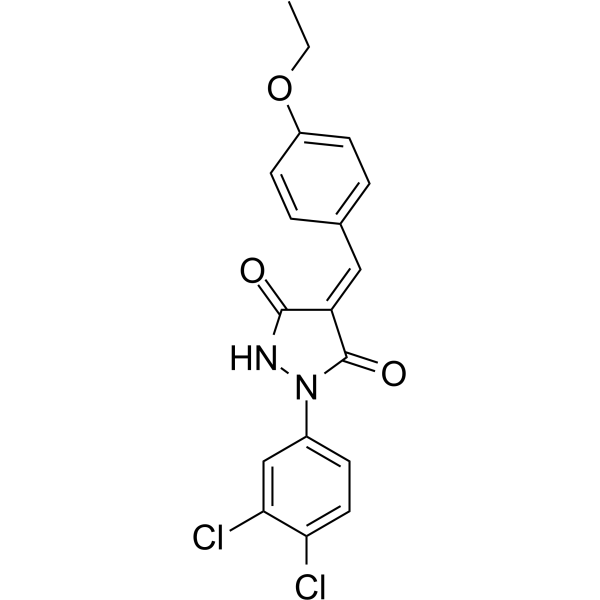
PP7 is a potent PB1-PB2 interaction inhibitor with an IC50 of 8.6 μM, and their inhibition against viral polymerase activity (IC50=9.5 μM). PP7 shows antiviral activities against influenza A virus (IAV), including A(H1N1)pdm09 (EC50=1.4 μM), A(H7N9) and A(H9N2) subtypes .
|
-
-
- HY-N2264
-
|
|
Influenza Virus
|
Infection
|
|
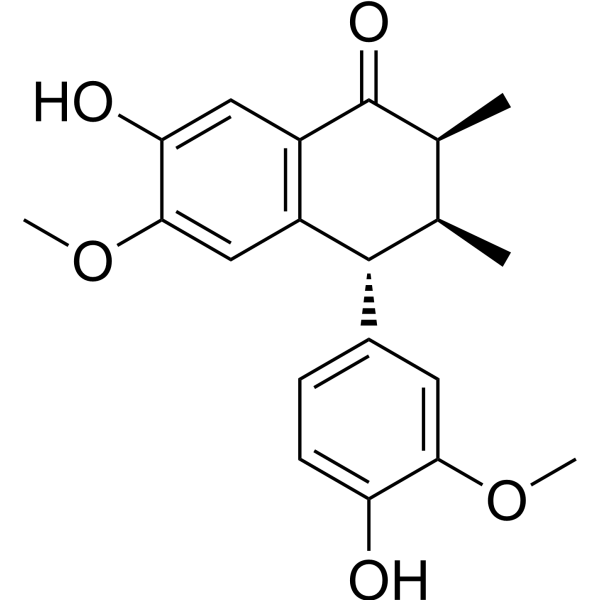
Wulignan A1 is isolated from the stems of Schisandra henryi. Wulignan A1 exhibits anti-influenza virus H1N1 and H1N1-TR (a Tamiflu agent resistant virus strain) activities .
|
-
-
- HY-N9019
-
|
|
Influenza Virus
|
Infection
|
|
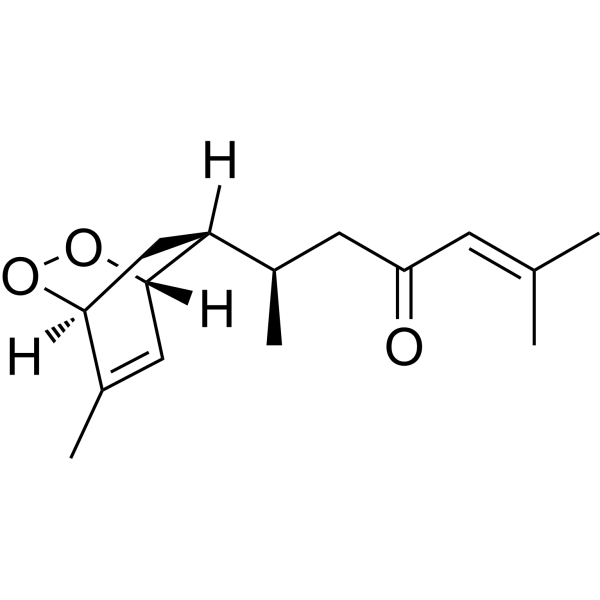
1,4-Epidioxybisabola-2,10-dien-9-one is a 1,4-epidioxy-bisabola-2,12-diene derivate, which can be isolated from Curcuma longa L. 1,4-Epidioxybisabola-2,10-dien-9-one exhibits antiviral activity against influenza virus A/PR/8/34 (H1N1) in the MDCK cell line with an IC50 of 16.79 ± 4.03 μg/mL .
|
-
-
- HY-162801
-
|
|
Influenza Virus
|
Infection
|
|
Neuraminidase-IN-21 (Compound 6d) is an influenza H1N1 virus Neuraminidase inhibitor, with IC50s of 0.30 µM for Neuraminidase, and 30.01 µM for H1N1 strain of influenza. Neuraminidase-IN-21 formsg three hydrogen bonds with Arg292, Arg371, and Tyr406 of Neuraminidase .
|
-

-
- HY-P0313
-
|
|
Influenza Virus
|
Infection
|
|
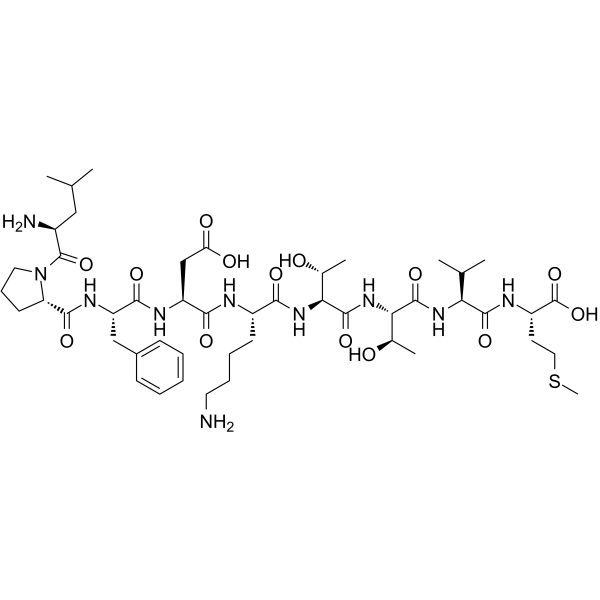
CEF6 is a 9-aa-long peptide corresponding to aa 418-426 of the influenza A virus (H1N1) nucleocapsid protein.
|
-
-
- HY-N15217
-
|
|
Influenza Virus
|
Infection
|
|
Antiviral agent 65 (compound 9) is an antiviral agent that targets influenza H1N1 virus (EC50=7 μg/mL) .
|
-

-
- HY-151967
-
|
|
Influenza Virus
|
Infection
|
|
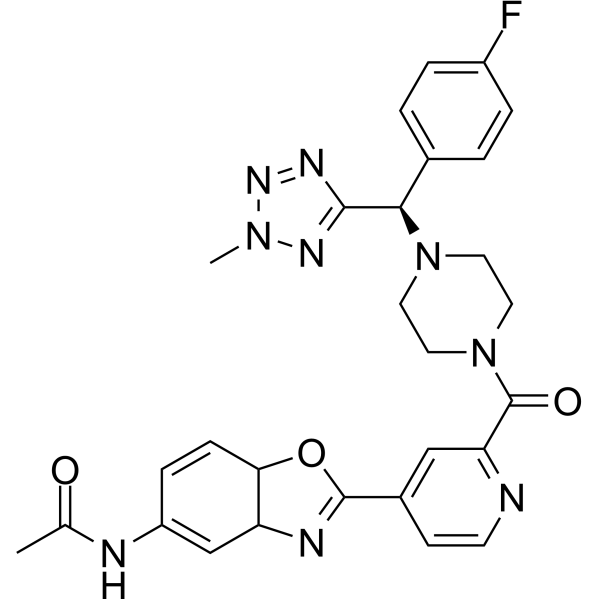
Anti-IAV agent 1 (Compound (R)-1a) is an orally active anti-influenza A virus (IAV) agent with IC50s of 0.03 and 0.06 μM against IAV H1N1 and Oseltamivir-resistant IAV H1N1 strains, respectively .
|
-
-
- HY-155476
-
|
|
Influenza Virus
|
Infection
|
|
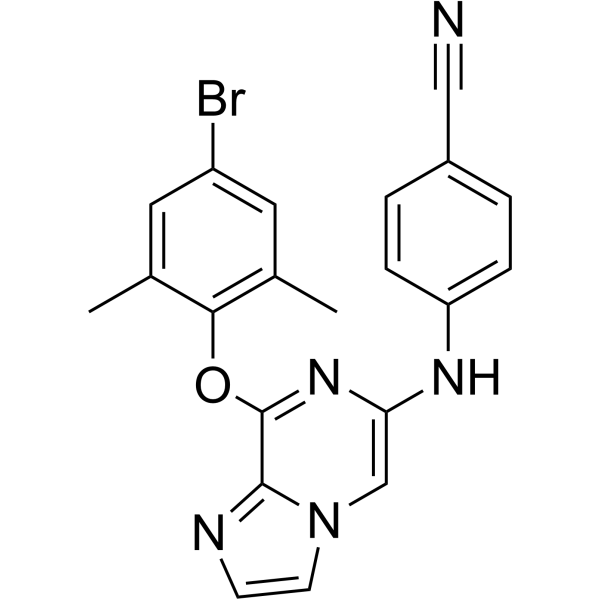
Influenza virus-IN-8 (compound A4) is an inhibitor of influenza virus (Influenza Virus) that induces viral nucleoprotein (NP) aggregation and prevents its nuclear accumulation. Influenza virus-IN-8 has broad-spectrum anti-influenza activity and can inhibit the replication and transcription of influenza A virus. Influenza virus-IN-8 also inhibits Oseltamivir (HY-13317)-resistant H1N1/pdm09 strains .
|
-
-
- HY-132286
-
|
|
Protein Arginine Deiminase
|
Infection
|
|
2-PADQZ is an antiviral compound with activity against influenza viruses. 2-PADQZ specifically binds to the influenza A virus RNA promoter and forms a binding site at the internal loop. 2-PADQZ has a significant inhibitory effect on H1N1 and H3N2 influenza A viruses and influenza B viruses .
|
-

-
- HY-120690
-
|
|
Influenza Virus
|
Infection
|
|
RO5464466 is an hemagglutinin (HA) inhibitor of influenza H1N1 viruses. RO5464466 inhibits HA-mediated hemolysis of chicken erythrocytes with the IC50 of 0.29 μM .
|
-

-
- HY-155110
-
|
|
DNA/RNA Synthesis
Influenza Virus
|
Infection
|
|
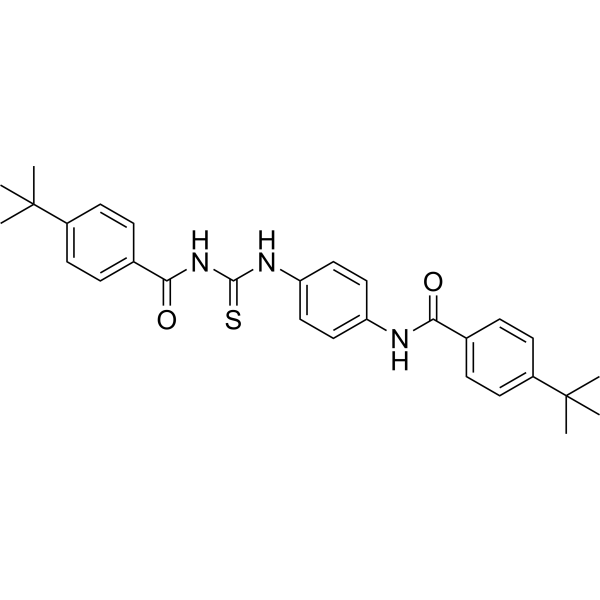
Antiviral agent 34 is a potent and orally active antiviral agent against influenza A and B subtypes with an EC50 value of 0.8 nM for H1N1 proliferation. Antiviral agent 34 derivatives inhibited influenza virus proliferation by targeting influenza virus RNA-dependent RNA polymerase. Antiviral agent 34 can be used for influenza virus research .
|
-
-
- HY-175808
-
|
|
Influenza Virus
|
Infection
|
|
VF-57a (Compound 23) is an Influenza A virus (IAV) fusion inhibitor. VF-57 has potent antiviral activities against authentic A/H1N1 virus with EC50s of 0.92 and 0.31 μM for the A/H1N1 PR8 and A/H1N1 Virg09 strains, respectively. VF-57 significantly inhibits HA-mediated cell entry of A/H1N1- and A/H5N1-pseudoviruses, prevents the HA refolding at pH 5.2. VF-57a can be used for IAV infections research .
|
-

-
- HY-N10605
-
|
|
SARS-CoV
Influenza Virus
|
Infection
|
|
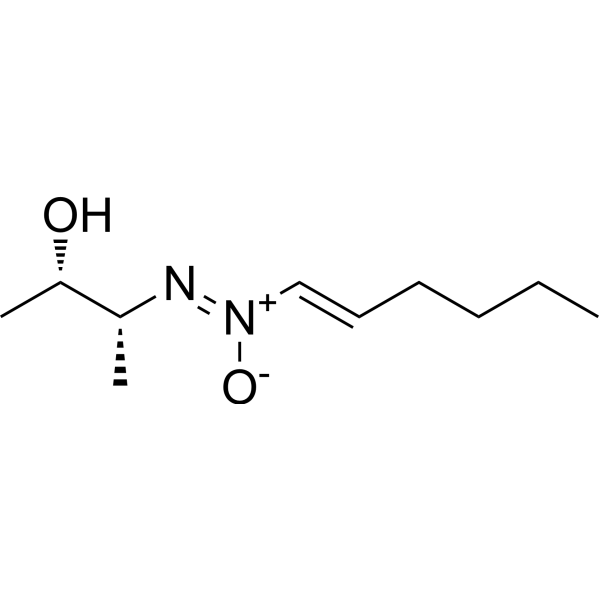
Maniwamycin E is a maniwamycin derivative isolated from the culture extract of thermotolerant Streptomyces sp. JA74. Maniwamycin E shows antiviral activity against SARS-CoV-2 and influenza (H1N1) virus .
|
-
-
- HY-163659
-
|
|
Influenza Virus
|
Infection
|
|
Anti-Influenza agent 6 (compound 19b) shows inhibitory activity against A/WSN/33/H1N1 (EC50 = 0.015 μM) and influenza B virus Yamagata/16/88 (EC50 = 0.073 μM) and Victotis/2/87 (EC50 = 0.067 μM) .
|
-

-
- HY-157249
-
|
|
Influenza Virus
|
Infection
|
|
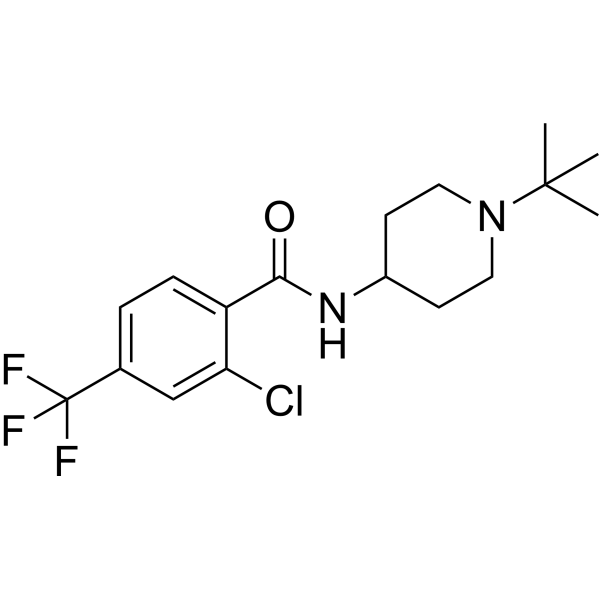
Antiviral agent 43 (compound 16) is a potent and orally active influenza A viruses entry inhibitor. Antiviral agent 43 inhibits replications of influenza A strains VH04-H5N1 and PR8-H1N1 with EC50s of 240 nM and 72 nM, respectively .
|
-
-
- HY-162492
-
|
|
Influenza Virus
|
Infection
|
|
Influenza A virus-IN-14 (Compound 37) is an inhibitor for influenza virus type A (IAV), which inhibits H1N1 with an EC50 of 23 nM. Influenza A virus-IN-14 exhibits low cytotoxicity with CC50 of more than 100 μM. Influenza A virus-IN-14 inhibits cytopathic effect and improves the survival rates of cell Calu3. Influenza A virus-IN-14 exhibits synergistic activity with the neuraminidase inhibitor Oseltamivir (HY-13317). Influenza A virus-IN-14 exhibits poor pharmacokinetic properties in CD-1 mouse .
|
-

- HY-175796
-
|
|
Influenza Virus
|
Infection
|
|
Antiviral agent 70 (Compound 12b) is an antiviral agent. Antiviral agent 70 has a superior binding capacity to to Neuraminidaseinfluenza A/H1N1 virus with an IC50 of 2.9 μM. Antiviral agent 70 can be used for influenza virus infections research .
|
-

- HY-13317S3
-
|
|
Influenza Virus
|
Infection
|
|
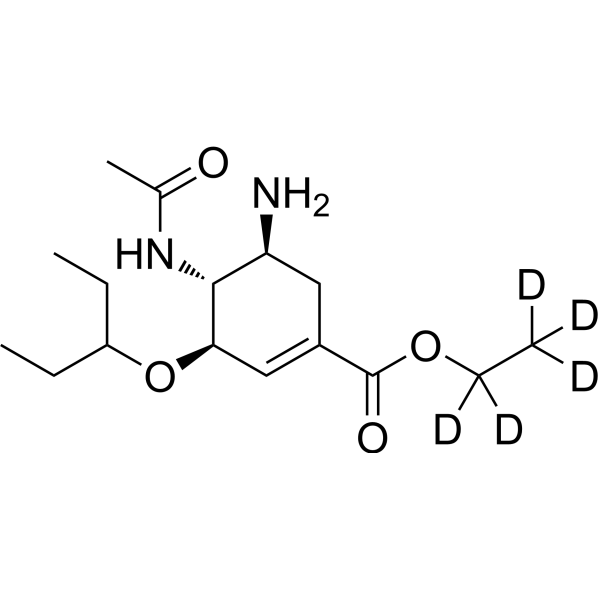
Oseltamivir-d5 is the deuterium labeled Oseltamivir . Oseltamivir is an influenza virus neuraminidase inhibitor (NAI). Oseltamivir inhibits influenza A/H3N2, A/H1N2, A/H1N1, and B viruses with mean IC50 of 0.67, 0.9, 1.34 and 13 nM, respectively. Anti-influenza A and B agent .
|
-
- HY-13317S4
-
|
|
Isotope-Labeled Compounds
|
Infection
|
|
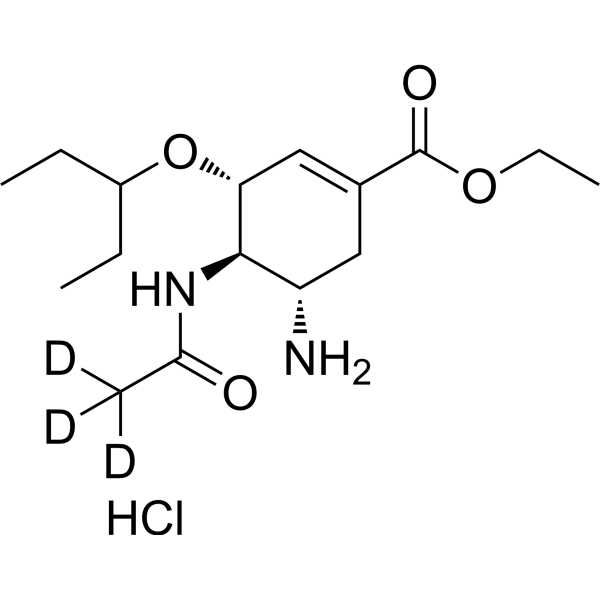
Oseltamivir-d3 hydrochloride is the deuterium-labeled Oseltamivir (HY-13317) . Oseltamivir is an influenza virus neuraminidase inhibitor (NAI). Oseltamivir inhibits influenza A/H3N2, A/H1N2, A/H1N1, and B viruses with mean IC50s of 0.67, 0.9, 1.34 and 13 nM, respectively. Anti-influenza A and B agent .
|
-
- HY-13317S1
-
|
|
Influenza Virus
|
Infection
|
|
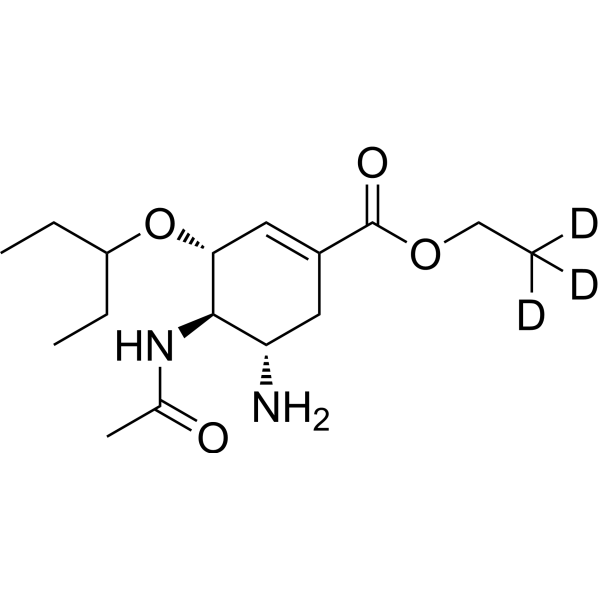
Oseltamivir-d3-1 is the deuterium labeled Oseltamivir . Oseltamivir is an influenza virus neuraminidase inhibitor (NAI). Oseltamivir inhibits influenza A/H3N2, A/H1N2, A/H1N1, and B viruses with mean IC50s of 0.67, 0.9, 1.34 and 13 nM, respectively. Anti-influenza A and B agent .
|
-
- HY-178366
-
|
|
Influenza Virus
|
Infection
|
|
PAC/NP-IN-1 (Compound 30) is a dual-target anti-influenza agent that specifically binds to nucleoprotein (NP) and the C-terminal domain of PA protein (PAc). PAC/NP-IN-1 inhibits influenza A virus A/WSN/33 (H1N1) (EC50 = 3.63 μM, IC50 = 3.08 μM). PAC/NP-IN-1 can be used for the study of influenza infection .
|
-

- HY-181785
-
|
|
Influenza Virus
|
Infection
|
|
Influenza A virus-IN-18 (Compound C2e) is an orally active inhibitor of Influenza A virus (IC50: 2.5 μM against PR8/H1N1; 6.42 μM against H3N2). Influenza A virus-IN-18 binds directly to the H1N1/PR8 HA protein with high affinity, with a KD of 0.25 μM. Influenza A virus-IN-18 is applicable to research related to Influenza A virus infection .
|
-

- HY-N0638R
-
-

- HY-162242
-
|
|
Influenza Virus
|
Infection
|
|
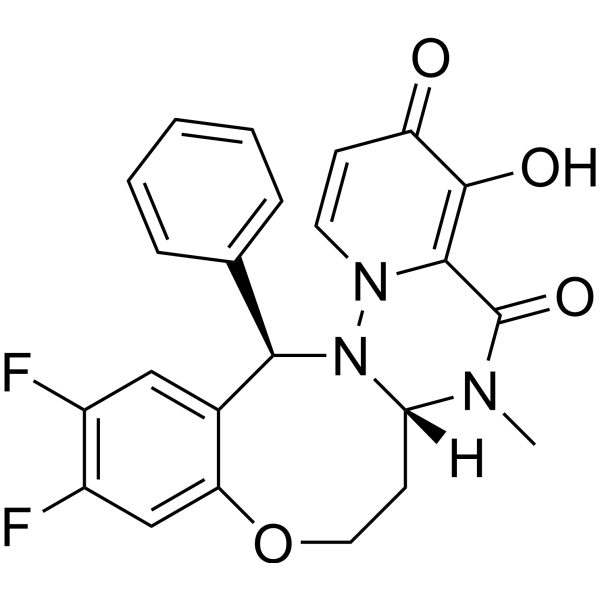
Cap-dependent endonuclease-IN-27 (Compound 8) is an orally active potent cap-dependent endonuclease (CEN) inhibitor. Cap-dependent endonuclease-IN-27, an antiviral agent, shows activity against influenza B virus. Cap-dependent endonuclease-IN-27 has inhibitory activity against IFV A/WSN/33 (H1N1) polymerase (EC50 = 12.26 nM) .
|
-
- HY-155731
-
|
|
Influenza Virus
|
Infection
|
|
Antiviral agent 35 (compound 4d) is an orally active and potent influenza virus inhibitor, acting function in the early stage of virus replication. Antiviral agent 35 inhibits ROS accumulation, autophagy and apoptosis induced by influenza virus, and also inhibits inflammatory response mediated by RIG-1 pathway in mouse model with pulmonary infection. Antiviral agent 35 shows little cytotoxicity with CC50 >800 μM in MDCK cells, and anti-H1N1 (A/Weiss/43) activity with EC50 of 2.28 μM .
|
-
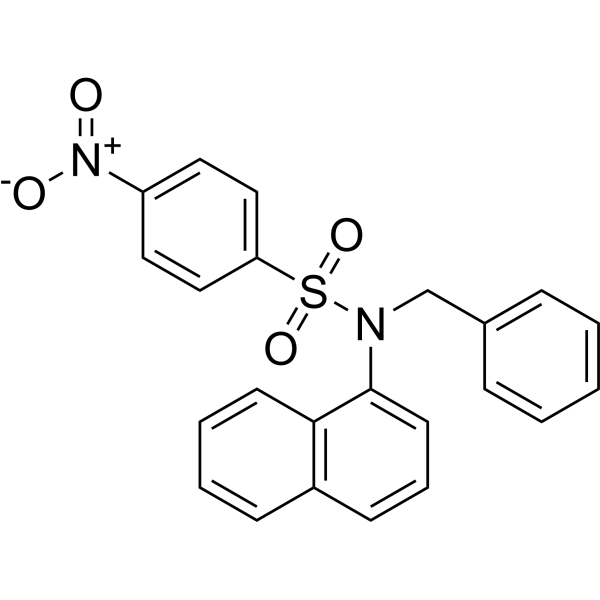
- HY-113784R
-
|
Isoxyl (Standard)
|
Reference Standards
Antibiotic
Bacterial
|
Infection
|
|
β-Cyclodextrin (Standard) is the analytical standard of β-Cyclodextrin. This product is intended for research and analytical applications. β-Cyclodextrin is a cyclic polysaccharide composed of seven units of glucose (α-D-glucopyranose) linked by α-(1,4) type bonds. β-Cyclodextrin has often been used to enhance the solubility of agents. β-Cyclodextrin has anti-influenza virus H1N1 activities.
|
-

- HY-B1404R
-
|
Buphenine hydrochloride (Standard)
|
Reference Standards
iGluR
Influenza Virus
|
Infection
Cardiovascular Disease
Inflammation/Immunology
|
|
Nylidrin (hydrochloride) (Standard) is the analytical standard of Nylidrin hydrochloride (HY-B1404). This product is intended for research and analytical applications. Nylidrin hydrochloride (Buphenine hydrochloride) is an orally active β-adrenergic agonist. Nylidrin hydrochloride antagonizes NR1A/2B NMDA receptors (IC50 = 0.18 μM in Xenopus oocytes). Nylidrin hydrochloride reduces the levels of NP, HA, and M1. Nylidrin hydrochloride has antiviral activity against multiple H1N1 subtype influenza A viruses. Nylidrin hydrochloride improves hemorrhagic shock and anti-allergic effects .
|
-

- HY-127020
-
|
|
Bacterial
|
Infection
|
|
Deoxyenterocin is a bacterial metabolite originally isolated from Streptomyces that has diverse biological activities, including antibiotic, antiviral, and antioxidant properties. It inhibits the growth of S. lutea, S. aureus, K. pneumoniae, and V. percolans in vitro when used at a concentration of 500 μg/mL. Deoxyenterocin (50 μg/mL) inhibits the cytopathic effect of influenza A H1N1 virus by 60.6% in vitro. It also prevents hydrogen peroxide-induced decreases in glutathione (GSH) levels and in the mitochondrial membrane potential in mouse primary cortical neuronal cultures when used at a concentration of 1 μM.
|
-

- HY-181915
-
|
|
Influenza Virus
|
Infection
|
|
PB2-IN-3 (Compound 11) is a PB2 inhibitor. PB2-IN-3 exhibits antiviral activity against Influenza A H1N1 and H3N2 strains. PB2-IN-3 can be used in studies related to influenza A virus infection .
|
-

- HY-N17850
-
|
|
Influenza Virus
Ferroptosis
Apoptosis
Glutathione Peroxidase
NF-κB
p38 MAPK
Interleukin Related
|
Infection
|
|
5-Hydroxy-6,7-dimethoxyflavone is an orally active inhibitor of ferroptosis (Ferroptosis). 5-Hydroxy-6,7-dimethoxyflavone inhibits H1N1 virus-induced ferroptosis by upregulating the expression of SLC7A11 and GPX4. 5-Hydroxy-6,7-dimethoxyflavone alleviates inflammatory responses and inhibits apoptosis by suppressing the activation of the NF-κB and p38 MAPK signaling pathways. 5-Hydroxy-6,7-dimethoxyflavone can be used in studies related to H1N1 influenza virus infection .
|
-

- HY-144668
-
|
|
DNA/RNA Synthesis
Influenza Virus
|
Infection
|
|
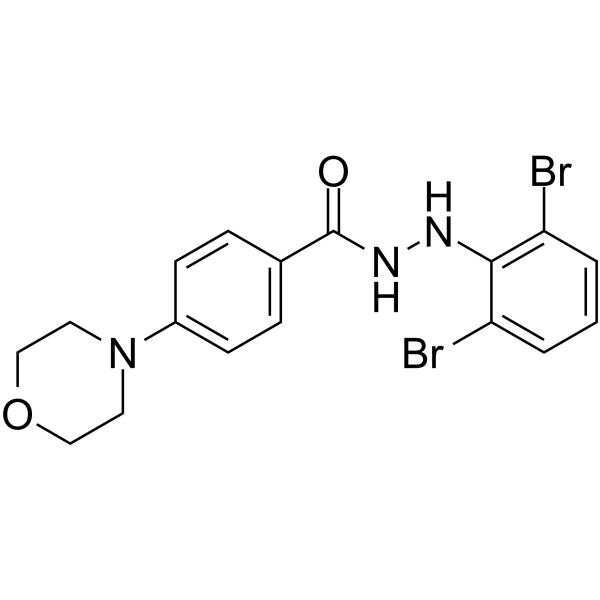
RdRP-IN-4 (compound 11q), an aryl benzoyl hydrazide analog, is an orally active influenza A virus RNA-dependent RNA polymerase (RdRp) inhibitor by interacting with the PB1 subunit. RdRP-IN-4 exhibits potent inhibitory activity against the avian H5N1 flu strain with an EC50 of 18 nM in MDCK cells. RdRP-IN-4 displays excellent potency against the the H1N1 (A/PR/8/34) Flu A strain and Flu B strain (B/Lee/1940) with EC50 values of 53 nM and 20 nM, respectively. RdRP-IN-4 significantly inhibits the expression level of viral nucleoprotein (NP) in a dose-dependent manner. RdRP-IN-4 exhibits significant antiviral activity in infected mice .
|
-
- HY-178455
-
|
|
Influenza Virus
|
Infection
|
|
Influenza virus-IN-10 is a dual-target antiviral agents for influenza that targets both PAC (KD = 8.9 μM) and NP (KD = 52.5 μM) simultaneously. Influenza virus-IN-10 exhibits an EC50 values of 1.64 μM) against influenza A virus (H1N1, A/WSN/33) and broad-spectrum activity against other influenza strains, including influenza B virus and multiple subtypes of influenza A .
|
-

- HY-180162
-
|
|
Influenza Virus
|
Infection
|
|
Influenza A virus-IN-17 (Compound 6a) is a potent influenza A inhibitor with EC90s of 3.5 μM and 2.6 μM for H3N2 and H1N1, respectively. Influenza A virus-IN-17 inhibits U2-PB2 chimeric mRNA (EC90 = 2.1 μM from cap snatching polymerase) .
|
-

- HY-151103
-
|
|
Influenza Virus
|
Infection
|
|
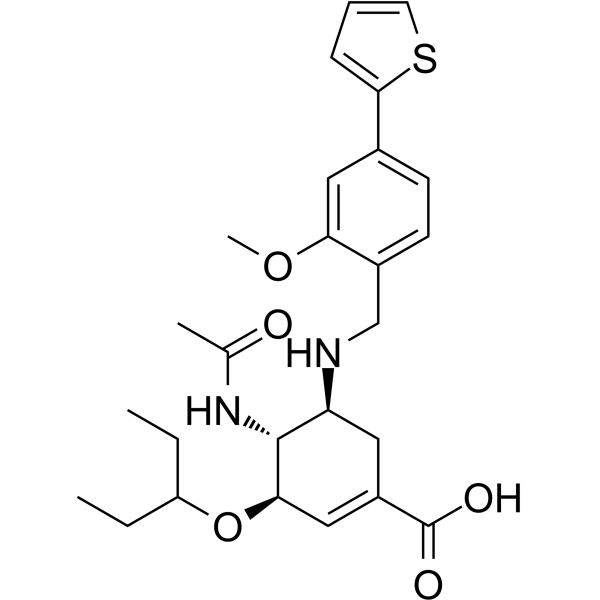
Neuraminidase-IN-10 is a potent neuraminidase (NA) inhibitor with anti-influenza activity. Neuraminidase-IN-10 is against H1N1, H5N1, and H5N8 with IC50 values of 2.6 nM, 5.1 nM, and 1.65 nM, respectively .
|
-
- HY-163670
-
|
|
Toll-like Receptor (TLR)
|
Infection
|
|
TLR7 agonist 21 (Compound 27B) is a selective agonist for Toll-like receptor 7(TLR7), with an EC50 of 17.53 nM (for human TLR7) and 41.7 nM (for mouse TLR7). TLR7 agonist 21 stimulates the secretion of pro-inflammatory cytokines, such as IL-6, TNF-α, IFN-α1, and IL-4. TLR7 agonist 21 acts as a vaccine adjuvant, increases levels of IgG and IgA, and protects the mouse from influenza virus infections .
|
-

- HY-180269
-
|
|
Influenza Virus
DNA/RNA Synthesis
|
Infection
|
|
Anti-Influenza agent 10 (Compound 41) is an influenza A virus RNA-dependent RNA polymerase (RdRp) inhibitor. Anti-Influenza agent 10 exhibits potent antiviral activity against A/PR/8/34(H1N1) with an IC50 of 0.29μM and a KD of 4.11 μM. Anti-Influenza agent 10 can inhibit the assembly of the viral RdRp complex by disrupting the protein interaction between PA and PB1 subunits, thereby blocking the transcription and replication of the viral genome. Anti-Influenza agent 10 shows significant broad-spectrum effects on multiple influenza virus strains, such as H3N2, H3N8 and H9N2 with IC50 values of 3.96, 1.91 and 1.45 μM. Anti-Influenza agent 10 can be used for the research of influenza A Virus Infection .
|
-

- HY-N17963
-
|
|
Glutathione S-transferase
Influenza Virus
Interleukin Related
IFNAR
STAT
|
Infection
|
|
Cappariloside A is a larvicide that exhibits larvicidal activity against Aedes aegypti larvae and reduces larval glutathione-S-transferase activity. Cappariloside A also possesses antiviral activity, decreases the level of phosphorylated STAT1 in cells, inhibits the replication of influenza viruses H1N1, H3N2, PIV3 and ADV, and downregulates the expression of IL-6, IP-10, MIG, RANTES/CCL-5, IFN-β and IL-29. Cappariloside A suppresses the inflammatory response induced by mouse lung-adapted influenza virus strains. Cappariloside A can be used in studies related to larvicidal applications and influenza virus infection .
|
-

- HY-170445
-
|
|
Influenza Virus
|
Infection
Inflammation/Immunology
|
|
Neuraminidase-IN-23 (33c) is a potent neuraminidase (NA) inhibitor against influenza virus, with IC50 values of 0.049 μM (H1N1), 0.26 μM (H3N2), 0.17 μM (H5N1), 0.013 μM (H5N8) and 0.74 μM (H5N1-H274Y), respectively .
|
-

- HY-181691
-
|
|
JAK
Influenza Virus
|
Infection
|
JAK2-IN-20 is an orally active dual inhibitor targeting JAK2 kinase (IC50=49.17 nM) and influenza A virus PB2 protein (IC50=3.337 μM, Kd=2.82 μM). JAK2-IN-20 effectively blocks the JAK/STAT signaling pathway by reducing the phosphorylation levels of STAT1 and STAT3, thereby inhibiting viral replication and downregulating the expression of viral NP and PB2 proteins. In addition, JAK2-IN-20 significantly inhibits the mRNA expression of key inflammatory cytokines such as IL-6, TNF-α and IFN-β in inflammation and influenza infection models. JAK2-IN-20 serves as an important tool molecule for the study of influenza A virus infection and related pathologies .
|
-

- HY-182895
-
|
|
Influenza Virus
|
Infection
|
|
Influenza A virus-IN-19 (Compound (S)-63) is an orally active, selective Influenza A virus inhibitor with an EC50 of 0.44 μM. Influenza A virus-IN-19 exhibits moderate binding affinity to Hemagglutinin, with a Kd of 5.66 μM. Influenza A virus-IN-19 inhibits trypsin-mediated cleavage of HA0, blocks the early viral entry process, and suppresses the replication of Influenza A virus. Influenza A virus-IN-19 improves the survival rate of mice in lethal influenza models. Influenza A virus-IN-19 can be used in studies related to Influenza A virus infection .
|
-

| Cat. No. |
Product Name |
Target |
Research Area |
-
- HY-P1837
-
|
|
Influenza Virus
HSV
|
Infection
|
|
Influenza HA (518-526) is an H-2d-restricted CTL epitope derived from influenza virus hemagglutinin. Influenza HA (518-526) is highly conserved across various H5N1, some H9N2, and H1N1 strains. Influenza HA (518-526) binds to the mouse MHC class I allele K d to form a complex, which is then recognized by specific CD8 + T cells. Influenza HA (518-526) is an immunodominant epitope in influenza-infected BALB/c mice, and it stimulates CD8 + T cells to secrete IFN-γ to induce a robust immune response. Currently, Influenza HA (518-526) is widely used in research related to respiratory syncytial virus (RSV), influenza virus, and H5N1 influenza .
|
-
- HY-P0313
-
|
|
Influenza Virus
|
Infection
|
|
CEF6 is a 9-aa-long peptide corresponding to aa 418-426 of the influenza A virus (H1N1) nucleocapsid protein.
|
| Cat. No. |
Product Name |
Target |
Research Area |
Image |
-
- HY-P99620
-
|
CT-P22; CT120
|
Influenza Virus
|
Infection
|
|
Firivumab (CT-P22; CT120) is a human IgG1 monoclonal influenza A virus hemagglutinin (Anti-IAV HA) antibody. Firivumab is capable of neutralizing H1N1, H5N1, H6N1, H6N2, H8N4, H8N8, H9N2 and H12N7. Firivumab shows protection against H1N1 virus in mice .
|
-

(5)
-
- HY-P991059
-
|
|
Influenza Virus
|
Infection
|
|
VIS-410 is an antibody inhibitor targeting the stem region of hemagglutinin (HA). VIS-410 inhibits influenza virus replication by blocking HA-mediated membrane fusion. VIS-410 exhibits broad-spectrum neutralization against influenza A viruses with group 1 and group 2 hemagglutinins, including subtypes such as H1N1, H3N2, H5N1, and H7N9 (H5N1 IC50 = 1.5 μg/mL). VIS-410 is applicable to research related to influenza A virus infection .
|
-
(5)
-
- HY-P990811
-
|
|
Influenza Virus
|
Infection
|
|
Anti-Influenza A virus NP Antibody (H16-L10-4R5 (HB-65)) is mouse-derived IgG2a κ type antibody inhibitor, targeting to influenza virus nucleoprotein. Anti-Influenza A virus NP Antibody (H16-L10-4R5 (HB-65)) reacts with influenza virus nucleoprotein (NP). Anti-Influenza A virus NP Antibody (H16-L10-4R5 (HB-65)) can induce passive immunity to influenza A virus. Anti-Influenza A virus NP Antibody (H16-L10-4R5 (HB-65)) can be used for the detections of western blot, flow cytometry and immunohistochemistry in Influenza A virus infection .
|
-
(5)
| Cat. No. |
Product Name |
Category |
Target |
Chemical Structure |
-
- HY-N0638
-
-
-
- HY-N2735
-
|
|
Leguminosae
Caesalpinia sappan L.
Phenols
Polyphenols
Plants
Source Classification
|
Influenza Virus
|
|
7,3',4'-Trihydroxy-3-benzyl-2H-chromene is an reversible noncompetitive neuraminidase (NA) inhibitor. 7,3',4'-Trihydroxy-3-benzyl-2H-chromene can be isolated from the dried heartwood of Caesalpinia sappan L. 7,3',4'-Trihydroxy-3-benzyl-2H-chromene has potent NAs inhibitory activities with IC50 values of 34.6 µM [H1N1], 39.5 µM [H3N2], and 50.5µM [H9N2], respectively. 7,3',4'-Trihydroxy-3-benzyl-2H-chromene can be used for the research of influenza virus .
|
-
-
- HY-N0224A
-
-
-
- HY-N10843
-
|
|
Flavanonols
Flavonoids
Caesalpiniaceae
Plants
Source Classification
|
Influenza Virus
|
|
4-O-Methylepisappanol (compound 9) is nature product that could be isolated from heartwood of Caesalpinia sappan. 4-O-Methylepisappanol is a potent neuraminidase inhibitor on the surface of influenza viruses with IC50 values of 42.8, 63.2, and 63.2 µM for A/Chicken/Korea/MS96/96 [H9N2], A/PR/8/34 [H1N1], and A/Hong Kong/8/68 [H3N2], respectively .
|
-
-
- HY-129150
-
-
-
- HY-N7915
-
-
-
- HY-N16441
-
-
-
- HY-N16425
-
-
-
- HY-N17236
-
-
-
- HY-N15215
-
|
|
Structural Classification
Monophenols
Phenols
Alpinia officinarum Hance
Plants
Source Classification
Zingiberaceae
|
Enterovirus
Influenza Virus
RSV
HSV
|
|
Antiviral agent 64 (Compound 12) is a diarylheptanoid that can be isolated from Alpinia officinarum. Antiviral agent 64 exhibits cytotoxicity in human neuroblastoma cell IMR-32 with an IC50 of 0.23 μM. Antiviral agent 64 exhibits antiviral efficacy, that inhibits RSV, poliovirus, measles virus, HSV-1, and influenza virus H1N1, with EC50 of 13.3, 3.7, 6.3, 5.7, and <10 μg/mL, respectively .
|
-
-
- HY-N2264
-
-
-
- HY-N9019
-
-
-
- HY-N15217
-
-
-
- HY-N10605
-
-
-
- HY-N0638R
-
-
-
- HY-N17850
-
-
-
- HY-N17963
-
-
| Cat. No. |
Product Name |
Chemical Structure |
-
- HY-13317S
-
|
|
|
Oseltamivir-d3 is a deuterium labeled Oseltamivir. Oseltamivir is an influenza virus neuraminidase inhibitor (NAI). Oseltamivir inhibits influenza A/H3N2, A/H1N2, A/H1N1, and B viruses with mean IC50s of 0.67, 0.9, 1.34 and 13 nM, respectively. Anti-influenza A and B agent .
|
-
-
- HY-13317S3
-
|
|
|
Oseltamivir-d5 is the deuterium labeled Oseltamivir . Oseltamivir is an influenza virus neuraminidase inhibitor (NAI). Oseltamivir inhibits influenza A/H3N2, A/H1N2, A/H1N1, and B viruses with mean IC50 of 0.67, 0.9, 1.34 and 13 nM, respectively. Anti-influenza A and B agent .
|
-
-
- HY-13317S4
-
|
|
|
Oseltamivir-d3 hydrochloride is the deuterium-labeled Oseltamivir (HY-13317) . Oseltamivir is an influenza virus neuraminidase inhibitor (NAI). Oseltamivir inhibits influenza A/H3N2, A/H1N2, A/H1N1, and B viruses with mean IC50s of 0.67, 0.9, 1.34 and 13 nM, respectively. Anti-influenza A and B agent .
|
-
-
- HY-13317S1
-
|
|
|
Oseltamivir-d3-1 is the deuterium labeled Oseltamivir . Oseltamivir is an influenza virus neuraminidase inhibitor (NAI). Oseltamivir inhibits influenza A/H3N2, A/H1N2, A/H1N1, and B viruses with mean IC50s of 0.67, 0.9, 1.34 and 13 nM, respectively. Anti-influenza A and B agent .
|
-
| Cat. No. |
Product Name |
|
Classification |
-
- HY-107201
-
|
Betadex
|
|
Others
|
|
β-Cyclodextrin is a cyclic polysaccharide composed of seven units of glucose (α-D-glucopyranose) linked by α-(1,4) type bonds. β-Cyclodextrin has often been used to enhance the solubility of agents. β-Cyclodextrin has anti-influenza virus H1N1 activities.
|
Your information is safe with us. * Required Fields.
Inquiry Information
- Product Name:
- Cat. No.:
- Quantity:
- MCE Japan Authorized Agent:








