

Search Result
Results for "
monocytes and macrophages
" in MedChemExpress (MCE) Product Catalog:
1
Biochemical Assay Reagents
9
Isotope-Labeled Compounds
| Cat. No. |
Product Name |
Target |
Research Areas |
Chemical Structure |
-
- HY-14648
-
-
-
- HY-N7038
-
|
PHA-M
|
NF-κB
COX
Interleukin Related
Reactive Oxygen Species (ROS)
|
Neurological Disease
Inflammation/Immunology
Cancer
|
|
Phytohemagglutinin (PHA-M), the major seed lectin of the common bean, Phaseolus vulgaris, is a T-cell activator. Phytohemagglutinin stimulates human mononuclear leukocytes, inducing the expression of ChAT mRNA and potentiating ACh synthesis. Phytohemagglutinin induces dose- and time-dependent toxicity in THP-1 monocytes/macrophages, alters cellular morphology, causes organelle dysfunction, and increases the expression of NF-κB, COX2, IL-1β .
|
-
-
- HY-14648C
-
|
Dexamethasone cyclodextrin complex
|
Exosomes
Glucocorticoid Receptor
SARS-CoV
Autophagy
Complement System
Mitophagy
Bacterial
Antibiotic
|
Infection
Inflammation/Immunology
Endocrinology
Cancer
|
|
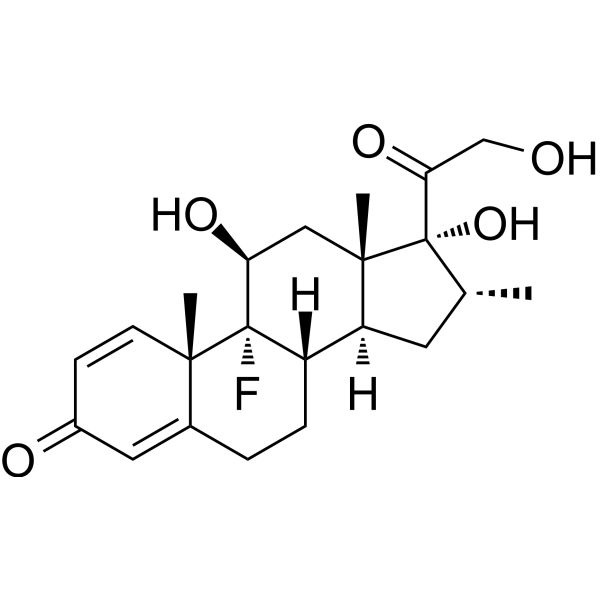
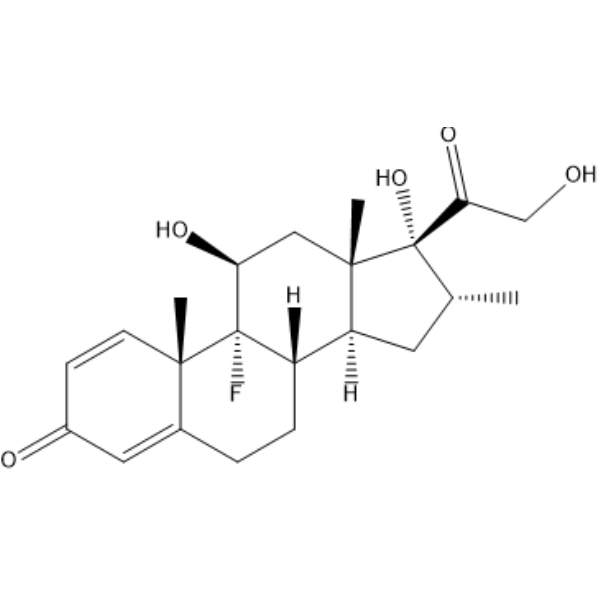
Dexamethasone (Hexadecadrol) Water Soluble is a water-soluble form of Dexamethasone (HY-14648). Dexamethasone is a glucocorticoid receptor agonist, apoptosis inducer, and a common disease inducer in experimental animals. It can be used to construct models of muscle atrophy, hypertension, and depression. Dexamethasone can inhibit the production of inflammatory miRNA-155 exosomes in macrophages and significantly reduce the expression of inflammatory factors in neutrophils and monocytes. Dexamethasone also has the potential to be used in COVID-19 research .(Sale size is the weight of dexamethasone)
|
-
-
- HY-B1907
-
|
Rifamycin SV sodium
|
Antibiotic
Bacterial
DNA/RNA Synthesis
|
Infection
Inflammation/Immunology
|
|
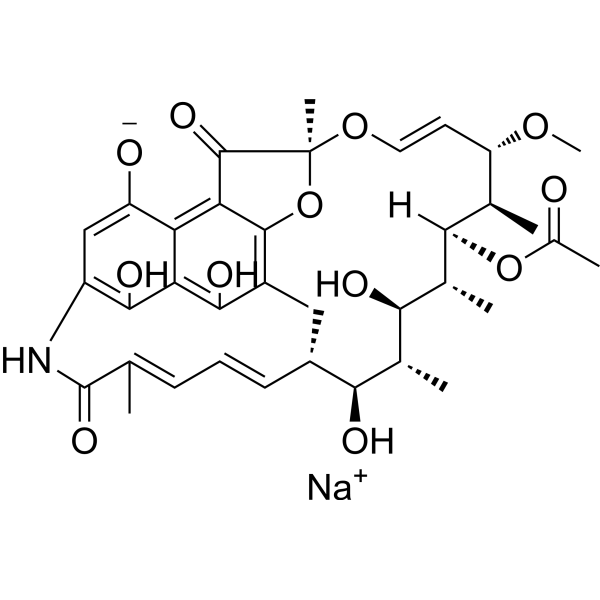
Rifamycin sodium (Rifamycin SV monosodium) is an orally active ansamycin antibiotic. Rifamycin sodium inhibits DNA-dependent RNA synthesis. Rifamycin sodium has antibacterial activity against Mycobacterium tuberculosis. Rifamycin sodium interferes with hepatic bile acid metabolism. Rifamycin sodium has anti-inflammatory effects. Rifamycin sodium can be used in the study of Mycobacterium tuberculosis, Bacteroides fragilis infection, and Lipopolysaccharide (HY-D1056B3)-induced inflammation .
|
-
-
- HY-13682
-
|
MTP-PE; L-MTP-PE; CGP 19835
|
NOD-like Receptor (NLR)
|
Inflammation/Immunology
Cancer
|
|
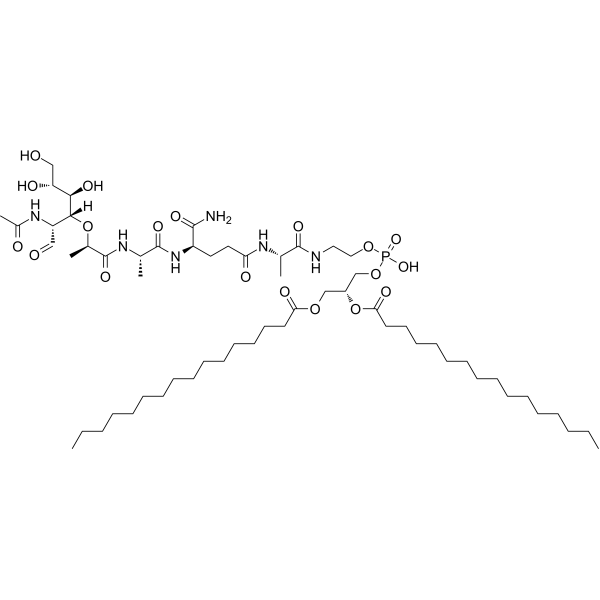
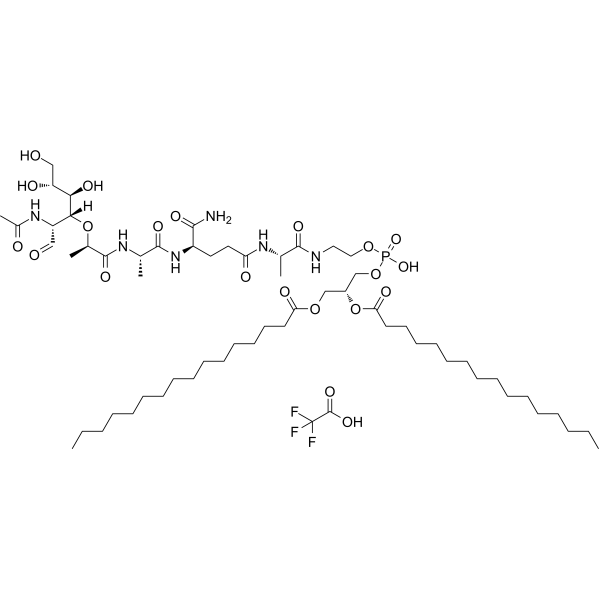
Mifamurtide (MTP-PE), an analog of the muramyl dipeptide (MDP), is a nonspecific immunomodulator by stimulating the immune response activating macrophages and monocytes. Mifamurtide is a specific ligand for NOD2 and acts as an insulin sensitizer. Mifamurtide has potential for use in rare disease and osteosarcoma research .
|
-
-
- HY-132831
-
|
Somalix; RO-7486967; IZD334
|
NOD-like Receptor (NLR)
Interleukin Related
|
Neurological Disease
Inflammation/Immunology
|
|
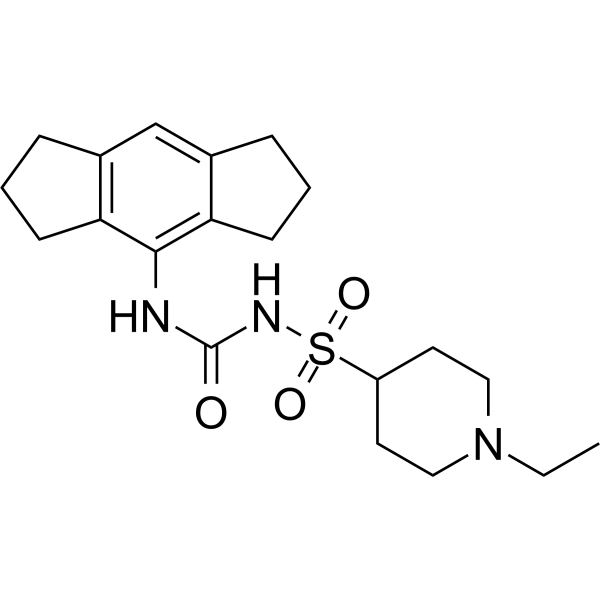
Selnoflast (RO7486967), formerly somalix/RG6418/IZD334, is an orally active, potent, selective and reversible small molecule NLRP3 inflammasome inhibitor. Selnoflast is a potent inhibitor of IL-1β release stimulated by NLRP3 activation in human Alzheimer's disease (AD) monocyte-derived macrophages. Selnoflast is promising for research of AD and systemic inflammatory diseases, such as ulcerative colitis and chronic obstructive pulmonary disease .
|
-
-
- HY-N6739
-
|
|
Bacterial
Apoptosis
Fungal
PI3K
Akt
TNF Receptor
Interleukin Related
|
Infection
Cancer
|
|
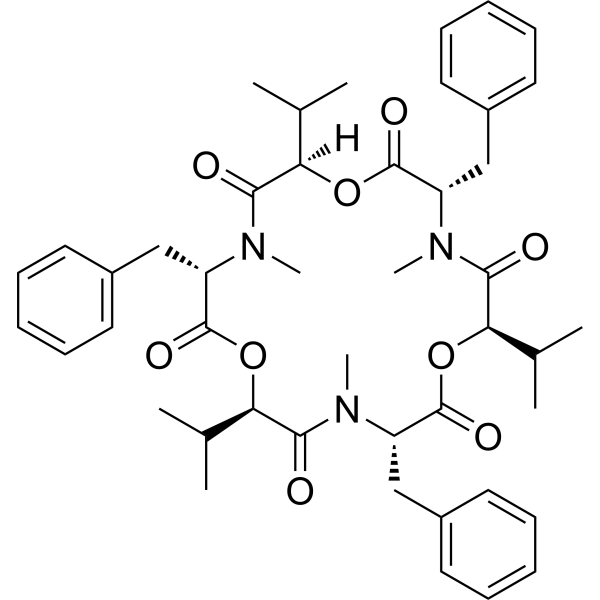
Beauvericin is a cyclohexapeptide Fusarium toxin with insecticidal, antibacterial, anticancer, antiviral and cytotoxic activities. Beauvericin causes cellular genotoxicity by producing DNA breaks, chromosomal aberrations and micronuclei, and inhibits the PI3K/AKT pathway to induce apoptosis, thereby inhibiting the growth of HCC. In addition, Beauvericin affects immune function by inhibiting lymphocyte proliferation and interfering with the differentiation process of human monocytes into macrophages .
|
-
-
- HY-106634
-
|
Methylglyoxal-bis(guanylhydrazone); MGBG; Methyl-GAG
|
HIV
Apoptosis
|
Infection
Cancer
|
|
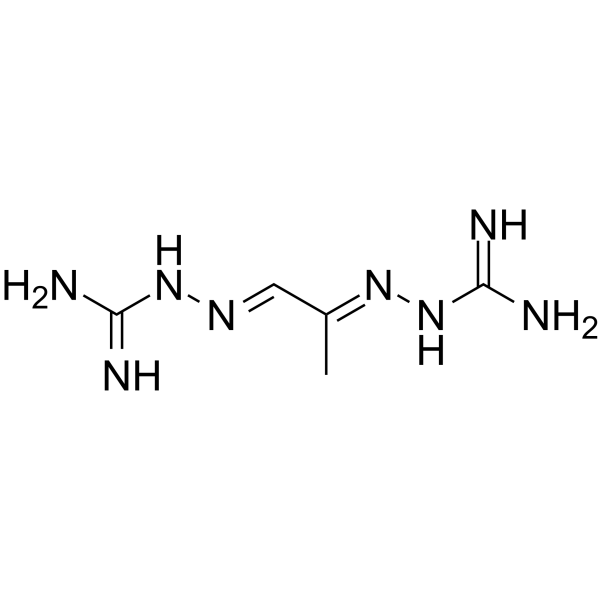
Mitoguazone (Methylglyoxal-bis(guanylhydrazone)) is a synthetic polycarbonyl derivative with potent antineoplastic activity. Mitoguazone is a brain-penetrant and competitive S-adenosyl-methionine decarboxylase (SAMDC) inhibitor that disrupts polyamine biosynthesis. Mitoguazone induces cell apoptosis. Mitoguazone inhibits HIV DNA integration into the cellular DNA in both monocytes and macrophages. Mitoguazone has the potential for acute leukemia, Hodgkin's and non-Hodgkin's lymphoma treatment .
|
-
-
- HY-B0335
-
|
GEA 6414
|
COX
|
Infection
Neurological Disease
Inflammation/Immunology
Cancer
|
|
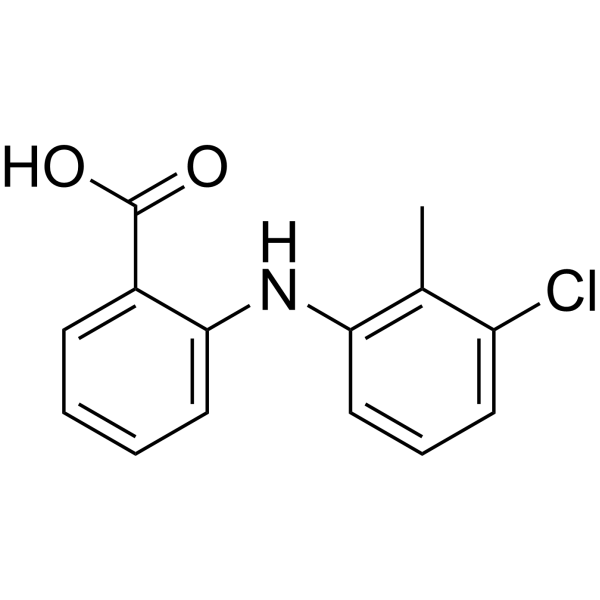
Tolfenamic Acid (GEA 6414) is a CNS-penetrant non-steroidal anti-inflammatory and anti-cancer agent, selectively inhibits COX-2, with an IC50 of 13.49 μM (3.53 μg/mL) in LPS-treated (COX-2) canine DH82 monocyte/macrophage cells, but shows no effect on COX-1.
|
-
-
- HY-110247
-
|
|
TNF Receptor
NF-κB
|
Cardiovascular Disease
Inflammation/Immunology
|
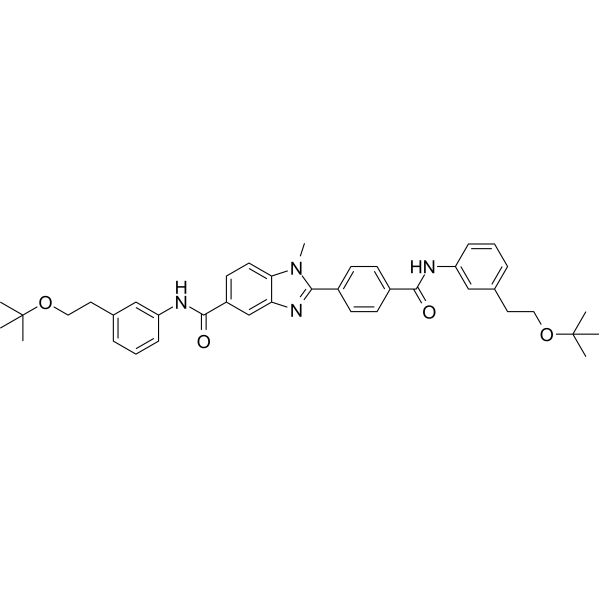
|
TRAF-STOP inhibitor 6877002 is a selective CD40-TRAF6 interaction inhibitor. TRAF-STOP inhibitor 6877002 exerts anti-atherosclerotic activity by blocking the CD40-TRAF6 signaling pathway, inhibiting classical monocyte activation, leukocyte recruitment, and macrophage activation and migration. TRAF-STOP inhibitor 6877002 reduces the phosphorylation levels of signaling intermediates in the canonical NF-κB pathway .
|
-
-
- HY-14648R
-
-
-
- HY-P991621
-
|
EOS-215
|
TREM receptor
|
Cancer
|
|
EOS006215 (EOS-215) is a humanized monoclonal antibody targeting TREM-2. EOS006215 competes with TREM2 ligands, prevents TREM2 multimerization, and blocks downstream signaling. EOS006215 inhibits efferocytosis, reprograms transcriptomic profiles of monocyte-derived macrophages, alters metabolism and immune response genes, and increases pro-inflammatory marker secretion. EOS006215 reduces metastasis burden, delays tumor growth, and reprograms the tumor microenvironment to overcome anti-PD-1 resistance. EOS006215 can be used for the research of triple negative breast cancer and colorectal cancer .
|
-
-
- HY-148591
-
|
|
Epigenetic Reader Domain
|
Inflammation/Immunology
|
|
GSK761 is a selective inhibitor of speckled 140 kDa (SP140) with an IC50 value of 77.79 nM. GSK761 reduces monocyte-to-inflammatory macrophage differentiation and lipopolysaccharide (LPS)-induced inflammatory activation. GSK761 induces the production of CD206 + regulatory macrophages by inhibiting SP140 .
|
-
-
- HY-106228
-
|
|
Fungal
Bacterial
Glutathione Peroxidase
|
Infection
|
|
HLF1-11, a human lactoferrin-derived peptide, is a broad spectrum antimicrobial agent. HLF1-11 inhibits human MPO activity. HLF1-11 also directs GM-CSF-driven monocyte differentiation toward macrophages, and enhances immune responses .
|
-
-
- HY-N2110
-
|
|
Akt
Sirtuin
Integrin
STAT
PI3K
Apoptosis
ERK
PPAR
PKC
Toll-like Receptor (TLR)
HIV
|
Inflammation/Immunology
|
|
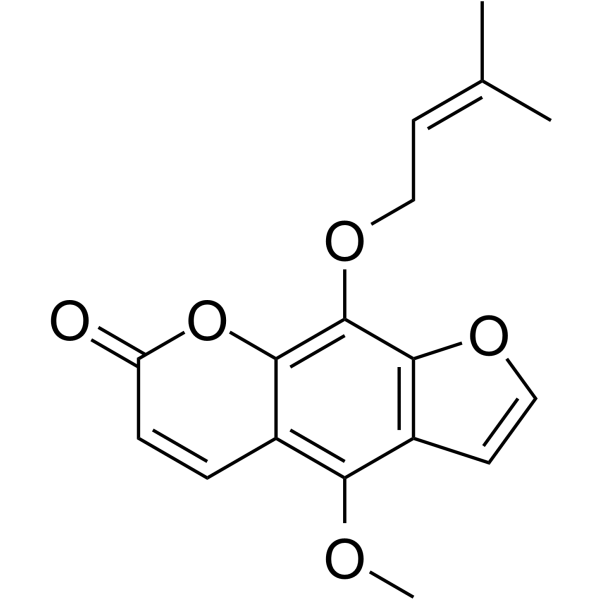
Phellopterin, an orally active furocoumarin with multiple biological activities. Phellopterin is a partial agonist of the central benzodiazepine receptors. Phellopterin exerts anti-inflammatory effects by upregulating SIRT1, downregulating ICAM-1 (reducing chronic inflammation, aiding diabetic ulcer healing), inhibiting STAT3 phosphorylation (easing atopic dermatitis inflammation), regulating Akt/PKC pathways (lowering TNF-α-induced VCAM-1 to block monocyte adhesion), and inhibiting TLR4/NF-κB pathway and macrophage M2 polarization (alleviating colitis-related cancers). Phellopterin suppresses ovarian cancer progression via inhibiting the PU.1/CLEC5A/PI3K-AKT loop (inducing cell cycle arrest, apoptosis, DNA damage). Phellopterin alleviates murine diabetes by promoting adipocyte differentiation and increasing PPARγ. Phellopterin also has anti-HSV-1 activity. Phellopterin can be used for studying anti-inflammation, anti-cancer (e.g., ovarian cancer, colitis cancer), blood glucose lowering, anti-diabetes, and anti-virus .
|
-
-
- HY-B1907A
-
|
Rifamycin SV
|
Antibiotic
Bacterial
DNA/RNA Synthesis
|
Infection
|
|
Rifamycin (Rifamycin SV) is an orally active ansamycin antibiotic. Rifamycin inhibits DNA-dependent RNA synthesis. Rifamycin has antibacterial activity against Mycobacterium tuberculosis. Rifamycin interferes with hepatic bile acid metabolism. Rifamycin has anti-inflammatory effects. Rifamycin can be used in the study of Mycobacterium tuberculosis, Bacteroides fragilis infection, and Lipopolysaccharide (HY-D1056B3)-induced inflammation .
|
-
-
- HY-14648S
-
-
-
- HY-139481
-
TL-895
1 Publications Verification
|
Btk
BMX Kinase
Interleukin Related
TNF Receptor
|
Neurological Disease
Inflammation/Immunology
Cancer
|
|
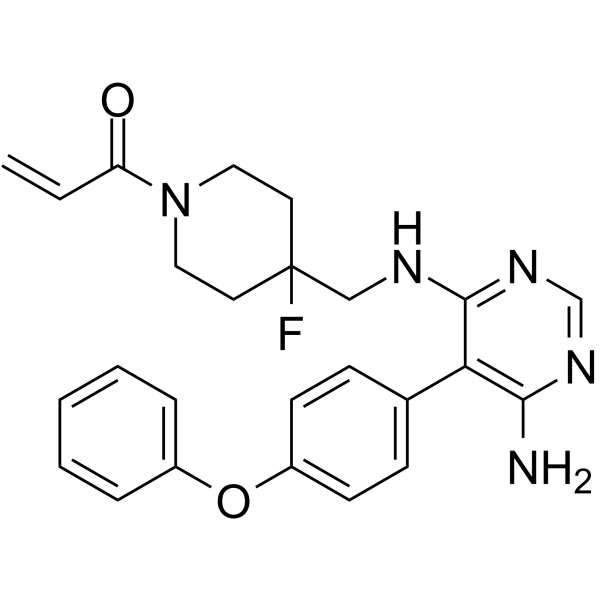
TL-895 is a potent, orally active, ATP-competitive, and highly selective irreversible BTK inhibitor. TL-895 is active against recombinant BTK (average IC50: 1.5 nM) and inhibits only three additional kinases BLK, BMX (IC50 = 1.6 nM) and TXK with IC50 within tenfold of BTK activity. TL-895 inhibits BTK auto-phosphorylation at the Y223 phosphorylation site (IC50: 1-10 nM). The TL-895 effectively inhibits the production of inflammatory factors such as IL-8, IL-1β, MCP-1 and TNF-α by monocytes or macrophages, and reduces the chemotactic migration of MF cells towards SDF-1. TL-895 is used be for studies of chronic lymphocytic leukemia (CLL), myelofibrosis (MF), and B-cell malignancies .
|
-
-
- HY-W722277A
-
|
|
Interleukin Related
NADH Dehydrogenase
TNF Receptor
JAK
STAT
IRAK
|
Inflammation/Immunology
|
|
LCC-12 (formate) is a copper (II) chelator and a derivative of the biguanide metformin (HY-B0627). LCC-12 (formate) reduces its hydrogen peroxide-dependent oxidation of NADH to NAD+. LCC-12 (formate) reduces IL-1β, IL-2, IL-6, IL-8, and TNF-α levels, as well as JAK2, STAT2, and IL-1 receptor-associated kinase 4 (IRAK4) levels in primary human cytokine-activated monocyte-derived macrophages (MDMs). LCC-12 (formate) reduces the number of CD80+ and CD86+ cytokine-activated MDMs. LCC-12 LCC-12 (formate) improves survival in a mouse model of sepsis induced by LPS or cecal ligation and puncture .
|
-
-
- HY-P99704
-
|
OCS-02
|
TNF Receptor
|
Inflammation/Immunology
|
|
Licaminlimab (OCS-02) is a single-chain anti-TNF alpha antibody fragment. TNF alpha is an inflammatory cytokine produced by macrophages and monocytes during inflammation .
|
-
-
- HY-15997
-
|
(-)-Trans-(1S,2S)-U-50488 hydrochloride
|
Opioid Receptor
|
Infection
Cancer
|
|
(-)-U-50488 hydrochloride ((-)-Trans-(1S,2S)-U-50488 hydrochloride) is a selective kappa-opioid receptor (KOR) agonist (b>Kd=2.2 nM) over μ-opioid receptor (MOR) (b>Kd=430 nM). (-)-U-50488 hydrochloride is a more active enantiomer than (+)?trans-(1R,2R) U-50488 (HY-15997A)?or the (±)?trans-racemic mixture U-50488 (HY-15997B). (-)-U-50488 hydrochloride has a potent and sustained anti-HIV effect in fected blood monocyte-derived macrophages (MDM) .
|
-
-
- HY-159114
-
-
-
- HY-145653
-
-
-
- HY-106282
-
|
|
HIV
|
Infection
|
|
BIT-225 is an inhibitor for Vpu protein through block of Vpu ion channel, and thus inhibits the release of HIV-1, especially in monocyte-derived macrophages (EC50 is 2.25 μM), without significant cytotoxicity (TC50 is 284 μM) .
|
-
-
- HY-13682B
-
|
MTP-PE sodium; L-MTP-PE sodium; CGP 19835 sodium
|
NOD-like Receptor (NLR)
|
Inflammation/Immunology
Cancer
|
|
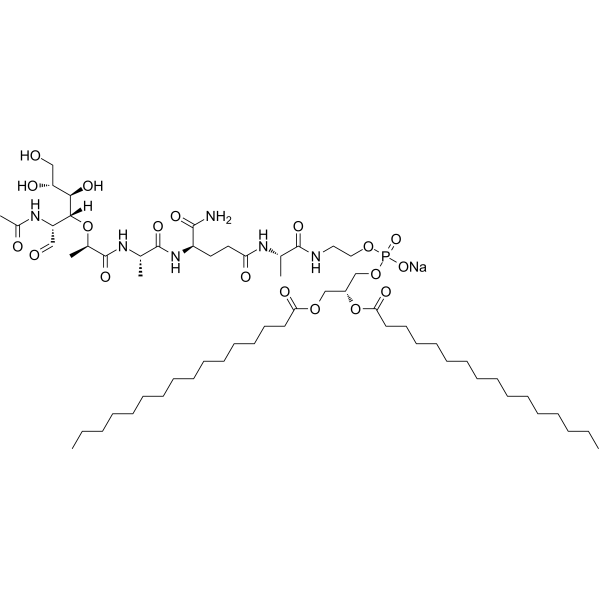
Mifamurtide sodium (MTP-PE sodium), an analog of the muramyl dipeptide (MDP), is a nonspecific immunomodulator by stimulating the immune response activating macrophages and monocytes. Mifamurtide sodium is a specific ligand for NOD2 and acts as an insulin sensitizer. Mifamurtide sodium has potential for use in rare disease and osteosarcoma research .
|
-
-
- HY-13682C
-
|
MTP-PE TFA; L-MTP-PE TFA; CGP 19835 TFA
|
NOD-like Receptor (NLR)
|
Inflammation/Immunology
Cancer
|
|
Mifamurtide TFA (MTP-PE TFA), an analog of the muramyl dipeptide (MDP), is a nonspecific immunomodulator by stimulating the immune response activating macrophages and monocytes. Mifamurtide TFA is a specific ligand for NOD2 and acts as an insulin sensitizer. Mifamurtide TFA has potential for use in rare disease and osteosarcoma research .
|
-
-
- HY-14648S3
-
|
|
Isotope-Labeled Compounds
Glucocorticoid Receptor
SARS-CoV
Autophagy
Complement System
Mitophagy
Bacterial
Antibiotic
|
Metabolic Disease
|
|
Dexamethasone-4,6α,21,21-d4 is the deuterium labeled Dexamethasone-4,6α,21,21. Dexamethasone (Hexadecadrol) is a glucocorticoid receptor agonist. Dexamethasone also significantly decreases CD11b, CD18, and CD62L expression on neutrophils, and CD11b and CD18 expression on monocytes. Dexamethasone is highly effective in the control of COVID-19 infection. Dexamethasone inhibits production of exosomes containing inflammatory microRNA-155 in lipopolysaccharide-induced macrophage inflammatory responses.
|
-
-
- HY-13743
-
|
Linomide; FCF89; ABR212616
|
TNF Receptor
Interleukin Related
IFNAR
|
Neurological Disease
Inflammation/Immunology
Cancer
|
|
Roquinimex (Linomide) is an orally active immunomodulator with antineoplastic, anti-inflammatory, and antiangiogenic activity. Roquinimex suppresses TH1 lymphocyte cytokines (IL-2, IFN-γ), promotes TH2 lymphocyte cytokines (IL-4, IL-10), increases NK cell, activated monocyte, and T cell activity. Roquinimex blocks macrophage TNF-α production and suppresses IL-1/IL-6 secretion. Roquinimex exhibits in vivo antitumour activity, suppresses rodent autoimmune disease signs, and ameliorates murine colitis and psoriasis. Roquinimex can be used for the research of leukemia, inflammatory bowel disease, multiple sclerosis, and psoriasis .
|
-
-
- HY-147615
-
|
|
c-Fms
|
Cancer
|
|
CSF1R-IN-12 (compound 1) is a potent inhibitor of CSF1R. Colony stimulating factor 1 (CSF-1, also known as macrophage colony stimulating factor, M-CSF) is an important growth factor that controls bone marrow progenitor cells, monocytes, macrophages, and giants. CSF1R-IN-12 has the potential for the research of cancer diseases .
|
-
-
- HY-14648S5
-
|
Hexadecadrol-d3-1; Prednisolone F-d3-1
|
Isotope-Labeled Compounds
Antibiotic
Autophagy
Glucocorticoid Receptor
SARS-CoV
ADC Payload
Mitophagy
Complement System
Bacterial
Exosomes
|
Cancer
|
|
Dexamethasone-d3-1 (Hexadecadrol-d3-1; Prednisolone F-d3-1) is a deuterium labeled Dexamethasone (HY-14648). Dexamethasone (Hexadecadrol) is a glucocorticoid receptor agonist. Dexamethasone also significantly decreases CD11b, CD18, and CD62L expression on neutrophils, and CD11b and CD18 expression on monocytes. Dexamethasone is highly effective in the control of COVID-19 infection. Dexamethasone inhibits production of exosomes containing inflammatory microRNA-155 in lipopolysaccharide-induced macrophage inflammatory responses.
|
-
-
- HY-176192
-
|
|
Toll-like Receptor (TLR)
NF-κB
p38 MAPK
ERK
IKK
TNF Receptor
Interleukin Related
|
Inflammation/Immunology
|
|
SMU-14a is a selective Toll-like receptor 3 (TLR3) inhibitor wirh an IC50 of 0.18 μM. SMU-14a reduces phosphorylation of p65, ERK, and TBK1 via NF-κB, MAPK, and IRF3 signaling pathways. SMU-14a inhibits IL-6 secretion in mouse peritoneal macrophages, downregulates TNF-α in human peripheral blood monocytes and decreases serum alanine aminotransferase (ALT) and aspartate aminotransferase (AST) levels. SMU-14a can be used for the research of acute hepatitis .
|
-
-
- HY-145491
-
|
|
ERK
NF-κB
CCR
|
Inflammation/Immunology
|
|
Resolvin D5 is an anti-inflammatory and analgesic agent produced in M2 macrophages. Resolvin D5 alleviates Paclitaxel (HY-B0015)-induced mechanical allodynia and inflammatory pain by activating the GPR32 receptor, with gender specificity (effective only in male mice) and independence from TRPV1 or TRPA1 channels. Resolvin D5 attenuates LPS-induced ERK phosphorylation and NF-κB nuclear translocation, downregulates proinflammatory mediators such as IL-6 and CCL5, inhibits Th17 cell differentiation and osteoclastogenesis, promotes regulatory T cell differentiation, and shows no cytotoxicity to human monocytes. The level of Resolvin D5 is elevated in arthritic SKG mice, but Resolvin D5 has no effect on dendritic cell differentiation or M1 macrophage polarization, nor does it prevent ZyA-induced arthritis progression. Resolvin D5 is suitable for research related to chemotherapy-induced peripheral neuropathy, inflammatory pain and rheumatoid arthritis .
|
-
-
- HY-106409
-
|
CHR-2845
|
HDAC
Apoptosis
|
Cancer
|
|
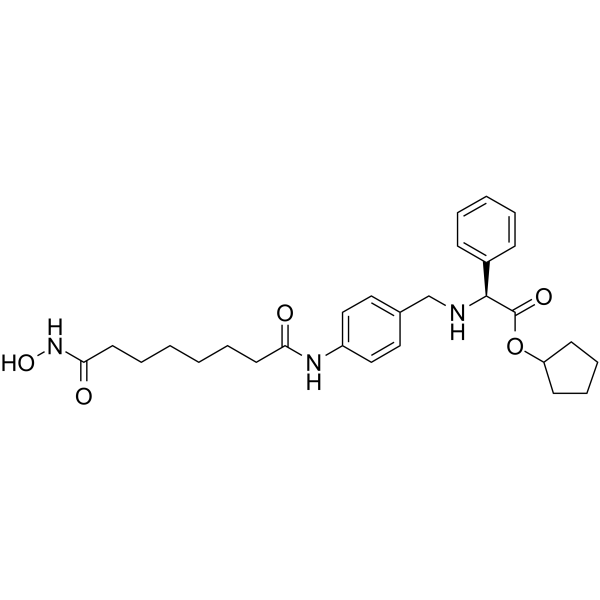
Tefinostat (CHR-2845) is a monocyte/macrophage targeted histone deacetylase (HDAC) inhibitor. Tefinostat can be cleaved into active acid CHR-2847 by the intracellular esterase human carboxylesterase-1 (hCE-1). Tefinostat can be used for the research of leukaemias .
|
-
-
- HY-B0335R
-
|
GEA 6414 (Standard)
|
Reference Standards
COX
|
Inflammation/Immunology
Cancer
|
|
Tolfenamic Acid (Standard) is the analytical standard of Tolfenamic Acid. This product is intended for research and analytical applications. Tolfenamic Acid (GEA 6414) is a non-steroidal anti-inflammatory and anti-cancer agent, selectively inhibits COX-2, with an IC50 of 13.49 μM (3.53 μg/mL) in LPS-treated (COX-2) canine DH82 monocyte/macrophage cells, but shows no effect on COX-1.
|
-
-
- HY-14648S2
-
-
-
- HY-N7697C
-
|
|
Toll-like Receptor (TLR)
Interleukin Related
Reactive Oxygen Species (ROS)
|
Cardiovascular Disease
Metabolic Disease
Inflammation/Immunology
|
|
Chitohexaose hexahydrochloride is a small molecular polysaccharide. Chitohexaose hexahydrochloride inhibits the binding of AgW to TLR4. Chitohexaose hexahydrochloride upregulates IL-10, inhibits LPS-induced upregulation of ROS, induces alternative activation of macrophages/monocytes, and suppresses LPS-induced production of TNF-α, IL-1β and IL-6. Chitohexaose hexahydrochloride reverses the mortality of mice challenged with APAP or LPS. Chitohexaose hexahydrochloride can be used in research related to Acetaminophen (HY-66005)-induced hepatotoxicity and endotoxemia .
|
-
-
- HY-178794
-
|
|
PGE synthase
|
Inflammation/Immunology
|
|
AGU661 is a Microsomal prostaglandin E2 synthase 1 (mPGES-1) inhibitor with an IC50 of 0.22 nM. AGU661 lowers PGE2 formation in human pro-inflammatory M1 macrophages and activated monocytes without affecting other lipid mediator pathways. AGU661 has unfavorable physicochemical properties with poor metabolic stability and strong plasma protein binding tendencies. AGU661 into PLGA-based NPs significantly enhances its bioactivity. AGU661 can be used for inflammatory disorders research .
|
-
-
- HY-N6739S
-
|
|
Acyltransferase
Isotope-Labeled Compounds
|
Infection
|
|
Beauvericin- 13C45 is 13C labeled Beauvericin (HY-N6739). Beauvericin is a cyclohexapeptide Fusarium toxin with insecticidal, antibacterial, anticancer, antiviral and cytotoxic activities. Beauvericin causes cellular genotoxicity by producing DNA breaks, chromosomal aberrations and micronuclei, and inhibits the PI3K/AKT pathway to induce apoptosis, thereby inhibiting the growth of HCC. In addition, Beauvericin affects immune function by inhibiting lymphocyte proliferation and interfering with the differentiation process of human monocytes into macrophages .
|
-
-
- HY-109014
-
|
CMX-157
|
HIV
HBV
Nucleoside Antimetabolite/Analog
|
Infection
|
|
Tenofovir exalidex (CMX157) is a lipid conjugate of the acyclic nucleotide analog Tenofovir with activity against both wild-type and antiretroviral drug-resistant HIV strains, including multidrug nucleoside/nucleotide analog-resistant viruses. Tenofovir exalidex is active against all major subtypes of HIV-1 and HIV-2 in fresh human PBMCs and against all HIV-1 strains evaluated in monocyte-derived macrophages, with EC50s ranging between 0.2 and 7.2 nM. CMX157 is orally available and has no apparent toxicity. Tenofovir exalidex also shows antiviral activity against HBV .
|
-
-
- HY-169430
-
|
|
PGE synthase
|
|
|
AGU654 (Compound 44) is a selective mPGES-1 inhibitor with an IC50 of 2.9 nM against mPGES-1. AGU654 inhibits mPGES-1 to block the pathway converting arachidonic acid into prostaglandin E2 (PGE2) by COX-1/2, thereby alleviating inflammatory responses, pain, and fever. In activated human monocyte-derived macrophages and human whole blood models, AGU654 selectively suppresses bacterial exotoxin-induced PGE2 production while preserving the production of other prostaglandins. In guinea pig models, AGU654 significantly alleviates fever, inflammation, and inflammatory pain, exhibiting excellent anti-inflammatory, analgesic, and antipyretic effects. AGU654 holds promise as a strategy for studying inflammatory diseases and pain .
|
-
-
- HY-13682A
-
|
MTP-PE sodium hydrate; L-MTP-PE sodium hydrate; CGP 19835 sodium hydrate
|
NOD-like Receptor (NLR)
|
Inflammation/Immunology
Cancer
|
|
Mifamurtide (MTP-PE; CGP 19835) sodium hydrate is the sodium hydrate of mifamurtide. Mifamurtide is a nonspecific immunomodulator that acts by stimulating immune responses by activating macrophages and monocytes. Mifamurtide is a specific ligand for NOD2 and is used as an insulin sensitizer and may also be used in osteosarcoma research .
|
-
-
- HY-B0335S1
-
|
GEA 6414-13C6
|
Isotope-Labeled Compounds
COX
|
Inflammation/Immunology
Cancer
|
|
Tolfenamic acid- 13C6 is the 13C6 labeled Tolfenamic acid. Tolfenamic Acid (GEA 6414) is a non-steroidal anti-inflammatory and anti-cancer agent, selectively inhibits COX-2, with an IC50 of 13.49 μM (3.53 μg/mL) in LPS-treated (COX-2) canine DH82 monocyte/macrophage cells, but shows no effect on COX-1.
|
-
-
- HY-14648S1
-
-
-
- HY-132831B
-
|
Somalix potassium; RO-7486967 potassium; IZD334 potassium
|
NOD-like Receptor (NLR)
Interleukin Related
|
Neurological Disease
Inflammation/Immunology
|
|
Selnoflast potassium (RO7486967 potassium), formerly somalix/RG6418/IZD334, is an orally active, potent, selective and reversible small molecule NLRP3 inflammasome inhibitor. Selnoflast potassium is a potent inhibitor of IL-1β release stimulated by NLRP3 activation in human Alzheimer's disease (AD) monocyte-derived macrophages. Selnoflast potassium is promising for research of AD and systemic inflammatory diseases, such as ulcerative colitis and chronic obstructive pulmonary disease .
|
-
-
- HY-151547
-
|
|
P2X Receptor
|
Neurological Disease
|
|
MRS4719 is a potent P2X4 receptor antagonist with an IC50 value of 0.503 μM for human P2X4 receptor. MRS4719 can reduce infarct volume and reduce brain atrophy, showing neuroprotective and neuro-rehabilitative activities in ischemic stroke model. MRS4719 also reduces ATP-induced [Ca 2+]i influx in primary human monocyte-derived macrophages. MRS4719 can be used to research ischemic stroke .
|
-
-
- HY-106634R
-
|
Methylglyoxal-bis(guanylhydrazone) (Standard); MGBG (Standard); Methyl-GAG (Standard)
|
Reference Standards
HIV
Apoptosis
|
Infection
Cancer
|
|
Mitoguazone (Standard) is the analytical standard of Mitoguazone. This product is intended for research and analytical applications. Mitoguazone (Methylglyoxal-bis(guanylhydrazone)) is a synthetic polycarbonyl derivative with potent antineoplastic activity. Mitoguazone is a brain-penetrant and competitive S-adenosyl-methionine decarboxylase (SAMDC) inhibitor that disrupts polyamine biosynthesis. Mitoguazone induces cell apoptosis. Mitoguazone inhibits HIV DNA integration into the cellular DNA in both monocytes and macrophages. Mitoguazone has the potential for acute leukemia, Hodgkin's and non-Hodgkin's lymphoma treatment .
|
-
-
- HY-176256
-
|
|
STING
|
Cancer
|
|
endo-S-cGAFMP (Compound 3) is a STING agonist. endo-S-cGAFMP induces the production of interferon regulatory factors and proinflammatory cytokines by activating the cGAS-STING pathway, thereby enhancing innate and adaptive immune responses. endo-S-cGAFMP has potent immunostimulatory capacity in THP1 monocytes and RAW macrophages (EC50 values of 2.45 μM and 5.54 μM, respectively). endo-S-cGAFMP has significant antitumor activity. endo-S-cGAFMP can be used as a potential cancer immunotherapeutic agent, especially for studies of systemic administration .
|
-
-
- HY-N2110R
-
|
|
Reference Standards
Akt
Sirtuin
Integrin
STAT
PI3K
Apoptosis
ERK
PPAR
PKC
Toll-like Receptor (TLR)
HIV
|
Infection
Cardiovascular Disease
Neurological Disease
Metabolic Disease
Inflammation/Immunology
Cancer
|
|
Phellopterin (Standard) is the analytical standard of Phellopterin. Phellopterin, an orally active furocoumarin with multiple biological activities. Phellopterin is a partial agonist of the central benzodiazepine receptors. Phellopterin exerts anti-inflammatory effects by upregulating SIRT1, downregulating ICAM-1 (reducing chronic inflammation, aiding diabetic ulcer healing), inhibiting STAT3 phosphorylation (easing atopic dermatitis inflammation), regulating Akt/PKC pathways (lowering TNF-α-induced VCAM-1 to block monocyte adhesion), and inhibiting TLR4/NF-κB pathway and macrophage M2 polarization (alleviating colitis-related cancers). Phellopterin suppresses ovarian cancer progression via inhibiting the PU.1/CLEC5A/PI3K-AKT loop (inducing cell cycle arrest, apoptosis, DNA damage). Phellopterin alleviates murine diabetes by promoting adipocyte differentiation and increasing PPARγ. Phellopterin also has anti-HSV-1 activity. Phellopterin can be used for studying anti-inflammation, anti-cancer (e.g., ovarian cancer, colitis cancer), blood glucose lowering, anti-diabetes, and anti-virus.
|
-
-
- HY-120309
-
|
|
Prostaglandin Receptor
|
Cardiovascular Disease
|
|
BMY 42393 is an orally active prostacyclin agonist which suppresses monocyte-macrophage atherogenic activity and cytokine production. BMY 42393 can be used for atherosclerosis research .
|
-
-
- HY-165362
-
|
|
Reactive Oxygen Species (ROS)
|
Inflammation/Immunology
|
|
AO-1535 is a semisynthetic monoglycosylceramide that inhibits the production of reactive oxygen intermediates in human monocytes and macrophages stimulated by phorbol ester and chemotactic tetrapeptide. AO-1535 can be used for the research of inflammatory dermatoses .
|
-
- HY-110343
-
|
|
TNF Receptor
|
Inflammation/Immunology
|
|
DBM 1285 dihydrochloride is an orally active TNF-α production inhibitor with anti-inflammatory effects. DBM 1285 dihydrochloride inhibits Lipopolysaccharide (LPS)-induced TNF-α secretion in various cells of macrophage/monocyte lineage .
|
-
- HY-161691
-
|
|
Filovirus
|
Infection
|
|
EBOV-IN-9 (compound 2b) is Diphyllin derivative that blocks Ebola viral entry with an EC50 of 40 nM. EBOV-IN-9 against EBOV-infected monocyte-derived macrophages with an EC50 of 107 nM .
|
-
- HY-174606
-
|
|
mRNA
|
Inflammation/Immunology
|
|
Human IL34 mRNA encodes the human interleukin 34 (IL34) protein, a cytokine that promotes the differentiation and viability of monocytes and macrophages through the colony-stimulating factor-1 receptor (CSF1R).
|
-
- HY-125445
-
|
|
Bacterial
|
Inflammation/Immunology
|
|
PCTR1 is a potent monocyte/macrophage agonist, regulating key anti-inflammatory and pro-resolving processes during bacterial infection. PCTR1 is a member of the protectin family of specialized pro-resolving mediators (SPMs) .
|
-
- HY-147616
-
|
|
c-Fms
|
Cancer
|
|
CSF1R-IN-13 is a potent inhibitor of CSF1R. Colony stimulating factor 1 (CSF-1, also known as macrophage colony stimulating factor, M-CSF) is an important growth factor that controls bone marrow progenitor cells, monocytes, macrophages, and giants. CSF1R-IN-13 has the potential for the research of cancer diseases (extracted from patent WO2019134661A1, compound 32) .
|
-
- HY-D2480
-
|
|
Fluorescent Dye
|
Metabolic Disease
|
|
BODIPY 480/508-cholesteryl linoleate is a cell-permeable and fluorescently tagged derivative of Cholesteryl Linoleate (HY-W010697). BODIPY 480/508-cholesteryl linoleate has been used to monitor cholesterol trafficking in isolated human monocyte-derived macrophages (Ex/Em=480/508 nm).
|
-
- HY-147617
-
|
|
c-Fms
|
Cancer
|
|
CSF1R-IN-14 is an isoindolinone derivative compound. CSF1R-IN-14 is a potent inhibitor of CSF1R. Colony stimulating factor 1 (CSF-1, also known as macrophage colony stimulating factor, M-CSF) is an important growth factor that controls bone marrow progenitor cells, monocytes, macrophages, and giants. CSF1R-IN-14 has the potential for the research of cancer diseases (extracted from patent WO2019134662A1, compound 1) .
|
-
- HY-B0335S
-
|
|
COX
|
Inflammation/Immunology
Cancer
|
|
Tolfenamic acid-d4 is the deuterium labeled Tolfenamic Acid. Tolfenamic Acid (GEA 6414) is a non-steroidal anti-inflammatory and anti-cancer agent, selectively inhibits COX-2, with an IC50 of 13.49 μM (3.53 μg/mL) in LPS-treated (COX-2) canine DH82 monocyte/macrophage cells, but shows no effect on COX-1 .
|
-
- HY-132831A
-
|
Somalix calcium; RO-7486967 calcium; IZD334 calcium
|
NOD-like Receptor (NLR)
Interleukin Related
|
Neurological Disease
Inflammation/Immunology
|
|
Selnoflast calcium (RO7486967 calcium), formerly somalix/RG6418/IZD334, is an orally active, potent, selective and reversible small molecule NLRP3 inflammasome inhibitor. Selnoflast calcium is a potent inhibitor of IL-1β release stimulated by NLRP3 activation in human Alzheimer's disease (AD) monocyte-derived macrophages. Selnoflast calcium is promising for research of AD and systemic inflammatory diseases, such as ulcerative colitis and chronic obstructive pulmonary disease .
|
-
- HY-118962
-
|
|
CCR
HIV
|
Infection
|
|
E913 is a CCR5 antagonist that competes with the binding of antibodies to CCR5 which recognize the C-terminal half of the second extracellular loop (ECL2B) of CCR5. E913 can specifically block the binding of macrophage inflammatory protein-1alpha (MIP-1alpha) to CCR5 (IC50 = 0.002 μM) and MIP-1alpha-elicited cellular Ca 2+ mobilization (IC50 = 0.02 μM). E913 inhibits the replication of laboratory and primary R5 HIV-1 strains as well as various multidrug-resistant monocyte/macrophage tropic (R5) HIV-1 (IC50 = 0.03-0.06 μM). E913 can be used for the research of infection, such as HIV-1 infection .
|
-
- HY-151547S
-
|
|
Isotope-Labeled Compounds
P2X Receptor
|
Neurological Disease
|
|
MRS4719-d3 is the deuterium labeled MRS4719 (HY-151547). MRS4719 is a potent P2X4 receptor antagonist with an IC50 value of 0.503 μM for human P2X4 receptor. MRS4719 can reduce infarct volume and reduce brain atrophy, showing neuroprotective and neuro-rehabilitative activities in ischemic stroke model. MRS4719 also reduces ATP-induced [Ca 2+]i influx in primary human monocyte-derived macrophages. MRS4719 can be used to research ischemic stroke .
|
-
- HY-125387
-
|
|
Src
|
Inflammation/Immunology
|
|
TOP1210 is a narrow-spectrum tyrosine kinase inhibitor with potent inhibitory activity against P38α, Src, and Syk kinases. TOP1210 effectively reduced proinflammatory cytokines released by peripheral blood monocytes, primary macrophages, HT29 cells, inflammatory cells in ulcerative colitis (UC) biopsies, and myofibroblasts isolated from inflamed colonic UC mucosa. TOP1210 showed significant anti-inflammatory effects in cell experiments and UC biopsies, superior to some selective kinase inhibitors. The multi-kinase inhibition of TOP1210 provides the possibility of obtaining a wider range of therapeutic effects, especially in the regulation of autoimmune responses .
|
-
- HY-109014R
-
|
CMX-157 (Standard)
|
HIV
HBV
Nucleoside Antimetabolite/Analog
Reference Standards
|
Infection
|
|
Tenofovir exalidex (Standard) is the analytical standard of Tenofovir exalidex. This product is intended for research and analytical applications. Tenofovir exalidex (CMX157) is a lipid conjugate of the acyclic nucleotide analog Tenofovir with activity against both wild-type and antiretroviral drug-resistant HIV strains, including multidrug nucleoside/nucleotide analog-resistant viruses. Tenofovir exalidex is active against all major subtypes of HIV-1 and HIV-2 in fresh human PBMCs and against all HIV-1 strains evaluated in monocyte-derived macrophages, with EC50s ranging between 0.2 and 7.2 nM. CMX157 is orally available and has no apparent toxicity. Tenofovir exalidex also shows antiviral activity against HBV .
|
-
- HY-D3190
-
|
|
Fluorescent Dye
Apoptosis
|
Inflammation/Immunology
|
|
BODIPY-DOX is a conjugate composed of BODIPY and Doxorubicin (HY-15142A), as well as a pH-activated fluorescent probe for M1 macrophages and an apoptosis inducer. BODIPY-DOX undergoes pH-induced hydrazone bond cleavage in acidic M1 macrophage phagosomes, thereby releasing cytotoxic Doxorubicin (Dox) and inhibiting the function of pro-inflammatory M1 macrophages. BODIPY-DOX highly selectively inhibits the production of relevant pro-inflammatory cytokines by mouse and human monocyte-derived M1 macrophages, while exerting minimal effects on M2 or unactivated macrophages. Therefore, BODIPY-DOX enables simultaneous fluorescent tracing, differentiation and elimination of specific macrophage subsets, and exhibits the potential to regulate tissue regeneration in zebrafish models .
|
-
- HY-P991840
-
|
|
Transmembrane Glycoprotein
|
Inflammation/Immunology
|
|
Anti-CD68 Antibody (KP1) is a anti-CD68 monoclonal antibody (mAb). CD68 is present in various cell types, including monocytes/macrophages and fibroblasts. Recommend Isotype Controls: Mouse IgG1 kappa, Isotype Control (HY-P99977) .
|
-
- HY-106409R
-
|
CHR-2845 (Standard)
|
Reference Standards
HDAC
Apoptosis
|
Cancer
|
|
Tefinostat (Standard) is the analytical standard of Tefinostat (HY-106409). This product is intended for research and analytical applications. Tefinostat (CHR-2845) is a monocyte/macrophage targeted histone deacetylase (HDAC) inhibitor. Tefinostat can be cleaved into active acid CHR-2847 by the intracellular esterase human carboxylesterase-1 (hCE-1). Tefinostat can be used for the research of leukaemias .
|
-
- HY-106282R
-
|
|
Reference Standards
HIV
|
Infection
|
|
BIT-225 (Standard) is the analytical standard of BIT-225 (HY-106282). This product is intended for research and analytical applications. BIT-225 is an inhibitor for Vpu protein through block of Vpu ion channel, and thus inhibits the release of HIV-1, especially in monocyte-derived macrophages (EC50 is 2.25 μM), without significant cytotoxicity (TC50 is 284 μM) .
|
-
- HY-132831C
-
|
Somalix monopotassium; RO-7486967 monopotassium; IZD334 monopotassium
|
NOD-like Receptor (NLR)
Interleukin Related
|
Neurological Disease
Inflammation/Immunology
|
|
Selnoflast (RO7486967) monopotassium, formerly somalix/RG6418/IZD334 monopotassium, is an orally active, potent, selective and reversible small molecule NLRP3 inflammasome inhibitor. Selnoflast monopotassium is a potent inhibitor of IL-1β release stimulated by NLRP3 activation in human Alzheimer's disease (AD) monocyte-derived macrophages. Selnoflast monopotassium is promising for research of AD and systemic inflammatory diseases, such as ulcerative colitis and chronic obstructive pulmonary disease .
|
-
- HY-P992348
-
|
|
Toll-like Receptor (TLR)
|
Inflammation/Immunology
|
|
DS-7011a is a selective inhibitor targeting TLR7. DS-7011a inhibits IL-6 production induced by TLR7 stimulation and related responses in B cells and plasmacytoid dendritic cells. DS-7011a is internalized in a TLR7-dependent manner and accumulates in B cells, various dendritic cell subsets, and monocytes/macrophages. DS-7011a can be used in research related to systemic lupus erythematosus (SLE) .
|
-
- HY-124693
-
|
|
Apoptosis
|
Cancer
|
|
DB1055 is a HOXA9 inhibitor that competes with HOXA9 binding to DNA (blocking its DNA interaction activity). DB1055 induces in vitro cell growth reduction, cell apoptosis, and differentiation in human acute myeloid leukemia (AML) cells. DB1055 leads to monocyte-to-macrophage differentiation and exhibits antileukemic activities in a human THP-1 AML in vivo model. DB1055 does not impact human CD34+ bone marrow cells. DB1055 can be used for the research of acute myeloid leukemia[1].
|
-
- HY-179635
-
|
|
Glutathione S-transferase
Interleukin Related
|
Inflammation/Immunology
|
|
GSTO1-IN-6 is an allosteric and covalent GSTO1 inhibitor with an IC50 of 457 nM. GSTO1-IN-6 markedly reduces Lipopolysaccharides (LPS) (HY-D1056)-induced IL-1β (IC50 of 1.9 μM) and IL-18 (IC50 of 10. μM) secretion in human monocyte-derived macrophages. GSTO1-IN-6 covalently modifies GSTO1-Cys32, inducing conformational changes and protein destabilization. GSTO1-IN-6 can be used for the research of inflammatory diseases .
|
-
- HY-P992379
-
|
BAG3-H2L4
|
Bcl-2 Family
|
Cancer
|
|
IB001 is a humanized anti-BAG3 antibody that inhibits BAG3, with a KD value of 14.4 nM for human BAG3. IB001 blocks BAG3-dependent monocyte/macrophage activation, interferes with the interaction between BAG3 and IFITM-2, and disrupts tumor microenvironment signaling pathways. IB001 inhibits tumor growth, reduces α-SMA-positive fibroblasts, and blocks BAG3-dependent IL-6 release. IB001 accumulates in a time-dependent manner in pancreatic ductal adenocarcinoma tumors. IB001 can be used for research related to pancreatic ductal adenocarcinoma .
|
-
- HY-19009B
-
|
|
CCR
|
Metabolic Disease
Inflammation/Immunology
Cancer
|
|
Propagermanium is an orally active and selective CCR2 inhibitor. Propagermanium enhances IFN-γ, IL-2, 2',5'-oligoadenylate synthetase, and unspecified cytokine production, and induces mature cytolytic NK cell subsets. Propagermanium reduces HBe antigen and HBV DNA polymerase levels, promotes HBV clearance and lowers serum ALT. Propagermanium downregulates STAT1, inhibits pro-inflammatory microglia polarization, pro-inflammatory cytokine release, and monocyte/macrophage infiltration. Propagermanium can be used for the research of chronic hepatitis B, atherosclerosis, breast cancer, non-alcoholic steatohepatitis, insulin resistance, refractory gastric cancer, multiple myeloma, type 2 diabetes .
|
-
- HY-13743R
-
|
Linomide (Standard); FCF89 (Standard); ABR212616 (Standard)
|
Reference Standards
TNF Receptor
Interleukin Related
IFNAR
|
Inflammation/Immunology
|
|
Roquinimex (Standard) is the analytical standard of Roquinimex (HY-13743). Roquinimex (Linomide) is an orally active immunomodulator with antineoplastic, anti-inflammatory, and antiangiogenic activity. Roquinimex suppresses TH1 lymphocyte cytokines (IL-2, IFN-γ), promotes TH2 lymphocyte cytokines (IL-4, IL-10), increases NK cell, activated monocyte, and T cell activity. Roquinimex blocks macrophage TNF-α production and suppresses IL-1/IL-6 secretion. Roquinimex exhibits in vivo antitumour activity, suppresses rodent autoimmune disease signs, and ameliorates murine colitis and psoriasis. Roquinimex can be used for the research of leukemia, inflammatory bowel disease, multiple sclerosis, and psoriasis .
|
-
| Cat. No. |
Product Name |
Type |
-
- HY-D2480
-
|
|
Fluorescent Dyes
|
|
BODIPY 480/508-cholesteryl linoleate is a cell-permeable and fluorescently tagged derivative of Cholesteryl Linoleate (HY-W010697). BODIPY 480/508-cholesteryl linoleate has been used to monitor cholesterol trafficking in isolated human monocyte-derived macrophages (Ex/Em=480/508 nm).
|
-
- HY-D3190
-
|
|
Fluorescent Dyes
|
|
BODIPY-DOX is a conjugate composed of BODIPY and Doxorubicin (HY-15142A), as well as a pH-activated fluorescent probe for M1 macrophages and an apoptosis inducer. BODIPY-DOX undergoes pH-induced hydrazone bond cleavage in acidic M1 macrophage phagosomes, thereby releasing cytotoxic Doxorubicin (Dox) and inhibiting the function of pro-inflammatory M1 macrophages. BODIPY-DOX highly selectively inhibits the production of relevant pro-inflammatory cytokines by mouse and human monocyte-derived M1 macrophages, while exerting minimal effects on M2 or unactivated macrophages. Therefore, BODIPY-DOX enables simultaneous fluorescent tracing, differentiation and elimination of specific macrophage subsets, and exhibits the potential to regulate tissue regeneration in zebrafish models .
|
| Cat. No. |
Product Name |
Type |
-
- HY-159114
-
|
|
Biochemical Assay Reagents
|
|
Whole Glucan Particles is a Dectin-1a agonist. Whole Glucan Particles activates the innate immune system to improve the function of macrophages, monocytes and other immune cells .
|
| Cat. No. |
Product Name |
Target |
Research Area |
-
- HY-106228
-
|
|
Fungal
Bacterial
Glutathione Peroxidase
|
Infection
|
|
HLF1-11, a human lactoferrin-derived peptide, is a broad spectrum antimicrobial agent. HLF1-11 inhibits human MPO activity. HLF1-11 also directs GM-CSF-driven monocyte differentiation toward macrophages, and enhances immune responses .
|
| Cat. No. |
Product Name |
Target |
Research Area |
Image |
-
- HY-P991621
-
|
EOS-215
|
TREM receptor
|
Cancer
|
|
EOS006215 (EOS-215) is a humanized monoclonal antibody targeting TREM-2. EOS006215 competes with TREM2 ligands, prevents TREM2 multimerization, and blocks downstream signaling. EOS006215 inhibits efferocytosis, reprograms transcriptomic profiles of monocyte-derived macrophages, alters metabolism and immune response genes, and increases pro-inflammatory marker secretion. EOS006215 reduces metastasis burden, delays tumor growth, and reprograms the tumor microenvironment to overcome anti-PD-1 resistance. EOS006215 can be used for the research of triple negative breast cancer and colorectal cancer .
|
-
(5)
-
- HY-P99704
-
|
OCS-02
|
TNF Receptor
|
Inflammation/Immunology
|
|
Licaminlimab (OCS-02) is a single-chain anti-TNF alpha antibody fragment. TNF alpha is an inflammatory cytokine produced by macrophages and monocytes during inflammation .
|
-
(5)
-
- HY-P991840
-
|
|
Transmembrane Glycoprotein
|
Inflammation/Immunology
|
|
Anti-CD68 Antibody (KP1) is a anti-CD68 monoclonal antibody (mAb). CD68 is present in various cell types, including monocytes/macrophages and fibroblasts. Recommend Isotype Controls: Mouse IgG1 kappa, Isotype Control (HY-P99977) .
|
-
(5)
-
- HY-P992348
-
|
|
Toll-like Receptor (TLR)
|
Inflammation/Immunology
|
|
DS-7011a is a selective inhibitor targeting TLR7. DS-7011a inhibits IL-6 production induced by TLR7 stimulation and related responses in B cells and plasmacytoid dendritic cells. DS-7011a is internalized in a TLR7-dependent manner and accumulates in B cells, various dendritic cell subsets, and monocytes/macrophages. DS-7011a can be used in research related to systemic lupus erythematosus (SLE) .
|
-
(5)
-
- HY-P992379
-
|
BAG3-H2L4
|
Bcl-2 Family
|
Cancer
|
|
IB001 is a humanized anti-BAG3 antibody that inhibits BAG3, with a KD value of 14.4 nM for human BAG3. IB001 blocks BAG3-dependent monocyte/macrophage activation, interferes with the interaction between BAG3 and IFITM-2, and disrupts tumor microenvironment signaling pathways. IB001 inhibits tumor growth, reduces α-SMA-positive fibroblasts, and blocks BAG3-dependent IL-6 release. IB001 accumulates in a time-dependent manner in pancreatic ductal adenocarcinoma tumors. IB001 can be used for research related to pancreatic ductal adenocarcinoma .
|
-
(5)
| Cat. No. |
Product Name |
Category |
Target |
Chemical Structure |
-
- HY-N7038
-
-
-
- HY-B1907
-
-
-
- HY-N6739
-
-
-
- HY-N2110
-
|
|
Structural Classification
Classification of Application Fields
Coumarins
Phenylpropanoids
Umbelliferae
Helogyne apaloidea Nutt.
Plants
Inflammation/Immunology
Disease Research Fields
Source Classification
|
Akt
Sirtuin
Integrin
STAT
PI3K
Apoptosis
ERK
PPAR
PKC
Toll-like Receptor (TLR)
HIV
|
|
Phellopterin, an orally active furocoumarin with multiple biological activities. Phellopterin is a partial agonist of the central benzodiazepine receptors. Phellopterin exerts anti-inflammatory effects by upregulating SIRT1, downregulating ICAM-1 (reducing chronic inflammation, aiding diabetic ulcer healing), inhibiting STAT3 phosphorylation (easing atopic dermatitis inflammation), regulating Akt/PKC pathways (lowering TNF-α-induced VCAM-1 to block monocyte adhesion), and inhibiting TLR4/NF-κB pathway and macrophage M2 polarization (alleviating colitis-related cancers). Phellopterin suppresses ovarian cancer progression via inhibiting the PU.1/CLEC5A/PI3K-AKT loop (inducing cell cycle arrest, apoptosis, DNA damage). Phellopterin alleviates murine diabetes by promoting adipocyte differentiation and increasing PPARγ. Phellopterin also has anti-HSV-1 activity. Phellopterin can be used for studying anti-inflammation, anti-cancer (e.g., ovarian cancer, colitis cancer), blood glucose lowering, anti-diabetes, and anti-virus .
|
-
-
- HY-145491
-
|
|
Structural Classification
Ketones, Aldehydes, Acids
Endogenous metabolite
Source Classification
|
ERK
NF-κB
CCR
|
|
Resolvin D5 is an anti-inflammatory and analgesic agent produced in M2 macrophages. Resolvin D5 alleviates Paclitaxel (HY-B0015)-induced mechanical allodynia and inflammatory pain by activating the GPR32 receptor, with gender specificity (effective only in male mice) and independence from TRPV1 or TRPA1 channels. Resolvin D5 attenuates LPS-induced ERK phosphorylation and NF-κB nuclear translocation, downregulates proinflammatory mediators such as IL-6 and CCL5, inhibits Th17 cell differentiation and osteoclastogenesis, promotes regulatory T cell differentiation, and shows no cytotoxicity to human monocytes. The level of Resolvin D5 is elevated in arthritic SKG mice, but Resolvin D5 has no effect on dendritic cell differentiation or M1 macrophage polarization, nor does it prevent ZyA-induced arthritis progression. Resolvin D5 is suitable for research related to chemotherapy-induced peripheral neuropathy, inflammatory pain and rheumatoid arthritis .
|
-
-
- HY-N7697C
-
-
-
- HY-N2110R
-
|
|
Structural Classification
Coumarins
Phenylpropanoids
Umbelliferae
Helogyne apaloidea Nutt.
Plants
Source Classification
|
Reference Standards
Akt
Sirtuin
Integrin
STAT
PI3K
Apoptosis
ERK
PPAR
PKC
Toll-like Receptor (TLR)
HIV
|
|
Phellopterin (Standard) is the analytical standard of Phellopterin. Phellopterin, an orally active furocoumarin with multiple biological activities. Phellopterin is a partial agonist of the central benzodiazepine receptors. Phellopterin exerts anti-inflammatory effects by upregulating SIRT1, downregulating ICAM-1 (reducing chronic inflammation, aiding diabetic ulcer healing), inhibiting STAT3 phosphorylation (easing atopic dermatitis inflammation), regulating Akt/PKC pathways (lowering TNF-α-induced VCAM-1 to block monocyte adhesion), and inhibiting TLR4/NF-κB pathway and macrophage M2 polarization (alleviating colitis-related cancers). Phellopterin suppresses ovarian cancer progression via inhibiting the PU.1/CLEC5A/PI3K-AKT loop (inducing cell cycle arrest, apoptosis, DNA damage). Phellopterin alleviates murine diabetes by promoting adipocyte differentiation and increasing PPARγ. Phellopterin also has anti-HSV-1 activity. Phellopterin can be used for studying anti-inflammation, anti-cancer (e.g., ovarian cancer, colitis cancer), blood glucose lowering, anti-diabetes, and anti-virus.
|
-
| Cat. No. |
Product Name |
Chemical Structure |
-
- HY-14648S
-
|
|
|
Dexamethasone-d5 is the deuterium labeled Dexamethasone. Dexamethasone (Hexadecadrol) is a glucocorticoid receptor agonist. Dexamethasone also significantly decreases CD11b, CD18, and CD62L expression on neutrophils, and CD11b and CD18 expression on monocytes. Dexamethasone is highly effective in the control of COVID-19 infection. Dexamethasone inhibits production of exosomes containing inflammatory microRNA-155 in lipopolysaccharide-induced macrophage inflammatory responses .
|
-
-
- HY-14648S3
-
|
|
|
Dexamethasone-4,6α,21,21-d4 is the deuterium labeled Dexamethasone-4,6α,21,21. Dexamethasone (Hexadecadrol) is a glucocorticoid receptor agonist. Dexamethasone also significantly decreases CD11b, CD18, and CD62L expression on neutrophils, and CD11b and CD18 expression on monocytes. Dexamethasone is highly effective in the control of COVID-19 infection. Dexamethasone inhibits production of exosomes containing inflammatory microRNA-155 in lipopolysaccharide-induced macrophage inflammatory responses.
|
-
-
- HY-14648S5
-
|
|
|
Dexamethasone-d3-1 (Hexadecadrol-d3-1; Prednisolone F-d3-1) is a deuterium labeled Dexamethasone (HY-14648). Dexamethasone (Hexadecadrol) is a glucocorticoid receptor agonist. Dexamethasone also significantly decreases CD11b, CD18, and CD62L expression on neutrophils, and CD11b and CD18 expression on monocytes. Dexamethasone is highly effective in the control of COVID-19 infection. Dexamethasone inhibits production of exosomes containing inflammatory microRNA-155 in lipopolysaccharide-induced macrophage inflammatory responses.
|
-
-
- HY-14648S2
-
|
|
|
Dexamethasone-d4 is deuterium labeled Dexamethasone. Dexamethasone (Hexadecadrol) is a glucocorticoid receptor agonist. Dexamethasone also significantly decreases CD11b, CD18, and CD62L expression on neutrophils, and CD11b and CD18 expression on monocytes. Dexamethasone is highly effective in the control of COVID-19 infection. Dexamethasone inhibits production of exosomes containing inflammatory microRNA-155 in lipopolysaccharide-induced macrophage inflammatory responses.
|
-
-
- HY-N6739S
-
|
|
|
Beauvericin- 13C45 is 13C labeled Beauvericin (HY-N6739). Beauvericin is a cyclohexapeptide Fusarium toxin with insecticidal, antibacterial, anticancer, antiviral and cytotoxic activities. Beauvericin causes cellular genotoxicity by producing DNA breaks, chromosomal aberrations and micronuclei, and inhibits the PI3K/AKT pathway to induce apoptosis, thereby inhibiting the growth of HCC. In addition, Beauvericin affects immune function by inhibiting lymphocyte proliferation and interfering with the differentiation process of human monocytes into macrophages .
|
-
-
- HY-B0335S1
-
|
|
|
Tolfenamic acid- 13C6 is the 13C6 labeled Tolfenamic acid. Tolfenamic Acid (GEA 6414) is a non-steroidal anti-inflammatory and anti-cancer agent, selectively inhibits COX-2, with an IC50 of 13.49 μM (3.53 μg/mL) in LPS-treated (COX-2) canine DH82 monocyte/macrophage cells, but shows no effect on COX-1.
|
-
-
- HY-14648S1
-
|
|
|
Dexamethasone-d5-1 is deuterium labeled Dexamethasone. Dexamethasone (Hexadecadrol) is a glucocorticoid receptor agonist. Dexamethasone also significantly decreases CD11b, CD18, and CD62L expression on neutrophils, and CD11b and CD18 expression on monocytes. Dexamethasone is highly effective in the control of COVID-19 infection. Dexamethasone inhibits production of exosomes containing inflammatory microRNA-155 in lipopolysaccharide-induced macrophage inflammatory responses.
|
-
-
- HY-B0335S
-
|
|
|
Tolfenamic acid-d4 is the deuterium labeled Tolfenamic Acid. Tolfenamic Acid (GEA 6414) is a non-steroidal anti-inflammatory and anti-cancer agent, selectively inhibits COX-2, with an IC50 of 13.49 μM (3.53 μg/mL) in LPS-treated (COX-2) canine DH82 monocyte/macrophage cells, but shows no effect on COX-1 .
|
-
-
- HY-151547S
-
|
|
|
MRS4719-d3 is the deuterium labeled MRS4719 (HY-151547). MRS4719 is a potent P2X4 receptor antagonist with an IC50 value of 0.503 μM for human P2X4 receptor. MRS4719 can reduce infarct volume and reduce brain atrophy, showing neuroprotective and neuro-rehabilitative activities in ischemic stroke model. MRS4719 also reduces ATP-induced [Ca 2+]i influx in primary human monocyte-derived macrophages. MRS4719 can be used to research ischemic stroke .
|
-
| Cat. No. |
Product Name |
|
Classification |
-
- HY-125387
-
|
|
|
Alkynes
|
|
TOP1210 is a narrow-spectrum tyrosine kinase inhibitor with potent inhibitory activity against P38α, Src, and Syk kinases. TOP1210 effectively reduced proinflammatory cytokines released by peripheral blood monocytes, primary macrophages, HT29 cells, inflammatory cells in ulcerative colitis (UC) biopsies, and myofibroblasts isolated from inflamed colonic UC mucosa. TOP1210 showed significant anti-inflammatory effects in cell experiments and UC biopsies, superior to some selective kinase inhibitors. The multi-kinase inhibition of TOP1210 provides the possibility of obtaining a wider range of therapeutic effects, especially in the regulation of autoimmune responses .
|
| Cat. No. |
Product Name |
|
Classification |
-
- HY-109014
-
|
CMX-157
|
|
Phospholipids
|
|
Tenofovir exalidex (CMX157) is a lipid conjugate of the acyclic nucleotide analog Tenofovir with activity against both wild-type and antiretroviral drug-resistant HIV strains, including multidrug nucleoside/nucleotide analog-resistant viruses. Tenofovir exalidex is active against all major subtypes of HIV-1 and HIV-2 in fresh human PBMCs and against all HIV-1 strains evaluated in monocyte-derived macrophages, with EC50s ranging between 0.2 and 7.2 nM. CMX157 is orally available and has no apparent toxicity. Tenofovir exalidex also shows antiviral activity against HBV .
|
-
- HY-174606
-
|
|
|
mRNA
Interleukin & Receptors
|
|
Human IL34 mRNA encodes the human interleukin 34 (IL34) protein, a cytokine that promotes the differentiation and viability of monocytes and macrophages through the colony-stimulating factor-1 receptor (CSF1R).
|
Your information is safe with us. * Required Fields.
Inquiry Information
- Product Name:
- Cat. No.:
- Quantity:
- MCE Japan Authorized Agent:

