Search Result
Results for "
pain disorders
" in MedChemExpress (MCE) Product Catalog:
1
Biochemical Assay Reagents
10
Isotope-Labeled Compounds
| Cat. No. |
Product Name |
Target |
Research Areas |
Chemical Structure |
-
- HY-122272
-
Paroxetine
Maximum Cited Publications
17 Publications Verification
BRL29060
|
Serotonin Transporter
Adrenergic Receptor
P2X Receptor
Apoptosis
|
Neurological Disease
Cancer
|
|
Paroxetine is an oral inhibitor that falls under the category of selective serotonin reuptake inhibitors (SSRIs). Paroxetine is also a very weak norepinephrine (NE) reuptake inhibitor, capable of inducing cell apoptosis and having anti-tumor activity. Paroxetine has antidepressant, anti-anxiety, and pain-relieving effects, and it can help improve conditions like obsessive-compulsive disorder, panic disorder, post-traumatic stress disorder, premenstrual anxiety, and chronic headaches .
|
-
-
- HY-B0161A
-
|
(S)-Duloxetine hydrochloride; LY-248686 hydrochloride
|
Serotonin Transporter
|
Neurological Disease
Cancer
|
|
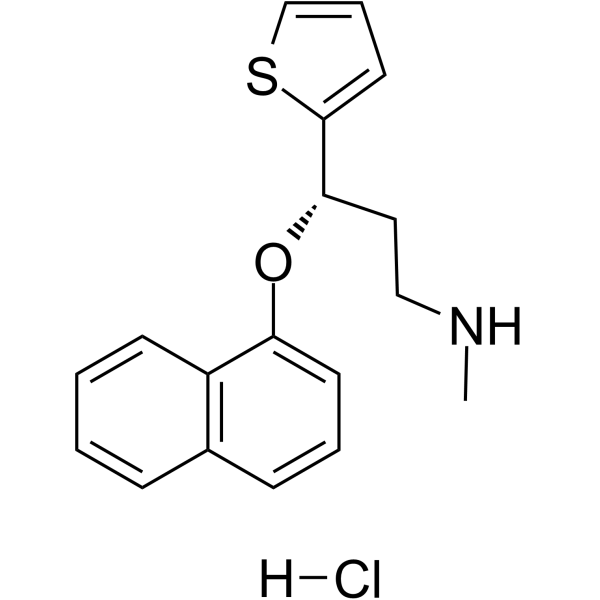
Duloxetine hydrochloride ((S)-Duloxetine hydrochloride) is a serotonin-norepinephrine reuptake inhibitor (SNRI) with a Ki of 4.6 nM, used for treatment of major depressive disorder and generalized anxiety disorder (GAD) .
|
-
-
- HY-B0161
-
-
-
- HY-B0168A
-
|
|
Serotonin Transporter
PERK
|
Neurological Disease
|
|
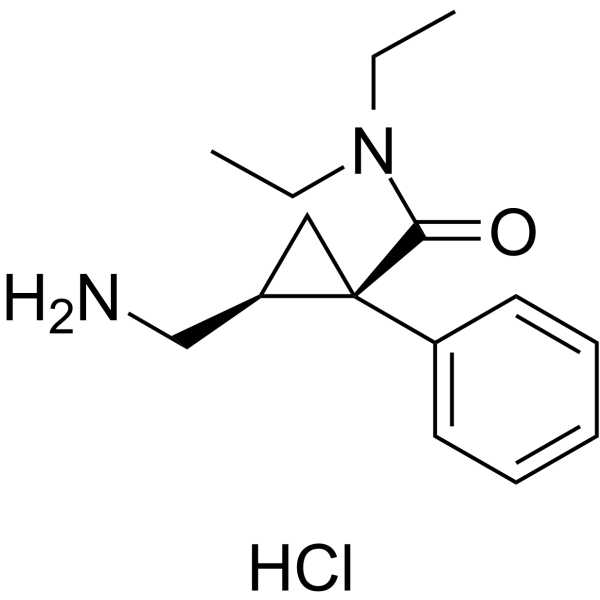
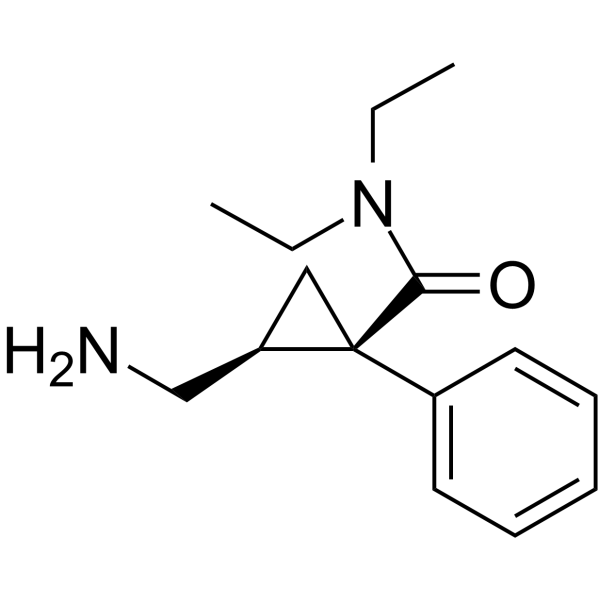
Milnacipran hydrochloride is an orally active Serotonin (HY-B1473A) and Norepinephrine (HY-13715) reuptake inhibitor. Milnacipran hydrochloride inhibits monoamine transporters, especially the norepinephrine transporter and the serotonin transporter (Ki values of 31 and 8.5 nM, respectively). Milnacipran hydrochloride inhibits pERK1/2 activation. Milnacipran hydrochloride has antidepressant, anxiolytic and analgesic properties. Milnacipran hydrochloride inhibits biting behavior in mice. Milnacipran hydrochloride can be used in the study of major depressive disorder, anxiety disorders, and neuropathic pain (e.g., fibromyalgia) .
|
-
-
- HY-B0740
-
|
MK130 hydrochloride
|
5-HT Receptor
Parasite
|
Infection
Neurological Disease
|
|
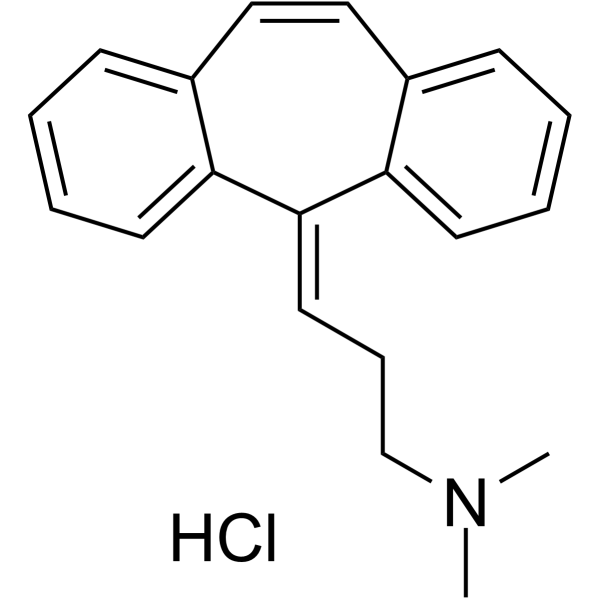
Cyclobenzaprine (MK130) hydrochloride is an orally active 5-HT2 receptor antagonist. Cyclobenzaprine hydrochloride acts centrally, providing skeletal muscle relaxation, alleviating muscle spasms, and reducing pain. Cyclobenzaprine hydrochloride also possesses antiparasitic activity. Cyclobenzaprine hydrochloride holds promise for research in the fields of acute, painful skeletal muscle disorders and infectious diseases .
|
-
-
- HY-12152
-
|
NSC 216666
|
nAChR
|
Neurological Disease
Inflammation/Immunology
|
|
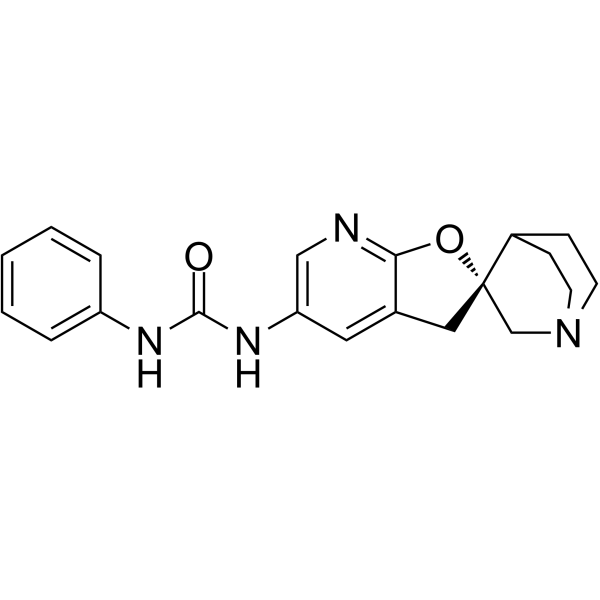
PNU-120596 (NSC 216666) is a potent and selective α7 nAChR positive allosteric modulator (PMA) that can cross the blood-brain barrier, with an EC50 of 216 nM. PNU-120596 is inactive against α4β2, α3β4, and α9α10 nAChRs. PNU-120596 has the potential for psychiatric and neurological disorders research .
|
-
-
- HY-13681
-
|
|
Glucocorticoid Receptor
|
Inflammation/Immunology
|
|
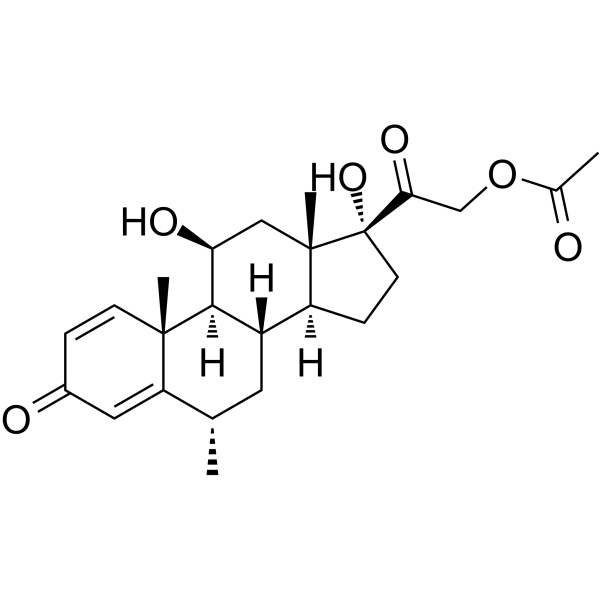
Methylprednisolone acetate, a prednisolone derivative, is a corticosteroid?hormone. Methylprednisolone acetate can relieve pain and swelling that occurs with arthritis and other joint disorders in vivo .
|
-
-
- HY-W250122
-
|
Monosodium glutamate
|
Biochemical Assay Reagents
Reactive Oxygen Species (ROS)
Mitochondrial Metabolism
Apoptosis
HSP
Bcl-2 Family
|
Neurological Disease
Metabolic Disease
Inflammation/Immunology
|
|
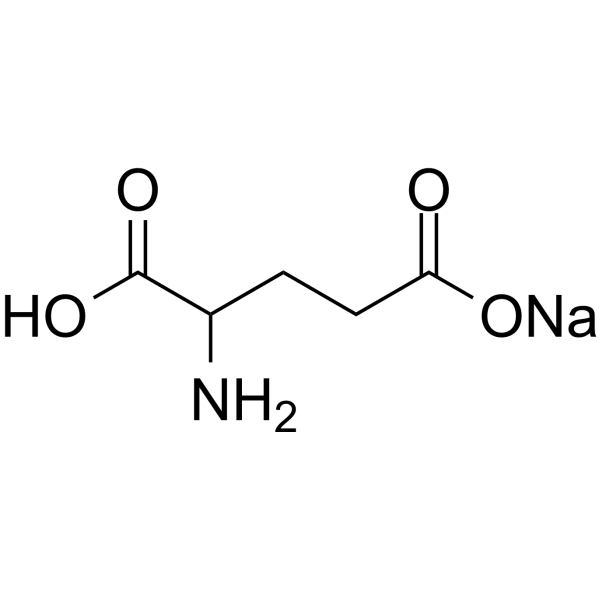
Glutamic acid sodium salt (Monosodium glutamate) is an orally active food flavor enhancer. Glutamic acid sodium salt causes ROS generation, mitochondrial dysfunction, and Apoptosis. Glutamic acid sodium salt upregulates CHOP, Grp78, and Bcl-2. Glutamic acid sodium salt impairs cognition, induces depressive-like behavior, induces hyperalgesia, and induces obesity and insulin resistance. Glutamic acid sodium salt can be used to study neurotoxicity (e.g., brain damage, cognitive impairment), metabolic disorders (e.g., obesity, insulin resistance), hepatotoxicity, and renal toxicity, as well as pain-related disorders .
|
-
-
- HY-162455
-
|
|
EAAT
|
Neurological Disease
|
|
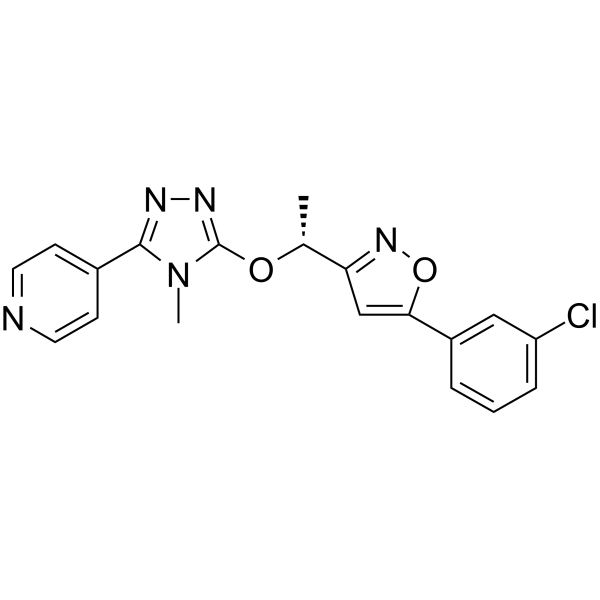
NA-014 is an excitatory amino acid transporter 2 (EAAT2)-selective positive allosteric modulator. NA-014 increases EAAT2-mediated glutamate uptake. NA-014 can be used for the research of epilepsy, neuropathic pain, stroke, drugs of abuse disorders .
|
-
-
- HY-B1752
-
|
LY 171555; (-)-LY 141865
|
Dopamine Receptor
Calcium Channel
Bcl-2 Family
iGluR
Apoptosis
|
Neurological Disease
|
|
Quinpirole (LY 171555; (-)-LY 141865) is a D2/D3 dopamine receptor agonist and a CaV1.3 calcium channel modulator. Quinpirole normalizes dendritic spine density in dopamine-depleted striatum, upregulates the protein expression of BCL2 and GluR2, downregulates the protein expression of BAX, and delays the onset of seizures. Quinpirole enhances learning and memory, inhibits neuronal apoptosis (apoptosis), and induces anxiety-like, stereotyped, and compulsive behaviors. Quinpirole disrupts prepulse inhibition in rhesus monkeys, enhances the activity of paraventricular thalamic neurons to promote recovery from Isoflurane anesthesia, and alters the composition of the gut microbiota in rats. Quinpirole can be used in research related to dyskinesia, pain, epilepsy, and neurological disorders including anxiety disorder, obsessive-compulsive disorder, and schizophrenia .
|
-
-
- HY-157802
-
|
|
Sodium Channel
|
Neurological Disease
|
|
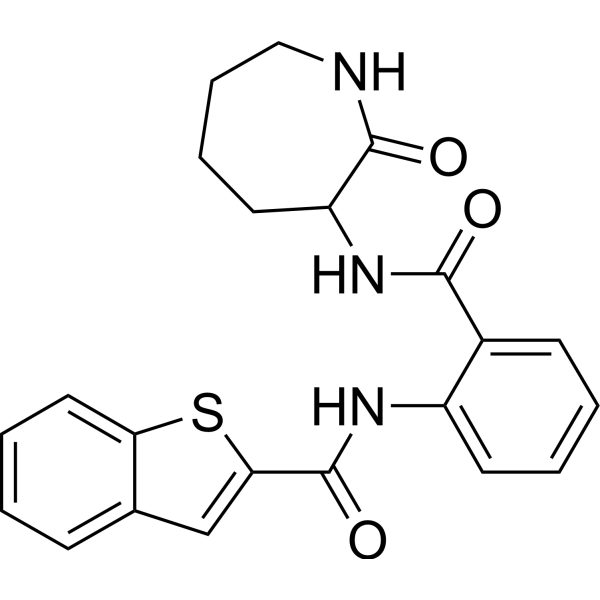
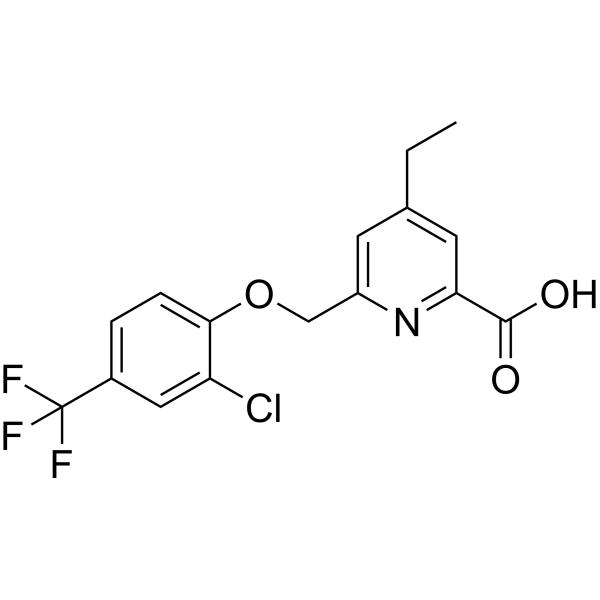
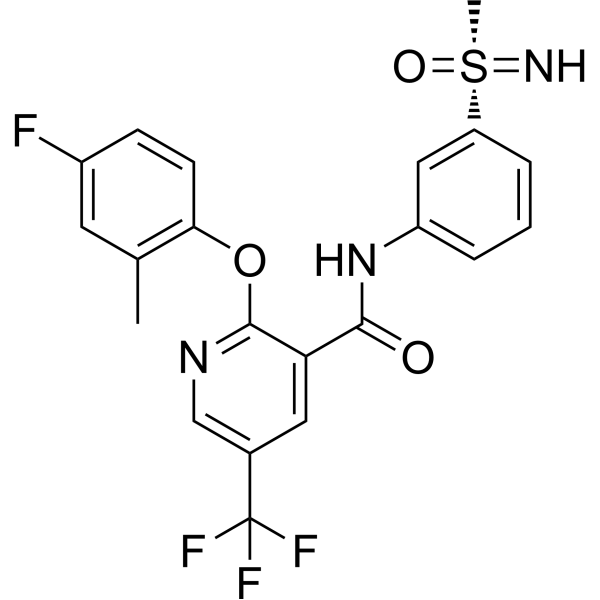
LTGO-33 is a potent and selective voltage-gated sodium channel NaV1.8 inhibitor. LTGO-33 inhibits NaV1.8 in the nM potency range and exhibits over 600-fold selectivity against human NaV1.1-NaV1.7 and NaV1.9. LTGO-33 exhibits state-independent inhibition with similar potencies on channels in the closed and inactivated conformations. LTGO-33 inhibits native TTX-R NaV1.8 currents in non-human primate and human DRG neurons, where it reduces action potential firing. LTGO-33 can be used for pain disorders research .
|
-
-
- HY-164795
-
|
|
Neurotensin Receptor
Arrestin
iGluR
ERK
Sodium Channel
|
Neurological Disease
|
|
SBI-810 is a blood-brain barrier-permeable NTSR1 modulator. SBI-810 promotes the recruitment of β-arrestin-2 to NTSR1 and antagonizes NTSR1-mediated Gq activation. SBI-810 inhibits excitatory synaptic transmission, NMDA receptor and extracellular signal-regulated kinase (ERK) signaling in spinal nociceptive neurons, reduces surface expression of Nav1.7 and action potential firing in primary sensory neurons, and attenuates C-fiber responses. SBI-810 effectively alleviates acute and chronic pain in various rodent models through peripheral and central modulation. SBI-810 is applicable to research related to multiple pain disorders .
|
-
-
- HY-164795A
-
|
|
Neurotensin Receptor
Arrestin
iGluR
ERK
Sodium Channel
|
Neurological Disease
|
|
SBI-810 hydrochloride is a blood-brain barrier-permeable NTSR1 modulator. SBI-810 hydrochloride promotes the recruitment of β-arrestin-2 to NTSR1 and antagonizes NTSR1-mediated Gq activation. SBI-810 hydrochloride inhibits excitatory synaptic transmission, NMDA receptor and extracellular signal-regulated kinase (ERK) signaling in spinal nociceptive neurons, reduces surface expression of Nav1.7 and action potential firing in primary sensory neurons, and attenuates C-fiber responses. SBI-810 hydrochloride effectively alleviates acute and chronic pain in various rodent models through peripheral and central modulation. SBI-810 hydrochloride is applicable to research related to multiple pain disorders .
|
-
-
- HY-145997
-
|
|
Mas-related G-protein-coupled Receptor (MRGPR)
|
Inflammation/Immunology
|
|
MRGPRX4 modulator-1 (compound 31-2) is a potent mas-related g-protein receptor X4 (MRGPR X4) modulator, with antagonist activity of IC50 < 100 nM for MRGPR4. MRGPRX4 modulator-1 can be used for researching MRGPR X4 dependent diseases such as itch, pain, and autoimmune disorders .
|
-
-
- HY-145086
-
R-PSOP
1 Publications Verification
|
Neuromedin U Receptor (NMUR)
|
Metabolic Disease
|
|
R-PSOP is highly potent and selective nonpeptidic NMUR2 antagonist. R-PSOP binds to NMUR2 with the Kis of 52 and 32 nM for the human and rat NMUR2, respectively. R-PSOP shows moderate CNS penetration. R-PSOP can be used for the research of the eating disorders, obesity, pain, and stress-related disorders .
|
-
-
- HY-13985
-
|
|
Sodium Channel
|
Neurological Disease
Inflammation/Immunology
|
|
Nav1.7 inhibitor (compound II), a sulfonamide, is a potent Nav1.7 inhibitor. Nav1.7 inhibitor has the potential for a wide range of disorders, particularly pain, including acute pain, inflammatory pain and/or neuropathic pain .
|
-
-
- HY-160540
-
-
-
- HY-118158
-
|
|
FAAH
|
Neurological Disease
|
|
FAAH/MAGL-IN-4 (Compound 13) is a potent fatty acid amide hydrolase (FAAH) and monoglyceride lipase (MGL) inhibitor with IC50s of 9.1 nM and 7.9 μM, respectively. FAAH/MAGL-IN-4 can be used for the research of pain and CNS disorders .
|
-
-
- HY-103462
-
-
-
- HY-103520
-
|
|
GABA Receptor
|
Neurological Disease
|
|
DS2 is a selective positive allosteric modulator of δ-GABAA receptor. DS2 selectively potentiates GABA responses mediated by α4β3δ receptor. DS2 does not enhance activity at α4β3γ2 and α1β3γ2 receptors. DS2 relieves pain and has the potential for sleep disorders research .
|
-
-
- HY-N9502
-
|
|
Endogenous Metabolite
|
Neurological Disease
|
|
Linalool oxide is a monoterpene and found in aromatic plant essential oils and is a secondary metabolite in elongating wheat plants. Linalool oxide has antinociceptive, anticonvulsant, and anxiolytic activity. Linalool oxide can be used for the research of pain, epilepsy, anxiety disorders .
|
-
-
- HY-172182
-
|
VU6011887
|
Potassium Channel
|
Neurological Disease
|
|
ONO-2920632 is an orally active and central nervous system (CNS)-penetrant TREK activator, with EC50 values of 0.3 µM and 2.8 μM for TREK-1 and TREK-2, respectively. ONO-2920632 exhibits selectivity for other K2P channels (>91-fold selective versus TASK1, TASK2, TASK3, TRAAK, and TWIK2; 31-fold selective versus TRESK). ONO-2920632 possesses analgesic effects and can be used in research on pain, migraine, and neurological disorders.
|
-
-
- HY-N2428
-
|
|
FAAH
|
Neurological Disease
|
|
N-(3-Methoxybenzyl)Palmitamide is a promising inhibitor of FAAH for the treatment of pain, inflammation and CNS degenerative disorders .
|
-
-
- HY-B0168
-
|
|
Serotonin Transporter
PERK
|
Neurological Disease
|
|
Milnacipran is an orally active Serotonin (HY-B1473A) and Norepinephrine (HY-13715) reuptake inhibitor. Milnacipran inhibits monoamine transporters, especially the norepinephrine transporter and the serotonin transporter (Ki values of 31 and 8.5 nM, respectively). Milnacipran inhibits pERK1/2 activation. Milnacipran has antidepressant, anxiolytic and analgesic properties. Milnacipran inhibits biting behavior in mice. Milnacipran can be used in the study of major depressive disorder, anxiety disorders, and neuropathic pain (e.g., fibromyalgia) .
|
-
-
- HY-P1238A
-
|
Neuromedin U (rat) TFA; Rat neuromedin U-23 TFA
|
Neuromedin U Receptor (NMUR)
|
Neurological Disease
|
|
Neuromedin U, rat TFA is a 23-amino acid brain-gut peptide. Neuromedin U (NMU), through its cognate receptor NMUR2 in the central nervous system, regulates several important physiological functions, including energy balance, stress response, and nociception.
|
-
-
- HY-118858
-
|
|
EAAT
|
Neurological Disease
Cancer
|
|
UCPH-102 is a highly selective EAAT1 inhibitor with an IC50 of 0.43 µM. UCPH-102 exhibits a specific anti-proliferative effect on T-ALL cells. UCPH-102 also shows good blood-brain permeability, which can be used in studies of amyotrophic lateral sclerosis, Alzheimer’s disease, chronic pain and obsessive compulsive disorder .
|
-
-
- HY-155318A
-
|
|
Orphan GPCR
|
Endocrinology
|
|
GPR3 agonist-2(compound 32) is a potent full agonist of G protein-coupled receptor 3, with the IC50of 260 nM .
|
-
-
- HY-123825
-
-
-
- HY-122272R
-
|
BRL29060 (Standard)
|
Serotonin Transporter
Adrenergic Receptor
P2X Receptor
Apoptosis
Reference Standards
|
Neurological Disease
Cancer
|
|
Paroxetine (Standard) is the analytical standard of Paroxetine. This product is intended for research and analytical applications. Paroxetine is an oral inhibitor that falls under the category of selective serotonin reuptake inhibitors (SSRIs). Paroxetine is also a very weak norepinephrine (NE) reuptake inhibitor, capable of inducing cell apoptosis and having anti-tumor activity. Paroxetine has antidepressant, anti-anxiety, and pain-relieving effects, and it can help improve conditions like obsessive-compulsive disorder, panic disorder, post-traumatic stress disorder, premenstrual anxiety, and chronic headaches .
|
-
-
- HY-157802A
-
|
|
Sodium Channel
|
Neurological Disease
|
|
(S)-LTGO-33 is a small molecule inhibitor of voltage-gated sodium channel NaV1.8. (S)-LTGO-33 can be used in the study of pain disorders .
|
-
-
- HY-138693
-
|
|
FAAH
|
Neurological Disease
|
|
ST4070 is a potent, orally active, and selective reversible fatty acid amide hydrolase (FAAH) inhibitor. ST4070 increases endocannabinoid (eCB) brain levels and counteracts neuropathic pain in animal models. ST4070 enhances the endogenous eCB tone in specific brain regions engaged in emotional control, and induces remarkable anxiolytic-like behaviours in rodents. ST4070 can be used for neuropathic pain and anxiety disorders research .
|
-
-
- HY-114901
-
|
|
Adenosine Kinase
|
Neurological Disease
|
|
A-134974 is a novel, high-selectivity adenosine kinase (IC50 = 60 pM) inhibitor. A-134974 enhances endogenous adenosine signaling in the spinal cord, effectively alleviates neuropathic pain, and does not cause movement disorders. A-134974 can be used for the study of neuropathic pain .
|
-
-
- HY-W835175
-
|
|
iGluR
|
Neurological Disease
|
|
Neramexane hydrochloride is an oral N-methyl-D-aspartate (NMDA) receptor antagonist, as a potential neuroprotectant for various central nervous system disorders, including Alzheimer's disease, and for the potential study of drug and alcohol dependence, and pain.
|
-
-
- HY-147306
-
|
|
NO Synthase
|
Neurological Disease
|
|
ZLc-002 is a selective inhibitor of nNOS-Capon coupling. ZLc-002 suppresses inflammatory nociception and chemotherapy-induced neuropathic pain. ZLc-002 can be used for the research of anxiety disorder and inflammation .
|
-
-
- HY-112567
-
|
|
Adenosine Receptor
|
Neurological Disease
|
|
TRR469 is a positive allosteric modulator of the A1 adenosine receptor (A1AR). TRR469 significantly increases the affinity of 2-chloro N(6)-cyclopentyladenosine (CCPA) for A₁AR, increasing the number of receptors recognized by the agonist radioligand [³H]-CCPA. TRR469 shows significant effects in both anxiety and pain models. TRR469 can be used to study anxiety disorders and pain management .
|
-
-
- HY-14753
-
|
|
Cannabinoid Receptor
|
Cardiovascular Disease
Metabolic Disease
|
|
Rosonabant is a selective antagonist for cannabinoid receptor (CB1 receptor), which reduces body weight and improves improves the risk of obesity-related cardiovascular metabolic diseases. Rosonabant exhibits adverse side effect, such as nausea and mental disorder .
|
-
-
- HY-P1238
-
|
Neuromedin U (rat); Rat neuromedin U-23
|
Neuromedin U Receptor (NMUR)
|
Neurological Disease
|
|
Neuromedin U, rat is a 23-amino acid brain-gut peptide. Neuromedin U (NMU), through its cognate receptor NMUR2 in the central nervous system, regulates several important physiological functions, including energy balance, stress response, and nociception.
|
-
-
- HY-143721
-
|
|
VAP-1
|
Neurological Disease
Metabolic Disease
Inflammation/Immunology
Cancer
|
|
SSAO inhibitor-2 is a selective semicarbazide-sensitive amine oxidase (SSAO/VAP-1) inhibitor with an IC50 of < 10 nM. SSAO inhibitor-2 can be used for the research of inflammation diseases, diabetes and diabetes-related diseases, mental disorders, pain-related diseases, ischemic diseases, vascular diseases, ocular diseases, fibrosis, neuroinflammatory diseases, cancer, and tissue transplant rejection .
|
-
-
- HY-153458
-
-
-
- HY-176297
-
|
|
AMPK
iGluR
|
Neurological Disease
|
|
Tezampanel etibutil is an orally active AMPA/GluR antagonist. Tezampanel etibutil can be used in the research of pain, migraine, and neurological disorders .
|
-
-
- HY-B0161E
-
|
(Rac)-Duloxetine hydrochloride
|
Serotonin Transporter
|
Neurological Disease
|
|
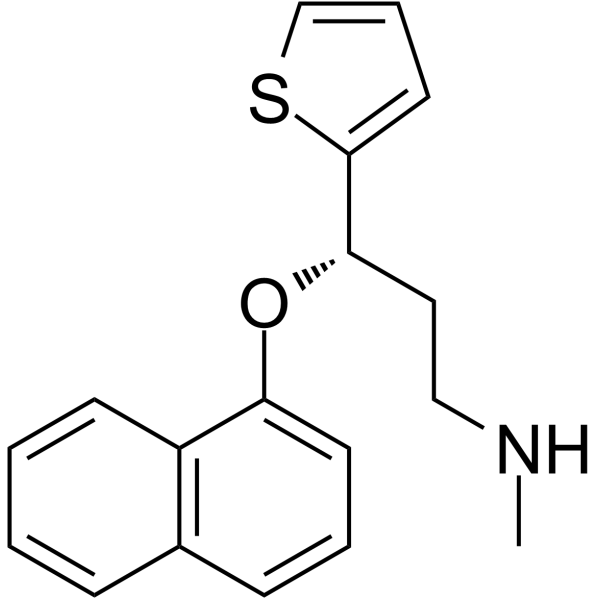
(±)-Duloxetine ((Rac)-Duloxetine) hydrochloride is the racemate of Duloxetine hydrochloride. Duloxetine hydrochloride, a serotonin-norepinephrine reuptake inhibitor, can be used for diabetic neuropathic pain and fibromyalgia as well as major depressive disorder research .
|
-
-
- HY-153471
-
-
-
- HY-160083
-
|
|
Potassium Channel
|
Neurological Disease
|
|
KCC2 Modulator-3 (Example 54) is a KCC2 modulator with an EC50 of 0.253 μM. KCC2 Modulator-3 can be used for neurological disorders research, such as epilepsy, neuropathic pain and Rett's syndrme .
|
-
-
- HY-160592
-
|
|
Sodium Channel
|
Neurological Disease
|
|
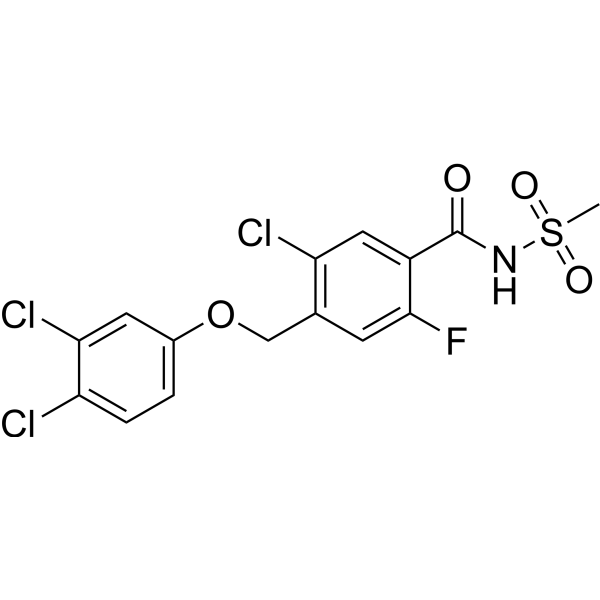
Nav1.8-IN-11 (Example 1) is a Nav1.8 channel inhibitor with a IC50 value of 0.1 nM. Nav1.8-IN-11 can be used in the study of pain disorders .
|
-
-
- HY-155320
-
|
|
Opioid Receptor
|
Neurological Disease
|
|
Mu opioid receptor antagonist 7 (compound 24) is a potent and CNS permeable antagonist of µOR (µ-opioid receptor), with an IC50 of 29 ± 3.0 nM. Mu opioid receptor antagonist 7 can be used for the research of pain and opioid use disorder .
|
-
-
- HY-110255
-
|
|
mGluR
Calcium Channel
Trk Receptor
|
Neurological Disease
|
|
AZD-2066 is a selective, orally active and blood-brain barrier-permeating mGluR5 antagonist. AZD 2066 activates the BDNF/trkB signaling pathway. AZD 2066 can be used in the research of neuropathic pain, major depressive disorder and gastroesophageal reflux disease .
|
-
-
- HY-160591
-
|
|
Sodium Channel
|
Neurological Disease
|
|
Nav1.8-IN-10 (Compound 6) is a Nav1.8 channel inhibitor. When the concentration is 4 nM, the percentage blocking rate of Nav1.8 channel is 79.4%. Nav1.8-IN-10 can be used in the study of pain disorders .
|
-
-
- HY-137090
-
|
BP 2.94
|
Histamine Receptor
|
Neurological Disease
|
|
BP 2-94 (BP 2.94) is an orally active and highly selective prodrug targeting the histamine H3 receptor. BP 2-94 exerts anti-inflammatory, analgesic and antinociceptive effects by inhibiting histamine release and modulating neurogenic inflammation. BP 2-94 is promising for research of asthma, migraines, and inflammatory pain-related disorders .
|
-
-
- HY-165440
-
|
MK130
|
5-HT Receptor
Parasite
|
Infection
Neurological Disease
|
|
Cyclobenzaprine (MK130) is an orally active 5-HT2 receptor antagonist. Cyclobenzaprine acts centrally, providing skeletal muscle relaxation, alleviating muscle spasms, and reducing pain. Cyclobenzaprine also possesses antiparasitic activity. Cyclobenzaprine holds promise for research in the fields of acute, painful skeletal muscle disorders and infectious diseases .
|
-
-
- HY-B0168S
-
|
|
Isotope-Labeled Compounds
Serotonin Transporter
PERK
|
Neurological Disease
|
|
Milnacipran-d10 (hydrochloride) is the deuterium labeled Milnacipran hydrochloride (HY-B0168A). Milnacipran hydrochloride is an orally active Serotonin (HY-B1473A) and Norepinephrine (HY-13715) reuptake inhibitor. Milnacipran hydrochloride inhibits monoamine transporters, especially the norepinephrine transporter and the serotonin transporter (Ki values of 31 and 8.5 nM, respectively). Milnacipran hydrochloride inhibits pERK1/2 activation. Milnacipran hydrochloride has antidepressant, anxiolytic and analgesic properties. Milnacipran hydrochloride inhibits biting behavior in mice. Milnacipran hydrochloride can be used in the study of major depressive disorder, anxiety disorders, and neuropathic pain (e.g., fibromyalgia) .
|
-
- HY-174846
-
-
- HY-160616
-
-
- HY-147563
-
|
|
RET
|
Cancer
|
|
RET-IN-17 is a potent inhibitor of RET. RET-IN-17 has the potential for the research of pain associated with IBS and other gastrointestinal disorders and for the research of cancers with constitutive RET kinase activity (extracted from patent WO2016038552A1, compound 1) .
|
-
- HY-153548
-
-
- HY-144827
-
|
|
Cannabinoid Receptor
|
Neurological Disease
Metabolic Disease
|
|
AM8936 acts as a balanced and potent cannabinoid receptor type-1 (CB1) agonist in functional assays (EC50s of 8.6 and 1.4 nM for rCB1 and hCB1, respectively). AM8936 exhibits high affinity for rat CB1 (rCB1) with Ki of 0.55 nM. AM8936 is a potent and efficacious CB1 agonist in vivo. AM8936 can be used for the research of CNS and metabolic disorders, pain, glaucoma, etc .
|
-
- HY-175191
-
|
|
5-HT Receptor
|
Neurological Disease
|
|
5-HT2A agonist 4 (Compound 70) is a 5-HT2A agonist with an EC50 of 0.30 nM for h5-HT2A. 5-HT2A agonist 4 can be used for depression, drug addiction, alcoholism, post-traumatic stress disorder (PTSD), and neuropathic pain research .
|
-
- HY-175192
-
|
|
5-HT Receptor
|
Neurological Disease
|
|
5-HT2A agonist 5 (Compound 88) is a 5-HT2A agonist with an EC50 of 0.01 nM for h5-HT2A. 5-HT2A agonist 5 can be used for depression, drug addiction, alcoholism, post-traumatic stress disorder (PTSD), and neuropathic pain research .
|
-
- HY-119864
-
-
- HY-178300
-
|
|
Potassium Channel
|
Neurological Disease
|
|
Kv7 activator-1 (Page 66) is a Kv7 channel activator. Kv7 activator-1 can be used for the studies of depression disorders, neurodegenerative diseases or pain disorders .
|
-
- HY-157496
-
|
|
Prostaglandin Receptor
|
Others
|
|
EP3 antagonist 7 (Compound II) is an EP3 receptor antagonist. EP3 antagonist 7 can be used in the study of itching, pain, dysuria or stress disorders .
|
-
- HY-162246
-
|
|
Sodium Channel
|
Cardiovascular Disease
Neurological Disease
|
|
Nav1.8-IN-5 (Example 1) is a voltage-gated sodium channel Nav1.8 inhibitor. Nav1.8-IN-5 can be used for Nav1.8-mediated diseases, such as pain and pain-related disorders, as well as cardiovascular diseases (such as atrial fibrillation) research .
|
-
- HY-163916
-
|
|
Opioid Receptor
|
Neurological Disease
|
|
SalA-VS-07 is a G protein-biased partial agonist for the Kappa-opioid receptor (KOR). SalA-VS-07 can be used for research of pain and other disorders .
|
-
- HY-138973
-
|
|
iGluR
|
Neurological Disease
|
|
Neramexane is an oral N-methyl-D-aspartate (NMDA) receptor antagonist, as a potential neuroprotectant for various central nervous system disorders, including Alzheimer's disease, and for the potential treatment of drug and alcohol dependence, and pain.
|
-
- HY-167734
-
|
AY-30715
|
COX
|
Inflammation/Immunology
|
|
Pemedolac (AY-30715) is a potent analgesic with significant pain-relief efficacy against chemically induced and inflammatory pain in animal models. Pemedolac displays a notable separation between analgesic effects and anti-inflammatory activity, achieving effective pain relief at much lower doses than those required for anti-inflammatory or gastric irritant effects. Pemedolac also shows low ulcerogenic potential, indicating a safer profile compared to standard NSAIDs while being utilized for the treatment of neurological, skin, and musculoskeletal disorders.
|
-
- HY-13681R
-
|
|
Reference Standards
Glucocorticoid Receptor
|
Inflammation/Immunology
|
|
Methylprednisolone acetate (Standard) is the analytical standard of Methylprednisolone acetate. This product is intended for research and analytical applications. Methylprednisolone acetate, a prednisolone derivative, is a corticosteroid hormone. Methylprednisolone acetate can relieve pain and swelling that occurs with arthritis and other joint disorders in vivo .
|
-
- HY-B0161ES
-
|
(Rac)-Duloxetine-d3 hydrochloride
|
Isotope-Labeled Compounds
Serotonin Transporter
|
Neurological Disease
|
|
(±)-Duloxetine-d3 (hydrochloride) is deuterium labeled (±)-Duloxetine (hydrochloride). (±)-Duloxetine ((Rac)-Duloxetine) hydrochloride is the racemate of Duloxetine hydrochloride. Duloxetine hydrochloride, a serotonin-norepinephrine reuptake inhibitor, can be used for diabetic neuropathic pain and fibromyalgia as well as major depressive disorder research .
|
-
- HY-13681S
-
|
|
Glucocorticoid Receptor
Isotope-Labeled Compounds
|
Inflammation/Immunology
|
|
Methylprednisolone acetate-d6 is the deuterium labeled Methylprednisolone acetate (HY-13681). Methylprednisolone acetate, a prednisolone derivative, is a corticosteroid hormone. Methylprednisolone acetate can relieve pain and swelling that occurs with arthritis and other joint disorders in vivo .
|
-
- HY-135816
-
|
|
Casein Kinase
Pim
|
Inflammation/Immunology
Cancer
|
|
CK2/PIM1-IN-1 is an inhibitor of CK2 and PIM1, with IC50s of 3.787 μM and 4.327 μM for CK2 and PIM1, respectively. CK2/PIM1-IN-1 is developed for the research of proliferative disorders such as cancer, as well as other kinase-associated conditions including inflammation, pain, vascular disorders, pathogenic infections and certain immunological disorders .
|
-
- HY-12698
-
|
|
Opioid Receptor
|
Neurological Disease
|
|
NNC63-0532 is a novel non-peptide nociceptin receptor (ORL1) agonist, with EC50s of 305 nM. NNC63-0532 plays important roles in many disorders such as pain, drug addiction .
|
-
- HY-145487A
-
|
|
5-HT Receptor
Adrenergic Receptor
|
Neurological Disease
|
|
5-Hydroxy-6-methoxy (S)-duloxetine maleate is an orally active and brain-penetrant serotonin (5-HT) and norepinephrine (NE) reuptake inhibitor with antidepressant and analgesic activities. 5-Hydroxy-6-methoxy (S)-duloxetine maleate is promising for research of psychiatric and neurological disorders such as depression, diabetic neuropathic pain, generalized anxiety disorder, and fibromyalgia .
|
-
- HY-168652
-
|
|
AMPK
|
Neurological Disease
Inflammation/Immunology
|
|
4-PivO-NMT chloride is an indole-derived AMPK signaling pathway modulator that regulates neurogenesis or neurite outgrowth by modulating AMPK activity. 4-PivO-NMT chloride holds promise for research in the fields of neurological disorders, pain, and inflammation .
|
-
- HY-170962
-
|
|
Neprilysin
Aminopeptidase
|
Neurological Disease
|
|
SDUY817 is a dual APN/NEP inhibitor, with IC50 values of 0.29 μM for APN and 7.4 μM for NEP. SDUY817 exerts analgesic effects in a concentration- and time-dependent manner, and can be used for research in the field of neuropathic pain disorders .
|
-
- HY-111124
-
|
BRL29060-d2
|
Isotope-Labeled Compounds
Serotonin Transporter
Adrenergic Receptor
P2X Receptor
Apoptosis
|
Neurological Disease
Cancer
|
|
Paroxetine-d2 (CTP 347) is a deuterium labeled Paroxetine (HY-122272). Paroxetine is an oral inhibitor that falls under the category of selective serotonin reuptake inhibitors (SSRIs). Paroxetine is also a very weak norepinephrine (NE) reuptake inhibitor, capable of inducing cell apoptosis and having anti-tumor activity. Paroxetine has antidepressant, anti-anxiety, and pain-relieving effects, and it can help improve conditions like obsessive-compulsive disorder, panic disorder, post-traumatic stress disorder, premenstrual anxiety, and chronic headaches .
|
-
- HY-122991
-
|
|
Histone Methyltransferase
|
Neurological Disease
|
|
Prospasmine hydrochloride is an anticholinergic drug that has the activity of inhibiting glandular secretions and relaxing smooth muscles. Prospasmine hydrochloride is mainly used to inhibit certain types of gastrointestinal disorders. Prospasmine hydrochloride helps relieve pain caused by smooth muscle spasms. Prospasmine hydrochloride is also used as an anesthetic adjuvant in some cases .
|
-
- HY-122272S
-
|
BRL29060-d4
|
Isotope-Labeled Compounds
Serotonin Transporter
Adrenergic Receptor
Apoptosis
P2X Receptor
|
Neurological Disease
Cancer
|
|
Paroxetine-d4 (BRL29060-d4) is deuterium labeled Paroxetine. Paroxetine is an oral inhibitor that falls under the category of selective serotonin reuptake inhibitors (SSRIs). Paroxetine is also a very weak norepinephrine (NE) reuptake inhibitor, capable of inducing cell apoptosis and having anti-tumor activity. Paroxetine has antidepressant, anti-anxiety, and pain-relieving effects, and it can help improve conditions like obsessive-compulsive disorder, panic disorder, post-traumatic stress disorder, premenstrual anxiety, and chronic headaches .
|
-
- HY-110255A
-
|
|
mGluR
Calcium Channel
Trk Receptor
|
Neurological Disease
|
|
AZD-2066 hydrate is a selective, orally active and blood-brain barrier-permeating mGluR5 antagonist. AZD 2066 hydrate activates the BDNF/trkB signaling pathway. AZD 2066 hydrate can be used in the research of neuropathic pain, major depressive disorder and gastroesophageal reflux disease .
|
-
- HY-110255B
-
|
|
mGluR
Calcium Channel
Trk Receptor
|
Neurological Disease
|
|
AZD-2066 hydrochloride is a selective, orally active and blood-brain barrier-permeating mGluR5 antagonist. AZD 2066 hydrochloride activates the BDNF/trkB signaling pathway. AZD 2066 hydrochloride can be used in the research of neuropathic pain, major depressive disorder and gastroesophageal reflux disease .
|
-
- HY-B0161AS
-
|
(S)-Duloxetine D3 hydrochloride; LY248686 D3 hydrochloride
|
Serotonin Transporter
|
Neurological Disease
|
|
Duloxetine-d3 (hydrochloride) is a deuterium labeled Duloxetine hydrochloride. Duloxetine hydrochloride is a serotonin-norepinephrine reuptake inhibitor (SNRI) with a Ki of 4.6 nM, used for treatment of major depressive disorder and generalized anxiety disorder (GAD) .
|
-
- HY-P2428
-
|
|
Endogenous Metabolite
|
Neurological Disease
|
|
RI-61 is a compound that has activity in suppressing migraine, cluster headache, new daily persistent headache and cyclical vomiting syndrome. RI-61 has shown significant efficacy in relieving the symptoms of these disorders. RI-61 helps relieve pain and other related symptoms by modulating the action of neurotransmitters .
|
-
- HY-106935A
-
|
|
Drug Derivative
|
Neurological Disease
|
|
CGP 29030A is an orally effective and specific analgesic agent. CGP 29030A inhibits nociceptive spinal cord neurons without affecting normal sensory functions. CGP 29030A also inhibits gamma motor neurons, which may be beneficial for studying pain disorders that occur concurrently due to increased motor activity (such as cramp, spasm) .
|
-
- HY-W011340
-
|
|
Drug Metabolite
Endogenous Metabolite
|
Inflammation/Immunology
|
|
5-Hydroxy flunixin, the principal metabolite of Flunixin (HY-121046), retains the Flunixin's anti-inflammatory properties and plays a significant role in mitigating pain and inflammation in various veterinary applications. It assists in alleviating conditions such as colic in horses, musculoskeletal disorders, and infectious diseases in cattle, while also supporting the management of mastitis-metritis-agalactia syndrome in sows.
|
-
- HY-151621
-
-
- HY-N9502R
-
|
|
Reference Standards
Endogenous Metabolite
|
Neurological Disease
|
|
Linalool oxide (Standard) is the analytical standard of Linalool oxide (HY-N9502). This product is intended for research and analytical applications. Linalool oxide is a monoterpene and found in aromatic plant essential oils and is a secondary metabolite in elongating wheat plants. Linalool oxide has antinociceptive, anticonvulsant, and anxiolytic activity. Linalool oxide can be used for the research of pain, epilepsy, anxiety disorders .
|
-
- HY-170961
-
|
|
Aminopeptidase
Neprilysin
|
Neurological Disease
|
|
SDUY816 is an oral active dual APN/NEP inhibitor, with IC50 values of 0.68 μM for APN and 6.9 μM for NEP. SDUY816 exhibits analgesic effects and demonstrates good safety and pharmacokinetic profiles, with an oral bioavailability of 27% and a half-life of 4.02 hours in rats (oral administration, 10 mg/kg). SDUY816 has potential applications in the research of neuropathic pain disorders .
|
-
- HY-B0168AS
-
|
|
Isotope-Labeled Compounds
Serotonin Transporter
PERK
|
Neurological Disease
|
|
Milnacipran-d5 hydrochloride is deuterium labeled Milnacipran hydrochloride (HY-B0168A). Milnacipran hydrochloride is an orally active Serotonin (HY-B1473A) and Norepinephrine (HY-13715) reuptake inhibitor. Milnacipran hydrochloride inhibits monoamine transporters, especially the norepinephrine transporter and the serotonin transporter (Ki values of 31 and 8.5 nM, respectively). Milnacipran hydrochloride inhibits pERK1/2 activation. Milnacipran hydrochloride has antidepressant, anxiolytic and analgesic properties. Milnacipran hydrochloride inhibits biting behavior in mice. Milnacipran hydrochloride can be used in the study of major depressive disorder, anxiety disorders, and neuropathic pain (e.g., fibromyalgia) .
|
-
- HY-116723
-
|
|
mGluR
|
Neurological Disease
|
|
CFMMC is a selective allosteric metabotropic glutamate receptor 1 (mGluR1) antagonist. CFMMC inhibits L-glutamate-induced intracellular Ca 2+ mobilization ([Ca 2+]i) in Chinese hamster ovary cells expressing recombinant human mGluR1a with an IC50 value of 50 nM. CFMMC is promising for research of various central nervous system disorders, such as schizophrenia, epilepsy, anxiety, pain, cognitive dysfunction and drug abuse .
|
-
- HY-B0168AR
-
|
|
Reference Standards
Serotonin Transporter
PERK
|
Neurological Disease
|
|
Milnacipran (hydrochloride) (Standard) is the analytical standard of Milnacipran hydrochloride (HY-B0168A). This product is intended for research and analytical applications. Milnacipran hydrochloride is an orally active Serotonin (HY-B1473A) and Norepinephrine (HY-13715) reuptake inhibitor. Milnacipran hydrochloride inhibits monoamine transporters, especially the norepinephrine transporter and the serotonin transporter (Ki values of 31 and 8.5 nM, respectively). Milnacipran hydrochloride inhibits pERK1/2 activation. Milnacipran hydrochloride has antidepressant, anxiolytic and analgesic properties. Milnacipran hydrochloride inhibits biting behavior in mice. Milnacipran hydrochloride can be used in the study of major depressive disorder, anxiety disorders, and neuropathic pain (e.g., fibromyalgia) .
|
-
- HY-186059
-
|
|
Potassium Channel
|
Neurological Disease
|
|
HCN2 modulator-4 is a HCN2 ion channel inhibitor. HCN2 modulator-4 inhibits HCN2 ion channel activity. HCN2 modulator-4 can be used for the research of pain, inflammatory pain, neuropathic pain, tinnitus, central nervous system disorders, psychiatric disorders, mood disorders .
|
-
- HY-186059A
-
|
|
Potassium Channel
|
Neurological Disease
|
|
HCN2 modulator-5 (S-configuration 39) is a HCN2 ion channel inhibitor. HCN2 modulator-5 inhibits HCN2 ion channel activity. HCN2 modulator-5 can be used for the research of pain, inflammatory pain, neuropathic pain, tinnitus, central nervous system disorders, psychiatric disorders, mood disorders .
|
-
- HY-186060
-
|
|
HCN Channel
|
Neurological Disease
|
|
HCN2 modulator-6 is a HCN2 ion channel inhibitor has an IC50 of 7 nM. HCN2 modulator-6 inhibits HCN2 ion channel activity. HCN2 modulator-6 can be used for the research of pain, inflammatory pain, neuropathic pain, tinnitus, central nervous system disorders, psychiatric disorders, mood disorders .
|
-
- HY-171894
-
-
- HY-186061A
-
|
|
Potassium Channel
|
Neurological Disease
|
|
HCN2 modulator-8 is a pyrazolopyridine derivative and selective HCN2 inhibitor. HCN2 modulator-8 can be used for the research of pain, tinnitus, central nervous system disorders, psychiatric disorders, mood disorders .
|
-
- HY-186056
-
|
|
HCN Channel
|
Neurological Disease
|
|
HCN2-IN-3 is an orally active HCN2 inhibitor. HCN2-IN-3 inhibits the activity of HCN2 ion channels. HCN2-IN-3 is applicable to research related to pain, tinnitus, central nervous system diseases, mental illnesses and mood disorders .
|
-
- HY-121831
-
-
- HY-108459
-
|
|
TRP Channel
|
Neurological Disease
|
|
6-Iodonordihydrocapsaicin is a TRPV1 antagonist. 6-Iodonordihydrocapsaicin functionally blocks TRPV1-mediated responses, including capsaicin-induced ion currents in dorsal root ganglion neurons and distension-induced firing of jejunal spinal afferent fibers in mice. 6-Iodonordihydrocapsaicin can be used in the research of visceral pain and anxiety disorders .
|
-
- HY-181289
-
|
|
PROTACs
FKBP
Glucocorticoid Receptor
|
Neurological Disease
Metabolic Disease
|
|
SelDeg51 is a selective FKBP51 PROTAC degrader with a Kd value of 18 nM and a Dmax of 90%. SelDeg51 induces proteasomal degradation of FKBP51 via the FKBP51:SelDeg51:VCB ternary complex and reactivates the glucocorticoid receptor signaling pathway. SelDeg51 can be used for research on stress-related mental disorders, chronic pain, and obesity .
|
-
- HY-W751350
-
|
|
Isotope-Labeled Compounds
5-HT Receptor
Parasite
|
Infection
Neurological Disease
|
|
Cyclobenzaprine-d6 is the deuterium labeled Cyclobenzaprine. Cyclobenzaprine (MK130) hydrochloride is an orally active 5-HT2 receptor antagonist. Cyclobenzaprine hydrochloride acts centrally, providing skeletal muscle relaxation, alleviating muscle spasms, and reducing pain. Cyclobenzaprine hydrochloride also possesses antiparasitic activity. Cyclobenzaprine hydrochloride holds promise for research in the fields of acute, painful skeletal muscle disorders and infectious diseases .
|
-
- HY-181878
-
|
Z7149
|
Serotonin Transporter
Adrenergic Receptor
5-HT Receptor
|
Neurological Disease
|
Z8779877149 (Z7149) is a blood-brain barrier-permeable multi-target ligand that targets SERT (Ki=198 nM), α2A adrenergic receptor (Ki=180 nM; EC50=440 nM) and 5-HT2A receptor (EC50=172 nM, Emax=76%). Z8779877149 inhibits 5-HT reuptake and activates Gi and Gq protein signaling pathways, respectively. Z8779877149 effectively alleviates pain responses as well as depression- and anxiety-like behaviors, while exhibiting favorable safety without inducing sedation or motor impairment. Z8779877149 is available for the research of pain, depression and anxiety disorders .
|
-
- HY-186057
-
|
|
HCN Channel
|
|
|
HCN2-IN-5 is a HCN2 ion channel inhibitor with an IC50 of 9 nM. HCN2-IN-5 shows weak inhibitory activity for HCN4. HCN2-IN-5 can be used for the research of inflammatory disease and neurological disorders .
|
-
- HY-186058
-
-
- HY-B0740R
-
|
MK130 hydrochloride (Standard)
|
Reference Standards
5-HT Receptor
|
Neurological Disease
|
|
Cyclobenzaprine (MK130) hydrochloride (Standard) is the analytical standard of Cyclobenzaprine (MK130) hydrochloride. This product is intended for research and analytical applications. Cyclobenzaprine hydrochloride is an orally active 5-HT2 receptor antagonist. Cyclobenzaprine hydrochloride acts centrally, providing skeletal muscle relaxation, alleviating muscle spasms, and reducing pain. Additionally, Cyclobenzaprine hydrochloride has antiprotozoal activity. Additionally, Cyclobenzaprine hydrochloride also possesses antiparasitic activity. Cyclobenzaprine hydrochloride holds promise for research in the fields of acute, painful skeletal muscle disorders and infectious diseases
|
-
- HY-W011340R
-
|
|
Endogenous Metabolite
Reference Standards
|
Inflammation/Immunology
|
|
5-Hydroxy flunixin (Standard) is the analytical standard of 5-Hydroxy flunixin. This product is intended for research and analytical applications. 5-Hydroxy flunixin, the principal metabolite of Flunixin (HY-121046), retains the Flunixin's anti-inflammatory properties and plays a significant role in mitigating pain and inflammation in various veterinary applications. It assists in alleviating conditions such as colic in horses, musculoskeletal disorders, and infectious diseases in cattle, while also supporting the management of mastitis-metritis-agalactia syndrome in sows.
|
-
- HY-143390
-
|
|
iGluR
|
Neurological Disease
|
|
NMDA receptor modulator 2 (Compound 1) is a potent NMDA receptor modulator. NMDA receptor modulator 2 can be used for neurological disorder research .
|
-
- HY-143396
-
|
|
iGluR
|
Neurological Disease
|
|
NMDA receptor modulator 5 (Compound 195) is a potent NMDA receptor modulator. NMDA receptor modulator 5 can be used for neurological disorder research .
|
-
- HY-145453R
-
|
|
Reference Standards
Interleukin Related
|
Inflammation/Immunology
|
|
Propacetamol (Standard) is the analytical standard of Propacetamol (HY-145453). This product is intended for research and analytical applications. Propacetamol is an orally active prodrug of Acetaminophen (HY-66005), which exerts antipyretic and analgesic effects after metabolism. Propacetamol reduces Aspirin (ASA) (HY-14654)-induced elevation of malondialdehyde (MDA) in gastric mucosa and plasma, regulates the levels of gastric mucosal glutathione (GSH and GSSG) to maintain cellular antioxidant defense, and increases gastric mucosal uric acid (UA) levels. Propacetamol exerts a dose-dependent protective effect against ASA-induced gastric mucosal damage in rats. Propacetamol can be used for the study of gastric mucosal injury by interfering with oxidative stress .
|
-
- HY-143393
-
|
|
iGluR
|
Neurological Disease
|
|
NMDA receptor modulator 4 (Compound 169) is a potent NMDA receptor modulator. NMDA receptor modulator 4 can be used for neurological disorder research .
|
-
- HY-143391
-
|
|
iGluR
|
Neurological Disease
|
|
NMDA receptor modulator 3 (Compound 99) is a potent NMDA receptor modulator. NMDA receptor modulator 3 can be used for neurological disorder research .
|
-
- HY-143397
-
|
|
iGluR
|
Neurological Disease
|
|
NMDA receptor modulator 6 (Compound 183) is a potent NMDA receptor modulator. NMDA receptor modulator 6 can be used for neurological disorder research .
|
-
- HY-145453
-
|
|
Interleukin Related
|
Inflammation/Immunology
|
|
Propacetamol is an orally active prodrug of Acetaminophen (HY-66005), which exerts antipyretic and analgesic effects after metabolism. Propacetamol reduces Aspirin (ASA) (HY-14654)-induced elevation of malondialdehyde (MDA) in gastric mucosa and plasma, regulates the levels of gastric mucosal glutathione (GSH and GSSG) to maintain cellular antioxidant defense, and increases gastric mucosal uric acid (UA) levels. Propacetamol exerts a dose-dependent protective effect against ASA-induced gastric mucosal damage in rats. Propacetamol can be used for the study of gastric mucosal injury by interfering with oxidative stress .
|
-
- HY-108292R
-
|
|
Reference Standards
PAI-1
Thrombin
|
Cancer
|
|
Propacetamol (hydrochloride) (Standard) is the analytical standard of Propacetamol (hydrochloride). This product is intended for research and analytical applications. Propacetamol hydrochloride is a potent, peptidic inhibitor targeting thrombin and granzyme GZMK. Propacetamol hydrochloride specifically blocks the activities of thrombin and GZMK, thereby inhibiting thrombin-mediated PAR-1 cleavage, as well as downstream inflammatory and procoagulant signaling pathways. Through stabilizing IκB proteins, blocking NF-κB activation and reducing systemic levels of proinflammatory/procoagulant biomarkers, Propacetamol hydrochloride exerts multiple effects including anti-inflammatory, antithrombotic, barrier repair, and inhibition of atherosclerotic plaque progression. Propacetamol hydrochloride binds to platelets without interference from kininogen, effectively limiting acute thrombus growth and reducing eosinophil infiltration and goblet cell hyperplasia in asthma models. Propacetamol hydrochloride is an important tool molecule for investigating the mechanisms of atherosclerosis, asthma and related thromboinflammatory diseases .
|
-
- HY-W158948
-
|
|
Opioid Receptor
|
Neurological Disease
|
|
6-Fluoro-3-(1,2,3,6-tetrahydropyridin-4-yl)-1H-indole is a ORL-1 receptor modulator. 6-Fluoro-3-(1,2,3,6-tetrahydropyridin-4-yl)-1H-indole regulates downstream pathways associated with nociception, cognition and physiological processes. 6-Fluoro-3-(1,2,3,6-tetrahydropyridin-4-yl)-1H-indole is used in the research of central nervous system diseases and pain-related disorders including anxiety, depression, Alzheimer's disease and attention deficit disorder .
|
-
- HY-185187
-
|
|
AAK1
|
Neurological Disease
|
|
AAK1-IN-12 (Compound 4) is a selective, orally active AAK1 inhibitor that can cross the blood-brain barrier. AAK1-IN-12 is applicable to the research of schizophrenia, Parkinson's disease, neuropathic pain and Alzheimer's disease .
|
-
- HY-136362
-
|
|
c-Fms
|
Inflammation/Immunology
Cancer
|
|
ARRY-382 is a potent, oral and highly selective inhibitor of CSF1R/c-Fms with an IC50 of 9 nM. ARRY-382 can be used for the research of advanced or metastatic cancers .
|
-
- HY-N0576
-
-
- HY-175515
-
|
|
5-HT Receptor
|
Neurological Disease
|
|
5-HT2C agonist-11 (Compound 1) is an orally active, brain-penetrant and selective 5-HT2C receptor agonist (EC50=15 nM). 5-HT2C agonist-11 activates the Gq protein signaling pathway, promoting intracellular calcium release. 5-HT2C agonist-11 is promising for research of depression, post-traumatic stress disorder (PTSD) and neuropathic pain .
|
-
- HY-115004
-
|
|
FAAH
|
Neurological Disease
|
|
MM-433593 is a potent and selective inhibitor of fatty acid amide hydrolase-1 (FAAH-1) that is orally administered to inhibit pain, inflammation, and related disorders. Pharmacokinetic studies of MM-433593 in macaques revealed a biphasic elimination profile with a rapid distribution phase and a slower elimination phase, with a systemic clearance of 8-11 mL/min/kg. MM-433593 exhibits moderate oral bioavailability (14-21%) and its metabolism primarily involves oxidation of the methyl group on the indole ring, resulting in a variety of sulfate, glucuronide, or glutathione-conjugated metabolites .
|
-
- HY-100903
-
|
nor-Binaltorphimine dihydrochloride; nor-BNI dihydrochloride
|
Opioid Receptor
|
Neurological Disease
|
|
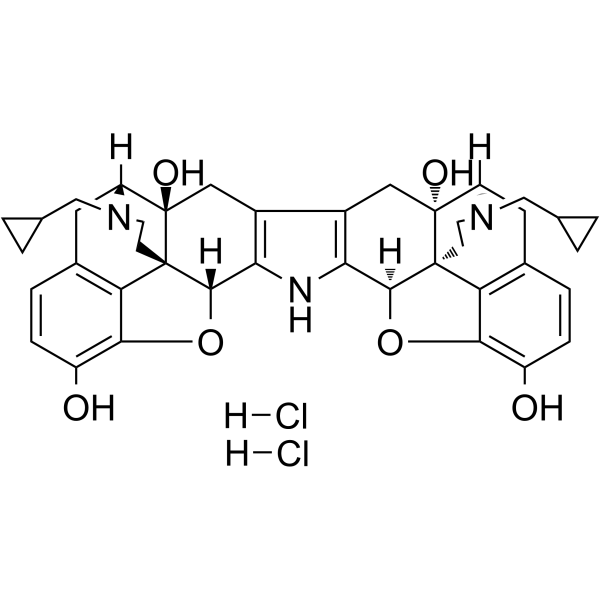
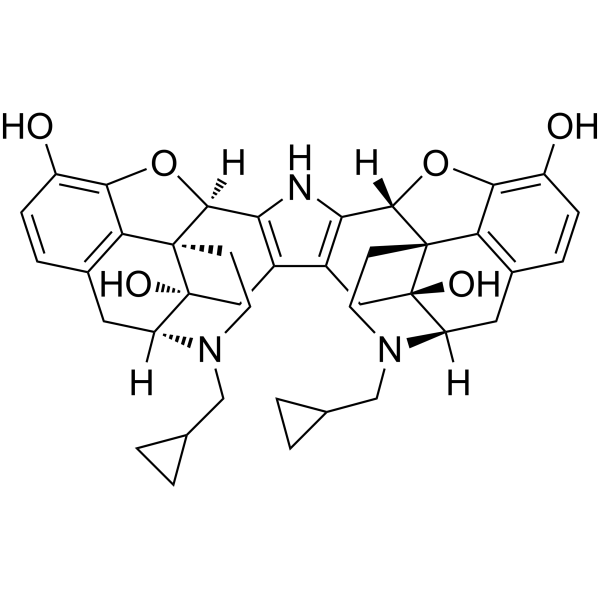
Norbinaltorphimine dihydrochloride (nor-Binaltorphimine dihydrochloride; nor-BNI dihydrochloride) is a selective, long-acting competitive antagonist of the κ-opioid receptor. Norbinaltorphimine dihydrochloride blocks κ-opioid receptor-mediated analgesic effects, and inhibits butorphanol-induced changes in κ-opioid receptor binding kinetics, desensitization and down-regulation. Norbinaltorphimine dihydrochloride suppresses specific opioid withdrawal symptoms, precipitates withdrawal behaviors in butorphanol-dependent rats, and serves as a molecular probe for studying κ-opioid receptor-agonist interactions. Norbinaltorphimine dihydrochloride is applicable to research related to neurological disorders such as pain .
|
-
- HY-117040
-
|
Norbinaltorphimine; NorBNI
|
Opioid Receptor
|
Neurological Disease
|
|
nor-Binaltorphimine (Norbinaltorphimine; NorBNI) is a selective, long-acting competitive antagonist of the κ-opioid receptor. nor-Binaltorphimine blocks κ-opioid receptor-mediated analgesic effects, and inhibits butorphanol-induced changes in κ-opioid receptor binding kinetics, desensitization and down-regulation. nor-Binaltorphimine suppresses specific opioid withdrawal symptoms, precipitates withdrawal behaviors in butorphanol-dependent rats, and serves as a molecular probe for studying κ-opioid receptor-agonist interactions. nor-Binaltorphimine is applicable to research related to neurological disorders such as pain .
|
-
- HY-122624
-
|
|
MMP
|
Inflammation/Immunology
|
|
MMP13-IN-2 is a potent, selective and orally active MMP-13 inhibitor. MMP13-IN-2 exhibits excellent potency for MMP-13 (IC50=0.036 nM) and selectivities (greater than 1,500-fold) over MMP-1, 3, 7, 8, 9, 14, and TACE. MMP13-IN-2 has the ability to block the release of collagen from cartilage in vitro. MMP13-IN-2 has the potential for collagenase related disease research .
|
-
- HY-170994
-
|
|
Imidazoline Receptor
|
Neurological Disease
Inflammation/Immunology
|
|
I2-IRs ligand-1 (Compound 12d) is an orally active and BBB-penetrable compound. I2-IRs ligand-1 has a high affinity for imidazoline I2 receptors (I2-IRs) (pKi: 9.98). I2-IRs ligand-1 can improve cognitive impairment in senescent mice and exhibits analgesic, anti-inflammatory, and neuroprotective activities. I2-IRs ligand-1 can be used for the research of Alzheimer's disease and related pain disorders .
|
-
- HY-B0740S3
-
|
MK130-d3-1 hydrochloride
|
Isotope-Labeled Compounds
5-HT Receptor
Parasite
|
Infection
Neurological Disease
|
|
Cyclobenzaprine-d3-1 hydrochloride (MK130-d3-1 hydrochloride) is the deuterium labeled Cyclobenzaprine hydrochloride (HY-B0740). Cyclobenzaprine (MK130) hydrochloride is an orally active 5-HT2 receptor antagonist. Cyclobenzaprine hydrochloride acts centrally, providing skeletal muscle relaxation, alleviating muscle spasms, and reducing pain. Additionally, Cyclobenzaprine hydrochloride has antiprotozoal activity. Additionally, Cyclobenzaprine hydrochloride also possesses antiparasitic activity. Cyclobenzaprine hydrochloride holds promise for research in the fields of acute, painful skeletal muscle disorders and infectious diseases
|
-
- HY-15691A
-
|
|
Opioid Receptor
mTOR
|
Neurological Disease
Metabolic Disease
|
|
PF-4455242 hydrochloride is an orally bioavailable, blood-brain barrier-permeable κ-opioid receptor (KOR) inhibitor. PF-4455242 hydrochloride blocks in vivo effects induced by KOR and MOR agonists, and elicits KOR-independent outward currents in ventral tegmental area neurons. PF-4455242 hydrochloride promotes energy expenditure and activates the hypothalamic mTOR pathway. PF-4455242 hydrochloride attenuates stress-induced behavioral effects and produces antidepressant-like effects. PF-4455242 hydrochloride can be used in studies related to pain, depression, addictive disorders, and obesity induced by estrogen withdrawal .
|
-
- HY-15691
-
|
|
Opioid Receptor
mTOR
|
Neurological Disease
Metabolic Disease
|
|
PF-04455242 is an orally bioavailable, blood-brain barrier-permeable κ-opioid receptor (KOR) inhibitor. PF-04455242 blocks in vivo effects induced by KOR and MOR agonists, and elicits KOR-independent outward currents in ventral tegmental area neurons. PF-04455242 promotes energy expenditure and activates the hypothalamic mTOR pathway. PF-04455242 attenuates stress-induced behavioral effects and produces antidepressant-like effects. PF-04455242 can be used in studies related to pain, depression, addictive disorders, and obesity induced by estrogen withdrawal .
|
-
- HY-P1426
-
|
|
Potassium Channel
|
Neurological Disease
|
|
AmmTX3 is a peptide toxin identified from the venom of the scorpion Androctonus mauretanicus. AmmTX3 is a highly specific blocker of Kv4 channels, which selectively and almost completely blocks transient A-type K + currents with a Ki of 131 nM. AmmTX3 induces epileptiform behaviors and causes death in mice receiving intracerebroventricular injection. AmmTX3 increases the excitability of dentate gyrus granule cells, reduces GABAergic inhibition, enhances and stabilizes the EPSP-spike component of long-term potentiation, and impairs reference memory. AmmTX3 can be used in research related to pain, epilepsy, and autism spectrum disorder .
|
-
- HY-B1018A
-
|
|
Monoamine Oxidase
GABA Receptor
Histone Demethylase
|
Cardiovascular Disease
Neurological Disease
Metabolic Disease
Inflammation/Immunology
Cancer
|
|
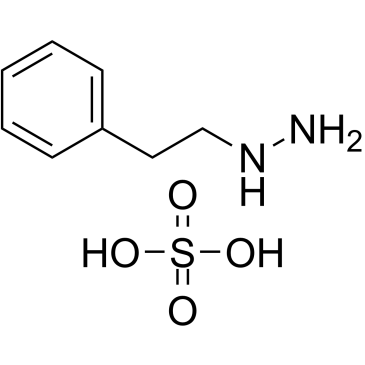
Phenelzine sulfate, an antidepressant agent, is an irreversible and orally active monoamine oxidase (MAO-A and MAO-B) inhibitor. Phenelzine sulfate inhibits GABA transaminase and primary amine oxidase (PrAO), and sequester reactive aldehydes. Phenelzine sulfate also inhibits LSD1 (Ki: 5.6 μM) and suppresses oxidative stress and lipogenesis. Phenelzine sulfate elevates neurotransmitters (serotonin, norepinephrine, dopamine). Phenelzine sulfate is studied in neurological, metabolic and cancer diseases for depression and anxiety disorders, stroke, spinal cord injury, traumatic brain injury, multiple sclerosis, Parkinson’s disease, Alzheimer’s disease, inflammatory pain, obesity and prostate cancer .
|
-
- HY-143481
-
|
|
Sodium Channel
|
Neurological Disease
Inflammation/Immunology
|
|
Nav1.8-IN-2 (compound 35A) is a Nav1.8 voltage-gated sodium ion inhibitor with an IC50 of 0.4 nM (HEK 293 cells). Nav1.8-IN-2 inhibits the activity of Nav1.8 voltage-gated sodium ion channels, mediates sodium ion influx in excitable cells, and is associated with the initiation and conduction of action potentials. Nav1.8-IN-2 can be used for research related to pain, cough, itching, etc .
|
-
- HY-100903R
-
|
nor-Binaltorphimine dihydrochloride (Standard); nor-BNI dihydrochloride (Standard)
|
Opioid Receptor
Reference Standards
|
Neurological Disease
|
|
Norbinaltorphimine dihydrochloride (Standard) is the analytical standard of Norbinaltorphimine dihydrochloride (HY-100903). This product is intended for research and analytical applications. Norbinaltorphimine dihydrochloride (nor-Binaltorphimine dihydrochloride; nor-BNI dihydrochloride) is a selective, long-acting competitive antagonist of the κ-opioid receptor. Norbinaltorphimine dihydrochloride blocks κ-opioid receptor-mediated analgesic effects, and inhibits butorphanol-induced changes in κ-opioid receptor binding kinetics, desensitization and down-regulation. Norbinaltorphimine dihydrochloride suppresses specific opioid withdrawal symptoms, precipitates withdrawal behaviors in butorphanol-dependent rats, and serves as a molecular probe for studying κ-opioid receptor-agonist interactions. Norbinaltorphimine dihydrochloride is applicable to research related to neurological disorders such as pain .
|
-
- HY-P1426A
-
|
|
Potassium Channel
|
Neurological Disease
|
|
AmmTX3 TFA is a peptide toxin identified from the venom of the scorpion Androctonus mauretanicus. AmmTX3 TFA is a highly specific blocker of Kv4 channels, which selectively and almost completely blocks transient A-type K + currents with a Ki of 131 nM. AmmTX3 TFA induces epileptiform behaviors and causes death in mice receiving intracerebroventricular injection. AmmTX3 TFA increases the excitability of dentate gyrus granule cells, reduces GABAergic inhibition, enhances and stabilizes the EPSP-spike component of long-term potentiation, and impairs reference memory. AmmTX3 TFA can be used in research related to pain, epilepsy, and autism spectrum disorder .
|
-
- HY-N0576R
-
|
|
Reference Standards
Endogenous Metabolite
Heme Oxygenase (HO)
HSP
p38 MAPK
Akt
Apoptosis
Caspase
PARP
|
Neurological Disease
Metabolic Disease
Inflammation/Immunology
|
|
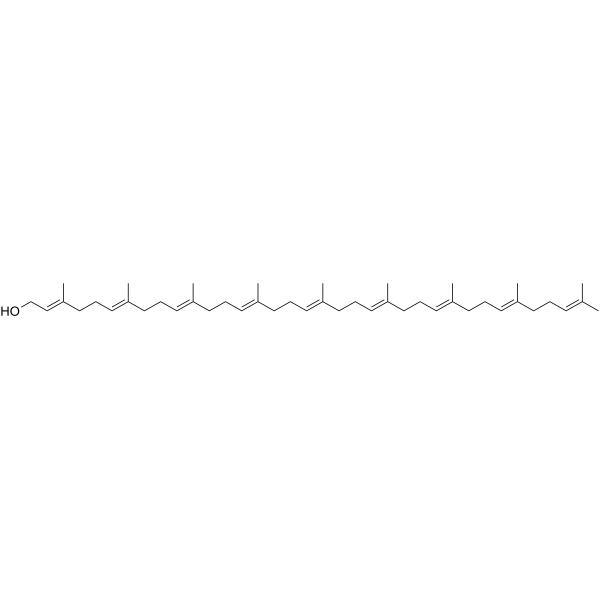
Solanesol (Standard) is the analytical standard of Solanesol (HY-N0576). This product is intended for research and analytical applications. Solanesol is an orally active aliphatic terpene alcohol. Solanesol is mainly found in tobacco and other Solanaceae plants. Solanesol induces HO-1 and Hsp70 expression, activates p38 and Akt signaling pathways, and inhibits Apoptosis (reduces caspase-3 and PARP cleavage). Solanesol has antioxidant, anti-inflammatory, and neuroprotective activities. Solanesol can be used in the research of Huntington's disease, alcoholic liver disease, chronic inflammatory pain, anxiety, Alzheimer's disease, and bipolar disorder .
|
-
- HY-147352
-
|
|
iGluR
|
Neurological Disease
|
|
NMDA receptor potentiator-1 (Compound 1368) is a subunit selective NMDA receptor potentiator with IC50s of 4 μM and 5 μM against NR2C and NR2D expression, respectively .
|
-
- HY-B1018AS
-
|
|
Isotope-Labeled Compounds
Monoamine Oxidase
GABA Receptor
Histone Demethylase
|
Cardiovascular Disease
Neurological Disease
Metabolic Disease
Inflammation/Immunology
Cancer
|
|
Phenelzine-d5 sulfate is the deuterium labeled Phenelzine sulfate (HY-B1018A). Phenelzine sulfate, an antidepressant agent, is an irreversible and orally active monoamine oxidase (MAO-A and MAO-B) inhibitor. Phenelzine sulfate inhibits GABA transaminase and primary amine oxidase (PrAO), and sequester reactive aldehydes. Phenelzine sulfate also inhibits LSD1 (Ki: 5.6 μM) and suppresses oxidative stress and lipogenesis. Phenelzine sulfate elevates neurotransmitters (serotonin, norepinephrine, dopamine). Phenelzine sulfate is studied in neurological, metabolic and cancer diseases for depression and anxiety disorders, stroke, spinal cord injury, traumatic brain injury, multiple sclerosis, Parkinson’s disease, Alzheimer’s disease, inflammatory pain, obesity and prostate cancer .
|
-
- HY-154636
-
|
|
Biochemical Assay Reagents
|
Endocrinology
|
Liquid Paraffin is a petroleum-derived mixture of saturated hydrocarbons and an orally active fecal lubricant. Liquid Paraffin is widely used in studies of constipation and fecal incontinence in children through its lubricating effect and the osmotic effect generated by its conversion to hydroxy fatty acids. Liquid Paraffin has high safety, is non-carcinogenic, and does not affect fat-soluble vitamin levels with long-term use. Liquid Paraffin does not cause abdominal pain or electrolyte disorders, but may lead to lipoid pneumonia and granulomas caused by rectal administration. Liquid Paraffin can also be used as a phase change material for thermal energy storage, or combined with nanoparticles to form a protective boundary film to reduce mechanical wear .
|
-
- HY-15026
-
|
|
Endogenous Metabolite
|
Inflammation/Immunology
|
|
ATB-429, a novel H2S-releasing derivative of mesalamine, demonstrates significant anti-nociceptive and anti-inflammatory effects in models of irritable bowel syndrome (IBS). By releasing hydrogen sulfide (H2S), ATB-429 modulates colorectal distension-induced hypersensitivity in both healthy and postcolitic rats. It attenuates abdominal withdrawal responses and suppresses spinal c-Fos mRNA expression, indicating its potential to alleviate pain associated with gastrointestinal inflammation. Moreover, ATB-429 down-regulates colonic cyclooxygenase-2 and interleukin-1β mRNA expression, effects not observed with mesalamine alone. The mechanism involves ATP-sensitive K+ (KATP) channels, as evidenced by reversal of ATB-429's effects with glibenclamide. These findings suggest ATB-429 could offer therapeutic benefits for managing painful intestinal disorders linked to inflammation .
|
-
| Cat. No. |
Product Name |
Type |
-
- HY-W250122
-
|
Monosodium glutamate
|
Biochemical Assay Reagents
|
|
Glutamic acid sodium salt (Monosodium glutamate) is an orally active food flavor enhancer. Glutamic acid sodium salt causes ROS generation, mitochondrial dysfunction, and Apoptosis. Glutamic acid sodium salt upregulates CHOP, Grp78, and Bcl-2. Glutamic acid sodium salt impairs cognition, induces depressive-like behavior, induces hyperalgesia, and induces obesity and insulin resistance. Glutamic acid sodium salt can be used to study neurotoxicity (e.g., brain damage, cognitive impairment), metabolic disorders (e.g., obesity, insulin resistance), hepatotoxicity, and renal toxicity, as well as pain-related disorders .
|
| Cat. No. |
Product Name |
Target |
Research Area |
-
- HY-P1238A
-
|
Neuromedin U (rat) TFA; Rat neuromedin U-23 TFA
|
Neuromedin U Receptor (NMUR)
|
Neurological Disease
|
|
Neuromedin U, rat TFA is a 23-amino acid brain-gut peptide. Neuromedin U (NMU), through its cognate receptor NMUR2 in the central nervous system, regulates several important physiological functions, including energy balance, stress response, and nociception.
|
-
- HY-P1238
-
|
Neuromedin U (rat); Rat neuromedin U-23
|
Neuromedin U Receptor (NMUR)
|
Neurological Disease
|
|
Neuromedin U, rat is a 23-amino acid brain-gut peptide. Neuromedin U (NMU), through its cognate receptor NMUR2 in the central nervous system, regulates several important physiological functions, including energy balance, stress response, and nociception.
|
-
- HY-P1426
-
|
|
Potassium Channel
|
Neurological Disease
|
|
AmmTX3 is a peptide toxin identified from the venom of the scorpion Androctonus mauretanicus. AmmTX3 is a highly specific blocker of Kv4 channels, which selectively and almost completely blocks transient A-type K + currents with a Ki of 131 nM. AmmTX3 induces epileptiform behaviors and causes death in mice receiving intracerebroventricular injection. AmmTX3 increases the excitability of dentate gyrus granule cells, reduces GABAergic inhibition, enhances and stabilizes the EPSP-spike component of long-term potentiation, and impairs reference memory. AmmTX3 can be used in research related to pain, epilepsy, and autism spectrum disorder .
|
-
- HY-P2428
-
|
|
Endogenous Metabolite
|
Neurological Disease
|
|
RI-61 is a compound that has activity in suppressing migraine, cluster headache, new daily persistent headache and cyclical vomiting syndrome. RI-61 has shown significant efficacy in relieving the symptoms of these disorders. RI-61 helps relieve pain and other related symptoms by modulating the action of neurotransmitters .
|
-
- HY-P1426A
-
|
|
Potassium Channel
|
Neurological Disease
|
|
AmmTX3 TFA is a peptide toxin identified from the venom of the scorpion Androctonus mauretanicus. AmmTX3 TFA is a highly specific blocker of Kv4 channels, which selectively and almost completely blocks transient A-type K + currents with a Ki of 131 nM. AmmTX3 TFA induces epileptiform behaviors and causes death in mice receiving intracerebroventricular injection. AmmTX3 TFA increases the excitability of dentate gyrus granule cells, reduces GABAergic inhibition, enhances and stabilizes the EPSP-spike component of long-term potentiation, and impairs reference memory. AmmTX3 TFA can be used in research related to pain, epilepsy, and autism spectrum disorder .
|
| Cat. No. |
Product Name |
Category |
Target |
Chemical Structure |
| Cat. No. |
Product Name |
Chemical Structure |
-
- HY-B1018AS
-
|
|
|
Phenelzine-d5 sulfate is the deuterium labeled Phenelzine sulfate (HY-B1018A). Phenelzine sulfate, an antidepressant agent, is an irreversible and orally active monoamine oxidase (MAO-A and MAO-B) inhibitor. Phenelzine sulfate inhibits GABA transaminase and primary amine oxidase (PrAO), and sequester reactive aldehydes. Phenelzine sulfate also inhibits LSD1 (Ki: 5.6 μM) and suppresses oxidative stress and lipogenesis. Phenelzine sulfate elevates neurotransmitters (serotonin, norepinephrine, dopamine). Phenelzine sulfate is studied in neurological, metabolic and cancer diseases for depression and anxiety disorders, stroke, spinal cord injury, traumatic brain injury, multiple sclerosis, Parkinson’s disease, Alzheimer’s disease, inflammatory pain, obesity and prostate cancer .
|
-
-
- HY-B0168S
-
|
|
|
Milnacipran-d10 (hydrochloride) is the deuterium labeled Milnacipran hydrochloride (HY-B0168A). Milnacipran hydrochloride is an orally active Serotonin (HY-B1473A) and Norepinephrine (HY-13715) reuptake inhibitor. Milnacipran hydrochloride inhibits monoamine transporters, especially the norepinephrine transporter and the serotonin transporter (Ki values of 31 and 8.5 nM, respectively). Milnacipran hydrochloride inhibits pERK1/2 activation. Milnacipran hydrochloride has antidepressant, anxiolytic and analgesic properties. Milnacipran hydrochloride inhibits biting behavior in mice. Milnacipran hydrochloride can be used in the study of major depressive disorder, anxiety disorders, and neuropathic pain (e.g., fibromyalgia) .
|
-
-
- HY-B0161ES
-
|
|
|
(±)-Duloxetine-d3 (hydrochloride) is deuterium labeled (±)-Duloxetine (hydrochloride). (±)-Duloxetine ((Rac)-Duloxetine) hydrochloride is the racemate of Duloxetine hydrochloride. Duloxetine hydrochloride, a serotonin-norepinephrine reuptake inhibitor, can be used for diabetic neuropathic pain and fibromyalgia as well as major depressive disorder research .
|
-
-
- HY-13681S
-
|
|
|
Methylprednisolone acetate-d6 is the deuterium labeled Methylprednisolone acetate (HY-13681). Methylprednisolone acetate, a prednisolone derivative, is a corticosteroid hormone. Methylprednisolone acetate can relieve pain and swelling that occurs with arthritis and other joint disorders in vivo .
|
-
-
- HY-111124
-
|
|
|
Paroxetine-d2 (CTP 347) is a deuterium labeled Paroxetine (HY-122272). Paroxetine is an oral inhibitor that falls under the category of selective serotonin reuptake inhibitors (SSRIs). Paroxetine is also a very weak norepinephrine (NE) reuptake inhibitor, capable of inducing cell apoptosis and having anti-tumor activity. Paroxetine has antidepressant, anti-anxiety, and pain-relieving effects, and it can help improve conditions like obsessive-compulsive disorder, panic disorder, post-traumatic stress disorder, premenstrual anxiety, and chronic headaches .
|
-
-
- HY-122272S
-
|
|
|
Paroxetine-d4 (BRL29060-d4) is deuterium labeled Paroxetine. Paroxetine is an oral inhibitor that falls under the category of selective serotonin reuptake inhibitors (SSRIs). Paroxetine is also a very weak norepinephrine (NE) reuptake inhibitor, capable of inducing cell apoptosis and having anti-tumor activity. Paroxetine has antidepressant, anti-anxiety, and pain-relieving effects, and it can help improve conditions like obsessive-compulsive disorder, panic disorder, post-traumatic stress disorder, premenstrual anxiety, and chronic headaches .
|
-
-
- HY-B0161AS
-
|
|
|
Duloxetine-d3 (hydrochloride) is a deuterium labeled Duloxetine hydrochloride. Duloxetine hydrochloride is a serotonin-norepinephrine reuptake inhibitor (SNRI) with a Ki of 4.6 nM, used for treatment of major depressive disorder and generalized anxiety disorder (GAD) .
|
-
-
- HY-B0168AS
-
|
|
|
Milnacipran-d5 hydrochloride is deuterium labeled Milnacipran hydrochloride (HY-B0168A). Milnacipran hydrochloride is an orally active Serotonin (HY-B1473A) and Norepinephrine (HY-13715) reuptake inhibitor. Milnacipran hydrochloride inhibits monoamine transporters, especially the norepinephrine transporter and the serotonin transporter (Ki values of 31 and 8.5 nM, respectively). Milnacipran hydrochloride inhibits pERK1/2 activation. Milnacipran hydrochloride has antidepressant, anxiolytic and analgesic properties. Milnacipran hydrochloride inhibits biting behavior in mice. Milnacipran hydrochloride can be used in the study of major depressive disorder, anxiety disorders, and neuropathic pain (e.g., fibromyalgia) .
|
-
-
- HY-B0740S3
-
|
|
|
Cyclobenzaprine-d3-1 hydrochloride (MK130-d3-1 hydrochloride) is the deuterium labeled Cyclobenzaprine hydrochloride (HY-B0740). Cyclobenzaprine (MK130) hydrochloride is an orally active 5-HT2 receptor antagonist. Cyclobenzaprine hydrochloride acts centrally, providing skeletal muscle relaxation, alleviating muscle spasms, and reducing pain. Additionally, Cyclobenzaprine hydrochloride has antiprotozoal activity. Additionally, Cyclobenzaprine hydrochloride also possesses antiparasitic activity. Cyclobenzaprine hydrochloride holds promise for research in the fields of acute, painful skeletal muscle disorders and infectious diseases
|
-
-
- HY-W751350
-
|
|
|
Cyclobenzaprine-d6 is the deuterium labeled Cyclobenzaprine. Cyclobenzaprine (MK130) hydrochloride is an orally active 5-HT2 receptor antagonist. Cyclobenzaprine hydrochloride acts centrally, providing skeletal muscle relaxation, alleviating muscle spasms, and reducing pain. Cyclobenzaprine hydrochloride also possesses antiparasitic activity. Cyclobenzaprine hydrochloride holds promise for research in the fields of acute, painful skeletal muscle disorders and infectious diseases .
|
-
| Cat. No. |
Product Name |
|
Classification |
-
- HY-154636
-
|
|
|
Others
|
Liquid Paraffin is a petroleum-derived mixture of saturated hydrocarbons and an orally active fecal lubricant. Liquid Paraffin is widely used in studies of constipation and fecal incontinence in children through its lubricating effect and the osmotic effect generated by its conversion to hydroxy fatty acids. Liquid Paraffin has high safety, is non-carcinogenic, and does not affect fat-soluble vitamin levels with long-term use. Liquid Paraffin does not cause abdominal pain or electrolyte disorders, but may lead to lipoid pneumonia and granulomas caused by rectal administration. Liquid Paraffin can also be used as a phase change material for thermal energy storage, or combined with nanoparticles to form a protective boundary film to reduce mechanical wear .
|
Your information is safe with us. * Required Fields.
Inquiry Information
- Product Name:
- Cat. No.:
- Quantity:
- MCE Japan Authorized Agent:

