

1. Search Result
Search Result
Results for "

status

" in MedChemExpress (MCE) Product Catalog:

95

Inhibitors & Agonists

3

Screening Libraries

2

Fluorescent Dyes

2

Biochemical Assay Reagents

3

Peptides

2

MCE Kits

1

Inhibitory Antibodies

18

Natural
Products

27

Isotope-Labeled Compounds

1

Oligonucleotides

Cat. No. Product Name Target Research Areas Chemical Structure
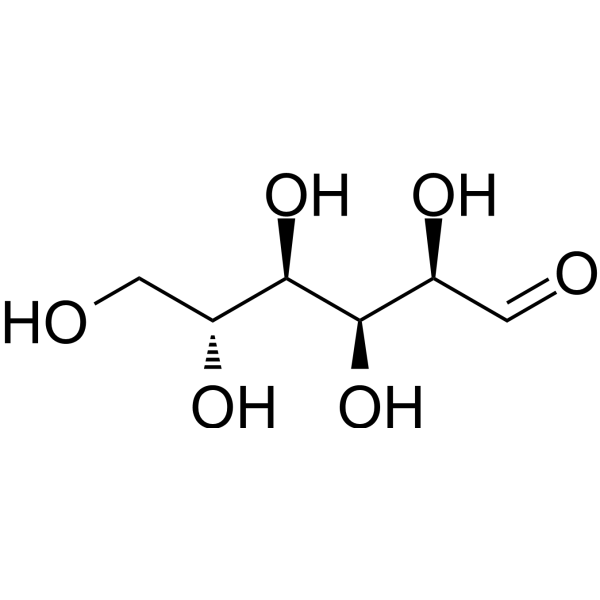
  • HY-B0389
    D-Glucose
    Maximum Cited Publications
    53 Publications Verification

    Glucose; D-(+)-Glucose; Dextrose

    Environmental Pollutants Endogenous Metabolite Cardiovascular Disease Others Metabolic Disease Endocrinology Cancer
    D-Glucose is the naturally occurring form of glucose and the most abundant monosaccharide. D-Glucose is a critical components of the general metabolism, and serve as critical signaling molecules in relation to both cellular metabolic status and biotic or abiotic stress response .
    D-Glucose
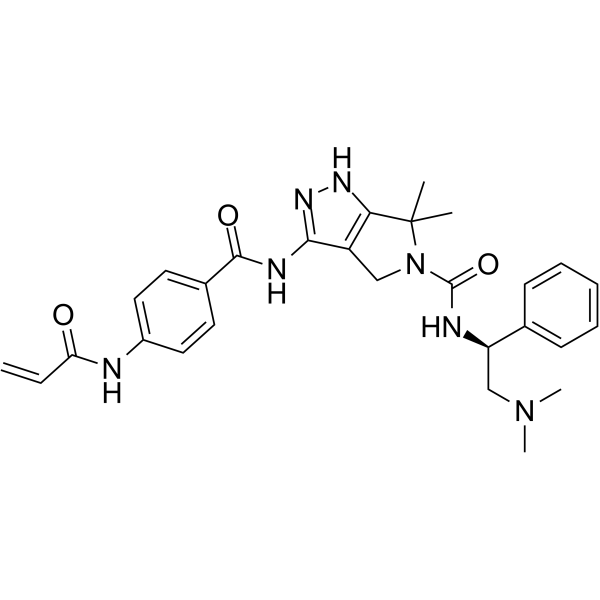
  • HY-101257
    YKL-5-124
    15+ Cited Publications

    CDK Cancer
    YKL-5-124 is a potent, selective, irreversible and covalent CDK7 inhibitor with IC50s of 53.5 nM and 9.7 nM for CDK7 and CDK7/Mat1/CycH, respectively. YKL-5-124 is >100-fold greater selective for CDK7 than CDK9 and CDK2, and inactive against CDK12 and CDK13. YKL-5-124 induces a strong cell-cycle arrest, inhibits E2F-driven gene expression, and exhibits little effect on RNA polymerase II phosphorylation status .
    YKL-5-124
  • HY-B0389S10
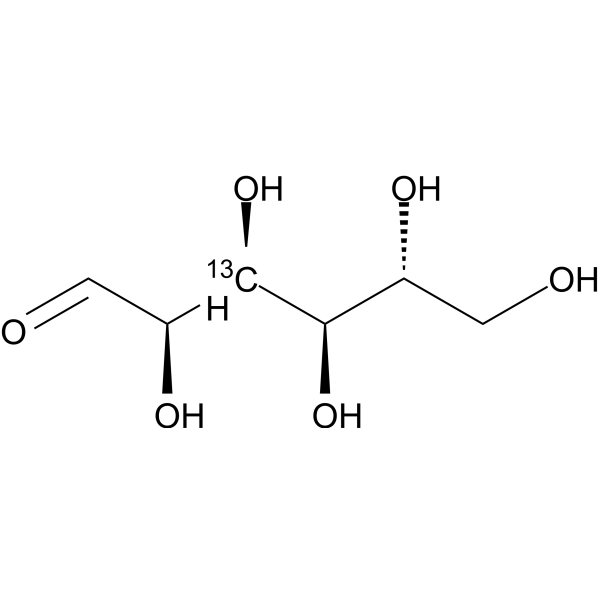
    D-Glucose-13C
    1 Publications Verification

    Glucose-13C; D-(+)-Glucose-13C; Dextrose-13C

    Endogenous Metabolite Metabolic Disease
    D-Glucose- 13C is the 13C labeled D-Glucose. D-Glucose (Glucose), a monosaccharide, is an important carbohydrate in biology. D-Glucose is a carbohydrate sweetener and critical components of the general metabolism, and serve as critical signaling molecules in relation to both cellular metabolic status and biotic and abiotic stress response .
    D-Glucose-13C
  • HY-N0513

    Reactive Oxygen Species (ROS) Phosphatase NF-κB Keap1-Nrf2 Metabolic Disease Inflammation/Immunology
    Loganic acid is an iridoid isolated from cornelian cherry fruits. Loganic acid inhibits NF-κB signaling pathway, activates Nrf2 signaling pathway, exhibits anti-inflammatory activity. Loganic acid can modulate diet-induced atherosclerosis and redox status. Loganic acid has strong free radical scavenging activity and remarkable cyto-protective effect against heavy metal mediated toxicity. Loganic acid is orally active .
    Loganic acid
  • HY-113114

    Endogenous Metabolite Glucocorticoid Receptor Metabolic Disease Inflammation/Immunology
    Tetrahydrocortisone is a corticosteroid catalyzed from endogenous glucocorticoids by AKR1D1 (5β-reductase). Its formation is mediated by AKR1D1 and regulated by the glucocorticoid receptor (GR). As one of the final products of glucocorticoid inactivation metabolism, Tetrahydrocortisone participates in the maintenance of glucocorticoid metabolic homeostasis in vivo. Tetrahydrocortisone can be used for mechanistic studies of metabolic diseases such as non-alcoholic fatty liver disease (NAFLD) and type 2 diabetes, and also serves as a biomarker for in vivo AKR1D1 activity and glucocorticoid metabolic status .
    Tetrahydrocortisone
  • HY-107661
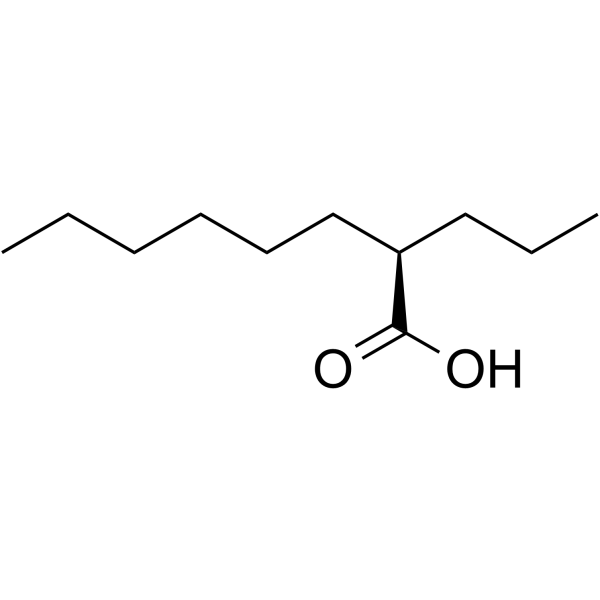
    Arundic Acid
    2 Publications Verification

    ONO-2506; (R)-2-Propyloctanoic acid

    ERK Akt NF-κB EAAT Cardiovascular Disease Neurological Disease
    Arundic Acid is an orally effective astrocyte function modulator and neuroprotective agent. Arundic Acid increases the expression and function of the astrocytic glutamate transporter EAAT1 by activating the ERK, Akt and NF-κB pathways. Arundic Acid attenuates retinal ganglion cell death in a normal-tension glaucoma model. Arundic Acid exerts neuroprotective effects in a mouse model of Parkinson's disease. Arundic Acid is a S100β protein synthesis inhibitor that prevents neurological deficits and brain tissue damage after intracerebral hemorrhage in rats. Arundic Acid downregulates neuroinflammation and astrocytic dysfunction after status epilepticus in immature rats. Arundic Acid is applicable to research related to Parkinson's disease, cerebral ischemia, glaucoma, intracerebral hemorrhage and epilepsy .
    Arundic Acid
  • HY-113166
    Dodecanoylcarnitine
    1 Publications Verification

    (-)-Lauroylcarnitine

    Endogenous Metabolite Metabolic Disease Inflammation/Immunology
    Dodecanoylcarnitine ((-)-Lauroylcarnitine) is a medium long-chain acylcarnitine, an intermediate product in key energy metabolic pathways of fatty acid β-oxidation and amino acids catabolism. The abnormal decrease in the Dodecanoylcarnitine levels indicats that mitochondrial fuel metabolism, including fatty acid oxidation is significantly disturbed. Changes in plasma concentrations of Dodecanoylcarnitine are not only associated with type II diabetes, but also with pre-diabetes status. Dodecanoylcarnitine is present in fatty acid oxidation disorders such as long-chain acyl CoA dehydrogenase deficiency, carnitine palmitoyltransferase I/II deficiency, and is also associated with celiac disease. Dodecanoylcarnitine deomonstrates high sensitivities and specificities in predicting asthma. Combined model of Decanoylcarnitine (HY-113069), Dodecanoylcarnitine, PC (16:0/0:0), and Asp Arg Pro can be used as a potential biomarker for the diagnosis of Yin-deficiency-heat syndrome .
    Dodecanoylcarnitine
  • HY-32349
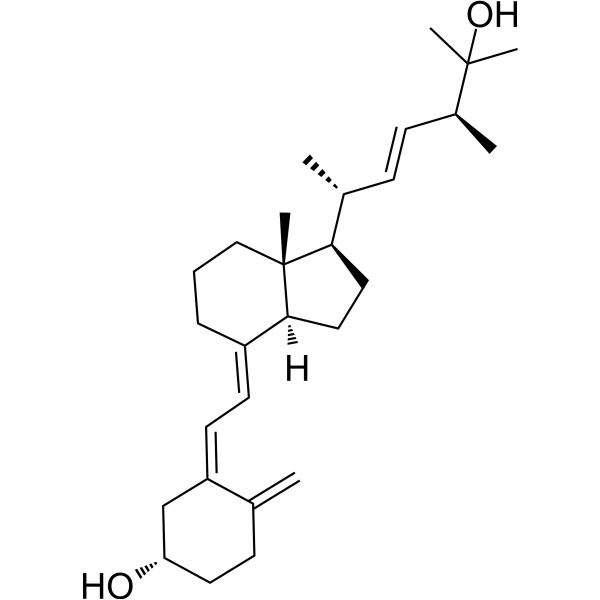
    Ercalcidiol
    2 Publications Verification

    25-Hydroxy Vitamin D2

    VD/VDR Endogenous Metabolite Metabolic Disease
    Ercalcidiol is a metabolite of vitamin D2, is regarded as an indicator of vitamin D nutritional status.
    Ercalcidiol
  • HY-113415A
    Testosterone sulfate (pyridinium)
    1 Publications Verification

    Endogenous Metabolite Drug Metabolite Metabolic Disease
    Testosterone sulfate pyridinium is a Testosterone sulfate with a pyridinium. Testosterone sulfate pyridinium is the metabolite of Testosterone. Testosterone is the main male sex hormone which determination is useful for assessment of androgen status .
    Testosterone sulfate (pyridinium)
  • HY-129105
    Clomethiazole
    4 Publications Verification

    GABA Receptor Cytochrome P450 Neurological Disease
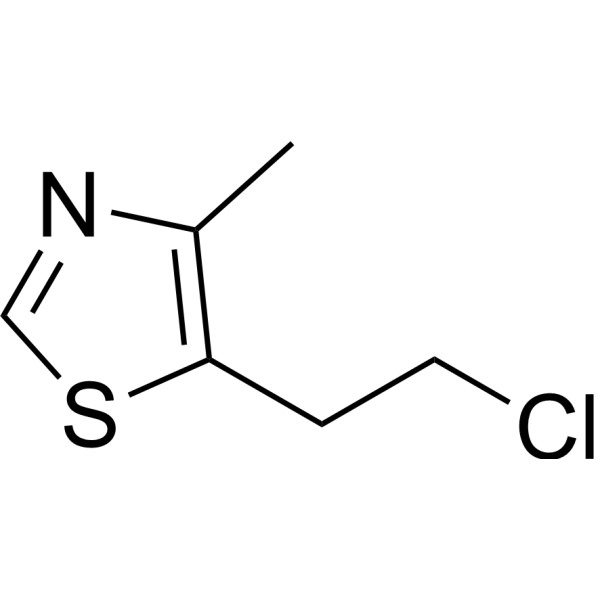
    Chlormethiazole is an potent and orally active GABAA agonist . Chlormethiazole inhibits cytochrome P450 isoforms: CYP2A6 and CYP2E1 in human liver microsomes. Chlormethiazole is an anticonvulsant agent and has the potential for treating convulsive status epilepticus .
    Clomethiazole
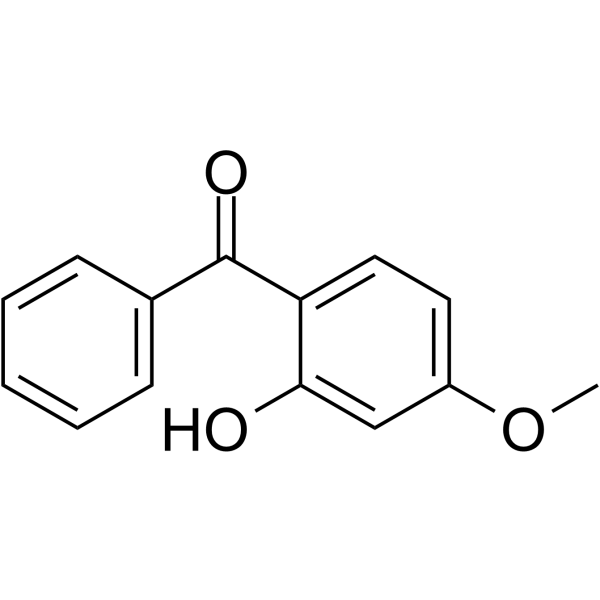
  • HY-A0067
    Oxybenzone
    5+ Cited Publications

    Benzophenone 3

    Environmental Pollutants Autophagy RAR/RXR Apoptosis Neurological Disease
    Oxybenzone (Benzophenone 3) is a commonly used UV filter in sun tans and skin protectants. Oxybenzone act as endocrine disrupting chemicals (EDCs) and can pass through the placental and blood-brain barriers. Benzophenone-3 impairs autophagy, alters epigenetic status, and disrupts retinoid X receptor signaling in apoptotic neuronal cells .
    Oxybenzone
  • HY-112816
    MA242
    1 Publications Verification

    MDM-2/p53 Apoptosis Cancer
    MA242 is a specific dual inhibitor of MDM2 and NFAT1. MA242 directly binds both MDM2 and NFAT1 with high affinity, induces their protein degradation, and inhibits NFAT1-mediated transcription of MDM2. MA242 induces apoptosis in pancreatic cancer cell lines regardless of p53 status .
    MA242
  • HY-30216A

    α-Hydroxyisocaproic acid

    Drug Metabolite Hydroxycarboxylic Acid Receptor (HCAR) AMPK ERK Metabolic Disease Inflammation/Immunology
    Leucic acid (α-Hydroxyisocaproic acid) is an orally active end-product of the microbial metabolism of leucine. Leucic acid can bind to HCAR2, alters AMPK and ERK1/2 phosphorylation status, suppresses lipid synthesis, promotes catabolism, reduces adiposity, enhances lean mass and exercise capacity. Leucic acid suppresses pro-inflammatory cytokine secretion, inflammation-related gene mRNA expression. Leucic acid decreases basal protein synthesis, attenuates myotube atrophy. Leucic acid can be used for the research of obesity .
    Leucic acid
  • HY-B0389S16

    Glucose-1-13C; D-(+)-Glucose-1-13C; Dextrose-1-13C

    Endogenous Metabolite Metabolic Disease
    D-Glucose-1- 13C is the 13C labeled D-Glucose. D-Glucose (Glucose), a monosaccharide, is an important carbohydrate in biology. D-Glucose is a carbohydrate sweetener and critical components of the general metabolism, and serve as critical signaling molecules in relation to both cellular metabolic status and biotic and abiotic stress response .
    D-Glucose-1-13C
  • HY-114164G

    Thrombin Protease Activated Receptor (PAR) MMP VEGFR Epigenetic Reader Domain Cardiovascular Disease Neurological Disease Inflammation/Immunology
    Murine Thrombin is a murine serine protease that plays a central role in blood coagulation. Murine Thrombin stimulates macrophages to polarize into a unique phenotype characterized by anti-inflammatory and pro-repair properties. Murine Thrombin activates PAR1, induces the production of MCP-1, MMP3 and VEGF in mouse intervertebral discs, and causes degradation of the cartilage matrix and destruction of intervertebral disc structure. Murine Thrombin activity increases significantly in paraoxon-induced status epilepticus .
    Murine Thrombin
  • HY-137006

    Fluorescent Dye Others
    MTT Formazan is a purple water-insoluble product formed by the reduction of yellow soluble MTT by succinate dehydrogenase in the mitochondria of viable cells. The amount of MTT Formazan produced is proportional to cellular metabolic activity, and it can serve as an indicator for evaluating cell viability and proliferation. MTT Formazan exhibits solvent-dependent solubility properties, and its absorbance value can be measured by spectrophotometry to reflect cellular status. MTT Formazan also supports the assessment of cell viability in bacterial MTT assays. MTT Formazan can be used in photoacoustic microscopy to enhance the imaging effect of viable cells, especially in applications in the fields of three-dimensional cell culture and tissue engineering .
    MTT Formazan
  • HY-13568

    LRCL 3794

    Cytochrome P450 COX Lipoxygenase PGE synthase Inflammation/Immunology
    Benoxaprofen (LRCL 3794) is a nonsteroidal anti-inflammatory agent that blocks the biosynthesis of inflammatory mediators such as leukotrienes and prostaglandins by inhibiting 5-LOX, PGH2 synthase and cytochrome P-450. Benoxaprofen exhibits significant toxicity: it not only alters cellular redox status, uncouples oxidative phosphorylation and disrupts calcium ion homeostasis, but also causes liver injury through the formation of covalent adducts between its active metabolites and hepatic proteins. Benoxaprofen shows strong phototoxicity under ultraviolet irradiation, and induces erythrocyte lysis, mast cell degranulation and histamine release. Benoxaprofen is widely used in studies of urticaria and related phototoxic mechanisms .
    Benoxaprofen
  • HY-153916
    TCRS-417
    1 Publications Verification

    T417

    HOXA DNA/RNA Synthesis NEKs Neurological Disease Inflammation/Immunology Cancer
    TCRS-417 (T417) is a small-molecular inhibitor for PBX1. TCRS-417 can directly block PBX1-binding to DNA (IC50 = 6.58 μM), and affects PBX1 transcription. TCRS-417 is able to hammer out the stemness traits of Carboplatin (HY-17393)-resistant (CR) cells to revert to a differentiated status through tacking PBX1 signaling cascade. TCRS-417 significantly suppresses self-renewal and proliferation of cancer cells expressing high levels of PBX1. TCRS-417 can decrease the mRNA levels of FOXM1, NEK2, and E2F2 in cancer cell lines. TCRS-417 is selectively toxic against chr1q-amp myeloma and solid tumor cells .
    TCRS-417
  • HY-D1359
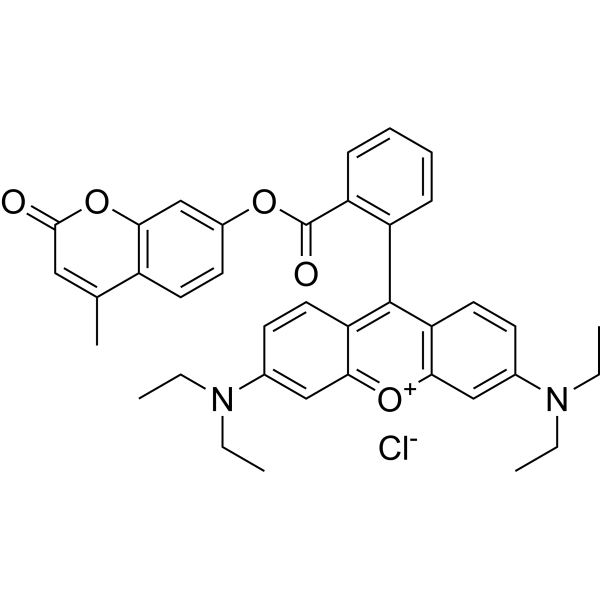
    Mito Red
    1 Publications Verification

    Fluorescent Dye Others
    Mito Red is a vital dye and mitochondrial stain that can be used to detect and evaluate mitochondrial function and status. Mito Red accumulates in mitochondria, and its fluorescence intensity is positively correlated with mitochondrial membrane potential. When the mitochondrial membrane potential increases, the fluorescence signal of Mito Red increases .
    Mito Red
  • HY-108059

    (3R)-β-Cryptoxanthin

    Drug Derivative Neurological Disease Metabolic Disease Inflammation/Immunology Cancer
    β-Cryptoxanthin ((3R)-β-Cryptoxanthin) is an orally active carotenoid found in fruits and vegetables such as angerines, red peppers, and pumpkin. β-Cryptoxanthin inhibits prevents osteoclast formation and inhibits bone resorption. β-Cryptoxanthin maintains retinol status in vivo. β-cryptoxanthin shows anti-inflammation and anticancer activity. β-Cryptoxanthin can be used for the researches of osteoporosis and bladder carcer .
    β-Cryptoxanthin
  • HY-W017960

    Et-HE; 1,4-DHP

    SOD Endocrinology
    Diludine (BNP-7787) is an orally effective feed additive. Diludine reduces the activity of G6PD and increases the level of superoxide dismutase (SOD). Diludine reduces the mutagenic effect of environmental pollutants, protects parental reproductive systems and improves offspring quality. Diludine is mainly applied during the transition period of dairy cows to increase milk yield and milk fat content, and improve health status during parturition. Diludine can be used in animal feeding research .
    Diludine
  • HY-A0296
    Chlormethiazole hydrochloride
    4 Publications Verification

    Clomethiazole hydrochloride

    Cytochrome P450 Neurological Disease
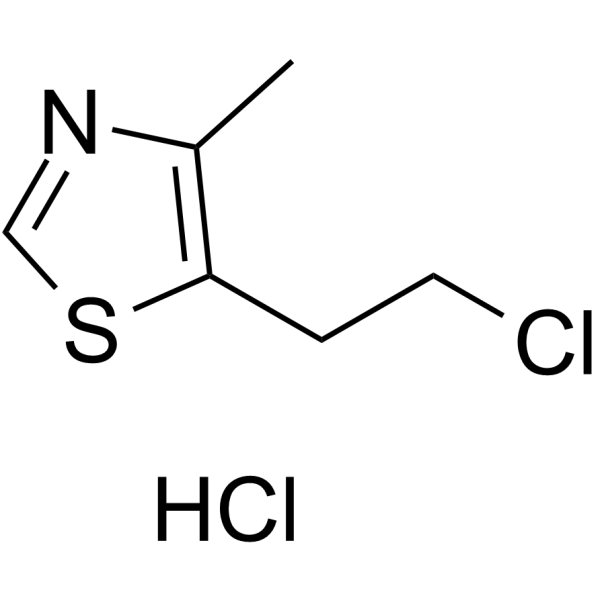
    Clomethiazole hydrochloride is a potent and orally active GABAA agonist . Clomethiazole hydrochloride inhibits cytochrome P450 isoforms: CYP2A6 and CYP2E1 in human liver microsomes. Clomethiazole hydrochloride is an anticonvulsant agent and has the potential for treating convulsive status epilepticus .
    Chlormethiazole hydrochloride
  • HY-B0389S5

    Glucose-d2; D-(+)-Glucose-d2; Dextrose-d2

    Isotope-Labeled Compounds Endogenous Metabolite Metabolic Disease
    D-Glucose-d2 is the deuterium labeled D-Glucose. D-Glucose (Glucose), a monosaccharide, is an important carbohydrate in biology. D-Glucose is a carbohydrate sweetener and critical components of the general metabolism, and serve as critical signaling molecules in relation to both cellular metabolic status and biotic and abiotic stress response .
    D-Glucose-d2
  • HY-B0389S6

    Glucose-d7; D-(+)-Glucose-d7; Dextrose-d7

    Isotope-Labeled Compounds Endogenous Metabolite Metabolic Disease
    D-Glucose-d77 is the deuterium labeled D-Glucose. D-Glucose (Glucose), a monosaccharide, is an important carbohydrate in biology. D-Glucose is a carbohydrate sweetener and critical components of the general metabolism, and serve as critical signaling molecules in relation to both cellular metabolic status and biotic and abiotic stress response .
    D-Glucose-d7
  • HY-B0389S15
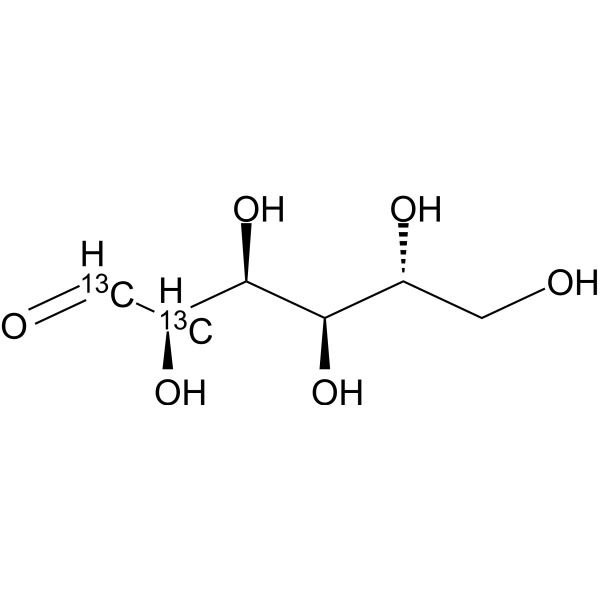
    D-Glucose-13C2-4
    1 Publications Verification

    Glucose-13C2-4; D-(+)-Glucose-13C2-4; Dextrose-13C2-4

    Endogenous Metabolite Metabolic Disease
    D-Glucose- 13C2-4 is the 13C labeled D-Glucose. D-Glucose (Glucose), a monosaccharide, is an important carbohydrate in biology. D-Glucose is a carbohydrate sweetener and critical components of the general metabolism, and serve as critical signaling molecules in relation to both cellular metabolic status and biotic and abiotic stress response .
    D-Glucose-13C2-4
  • HY-B0389R

    Glucose (Standard); D-(+)-Glucose (Standard); Dextrose (Standard)

    Reference Standards Endogenous Metabolite Cardiovascular Disease Others Metabolic Disease Endocrinology Cancer
    D-Glucose (Standard) is the analytical standard of D-Glucose. This product is intended for research and analytical applications. D-Glucose is the naturally occurring form of glucose and the most abundant monosaccharide. D-Glucose is a critical components of the general metabolism, and serve as critical signaling molecules in relation to both cellular metabolic status and biotic or abiotic stress response .
    D-Glucose (Standard)
  • HY-110028

    Cannabinoid Receptor Fatty Acid Synthase (FASN) Androgen Receptor Endocrinology Cancer
    Leelamine hydrochloride is a tricyclic diterpene molecule that is extracted from the bark of pine trees . Leelamine hydrochloride is a cannabinoid receptor type 1 (CB1) agonist and a inhibitor of SREBP1-regulated fatty acid/lipid synthesis in prostate cancer cells that is not affected by androgen receptor status. Leelamine hydrochloride suppresses transcriptional activity of androgen receptor, which is known to regulate fatty acid synthesis [2,3].
    Leelamine hydrochloride
  • HY-P3443
    Peanut agglutinin
    1 Publications Verification

    PNA

    Biochemical Assay Reagents Cancer
    Peanut agglutinin (PNA) is a carbohydrate-recognition protein that binds competitively and irreversibly to cell-surface β-D-Gal (1-3)-GalNAc, and this binding can be inhibited by D-galactose and asialofetuin. Peanut agglutinin recognizes exposed glycoepitopes and reflects the glycosylation status of cells. Peanut agglutinin can label glycoconjugates at neuromuscular junctions to safely visualize synaptic structures. Peanut agglutinin can be used to synthesize dyes to distinguish between normal and tumor tissues. Peanut agglutinin provides support for research on leukemia, Burkitt's tumors, and cutaneous squamous lesions .
    Peanut agglutinin
  • HY-138668

    TRP Channel Neurological Disease
    JW-65 is a selective TRPC3 channel inhibitor with favorable blood-brain barrier penetration. JW-65 directly binds to human TRPC3 protein and modulates calcium signaling to reduce seizure susceptibility. JW-65 reduces seizure incidence, severity, and duration while prolonging seizure latency in multiple seizure models. JW-65 alleviates Aβ‑induced neuronal damage. JW-65 serves as a valuable tool for research on epilepsy, seizure disorders, and Alzheimer’s disease .
    JW-65
  • HY-B1953
    Thiacloprid
    1 Publications Verification

    Environmental Pollutants Insecticide nAChR Infection
    Thiacloprid is an orally active neurotoxic insecticide and also a nAChR agonist. Thiacloprid reduces the viability of healthy cells, depletes reduced glutathione, and increases MDA levels, thereby inducing cytotoxicity and oxidative stress damage. In practical applications, Thiacloprid has lower acute toxicity to honeybees than other compounds of the same class such as Imidacloprid (HY-B0838), but it still significantly impairs the learning and memory function, immune capacity and survival status of honeybees. Thiacloprid induces intestinal microbial dysbiosis and reduces survival rate in middle-aged honeybees, increases the risk of premature collapse in bumblebee colonies, and significantly decreases the final colony weight and reproductive output. Thiacloprid is used in broad-spectrum agricultural pest control, often alone or in combination with Deltamethrin (HY-B1971), and meets the pest management needs of various crops including potatoes, cabbages, various fruits and vegetables, and nuts .
    Thiacloprid
  • HY-121877
    Valnoctamide
    1 Publications Verification

    Valmethamide

    GABA Receptor Neurological Disease
    Valnoctamide (Valmethamide), a derivative of valproate, suppresses benzodiazepine-refractory status epilepticus. Valnoctamide (Valmethamide) acts directly on GABAA receptors .
    Valnoctamide
  • HY-113415

    Endogenous Metabolite Drug Metabolite Others
    Testosterone sulfate is a Testosterone sulfate with a pyridinium. Testosterone sulfate is the metabolite of Testosterone. Testosterone is the main male sex hormone which determination is useful for assessment of androgen status .
    Testosterone sulfate
  • HY-114302
    CCB02
    1 Publications Verification

    Microtubule/Tubulin Cancer
    CCB02 is a selective CPAP-tubulin interaction inhibitor, binding to tubulin and competing for the CPAP binding site of β-tubulin, with an IC50 of 689 nM, and shows potent anti-tumor activity. CCB02 shows no inhibition on the cell cycle- and centrosome-related kinases, or the phosphorylation status of Aurora A, Plk1, Plk2, CDK2, and CHK1 .
    CCB02
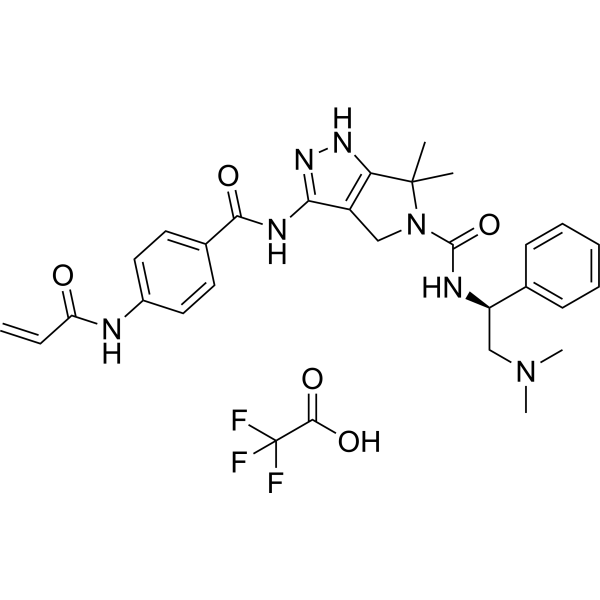
  • HY-101257B
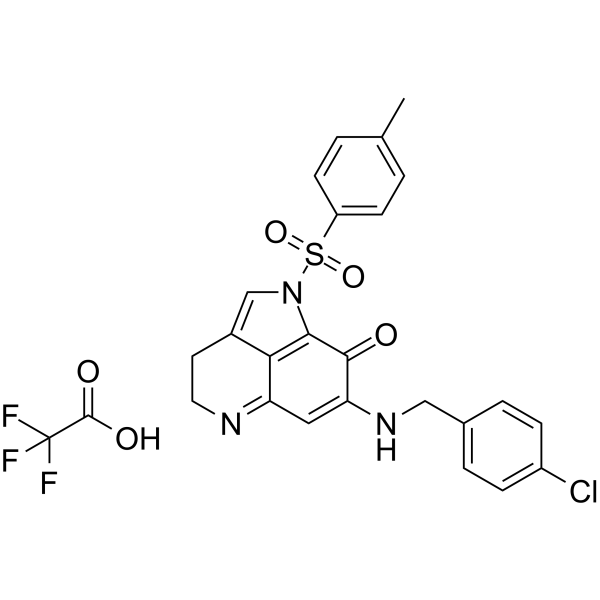
    YKL-5-124 TFA
    15+ Cited Publications

    CDK Cancer
    YKL-5-124 TFA is a potent, selective, irreversible and covalent CDK7 inhibitor with IC50s of 53.5 nM and 9.7 nM for CDK7 and CDK7/Mat1/CycH, respectively. YKL-5-124 TFA is >100-fold greater selective for CDK7 than CDK9 and CDK2, and inactive against CDK12 and CDK13. YKL-5-124 TFA induces a strong cell-cycle arrest, inhibits E2F-driven gene expression, and exhibits little effect on RNA polymerase II phosphorylation status .
    YKL-5-124 TFA
  • HY-170515

    E1/E2/E3 Enzyme Inflammation/Immunology
    RNF5 agonist 1 (analog-1), a structural analog of RNF5 inhibitor inh-02 (HY-123967), is a potent RNF5 agonist. RNF5 agonist 1 increases the ubiquitylation status of ATG4B in F508del-CFTR-expressing CFBE41o- cells .
    RNF5 agonist 1
  • HY-164049

    Prostaglandin Receptor Inflammation/Immunology
    TG8-260 is a second-generation EP2 antagonist developed to alleviate the pathology of central nervous system and peripheral diseases driven by inflammation. TG8-260 can reduce neuroinflammation and gliosis in the hippocampus of rats after pilocarpine-induced persistent epileptic status. Pharmacokinetic data of TG8-260 showed that its plasma half-life was 2.14 hours and its oral bioavailability was 77.3%. TG8-260 is also a potent inhibitor of CYP450 and shows antagonistic activity in inhibiting EP2 receptor-mediated inflammatory gene expression in BV2-hEP2 microglia, which is suitable for studying anti-inflammatory pathways in animal models of peripheral inflammatory diseases .
    TG8-260
  • HY-168376

    9(10)-Nitrated oleic acid

    PPAR ERK Akt NO Synthase Metabolic Disease Inflammation/Immunology
    9 (10)-Nitrooleate (9(10)-Nitrated oleic acid) is an endogenous lipid signaling mediator with vasoprotective effects. 9 (10)-Nitrooleate enhances enzymatic activity and improves nitric oxide bioavailability by inducing phosphorylation of Akt and ERK1/2, regulating the multi-site phosphorylation status of eNOS and optimizing its interaction with Hsp90. 9 (10)-Nitrooleate also activates PPARα, PPARδ and PPARγ receptors, thereby regulating adipogenesis, glucose uptake and inflammation-related gene expression, and exhibits immunosuppressive effects by inhibiting neutrophil migration and cytokine secretion. 9 (10)-Nitrooleate is widely used in studies of sepsis and related inflammatory diseases .
    9(10)-Nitrooleate
  • HY-32349S

    25-Hydroxy Vitamin D2-d3

    Isotope-Labeled Compounds Endogenous Metabolite VD/VDR Metabolic Disease
    Ercalcidiol-d3 is the deuterium labeled Ercalcidiol. Ercalcidiol is a metabolite of Vitamins D2. Ercalcidiol can be used as an indicator of vitamins D status .
    Ercalcidiol-d3
  • HY-32349R

    25-Hydroxy Vitamin D2 (Standard)

    Reference Standards VD/VDR Endogenous Metabolite Metabolic Disease
    Ercalcidiol (Standard) is the analytical standard of Ercalcidiol. This product is intended for research and analytical applications. Ercalcidiol is a metabolite of vitamin D2, is regarded as an indicator of vitamin D nutritional status.
    Ercalcidiol (Standard)
  • HY-B0389S8

    Glucose-d1-4; D-(+)-Glucose-d1-4; Dextrose-d1-4

    Isotope-Labeled Compounds Endogenous Metabolite Metabolic Disease
    D-Glucose-d-44 is the deuterium labeled D-Glucose. D-Glucose (Glucose), a monosaccharide, is an important carbohydrate in biology. D-Glucose is a carbohydrate sweetener and critical components of the general metabolism, and serve as critical signaling molecules in relation to both cellular metabolic status and biotic and abiotic stress response .
    D-Glucose-d1-4
  • HY-B0389S2

    Glucose-d12-1; D-(+)-Glucose-d12-1; Dextrose-d12-1

    Isotope-Labeled Compounds Endogenous Metabolite Metabolic Disease
    D-Glucose-d12-12 is the deuterium labeled D-Glucose. D-Glucose (Glucose), a monosaccharide, is an important carbohydrate in biology. D-Glucose is a carbohydrate sweetener and critical components of the general metabolism, and serve as critical signaling molecules in relation to both cellular metabolic status and biotic and abiotic stress response .
    D-Glucose-d12-1
  • HY-128736B

    Endogenous Metabolite
    D-2-Phosphoglyceric acid is an important metabolic intermediate that has the activity of promoting cellular energy metabolism and regulating biosynthesis. D-2-Phosphoglyceric acid plays a key role in glycolysis and photosynthesis and is essential for the energy supply of cells. D-2-Phosphoglyceric acid can also be used as a biomarker to monitor the metabolic status in different organisms.
    D-2-Phosphoglyceric acid
  • HY-A0067S

    RAR/RXR Apoptosis Autophagy Neurological Disease
    Oxybenzone-d5 is the deuterium labeled Oxybenzone . Oxybenzone (Benzophenone 3) is a commonly used UV filter in sun tans and skin protectants. Oxybenzone act as endocrine disrupting chemicals (EDCs) and can pass through the placental and blood-brain barriers. Benzophenone-3 impairs autophagy, alters epigenetic status, and disrupts retinoid X receptor signaling in apoptotic neuronal cells .
    Oxybenzone-d5
  • HY-124304

    LOE-908

    TRP Channel SARS-CoV Neurological Disease
    Pinokalant is a broad-spectrum and non-selectivecation channel inhibitor. Pinokalant significantly reduces cortical infarct volume. Pinokalant o improves the metabolic and electrophysiologic status of the ischemic penumbra. Pinokalant reduces lesion size on magnetic resonance images in the acute phase following middle cerebral artery occlusion in rats. Pinokalant has the potential for the research of stroke. Pinokalant also shows anti-SARS-CoV-2 activity .
    Pinokalant
  • HY-101193R

    Zn(II)-protoporphyrin IX (Standard); ZnPP (Standard); Zinc Protoporphyrin-9 (Standard)

    Reference Standards Reactive Oxygen Species (ROS) Endogenous Metabolite Apoptosis Cardiovascular Disease Metabolic Disease Cancer
    Zinc Protoporphyrin (Standard) is the analytical standard of Zinc Protoporphyrin. This product is intended for research and analytical applications. Zinc Protoporphyrin (Zn(II)-protoporphyrin IX) is an orally active and competitive heme oxygenase-1 (HO-1) inhibitor and markedly attenuates the protective effects of Phloroglucinol (PG) against H2O2 . Zinc Protoporphyrin is used as a screening marker of iron deficiency in individual pregnant women and children, but also to assess population iron status in combination with haemoglobin concentration . Zinc Protoporphyrin has anti-cancer activity .
    Zinc Protoporphyrin (Standard)
  • HY-W014004

    CBHA

    HDAC Apoptosis Others Cancer
    m-Carboxycinnamic acid bishydroxamide (CBHA) is a histone deacetylase inhibitor. m-Carboxycinnamic acid bishydroxamide modulates histone acetylation sites, alters DNA methylation and epigenetic status, increases global histone acetylation, alleviates transcription repression, and facilitates chromatin remodelling. m-Carboxycinnamic acid bishydroxamide can be used for the research of cloned embryo development and epigenetic regulation .
    m-Carboxycinnamic acid bishydroxamide
  • HY-103232

    mGluR Neurological Disease
    IEM-1925 bromide is an orally active glutamate receptor antagonist, increases the latent period and decreases the duration of status epilepticus in rats in a lithium-pilocarpine model of epilepsy .
    IEM-1925 bromide
  • HY-NP078A

    PSA (FITC)

    Biochemical Assay Reagents CD3 Inflammation/Immunology Endocrinology
    Pisum sativum Agglutinin (PSA) FITC is a plant lectin conjugated with FITC (HY-66019). Pisum sativum Agglutinin FITC serves as an acrosome stain for detecting the acrosomal status of sperm. Pisum sativum Agglutinin exhibits lymphocyte mitogenic and immunomodulatory activities .
    Pisum Sativum Agglutinin (FITC)
  • HY-B0389S4

    Glucose-d1-2; D-(+)-Glucose-d1-2; Dextrose-d1-2

    Isotope-Labeled Compounds Endogenous Metabolite Metabolic Disease
    D-Glucose-d1-2 is the deuterium labeled D-Glucose. D-Glucose (Glucose), a monosaccharide, is an important carbohydrate in biology. D-Glucose is a carbohydrate sweetener and critical components of the general metabolism, and serve as critical signaling molecules in relation to both cellular metabolic status and biotic and abiotic stress response .
    D-Glucose-d1-2
  • HY-B0389S13

    Glucose-2-13C; D-(+)-Glucose-2-13C; Dextrose-2-13C

    Isotope-Labeled Compounds Endogenous Metabolite Metabolic Disease
    D-Glucose-2- 13C is the 13C labeled D-Glucose. D-Glucose (Glucose), a monosaccharide, is an important carbohydrate in biology. D-Glucose is a carbohydrate sweetener and critical components of the general metabolism, and serve as critical signaling molecules in relation to both cellular metabolic status and biotic and abiotic stress response .
    D-Glucose-2-13C

Inquiry Online

Your information is safe with us. * Required Fields.

Salutation


Country or Region *

Applicant Name *


Organization Name *

Department *


Email Address *


Product Name *

Cat. No.


Requested quantity *

Phone Number *


Remarks

Inquiry Online

Inquiry Information

Product Name:
Cat. No.:
Quantity:
MCE Japan Authorized Agent:

