Search Result
Results for "
topo IIα/βnhibitor
" in MedChemExpress (MCE) Product Catalog:
1
Isotope-Labeled Compounds
| Cat. No. |
Nombre del producto |
Target |
Áreas de investigación |
Chemical Structure |
-
- HY-16560
-
|
Campathecin; (S)-(+)-Camptothecin; CPT
|
Topoisomerase
ADC Payload
MicroRNA
Influenza Virus
Apoptosis
Fungal
Antibiotic
|
Infection
Cancer
|
|
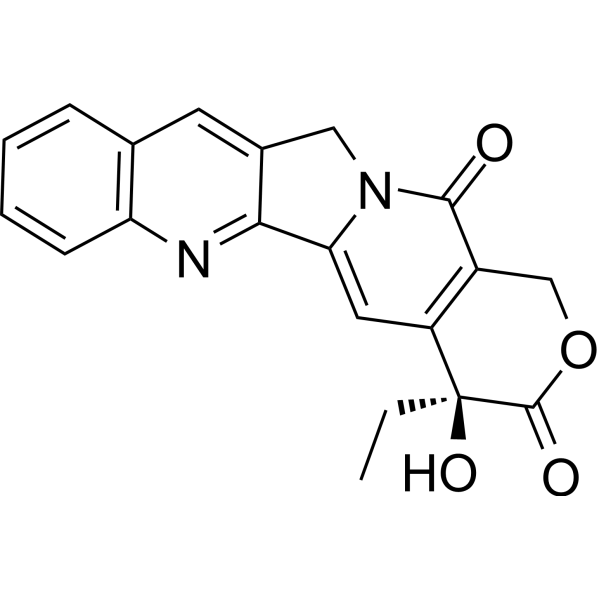
Camptothecin (CPT), a kind of alkaloid, is a DNA topoisomerase I (Topo I) inhibitor with an IC50 of 679 nM . Camptothecin (CPT) exhibits powerful antineoplastic activity against colorectal, breast, lung and ovarian cancers, modulates hypoxia-inducible factor-1α (HIF-1α) activity by changing microRNAs (miRNA) expression patterns in human cancer cells .
|
-
-
- HY-10982
-
|
AS1413
|
Topoisomerase
|
Cancer
|
|
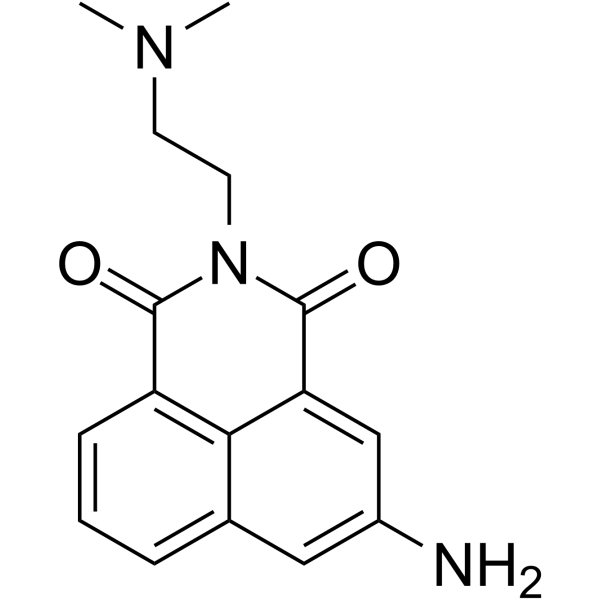
Amonafide is a topoisomerase II inhibitor and DNA intercalator that induces apoptotic signaling by blocking the binding of Topo II to DNA.
|
-
-
- HY-131089
-
|
|
DNA/RNA Synthesis
Drug-Linker Conjugates for ADC
|
Cancer
|
|
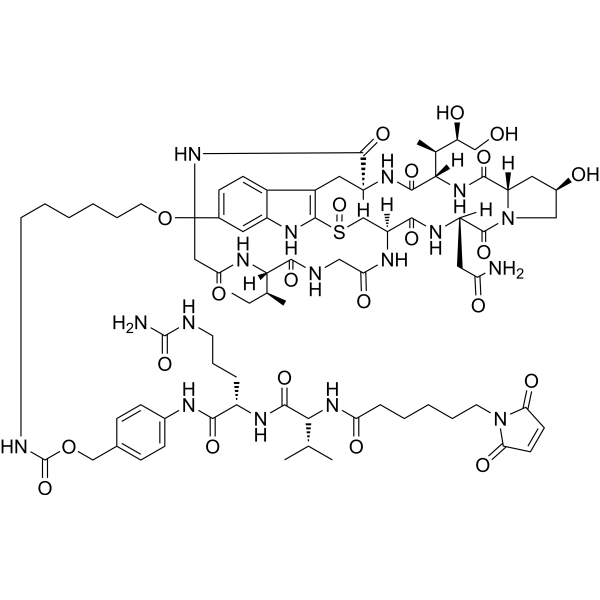
MC-VC-PABC-C6-α-Amanitin is a Drug-Linker Conjugates for ADC, consisting of an anticancer toxin alpha-Amanitin (HY-19610) and a MC-VC-PABC-C6 linker. Among them, alpha-Amanitin is a potent inhibitor of RNA polymerase IIα.
|
-
-
- HY-N0354
-
|
|
Environmental Pollutants
Virus Protease
|
Infection
Metabolic Disease
Inflammation/Immunology
Cancer
|
|
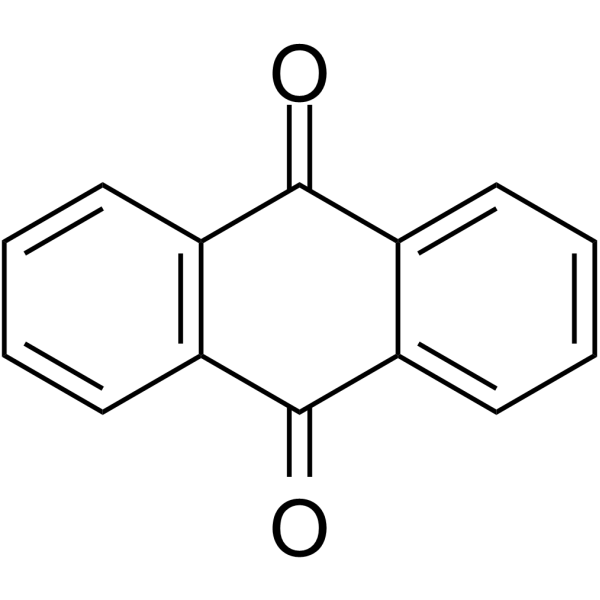
Anthraquinone is used as a precursor for dye formation and agrochemicals, existing in different organisms, such as bacteria, fungi, plants, and some animals. Anthraquinone has biological activities: anticancer, antiinflammatory, diuretic, antiarthritic, antifungal, antibacterial, antimalarial and antioxidant. Anthraquinone also plays an important role in the primary metabolism of plants by acting on the electron transport chain through the inhibition of energy transfer in the photosynthetic process. Anthraquinone can intercalates into DNA and inhibits the topoisomerase II (topo II) enzyme, resulting in cell death via Apoptosis .
|
-
-
- HY-128979
-
|
|
Drug-Linker Conjugates for ADC
|
Cancer
|
|
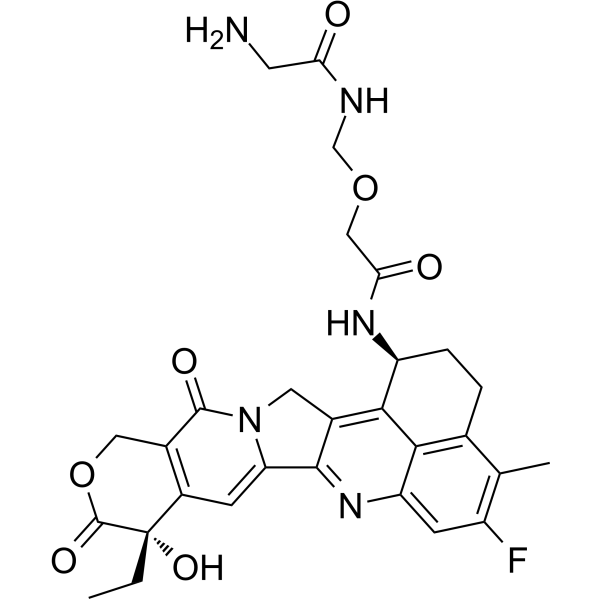
Deruxtecan analog 2 (example 9 P3) is a Deruxtecan (HY-13631E) analog. Deruxtecan analog 2 is a agent-linker conjugate composed of Camptothecin (HY-16560) and a linker. Camptothecin (CPT) is a Topo I inhibitor with antineoplastic activity against colorectal, breast, lung and ovarian cancers. Deruxtecan analog 2 can be used for the preparation anti-FGFR2 ADC .
|
-
-
- HY-111630
-
|
|
Topoisomerase
|
Cancer
|
|
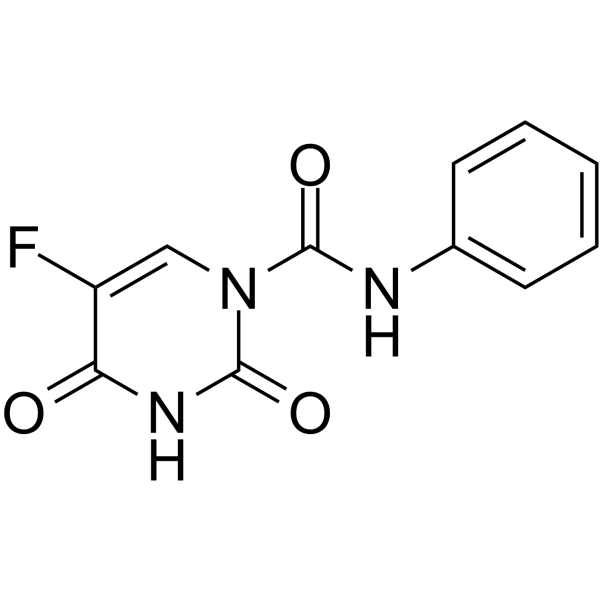
PluriSIn #2 is a selective transcriptional inhibitor of topoisomerase II α (TOP2A). PluriSIn #2 is a compound that selectively eliminates undifferentiated human pluripotent stem cells (hPSCs) .
|
-
-
- HY-19024
-
|
NSC 336628
|
Topoisomerase
|
Cancer
|
|
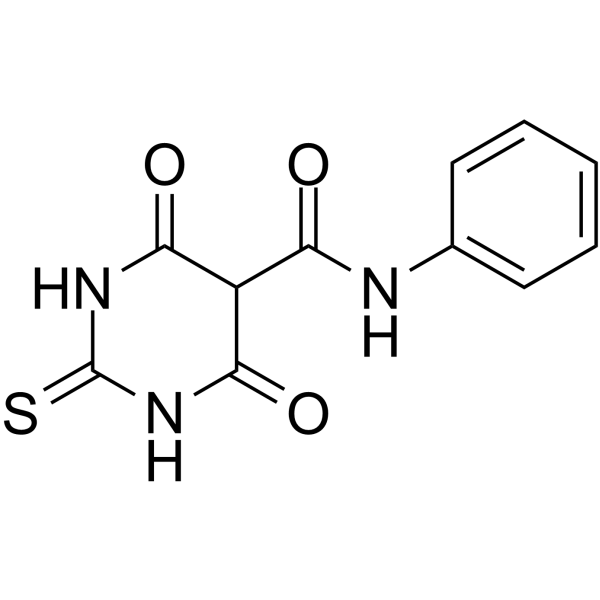
Merbarone (NSC 336628) is an orally active inhibitor of topoisomerase II. Merbarone acts primarily by blocking topoisomerase II-mediated DNA cleavage without stabilizing topo II-DNA covalent complexes. Merbarone is an anticancer agent .
|
-
-
- HY-137466
-
|
|
Topoisomerase
|
Cancer
|
|
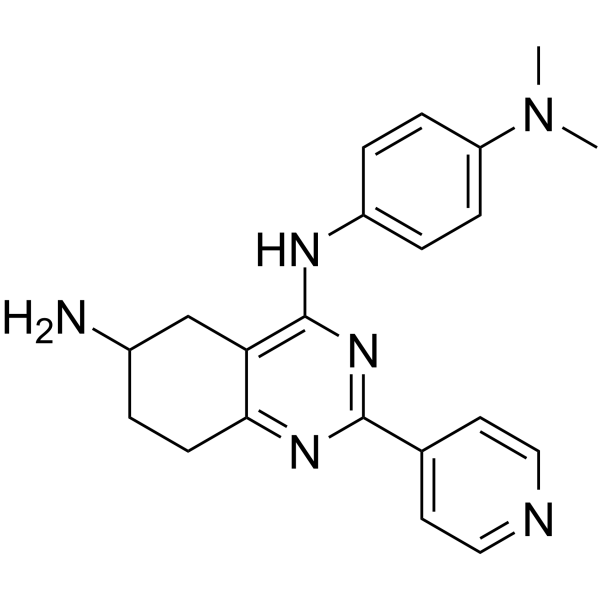
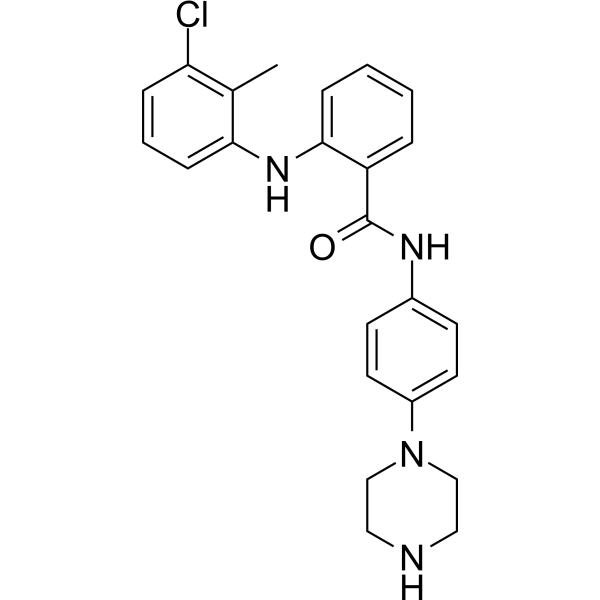
ARN-21934 is a potent, highly selective, blood-brain barrier (BBB) penetrant inhibitor for human topoisomerase II α over β. ARN-21934 inhibits DNA relaxation with an IC50 of 2 μM as compared to the anticancer agent Etoposide (IC50=120 μM). ARN-21934 exhibits a favorable in vivo pharmacokinetic profile and is a promising lead compound for anticancer research .
|
-
-
- HY-B0902A
-
|
MF-934 hydrochloride
|
Bacterial
Antibiotic
|
Infection
|
|
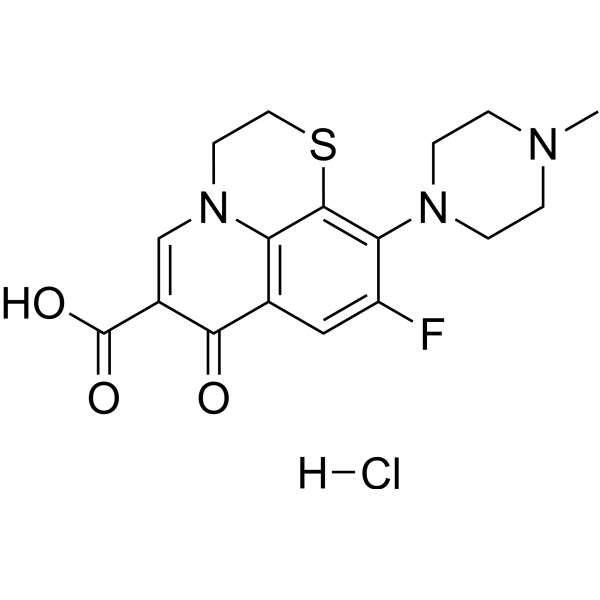
Rufloxacin hydrochloride (MF-934 hydrochloride) is a fluoroquinolone antibacterial, inhibits B-cell differentiation in human mononuclear cells, inhibits Topo.
|
-
-
- HY-156406
-
|
|
PI3K
|
Inflammation/Immunology
|
|
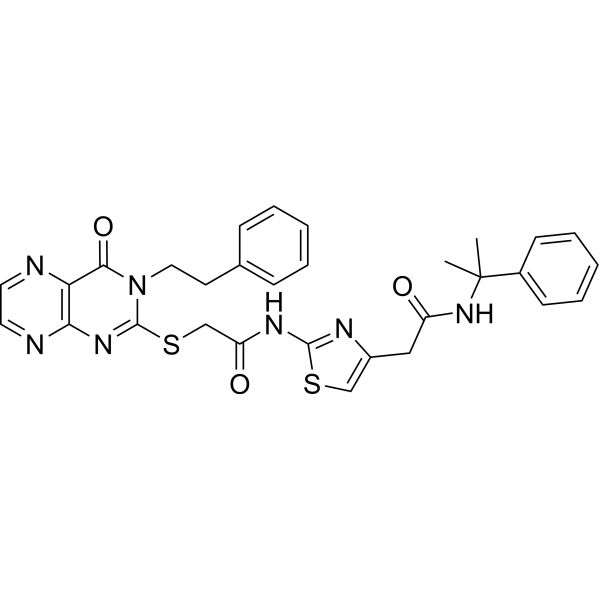
PITCOIN4 is a highly selective Class II Alpha PI3K-C2α inhibitor. PITCOIN4 shows nanomolar inhibition of PI3K-C2α and >100-fold selectivity in a general kinase panel .
|
-
-
- HY-153401
-
|
|
Topoisomerase
|
Cancer
|
|
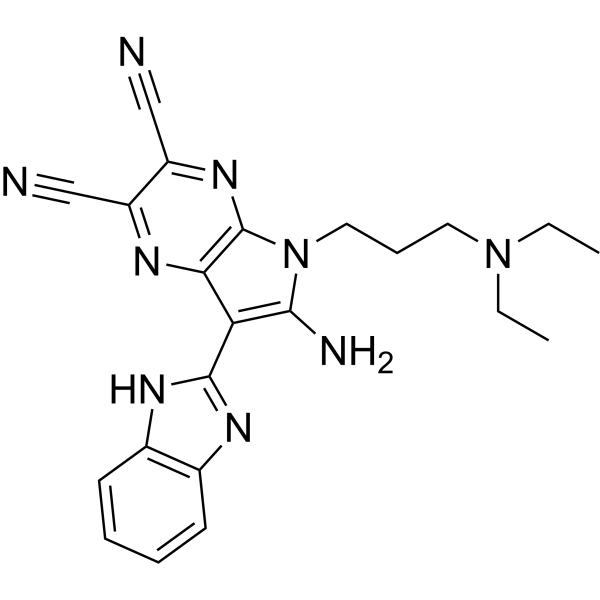
Topoisomerase II inhibitor 13 is a topoisomerase II (Topo II) inhibitor. Topoisomerase II inhibitor 13 shows antiproliferative activity against several cancer cells. Topoisomerase II inhibitor 13 induces cancer cells apoptosis .
|
-
-
- HY-Y0426
-
|
3-Deazauracil
|
HIV
|
Infection
|
|
2,4-Dihydroxypyridine (compound 2) is a pyridine derivative which is active against both Topo IIKHIV activity and HIV-1 replication, with a pIC50 of 5.05 and 4.07 against Topo IIKHIV and HIV-1 replication, reespectively .
|
-

-
- HY-49556
-
|
|
Topoisomerase
|
Cancer
|
|
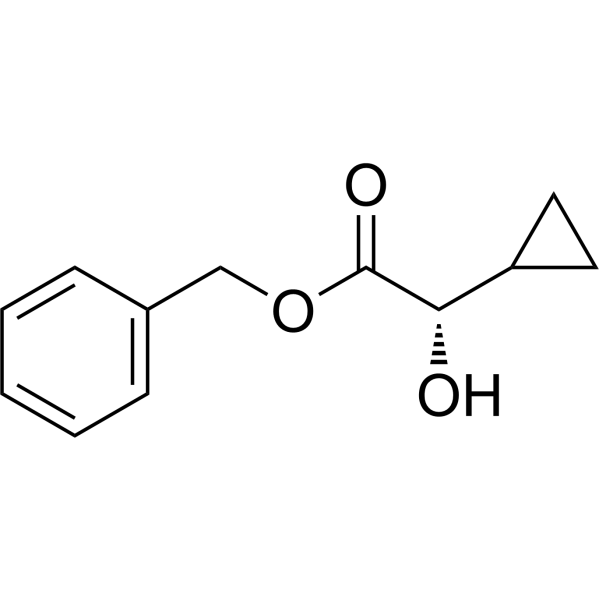
(S)-Benzyl 2-cyclopropyl-2-hydroxyacetate is an intermediate reactant in the synthesis of Camptothecin (HY-16560). Camptothecin is an inhibitor of the DNA topoisomerase Topo I, withIC50=679 nM .
|
-
-
- HY-101775A
-
|
|
Topoisomerase
|
Cardiovascular Disease
Cancer
|
|
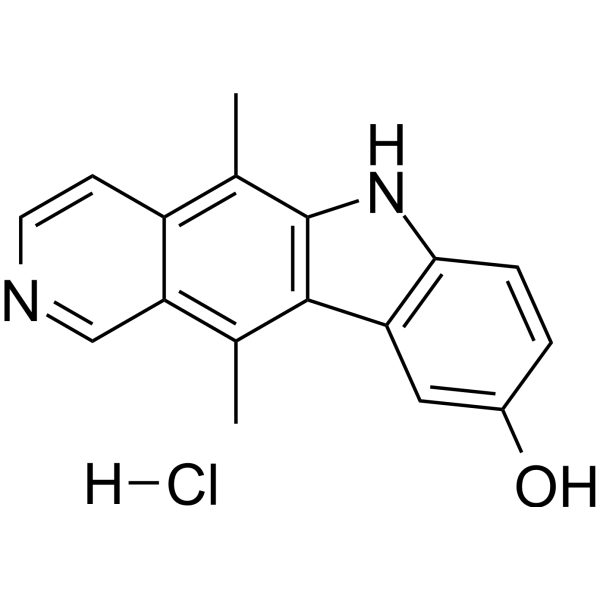
9-Hydroxyellipticine hydrochloride is a inhibitor of Topo II and RyR. 9-Hydroxyellipticine hydrochloride exhibits antitumor, antioxidant and catecholamine-releasing activities. 9-Hydroxyellipticine hydrochloride exhibits IC50 values of 1.6 μM and 1.2μM in Hela S-3 and 293T cells, respectively .
|
-
-
- HY-146268
-
|
|
CaMK
|
Neurological Disease
|
|
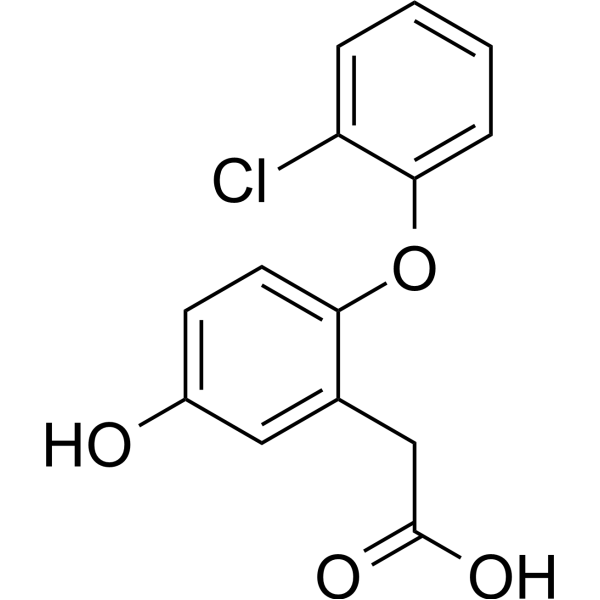
CaMKIIα-IN-1 (Compound 4d) is an orally active Ca 2+/calmodulin-dependent protein kinase II α (CaMKIIα) inhibitor with a KD of 219 nM for CaMKIIα WT hub. CaMKIIα-IN-1 has good metabolic stability .
|
-
-
- HY-16560S
-
|
Campathecin-d5; (S)-(+)-Camptothecin-d5; CPT-d5
|
Isotope-Labeled Compounds
Topoisomerase
ADC Payload
MicroRNA
Influenza Virus
Apoptosis
Fungal
Antibiotic
|
Infection
Cancer
|
|
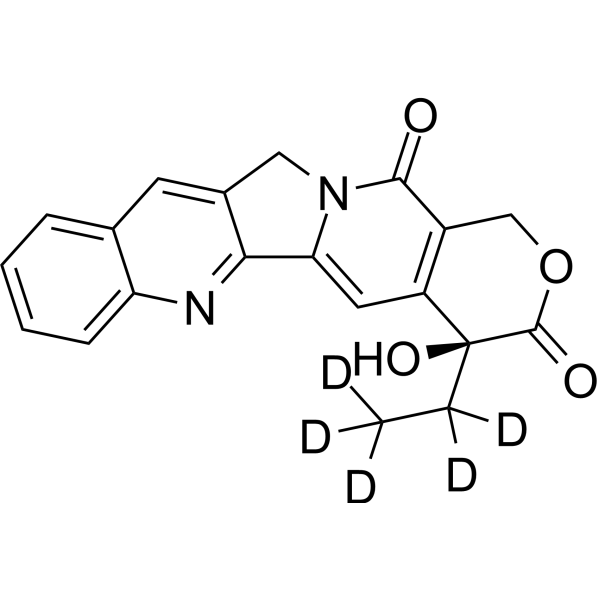
Camptothecin-d5 is the deuterium labeled Camptothecin. Camptothecin (CPT), a kind of alkaloid, is a DNA topoisomerase I (Topo I) inhibitor with an IC50 of 679 nM . Camptothecin (CPT) exhibits powerful antineoplastic activity against colorectal, breast, lung and ovarian cancers, modulates hypoxia-inducible factor-1α (HIF-1α) activity by changing microRNAs (miRNA) expression patterns in human cancer cells .
|
-
-
- HY-151453
-
|
|
Topoisomerase
Apoptosis
|
Cancer
|
|
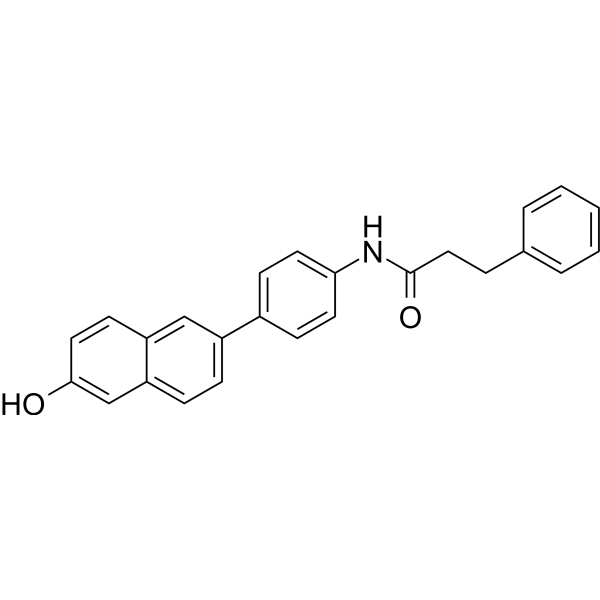
Topoisomerase IIα-IN-4 (F2) is a non-intercalative ATP-competitive human DNA topoisomerase II inhibitor with an IC50 value of 3.8 and 10.1 μM for TopoIIα and TopoIIβ, respectively. Topoisomerase IIα-IN-4 shows potent potency in apoptosis induction and cell cycle arrest in HepG2 cells. Topoisomerase IIα-IN-4 exhibits strong antitumor activities against human cancer cell lines, it can be used for the research of cancer .
|
-
-
- HY-179520
-
|
|
Topoisomerase
DNA/RNA Synthesis
MDM-2/p53
Bcl-2 Family
|
Cancer
|
|
XSJ151 is a topoisomerase I inhibitor, stabilizing the DNA-Topo I covalent complex and inducing DNA double-strand breaks. XSJ151-induces DNA damage activates the p53-p21 signaling pathway, specifically regulating the expression of cyclins, leading to G2/M phase cell cycle arrest and disrupting the dynamic homeostasis of Bcl-2 family proteins, thereby triggering apoptosis in gastric cancer cells. XSJ151 can be used for the study of gastric cancer .
|
-

-
- HY-W170020
-
|
|
CaMK
|
Metabolic Disease
|
|
PTCA is a potent Ca2+/calmodulin-dependent protein kinase II α (CaMKIIα) ligand with a pKi value of 7.2 .
|
-

-
- HY-143279
-
|
|
Topoisomerase
Apoptosis
|
Cancer
|
|
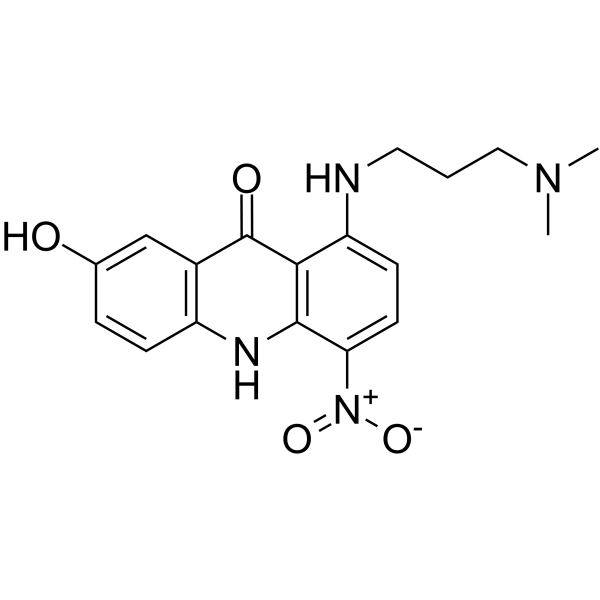
Topoisomerase II inhibitor 3 (Compound 6 h ) is a acridone derivatives, as well as a Type II DNA topoisomerase (topo II) inhibitor , as a topo IIα/β inhibitor with the value of IC50 is 0.17 μM for topo IIα and the value of IC50 is 0.23 μM for topo IIβ subtypes, caused obvious DNA damage, and induced apoptosis by triggering the loss of mitochondrial membrane potential .
|
-
-
- HY-170912
-
|
|
Topoisomerase
Apoptosis
ROS Kinase
Cytochrome P450
Caspase
Bcl-2 Family
PI3K
Akt
mTOR
|
Cancer
|
Topo I/II-IN-2 (Compound 3g) is an inhibitor of Topo I and Topo II. Topo I/II-IN-2 inhibits NCI-H446 cells and NCI-H1048 cells with IC50s of 1.30 μM and 1.42 μM, respectively. Topo I/II-IN-2 induces mitochondrial Apoptosis, mitochondrial dysfunction and activity generation. Topo I/II-IN-2 inhibits the PI3K/Akt/mTOR pathway. Topo I/II-IN-2 prevents SCLC (small cell lung cancer) cell proliferation, invasion, and migration in vitro. .
|
-

-
- HY-175539
-
|
|
Bacterial
Topoisomerase
DNA/RNA Synthesis
|
Infection
|
|
DNA gyrase/Topo IV-IN-2 (Compound AK19) is an antibacterial agent with IC50 values of 0.783 μM and 7.136 μM against E. coli DNA gyrase and topoisomerase IV, respectively. DNA gyrase/Topo IV-IN-2 exhibits broad-spectrum antibacterial efficacy against both Gram-positive and Gram-negative pathogens. DNA gyrase/Topo IV-IN-2 can inhibit the biofilms of B. subtilis and MRSA, with an MIC of 1.9 μM against both B. subtilis and MRSA. DNA gyrase/Topo IV-IN-2 can be used in research related to anti-drug-resistant bacterial drugs .
|
-

-
- HY-137005
-
|
|
Topoisomerase
Apoptosis
|
Cancer
|
|
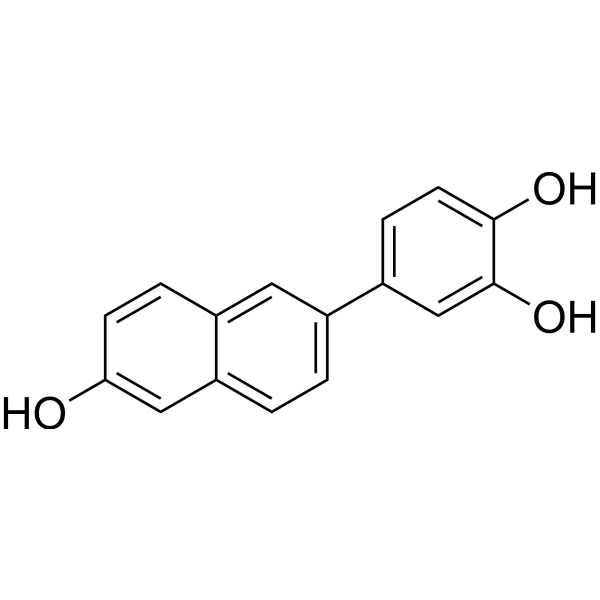
CS1 is a potent DNA Topo II α inhibitor. CS1 displays broad-spectrum in vitro antitumor effects, low toxicity in vivo and potential anti-multidrug resistance capabilities. CS1 leads to DNA damage, cell cycle arrest at G2/M phase and apoptosis .
|
-
-
- HY-149239
-
|
|
Topoisomerase
HDAC
Apoptosis
|
Cancer
|
|
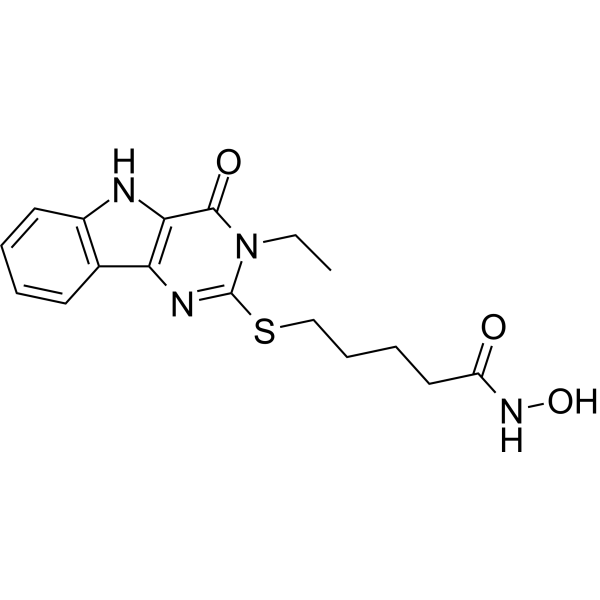
Topo II/HDAC-IN-2 (8d) exhibits excellent dual inhibitory activities against Topo II and HDAC. Topo II/HDAC-IN-2 (8d) induces apoptosis .
|
-
-
- HY-149238
-
|
|
Topoisomerase
HDAC
Apoptosis
|
Cancer
|
|
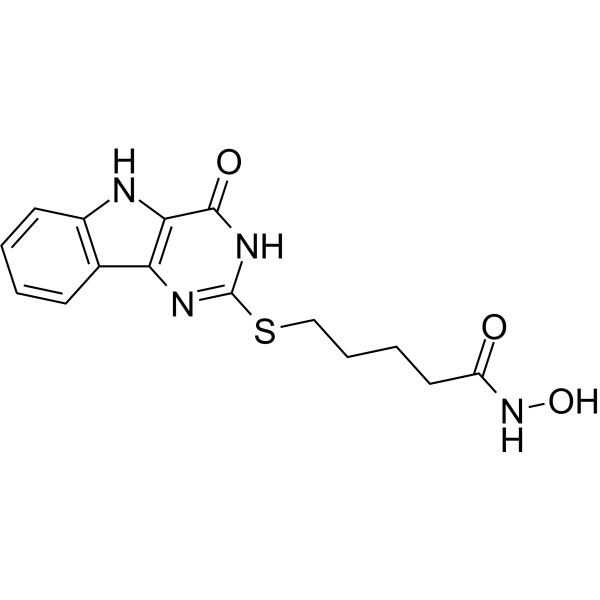
Topo II/HDAC-IN-1 (7d) exhibits excellent dual inhibitory activities against Topo II and HDAC. Topo II/HDAC-IN-1 (8d) induces apoptosis .
|
-
-
- HY-150685
-
-
-
- HY-174837
-
|
|
Topoisomerase
|
Cancer
|
|
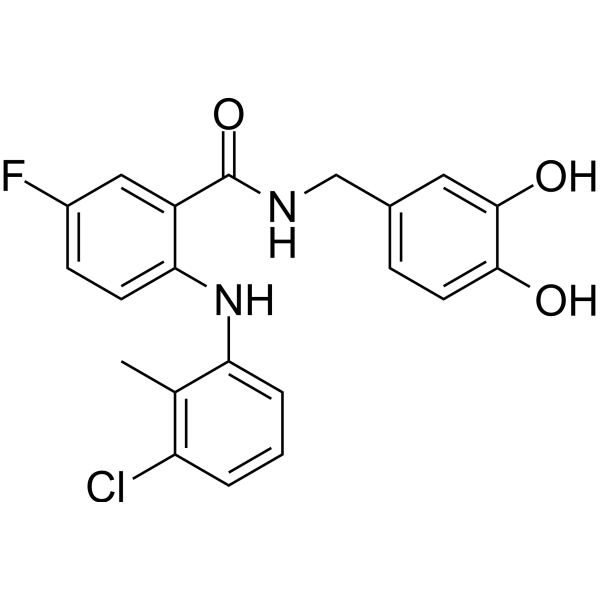
Topoisomerase IIα-IN-11 (Compound 16h) is a potent Topoisomerase IIα inhibitor. Topoisomerase IIα-IN-11 shows significant inhibition on melanoma A2058 cell lines (IC50 3-6 μM). Topoisomerase IIα-IN-11 is promising for research of cancers (especially melanoma) .
|
-

-
- HY-162587
-
|
|
Topoisomerase
|
Cancer
|
|
Fagopyrine is a DNA topoisomerase I (Topo I) inhibitor. Fagopyrine is a photosensitizer that can be used in the study of tumors .
|
-

-
- HY-115990
-
|
|
Topoisomerase
Bacterial
|
Infection
|
|
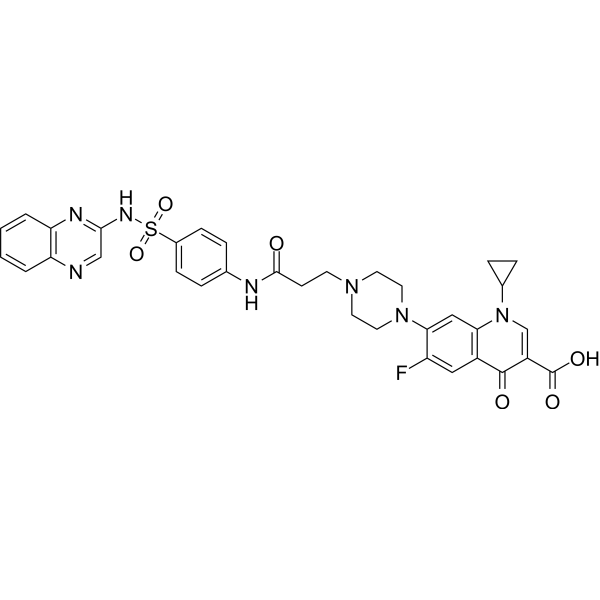
Topoisomerase IV inhibitor 2 (compound 7d) is a potent DNA topoisomerase IV (TOPO IV) inhibitor with IC50s of 0.23 μM and 0.43 μM for TOPO IV and DNA gyrase, respectively. Topoisomerase IV inhibitor 2 has anti-bacterial activity, with MICs of 0.972 μM and 0.608 μM in Staphylococcus aureus Newman and Escherichia coli ATCC8739, respectively .
|
-
-
- HY-18626
-
|
|
Topoisomerase
|
Cancer
|
|
NK 314 is an inhibitor for topoisomerase IIα, which generates the break of DNA double-strand. NK 314 arrests the cell cycle at G2 phase in human acute myeloid leukemia cells, inhibits the proliferation of CEM with IC90 of 55 nM .
|
-

-
- HY-152187
-
|
|
Topoisomerase
Apoptosis
|
Others
|
|
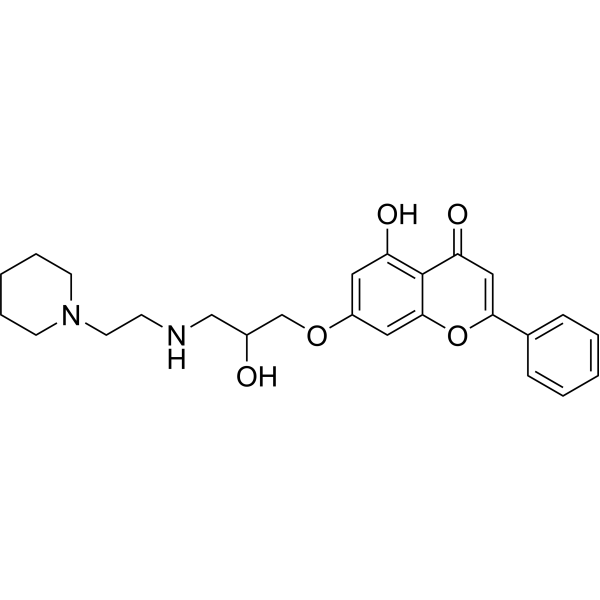
Topoisomerase IIα-IN-5 is a topoisomerase II (topo II) α catalytic inhibitor. Topoisomerase IIα-IN-5 intercalates into DNA and binds to the DNA minor groove. Topoisomerase IIα-IN-5 exhibits better efficacy and less genotoxicity than Etoposide (HY-13629) .
|
-
-
- HY-168848
-
-

-
- HY-16560R
-
|
Campathecin (Standard); (S)-(+)-Camptothecin (Standard); CPT (Standard)
|
Reference Standards
Topoisomerase
ADC Payload
MicroRNA
Influenza Virus
Apoptosis
Fungal
Antibiotic
|
Infection
Cancer
|
|
Camptothecin (Standard) (Campathecin (Standard)) is the analytical standard of Camptothecin (HY-16560). This product is intended for research and analytical applications. Camptothecin (CPT), a kind of alkaloid, is a DNA topoisomerase I (Topo I) inhibitor with an IC50 of 679 nM. Camptothecin (CPT) exhibits powerful antineoplastic activity against colorectal, breast, lung and ovarian cancers, modulates hypoxia-inducible factor-1α (HIF-1α) activity by changing microRNAs (miRNA) expression patterns in human cancer cells.
|
-

-
- HY-145859
-
-
-
- HY-170580
-
|
|
Topoisomerase
|
Cancer
|
|
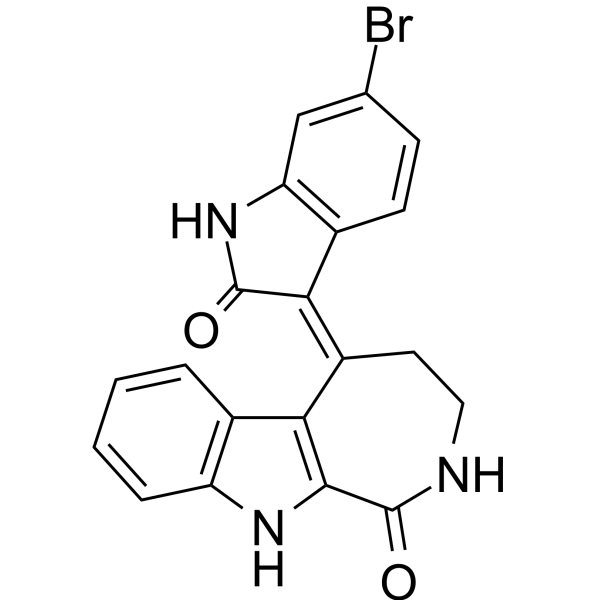
Topo I/II-IN-1 (compound 7t) is a potent Topo I and Topo II dual inhibitor. Topo I/II-IN-1 exhibits significant cytotoxicity against MCF-7 breast cancer cell line with an IC50 of 7.45 μM .
|
-

-
- HY-150755
-
-
-
- HY-170567
-
|
|
Topoisomerase
Bacterial
Antibiotic
|
Infection
|
|
DNA gyrase/Topo IV-IN-1 (Compound 27) is an inhibitor of DNA gyrase and topoisomerase IV, exhibiting antibacterial activity. For Escherichia coli and methicillin-resistant Staphylococcus aureus DNA gyrases, DNA gyrase/Topo IV-IN-1 has an IC50 of 11 and 17 nM respectively, and for topoisomerase IV of Escherichia coli and methicillin-resistant Staphylococcus aureus, the IC50 values are 83 and 21 nM respectively. DNA gyrase/Topo IV-IN-1 can be used for research in the field of anti-infection .
|
-

-
- HY-170557
-
|
|
Topoisomerase
Apoptosis
Mitochondrial Metabolism
|
Cancer
|
|
Topoisomerase IIα-IN-10 (Compound 13r) is an inhibitor of Topoisomerase IIα. It binds to the active site of DNA when complexed with Topoisomerase IIα, and this binding is stabilized through interactions with DNA base pairs and amino acid residues. Topoisomerase IIα-IN-10 can induce Apoptosis by intercalating DNA and inhibiting Topoisomerase IIα, thereby disrupting the mitochondrial membrane potential and inhibiting the growth of HCT116 cell lines, with an IC50 of 4.37 μM against HCT116 cells. Topoisomerase IIα-IN-10 can be used for research in the field of cancer treatment .
|
-

-
- HY-146020
-
|
|
Topoisomerase
|
Cancer
|
|
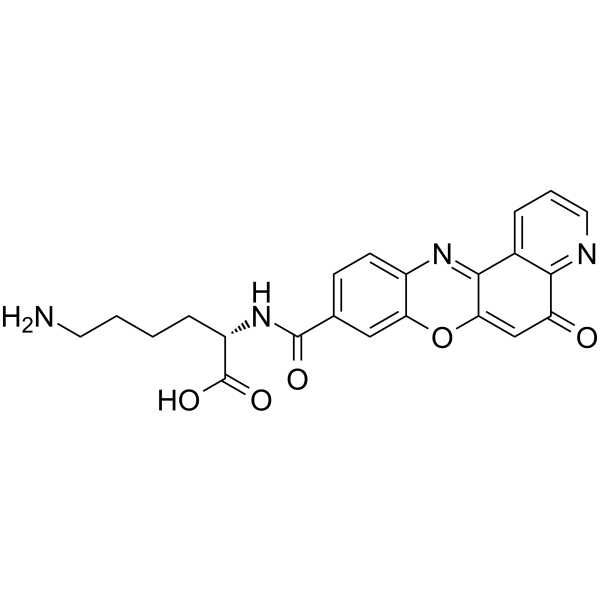
Topoisomerase IIα-IN-1 (compound 2) is a potent DNA-binding ligands and topoisomerase IIα inhibitor. Topoisomerase IIα-IN-1 exhibits high antiproliferative activity against human cancer cell lines .
|
-
-
- HY-147801
-
|
|
Topoisomerase
Apoptosis
|
Cancer
|
|
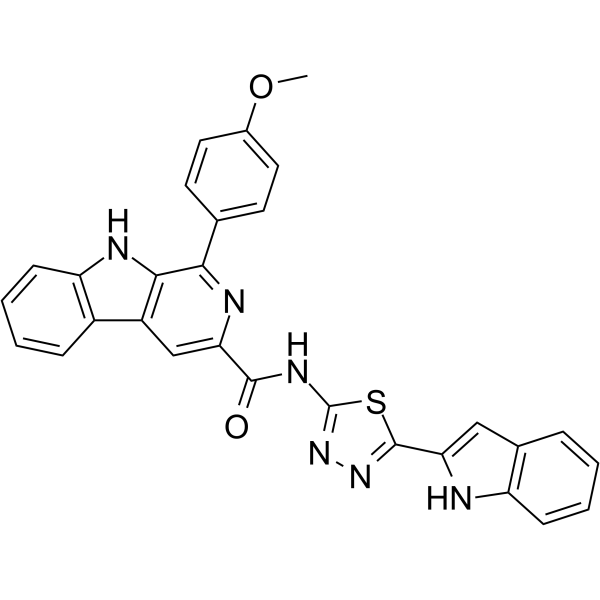
Topoisomerase IIα-IN-3 (Compound 12c) is a DNA intercalative topoisomerase-IIα inhibitor. Topoisomerase IIα-IN-3 arrests cell cycle at the G0/G1 phase and induces apoptosis .
|
-
-
- HY-152479
-
|
|
Topoisomerase
|
Cancer
|
|
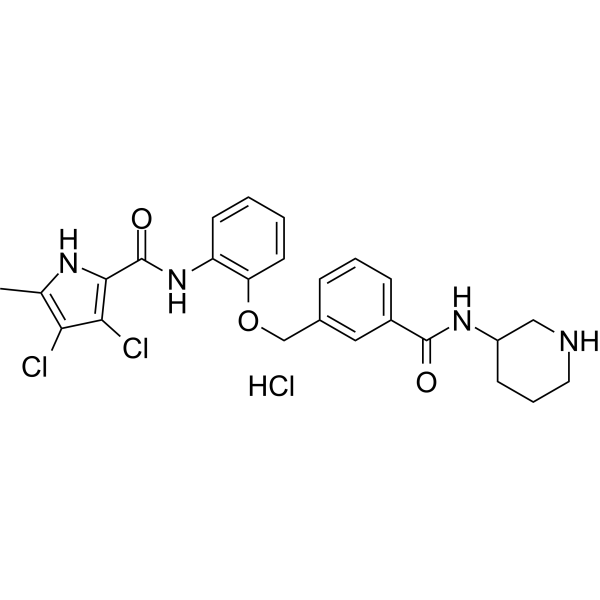
Topoisomerase IIα-IN-7 is an DNA topoisomerase IIα inhibitor with an IC50 value of 7.7 µM. Topoisomerase IIα-IN-7 has broad-spectrum cytotoxicity to leukemia, lung, colon, melanoma, ovarian, kidney, prostate and breast cancer cells. Topoisomerase IIα-IN-7 has metabolic stability .
|
-
-
- HY-152473
-
|
|
Topoisomerase
|
Cancer
|
|
Topoisomerase IIα-IN-6 (Compound 47d) is an inhibitor of DNA topoisomerase IIα/β. Topoisomerase IIα-IN-6 inhibits human topoisomerase IIα and human topoisomerase IIβ with IC50 values of 0.67 µM and 0.55 µM, respectively. Topoisomerase IIα-IN-6 has stable metabolism .
|
-
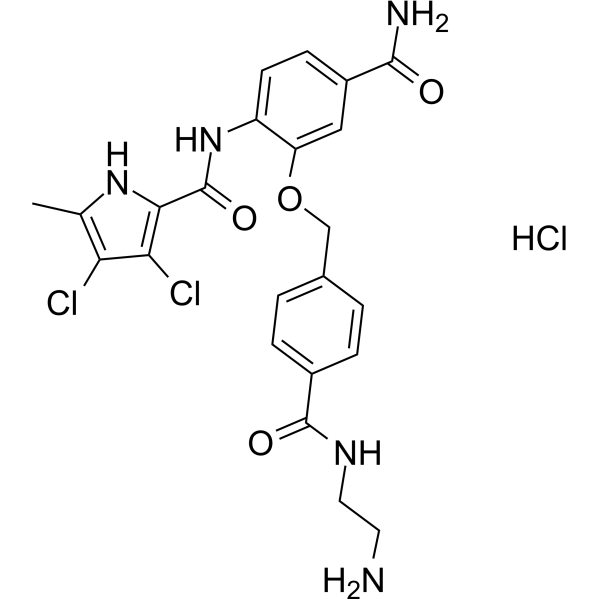
-
- HY-146021
-
|
|
Topoisomerase
|
Cancer
|
|
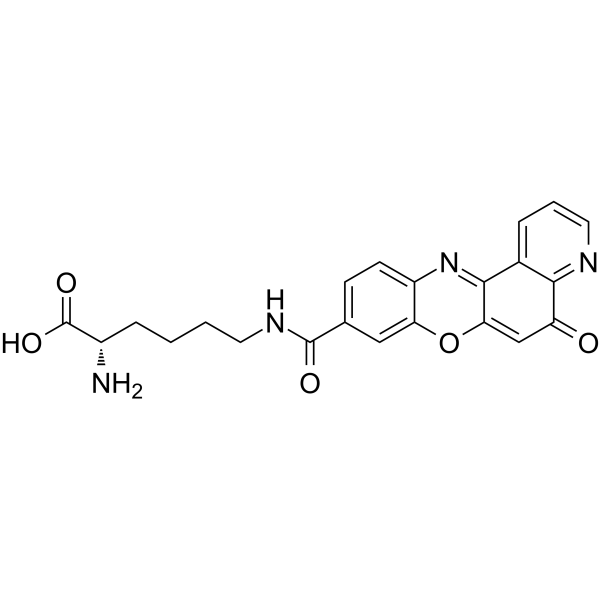
Topoisomerase IIα-IN-2 (compound 5) is a potent DNA-binding ligands and topoisomerase IIα inhibitor. Topoisomerase IIα-IN-2 exhibits high antiproliferative activity against human cancer cell lines. Topoisomerase IIα-IN-2 significantly induces DNA damage and arrests cancer cells at G2/M phase .
|
-
-
- HY-162091
-
|
|
Topoisomerase
|
Cancer
|
|
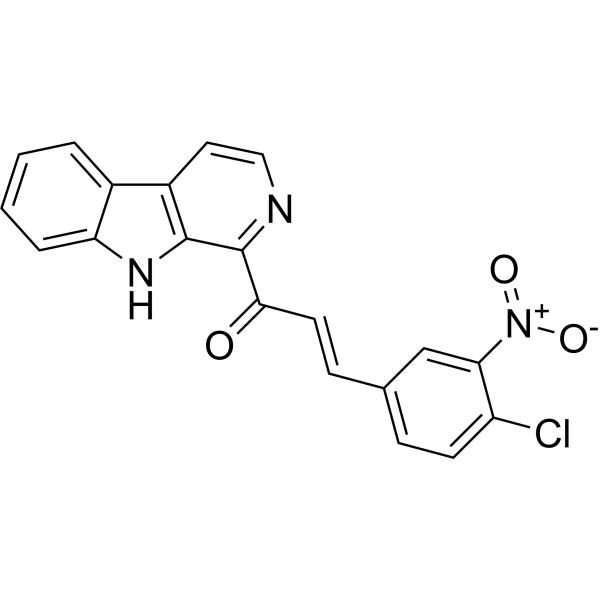
Topoisomerase I inhibitor 13 (Compound G11) is a Topo I inhibitor that inhibits cancer cell proliferation. Topoisomerase I inhibitor 13 significantly inhibits tumor growth in vivo .
|
-
-
- HY-117543
-
|
AMP-53; 6-Ethoxyazonafide
|
Topoisomerase
|
Cancer
|
|
Ethonafide (AMP-53) is an anthracene-containing derivative of Amonafide that belongs to the Azonafide series of anticancer agents. Ethonafide (AMP-53) inhibits topoisomerase II activity by stabilizing the enzyme-DNA complex, involving both topoisomerase IIα and β .
|
-

-
- HY-118379
-
-

-
- HY-174151
-
|
|
Topoisomerase
Apoptosis
|
Cancer
|
|
XSJ110 is a potent irreversible topoisomerase I (Topo I) inhibitor with an IC50 value of 0.133 μM. XSJ110 blocks DNA topoisomerization, induces DNA double-strand breaks, and triggers cell cycle arrest at G0/G1 phase, inducing tumor cell apoptosis. XSJ110 is promising for research of ampullary carcinoma (AC) .
|
-

-
- HY-W031307
-
|
|
Topoisomerase
|
Cancer
|
|
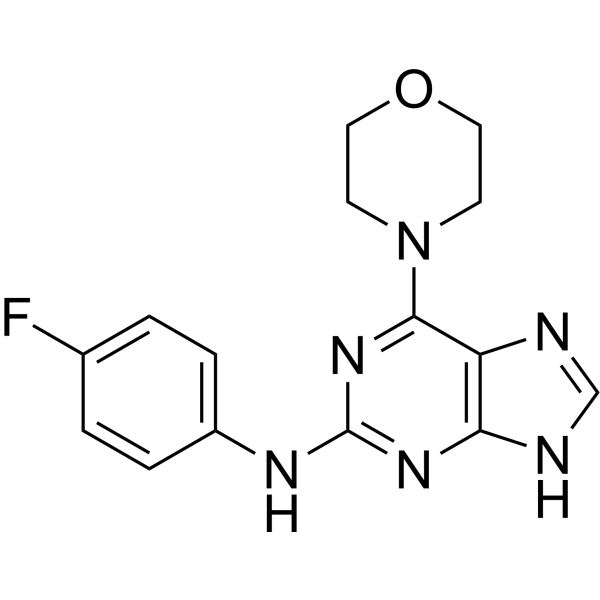
Topoisomerase IIα-IN-8 (compound 15) is a weak human DNA topoisomerase IIa (htIIa) inhibitor, with an IC50 of 462 ± 38.0 μM .
|
-
-
- HY-125424
-
|
|
Bacterial
|
Inflammation/Immunology
|
|
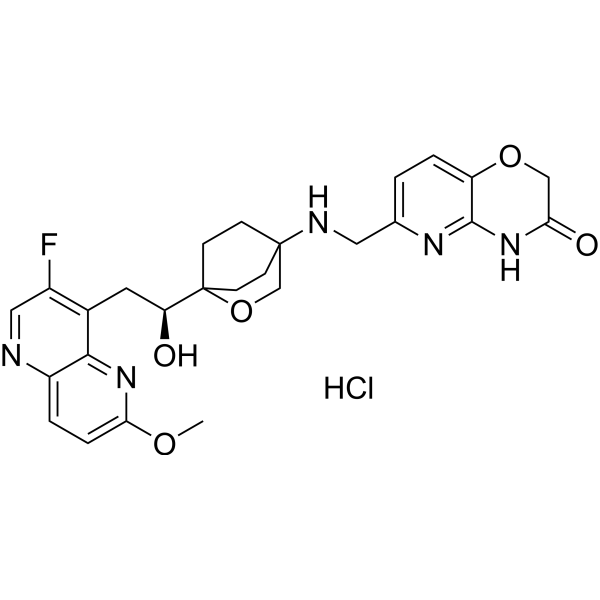
AM8191 is an orally active bactericidal and selectively inhibits DNA synthesis and Staphylococcus aureus gyrase (IC50=1.02 μM) and topo IV (IC50=10.4 μM). AM8191 inhibits S. aureus MSSA (MIC=0.02 μg/mL) and S. aureus MRSA (MIC=0.06 μg/mL) .
|
-
-
- HY-183330
-
|
|
Topoisomerase
Reactive Oxygen Species (ROS)
Apoptosis
MDM-2/p53
Caspase
Bcl-2 Family
|
Cancer
|
|
Topo I/II-IN-3 is a dual inhibitor of topoisomerase I/II (topoisomerase I/II), with an IC50 of 8.99 μM against Topo I and an IC50 of 26.92 μM against Topo II. Topo I/II-IN-3 induces DNA damage, elevates intracellular ROS levels, activates the mitochondrial apoptosis pathway, and exerts cytotoxicity against cancer cells. Topo I/II-IN-3 upregulates the expression of γ-H2AX, p53, activated caspase-9, Bax and activated caspase-3, while downregulating the expression of Bcl-2. Topo I/II-IN-3 can be used in research related to breast cancer, liver cancer and gastric cancer .
|
-

- HY-158230
-
|
|
Topoisomerase
|
Cancer
|
|
SN-398 is a derivative of Camptothecin (HY-158230), which is an antitumor drug. Acting by inhibiting mammalian DNA topoisomerase I (Topo I), stabilizing the Topo I-DNA complex prevents DNA rewiring to induce Topo I mediated DNA breaks. In Hela cell tests, SN-398 shows stronger antitumor activity than SN-38 (HY-13704) (IC50=1.562 μM). SN-398 can be used to study the anti-proliferation and growth inhibition of Topo I in cancer cells .
|
-

- HY-W178011
-
|
4,4'-Sulfonylbis(2-methylphenol)
|
Topoisomerase
|
Cancer
|
|
Topoisomerase IIα-IN-9 (NSC85582) is a bisphenol compound that has a moderate inhibitory effect on DNA topoisomerase Topoisomerase II (IC50: 571 μM). Topoisomerase IIα-IN-9 also exhibits a certain cell growth inhibitory effect, with IC50s of 117 μM and 218 μM for K562 and CHO, respectively .
|
-

- HY-10982A
-
|
AS1413 dihydrochloride
|
Topoisomerase
|
Others
|
|
Amonafide dihydrochloride (AS1413 dihydrochloride) is a topoisomerase II (Topo II) inhibitor and DNA intercalator with activity in inducing apoptotic signaling. Amonafide dihydrochloride can inhibit the binding of Topo II to DNA, thereby preventing the synthesis of DNA and RNA. Amonafide dihydrochloride maintains cytotoxic activity in the presence of P-glycoprotein-mediated multidrug resistance (MDR) .
|
-

- HY-134290
-
|
|
Topoisomerase
|
Cancer
|
|
8-Chloro-ATP, an ATP (HY-B2176) analog, is a topoisomerase II (Topo II) inhibitor. 8-Chloro-ATP inhibits DNA synthesis and induces DNA double-stranded breaks (DSBs). 8-Chloro-ATP inhibits Topo II-catalyzed ATP hydrolysis .
|
-

- HY-149002
-
|
|
Topoisomerase
Apoptosis
|
Cancer
|
|
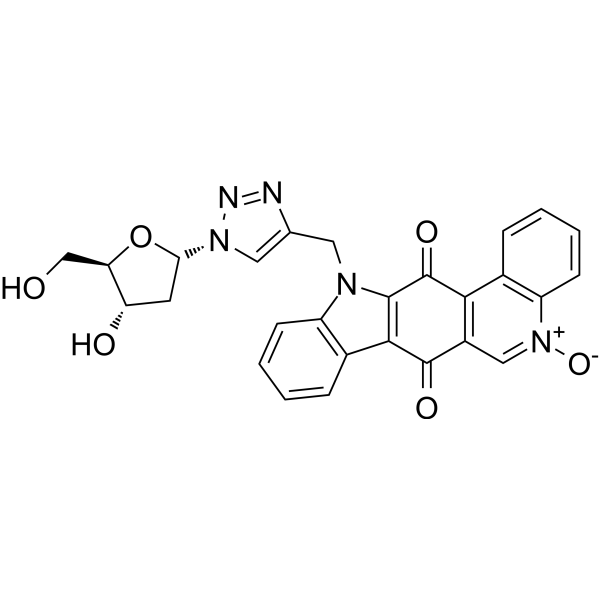
Topoisomerase I/II inhibitor 4 (compound F16) is a potent topoisomerase I (Topo I) and II (Topo II) dual inhibitor. Topoisomerase I/II inhibitor 4 inhibits cell proliferation, invasion and migration and induces apoptosis. Topoisomerase I/II inhibitor 4 can be used for liver cancer research .
|
-
- HY-134290A
-
|
|
Topoisomerase
|
Cancer
|
|
8-Chloro-ATP tetrasodium, an ATP (HY-B2176) analog, is a topoisomerase II (Topo II) inhibitor. 8-Chloro-ATP tetrasodium inhibits DNA synthesis and induces DNA double-stranded breaks (DSBs). 8-Chloro-ATP tetrasodium inhibits Topo II-catalyzed ATP hydrolysis .
|
-

- HY-149271
-
|
|
Bacterial
DNA/RNA Synthesis
Topoisomerase
|
Infection
|
|
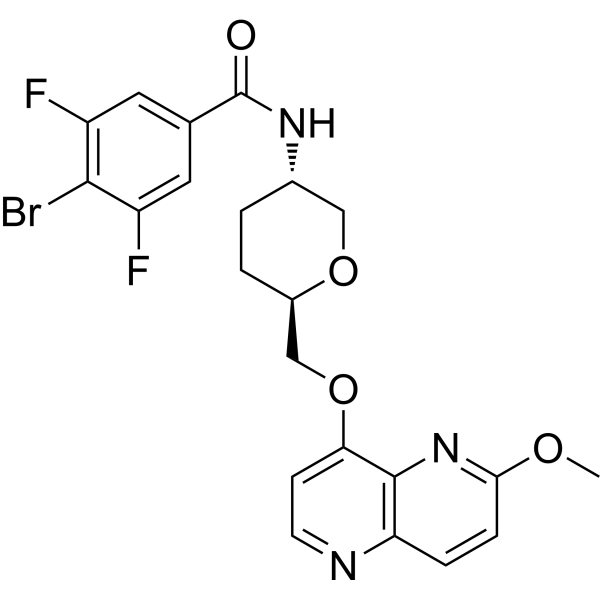
Anti-MRSA agent 7 (Compound 12) is a potent antibacterial agent. Anti-MRSA agent 7 inhibits S. aureus DNA gyrase, E. coli DNA gyrase, S. aureus topo IV and E. coli topo IV with IC50s of 0.185, 0.365, 0.341 and 0.059 μM, respectively .
|
-
- HY-W715630
-
|
|
Topoisomerase
|
Cancer
|
|
Salvicine is a DNA topoisomerase II inhibitor (IC50=3 μM). Salvicine increases the interaction between DNA and Topo II by interacting with the ATPase domain, inhibiting DNA degradation and ATP hydrolysis. Salvicine has anticancer activities, including inhibiting Topo II, causing DNA damage, overcoming multidrug resistance, and inhibiting tumor cell adhesion .
|
-

- HY-145867
-
|
|
Topoisomerase
EGFR
CDK
Apoptosis
|
Cancer
|
|
EGFR-IN-45 is a potent epidermal growth factor receptor (EGFR) pan inhibitor, with IC50s of 0.4 µM and 1.6 µM for EGFR and CDK2, respectively. EGFR-IN-45 also inhibit Topo I and Topo II. EGFR-IN-45 arrests cancer cells in the pre-G1 phase and induces apoptosis .
|
-
- HY-N12747
-
|
|
Topoisomerase
|
Others
|
|
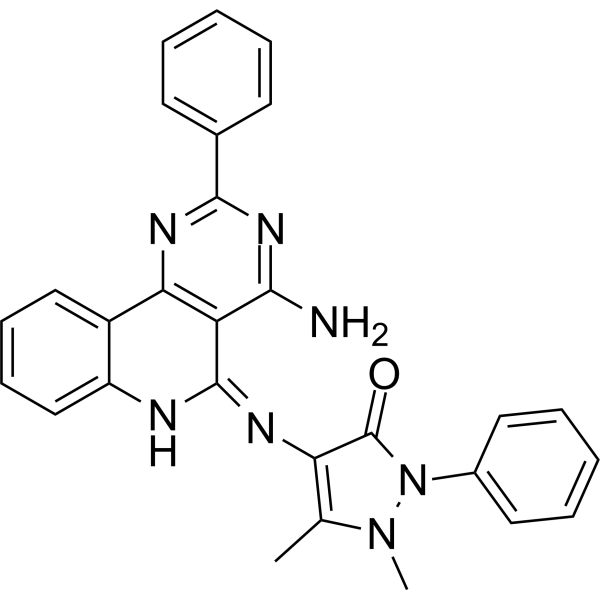
Dichlorogelignate (compound 4) is a selective inhibitor of topoisomerase II (Topo II). Dichlorogelignate has 100% inhibition at 50 μM .
|
-
- HY-126333
-
|
|
Topoisomerase
|
Cancer
|
|
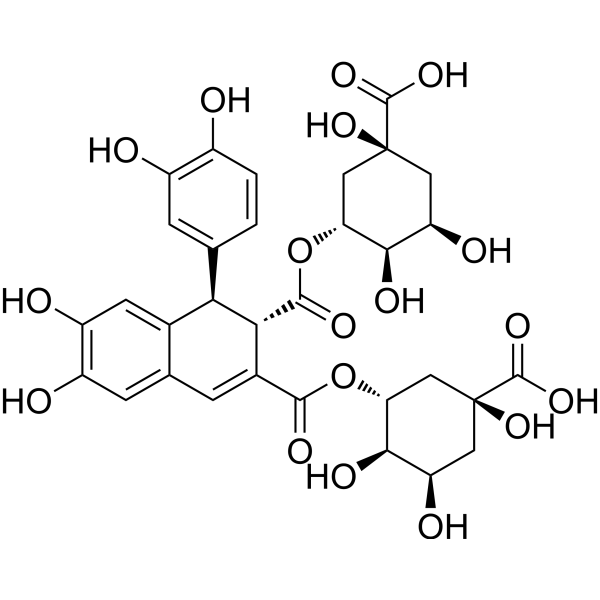
Topoisomerase II inhibitor 1 (compound 89) is a highly efficient and selective topoisomerase IIα inhibitor .
|
-
- HY-115991
-
|
|
Topoisomerase
Bacterial
|
Infection
|
|
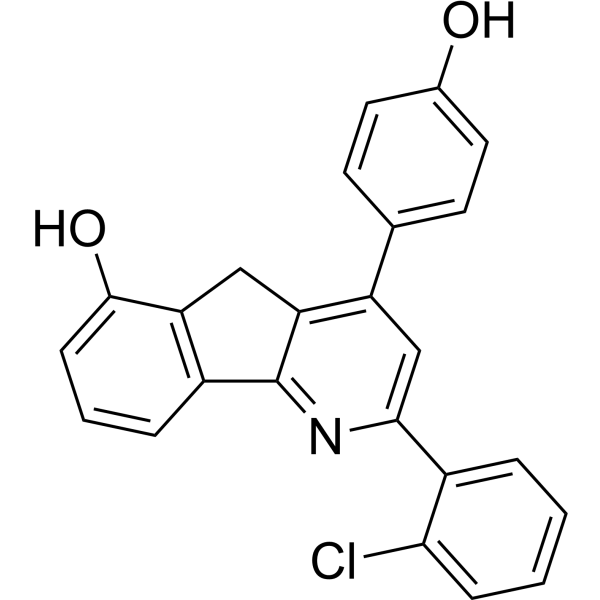
Topoisomerase IV inhibitor 2 (compound 5d) is a potent DNA topoisomerase IV (TOPO IV) inhibitor with IC50s of 0.35 μM and 0.55 μM for TOPO IV and DNA gyrase, respectively. Topoisomerase IV inhibitor 2 has anti-bacterial activity, with MICs of 1.985 μM and 0.744 μM in Staphylococcus aureus Newman and Escherichia coli ATCC8739, respectively .
|
-
- HY-146504
-
|
|
Topoisomerase
PI3K
Apoptosis
Reactive Oxygen Species (ROS)
|
Cancer
|
|
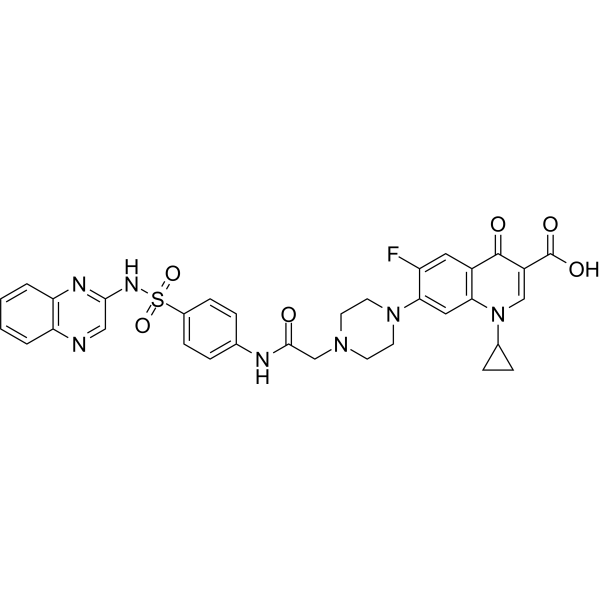
Topoisomerase I/II inhibitor 3 (compound 7) is a potent topoisomerase I (Topo I) and II (Topo II) dual inhibitor. Topoisomerase I/II inhibitor 3 can inhibit cell proliferation, invasion and migration, and induce apoptosis by inhibiting PI3K/Akt/mTOR signaling pathway. Topoisomerase I/II inhibitor 3 can be used for liver cancer research .
|
-
- HY-169299
-
|
|
PARP
Topoisomerase
Apoptosis
|
Cancer
|
|
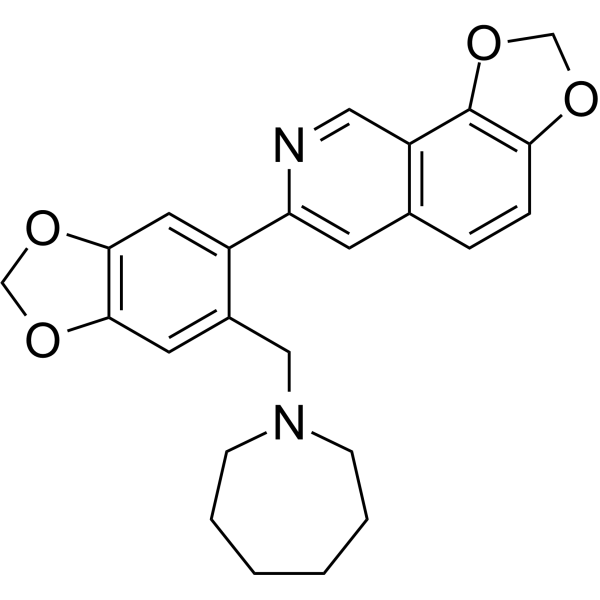
TOPOI/PARP-1-IN-2 (compound 6c) is a dual PARP-1 and topoisomerase 1 (TOPO-1) inhibitor with IC50s of 32.2 nM and 46.2 nM, respectively. TOPOI/PARP-1-IN-2 shows a selectivity for PARP-1 over PARP-2. TOPOI/PARP-1-IN-2 disrupts the cell cycle at the S phase and induces apoptosis in NCI-60 cancer cell lines .
|
-

- HY-10982R
-
|
AS1413 (Standard)
|
Topoisomerase
Reference Standards
|
Cancer
|
|
Amonafide (Standard) is the analytical standard of Amonafide. This product is intended for research and analytical applications. Amonafide is a topoisomerase II inhibitor and DNA intercalator that induces apoptotic signaling by blocking the binding of Topo II to DNA.
|
-

- HY-147877
-
|
|
Topoisomerase
|
Cancer
|
|
Topoisomerase II inhibitor 12 (Compound 8c) is a topoisomerase II (topo II) inhibitor, working as a DNA non-intercalator. Topoisomerase II inhibitor 12 shows antineoplastic activity .
|
-
- HY-B0902AR
-
|
MF-934 hydrochloride (Standard)
|
Reference Standards
Bacterial
Antibiotic
|
Infection
|
|
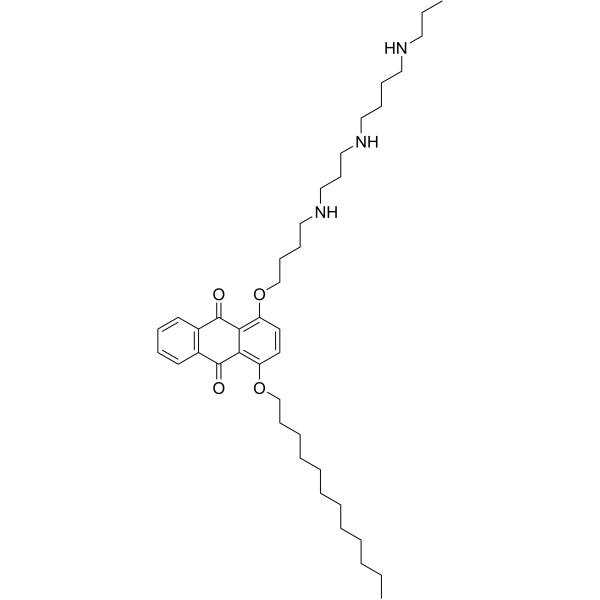
Rufloxacin hydrochloride (Standard) is the analytical standard of Rufloxacin hydrochloride. This product is intended for research and analytical applications. Rufloxacin hydrochloride (MF-934 hydrochloride) is a fluoroquinolone antibacterial, inhibits B-cell differentiation in human mononuclear cells, inhibits Topo.
|
-

- HY-173001
-
|
|
Topoisomerase
|
Cancer
|
|
AuL1 is an inhibitor of topoisomerase IIα (Top II) with DNA-intercalating properties. AuL1 is cytotoxic to tumor cells and can be used in the research of anticancer agents .
|
-

- HY-163660
-
|
|
Carbonic Anhydrase
|
Infection
|
|
Carbonic anhydrase inhibitor 23 (compound 40) is a potent inhibitor of carbonic anhydrase (CA), with the Ki of 617.2 nM and 434.1 nM for hCA I (α) and hCA II (α), respectively .
|
-

- HY-146163
-
|
|
Topoisomerase
Apoptosis
|
Cancer
|
|
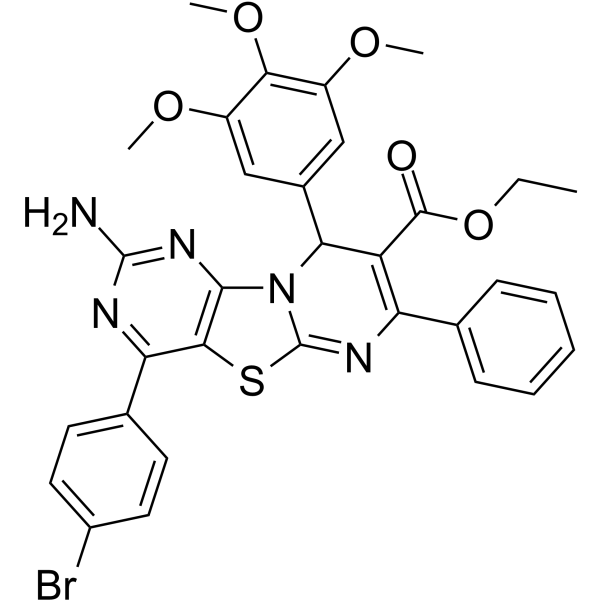
Topoisomerase II inhibitor 7 (compound 3a) is a potent inhibitor of topoisomerase II alpha subtype, with an IC50 of 3.19 μM. Topoisomerase II inhibitor 7 can induce cell cycle arrest and apoptosis .
|
-
- HY-17460B
-
|
BMS 284756 mesylate
|
Bacterial
Topoisomerase
Antibiotic
|
Infection
|
|
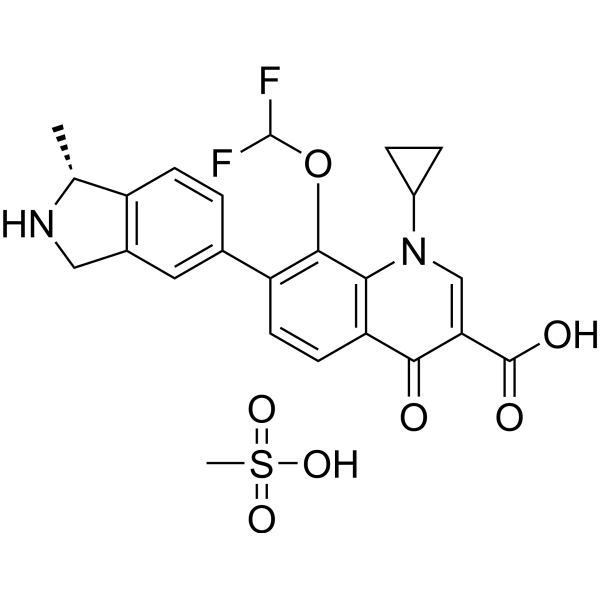
Garenoxacin (BMS 284756) mesylate is an orally active quinolone antibiotic and Garenoxacin mesylate has a broad spectrum of activity against a wide array of gram-positive and gram-negative bacteria, anaerobes. Garenoxacin mesylate also inhibits Gyrase and TOPO IV .
|
-
- HY-163104
-
|
|
Bacterial
|
Infection
|
|
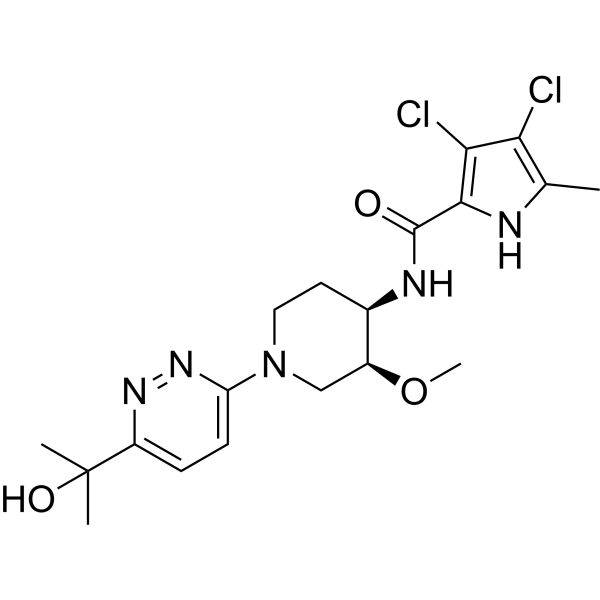
Antibacterial agent 169 (Compound 28) is a pyrrolamide-type GyrB/ParE inhibitor with antibacterial activity. Antibacterial agent 169 has an inhibitory effect on Gyrase and Topo IV of Staphylococcus aureus, with IC50 values of 49 nmol/L and 1.513 μmol/L respectively .
|
-
- HY-163723
-
|
|
EGFR
VEGFR
Topoisomerase
|
Cancer
|
|
EGFR-IN-116 (compound 14D) is an anticancer agent. EGFR-IN-116 against EGFR has the IC50 valuesof EGFR, VEGFR-2 and Topo II are 0.103 μM, 0.069 μM and 19.74 μM, respectively .
|
-

- HY-146094
-
|
|
Topoisomerase
|
Cancer
|
|
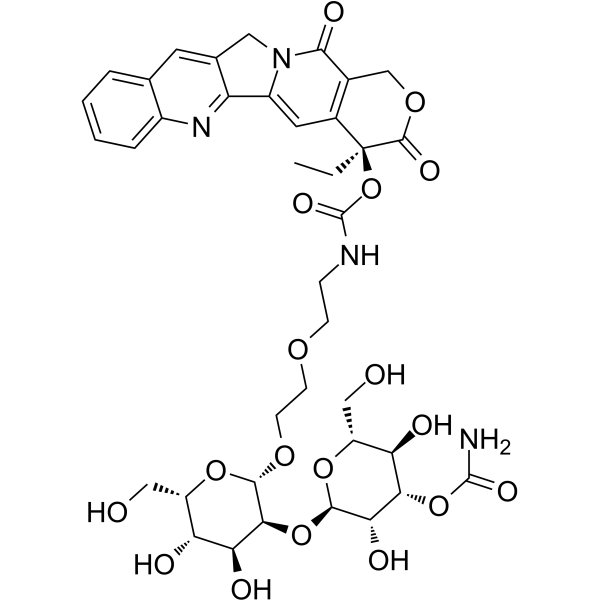
Antitumor agent-63 (Compound 40), a 20 (S)-O-linked camptothecin (CPT) glycoconjugate, is an antitumor agent without toxicity towards normal cells. Antitumor agent-63 shows high stability and very weak direct topoisomerase I (Topo I) inhibition .
|
-
- HY-156723
-
|
|
Topoisomerase
|
Cancer
|
|
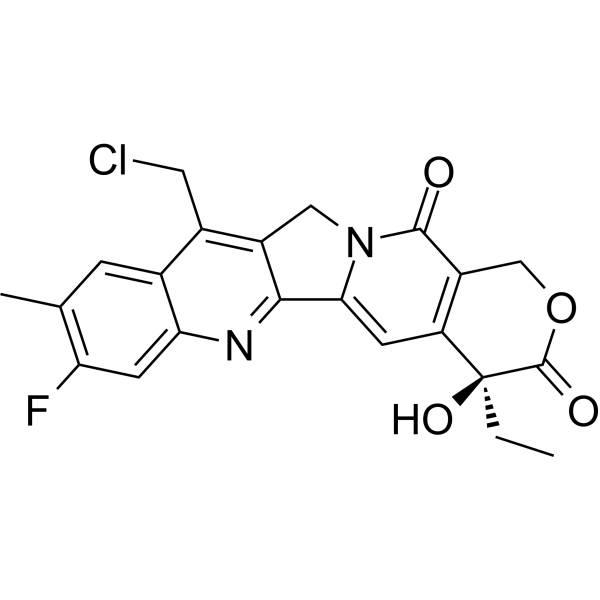
9-Chloromethyl-10-hydroxy-11-F-Camptothecin is a novel camptothecin derivatives. 9-Chloromethyl-10-hydroxy-11-F-Camptothecin is a DNA topoisomerase I (Topo I) inhibitor, can be used in anticancer research .
|
-
- HY-147698
-
|
|
CDK
Topoisomerase
Apoptosis
|
Cancer
|
|
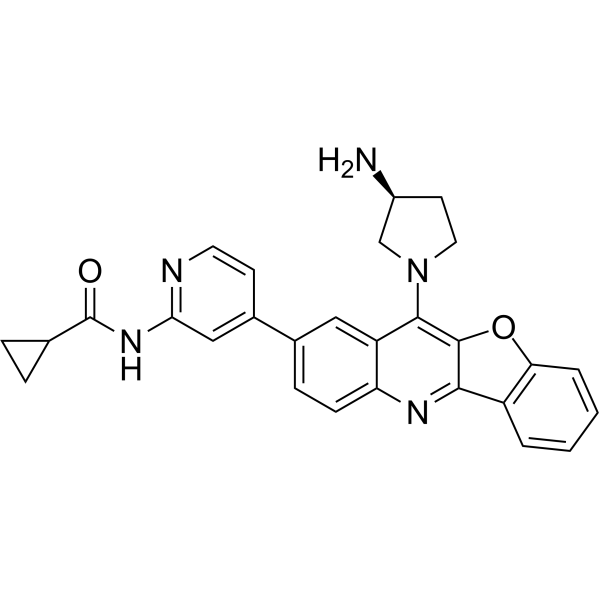
ZLHQ-5f is a dual CDK2 and Topo I inhibitor with an IC50 of 0.145 μM against CDK2/CycA2. ZLHQ-5f arrests the cell cycle in S-phase, triggers apoptosis in HCT116 cells, and has a good safety profile .
|
-
- HY-157324
-
|
|
EGFR
Apoptosis
VEGFR
|
Cancer
|
|
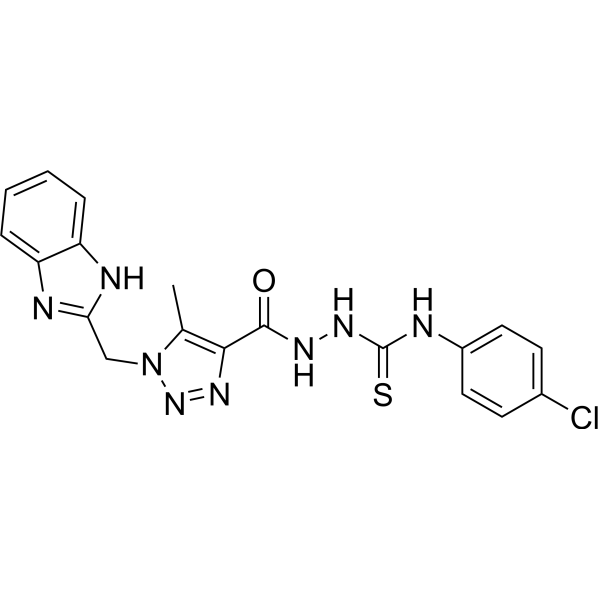
EGFR-IN-94 (compound 5a) is a EGFR inhibitor with IC50 of 0.086?μM, and also has IC50 of 0.107μM and 2.52 μM for VEGFR-2 and Topo II, respectively. EGFR-IN-94 induces cell apoptosis and arrests cell cycle at the S phase in HepG-2 cells .
|
-
- HY-146189
-
|
|
Topoisomerase
Apoptosis
|
Cancer
|
|
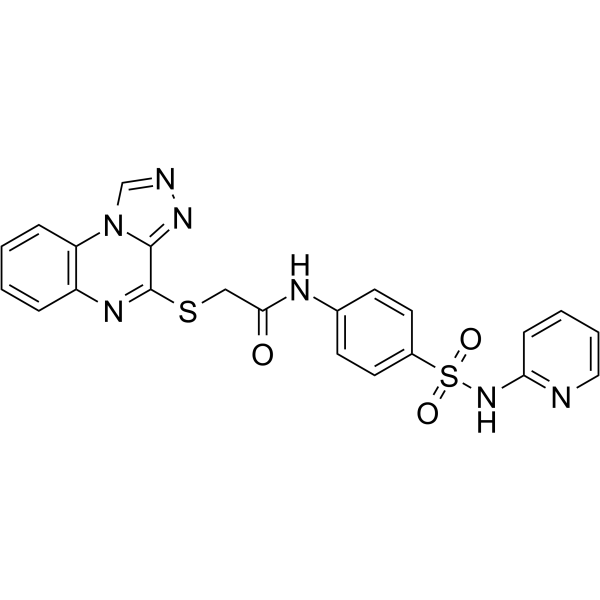
Topoisomerase II inhibitor 9 (Compound 19b) is a Topo II inhibitor with an IC50 of 0.97 μM. Topoisomerase II inhibitor 9 is also a classical DNA-intercalator with an IC50 of 43.51 μM. Topoisomerase II inhibitor 9 arrests the cell cycle at the G2/M phase and induces apoptosis in Hep G‐2 cells .
|
-
- HY-161970
-
|
|
Topoisomerase
Apoptosis
|
Cancer
|
|
XSJ05 is a camptothecin (CPT) derivative that can inhibit topoisomerase I (Topo I) to exert anti-cancer activity. XSJ05 can trigger DNA double-strand breaks, leading to DNA damage. XSJ05 can inhibit the growth of colorectal cancer (CRC), arrest the cell cycle in G2/M phase, and induce apoptosis .
|
-

- HY-150045
-
|
|
Topoisomerase
Bacterial
|
Infection
|
|
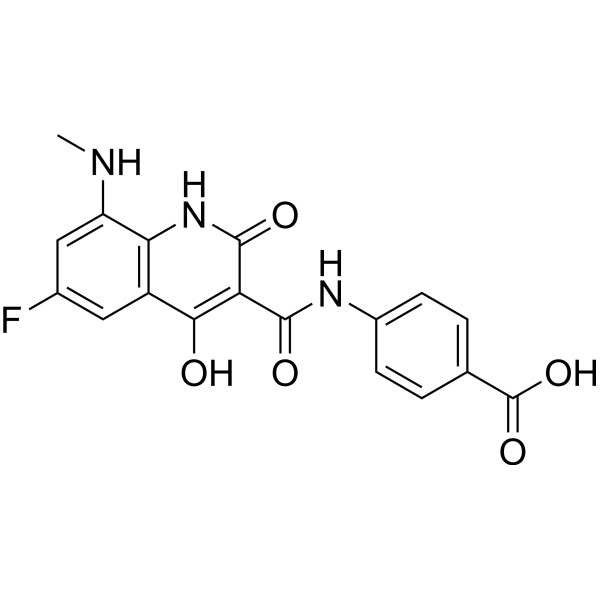
TP0480066 is a selective topoisomerase II inhibitor with IC50s of 1.10 and 62.89 nM for DNA gyrase and topo IV, respectively. TP0480066 shows good activity of againsting various bacterial species including drug-resistant strains. TP0480066 also exhibits potent inhibitory activity to N. gonorrhoeae, can be used in study of gonorrhea .
|
-
- HY-175853
-
|
|
Topoisomerase
Apoptosis
Caspase
|
Cancer
|
|
Topoisomerase II-IN-24 is a Topoisomerase IIα inhibitor with an IC50 of 41.67 μM. Topoisomerase II-IN-24 can inhibit cancer cells proliferation, induce G2/M phase arrest and induce apoptosis. Topoisomerase II-IN-24 can be used for the research of cancer, such as colon cancer .
|
-

- HY-141436R
-
|
Sucrose octasulfate potassium (Standard)
|
Biochemical Assay Reagents
Reference Standards
|
Cancer
|
|
Sucrosofate (potassium) (Standard) is the analytical standard of Sucrosofate (potassium). This product is intended for research and analytical applications. Sucrosofate (Sucrose octasulfate) potassium is a sucrose acid that can be used to prepare liposomes to deliver Irinotecan (HY-16562). Irinotecan is an inhibitor of topoisomerase Topo I and is commonly used in colon and rectal cancer research. Sucrosofate nanoliposome preparation loaded with Irinotecan, also known as PEP02 or MM-398 .
|
-

- HY-101775
-
|
|
Topoisomerase
|
Cardiovascular Disease
Cancer
|
|
9-hydroxyellipticine is an inhibitor of Topo II and RyR, exhibiting high affinity for DNA with a Pka value of 9.8 at pH 7.4. It has antitumor, antioxidant, and catecholamine-releasing activities, with IC50 values of 1.6 μM and 1.2 μM for Hela S-3 and 293T cells, respectively. It also demonstrates anticancer effects in L1210 leukemia mice .
|
-

- HY-153685
-
|
|
Topoisomerase
Akt
Apoptosis
|
Cancer
|
|
NISC-6 is a novel dual Topo-IIα/Akt inhibitor. NISC-6 has inhibitory activity against various cells, such as UACC903 (IC50 = 2.5 µM) and CHL-1 (IC50 = 0.8 µM) cells. NISC-6 dose dependently induces early and late apoptosis. NISC-6 can be used for research on melanoma .
|
-

- HY-101775AR
-
|
|
Reference Standards
Topoisomerase
|
Cardiovascular Disease
Cancer
|
|
9-Hydroxyellipticine (hydrochloride) (Standard) is the analytical standard of 9-Hydroxyellipticine (hydrochloride). This product is intended for research and analytical applications. 9-Hydroxyellipticine hydrochloride is a inhibitor of Topo II and RyR. 9-Hydroxyellipticine hydrochloride exhibits antitumor, antioxidant and catecholamine-releasing activities. 9-Hydroxyellipticine hydrochloride exhibits IC50 values of 1.6 μM and 1.2μM in Hela S-3 and 293T cells, respectively .
|
-

- HY-143280
-
|
|
Topoisomerase
|
Cancer
|
|
Topoisomerase II inhibitor 4 (compound E17) is a potent Topoisomerase II inhibitor. Topoisomerase II inhibitor 4 triggers G2/M cell cycle arrest and shows anti-tumor activity with strong cytotoxic and anti-proliferative effect .
|
-
- HY-173192
-
|
|
Bacterial
|
Infection
|
|
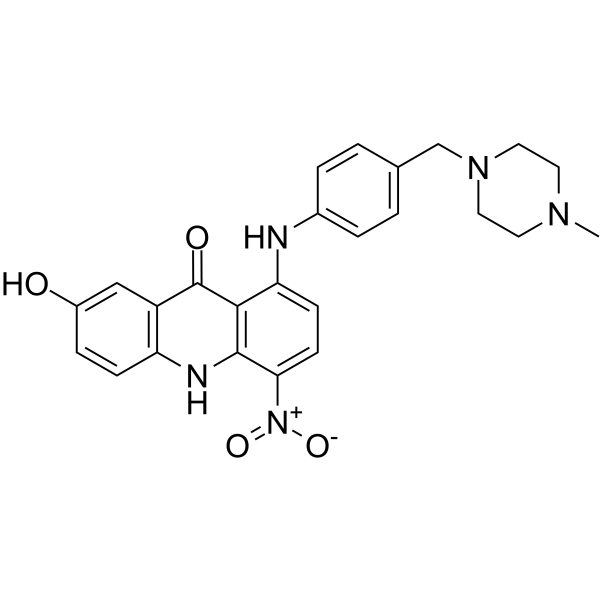
Antibacterial agent 272 (Compound Z22) is a potential antimicrobial agent targeting DNA and the DNA-topoisomerase II (DNA-Topo II) complex, exhibiting MIC values of 1 μg/mL against Staphylococcus aureus 25923 and 29213, 2 μg/mL against Staphylococcus epidermidis 12228, 2-4 μg/mL against Enterococcus faecalis, and 4 μg/mL against Pseudomonas aeruginosa 9027 and 27853, demonstrating potent antibacterial activity. This compound functions by intercalating with DNA base pairs to disrupt normal bacterial DNA function, making it suitable for research on bacterial infectious diseases .
|
-

- HY-181018
-
|
|
Topoisomerase
PAK
Bcl-2 Family
IAP
Reactive Oxygen Species (ROS)
Apoptosis
|
Cancer
|
|
Topo I/DDX5-IN-1 (Compound A10) is a Topo I and DDX5 inhibitor. Topo I/DDX5-IN-1 inhibits Topo I activity, binds to DDX5, and suppresses DDX5 function. Topo I/DDX5-IN-1 increases expression of γ-H2AX and p21, suppresses the expression of antiapoptotic proteins (Bcl-2 and XIAP), stimulates ROS generation, and triggers Apoptosis. Topo I/DDX5-IN-1 exhibits anticancer activity against pancreatic cancer, non-small cell lung cancer, skin cancer, and colorectal cancer .
|
-

- HY-183700
-
|
|
DNA/RNA Synthesis
Topoisomerase
Bacterial
|
Infection
|
|
DNA gyrase/Topo IV-IN-3 is an inhibitor of Escherichia coli DNA gyrase and Topoisomerase IV, with IC50 values of 1.75 μM and 3.47 μM, respectively. DNA gyrase/Topo IV-IN-3 acts as a biofilm inhibitor and exhibits antibacterial activity against both Gram-negative and Gram-positive bacteria. DNA gyrase/Topo IV-IN-3 can be used in studies related to bacterial infections .
|
-

- HY-180509
-
|
|
Topoisomerase
MDM-2/p53
|
Cancer
|
|
Topoisomerase I/IIα-IN-1 (Compound 20i) is a Topoisomerase I/IIα inhibitor. MDM2-IN-27 can effectively block the inhibitory effect of MDM2 on p53, thereby activating the p53 pathway. MDM2-IN-27 has relatively poor anti-proliferative activity against breast cancer, colon cancer, and cutaneous squamous cell carcinoma .
|
-

- HY-181836
-
|
|
IKK
Topoisomerase
Apoptosis
NF-κB
Reactive Oxygen Species (ROS)
Bcl-2 Family
|
Cancer
|
|
IKKβ-IN-6 is an antitumor agent. IKKβ-IN-6 inhibits IKKβ (IC50: 18.24 μM), thereby suppressing the phosphorylation of p65 and IκBα, blocking the nuclear translocation of p65, and subsequently regulating genes controlled by NF-κB. IKKβ-IN-6 also targets topoisomerase I (Topo I), induces DNA damage, ROS accumulation, loss of mitochondrial membrane potential, and S-phase arrest. IKKβ-IN-6 is applicable to related research on colorectal cancer .
|
-

- HY-182748
-
|
|
Topoisomerase
DNA/RNA Synthesis
Apoptosis
|
Cancer
|
|
NL-26 is a Topoisomerase I inhibitor. NL-26 stabilizes the covalent Topoisomerase I (Topo I)-DNA complex, prevents DNA religation and triggers the DNA damage response. NL-26 induces G2/M cell cycle arrest and apoptosis in cancer cells. NL-26 can be used for the research of colorectal cancer .
|
-

- HY-182760
-
|
|
DNA Alkylator/Crosslinker
Bcl-2 Family
Caspase
Apoptosis
Topoisomerase
|
Cancer
|
|
MN33-63 is a Bcl-2 inhibitor, caspase-3 activator and DNA crosslinker with broad-spectrum anticancer activity. MN33-63 improves the water solubility of SN-38 (HY-13704), inhibits tumor growth and proliferation in a dose-dependent manner, and causes no obvious toxicity. MN33-63 relieves the inhibition of the mitochondrial apoptotic pathway, initiates the apoptosis program, inhibits Topo I activity, and promotes its degradation via the ubiquitin-proteasome and autophagy-lysosome pathways. MN33-63 induces DNA crosslinking, G2/M cell cycle arrest, inhibition of cancer cell migration, and cancer cell apoptosis through the mitochondrial pathway. MN33-63 can be used in the research of colorectal cancer, cervical cancer, hepatocellular carcinoma, lung adenocarcinoma and gastric cancer .
|
-

- HY-118823
-
-

- HY-179616
-
-

- HY-19024R
-
|
NSC 336628 (Standard)
|
Topoisomerase
Reference Standards
|
Cancer
|
|
Merbarone (Standard) is the analytical standard of Merbarone. This product is intended for research and analytical applications. Merbarone (NSC 336628) is an orally active inhibitor of topoisomerase II. Merbarone acts primarily by blocking topoisomerase II-mediated DNA cleavage without stabilizing topo II-DNA covalent complexes. Merbarone is an anticancer agent .
|
-

- HY-E70901
-
|
|
Topoisomerase
|
Metabolic Disease
|
|
Topoisomerase II α, Human (EC 5.99.1.3) is a nuclear enzyme that play essential roles in DNA replication, transcription, chromosome segregation, and recombination. All cells have two major forms of topoisomerases: type I, which makes single-stranded cuts in DNA, and type II enzymes, which cut and pass double-stranded DNA.
|
-

- HY-N18184
-
|
|
Others
|
Others
|
|
Naringenin-7-O-(3''-E-p-coumaroyl-β-D-glucopyranoside) (Compound 5) is a flavonoid. Naringenin-7-O-(3''-E-p-coumaroyl-β-D-glucopyranoside) can be isolated from the aerial parts of C. texanus. Naringenin-7-O-(3''-E-p-coumaroyl-β-D-glucopyranoside) does not inhibit Topo I .
|
-

- HY-181694
-
|
|
Topoisomerase
HDAC
Apoptosis
Kinesin
RAD51
|
Cancer
|
|
SeSA-HCPT is an orally active dual-target inhibitor integrating Topo I and HDAC inhibition. SeSA-HCPT induces potent DNA damage, apoptosis, S-phase arrest in prostate cancer cells. SeSA-HCPT inhibits cancer cells proliferation and migration. SeSA-HCPT impairs homologous recombination by suppressing KIF4A-RAD51 signaling. SeSA-HCPT markedly inhibits CRPC tumor growth with minimal systemic toxicity .
|
-

- HY-180823
-
|
|
Topoisomerase
EGFR
Apoptosis
Caspase
Bcl-2 Family
|
Cancer
|
|
Topoisomerase II/EGFR-IN-2 (Compound 3) is an inhibitor of Topoisomerase IIα (IC50 = 0.122 μM) and EGFR-TK WT (IC50 = 16.8 μM). Topoisomerase II/EGFR-IN-2 inhibits the proliferation of HeLa and HepG2 cells, inducing cell cycle arrest and apoptosis. Topoisomerase II/EGFR-IN-2 upregulates caspase-3 and Bax, and downregulates Bcl-2. Topoisomerase II/EGFR-IN-2 can be used to study liver cancer and cervical cancer .
|
-

- HY-180508
-
|
|
MDM-2/p53
Topoisomerase
|
Cancer
|
|
MDM2-IN-27 (Compound 20k) is an MDM2 inhibitor. MDM2-IN-27 can effectively block the inhibitory effect of MDM2 on p53, thereby activating the p53 pathway. MDM2-IN-27 has a certain topoisomerase I inhibitory activity and has a very weak inhibitory effect on topoisomerase IIα. MDM2-IN-27 exhibits significant anti-proliferative activity against breast cancer, colon cancer, and cutaneous squamous cell carcinoma .
|
-

- HY-181837
-
|
|
IKK
NF-κB
Bcl-2 Family
Reactive Oxygen Species (ROS)
Apoptosis
|
Cancer
|
|
IKKβ-IN-7 is an IKKβ inhibitor with an IC50 value of 9.44 μM. IKKβ-IN-7 induces DNA damage, S-phase cell cycle arrest, ROS accumulation, mitochondrial membrane potential loss, and apoptosis. IKKβ-IN-7 inhibits phosphorylation of p65 and IκBα, suppresses p65 nuclear translocation, and regulates NF-κB-controlled genes. IKKβ-IN-7 suppresses tumor growth in xenograft models and shows activity against colorectal cancer with low normal cell cytotoxicity. IKKβ-IN-7 can be used for the research of colorectal cancer .
|
-

- HY-178738
-
|
|
Antibiotic
Bacterial
Topoisomerase
DNA/RNA Synthesis
|
Infection
|
|
GC-072 is an orally active, 4-oxoquinolizine antibiotic that selectively inhibits bacterial DNA gyrase and Topo IV enzymes. GC-072 does not inhibit human topoisomerases I and II. GC-072 demonstrates strong antimicrobial activity against various bacterial strains, including Gram-positive, Gram-negative, and resistant bacteria. GC-072 also exhibits bactericidal activity against Burkholderia pseudomallei both extracellularly and intracellularly, leading to dose-dependent survival in mice exposed to lethal inhalational models of B. pseudomallei infection. GC-072 can be used for the research of melioidosis .
|
-

- HY-156104
-
|
|
PROTACs
CaMK
|
Neurological Disease
|
|
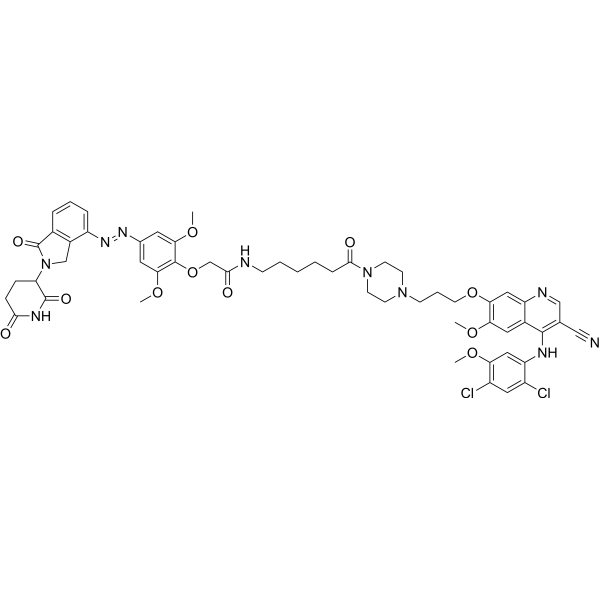
CaMKIIα-PHOTAC is a photochemically targeted chimera (PHOTAC) targeting Ca2+/calmodulin-dependent protein kinase II α (CaMKIIα). Molecules such as PHOTAC can catalyze the ubiquitination and degradation of target proteins through the endogenous proteasome under specific wavelengths of light. CaMKIIα-PHOTAC reduces synaptic function under light conditions, and it attenuates the intensity of evoked field excitatory postsynaptic potentials in the mouse hippocampus in response to physiological stimuli. CaMKIIα-PHOTAC plays a critical role in maintaining long-term potentiation and memory capacity in subcellular dendritic domains .
|
-
- HY-183618
-
|
|
PROTACs
Histone Demethylase
|
Cancer
|
|
DW-229 is a PROTAC degrader derived from Deferiprone (HY-B0568), targeting Fe(II)/α‑ketoglutarate‑dependent histone lysine demethylases (KDMs). DW-229 degrades KDM2A, KDM3A, KDM5B, KDM4A‑C, KDM5C, KDM6B in breast cancer cells. DW-229 shows IC50 < 0.5 μM against MCF‑7 cells and IC50 of 8.87 μM against MDA‑MB‑231 cells, with high cancer cell selectivity. DW-229 can be used for the research of breast cancer, liver cancer, prostate cancer, lung cancer .
|
-

- HY-P10638
-
|
|
CaMK
|
Cardiovascular Disease
Neurological Disease
|
|
TAT-CN21 is a potent CaMKII inhibitor with an IC50 of 77.2 nM. TAT-CN21 inhibits both calcium/calmodulin-dependent and autonomously activated CaMKII, blocks glutamate-induced translocation of CaMK IIα, and reverses the enhanced phosphorylation of CaMKII at Thr286 following excitotoxic injury. TAT-CN21 shows application potential in studies related to ischemic stroke by reducing neuronal excitotoxicity and exacerbating pre-existing long-term neuronal death prior to injury. TAT-CN21 improves definitive behaviors in rats with residual nerve injury without altering indicators such as mechanical/thermal hyperalgesia or spatial memory. TAT-CN21 can also be used in studies related to neuropathic pain .
|
-

| Cat. No. |
Nombre del producto |
Target |
Research Area |
-
- HY-P10638
-
|
|
CaMK
|
Cardiovascular Disease
Neurological Disease
|
|
TAT-CN21 is a potent CaMKII inhibitor with an IC50 of 77.2 nM. TAT-CN21 inhibits both calcium/calmodulin-dependent and autonomously activated CaMKII, blocks glutamate-induced translocation of CaMK IIα, and reverses the enhanced phosphorylation of CaMKII at Thr286 following excitotoxic injury. TAT-CN21 shows application potential in studies related to ischemic stroke by reducing neuronal excitotoxicity and exacerbating pre-existing long-term neuronal death prior to injury. TAT-CN21 improves definitive behaviors in rats with residual nerve injury without altering indicators such as mechanical/thermal hyperalgesia or spatial memory. TAT-CN21 can also be used in studies related to neuropathic pain .
|
| Cat. No. |
Nombre del producto |
Category |
Target |
Chemical Structure |
-
- HY-16560
-
-
-
- HY-N0354
-
|
|
Seeds of Cassia tora Linn.
Quinones
Structural Classification
other families
Classification of Application Fields
Leguminosae
Anthraquinones
Other Diseases
Plants
Disease Research Fields
Source Classification
|
Environmental Pollutants
Virus Protease
|
|
Anthraquinone is used as a precursor for dye formation and agrochemicals, existing in different organisms, such as bacteria, fungi, plants, and some animals. Anthraquinone has biological activities: anticancer, antiinflammatory, diuretic, antiarthritic, antifungal, antibacterial, antimalarial and antioxidant. Anthraquinone also plays an important role in the primary metabolism of plants by acting on the electron transport chain through the inhibition of energy transfer in the photosynthetic process. Anthraquinone can intercalates into DNA and inhibits the topoisomerase II (topo II) enzyme, resulting in cell death via Apoptosis .
|
-
-
- HY-101775A
-
|
|
Alkaloids
Carbazole Alkaloids
|
Topoisomerase
|
|
9-Hydroxyellipticine hydrochloride is a inhibitor of Topo II and RyR. 9-Hydroxyellipticine hydrochloride exhibits antitumor, antioxidant and catecholamine-releasing activities. 9-Hydroxyellipticine hydrochloride exhibits IC50 values of 1.6 μM and 1.2μM in Hela S-3 and 293T cells, respectively .
|
-
-
- HY-16560R
-
-
-
- HY-N12747
-
-
-
- HY-101775AR
-
|
|
Alkaloids
Carbazole Alkaloids
|
Reference Standards
Topoisomerase
|
|
9-Hydroxyellipticine (hydrochloride) (Standard) is the analytical standard of 9-Hydroxyellipticine (hydrochloride). This product is intended for research and analytical applications. 9-Hydroxyellipticine hydrochloride is a inhibitor of Topo II and RyR. 9-Hydroxyellipticine hydrochloride exhibits antitumor, antioxidant and catecholamine-releasing activities. 9-Hydroxyellipticine hydrochloride exhibits IC50 values of 1.6 μM and 1.2μM in Hela S-3 and 293T cells, respectively .
|
-
-
- HY-N18184
-
-
| Cat. No. |
Nombre del producto |
Chemical Structure |
-
- HY-16560S
-
|
|
|
Camptothecin-d5 is the deuterium labeled Camptothecin. Camptothecin (CPT), a kind of alkaloid, is a DNA topoisomerase I (Topo I) inhibitor with an IC50 of 679 nM . Camptothecin (CPT) exhibits powerful antineoplastic activity against colorectal, breast, lung and ovarian cancers, modulates hypoxia-inducible factor-1α (HIF-1α) activity by changing microRNAs (miRNA) expression patterns in human cancer cells .
|
-
Your information is safe with us. * Required Fields.
Inquiry Information
- Nombre del producto:
- Cat. No.:
- Cantidad:
- MCE Japan Authorized Agent:








