Search Result
Results for "
tumor+cell+growth
" in MedChemExpress (MCE) Product Catalog:
3
Biochemical Assay Reagents
2
Isotope-Labeled Compounds
| Art. -Nr. |
Produktname |
Target |
Forschungsgebiete |
Chemical Structure |
-
- HY-50895
-
Gefitinib
Maximum Cited Publications
200 Publications Verification
ZD1839
|
EGFR
Autophagy
Apoptosis
|
Cancer
|
|
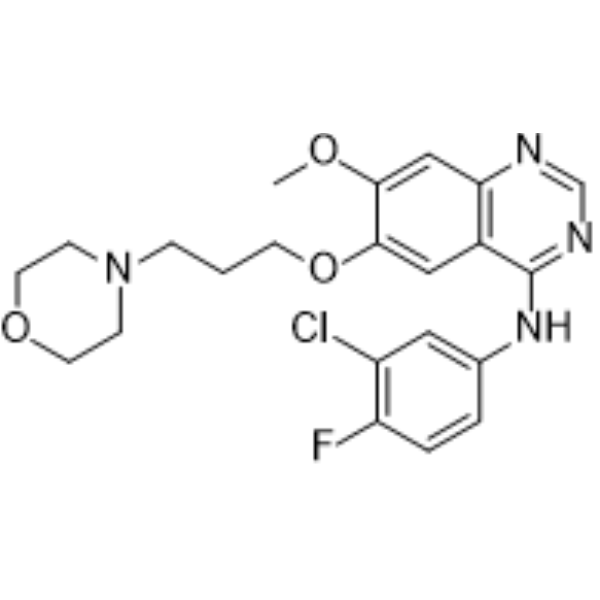
Gefitinib (ZD1839) is a potent, selective and orally active EGFR tyrosine kinase inhibitor with an IC50 of 33 nM. Gefitinib selectively inhibits EGF-stimulated tumor cell growth (IC50 of 54 nM) and that blocks EGF-stimulated EGFR autophosphorylation in tumor cells. Gefitinib also induces autophagy and cell apoptosis, which can be used for cancer related research, such as Lung cancer and breast cancer .
|
-
-
- HY-B0633A
-
|
Hyaluronan; Hyaluronate
|
Endogenous Metabolite
Bacterial
Akt
PI3K
|
Infection
Neurological Disease
Inflammation/Immunology
Cancer
|
|
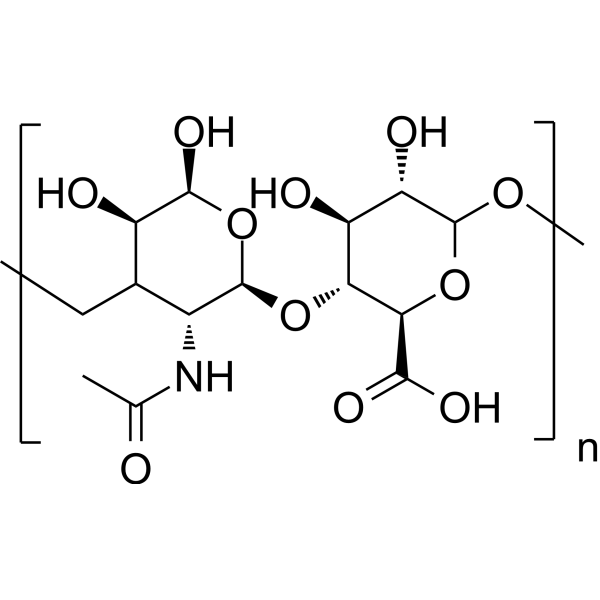
Hyaluronic acid is a biopolymer composed of repeating units of disaccharides with various applications. Hyaluronic acid is a major component of the extracellular matrix (ECM). Hyaluronic acid is synthesized at the plasma membrane. Increased hyaluronic acid levels are associated with tumor cell growth, adhesion, migration, invasion and angiogenesis in digestive cancers. Hyaluronic acid participates in tissue remodeling and rapid cell proliferation in some physiological processes including embryonic morphogenesis and wound-healing. Hyaluronic acid activates the PI3K-Akt signaling. Hyaluronic acid acts as a regulator of cancer-associated lymphangiogenesis. Hyaluronic acid also enhances cell invasion and angiogenesis by promoting proteolytic MMP-9 binding to cell surface or stimulating MMP-9 binding to cell surface. Hyaluronic acid can be used as drug delivery for sodium butyrate to improve the anti-proliferative activity on breast cancer cell line. Hyaluronic acid can be studied in joint diseases, wound healing and cancer .
|
-
-
- HY-B0633
-
|
Sodium hyaluronate
|
Endogenous Metabolite
Bacterial
PI3K
Akt
|
Inflammation/Immunology
Cancer
|
|
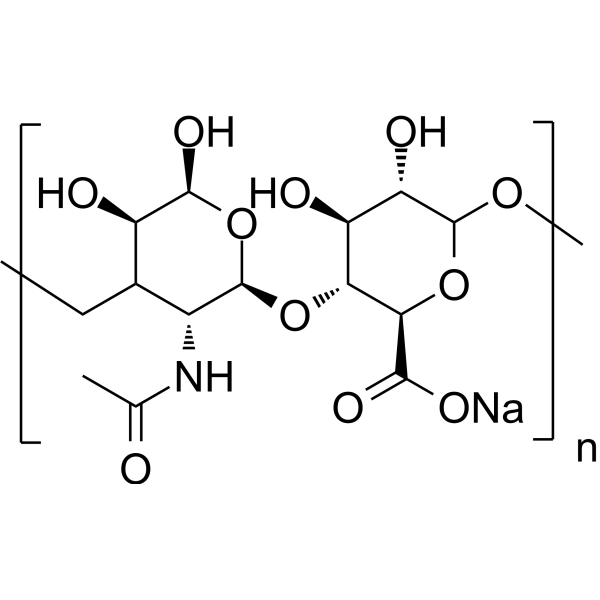
Hyaluronic acid sodium (Sodium hyaluronate) is a biopolymer composed of repeating units of disaccharides with various applications. Hyaluronic acid sodium is a major component of the extracellular matrix (ECM). Hyaluronic acid sodium is synthesized at the plasma membrane. Increased hyaluronic acid sodium levels are associated with tumor cell growth, adhesion, migration, invasion and angiogenesis in digestive cancers. Hyaluronic acid sodium participates in tissue remodeling and rapid cell proliferation in some physiological processes including embryonic morphogenesis and wound-healing. Hyaluronic acid sodium activates the PI3K-Akt signaling. Hyaluronic acid sodium acts as a regulator of cancer-associated lymphangiogenesis. Hyaluronic acid sodium also enhances cell invasion and angiogenesis by promoting proteolytic MMP-9 binding to cell surface or stimulating MMP-9 binding to cell surface. Hyaluronic acid sodium can be used as drug delivery for sodium butyrate to improve the anti-proliferative activity on breast cancer cell line. Hyaluronic acid sodium can be studied in joint diseases, wound healing and cancer .
|
-
-
- HY-N0848
-
|
24-Epibrassinolide; B1105; BP55
|
Environmental Pollutants
Apoptosis
|
Cancer
|
|
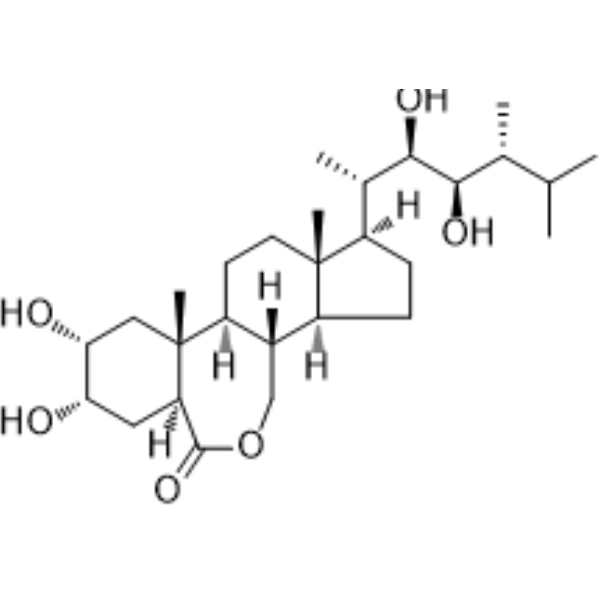
Epibrassinolide (24-Epibrassinolide) is a ubiquitously occurring plant growth hormone which shows great potential to alleviate heavy metals and pesticide stress in plants . Epibrassinolide is a potential apoptotic inducer in various cancer cells without affecting the non-tumor cell growth .
|
-
-
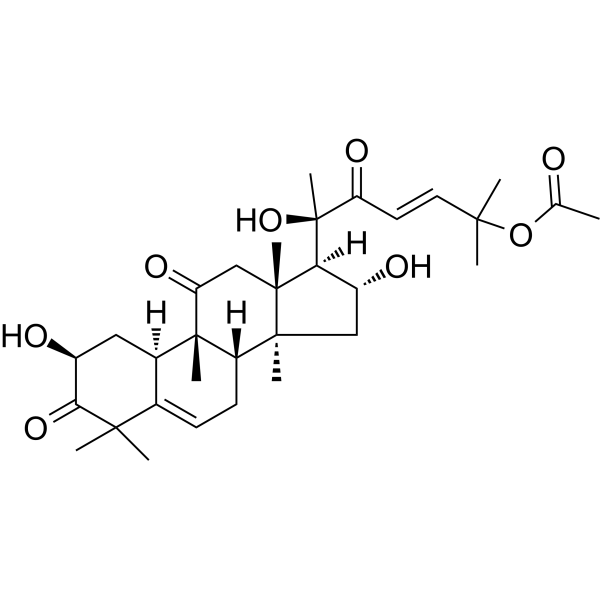
- HY-N0416
-
-
-
- HY-N6601
-
|
Randialic acid A
|
Apoptosis
|
Cancer
|
|
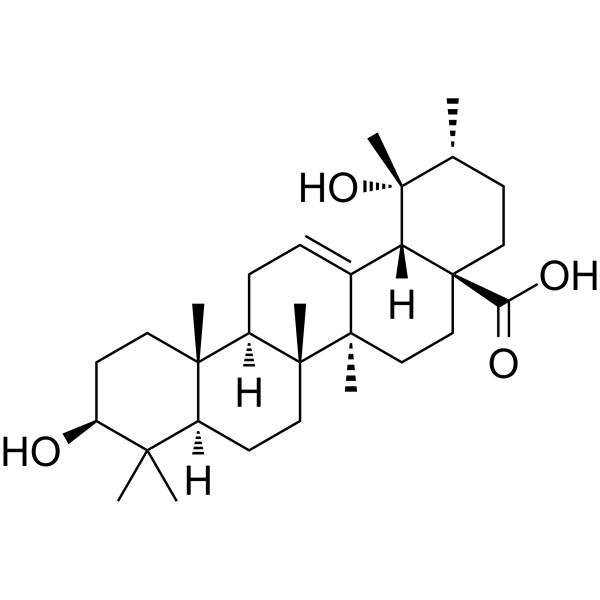
Randialic acid A (Pomolic acid) is a pentacyclic triterpene isolated from?Euscaphis japonica?(Tunb.). Randialic acid A (Pomolic acid) inhibits tumor cells growth and induces cell apoptosis. Randialic acid A (Pomolic acid) has a potential for the treatment of prostate cancer (PC) .
|
-
-
- HY-50895A
-
|
ZD-1839 hydrochloride
|
EGFR
|
Cancer
|
|
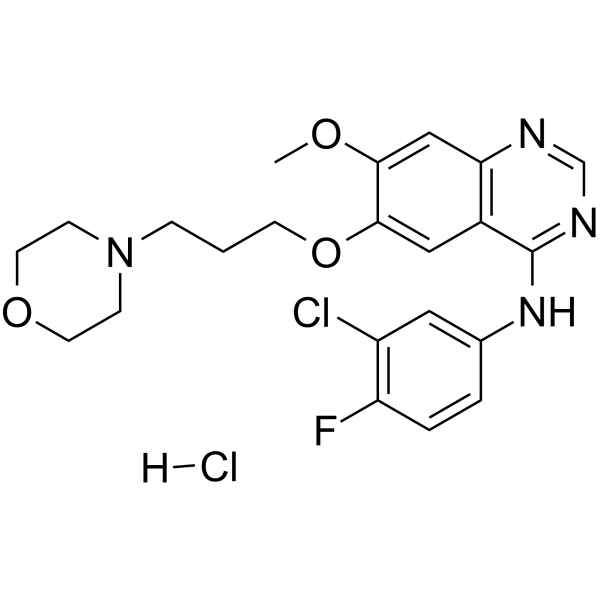
Gefitinib hydrochloride (ZD1839 hydrochloride) is a potent, selective and orally active EGFR tyrosine kinase inhibitor with an IC50 of 33 nM. Gefitinib hydrochloride selectively inhibits EGF-stimulated tumor cell growth (IC50 of 54 nM) and that blocks EGF-stimulated EGFR autophosphorylation in tumor cells. Gefitinib hydrochloride also induces autophagy. Gefitinib hydrochloride has antitumour activity .
|
-
-
- HY-N1181
-
-
-
- HY-N12257
-
|
|
Cytochrome P450
Reactive Oxygen Species (ROS)
Apoptosis
|
Infection
Cancer
|
|
Antimycin A2 is a selective inhibitor of the cytochrome b-c1 complex in the mitochondrial electron transport chain. Antimycin A2 disrupts mitochondrial membrane potential and produces reactive oxygen species (ROS) by inhibiting electron transfer between cytochrome b and c. Antimycin A2 has bactericidal and piscicidal activity, as well as tumor cell growth inhibitory effects, and can induce S-phase cell cycle arrest and apoptosis in HeLa cells. Antimycin A2 is suitable for research of cervical cancer and fisheries management. Antimycin A2 can be naturally isolated from the fermentation products of Streptomyces sp. strains .
|
-

-
- HY-B0633D
-
|
|
CD44
Endogenous Metabolite
Bacterial
Akt
PI3K
|
Neurological Disease
Metabolic Disease
Inflammation/Immunology
Cancer
|
|
Hyaluronic acid sodium (MW 200-1560) is a biopolymer composed of repeating disaccharide units, with a molecular weight of 200-1560. Hyaluronic acid sodium is a major component of the extracellular matrix (ECM). It is synthesized on the plasma membrane. Hyaluronic acid sodium exerts its effects by binding to receptors CD44 and RHAMM. Hyaluronic acid sodium activates PI3K-Akt signaling. Hyaluronic acid sodium also enhances cell invasion and angiogenesis by promoting or stimulating the binding of proteolytic MMP-9 to the cell surface. Elevated hyaluronic acid levels are associated with tumor cell growth, adhesion, migration, invasion, and angiogenesis in digestive system cancers. Hyaluronic acid sodium is involved in tissue remodeling and rapid cell proliferation in several physiological processes, including embryonic morphogenesis and wound healing. Hyaluronic acid sodium can be used as a regulator of cancer-associated lymphangiogenesis. Hyaluronic acid sodium can be used as a drug delivery carrier for sodium butyrate, enhancing its anti-proliferative activity against breast cancer cell lines. Hyaluronic acid sodium can lubricate the corneal endothelium. Hyaluronic acid sodium can improve tissue hydration and enhance the resistance of cells to mechanical damage. Hyaluronic acid sodium has been conjugated with antibodies to ensure that the active compound continues to exert its effects at the site of inflammation. Hyaluronic acid sodium can be used in research in the fields of osteoarthritis, ophthalmology, cosmetic dermatology, oncology, and liver diseases .
|
-

-
- HY-B0633E
-
|
Hyaluronan, low endotoxin; Hyaluronate, low endotoxin
|
Endogenous Metabolite
CD44
Bacterial
Akt
PI3K
|
Neurological Disease
Metabolic Disease
Inflammation/Immunology
Cancer
|
|
Hyaluronic acid, low endotoxin (Hyaluronan, low endotoxin) is a biopolymer composed of repeating disaccharide units containing low levels of endotoxin. Hyaluronic acid is a major component of the extracellular matrix (ECM). It is synthesized on the plasma membrane. Hyaluronic acid exerts its effects by binding to receptors CD44 and RHAMM. Hyaluronic acid activates PI3K-Akt signaling. Hyaluronic acid also enhances cell invasion and angiogenesis by promoting or stimulating the binding of proteolytic MMP-9 to the cell surface. Elevated hyaluronic acid levels are associated with tumor cell growth, adhesion, migration, invasion, and angiogenesis in digestive system cancers. Hyaluronic acid is involved in tissue remodeling and rapid cell proliferation in several physiological processes, including embryonic morphogenesis and wound healing. Hyaluronic acid can be used as a regulator of cancer-associated lymphangiogenesis. Hyaluronic acid can be used as a drug delivery carrier for sodium butyrate, enhancing its anti-proliferative activity against breast cancer cell lines. Hyaluronic acid can lubricate the corneal endothelium. Hyaluronic acid can improve tissue hydration and enhance the resistance of cells to mechanical damage. Hyaluronic acid has been conjugated with antibodies to ensure that the active compound continues to exert its effects at the site of inflammation. Hyaluronic acid can be used in research in the fields of osteoarthritis, ophthalmology, cosmetic dermatology, oncology, and liver diseases .
|
-

-
- HY-124675
-
MYCMI-6
1 Publications Verification
NSC354961
|
c-Myc
Apoptosis
|
Cancer
|
|
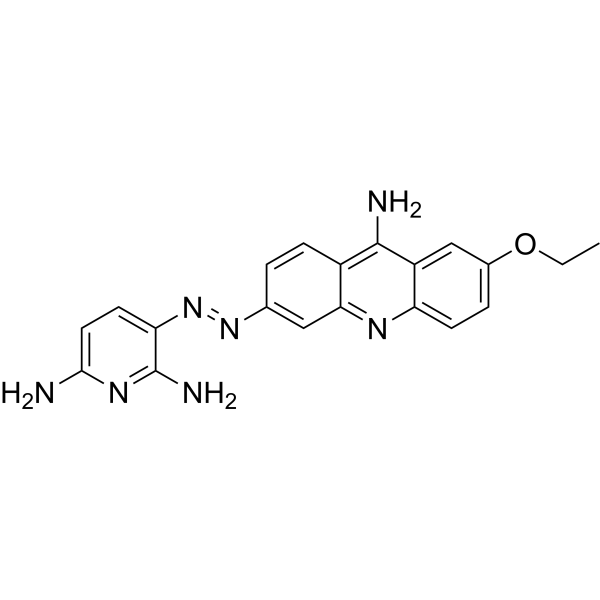
MYCMI-6 (NSC354961) is a potent and selective endogenous MYC:MAX protein interactions inhibitor. MYCMI-6 blocks MYC-driven transcription and binds selectively to the MYC bHLHZip domain with a Kd of 1.6 μM. MYCMI-6 inhibits tumor cell growth in a MYC-dependent manner (IC50<0.5 μM). MYCMI-6 is not cytotoxic to normal human cells. MYCMI-6 induces apoptosis .
|
-
-
- HY-P991149
-
|
YH32367; ABL105
|
TNF Receptor
|
Cancer
|
|
Nesfrotamig (YH32367; ABL105) is a bispecific activator targeting HER2 and 4-1BB. The Kd values of Nesfrotamig for human HER2 and human 4-1BB are 0.48 nM and 3.36 nM, respectively. By blocking tumor cell growth signals, activating HER2-dependent local 4-1BB in tumors to maintain T cell survival, and inducing NK cell-mediated antibody-dependent cellular cytotoxicity, Nesfrotamig enhances the cytotoxicity and tumor infiltration ability of immune cells. Nesfrotamig promotes the generation of tumor-specific memory T cells, drives T cell-mediated tumor lysis, exhibits significant anti-tumor efficacy against both HER2-positive and HER2-low-expressing tumors, and shows synergistic activity when combined with anti-PD-1 antibodies. In cynomolgus monkey studies, Nesfrotamig demonstrates good safety and is suitable for research related to HER2-positive and HER2-low-expressing tumors .
|
-

-
- HY-144896
-
|
|
Epigenetic Reader Domain
|
Cancer
|
|
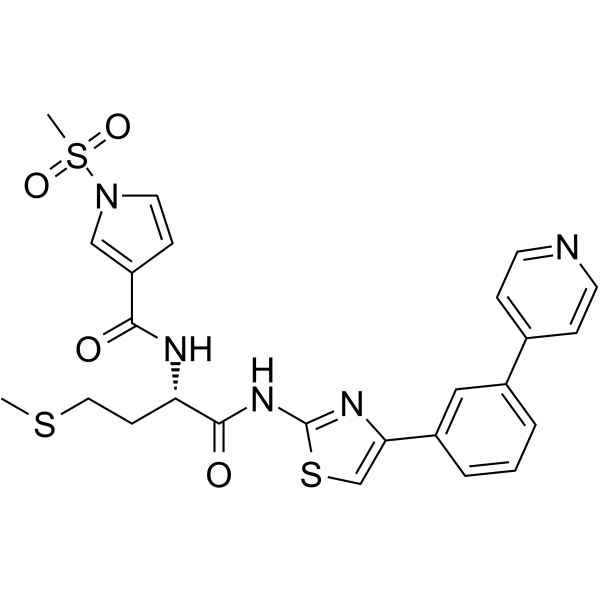
FHT-1015 is a selective SMARCA4 (IC50 = 4 nM) and SMARCA2 (IC50 = 5 nM) (also known as BRG1 and BRM) inhibitor. FH-1015 is an allosteric inhibitor that causes conformation change in the BRG1/BRM protein upon interaction with an allosteric site, inhibiting ATPase activity. FH-1015 interferes with tumor cell growth and migration. FH-1015 can be studied in research for uveal melanoma and hematologic cancer .
|
-
-
- HY-B0633I
-
|
|
Endogenous Metabolite
Bacterial
PI3K
Akt
|
Inflammation/Immunology
Cancer
|
|
Hyaluronic acid sodium (MW 800kDa) is a biopolymer composed of repeating units of disaccharides with various applications. Hyaluronic acid sodium is a major component of the extracellular matrix (ECM). Hyaluronic acid sodium is synthesized at the plasma membrane. Increased hyaluronic acid sodium levels are associated with tumor cell growth, adhesion, migration, invasion and angiogenesis in digestive cancers. Hyaluronic acid sodium participates in tissue remodeling and rapid cell proliferation in some physiological processes including embryonic morphogenesis and wound-healing. Hyaluronic acid sodium activates the PI3K-Akt signaling. Hyaluronic acid sodium acts as a regulator of cancer-associated lymphangiogenesis. Hyaluronic acid sodium also enhances cell invasion and angiogenesis by promoting proteolytic MMP-9 binding to cell surface or stimulating MMP-9 binding to cell surface. Hyaluronic acid sodium can be used as drug delivery for sodium butyrate to improve the anti-proliferative activity on breast cancer cell line. Hyaluronic acid sodium can be studied in joint diseases, wound healing and cancer .
|
-

-
- HY-D0226
-
|
1,4-Dihydroxyanthraquinone
|
DNA/RNA Synthesis
Fungal
|
Infection
Cancer
|
|
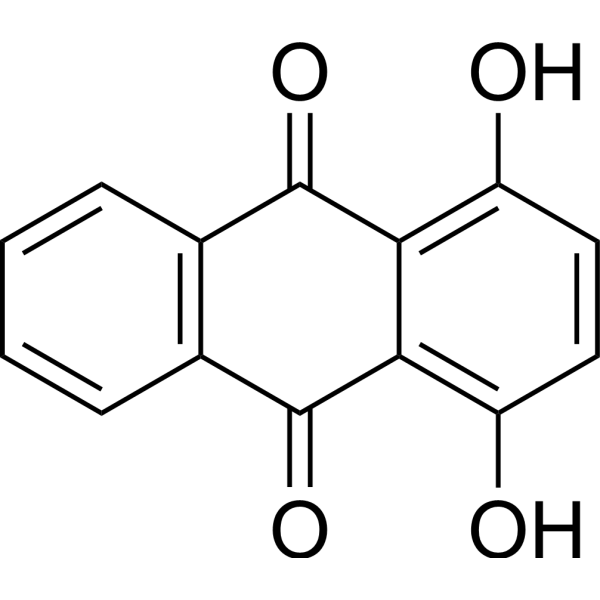
Quinizarin (1,4-Dihydroxyanthraquinone), a part of the anticancer agents such as Doxorubicin, Daunorubicin, and Adriamycin, interacts with DNA by intercalating mode (Kd=86.1 μM). Quinizarin is used as a fungicide and pesticide chemical and has shown the ability to inhibit tumor cell growth .
|
-
-
- HY-W011398
-
-
-
- HY-176806
-
|
Doxorubicin-LNAA-Boc
|
Drug Derivative
|
Cancer
|
|
Legubicin (Doxorubicin-LNAA-Boc) is a novel conjugate of Doxorubicin (HY-15142A) and a Legumain-cleavable peptide linker. Legubicin is activated by Legumain to release leucine-doxorubicin while sparing normal tissues. Legubicin inhibits tumor cell growth and reduces DNA binding in non-legumain expressing cells. Legubicin completely arrests tumor growth in mice bearing CT26 tumors. Legubicin can be used for the study of colon carcinoma (CRC) .
|
-

-
- HY-151374
-
|
|
PKD
|
Cancer
|
|
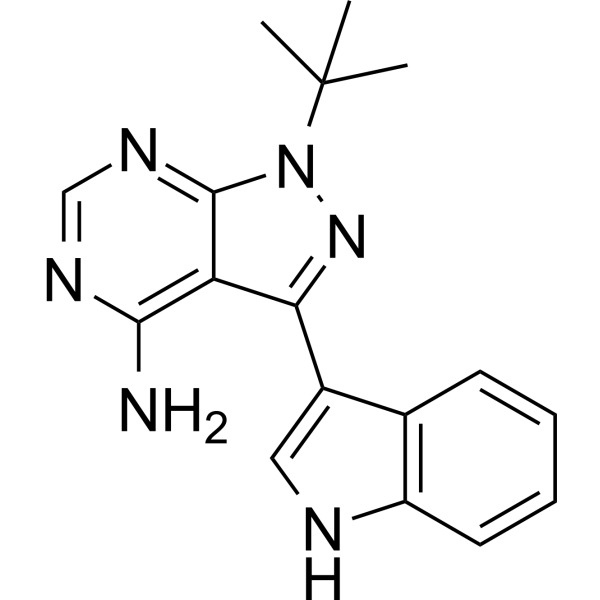
3-IN-PP1 is a protein kinase D (PKD) inhibitor. 3-IN-PP1 has potent pan-PKD inhibitory activity for PKD1, PKD2 and PKD3 with IC50 values of 108, 94 and 108 nM, respectively. 3-IN-PP1 also is a broad spectrum anticancer agent and has inhibition of several tumor cells growth. 3-IN-PP1 can be used for the research of cancer .
|
-
-
- HY-130122
-
MG-277
1 Publications Verification
|
Molecular Glues
PROTACs
Apoptosis
|
Cancer
|
|
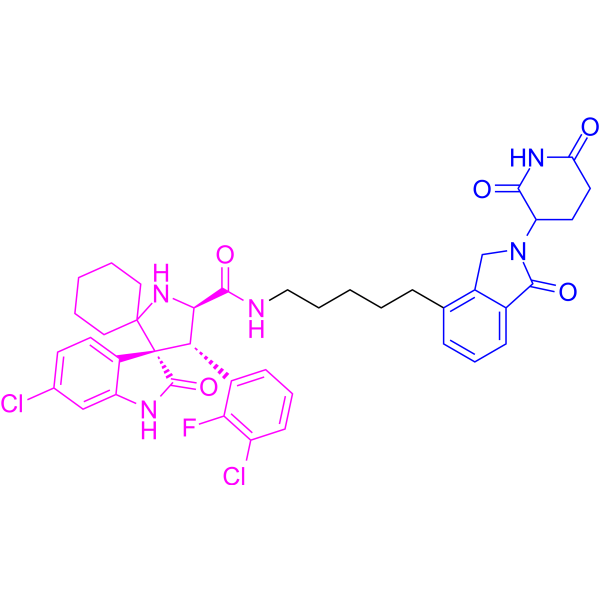
MG-277, a molecular glue degrader, effectively induces degradation of a translation termination factor based on Cereblon E3 ligand, GSPT1, with a DC50 of 1.3 nM. MG-277 potently inhibits tumor cell growth in a p53-independent manner, with IC50s of 3.5 nM for RS4;11 cells and 3.4 nM for p53 mutant RS4;11/IRMI-2 cells, respectively. Anticancer activity .
|
-
-
- HY-152177
-
JS6
1 Publications Verification
|
NF-κB
|
Cancer
|
|
JS6 is a Bcl3 inhibitor, and inhibits Bcl3-NF-kB1 binding. JS6 inhibits tumor cell growth in vitro and in vivo .
|
-

-
- HY-123691
-
|
|
Fungal
|
Infection
Inflammation/Immunology
Cancer
|
|
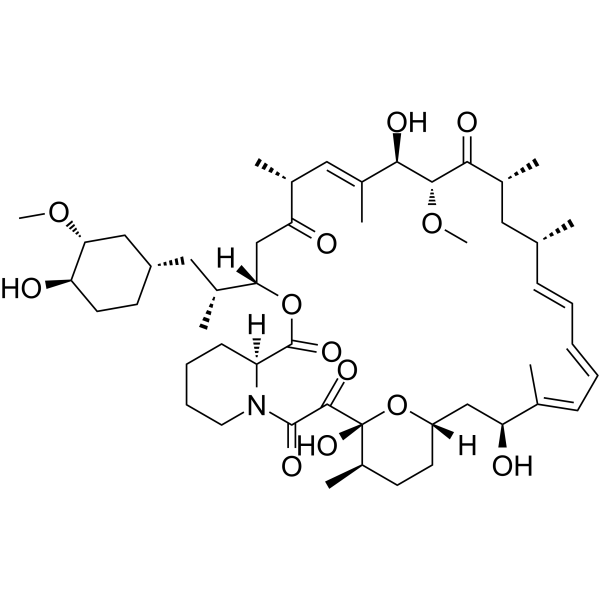
7-O-Demethyl rapamycin, a derivative of Rapamycin (HY-10219), has antifungal activity and immunosuppressant properties. 7-O-Demethyl rapamycin has useful tumor cell growth-inhibiting activity .
|
-
-
- HY-114356
-
|
|
c-Met/HGFR
|
Cancer
|
|
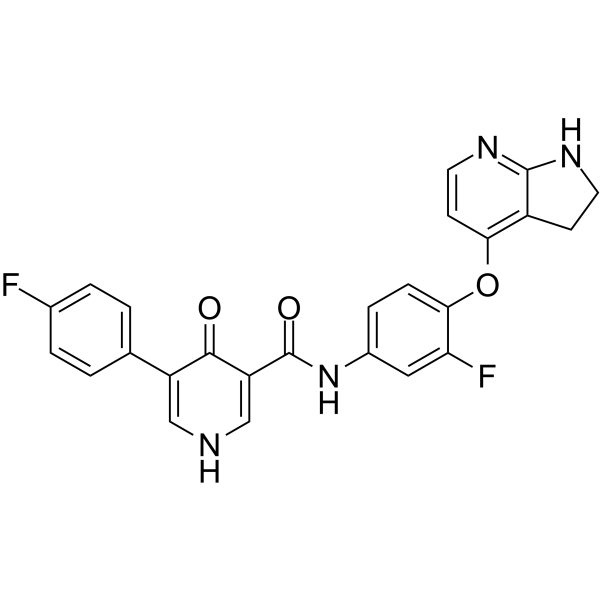
BPI-9016M is a potent, orally active, and selective dual c-Met and AXL tyrosine kinases inhibitor. BPI-9016M suppresses tumor cell growth, migration and invasion of lung adenocarcinoma .
|
-
-
- HY-N11096
-
|
|
Flavivirus
Dengue Virus
|
Infection
Cancer
|
|
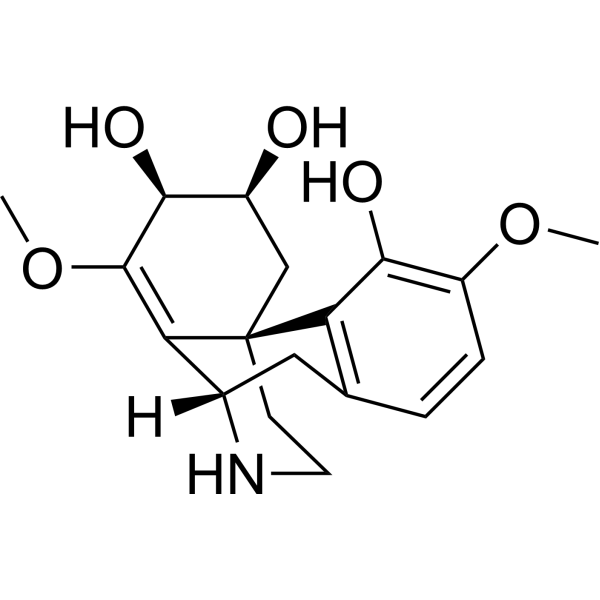
Sinococuline is a potent anti-dengue agent that is effective against all four serotypes of dengue virus (DENV). Sinococuline is also an effective tumor cell growth inhibitor .
|
-
-
- HY-149616
-
|
|
PROTACs
ERK
|
Cancer
|
|
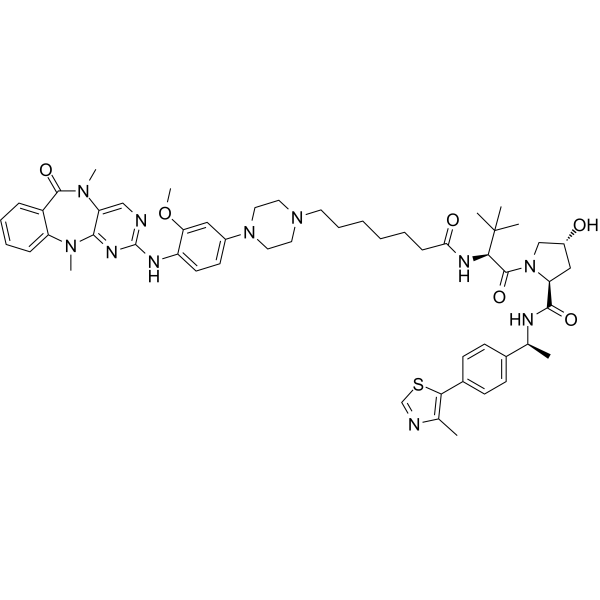
PPM-3 is a potent and selective PROTAC ERK5 degrader, with an IC50 of 62.4 nM. PPM-3 did not influence tumor cell growth directly. PPM-3 influences tumor development by affecting the differentiation of macrophages .
|
-
-
- HY-118953
-
|
|
MetAP
|
Cancer
|
|
LAF389, a benaamide B analogue, is a methionine aminopeptidases (MetAps) inhibitor with an IC50 of 800 nM for MetAp2. LAF389 has both antiproliferative and antiangiogenetic properties and can inhibit tumor cells growth. LAF389 can be used for the research of cancer .
|
-

-
- HY-N10341
-
|
|
IFNAR
ROCK
|
Inflammation/Immunology
Cancer
|
|
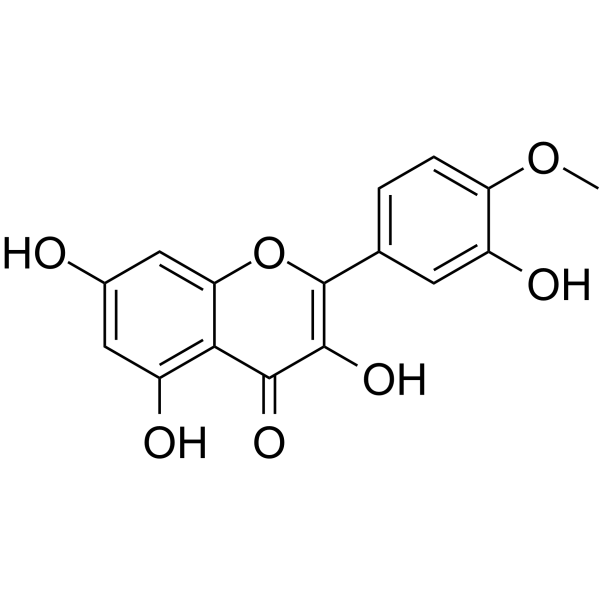
Centaureidin is an orally active IFN-promoter that can be isolated from Bidens pilosa with an EC50 of 0.9 μg/mL. Centaureidin activates the Rho signal pathway, leading to actin and tubulin disassembly, and resulting in dendrite retraction and stress fiber formation in melanocytes. Centaureidin shows high tumor cell growth inhibitory activities. Centaureidin significantly inhibits paw edema in mice [1][2][3][4][5].
|
-

-
- HY-162382
-
|
|
PI3K
Akt
mTOR
|
Cancer
|
|
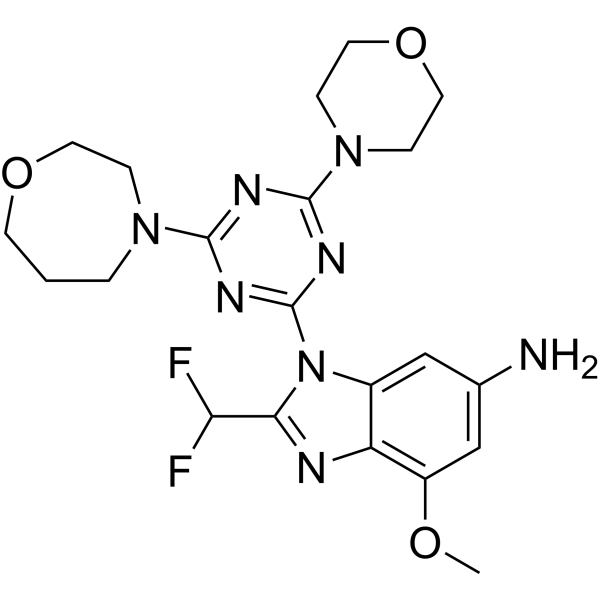
KTC1101 is an orally active pan-PI3K inhibitor. KTC1101 can inhibit the PI3K signaling pathway, reduce downstream AKT and mTOR phosphorylation, and reduces the expression of Ki67. The anti-tumor effect of KTC1101 has a dual mechanism of action: directly inhibiting tumor cell growth and dynamically enhancing immune response .
|
-
-
- HY-138071
-
|
8αTGH
|
STAT
Pyroptosis
Apoptosis
Reactive Oxygen Species (ROS)
c-Myc
Bcl-2 Family
TrxR
|
Cancer
|
|
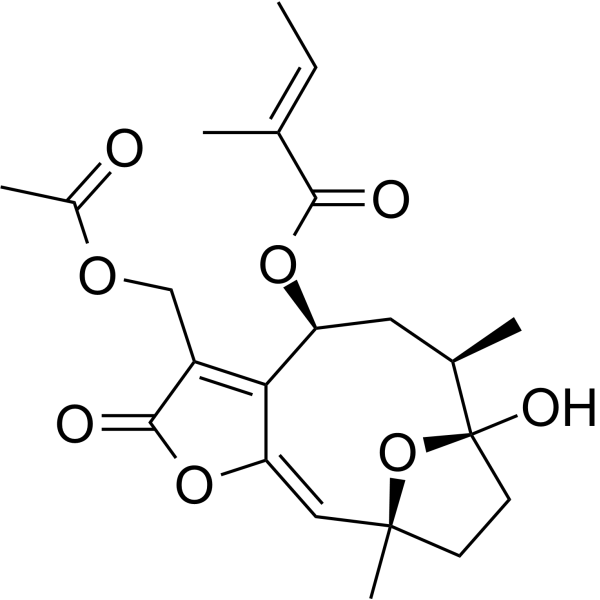
8α-Tigloyloxyhirsutinolide 13-O-acetate (8αTGH) is a potent and orally active STAT3 inhibitor. 8α-Tigloyloxyhirsutinolide 13-O-acetate induces early oxidative stress and pyroptosis, and late DNA damage, cell cycle arrest, apoptosis in the TNBC cells. 8α-Tigloyloxyhirsutinolide 13-O-acetate suppresses tumor cell growth in vitro and tumor growth in vivo .
|
-
-
- HY-50895R
-
|
ZD1839 (Standard)
|
Reference Standards
EGFR
Autophagy
Apoptosis
|
Cancer
|
|
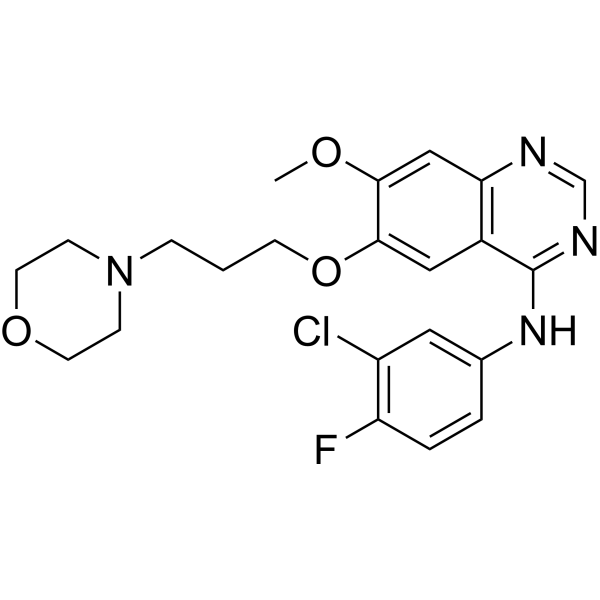
Gefitinib (Standard) is the analytical standard of Gefitinib. This product is intended for research and analytical applications. Gefitinib (ZD1839) is a potent, selective and orally active EGFR tyrosine kinase inhibitor with an IC50 of 33 nM. Gefitinib selectively inhibits EGF-stimulated tumor cell growth (IC50 of 54 nM) and that blocks EGF-stimulated EGFR autophosphorylation in tumor cells. Gefitinib also induces autophagy and cell apoptosis, which can be used for cancer related research, such as Lung cancer and breast cancer .
|
-
-
- HY-164373
-
|
|
Androgen Receptor
Apoptosis
|
Cancer
|
|
SC428 is an androgen receptor (AR) inhibitor that targets the N-terminal domain. SC428 potently decrease the transactivation of (AR)-V7, (AR)v567es, as well as full-length ( AR ) (AR-FL) and its LBD mutants, substantially. SC428 inhibits androgen-stimulated (AR)-FL nuclear translocation, chromatin binding, and (AR) -regulated gene transcription. SC428 inhibits the proliferation of tumor cells in vitro. SC428 inhibits tumor cell growth by inducing apoptosis in mice transplanted with 22RV1 .
|
-

-
- HY-172767
-
|
|
PROTACs
STAT
Apoptosis
|
Cancer
|
|
STAT3-D11-PROTAC-VHL (Compound D11-PROTAC) is a PROTAC degrader targeting Signal Transducer and Activator of Transcription 3 (STAT3). STAT3-D11-PROTAC-VHL exhibits anti-tumor activity with IC50 values of 1335 nM and 1973 nM against HeLa and MCF-7 cells, respectively. STAT3-D11-PROTAC-VHL binds to the DNA-binding domain of STAT3 and recruits the E3 ligase VHL to form a ternary complex, leading to the ubiquitination of STAT3 and subsequent degradation by the proteasome. STAT3-D11-PROTAC-VHL also inhibits tumor cell growth, induces cell cycle arrest and apoptosis, and suppresses tumor immune evasion .
|
-

-
- HY-158826A
-
|
|
HIF/HIF Prolyl-Hydroxylase
|
Cancer
|
|
EZN-2968 sodium is an antisense oligonucleotide that specifically binds and inhibits the expression of HIF-1α mRNA. EZN-2968 sodium, inhibits tumor cell growth.
|
-

-
- HY-100498A
-
|
|
FAK
Apoptosis
|
Cancer
|
|
GSK-2256098 hydrochloride is a focal adhesion kinase (FAK) inhibitor that exhibits potential antiangiogenic and antineoplastic activities. GSK-2256098 hydrochloride targets FAK to inhibit tumor cell growth by regulating cell adhesion, migration, proliferation, and survival.
|
-

-
- HY-N0848R
-
|
24-Epibrassinolide (Standard); B1105 (Standard); BP55 (Standard)
|
Reference Standards
Apoptosis
|
Cancer
|
|
Epibrassinolide (Standard) is the analytical standard of Epibrassinolide. This product is intended for research and analytical applications. Epibrassinolide (24-Epibrassinolide) is a ubiquitously occurring plant growth hormone which shows great potential to alleviate heavy metals and pesticide stress in plants[1]. Epibrassinolide is a potential apoptotic inducer in various cancer cells without affecting the non-tumor cell growth[2].
|
-

-
- HY-133779
-
|
|
Drug Metabolite
|
Cancer
|
|
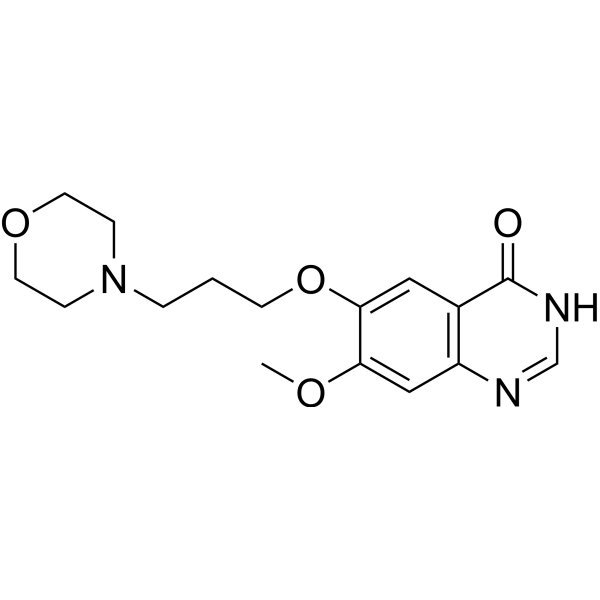
Gefitinib impurity 5 is the impurity of Gefitinib (HY-133779). Gefitinib (ZD1839) is a potent, selective and orally active EGFR tyrosine kinase inhibitor with an IC50 of 33 nM. Gefitinib selectively inhibits EGF-stimulated tumor cell growth (IC50 of 54 nM) and that blocks EGF-stimulated EGFR autophosphorylation in tumor cells. Gefitinib also induces Autophagy. Gefitinib has antitumour activity .
|
-
-
- HY-50895S2
-
|
|
Isotope-Labeled Compounds
EGFR
Autophagy
|
Cancer
|
|
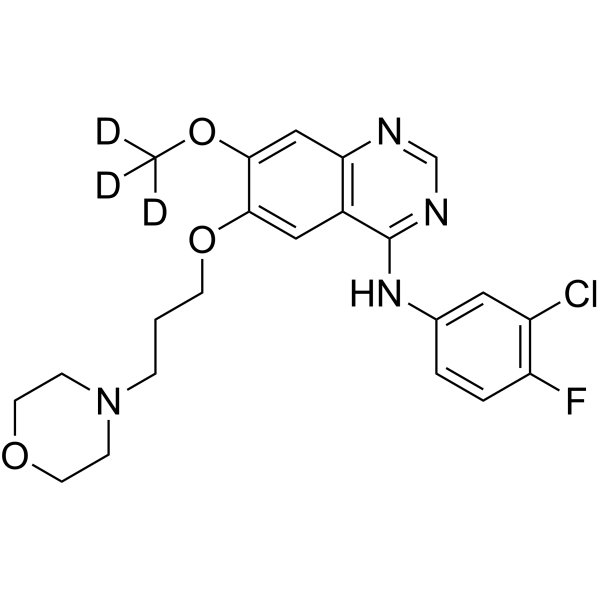
Gefitinib-d3 (ZD1839-d3) is the deuterium labeled Gefitinib. Gefitinib (ZD1839) is a potent, selective and orally active EGFR tyrosine kinase inhibitor with an IC50 of 33 nM. Gefitinib selectively inhibits EGF-stimulated tumor cell growth (IC50 of 54 nM) and that blocks EGF-stimulated EGFR autophosphorylation in tumor cells. Gefitinib also induces autophagy. Gefitinib has antitumour activity .
|
-
-
- HY-113505
-
|
Δ12-PGJ2
|
Endogenous Metabolite
Apoptosis
|
Cancer
|
|
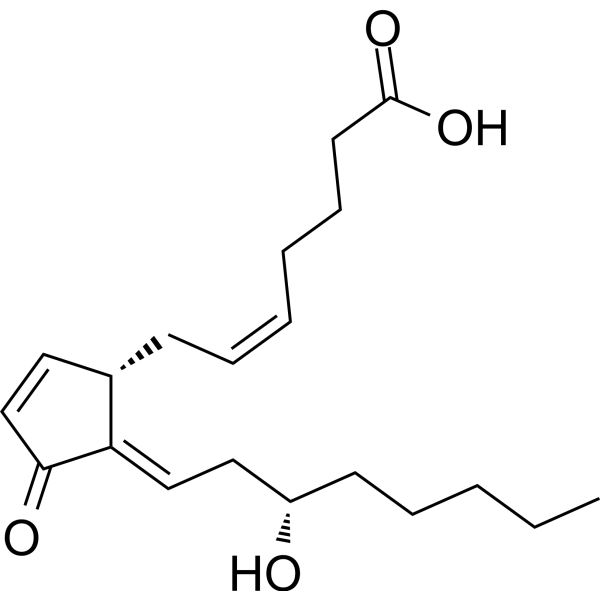
Delta-12-Prostaglandin J2 (Δ12-PGJ2) is a cyclopentenone prostaglandin (PG) with anti-proliferative effect on various tumor cell growth. Delta-12-Prostaglandin J2, a naturally occurring dehydration product of prostaglandin D2, is able to induce apoptosis in HeLa cells via caspase activation .
|
-
-
- HY-179433
-
|
|
PROTACs
Androgen Receptor
Estrogen Receptor/ERR
Src
|
Cancer
|
|
PROTAC AR Degrader-12 is a highly efficient PROTAC targeting AR coactivator binding site (AR-CBS). PROTAC AR Degrader-12 induces AR degradation in a ubiquitin proteasome system (UPS) pathway-dependent manner. PROTAC AR Degrader-12 inhibits tumor cell growth by affecting DNA replication and cell division PROTAC AR Degrader-12 could not only effectively degrade AR, but also potently inhibit the proliferation of MCF-7 and multiple mutant or resistant BC cells. PROTAC AR Degrader-12 effectively blocked estrogen receptor α (ERα) signaling through a dual mechanism involving ERα protein downregulation and suppression of its transcriptional activity. PROTAC AR Degrader-12 significantly inhibits the mRNA expression of FOXA1, GREB1, SRC, and PELP1. PROTAC AR Degrader-12 can be used for the study of breast cancer .
|
-

-
- HY-W602640
-
|
|
Nucleoside Antimetabolite/Analog
|
Cancer
|
|
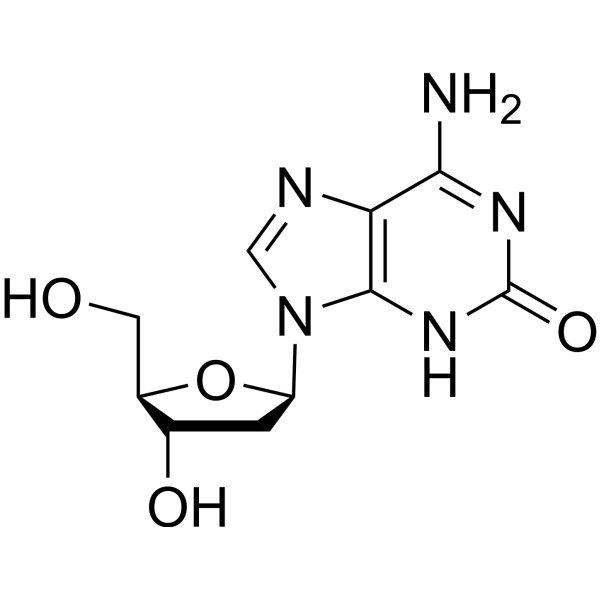
2'-Deoxyisoguanosine is a purine nucleoside analog. 2'-deoxyisoguanosine has low potency and specificity in inhibiting tumor cell growth, similar to other telomerase inhibitors.
|
-
-
- HY-121259
-
|
Adriamycinol; DXR-OL
|
Endogenous Metabolite
|
Cardiovascular Disease
|
|
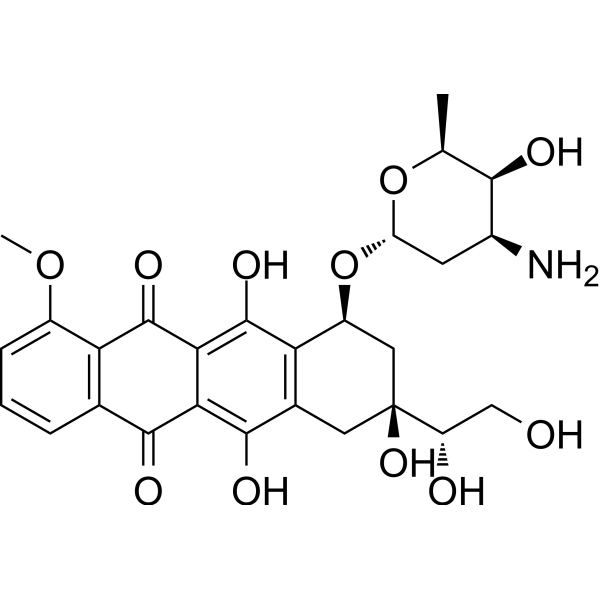
Doxorubicinol, a potent inhibitor of the cardiac sarcoplasmic reticulum calcium pump, inhibits systolic myocardial function in isolated heart muscle. Doxorubicinol inhibits tumor cell growth and has cardiotoxicity.
|
-
-
- HY-158826
-
|
RO 707179
|
HIF/HIF Prolyl-Hydroxylase
|
Cancer
|
|
EZN-2968 is an antisense oligonucleotide that specifically binds and inhibits the expression of HIF-1α mRNA. EZN-2968, inhibits tumor cell growth.
|
-

-
- HY-171047
-
|
|
Apoptosis
Autophagy
DNA/RNA Synthesis
Akt
mTOR
|
Cancer
|
|
Autophagy inducer 7 (Compound SSA) is an Autophagy and Apoptosis inducer. Autophagy inducer 7 activates autophagy by inhibiting Akt/mTOR signaling and the expression of downstream proteins. Autophagy inducer 7 suppresses DNA synthesis and causes a G0-G1 cell-cycle arrest. Autophagy inducer 7 inhibits tumor cell growth .
|
-

-
- HY-N1181R
-
-

-
- HY-163656
-
|
|
Methionine Adenosyltransferase (MAT)
|
Cancer
|
|
MAT2A inhibitor 5(compound 39) is an orally active, selectivity and blood-brain permeability inhibitor of MAT2A with the IC50 of 11 nM. MAT2A inhibitor 5 inhibits tumor cell growth in vivo .
|
-

-
- HY-124764
-
|
|
PAK
|
Cancer
|
|
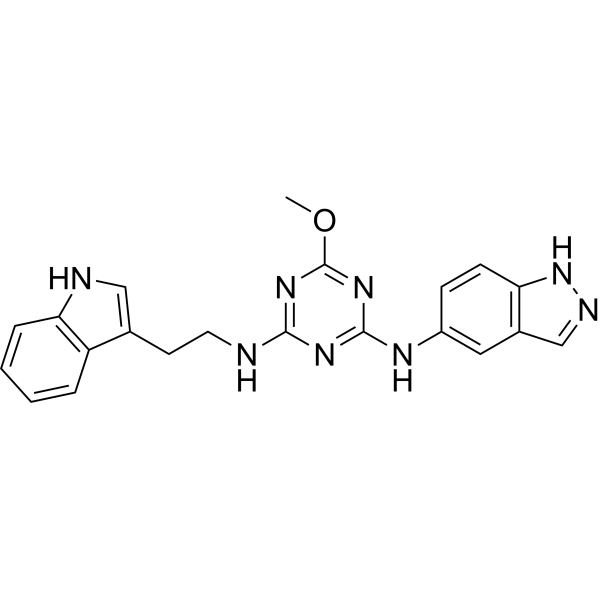
KY-04031 is a potent PAK4 inhibitor with IC50 of 0.79 μM. KY-04031 binds to the ATP-binding pocket of PAK4. KY-04031 blocks tumor cell growth and invasion .
|
-
-
- HY-20808
-
|
|
COX
|
Cancer
|
|
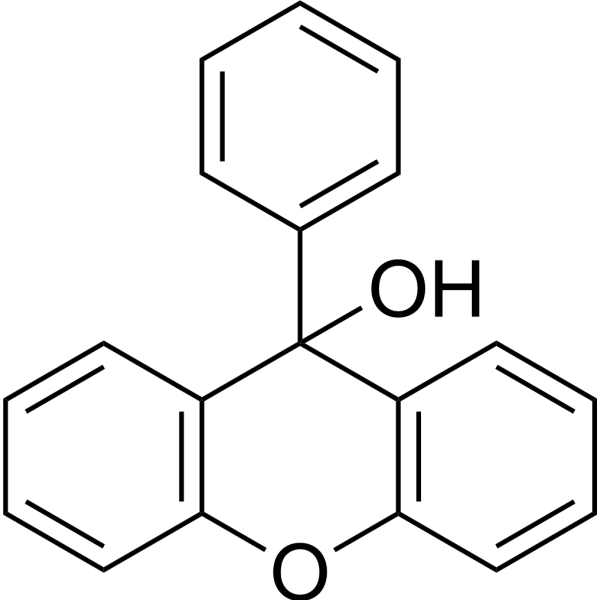
Antioxidant agent-15 (Compound 4) is a potent antioxidant inhibition activity, with the IC50 of 15.44 nM. Antioxidant agent-15 inhibits tumor cell growth in Hela, Hep G2 and Caco-2 cells, with the IC50 of 395.26, 400.4 and 24.6 nM, respectively .
|
-
-
- HY-50895S1
-
|
ZD1839-d6
|
EGFR
Autophagy
|
Cancer
|
|
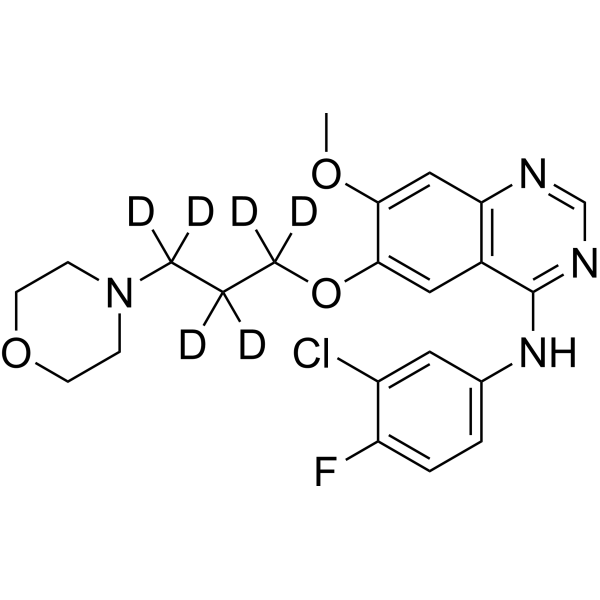
Gefitinib-d6 is the deuterium labeled Gefitinib. Gefitinib (ZD1839) is a potent, selective and orally active EGFR tyrosine kinase inhibitor with an IC50 of 33 nM. Gefitinib selectively inhibits EGF-stimulated tumor cell growth (IC50 of 54 nM) and that blocks EGF-stimulated EGFR autophosphorylation in tumor cells. Gefitinib also induces autophagy. Gefitinib has antitumour activity .
|
-
-
- HY-50895AR
-
|
ZD-1839 hydrochloride (Standard)
|
EGFR
Reference Standards
|
Cancer
|
|
Gefitinib (hydrochloride) (Standard) is the analytical standard of Gefitinib (hydrochloride). This product is intended for research and analytical applications. Gefitinib hydrochloride (ZD1839 hydrochloride) is a potent, selective and orally active EGFR tyrosine kinase inhibitor with an IC50 of 33 nM. Gefitinib hydrochloride selectively inhibits EGF-stimulated tumor cell growth (IC50 of 54 nM) and that blocks EGF-stimulated EGFR autophosphorylation in tumor cells. Gefitinib hydrochloride also induces autophagy. Gefitinib hydrochloride has antitumour activity .
|
-

-
- HY-N0416R
-
-

- HY-13610
-
|
Diethylnorspermine; BENSPM; DENSPM; BE-333
|
Caspase
mTOR
|
Cancer
|
|
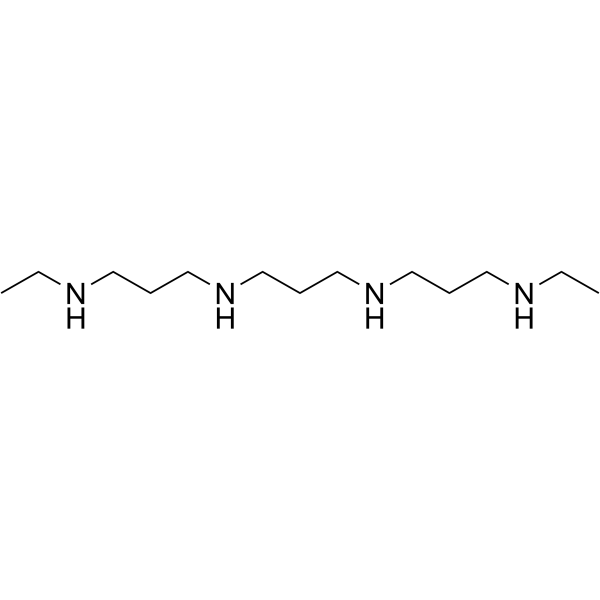
N1,N11-Diethylnorspermine is a synthetic analog of the naturally occurring polyamine spermine, can induce polyamine depletion and inhibit tumor cell growth. N1,N11-Diethylnorspermine activates polyamine catabolism and downregulates mTOR protein. N1,N11-Diethylnorspermine induces the release of cytochrome c from mitochondria, resulting in activation of caspase 3. N1,N11-Diethylnorspermine tetrahydrochloride kills glioblastoma multiforme (GBM) through induction of SSAT (spermidine/spermine N1-acetyltransferase) coupled with H2O2 production .
|
-
- HY-163841
-
|
|
Drug Derivative
|
Cancer
|
|
Antitumor agent-181 (HJ1) is an anticancer agent. Antitumor agent-181 inhibits tumor cell growth in vivo and in vitro .
|
-

- HY-162370
-
|
|
Cytochrome P450
|
Infection
Cancer
|
|
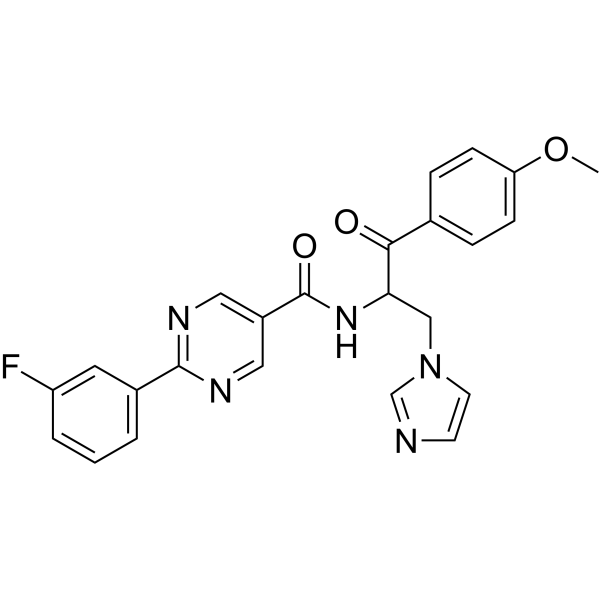
CYP51-IN-16 (compound C6) is a phenylpyrimidine CYP51 inhibitor, and shows antifungal activity in in vitro. CYP51-IN-16 inhibits tumor cell growth .
|
-
- HY-158743
-
|
|
Biochemical Assay Reagents
|
Cancer
|
|
Indium (III) thiosemicarbazone 5b (compound 5b) is an Indium (III) thiosemicarbazone agent. Indium (III) thiosemicarbazone 5b effectively inhibits MCF-7 and DDP tumor cells growth .
|
-

- HY-154362A
-
-
- HY-159935
-
|
|
Topoisomerase
Apoptosis
|
Cancer
|
|
Top1-IN-2 (Compound 1a) is a topoisomerase 1 (Top1) inhibitor. Top1-IN-2 inhibits P-gp resistant tumor cells growth and induces cell apoptosis .
|
-

- HY-146048
-
-
- HY-121512
-
|
|
HDAC
Apoptosis
|
Cancer
|
|
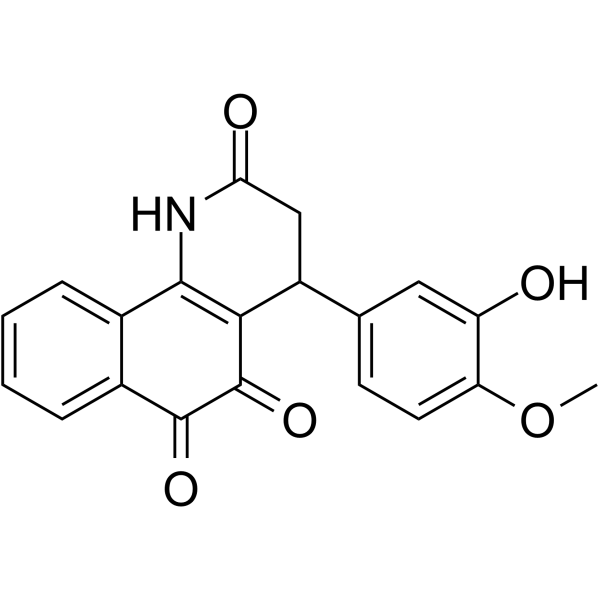
SK-7041 is a HDAC inhibitor with the IC50 of 172 nM. SK-7041 induces the hyperacetylation of histones H3 and H4 .SK-7041 inhibits tumor cell growth in vivo and in vitro, induces cell apoptosis, and arrests cell cycle at the G1 phase .
|
-

- HY-122341
-
|
FR 900840
|
Antibiotic
|
Cancer
|
|
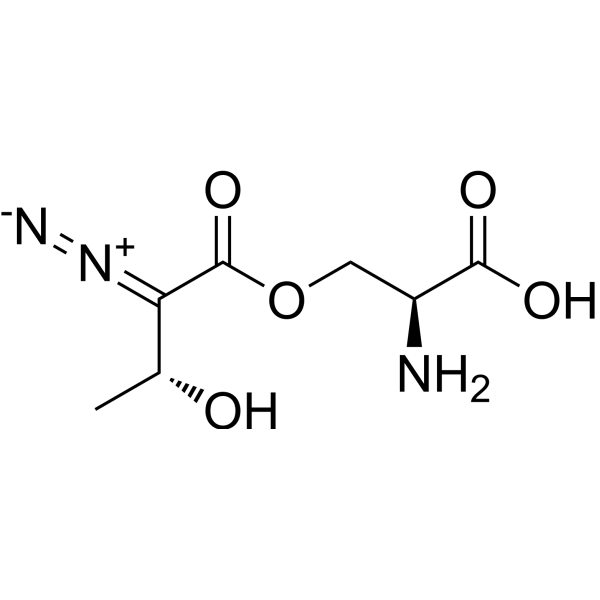
Thrazarine (FR 900840) is an oncology antibiotic that can be produced by Streptomyces coerulescens MH802-fF5. Thrazarine directly inhibits DNA synthesis and tumor cell growth. Thrazarine can specifically induce lysis of tumor cells co-cultured with non-activated macrophages. Thrazarine is used in cancer research .
|
-
- HY-129236
-
|
|
Na+/K+ ATPase
Apoptosis
|
Cancer
|
|
Hellebrin is a bufadienolide compound extracted from plants that can inhibit tumor cell growth. Hellebrigenin shows potential in overcoming cancer cells' resistance to apoptosis stimuli and has also demonstrated anti-proliferation effects in multidrug-resistant (MDR) cancer cell models. Hellebrin can act on Na+/K+-ATPase to regulate intracellular signaling pathways .
|
-

- HY-131257
-
|
|
Drug Metabolite
|
Others
Cancer
|
|
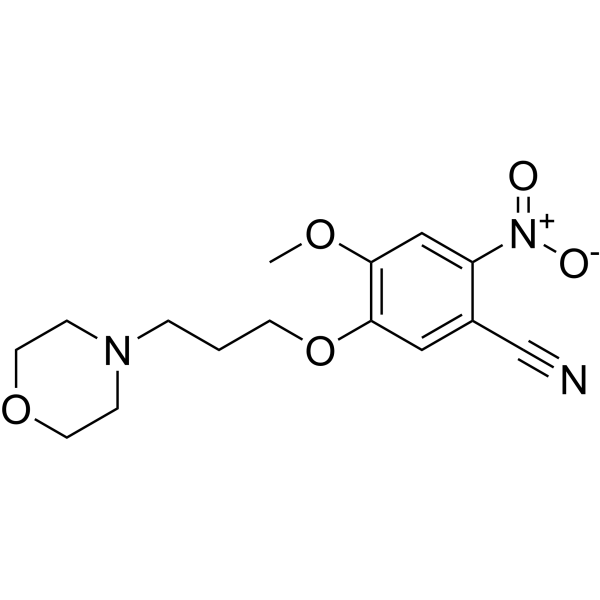
Gefitinib impurity 1 is the impurity of Gefitinib. Gefitinib (ZD1839) is a potent, selective and orally active EGFR tyrosine kinase inhibitor with an IC50 of 33 nM. Gefitinib selectively inhibits EGF-stimulated tumor cell growth (IC50 of 54 nM) and that blocks EGF-stimulated EGFR autophosphorylation in tumor cells. Gefitinib also induces autophagy. Gefitinib has antitumour activity .
|
-
- HY-D0226R
-
|
1,4-Dihydroxyanthraquinone (Standard)
|
Reference Standards
DNA/RNA Synthesis
Fungal
|
Infection
Cancer
|
|
Quinizarin (Standard) is the analytical standard of Quinizarin. This product is intended for research and analytical applications. Quinizarin (1,4-Dihydroxyanthraquinone), a part of the anticancer agents such as Doxorubicin, Daunorubicin, and Adriamycin, interacts with DNA by intercalating mode (Kd=86.1 μM). Quinizarin is used as a fungicide and pesticide chemical and has shown the ability to inhibit tumor cell growth .
|
-

- HY-151165R
-
|
|
Reference Standards
Antibiotic
Bacterial
|
Infection
|
|
Quinizarin (Standard) is the analytical standard of Quinizarin. This product is intended for research and analytical applications. Quinizarin (1,4-Dihydroxyanthraquinone), a part of the anticancer agents such as Doxorubicin, Daunorubicin, and Adriamycin, interacts with DNA by intercalating mode (Kd=86.1 μM). Quinizarin is used as a fungicide and pesticide chemical and has shown the ability to inhibit tumor cell growth .
|
-

- HY-100663
-
|
|
EGFR
|
Others
Cancer
|
|
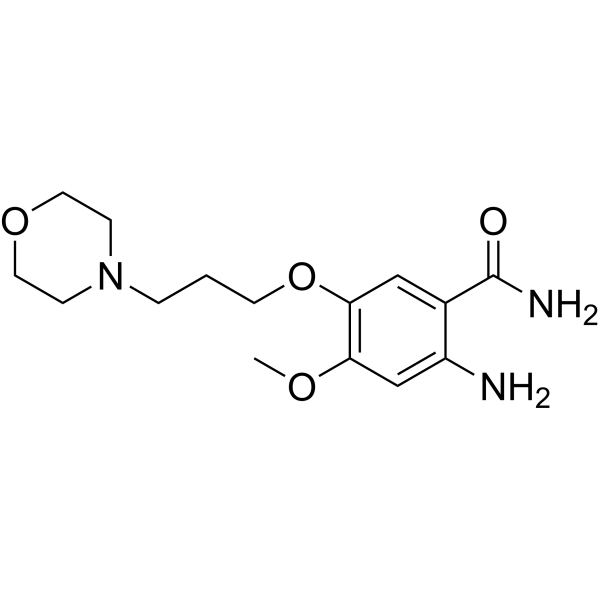
Gefitinib impurity 2 is the impurity of Gefitinib. Gefitinib (ZD1839; HY-50895) is a potent, selective and orally active EGFR tyrosine kinase inhibitor with an IC50 of 33 nM. Gefitinib selectively inhibits EGF-stimulated tumor cell growth (IC50 of 54 nM) and that blocks EGF-stimulated EGFR autophosphorylation in tumor cells. Gefitinib also induces autophagy. Gefitinib has antitumour activity .
|
-
- HY-50895B
-
|
ZD 1839 dihydrochloride
|
EGFR
Autophagy
Apoptosis
|
Cancer
|
|
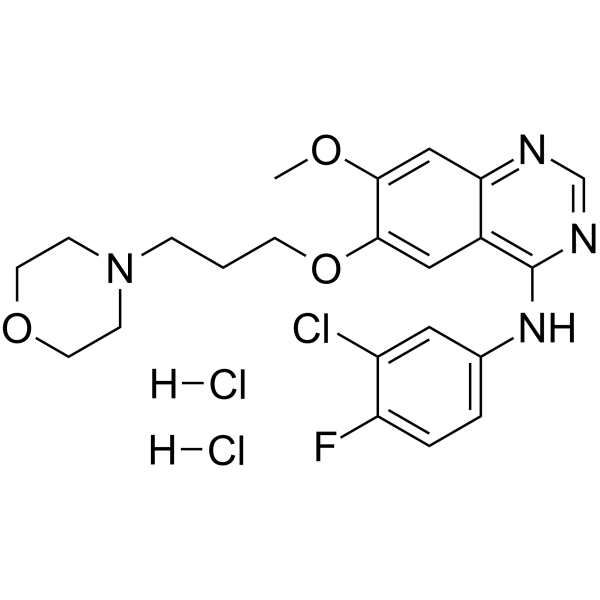
Gefitinib (ZD 1839) dihydrochloride is a potent, selective and orally active EGFR tyrosine kinase inhibitor with an IC50 of 33 nM. Gefitinib dihydrochloride selectively inhibits EGF-stimulated tumor cell growth (IC50 of 54 nM) and blocks EGF-stimulated EGFR autophosphorylation in tumor cells. Gefitinib dihydrochloride also induces autophagy and cell apoptosis, which can be used for cancer related research, such as Lung cancer and breast cancer .
|
-
- HY-P991250
-
|
|
Integrin
|
Cancer
|
|
MSH-TP15e is a humanized monoclonal antibody inhibitor targeting intercellular adhesion molecule-1 (ICAM-1). MSH-TP15e recruits natural killer cells and significantly triggers antibody-dependent cell-mediated cytotoxicity (ADCC) to inhibit tumor cell growth. MSH-TP15e is promising for research of multiple myeloma (MM) .
|
-

- HY-161677
-
|
|
PD-1/PD-L1
CD73
|
Inflammation/Immunology
Cancer
|
|
PD-L1/CD-73-IN-1 (compound CC-5) is PD-L1/CD73 inhibitor with IC50 values of 6 nM and 0.773 μM to PD-L1 and CD73, respectively. PD-L1/CD-73-IN-1 inhibits tumor cell growth in vivo and in vitro .
|
-

- HY-133779R
-
|
|
Drug Metabolite
Reference Standards
|
Others
Cancer
|
|
Gefitinib impurity 5 (Standard) is the analytical standard of Gefitinib impurity 5. This product is intended for research and analytical applications. Gefitinib impurity 5 is the impurity of Gefitinib. Gefitinib (ZD1839) is a potent, selective and orally active EGFR tyrosine kinase inhibitor with an IC50 of 33 nM. Gefitinib selectively inhibits EGF-stimulated tumor cell growth (IC50 of 54 nM) and that blocks EGF-stimulated EGFR autophosphorylation in tumor cells. Gefitinib also induces autophagy. Gefitinib has antitumour activity .
|
-

- HY-120187
-
|
|
Others
|
Others
|
|
DDCPPB-Glu (compound 3a) is a compound with anti-tumor activity, which has the activity of inhibiting tumor cell growth and prolonging survival. DDCPPB-Glu has growth inhibition effect on various tumor cell lines, can increase the survival time of leukemia mice, and has inhibitory effect on tumors such as colon cancer and lung cancer.
|
-

- HY-178712
-
|
|
Apoptosis
|
Cancer
|
|
CT 32228 is an inhibitor of lysophosphatidic acid acyltransferase-β (LPAAT-β). CT 32228 inhibits tumor cell growth. CT 32228 exhibits IC50 values of around 0.1-0.8 μM in various leukemia cell lines. CT 32228 induces caspase activation in DHL-4 and Ramos cells. CT 32228 induces apoptosis when combined with Rituximab (HY-P9913). CT 32228 results in a 50% xenograft growth delay in vivo. CT 32228 can be studied in research on acute leukemia .
|
-

- HY-173211
-
|
|
Photosensitizer
|
Cancer
|
|
anti-TNBC agent-8 (Compound TP2) is a photodynamic therapeutic agent targeting mitochondrial DNA G4 (mtG4). Under white light irradiation, its IC50 against 4T1 cells is 0.42 μM. anti-TNBC agent-8 binds tightly to mtG4 and generates a large amount of reactive oxygen species (ROS) under white light irradiation, leading to the loss of mitochondrial membrane potential (MMP), a decrease in ATP production, and an increase in the ROS level. This, in turn, induces significant apoptosis in triple-negative breast cancer (TNBC) cells, exerting the activity of inhibiting tumor cell growth. anti-TNBC agent-8 can be used in the research of triple-negative breast cancer.
|
-

| Art. -Nr. |
Produktname |
Type |
-
- HY-D0226
-
|
1,4-Dihydroxyanthraquinone
|
Fluorescent Dyes
|
|
Quinizarin (1,4-Dihydroxyanthraquinone), a part of the anticancer agents such as Doxorubicin, Daunorubicin, and Adriamycin, interacts with DNA by intercalating mode (Kd=86.1 μM). Quinizarin is used as a fungicide and pesticide chemical and has shown the ability to inhibit tumor cell growth .
|
-
- HY-D0226R
-
|
1,4-Dihydroxyanthraquinone (Standard)
|
Fluorescent Dyes
|
|
Quinizarin (Standard) is the analytical standard of Quinizarin. This product is intended for research and analytical applications. Quinizarin (1,4-Dihydroxyanthraquinone), a part of the anticancer agents such as Doxorubicin, Daunorubicin, and Adriamycin, interacts with DNA by intercalating mode (Kd=86.1 μM). Quinizarin is used as a fungicide and pesticide chemical and has shown the ability to inhibit tumor cell growth .
|
| Art. -Nr. |
Produktname |
Type |
-
- HY-B0633A
-
|
Hyaluronan; Hyaluronate
|
Biochemical Assay Reagents
|
|
Hyaluronic acid is a biopolymer composed of repeating units of disaccharides with various applications. Hyaluronic acid is a major component of the extracellular matrix (ECM). Hyaluronic acid is synthesized at the plasma membrane. Increased hyaluronic acid levels are associated with tumor cell growth, adhesion, migration, invasion and angiogenesis in digestive cancers. Hyaluronic acid participates in tissue remodeling and rapid cell proliferation in some physiological processes including embryonic morphogenesis and wound-healing. Hyaluronic acid activates the PI3K-Akt signaling. Hyaluronic acid acts as a regulator of cancer-associated lymphangiogenesis. Hyaluronic acid also enhances cell invasion and angiogenesis by promoting proteolytic MMP-9 binding to cell surface or stimulating MMP-9 binding to cell surface. Hyaluronic acid can be used as drug delivery for sodium butyrate to improve the anti-proliferative activity on breast cancer cell line. Hyaluronic acid can be studied in joint diseases, wound healing and cancer .
|
-
- HY-B0633E
-
|
Hyaluronan, low endotoxin; Hyaluronate, low endotoxin
|
Biochemical Assay Reagents
|
|
Hyaluronic acid, low endotoxin (Hyaluronan, low endotoxin) is a biopolymer composed of repeating disaccharide units containing low levels of endotoxin. Hyaluronic acid is a major component of the extracellular matrix (ECM). It is synthesized on the plasma membrane. Hyaluronic acid exerts its effects by binding to receptors CD44 and RHAMM. Hyaluronic acid activates PI3K-Akt signaling. Hyaluronic acid also enhances cell invasion and angiogenesis by promoting or stimulating the binding of proteolytic MMP-9 to the cell surface. Elevated hyaluronic acid levels are associated with tumor cell growth, adhesion, migration, invasion, and angiogenesis in digestive system cancers. Hyaluronic acid is involved in tissue remodeling and rapid cell proliferation in several physiological processes, including embryonic morphogenesis and wound healing. Hyaluronic acid can be used as a regulator of cancer-associated lymphangiogenesis. Hyaluronic acid can be used as a drug delivery carrier for sodium butyrate, enhancing its anti-proliferative activity against breast cancer cell lines. Hyaluronic acid can lubricate the corneal endothelium. Hyaluronic acid can improve tissue hydration and enhance the resistance of cells to mechanical damage. Hyaluronic acid has been conjugated with antibodies to ensure that the active compound continues to exert its effects at the site of inflammation. Hyaluronic acid can be used in research in the fields of osteoarthritis, ophthalmology, cosmetic dermatology, oncology, and liver diseases .
|
-
- HY-W011398
-
|
|
Biochemical Assay Reagents
|
|
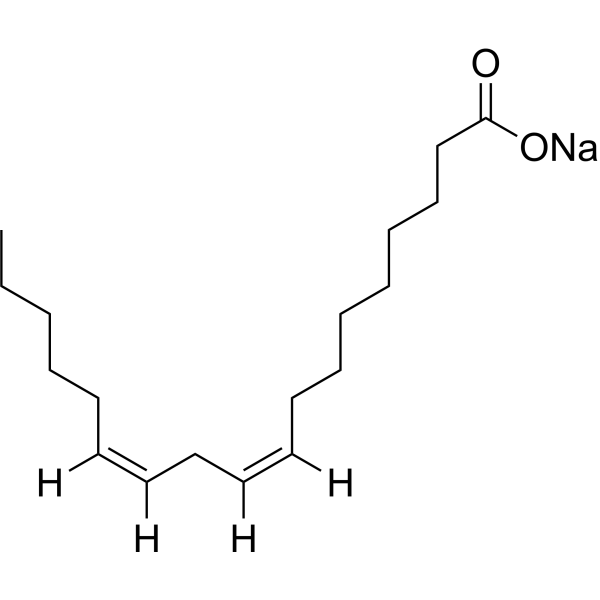
Linoleate sodium is an orally active IL8 regulator via the JNK and NF-κB pathway. Linoleate sodium can change the composition of fatty acids and the production of metabolites in cells. Linoleate sodium has anti-inflammatory, immune-regulating, and tumor cell growth-affecting activities .
|
| Art. -Nr. |
Produktname |
Target |
Research Area |
Image |
-
- HY-P991149
-
|
YH32367; ABL105
|
TNF Receptor
|
Cancer
|
|
Nesfrotamig (YH32367; ABL105) is a bispecific activator targeting HER2 and 4-1BB. The Kd values of Nesfrotamig for human HER2 and human 4-1BB are 0.48 nM and 3.36 nM, respectively. By blocking tumor cell growth signals, activating HER2-dependent local 4-1BB in tumors to maintain T cell survival, and inducing NK cell-mediated antibody-dependent cellular cytotoxicity, Nesfrotamig enhances the cytotoxicity and tumor infiltration ability of immune cells. Nesfrotamig promotes the generation of tumor-specific memory T cells, drives T cell-mediated tumor lysis, exhibits significant anti-tumor efficacy against both HER2-positive and HER2-low-expressing tumors, and shows synergistic activity when combined with anti-PD-1 antibodies. In cynomolgus monkey studies, Nesfrotamig demonstrates good safety and is suitable for research related to HER2-positive and HER2-low-expressing tumors .
|
-

(5)
-
- HY-P991250
-
|
|
Integrin
|
Cancer
|
|
MSH-TP15e is a humanized monoclonal antibody inhibitor targeting intercellular adhesion molecule-1 (ICAM-1). MSH-TP15e recruits natural killer cells and significantly triggers antibody-dependent cell-mediated cytotoxicity (ADCC) to inhibit tumor cell growth. MSH-TP15e is promising for research of multiple myeloma (MM) .
|
-
(5)
| Art. -Nr. |
Produktname |
Category |
Target |
Chemical Structure |
-
- HY-B0633A
-
-
-
- HY-B0633
-
|
Sodium hyaluronate
|
Structural Classification
Microorganisms
Animals
Classification of Application Fields
Cosmetic Research
Disease Research Fields
Saccharides
Source Classification
Cancer
|
Endogenous Metabolite
Bacterial
PI3K
Akt
|
|
Hyaluronic acid sodium (Sodium hyaluronate) is a biopolymer composed of repeating units of disaccharides with various applications. Hyaluronic acid sodium is a major component of the extracellular matrix (ECM). Hyaluronic acid sodium is synthesized at the plasma membrane. Increased hyaluronic acid sodium levels are associated with tumor cell growth, adhesion, migration, invasion and angiogenesis in digestive cancers. Hyaluronic acid sodium participates in tissue remodeling and rapid cell proliferation in some physiological processes including embryonic morphogenesis and wound-healing. Hyaluronic acid sodium activates the PI3K-Akt signaling. Hyaluronic acid sodium acts as a regulator of cancer-associated lymphangiogenesis. Hyaluronic acid sodium also enhances cell invasion and angiogenesis by promoting proteolytic MMP-9 binding to cell surface or stimulating MMP-9 binding to cell surface. Hyaluronic acid sodium can be used as drug delivery for sodium butyrate to improve the anti-proliferative activity on breast cancer cell line. Hyaluronic acid sodium can be studied in joint diseases, wound healing and cancer .
|
-
-
- HY-N0848
-
-
-
- HY-N0416
-
-
-
- HY-N6601
-
-
-
- HY-N1181
-
-
-
- HY-N12257
-
|
|
Structural Classification
Monophenols
Microorganisms
Phenols
Source Classification
|
Cytochrome P450
Reactive Oxygen Species (ROS)
Apoptosis
|
|
Antimycin A2 is a selective inhibitor of the cytochrome b-c1 complex in the mitochondrial electron transport chain. Antimycin A2 disrupts mitochondrial membrane potential and produces reactive oxygen species (ROS) by inhibiting electron transfer between cytochrome b and c. Antimycin A2 has bactericidal and piscicidal activity, as well as tumor cell growth inhibitory effects, and can induce S-phase cell cycle arrest and apoptosis in HeLa cells. Antimycin A2 is suitable for research of cervical cancer and fisheries management. Antimycin A2 can be naturally isolated from the fermentation products of Streptomyces sp. strains .
|
-
-
- HY-D0226
-
-
-
- HY-N11096
-
-
-
- HY-N10341
-
|
|
Flavonoids
Flavones
Tanacetum microphyllum DC.
Plants
Compositae
Source Classification
|
IFNAR
ROCK
|
|
Centaureidin is an orally active IFN-promoter that can be isolated from Bidens pilosa with an EC50 of 0.9 μg/mL. Centaureidin activates the Rho signal pathway, leading to actin and tubulin disassembly, and resulting in dendrite retraction and stress fiber formation in melanocytes. Centaureidin shows high tumor cell growth inhibitory activities. Centaureidin significantly inhibits paw edema in mice [1][2][3][4][5].
|
-
-
- HY-138071
-
-
-
- HY-N0848R
-
-
-
- HY-113505
-
-
-
- HY-121259
-
-
-
- HY-N1181R
-
-
-
- HY-N0416R
-
-
-
- HY-122341
-
|
FR 900840
|
Microorganisms
Ketones, Aldehydes, Acids
Source Classification
|
Antibiotic
|
|
Thrazarine (FR 900840) is an oncology antibiotic that can be produced by Streptomyces coerulescens MH802-fF5. Thrazarine directly inhibits DNA synthesis and tumor cell growth. Thrazarine can specifically induce lysis of tumor cells co-cultured with non-activated macrophages. Thrazarine is used in cancer research .
|
-
-
- HY-D0226R
-
-
| Art. -Nr. |
Produktname |
Chemical Structure |
-
- HY-50895S2
-
|
|
|
Gefitinib-d3 (ZD1839-d3) is the deuterium labeled Gefitinib. Gefitinib (ZD1839) is a potent, selective and orally active EGFR tyrosine kinase inhibitor with an IC50 of 33 nM. Gefitinib selectively inhibits EGF-stimulated tumor cell growth (IC50 of 54 nM) and that blocks EGF-stimulated EGFR autophosphorylation in tumor cells. Gefitinib also induces autophagy. Gefitinib has antitumour activity .
|
-
-
- HY-50895S1
-
|
|
|
Gefitinib-d6 is the deuterium labeled Gefitinib. Gefitinib (ZD1839) is a potent, selective and orally active EGFR tyrosine kinase inhibitor with an IC50 of 33 nM. Gefitinib selectively inhibits EGF-stimulated tumor cell growth (IC50 of 54 nM) and that blocks EGF-stimulated EGFR autophosphorylation in tumor cells. Gefitinib also induces autophagy. Gefitinib has antitumour activity .
|
-
| Art. -Nr. |
Produktname |
|
Classification |
-
- HY-B0633A
-
|
Hyaluronan; Hyaluronate
|
|
Polymers
|
|
Hyaluronic acid is a biopolymer composed of repeating units of disaccharides with various applications. Hyaluronic acid is a major component of the extracellular matrix (ECM). Hyaluronic acid is synthesized at the plasma membrane. Increased hyaluronic acid levels are associated with tumor cell growth, adhesion, migration, invasion and angiogenesis in digestive cancers. Hyaluronic acid participates in tissue remodeling and rapid cell proliferation in some physiological processes including embryonic morphogenesis and wound-healing. Hyaluronic acid activates the PI3K-Akt signaling. Hyaluronic acid acts as a regulator of cancer-associated lymphangiogenesis. Hyaluronic acid also enhances cell invasion and angiogenesis by promoting proteolytic MMP-9 binding to cell surface or stimulating MMP-9 binding to cell surface. Hyaluronic acid can be used as drug delivery for sodium butyrate to improve the anti-proliferative activity on breast cancer cell line. Hyaluronic acid can be studied in joint diseases, wound healing and cancer .
|
-
- HY-158826A
-
|
|
|
Antisense Oligonucleotides
|
|
EZN-2968 sodium is an antisense oligonucleotide that specifically binds and inhibits the expression of HIF-1α mRNA. EZN-2968 sodium, inhibits tumor cell growth.
|
-
- HY-W602640
-
|
|
|
Nucleoside Analogs
Guanosine
|
|
2'-Deoxyisoguanosine is a purine nucleoside analog. 2'-deoxyisoguanosine has low potency and specificity in inhibiting tumor cell growth, similar to other telomerase inhibitors.
|
-
- HY-158826
-
|
RO 707179
|
|
Antisense Oligonucleotides
|
|
EZN-2968 is an antisense oligonucleotide that specifically binds and inhibits the expression of HIF-1α mRNA. EZN-2968, inhibits tumor cell growth.
|
Your information is safe with us. * Required Fields.
Inquiry Information
- Produktname:
- Art. -Nr.:
- Menge:
- MCE Japan Authorized Agent:








