1. Search Result
Search Result
Results for "

xenograft nude mice

" in MedChemExpress (MCE) Product Catalog:

81

Inhibitors & Agonists

2

Fluorescent Dyes

1

Biochemical Assay Reagents

11

Peptides

5

Inhibitory Antibodies

5

Natural
Products

1

Isotope-Labeled Compounds

1

Click Chemistry

1

Oligonucleotides

Cat. No. Nombre del producto Target Áreas de investigación Chemical Structure
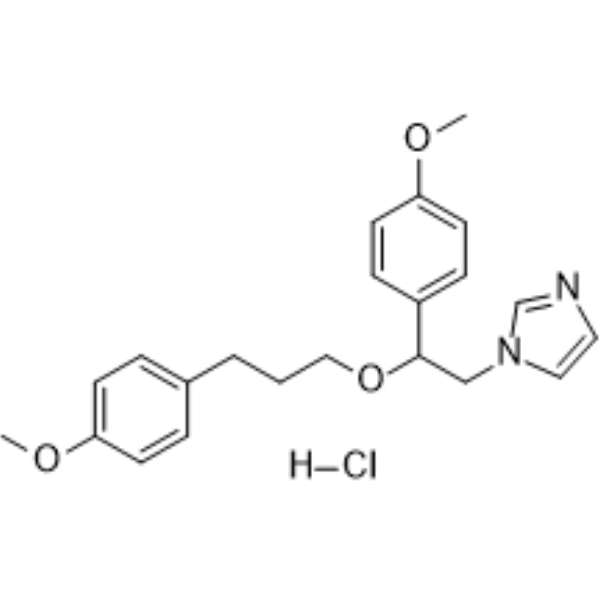
  • HY-100001
    SKF-96365 (hydrochloride)
    Maximum Cited Publications
    27 Publications Verification

    TRP Channel CRAC Channel Autophagy CaMK Akt Apoptosis Na+/Ca2+ Exchanger Calcium Channel Neurological Disease Inflammation/Immunology Cancer
    SKF-96365 hydrochloride is a TRPC channel antagonist and store-operated calcium entry (SOCE) inhibitor. SKF-96365 hydrochloride reduces calcium ion influx by inhibiting the activity and expression of TRPC6, STIM1 and Orai1. SKF-96365 hydrochloride inhibits voltage-gated sodium current (cardiac INa/NaV1.5) and slows myocardial conduction. SKF-96365 hydrochloride inhibits phosphorylation/activation of CaMKIIγ and suppresses the downstream AKT signaling pathway. SKF-96365 hydrochloride induces G2/M phase cell cycle arrest, apoptosis and cytoprotective autophagy in colorectal cancer cells. SKF-96365 hydrochloride alleviates allergic rhinitis symptoms by reducing inflammatory cytokine levels. SKF-96365 hydrochloride reduces intracellular calcium overload, inhibits Homer1 expression, prevents nuclear damage and suppresses apoptosis. SKF-96365 hydrochloride inhibits the growth of colorectal cancer xenografts in nude mice . SKF-96365 hydrochloride is applicable to research related to allergic rhinitis, colorectal cancer, Parkinson's disease, persistent spontaneous nociception and hyperalgesia .
    SKF-96365 (hydrochloride)
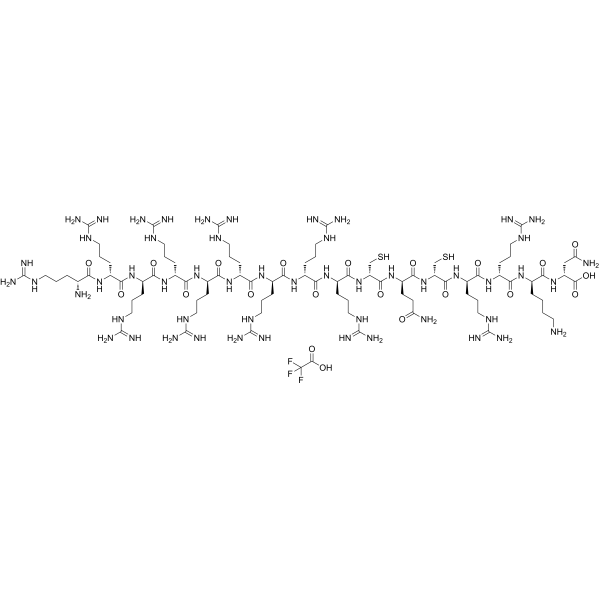
  • HY-P1925A
    GO-203 TFA
    2 Publications Verification

    PI3K Reactive Oxygen Species (ROS) Apoptosis Cancer
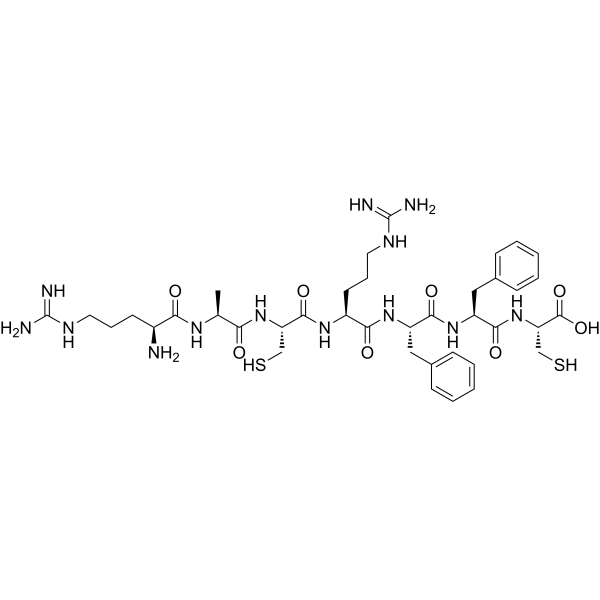
    GO-203 TFA is a potent MUC1-C oncoprotein inhibitor. GO-203 TFA is an all D-amino acid peptide that consists of a poly-R transduction domain linked to a CQCRRKN motif that binds to the MUC1-C cytoplasmic tail and blocks MUC1-C homodimerization. GO-203 TFA downregulates TIGAR (TP53-induced glycolysis and apoptosis regulator) protein synthesis by inhibiting the PI3K-AKT-S6K1 pathway. GO-203 TFA induces the production of ROS and loss of mitochondrial transmembrane potential. GO-203 TFA inhibits the growth of colon cancer cells in vitro and as xenografts in nude mice .
    GO-203 TFA
  • HY-178018

    iOXCT1

    Mitochondrial Metabolism Cancer
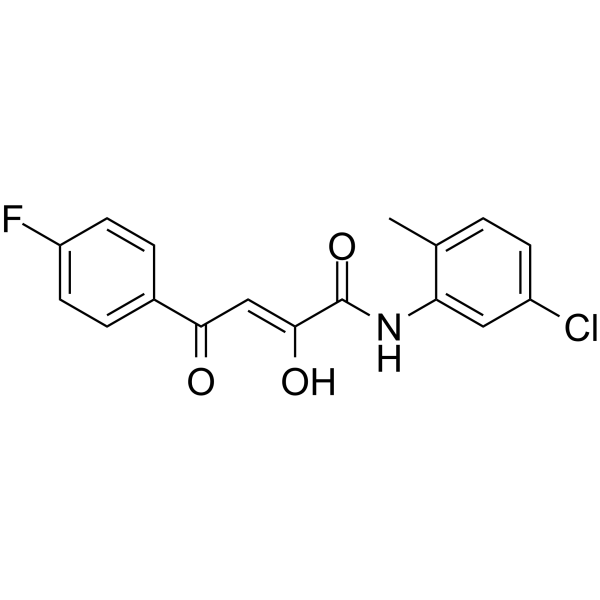
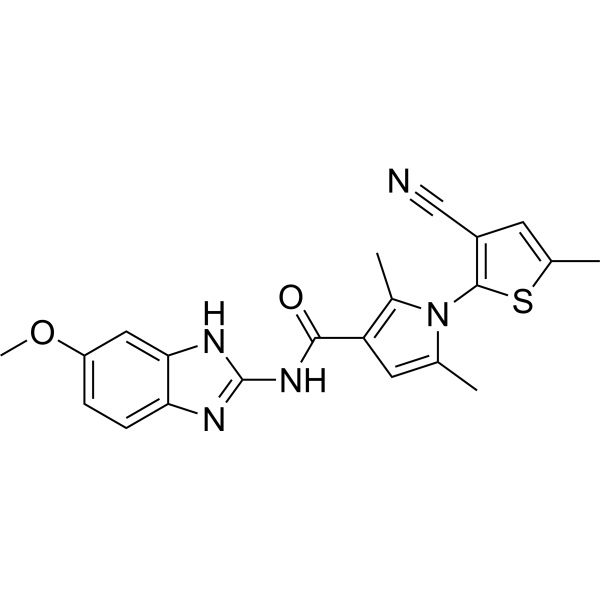
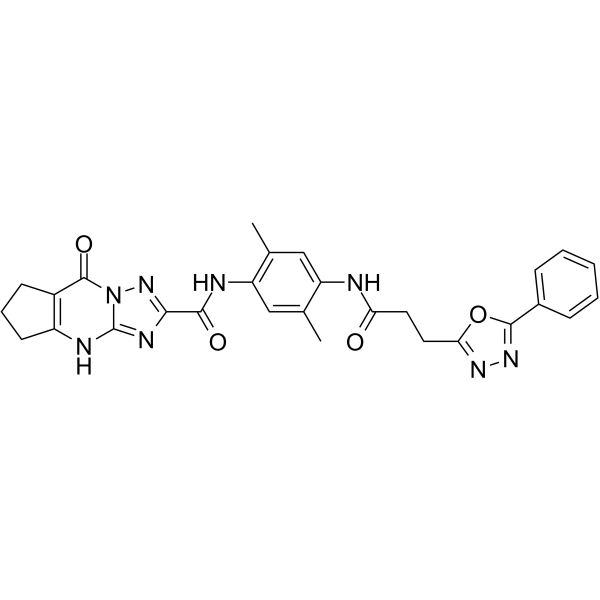
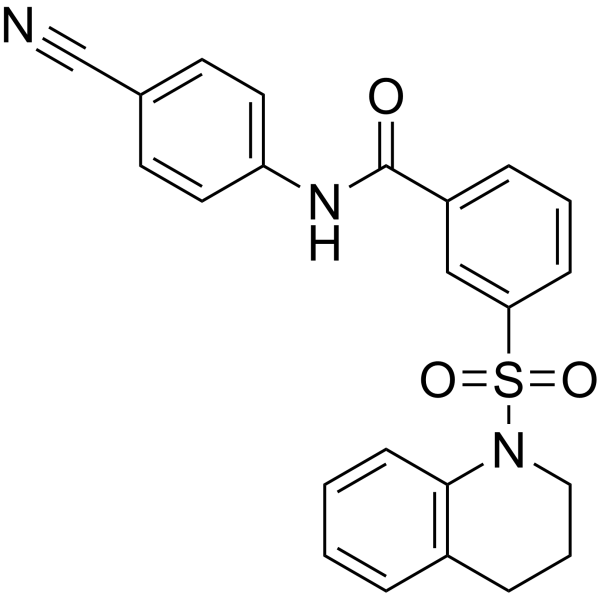
    D574-0246 is a dual-activity inhibitor of OXCT1, inhibiting both the ketolytic and succinyltransferase activities of OXCT1. D574-0246 reduces substrate-specific (LACTB K284) and global protein succinylation and decreases OXCT1 ketolytic activity in HepG2 cells. D574-0246 inhibits the viability of HCC cells (IC50: 16.49 μM in PLC cells, 6.656 μM in HepG2 cells). D574-0246 exerts anti-tumor efficacy in nude mice bearing OXCT1-overexpressing HepG2 xenograft tumors. D574-0246 can be used for the study of hepatocellular carcinoma (HCC) .
    D574-0246
  • HY-151462
    RP-6685
    3 Publications Verification

    DNA/RNA Synthesis Cancer
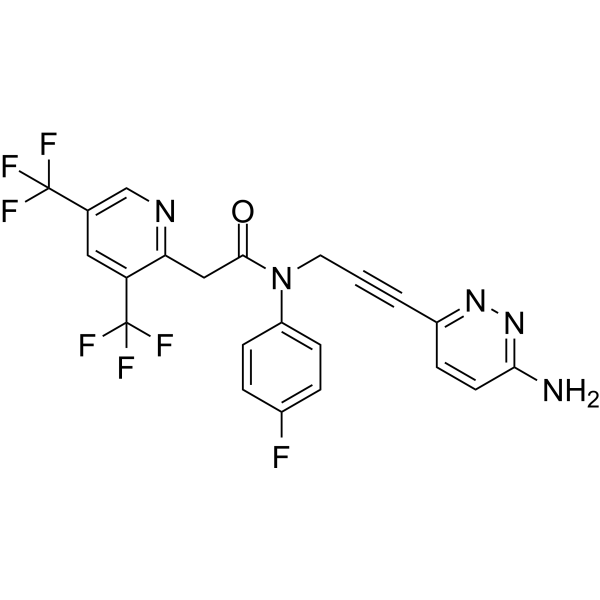
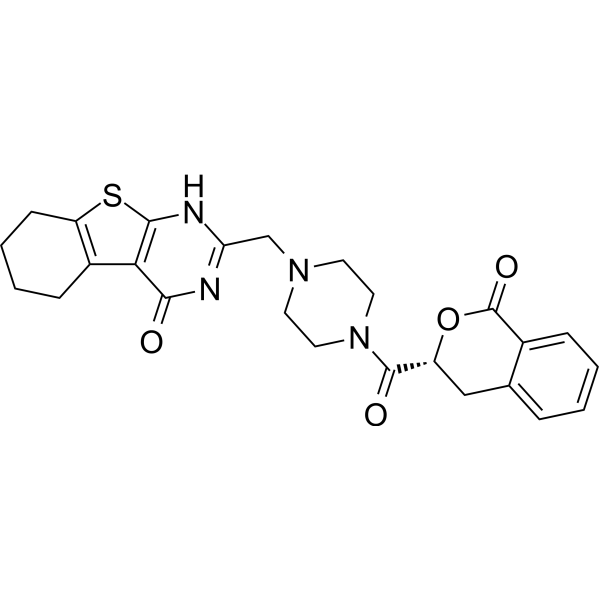
    RP-6685 is a potent, selective and orally active DNA polymerase theta (Polθ) inhibitor with an IC50 value of 5.8 nM (PicoGreen assay). RP-6685 shows antitumor efficacy in mouse tumor xenograft model . RP-6685 is a click chemistry reagent, it contains an Alkyne group and can undergo copper-catalyzed azide-alkyne cycloaddition (CuAAc) with molecules containing Azide groups.
    RP-6685
  • HY-123972
    SEC inhibitor KL-2
    1 Publications Verification

    KL-2

    DNA/RNA Synthesis Cancer
    SEC inhibitor KL-2 (KL-2), a peptidomimetic lead compound, is a potent, selective super elongation complex (SEC) inhibitor and disrupts the interaction between the SEC scaffolding protein AFF4 and P-TEFb, resulting in impaired release of Pol II from promoter-proximal pause sites and a reduced average rate of processive transcription elongation. SEC inhibitor KL-2 exhibits an dose-dependent inhibitory effect on AFF4-CCNT1 interaction with a Ki of 1.50 μM .
    SEC inhibitor KL-2
  • HY-120692

    JAK STAT Apoptosis Cancer
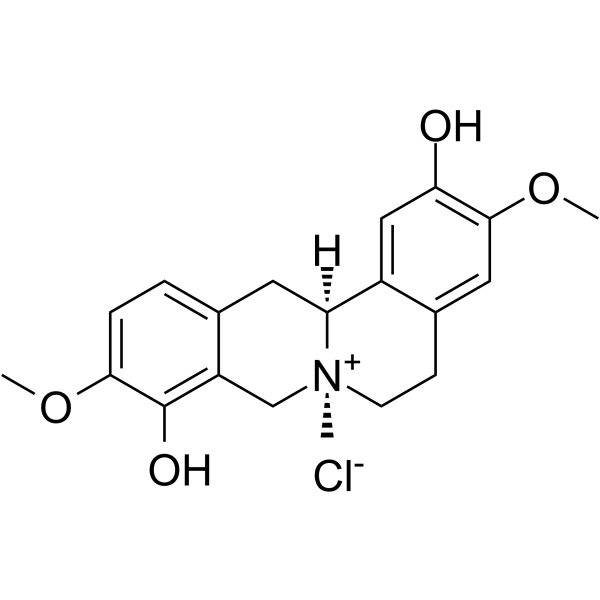
    Cyclanoline chloride is an alkaloid. Cyclanoline chloride can be isolated from Fangji. Cyclanoline (chloride) inhibits the phosphorylation of JAK2 and STAT3, and induces Apoptosis. Cyclanoline chloride suppresses tumor growth in subcutaneous bladder cancer xenograft models of nude mice. Cyclanoline chloride reverses cisplatin resistance in bladder cancer cells and enhances the efficacy of Cisplatin (HY-17394). Cyclanoline chloride can be used for research related to bladder cancer .
    Cyclanoline chloride
  • HY-P991584

    FGFR Cancer
    HuGAL-FR21 is a humanized antiFGFR2IIIb IgG1 monoclonal antibody. HuGAL-FR21 can block the binding of FGF2, FGF7, and FGF10 to FGFR2IIIb and inhibit FGF-induced phosphorylation of FGFR2IIIb. HuGAL-FR21 can downregulate the expression of FGFR2 in SNU-16 cells. HuGAL-FR21 shows the significant anti-tumor activity in athymic nude mice bearing gastric cancer xenograft models. HuGAL-FR21 can be used for research on cancer such as gastric cancer .
    HuGAL-FR21
  • HY-156418

    DNA/RNA Synthesis Ferroptosis Apoptosis Reactive Oxygen Species (ROS) Cancer
    KY386 is a DHX33 helicase inhibitor with an IC50 of 0.019 μM. KY386 inhibits the cell viability of various cancer cells. KY386 induces ferroptosis in cancer cells, and induces apoptosis in some cancer cell lines. KY386 increases the intracellular levels of ROS, LPO and Fe 2+, and decreases the level of GSH in cancer cells . KY386 inhibits the growth of gastric cancer and colon cancer xenografts in nude mice. KY386 is applicable to the related research on liver cancer, lung cancer, pancreatic cancer, colorectal cancer, gastric cancer, breast cancer, leukemia, renal cancer, prostate cancer, esophageal cancer, cervical cancer, brain cancer (glioblastoma) and melanoma .
    KY386
  • HY-B1022
    Dimesna
    1 Publications Verification

    BNP-7787

    Drug Derivative Endocrinology Cancer
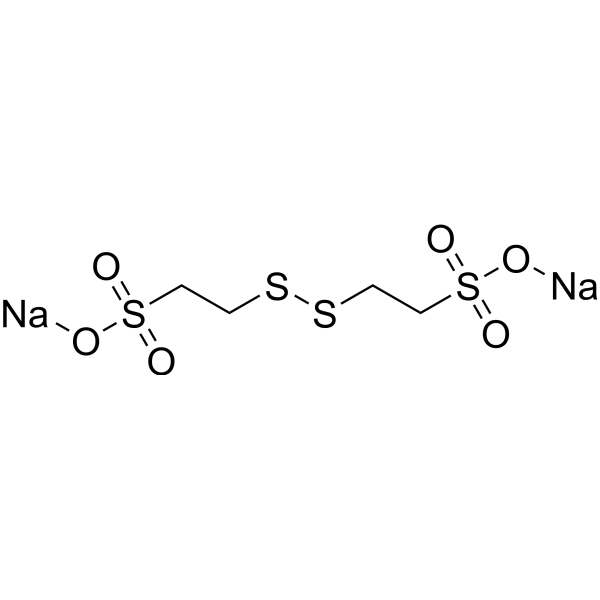
    Dimesna (BNP-7787), the disulfide form of Mesna (HY-13679), is a platinum-related toxicity protective agent. Dimesna converts to Mesna, which in turn inactivates toxic platinum substances. Dimesna does not interfere with the antitumor activity of platinum compounds. Dimesna does not affect the antiproliferative effects of Cisplatin (HY-17394) or Carboplatin (HY-17393). Dimesna counteracts Cisplatin-induced nephrotoxicity. Dimesna exerts selective protective effects on the kidneys. Dimesna can be used in studies related to ovarian cancer and Cisplatin-induced nephrotoxicity .
    Dimesna
  • HY-149265

    Reactive Oxygen Species (ROS) TrxR Ferroptosis Apoptosis Caspase Bcl-2 Family Cancer
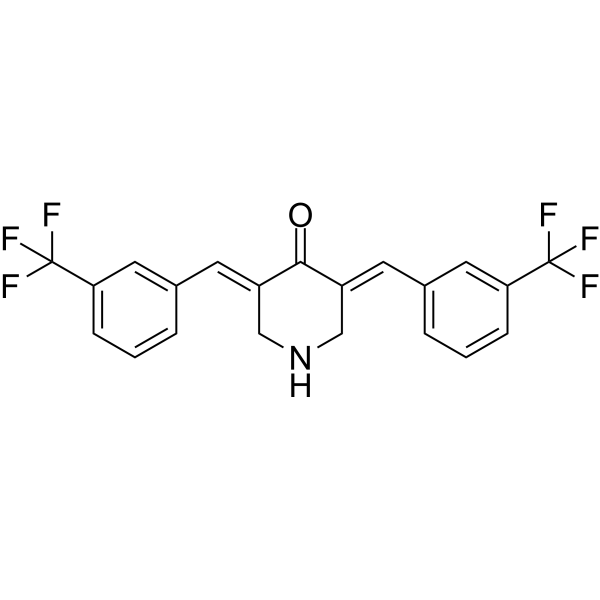
    ROS-generating agent 1 is a selective ROS-generating agent. ROS-generating agent 1 inhibits TrxR activity and expression in cancer cells. ROS-generating agent 1 induces ROS-dependent apoptosis and ferroptosis in cancer cells. ROS-generating agent 1 selectively kills lung cancer cells and inhibits the growth of cancer cell xenograft tumors in nude mice. ROS-generating agent 1 can be used for the research of non-small cell lung cancer .
    ROS-generating agent 1
  • HY-N0434
    Astragaloside III
    2 Publications Verification

    C-type Lectin-like Receptors (CTLRs) Apoptosis Dengue Virus Infection Cancer
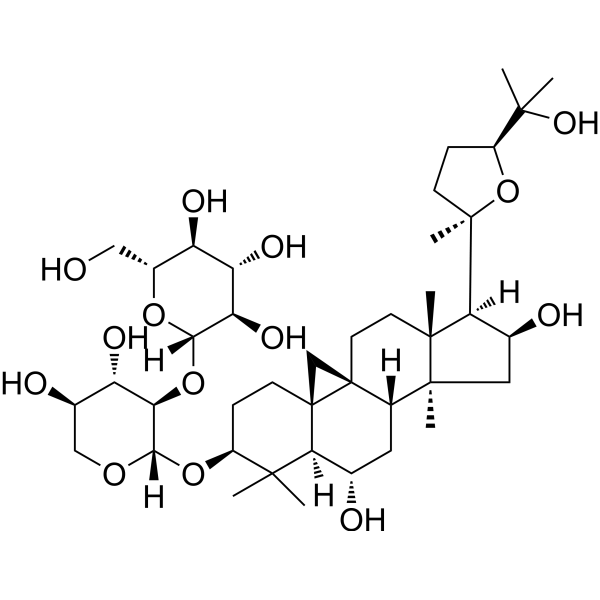
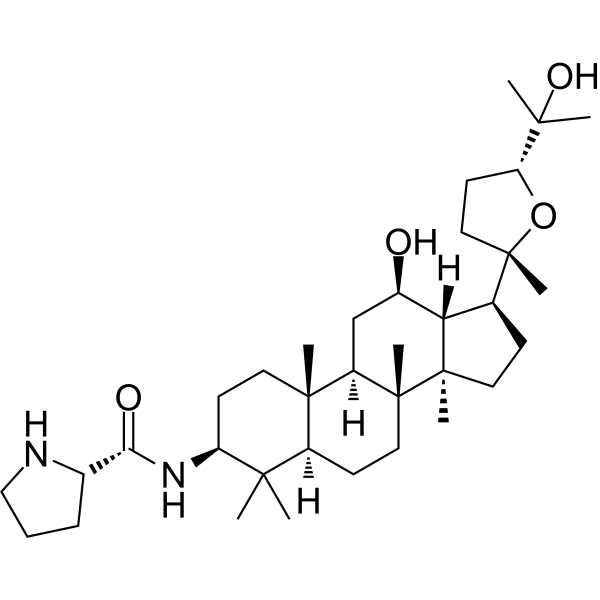
    Astragaloside III is a triterpenoid saponin. Astragaloside III can be extracted from Astragalus root. Astragaloside III increases NKG2D and induces TACE phosphorylation. Astragaloside III induces Apoptosis. Astragaloside III has antiviral activity against dengue serotypes 1 and 3. Astragaloside III has anticancer activity against breast and colon cancer .
    Astragaloside III
  • HY-124813

    113B7

    FAK EGFR MMP NF-κB SDCBP Cancer
    PDZ1i (113B7) is a inhibitor of MDA-9/Syntenin, with selective binding to the PDZ1 domain. PDZ1i inhibits radiation-induced invasion of glioblastoma (GBM) cells, radiosensitizes GBM cells, and impairs GBM-related signaling pathways (including Src/EphA2, EGFRvIII/FAK, and NF-κB). PDZ1i reduces radiation-induced secretion of invasion-related proteases (MMP-2, MMP-9, ADAM9). PDZ1i shows anti-tumor effects in nude mice bearing intracranial U1242-luc xenografts or GBM xenografts. PDZ1i can be used for the study of glioblastoma (GBM), breast cancer and prostate cancer .
    PDZ1i
  • HY-P991550

    CD22 Cancer
    RFB4 is an anti-CD22 monoclonal antibody. RFB4 can be fused with Pseudomonas aeruginosa exotoxin (PE38) via disulfide bonds to construct recombinant immunotoxins, such as RFB4 (dsFv)-PE38. RFB4 is applicable to the research of cancers including lymphoma .
    RFB4
  • HY-168566

    HSP Cancer
    EV206 is a Hsp70 binder and apoptosis inducer that binds to the N-terminal domain of Hsp70, promotes Hsp70 degradation via the ubiquitin-proteasome system, and reduces Hsp70 protein stability. EV206 induces apoptotic cell death, inhibits colony formation, and downregulates the expression of cancer stem cell-related markers in non-small cell lung cancer cells. EV206 inhibits the growth of H460 xenograft tumors in nude mice and can be used for the research of non-small cell lung cancer .
    EV206
  • HY-114340

    Histone Methyltransferase Apoptosis Cancer
    LEM-14 is a potent and selective NSD2 inhibitor with an IC50 of 132 µM. LEM-14 has very weak activitv against NSD1 and has no activity against NSD3. LEM-14 inhibits fibrotic gene expression in ND but not DIO BMDMs. LEM-14 combined with ionizing radiation (IR) enhances the apoptosis rate and reduces the colony-formation ability of CRC cells. LEM-14 exhibits enhanced anti-tumor efficacy in Balb/c nude mice bearing LoVo cell xenografts when combined with ionizing radiation. LEM-14 has the potential for the research of multiple myeloma and colorectal cancer .
    LEM-14
  • HY-177008

    PROTACs EGFR Apoptosis Akt ERK Cancer
    PROTAC HER2 degrader-1 is a highly selective HER2 PROTAC degrader, with a DC50 of 69 nM and a Dmax of 96%. PROTAC HER2 degrader-1 inhibits HER2-positive cell proliferation and tumor growth through persistent HER2 degradation and potent inhibition of downstream pathways (AKT and ERK). PROTAC HER2 degrader-1 induces apoptosis in BT-474 cells. PROTAC HER2 degrader-1 can be used for research of HER2-positive cancers. (Pink: HER2 ligand: (HY-177009); Black: Linker; Blue: CRBN ligand: (HY-W023573) .
    PROTAC HER2 degrader-1
  • HY-114256

    PSMA Cancer
    EC1169 is a cytotoxic maytansinoid conjugate that specifically binds to prostate-specific membrane antigen (PSMA). EC1169 precisely delivers the maytansinoid B hydrazide payload to PSMA-positive cells to exert antitumor activity. EC1169 only inhibits the growth of PSMA-positive cells but has no effect on PSMA-negative cells, and enables complete recovery in mice bearing PSMA-positive tumors. EC1169 exhibits safety with no body weight loss or major organ damage induced. EC1169 is used in studies of prostate cancer and other PSMA-expressing malignancies .
    EC1169
  • HY-P4111

    CXCR Inflammation/Immunology Cancer
    Peptide R is a cyclic peptide and a specific CXCR4 antagonist. Peptide R exhibits excellent ability to effectively remodel tumor stroma. Peptide R has potential for use in tumor research .
    Peptide R
  • HY-149208

    HDAC Apoptosis Cancer
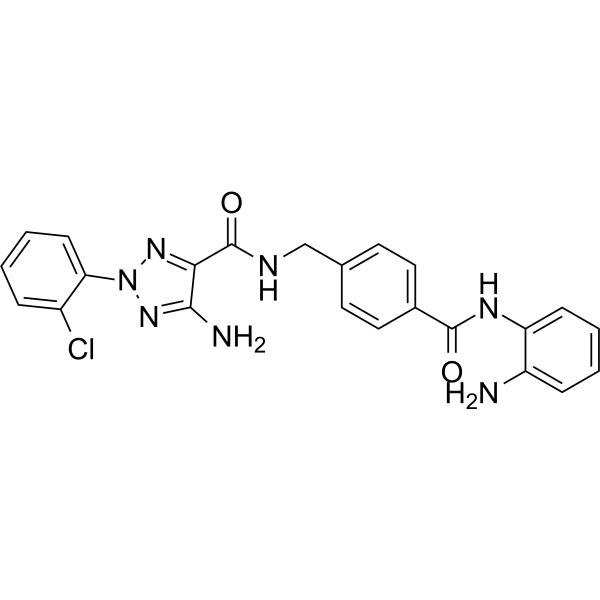
    HDAC-IN-53 is an orally active, and selective HDAC1-3 inhibitor with IC50 values of 47 nM, 125 nM, and 450 nM, respectively. HDAC-IN-53 does not inhibit class II HDACs (HDAC4, 5, 6, 7, 9; IC50>10 μM). HDAC-IN-53 induces caspase-dependent apoptosis. HDAC-IN-53 significantly inhibits the growth of human tumor xenografts in nude mice and murine tumor growth in immune-competent mice bearing MC38 colon cancer .
    HDAC-IN-53
  • HY-121065

    IRC-083065

    Phosphatase Cancer
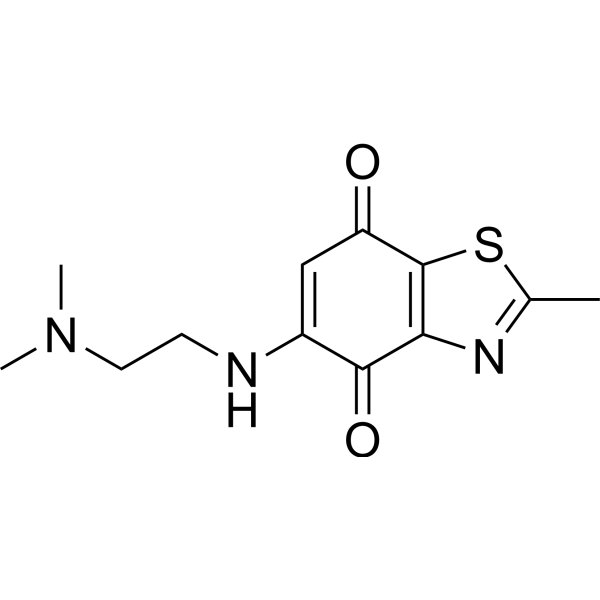
    BN-82685 is a a quinone-based CDC25 inhibitor with IC50 of 201 nM, 117 nM, 109 nM, 160 nM, 249 nM, for CDC25C, CDC25C-cat, CDC25A, CDC25B2, CDC25B3, respectively. BN-82685 plays an important role in cancer research .
    BN-82685
  • HY-115552

    PARP Cancer
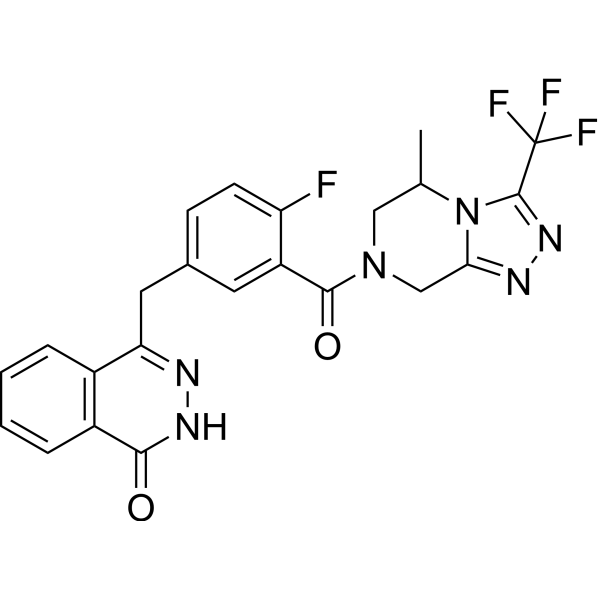
    Simmiparib is a highly potent and orally active PARP1 and PARP2 inhibitor with IC50 values of 1.75 nM and 0.22 nM, respectively. Simmiparib has more potent PARP1/2 inhibition than its parent Olaparib (HY-10162). Simmiparib induces DNA double-strand breaks (DSB) accumulation and G2/M arrest in homologous recombination repair (HR)-deficient cells, thereby inducing apoptosis. Simmiparib exhibits remarkable anticancer activities in cells and nude mice bearing xenografts .
    Simmiparib
  • HY-N6651

    STAT Phosphatase Apoptosis Autophagy p38 MAPK EGFR JAK Bcl-2 Family Survivin Akt mTOR PARP Caspase Atg8/LC3 CDK Cancer
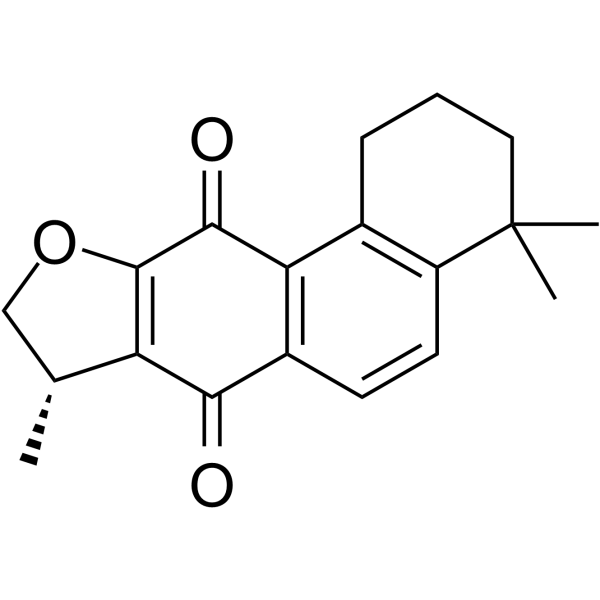
    Isocryptotanshinone is a dual STAT3 and PTP1B (IC50 = 56.1 μM) inhibitor. Isocryptotanshinone inhibits STAT3 by binding to the STAT3 SH2 domain to block phosphorylation and nuclear translocation [1][2]. Isocryptotanshinone exerts its anti-proliferative effect via the induction of cell cycle arrest, apoptosis, and pro-death autophagy, through the regulation of STAT3, AKT/mTOR and MAPK signaling pathways. Isocryptotanshinone suppresses the xenograft gastric cancer (GC) tumor growth in BALB/c nude mice. Isocryptotanshinone can be used for cancer research, such as lung cancer, breast cancer and GC .
    Isocryptotanshinone
  • HY-125942
    SKF-96365
    Maximum Cited Publications
    27 Publications Verification

    CRAC Channel TRP Channel CaMK Akt Apoptosis Autophagy Na+/Ca2+ Exchanger Calcium Channel Neurological Disease Inflammation/Immunology Cancer
    SKF-96365 is a TRPC channel antagonist and store-operated calcium entry (SOCE) inhibitor. SKF-96365 reduces calcium ion influx by inhibiting the activity and expression of TRPC6, STIM1 and Orai1. SKF-96365 inhibits voltage-gated sodium current (cardiac INa/NaV1.5) and slows myocardial conduction. SKF-96365 inhibits phosphorylation/activation of CaMKIIγ and suppresses the downstream AKT signaling pathway. SKF-96365 induces G2/M phase cell cycle arrest, apoptosis and cytoprotective autophagy in colorectal cancer cells. SKF-96365 alleviates allergic rhinitis symptoms by reducing inflammatory cytokine levels. SKF-96365 reduces intracellular calcium overload, inhibits Homer1 expression, prevents nuclear damage and suppresses apoptosis. SKF-96365 inhibits the growth of colorectal cancer xenografts in nude mice . SKF-96365 is applicable to research related to allergic rhinitis, colorectal cancer, Parkinson's disease, persistent spontaneous nociception and hyperalgesia .
    SKF-96365
  • HY-163340

    Glucocorticoid Receptor Androgen Receptor Cancer
    GA32 (compound 58r) is potent androgen receptor (AR)/glucocorticoid receptor (GR) dual inhibitor with IC50 values of 0.13 μM and 0.83 μM for AR and GR, respectively. GA32 inhibits the proliferation of Enzalutamide (HY-70002) resistance castration-resistant prostate cancer both in vitro and in vivo .
    GA32
  • HY-155887

    DSPE-PEG-NH2, MW 3400 ammonium

    Liposome Cancer
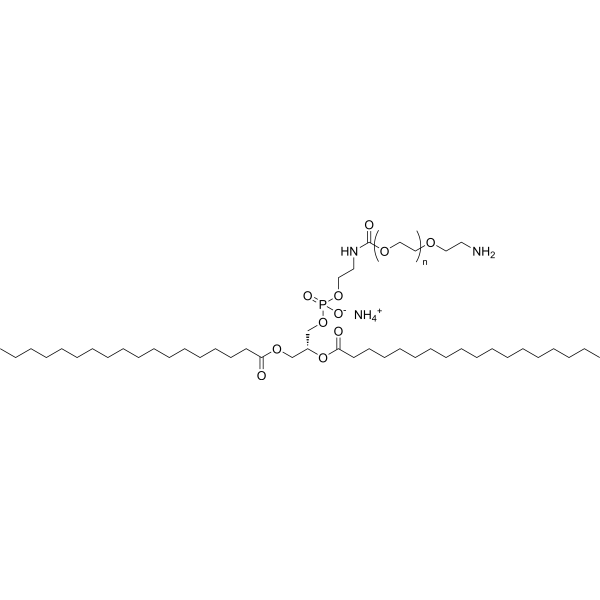
    DSPE-PEG-Amine (DSPE-PEG-NH2), MW 3400 ammonium is an amino-functionalized PEGylated phospholipid. It serves not only as a key component for preparing σ receptor-targeted liposomes (such as anisamide-modified lipids) but also as a starting material for synthesizing click chemistry- and tumor-targeted lipids including DSPE-PEG-DBCO (HY-155788) and DSPE-PEG2000-TCO (HY-170704). DSPE-PEG-Amine, MW 3400 ammonium effectively modulates the ζ potential of nanoparticles, enables complexation with nucleic acids or proteins to protect DNA from nuclease degradation, and supports ligand conjugation on the nanoparticle surface. It is used in studies related to DU-145 tumors, breast cancer, and other relevant research .
    DSPE-PEG-Amine, MW 3400 ammonium
  • HY-158006

    MetAP Cancer
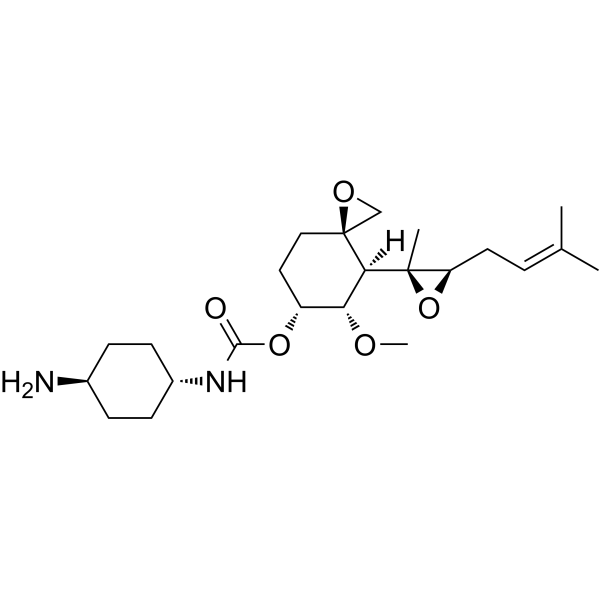
    SDX-7539 is a selective inhibitor for Methionine aminopeptidase type 2 (MetAP2). SDX-7539 inhibits proliferarion of HUVECs with an IC50 of 120 μM. SDX-7539 exhibits antitumor activity in NSCLC xenograft athymic nude mice .
    SDX-7539
  • HY-125209A

    Apoptosis PARP DNA/RNA Synthesis Cancer
    TH5427 hydrochloride is a NUDT5 inhibitor with a human target IC50 of 29 nM, ~690-fold selectivity over MTH1 in vitro, and selective functional inhibition over other NUDIX hydrolases including NUDT9 .TH5427 hydrochloride binds to the active site of NUDT5, blocking enzymatic activity related to ADP-ribose metabolism and PAR-derived ATP synthesis .TH5427 hydrochloride blocks progestin-dependent nuclear ATP synthesis, impairs progestin-induced chromatin remodeling, inhibits histone H1 displacement, disrupts progestin-dependent gene regulation, and abrogates progestin-dependent proliferation in breast cancer cells .TH5427 hydrochloride functions as a versatile probe to study nuclear ATP dynamics and ADP-ribose-related metabolism in cells .TH5427 hydrochloride engages NUDT5 at physiological temperatures, as demonstrated by Drug Affinity Responsive Target Stability (DARTS) assay .TH5427 hydrochloride stabilizes NUDT5 against thermal denaturation in cell lysates and intact cells, as shown by cellular thermal shift assay (CETSA) .TH5427 hydrochloride functionally inhibits NUDT5 activity, leading to downstream effects on oxidative DNA damage and DNA replication in triple-negative breast cancer (TNBC) cells .TH5427 hydrochloride suppresses proliferation of TNBC cells without inducing cell death or apoptosis, slows DNA replication in TNBC cells, promotes accumulation of oxidative DNA lesions, and triggers DNA damage response in TNBC cells .TH5427 hydrochloride suppresses growth of TNBC cells in vitro, inhibits growth of TNBC xenograft tumors in nude mice in vivo, and shows greater potency against TNBC cell lines compared to ER-positive and normal-like breast cell lines .TH5427 hydrochloride can be used for the research of breast cancer and triple-negative breast cancer .
    TH5427 hydrochloride
  • HY-125135

    β-Peltatin

    Apoptosis Bcl-2 Family Caspase PARP Cancer
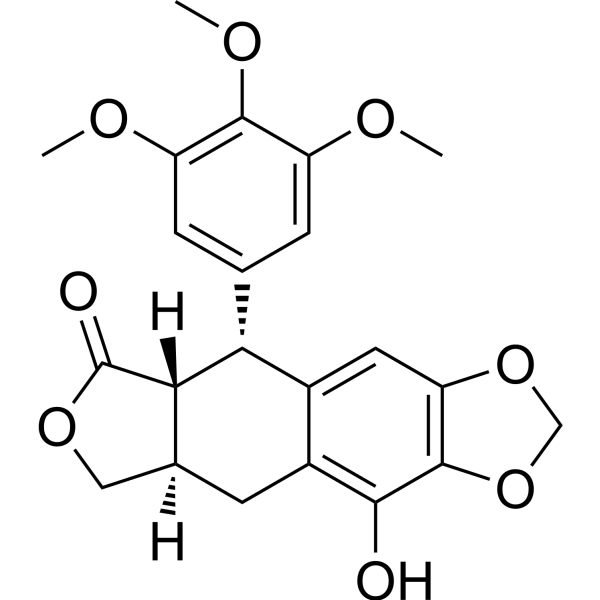
    (-)-β-Peltatin is an aryltetrahydronaphthalene lignan. (-)-β-Peltatin exhibits antitumor activity and cytotoxicity against pancreatic cancer cells. (-)-β-Peltatin induces G2/M cell cycle arrest and apoptosis in pancreatic cancer cells. (-)-β-Peltatin inhibits the growth of subcutaneous xenografts of pancreatic cancer cells in nude mice. (-)-β-Peltatin can be used in pancreatic cancer-related research .
    (-)-β-Peltatin
  • HY-178489

    Nectin-4 Cancer
    BGC1614 is a Nectin-4-targeting bicyclic toxin conjugate (BTC) belonging to the category of peptide-drug conjugates (PDCs). BGC1614 exhibits strong targeted binding ability to Nectin-4, with an KD of 3.859 × 10 -7 M. BGC1614 exhibits superior antitumor efficacy in nude mice bearing PC-3 and N87 tumor xenografts. BGC1614 can be used for research related to Nectin-4-overexpressing tumors (such as prostate cancer, gastric cancer) .
    BGC1614
  • HY-174387

    c-Met/HGFR Cancer
    KIN-8741 is a highly selective Type IIb c-Met inhibitor. KIN-8741 has broad activity against c-Met kinase mutations. KIN-8741 shows antitumor activity in MET gene amplified and exon 14 deleted non-small cell lung cancer models. KIN-8741 can be used in the research of c-Met driven cancers, especially advanced tumors carrying MET exon 14 jump mutations, acquired drug resistance mutations, etc .
    KIN-8741
  • HY-W782079

    Apoptosis Fungal Bacterial Infection Metabolic Disease Inflammation/Immunology Cancer
    Geraniol-d6 (Major) is the deuterated labeled Geraniol (Major). Geraniol is an olefin terpene with oral activity. Geraniol inhibits cell proliferation and promotes apoptosis. Geraniol has antibacterial, antifungal, antioxidant, anti-inflammatory and antitumor activities. Geraniol can be used to study diabetes .
    Geraniol-d6 (Major)
  • HY-175042

    Ins(1,3,4,5,6)P5 ammonium salt; 1,3,4,5,6-IP5 ammonium salt

    Akt Cancer
    D-myo-Inositol-1,3,4,5,6-pentaphosphate (ammonium salt) (Ins(1,3,4,5,6)P5 (ammonium salt)) is an isomer of inositol phosphate that acts as a small and soluble second messenger in the transmission of cellular signals. D-myo-Inositol-1,3,4,5,6-pentaphosphate (ammonium salt) can bind to the PH domain of Grp1 with a Kd of 590 nM. D-myo-Inositol-1,3,4,5,6-pentaphosphate (ammonium salt) can inhibit the phosphorylation and kinase activity of Akt/PKB, inducing apoptosis in ovarian, lung, and breast cancer cells. D-myo-Inositol-1,3,4,5,6-pentaphosphate (ammonium salt) exhibits antiangiogenic activity in vitro and blocks capillary tube formation of HUVEC. D-myo-Inositol-1,3,4,5,6-pentaphosphate (ammonium salt) exerts antitumor effects against cancer xenografts in nude mice .
    D-myo-Inositol-1,3,4,5,6-pentaphosphate ammonium salt
  • HY-W674149

    Microtubule/Tubulin Cancer
    ABI-274 is a tubulin and colchicine binding site inhibitor. ABI-274 significantly promotes cancer cell apoptosis in vitro when combined with vemurafenib (HY-12057). ABI-274 exhibits potent synergistic efficacy in the vemurafenib-resistant xenograft model in nude mice. ABI-274 can be studied in research on melanoma .
    ABI-274
  • HY-176288

    Eukaryotic Initiation Factor (eIF) Bcl-2 Family Apoptosis Ras PERK Cancer
    eIF4E/eIF4G PPI-IN-1 is an eIF4E/eIF4G interaction inhibitor with a KD of 20.2 μM for eIF4E protein. eIF4E/eIF4G PPI-IN-1 plays an antitumor role in multiple modes of action including regulating the activity of eIF4E by inhibiting the Ras/MAPK/eIF4E signaling pathway, apoptosis and cell migration. eIF4E/eIF4G PPI-IN-1 suppresses the growth of HepG2 xenografts in nude mice and was relatively nontoxic to mice .
    eIF4E/eIF4G PPI-IN-1
  • HY-178370

    Ferroptosis Reactive Oxygen Species (ROS) Cancer
    Ferroptosis inducer-12 is a potent and selective ferroptosis inducer. Ferroptosis inducer-12 exhibits potent antiproliferative activity against HT1080 and OS-RC-2, with IC50 values of 3 nM and 5 nM, respectively. Ferroptosis inducer-12 strongly inhibits GPX4 enzymatic activity, induces intracellular ROS and elevates intracellular Fe 2+ levels in OS-RC-2 cells. Ferroptosis inducer-12 significantly inhibits tumor growth in BALB/c nude mice bearing OS-RC-2 xenografts. Ferroptosis inducer-12 can be used for the study of cancer .
    Ferroptosis inducer-12
  • HY-161751

    GSK-3 Cancer
    MJ34 is a potent inhibitor of GSK-3β and GSK-3α, with the IC50s of 15.4 nM and 31.5 nM, respectively. MJ34 plays an important role in cancer research
    MJ34
  • HY-P991243

    EGFR Akt Cancer
    MP-RM-1 is an antibody-based, non-competitive ErbB-3 inhibitor with a Kd value of 32.7 nM. MP-RM-1 inhibits both ligand-dependent and ligand-independent ErbB-3 activation, blocks ErbB-2/ErbB-3 heterodimerization, induces ErbB-3 internalization and degradation, and suppresses the phosphorylation of downstream Akt. MP-RM-1 exerts its antagonistic effect through a non-competitive mechanism. MP-RM-1 inhibits tumor growth in melanoma and prostate cancer xenograft models in nude mice and reduces the proliferative activity of tumor cells .
    MP-RM-1
  • HY-P10765

    Peptide-Drug Conjugates (PDCs) Topoisomerase Cancer
    DTS-108 is a prodrug of SN38 (HY-13704) (a Topoisomerase I inhibitor). DTS-108 is a conjugate generated by linking SN38 to a human oligopeptide via an esterase sensitive cross-linker. DTS-108 exhibits anti-tumor activity against colorectal, lung, and mammary cancer .
    DTS-108
  • HY-175497

    ROR Apoptosis Bcl-2 Family PARP Cancer
    ROR1-IN-4 is a selective ROR1 inhibitor with a Kd of 52 nM. ROR1-IN-4 shows potent anti-proliferative activity against TNBC cell line MDA-MB-231 (IC50 = 75 nM). ROR1-IN-4 reduces colony formation, induces apoptosis and inhibits the phosphorylation of ROR1 (Tyr786) in MDA-MB-231 cells. ROR1-IN-4 demonstrates superior anti-tumor efficacy in nude mice bearing MDA-MB-231 subcutaneous xenografts. ROR1-IN-4 can be used for the study of triple-negative breast cancer (TNBC) .
    ROR1-IN-4
  • HY-P11405

    Neurotensin Receptor Neurological Disease Cancer
    [D-Arg1, D-Trp5, 7, 9, Leu11]-Substance P is a potent inhibitor of cell growth in small cell lung cancer (SCLC). [D-Arg1, D-Trp5, 7, 9, Leu11]-Substance P is also a neuropeptide antagonist, capable of blocking colony formation stimulated by various neuropeptides (including vasopressin and bradykinin). [D-Arg1, D-Trp5, 7, 9, Leu11]-Substance P inhibits the mobilization of Ca 2+ and the activation of mitogen-activated protein kinases induced by vasopressin or bradykinin. [D-Arg1, D-Trp5, 7, 9, Leu11]-Substance P inhibits the growth of H-69 xenograft tumors in nude mice .
    [D-Arg1,D-Trp5,7,9,Leu11]-Substance P
  • HY-P10775A

    MMP Cancer
    BT1769 acetate is a conjugate and antitumor agent targeting MT1-MMP, with a Kd value of 3.35 nM against human targets. BT1769 acetate exhibits favorable pharmacokinetic properties. BT1769 acetate specifically binds to MT1-MMP via its bicyclic peptide component, delivering the cytotoxic agent MMAE (HY-15162) to antigen-expressing cells. It effectively inhibits tumor growth, induces complete responses, and significantly prolongs event-free survival in osteosarcoma patient-derived xenograft models. BT1769 acetate shows extremely low activity in Ewing sarcoma models and can be used in osteosarcoma-related research .
    BT1769 acetate
  • HY-151155

    Anaplastic lymphoma kinase (ALK) Cancer
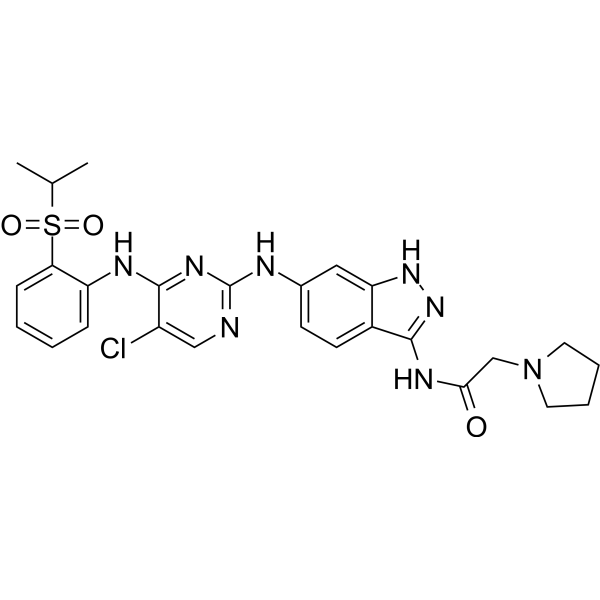
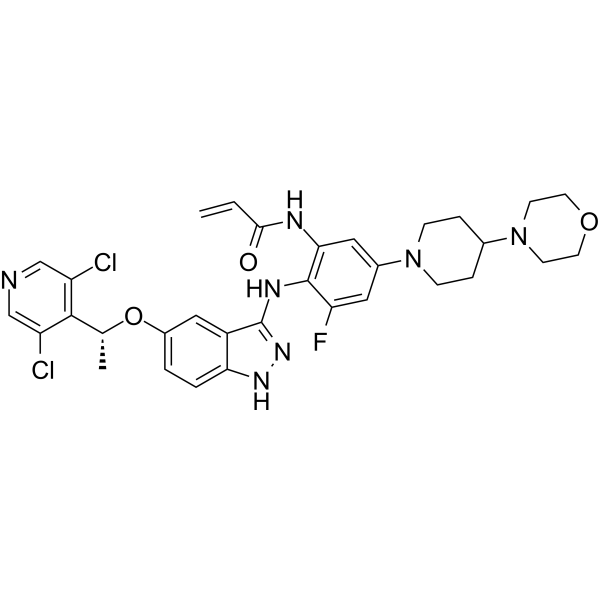
    ALK-IN-23 is a potent ALK inhibitor with IC50 values of 1.6 nM, 0.71 nM and 1.3 nM for ALK WT, ALK L1196M and ALK G1202R. ALK-IN-23 can block cell cycle in G2 phase and induce apoptosis. ALK-IN-23 inhibits cancer cell migration and colony formation in vitro. ALK-IN-23 exhibits antitumor activity in H2228 xenograft nude mice model with hypotoxicity .
    ALK-IN-23
  • HY-169928

    DNA/RNA Synthesis Cancer
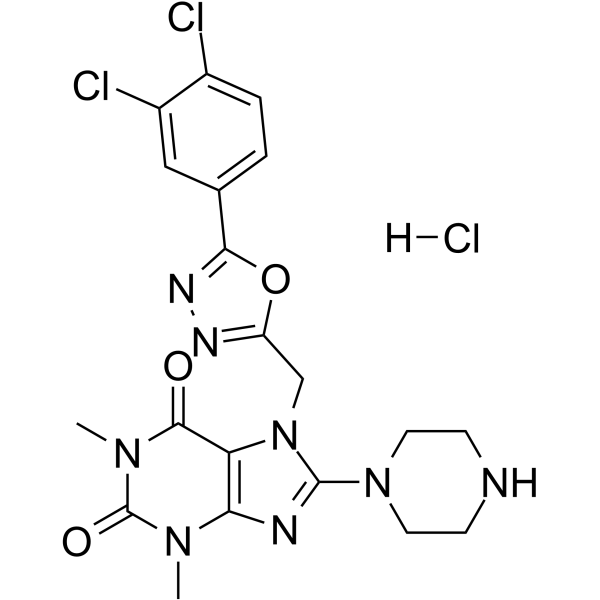
    WRN inhibitor 14 (compound S35) is an orally active WRN inhibitor with anticancer activity. WRN inhibitor 14 results in tumor growth inhibition in the SW48 xenograft model in BALB/c nude mice .
    WRN inhibitor 14
  • HY-108352

    VCE 004

    Topoisomerase Cancer
    HU 331 (HU 331) is a highly specific Topoisomerase II inhibitor with anticancer activity. HU 331 has shown promising inhibitory effects on human cancer cell lines in vitro and human tumor xenografts in nude mice in vivo .
    HU 331
  • HY-146505

    Microtubule/Tubulin Apoptosis Reactive Oxygen Species (ROS) Cancer
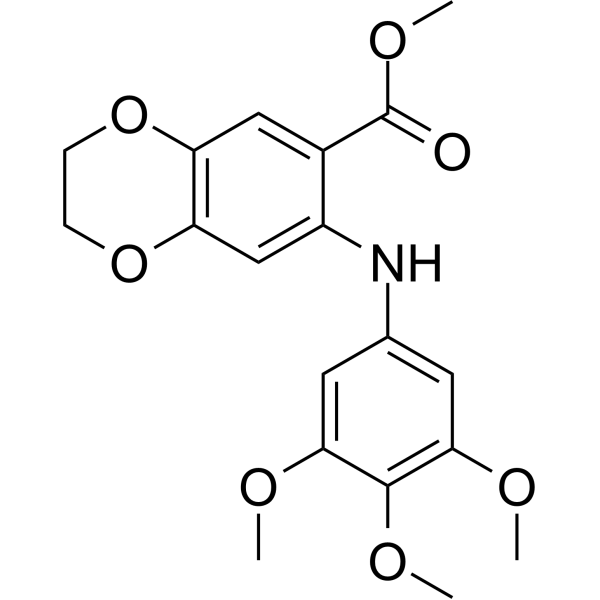
    Tubulin polymerization-IN-6 (compound 5f) is a potent tubulin polymerization inhibitor, with an IC50 of 1.09 μM. Tubulin polymerization-IN-6 inhibits cell migration and tube formation and contributes to the anti-angiogenesis. Tubulin polymerization-IN-6 can greatly inhibit tumor growth on HT29 xenograft Balb/c nude mice .
    Tubulin polymerization-IN-6
  • HY-155032

    P-glycoprotein Cancer
    P-gp inhibitor 15 (compound 7a) is a nonsubstrate inhibitor of P-glycoprotein (Pgp). P-gp inhibitor 15 inhibits Pgp-ATPase activity,and interfers Pgp-mediated Rhodamine123 efflux. P-gp inhibitor 15 also enhances the inhibitory efficacy of Paclitaxel (HY-B0015),inhibits tumor progress in nude mice KBV xenograft tumors model .
    P-gp inhibitor 15
  • HY-169037

    HU-336; Δ8-THCQ

    Apoptosis Cardiovascular Disease Cancer
    Δ8-Tetrahydrocannabinoquinone (HU-336) is a potent antiangiogenic agent. Δ8-Tetrahydrocannabinoquinone inhibits angiogenesis by directly inducing apoptosis of vascular endothelial cells without changing the expression of pro- and antiangiogenic cytokines and receptors. Δ8-Tetrahydrocannabinoquinone is highly effective against tumor xenografts in nude mice .
    Δ8-Tetrahydrocannabinoquinone
  • HY-P10788

    Complement System Cancer
    CK3 peptide is an NRP-1 targeting peptide with the amino acid sequence CLKADKAKC. The CK3 peptide specifically binds to NRP-1 to target breast cancer cells. Single-photon emission computed tomography (SPECT) and near-infrared fluorescence (NIRF) imaging show significant accumulation of CK3 peptide in xenograft tumors in nude mice. CK3 peptide can be used for molecular imaging studies of breast cancer.
    CK3 peptide
  • HY-163983

    Microtubule/Tubulin Apoptosis PARP Caspase Cancer
    Tubulin polymerization-IN-68 (compound 32) is a tubulin inhibitor that can inhibit tubulin polymerization and destroy the cellular microtubule network. Tubulin polymerization-IN-68 can upregulate the expression of PARP-1 and caspase-3 and induce cell apoptosis, and has anticancer activity. Tubulin polymerization-IN-68 can effectively inhibit HepG2 (IC50=93 nM) and significantly inhibit the growth of HepG2 xenograft tumors in nude mice by oral administration .
    Tubulin polymerization-IN-68
  • HY-175039

    FAK Apoptosis Reactive Oxygen Species (ROS) Caspase Cancer
    FAK-IN-28 is an orally active FAK inhibitor (IC50 = 0.4 nM). FAK-IN-28 exhibits dual antiproliferative and anti-metastatic properties. FAK-IN-28 triggers caspase-3-dependent apoptosis via ROS elevation. FAK-IN-28 inhibits tumor growth without causing weight loss or hepatotoxicity. FAK-IN-28 is useful in the study of FAK-driven malignancies, such as colon cancer, cervical cancer, triple-negative breast cancer, and melanoma .
    FAK-IN-28

Consulta en línea

Your information is safe with us. * Required Fields.

Saludo


Country or Region *

Nombre del solicitante *


Nombre de la Organizaciòn *

Department *


Direcciòn del E-mail *


Nombre del producto *

Cat. No.


Requested quantity *

Número de teléfono *


Observaciones

Consulta en línea

Inquiry Information

Nombre del producto:
Cat. No.:
Cantidad:
MCE Japan Authorized Agent: