
1. Search Result
Search Result
Results for "

3T3-L1 adipocytes

" in MedChemExpress (MCE) Product Catalog:

58

Inhibitors & Agonists

1

Fluorescent Dyes

1

Biochemical Assay Reagents

3

Peptides

29

Natural
Products

1

Oligonucleotides

Cat. No. Product Name Target Research Areas Chemical Structure
  • HY-B0227
    Ketoprofen
    Maximum Cited Publications
    8 Publications Verification

    RP-19583

    COX Metabolic Disease Inflammation/Immunology Cancer
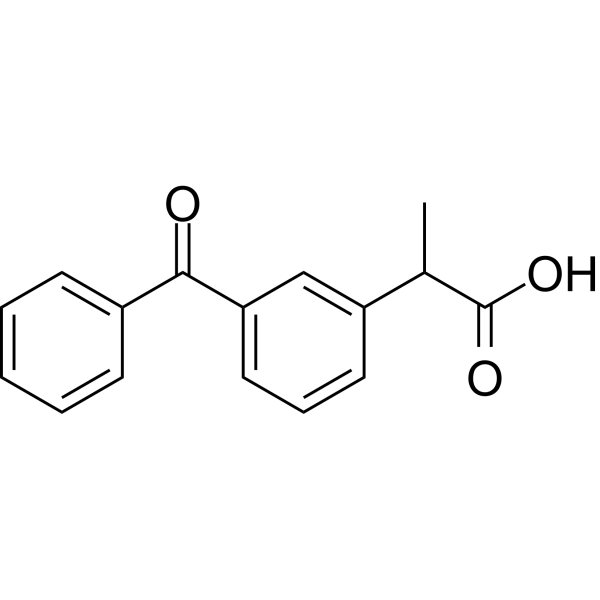
    Ketoprofen (RP-19583) is a non-steroidal anti-inflammatory agent. Ketoprofen can inhibits the activity of cyclooxygenase with IC50 values of 2 nM (COX-1) and 26 nM (COX-2). which is potential in the research of inflammation, immunology, and metabolic disease such as obesity .
    Ketoprofen
  • HY-N0704
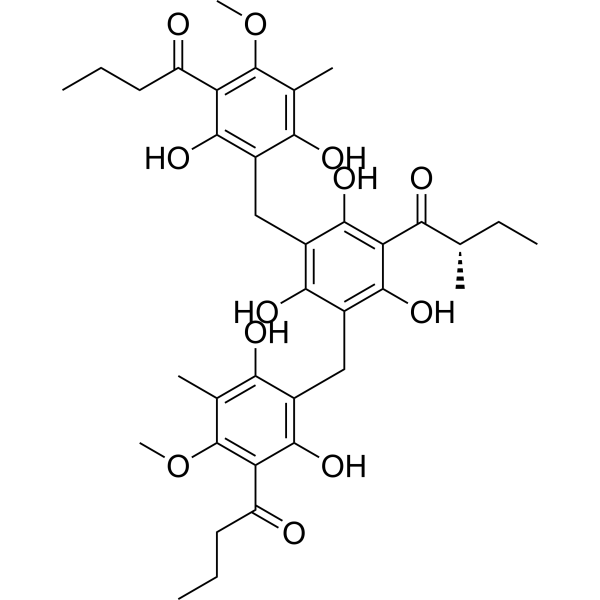
    Agrimol B
    1 Publications Verification

    Sirtuin PPAR Fatty Acid Synthase (FASN) c-Myc Bacterial Infection Metabolic Disease Cancer
    Agrimol B, a polyphenol, is an orally active and potent SIRT1 activator. Agrimol B shows anti-adipogenic and anticancer activity. Agrimol B shows antibacterial activity against plant pathogens. Agrimol B dramatically inhibits 3T3-L1 adipocyte differentiation by reducing PPARγ, C/EBPα, FAS, UCP-1, and apoE expression. The action of Agrimol B on the cancer cells is likely derived from its effect on c-MYC, SKP2 and p27 .
    Agrimol B
  • HY-128973
    Pyropheophorbide-a
    3 Publications Verification

    Reactive Oxygen Species (ROS) Cancer
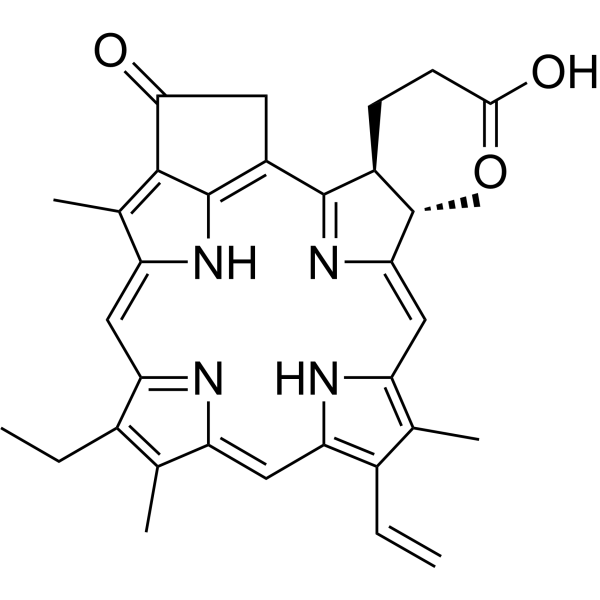
    Pyropheophorbide-a (Ppa) is a photosensitizer used in photodynamic therapy (PDT) for tumors. Pyropheophorbide-a exhibits phototoxic effects on tumor cells, such as cervical cancer cells, and also has anti-lipogenesis activity. Pyropheophorbide-a shows potential for research in the fields of cancer and age-related macular degeneration (AMD). Pyropheophorbide-a derivatives also demonstrate inhibitory activity against tumor cells .
    Pyropheophorbide-a
  • HY-N0404
    Sinigrin
    4 Publications Verification

    Allyl-glucosinolate; 2-Propenyl-glucosinolate

    p38 MAPK AMPK Bacterial Fungal Interleukin Related PPAR CDK PI3K Akt mTOR Apoptosis Reactive Oxygen Species (ROS) Infection Metabolic Disease Inflammation/Immunology Cancer
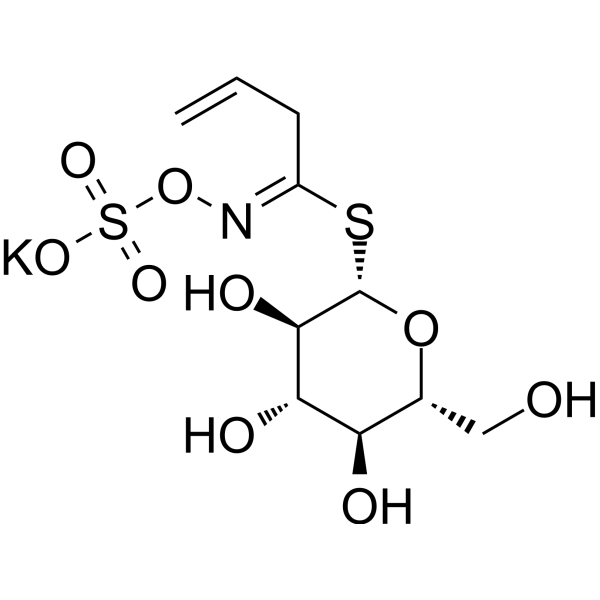
    Sinigrin (Allyl-glucosinolate) is an orally active glucosinolate found in cruciferous plants. Sinigrin possesses multiple activities such as anti-cancer, antibacterial, antifungal, anti-inflammatory, antioxidant, and inhibition of fat synthesis. Sinigrin can be used in the research of tumors, inflammatory, and metabolic diseases .
    Sinigrin
  • HY-N0930B

    AMPK Bacterial Infection Metabolic Disease
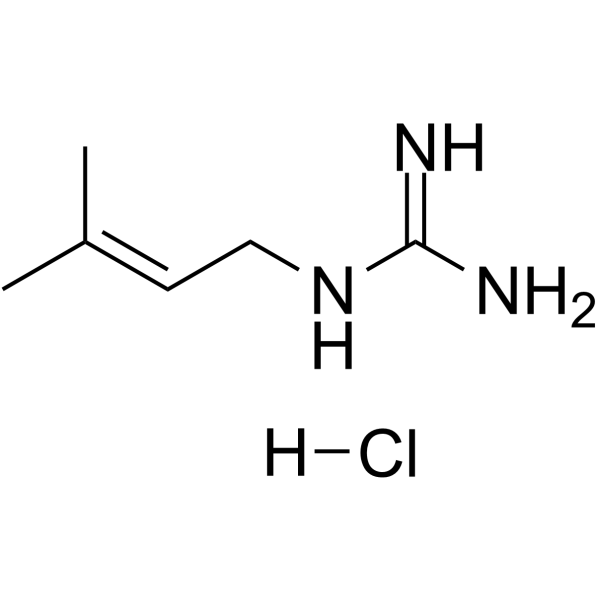
    Galegine hydrochloride, a guanidine derivative, contributes to weight loss in mice. Guanidine hydrochloride is the compound derived from G. officinalis, which gave rise to the biguanides, metformin and phenformin. Galegine hydrochloride activates AMPK in 3T3-L1 adipocytes and L6 myotubes, as well as in the H4IIE rat hepatoma and HEK293 human kidney cell lines. Galegine hydrochloride has antibacterial activity, with minimum inhibitory concentration of 4 mg/L against Staphylococcus aureus strains .
    Galegine hydrochloride
  • HY-B0601
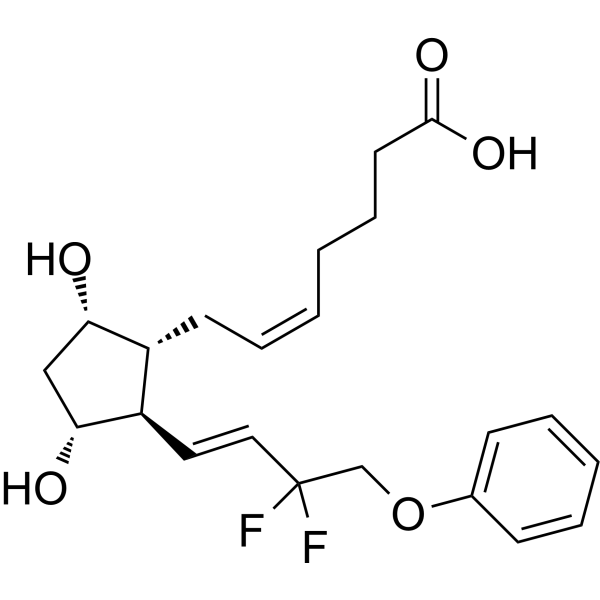
    Tafluprost acid
    1 Publications Verification

    AFP-172

    Prostaglandin Receptor Drug Metabolite Cardiovascular Disease Neurological Disease Endocrinology
    Tafluprost acid (AFP-172), an active metabolic form of Tafluprost, is a selective prostanoid FP receptor agonist. Tafluprost acid shows a high affinity for human prostanoid FP receptor with Ki and EC50 values of 0.4 nM and 0.53 nM, respectively. Tafluprost acid has 126 times weaker binding affinity for prostanoid EP3 receptor (IC50=67 nM) than for the prostanoid FP receptor. Tafluprost acid can be used in the research of glaucoma .
    Tafluprost acid
  • HY-113204
    N-Oleoyl glycine
    2 Publications Verification

    Endogenous Metabolite Cannabinoid Receptor Akt Metabolic Disease
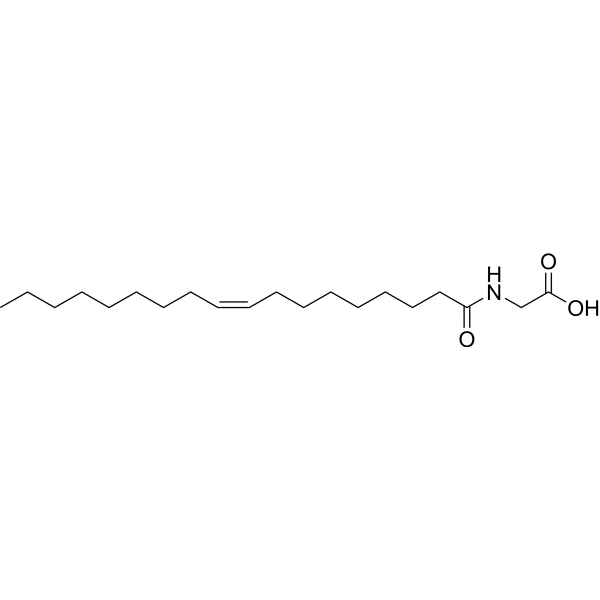
    N-Oleoyl glycine is a lipoamino acid, which stimulates adipogenesis associated with activation of CB1 receptor and Akt signaling pathway in 3T3-L1 adipocyte.
    N-Oleoyl glycine
  • HY-N0222
    Avicularin
    Maximum Cited Publications
    8 Publications Verification

    COX NF-κB PPAR ERK GLUT Apoptosis Infection Neurological Disease Inflammation/Immunology Cancer
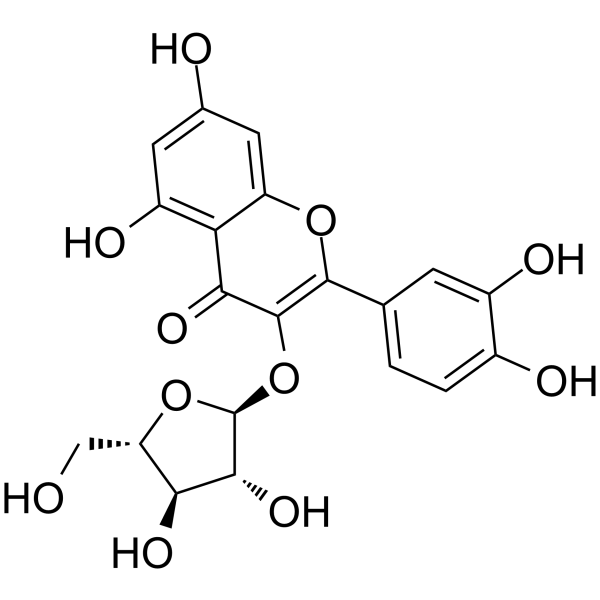
    Avicularin is an orally active flavonoid. Avicularin inhibits NF-κB (p65), COX-2 and PPAR-γ activities. Avicularin has anti-inflammatory, anti-infectious anti-allergic, anti-oxidant, hepatoprotective, and anti-tumor activities .
    Avicularin
  • HY-135982
    GPR81 agonist 1
    4 Publications Verification

    Hydroxycarboxylic Acid Receptor (HCAR) Metabolic Disease
    GPR81 agonist 1 is a potent and highly selective GPR81 agonist, with EC50s of 58 nM and 50 nM for human and mouse GPR81, respectively. GPR81 agonist 1 inhibits lipolysis in differentiated 3T3-L1 adipocytes. GPR81 agonist 1 suppresses lipolysis in mice without cutaneous flushing. GPR81 agonist 1 displays remarkable selectivity for GPR81 over GPR109a .
    GPR81 agonist 1
  • HY-N0930A

    AMPK Bacterial Infection Metabolic Disease
    Galegine hemisulfate, a guanidine derivative, contributes to weight loss in mice. Galegine hemisulfate activates AMPK in 3T3-L1 adipocytes and L6 myotubes, as well as in the H4IIE rat hepatoma and HEK293 human kidney cell lines. Galegine hemisulfate has antibacterial activity, with minimum inhibitory concentration of 4 mg/L against Staphylococcus aureus strains .
    Galegine hemisulfate
  • HY-128671

    6TI; 6-Mercaptopurine riboside

    PPAR LXR JNK NO Synthase Metabolic Disease
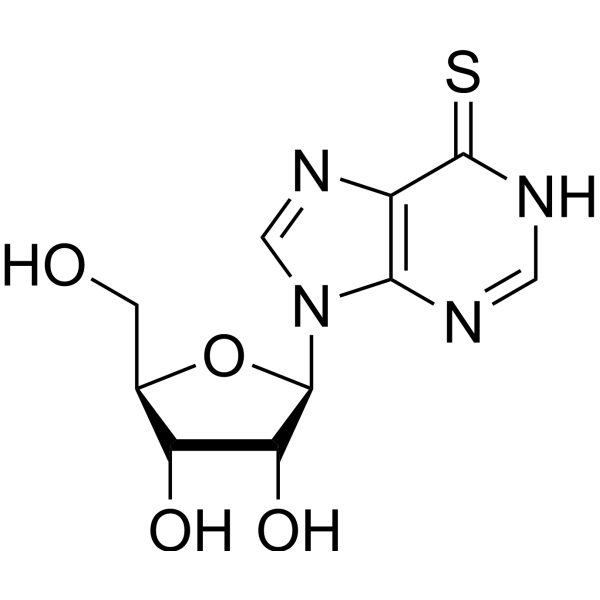
    6-Thioinosine (6TI) is a purine antimetabolite and an anti-adipogenic agent. 6-Thioinosine reduces the mRNA levels of PPARγ and C/EBPα and downregulates the mRNA levels of PPARγ target genes (LPL, CD36, aP2, and LXRα). 6-Thioinosine exerts its anti-adipogenic effects by downregulating PPARγ through JNK-dependent iNOS upregulation. 6-Thioinosine can be used to study adipocyte dysfunction .
    6-​Thioinosine
  • HY-116538
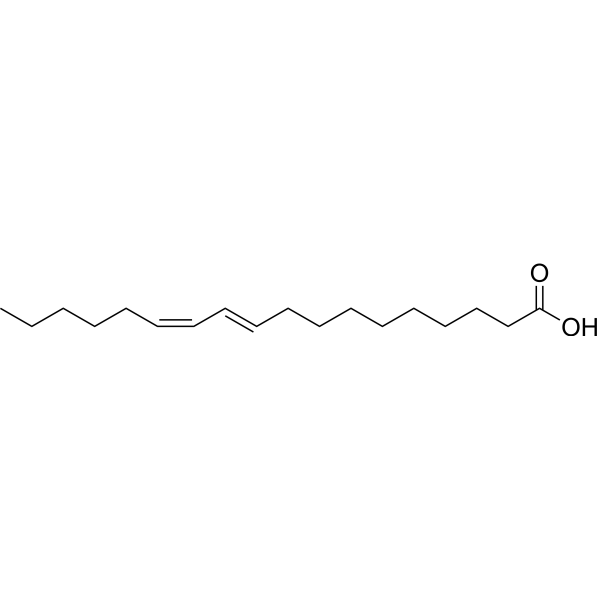
    (10E,12Z)-Octadeca-10,12-dienoic acid
    1 Publications Verification

    trans-10,cis-12 CLA2

    Endogenous Metabolite PPAR NF-κB Stearoyl-CoA Desaturase (SCD) Lipase Metabolic Disease Inflammation/Immunology Cancer
    (10E,12Z)-Octadeca-10,12-dienoic acid (trans-10,cis-12 CLA2) is an orally active PPARα activator and inhibits adipocyte differentiation. (10E,12Z)-Octadeca-10,12-dienoic acid and its downstream metabolites have various antioxidant and antitumor activities. (10E,12Z)-Octadeca-10,12-dienoic acid can induce proinflammatory cytokines and chemokines, which would lead to decreased adipogenesis and insulin resistance in adipose tissue. (10E,12Z)-Octadeca-10,12-dienoic acid can affect many aspects of milk fat synthesis. (10E,12Z)-Octadeca-10,12-dienoic acid reduces expression of lipogenic enzymes and inhibits the desaturation of fatty acids. (10E,12Z)-Octadeca-10,12-dienoic acid can reduce lipoprotein lipase (LPL) activity in cultured 3T3-L1 adipocytes and enhance triacylglycerol release from these cells. (10E,12Z)-Octadeca-10,12-dienoic acid decreases the expression of hepatic stearoyl-CoA desatyrase mRNA in mice. (10E,12Z)-Octadeca-10,12-dienoic acid is associated with changes in mucosal NF-κB and Cyclin D1 protein levels in mice .
    (10E,12Z)-Octadeca-10,12-dienoic acid
  • HY-W012865

    Carnitine Palmitoyltransferase (CPT) Endogenous Metabolite FABP PPAR Metabolic Disease
    Tartronic acid, a dicarboxylic acid derive, is an inhibitor of the transformation of carbohydrates into fat under fat-deficient diet conditions. Tartronic acid promotes 3T3-L1 adipocyte differentiation by increasing the protein expression of FABP-4, PPARγ and SREBP-1. Tartronic acid promotes de novo lipogenesis and inhibits CPT-1β by upregulating acetyl-CoA and malonyl-CoA. Tartronic acid promotes weight gain and induces adipocyte hypertrophy in epididymal white adipose tissue and lipid accumulation in the livers of high-fat diet induced obese mice. Tartronic acid can be used for lipid metabolic disease research .
    Tartronic acid
  • HY-N2423
    Sinigrin hydrate
    4 Publications Verification

    Allyl-glucosinolate hydrate; 2-Propenyl-glucosinolate hydrate

    p38 MAPK AMPK Bacterial Fungal Interleukin Related PPAR CDK PI3K Akt mTOR Apoptosis Reactive Oxygen Species (ROS) Infection Metabolic Disease Inflammation/Immunology Cancer
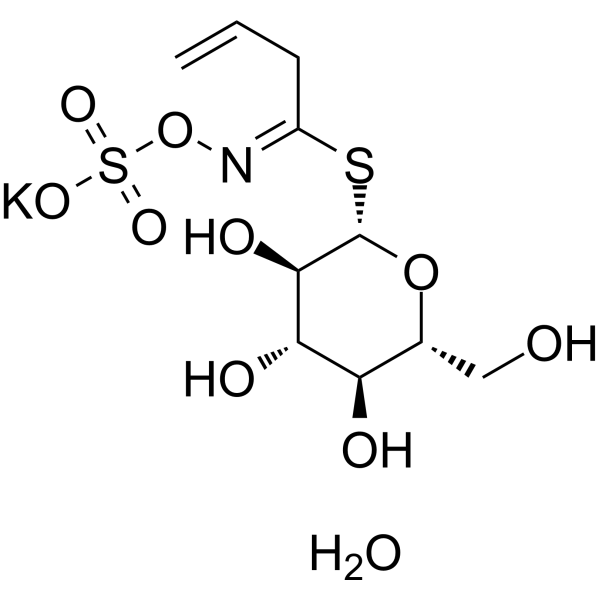
    Sinigrin (Allyl-glucosinolate) hydrate is an orally active glucosinolate found in cruciferous plants. Sinigrin hydrate possesses multiple activities such as anti-cancer, antibacterial, antifungal, anti-inflammatory, antioxidant, and inhibition of fat synthesis. Sinigrin hydrate can be used in the research of tumors, inflammatory, and metabolic diseases .
    Sinigrin hydrate
  • HY-12557

    γ-Glu-Val

    Endogenous Metabolite CaSR Wnt TNF Receptor Interleukin Related PPAR β-catenin Inflammation/Immunology
    γ‑Glutamylvaline (γ-Glu-Val) is a calcium‑sensing receptor (CaSR) agonist. γ‑Glutamylvaline activates CaSR and facilitates its binding to β‑arrestin 2 to modulate inflammatory and metabolic homeostasis signaling. γ‑Glutamylvaline inhibits TNF‑α‑induced IL‑6/MCP‑1 and enhances adiponectin/PPARγ in adipocytes. γ‑Glutamylvaline upregulates Wnt5a, restores β‑catenin phosphorylation, and reduces serine‑phosphorylated IRS‑1 in adipocytes. γ-Glutamylvaline can be used for the research of low-grade chronic inflammation .
    γ-Glutamylvaline
  • HY-100428

    MCC-555; Isaglitazone

    PPAR Metabolic Disease
    Netoglitazone (MCC-555) is an orally active PPARγ ligand with an EC50 of 8 μM. Netoglitazone mediates cell type-specific functional regulation, and modulates the transcriptional activity of PPARγ as a full agonist, partial agonist or antagonist. Netoglitazone induces adipogenesis, inhibits osteoblastogenesis, alters the weight of extramedullary fat depots and enhances insulin sensitivity. Netoglitazone reduces blood glucose levels. Netoglitazone can be used in research related to type 2 diabetes and non-insulin-dependent diabetes mellitus .
    Netoglitazone
  • HY-120602

    Carboxylesterase (CES) PPAR Interleukin Related Mitochondrial Metabolism Metabolic Disease Inflammation/Immunology
    WWL229 is a selective inhibitor of carboxylesterase 3 (CES3) with an IC50 1.94 μM. WWL229 attenuates LPS (HY-D1056)-induced pro-inflammatory cytokine mRNA levels, inhibits lipolysis and adipose thermogenesis, impairs mitochondrial function, and promotes lipid storage. WWL229 can be used for the research of obesity, insulin resistance, type 2 diabetes, and lung inflammation .
    WWL229
  • HY-W005130

    NF-κB Metabolic Disease Cancer
    2,4,6-Trihydroxybenzaldehyde is an orally active NF- B inhibitor. 2,4,6-Trihydroxybenzaldehyde shows anti-tumor activity, anti-cancer cell proliferative activity and anti-obesity activity .
    2,4,6-Trihydroxybenzaldehyde
  • HY-N0853A
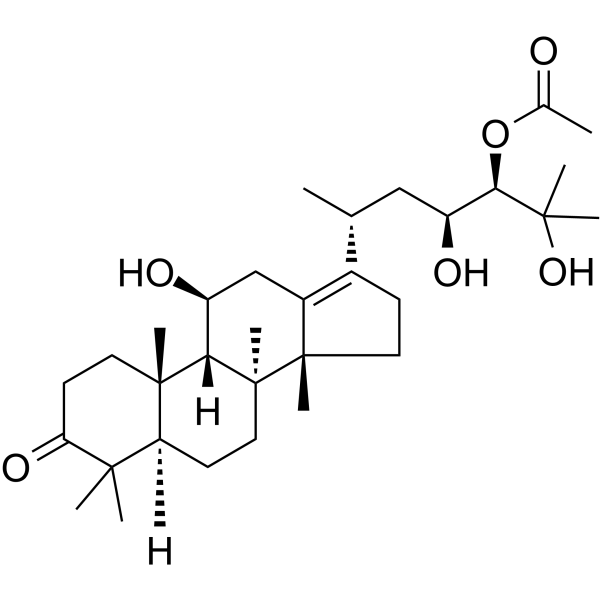
    Alisol A 24-acetate
    1 Publications Verification

    Alisol A 24-monoacetate; Alisol A monoacetate

    AMPK Carnitine Palmitoyltransferase (CPT) Acyltransferase Fatty Acid Synthase (FASN) Acetyl-CoA Carboxylase Bcl-2 Family PPAR Nuclear Factor of activated T Cells (NFAT) PI3K Akt PKA ERK Apoptosis Autophagy Cardiovascular Disease Infection Neurological Disease Metabolic Disease Endocrinology
    Alisol A 24-acetate (Alisol A monoacetate) is an orally active derivative of protostane-type tetracyclic triterpenoid. Alisol A 24-acetate upregulates the expression of adiponectin, AMPKα, CPT1, and ACOX1; downregulates the expression of SREBP-1c, ACC, FAS, Bcl-2, Bcl-xl, PPAR-γ, perilipin A, and NFATc1; inhibits the activity of PI3K/Akt/mTOR and HMGR; and activates the PKA and ERK signaling pathways. Alisol A 24-acetate regulates cell apoptosis (apoptosis), autophagy (Autophagy, hepatic lipid accumulation, inflammatory response, neuroprotection, MRSA membrane integrity, and osteoclast differentiation. Alisol A 24-acetate can be used in research related to non-alcoholic fatty liver disease, nephrotoxicity, obesity, global cerebral ischemia-reperfusion injury, bacterial infection, and osteoporosis .
    Alisol A 24-acetate
  • HY-W109613

    Bacterial PPAR Fungal Infection Metabolic Disease
    Methyl dehydroabietate is an orally active resin acid. Methyl dehydroabietate disrupts microbial cell walls and exhibits significant antibacterial activity. Methyl dehydroabietate induces the expression of PPARα in the liver and PPARγ in adipose tissue, and promotes adipocyte differentiation. Methyl dehydroabietate improves insulin resistance, reduces TNFα levels, and alleviates adipocyte hypertrophy and hepatic steatosis in obese mice. Methyl dehydroabietate can be used in research related to obesity, insulin resistance and hepatic steatosis .
    Methyl dehydroabietate
  • HY-N1185

    Others Metabolic Disease
    Tagitinin A is a sesquiterpene with anti-hyperglycemic activity. Tagitinin A significantly inhibits glucose uptake in differentiated 3T3-L1 adipocytes .
    Tagitinin A
  • HY-N9333

    PPAR Metabolic Disease Cancer
    Wistin, isolated from Caragana sinica roots, is a PPARα and PPARγ agonist .
    Wistin
  • HY-139058

    27-Deoxyactein

    PPAR Metabolic Disease Cancer
    23-epi-26-Deoxyactein is a natural and orally active anti-obesity and anti-cancer compound .
    23-epi-26-Deoxyactein
  • HY-N3007A

    Others Inflammation/Immunology
    (E)-Naringenin chalcone is an orally active anti-allergic agent. (E)-Naringenin chalcone also has antioxidant, anti-inflammatory activities. (E)-Naringenin chalcone can improve adipocyte functions. (E)-Naringenin chalcone inhibits histamine release from rat peritoneal mast cell .
    (E)-Naringenin chalcone
  • HY-N13160

    NO Synthase Metabolic Disease Inflammation/Immunology
    Sanggenon F is a flavonoid compound derived from Morus alba var. multicaulis. It inhibits the differentiation of 3T3-L1 adipocytes and the production of nitric oxide (NO) in RAW264.7 cells induced by lipopolysaccharides (HY-D1056) and IFN-γ (IC50 of 19 nM). Sanggenon F has potential application value in the fields of anti-inflammatory and metabolic diseases .
    Sanggenon F
  • HY-175725

    Nuclear Hormone Receptor 4A/NR4A Metabolic Disease
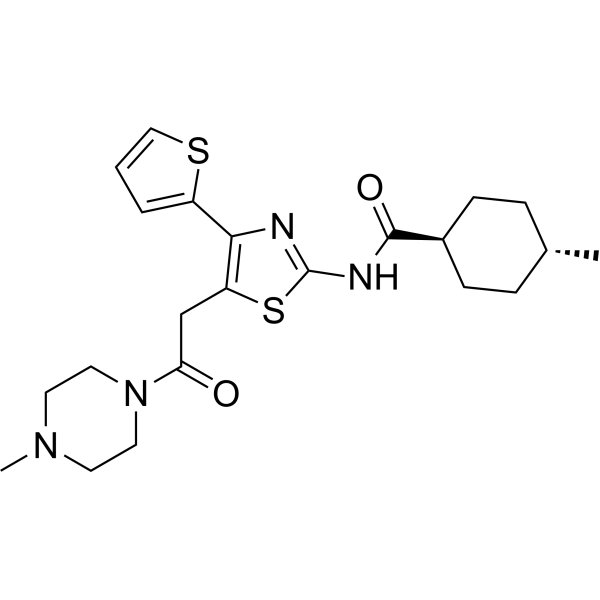
    NR4A1 agonist 1 is a NR4A1 agonist with a Ki value of 2.96 μM. NR4A1 agonist 1 exhibits lipid-lowering activity in 3T3-L1 adipocytes, with an EC50 of 0.13 μM, significantly decreasing triglyceride (TG) accumulation and lipid droplet accumulation. NR4A1 agonist 1 can be used for the study of obesity .
    NR4A1 agonist 1
  • HY-N4253
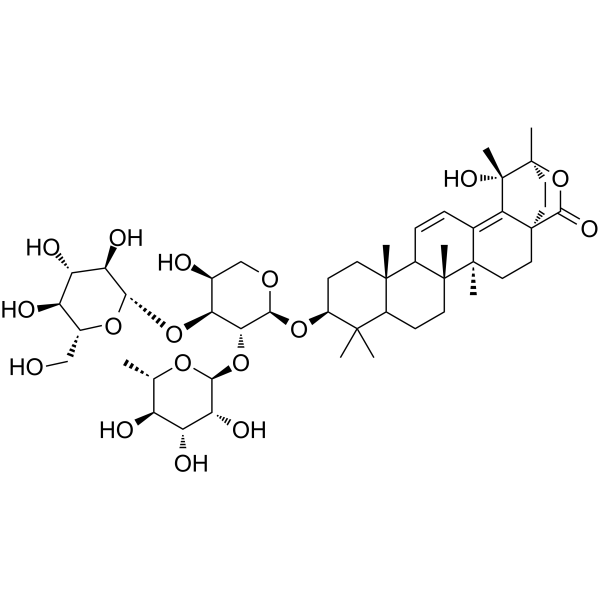
    Kudinoside D
    1 Publications Verification

    Others Metabolic Disease
    Kudinoside D is a main natural component of triterpenoid saponin derived from Ilex kudingcha. Kudinoside D suppresses adipogenesis through modulation of the AMPK pathway in 3T3-L1 adipocytes .
    Kudinoside D
  • HY-124535

    PI3K Metabolic Disease
    TGX-115 is a p110β/p110δ-selective, PI3-K inhibitor. TGX-115 blocks p110β-mediated Akt phosphorylation induced by lysophosphatidic acid (LPA) in L6 myotubes, reduces insulin-stimulated PI(3,4)P2 and PIP3 levels in 3T3-L1 adipocytes. TGX-115 can be used for the study of diabetes mellitus .
    TGX-115
  • HY-N3426

    NO Synthase Akt AMPK Metabolic Disease
    Kazinol B, a prenylated flavan with a dimethyl pyrane ring, is an inhibitor of nitric oxide (NO) production. Kazinol B improves insulin sensitivity by enhancing glucose uptake via the insulin-Akt signaling pathway and AMPK activation. Kazinol B has the potential for diabetes mellitus research .
    Kazinol B
  • HY-B0601R

    AFP-172 (Standard)

    Reference Standards Prostaglandin Receptor Drug Metabolite Cardiovascular Disease Neurological Disease Endocrinology
    Tectoquinone (Standard) is the analytical standard of Tectoquinone. This product is intended for research and analytical applications. Tectoquinone (2-Methylanthraquinone) is a SARSCoV-2 main protease inhibitor against COVID-19. Tectoquinone exhibits strong mosquito larvicidal activity with the LC50 values of 3.3 and 5.4 μg/ml against A. aegypti and A. albopictus in 24 h, respectively .
    Tafluprost acid (Standard)
  • HY-N3027
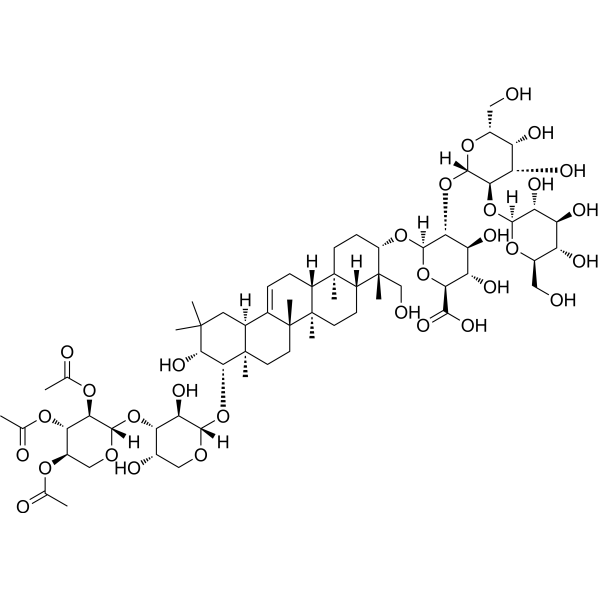
    Soyasaponin Aa
    1 Publications Verification

    PPAR Reactive Oxygen Species (ROS) Metabolic Disease
    Soyasaponin Aa is a soyasaponin that can be found in soy. Soyasaponin Aa suppresses PPARγ transcriptional activity, reduces PPARγ and C/EBPα expression, inhibits adipocyte differentiation and lipid accumulation, and reduces adipogenic marker gene expression. Soyasaponin Aa reduces hydrogen peroxide-induced reactive oxygen species (ROS) production and malondialdehyde levels. Soyasaponin Aa exhibits cellular antioxidant activity. Soyasaponin Aa can be used for the research of obesity .
    Soyasaponin Aa
  • HY-W339331

    NNI-0001

    Insecticide Calcium Channel Reactive Oxygen Species (ROS) Apoptosis Infection Metabolic Disease
    Flubendiamide (NNI-0001) is an orally active phthalic diamide insecticide that acts by targeting insect ryanodine receptors (RyRs), causing insect muscle dysfunction, paralysis and death. Flubendiamide disrupts molting, metamorphosis and reproductive processes, induces oxidative stress by increasing the levels of ROS/RNS, MDA and 8OHdG and decreasing the levels of SOD, CAT and GST, activates the CncC/Maf apoptosis pathway, impairs calcium homeostasis, promotes adipogenesis, increases triglyceride accumulation, and upregulates the expression of regulatory factors for adipocyte differentiation and adipogenesis .
    Flubendiamide
  • HY-122959

    Akt PPAR Metabolic Disease
    Kihadanin B is a citrus limonoid that can be purified from the peels of immature Citrus unshiu. Kihadanin B suppresses adipogenesis through repression of the Akt-FOXO1-PPARγ axis in 3T3-L1 adipocytes .
    Kihadanin B
  • HY-P5081

    TGF-β Receptor Collagen Inflammation/Immunology
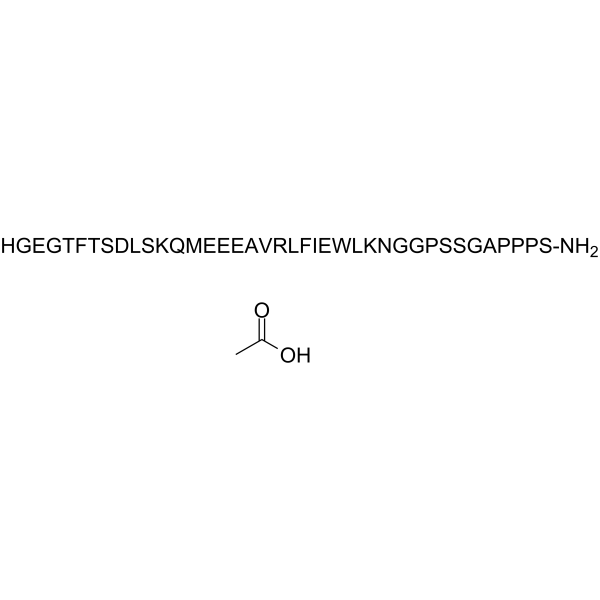
    Endotrophin (Mus musculus) is an adipokine, a cleavage fragment derived from Collagen VI, whose levels are elevated in adipose tissue and breast tumors of obese mice. Endotrophin (Mus musculus) activates the TGF-β signaling pathway and reduces the expression of hormone-sensitive lipase. Endotrophin (Mus musculus) induces adipogenesis, lipid accumulation, fibrosis, inflammation, angiogenesis, adipose tissue expansion, epithelial-mesenchymal transition, and insulin resistance; it also induces Cisplatin (HY-17394) resistance in cancer cells. Endotrophin (Mus musculus) can be used in research related to metabolic diseases such as obesity and type 2 diabetes, as well as cancers such as breast cancer .
    Endotrophin (Mus musculus)
  • HY-123115

    5-O-α-D-Glucopyranosyl-D-fructose

    JAK STAT TNF Receptor Interleukin Related Metabolic Disease Inflammation/Immunology
    Leucrose (5-O-α-D-Glucopyranosyl-D-fructose) is an orally active Sucrose (HY-B1779) isomer naturally found in pollen and honey. Leucrose promotes phosphorylation of JAK1 and STAT6, reduces pro-inflammatory mediators and cytokinesas (TNFα, and IL-1β), increases M2 macrophage polarization and suppresses DSS (HY-116282C)-induced colitis. Leucrose suppresses hepatic triglyceride accumulation, improves fasting blood glucose levels, and regulates hepatic lipogenesis and fatty acid β-oxidation in high-fat diet-induced obese mice. Leucrose is slowly hydrolyzed into glucose and fructose by α-glucosidase and acts as as a sugar substitute in diet .
    Leucrose
  • HY-133556

    AMPK Metabolic Disease
    IQZ23 inhibits adipocyte differentiation via AMPK pathway activation. IQZ23 exerts a high efficacy in decreasing the triglyceride level (EC50=0.033 μM) in 3T3-L1 adipocytes. IQZ23 could be used for the research of obesity and related metabolic disorders .
    IQZ23
  • HY-161449

    11β-HSD Metabolic Disease
    JTT-654 is an orally active, potent and selective11β-Hydroxysteroid dehydrogenase type 1 (11β-HSD1) inhibitor. The IC50 of JTT-654 for 11β-HSD1 is 4.65, 0.97, and 0.74 nM in human, rat, and mouse recombinant enzymes, respectively. JTT-654 showed competitive inhibition against human recombinant enzyme. The IC50 value for human 11β-HSD2 is > 30 μM (human 11β-HSD2 is responsible for the reverse reaction against human 11β-HSD1). JTT-654 ameliorates insulin resistance and non-obese type 2 diabetes by inhibiting adipose tissue and liver 11β-HSD1 .
    JTT-654
  • HY-B0227A

    RP-19583 (lysinate)

    COX Metabolic Disease Inflammation/Immunology Cancer
    Ketoprofen (RP-19583) lysinate is a non-steroidal anti-inflammatory agent. Ketoprofen lysinate can inhibit the activity of cyclooxygenase with IC50 values of 2 nM (COX-1) and 26 nM (COX-2). which is potential in the research of inflammation, immunology, and metabolic disease such as obesity .
    Ketoprofen (lysinate)
  • HY-B0227AR

    RP-19583 (lysinate) (Standard)

    Reference Standards COX Metabolic Disease Inflammation/Immunology Cancer
    Ketoprofen (lysinate) (Standard) is the analytical standard of Ketoprofen (lysinate). This product is intended for research and analytical applications. Ketoprofen (RP-19583) lysinate is a non-steroidal anti-inflammatory agent. Ketoprofen lysinate can inhibit the activity of cyclooxygenase with IC50 values of 2 nM (COX-1) and 26 nM (COX-2). which is potential in the research of inflammation, immunology, and metabolic disease such as obesity .
    Ketoprofen (lysinate) (Standard)
  • HY-N2961

    Others Others
    Broussonin B is a phenolic compound isolated from the stem barks of Broussonetia kanzinoki (Moraceae). Broussonin B inhibits adipocyte differentiation in 3T3-L1 cells .
    Broussonin B
  • HY-N7661

    PPAR Metabolic Disease
    4β-Hydroxywithanolide E, isolated from Physalis peruviana L., inhibits adipocyte differentiation of 3T3-L1 cells through modulation of mitotic clonal expansion. 4β-Hydroxywithanolide E is an adipogenesis inhibitor and inhibits PPARγ, C/EBPα, and the adipocyte-specific molecule aP2 mRNA expression .
    4β-Hydroxywithanolide E
  • HY-B1419R

    2-Hydroxybenzyl alcohol (Standard); Saligenin (Standard)

    Drug Intermediate Reference Standards Others
    Soyasaponin Aa (Standard) is the analytical standard of Soyasaponin Aa. This product is intended for research and analytical applications. Soyasaponin Aa is a soyasaponin that exerts an anti-obesity effect in 3T3-L1 adipocytes through downregulation of peroxisome proliferator-activated receptor γ (PPARγ) .
    Salicyl alcohol (Standard)
  • HY-N15415

    PPAR Reactive Oxygen Species (ROS) NF-κB Inflammation/Immunology
    Zaluzanin C is a sesquiterpene lactone. Zaluzanin C has anti-inflammatory activity and can inhibit the production of mtROS, block the NF-κB signaling pathway, and reduce the production of TNF-α. In addition, Zaluzanin C can inhibit the differentiation of 3T3-L1 preadipocytes into mature adipocytes .
    Zaluzanin C
  • HY-N7907

    Others Metabolic Disease
    Myricetin-3-O-β-D-xylopyranosyl-(1→2)-β-D-glucopyranoside is a natural product that can be obtained from sphaerophysa salsula. Myricetin-3-O-β-D-xylopyranosyl-(1→2)-β-D-glucopyranoside inhibits triglyceride (TG) accumulation in 3T3-L1 adipocytes .
    Myricetin-3-O-β-D-xylopyranosyl-(1→2)-β-D-glucopyranoside
  • HY-168924

    Wnt β-catenin Metabolic Disease
    Wnt/β-catenin activator 1 (Compound 5m) is the orally active activator for Wnt/β-catenin signaling pathway, that arrests cell cycle at G1 phase, inhibits early proliferation of adipocytes, and inhibits adipogenesis in cell 3T3-L1 with an IC50 of 330 nM. Wnt/β-catenin activator 1 exhibits anti-adipogenic and anti-dyslipidemic activities in high-fat diet fed Syrian golden hamster model .
    Wnt/β-catenin activator 1
  • HY-N11507

    TKV

    PPAR Metabolic Disease
    Tibesaikosaponin V (TKV) is a triterpene diglycoside, which can be isolated from the methanol extract of the roots of Bupleurum chinense DC.. Tibesaikosaponin V inhibits lipid accumulation and triacylglycerol content occurred without cytotoxicity to adipocytes. Tibesaikosaponin V suppresses the mRNA expression of nuclear transcription factors, such as peroxisome proliferator-activated receptor γ (PPARγ) and CCAAT/enhancer binding protein α (C/EBPα). Tibesaikosaponin V inhibits 3T3-L1 preadipocyte differentiation. Tibesaikosaponin V can be used fro research of obesity and its associated metabolic disorders .
    Tibesaikosaponin V
  • HY-121579

    PPAR Others
    L-764406 is a non-thiazolidinedione (TZD)-type PPARg nuclear receptor ligand with high affinity. L-764406 has significant binding ability to PPARg (IC50=70 nM). L-764406 exhibited partial agonist activity and induced expression of the adipocyte-specific gene aP2 in chimeric receptors expressing the PPARg LBD and the corresponding reporter gene, as well as in 3T3-L1 cells. In contrast, L-764406 showed no activity in cells transfected with chimeric receptors containing PPARa or PPARd LBDs .
    L-764406
  • HY-128973R

    Reactive Oxygen Species (ROS) Reference Standards Cancer
    Pyropheophorbide-a (Standard) is the analytical standard of Pyropheophorbide-a. This product is intended for research and analytical applications. Pyropheophorbide-a (Ppa) is a photosensitizer used in photodynamic therapy (PDT) for tumors. Pyropheophorbide-a exhibits phototoxic effects on tumor cells, such as cervical cancer cells, and also has anti-lipogenesis activity. Pyropheophorbide-a shows potential for research in the fields of cancer and age-related macular degeneration (AMD). Pyropheophorbide-a derivatives also demonstrate inhibitory activity against tumor cells .
    Pyropheophorbide-a (Standard)
  • HY-139058R

    27-Deoxyactein (Standard)

    Reference Standards PPAR Metabolic Disease Cancer
    23-epi-26-Deoxyactein (Standard) is the analytical standard of 23-epi-26-Deoxyactein. This product is intended for research and analytical applications. 23-epi-26-Deoxyactein is a natural and orally active anti-obesity and anti-cancer compound .
    23-epi-26-Deoxyactein (Standard)
  • HY-N15448

    Dimidin

    Endogenous Metabolite Neurological Disease Metabolic Disease
    Dihydrosamidin is a coumarin component isolated from the fruits of ammi visnaga. Dihydrosamidin promotes neuroplasticity, modulates glycolysis and oxidative phosphorylation and enhances antioxidant defences. Dihydrosamidin inhibits triacylglycerol accumulation in 3T3-L1 preadipocytes. Dihydrosamidin can be used for neuroprotective, anti-obesity study .
    Dihydrosamidin

Inquiry Online

Your information is safe with us. * Required Fields.

Salutation


Country or Region *

Applicant Name *


Organization Name *

Department *


Email Address *


Product Name *

Cat. No.


Requested quantity *

Phone Number *


Remarks

Inquiry Online

Inquiry Information

Product Name:
Cat. No.:
Quantity:
MCE Japan Authorized Agent:

