Search Result
Results for "
AhR Inhibitors
" in MedChemExpress (MCE) Product Catalog:
1
Biochemical Assay Reagents
7
Isotope-Labeled Compounds
| Cat. No. |
Product Name |
Target |
Research Areas |
Chemical Structure |
-
- HY-12684
-
|
|
Aryl Hydrocarbon Receptor
|
Cancer
|
|
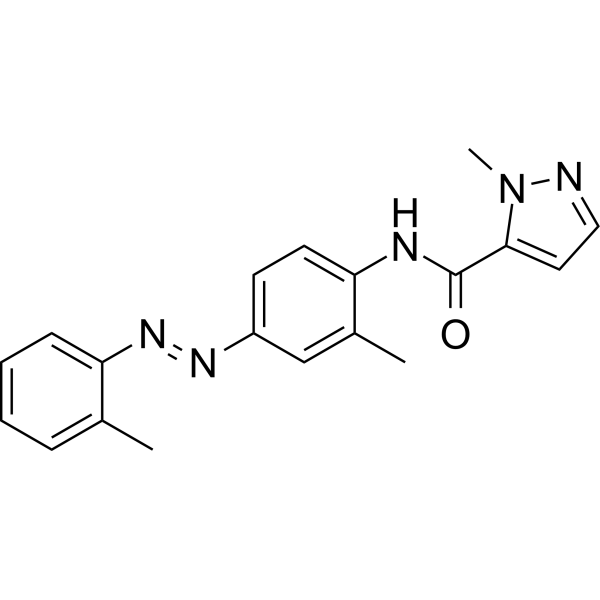
CH-223191 is a potent and specific antagonist of aryl hydrocarbon receptor (AhR).
CH-223191 inhibits TCDD-mediated nuclear translocation and DNA binding of AhR, and inhibits TCDD-induced luciferase activity with an IC50 of 0.03 μM .
|
-
-
- HY-15484
-
|
Pifithrin hydrobromide; PFTα hydrobromide
|
MDM-2/p53
Aryl Hydrocarbon Receptor
Ferroptosis
Apoptosis
|
Cancer
|
|
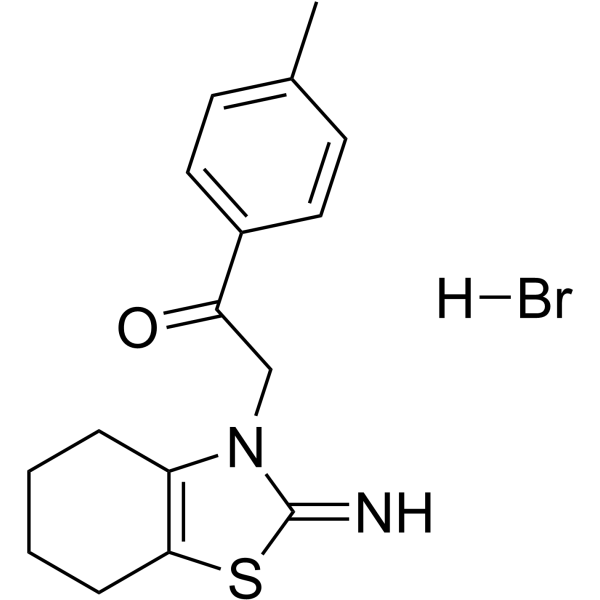
Pifithrin-α hydrobromide is a p53 inhibitor which blocks its transcriptional activity and prevents cells from apoptosis. Pifithrin-α hydrobromide is also an aryl hydrocarbon receptor (AhR) agonist.
|
-
-
- HY-12028
-
PD98059
Maximum Cited Publications
391 Publications Verification
|
MEK
ERK
Aryl Hydrocarbon Receptor
Autophagy
|
Cancer
|
|
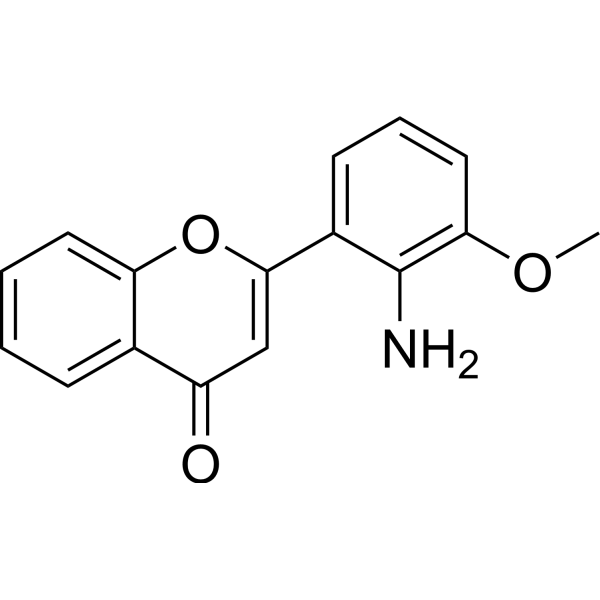
PD98059 is a potent and selective MEK inhibitor with an IC50 of 5 µM. PD98059 binds to the inactive form of MEK, thereby preventing the activation of MEK1 (IC50 of 2-7 µM) and MEK2 (IC50 of 50 µM) by upstream kinases. PD98059 is a ERK1/2 signaling inhibitor. PD98059 is a ligand for the aryl hydrocarbon receptor (AHR), and suppresses TCDD binding (IC50 of 4 μM) and AHR transformation (IC50 of 1 μM). PD98059 also inhibits Mycobacterium bovis Bacillus CalmetteGuerin (BCG)-induced autophagy .
|
-
-
- HY-B0311
-
|
(S)-(-)-Carbidopa
|
Aryl Hydrocarbon Receptor
|
Neurological Disease
Cancer
|
|
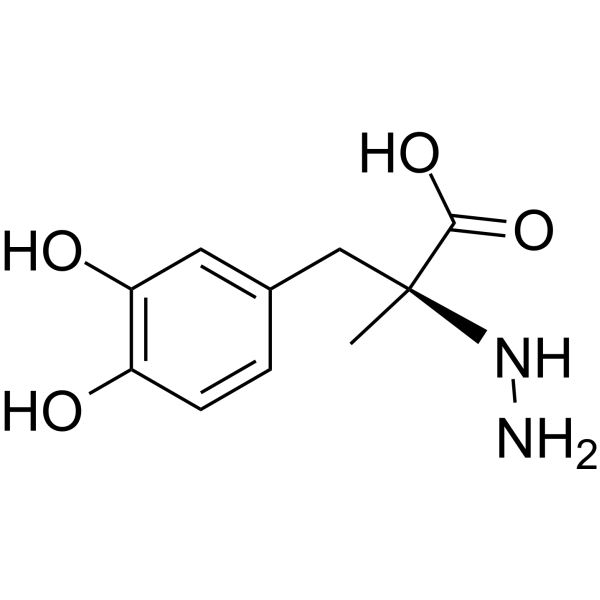
Carbidopa ((S)-(-)-Carbidopa), a peripheral decarboxylase inhibitor, can be used for the research of Parkinson's disease. Carbidopa is a selective aryl hydrocarbon receptor (AhR) modulator. Carbidopa inhibits pancreatic cancer cell and tumor growth .
|
-
-
- HY-B2132
-
|
3-(2-Aminoethyl)indole~2-(3-Indolyl)ethylamine
|
Endogenous Metabolite
5-HT Receptor
Aryl Hydrocarbon Receptor
|
Neurological Disease
Metabolic Disease
|
|
Tryptamine is a selective, blood-brain-penetrating 5-HT4 receptor agonist (EC50=1-3 mM) and an endogenous ligand of the aryl hydrocarbon receptor (AHR) (Kd=10-50 nM). Tryptamine promotes intestinal anion secretion and fluid transport by activating G protein-coupled receptors (GPCRs) and accelerates gastrointestinal motility. Tryptamine regulates Th17/Treg balance to inhibit neuroinflammation, competitively binds to 5-HT receptors to regulate central nervous system activity, and participates in temperature regulation and spinal reflex regulation as a neuromodulator. Tryptamine can be used to study intestinal motility disorders such as functional constipation, and has shown significant efficacy in multiple sclerosis models .
|
-

-
- HY-N0170
-
-
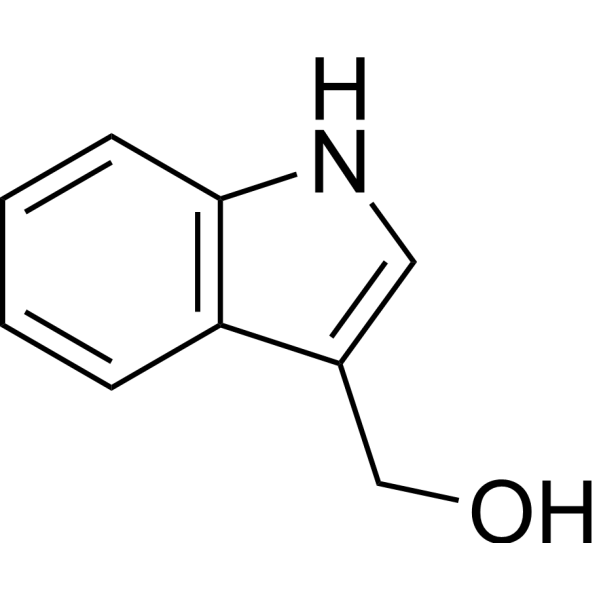
-
- HY-141609
-
|
AhR antagonist 5 free base
|
Aryl Hydrocarbon Receptor
|
Cancer
|
|
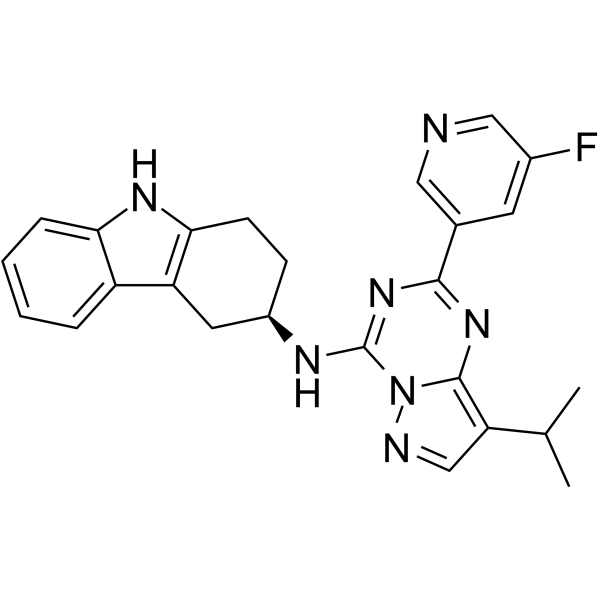
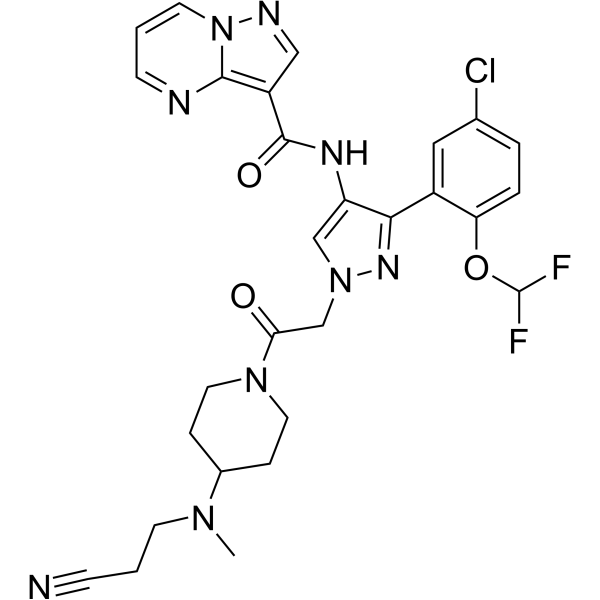
IK-175 is a selective and orally active aryl hydrocarbon receptor (AHR) inhibitor. IK-175 effectively blocks AHR from translocating from the cytoplasm to the nucleus. IK-175 is highly selective for AHR over other receptors, transporters, and kinases .
|
-
-
- HY-W017113
-
|
|
Environmental Pollutants
Endogenous Metabolite
|
Metabolic Disease
|
|
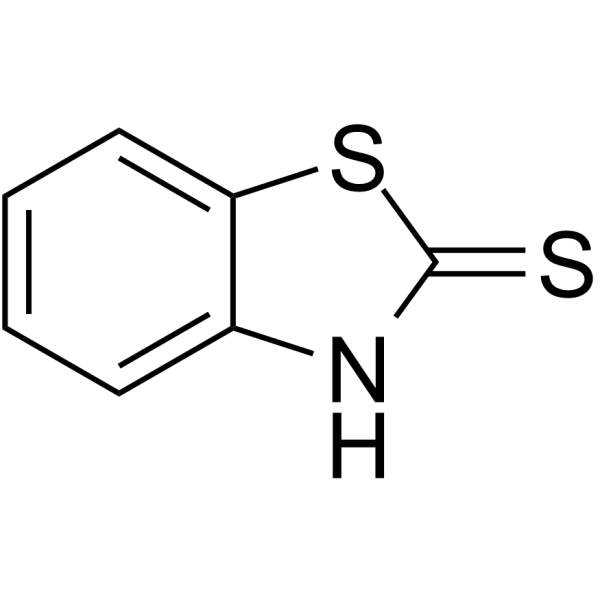
2-Mercaptobenzothiazole is an activator of the aryl hydrocarbon receptor (AhR) , inhibiting thyroid hormone synthesis and dopamine beta-hydroxylase activity . 2-Mercaptobenzothiazole promotes bladder cancer cell invasion by altering the conformation of the AhR ligand binding domain (LBD), activating AhR transcription, and upregulating the mRNA and protein expression of target genes CYP1A1 and CYP1B1 . 2-Mercaptobenzothiazole inhibits thyroid peroxidase (TPO) with an IC50 value of 11.5 μM, induces histological changes such as follicular cell hypertrophy in Xenopus laevis tadpoles, delaying metamorphosis . 2-Mercaptobenzothiazole increases chromosomal aberrations and sister chromatid exchanges (SCEs) in Chinese hamster ovary (CHO) cells, and enhances carcinogenicity in F344/N rats . 2-Mercaptobenzothiazole inhibits norepinephrine synthesis in mice and completely blocks the conversion of exogenous dopamine to norepinephrine in rat cardiomyocytes .
|
-
-
- HY-B0845
-
-
-
- HY-134217
-
|
|
Aryl Hydrocarbon Receptor
|
Cancer
|
|
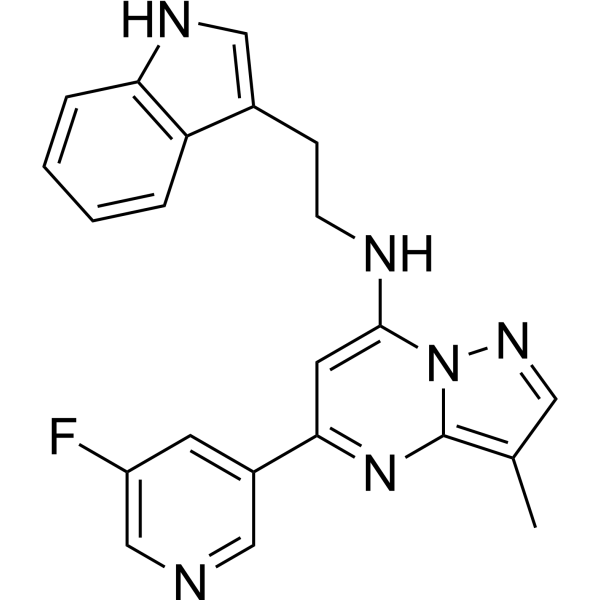
KYN-101 is a potent, selective and orally active AHR inhibitor. KYN-101 decreases the CYP1A1 mRNA expression. KYN-101 shows anti-cancer activity .
|
-
-
- HY-B0973
-
|
DBT; Diphenylene sulfide
|
Cytochrome P450
Aryl Hydrocarbon Receptor
|
Metabolic Disease
|
|
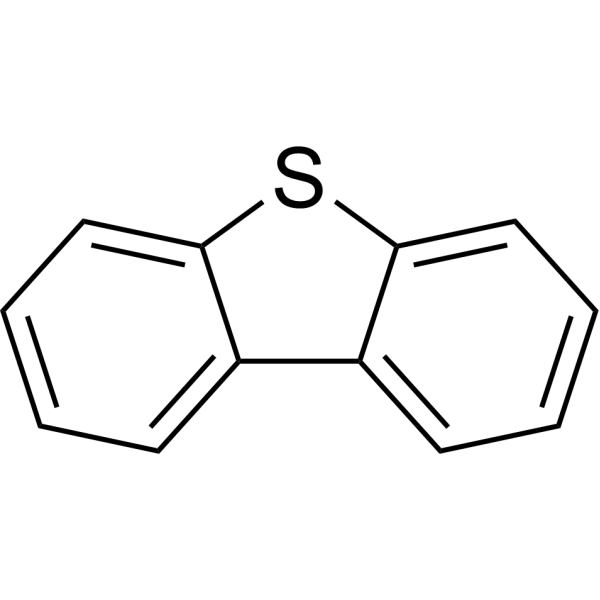
Dibenzothiophene is an orally active and a noncompetitive CYP1A inhibitor. Dibenzothiophene inhibits CYP1A-mediated EROD activity with a Km of 0.592 μM. Dibenzothiophene interacts with the AHR pathway. Dibenzothiophene enhances the embryotoxicity of β-naphthoflavone (HY-114740). Dibenzothiophene shows acute toxicity in mice. Dibenzothiophene is mainly used for the study of the mechanism of developmental toxicity in organisms .
|
-
-
- HY-15001G
-
|
SR1
|
Aryl Hydrocarbon Receptor
|
Cancer
|
|
Stemregenin 1 (SR1) (GMP) is a GMP-grade Stemregenin 1 (HY-15001). GMP-grade small molecules can be used as adjuvants in cell therapy. Stemregenin 1 is a potent aryl hydrocarbon receptor (AhR) antagonist with an IC50 of 127 nM. Stemregenin 1 (GMP) can competitively bind to AhR and inhibit its nuclear translocation, inhibiting osteoclastogenesis and promoting hematopoietic progenitor cell expansion by blocking the AhR-c-src-NF-κB/p-ERK MAPK-NFATc1 signaling pathway. Stemregenin 1 (GMP) can be used for the study of osteoporosis, in vitro expansion of hematopoietic stem cells, and the study of the mechanism of bone metabolic diseases .
|
-

-
- HY-B0311A
-
|
(S)-(-)-Carbidopa monohydrate
|
Aryl Hydrocarbon Receptor
|
Neurological Disease
Cancer
|
|
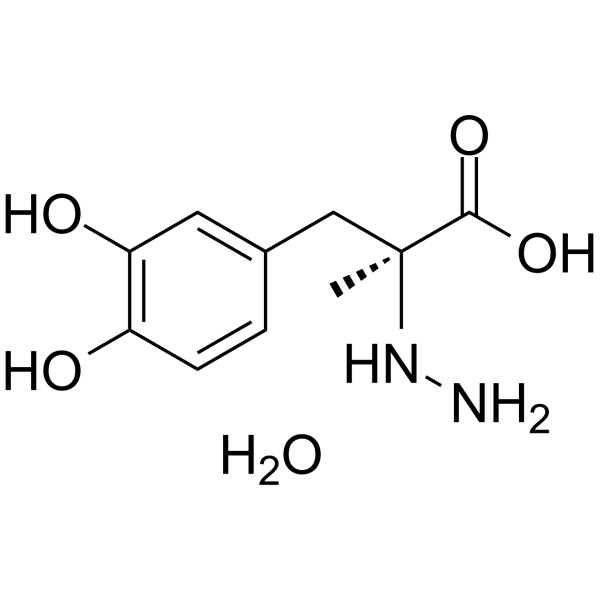
Carbidopa ((S)-(-)-Carbidopa) monohydrate, a peripheral decarboxylase inhibitor, can be used for the research of Parkinson's disease. Carbidopa monohydrate is a selective aryl hydrocarbon receptor (AhR) modulator. Carbidopa monohydrate inhibits pancreatic cancer cell and tumor growth .
|
-
-
- HY-18619
-
YL-109
2 Publications Verification
|
Aryl Hydrocarbon Receptor
|
Cancer
|
|
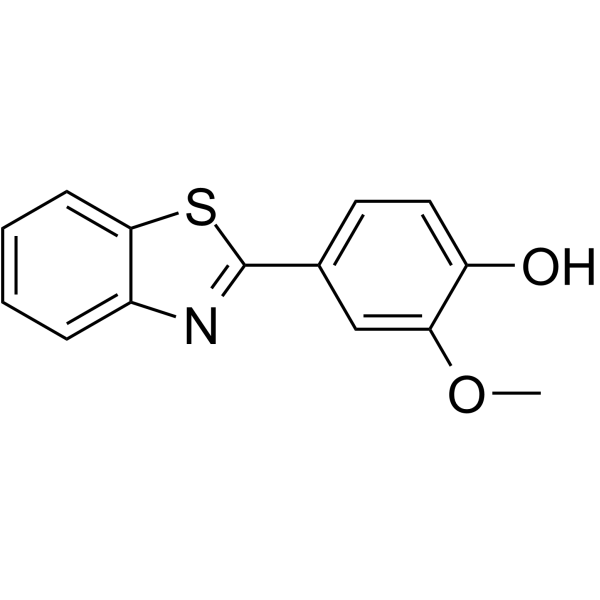
YL-109 is an antitumor agent that can induce carboxyl terminus of Hsp70-interacting protein (CHIP) expression through aryl hydrocarbon receptor (AhR) signaling. YL-109 has ability to inhibit breast cancer cell growth and invasiveness .
|
-
-
- HY-12545
-
|
PbTx-3
|
Sodium Channel
|
Inflammation/Immunology
|
|
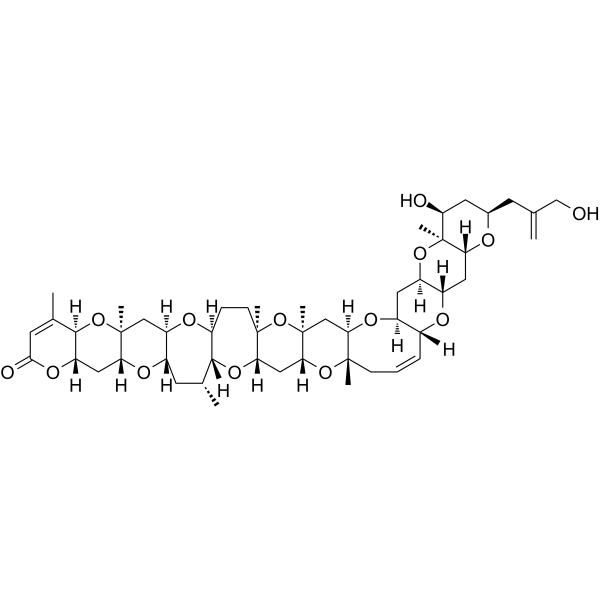
Brevetoxin-3 (PbTx-3) is a potent allosteric voltage-gated Na + channel activator and has multiple active centers (A-ring lactone, C-42 of R side chain) . Brevetoxin-3 (PbTx-3) has a high affinity to site 5 of the voltage-sensitive Na + channels, inhibits the inactivation of Na + channels and prolongs the mean open time of these channels. Brevetoxin-3 (PbTx-3) repeated exposures can lead to prolonged airway hyperresponsiveness (AHR) and lung inflammation .
|
-
-
- HY-N1939
-
-
-
- HY-B0678
-
|
AhR438; NSC170959
|
NF-κB
PGC-1α
|
Neurological Disease
Inflammation/Immunology
|
|
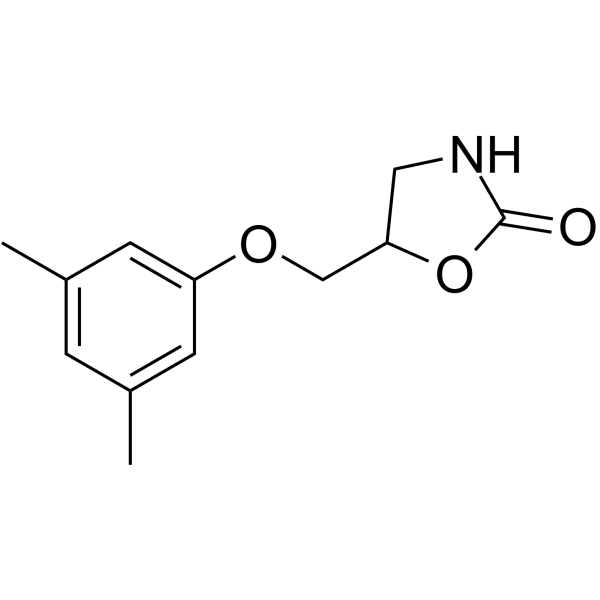
Metaxalone (AHR438; NSC170959) is an FDA-approved muscle relaxant. Metaxalone acts mainly on the central nervous system and achieves muscle relaxation by inhibiting polysynaptic reflex arcs. In addition, Metaxalone is an inhibitor of MAO-A, which has anti-inflammatory and antioxidant effects. Metaxalone inhibits IL-1β-induced inflammatory phenotype, modulates NF-κB and other related signaling pathways, and decreases MAO-A expression and activity in IL-1β-treated microglia .
|
-
-
- HY-17357
-
|
AhR 9434; AL 6515
|
COX
Prostaglandin Receptor
|
Neurological Disease
Inflammation/Immunology
Endocrinology
Cancer
|
|
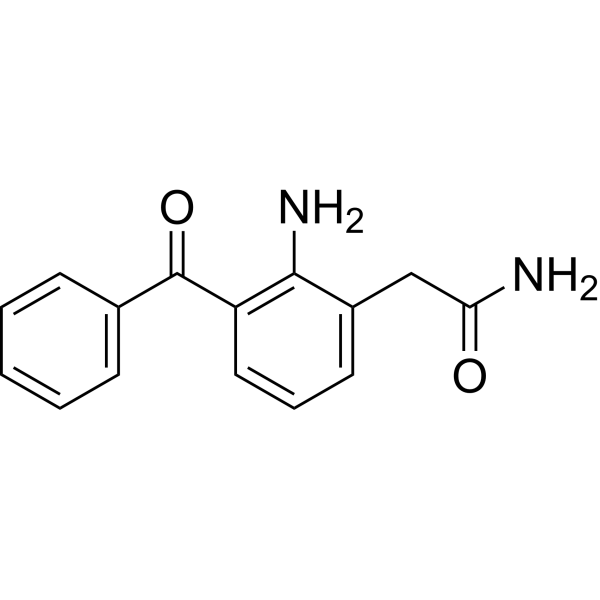
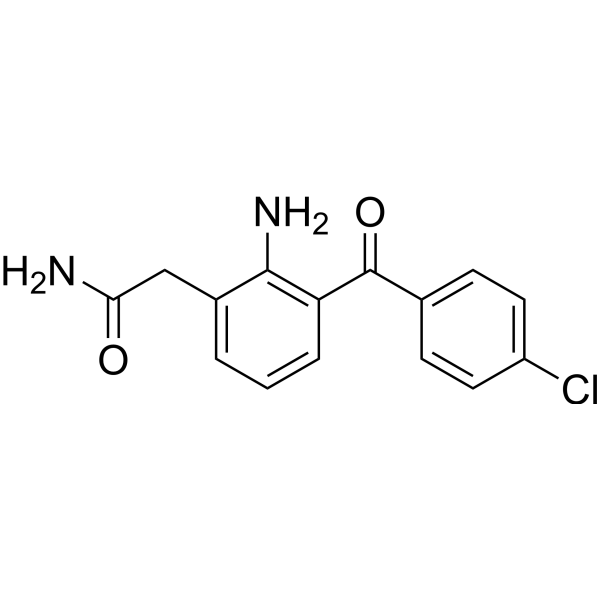
Nepafenac (AHR 9434; AL 6515), a nonsteroidal anti-inflammatory agent, is a topically administered COX-2 inhibitor with an IC50 of 0.12 μM. Nepafenac exhibits only weak COX-1 inhibitory activity (IC50 = 64.3 μM). Nepafenac possesses unique prodrug properties, which enable it to rapidly convert into the active metabolite Amfenac (HY-17479) in the ocular tissues, thereby achieving high concentrations in the retina and choroid. Nepafenac reduces inflammation and pain by inhibiting the activity of cyclooxygenase (COX) enzymes and thereby decreasing the production of prostaglandin PGE₂. Nepafenac can delay the metastasis of uveal melanoma (UM) in rabbit eyes. Nepafenac is mainly used for pain management and inflammation control after ophthalmic surgeries .
|
-
-
- HY-135750
-
VAF347
3 Publications Verification
|
Aryl Hydrocarbon Receptor
|
Inflammation/Immunology
|
|
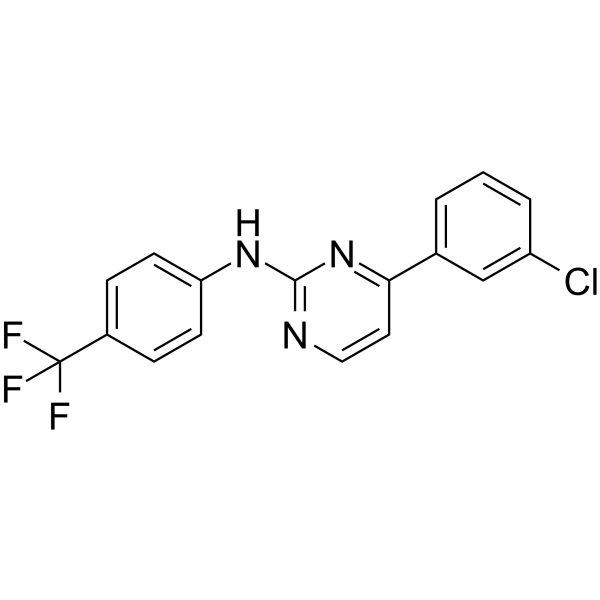
VAF347 is a cell permeable and highly affinity aryl hydrocarbon receptor (AhR) agonist and induces AhR signaling. VAF347 inhibits the development of CD14 +CD11b + monocytes from granulo-monocytic (GM stage) precursors. VAF347 has anti-inflammatory effects .
|
-
-
- HY-N4095
-
|
|
Aryl Hydrocarbon Receptor
Glycosidase
Reactive Oxygen Species (ROS)
GLUT
|
Metabolic Disease
Inflammation/Immunology
Cancer
|
|
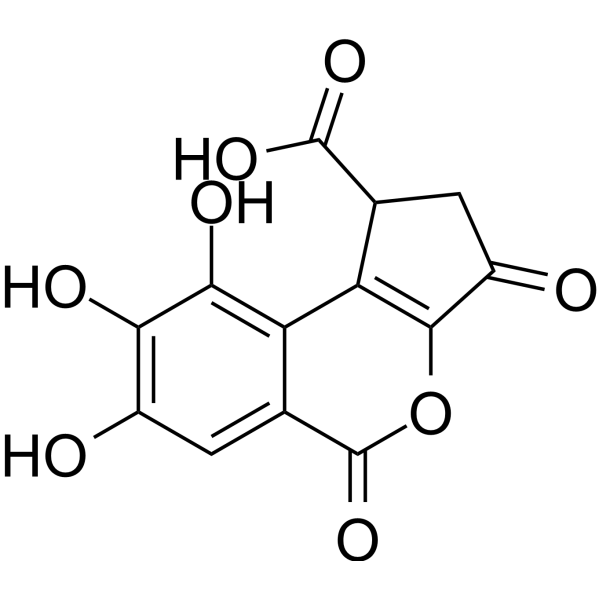
Brevifolincarboxylic acid is a phenolic compound. Brevifolincarboxylic acid can be isolated from Duchesnea chrysantha. Brevifolincarboxylic acid inhibits α-glucosidase with an IC50 value of 323.46 μM. Brevifolincarboxylic acid has an inhibitory effect on the aryl hydrocarbon receptor (AhR). Brevifolincarbacid scavenges ROS. Brevifolincarbacid restores the glucose uptake activity of myotubes. Brevifolincarboxylic acid has antitumor activity against lung and gastric cancer. Brevifolincarbacid can be used in the study of diabetes and inflammatory diseases .
|
-
-
- HY-117102
-
|
|
Aryl Hydrocarbon Receptor
Checkpoint Kinase (Chk)
|
Cancer
|
|
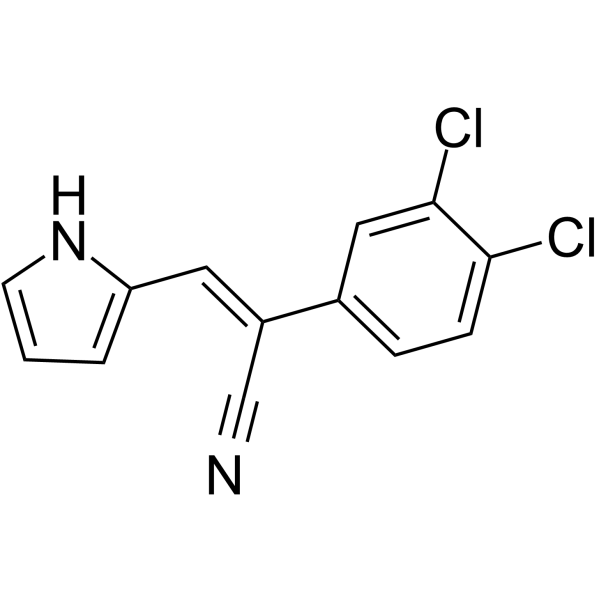
ANI-7 is an activator of aryl hydrocarbon receptor (AhR) pathway. ANI-7 inhibits the growth of multiple cancer cells, and potently and selectively inhibits the growth of MCF-7 breast cancer cells with a GI50 of 0.56 μM. ANI-7 induces CYP1-metabolizing mono-oxygenases by activating AhR pathway, and also induces DNA damage, checkpoint Kinase 2 (Chk2) activation, S-phase cell cycle arrest, and cell death in sensitive breast cancer cell lines .
|
-
-
- HY-77278
-
|
|
VD/VDR
Aryl Hydrocarbon Receptor
LXR
PPAR
|
Others
|
|
25-Hydroxytachysterol3 is the metabolite of Vitamin D3 (HY-15398). 25-Hydroxytachysterol3 inhibits the proliferation of epidermal keratinocytes and dermal fibroblasts, stimulates the expression of differentiation- and antioxidant-related genes in keratinocytes. 25-Hydroxytachysterol3 activates vitamin D receptor (VDR) and aryl hydrocarbon receptor (AhR), liver X receptor α/β (LXR α/β) and peroxisome proliferator-activated receptor γ (PPARγ), stimulates the expression of CYP24A1 .
|
-

-
- HY-17663
-
|
|
PARP
STAT
STING
IFNAR
|
Cancer
|
|
KMR-206 is a PARP7 inhibitor with an IC50 of 13.7 nM. KMR-206 relieves AHR-mediated transcriptional repression and enhances CYP1A1 expression in the presence of TCDD. KMR-206 induces the STING-dependent IFN-β signaling pathway and increases the levels of STAT1, pSTAT1 and nuclear PARP7 in cancer cells. KMR-206 reduces the viability of lung adenocarcinoma cells, enhances radiation-induced immunogenic signals, and induces the production of immunogenic signals in glioblastoma cancer stem cells. KMR-206 destabilizes FRA1 to increase IRF1 levels and promotes the IRF3-CBP/p300 interaction. KMR-206 can be used in studies related to lung adenocarcinoma and glioblastoma .
|
-

-
- HY-111450
-
|
|
Aryl Hydrocarbon Receptor
|
Cancer
|
|
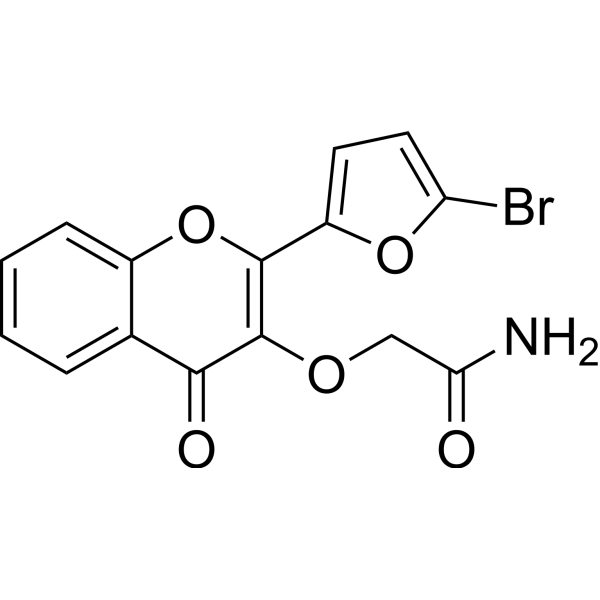
CB7993113 is a potent AHR antagonist, with an IC50 of 0.33 μM. CB7993113 directly binds AHR protein and blocks AHR nuclear translocation. CB7993113 inhibits polycyclic aromatic hydrocarbon (PAH)- and TCDD-induced reporter activity by 75% and 90% respectively .
|
-
-
- HY-175785
-
|
|
Estrogen Receptor/ERR
Aryl Hydrocarbon Receptor
Apoptosis
MDM-2/p53
|
Cancer
|
|
X15695 is selective and orally active estrogen receptor (ERα) degrader. X15695 is an aryl hydrocarbon receptor (AHR) ligand. X15695 enables AHR to form a complex with the ERα, promoting its proteasomal degradation. X15695 inhibits the breast cancer cells proliferation, promotes cell cycle block and induces apoptosis. X15695 can be used for the study of breast cancer .
|
-

-
- HY-N0170R
-
-

-
- HY-17357S
-
|
AhR-9434-d5; AL-6515-d5
|
Isotope-Labeled Compounds
COX
Prostaglandin Receptor
|
Neurological Disease
Inflammation/Immunology
Endocrinology
Cancer
|
|
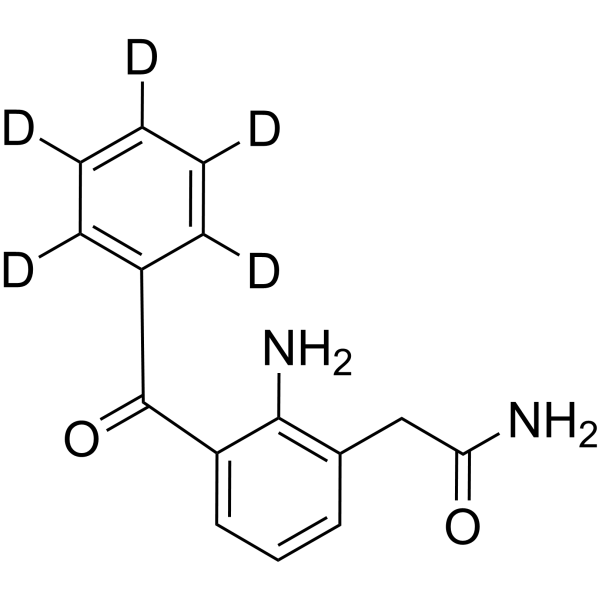
Nepafenac-d5 (AHR-9434-d5; AL-6515-d5) is the deuterium labeled Nepafenac (HY-17357). Nepafenac, a nonsteroidal anti-inflammatory agent, is a topically administered COX-2 inhibitor with an IC50 of 0.12 μM. Nepafenac exhibits only weak COX-1 inhibitory activity (IC50 = 64.3 μM). Nepafenac possesses unique prodrug properties, which enable it to rapidly convert into the active metabolite Amfenac (HY-17479) in the ocular tissues, thereby achieving high concentrations in the retina and choroid. Nepafenac reduces inflammation and pain by inhibiting the activity of cyclooxygenase (COX) enzymes and thereby decreasing the production of prostaglandin PGE₂. Nepafenac can delay the metastasis of uveal melanoma (UM) in rabbit eyes. Nepafenac is mainly used for pain management and inflammation control after ophthalmic surgeries.
|
-
-
- HY-120377
-
|
|
HBV
|
Cancer
|
|
CYP1A1 inhibitor 8a is a compound that potently and selectively inhibits the CYP1A1 enzyme and has the potential to prevent cancer. CYP1A1 inhibitor 8a exhibits more than 10-fold selectivity for CYP1A1 and more than 100-fold selectivity over other enzymes in the CYP1 subfamily. CYP1A1 inhibitor 8a can effectively antagonize B[a]P-mediated activation of the aryl hydrocarbon receptor (AhR) in yeast cells and protect human cells from CYP1A1-mediated B[a]P toxicity. CYP1A1 inhibitor 8a has the potential to be developed as a cancer chemopreventive agent .
|
-

-
- HY-154825
-
|
20(OH)D3; 20S-Hydroxyvitamin D3
|
VD/VDR
Aryl Hydrocarbon Receptor
NF-κB
Cytochrome P450
|
Inflammation/Immunology
Cancer
|
|
20-Hydroxyvitamin D3 (20(OH)D3), a product of vitamin D3 hydroxylation, is a noncalcemic immunomodulator. 20-Hydroxyvitamin D3 binds to vitamin D receptor (VDR), activates VDR and aryl hydrocarbon receptor (AhR) signaling, stimulates CYP24A1 expression, and drives VDR nuclear translocation. 20-Hydroxyvitamin D3 inhibits NF-κB activity via IκBα upregulation. 20-Hydroxyvitamin D3 acts as a substrate for CYP27B1 and rat CYP24A1, undergoing hydroxylation to form dihydroxy-derivatives. 20-Hydroxyvitamin D3 inhibits cell proliferation, colony formation, migration, and tumor growth, and induces cell differentiation in cancer cells. 20-Hydroxyvitamin D3 can be used for the research of inflammatory and autoimmune diseases, melanoma, breast carcinomas, and hepatocarcinoma .
|
-

-
- HY-136220
-
|
|
Aryl Hydrocarbon Receptor
|
Cancer
|
|
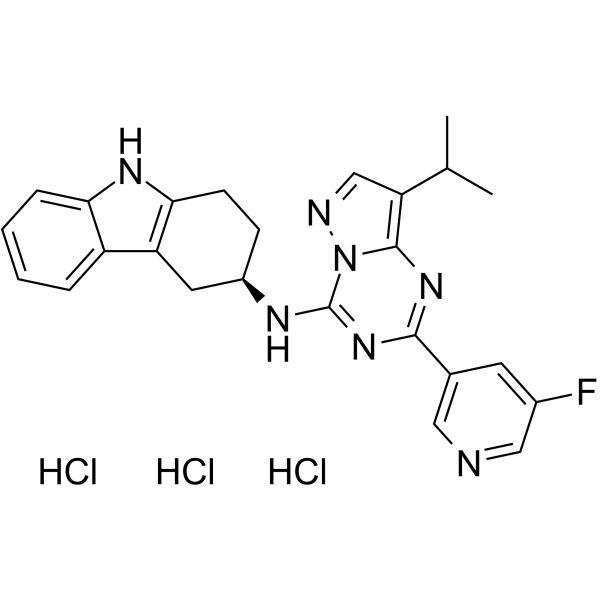
AHR antagonist 5, a potent and orally active aryl hydrocarbon receptor (AHR) antagonist extracted from patent WO2018195397, example 39, has an IC50 of < 0.5 μΜ. AHR antagonist 5 significantly inhibits tumor growth combined with checkpoint inhibitor anti-PD-1 .
|
-
-
- HY-W338764
-
|
|
Apoptosis
Aryl Hydrocarbon Receptor
|
Cancer
|
|
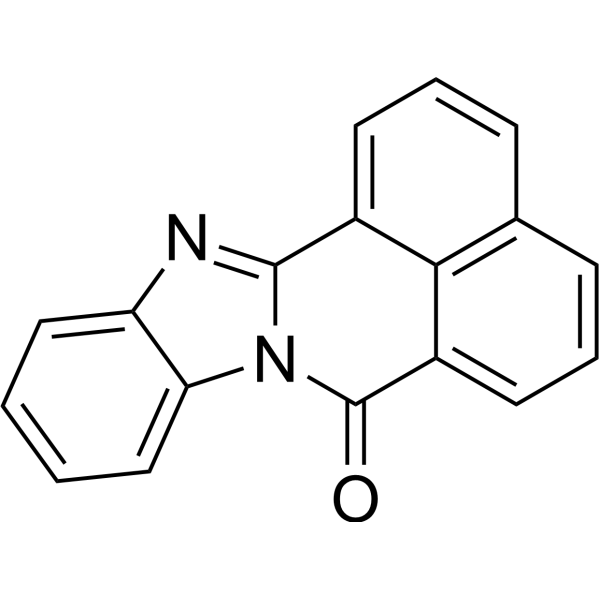
AHR agonist 3 is an aryl hydrocarbon receptor (AhR) agonist, that can induces cell cycle arrest or apoptosis via activation of tumor-suppressive transcriptional programs. AHR agonist 3 inhibits triple-negative breast cancer (TNBC) stem cell growth via AhR while exhibits minimal cytotoxicity against normal human primary cells and can be used for cancer research .
|
-
-
- HY-B0311AS
-
|
(S)-(-)-Carbidopa-d3 monohydrate
|
Aryl Hydrocarbon Receptor
|
Neurological Disease
Cancer
|
|
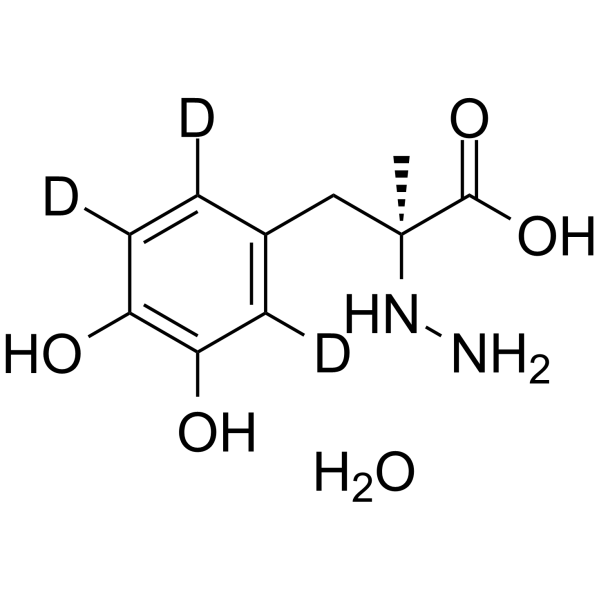
Carbidopa-d3 (monohydrate) is the deuterium labeled Carbidopa monohydrate. Carbidopa ((S)-(-)-Carbidopa) monohydrate, a peripheral decarboxylase inhibitor, can be used for the research of Parkinson's disease. Carbidopa monohydrate is a selective aryl hydrocarbon receptor (AhR) modulator. Carbidopa monohydrate inhibits pancreatic cancer cell and tumor growth .
|
-
-
- HY-12028R
-
|
|
MEK
ERK
Aryl Hydrocarbon Receptor
Autophagy
|
Cancer
|
|
PD98059 (Standard) is the analytical standard of PD98059. This product is intended for research and analytical applications. PD98059 is a potent and selective MEK inhibitor with an IC50 of 5 µM. PD98059 binds to the inactive form of MEK, thereby preventing the activation of MEK1 (IC50 of 2-7 µM) and MEK2 (IC50 of 50 µM) by upstream kinases. PD98059 is a ERK1/2 signaling inhibitor. PD98059 is a ligand for the aryl hydrocarbon receptor (AHR), and suppresses TCDD binding (IC50 of 4 μM) and AHR transformation (IC50 of 1 μM). PD98059 also inhibits Mycobacterium bovis Bacillus CalmetteGuerin (BCG)-induced autophagy .
|
-

-
- HY-125019
-
|
|
JAK
STAT
|
Inflammation/Immunology
|
|
iJak-381 is a JAK1/2 inhibitor with anti-inflammatory activity. iJak-381 blocks IL-13 signaling and also inhibits IL-4 and IL-6 signaling pathways. iJak-381 also reduced p-STAT6 levels and inhibited the influx of inflammatory cells into the lungs of mice. iJak-381 inhibits airway hyperresponsiveness (AHR) .
|
-
-
- HY-16031
-
|
NSC710464 free base
|
Aryl Hydrocarbon Receptor
Integrin
Drug Intermediate
DNA/RNA Synthesis
|
Cancer
|
|
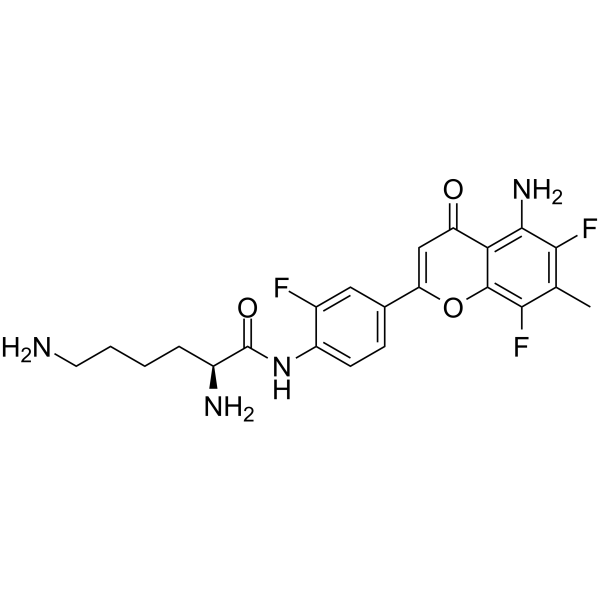
AFP464 (NSC710464) free base is a prodrug of Aminoflavone (HY-132974) and an agonist of the aryl hydrocarbon receptor (AhR). AFP464 free base downregulates the expression of α6-integrin (α6-integrin), inhibits breast tumor growth, reduces the population of tumor-initiating cells, disrupts mammosphere structure, induces the formation of mucin lake clusters, triggers DNA damage, and exerts antiproliferative activity. AFP464 free base is rapidly converted to Aminoflavone by nonspecific esterases in plasma and cell culture media. AFP464 free base is applicable to research related to breast cancer .
|
-
-
- HY-124404
-
|
|
Aryl Hydrocarbon Receptor
Na+/K+ ATPase
Prostaglandin Receptor
|
Inflammation/Immunology
|
|
12(R)-HETE is a CYP-dependent arachidonic acid metabolite that acts as a proinflammatory lipid mediator. 12 (R)-HETE widely exists in various tissues including the eye, skin and liver. In the cornea, 12(R)-HETE is metabolized via pathways such as β-oxidation into the precursor of 12(R)-HETrE. Without direct receptor binding, 12(R)-HETE indirectly activates AHR-mediated target gene transcription, while inhibiting the enzymatic activity of Na+,K+-ATPase and the intracellular calcium elevation induced by TP agonists. 12(R)-HETE also possesses multiple physiological effects such as chemotaxis, proangiogenesis, vasodilation, natriuresis, diuresis and intraocular pressure reduction, and can be widely used in studies related to psoriasis, inflammatory skin diseases and ocular inflammation .
|
-

-
- HY-147128
-
|
|
Aryl Hydrocarbon Receptor
Cytochrome P450
Interleukin Related
|
Inflammation/Immunology
|
|
PY109 is an orally active and highly selective aryl hydrocarbon receptor (AHR) agonist. PY109's EC50 values in human-derived HepG2 and mouse Hepa-1c1c7 cells are 1.2 nM and 1.4 nM respectively. PY109 significantly upregulates the expression of CYP1A1 and IL-22, and inhibits the expression of IL-17A. PY109 significantly improves colitis in mice. PY109 can be used for research on colitis .
|
-

-
- HY-16031B
-
|
NSC710464 dihydrochloride
|
Aryl Hydrocarbon Receptor
Integrin
Drug Intermediate
DNA/RNA Synthesis
|
Cancer
|
|
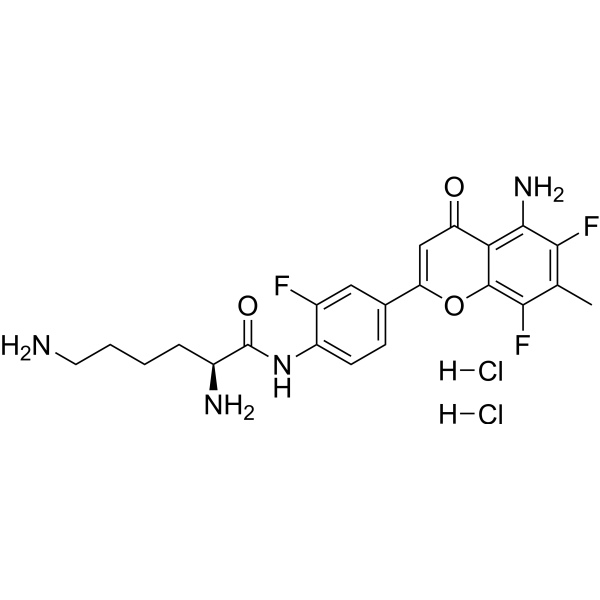
AFP464 (NSC710464) dihydrochloride is a prodrug of Aminoflavone (HY-132974) and an agonist of the aryl hydrocarbon receptor (AhR). AFP464 dihydrochloride downregulates the expression of α6-integrin (α6-integrin), inhibits breast tumor growth, reduces the population of tumor-initiating cells, disrupts mammosphere structure, induces the formation of mucin lake clusters, triggers DNA damage, and exerts antiproliferative activity. AFP464 dihydrochloride is rapidly converted to Aminoflavone by nonspecific esterases in plasma and cell culture media. AFP464 dihydrochloride is applicable to research related to breast cancer .
|
-
-
- HY-169753
-
-

-
- HY-N6264
-
-
-
- HY-B0311R
-
|
(S)-(-)-Carbidopa (Standard)
|
Aryl Hydrocarbon Receptor
Reference Standards
|
Neurological Disease
Cancer
|
|
Carbidopa (Standard) is the analytical standard of Carbidopa. This product is intended for research and analytical applications. Carbidopa ((S)-(-)-Carbidopa), a peripheral decarboxylase inhibitor, can be used for the research of Parkinson's disease. Carbidopa is a selective aryl hydrocarbon receptor (AhR) modulator. Carbidopa inhibits pancreatic cancer cell and tumor growth .
|
-

-
- HY-B0311AR
-
|
(S)-(-)-Carbidopa monohydrate (Standard)
|
Reference Standards
Aryl Hydrocarbon Receptor
|
Neurological Disease
Cancer
|
|
Carbidopa (monohydrate) (Standard) is the analytical standard of Carbidopa (monohydrate). This product is intended for research and analytical applications. Carbidopa ((S)-(-)-Carbidopa) monohydrate, a peripheral decarboxylase inhibitor, can be used for the research of Parkinson's disease. Carbidopa monohydrate is a selective aryl hydrocarbon receptor (AhR) modulator. Carbidopa monohydrate inhibits pancreatic cancer cell and tumor growth .
|
-

-
- HY-15484R
-
|
Pifithrin hydrobromide (Standard); PFTα hydrobromide (Standard)
|
MDM-2/p53
Aryl Hydrocarbon Receptor
Ferroptosis
Apoptosis
Reference Standards
|
Cancer
|
|
Pifithrin-α (hydrobromide) (Standard) is the analytical standard of Pifithrin-α (hydrobromide). This product is intended for research and analytical applications. Pifithrin-α hydrobromide is a p53 inhibitor which blocks its transcriptional activity and prevents cells from apoptosis. Pifithrin-α hydrobromide is also an aryl hydrocarbon receptor (AhR) agonist.
|
-

-
- HY-119991
-
-

-
- HY-119018
-
|
|
COX
|
Inflammation/Immunology
|
|
AHR-6293 is an orally effective and potent anti-inflammatory agent. AHR-6293 has a better anti-inflammatory effect than AHR-5850, but does not have the activity of inhibiting platelet aggregation .
|
-

-
- HY-119960
-
|
|
COX
|
Inflammation/Immunology
|
|
AHR-10037 is a non-steroidal anti-inflammatory agent with low gastric toxicity. AHR-10037 is a prodrug converted in vivo to a cyclooxygenase inhibitor .
|
-
-
- HY-120677
-
|
|
Carbonic Anhydrase
|
Inflammation/Immunology
|
|
AHR-15010 is an oral active carbonic anhydrase inhibitor with the IC50 of 0.13 μM. AHR-15010 shows anti-arthritic activity and can be used for study of arthritis .
|
-

-
- HY-116638
-
|
|
Lipoxygenase
|
Endocrinology
|
|
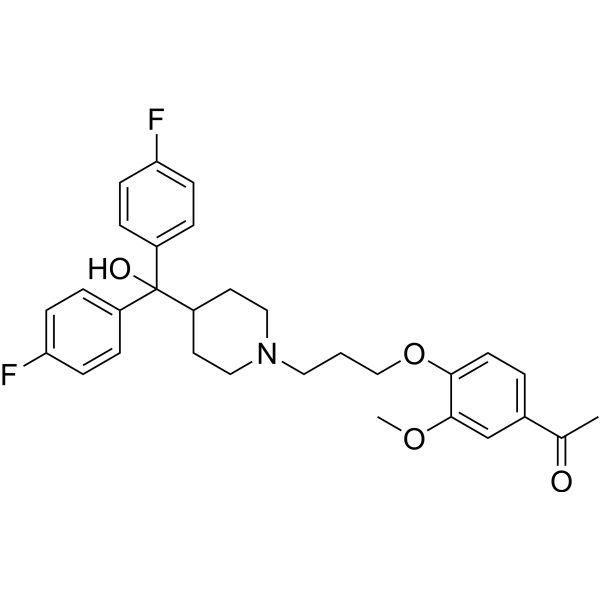
AHR-5333 is a selective human blood neutrophil 5-lipoxygenase inhibitor. AHR-5333 exhibits potent, long-acting activity in rat and guinea pig in vivo models of immediate hypersensitivity .
|
-
-
- HY-116638A
-
|
|
Lipoxygenase
|
Endocrinology
|
|
AHR-5333 mandelate is a selective human blood neutrophil 5-lipoxygenase inhibitor. AHR-5333 mandelate exhibits potent, long-acting activity in rat and guinea pig in vivo models of immediate hypersensitivity .
|
-

-
- HY-123432
-
|
|
Histamine Receptor
|
Inflammation/Immunology
|
|
AHR-13268D is an oral active antiallergic and antihistaminic agent, with bioavailable approximately 88%. AHR-13268D is a potent inhibitor of histamine release from rat peritoneal mast cells, with the IC50 of 0.51 nM .
|
-

- HY-135671
-
|
|
Aryl Hydrocarbon Receptor
VEGFR
Estrogen Receptor/ERR
|
Endocrinology
Cancer
|
|
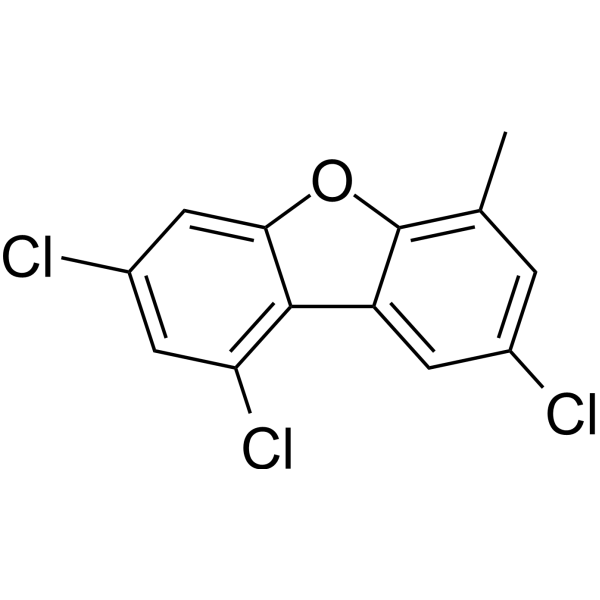
AhR modulator-1 (compound 6-MCDF) is a selective and orally active aryl hydrocarbon receptor (AhR) modulator. AhR modulator-1 inhibits metastasis, in part, by inhibiting prostatic VEGF production prior to tumor formation. AhR modulator-1 also possess anti-estrogenic properties in rat uterus .
|
-
- HY-118792
-
|
|
Endogenous Metabolite
|
Cancer
|
|
AHR activator 1 is an aryl hydrocarbon receptor activator with activity regulating fibroblast growth factor-2 (FGF2)-induced branching morphogenesis. AHR activator 1 prevents the formation of cellular branches by inhibiting AHR signaling. AHR activator 1 also associates with adhesion of dissociated linkers, suggesting the importance of dissociated linkers in the inhibition of branching by AHR agonists. Studies of AHR activator 1 reveal its functional role in mammary gland morphogenesis and play a role in inhibiting FGF-induced invasion .
|
-

- HY-107063
-
|
10-Undecen-1-yl-thiopseudourea iodide
|
Histamine Receptor
|
Cancer
|
|
AHR-1911 (10-Undecen-1-yl-Thiopseudourea Iodide;Isothiuronium) is a thiourea-based anti-inflammatory and anti-tumor agent that has an improving effect on burned skin. AHR-1911 produces histamine-like effects when injected intradermally and may reduce arterial pressure in anesthetized dogs. AHR-1911 inhibits tumor growth and reduces microsomal and C-polysome protein synthesis .
|
-

- HY-136220A
-
|
|
Aryl Hydrocarbon Receptor
|
Cancer
|
|
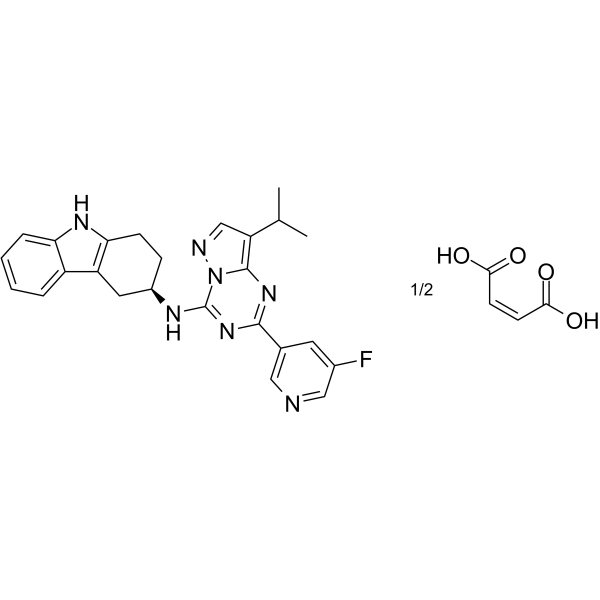
AHR antagonist 5 hemimaleate, a potent and orally active aryl hydrocarbon receptor (AHR) antagonist, has an IC50 of < 0.5 µΜ. AHR antagonist 5 hemimaleate significantly inhibits tumor growth combined with checkpoint inhibitor anti-PD-1 (WO2018195397, example 39) .
|
-
- HY-B0311D
-
|
(S)-(-)-Carbidopa hydrochloride
|
Aryl Hydrocarbon Receptor
|
Cancer
|
|
Carbidopa hydrochloride ((S)-(-)-Carbidopa hydrochloride) is a drug used to inhibit Parkinson's disease, which has the activity of inhibiting the peripheral metabolism of levodopa. Carbidopa hydrochloride can increase the proportion of peripheral levodopa penetrating the blood-brain barrier, thereby enhancing its effect on the central nervous system. Carbidopa hydrochloride has also been found to be an aryl hydrocarbon receptor (AhR) ligand with anticancer activity, which can inhibit the growth of pancreatic cancer cells and tumors. The selective AhR regulation properties of carbidopa hydrochloride provide potential prospects for its clinical application .
|
-

- HY-123461
-
|
|
NF-κB
|
Inflammation/Immunology
|
|
Sul-121 hydrochloride is a novel compound with anti-oxidative capacity that effectively inhibits airway inflammation and hyperresponsiveness (AHR) in experimental models of chronic obstructive pulmonary disease (COPD). Sul-121 hydrochloride prevents lipopolysaccharide-induced airway neutrophilia and AHR in a dose-dependent manner. Sul-121 hydrochloride also demonstrates the ability to reduce oxidative stress markers in human airway smooth muscle cells. Sul-121 hydrochloride inhibits nuclear translocation of the NF-κB subunit, p65, thereby diminishing pro-inflammatory cytokine release.
|
-

- HY-N2998R
-
|
|
Reference Standards
β-glucuronidase
|
Metabolic Disease
|
|
Carbidopa (monohydrate) (Standard) is the analytical standard of Carbidopa (monohydrate). This product is intended for research and analytical applications. Carbidopa ((S)-(-)-Carbidopa) monohydrate, a peripheral decarboxylase inhibitor, can be used for the research of Parkinson's disease. Carbidopa monohydrate is a selective aryl hydrocarbon receptor (AhR) modulator. Carbidopa monohydrate inhibits pancreatic cancer cell and tumor growth .
|
-

- HY-B0311S1
-
|
(S)-(-)-Carbidopa-d3
|
Aryl Hydrocarbon Receptor
Isotope-Labeled Compounds
|
Neurological Disease
|
|
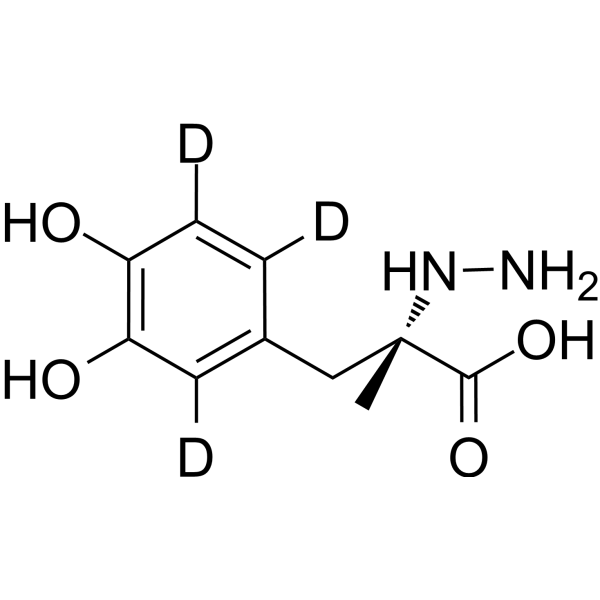
Carbidopa-d3-1 is the deuterium labeled Carbidopa (HY-B0311). Carbidopa, a peripheral decarboxylase inhibitor, can be used for the research of Parkinson's disease. Carbidopa is a selective aryl hydrocarbon receptor (AhR) modulator. Carbidopa inhibits pancreatic cancer cell and tumor growth .
|
-
- HY-N6264R
-
|
|
Reference Standards
Aryl Hydrocarbon Receptor
ERK
|
Metabolic Disease
|
|
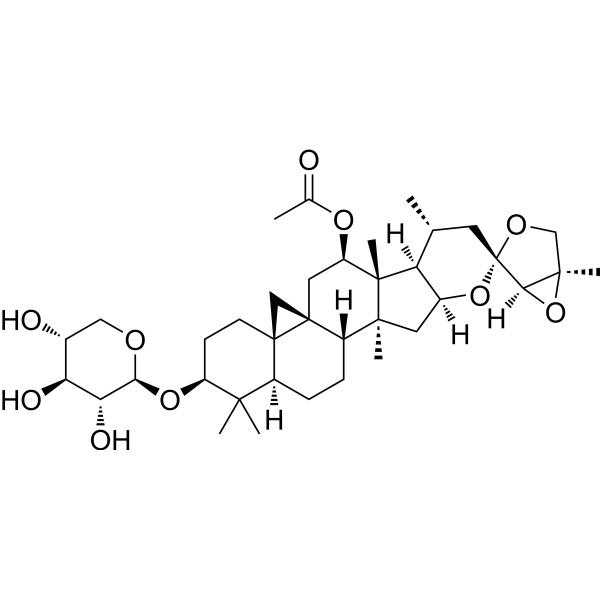
26-Deoxyactein (Standard) is the analytical standard of 26-Deoxyactein. This product is intended for research and analytical applications. 26-Deoxyactein is a constituent isolated from Cimicifuga racemosa, prevents TCDD-induced osteoblasts damage. 26-Deoxyactein inhibits increased AhR, CYP1A1 and ERK levels .
|
-

- HY-B0845R
-
|
BTS 40542 (Standard)
|
Reference Standards
Fungal
Estrogen Receptor/ERR
Androgen Receptor
Aryl Hydrocarbon Receptor
|
Infection
Endocrinology
|
|
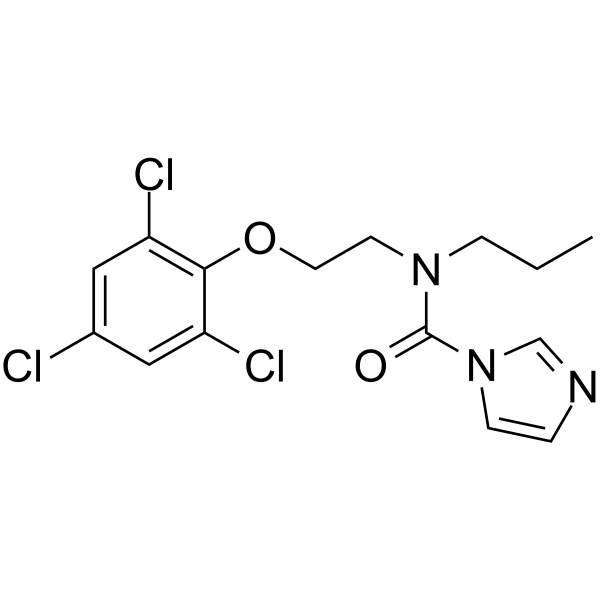
Prochloraz (Standard) is the analytical standard of Prochloraz. This product is intended for research and analytical applications. Prochloraz is an imidazole antifungal. Prochloraz is as an estrogen receptor (ER) and androgen receptor (AR) antagonist and an aromatase inhibitor with IC50 values of 25 μM, 4 μM and 0.3 μM, respectively. Prochloraz is able to activate the aryl hydrocarbon receptor (AhR) having an EC50 of 1 μM .
|
-

- HY-B0973S
-
|
|
Isotope-Labeled Compounds
Cytochrome P450
Aryl Hydrocarbon Receptor
|
Metabolic Disease
|
|
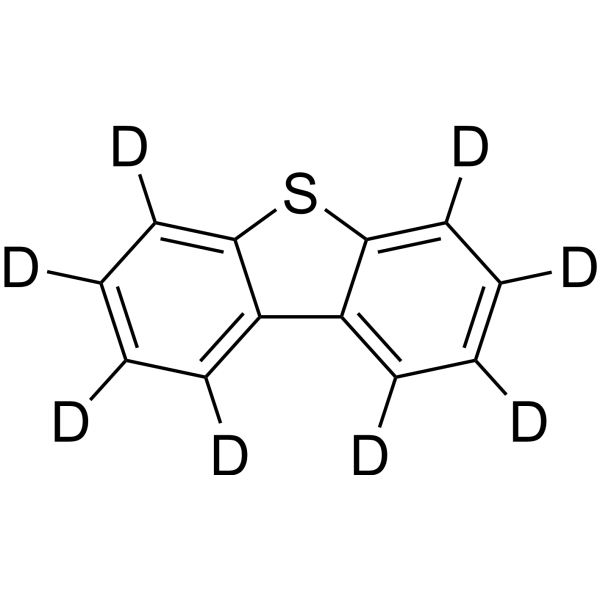
Dibenzothiophene-d8 is the deuterium labeled Dibenzothiophene (HY-B0973). Dibenzothiophene is an orally active and a noncompetitive CYP1A inhibitor. Dibenzothiophene inhibits CYP1A-mediated EROD activity with Km of 0.592 μM. Dibenzothiophene interacts with the AHR pathway. Dibenzothiophene enhances the embryotoxicity of β-naphthoflavone (HY-114740). Dibenzothiophene shows acute toxicity in mice. Dibenzothiophene is mainly used for the study of the mechanism of developmental toxicity in organisms .
|
-
- HY-W716464
-
-

- HY-B0973R
-
|
DBT (Standard); Diphenylene sulfide (Standard)
|
Reference Standards
Cytochrome P450
Aryl Hydrocarbon Receptor
|
Metabolic Disease
|
|
Dibenzothiophene (Standard) is the analytical standard of Dibenzothiophene (HY-B0973). This product is intended for research and analytical applications. Dibenzothiophene is an orally active and a noncompetitive CYP1A inhibitor. Dibenzothiophene inhibits CYP1A-mediated EROD activity with Km of 0.592 μM. Dibenzothiophene interacts with the AHR pathway. Dibenzothiophene enhances the embryotoxicity of β-naphthoflavone (HY-114740). Dibenzothiophene shows acute toxicity in mice. Dibenzothiophene is mainly used for the study of the mechanism of developmental toxicity in organisms .
|
-

- HY-B0678S
-
|
|
Isotope-Labeled Compounds
NF-κB
PGC-1α
|
Neurological Disease
Inflammation/Immunology
|
|
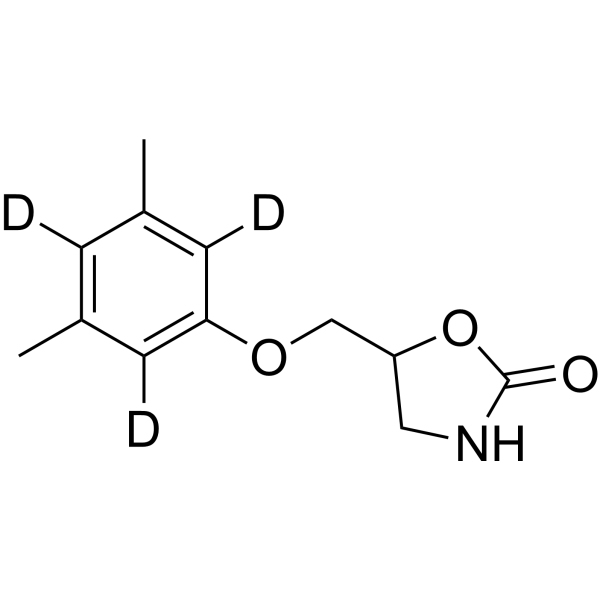
Metaxalone-d3 is the deuterium labeled Metaxalone. Metaxalone (AHR438; NSC170959) is an FDA-approved muscle relaxant. Metaxalone acts mainly on the central nervous system and achieves muscle relaxation by inhibiting polysynaptic reflex arcs. In addition, Metaxalone is an inhibitor of MAO-A, which has anti-inflammatory and antioxidant effects. Metaxalone inhibits IL-1β-induced inflammatory phenotype, modulates NF-κB and other related signaling pathways, and decreases MAO-A expression and activity in IL-1β-treated microglia .
|
-
- HY-B0678S1
-
|
AhR438-d6; NSC170959-d6
|
Isotope-Labeled Compounds
NF-κB
PGC-1α
|
Neurological Disease
Inflammation/Immunology
|
|
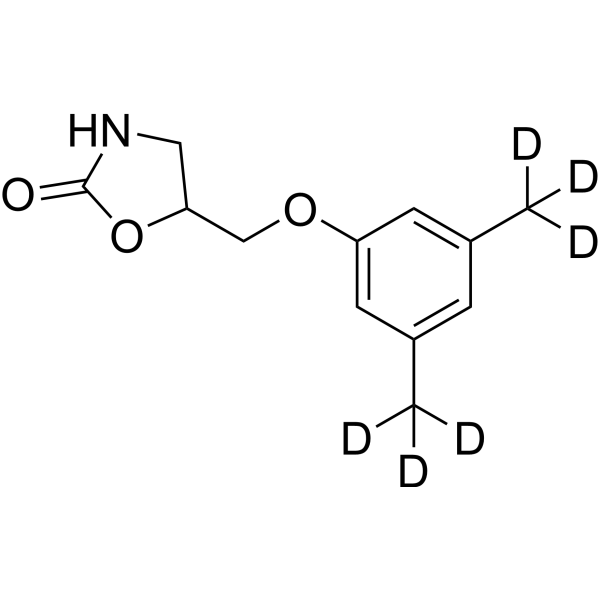
Metaxalone-d6 is deuterium labeled Metaxalone. Metaxalone (AHR438; NSC170959) is an FDA-approved muscle relaxant. Metaxalone acts mainly on the central nervous system and achieves muscle relaxation by inhibiting polysynaptic reflex arcs. In addition, Metaxalone is an inhibitor of MAO-A, which has anti-inflammatory and antioxidant effects. Metaxalone inhibits IL-1β-induced inflammatory phenotype, modulates NF-κB and other related signaling pathways, and decreases MAO-A expression and activity in IL-1β-treated microglia .
|
-
- HY-W014701R
-
|
|
Reference Standards
Aryl Hydrocarbon Receptor
Cytochrome P450
Apoptosis
Interleukin Related
|
Neurological Disease
Inflammation/Immunology
Endocrinology
|
|
1,4-Dihydroxy-2-naphthoic acid (Standard) is the analytical standard for 1,4-Dihydroxy-2-naphthoic acid (HY-W014701). 1,4-Dihydroxy-2-naphthoic acid is an orally active aryl hydrocarbon receptor (AhR) agonist and a bifidogenic growth stimulator. 1,4-Dihydroxy-2-naphthoic acid can improve the motor dysfunction in parkinson's disease (PD) model through AhR-dependent and -independent pathways. 1,4-Dihydroxy-2-naphthoic acid exerts anti-inflammatory effects by regulating the gut microbiota (such as promoting the proliferation of Bifidobacterium) and directly regulating the host immune system. 1,4-Dihydroxy-2-naphthoic acid induces apoptosis through G0/G1 cell cycle arrest in human keratinocyte to inhibit psoriasis .
|
-

- HY-B0678R
-
|
AhR438 (Standard); NSC170959 (Standard)
|
Reference Standards
NF-κB
PGC-1α
|
Neurological Disease
Inflammation/Immunology
|
|
Metaxalone (Standard) is the analytical standard of Metaxalone. This product is intended for research and analytical applications. Metaxalone (AHR438; NSC170959) is an FDA-approved muscle relaxant. Metaxalone acts mainly on the central nervous system and achieves muscle relaxation by inhibiting polysynaptic reflex arcs. In addition, Metaxalone is an inhibitor of MAO-A, which has anti-inflammatory and antioxidant effects. Metaxalone inhibits IL-1β-induced inflammatory phenotype, modulates NF-κB and other related signaling pathways, and decreases MAO-A expression and activity in IL-1β-treated microglia .
|
-
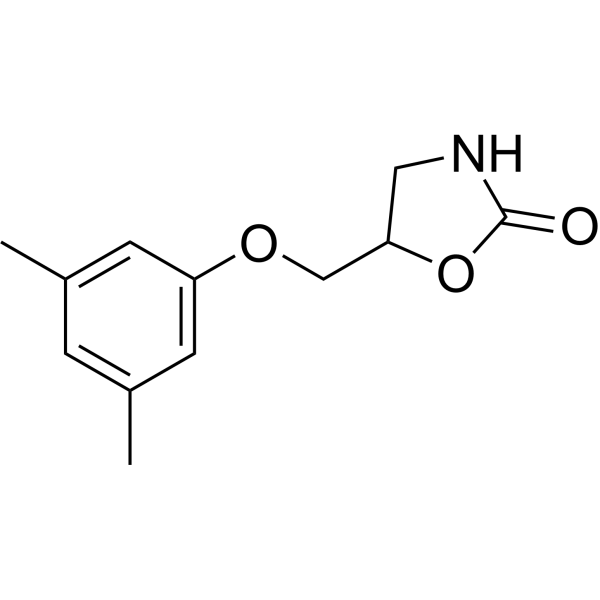
- HY-N12537A
-
|
|
Aryl Hydrocarbon Receptor
PD-1/PD-L1
|
Cancer
|
|
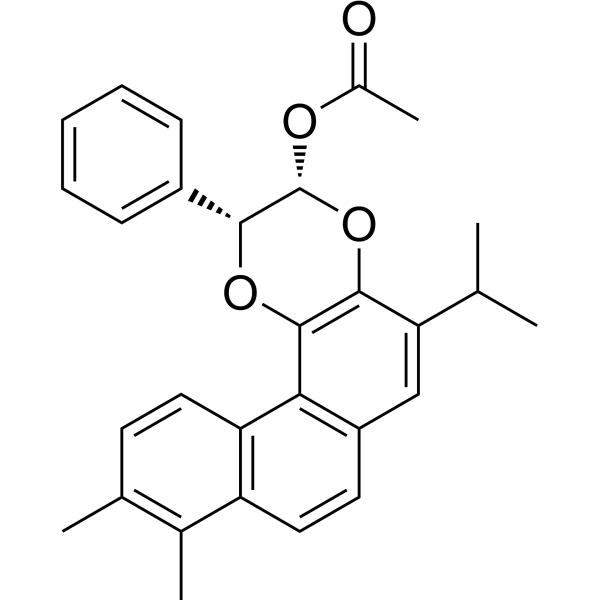
(2R,3S)-PD-1/PD-L1-IN-38 (Compound (±)-13e) is an orally active Ah receptor (AhR) antagonist with in vivo and in vitro anticancer activity. (2R,3S)-PD-1/PD-L1-IN-38 promotes the secretion of INF-γ by CD8 +T cells and inhibits the signal transduction of PD-1/PD-L1 .
|
-
- HY-N4095R
-
|
|
Reference Standards
Aryl Hydrocarbon Receptor
Glycosidase
Reactive Oxygen Species (ROS)
GLUT
|
Metabolic Disease
Inflammation/Immunology
Cancer
|
|
Brevifolincarboxylic acid (Standard) is the analytical standard of Brevifolincarboxylic acid (HY-N4095). This product is intended for research and analytical applications. Brevifolincarboxylic acid is a phenolic compound. Brevifolincarboxylic acid can be isolated from Duchesnea chrysantha. Brevifolincarboxylic acid inhibits α-glucosidase with an IC50 value of 323.46 μM. Brevifolincarboxylic acid has an inhibitory effect on the aryl hydrocarbon receptor (AhR). Brevifolincarbacid scavenges ROS. Brevifolincarbacid restores the glucose uptake activity of myotubes. Brevifolincarboxylic acid has antitumor activity against lung and gastric cancer. Brevifolincarbacid can be used in the study of diabetes and inflammatory diseases .
|
-

- HY-161649
-
|
|
Cytochrome P450
Aryl Hydrocarbon Receptor
|
Cancer
|
|
hCYP1B1-IN-2 (compound 3n) is a potent human cytochrome P450 1B1 enzyme hCYP1B1 inhibitor. hCYP1B1-IN-2 shows the extremely potent anti-hCYP1B1 activity (IC50=0.040 nM) and blocks AhR transcription activity. hCYP1B1-IN-2 potently inhibits hCYP1B1 via a mix inhibition manner, showing a Ki value of 21.71 pM .
|
-

- HY-17357R
-
|
AhR 9434 (Standard); AL 6515 (Standard)
|
Reference Standards
COX
Prostaglandin Receptor
|
Neurological Disease
Inflammation/Immunology
Endocrinology
Cancer
|
|
Nepafenac (AHR 9434; AL 6515) (Standard) is the analytical standard of Nepafenac (HY-17357). This product is intended for research and analytical applications. Nepafenac, a nonsteroidal anti-inflammatory agent, is a topically administered COX-2 inhibitor with an IC50 of 0.12 μM. Nepafenac exhibits only weak COX-1 inhibitory activity (IC50 = 64.3 μM). Nepafenac possesses unique prodrug properties, which enable it to rapidly convert into the active metabolite Amfenac (HY-17479) in the ocular tissues, thereby achieving high concentrations in the retina and choroid. Nepafenac reduces inflammation and pain by inhibiting the activity of cyclooxygenase (COX) enzymes and thereby decreasing the production of prostaglandin PGE₂. Nepafenac can delay the metastasis of uveal melanoma (UM) in rabbit eyes. Nepafenac is mainly used for pain management and inflammation control after ophthalmic surgeries.
|
-

- HY-N1939R
-
|
Icarisid I (Standard)
|
Reference Standards
Apoptosis
Reactive Oxygen Species (ROS)
NOD-like Receptor (NLR)
STAT
CDK
Bcl-2 Family
Aryl Hydrocarbon Receptor
JAK
Caspase
IFNAR
PD-1/PD-L1
|
Inflammation/Immunology
Endocrinology
Cancer
|
|
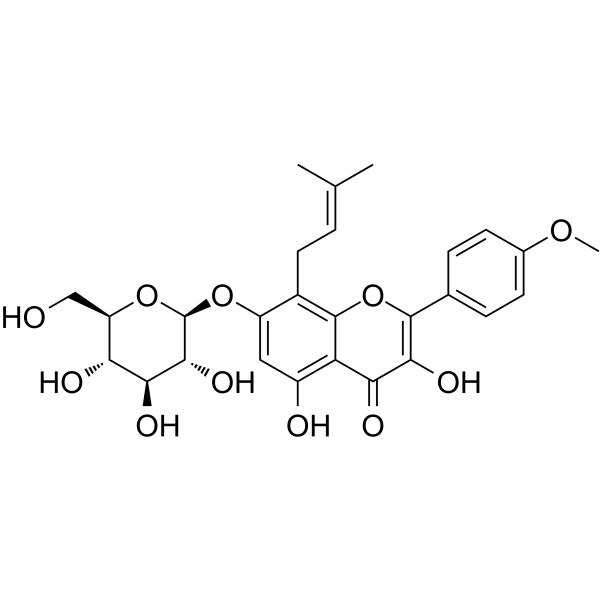
Icariside I (Standard) is the analytical standard of Icariside I (HY-N1939). This product is intended for research and analytical applications. Icariside I (GH01) is an orally active metabolite of icalin. Icariside I improves estrogen deficiency-induced osteoporosis by simultaneously regulating osteoblast and osteoclast differentiation. Icariside I promotes ATP (HY-B2176) or Nigericin (HY-127019)-induced mtROS production and NLRP3 inflammasome activation and causes idiosyncratic hepatotoxicity. Icariside I does not alter the activation of NLRC4 and AIM2 inflammasomes. Icariside I inhibits breast cancer proliferation, apoptosis, invasion, and metastasis by targeting the IL-6/STAT3 pathway. Icariside I is a kynurenine-AhR pathway inhibitor that alleviates cancer by blocking tumor immune escape .
|
-

- HY-N16465
-
|
|
Apoptosis
Reactive Oxygen Species (ROS)
STAT
|
Inflammation/Immunology
|
|
Cinnamtannin D1 is an orally active polyphenolic compound with immunosuppressive activity. Cinnamtannin D1 regulates the balance of Th17/Treg cells by inhibiting AHR expression. Cinnamtannin D1 reduces apoptosis and ROS in INS-1 cells and primary cultured murine islets induced by Palmitic acid (PA) (HY-N0830). Cinnamtannin D1 reduces Th17 cell differentiation via downregulating p-STAT3/RORγt and promotes Treg cell differentiation via upregulating p-STAT5/Foxp3. Cinnamtannin D1 exerts excellent anti-arthritic efficacy in collagen-induced arthritis (CIA) model of mice. Cinnamtannin D1 can be used for the study of rheumatoid arthritis (RA) .
|
-

- HY-132974
-
-

- HY-182495
-
|
|
Aryl Hydrocarbon Receptor
|
Infection
|
|
Penisimplicissin is a funicone-like compound and antiviral agent. Penisimplicissin reduces the expression of AhR and viral nucleocapsid protein. Penisimplicissin improves the cell viability and morphological characteristics of CCoV-infected cells. Penisimplicissin inhibits CCoV infection. Penisimplicissin can be used in studies related to canine coronavirus infection .
|
-

- HY-W714200
-
|
|
Herbicide
Aryl Hydrocarbon Receptor
Notch
Apoptosis
|
Others
|
|
Neburon is a phenylurea herbicide whose main mechanism of action is to inhibit photosynthetic electron transport, thereby disrupting algal growth. Neburon activates the Ahr and Notch1 signaling pathways, and induces oxidative stress and apoptosis. Long-term exposure causes significant male reproductive toxicity and cardiotoxicity in zebrafish .
|
-

- HY-N16435
-
-

- HY-20888
-
|
MNF
|
Aryl Hydrocarbon Receptor
Cytochrome P450
Apoptosis
Akt
ERK
TGF-beta/Smad
|
Neurological Disease
Inflammation/Immunology
Cancer
|
|
3'-Methoxy-4'-nitroflavone (MNF) is a specific aryl hydrocarbon receptor (AhR) antagonist. 3'-Methoxy-4'-nitroflavone activates AhR by inhibiting CYP1, the metabolic enzyme of the endogenous ligand FICZ (HY-12451), leading to the accumulation of FICZ. 3'-Methoxy-4'-nitroflavone reverses the anti-apoptotic effect of TCDD, attenuates the activation of Akt and Erk1/2 kinases and the expression of TGFα induced by TCDD. 3'-Methoxy-4'-nitroflavone can be used in research related to breast tumor promotion, rheumatoid arthritis, multiple sclerosis and inflammatory bowel disease .
|
-

- HY-148637
-
|
|
Aryl Hydrocarbon Receptor
|
Others
|
|
Picoberin is a low picomolar inhibitor of Hedgehog-induced osteoblast differentiation. Picoberin is a potent aryl hydrocarbon receptor (AhR) agonist. Picoberin inhibits Wnt3A-induced osteoblast differentiation of C3H10T1/2 cells. Picoberin can upregulate genes encoding phase I and II metabolic enzymes .
|
-

- HY-16031A
-
|
NSC710464
|
Aryl Hydrocarbon Receptor
Integrin
Drug Intermediate
DNA/RNA Synthesis
|
Cancer
|
|
AFP464 (NSC710464) is a prodrug of Aminoflavone (HY-132974) and an agonist of the aryl hydrocarbon receptor (AhR). AFP464 downregulates the expression of α6-integrin (α6-integrin), inhibits breast tumor growth, reduces the population of tumor-initiating cells, disrupts mammosphere structure, induces the formation of mucin lake clusters, triggers DNA damage, and exerts antiproliferative activity. AFP464 is rapidly converted to Aminoflavone by nonspecific esterases in plasma and cell culture media. AFP464 is applicable to research related to breast cancer .
|
-

- HY-181629A
-
|
|
Aryl Hydrocarbon Receptor
Apoptosis
Caspase
Cytochrome P450
|
Cancer
|
|
ZSTK3744 hydrochloride is an aryl hydrocarbon receptor (AhR) agonist. ZSTK3744 hydrochloride directly binds to AhR, upregulates the expression of AhR target genes including CYP1A1, CYP1B1 and TIPARP, and mediates cell growth inhibitory activity in triple-negative breast cancer cells. ZSTK3744 hydrochloride induces apoptosis in triple-negative breast cancer cells. ZSTK3744 hydrochloride exhibits anti-tumor activity and can be used in the research of chemoresistant triple-negative breast cancer .
|
-

| Cat. No. |
Product Name |
Type |
-
- HY-15001G
-
|
SR1
|
Fluorescent Dyes
|
|
Stemregenin 1 (SR1) (GMP) is a GMP-grade Stemregenin 1 (HY-15001). GMP-grade small molecules can be used as adjuvants in cell therapy. Stemregenin 1 is a potent aryl hydrocarbon receptor (AhR) antagonist with an IC50 of 127 nM. Stemregenin 1 (GMP) can competitively bind to AhR and inhibit its nuclear translocation, inhibiting osteoclastogenesis and promoting hematopoietic progenitor cell expansion by blocking the AhR-c-src-NF-κB/p-ERK MAPK-NFATc1 signaling pathway. Stemregenin 1 (GMP) can be used for the study of osteoporosis, in vitro expansion of hematopoietic stem cells, and the study of the mechanism of bone metabolic diseases .
|
| Cat. No. |
Product Name |
Type |
-
- HY-15001G
-
|
SR1
|
Biochemical Assay Reagents
|
|
Stemregenin 1 (SR1) (GMP) is a GMP-grade Stemregenin 1 (HY-15001). GMP-grade small molecules can be used as adjuvants in cell therapy. Stemregenin 1 is a potent aryl hydrocarbon receptor (AhR) antagonist with an IC50 of 127 nM. Stemregenin 1 (GMP) can competitively bind to AhR and inhibit its nuclear translocation, inhibiting osteoclastogenesis and promoting hematopoietic progenitor cell expansion by blocking the AhR-c-src-NF-κB/p-ERK MAPK-NFATc1 signaling pathway. Stemregenin 1 (GMP) can be used for the study of osteoporosis, in vitro expansion of hematopoietic stem cells, and the study of the mechanism of bone metabolic diseases .
|
| Cat. No. |
Product Name |
Category |
Target |
Chemical Structure |
-
- HY-B2132
-
|
3-(2-Aminoethyl)indole~2-(3-Indolyl)ethylamine
|
Alkaloids
Microorganisms
Classification of Application Fields
Other Diseases
Endogenous metabolite
Disease Research Fields
Indole Alkaloids
|
Endogenous Metabolite
5-HT Receptor
Aryl Hydrocarbon Receptor
|
|
Tryptamine is a selective, blood-brain-penetrating 5-HT4 receptor agonist (EC50=1-3 mM) and an endogenous ligand of the aryl hydrocarbon receptor (AHR) (Kd=10-50 nM). Tryptamine promotes intestinal anion secretion and fluid transport by activating G protein-coupled receptors (GPCRs) and accelerates gastrointestinal motility. Tryptamine regulates Th17/Treg balance to inhibit neuroinflammation, competitively binds to 5-HT receptors to regulate central nervous system activity, and participates in temperature regulation and spinal reflex regulation as a neuromodulator. Tryptamine can be used to study intestinal motility disorders such as functional constipation, and has shown significant efficacy in multiple sclerosis models .
|
-
-
- HY-N0170
-
-
-
- HY-W017113
-
|
|
Structural Classification
Natural Products
Classification of Application Fields
Metabolic Disease
Endogenous metabolite
Disease Research Fields
Source Classification
|
Environmental Pollutants
Endogenous Metabolite
|
|
2-Mercaptobenzothiazole is an activator of the aryl hydrocarbon receptor (AhR) , inhibiting thyroid hormone synthesis and dopamine beta-hydroxylase activity . 2-Mercaptobenzothiazole promotes bladder cancer cell invasion by altering the conformation of the AhR ligand binding domain (LBD), activating AhR transcription, and upregulating the mRNA and protein expression of target genes CYP1A1 and CYP1B1 . 2-Mercaptobenzothiazole inhibits thyroid peroxidase (TPO) with an IC50 value of 11.5 μM, induces histological changes such as follicular cell hypertrophy in Xenopus laevis tadpoles, delaying metamorphosis . 2-Mercaptobenzothiazole increases chromosomal aberrations and sister chromatid exchanges (SCEs) in Chinese hamster ovary (CHO) cells, and enhances carcinogenicity in F344/N rats . 2-Mercaptobenzothiazole inhibits norepinephrine synthesis in mice and completely blocks the conversion of exogenous dopamine to norepinephrine in rat cardiomyocytes .
|
-
-
- HY-12545
-
-
-
- HY-N1939
-
-
-
- HY-N4095
-
-
-
- HY-N0170R
-
-
-
- HY-N6264
-
-
-
- HY-N2998R
-
-
-
- HY-N6264R
-
-
-
- HY-W014701R
-
|
|
Structural Classification
Microorganisms
Ketones, Aldehydes, Acids
Source Classification
|
Reference Standards
Aryl Hydrocarbon Receptor
Cytochrome P450
Apoptosis
Interleukin Related
|
|
1,4-Dihydroxy-2-naphthoic acid (Standard) is the analytical standard for 1,4-Dihydroxy-2-naphthoic acid (HY-W014701). 1,4-Dihydroxy-2-naphthoic acid is an orally active aryl hydrocarbon receptor (AhR) agonist and a bifidogenic growth stimulator. 1,4-Dihydroxy-2-naphthoic acid can improve the motor dysfunction in parkinson's disease (PD) model through AhR-dependent and -independent pathways. 1,4-Dihydroxy-2-naphthoic acid exerts anti-inflammatory effects by regulating the gut microbiota (such as promoting the proliferation of Bifidobacterium) and directly regulating the host immune system. 1,4-Dihydroxy-2-naphthoic acid induces apoptosis through G0/G1 cell cycle arrest in human keratinocyte to inhibit psoriasis .
|
-
-
- HY-N12537A
-
-
-
- HY-N4095R
-
-
-
- HY-N1939R
-
-
-
- HY-N16465
-
|
|
Phenols
Polyphenols
Plants
Lauraceae
Lindera glauca (Siebold & Zucc.) Blume
Source Classification
|
Apoptosis
Reactive Oxygen Species (ROS)
STAT
|
|
Cinnamtannin D1 is an orally active polyphenolic compound with immunosuppressive activity. Cinnamtannin D1 regulates the balance of Th17/Treg cells by inhibiting AHR expression. Cinnamtannin D1 reduces apoptosis and ROS in INS-1 cells and primary cultured murine islets induced by Palmitic acid (PA) (HY-N0830). Cinnamtannin D1 reduces Th17 cell differentiation via downregulating p-STAT3/RORγt and promotes Treg cell differentiation via upregulating p-STAT5/Foxp3. Cinnamtannin D1 exerts excellent anti-arthritic efficacy in collagen-induced arthritis (CIA) model of mice. Cinnamtannin D1 can be used for the study of rheumatoid arthritis (RA) .
|
-
-
- HY-182495
-
-
-
- HY-N16435
-
-
| Cat. No. |
Product Name |
Chemical Structure |
-
- HY-17357S
-
|
|
|
Nepafenac-d5 (AHR-9434-d5; AL-6515-d5) is the deuterium labeled Nepafenac (HY-17357). Nepafenac, a nonsteroidal anti-inflammatory agent, is a topically administered COX-2 inhibitor with an IC50 of 0.12 μM. Nepafenac exhibits only weak COX-1 inhibitory activity (IC50 = 64.3 μM). Nepafenac possesses unique prodrug properties, which enable it to rapidly convert into the active metabolite Amfenac (HY-17479) in the ocular tissues, thereby achieving high concentrations in the retina and choroid. Nepafenac reduces inflammation and pain by inhibiting the activity of cyclooxygenase (COX) enzymes and thereby decreasing the production of prostaglandin PGE₂. Nepafenac can delay the metastasis of uveal melanoma (UM) in rabbit eyes. Nepafenac is mainly used for pain management and inflammation control after ophthalmic surgeries.
|
-
-
- HY-B0311AS
-
|
|
|
Carbidopa-d3 (monohydrate) is the deuterium labeled Carbidopa monohydrate. Carbidopa ((S)-(-)-Carbidopa) monohydrate, a peripheral decarboxylase inhibitor, can be used for the research of Parkinson's disease. Carbidopa monohydrate is a selective aryl hydrocarbon receptor (AhR) modulator. Carbidopa monohydrate inhibits pancreatic cancer cell and tumor growth .
|
-
-
- HY-B0311S1
-
|
|
|
Carbidopa-d3-1 is the deuterium labeled Carbidopa (HY-B0311). Carbidopa, a peripheral decarboxylase inhibitor, can be used for the research of Parkinson's disease. Carbidopa is a selective aryl hydrocarbon receptor (AhR) modulator. Carbidopa inhibits pancreatic cancer cell and tumor growth .
|
-
-
- HY-B0973S
-
|
|
|
Dibenzothiophene-d8 is the deuterium labeled Dibenzothiophene (HY-B0973). Dibenzothiophene is an orally active and a noncompetitive CYP1A inhibitor. Dibenzothiophene inhibits CYP1A-mediated EROD activity with Km of 0.592 μM. Dibenzothiophene interacts with the AHR pathway. Dibenzothiophene enhances the embryotoxicity of β-naphthoflavone (HY-114740). Dibenzothiophene shows acute toxicity in mice. Dibenzothiophene is mainly used for the study of the mechanism of developmental toxicity in organisms .
|
-
-
- HY-W716464
-
|
|
|
Prochloraz-d7 (BTS 40542-d7) is the deuterium labeled Prochloraz (HY-B0845). Prochloraz is an imidazole antifungal. Prochloraz is as an estrogen receptor (ER) and androgen receptor (AR) antagonist and an aromatase inhibitor with IC50 values of 25 μM, 4 μM and 0.3 μM, respectively. Prochloraz is able to activate the aryl hydrocarbon receptor (AhR) having an EC50 of 1 μM .
|
-
-
- HY-B0678S
-
|
|
|
Metaxalone-d3 is the deuterium labeled Metaxalone. Metaxalone (AHR438; NSC170959) is an FDA-approved muscle relaxant. Metaxalone acts mainly on the central nervous system and achieves muscle relaxation by inhibiting polysynaptic reflex arcs. In addition, Metaxalone is an inhibitor of MAO-A, which has anti-inflammatory and antioxidant effects. Metaxalone inhibits IL-1β-induced inflammatory phenotype, modulates NF-κB and other related signaling pathways, and decreases MAO-A expression and activity in IL-1β-treated microglia .
|
-
-
- HY-B0678S1
-
|
|
|
Metaxalone-d6 is deuterium labeled Metaxalone. Metaxalone (AHR438; NSC170959) is an FDA-approved muscle relaxant. Metaxalone acts mainly on the central nervous system and achieves muscle relaxation by inhibiting polysynaptic reflex arcs. In addition, Metaxalone is an inhibitor of MAO-A, which has anti-inflammatory and antioxidant effects. Metaxalone inhibits IL-1β-induced inflammatory phenotype, modulates NF-κB and other related signaling pathways, and decreases MAO-A expression and activity in IL-1β-treated microglia .
|
-
| Cat. No. |
Product Name |
Target |
Research Areas |
Chemical Structure |
-
- HY-15001G
-
|
SR1
|
Aryl Hydrocarbon Receptor
|
Cancer
|
|
Stemregenin 1 (SR1) (GMP) is a GMP-grade Stemregenin 1 (HY-15001). GMP-grade small molecules can be used as adjuvants in cell therapy. Stemregenin 1 is a potent aryl hydrocarbon receptor (AhR) antagonist with an IC50 of 127 nM. Stemregenin 1 (GMP) can competitively bind to AhR and inhibit its nuclear translocation, inhibiting osteoclastogenesis and promoting hematopoietic progenitor cell expansion by blocking the AhR-c-src-NF-κB/p-ERK MAPK-NFATc1 signaling pathway. Stemregenin 1 (GMP) can be used for the study of osteoporosis, in vitro expansion of hematopoietic stem cells, and the study of the mechanism of bone metabolic diseases .
|
-
Your information is safe with us. * Required Fields.
Inquiry Information
- Product Name:
- Cat. No.:
- Quantity:
- MCE Japan Authorized Agent:








