1. Search Result
Search Result
Results for "

Anti-obesity activity

" in MedChemExpress (MCE) Product Catalog:

77

Inhibitors & Agonists

2

Peptides

46

Natural
Products

4

Isotope-Labeled Compounds

1

Oligonucleotides

Cat. No. Product Name Target Research Areas Chemical Structure
  • HY-N0055
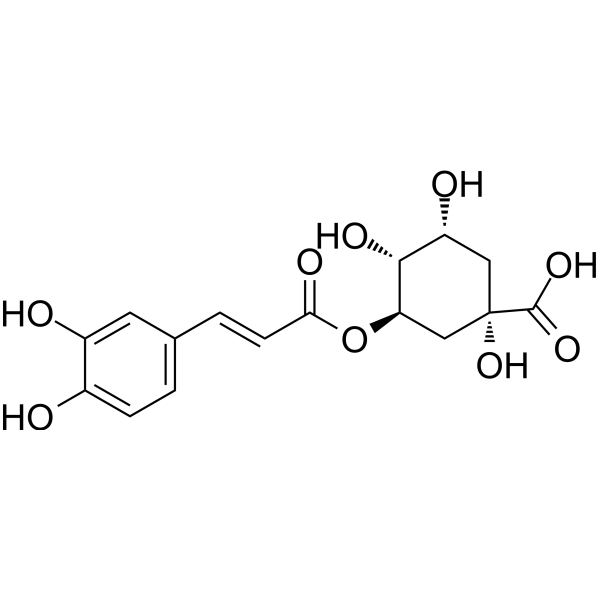
    Chlorogenic acid
    Maximum Cited Publications
    30 Publications Verification

    3-O-Caffeoylquinic acid; Heriguard; NSC-407296

    HIF/HIF Prolyl-Hydroxylase Reactive Oxygen Species (ROS) Bacterial Influenza Virus Endogenous Metabolite Infection Cardiovascular Disease Inflammation/Immunology Cancer
    Chlorogenic acid is a major phenolic compound in Lonicera japonica Thunb. It is an orally active antioxidant activity, antibacterial, hepatoprotective, cardioprotective, anti-inflammatory, antipyretic, neuroprotective, anti-obesity, antiviral, anti-microbial, anti-hypertension compound .
    Chlorogenic acid
  • HY-N0828
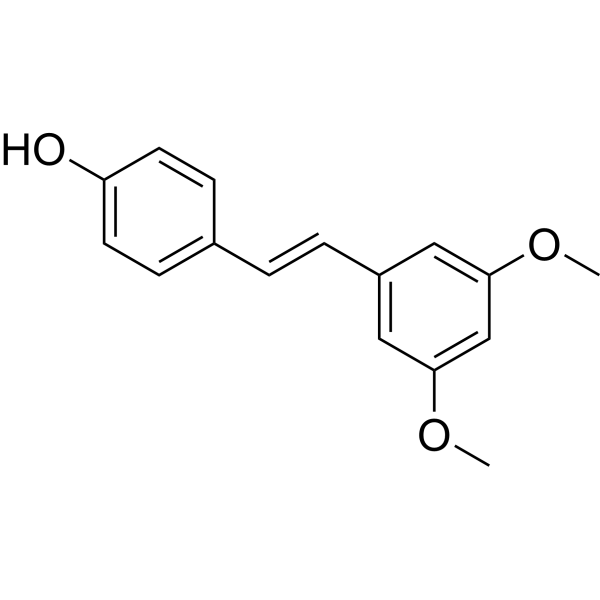
    Pterostilbene
    5+ Cited Publications

    Autophagy Inflammation/Immunology Cancer
    Pterostilbene is a stilbenoid isolated from blueberries and Pterocarpus marsupium . Shows anti-oxidant, anti-inflammatory, anti-carcinogenic, anti-diabetic and anti-obesity properties . Pterostilbene blocks ROS production , also exhibits inhibitory activity against various free radicals such as DPPH, ABTS, hydroxyl, superoxide and hydrogen peroxide .
    Pterostilbene
  • HY-N2302
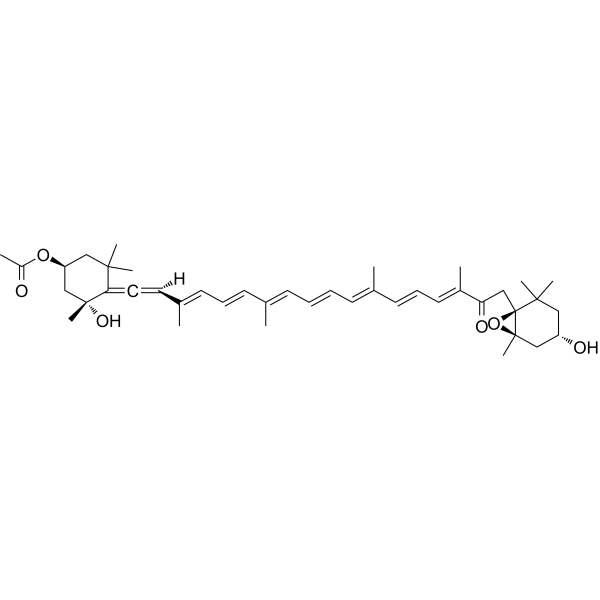
    Fucoxanthin
    10+ Cited Publications

    all-trans-Fucoxanthin

    Bacterial PPAR c-Myc NO Synthase Caspase ERK Infection Cardiovascular Disease Metabolic Disease Inflammation/Immunology Cancer
    Fucoxanthin (all-trans-Fucoxanthin) is a marine carotenoid and shows anti-obesity, anti-diabetic, anti-oxidant, anti-inflammatory and anticancer activities .
    Fucoxanthin
  • HY-N0022
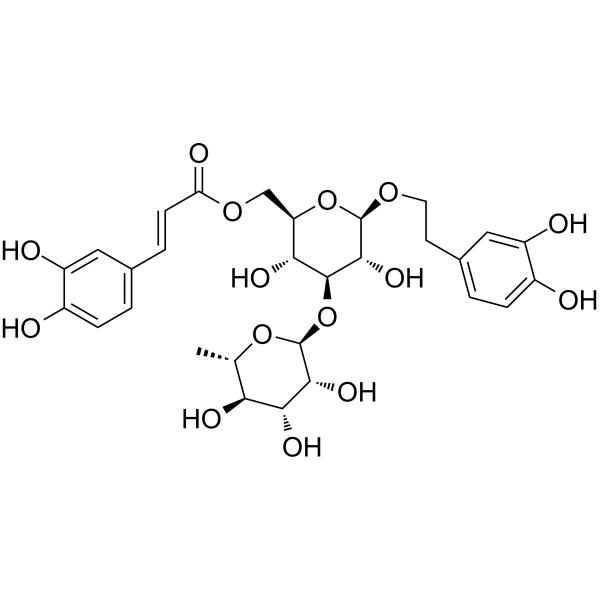
    Isoacteoside
    5+ Cited Publications

    Isoverbascoside

    Apoptosis Reactive Oxygen Species (ROS) Akt mTOR PI3K NO Synthase COX p38 MAPK Toll-like Receptor (TLR) Amyloid-β Neurological Disease Metabolic Disease Inflammation/Immunology Cancer
    Isoacteoside is a natural product that can significantly inhibit the formation of glycation end products. Isoacteoside regulates the AKT/PI3K/m-TOR/NF-κB signaling pathway, induces apoptosis in OVCAR-3 cell. Isoacteoside exhibits antitumor, anti-inflammatory, anti-obesity and neuroprotective activities .
    Isoacteoside
  • HY-N0114
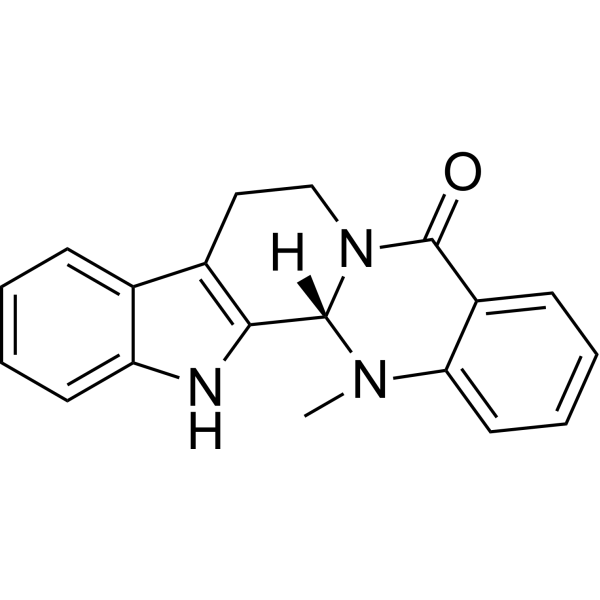
    Evodiamine
    15+ Cited Publications

    (+)-Evodiamine; d-Evodiamine

    Others Cancer
    Evodiamine is an alkaloid isolated from the fruit of Evodia rutaecarpa Bentham with diverse biological activities including anti-inflammatory, anti-obesity, and antitumor.
    Evodiamine
  • HY-N4103
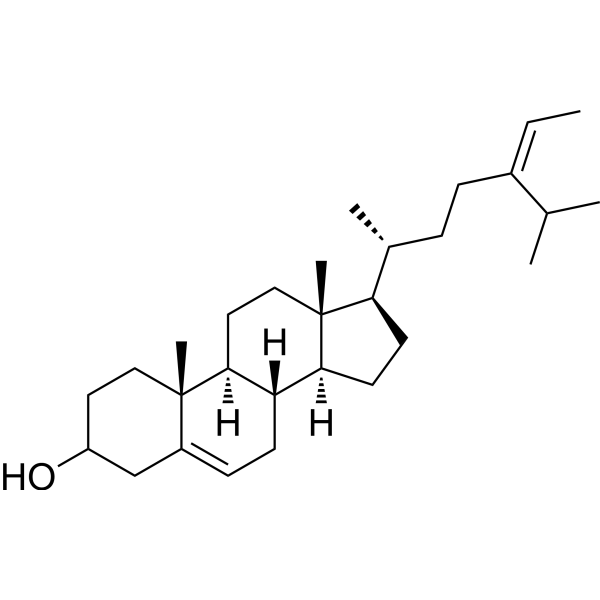
    Fucosterol
    2 Publications Verification

    PARP Endogenous Metabolite Metabolic Disease Cancer
    Fucosterol is a sterol isolated from algae, seaweed or diatoms. Fucosterol exhibits various biological activities, including antioxidant, anti-adipogenic, blood cholesterol reducing, anti-diabetic and anti-cancer activities . Fucosterol regulates adipogenesis via inhibition of PPARα and C/EBPα expression and can be used for anti-obesity agents development research .
    Fucosterol
  • HY-108521

    RAR/RXR Apoptosis MDM-2/p53 Metabolic Disease Cancer
    HX531 is an orally active RXR antagonist with an IC50 of 18 nM. HX531 upregulates the p53-p21Cip1 pathway. HX531 abrogates the anti-apoptotic effect of t-RA. HX531 exerts anti-obesity, anti-diabetic and anti-melanoma activities .
    HX531
  • HY-N6871
    Abietic acid
    3 Publications Verification

    Bacterial IKK Ferroptosis Infection Metabolic Disease Inflammation/Immunology Cancer
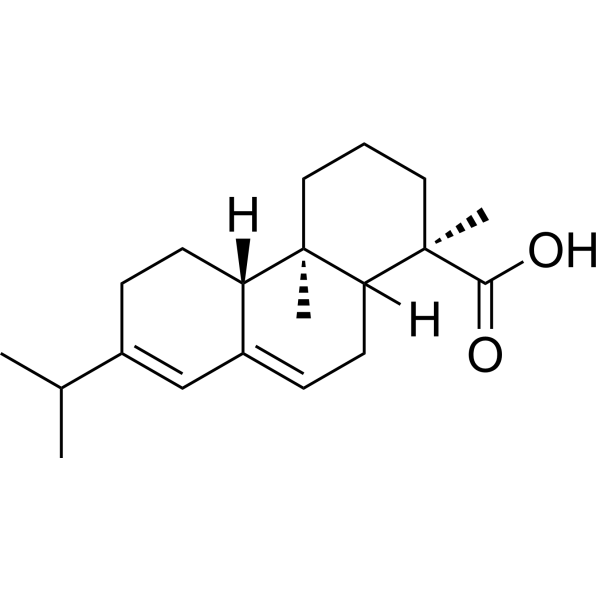
    Abietic acid, an orally active diterpene isolated from Colophony, displays significant anti-proliferative, anti-inflammatory, anti-obesity effect, bacteriostatic, cell cycle arresting and pro-apoptotic activities. Abietic acid inhibits lipoxygenase activity for allergy. Abietic acid enhances cell migration and tube formation in HUVECs. Abietic acid induces significant angiogenic potential, which is associated with upregulation of extracellular signal-regulated kinase (ERK) and p38 expression. Abietic acid attenuates sepsis-induced lung injury by inhibiting nuclear factor kappa-light-chain-enhancer of activated B cells (NF-κB) pathway to inhibit M1 macrophage polarization. Abietic acid exhibits a positive effect against liver injury by attenuating inflammation and ferroptosis. Abietic acid shows accelerated wound closure in a mouse model of cutaneous wounds. Abietic acid significantly reduces the proliferation and growth of NSCLC cells by IKKβ inhibition.Additionally, Abietic acid ameliorates psoriasis-like inflammation and modulates gut microbiota in mice. Abietic acid is promising for research in non-small-cell lung cancer (NSCLC), liver injury-related deseases and psoriasis .
    Abietic acid
  • HY-15449
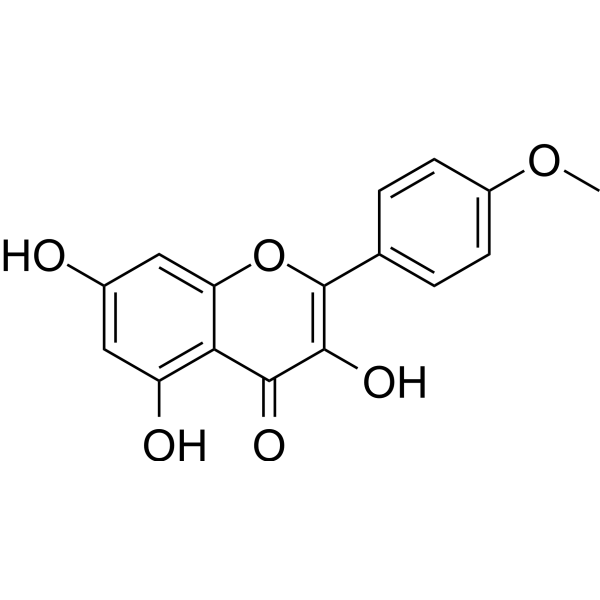
    Kaempferide
    5+ Cited Publications

    Kaempferol 4'-O-methyl ether

    Estrogen Receptor/ERR Autophagy Bacterial Influenza Virus Apoptosis PI3K Akt GSK-3 FOXO β-catenin Infection Cardiovascular Disease Neurological Disease Metabolic Disease Inflammation/Immunology Cancer
    Kaempferide is an orally active flavonol isolated from Hippophae rhamnoides L. Kaempferide has anticancer, anti-inflammatory, antioxidant, antidiabetic, antiobesity, antihypertensive, and neuroprotective activities. Kaempferide induces apoptosis. Kaempferide promotes osteogenesis through antioxidants and can be used in osteoporosis research .
    Kaempferide
  • HY-Y0078
    Cinnamyl Alcohol
    2 Publications Verification

    Environmental Pollutants AMPK ERK Potassium Channel Akt ROCK NO Synthase PPAR Metabolic Disease Inflammation/Immunology
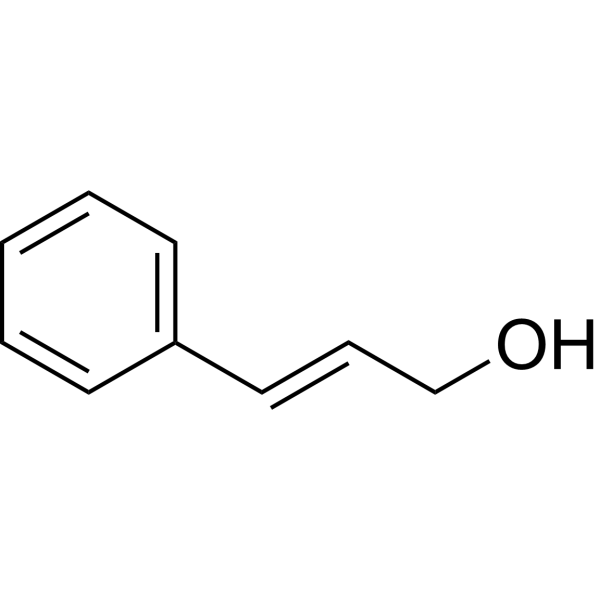
    Cinnamyl Alcohol is an active component from chestnut flower, inhibits increased PPARγ expression, exhibits anti-obesity, antioxidant and anti-inflammatory activities .
    Cinnamyl Alcohol
  • HY-135190
    (-)-Cedrene
    2 Publications Verification

    α-cedrene

    Environmental Pollutants Bacterial Infection Metabolic Disease Cancer
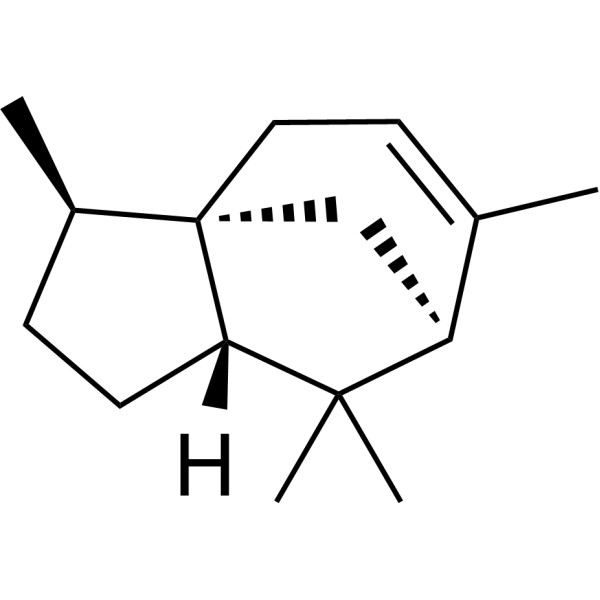
    (-)-Cedrene (α-cedrene) is a major constituent that can be found in essential oils. (-)-Cedrene (α-cedrene) is a natural, orally active ligand of mouse olfactory receptor 23, which induces skeletal muscle hypertrophy in mice. (-)-Cedrene exhibits trypanocidal (Trypanosoma b. brucei) (IC50 = 4.07 μg/mL). (-)-Cedrene is antileukemic in vitro (IC50 = 22.2 μg/mL). (-)-Cedrene has antimicrobial activity against anaerobic bacteria and yeast. (-)-Cedrene exhibits anti-obesity activity .
    (-)-Cedrene
  • HY-B1890
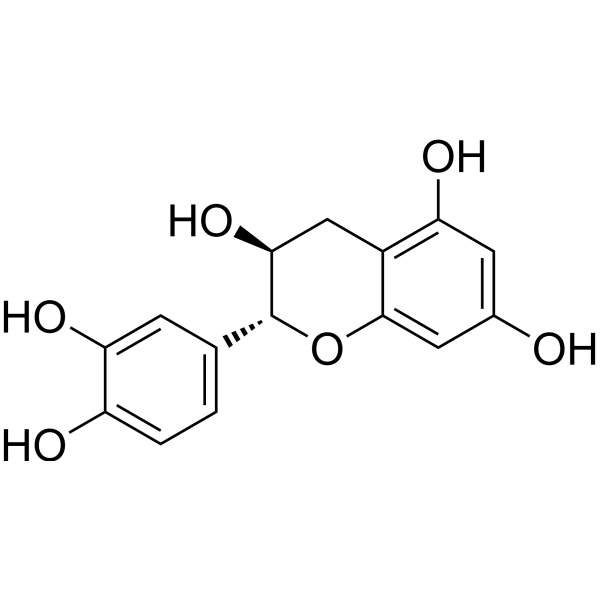
    (±)-Catechin
    1 Publications Verification

    rel-Cianidanol; rel-Catechuic acid

    COX Infection Cardiovascular Disease Neurological Disease Inflammation/Immunology Cancer
    (±)-Catechin (rel-Cianidanol) is the racemate of the green tea polyphenol Catechin. Catechin has anticancer activity and induces apoptosis. (±)-Catechin has two forms, (+)-Catechin and its enantiomer (-)-Catechin. (+)-Catechin inhibits cyclooxygenase-1 (COX-1) with an IC50 of 1.4 μM. (-)-Catechin can effectively promote hBM-MSC adipocyte differentiation and increase adiponectin and PPARγ levels. (±)-Catechin has anti-tumor, anti-obesity, anti-diabetic, anti-cardiovascular, anti-infectious, hepatoprotective and neuroprotective effects .
    (±)-Catechin
  • HY-16278
    Pradigastat
    2 Publications Verification

    LCQ-908

    Acyltransferase BCRP OAT Infection Metabolic Disease
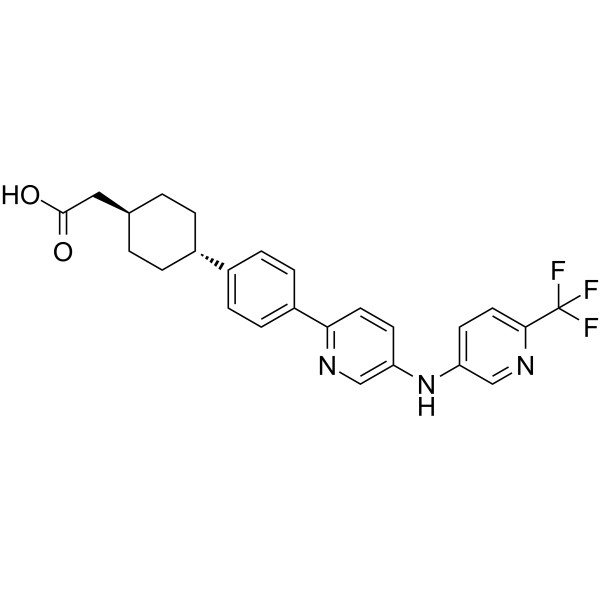
    Pradigastat (LCQ-908) is a selective and orally effective diacylglyceryl acyltransferase 1 (DGAT1) inhibitor with IC50 at 0.157 µM. Pradigastat is primarily used to study diseases associated with abnormal triglyceride metabolism. Pradigastat has anti-obesity and anti-diabetic effects. Pradigastat inhibited BCRP, OATP1B1, OATP1B3 and OAT3 activities with IC50 of 5 µM, 1.66µM, 3.34µM and 0.973µM, respectively. In addition, Pradigastat has antiviral activity and can inhibit hepatitis C virus replication in vitro .
    Pradigastat
  • HY-N0853
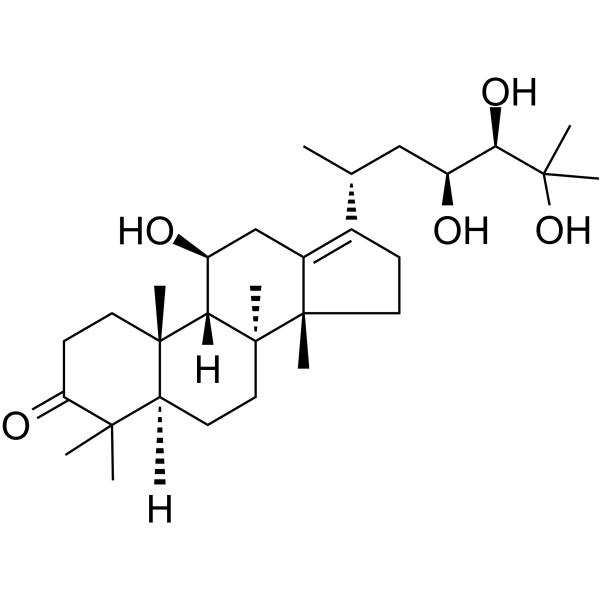
    Alisol A
    5 Publications Verification

    AMPK Acetyl-CoA Carboxylase PPAR MMP Interleukin Related Infection Cardiovascular Disease Neurological Disease Metabolic Disease Inflammation/Immunology Cancer
    Alisol A is an orally active tetracyclic triterpenoid compound of the prototerpane type. Alisol A can be extracted from the rhizome of Alisma orientale. Alisol A activates AMPK/ACC/SREBP-1c, SIRT1, PPARα, inhibits MMP-2/-9, decreases inflammatory cytokine expression (IL-1β, IL-6, IL-8). Alisol A has anti-tumor activity against breast cancer and colorectal cancer. Alisol A has anti-obesity and anti-atherosclerotic activities. Alisol A can be used in the research of hepatitis B, breast cancer, colorectal cancer, atherosclerosis, and obesity .
    Alisol A
  • HY-N6866

    Apoptosis AMPK Akt PERK Keap1-Nrf2 Caspase PARP GSK-3 NO Synthase Interleukin Related Neurological Disease Metabolic Disease Inflammation/Immunology Endocrinology Cancer
    Gomisin N is an orally active lignan compound. Gomisin N can be isolated from Schisandra chinensis. Gomisin N induces Apoptosis in a variety of cells. Gomisin N activates AMPK, Akt, MAPK/ERK, Nrf2, caspase-3 and PARP-1. Gomisin N inhibits GSK3β, nitric oxide (NO), and proinflammatory cytokines (IL-1β, IL-6, TNF-α). Gomisin N has anti-inflammatory, antioxidant, anti-obesity, anti-diabetic, and anti-melanogenesis activities. Gomisin N has anti-tumor activity against cervical cancer and liver cancer. Gomisin N improves Alzheimer's disease .
    Gomisin N
  • HY-151500

    Amine N-methyltransferase Metabolic Disease
    JBSNF-00002 free base is an orally active small molecule inhibitor of the tricyclic nicotinamide N-methyltransferase (NNMT) with IC50 values for human, mouse and monkey sources of NNMT of 33, 210 and 190 nM respectively. JBSNF-00002 free base can reduce endogenous MNA levels in U2OS osteosarcoma cells, with its EC50 being 2.5 μM. JBSNF-00002 free base exhibits significant anti-obesity and anti-diabetic activities in the diet-induced obesity (DIO) model. JBSNF-00002 free base can be used for the study of metabolic diseases such as obesity, type 2 diabetes and non-alcoholic fatty liver disease .
    JBSNF-000028 free base
  • HY-B2188
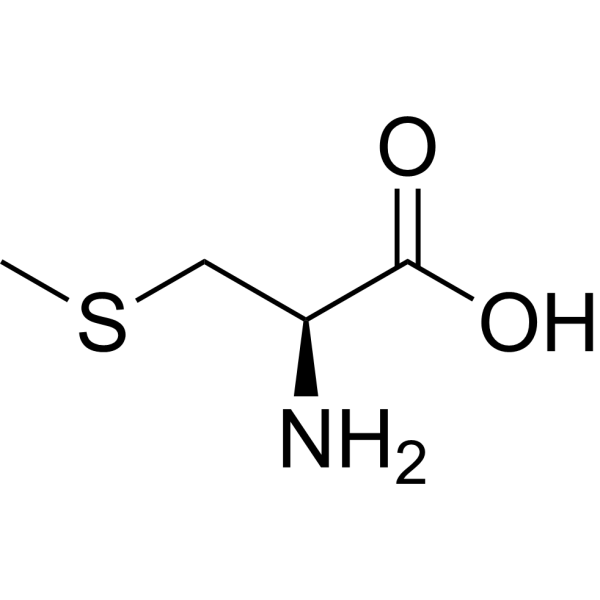
    S-Methyl-L-cysteine
    2 Publications Verification

    L-S-Methylcysteine

    Reactive Oxygen Species (ROS) Neurological Disease Metabolic Disease
    S-Methyl-L-cysteine is a natural product that acts as a substrate in the catalytic antioxidant system mediated by methionine sulfoxide reductase A (MSRA), with antioxidative, neuroprotective, and anti-obesity activities.
    S-Methyl-L-cysteine
  • HY-14471
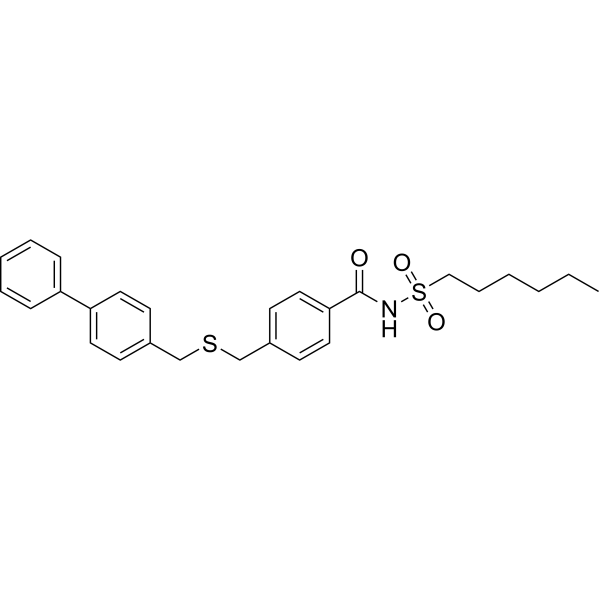
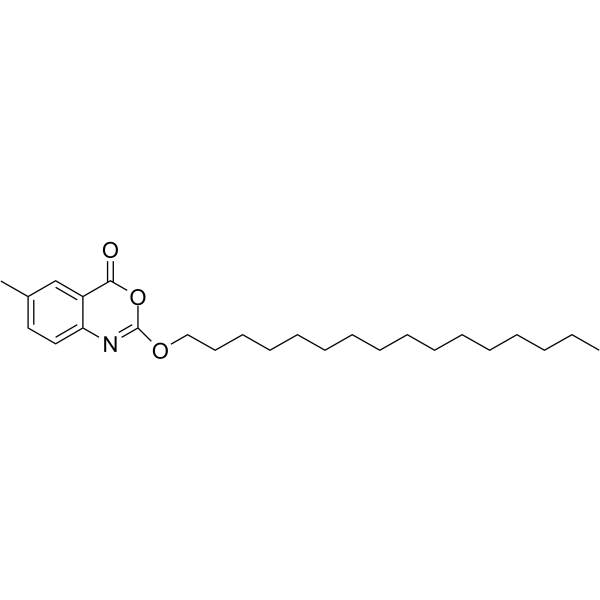
    Cetilistat
    1 Publications Verification

    ATL-962

    Lipase Metabolic Disease
    Cetilistat (ATL-962), an inhibitor of pancreatic lipase, acts as an effective anti-obesity agent. Cetilistat inhibits rat and human pancreatic lipase activity with IC50s of 54.8 nM, and 5.95 nM, respectively .
    Cetilistat
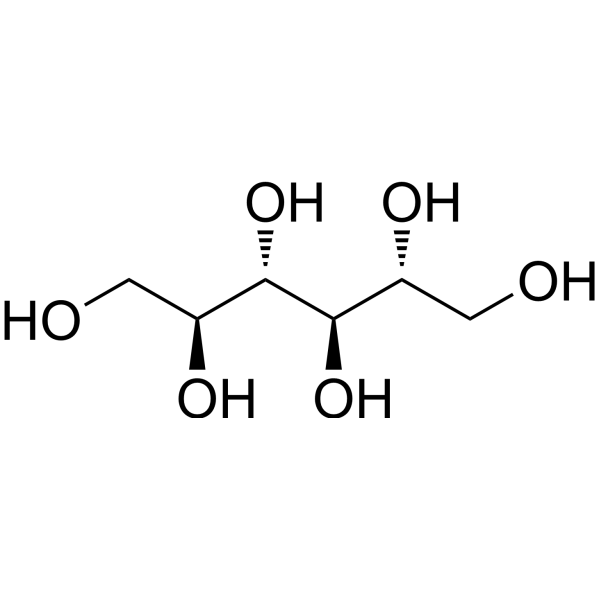
  • HY-N2840
    Allitol
    1 Publications Verification

    Allodulcitol

    Others Metabolic Disease
    Allitol (Allodulcitol) is an orally active rare sugar alcohol found in Itea virginica L, Tylopilus plumbeoviolaceus. Allitol has anti-obesity and hypoglycaemic activities. Allitol reduces carcass and total body fat mass, increases cecal weight, surface area, and short-chain fatty acid production, and upregulates cecal microbial enzymes linked to butyrate metabolism. Allitol can be used for the researches of obesity and diabetes .
    Allitol
  • HY-N15574

    LXR Bacterial PPAR Infection Neurological Disease Metabolic Disease Inflammation/Immunology
    Saringosterol is an orally active steroid found in Sargassum muticum. Saringosterol is a LXR agonist. Saringosterol can lower cholesterol levels and inhibit the mRNA and protein expression of peroxisome proliferator-activated receptor γ (PPARγ) and CCAAT enhancer-binding protein α (C/EBPα). Saringosterol has anti-obesity, anti-atherosclerosis, anti-Mycobacterium tuberculosis and anti-depressant activities .
    Saringosterol
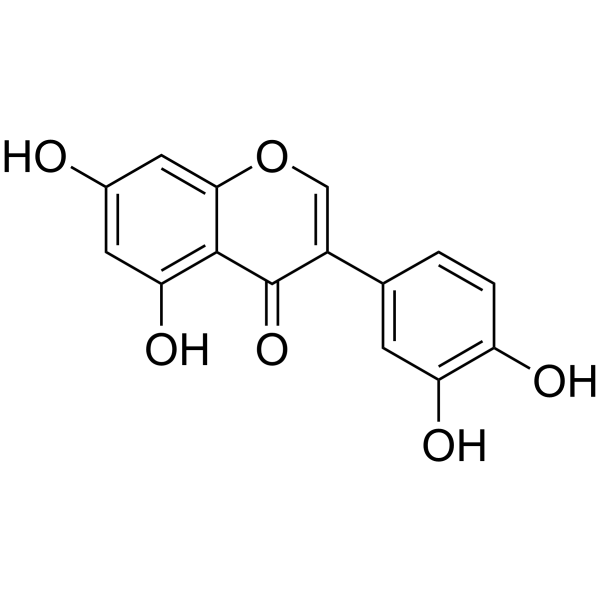
  • HY-N3127

    Casein Kinase PI3K VEGFR Metabolic Disease
    Orobol is one of the major soy isoflavones and has various pharmacological activities, including anti-skin-aging and anti-obesity effects. Orobol inhibits CK1ε, VEGFR2, MAP4K5, MNK1, MUSK, TOPK, and TNIK (IC50=1.24-4.45 μM). Orobol also inhibits PI3K isoforms (IC50=3.46-5.27 μM for PI3K α/β/γ/K/δ) .
    Orobol
  • HY-126956

    Reactive Oxygen Species (ROS) MMP Collagen PPAR DNA/RNA Synthesis Apoptosis Caspase Metabolic Disease Inflammation/Immunology
    Porphyra 334 is a carnosine-like amino acid and a natural photoprotective agent and antioxidant. Porphyra-334 exerts its photoprotective effects by scavenging ROS, inhibiting the expression and activity of MMP-1/8, and promoting the synthesis of collagen and elastin. Porphyra 334 effectively inhibits linoleic acid oxidation induced by alkyl radicals (AAPH) and singlet oxygen. Porphyra 334 has anti-obesity potential by inhibiting the expression of PPARγ2 and C/EBPα. Porphyra 334 protects cells against UV-induced DNA damage and apoptosis by inhibiting the activation of caspase-3 .
    Porphyra 334
  • HY-112920

    YAP Metabolic Disease
    TM-25659 is a transcriptional co-activator with PDZ-binding motif (TAZ) modulator. Anti-osteoporotic and anti-obesity activities .
    TM-25659
  • HY-N1867

    PPAR Metabolic Disease
    trans-Cinnamyl alcohol is a trans-isomer of Cinnamyl alcohol. Cinnamyl Alcohol is an active component from chestnut flower, inhibits increased PPARγ expression, with anti-obesity activity. trans-Cinnamyl alcohol, belongs to the class of organic compounds known as cinnamyl alcohols, is a primary metabolite .
    trans-Cinnamyl alcohol
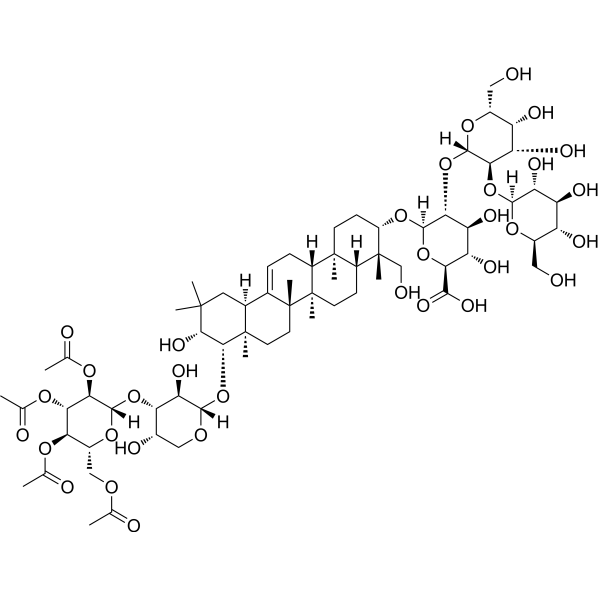
  • HY-N3026
    Soyasaponin Ab
    1 Publications Verification

    PPAR Apoptosis Reactive Oxygen Species (ROS) Neurological Disease Metabolic Disease Inflammation/Immunology
    Soyasaponin Ab is an orally active soyasaponin. Soyasaponin Ab inhibits PPARγ transcriptional activity. Soyasaponin Ab induces apoptosis in high concentrations. Soyasaponin Ab exerts anti-obesity, anti-oxidation, anti-inflammation, anti-aging effects. Soyasaponin Ab prevents Scopolamine (HY-N0296)-induced memory impairment .
    Soyasaponin Ab
  • HY-120327
    KY-226
    2 Publications Verification

    Phosphatase Neurological Disease Metabolic Disease
    KY-226 is a potent, selective, orally active and allosteric protein tyrosine phosphatase 1B (PTP1B) inhibitor with an IC50 of 0.25 μM, and without PPARγ agonist activity. KY-226 exerts anti-diabetic and anti-obesity effects by enhancing insulin and leptin signaling, respectively. KY-226 also protects neurons from cerebral ischemic injury .
    KY-226
  • HY-151500B

    Amine N-methyltransferase Metabolic Disease
    JBSNF-00002 hydrochloride is an orally active small molecule inhibitor of the tricyclic nicotinamide N-methyltransferase (NNMT) with IC50 values for human, mouse and monkey sources of NNMT of 33, 210 and 190 nM respectively. JBSNF-00002 hydrochloride can reduce endogenous MNA levels in U2OS osteosarcoma cells, with its EC50 being 2.5 μM. JBSNF-00002 hydrochloride exhibits significant anti-obesity and anti-diabetic activities in the diet-induced obesity (DIO) model. JBSNF-00002 hydrochloride can be used for the study of metabolic diseases such as obesity, type 2 diabetes and non-alcoholic fatty liver disease .
    JBSNF-000028 hydrochloride
  • HY-N0046

    Notoginseng triterpenes; Ginsenoside Mb

    Apoptosis Src Neurological Disease Metabolic Disease Cancer
    Notoginsenoside Fe (Notoginseng triterpenes; Ginsenoside Mb) is a saponin with anti-obesity and anti-neuroblastoma activities. Notoginsenoside Fe can be isolated from leaves of Panax notoginseng. Notoginsenoside Fe specifically activates paraventricular nucleus neurons in the hypothalamus, effectively reducing body weight, improving fasting blood glucose and protecting liver function by decreasing food intake, increasing resting metabolic rate and enhancing energy expenditure. Notoginsenoside Fe also inhibits the c-Src signaling pathway, blocks the proliferation and viability of human neuroblastoma cells, while improving mitochondrial dysfunction and alleviating apoptosis. Notoginsenoside Fe can be used in studies related to diet-induced obesity and neuroblastoma .
    Notoginsenoside Fe
  • HY-103249

    Reutericycline

    Bacterial Infection Metabolic Disease
    Reutericyclin (Reutericycline) is an orally active antibacterial and anti-obesity agent that selectively inhibits Gram-positive bacteria. By selectively dissipating transmembrane potential, Reutericyclin exerts non-lytic bactericidal or bacteriostatic activity against pathogens such as Clostridium difficile and Staphylococcus aureus, and rapidly kills vegetative cells and spores of Clostridium difficile. Reutericyclin possesses favorable properties including resistance to enzymatic hydrolysis, iron-chelating function, and poor absorption by colonic epithelium. Reutericyclin not only eradicates staphylococcal biofilms and inhibits drug-resistant strains, but also counteracts Risperidone (HY-11018)-induced weight gain by inducing changes in gut microbiota composition and restoring energy utilization efficiency. Reutericyclin can be used in research related to Clostridium difficile infection, Risperidone-induced weight gain, and staphylococcal superficial skin infections .
    Reutericyclin
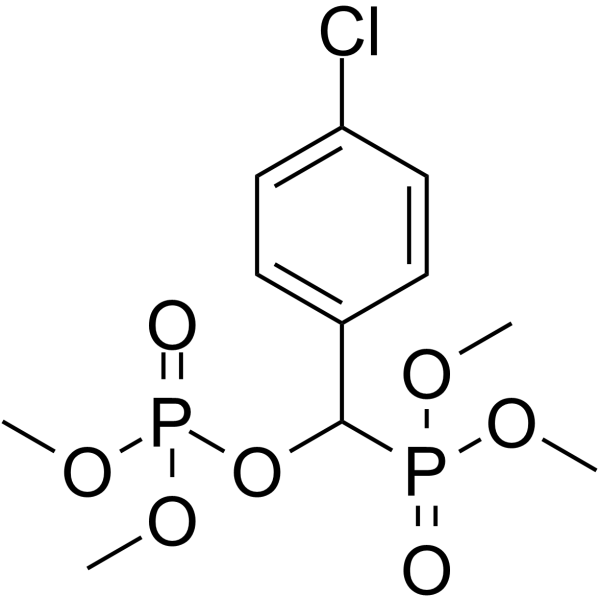
  • HY-100277
    Mifobate
    1 Publications Verification

    SR-202

    PPAR Metabolic Disease
    Mifobate (SR-202) is a potent and specific PPARγ antagonist. Mifobate (SR-202) selectively inhibits Thiazolidinedione (TZD)-induced PPARγ transcriptional activity (IC50=140 μM). Mifobate (SR-202) does not affect basal or ligand-stimulated transcriptional activity of PPARα, PPARβ, or the farnesoid X receptor (FXR). Mifobate (SR-202) shows antiobesity and antidiabetic effects .
    Mifobate
  • HY-W005130

    NF-κB Metabolic Disease Cancer
    2,4,6-Trihydroxybenzaldehyde is an orally active NF- B inhibitor. 2,4,6-Trihydroxybenzaldehyde shows anti-tumor activity, anti-cancer cell proliferative activity and anti-obesity activity .
    2,4,6-Trihydroxybenzaldehyde
  • HY-N0055R

    3-O-Caffeoylquinic acid (Standard); Heriguard (Standard); NSC-407296 (Standard)

    Reference Standards HIF/HIF Prolyl-Hydroxylase Reactive Oxygen Species (ROS) Bacterial Influenza Virus Endogenous Metabolite Infection Inflammation/Immunology Cancer
    Chlorogenic acid (Standard) is the analytical standard of Chlorogenic acid. This product is intended for research and analytical applications. Chlorogenic acid is a major phenolic compound in Lonicera japonica Thunb. It is an orally active antioxidant activity, antibacterial, hepatoprotective, cardioprotective, anti-inflammatory, antipyretic, neuroprotective, anti-obesity, antiviral, anti-microbial, anti-hypertension compound .
    Chlorogenic acid (Standard)
  • HY-B1890R

    rel-Cianidanol (Standard); rel-Catechuic acid (Standard)

    Reference Standards COX Infection Cardiovascular Disease Neurological Disease Inflammation/Immunology Cancer
    (±)-Catechin (Standard) is the analytical standard of (±)-Catechin. This product is intended for research and analytical applications. (±)-Catechin (rel-Cianidanol) is the racemate of the green tea polyphenol Catechin. Catechin has anticancer activity and induces apoptosis. (±)-Catechin has two forms, (+)-Catechin and its enantiomer (-)-Catechin. (+)-Catechin inhibits cyclooxygenase-1 (COX-1) with an IC50 of 1.4 μM. (-)-Catechin can effectively promote hBM-MSC adipocyte differentiation and increase adiponectin and PPARγ levels. (±)-Catechin has anti-tumor, anti-obesity, anti-diabetic, anti-cardiovascular, anti-infectious, hepatoprotective and neuroprotective effects .
    (±)-Catechin (Standard)
  • HY-N5117

    Others Metabolic Disease
    Kaempferol 3-sophoroside-7-glucoside is a bioactive component in roasted Lycium chinense leaves with anti-obesity activity .
    Kaempferol 3-sophoroside-7-glucoside
  • HY-P3586

    Hunter-killer peptide ao; Prohibitin-targeting peptide 1; prohibitin-TP01; Adipotide

    Apoptosis Cancer
    HKPao (Hunter-killer peptide ao) is a biologically active peptide. HKPao (Hunter-killer peptide ao) has anti-obesity and anti-tumor pro-apoptotic activity to cause release of cytochrome c from vesicles .
    HKPao
  • HY-N2302R

    all-trans-Fucoxanthin (Standard)

    Reference Standards Bacterial PPAR c-Myc NO Synthase Caspase ERK Infection Cardiovascular Disease Metabolic Disease Inflammation/Immunology Cancer
    Fucoxanthin (Standard) is the analytical standard of Fucoxanthin. This product is intended for research and analytical applications. Fucoxanthin (all-trans-Fucoxanthin) is a marine carotenoid and shows anti-obesity, anti-diabetic, anti-oxidant, anti-inflammatory and anticancer activities .
    Fucoxanthin (Standard)
  • HY-N0828R

    Reference Standards Autophagy Inflammation/Immunology Cancer
    Pterostilbene (Standard) is the analytical standard of Pterostilbene. This product is intended for research and analytical applications. Pterostilbene is a stilbenoid isolated from blueberries and Pterocarpus marsupium . Shows anti-oxidant, anti-inflammatory, anti-carcinogenic, anti-diabetic and anti-obesity properties . Pterostilbene blocks ROS production , also exhibits inhibitory activity against various free radicals such as DPPH, ABTS, hydroxyl, superoxide and hydrogen peroxide .
    Pterostilbene (Standard)
  • HY-159120

    HIF/HIF Prolyl-Hydroxylase Metabolic Disease
    ZG-2291 is a selective inhibitor targeting FIH (Factor Inhibiting HIF) with oral activity. By binding to FIH, ZG-2291 promotes a conformational flip of a catalytically important tyrosine, enabling selective inhibition of FIH without affecting other 2OG oxygenases in the JmjC subfamily. ZG-2291k enhances thermogenesis in ob/ob mice and improves obesity-related symptoms and metabolic dysfunctions. ZG-2291 holds promise for research in the field of obesity-related diseases .
    ZG-2291
  • HY-158099

    Celastrol-Biotin

    Biochemical Assay Reagents Cancer
    Biotin-Cel (Celastrol-Biotin) is a biotin-labeled Celastrol (HY-13067). Celastrol exhibits antitumor, anti-inflammatory, and anti-obesity activities. Biotin-Cel can be used in biotin-affinity pulldown assay to identify the molecular target of Celastrol in hepatocellular carcinoma cells .
    Biotin-Cel
  • HY-151500A

    Amine N-methyltransferase Metabolic Disease
    JBSNF-00002 TFA is an orally active small molecule inhibitor of the tricyclic nicotinamide N-methyltransferase (NNMT) with IC50 values for human, mouse and monkey sources of NNMT of 33, 210 and 190 nM respectively. JBSNF-00002 TFA can reduce endogenous MNA levels in U2OS osteosarcoma cells, with its EC50 being 2.5 μM. JBSNF-00002 TFA exhibits significant anti-obesity and anti-diabetic activities in the diet-induced obesity (DIO) model. JBSNF-00002 TFA can be used for the study of metabolic diseases such as obesity, type 2 diabetes and non-alcoholic fatty liver disease .
    JBSNF-000028 TFA
  • HY-N4103R

    Reference Standards PARP Endogenous Metabolite Metabolic Disease Cancer
    Fucosterol (Standard) is the analytical standard of Fucosterol. This product is intended for research and analytical applications. Fucosterol is a sterol isolated from algae, seaweed or diatoms. Fucosterol exhibits various biological activities, including antioxidant, anti-adipogenic, blood cholesterol reducing, anti-diabetic and anti-cancer activities . Fucosterol regulates adipogenesis via inhibition of PPARα and C/EBPα expression and can be used for anti-obesity agents development research .
    Fucosterol (Standard)
  • HY-117843

    Mitochondrial Metabolism Interleukin Related Bacterial Infection Metabolic Disease Inflammation/Immunology
    Ppc-1 is a mitochondrial uncoupler. Ppc-1 enhances mitochondrial oxygen consumption without adverse effects on ATP production. Ppc-1 is a cell-permeate interleukin-2 (IL-2) inhibitor. Ppc-1 inhibits the Gram-negative periodontopathogen Porphyromonas gingivalis. Ppc-1 has anti-obesity, antibacterial and anti-inflammatory activities .
    Ppc-1
  • HY-151500C

    Amine N-methyltransferase Metabolic Disease
    JBSNF-00002 is an orally active small molecule inhibitor of the tricyclic nicotinamide N-methyltransferase (NNMT) with IC50 values for human, mouse and monkey sources of NNMT of 33, 210 and 190 nM respectively. JBSNF-00002 can reduce endogenous MNA levels in U2OS osteosarcoma cells, with its EC50 being 2.5 μM. JBSNF-00002 exhibits significant anti-obesity and anti-diabetic activities in the diet-induced obesity (DIO) model. JBSNF-00002 can be used for the study of metabolic diseases such as obesity, type 2 diabetes and non-alcoholic fatty liver disease .
    JBSNF-000028
  • HY-N15385

    Lipase Metabolic Disease
    Hericenone D, an orally active pancreatic lipase inhibitor, can be found in Hericium erinaceus. Hericenone D reduces lipid absorption and stimulates nerve growth factor NGF gene expression. Hericenone D can be used for the research of menopausal obesity .
    Hericenone D
  • HY-136124

    Drug Metabolite Others
    Cetilistat impurity 1 is an impurity of Cetilistat. Cetilistat, an inhibitor of pancreatic lipase, acts as an effective anti-obesity agent. Cetilistat inhibits rat and human pancreatic lipase activity with IC50s of 54.8 nM, and 5.95 nM, respectively .
    Cetilistat impurity 1
  • HY-B2188R

    L-S-Methylcysteine (Standard)

    Reactive Oxygen Species (ROS) Reference Standards Neurological Disease Metabolic Disease
    S-Methyl-L-cysteine (Standard) is the analytical standard of S-Methyl-L-cysteine. This product is intended for research and analytical applications. S-Methyl-L-cysteine is a natural product that acts as a substrate in the catalytic antioxidant system mediated by methionine sulfoxide reductase A (MSRA), with antioxidative, neuroprotective, and anti-obesity activities.
    S-Methyl-L-cysteine (Standard)
  • HY-N0055S

    3-O-Caffeoylquinic acid-13C3; Heriguard-13C3; NSC-407296-13C3

    Isotope-Labeled Compounds Cancer
    Chlorogenic acid- 13C3 (Heriguard- 13C3; NSC-407296- 13C3) is 13C- and 15N-labeled Chlorogenic acid (HY-N0055). Chlorogenic acid is a major phenolic compound in Lonicera japonica Thunb.. It plays several important and therapeutic roles such as antioxidant activity, antibacterial, hepatoprotective, cardioprotective, anti-inflammatory, antipyretic, neuroprotective, anti-obesity, antiviral, anti-microbial, anti-hypertension .
    Chlorogenic acid-13C3
  • HY-N0022R

    Isoverbascoside (Standard)

    Toll-like Receptor (TLR) Amyloid-β Reference Standards Apoptosis Reactive Oxygen Species (ROS) Akt mTOR PI3K NO Synthase COX p38 MAPK Neurological Disease Metabolic Disease Inflammation/Immunology Cancer
    Isoacteoside (Standard) is the analytical standard of Isoacteoside. This product is intended for research and analytical applications. Isoacteoside is a natural product that can significantly inhibit the formation of glycation end products. Isoacteoside Standard regulates the AKT/PI3K/m-TOR/NF-κB signaling pathway, induces apoptosis in OVCAR-3 cell. Isoacteoside Standard exhibits antitumor, anti-inflammatory, anti-obesity and neuroprotective activities .
    Isoacteoside (Standard)
  • HY-12192

    Histamine Receptor Metabolic Disease
    A-423579 is an orally active non-imidazole histamine H3 receptor antagonist. A-423579 exhibits high affinity and good selectivity for human and rat H3 receptors, and possesses both antagonistic and inverse agonistic activities. A-423579 can effectively reduce body weight in obese rodents, with concomitant decreases in fat content, plasma leptin levels, and triglycerides. A-423579 possesses anti-obesity activity and can be used in the research of obesity and related metabolic disorders .
    A-423579
  • HY-N8359

    Others Metabolic Disease
    Questinol is a palmitic acid that can be isolated from Talaromyces stipitatus. Questinol has signi?cant anti-obesity activity in zebra?sh larvae .
    Questinol

Inquiry Online

Your information is safe with us. * Required Fields.

Salutation


Country or Region *

Applicant Name *


Organization Name *

Department *


Email Address *


Product Name *

Cat. No.


Requested quantity *

Phone Number *


Remarks

Inquiry Online

Inquiry Information

Product Name:
Cat. No.:
Quantity:
MCE Japan Authorized Agent:

