1. Search Result
Search Result
Results for "

Cardiovascular Agents

" in MedChemExpress (MCE) Product Catalog:

108

阻害剤およびアゴニスト

1

スクリーニングライブラリ

6

生化学アッセイ試薬

1

阻害性抗体

17

天然物

10

同位体標識化合物

1

クリックケミストリー

1

オリゴヌクレオチド

製品番号 製品名 Target 研究分野 構造式
  • HY-B0568
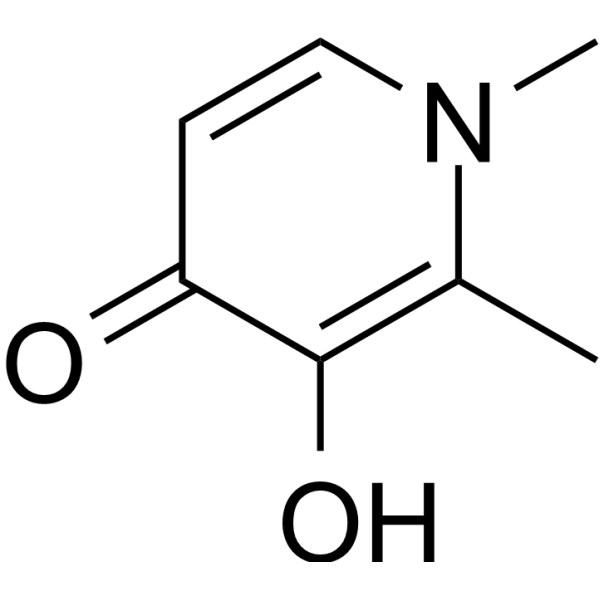
    Deferiprone
    Maximum Cited Publications
    47 Publications Verification

    Ferroptosis HCV Apoptosis COX Histone Demethylase Cardiovascular Disease Infection Neurological Disease Metabolic Disease Inflammation/Immunology Cancer
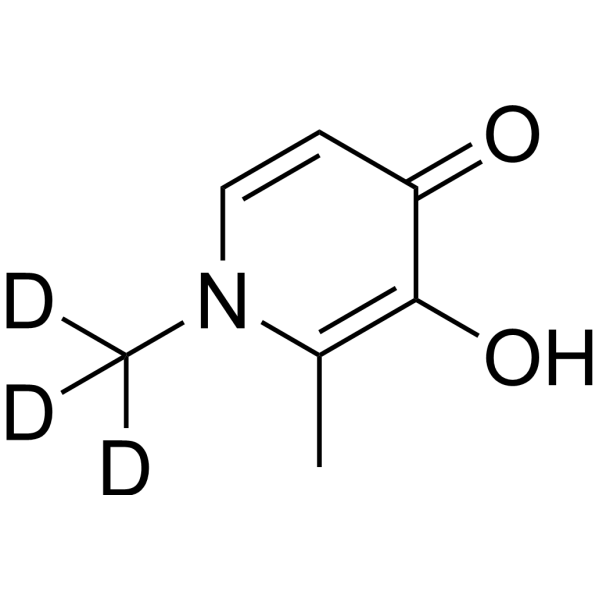
    Deferiprone is a potent, orally active, brain-penetrant, cell-penetrant, skin-permeable, free iron chelating agent. Deferiprone inhibits the proliferation and migration, and stimulates apoptosis in tumor cell. Deferiprone can inhibit KDM. Deferiprone has antianemic, neuroprotective, anti-inflammatory, antioxidant, and antidotal activity. Deferiprone can be used in cancer, cardiovascular disease, infection, inflammation, and neurological disease study .
    Deferiprone
  • HY-B0232
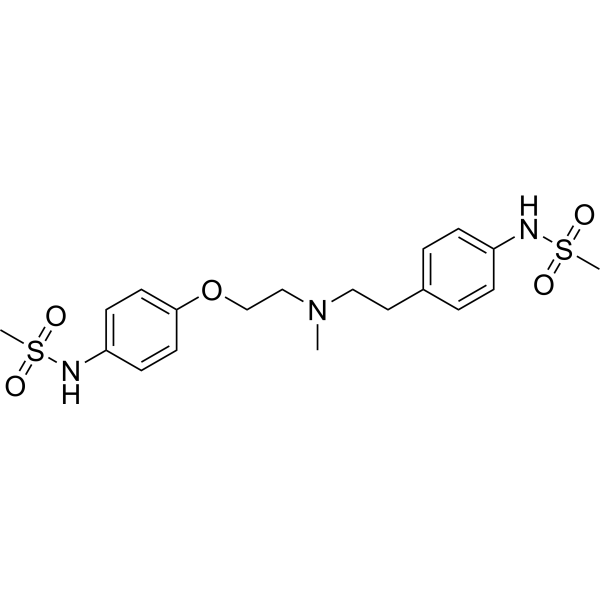
    Dofetilide
    5+ Cited Publications

    UK 68789

    Potassium Channel Cardiovascular Disease
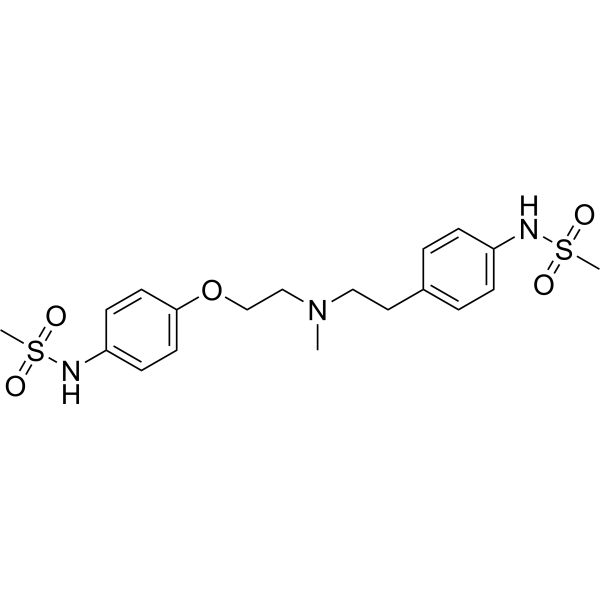
    Dofetilide (UK 68789), as a class III antiarrhythmic agent, is an orally active, potent and specific IKr blocker. Dofetilide can be used for the research of cardiovascular disease .
    Dofetilide
  • HY-W018746
    EDTA disodium
    20+ Cited Publications

    Ethylenediaminetetraacetic acid disodium

    Environmental Pollutants Biochemical Assay Reagents Others
    EDTA disodium salt, also known as ethylenediaminetetraacetic acid disodium, belongs to the chelating agent category, which is formed by chelating a central metal ion with four carboxylate groups and two amine groups. This compound, with its ability to bind and chelate metal ions such as calcium, magnesium and iron, is commonly used in a variety of applications, including industrial, medical and research settings. It is used as a preservative in food and beverage, as a stabilizer in medicine, as a chelating agent in water treatment, and as a reagent in biochemical and biomedical research. In addition, EDTA disodium salt has been studied for potential research effects such as improving heavy metal poisoning and cardiovascular disease.
    EDTA disodium
  • HY-B0388
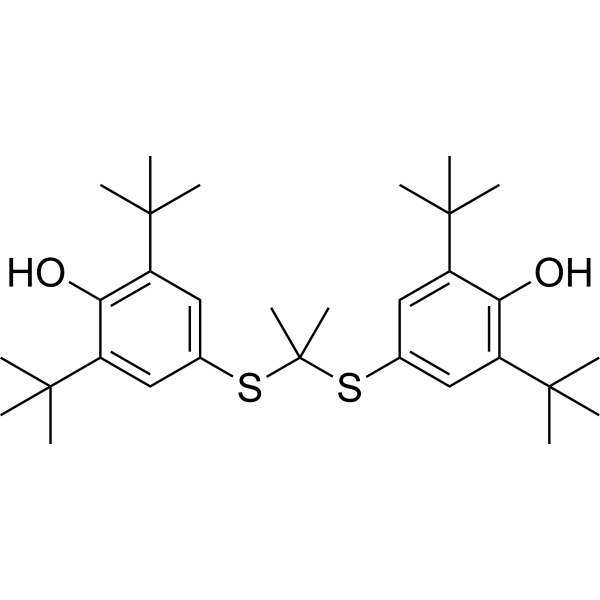
    Probucol
    2 Publications Verification

    DH-581

    Virus Protease Apoptosis Reactive Oxygen Species (ROS) Glutathione Peroxidase Caspase Infection Neurological Disease Metabolic Disease Inflammation/Immunology Cancer
    Probucol (DH-581) is an anti-hyperlipidemic agent. Probucol activates glutathione peroxidase. Probucol promotes low density lipoprotein (LDL) catabolism, inhibits ABCA1-dependent cholesterol efflux, and decreases HDL-C levels. Probucol also has anti-inflammatory, antioxidant and neuroprotective properties. Probucol can be used for researches on bone, cardiovascular, cancer, neurological, and metabolism-related diseases .
    Probucol
  • HY-17408
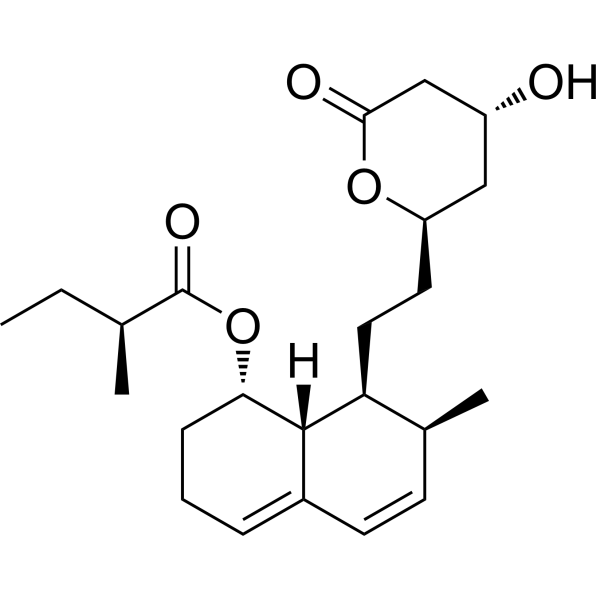
    Mevastatin
    5+ Cited Publications

    Compactin; ML236B

    HMG-CoA Reductase (HMGCR) Bacterial Autophagy Apoptosis Antibiotic Infection Cardiovascular Disease Neurological Disease Metabolic Disease Cancer
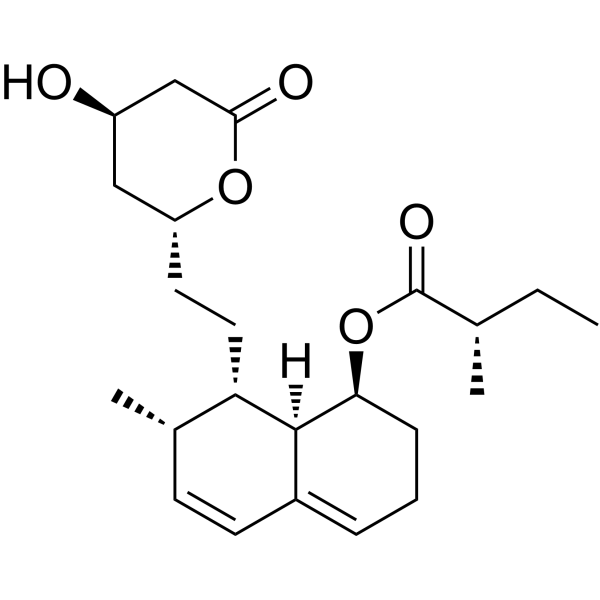
    Mevastatin (Compactin) is a first HMG-CoA reductase inhibitor that belongs to the statins class. Mevastatin is a lipid-lowering agent, and induces apoptosis, arrests cancer cells in G0/G1 phase. Mevastatin also increases endothelial nitric oxide synthase (eNOS) mRNA and protein levels. Mevastatin has antitumor activity and has the potential for cardiovascular diseases treatment .
    Mevastatin
  • HY-W017540
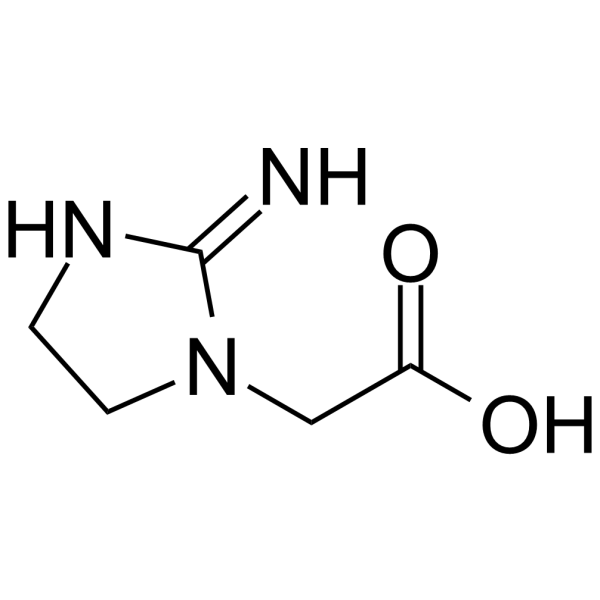
    Cyclocreatine
    1 Publications Verification

    ATP Synthase Cardiovascular Disease Neurological Disease Metabolic Disease Cancer
    Cyclocreatine, a creatine analogue, acts as a brain-penetrant and potent bioenergetic protective agent by providing high levels of ATP. Cyclocreatine can be phosphorylated and dephosphorylated by creatine kinases. Cyclocreatine suppresses creatine metabolism ameliorating the cognitive, autistic and epileptic phenotype in a mouse model of creatine transporter defciency. Cyclocreatine protects against ischemic injury and enhances cardiac recovery during early reperfusion in dogs and rats. Cyclocreatine decreases plaque-adjacent neuronal dystrophy in TREM2-deficient mice with amyloid-β pathology. Cyclocreatine is proming for research of ischemic heart disease, cardiovascular diseases, Alzheimer’s disease and other neurodegenerative diseases associated with microglial dysfunction, prostate cancer .
    Cyclocreatine
  • HY-N1501
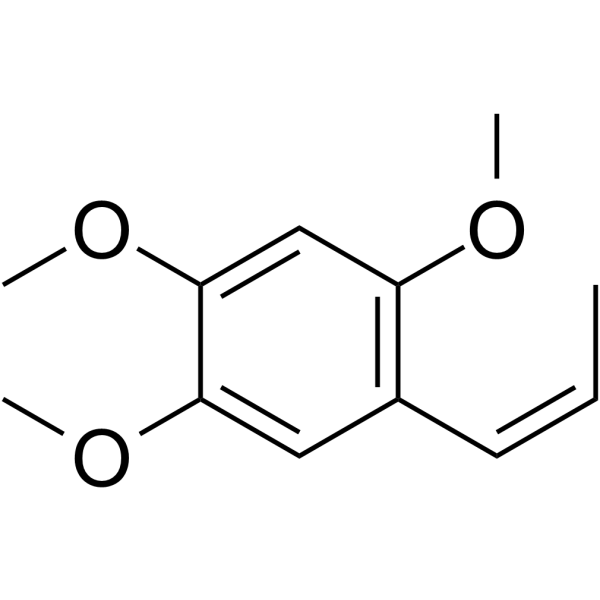
    Beta-asarone
    4 Publications Verification

    α-synuclein Cardiovascular Disease Neurological Disease Inflammation/Immunology
    Beta-asarone is an orally active and BBB-penetrable anti-inflammatory agent and neuroprotective agent, which is the major ingredient of Acorus tatarinowii Schott. Beta-asarone can protect nerve cells from apoptosis and autophagy, inhibit expression of α-synuclein, as well as myocardial protection. Beta-asarone can be used in the study of neurological and cardiovascular diseases .
    Beta-asarone
  • HY-112233
    O-304
    5 Publications Verification

    AMPK Cardiovascular Disease Metabolic Disease
    O-304 is a first-in-class, orally available pan-AMPK activator, which increases AMPK activity by suppressing the dephosphorylation of pAMPK. O-304 exhibits a great potential as a agent to treat type 2 diabetes (T2D) and associated cardiovascular complications .
    O-304
  • HY-14290
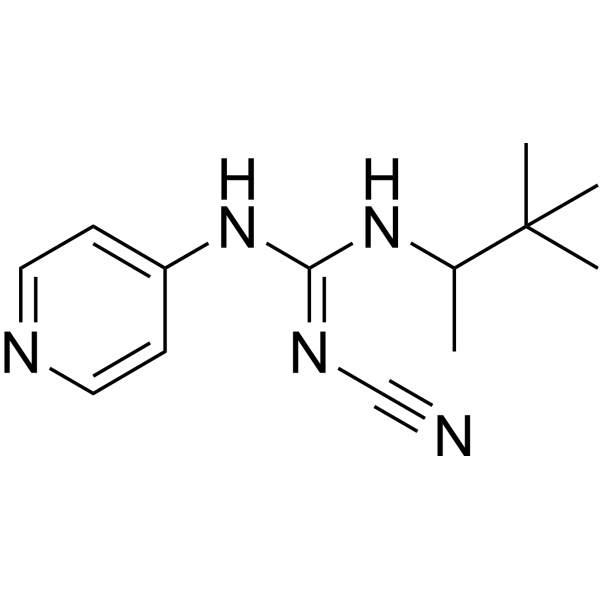
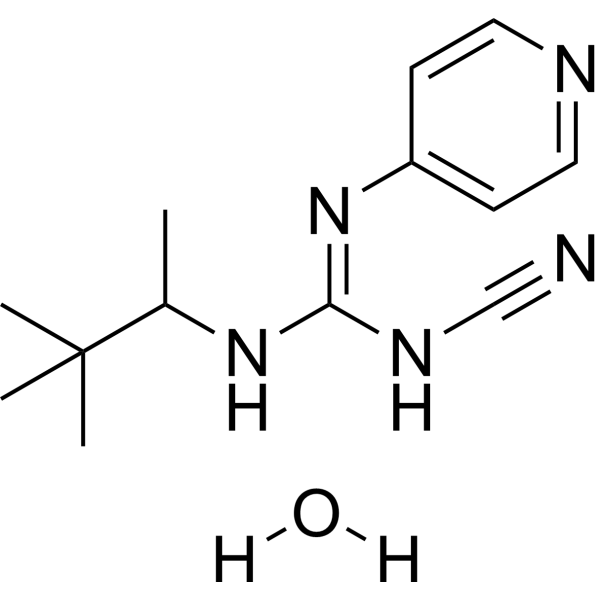
    Pinacidil
    4 Publications Verification

    P-1134

    Potassium Channel Cardiovascular Disease
    Pinacidil (P-1134) is a potent activator of ATP-sensitive potassium channel. Pinacidil is an antihypertensive agent hyperpolarizes vascular smooth muscle by opening K + channels. Pinacidil enhances K +-efflux in smooth muscle. Pinacidil has vasorelaxant properties. Pinacidil is able to inhibit spontaneous tone and of reducing agonist induced contractions. Pinacidil can be studied in research area such as cardiovascular diseases .
    Pinacidil
  • HY-A0093
    Mexiletine hydrochloride
    2 Publications Verification

    KOE-1173 hydrochloride

    Sodium Channel Cardiovascular Disease Neurological Disease
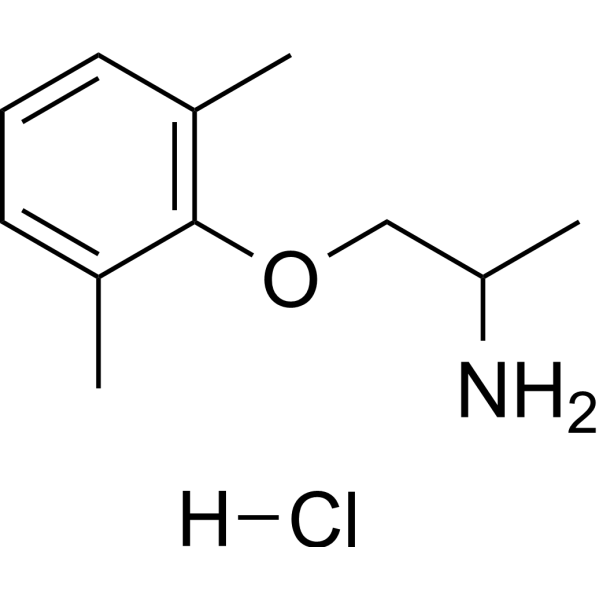
    Mexiletine is an orally effective antiarrhythmic agent which has also been found to be effective for myotonia and neuropathic pain. Mexiletine exerts its efficacy through blocking sodium channels (IC50 : 75±8 μM for tonic block, 23.6±2.8 μM for use-dependent block), therefore can be used for cardiovascular and neurological research .
    Mexiletine hydrochloride
  • HY-W027592

    Environmental Pollutants MOFs Others
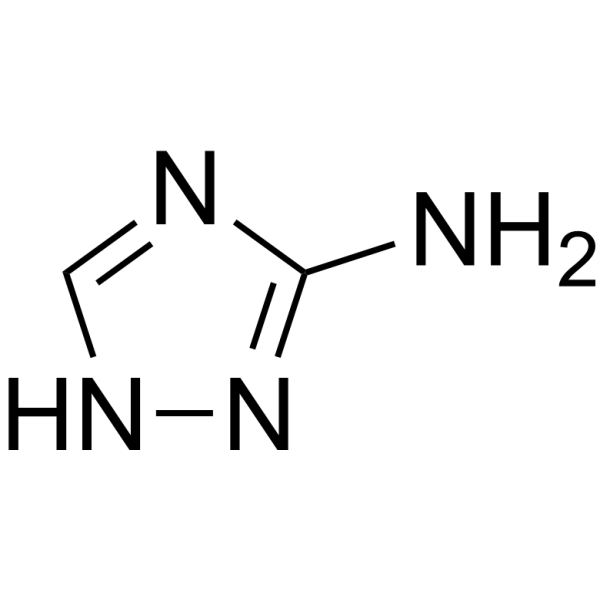
    1H-1,2,4-Triazol-3-amine consists of a triazole ring system and an amino group attached to carbon atom 3. The compound has potential applications in various fields such as medicinal chemistry, agrochemicals and material science. In medicinal chemistry, 1H-1,2,4-Triazol-3-amine is used as a starting material for the synthesis of pharmaceutical compounds such as antifungal agents, anticancer agents, and enzyme inhibitors associated with cardiovascular disease. In agrochemicals, it can be used as a raw material for the synthesis of herbicides, fungicides and insecticides. Furthermore, 1H-1,2,4-Triazol-3-amine is used as a ligand in coordination chemistry and as a precursor for the production of new functional materials such as polymers and metal-organic frameworks.
    1H-1,2,4-Triazol-3-amine
  • HY-129459

    Endogenous Metabolite Cardiovascular Disease Neurological Disease
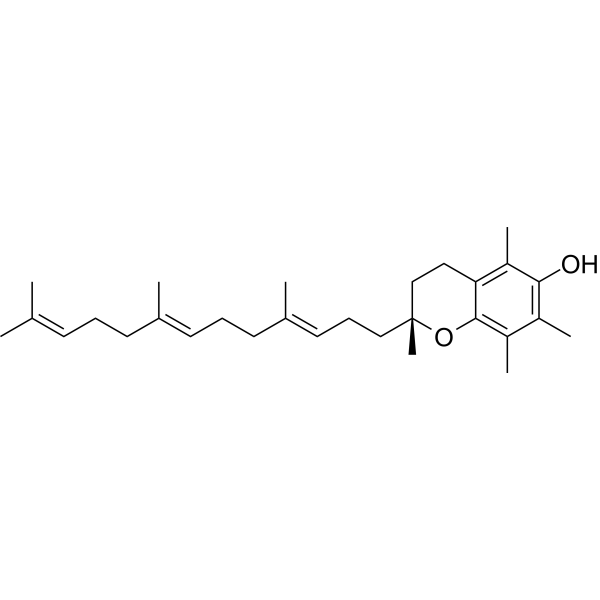
    α-Tocotrienol is an isoform of vitamin E and found in vegetables, fruits, seeds, nuts, grains, and oils. Vitamin E plays a role as an antioxidant, in lowering cholesterol and other lipids, as a neuroprotective and anticancer agent, and in cardiovascular disease protection.
    α-Tocotrienol
  • HY-122778
    δ-Tocotrienol
    1 Publications Verification

    NF-κB AP-1 Caspase Apoptosis Cardiovascular Disease Inflammation/Immunology Cancer
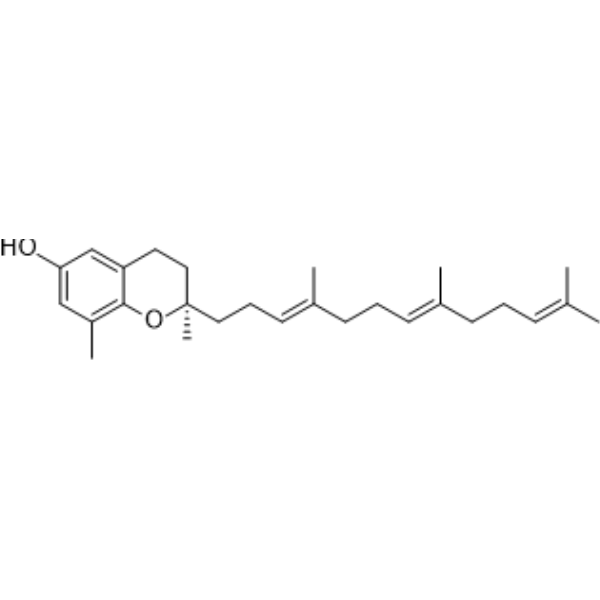
    δ-Tocotrienol is a Vitamin E in vegetables, fruits, seeds, nuts, grains and oils. Vitamin E has become well known for its role as an antioxidant, in lowering cholesterol and other lipids, as a neuroprotective and anticancer agent, and in cardiovascular disease protection.
    δ-Tocotrienol
  • HY-B1189

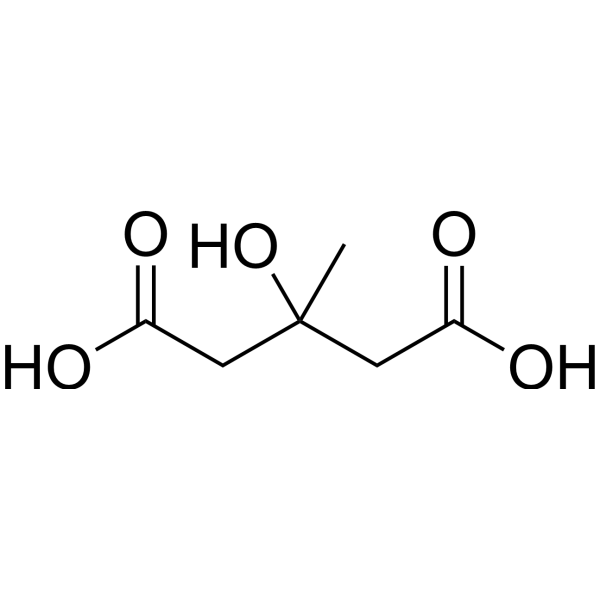
    Dicrotalic acid; 3-Hydroxy-3-methylglutaric acid

    HMG-CoA Reductase (HMGCR) Autophagy Endogenous Metabolite Cardiovascular Disease Metabolic Disease
    Meglutol is a lipid-lowering agent. Meglutol can reduces cholesterol, triglycerides, serum β-lipoprotein, and phospholipids, and inhibits the activity of HMG-CoA reductase (a rate-limiting enzyme in cholesterol biosynthesis). Meglutol can induce significant lipid oxidative damage in brain tissue. It is promising for research in the field of cardiovascular diseases and metabolic diseases .
    Meglutol
  • HY-N2007

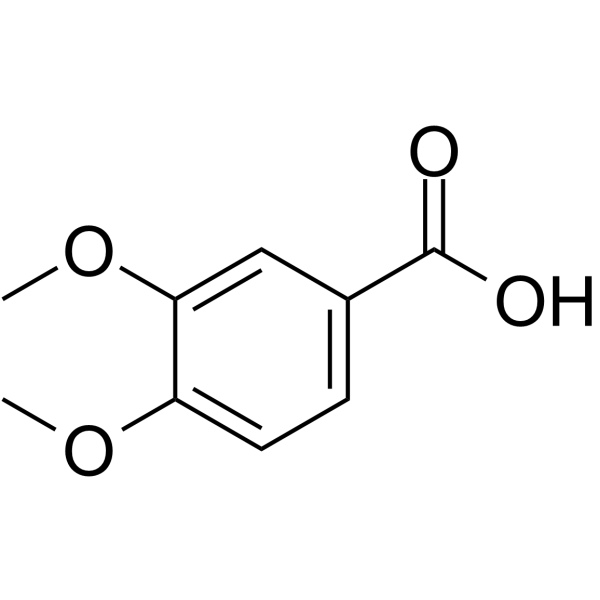
    3,4-Dimethoxybenzoic acid

    COX Reactive Oxygen Species (ROS) Cardiovascular Disease Inflammation/Immunology
    Veratric acid (3,4-Dimethoxybenzoic acid) is an orally active phenolic compound derived from vegetables and fruits, has antioxidant and anti-inflammatory activities . Veratric acid also acts as a protective agent against hypertension-associated cardiovascular remodelling . Veratric acid reduces upregulated COX-2 expression, and levels of PGE2, IL-6 after UVB irradiation .
    Veratric acid
  • HY-Y1887

    Environmental Pollutants Biochemical Assay Reagents Insecticide Cardiovascular Disease Infection Inflammation/Immunology
    Cottonseed oil is an edible oil extracted from the seeds of cotton (Gossypium hirsutum). Its fatty acid composition includes 26-35% saturated fatty acids, 42-52% polyunsaturated fatty acids, and 18-24% monounsaturated fatty acids. Cottonseed oil is regarded as an Insecticide, as it is used to protect the trunks of apple trees from damage by the apple clearwing moth. Cottonseed oil possesses anti-inflammatory and cardioprotective properties. It also has extensive applications in many fields such as biofuels, animal husbandry, cosmetics, agriculture, and chemical industry .
    Cottonseed oil
  • HY-119521
    Mexiletine
    2 Publications Verification

    KOE-1173

    Sodium Channel Cardiovascular Disease Neurological Disease
    Mexiletine is an orally effective antiarrhythmic agent which has also been found to be effective for myotonia and neuropathic pain. Mexiletine exerts its efficacy through blocking sodium channels (IC50 : 75±8 μM for tonic block, 23.6±2.8 μM for use-dependent block), therefore can be used for cardiovascular and neurological research .
    Mexiletine
  • HY-W011690

    Endogenous Metabolite Cardiovascular Disease Metabolic Disease Inflammation/Immunology
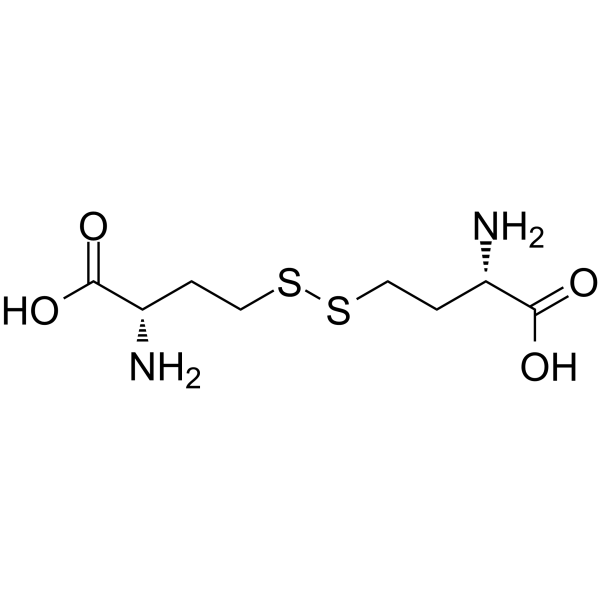
    L-Homocystine is the oxidized member of the L-homocysteine. Homocysteine is a pro-thrombotic factor, vasodilation impairing agent, pro-inflammatory factor and endoplasmatic reticulum-stress inducer used to study cardiovascular disease mechanisms.
    L-Homocystine
  • HY-14290A
    Pinacidil monohydrate
    4 Publications Verification

    P-1134 monohydrate

    Potassium Channel Cardiovascular Disease
    Pinacidil (P-1134) monohydrate is a potent activator of ATP-sensitive potassium channel. Pinacidil monohydrate is an antihypertensive agent hyperpolarizes vascular smooth muscle by opening K + channels. Pinacidil monohydrate enhances K +-efflux in smooth muscle. Pinacidil monohydrate has vasorelaxant properties. Pinacidil monohydrate is able to inhibit spontaneous tone and of reducing agonist induced contractions. Pinacidil monohydrate can be studied in research area such as cardiovascular diseases .
    Pinacidil monohydrate
  • HY-B0653A
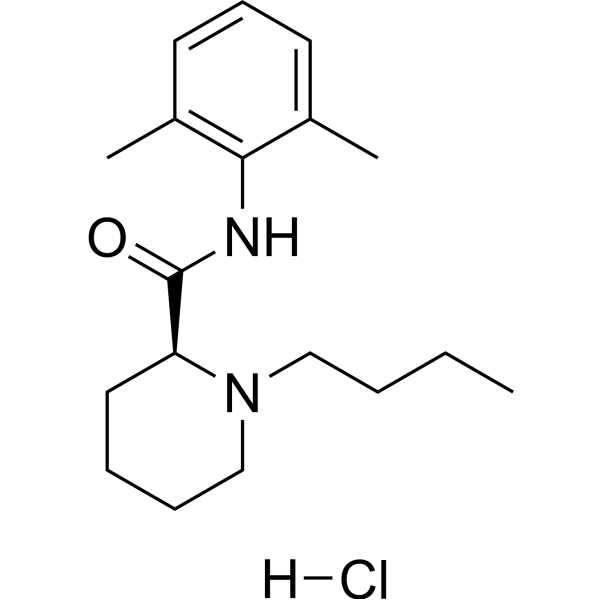
    Levobupivacaine hydrochloride
    2 Publications Verification

    (S)-(-)-Bupivacaine monohydrochloride

    Sodium Channel Ferroptosis Cardiovascular Disease Neurological Disease Cancer
    Levobupivacaine hydrochloride ((S)-(-)-Bupivacaine monohydrochloride) is a long-acting amide local agent that can suppress or relieve pain. Levobupivacaine hydrochloride exerts agent that can suppress or relieve pain. and analgesic effects through reversible blockade of neuronal sodium channel. Levobupivacaine hydrochloride can inhibit impulse transmission and conduction in cardiovascular and other tissues, possessing certain cardiac and CNS toxicity. Levobupivacaine hydrochloride is metabolized by hepatic cytochrome P450 (CYP450) enzymes in vivo. Levobupivacaine hydrochloride can also induce ferroptosis by miR-489-3p/SLC7A11 signaling in gastric cancer .
    Levobupivacaine hydrochloride
  • HY-W506116

    Ostruthine

    Bacterial DNA/RNA Synthesis Cardiovascular Disease Infection
    Ostruthin is a natural coumarin compound with bacterial and antimycobacterial activities . Ostruthin inhibits the growth of mycobacteria and Staphylococcus aureus. Ostruthin suppresses vascular smooth muscle cell proliferation as well as de novo cellular DNA synthesis. Ostruthin is applicable to research related to mycobacterial infections and cardiovascular and cerebrovascular diseases .
    Ostruthin
  • HY-17403
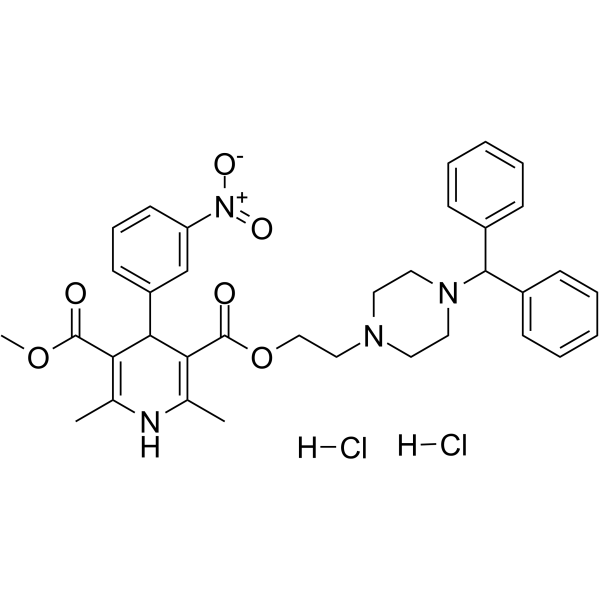
    Manidipine dihydrochloride
    3 Publications Verification

    CV-4093

    Calcium Channel NF-κB Infection Cardiovascular Disease Metabolic Disease Inflammation/Immunology
    Manidipine dihydrochloride is a third-generation, lipophilic, orally active and highly vasoselective calcium channel antagonist (IC50 = 2.6 nM in guinea-pig ventricular cells) and acts as an antihypertensive agent. Manidipine effectively reduces blood pressure as well as improving insulin sensitivity, renal protection, and antiatherosclerotic activity. Manidipine also exerts anti-inflammatory activity mediated by NF-κB and antiviral activity against many flavivirus and negative-strand RNA viruses through the inhibition of calcium channel. Manidipine is widely applied to research of cardiovascular, metabolic disease and infection .
    Manidipine dihydrochloride
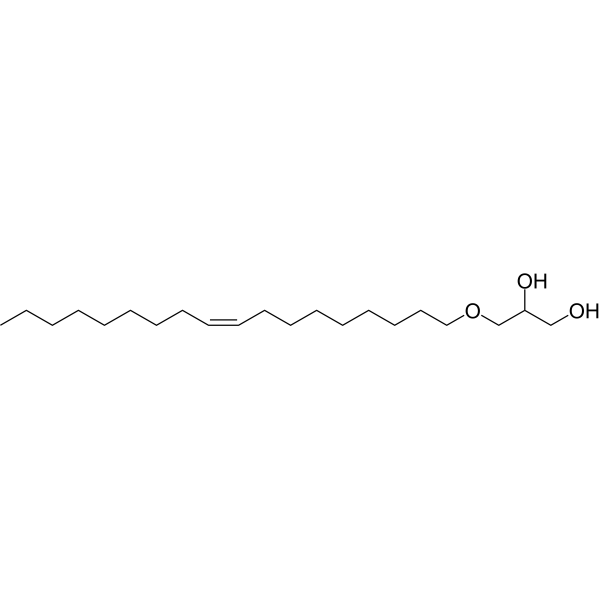
  • HY-152899

    Endogenous Metabolite Cardiovascular Disease
    Selachyl alcohol is an orally active antihypertensive agent. Selachyl alcohol has similar activities with antihypertensive neutral renomedullary lipid (ANRL). Selachyl alcohol is an alkylglycerol compound in shark liver oil mixture with properties that reduce lung metastasis. Selachyl alcohol can be used for cardiovascular disease research .
    Selachyl alcohol
  • HY-122320

    Endogenous Metabolite Cardiovascular Disease Cancer
    Phytosterols are anticancer agents. Phytosterols can be used in research related to cardiovascular disease and cancer .
    Phytosterols
  • HY-122537A
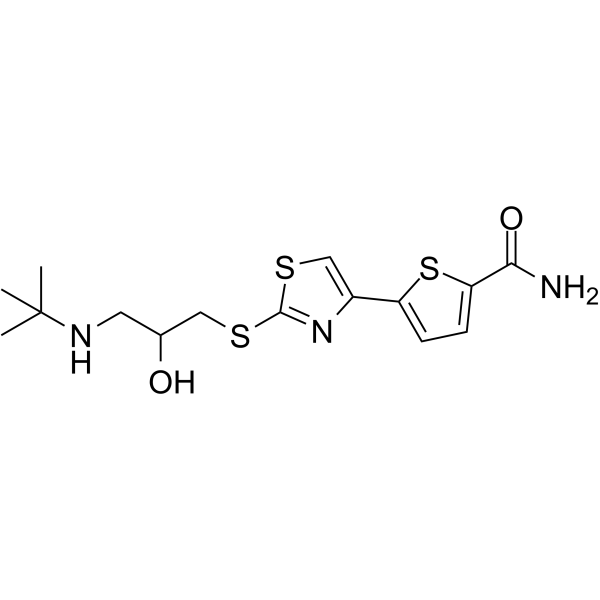
    Arotinolol
    2 Publications Verification

    Adrenergic Receptor 5-HT Receptor Cardiovascular Disease
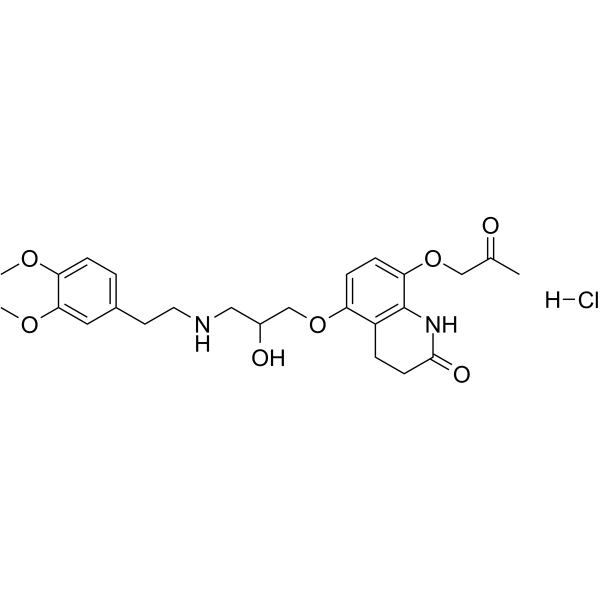
    Arotinolol is a nonselective α/β-adrenergic receptor blocker and a vasodilating β-blocker . Arotinolol also shows potency for inhibiting the binding of the radioligand 125I-ICYP to 5HT1B-serotonergic receptor sites . Arotinolol is an antihypertensive agent for the treatment of a variety of cardiovascular pathologies as well as non-cardiovascular diseases .
    Arotinolol
  • HY-106616

    BAY-g 2821; Edrul

    Sodium Channel Cardiovascular Disease
    Muzolimine (BAY-g 282) is a slow and long lasting diuresis agent. Muzolimine produces a diuresis in the loop of Henle and also shows anti-hypertensive and natriuresis effects. Muzolimine can be used for the research of cardiovascular disease .
    Muzolimine
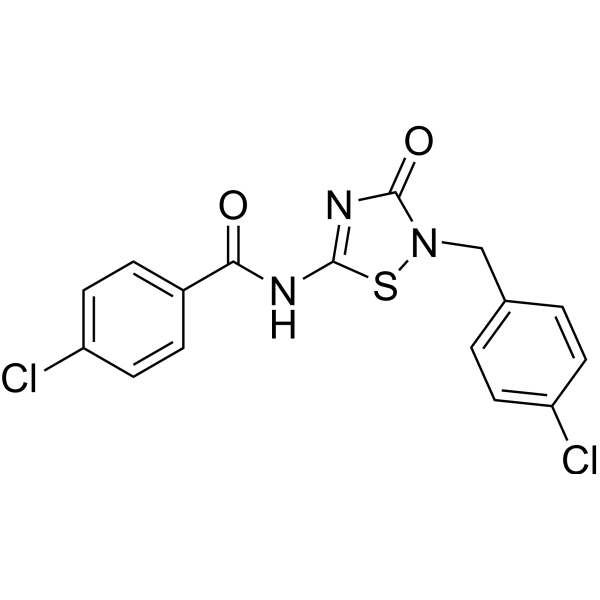
  • HY-W357818

    GX

    Sodium Channel ERK MEK NF-κB Drug Metabolite Cancer
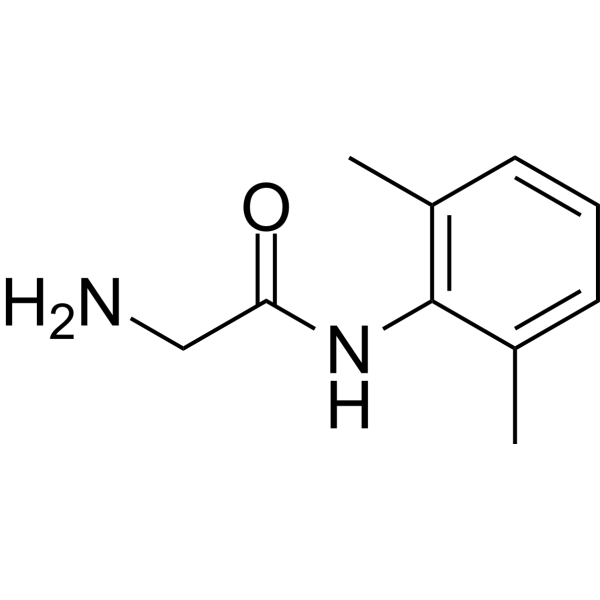
    Glycinexylidide (GX) is the active metabolite of Lidocaine. Lidocaine is a local agent that can suppress or relieve pain, that inhibits sodium channels involving complex voltage and dependence. Lidocaine also reduces the growth, migration and invasion of gastric cancer cells. Glycinexylidide has research potential for use in anesthesia, cancer, and cardiovascular disease .
    Glycinexylidide
  • HY-134769

    Mitochondrial Metabolism Reactive Oxygen Species (ROS) Cardiovascular Disease Metabolic Disease
    OPC-163493 is an orally active and liver-targeted mitochondrial uncoupling agent. OPC-163493 reduces the production of mitochondrial Δψ and ROS. OPC-163493 has anti-diabetic and lipid-lowering effects. In addition, OPC-163493 has a protective effect on cardiovascular disease .
    OPC-163493
  • HY-107345

    Ombolan

    Prostaglandin Receptor Inflammation/Immunology
    Droxicam (Ombolan) is a non-steroidal anti-inflammatory agent, with strong analgesic activity. Droxicam acts by inhibiting PGE2 varies, and is characterised by being a pro-drug of Piroxicam (HY-B0253). Droxicam is well tolerated with slight side effects in the said mucosa. Droxicam does not show cardiovascular or respiratory effects in cats, and inhibits peritoneal capillary permeability in mouse .
    Droxicam
  • HY-100662

    Bisdesethylchloroquine

    Drug Metabolite Cardiovascular Disease Infection
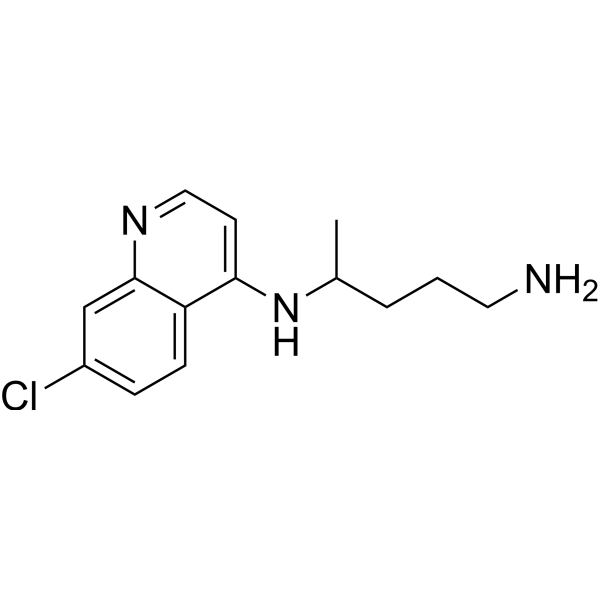
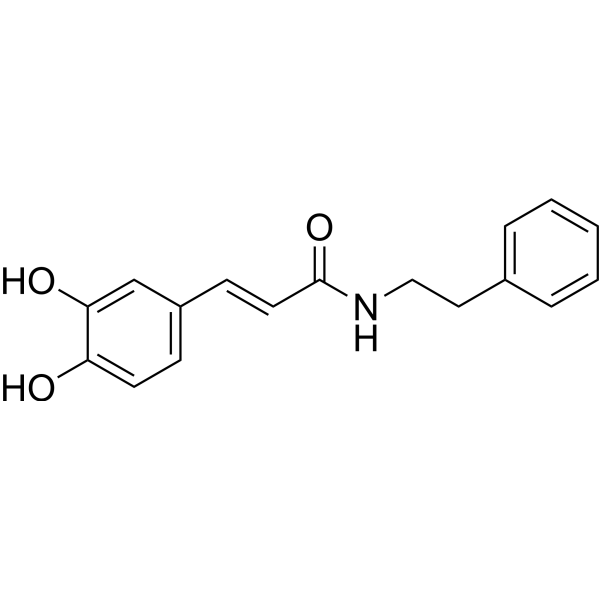
    Didesethyl chloroquine (Bisdesethylchloroquine) is the major metabolite of the antimalarial agent Chloroquine (HY-17589A). Didesethyl chloroquine is a potent myocardial inhibitor. Didesethyl chloroquine reduces calcium binding and accumulation in cardiac mitochondria, induces mitochondrial swelling, rupture and membrane conformational changes. Didesethyl chloroquine inhibits the growth of Plasmodium falciparum strains. Didesethyl chloroquine can be used in research related to malaria, chikungunya virus infection, and cardiovascular and cerebrovascular diseases .
    Didesethyl chloroquine
  • HY-B0568R

    Reference Standards Ferroptosis HCV Apoptosis COX Infection Cardiovascular Disease Neurological Disease Inflammation/Immunology Endocrinology Cancer
    Deferiprone (Standard) is the analytical standard of Deferiprone. This product is intended for research and analytical applications. Deferiprone is a potent, orally active, brain-penetrant, cell-penetrant, skin-permeable, free iron chelating agent. Deferiprone inhibits the proliferation and migration, and stimulates apoptosis in tumor cell. Deferiprone has antianemic, neuroprotective, anti-inflammatory, antioxidant, and antidotal activity. Deferiprone can be used in cancer, cardiovascular disease, infection, inflammation, and neurological disease study .
    Deferiprone (Standard)
  • HY-125748
    CBM-301940
    1 Publications Verification

    Malonyl-CoA Decarboxylase Cardiovascular Disease
    CBM-301940 (compound 5) is an orally active malonate CoA decarboxylase (MCD) inhibitor with IC50 value of 23 nM. CBM-301940 can be used in the study of cardiovascular diseases .
    CBM-301940
  • HY-N9585

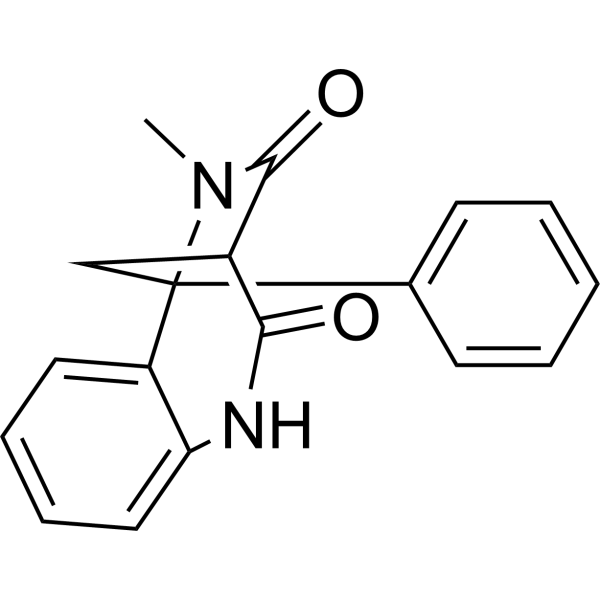
    Others Cancer
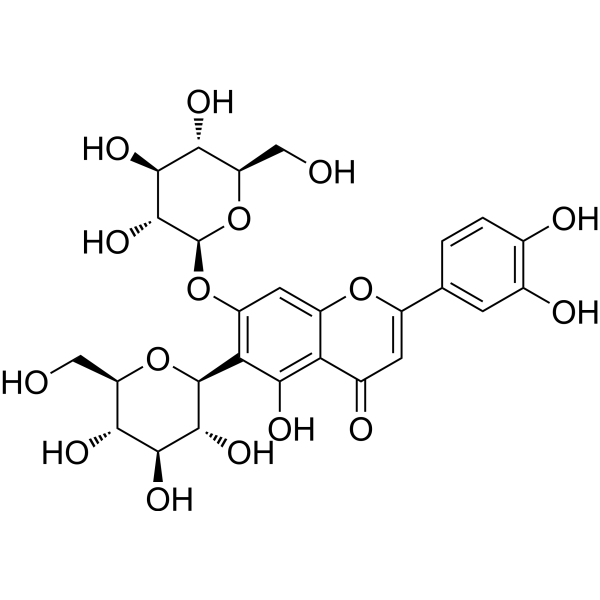
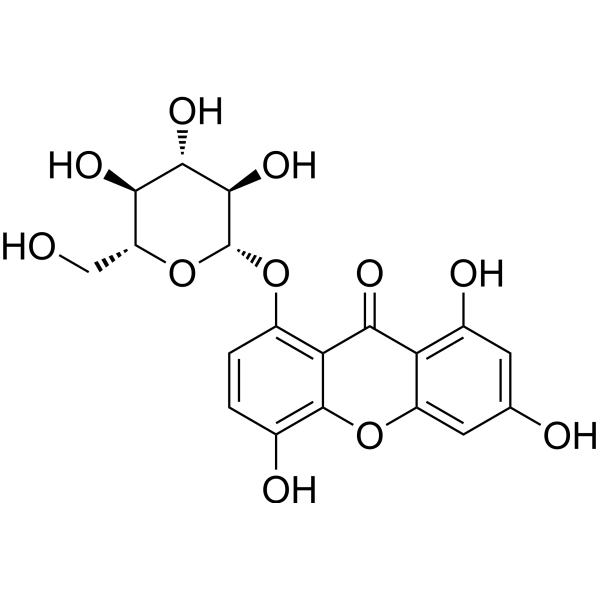
    Lutonarin is a antioxidant agent that can be isolated from green barley leaves. Lutonarin inhibits malonaldehyde formation from all lipids when in combination with Saponarin (HY-N5083) .
    Lutonarin
  • HY-129459R

    Reference Standards Endogenous Metabolite Cardiovascular Disease Neurological Disease
    α-Tocotrienol (Standard) is the analytical standard of α-Tocotrienol. This product is intended for research and analytical applications. α-Tocotrienol is an isoform of vitamin E and found in vegetables, fruits, seeds, nuts, grains, and oils. Vitamin E plays a role as an antioxidant, in lowering cholesterol and other lipids, as a neuroprotective and anticancer agent, and in cardiovascular disease protection.
    α-Tocotrienol (Standard)
  • HY-N1501R

    α-synuclein Reference Standards Cardiovascular Disease Neurological Disease Inflammation/Immunology
    Beta-asarone (Standard) is the analytical standard of Beta-asarone. This product is intended for research and analytical applications. Beta-asarone is an orally active and BBB-penetrable anti-inflammatory agent and neuroprotective agent, which is the major ingredient of Acorus tatarinowii Schott. Beta-asarone can protect nerve cells from apoptosis and autophagy, inhibit expression of α-synuclein, as well as myocardial protection. Beta-asarone can be used in the study of neurological and cardiovascular diseases .
    Beta-asarone (Standard)
  • HY-W018746R

    Ethylenediaminetetraacetic acid disodium (Standard)

    Biochemical Assay Reagents Reference Standards Others
    EDTA (disodium) (Standard) is the analytical standard of EDTA (disodium). This product is intended for research and analytical applications. EDTA disodium salt, also known as ethylenediaminetetraacetic acid disodium, belongs to the chelating agent category, which is formed by chelating a central metal ion with four carboxylate groups and two amine groups. This compound, with its ability to bind and chelate metal ions such as calcium, magnesium and iron, is commonly used in a variety of applications, including industrial, medical and research settings. It is used as a preservative in food and beverage, as a stabilizer in medicine, as a chelating agent in water treatment, and as a reagent in biochemical and biomedical research. In addition, EDTA disodium salt has been studied for potential research effects such as improving heavy metal poisoning and cardiovascular disease.
    EDTA disodium (Standard)
  • HY-121609A

    Drug Metabolite Cardiovascular Disease
    Pholedrine hydrochloride, the main metabolite of methamphetamine, is an indirectly acting sympathomimetic amine. Pholedrine hydrochloride is a cardiovascular agent exerting hypertensive and adrenergic effects. Pholedrine hydrochloride can produce mydriatic response and allow localization of the site of the interruption in the oculosympathetic pathway. Pholedrine hydrochloride can be used as a topical eye drop and a diagnostic agent for use in Horner's syndrome .
    Pholedrine hydrochloride
  • HY-100795A

    (±)-Pirmenol hydrochloride; CI-845

    mAChR Potassium Channel Cardiovascular Disease
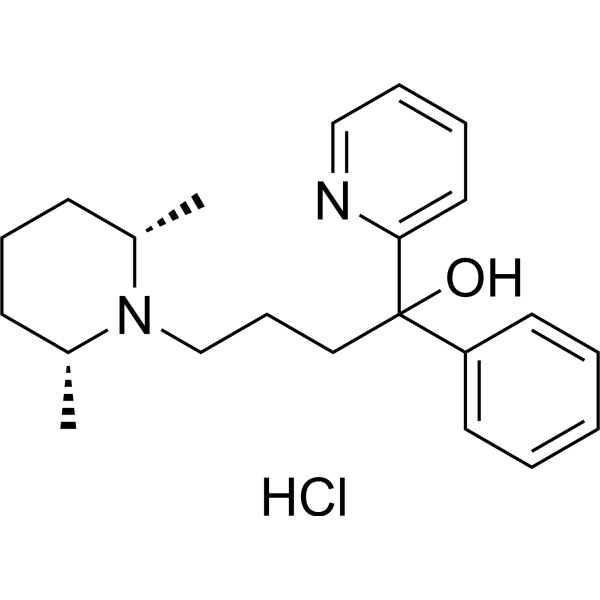
    Pirmenol ((±)-Pirmenol) hydrochloride is an orally active antiarrhythmic agent. Pirmenol hydrochloride inhibits IK.ACh (IC50: 0.1 μM) by blocking mAchR. Pirmenol hydrochloride can be used in the research of cardiovascular disease, such as atrial fibrillation .
    Pirmenol hydrochloride
  • HY-P99696

    LIB003

    PCSK9 Cardiovascular Disease Metabolic Disease
    Lerodalcibep (LIB003) is a recombinant fusion protein of a PCSK9-binding domain (adnectin) and human serum albumin. Lerodalcibep is a Lipid-lowering agent. Lerodalcibep can be used for the research of hypercholesterolemia and cardiovascular diseases .
    Lerodalcibep
  • HY-W011690S

    Endogenous Metabolite Metabolic Disease
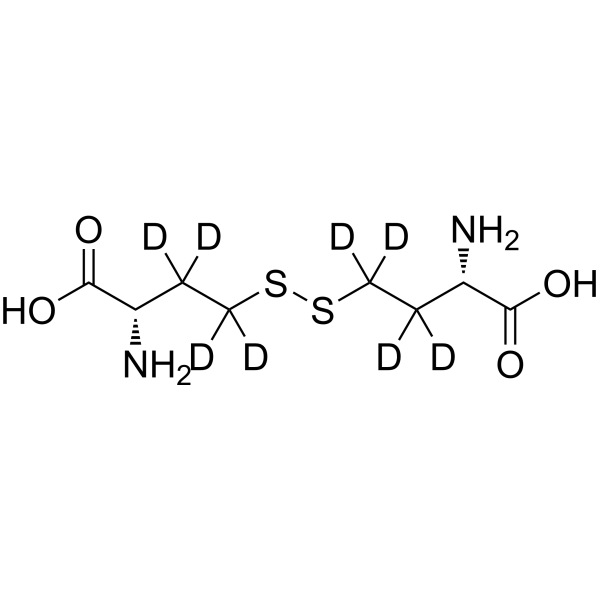
    L-Homocystine-d8 is the deuterium labeled L-Homocystine. L-Homocystine is the oxidized member of the L-homocysteine. Homocysteine is a pro-thrombotic factor, vasodilation impairing agent, pro-inflammatory factor and endoplasmatic reticulum-stress inducer used to study cardiovascular disease mechanisms.
    L-Homocystine-d8
  • HY-14252A
    Milrinone lactate
    30+ Cited Publications

    Win 47203 lactate

    Phosphodiesterase (PDE) Cardiovascular Disease
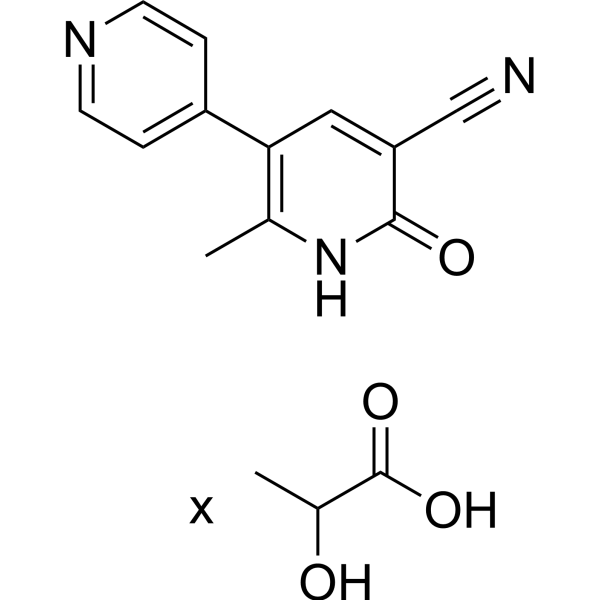
    Milrinone lactate is a potent inotropic dilating agent. Milrinone lactate shows simultaneous positive inotropic and vasodilating activities. Milrinone lactate promotes reduction of SVR and PVR in patients with DCM and NYHA class III and IV of heart failure. Milrinone lactate has the potential for the research of cardiovascular function after cardiac surgery and in septic shock .
    Milrinone lactate
  • HY-B0653
    Levobupivacaine
    2 Publications Verification

    (S)-(-)-Bupivacaine

    Sodium Channel Ferroptosis Neurological Disease Cancer
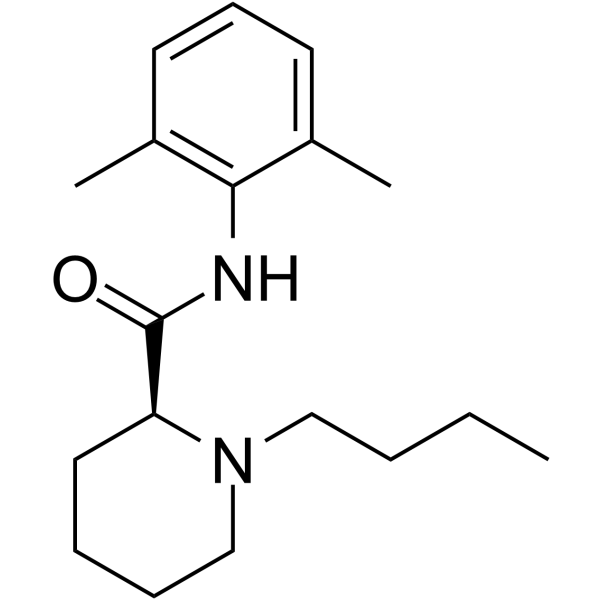
    Levobupivacaine ((S)-(-)-Bupivacaine) is a long-acting amide local agent that can suppress or relieve pain. Levobupivacaine exerts agent that can suppress or relieve pain. and analgesic effects through reversible blockade of neuronal sodium channel. Levobupivacaine can inhibit impulse transmission and conduction in cardiovascular and other tissues, possessing certain cardiac and CNS toxicity. Levobupivacaine is metabolized by hepatic cytochrome P450 (CYP450) enzymes in vivo. Levobupivacaine can also induce ferroptosis by miR-489-3p/SLC7A11 signaling in gastric cancer .
    Levobupivacaine
  • HY-U00386

    Adrenergic Receptor Cardiovascular Disease Endocrinology
    Bometolol Hydrochloride is a beta-adrenergic blocking agent, used for the research of cardiovascular disease.
    Bometolol Hydrochloride
  • HY-114683

    TGF-beta/Smad Cardiovascular Disease
    KS370G is an orally active hypoglycemic and cardiovascular protective agent. KS370G improves left ventricular hypertrophy and function in pressure-overload mice heart. KS370G reduces renal obstructive nephropathy .
    KS370G
  • HY-120577

    Others Cardiovascular Disease
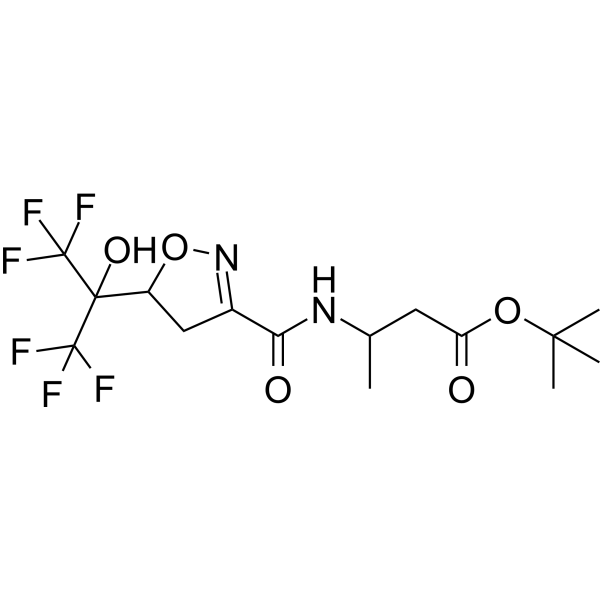
    BA 41899 is a purely calcium-sensitizing agent. BA 41899 is completely devoid of phosphodiesterase (PDE) III inhibitory activity or any other known inotropic mechanism. BA 41899 can be used for the research of cardiovascular diseases, such as congestive heart failure (CHF) .
    BA 41899
  • HY-N2007S

    3,4-Dimethoxybenzoic acid-d6

    Isotope-Labeled Compounds COX Reactive Oxygen Species (ROS) Cardiovascular Disease Inflammation/Immunology
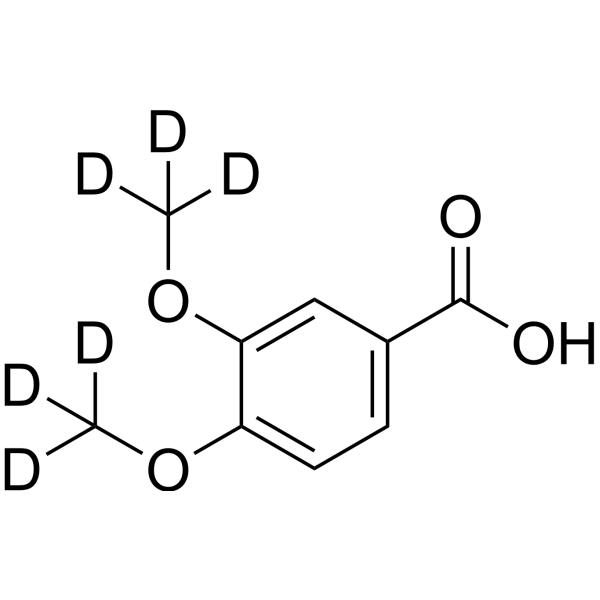
    Veratric acid-d6 is deuterium labeled Veratric acid. Veratric acid (3,4-Dimethoxybenzoic acid) is an orally active phenolic compound derived from vegetables and fruits, has antioxidant and anti-inflammatory activities . Veratric acid also acts as a protective agent against hypertension-associated cardiovascular remodelling . Veratric acid reduces upregulated COX-2 expression, and levels of PGE2, IL-6 after UVB irradiation .
    Veratric acid-d6
  • HY-W342283

    Parasite Angiotensin-converting Enzyme (ACE) Angiotensin Receptor p38 MAPK STAT NF-κB TNF Receptor 5-HT Receptor Cardiovascular Disease Infection Inflammation/Immunology
    Diminazene is an antiparasitic agent widely used to treat parasitic diseases caused by hemoparasites (such as trypanosomes and babesia). Diminazene acts as an ACE2 activator and exerts cardiovascular protective effects by activating the ACE2/Ang-(1-7)/Mas receptor axis. By regulating gut microbiota-tryptophan metabolism, Diminazene inhibits the activation of core inflammatory signaling pathways including MAPK, STAT and NF-κB, increases central 5-HT levels, and suppresses splenic TNF-α production, thereby alleviating systemic inflammation .
    Diminazene
  • HY-105057

    Phosphodiesterase (PDE) Cardiovascular Disease
    MDL 19205 is a cardiotonic agent with inotropic effect. MDL 19205 can be used for the research of cardiovascular disease, such as heart failure .
    MDL 19205
  • HY-122537

    Adrenergic Receptor 5-HT Receptor Cardiovascular Disease
    Arotinolol hydrochloride is a nonselective α/β-adrenergic receptor blocker and a vasodilating β-blocker . Arotinolol hydrochloride also shows potency for inhibiting the binding of the radioligand 125I-ICYP to 5HT1B-serotonergic receptor sites . Arotinolol hydrochloride is an antihypertensive agent for the treatment of a variety of cardiovascular pathologies as well as non-cardiovascular diseases .
    Arotinolol hydrochloride
  • HY-100795

    (±)-Pirmenol; CI-845 free base

    mAChR Potassium Channel Cardiovascular Disease
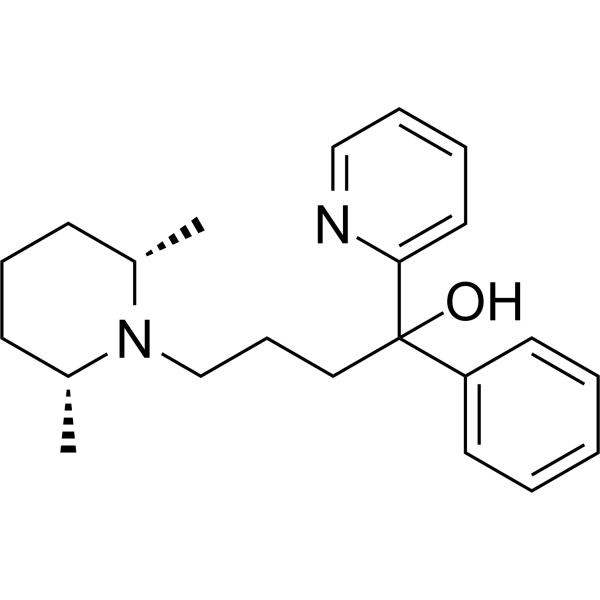
    Pirmenol is an orally active antiarrhythmic agent. Pirmenol inhibits IK.ACh (IC50: 0.1 μM) by blocking mAchR. Pirmenol can be used in the research of cardiovascular disease, such as atrial fibrillation .
    Pirmenol

オンラインお問い合わせ

入力情報は安全に管理されます. 必須入力項目.

タイトル


国或いは地域 *

お名前 *


組纖名 *

デパートメント *


メールアドレス *


製品名 *

製品番号


カスタマ需要量 *

電話番号 *


必ず会社名を記載ください。個人への返信は行いません。

備考

バルクお問い合わせ

Inquiry Information

製品名:
製品番号:
数量:
MCE 日本正規代理店: