
1. Search Result
Search Result
Results for "

Pseudomonas bacteria

" in MedChemExpress (MCE) Product Catalog:

130

Inhibitors & Agonists

1

Fluorescent Dyes

6

Biochemical Assay Reagents

9

Peptides

41

Natural
Products

5

Isotope-Labeled Compounds

Cat. No. Product Name Target Research Areas Chemical Structure
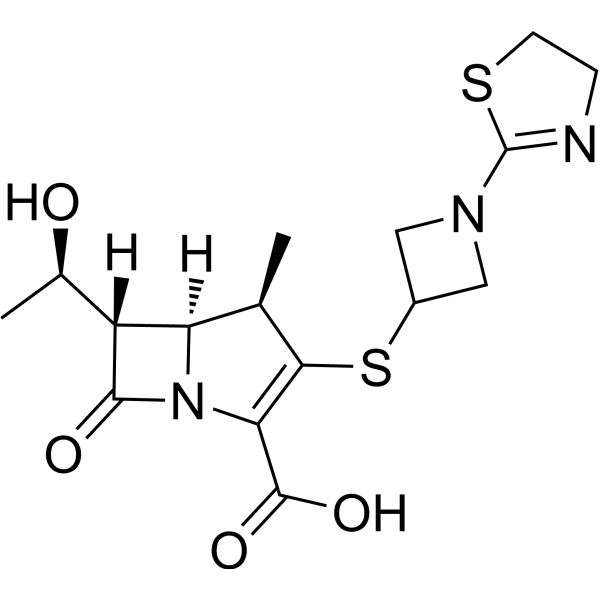
  • HY-A0076
    Tebipenem
    5+ Cited Publications

    LJC 11036

    Bacterial Antibiotic Infection
    Tebipenem is an orally available carbapenem antibiotic, shows broad-spectrum activity against Gram-positive and -negative bacteria, except for Pseudomonas aeruginosa.
    Tebipenem
  • HY-136406
    Bongkrekic acid
    1 Publications Verification

    ATP Synthase Infection Cancer
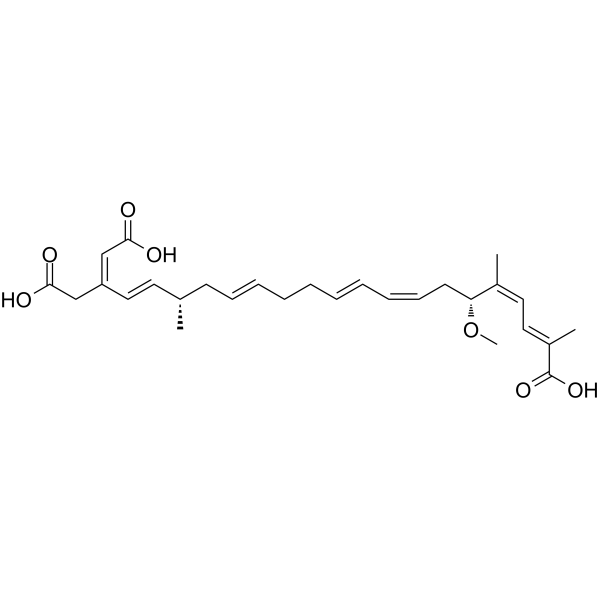
    Bongkrekic acid is a mitochondrial toxin secreted by the bacteria Pseudomonas cocovenenans . Bongkrekic acid specific ligand for mitochondrial adenine nucleotide translocase (ANT) rather than the electron transport chain. Bongkrekic acid has to cross the mitochondrial inner membrane to produce its inhibitory effect on ADP/ATP transport .
    Bongkrekic acid
  • HY-113678

    Polymyxin E

    Antibiotic Bacterial Infection
    Colistin is an orally active polypeptide antibiotic. Colistin has excellent activity against various Gram-negative rod-shaped bacteria, including multidrug-resistant Pseudomonas aeruginosa, Acinetobacter baumannii and Klebsiella pneumoniae. Colistin is associated with nephrotoxicity. Colistin can be used for the research of infections caused by Gram-negative bacilli .
    Colistin
  • HY-160238

    Corynebactin

    Bacterial Fungal Infection
    Bacillibactin (Corynebactin) is a cyclic tricatecholate siderophore. Bacillibactin’s primary function is to facilitate bacterial iron acquisition by chelating iron ions (Fe 3+) from the environment, thereby aiding bacterial survival under iron-limited conditions. Bacillibactin exhibits direct antimicrobial activity, such as inhibition of the growth of the producing bacteria Pseudomonas aeruginosa and Aeromonas veronae, as well as plant pathogens such as Pseudomonas syringae.Bacillibactin can be used in antibacterial and antifungal research .
    Bacillibactin
  • HY-133704
    Pyrrolnitrin
    1 Publications Verification

    Bacterial Fungal Antibiotic Infection
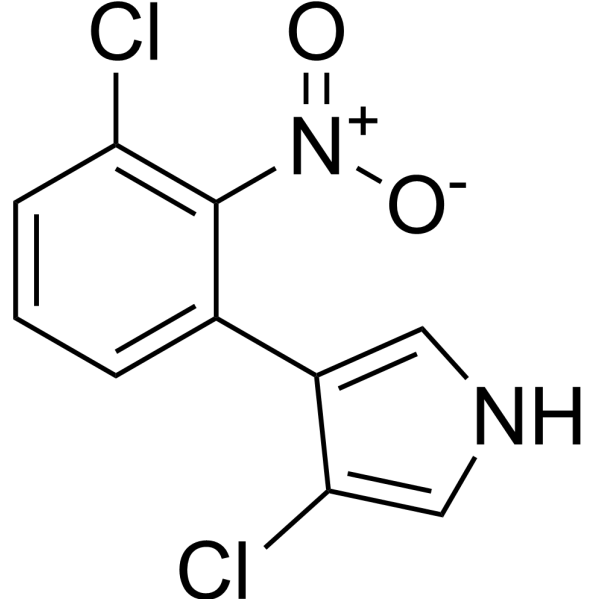
    Pyrrolnitrin is an antibiotic isolated from Pseudomonas pyrrocinia. Pyrrolnitrin shows a broad spectrum of antibiotic activity against fungi, yeast and gram-positive bacteria .
    Pyrrolnitrin
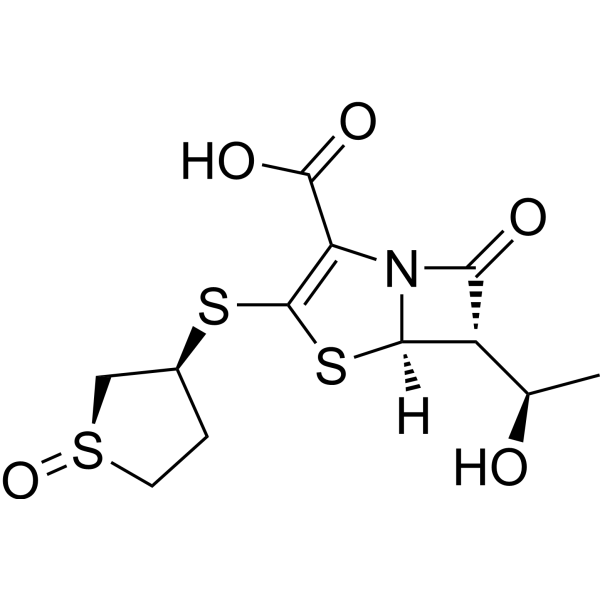
  • HY-105284
    Sulopenem
    2 Publications Verification

    CP-70429

    Beta-lactamase Bacterial Antibiotic Infection
    Sulopenem (CP-70429) is an orally active, parenteral penem antibiotic with broad-spectrum activities against Gram-positive and Gram-negative bacteria. Sulopenem has the potential for urinary tract infections and intra-abdominal infections treatment. Sulopenem is inactive against Pseudomonas aeruginosa and Xanthomonas maltophilia .
    Sulopenem
  • HY-W004292

    Undecyl alcohol

    Environmental Pollutants Drug Derivative Insecticide Infection
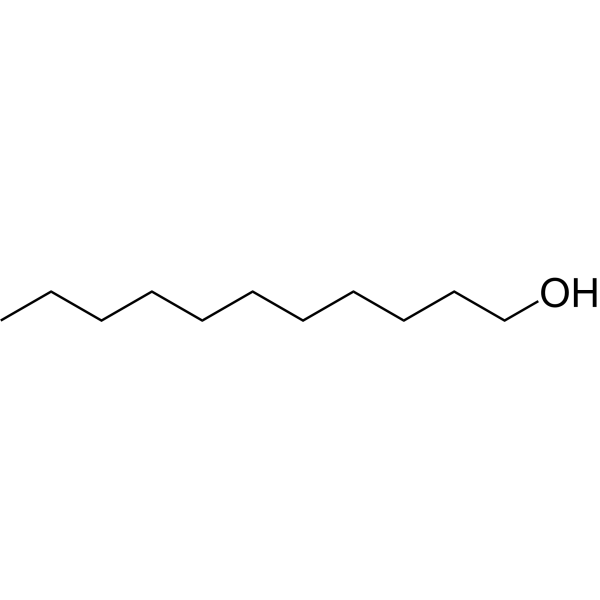
    1-Undecanol (Undecyl alcohol) is the main product generated from the degradation of 2-tridecanone by Pseudomonas bacteria isolated from the soil. 1-Undecanol can enhance the attraction of Grapholita molesta to sex pheromone traps .
    1-Undecanol
  • HY-19892A
    Brilacidin tetrahydrochloride
    1 Publications Verification

    PMX 30063 tetrahydrochloride

    Bacterial Antibiotic Infection Cancer
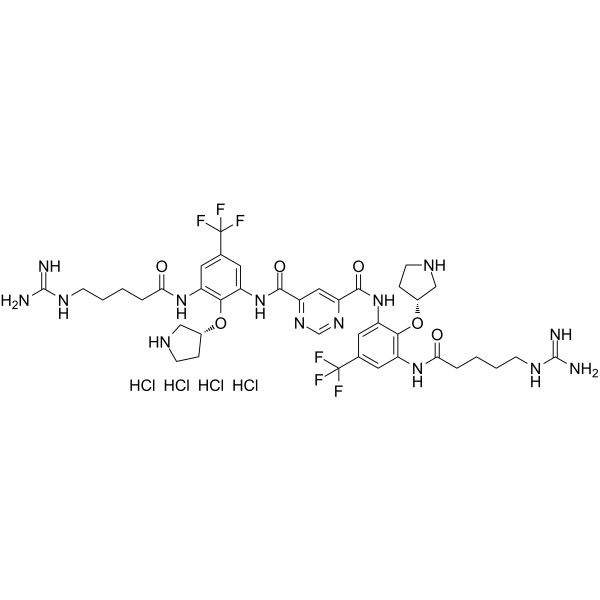
    Brilacidin tetrahydrochloride (PMX 30063 tetrahydrochloride) is an anti-infective antimicrobial with MIC90s of 1 and 8 μg/mL for Gram-positive bacteria Streptococcus pneumonia and Streptococcus viridans, and MIC90 of 8 and 4 μg/mL for Gram-negative bacteria Haemophilus influenza and Pseudomonas aeruginosa. Brilacidin tetrahydrochloride is a defensin mimetic antibiotic compound .
    Brilacidin tetrahydrochloride
  • HY-B1210
    Pipemidic acid
    1 Publications Verification

    Bacterial Antibiotic Infection
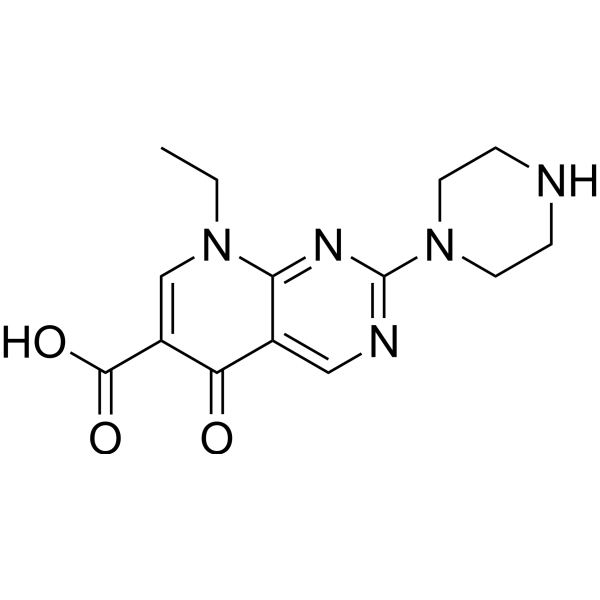
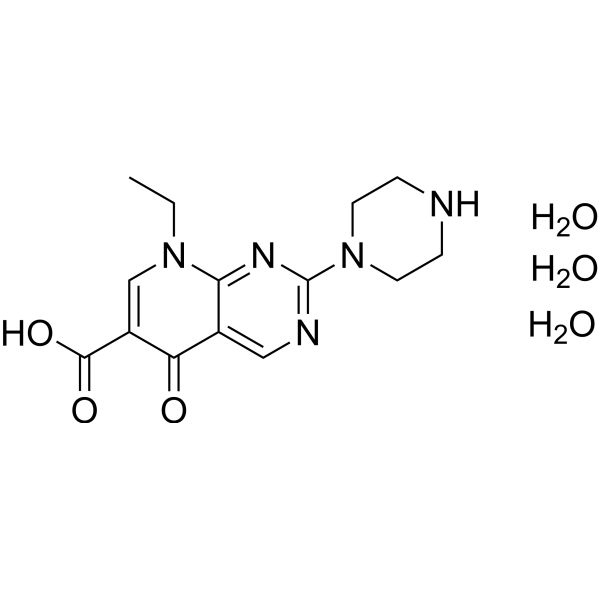
    Pipemidic acid , a derivative of Piromidic acid, is an antibacterial agent. Pipemidic acid inhibits DNA gyrase. Pipemidic acid is active against gram-negative bacteria including Pseudomonas aeruginosa as well as some gram-positive bacteria. Pipemidic acid can be used for the research of intestinal, urinary, and biliary tract infections .
    Pipemidic acid
  • HY-13212

    cis-2-Decenoic acid

    Bacterial Cancer
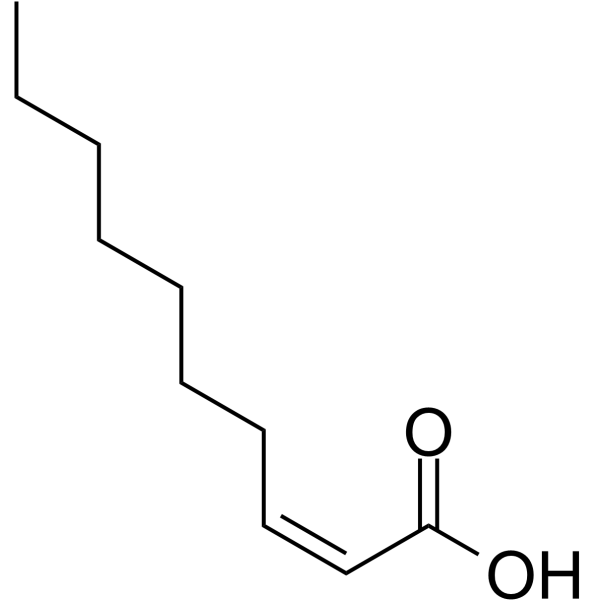
    (Z)-2-decenoic acid (cis-2-Decenoic acid) is an unsaturated fatty acid produced by Pseudomonas aeruginosa. (Z)-2-decenoic acid induces a dispersion response in biofilms formed by a range of gram-negative bacteria, including P. aeruginosa, and by gram-positive bacteria. (Z)-2-decenoic acid inhibits biofilm development .
    (Z)-2-Decenoic acid
  • HY-N6665

    Antibiotic Bacterial Infection
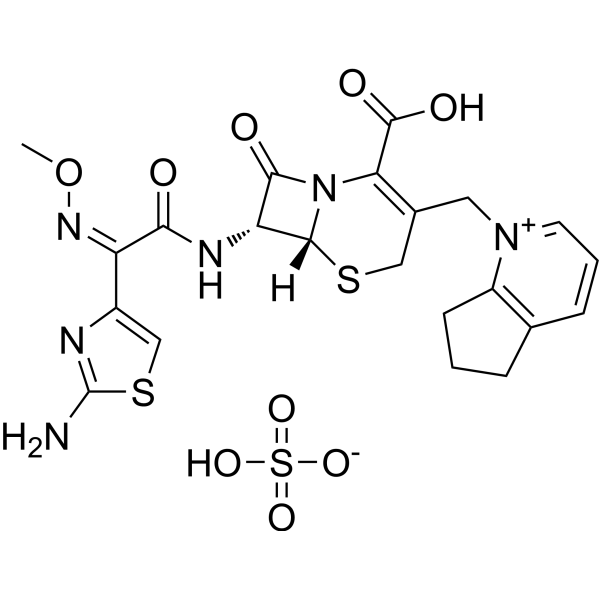
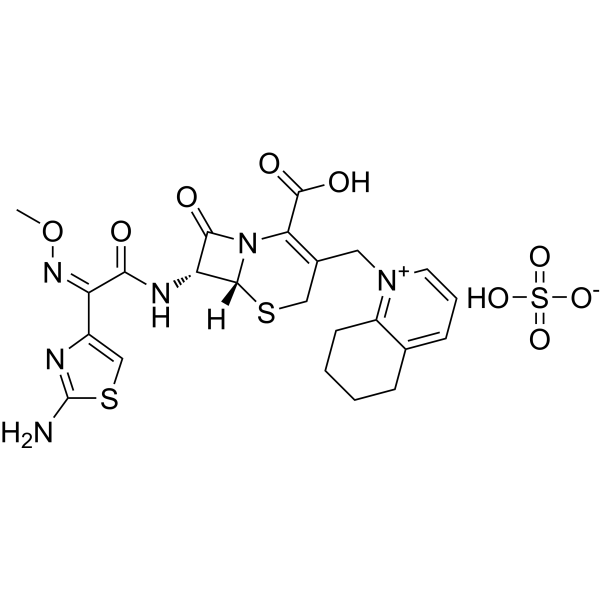
    Cefquinome sulfate is a broad-spectrum cephem antibiotic that has inhibitory effects on a variety of Gram-positive and Gram-negative bacteria, including Staphylococci, Streptococci, Pseudomonas, and Enterobacteriaceae .
    Cefquinome sulfate
  • HY-42034

    Dihydroquinine

    Bacterial Parasite Reactive Oxygen Species (ROS) Protein Arginine Deiminase Infection
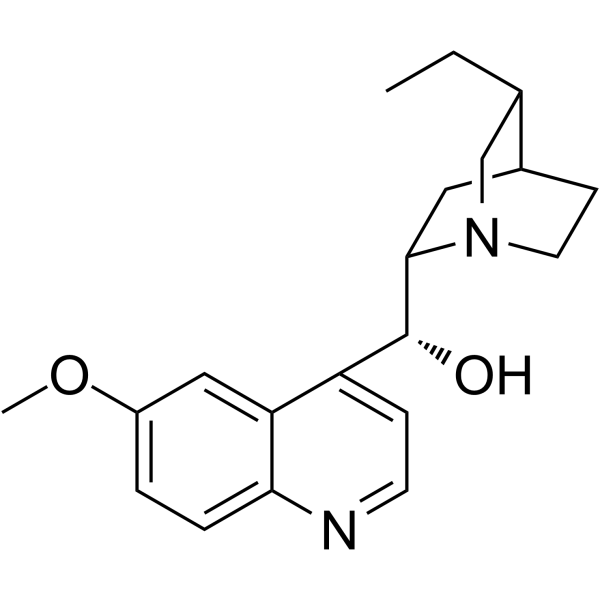
    Hydroquinine (Dihydroquinine) is an anti-bacterial agent that inhibits both Gram-positive and Gram-negative bacteria. Hydroquinine inhibits the growth of multidrug-resistant pseudomonas aeruginosa via the suppression of the arginine deiminase pathway genes. Hydroquinine inhibits Plasmodium falciparum and Plasmodium berghei. Hydroquinine displays anti-malarial and demelanizing activities. Hydroquinine effectively induces specific RND-type efflux pump systems in Pseudomonas aeruginosa, particularly the MexCD-OprJ and MexXY efflux pumps. Hydroquinine inhibits Pseudomonas aeruginosa adhesion and biofilm formation. Hydroquinine serves as a precursor for derivatives such as C9 epihydroquinine, 9-acetoxy-10,11-dihydroquinine, and 10,11-dihydroquinine monohydrochloride .
    Hydroquinine
  • HY-A0248B

    Antibiotic Bacterial Infection Inflammation/Immunology
    Polymyxin B2 is a polypeptide antibiotic with particularly potent antibacterial activity against Gram-negative bacteria. Polymyxin B2 kills bacteria by binding to lipopolysaccharide molecules on the bacterial cell membrane, disrupting membrane integrity and causing leakage of intracellular contents. Polymyxin B2 is used in studies related to Pseudomonas aeruginosa infection and acute enteritis .
    Polymyxin B2
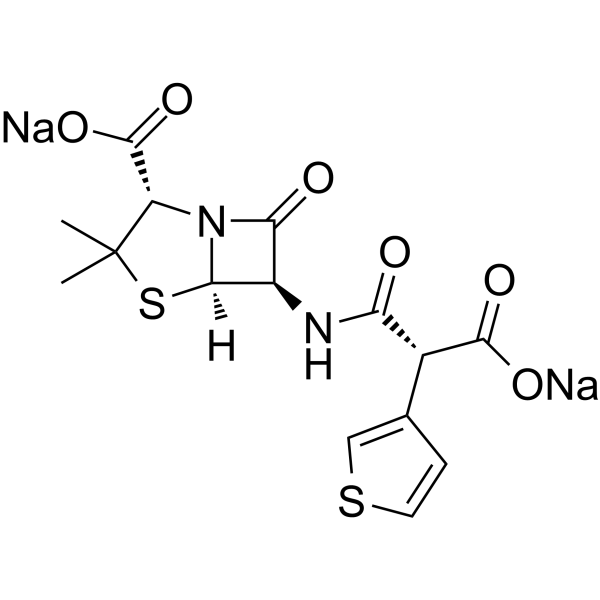
  • HY-100577
    Ticarcillin sodium
    5+ Cited Publications

    Bacterial Antibiotic Infection
    Ticarcillin sodium is an injectable antibiotic for the treatment of Gram-negative bacteria, particularly Pseudomonas aeruginosa. It is also one of the few antibiotics capable of treating Stenotrophomonas maltophilia infections .
    Ticarcillin sodium
  • HY-Y1313

    m-Carboxynitrobenzene; m-Nitrobenzenecarboxylic acid; m-Nitrobenzoic acid

    Bacterial Fungal Infection
    3-Nitrobenzoic acid (m-Carboxynitrobenzene; m-Nitrobenzenecarboxylic acid; m-Nitrobenzoic acid) is an antioxidant and antibacterial agent that can kill bacteria and fungi. 3-Nitrobenzoic acid can be degraded or reduced by certain bacteria (such as Pseudomonas) and fungi (such as white rot fungi) into aldehydes and alcohols .
    3-Nitrobenzoic acid
  • HY-N6665A

    Antibiotic Bacterial Infection
    Cefquinome is a broad-spectrum cephem antibiotic that has inhibitory effects on a variety of Gram-positive and Gram-negative bacteria, including Staphylococci, Streptococci, Pseudomonas, and Enterobacteriaceae .
    Cefquinome
  • HY-118448

    Antibiotic Bacterial Fungal Parasite Infection
    2,4-Diacetylphloroglucinol is a polyketide antibiotic produced by Pseudomonas fluorescens. 2,4-Diacetylphloroglucinol exhibits broad-spectrum toxicity against various organisms such as bacteria, fungi, oomycetes, and nematodes. 2,4-Diacetylphloroglucinol can also inhibit plant pathogens and affect the root development of tomato seedlings .
    2,4-Diacetylphloroglucinol
  • HY-113604

    TGF-β Receptor Cancer
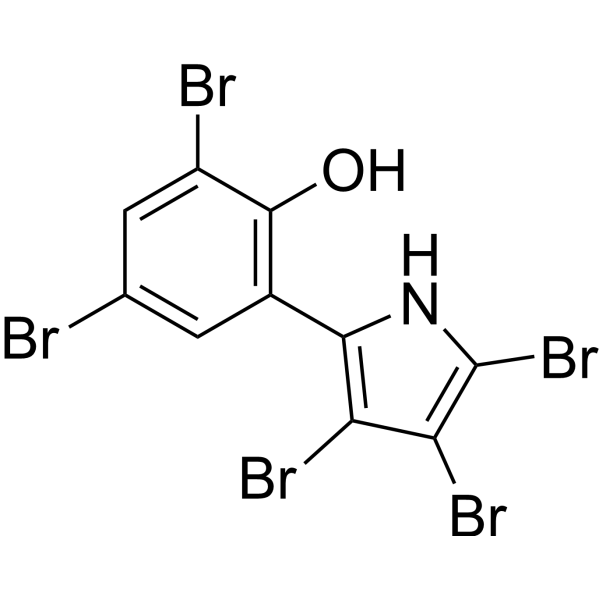
    Pentabromopseudilin (PBrP) is a marine antibiotic isolated from the marine bacteria Pseudomonas bromoutilis and Alteromonas luteoviolaceus. PBrP exhibits antimicrobial, anti-tumour and phytotoxic activities. PBrP is a reversible and allosteric inhibitor of myosin Va (MyoVa). PBrP also is a potent inhibitor of transforming growth factor-β (TGF-β) activity. PBrP can be used for the research of fibrotic diseases and cancer .
    Pentabromopseudilin
  • HY-169331

    Bacterial Infection
    H2S scavenger 1 triflate is a selective H2S scavenger and antibacterial adjuvant. H2S scavenger 1 triflate consumes hydrogen sulfide produced by H2S-producing bacteria via chemical scavenging, and does not act on H2S synthases. H2S scavenger 1 triflate enhances the clearance of H2S-producing bacteria mediated by macrophages and polymorphonuclear neutrophils. H2S scavenger 1 triflate inhibits the biofilm formation of H2S-producing bacteria and eliminates pre-formed biofilms. H2S scavenger 1 triflate can be used for the research of Pseudomonas aeruginosa-infected pneumonia and Pseudomonas aeruginosa-infected skin wounds .
    H2S scavenger 1 triflate
  • HY-124679

    Bacterial Infection
    DS86760016 is a potent leucyl-tRNA synthetase (LeuRS) inhibitor with activity against multidrug-resistant (MDR) Gram-negative bacteria, such as Escherichia coli, Klebsiella pneumoniae, and Pseudomonas aeruginosa. DS86760016 inhibits LeuRS enzymes from Escherichia coli, Pseudomonas aeruginosa, and Acinetobacter baumannii, with IC50s of 0.38, 0.62, and 0.16 μM, respectively .
    DS86760016
  • HY-168509

    Bacterial Infection
    IMPDH-IN-1 (compound 44) is a bacterial inosine 5'-monophosphate dehydrogenase (IMPDH) inhibitor. IMPDH-IN-1 specifically binds to the catalytic domain of IMPDH. IMPDH-IN-1 potently inhibits the IMPDH of Pseudomonas aeruginosa, Staphylococcus aureus and Escherichia coli .
    IMPDH-IN-1
  • HY-P11165

    Bacterial Infection
    DRGN-1 is an antimicrobial peptide. DRGN-1 exhibits potent antimicrobial and anti-biofilm activities, inhibiting both Gram-negative and Gram-positive bacteria, with an EC50 range of 0.50-4.62 μM. DRGN-1 exerts its antimicrobial effect by disrupting bacterial membrane permeability and slightly depolarizing the membrane potential. DRGN-1 inhibits the formation of biofilms of single bacterial species and mixed species of Pseudomonas aeruginosa and Staphylococcus aureus. DRGN-1 can significantly promote the healing of uninfected and mixed biofilm-infected mouse wounds. DRGN-1 can be used for the study of infections .
    DRGN-1
  • HY-W013766
    Pipemidic acid trihydrate
    1 Publications Verification

    Bacterial Antibiotic Infection
    Pipemidic acid trihydrate, a derivative of Piromidic acid, is an antibacterial agent. Pipemidic acid trihydrate inhibits DNA gyrase. Pipemidic acid trihydrate is active against gram-negative bacteria including Pseudomonas aeruginosa as well as some gram-positive bacteria. Pipemidic acid trihydrate can be used for the research of intestinal, urinary, and biliary tract infections .
    Pipemidic acid trihydrate
  • HY-19892

    PMX 30063

    Bacterial Antibiotic Infection Cancer
    Brilacidin (PMX 30063) is an anti-infective antimicrobial with MIC90s of 1 and 8 μg/mL for Gram-positive bacteria Streptococcus pneumonia and Streptococcus viridans, and MIC90 of 8 and 4 μg/mL for Gram-negative bacteria Haemophilus influenza and Pseudomonas aeruginosa. Brilacidin is a defensin mimetic antibiotic compound .
    Brilacidin
  • HY-128105

    Bacterial Others
    1,2-Dihydroxynaphthalene is an intermediate isolated from the metabolism of naphthalene and has been shown to be a precursor to the formation of naphthoquinones. 1,2-Dihydroxynaphthalene can be further metabolized by some bacteria (such as Pseudomonas) to compounds such as coumarins and salicylic acid .
    1,2-Dihydroxynaphthalene
  • HY-136406S
    Bongkrekic acid-13C28
    1 Publications Verification

    Isotope-Labeled Compounds ATP Synthase Cancer
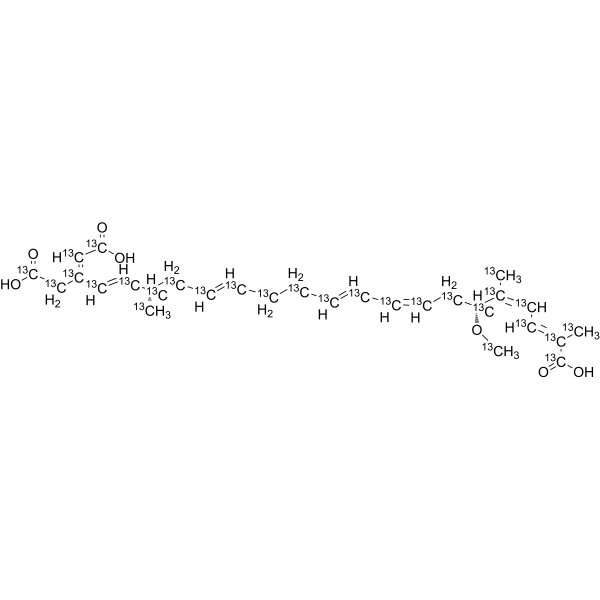
    Bongkrekic acid- 13C28 is the 13C labeled Bongkrekic acid (HY-136406). Bongkrekic acid is a mitochondrial toxin secreted by the bacteria Pseudomonas cocovenenans. Bongkrekic acid specific ligand for mitochondrial adenine nucleotide translocase (ANT) rather than the electron transport chain. Bongkrekic acid has to cross the mitochondrial inner membrane to produce its inhibitory effect on ADP/ATP transport .
    Bongkrekic acid-13C28
  • HY-W004292S

    Undecyl alcohol-d23

    Isotope-Labeled Compounds Drug Derivative Insecticide Infection
    1-Undecanol-d23 (Undecyl alcohol-d23) is the deuterium labeled 1-Undecanol (HY-W004292). 1-Undecanol (Undecyl alcohol) is the main product generated from the degradation of 2-tridecanone by Pseudomonas bacteria isolated from the soil. 1-Undecanol can enhance the attraction of Grapholita molesta to sex pheromone traps .
    1-Undecanol-d23
  • HY-129805

    Bacterial Antibiotic Infection
    BO 1341 is a PBPs inhibitor and an antipseudomonal semisynthetic cephalosporin, which belongs to the class of Antibiotic. BO 1341 exhibits antibacterial activity against most Gram-negative bacteria, such as Pseudomonas aeruginosa (MIC90: 1.56 μg/mL), Pseudomonas maltophilia (MIC50: 1.56 μg/mL), and Acinetobacter calcoaceticus (MIC90: 3.13 μg/mL) . BO 1341 can be used in the research of infectious diseases .
    BO 1341
  • HY-126461

    Bacterial Fungal Infection
    Salazinic acid has antibacterial activity against bacteria and fungi. Salazinic acid does not show antibacterial activity against Listeria monocytogenes, Pseudomonas aeruginosa, Yersinia enterocolitica, and Enterococcus faecalis, but it does have antibacterial activity against Pseudomonas aeruginosa and Salmonella typhimurium .
    Salazinic acid
  • HY-116271

    Antibiotic Bacterial Infection
    Sperabillin C is an antibacterial antibiotic with activity against both Gram-negative and Gram-positive bacteria, including resistant strains of Pseudomonas aeruginosa and Staphylococcus aureus .
    Sperabillin C
  • HY-A0076R

    LJC 11036 (Standard)

    Reference Standards Bacterial Antibiotic Infection
    Tebipenem (Standard) is the analytical standard of Tebipenem. This product is intended for research and analytical applications. Tebipenem is an orally available carbapenem antibiotic, shows broad-spectrum activity against Gram-positive and -negative bacteria, except for Pseudomonas aeruginosa.
    Tebipenem (Standard)
  • HY-P11547

    Bacterial Infection
    Plantaricin F is an antibacterial peptide. Plantaricin F strongly inhibits several gram-negative bacteria including the foodbome pathogens Salmonella enteritidis and Pseudomonas aeruginosa. Plantaricin F inhibits several Lactobacillus, Pediococcus and Leuconostoc species .
    Plantaricin F
  • HY-117108

    Antibiotic Bacterial Infection
    Nocardicin A is a beta-lactam antibiotic with selective antibacterial activity. Nocardicin A has moderate antibacterial activity against a broad spectrum of Gram-negative bacteria including Proteus and Pseudomonas; it has no inhibitory effect on Staphylococcus, Mycobacterium, fungi, and yeast .
    Nocardicin A
  • HY-W099582

    Lexamine M-13; MAPD

    Environmental Pollutants Antibiotic Biochemical Assay Reagents Bacterial Fungal Insecticide Inflammation/Immunology
    Myristamidopropyl dimethylamine (MAPD) is an antimicrobial agent (including against bacteria and fungi) and an insecticide, exhibiting inhibitory activity against Pseudomonas aeruginosa, Staphylococcus aureus, Candida albicans, Fusarium solani, and Acanthamoeba polyphaga. Myristamidopropyl dimethylamine can be used in research on microbial-induced keratitis .
    Myristamidopropyl dimethylamine
  • HY-N6665R

    Reference Standards Antibiotic Bacterial Infection
    Cefquinome (sulfate) (Standard) is the analytical standard of Cefquinome (sulfate). This product is intended for research and analytical applications. Cefquinome sulfate is a broad-spectrum cephem antibiotic that has inhibitory effects on a variety of Gram-positive and Gram-negative bacteria, including Staphylococci, Streptococci, Pseudomonas, and Enterobacteriaceae .
    Cefquinome sulfate (Standard)
  • HY-105284A

    CP-70429 sodium

    Antibiotic Bacterial Inflammation/Immunology
    Sulopenem (sodium)(CP-70429 (sodium)) is an orally active, parenteral penem antibiotic with broad-spectrum activities against Gram-positive and Gram-negative bacteria. Sulopenem has the potential for urinary tract infections and intra-abdominal infections treatment. Sulopenem is inactive against Pseudomonas aeruginosa and Xanthomonas maltophilia .
    Sulopenem sodium
  • HY-118906

    Antibiotic Bacterial Infection
    BO-1165 is an antibiotic with good antibacterial activity against Gram-negative bacteria, but almost no activity against Gram-positive bacteria and anaerobic bacteria. BO-1165 has high antibacterial activity against Pseudomonas aeruginosa (MIC50=3.12 mg/L) and P. cepacia (MIC50=1.56 mg/L) .
    BO-1165
  • HY-157360

    Biochemical Assay Reagents Others
    Acetamide Agar is a solid culture media for non-fermenting bacteria. Acetamide Agar helps differentiate P. acidovorans from other non-sugar-soluble or weakly sugar-soluble Pseudomonas species. Acetamide Agar can be used to test the ability of microorganisms such as Pseudomonas aeruginosa to utilize acetamide through deamination .
    Acetamide Agar
  • HY-B1210R

    Reference Standards Bacterial Antibiotic Infection
    Pipemidic acid (Standard) is the analytical standard of Pipemidic acid. This product is intended for research and analytical applications. Pipemidic acid , a derivative of Piromidic acid, is an antibacterial agent. Pipemidic acid inhibits DNA gyrase. Pipemidic acid is active against gram-negative bacteria including Pseudomonas aeruginosa as well as some gram-positive bacteria. Pipemidic acid can be used for the research of intestinal, urinary, and biliary tract infections .
    Pipemidic acid (Standard)
  • HY-N7505

    Bacterial Infection
    Norchelerythrine is an alkaloid isolated from the roots of Zanthoxylum capense with antibacterial activity against gram-positive and gram-negative bacteria. Norchelerythrine exhibits inhibitory activity against Staphylococcus aureus, Pseudomonas aeruginosa, and Enterococcus faecalis and Escherichia coli with MIC values >50 µg/mL .
    Norchelerythrine
  • HY-124679A

    Bacterial Others
    (R)-DS86760016 is the R-enantiomer of DS86760016 (HY-124679). DS86760016 is a potent leucyl-tRNA synthetase (LeuRS) inhibitor with activity against multidrug-resistant (MDR) Gram-negative bacteria, such as Escherichia coli, Klebsiella pneumoniae, and Pseudomonas aeruginosa .
    (R)-DS86760016
  • HY-13212R

    cis-2-Decenoic acid (Standard)

    Bacterial Reference Standards Cancer
    (Z)-2-Decenoic acid (Standard) is the analytical standard of (Z)-2-Decenoic acid. This product is intended for research and analytical applications. (Z)-2-decenoic acid (cis-2-Decenoic acid) is an unsaturated fatty acid produced by Pseudomonas aeruginosa. (Z)-2-decenoic acid induces a dispersion response in biofilms formed by a range of gram-negative bacteria, including P. aeruginosa, and by gram-positive bacteria. (Z)-2-decenoic acid inhibits biofilm development[1].
    (Z)-2-Decenoic acid (Standard)
  • HY-161364

    Bacterial Inflammation/Immunology
    Antibacterial agent 200 (pyridyl HH 7), a unique hydrazyl hydroxycoumarin (HH), has strong antibacterial efficacy and broad antibacterial spectrum with MIC values ranging from 0.5 to 32 μg/mL for Gram-positive and Gram-negative bacteria. Antibacterial agent 200 exhibits a good inhibition against Pseudomonas aeruginosa 27853 with a low MIC value of 0.5 μg/mL. Antibacterial agent 200 can eradicate the integrity of bacterial membrane, result in the leakage of intracellular proteins, and interact with bacterial DNA gyrase via non-covalent binding .
    Antibacterial agent 200
  • HY-N14520

    Bacterial Infection
    Pacidamycin 4N is a Pacidamycin antibiotic. Pacidamycin 4N has the activity against Pseudomonas aeruginosa with MIC of 4-16 μg/mL. it has no effect on other Gram-negative bacteria and Gram-positive bacteria, and no effect on drug-resistant pseudomonas aeruginosa .
    Pacidamycin 4N
  • HY-N14845

    Antibiotic Bacterial Infection
    Napsamycin A is an antibiotic. Napsamycin A has antibacterial activity against Pseudomonas aeruginosa and other pseudomonas, but has weak antibacterial activity against other Gram-positive and negative bacteria .
    Napsamycin A
  • HY-N14851

    Antibiotic Bacterial Infection
    Napsamycin C is an antibiotic. Napsamycin C has antibacterial activity against Pseudomonas aeruginosa and other pseudomonas, but has weak antibacterial activity against other Gram-positive and negative bacteria .
    Napsamycin C
  • HY-N14850

    Antibiotic Bacterial Infection
    Napsamycin B is an antibiotic. Napsamycin B has antibacterial activity against Pseudomonas aeruginosa and other pseudomonas, but has weak antibacterial activity against other Gram-positive and negative bacteria .
    Napsamycin B
  • HY-N14852

    Antibiotic Bacterial Infection
    Napsamycin D is an antibiotic. Napsamycin D has antibacterial activity against Pseudomonas aeruginosa and other pseudomonas, but has weak antibacterial activity against other Gram-positive and negative bacteria .
    Napsamycin D
  • HY-P10548

    Bacterial Infection
    Cyclic L27-11 is a cyclic peptide-like antibiotic with strong antibacterial activity against specific bacteria such as Pseudomonas sp. Cyclic L27-11 shows nanomolar antibacterial activity against Pseudomonas sp., especially Pseudomonas aeruginosa. Cyclic L27-11 interferes with the function of bacterial outer membrane protein LptD, preventing the normal transport of lipopolysaccharide (LPS), leading to the accumulation of membrane-like substances in bacterial cells, which in turn affects the survival of bacteria. Cyclic L27-11 can be used in the development of antibacterial agents .
    Cyclic L27-11
  • HY-N14607

    Bacterial Infection
    Pacidamycin 5 has inhibitory effect on Pseudomonas aeruginosa. Pacidamycin 5 also has effect on a few strains of bacteria such as Suppurative staphylococcus and Escherichia coli .
    Pacidamycin 5

Inquiry Online

Your information is safe with us. * Required Fields.

Salutation


Country or Region *

Applicant Name *


Organization Name *

Department *


Email Address *


Product Name *

Cat. No.


Requested quantity *

Phone Number *


Remarks

Inquiry Online

Inquiry Information

Product Name:
Cat. No.:
Quantity:
MCE Japan Authorized Agent:

