Search Result
Results for "
RNA labeling
" in MedChemExpress (MCE) Product Catalog:
8
Biochemical Assay Reagents
138
Isotope-Labeled Compounds
| Cat. No. |
Nombre del producto |
Target |
Áreas de investigación |
Chemical Structure |
-
- HY-W011793
-
|
|
Nucleoside Antimetabolite/Analog
|
Others
|
|
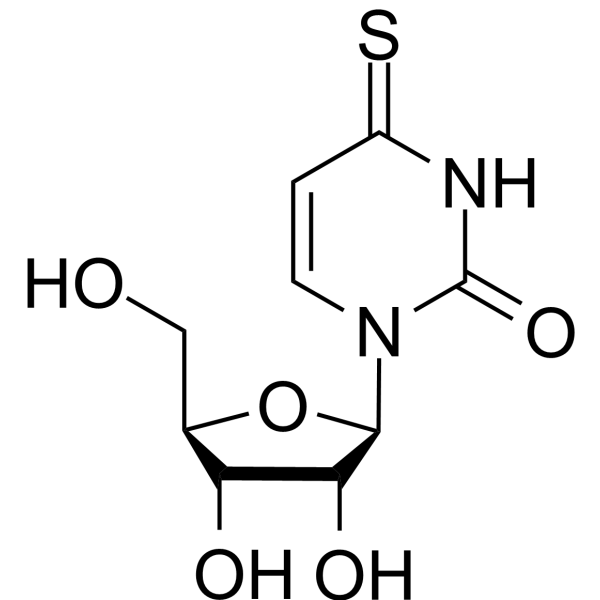
4-Thiouridine is a ribonucleoside analog, it is widely used in RNA analysis and (m)RNA labeling. 4-Thiouridine inhibits rRNA synthesis and causes a nucleolar stress response .
|
-
-
- HY-141140
-
|
5-EU
|
Biochemical Assay Reagents
|
Others
|
|
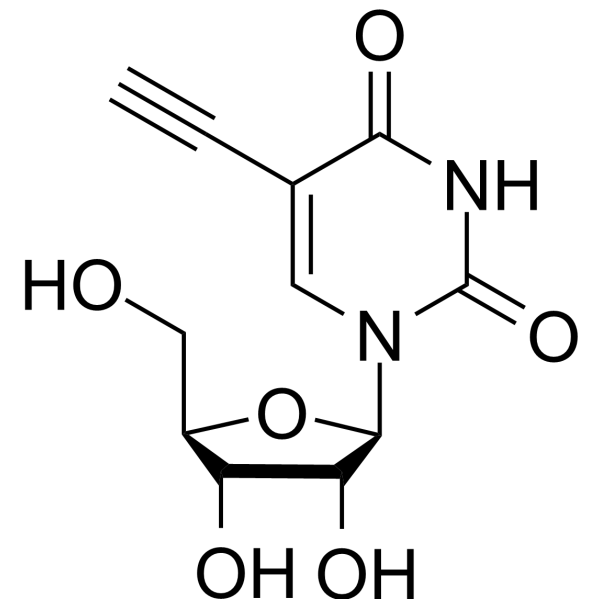
5-Ethynyluridine (5-EU) is a potent cell-permeable nucleoside can be used to label newly synthesized RNA. 5-Ethynyluridine can be used for isolation and sequencing of nascent RNA from neuronal populations in vivo. 5-Ethynyluridine can be used to identify changes in transcription in vivo in nervous system disease models . 5-Ethynyluridine is a click chemistry reagent, it contains an Alkyne group and can undergo copper-catalyzed azide-alkyne cycloaddition (CuAAc) with molecules containing Azide groups.
|
-
-
- HY-139912
-
|
|
DNA Stain
Biochemical Assay Reagents
|
Others
|
|
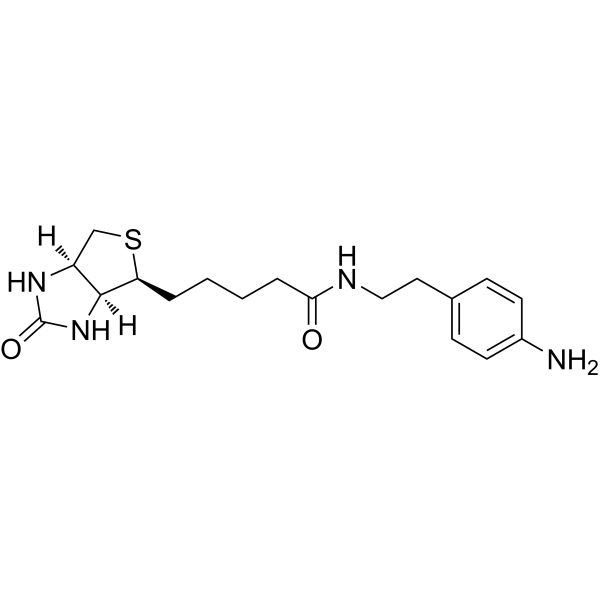
Biotin-aniline is a probe with substantially high reactivity towards RNA and DNA. Biotin-aniline is also a novel APEX2 substrate. Biotin-aniline can label proteins via miniSOG. Biotin-aniline emerges as more efficient probe for capturing subcellular transcriptome in living cells with high spatial specificity .
|
-
-
- HY-43520
-
|
|
Fluorescent Dye
|
Others
|
|
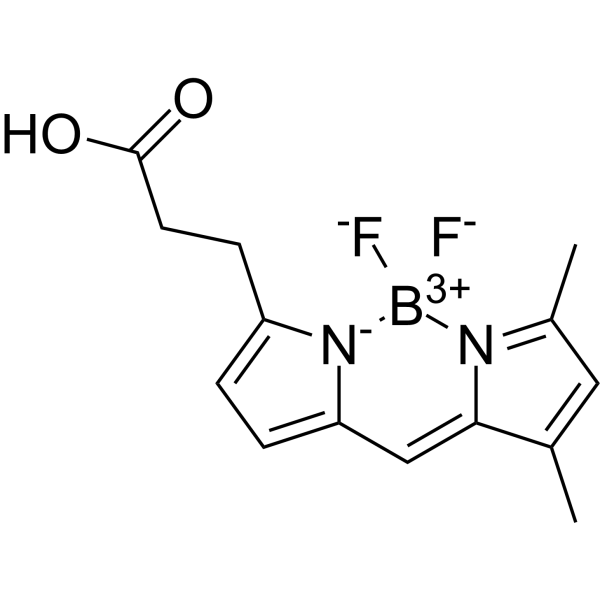
BODIPY-FL is a green fluorescent dye that can be used to label probes or primers. BODIPY-FL fluorescence can be quenched after interacting with uniquely positioned guanine, making it useful for quantifying specific DNA or RNA molecules. The maximum absorption wavelength of BODIPY-FL is 505 nm, and the maximum emission wavelength is 513 nm .
|
-
-
- HY-135136
-
|
|
Biochemical Assay Reagents
Fluorescent Dye
|
Others
|
|
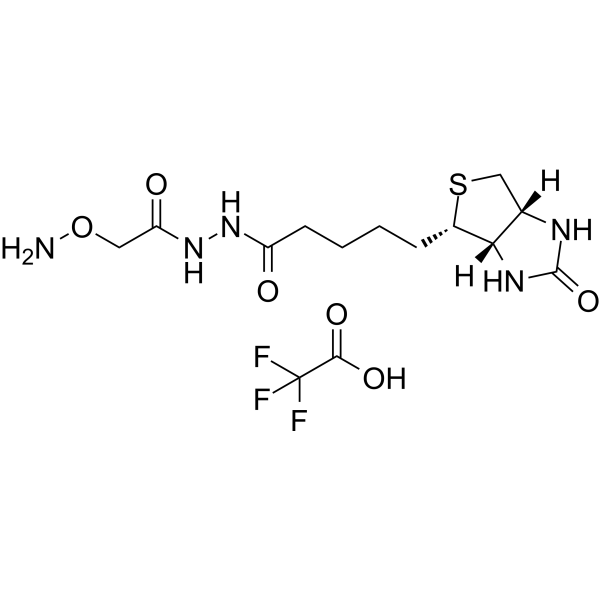
Aldehyde reactive probe TFA is an aldehyde reactive probe. Aldehyde reactive probe TFA specifically labels the AP site in DNA with biotin residues. Aldehyde reactive probe TFA can detect RNA oxidation-induced debasement sites. Aldehyde reactive probe TFA can be used to quantify AP sites or detect other aldehyde-containing DNA damage and RNA oxidation-induced debasement sites .
|
-
-
- HY-150145A
-
|
|
Nucleoside Antimetabolite/Analog
Fluorescent Dye
|
Others
|
|
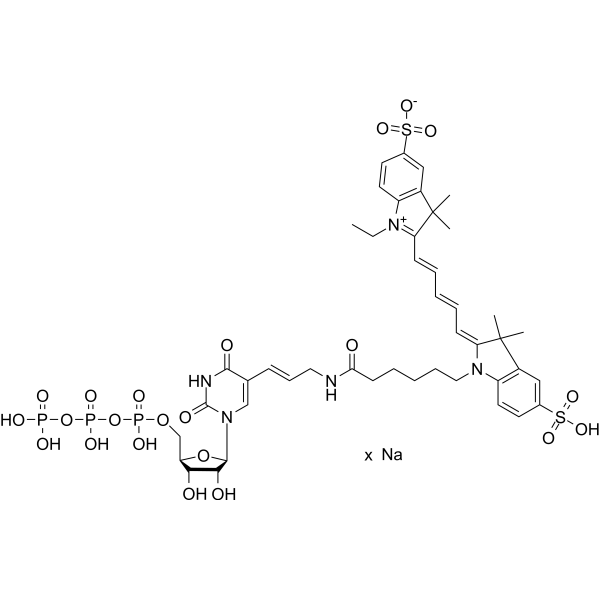
Cy5-UTP sodium (10 mM in water) is a fluorescently labeled ribonucleotide triphosphate that can be used as a substrate for terminal deoxynucleotide transferase (TdT). Cy5-UTP sodium can be used to label RNA probes generated in vitro (Ex/Em: 650/665 nm). Cy5-UTP sodium can be applied in FISH, multi-color fluorescence analysis, especially in dual-color expression arrays combined with Cy5-UTP .
|
-
-
- HY-W088075
-
|
Acriflavinium chloride hydrochloride
|
Fluorescent Dye
HIF/HIF Prolyl-Hydroxylase
Bacterial
SARS-CoV
Monocarboxylate Transporter
Fungal
|
Infection
Cancer
|
|
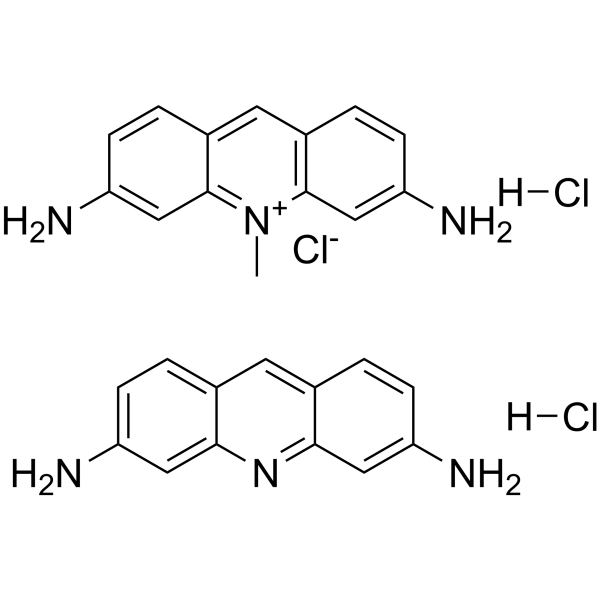
Acriflavine (Acriflavinium chloride) hydrochloride is a fluorescent acridine dye that can be used to label nucleic acid. Acriflavine hydrochloride is an antiseptic agent. Acriflavine hydrochloride is a potent HIF-1 inhibitor that prevents the dimerization of HIF-1α and HIF-1β subunits. Acriflavine hydrochloride inhibits the interaction between monocarboxylate transporter 4 (MCT4) and Basigin. Acriflavine hydrochloride is used in cancer research, such as breast cancer, brain tumor and chronic myeloid leukemia. Acriflavine hydrochloride is a potent papain-like protease (PLpro) inhibitor, which inhibits SARS-CoV-2 .
|
-
-
- HY-W017776
-
|
SNAP-NH2
|
Drug Intermediate
|
Others
|
|
BG-NH2 is a pharmaceutical intermediate. BG-NH2 is suitable for synthesizing fluorescent SNAP tag substrates to label RNA .
|
-

-
- HY-D2171A
-
|
|
Fluorescent Dye
|
Others
|
|
AF488 DBCO ditriethylamineis a fluorescent dye and also a click chemistry reagent that can label azide-containing biomolecules. AF488 DBCO ditriethylaminemediates the coupling reaction with azide-modified 2'-OMe RNA oligonucleotides. DBCO is a bioorthogonal partner of azides and enables covalent coupling without copper (Ex/Em = 470/520 nm) .
|
-

-
- HY-B0421S
-
|
Mycophenolate-d3
|
Bacterial
Apoptosis
Fungal
Antibiotic
Endogenous Metabolite
Isotope-Labeled Compounds
Flavivirus
|
Others
|
|
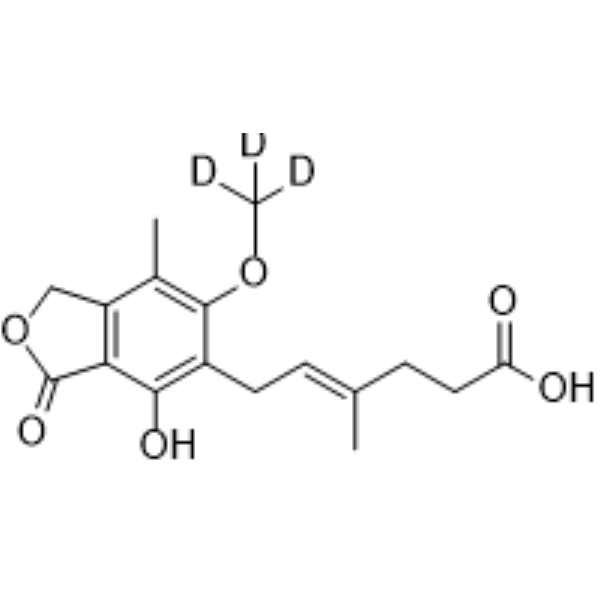
Mycophenolic acid-d3 (Mycophenolate-d3) is deuterium labeled Mycophenolic acid (HY-B0421). Mycophenolic acid is a potent uncompetitive inosine monophosphate dehydrogenase (IMPDH) inhibitor with an EC50 of 0.24 μM. Mycophenolic acid demonstrates antiviral effects against a wide range of RNA viruses including influenza. Mycophenolic acid is an immunosuppressive agent. Antiangiogenic and antitumor effects.
|
-
-
- HY-153845
-
|
|
Biochemical Assay Reagents
|
Others
|
|
RNA Aptamer Broccoli sodium is a 49-nucleotide nucleic acid aptamer that is much shorter than Spinach and Spinach2. It exhibits bright green fluorescence when binding to DFHBI or DFHBI-1T (a soluble analog of the green fluorescent protein label). RNA Aptamer Broccoli sodium can be used for RNA expression or localization in living cells .
|
-

-
- HY-17025S
-
|
Ansamycin-d7; LM-427-d7
|
Isotope-Labeled Compounds
Bacterial
Antibiotic
|
Infection
|
|
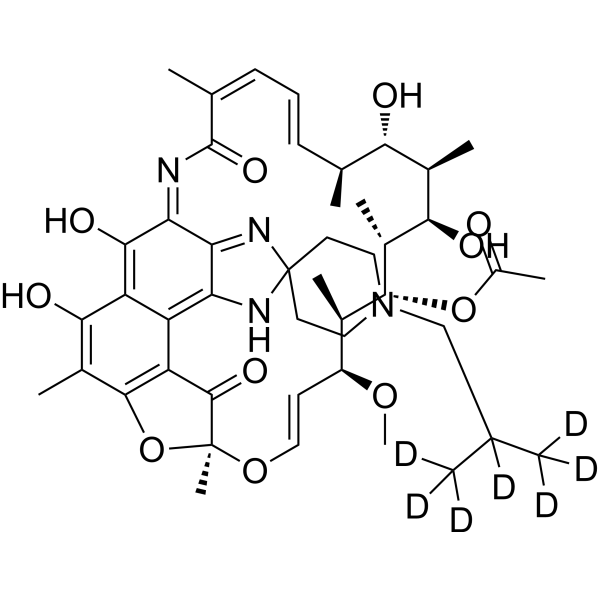
Rifabutin-d7 is the deuterium labeled Rifabutin. Rifabutin (Ansamycin) is a semisynthetic ansamycin antibiotic with potent antimycobacterial properties. Rifabutin inhibits DNA-dependent RNA polymerase.
|
-
-
- HY-104077S1
-
|
GS-5734-d4
|
DNA/RNA Synthesis
Isotope-Labeled Compounds
SARS-CoV
|
Infection
|
|
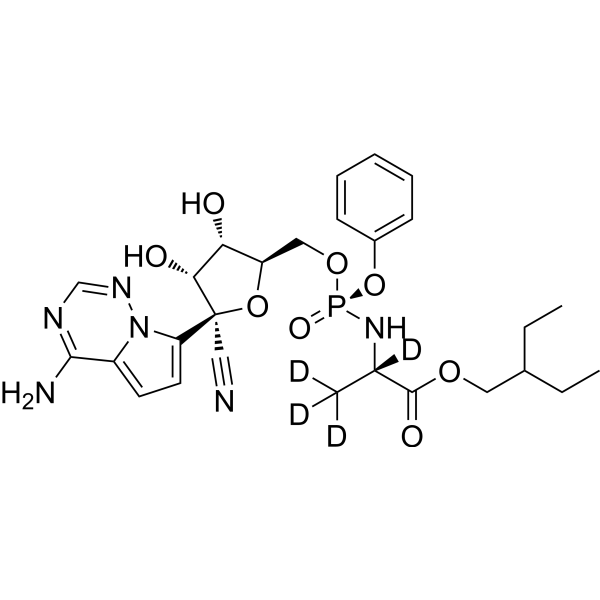
Remdesivir-d4 (GS-5734-d4) is deuterium labeled Remdesivir (HY-104077). Remdesivir (GS-5734) is a nucleoside analogue with effective antiviral activity. Remdesivir can inhibit the synthesis of viral DNA or RNA. Remdesivir can be used for the research of infection, such as SARS-CoV and MHV infection .
|
-
-
- HY-125818I
-
|
Cytidine triphosphate disodium salt, 100 mM Solution, PCR Grade; 5'-CTP disodium salt, 100 mM Solution, PCR Grade
|
Biochemical Assay Reagents
|
Metabolic Disease
|
|
CTP (Cytidine triphosphate; 5'-CTP disodium salt) disodium salt, 100 mM Solution, PCR Grade is an immediate-use solution of cytidine triphosphate diodium salt. CTP is one of the four basic raw materials for RNA biosynthesis. CTP disodium salt is mainly used in molecular biology applications such as in vitro transcription (IVT), RNA synthesis and labeling .
|
-

-
- HY-D1669
-
|
|
Fluorescent Dye
|
Others
|
|
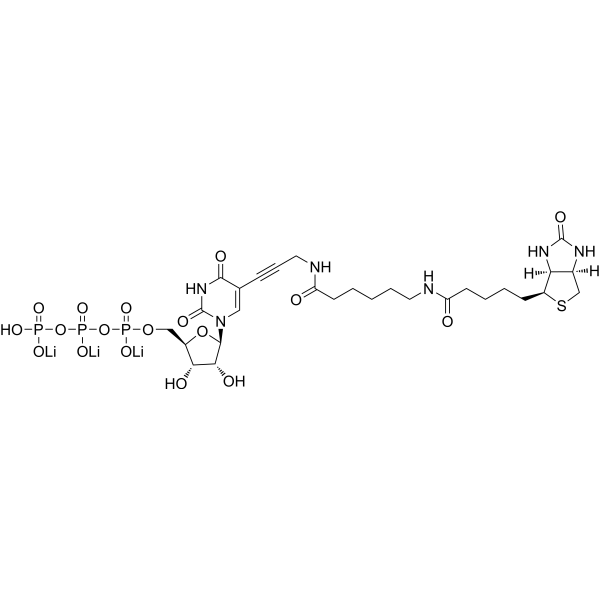
Biotin-11-UTP is a Biotin-labeled uridine triphosphate (UTP), containing 11 atoms in the linker between biotin and UTP. Biotin-11-UTP can biotinylate transcribed RNA in vitro and has been widely used as labeling RNA probe . Biotin-11-UTP is a click chemistry reagent, it contains an Alkyne group and can undergo copper-catalyzed azide-alkyne cycloaddition (CuAAc) with molecules containing Azide groups.
|
-
-
- HY-15005S1
-
|
PSI-7977-d6; GS-7977-d6
|
Isotope-Labeled Compounds
HCV
|
Infection
|
|
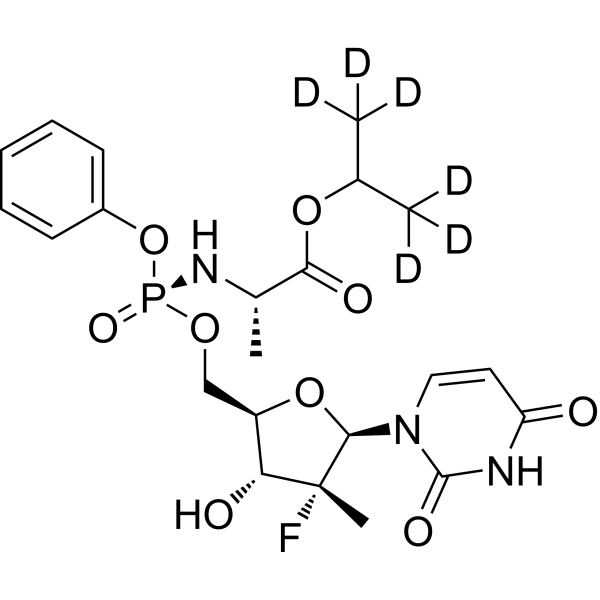
Sofosbuvir-d6 is the deuterium labeled Sofosbuvir. Sofosbuvir (PSI-7977) is an active inhibitor of HCV RNA replication in the HCV replicon assay, demonstrates potent anti-hepatitis C virus (HCV) activity.
|
-
-
- HY-17580S
-
|
|
Isotope-Labeled Compounds
DNA/RNA Synthesis
Bacterial
Apoptosis
Antibiotic
|
Infection
|
|
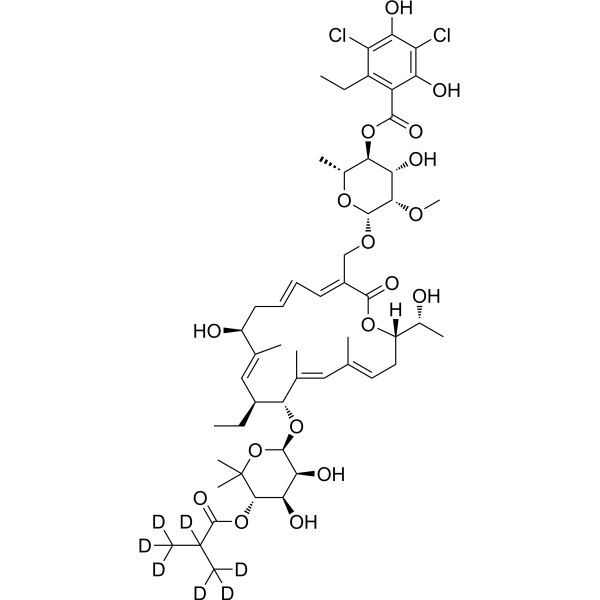
Fidaxomicin-d7 (OPT-80-D7) is the deuterium labeled Fidaxomicin. Fidaxomicin (OPT-80), a macrocyclic RNA polymerase inhibitor, has a narrow spectrum of activity. Fidaxomicin selectively eradicates pathogenic Clostridium difficile with minimal disruption to the multiple species of bacteria that make up the normal, healthy intestinal flora .
|
-
-
- HY-D1686
-
|
Biotin-16-UTP tetralithium
|
DNA Stain
|
Others
|
|
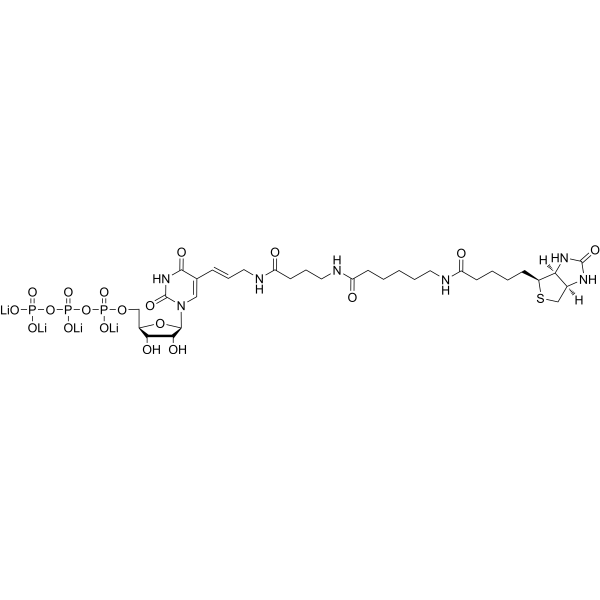
Biotin-16-UTP is an active substrate for RNA polymerase. Biotin-16-UTP can replace UTP in the in vitro transcription reaction for RNA labeling .
|
-
-
- HY-101886
-
-
-
- HY-16637S1
-
-
-
- HY-N0086S
-
|
6-Methyladenosine-d3; N-Methyladenosine-d3
|
Isotope-Labeled Compounds
Influenza Virus
Endogenous Metabolite
|
Infection
|
|
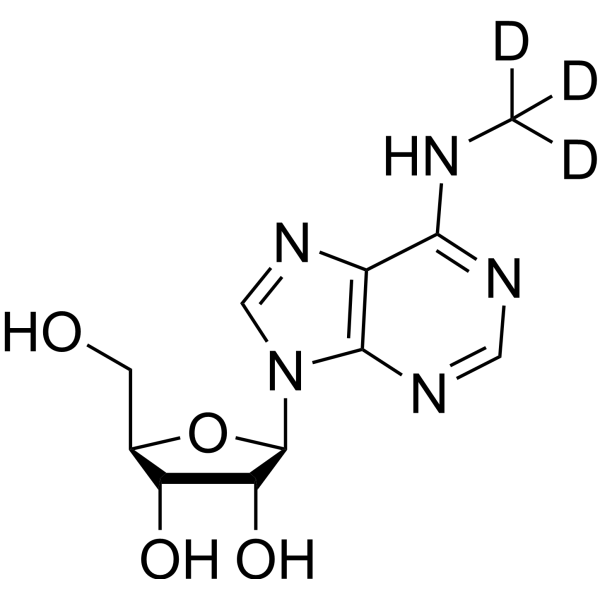
N6-Methyladenosine-d3 (6-Methyladenosine-d3; N-Methyladenosine-d3) is a deuterium labeled N6-Methyladenosine (HY-N0086). N6-Methyladenosine is the most prevalent internal (non-cap) modification present in the messenger RNA (mRNA) of all higher eukaryotes. N6-Methyladenosine can modifies viral RNAs and has antiviral activities.
|
-
-
- HY-D2171
-
|
|
Fluorescent Dye
|
Others
|
|
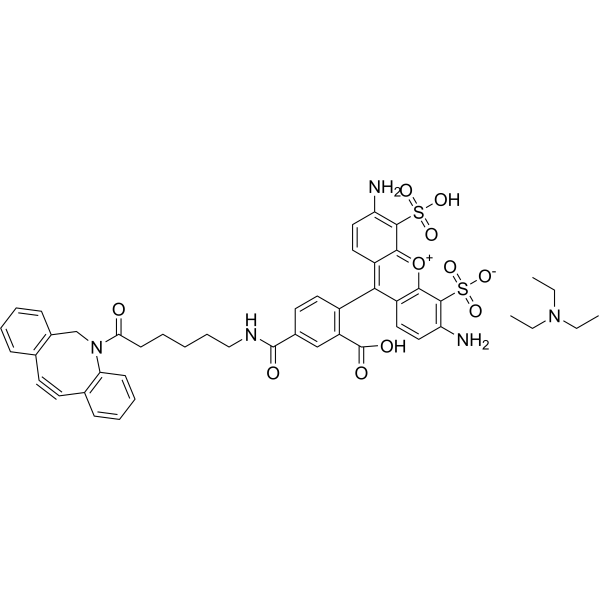
AF488 DBCO is a fluorescent dye and also a click chemistry reagent that can label azide-containing biomolecules. AF488 DBCO mediates the coupling reaction with azide-modified 2'-OMe RNA oligonucleotides. DBCO is a bioorthogonal partner of azides and enables covalent coupling without copper (Ex/Em = 470/520 nm) .
|
-
-
- HY-150145
-
|
|
Nucleoside Antimetabolite/Analog
Fluorescent Dye
|
Others
|
|
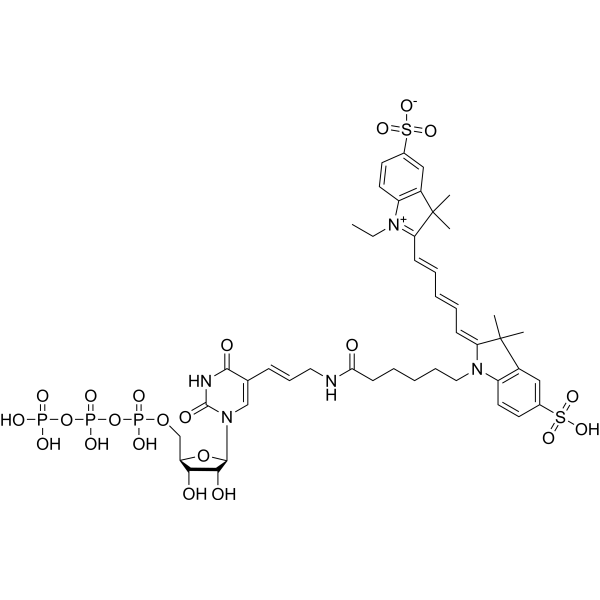
Cy5-UTP is a fluorescently labeled ribonucleotide triphosphate that can be used as a substrate for terminal deoxynucleotidyl transferase (TdT). Cy5-UTP can be employed to label RNA probes generated in vitro (Ex/Em: 650/665 nm). Cy5-UTP can be applied in FISH, multi-color fluorescence analysis, especially in dual-color expression arrays that combine with Cy5-UTP .
|
-
-
- HY-I0960S4
-
|
|
Endogenous Metabolite
|
Cancer
|
|
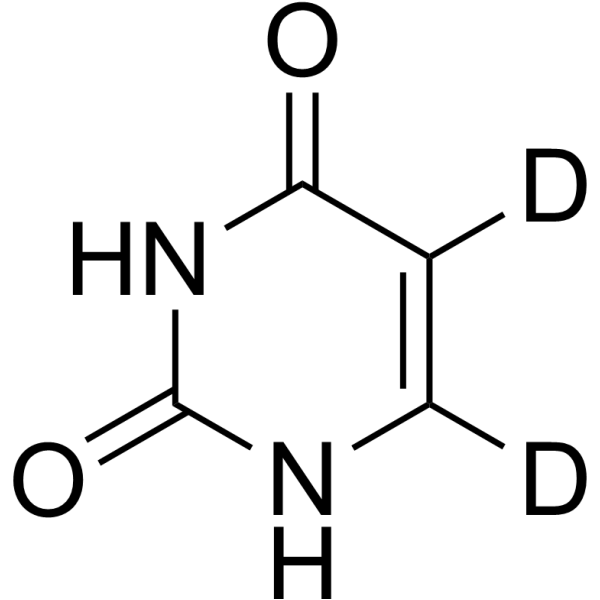
Uracil-d2 is the deuterium labeled Uracil . Uracil is a common and naturally occurring pyrimidine derivative and one of the four nucleobases in the nucleic acid of RNA .
|
-
-
- HY-157916
-
|
Aldehyde reactive probe
|
Fluorescent Dye
|
Others
|
|
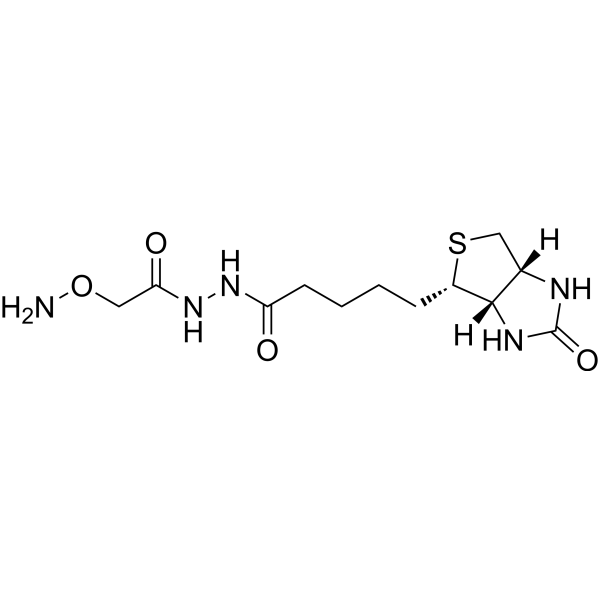
ARP (Aldehyde reactive probe) is an aldehyde-reactive probe . ARP specifically labels AP sites in DNA with biotin residues . ARP detects abasic sites induced by RNA oxidation . ARP is suitable for studies involving the quantification of AP sites, or the detection of other aldehyde-containing DNA damages and abasic sites induced by RNA oxidation .
|
-
-
- HY-W614753
-
|
|
Biochemical Assay Reagents
|
Others
|
|
Biotin-naphthylamine is a biotinylated biochemical assay reagent, which is a substrate for ascorbate peroxidase 2 (APEX2). Biotin-naphthylamine is utilized as a novel probe for labeling DNA and RNA .
|
-

-
- HY-D2417
-
|
|
Fluorescent Dye
|
Others
|
|
SiRA 2 is a fluorescent inducer with a Kd value of 430 nM for binding to the SiRA RNA aptamer. When used in combination with the SiRA aptamer, SiRA 2 enables live-cell RNA imaging of aptamer-labeled mRNA as well as stimulated emission depletion super-resolution microscopy imaging. SiRA 2 has high photostability and forms a bright far-red light-up aptamer system upon binding to SiRA .
|
-

-
- HY-N0086S2
-
|
6-Methyladenosine-13C4; N-Methyladenosine-13C4
|
Isotope-Labeled Compounds
Influenza Virus
Endogenous Metabolite
|
Infection
|
|
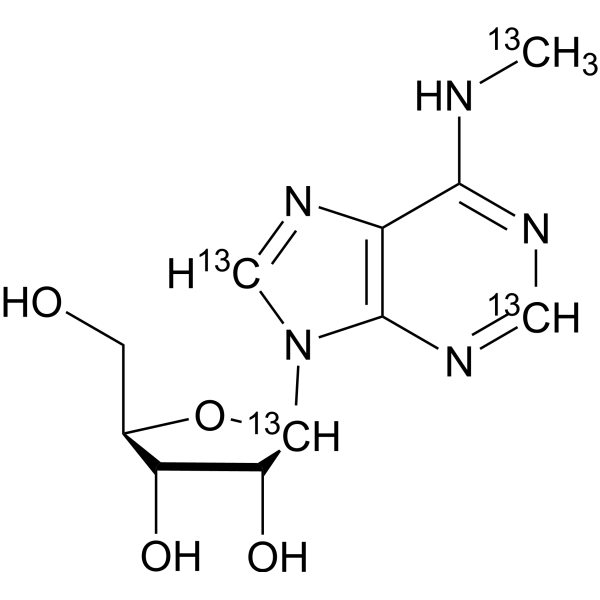
N6-Methyladenosine- 13C4 (6-Methyladenosine- 13C4; N-Methyladenosine- 13C4) is 13C-labeled N6-Methyladenosine (HY-N0086). N6-Methyladenosine is the most prevalent internal (non-cap) modification present in the messenger RNA (mRNA) of all higher eukaryotes. N6-Methyladenosine can modifies viral RNAs and has antiviral activities.
|
-
-
- HY-B0158S6
-
|
Cytosine β-D-riboside-15N3; Cytosine-1-β-D-ribofuranoside-15N3
|
Nucleoside Antimetabolite/Analog
Endogenous Metabolite
|
Neurological Disease
|
|
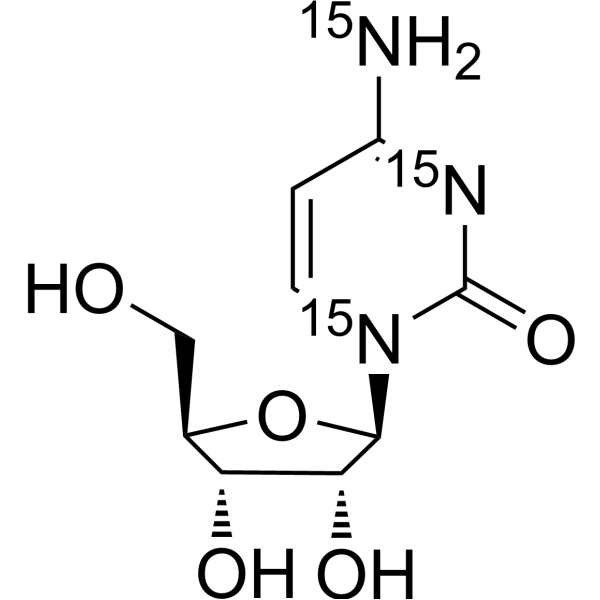
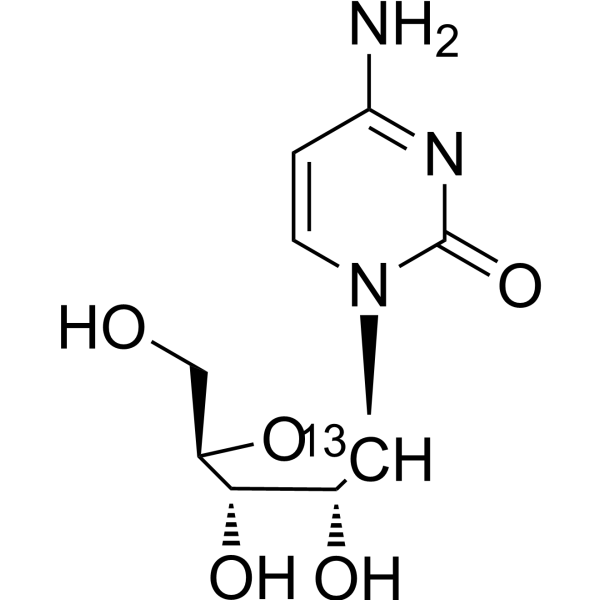
Cytidine- 15N3 is the 15N labeled Cytidine . Cytidine is a pyrimidine nucleoside and acts as a component of RNA. Cytidine is a precursor of uridine. Cytidine controls neuronal-glial glutamate cycling, affecting cerebral phospholipid metabolism, catecholamine synthesis, and mitochondrial function .
|
-
-
- HY-B0152S
-
|
6-Aminopurine-d1; Vitamin B4-d1
|
DNA/RNA Synthesis
Endogenous Metabolite
|
Cancer
|
|
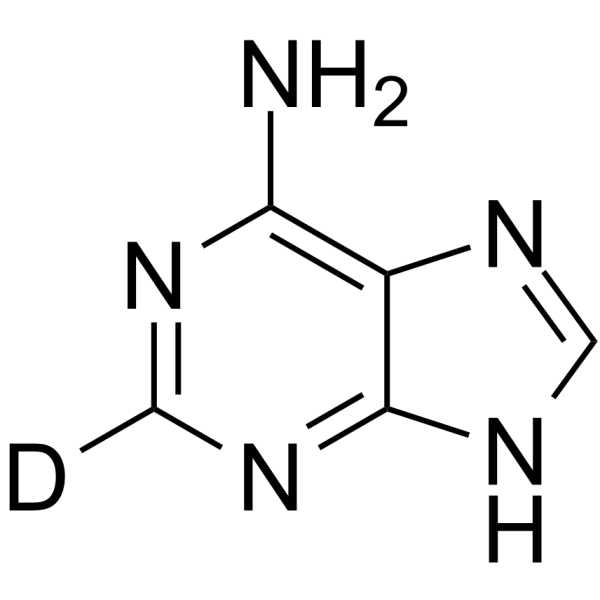
Adenine-d is the deuterium labeled Adenine. Adenine (6-Aminopurine), a purine, is one of the four nucleobases in the nucleic acid of DNA. Adenine acts as a chemical component of DNA and RNA. Adenine also plays an important role in biochemistry involved in cellular respiration, the form of both ATP and the cofactors (NAD and FAD), and protein synthesis .
|
-
-
- HY-104077S
-
|
GS-5734-d5
|
Isotope-Labeled Compounds
DNA/RNA Synthesis
SARS-CoV
|
Infection
|
|
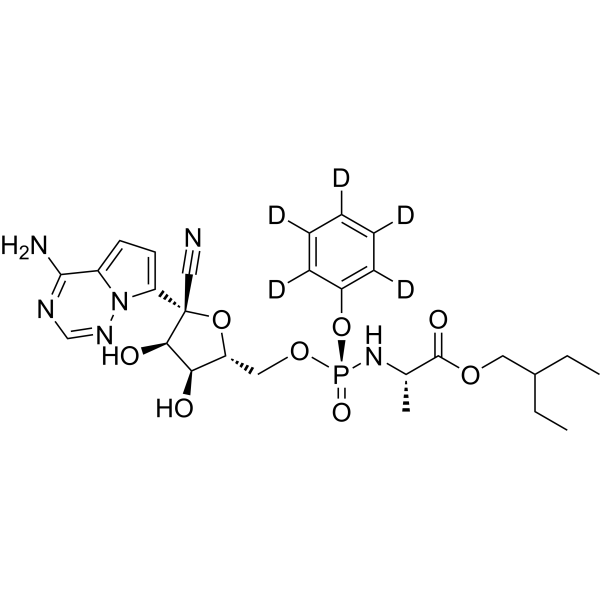
Remdesivir-d5 (GS-5734-d5) is a deuterium labeled Remdesivir (HY-104077). Remdesivir (GS-5734) is a nucleoside analogue with effective antiviral activity. Remdesivir can inhibit the synthesis of viral DNA or RNA. Remdesivir can be used for the research of infection, such as SARS-CoV and MHV infection .
|
-
-
- HY-B0402S
-
|
1-Adamantanamine-d15; 1-Aminoadamantane-d15
|
Influenza Virus
Orthopoxvirus
SARS-CoV
Apoptosis
|
Infection
Neurological Disease
Cancer
|
|
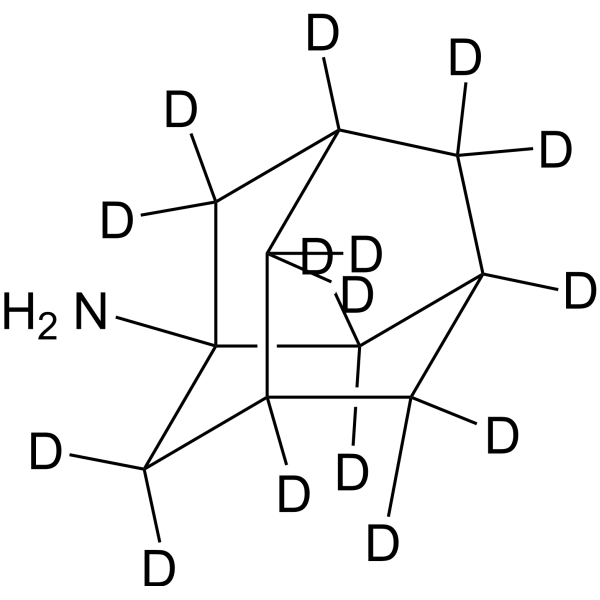
Amantadine-d15 is the deuterium labeled Amantadine. Amantadine (1-Adamantanamine) is an antiviral agent with activity against influenza A viruses. Amantadine blocks the proton flow through the M2 ion channel (M2 proton channel of influenza A) and thus prevents the release of viral RNA into the cytoplasm of the infected cells. Amantadine is an antiparkinsonian agent .
|
-
-
- HY-B0275S
-
|
|
Isotope-Labeled Compounds
Antibiotic
Bacterial
Endogenous Metabolite
HSV
|
Infection
|
|
Oxytetracycline-d6 is deuterium labeled Oxytetracycline. Oxytetracycline is an antibiotic belonging to the tetracycline class. Oxytetracycline potent inhibits Gram-negative and Gram-positive bacteria. Oxytetracycline is a protein synthesis inhibitor and prevents the binding from aminoacil-tRNA to the complex m-ribosomal RNA. Oxytetracycline also possesses anti-HSV-1 activity .
|
-

-
- HY-D1686B
-
|
|
DNA Stain
|
Others
|
|
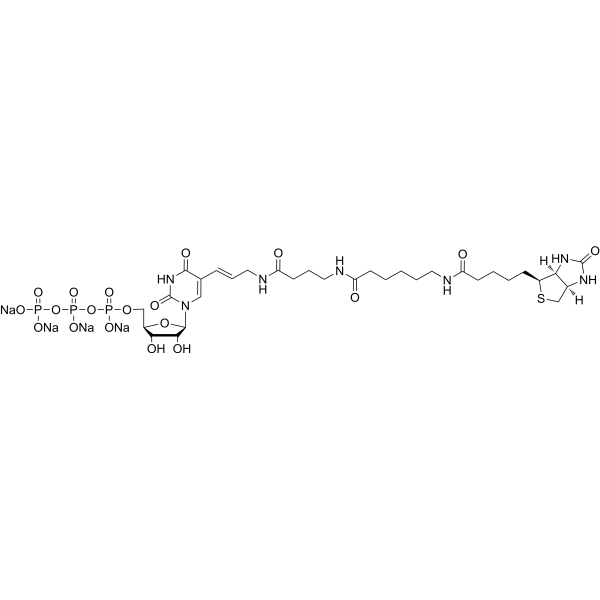
Biotin-16-UTP tetrasodium is an active substrate for RNA polymerase. Biotin-16-UTP tetrasodium can replace UTP in the in vitro transcription reaction for RNA labeling .
|
-
-
- HY-I0960S9
-
|
|
Endogenous Metabolite
|
Cancer
|
|
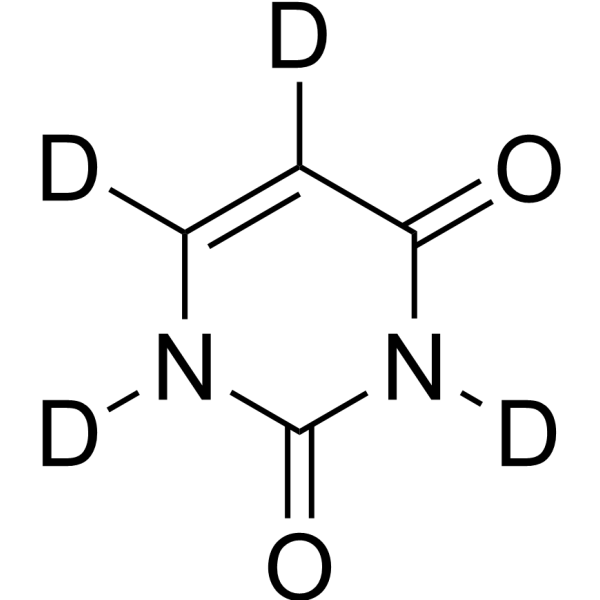
Uracil-d4 is the deuterium labeled Uracil[1]. Uracil is a common and naturally occurring pyrimidine derivative and one of the four nucleobases in the nucleic acid of RNA[2].
|
-
-
- HY-W011834S
-
|
|
Isotope-Labeled Compounds
HCV
|
Infection
|
|
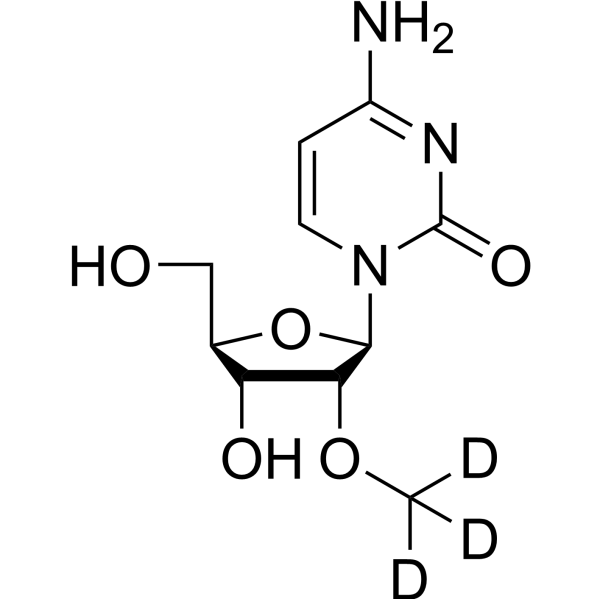
2'-O-Methylcytidine-d3 is deuterium labeled 2'-O-Methylcytidine (HY-W011834). 2'-O-Methylcytidine is a 2'-substituted nucleoside as a inhibitor of HCV replication. 2'-O-Methylcytidine inhibits RNA-dependent RNA polymerase (NS5B)-catalyzed RNA synthesis in vitro, in a manner that is competitive with substrate nucleoside triphosphate.
|
-
-
- HY-I0960S1
-
|
|
Endogenous Metabolite
|
Cancer
|
|
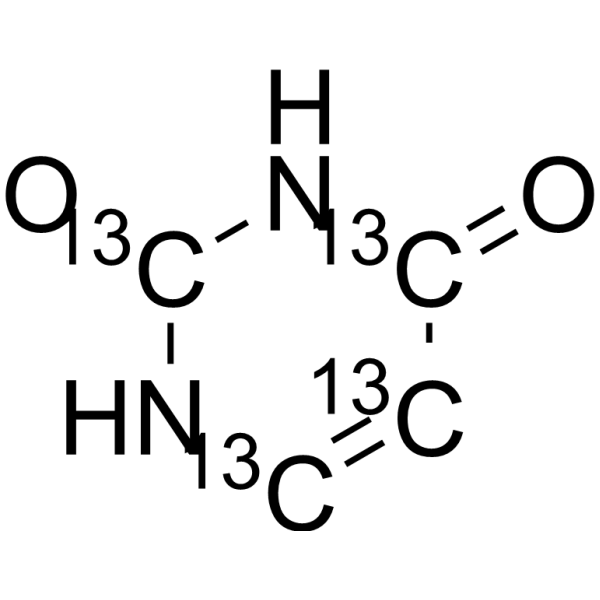
Uracil- 13C4 is the 13C labeled Uracil . Uracil is a common and naturally occurring pyrimidine derivative and one of the four nucleobases in the nucleic acid of RNA .
|
-
-
- HY-16637S3
-
-
-
- HY-I0626S2
-
|
|
Endogenous Metabolite
|
Others
|
|
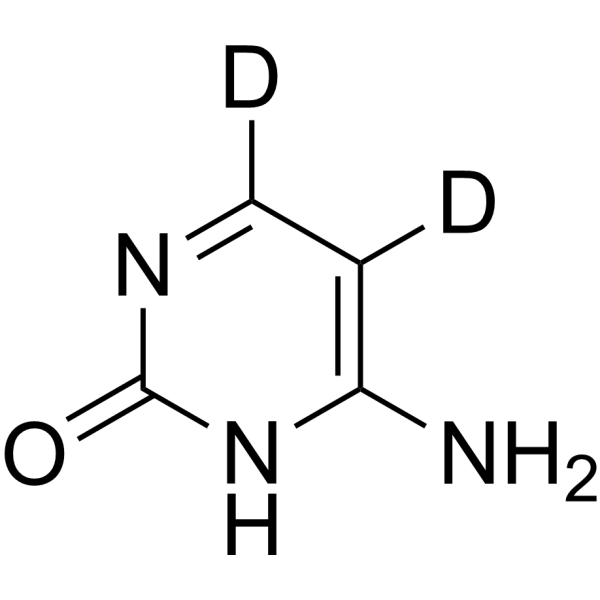
Cytosine-d2 is the deuterium labeled Cytosine . Cytosine is one of the four main bases found in DNA and RNA. Cytosine modifications exhibit circadian oscillations that are involved in epigenetic diversity and aging .
|
-
-
- HY-B0158S1
-
-
-
- HY-16637S
-
-
-
- HY-I0960S5
-
|
|
Endogenous Metabolite
|
Cancer
|
|
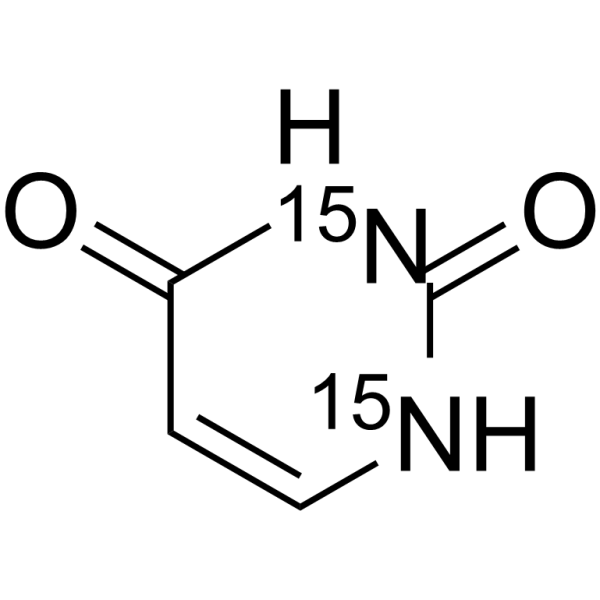
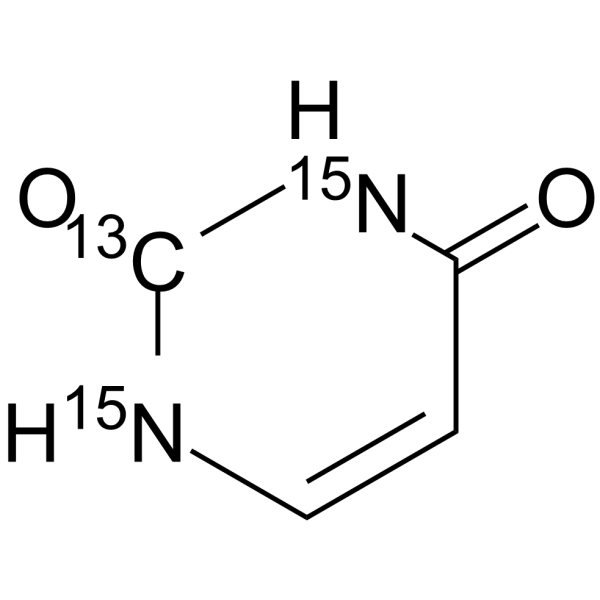
Uracil- 15N2 is the 15N labeled Uracil . Uracil is a common and naturally occurring pyrimidine derivative and one of the four nucleobases in the nucleic acid of RNA .
|
-
-
- HY-I0960S6
-
|
|
Endogenous Metabolite
|
Cancer
|
|
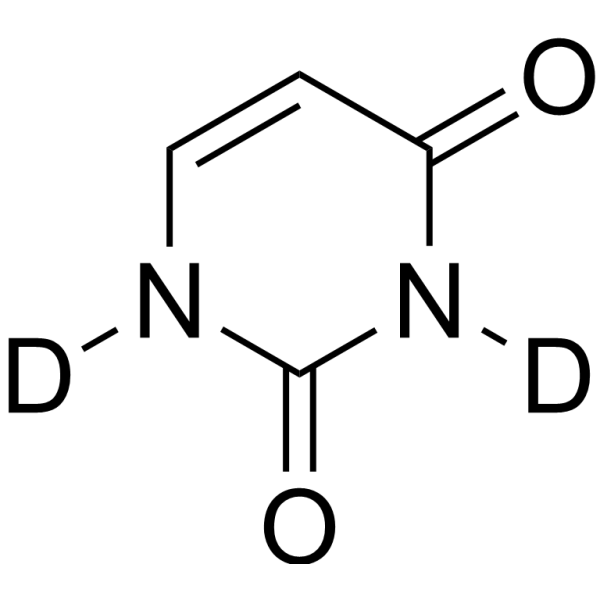
Uracil-d2-1 is the deuterium labeled Uracil . Uracil is a common and naturally occurring pyrimidine derivative and one of the four nucleobases in the nucleic acid of RNA .
|
-
-
- HY-I0960S3
-
|
|
Endogenous Metabolite
|
Cancer
|
|
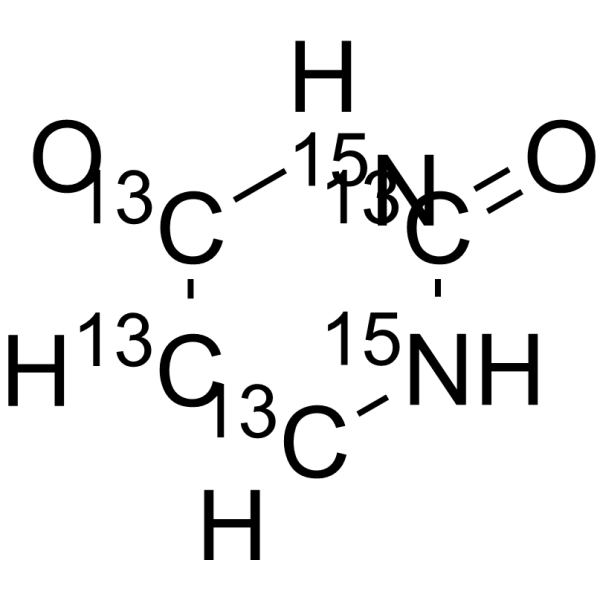
Uracil- 13C4, 15N2 is the 13C and 15N labeled Uracil . Uracil is a common and naturally occurring pyrimidine derivative and one of the four nucleobases in the nucleic acid of RNA .
|
-
-
- HY-B2067S
-
|
|
Isotope-Labeled Compounds
Fungal
DNA/RNA Synthesis
|
Infection
|
|
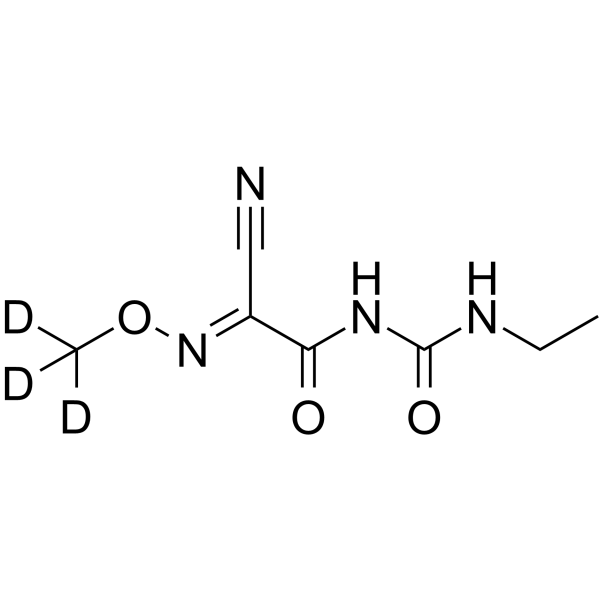
Cymoxanil-d3 is the deuterium labeled Cymoxanil (HY-B2067). Cymoxanil is a fungicidal cyanooxime against plant diseases caused by fungi belonging to the Perenosporales. Cymoxanil affects growth, DNA and RNA synthesis in Phytophthora .
|
-
-
- HY-I0626S1
-
|
|
Endogenous Metabolite
|
Others
|
|
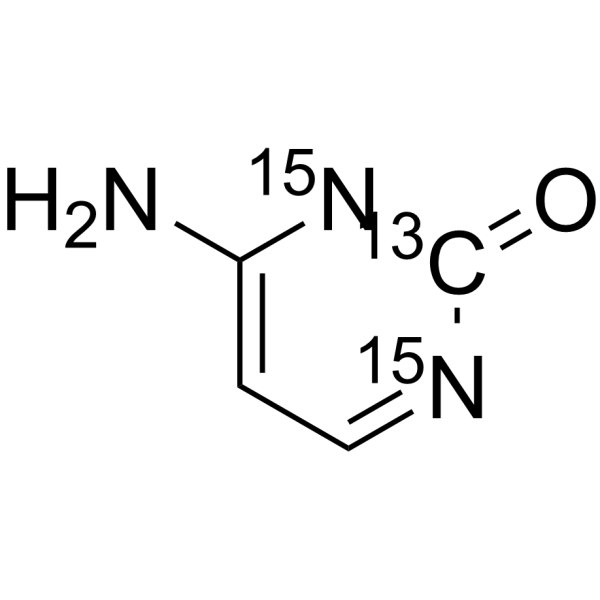
Cytosine- 13C, 15N2 is the 13C and 15N labeled Cytosine . Cytosine is one of the four main bases found in DNA and RNA. Cytosine modifications exhibit circadian oscillations that are involved in epigenetic diversity and aging .
|
-
-
- HY-B0158S
-
|
Cytosine β-D-riboside-d2; Cytosine-1-β-D-ribofuranoside-d2
|
Nucleoside Antimetabolite/Analog
Endogenous Metabolite
|
Neurological Disease
|
|
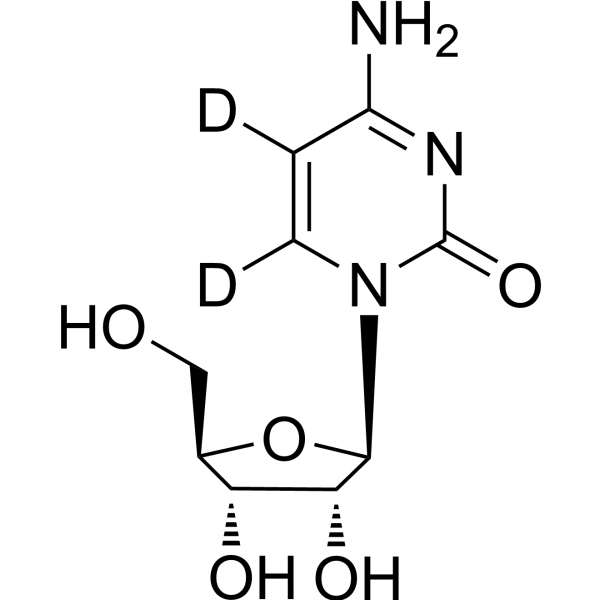
Cytidine-d2 is the deuterium labeled Cytidine. Cytidine is a pyrimidine nucleoside and acts as a component of RNA. Cytidine is a precursor of uridine. Cytidine controls neuronal-glial glutamate cycling, affecting cerebral phospholipid metabolism, catecholamine synthesis, and mitochondrial function .
|
-
-
- HY-109025AS
-
|
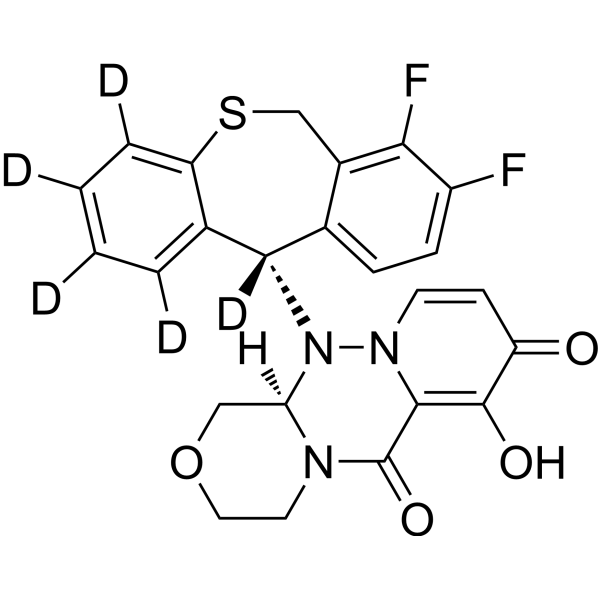
Baloxavir acid-d5; S-033447-d5
|
Isotope-Labeled Compounds
Influenza Virus
|
Infection
|
|
Baloxavir-d5 is deuterium labeled Baloxavir. Baloxavir (Baloxavir acid), derived from the proagent Baloxavir marboxil, is a first-in-class, potent and selective cap-dependent endonuclease (CEN) inhibitor within the polymerase PA subunit of influenza A and B viruses. Baloxavir inhibits viral RNA transcription and replication and has potently antiviral activity .
|
-
-
- HY-D1409
-
|
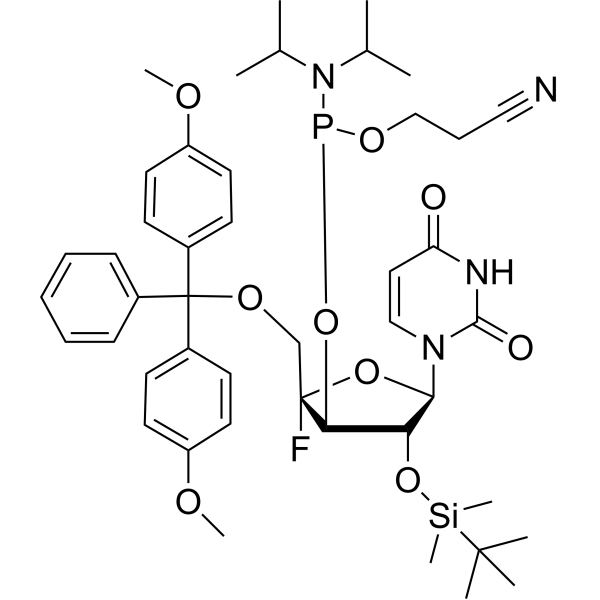
DMTr-4'-F-uridine-CED-TBDMS phosphoramidite
|
DNA Stain
Phosphoramidites
|
Cardiovascular Disease
|
|
DMTr-4'-F-U-CED-TBDMS phosphoramidite (DMTr-4'-F-uridine-CED-TBDMS phosphoramidite), a dye reagent for oligonucleotide labeling, can be used for the research of applications in RNA therapeutics, RNA aptamers, and ribozymes for elucidating RNA structure. DMTr-4'-F-U-CED-TBDMS phosphoramidite represents a probe with wide utility for elucidation of RNA structure .
|
-
-
- HY-W011793R
-
-

- HY-E70091
-
|
|
DNA/RNA Synthesis
|
Others
|
|
T4 RNA ligase is an ATP-dependent RNA ligase that can catalyze the formation of phosphodiester bonds between the 5'-P end and the 3'-OH end of single-stranded RNA, single-stranded DNA or single nucleotides between molecules or within molecules. T4 RNA ligase is used for enzymatic low ribonucleotide synthesis and 3′ end labeling of RNA. It is mainly used for RNA and RNA, but can also be used for RNA and single nucleotides .
|
-
- HY-100496
-
|
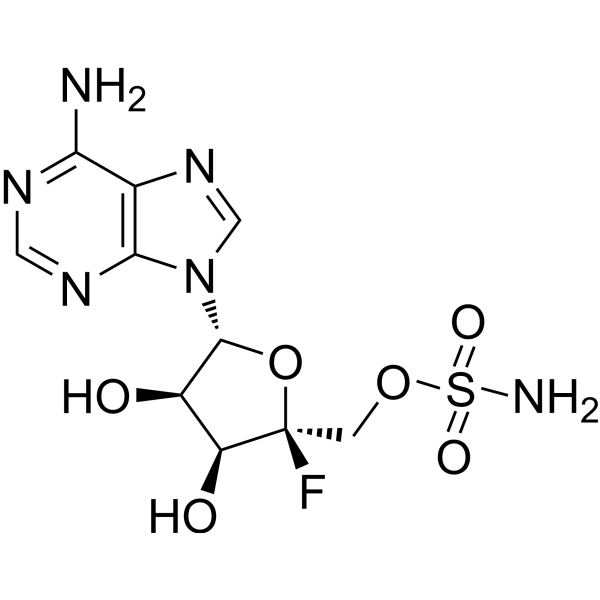
4'-Fluoro-5'-O-sulfamoyladenosine; NSC 521007
|
Bacterial
|
Infection
|
|
Nucleocidin is an antitrypanosomal antibiotic, inhibiting the transfer of labeled amino acid from S-RNA to protein.
|
-
- HY-14768S
-
|
T-705-13C15N
|
Isotope-Labeled Compounds
Bacterial
DNA/RNA Synthesis
SARS-CoV
Influenza Virus
|
Infection
|
|
Favipiravir- 13C 15N (T-705- 13C 15N) is 13C and 15N labeled Favipiravir. Favipiravir (T-705) is a potent viral RNA polymerase inhibitor, it is phosphoribosylated by cellular enzymes to its active form, Favipiravir-ribofuranosyl-5′-triphosphate (RTP). Favipiravir-RTP inhibits the influenza viral RNA-dependent RNA polymerase (RdRP) activity with an IC50 of 341 nM.
|
-

- HY-I0960S
-
-
- HY-I0626S
-
|
|
Endogenous Metabolite
|
Others
|
|
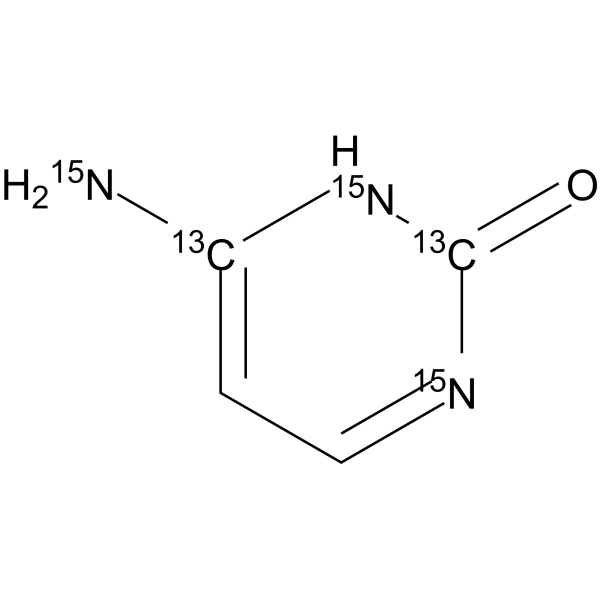
Cytosine- 13C2, 15N3 is the 13C-labeled and 15N-labeled Cytosine. Cytosine is one of the four main bases found in DNA and RNA. Cytosine modifications exhibit circadian oscillations that are involved in epigenetic diversity and aging .
|
-
- HY-B0158S2
-
-
- HY-15005S
-
|
PSI-7977-13C,d3; GS-7977-13C,d3
|
Isotope-Labeled Compounds
HCV
|
Infection
|
|
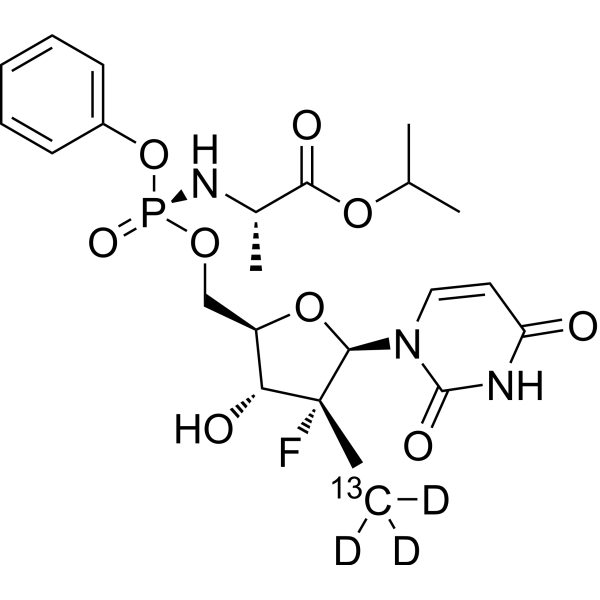
Sofosbuvir- 13C,d3 is the deuterium labeled Sofosbuvir. Sofosbuvir (PSI-7977) is an active inhibitor of HCV RNA replication in the HCV replicon assay, demonstrates potent anti-hepatitis C virus (HCV) activity.
|
-
- HY-W004924S
-
|
|
Endogenous Metabolite
|
Others
|
|
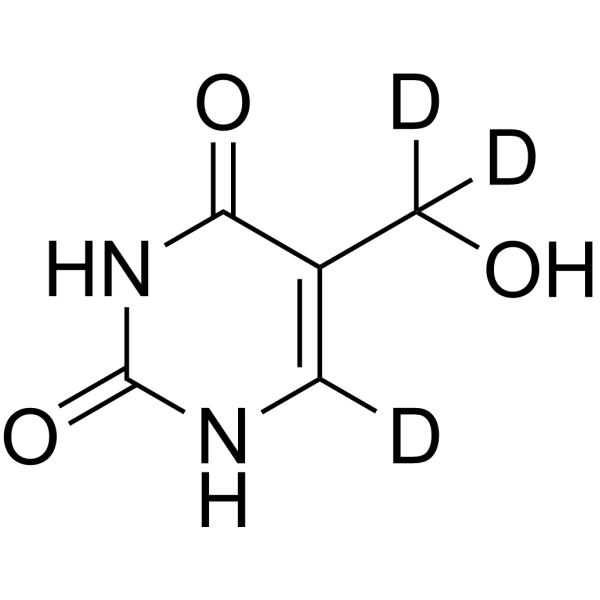
5-Hydroxymethyluracil-d3 is the deuterium labeled 5-Hydroxymethyluracil . 5-Hydroxymethyluracil is a product of oxidative DNA damage. 5-Hydroxymethyluracil can be used as a potential epigenetic mark enhancing or inhibiting transcription with bacterial RNA polymerase .
|
-
- HY-10241S
-
|
TMC435-13C,d3; TMC435350-13C,d3
|
Isotope-Labeled Compounds
HCV
HCV Protease
SARS-CoV
DNA/RNA Synthesis
|
Infection
|
|
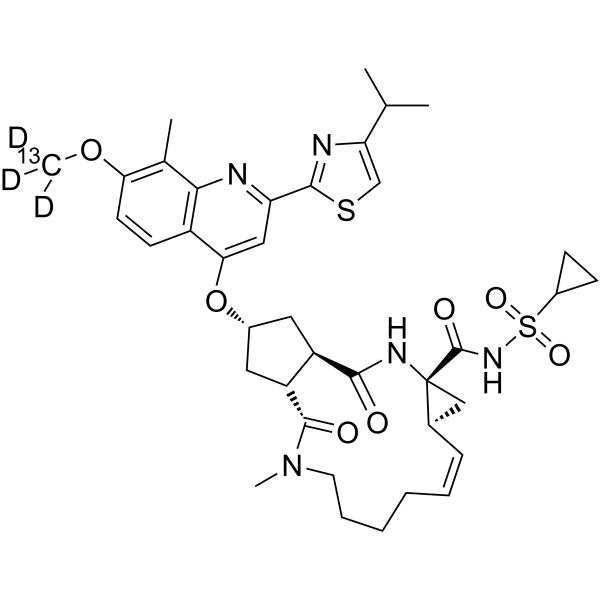
Simeprevir- 13C,d3 is the 13C- and deuterium labeled Simeprevir. Simeprevir is an oral, potent and highly specific hepatitis C virus (HCV) NS3/4A protease inhibitor with a Ki of 0.36 nM. Simeprevir inhibits HCV replication with an EC50 of 7.8 nM. Simeprevir also potently suppresses SARS-CoV-2 replication and synergizes with Remdesivir. Simeprevir inhibits the main protease (Mpro) and the RNA-dependent RNA polymerase (RdRp) of SARS-CoV-2, and also modulates host immune responses .
|
-
- HY-113136S
-
|
N1-Methylguanosine-d3
|
Isotope-Labeled Compounds
Endogenous Metabolite
|
Cancer
|
|
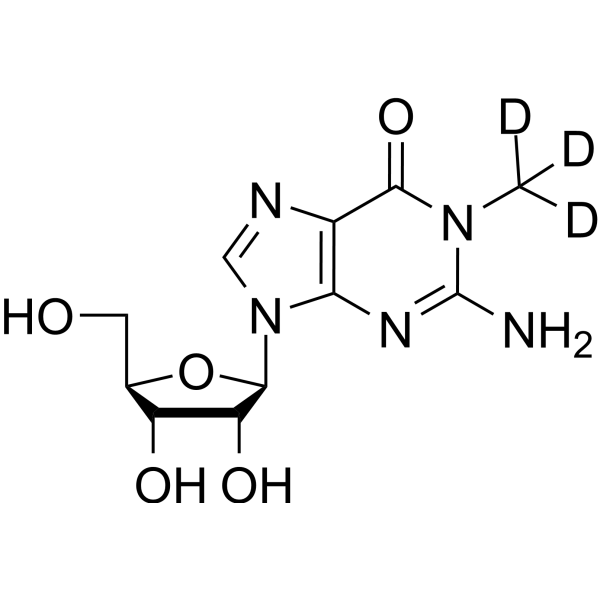
1-Methylguanosine-d3 (N1-Methylguanosine-d3) is deuterium labeled 1-Methylguanosine (HY-113136). 1-Methylguanosine is a methylated nucleoside originating from RNA degradation. 1-Methylguanosine is a tumour marker .
|
-
- HY-B0158S5
-
|
Cytosine β-D-riboside-13C9,15N3; Cytosine-1-β-D-ribofuranoside-13C9,15N3
|
Nucleoside Antimetabolite/Analog
Endogenous Metabolite
|
Neurological Disease
|
|
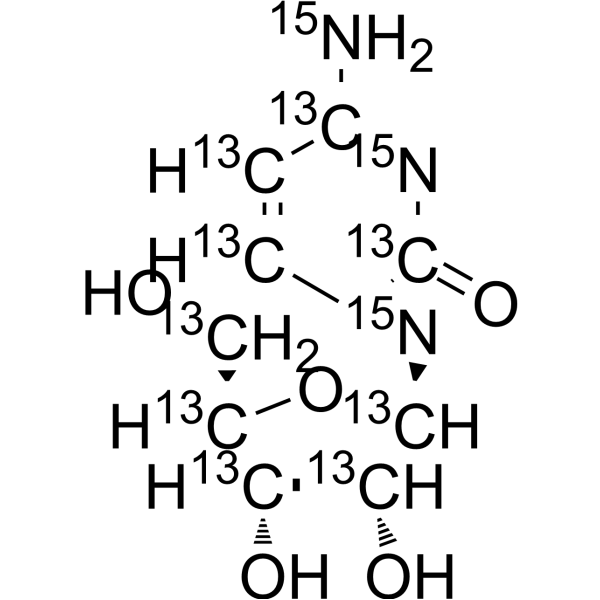
Cytidine- 13C9, 15N3 is the 13C and 15N labeled Cytidine . Cytidine is a pyrimidine nucleoside and acts as a component of RNA. Cytidine is a precursor of uridine. Cytidine controls neuronal-glial glutamate cycling, affecting cerebral phospholipid metabolism, catecholamine synthesis, and mitochondrial function .
|
-
- HY-B1002S
-
|
|
Isotope-Labeled Compounds
Bacterial
Antibiotic
DNA/RNA Synthesis
|
Infection
|
|
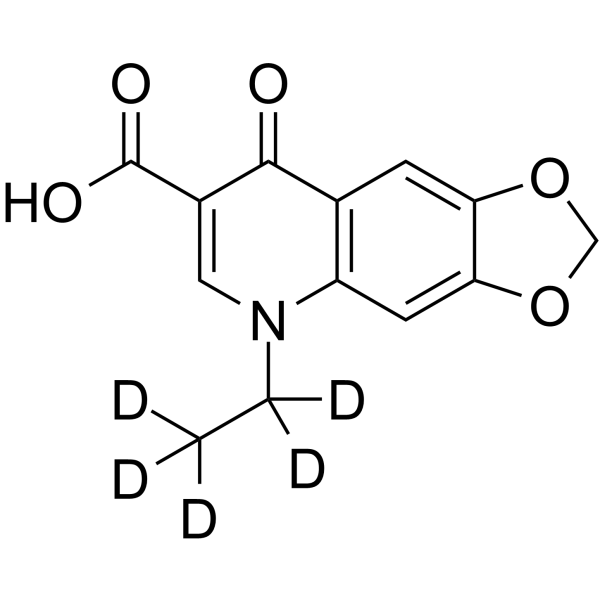
Oxolinic acid-d5 is the deuterium labeled Oxolinic acid. Oxolinic acid is an antibiotic against both Gram-negative and Gram-positive bacteria. Oxolinic acid can be used for the research of acute and chronic urinary tract infections. Oxolinic acid is a DNA/RNA synthesis inhibitor. Oxolinic acid acts a dopamine uptake inhibitor and stimulants locomotor effect in mice .
|
-
- HY-W768207
-
-

- HY-D1408
-
|
DMTr-4'-Methyluridine-CED-TBDMS phosphoramidite
|
DNA Stain
Phosphoramidites
|
Cardiovascular Disease
|
|
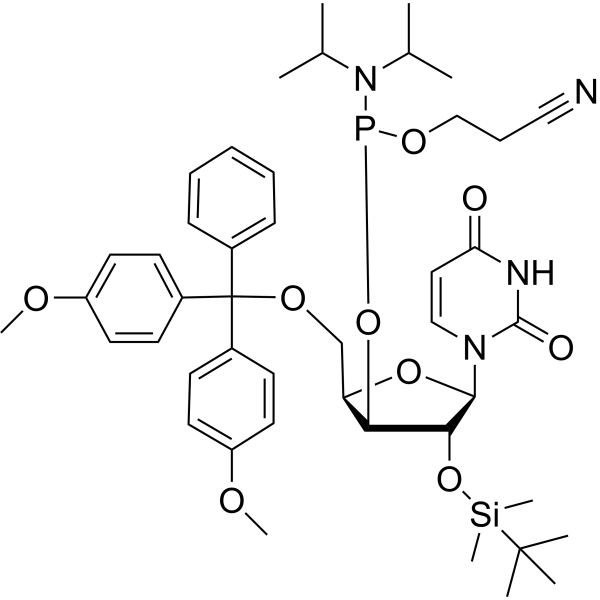
DMTr-4'-Me-U-CED-TBDMS phosphoramidite (DMTr-4'-Methyluridine-CED-TBDMS phosphoramidite), a dye reagent for oligonucleotide labeling, can be used for the research of applications in RNA therapeutics, RNA aptamers, and ribozymes for elucidating RNA structure. DMTr-4'-Me-U-CED-TBDMS phosphoramidite represents a probe with wide utility for elucidation of RNA structure .
|
-
- HY-D1411
-
|
DMTr-4'-CF3-5-Methyluridine-CED phosphoramidite
|
DNA Stain
Phosphoramidites
|
Others
|
|
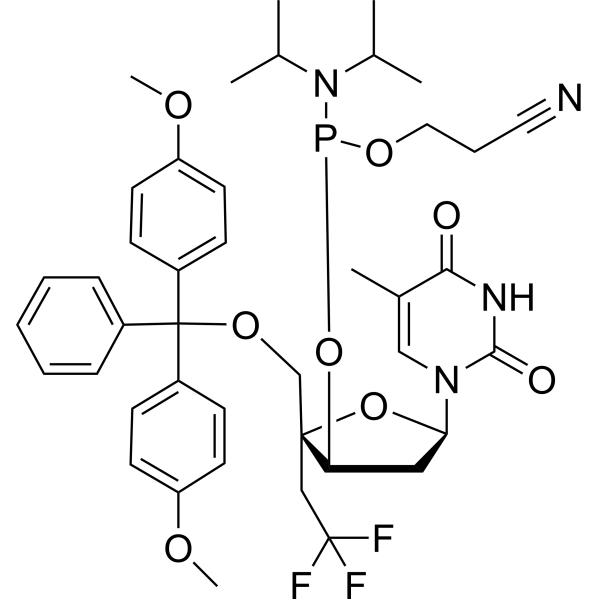
DMTr-4'-CF3-5-Me-U-CED phosphoramidite (DMTr-4'-CF3-5-Methyluridine-CED phosphoramidite), the modified oligodeoxynucleotide (ODN), is a dye reagent for oligonucleotide labeling, can be used for the research of applications in RNA research .
|
-
- HY-W777072
-
|
|
HIV
|
Others
|
|
4-isocyanato TEMPO is a spin labeling reagent used to label the 2’-position in RNA. It has been used to study HIV-1 transactivation response RNA and hammerhead ribosome dynamics by electron paramagnetic resonance (EPR) spectroscopy.
|
-

- HY-W042357S
-
-
- HY-W042357S2
-
-
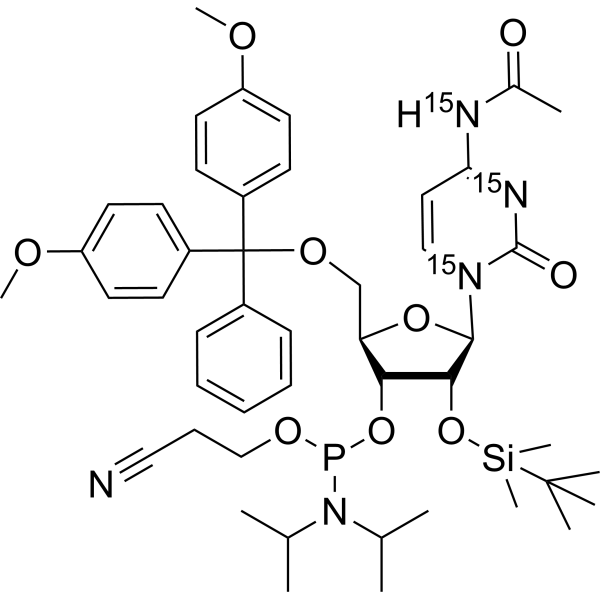
- HY-W042357S1
-
-
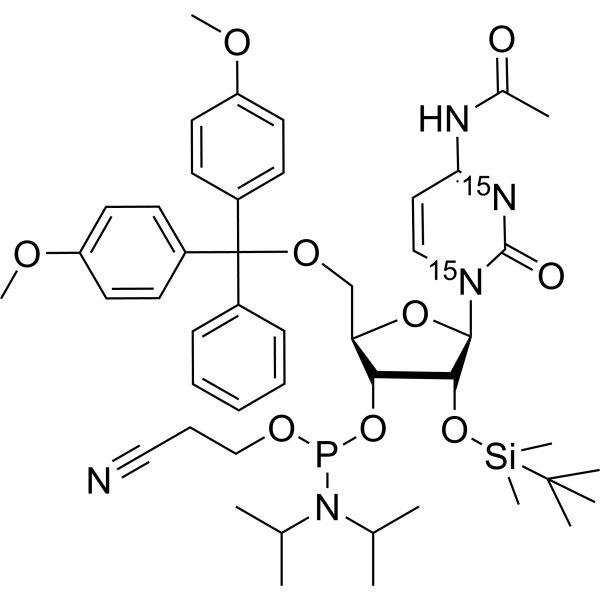
- HY-W042357S4
-
-
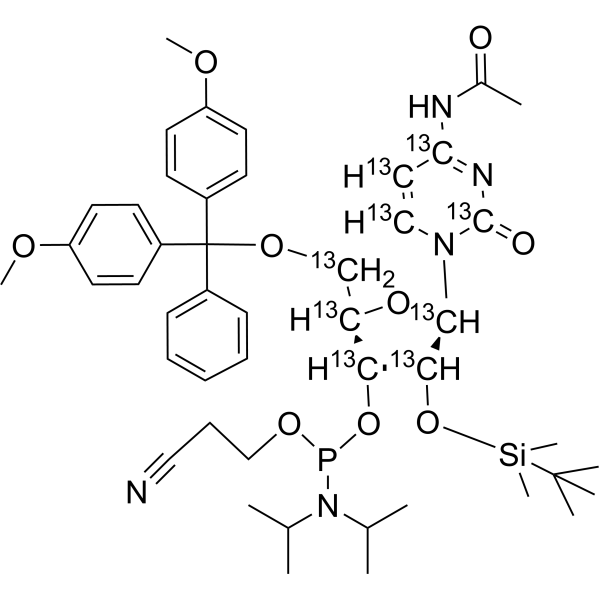
- HY-W769714
-
|
T-705-13C3
|
Isotope-Labeled Compounds
DNA/RNA Synthesis
Influenza Virus
|
Infection
|
|
Favipiravir- 13C3 is the 13C labeled isotope of Favipiravir (HY-14768). Favipiravir (T-705) is a potent viral RNA polymerase inhibitor, it is phosphoribosylated by cellular enzymes to its active form, Favipiravir-ribofuranosyl-5′-triphosphate (RTP). Favipiravir-RTP inhibits the influenza viral RNA-dependent RNA polymerase (RdRP) activity with an IC50 of 341 nM.
|
-

- HY-164910
-
-

- HY-W042357S5
-
|
|
Isotope-Labeled Compounds
DNA/RNA Synthesis
|
Others
|
|
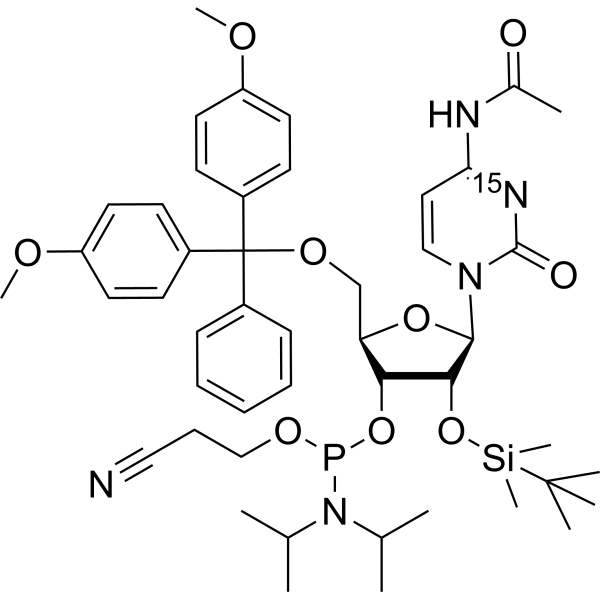
Ac-rC Phosphoramidite- 13C,d1 is deuterium and 13C-labeled Ac-rC Phosphoramidite (HY-W042357). Ac-rC Phosphoramidite is used for the oligoribonucleotide phosphorodithioate modification (PS2-RNA).
|
-
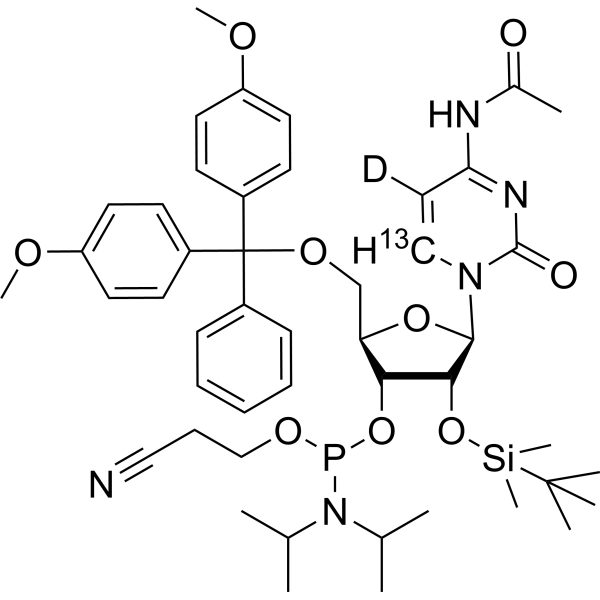
- HY-W042357S6
-
|
|
Isotope-Labeled Compounds
DNA/RNA Synthesis
|
Others
|
|
Ac-rC Phosphoramidite- 13C9, 15N3 is 13C and 15N-labeled Ac-rC Phosphoramidite (HY-W042357). Ac-rC Phosphoramidite is used for the oligoribonucleotide phosphorodithioate modification (PS2-RNA).
|
-
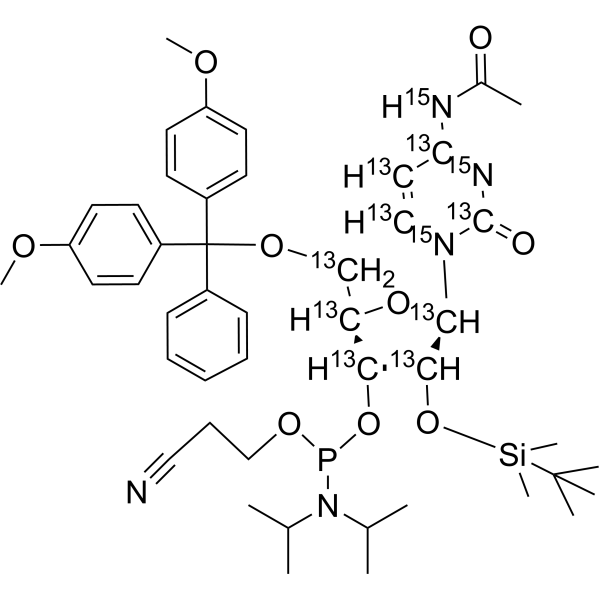
- HY-W042357S3
-
|
|
Isotope-Labeled Compounds
DNA/RNA Synthesis
|
Others
|
|
Ac-rC Phosphoramidite- 13C2,d1 is deuterium and 13C-labeled Ac-rC Phosphoramidite (HY-W042357). Ac-rC Phosphoramidite is used for the oligoribonucleotide phosphorodithioate modification (PS2-RNA).
|
-
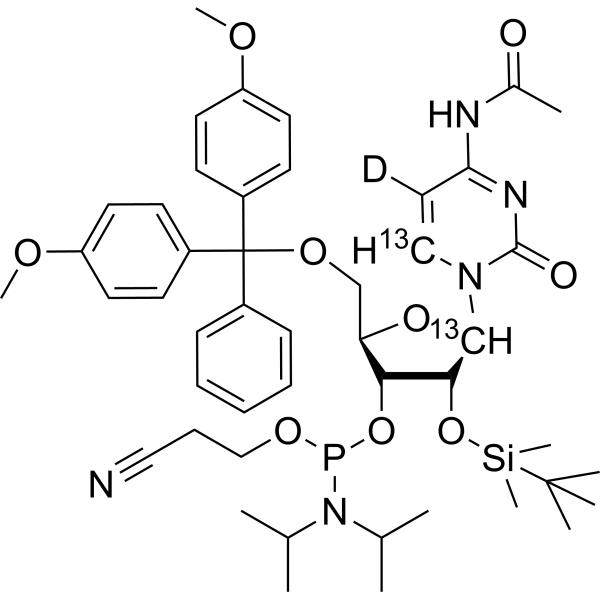
- HY-13585S
-
-
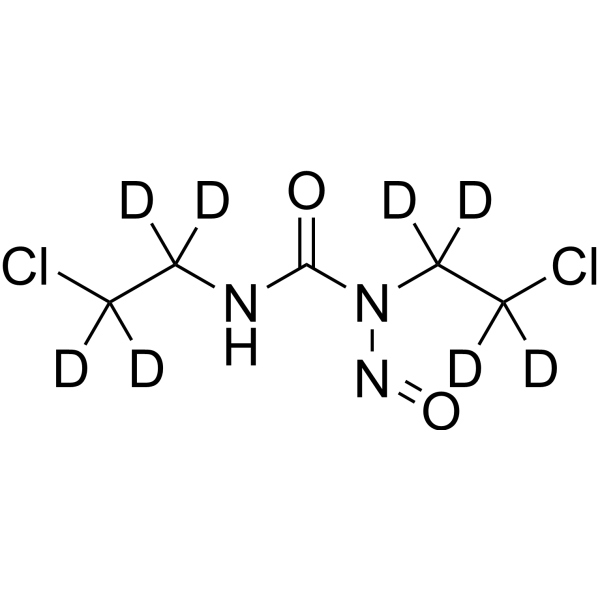
- HY-I0960S7
-
|
|
Endogenous Metabolite
|
Cancer
|
|
Uracil-d1 is the deuterium labeled Uracil . Uracil is a common and naturally occurring pyrimidine derivative and one of the four nucleobases in the nucleic acid of RNA .
|
-
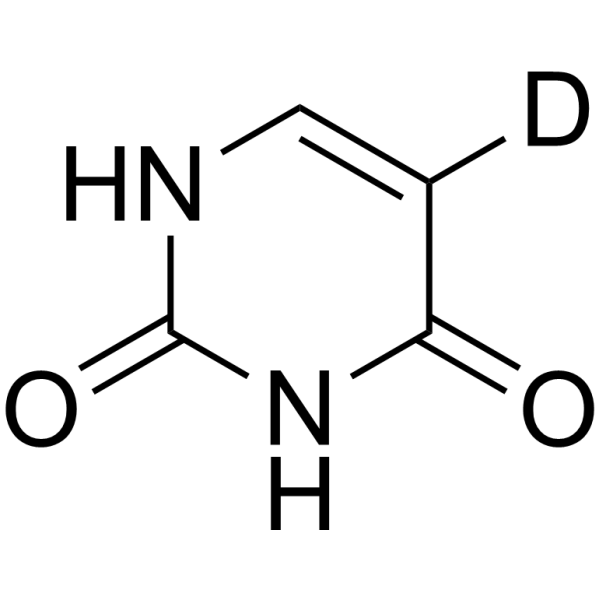
- HY-I0960S2
-
|
|
Endogenous Metabolite
|
Cancer
|
|
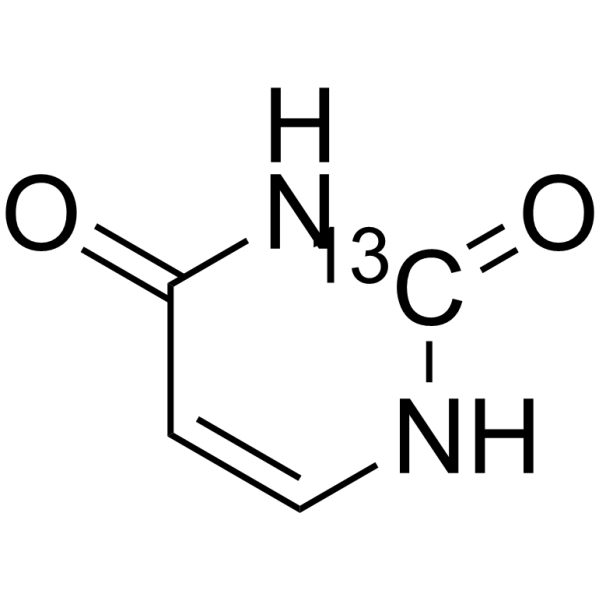
Uracil- 13C is the 13C labeled Uracil . Uracil is a common and naturally occurring pyrimidine derivative and one of the four nucleobases in the nucleic acid of RNA .
|
-
- HY-N0112S
-
|
Ampelopsin-d4; Ampeloptin-d4
|
Isotope-Labeled Compounds
Autophagy
Influenza Virus
mTOR
DNA/RNA Synthesis
|
Infection
Cancer
|
|
Dihydromyricetin-d4 (Ampelopsin-d4) is deuterium labeled Dihydromyricetin. Dihydromyricetin is a potent inhibitor with an IC50 of 48 μM on dihydropyrimidinase. Dihydromyricetin can activate autophagy through inhibiting mTOR signaling. Dihydromyricetin suppresses the formation of mTOR complexes (mTORC1/2). Dihydromyricetin is also a potent influenza RNA-dependent RNA polymerase inhibitor with an IC50 of 22 μM.
|
-

- HY-16637S2
-
|
(Rac)-Vitamin B9-13C5,15N; (Rac)-Vitamin M-13C5,15N
|
Isotope-Labeled Compounds
DNA/RNA Synthesis
Endogenous Metabolite
|
Cancer
|
|
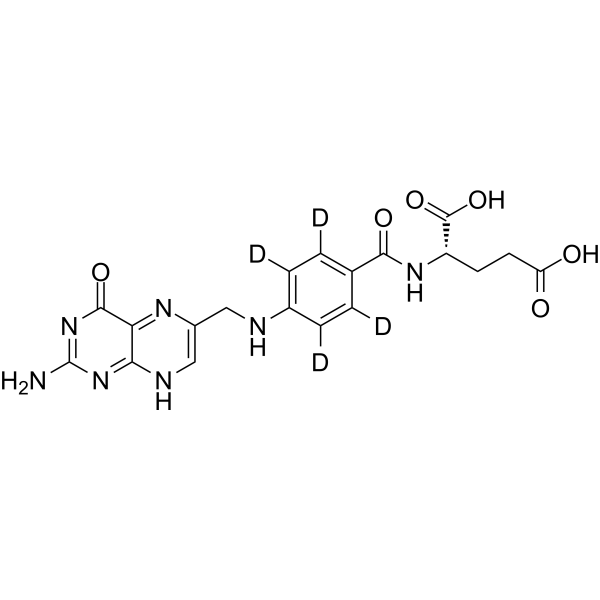
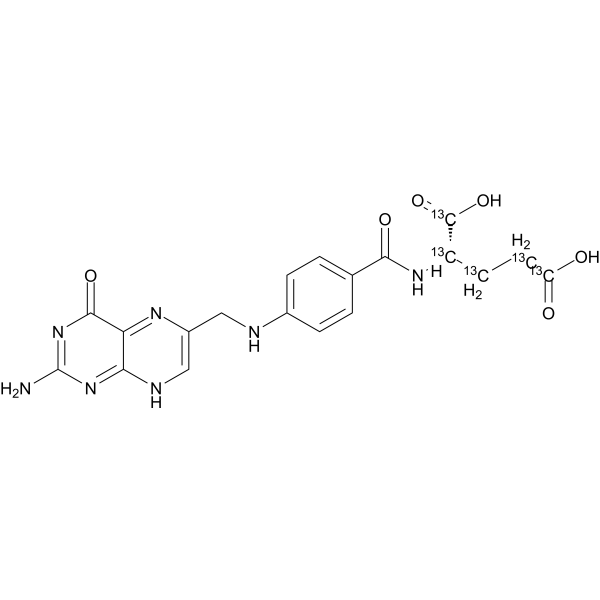
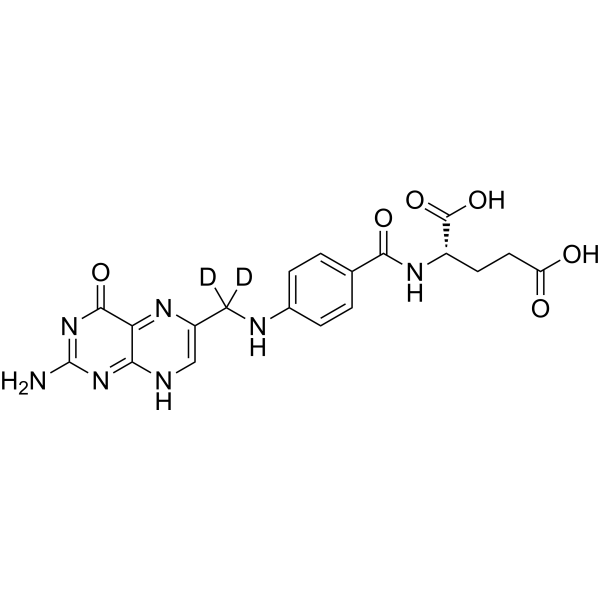
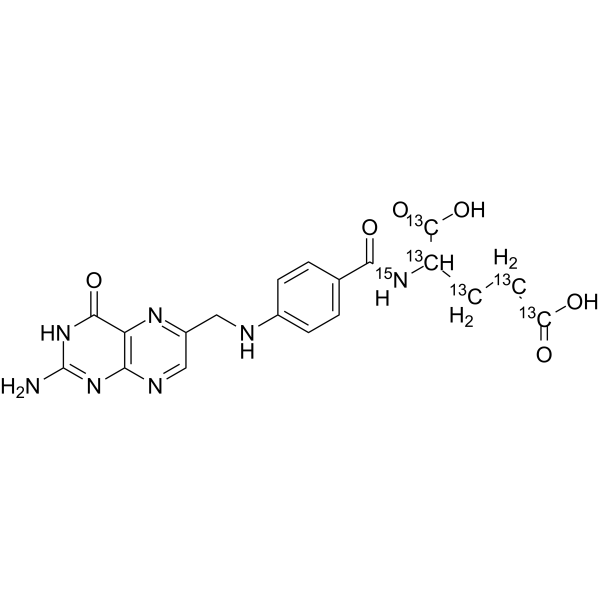
(Rac)-Folic acid- 13C5, 15N is the 13C-labeled and 15N-labeled Folic acid. Folic acid (Vitamin M; Vitamin B9) is a B vitamin; is necessary for the production and maintenance of new cells, for DNA synthesis and RNA synthesis.
|
-
- HY-17025S1
-
|
Ansamycin-d6; LM-427-d6
|
Isotope-Labeled Compounds
Antibiotic
Bacterial
|
Infection
|
|
Rifabutin-d6 (Ansamycin-d6) is deuterium labeled Rifabutin. Rifabutin (Ansamycin) is a semisynthetic ansamycin antibiotic with potent antimycobacterial properties. Rifabutin inhibits DNA-dependent RNA polymerase.
|
-

- HY-B0158S4
-
-
- HY-B0158S3
-
-
- HY-B0843AS
-
|
|
Isotope-Labeled Compounds
DNA/RNA Synthesis
Fungal
|
Infection
Inflammation/Immunology
|
|
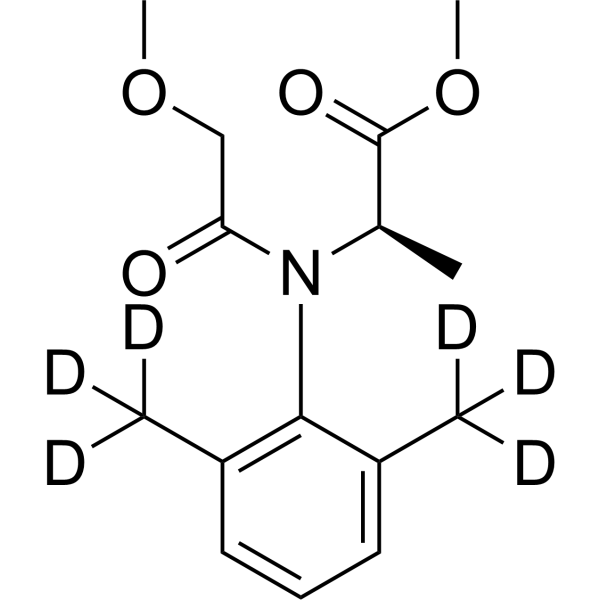
Metalaxyl-M-d6 ((R)-Metalaxyl-d6) is the deuterium labeled Metalaxyl-M (HY-B0843A). Metalaxyl-M ((R)-Metalaxyl) is an orally active and selective inhibitor of fungal RNA polymerase, which exerts fungicidal activity by selectively interfering with the synthesis of fungal ribosomal RNA. Metalaxyl-M can also be used to induce inflammation in hepatocytes and regulate tryptophan metabolism. Metalaxyl-M can be used in ecotoxicology studies .
|
-
- HY-N0086S3
-
|
6-Methyladenosine-13C3; N-Methyladenosine-13C3
|
Isotope-Labeled Compounds
Influenza Virus
Endogenous Metabolite
|
Infection
|
|
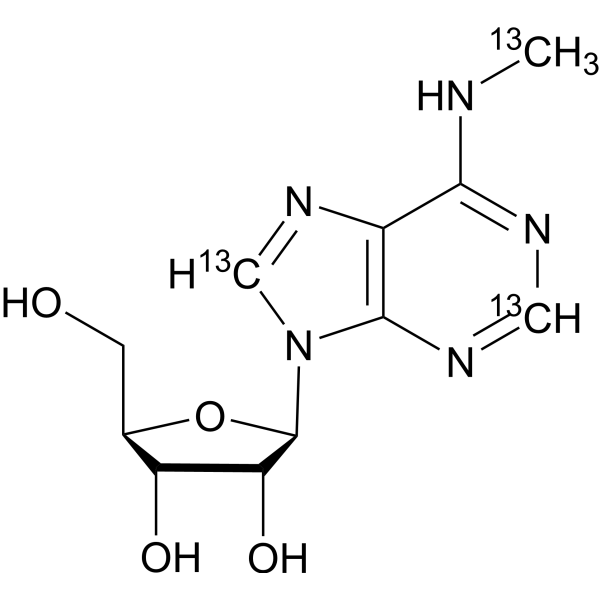
N6-Methyladenosine- 13C3 (6-Methyladenosine- 13C3) is 13C-labeled N6-Methyladenosine (HY-N0086). N6-Methyladenosine is the most prevalent internal (non-cap) modification present in the messenger RNA (mRNA) of all higher eukaryotes. N6-Methyladenosine can modifies viral RNAs and has antiviral activities .
|
-
- HY-W776820
-
|
OXYL-1-NHS
|
Biochemical Assay Reagents
|
Others
|
|
1-Oxyl-2,2,5,5-tetramethylpyrroline-3-carboxylate NHS ester (OXYL-1-NHS) is an active acylating agent that can be used to spin label proteins and aminoacylated RNA species .
|
-

- HY-14855S
-
|
TR 700-13C,d3; Torezolid-13C,d3; DA-7157-13C,d3
|
Isotope-Labeled Compounds
Bacterial
Antibiotic
|
Infection
|
|
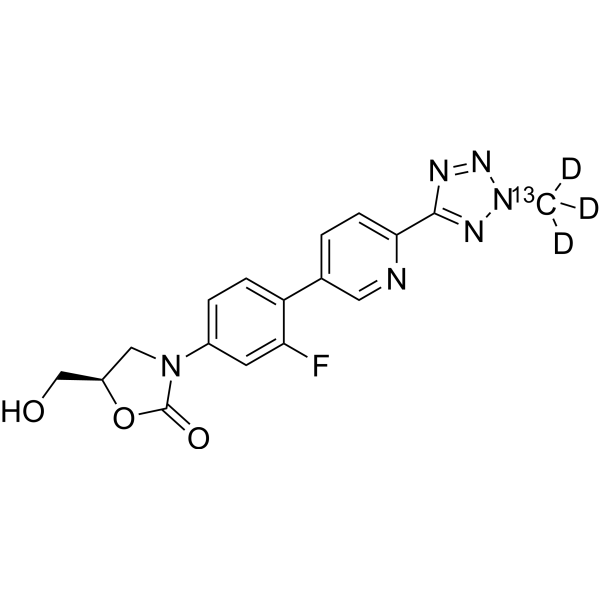
Tedizolid- 13C,d3 is the 13C- and deuterium labeled Tedizolid. Tedizolid (TR 700; Torezolid; DA-7157) is a novel oxazolidinone, acting through inhibition of bacterial protein synthesis by binding to 23S ribosomal RNA (rRNA) of the 50S subunit of the ribosome.
|
-
- HY-113061S
-
-
- HY-W654004
-
-

- HY-B0220S
-
|
|
Bacterial
Antibiotic
|
Infection
|
|
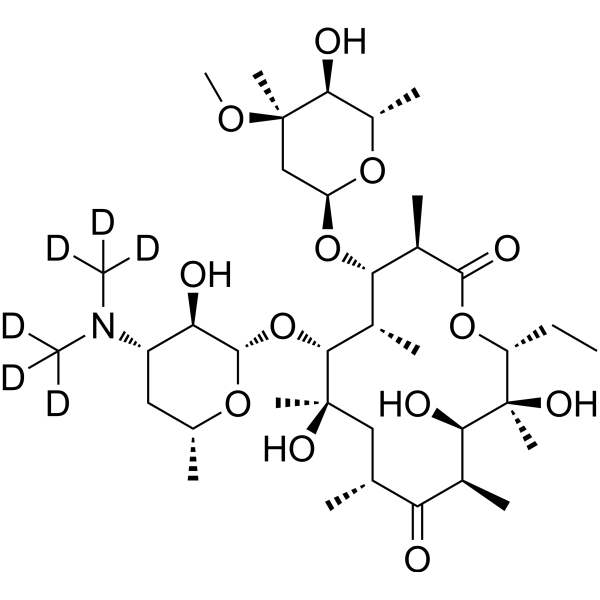
Erythromycin-d6 is the deuterium labeled Erythromycin. Erythromycin is a macrolide antibiotic produced by actinomycete?Streptomyces erythreus?with a broad spectrum of antimicrobial activity. Erythromycin acts by binding to bacterial 50S ribosomal subunits and inhibits?RNA-dependent protein synthesis?by blockage of transpeptidation and/or translocation reactions, without affecting synthesis of nucleic acid .
|
-
- HY-104077S2
-
|
|
Isotope-Labeled Compounds
DNA/RNA Synthesis
SARS-CoV
|
Infection
|
|
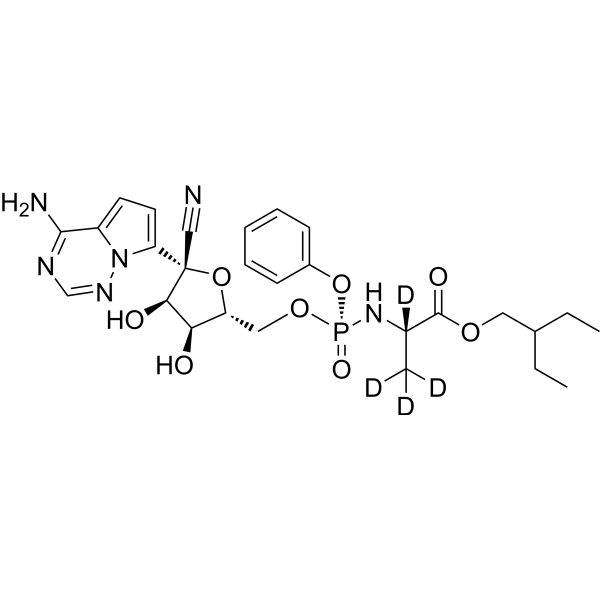
Remdesivir impurity 9-d4 is deuterium labeled Remdesivir (HY-104077). Remdesivir (GS-5734) is a nucleoside analogue with effective antiviral activity. Remdesivir can inhibit the synthesis of viral DNA or RNA. Remdesivir can be used for the research of infection, such as SARS-CoV and MHV infection .
|
-
- HY-W747965
-
|
|
Isotope-Labeled Compounds
Nucleoside Antimetabolite/Analog
|
Others
|
|
8-Bromoguanosine- 13C2, 15N is the 13C- and 15N-labeled 8-Bromoguanosine (HY-W019033). 8-Bromoguanosine is a purine nucleoside, a brominated derivative of guanosine. 8-Bromoguanosine can reduce the conformational heterogeneity of RNA to enhance its function .
|
-

- HY-W767371
-
|
|
Isotope-Labeled Compounds
Nucleoside Antimetabolite/Analog
|
Others
|
|
8-Bromoguanosine- 13C, 15N2 is the 13C- and 15N-labeled 8-Bromoguanosine (HY-W019033). 8-Bromoguanosine is a purine nucleoside, a brominated derivative of guanosine. 8-Bromoguanosine can reduce the conformational heterogeneity of RNA to enhance its function .
|
-

- HY-W009162S
-
|
|
Isotope-Labeled Compounds
Endogenous Metabolite
|
Metabolic Disease
|
|
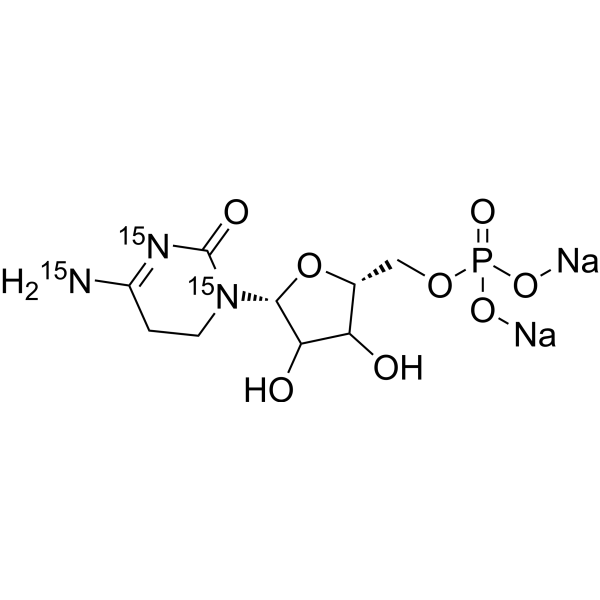
Cytidine 5′-monophosphate- 15N3 (disodium) is the 15N labeled Cytidine 5'-monophosphate disodium . Cytidine 5'-monophosphate (5'-Cytidylic acid) disodium is a nucleotide which is used as a monomer in RNA. Cytidine 5'-monophosphate disodium consists of the nucleobase cytosine, the pentose sugar ribose, and the phosphate group .
|
-
- HY-B0158S8
-
|
Cytosine β-D-riboside-d13; Cytosine-1-β-D-ribofuranoside-d13
|
Nucleoside Antimetabolite/Analog
Endogenous Metabolite
Isotope-Labeled Compounds
|
Neurological Disease
|
|
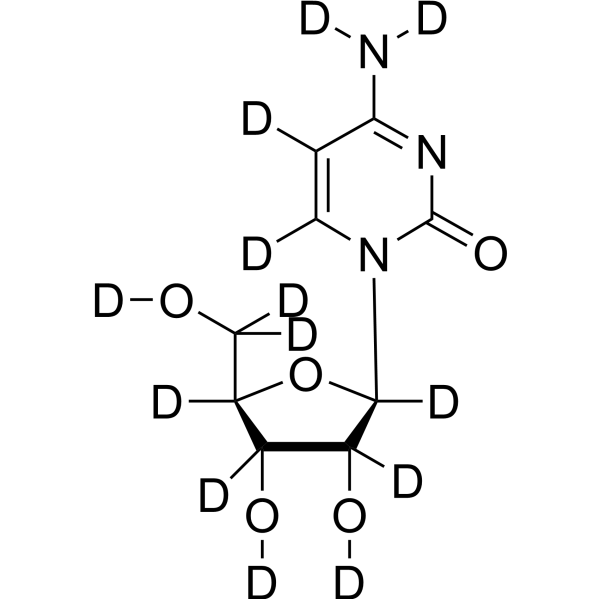
Cytidine-d13 (Cytosine β-D-riboside-d13) is deuterium labeled Cytidine (HY-B0158). Cytidine is a pyrimidine nucleoside and acts as a component of RNA. Cytidine is a precursor of uridine. Cytidine controls neuronal-glial glutamate cycling, affecting cerebral phospholipid metabolism, catecholamine synthesis, and mitochondrial function .
|
-
- HY-179540
-
|
5-BrUTP trisodium
|
DNA/RNA Synthesis
Nucleoside Antimetabolite/Analog
|
Others
|
|
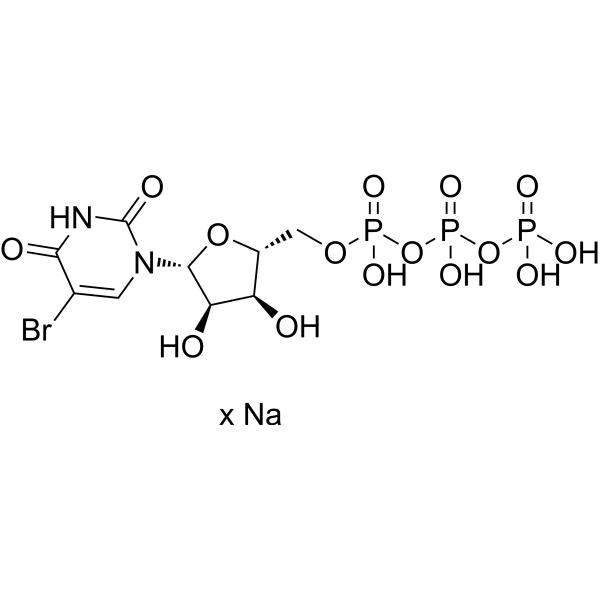
5-Bromo-UTP (5-BrUTP) trisodium is a derivative of uridine triphosphate (UTP). 5-Bromo-UTP trisodium can be utilized by cells as a precursor for RNA synthesis. During transcription, it integrates into the newly synthesized RNA chain and replaces some UTP. 5-Bromo-UTP trisodium can be used to label newly synthesized RNA, thereby enabling high-resolution visualization of transcriptional sites and RNA transport .
|
-

- HY-103586S2
-
|
|
Isotope-Labeled Compounds
DNA/RNA Synthesis
SARS-CoV
|
Infection
|
|
GS-441524-d is the deuterium labeled GS-441524 (HY-103586). GS-441524 is a potent, orally active and CNS-penetrant viral RNA-dependent RNA polymerase inhibitor. GS-441524 competes with natural nucleosides to block viral RNA transcription as an alternative substrate and RNA chain terminator. GS-441524 inhibits the replication of feline infectious peritonitis virus, African swine fever virus, and severe acute respiratory syndrome coronavirus 2. GS-441524 reduces viral RNA levels in cats. GS-441524 can be used in research related to feline infectious peritonitis, African swine fever, and coronavirus disease 2019 (COVID-19) .
|
-

- HY-I0960S8
-
|
|
Endogenous Metabolite
|
Cancer
|
|
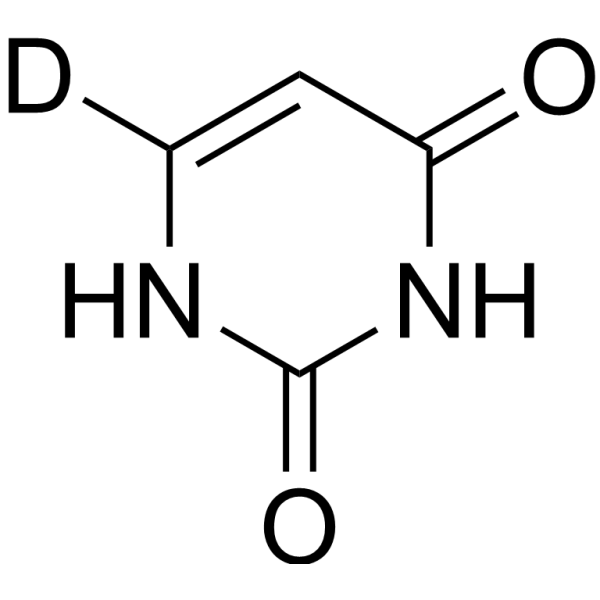
Uracil-d1-1 is the deuterium labeled Uracil . Uracil is a common and naturally occurring pyrimidine derivative and one of the four nucleobases in the nucleic acid of RNA .
|
-
- HY-122524AS1
-
|
|
Isotope-Labeled Compounds
Nucleoside Antimetabolite/Analog
Endogenous Metabolite
DNA/RNA Synthesis
|
Others
|
|
7-Methylguanosine- 13C iodide is the 13C-labeled 7-Methylguanosine iodide (HY-122524A). 7-Methylguanosine iodide is an iodide of 7-Methylguanosine (HY-122524). 7-Methylguanosine is a modified nucleoside widely present in various RNAs and a key metabolite of the 5'-cap structure of eukaryotic mRNA. 7-Methylguanosine plays important roles in stabilizing RNA structures, regulating translation, and other aspects.
|
-

- HY-122524AS
-
|
|
Isotope-Labeled Compounds
Nucleoside Antimetabolite/Analog
Endogenous Metabolite
DNA/RNA Synthesis
|
Others
|
|
7-Methylguanosine- 13C,d3 iodide is the 13C- and deuterium labeled 7-Methylguanosine iodide (HY-122524A). 7-Methylguanosine iodide is an iodide of 7-Methylguanosine (HY-122524). 7-Methylguanosine is a modified nucleoside widely present in various RNAs and a key metabolite of the 5'-cap structure of eukaryotic mRNA. 7-Methylguanosine plays important roles in stabilizing RNA structures, regulating translation, and other aspects.
|
-

- HY-B0152S1
-
|
Adenine-8-C13; 9H-Purin-6-amine-8-13C
|
DNA/RNA Synthesis
Endogenous Metabolite
|
Cancer
|
|
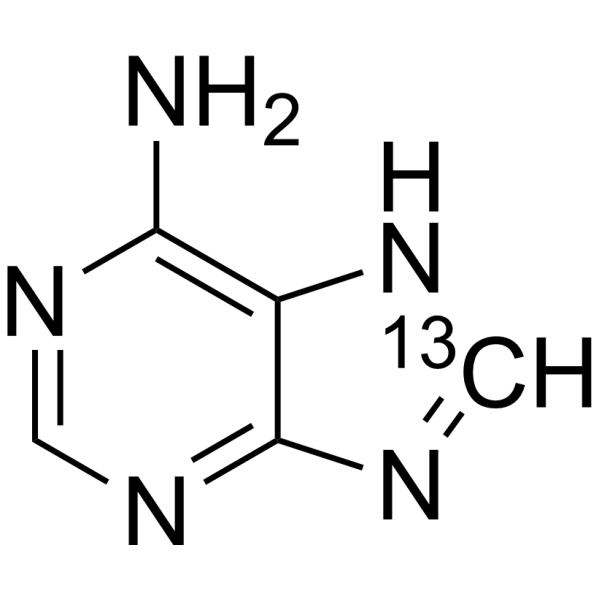
Adenine- 13C is the 13C labeled Adenine . Adenine (6-Aminopurine), a purine, is one of the four nucleobases in the nucleic acid of DNA. Adenine acts as a chemical component of DNA and RNA. Adenine also plays an important role in biochemistry involved in cellular respiration, the form of both ATP and the cofactors (NAD and FAD), and protein synthesis .
|
-
- HY-13704S
-
|
NK012-d3
|
Topoisomerase
ADC Payload
Autophagy
|
Cancer
|
|
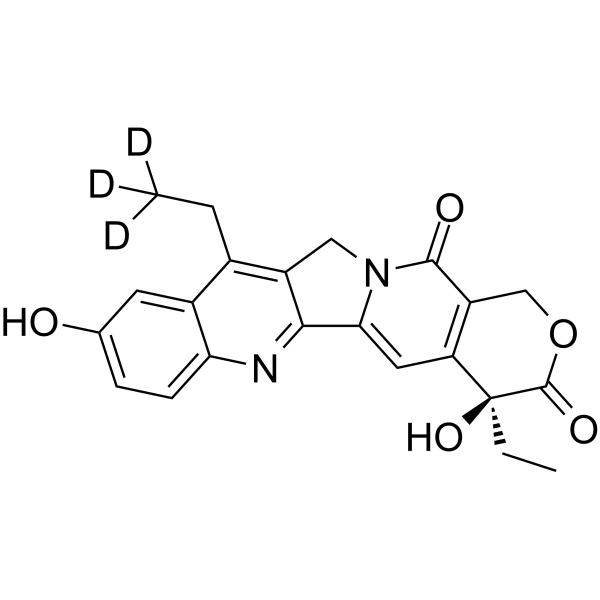
SN-38-d3 is the deuterium labeled SN-38. SN-38 (NK012) is an active metabolite of the Topoisomerase I inhibitor Irinotecan. SN-38 (NK012) inhibits DNA and RNA synthesis with IC50s of 0.077 and 1.3 μM, respectively .
|
-
- HY-109025AS2
-
|
Baloxavir acid-d1; S-033447-d1
|
Isotope-Labeled Compounds
Influenza Virus
|
Infection
Cancer
|
|
Baloxavir-d1 is the deuterium labeled Baloxavir (HY-109025A). Baloxavir (Baloxavir acid), derived from the proagent Baloxavir marboxil, is a first-in-class, potent and selective cap-dependent endonuclease (CEN) inhibitor within the polymerase PA subunit of influenza A and B viruses. Baloxavir inhibits viral RNA transcription and replication and has potently antiviral activity .
|
-

- HY-E70080
-
|
|
Biochemical Assay Reagents
|
Others
|
|
Vaccinia virus capping enzyme is a transcription initiation factor. Vaccinia virus capping enzyme is a heterodimer of D1 (844 aa) and D12 (287 aa) polypeptides that executes all three steps in m7GpppRNA synthesis. Vaccinia virus capping enzyme has been used widely as a reagent for capping and cap-labeling RNAs in vitro .
|
-

- HY-B0158S7
-
|
Cytosine β-D-riboside-13C9; Cytosine-1-β-D-ribofuranoside-13C9
|
Nucleoside Antimetabolite/Analog
Endogenous Metabolite
Isotope-Labeled Compounds
|
Neurological Disease
|
|
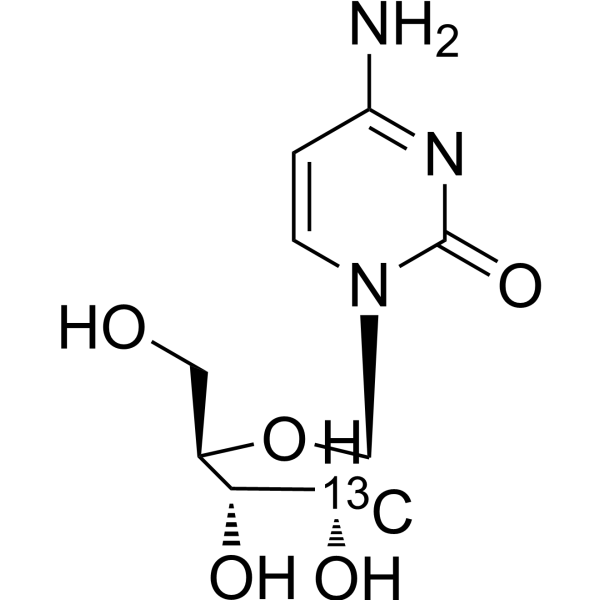
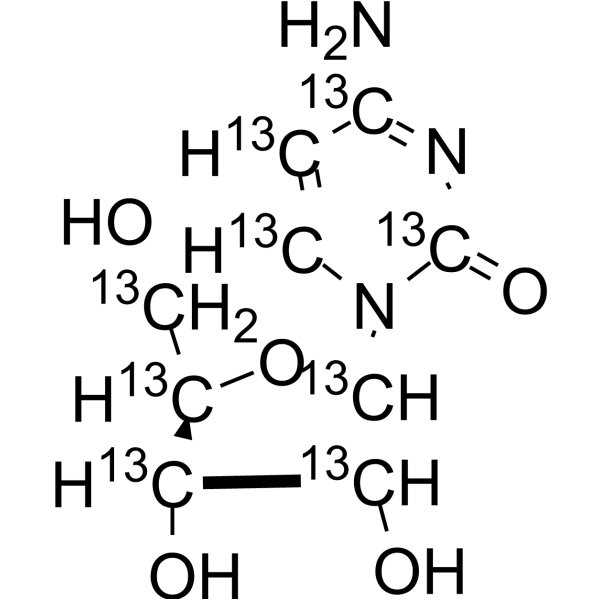
Cytidine- 13C9 (Cytosine β-D-riboside- 13C9) is 13C labeled Cytidine (HY-B0158). Cytidine is a pyrimidine nucleoside and acts as a component of RNA. Cytidine is a precursor of uridine. Cytidine controls neuronal-glial glutamate cycling, affecting cerebral phospholipid metabolism, catecholamine synthesis, and mitochondrial function .
|
-
- HY-B0220S1
-
|
|
Isotope-Labeled Compounds
Bacterial
Antibiotic
|
Infection
|
|
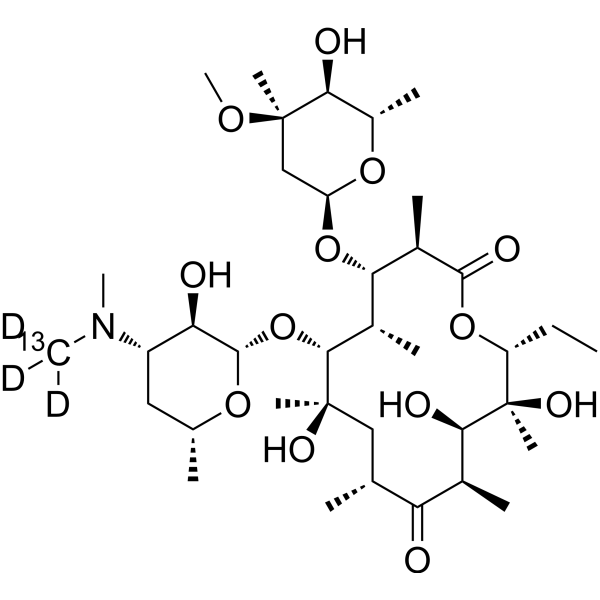
Erythromycin- 13C,d3 is the 13C- and deuterium labeled Erythromycin. Erythromycin is a macrolide antibiotic produced by actinomycete?Streptomyces erythreus?with a broad spectrum of antimicrobial activity. Erythromycin acts by binding to bacterial 50S ribosomal subunits and inhibits?RNA-dependent protein synthesis?by blockage of transpeptidation and/or translocation reactions, without affecting synthesis of nucleic acid .
|
-
- HY-B0275S1
-
|
|
Isotope-Labeled Compounds
Endogenous Metabolite
Bacterial
Antibiotic
HSV
|
Infection
|
|
Oxytetracycline-d3 is the deuterium labeled Oxytetracycline (HY-B0275). Oxytetracycline is an antibiotic belonging to the tetracycline class. Oxytetracycline potent inhibits Gram-negative and Gram-positive bacteria. Oxytetracycline is a protein synthesis inhibitor and prevents the binding from aminoacil-tRNA to the complex m-ribosomal RNA. Oxytetracycline also possesses anti-HSV-1 activity .
|
-

- HY-Y1055S6
-
|
|
Isotope-Labeled Compounds
DNA/RNA Synthesis
Endogenous Metabolite
|
Neurological Disease
Cancer
|
|
Guanine-d5 is the deuterium labeled Guanine (HY-Y1055). Guanine is one of the fundamental components of nucleic acids (DNA and RNA). Guanine is a purine derivative, consisting of a fused pyrimidine-imidazole ring system with conjugated double bonds. Guanine has the potential to serve as a large-capacity N pool. Guanine has cytotoxic, antinociceptive and neuroprotective effects .
|
-

- HY-W755036
-
|
|
Isotope-Labeled Compounds
Bacterial
HSV
Antibiotic
|
Infection
|
|
Oxytetracycline-13C,d3 hydrochloride is the 13C- and deuterium labeled Oxytetracycline hydrochloride (HY-B0275A). Oxytetracycline hydrochloride is an antibiotic that exhibits board-spectrum antibacterial activity. Oxytetracycline hydrochloride is a protein synthesis inhibitor and prevents the binding from aminoacil-tRNA to the complex m-ribosomal RNA. Oxytetracycline hydrochloride also possesses anti-HSV-1 activity .
|
-

- HY-Y1055S4
-
|
|
Isotope-Labeled Compounds
DNA/RNA Synthesis
Endogenous Metabolite
|
Neurological Disease
Cancer
|
|
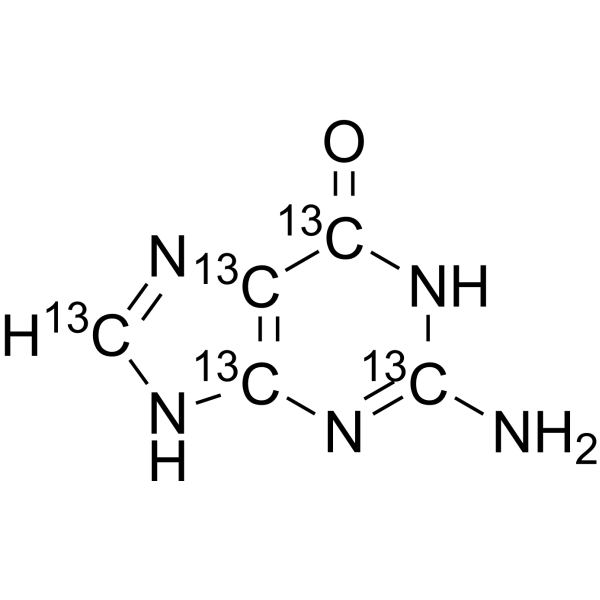
Guanine- 13C5 is 13C-labeled Guanine (HY-Y1055). Guanine is one of the fundamental components of nucleic acids (DNA and RNA). Guanine is a purine derivative, consisting of a fused pyrimidine-imidazole ring system with conjugated double bonds. Guanine has the potential to serve as a large-capacity N pool. Guanine has cytotoxic, antinociceptive and neuroprotective effects .
|
-
- HY-Y1055S3
-
|
|
Isotope-Labeled Compounds
DNA/RNA Synthesis
Endogenous Metabolite
|
Neurological Disease
Cancer
|
|
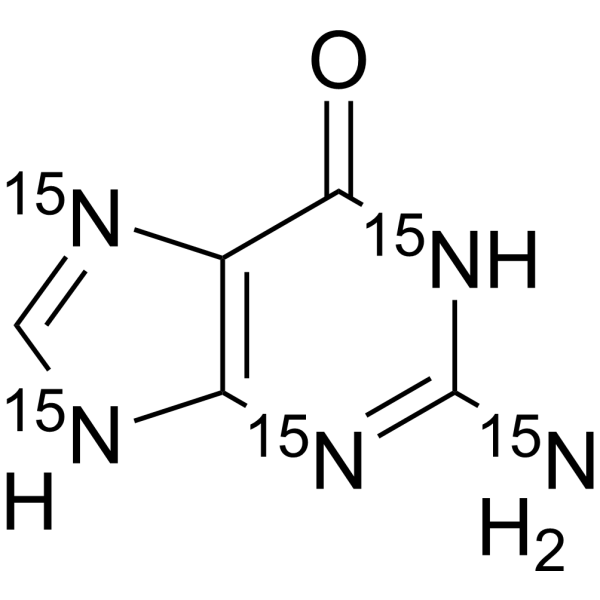
Guanine- 15N5 is 15N labeled Guanine (HY-Y1055). Guanine is one of the fundamental components of nucleic acids (DNA and RNA). Guanine is a purine derivative, consisting of a fused pyrimidine-imidazole ring system with conjugated double bonds. Guanine has the potential to serve as a large-capacity N pool. Guanine has cytotoxic, antinociceptive and neuroprotective effects .
|
-
- HY-W555382S
-
|
2-Nonylquinolin-4(1H)-one-d4
|
Isotope-Labeled Compounds
HCV
|
Infection
|
|
Pseudane IX-d4 (2-Nonylquinolin-4(1H)-one-d4) is deuterium labeled Pseudane IX. Pseudane IX, a compound isolated from the leaves of Ruta angustifolia, has strong anti-HCV activity with an IC50 value of 1.4 μg/mL. Pseudane IX reduces HCV RNA replication and viral protein synthesis levels .
|
-

- HY-113081S
-
|
|
Isotope-Labeled Compounds
Endogenous Metabolite
PPAR
Hedgehog
|
Cancer
|
|
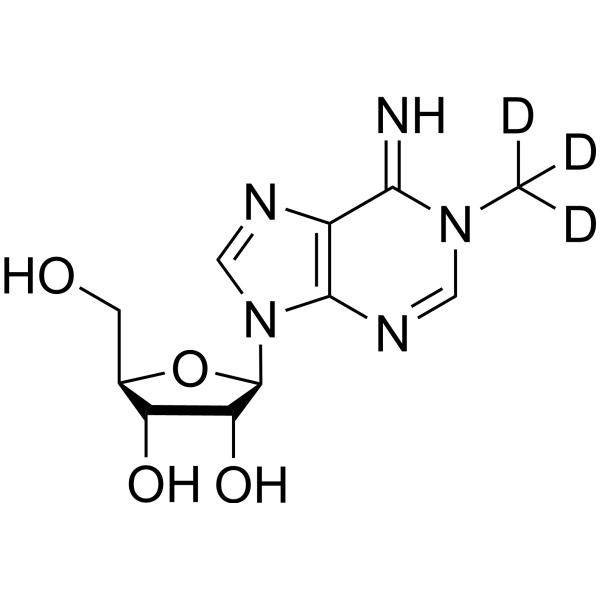
1-Methyl Adenosine-d3 is the deuterium labeled 1-Methyladenosine. 1-Methyladenosine is an RNA modification that can serve as a tumor marker, with elevated levels in the body associated with cancer development. Following 1-methyladenosine methylation, upregulation of PPARδ expression regulates cholesterol metabolism and activates Hedgehog signaling pathway, driving liver tumorigenesis .
|
-
- HY-Y1055S
-
|
|
DNA/RNA Synthesis
Endogenous Metabolite
|
Neurological Disease
Cancer
|
|
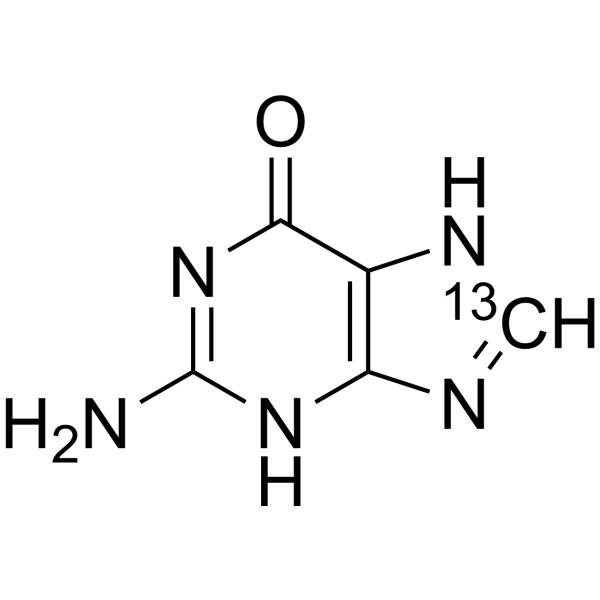
Guanine- 13C is the 13C labeled Guanine (HY-Y1055) . Guanine is one of the fundamental components of nucleic acids (DNA and RNA). Guanine is a purine derivative, consisting of a fused pyrimidine-imidazole ring system with conjugated double bonds. Guanine has the potential to serve as a large-capacity N pool. Guanine has cytotoxic, antinociceptive and neuroprotective effects .
|
-
- HY-W013403S
-
|
|
IFNAR
|
Infection
|
|
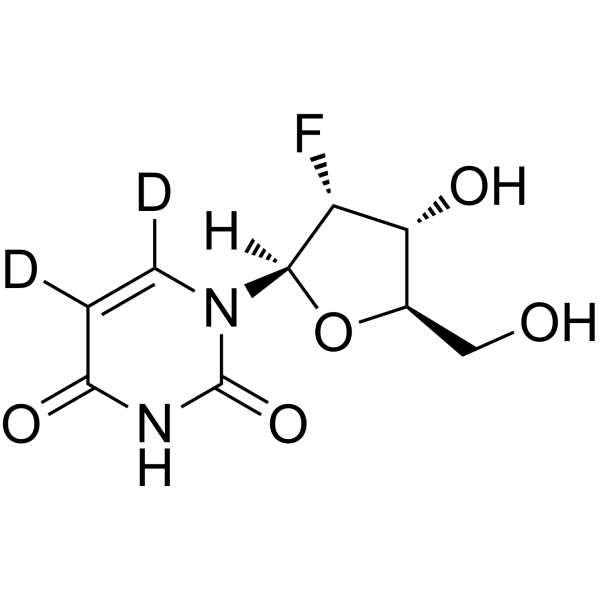
2'-Deoxy-2'-fluorouridine-d2 is the deuterium labeled 2'-Deoxy-2'-fluorouridine . 2'-Deoxy-2'-fluorouridine is a derivative of the pyrimidine nucleoside uridine. 2'-Deoxy-2'-fluorouridine is a nucleoside analog that inhibits the replication of wild-type viruses by binding to the viral RNA. Hepatitis C polyU/UC RNA strands containing 2'-Deoxy-2'-fluorouridine, bind to RIG-I but do not activate RIG-I signaling in a reporter assay using Huh7 cells. 2'-Deoxy-2'-fluorouridine also has been used as a starting material in the synthesis of respiratory syncytial virus (RSV) polymerase inhibitors. 2'-Deoxy-2'-fluorouridine can incorporate into DNA and RNA in rat and woodchuck model upon administration. 2'-Deoxy-2'-fluorouridine can be studied in anti-viral research .
|
-
- HY-113081S1
-
|
|
Isotope-Labeled Compounds
Endogenous Metabolite
PPAR
Hedgehog
|
Cancer
|
|
1-Methyladenosine-d3 hydriodide is the deuterium labeled 1-Methyladenosine (HY-113081). 1-Methyladenosine is an RNA modification that can serve as a tumor marker, with elevated levels in the body associated with cancer development. Following 1-methyladenosine methylation, upregulation of PPARδ expression regulates cholesterol metabolism and activates Hedgehog signaling pathway, driving liver tumorigenesis .
|
-

- HY-B0421S2
-
|
Mycophenolate-13C17
|
Isotope-Labeled Compounds
Flavivirus
|
Cancer
|
|
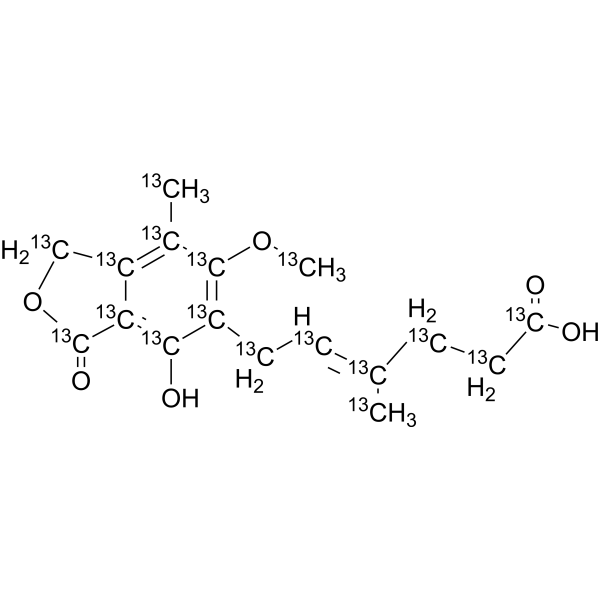
Mycophenolic acid-13C17 (Mycophenolate-13C17) is the 13C labeled Mycophenolic acid (HY-B0421). Mycophenolic acid is a potent uncompetitive inosine monophosphate dehydrogenase (IMPDH) inhibitor with an EC50 of 0.24 μM. Mycophenolic acid demonstrates antiviral effects against a wide range of RNA viruses including influenza. Mycophenolic acid is an immunosuppressive agent. Antiangiogenic and antitumor effects.
|
-
- HY-N0157S1
-
|
6-Carboxyuracil-13C,15N2 monohydrate; Vitamin B13-13C,15N2 monohydrate
|
Nucleoside Antimetabolite/Analog
Endogenous Metabolite
|
Metabolic Disease
|
|
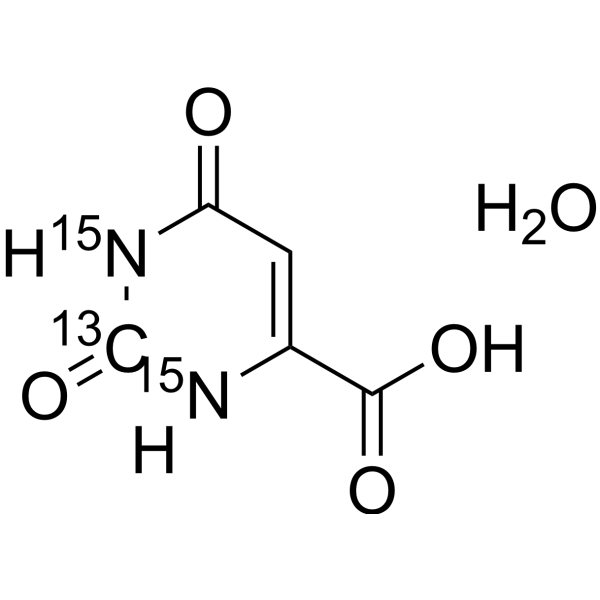
Orotic acid- 13C, 15N2 (monohydrate) is the 13C and 15N labeled Orotic acid . Orotic acid (6-Carboxyuracil), a precursor in biosynthesis of pyrimidine nucleotides and RNA, is released from the mitochondrial dihydroorotate dehydrogenase (DHODH) for conversion to UMP by the cytoplasmic UMP synthase enzyme. Orotic acid is a marker for measurement in routine newborn screening for urea cycle disorders. Orotic acid can induce hepatic steatosis and hepatomegaly in rats .
|
-
- HY-W712567
-
|
6-Aminopurine-15N5 hydrochloride; Vitamin B4-15N5 hydrochloride
|
Isotope-Labeled Compounds
|
Infection
Cancer
|
|
Adenine- 15N5 (6-Aminopurine- 15N5) hydrochloride is the 15N-labeled Adenine hydrochloride (HY-B0152A) . Adenine hydrochloride (6-Aminopurine hydrochloride), a purine, is one of the four nucleobases in the nucleic acid of DNA. Adenine hydrochloride acts as a chemical component of DNA and RNA. Adenine hydrochloride also plays an important role in biochemistry involved in cellular respiration, the form of both ATP and the cofactors (NAD and FAD), and protein synthesis.
|
-

- HY-114977S
-
|
|
Isotope-Labeled Compounds
Apoptosis
DNA/RNA Synthesis
Reactive Oxygen Species (ROS)
|
Inflammation/Immunology
Cancer
|
|
Avenanthramide A-d4 is the deuterium labeled Avenanthramide A (HY-114977). Avenanthramide A is an orally active phytoalexin that targets the RNA helicase DDX3 with a KD of 8.8 μM. Avenanthramide A induces mitochondrial swelling and increased ROS production, and triggers apoptosis in CRC cells. Avenanthramide A inhibits smooth muscle cell proliferation and enhances nitric oxide production. Avenanthramide A can be used in research on colorectal cancer and atherosclerosis .
|
-

- HY-B0220S2
-
|
|
Bacterial
DNA/RNA Synthesis
Antibiotic
|
Infection
|
|
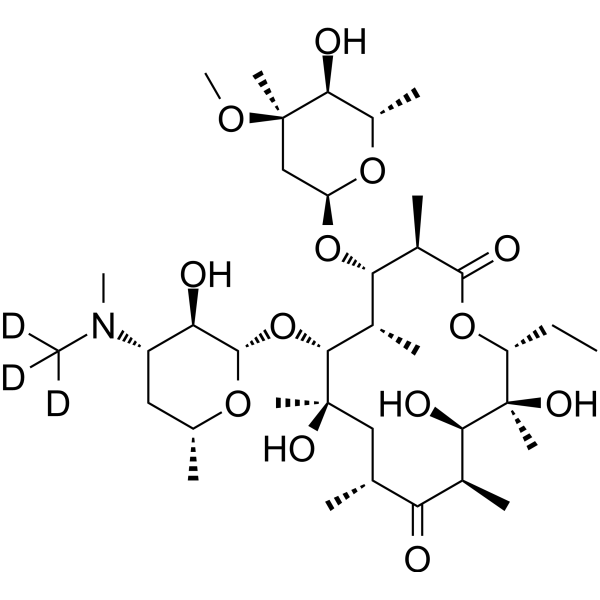
Erythromycin-d3 is the deuterium labeled Erythromycin . Erythromycin is a macrolide antibiotic produced by actinomycete Streptomyces erythreus with a broad spectrum of antimicrobial activity. Erythromycin binds to bacterial 50S ribosomal subunits and inhibits RNA-dependent protein synthesis by blockage of transpeptidation and/or translocation reactions, without affecting synthesis of nucleic acid. Erythromycin also exhibits antitumor and neuroprotective effect in different fields of research .
|
-
- HY-113081AS
-
|
|
Isotope-Labeled Compounds
Endogenous Metabolite
PPAR
Hedgehog
|
Cancer
|
|
1-Methyladenosine-d3 hydrochloride is the hydrochloride salt form of deuterium labeled 1-Methyladenosine (HY-113081). 1-Methyladenosine is an RNA modification that can serve as a tumor marker, with elevated levels in the body associated with cancer development. Following 1-methyladenosine methylation, upregulation of PPARδ expression regulates cholesterol metabolism and activates Hedgehog signaling pathway, driving liver tumorigenesis .
|
-

- HY-W015213S
-
|
|
Isotope-Labeled Compounds
Endogenous Metabolite
DNA/RNA Synthesis
|
Metabolic Disease
|
|
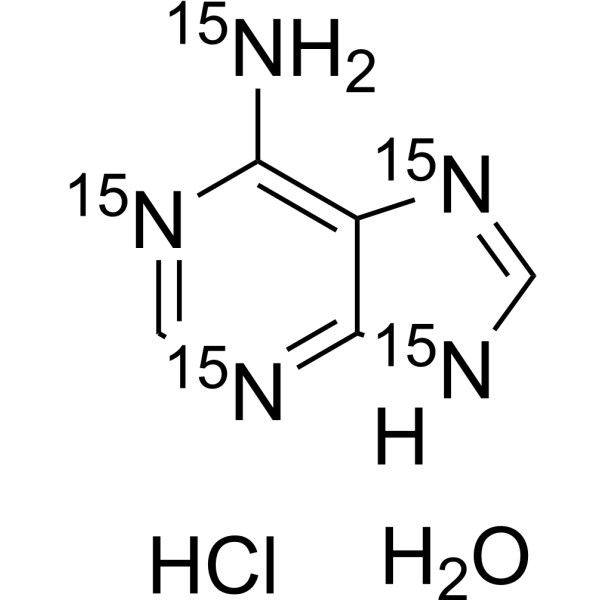
Adenine monohydrochloride hemihydrate- 15N5 is the 15N labeled Adenine monohydrochloride hemihydrate (HY-W015213). Adenine monohydrochloride hemihydrate is a hydrochloride derivative of Adenine. Adenine (6-Aminopurine), a purine, is one of the four nucleobases in the nucleic acid of DNA. Adenine acts as a chemical component of DNA and RNA. Adenine also plays an important role in biochemistry involved in cellular respiration, the form of both ATP and the cofactors (NAD and FAD), and protein synthesis .
|
-
- HY-W009162S2
-
|
5'-Cytidylic acid-d12 dilithium; 5'-CMP-d12 dilithium
|
Isotope-Labeled Compounds
Endogenous Metabolite
|
Metabolic Disease
|
|
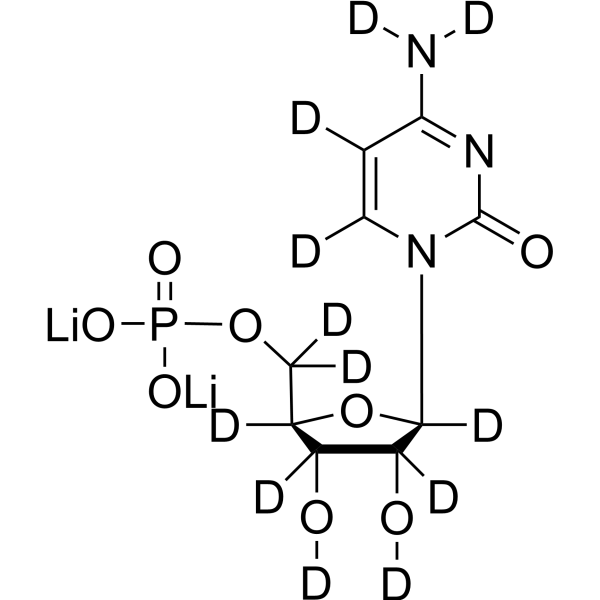
Cytidine 5′-monophosphate-d12 (5'-Cytidylic acid-d12 dilithium; 5'-CMP-d12) dilithium is deuterium labeled Cytidine 5'-monophosphate (HY-W009162). Cytidine 5'-monophosphate (5'-Cytidylic acid) is a nucleotide which is used as a monomer in RNA. Cytidine 5'-monophosphate consists of the nucleobase cytosine, the pentose sugar ribose, and the phosphate group.
|
-
- HY-Y1055S1
-
|
|
DNA/RNA Synthesis
Endogenous Metabolite
|
Neurological Disease
Cancer
|
|
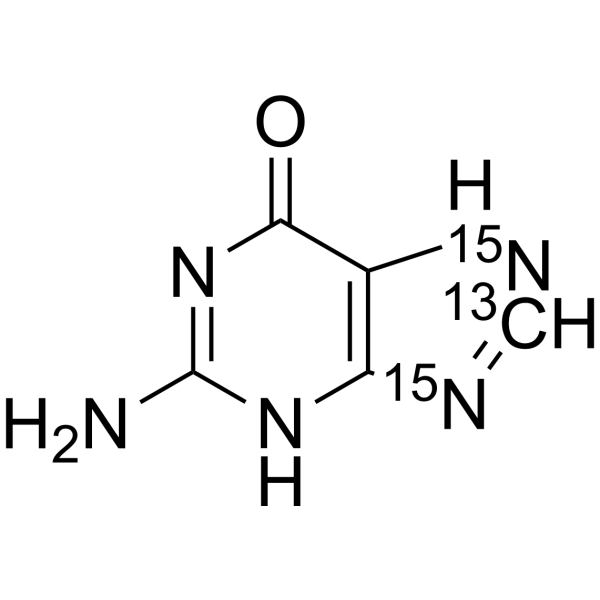
Guanine- 13C, 15N2 is the 13C and 15N labeled Guanine (HY-Y1055) . Guanine is one of the fundamental components of nucleic acids (DNA and RNA). Guanine is a purine derivative, consisting of a fused pyrimidine-imidazole ring system with conjugated double bonds. Guanine has the potential to serve as a large-capacity N pool. Guanine has cytotoxic, antinociceptive and neuroprotective effects .
|
-
- HY-111647S1
-
-
- HY-W778114
-
|
|
Isotope-Labeled Compounds
DNA/RNA Synthesis
Endogenous Metabolite
|
Cancer
|
|
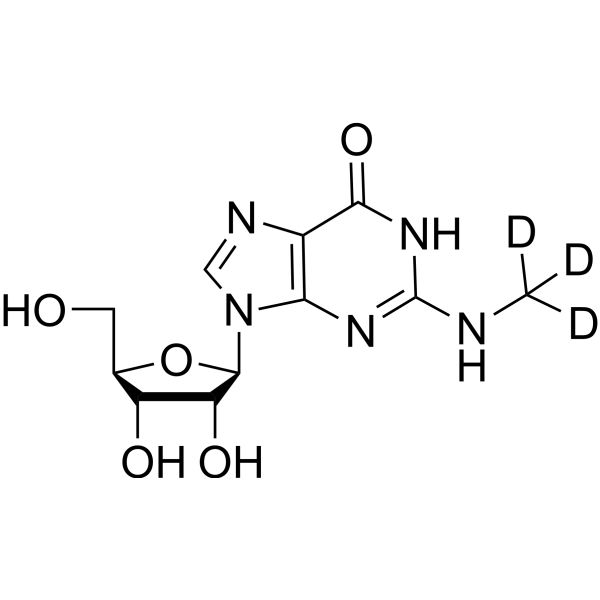
Guanine- 13C2, 15N is the 13C- and 15N-labeled Guanine (HY-Y1055). Guanine is one of the fundamental components of nucleic acids (DNA and RNA). Guanine is a purine derivative, consisting of a fused pyrimidine-imidazole ring system with conjugated double bonds. Guanine has the potential to serve as a large-capacity N pool. Guanine has cytotoxic, antinociceptive and neuroprotective effects .
|
-

- HY-W777809
-
|
|
Isotope-Labeled Compounds
DNA/RNA Synthesis
Endogenous Metabolite
|
Cancer
|
|
Guanine- 13C2, 15N is the 13C- and 15N-labeled Guanine (HY-Y1055). Guanine is one of the fundamental components of nucleic acids (DNA and RNA). Guanine is a purine derivative, consisting of a fused pyrimidine-imidazole ring system with conjugated double bonds. Guanine has the potential to serve as a large-capacity N pool. Guanine has cytotoxic, antinociceptive and neuroprotective effects .
|
-

- HY-B0152S7
-
|
6-Aminopurine-15N5 hydrochloride hydrate; Vitamin B4-15N5 hydrochloride hydrate
|
Isotope-Labeled Compounds
DNA/RNA Synthesis
|
Cancer
|
|
Adenine- 15N5 (6-Aminopurine- 15N5) hydrochloride hydrate is the 15N-labeled Adenine (HY-B0152). Adenine (6-Aminopurine), a purine, is one of the four nucleobases in the nucleic acid of DNA. Adenine acts as a chemical component of DNA and RNA. Adenine also plays an important role in biochemistry involved in cellular respiration, the form of both ATP and the cofactors (NAD and FAD), and protein synthesis .
|
-

- HY-W009162S4
-
|
5'-Cytidylic acid-15N3 dilithium; 5'-CMP-15N3 dilithium
|
Isotope-Labeled Compounds
Endogenous Metabolite
|
Metabolic Disease
|
|
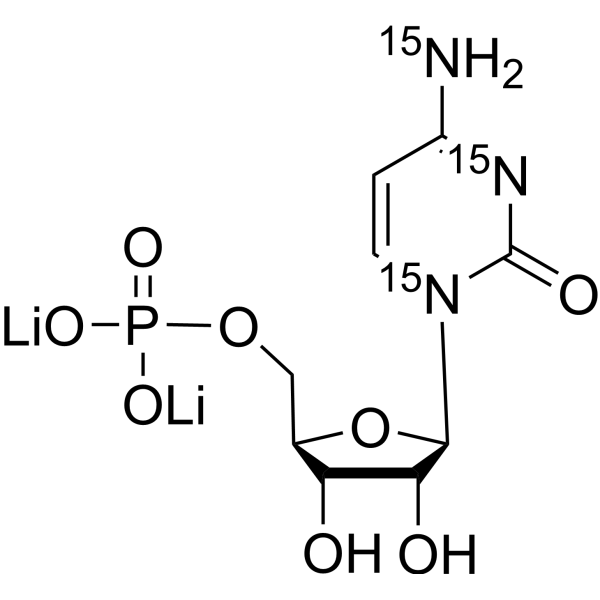
Cytidine 5′-monophosphate- 15N3 (5'-Cytidylic acid- 15N3 dilithium; 5'-CMP- 15N3) dilithium is 15N labeled Cytidine 5'-monophosphate (HY-W009162). Cytidine 5'-monophosphate (5'-Cytidylic acid) is a nucleotide which is used as a monomer in RNA. Cytidine 5'-monophosphate consists of the nucleobase cytosine, the pentose sugar ribose, and the phosphate group.
|
-
- HY-W009162S1
-
|
5'-Cytidylic acid-13C9 dilithium; 5'-CMP-13C9 dilithium
|
Isotope-Labeled Compounds
Endogenous Metabolite
|
Metabolic Disease
|
|
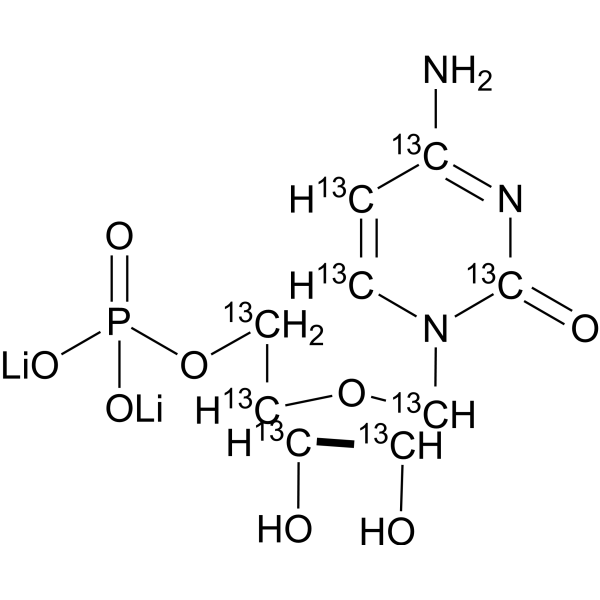
Cytidine 5′-monophosphate- 13C9 (5'-Cytidylic acid- 13C9 dilithium; 5'-CMP- 13C9) dilithium is 13C-labeled Cytidine 5'-monophosphate (HY-W009162). Cytidine 5'-monophosphate (5'-Cytidylic acid) is a nucleotide which is used as a monomer in RNA. Cytidine 5'-monophosphate consists of the nucleobase cytosine, the pentose sugar ribose, and the phosphate group.
|
-
- HY-Y1055S2
-
|
|
Isotope-Labeled Compounds
DNA/RNA Synthesis
Endogenous Metabolite
|
Neurological Disease
Cancer
|
|
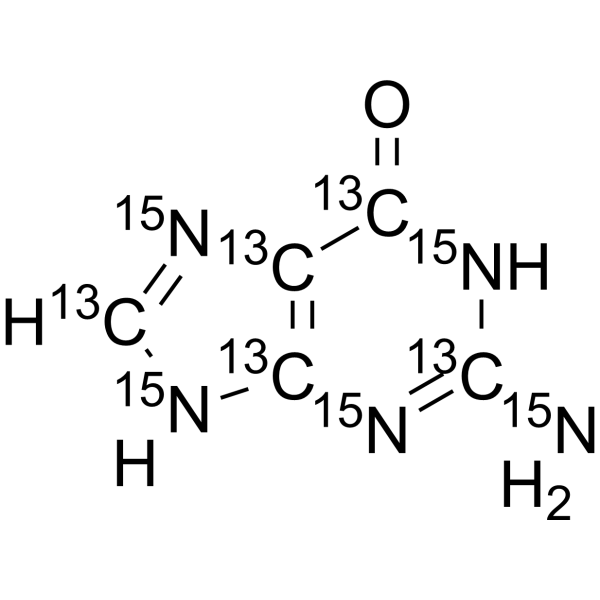
Guanine- 13C5, 15N5 is 13C and 15N-labeled Guanine (HY-Y1055). Guanine is one of the fundamental components of nucleic acids (DNA and RNA). Guanine is a purine derivative, consisting of a fused pyrimidine-imidazole ring system with conjugated double bonds. Guanine has the potential to serve as a large-capacity N pool. Guanine has cytotoxic, antinociceptive and neuroprotective effects .
|
-
- HY-17580S1
-
|
OPT-80-d6; PAR-101-d6
|
Isotope-Labeled Compounds
Antibiotic
Apoptosis
DNA/RNA Synthesis
Bacterial
|
Infection
|
|
Fidaxomicin-d6 (OPT-80-d6) is the deuterium labeled Fidaxomicin (HY-17580). Fidaxomicin (OPT-80), a macrocyclic antibiotic, is an orally active and potent RNA polymerase inhibitor. Fidaxomicin has a narrow spectrum of antibacterial activity and a good anti-Clostridium difficile activity (MIC90=0.12 μg/mL). Fidaxomicin can be used for Clostridium difficile infection (CDI) research .
|
-

- HY-B0152S4
-
|
6-Aminopurine-15N5; Vitamin B4-15N5
|
Isotope-Labeled Compounds
DNA/RNA Synthesis
Endogenous Metabolite
|
Cancer
|
|
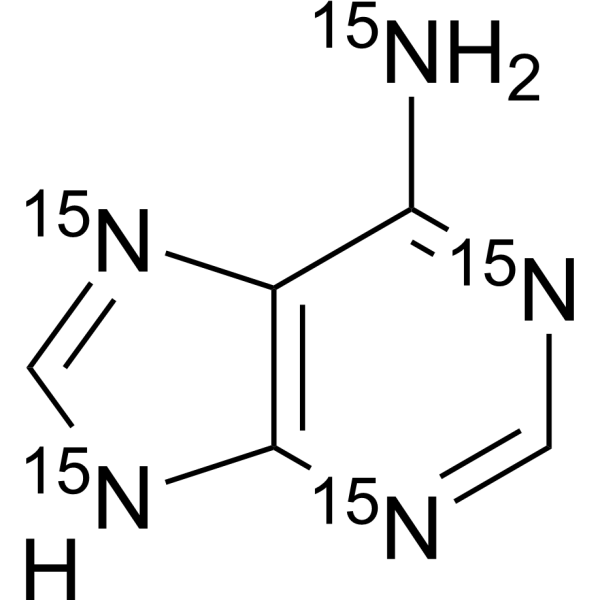
Adenine- 15N5 (6-Aminopurine- 15N5; Vitamin B4- 15N5) is 15N labeled Adenine (HY-B0152). Adenine (6-Aminopurine), a purine, is one of the four nucleobases in the nucleic acid of DNA.
Adenine acts as a chemical component of DNA and RNA. Adenine also plays an important role in biochemistry involved in cellular respiration, the form of both ATP and the cofactors (NAD and FAD), and protein synthesis.
|
-
- HY-R00293F
-
|
|
MicroRNA
Fluorescent Dye
|
Cancer
|
|
FAM-hsa-miR-147b-5p mimic is a FAM-labeled hsa-miR-147b-5p mimic (HY-R00293). hsa-miR-147b-5p mimics are small, chemically synthesized double-stranded RNAs that mimic endogenous miRNAs and enable miRNA functional analysis by up-regulation of miRNA activity.
|
-
FAM-hsa-miR-147b-5p mimic
FAM-hsa-miR-147b-5p mimic
- HY-B0152S3
-
|
6-Aminopurine-13C5; Vitamin B4-13C5
|
Isotope-Labeled Compounds
DNA/RNA Synthesis
Endogenous Metabolite
|
Cancer
|
|
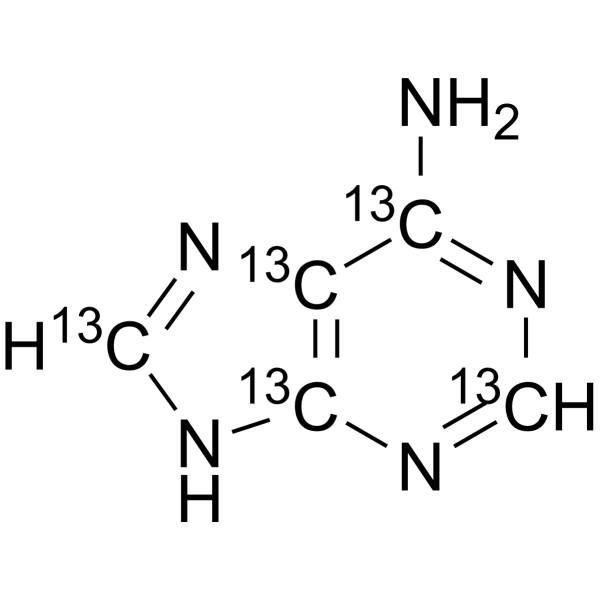
Adenine- 13C5 (6-Aminopurine- 13C5; Vitamin B4- 13C5) is 13C-labeled Adenine (HY-B0152). Adenine (6-Aminopurine), a purine, is one of the four nucleobases in the nucleic acid of DNA.
Adenine acts as a chemical component of DNA and RNA. Adenine also plays an important role in biochemistry involved in cellular respiration, the form of both ATP and the cofactors (NAD and FAD), and protein synthesis.
|
-
- HY-122903S
-
|
|
Isotope-Labeled Compounds
DNA/RNA Synthesis
|
Cancer
|
|
TK216-d4 is the deuterium labeled TK216 (HY-122903). TK216 is an orally active and potent E26 transformation specific (ETS) inhibitor . TK216 directly binds EWS-FLI1 and inhibits EWS-FLI1 protein interactions. TK216 blocks the binding between EWS-FLI1 and RNA helicase A. TK216 has anticancer activity .
|
-

- HY-W654130
-
|
Daunomycin-13C,d3; RP 13057-13C,d3; Rubidomycin-13C,d3
|
Isotope-Labeled Compounds
Bacterial
ADC Payload
Apoptosis
Antibiotic
Topoisomerase
Autophagy
DNA/RNA Synthesis
|
Infection
|
|
Daunorubicin- 13C,d3 is 13C and deuterium labeled Daunorubicin. Daunorubicin (Daunomycin) is a topoisomerase II inhibitor with potent anti-tumor activity. Daunorubicin inhibits DNA and RNA synthesis. Daunorubicin is a cytotoxin that inhibits cancer cell viability and induces apoptosis and necrosis. Daunorubicin is also an anthracycline antibiotic. Daunorubicin can be used in the research of infection and variety of cancers, including leukemia, non-Hodgkin lymphomas, Ewing's sarcoma, Wilms' tumor .
|
-

- HY-W768571
-
|
|
Isotope-Labeled Compounds
Nucleoside Antimetabolite/Analog
DNA/RNA Synthesis
Endogenous Metabolite
|
Cancer
|
|
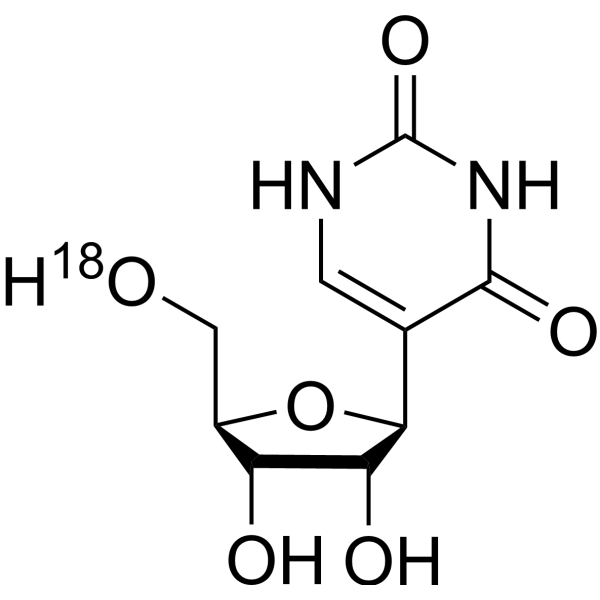
Pseudouridine- 13C, 15N2 is the 13C- and 15N-labeled Pseudouridine (HY-113061). Pseudouridine is an isomer of uridine and the most abundant modified nucleoside in non-coding RNA. It fine-tunes and stabilizes regional structures in rRNA and tRNA, maintaining their functions in mRNA decoding, ribosome assembly, processing, and translation. Pseudouridine-modified tRNA fragments can inhibit aberrant protein synthesis and hold promise for research on myelodysplastic syndrome (MDS)-related leukemia. .
|
-

- HY-113225S2
-
|
GTP-13C dilithium
|
Isotope-Labeled Compounds
Endogenous Metabolite
Mitosis
Apoptosis
DNA/RNA Synthesis
|
Infection
Cancer
|
|
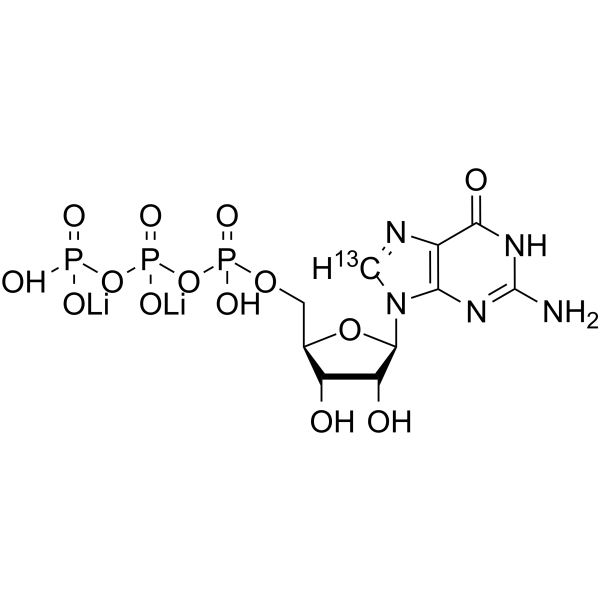
Guanosine triphosphate- 13C (GTP- 13C) dilithium is 13C-labeled Guanosine triphosphate (HY-113225). Guanosine triphosphate (GTP) is a critical nucleotide and regulator of cellular metabolism. Guanosine triphosphate promotes ribosomal DNA localization, pre-rRNA transcription and ribosome biogenesis by binding to RNA polymerase I and GPN proteins (GPN1/3). Guanosine triphosphate links MYC-dependent ribosome biogenesis to nucleotide sufficiency, acts as a metabolic gatekeeper supporting protein synthesis, DNA/RNA synthesis and cellular signal transduction, while also participating in the physiological activities of pancreatic β-cells and serving as an oxidative substrate for reactive oxygen species. In small cell lung cancer with high MYC expression, Guanosine triphosphate accumulates through the IMPDH-driven synthetic pathway, thereby affecting apoptosis and mitotic processes. Guanosine triphosphate is used in the research of small cell lung cancer, hepatoblastoma and cellular metabolism .
|
-
- HY-17624S
-
|
Neomycin B-d2; Fradiomycin B-d2
|
Isotope-Labeled Compounds
|
Others
|
|
Framycetin-d2 (Neomycin B-d2) is the deuterium labeled Framycetin (HY-17624). Framycetin (Neomycin B), an aminoglycoside antibiotic, is a potent RNase P cleavage activity inhibitor with a Ki of 35 μM. Framycetin competes for specific divalent metal ion binding sites in RNase P RNA. Framycetin inhibits hammerhead ribozyme with a Ki of 13.5 μM. Framycetin, a 5″-azido neomycin B precursor, binds the Drosha site in miR-525 and is used for hepatic encephalopathy and enteropathogenic E. coli infections.
|
-

- HY-W009162S5
-
|
5'-Cytidylic acid-13C9,15N3 dilithium; 5'-CMP-13C9,15N3 dilithium
|
Isotope-Labeled Compounds
Endogenous Metabolite
|
Metabolic Disease
|
|
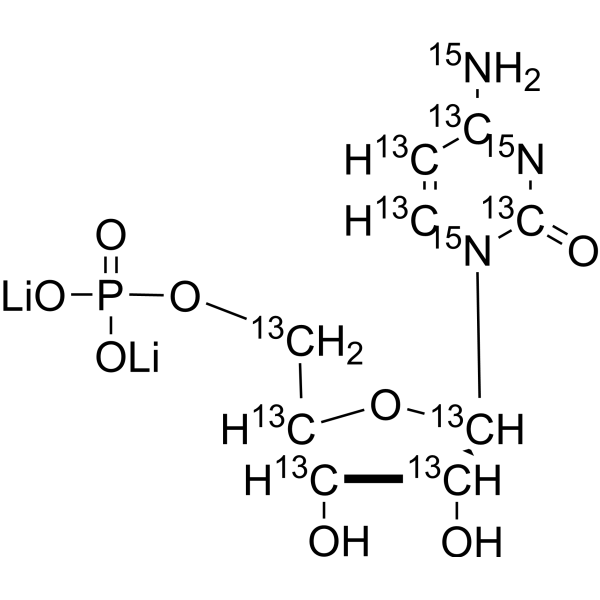
Cytidine 5′-monophosphate- 13C9, 15N3 (5'-Cytidylic acid- 13C9, 15N3 dilithium; 5'-CMP- 13C9, 15N3) dilithium is 13C and 15N-labeled Cytidine 5'-monophosphate (HY-W009162). Cytidine 5'-monophosphate (5'-Cytidylic acid) is a nucleotide which is used as a monomer in RNA. Cytidine 5'-monophosphate consists of the nucleobase cytosine, the pentose sugar ribose, and the phosphate group.
|
-
- HY-113225S3
-
|
GTP-15N5 dilithium
|
Isotope-Labeled Compounds
Endogenous Metabolite
Mitosis
Apoptosis
DNA/RNA Synthesis
|
Infection
Cancer
|
|
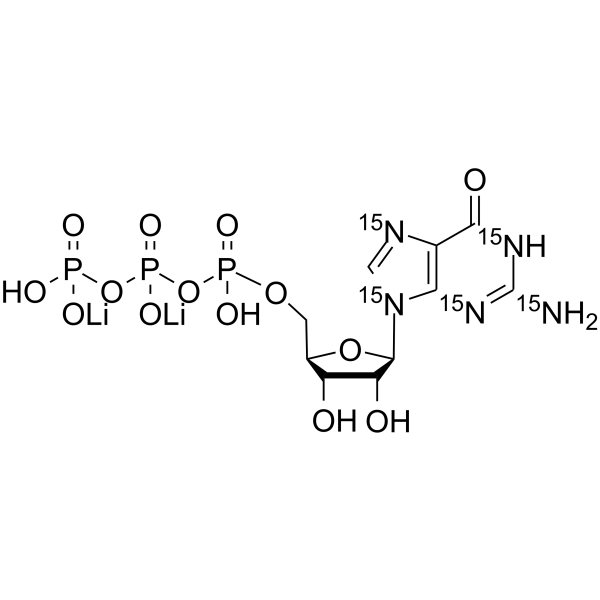
Guanosine triphosphate- 15N5 (GTP- 15N5) dilithium is 15N labeled Guanosine triphosphate (HY-113225). Guanosine triphosphate dilithium (GTP) is a critical nucleotide and regulator of cellular metabolism. Guanosine triphosphate dilithium promotes ribosomal DNA localization, pre-rRNA transcription and ribosome biogenesis by binding to RNA polymerase I and GPN proteins (GPN1/3). Guanosine triphosphate dilithium links MYC-dependent ribosome biogenesis to nucleotide sufficiency, acts as a metabolic gatekeeper supporting protein synthesis, DNA/RNA synthesis and cellular signal transduction, while also participating in the physiological activities of pancreatic β-cells and serving as an oxidative substrate for reactive oxygen species. In small cell lung cancer with high MYC expression, Guanosine triphosphate dilithium accumulates through the IMPDH-driven synthetic pathway, thereby affecting apoptosis and mitotic processes. Guanosine triphosphate dilithium is used in the research of small cell lung cancer, hepatoblastoma and cellular metabolism .
|
-
- HY-113225S1
-
|
GTP-13C10,15N5 tetraammonium
|
Endogenous Metabolite
Mitosis
Apoptosis
DNA/RNA Synthesis
|
Cancer
|
|
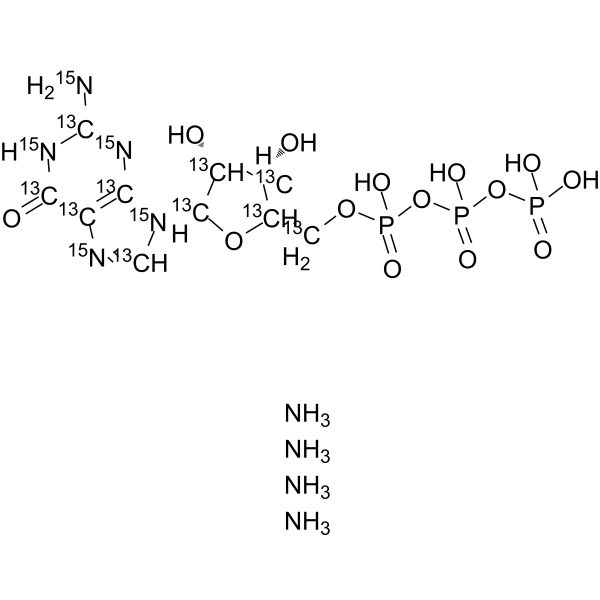
Guanosine triphosphate- 13C10, 15N5 tetraammonium is the 13C and 15N labeled Guanosine triphosphate tetraammonium. Guanosine triphosphate tetraammonium (GTP) is a critical nucleotide and regulator of cellular metabolism. Guanosine triphosphate tetraammonium promotes ribosomal DNA localization, pre-rRNA transcription and ribosome biogenesis by binding to RNA polymerase I and GPN proteins (GPN1/3). Guanosine triphosphate tetraammonium links MYC-dependent ribosome biogenesis to nucleotide sufficiency, acts as a metabolic gatekeeper supporting protein synthesis, DNA/RNA synthesis and cellular signal transduction, while also participating in the physiological activities of pancreatic β-cells and serving as an oxidative substrate for reactive oxygen species. In small cell lung cancer with high MYC expression, Guanosine triphosphate tetraammonium accumulates through the IMPDH-driven synthetic pathway, thereby affecting apoptosis and mitotic processes. Guanosine triphosphate tetraammonium is used in the research of small cell lung cancer, hepatoblastoma and cellular metabolism .
|
-
- HY-113225S5
-
|
GTP-13C10 dilithium
|
Isotope-Labeled Compounds
Endogenous Metabolite
Mitosis
Apoptosis
DNA/RNA Synthesis
|
Infection
Cancer
|
|
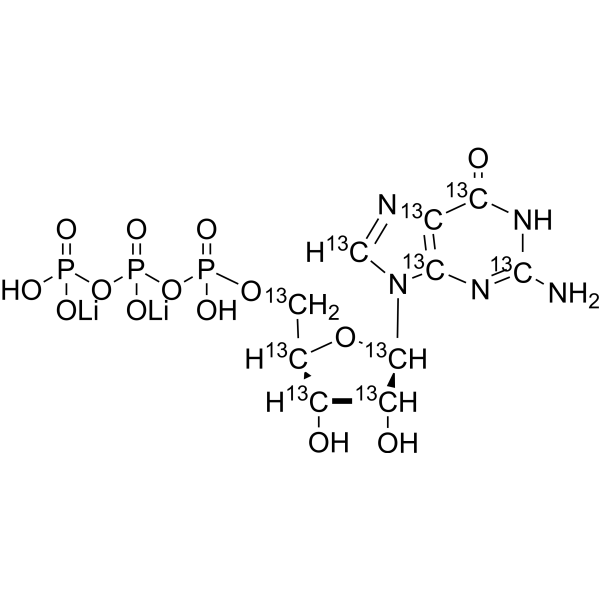
Guanosine triphosphate- 13C10 (GTP- 13C10) dilithium is 13C-labeled Guanosine triphosphate (HY-113225). Guanosine triphosphate dilithium (GTP) is a critical nucleotide and regulator of cellular metabolism. Guanosine triphosphate dilithium promotes ribosomal DNA localization, pre-rRNA transcription and ribosome biogenesis by binding to RNA polymerase I and GPN proteins (GPN1/3). Guanosine triphosphate dilithium links MYC-dependent ribosome biogenesis to nucleotide sufficiency, acts as a metabolic gatekeeper supporting protein synthesis, DNA/RNA synthesis and cellular signal transduction, while also participating in the physiological activities of pancreatic β-cells and serving as an oxidative substrate for reactive oxygen species. In small cell lung cancer with high MYC expression, Guanosine triphosphate dilithium accumulates through the IMPDH-driven synthetic pathway, thereby affecting apoptosis and mitotic processes. Guanosine triphosphate dilithium is used in the research of small cell lung cancer, hepatoblastoma and cellular metabolism .
|
-
- HY-W017443S4
-
|
|
Isotope-Labeled Compounds
Endogenous Metabolite
Apoptosis
DNA/RNA Synthesis
|
Neurological Disease
Metabolic Disease
Inflammation/Immunology
Cancer
|
|
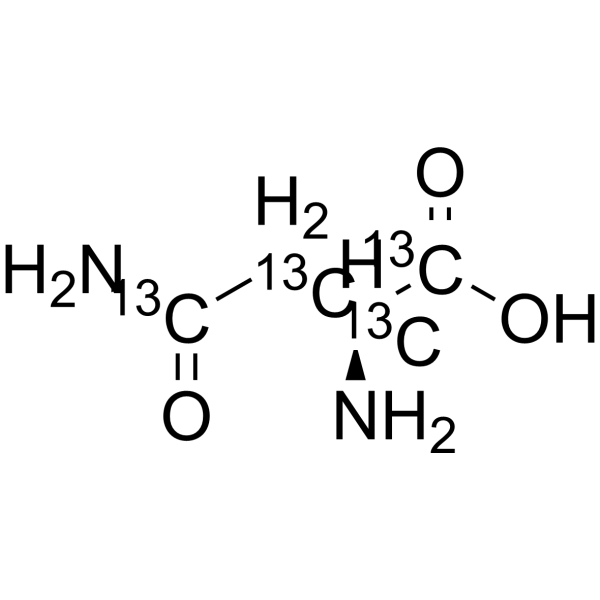
L-Asparagine-1,2,3,4- 13C4 monohydrate is the 13C labeled labeled L-Asparagine monohydrate (HY-W017443). L-Asparagine monohydrate is an essential amino acid for leukemic cells and a substrate for L-Asparaginase. L-Asparaginase is a potent anti-leukemic enzyme that promotes asparagine (Asn) and glutamine (Gln) depletion and inhibits protein biosynthesis in lymphoblasts. Removal of L-asparagine from plasma by L-Asparaginase results in inhibition of RNA and DNA synthesis and subsequent apoptosis. L-Asparaginase has cell-killing ability in vitro and in vivo, and selectively inhibits the growth of cancer cells with low asparagine synthetase (AASNS) expression. L-Asparagine monohydrate can be used as a biomarker and sensor for the study of childhood acute lymphoblastic leukemia .
|
-
- HY-W008091S
-
|
|
DNA/RNA Synthesis
Endogenous Metabolite
Isotope-Labeled Compounds
|
Cancer
|
|
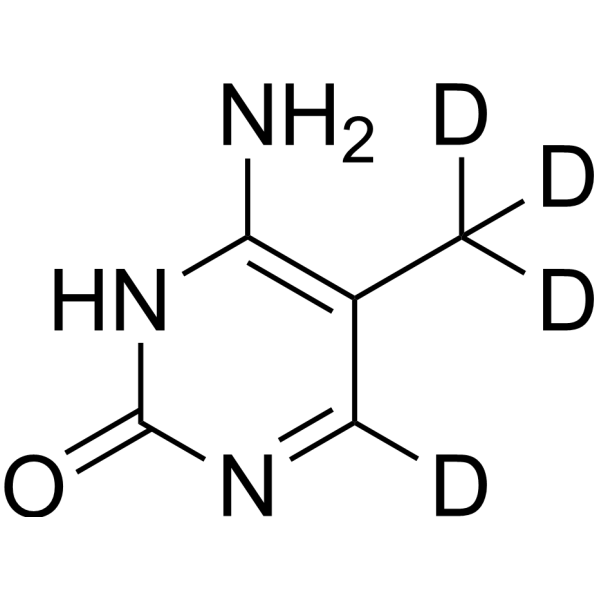
5-Methylcytosine-d4 is the deuterium labeled 5-Methylcytosine (HY-W008091). 5-Methylcytosine is a well-characterized DNA modification in prokaryotes and eukaryotes. 5-Methylcytosine forms symmetrical methylation on CpG dinucleotides in DNA, stabilizes tRNA/rRNA structure in RNA, and affects mRNA translation. 5-Methylcytosine can be oxidized to generate 5hmC, 5fC, and 5caC. 5-Methylcytosine can be used in epigenetics, developmental biology, and the study of diseases such as colorectal cancer and hepatocellular carcinoma .
|
-
- HY-13062AS
-
|
Daunomycin-13C,d3 TFA); RP 13057-13C,d3 TFA; Rubidomycin-13C,d3 TFA
|
Isotope-Labeled Compounds
Antibiotic
Apoptosis
ADC Payload
DNA/RNA Synthesis
Autophagy
Topoisomerase
Bacterial
|
Infection
Neurological Disease
Cancer
|
|
Daunorubicin- 13C,d3 TFA (Daunomycin- 13C,d3 TFA) is the deuterium and 13C-labeled Daunorubicin TFA. Daunorubicin (Daunomycin) is a topoisomerase II inhibitor with potent anti-tumor activity. Daunorubicin inhibits DNA and RNA synthesis. Daunorubicin is a cytotoxin that inhibits cancer cell viability and induces apoptosis and necrosis. Daunorubicin is also an anthracycline antibiotic. Daunorubicin can be used in the research of infection and variety of cancers, including leukemia, non-Hodgkin lymphomas, Ewing's sarcoma, Wilms' tumor .
|
-

- HY-W751835
-
|
Baloxavir acid-d4; S-033447-d4
|
Isotope-Labeled Compounds
|
Others
Cancer
|
|
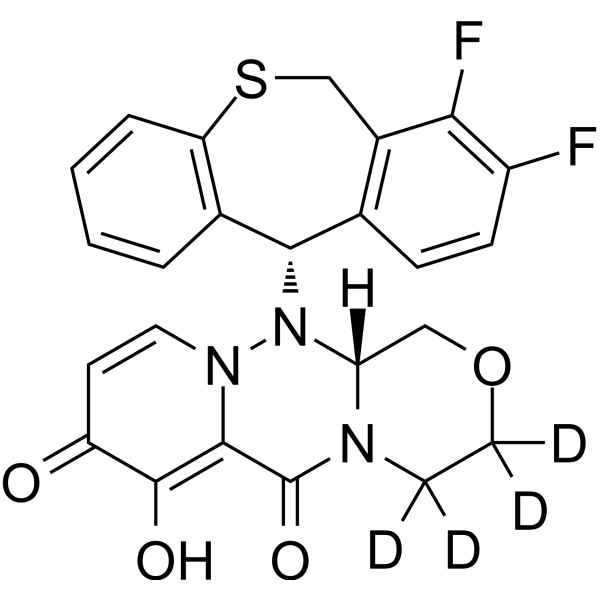
Baloxavir-d4 (Baloxavir acid-d4; S-033447-d4) is the deuterium-labeled Baloxavir (HY-109025A). Baloxavir-d4 (Baloxavir-d4 acid), derived from the proagent Baloxavir-d4 marboxil, is a first-in-class, potent and selective cap-dependent endonuclease (CEN) inhibitor within the polymerase PA subunit of influenza A and B viruses. Baloxavir-d4 inhibits viral RNA transcription and replication and has potently antiviral activity .
|
-
- HY-145746
-
|
|
Fluorescent Dye
PD-1/PD-L1
|
Inflammation/Immunology
Cancer
|
|
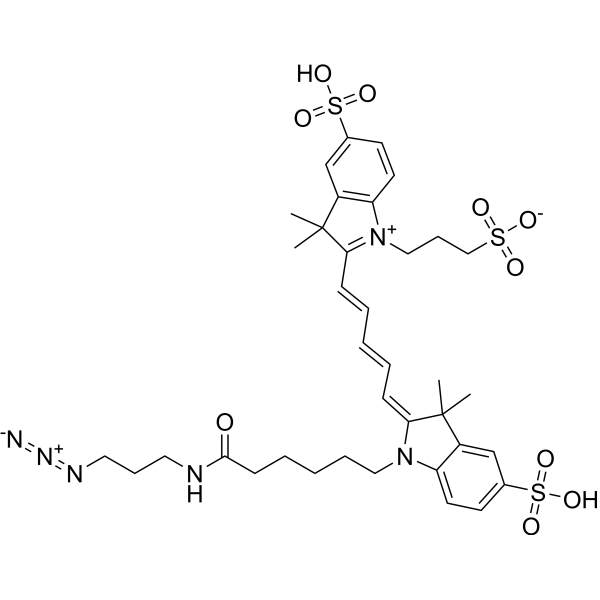
Sulfo-Cy5 azide is a near-infrared fluorescent probe with favorable click chemistry reactivity. Sulfo-Cy5 azide enables fluorescence imaging, tissue and cellular visualization of PD-L1 in tumors, and site-specific modification of anti-PD-L1 antibodies. Sulfo-Cy5 azide has been employed for RNA labeling and imaging. Sulfo-Cy5 azide can be conjugated to targeting agents for fluorescence imaging in atherosclerosis and breast cancer models (Ex/Em = 645/670 nm) .
|
-
- HY-13704S2
-
|
7-Ethyl-10-hydroxycamptothecin-13C6
|
Isotope-Labeled Compounds
Autophagy
ADC Payload
Topoisomerase
Drug Metabolite
|
Infection
Cancer
|
|
SN-38- 13C6 (7-Ethyl-10-hydroxycamptothecin- 13C6) is the 13C-labeled SN-38 (HY-13704). SN-38 is an active metabolite of the Topoisomerase I inhibitor Irinotecan. SN-38 can bind to RPL15. SN-38 inhibits DNA and RNA synthesis with IC50s of 0.077 and 1.3 μM, respectively. SN-38 is a payload of sacituzumab govitecan (HY -132254) .
|
-

- HY-W009162S3
-
|
5'-Cytidylic acid-15N3,d12 dilithium; 5'-CMP-15N3,d12 dilithium
|
Isotope-Labeled Compounds
Endogenous Metabolite
|
Metabolic Disease
|
|
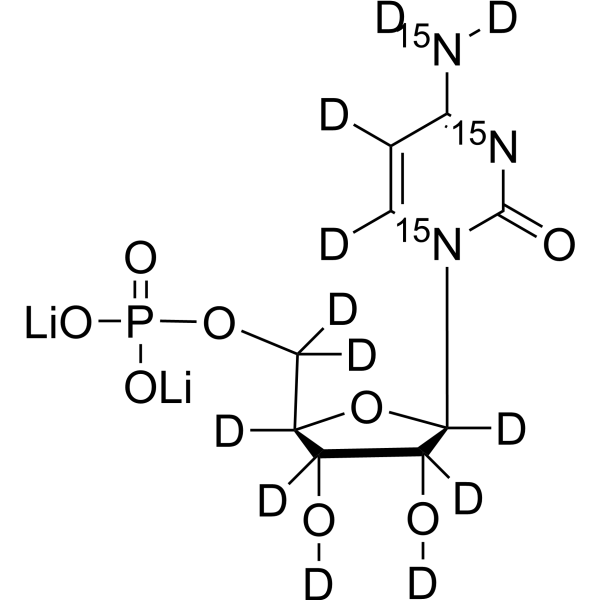
Cytidine 5′-monophosphate- 15N3,d12 (5'-Cytidylic acid- 15N3,d12 dilithium; 5'-CMP- 15N3,d12) dilithium is deuterium and 15N labeled Cytidine 5'-monophosphate (HY-W009162). Cytidine 5'-monophosphate (5'-Cytidylic acid) is a nucleotide which is used as a monomer in RNA. Cytidine 5'-monophosphate consists of the nucleobase cytosine, the pentose sugar ribose, and the phosphate group.
|
-
- HY-B0268S2
-
|
|
Isotope-Labeled Compounds
Antibiotic
MicroRNA
DNA/RNA Synthesis
Bacterial
|
Infection
Cancer
|
|
Enoxacin-d8 (hydrate) is deuterium labeled Enoxacin. Enoxacin (AT 2266), a fluoroquinolone, interferes with DNA replication and inhibits bacterial DNA gyrase (IC50=126 μg/ml) and topoisomerase IV (IC50=26.5 μg/ml). Enoxacin is a miRNA processing activator and enhances siRNA-mediated mRNA degradation and promotes the biogenesis of endogenous miRNAs. Enoxacin has potent activities against gram-positive and -negative bacteria. Enoxacin is a cancer-specific growth inhibitor that acts by enhancing TAR RNA-binding protein 2 (TRBP)-mediated microRNA processing .
|
-

- HY-B0268S1
-
|
|
Isotope-Labeled Compounds
Bacterial
DNA/RNA Synthesis
MicroRNA
Antibiotic
|
Infection
Cancer
|
|
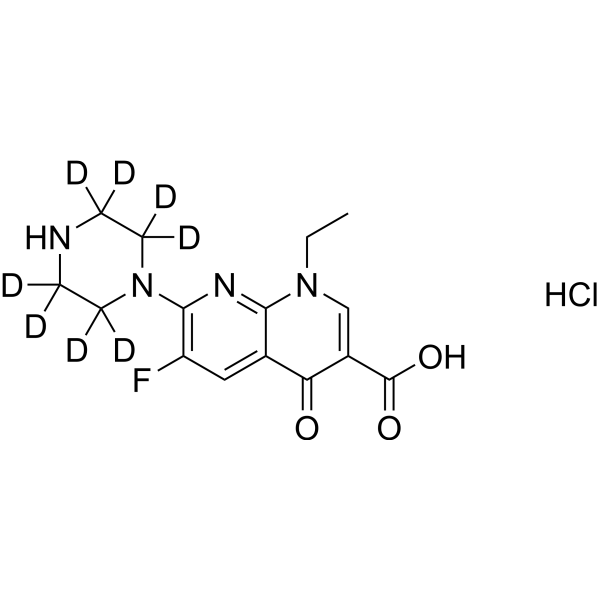
Enoxacin-d8 (hydrochloride) is deuterium labeled Enoxacin. Enoxacin (AT 2266), a fluoroquinolone, interferes with DNA replication and inhibits bacterial DNA gyrase (IC50=126 μg/ml) and topoisomerase IV (IC50=26.5 μg/ml). Enoxacin is a miRNA processing activator and enhances siRNA-mediated mRNA degradation and promotes the biogenesis of endogenous miRNAs. Enoxacin has potent activities against gram-positive and -negative bacteria. Enoxacin is a cancer-specific growth inhibitor that acts by enhancing TAR RNA-binding protein 2 (TRBP)-mediated microRNA processing .
|
-
- HY-113225S4
-
|
GTP-15N5,d14 dilithium
|
Isotope-Labeled Compounds
Endogenous Metabolite
Mitosis
Apoptosis
DNA/RNA Synthesis
|
Infection
Cancer
|
|
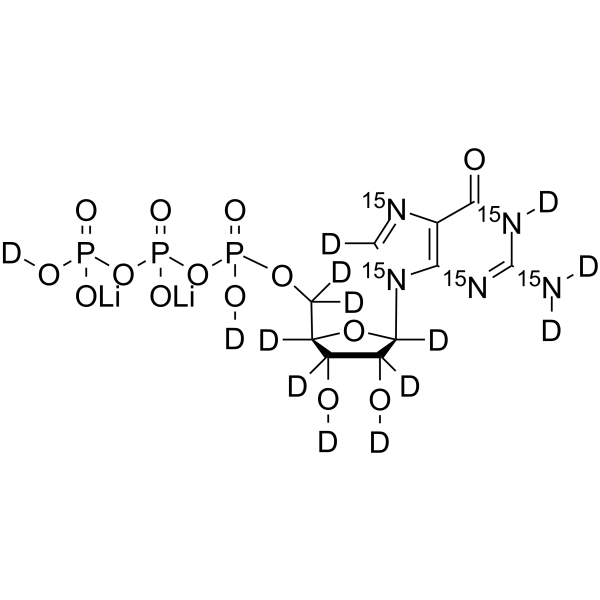
Guanosine triphosphate- 15N5,d14 (GTP- 15N5,d14) dilithium is deuterium and 15N labeled Guanosine triphosphate (HY-113225). Guanosine triphosphate dilithium (GTP) is a critical nucleotide and regulator of cellular metabolism. Guanosine triphosphate dilithium promotes ribosomal DNA localization, pre-rRNA transcription and ribosome biogenesis by binding to RNA polymerase I and GPN proteins (GPN1/3). Guanosine triphosphate dilithium links MYC-dependent ribosome biogenesis to nucleotide sufficiency, acts as a metabolic gatekeeper supporting protein synthesis, DNA/RNA synthesis and cellular signal transduction, while also participating in the physiological activities of pancreatic β-cells and serving as an oxidative substrate for reactive oxygen species. In small cell lung cancer with high MYC expression, Guanosine triphosphate dilithium accumulates through the IMPDH-driven synthetic pathway, thereby affecting apoptosis and mitotic processes. Guanosine triphosphate dilithium is used in the research of small cell lung cancer, hepatoblastoma and cellular metabolism .
|
-
- HY-W017443S
-
|
|
Isotope-Labeled Compounds
Endogenous Metabolite
Apoptosis
DNA/RNA Synthesis
|
Neurological Disease
Metabolic Disease
Inflammation/Immunology
Cancer
|
|
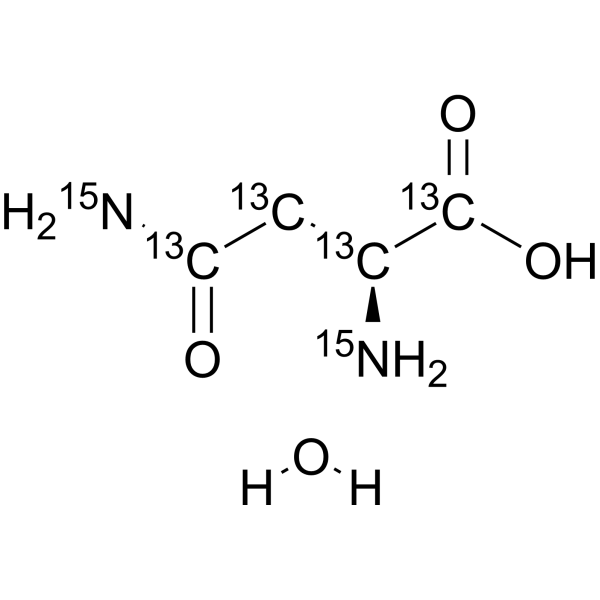
L-Asparagine- 13C4, 15N2 monohydrateis the 13C-labeled and 15N-labeled L-Asparagine monohydrate (HY-W017443). L-Asparagine monohydrate is an essential amino acid for leukemic cells and a substrate for L-Asparaginase. L-Asparaginase is a potent anti-leukemic enzyme that promotes asparagine (Asn) and glutamine (Gln) depletion and inhibits protein biosynthesis in lymphoblasts. Removal of L-asparagine from plasma by L-Asparaginase results in inhibition of RNA and DNA synthesis and subsequent apoptosis. L-Asparaginase has cell-killing ability in vitro and in vivo, and selectively inhibits the growth of cancer cells with low asparagine synthetase (AASNS) expression. L-Asparagine monohydrate can be used as a biomarker and sensor for the study of childhood acute lymphoblastic leukemia .
|
-
- HY-N0667S
-
|
|
Isotope-Labeled Compounds
Endogenous Metabolite
Apoptosis
DNA/RNA Synthesis
|
Inflammation/Immunology
|
|
L-Asparagine- 13C4, 15N2,d8 is the 13C-labeled and 15N-labeled L-Asparagine (HY-N0667). L-Asparagine is an essential amino acid for leukemic cells and a substrate for L-Asparaginase. L-Asparaginase is a potent anti-leukemic enzyme that promotes asparagine (Asn) and glutamine (Gln) depletion and inhibits protein biosynthesis in lymphoblasts. Removal of L-asparagine from plasma by L-Asparaginase results in inhibition of RNA and DNA synthesis and subsequent apoptosis. L-Asparaginase has cell-killing ability in vitro and in vivo, and selectively inhibits the growth of cancer cells with low asparagine synthetase (AASNS) expression. L-Asparagine can be used as a biomarker and sensor for the study of childhood acute lymphoblastic leukemia .
|
-
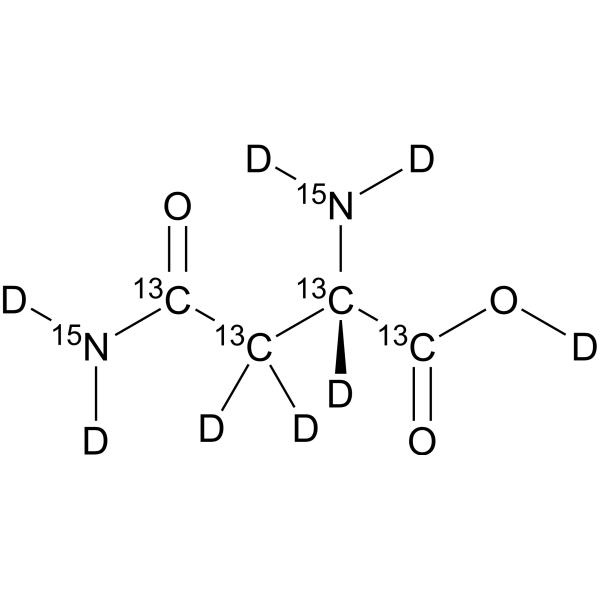
- HY-B0152S2
-
|
6-Aminopurine-13C5,15N5; Vitamin B4-13C5,15N5
|
Isotope-Labeled Compounds
DNA/RNA Synthesis
Endogenous Metabolite
|
Cancer
|
|
Adenine- 13C5,15C5 (6-Aminopurine- 13C5,15C5; Vitamin B4- 13C5,15C5) is 13C-labeled Adenine (HY-B0152). Adenine (6-Aminopurine), a purine, is one of the four nucleobases in the nucleic acid of DNA. Adenine acts as a chemical component of DNA and RNA. Adenine also plays an important role in biochemistry involved in cellular respiration, the form of both ATP and the cofactors (NAD and FAD), and protein synthesis.
|
-
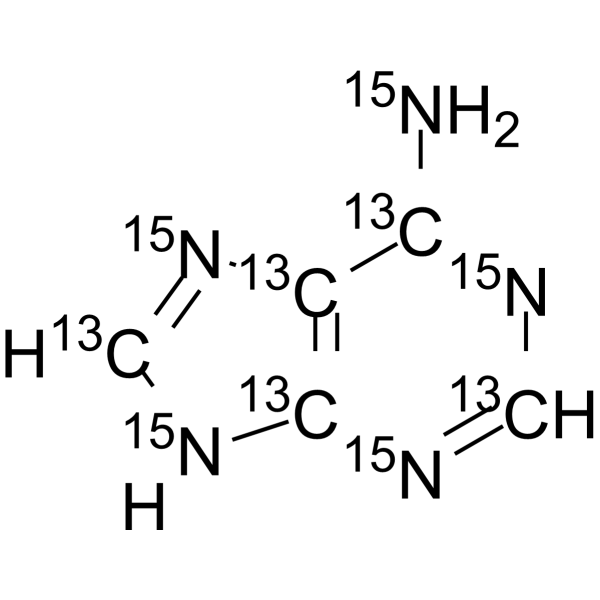
- HY-N0667S5
-
|
|
Isotope-Labeled Compounds
Endogenous Metabolite
Apoptosis
DNA/RNA Synthesis
|
Inflammation/Immunology
|
|
L-Asparagine-d3 hydrate is the deuterium labeled L-Asparagine (HY-N0667). L-Asparagine is an essential amino acid for leukemic cells and a substrate for L-Asparaginase. L-Asparaginase is a potent anti-leukemic enzyme that promotes asparagine (Asn) and glutamine (Gln) depletion and inhibits protein biosynthesis in lymphoblasts. Removal of L-asparagine from plasma by L-Asparaginase results in inhibition of RNA and DNA synthesis and subsequent apoptosis. L-Asparaginase has cell-killing ability in vitro and in vivo, and selectively inhibits the growth of cancer cells with low asparagine synthetase (AASNS) expression. L-Asparagine can be used as a biomarker and sensor for the study of childhood acute lymphoblastic leukemia .
|
-
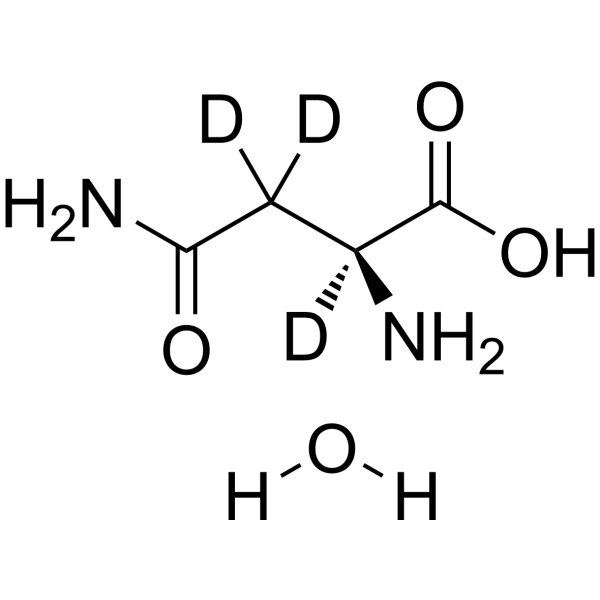
- HY-W845197
-
|
(-)-Asparagine-15N2; Asn-15N2; Asparamide-15N2
|
Isotope-Labeled Compounds
Endogenous Metabolite
Apoptosis
DNA/RNA Synthesis
|
Inflammation/Immunology
|
|
L-Asparagine- 15N2 ((-)-Asparagine- 15N2) is the 15N-labeled L-Asparagine (HY-N0667). L-Asparagine is an essential amino acid for leukemic cells and a substrate for L-Asparaginase. L-Asparaginase is a potent anti-leukemic enzyme that promotes asparagine (Asn) and glutamine (Gln) depletion and inhibits protein biosynthesis in lymphoblasts. Removal of L-asparagine from plasma by L-Asparaginase results in inhibition of RNA and DNA synthesis and subsequent apoptosis. L-Asparaginase has cell-killing ability in vitro and in vivo, and selectively inhibits the growth of cancer cells with low asparagine synthetase (AASNS) expression. L-Asparagine can be used as a biomarker and sensor for the study of childhood acute lymphoblastic leukemia.
|
-

- HY-W048513
-
|
|
DNA/RNA Synthesis
|
Cancer
|
|
7-Deaza-2'-deoxyadenosine is an isosteric dATP analog of 2'-deoxyadenosine. 7-Deaza-2'-deoxyadenosine is recognized by various DNA polymerases and incorporated into DNA strands as a substrate. 7-Deaza-2'-deoxyadenosine undergoes a bioorthogonal inverse electron demand Diels-Alder reaction with tetrazine-modified molecules, enabling site-specific labeling of DNA, surface antibody immobilization and intracellular fluorescent labeling. 7-Deaza-2'-deoxyadenosine reduces the DNA curvature of d(A6)·d(T6) fragments and the stability of DNA/RNA double helices, and leads to decreased antisense activity against SV40 T Antigen. 7-Deaza-2'-deoxyadenosine finds application in the research field of SV40 T Antigen-related cancers .
|
-

- HY-N0667S1
-
|
|
Isotope-Labeled Compounds
Endogenous Metabolite
Apoptosis
DNA/RNA Synthesis
|
Inflammation/Immunology
|
|
L-Asparagine- 15N2,d8 is the 15N- and deuterium labeled L-Asparagine (HY-N0667). L-Asparagine is an essential amino acid for leukemic cells and a substrate for L-Asparaginase. L-Asparaginase is a potent anti-leukemic enzyme that promotes asparagine (Asn) and glutamine (Gln) depletion and inhibits protein biosynthesis in lymphoblasts. Removal of L-asparagine from plasma by L-Asparaginase results in inhibition of RNA and DNA synthesis and subsequent apoptosis. L-Asparaginase has cell-killing ability in vitro and in vivo, and selectively inhibits the growth of cancer cells with low asparagine synthetase (AASNS) expression. L-Asparagine can be used as a biomarker and sensor for the study of childhood acute lymphoblastic leukemia .
|
-
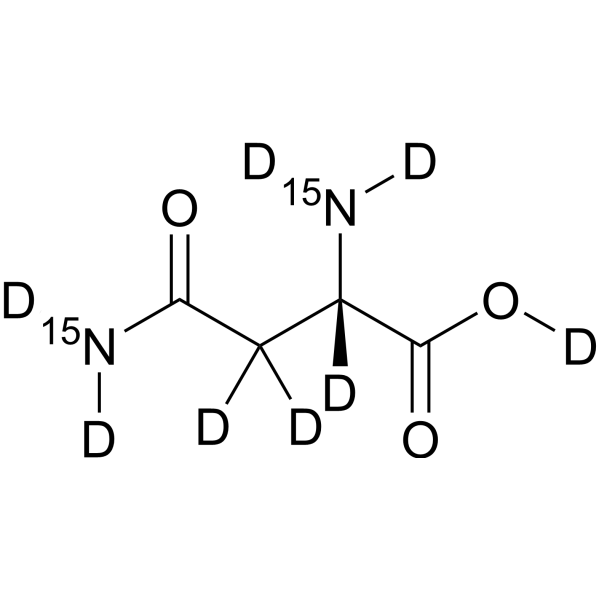
- HY-128974S
-
|
Lauryl Maltoside-d25
|
Isotope-Labeled Compounds
DNA/RNA Synthesis
|
Others
|
|
N-Dodecyl-β-D-maltoside-d25 (Lauryl Maltoside-d25) is deuterium labeled N-Dodecyl-β-D-maltoside (HY-128974). N-Dodecyl-β-D-maltoside is a non-ionic detergent. N-Dodecyl-β-D-maltoside has strong adsorption on alumina, titanium dioxide and hematite. N-Dodecyl-β-D-maltoside can promote the reactivation of various proteins. N-Dodecyl-β-D-maltoside can effectively stabilize photoactive reaction center complexes (RCs) and inhibit the degradation of Rhodopseudomonas spheroides R-26 reaction center in solution. N-Dodecyl-β-D-maltoside can be used for purification and stabilization of RNA polymerase and for detection of protein-lipid interactions .
|
-

- HY-N0667S4
-
|
(-)-Asparagine-4-13C monohydrate; Asn-4-13C monohydrate; Asparamide-4-13C monohydrate
|
Isotope-Labeled Compounds
Endogenous Metabolite
Apoptosis
DNA/RNA Synthesis
|
Inflammation/Immunology
|
|
L-Asparagine-4- 13C monohydrate is the 13C-labeled L-Asparagine monohydrate (HY-W017443).L-Asparagine monohydrate is an essential amino acid for leukemic cells and a substrate for L-Asparaginase. L-Asparaginase is a potent anti-leukemic enzyme that promotes asparagine (Asn) and glutamine (Gln) depletion and inhibits protein biosynthesis in lymphoblasts. Removal of L-asparagine from plasma by L-Asparaginase results in inhibition of RNA and DNA synthesis and subsequent apoptosis. L-Asparaginase has cell-killing ability in vitro and in vivo, and selectively inhibits the growth of cancer cells with low asparagine synthetase (AASNS) expression. L-Asparagine monohydrate can be used as a biomarker and sensor for the study of childhood acute lymphoblastic leukemia .
|
-
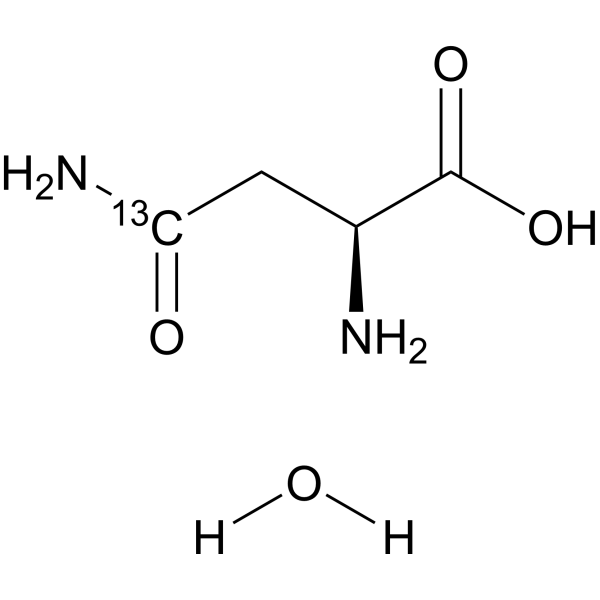
- HY-N0667S2
-
|
(-)-Asparagine-15N2 monohydrate; Asn-15N2 monohydrate; Asparamide-15N2 monohydrate
|
Isotope-Labeled Compounds
Endogenous Metabolite
Apoptosis
DNA/RNA Synthesis
|
Inflammation/Immunology
|
|
L-Asparagine- 15N2 monohydrate is the 15N-labeled L-Asparagine monohydrate (HY-W017443). L-Asparagine monohydrate is an essential amino acid for leukemic cells and a substrate for L-Asparaginase. L-Asparaginase is a potent anti-leukemic enzyme that promotes asparagine (Asn) and glutamine (Gln) depletion and inhibits protein biosynthesis in lymphoblasts. Removal of L-asparagine from plasma by L-Asparaginase results in inhibition of RNA and DNA synthesis and subsequent apoptosis. L-Asparaginase has cell-killing ability in vitro and in vivo, and selectively inhibits the growth of cancer cells with low asparagine synthetase (AASNS) expression. L-Asparagine monohydrate can be used as a biomarker and sensor for the study of childhood acute lymphoblastic leukemia .
|
-
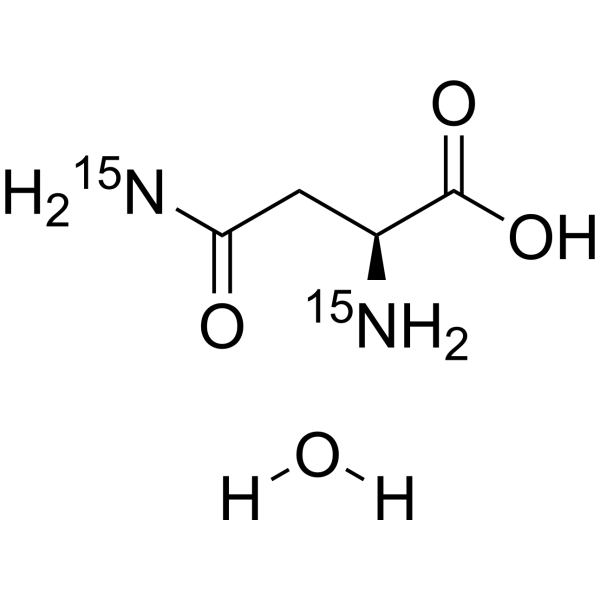
- HY-W017443S1
-
|
|
Isotope-Labeled Compounds
Endogenous Metabolite
Apoptosis
DNA/RNA Synthesis
|
Neurological Disease
Metabolic Disease
Inflammation/Immunology
Cancer
|
|
L-Asparagine-amide- 15N monohydrate is the 15N-labeled L-Asparagine monohydrate (HY-W017443). L-Asparagine monohydrate is an essential amino acid for leukemic cells and a substrate for L-Asparaginase. L-Asparaginase is a potent anti-leukemic enzyme that promotes asparagine (Asn) and glutamine (Gln) depletion and inhibits protein biosynthesis in lymphoblasts. Removal of L-asparagine from plasma by L-Asparaginase results in inhibition of RNA and DNA synthesis and subsequent apoptosis. L-Asparaginase has cell-killing ability in vitro and in vivo, and selectively inhibits the growth of cancer cells with low asparagine synthetase (AASNS) expression. L-Asparagine monohydrate can be used as a biomarker and sensor for the study of childhood acute lymphoblastic leukemia .
|
-
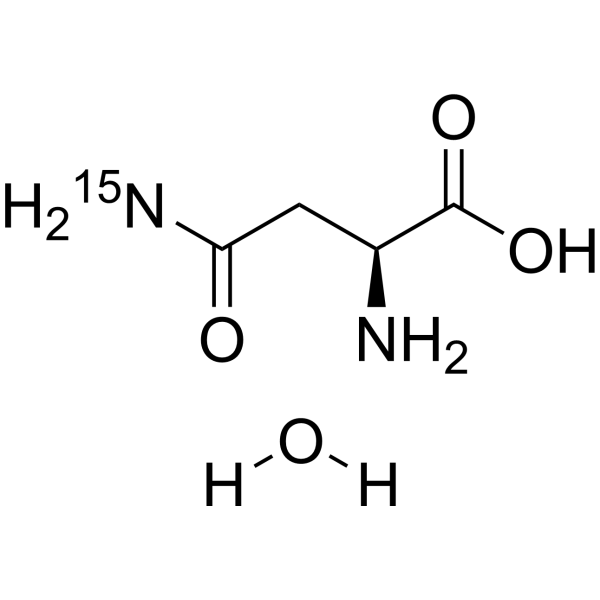
- HY-N0667S3
-
|
(-)-Asparagine-13C4 monohydrate; Asn-13C4 monohydrate; Asparamide-13C4 monohydrate
|
Isotope-Labeled Compounds
Endogenous Metabolite
Apoptosis
DNA/RNA Synthesis
|
Inflammation/Immunology
|
|
L-Asparagine- 13C4 monohydrate is the 13C-labeled L-Asparagine monohydrate (HY-W017443). L-Asparagine monohydrate is an essential amino acid for leukemic cells and a substrate for L-Asparaginase. L-Asparaginase is a potent anti-leukemic enzyme that promotes asparagine (Asn) and glutamine (Gln) depletion and inhibits protein biosynthesis in lymphoblasts. Removal of L-asparagine from plasma by L-Asparaginase results in inhibition of RNA and DNA synthesis and subsequent apoptosis. L-Asparaginase has cell-killing ability in vitro and in vivo, and selectively inhibits the growth of cancer cells with low asparagine synthetase (AASNS) expression. L-Asparagine monohydrate can be used as a biomarker and sensor for the study of childhood acute lymphoblastic leukemia .
|
-
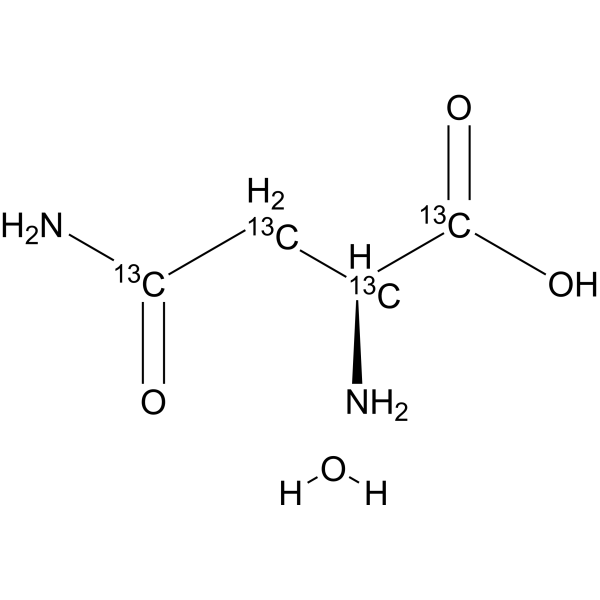
- HY-W753593
-
-

- HY-W017443S3
-
|
|
Isotope-Labeled Compounds
Endogenous Metabolite
Apoptosis
DNA/RNA Synthesis
|
Neurological Disease
Metabolic Disease
Inflammation/Immunology
Cancer
|
|
L-Asparagine- 15N2,d3 monohydrate is the deuterium and 15N-labeled L-Asparagine monohydrate (HY-W017443). L-Asparagine monohydrate is an essential amino acid for leukemic cells and a substrate for L-Asparaginase. L-Asparaginase is a potent anti-leukemic enzyme that promotes asparagine (Asn) and glutamine (Gln) depletion and inhibits protein biosynthesis in lymphoblasts. Removal of L-asparagine from plasma by L-Asparaginase results in inhibition of RNA and DNA synthesis and subsequent apoptosis. L-Asparaginase has cell-killing ability in vitro and in vivo, and selectively inhibits the growth of cancer cells with low asparagine synthetase (AASNS) expression. L-Asparagine monohydrate can be used as a biomarker and sensor for the study of childhood acute lymphoblastic leukemia .
|
-
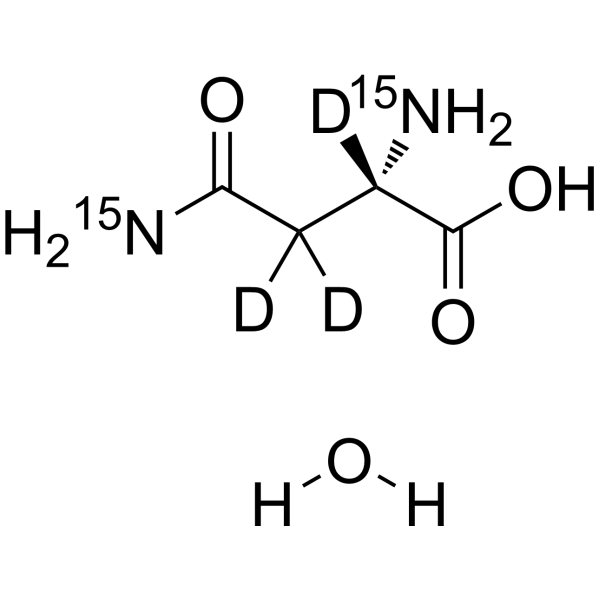
- HY-W713297
-
|
ABOB hydrochloride-d8
|
Influenza Virus
Isotope-Labeled Compounds
HCV
HSV
Apoptosis
Caspase
|
Infection
|
|
Moroxydine hydrochloride-d8 (ABOB hydrochloride-d8) is the deuterium labeled Moroxydine (ABOB) hydrochloride (HY-B0420A). Moroxydine hydrochloride is a broad-spectrum agent with multi-antiviral activities against DNA and RNA viruses, including influenza virus, herpes simplex, varicella zoster, measles, mumps disease, hepatitis C virus, etc. Moroxydine hydrochloride exhibits excellent antiviral activity and shows low cytotoxicity to cells infected by dsRNA viruses (grass carp reovirus, GCRV) and large DNA viruses (giant salamander iridovirus, GSIV). Moroxydine hydrochloride blocks the GCRV-induced cytopathic effects and eliminates nucleocapsids in ctenopharyngodon idella kidney (CIK) cells to keep the normal morphological structure. Moroxydine hydrochloride significantly inhibits the apoptosis, the caspase 3 activity, Bax expression and down-regulates Bcl-2 levels [1][2][3].
|
-

- HY-N0667S7
-
|
(-)-Asparagine-13C4,15N2; Asn-13C4,15N2; Asparamide-13C4,15N2
|
Isotope-Labeled Compounds
Endogenous Metabolite
Apoptosis
DNA/RNA Synthesis
|
Inflammation/Immunology
|
|
L-Asparagine- 13C4, 15N2 ((-)-Asparagine- 13C4, 15N2) is the 13C and 15N-labeled L-Asparagine (HY-N0667). L-Asparagine is an essential amino acid for leukemic cells and a substrate for L-Asparaginase. L-Asparaginase is a potent anti-leukemic enzyme that promotes asparagine (Asn) and glutamine (Gln) depletion and inhibits protein biosynthesis in lymphoblasts. Removal of L-asparagine from plasma by L-Asparaginase results in inhibition of RNA and DNA synthesis and subsequent apoptosis. L-Asparaginase has cell-killing ability in vitro and in vivo, and selectively inhibits the growth of cancer cells with low asparagine synthetase (AASNS) expression. L-Asparagine can be used as a biomarker and sensor for the study of childhood acute lymphoblastic leukemia .
|
-
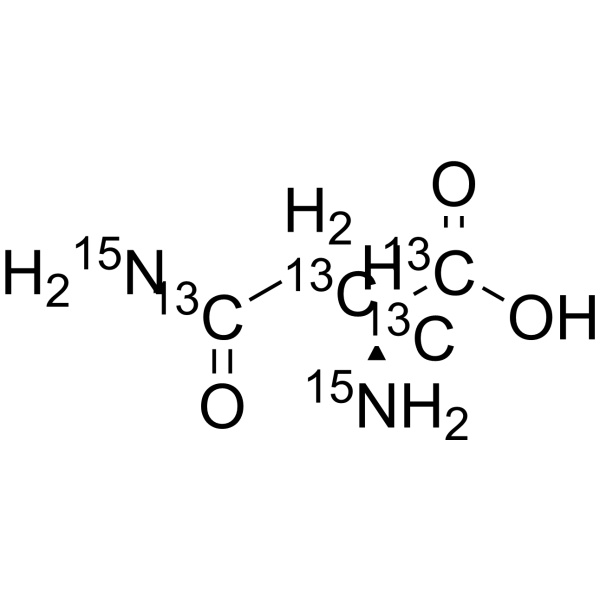
- HY-W017443S2
-
|
|
Isotope-Labeled Compounds
Endogenous Metabolite
Apoptosis
DNA/RNA Synthesis
|
Neurological Disease
Metabolic Disease
Inflammation/Immunology
Cancer
|
|
L-Asparagine- 13C4, 15N2,d3 monohydrate is the deuterium, 13C-, and 15N-labeled L-Asparagine monohydrate (HY-W017443). L-Asparagine monohydrate is an essential amino acid for leukemic cells and a substrate for L-Asparaginase. L-Asparaginase is a potent anti-leukemic enzyme that promotes asparagine (Asn) and glutamine (Gln) depletion and inhibits protein biosynthesis in lymphoblasts. Removal of L-asparagine from plasma by L-Asparaginase results in inhibition of RNA and DNA synthesis and subsequent apoptosis. L-Asparaginase has cell-killing ability in vitro and in vivo, and selectively inhibits the growth of cancer cells with low asparagine synthetase (AASNS) expression. L-Asparagine monohydrate can be used as a biomarker and sensor for the study of childhood acute lymphoblastic leukemia .
|
-
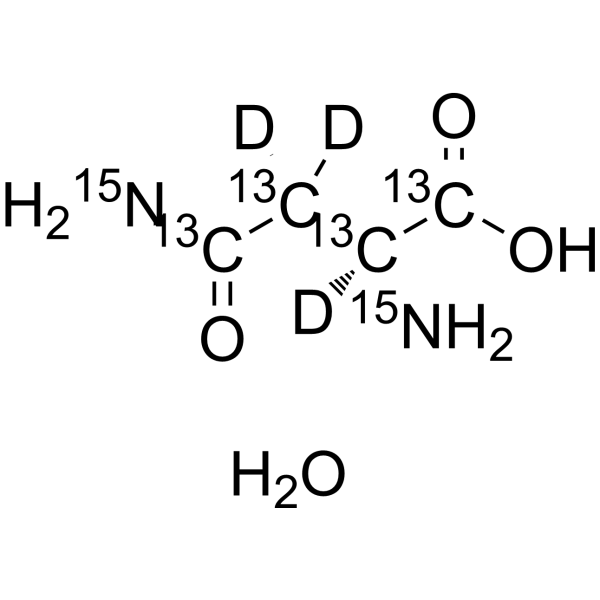
- HY-W001952
-
|
|
Fluorescent Dye
Drug Intermediate
|
Others
|
|
6-Bromo-2-naphthol is an RTP (real-time polymerase chain reaction) probe that forms a 1:1 or 2:1 complex with β-cyclodextrin (β-CD). 6-Bromo-2-naphthol is capable of real-time monitoring of PCR reactions and quantification of specific nucleic acid sequences. RTP probes are a class of small DNA or RNA sequences labeled with fluorescent dyes and quencher molecules, which can be widely used in gene expression analysis, SNP genotyping, and pathogen detection. 6-Bromo-2-naphthol embeds into the cyclodextrin cavity through hydrophobic interactions, inhibits the oxygen quenching effect, and emits a phosphorescent signal at room temperature. 6-Bromo-2-naphthol can also be used as an intermediate for the synthesis of antibacterial azo dyes, and its derivatives show antibacterial activity against Staphylococcus aureus, Escherichia coli and other bacteria .
|
-
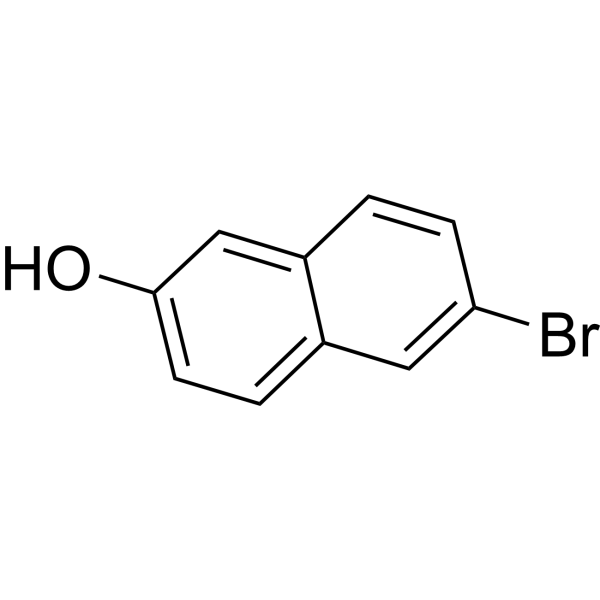
| Cat. No. |
Nombre del producto |
Type |
-
- HY-43520
-
|
|
Fluorescent Dyes
|
|
BODIPY-FL is a green fluorescent dye that can be used to label probes or primers. BODIPY-FL fluorescence can be quenched after interacting with uniquely positioned guanine, making it useful for quantifying specific DNA or RNA molecules. The maximum absorption wavelength of BODIPY-FL is 505 nm, and the maximum emission wavelength is 513 nm .
|
-
- HY-145746
-
|
|
Fluorescent Dyes
|
|
Sulfo-Cy5 azide is a near-infrared fluorescent probe with favorable click chemistry reactivity. Sulfo-Cy5 azide enables fluorescence imaging, tissue and cellular visualization of PD-L1 in tumors, and site-specific modification of anti-PD-L1 antibodies. Sulfo-Cy5 azide has been employed for RNA labeling and imaging. Sulfo-Cy5 azide can be conjugated to targeting agents for fluorescence imaging in atherosclerosis and breast cancer models (Ex/Em = 645/670 nm) .
|
-
- HY-W017776
-
|
SNAP-NH2
|
Fluorescent Dyes
|
|
BG-NH2 is a pharmaceutical intermediate. BG-NH2 is suitable for synthesizing fluorescent SNAP tag substrates to label RNA .
|
-
- HY-D2171A
-
|
|
Fluorescent Dyes
|
|
AF488 DBCO ditriethylamineis a fluorescent dye and also a click chemistry reagent that can label azide-containing biomolecules. AF488 DBCO ditriethylaminemediates the coupling reaction with azide-modified 2'-OMe RNA oligonucleotides. DBCO is a bioorthogonal partner of azides and enables covalent coupling without copper (Ex/Em = 470/520 nm) .
|
-
- HY-D1669
-
|
|
Fluorescent Dyes
|
|
Biotin-11-UTP is a Biotin-labeled uridine triphosphate (UTP), containing 11 atoms in the linker between biotin and UTP. Biotin-11-UTP can biotinylate transcribed RNA in vitro and has been widely used as labeling RNA probe . Biotin-11-UTP is a click chemistry reagent, it contains an Alkyne group and can undergo copper-catalyzed azide-alkyne cycloaddition (CuAAc) with molecules containing Azide groups.
|
-
- HY-D1686
-
|
Biotin-16-UTP tetralithium
|
Fluorescent Dyes
|
|
Biotin-16-UTP is an active substrate for RNA polymerase. Biotin-16-UTP can replace UTP in the in vitro transcription reaction for RNA labeling .
|
-
- HY-D2171
-
|
|
Fluorescent Dyes
|
|
AF488 DBCO is a fluorescent dye and also a click chemistry reagent that can label azide-containing biomolecules. AF488 DBCO mediates the coupling reaction with azide-modified 2'-OMe RNA oligonucleotides. DBCO is a bioorthogonal partner of azides and enables covalent coupling without copper (Ex/Em = 470/520 nm) .
|
-
- HY-D2417
-
|
|
Fluorescent Dyes
|
|
SiRA 2 is a fluorescent inducer with a Kd value of 430 nM for binding to the SiRA RNA aptamer. When used in combination with the SiRA aptamer, SiRA 2 enables live-cell RNA imaging of aptamer-labeled mRNA as well as stimulated emission depletion super-resolution microscopy imaging. SiRA 2 has high photostability and forms a bright far-red light-up aptamer system upon binding to SiRA .
|
-
- HY-D1686B
-
|
|
Fluorescent Dyes
|
|
Biotin-16-UTP tetrasodium is an active substrate for RNA polymerase. Biotin-16-UTP tetrasodium can replace UTP in the in vitro transcription reaction for RNA labeling .
|
-
- HY-D1409
-
|
DMTr-4'-F-uridine-CED-TBDMS phosphoramidite
|
Fluorescent Dyes
|
|
DMTr-4'-F-U-CED-TBDMS phosphoramidite (DMTr-4'-F-uridine-CED-TBDMS phosphoramidite), a dye reagent for oligonucleotide labeling, can be used for the research of applications in RNA therapeutics, RNA aptamers, and ribozymes for elucidating RNA structure. DMTr-4'-F-U-CED-TBDMS phosphoramidite represents a probe with wide utility for elucidation of RNA structure .
|
-
- HY-D1408
-
|
DMTr-4'-Methyluridine-CED-TBDMS phosphoramidite
|
Fluorescent Dyes
|
|
DMTr-4'-Me-U-CED-TBDMS phosphoramidite (DMTr-4'-Methyluridine-CED-TBDMS phosphoramidite), a dye reagent for oligonucleotide labeling, can be used for the research of applications in RNA therapeutics, RNA aptamers, and ribozymes for elucidating RNA structure. DMTr-4'-Me-U-CED-TBDMS phosphoramidite represents a probe with wide utility for elucidation of RNA structure .
|
| Cat. No. |
Nombre del producto |
Type |
-
- HY-150145A
-
|
|
Biochemical Assay Reagents
|
|
Cy5-UTP sodium (10 mM in water) is a fluorescently labeled ribonucleotide triphosphate that can be used as a substrate for terminal deoxynucleotide transferase (TdT). Cy5-UTP sodium can be used to label RNA probes generated in vitro (Ex/Em: 650/665 nm). Cy5-UTP sodium can be applied in FISH, multi-color fluorescence analysis, especially in dual-color expression arrays combined with Cy5-UTP .
|
-
- HY-125818I
-
|
Cytidine triphosphate disodium salt, 100 mM Solution, PCR Grade; 5'-CTP disodium salt, 100 mM Solution, PCR Grade
|
Biochemical Assay Reagents
|
|
CTP (Cytidine triphosphate; 5'-CTP disodium salt) disodium salt, 100 mM Solution, PCR Grade is an immediate-use solution of cytidine triphosphate diodium salt. CTP is one of the four basic raw materials for RNA biosynthesis. CTP disodium salt is mainly used in molecular biology applications such as in vitro transcription (IVT), RNA synthesis and labeling .
|
-
- HY-101886
-
|
5-Bromouridine 5'-triphosphate sodium salt
|
Biochemical Assay Reagents
|
|
5-BrUTP sodium salt can be used to label RNA to measure the transcription.
|
-
- HY-150145
-
|
|
Biochemical Assay Reagents
|
|
Cy5-UTP is a fluorescently labeled ribonucleotide triphosphate that can be used as a substrate for terminal deoxynucleotidyl transferase (TdT). Cy5-UTP can be employed to label RNA probes generated in vitro (Ex/Em: 650/665 nm). Cy5-UTP can be applied in FISH, multi-color fluorescence analysis, especially in dual-color expression arrays that combine with Cy5-UTP .
|
-
- HY-157916
-
|
Aldehyde reactive probe
|
Biochemical Assay Reagents
|
|
ARP (Aldehyde reactive probe) is an aldehyde-reactive probe . ARP specifically labels AP sites in DNA with biotin residues . ARP detects abasic sites induced by RNA oxidation . ARP is suitable for studies involving the quantification of AP sites, or the detection of other aldehyde-containing DNA damages and abasic sites induced by RNA oxidation .
|
-
- HY-W614753
-
|
|
Biochemical Assay Reagents
|
|
Biotin-naphthylamine is a biotinylated biochemical assay reagent, which is a substrate for ascorbate peroxidase 2 (APEX2). Biotin-naphthylamine is utilized as a novel probe for labeling DNA and RNA .
|
-
- HY-W048513
-
|
|
Biochemical Assay Reagents
|
|
7-Deaza-2'-deoxyadenosine is an isosteric dATP analog of 2'-deoxyadenosine. 7-Deaza-2'-deoxyadenosine is recognized by various DNA polymerases and incorporated into DNA strands as a substrate. 7-Deaza-2'-deoxyadenosine undergoes a bioorthogonal inverse electron demand Diels-Alder reaction with tetrazine-modified molecules, enabling site-specific labeling of DNA, surface antibody immobilization and intracellular fluorescent labeling. 7-Deaza-2'-deoxyadenosine reduces the DNA curvature of d(A6)·d(T6) fragments and the stability of DNA/RNA double helices, and leads to decreased antisense activity against SV40 T Antigen. 7-Deaza-2'-deoxyadenosine finds application in the research field of SV40 T Antigen-related cancers .
|
-
- HY-W001952
-
|
|
Biochemical Assay Reagents
|
|
6-Bromo-2-naphthol is an RTP (real-time polymerase chain reaction) probe that forms a 1:1 or 2:1 complex with β-cyclodextrin (β-CD). 6-Bromo-2-naphthol is capable of real-time monitoring of PCR reactions and quantification of specific nucleic acid sequences. RTP probes are a class of small DNA or RNA sequences labeled with fluorescent dyes and quencher molecules, which can be widely used in gene expression analysis, SNP genotyping, and pathogen detection. 6-Bromo-2-naphthol embeds into the cyclodextrin cavity through hydrophobic interactions, inhibits the oxygen quenching effect, and emits a phosphorescent signal at room temperature. 6-Bromo-2-naphthol can also be used as an intermediate for the synthesis of antibacterial azo dyes, and its derivatives show antibacterial activity against Staphylococcus aureus, Escherichia coli and other bacteria .
|
| Cat. No. |
Nombre del producto |
Category |
Target |
Chemical Structure |
| Cat. No. |
Nombre del producto |
Chemical Structure |
-
- HY-B0152S1
-
2 Publications Verification
|
|
Adenine- 13C is the 13C labeled Adenine . Adenine (6-Aminopurine), a purine, is one of the four nucleobases in the nucleic acid of DNA. Adenine acts as a chemical component of DNA and RNA. Adenine also plays an important role in biochemistry involved in cellular respiration, the form of both ATP and the cofactors (NAD and FAD), and protein synthesis .
|
-
-
- HY-13704S
-
|
|
|
SN-38-d3 is the deuterium labeled SN-38. SN-38 (NK012) is an active metabolite of the Topoisomerase I inhibitor Irinotecan. SN-38 (NK012) inhibits DNA and RNA synthesis with IC50s of 0.077 and 1.3 μM, respectively .
|
-
-
- HY-B0421S
-
|
|
|
Mycophenolic acid-d3 (Mycophenolate-d3) is deuterium labeled Mycophenolic acid (HY-B0421). Mycophenolic acid is a potent uncompetitive inosine monophosphate dehydrogenase (IMPDH) inhibitor with an EC50 of 0.24 μM. Mycophenolic acid demonstrates antiviral effects against a wide range of RNA viruses including influenza. Mycophenolic acid is an immunosuppressive agent. Antiangiogenic and antitumor effects.
|
-
-
- HY-17025S
-
|
|
|
Rifabutin-d7 is the deuterium labeled Rifabutin. Rifabutin (Ansamycin) is a semisynthetic ansamycin antibiotic with potent antimycobacterial properties. Rifabutin inhibits DNA-dependent RNA polymerase.
|
-
-
- HY-104077S1
-
|
|
|
Remdesivir-d4 (GS-5734-d4) is deuterium labeled Remdesivir (HY-104077). Remdesivir (GS-5734) is a nucleoside analogue with effective antiviral activity. Remdesivir can inhibit the synthesis of viral DNA or RNA. Remdesivir can be used for the research of infection, such as SARS-CoV and MHV infection .
|
-
-
- HY-15005S1
-
1 Publications Verification
|
|
Sofosbuvir-d6 is the deuterium labeled Sofosbuvir. Sofosbuvir (PSI-7977) is an active inhibitor of HCV RNA replication in the HCV replicon assay, demonstrates potent anti-hepatitis C virus (HCV) activity.
|
-
-
- HY-17580S
-
|
|
|
Fidaxomicin-d7 (OPT-80-D7) is the deuterium labeled Fidaxomicin. Fidaxomicin (OPT-80), a macrocyclic RNA polymerase inhibitor, has a narrow spectrum of activity. Fidaxomicin selectively eradicates pathogenic Clostridium difficile with minimal disruption to the multiple species of bacteria that make up the normal, healthy intestinal flora .
|
-
-
- HY-16637S1
-
|
|
|
Folic acid-d4 is the deuterium labeled Folic acid. Folic acid (Vitamin M; Vitamin B9) is a B vitamin; is necessary for the production and maintenance of new cells, for DNA synthesis and RNA synthesis.
|
-
-
- HY-N0086S
-
|
|
|
N6-Methyladenosine-d3 (6-Methyladenosine-d3; N-Methyladenosine-d3) is a deuterium labeled N6-Methyladenosine (HY-N0086). N6-Methyladenosine is the most prevalent internal (non-cap) modification present in the messenger RNA (mRNA) of all higher eukaryotes. N6-Methyladenosine can modifies viral RNAs and has antiviral activities.
|
-
-
- HY-B0158S7
-
|
|
|
Cytidine- 13C9 (Cytosine β-D-riboside- 13C9) is 13C labeled Cytidine (HY-B0158). Cytidine is a pyrimidine nucleoside and acts as a component of RNA. Cytidine is a precursor of uridine. Cytidine controls neuronal-glial glutamate cycling, affecting cerebral phospholipid metabolism, catecholamine synthesis, and mitochondrial function .
|
-
-
- HY-B0220S1
-
|
|
|
Erythromycin- 13C,d3 is the 13C- and deuterium labeled Erythromycin. Erythromycin is a macrolide antibiotic produced by actinomycete?Streptomyces erythreus?with a broad spectrum of antimicrobial activity. Erythromycin acts by binding to bacterial 50S ribosomal subunits and inhibits?RNA-dependent protein synthesis?by blockage of transpeptidation and/or translocation reactions, without affecting synthesis of nucleic acid .
|
-
-
- HY-I0960S4
-
|
|
|
Uracil-d2 is the deuterium labeled Uracil . Uracil is a common and naturally occurring pyrimidine derivative and one of the four nucleobases in the nucleic acid of RNA .
|
-
-
- HY-N0086S2
-
|
|
|
N6-Methyladenosine- 13C4 (6-Methyladenosine- 13C4; N-Methyladenosine- 13C4) is 13C-labeled N6-Methyladenosine (HY-N0086). N6-Methyladenosine is the most prevalent internal (non-cap) modification present in the messenger RNA (mRNA) of all higher eukaryotes. N6-Methyladenosine can modifies viral RNAs and has antiviral activities.
|
-
-
- HY-B0158S6
-
|
|
|
Cytidine- 15N3 is the 15N labeled Cytidine . Cytidine is a pyrimidine nucleoside and acts as a component of RNA. Cytidine is a precursor of uridine. Cytidine controls neuronal-glial glutamate cycling, affecting cerebral phospholipid metabolism, catecholamine synthesis, and mitochondrial function .
|
-
-
- HY-B0152S
-
|
|
|
Adenine-d is the deuterium labeled Adenine. Adenine (6-Aminopurine), a purine, is one of the four nucleobases in the nucleic acid of DNA. Adenine acts as a chemical component of DNA and RNA. Adenine also plays an important role in biochemistry involved in cellular respiration, the form of both ATP and the cofactors (NAD and FAD), and protein synthesis .
|
-
-
- HY-104077S
-
2 Publications Verification
|
|
Remdesivir-d5 (GS-5734-d5) is a deuterium labeled Remdesivir (HY-104077). Remdesivir (GS-5734) is a nucleoside analogue with effective antiviral activity. Remdesivir can inhibit the synthesis of viral DNA or RNA. Remdesivir can be used for the research of infection, such as SARS-CoV and MHV infection .
|
-
-
- HY-B0402S
-
|
|
|
Amantadine-d15 is the deuterium labeled Amantadine. Amantadine (1-Adamantanamine) is an antiviral agent with activity against influenza A viruses. Amantadine blocks the proton flow through the M2 ion channel (M2 proton channel of influenza A) and thus prevents the release of viral RNA into the cytoplasm of the infected cells. Amantadine is an antiparkinsonian agent .
|
-
-
- HY-B0275S
-
|
|
|
Oxytetracycline-d6 is deuterium labeled Oxytetracycline. Oxytetracycline is an antibiotic belonging to the tetracycline class. Oxytetracycline potent inhibits Gram-negative and Gram-positive bacteria. Oxytetracycline is a protein synthesis inhibitor and prevents the binding from aminoacil-tRNA to the complex m-ribosomal RNA. Oxytetracycline also possesses anti-HSV-1 activity .
|
-
-
- HY-Y1055S3
-
|
|
|
Guanine- 15N5 is 15N labeled Guanine (HY-Y1055). Guanine is one of the fundamental components of nucleic acids (DNA and RNA). Guanine is a purine derivative, consisting of a fused pyrimidine-imidazole ring system with conjugated double bonds. Guanine has the potential to serve as a large-capacity N pool. Guanine has cytotoxic, antinociceptive and neuroprotective effects .
|
-
-
- HY-Y1055S
-
|
|
|
Guanine- 13C is the 13C labeled Guanine (HY-Y1055) . Guanine is one of the fundamental components of nucleic acids (DNA and RNA). Guanine is a purine derivative, consisting of a fused pyrimidine-imidazole ring system with conjugated double bonds. Guanine has the potential to serve as a large-capacity N pool. Guanine has cytotoxic, antinociceptive and neuroprotective effects .
|
-
-
- HY-B0220S2
-
|
|
|
Erythromycin-d3 is the deuterium labeled Erythromycin . Erythromycin is a macrolide antibiotic produced by actinomycete Streptomyces erythreus with a broad spectrum of antimicrobial activity. Erythromycin binds to bacterial 50S ribosomal subunits and inhibits RNA-dependent protein synthesis by blockage of transpeptidation and/or translocation reactions, without affecting synthesis of nucleic acid. Erythromycin also exhibits antitumor and neuroprotective effect in different fields of research .
|
-
-
- HY-I0960S9
-
|
|
|
Uracil-d4 is the deuterium labeled Uracil[1]. Uracil is a common and naturally occurring pyrimidine derivative and one of the four nucleobases in the nucleic acid of RNA[2].
|
-
-
- HY-W011834S
-
|
|
|
2'-O-Methylcytidine-d3 is deuterium labeled 2'-O-Methylcytidine (HY-W011834). 2'-O-Methylcytidine is a 2'-substituted nucleoside as a inhibitor of HCV replication. 2'-O-Methylcytidine inhibits RNA-dependent RNA polymerase (NS5B)-catalyzed RNA synthesis in vitro, in a manner that is competitive with substrate nucleoside triphosphate.
|
-
-
- HY-I0960S1
-
|
|
|
Uracil- 13C4 is the 13C labeled Uracil . Uracil is a common and naturally occurring pyrimidine derivative and one of the four nucleobases in the nucleic acid of RNA .
|
-
-
- HY-16637S3
-
|
|
|
Folic acid- 13C5 is the 13C-labeled Folic acid. Folic acid (Vitamin M; Vitamin B9) is a B vitamin; is necessary for the production and maintenance of new cells, for DNA synthesis and RNA synthesis.
|
-
-
- HY-I0626S2
-
|
|
|
Cytosine-d2 is the deuterium labeled Cytosine . Cytosine is one of the four main bases found in DNA and RNA. Cytosine modifications exhibit circadian oscillations that are involved in epigenetic diversity and aging .
|
-
-
- HY-B0158S1
-
|
|
|
Cytidine- 13C is the 13C labeled Cytidine. Cytidine is a pyrimidine nucleoside and acts as a component of RNA. Cytidine is a precursor of uridine. Cytidine controls neuronal-glial glutamate cycling, affecting cerebral phospholipid metabolism, catecholamine
|
-
-
- HY-16637S
-
|
|
|
Folic acid-d2 (Vitamin B9-d2) is the deuterium labeled Folic acid. Folic acid (Vitamin M; Vitamin B9) is a B vitamin; is necessary for the production and maintenance of new cells, for DNA synthesis and RNA synthesis.
|
-
-
- HY-B0275S1
-
|
|
|
Oxytetracycline-d3 is the deuterium labeled Oxytetracycline (HY-B0275). Oxytetracycline is an antibiotic belonging to the tetracycline class. Oxytetracycline potent inhibits Gram-negative and Gram-positive bacteria. Oxytetracycline is a protein synthesis inhibitor and prevents the binding from aminoacil-tRNA to the complex m-ribosomal RNA. Oxytetracycline also possesses anti-HSV-1 activity .
|
-
-
- HY-113081S1
-
|
|
|
1-Methyladenosine-d3 hydriodide is the deuterium labeled 1-Methyladenosine (HY-113081). 1-Methyladenosine is an RNA modification that can serve as a tumor marker, with elevated levels in the body associated with cancer development. Following 1-methyladenosine methylation, upregulation of PPARδ expression regulates cholesterol metabolism and activates Hedgehog signaling pathway, driving liver tumorigenesis .
|
-
-
- HY-Y1055S1
-
|
|
|
Guanine- 13C, 15N2 is the 13C and 15N labeled Guanine (HY-Y1055) . Guanine is one of the fundamental components of nucleic acids (DNA and RNA). Guanine is a purine derivative, consisting of a fused pyrimidine-imidazole ring system with conjugated double bonds. Guanine has the potential to serve as a large-capacity N pool. Guanine has cytotoxic, antinociceptive and neuroprotective effects .
|
-
-
- HY-I0960S5
-
|
|
|
Uracil- 15N2 is the 15N labeled Uracil . Uracil is a common and naturally occurring pyrimidine derivative and one of the four nucleobases in the nucleic acid of RNA .
|
-
-
- HY-I0960S6
-
|
|
|
Uracil-d2-1 is the deuterium labeled Uracil . Uracil is a common and naturally occurring pyrimidine derivative and one of the four nucleobases in the nucleic acid of RNA .
|
-
-
- HY-I0960S3
-
|
|
|
Uracil- 13C4, 15N2 is the 13C and 15N labeled Uracil . Uracil is a common and naturally occurring pyrimidine derivative and one of the four nucleobases in the nucleic acid of RNA .
|
-
-
- HY-B2067S
-
|
|
|
Cymoxanil-d3 is the deuterium labeled Cymoxanil (HY-B2067). Cymoxanil is a fungicidal cyanooxime against plant diseases caused by fungi belonging to the Perenosporales. Cymoxanil affects growth, DNA and RNA synthesis in Phytophthora .
|
-
-
- HY-I0626S1
-
|
|
|
Cytosine- 13C, 15N2 is the 13C and 15N labeled Cytosine . Cytosine is one of the four main bases found in DNA and RNA. Cytosine modifications exhibit circadian oscillations that are involved in epigenetic diversity and aging .
|
-
-
- HY-B0158S
-
|
|
|
Cytidine-d2 is the deuterium labeled Cytidine. Cytidine is a pyrimidine nucleoside and acts as a component of RNA. Cytidine is a precursor of uridine. Cytidine controls neuronal-glial glutamate cycling, affecting cerebral phospholipid metabolism, catecholamine synthesis, and mitochondrial function .
|
-
-
- HY-109025AS
-
|
|
|
Baloxavir-d5 is deuterium labeled Baloxavir. Baloxavir (Baloxavir acid), derived from the proagent Baloxavir marboxil, is a first-in-class, potent and selective cap-dependent endonuclease (CEN) inhibitor within the polymerase PA subunit of influenza A and B viruses. Baloxavir inhibits viral RNA transcription and replication and has potently antiviral activity .
|
-
-
- HY-N0157S1
-
|
|
|
Orotic acid- 13C, 15N2 (monohydrate) is the 13C and 15N labeled Orotic acid . Orotic acid (6-Carboxyuracil), a precursor in biosynthesis of pyrimidine nucleotides and RNA, is released from the mitochondrial dihydroorotate dehydrogenase (DHODH) for conversion to UMP by the cytoplasmic UMP synthase enzyme. Orotic acid is a marker for measurement in routine newborn screening for urea cycle disorders. Orotic acid can induce hepatic steatosis and hepatomegaly in rats .
|
-
-
- HY-113081AS
-
|
|
|
1-Methyladenosine-d3 hydrochloride is the hydrochloride salt form of deuterium labeled 1-Methyladenosine (HY-113081). 1-Methyladenosine is an RNA modification that can serve as a tumor marker, with elevated levels in the body associated with cancer development. Following 1-methyladenosine methylation, upregulation of PPARδ expression regulates cholesterol metabolism and activates Hedgehog signaling pathway, driving liver tumorigenesis .
|
-
-
- HY-B0152S7
-
|
|
|
Adenine- 15N5 (6-Aminopurine- 15N5) hydrochloride hydrate is the 15N-labeled Adenine (HY-B0152). Adenine (6-Aminopurine), a purine, is one of the four nucleobases in the nucleic acid of DNA. Adenine acts as a chemical component of DNA and RNA. Adenine also plays an important role in biochemistry involved in cellular respiration, the form of both ATP and the cofactors (NAD and FAD), and protein synthesis .
|
-
-
- HY-14768S
-
|
|
|
Favipiravir- 13C 15N (T-705- 13C 15N) is 13C and 15N labeled Favipiravir. Favipiravir (T-705) is a potent viral RNA polymerase inhibitor, it is phosphoribosylated by cellular enzymes to its active form, Favipiravir-ribofuranosyl-5′-triphosphate (RTP). Favipiravir-RTP inhibits the influenza viral RNA-dependent RNA polymerase (RdRP) activity with an IC50 of 341 nM.
|
-
-
- HY-I0960S
-
|
|
|
Uracil- 13C2, 15N2 is the 13C-labeled and 15N-labeled Uracil. Uracil is a common and naturally occurring pyrimidine derivative and one of the four nucleobases in the nucleic acid of RNA.
|
-
-
- HY-I0626S
-
|
|
|
Cytosine- 13C2, 15N3 is the 13C-labeled and 15N-labeled Cytosine. Cytosine is one of the four main bases found in DNA and RNA. Cytosine modifications exhibit circadian oscillations that are involved in epigenetic diversity and aging .
|
-
-
- HY-B0158S2
-
|
|
|
Cytidine- 13C-1 is the 13C labeled Cytidine. Cytidine is a pyrimidine nucleoside and acts as a component of RNA. Cytidine is a precursor of uridine. Cytidine controls neuronal-glial glutamate cycling, affecting cerebral phospholipid metabolism, catecholami
|
-
-
- HY-15005S
-
|
|
|
Sofosbuvir- 13C,d3 is the deuterium labeled Sofosbuvir. Sofosbuvir (PSI-7977) is an active inhibitor of HCV RNA replication in the HCV replicon assay, demonstrates potent anti-hepatitis C virus (HCV) activity.
|
-
-
- HY-W004924S
-
|
|
|
5-Hydroxymethyluracil-d3 is the deuterium labeled 5-Hydroxymethyluracil . 5-Hydroxymethyluracil is a product of oxidative DNA damage. 5-Hydroxymethyluracil can be used as a potential epigenetic mark enhancing or inhibiting transcription with bacterial RNA polymerase .
|
-
-
- HY-10241S
-
|
|
|
Simeprevir- 13C,d3 is the 13C- and deuterium labeled Simeprevir. Simeprevir is an oral, potent and highly specific hepatitis C virus (HCV) NS3/4A protease inhibitor with a Ki of 0.36 nM. Simeprevir inhibits HCV replication with an EC50 of 7.8 nM. Simeprevir also potently suppresses SARS-CoV-2 replication and synergizes with Remdesivir. Simeprevir inhibits the main protease (Mpro) and the RNA-dependent RNA polymerase (RdRp) of SARS-CoV-2, and also modulates host immune responses .
|
-
-
- HY-113136S
-
|
|
|
1-Methylguanosine-d3 (N1-Methylguanosine-d3) is deuterium labeled 1-Methylguanosine (HY-113136). 1-Methylguanosine is a methylated nucleoside originating from RNA degradation. 1-Methylguanosine is a tumour marker .
|
-
-
- HY-B0158S5
-
|
|
|
Cytidine- 13C9, 15N3 is the 13C and 15N labeled Cytidine . Cytidine is a pyrimidine nucleoside and acts as a component of RNA. Cytidine is a precursor of uridine. Cytidine controls neuronal-glial glutamate cycling, affecting cerebral phospholipid metabolism, catecholamine synthesis, and mitochondrial function .
|
-
- HY-B1002S
-
|
|
|
Oxolinic acid-d5 is the deuterium labeled Oxolinic acid. Oxolinic acid is an antibiotic against both Gram-negative and Gram-positive bacteria. Oxolinic acid can be used for the research of acute and chronic urinary tract infections. Oxolinic acid is a DNA/RNA synthesis inhibitor. Oxolinic acid acts a dopamine uptake inhibitor and stimulants locomotor effect in mice .
|
-
- HY-W768207
-
|
|
|
Cytidine-1',2',3',4',5'- 13C5 is the 13C-labeled Cytidine (HY-B0158). Cytidine is a pyrimidine nucleoside and acts as a component of RNA. Cytidine is a precursor of uridine. Cytidine controls neuronal-glial glutamate cycling, affecting cerebral phospholipid metabolism, catecholamine synthesis, and mitochondrial function .
|
-
- HY-W755036
-
|
|
|
Oxytetracycline-13C,d3 hydrochloride is the 13C- and deuterium labeled Oxytetracycline hydrochloride (HY-B0275A). Oxytetracycline hydrochloride is an antibiotic that exhibits board-spectrum antibacterial activity. Oxytetracycline hydrochloride is a protein synthesis inhibitor and prevents the binding from aminoacil-tRNA to the complex m-ribosomal RNA. Oxytetracycline hydrochloride also possesses anti-HSV-1 activity .
|
-
- HY-113081S
-
|
|
|
1-Methyl Adenosine-d3 is the deuterium labeled 1-Methyladenosine. 1-Methyladenosine is an RNA modification that can serve as a tumor marker, with elevated levels in the body associated with cancer development. Following 1-methyladenosine methylation, upregulation of PPARδ expression regulates cholesterol metabolism and activates Hedgehog signaling pathway, driving liver tumorigenesis .
|
-
- HY-B0421S2
-
|
|
|
Mycophenolic acid-13C17 (Mycophenolate-13C17) is the 13C labeled Mycophenolic acid (HY-B0421). Mycophenolic acid is a potent uncompetitive inosine monophosphate dehydrogenase (IMPDH) inhibitor with an EC50 of 0.24 μM. Mycophenolic acid demonstrates antiviral effects against a wide range of RNA viruses including influenza. Mycophenolic acid is an immunosuppressive agent. Antiangiogenic and antitumor effects.
|
-
- HY-W777809
-
|
|
|
Guanine- 13C2, 15N is the 13C- and 15N-labeled Guanine (HY-Y1055). Guanine is one of the fundamental components of nucleic acids (DNA and RNA). Guanine is a purine derivative, consisting of a fused pyrimidine-imidazole ring system with conjugated double bonds. Guanine has the potential to serve as a large-capacity N pool. Guanine has cytotoxic, antinociceptive and neuroprotective effects .
|
-
- HY-W042357S
-
|
|
|
Ac-rC Phosphoramidite- 15N is 15N labeled Ac-rC Phosphoramidite (HY-W042357). Ac-rC Phosphoramidite is used for the oligoribonucleotide phosphorodithioate modification (PS2-RNA).
|
-
- HY-W042357S2
-
|
|
|
Ac-rC Phosphoramidite- 15N3 is 15N labeled Ac-rC Phosphoramidite (HY-W042357). Ac-rC Phosphoramidite is used for the oligoribonucleotide phosphorodithioate modification (PS2-RNA).
|
-
- HY-W042357S1
-
|
|
|
Ac-rC Phosphoramidite- 15N2 is 15N labeled Ac-rC Phosphoramidite (HY-W042357). Ac-rC Phosphoramidite is used for the oligoribonucleotide phosphorodithioate modification (PS2-RNA).
|
-
- HY-W042357S4
-
|
|
|
Ac-rC Phosphoramidite- 13C9 is 13C-labeled Ac-rC Phosphoramidite (HY-W042357). Ac-rC Phosphoramidite is used for the oligoribonucleotide phosphorodithioate modification (PS2-RNA).
|
-
- HY-W769714
-
|
|
|
Favipiravir- 13C3 is the 13C labeled isotope of Favipiravir (HY-14768). Favipiravir (T-705) is a potent viral RNA polymerase inhibitor, it is phosphoribosylated by cellular enzymes to its active form, Favipiravir-ribofuranosyl-5′-triphosphate (RTP). Favipiravir-RTP inhibits the influenza viral RNA-dependent RNA polymerase (RdRP) activity with an IC50 of 341 nM.
|
-
- HY-W042357S5
-
|
|
|
Ac-rC Phosphoramidite- 13C,d1 is deuterium and 13C-labeled Ac-rC Phosphoramidite (HY-W042357). Ac-rC Phosphoramidite is used for the oligoribonucleotide phosphorodithioate modification (PS2-RNA).
|
-
- HY-W042357S6
-
|
|
|
Ac-rC Phosphoramidite- 13C9, 15N3 is 13C and 15N-labeled Ac-rC Phosphoramidite (HY-W042357). Ac-rC Phosphoramidite is used for the oligoribonucleotide phosphorodithioate modification (PS2-RNA).
|
-
- HY-W042357S3
-
|
|
|
Ac-rC Phosphoramidite- 13C2,d1 is deuterium and 13C-labeled Ac-rC Phosphoramidite (HY-W042357). Ac-rC Phosphoramidite is used for the oligoribonucleotide phosphorodithioate modification (PS2-RNA).
|
-
- HY-13585S
-
|
|
|
Carmustine-d8 is the deuterium labeled Carmustine. Carmustine is an antitumor chemotherapeutic agent, which works by akylating DNA and RNA .
|
-
- HY-I0960S7
-
|
|
|
Uracil-d1 is the deuterium labeled Uracil . Uracil is a common and naturally occurring pyrimidine derivative and one of the four nucleobases in the nucleic acid of RNA .
|
-
- HY-I0960S2
-
|
|
|
Uracil- 13C is the 13C labeled Uracil . Uracil is a common and naturally occurring pyrimidine derivative and one of the four nucleobases in the nucleic acid of RNA .
|
-
- HY-N0112S
-
|
|
|
Dihydromyricetin-d4 (Ampelopsin-d4) is deuterium labeled Dihydromyricetin. Dihydromyricetin is a potent inhibitor with an IC50 of 48 μM on dihydropyrimidinase. Dihydromyricetin can activate autophagy through inhibiting mTOR signaling. Dihydromyricetin suppresses the formation of mTOR complexes (mTORC1/2). Dihydromyricetin is also a potent influenza RNA-dependent RNA polymerase inhibitor with an IC50 of 22 μM.
|
-
- HY-16637S2
-
|
|
|
(Rac)-Folic acid- 13C5, 15N is the 13C-labeled and 15N-labeled Folic acid. Folic acid (Vitamin M; Vitamin B9) is a B vitamin; is necessary for the production and maintenance of new cells, for DNA synthesis and RNA synthesis.
|
-
- HY-17025S1
-
|
|
|
Rifabutin-d6 (Ansamycin-d6) is deuterium labeled Rifabutin. Rifabutin (Ansamycin) is a semisynthetic ansamycin antibiotic with potent antimycobacterial properties. Rifabutin inhibits DNA-dependent RNA polymerase.
|
-
- HY-B0158S4
-
|
|
|
Cytidine-d is the deuterium labeled Cytidine. Cytidine is a pyrimidine nucleoside and acts as a component of RNA. Cytidine is a precursor of uridine. Cytidine controls neuronal-glial glutamate cycling, affecting cerebral phospholipid metabolism, catechol
|
-
- HY-B0158S3
-
|
|
|
Cytidine-d2-1 is the deuterium labeled Cytidine. Cytidine is a pyrimidine nucleoside and acts as a component of RNA. Cytidine is a precursor of uridine. Cytidine controls neuronal-glial glutamate cycling, affecting cerebral phospholipid metabolism, catech
|
-
- HY-B0843AS
-
|
|
|
Metalaxyl-M-d6 ((R)-Metalaxyl-d6) is the deuterium labeled Metalaxyl-M (HY-B0843A). Metalaxyl-M ((R)-Metalaxyl) is an orally active and selective inhibitor of fungal RNA polymerase, which exerts fungicidal activity by selectively interfering with the synthesis of fungal ribosomal RNA. Metalaxyl-M can also be used to induce inflammation in hepatocytes and regulate tryptophan metabolism. Metalaxyl-M can be used in ecotoxicology studies .
|
-
- HY-N0086S3
-
|
|
|
N6-Methyladenosine- 13C3 (6-Methyladenosine- 13C3) is 13C-labeled N6-Methyladenosine (HY-N0086). N6-Methyladenosine is the most prevalent internal (non-cap) modification present in the messenger RNA (mRNA) of all higher eukaryotes. N6-Methyladenosine can modifies viral RNAs and has antiviral activities .
|
-
- HY-14855S
-
|
|
|
Tedizolid- 13C,d3 is the 13C- and deuterium labeled Tedizolid. Tedizolid (TR 700; Torezolid; DA-7157) is a novel oxazolidinone, acting through inhibition of bacterial protein synthesis by binding to 23S ribosomal RNA (rRNA) of the 50S subunit of the ribosome.
|
-
- HY-113061S
-
|
|
|
Pseudouridine- 18O is the 18O labeled Pseudouridine (HY-113061). Pseudouridine is an isomer of the nucleoside uridine, and the most abundant modified nucleoside in non-coding RNAs. Pseudouridine in rRNA and tRNA can fine-tune and stabilize the regional structure and help maintain their functions in mRNA decoding, ribosome assembly, processing and translation.
|
-
- HY-W654004
-
|
|
|
8-Hydroxy guanosine- 13C, 15N2 is 13C and 15N labeled 8-Hydroxyguanosine. 8-Hydroxyguanosine, an oxidized nucleoside, is a marker of RNA oxidative damage and oxidative stress. 8-Hydroxyguanosine stimulates proliferation and differentiation of B cells .
|
-
- HY-B0220S
-
|
|
|
Erythromycin-d6 is the deuterium labeled Erythromycin. Erythromycin is a macrolide antibiotic produced by actinomycete?Streptomyces erythreus?with a broad spectrum of antimicrobial activity. Erythromycin acts by binding to bacterial 50S ribosomal subunits and inhibits?RNA-dependent protein synthesis?by blockage of transpeptidation and/or translocation reactions, without affecting synthesis of nucleic acid .
|
-
- HY-104077S2
-
|
|
|
Remdesivir impurity 9-d4 is deuterium labeled Remdesivir (HY-104077). Remdesivir (GS-5734) is a nucleoside analogue with effective antiviral activity. Remdesivir can inhibit the synthesis of viral DNA or RNA. Remdesivir can be used for the research of infection, such as SARS-CoV and MHV infection .
|
-
- HY-W747965
-
|
|
|
8-Bromoguanosine- 13C2, 15N is the 13C- and 15N-labeled 8-Bromoguanosine (HY-W019033). 8-Bromoguanosine is a purine nucleoside, a brominated derivative of guanosine. 8-Bromoguanosine can reduce the conformational heterogeneity of RNA to enhance its function .
|
-
- HY-W767371
-
|
|
|
8-Bromoguanosine- 13C, 15N2 is the 13C- and 15N-labeled 8-Bromoguanosine (HY-W019033). 8-Bromoguanosine is a purine nucleoside, a brominated derivative of guanosine. 8-Bromoguanosine can reduce the conformational heterogeneity of RNA to enhance its function .
|
-
- HY-W009162S
-
|
|
|
Cytidine 5′-monophosphate- 15N3 (disodium) is the 15N labeled Cytidine 5'-monophosphate disodium . Cytidine 5'-monophosphate (5'-Cytidylic acid) disodium is a nucleotide which is used as a monomer in RNA. Cytidine 5'-monophosphate disodium consists of the nucleobase cytosine, the pentose sugar ribose, and the phosphate group .
|
-
- HY-B0158S8
-
|
|
|
Cytidine-d13 (Cytosine β-D-riboside-d13) is deuterium labeled Cytidine (HY-B0158). Cytidine is a pyrimidine nucleoside and acts as a component of RNA. Cytidine is a precursor of uridine. Cytidine controls neuronal-glial glutamate cycling, affecting cerebral phospholipid metabolism, catecholamine synthesis, and mitochondrial function .
|
-
- HY-Y1055S4
-
|
|
|
Guanine- 13C5 is 13C-labeled Guanine (HY-Y1055). Guanine is one of the fundamental components of nucleic acids (DNA and RNA). Guanine is a purine derivative, consisting of a fused pyrimidine-imidazole ring system with conjugated double bonds. Guanine has the potential to serve as a large-capacity N pool. Guanine has cytotoxic, antinociceptive and neuroprotective effects .
|
-
- HY-W555382S
-
|
|
|
Pseudane IX-d4 (2-Nonylquinolin-4(1H)-one-d4) is deuterium labeled Pseudane IX. Pseudane IX, a compound isolated from the leaves of Ruta angustifolia, has strong anti-HCV activity with an IC50 value of 1.4 μg/mL. Pseudane IX reduces HCV RNA replication and viral protein synthesis levels .
|
-
- HY-W013403S
-
|
|
|
2'-Deoxy-2'-fluorouridine-d2 is the deuterium labeled 2'-Deoxy-2'-fluorouridine . 2'-Deoxy-2'-fluorouridine is a derivative of the pyrimidine nucleoside uridine. 2'-Deoxy-2'-fluorouridine is a nucleoside analog that inhibits the replication of wild-type viruses by binding to the viral RNA. Hepatitis C polyU/UC RNA strands containing 2'-Deoxy-2'-fluorouridine, bind to RIG-I but do not activate RIG-I signaling in a reporter assay using Huh7 cells. 2'-Deoxy-2'-fluorouridine also has been used as a starting material in the synthesis of respiratory syncytial virus (RSV) polymerase inhibitors. 2'-Deoxy-2'-fluorouridine can incorporate into DNA and RNA in rat and woodchuck model upon administration. 2'-Deoxy-2'-fluorouridine can be studied in anti-viral research .
|
-
- HY-W712567
-
|
|
|
Adenine- 15N5 (6-Aminopurine- 15N5) hydrochloride is the 15N-labeled Adenine hydrochloride (HY-B0152A) . Adenine hydrochloride (6-Aminopurine hydrochloride), a purine, is one of the four nucleobases in the nucleic acid of DNA. Adenine hydrochloride acts as a chemical component of DNA and RNA. Adenine hydrochloride also plays an important role in biochemistry involved in cellular respiration, the form of both ATP and the cofactors (NAD and FAD), and protein synthesis.
|
-
- HY-114977S
-
|
|
|
Avenanthramide A-d4 is the deuterium labeled Avenanthramide A (HY-114977). Avenanthramide A is an orally active phytoalexin that targets the RNA helicase DDX3 with a KD of 8.8 μM. Avenanthramide A induces mitochondrial swelling and increased ROS production, and triggers apoptosis in CRC cells. Avenanthramide A inhibits smooth muscle cell proliferation and enhances nitric oxide production. Avenanthramide A can be used in research on colorectal cancer and atherosclerosis .
|
-
- HY-W015213S
-
|
|
|
Adenine monohydrochloride hemihydrate- 15N5 is the 15N labeled Adenine monohydrochloride hemihydrate (HY-W015213). Adenine monohydrochloride hemihydrate is a hydrochloride derivative of Adenine. Adenine (6-Aminopurine), a purine, is one of the four nucleobases in the nucleic acid of DNA. Adenine acts as a chemical component of DNA and RNA. Adenine also plays an important role in biochemistry involved in cellular respiration, the form of both ATP and the cofactors (NAD and FAD), and protein synthesis .
|
-
- HY-W009162S2
-
|
|
|
Cytidine 5′-monophosphate-d12 (5'-Cytidylic acid-d12 dilithium; 5'-CMP-d12) dilithium is deuterium labeled Cytidine 5'-monophosphate (HY-W009162). Cytidine 5'-monophosphate (5'-Cytidylic acid) is a nucleotide which is used as a monomer in RNA. Cytidine 5'-monophosphate consists of the nucleobase cytosine, the pentose sugar ribose, and the phosphate group.
|
-
- HY-111647S1
-
|
|
|
N2-Methylguanosine-d3 is deuterium labeled N2-Methylguanosine (HY-111647). N2-Methylguanosine is a commonly modified nucleoside in rRNA and tRNA, with specific distributions in both E. coli rRNA and eukaryotic tRNA. N2-Methylguanosine can be found in urine. N2-Methylguanosine affects the structure and stability of RNA .
|
-
- HY-W778114
-
|
|
|
Guanine- 13C2, 15N is the 13C- and 15N-labeled Guanine (HY-Y1055). Guanine is one of the fundamental components of nucleic acids (DNA and RNA). Guanine is a purine derivative, consisting of a fused pyrimidine-imidazole ring system with conjugated double bonds. Guanine has the potential to serve as a large-capacity N pool. Guanine has cytotoxic, antinociceptive and neuroprotective effects .
|
-
- HY-W009162S4
-
|
|
|
Cytidine 5′-monophosphate- 15N3 (5'-Cytidylic acid- 15N3 dilithium; 5'-CMP- 15N3) dilithium is 15N labeled Cytidine 5'-monophosphate (HY-W009162). Cytidine 5'-monophosphate (5'-Cytidylic acid) is a nucleotide which is used as a monomer in RNA. Cytidine 5'-monophosphate consists of the nucleobase cytosine, the pentose sugar ribose, and the phosphate group.
|
-
- HY-W009162S1
-
|
|
|
Cytidine 5′-monophosphate- 13C9 (5'-Cytidylic acid- 13C9 dilithium; 5'-CMP- 13C9) dilithium is 13C-labeled Cytidine 5'-monophosphate (HY-W009162). Cytidine 5'-monophosphate (5'-Cytidylic acid) is a nucleotide which is used as a monomer in RNA. Cytidine 5'-monophosphate consists of the nucleobase cytosine, the pentose sugar ribose, and the phosphate group.
|
-
- HY-103586S2
-
|
|
|
GS-441524-d is the deuterium labeled GS-441524 (HY-103586). GS-441524 is a potent, orally active and CNS-penetrant viral RNA-dependent RNA polymerase inhibitor. GS-441524 competes with natural nucleosides to block viral RNA transcription as an alternative substrate and RNA chain terminator. GS-441524 inhibits the replication of feline infectious peritonitis virus, African swine fever virus, and severe acute respiratory syndrome coronavirus 2. GS-441524 reduces viral RNA levels in cats. GS-441524 can be used in research related to feline infectious peritonitis, African swine fever, and coronavirus disease 2019 (COVID-19) .
|
-
- HY-I0960S8
-
|
|
|
Uracil-d1-1 is the deuterium labeled Uracil . Uracil is a common and naturally occurring pyrimidine derivative and one of the four nucleobases in the nucleic acid of RNA .
|
-
- HY-122524AS1
-
|
|
|
7-Methylguanosine- 13C iodide is the 13C-labeled 7-Methylguanosine iodide (HY-122524A). 7-Methylguanosine iodide is an iodide of 7-Methylguanosine (HY-122524). 7-Methylguanosine is a modified nucleoside widely present in various RNAs and a key metabolite of the 5'-cap structure of eukaryotic mRNA. 7-Methylguanosine plays important roles in stabilizing RNA structures, regulating translation, and other aspects.
|
-
- HY-122524AS
-
|
|
|
7-Methylguanosine- 13C,d3 iodide is the 13C- and deuterium labeled 7-Methylguanosine iodide (HY-122524A). 7-Methylguanosine iodide is an iodide of 7-Methylguanosine (HY-122524). 7-Methylguanosine is a modified nucleoside widely present in various RNAs and a key metabolite of the 5'-cap structure of eukaryotic mRNA. 7-Methylguanosine plays important roles in stabilizing RNA structures, regulating translation, and other aspects.
|
-
- HY-109025AS2
-
|
|
|
Baloxavir-d1 is the deuterium labeled Baloxavir (HY-109025A). Baloxavir (Baloxavir acid), derived from the proagent Baloxavir marboxil, is a first-in-class, potent and selective cap-dependent endonuclease (CEN) inhibitor within the polymerase PA subunit of influenza A and B viruses. Baloxavir inhibits viral RNA transcription and replication and has potently antiviral activity .
|
-
- HY-Y1055S6
-
|
|
|
Guanine-d5 is the deuterium labeled Guanine (HY-Y1055). Guanine is one of the fundamental components of nucleic acids (DNA and RNA). Guanine is a purine derivative, consisting of a fused pyrimidine-imidazole ring system with conjugated double bonds. Guanine has the potential to serve as a large-capacity N pool. Guanine has cytotoxic, antinociceptive and neuroprotective effects .
|
-
- HY-Y1055S2
-
|
|
|
Guanine- 13C5, 15N5 is 13C and 15N-labeled Guanine (HY-Y1055). Guanine is one of the fundamental components of nucleic acids (DNA and RNA). Guanine is a purine derivative, consisting of a fused pyrimidine-imidazole ring system with conjugated double bonds. Guanine has the potential to serve as a large-capacity N pool. Guanine has cytotoxic, antinociceptive and neuroprotective effects .
|
-
- HY-17580S1
-
|
|
|
Fidaxomicin-d6 (OPT-80-d6) is the deuterium labeled Fidaxomicin (HY-17580). Fidaxomicin (OPT-80), a macrocyclic antibiotic, is an orally active and potent RNA polymerase inhibitor. Fidaxomicin has a narrow spectrum of antibacterial activity and a good anti-Clostridium difficile activity (MIC90=0.12 μg/mL). Fidaxomicin can be used for Clostridium difficile infection (CDI) research .
|
-
- HY-B0152S4
-
|
|
|
Adenine- 15N5 (6-Aminopurine- 15N5; Vitamin B4- 15N5) is 15N labeled Adenine (HY-B0152). Adenine (6-Aminopurine), a purine, is one of the four nucleobases in the nucleic acid of DNA.
Adenine acts as a chemical component of DNA and RNA. Adenine also plays an important role in biochemistry involved in cellular respiration, the form of both ATP and the cofactors (NAD and FAD), and protein synthesis.
|
-
- HY-B0152S3
-
|
|
|
Adenine- 13C5 (6-Aminopurine- 13C5; Vitamin B4- 13C5) is 13C-labeled Adenine (HY-B0152). Adenine (6-Aminopurine), a purine, is one of the four nucleobases in the nucleic acid of DNA.
Adenine acts as a chemical component of DNA and RNA. Adenine also plays an important role in biochemistry involved in cellular respiration, the form of both ATP and the cofactors (NAD and FAD), and protein synthesis.
|
-
- HY-122903S
-
|
|
|
TK216-d4 is the deuterium labeled TK216 (HY-122903). TK216 is an orally active and potent E26 transformation specific (ETS) inhibitor . TK216 directly binds EWS-FLI1 and inhibits EWS-FLI1 protein interactions. TK216 blocks the binding between EWS-FLI1 and RNA helicase A. TK216 has anticancer activity .
|
-
- HY-W654130
-
|
|
|
Daunorubicin- 13C,d3 is 13C and deuterium labeled Daunorubicin. Daunorubicin (Daunomycin) is a topoisomerase II inhibitor with potent anti-tumor activity. Daunorubicin inhibits DNA and RNA synthesis. Daunorubicin is a cytotoxin that inhibits cancer cell viability and induces apoptosis and necrosis. Daunorubicin is also an anthracycline antibiotic. Daunorubicin can be used in the research of infection and variety of cancers, including leukemia, non-Hodgkin lymphomas, Ewing's sarcoma, Wilms' tumor .
|
-
- HY-W768571
-
|
|
|
Pseudouridine- 13C, 15N2 is the 13C- and 15N-labeled Pseudouridine (HY-113061). Pseudouridine is an isomer of uridine and the most abundant modified nucleoside in non-coding RNA. It fine-tunes and stabilizes regional structures in rRNA and tRNA, maintaining their functions in mRNA decoding, ribosome assembly, processing, and translation. Pseudouridine-modified tRNA fragments can inhibit aberrant protein synthesis and hold promise for research on myelodysplastic syndrome (MDS)-related leukemia. .
|
-
- HY-113225S2
-
|
|
|
Guanosine triphosphate- 13C (GTP- 13C) dilithium is 13C-labeled Guanosine triphosphate (HY-113225). Guanosine triphosphate (GTP) is a critical nucleotide and regulator of cellular metabolism. Guanosine triphosphate promotes ribosomal DNA localization, pre-rRNA transcription and ribosome biogenesis by binding to RNA polymerase I and GPN proteins (GPN1/3). Guanosine triphosphate links MYC-dependent ribosome biogenesis to nucleotide sufficiency, acts as a metabolic gatekeeper supporting protein synthesis, DNA/RNA synthesis and cellular signal transduction, while also participating in the physiological activities of pancreatic β-cells and serving as an oxidative substrate for reactive oxygen species. In small cell lung cancer with high MYC expression, Guanosine triphosphate accumulates through the IMPDH-driven synthetic pathway, thereby affecting apoptosis and mitotic processes. Guanosine triphosphate is used in the research of small cell lung cancer, hepatoblastoma and cellular metabolism .
|
-
- HY-17624S
-
|
|
|
Framycetin-d2 (Neomycin B-d2) is the deuterium labeled Framycetin (HY-17624). Framycetin (Neomycin B), an aminoglycoside antibiotic, is a potent RNase P cleavage activity inhibitor with a Ki of 35 μM. Framycetin competes for specific divalent metal ion binding sites in RNase P RNA. Framycetin inhibits hammerhead ribozyme with a Ki of 13.5 μM. Framycetin, a 5″-azido neomycin B precursor, binds the Drosha site in miR-525 and is used for hepatic encephalopathy and enteropathogenic E. coli infections.
|
-
- HY-W009162S5
-
|
|
|
Cytidine 5′-monophosphate- 13C9, 15N3 (5'-Cytidylic acid- 13C9, 15N3 dilithium; 5'-CMP- 13C9, 15N3) dilithium is 13C and 15N-labeled Cytidine 5'-monophosphate (HY-W009162). Cytidine 5'-monophosphate (5'-Cytidylic acid) is a nucleotide which is used as a monomer in RNA. Cytidine 5'-monophosphate consists of the nucleobase cytosine, the pentose sugar ribose, and the phosphate group.
|
-
- HY-113225S3
-
|
|
|
Guanosine triphosphate- 15N5 (GTP- 15N5) dilithium is 15N labeled Guanosine triphosphate (HY-113225). Guanosine triphosphate dilithium (GTP) is a critical nucleotide and regulator of cellular metabolism. Guanosine triphosphate dilithium promotes ribosomal DNA localization, pre-rRNA transcription and ribosome biogenesis by binding to RNA polymerase I and GPN proteins (GPN1/3). Guanosine triphosphate dilithium links MYC-dependent ribosome biogenesis to nucleotide sufficiency, acts as a metabolic gatekeeper supporting protein synthesis, DNA/RNA synthesis and cellular signal transduction, while also participating in the physiological activities of pancreatic β-cells and serving as an oxidative substrate for reactive oxygen species. In small cell lung cancer with high MYC expression, Guanosine triphosphate dilithium accumulates through the IMPDH-driven synthetic pathway, thereby affecting apoptosis and mitotic processes. Guanosine triphosphate dilithium is used in the research of small cell lung cancer, hepatoblastoma and cellular metabolism .
|
-
- HY-113225S1
-
|
|
|
Guanosine triphosphate- 13C10, 15N5 tetraammonium is the 13C and 15N labeled Guanosine triphosphate tetraammonium. Guanosine triphosphate tetraammonium (GTP) is a critical nucleotide and regulator of cellular metabolism. Guanosine triphosphate tetraammonium promotes ribosomal DNA localization, pre-rRNA transcription and ribosome biogenesis by binding to RNA polymerase I and GPN proteins (GPN1/3). Guanosine triphosphate tetraammonium links MYC-dependent ribosome biogenesis to nucleotide sufficiency, acts as a metabolic gatekeeper supporting protein synthesis, DNA/RNA synthesis and cellular signal transduction, while also participating in the physiological activities of pancreatic β-cells and serving as an oxidative substrate for reactive oxygen species. In small cell lung cancer with high MYC expression, Guanosine triphosphate tetraammonium accumulates through the IMPDH-driven synthetic pathway, thereby affecting apoptosis and mitotic processes. Guanosine triphosphate tetraammonium is used in the research of small cell lung cancer, hepatoblastoma and cellular metabolism .
|
-
- HY-113225S5
-
|
|
|
Guanosine triphosphate- 13C10 (GTP- 13C10) dilithium is 13C-labeled Guanosine triphosphate (HY-113225). Guanosine triphosphate dilithium (GTP) is a critical nucleotide and regulator of cellular metabolism. Guanosine triphosphate dilithium promotes ribosomal DNA localization, pre-rRNA transcription and ribosome biogenesis by binding to RNA polymerase I and GPN proteins (GPN1/3). Guanosine triphosphate dilithium links MYC-dependent ribosome biogenesis to nucleotide sufficiency, acts as a metabolic gatekeeper supporting protein synthesis, DNA/RNA synthesis and cellular signal transduction, while also participating in the physiological activities of pancreatic β-cells and serving as an oxidative substrate for reactive oxygen species. In small cell lung cancer with high MYC expression, Guanosine triphosphate dilithium accumulates through the IMPDH-driven synthetic pathway, thereby affecting apoptosis and mitotic processes. Guanosine triphosphate dilithium is used in the research of small cell lung cancer, hepatoblastoma and cellular metabolism .
|
-
- HY-W017443S4
-
|
|
|
L-Asparagine-1,2,3,4- 13C4 monohydrate is the 13C labeled labeled L-Asparagine monohydrate (HY-W017443). L-Asparagine monohydrate is an essential amino acid for leukemic cells and a substrate for L-Asparaginase. L-Asparaginase is a potent anti-leukemic enzyme that promotes asparagine (Asn) and glutamine (Gln) depletion and inhibits protein biosynthesis in lymphoblasts. Removal of L-asparagine from plasma by L-Asparaginase results in inhibition of RNA and DNA synthesis and subsequent apoptosis. L-Asparaginase has cell-killing ability in vitro and in vivo, and selectively inhibits the growth of cancer cells with low asparagine synthetase (AASNS) expression. L-Asparagine monohydrate can be used as a biomarker and sensor for the study of childhood acute lymphoblastic leukemia .
|
-
- HY-W008091S
-
|
|
|
5-Methylcytosine-d4 is the deuterium labeled 5-Methylcytosine (HY-W008091). 5-Methylcytosine is a well-characterized DNA modification in prokaryotes and eukaryotes. 5-Methylcytosine forms symmetrical methylation on CpG dinucleotides in DNA, stabilizes tRNA/rRNA structure in RNA, and affects mRNA translation. 5-Methylcytosine can be oxidized to generate 5hmC, 5fC, and 5caC. 5-Methylcytosine can be used in epigenetics, developmental biology, and the study of diseases such as colorectal cancer and hepatocellular carcinoma .
|
-
- HY-13062AS
-
|
|
|
Daunorubicin- 13C,d3 TFA (Daunomycin- 13C,d3 TFA) is the deuterium and 13C-labeled Daunorubicin TFA. Daunorubicin (Daunomycin) is a topoisomerase II inhibitor with potent anti-tumor activity. Daunorubicin inhibits DNA and RNA synthesis. Daunorubicin is a cytotoxin that inhibits cancer cell viability and induces apoptosis and necrosis. Daunorubicin is also an anthracycline antibiotic. Daunorubicin can be used in the research of infection and variety of cancers, including leukemia, non-Hodgkin lymphomas, Ewing's sarcoma, Wilms' tumor .
|
-
- HY-W751835
-
|
|
|
Baloxavir-d4 (Baloxavir acid-d4; S-033447-d4) is the deuterium-labeled Baloxavir (HY-109025A). Baloxavir-d4 (Baloxavir-d4 acid), derived from the proagent Baloxavir-d4 marboxil, is a first-in-class, potent and selective cap-dependent endonuclease (CEN) inhibitor within the polymerase PA subunit of influenza A and B viruses. Baloxavir-d4 inhibits viral RNA transcription and replication and has potently antiviral activity .
|
-
- HY-13704S2
-
|
|
|
SN-38- 13C6 (7-Ethyl-10-hydroxycamptothecin- 13C6) is the 13C-labeled SN-38 (HY-13704). SN-38 is an active metabolite of the Topoisomerase I inhibitor Irinotecan. SN-38 can bind to RPL15. SN-38 inhibits DNA and RNA synthesis with IC50s of 0.077 and 1.3 μM, respectively. SN-38 is a payload of sacituzumab govitecan (HY -132254) .
|
-
- HY-W009162S3
-
|
|
|
Cytidine 5′-monophosphate- 15N3,d12 (5'-Cytidylic acid- 15N3,d12 dilithium; 5'-CMP- 15N3,d12) dilithium is deuterium and 15N labeled Cytidine 5'-monophosphate (HY-W009162). Cytidine 5'-monophosphate (5'-Cytidylic acid) is a nucleotide which is used as a monomer in RNA. Cytidine 5'-monophosphate consists of the nucleobase cytosine, the pentose sugar ribose, and the phosphate group.
|
-
- HY-B0268S2
-
|
|
|
Enoxacin-d8 (hydrate) is deuterium labeled Enoxacin. Enoxacin (AT 2266), a fluoroquinolone, interferes with DNA replication and inhibits bacterial DNA gyrase (IC50=126 μg/ml) and topoisomerase IV (IC50=26.5 μg/ml). Enoxacin is a miRNA processing activator and enhances siRNA-mediated mRNA degradation and promotes the biogenesis of endogenous miRNAs. Enoxacin has potent activities against gram-positive and -negative bacteria. Enoxacin is a cancer-specific growth inhibitor that acts by enhancing TAR RNA-binding protein 2 (TRBP)-mediated microRNA processing .
|
-
- HY-B0268S1
-
|
|
|
Enoxacin-d8 (hydrochloride) is deuterium labeled Enoxacin. Enoxacin (AT 2266), a fluoroquinolone, interferes with DNA replication and inhibits bacterial DNA gyrase (IC50=126 μg/ml) and topoisomerase IV (IC50=26.5 μg/ml). Enoxacin is a miRNA processing activator and enhances siRNA-mediated mRNA degradation and promotes the biogenesis of endogenous miRNAs. Enoxacin has potent activities against gram-positive and -negative bacteria. Enoxacin is a cancer-specific growth inhibitor that acts by enhancing TAR RNA-binding protein 2 (TRBP)-mediated microRNA processing .
|
-
- HY-113225S4
-
|
|
|
Guanosine triphosphate- 15N5,d14 (GTP- 15N5,d14) dilithium is deuterium and 15N labeled Guanosine triphosphate (HY-113225). Guanosine triphosphate dilithium (GTP) is a critical nucleotide and regulator of cellular metabolism. Guanosine triphosphate dilithium promotes ribosomal DNA localization, pre-rRNA transcription and ribosome biogenesis by binding to RNA polymerase I and GPN proteins (GPN1/3). Guanosine triphosphate dilithium links MYC-dependent ribosome biogenesis to nucleotide sufficiency, acts as a metabolic gatekeeper supporting protein synthesis, DNA/RNA synthesis and cellular signal transduction, while also participating in the physiological activities of pancreatic β-cells and serving as an oxidative substrate for reactive oxygen species. In small cell lung cancer with high MYC expression, Guanosine triphosphate dilithium accumulates through the IMPDH-driven synthetic pathway, thereby affecting apoptosis and mitotic processes. Guanosine triphosphate dilithium is used in the research of small cell lung cancer, hepatoblastoma and cellular metabolism .
|
-
- HY-W017443S
-
|
|
|
L-Asparagine- 13C4, 15N2 monohydrateis the 13C-labeled and 15N-labeled L-Asparagine monohydrate (HY-W017443). L-Asparagine monohydrate is an essential amino acid for leukemic cells and a substrate for L-Asparaginase. L-Asparaginase is a potent anti-leukemic enzyme that promotes asparagine (Asn) and glutamine (Gln) depletion and inhibits protein biosynthesis in lymphoblasts. Removal of L-asparagine from plasma by L-Asparaginase results in inhibition of RNA and DNA synthesis and subsequent apoptosis. L-Asparaginase has cell-killing ability in vitro and in vivo, and selectively inhibits the growth of cancer cells with low asparagine synthetase (AASNS) expression. L-Asparagine monohydrate can be used as a biomarker and sensor for the study of childhood acute lymphoblastic leukemia .
|
-
- HY-N0667S
-
|
|
|
L-Asparagine- 13C4, 15N2,d8 is the 13C-labeled and 15N-labeled L-Asparagine (HY-N0667). L-Asparagine is an essential amino acid for leukemic cells and a substrate for L-Asparaginase. L-Asparaginase is a potent anti-leukemic enzyme that promotes asparagine (Asn) and glutamine (Gln) depletion and inhibits protein biosynthesis in lymphoblasts. Removal of L-asparagine from plasma by L-Asparaginase results in inhibition of RNA and DNA synthesis and subsequent apoptosis. L-Asparaginase has cell-killing ability in vitro and in vivo, and selectively inhibits the growth of cancer cells with low asparagine synthetase (AASNS) expression. L-Asparagine can be used as a biomarker and sensor for the study of childhood acute lymphoblastic leukemia .
|
-
- HY-B0152S2
-
|
|
|
Adenine- 13C5,15C5 (6-Aminopurine- 13C5,15C5; Vitamin B4- 13C5,15C5) is 13C-labeled Adenine (HY-B0152). Adenine (6-Aminopurine), a purine, is one of the four nucleobases in the nucleic acid of DNA. Adenine acts as a chemical component of DNA and RNA. Adenine also plays an important role in biochemistry involved in cellular respiration, the form of both ATP and the cofactors (NAD and FAD), and protein synthesis.
|
-
- HY-N0667S5
-
1 Publications Verification
|
|
L-Asparagine-d3 hydrate is the deuterium labeled L-Asparagine (HY-N0667). L-Asparagine is an essential amino acid for leukemic cells and a substrate for L-Asparaginase. L-Asparaginase is a potent anti-leukemic enzyme that promotes asparagine (Asn) and glutamine (Gln) depletion and inhibits protein biosynthesis in lymphoblasts. Removal of L-asparagine from plasma by L-Asparaginase results in inhibition of RNA and DNA synthesis and subsequent apoptosis. L-Asparaginase has cell-killing ability in vitro and in vivo, and selectively inhibits the growth of cancer cells with low asparagine synthetase (AASNS) expression. L-Asparagine can be used as a biomarker and sensor for the study of childhood acute lymphoblastic leukemia .
|
-
- HY-W845197
-
|
|
|
L-Asparagine- 15N2 ((-)-Asparagine- 15N2) is the 15N-labeled L-Asparagine (HY-N0667). L-Asparagine is an essential amino acid for leukemic cells and a substrate for L-Asparaginase. L-Asparaginase is a potent anti-leukemic enzyme that promotes asparagine (Asn) and glutamine (Gln) depletion and inhibits protein biosynthesis in lymphoblasts. Removal of L-asparagine from plasma by L-Asparaginase results in inhibition of RNA and DNA synthesis and subsequent apoptosis. L-Asparaginase has cell-killing ability in vitro and in vivo, and selectively inhibits the growth of cancer cells with low asparagine synthetase (AASNS) expression. L-Asparagine can be used as a biomarker and sensor for the study of childhood acute lymphoblastic leukemia.
|
-
- HY-N0667S1
-
|
|
|
L-Asparagine- 15N2,d8 is the 15N- and deuterium labeled L-Asparagine (HY-N0667). L-Asparagine is an essential amino acid for leukemic cells and a substrate for L-Asparaginase. L-Asparaginase is a potent anti-leukemic enzyme that promotes asparagine (Asn) and glutamine (Gln) depletion and inhibits protein biosynthesis in lymphoblasts. Removal of L-asparagine from plasma by L-Asparaginase results in inhibition of RNA and DNA synthesis and subsequent apoptosis. L-Asparaginase has cell-killing ability in vitro and in vivo, and selectively inhibits the growth of cancer cells with low asparagine synthetase (AASNS) expression. L-Asparagine can be used as a biomarker and sensor for the study of childhood acute lymphoblastic leukemia .
|
-
- HY-128974S
-
|
|
|
N-Dodecyl-β-D-maltoside-d25 (Lauryl Maltoside-d25) is deuterium labeled N-Dodecyl-β-D-maltoside (HY-128974). N-Dodecyl-β-D-maltoside is a non-ionic detergent. N-Dodecyl-β-D-maltoside has strong adsorption on alumina, titanium dioxide and hematite. N-Dodecyl-β-D-maltoside can promote the reactivation of various proteins. N-Dodecyl-β-D-maltoside can effectively stabilize photoactive reaction center complexes (RCs) and inhibit the degradation of Rhodopseudomonas spheroides R-26 reaction center in solution. N-Dodecyl-β-D-maltoside can be used for purification and stabilization of RNA polymerase and for detection of protein-lipid interactions .
|
-
- HY-N0667S4
-
|
|
|
L-Asparagine-4- 13C monohydrate is the 13C-labeled L-Asparagine monohydrate (HY-W017443).L-Asparagine monohydrate is an essential amino acid for leukemic cells and a substrate for L-Asparaginase. L-Asparaginase is a potent anti-leukemic enzyme that promotes asparagine (Asn) and glutamine (Gln) depletion and inhibits protein biosynthesis in lymphoblasts. Removal of L-asparagine from plasma by L-Asparaginase results in inhibition of RNA and DNA synthesis and subsequent apoptosis. L-Asparaginase has cell-killing ability in vitro and in vivo, and selectively inhibits the growth of cancer cells with low asparagine synthetase (AASNS) expression. L-Asparagine monohydrate can be used as a biomarker and sensor for the study of childhood acute lymphoblastic leukemia .
|
-
- HY-N0667S2
-
1 Publications Verification
|
|
L-Asparagine- 15N2 monohydrate is the 15N-labeled L-Asparagine monohydrate (HY-W017443). L-Asparagine monohydrate is an essential amino acid for leukemic cells and a substrate for L-Asparaginase. L-Asparaginase is a potent anti-leukemic enzyme that promotes asparagine (Asn) and glutamine (Gln) depletion and inhibits protein biosynthesis in lymphoblasts. Removal of L-asparagine from plasma by L-Asparaginase results in inhibition of RNA and DNA synthesis and subsequent apoptosis. L-Asparaginase has cell-killing ability in vitro and in vivo, and selectively inhibits the growth of cancer cells with low asparagine synthetase (AASNS) expression. L-Asparagine monohydrate can be used as a biomarker and sensor for the study of childhood acute lymphoblastic leukemia .
|
-
- HY-W017443S1
-
|
|
|
L-Asparagine-amide- 15N monohydrate is the 15N-labeled L-Asparagine monohydrate (HY-W017443). L-Asparagine monohydrate is an essential amino acid for leukemic cells and a substrate for L-Asparaginase. L-Asparaginase is a potent anti-leukemic enzyme that promotes asparagine (Asn) and glutamine (Gln) depletion and inhibits protein biosynthesis in lymphoblasts. Removal of L-asparagine from plasma by L-Asparaginase results in inhibition of RNA and DNA synthesis and subsequent apoptosis. L-Asparaginase has cell-killing ability in vitro and in vivo, and selectively inhibits the growth of cancer cells with low asparagine synthetase (AASNS) expression. L-Asparagine monohydrate can be used as a biomarker and sensor for the study of childhood acute lymphoblastic leukemia .
|
-
- HY-N0667S3
-
|
|
|
L-Asparagine- 13C4 monohydrate is the 13C-labeled L-Asparagine monohydrate (HY-W017443). L-Asparagine monohydrate is an essential amino acid for leukemic cells and a substrate for L-Asparaginase. L-Asparaginase is a potent anti-leukemic enzyme that promotes asparagine (Asn) and glutamine (Gln) depletion and inhibits protein biosynthesis in lymphoblasts. Removal of L-asparagine from plasma by L-Asparaginase results in inhibition of RNA and DNA synthesis and subsequent apoptosis. L-Asparaginase has cell-killing ability in vitro and in vivo, and selectively inhibits the growth of cancer cells with low asparagine synthetase (AASNS) expression. L-Asparagine monohydrate can be used as a biomarker and sensor for the study of childhood acute lymphoblastic leukemia .
|
-
- HY-W753593
-
|
|
|
N4-Acetylcytidine- 13C5 is the 13C-labeled N4-Acetylcytidine (HY-W019670). N4-acetylcytidine (N4A) is an endogenous nucleoside metabolite from the degradation of tRNA. N4-Acetylcytidine is formed by N-acetyltransferase 10 and other enzymes. N4-acetylcytidine might sustain NLRP3 inflammasome activation via induction of HMGB1 expression and releasee. N4-Acetylcytidine modifies mRNA, tRNA and rRNA, affecting their stability, translation efficiency (such as enterovirus 71 RNA). N4-Acetylcytidine is used in the study of cancer, neuroinflammatory diseases, viral infections and obesity .
|
-
- HY-W017443S3
-
|
|
|
L-Asparagine- 15N2,d3 monohydrate is the deuterium and 15N-labeled L-Asparagine monohydrate (HY-W017443). L-Asparagine monohydrate is an essential amino acid for leukemic cells and a substrate for L-Asparaginase. L-Asparaginase is a potent anti-leukemic enzyme that promotes asparagine (Asn) and glutamine (Gln) depletion and inhibits protein biosynthesis in lymphoblasts. Removal of L-asparagine from plasma by L-Asparaginase results in inhibition of RNA and DNA synthesis and subsequent apoptosis. L-Asparaginase has cell-killing ability in vitro and in vivo, and selectively inhibits the growth of cancer cells with low asparagine synthetase (AASNS) expression. L-Asparagine monohydrate can be used as a biomarker and sensor for the study of childhood acute lymphoblastic leukemia .
|
-
- HY-W713297
-
|
|
|
Moroxydine hydrochloride-d8 (ABOB hydrochloride-d8) is the deuterium labeled Moroxydine (ABOB) hydrochloride (HY-B0420A). Moroxydine hydrochloride is a broad-spectrum agent with multi-antiviral activities against DNA and RNA viruses, including influenza virus, herpes simplex, varicella zoster, measles, mumps disease, hepatitis C virus, etc. Moroxydine hydrochloride exhibits excellent antiviral activity and shows low cytotoxicity to cells infected by dsRNA viruses (grass carp reovirus, GCRV) and large DNA viruses (giant salamander iridovirus, GSIV). Moroxydine hydrochloride blocks the GCRV-induced cytopathic effects and eliminates nucleocapsids in ctenopharyngodon idella kidney (CIK) cells to keep the normal morphological structure. Moroxydine hydrochloride significantly inhibits the apoptosis, the caspase 3 activity, Bax expression and down-regulates Bcl-2 levels [1][2][3].
|
-
- HY-N0667S7
-
|
|
|
L-Asparagine- 13C4, 15N2 ((-)-Asparagine- 13C4, 15N2) is the 13C and 15N-labeled L-Asparagine (HY-N0667). L-Asparagine is an essential amino acid for leukemic cells and a substrate for L-Asparaginase. L-Asparaginase is a potent anti-leukemic enzyme that promotes asparagine (Asn) and glutamine (Gln) depletion and inhibits protein biosynthesis in lymphoblasts. Removal of L-asparagine from plasma by L-Asparaginase results in inhibition of RNA and DNA synthesis and subsequent apoptosis. L-Asparaginase has cell-killing ability in vitro and in vivo, and selectively inhibits the growth of cancer cells with low asparagine synthetase (AASNS) expression. L-Asparagine can be used as a biomarker and sensor for the study of childhood acute lymphoblastic leukemia .
|
-
- HY-W017443S2
-
|
|
|
L-Asparagine- 13C4, 15N2,d3 monohydrate is the deuterium, 13C-, and 15N-labeled L-Asparagine monohydrate (HY-W017443). L-Asparagine monohydrate is an essential amino acid for leukemic cells and a substrate for L-Asparaginase. L-Asparaginase is a potent anti-leukemic enzyme that promotes asparagine (Asn) and glutamine (Gln) depletion and inhibits protein biosynthesis in lymphoblasts. Removal of L-asparagine from plasma by L-Asparaginase results in inhibition of RNA and DNA synthesis and subsequent apoptosis. L-Asparaginase has cell-killing ability in vitro and in vivo, and selectively inhibits the growth of cancer cells with low asparagine synthetase (AASNS) expression. L-Asparagine monohydrate can be used as a biomarker and sensor for the study of childhood acute lymphoblastic leukemia .
|
-
| Cat. No. |
Nombre del producto |
|
Classification |
-
- HY-141140
-
|
5-EU
|
|
Alkynes
|
|
5-Ethynyluridine (5-EU) is a potent cell-permeable nucleoside can be used to label newly synthesized RNA. 5-Ethynyluridine can be used for isolation and sequencing of nascent RNA from neuronal populations in vivo. 5-Ethynyluridine can be used to identify changes in transcription in vivo in nervous system disease models . 5-Ethynyluridine is a click chemistry reagent, it contains an Alkyne group and can undergo copper-catalyzed azide-alkyne cycloaddition (CuAAc) with molecules containing Azide groups.
|
-
- HY-145746
-
|
|
|
Labeling and Fluorescence Imaging
Azide
|
|
Sulfo-Cy5 azide is a near-infrared fluorescent probe with favorable click chemistry reactivity. Sulfo-Cy5 azide enables fluorescence imaging, tissue and cellular visualization of PD-L1 in tumors, and site-specific modification of anti-PD-L1 antibodies. Sulfo-Cy5 azide has been employed for RNA labeling and imaging. Sulfo-Cy5 azide can be conjugated to targeting agents for fluorescence imaging in atherosclerosis and breast cancer models (Ex/Em = 645/670 nm) .
|
-
- HY-D2171A
-
|
|
|
DBCO
|
|
AF488 DBCO ditriethylamineis a fluorescent dye and also a click chemistry reagent that can label azide-containing biomolecules. AF488 DBCO ditriethylaminemediates the coupling reaction with azide-modified 2'-OMe RNA oligonucleotides. DBCO is a bioorthogonal partner of azides and enables covalent coupling without copper (Ex/Em = 470/520 nm) .
|
-
- HY-D2171
-
|
|
|
DBCO
|
|
AF488 DBCO is a fluorescent dye and also a click chemistry reagent that can label azide-containing biomolecules. AF488 DBCO mediates the coupling reaction with azide-modified 2'-OMe RNA oligonucleotides. DBCO is a bioorthogonal partner of azides and enables covalent coupling without copper (Ex/Em = 470/520 nm) .
|
| Cat. No. |
Nombre del producto |
|
Classification |
-
- HY-W011793
-
|
|
|
Nucleoside Analogs
Uridine
|
|
4-Thiouridine is a ribonucleoside analog, it is widely used in RNA analysis and (m)RNA labeling. 4-Thiouridine inhibits rRNA synthesis and causes a nucleolar stress response .
|
-
- HY-153845
-
|
|
|
Aptamers
|
|
RNA Aptamer Broccoli sodium is a 49-nucleotide nucleic acid aptamer that is much shorter than Spinach and Spinach2. It exhibits bright green fluorescence when binding to DFHBI or DFHBI-1T (a soluble analog of the green fluorescent protein label). RNA Aptamer Broccoli sodium can be used for RNA expression or localization in living cells .
|
-
- HY-W048513
-
|
|
|
Nucleoside Analogs
Adenosine
|
|
7-Deaza-2'-deoxyadenosine is an isosteric dATP analog of 2'-deoxyadenosine. 7-Deaza-2'-deoxyadenosine is recognized by various DNA polymerases and incorporated into DNA strands as a substrate. 7-Deaza-2'-deoxyadenosine undergoes a bioorthogonal inverse electron demand Diels-Alder reaction with tetrazine-modified molecules, enabling site-specific labeling of DNA, surface antibody immobilization and intracellular fluorescent labeling. 7-Deaza-2'-deoxyadenosine reduces the DNA curvature of d(A6)·d(T6) fragments and the stability of DNA/RNA double helices, and leads to decreased antisense activity against SV40 T Antigen. 7-Deaza-2'-deoxyadenosine finds application in the research field of SV40 T Antigen-related cancers .
|
-
- HY-D1409
-
|
DMTr-4'-F-uridine-CED-TBDMS phosphoramidite
|
|
Phosphoramidites
Uracil
|
|
DMTr-4'-F-U-CED-TBDMS phosphoramidite (DMTr-4'-F-uridine-CED-TBDMS phosphoramidite), a dye reagent for oligonucleotide labeling, can be used for the research of applications in RNA therapeutics, RNA aptamers, and ribozymes for elucidating RNA structure. DMTr-4'-F-U-CED-TBDMS phosphoramidite represents a probe with wide utility for elucidation of RNA structure .
|
-
- HY-R00293F
-
|
|
|
MicroRNAs
miRNA mimics
|
|
FAM-hsa-miR-147b-5p mimic is a FAM-labeled hsa-miR-147b-5p mimic (HY-R00293). hsa-miR-147b-5p mimics are small, chemically synthesized double-stranded RNAs that mimic endogenous miRNAs and enable miRNA functional analysis by up-regulation of miRNA activity.
|
-
- HY-D1408
-
|
DMTr-4'-Methyluridine-CED-TBDMS phosphoramidite
|
|
Phosphoramidites
Uracil
|
|
DMTr-4'-Me-U-CED-TBDMS phosphoramidite (DMTr-4'-Methyluridine-CED-TBDMS phosphoramidite), a dye reagent for oligonucleotide labeling, can be used for the research of applications in RNA therapeutics, RNA aptamers, and ribozymes for elucidating RNA structure. DMTr-4'-Me-U-CED-TBDMS phosphoramidite represents a probe with wide utility for elucidation of RNA structure .
|
-
- HY-D1411
-
|
DMTr-4'-CF3-5-Methyluridine-CED phosphoramidite
|
|
Phosphoramidites
Uracil
|
|
DMTr-4'-CF3-5-Me-U-CED phosphoramidite (DMTr-4'-CF3-5-Methyluridine-CED phosphoramidite), the modified oligodeoxynucleotide (ODN), is a dye reagent for oligonucleotide labeling, can be used for the research of applications in RNA research .
|
Your information is safe with us. * Required Fields.
Inquiry Information
- Nombre del producto:
- Cat. No.:
- Cantidad:
- MCE Japan Authorized Agent:








