



5-Ethynyluridine
Based on 3 publication(s) in Google Scholar
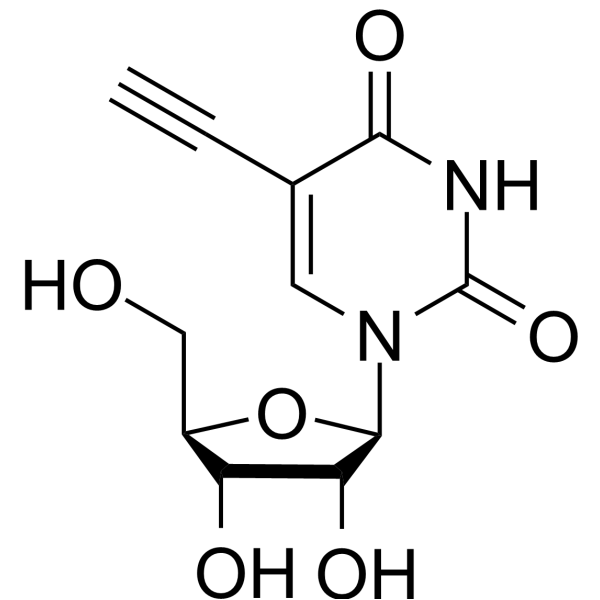
5-Ethynyluridine (5-EU) is a potent cell-permeable nucleoside can be used to label newly synthesized RNA. 5-Ethynyluridine can be used for isolation and sequencing of nascent RNA from neuronal populations in vivo. 5-Ethynyluridine can be used to identify changes in transcription in vivo in nervous system disease models. 5-Ethynyluridine is a click chemistry reagent, it contains an Alkyne group and can undergo copper-catalyzed azide-alkyne cycloaddition (CuAAc) with molecules containing Azide groups.
Nos produits utilisent uniquement pour la recherche. Nous ne vendons pas aux patients.
- Pureté : 99.15%
- CAS No.: 69075-42-9
- Formule: C11H12N2O6
- Masse moléculaire:268.22
-
Stockage:Powder -20°C, 3 years , 4°C, 2 years ; In solvent -80°C, 6 months , -20°C, 1 month

To place orders, for customer services and technical support, please contact: MedChemExpress USA
Tel: 609-228-6898 E-mail: [email protected] [email protected]


-
 Activité biologique
-
Chemical Information
-
Solvant et solubilité
- Protocole
- Pureté et documentation
- Références
-
 Help & FAQs


-
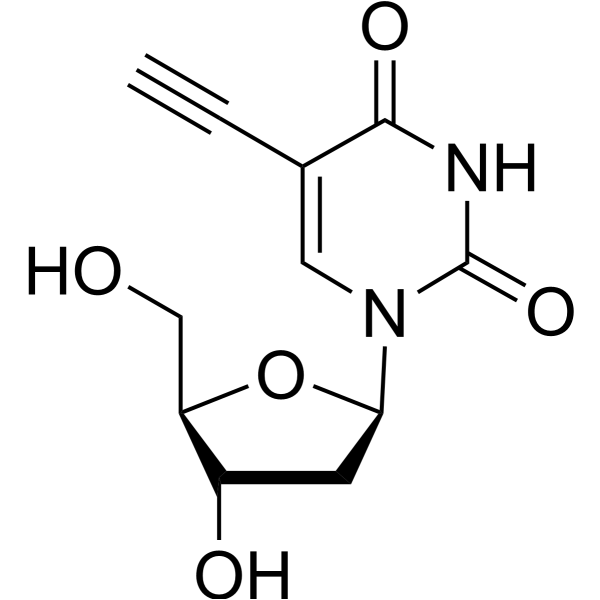
HY-118411
5-Ethynyl-2'-deoxyuridinePROTAC Linkers -
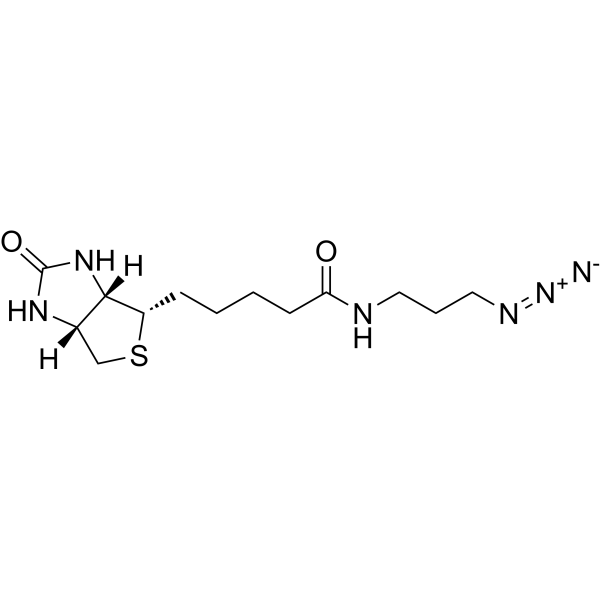
HY-129832
Biotin-azideClick Chemical Reagent -
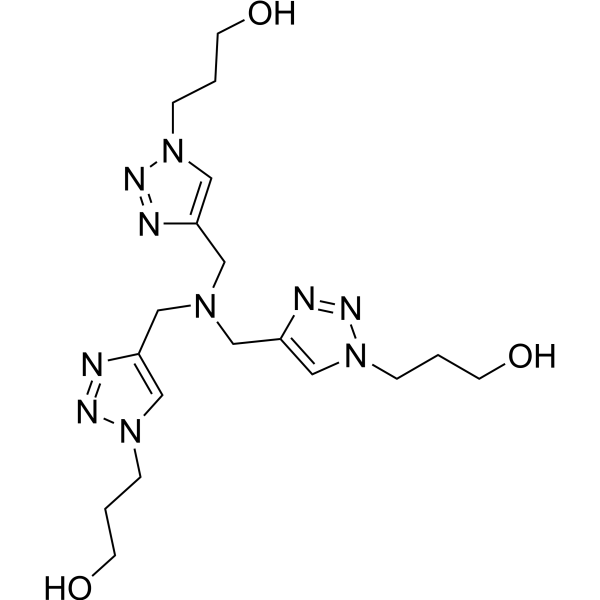
HY-W021042
Tris(3-hydroxypropyltriazolylmethyl)amineCuAAC Ligand -
HY-130143
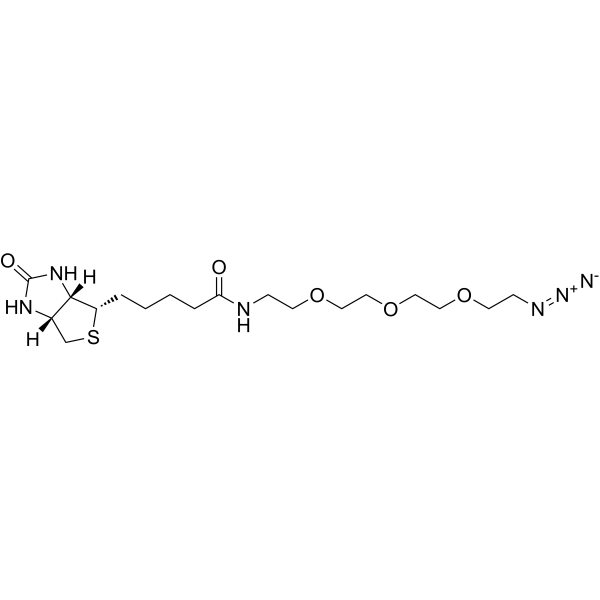
Biotin-PEG3-azidePROTAC Linker -
HY-13259
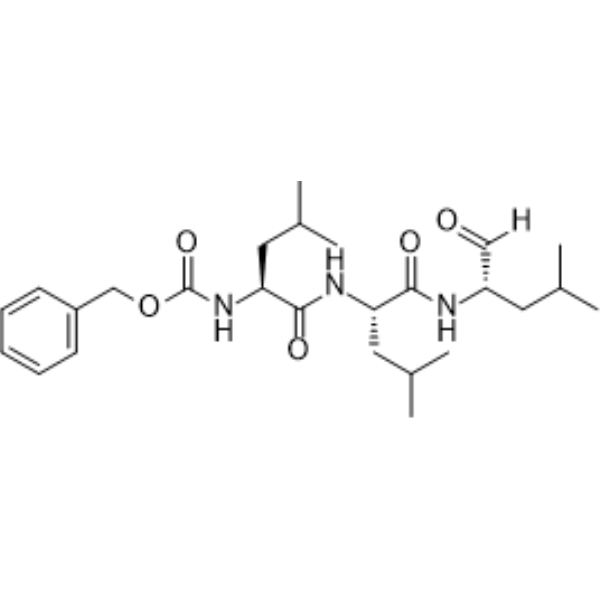
MG-132Proteasome Inhibitor -
HY-18739
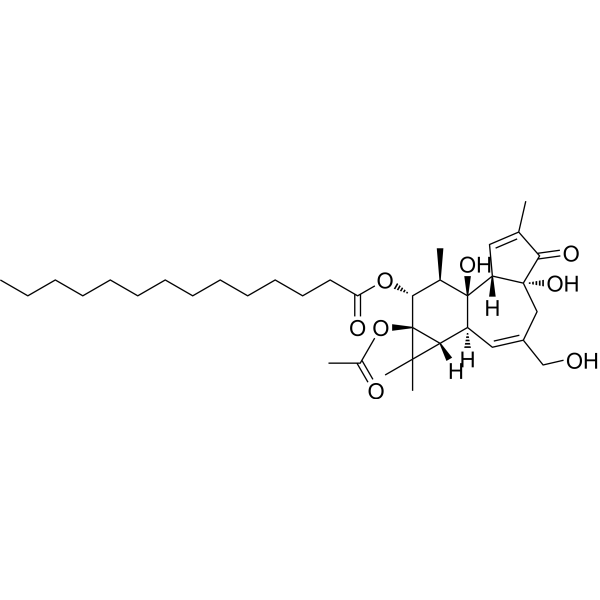
Phorbol 12-myristate 13-acetatePKC Activator -
HY-W011793
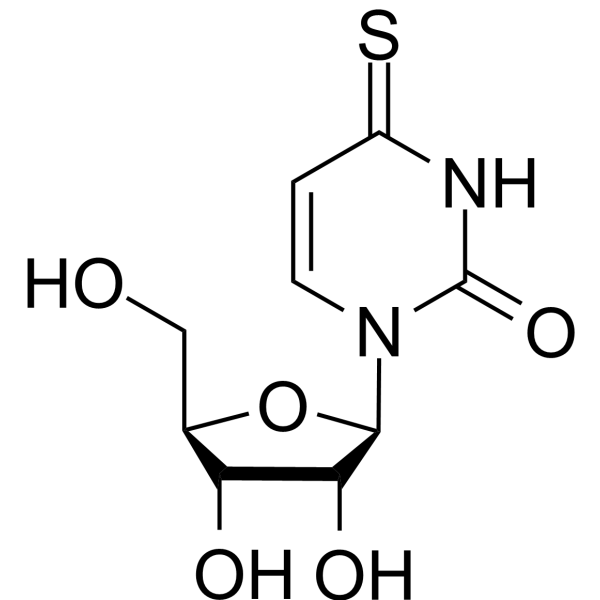
4-ThiouridineRibonucleoside Analog -
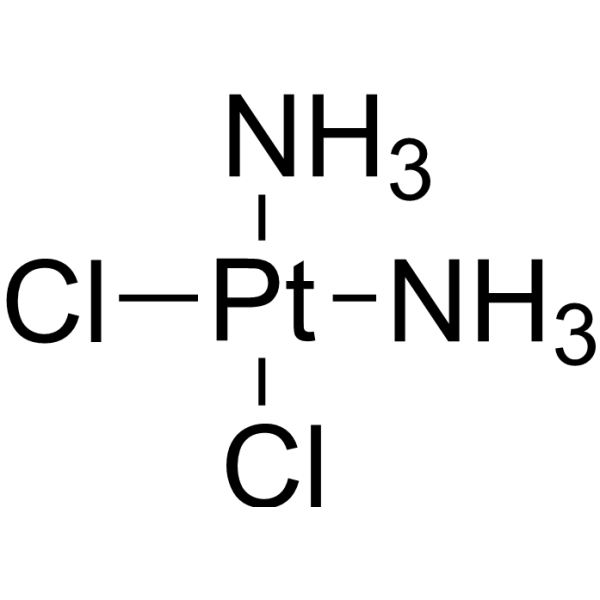
HY-17394
CisplatinDNA Alkylator -
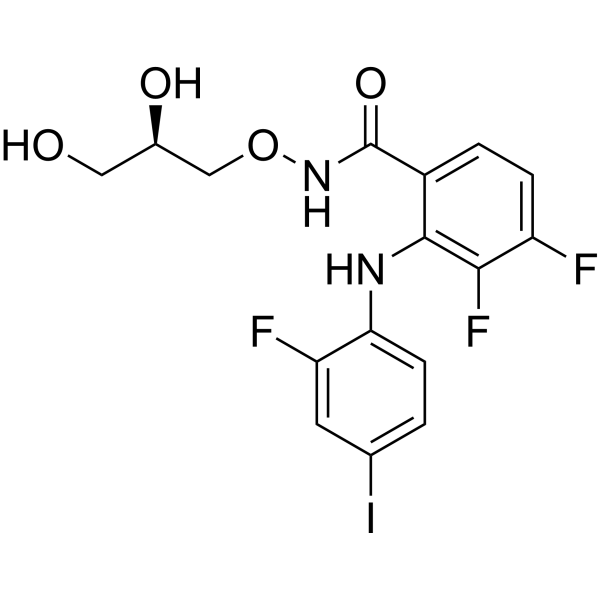
HY-10254
MirdametinibMEK Inhibitor -
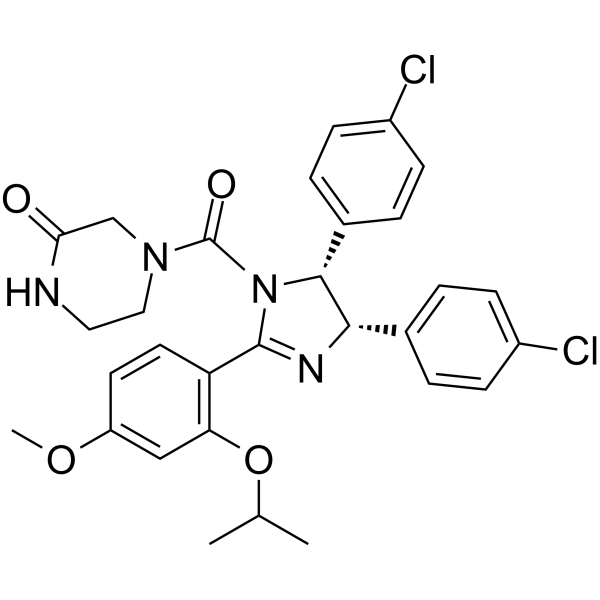
HY-10029
Nutlin-3aMDM2 Antagonist -
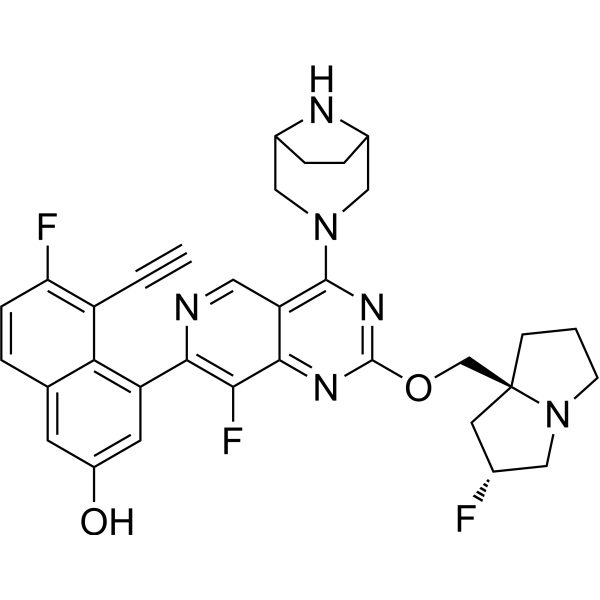
HY-134813
MRTX1133KRAS G12D Inhibitor -
HY-13323
CX-5461RNA Polymerase I Inhibitor
Publications Citing Use of MedChemExpress (MCE) 5-Ethynyluridine
More Customer Validation & Images

-
RT-PCR
-
IF
-
IF
-
IF
-
IF


Activité biologique
Description
Cellular Effect
|
Cell Line

|
Type | Value | Description | References |
|---|---|---|---|---|
| Vero | CC50 |
>300 μg/mL
Compound: 6
|
Cytotoxicity against African green monkey Vero cells assessed as decrease in cell viability after 3 days by XTT assay
Cytotoxicity against African green monkey Vero cells assessed as decrease in cell viability after 3 days by XTT assay
|
[PMID: 27665179] |
In Vivo
5-Ethynyluridine (330-750 μMol/g; i.p.) results in in labelling of nascent RNA in cells of multiple organs and tissues, but not in the central nervous system in mouse[1].
MedChemExpress (MCE) has not independently confirmed the accuracy of these methods. They are for reference only.


Chemical Information
-
CAS No. 69075-42-9
-
Appearance Solid
-
Masse moléculaire 268.22
-
Formule C11H12N2O6
-
Color Off-white to light yellow
-
SMILES
OC[C@@H]1[C@@H](O)[C@@H](O)[C@H](N2C(NC(C(C#C)=C2)=O)=O)O1
-
Synonyms
5-EU
-
Livraison
Room temperature in continental US; may vary elsewhere.
-
Stockage
Powder -20°C 3 years 4°C 2 years In solvent -80°C 6 months -20°C 1 month


Publications (3)
-
Journal Impact Factor
-
Most Recent
-
Nat Commun
The RNA-binding protein RRP1 brakes macrophage one-carbon metabolism to suppress autoinflammation. [Abstract]2025 Jul 25;16(1):6880. PMID: 40715096
5-Ethynyluridine purchased from MedChemExpress. Usage Cited in: Nat Commun. 2025 Jul 25;16(1):6880. [Abstract]
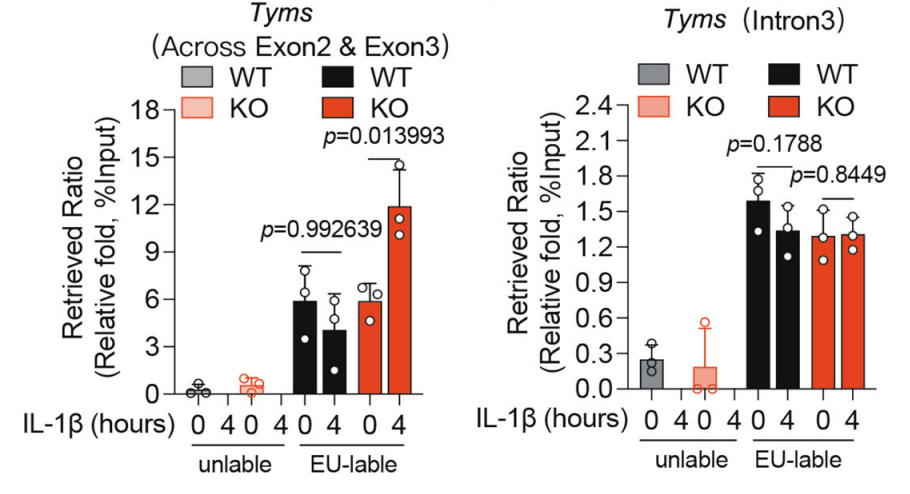
RT-qPCR detected the mature mRNA (across exon 2 and exon 3) and the newly transcribed nascent transcription (intron 3) of Tyms in RRP1 KO RAW 264.7 cells upon IL-1β stimulation or not. RAW 264.7 cells were pre-labeled with 5-Ethyluridine (EU) (250 μM; 5 min).
-
-
Sci Signal
Coordination between the eIF2 kinase GCN2 and p53 signaling supports purine metabolism and the progression of prostate cancer. [Abstract]2024 Nov 26;17(864):eadp1375. PMID: 39591412
5-Ethynyluridine purchased from MedChemExpress. Usage Cited in: Sci Signal. 2024 Nov 26;17(864):eadp1375. [Abstract]
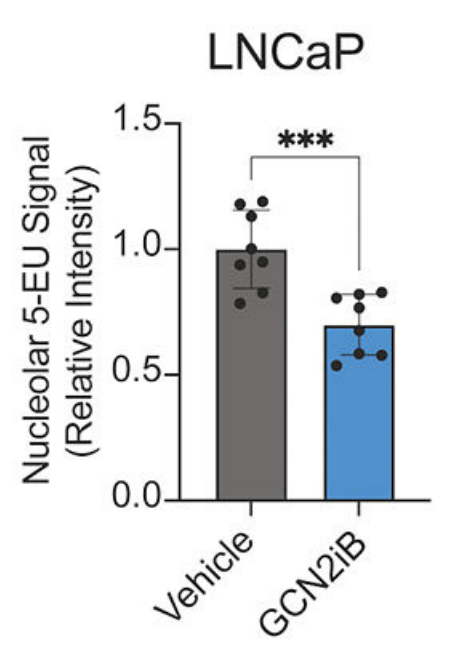
The cultured LNCaP cells were pulsed with 5-Ethynyluridine (5-EU) (1 mM; 1 h) to visualize nascent rRNA in the nucleolus as determined by co-localization with fibrillarin, and sharp decreases were observed upon GCN2iB treatment.
5-Ethynyluridine purchased from MedChemExpress. Usage Cited in: Sci Signal. 2024 Nov 26;17(864):eadp1375. [Abstract]
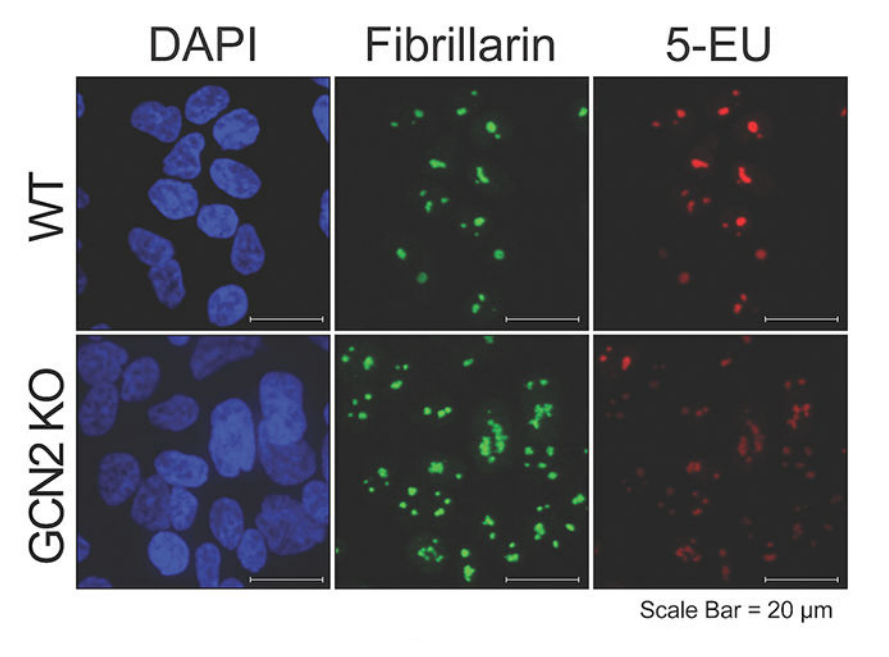
22Rv1 WT and GCN2 KO cells were labeled with 5-Ethynyluridine (5-EU) (1 mM; 1 h) and co-stained with fibrillarin and Hoechst 33342.
5-Ethynyluridine purchased from MedChemExpress. Usage Cited in: Sci Signal. 2024 Nov 26;17(864):eadp1375. [Abstract]
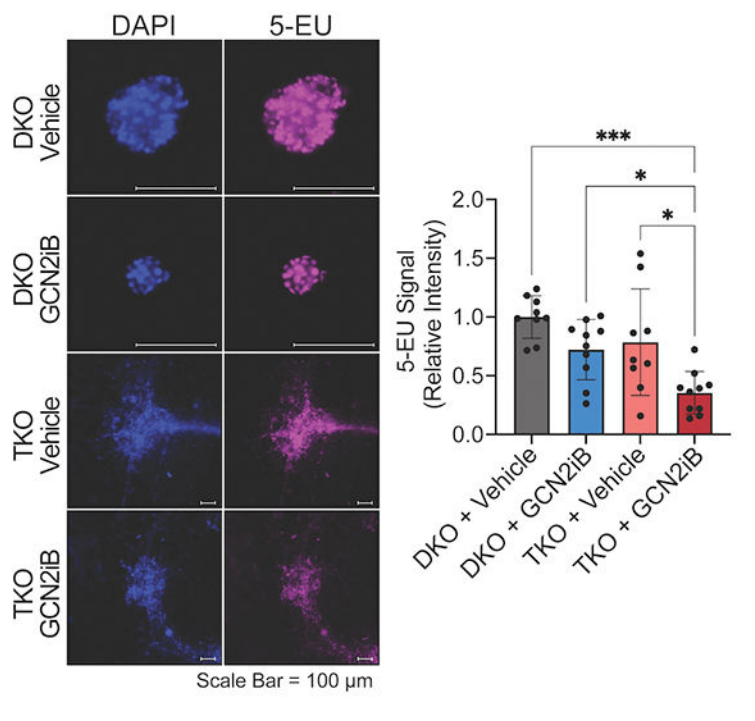
DKO and TKO organoids were treated with vehicle or GCN2iB (5 μM) for 5 days and pulsed with 5-Ethynyluridine (5-EU) (1 mM; 1 h). The p53-null TKO organoids displayed the most robust reduction in 5-Ethynyluridine (5-EU) (1 mM; 1 h) signal as compared to the DKO organoids. 5-Ethynyluridine (5-EU) was labeled with Cy-5 using Click-iT, and organoids were stained with Hoechst 33342. The nucleolar 5-Ethynyluridine (5-EU) signal normalized to the organoid area (Hoechst 3342 signal) was quantified by immunofluorescence and is depicted in the bar granhs.
5-Ethynyluridine purchased from MedChemExpress. Usage Cited in: Sci Signal. 2024 Nov 26;17(864):eadp1375. [Abstract]
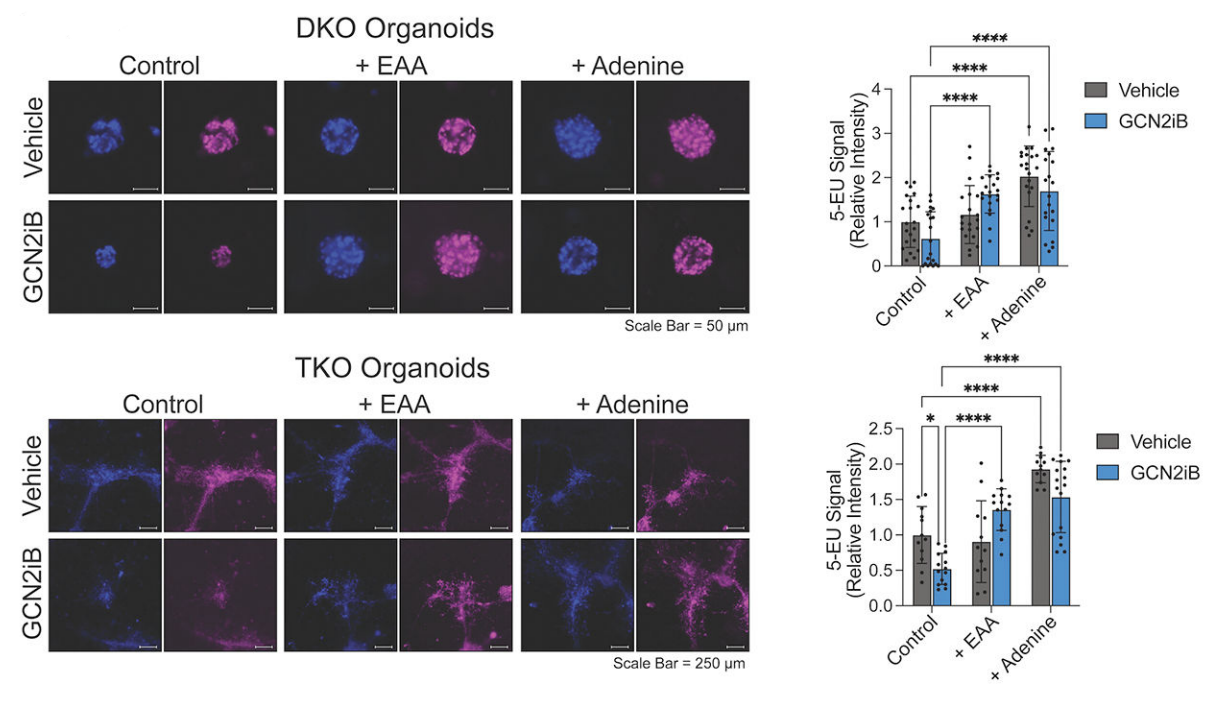
DKO and TKO organoids were separately treated with vehicle or GCN2iB (5 μM;5 d) with or without EAAs or adenine (50 μM) and pulsed with 5-Ethynyluridine (5-EU) (1 mM; 1 h). 5-Ethynyluridine (5-EU) was labeled with Cy-5 using Click-iT, and organoids were stained with Hoechst 33342. The nucleolar 5-Ethynyluridine (5-EU) signal normalized to the organoid area (Hoechst 3342 signal) was quantified by immunofluorescence and is depicted in the bar granhs.


Solvant et solubilité
In Vitro:
DMSO : 100 mg/mL (372.83 mM; Need ultrasonic; Hygroscopic DMSO has a significant impact on the solubility of product, please use newly opened DMSO)
H2O : 25 mg/mL (93.21 mM; Need ultrasonic)
Please refer to the solubility information to select the appropriate solvent. Once prepared, please aliquot and store the solution to prevent product inactivation from repeated freeze-thaw cycles.
Storage method and period of stock solution: -80°C, 6 months; -20°C, 1 month. When stored at -80°C, please use it within 6 months. When stored at -20°C, please use it within 1 month.
* Note: If you choose water as the stock solution, please dilute it to the working solution, then filter and sterilize it with a 0.22 μm filter before use.
Please refer to the solubility information to select the appropriate solvent. Once prepared, please aliquot and store the solution to prevent product inactivation from repeated freeze-thaw cycles.
Storage method and period of stock solution: -80°C, 6 months; -20°C, 1 month. When stored at -80°C, please use it within 6 months. When stored at -20°C, please use it within 1 month.
* Note: If you choose water as the stock solution, please dilute it to the working solution, then filter and sterilize it with a 0.22 μm filter before use.
Concentration (start) × Volume (start) = Concentration (final) × Volume (final)
In Vivo:
Select the appropriate dissolution method based on your experimental animal and administration route.
- For the following dissolution methods, please ensure to first prepare a clear stock solution using an In Vitro approach and then sequentially add co-solvents:
- To ensure reliable experimental results, the clarified stock solution can be appropriately stored based on storage conditions. As for the working solution for In Vivo experiments, it is recommended to prepare freshly and use it on the same day.
- The percentages shown for the solvents indicate their volumetric ratio in the final prepared solution. If precipitation or phase separation occurs during preparation, heat and/or sonication can be used to aid dissolution.
Add each solvent one by one: 10% DMSO 40% PEG300 5% Tween-80 45% Saline
Solubility: ≥ 0.71 mg/mL (2.65 mM); Clear solution
This protocol yields a clear solution of ≥ 0.71 mg/mL (saturation unknown).
Taking 1 mL working solution as an example, add 100 μL DMSO stock solution (7.1 mg/mL) to 400 μL PEG300, and mix evenly; then add 50 μL Tween-80 and mix evenly; then add 450 μL Saline to adjust the volume to 1 mL.
Preparation of Saline: Dissolve 0.9 g sodium chloride in ddH₂O and dilute to 100 mL to obtain a clear Saline solution.
Add each solvent one by one: 10% DMSO 90% (20% SBE-β-CD in Saline)
Solubility: ≥ 0.71 mg/mL (2.65 mM); Clear solution
This protocol yields a clear solution of ≥ 0.71 mg/mL (saturation unknown).
Taking 1 mL working solution as an example, add 100 μL DMSO stock solution (7.1 mg/mL) to 900 μL 20% SBE-β-CD in Saline, and mix evenly.
Preparation of 20% SBE-β-CD in Saline (4°C, storage for one week): 2 g SBE-β-CD powder is dissolved in 10 mL Saline, completely dissolve until clear.
In Vivo Dissolution Calculator
Please enter the basic information of animal experiments:
-
-
-
-
Recommended: Prepare an additional quantity of animals to account for potential losses during experiments.
Working solution concentration: 0.22 mg/mL
This product has good water solubility, please refer to the measured solubility data in water/PBS/Saline for details.


Pureté et documentation
-
Fiche technique (280 KB)
-
SDS (393 KB)
- English - EN (393 KB)
- Français - FR (393 KB)
- Deutsch - DE (393 KB)
- Norwegian - NO (393 KB)
- Español - ES (393 KB)
- Swedish - SV (393 KB)
- Italian - IT (393 KB)
- Korean - KR (393 KB)
- Portuguese - PT (393 KB)
-
Instruction de manipulation (2659 KB)
Références
[1]. Van't Sant LJ, et al. In vivo 5-ethynyluridine (EU) labelling detects reduced transcription in Purkinje cell degeneration mouse mutants, but can itself induce neurodegeneration. Acta Neuropathol Commun. 2021 May 21;9(1):94. [Content Brief]
[2]. Jao CY, et al. Exploring RNA transcription and turnover in vivo by using click chemistry. Proc Natl Acad Sci U S A. 2008 Oct 14;105(41):15779-84. [Content Brief]


Complete Stock Solution Preparation Table
Please refer to the solubility information to select the appropriate solvent. Once prepared, please aliquot and store the solution to prevent product inactivation from repeated freeze-thaw cycles.
Storage method and period of stock solution: -80°C, 6 months; -20°C, 1 month. When stored at -80°C, please use it within 6 months. When stored at -20°C, please use it within 1 month.
| Optional Solvent | Concentration Solvent Mass | 1 mg | 5 mg | 10 mg | 25 mg |
|---|---|---|---|---|---|
| H2O / DMSO | 1 mM | 3.7283 mL | 18.6414 mL | 37.2828 mL | 93.2071 mL |
| 5 mM | 0.7457 mL | 3.7283 mL | 7.4566 mL | 18.6414 mL | |
| 10 mM | 0.3728 mL | 1.8641 mL | 3.7283 mL | 9.3207 mL | |
| 15 mM | 0.2486 mL | 1.2428 mL | 2.4855 mL | 6.2138 mL | |
| 20 mM | 0.1864 mL | 0.9321 mL | 1.8641 mL | 4.6604 mL | |
| 25 mM | 0.1491 mL | 0.7457 mL | 1.4913 mL | 3.7283 mL | |
| 30 mM | 0.1243 mL | 0.6214 mL | 1.2428 mL | 3.1069 mL | |
| 40 mM | 0.0932 mL | 0.4660 mL | 0.9321 mL | 2.3302 mL | |
| 50 mM | 0.0746 mL | 0.3728 mL | 0.7457 mL | 1.8641 mL | |
| 60 mM | 0.0621 mL | 0.3107 mL | 0.6214 mL | 1.5535 mL | |
| 80 mM | 0.0466 mL | 0.2330 mL | 0.4660 mL | 1.1651 mL | |
| DMSO | 100 mM | 0.0373 mL | 0.1864 mL | 0.3728 mL | 0.9321 mL |
* Note: If you choose water as the stock solution, please dilute it to the working solution, then filter and sterilize it with a 0.22 μm filter before use.


5-Ethynyluridine Related Classifications
HY-141140 Related Classifications
 Powered by Bioz