From 11:00 pm to 12:00 pm EST ( 8:00 pm to 9:00 pm PST ) on January 6th, the website will be under maintenance. We are sorry for the inconvenience. Please arrange your schedule properly.
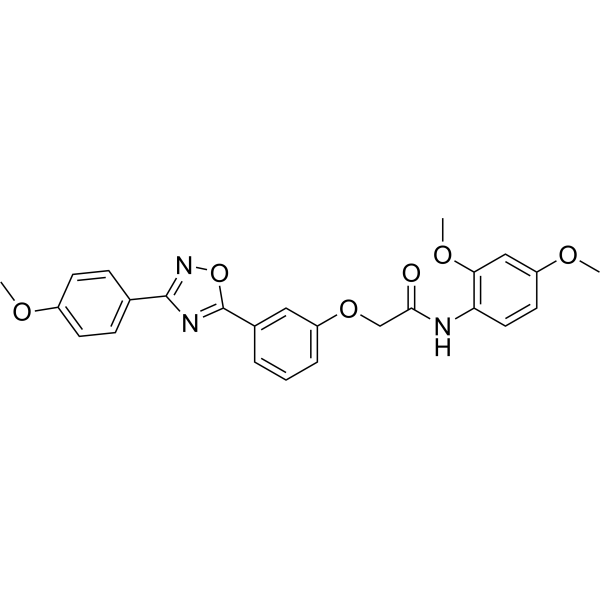
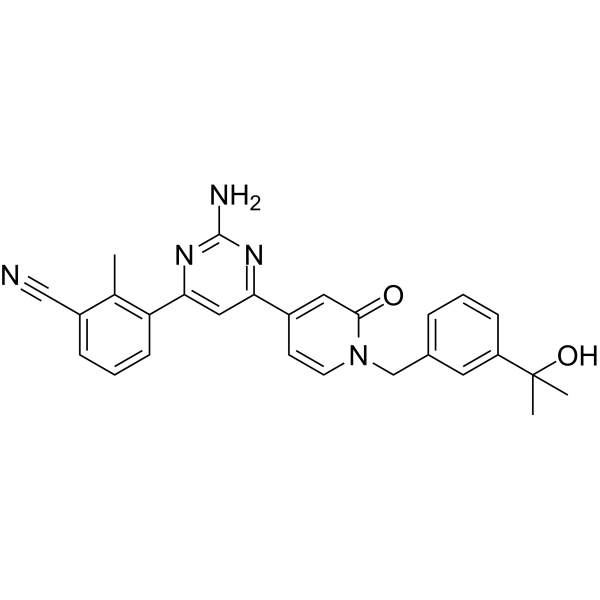
ML-T7 is a potent Tim-3 inhibitor. ML-T7 blocks Tim-3 interactions with PtdSer and CEACAM1. ML-T7 not only enhances the antitumor activity of adoptive transfer therapy with cytotoxic T lymphocytes (CTLs) and CAR T cells but also increases the effector function of T cell. ML-T7 promotes NK cells’ killing activity against tumor cells and DC antigen-presenting capacity. ML-T7 directly exerts antitumor efficacy in preclinical tumor models either alone or in combination with Nivolumab (HY-P9903A). ML-T7 can be used for tumor immunotherapy research .
Sabatolimab (MBG453) is a high-affinity, humanized, IgG4 (S228P) antibody targeting TIM-3, an inhibitory receptor that regulates adaptive and innate immune responses. Sabatolimab is a potential immunosuppression agent that can target TIM-3 on immune and myeloid cells .
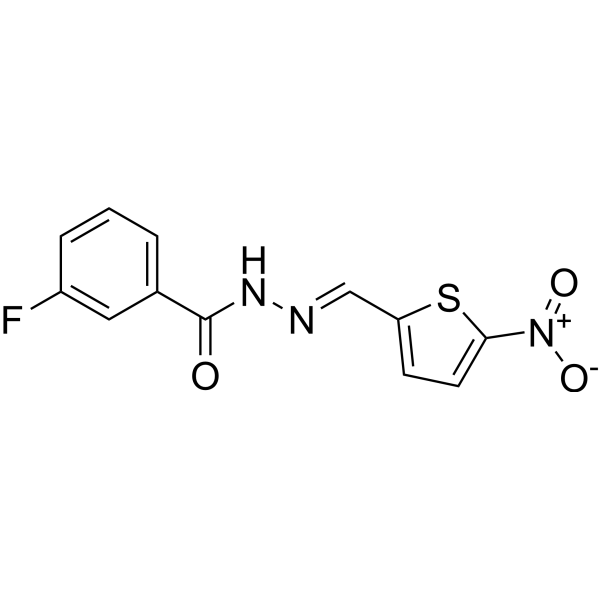
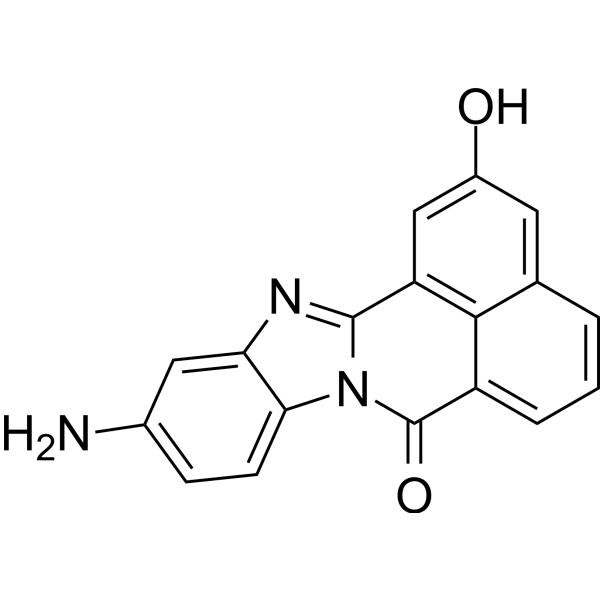
MitoBloCK-10 (MB-10) is the first small molecule modulator to attenuate protein-associated motor (PAM) complex activity. MitoBloCK-10 (MB-10) inhibits Tim44 (C-terminal domain) binding to the precursor and to Hsp70 .
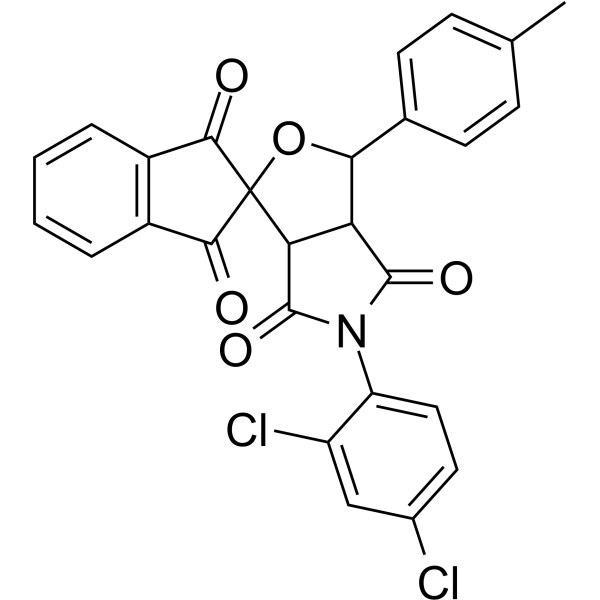
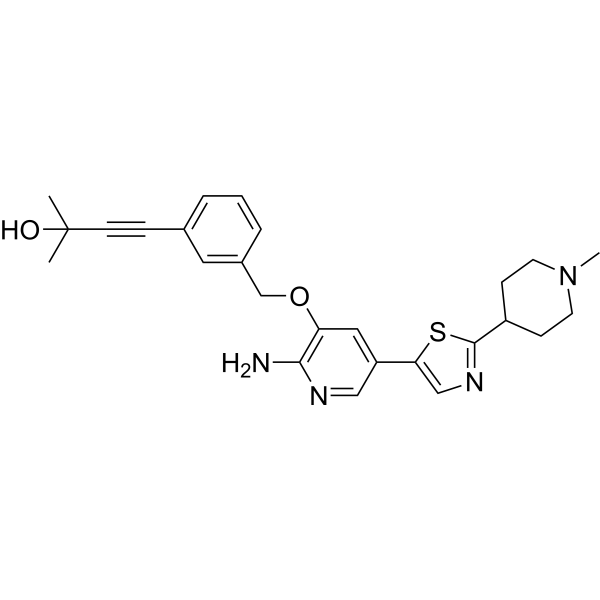
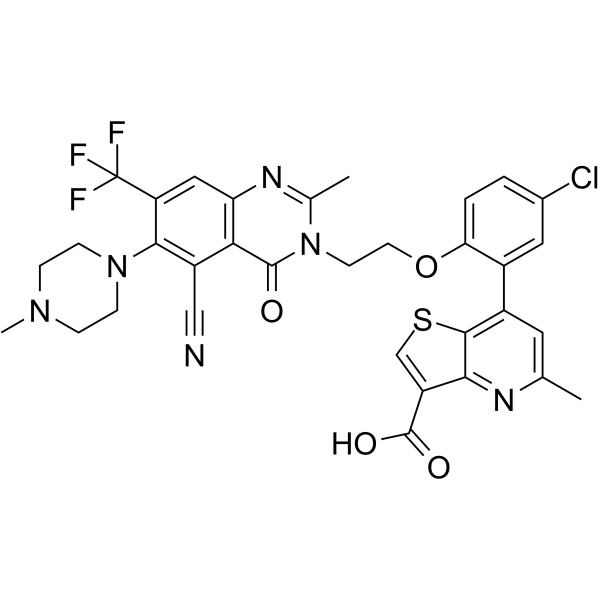
TIM-3-IN-2 is a TIM-3 inhibitor. TIM-3-IN-2 blocks the interactions of TIM-3 with PtdSer, CEACAM1 and Gal-9, and inhibits the immunosuppressive function of TIM-3. TIM-3-IN-2 restores IFNγ release from peripheral blood mononuclear cells. TIM-3-IN-2 inhibits the proliferation of acute myeloid leukemia cells. TIM-3-IN-2 can be used for the research of acute myeloid leukemia .
Anti-Mouse TIM-3 Antibody (RMT3-23) is a kind of rat-derived anti-mouse TIM-3 IgG2a antibody inhibitor. Anti-Mouse TIM-3 Antibody (RMT3-23) blocks Tim-3 binding to phosphatidylserine (PtdSer) and carcinoembryonic antigen cell adhesion molecule 1 (CEACAM1). Anti-Mouse TIM-3 Antibody (RMT3-23) inhibits phagocytosis of apoptotic cells in peritoneal exudate Mac1+ cells. Anti-Mouse TIM-3 Antibody (RMT3-23) can be used for the researches of inflammation and immunology, such as rheumatoid arthritis .
TIM-063 is a selective and cell-permeable CaMKK inhibitor, ATP competitive inhibitor, can directly target the catalytic domain of CaMKK, with the Ki values of 0.35 μM and 0.2 μM for CaMKKα and CaMKKβ, respectively, the IC50 values are 0.63 μM and 0.96 μM, respectively .
Cobolimab (TSR-022) is an anti-TIM-3 monoclonal antibody. Cobolimab mediates the internalization of TIM3 with an IC50 value of 0.4464 nM. Cobolimab has potential application in solid tumors and non-small cell lung cancer (NSCLC) .
Surzebiclimab (BGB-A425) is a humanized IgG1-variant monoclonal antibody against T-cell immunoglobulin and mucin-domain containing-3 (TIM-3). Surzebiclimab binds to the extracellular domain of human Tim-3 with high affinity (KD=0.36 nM) and specificity. Surzebiclimab can be used in research of cancer .
α-Glycerophosphate Dehydrogenase-Triosephosphate (GDH-TIM) is an enzyme mixture composed of glycerol phosphate dehydrogenase (GDH) and triphosphate isomerase (TIM). α-Glycerophosphate Dehydrogenase-Triosephosphate can be used to determine the activity of transketolase (TK) in hemolytic substances of red blood cells to evaluate vitamin B deficiency .
LY3415244 is a human bispecific antibody (bsAb) targeting B7-H1/PD-L1/CD274 & TIM-3/HAVCR2/CD366. LY3415244 can be used in advanced solid tumors research .
ZYF0033 is an orally active inhibitor of the hematopoietic progenitor cell kinase HPK1 with an IC50 of less than 10 nM based on the phosphorylation inhibition of MBP protein. ZYF0033 promotes anti-cancer immune responses and reduces phosphorylation of SLP76 (serine 376). ZYF0033 inhibits tumor growth in the 4T-1 syngeneic mouse model and leads to increased intratumoral infiltration of DCs, NK cells, and CD107a +CD8 + T cells, but not T cells, PD-1 +CD8 + T cells, TIM-3 +CD8 + Infiltration of T cells and LAG3 +CD8 + T cells was reduced .
Anti-Mouse TIM-3 Antibody (B8.2C12) is an anti-mouse TIM-3 IgG1 monoclonal antibody. Anti-Mouse TIM-3 Antibody (B8.2C12) can block the binding of Tim-3 with Phosphatidylserine (PtdSer) and CEACAM1 without interfering with the binding to Galectin-9. Anti-Mouse TIM-3 Antibody (B8.2C12) can inhibit tumor growth and activate tumor infiltrating CD8 + T cells. Anti-Mouse TIM-3 Antibody (B8.2C12) can be used for studying cancer such as breast cancer and colon cancer and constructing experimental autoimmune encephalomyelitis (EAE) models .
M6903 is a humanized monoclonal IgG2 antibody targeting T cell immunoglobulin and mucin domain-3 (TIM-3) (KD for human TIM-3 is 2.3 nM). M6903 binds to TIM-3, blocking the binding of TIM-3 to phosphatidylserine (PtdSer), carcinoembryonic antigen cell adhesion-related molecule 1 (CEACAM1), and galectin 9 (Gal-9), thus relieving TIM-3-mediated T cell inhibition and exerting the activities of activating antigen-specific T cells and enhancing anti-tumor immunity. M6903 is promising for research of cancers .
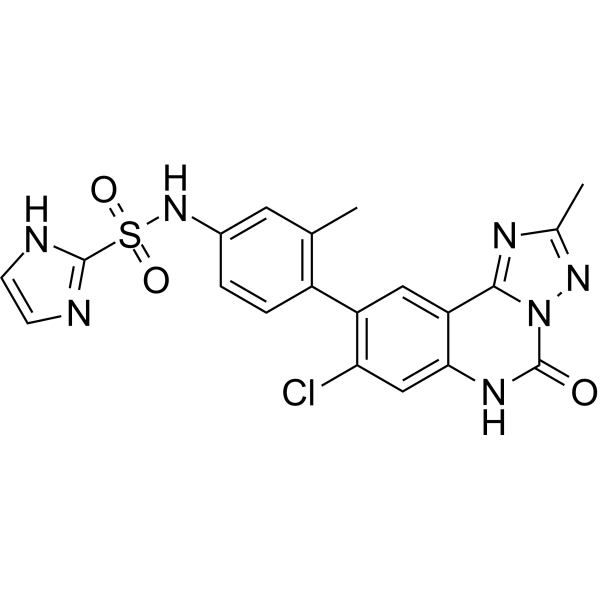
MG-T-19 is an effective TIM-3 inhibitor that can suppress the interaction of TIM-3 with PtdSer, CEACAM1, and Gal-9. MG-T-19 can increase the production of tumor necrosis factor-α (TNF-α) and interferon-γ (IFN-γ) in peripheral blood mononuclear cells (PBMCs) from healthy donors, and enhance the ability of PBMCs to inhibit the proliferation of Kasumi-1 cells (an acute myelogenous leukemia cell line) .
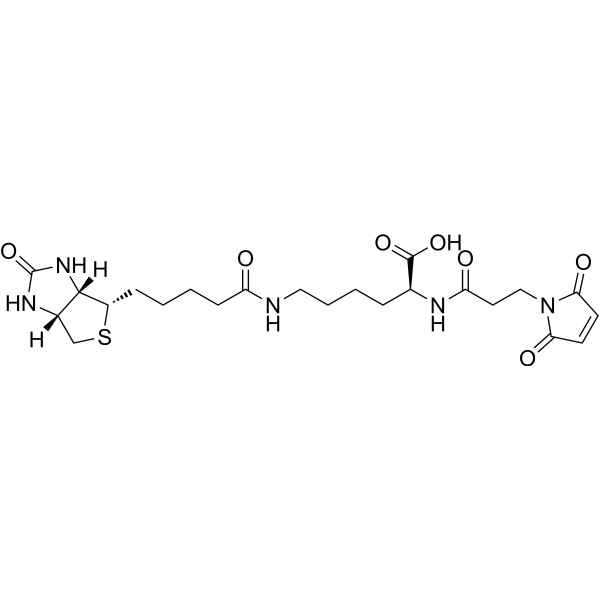
3-(N-Maleimidopropionyl)biocytin is a cysteine-specific labeling reagent and non-membrane-permeable probe. 3-(N-Maleimidopropionyl)biocytin covalently modifies the exposed cysteine residues of yeast Tim44, conjugating the biotin moiety to the polypeptide chain. 3-(N-Maleimidopropionyl)biocytin determines the topology of membrane proteins by modifying the exposed cysteine residues on the outer side of the inner mitochondrial membrane .
Anti-Mouse TIM-4 Antibody (RMT4-53) is a rat-derived IgG2b κ type antibody inhibitor, targeting to mouse TIM-4. Anti-Mouse TIM-4 Antibody (RMT4-53) can block T cell immunoglobulin and mucin domain 4 (TIM-4). Anti-Mouse TIM-4 Antibody (RMT4-53) can inhibit the engulfment of apoptotic cells and T cell proliferation. Anti-Mouse TIM-4 Antibody (RMT4-53) can be used for the researches of cancer, immunology and metabolic disease, such as MC38 tumor and graft .
A2AR-antagonist-1 (compound 38) is an orally active adenosine A2A receptor (A2AR) antagonist (IC50=29 nM). A2AR-antagonist-1 exhibits anti-tumor activity and mouse liver microsomal metabolic stability (t1/2=86.1 min). A2AR-antagonist-1 is also a T cells activator, via inhibiting immunosuppressive molecules (LAG-3 and TIM-3) and enhancing effector molecules (GZMB, IFNG, and IL-2) .
MitoBloCK-1 (MB-1) is an inhibitor that blocks the import of substrates that use the TIM22 import pathway. MitoBloCK-1 inhibits import by preventing binding of substrate to tim9/10 complex to the substrate, thus the substrate failed to be reach the TIM22 translocon. MitoBloCK-1 inhibits protein import of TIM22 substrates into mitochondria. MitoBloCK-1 attenuates the import of the carrier proteins including the ADP/ATP and phosphate carriers. MitoBloCK-1 also inhibits the import of an additional carrier protein, PiC, and the outer membrane protein Tom40 .
TQB2618 is a human IgG4 monoclonal antibody (mAb) targeting TIM-3/HAVCR2/CD366. TQB2618 activates immune cell function and induces significant anti-tumor activity when used in combination with anti-PD-1 agents .
eIF4E-IN-1 is a potent inhibitor of eIF4E. eIF4E-IN-1 inhibits immunosuppression components such as immune checkpoint proteins PD-1, PD-L1, LAG3, TIM3, and/or IDO, in order to inhibit or release immune suppression in certain diseases, such as cancer and infectious disease (extracted from patent WO2021003194A1, compound Y) .
TIM-098a is a selective AAK1 inhibitor with an IC50 of 0.24 µM. TIM-098a has no inhibitory activity against CaMKK isoforms. TIM-098a inhibits AAK1-regulated endocytosis by suppressing AAK1 kinase activity .
Anti-Mouse TIM-4 Antibody (RMT4-54) is a rat-derived IgG2a κ type antibody inhibitor, targeting to mouse TIM-4. Anti-Mouse TIM-4 Antibody (RMT4-54) reacts with mouse T cell immunoglobulin and mucin domain 4 (TIM-4) and blocks TIM-4 signaling. Anti-Mouse TIM-4 Antibody (RMT4-54) inhibits phagocytosis of apoptotic cells. Anti-Mouse TIM-4 Antibody (RMT4-54) can be used for the researches of immunology and metabolic disease .
Sym023 is a human monoclonal antibody (mAb) targeting TIM-3/HAVCR2/CD366. Sym023 enhances immunostimulatory and anti-tumor activities. Sym023 can be used in Non-small cell lung cancer, Solid tumors and Lymphoma research .
Anti-Mouse TIM-2 Antibody (RMT2-29) is a rat-derived Ig2a λ type antibody inhibitor, targeting to mouse TIM-2. Anti-Mouse TIM-2 Antibody (RMT2-29) reacts with mouse T cell immunoglobulin and mucin domain 2 (TIM-2) and blocks TIM-2 signaling. Anti-Mouse TIM-2 Antibody (RMT2-29) can be used for the research of immunology.
Anti-Mouse TIM-1/CD365 Antibody (3B3) is a rat-derived IgG2a κ type agonistic antibody, targeting to mouse TIM-1/CD365. Anti-Mouse TIM-1/CD365 Antibody (3B3) enhances T-cell proliferation and responses by forming a stable TIM-1 complex and bringing TIM-1 into the T-cell receptor (TCR)-CD3 complex. Anti-Mouse TIM-1/CD365 Antibody (3B3) can be used for the researches of cancer, inflammation and immunology, such as experimental autoimmune encephalomyelitis, B16 F10 tumor and transplant .
Anti-Mouse TIM-1/CD365 Antibody (3D10) is a rat-derived IgG1 κ type antibody inhibitor, targeting to mouse TIM-1/CD365. Anti-Mouse TIM-1/CD365 Antibody (3D10) can block mouse T cell immunoglobulin and mucin domain 1 (TIM-1) also known as CD365. Anti-Mouse TIM-1/CD365 Antibody (3D10) can be used for the researches of inflammation, immunology and cardiovascular disease, such as graft-versus-host disease (GVHD), airway inflammation and atherosclerosis .
Timeless Mouse Pre-designed siRNA Set A contains three designed siRNAs for Timeless gene (Mouse), as well as a negative control, a positive control, and a FAM-labeled negative control.
Sabestomig (AZD7789) is a monovalent bispecific antibody targeting PD-1 and TIM-3. Sabestomig binds to PD-1 and an epitope in the TIM-3 IgV domain outside the phosphatidylserine-binding cleft, thereby precisely regulating immune responses. Sabestomig promotes IL-2 production, efferocytosis and cross-presentation of tumor antigens, and enhances the release of anti-tumor T cell cytokines, cytotoxicity, and secretion of IFN-γ. Sabestomig inhibits the growth of solid tumors, prolongs the duration of tumor suppression, and significantly enhances anti-tumor responses following anti-PD-1 therapy. Sabestomig has been used in studies related to non-small cell lung cancer and classical Hodgkin lymphoma .
Tpi1 Mouse Pre-designed siRNA Set A contains three designed siRNAs for Tpi1 gene (Mouse), as well as a negative control, a positive control, and a FAM-labeled negative control.
TIMELESS Human Pre-designed siRNA Set A contains three designed siRNAs for TIMELESS gene (Human), as well as a negative control, a positive control, and a FAM-labeled negative control.
ARHGEF5 Human Pre-designed siRNA Set A contains three designed siRNAs for ARHGEF5 gene (Human), as well as a negative control, a positive control, and a FAM-labeled negative control.
TPI1 Human Pre-designed siRNA Set A contains three designed siRNAs for TPI1 gene (Human), as well as a negative control, a positive control, and a FAM-labeled negative control.
HAVCR1 Human Pre-designed siRNA Set A contains three designed siRNAs for HAVCR1 gene (Human), as well as a negative control, a positive control, and a FAM-labeled negative control.
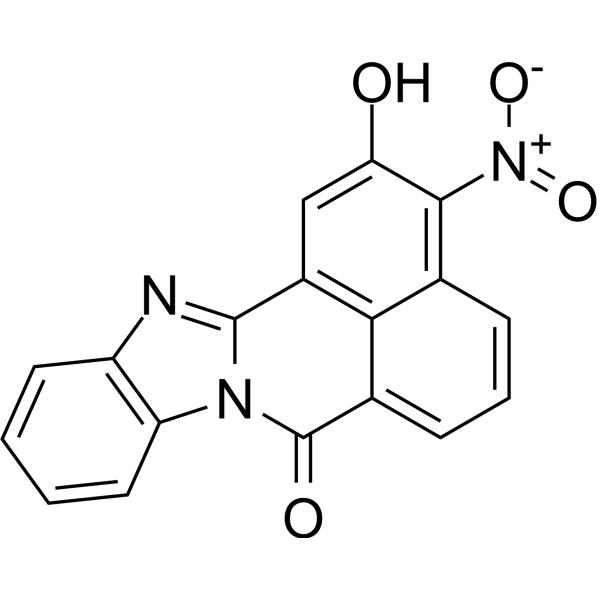
TIM-3-ligand-1 (Compound 35) is a highly efficient and selective TIM-3 ligand with a Ki value of 156 nM. TIM-3-ligand-1 can be used for research in immunotherapy .
Anti-Mouse TIM-2 Antibody (RMT1-25) reacts with the mouse TIM-2. TIM-2 is a type I cell surface glycoprotein. Recommend Isotype Controls: Rat IgG2a kappa, Isotype Control (HY-P990679) .
Anti-Mouse TIM-1/CD365 Antibody (RMT1-10) reacts with mouse T cell immunoglobulin and mucin domain 1 (TIM-1). Anti-Mouse TIM-1/CD365 Antibody (RMT1-10) is effective in promoting allograft survival through blocking TIM-1. Recommend Isotype Controls: Rat IgG2a kappa, Isotype Control (HY-P990679) .
SHR-1702 is a monoclonal antibody targeting TIM-3, which specifically binds to and blocks the TIM-3 signaling pathway. SHR-1702 restores the function of immune cells and inhibits the proliferation process of malignant cells. SHR-1702 is mainly used in relevant research on acute myeloid leukemia and myelodysplastic syndromes .
DCB-8 is a specific inhibitor targeting human TIM-3. DCB-8 regulates T cell function, enhances cytokine secretion, and inhibits tumor growth in disease animal models. DCB-8 can be used for cancer research .
Timeless Rat Pre-designed siRNA Set A contains three designed siRNAs for Timeless gene (Rat), as well as a negative control, a positive control, and a FAM-labeled negative control.
Sabatolimab (MBG453) is a high-affinity, humanized, IgG4 (S228P) antibody targeting TIM-3, an inhibitory receptor that regulates adaptive and innate immune responses. Sabatolimab is a potential immunosuppression agent that can target TIM-3 on immune and myeloid cells .
Anti-Mouse TIM-3 Antibody (RMT3-23) is a kind of rat-derived anti-mouse TIM-3 IgG2a antibody inhibitor. Anti-Mouse TIM-3 Antibody (RMT3-23) blocks Tim-3 binding to phosphatidylserine (PtdSer) and carcinoembryonic antigen cell adhesion molecule 1 (CEACAM1). Anti-Mouse TIM-3 Antibody (RMT3-23) inhibits phagocytosis of apoptotic cells in peritoneal exudate Mac1+ cells. Anti-Mouse TIM-3 Antibody (RMT3-23) can be used for the researches of inflammation and immunology, such as rheumatoid arthritis .
Cobolimab (TSR-022) is an anti-TIM-3 monoclonal antibody. Cobolimab mediates the internalization of TIM3 with an IC50 value of 0.4464 nM. Cobolimab has potential application in solid tumors and non-small cell lung cancer (NSCLC) .
Surzebiclimab (BGB-A425) is a humanized IgG1-variant monoclonal antibody against T-cell immunoglobulin and mucin-domain containing-3 (TIM-3). Surzebiclimab binds to the extracellular domain of human Tim-3 with high affinity (KD=0.36 nM) and specificity. Surzebiclimab can be used in research of cancer .
LY3415244 is a human bispecific antibody (bsAb) targeting B7-H1/PD-L1/CD274 & TIM-3/HAVCR2/CD366. LY3415244 can be used in advanced solid tumors research .
Anti-Mouse TIM-3 Antibody (B8.2C12) is an anti-mouse TIM-3 IgG1 monoclonal antibody. Anti-Mouse TIM-3 Antibody (B8.2C12) can block the binding of Tim-3 with Phosphatidylserine (PtdSer) and CEACAM1 without interfering with the binding to Galectin-9. Anti-Mouse TIM-3 Antibody (B8.2C12) can inhibit tumor growth and activate tumor infiltrating CD8 + T cells. Anti-Mouse TIM-3 Antibody (B8.2C12) can be used for studying cancer such as breast cancer and colon cancer and constructing experimental autoimmune encephalomyelitis (EAE) models .
M6903 is a humanized monoclonal IgG2 antibody targeting T cell immunoglobulin and mucin domain-3 (TIM-3) (KD for human TIM-3 is 2.3 nM). M6903 binds to TIM-3, blocking the binding of TIM-3 to phosphatidylserine (PtdSer), carcinoembryonic antigen cell adhesion-related molecule 1 (CEACAM1), and galectin 9 (Gal-9), thus relieving TIM-3-mediated T cell inhibition and exerting the activities of activating antigen-specific T cells and enhancing anti-tumor immunity. M6903 is promising for research of cancers .
Anti-Mouse TIM-4 Antibody (RMT4-53) is a rat-derived IgG2b κ type antibody inhibitor, targeting to mouse TIM-4. Anti-Mouse TIM-4 Antibody (RMT4-53) can block T cell immunoglobulin and mucin domain 4 (TIM-4). Anti-Mouse TIM-4 Antibody (RMT4-53) can inhibit the engulfment of apoptotic cells and T cell proliferation. Anti-Mouse TIM-4 Antibody (RMT4-53) can be used for the researches of cancer, immunology and metabolic disease, such as MC38 tumor and graft .
TQB2618 is a human IgG4 monoclonal antibody (mAb) targeting TIM-3/HAVCR2/CD366. TQB2618 activates immune cell function and induces significant anti-tumor activity when used in combination with anti-PD-1 agents .
Anti-Mouse TIM-4 Antibody (RMT4-54) is a rat-derived IgG2a κ type antibody inhibitor, targeting to mouse TIM-4. Anti-Mouse TIM-4 Antibody (RMT4-54) reacts with mouse T cell immunoglobulin and mucin domain 4 (TIM-4) and blocks TIM-4 signaling. Anti-Mouse TIM-4 Antibody (RMT4-54) inhibits phagocytosis of apoptotic cells. Anti-Mouse TIM-4 Antibody (RMT4-54) can be used for the researches of immunology and metabolic disease .
Sym023 is a human monoclonal antibody (mAb) targeting TIM-3/HAVCR2/CD366. Sym023 enhances immunostimulatory and anti-tumor activities. Sym023 can be used in Non-small cell lung cancer, Solid tumors and Lymphoma research .
Anti-Mouse TIM-2 Antibody (RMT2-29) is a rat-derived Ig2a λ type antibody inhibitor, targeting to mouse TIM-2. Anti-Mouse TIM-2 Antibody (RMT2-29) reacts with mouse T cell immunoglobulin and mucin domain 2 (TIM-2) and blocks TIM-2 signaling. Anti-Mouse TIM-2 Antibody (RMT2-29) can be used for the research of immunology.
Anti-Mouse TIM-1/CD365 Antibody (3B3) is a rat-derived IgG2a κ type agonistic antibody, targeting to mouse TIM-1/CD365. Anti-Mouse TIM-1/CD365 Antibody (3B3) enhances T-cell proliferation and responses by forming a stable TIM-1 complex and bringing TIM-1 into the T-cell receptor (TCR)-CD3 complex. Anti-Mouse TIM-1/CD365 Antibody (3B3) can be used for the researches of cancer, inflammation and immunology, such as experimental autoimmune encephalomyelitis, B16 F10 tumor and transplant .
Anti-Mouse TIM-1/CD365 Antibody (3D10) is a rat-derived IgG1 κ type antibody inhibitor, targeting to mouse TIM-1/CD365. Anti-Mouse TIM-1/CD365 Antibody (3D10) can block mouse T cell immunoglobulin and mucin domain 1 (TIM-1) also known as CD365. Anti-Mouse TIM-1/CD365 Antibody (3D10) can be used for the researches of inflammation, immunology and cardiovascular disease, such as graft-versus-host disease (GVHD), airway inflammation and atherosclerosis .
Sabestomig (AZD7789) is a monovalent bispecific antibody targeting PD-1 and TIM-3. Sabestomig binds to PD-1 and an epitope in the TIM-3 IgV domain outside the phosphatidylserine-binding cleft, thereby precisely regulating immune responses. Sabestomig promotes IL-2 production, efferocytosis and cross-presentation of tumor antigens, and enhances the release of anti-tumor T cell cytokines, cytotoxicity, and secretion of IFN-γ. Sabestomig inhibits the growth of solid tumors, prolongs the duration of tumor suppression, and significantly enhances anti-tumor responses following anti-PD-1 therapy. Sabestomig has been used in studies related to non-small cell lung cancer and classical Hodgkin lymphoma .
Anti-Mouse TIM-2 Antibody (RMT1-25) reacts with the mouse TIM-2. TIM-2 is a type I cell surface glycoprotein. Recommend Isotype Controls: Rat IgG2a kappa, Isotype Control (HY-P990679) .
Anti-Mouse TIM-1/CD365 Antibody (RMT1-10) reacts with mouse T cell immunoglobulin and mucin domain 1 (TIM-1). Anti-Mouse TIM-1/CD365 Antibody (RMT1-10) is effective in promoting allograft survival through blocking TIM-1. Recommend Isotype Controls: Rat IgG2a kappa, Isotype Control (HY-P990679) .
SHR-1702 is a monoclonal antibody targeting TIM-3, which specifically binds to and blocks the TIM-3 signaling pathway. SHR-1702 restores the function of immune cells and inhibits the proliferation process of malignant cells. SHR-1702 is mainly used in relevant research on acute myeloid leukemia and myelodysplastic syndromes .
DCB-8 is a specific inhibitor targeting human TIM-3. DCB-8 regulates T cell function, enhances cytokine secretion, and inhibits tumor growth in disease animal models. DCB-8 can be used for cancer research .
TIM protein is a highly efficient metabolic enzyme that catalyzes the rapid interconversion between dihydroxyacetone phosphate (DHAP) and D-glyceraldehyde-3-phosphate (G3P) during glycolysis and gluconeogenesis. Its key role in glucose metabolism is complemented by an additional responsibility: the production of methylglyoxal, a reactive cytotoxic by-product. TIM Protein, Human (His) is the recombinant human-derived TIM protein, expressed by E. coli , with N-6*His labeled tag.
HAVCR1 is a co-stimulatory molecule expressed on the surface of immune cells, which promotes the activation and proliferation of immune cells, promotes the secretion of cytokines, and regulates immune response. HAVCR1 affects tumor progression and patient prognosis by inhibiting the MEK/ERK pathway. TIM-1/KIM-1/HAVCR Protein, Cynomolgus (HEK293, His) is the recombinant cynomolgus-derived TIM-1/KIM-1/HAVCR protein, expressed by HEK293 , with C-His labeled tag.
The TIM-3/HAVCR2 protein regulates immune responses to pathogens, interacting with LGALS9 on infected macrophages to limit bacterial growth. It enhances CD8+ T cell responses and acts as a phosphatidylserine receptor, mediating phagocytosis of apoptotic cells. TIM-3/HAVCR2 Protein, Human (Biotinylated, HEK293, His-Avi) is the recombinant human-derived TIM-3/HAVCR2 protein, expressed by HEK293 , with C-Avi, C-His labeled tag.
TIM-4/TIMD-4 Protein, a phosphatidylserine receptor, regulates the immune response through diverse roles. It participates in apoptotic cell phagocytosis and modulates T-cell function. In T-cell activation, it induces cell cycle arrest in naive T-cells while enhancing activated T-cell proliferation through AKT1 and ERK1/2 phosphorylation. TIM-4/TIMD-4 plays a pivotal role in efferocytosis, directly binding to apoptotic cell phosphatidylserine for engulfment. Additionally, it promotes autophagy by suppressing NLRP3 inflammasome activity via the STK11/PRKAA1 pathway in a phosphatidylserine-dependent mechanism. TIM-4 Protein, Cynomolgus (HEK293, His) is the recombinant cynomolgus-derived TIM-4 protein, expressed by HEK293 , with C-His labeled tag.
The TIM-14 protein is an important component of the PAM complex and is required for the transport of transit peptide-containing proteins from the inner membrane to the mitochondrial matrix using ATP. TIM-14 Protein, S.cerevisiae is the recombinant TIM-14 protein, expressed by E. coli , with tag free.
TIM-16 protein is an important component of the PAM complex, which uses ATP to promote the transfer of transit peptide-containing proteins from the inner membrane to the mitochondrial matrix. TIM-16 Protein, S. cerevisiae is the recombinant TIM-16 protein, expressed by E. coli , with tag free.
TREM-2 Protein binds to DAP10 activates the PI3K signaling pathway. TREM2 signaling leads to downregulated transcription of genes that promote inflammation (Tnf, Il1b, and Nos2), as well as release of cytokines that prevent activation of anti-tumor CD8+ T cells. In addition, it signaling can antagonize TLR expression and signaling, resulting in reduced production of inflammatory cytokines by cultured mouse macrophages. The neuroprotective effects of TREM2 involve not only production of anti-inflammatory cytokines, but also clearance of abnormal proteins and phagocytosis of apoptotic neurons. TIM-3/HAVCR2 Protein, Cynomolgus (HEK293, Fc) is the recombinant cynomolgus-derived TIM-3/HAVCR2 protein, expressed by HEK293 , with C-hFc labeled tag.
The TIM-4/TIMD-4 protein is a phosphatidylserine receptor that regulates immune responses through multiple actions. It participates in phagocytosis of apoptotic cells and regulates T cell function. TIM-4/TIMD-4 Protein, Mouse (HEK293, His) is the recombinant mouse-derived TIM-4/TIMD-4 protein, expressed by HEK293 , with C-His labeled tag.
TIM-1/KIM-1/HAVCR Protein, a key member and costimulatory molecule in the T cell immunoglobulin mucin (TIM) family, is expressed on the surface of T cells. It not only directly enhances the antitumor effect of CD8+ T cells and NK cells but also changes the tumor microenvironment to induce more effective antitumor immune response. In addition, agonistic anti-TIM-1 monoclonal antibody or other ligands can enhance the function of T cells, increase CD8+ T cells and NK cells, reduce MDSC in tumor tissues, and inhibit tumor growth. TIM-1/KIM-1/HAVCR Protein, Rhesus Macaque (HEK293) is the recombinant Rhesus Macaque-derived TIM-1/KIM-1/HAVCR protein, expressed by HEK293 , with tag free.
TIM-4/TIMD-4 protein is a multifunctional phosphatidylserine receptor involved in multiple immune response functions. It participates in phagocytosis of apoptotic cells and exerts a bimodal regulatory effect on T cell activation—inhibiting initial T cell activation while promoting the proliferation of activated T cells through AKT1 and ERK1/2 phosphorylation. TIM-4/TIMD-4 Protein, Human (Biotinylated, HEK293, His) is the recombinant human-derived TIM-4/TIMD-4 protein, expressed by HEK293 , with C-His labeled tag.
T-cell immunoglobulin and mucin domain-containing protein 4 (TIMD4, TIM4) is a membrane protein in TIM family and is a phosphatidylserine receptor that plays different role in immune response including phagocytosis of apoptotic cells and T-cell regulation. TIMD4 controls T-cell activation in a bimodal fashion and promots the engulfment against apoptotic cells or exogenous particles. TIM-4/TIMD-4 Protein, Human (HEK293, His) is the recombinant human-derived TIM-4/TIMD-4 protein, expressed by HEK293 , with C-6*His labeled tag.
TIM-1/KIM-1/HAVCR Protein, Mouse (HEK293, His) belongs to a family of immunoglobulin-like domain-containing transmembrane proteins is widely accepted to be the receptor for hepatitis A virus (HAV), an unusual, hepatotropic human picornavirus. TIM1 (HAVCR1) facilitates attachment of a variety of enveloped viruses, including filoviruses, alphaviruses, and flaviviruses, that display highly conserved phosphatidylserine (PtdSer) on their surface. TIM1 undergoes tyrosine phosphorylation of its C-terminal cytoplasmic tail. TIM-1 can function as a co-stimulatory molecule for T cell activation. TIM-1/KIM-1/HAVCR Protein, Human (HEK293) is the recombinant human-derived TIM-1/KIM-1/HAVCR protein, expressed by HEK293 , with tag free.
TIM-1/KIM-1/HAVCR protein is a phosphatidylserine receptor that plays a crucial regulatory role in regulatory B cells, affecting their generation, expansion and inhibitory functions. It acts as a ligand for P-selectin/SELPLG and controls activated T cell trafficking during inflammatory responses. TIM-1/KIM-1/HAVCR Protein, Rat (HEK293, His) is the recombinant rat-derived TIM-1/KIM-1/HAVCR protein, expressed by HEK293 , with N-His labeled tag.
TIM-1/KIM-1/HAVCR Protein, Mouse (HEK293, His) belongs to a family of immunoglobulin-like domain-containing transmembrane proteins is widely accepted to be the receptor for hepatitis A virus (HAV), an unusual, hepatotropic human picornavirus. TIM1 (HAVCR1) facilitates attachment of a variety of enveloped viruses, including filoviruses, alphaviruses, and flaviviruses, that display highly conserved phosphatidylserine (PtdSer) on their surface. TIM1 undergoes tyrosine phosphorylation of its C-terminal cytoplasmic tail. TIM-1 can function as a co-stimulatory molecule for T cell activation. TIM-1/KIM-1/HAVCR Protein, Canine (HEK293, Fc) is the recombinant canine-derived TIM-1/KIM-1/HAVCR protein, expressed by HEK293 , with N-mFc labeled tag.
T cell immunoglobulin mucin-3 is an inhibitory receptor, and inhibits T cell functions. TIM-3 regulates immune responses in autoimmunity and cancer. TIM-3 has multiple different ligands: galectin 9, phosphatidylserine (PtdSer), CEACAM1 and HMGB1. The TIM-3-ligand axis is critical in the pathogenesis of numerous conditions, including autoimmune diseases, infections, cancers, transplant rejection, and chronic inflammation. TIM-3/HAVCR2 Protein, Human (HEK293, His) is the recombinant human-derived TIM-3/HAVCR2 protein, expressed by HEK293 , with C-6*His labeled tag.
T cell immunoglobulin mucin-3 is an inhibitory receptor, and inhibits T cell functions. TIM-3 regulates immune responses in autoimmunity and cancer. TIM-3 has multiple different ligands: galectin 9, phosphatidylserine (PtdSer), CEACAM1 and HMGB1. The TIM-3-ligand axis is critical in the pathogenesis of numerous conditions, including autoimmune diseases, infections, cancers, transplant rejection, and chronic inflammation. TIM-3/HAVCR2 Protein, Human (HEK293, Fc-His) is the recombinant human-derived TIM-3/HAVCR2 protein, expressed by HEK293 , with C-hFc, C-6*His labeled tag.
TIM-1/KIM-1/HAVCR protein is a phosphatidylserine receptor that plays a crucial regulatory role in regulatory B cells, affecting their generation, expansion and inhibitory functions. It acts as a ligand for P-selectin/SELPLG and controls activated T cell trafficking during inflammatory responses. TIM-1/KIM-1/HAVCR Protein, Rat (HEK293, His-Fc) is the recombinant rat-derived TIM-1/KIM-1/HAVCR protein, expressed by HEK293 , with N-hFc, C-His labeled tag.
TIM-1/KIM-1/HAVCR Protein, Mouse (HEK293, His) belongs to a family of immunoglobulin-like domain-containing transmembrane proteins is widely accepted to be the receptor for hepatitis A virus (HAV), an unusual, hepatotropic human picornavirus. TIM1 (HAVCR1) facilitates attachment of a variety of enveloped viruses, including filoviruses, alphaviruses, and flaviviruses, that display highly conserved phosphatidylserine (PtdSer) on their surface. TIM1 undergoes tyrosine phosphorylation of its C-terminal cytoplasmic tail. TIM-1 can function as a co-stimulatory molecule for T cell activation. TIM-1/KIM-1/HAVCR Protein, Human (HEK293, His-Fc) is the recombinant human-derived TIM-1/KIM-1/HAVCR protein, expressed by HEK293 , with N-hFc, C-His labeled tag.
TIM-1/KIM-1/HAVCR Protein, a key member and costimulatory molecule in the T cell immunoglobulin mucin (TIM) family, is expressed on the surface of T cells. It not only directly enhances the antitumor effect of CD8+ T cells and NK cells but also changes the tumor microenvironment to induce more effective antitumor immune response. In addition, agonistic anti-TIM-1 monoclonal antibody or other ligands can enhance the function of T cells, increase CD8+ T cells and NK cells, reduce MDSC in tumor tissues, and inhibit tumor growth. TIM-1/KIM-1/HAVCR Protein, Rhesus Macaque (116a.a, HEK293, His) is the recombinant Rhesus Macaque-derived TIM-1/KIM-1/HAVCR protein, expressed by HEK293 , with N-His labeled tag.
The TIM-3/HAVCR2 protein is a cell surface receptor that regulates immune responses by inhibiting macrophage activation and suppressing Th1-mediated autoimmunity. TIM-3/HAVCR2 Protein, Cynomolgus (HEK293, His) is the recombinant cynomolgus-derived TIM-3/HAVCR2 protein, expressed by HEK293 , with N-8*His labeled tag.
The TIM-3/HAVCR2 protein is a cell surface receptor that regulates immune responses by inhibiting macrophage activation and suppressing Th1-mediated autoimmunity. TIM-3/HAVCR2 Protein, Mouse (HEK293, His) is the recombinant mouse-derived TIM-3/HAVCR2 protein, expressed by HEK293 , with C-6*His labeled tag.
TIM-3/HAVCR2 Protein is a transmembrane glycoprotein of the TIM family of immune regulating molecules and plays an important role in the Th1-mediated immune response. TIM-3/HAVCR2 Protein, Marmoset (HEK293, His) is the recombinant Marmoset-derived TIM-3/HAVCR2 protein, expressed by HEK293 , with C-6*His labeled tag.
TIM-1/KIM-1/HAVCR Protein, Mouse (HEK293, His) belongs to a family of immunoglobulin-like domain-containing transmembrane proteins is widely accepted to be the receptor for hepatitis A virus (HAV), an unusual, hepatotropic human picornavirus. TIM1 (HAVCR1) facilitates attachment of a variety of enveloped viruses, including filoviruses, alphaviruses, and flaviviruses, that display highly conserved phosphatidylserine (PtdSer) on their surface. TIM1 undergoes tyrosine phosphorylation of its C-terminal cytoplasmic tail. TIM-1 can function as a co-stimulatory molecule for T cell activation. TIM-1/KIM-1/HAVCR Protein, Human (135a.a, HEK293, His) is the recombinant human-derived TIM-1/KIM-1/HAVCR protein, expressed by HEK293 , with C-His labeled tag.
TIM-1/KIM-1/HAVCR Protein, Mouse (HEK293, His) belongs to a family of immunoglobulin-like domain-containing transmembrane proteins is widely accepted to be the receptor for hepatitis A virus (HAV), an unusual, hepatotropic human picornavirus. TIM1 (HAVCR1) facilitates attachment of a variety of enveloped viruses, including filoviruses, alphaviruses, and flaviviruses, that display highly conserved phosphatidylserine (PtdSer) on their surface. TIM1 undergoes tyrosine phosphorylation of its C-terminal cytoplasmic tail. TIM-1 can function as a co-stimulatory molecule for T cell activation. TIM-1/KIM-1/HAVCR Protein, Human (270a.a, HEK293, His) is the recombinant human-derived TIM-1/KIM-1/HAVCR protein, expressed by HEK293 , with N-His labeled tag.
T cell immunoglobulin mucin-3 is an inhibitory receptor, and inhibits T cell functions. TIM-3 regulates immune responses in autoimmunity and cancer. TIM-3 has multiple different ligands: galectin 9, phosphatidylserine (PtdSer), CEACAM1 and HMGB1. The TIM-3-ligand axis is critical in the pathogenesis of numerous conditions, including autoimmune diseases, infections, cancers, transplant rejection, and chronic inflammation. TIM-3/HAVCR2 Protein, Human (Biotinylated, HEK293, Fc-Avi) is the recombinant human-derived TIM-3/HAVCR2 protein, expressed by HEK293 , with C-Avi, C-hFc labeled tag.
The TIM-3/HAVCR2 protein is a cell surface receptor that regulates immune responses by inhibiting macrophage activation and suppressing Th1-mediated autoimmunity. TIM-3/HAVCR2 Protein, Mouse (HEK293, hFc) is the recombinant mouse-derived TIM-3/HAVCR2 protein, expressed by HEK293 , with C-hFc labeled tag.
The TIM-1/KIM-1/HAVCR protein is a phosphatidylserine receptor that is critical for B cell homeostasis, affecting generation, expansion, and inhibitory functions. As a P-selectin/SELPLG ligand, it facilitates trafficking of activated T cells during inflammation and controls T cell accumulation in the inflamed central nervous system. TIM-1/KIM-1/HAVCR Protein, Mouse (HEK293, C-His) is the recombinant mouse-derived TIM-1/KIM-1/HAVCR protein, expressed by HEK293 , with C-6*His labeled tag.
TIM3 Protein, Human (HEK293, Fc) is a type I transmembrane glycoprotein belonging to T Cell Immunoglobulin Mucin (TIM) family, and is involved in regulating innate and adaptive immunity.
The TIM-3/HAVCR2 protein is a cell surface receptor that regulates immune responses by inhibiting macrophage activation and suppressing Th1-mediated autoimmunity. TIM-3/HAVCR2 Protein, Mouse (HEK293, Fc) is the recombinant mouse-derived TIM-3/HAVCR2 protein, expressed by HEK293 , with C-hFc labeled tag.
Triosephosphate isomerase Antibody (YA9842) is a Rabbit-derived and non-conjugated IgG Recombinant, Monoclonal antibody, targeting to Triosephosphate isomerase.
Timeless Mouse Pre-designed siRNA Set A contains three designed siRNAs for Timeless gene (Mouse), as well as a negative control, a positive control, and a FAM-labeled negative control.
Tpi1 Mouse Pre-designed siRNA Set A contains three designed siRNAs for Tpi1 gene (Mouse), as well as a negative control, a positive control, and a FAM-labeled negative control.
TIMELESS Human Pre-designed siRNA Set A contains three designed siRNAs for TIMELESS gene (Human), as well as a negative control, a positive control, and a FAM-labeled negative control.
ARHGEF5 Human Pre-designed siRNA Set A contains three designed siRNAs for ARHGEF5 gene (Human), as well as a negative control, a positive control, and a FAM-labeled negative control.
TPI1 Human Pre-designed siRNA Set A contains three designed siRNAs for TPI1 gene (Human), as well as a negative control, a positive control, and a FAM-labeled negative control.
HAVCR1 Human Pre-designed siRNA Set A contains three designed siRNAs for HAVCR1 gene (Human), as well as a negative control, a positive control, and a FAM-labeled negative control.
Timeless Rat Pre-designed siRNA Set A contains three designed siRNAs for Timeless gene (Rat), as well as a negative control, a positive control, and a FAM-labeled negative control.
Inquiry Online
Your information is safe with us. * Required Fields.
Western blot analysis of extracts from THP-1(lane 2(20μg), Jurkat (lane 3(20μg) and NIH3T3(lane 4(20μg) using FOXO1A (HY-P80132) Rabbit mAb. Proteins were transferred
to a PVDF membrane and blocked with 5% non-fat milk in TBST for 2 hour at room temperature. The primary antibody (1/1000) and Loading control antibody (Beta Actin, HY-P80438, 1/10000) was
used in 5% non-fat milk in TBST at 4°C overnight. Goat Anti-Mouse/Rabbit IgG-HRP Secondary Antibody (1/10000) was used for 1 hour at room temperature.
Western blot analysis of extracts from THP-1(lane 2(20μg), Jurkat (lane 3(20μg) and NIH3T3(lane 4(20μg) using FOXO1A (HY-P80132) Rabbit mAb. Proteins were transferred
to a PVDF membrane and blocked with 5% non-fat milk in TBST for 2 hour at room temperature. The primary antibody (1/1000) and Loading control antibody (Beta Actin, HY-P80438, 1/10000) was
used in 5% non-fat milk in TBST at 4°C overnight. Goat Anti-Mouse/Rabbit IgG-HRP Secondary Antibody (1/10000) was used for 1 hour at room temperature.
Western blot analysis of extracts from THP-1(lane 2(20μg), Jurkat (lane 3(20μg) and NIH3T3(lane 4(20μg) using FOXO1A (HY-P80132) Rabbit mAb. Proteins were transferred
to a PVDF membrane and blocked with 5% non-fat milk in TBST for 2 hour at room temperature. The primary antibody (1/1000) and Loading control antibody (Beta Actin, HY-P80438, 1/10000) was
used in 5% non-fat milk in TBST at 4°C overnight. Goat Anti-Mouse/Rabbit IgG-HRP Secondary Antibody (1/10000) was used for 1 hour at room temperature.
Western blot analysis of extracts from THP-1(lane 2(20μg), Jurkat (lane 3(20μg) and NIH3T3(lane 4(20μg) using FOXO1A (HY-P80132) Rabbit mAb. Proteins were transferred
to a PVDF membrane and blocked with 5% non-fat milk in TBST for 2 hour at room temperature. The primary antibody (1/1000) and Loading control antibody (Beta Actin, HY-P80438, 1/10000) was
MedchemExpress Validation 03
Western blot analysis of extracts from THP-1(lane 2(20μg), Jurkat (lane 3(20μg) and NIH3T3(lane 4(20μg) using FOXO1A (HY-P80132) Rabbit mAb. Proteins were transferred
MedchemExpress Validation 04
Western blot analysis of extracts from THP-1(lane 2(20μg), Jurkat (lane 3(20μg) and NIH3T3(lane 4(20μg) using FOXO1A (HY-P80132) Rabbit mAb. Proteins were transferred
to a PVDF membrane and blocked with 5% non-fat milk in TBST for 2 hour at room temperature. The primary antibody (1/1000) and Loading control antibody (Beta Actin, HY-P80438, 1/10000) was
used in 5% non-fat milk in TBST at 4°C overnight. Goat Anti-Mouse/Rabbit IgG-HRP Secondary Antibody (1/10000) was used for 1 hour at room temperature.
MedchemExpress Validation
Western blot analysis of extracts from THP-1(lane 2(20μg), Jurkat (lane 3(20μg) and NIH3T3(lane 4(20μg) using FOXO1A (HY-P80132) Rabbit mAb. Proteins were transferred
to a PVDF membrane and blocked with 5% non-fat milk in TBST for 2 hour at room temperature. The primary antibody (1/1000) and Loading control antibody (Beta Actin, HY-P80438, 1/10000) was
used in 5% non-fat milk in TBST at 4°C overnight. Goat Anti-Mouse/Rabbit IgG-HRP Secondary Antibody (1/10000) was used for 1 hour at room temperature.
Western blot analysis of extracts from THP-1(lane 2(20μg), Jurkat (lane 3(20μg) and NIH3T3(lane 4(20μg) using FOXO1A (HY-P80132) Rabbit mAb. Proteins were transferred
to a PVDF membrane and blocked with 5% non-fat milk in TBST for 2 hour at room temperature. The primary antibody (1/1000) and Loading control antibody (Beta Actin, HY-P80438, 1/10000) was
used in 5% non-fat milk in TBST at 4°C overnight. Goat Anti-Mouse/Rabbit IgG-HRP Secondary Antibody (1/10000) was used for 1 hour at room temperature.
MedchemExpress Validation
Western blot analysis of extracts from THP-1(lane 2(20μg), Jurkat (lane 3(20μg) and NIH3T3(lane 4(20μg) using FOXO1A (HY-P80132) Rabbit mAb. Proteins were transferred
to a PVDF membrane and blocked with 5% non-fat milk in TBST for 2 hour at room temperature. The primary antibody (1/1000) and Loading control antibody (Beta Actin, HY-P80438, 1/10000) was
used in 5% non-fat milk in TBST at 4°C overnight. Goat Anti-Mouse/Rabbit IgG-HRP Secondary Antibody (1/10000) was used for 1 hour at room temperature.
MedchemExpress Validation
Western blot analysis of extracts from THP-1(lane 2(20μg), Jurkat (lane 3(20μg) and NIH3T3(lane 4(20μg) using FOXO1A (HY-P80132) Rabbit mAb. Proteins were transferred
to a PVDF membrane and blocked with 5% non-fat milk in TBST for 2 hour at room temperature. The primary antibody (1/1000) and Loading control antibody (Beta Actin, HY-P80438, 1/10000) was
used in 5% non-fat milk in TBST at 4°C overnight. Goat Anti-Mouse/Rabbit IgG-HRP Secondary Antibody (1/10000) was used for 1 hour at room temperature.
MedchemExpress Validation
Western blot analysis of extracts from THP-1(lane 2(20μg), Jurkat (lane 3(20μg) and NIH3T3(lane 4(20μg) using FOXO1A (HY-P80132) Rabbit mAb. Proteins were transferred
to a PVDF membrane and blocked with 5% non-fat milk in TBST for 2 hour at room temperature. The primary antibody (1/1000) and Loading control antibody (Beta Actin, HY-P80438, 1/10000) was
used in 5% non-fat milk in TBST at 4°C overnight. Goat Anti-Mouse/Rabbit IgG-HRP Secondary Antibody (1/10000) was used for 1 hour at room temperature.
MedchemExpress Validation
Western blot analysis of extracts from THP-1(lane 2(20μg), Jurkat (lane 3(20μg) and NIH3T3(lane 4(20μg) using FOXO1A (HY-P80132) Rabbit mAb. Proteins were transferred
to a PVDF membrane and blocked with 5% non-fat milk in TBST for 2 hour at room temperature. The primary antibody (1/1000) and Loading control antibody (Beta Actin, HY-P80438, 1/10000) was
used in 5% non-fat milk in TBST at 4°C overnight. Goat Anti-Mouse/Rabbit IgG-HRP Secondary Antibody (1/10000) was used for 1 hour at room temperature.
MedchemExpress Validation
Western blot analysis of extracts from THP-1(lane 2(20μg), Jurkat (lane 3(20μg) and NIH3T3(lane 4(20μg) using FOXO1A (HY-P80132) Rabbit mAb. Proteins were transferred
to a PVDF membrane and blocked with 5% non-fat milk in TBST for 2 hour at room temperature. The primary antibody (1/1000) and Loading control antibody (Beta Actin, HY-P80438, 1/10000) was
used in 5% non-fat milk in TBST at 4°C overnight. Goat Anti-Mouse/Rabbit IgG-HRP Secondary Antibody (1/10000) was used for 1 hour at room temperature.
MedchemExpress Validation
Western blot analysis of extracts from THP-1(lane 2(20μg), Jurkat (lane 3(20μg) and NIH3T3(lane 4(20μg) using FOXO1A (HY-P80132) Rabbit mAb. Proteins were transferred
to a PVDF membrane and blocked with 5% non-fat milk in TBST for 2 hour at room temperature. The primary antibody (1/1000) and Loading control antibody (Beta Actin, HY-P80438, 1/10000) was
used in 5% non-fat milk in TBST at 4°C overnight. Goat Anti-Mouse/Rabbit IgG-HRP Secondary Antibody (1/10000) was used for 1 hour at room temperature.
MedChemExpress values your privacy and your trust is important to us. We use cookies to enhance your website experience. Some cookies are necessary to run the website.
Privacy and Cookie Policy