1. Search Result
Search Result
Results for "

cardioprotective activity

" in MedChemExpress (MCE) Product Catalog:

67

Inhibitors & Agonists

3

Biochemical Assay Reagents

4

Peptides

27

Natural
Products

6

Isotope-Labeled Compounds

2

Click Chemistry

1

Oligonucleotides

Cat. No. Product Name Target Research Areas Chemical Structure
  • HY-N0055
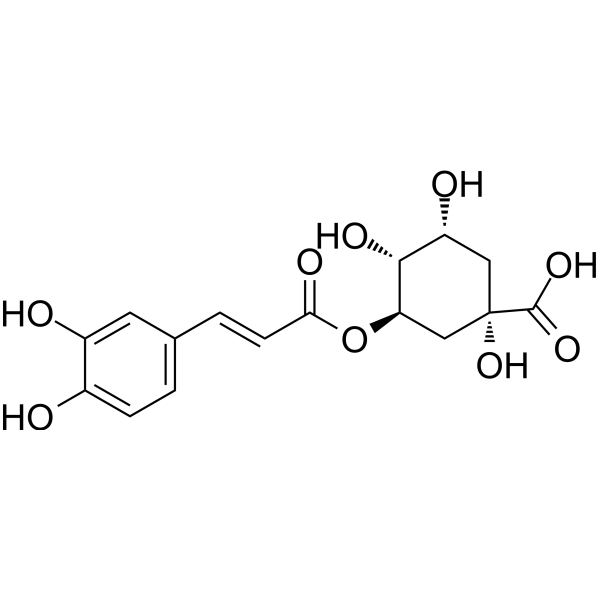
    Chlorogenic acid
    Maximum Cited Publications
    30 Publications Verification

    3-O-Caffeoylquinic acid; Heriguard; NSC-407296

    HIF/HIF Prolyl-Hydroxylase Reactive Oxygen Species (ROS) Bacterial Influenza Virus Endogenous Metabolite Infection Cardiovascular Disease Inflammation/Immunology Cancer
    Chlorogenic acid is a major phenolic compound in Lonicera japonica Thunb. It is an orally active antioxidant activity, antibacterial, hepatoprotective, cardioprotective, anti-inflammatory, antipyretic, neuroprotective, anti-obesity, antiviral, anti-microbial, anti-hypertension compound .
    Chlorogenic acid
  • HY-N0527
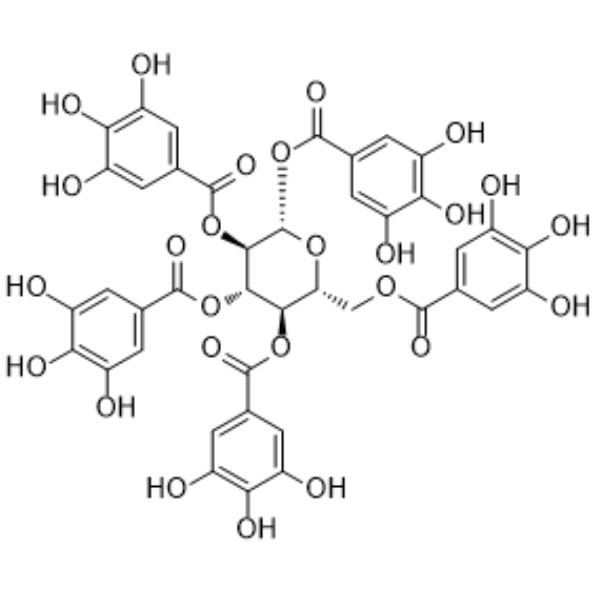
    Pentagalloylglucose
    10+ Cited Publications

    Penta-O-galloyl-β-D-glucose; 1,2,3,4,6-Pentagalloyl glucose

    JAK Keap1-Nrf2 Apoptosis β-catenin Reactive Oxygen Species (ROS) E1/E2/E3 Enzyme Neurological Disease Inflammation/Immunology Cancer
    Pentagalloylglucose (Penta-O-galloyl-β-D-glucose) is an orally active gallic tannin compound and an inducer of apoptosis and autophagy. Pentagalloglucose induces cell apoptosis and autophagy through the GSK3β/β-catenin pathway. Pentagalloylglucose inhibits UBE2T-mediated p53 ubiquitination, upregulates p53, downregulates RRM1/RRM2 in pancreatic cancer organoids. Pentagalloglucose has antioxidant, anti mutagenic, anti-inflammatory, anticonvulsant, cardioprotective, anti allergic, cholesterol lowering, and anti-tumor activities .
    Pentagalloylglucose
  • HY-B0581
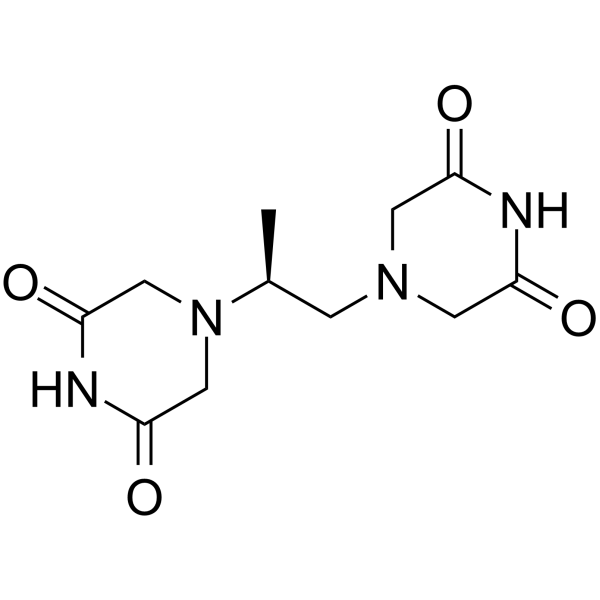
    Dexrazoxane
    15+ Cited Publications

    ICRF-187; ADR-529; NSC-169780

    Ferroptosis Apoptosis Cardiovascular Disease Neurological Disease Inflammation/Immunology Cancer
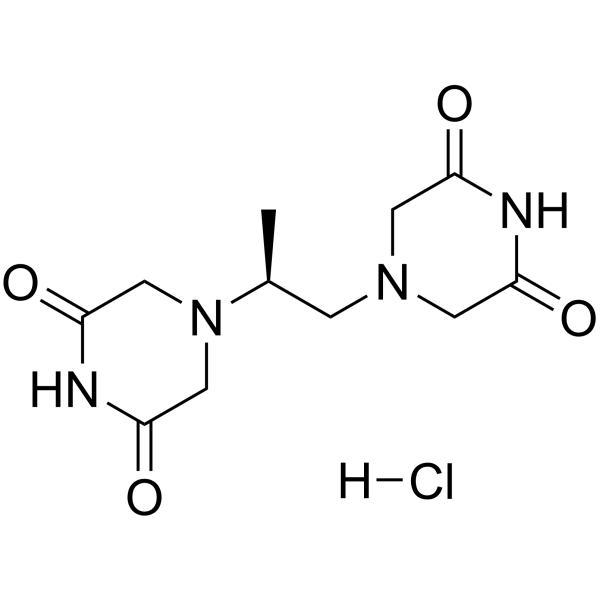
    Dexrazoxane, as an intracellular iron chelating agent, reduces the formation of superoxide radicals and has cardioprotective, anti-inflammatory, antioxidant, anti-tumor and neuroprotective activities. Dexrazoxane inhibits ferroptosis of H9c2 cells by inhibiting HMGB1. Dexrazoxane induces DNA damage and apoptosis in human fibrosarcoma cells .
    Dexrazoxane
  • HY-12403
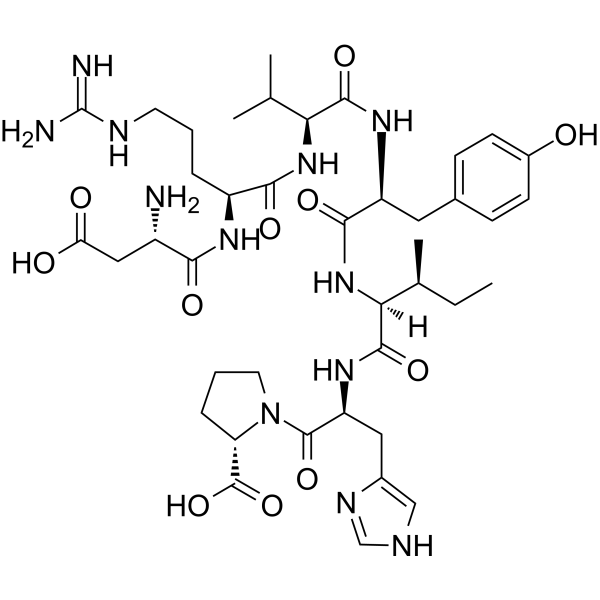
    Talfirastide
    15+ Cited Publications

    TXA127; Angiotensin (1-7); Ang-(1-7)

    Angiotensin Receptor Angiotensin-converting Enzyme (ACE) Endogenous Metabolite Cardiovascular Disease Inflammation/Immunology Endocrinology Cancer
    Angiotensin 1-7 (Ang-(1-7)) is an endogenous heptapeptide from the renin-angiotensin system (RAS) with a cardioprotective role due to its anti-inflammatory and anti-fibrotic activities in cardiac cells. Angiotensin 1-7 inhibits purified canine ACE activity (IC50=0.65 μM). Angiotensin 1-7 acts as a local synergistic modulator of kinin-induced vasodilation by inhibiting ACE and releasing nitric oxide. Angiotensin 1-7 blocks Ang II-induced smooth muscle cell proliferation and hypertrophy and shows antiangiogenic and growth-inhibitory effects on the endothelium. Angiotensin 1-7 shows anti-inflammatory activity .
    Talfirastide
  • HY-N1214

    Super Squalene; trans-Squalene; AddaVax

    Endogenous Metabolite Reactive Oxygen Species (ROS) Fungal Infection Cardiovascular Disease Cancer
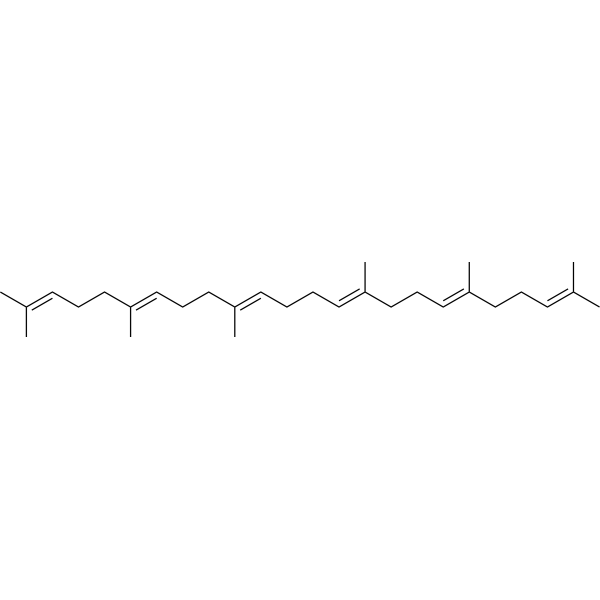
    Squalene (Super Squalene) is an intermediate product in the synthesis of cholesterol, and shows several pharmacological properties such as hypolipidemic, hepatoprotective, antiatherosclerotic, cardioprotective, antioxidant, and antitumour activity .
    Squalene
  • HY-130413

    Neuroprotectin D1; NPD1

    Endogenous Metabolite PI3K Akt HIF/HIF Prolyl-Hydroxylase Reactive Oxygen Species (ROS) Caspase Interleukin Related MicroRNA Cardiovascular Disease Neurological Disease Inflammation/Immunology
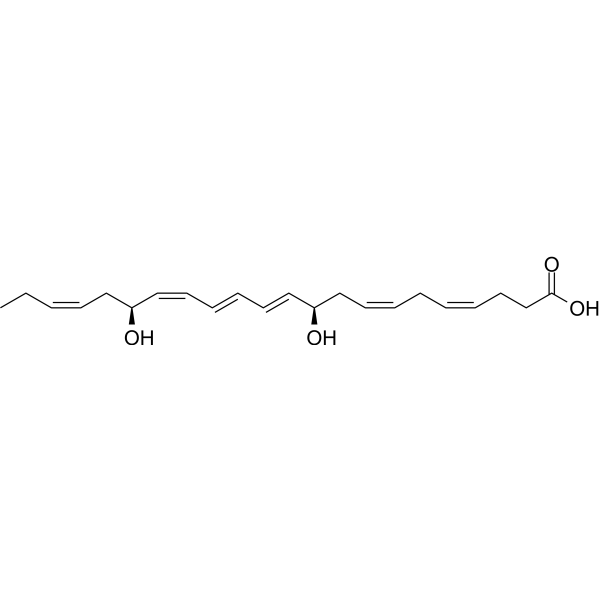
    Protectin D1, a neuroprotectin D1 produced by neuronal cells, is a member of a newly discovered family of bioactive products derived from docosahexaenoic acid. Protectin D1 also serves as a specialized pro-resolving mediator, exhibiting effective in vivo pro-resolving activity in various human disease models. Additionally, Protectin D1 is an inhibitor of NALP3 inflammasomes and regulates the PI3K/AKT and HIF-1α signaling pathways. Protectin D1 exerts anti-inflammatory effects by reducing ROS levels, inhibiting the expression of NALP3, ASC, and Caspase-1, and consequently decreasing the release of pro-inflammatory cytokines IL-1β and IL-18. Furthermore, Protectin D1 enhances miRNA-210 expression, activates the PI3K/AKT signaling pathway, and exerts cardioprotective effects. Protectin D1 holds promise for research in cardiovascular diseases and inflammatory disorders .
    Protectin D1
  • HY-N6033

    (+)-Ferruginol

    EBV HSV Apoptosis Infection Cardiovascular Disease Neurological Disease Cancer
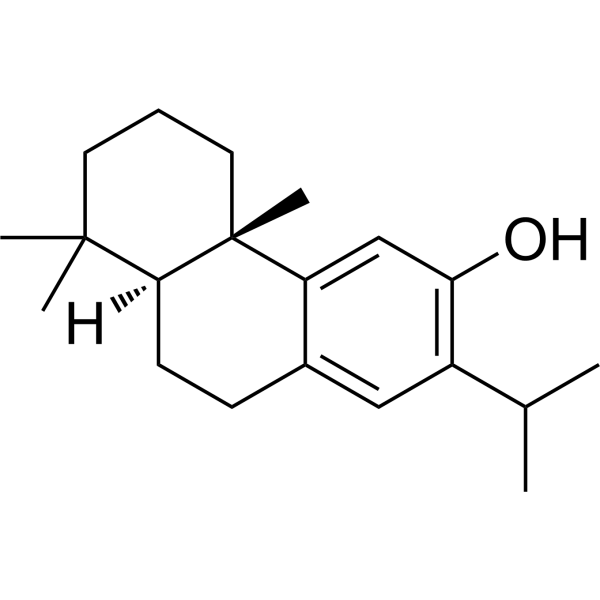
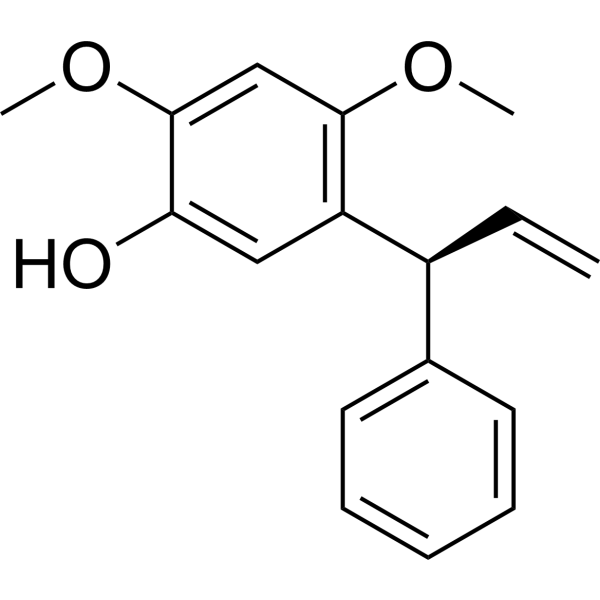
    Ferruginol ((+)-Ferruginol), a natural diterpenoid, is an inhibitor of the activation of Epstein-Barr virus early antigen (EBV-EA). Ferruginol inhibits the growth of thyroid cancer cells through the induction of mitochondrial apoptosis. Ferruginol has antitumor, cardioprotective, antioxidant, gastroprotective, and neuroprotective activities .
    Ferruginol
  • HY-W013075
    Rutin trihydrate
    Maximum Cited Publications
    30 Publications Verification

    Rutoside trihydrate; Quercetin 3-O-rutinoside trihydrate

    Apoptosis Endogenous Metabolite Neurological Disease Cancer
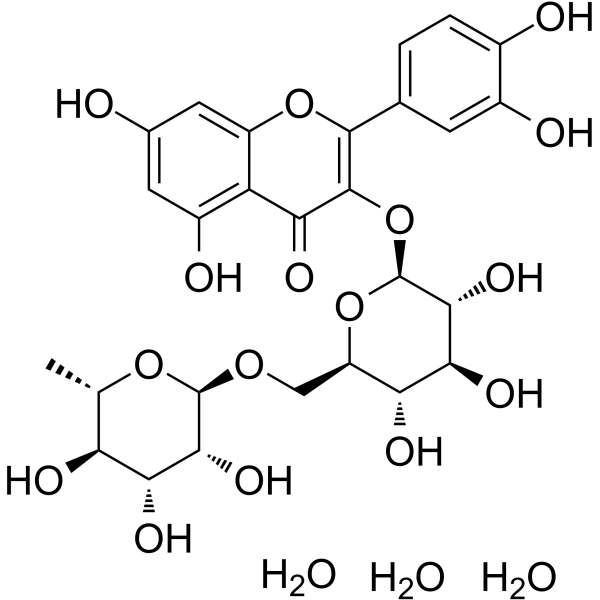
    Rutin (Rutoside) trihydrate is a multifunctional natural flavonoid glycoside. Rutin trihydrate has been demonstrating excellent antioxidant, anti-inflammatory, anti-diabetic, and anti-carcinogenic properties. Cardioprotective and neuroprotective activities .
    Rutin trihydrate
  • HY-N1214S

    Super Squalene-d6; trans-Squalene-d6; AddaVax-d6

    Isotope-Labeled Compounds Others
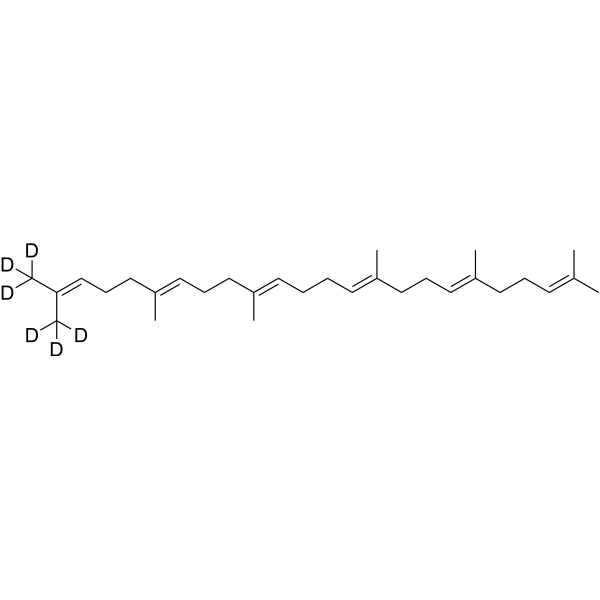
    Squalene-d6 (Super Squalene-d6) is a deuterium labeled Squalene. Squalene (Super Squalene) is an intermediate product in the synthesis of cholesterol, and shows several pharmacological properties such as hypolipidemic, hepatoprotective, antiatherosclerotic, cardioprotective, antioxidant, and antitumour activity .
    Squalene-d6
  • HY-N0596
    Panaxadiol
    4 Publications Verification

    20(R)-Panaxadiol

    PD-1/PD-L1 HIF/HIF Prolyl-Hydroxylase STAT Cancer
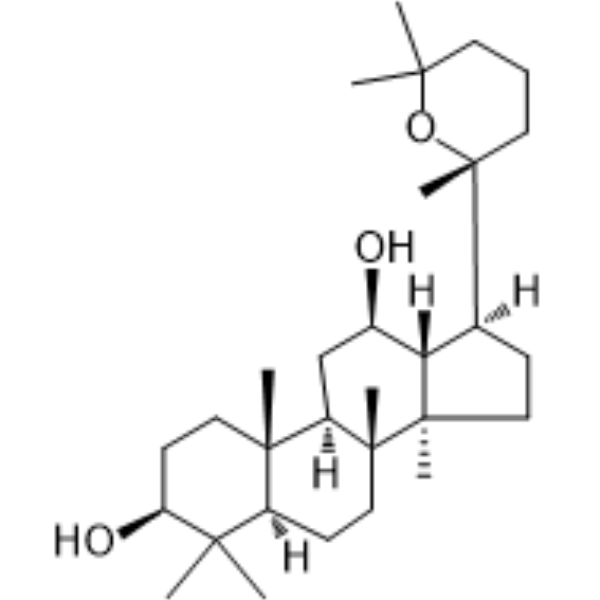
    Panaxadiol (20(R)-Panaxadiol) is an orally active HIF-1α/STAT3 inhibitor. Panaxadiol can suppress HIF-1α and STAT3 then lead to downregulation of programmed cell death-ligand 1 (PD-L1) expression. Panaxadiol shows anticancer, cardioprotective, anti-arrhythmic, and antioxidative activities .
    Panaxadiol
  • HY-N0524
    Propyl gallate
    2 Publications Verification

    Environmental Pollutants Reactive Oxygen Species (ROS) Apoptosis Cardiovascular Disease Inflammation/Immunology Cancer
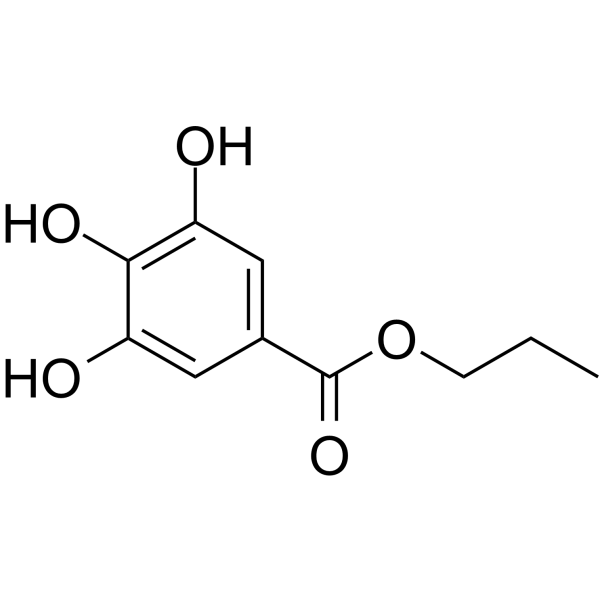
    Propyl gallate is a common food antioxidant. Propyl gallate can inhibit the production of acrolein, glyoxal and methylglyoxal. Propyl gallate exhibits anti-inflammatory, antitumor and cardioprotective activities .
    Propyl gallate
  • HY-N0368
    Linalool,98% (stabilized with MEHQ)
    4 Publications Verification

    Environmental Pollutants Apoptosis iGluR Endogenous Metabolite Bacterial TNF Receptor Infection Cardiovascular Disease Neurological Disease Inflammation/Immunology Cancer
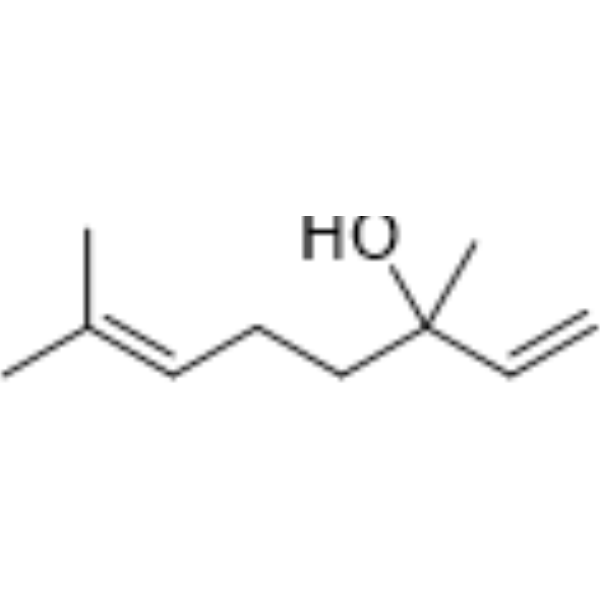
    Linalool is a natural monoterpene which is a competitive NMDA receptor antagonist. Linalool is orally active and crosses the blood-brain barrier. Linalool has anticancer, antibacterial, anti-inflammatory, neuroprotective, anxiolytic, antidepressant, anti-stress, cardioprotective, hepatoprotective, nephroprotective and pulmonary protective activities .
    Linalool,98% (stabilized with MEHQ)
  • HY-108286

    Cordanum

    Adrenergic Receptor Cardiovascular Disease
    Talinolol (Cordanum) is a long-acting, cardioselective β1-adrenergic receptor blocker. Talinolol exhibits cardioprotective and antihypertensive activities. Talinolol is also a well-known and frequently used probe substrate for P-glycoprotein (P-gp) activity .
    Talinolol
  • HY-125959
    Ucf-101
    1 Publications Verification

    Apoptosis Cardiovascular Disease Neurological Disease
    Ucf-101 is a selective and competitive inhibitor of pro-apoptotic protease Omi/HtrA2, with an IC50 of 9.5 μM for His-Omi. Ucf-101 exhibits very little activity against various other serine proteases (IC50>200 μM). Ucf-101 has a natural red fluorescence at 543 nm that is used to monitor its ability to enter mammalian cells. Ucf-101 has a significant cardioprotective effect against MI/R injury and also has certain neuroprotective effect .
    Ucf-101
  • HY-N0213
    Peiminine
    5+ Cited Publications

    Verticinone; Raddeanine

    Autophagy Caspase Bcl-2 Family PARP p38 MAPK ERK NF-κB Apoptosis Inflammation/Immunology Cancer
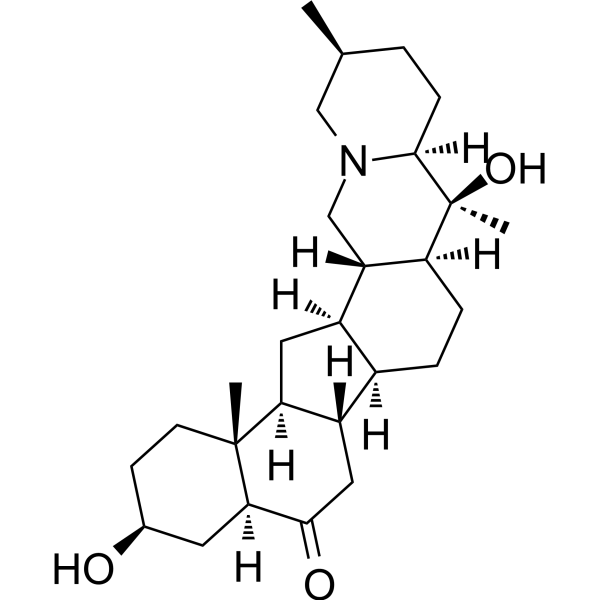
    Peiminine is a compound that can be isolated from Bolbostemma paniculatum (Maxim) Franquet (Cucurbitaceae family). Peiminine can induce apoptosis in human hepatocellular carcinoma HepG2 cells through both extrinsic and intrinsic apoptotic pathways. Peiminine has anti-inflammatory, anticancer, anti-osteoporosis, cardioprotective and other activities in many animal models .
    Peiminine
  • HY-P10728

    RXFP Receptor ERK Cardiovascular Disease Inflammation/Immunology
    B7-33 is a single-chain relaxin mimetic and a selective relaxin receptor 1 (RXFP1) agonist. B7-33 phosphorylates ERK1/2 without inducing activation of the cAMP signaling pathway. B7-33 exhibits anti-fibrotic and cardioprotective activities. B7-33 can be used in the research of vascular diseases such as cardiomyopathy, myocardial infarction and fibrosis .
    B7-33
  • HY-N0120

    (E/Z)-Piceid

    Drug Isomer Cardiovascular Disease Metabolic Disease Inflammation/Immunology Cancer
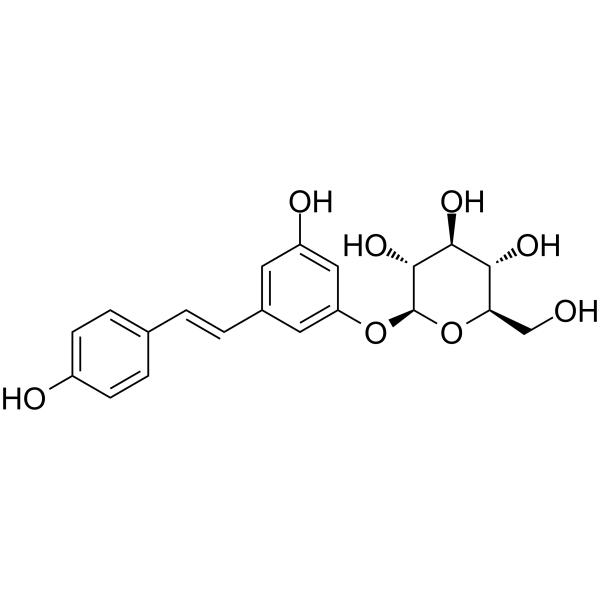
    (E/Z)-Polydatin ((E/Z)-Piceid) is a mixture of the E/Z configurations of Polydatin (HY-N0120A). Polydatin can be isolated from Polygonum cuspidatum, grapes, peanuts, red wine, hop pellets, cocoa-containing products and chocolate products. Polydatin exhibits multiple biological properties, such as anti-platelet aggregation, anti-low-density lipoprotein oxidation, cardioprotective activity, anti-inflammatory and immunomodulatory functions. Polydatin shows favorable cytotoxic effects against various tumor cell lines, including cervical cancer cells, liver cancer cells, and nasopharyngeal carcinoma cells .
    (E/Z)-Polydatin
  • HY-N1482

    Environmental Pollutants Parasite Inflammation/Immunology
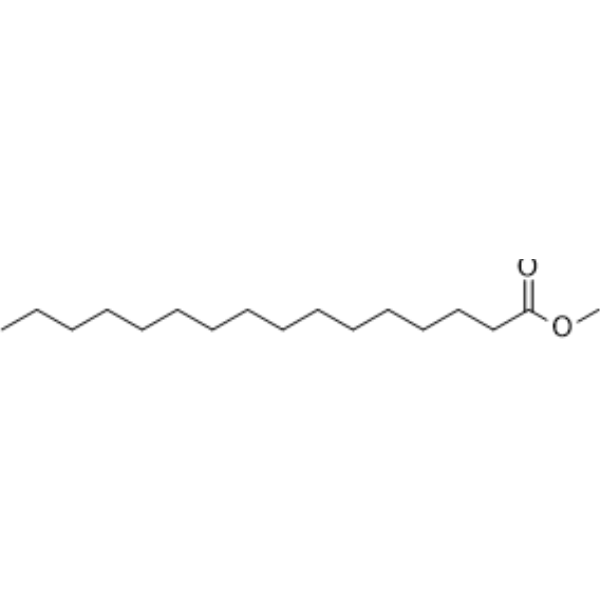
    Methyl palmitate is a naturally occurring fatty acid ester. Methyl palmitate is a potent inhibitor of ΙκB phosphorylation. Methyl palmitate modulates macrophage activity and down-regulates pro-inflammatory mediators such as TNF-α and nitric oxide (NO). Methyl palmitate possesses anti-inflammatory and antifibrotic effects. Methyl palmitate can inhibit LPS (HY-D1056)-induced Kupffer cells and rat peritoneal macrophages. Methyl palmitate is able to inhibit the phagocytic function of RAW cells. Methyl palmitate is antagonistic to muscarinic receptors. Methyl palmitate exerts cardioprotective effects against ischemia/reperfusion injury in vivo. Methyl palmitate is highly toxic against adult T. cinnabarinus .
    Methyl palmitate
  • HY-19396
    Ingliforib
    2 Publications Verification

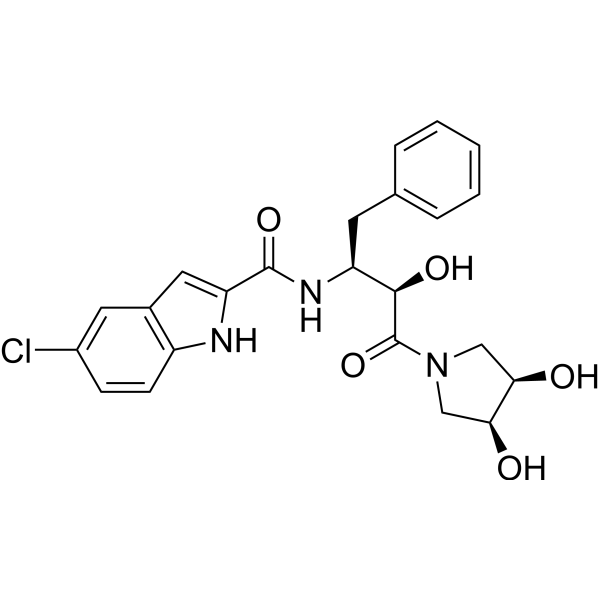
    CP 368296; GPi 296

    Phosphorylase Cardiovascular Disease
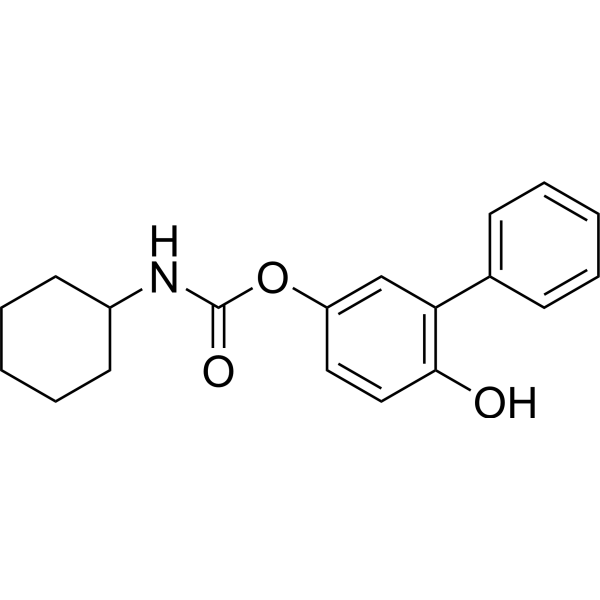
    Ingliforib (CP 368296) is a glycogen phosphorylase inhibitor, with IC50s of 52, 352 and 150 nM for liver, muscle and brain glycogen phosphorylase, and has cardioprotective activity.
    Ingliforib
  • HY-108351

    Necroptosis Cardiovascular Disease
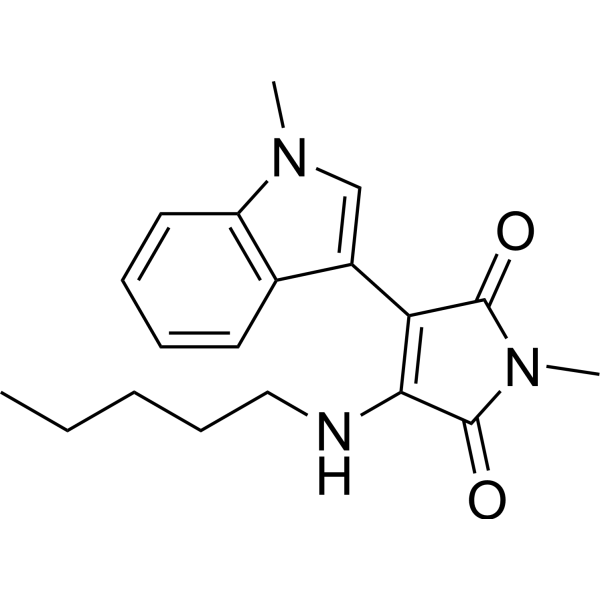
    IM-54 is a selective inhibitor of oxidative stress-induced necrosis. IM-54 shows potent inhibitory activity against H2O2-induced necrosis. IM-54 acts as a potential cardioprotective agent and biological tool for investigating the molecular mechanisms of cell death .
    IM-54
  • HY-B0655
    Zofenopril calcium
    1 Publications Verification

    SQ26991

    Angiotensin-converting Enzyme (ACE) Reactive Oxygen Species (ROS) Cardiovascular Disease
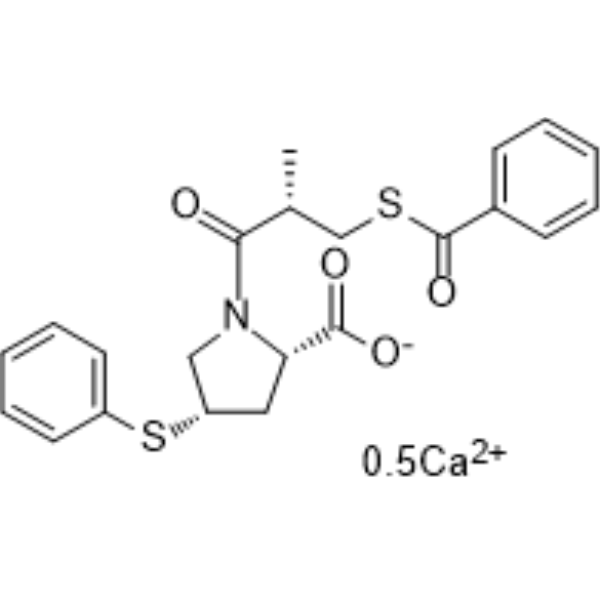
    Zofenopril Calcium (SQ26991) is an orally active angiotensin-converting enzyme (ACE) inhibitor with antioxidant activity and cardioprotective effects. Zofenopril Calcium reduces ROS production and GSH consumption and helps inhibit foam cell formation, thus slowing the progression of atherosclerosis. Zofenopril Calcium prevents cardiac damage caused by chronic Doxorubicin (HY-15142A) .
    Zofenopril calcium
  • HY-109136
    Runcaciguat
    1 Publications Verification

    BAY 1101042

    Guanylate Cyclase Cardiovascular Disease Metabolic Disease
    Runcaciguat (BAY 1101042) is a selective, orally active, allosteric activator of soluble guanylate cyclase (sGC) that specifically targets its oxidized and heme-free form. Runcaciguat binds to sGC in a histidine-dependent manner and restores cyclic guanosine monophosphate (cGMP) production under oxidative stress, independent of nitric oxide (NO) or heme. Runcaciguat exhibits renoprotective and cardioprotective activities, such as reduced proteinuria and improved renal function. Runcaciguat is primarily being studied in chronic kidney disease (CKD) associated with hypertension, diabetes, and metabolic disorders, as well as potential cardiovascular indications such as heart failure with preserved ejection fraction (HFpEF) .
    Runcaciguat
  • HY-12403A
    Talfirastide acetate
    15+ Cited Publications

    TXA127 acetate; Angiotensin (1-7) acetate; Ang-(1-7) acetate

    Angiotensin Receptor Angiotensin-converting Enzyme (ACE) Endogenous Metabolite Cardiovascular Disease Inflammation/Immunology Endocrinology Cancer
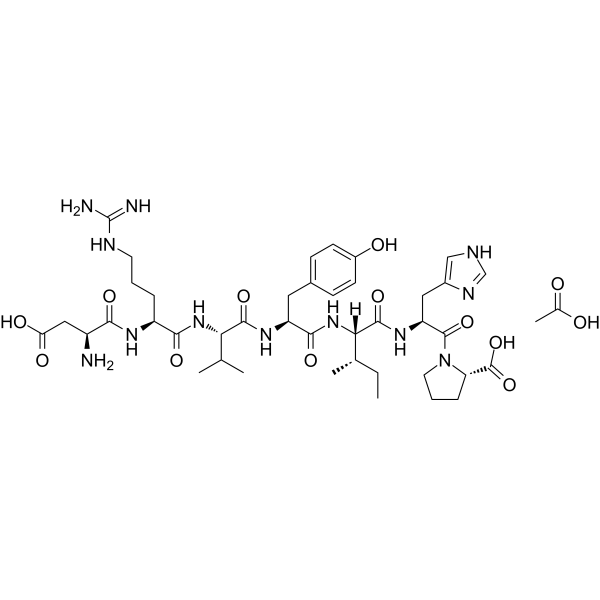
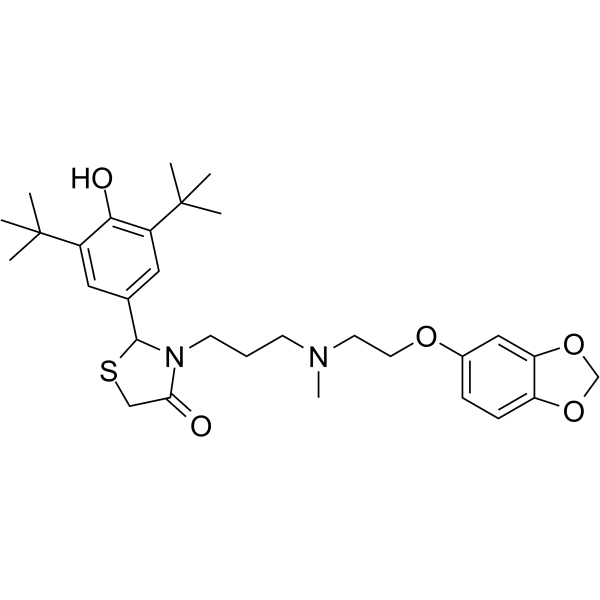
    Angiotensin 1-7 (Ang-(1-7)) acetate is an endogenous heptapeptide from the renin-angiotensin system (RAS) with a cardioprotective role due to its anti-inflammatory and anti-fibrotic activities in cardiac cells. Angiotensin 1-7 acetate inhibits purified canine ACE activity (IC50=0.65 μM). Angiotensin 1-7 acetate acts as a local synergistic modulator of kinin-induced vasodilation by inhibiting ACE and releasing nitric oxide. Angiotensin 1-7 acetate blocks Ang II-induced smooth muscle cell proliferation and hypertrophy and shows antiangiogenic and growth-inhibitory effects on the endothelium .
    Talfirastide acetate
  • HY-N0055R

    3-O-Caffeoylquinic acid (Standard); Heriguard (Standard); NSC-407296 (Standard)

    Reference Standards HIF/HIF Prolyl-Hydroxylase Reactive Oxygen Species (ROS) Bacterial Influenza Virus Endogenous Metabolite Infection Inflammation/Immunology Cancer
    Chlorogenic acid (Standard) is the analytical standard of Chlorogenic acid. This product is intended for research and analytical applications. Chlorogenic acid is a major phenolic compound in Lonicera japonica Thunb. It is an orally active antioxidant activity, antibacterial, hepatoprotective, cardioprotective, anti-inflammatory, antipyretic, neuroprotective, anti-obesity, antiviral, anti-microbial, anti-hypertension compound .
    Chlorogenic acid (Standard)
  • HY-N1214R

    Super Squalene (Standard); trans-Squalene (Standard); AddaVax (Standard)

    Reference Standards Endogenous Metabolite Reactive Oxygen Species (ROS) Fungal Infection Cardiovascular Disease
    Squalene (Standard) is the analytical standard of Squalene. This product is intended for research and analytical applications. Squalene (Super Squalene) is an intermediate product in the synthesis of cholesterol, and shows several pharmacological properties such as hypolipidemic, hepatoprotective, antiatherosclerotic, cardioprotective, antioxidant, and antitumour activity .
    Squalene (Standard)
  • HY-N0542

    Bacterial Cardiovascular Disease Infection Neurological Disease Cancer
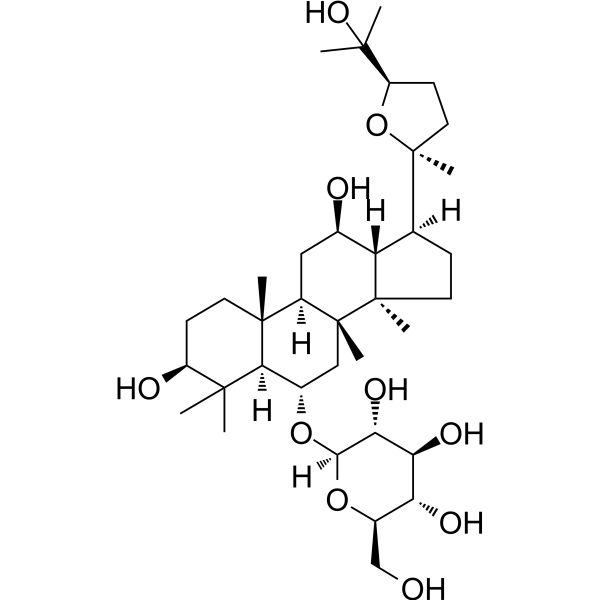
    Pseudoginsenoside RT5 is an orally active ocotillol-type ginsenoside and Antibacterial agent. Pseudoginsenoside RT5 can be isolated from American ginseng, transgenic American ginseng crown gall tumors and Panax japonicus. Pseudoginsenoside RT5 exerts cardioprotective effects against myocardial injury, and also possesses antibacterial and antitumor activities. Pseudoginsenoside RT5 can be used in research related to Alzheimer's disease, myocardial injury, tumors and bacterial infections .
    Pseudoginsenoside RT5
  • HY-N9362

    EmodAN

    Ferroptosis Antibiotic Cardiovascular Disease Infection
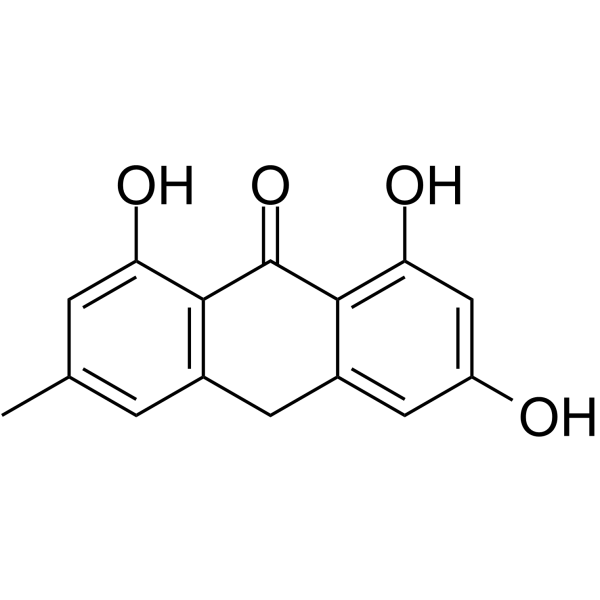
    Emodinanthrone (EmodAn) is a MARCH7 stabilizer that inhibits ferroptosis (EC50=70 nM). Emodinanthrone is also a precursor to Emodin (HY-14393) and possesses antibiotic activity. Emodinanthrone directly binds to MARCH7 and blocks its ubiquitination-mediated degradation at the K608 site; this action enhances MARCH7-mediated K48 ubiquitination and degradation of NCOA4, as well as its regulation of the intracellular localization of TFR1 via K63 ubiquitination, thereby reducing the intracellular labile iron pool and blocking ferroptosis. Emodinanthrone demonstrates in vivo cardioprotective effects and exhibits a favorable safety profile. Emodinanthrone is applicable to research on ferroptosis-related cardiovascular diseases, including Doxorubicin (HY-15142A)-induced cardiomyopathy and myocardial ischemia-reperfusion injury .
    Emodinanthrone
  • HY-12184

    Prostaglandin Receptor Endogenous Metabolite Cardiovascular Disease
    ONO-AE 248 is a selective EP3 receptor agonist with cardioprotective activity. ONO-AE 248 reduces myocardial infarction size by selectively binding to the EP3α receptor in mice. The cardioprotective effect of ONO-AE 248 is independent of hemodynamic effects. The mechanism of ONO-AE 248 may involve activation of protein kinase C and opening of K(ATP) channels .
    ONO-AE 248
  • HY-105064
    Zoniporide
    2 Publications Verification

    CP-597396

    Na+/H+ Exchanger (NHE) Cardiovascular Disease
    Zoniporide (CP-597396) is a potent and selective NHE-1 inhibitor with cardioprotective activity. Zoniporide inhibits 22Na + uptake by human NHE-1-expressing fibroblasts in a concentration-dependent manner (IC50=14 nM). Zoniporide inhibits platelet swelling in vitro with an IC50 of 0.059 μM. Zoniporide can be used in the study of cardiovascular disease .
    Zoniporide
  • HY-W001538

    SPRC

    STAT MDM-2/p53 Inflammation/Immunology
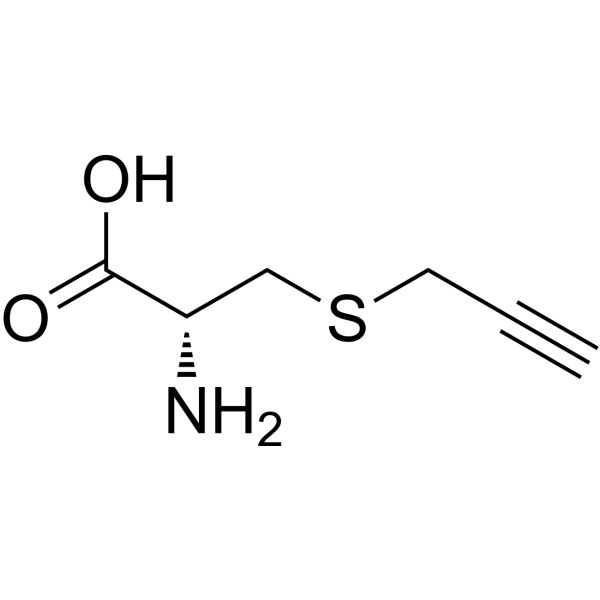
    S-Propargylcysteine (SPRC), a structural analog of S-allyl cysteine (SAC), is a slow H2S-releasing compound. S-Propargylcysteine reduces Ca 2+ accumulation and inflammatory cytokines, inhibits STAT3, and elevates p53 and Bax. S-Propargylcysteine has anti-inflammatory activity and protects mice against acute pancreatitis. S-Propargylcysteine also has cardioprotective, neuroprotective acitivties .
    S-Propargylcysteine
  • HY-NP192

    Reactive Oxygen Species (ROS) Bacterial COX NO Synthase Toll-like Receptor (TLR) p38 MAPK NF-κB Interleukin Related Cholinesterase (ChE) Bcl-2 Family Tyrosinase PI3K Akt Infection Neurological Disease Metabolic Disease Inflammation/Immunology Cancer
    Sericin is an orally active globular protein produced by silkworm cocoons. Sericin inhibits the expression of COX2, iNOS, TLR4, MAPK and NF-κB; reduces the levels of IL-18, IL-1 and CCL2; antagonizes the activity of AChE; and downregulates the expression of Bcl-2. Sericin enhances the PI3K/AKT-mediated insulin signaling pathway. Sericin inhibits the activity of tyrosinase (Tyrosinase), scavenges ROS, chelates metal ions, and increases the levels of antioxidant enzymes. Sericin induces apoptosis and arrests the cell cycle. Sericin exhibits antibacterial, moisturizing, cardioprotective and anticoagulant properties. Sericin can be used in research related to type 2 diabetes, hyperlipidemia, obesity, Alzheimer's disease, colon cancer, peripheral nerve injury and ischemic myocardial infarction .
    Sericin
  • HY-N0524R

    Reference Standards Reactive Oxygen Species (ROS) Apoptosis Cardiovascular Disease Inflammation/Immunology Cancer
    Propyl gallate (Standard) is the analytical standard of Propyl gallate. This product is intended for research and analytical applications. Propyl gallate is a common food antioxidant. Propyl gallate can inhibit the production of acrolein, glyoxal and methylglyoxal. Propyl gallate exhibits anti-inflammatory, antitumor and cardioprotective activities .
    Propyl gallate (Standard)
  • HY-152052S

    Isotope-Labeled Compounds Others
    Linalool-d5 is the deuterium labeled Linalool (HY-N0368). Linalool is a natural monoterpene which is a competitive NMDA receptor antagonist. Linalool is orally active and crosses the blood-brain barrier. Linalool has anticancer, antibacterial, anti-inflammatory, neuroprotective, anxiolytic, antidepressant, anti-stress, cardioprotective, hepatoprotective, nephroprotective and pulmonary protective activities .
    Linalool-d5
  • HY-W795960

    Biochemical Assay Reagents Calcium Channel Phospholipase Neurological Disease Metabolic Disease
    D-myo-inositol 1,4,5-trisphosphate sodium salt is a widely distributed intracellular second messenger. D-myo-inositol 1,4,5-trisphosphate sodium salt acts as a potent agonist of the Ins (1,4,5) P3 receptor with an EC50 of 0.12 μM and inhibits bovine PLC-δ1, with an IC50 of 5.4 μM for binding and an IC50 of 12.4 μM for hydrolysis. D-myo-inositol 1,4,5-trisphosphate sodium saltis metabolized into Ins (1,4) P2 and Ins (1,3,4,5) P4. D-myo-inositol 1,4,5-trisphosphate sodium salt mediates various cellular processes, including growth, development, fertilization, secretion, contraction and neuromodulation. D-myo-inositol 1,4,5-trisphosphate sodium salt inhibits PIP2 hydrolysis and Ca 2+-ATPase activity. D-myo-inositol 1,4,5-trisphosphate sodium salt is used for cardiac preconditioning, exerts cardioprotective effects and mimics ischemic preconditioning. D-myo-inositol 1,4,5-trisphosphate sodium salt is applied in studies related to intracellular calcium and phosphoinositol signaling pathways .
    D-myo-Inositol 1,4,5-trisphosphate sodium salt
  • HY-U00354

    Calcium Channel Cardiovascular Disease
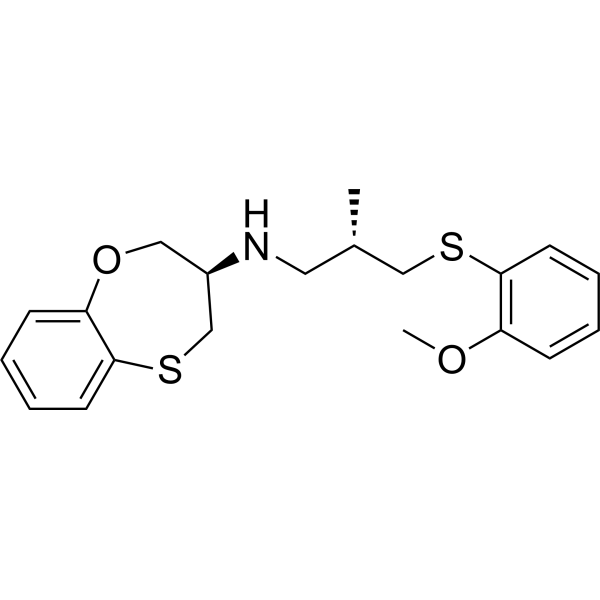
    CP-​060 is a potent Ca 2+ antagonist, inhibits Ca 2+ overload and possesses antioxidant and cardioprotective activities.
    CP-060
  • HY-N7697D

    Reactive Oxygen Species (ROS) Cardiovascular Disease Inflammation/Immunology
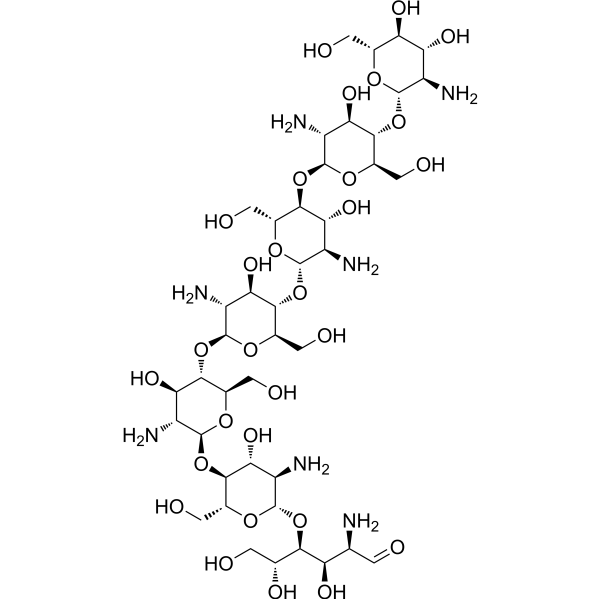
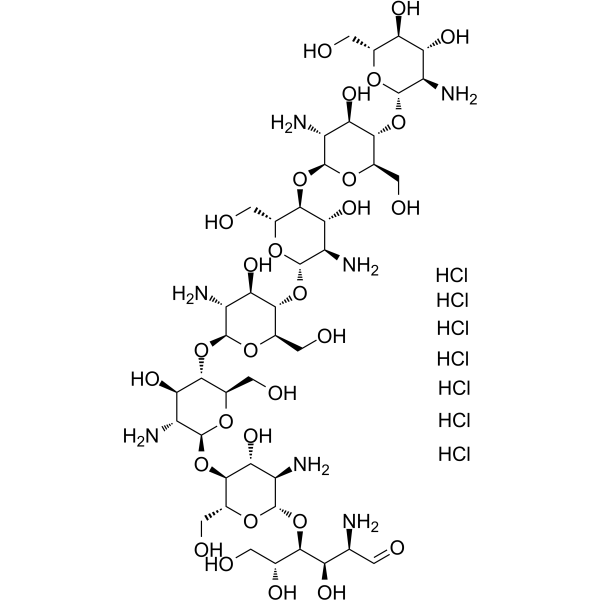
    Chitoheptaose heptahydrochloride is a chitosan oligosaccharide with antioxidant, anti-inflammatory, antiapoptotic and cardioprotective activities. Chitoheptaose heptahydrochloride significantly enhances the growth and photosynthesis parameters of wheat seedlings .
    Chitoheptaose heptahydrochloride
  • HY-121710

    7-Monohydroxyethylrutoside

    Carbonyl Reductase Cardiovascular Disease
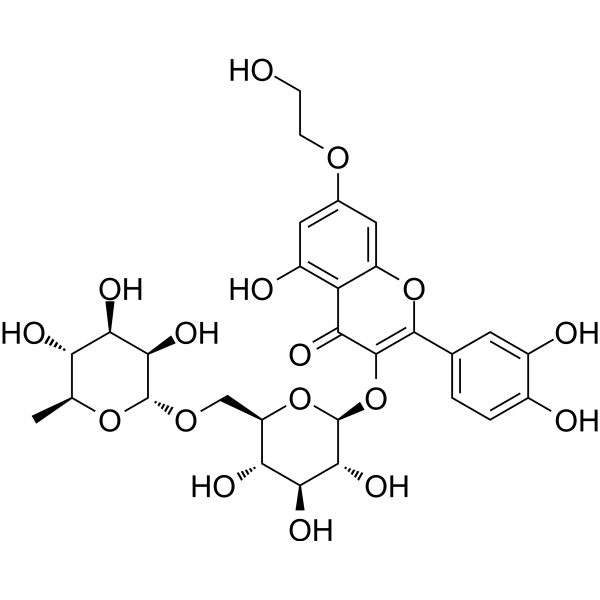
    MonoHER (7-Monohydroxyethylrutoside) is a Carbonyl reductase 1 (CBR1) inhibitor and can be used as a cardioprotective agent. MonoHER inhibits the activity of CBR1 V88 and CBR1 I88 in a concentration-dependent manner .
    MonoHER
  • HY-19463A

    Sodium Channel Cardiovascular Disease
    F 15845 is a highly effective persistent sodium current blocker. F 15845 also is a cardioprotective agent, has anti-ischemic activity and exerts short- and long-term cardioprotection after myocardial infarction. F 15845 can be used for the research of myocardium functional impairment .
    F15845
  • HY-19463

    Sodium Channel Cardiovascular Disease
    F 15845 hydrobromide is a highly effective persistent sodium current blocker. F 15845 hydrobromide is also a cardioprotective agent, has anti-ischemic activity and exerts short- and long-term cardioprotection after myocardial infarction. F 15845 hydrobromide can be used for the research of myocardium functional impairment .
    F-15845 hydrobromide
  • HY-133829

    Angiotensin-converting Enzyme (ACE) NO Synthase Reactive Oxygen Species (ROS) Cardiovascular Disease
    Zofenoprilat is an angiotensin-converting enzyme (ACE) inhibitor with an IC50 of 1.7 nM. Zofenoprilat exerts cardioprotective and renoprotective effects by inhibiting angiotensin II expression and lowering blood pressure. Zofenoprilat promotes NO production and reduces endothelin-1 (ET-1) expression. Zofenoprilat decreases TNFα-induced ROS production and protects vascular endothelial function. Zofenoprilat regulates oxidative stress-related molecules and possesses antioxidant activity. Zofenoprilat can be used in studies related to hypertension and congestive heart failure .
    Zofenoprilat
  • HY-W145695

    Biochemical Assay Reagents Apoptosis Interleukin Related IFNAR Cardiovascular Disease Inflammation/Immunology
    Chitoheptaose is an orally active chitooligosaccharide (degree of polymerization = 7). Chitoheptaose can be extracted from the exoskeletons of crustaceans, such as the shells of crabs, shrimps and lobsters. Chitoheptaose reduces pro-inflammatory cytokines while increasing the levels of anti-inflammatory cytokines (decreasing the levels of pro-inflammatory cytokines IL-1β, IL-17A and IFN-γ, and increasing the level of the anti-inflammatory cytokine IL-10). Chitoheptaose possesses antioxidant, anti-inflammatory and anti-Apoptotic activities. Chitoheptaose improves cardiac parameters, alleviates myocarditis injury, and exerts cardioprotective effects in a rat model of myocarditis. Chitoheptaose can be used in studies related to myocarditis .
    Chitoheptaose
  • HY-105064A

    CP-597396 mesylate

    Na+/H+ Exchanger (NHE) Cardiovascular Disease
    Zoniporide mesylate (CP-597396 mesylate) is a potent and selective NHE-1 inhibitor with cardioprotective activity. Zoniporide inhibits 22Na + uptake by human NHE-1-expressing fibroblasts in a concentration-dependent manner (IC50=14 nM). Zoniporide inhibits platelet swelling in vitro with an IC50 of 0.059 μM. Zoniporide can be used in the study of cardiovascular disease .
    Zoniporide mesylate
  • HY-N0368S1

    Apoptosis Endogenous Metabolite iGluR Bacterial Isotope-Labeled Compounds Cancer
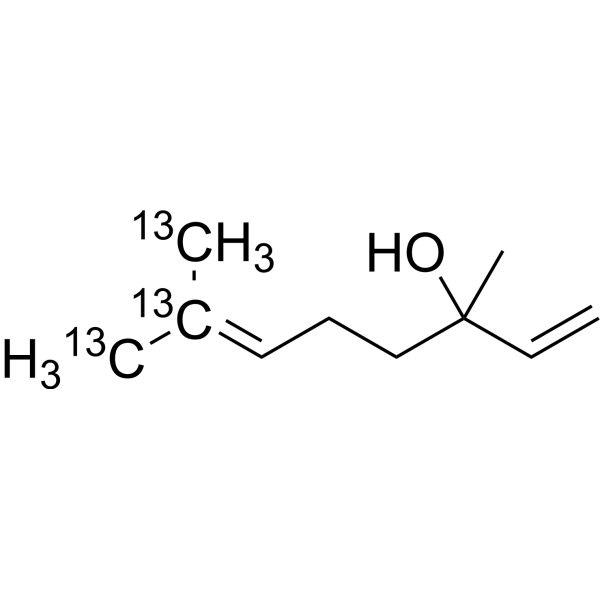
    Linalool- 13C3 is 13C labeled Linalool (HY-N0368). Linalool is a natural monoterpene which is a competitive NMDA receptor antagonist. Linalool is orally active and crosses the blood-brain barrier. Linalool has anticancer, antibacterial, anti-inflammatory, neuroprotective, anxiolytic, antidepressant, anti-stress, cardioprotective, hepatoprotective, nephroprotective and pulmonary protective activities .
    Linalool-13C3
  • HY-N0055S

    3-O-Caffeoylquinic acid-13C3; Heriguard-13C3; NSC-407296-13C3

    Isotope-Labeled Compounds Cancer
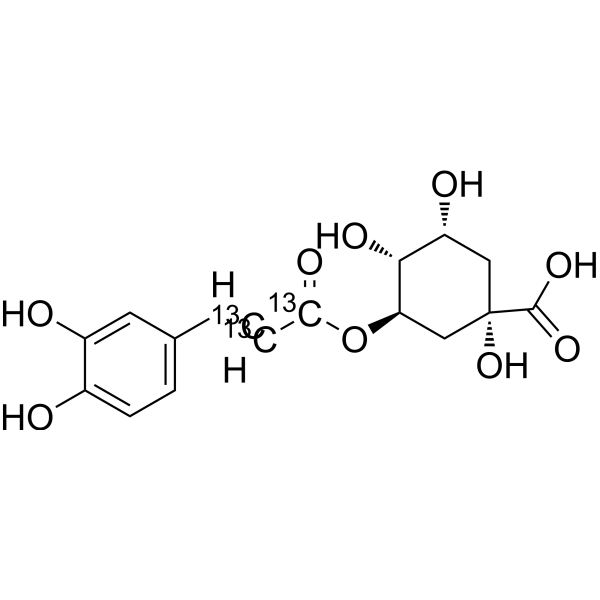
    Chlorogenic acid- 13C3 (Heriguard- 13C3; NSC-407296- 13C3) is 13C- and 15N-labeled Chlorogenic acid (HY-N0055). Chlorogenic acid is a major phenolic compound in Lonicera japonica Thunb.. It plays several important and therapeutic roles such as antioxidant activity, antibacterial, hepatoprotective, cardioprotective, anti-inflammatory, antipyretic, neuroprotective, anti-obesity, antiviral, anti-microbial, anti-hypertension .
    Chlorogenic acid-13C3
  • HY-N0527R

    Penta-O-galloyl-β-D-glucose (Standard); 1,2,3,4,6-Pentagalloyl glucose (Standard)

    Reference Standards JAK Keap1-Nrf2 Apoptosis β-catenin Reactive Oxygen Species (ROS) Neurological Disease Inflammation/Immunology Cancer
    Pentagalloylglucose (Standard) is the analytical standard of Pentagalloylglucose. This product is intended for research and analytical applications. Pentagalloylglucose (Penta-O-galloyl-β-D-glucose) is an orally active gallic tannin compound and an inducer of apoptosis and autophagy. Pentagalloglucose induces cell apoptosis and autophagy through the GSK3β/β-catenin pathway. Pentagalloylglucose inhibits UBE2T-mediated p53 ubiquitination, upregulates p53, downregulates RRM1/RRM2 in pancreatic cancer organoids. Pentagalloglucose has antioxidant, anti mutagenic, anti-inflammatory, anticonvulsant, cardioprotective, anti allergic, cholesterol lowering, and anti-tumor activities .
    Pentagalloylglucose (Standard)
  • HY-157448

    Apoptosis Cancer
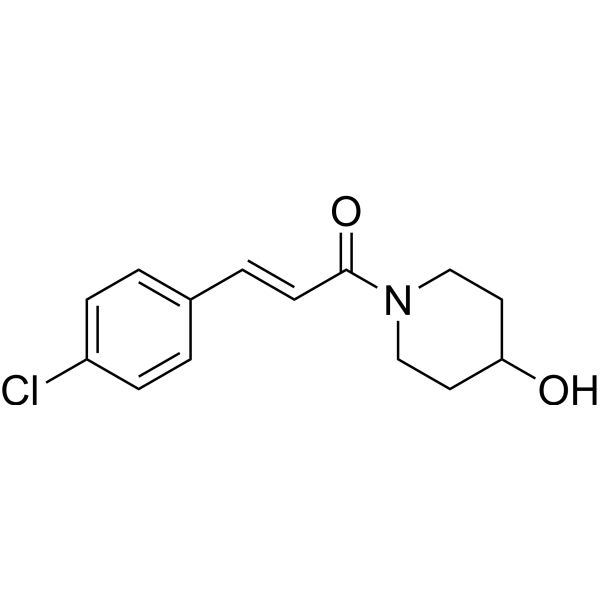
    CBR1-IN-6 (compound 1a) is a CBR1 inhibitor with chemosensitizing and cardioprotective activities .
    CBR1-IN-6
  • HY-N0596R

    20(R)-Panaxadiol (Standard)

    Reference Standards PD-1/PD-L1 HIF/HIF Prolyl-Hydroxylase STAT Cancer
    Panaxadiol (Standard) is the analytical standard of Panaxadiol. This product is intended for research and analytical applications. Panaxadiol (20(R)-Panaxadiol) is an orally active HIF-1α/STAT3 inhibitor. Panaxadiol can suppress HIF-1α and STAT3 then lead to downregulation of programmed cell death-ligand 1 (PD-L1) expression. Panaxadiol shows anticancer, cardioprotective, anti-arrhythmic, and antioxidative activities .
    Panaxadiol (Standard)
  • HY-159169

    COX Epoxide Hydrolase Lipoxygenase Inflammation/Immunology
    5-LOX/sEH-IN-1 (Compound 8o) is a dual 5-LOX/sEH-IN-1 inhibitor with cardioprotective effects, exhibiting IC50 values of 3.05 μM and 2.20 nM respectively, and 5-LOX/sEH-IN-1 can also inhibit the activity of COX-2 (IC50=10.50 μM). 5-LOX/sEH-IN-1 has analgesic and anti-inflammatory effects, while reducing ulcer pathogenicity, and can be used to develop anti-inflammatory agents with fewer gastrointestinal and cardiovascular side effects .
    5-LOX/sEH-IN-1
  • HY-118397

    PPAR Others
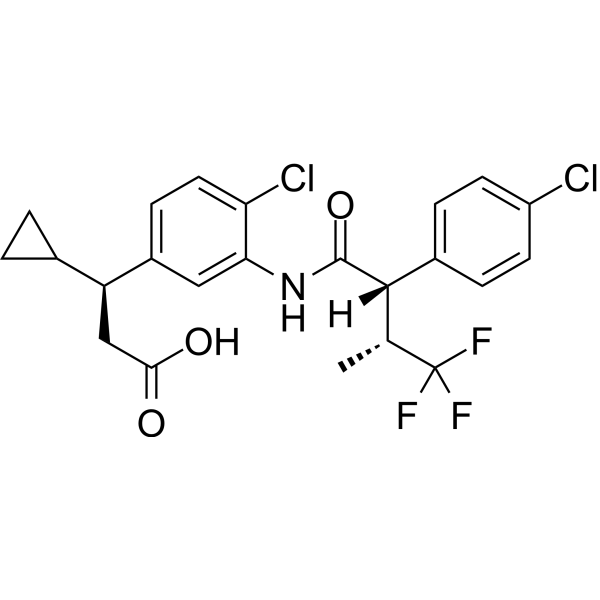
    RB394 is a potent dual sEH/PPARγ modulator isoform that promotes adipocyte browning and exhibits cardioprotective activity, and can be used to suppress metabolic syndrome.
    RB394
  • HY-108502

    Sodium Channel Cardiovascular Disease
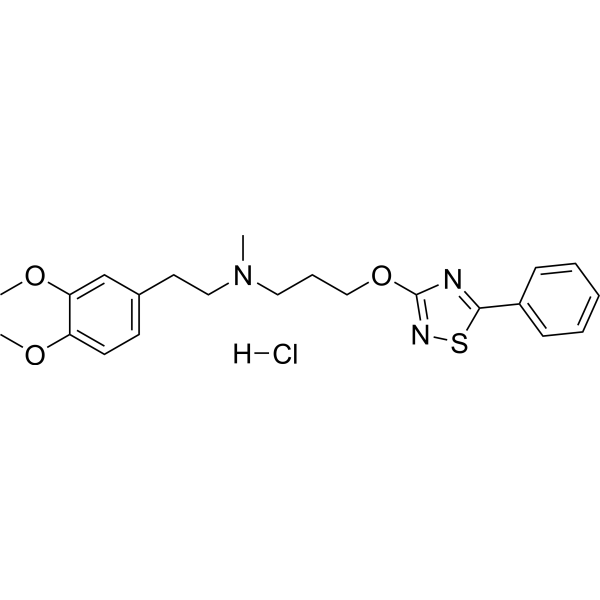
    KC 12291 hydrochloride is an orally active blocker of voltage-gated sodium channel (VGSC). KC 12291 hydrochloride reduces the amplitude of sustained Na + current to exert antiischemic activity. KC 12291 hydrochloride has significant cardioprotective effect in vitro and in vivo .
    KC 12291 hydrochloride

Inquiry Online

Your information is safe with us. * Required Fields.

Salutation


Country or Region *
Applicant Name *


Organization Name *

Department *


Email Address *


Product Name *

Cat. No.


Requested quantity *

Phone Number *


Remarks

Inquiry Online

Inquiry Information

Product Name:
Cat. No.:
Quantity:
MCE Japan Authorized Agent: