Search Result
Results for "
cytotoxic metabolite
" in MedChemExpress (MCE) Product Catalog:
1
Biochemical Assay Reagents
8
Isotope-Labeled Compounds
| Cat. No. |
상품명 |
Target |
연구분야 |
Chemical Structure |
-
- HY-16700
-
|
|
ADC Payload
Topoisomerase
|
Cancer
|
|
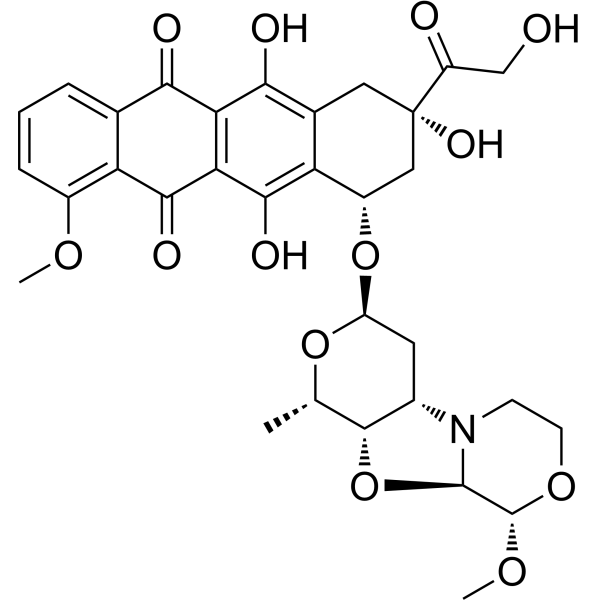
PNU-159682, a metabolite of the anthracycline Nemorubicin, is a highly potent DNA topoisomerase II inhibitor with excellent cytotoxicity. PNU-159682 acts as a more potent and tolerated ADC cytotoxin than Doxorubicin for ADC synthesis. PNU-159682 can be used in EDV-nanocell technology to overcome agent resistance.
|
-
-
- HY-121252
-
|
|
α-synuclein
Apoptosis
Drug Metabolite
|
Neurological Disease
|
|
Dopal is a metabolite and aldehyde neurotoxin of Dopamine (HY-B0451). Dopal exhibits cytotoxicity, induces α-synuclein oligomerization and aggregation, and is closely associated with the pathogenesis of Parkinson's disease. Dopal can be used in research related to Parkinson's disease .
|
-

-
- HY-125348
-
|
|
Drug Metabolite
|
Cancer
|
|
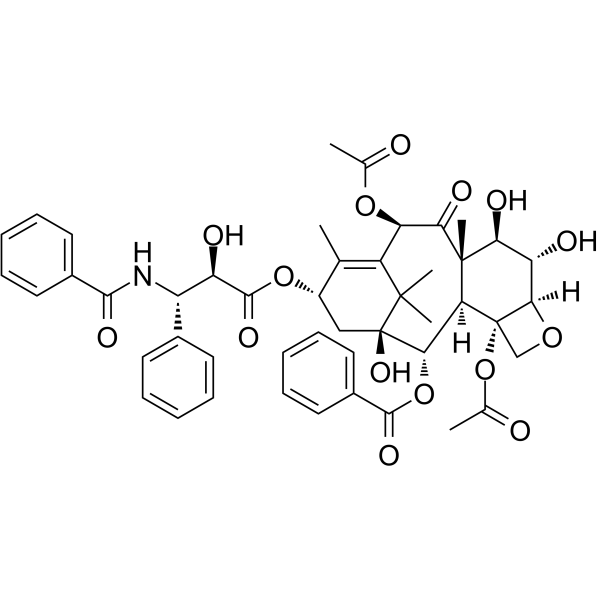
6α-Hydroxy paclitaxel is one of the main metabolites of Paclitaxel (PTX) (HY-B0015), and it is generated by the liver cytochrome P450 enzyme CYP2C8. 6α-Hydroxy paclitaxel has bone marrow toxicity, but it can enhance the cytotoxicity of PTX against leukemia cells without causing cell toxicity. 6α-Hydroxy paclitaxel can be used in leukemia research .
|
-
-
- HY-W587530
-
|
6-Ketolithocholic acid
|
Endogenous Metabolite
Apoptosis
|
Endocrinology
|
|
6-Oxolithocholic acid is a bile acid metabolite derived from Lithocholic acid (HY-B0172). 6-Oxolithocholic acid has high cytotoxicity and can induce apoptosis, especially in hepatocytes. 6-Oxolithocholic acid can participate in the regulation of bile acid metabolism and synthesis and affect the metabolic pathway of cholesterol. 6-Oxolithocholic acid can be used to study the role of bile acids in health and disease, especially in the context of digestive and liver diseases .
|
-

-
- HY-135470
-
|
P-7138
|
Bacterial
|
Infection
|
|
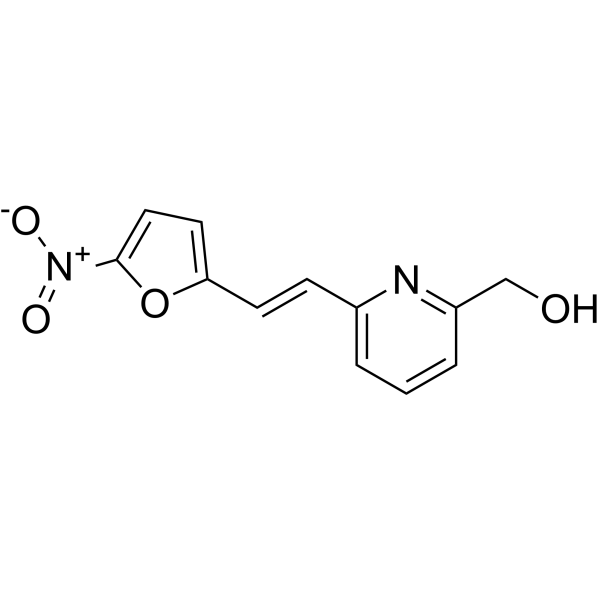
Nifurpirinol (P-7138) is a selective prosubstrate of bacterial nitroreductase (NTR). NTR catalyzes the reduction of nifurpirinol to generate cytotoxic metabolites that induce apoptosis in target cells. Nifurpirinol selectively ablates NTR-expressing cells such as pancreatic β cells, osteoblasts, dopaminergic neurons, and podocytes in transgenic zebrafish models. Nifurpirinol can be used in regeneration studies and disease modeling such as focal segmental glomerulosclerosis (FSGS) .
|
-
-
- HY-N2040
-
|
|
Bacterial
Interleukin Related
|
Infection
Inflammation/Immunology
Cancer
|
|
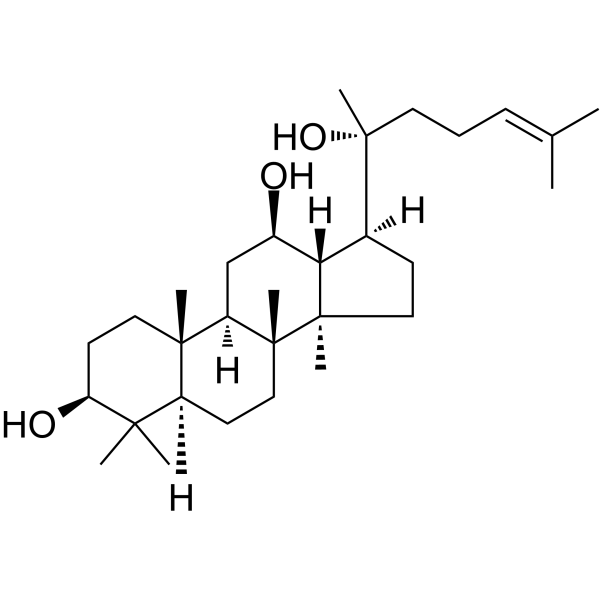
(20R)-Protopanaxadiol is a metabolite of ginsenosides. (20R)-Protopanaxadiol has anti-inflammatory and antibacterial activities, but shows no significant cytotoxicity against tumor cell lines. In addition, (20R)-Protopanaxadiol can inhibit the uptake of 2-deoxy-D-glucose (2-DG) .
|
-
-
- HY-129476
-
|
|
Parasite
Endogenous Metabolite
|
Infection
Cancer
|
|
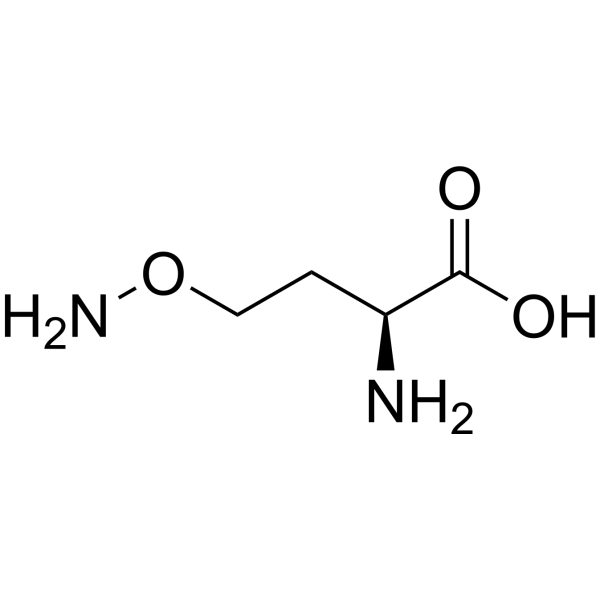
L-Canaline is a nonprotein amino acid stored in many leguminous plants. L-Canaline is a cytotoxic metabolite catalyzed by L-canavanine and its arginase. L-Canaline is a potent and irreversible inhibitor of ornithine aminotransferase. L-Canaline inhibits the growth of the malaria parasite Plasmodium falciparum with an IC50 of 297 nM. L-Canaline has anticancer and antiproliferative effects .
|
-
-
- HY-D0300
-
|
|
Biochemical Assay Reagents
|
Others
|
|
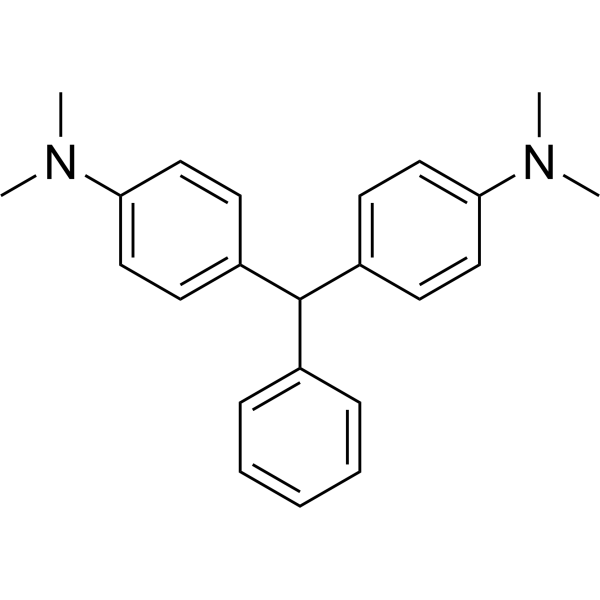
Leucomalachite green is the major reduced metabolite of malachite green (MG) and has lower cytotoxicity (such as HEp-2 and Caco-2) than malachite green. Leucomalachite green may be involved in interfering with cell metabolism or redox balance and can be used to evaluate its potential harm to human cells as a food contaminant .
|
-
-
- HY-N8796
-
|
|
Endogenous Metabolite
|
Cancer
|
|
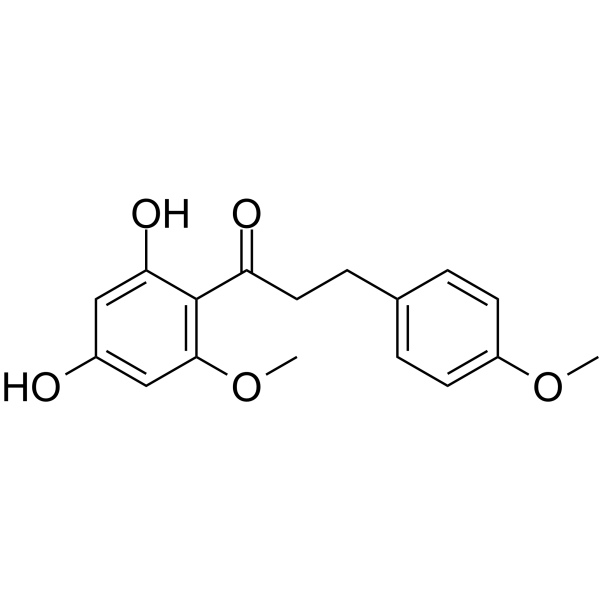
2',4'-Dihydroxy-4,6'-diMethoxydihydrochalcone is a dihydrochalcone compound isolated from Iryanthera juruensis Warb. 2',4'-Dihydroxy-4,6'-diMethoxydihydrochalcone is a major cytotoxic metabolite when tested against a panel of cancer cell lines .
|
-
-
- HY-75564
-
|
|
Endogenous Metabolite
|
Cancer
|
|
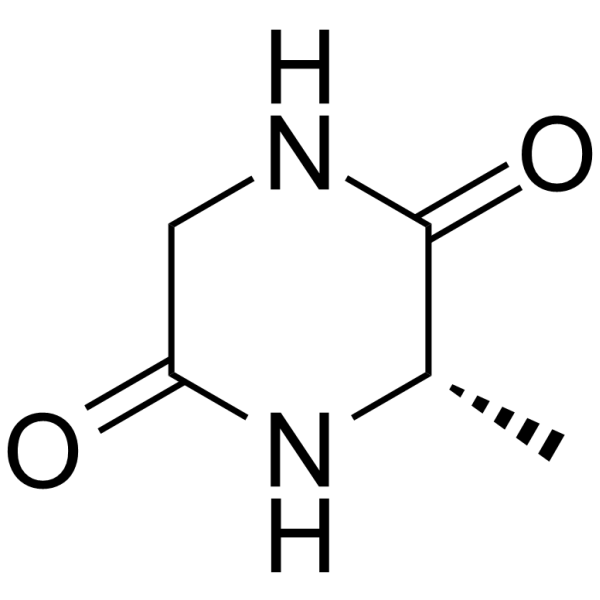
Cyclo(Ala-Gly), a metabolite of a mangrove endophytic fungus, Penicillium thomi, exhibits cytotoxicity against A549, HepG2 and HT29 cells. The IC50 values range from 9.5 to 18.1 μM .
|
-
-
- HY-148818
-
|
|
ADC Payload
|
Others
|
|
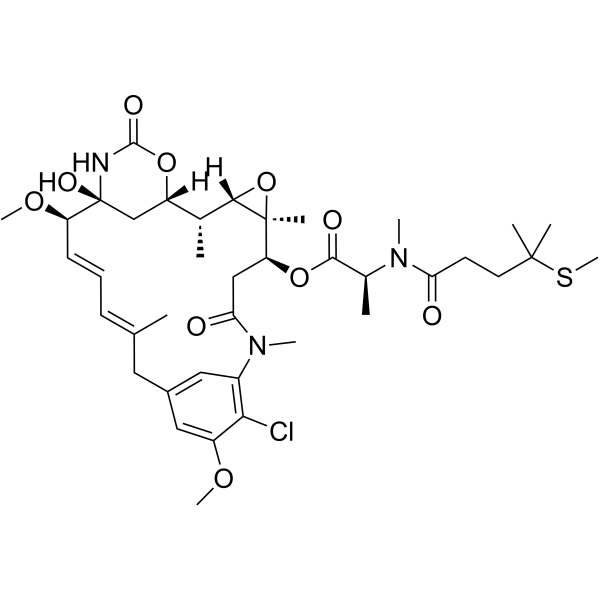
S-Me-DM4 is a metabolite of DM4 S-methylated by intracellular enzyme. DM4 (HY-100503) is a microtubule-depolymerizing maytansinoid with strong cytotoxicity. DM4 can be used as an ADC Cytotoxin molecule .
|
-
-
- HY-136591
-
|
|
Drug Metabolite
|
Neurological Disease
Cancer
|
|
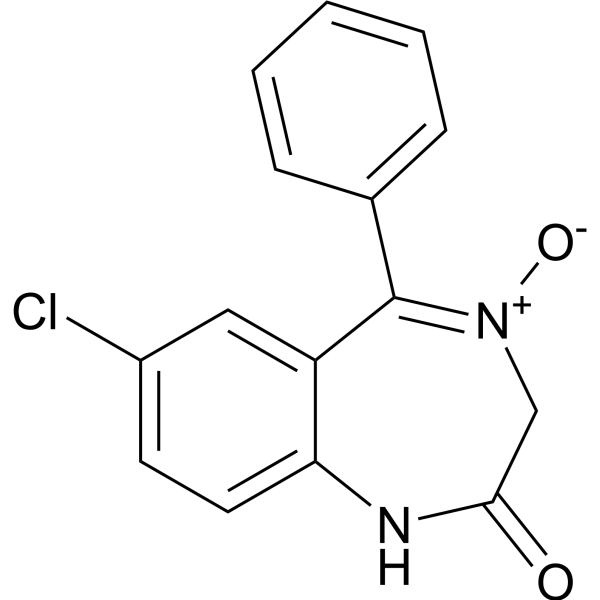
Demoxepam is a major metabolite of Chlordiazepoxide. Demoxepam exhibits cytotoxicity activity against cancer cell lines. Demoxepam has anticonvulsant and anxiolytic effects. Demoxepam has an inhibitory effect on in vitro [ 3H]tryptophan binding to rat hepatic nuclei .
|
-
-
- HY-130082
-
|
|
ADC Payload
Microtubule/Tubulin
|
Cancer
|
|
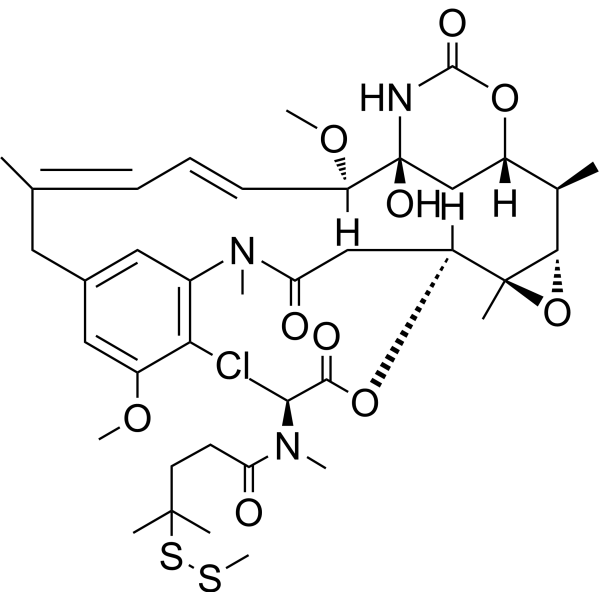
DM4-SMe is a metabolite of antibody-maytansin conjugates (AMCs) and a tubulin inhibitor, and also a cytotoxic moiety of antibody-drug conjugates (ADCs), which can be linked to antibody through disulfide bond or stable thioether bond. DM4-SMe inhibits KB cells with an IC50 of 0.026 nM. DM4-SMe is a highly toxic metabolite that can be oxidized and detoxified by human liver microsomes .
|
-
-
- HY-108263
-
|
CGP52421
|
FLT3
|
Cancer
|
|
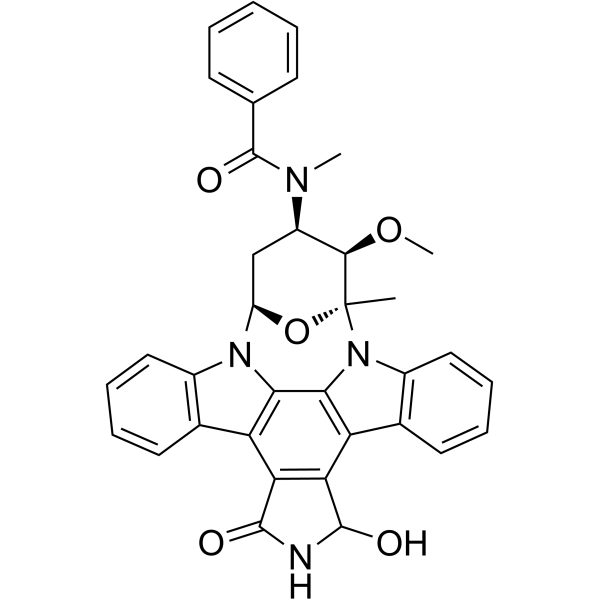
3-Hydroxy Midostaurin (CGP 52421), a metabolite of PKC412, effectively inhibits FMS-like tyrosine kinase-3 (FLT3) autophosphorylation with IC50s of approximately 132 nM and 9.8 μM in culture medium and plasma, respectively. 3-Hydroxy Midostaurin is less selective but more cytotoxic than PKC412 .
|
-
-
- HY-116364B
-
|
3'-Azido-3'-deoxythymidine-5'-triphosphate tetraammonium
|
HIV
DNA/RNA Synthesis
HBV
Reactive Oxygen Species (ROS)
Apoptosis
|
Infection
|
|
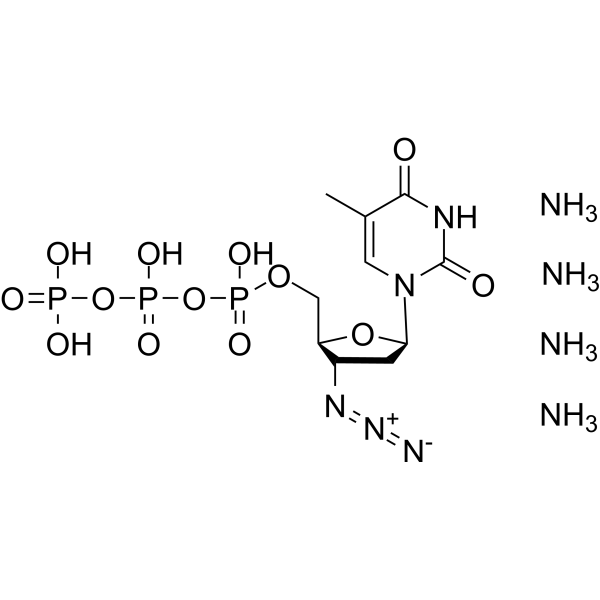
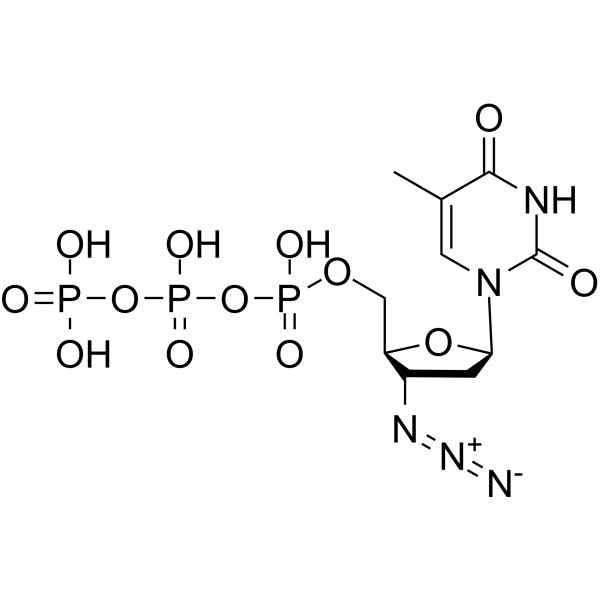
AZT triphosphate (3'-Azido-3'-deoxythymidine-5'-triphosphate) tetraammonium is an active triphosphate metabolite of Zidovudine (AZT). AZT triphosphate tetraammonium exhibits antiretroviral activity and inhibits replication of HIV. AZT triphosphate tetraammonium also inhibits the DNA polymerase of HBV. AZT triphosphate tetraammonium activates the mitochondria-mediated apoptosis pathway .
|
-
-
- HY-107831
-
|
|
Drug Derivative
|
Inflammation/Immunology
Cancer
|
|
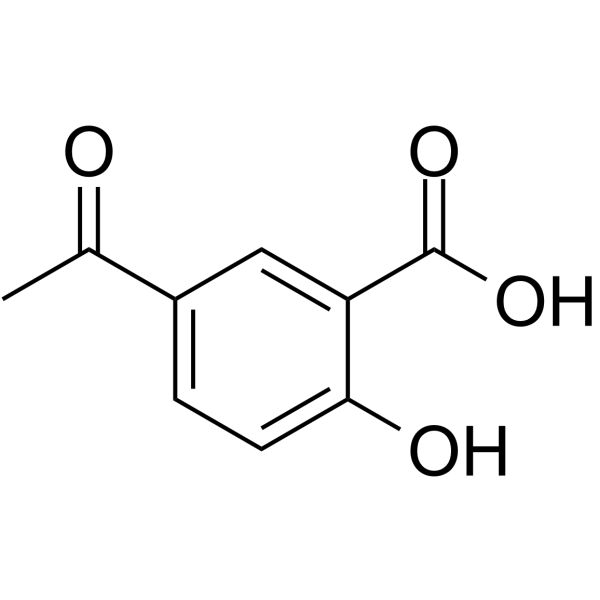
5-Acetylsalicylic acid is the derivate of Aspirin (HY-14654), with anti-inflammatory property. 5-Acetylsalicylic acid is the active metabolite of Sulfasalazine (HY-14655) and its production is regulated by beneficial bacteria in the gut but is confined to the intestinal tract. 5-Acetylsalicylic acid exhibits a mild cytotoxicity effect on B16F10 cells. 5-Acetylsalicylic acid can be used for the study of inflammatory bowel disease (IBD) such as ulcerative colitis (UC) .
|
-
-
- HY-125348S
-
|
|
Isotope-Labeled Compounds
|
Cancer
|
|
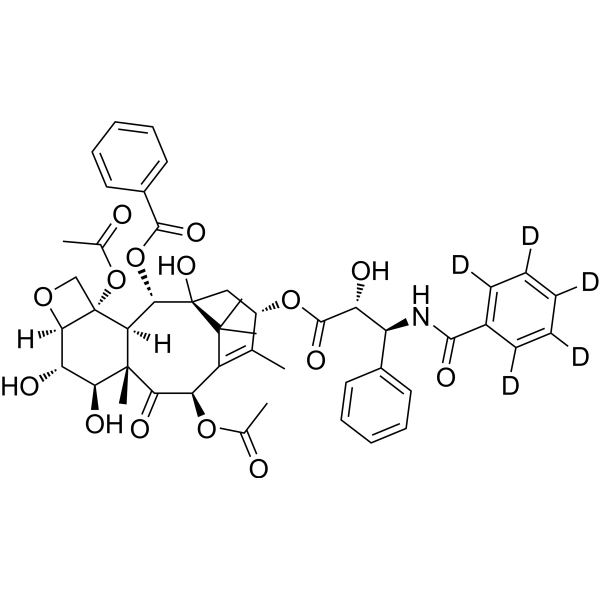
6α-Hydroxy Paclitaxel-d5 is the deuterium labeled 6α-Hydroxy paclitaxel. 6α-Hydroxy paclitaxel is one of the main metabolites of Paclitaxel (PTX) (HY-B0015), and it is generated by the liver cytochrome P450 enzyme CYP2C8. 6α-Hydroxy paclitaxel has bone marrow toxicity, but it can enhance the cytotoxicity of PTX against leukemia cells without causing cell toxicity. 6α-Hydroxy paclitaxel can be used in leukemia research.
|
-
-
- HY-W000427
-
|
|
Bacterial
|
Infection
Cancer
|
|
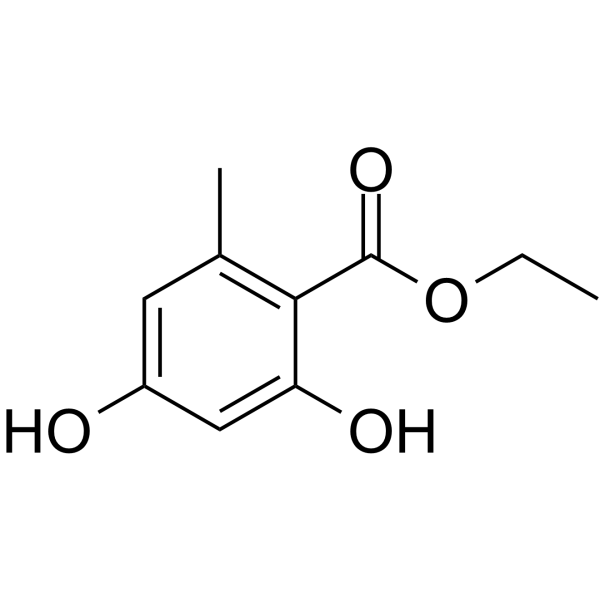
Ethyl orsellinate is a lichen metabolite and a derivative of lecanoric acid with antiproliferative and antitumour activities . Ethyl Orsellinate is against A. salina for the cytotoxic activity with an LC50 of 495 μM .
|
-
-
- HY-153043
-
|
|
Drug Metabolite
|
Cancer
|
|
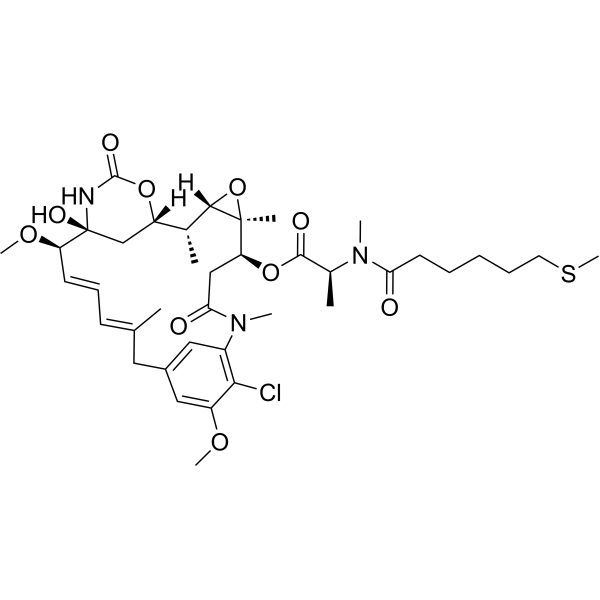
DM-CO-(CH2)5-SMe is an anticancer agent derived from antibody-drug conjugates (ADC) metabolite with cytotoxicity to H1703, H1975, COLO704 and Colo720E cells .
|
-
-
- HY-136913
-
|
(Rac)-Betuligenol
|
Endogenous Metabolite
|
Inflammation/Immunology
|
|
(Rac)-Rhododendrol ((Rac)-Betuligenol) is an aromatic compound with pro-oxidant activity. (Rac)-Rhododendrol may be useful in the suppression of liver diseases. (Rac)-Rhododendrol can be toxic to melanocytes, leading to cell death. The metabolite of (Rac)-Rhododendrol, RD-quinone, is cytotoxic and causes enzyme inactivation and endoplasmic reticulum stress by binding to thiol proteins. (Rac)-Rhododendrol-derived melanin exhibits potent pro-oxidant activity and may cause oxidative stress .
|
-

-
- HY-W272217S
-
|
n-Octacosane-d58; NSC 5549-d58
|
Bacterial
Endogenous Metabolite
|
Cancer
|
|
Octacosane-d58 is the deuterium labeled Octacosane . Octacosane is an endogenous metabolite with antibacterial activity. Octacosane shows high cytotoxicity against murine melanoma B16F10-Nex2 cells besides inducing protection against a grafted subcutaneous melanoma. Octacosane has the larvicidal activity against mosquito Culex quinquefasciatus with the LC50 concentration of 7.2 mg/l .
|
-

-
- HY-134160
-
|
5-DHFU; 5-Fluorodihydropyrimidine-2,4-dione; 5-Fluorodihydrouracil
|
Nucleoside Antimetabolite/Analog
|
Cancer
|
|
5,6-Dihydro-5-Fluorouracil (5-DHFU; 5-Fluorodihydropyrimidine-2,4-dione) is the active metabolite of the thymidylate synthase inhibitor prodrug 5-fluorouracil (HY-90006), which is formed from 5-fluorouracil by dihydropyrimidine dehydrogenase (DPD). 5,6-Dihydro-5-Fluorouracil is cytotoxic to HaCaT keratinocytes (IC50=13.5 μM). Intravenous administration of 5,6-Dihydro-5-Fluorouracil (90 mg/kg/wk) in combination with 5-fluorouracil and the DPD inhibitor eniluracil (HY-10533) slows tumor growth in a rat colon cancer model.
|
-

-
- HY-N3102A
-
|
(E)-p-Hydroxycinnamyl alcohol
|
Others
|
Inflammation/Immunology
|
|
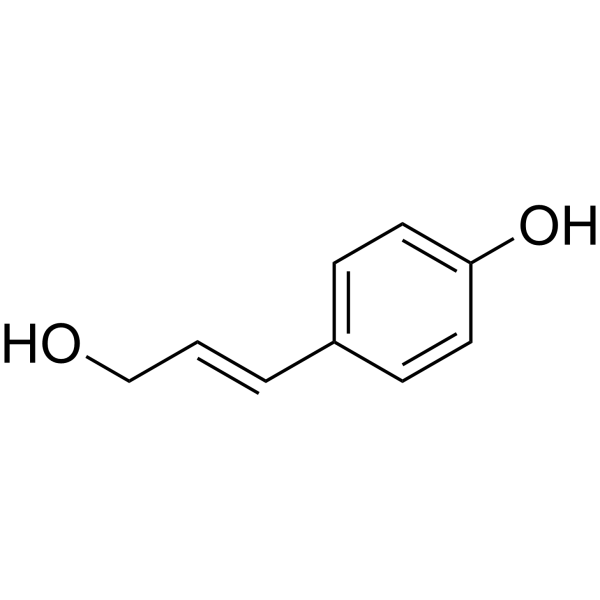
(E)-p-Coumaryl alcohol is a metabolite of coumarin that has significant cytotoxicity. (E)-p-Coumaryl alcohol can be isolated from Alpinia officinarum and Rhodiola rosea and can be used for inflammation research .
|
-
-
- HY-129315
-
|
N-Deacetylketoconazole; R-39519
|
Bacterial
Fungal
|
Infection
|
|
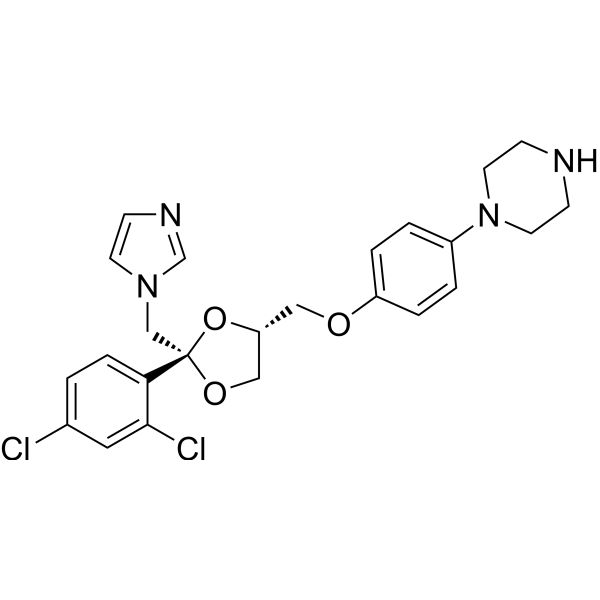
Deacylketoconazole (N-Deacetylketoconazole; R-39519) is an orally active metabolite of Ketoconazole (HY-B0105). Deacylketoconazole exhibits antifungal and antibacterial activity. Deacylketoconazole is cytotoxic in rats hepatocyte .
|
-
-
- HY-124414
-
|
|
Estrogen Receptor/ERR
Drug Metabolite
|
Cancer
|
|
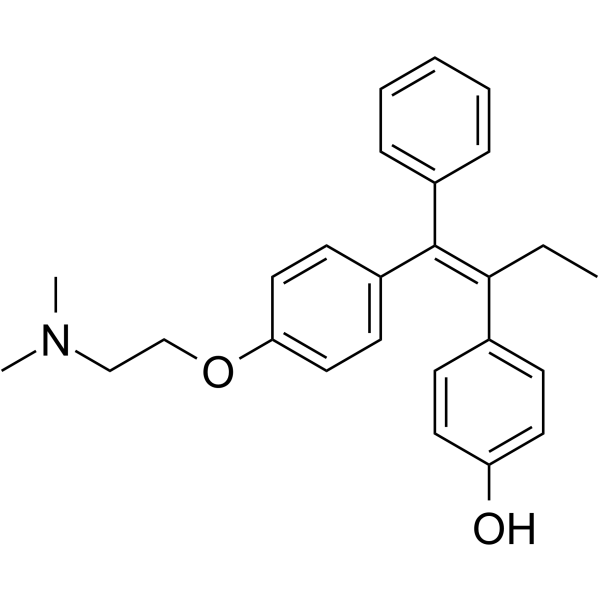
4'-Hydroxytamoxifen is a metabolite of Tamoxifen. 4'-Hydroxytamoxifen shows higher affinity for the ER than Tamoxifen. 4'-Hydroxytamoxifen induces a non-apoptotic cytotoxic effect in human endometrial adenocarcinoma cells .
|
-
-
- HY-116364
-
|
3'-Azido-3'-deoxythymidine-5'-triphosphate
|
HIV
DNA/RNA Synthesis
HBV
Reactive Oxygen Species (ROS)
Apoptosis
|
Infection
|
|
AZT triphosphate (3'-Azido-3'-deoxythymidine-5'-triphosphate) is a active triphosphate metabolite of Zidovudine (AZT). AZT triphosphate exhibits antiretroviral activity and inhibits replication of HIV. AZT triphosphate also inhibits the DNA polymerase of HBV. AZT triphosphate activates the mitochondria-mediated apoptosis pathway .
|
-
-
- HY-164840A
-
|
|
DNA/RNA Synthesis
|
Cancer
|
|
Clofarabine-5'-triphosphate trisodium is the trisodium salt form of Clofarabine-5'-triphosphate (HY-164840). Clofarabine-5'-triphosphate trisodium is the metabolite of Clofarabine (HY-A0005) by deoxycytidine kinase (dCK) phosphorylation. Clofarabine-5'-triphosphate trisodium exhibits cytotoxicity in cancer cells through inhibition of DNA synthesis and DNA repair .
|
-

-
- HY-W272217
-
|
n-Octacosane; NSC 5549
|
Endogenous Metabolite
Bacterial
|
Inflammation/Immunology
Cancer
|
|
Octacosane is an endogenous metabolite with antibacterial activity. Octacosane shows high cytotoxicity against murine melanoma B16F10-Nex2 cells besides inducing protection against a grafted subcutaneous melanoma. Octacosane has the larvicidal activity against mosquito Culex quinquefasciatus with the LC50 concentration of 7.2 mg/l .
|
-

-
- HY-126619
-
|
|
Bacterial
Apoptosis
|
Infection
|
|
Aspochalasin D is a co-metabolite originally isolated from A. microcysticus with aspochalasins A, B, and C, that is initially thought to be inactive. It has antibacterial activity against Gram-positive and Gram-negative bacteria at a concentration of 1 mg/ml.2 Aspochalasin D is more cytotoxic, via apoptosis, to Ba/F3-V12 cells in an IL-3-free medium than in an IL-3-containing medium (IC50s=0.49 and 1.9 μg/mL, respectively).
|
-

-
- HY-114689
-
-
-
- HY-124414A
-
|
|
Estrogen Receptor/ERR
Drug Metabolite
|
Cancer
|
|
4'-Hydroxytamoxifen TFA is a salt form of a metabolite of Tamoxifen. 4'-Hydroxytamoxifen TFA has a higher affinity for ER than Tamoxifen. 4'-Hydroxytamoxifen TFA induces non-apoptotic cytotoxicity in human endometrial adenocarcinoma cells .
|
-

-
- HY-N16530
-
|
|
Endogenous Metabolite
|
Others
|
|
8-Methyl-2'-deoxydisporopsin (Compound 2) is a C-methylated high isomeric ketone and is one of the characteristic secondary metabolites of the Liliaceae family. 8-Methyl-2'-deoxydisporopsin shows no cytotoxic activity .
|
-

-
- HY-121252A
-
|
|
α-synuclein
Apoptosis
Drug Metabolite
|
Neurological Disease
|
|
Dopal (purity>80%) is a metabolite and aldehyde neurotoxin of Dopamine (HY-B0451). Dopal (purity>80%) exhibits cytotoxicity, induces α-synuclein oligomerization and aggregation, and is closely associated with the pathogenesis of Parkinson's disease. Dopal (purity>80%) can be used in research related to Parkinson's disease .
|
-

-
- HY-123393
-
|
|
Topoisomerase
|
Others
|
|
PNU-142586 is the major metabolite of Linezolid (HY-10394). PNU-142586 can inhibit the activity of DNA topoisomerase 2-α (TOP2A) and DNA topoisomerase 2-β (TOP2B). PNU-142586 interferes with DNA replication and transcription by blocking the binding of DNA to TOP2 and inhibiting ATP hydrolysis, ultimately leading to antiproliferative and cytotoxic effects, including mitochondrial dysfunction. PNU-142586 can be used to study Linezolid-induced hematotoxicity and its molecular mechanism .
|
-

-
- HY-167831
-
|
|
Fungal
|
Infection
|
|
Vermistatin is a metabolite of the fungal strain Guignardia that has cytotoxic and antifungal activity .
|
-

-
- HY-W747516
-
|
|
Antibiotic
|
Infection
Cancer
|
|
Butylcycloheptylprodigiosin is the secondary metabolite produced by some bacteria, such as Streptomyces. Butylcycloheptylprodigiosin is a red-pigmented antibiotic and exhibits cytotoxicity against cancer cell MCF-7 and HDF .
|
-

-
- HY-129558
-
|
|
HCV
|
Infection
Cancer
|
|
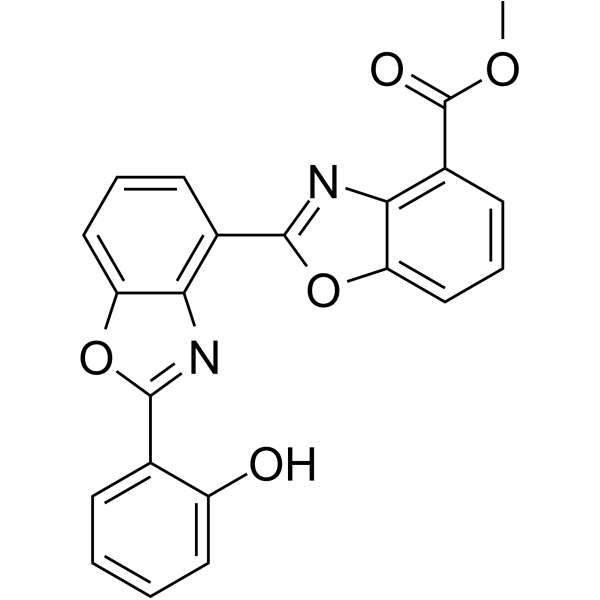
UK-1 is a cytotoxic metabolite from Streptomyces sp. 517-02 and exerts a wide spectrum of potent anticancer activities . UK-1 also inhibits HCV replication .
|
-
-
- HY-111402
-
|
Erizomycin; NSC 246134
|
Bacterial
Antibiotic
|
Infection
|
|
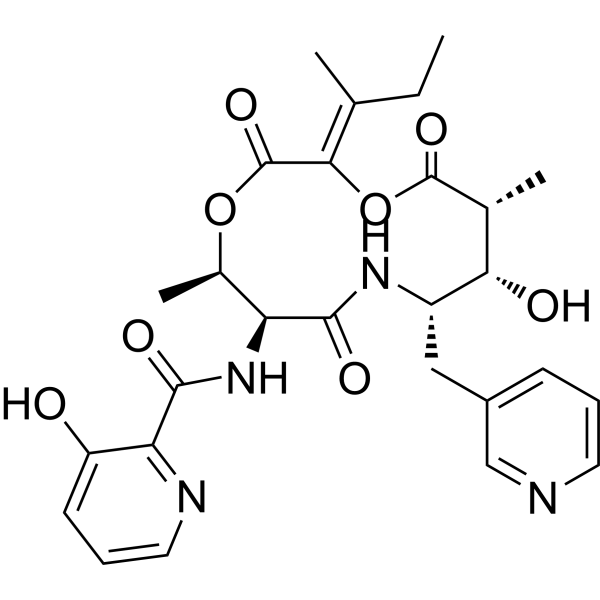
Pyridomycin (Erizomycin) is a selective and low cytotoxic inhibitor of Mycobacterium tuberculosis that effectively targets InhA. Pyrdomycin is also an antibiotic that can be obtained from metabolites of Dactylosporangium fulvum. Pyrdomycin can be used in the study of bacterial infections such as tuberculosis .
|
-
-
- HY-W749980A
-
|
cis-9,10-Epoxy-12(Z)-octadecenoic acid
|
Endogenous Metabolite
|
Others
|
|
cis-Coronaric acid is the 9,10-cis epoxide of linoleic acid, generated by neutrophils during the oxidative burst. It has been recovered from the lungs of hyperoxic rats and from humans with acute respiratory distress syndrome. Mitochondrial dysfunction is the main feature of cis-Coronaric acid cytotoxicity, which may be due to the diol metabolites as well as the parent epoxide.
|
-

-
- HY-116364A
-
|
3'-Azido-3'-deoxythymidine-5'-triphosphate TEA
|
HIV
DNA/RNA Synthesis
HBV
Reactive Oxygen Species (ROS)
Apoptosis
|
Infection
|
|
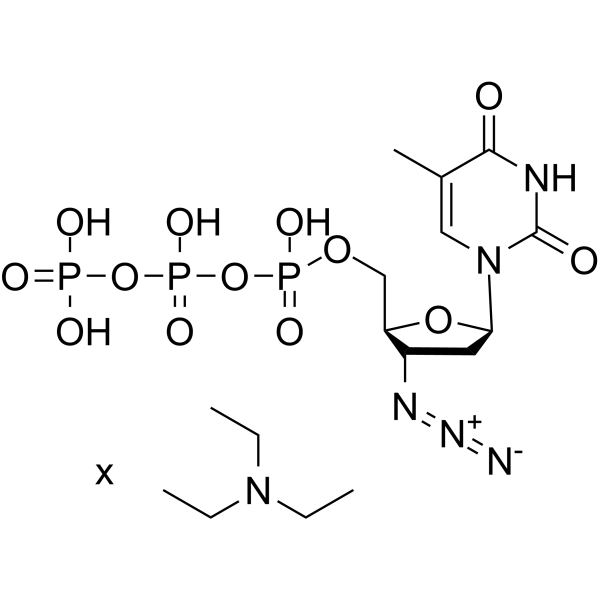
AZT triphosphate (3'-Azido-3'-deoxythymidine-5'-triphosphate) TEA is a active triphosphate metabolite of Zidovudine (AZT). AZT triphosphate TEA exhibits antiretroviral activity and inhibits replication of HIV. AZT triphosphate TEA also inhibits the DNA polymerase of HBV. AZT triphosphate TEA activates the mitochondria-mediated apoptosis pathway .
|
-
-
- HY-119916
-
|
|
DNA/RNA Synthesis
|
Cancer
|
|
Tauromustine is an orally active nitrosourea anticancer agent. Tauromustine has an alkylation effect and can damage the DNA function. Tauromustine has a high therapeutic index, especially in the study of Walker 256 rat sarcoma. It is also active against melanoma, breast cancer, pleural mesothelioma and ovarian cancer. Tauromustine is mainly metabolized in the liver, but some of its metabolites also have cytotoxicity .
|
-

-
- HY-16700G
-
|
|
ADC Payload
Topoisomerase
|
Cancer
|
|
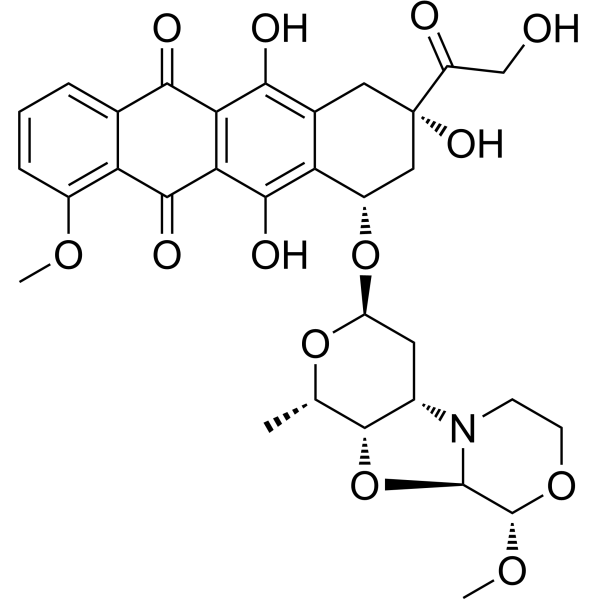
PNU-159682 GMP is a GMP grade PNU-159682 (HY-16700). PNU-159682, a metabolite of the anthracycline Nemorubicin, is a highly potent DNA topoisomerase II inhibitor with excellent cytotoxicity. PNU-159682 acts as a more potent and tolerated ADC cytotoxin than Doxorubicin for ADC synthesis. PNU-159682 can be used in EDV-nanocell technology to overcome agent resistance.
|
-
-
- HY-D0300S1
-
|
|
Isotope-Labeled Compounds
Biochemical Assay Reagents
|
Others
|
|
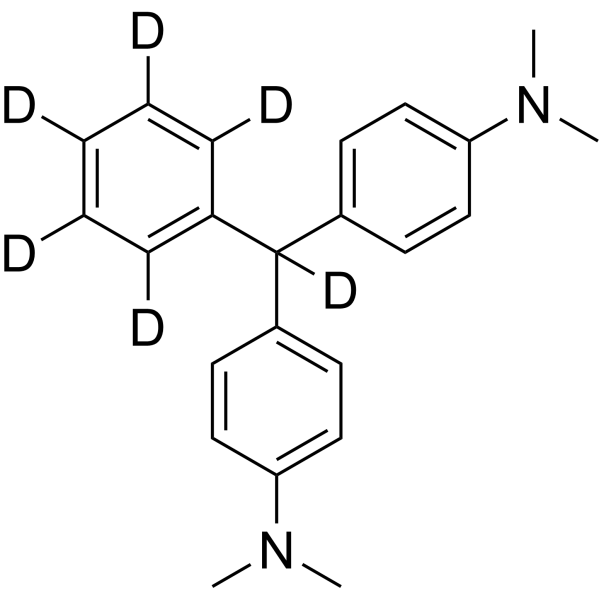
Leucomalachite green-d6 is the deuterated derivative of Leucomalachite green (HY-D0300). Leucomalachite green is the major reduced metabolite of malachite green (MG) and has lower cytotoxicity (such as HEp-2 and Caco-2) than malachite green. Leucomalachite green may be involved in interfering with cell metabolism or redox balance and can be used to evaluate its potential harm to human cells as a food contaminant .
|
-
-
- HY-158721
-
|
Marinamide
|
Endogenous Metabolite
Parasite
|
Infection
Cancer
|
|
Penicinoline (Marinamide) (Compound 1), a pyrrolyl 4-quinolinone alkaloid, is a microbial secondary metabolite. Penicinoline can be isolated from endophytic fungus Penicillium sp. Penicinoline has antimalarial activity against Chloroquine (HY-17589A) sensitive strain (pf3d7) and against Chloroquine resistant strain (pfDd2) of plasmodium falciparum. Penicinoline also has strong insecticidal activity against Aphis gossypii and selective anticancer effect with significant cytotoxicity for 95-D and HepG2 cells .
|
-

-
- HY-N8504
-
|
NSC 260179; Spectinabilin
|
Bacterial
|
Infection
|
|
Neoaureothin is a bacterial metabolite that has been found in Streptomyces. It is an androgen receptor (AR) antagonist that inhibits binding of dihydrotestosterone (DHT) to ARs (IC50=13 μM) and inhibits DHT-induced expression of prostate-specific antigen in LNCaP cells (IC50=1.75 nM). Neoaureothin is cytotoxic to A549, HCT116, and HepG2 cells (IC50s=34.3, 47, and 37.2 μg/mL, respectively). It also has nematocidal activity against the pine wood nematode B. xylophilus (LC50=0.84 μg/mL) and increases survival of P. densiflora trees inoculated with B. xylophilus.
|
-

-
- HY-137200
-
|
|
Drug Metabolite
|
Cancer
|
|
N-Desmethyl Bendamustine is a metabolite of Bendamustine (HY-13567). N-Desmethyl Bendamustine has cytotoxic effect in several lymphoma cell lines and peripheral blood lymphocytes .
|
-

-
- HY-N10207
-
|
|
Endogenous Metabolite
|
Infection
Cancer
|
|
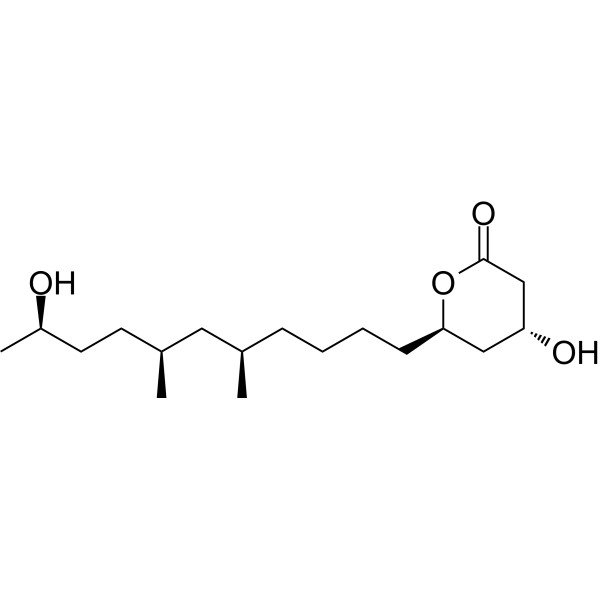
Penicitide A is a marine secondary metabolite. Penicitide A shows moderate cytotoxicity against pathogen A. brassicae and the human hepatocellular liver carcinoma (HepG2) cell line .
|
-
-
- HY-N6679
-
|
|
Antibiotic
|
Cancer
|
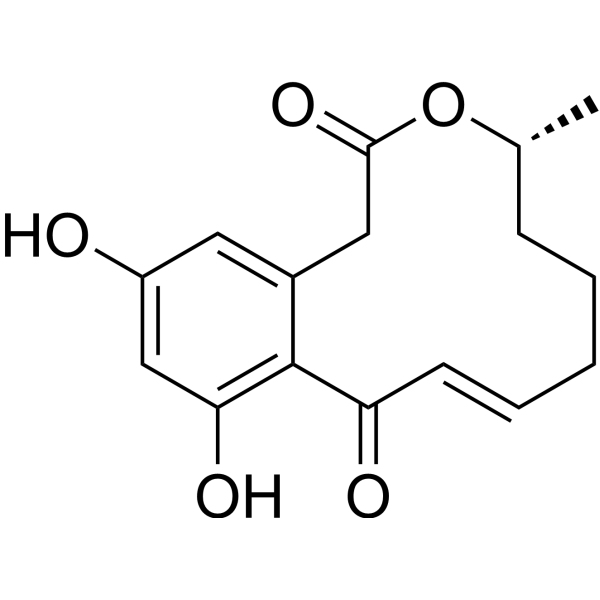
|
(R)-10,11-Dehydrocurvularin is a secondary metabolite isolated from Curvularia sp.. (R)-10,11-Dehydrocurvularin displays concentration-dependent cytotoxicity towards human tumor cell lines
with a mean IC50 value of 1.25 µM .
|
-
-
- HY-N10265
-
|
|
Endogenous Metabolite
|
Cancer
|
|
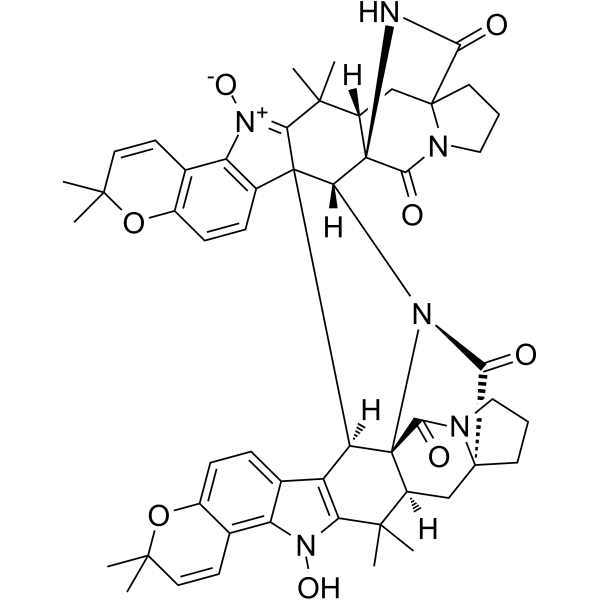
Stephacidin B is a fungal metabolite. Stephacidin B shows in vitro cytotoxicity against a panel of human tumor cell lines. Stephacidin B shows the strongest cytotoxicity against testosterone-dependent prostate LNCaP cancer cells .
|
-
-
- HY-142908
-
|
|
Endogenous Metabolite
|
Cancer
|
|
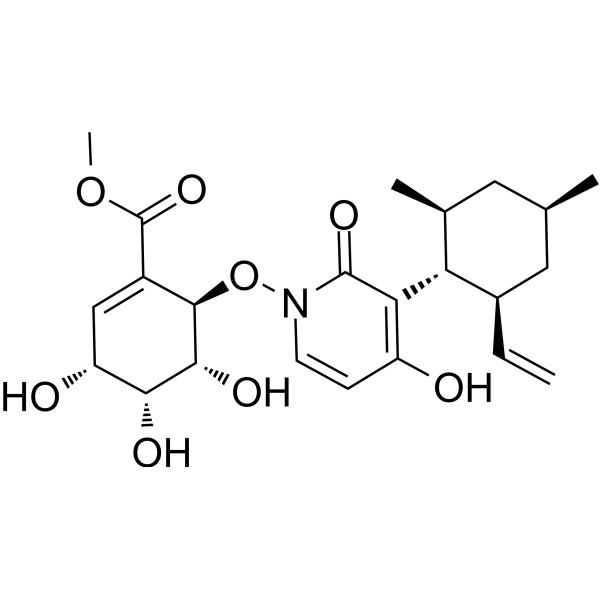
Maximiscin, a fungal metabolite, induces DNA damage and shows selective cytotoxic activity against a subtype of triple-negative breast cancer.
|
-
- HY-126989
-
|
|
Arp2/3 Complex
|
Cancer
|
|
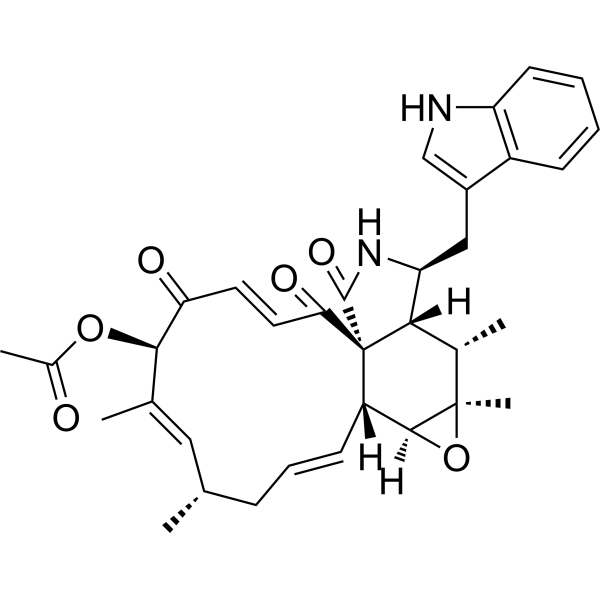
19-O-Acetylchaetoglobosin A, a cytochalasan alkaloid, is a fungal metabolite originally isolated from C. globosum that has actin polymerization inhibitory and cytotoxic activities. 19-O-Acetylchaetoglobosin A is cytotoxic to HeLa cervical cancer cells .
|
-
- HY-120190
-
|
|
Drug Metabolite
|
Infection
|
|
Citreoindole is a diketopiperazine metabolite isolated from a hybrid cell fusion of two strains of P. citreovirde that is cytotoxic in vitro against HeLa cells at 8.4 μM.
|
-

- HY-143242
-
|
|
Others
|
Others
|
|
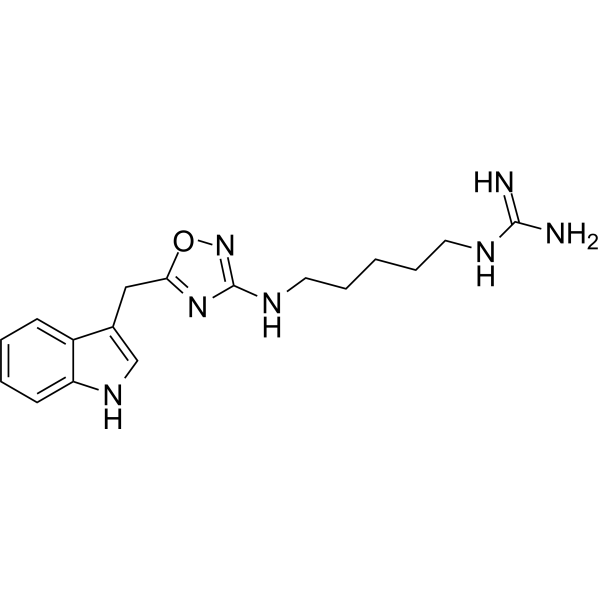
Phidianidine B is a highly cytotoxic 1,2,4-oxadiazole marine metabolite. Phidianidine B is a natural product that can be isolated from a marine mollusk .
|
-
- HY-118118
-
|
|
Fungal
|
Infection
|
|
Phlebiakauranol aldehyde is an antifungal and cytotoxic metabolite with strong antifungal activity. Phlebiakauranol aldehyde exhibits significant antibacterial and cytotoxic activities against a variety of plant pathogens. The aldehyde group and high number of hydroxyl groups of Phlebiakauranol aldehyde are considered to be the main reasons for its biological activity. The two acetic acid derivatives of Phlebiakauranol aldehyde only exhibit very weak antifungal and antibacterial activities and moderate cytotoxic activity .
|
-

- HY-121613
-
|
|
Others
|
Infection
|
|
Resistoflavine is a metabolite of the marine actinomycete S. chibaensis. It slows the growth of and is cytotoxic to HMO2 and HepG2 cells with mean lethal concentrations (LC50) of 0.013 and 0.016 μg/mL, respectively.
|
-

- HY-126699
-
|
Antibiotic TAN 420D
|
Bacterial
|
Infection
|
|
Herbimycin C is a bacterial metabolite originally isolated from S. hygroscopicus. It is cytotoxic to HeLa and Ehrlich cells (IC50s=7.3 and 1.2 μg/mL, respectively).
|
-

- HY-N10205
-
|
|
Endogenous Metabolite
|
Cancer
|
|
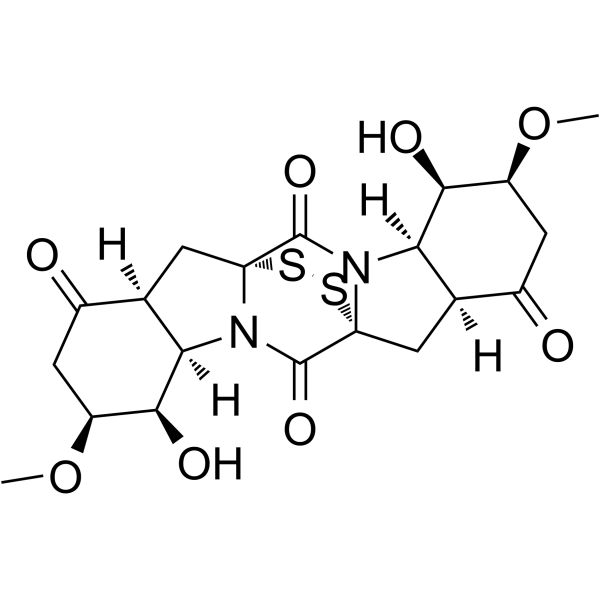
Rostratin C, a cytotoxic disulfide, shows in vitro cytotoxicity against human colon carcinoma (HCT-116) with IC50 value of 0.76μg /mL .
|
-
- HY-N8846
-
|
|
Fungal
|
Infection
|
|
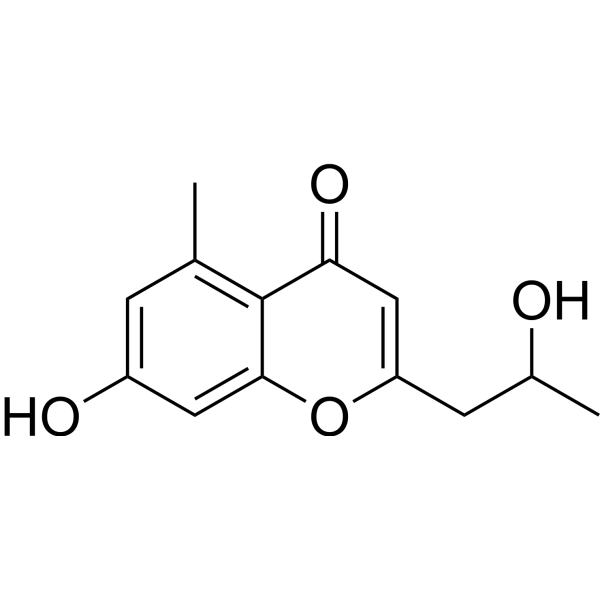
dl-Aloesol is a natural product that can be isolated from fungus Aspergillus sp. Aspergillus sp metabolites has cytotoxic, antibacterial, free radical scavenging, anti-parasitic, antiviral and antiproliferative activities, etc .
|
-
- HY-138035
-
|
|
Fungal
|
Infection
|
|
Tenellin is a fungal metabolite that has been found in Beauveria. It inhibits Mg2+-, Ca2+-, and Na+/K+-ATPase activities in equine erythrocytes by 51, 57, and 74%, respectively, when used at a concentration of 200 μg/mL.1 Tenellin is cytotoxic to Sf9 and Sf21 insect cells with 50% cytotoxic concentration (CC50) values of- 4.84 and 11.95 μM, respectively.
|
-

- HY-165114
-
|
|
Endogenous Metabolite
|
Cancer
|
|
6-Hydroxyramulosin is a fungal metabolite with antiancer effects. 6-Hydroxyramulosin shows cytotoxic effects against A549 and T24, showing IC50 values of 14.2 µg/mL and 15.3 µg/mL, respectively .
|
-

- HY-164840
-
|
Clofarabine-TP
|
DNA/RNA Synthesis
|
Cancer
|
|
Clofarabine-5'-triphosphate is the metabolite of Clofarabine (HY-A0005) by deoxycytidine kinase (dCK) phosphorylation. Clofarabine-5'-triphosphate exhibits cytotoxicity in cancer cells through inhibition of DNA synthesis and DNA repair .
|
-

- HY-N8285
-
|
|
Parasite
|
Infection
|
|
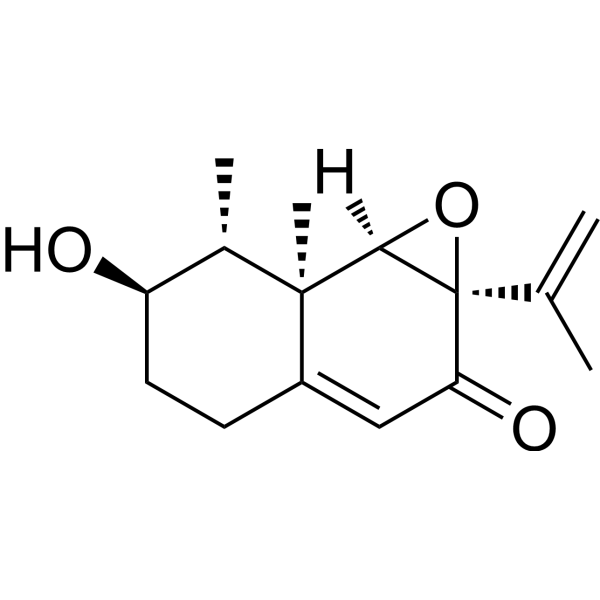
Sporogen AO-1 is a fungal metabolite originally isolated from the fungusAspergillus oryzae. Sporogen AO-1 has significant antimalarial activity againstplasmodium falciparum, with an IC50 value of 1.53 μM, and also has certain cytotoxicity .
|
-
- HY-126464
-
|
EoM
|
Androgen Receptor
|
Cancer
|
|
Estromustine (EoM) is the active metabolite of Estramustine phosphate (HY-13627A). Estromustine binds to mutant androgen receptor (m-AR) with EC50 of 2.6 μM in LNCaP, exhibits cytotoxicity in human prostate cells LNCaP with IC50 of 9.73 μM .
|
-

- HY-W701743
-
|
α-Methyldopamine hydrochloride; α-MeDA hydrochloride
|
Drug Metabolite
|
Cardiovascular Disease
Neurological Disease
|
|
3,4-Dihydroxyamphetamine (α-Methyldopamine) (hydrochloride) is a secondary metabolite of 3,4-Methylenedioxymethamphetamine (MDMA). 3, 4-dihydroxyamphetamine (hydrochloride) is cytotoxic to rat hepatocytes. 3, 4-dihydroxyamphetamine (hydrochloride) is also used in the study of high blood pressure .
|
-

- HY-121014
-
|
|
Reactive Oxygen Species (ROS)
|
Cancer
|
|
Amphimedine is a polycyclic alkaloid isolated from the marine sponge Amphimedon sp. and belongs to the pyridoindole alkaloid class. Amphimedine has cytotoxic activity and has been studied as an anticancer metabolite along with neoamphimedine. Studies have shown that deoxyamphimedine damages DNA by generating reactive oxygen species, a mechanism different from that of amphimedine.
|
-

- HY-164839
-
|
Clofarabine-DP
|
DNA/RNA Synthesis
|
Cancer
|
|
Clofarabine-5'-diphosphate (Clofarabine-DP) is the metabolite of Clofarabine (HY-A0005) by deoxycytidine kinase (dCK) phosphorylation. Clofarabine-5'-diphosphate can be further phorphorylated into Clofarabine-5'-triphosphate, and exhibits cytotoxicity in cancer cells through inhibition of DNA synthesis and DNA repair .
|
-

- HY-121252S
-
|
|
Isotope-Labeled Compounds
α-synuclein
Apoptosis
Drug Metabolite
|
Neurological Disease
|
|
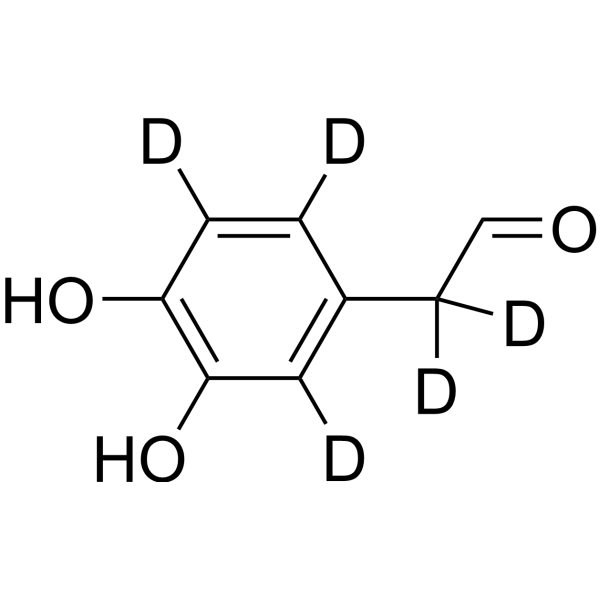
Dopal-d5 is the deuterium labeled Dopal (HY-121252). Dopal is a metabolite and aldehyde neurotoxin of Dopamine (HY-B0451). Dopal exhibits cytotoxicity, induces α-synuclein oligomerization and aggregation, and is closely associated with the pathogenesis of Parkinson's disease. Dopal can be used in research related to Parkinson's disease .
|
-
- HY-124414R
-
|
|
Reference Standards
Estrogen Receptor/ERR
Drug Metabolite
|
Cancer
|
|
4'-Hydroxytamoxifen (Standard) is the analytical standard of 4'-Hydroxytamoxifen. This product is intended for research and analytical applications. 4'-Hydroxytamoxifen is a metabolite of Tamoxifen. 4'-Hydroxytamoxifen shows higher affinity for the ER than Tamoxifen. 4'-Hydroxytamoxifen induces a non-apoptotic cytotoxic effect in human endometrial adenocarcinoma cells .
|
-

- HY-N16442
-
|
|
Endogenous Metabolite
Prolyl Endopeptidase (PREP)
|
Cancer
|
|
Pyrrocidine B (Compound 6), an alkaloid, is a microbial secondary metabolite. Pyrrocidine B can be isolated from the endophytic fungus Neonectria ramulariae Wollenw KS-246. Pyrrocidine B has significant cytotoxicity against leukemia cells (IC50 of 4.6 μM for HL60 cells) with a weak Prolyl oligopeptidase (POP) inhibitory activity .
|
-

- HY-132451S
-
|
|
Isotope-Labeled Compounds
|
Cancer
|
|
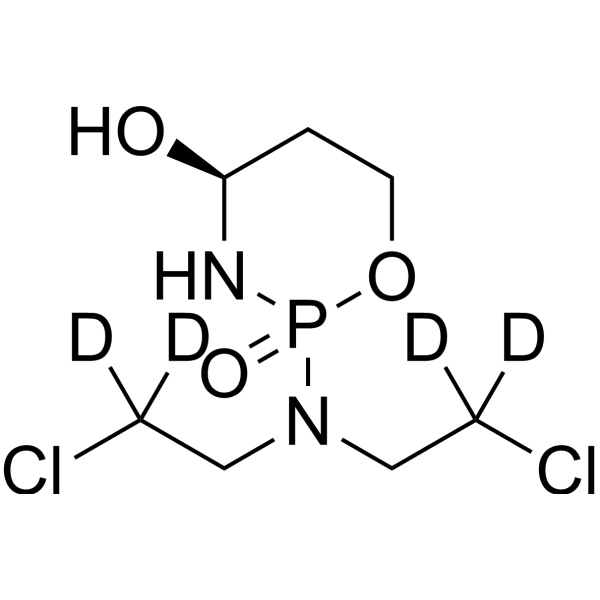
(R,S)-4-Hydroxy Cyclophosphamide-d4 Preparation Kit is the deuterium labeled (R,S)-4-Hydroxy Cyclophosphamide Preparation Kit. (R,S)-4-Hydroxy Cyclophosphamide is an isomer of 4-Hydroxycyclophosphamide, the active metabolite of the cytotoxic alkylating agent Cyclophosphamide (HY-17420) .
|
-
- HY-N10206
-
|
|
Endogenous Metabolite
|
Cancer
|
|
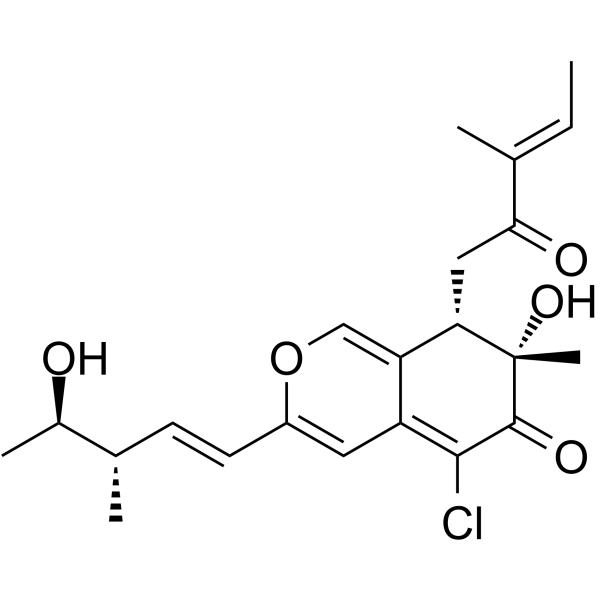
11-epi-Chaetomugilin I is a metabolite found in Chaetomium globosum. 11-epi-Chaetomugilin I exhibits significant cytotoxic activity against the murine P388 leukemia cell line, the human HL-60 leukemia cell line, the murine L1210 leukemia cell line, and the human KB epidermoid carcinoma cell line .
|
-
- HY-N10268
-
|
NSC 299113
|
Apoptosis
|
Cancer
|
|
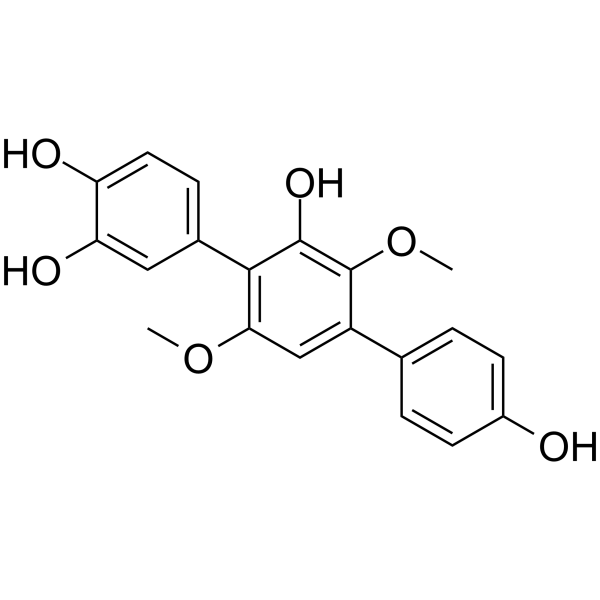
3-Hydroxyterphenyllin is a metabolite of Aspergillus candidus.3-Hydroxyterphenyllin suppresses proliferation and causes cytotoxicity against A2780/CP70 and OVCAR-3 cells. 3-Hydroxyterphenyllin induces S phase arrest and apoptosis. 3-Hydroxyterphenyllin has the potential for the research of ovarian cancer .
|
-
- HY-124414AR
-
|
|
Reference Standards
Estrogen Receptor/ERR
Drug Metabolite
|
Cancer
|
|
4'-Hydroxytamoxifen (TFA) (Standard) is the analytical standard of 4'-Hydroxytamoxifen (TFA). This product is intended for research and analytical applications. 4'-Hydroxytamoxifen TFA is a salt form of a metabolite of Tamoxifen. 4'-Hydroxytamoxifen TFA has a higher affinity for ER than Tamoxifen. 4'-Hydroxytamoxifen TFA induces non-apoptotic cytotoxicity in human endometrial adenocarcinoma cells[1].
|
-

- HY-N12165
-
|
|
Others
|
Others
|
|
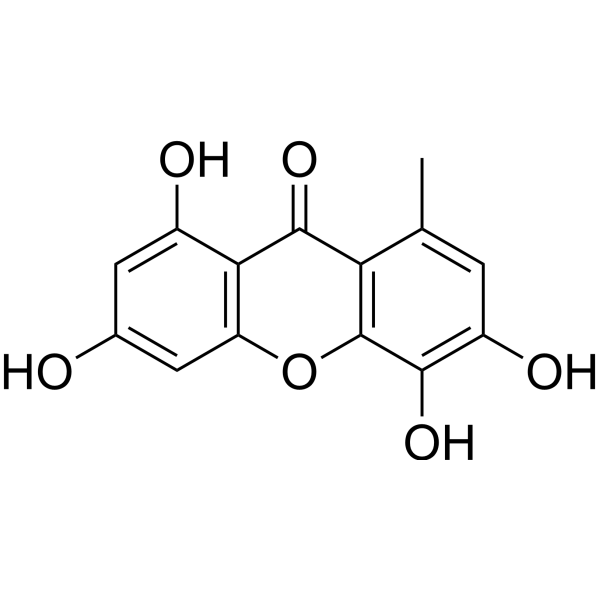
1,3,5,6-Tetrahydroxy-8-methylxanthone (compound 8) is a dimeric 1,4-benzoquinone derivative isolated from the marine-derived fungus Penicillium genus .
|
-
- HY-D0300S
-
|
|
Isotope-Labeled Compounds
Biochemical Assay Reagents
|
Others
|
|
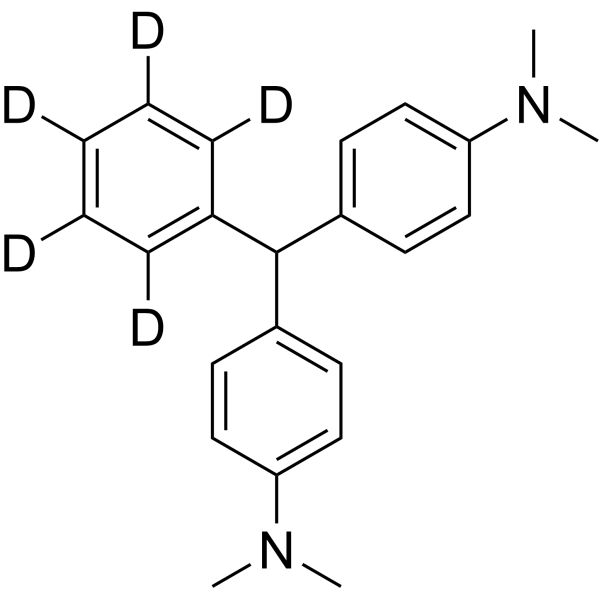
Leucomalachite green-d5 is the deuterated derivative of Leucomalachite green (HY-D0300). Leucomalachite green is the major reduced metabolite of malachite green (MG) and has lower cytotoxicity (such as HEp-2 and Caco-2) than malachite green. Leucomalachite green may be involved in interfering with cell metabolism or redox balance and can be used to evaluate its potential harm to human cells as a food contaminant .
|
-
- HY-N12198
-
|
|
Others
|
Cancer
|
|
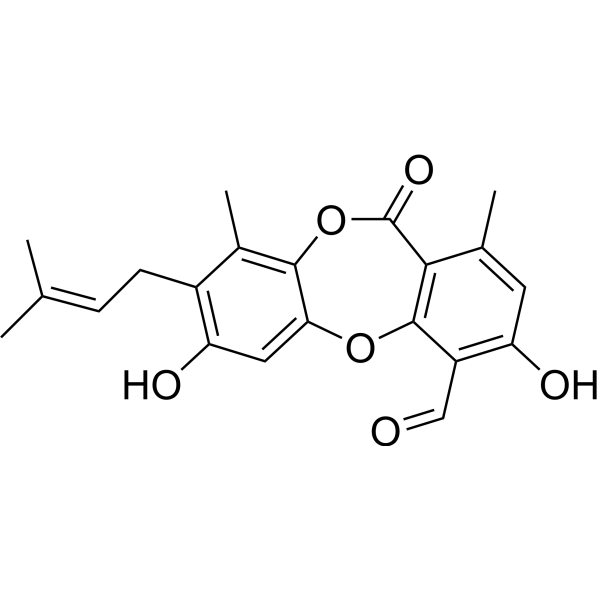
Mollicellin H is a secondary metabolite of the fungus C. brasiliense and has a wide range of biological activities, including immunomodulation, cytotoxicity and anti-tumor effects. The growth inhibitory effects (GI50s) of Mollicellin H on human breast cancer (Bre04), human lung (Lu04) and human neuroma (N04) cell lines are 5.1 μg/mL, 6.5 μg/mL and 2.5 μg/mL respectively .
|
-
- HY-W272217R
-
|
n-Octacosane (Standard); NSC 5549 (Standard)
|
Reference Standards
Endogenous Metabolite
Bacterial
|
Inflammation/Immunology
Cancer
|
|
Octacosane (Standard) is the analytical standard of Octacosane. This product is intended for research and analytical applications. Octacosane is an endogenous metabolite with antibacterial activity. Octacosane shows high cytotoxicity against murine melanoma B16F10-Nex2 cells besides inducing protection against a grafted subcutaneous melanoma. Octacosane has the larvicidal activity against mosquito Culex quinquefasciatus with the LC50 concentration of 7.2 mg/l .
|
-

- HY-D0300R
-
|
|
Biochemical Assay Reagents
Reference Standards
|
Others
|
|
Leucomalachite green (Standard) is the analytical standard of Leucomalachite green (HY-D0300). This product is intended for research and analytical applications. Leucomalachite green is the major reduced metabolite of malachite green (MG) and has lower cytotoxicity (such as HEp-2 and Caco-2) than malachite green. Leucomalachite green may be involved in interfering with cell metabolism or redox balance and can be used to evaluate its potential harm to human cells as a food contaminant .
|
-

- HY-164839A
-
|
Clofarabine-DP trisodium
|
DNA/RNA Synthesis
|
Cancer
|
|
Clofarabine-5'-diphosphate trisodium (Clofarabine-DP trisodium) is the trisodium salt form of Clofarabine-5'-diphosphate (HY-164839). Clofarabine-5'-diphosphate trisodium is the metabolite of Clofarabine (HY-A0005) by deoxycytidine kinase (dCK) phosphorylation. Clofarabine-5'-diphosphate trisodium can be further phorphorylated into Clofarabine-5'-triphosphate, and exhibits cytotoxicity in cancer cells through inhibition of DNA synthesis and DNA repair .
|
-

- HY-107818R
-
|
|
NF-κB
Reference Standards
|
Cardiovascular Disease
Inflammation/Immunology
|
|
4-Hydroxychalcone (Standard) is the analytical standard of 4-Hydroxychalcone. This product is intended for research and analytical applications. 4-Hydroxychalcone is a chalcone metabolite with anti-angiogenic and anti-inflammatory activities. 4-Hydroxychalcone suppresses angiogenesis by suppression of growth factor pathway with no signs of cytotoxicity . 4-Hydroxychalcone inhibits TNF-α induced NF-κB pathway activation and activates BMP signaling, reduces resistant hypertension (RH) by attenuating hyperaldosteronism and renal injury in mice .
|
-

- HY-W751180
-
|
CGP52421-13C6
|
Isotope-Labeled Compounds
FLT3
|
Cancer
|
|
3-Hydroxy Midostaurin- 13C6 (CGP52421- 13C6) is the 13C-labeled 3-Hydroxy Midostaurin (HY-108263). 3-Hydroxy Midostaurin (CGP 52421), a metabolite of PKC412, effectively inhibits FMS-like tyrosine kinase-3 (FLT3) autophosphorylation with IC50s of approximately 132 nM and 9.8 μM in culture medium and plasma, respectively. 3-Hydroxy Midostaurin is less selective but more cytotoxic than PKC412 .
|
-

- HY-135470R
-
|
P-7138 (Standard)
|
Reference Standards
Bacterial
|
Infection
|
|
Nifurpirinol (P-7138) (Standard) is the analytical standard of Nifurpirinol (HY-135470). This product is intended for research and analytical applications. Nifurpirinol (P-7138) is a selective prosubstrate of bacterial nitroreductase (NTR). NTR catalyzes the reduction of nifurpirinol to generate cytotoxic metabolites that induce apoptosis in target cells. Nifurpirinol selectively ablates NTR-expressing cells such as pancreatic β cells, osteoblasts, dopaminergic neurons, and podocytes in transgenic zebrafish models. Nifurpirinol can be used in regeneration studies and disease modeling such as focal segmental glomerulosclerosis (FSGS) .
|
-

- HY-122980
-
|
(S)-Myxochelin A
|
Lipoxygenase
|
Infection
|
|
Myxochelin A is a microbial metabolite that has been found in A. disciformis and has diverse biological activities. It is active against Gram-positive bacteria, including B. cereus, S. aureus, and M. luteus, but not Gram-negative bacteria or fungi in an agar diffusion assay when used at a concentration of 80 μg/disc. Myxochelin A inhibits 5-lipoxygenase (5-LO) activity with an IC50 value of 1.9 μM for the recombinant human enzyme. It is cytotoxic to 26-L5 colon cancer cells when used at a concentration of 3 μg/mL.
|
-

- HY-N8470
-
|
NSC 204855; U 40615
|
Bacterial
|
Infection
|
|
Steffimycin B is an anthracycline bacterial metabolite originally isolated from Streptomyces. It binds to DNA, preferentially intercalating at sites containing cytosine and guanine.2 Steffimycin B is cytotoxic to MCF-7, KB, NCI-H187, and Vero cells (IC50s=3.5, 6.75, 3.28, and 10.5 μM, respectively). It is active against M. tuberculosis (MIC=5.2 nM), B. cereus (MIC=1.56 μg/mL), and P. falciparum (IC50=2.19 μM).
|
-

- HY-N8301
-
|
LL-Z 1272ζ
|
Bacterial
|
Infection
|
|
Ilicicolin F is a fungal metabolite that has been found in Fusarium and has diverse biological activities. It inhibits T. vivax alternative oxidase and the E. coli ubiquinol oxidase cytochrome bo (IC50s=0.43 and 0.37 μM, respectively) but not the E. coli ubiquinol oxidase cytochrome bd (IC50=85 μM).2 Ilicicolin F is active against the fungi A. fumigatus and C. albicans (MICs=1.66-3.33 and 6.66-13.33 μg/mL, respectively). It is cytotoxic to HeLa cells with an EC50 value of 0.003 μg/mL.
|
-

- HY-P11338
-
|
|
Endogenous Metabolite
|
Cancer
|
|
Microcyclamide (Compound 1), a cytotoxic cyclic hexapeptide, is a microbial secondary metabolite. Microcyclamide can be isolated from the cyanobacterium Microcystis aeruginosa. Microcyclamide has moderate cytotoxicity against P388 murine leukemia cells with an IC50 of 1.2 μg/mL. Microcyclamide can be used for cancers research .
|
-

- HY-158925
-
|
|
Endogenous Metabolite
|
Cancer
|
|
Conglobatin C1 is a bacterial metabolite and has anticancer activity. Conglobatin C1 is cytotoxic to NS-1 mouse myeloma cells (IC50 = 1.05 μg/mL) .
|
-

- HY-N3102AR
-
|
(E)-p-Hydroxycinnamyl alcohol (Standard)
|
Others
Reference Standards
|
Inflammation/Immunology
|
|
(E)-p-Coumaryl alcohol is a metabolite of coumarin that has significant cytotoxicity. (E)-p-Coumaryl alcohol can be isolated from Alpinia officinarum and Rhodiola rosea and can be used for inflammation research .
|
-

- HY-N15054
-
|
|
Drug Derivative
|
Cancer
|
|
17-O-Demethylgeldanamycin is a secondary metabolite that can be isolated from Streptomyces. 17-O-Demethylgeldanamycin exhibits cytotoxicity against a variety of tumor cells and has anti-tumor activity .
|
-

- HY-133005
-
|
4-Desacetylvinblastine; Desacetylvincaleukoblastine
|
Drug Metabolite
|
Cancer
|
|
Desacetylvinblastine (4-Desacetylvinblastine) is the major metabolite of Vinblastine (HY-13780) and a cytotoxic agent. When used alone, desacetylvinblastine has poor anti-tumor effects, but it can exert significant anti-tumor activity when in the presence of specific conjugates .
|
-

- HY-N15185
-
|
(-)-Pyrenophorin
|
Herbicide
|
Cancer
|
|
Pyrenophorin ((-)-Pyrenophorin) is a fungal metabolite that has been found in D. avenae and has phytotoxic activity. Pyrenophorin shows strong cytotoxicity against several cancer cell lines with IC50 values ranging from 0.07 to 7.8 μM .
|
-

- HY-N12229
-
|
|
Endogenous Metabolite
Bacterial
|
Infection
|
|
Penipurdin A (Compound 1), an anthraquinone, is a microbial secondary metabolite. Penipurdin A can be isolated from the soil fungus Penicillium purpurogenum SC0070. Penipurdin A has no significant cytotoxicity against cancer cells, such as A549, HepG2 and Hela cells. Penipurdin A has antibacterial activity against Enterococcus faecalis and Staphylococcus aureus .
|
-

- HY-180919
-
|
|
Potassium Channel
Drug Metabolite
|
Cancer
|
|
ERG-IN-5 (Compound M1) is a metabolite of ERG-IN-4 (HY-180918), and it is a hERG potassium channel inhibitor with an IC50 of 1.5 μM. ERG-IN-5 is cytotoxic to MTAP del HCT116 and its CC50 is 28 nM. ERG-IN-5 can be used for the study of colon cancer .
|
-

- HY-136591R
-
|
|
Drug Metabolite
Reference Standards
|
Neurological Disease
Cancer
|
|
Demoxepam (Standard) is the analytical standard of Demoxepam. This product is intended for research and analytical applications. Demoxepam is a major metabolite of Chlordiazepoxide. Demoxepam exhibits cytotoxicity activity against cancer cell lines. Demoxepam has anticonvulsant and anxiolytic effects. Demoxepam has an inhibitory effect on in vitro [ 3H]tryptophan binding to rat hepatic nuclei .
|
-

- HY-75564R
-
|
|
Reference Standards
Endogenous Metabolite
|
Cancer
|
|
Cyclo(Ala-Gly) (Standard) is the analytical standard of Cyclo(Ala-Gly). This product is intended for research and analytical applications. Cyclo(Ala-Gly), a metabolite of a mangrove endophytic fungus, Penicillium thomi, exhibits cytotoxicity against A549, HepG2 and HT29 cells. The IC50 values range from 9.5 to 18.1 μM[1].
|
-

- HY-186205
-
|
|
Drug Metabolite
|
Cancer
|
|
(Rac)-EGC-M5 is an orally active metabolite of green tea Catechin (EGC) (HY-N0898). (Rac)-EGC-M5 enhances the activity of CD4 + T cells. (Rac)-EGC-M5 boosts the cytotoxic activity of NK cells in vivo. (Rac)-EGC-M5 can be used in cancer-related research .
|
-

- HY-180469
-
|
|
Drug Metabolite
DNA/RNA Synthesis
|
Infection
Cancer
|
|
N-Desmethyl clindamycin hydrochloride is the main metabolite of Clindamycin (HY-B1455). N-Desmethyl clindamycin hydrochloride shows potent cytotoxicity against L1210, KB,RPMI 6410 and RPMI 1788 cancer cells with LD50 values of 0.07, 0.29, 0.13 and 0.32 μM. N-Desmethyl clindamycin hydrochloride can inhibit cell DNA, RNA and protein synthesis. N-Desmethyl clindamycin hydrochloride can be used for the research of infection and cancer .
|
-

- HY-W654323
-
|
|
Topoisomerase
Drug Metabolite
|
Others
|
|
PNU-142586 sodiu) is the major metabolite of Linezolid (HY-10394). PNU-142586 can inhibit the activity of DNA topoisomerase 2-α (TOP2A) and DNA topoisomerase 2-β (TOP2B). PNU-142586 interferes with DNA replication and transcription by blocking the binding of DNA to TOP2 and inhibiting ATP hydrolysis, ultimately leading to antiproliferative and cytotoxic effects, including mitochondrial dysfunction. PNU-142586 can be used to study Linezolid-induced hematotoxicity and its molecular mechanism .
|
-

- HY-107831R
-
|
|
Reference Standards
Others
|
Inflammation/Immunology
Cancer
|
|
5-Acetylsalicylic acid (Standard) is the analytical standard of 5-Acetylsalicylic acid (HY-107831). This product is intended for research and analytical applications. 5-Acetylsalicylic acid is the derivate of Aspirin (HY-14654), with anti-inflammatory property. 5-Acetylsalicylic acid is the active metabolite of Sulfasalazine (HY-14655) and its production is regulated by beneficial bacteria in the gut but is confined to the intestinal tract. 5-Acetylsalicylic acid exhibits a mild cytotoxicity effect on B16F10 cells. 5-Acetylsalicylic acid can be used for the study of inflammatory bowel disease (IBD) such as ulcerative colitis (UC) .
|
-

- HY-185150
-
|
9-(2-Phosphonylmethoxy)ethylguanine
|
DNA/RNA Synthesis
CMV
|
Infection
Inflammation/Immunology
Cancer
|
|
PMEG is a nuclear DNA polymerases α, δ, and ε inhibitor that causes DNA chain termination, inhibits DNA synthesis, induces cytotoxicity in dividing cells. PMEG is an acyclic nucleotide phosphonate that forms an active phosphorylated metabolite, PMEG diphosphate, within cells. PMEG has activity against leukemia and melanoma in rodent models. PMEG has poor cell permeability; its prodrug is Rabacfosadine (GS-9219) (HY-13640). PMEG shows antiviral activity against against various DNA virus infections including murine cytomegalovirus (MCMV) and human cytomegalovirus (HCMV). PMEG can be used for the research of non-hodgkin's lymphoma [1][2].
|
-

- HY-156584
-
|
|
Endogenous Metabolite
|
Infection
|
|
ODE-Bn-PMEG is an antiviral compound with strong inhibitory activity against HPV-11, -16, and -18. ODE-Bn-PMEG effectively reduced transient amplification of viral DNA in transfected cells at concentrations well below its cytotoxic levels. ODE-Bn-PMEG showed increased uptake in human foreskin fibroblasts and was able to be efficiently converted to the active antiviral metabolite PMEG diphosphate in vitro. The P-chiral enantiomer of ODE-Bn-PMEG showed comparable antiviral activity, indicating its potential application against multiple HPV types. ODE-Bn-PMEG is a promising candidate for local inhibition of HPV-16, HPV-18, and other high-risk types .
|
-

- HY-122940
-
|
Ageratochromene
|
Endogenous Metabolite
|
Metabolic Disease
|
|
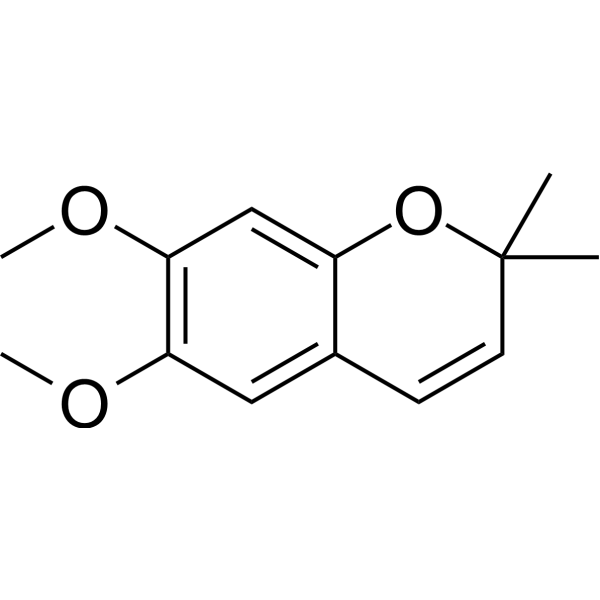
Precocene II (Ageratochromene) is a plant larva hormone antagonists that inhibits the biosynthesis of juvenile hormone. Precocene II inhibits corpora allata function and downregulates juvenile hormone levels, while exerting multiple effects including inducing precocious metamorphosis, forming macropterous morphs, inhibiting ovarian growth, producing cytotoxicity, disrupting insect development, and causing sterility and kidney damage. Precocene II blocks normal nymphal development, causes renal tubular damage and increases blood urea nitrogen levels, and also blocks juvenile hormone biosynthesis in vitro. Precocene II undergoes oxidative metabolism catalyzed by NADPH-dependent monooxygenase to generate a variety of metabolites. Precocene II can be applied in studies related to insect growth regulation and nephrotoxicity .
|
-
- HY-N2374
-
|
|
Apoptosis
NF-κB
MMP
Adrenergic Receptor
|
Inflammation/Immunology
Cancer
|
|
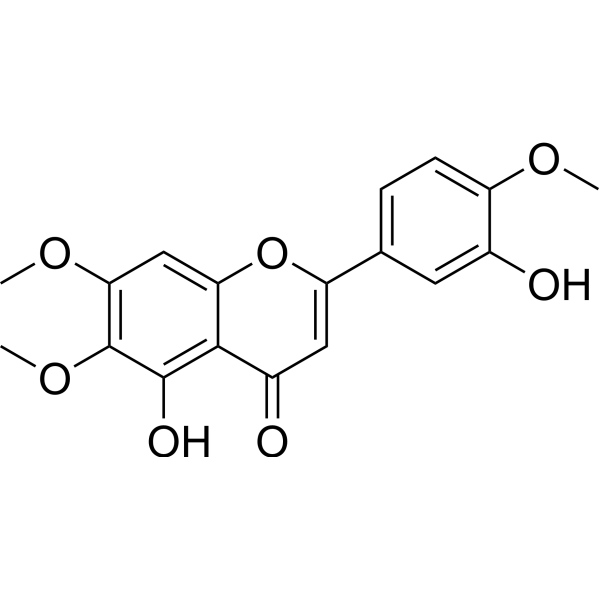
Eupatorin is an orally active flavonoid with antiproliferative and vasodilatory properties. Eupatorin downregulates the expression levels of NF-κB, MMP9, IL-1β and TNF-α. Eupatorin induces apoptosis, G2/M phase cell cycle arrest, and reactive oxygen species (ROS) production. Eupatorin modulates the activities of muscarinic receptors and β-adrenergic receptors; inhibits sarcoplasmic reticulum calcium release and calcium channels; and activates the NO/sGC/cGMP pathway, indomethacin-sensitive pathway, and potassium channel pathway. Eupatorin exerts cytotoxic effects on cancer cell lines, and is metabolized by CYP1A1 and CYP1 family enzymes to form metabolites with antiproliferative activity. Eupatorin can be used in research related to breast cancer, hypertension, and leukemia .
|
-
- HY-122940R
-
|
Ageratochromene (Standard)
|
Reference Standards
Endogenous Metabolite
|
Metabolic Disease
|
|
Precocene II (Standard) is the analytical standard of Precocene II (HY-122940). This product is intended for research and analytical applications. Precocene II (Ageratochromene) is a plant larva hormone antagonists that inhibits the biosynthesis of juvenile hormone. Precocene II inhibits corpora allata function and downregulates juvenile hormone levels, while exerting multiple effects including inducing precocious metamorphosis, forming macropterous morphs, inhibiting ovarian growth, producing cytotoxicity, disrupting insect development, and causing sterility and kidney damage. Precocene II blocks normal nymphal development, causes renal tubular damage and increases blood urea nitrogen levels, and also blocks juvenile hormone biosynthesis in vitro. Precocene II undergoes oxidative metabolism catalyzed by NADPH-dependent monooxygenase to generate a variety of metabolites. Precocene II can be applied in studies related to insect growth regulation and nephrotoxicity .
|
-

- HY-134160S
-
|
5-DHFU-13C,15N2; 5-Fluorodihydropyrimidine-2,4-dione-13C,15N2; 5-Fluorodihydrouracil-13C,15N2
|
Isotope-Labeled Compounds
Nucleoside Antimetabolite/Analog
|
Cancer
|
|
5,6-Dihydro-5-Fluorouracil- 13C, 15N2 (5-DHFU- 13C, 15N2) is the 13C- and 15N-labeled labeled 5,6-Dihydro-5-Fluorouracil (HY-134160). 5,6-Dihydro-5-Fluorouracil (5-DHFU; 5-Fluorodihydropyrimidine-2,4-dione) is the active metabolite of the thymidylate synthase inhibitor prodrug 5-fluorouracil (HY-90006), which is formed from 5-fluorouracil by dihydropyrimidine dehydrogenase (DPD). 5,6-Dihydro-5-Fluorouracil is cytotoxic to HaCaT keratinocytes (IC50=13.5 μM). Intravenous administration of 5,6-Dihydro-5-Fluorouracil (90 mg/kg/wk) in combination with 5-fluorouracil and the DPD inhibitor eniluracil (HY-10533) slows tumor growth in a rat colon cancer model.
|
-

- HY-N11546
-
|
|
Cytochrome P450
Bacterial
Fungal
|
Infection
Cancer
|
|
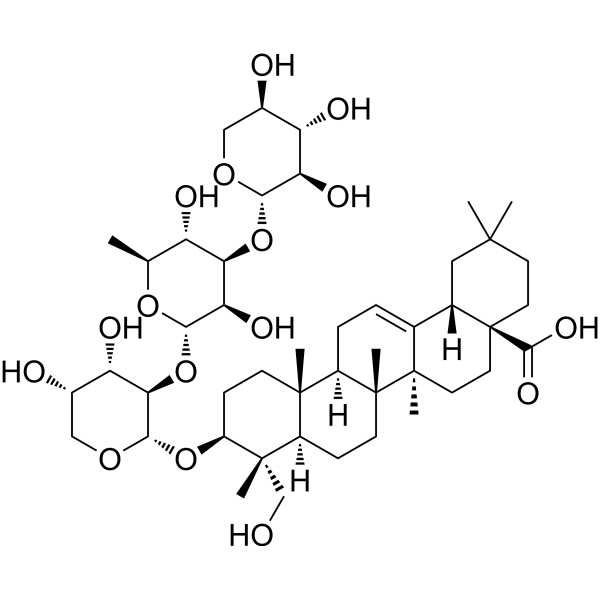
Sapindoside B is a substance with hepatoprotective activity, and also acts as a cytochrome P-450 (cytochrome P-450) inhibitor, antibacterial agent and membrane-disrupting agent. Sapindoside B reversibly inhibits the content of cytochrome P-450 in liver microsomes, suppresses the phenobarbital-induced increase in enzyme content, reduces the production of active metabolites mediated by cytochrome P-450, and alleviates hepatotoxic injury. Sapindoside B binds to Cutibacterium acnes lipase, reduces lipase activity, inhibits biofilm formation, and decreases bacterial adhesion. Sapindoside B exhibits cytotoxicity against human cancer, liver cancer, leukemia and glioblastoma cells. Sapindoside B inhibits mycelial growth of phytopathogenic fungal strains, possesses antibacterial activity against dermatophytes, and also has hemolytic/membrane-lytic activity. Sapindoside B can be used in research related to liver injury, Cutibacterium acnes biofilm-associated infections, gastric cancer, carcinoma, promyelocytic leukemia, glioblastoma, apple scab and grape gray mold .
|
-
- HY-116028
-
|
15-Deoxy-Δ12,14-PGD2
|
Endogenous Metabolite
Prostaglandin Receptor
PPAR
Src
|
Cardiovascular Disease
|
|
15-deoxy-Δ12,14-Prostaglandin D2 (15-Deoxy-Δ12,14-PGD2), a metabolite of PGD2 (HY-101988), is an agonist of prostaglandin receptor 2 (DP2). 15-deoxy-Δ12,14-Prostaglandin D2 binds to DP2 (Ki=50 nM) and induces eosinophil activation (EC50=8 nM). 15-deoxy-Δ12,14-Prostaglandin D2 also stimulates the recruitment of steroid receptor coactivator-1 (SRC-1) to peroxisome proliferator-activated receptor γ (PPARγ), inducing PPARγ-mediated transcription. 15-deoxy-Δ12,14-Prostaglandin D2 (15-Deoxy-Δ12,14-PGD2) is cytotoxic to L1210 murine leukemia cells (IC50=0.3 μg/ml) and inhibits ADP-induced platelet aggregation (IC50=320 ng/mL).
|
-

-
- HY-D0300
-
|
|
Fluorescent Dyes
|
|
Leucomalachite green is the major reduced metabolite of malachite green (MG) and has lower cytotoxicity (such as HEp-2 and Caco-2) than malachite green. Leucomalachite green may be involved in interfering with cell metabolism or redox balance and can be used to evaluate its potential harm to human cells as a food contaminant .
|
-
- HY-16700G
-
|
|
Fluorescent Dyes
|
|
PNU-159682 GMP is a GMP grade PNU-159682 (HY-16700). PNU-159682, a metabolite of the anthracycline Nemorubicin, is a highly potent DNA topoisomerase II inhibitor with excellent cytotoxicity. PNU-159682 acts as a more potent and tolerated ADC cytotoxin than Doxorubicin for ADC synthesis. PNU-159682 can be used in EDV-nanocell technology to overcome agent resistance.
|
-
- HY-D0300R
-
|
|
Fluorescent Dyes
|
|
Leucomalachite green (Standard) is the analytical standard of Leucomalachite green (HY-D0300). This product is intended for research and analytical applications. Leucomalachite green is the major reduced metabolite of malachite green (MG) and has lower cytotoxicity (such as HEp-2 and Caco-2) than malachite green. Leucomalachite green may be involved in interfering with cell metabolism or redox balance and can be used to evaluate its potential harm to human cells as a food contaminant .
|
-
- HY-16700G
-
|
|
Biochemical Assay Reagents
|
|
PNU-159682 GMP is a GMP grade PNU-159682 (HY-16700). PNU-159682, a metabolite of the anthracycline Nemorubicin, is a highly potent DNA topoisomerase II inhibitor with excellent cytotoxicity. PNU-159682 acts as a more potent and tolerated ADC cytotoxin than Doxorubicin for ADC synthesis. PNU-159682 can be used in EDV-nanocell technology to overcome agent resistance.
|
| Cat. No. |
상품명 |
Target |
Research Area |
-
- HY-75564
-
|
|
Endogenous Metabolite
|
Cancer
|
|
Cyclo(Ala-Gly), a metabolite of a mangrove endophytic fungus, Penicillium thomi, exhibits cytotoxicity against A549, HepG2 and HT29 cells. The IC50 values range from 9.5 to 18.1 μM .
|
-
- HY-P11338
-
|
|
Endogenous Metabolite
|
Cancer
|
|
Microcyclamide (Compound 1), a cytotoxic cyclic hexapeptide, is a microbial secondary metabolite. Microcyclamide can be isolated from the cyanobacterium Microcystis aeruginosa. Microcyclamide has moderate cytotoxicity against P388 murine leukemia cells with an IC50 of 1.2 μg/mL. Microcyclamide can be used for cancers research .
|
| Cat. No. |
상품명 |
Category |
Target |
Chemical Structure |
-
- HY-121252
-
-
-
- HY-N2040
-
-
-
- HY-129476
-
-
-
- HY-N2374
-
-
-
- HY-122940
-
|
Ageratochromene
|
Structural Classification
Natural Products
Animals
Classification of Application Fields
Other Diseases
Disease Research Fields
Source Classification
|
Endogenous Metabolite
|
|
Precocene II (Ageratochromene) is a plant larva hormone antagonists that inhibits the biosynthesis of juvenile hormone. Precocene II inhibits corpora allata function and downregulates juvenile hormone levels, while exerting multiple effects including inducing precocious metamorphosis, forming macropterous morphs, inhibiting ovarian growth, producing cytotoxicity, disrupting insect development, and causing sterility and kidney damage. Precocene II blocks normal nymphal development, causes renal tubular damage and increases blood urea nitrogen levels, and also blocks juvenile hormone biosynthesis in vitro. Precocene II undergoes oxidative metabolism catalyzed by NADPH-dependent monooxygenase to generate a variety of metabolites. Precocene II can be applied in studies related to insect growth regulation and nephrotoxicity .
|
-
-
- HY-75564
-
-
-
- HY-W000427
-
-
-
- HY-N3102A
-
-
-
- HY-W272217
-
-
-
- HY-N16530
-
-
-
- HY-N11546
-
|
|
Structural Classification
Eleutherococcus sieboldianus Makino
Terpenoids
Diterpenoids
Plants
Araliaceae
Source Classification
|
Cytochrome P450
Bacterial
Fungal
|
|
Sapindoside B is a substance with hepatoprotective activity, and also acts as a cytochrome P-450 (cytochrome P-450) inhibitor, antibacterial agent and membrane-disrupting agent. Sapindoside B reversibly inhibits the content of cytochrome P-450 in liver microsomes, suppresses the phenobarbital-induced increase in enzyme content, reduces the production of active metabolites mediated by cytochrome P-450, and alleviates hepatotoxic injury. Sapindoside B binds to Cutibacterium acnes lipase, reduces lipase activity, inhibits biofilm formation, and decreases bacterial adhesion. Sapindoside B exhibits cytotoxicity against human cancer, liver cancer, leukemia and glioblastoma cells. Sapindoside B inhibits mycelial growth of phytopathogenic fungal strains, possesses antibacterial activity against dermatophytes, and also has hemolytic/membrane-lytic activity. Sapindoside B can be used in research related to liver injury, Cutibacterium acnes biofilm-associated infections, gastric cancer, carcinoma, promyelocytic leukemia, glioblastoma, apple scab and grape gray mold .
|
-
-
- HY-167831
-
-
-
- HY-W747516
-
-
-
- HY-111402
-
|
Erizomycin; NSC 246134
|
Natural Products
Microorganisms
Source Classification
|
Bacterial
Antibiotic
|
|
Pyridomycin (Erizomycin) is a selective and low cytotoxic inhibitor of Mycobacterium tuberculosis that effectively targets InhA. Pyrdomycin is also an antibiotic that can be obtained from metabolites of Dactylosporangium fulvum. Pyrdomycin can be used in the study of bacterial infections such as tuberculosis .
|
-
-
- HY-158721
-
|
Marinamide
|
Structural Classification
Alkaloids
Microorganisms
Indole Alkaloids
Source Classification
|
Endogenous Metabolite
Parasite
|
|
Penicinoline (Marinamide) (Compound 1), a pyrrolyl 4-quinolinone alkaloid, is a microbial secondary metabolite. Penicinoline can be isolated from endophytic fungus Penicillium sp. Penicinoline has antimalarial activity against Chloroquine (HY-17589A) sensitive strain (pf3d7) and against Chloroquine resistant strain (pfDd2) of plasmodium falciparum. Penicinoline also has strong insecticidal activity against Aphis gossypii and selective anticancer effect with significant cytotoxicity for 95-D and HepG2 cells .
|
-
-
- HY-N10207
-
-
-
- HY-N6679
-
-
-
- HY-N10265
-
-
-
- HY-142908
-
-
-
- HY-126989
-
-
-
- HY-143242
-
-
-
- HY-118118
-
|
|
Microorganisms
Antibiotics
Other Antibiotics
Source Classification
|
Fungal
|
|
Phlebiakauranol aldehyde is an antifungal and cytotoxic metabolite with strong antifungal activity. Phlebiakauranol aldehyde exhibits significant antibacterial and cytotoxic activities against a variety of plant pathogens. The aldehyde group and high number of hydroxyl groups of Phlebiakauranol aldehyde are considered to be the main reasons for its biological activity. The two acetic acid derivatives of Phlebiakauranol aldehyde only exhibit very weak antifungal and antibacterial activities and moderate cytotoxic activity .
|
-
-
- HY-N10205
-
-
-
- HY-N8846
-
-
-
- HY-N8285
-
|
|
Natural Products
Microorganisms
Source Classification
|
Parasite
|
|
Sporogen AO-1 is a fungal metabolite originally isolated from the fungusAspergillus oryzae. Sporogen AO-1 has significant antimalarial activity againstplasmodium falciparum, with an IC50 value of 1.53 μM, and also has certain cytotoxicity .
|
-
-
- HY-121014
-
-
-
- HY-N16442
-
-
-
- HY-N10206
-
-
-
- HY-N10268
-
-
-
- HY-N12165
-
-
-
- HY-N12198
-
|
|
Natural Products
Microorganisms
Source Classification
|
Others
|
|
Mollicellin H is a secondary metabolite of the fungus C. brasiliense and has a wide range of biological activities, including immunomodulation, cytotoxicity and anti-tumor effects. The growth inhibitory effects (GI50s) of Mollicellin H on human breast cancer (Bre04), human lung (Lu04) and human neuroma (N04) cell lines are 5.1 μg/mL, 6.5 μg/mL and 2.5 μg/mL respectively .
|
-
-
- HY-W272217R
-
-
-
- HY-107818R
-
|
|
Structural Classification
Chalcones
Monophenols
Flavonoids
other families
Phenols
Plants
Source Classification
|
NF-κB
Reference Standards
|
|
4-Hydroxychalcone (Standard) is the analytical standard of 4-Hydroxychalcone. This product is intended for research and analytical applications. 4-Hydroxychalcone is a chalcone metabolite with anti-angiogenic and anti-inflammatory activities. 4-Hydroxychalcone suppresses angiogenesis by suppression of growth factor pathway with no signs of cytotoxicity . 4-Hydroxychalcone inhibits TNF-α induced NF-κB pathway activation and activates BMP signaling, reduces resistant hypertension (RH) by attenuating hyperaldosteronism and renal injury in mice .
|
-
-
- HY-158925
-
-
-
- HY-N3102AR
-
-
-
- HY-N15054
-
-
-
- HY-N15185
-
-
-
- HY-N12229
-
|
|
Quinones
Microorganisms
Anthraquinones
Source Classification
|
Endogenous Metabolite
Bacterial
|
|
Penipurdin A (Compound 1), an anthraquinone, is a microbial secondary metabolite. Penipurdin A can be isolated from the soil fungus Penicillium purpurogenum SC0070. Penipurdin A has no significant cytotoxicity against cancer cells, such as A549, HepG2 and Hela cells. Penipurdin A has antibacterial activity against Enterococcus faecalis and Staphylococcus aureus .
|
-
-
- HY-75564R
-
-
-
- HY-122940R
-
|
Ageratochromene (Standard)
|
Structural Classification
Natural Products
Animals
Source Classification
|
Reference Standards
Endogenous Metabolite
|
|
Precocene II (Standard) is the analytical standard of Precocene II (HY-122940). This product is intended for research and analytical applications. Precocene II (Ageratochromene) is a plant larva hormone antagonists that inhibits the biosynthesis of juvenile hormone. Precocene II inhibits corpora allata function and downregulates juvenile hormone levels, while exerting multiple effects including inducing precocious metamorphosis, forming macropterous morphs, inhibiting ovarian growth, producing cytotoxicity, disrupting insect development, and causing sterility and kidney damage. Precocene II blocks normal nymphal development, causes renal tubular damage and increases blood urea nitrogen levels, and also blocks juvenile hormone biosynthesis in vitro. Precocene II undergoes oxidative metabolism catalyzed by NADPH-dependent monooxygenase to generate a variety of metabolites. Precocene II can be applied in studies related to insect growth regulation and nephrotoxicity .
|
-
| Cat. No. |
상품명 |
Chemical Structure |
-
- HY-125348S
-
|
|
|
6α-Hydroxy Paclitaxel-d5 is the deuterium labeled 6α-Hydroxy paclitaxel. 6α-Hydroxy paclitaxel is one of the main metabolites of Paclitaxel (PTX) (HY-B0015), and it is generated by the liver cytochrome P450 enzyme CYP2C8. 6α-Hydroxy paclitaxel has bone marrow toxicity, but it can enhance the cytotoxicity of PTX against leukemia cells without causing cell toxicity. 6α-Hydroxy paclitaxel can be used in leukemia research.
|
-
-
- HY-W272217S
-
|
|
|
Octacosane-d58 is the deuterium labeled Octacosane . Octacosane is an endogenous metabolite with antibacterial activity. Octacosane shows high cytotoxicity against murine melanoma B16F10-Nex2 cells besides inducing protection against a grafted subcutaneous melanoma. Octacosane has the larvicidal activity against mosquito Culex quinquefasciatus with the LC50 concentration of 7.2 mg/l .
|
-
-
- HY-D0300S1
-
|
|
|
Leucomalachite green-d6 is the deuterated derivative of Leucomalachite green (HY-D0300). Leucomalachite green is the major reduced metabolite of malachite green (MG) and has lower cytotoxicity (such as HEp-2 and Caco-2) than malachite green. Leucomalachite green may be involved in interfering with cell metabolism or redox balance and can be used to evaluate its potential harm to human cells as a food contaminant .
|
-
-
- HY-134160S
-
|
|
|
5,6-Dihydro-5-Fluorouracil- 13C, 15N2 (5-DHFU- 13C, 15N2) is the 13C- and 15N-labeled labeled 5,6-Dihydro-5-Fluorouracil (HY-134160). 5,6-Dihydro-5-Fluorouracil (5-DHFU; 5-Fluorodihydropyrimidine-2,4-dione) is the active metabolite of the thymidylate synthase inhibitor prodrug 5-fluorouracil (HY-90006), which is formed from 5-fluorouracil by dihydropyrimidine dehydrogenase (DPD). 5,6-Dihydro-5-Fluorouracil is cytotoxic to HaCaT keratinocytes (IC50=13.5 μM). Intravenous administration of 5,6-Dihydro-5-Fluorouracil (90 mg/kg/wk) in combination with 5-fluorouracil and the DPD inhibitor eniluracil (HY-10533) slows tumor growth in a rat colon cancer model.
|
-
-
- HY-121252S
-
|
|
|
Dopal-d5 is the deuterium labeled Dopal (HY-121252). Dopal is a metabolite and aldehyde neurotoxin of Dopamine (HY-B0451). Dopal exhibits cytotoxicity, induces α-synuclein oligomerization and aggregation, and is closely associated with the pathogenesis of Parkinson's disease. Dopal can be used in research related to Parkinson's disease .
|
-
-
- HY-132451S
-
|
|
|
(R,S)-4-Hydroxy Cyclophosphamide-d4 Preparation Kit is the deuterium labeled (R,S)-4-Hydroxy Cyclophosphamide Preparation Kit. (R,S)-4-Hydroxy Cyclophosphamide is an isomer of 4-Hydroxycyclophosphamide, the active metabolite of the cytotoxic alkylating agent Cyclophosphamide (HY-17420) .
|
-
-
- HY-D0300S
-
|
|
|
Leucomalachite green-d5 is the deuterated derivative of Leucomalachite green (HY-D0300). Leucomalachite green is the major reduced metabolite of malachite green (MG) and has lower cytotoxicity (such as HEp-2 and Caco-2) than malachite green. Leucomalachite green may be involved in interfering with cell metabolism or redox balance and can be used to evaluate its potential harm to human cells as a food contaminant .
|
-
-
- HY-W751180
-
|
|
|
3-Hydroxy Midostaurin- 13C6 (CGP52421- 13C6) is the 13C-labeled 3-Hydroxy Midostaurin (HY-108263). 3-Hydroxy Midostaurin (CGP 52421), a metabolite of PKC412, effectively inhibits FMS-like tyrosine kinase-3 (FLT3) autophosphorylation with IC50s of approximately 132 nM and 9.8 μM in culture medium and plasma, respectively. 3-Hydroxy Midostaurin is less selective but more cytotoxic than PKC412 .
|
-
| Cat. No. |
상품명 |
Target |
연구분야 |
Chemical Structure |
-
- HY-16700G
-
|
|
ADC Payload
Topoisomerase
|
Cancer
|
|
PNU-159682 GMP is a GMP grade PNU-159682 (HY-16700). PNU-159682, a metabolite of the anthracycline Nemorubicin, is a highly potent DNA topoisomerase II inhibitor with excellent cytotoxicity. PNU-159682 acts as a more potent and tolerated ADC cytotoxin than Doxorubicin for ADC synthesis. PNU-159682 can be used in EDV-nanocell technology to overcome agent resistance.
|
-
Your information is safe with us. * Required Fields.
Inquiry Information
- 상품명:
- Cat. No.:
- 수량:
- MCE Japan Authorized Agent:








