Search Result
Results for "
endonucleases
" in MedChemExpress (MCE) Product Catalog:
2
Biochemical Assay Reagents
3
Isotope-Labeled Compounds
| Cat. No. |
Product Name |
Target |
Research Areas |
Chemical Structure |
-
- HY-109025A
-
|
Baloxavir acid; S-033447
|
Influenza Virus
|
Infection
Cancer
|
|
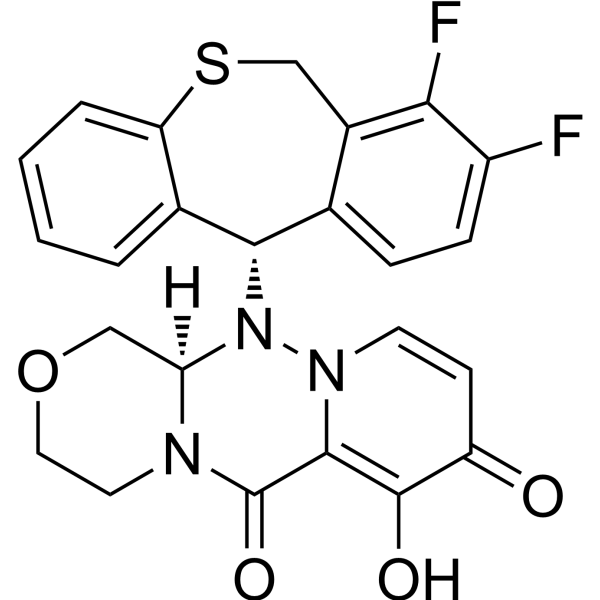
Baloxavir (Baloxavir acid), derived from the proagent Baloxavir marboxil, is a first-in-class, potent and selective cap-dependent endonuclease (CEN) inhibitor within the polymerase PA subunit of influenza A and B viruses. Baloxavir inhibits viral RNA transcription and replication and has potently antiviral activity .
|
-
-
- HY-109025
-
|
S-033188; RG 6152
|
Influenza Virus
|
Infection
Cancer
|
|
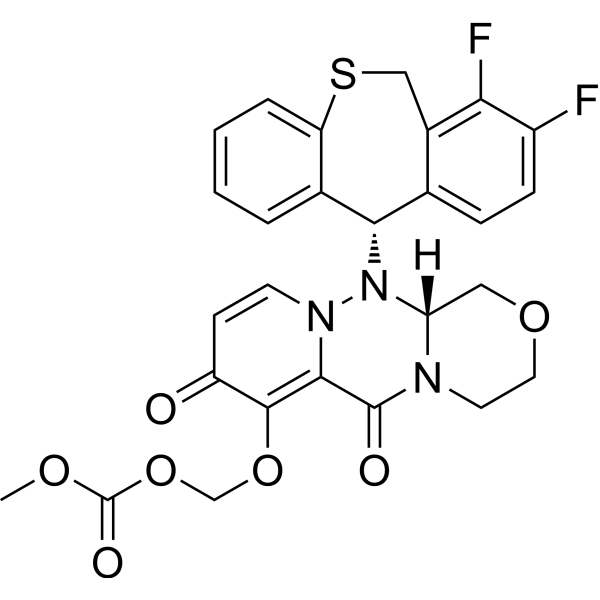
Baloxavir marboxil (S-033188) is a selective inhibitor of influenza cap-dependent endonuclease. Baloxavir marboxil, a potent antiviral agent, shows activity against influenza A and B virus .
|
-
-
- HY-129046
-
|
Ribonuclease A; EC 4.6.1.18; RNase A
|
Endonuclease
DNA/RNA Synthesis
|
Others
|
|
RNase A (Bovine pancreatic RNase) is a widely used Endonuclease in DNA purification by specifically hydrolyzing cytosine or uracil residues of RNA. RNase A degrades the RNA in the RNA/DNA duplex. RNase A catalyses the breakdown of 3',5'-phosphodiester linkages of single stranded RNA. RNase A family members in organisms are tightly involved in various physiological and pathological processes including cell growth and development, proliferation, differentiation and migration. Dysregulation of RNase A activity or expression level is closely related to pancreatic, ovarian, bladder and thyroid cancer. RNase A has tumor cell-killing ability .
|
-

-
- HY-W014622
-
|
|
DNA/RNA Synthesis
|
Cancer
|
|
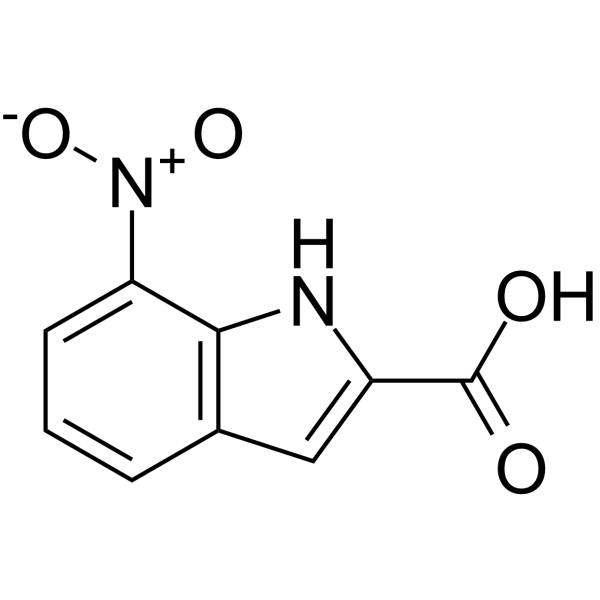
CRT0044876 is a potent and selective apurinic/apyrimidinic endonuclease 1 (APE1) inhibitor (IC50=~3 μM). CRT0044876 inhibits the AP endonuclease, 3′-phosphodiesterase and 3′-phosphatase activities of APE1, and is a specific inhibitor of the exonuclease III family of enzymes to which APE1 belongs. CRT0044876 potentiates the cytotoxicity of several DNA base-targeting compounds .
|
-
-
- HY-19357
-
-
-
- HY-15845
-
STF-083010
Maximum Cited Publications
53 Publications Verification
|
IRE1
|
Cancer
|
|
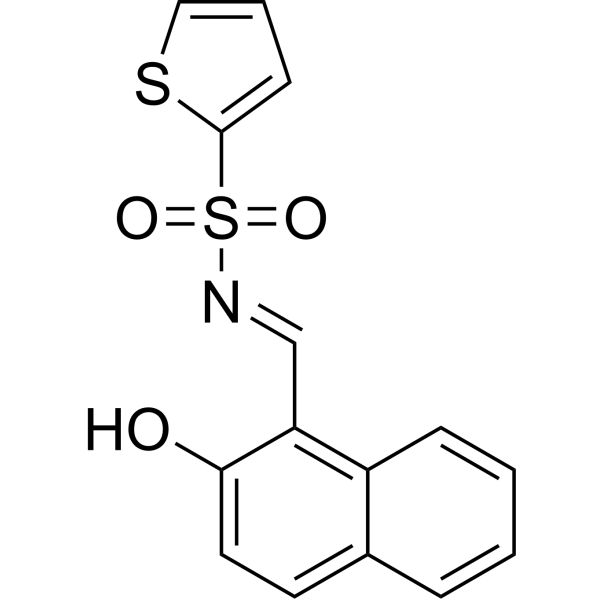
STF-083010 is a specific IRE1α inhibitor. STF-083010 inhibits Ire1 endonuclease activity, without affecting its kinase activity, after endoplasmic reticulum stress.
|
-
-
- HY-123834
-
|
|
FLAP
ATM/ATR
|
Cancer
|
|
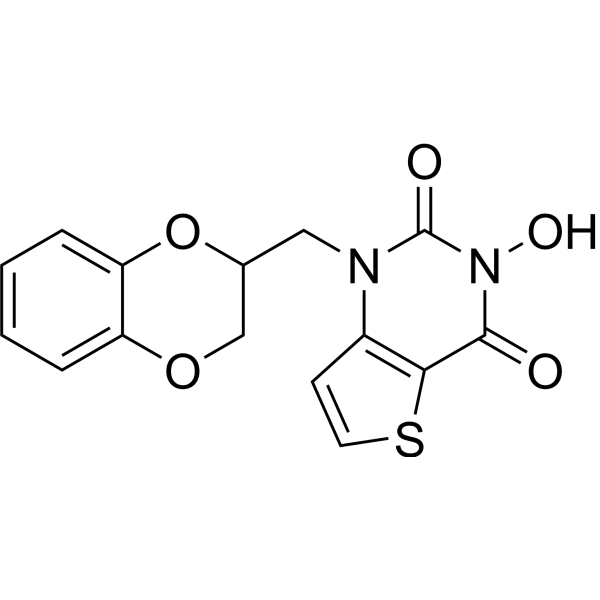
FEN1-IN-1 (compound 1) is a small molecule flap endonuclease 1 (FEN1) inhibitor with antitumor activity. FEN1-IN-1 binds to the active site of FEN1 and partly achieves inhibition by the co-ordination of Mg 2+ ions. FEN1-IN-1 initiaties a DNA damage response and activates the ATM checkpoint signalling pathway, the phosphorylation of histone H2AX and the ubiquitination of FANCD2 in mammalian cells. FEN1-IN-1 is promising for research of cancers .
|
-
-
- HY-B1099
-
|
|
DNA/RNA Synthesis
Topoisomerase
Parasite
|
Infection
|
|
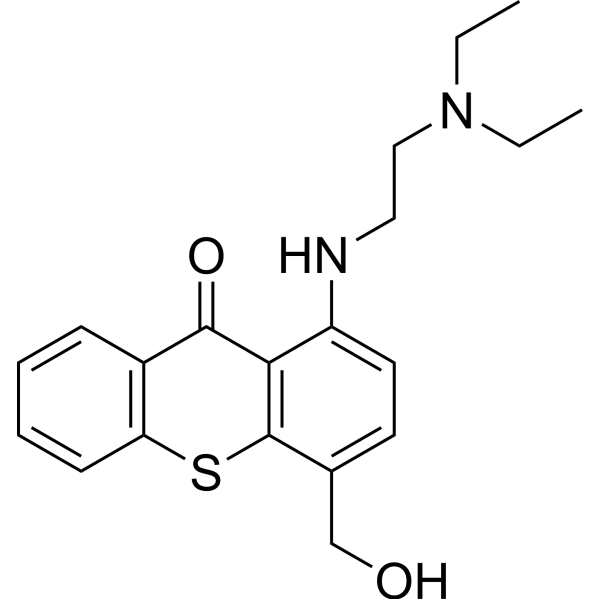
Hycanthone is a thioxanthenone DNA intercalator and inhibits RNA synthesis as well as the DNA topoisomerases I and II. Hycanthone inhibits nucleic acid biosynthesis and inhibits apurinic endonuclease-1 (APE1) by direct protein binding with a KD of 10 nM. Hycanthone is a bioactive metabolite of Lucanthone (HY-B2098) and has anti-schistosomal agent .
|
-
-
- HY-P2773
-
|
|
DNA/RNA Synthesis
|
Others
|
|
Nuclease S1, Aspergillus oryzae is a specific endonuclease that degrades single stranded DNA (ssDNA) and RNA. Nuclease S1 can also remove protruding single-strand ends from double-stranded DNA .
|
-

-
- HY-P2863
-
|
DNase II
|
Endonuclease
|
Others
|
|
Deoxyribonuclease II (DNase II) is an endonuclease that hydrolyzes the phosphodiester bonds of deoxyribonucleotides in native and denatured DNA, producing 3' phosphate and 5'-hydroxyl termini. Deoxyribonuclease II works best at acidic pH and is commonly used in biochemical research .
|
-

-
- HY-177512
-
|
|
FLAP
|
Cancer
|
|
MSC778 is an effective and orally active flap endonuclease 1 (FEN1) inhibitor with an IC50 of 3 nM and a KD of 2.9 nM. MSC778 exhibits 145-fold, 516-fold, and 65-fold selectivity over EXO1, GEN1, and XPG, respectively. MSC778 selectively kills BRCA2-deficient cells and potentiates the activity of Niraparib (HY-10619) to induce tumor stasis in a BRCA2 KO DLD-1 mouse xenograft. MSC778 can be used in the research of colorectal cancer .
|
-

-
- HY-136485
-
|
|
FLAP
|
Cancer
|
|
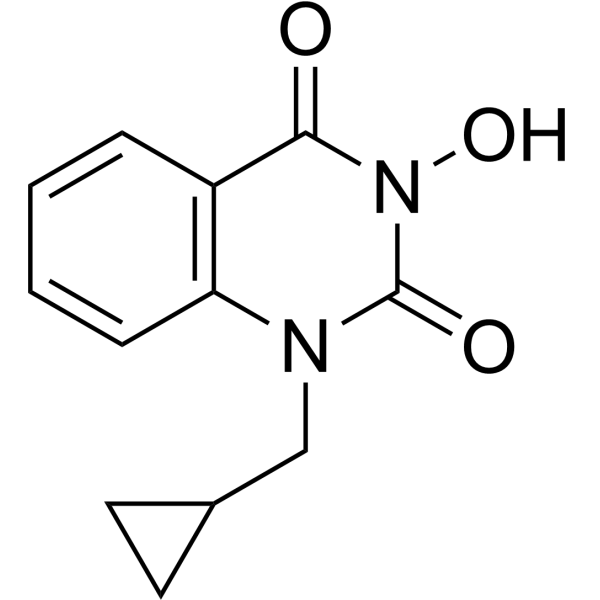
FEN1-IN-4 (Compound 2) is a human flap endonuclease-1 (hFEN1) inhibitor .
|
-
-
- HY-116770
-
PFM01
5 Publications Verification
|
Endonuclease
|
Cancer
|
|
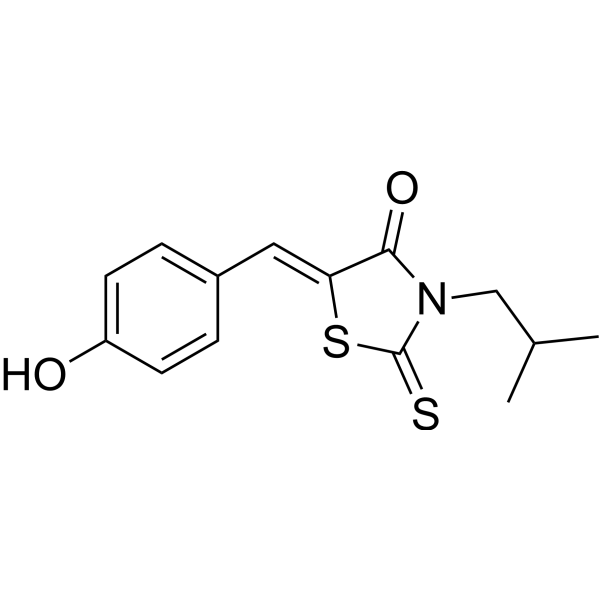
PFM01, N-alkylated Mirin derivative, is a MRE11 endonuclease inhibitor. PFM01 can regulate double-strand break repair (DSBR) by nonhomologous end-joining (NHEJ) versus homologous recombination (HR) .
|
-
-
- HY-P2963
-
|
|
Endogenous Metabolite
|
Others
|
|
Nuclease P1 is a single-stranded specific endonuclease, it hydrolyzes nucleic acids into 5'-mononucleotides and cleaves the single-stranded region of a double-stranded nucleic acid. Nuclease P1 is one of the most well-known single stranded specific nucleases in the field of molecular biology, it is widely used in the pharmaceutical and food industries . Nuclease P1 can be obtained by fermentation of Penicillium citrinum: through extraction process, ultrafiltration concentration, drying and purification, etc.
|
-

-
- HY-B2098
-
-
-
- HY-148078
-
PFM03
3 Publications Verification
|
Endonuclease
|
Others
|
|
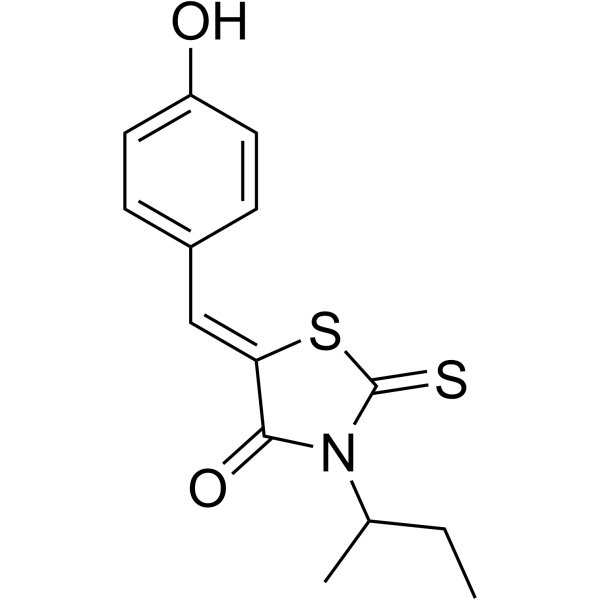
PFM03 is a MRE11 Endonuclease inhibitor. PFM03 regulates DNA double-strand break repair (DSBR) by nonhomologous end-joining (NHEJ) .
|
-
-
- HY-156262
-
|
|
Biochemical Assay Reagents
|
Others
|
|
DEPC-Treated Water is ultrapure water that has been sterilized by high temperature and high pressure and does not contain nuclease. It can avoid contamination by non-specific endonucleases and exonucleases and does not affect RNase activity .
|
-

-
- HY-Y1219H
-
|
|
Biochemical Assay Reagents
|
Others
|
|
Silica gel, high-purity grade, 200-400 mesh is a biologically inert matrix and desiccant with high water retention capacity and low regeneration temperature. Silica gel, high-purity grade, 200-400 mesh prevents DNA degradation by absorbing water from plant leaves, and is suitable for preserving field-collected samples for subsequent DNA extraction, restriction endonuclease digestion, PCR amplification and gene sequencing. Silica gel, high-purity grade, 200-400 mesh can be regenerated and reused after water absorption saturation. Silica gel, high-purity grade, 200-400 mesh provides a non-toxic, inert aqueous environment for embedded cells, allows free diffusion of nutrients, oxygen and metabolic wastes, blocks external contamination, and thus maintains the viability of fibroblasts and epithelial cells. Silica gel, high-purity grade, 200-400 mesh serves as an ideal candidate material for tissue culture scaffolds and implantable bioreactors .
|
-

-
- HY-145758
-
|
|
Endonuclease
|
Cancer
|
|
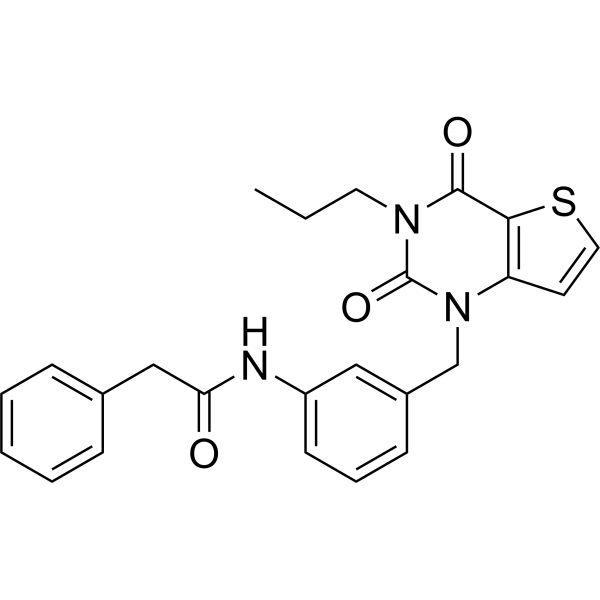
FEN1-IN-SC13 is a potent DNA fragmentation endonuclease 1 (FEN1) inhibitor with antitumor activity. FEN1-IN-SC13 interferes with DNA replication and repair in vitro and in cells .
|
-
-
- HY-136731
-
|
|
DNA/RNA Synthesis
|
Cancer
|
|
APE1-IN-1 is a potent and blood-brain barrier (BBB) penetrant apurinic/apyrimidinic (AP) endonuclease 1 (APE1) inhibitor with an IC50 value of 2 μM. APE1-IN-1 can potentiate the cytotoxicity of the alkylating agents Methylmethane sulfonate and Temozolomide (HY-17364) to cancer cells .
|
-
-
- HY-132894
-
|
|
Influenza Virus
|
Infection
|
|
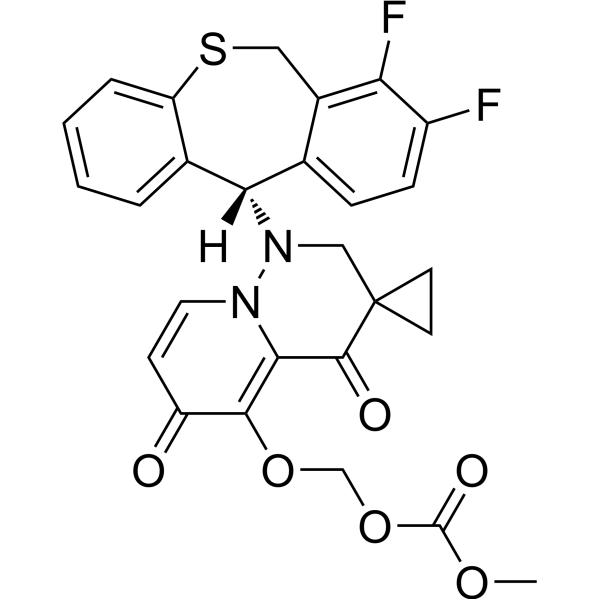
Pixavir marboxilo is an orally active cap-dependent endonuclease inhibitor with high potency. Pixavir marboxilo can be used for the research of influenza .
|
-
-
- HY-176835
-
|
|
Endonuclease
Autophagy
|
Cancer
|
|
PNR-3-80 is an endonuclease G (ENDOG) inhibitor with an IC50 of 0.67 μM. As a non-competitive binder to the ENDOG-substrate complex, PNR-3-80 specifically inhibits the endonuclease activity of ENDOG. PNR-3-80 reduces cell death induced by Cisplatin (HY-17394) and Docetaxel (HY-B0011), and inhibits DNA damage and autophagy (autophagy) induced by Etoposide (HY-13629). PNR-3-80 can be used in studies related to cell injury .
|
-

-
- HY-120951
-
PFM39
1 Publications Verification
|
Endonuclease
|
Cancer
|
|
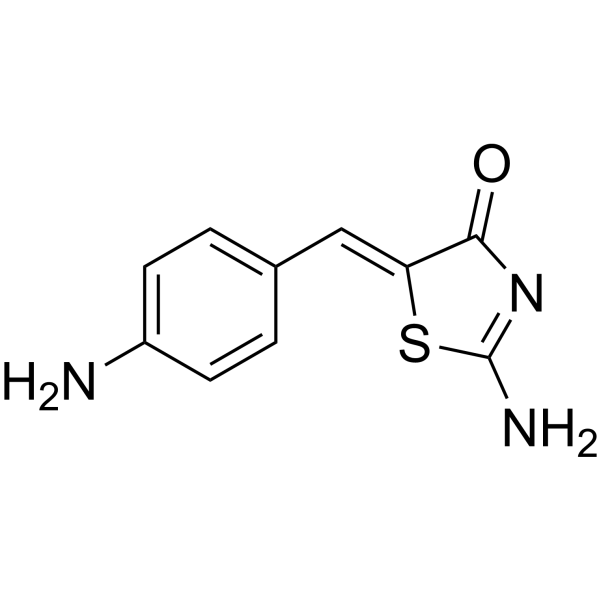
PFM39, a Mirin analog, is a potent and selective MRE11 exonuclease inhibitor. PFM39 inhibits phosphate rotation for dsDNA exonuclease activity. PFM39 does not inhibit TmMre11 or human MRE11/MRN endonuclease activity .
|
-
-
- HY-E70577
-
|
|
Endonuclease
|
Others
|
|
DNA repair enzyme. Endonuclease IV has endonuclease activity at AP sites, 3' phosphodiesterase activity that can remove a variety of ligation-blocking lesions from the 3' end of DNA, endonuclease activity on oxidative DNA lesions, and 3' to 5' exonuclease activity .
|
-

-
- HY-122695
-
|
|
FLAP
|
Cancer
|
|
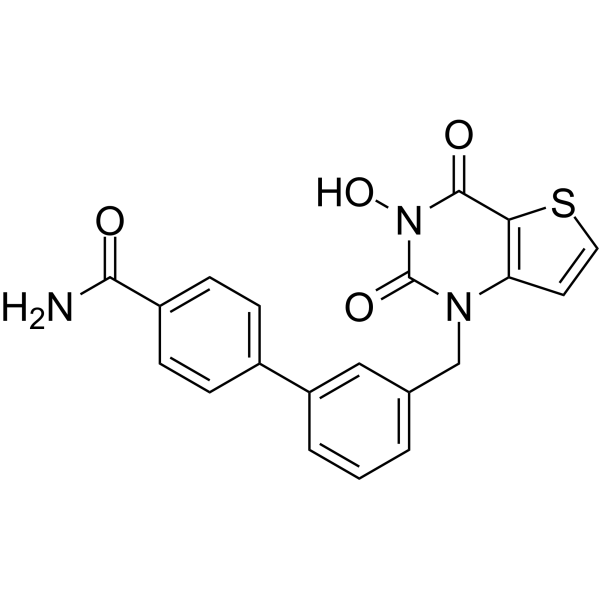
FEN1-IN-2 (compound 20) is a flap endonuclease 1 (FEN1) inhibitor, with IC50 values of 3 nM and 226 nM for FEN1 and XPG, respectively .
|
-
-
- HY-163699
-
|
|
Endonuclease
|
Cancer
|
|
MUS81-IN-1 (compound 23) is a MUS81 inhibitor. MUS81-IN-1 can be used in cancer research .
|
-

-
- HY-109025R
-
|
S-033188 (Standard); RG 6152 (Standard)
|
Reference Standards
Influenza Virus
|
Infection
|
|
Baloxavir marboxil (Standard) is the analytical standard of Baloxavir marboxil. This product is intended for research and analytical applications. Baloxavir marboxil (S-033188) is a selective inhibitor of influenza cap-dependent endonuclease. Baloxavir marboxil, a potent antiviral agent, shows activity against influenza A and B virus .
|
-

-
- HY-147356
-
|
|
DNA/RNA Synthesis
|
Cancer
|
|
ERCC1-XPF-IN-2 is a potent ERCC1-XPF endonuclease inhibitor with an IC50 value of 0.6 μM. ERCC1-XPF-IN-2 shows activity in nucleotide excision repair, cisplatin enhancement and γH2AX assays .
|
-
-
- HY-P0229
-
|
Rnase T1
|
DNA/RNA Synthesis
|
Others
|
|
Ribonulease T1, Aspergillus oryzae (Rnase T1), is commonly used in biochemical research. Ribonuclease T1 is an endonuclease that can specifically degrade single stranded RNA. Ribonuclease T1 can form nucleoside 2 ', 3 '-cyclic phosphoric acid intermediates to cut the phosphodiester bond between 3' -guanosine residues and adjacent nucleoside 5 '-OH groups to produce 3' -GMP terminal oligonucleotides .
|
-
-
- HY-177555
-
|
|
Influenza Virus
Endonuclease
|
Infection
|
|
AV5116 is a cap-dependent endonuclease inhibitor (CENI) that binds to the active site of the cap-dependent endonuclease (CEN) located in the N-terminal domain of the polymerase acidic. AV5116 exhibits potent inhibitory activity against influenza viruses (influenza A, B, and C viruses). AV5116 can be used for the study of influenza virus infections .
|
-

-
- HY-P2754
-
|
|
Endonuclease
|
Infection
|
|
Micrococcal nuclease is an endonuclease derived from Staphylococcus aureus. Micrococcal nuclease is able to digest both single and double-stranded DNA (ssDNA and dsDNA) and RNA, and can cleave and hydrolyze the AT or AU-rich regions specifically. Micrococcal nuclease could be used as an indicator of Staphylococcus aureus contamination .
|
-

-
- HY-129046B
-
|
Ribonuclease A DNase & Protease Free
|
Endonuclease
DNA/RNA Synthesis
|
Others
Endocrinology
Cancer
|
|
RNase A (Bovine pancreatic RNase) is a widely used Endonuclease in DNA purification by specifically hydrolyzing cytosine or uracil residues of RNA. RNase A degrades the RNA in the RNA/DNA duplex. RNase A catalyses the breakdown of 3',5'-phosphodiester linkages of single stranded RNA. RNase A family members in organisms are tightly involved in various physiological and pathological processes including cell growth and development, proliferation, differentiation and migration. Dysregulation of RNase A activity or expression level is closely related to pancreatic, ovarian, bladder and thyroid cancer. RNase A has tumor cell-killing ability. RNase A, Bovine Pancreas (DNase & Protease Free) is RNase A derived from bovine pancreas and does not contain DNase or protease .
|
-

-
- HY-164927
-
-

-
- HY-E70580
-
|
|
Endonuclease
|
Others
|
|
T5 Exonuclease is a DNA exonuclease that has 5′-3′ exonuclease activity on both single- and double-stranded DNA. T5 Exonuclease also has single-strand endonuclease and 5′-flap endonuclease activity .
|
-

-
- HY-153792
-
|
|
FLAP
|
Cancer
|
|
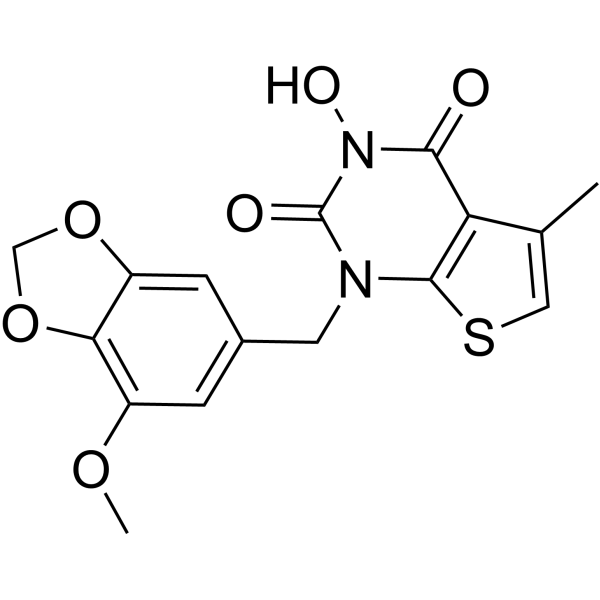
FEN1-IN-7 (compound 16) is a selective inhibitor of Flap endonuclease-1 (FEN1, IC50=18 nM), involving in mammalian cells to repair DNA damage. FEN1-IN-7 also targets to related endonuclease, xeroderma pigmentosum G (XPG) with an IC50 value of 3.04 μM. FEN1-IN-7 increases the cellular sensitivity of cancer cells to potent DNA alkylating agents or methylating agents .
|
-
-
- HY-118368
-
-

-
- HY-119993
-
|
BMH-23
|
DNA/RNA Synthesis
|
Cancer
|
|
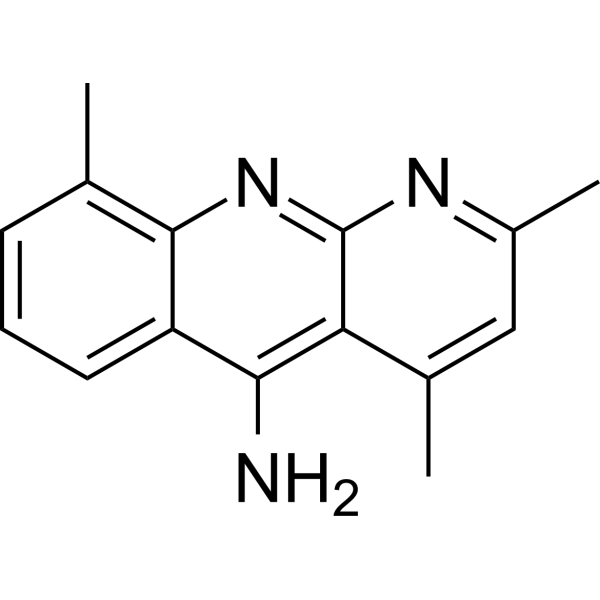
AR03 (BMH-23) is an apurinic/apyrimidinic endonuclease 1 (Ape1) inhibitor with an IC50 of 2.1 µM. AR03 has low affinity for double-stranded DNA. AR03 potentiates the cytotoxicity of methyl methanesulfonate and temozolomide in SF767 cells .
|
-
-
- HY-143744
-
|
GP681; Cap-dependent endonuclease-IN-3
|
Endonuclease
Influenza Virus
|
Infection
|
|
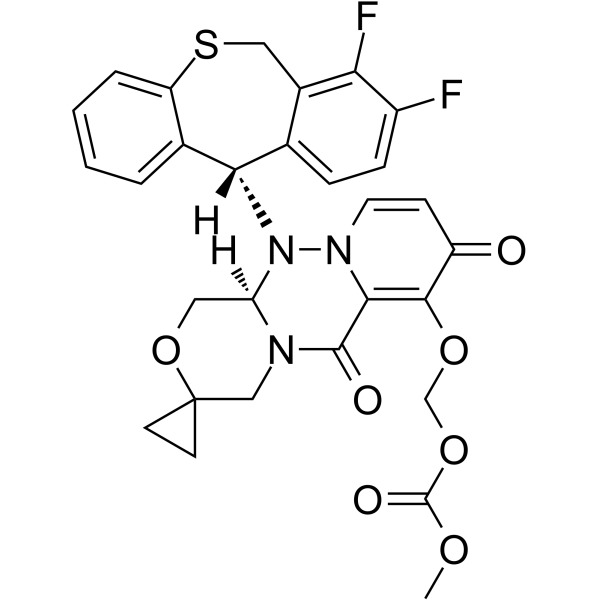
Suraxavir marboxil (GP681; Cap-dependent endonuclease-IN-3) is a PA subunit cap-dependent endonuclease inhibitor with antiviral activity. Suraxavir marboxil inhibits PA subunit cap-dependent endonuclease activity and inhibits influenza A and/or influenza B viral replication. Suraxavir marboxil can be used alone or in combination with other anti-influenzal agents for the prevention of influenza A and/or influenza B viral infectious diseases. Suraxavir marboxil can be used for the research of influenza A and/or influenza B viral infectious diseases .
|
-
-
- HY-153790
-
|
|
FLAP
|
Cancer
|
|
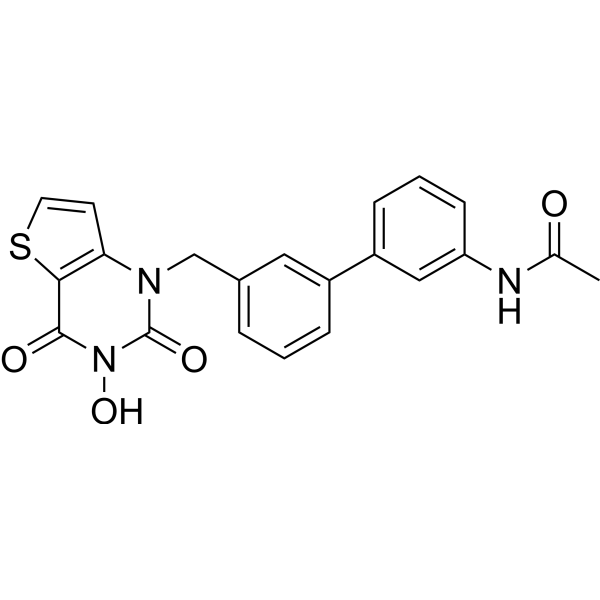
FEN1-IN-5 (compound 12A) is a potent inhibitor of Flap endonuclease-1 (FEN1, IC50=12 nM), involving in DNA repair .
|
-
-
- HY-E70575
-
|
|
DNA Glycosylase
|
Others
|
|
Endonuclease VIII is a DNA repair enzyme that excises oxidized pyrimidines from DNA. Endonuclease VIII is a bacterial DNA glycosylase/AP lyase that excises modified pyrimidines, including thymine glycol (Tg), uracil glycol, dihydrothymine, dihydrouracil (DHU) .
|
-

-
- HY-E70579
-
|
|
DNA/RNA Synthesis
|
Others
|
|
Exonuclease III is a nuclease for specifically targeting double-stranded DNA (dsDNA). Exonuclease III is a DNA repair-associated nuclease with apurinic/apyrimidinic (AP)-endonuclease and 3'→5' exonuclease activities. Exonuclease III cleaves the ssDNA at 5'-bond of phosphodiester from 3' to 5' end by both exonuclease and endonuclease activities .
|
-

-
- HY-151883
-
|
|
Apoptosis
MDM-2/p53
|
Cancer
|
|
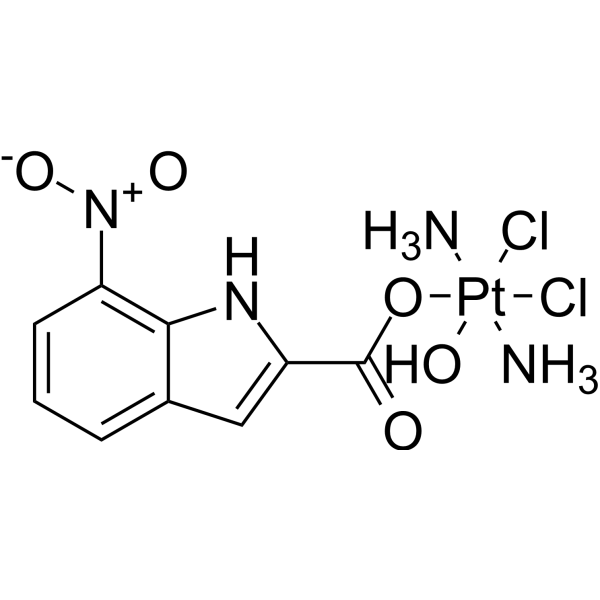
APE1-IN-2 (compound AP1) is a Pt(IV) proagent, targeting a critical BER protein, apurinic/apyrimidinic endonuclease 1 (APE1). APE1-IN-2 shows anticancer activity. APE1-IN-2 induces intracellular accumulation of platinum and activates DNA damage response and apoptosis signals .
|
-
-
- HY-136484
-
|
|
FLAP
|
Cancer
|
|
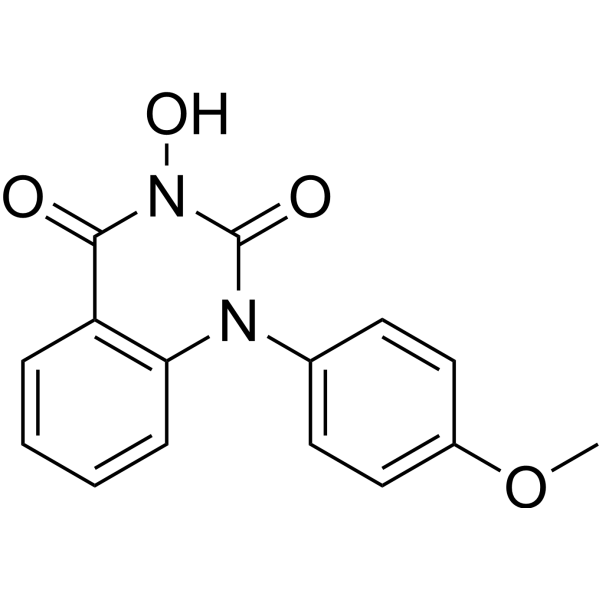
FEN1-IN-3 (Compound 4) is a human flap endonuclease-1 (hFEN1) inhibitor. FEN1-IN-3 stabilizes hFEN1 with an EC50 of 6.8 μM .
|
-
-
- HY-N10581
-
|
|
Influenza Virus
|
Infection
|
|
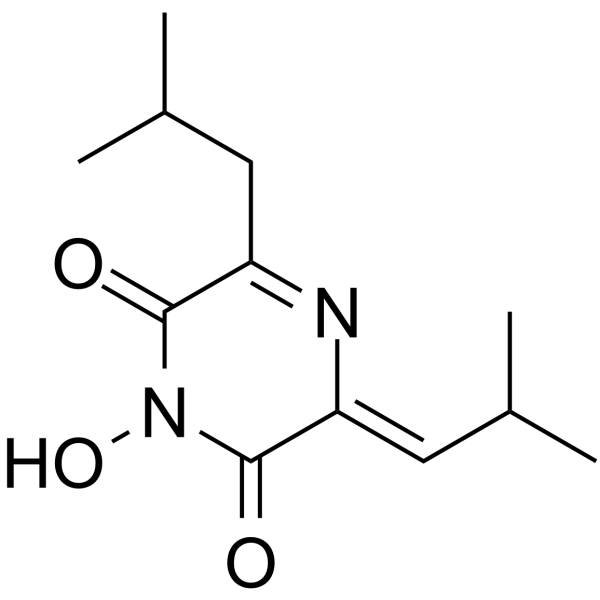
Flutimide is a novel endonuclease inhibitor of influenza virus. Flutimide selectively inhibits endonuclease with an IC50 value of 3 μM. Flutimide shows antiviral activity in cell culture. Flutimide can be used for the research of acute contagious respiratory disease, such as influenza .
|
-
-
- HY-E70578
-
|
|
DNA Glycosylase
|
Others
|
|
T4 Endonuclease V is a dual-activity DNA glycosylase that combines the activities of DNA N-glycosylase and AP lyase. T4 Endonuclease V can repair ultraviolet (UV)-induced cyclobutane pyrimidine dimers in DNA .
|
-

-
- HY-109025AS
-
|
Baloxavir acid-d5; S-033447-d5
|
Isotope-Labeled Compounds
Influenza Virus
|
Infection
|
|
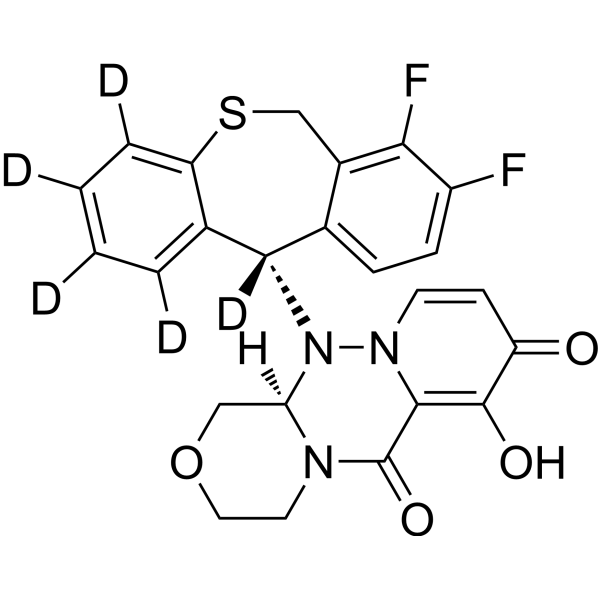
Baloxavir-d5 is deuterium labeled Baloxavir. Baloxavir (Baloxavir acid), derived from the proagent Baloxavir marboxil, is a first-in-class, potent and selective cap-dependent endonuclease (CEN) inhibitor within the polymerase PA subunit of influenza A and B viruses. Baloxavir inhibits viral RNA transcription and replication and has potently antiviral activity .
|
-
-
- HY-E70381
-
|
|
Endonuclease
|
Cancer
|
|
dsDNase is a highly specific double-strand DNA (dsDNA) endonuclease that quickly and efficiently removes contaminating DNA from PCR master mixes .
|
-

-
- HY-143769
-
|
Cap-dependent endonuclease-IN-15
|
Influenza Virus
|
Infection
|
|
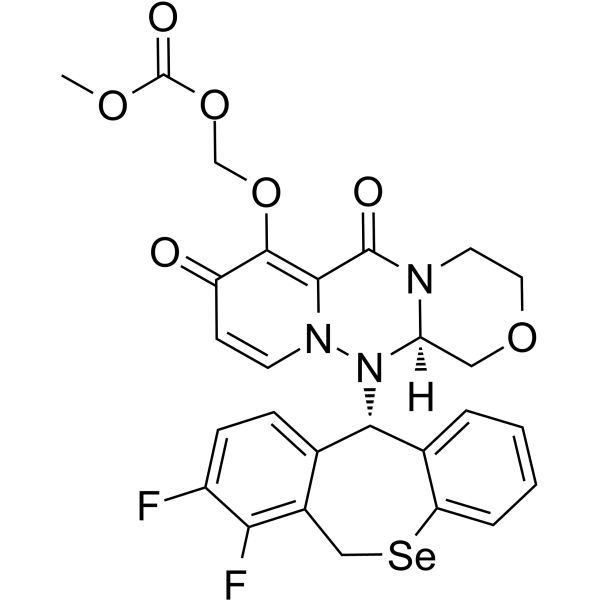
Sebaloxavir marboxil (Cap-dependent endonuclease-IN-15) (Compound c-1) is a potent inhibitor of cap-dependent endonuclease (CEN). Sebaloxavir marboxil inhibits the replication of influenza virus. Sebaloxavir marboxil has the potential for the research of viral infections caused by influenza viruses .
|
-
-
- HY-152078
-
|
|
Influenza Virus
|
Infection
|
|
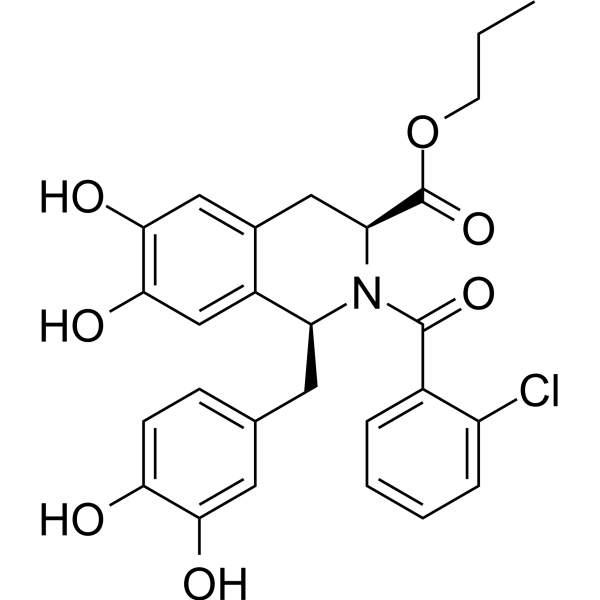
Influenza virus-IN-6 (Compound 35) is a potent influenza N-terminal domain of the polymerase acidic protein subunit (PAN) endonuclease inhibitor with an IC50 of 0.20 μM .
|
-
-
- HY-109025AR
-
|
Baloxavir acid (Standard); S-033447 (Standard)
|
Reference Standards
Influenza Virus
|
Infection
|
|
Baloxavir (Standard) is the analytical standard of Baloxavir. This product is intended for research and analytical applications. Baloxavir (Baloxavir acid), derived from the proagent Baloxavir marboxil, is a first-in-class, potent and selective cap-dependent endonuclease (CEN) inhibitor within the polymerase PA subunit of influenza A and B viruses. Baloxavir inhibits viral RNA transcription and replication and has potently antiviral activity .
|
-

- HY-W751835
-
|
Baloxavir acid-d4; S-033447-d4
|
Isotope-Labeled Compounds
|
Others
Cancer
|
|
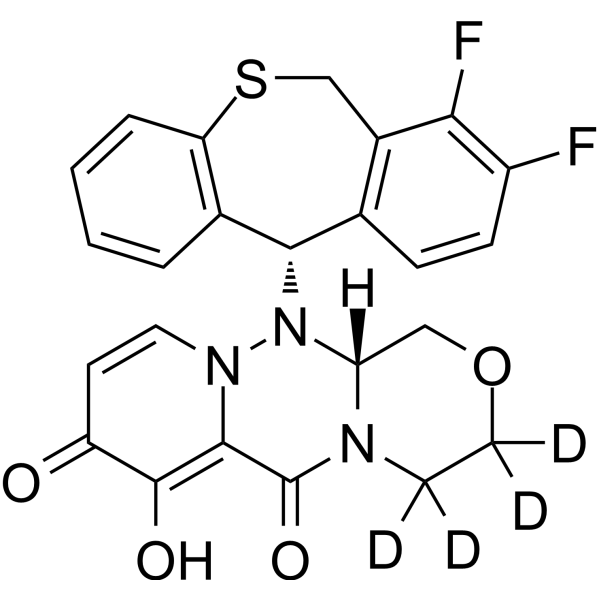
Baloxavir-d4 (Baloxavir acid-d4; S-033447-d4) is the deuterium-labeled Baloxavir (HY-109025A). Baloxavir-d4 (Baloxavir-d4 acid), derived from the proagent Baloxavir-d4 marboxil, is a first-in-class, potent and selective cap-dependent endonuclease (CEN) inhibitor within the polymerase PA subunit of influenza A and B viruses. Baloxavir-d4 inhibits viral RNA transcription and replication and has potently antiviral activity .
|
-
- HY-153791
-
|
|
FLAP
|
Cancer
|
|
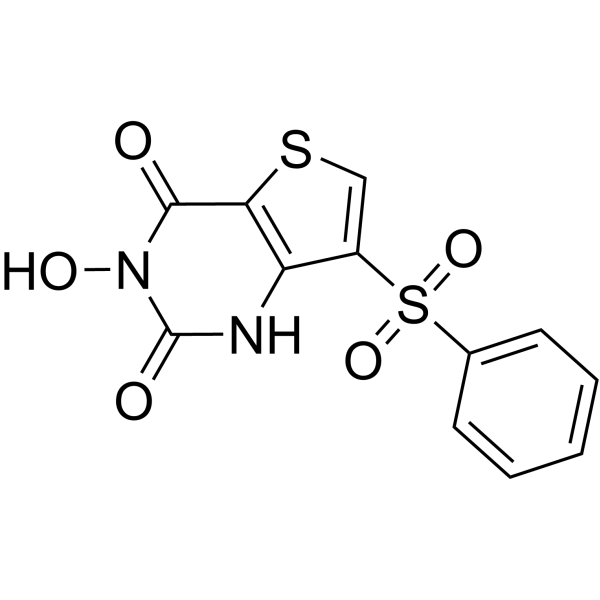
FEN1-IN-6 (compound 9) is a potent inhibitor of Flap endonuclease-1 (FEN1, IC50=10 nM), involving in mammalian cells to repair DNA damage. FEN1-IN-6 also targets to related endonuclease, xeroderma pigmentosum G (XPG) with an IC50 value of 23 nM .
|
-
- HY-176836
-
|
|
Endonuclease
|
Cancer
|
|
PNR-3-82 is a selective Apoptotic endonuclease G (EndoG) inhibitor with an IC50 of 0.61 μM for EndoG over DNase I. PNR-3-82 does not inhibit five cell death-related enzymes including DNase II, RNase A, proteinase, lactate dehydrogenase and superoxide dismutase 1. PNR-3-82 has a cytoprotective activity and blocks Cisplatin (HY-17394) and Docetaxel (HY-B0011)-induced cell death. PNR-3-82 can be used for cell injuries research .
|
-

- HY-112684
-
|
|
Influenza Virus
|
Infection
|
|
RO-7 is a next-generation polymerase (PA) endonuclease inhibitor of influenza A and B viruses.
|
-
- HY-157329
-
|
|
Endonuclease
|
Inflammation/Immunology
|
|
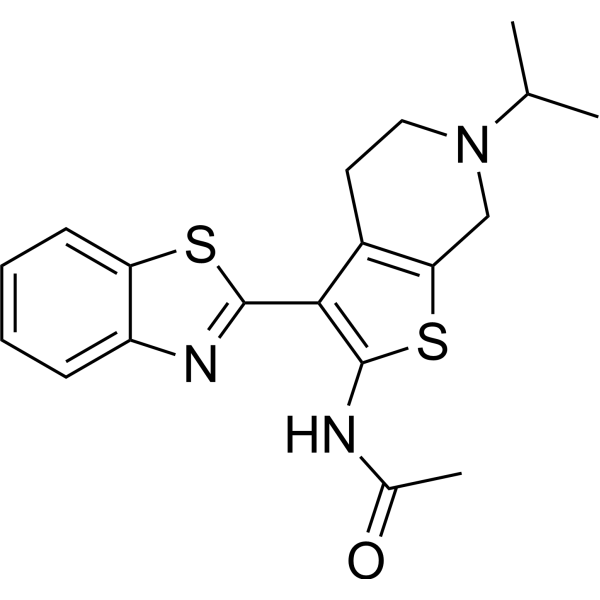
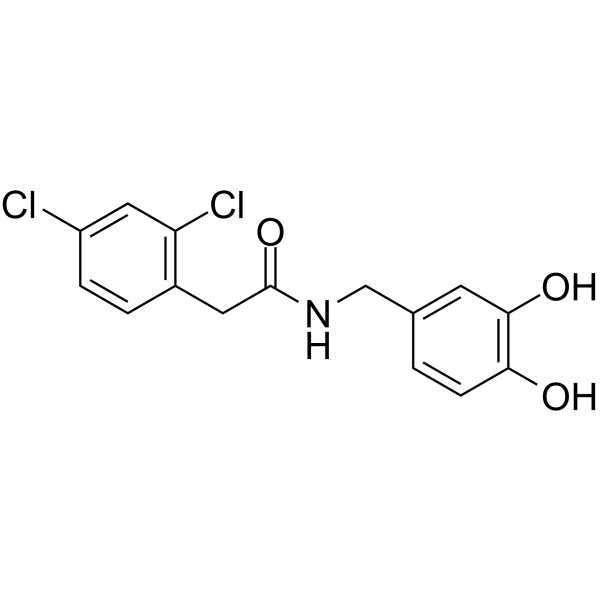
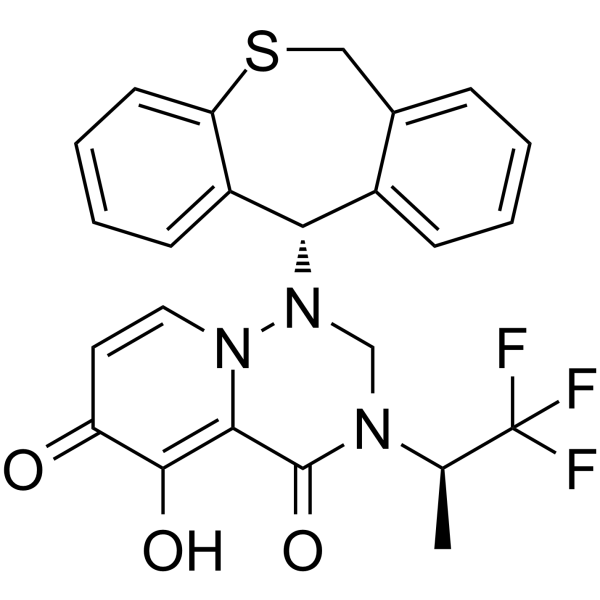
AD16 (Acetamide) is a LINE-1 retrotransposon endonuclease inhibitor with the IC50 of 4.7 μM. AD16 (Acetamide) reduce LINE-1 retrotransposition, L1-induced DNA damage, and inflammation reinforced by L1 in senescent cells .
|
-

- HY-137721
-
|
|
Endonuclease
|
Infection
|
|
Cyclic tri-AMP is a component of the cyclic oligonucleotide-based anti-phage signaling system (CBASS), and acts as the second messenger in the immune response against viral infection. Cyclic tri-AMP binds to and activates DNA endonuclease NucC, results in cell death and exhibits antiviral activity .
|
-

- HY-112905
-
|
|
Parasite
mRNA
|
Infection
|
|
AN11736 is a CPSF3 inhibitor. AN11736 exerts a potent anti-trypsin effect by specifically inhibiting the activity of the trypanosome CPSF3 endonuclease, disrupting the mRNA maturation process. AN11736 exhibits IC50s against T. congolense and T. vivax of 0.14 and 1.3 nM, respectively. AN11736 exhibits strong anti-trypsin activity in mouse and cattle models .
|
-

- HY-143776
-
-
- HY-143762
-
|
|
Influenza Virus
|
Infection
|
|
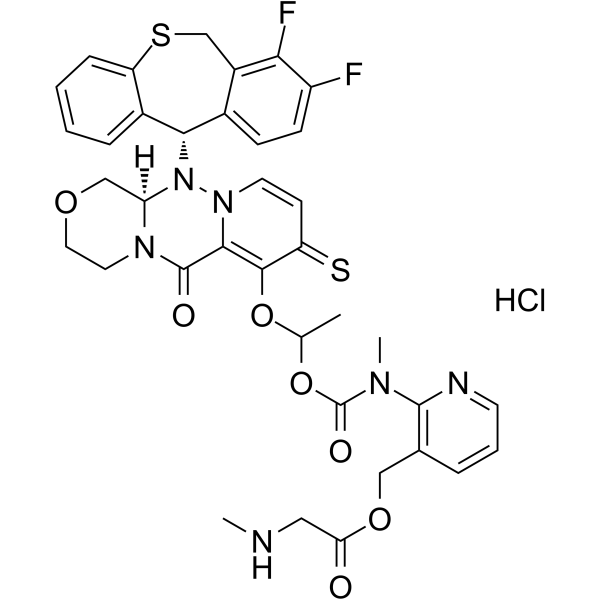
Cap-dependent endonuclease-IN-12 (EXP-35) is a potent Cap-dependent endonuclease inhibitor with low cytotoxicity. Cap-dependent endonuclease-IN-12 shows inhibitory activity against H1N1 .
|
-
- HY-174431
-
|
|
Endonuclease
Influenza Virus
|
Infection
|
|
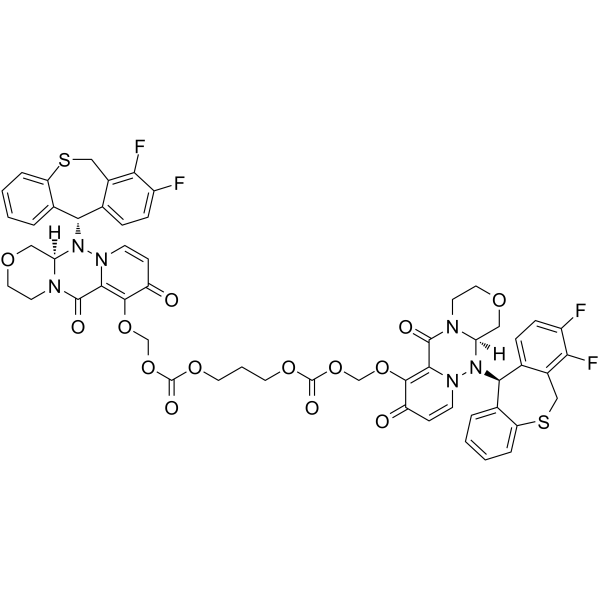
PAN endonuclease-IN-3 is a potent PAN endonuclease inhibitor that against influenza virus polymerase complexes with an IC50 of 17.4 nM. PAN endonuclease-IN-3 demonstrates potent inhibitory activities against PAN endonuclease. PAN endonuclease-IN-3 demonstrates robust antiviral activities against multiple current and different influenza virus strains while showing minimal cytotoxicity in MDCK cells. PAN endonuclease-IN-3 significantly suppresses viral replication in an A/WSN/33 infected mouse model.
|
-

- HY-143770
-
|
|
Influenza Virus
|
Infection
|
|
Cap-dependent endonuclease-IN-16 is a potent inhibitor of cap-dependent endonuclease (CEN). Cap-dependent endonuclease-IN-16 is a pyridone polycyclic derivative. Cap-dependent endonuclease-IN-16 has the potential for the research of influenza (extracted from patent CN112778330A, compound 15A) .
|
-
- HY-173204
-
-

- HY-143749
-
|
|
Influenza Virus
|
Infection
|
|
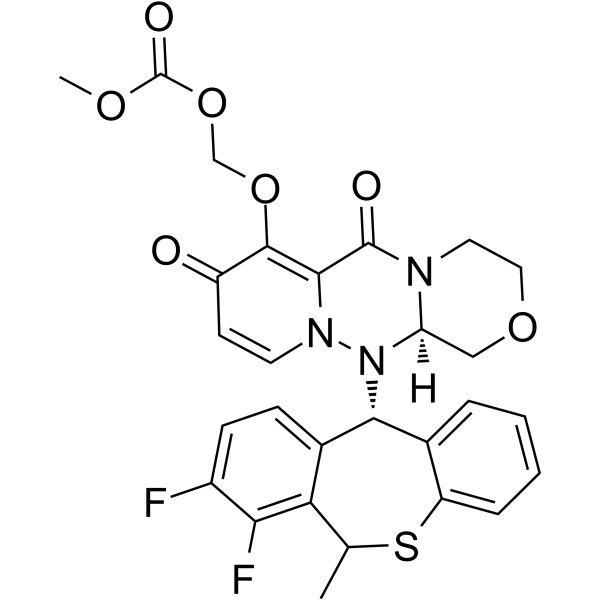
Cap-dependent endonuclease-IN-6 (compound 13) is a cap-dependent endonuclease (CEN) inhibitor. Cap-dependent endonuclease-IN-6 shows inhibition against influenza virus (EC50=38.21 nM) .
|
-
- HY-143775
-
|
|
Influenza Virus
|
Infection
|
|
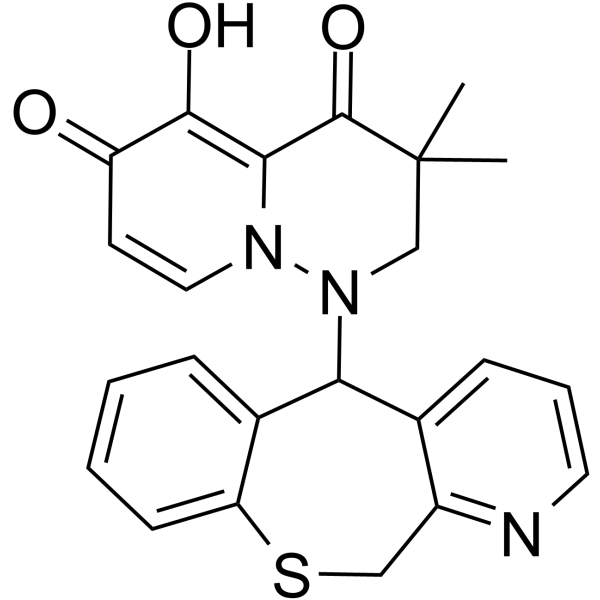
Cap-dependent endonuclease-IN-20 is a cap-dependent endonuclease (CEN) inhibitor. Cap-dependent endonuclease-IN-20 shows antiviral activity against influenza virus A/Hanfang/359/95 (H3N2) with IC50 of 4.82 μM (CN112940009A; DSC801) .
|
-
- HY-143771
-
|
|
Influenza Virus
|
Infection
|
|
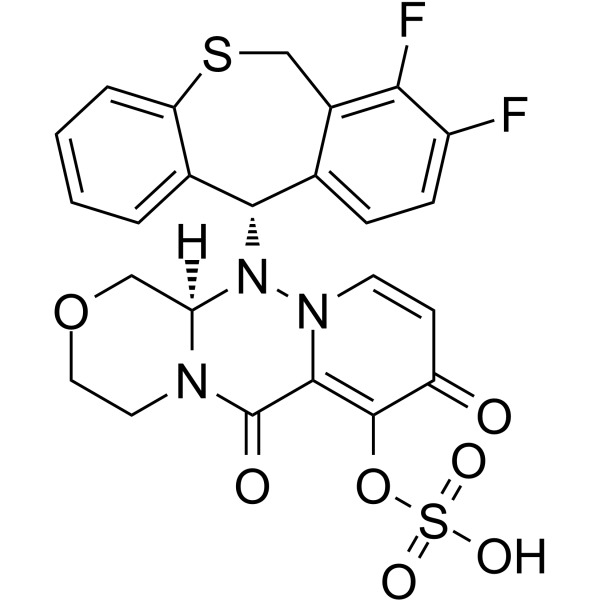
Cap-dependent endonuclease-IN-17 is a cap-dependent endonuclease (CEN) inhibitor. Cap-dependent endonuclease-IN-17 shows antiviral activity against influenza virus A/Hanfang/359/95 (H3N2) with IC50 of 1.29 μM (CN112898346A; DSC701) .
|
-
- HY-144066
-
|
|
Influenza Virus
|
Infection
|
|
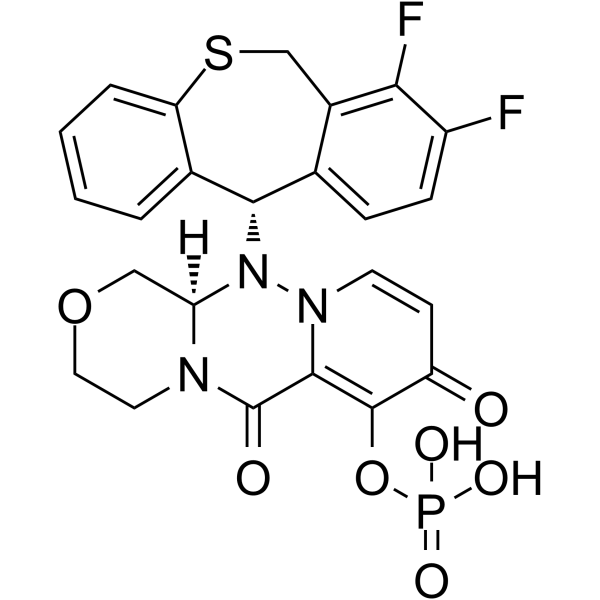
Cap-dependent endonuclease-IN-21 is a potent inhibitor of cap-dependent endonuclease (CEN). Cap-dependent endonuclease-IN-21 inhibits the replication of influenza virus. ap-dependent endonuclease-IN-21 has the potential for the research of influenza virus infection (influenza A) (extracted from patent WO2021233302A1, compound 8B or 8A) .
|
-
- HY-143768
-
|
|
Influenza Virus
|
Infection
|
|
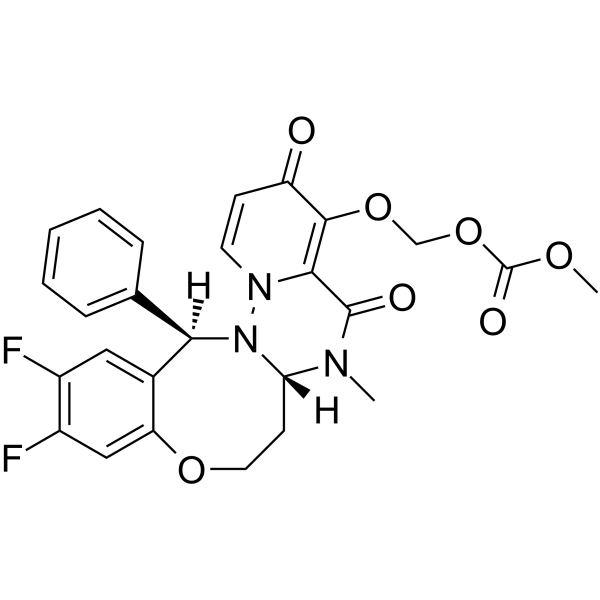
Cap-dependent endonuclease-IN-14 is a potent inhibitor of cap-dependent endonuclease (CEN). Cap-dependent endonuclease-IN-14 inhibits the replication of influenza virus. Cap-dependent endonuclease-IN-14 has the potential for the research of viral infections caused by influenza viruses (extracted from patent CN113620948A, compound 1-c) .
|
-
- HY-144067
-
|
|
Influenza Virus
|
Infection
|
|
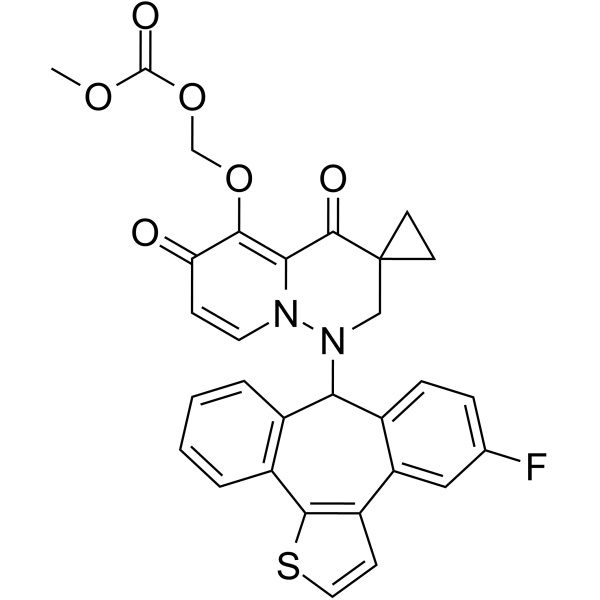
Cap-dependent endonuclease-IN-23 is a potent inhibitor of cap-dependent endonuclease (CEN). Cap-dependent endonuclease-IN-23 inhibits the replication of influenza virus. ap-dependent endonuclease-IN-23 has the potential for the research of influenza virus infection (influenza A) (extracted from patent WO2021233302A1, compound 8A or 8B) .
|
-
- HY-144065
-
|
|
DNA/RNA Synthesis
Influenza Virus
|
Infection
|
|
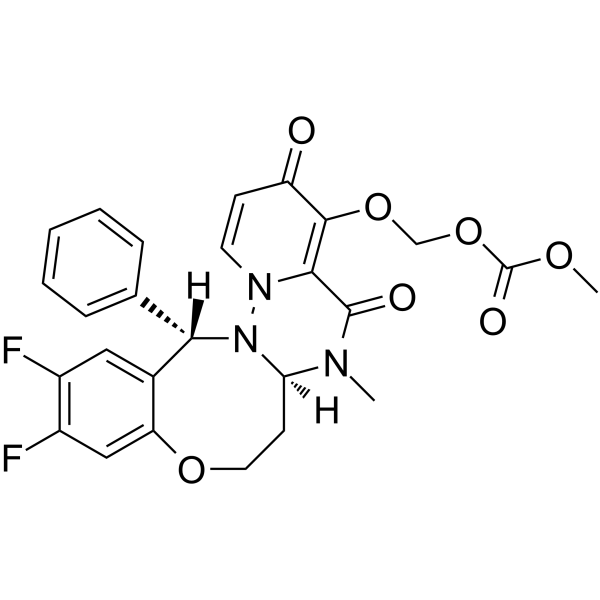
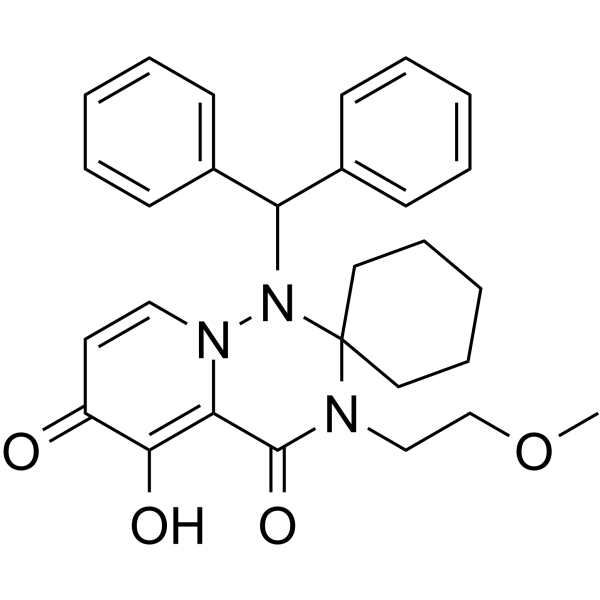
Cap-dependent endonuclease-IN-19 is a potent inhibitor of cap-dependent endonuclease (CEN). Cap-dependent endonuclease-IN-19 is a spirocyclic pyridone derivative. Cap-dependent endonuclease-IN-19 has strong inhibitory effect on RNA polymerase activity of A virus (extracted from patent CN111410661A, compound 1) .
|
-
- HY-143766
-
|
|
Influenza Virus
|
Infection
|
|
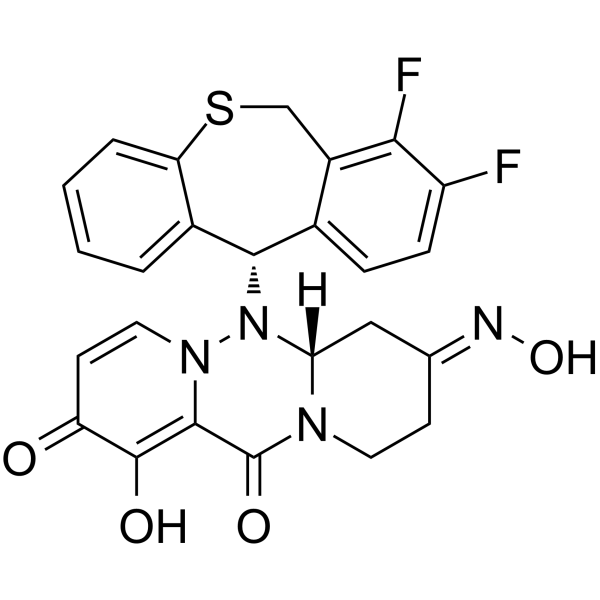
Cap-dependent endonuclease-IN-13 is a potent inhibitor of cap-dependent endonuclease (CEN). Cap-dependent endonuclease-IN-13 has the potential for the research of influenza virus infection (only influenza A) (extracted from patent WO2021180147A1, compound I-1) .
|
-
- HY-146271
-
|
|
CMV
|
Infection
|
|
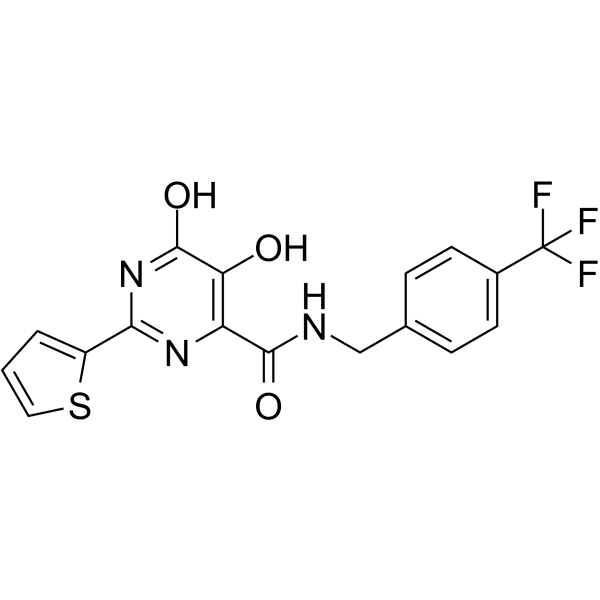
pUL89 Endonuclease-IN-2 (Compound 15k) is a potent inhibitor of human cytomegalovirus (HCMV) pUL89 endonuclease with the IC50 of 3.0 μM. Antiviral activities .
|
-
- HY-143781
-
|
|
Influenza Virus
|
Infection
|
|
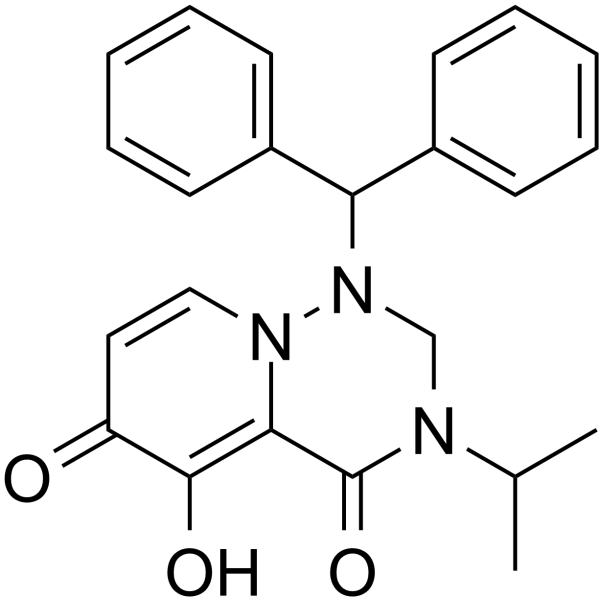
Cap-dependent endonuclease-IN-26 is a cap-dependent endonuclease (CEN) inhibitor with an IC50 of 286 nM. Cap-dependent endonuclease-IN-26 shows antiviral activity against many influenza A and B strains .
|
-
- HY-146270
-
|
|
CMV
|
Infection
|
|
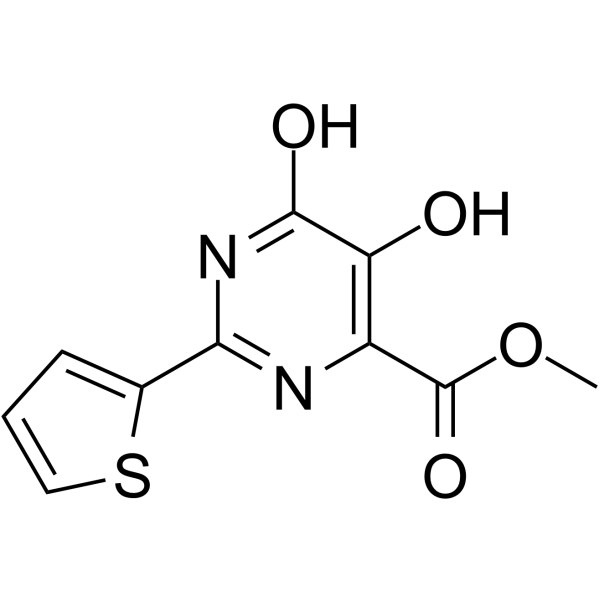
pUL89 Endonuclease-IN-1 (Compound 13d) is a potent inhibitor of human cytomegalovirus (HCMV) pUL89 endonuclease with the IC50 value of 0.88 μM and has antiviral activitiy .
|
-
- HY-144068
-
|
|
Influenza Virus
|
Infection
|
|
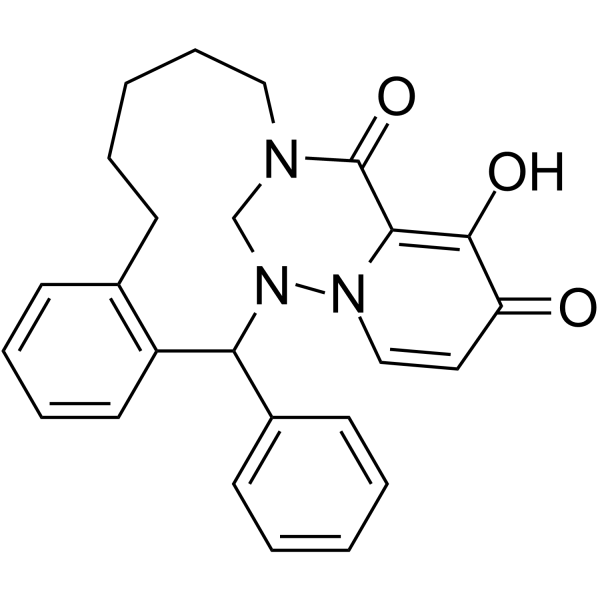
Cap-dependent endonuclease-IN-25 is a potent inhibitor of cap-dependent endonuclease (CEN). Cap-dependent endonuclease-IN-25 is a macrocyclic pyridotriazine derivative. Cap-dependent endonuclease-IN-25 has the potential for the research of viral infections caused by viruses belonging to the Orthomyxoviridae family (extracted from patent WO2020075080A1, compound 4) .
|
-
- HY-143747
-
|
|
Influenza Virus
|
Infection
|
|
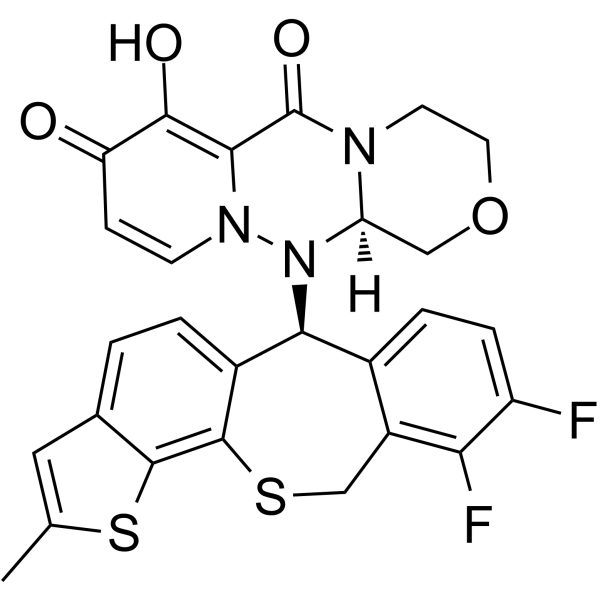
Cap-dependent endonuclease-IN-5 is a potent inhibitor of cap-dependent endonuclease (CEN). Cap-dependent endonuclease-IN-5 inhibits influenza virus well, and/or has lower cytotoxicity, better in vivo pharmacokinetic properties and in vivo pharmacodynamic properties (extracted from patent WO2020078401A1, compound 13-1) .
|
-
- HY-143752
-
|
|
Influenza Virus
|
Infection
|
|
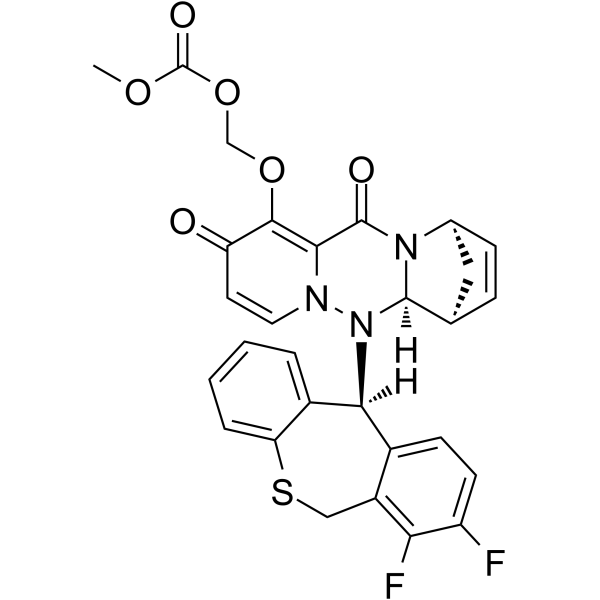
Cap-dependent endonuclease-IN-8 is a potent inhibitor of cap-dependent endonuclease (CEN). Cap-dependent endonuclease-IN-8 inhibits replication of orthomyxoviruses (including influenza A, influenza B and influenza C) (extracted from patent CN111410661A, compound I-196) .
|
-
- HY-143755
-
|
|
DNA/RNA Synthesis
Influenza Virus
|
Infection
|
|
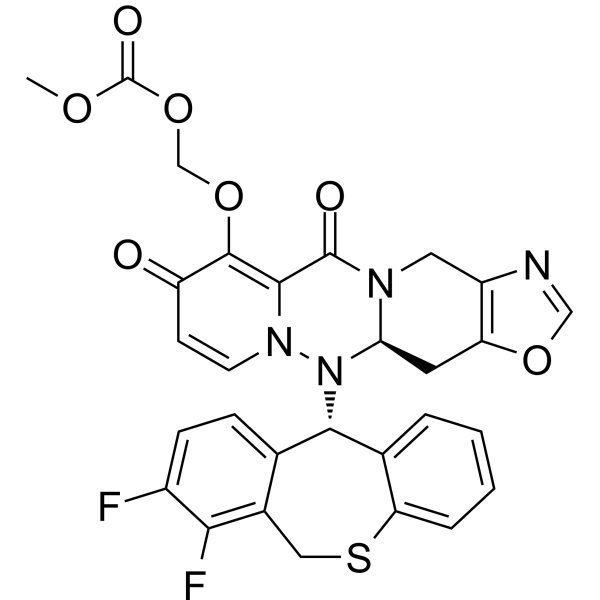
Cap-dependent endonuclease-IN-9 is a potent inhibitor of cap-dependent endonuclease (CEN). Not only can Cap-dependent endonuclease-IN-9 inhibit influenza virus well, but also has lower cytotoxicity, better in vivo agent kinetic properties and in vivo pharmacodynamic properties. Cap-dependent endonuclease-IN-9 has strong inhibitory effect on RNA polymerase activity of A virus (extracted from patent CN112521386A, compound VI-1) .
|
-
- HY-143743
-
|
|
DNA/RNA Synthesis
Influenza Virus
|
Infection
|
|
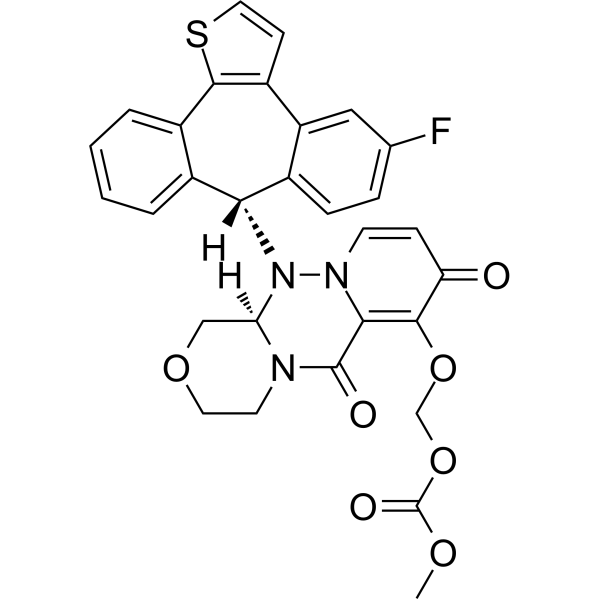
Cap-dependent endonuclease-IN-2 is a potent inhibitor of cap-dependent endonuclease (CEN). Not only can Cap-dependent endonuclease-IN-2 inhibit influenza virus well, but also has lower cytotoxicity, better in vivo agent kinetic properties and in vivo pharmacodynamic properties. Cap-dependent endonuclease-IN-2 has strong inhibitory effect on RNA polymerase activity of A virus (extracted from patent WO2019052565A1, compound 28) .
|
-
- HY-143750
-
|
|
Influenza Virus
|
Infection
|
|
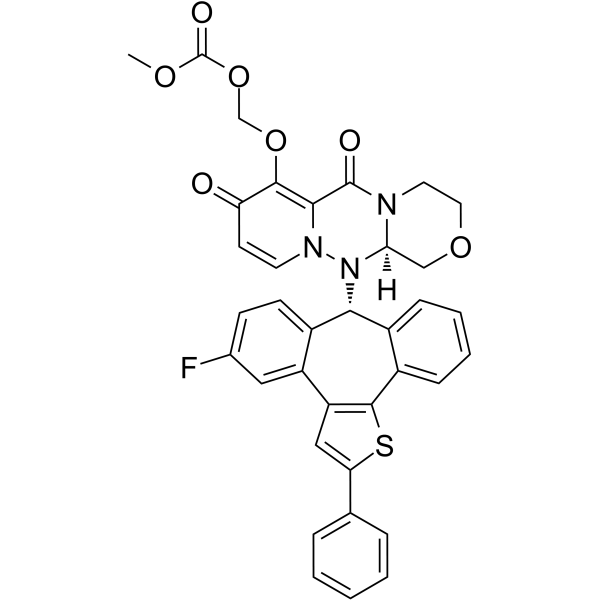
Cap-dependent endonuclease-IN-7 is a potent inhibitor of cap-dependent endonuclease (CEN). Cap-dependent endonuclease-IN-7 Inhibits the synthesis of viral mRNA and eventually inhibits virus proliferation. Cap-dependent endonuclease-IN-7 has the potential for the research of viral infections (including influenza A, influenza B and influenza C) (extracted from patent WO2020177715A1, compound 5)
|
-
- HY-143757
-
|
|
Influenza Virus
|
Infection
|
|
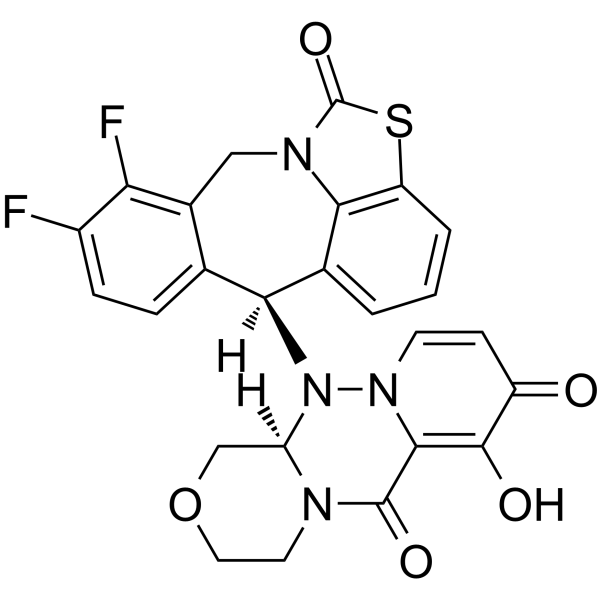
Cap-dependent endonuclease-IN-10 is a potent inhibitor of cap-dependent endonuclease (CEN). Not only can Cap-dependent endonuclease-IN-10 inhibit influenza virus well, but also has lower cytotoxicity, better in vivo pharmacokinetic and in vivo pharmacodynamic properties, and better hepatic microsomal stability. Cap-dependent endonuclease-IN-10 has the potential for the research of viral infections (including influenza A, influenza B and influenza C) (extracted from patent WO2021129799A1, compound 1-1) .
|
-
- HY-158028
-
|
|
Influenza Virus
|
Infection
|
|
PAN endonuclease-IN-2 (compound T-31) is a PAN endonuclease inhibitor (IC50: 0.15 μM) and antiviral agent with broad-spectrum anti- Influenza activity. PAN is the N-terminal PA subunit of the polymerase-RNA complex and the dependent endonuclease (CEN) active site. PAN initiates RNA replication by promoting cleavage of the RNA strand and allowing the polymerase to begin synthesizing new RNA molecules. PAN endonuclease-IN-2 targets both the influenza HA and RdRp complexes, thereby interfering with viral entry into host cells and viral replication .
|
-
- HY-143492
-
|
|
Influenza Virus
|
Inflammation/Immunology
|
|
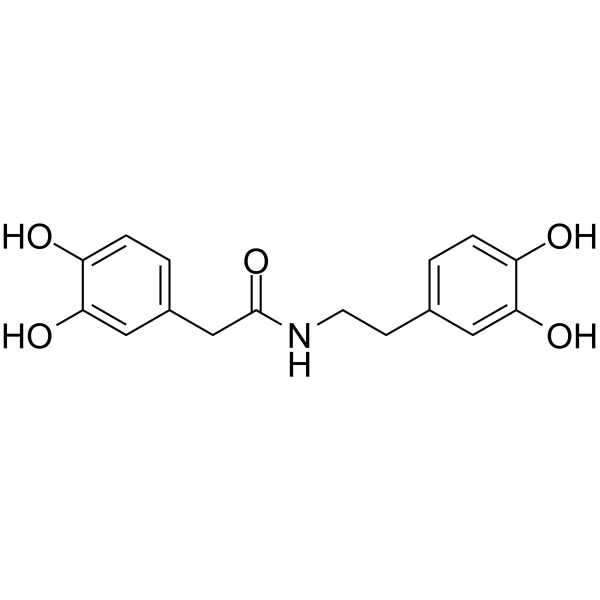
Influenza virus-IN-1 (compound 14) is a potent influenza A virus inhibitor with an EC50 of 2.46 µM and CC50 of >200 µM. Influenza virus-IN-1 shows a concentration dependent inhibition activity for PAN endonuclease with EC50 of 312.36 nM. Influenza virus-IN-1 shows shows anti-influenza A virus activities .
|
-
- HY-143493
-
|
|
Influenza Virus
|
Inflammation/Immunology
|
|
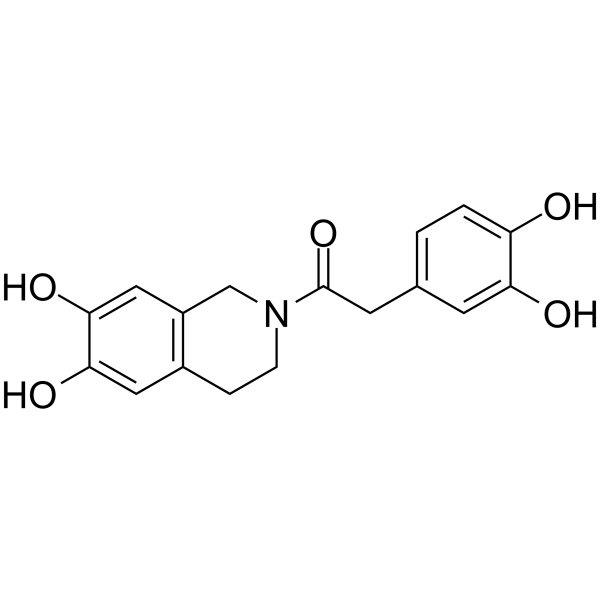
Influenza virus-IN-2 (compound 19) is a potent influenza virus inhibitor with an EC50 of 2.58 µM and CC50 of 150.85 µM. Influenza virus-IN-2 shows a concentration dependent inhibition activity for PAN endonuclease with EC50 of 489.39 nM. Influenza virus-IN-2 shows shows anti-influenza A virus activities .
|
-
- HY-B2098A
-
|
|
Autophagy
Parasite
|
Cancer
|
|
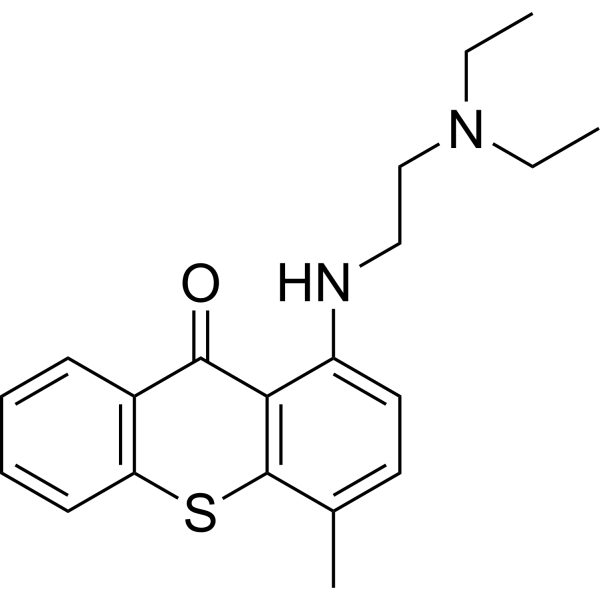
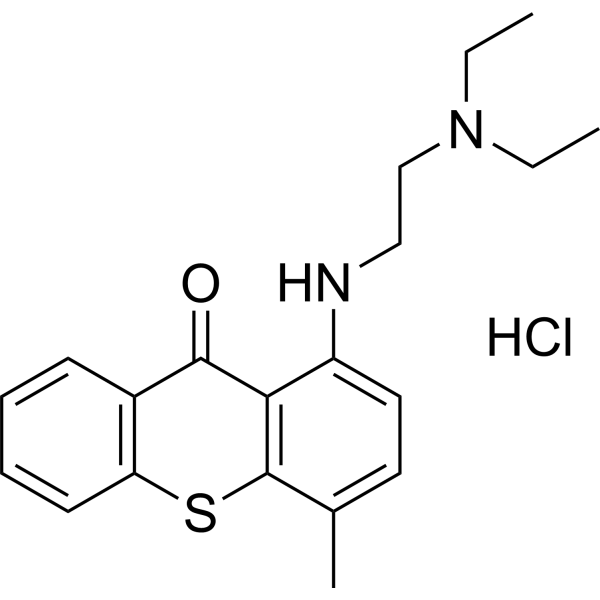
Lucanthone hydrochloride is an endonuclease inhibitor of Apurinic endonuclease-1 (APE-1).
|
-
- HY-133795
-
|
|
DNA/RNA Synthesis
|
Others
|
|
Lucanthone N-oxide is the nitrogen oxide of Lucanthone (HY-B2098), an endonuclease inhibitor of Apurinic endonuclease-1 (APE-1) .
|
-

- HY-B2098R
-
|
|
Autophagy
Parasite
Reference Standards
|
Cancer
|
|
Lucanthone (Standard) is the analytical standard of Lucanthone. This product is intended for research and analytical applications. Lucanthone is an endonuclease inhibitor of Apurinic endonuclease-1 (APE-1).
|
-

- HY-E70449
-
|
|
Biochemical Assay Reagents
|
Others
|
|
Salt active endonuclease is a general, unspecific endonuclease that cleaves double-stranded and single-stranded DNA, and RNA. Salt active endonuclease can be used to remove DNA during protein expression and purification .
|
-

- HY-174433
-
|
|
Influenza Virus
|
Infection
|
|
PAN endonuclease-IN-4 (Compound 41) is an inhibitor of PAN endonuclease with antiviral properties. PAN endonuclease-IN-4 is the prodrug of 39-(S). PAN endonuclease-IN-4 can significantly suppress viral replication in an A/WSN/33 infected mouse model .
|
-

- HY-163147
-
|
|
Influenza Virus
DNA/RNA Synthesis
|
Infection
|
|
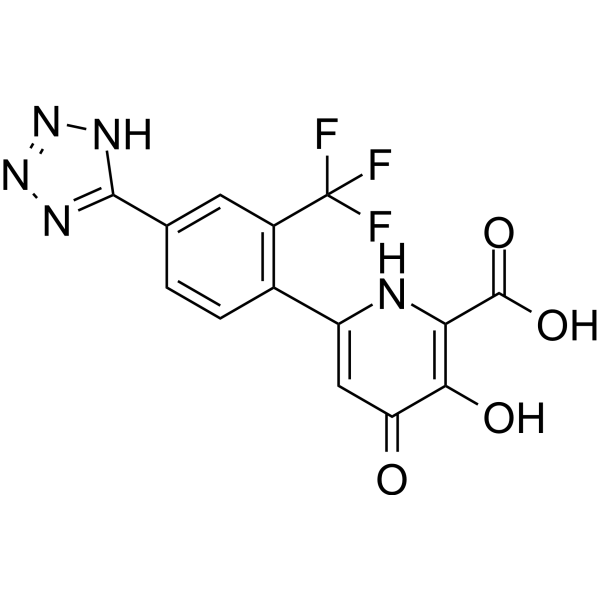
PAN endonuclease-IN-1 (Compound 23) is a potent PAN endonuclease inhibitor, with Kd values of 277 μM, 384 μM and 328 μM for WT, I38T and E23K PAN endonucleases, respectively. The RNA-dependent RNA polymerase acidic N-terminal (PAN) endonuclease, a critical component of influenza viral replication machinery, is an antiviral target .
|
-
- HY-162242
-
|
|
Influenza Virus
|
Infection
|
|
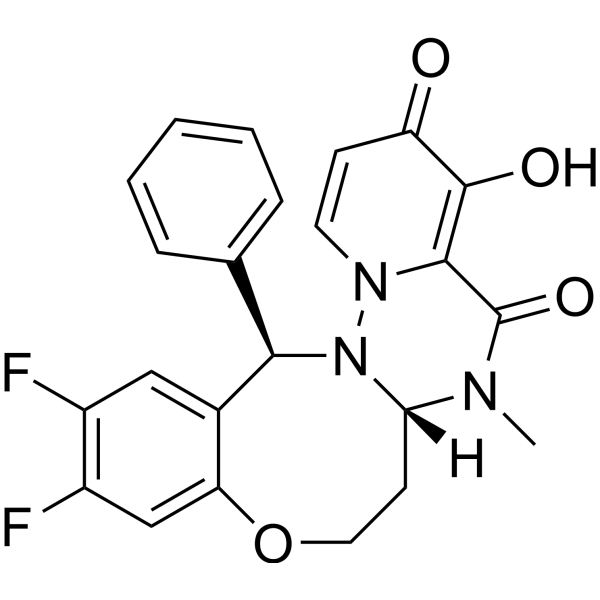
Cap-dependent endonuclease-IN-27 (Compound 8) is an orally active potent cap-dependent endonuclease (CEN) inhibitor. Cap-dependent endonuclease-IN-27, an antiviral agent, shows activity against influenza B virus. Cap-dependent endonuclease-IN-27 has inhibitory activity against IFV A/WSN/33 (H1N1) polymerase (EC50 = 12.26 nM) .
|
-
- HY-163621
-
|
|
Influenza Virus
|
Infection
|
|
Cap-dependent endonuclease-IN-28 (Compound 11) is a potent cap-dependent endonuclease (CEN) inhibitor. Cap-dependent endonuclease-IN-28 inhibits CEN of TOSV, ANDV, and LACV viruses with IC50 values of 2.4, 0.5, and 4 μM, respectively .
|
-

- HY-B1099R
-
|
|
DNA/RNA Synthesis
Topoisomerase
Parasite
Reference Standards
|
Infection
|
|
Hycanthone (Standard) is the analytical standard of Hycanthone. This product is intended for research and analytical applications. Hycanthone is a thioxanthenone DNA intercalator and inhibits RNA synthesis as well as the DNA topoisomerases I and II. Hycanthone inhibits nucleic acid biosynthesis and inhibits apurinic endonuclease-1 (APE1) by direct protein binding with a KD of 10 nM. Hycanthone is a bioactive metabolite of Lucanthone (HY-B2098) and has anti-schistosomal agent .
|
-

- HY-153570
-
|
|
Influenza Virus
|
Infection
|
|
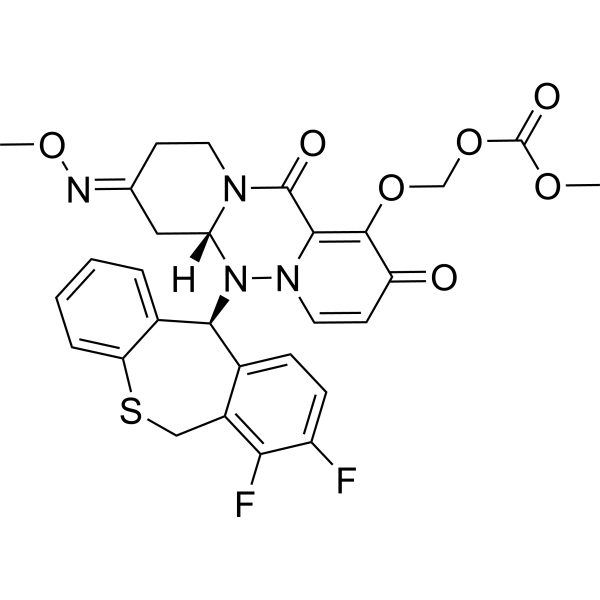
Influenza virus-IN-7 (Example 16) is an orally active cap-dependent endonuclease inhibitor that can be used for the research of influenza viral infectious diseases .
|
-
- HY-E70603
-
|
|
Endonuclease
|
Others
|
|
T4 endonuclease VII displays broad substrate specificity and can bind and cleave single-base mismatches in a DNA duplex as well as three-way and four-way branched DNA structures .
|
-

- HY-149972
-
|
|
Apoptosis
|
Cancer
|
|
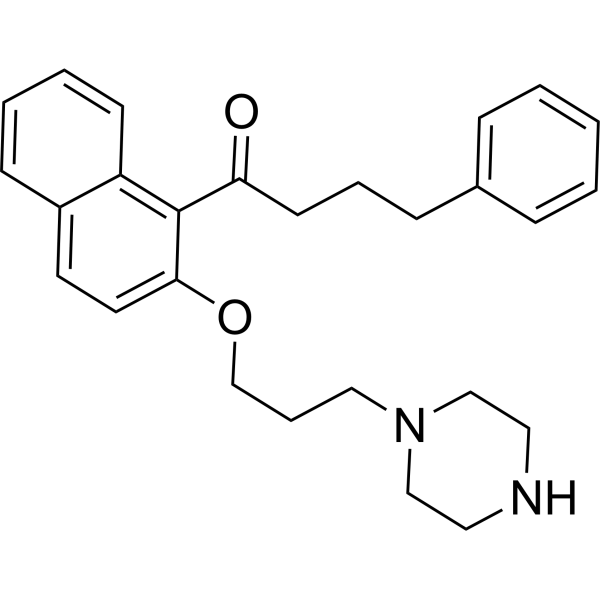
Antitumor agent-96 (Compound D34) is a potent MRE11 inhibitor. Antitumor agent-96 down-regulates the HR pathway by binding with MRE11 and suppressing its endonuclease functions. Antitumor agent-96 induces CM cells apoptosis .
|
-
- HY-N3989
-
|
|
Bacterial
UGT
Interleukin Related
SOD
COX
|
Infection
Inflammation/Immunology
|
|
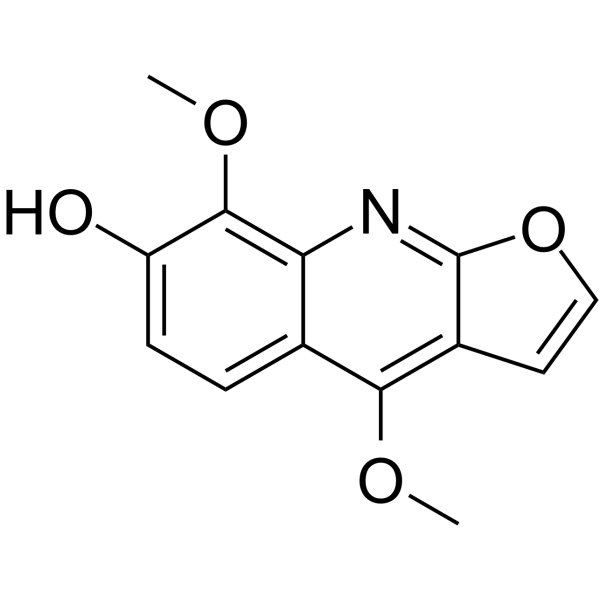
Haplopine is a substance with anti-inflammatory, antioxidant and photoactivated antibacterial activities. It also acts as an inhibitor of UGT1A7 and a photoactivated restriction endonuclease inhibitor. Haplopine inhibits the mRNA/protein expression of IL-6, TSLP, GM-CSF, G-CSF, IL-4, IL-13 and COX-2, while upregulating the mRNA/protein expression of SOD, CAT and HO-1. Haplopine inhibits the glucuronidation reaction catalyzed by UGT1A7 through competitive hydrophobic binding. Haplopine exerts photoactivated restriction endonuclease inhibitory effects by binding to DNA. Haplopine exhibits photoactivated activity against methicillin-resistant Staphylococcus aureus. Haplopine alleviates symptoms of atopic dermatitis. Haplopine can be used in research related to atopic dermatitis and methicillin-resistant Staphylococcus aureus infections .
|
-
- HY-P0229A
-
|
Rnase T1 (animal free)
|
DNA/RNA Synthesis
|
Others
|
|
Ribonuclease T1 (animal free) (Rnase T1 (animal free)) (EC 4.6.1.24) is an endonuclease that specifically degrades single-stranded RNA. Ribonuclease T1 forms a nucleoside 2′, 3′-cyclic phosphate intermediate to cleave the phosphodiester bond between the 3′-guanosine residue and the 5′-OH group of the adjacent nucleoside to produce a 3′-GMP-terminated oligonucleotide. This product does not contain ingredients of animal origin .
|
-

- HY-N17251
-
|
FAC21
|
Endonuclease
|
Infection
|
|
Cusculine (FAC21) is an oropouche virus (OROV) endonuclease inhibitor with an IC50 of 1.4 μM. Cusculine strongly interacts with OROV endonuclease, possibly limiting viral RNA interaction with other proteins, intercalates into double-stranded RNA (a viral replication intermediate), and efficiently inhibits OROV viral replication in vitro. Cusculine can be used for the research of oropouche fever .
|
-

- HY-185455
-
|
|
FLAP
|
Others
|
|
FEN1-IN-9 is a selective flap endonuclease 1 (FEN1) inhibitor with an IC50 of 37.9 μM. FEN1-IN-9 can be used for the research of DNA damage repair .
|
-

- HY-109025AS2
-
|
Baloxavir acid-d1; S-033447-d1
|
Isotope-Labeled Compounds
Influenza Virus
|
Infection
Cancer
|
|
Baloxavir-d1 is the deuterium labeled Baloxavir (HY-109025A). Baloxavir (Baloxavir acid), derived from the proagent Baloxavir marboxil, is a first-in-class, potent and selective cap-dependent endonuclease (CEN) inhibitor within the polymerase PA subunit of influenza A and B viruses. Baloxavir inhibits viral RNA transcription and replication and has potently antiviral activity .
|
-

- HY-129046D
-
|
Ribonuclease A, Recombinant
|
Endonuclease
DNA/RNA Synthesis
|
Endocrinology
Cancer
|
|
RNase A (Bovine pancreatic RNase) is a widely used Endonuclease in DNA purification by specifically hydrolyzing cytosine or uracil residues of RNA. RNase A degrades the RNA in the RNA/DNA duplex. RNase A catalyses the breakdown of 3',5'-phosphodiester linkages of single stranded RNA. RNase A family members in organisms are tightly involved in various physiological and pathological processes including cell growth and development, proliferation, differentiation and migration. Dysregulation of RNase A activity or expression level is closely related to pancreatic, ovarian, bladder and thyroid cancer. RNase A has tumor cell-killing ability. RNase A, Recombinant (Ribonuclease A, Recombinant) is a recombinant form of RNase A .
|
-

- HY-129046I
-
|
|
DNA/RNA Synthesis
Endonuclease
|
Endocrinology
Cancer
|
|
RNase A (Bovine pancreatic RNase) is a widely used Endonuclease in DNA purification by specifically hydrolyzing cytosine or uracil residues of RNA. RNase A degrades the RNA in the RNA/DNA duplex. RNase A catalyses the breakdown of 3',5'-phosphodiester linkages of single stranded RNA. RNase A family members in organisms are tightly involved in various physiological and pathological processes including cell growth and development, proliferation, differentiation and migration. Dysregulation of RNase A activity or expression level is closely related to pancreatic, ovarian, bladder and thyroid cancer. RNase A has tumor cell-killing ability. RNase A, Recombinant (animal free) is recombinant RNase A with no animal-derived components .
|
-

- HY-129046E
-
|
Ribonuclease A DNase & Protease Free, Recombinant
|
Endonuclease
DNA/RNA Synthesis
|
Endocrinology
Cancer
|
|
RNase A (Bovine pancreatic RNase) is a widely used Endonuclease in DNA purification by specifically hydrolyzing cytosine or uracil residues of RNA. RNase A degrades the RNA in the RNA/DNA duplex. RNase A catalyses the breakdown of 3',5'-phosphodiester linkages of single stranded RNA. RNase A family members in organisms are tightly involved in various physiological and pathological processes including cell growth and development, proliferation, differentiation and migration. Dysregulation of RNase A activity or expression level is closely related to pancreatic, ovarian, bladder and thyroid cancer. RNase A has tumor cell-killing ability. RNase A (DNase & Protease Free), Recombinant is recombinant RNase A, which does not contain DNase and protease .
|
-

- HY-129046H
-
|
|
DNA/RNA Synthesis
Endonuclease
|
Endocrinology
Cancer
|
|
RNase A (Bovine pancreatic RNase) is a widely used Endonuclease in DNA purification by specifically hydrolyzing cytosine or uracil residues of RNA. RNase A degrades the RNA in the RNA/DNA duplex. RNase A catalyses the breakdown of 3',5'-phosphodiester linkages of single stranded RNA. RNase A family members in organisms are tightly involved in various physiological and pathological processes including cell growth and development, proliferation, differentiation and migration. Dysregulation of RNase A activity or expression level is closely related to pancreatic, ovarian, bladder and thyroid cancer. RNase A has tumor cell-killing ability. RNase A, Recombinant (Protease & DNase free, animal free) is recombinant RNase A that does not contain protease and DNase and does not contain animal components .
|
-

- HY-129046C
-
|
Ribonuclease B, Bovine Pancreas
|
Endonuclease
DNA/RNA Synthesis
|
Endocrinology
Cancer
|
|
RNase A (Bovine pancreatic RNase) is a widely used Endonuclease in DNA purification by specifically hydrolyzing cytosine or uracil residues of RNA. RNase A degrades the RNA in the RNA/DNA duplex. RNase A catalyses the breakdown of 3',5'-phosphodiester linkages of single stranded RNA. RNase A family members in organisms are tightly involved in various physiological and pathological processes including cell growth and development, proliferation, differentiation and migration. Dysregulation of RNase A activity or expression level is closely related to pancreatic, ovarian, bladder and thyroid cancer. RNase A has tumor cell-killing ability. RNase B, Bovine Pancreas (Ribonuclease B, Bovine Pancreas) is the N-glycosylated form of RNase A. RNase B, Bovine Pancreas can promote the folding of polypeptide chains and play a role similar to molecular chaperones .
|
-

- HY-N4183
-
|
|
Apoptosis
Caspase
Estrogen Receptor/ERR
|
Cardiovascular Disease
Infection
|
|
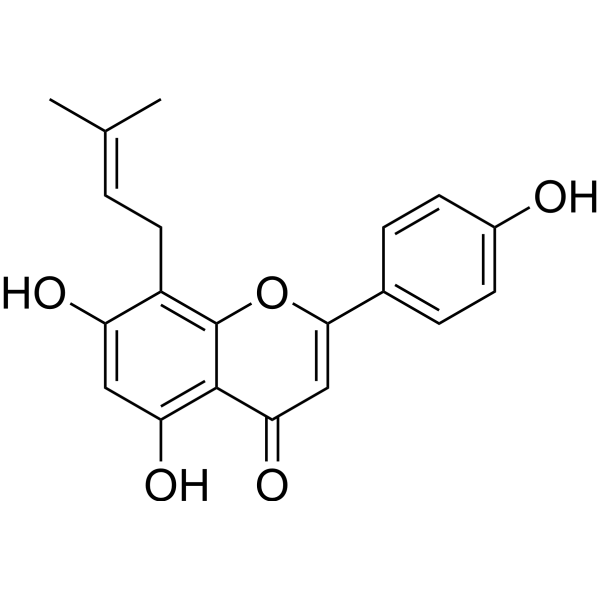
Licoflavone C is a broad-spectrum antiviral inhibitor with estrogen-like properties. Licoflavone C binds to viral endonuclease (CEN) and inhibits the replication of various bunyaviruses including severe fever with thrombocytopenia syndrome virus (SFTSV) and lymphocytic choriomeningitis virus in a non-substrate competitive manner. The IC50 values of Licoflavone C against SFTSV CEN and SFTSV CEN are 35.5 μM and 135.8 μM, respectively, and its Kd value against SFTSV CEN is 9.53 μM. After viral entry into cells, Licoflavone C reduces viral loads in mouse tissues in a dose-dependent manner, and exhibits extremely low cytotoxicity and genotoxicity. Licoflavone C induces apoptosis by increasing caspase 3/7 activity, blocks the cell cycle, and alleviates chemotherapy-induced chromosomal damage. Licoflavone C is applicable to the research on severe fever with thrombocytopenia syndrome and related viral infection mechanisms .
|
-
| Cat. No. |
Product Name |
Type |
-
- HY-156262
-
|
|
Biochemical Assay Reagents
|
|
DEPC-Treated Water is ultrapure water that has been sterilized by high temperature and high pressure and does not contain nuclease. It can avoid contamination by non-specific endonucleases and exonucleases and does not affect RNase activity .
|
-
- HY-Y1219H
-
|
|
Biochemical Assay Reagents
|
|
Silica gel, high-purity grade, 200-400 mesh is a biologically inert matrix and desiccant with high water retention capacity and low regeneration temperature. Silica gel, high-purity grade, 200-400 mesh prevents DNA degradation by absorbing water from plant leaves, and is suitable for preserving field-collected samples for subsequent DNA extraction, restriction endonuclease digestion, PCR amplification and gene sequencing. Silica gel, high-purity grade, 200-400 mesh can be regenerated and reused after water absorption saturation. Silica gel, high-purity grade, 200-400 mesh provides a non-toxic, inert aqueous environment for embedded cells, allows free diffusion of nutrients, oxygen and metabolic wastes, blocks external contamination, and thus maintains the viability of fibroblasts and epithelial cells. Silica gel, high-purity grade, 200-400 mesh serves as an ideal candidate material for tissue culture scaffolds and implantable bioreactors .
|
-
- HY-KE7067
-
|
|
|
Lambda DNA (λ DNA) is the DNA in λ phages and is used as a substrate for restriction endonucleases. This product is methylated Lambda DNA.
|
-
- HY-KE7066
-
|
|
|
FnCas12a(Cpf1), is an RNA-guided, DNA-editable recombinant endonuclease that can be used for gene editing and detection.
|
-
- HY-KE7048
-
|
|
|
BspQ I is one of the endonucleases of Type IIs that recognize non-palindromic sequences and cut outside of the recognition sequence, and is commonly used in Golden Gate assembly. Isoschizomers: Sap I, Lgu I, PciS I.
|
-
- HY-KE8005
-
|
|
|
T7 Endonuclease I can recognize and cleave incompletely paired DNA, cruciform structure DNA, Holliday structure or crossover DNA, heterologous double-stranded DNA, or cleave nicked double-stranded DNA at a slower rate.
|
-
- HY-KE7050
-
|
|
|
BsmB I is one of the endonucleases of Type IIs that recognize non-palindromic sequences and cut outside of the recognition sequence, and is commonly used in Golden Gate assembly. Isoschizomers: Esp3 I, BstGZ53 I, Esp16 I, Esp23 I.
|
| Cat. No. |
Product Name |
Category |
Target |
Chemical Structure |
-
- HY-N4183
-
|
|
Structural Classification
Flavonoids
Classification of Application Fields
Flavones
Leguminosae
Phenols
Polyphenols
Plants
Glycyrrhiza uralensis Fisch.
Disease Research Fields
Source Classification
Cancer
|
Apoptosis
Caspase
Estrogen Receptor/ERR
|
|
Licoflavone C is a broad-spectrum antiviral inhibitor with estrogen-like properties. Licoflavone C binds to viral endonuclease (CEN) and inhibits the replication of various bunyaviruses including severe fever with thrombocytopenia syndrome virus (SFTSV) and lymphocytic choriomeningitis virus in a non-substrate competitive manner. The IC50 values of Licoflavone C against SFTSV CEN and SFTSV CEN are 35.5 μM and 135.8 μM, respectively, and its Kd value against SFTSV CEN is 9.53 μM. After viral entry into cells, Licoflavone C reduces viral loads in mouse tissues in a dose-dependent manner, and exhibits extremely low cytotoxicity and genotoxicity. Licoflavone C induces apoptosis by increasing caspase 3/7 activity, blocks the cell cycle, and alleviates chemotherapy-induced chromosomal damage. Licoflavone C is applicable to the research on severe fever with thrombocytopenia syndrome and related viral infection mechanisms .
|
-
-
- HY-N10581
-
|
|
Microorganisms
|
Influenza Virus
|
|
Flutimide is a novel endonuclease inhibitor of influenza virus. Flutimide selectively inhibits endonuclease with an IC50 value of 3 μM. Flutimide shows antiviral activity in cell culture. Flutimide can be used for the research of acute contagious respiratory disease, such as influenza .
|
-
-
- HY-N3989
-
-
-
- HY-N17251
-
-
| Cat. No. |
Product Name |
Chemical Structure |
-
- HY-109025AS
-
|
|
|
Baloxavir-d5 is deuterium labeled Baloxavir. Baloxavir (Baloxavir acid), derived from the proagent Baloxavir marboxil, is a first-in-class, potent and selective cap-dependent endonuclease (CEN) inhibitor within the polymerase PA subunit of influenza A and B viruses. Baloxavir inhibits viral RNA transcription and replication and has potently antiviral activity .
|
-
-
- HY-W751835
-
|
|
|
Baloxavir-d4 (Baloxavir acid-d4; S-033447-d4) is the deuterium-labeled Baloxavir (HY-109025A). Baloxavir-d4 (Baloxavir-d4 acid), derived from the proagent Baloxavir-d4 marboxil, is a first-in-class, potent and selective cap-dependent endonuclease (CEN) inhibitor within the polymerase PA subunit of influenza A and B viruses. Baloxavir-d4 inhibits viral RNA transcription and replication and has potently antiviral activity .
|
-
-
- HY-109025AS2
-
|
|
|
Baloxavir-d1 is the deuterium labeled Baloxavir (HY-109025A). Baloxavir (Baloxavir acid), derived from the proagent Baloxavir marboxil, is a first-in-class, potent and selective cap-dependent endonuclease (CEN) inhibitor within the polymerase PA subunit of influenza A and B viruses. Baloxavir inhibits viral RNA transcription and replication and has potently antiviral activity .
|
-
Your information is safe with us. * Required Fields.
Inquiry Information
- Product Name:
- Cat. No.:
- Quantity:
- MCE Japan Authorized Agent:








