



Baloxavir
Based on 55 publication(s) in Google Scholar
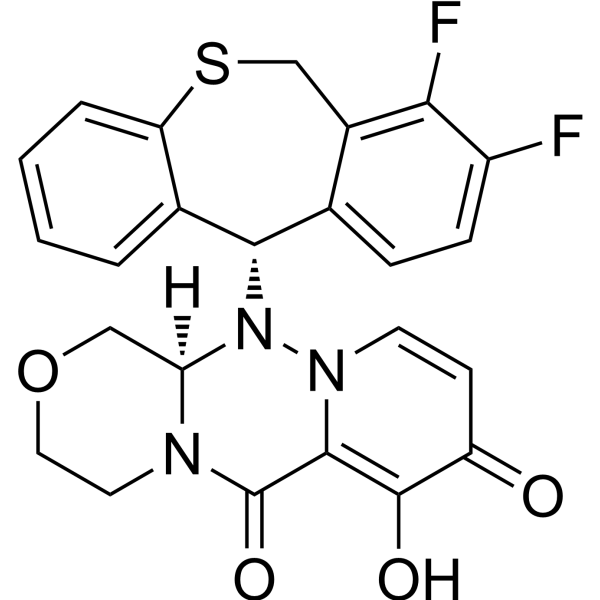
Baloxavir (Baloxavir acid), derived from the proagent Baloxavir marboxil, is a first-in-class, potent and selective cap-dependent endonuclease (CEN) inhibitor within the polymerase PA subunit of influenza A and B viruses. Baloxavir inhibits viral RNA transcription and replication and has potently antiviral activity.
商品は「研究用試薬」です。人や動物の医療用・臨床診断用・食品用の製品ではありません。
研究用途以外に使用した場合、当社は一切の責任を負いかねます。
- 純度 : 99.92%
- CAS 番号: 1985605-59-1
- 分子式: C24H19F2N3O4S
- 分子量:483.49
-
保管条件:
4°C, stored under nitrogen
* In solvent : -80°C, 1 year; -20°C, 6 months (stored under nitrogen)

To place orders, for customer services and technical support, please contact: MedChemExpress USA
Tel: 609-228-6898 E-mail: [email protected] [email protected]


-
 生物活性
生物活性
-
化学情報
-
溶剤 & 溶解度
- プロトコル
- 純度とドキュメンテーション
- 参考文献
-
 Help & FAQs


-
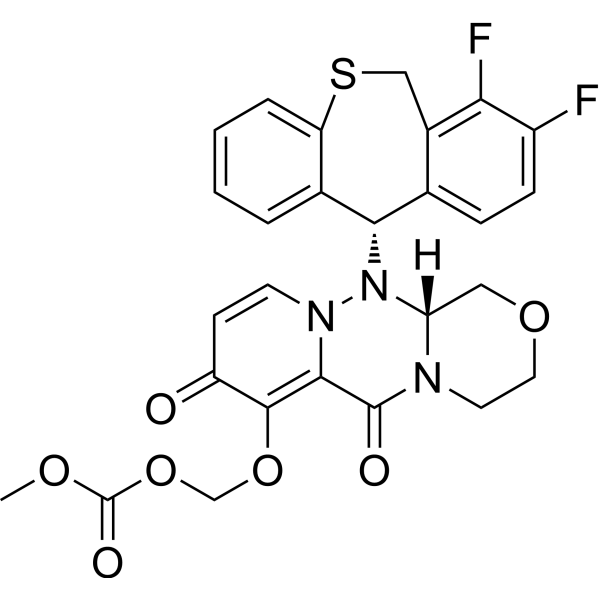
HY-109025
Baloxavir marboxilInfluenza A/B Inhibitor -
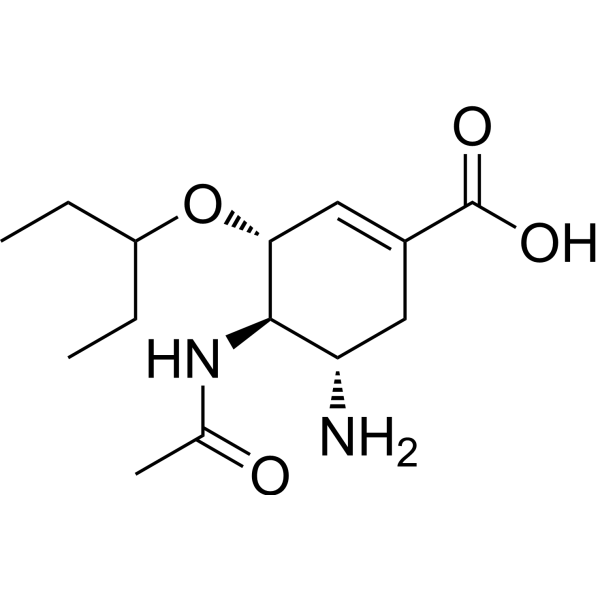
HY-13318
Oseltamivir acidOseltamivir phosphate Metabolite -
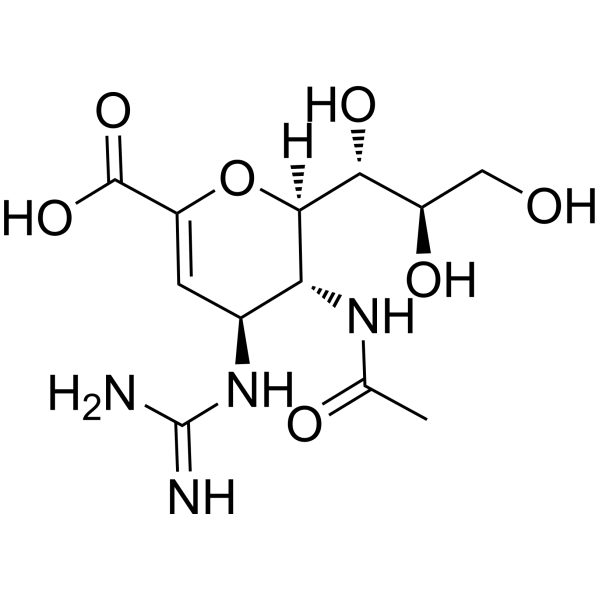
HY-13210
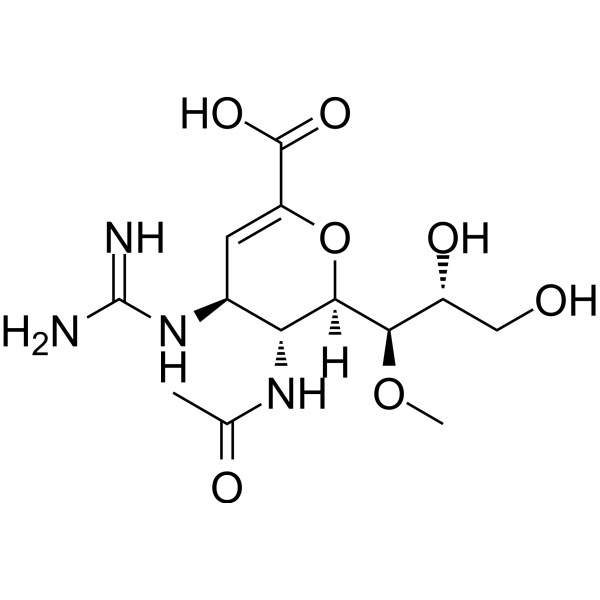
ZanamivirNeuraminidase Inhibitor -
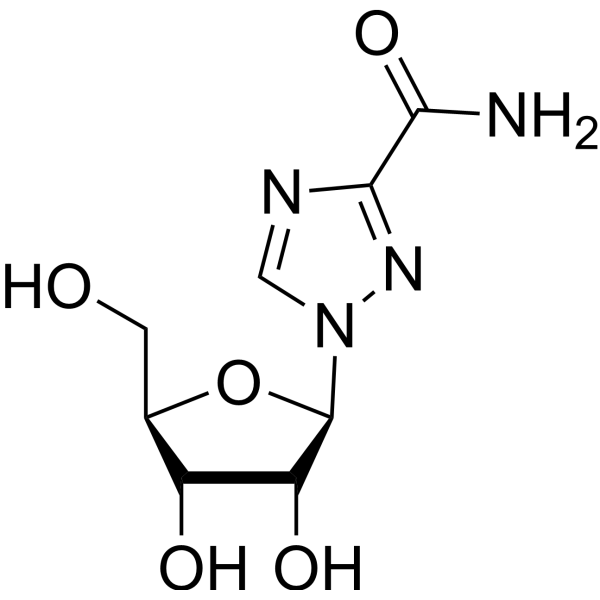
HY-B0434
RibavirinAntiviral Agent -
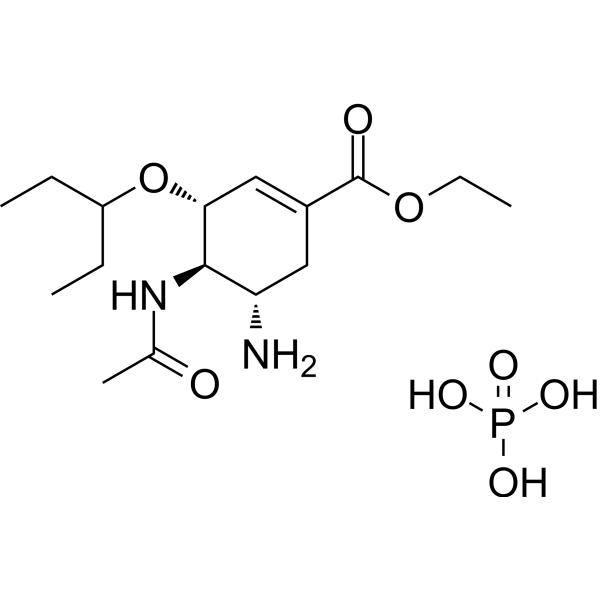
HY-17016
Oseltamivir phosphateInfluenza A/B Inhibitor -
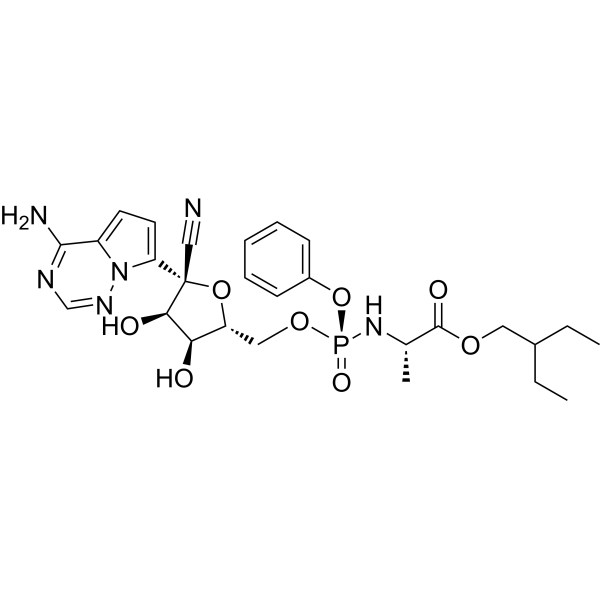
HY-104077
RemdesivirAntiviral Agent -
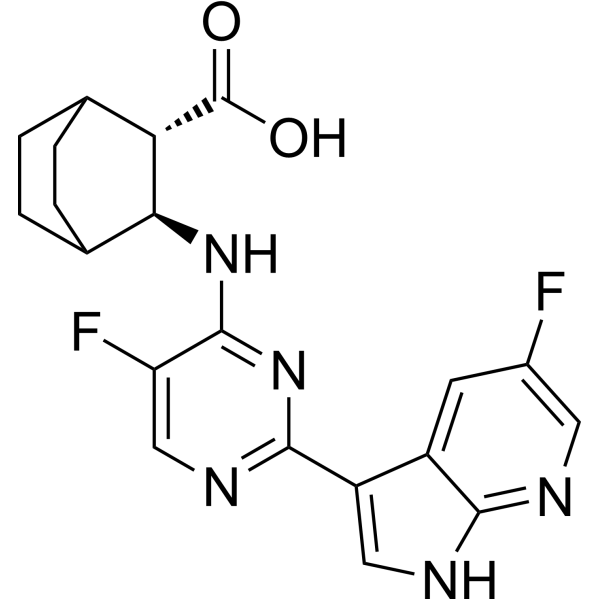
HY-12353A
PimodivirInfluenza A Inhibitor -
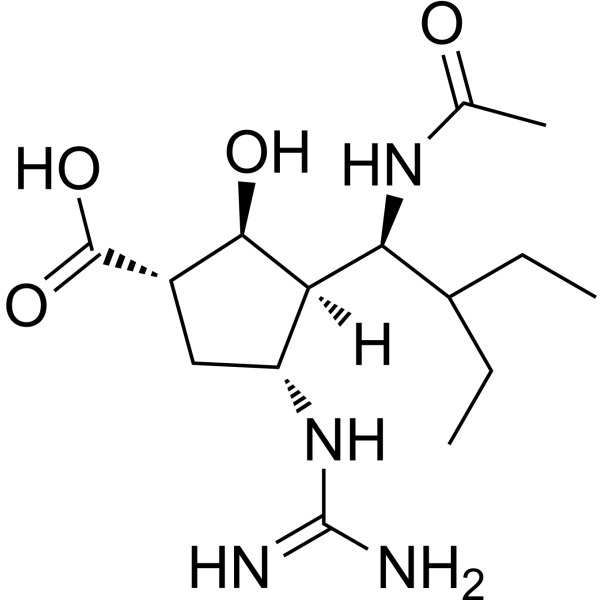
HY-17015A
PeramivirCyclopentane neuraminidase Inhibitor -
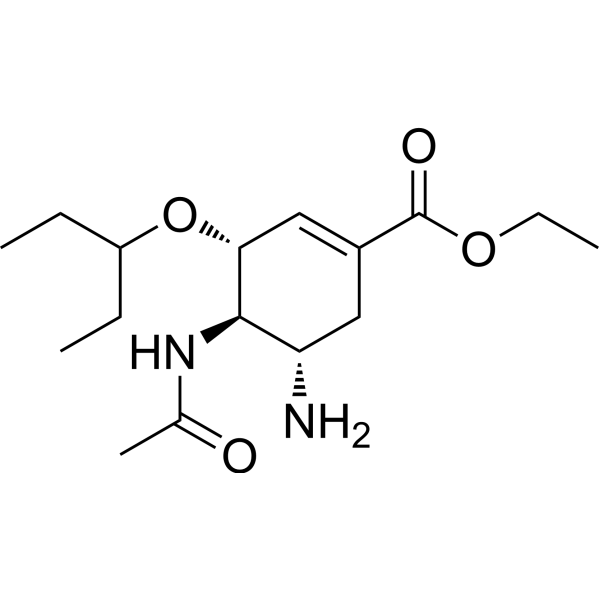
HY-13317
OseltamivirInfluenza Virus Inhibitor -
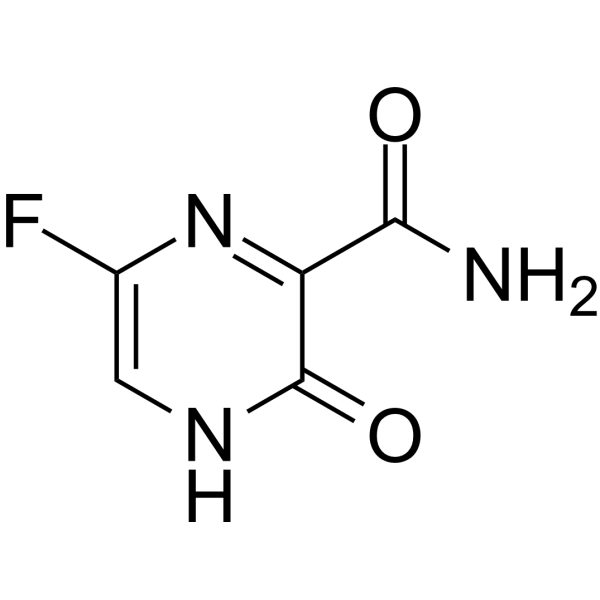
HY-14768
FavipiravirRNA Polymerase Inhibitor -
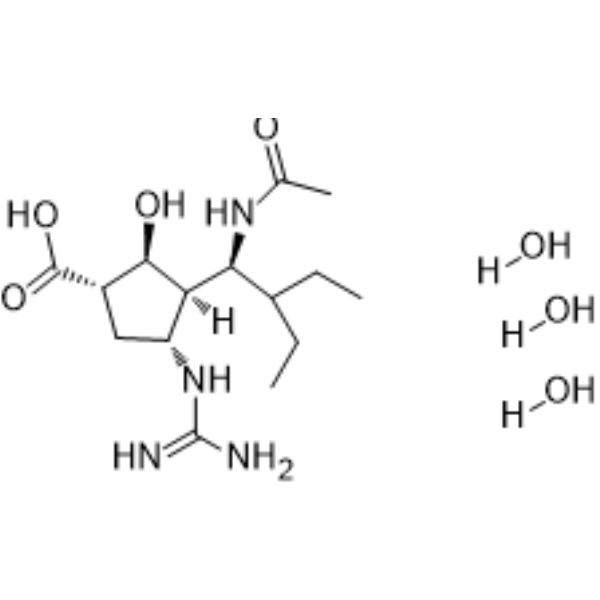
HY-17015
Peramivir trihydrateInfluenza Virus Inhibitor -
HY-14818
Laninamivir
MedChemExpress(MCE)の使用を引用している文献 Baloxavir
More- Nat Microbiol. 2020 Jan;5(1):27-33. [Abstract]
- Nat Commun. 2026 Feb 19. [Abstract]
- Nat Commun. 2020 Jan 9;11(1):164. [Abstract]
- NPJ Digit Med. 2025 Nov 21;8(1):712. [Abstract]
- Mol Cell. 2026 Aug 6;86(15):2950-2965.e9.
- Sci Transl Med. 2026 Feb 18;18(837):eadt3889. [Abstract]
- Acta Pharm Sin B. 2025 Aug;15(8):4156-4173. [Abstract]
- Proc Natl Acad Sci U S A. 2020 Apr 14;117(15):8593-8601. [Abstract]
- Emerg Infect Dis. 2019 Nov;25(11):2108-2111. [Abstract]
- Emerg Microbes Infect. 2026 Dec;15(1):2620222. [Abstract]
- Emerg Microbes Infect. 2026 Dec;15(1):2601372. [Abstract]
- Emerg Microbes Infect. 2025 Dec;14(1):2471022. [Abstract]
- Emerg Microbes Infect. 2025 Dec;14(1):2564308. [Abstract]
- Front Immunol. 2025 Mar 17:16:1532336. [Abstract]
- J Ethnopharmacol. 2025 Feb 10;338(Pt 2):119091. [Abstract]
- Front Microbiol. 2018 Dec 6:9:3026. [Abstract]
- Int J Mol Sci. 2026 Mar 25;27(7):2967. [Abstract]
- Int J Mol Sci. 2025 Jun 3;26(11):5358. [Abstract]
- mBio. 2026 May 13;17(5):e0375925. [Abstract]
- Front Pharmacol. 2019 Oct 16:10:1203. [Abstract]
- Bioorg Chem. 2021 Nov:116:105388. [Abstract]
- Mol Pharm. 2022 Nov 7;19(11):4320-4332. [Abstract]
- PLoS Pathog. 2022 Jul 13;18(7):e1010698. [Abstract]
- Microorganisms. 2020 Dec 11;8(12):1968. [Abstract]
- ACS Infect Dis. 2025 Jun 13;11(6):1437-1447. [Abstract]
- Antiviral Res. 2025 Jul:239:106174. [Abstract]
- Antiviral Res. 2024 Sep:229:105959. [Abstract]
- Antiviral Res. 2020 Jun:178:104786. [Abstract]
- Antimicrob Agents Chemother. 2022 Apr 19;66(4):e0000922. [Abstract]
- Antimicrob Agents Chemother. 2021 Oct 18;65(11):e0113721. [Abstract]
- Microbiol Spectr. 2026 Sep;14(9):e0151426.
- J Infect Dis. 2024 Jun 14;229(6):1830-1835. [Abstract]
- J Antimicrob Chemother. 2021 Mar 12;76(4):957-960. [Abstract]
- J Biol Chem. 2021 Jan-Jun:296:100486. [Abstract]
- J Virol. 2020 Oct 27;94(22):e00319-20. [Abstract]
- Virol J. 2025 Jun 4;22(1):181. [Abstract]
- Influenza Other Respir Viruses. 2025 Oct;19(10):e70176. [Abstract]
- Viruses. 2024 Sep 14;16(9):1467. [Abstract]
- Pathogens. 2020 Sep 2;9(9):725. [Abstract]
- Virus Res. 2024 Jul:345:199371. [Abstract]
- Animal Model Exp Med. 2025 Jan 26. [Abstract]
- Chem Biodivers. 2025 Apr;22(4):e202402465. [Abstract]
- bioRxiv. 2026 Sep 3.
- bioRxiv. 2026 Aug 14.
- bioRxiv. 2026 Jul 7:2026.07.06.736822.
- bioRxiv. 2026 Jun 10.
- bioRxiv. 2026 May 26.
- Res Sq. 2026 Apr 1.
- bioRxiv. 2026 Feb 13.
- bioRxiv. 2025 Oct 14.
- bioRxiv. 2025 January 27.
- Res Sq. 2025 Feb 04.
- SSRN. 2024 Apr 30.
- University of Alberta. 2022 Jan.
- Harvard University. 2019 Dec.
 Customer Validation & Images

-
Cell Proliferation/Viability Assay
-
IHC
-
Cell Proliferation/Viability Assay
-
RT-PCR
-
Cell Proliferation/Viability Assay


生物活性
製品説明
IC50 & Target
Cellular Effect
|
Cell Line

|
Type | Value | Description | References |
|---|---|---|---|---|
| HEK-293T | CC50 |
63.09 μM
Compound: 5; BXA
|
Cytotoxicity against human HEK293T cells assessed as reduction in cell viability incubated for 48 hrs by CCK-8 assay
Cytotoxicity against human HEK293T cells assessed as reduction in cell viability incubated for 48 hrs by CCK-8 assay
|
[PMID: 38775356] |
| HEK-293T | EC50 |
0.004 μM
Compound: 5; BXA
|
Anti-influenza activity against Influenza A virus A/WSN/33(H1N1) infected in HEK293T cells assessed as reduction in virus-induced cytopathic effect incubated for 48 hrs by CCK-8 assay
Anti-influenza activity against Influenza A virus A/WSN/33(H1N1) infected in HEK293T cells assessed as reduction in virus-induced cytopathic effect incubated for 48 hrs by CCK-8 assay
|
[PMID: 38775356] |
| HEK-293T | EC50 |
0.005 μM
Compound: 5; BXA
|
Anti-influenza activity against Influenza A virus H3N2 infected in HEK293T cells assessed as reduction in virus-induced cytopathic effect incubated for 48 hrs by CCK-8 assay
Anti-influenza activity against Influenza A virus H3N2 infected in HEK293T cells assessed as reduction in virus-induced cytopathic effect incubated for 48 hrs by CCK-8 assay
|
[PMID: 38775356] |
| HEK-293T | EC50 |
0.006 μM
Compound: 5; BXA
|
Anti-influenza activity against Influenza B virus Victoria/2/87 infected in HEK293T cells assessed as reduction in virus-induced cytopathic effect incubated for 48 hrs by CCK-8 assay
Anti-influenza activity against Influenza B virus Victoria/2/87 infected in HEK293T cells assessed as reduction in virus-induced cytopathic effect incubated for 48 hrs by CCK-8 assay
|
[PMID: 38775356] |
| HEK-293T | EC50 |
0.071 μM
Compound: 5; BXA
|
Anti-influenza activity against Influenza B virus Yamagata/16/88 infected in HEK293T cells assessed as reduction in virus-induced cytopathic effect incubated for 48 hrs by CCK-8 assay
Anti-influenza activity against Influenza B virus Yamagata/16/88 infected in HEK293T cells assessed as reduction in virus-induced cytopathic effect incubated for 48 hrs by CCK-8 assay
|
[PMID: 38775356] |
| MDCK | CC50 |
>100 μM
Compound: BXA
|
Cytotoxicity against MDCK cells incubated for 48 hrs by MTT assay
Cytotoxicity against MDCK cells incubated for 48 hrs by MTT assay
|
[PMID: 36521178] |
| MDCK | CC50 |
20 μM
Compound: Baloxavir acid
|
Cytotoxicity in MDCK cells assessed as reduction in cell viability incubated for 12 hrs by MTT assay
Cytotoxicity in MDCK cells assessed as reduction in cell viability incubated for 12 hrs by MTT assay
|
[PMID: 31536340] |
| MDCK | CC50 |
28.79 μM
Compound: Baloxavir
|
Cytotoxicity against MDCK cells assessed as decrease in survival rate
Cytotoxicity against MDCK cells assessed as decrease in survival rate
|
[PMID: 38964259] |
| MDCK | CC50 |
30.9 μM
Compound: 5; BXA
|
Cytotoxicity against dog MDCK cells assessed as reduction in cell viability incubated for 48 hrs by CCK-8 assay
Cytotoxicity against dog MDCK cells assessed as reduction in cell viability incubated for 48 hrs by CCK-8 assay
|
[PMID: 38775356] |
| MDCK | CC50 |
5.6 μM
Compound: 3; BXA
|
Cytotoxicity against MDCK cells assessed as reduction in cell viability by CellTiter-Glo assay
Cytotoxicity against MDCK cells assessed as reduction in cell viability by CellTiter-Glo assay
|
[PMID: 32787099] |
| MDCK | CC50 |
9.56 μM
Compound: BXA
|
Cytotoxicity against dog MDCK cells assessed as reduction in cell viability incubated for 48 hrs by celltiter-glo assay
Cytotoxicity against dog MDCK cells assessed as reduction in cell viability incubated for 48 hrs by celltiter-glo assay
|
[PMID: 37354741] |
| MDCK | EC50 |
0.9 nM
Compound: 3; BXA
|
Antiviral activity against Influenza A/California/04/2009 (H1N1)pdm09 infected in MDCK cells assessed as protection against virus-induced cell death by CellTiter-Glo assay
Antiviral activity against Influenza A/California/04/2009 (H1N1)pdm09 infected in MDCK cells assessed as protection against virus-induced cell death by CellTiter-Glo assay
|
[PMID: 32787099] |
| NIH3T3 | CC50 |
>800 μM
Compound: Baloxavir acid
|
Cytotoxicity in mouse NIH/3T3 cells assessed as reduction in cell viability incubated for 12 hrs by MTT assay
Cytotoxicity in mouse NIH/3T3 cells assessed as reduction in cell viability incubated for 12 hrs by MTT assay
|
[PMID: 31536340] |
体外実験
The median EC50 values at baseline for Baloxavir (BXA) are 17.96 nM for A/H1N1pdm, 4.48 nM for A/H3N2, and 18.67 nM for type B virus[1].
Baloxavir (BXA) inhibits viral RNA transcription via selective inhibition of cap-dependent endonuclease (CEN) activity in enzymatic assays, and inhibits viral replication in infected cells without cytotoxicity in cytopathic effect assays. Baloxavir shows broad potency against various subtypes of influenza A viruses (H1N2, H5N1, H5N2, H5N6, H7N9 and H9N2). Additionally, serial passages of the viruses in the presence of Baloxavir result in isolation of PA/I38T variants with reduced BXA susceptibility[2].
Baloxavir (BXA) inhibits cap-dependent endonuclease (CEN) and CEN/RdRp activities with IC50 values of 2.5 nM and 1.6 nM, respectively, while low potency (IC50 >40 nM) is observed against RdRp activity[2].
Baloxavir (BXA) has a high inhibitory potency against CEN activity of the tested viral ribonucleoprotein complexes (vRNPs) from influenza A and B viruses with mean IC50 values of 1.4-3.1 nM and 4.5-8.9 nM, respectively, indicating that Baloxavir has broad spectrum activities. Baloxavir shows high potency against influenza A and B viruses with mean EC90 of 0.46 - 0.98 nM and 2.2-3.4 nM, respectively[2].
MedChemExpress (MCE) has not independently confirmed the accuracy of these methods. They are for reference only.
臨床実験
| NCT Number | Sponsor | Condition | Start Date |
Phase
|
|---|---|---|---|---|
| NCT01329991 | 2011-05 | PHASE1 |


化学情報
-
CAS 番号 1985605-59-1
-
性状 Solid
-
分子量 483.49
-
分子式 C24H19F2N3O4S
-
Color White to yellow
-
SMILES
O=C1N2[C@](COCC2)([H])N([C@@H]3C4=CC=CC=C4SCC5=C(F)C(F)=CC=C35)N6C1=C(O)C(C=C6)=O
-
別名
Baloxavir acid; S-033447
-
輸送条件
Room temperature in continental US; may vary elsewhere.
-
保管条件
4°C, stored under nitrogen
* In solvent : -80°C, 1 year; -20°C, 6 months (stored under nitrogen)


Publications (55)
-
Journal Impact Factor
-
Most Recent
-
Nat Microbiol
Influenza A variants with reduced susceptibility to baloxavir isolated from Japanese patients are fit and transmit through respiratory droplets. [Abstract]2020 Jan;5(1):27-33. PMID: 31768027 -
Nat Commun
Baloxavir outperforms oseltamivir, favipiravir, and amantadine in treating lethal influenza A(H5N1) HA clade 2.3.4.4b infection in mice. [Abstract]2026 Feb 19. PMID: 41714318 -
Nat Commun
Genome-wide CRISPR screen identifies host dependency factors for influenza A virus infection. [Abstract]2020 Jan 9;11(1):164. PMID: 31919360 -
NPJ Digit Med
Predictive modeling & mechanistic validation of synergistic pimodivir combinations for anti-influenza therapy via PB2cap affinity boost. [Abstract]2025 Nov 21;8(1):712. PMID: 41272280 -
-
Sci Transl Med
Baloxavir alleviates severe disease and viremia in ferrets infected with avian- or bovine-origin influenza A(H5N1) virus. [Abstract]2026 Feb 18;18(837):eadt3889. PMID: 41706870 -
Acta Pharm Sin B
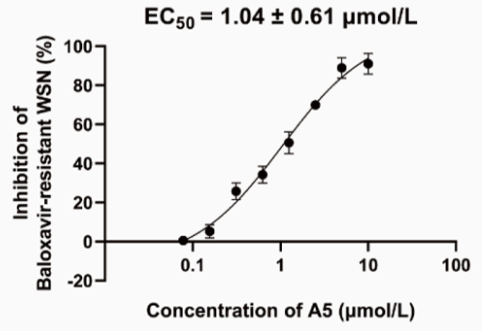
A novel C-3-substituted oleanolic acid benzyl amide derivative exhibits therapeutic potential against influenza A by targeting PA-PB1 interactions and modulating host macrophage inflammation. [Abstract]2025 Aug;15(8):4156-4173. PMID: 40893672
Baloxavir purchased from MedChemExpress. Usage Cited in: Acta Pharm Sin B. 2025 Aug;15(8):4156-4173. [Abstract]
Baloxavir-resistant WSN strains that had been passaged 40 times in the presence of baloxavir, with an EC50 of 1.04 μmol/L
-
Proc Natl Acad Sci U S A
Influenza A and B viruses with reduced baloxavir susceptibility display attenuated in vitro fitness but retain ferret transmissibility. [Abstract]2020 Apr 14;117(15):8593-8601. PMID: 32217734 -
Emerg Infect Dis
Human-to-Human Transmission of Influenza A(H3N2) Virus with Reduced Susceptibility to Baloxavir, Japan, February 2019. [Abstract]2019 Nov;25(11):2108-2111. PMID: 31436527 -
Emerg Microbes Infect
Emergence of the novel PA-D27G mutation conferring reduced baloxavir susceptibility in influenza A viruses circulating in China, 2018-2025. [Abstract]2026 Dec;15(1):2620222. PMID: 41555529 -
Emerg Microbes Infect
Antiviral susceptibility of clade 2.3.4.4b highly pathogenic avian influenza A(H5N1) viruses from humans in the United States, October 2024 to February 2025. [Abstract]2026 Dec;15(1):2601372. PMID: 41392919 -
Emerg Microbes Infect
2025 Dec;14(1):2471022. PMID: 39976482 -
Emerg Microbes Infect
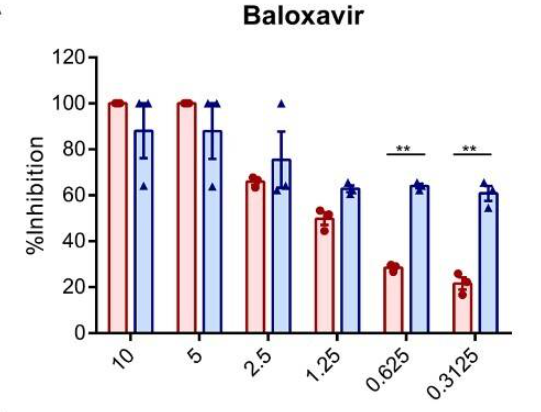
Efficient airborne transmission of influenza D virus in ferret models and serological evidence of human exposure in Northeast China. [Abstract]2025 Dec;14(1):2564308. PMID: 41069204
Baloxavir purchased from MedChemExpress. Usage Cited in: Emerg Microbes Infect. 2025 Dec;14(1):2564308. [Abstract]
Susceptibility of influenza D and A viruses to anti-influenza drugs. Drug susceptibility profiles of baloxavir were assessed using a viral yield reduction assay in MDCK cells. Cells were infected with IDV and IAV (MOI = 0.1), followed by removal of the virus inoculum and treatment with serially diluted drugs. Supernatants were collected at designated timepoints post-infection for TCID50 titration. Antiviral activity (%) was calculated relative to virus-free and drug-free controls.
-
Front Immunol
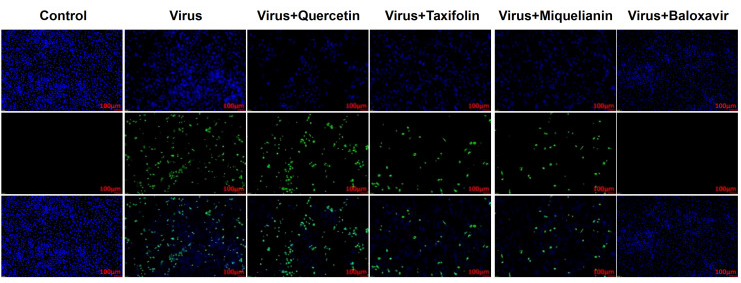
Miquelianin inhibits IAV infection via the MAPK signaling pathway both in vitro and in vivo. [Abstract]2025 Mar 17:16:1532336. PMID: 40165966
Baloxavir purchased from MedChemExpress. Usage Cited in: Front Immunol. 2025 Mar 17:16:1532336. [Abstract]
After infection of MDCK cells with H1N1-UI182 at an MOI of 0.01, the cells were treated with Quercetin (10 µM), Taxifolin (50 µM), Miquelianin (100 µM), and Baloxavir (10 µM) for 48 h. Nuclei were stained with DAPI, and infected cells were detected by NP-specific immunofluorescence staining (scale bar: 100 µm).
-
J Ethnopharmacol
Synergistic effects of Lianhuaqingwen in combination with Oseltamivir and Baloxavir against seasonal influenza virus: In vitro and in vivo assessment. [Abstract]2025 Feb 10;338(Pt 2):119091. PMID: 39528119 -
Front Microbiol
Susceptibility of Influenza Viruses to the Novel Cap-Dependent Endonuclease Inhibitor Baloxavir Marboxil. [Abstract]2018 Dec 6:9:3026. PMID: 30574137 -
Int J Mol Sci
Baloxavir Acid-Induced Mitochondrial Toxicity and Cell Cycle Arrest Contribute to Its Adverse Effects. [Abstract]2026 Mar 25;27(7):2967. PMID: 41977157 -
Int J Mol Sci
Lycorine Inhibits Influenza Virus Replication by Affecting Nascent Nucleoporin Nup93 Synthesis. [Abstract]2025 Jun 3;26(11):5358. PMID: 40508167
Baloxavir purchased from MedChemExpress. Usage Cited in: Int J Mol Sci. 2025 Jun 3;26(11):5358. [Abstract]
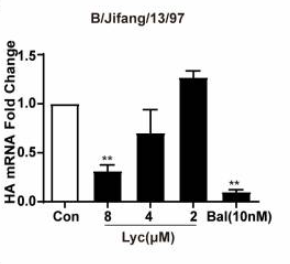
B/Jifang/13/97. MDCK cells were infected with IAV or IBV at an MOI of 0.02 for 2 h and then treated with lycorine, Bal (Baloxavir), and OC. AH was added during infection. Total RNA was extracted, and the IAV M2 or IBV HA mRNA levels were quantified using qRT-PCR.
-
mBio
Tyrosine kinase LYN restricts the replication and virulence of influenza A virus by directly phosphorylating viral nucleoprotein. [Abstract]2026 May 13;17(5):e0375925. PMID: 41910156 -
Front Pharmacol
An Improved Enzyme-Linked Focus Formation Assay Revealed Baloxavir Acid as a Potential Antiviral Therapeutic Against Hantavirus Infection. [Abstract]2019 Oct 16:10:1203. PMID: 31680975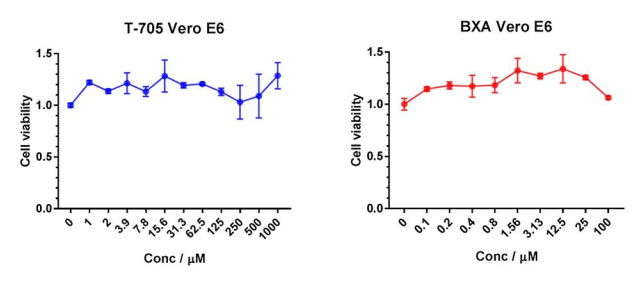
Baloxavir purchased from MedChemExpress. Usage Cited in: Front Pharmacol. 2019 Oct 16:10:1203. [Abstract]
Cell viability as a percentage of the control cell (treated with DMSO for T-705 or PBS for BXA) viability in uninfected Vero E6 cells incubated for 72 h post-T-705 (Favipiravir)/BXA (Baloxavir) treatment. Each point represents the mean and SD of three independent experiments.
-
Bioorg Chem
Exploration of the 2,3-dihydroisoindole pharmacophore for inhibition of the influenza virus PA endonuclease. [Abstract]2021 Nov:116:105388. PMID: 34670331 -
Mol Pharm
2022 Nov 7;19(11):4320-4332. PMID: 36269563 -
PLoS Pathog
Influenza A virus polymerase acidic protein E23G/K substitutions weaken key baloxavir drug-binding contacts with minimal impact on replication and transmission. [Abstract]2022 Jul 13;18(7):e1010698. PMID: 35830486 -
Microorganisms
Effects of Different Drug Combinations in Immunodeficient Mice Infected with an Influenza A/H3N2 Virus. [Abstract]2020 Dec 11;8(12):1968. PMID: 33322333 -
ACS Infect Dis
Development of a Universal Type A Influenza Viral RdRp-Induced Reporter System with Potential for Antiviral Drug Screening. [Abstract]2025 Jun 13;11(6):1437-1447. PMID: 40421776 -
Antiviral Res
Influenza A(H1N1)pdm09 virus resistance to baloxavir, oseltamivir and sialic acid mimetics in single and dual therapies: Insights from human airway epithelia and murine models. [Abstract]2025 Jul:239:106174. PMID: 40324597 -
Antiviral Res
Genotypic and phenotypic susceptibility of emerging avian influenza A viruses to neuraminidase and cap-dependent endonuclease inhibitors. [Abstract]2024 Sep:229:105959. PMID: 38986873 -
Antiviral Res
Remdesivir, lopinavir, emetine, and homoharringtonine inhibit SARS-CoV-2 replication in vitro. [Abstract]2020 Jun:178:104786. PMID: 32251767 -
Antimicrob Agents Chemother
Pleiotropic Effects of Influenza H1, H3, and B Baloxavir-Resistant Substitutions on Replication, Sensitivity to Baloxavir, and Interferon Expression. [Abstract]2022 Apr 19;66(4):e0000922. PMID: 35262375 -
Antimicrob Agents Chemother
Baloxavir Treatment Delays Influenza B Virus Transmission in Ferrets and Results in Limited Generation of Drug-Resistant Variants. [Abstract]2021 Oct 18;65(11):e0113721. PMID: 34424039 -
-
J Infect Dis
Antiviral Susceptibility of Highly Pathogenic Avian Influenza A(H5N1) Viruses Circulating Globally in 2022-2023. [Abstract]2024 Jun 14;229(6):1830-1835. PMID: 37770028 -
J Antimicrob Chemother
Multiple polymerase acidic (PA) I38X substitutions in influenza A(H1N1)pdm09 virus permit polymerase activity and cause reduced baloxavir inhibition. [Abstract]2021 Mar 12;76(4):957-960. PMID: 33351916 -
J Biol Chem
The active form of the influenza cap-snatching endonuclease inhibitor baloxavir marboxil is a tight binding inhibitor. [Abstract]2021 Jan-Jun:296:100486. PMID: 33647314 -
J Virol
2020 Oct 27;94(22):e00319-20. PMID: 32878895 -
Virol J
Bisbenzylisoquinoline alkaloids inhibit influenza virus replication by disrupting endosomal acidification. [Abstract]2025 Jun 4;22(1):181. PMID: 40468427 -
Influenza Other Respir Viruses
Efficacy of Oseltamivir Against Seasonal Influenza H1N1 and the Efficacy of a Novel Combination Treatment In Vitro and In Vivo in Mouse Studies. [Abstract]2025 Oct;19(10):e70176. PMID: 41116245
Baloxavir purchased from MedChemExpress. Usage Cited in: Influenza Other Respir Viruses. 2025 Oct;19(10):e70176. [Abstract]
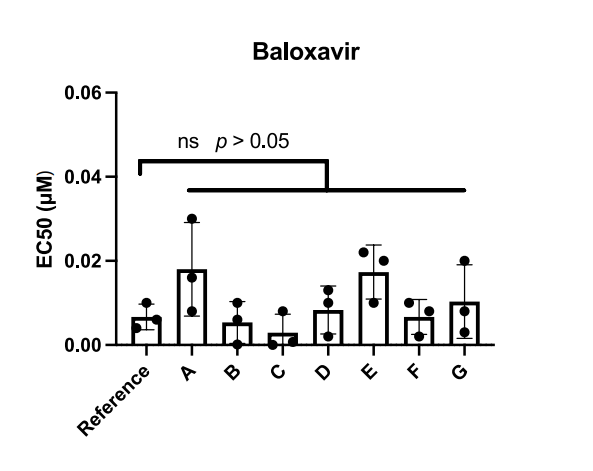
Seven strains were selected from a total of 41 seasonal strains that showed high viral activity during oseltamivir treatment. The EC50 was compared to the reference H1N1 (A/Hong Kong/415742/09).
-
Viruses
The Synergistic Effect of Baloxavir and Neuraminidase Inhibitors against Influenza Viruses In Vitro. [Abstract]2024 Sep 14;16(9):1467. PMID: 39339943 -
Pathogens
In Vitro Characterization of Multidrug-Resistant Influenza A(H1N1)pdm09 Viruses Carrying a Dual Neuraminidase Mutation Isolated from Immunocompromised Patients. [Abstract]2020 Sep 2;9(9):725. PMID: 32887429 -
Virus Res
Interaction and antiviral treatment of coinfection between SARS-CoV-2 and influenza in vitro. [Abstract]2024 Jul:345:199371. PMID: 38621598 -
Animal Model Exp Med
2025 Jan 26. PMID: 39865580 -
Chem Biodivers
Highly Conjugated Ergosterols With Anti-Influenza Virus Activity From the Marine-Derived Fungus Eutypella Sp. F0219. [Abstract]2025 Apr;22(4):e202402465. PMID: 39581859 -
-
-
-
-
-
-
-
-
-
-
-
-


溶剤 & 溶解度
体外:
DMSO : 41.18 mg/mL (85.17 mM; ultrasonic and warming and heat to 60°C; Hygroscopic DMSO has a significant impact on the solubility of product, please use newly opened DMSO)
Please refer to the solubility information to select the appropriate solvent. Once prepared, please aliquot and store the solution to prevent product inactivation from repeated freeze-thaw cycles.
Storage method and period of stock solution: -80°C, 1 year; -20°C, 6 months (stored under nitrogen). When stored at -80°C, please use it within 1 year. When stored at -20°C, please use it within 6 months.
Please refer to the solubility information to select the appropriate solvent. Once prepared, please aliquot and store the solution to prevent product inactivation from repeated freeze-thaw cycles.
Storage method and period of stock solution: -80°C, 1 year; -20°C, 6 months (stored under nitrogen). When stored at -80°C, please use it within 1 year. When stored at -20°C, please use it within 6 months.
濃度 (開始) × 体積 (開始) = 濃度 (終了) × 体積 (終了)
体内:
Select the appropriate dissolution method based on your experimental animal and administration route.
- For the following dissolution methods, please ensure to first prepare a clear stock solution using an In Vitro approach and then sequentially add co-solvents:
- To ensure reliable experimental results, the clarified stock solution can be appropriately stored based on storage conditions. As for the working solution for In Vivo experiments, it is recommended to prepare freshly and use it on the same day.
- The percentages shown for the solvents indicate their volumetric ratio in the final prepared solution. If precipitation or phase separation occurs during preparation, heat and/or sonication can be used to aid dissolution.
Add each solvent one by one: 10% DMSO 40% PEG300 5% Tween-80 45% Saline
Solubility: ≥ 2.08 mg/mL (4.30 mM); Clear solution
This protocol yields a clear solution of ≥ 2.08 mg/mL (saturation unknown).
Taking 1 mL working solution as an example, add 100 μL DMSO stock solution (20.8 mg/mL) to 400 μL PEG300, and mix evenly; then add 50 μL Tween-80 and mix evenly; then add 450 μL Saline to adjust the volume to 1 mL.
Preparation of Saline: Dissolve 0.9 g sodium chloride in ddH₂O and dilute to 100 mL to obtain a clear Saline solution.
In Vivo Dissolution Calculator
Please enter the basic information of animal experiments:
-
-
-
-
Recommended: Prepare an additional quantity of animals to account for potential losses during experiments.
Please enter your animal formula composition:
-
%DMSO +
Recommended: Keep the proportion of DMSO in working solution below 2% if your animal is weak.
-
%+
-
+%Tween-80 + +
-
%Saline +
The co-solvents required include: DMSO, . All of co-solvents are available by MedChemExpress (MCE). , Tween 80. All of co-solvents are available by MedChemExpress (MCE).
Working solution concentration: 0.22 mg/mL
Method for preparing stock solution: mg drug dissolved in μL DMSO. Stock solution concentration: mg/mL. * In solvent : -80°C, 1 year; -20°C, 6 months (stored under nitrogen)
1. Take μL DMSO stock solution;
2. Add μL .
μL , mix evenly;
3. Then add μL Tween 80, mix evenly;
4. Then add μL
Please ensure that the stock solution in the first step is dissolved to a clear state, and add co-solvents in sequence. You can use ultrasonic heating (ultrasonic cleaner, recommended frequency 20-40 kHz), vortexing, etc. to assist dissolution.


純度とドキュメンテーション
-
データシート (287 KB)
-
SDS (393 KB)
- English - EN (393 KB)
- Français - FR (393 KB)
- Deutsch - DE (393 KB)
- Norwegian - NO (393 KB)
- Español - ES (393 KB)
- Swedish - SV (393 KB)
- Italian - IT (393 KB)
- Korean - KR (393 KB)
- Portuguese - PT (393 KB)
-
取扱説明書 (2659 KB)
参考文献
[1]. Omoto S, et al. Characterization of influenza virus variants induced by treatment with the endonuclease inhibitor baloxavir marboxil. Sci Rep. 2018 Jun 25;8(1):9633. [Content Brief]
[2]. Noshi T, et al. In vitro characterization of baloxavir acid, a first-in-class cap-dependent endonuclease inhibitor of the influenza virus polymerase PA subunit. Antiviral Res. 2018 Dec;160:109-117. [Content Brief]


Complete Stock Solution Preparation Table
Please refer to the solubility information to select the appropriate solvent. Once prepared, please aliquot and store the solution to prevent product inactivation from repeated freeze-thaw cycles.
Storage method and period of stock solution: -80°C, 1 year; -20°C, 6 months (stored under nitrogen). When stored at -80°C, please use it within 1 year. When stored at -20°C, please use it within 6 months.
| Optional Solvent | Concentration Solvent Mass | 1 mg | 5 mg | 10 mg | 25 mg |
|---|---|---|---|---|---|
| DMSO | 1 mM | 2.0683 mL | 10.3415 mL | 20.6830 mL | 51.7074 mL |
| 5 mM | 0.4137 mL | 2.0683 mL | 4.1366 mL | 10.3415 mL | |
| 10 mM | 0.2068 mL | 1.0341 mL | 2.0683 mL | 5.1707 mL | |
| 15 mM | 0.1379 mL | 0.6894 mL | 1.3789 mL | 3.4472 mL | |
| 20 mM | 0.1034 mL | 0.5171 mL | 1.0341 mL | 2.5854 mL | |
| 25 mM | 0.0827 mL | 0.4137 mL | 0.8273 mL | 2.0683 mL | |
| 30 mM | 0.0689 mL | 0.3447 mL | 0.6894 mL | 1.7236 mL | |
| 40 mM | 0.0517 mL | 0.2585 mL | 0.5171 mL | 1.2927 mL | |
| 50 mM | 0.0414 mL | 0.2068 mL | 0.4137 mL | 1.0341 mL | |
| 60 mM | 0.0345 mL | 0.1724 mL | 0.3447 mL | 0.8618 mL | |
| 80 mM | 0.0259 mL | 0.1293 mL | 0.2585 mL | 0.6463 mL |


Baloxavir 関連分類
HY-109025A 関連分類
 Powered by Bioz