Search Result
Results for "
fatty+acid+synthesis
" in MedChemExpress (MCE) Product Catalog:
1
Biochemical Assay Reagents
9
Isotope-Labeled Compounds
| Cat. No. |
Product Name |
Target |
Research Areas |
Chemical Structure |
-
- HY-50662
-
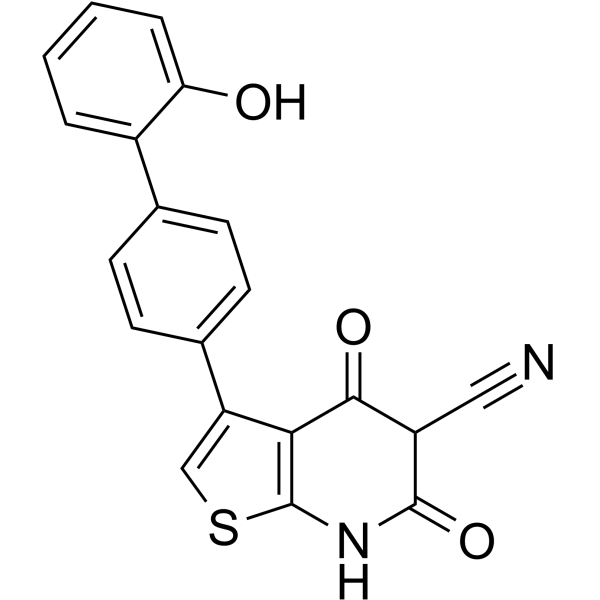
A-769662
Maximum Cited Publications
42 Publications Verification
|
AMPK
|
Metabolic Disease
|
|
A-769662 is a AMP-activated protein kinase (AMPK) activator. A-769662 inhibits the function of the 26S proteasome by an AMPK-independent mechanism and leads to cell cycle arrest. A-769662 directly stimulates partially purified rat liver AMPK (EC50 = 0.8 μM) and inhibits fatty acid synthesis in primary rat hepatocytes (IC50 = 3.2 μM). A-769662 can alleviate the symptoms of metabolic diseases such as type 2 diabetes .
|
-
-
- HY-P0014
-
-

-
- HY-P3462
-
|
|
CGRP Receptor
|
Metabolic Disease
|
|
Cagrilintide is an investigational novel long-acting acylated amylin analogue, acts as nonselective amylin receptors (AMYR) and calcitonin G protein-coupled receptor (CTR) agonist. Cagrilintide induces significant weight loss and reduces food intake. Cagrilintide has the potential for the research of obesity .
|
-

-
- HY-B1119
-
|
|
Environmental Pollutants
Antibiotic
Apoptosis
Bacterial
Fungal
|
Infection
Cancer
|
|
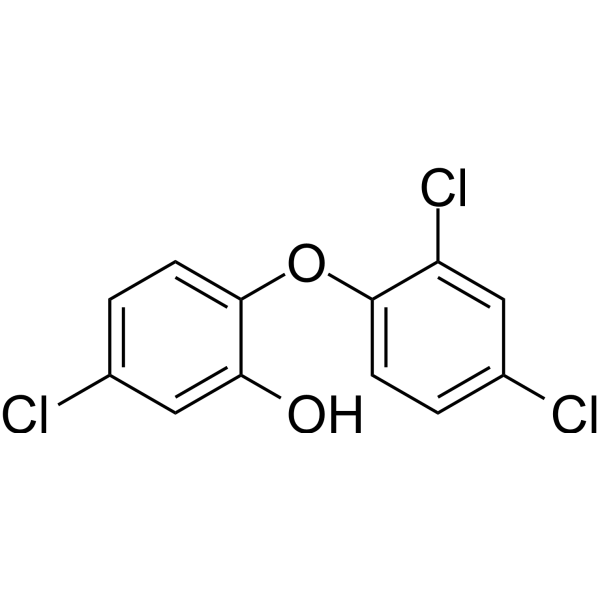
Triclosan is a broad-spectrum antibacterial agent that inhibits bacterial fatty acid synthesis at the enoyl-acyl carrier protein reductase (FabI) step. Triclosan inhibits E. coli enoyl-acyl carrier protein reductase (FabI) and FabI containing a glycine-to-valine substitution at position 93 (FabIG93V) with IC50s of 2 µM and 10 µM, respectively. Triclosan causes apoptotic effect in cultured rat neural stem cells (NSC). Triclosan exacerbates colitis and colitis-associated colorectal tumorigenesis in animal models .
|
-
-
- HY-W018392
-
|
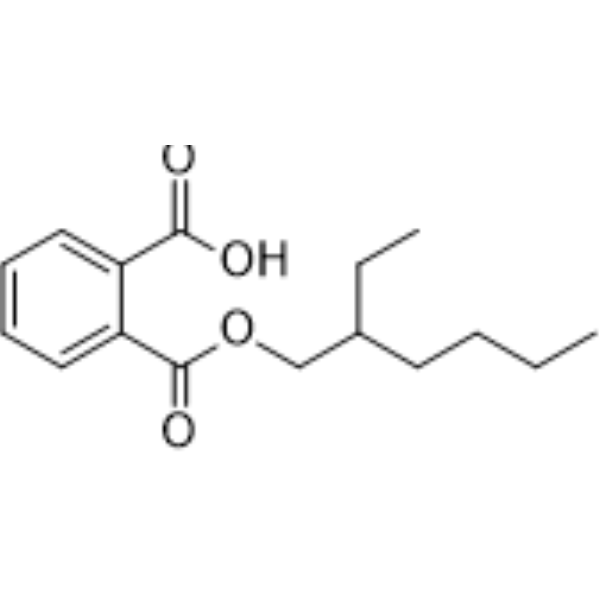
MEHP; Phthalic acid mono-2-ethylhexyl ester
|
Endogenous Metabolite
|
Metabolic Disease
|
|
Mono-(2-ethylhexyl) phthalate (MEHP) is a major bioactive metabolite of diethylhexyl phthalate (DEHP). Mono-(2-ethylhexyl) phthalate can promote fatty acid synthesis in hepatocytes by regulating the expression of relevant genes and proteins, contributing to non-alcoholic fatty liver disease (NAFLD) .
|
-
-
- HY-P3462A
-
|
|
CGRP Receptor
|
Metabolic Disease
|
|
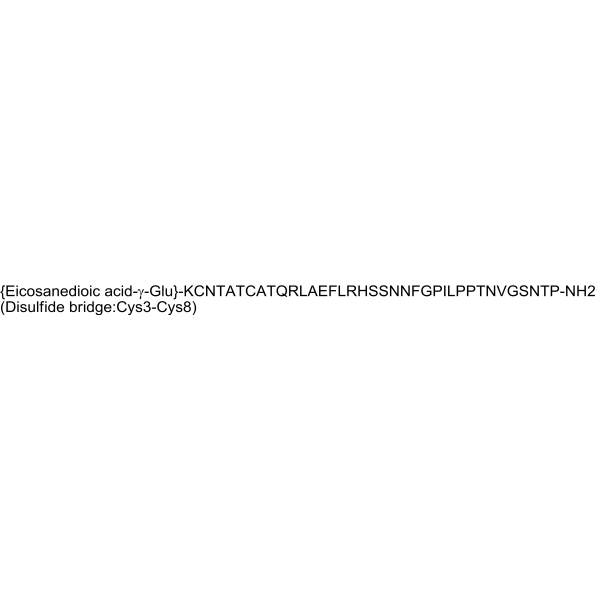
Cagrilintide acetate is a non-selective AMYR/CTR agonist and long-acting acylated amylase analogue. Cagrilintide acetate causes a reduction in food intake and significant weight loss in a dose-dependent manner. Cagrilintide acetate can be used in obesity studies .
|
-
-
- HY-W010382
-
|
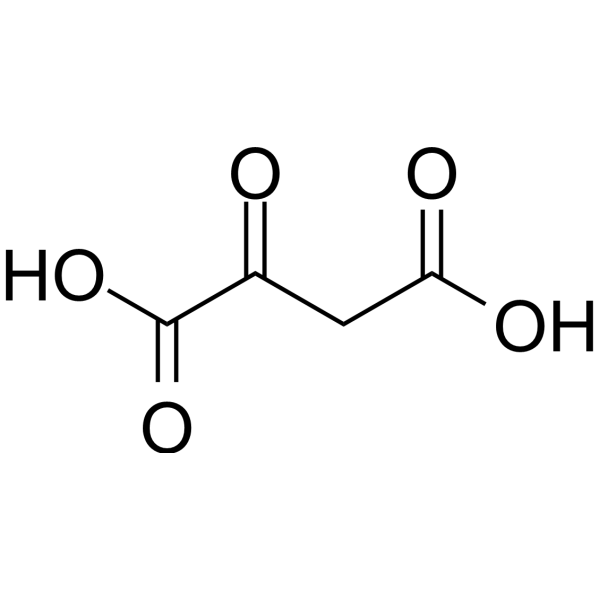
2-Oxosuccinic acid
|
Endogenous Metabolite
Reactive Oxygen Species (ROS)
|
Metabolic Disease
|
|
Oxaloacetic acid (2-Oxosuccinic acid) is a metabolic intermediate involved in several ways, such as citric acid cycle, gluconeogenesis, the urea cycle, the glyoxylate cycle, amino acid synthesis, and fatty acid synthesis, whereby Oxaloacetic acid facilitates the clearance of reactive oxygen species (ROS) and improves mitochondrial function .
|
-
-
- HY-W015924
-
|
|
Endogenous Metabolite
|
Metabolic Disease
|
|
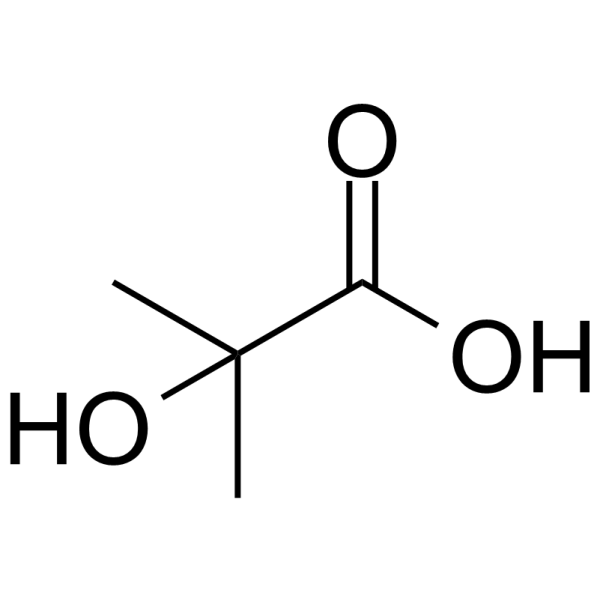
2-Hydroxyisobutyric acid (2-HIBA) is a selective modulator of the Insulin/IGF-1 pathway and the p38 MAPK pathway, which reduces reactive oxygen species (ROS) and fat accumulation in Caenorhabditis elegans. 2-Hydroxyisobutyric acid promotes β-oxidation and inhibits fatty acid synthesis by upregulating SKN-1/NRF2 and downregulating SREBP-1c transcription factors. 2-Hydroxyisobutyric acid has anti-aging and lipid-lowering effects, and can be used to study metabolic diseases such as obesity and diabetes. 2-Hydroxyisobutyric acid is also a renewable precursor of methacrylate through 2-HIB-CoA mutase-mediated biosynthesis[1][2].
|
-
-
- HY-P10272
-
|
PTG-300
|
Ferroportin
|
Others
|
|
Rusfertide is a peptide mimetic of natural hepcidin, which targets and degrades ferroportin, reduces serum iron and transferrin-saturation, and thus regulates the production of red blood cells. Rusfertide ameliorates the polycythemia vera, β-thalassemia and hereditary hemochromatosis .
|
-

-
- HY-B2004
-
|
|
Environmental Pollutants
Fungal
Mitochondrial Metabolism
|
Infection
|
|
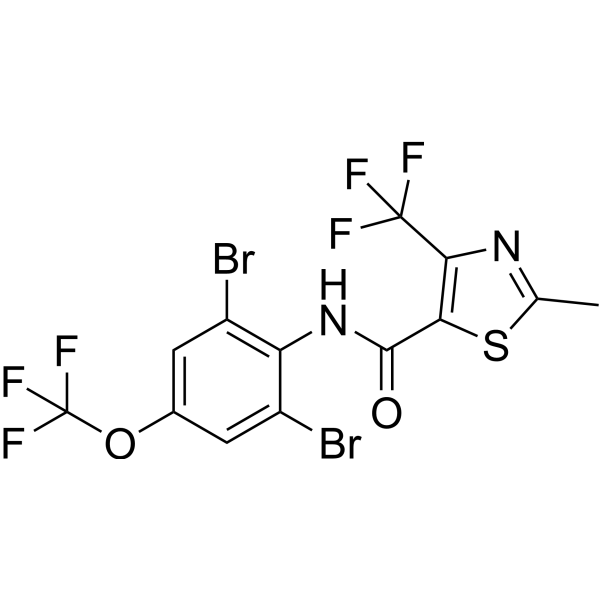
Thifluzamide is a fungicide that inhibits fungal respiration by blocking the ubiquinone-binding site in mitochondrial complex II. Thifluzamide exhibits significant activity against Basidiomycota pathogens (such as Rhizoctonia cerealis, Ustilago and Puccinia genera) and is commonly used in studies on wheat sharp eyespot. Thifluzamide displays a dual mechanism in regulating lipid metabolism: it reduces fatty acid synthase activity to inhibit endogenous fatty acid synthesis, and increases carnitine palmitoyltransferase-I activity to accelerate fatty acid β-oxidation, thereby reducing total cholesterol and triglyceride levels in the liver. Thifluzamide also induces hepatotoxicity in zebrafish models and carries a risk of developmental toxicity. Thifluzamide inhibition of Rhizoctonia cerealis may result in low to moderate levels of drug resistance, leading to the generation of stable drug-resistant mutants .
|
-
-
- HY-N2486
-
|
|
Fatty Acid Synthase (FASN)
Apoptosis
|
Cancer
|
|
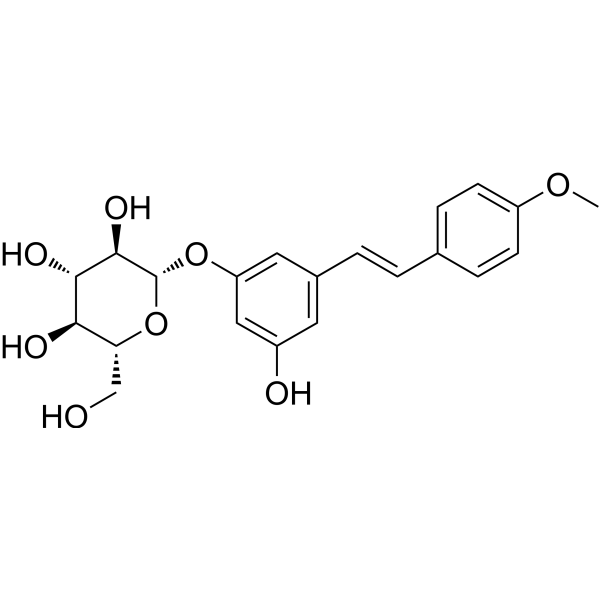
Desoxyrhaponticin is a kind of oral drug that inhibits effective fatty acid synthesis (FASN), and has a fatal effect on cancer cells. Desoxyrhaponticin has the ability to inhibit glucose uptake, improve oral glucose tolerance as a diabetic agent, and possess anti-diabetic effects.
|
-
-
- HY-P2231
-
|
MEDI0382
|
GCGR
|
Metabolic Disease
|
|
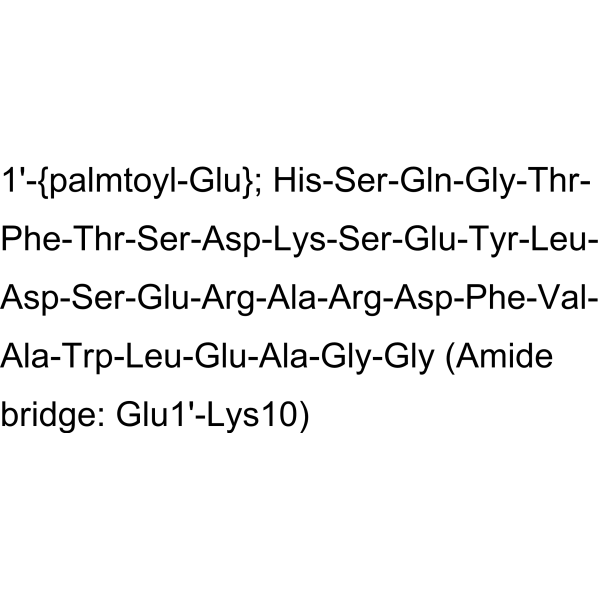
Cotadutide (MEDI0382) is a potent dual agonist of glucagon-like peptide-1 (GLP-1) and GCGR with EC50 values of 6.9 pM and 10.2 pM, respectively. Cotadutide exhibits ability to facilitate both weight loss and glycaemic control, and alleviate fibrosis. Cotadutide can be used in the research of obesity and type 2 diabetes (T2D) .
|
-
-
- HY-P2231A
-
|
MEDI0382 acetate
|
GCGR
|
Metabolic Disease
|
|
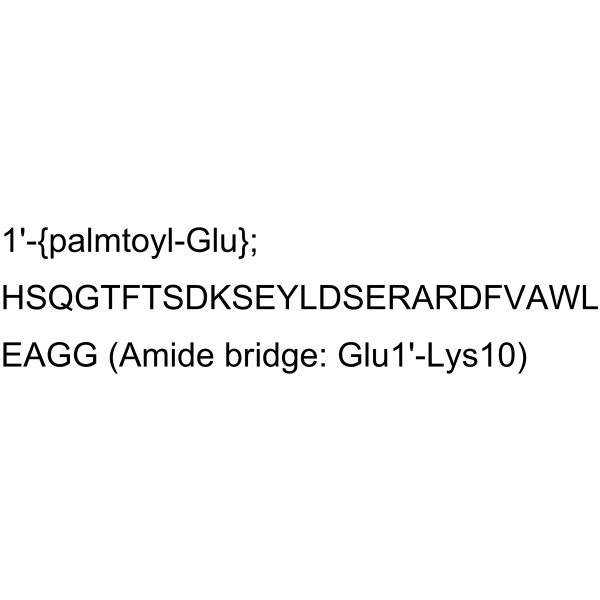
Cotadutide (MEDI0382) acetate is a potent dual agonist of glucagon-like peptide-1 (GLP-1) and GCGR with EC50 values of 6.9 pM and 10.2 pM, respectively. Cotadutide acetate exhibits ability to facilitate both weight loss and glycaemic control, and alleviate fibrosis. Cotadutide acetate can be used in the research of obesity and type 2 diabetes (T2D) .
|
-
-
- HY-N2078
-
|
Neodiosgenin
|
LXR
Reactive Oxygen Species (ROS)
Apoptosis
Fatty Acid Synthase (FASN)
|
Metabolic Disease
|
|
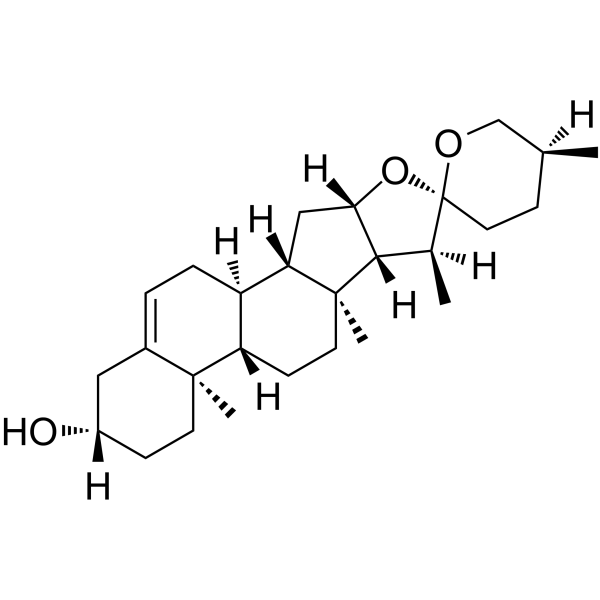
Yamogenin (Neodiosgenin) is a diastereomer of diosgenin. Yamogenin antagonizes the activation of the liver X receptor (LXR) in luciferase ligand assay. Yamogenin inhibits triacylglyceride (TG) accumulation through the suppression of gene expression of fatty acid synthesis in HepG2 hepatocytes. Yamogenin is a steroidal saponin that can be obtained from plant species with in vitro cytotoxicity, antioxidant, and antimicrobial properties. Yamogenin induces cell death via the extrinsic and intrinsic way of apoptosis. Yamogenin inhibits protein denaturation with an IC50 of 1421.92 μg/mL. Yamogenin can be studied in research on gastric cancer .
|
-
-
- HY-Y1139
-
|
Heptanedioic acid; 1,5-Pentanedicarboxylic acid; 1,7-Heptanedioic acid
|
Endogenous Metabolite
PROTAC Linkers
|
Metabolic Disease
|
|
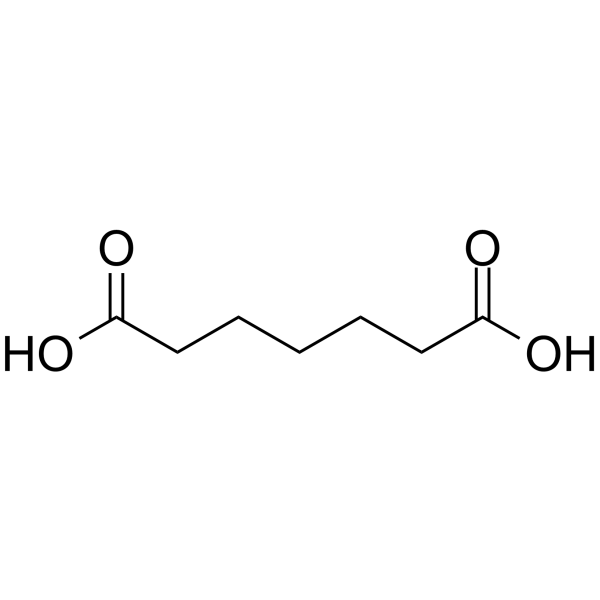
Pimelic acid (Heptanedioic acid; 1,5-Pentanedicarboxylic acid) is a seven-carbon α,ω-dicarboxylic acid and a downstream product of fatty acid synthesis. Pimelic acid is a key precursor in biotin biosynthesis. Pimelic acid can be converted to pimelic acid-CoA by the BioW enzyme, thereby bypassing exogenous biotin requirements to support growth in various biotinytrophic bacteria and fungi, and reversing antibiotic-induced inhibition of biotin synthesis. Furthermore, Pimelic acid has been proposed as a highly specific biomarker for oxygen-induced retinopathy in mice. Pimelic acid can be used to study retinopathy of preterm infants, oxygen-induced retinopathy, and microbial biotin metabolism .
|
-
-
- HY-N4104
-
|
Agaricinic Acid
|
Mitochondrial Metabolism
Bacterial
Calcium Channel
|
Infection
Metabolic Disease
|
|
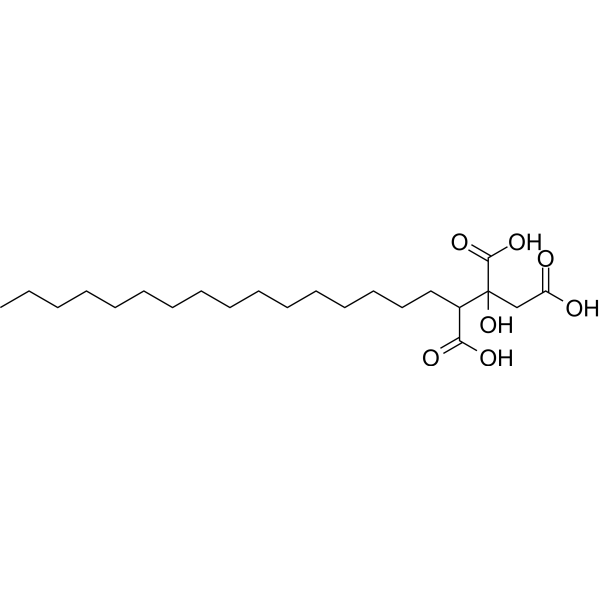
Agaric acid (Agaricinic Acid) is an orally active inhibitor of adenine nucleotide translocase found in specific fungi. Agaric acid can inhibit the biofilm formation of various bacteria such as Salmonella. Agaric acid can also induce mitochondrial permeability transition, prompting mitochondria to release Ca 2+, disrupting the transmembrane potential, and causing mitochondrial swelling. In addition, Agaric acid can also inhibit citrate transport in liver mitochondria and participate in the inhibition of fatty acid synthesis, affecting multiple metabolic processes .
|
-
-
- HY-P3291
-
|
ZP7570
|
GCGR
|
Metabolic Disease
|
|
Dapiglutide (ZP7570) is a long-acting glucagon-like peptide-1 receptor 1R (GLP-1R)/Glucagon-like peptide-2 receptor (GLP-2R) dual agonist. Dapiglutide alleviates intestinal dysfunction in a mouse short bowel model and has anti-obesity effects .
|
-

-
- HY-N7347
-
|
Garcinia lactone
|
ATP Citrate Lyase
|
Metabolic Disease
|
|
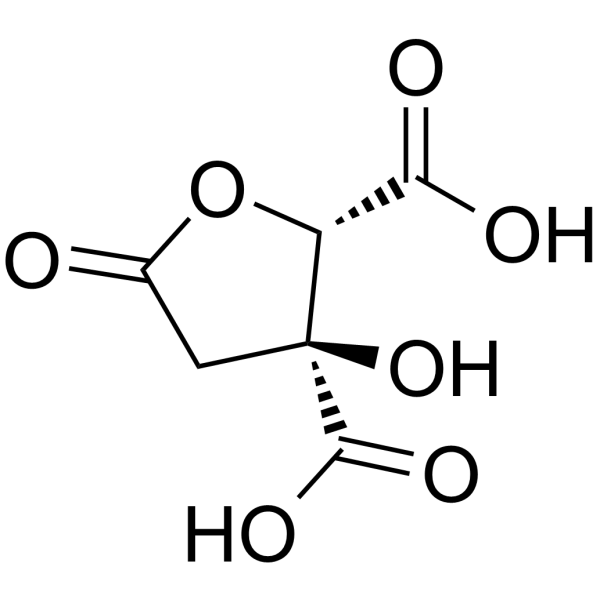
(-)-Hydroxycitric acid lactone (Garcinia lactone) is an anti-obesity agent and a popular weight loss food supplement. (-)-Hydroxycitric acid lactone is a potent inhibitor of ATP-citrate lyase. (-)-Hydroxycitric acid lactone catalyzes the extramitochondrial cleavage of citrate to oxaloacetate and acetyl-CoA, limits the availability of acetyl-CoA units required for fatty acid synthesis .
|
-
-
- HY-110028
-
|
|
Cannabinoid Receptor
Fatty Acid Synthase (FASN)
Androgen Receptor
|
Endocrinology
Cancer
|
|
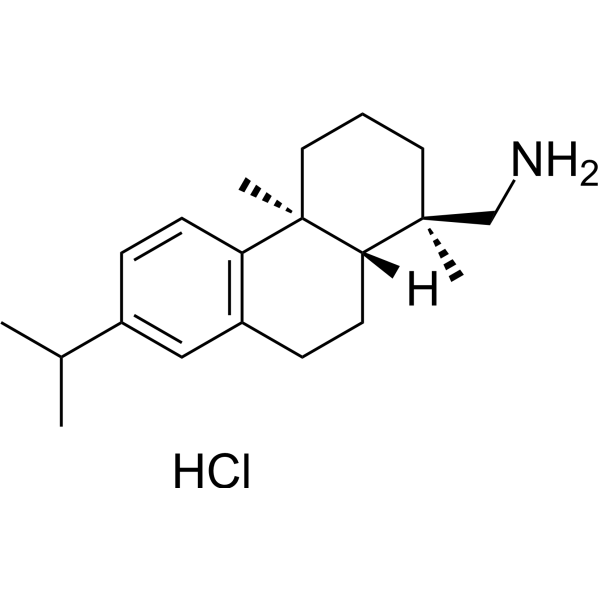
Leelamine hydrochloride is a tricyclic diterpene molecule that is extracted from the bark of pine trees . Leelamine hydrochloride is a cannabinoid receptor type 1 (CB1) agonist and a inhibitor of SREBP1-regulated fatty acid/lipid synthesis in prostate cancer cells that is not affected by androgen receptor status. Leelamine hydrochloride suppresses transcriptional activity of androgen receptor, which is known to regulate fatty acid synthesis [2,3].
|
-
-
- HY-P10218
-
|
|
MARCKS
PKC
|
Inflammation/Immunology
Cancer
|
|
MANS peptide is an inhibitor for myristoylated alanine-rich C kinase substrate (MARCKS), which competes with MARCKS in cells for membrane binding, and thus inhibits the stimulation of mucin secretion and tumor metastasis .
|
-

-
- HY-110354
-
UCM05
2 Publications Verification
G28UCM
|
Fatty Acid Synthase (FASN)
Bacterial
|
Infection
|
|
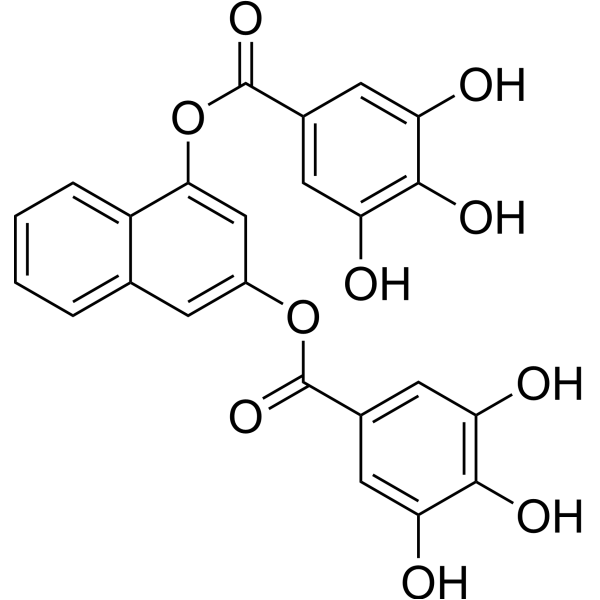
UCM05 (G28UCM) is a fatty acid synthase (FASN) and filamentous temperature-sensitive protein Z (Ftsz) inhibitor. UCM05 inhibits fatty acid synthesis, viral replication, and Gram-positive bacterial growth. UCM05 binds to FtsZ GTP-binding sites, inhibits GTPase activity, and disrupts Z-ring localization. UCM05 can be used for the research of HSV-1/2 infection, HIV-1 infection, and Gram-positive bacterial infections[1][2][3].
|
-
-
- HY-P0014S1
-
|
|
Isotope-Labeled Compounds
GLP Receptor
GCGR
|
Others
|
|
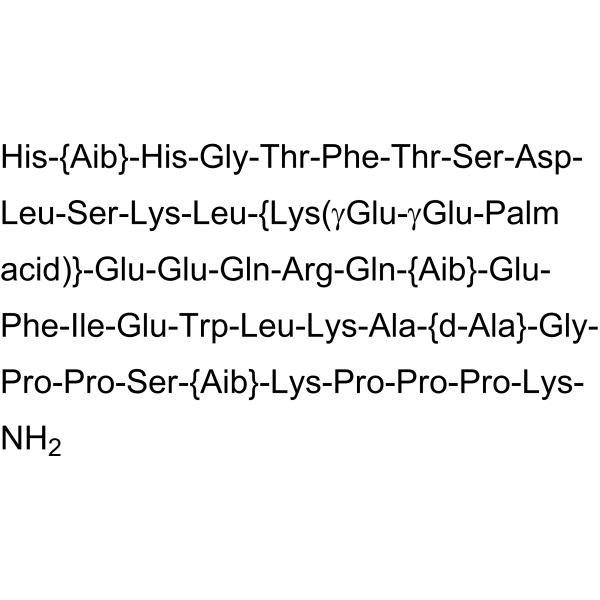
Liraglutide- 13C6, 15 tetraTFA is the 13C and 15N labeled Liraglutide (HY-P0014) . Liraglutide is a glucagon-like peptide-1 (GLP-1) receptor agonist used for the study of type 2 diabetes mellitus .
|
-

-
- HY-P10271
-
|
NNC0090-2746; MAR709; RO6811135
|
GLP Receptor
|
Metabolic Disease
|
|
RG7697 is a dual agonist for glucagon-like peptide receptor (GLP Receptor) and glucosedependent insulinotropic polypeptide receptor (GIPR), with EC50 of 5 and 3 pM, respectively. RG7697 exhibits antihyperglycemic property .
|
-

-
- HY-P2989
-
|
|
Endogenous Metabolite
|
Metabolic Disease
Cancer
|
|
Pyruvate carboxylase is a key mitochondrial anaplerotic enzyme that catalyzes the conversion of pyruvate to oxaloacetate. Pyruvate carboxylase not only maintains tricarboxylic acid cycle activity and redox homeostasis, but also drives hepatic gluconeogenesis and fatty acid synthesis. The activity of Pyruvate carboxylase is upregulated in insulin-resistant states, exacerbating hepatic glucose production. Pyruvate carboxylase also shows significantly enhanced expression in early-stage non-small cell lung cancer (NSCLC). Pyruvate carboxylase promotes tumor proliferation by supporting nucleotide and lipid synthesis, and its functional deficiency cannot be compensated by glutaminolysis. Pyruvate carboxylase can be used in the research of prediabetes type 2 and NSCLC .
|
-

-
- HY-P10031
-
|
|
GLP Receptor
GCGR
|
Metabolic Disease
|
|
SAR441255 is a GLP-1R/GCGR/GIPR agonist, with human EC50 values of 1.03 pM, 1.01 pM, and 0.73 pM, respectively. SAR441255 stimulates receptor activity and drives cAMP accumulation. SAR441255 can be used for the research of type 2 diabetes, obesity .
|
-
-
- HY-W010382S
-
|
2-Oxosuccinic acid-13C4
|
Endogenous Metabolite
Isotope-Labeled Compounds
|
Metabolic Disease
|
|
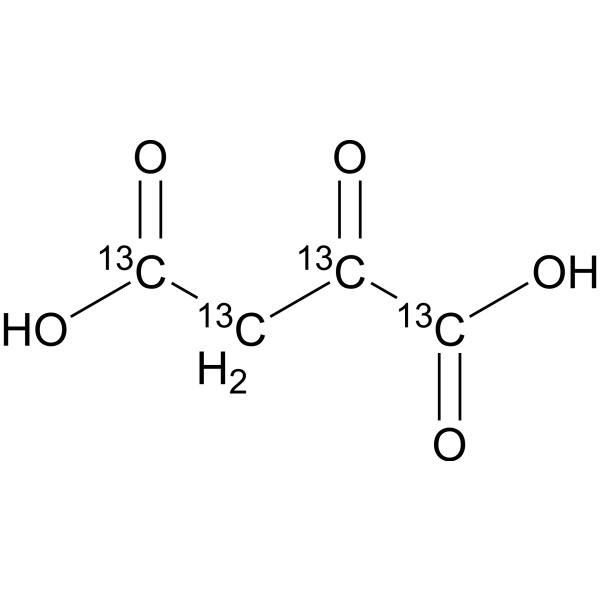
Oxaloacetic acid- 13C4 is the 13C-labeled Oxaloacetic acid. Oxaloacetic acid (2-Oxosuccinic acid) is a metabolic intermediate involved in several ways, such as citric acid cycle, gluconeogenesis, the urea cycle, the glyoxylate cycle, amino acid synthesis, and fatty acid synthesis .
|
-
-
- HY-126912A
-
|
|
Biochemical Assay Reagents
Endogenous Metabolite
|
Others
|
|
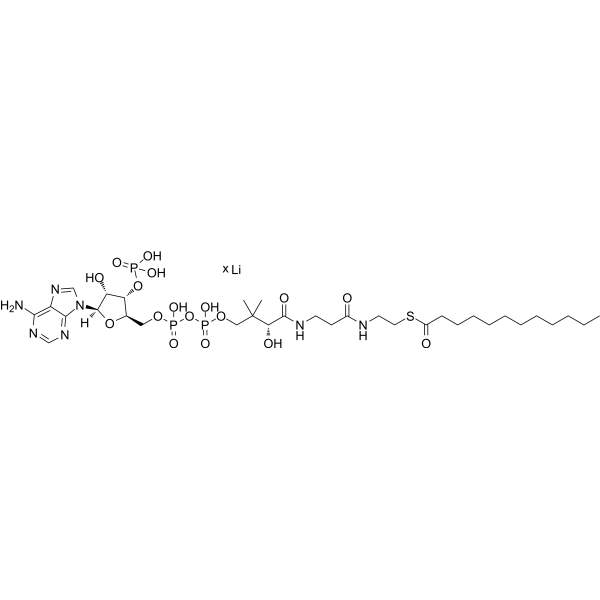
Lauroyl coenzyme A lithium salt is an intermediary in fatty acid synthesis or metabolism, formed by combining long-chain fatty acids (or lauric acid) with coenzyme A. Lauroyl coenzyme A lithium salt is involved in lipid biosynthesis and fatty acid transport, in which coenzyme A acts as a transport molecule to help move and target specific compounds.
|
-
-
- HY-P10218A
-
|
|
MARCKS
PKC
|
Inflammation/Immunology
Cancer
|
|
MANS peptide TFA is the TFA salt form of MANS peptide (HY-P10218). MANS peptide TFA is an inhibitor for myristoylated alanine-rich C kinase substrate (MARCKS), which competes with MARCKS in cells for membrane binding, and thus inhibits the stimulation of mucin secretion and tumor metastasis .
|
-

-
- HY-P0014B
-
|
|
GLP Receptor
|
Metabolic Disease
|
|
Liraglutide (TFA) is an agonist of glucagon-like peptide 1 receptor (GLP-1). Liraglutide (TFA) can activate GLP-1, leading to the release of insulin in the presence of increased glucose concentration. Liraglutide (TFA) also reduces glucagon secretion in a glucose-dependent manner. Liraglutide (TFA) can be studied in research on type 2 diabetes .
|
-

-
- HY-P3143
-
|
|
PD-1/PD-L1
|
Cancer
|
|
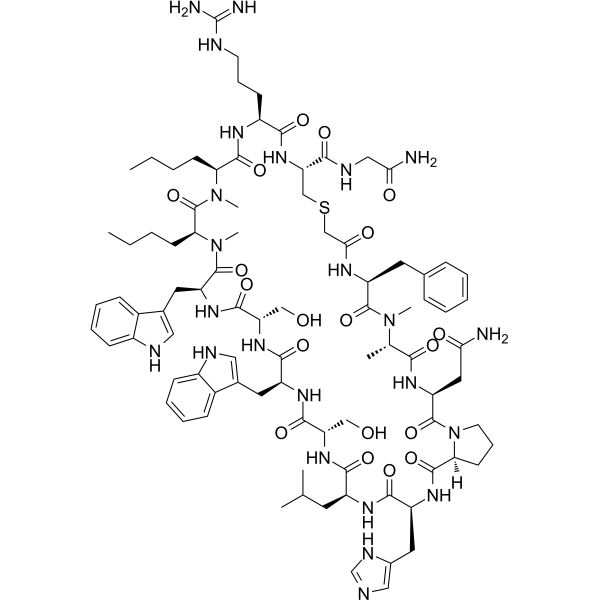
BMSpep-57 is a potent and competitive macrocyclic peptide inhibitor of PD-1/PD-L1 interaction with an IC50 of 7.68 nM. BMSpep-57 binds to PD-L1 with Kds of 19 nM and 19.88 nM in MST and SPR assays, respectively. BMSpep-57 facilitates T cell function by in creasing IL-2 production in PBMCs .
|
-
-
- HY-P11273
-
-

-
- HY-153476A
-
|
|
GLP Receptor
GCGR
|
Inflammation/Immunology
|
|
GIP/GLP-1 dual receptor agonist-1 sodium is a GIP/GLP-1 dual receptor agonist. GIP/GLP-1 dual receptor agonist-1 sodium is used in the research of metabolic disorders and fatty liver diseases, including non-alcoholic steatohepatitis (NASH) and non-alcoholic fatty liver disease (NAFLD) .
|
-

-
- HY-153476
-
|
|
GCGR
GLP Receptor
|
Inflammation/Immunology
|
|
GIP/GLP-1 dual receptor agonist-1 is a GIP/GLP-1 dual receptor agonist. GIP/GLP-1 dual receptor agonist-1 is used in the research of metabolic disorders and fatty liver diseases, including non-alcoholic steatohepatitis (NASH) and non-alcoholic fatty liver disease (NAFLD) .
|
-
-
- HY-P11290
-
-

-
- HY-N2486R
-
|
|
Reference Standards
Fatty Acid Synthase (FASN)
Apoptosis
|
Cancer
|
|
Desoxyrhaponticin (Standard) is the analytical standard of Desoxyrhaponticin. This product is intended for research and analytical applications. Desoxyrhaponticin is a kind of oral drug that inhibits effective fatty acid synthesis (FASN), and has a fatal effect on cancer cells. Desoxyrhaponticin has the ability to inhibit glucose uptake, improve oral glucose tolerance as a diabetic agent, and possess anti-diabetic effects .
|
-

-
- HY-W010382R
-
|
2-Oxosuccinic acid (Standard)
|
Reference Standards
Endogenous Metabolite
Reactive Oxygen Species (ROS)
|
Metabolic Disease
|
|
Oxaloacetic acid (Standard) is the analytical standard of Oxaloacetic acid. This product is intended for research and analytical applications. Oxaloacetic acid (2-Oxosuccinic acid) is a metabolic intermediate involved in several ways, such as citric acid cycle, gluconeogenesis, the urea cycle, the glyoxylate cycle, amino acid synthesis, and fatty acid synthesis, whereby Oxaloacetic acid facilitates the clearance of reactive oxygen species (ROS) and improves mitochondrial function .
|
-

-
- HY-W018392S
-
|
MEHP-d4; Phthalic acid mono-2-ethylhexyl ester-d4
|
Isotope-Labeled Compounds
Endogenous Metabolite
|
Metabolic Disease
|
|
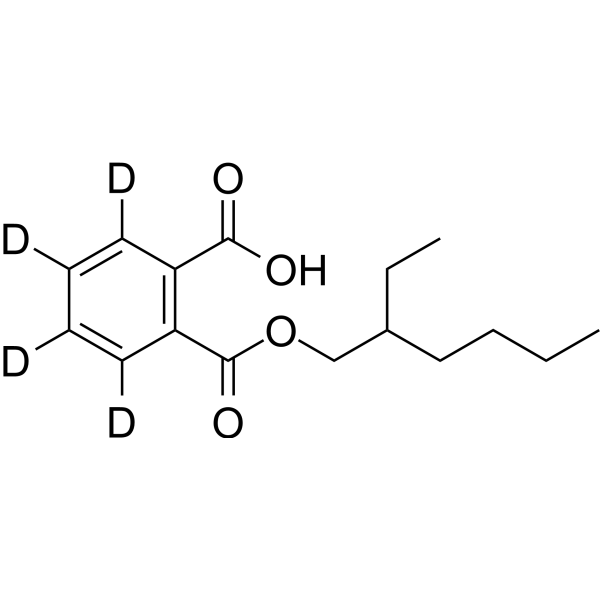
Mono-(2-ethylhexyl) phthalate-d4 is a deuterium labeled Mono-(2-ethylhexyl) phthalate (HY-W018392). Mono-(2-ethylhexyl) phthalate (MEHP) is a major bioactive metabolite of diethylhexyl phthalate (DEHP). Mono-(2-ethylhexyl) phthalate can promote fatty acid synthesis in hepatocytes by regulating the expression of relevant genes and proteins, contributing to non-alcoholic fatty liver disease (NAFLD) .
|
-
-
- HY-P10341
-
|
|
GCGR
|
Metabolic Disease
|
|
ZP3022 is a dual agonist of glucagon-like peptide-1 (GLP-1) and gastrin that has the ability to sustainably improve glycemic control. Additionally, ZP3022 can effectively increase β-cell mass, promote β-cell proliferation, and enhance the function of pancreatic islets. ZP3022 can be used in anti-diabetic research .
|
-

-
- HY-124609
-
|
|
AMPK
Acetyl-CoA Carboxylase
|
Neurological Disease
|
|
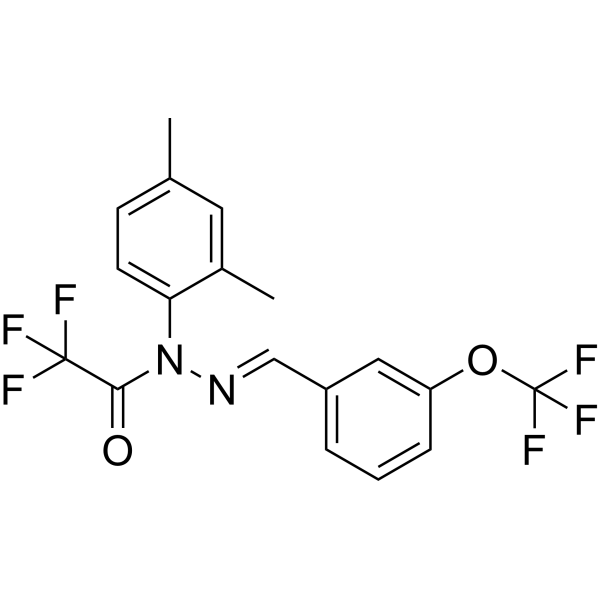
CAD031 is an orally active AMPK/ACC1 signaling pathway activator and a derivative of the Alzheimer's disease (AD) targeted agent J147 (HY-13779) (more active than J147 in human neural stem cell assays). CAD031 can cross the blood-brain barrier, activate AMPK and inhibit ACC1, thereby increasing ac-CoA levels, improving mitochondrial function and reducing free fatty acid synthesis. CAD031 has neuroprotective, neurogenesis-promoting and memory-improving activities and can be used in the study of Alzheimer's disease and aging-related neurodegenerative diseases. CAD031 effectively enhances the memory of mice, improves dendritic structure, and stimulates cell division in the germinal zone of the brain of elderly mice .
|
-
-
- HY-169089
-
|
|
Drug Derivative
|
Cancer
|
|
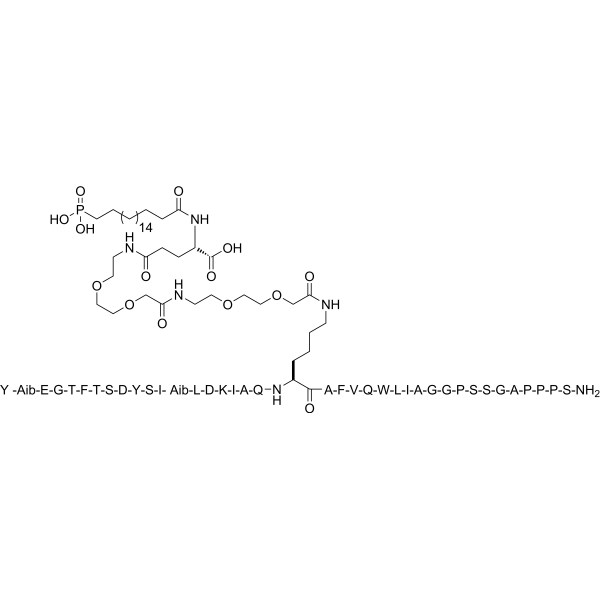
RP-182-PEG3-K palmitic acid-NH2 (Compound 1a) is a fatty acid derivative of the immunomodulatory peptide RP-182. RP-182-PEG3-K palmitic acid-NH2 inhibits CD206 high M2-like macrophage (IC50 of 3.2 μM) and induces phagocytosis. RP-182-PEG3-K palmitic acid-NH2 exhibits antitumor efficacy in mouse B16 melanoma allografts .
|
-

-
- HY-W747491
-
|
|
Isotope-Labeled Compounds
Antibiotic
Apoptosis
Bacterial
Fungal
|
Infection
Cancer
|
|
Triclosan- 13C12 is 13C labeled Triclosan (HY-B1119). Triclosan is a broad-spectrum antibacterial agent that inhibits bacterial fatty acid synthesis at the enoyl-acyl carrier protein reductase (FabI) step. Triclosan inhibits E. coli enoyl-acyl carrier protein reductase (FabI) and FabI containing a glycine-to-valine substitution at position 93 (FabIG93V) with IC50s of 2 μM and 10 μM, respectively. Triclosan causes apoptotic effect in cultured rat neural stem cells (NSC). Triclosan exacerbates colitis and colitis-associated colorectal tumorigenesis in animal models .
|
-

-
- HY-W015924R
-
|
|
Reference Standards
Endogenous Metabolite
|
Metabolic Disease
|
|
2-Hydroxyisobutyric acid (Standard) is the analytical standard of 2-Hydroxyisobutyric acid. This product is intended for research and analytical applications. 2-Hydroxyisobutyric acid (2-HIBA) is a selective modulator of the Insulin/IGF-1 pathway and the p38 MAPK pathway, which reduces reactive oxygen species (ROS) and fat accumulation in Caenorhabditis elegans. 2-Hydroxyisobutyric acid promotes β-oxidation and inhibits fatty acid synthesis by upregulating SKN-1/NRF2 and downregulating SREBP-1c transcription factors. 2-Hydroxyisobutyric acid has anti-aging and lipid-lowering effects, and can be used to study metabolic diseases such as obesity and diabetes. 2-Hydroxyisobutyric acid is also a renewable precursor of methacrylate through 2-HIB-CoA mutase-mediated biosynthesis[1][2].
|
-

-
- HY-107840
-
|
|
Drug Derivative
|
Others
|
|
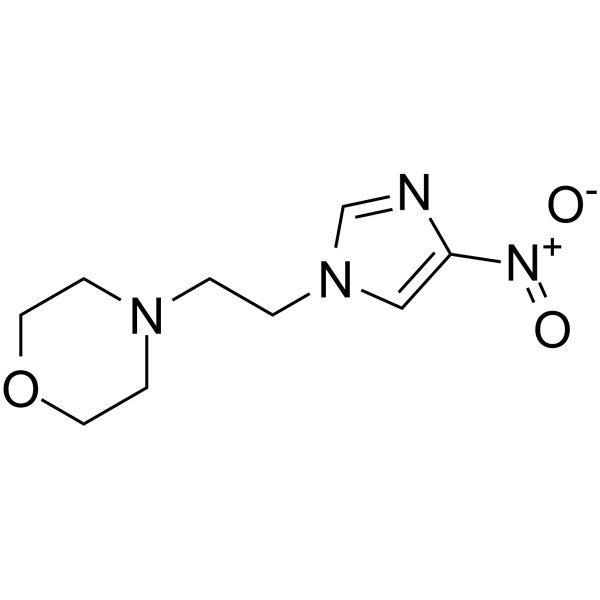
RGW 611 is a morpholine derivative that enhances radiation-induced cell death of hypoxic V79-379A cells. RGW 611 also stimulates fatty acid synthesis .
|
-
-
- HY-P11233
-
|
|
GLP Receptor
|
Metabolic Disease
|
|
Acmopatide (Compound E-153) is a dual-acting GIP/GLP-1 receptor agonist. Acmopatide is used in anti-diabetic research .
|
-

-
- HY-W653962
-
|
|
Isotope-Labeled Compounds
Apoptosis
Antibiotic
Fungal
Bacterial
|
Infection
Cancer
|
|
Triclosan- 13C6 is 13C labeled Triclosan. Triclosan is a broad-spectrum antibacterial agent that inhibits bacterial fatty acid synthesis at the enoyl-acyl carrier protein reductase (FabI) step. Triclosan inhibits E. coli enoyl-acyl carrier protein reductase (FabI) and FabI containing a glycine-to-valine substitution at position 93 (FabIG93V) with IC50s of 2 μM and 10 μM, respectively. Triclosan causes apoptotic effect in cultured rat neural stem cells (NSC). Triclosan exacerbates colitis and colitis-associated colorectal tumorigenesis in animal models .
|
-

-
- HY-P0014AS
-
-

-
- HY-P10031A
-
|
|
GLP Receptor
GCGR
|
Metabolic Disease
|
|
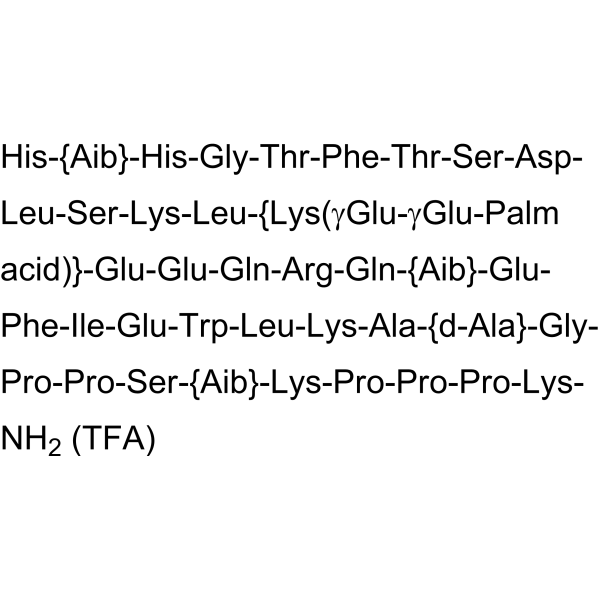
SAR441255 TFA is a GLP-1R/GCGR/GIPR agonist, with human EC50 values of 1.03 pM, 1.01 pM, and 0.73 pM, respectively. SAR441255 TFA stimulates receptor activity and drives cAMP accumulation. SAR441255 TFA can be used for the research of type 2 diabetes, obesity .
|
-
-
- HY-24547
-
|
|
Phospholipase
|
Infection
|
|
HpFabZ-IN-1 (Compound 1) is an inhibitor of the key enzyme FabZ in the Helicobacter pylori fatty acid synthesis pathway, with its IC50 value being 39.8 µM. HpFabZ-IN-1 does not possess antibacterial activity .
|
-

-
- HY-134969
-
|
|
LXR
|
Metabolic Disease
|
|
TFCA is a liver X receptor α (LXRα) antagonist. TFCA inhibits ligand-activated LXRα coactivation and transcriptional expression of the downstream target genes involved in fatty acid synthesis. TFCA attenuates ligand-induced lipogenesis and fatty liver by selectively inhibiting LXRα in the liver .
|
-

-
- HY-W018392R
-
|
MEHP (Standard); Phthalic acid mono-2-ethylhexyl ester (Standard)
|
Reference Standards
Endogenous Metabolite
|
Metabolic Disease
|
|
Mono-(2-ethylhexyl) phthalate (Standard) is the analytical standard of Mono-(2-ethylhexyl) phthalate. This product is intended for research and analytical applications. Mono-(2-ethylhexyl) phthalate (MEHP) is a major bioactive metabolite of diethylhexyl phthalate (DEHP). Mono-(2-ethylhexyl) phthalate can promote fatty acid synthesis in hepatocytes by regulating the expression of relevant genes and proteins, contributing to non-alcoholic fatty liver disease (NAFLD) .
|
-

- HY-169089A
-
|
|
Drug Derivative
|
Cancer
|
|
RP-182-PEG3-K(palmitic acid)-NH2 (Compound 1a) TFA is a fatty acid derivative of the immunomodulatory peptide RP-182. RP-182-PEG3-K(palmitic acid)-NH2 TFA inhibits CD206 high M2-like macrophage (IC50 of 3.2 μM) and induces phagocytosis. RP-182-PEG3-K(palmitic acid)-NH2 TFA exhibits antitumor efficacy in mouse B16 melanoma allografts .
|
-

- HY-P0014A
-
|
|
GLP Receptor
|
Metabolic Disease
|
|
Liraglutide acetate is the acetate form of Liraglutide (HY-P0014), a glucagon-like peptide-1 (GLP-1) receptor agonist studied in type 2 diabetes .
|
-

- HY-P10318
-
|
|
GLP Receptor
|
Endocrinology
|
|
SHR-2042 is a selective agonist of the GLP-1 receptor.SHR-2042 improves glycemic control by activating the GLP-1 receptor, enhancing insulin secretion and inhibiting glucagon secretion. SHR-2042 combined with sodium N-(8-[2-hydroxybenzoyl] amino) caprylate (SNAC) promotes monomerization through the formation of micelles and improves oral absorption efficiency .
|
-

- HY-P1614
-
-

- HY-P0041A
-
-
- HY-B1119R
-
|
|
Reference Standards
Bacterial
Fungal
Antibiotic
Apoptosis
|
Infection
Cancer
|
|
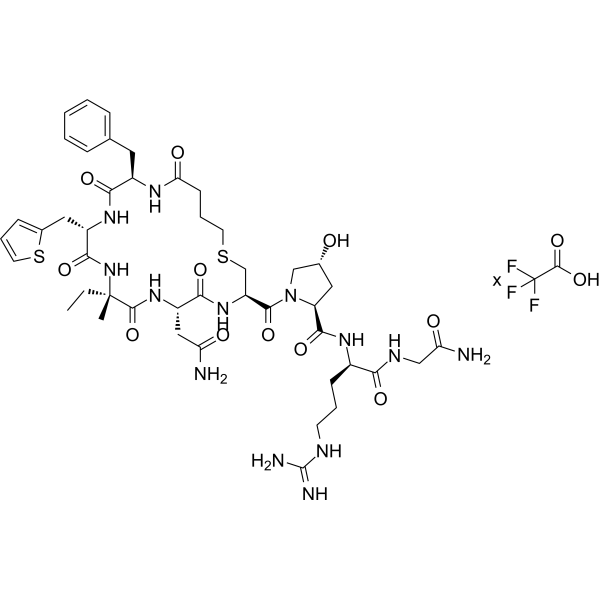
Triclosan (Standard) is the analytical standard of Triclosan. This product is intended for research and analytical applications. Triclosan is a broad-spectrum antibacterial agent that inhibits bacterial fatty acid synthesis at the enoyl-acyl carrier protein reductase (FabI) step. Triclosan inhibits E. coli enoyl-acyl carrier protein reductase (FabI) and FabI containing a glycine-to-valine substitution at position 93 (FabIG93V) with IC50s of 2 µM and 10 µM, respectively. Triclosan causes apoptotic effect in cultured rat neural stem cells (NSC). Triclosan exacerbates colitis and colitis-associated colorectal tumorigenesis in animal models .
|
-

- HY-P0014S2
-
|
|
Isotope-Labeled Compounds
|
Others
|
|
Liraglutide- 13C6, 15 TFA is the 13C and 15N labeledLiraglutide(HY-P0014). Liraglutide is a glucagon-like peptide-1 (GLP-1) receptor agonist used for the study of type 2 diabetes mellitus .
|
-

- HY-P3143A
-
|
|
PD-1/PD-L1
|
Cancer
|
|
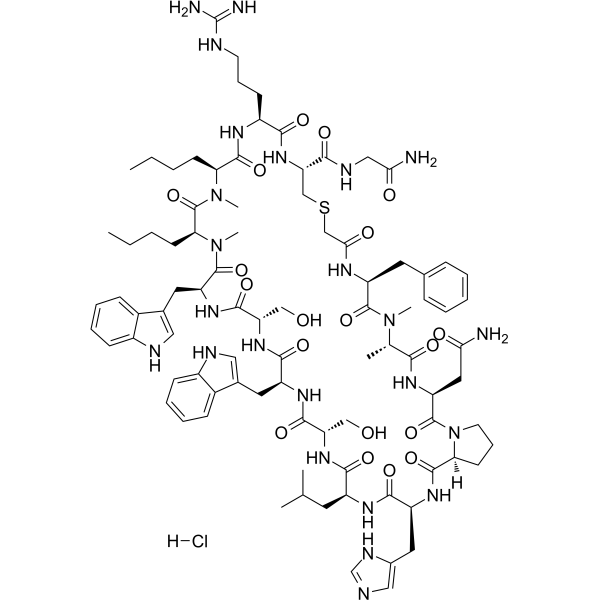
BMSpep-57 hydrochloride is a potent and competitive macrocyclic peptide inhibitor of PD-1/PD-L1 interaction with an IC50 of 7.68 nM. BMSpep-57 hydrochloride binds to PD-L1 with Kds of 19 nM and 19.88 nM in MST and SPR assays, respectively. BMSpep-57 hydrochloride facilitates T cell function by in creasing IL-2 production in PBMCs .
|
-
- HY-113560
-
-

- HY-P10378
-
|
|
GnRH Receptor
|
Metabolic Disease
|
|
GPR10 agonist 1 (compound 18-S4) is a potent GPR10 agonist with EC50 values of 80, 7.8 nM in the presence (10%) or absence (0%) of FBS, respectively. GPR10 agonist 1 has the potential for the research of chronic obesity .
|
-

- HY-P1162
-
-
- HY-P10910
-
|
|
GLP Receptor
|
Metabolic Disease
|
|
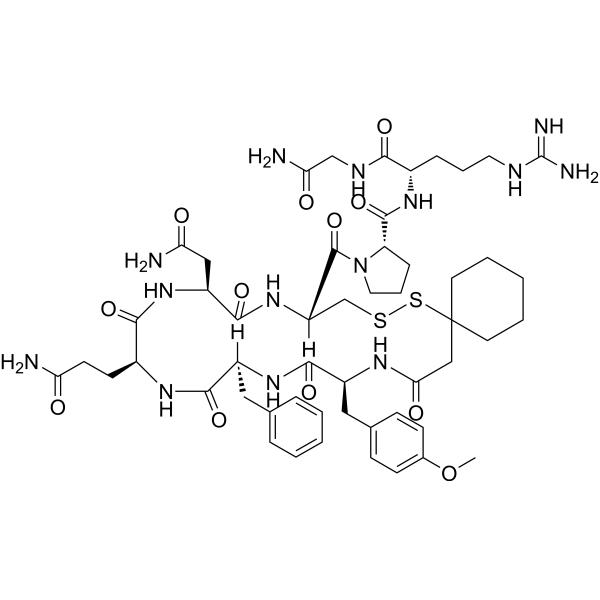
Vensemaglutide is the agonist for glucagon-like peptide 1 (GLP-1) receptor. Vensemaglutide can be used in research of diabetes or other metabolic disorders .
|
-

- HY-P11243
-
|
|
Ephrin Receptor
|
Neurological Disease
|
|
EphA4 agonist compound 23 is a novel EphA4 agonist peptide mimic. EphA4 agonist compound 23 exhibits high affinity, high selectivity, and significant receptor activation ability. EphA4 agonist compound 23 is commonly used in the study of neurodegenerative diseases .
|
-

- HY-135130
-
|
(-)-BABX
|
Bacterial
|
Infection
|
|
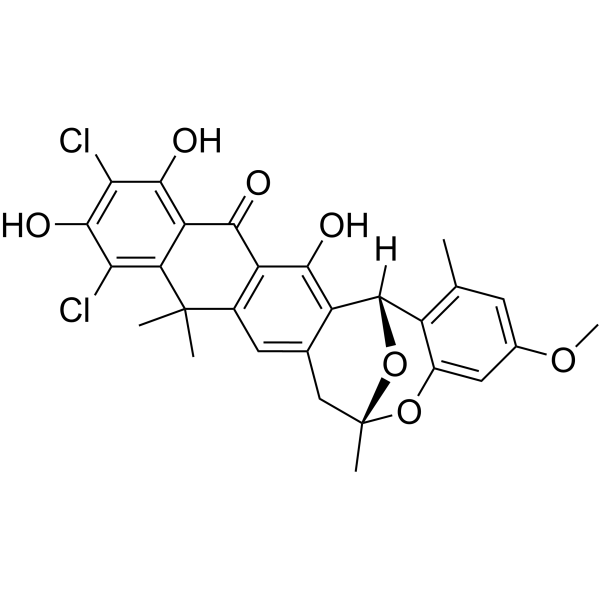
Bischloroanthrabenzoxocinone is a potent Type II fatty acid synthesis (FASII) inhibitor. Bischloroanthrabenzoxocinone inhibits fatty acid synthesis. Bischloroanthrabenzoxocinone shows antibacterial activities and inhibits phospholipid, DNA, RNA, protein, and cell wall synthesis .
|
-
- HY-105900
-
|
|
Others
|
Metabolic Disease
|
|
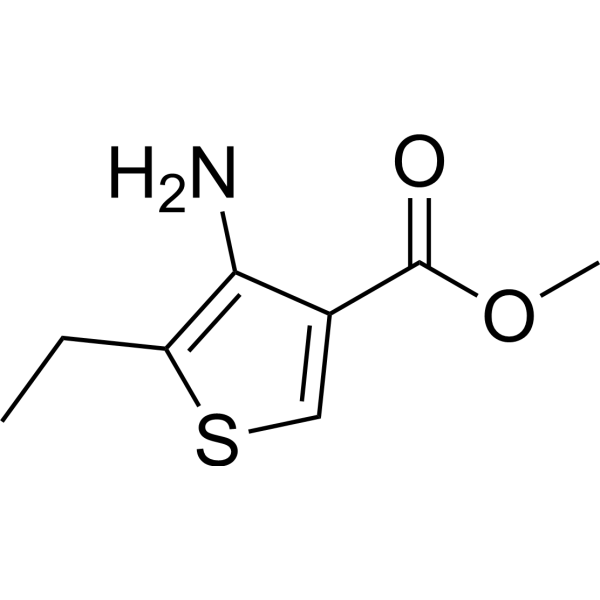
Ro 22-0654 is a potent lipid synthesis inhibitor. Ro 22-0654 inhibits hepatic fatty acid synthesis and has antiobesity effects .
|
-
- HY-121423
-
|
|
Apoptosis
Reactive Oxygen Species (ROS)
|
Metabolic Disease
|
|
Dimethachlor, a synthetic herbicide, inhibits the undesirable growth of weeds via the suppression of very long-chain fatty acid synthesis. Dimethachlor disrupts normal developmental processes via the induction of apoptosis and ROS production .
|
-

- HY-117142
-
|
|
Acetyl-CoA Carboxylase
|
Others
|
|
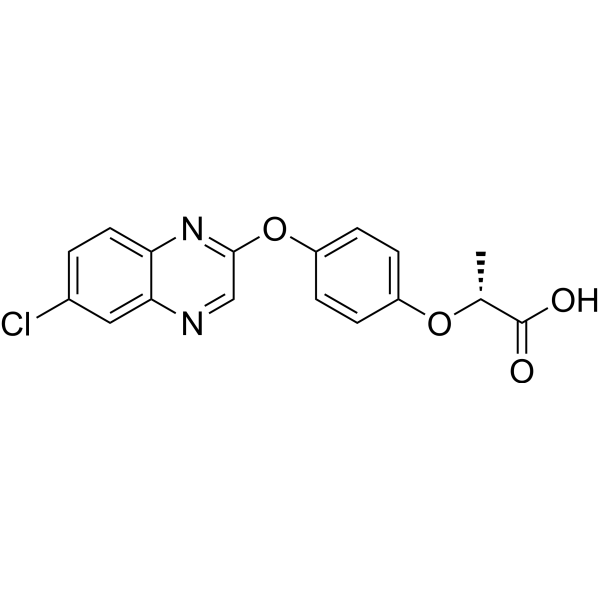
Quizalofop-P is absorbed through weed stems and leaves, conducts upward and downward in plants, accumulates at the top and intermediate meristems, inhibits cellular fatty acid synthesis, and makes weeds necrotic. Quizalofop-P is highly selective between grass weeds and dicotyledonous crops .
|
-
- HY-121423R
-
|
|
Reference Standards
Apoptosis
Reactive Oxygen Species (ROS)
|
Metabolic Disease
|
|
Dimethachlor (Standard) is the analytical standard of Dimethachlor. This product is intended for research and analytical applications. Dimethachlor, a synthetic herbicide, inhibits the undesirable growth of weeds via the suppression of very long-chain fatty acid synthesis. Dimethachlor disrupts normal developmental processes via the induction of apoptosis and ROS production .
|
-

- HY-W720961
-
|
|
Reactive Oxygen Species (ROS)
|
Metabolic Disease
|
|
Dimethachlor-d6 is the deuterium labeled Dimethachlor (HY-121423). Dimethachlor, a synthetic herbicide, inhibits the undesirable growth of weeds via the suppression of very long-chain fatty acid synthesis. Dimethachlor disrupts normal developmental processes via the induction of apoptosis and ROS production .
|
-

- HY-E70278
-
|
|
Biochemical Assay Reagents
|
Metabolic Disease
|
|
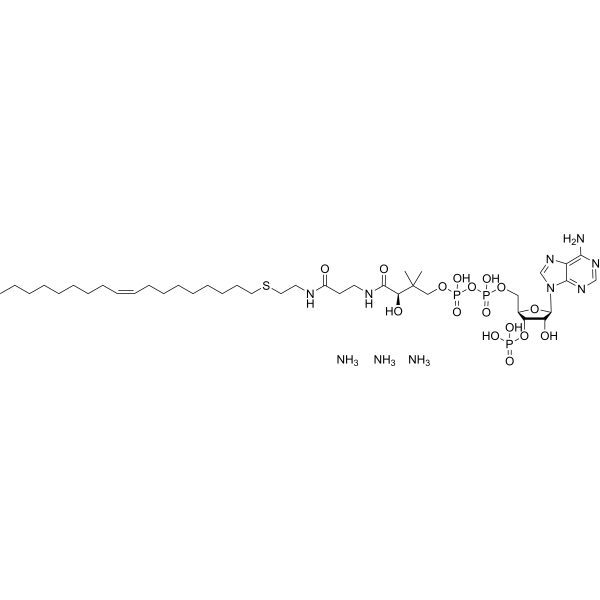
(9Z-Octadecenyl)-CoA triammonium is a coenzyme. (9Z-Octadecenyl)-CoA triammonium is a long-chain acyl-CoA esters. Long-chain acyl-CoA esters are involved in regulation of fatty acid synthesis, enzyme systems, vesicle trafficking, ion channels and ion pumps .
|
-
- HY-120777
-
|
|
Bacterial
|
Others
|
|
GSK729 is a THPP inhibitor with the activity of inhibiting EchA6 and inhibiting Mycobacterium tuberculosis. GSK729 can selectively pull down EchA6 in a stereospecific manner, inhibit its activity, inhibit fatty acid synthesis of Mycobacterium tuberculosis, and has a bactericidal effect in a mouse chronic tuberculosis infection model.
|
-

- HY-E70256
-
|
Lauroyl coenzyme A triammonium; S-Dodecanoate-CoA triammonium; S-Dodecanoate-CoA triammonium
|
Biochemical Assay Reagents
Endogenous Metabolite
|
Others
|
|
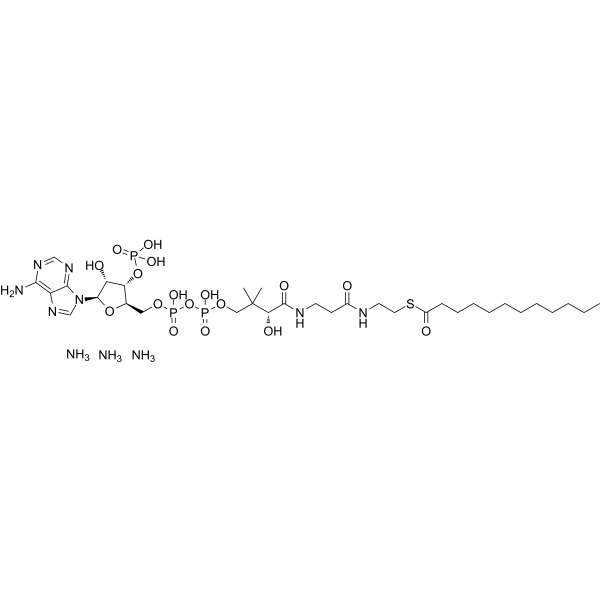
12:0 Coenzyme A (Lauroyl coenzyme A triammonium) is an intermediary in fatty acid synthesis or metabolism, formed by combining long-chain fatty acids (or lauric acid) with coenzyme A. 12:0 Coenzyme A is involved in lipid biosynthesis and fatty acid transport, in which coenzyme A acts as a transport molecule to help move and target specific compounds .
|
-
- HY-D2911
-
|
|
Biochemical Assay Reagents
|
Metabolic Disease
|
|
Pantetheine probe PP-3 (Compound PP-3) is an alkynyl group connector probe. Pantetheine probe PP-3 selectively enriches and maps modification sites (e.g., Ser231 on DHRS2). Pantetheine probe PP-3 is promising for research of metabolic disorders (e.g., fatty acid synthesis dysregulation) .
|
-

- HY-117142R
-
|
|
Acetyl-CoA Carboxylase
Reference Standards
|
Others
|
|
Quizalofop-P (Standard) is the analytical standard of Quizalofop-P. This product is intended for research and analytical applications. Quizalofop-P is absorbed through weed stems and leaves, conducts upward and downward in plants, accumulates at the top and intermediate meristems, inhibits cellular fatty acid synthesis, and makes weeds necrotic. Quizalofop-P is highly selective between grass weeds and dicotyledonous crops .
|
-

- HY-134098R
-
|
Adipic acid diisopropyl ester (Standard)
|
TRP Channel
Reference Standards
|
Others
|
|
Oxaloacetic acid (Standard) is the analytical standard of Oxaloacetic acid. This product is intended for research and analytical applications. Oxaloacetic acid (2-Oxosuccinic acid) is a metabolic intermediate involved in several ways, such as citric acid cycle, gluconeogenesis, the urea cycle, the glyoxylate cycle, amino acid synthesis, and fatty acid synthesis, whereby Oxaloacetic acid facilitates the clearance of reactive oxygen species (ROS) and improves mitochondrial function .
|
-

- HY-N7347R
-
|
Garcinia lactone (Standard)
|
Reference Standards
ATP Citrate Lyase
|
Metabolic Disease
|
|
(-)-Hydroxycitric acid lactone (Standard) is the analytical standard of (-)-Hydroxycitric acid lactone. This product is intended for research and analytical applications. (-)-Hydroxycitric acid lactone (Garcinia lactone) is an anti-obesity agent and a popular weight loss food supplement. (-)-Hydroxycitric acid lactone is a potent inhibitor of ATP-citrate lyase. (-)-Hydroxycitric acid lactone catalyzes the extramitochondrial cleavage of citrate to oxaloacetate and acetyl-CoA, limits the availability of acetyl-CoA units required for fatty acid synthesis .
|
-

- HY-P10876
-
|
|
Amyloid-β
|
Neurological Disease
|
|
mcK6A1 is an inhibitor for the aggregation of amyloid-β (Aβ), that selectively binds to the 16KLVFFA21 segment of Aβ42, forms an extended β-folded structure, and inhibits the formation of Aβ42 oligomers. mcK6A1 can be used in research of Alzheimer's disease and other amyloid-related diseases .
|
-

- HY-P10869
-
dCNP
1 Publications Verification
|
Natriuretic Peptide Receptor (NPR)
|
Inflammation/Immunology
Cancer
|
|
dCNP binds to NPR-B/C receptor, activates cGMP signaling pathway, and regulates vascular function. dCNP exhibits anti-hypoxia property through downregulation of hypoxia-related genes expressions like HIF1α and HIF2α. dCNP inhibits the induction of tumor stroma and exhibits anti-fibrosis activity. dCNP upregulates CTLs, NK cells, and conventional type 1 dendritic cells in tumors, and activates immune responses .
|
-

- HY-P10200
-
|
|
Bacterial
|
Infection
|
|
CP7-FP13-2 is a peptide with antivirulence factor and antibacterial activity. CP7-FP13-2 inhibits the formation of Staphylococcus aureus biofilm and has good antibacterial efficacy in mice .
|
-

- HY-N4104R
-
|
Agaricinic Acid (Standard)
|
Reference Standards
Mitochondrial Metabolism
Bacterial
Calcium Channel
|
Infection
Metabolic Disease
|
|
Agaric acid (Standard) (Agaricinic Acid (Standard)) is the analytical standard of Agaric acid (HY-N4104). This product is intended for research and analytical applications. Agaric acid (Agaricinic Acid) is an orally active inhibitor of adenine nucleotide translocase found in specific fungi. Agaric acid can inhibit the biofilm formation of various bacteria such as Salmonella. Agaric acid can also induce mitochondrial permeability transition, prompting mitochondria to release Ca 2+, disrupting the transmembrane potential, and causing mitochondrial swelling. In addition, Agaric acid can also inhibit citrate transport in liver mitochondria and participate in the inhibition of fatty acid synthesis, affecting multiple metabolic processes.
|
-

- HY-P0041
-
-
- HY-P5161
-
-

- HY-P5161A
-
-

- HY-109166
-
-

- HY-P11279
-
|
|
GLP Receptor
GCGR
Neuropeptide Y Receptor
|
Metabolic Disease
|
TC2 is an efficient GIPR-preferring monomeric quadruple agonist that can respectively activate GIPR, GLP-1R, GcgR, and Y2R with IC50 values of 0.47, 2.1, 30, and 55 nM respectively. TC2 exhibits a significant GLP-1R preference, with a significant reduction in β-inhibitory protein 2 (βArr2) recruitment, while maintaining a strong cAMP signal. TC2 can be used for research on obesity and diabetes .
|
-

- HY-110354R
-
|
G28UCM (Standard)
|
Reference Standards
Fatty Acid Synthase (FASN)
Bacterial
|
Infection
|
|
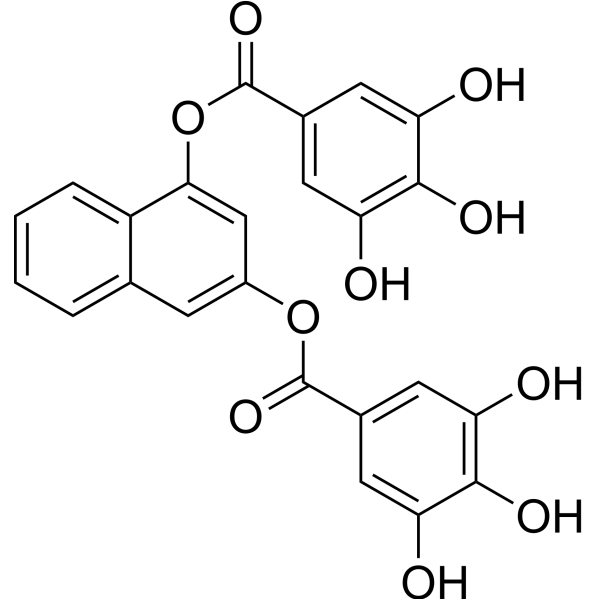
UCM05 (Standard) is the analytical standard of Lysipressin. This product is intended for research and analytical applications. UCM05 (G28UCM) is a fatty acid synthase (FASN) and filamentous temperature-sensitive protein Z (Ftsz) inhibitor. UCM05 inhibits fatty acid synthesis, viral replication, and Gram-positive bacterial growth. UCM05 binds to FtsZ GTP-binding sites, inhibits GTPase activity, and disrupts Z-ring localization. UCM05 can be used for the research of HSV-1/2 infection, HIV-1 infection, and Gram-positive bacterial infections [1][2][3].
|
-
- HY-N2078R
-
|
Neodiosgenin (Standard)
|
Reference Standards
LXR
Apoptosis
Fatty Acid Synthase (FASN)
Reactive Oxygen Species (ROS)
|
Metabolic Disease
|
|
Yamogenin (Standard) is the analytical standard of Yamogenin. This product is intended for research and analytical applications. Yamogenin (Neodiosgenin) is a diastereomer of diosgenin. Yamogenin antagonizes the activation of the liver X receptor (LXR) in luciferase ligand assay. Yamogenin inhibits triacylglyceride (TG) accumulation through the suppression of gene expression of fatty acid synthesis in HepG2 hepatocytes. Yamogenin is a steroidal saponin that can be obtained from plant species with in vitro cytotoxicity, antioxidant, and antimicrobial properties. Yamogenin induces cell death via the extrinsic and intrinsic way of apoptosis. Yamogenin inhibits protein denaturation with an IC50 of 1421.92 μg/mL. Yamogenin can be studied in research on gastric cancer .
|
-

- HY-W778649
-
|
|
Isotope-Labeled Compounds
Herbicide
Photosystem II
|
Others
|
|
Sarmentine-d8 is the deuterium labeled Sarmentine. Sarmentine is a broad-spectrum contact herbicide and PSII inhibitor, with an IC50 of 3.0 μM and a Ki of 1.5 μM against spinach, an IC50 of 1.72 μM against wild-type Amaranthus retroflexus, and an IC50 of 0.97 μM against triazine-resistant Amaranthus retroflexus. Sarmentine competitively binds to the QB binding site of plastoquinone on PSII, thereby blocking photosynthetic electron transport. Sarmentine inhibits enoyl-ACP reductase in Arabidopsis thaliana by targeting the early fatty acid synthesis process, with an IC50 of 18.3 μM. Sarmentine induces light-independent loss of plasma membrane integrity and electrolyte leakage. Sarmentine also exhibits antiplasmodial, antimycobacterial, antituberculous, and antiplatelet aggregation activities .
|
-

- HY-B2004R
-
|
|
Reference Standards
Fungal
Mitochondrial Metabolism
|
Infection
|
|
Thifluzamide (Standard) is the analytical standard of Thifluzamide. This product is intended for research and analytical applications. Thifluzamide is a fungicide that inhibits fungal respiration by blocking the ubiquinone-binding site in mitochondrial complex II. Thifluzamide exhibits significant activity against Basidiomycota pathogens (such as Rhizoctonia cerealis, Ustilago and Puccinia genera) and is commonly used in studies on wheat sharp eyespot. Thifluzamide displays a dual mechanism in regulating lipid metabolism: it reduces fatty acid synthase activity to inhibit endogenous fatty acid synthesis, and increases carnitine palmitoyltransferase-I activity to accelerate fatty acid β-oxidation, thereby reducing total cholesterol and triglyceride levels in the liver. Thifluzamide also induces hepatotoxicity in zebrafish models and carries a risk of developmental toxicity. Thifluzamide inhibition of Rhizoctonia cerealis may result in low to moderate levels of drug resistance, leading to the generation of stable drug-resistant mutants .
|
-

- HY-P2595
-
|
|
Endogenous Metabolite
|
Cardiovascular Disease
|
|
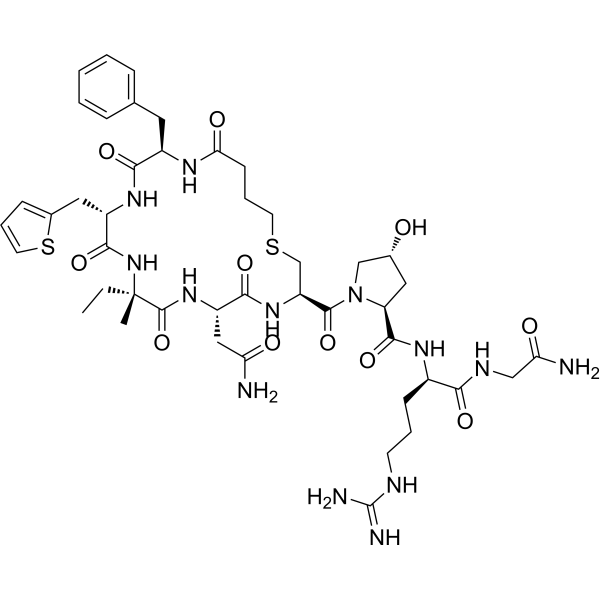
SKF 103784 is an vasopressin antagonist with activity against vasopressin. SKF 103784 inhibits the physiological response caused by antidiuretic and is therefore used to study biological processes related to water and salt balance. SKF 103784 can also be used to explore pathological mechanisms related to cardiovascular diseases and endocrine dysfunction .
|
-

- HY-182262
-
|
|
Lipase
|
Metabolic Disease
|
|
Ro 20-0083 is an orally active pancreatic lipase inhibitor. Ro 20-0083 inhibits hPancreatic lipase activity, reduces lipid absorption and de novo fatty acid synthesis. Ro 20-0083 decreases food intake in Zucker rats. Ro 20-0083 can be used in obesity-related research .
|
-

- HY-181779
-
|
|
Bacterial
|
Infection
|
|
Pyridomycin-4-F, Pyridomycin (HY-111402) derivative, is an antimycobacterial agent targeting fatty acid synthesis enzyme InhA (enoyl ACP reductase). Pyridomycin-4-F binds to the pyridomycin binding pocket of InhA, forms hydrogen bond interactions with Lys-165. Pyridomycin-4-F can be used for the research of tuberculosis .
|
-

- HY-P11759
-
|
|
Drug Derivative
|
Cancer
|
|
Myr-transportan-Cys is a derivative of the cell-penetrating peptide Transportan (HY-P1732), and its conjugated myristoyl group (Myr) enhances the interaction between the peptide and cell membranes. Myr-transportan-Cys integrates three key delivery functions: nucleic acid condensation, cell penetration, and endosomal escape. Myr-transportan-Cys can form immunostimulatory tandem peptide nanocomplexes (iTPNCs) for encapsulating and delivering immunostimulatory oligonucleotide cargos to tumors .
|
-

- HY-125507
-
|
|
MMP
|
Metabolic Disease
|
|
F81-1144b is a MMP-1 and MMP-3 inhibitor with IC50 values of 5 nM and 29 nM, respectively. F81-1144b reduces serum and hepatic triacylglycerol levels, decreases the secretion of very-low-density lipoprotein-triacylglycerol, inhibits de novo hepatic fatty acid synthesis, and lowers serum insulin and glucose levels. F81-1144b can be used for the research of hypertriglyceridemia .
|
-

- HY-183279
-
|
|
FXR
AMPK
|
Metabolic Disease
|
|
FXR antagonist 4 (Compound 4l) is an orally active, selective FXR antagonist with an IC50 of 0.70 μM. FXR antagonist 4 binds to FXR, differentially regulates bile acid and lipid transporter genes, and exerts no effect on gluconeogenesis-related genes. FXR modulator 1 activates the AMPK signaling pathway to inhibit fatty acid synthesis. FXR modulator 1 alleviates hepatic steatosis, ballooning degeneration and fibrosis, and improves dyslipidemia. FXR modulator 1 can be used for research on metabolic dysfunction-associated steatohepatitis .
|
-

- HY-N17580
-
|
|
Renin
|
Cardiovascular Disease
|
|
Lyciumin D acts as an angiotensin-converting enzyme inhibitor and renin inhibitor. Lyciumin D can be used for the research of hypertension .
|
-

- HY-P11604
-
|
|
Phosphatase
|
Inflammation/Immunology
|
|
C16 acid-I-{Lys (C10 diacid)}-KQELRRIGDEF is a cell-permeable and internalizable PTPN1/2 inhibitor, with IC50 values of 107.6 nM and 3375 nM, respectively. C16 acid-I-{Lys (C10 diacid)}-KQELRRIGDEF restores insulin signaling in HepG2 cells. C16 acid-I-{Lys (C10 diacid)}-KQELRRIGDEF achieves glycemic control in db/db diabetic mice. C16 acid-I-{Lys (C10 diacid)}-KQELRRIGDEF can be used in the research of type 2 diabetes .
|
-

- HY-P11586
-
|
|
Amylin Receptor
|
Metabolic Disease
|
|
San45 is a nonselective dual amylin and calcitonin receptor agonist (DACRA) with nonselective potency relative to calcitonin receptor (CTR) and amylin 1 receptor (AMY₁R), and acts as a stabilizer of receptor-ligand complex and prolonged activator of cAMP signaling. San45 carries a conjugated lipid modification that can be used for the research of obesity .
|
-

- HY-W099725
-
|
|
Herbicide
Photosystem II
|
Cardiovascular Disease
Infection
|
|
Sarmentine is a broad-spectrum contact herbicide and PSII inhibitor, with an IC50 of 3.0 μM and a Ki of 1.5 μM against spinach, an IC50 of 1.72 μM against wild-type Amaranthus retroflexus, and an IC50 of 0.97 μM against triazine-resistant Amaranthus retroflexus. Sarmentine competitively binds to the QB binding site of plastoquinone on PSII, thereby blocking photosynthetic electron transport. Sarmentine inhibits enoyl-ACP reductase in Arabidopsis thaliana by targeting the early fatty acid synthesis process, with an IC50 of 18.3 μM. Sarmentine induces light-independent loss of plasma membrane integrity and electrolyte leakage. Sarmentine also exhibits antiplasmodial, antimycobacterial, antituberculous, and antiplatelet aggregation activities .
|
-

- HY-P11625
-
|
|
RXFP Receptor
|
Cardiovascular Disease
|
|
R9-13 is a fatty acid-conjugated relaxin and an agonist of LGR7 (RXFP1). R9-13 induces sustained pubic symphysis elongation in estrogen-pretreated mice. R9-13 exhibits long-acting pharmacokinetic profiles in rodents, with in vivo activity lasting up to one week after administration. R9-13 can be used in studies related to acute heart failure .
|
-

- HY-P10881
-
-

- HY-P10563
-
|
BHV-1100
|
CD38
|
Cancer
|
|
Noraramtide (BHV-1100) is an antibody recruitment molecule. Noraramtide can specifically bind to CD38 molecules to recruit natural killer (NK) cells. Noraramtide enhances the ability of NK cells to kill tumor cells through antibody-dependent cellular cytotoxicity (ADCC). This mechanism allows NK cells to more effectively recognize and eliminate tumor cells while avoiding mutual killing between NK cells. Noraramtide can be used for the study of autologous cancer immunity .
|
-

| Cat. No. |
Product Name |
Type |
-
- HY-D2911
-
|
|
Fluorescent Dyes
|
|
Pantetheine probe PP-3 (Compound PP-3) is an alkynyl group connector probe. Pantetheine probe PP-3 selectively enriches and maps modification sites (e.g., Ser231 on DHRS2). Pantetheine probe PP-3 is promising for research of metabolic disorders (e.g., fatty acid synthesis dysregulation) .
|
| Cat. No. |
Product Name |
Type |
-
- HY-126912A
-
|
|
Biochemical Assay Reagents
|
|
Lauroyl coenzyme A lithium salt is an intermediary in fatty acid synthesis or metabolism, formed by combining long-chain fatty acids (or lauric acid) with coenzyme A. Lauroyl coenzyme A lithium salt is involved in lipid biosynthesis and fatty acid transport, in which coenzyme A acts as a transport molecule to help move and target specific compounds.
|
| Cat. No. |
Product Name |
Target |
Research Area |
-
- HY-P0014
-
-
- HY-P3462
-
|
|
CGRP Receptor
|
Metabolic Disease
|
|
Cagrilintide is an investigational novel long-acting acylated amylin analogue, acts as nonselective amylin receptors (AMYR) and calcitonin G protein-coupled receptor (CTR) agonist. Cagrilintide induces significant weight loss and reduces food intake. Cagrilintide has the potential for the research of obesity .
|
-
- HY-P3462A
-
|
|
CGRP Receptor
|
Metabolic Disease
|
|
Cagrilintide acetate is a non-selective AMYR/CTR agonist and long-acting acylated amylase analogue. Cagrilintide acetate causes a reduction in food intake and significant weight loss in a dose-dependent manner. Cagrilintide acetate can be used in obesity studies .
|
-
- HY-P10272
-
|
PTG-300
|
Ferroportin
|
Others
|
|
Rusfertide is a peptide mimetic of natural hepcidin, which targets and degrades ferroportin, reduces serum iron and transferrin-saturation, and thus regulates the production of red blood cells. Rusfertide ameliorates the polycythemia vera, β-thalassemia and hereditary hemochromatosis .
|
-
- HY-P2231
-
|
MEDI0382
|
GCGR
|
Metabolic Disease
|
|
Cotadutide (MEDI0382) is a potent dual agonist of glucagon-like peptide-1 (GLP-1) and GCGR with EC50 values of 6.9 pM and 10.2 pM, respectively. Cotadutide exhibits ability to facilitate both weight loss and glycaemic control, and alleviate fibrosis. Cotadutide can be used in the research of obesity and type 2 diabetes (T2D) .
|
-
- HY-P2231A
-
|
MEDI0382 acetate
|
GCGR
|
Metabolic Disease
|
|
Cotadutide (MEDI0382) acetate is a potent dual agonist of glucagon-like peptide-1 (GLP-1) and GCGR with EC50 values of 6.9 pM and 10.2 pM, respectively. Cotadutide acetate exhibits ability to facilitate both weight loss and glycaemic control, and alleviate fibrosis. Cotadutide acetate can be used in the research of obesity and type 2 diabetes (T2D) .
|
-
- HY-P3291
-
|
ZP7570
|
GCGR
|
Metabolic Disease
|
|
Dapiglutide (ZP7570) is a long-acting glucagon-like peptide-1 receptor 1R (GLP-1R)/Glucagon-like peptide-2 receptor (GLP-2R) dual agonist. Dapiglutide alleviates intestinal dysfunction in a mouse short bowel model and has anti-obesity effects .
|
-
- HY-P1743
-
|
|
Peptides
|
Infection
|
|
Acyl Carrier Protein (ACP) (65-74) is a key coenzyme fragment of fatty acid synthase (FAS) and participates in fatty acid synthesis as an acyl carrier. Acyl Carrier Protein (ACP) (65-74) mediates condensation, reduction and other cyclic reactions in fatty acid synthesis by covalently binding to acyl chains to form acyl-ACP intermediates, promoting acyl chain extension. Acyl Carrier Protein (ACP) (65-74) can regulate the synthesis ratio of saturated and unsaturated fatty acids. Acyl Carrier Protein (ACP) (65-74) can be used to study the mechanism of bacterial fatty acid synthesis and is a potential target for antibiotics (such as inhibiting the FAS system of pathogens) .
|
-
- HY-P10218
-
|
|
MARCKS
PKC
|
Inflammation/Immunology
Cancer
|
|
MANS peptide is an inhibitor for myristoylated alanine-rich C kinase substrate (MARCKS), which competes with MARCKS in cells for membrane binding, and thus inhibits the stimulation of mucin secretion and tumor metastasis .
|
-
- HY-P0014S1
-
|
|
Isotope-Labeled Compounds
GLP Receptor
GCGR
|
Others
|
|
Liraglutide- 13C6, 15 tetraTFA is the 13C and 15N labeled Liraglutide (HY-P0014) . Liraglutide is a glucagon-like peptide-1 (GLP-1) receptor agonist used for the study of type 2 diabetes mellitus .
|
-
- HY-P10271
-
|
NNC0090-2746; MAR709; RO6811135
|
GLP Receptor
|
Metabolic Disease
|
|
RG7697 is a dual agonist for glucagon-like peptide receptor (GLP Receptor) and glucosedependent insulinotropic polypeptide receptor (GIPR), with EC50 of 5 and 3 pM, respectively. RG7697 exhibits antihyperglycemic property .
|
-
- HY-P10031
-
|
|
GLP Receptor
GCGR
|
Metabolic Disease
|
|
SAR441255 is a GLP-1R/GCGR/GIPR agonist, with human EC50 values of 1.03 pM, 1.01 pM, and 0.73 pM, respectively. SAR441255 stimulates receptor activity and drives cAMP accumulation. SAR441255 can be used for the research of type 2 diabetes, obesity .
|
-
- HY-P10218A
-
|
|
MARCKS
PKC
|
Inflammation/Immunology
Cancer
|
|
MANS peptide TFA is the TFA salt form of MANS peptide (HY-P10218). MANS peptide TFA is an inhibitor for myristoylated alanine-rich C kinase substrate (MARCKS), which competes with MARCKS in cells for membrane binding, and thus inhibits the stimulation of mucin secretion and tumor metastasis .
|
-
- HY-P0014B
-
|
|
GLP Receptor
|
Metabolic Disease
|
|
Liraglutide (TFA) is an agonist of glucagon-like peptide 1 receptor (GLP-1). Liraglutide (TFA) can activate GLP-1, leading to the release of insulin in the presence of increased glucose concentration. Liraglutide (TFA) also reduces glucagon secretion in a glucose-dependent manner. Liraglutide (TFA) can be studied in research on type 2 diabetes .
|
-
- HY-P3143
-
|
|
PD-1/PD-L1
|
Cancer
|
|
BMSpep-57 is a potent and competitive macrocyclic peptide inhibitor of PD-1/PD-L1 interaction with an IC50 of 7.68 nM. BMSpep-57 binds to PD-L1 with Kds of 19 nM and 19.88 nM in MST and SPR assays, respectively. BMSpep-57 facilitates T cell function by in creasing IL-2 production in PBMCs .
|
-
- HY-P11273
-
-
- HY-153476A
-
|
|
GLP Receptor
GCGR
|
Inflammation/Immunology
|
|
GIP/GLP-1 dual receptor agonist-1 sodium is a GIP/GLP-1 dual receptor agonist. GIP/GLP-1 dual receptor agonist-1 sodium is used in the research of metabolic disorders and fatty liver diseases, including non-alcoholic steatohepatitis (NASH) and non-alcoholic fatty liver disease (NAFLD) .
|
-
- HY-153476
-
|
|
GCGR
GLP Receptor
|
Inflammation/Immunology
|
|
GIP/GLP-1 dual receptor agonist-1 is a GIP/GLP-1 dual receptor agonist. GIP/GLP-1 dual receptor agonist-1 is used in the research of metabolic disorders and fatty liver diseases, including non-alcoholic steatohepatitis (NASH) and non-alcoholic fatty liver disease (NAFLD) .
|
-
- HY-P11290
-
-
- HY-P10341
-
|
|
GCGR
|
Metabolic Disease
|
|
ZP3022 is a dual agonist of glucagon-like peptide-1 (GLP-1) and gastrin that has the ability to sustainably improve glycemic control. Additionally, ZP3022 can effectively increase β-cell mass, promote β-cell proliferation, and enhance the function of pancreatic islets. ZP3022 can be used in anti-diabetic research .
|
-
- HY-169089
-
|
|
Drug Derivative
|
Cancer
|
|
RP-182-PEG3-K palmitic acid-NH2 (Compound 1a) is a fatty acid derivative of the immunomodulatory peptide RP-182. RP-182-PEG3-K palmitic acid-NH2 inhibits CD206 high M2-like macrophage (IC50 of 3.2 μM) and induces phagocytosis. RP-182-PEG3-K palmitic acid-NH2 exhibits antitumor efficacy in mouse B16 melanoma allografts .
|
-
- HY-P10563
-
|
BHV-1100
|
CD38
|
Cancer
|
|
Noraramtide (BHV-1100) is an antibody recruitment molecule. Noraramtide can specifically bind to CD38 molecules to recruit natural killer (NK) cells. Noraramtide enhances the ability of NK cells to kill tumor cells through antibody-dependent cellular cytotoxicity (ADCC). This mechanism allows NK cells to more effectively recognize and eliminate tumor cells while avoiding mutual killing between NK cells. Noraramtide can be used for the study of autologous cancer immunity .
|
-
- HY-P11233
-
|
|
GLP Receptor
|
Metabolic Disease
|
|
Acmopatide (Compound E-153) is a dual-acting GIP/GLP-1 receptor agonist. Acmopatide is used in anti-diabetic research .
|
-
- HY-P0014AS
-
-
- HY-P10031A
-
|
|
GLP Receptor
GCGR
|
Metabolic Disease
|
|
SAR441255 TFA is a GLP-1R/GCGR/GIPR agonist, with human EC50 values of 1.03 pM, 1.01 pM, and 0.73 pM, respectively. SAR441255 TFA stimulates receptor activity and drives cAMP accumulation. SAR441255 TFA can be used for the research of type 2 diabetes, obesity .
|
-
- HY-169089A
-
|
|
Drug Derivative
|
Cancer
|
|
RP-182-PEG3-K(palmitic acid)-NH2 (Compound 1a) TFA is a fatty acid derivative of the immunomodulatory peptide RP-182. RP-182-PEG3-K(palmitic acid)-NH2 TFA inhibits CD206 high M2-like macrophage (IC50 of 3.2 μM) and induces phagocytosis. RP-182-PEG3-K(palmitic acid)-NH2 TFA exhibits antitumor efficacy in mouse B16 melanoma allografts .
|
-
- HY-P0014A
-
|
|
GLP Receptor
|
Metabolic Disease
|
|
Liraglutide acetate is the acetate form of Liraglutide (HY-P0014), a glucagon-like peptide-1 (GLP-1) receptor agonist studied in type 2 diabetes .
|
-
- HY-P10318
-
|
|
GLP Receptor
|
Endocrinology
|
|
SHR-2042 is a selective agonist of the GLP-1 receptor.SHR-2042 improves glycemic control by activating the GLP-1 receptor, enhancing insulin secretion and inhibiting glucagon secretion. SHR-2042 combined with sodium N-(8-[2-hydroxybenzoyl] amino) caprylate (SNAC) promotes monomerization through the formation of micelles and improves oral absorption efficiency .
|
-
- HY-P1614
-
-
- HY-P0041A
-
-
- HY-P0014S2
-
|
|
Isotope-Labeled Compounds
|
Others
|
|
Liraglutide- 13C6, 15 TFA is the 13C and 15N labeledLiraglutide(HY-P0014). Liraglutide is a glucagon-like peptide-1 (GLP-1) receptor agonist used for the study of type 2 diabetes mellitus .
|
-
- HY-P3143A
-
|
|
PD-1/PD-L1
|
Cancer
|
|
BMSpep-57 hydrochloride is a potent and competitive macrocyclic peptide inhibitor of PD-1/PD-L1 interaction with an IC50 of 7.68 nM. BMSpep-57 hydrochloride binds to PD-L1 with Kds of 19 nM and 19.88 nM in MST and SPR assays, respectively. BMSpep-57 hydrochloride facilitates T cell function by in creasing IL-2 production in PBMCs .
|
-
- HY-113560
-
-
- HY-P10378
-
|
|
GnRH Receptor
|
Metabolic Disease
|
|
GPR10 agonist 1 (compound 18-S4) is a potent GPR10 agonist with EC50 values of 80, 7.8 nM in the presence (10%) or absence (0%) of FBS, respectively. GPR10 agonist 1 has the potential for the research of chronic obesity .
|
-
- HY-P1162
-
-
- HY-P10910
-
|
|
GLP Receptor
|
Metabolic Disease
|
|
Vensemaglutide is the agonist for glucagon-like peptide 1 (GLP-1) receptor. Vensemaglutide can be used in research of diabetes or other metabolic disorders .
|
-
- HY-P11243
-
|
|
Ephrin Receptor
|
Neurological Disease
|
|
EphA4 agonist compound 23 is a novel EphA4 agonist peptide mimic. EphA4 agonist compound 23 exhibits high affinity, high selectivity, and significant receptor activation ability. EphA4 agonist compound 23 is commonly used in the study of neurodegenerative diseases .
|
-
- HY-P10876
-
|
|
Amyloid-β
|
Neurological Disease
|
|
mcK6A1 is an inhibitor for the aggregation of amyloid-β (Aβ), that selectively binds to the 16KLVFFA21 segment of Aβ42, forms an extended β-folded structure, and inhibits the formation of Aβ42 oligomers. mcK6A1 can be used in research of Alzheimer's disease and other amyloid-related diseases .
|
-
- HY-P10869
-
dCNP
1 Publications Verification
|
Natriuretic Peptide Receptor (NPR)
|
Inflammation/Immunology
Cancer
|
|
dCNP binds to NPR-B/C receptor, activates cGMP signaling pathway, and regulates vascular function. dCNP exhibits anti-hypoxia property through downregulation of hypoxia-related genes expressions like HIF1α and HIF2α. dCNP inhibits the induction of tumor stroma and exhibits anti-fibrosis activity. dCNP upregulates CTLs, NK cells, and conventional type 1 dendritic cells in tumors, and activates immune responses .
|
-
- HY-P4837
-
|
|
Peptides
|
Others
|
|
Ac-Lys-D-Ala-D-lactic acid is a polypeptide that can be found by peptide screening. Peptide screening is a research tool that pools active peptides primarily by immunoassay. Peptide screening can be used for protein interaction, functional analysis, epitope screening, especially in the field of agent research and development .
|
-
- HY-P10200
-
|
|
Bacterial
|
Infection
|
|
CP7-FP13-2 is a peptide with antivirulence factor and antibacterial activity. CP7-FP13-2 inhibits the formation of Staphylococcus aureus biofilm and has good antibacterial efficacy in mice .
|
-
- HY-P0041
-
-
- HY-P5161
-
-
- HY-P5161A
-
-
- HY-109166
-
-
- HY-P11279
-
|
|
GLP Receptor
GCGR
Neuropeptide Y Receptor
|
Metabolic Disease
|
TC2 is an efficient GIPR-preferring monomeric quadruple agonist that can respectively activate GIPR, GLP-1R, GcgR, and Y2R with IC50 values of 0.47, 2.1, 30, and 55 nM respectively. TC2 exhibits a significant GLP-1R preference, with a significant reduction in β-inhibitory protein 2 (βArr2) recruitment, while maintaining a strong cAMP signal. TC2 can be used for research on obesity and diabetes .
|
-
- HY-P10381
-
|
|
Peptides
|
Others
|
|
palm11-TTDS-PrRP31 is a strong agonist of GPR10 (EC50: 84 pM). palm11-TTDS-PrRP31 has long-lasting anorexigenic effects .
|
-
- HY-P2595
-
|
|
Endogenous Metabolite
|
Cardiovascular Disease
|
|
SKF 103784 is an vasopressin antagonist with activity against vasopressin. SKF 103784 inhibits the physiological response caused by antidiuretic and is therefore used to study biological processes related to water and salt balance. SKF 103784 can also be used to explore pathological mechanisms related to cardiovascular diseases and endocrine dysfunction .
|
-
- HY-P10881
-
-
- HY-P11759
-
|
|
Drug Derivative
|
Cancer
|
|
Myr-transportan-Cys is a derivative of the cell-penetrating peptide Transportan (HY-P1732), and its conjugated myristoyl group (Myr) enhances the interaction between the peptide and cell membranes. Myr-transportan-Cys integrates three key delivery functions: nucleic acid condensation, cell penetration, and endosomal escape. Myr-transportan-Cys can form immunostimulatory tandem peptide nanocomplexes (iTPNCs) for encapsulating and delivering immunostimulatory oligonucleotide cargos to tumors .
|
- HY-N17580
-
|
|
Renin
|
Cardiovascular Disease
|
|
Lyciumin D acts as an angiotensin-converting enzyme inhibitor and renin inhibitor. Lyciumin D can be used for the research of hypertension .
|
- HY-P11604
-
|
|
Phosphatase
|
Inflammation/Immunology
|
|
C16 acid-I-{Lys (C10 diacid)}-KQELRRIGDEF is a cell-permeable and internalizable PTPN1/2 inhibitor, with IC50 values of 107.6 nM and 3375 nM, respectively. C16 acid-I-{Lys (C10 diacid)}-KQELRRIGDEF restores insulin signaling in HepG2 cells. C16 acid-I-{Lys (C10 diacid)}-KQELRRIGDEF achieves glycemic control in db/db diabetic mice. C16 acid-I-{Lys (C10 diacid)}-KQELRRIGDEF can be used in the research of type 2 diabetes .
|
- HY-P11586
-
|
|
Amylin Receptor
|
Metabolic Disease
|
|
San45 is a nonselective dual amylin and calcitonin receptor agonist (DACRA) with nonselective potency relative to calcitonin receptor (CTR) and amylin 1 receptor (AMY₁R), and acts as a stabilizer of receptor-ligand complex and prolonged activator of cAMP signaling. San45 carries a conjugated lipid modification that can be used for the research of obesity .
|
- HY-P11625
-
|
|
RXFP Receptor
|
Cardiovascular Disease
|
|
R9-13 is a fatty acid-conjugated relaxin and an agonist of LGR7 (RXFP1). R9-13 induces sustained pubic symphysis elongation in estrogen-pretreated mice. R9-13 exhibits long-acting pharmacokinetic profiles in rodents, with in vivo activity lasting up to one week after administration. R9-13 can be used in studies related to acute heart failure .
|
| Cat. No. |
Product Name |
Category |
Target |
Chemical Structure |
-
- HY-W018392
-
-
-
- HY-W010382
-
-
-
- HY-W015924
-
-
-
- HY-N2486
-
-
-
- HY-N2078
-
-
-
- HY-Y1139
-
|
Heptanedioic acid; 1,5-Pentanedicarboxylic acid; 1,7-Heptanedioic acid
|
Structural Classification
Immune System Disorder
Classification of Application Fields
Ketones, Aldehydes, Acids
Disease markers
Metabolic Disease
Endogenous metabolite
Disease Research Fields
Source Classification
|
Endogenous Metabolite
PROTAC Linkers
|
|
Pimelic acid (Heptanedioic acid; 1,5-Pentanedicarboxylic acid) is a seven-carbon α,ω-dicarboxylic acid and a downstream product of fatty acid synthesis. Pimelic acid is a key precursor in biotin biosynthesis. Pimelic acid can be converted to pimelic acid-CoA by the BioW enzyme, thereby bypassing exogenous biotin requirements to support growth in various biotinytrophic bacteria and fungi, and reversing antibiotic-induced inhibition of biotin synthesis. Furthermore, Pimelic acid has been proposed as a highly specific biomarker for oxygen-induced retinopathy in mice. Pimelic acid can be used to study retinopathy of preterm infants, oxygen-induced retinopathy, and microbial biotin metabolism .
|
-
-
- HY-N4104
-
-
-
- HY-N7347
-
-
-
- HY-110028
-
-
-
- HY-N2486R
-
-
-
- HY-W010382R
-
-
-
- HY-W015924R
-
|
|
Structural Classification
Ketones, Aldehydes, Acids
Endogenous metabolite
Source Classification
|
Reference Standards
Endogenous Metabolite
|
|
2-Hydroxyisobutyric acid (Standard) is the analytical standard of 2-Hydroxyisobutyric acid. This product is intended for research and analytical applications. 2-Hydroxyisobutyric acid (2-HIBA) is a selective modulator of the Insulin/IGF-1 pathway and the p38 MAPK pathway, which reduces reactive oxygen species (ROS) and fat accumulation in Caenorhabditis elegans. 2-Hydroxyisobutyric acid promotes β-oxidation and inhibits fatty acid synthesis by upregulating SKN-1/NRF2 and downregulating SREBP-1c transcription factors. 2-Hydroxyisobutyric acid has anti-aging and lipid-lowering effects, and can be used to study metabolic diseases such as obesity and diabetes. 2-Hydroxyisobutyric acid is also a renewable precursor of methacrylate through 2-HIB-CoA mutase-mediated biosynthesis[1][2].
|
-
-
- HY-W018392R
-
|
MEHP (Standard); Phthalic acid mono-2-ethylhexyl ester (Standard)
|
Structural Classification
Ketones, Aldehydes, Acids
Endogenous metabolite
Source Classification
|
Reference Standards
Endogenous Metabolite
|
|
Mono-(2-ethylhexyl) phthalate (Standard) is the analytical standard of Mono-(2-ethylhexyl) phthalate. This product is intended for research and analytical applications. Mono-(2-ethylhexyl) phthalate (MEHP) is a major bioactive metabolite of diethylhexyl phthalate (DEHP). Mono-(2-ethylhexyl) phthalate can promote fatty acid synthesis in hepatocytes by regulating the expression of relevant genes and proteins, contributing to non-alcoholic fatty liver disease (NAFLD) .
|
-
-
- HY-N7347R
-
|
Garcinia lactone (Standard)
|
other families
Ketones, Aldehydes, Acids
Plants
Source Classification
|
Reference Standards
ATP Citrate Lyase
|
|
(-)-Hydroxycitric acid lactone (Standard) is the analytical standard of (-)-Hydroxycitric acid lactone. This product is intended for research and analytical applications. (-)-Hydroxycitric acid lactone (Garcinia lactone) is an anti-obesity agent and a popular weight loss food supplement. (-)-Hydroxycitric acid lactone is a potent inhibitor of ATP-citrate lyase. (-)-Hydroxycitric acid lactone catalyzes the extramitochondrial cleavage of citrate to oxaloacetate and acetyl-CoA, limits the availability of acetyl-CoA units required for fatty acid synthesis .
|
-
-
- HY-N4104R
-
|
Agaricinic Acid (Standard)
|
Structural Classification
Microorganisms
Ketones, Aldehydes, Acids
Plants
Source Classification
|
Reference Standards
Mitochondrial Metabolism
Bacterial
Calcium Channel
|
|
Agaric acid (Standard) (Agaricinic Acid (Standard)) is the analytical standard of Agaric acid (HY-N4104). This product is intended for research and analytical applications. Agaric acid (Agaricinic Acid) is an orally active inhibitor of adenine nucleotide translocase found in specific fungi. Agaric acid can inhibit the biofilm formation of various bacteria such as Salmonella. Agaric acid can also induce mitochondrial permeability transition, prompting mitochondria to release Ca 2+, disrupting the transmembrane potential, and causing mitochondrial swelling. In addition, Agaric acid can also inhibit citrate transport in liver mitochondria and participate in the inhibition of fatty acid synthesis, affecting multiple metabolic processes.
|
-
-
- HY-N2078R
-
|
Neodiosgenin (Standard)
|
Structural Classification
other families
Plants
Steroids
Source Classification
|
Reference Standards
LXR
Apoptosis
Fatty Acid Synthase (FASN)
Reactive Oxygen Species (ROS)
|
|
Yamogenin (Standard) is the analytical standard of Yamogenin. This product is intended for research and analytical applications. Yamogenin (Neodiosgenin) is a diastereomer of diosgenin. Yamogenin antagonizes the activation of the liver X receptor (LXR) in luciferase ligand assay. Yamogenin inhibits triacylglyceride (TG) accumulation through the suppression of gene expression of fatty acid synthesis in HepG2 hepatocytes. Yamogenin is a steroidal saponin that can be obtained from plant species with in vitro cytotoxicity, antioxidant, and antimicrobial properties. Yamogenin induces cell death via the extrinsic and intrinsic way of apoptosis. Yamogenin inhibits protein denaturation with an IC50 of 1421.92 μg/mL. Yamogenin can be studied in research on gastric cancer .
|
-
-
- HY-N17580
-
-
-
- HY-W099725
-
|
|
Piper longum Linn.
Structural Classification
Alkaloids
Pyrrole Alkaloids
Piperaceae
Plants
Source Classification
|
Herbicide
Photosystem II
|
|
Sarmentine is a broad-spectrum contact herbicide and PSII inhibitor, with an IC50 of 3.0 μM and a Ki of 1.5 μM against spinach, an IC50 of 1.72 μM against wild-type Amaranthus retroflexus, and an IC50 of 0.97 μM against triazine-resistant Amaranthus retroflexus. Sarmentine competitively binds to the QB binding site of plastoquinone on PSII, thereby blocking photosynthetic electron transport. Sarmentine inhibits enoyl-ACP reductase in Arabidopsis thaliana by targeting the early fatty acid synthesis process, with an IC50 of 18.3 μM. Sarmentine induces light-independent loss of plasma membrane integrity and electrolyte leakage. Sarmentine also exhibits antiplasmodial, antimycobacterial, antituberculous, and antiplatelet aggregation activities .
|
-
| Cat. No. |
Product Name |
Chemical Structure |
-
- HY-P0014S1
-
|
|
|
Liraglutide- 13C6, 15 tetraTFA is the 13C and 15N labeled Liraglutide (HY-P0014) . Liraglutide is a glucagon-like peptide-1 (GLP-1) receptor agonist used for the study of type 2 diabetes mellitus .
|
-
-
- HY-W010382S
-
1 Publications Verification
|
|
Oxaloacetic acid- 13C4 is the 13C-labeled Oxaloacetic acid. Oxaloacetic acid (2-Oxosuccinic acid) is a metabolic intermediate involved in several ways, such as citric acid cycle, gluconeogenesis, the urea cycle, the glyoxylate cycle, amino acid synthesis, and fatty acid synthesis .
|
-
-
- HY-W018392S
-
|
|
|
Mono-(2-ethylhexyl) phthalate-d4 is a deuterium labeled Mono-(2-ethylhexyl) phthalate (HY-W018392). Mono-(2-ethylhexyl) phthalate (MEHP) is a major bioactive metabolite of diethylhexyl phthalate (DEHP). Mono-(2-ethylhexyl) phthalate can promote fatty acid synthesis in hepatocytes by regulating the expression of relevant genes and proteins, contributing to non-alcoholic fatty liver disease (NAFLD) .
|
-
-
- HY-W747491
-
|
|
|
Triclosan- 13C12 is 13C labeled Triclosan (HY-B1119). Triclosan is a broad-spectrum antibacterial agent that inhibits bacterial fatty acid synthesis at the enoyl-acyl carrier protein reductase (FabI) step. Triclosan inhibits E. coli enoyl-acyl carrier protein reductase (FabI) and FabI containing a glycine-to-valine substitution at position 93 (FabIG93V) with IC50s of 2 μM and 10 μM, respectively. Triclosan causes apoptotic effect in cultured rat neural stem cells (NSC). Triclosan exacerbates colitis and colitis-associated colorectal tumorigenesis in animal models .
|
-
-
- HY-W653962
-
|
|
|
Triclosan- 13C6 is 13C labeled Triclosan. Triclosan is a broad-spectrum antibacterial agent that inhibits bacterial fatty acid synthesis at the enoyl-acyl carrier protein reductase (FabI) step. Triclosan inhibits E. coli enoyl-acyl carrier protein reductase (FabI) and FabI containing a glycine-to-valine substitution at position 93 (FabIG93V) with IC50s of 2 μM and 10 μM, respectively. Triclosan causes apoptotic effect in cultured rat neural stem cells (NSC). Triclosan exacerbates colitis and colitis-associated colorectal tumorigenesis in animal models .
|
-
-
- HY-P0014AS
-
|
|
|
Liraglutide-d8 tetraTFA is deuterium labeled Liraglutide (HY-P0014). Liraglutide is a glucagon-like peptide-1 (GLP-1) receptor agonist used for the study of type 2 diabetes mellitus .
|
-
-
- HY-P0014S2
-
|
|
|
Liraglutide- 13C6, 15 TFA is the 13C and 15N labeledLiraglutide(HY-P0014). Liraglutide is a glucagon-like peptide-1 (GLP-1) receptor agonist used for the study of type 2 diabetes mellitus .
|
-
-
- HY-W720961
-
|
|
|
Dimethachlor-d6 is the deuterium labeled Dimethachlor (HY-121423). Dimethachlor, a synthetic herbicide, inhibits the undesirable growth of weeds via the suppression of very long-chain fatty acid synthesis. Dimethachlor disrupts normal developmental processes via the induction of apoptosis and ROS production .
|
-
-
- HY-W778649
-
|
|
|
Sarmentine-d8 is the deuterium labeled Sarmentine. Sarmentine is a broad-spectrum contact herbicide and PSII inhibitor, with an IC50 of 3.0 μM and a Ki of 1.5 μM against spinach, an IC50 of 1.72 μM against wild-type Amaranthus retroflexus, and an IC50 of 0.97 μM against triazine-resistant Amaranthus retroflexus. Sarmentine competitively binds to the QB binding site of plastoquinone on PSII, thereby blocking photosynthetic electron transport. Sarmentine inhibits enoyl-ACP reductase in Arabidopsis thaliana by targeting the early fatty acid synthesis process, with an IC50 of 18.3 μM. Sarmentine induces light-independent loss of plasma membrane integrity and electrolyte leakage. Sarmentine also exhibits antiplasmodial, antimycobacterial, antituberculous, and antiplatelet aggregation activities .
|
-
Your information is safe with us. * Required Fields.
Inquiry Information
- Product Name:
- Cat. No.:
- Quantity:
- MCE Japan Authorized Agent:








