



UCM05 (Standard)
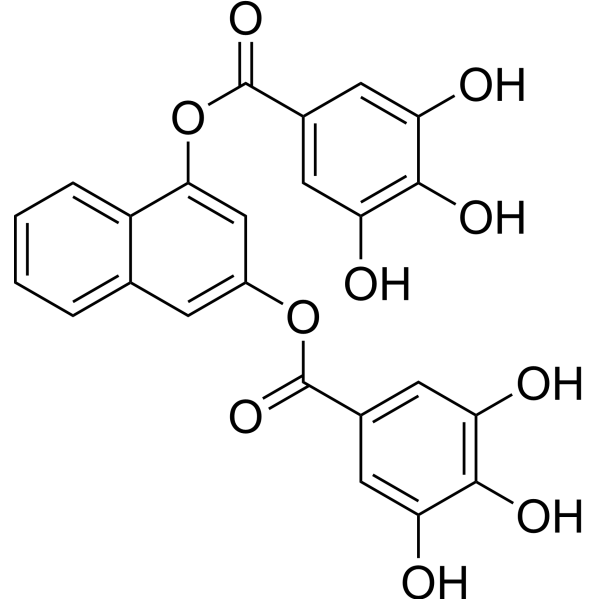
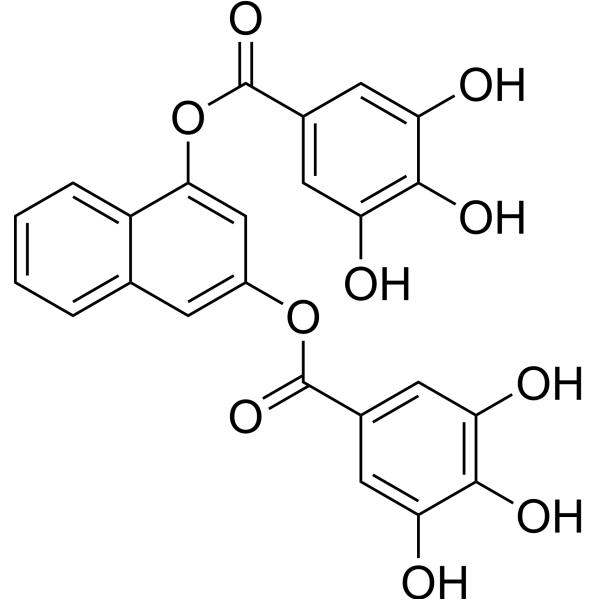
UCM05 (Standard) is the analytical standard of Lysipressin. This product is intended for research and analytical applications. UCM05 (G28UCM) is a fatty acid synthase (FASN) and filamentous temperature-sensitive protein Z (Ftsz) inhibitor. UCM05 inhibits fatty acid synthesis, viral replication, and Gram-positive bacterial growth. UCM05 binds to FtsZ GTP-binding sites, inhibits GTPase activity, and disrupts Z-ring localization. UCM05 can be used for the research of HSV-1/2 infection, HIV-1 infection, and Gram-positive bacterial infections[1][2][3].
Nur für Forschungszwecke. Wir verkaufen nicht an Patienten.
- CAS. Nr.: 1094451-90-7
- Formel: C24H16O10
- Molecular Weight:464.38
-
Speicherung:
Please store the product under the recommended conditions in the Certificate of Analysis.

To place orders, for customer services and technical support, please contact: MedChemExpress USA
Tel: 609-228-6898 E-mail: [email protected] [email protected]


-
 Product Information
-
Chemical Information
- Reinheit & Dokumentation
-
 Help & FAQs


-
HY-110354
UCM05FASN Inhibitor -
HY-A0210
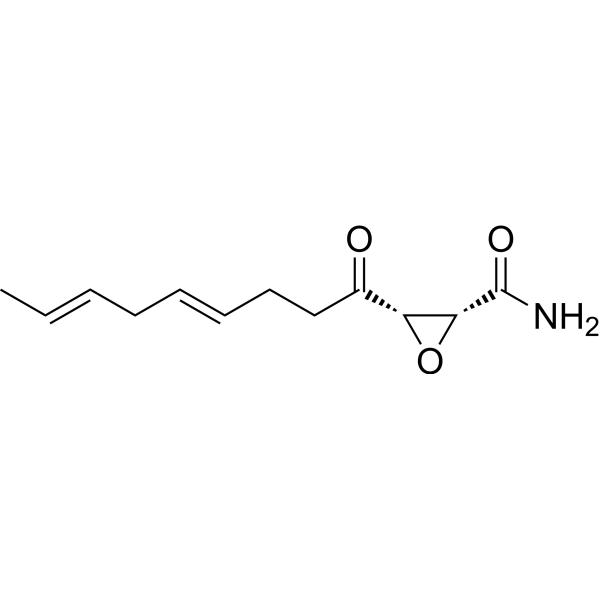
CeruleninFASN Inhibitor -
HY-117769
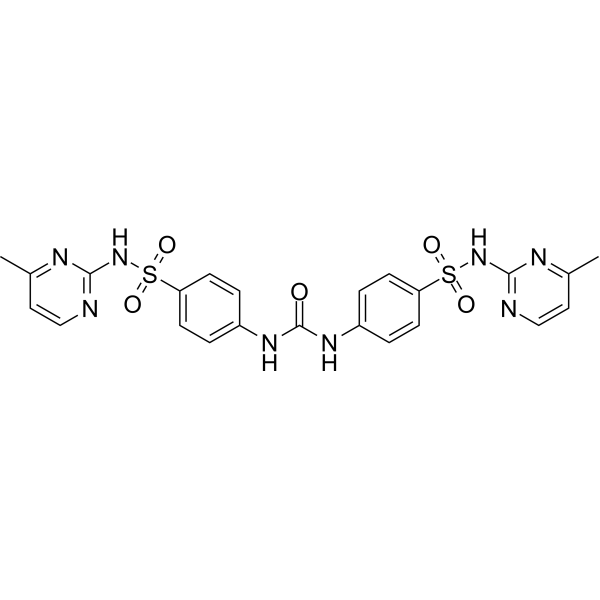
GSK837149AFASN Inhibitor -
HY-12364
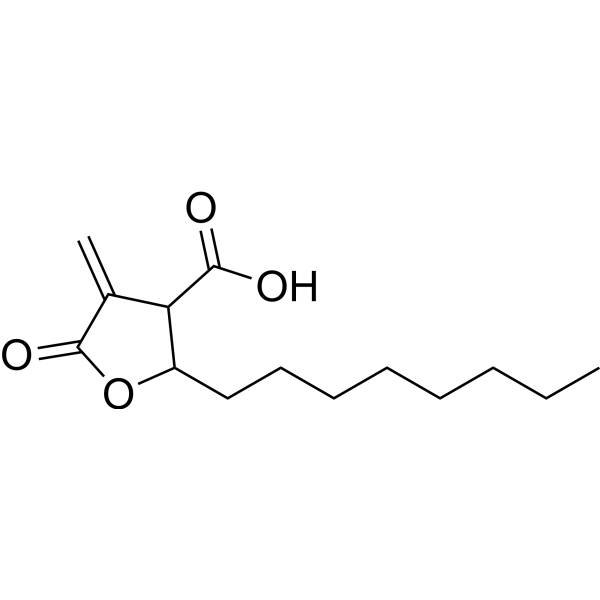
C75Fatty Acid Synthase Inhibitor -
HY-14452
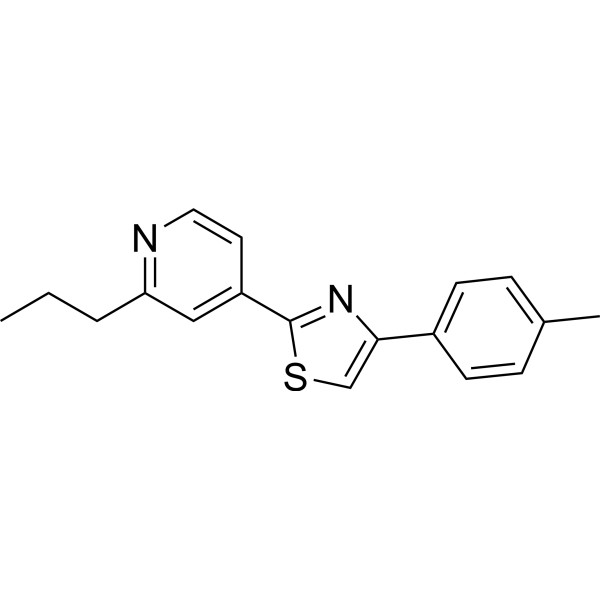
FatostatinSREBP Activation Inhibitor -
HY-111551
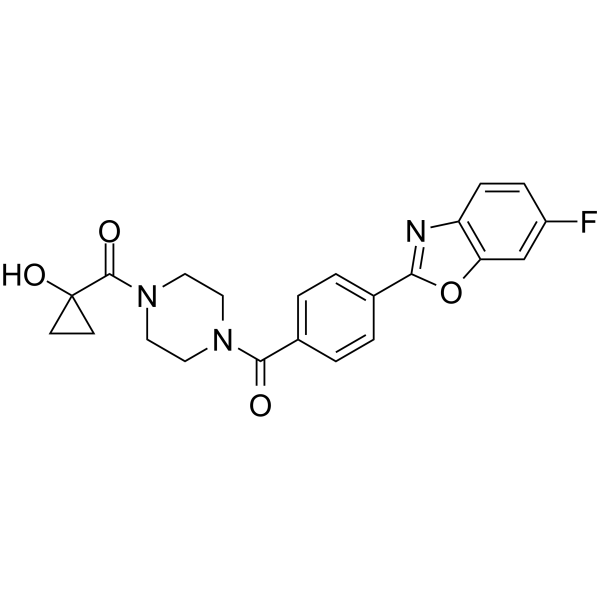
FT113FASN Inhibitor -
HY-16046
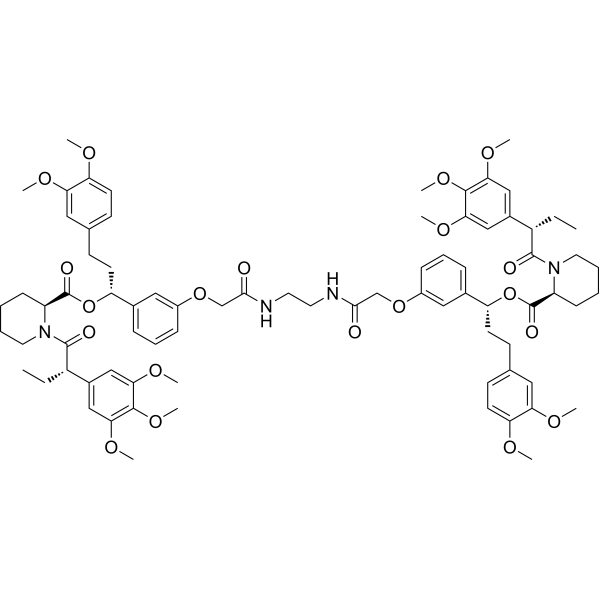
RimiducidDimerization Inducer -
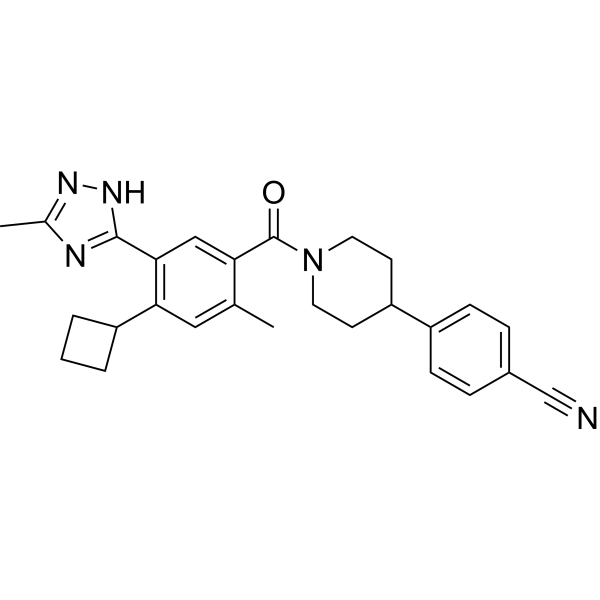
HY-112829
DenifanstatFASN Inhibitor -
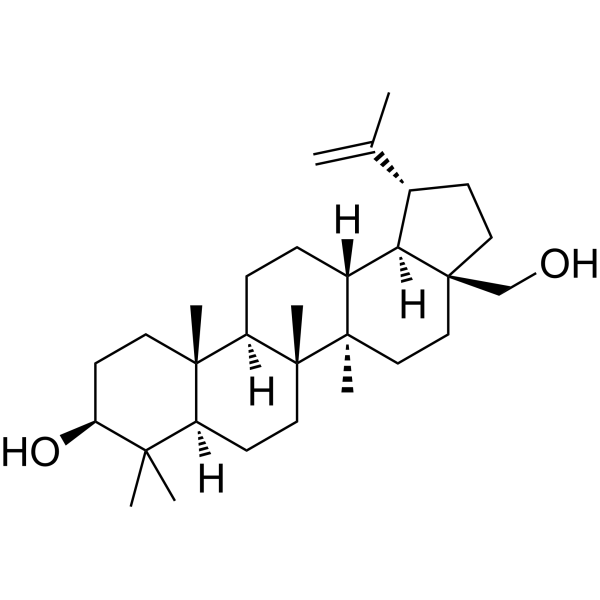
HY-N0083
BetulinEndogenous Metabolite -

HY-118147
ML356FAS Inhibitor -
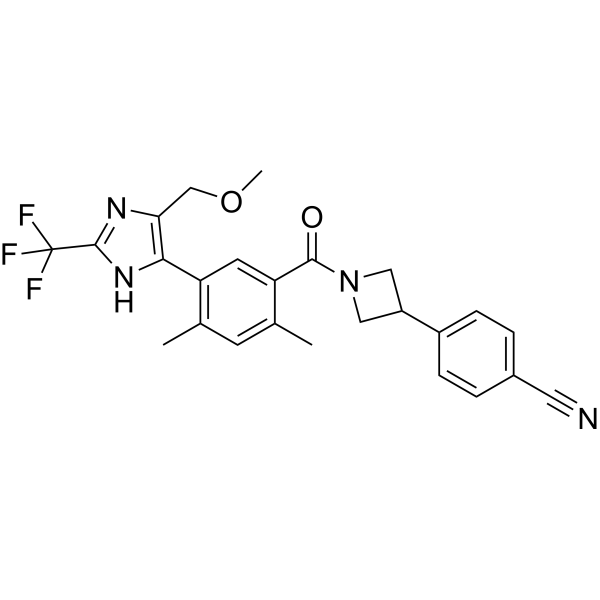
HY-120062
TVB-3664FASN Inhibitor -
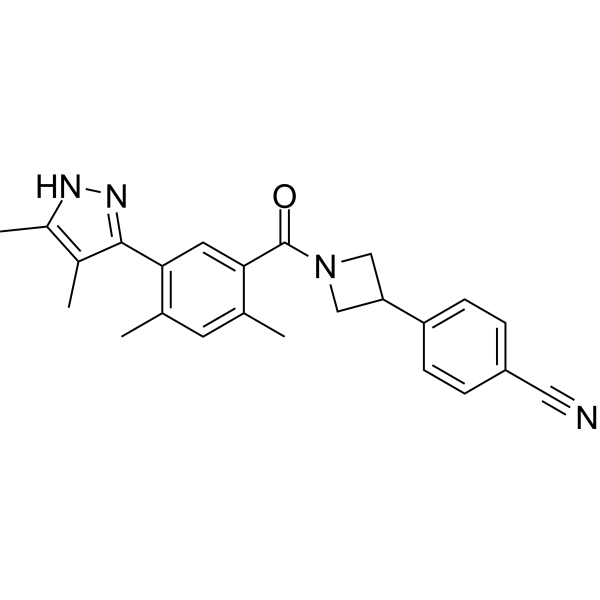
HY-120394
TVB-3166FASN Inhibitor


Product Information
Information
Anwendung
The compound is the grade of analytical standard, which is the reference standard supplied assay. It is commonly used in qualitative, quantitative and methodological research experiments in HPLC, GC and MS.


Chemical Information
-
CAS. Nr. 1094451-90-7
-
Molecular Weight 464.38
-
Formel C24H16O10
-
SMILES
O=C(OC1=CC(OC(C2=CC(O)=C(C(O)=C2)O)=O)=CC3=CC=CC=C31)C4=CC(O)=C(C(O)=C4)O
-
Synonyms
G28UCM (Standard)
-
Versand
Room temperature in continental US; may vary elsewhere.
-
Speicherung
Please store the product under the recommended conditions in the Certificate of Analysis.


Reinheit & Dokumentation
Verweise
[1]. Li S, et al. Small molecule UCM05 inhibits HSV-2 infection via targeting viral glycoproteins and fatty acid synthase with potentiating antiviral immunity. Virol J. 2025;22(1):249. Published 2025 Jul 19. [Content Brief]
[2]. Ruiz-Avila LB, et al. Synthetic inhibitors of bacterial cell division targeting the GTP-binding site of FtsZ. ACS Chem Biol. 2013 Sep 20;8(9):2072-83. [Content Brief]
[3]. Tripathy S, et al. FtsZ inhibitors as a new genera of antibacterial agents. Bioorg Chem. 2019 Oct;91:103169. [Content Brief]

Calculators
Konzentration (Stammlösung) × Volumen (Stammlösung) = Konzentration (Ziellösung) × Volumen (Ziellösung)


UCM05 (Standard) Related Classifications
HY-110354R Related Classifications
 Powered by Bioz