1. Search Result
Search Result
Results for "

human bodies

" in MedChemExpress (MCE) Product Catalog:

90

Inhibitors & Agonists

15

Screening Libraries

2

Fluorescent Dyes

7

Biochemical Assay Reagents

16

Peptides

1

MCE Kits

2

Inhibitory Antibodies

17

Natural
Products

6

Isotope-Labeled Compounds

3

Oligonucleotides

Cat. No. Product Name Target Research Areas Chemical Structure
  • HY-111355B

    Sirtuin Endogenous Metabolite PKC AMPK DOCK Metabolic Disease Inflammation/Immunology Cancer
    Cholesterol sulfate sodium is a naturally occurring, orally active cholesterol derivative that is widely distributed in various tissues and body fluids. Cholesterol sulfate sodium acts as a DOCK2 inhibitor, with IC50 values of 2 μM and 2.9 μM against mouse and human targets, respectively. Cholesterol sulfate sodium restricts excessive neutrophil infiltration and alleviates intestinal inflammation and damage. Cholesterol sulfate sodium serves as an activator of protein kinase C (PKC), which promotes squamous cell differentiation and inhibits skin carcinogenesis. Cholesterol sulfate sodium regulates cholesterol homeostasis and cellular metabolism by activating the AMPK-Sirt1 pathway. Cholesterol sulfate sodium can be used in research related to actinic keratitis, ulcerative colitis, skin cancer, and other conditions .
    Cholesteryl sulfate sodium
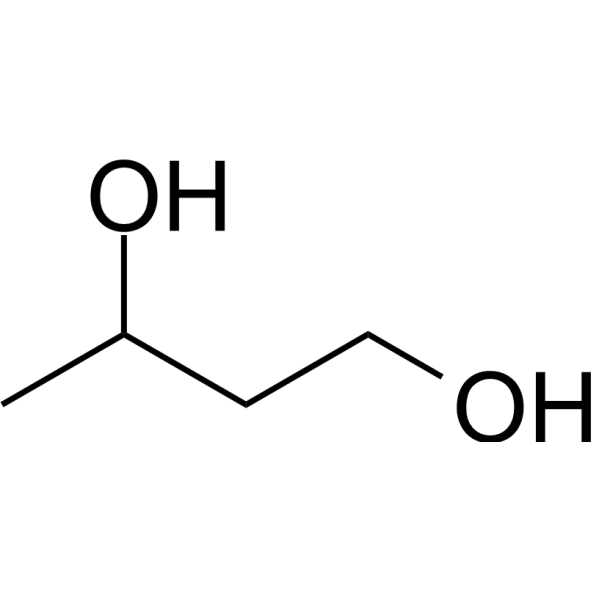
  • HY-77490A
    1,3-Butanediol
    1 Publications Verification

    Environmental Pollutants Endogenous Metabolite Cardiovascular Disease Neurological Disease
    1,3-Butanediol, an orally active ethanol dimer providing a source of calories for human nutrition. 1,3-Butanediol administeration can stimulate the biosynthesis of the ketone body, β-hydroxybutyrate (βHB). 1,3-Butanediol has cerebral protective and hypoglycaemic effect .
    1,3-Butanediol
  • HY-P10798A

    LY-3841136 sodium

    Amylin Receptor Calcium Channel Metabolic Disease
    Eloralintide sodium is an Amylin Receptor agonist. Eloralintide sodium selectively activates AMY1R and AMY3R in cells expressing human or rat AMY1R, AMY3R or CTR. Eloralintide sodium activates AMYRs and CTR in rats, inducing a sustained decrease in plasma Ca 2+ levels. Eloralintide sodium reduces appetite and body weight in both lean and obese rats. Eloralintide sodium can be used for research related to obesity .
    Eloralintide sodium
  • HY-P11245A

    Amylin Receptor Metabolic Disease
    NN1213 acetate, a long-acting human amylin peptide analog, is a selective Amylin receptor agonist with EC50 values of 0.177 and 0.262 nM for hAMY3R and rAMY3R, respectively. NN1213 acetate significantly reduces food intake and fat mass. NN1213 acetate can reduce body weightin diet-induced obese rats. NN1213 acetate can be used for the research of obesity .
    NN1213 acetate
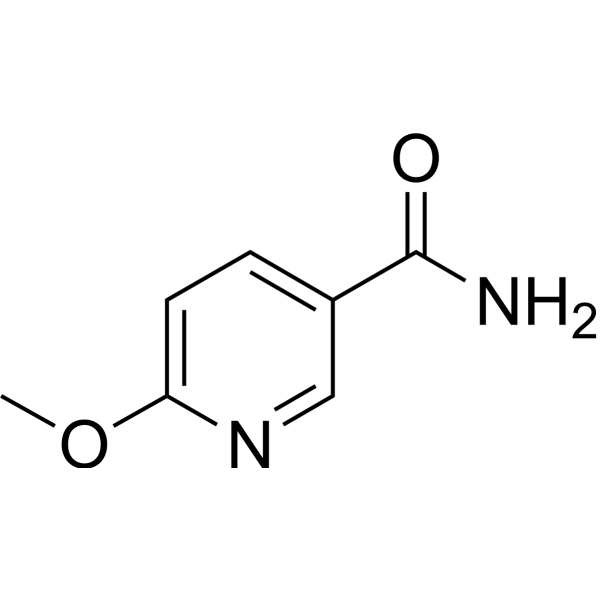
  • HY-112584
    JBSNF-000088
    5+ Cited Publications

    6-Methoxynicotinamide

    Amine N-methyltransferase Metabolic Disease
    JBSNF-000088 (6-Methoxynicotinamide), a analog of nicotinamide (NA), is a potent and orally active Nicotinamide N-methyltransferase (NNMT) inhibitor with IC50s of 1.8 µM, 2.8 µM, and 5.0 µM for human NNMT, monkey NNMT and mouse NNMT, respectively. JBSNF-000088 inhibits NNMT activity, reduces MNA levels and drives insulin sensitization, glucose modulation and body weight reduction in animal models of metabolic disease .
    JBSNF-000088
  • HY-113110

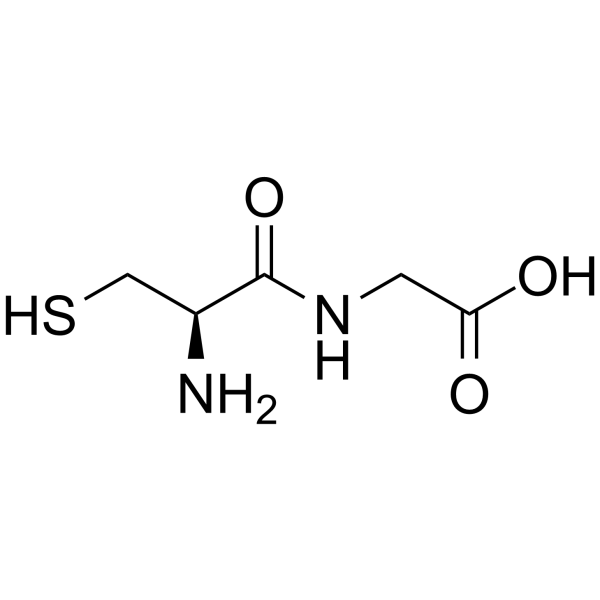
    L-Cysteinylglycine; Cys-Gly; H-Cys-Gly-OH

    Endogenous Metabolite Reactive Oxygen Species (ROS) DNA/RNA Synthesis Cardiovascular Disease Cancer
    Cysteinylglycine (L-Cysteinylglycine; Cys-Gly) is a dipeptide formed by the peptide bond linkage between cysteine (Cysteine) and glycine (Glycine). Cysteinylglycine is an important metabolic intermediate in the human body, mainly derived from the degradation of glutathione (GSH). Cysteinylglycine reduces ferric iron to ferrous iron, drives the redox cycle of iron, generates reactive oxygen species (ROS), stimulates oxidative reactions, induces lipid peroxidation of human plasma LDL lipoproteins, and causes oxidative damage to DNA bases. Cysteinylglycine can be used as a biomarker to evaluate ischemic heart disease, breast cancer and other conditions .
    Cysteinylglycine
  • HY-101898
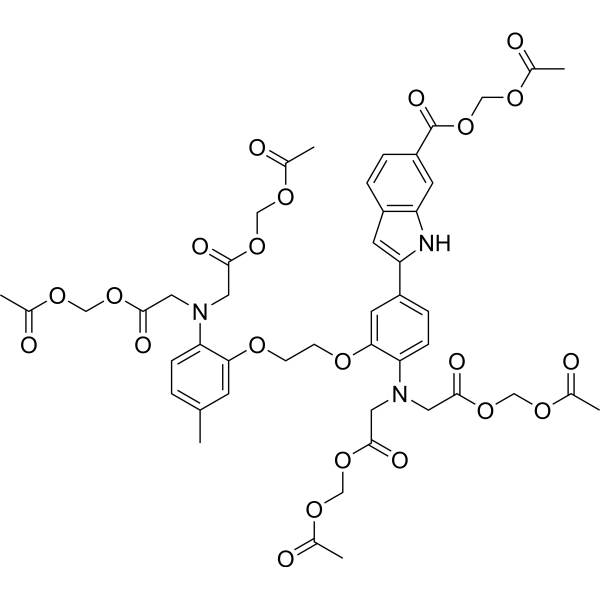
    Indo-1 AM
    1 Publications Verification

    Indo-1 Acetoxymethyl ester

    Fluorescent Dye Others
    Calcium is an important part of the human body, usually in the form of calcium, a large number of bones and teeth of the human body, a small amount of blood and tissues. MCE calcium ion detection probe can specifically identify intracellular calcium ions, with high sensitivity, low cytotoxicity, increased AM acetylmethyl ester can enter the cell well, after being sheared by the intracellular esterase stay in the cell to bind to calcium ions, produce strong fluorescence, in addition, Mag-indo-1/AM and Mag-Fluo-4 AM at a certain concentration (usually 5 mM) can effectively identify intracellular magnesium ions .
    Indo-1 AM
  • HY-W010589

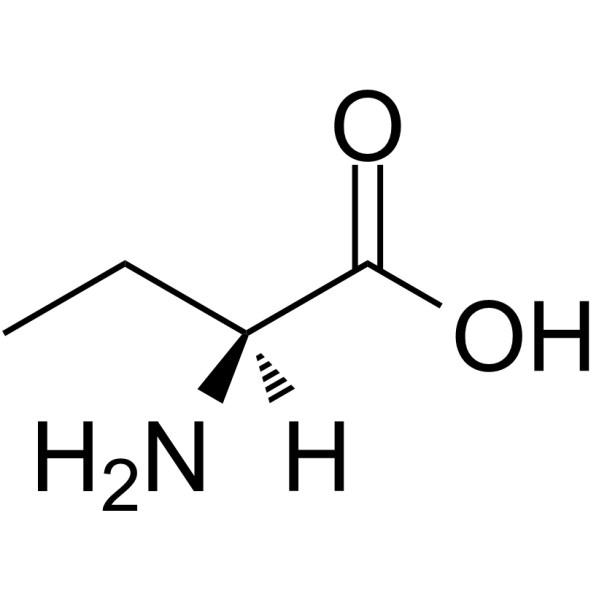
    H-Abu-OH

    Endogenous Metabolite Drug Intermediate Metabolic Disease
    L-2-Aminobutyric acid (H-Abu-OH) is a non-proteinogenic amino acid that exists in human tissues and body fluids. L-2-Aminobutyric acid is formed by the transamination of oxobutyric acid. L-2-Aminobutyric acid can serve as a precursor for anticonvulsant and anti-tuberculosis agents and is a key intermediate in the chemical and pharmaceutical industries.
    L-2-Aminobutyric acid
  • HY-124529

    11β-HSD Endogenous Metabolite Metabolic Disease Inflammation/Immunology Cancer
    Lunularin is an inhibitor of 11β-hydroxysteroid dehydrogenase 1, with an IC50 of 45.44 μM and a Ki of 35.8 μM against human 11β-HSD1, and an IC50 of 17.39 μM and a Ki of 10.31 μM against rat 11β-HSD1. Lunularin upregulates the transcription levels of Sirt1 and Hmox1 genes in the liver. Lunularin reduces food intake and body weight gain, and decreases blood glucose levels in mice fed a high-fat diet. Lunularin inhibits LPS-induced TLR4-mediated NF-κB pathway activation and nitric oxide production. Lunularin inhibits the proliferation and colony formation of renal cancer and colon cancer cells, and exhibits cancer cell-specific cytotoxicity. Lunularin binds to the steroid-binding site of human 11β-HSD1 and the steroid/NADPH-binding region of rat 11β-HSD1, but does not inhibit 11β-HSD2 or mouse 11β-HSD1. Lunularin can be used in research related to diet-induced obesity, renal cancer, colorectal cancer, inflammatory diseases and metabolic syndrome .
    Lunularin
  • HY-129328
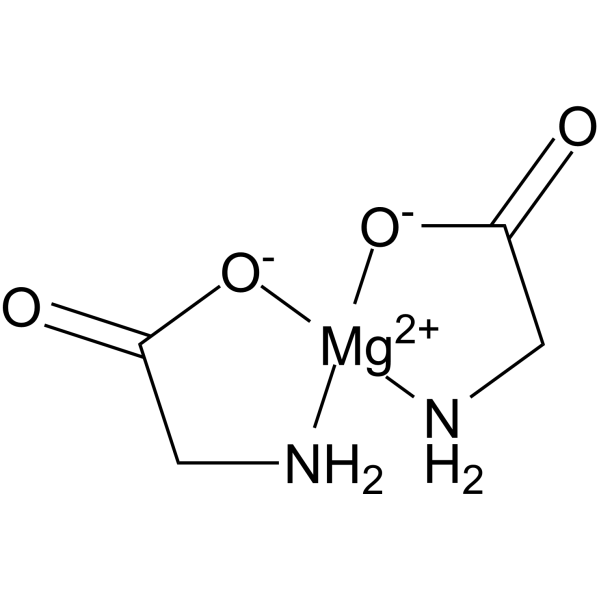
    Magnesium glycinate
    1 Publications Verification

    Magnesium bisglycinate; Magnesium diglycinate

    Biochemical Assay Reagents Cancer
    Magnesium glycinate (Magnesium bisglycinate), the magnesium salt of glycine, is a nutrient supplement. Magnesium glycinate has satisfactory physico-chemical properties and bioactivities. Metal glycinate chelates are formed by glycine and metal compounds through chemical reactions. Magnesium is an essential mineral that plays a critical role in the human body. Magnesium takes part in the process of energy metabolism and assists the maintenance of normal muscle function .
    Magnesium glycinate
  • HY-117427
    D5D-IN-326
    2 Publications Verification

    Stearoyl-CoA Desaturase (SCD) Metabolic Disease
    D5D-IN-326 is a selective, orally active delta-5 desaturase (D5D) inhibitor, with IC50s of 72 and 22 nM for rat and human D5D in enzymic and cell-based assays, respectively, has no effect on D6D or D9D activity. D5D-IN-326 reduces insulin resistance and decreases body weight in diet-induced obese C57BL/6J mice .
    D5D-IN-326
  • HY-111355

    Endogenous Metabolite DOCK PKC AMPK Sirtuin Metabolic Disease Inflammation/Immunology Cancer
    Cholesterol sulfate is a naturally occurring, orally active cholesterol derivative that is widely distributed in various tissues and body fluids. Cholesterol sulfate acts as a DOCK2 inhibitor, with IC50 values of 2 μM and 2.9 μM against mouse and human targets, respectively. Cholesterol sulfate restricts excessive neutrophil infiltration and alleviates intestinal inflammation and damage. Cholesterol sulfate serves as an activator of protein kinase C (PKC), which promotes squamous cell differentiation and inhibits skin carcinogenesis. Cholesterol sulfate regulates cholesterol homeostasis and cellular metabolism by activating the AMPK-Sirt1 pathway. Cholesterol sulfate can be used in research related to actinic keratitis, ulcerative colitis, skin cancer, and other conditions .
    Cholesterol sulfate
  • HY-W004546

    MOFs MMP Parasite Infection
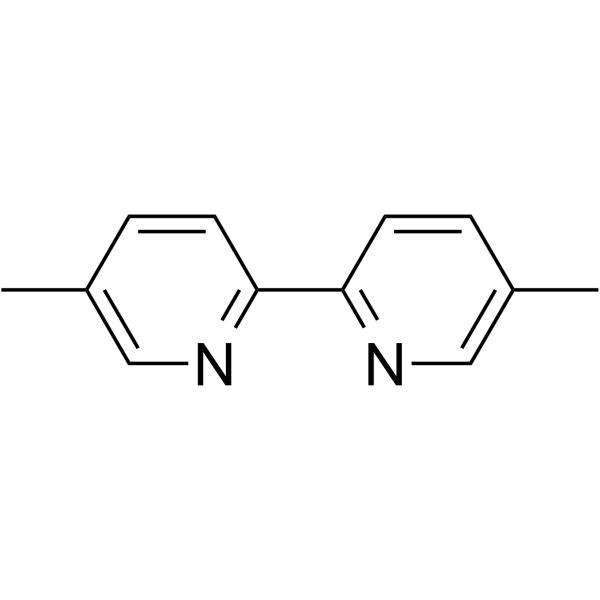
    Abametapir is a metalloproteinase (MMP) inhibitor which is able to target metalloproteinases critical to egg hatching and louse development. Abametapir can inhibit hatching of both head and body louse .
    Abametapir
  • HY-30170

    Endogenous Metabolite Adrenergic Receptor Neurological Disease
    N-Methylphenethylamine is an indirectly acting sympathomimetic amine that is formed via PNMT-catalyzed N-methylation of phenethylamine (PEA) in the human body. N-Methylphenethylamine exhibits affinity for β-adrenergic receptors on the surface of cancer cells or bacterial cells. N-Methylphenethylamine can be used for neurotransmitter research or as a pharmaceutical intermediate .
    N-Methylphenethylamine
  • HY-P11245

    Amylin Receptor Metabolic Disease
    NN1213, a long-acting human amylin peptide analog, is a selective Amylin receptor agonist with EC50 values of 0.177 and 0.262 nM for hAMY3R and rAMY3R, respectively. NN1213 significantly reduces food intake and fat mass. NN1213 can reduce body weightin diet-induced obese rats. NN1213 can be used for the research of obesity .
    NN1213
  • HY-W089800

    trans-2-Nonen-1-al

    COX Lipoxygenase Apoptosis Cardiovascular Disease Inflammation/Immunology
    trans-2-Nonenal (trans-2-Nonen-1-al) is an endogenous peroxidation product of polyunsaturated fatty acids, acting as an inhibitor of COX and 12-LOX, as well as an inducer of apoptosis. trans-2-Nonenal is also a malodorous compound secreted by the human body, and its content gradually increases with aging. trans-2-Nonenal inhibits the activities of multiple enzymes such as platelet membrane-bound PTPase, preferentially covalently modifies proteins at lysine residues to form immunogenic adducts, and regulates platelet Arachidonic acid (HY-109590) metabolism. trans-2-Nonenal also exhibits significant cytotoxicity, reduces the viability of keratinocytes, promotes their apoptosis, and effectively decreases the thickness of epidermal models and the number of proliferating cells. trans-2-Nonenal is commonly used in studies of thrombotic, atherosclerotic diseases, renal adenocarcinoma, etc. .
    trans-2-Nonenal
  • HY-P10943

    Fluorescent Dye Inflammation/Immunology Cancer
    APO-15 is a phosphatidylserine-binding fluorescent probe and apoptosis imaging reagent. APO-15 exhibits high chemical stability under proteolytic and oxidative conditions, enables quantification and imaging of drug-induced apoptosis in preclinical mouse models, and is applicable to fixed tissue samples and multiple in vivo administration routes (Ex = 488 nm; Em = 525 nm). APO-15 can be used in studies related to acute lung injury and breast cancer .
    APO-15
  • HY-B0399S
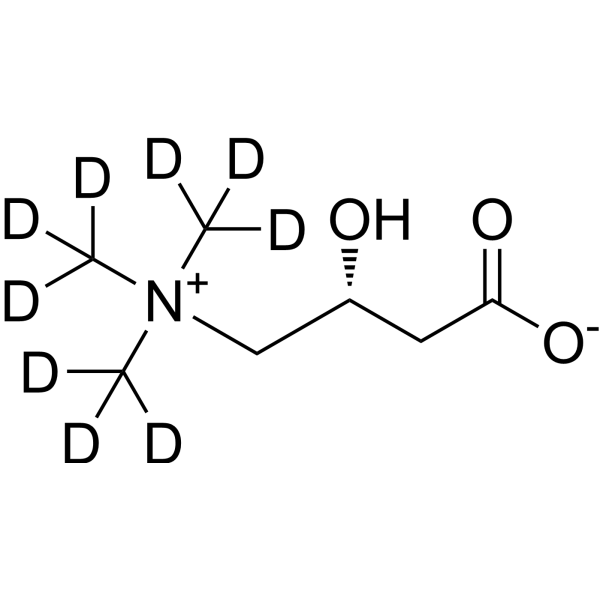
    L-Carnitine-d9
    1 Publications Verification

    (R)-Carnitine-d9; Levocarnitine-d9

    Isotope-Labeled Compounds Endogenous Metabolite Neurological Disease Metabolic Disease
    L-Carnitine-d9 is the deuterium labeled L-Carnitine. L-Carnitine (Levocarnitine) is an endogenous molecule involved in fatty acid metabolism, biosynthesized within the human body using amino acids: L-lysine and L-methionine, as substrates. L-Carnitine functions to transport long chain fatty acyl-CoAs into the mitochondria for degradation by β-oxidation. L-carnitine can ameliorate metabolic imbalances in many inborn errors of metabolism .
    L-Carnitine-d9
  • HY-N0046

    Notoginseng triterpenes; Ginsenoside Mb

    Apoptosis Src Neurological Disease Metabolic Disease Cancer
    Notoginsenoside Fe (Notoginseng triterpenes; Ginsenoside Mb) is a saponin with anti-obesity and anti-neuroblastoma activities. Notoginsenoside Fe can be isolated from leaves of Panax notoginseng. Notoginsenoside Fe specifically activates paraventricular nucleus neurons in the hypothalamus, effectively reducing body weight, improving fasting blood glucose and protecting liver function by decreasing food intake, increasing resting metabolic rate and enhancing energy expenditure. Notoginsenoside Fe also inhibits the c-Src signaling pathway, blocks the proliferation and viability of human neuroblastoma cells, while improving mitochondrial dysfunction and alleviating apoptosis. Notoginsenoside Fe can be used in studies related to diet-induced obesity and neuroblastoma .
    Notoginsenoside Fe
  • HY-P5523A

    NOD-like Receptor (NLR) NF-κB Interleukin Related Metabolic Disease
    iE-DAP dihydrochloride is a Nod1 agonist. iE-DAP dihydrochloride activates NOD1, which in turn activates the NF-κB signaling pathway and MLCK signaling pathway, inducing cellular inflammatory responses and tight junction disruption. iE-DAP dihydrochloride downregulates the expression of ZO-1 and Occludin genes. iE-DAP dihydrochloride increases the secretion of IL-6, GRO-α, MCP-1, IL-8 and MIP-1β in term human trophoblast cell cultures. iE-DAP dihydrochloride triggers preterm birth in pregnant mice, reduces fetal body weight, and induces fetal inflammation. iE-DAP dihydrochloride can be used in studies related to mastitis and preterm birth .
    iE-DAP dihydrochloride
  • HY-N15388

    Drug Derivative Cancer
    Hericenone A is an isoindolinone found in the fruiting bodies of Hericium erinaceus. Hericenone A exerts cytotoxic activity against cancer cells. Hericenone A can be used for the research of cancer, such as metastatic human hepatocellular carcinoma .
    Hericenone A
  • HY-W006449

    Drug Derivative Others
    PNU-105368 is a metabolite of Linezolid (HY-10394) . PNU-105368 exists mainly in the form of the original form and two metabolites in the human body and is excreted through the kidneys and feces .
    PNU-105368
  • HY-W009411

    Fluorescent Dye Others
    Dansyl hydrazine is a carbohydrate-specific fluorescent dye (Ex/Em = 340 nm/525 nm). Dansyl hydrazine undergoes a condensation reaction with aldehyde groups generated by periodate oxidation on carbohydrate-containing structures to form fluorescent hydrazone compounds. Dansyl hydrazine selectively stains polysaccharides in formalin-fixed, paraffin-embedded human post-mortem brain tissues, revealing detailed structural features. Dansyl hydrazine is applicable to research related to Alzheimer's disease, Lafora disease, and polyglucosan body disease .
    Dansyl hydrazine
  • HY-113118

    5-Acetylamino-6-amino-3-methyluracil

    Endogenous Metabolite Others
    AAMU (5-Acetylamino-6-amino-3-methyluracil) is the main metabolite of caffeine in the human body .
    AAMU
  • HY-122964

    Cannabinoid Receptor Metabolic Disease
    URB447 is a peripherally restricted CB1 cannabinoid antagonist (IC50: 313 nM and 41 nM for rat CB1 and human CB2 receptor respectively ). URB447 lowers food intake and body-weight gain in mice without entering the brain or antagonizing central CB1-dependent responses. URB447 can be used for research of obesity .
    URB447
  • HY-W010934

    Biochemical Assay Reagents Others
    3β,5α,6β-Trihydroxycholestane is a steroid that occurs naturally in the body and is also found in certain foods. It belongs to a class of compounds known as cholestanes, which are closely related to the better known cholesterol. This particular compound is formed from cholesterol through a series of enzymatic reactions in the liver and other organs. It has been studied for its potential health benefits, including its ability to reduce inflammation and oxidative stress in the body. Some research suggests that it may also play a role in regulating blood sugar levels and improving insulin sensitivity. Despite these potential benefits, 3β,5α,6β-Trihydroxycholestane is not widely used as a supplement or medicine due to its relatively low content, focus on natural resources and limited research. However, researchers continue to investigate its potential uses and effects on human health.
    3β,5α,6β-Trihydroxycholestane
  • HY-N6674

    ECO-4601; TLN-4601; BU 4664L

    Apoptosis Bacterial Cathepsin Parasite Endogenous Metabolite Infection Inflammation/Immunology Cancer
    Diazepinomicin (ECO-4601) is an anticancer and antibacterial agent. Diazepinomicin can be produced by a Micromonospora strain. Diazepinomicin induces Apoptosis. Diazepinomicin inhibits the proteases Rhodesain and Cathepsin L at an IC50 of 70-90 μM. Diazepinomicin possesses anti-inflammatory and anti-tumor activity. Diazepinomicin has demonstrated activity against hepatocellular carcinoma. Diazepinomicin shows antiparasitic activity against trypomastigote forms of Trypanosoma brucei with an IC50 of 13.5 μM. Diazepinomicin exhibits moderate antibacterial activity against specific Gram-positive bacteria, with an MIC of approximately 32 μg/mL .
    Diazepinomicin
  • HY-E70121

    Endogenous Metabolite Mitochondrial Metabolism Neurological Disease Metabolic Disease Inflammation/Immunology
    Succinyl-CoA synthetase is a mitochondrial matrix enzyme and catalyst. Succinyl-CoA synthetase supports TCA, ketone and heme metabolism and is activated by mitochondrial phosphate. Succinyl-CoA synthetase distributes broadly across mammalian tissues with distinct substrate-related biochemical features. Succinyl-CoA synthetase gains structural stability after phosphorylation and relies on SUCLG1-encoded subunit for activity. Succinyl-CoA synthetase malfunction links to metabolic and neurological disorders. Succinyl-CoA synthetase serves as a research tool for mitochondrial hepatoencephalomyopathy .
    Succinyl-CoA synthetase
  • HY-109513
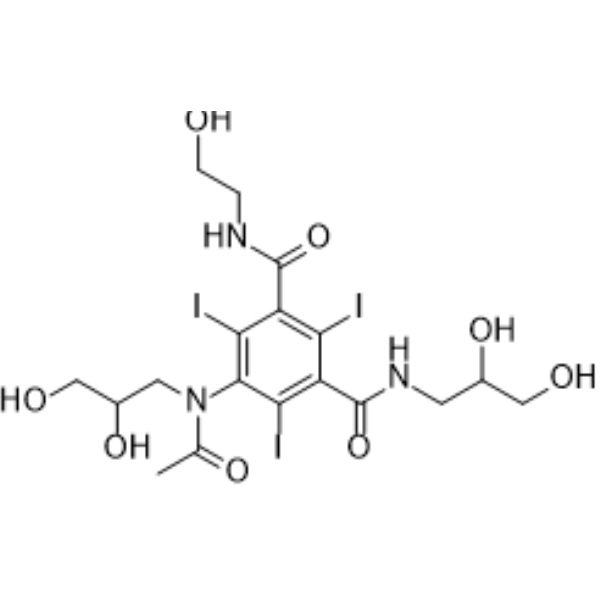
    Ioxilan
    1 Publications Verification

    Biochemical Assay Reagents Others
    Ioxilan is a low-osmolar, nonionic and tri-iodinated diagnostic contrast agent. Ioxilan is also an X-ray contrast agent for excretory urography and contrast enhanced computed tomographic (CECT) imaging of the head and body. Intravascular injection results in opacification of vessels in the path of flow of the contrast medium, permitting radiographic visualization of the internal structures of the human body until significant hemodilution occurs .
    Ioxilan
  • HY-W770183

    Isotope-Labeled Compounds Others
    Uric acid- 13C3 is 13C-labeled Uric acid (HY-B2130). Uric acid is the end product of purine metabolism in the human body. Uric acid can scavenge reactive oxygen species (ROS), such as singlet oxygen and peroxynitrite, and inhibit lipid peroxidation.
    Uric acid-13C3
  • HY-E70599

    Carboxylesterase (CES) Metabolic Disease
    Human CES2 Enzyme is a carboxylesterase involved in drug metabolism and lipid homeostasis. Human CES2 Enzyme hydrolyzes triglycerides, cholesteryl esters and retinyl esters to regulate lipid metabolism and energy homeostasis. Human CES2 Enzyme improves glucose tolerance and insulin sensitivity, reduces hepatic lipid accumulation, alleviates white adipose tissue steatitis, decreases plasma cholesterol levels, and reduces body weight and white adipose tissue weight. Human CES2 Enzyme can be used in the research of metabolic syndrome .
    Human CES2 Enzyme
  • HY-W014226

    Drug Intermediate Ser/Thr Protease Others
    4,4'-Dihydroxybenzophenone is a type of phenolic ultraviolet absorber and a drug intermediate for synthesis of various anticancer active compounds (such as Sivifene (HY-14801)). 4,4'-Dihydroxybenzophenone binds to the active site of trypsin with binding constants (KA = 7.59 x 10 5 L/moL) and leads to abnormal structure of trypsin, suggesting that long-term intake may affect the digestive function of the human body. 4,4’-dihydroxybenzophenone has a relatively low toxicity to Chlorella vulgaris and a moderate toxicity to Daphnia magna .
    4,4'-Dihydroxybenzophenone
  • HY-P5523

    NOD-like Receptor (NLR) NF-κB Interleukin Related Metabolic Disease
    iE-DAP is a Nod1 agonist. iE-DAP activates NOD1, which in turn activates the NF-κB signaling pathway and MLCK signaling pathway, inducing cellular inflammatory responses and tight junction disruption. iE-DAP downregulates the expression of ZO-1 and Occludin genes. iE-DAP increases the secretion of IL-6, GRO-α, MCP-1, IL-8 and MIP-1β in term human trophoblast cell cultures. iE-DAP triggers preterm birth in pregnant mice, reduces fetal body weight, and induces fetal inflammation. iE-DAP is applicable to research related to mastitis and preterm birth .
    iE-DAP
  • HY-111355S

    Isotope-Labeled Compounds Sirtuin Endogenous Metabolite PKC AMPK DOCK Metabolic Disease Inflammation/Immunology Cancer
    Cholesterol sulfate sodium-d7 is the deuterium labeled Cholesterol sulfate sodium. Cholesterol sulfate sodium is a naturally occurring, orally active cholesterol derivative that is widely distributed in various tissues and body fluids. Cholesterol sulfate sodium acts as a DOCK2 inhibitor, with IC50 values of 2 μM and 2.9 μM against mouse and human targets, respectively. Cholesterol sulfate sodium restricts excessive neutrophil infiltration and alleviates intestinal inflammation and damage. Cholesterol sulfate sodium serves as an activator of protein kinase C (PKC), which promotes squamous cell differentiation and inhibits skin carcinogenesis. Cholesterol sulfate sodium regulates cholesterol homeostasis and cellular metabolism by activating the AMPK-Sirt1 pathway. Cholesterol sulfate sodium can be used in research related to actinic keratitis, ulcerative colitis, skin cancer, and other conditions.
    Cholesterol sulfate-d7 sodium
  • HY-113110A

    L-Cysteinylglycine TFA; Cys-Gly TFA; H-Cys-Gly-OH TFA

    Endogenous Metabolite Reactive Oxygen Species (ROS) DNA/RNA Synthesis Cardiovascular Disease Cancer
    Cysteinylglycine (L-Cysteinylglycine; Cys-Gly) TFA is a dipeptide formed by the peptide bond connection of cysteine and glycine. Cysteinylglycine TFA is an important metabolic intermediate in the human body, mainly derived from the degradation of glutathione (GSH). Cysteinylglycine TFA can reduce trivalent iron to divalent iron, driving the redox cycle of iron, generating reactive oxygen species (ROS), stimulating oxidative reactions, inducing lipid peroxidation in human plasma LDL lipoproteins, and causing oxidative damage to DNA base. Cysteinylglycine TFA can be used as a biomarker to assess ischemic heart disease and breast cancer, etc [1][2][3][4].
    Cysteinylglycine TFA
  • HY-P11043

    GLP Receptor Neuropeptide Y Receptor Arrestin Metabolic Disease
    GEP44 is a peptide biased triple agonist targeting Glucagon-like peptide 1 receptor (GLP-1R), neuropeptide Y1 Receptor (Y1-R), and neuropeptide Y2 Receptor (Y2-R). GEP44 induces Y1-R antagonist-controlled, GLP-1R-dependent stimulation of insulin secretion in both rat and human pancreatic islets by counteracting effects of Y1-R and GLP-1R agonism. GEP44 promotes insulin-independent Y1-R-mediated glucose uptake in muscle tissue and significantly reduces food intake and body weight in diet-induced obese rat models. GEP44 can be used for obesity and type 2 diabetes mellitus research .
    GEP44
  • HY-P1421A

    GPR39 Metabolic Disease
    Obestatin(human) TFA is an endogenous peptide derived from the same prepropeptide as ghrelin. Obestatin(human) suppresses food intake and reduce body weight-gain in rats.
    Obestatin(human) TFA
  • HY-W704031

    Drug Metabolite Metabolic Disease
    Prasugrel metabolite 1 (M7 (R-119251)) is one of the inactive metabolites of Prasugrel (HY-15284) in the human body .
    Prasugrel metabolite 1
  • HY-177835

    Liposome Metabolic Disease
    Liposomal Iron is a specialized delivery system that encapsulates inorganic iron within tiny liposomes. These liposomes act as protective shells, enhancing the absorption and bioavailability of iron. Iron is an essential trace element in the human body th
    Liposomal Iron
  • HY-D1701

    Fluorescent Dye Others
    Calcium is an important part of the human body, usually in the form of calcium, a large number of bones and teeth of the human body, a small amount of blood and tissues. MCE calcium ion detection probe can specifically identify intracellular calcium ions, with high sensitivity, low cytotoxicity, increased AM acetylmethyl ester can enter the cell well, after being sheared by the intracellular esterase stay in the cell to bind to calcium ions, produce strong fluorescence, in addition, Mag-indo-1/AM and Mag-Fluo-4 AM at a certain concentration (usually 5 mM) can effectively identify intracellular magnesium ions .
    Mag-Fura-2 AM
  • HY-W552832

    Endogenous Metabolite Metabolic Disease
    10-Oxooctadecanoic acid is an oxo fatty acid that can be isolated from mature adipocere in human remains that have been deceased for 6 months. 10-Oxooctadecanoic acid, together with monohydroxy fatty acids, promotes the enhancement and stabilization of adipocere formation .
    10-Oxooctadecanoic acid
  • HY-B0166D

    Drug Derivative Others
    Niacinamide ascorbate is a micronutrient with radioprotective properties. Niacinamide ascorbate works as an antioxidant along with vitamin C, vitamin E and other compounds to mitigate the risks associated with exposure to ionizing radiation. Niacinamide ascorbate helps reduce the likelihood of radiation-induced diseases such as acute leukemia, breast cancer, thyroid cancer and mutations, thereby protecting the human body from the harmful effects of radiation .
    Niacinamide ascorbate
  • HY-W127851

    Cypridina luciferin analog

    Biochemical Assay Reagents Others Cancer
    CLA, or conjugated linoleic acid, is a polyunsaturated fatty acid that occurs naturally in a variety of animal products, such as meat and dairy. It has several potential benefits for human health, including the ability to reduce body fat mass, improve insulin sensitivity, and reduce inflammation. CLA has been extensively studied for its effects on weight loss and muscle growth, as well as its potential role in preventing chronic diseases such as heart disease and cancer. Additionally, it can be taken as a dietary supplement in capsule form.
    CLA
  • HY-113110R

    L-Cysteinylglycine (Standard); Cys-Gly (Standard); H-Cys-Gly-OH (Standard)

    Reference Standards Endogenous Metabolite Reactive Oxygen Species (ROS) DNA/RNA Synthesis Cardiovascular Disease Cancer
    Cysteinylglycine (Standard) is the analytical standard of Cysteinylglycine. This product is intended for research and analytical applications. Cysteinylglycine is a dipeptide formed by the peptide bond linkage between cysteine (Cysteine) and glycine (Glycine). Cysteinylglycine is an important metabolic intermediate in the human body, mainly derived from the degradation of glutathione (GSH). Cysteinylglycine reduces ferric iron to ferrous iron, drives the redox cycle of iron, generates reactive oxygen species (ROS), stimulates oxidative reactions, induces lipid peroxidation of human plasma LDL lipoproteins, and causes oxidative damage to DNA bases. Cysteinylglycine can be used as a biomarker to evaluate ischemic heart disease, breast cancer and other conditions .
    Cysteinylglycine (Standard)
  • HY-185048

    Drug Intermediate Neurological Disease
    PCB-OAA is a biocompatible multivinyl polycarboxybetaine macromonomer and that exhibits anti-fouling activity. PCB-OAA can form a hydrogel in vitreous cavity and shows an appealing ability to prevent significantly inflammatory response, fibrosis and complications such as raised intraocular pressure, and cataract formation. PCB-OAA can be used for the research of vitreous substitution .
    PCB-OAA
  • HY-12192

    Histamine Receptor Metabolic Disease
    A-423579 is an orally active non-imidazole histamine H3 receptor antagonist. A-423579 exhibits high affinity and good selectivity for human and rat H3 receptors, and possesses both antagonistic and inverse agonistic activities. A-423579 can effectively reduce body weight in obese rodents, with concomitant decreases in fat content, plasma leptin levels, and triglycerides. A-423579 possesses anti-obesity activity and can be used in the research of obesity and related metabolic disorders .
    A-423579
  • HY-18612

    Bombesin Receptor Metabolic Disease
    MK-7725 is a selective, orally active, and blood-brain barrier-permeable agonist of the subtype 3 of the frog skin peptide receptor (BRS-3). MK-7725 has a high affinity for the human BRS-3 (hBRS-3), with an IC50 of 3 nM, and its functional activity in the mouse-derived BRS-3 (mBRS-3) model with an EC50 of 22 nM (105% agonistic). MK-7725 significantly reduces the body weight of obese rats and obese dogs. MK-7725 can be used for the treatment of obesity .
    MK-7725
  • HY-W004546R

    Reference Standards MMP Parasite Infection
    Abametapir (Standard) is the analytical standard of Abametapir. This product is intended for research and analytical applications. Abametapir is a metalloproteinase (MMP) inhibitor which is able to target metalloproteinases critical to egg hatching and louse development. Abametapir can inhibit hatching of both head and body louse .
    Abametapir (Standard)
  • HY-P5063

    Neuropeptide Y Receptor Metabolic Disease
    Galanin-Like Peptide (human) is a 60 amino acid neuropeptide. Galanin-Like Peptide (human) plays an important role in the regulation of feeding, body weight and energy metabolism .
    Galanin-Like Peptide (human)
  • HY-139428

    Drug Metabolite Others
    Hydroxydehydro Nifedipine Carboxylate is an inactive metabolite formed by the oxidative biotransformation of Nifedipine (HY-B0284) in the human body .
    Hydroxydehydro Nifedipine Carboxylate

Inquiry Online

Your information is safe with us. * Required Fields.

Salutation


Country or Region *

Applicant Name *


Organization Name *

Department *


Email Address *


Product Name *

Cat. No.


Requested quantity *

Phone Number *


Remarks

Inquiry Online

Inquiry Information

Product Name:
Cat. No.:
Quantity:
MCE Japan Authorized Agent:

