
1. Search Result
Search Result
Pathways Recommended: Stem Cell/Wnt Cell Cycle/DNA Damage
Results for "

human hepatoma cells

" in MedChemExpress (MCE) Product Catalog:

55

Inhibitors & Agonists

1

Fluorescent Dyes

1

Inhibitory Antibodies

25

Natural
Products

4

Isotope-Labeled Compounds

1

Oligonucleotides

Cat. No. Product Name Target Research Areas Chemical Structure
  • HY-B0075
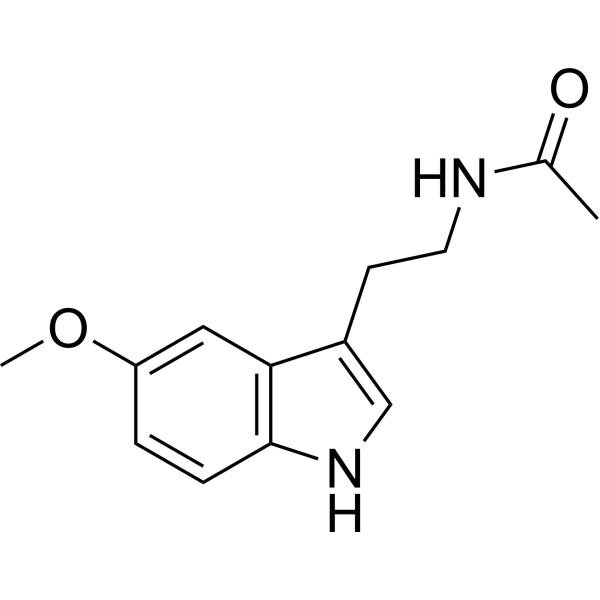
    Melatonin
    Maximum Cited Publications
    137 Publications Verification

    N-Acetyl-5-methoxytryptamine

    Melatonin Receptor Autophagy Mitophagy Endogenous Metabolite Apoptosis PANoptosis Infection Neurological Disease Inflammation/Immunology Cancer
    Melatonin is a hormone made by the pineal gland that can activate melatonin receptor and inhibit PANoptosis. Melatonin plays a role in sleep and possesses important antioxidative and anti-inflammatory properties . Melatonin is a novel selective ATF-6 inhibitor and induces human hepatoma cell apoptosis through COX-2 downregulation . Melatonin attenuates palmitic acid-induced (HY-N0830) mouse granulosa cells apoptosis via endoplasmic reticulum stress .
    Melatonin
  • HY-N0164
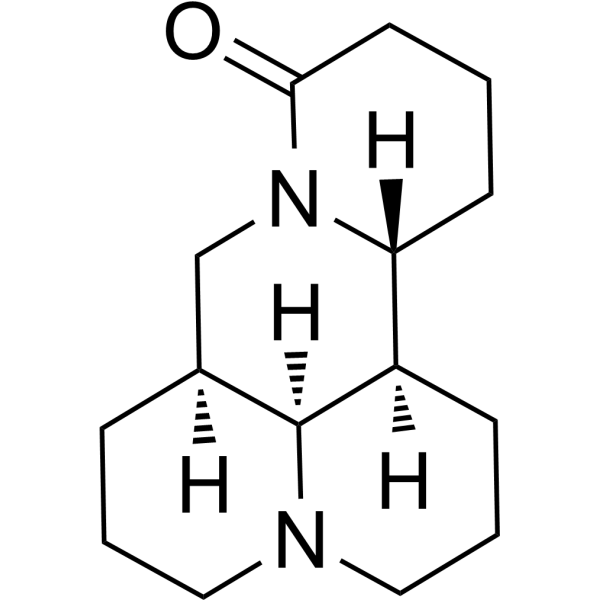
    Matrine
    15+ Cited Publications

    Matridin-15-one; Vegard; α-Matrine

    PINK1/Parkin Opioid Receptor Autophagy Mitophagy Ferroptosis Apoptosis Inflammation/Immunology Cancer
    Matrine (Matridin-15-one) is an alkaloid found in plants from the Sophora genus that can act as a kappa opioid receptor and u-receptor agonist. Matrine has a variety of pharmacological effects, including anti-cancer, anti-oxidative stress, anti-inflammation and anti-apoptosis effects. Matrine is potential in the research of disease like human non-small cell lung cancer, hepatoma, papillary thyroid cancer and acute kidney injury (AKI) .
    Matrine
  • HY-118122

    FIAU; DRG-0098; NSC 678514

    HSV HBV DNA/RNA Synthesis Orthopoxvirus Nucleoside Antimetabolite/Analog Infection
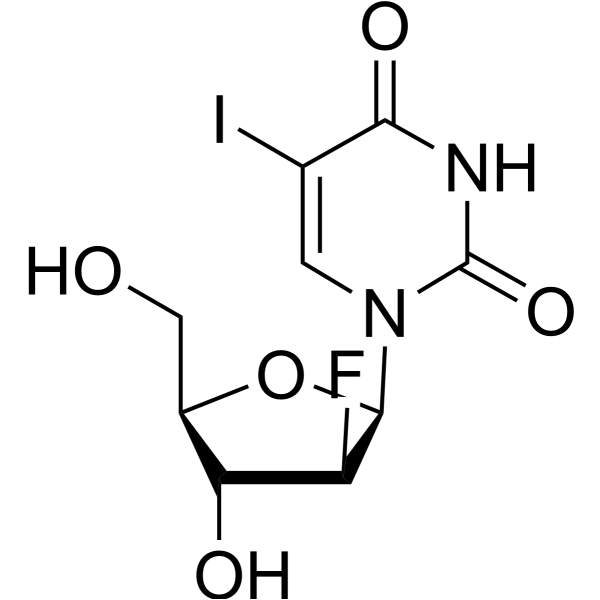
    Fialuridine (FIAU), a nucleoside analog, is a HSV-1 and HSV-2 inhibitor with Kis of 0.14 μM and 0.95 μM, respectively. Fialuridine shows anti-orthopoxvirus and anti-hepatitis B virus (HBV) activities. Fialuridine inhibits duck HBV DNA replication with IC50 values of 0.075 μM and 156 μM in human hepatoma cells and in chicken liver cells, respectively .
    Fialuridine
  • HY-B0766

    SY801

    Autophagy Apoptosis HBV HCV HSP Reactive Oxygen Species (ROS) Bcl-2 Family Glutathione S-transferase p38 MAPK NF-κB Microtubule/Tubulin ERK JNK TNF Receptor Interleukin Related CDK Cyclin G-associated Kinase (GAK) mTOR P-glycoprotein Ferroptosis Infection Inflammation/Immunology Cancer
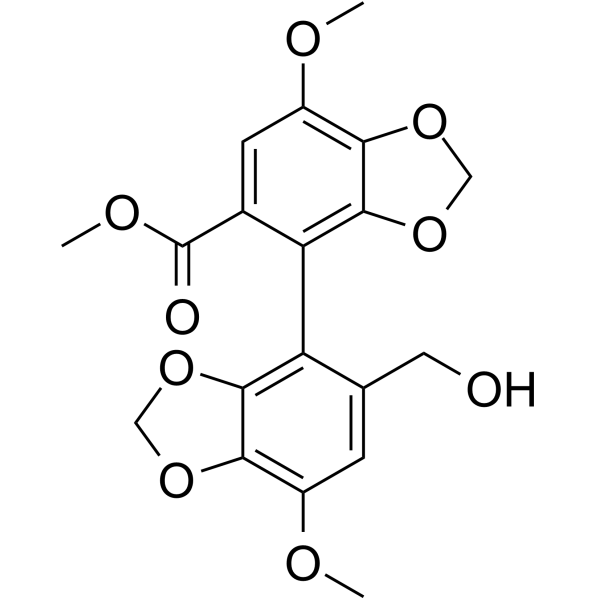
    Bicyclol (SY801) is an orally active derivative of the traditional Chinese medicine Schisandra chinensis, which has antiviral, anti-inflammatory, immunomodulatory, antioxidant, anti-steatosis, anti-fibrotic and anti-tumor activities. Bicyclol regulates the expression of heat shock proteins and plays an anti-apoptosis role in hepatocytes. Bicyclol reduces the activation of NF-κB and the levels of inflammatory factors in hepatocytes infected with hepatitis C virus (HCV) by inhibiting the activation of the ROS-MAPK-NF-κB pathway, and prevents ferroptosis in acute liver injury. Bicyclol can change the expression of Mdr-1, GSH/GST and Bcl-2, increase the intracellular concentration of anticancer drugs, and sensitize drug-resistant cells to anticancer drugs. Bicyclol inhibits the proliferation of human malignant hepatoma cells by regulating the PI3K/AKT pathway and the Ras/Raf/MEK/ERK pathway. Bicyclol can be used in the study of chronic hepatitis, acute liver injury, nonalcoholic fatty liver disease, liver fibrosis and hepatocellular carcinoma .
    Bicyclol
  • HY-B0075S

    N-Acetyl-5-methoxytryptamine-d4

    Isotope-Labeled Compounds Melatonin Receptor Autophagy Mitophagy Apoptosis Neurological Disease Inflammation/Immunology Cancer
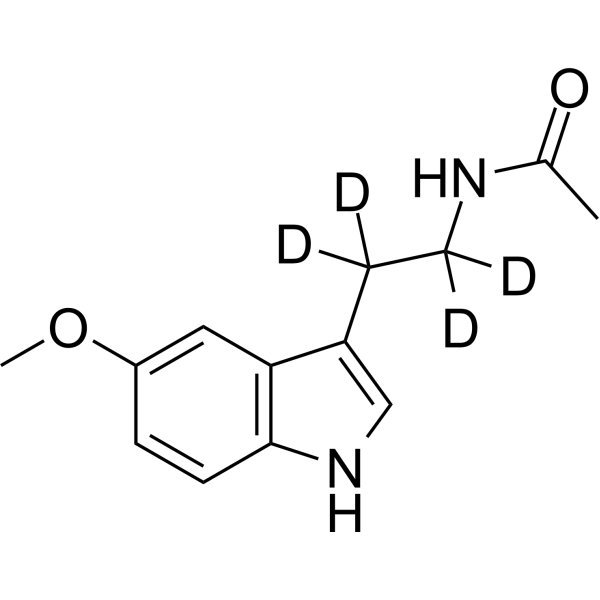
    Melatonin-d4 is deuterium labeled Melatonin. Melatonin is a hormone made by the pineal gland that can activates melatonin receptor. Antioxidative and anti-inflammatory properties . Melatonin is a selective ATF-6 inhibitor and induces human hepatoma cell apoptosis through COX-2 downregulation .
    Melatonin-d4
  • HY-N0774
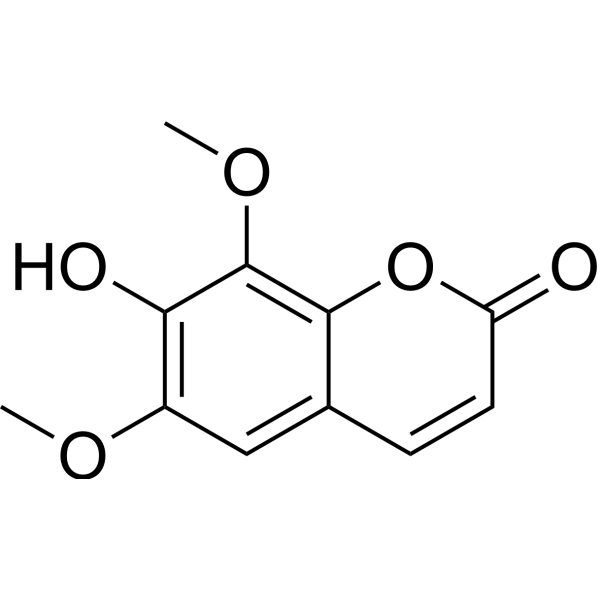
    Isofraxidin
    4 Publications Verification

    ERK COX MMP Toll-like Receptor (TLR) Inflammation/Immunology
    Isofraxidin, a coumarin component from Acanthopanax senticosus, inhibits MMP-7 expression and cell invasion of human hepatoma cells. Isofraxidin inhibits the phosphorylation of ERK1/2 in hepatoma cells . Isofraxidin attenuates the expression of iNOS and COX-2, Isofraxidinalso inhibits TLR4/myeloid differentiation protein-2 (MD-2) complex formation .
    Isofraxidin
  • HY-100313A
    YM-53601
    5 Publications Verification

    Farnesyl Transferase HCV Infection Metabolic Disease
    YM-53601, a squalene synthase inhibitor, reduces plasma cholesterol and triglyceride levels in vivo . YM-53601 inhibits squalene synthase derived from human hepatoma cells with an IC50 of 79 nM. Lipid-lowering agent . YM-53601 is also an inhibitor of farnesyl-diphosphate farnesyltransferase 1 (FDFT1) enzyme activity and abrogates HCV propagation .
    YM-53601
  • HY-112974

    GSK-2998728; ISIS-420915

    Transthyretin (TTR) Cardiovascular Disease Neurological Disease
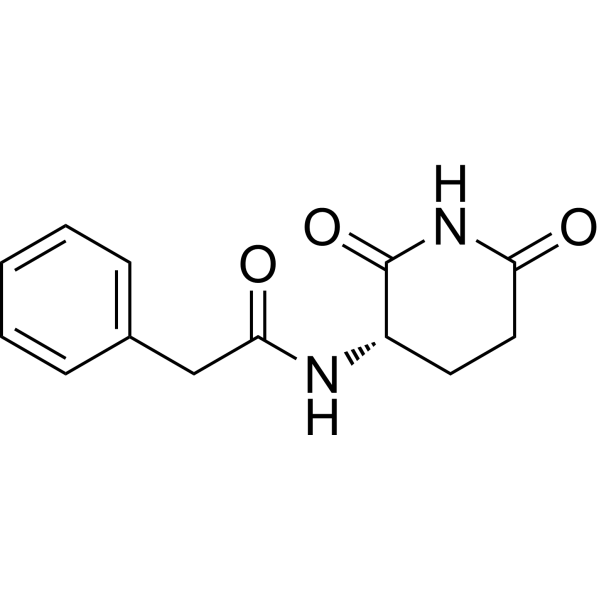
    Inotersen (GSK-2998728; ISIS-420915) is a 2'-O-methoxyethyl-modified antisense oligonucleotide and transthyretin (TTR) inhibitor with low genotoxicity. Inotersen triggers RNase H1-mediated degradation by binding to TTR mRNA, thereby effectively reducing the production of both mutant and wild-type transthyretin in the liver. Inotersen significantly reduces amyloid fiber deposition, yet specific toxicities such as inflammation or tumors are observed at high doses in some animal models. Inotersen is used in studies of hereditary transthyretin amyloidosis and the associated polyneuropathy and cardiomyopathy .
    Inotersen
  • HY-B0075S1

    N-Acetyl-5-methoxytryptamine-d3

    Isotope-Labeled Compounds Melatonin Receptor Autophagy Mitophagy Endogenous Metabolite Apoptosis Neurological Disease Inflammation/Immunology Cancer
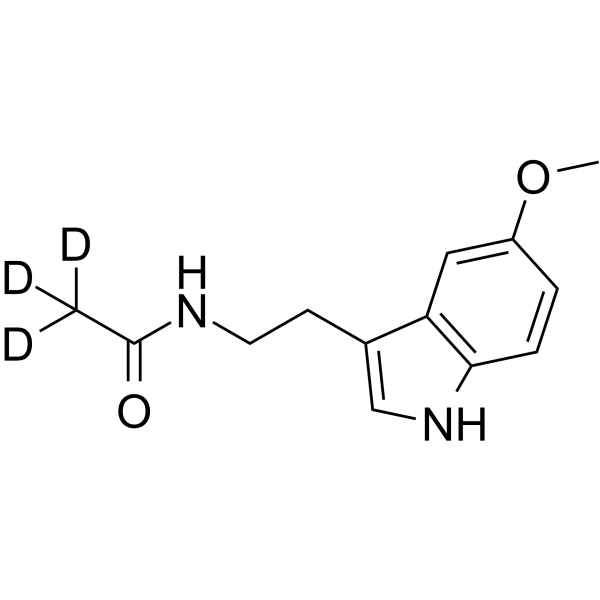
    Melatonin-d3 is the deuterium labeled Melatonin. Melatonin is a hormone made by the pineal gland that can activates melatonin receptor. Melatonin plays a role in sleep and possesses important antioxidative and anti-inflammatory properties . Melatonin is a novel selective ATF-6 inhibitor and induces human hepatoma cell apoptosis through COX-2 downregulation . Melatonin attenuates palmitic acid-induced (HY-N0830) mouse granulosa cells apoptosis via endoplasmic reticulum stress .
    Melatonin-d3
  • HY-173011

    PROTACs Cyclophilin HIV HCV Infection
    RJS308 is a selective Cyclophilin A (CypA) PROTAC degrader. RJS308 induces ubiquitin-dependent CypA degradation by recruiting the VHL E3 ligase complex, and forms a ternary complex with CypA and VHL/elongin C/elongin B. RJS308 exhibits anti-HIV-1 and anti-HCV activities. RJS308 can be used in studies related to viral infections .
    RJS308
  • HY-W081067

    HFPO-DA

    PPAR Infection
    Perfluoro (2-methyl-3-oxahexanoic) acid (HFPO-DA) is an orally active PPARα agonist with an EC50 of 2.1 μM for human PPARα. Perfluoro (2-methyl-3-oxahexanoic) acid induces peroxisome proliferation and increases the levels of proinflammatory mediators. It impairs intestinal barrier function and disrupts cecal flora balance. Perfluoro (2-methyl-3-oxahexanoic) acid is applicable to research related to developmental toxicity, hepatotoxicity and intestinal toxicity .
    Perfluoro(2-methyl-3-oxahexanoic) acid
  • HY-128553

    Endogenous Metabolite Apoptosis Bcl-2 Family MDM-2/p53 Cancer
    Antineoplaston A10 is an antineoplaston that inhibits the growth of human hepatoma cells by inducing apoptosis. Antineoplaston A10 can be used in the study of liver cancer and breast cancer .
    Antineoplaston A10
  • HY-G0006
    Omeprazole sulfide
    2 Publications Verification

    Ufiprazole

    Drug Metabolite Aryl Hydrocarbon Receptor Bacterial Infection Metabolic Disease
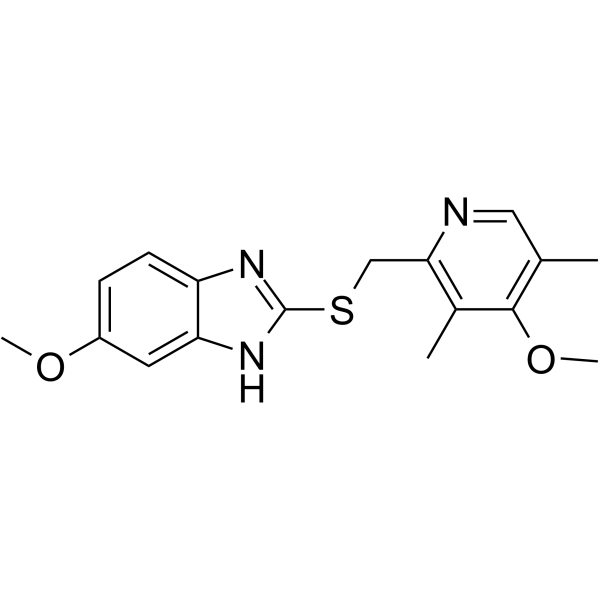
    Omeprazole sulfide (Ufiprazole) is a metabolic degradation product of Omeprazole (HY-B0113). Omeprazole sulfide acts as a modulator of AhR. Omeprazole sulfide in cells with low CYP3A4 expression, functions as an AhR antagonist; however, in cells with high CYP3A4 expression, it is rapidly metabolized to Omeprazole, thereby acting as an AhR agonist. Omeprazole sulfide exhibits antibacterial activity when conjugated with silver nanoparticles (AgNPs). Omeprazole sulfide can be used in research on acid suppression and bacterial infections .
    Omeprazole sulfide
  • HY-B0075R
    Melatonin (standard)
    Maximum Cited Publications
    137 Publications Verification

    N-Acetyl-5-methoxytryptamine (standard); Melatonin

    Reference Standards Melatonin Receptor Autophagy Mitophagy Endogenous Metabolite Apoptosis Neurological Disease Inflammation/Immunology Cancer
    Melatonin (Standard) is the analytical standard of Melatonin. This product is intended for research and analytical applications. Melatonin is a hormone made by the pineal gland that can activates melatonin receptor. Melatonin plays a role in sleep and possesses important antioxidative and anti-inflammatory properties . Melatonin is a novel selective ATF-6 inhibitor and induces human hepatoma cell apoptosis through COX-2 downregulation . Melatonin attenuates palmitic acid-induced (HY-N0830) mouse granulosa cells apoptosis via endoplasmic reticulum stress .
    Melatonin (standard)
  • HY-N0930B

    AMPK Bacterial Infection Metabolic Disease
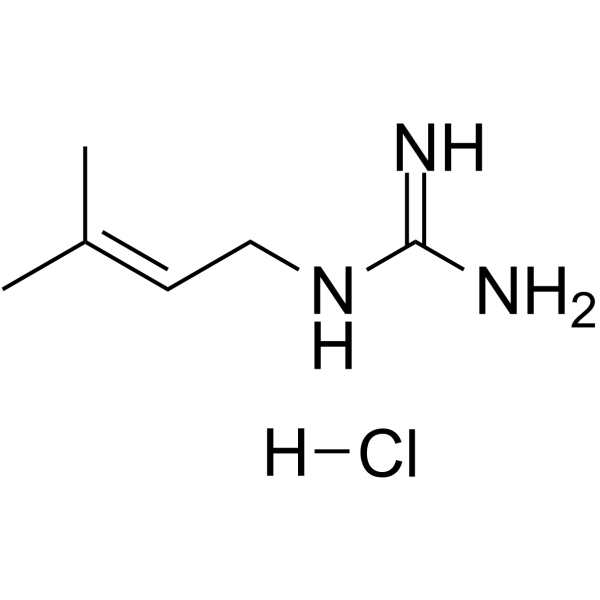
    Galegine hydrochloride, a guanidine derivative, contributes to weight loss in mice. Guanidine hydrochloride is the compound derived from G. officinalis, which gave rise to the biguanides, metformin and phenformin. Galegine hydrochloride activates AMPK in 3T3-L1 adipocytes and L6 myotubes, as well as in the H4IIE rat hepatoma and HEK293 human kidney cell lines. Galegine hydrochloride has antibacterial activity, with minimum inhibitory concentration of 4 mg/L against Staphylococcus aureus strains .
    Galegine hydrochloride
  • HY-105028

    CP-66248

    COX Lipoxygenase Potassium Channel MMP Inflammation/Immunology
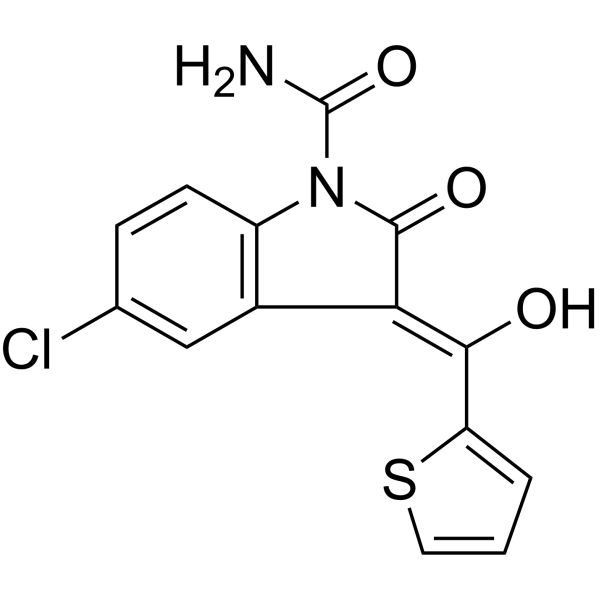
    Tenidap (CP-66248) is an orally active dual inhibitor of 5-LOX and COX with anti-inflammatory and immunomodulatory properties. Tenidap downregulates the expression of IL-1 receptors in chondrocytes, reduces the release of pro-inflammatory cytokines such as IL-1, IL-6 and TNF-α, and inhibits MMP production and cartilage degradation. Tenidap also blocks bone resorption and leukocyte adhesion to vascular endothelium, interferes with ion and pH changes associated with mouse sperm capacitation, and selectively enhances the activity of hKir2.3 channels (EC50=1.3 μM). Tenidap is applicable to research related to rheumatoid arthritis .
    Tenidap
  • HY-112487

    Acyltransferase Metabolic Disease
    Sandoz 58-035 is a selective acyl-CoA:cholesterol acyltransferase (ACAT) inhibitor. Sandoz 58-035 inhibits this enzyme in intact cells and isolated microsomal fractions. Sandoz 58-035 blocks the esterification of exogenous vesicle-derived cholesterol and the incorporation of oleic acid into cellular cholesterol esters, reducing the formation and accumulation of cholesterol esters. Sandoz 58-035 causes a slight increase in cellular free cholesterol, and at high concentrations, it also causes a slight reduction in overall cellular protein synthesis. Sandoz 58-035 can be used in studies related to cellular cholesterol regulation .
    Sandoz 58-035
  • HY-21191

    PFBS

    Biochemical Assay Reagents PPAR Reactive Oxygen Species (ROS) Metabolic Disease
    Perfluorobutanesulfonic acid (PFBS) is a short-chain perfluoroalkyl substance and the main replacement for perfluorooctanesulfonic acid. Perfluorobutanesulfonic acid induces fat accumulation in human HepG2 hepatoma cells. Perfluorobutanesulfonic acid promotes lipid accumulation by activating PPARγ pathway and triggering oxidative stress, endoplasmic reticulum stress and calcium dyshomeostasis. Perfluorobutanesulfonic acid impairs reproduction and causes developmental disorders in offspring of Caenorhabditis elegans. Perfluorobutanesulfonic acid disrupts pancreatic organogenesis and lipid homeostasis in zebrafish embryos. Perfluorobutanesulfonic acid can be used in environmental toxicology, lipid metabolism and developmental toxicity studies .
    Perfluorobutanesulfonic acid
  • HY-N0930A

    AMPK Bacterial Infection Metabolic Disease
    Galegine hemisulfate, a guanidine derivative, contributes to weight loss in mice. Galegine hemisulfate activates AMPK in 3T3-L1 adipocytes and L6 myotubes, as well as in the H4IIE rat hepatoma and HEK293 human kidney cell lines. Galegine hemisulfate has antibacterial activity, with minimum inhibitory concentration of 4 mg/L against Staphylococcus aureus strains .
    Galegine hemisulfate
  • HY-B0075S2

    N-Acetyl-5-methoxytryptamine-d7

    Isotope-Labeled Compounds Melatonin Receptor Autophagy Mitophagy Endogenous Metabolite Apoptosis Neurological Disease Inflammation/Immunology Cancer
    Melatonin-d7 is the deuterium labeled Melatonin (HY-B0075). Melatonin is a hormone made by the pineal gland that can activates melatonin receptor. Melatonin plays a role in sleep and possesses important antioxidative and anti-inflammatory properties . Melatonin is a novel selective ATF-6 inhibitor and induces human hepatoma cell apoptosis through COX-2 downregulation . Melatonin attenuates palmitic acid-induced (HY-N0830) mouse granulosa cells apoptosis via endoplasmic reticulum stress .
    Melatonin-d7
  • HY-156202

    Histone Demethylase PD-1/PD-L1 Apoptosis Cancer
    Geranylgeranoic acid (Compound 5) is inhibits lysine-specific demethylase 1 (LSD1) with an IC50 value of 46.97 µM. Geranylgeranoic acid induces apoptosis via loss of the mitochondrial membrane potential and activation of interleukin-1β-converting enzyme (ICE) and cysteine protease precursor 32 (CPP32) in Huh7 and PLC/PRF/5 human hepatoma cells and MLE-10 transformed mouse hepatocytes. Geranylgeranoic acid an isoprenoid with anticancer activity, which is found in S. chinensis .
    Geranylgeranoic acid
  • HY-N6674

    ECO-4601; TLN-4601; BU 4664L

    Apoptosis Bacterial Cathepsin Parasite Endogenous Metabolite Infection Inflammation/Immunology Cancer
    Diazepinomicin (ECO-4601) is an anticancer and antibacterial agent. Diazepinomicin can be produced by a Micromonospora strain. Diazepinomicin induces Apoptosis. Diazepinomicin inhibits the proteases Rhodesain and Cathepsin L at an IC50 of 70-90 μM. Diazepinomicin possesses anti-inflammatory and anti-tumor activity. Diazepinomicin has demonstrated activity against hepatocellular carcinoma. Diazepinomicin shows antiparasitic activity against trypomastigote forms of Trypanosoma brucei with an IC50 of 13.5 μM. Diazepinomicin exhibits moderate antibacterial activity against specific Gram-positive bacteria, with an MIC of approximately 32 μg/mL .
    Diazepinomicin
  • HY-116108

    Musk tibetine

    Olfactory Receptor Cancer
    Musk tibetene (Musk tibetine) is a nitro musk compound with carcinogenic activity. Musk tibetine reveals no genotoxicity in the micronucleus test with human lymphocytes and human hepatoma cell line .
    Musk tibetene
  • HY-164909

    PANK Metabolic Disease
    PZ-3022 is an orally active allosteric agonist of pantothenate kinase (PanK) with an EC50 of 5.3 nM against PanK3. PZ-3022 antagonizes the inhibitory effect of C3-CoA. PZ-3022 increases CoA levels in cells and the liver, upregulates CoASH and C2-CoA, downregulates C3-CoA, and restores impaired TCA cycle and mitochondrial function. PZ-3022 can be used for the research of propionic acidemia and metabolic CoA deficiency .
    PZ-3022
  • HY-14844

    MIV-210

    HBV Infection
    Lagociclovir (FLG) is a nucleoside analogue that inhibits wild-type hepatitis B virus (HBV) replication in a human hepatoma cell line permanently expressing HBV .
    Lagociclovir
  • HY-100313

    Farnesyl Transferase HCV Metabolic Disease
    YM-53601 free base, a squalene synthase inhibitor, reduces plasma cholesterol and triglyceride levels in vivo . YM-53601 free base inhibits squalene synthase derived from human hepatoma cells with an IC50 of 79 nM. Lipid-lowering agent . YM-53601 free base is also an inhibitor of farnesyl-diphosphate farnesyltransferase 1 (FDFT1) enzyme activity and abrogates HCV propagation .
    YM-53601 free base
  • HY-P3016B

    EC 2.6.1.1, human liver; GOT, human liver; AST, human liver

    Aminotransferases (Transaminases) Cardiovascular Disease
    Aspartate aminotransferase (EC 2.6.1.1), Human liver is a metabolic regulator with the highest activity in the heart, liver and skeletal muscle. Aspartate aminotransferase, Human liver comprises two isozymes: the cytoplasmic form (AST1) and the mitochondrial form (AST2). By catalyzing reversible transamination reactions between oxaloacetate, L-glutamate and other substances, it is deeply involved in key physiological processes such as amino acid metabolism, the tricarboxylic acid cycle and neurotransmitter synthesis. Aspartate aminotransferase, Human liver also provides substrate support for the synthesis of urea and purines/pyrimidines. Aspartate aminotransferase, Human liver is a serum marker reflecting cardiac and hepatic injury, and its abnormal levels are also closely associated with myocardial infarction, cardiovascular diseases and various cancers .
    Aspartate aminotransferase, Human liver
  • HY-126644

    Bacterial Fungal Infection Cancer
    Halocyamine B exhibits antimicrobial activity against a variety of bacteria and yeasts. Halocyamine B exhibits cytotoxicity to cultured neural cells of rat fetal brain, mouse neuroblastoma N18 cells, and human hepatoma HepG2 cells .
    Halocyamine B
  • HY-N0774R

    ERK Reference Standards COX MMP Toll-like Receptor (TLR) Inflammation/Immunology
    Isofraxidin (Standard) is the analytical standard of Isofraxidin. This product is intended for research and analytical applications. Isofraxidin, a coumarin component from Acanthopanax senticosus, inhibits MMP-7 expression and cell invasion of human hepatoma cells. Isofraxidin inhibits the phosphorylation of ERK1/2 in hepatoma cells . Isofraxidin attenuates the expression of iNOS and COX-2, Isofraxidinalso inhibits TLR4/myeloid differentiation protein-2 (MD-2) complex formation .
    Isofraxidin (Standard)
  • HY-N2625

    Apoptosis Cancer
    Harmalol is a β-carbazine alkaloid with anticancer activity. Harmalol binds and interacts with several natural and synthetic nucleic acids of different motifs, including DNA and RNA. In addition, harmalol has an apoptosis-inducing effect on human hepatoma cells in vitro .
    Harmalol
  • HY-W654256

    Matridin-15-one-d3; Vegard-d3; α-Matrine-d3

    Isotope-Labeled Compounds PINK1/Parkin Opioid Receptor Autophagy Mitophagy Ferroptosis Apoptosis Inflammation/Immunology Cancer
    Matrine-d3 (Matridin-d3) is a deuterium labeled Matrine (HY-N0164). Matrine (Matridin-15-one) is an alkaloid found in plants from the Sophora genus that can act as a kappa opioid receptor and u-receptor agonist. Matrine has a variety of pharmacological effects, including anti-cancer, anti-oxidative stress, anti-inflammation and anti-apoptosis effects. Matrine is potential in the research of disease like human non-small cell lung cancer, hepatoma, papillary thyroid cancer and acute kidney injury (AKI) .
    Matrine-d3
  • HY-118518

    Calcium Channel Cardiovascular Disease Cancer
    Ronipamil is a calcium ion antagonist. Ronipamil increases the specific binding and internalization of human 125I-LDL in human skin fibroblasts (HSF) and the human hepatoma cell line Hep G2 .
    Ronipamil
  • HY-144253

    Akt ERK Cancer
    AKT-IN-11 is one of the most effective antibacterial agents against human hepatoma BEL-7402 cell line with an IC50 value of 1.15μM.
    AKT-IN-11
  • HY-N3665

    Tyrosinase Cancer
    Cyclocommunol is a prenylflavonoid with antityrosinase and antiplatelet activitie, can be solated from breadfruit. Cyclocommunol exerts anti-tumor activity and inhibits the growth of human hepatoma and gastric cancer cells with IC50 values between 16 and 80 µM. Cyclocommunol shows proapoptotic effect on oral squamous cell carcinoma (OSCC) .
    Cyclocommunol
  • HY-N7144AR

    Reference Standards TRP Channel PKC PKA Neurological Disease
    Citronellyl acetate (Standard) is the analytical standard of Citronellyl acetate (HY-N7144A). This product is intended for research and analytical applications. Citronellyl acetate is a monoterpene product of the secondary metabolism of plants, with antinociceptive activity. Citronellyl acetate exhibits pro-apoptotic activity in human hepatoma cells. Citronellyl acetate shows fungicidal, larvicidal, bactericidal and repelling/insecticidal effects .
    Citronellyl acetate (Standard)
  • HY-113027R

    Reference Standards Endogenous Metabolite Others
    Melatonin (Standard) is the analytical standard of Melatonin. This product is intended for research and analytical applications. Melatonin is a hormone made by the pineal gland that can activates melatonin receptor. Melatonin plays a role in sleep and possesses important antioxidative and anti-inflammatory properties . Melatonin is a novel selective ATF-6 inhibitor and induces human hepatoma cell apoptosis through COX-2 downregulation . Melatonin attenuates palmitic acid-induced (HY-N0830) mouse granulosa cells apoptosis via endoplasmic reticulum stress .
    p-Hydroxymandelic acid (Standard)
  • HY-N0164R

    Matridin-15-one (Standard); Vegard (Standard); α-Matrine (Standard)

    PINK1/Parkin Reference Standards Opioid Receptor Autophagy Mitophagy Ferroptosis Apoptosis Inflammation/Immunology Cancer
    Matrine (Standard) is the analytical standard of Matrine. This product is intended for research and analytical applications. Matrine (Matridin-15-one) is an alkaloid found in plants from the Sophora genus that can act as a kappa opioid receptor and u-receptor agonist. Matrine has a variety of pharmacological effects, including anti-cancer, anti-oxidative stress, anti-inflammation and anti-apoptosis effects. Matrine is potential in the research of disease like human non-small cell lung cancer, hepatoma, papillary thyroid cancer and acute kidney injury (AKI) .
    Matrine (Standard)
  • HY-N17951

    Others Others
    Amarolide 11-acetate is a quassinoid, can be found in the barks of Ailanthus altissima.Amarolide 11-acetate exhibits nearly inactive cytotoxicity against human hepatoma cells .
    Amarolide 11-acetate
  • HY-N18228

    Others Cancer
    Stauntoside Ⅱ is a 14,15-secopregnane-type C21 steroidal glycoside found in the roots of Cynanchum stauntonii. Stauntoside Ⅱ does not exhibit cytotoxic activity against human colon, hepatoma, gastric, lung, and ovarian cancer cells .
    Stauntoside Ⅱ
  • HY-N19314

    Endogenous Metabolite Fungal Cancer
    4-Acetylantroquinonol B is a benzoquinone derivative and a hepatocellular carcinoma cell proliferation inhibitor. 4-Acetylantroquinonol B can be isolated from the mycelia of Antrodia cinnamomea cultured via submerged fermentation. 4-Acetylantroquinonol B exhibits selective activity against hepatocellular carcinoma cells and can be used in hepatocellular carcinoma research .
    4-Acetylantroquinonol B
  • HY-N18379

    Others Cancer
    Altissimacoumarin L is a terpenylated coumarin. Altissimacoumarin L can be isolated from the root bark of Ailanthus altissima (Mill.) Swingle. Altissimacoumarin L shows no significant cytotoxic activity against hepatoma cells .
    Altissimacoumarin L
  • HY-E71042

    Biochemical Assay Reagents Others
    Cytosolic 5'-nucleotidase II, Huamn (EC 3.1.3.5) is a pure and active protein cloned by RT-PCR amplification of mRNA extracted from human hepatoma cells and expressed in E.coli.
    Cytosolic 5'-nucleotidase II, Huamn
  • HY-N18345A

    Drug Derivative Cancer
    Paliurusene A is a betulinic acid-type pentacyclic triterpenoid that can be isolated from the leaves of Paliurus ramosissimus (Lour.) Poir. Paliurusene A induces growth inhibition of human hepatoma cells in vitro. Paliurusene A is applicable to research related to liver cancer .
    Paliurusene A
  • HY-171982

    Biochemical Assay Reagents Others
    ATII (Traseolide), a Polycyclic musk fragrance, is a hydrophobic hapten. ATII has no genotoxicity in the human lymphocytes and the human hepatoma cell line Hep G2. ATII can be bound by antibody M02/05/01 (H93 Val) with superior binding capacity. ATII can be conjugated to carrier proteins for antigen design .
    ATII
  • HY-N18378

    Others Cancer
    Altissimacoumarin K is a terpenylated coumarin. Altissimacoumarin K can be isolated from the root bark of Ailanthus altissima (Mill.) Swingle. Altissimacoumarin K exhibits no significant cytotoxic effect against hepatoma cells .
    Altissimacoumarin K
  • HY-N16714

    Others Cancer
    Clausine K is a carbazole alkaloid anticancer agent. Clausine K exhibits strong cytotoxicity against human hepatoma HepG2 cells (IC50 = 1.05 μg/mL), superior to the standard drug Etoposide (HY-13629) (IC50 13.40 μg/mL). Clausine K can be naturally extracted from the dried stems of Clausena excavata (a plant of the Rutaceae family) through chromatographic separation and other methods .
    Clausine K
  • HY-N17369

    Others Others
    Neogenkwanine H is a daphnane-type diterpene that can be found in Daphne genkwa .
    Neogenkwanine H
  • HY-100313AR

    Farnesyl Transferase Reference Standards HCV Infection Metabolic Disease
    YM-53601 (Standard) is the analytical standard of YM-53601 (HY-100313A). This product is intended for research and analytical applications. YM-53601, a squalene synthase inhibitor, reduces plasma cholesterol and triglyceride levels in vivo . YM-53601 inhibits squalene synthase derived from human hepatoma cells with an IC50 of 79 nM. Lipid-lowering agent . YM-53601 is also an inhibitor of farnesyl-diphosphate farnesyltransferase 1 (FDFT1) enzyme activity and abrogates HCV propagation .
    YM-53601 (Standard)
  • HY-180117

    MMP STAT Apoptosis Cancer
    MMP-2/9-IN-2 (Compound 6k) is a MMP-2 and MMP-9 inhibitor, with IC50 values of 29.27 and 24.87 μM respectively. MMP-2/9-IN-2 exhibits good selective toxicity against multiple human hepatoma cell lines. MMP-2/9-IN-2 induces cell cycle arrest and apoptosis, significantly inhibits cell migration and invasion. MMP-2/9-IN-2 inhibits the phosphorylation of the STAT3 signaling pathway. MMP-2/9-IN-2 shows strong anti-tumor activity in a nude mouse xenograft model of HepG2 liver cancer cells .
    MMP-2/9-IN-2
  • HY-182478

    Microtubule/Tubulin Cancer
    MDL-27048, a tubulin inhibitor, binds competitively, reversibly to the Colchicine (HY-16569)-binding site on tubulin heterodimers. MDL-27048 inhibits microtubule assembly, induces slow depolymerization of preassembled microtubules, disrupts microtubule polymerization-depolymerization dynamics, and disrupts cytoplasmic microtubule networks. MDL-27048 exerts growth inhibitory effects on human cancer cells, induces mitotic arrest, and does not disrupt actin filaments at microtubule-depolymerizing concentrations. MDL-27048 can be used for the research of malignant tumors .
    MDL-27048

Inquiry Online

Your information is safe with us. * Required Fields.

Salutation


Country or Region *

Applicant Name *


Organization Name *

Department *


Email Address *


Product Name *

Cat. No.


Requested quantity *

Phone Number *


Remarks

Inquiry Online

Inquiry Information

Product Name:
Cat. No.:
Quantity:
MCE Japan Authorized Agent:

