1. Search Result
Search Result
Results for "

mitotic arrest

" in MedChemExpress (MCE) Product Catalog:

110

Inhibitors & Agonists

4

Fluorescent Dyes

2

Peptides

1

Inhibitory Antibodies

5

Natural
Products

1

Recombinant Proteins

4

Isotope-Labeled Compounds

4

Antibodies

Cat. No. Product Name Target Research Areas Chemical Structure
  • HY-B0015
    Paclitaxel
    350+ Cited Publications

    Microtubule/Tubulin ADC Payload Apoptosis Autophagy Cardiovascular Disease Cancer
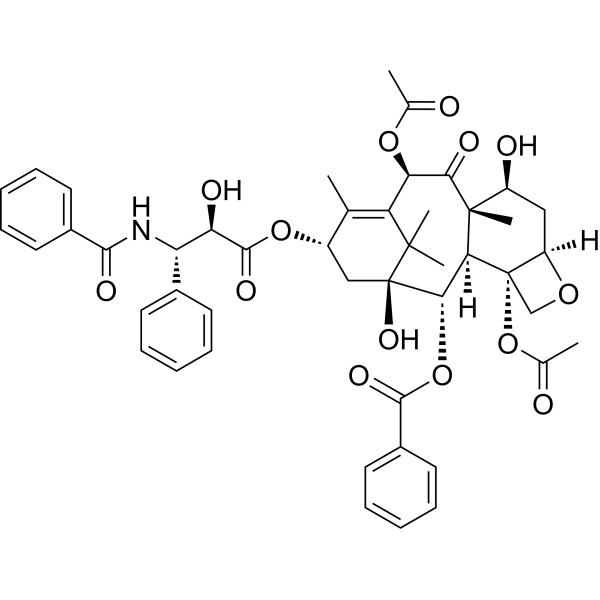
    Paclitaxel is a naturally occurring antineoplastic agent and stabilizes tubulin polymerization. Paclitaxel can cause both mitotic arrest and apoptotic cell death. Paclitaxel also induces autophagy .
    Paclitaxel
  • HY-12137
    Volasertib
    30+ Cited Publications

    BI 6727

    Polo-like Kinase (PLK) Apoptosis Cancer
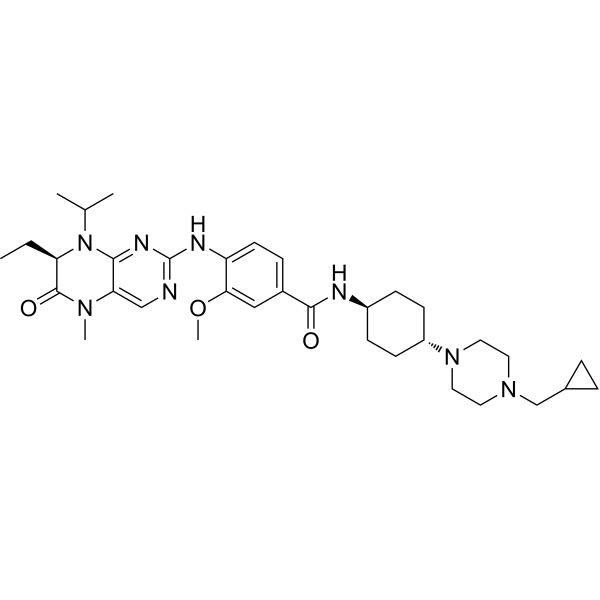
    Volasertib (BI 6727) is an orally active, highly potent and ATP-competitive Polo-like kinase 1 (PLK1) inhibitor with an IC50 of 0.87 nM. Volasertib inhibits PLK2 and PLK3 with IC50s of 5 and 56 nM, respectively. Volasertib induces mitotic arrest and apoptosis. Volasertib, a dihydropteridinone derivative, shows marked antitumor activity in multiple cancer models .
    Volasertib
  • HY-10971
    Alisertib
    70+ Cited Publications

    MLN 8237

    Aurora Kinase Autophagy Apoptosis Cancer
    Alisertib (MLN 8237) is an orally active and selective Aurora A kinase inhibitor (IC50=1.2 nM), which binds to Aurora A kinase resulting in mitotic spindle abnormalities, mitotic accumulation. Alisertib (MLN 8237) induces apoptosis and autophagy through targeting the AKT/mTOR/AMPK/p38 pathway in leukemic cells. Antitumor activity .
    Alisertib
  • HY-114258
    LY3295668
    3 Publications Verification

    AK-01

    Aurora Kinase Apoptosis Cancer
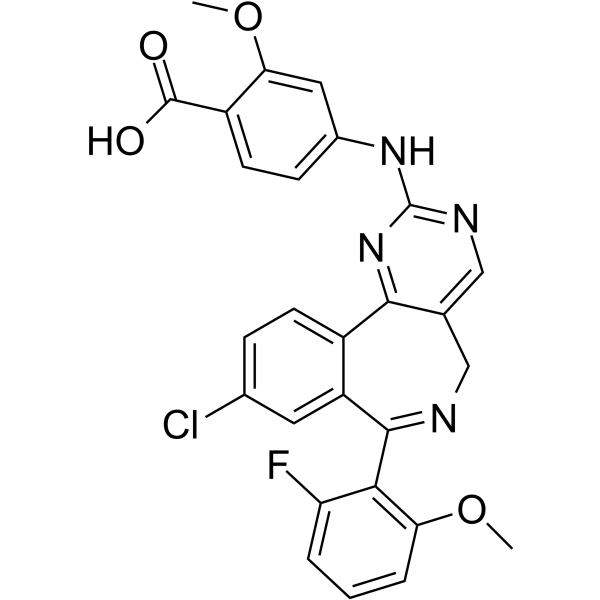
    LY3295668 (AK-01) is a highly specific and orally active inhibitor of Aurora-A kinase with a Ki values for AurA and AurB of 0.8 nM and 1038 nM respectively. LY3295668 can effectively inhibit the autophosphorylation of AurA, induce mitotic arrest and apoptosis. LY3295668 avoids the formation of polyploids related to AurB inhibition. LY3295668 can be used for the study of small cell lung cancer .
    LY3295668
  • HY-13716
    Noscapine
    2 Publications Verification

    (S,R)-Noscapine

    Opioid Receptor Apoptosis Neurological Disease Inflammation/Immunology Cancer
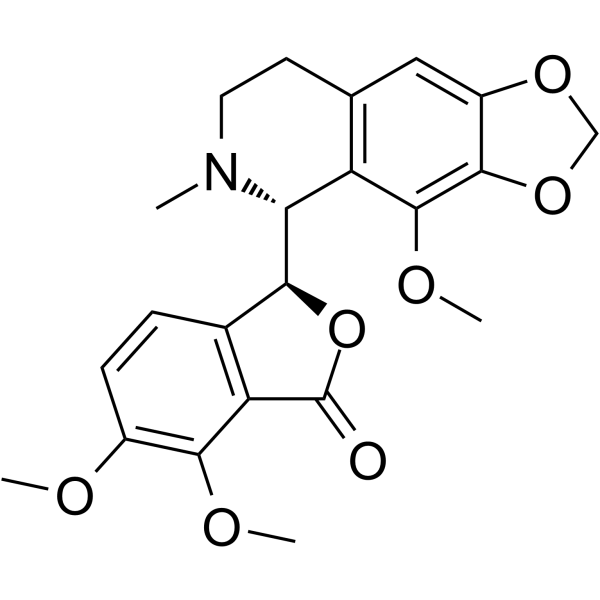
    Noscapine ((S,R)-Noscapine) is an orally active phthalideisoquinoline alkaloid with potent antitussive. Noscapine exerts its antitussive effects by activating sigma opioid receptors and is a non-competitive Bradykinin inhibitor. Noscapine disrupts microtubule dynamics, induces mitotic arrest and apoptosis. Noscapine possesses anticancer, neuroprotective, anti-inflammatory activities, and can cross the blood-brain barrier .
    Noscapine
  • HY-B0015R

    Reference Standards Microtubule/Tubulin ADC Payload Apoptosis Autophagy Cancer
    Paclitaxel (Standard) is the analytical standard of Paclitaxel. This product is intended for research and analytical applications. Paclitaxel is a naturally occurring antineoplastic agent and stabilizes tubulin polymerization. Paclitaxel can cause both mitotic arrest and apoptotic cell death. Paclitaxel also induces autophagy .
    Paclitaxel (Standard)
  • HY-13674

    NSC 153858

    Microtubule/Tubulin Cancer
    Maytansine is a highly potent microtubule-targeted compound that induces mitotic arrest and kills tumor cells at subnanomolar concentrations .
    Maytansine
  • HY-B0413
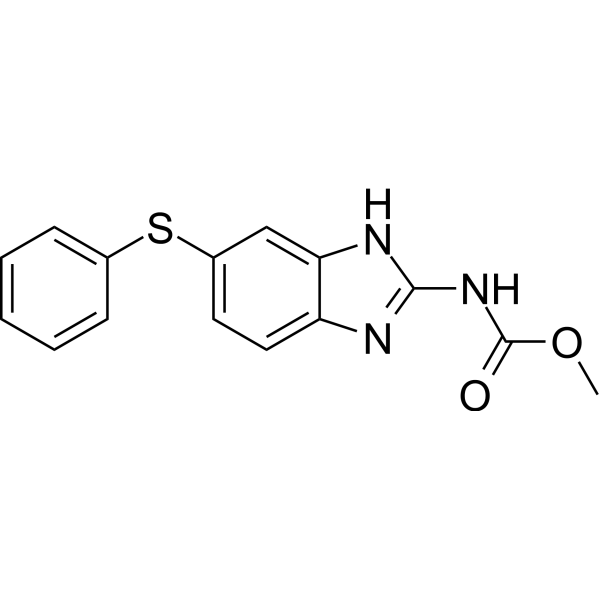
    Fenbendazole
    5+ Cited Publications

    Parasite HIF/HIF Prolyl-Hydroxylase Microtubule/Tubulin Antibiotic Infection Cancer
    Fenbendazole is an orally active benzimidazole anthelmintic agent, with a broad antiparasitic range. Fenbendazole is a microtubule destabilizing agent and acts on helminthes primarily by binding to tubulin and disrupting the tubulin microtubule equilibrium. Fenbendazole stabilizes the transcriptional activator HIF-1α. Fenbendazole possesses an efficient anti-proliferative activity and induces apoptosis. Fenbendazole causes cell-cycle arrest and mitotic cell death, and has antitumor activity in mice xenografted with wild-type p53 .
    Fenbendazole
  • HY-135960
    BO-264
    1 Publications Verification

    FGFR Apoptosis Cancer
    BO-264 is a highly potent and orally active transforming acidic coiled-coil 3 (TACC3) inhibitor with an IC50 of 188 nM and a Kd of 1.5 nM. BO-264 specifically blocks the function of FGFR3-TACC3 fusion protein. BO-264 induces spindle assembly checkpoint (SAC)-dependent mitotic arrest, DNA damage and apoptosis. BO-264 has broad-spectrum antitumor activity .
    BO-264
  • HY-15584
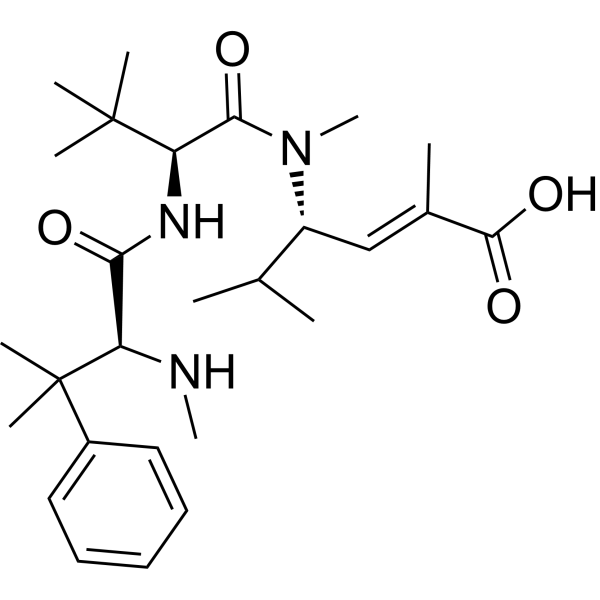
    Taltobulin
    3 Publications Verification

    HTI-286; SPA-110

    Microtubule/Tubulin ADC Payload Apoptosis Cancer
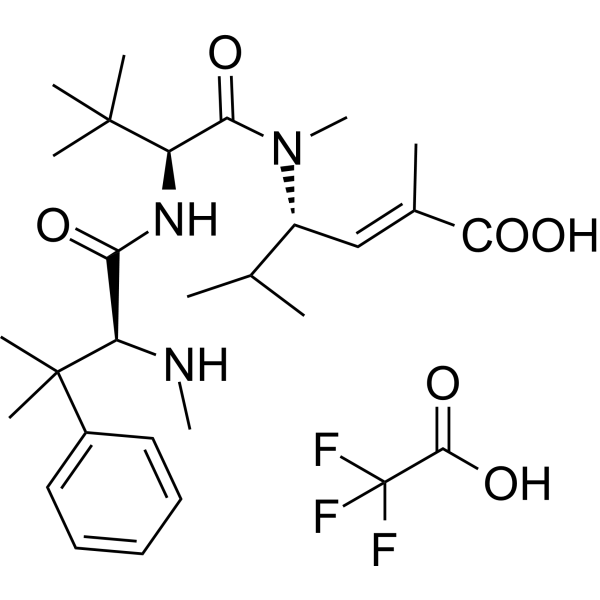
    Taltobulin (HTI-286), a synthetic analogue of the tripeptide hemiasterlin, is a potent antimicrotubule agent that circumvents P-glycoprotein-mediated resistance in vitro and in vivo. Taltobulin inhibits the polymerization of purified tubulin, disrupts microtubule organization in cells, and induces mitotic arrest, as well as apoptosis .
    Taltobulin
  • HY-153066

    KIF18A-IN-7

    Kinesin Microtubule/Tubulin Apoptosis Cancer
    VLS-1272 (Compound 22) is an orally active KIF18A inhibitor that binds to the KIF18A-microtubule complex in an ATP-noncompetitive manner (IC50 = 41 nM), blocking its ATPase activity and inhibiting microtubule translocation. This leads to abnormal accumulation of KIF18A at spindle poles, disrupting chromosome alignment and inducing mitotic arrest and apoptosis in CIN High tumor cells (e.g., ovarian cancer OVCAR-3, breast cancer JIMT-1). VLS-1272 is a promising candidate for anti-tumor research .
    VLS-1272
  • HY-50672

    Kinesin Apoptosis Lipoxygenase Cancer
    MK-0731 is a selective, non-competitive and allosteric kinesin spindle protein (KSP) inhibitor with an IC50 of 2.2 nM and a pKa of 7.6. MK-0731 is >20,000 fold selectivity against other kinesins. MK-0731 induces mitotic arrest and induces apoptosis in tumors. MK-0731 provides significant antitumor efficacy .
    MK-0731
  • HY-13649
    Indibulin
    1 Publications Verification

    ZIO 301; D 24851

    Apoptosis Microtubule/Tubulin Checkpoint Kinase (Chk) Neurological Disease Cancer
    Indibulin (ZIO 301), an orally applicable inhibitor of tubulin assembly, shows potent anticancer activity with a minimal neurotoxicity. Indibulin reduces inter-kinetochoric tension, produces aberrant spindles, activates mitotic checkpoint proteins Mad2 and BubR1, and induces mitotic arrest and apoptosis .
    Indibulin
  • HY-13716A
    Noscapine hydrochloride
    2 Publications Verification

    (S,R)-Noscapine hydrochloride

    Opioid Receptor Apoptosis Neurological Disease Inflammation/Immunology Cancer
    Noscapine ((S,R)-Noscapine) hydrochloride is an orally active phthalideisoquinoline alkaloid with potent antitussive. Noscapine hydrochloride exerts its antitussive effects by activating sigma opioid receptors and is a non-competitive Bradykinin inhibitor. Noscapine hydrochloride disrupts microtubule dynamics, induces mitotic arrest and apoptosis. Noscapine hydrochloride possesses anticancer, neuroprotective, anti-inflammatory activities, and can crosse the blood-brain barrier .
    Noscapine hydrochloride
  • HY-B0413S
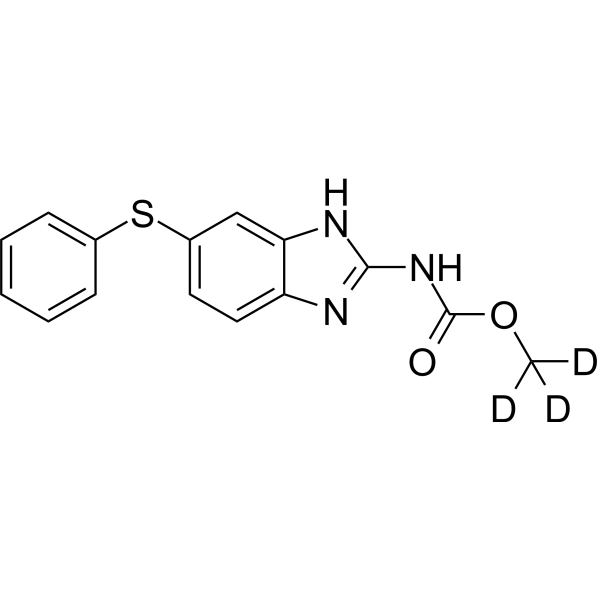
    Fenbendazole-d3
    5 Publications Verification

    HIF/HIF Prolyl-Hydroxylase Parasite Microtubule/Tubulin Antibiotic Infection
    Fenbendazole-d3 is a deuterium labeled Fenbendazole. Fenbendazole-d3 is a HIF-1α agonist and activates the HIF-1α-related GLUT1 pathway. Fenbendazole is an orally active benzimidazole anthelmintic agent, with a broad antiparasitic range. Fenbendazole is a microtubule destabilizing agent. Fenbendazole causes cell-cycle arrest and mitotic cell death, and has antitumor activity in mice xenografted with wild-type p53 .
    Fenbendazole-d3
  • HY-13255A
    TAME hydrochloride
    1 Publications Verification

    APC Cancer
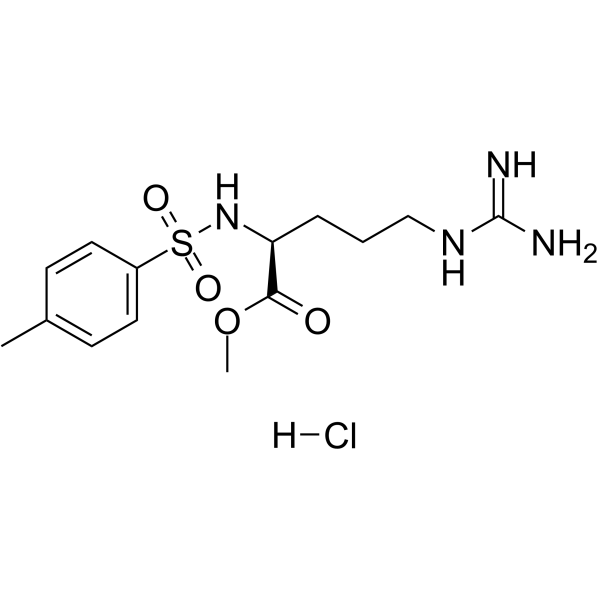
    TAME hydrochloride is an inhibitor of anaphase-promoting complex/cyclosome (APC/C or APC), which binds to APC/C and prevents its activation by Cdc20 and Cdh1, produces mitotic arrest. TAME hydrochloride is not cell permeable .
    TAME hydrochloride
  • HY-13255
    TAME
    1 Publications Verification

    APC Cancer
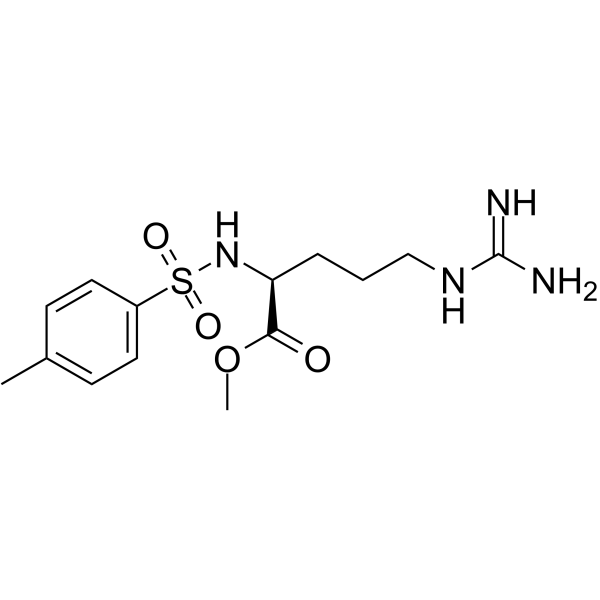
    TAME is an inhibitor of anaphase-promoting complex/cyclosome (APC/C or APC), which binds to APC/C and prevents its activation by Cdc20 and Cdh1, produces mitotic arrest. TAME is not cell permeable .
    TAME
  • HY-42484

    Eribulin intermediate

    Microtubule/Tubulin Cancer
    ER-076349 (Eribulin intermediate) is an inhibitor of tubulin polymerization, induces G2-M cell cycle arrest, and disrupts mitotic spindles. ER-076349 inhibits cancer cell growth, and inhibits tumor growth in several human tumor xenografts. ER-076349 is an analog of Halichondrin B .
    ER-076349
  • HY-P1103
    CTCE-9908
    1 Publications Verification

    CXCR Cancer
    CTCE-9908 is a potent and selective CXCR4 antagonist. CTCE-9908 induces mitotic catastrophe, cytotoxicity and inhibits migration in CXCR4-expressing ovarian cancer cells .
    CTCE-9908
  • HY-12137A
    Volasertib trihydrochloride
    30+ Cited Publications

    BI 6727 trihydrochloride

    Polo-like Kinase (PLK) Apoptosis Cancer
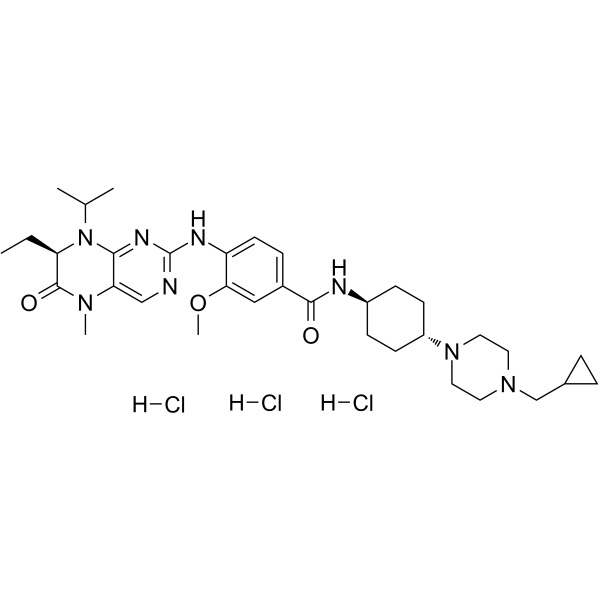
    Volasertib (BI 6727) trihydrochloride is an orally active, highly potent and ATP-competitive Polo-like kinase 1 (PLK1) inhibitor with an IC50 of 0.87 nM. Volasertib trihydrochloride inhibits PLK2 and PLK3 with IC50s of 5 and 56 nM, respectively. Volasertib trihydrochloride induces mitotic arrest and apoptosis. Volasertib trihydrochloride, a dihydropteridinone derivative, shows marked antitumor activity in multiple cancer models .
    Volasertib trihydrochloride
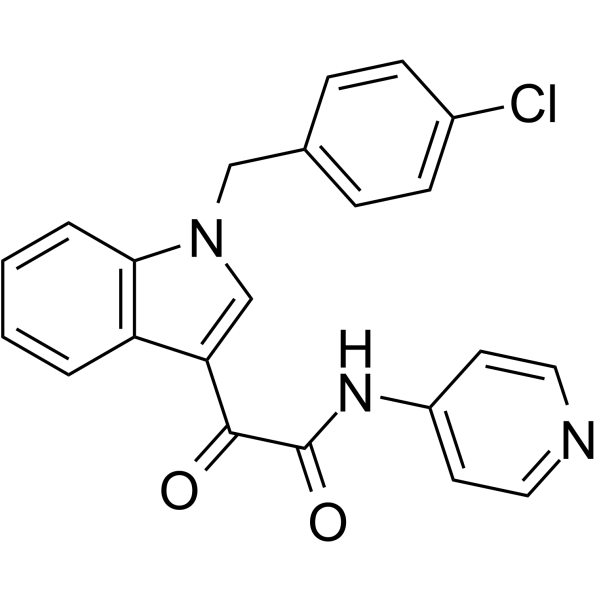
  • HY-129478
    TC11
    2 Publications Verification

    Caspase Bcl-2 Family CDK Cancer
    TC11 is a MCL1 degrader and Caspase-9 and CDK1 activator. TC11 functions as a phenylacetylamide derivative and is structurally related to immunomodulatory active molecules. TC11 induces degradation of MCL1 leading to apoptotic death during prolonged mitotic arrest.
    TC11
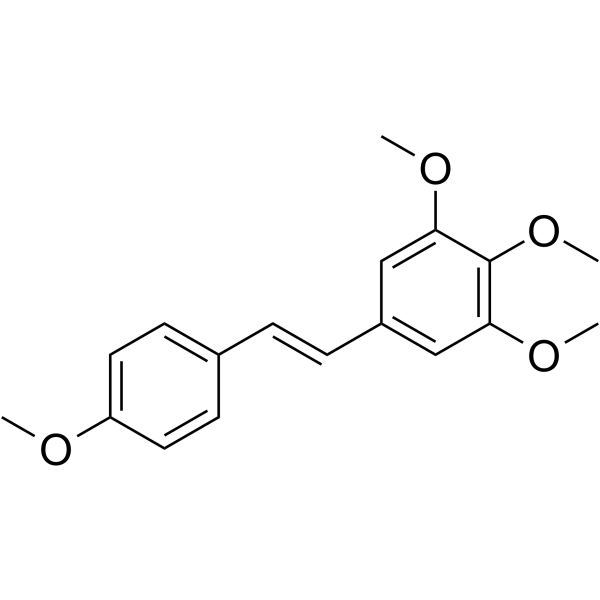
  • HY-137977
    DMU-212
    2 Publications Verification

    ERK Apoptosis Cancer
    DMU-212 is a methylated derivative of Resveratrol (HY-16561), with antimitotic, anti-proliferative, antioxidant and apoptosis promoting activities. DMU-212 induces mitotic arrest via induction of apoptosis and activation of ERK1/2 protein. DMU-212 has orally active .
    DMU-212
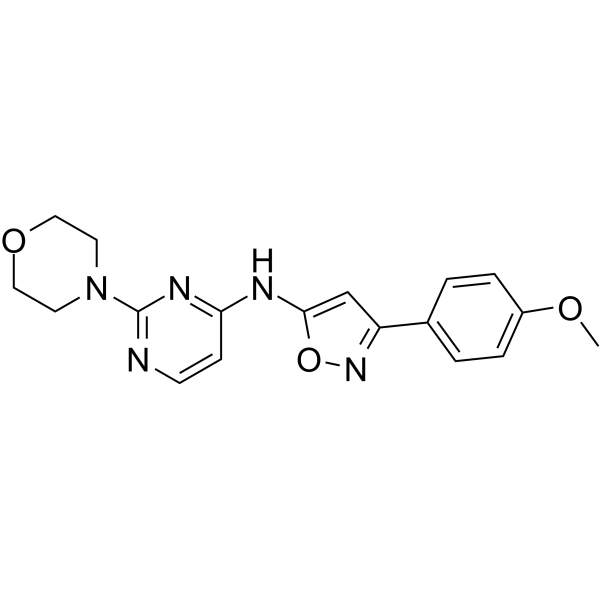
  • HY-119357

    Microtubule/Tubulin Apoptosis Autophagy Neurological Disease Cancer
    TN-16 is a Microtubule polymerization inhibitor. TN-16 induces G2/M cell cycle arrest, metaphase mitotic arrest and Apoptotic cell death in cells, and blocks late Autophagic flux by inhibiting autophagosome-lysosome fusion. TN-16 suppresses tumor growth in syngeneic mouse breast cancer models. TN-16 can be used in research related to neuroblastoma, cervical cancer, breast cancer and other tumors .
    TN-16
  • HY-W058849

    AMPK mTOR Apoptosis Cancer
    MT 63-78 is a specific and potent direct AMPK activator with an EC50 of 25 μM. MT 63–78 also induces cell mitotic arrest and apoptosis. MT 63-78 blocks prostate cancer growth by inhibiting the lipogenesis and mTORC1 pathways. MT 63-78 has antitumor effects .
    MT 63-78
  • HY-112607

    Microtubule/Tubulin Apoptosis Cancer
    Tubulin inhibitor 1 is a tubulin inhibitor, inhibits tubulin polymerization. Tubulin inhibitor 1 shows potent anti-tumor activity, casues cellular mitotic arrest in the G2/M phase, and induces cellular apoptosis .
    Tubulin inhibitor 1
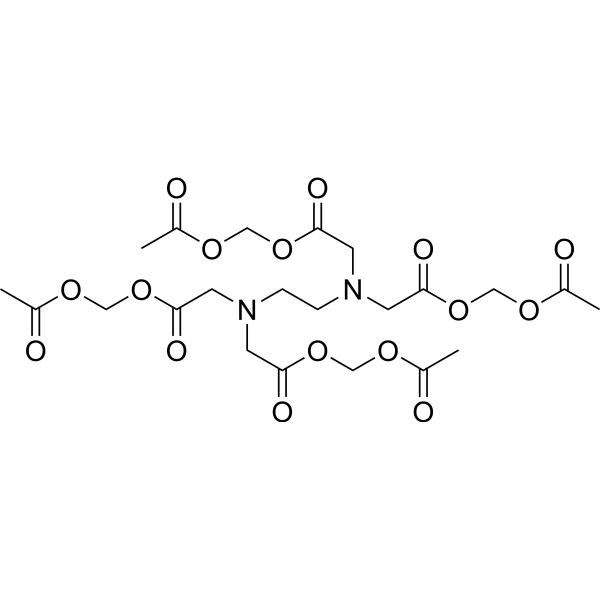
  • HY-D1746
    EDTA-AM
    2 Publications Verification

    EDTA acetoxymethyl ester; Ethylenediaminetetraacetic acid acetoxymethyl ester

    Biochemical Assay Reagents Mitosis Others
    EDTA-AM (ethylenediaminetetraacetic acid, acetoxymethyl ester) is the membrane-permeant form of the metal chelator EDTA (HY-Y0682). Live cells passively load EDTA-AM by incubating with EDTA-AM. Once internalized, cytoplasmic esterase decomposes AM esters, releasing the active ligand EDTA, which isolates metal ions within the cell. EDTA-AM induces an arrest of mitotic progression and chromosome decondensation .
    EDTA-AM
  • HY-122247

    Kinesin Cancer
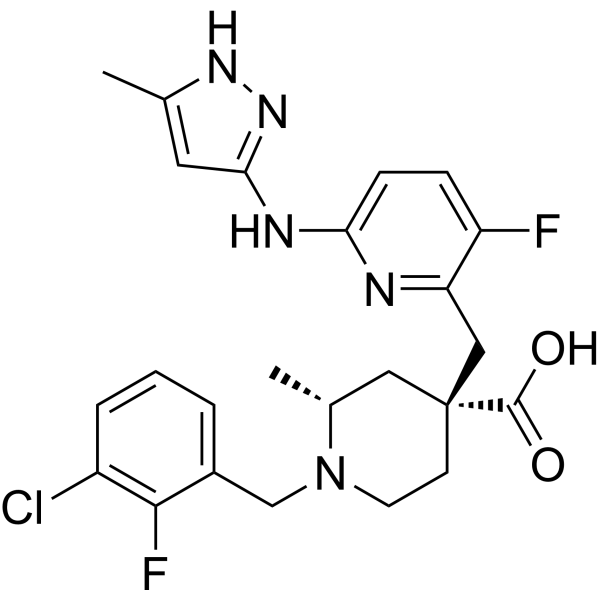
    PVZB1194 is a biphenyl-type inhibitor of Kinesin-5 ATPase activity that binds to the α4/α6 site of the motor domain in a nucleotide competitive manner. PVZB1194 has an IC50 of 0.12 μM for KSP ATPase. PVZB1194 induces mitotic arrest with the formation of a monopolar spindle, and inhibits HeLa cells proliferatio (IC50: 5.5 μM). PVZB1194 can be used in the study of tumors .
    PVZB1194
  • HY-B0413R

    Reference Standards Parasite HIF/HIF Prolyl-Hydroxylase Microtubule/Tubulin Antibiotic Infection
    Fenbendazole (Standard) is the analytical standard of Fenbendazole. This product is intended for research and analytical applications. Fenbendazole is an orally active benzimidazole anthelmintic agent, with a broad antiparasitic range. Fenbendazole is a microtubule destabilizing agent and acts on helminthes primarily by binding to tubulin and disrupting the tubulin microtubule equilibrium. Fenbendazole stabilizes the transcriptional activator HIF-1α. Fenbendazole possesses an efficient anti-proliferative activity and induces apoptosis. Fenbendazole causes cell-cycle arrest and mitotic cell death, and has antitumor activity in mice xenografted with wild-type p53 .
    Fenbendazole (Standard)
  • HY-124761

    Polo-like Kinase (PLK) Autophagy Mitosis Cancer
    Poloppin is a potent, cell penetrant inhibitor of the mitotic Polo-like kinase (PLK) (IC50=26.9 μM) and prevents the protein-protein interaction via the Polo-box domain (PBD) (Kd= 29.5 μM). Poloppin selectively kills cells expressing mutant KRAS, enhancing death in mitosis. Poloppin is used for the study of KRAS-mutant cancers as single agents, or in combination with c-MET inhibitors .
    Poloppin
  • HY-126249

    Aurora Kinase Polo-like Kinase (PLK) Apoptosis Cancer
    AAPK-25 is a potent and selective Aurora/PLK dual inhibitor with anti-tumor activity, which can cause mitotic delay and arrest cells in a prometaphase, reflecting by the biomarker histone H3 Ser10 phosphorylation and followed by a surge in apoptosis. AAPK-25 targets Aurora-A, -B, and -C with Kd values ranging from 23-289 nM, as well as PLK-1, -2, and -3 with Kd values ranging from 55-456 nM .
    AAPK-25
  • HY-145802

    Kinesin Microtubule/Tubulin Cancer
    KIF18A-IN-2 is a potent KIF18A inhibitor (IC50=28 nM). KIF18A-IN-2 causes significant mitotic arrest and increases the number of mitotic cells in tumor tissues. KIF18A-IN-2 can be used for researching cancer .
    KIF18A-IN-2
  • HY-W768912

    Isotope-Labeled Compounds Microtubule/Tubulin ADC Payload Apoptosis Autophagy Cancer
    Paclitaxel- 13C6 is the 13C-labeled Paclitaxel. Paclitaxel is a naturally occurring antineoplastic agent and stabilizes?tubulin?polymerization. Paclitaxel can cause both mitotic arrest and?apoptotic?cell death. Paclitaxel also induces?autophagy .
    Paclitaxel-13C6
  • HY-41047

    Apoptosis Cancer
    Taltobulin intermediate-1 is an intermediate in the synthesis of Taltobulin (HY-15584). Taltobulin is a common toxin component in ADC preparation (ADC Cytotoxin), and it is also a powerful tubulin (Microtubule/Tubulin) inhibitor. Taltobulin disrupts tubulin polymerization, induces mitotic arrest, and induces apoptosis .
    Taltobulin intermediate-1
  • HY-41054

    Apoptosis Cancer
    Taltobulin intermediate-3 is an intermediate in the synthesis of Taltobulin (HY-15584). Taltobulin is a common toxin component in ADC preparation (ADC Cytotoxin), and it is also a powerful tubulin (Microtubule/Tubulin) inhibitor. Taltobulin disrupts tubulin polymerization, induces mitotic arrest, and induces apoptosis .
    Taltobulin intermediate-3
  • HY-41045

    Apoptosis Cancer
    (Rac)-Taltobulin intermediate-1 is an intermediate in the synthesis of Taltobulin (HY-15584). Taltobulin is a common toxin component in ADC preparation (ADC Cytotoxin), and it is also a powerful tubulin (Microtubule/Tubulin) inhibitor. Taltobulin disrupts tubulin polymerization, induces mitotic arrest, and induces apoptosis .
    (Rac)-Taltobulin intermediate-1
  • HY-149086

    RAR/RXR Apoptosis PARP Bcl-2 Family Cancer
    BPA-B9 is a RXRα ligand and antagonist targeting the pRXRα-PLK1 interaction. BPA-B9 has excellent RXRα-binding affinity (KD=39.29 ± 1.12 nM). BPA-B9 inhibits the proliferation of cancer cells by inducing mitotic arrest and cell apoptosis .
    BPA-B9
  • HY-149085

    RAR/RXR Cancer
    XS-060 is a potent anticancer agent and RXRα antagonist. XS-060 significantly induces RXRα-dependent mitotic arrest by inhibiting pRXRα-PLK1 interaction. XS-060 inhibits p-RXRα interaction with PLK1 but has no effect on RXRα heterodimerization with RARγ. XS-060 inhibits the in situ interaction between p-RXRα and PLK1 at the centrosome .
    XS-060
  • HY-14661

    Kinesin Cancer
    SB-743921 free base is a potent selective inhibitor of the mitotic kinesin KSP (Eg5), with a Ki of 0.1 nM. SB-743921 free base can induce mitotic arrest, block cell cycle progression, induce apoptosis, and can be used in the research of myeloma, leukemia and other diseases .
    SB-743921 free base
  • HY-145803

    Kinesin Microtubule/Tubulin Cancer
    KIF18A-IN-3 is a potent KIF18A inhibitor (IC50=61 nM). KIF18A-IN-3 causes significant mitotic arrest and increases the number of mitotic cells in tumor tissues. KIF18A-IN-3 can be used for researching cancer .
    KIF18A-IN-3
  • HY-B0015S1

    Isotope-Labeled Compounds Microtubule/Tubulin ADC Payload Apoptosis Autophagy Cancer
    Paclitaxel-d5 (benzoyloxy) is the deuterium labeled Paclitaxel. Paclitaxel is a naturally occurring antineoplastic agent and stabilizes tubulin polymerization. Paclitaxel can cause both mitotic arrest and apoptotic cell death. Paclitaxel also induces autophagy .
    Paclitaxel-d5 (benzoyloxy)
  • HY-15584A
    Taltobulin trifluoroacetate
    3 Publications Verification

    HTI-286 trifluoroacetate; SPA-110 trifluoroacetate

    Microtubule/Tubulin ADC Payload Apoptosis Cancer
    Taltobulin trifluoroacetate (HTI-286 trifluoroacetate), a synthetic analogue of the tripeptide hemiasterlin, is a potent antimicrotubule agent that circumvents P-glycoprotein-mediated resistance in vitro and in vivo. Taltobulin trifluoroacetate inhibits the polymerization of purified tubulin, disrupts microtubule organization in cells, and induces mitotic arrest, as well as apoptosis .
    Taltobulin trifluoroacetate
  • HY-10971A

    MLN 8237 sodium

    Aurora Kinase Autophagy Apoptosis Cancer
    Alisertib (MLN 8237) sodium is an orally active and selective Aurora A kinase inhibitor (IC50=1.2 nM), which binds to Aurora A kinase resulting in mitotic spindle abnormalities, mitotic accumulation. Alisertib sodium induces apoptosis and autophagy through targeting the AKT/mTOR/AMPK/p38 pathway in leukemic cells. Antitumor activity .
    Alisertib sodium
  • HY-146792

    Polo-like Kinase (PLK) Cancer
    PLK1-IN-4 is a potent and selective PLK1 inhibitor with IC50 < 0.508 nM. PLK1-IN-4 has broad antiproliferative activity against a variety of cancer cell lines. PLK1-IN-4 induces mitotic arrest at the G2/M phase checkpoint, leading to cancer cell apoptosis. PLK1-IN-4 can be used for researching hepatocellular carcinoma .
    PLK1-IN-4
  • HY-101287

    Microtubule/Tubulin JNK Apoptosis Caspase Cancer
    MPT0B392, an orally active quinoline derivative, induces c-Jun N-terminal kinase (JNK) activation, leading to apoptosis. MPT0B392 inhibits tubulin polymerization and triggers induction of the mitotic arrest, followed by mitochondrial membrane potential loss and caspases cleavage by activation of JNK and ultimately leads to apoptosis. MPT0B392 is demonstrated to be a novel microtubule-depolymerizing agent and enhances the cytotoxicity of sirolimus in sirolimus-resistant acute leukemic cells and the multidrug resistant cell line .
    MPT0B392
  • HY-12137R

    BI 6727 (Standard)

    Polo-like Kinase (PLK) Apoptosis Reference Standards Cancer
    Volasertib (Standard) is the analytical standard of Volasertib. This product is intended for research and analytical applications. Volasertib (BI 6727) is an orally active, highly potent and ATP-competitive Polo-like kinase 1 (PLK1) inhibitor with an IC50 of 0.87 nM. Volasertib inhibits PLK2 and PLK3 with IC50s of 5 and 56 nM, respectively. Volasertib induces mitotic arrest and apoptosis. Volasertib, a dihydropteridinone derivative, shows marked antitumor activity in multiple cancer models .
    Volasertib (Standard)
  • HY-101071

    (+)-Monastrol

    Kinesin Mitosis Cancer
    (S)-Monastrol ((+)-Monastrol) is an allosteric inhibitor of the mitotic kinesin Eg5 that exhibits an antiproliferative effect against several cancer cell lines. (S)-Monastrol arrests mammalian cells in mitosis with monopolar spindles .
    (S)-Monastrol
  • HY-161521

    Polo-like Kinase (PLK) Cancer
    PLK1-IN-10 (Compound 4Bb) is an orally active PLK1 PBD (polo-box domain) inhibitor. PLK1-IN-10 blocks the interaction of PLK1 with the cell division regulator protein 1 (PRC1) and decreases the protein expression of the CDK1-Cyclin B1 complex. PLK1-IN-10 reacts with glutathione (GSH) to increase cellular oxidative stress, ultimately leading to cell death .
    PLK1-IN-10
  • HY-D2436

    Fluorescent Dye Microtubule/Tubulin Apoptosis Cardiovascular Disease Cancer
    PTX-PEG-Cy3 (Paclitaxel-PEG-Cy3) is a Cy3 (HY-D0822) labeled PTX-PEG conjugate. The Cy3 fluorophore is commonly used in applications such as immunolabeling, nucleic acid labeling, fluorescence microscopy, and flow cytometry. Cy3 has an emission maximum around 562-570 nm. PTX stabilizes tubulin polymerization. PTX can cause both mitotic arrest and apoptotic cell death. PTX also induces autophagy .
    PTX-PEG-Cy3
  • HY-122130

    MK-8267

    Kinesin Apoptosis Cancer
    SCH 2047069 (MK-8267) is an orally active kinesin spindle protein (KSP) inhibitor (Kd: 0.5 nM) that can cross the blood-brain barrier. SCH 2047069 exhibits an IC50 value of ≤ 5 nM against the KSP ATPase. SCH 2047069 exhibits broad-spectrum antitumor activity. SCH 2047069 can induce mitotic arrest and apoptosis in tumor cells. SCH 2047069 can be used in the research of tumors such as ovarian cancer, colon cancer, glioblastoma, and lymphoma .
    SCH 2047069
  • HY-D2422B

    Fluorescent Dye Microtubule/Tubulin Cancer
    Cy5-Paclitaxel is a Cyanine5 carboxylic acid bromide (HY-D1319) labeled Paclitaxel (HY-B0015) conjugate. Cyanine5 carboxylic acid bromide is a fluorescent dye containing a non-activated carboxylic acid (Ex=646 nm, Em=662 nm) that can be used for molecular labeling and microscopy imaging. Paclitaxel stabilizes tubulin polymerization. Paclitaxel can cause both mitotic arrest and apoptotic cell death. Paclitaxel also induces autophagy .
    Cy5-Paclitaxel

Inquiry Online

Your information is safe with us. * Required Fields.

Salutation


Country or Region *

Applicant Name *


Organization Name *

Department *


Email Address *


Product Name *

Cat. No.


Requested quantity *

Phone Number *


Remarks

Inquiry Online

Inquiry Information

Product Name:
Cat. No.:
Quantity:
MCE Japan Authorized Agent:

