1. Search Result
Search Result
Results for "

multidrug-resistant bacteria

" in MedChemExpress (MCE) Product Catalog:

91

Inhibitors & Agonists

1

Screening Libraries

17

Peptides

19

Natural
Products

14

Isotope-Labeled Compounds

2

Click Chemistry

1

Oligonucleotides

Cat. No. Product Name Target Research Areas Chemical Structure
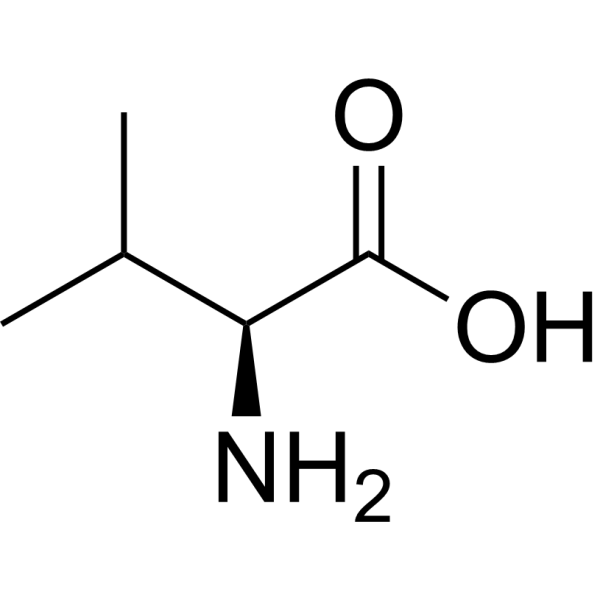
  • HY-N0717
    L-Valine
    5 Publications Verification

    (S)-Valine

    Bacterial Arginase Akt Infection
    L-Valine ((S)-Valine) is a nonlinear semiorganic material. L-Valine causes lipid peroxidation and accumulation of malondialdehyde (MDA), exhibits inhibitory activity against cyanobacteria. L-Valine inhibits multidrug-resistant bacteria through activation of PI3K/Akt signaling pathway and inhibition of arginase .
    L-Valine
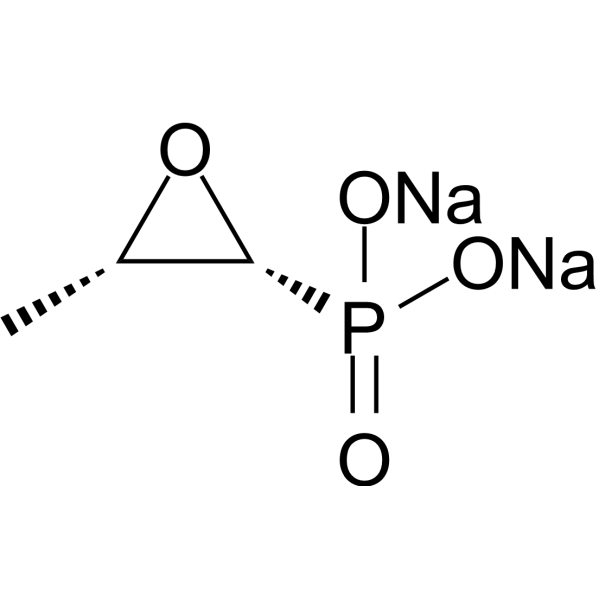
  • HY-W016420
    Fosfomycin sodium
    Maximum Cited Publications
    14 Publications Verification

    MK-0955 sodium

    Bacterial Antibiotic Infection Cancer
    Fosfomycin (MK-0955) sodium is a blood-brain barrier penetrating, broad-spectrum antibiotic by irreversibly inhibiting an early stage in cell wall synthesis. Fosfomycin sodium shows both in vivo and in vitro activity against a wide range of bacteria, including multidrug-resistant (MDR), extensively drug-resistant (XDR), and pan-drug-resistant (PDR) bacteria .
    Fosfomycin sodium
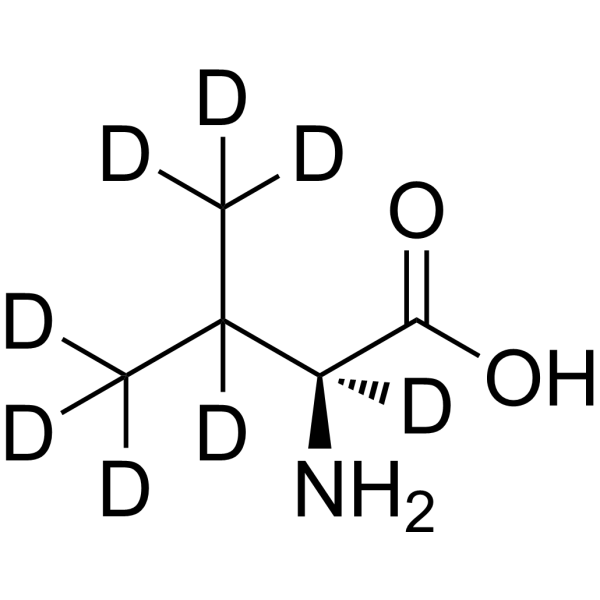
  • HY-I1124
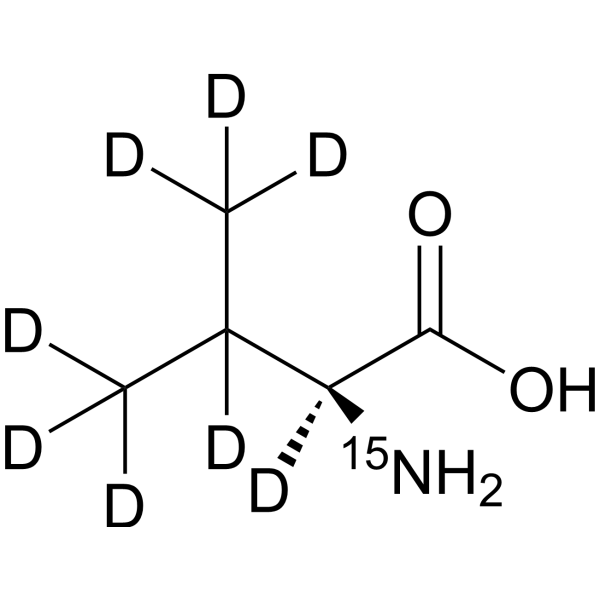
    L-Valine-d8
    1 Publications Verification

    L-VALINE-2,3,4,4,4,5,5,5-d8

    Isotope-Labeled Compounds Arginase Akt Bacterial Infection
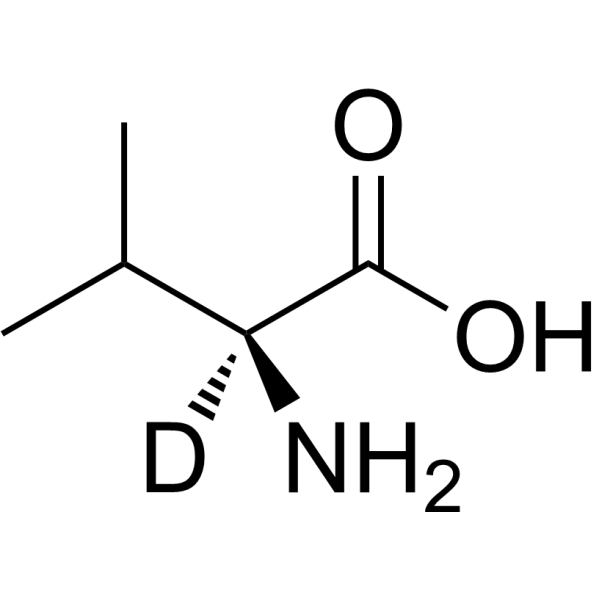
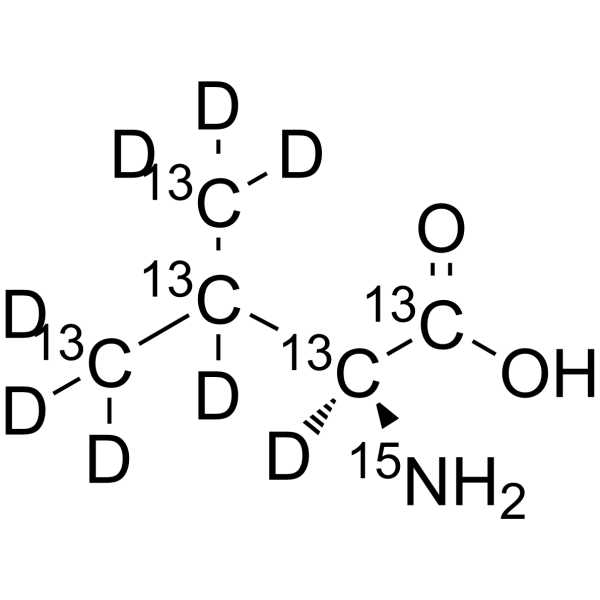
    L-Valine-d8 is a deuterated form of L-Valine (HY-N0717). L-Valine ((S)-Valine) is a nonlinear semiorganic material. L-Valine causes lipid peroxidation and accumulation of malondialdehyde (MDA), exhibits inhibitory activity against cyanobacteria. L-Valine inhibits multidrug-resistant bacteria through activation of PI3K/Akt signaling pathway and inhibition of arginase .
    L-Valine-d8
  • HY-113678

    Polymyxin E

    Antibiotic Bacterial Infection
    Colistin is an orally active polypeptide antibiotic. Colistin has excellent activity against various Gram-negative rod-shaped bacteria, including multidrug-resistant Pseudomonas aeruginosa, Acinetobacter baumannii and Klebsiella pneumoniae. Colistin is associated with nephrotoxicity. Colistin can be used for the research of infections caused by Gram-negative bacilli .
    Colistin
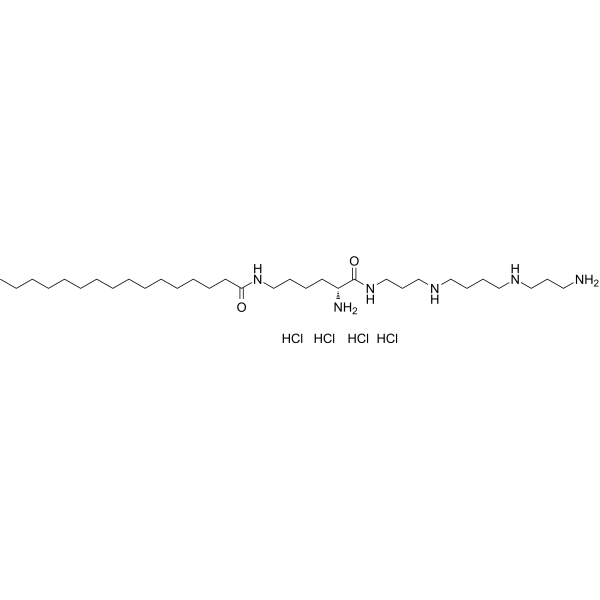
  • HY-124617A
    AMXT-1501 tetrahydrochloride
    5+ Cited Publications

    Apoptosis Bacterial Infection Inflammation/Immunology Cancer
    AMXT-1501 tetrahydrochloride is a Bacterial agent and polyamine transport system inhibitor. AMXT-1501 tetrahydrochloride targets membrane phospholipids and exhibits antibacterial activity against a variety of Gram-positive and Gram-negative multidrug-resistant bacteria . AMXT-1501 tetrahydrochloride inhibits capsular biosynthesis in Streptococcus pneumoniae . AMXT-1501 tetrahydrochloride targets ornithine decarboxylase and polyamines to inhibit the proliferation of neuroblastoma cells . AMXT-1501 tetrahydrochloride in combination with DFMO (HY-B0744) induces Apoptosis in neuroblastoma cells. AMXT-1501 tetrahydrochloride is applicable to research related to multidrug-resistant bacterial infections, pneumococcal infections, Streptococcus pneumoniae infections, and neuroblastoma .
    AMXT-1501 tetrahydrochloride
  • HY-164036

    Antibiotic Bacterial Infection
    Lolamicin is an orally effective inhibitor that specifically targets the Gram-negative bacteria lipoprotein transport system LolCDE complex. It selectively inhibits the transmembrane transport of outer membrane lipoproteins by competitively binding to lipoprotein binding sites. Lolamicin destroys the integrity of the bacterial outer membrane, leading to cell death, and has both bactericidal and antibacterial activity. It has significant effects on multidrug-resistant Enterobacteriaceae pathogens (such as Escherichia coli and Klebsiella pneumoniae). Lolamicin can be used to inhibit the study of acute pneumonia, sepsis and other infections caused by Gram-negative bacteria .
    Lolamicin
  • HY-B0334
    Sulbactam
    10+ Cited Publications

    CP45899

    Bacterial Antibiotic Infection
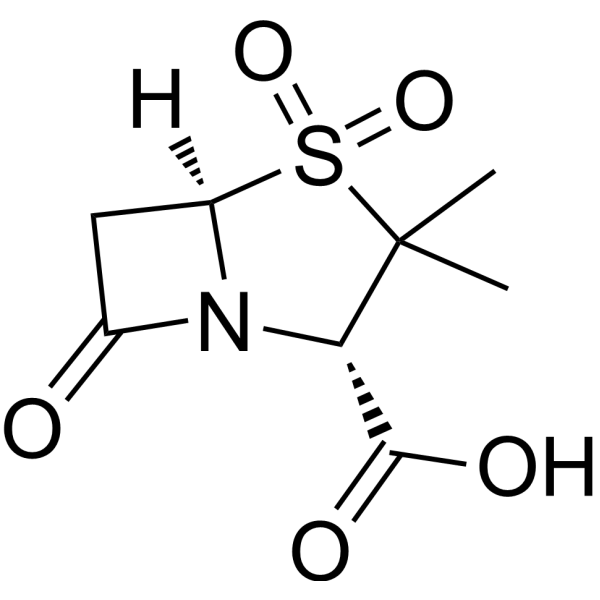
    Sulbactam (CP45899) is a competitive, irreversible beta-lactamase inhibitor. Sulbactam shows antimicrobial activity against multidrug-resistant (MDR) acinetobacter calcoaceticus--Acinetobacter baumannii (Acb) complex .
    Sulbactam
  • HY-B1075
    Fosfomycin calcium
    10+ Cited Publications

    MK-​0955 calcium

    Bacterial Antibiotic Infection Cancer
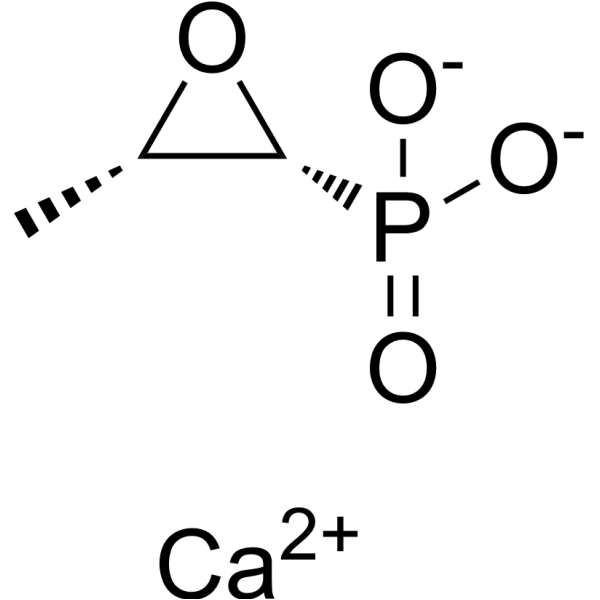
    Fosfomycin (MK-0955) calcium is a blood-brain barrier penetrating, broad-spectrum antibiotic by irreversibly inhibiting an early stage in cell wall synthesis. Fosfomycin calcium shows both in vivo and in vitro activity against a wide range of bacteria, including multidrug-resistant (MDR), extensively drug-resistant (XDR), and pan-drug-resistant (PDR) bacteria .
    Fosfomycin calcium
  • HY-124617
    AMXT-1501
    5+ Cited Publications

    Apoptosis Bacterial Infection Cancer
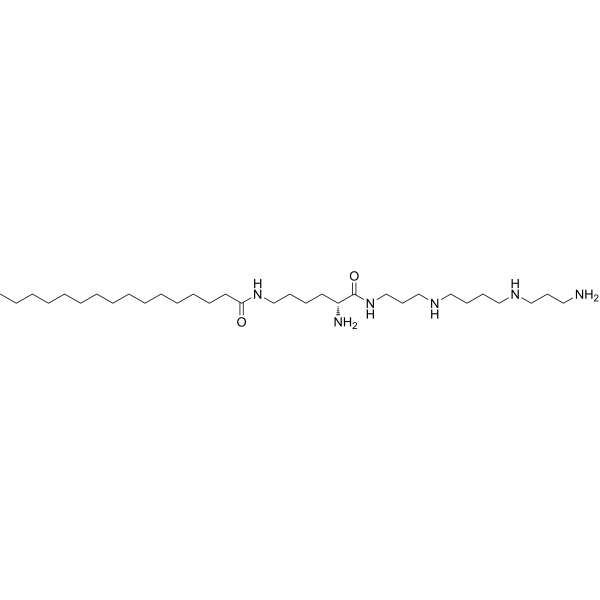
    AMXT-1501 is a Bacterial agent and polyamine transport system inhibitor. AMXT-1501 targets membrane phospholipids and exhibits antibacterial activity against a variety of Gram-positive and Gram-negative multidrug-resistant bacteria . AMXT-1501 inhibits capsular biosynthesis in Streptococcus pneumoniae . AMXT-1501 targets ornithine decarboxylase and polyamines to inhibit the proliferation of neuroblastoma cells . AMXT-1501 in combination with DFMO (HY-B0744) induces Apoptosis in neuroblastoma cells. AMXT-1501 is applicable to research related to multidrug-resistant bacterial infections, pneumococcal infections, Streptococcus pneumoniae infections, and neuroblastoma .
    AMXT-1501
  • HY-B0334A
    Sulbactam sodium
    10+ Cited Publications

    CP45899 sodium

    Bacterial Antibiotic Infection
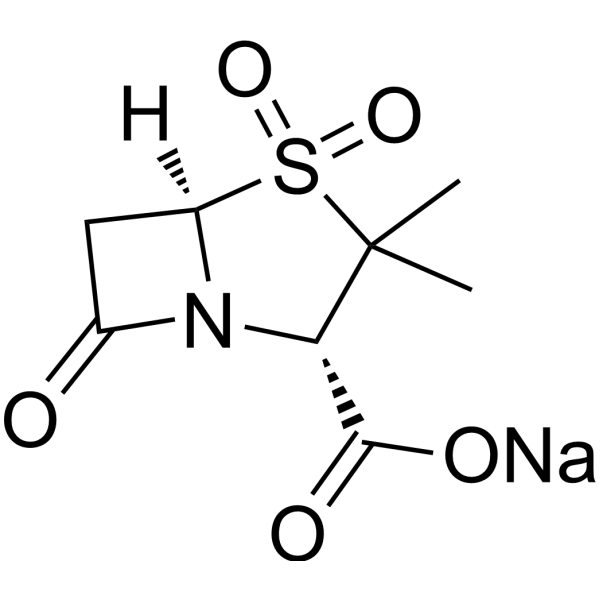
    Sulbactam (CP45899) sodium is a competitive, irreversible beta-lactamase inhibitor. Sulbactam sodium shows antimicrobial activity against multidrug-resistant (MDR) acinetobacter calcoaceticus--Acinetobacter baumannii (Acb) complex .
    Sulbactam sodium
  • HY-N2736
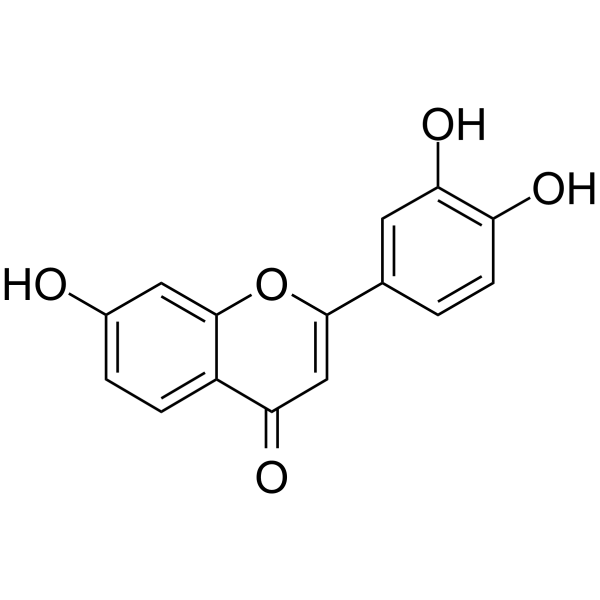
    3′,4′,7-Trihydroxyflavone
    1 Publications Verification

    Beta-lactamase COX Interleukin Related Bacterial JNK ERK p38 MAPK STAT Apoptosis NO Synthase Nuclear Factor of activated T Cells (NFAT) Lactate Dehydrogenase Reactive Oxygen Species (ROS) SOD Akt Caspase Bcl-2 Family Infection Neurological Disease Inflammation/Immunology
    3′,4′,7-Trihydroxyflavone is an orally active inhibitor of OXA-48 (IC50 = 1.89 μM) and COX-1 (IC50 = 36.37 μM). 3′,4′,7-Trihydroxyflavone exhibits antioxidant and anti-inflammatory properties, inhibiting the release of inflammatory cytokines such as IL-6, IL-8, and TNF-α. 3′,4′,7-Trihydroxyflavone inhibits H2O2-induced neuronal apoptosis and ROS accumulation, and exerts anti-neuroinflammatory effects by suppressing the JNK-STAT1 pathway. 3′,4′,7-Trihydroxyflavone exhibits antimicrobial and antibiotic-modifying activities against multidrug-resistant Gram-negative enteric bacteria. 3′,4′,7-Trihydroxyflavone inhibits RANKL-induced osteoclast formation via NFATc1. 3′,4′,7-Trihydroxyflavone activates the CREB-BDNF axis and restores scopolamine (HY-N0296)-induced memory deficits in mice .
    3′,4′,7-Trihydroxyflavone
  • HY-105284
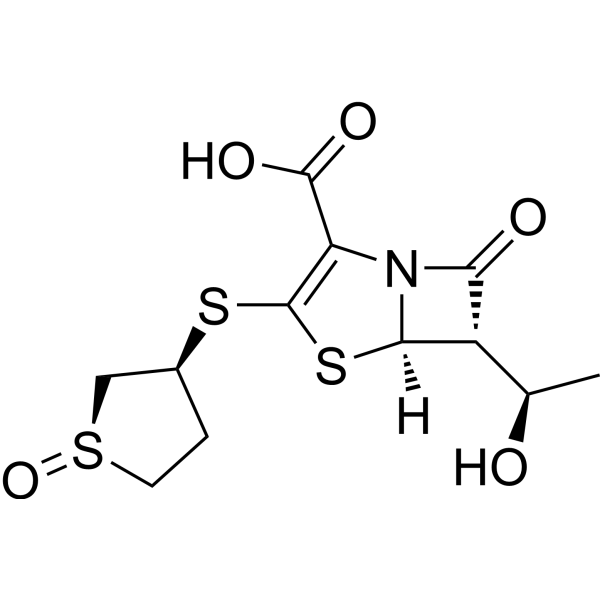
    Sulopenem
    2 Publications Verification

    CP-70429

    Beta-lactamase Bacterial Antibiotic Infection
    Sulopenem (CP-70429) is an orally active, parenteral penem antibiotic with broad-spectrum activities against Gram-positive and Gram-negative bacteria. Sulopenem has the potential for urinary tract infections and intra-abdominal infections treatment. Sulopenem is inactive against Pseudomonas aeruginosa and Xanthomonas maltophilia .
    Sulopenem
  • HY-B1075A

    MK-0955

    Bacterial Antibiotic Infection Cancer
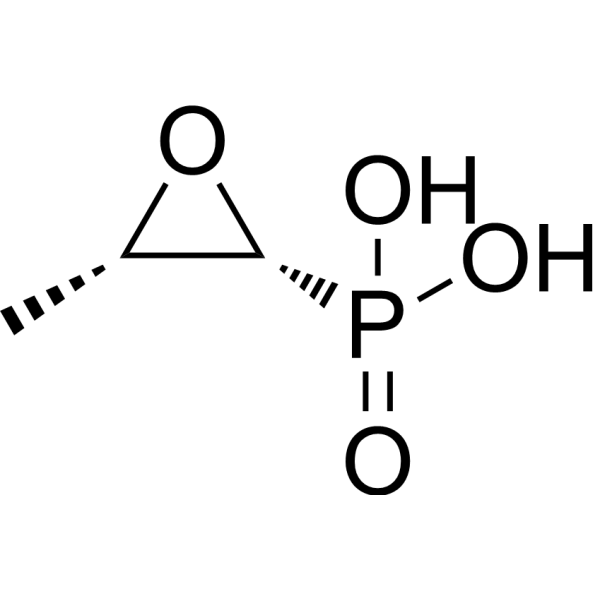
    Fosfomycin (MK-0955) is a broad-spectrum antibiotic. Fosfomycin can cross blood-brain barrier penetrating, and irreversibly inhibits an early stage in cell wall synthesis. Fosfomycin shows anti-bacteria activity for a range of bacteria, including multidrug-resistant (MDR), extensively drug-resistant (XDR), and pan-drug-resistant (PDR) bacteria .
    Fosfomycin
  • HY-P1649
    SPR741
    3 Publications Verification

    NAB741

    Bacterial Antibiotic Infection
    SPR741 (NAB741) is a cationic peptide derived from polymyxin B and is a potentiator molecule. SPR741 increases the permeability of the outer membrane of Gram-negative bacteria and is used to treat severe Gram-negative bacteria infections. SPR741 inhibits multidrug-resistant Gram-negative bacteria. The spectrum of activity of the antibiotic can be widened when used in combination with SPR741 .
    SPR741
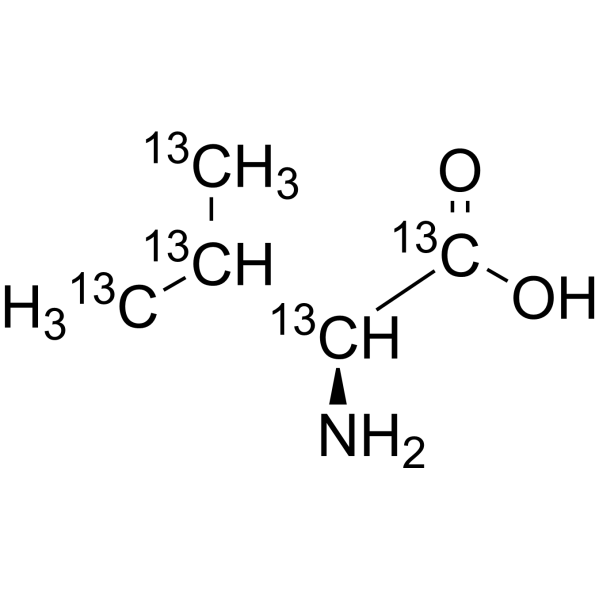
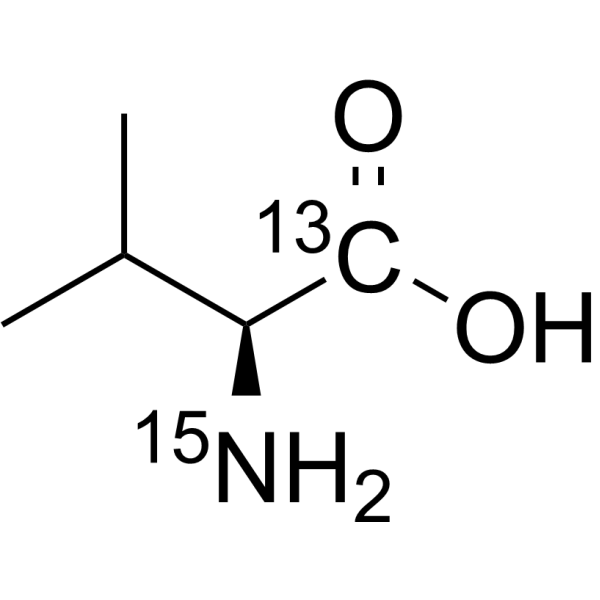
  • HY-N0717S6

    (S)-Valine-13C5

    Isotope-Labeled Compounds Arginase Akt Bacterial Infection
    L-Valine- 13C5 ((S)-Valine- 13C5) is the 13C-labeled L-Valine (HY-N0717). L-Valine ((S)-Valine) is a nonlinear semiorganic material. L-Valine causes lipid peroxidation and accumulation of malondialdehyde (MDA), exhibits inhibitory activity against cyanobacteria. L-Valine inhibits multidrug-resistant bacteria through activation of PI3K/Akt signaling pathway and inhibition of arginase .
    L-Valine-13C5
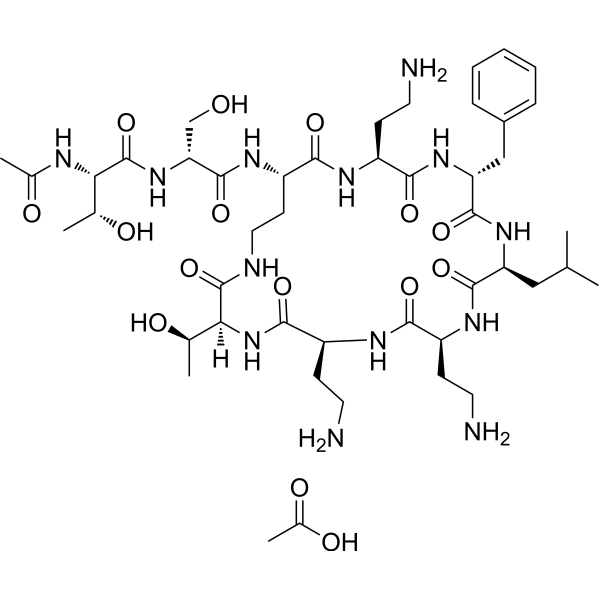
  • HY-P1649B
    SPR741 acetate
    3 Publications Verification

    NAB741 acetate

    Bacterial Antibiotic Infection
    SPR741 acetate (NAB741 acetate) is a cationic peptide derived from polymyxin B and is a potentiator molecule. SPR741 acetate increases the permeability of the outer membrane of Gram-negative bacteria and is used to treat severe Gram-negative bacteria infections. SPR741 acetate inhibits multidrug-resistant Gram-negative bacteria. The spectrum of activity of the antibiotic can be widened when used in combination with SPR741 acetate .
    SPR741 acetate
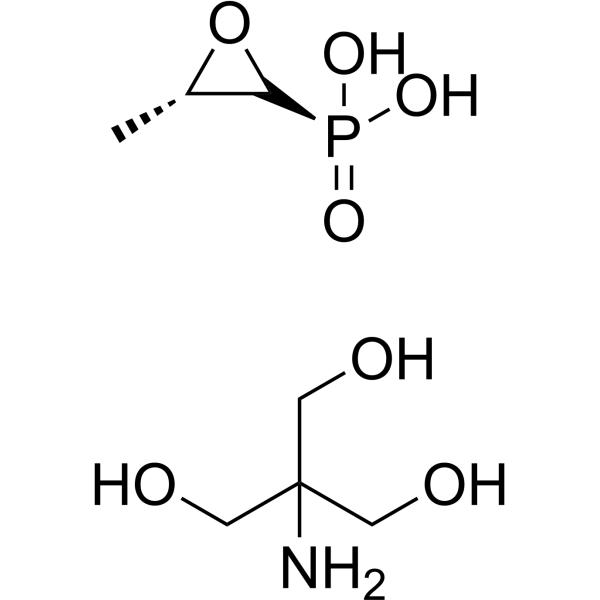
  • HY-B0609
    Fosfomycin tromethamine
    10+ Cited Publications

    MK-0955 tromethamine

    Bacterial Antibiotic Infection Cancer
    Fosfomycin (MK-0955) tromethamine is a blood-brain barrier penetrating, broad-spectrum antibiotic by irreversibly inhibiting an early stage in cell wall synthesis. Fosfomycin tromethamine shows both in vivo and in vitro activity against a wide range of bacteria, including multidrug-resistant (MDR), extensively drug-resistant (XDR), and pan-drug-resistant (PDR) bacteria .
    Fosfomycin tromethamine
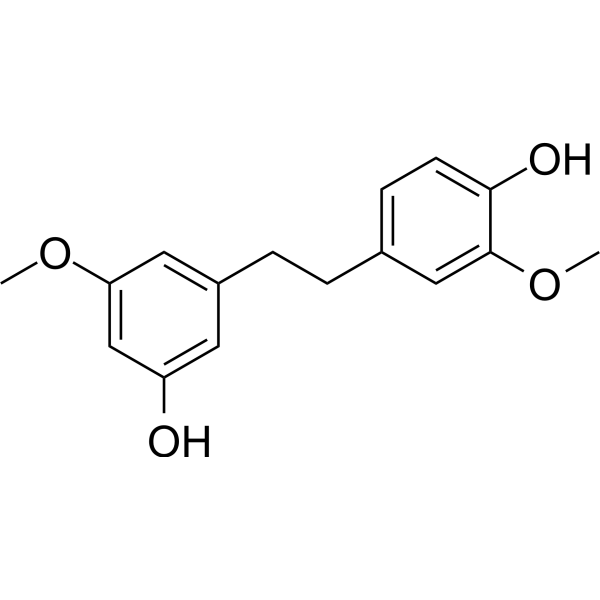
  • HY-N10549
    Gigantol
    1 Publications Verification

    Ferroptosis c-Myc Glutathione Peroxidase JNK Reactive Oxygen Species (ROS) GSK-3 Infection Metabolic Disease Cancer
    Gigantol is an orally active bibenzyl compound. Gigantol targets MYC to promote its ubiquitin-proteasomal degradation and inhibit the growth of lung cancer cells. Gigantol exerts anti-lung cancer activity by inducing ferroptosis (Ferroptosis) via the SLC7A11-GPX4 axis. Gigantol restores the sensitivity of mcr-harboring multidrug-resistant bacteria to colistin. Gigantol ameliorates carbon tetrachloride-induced liver injury by inhibiting the activation of the JNK/cPLA2/12-LOX inflammatory pathway. Gigantol promotes cholesterol metabolism and progesterone biosynthesis in Leydig cells. Gigantol can be used in studies related to diseases such as lung cancer, multidrug-resistant Gram-negative bacterial infections, and acute liver injury .
    Gigantol
  • HY-N0717R

    (S)-Valine (Standard)

    Reference Standards Arginase Akt Bacterial Infection
    L-Valine (Standard) ((S)-Valine (Standard)) is the analytical standard of L-Valine (HY-N0717). This product is intended for research and analytical applications. L-Valine ((S)-Valine) is a nonlinear semiorganic material. L-Valine causes lipid peroxidation and accumulation of malondialdehyde (MDA), exhibits inhibitory activity against cyanobacteria. L-Valine inhibits multidrug-resistant bacteria through activation of PI3K/Akt signaling pathway and inhibition of arginase .
    L-Valine (Standard)
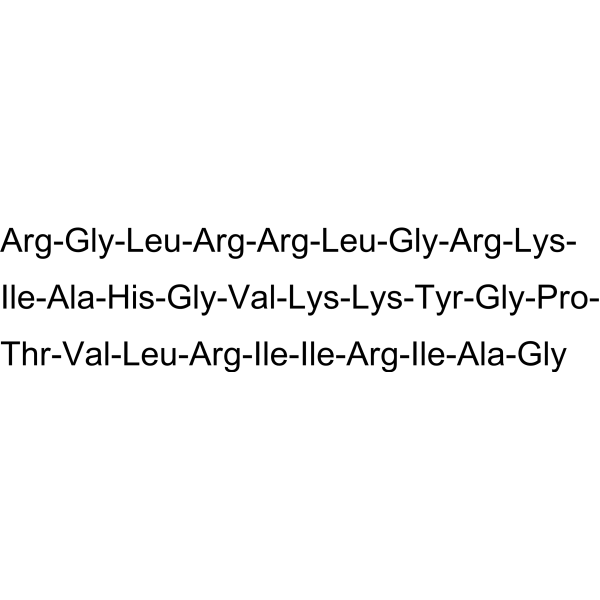
  • HY-P2460

    Bacterial Fungal Interleukin Related TNF Receptor Infection Inflammation/Immunology
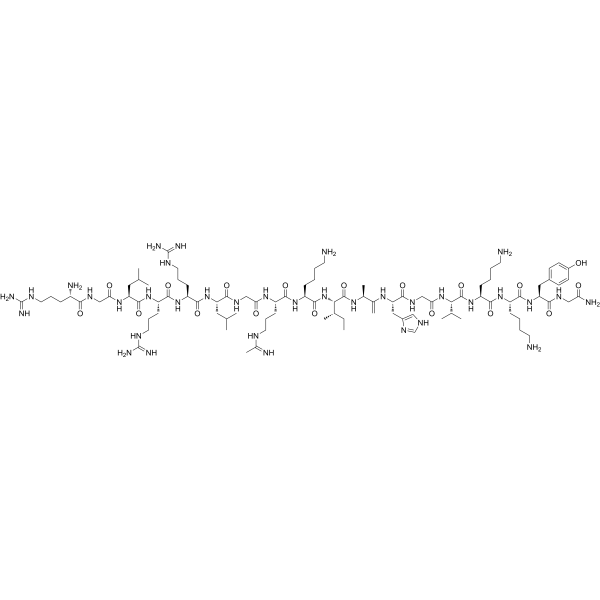
    SMAP‑29 is a cathelicidin antimicrobial peptide with LPS‑binding and anti‑inflammatory properties. SMAP‑29 exerts broad‑spectrum antimicrobial activity against bacteria, fungi and multidrug‑resistant isolates. SMAP‑29 kills pathogens by permeabilizing bacterial membranes, inducing depolarization and cell lysis, and also inhibits inflammatory cytokines while reducing lethality in septic shock and pneumonia models. SMAP-29 can be used for research on bacterial infections, drug-resistant infections, septic shock .
    SMAP-29
  • HY-W040128

    Antibiotic Autophagy JNK Bcl-2 Family Infection
    Kanamycins sulfate is a blood-brain barrier-permeable JNK1 and Bcl-2 modulator as well as an antibiotic, with broad-spectrum antibacterial, and biofilm-inhibiting activities, and it induces autophagy. Kanamycins sulfate promotes Bcl-2 phosphorylation to upregulate autophagy levels, triggering changes such as mitochondrial swelling and endoplasmic reticulum expansion. Consequently, it causes reversible neuronal damage in the dorsal cochlear nucleus without inducing significant neuronal apoptosis. In the presence of exogenous alanine or glucose, Kanamycins sulfate effectively kills drug-resistant bacteria, restores drug sensitivity of multidrug-resistant bacteria, and alleviates urinary tract and kidney infections in mice. Kanamycins sulfate can be applied to scientific research related to Mycobacterium tuberculosis, salmonellosis, brucellosis, shigellosis, urinary tract infections, and reversible neurotoxicity .
    Kanamycins sulfate
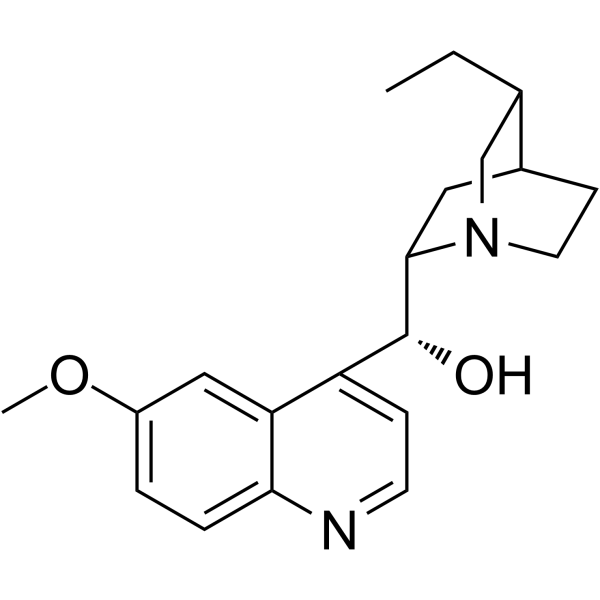
  • HY-42034

    Dihydroquinine

    Bacterial Parasite Reactive Oxygen Species (ROS) Protein Arginine Deiminase Infection
    Hydroquinine (Dihydroquinine) is an anti-bacterial agent that inhibits both Gram-positive and Gram-negative bacteria. Hydroquinine inhibits the growth of multidrug-resistant pseudomonas aeruginosa via the suppression of the arginine deiminase pathway genes. Hydroquinine inhibits Plasmodium falciparum and Plasmodium berghei. Hydroquinine displays anti-malarial and demelanizing activities. Hydroquinine effectively induces specific RND-type efflux pump systems in Pseudomonas aeruginosa, particularly the MexCD-OprJ and MexXY efflux pumps. Hydroquinine inhibits Pseudomonas aeruginosa adhesion and biofilm formation. Hydroquinine serves as a precursor for derivatives such as C9 epihydroquinine, 9-acetoxy-10,11-dihydroquinine, and 10,11-dihydroquinine monohydrochloride .
    Hydroquinine
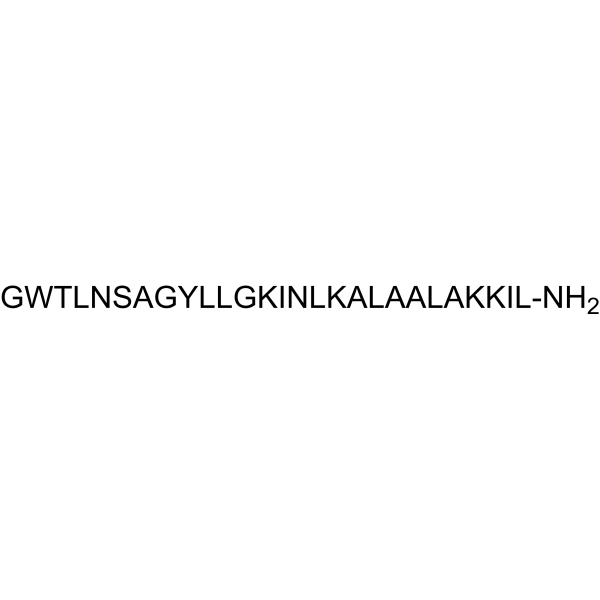
  • HY-P1732

    Biochemical Assay Reagents Cancer
    Transportan is an amphipathic cell-penetrating peptide containing 12 functional amino acids from the amino terminus of the neuropeptide galanin and mastoparan in the carboxyl terminus, connected via a lysine. Transportan interacts with galanin receptors and G-proteins, modulates GTPase activity, enters cells via direct translocation and endocytic pathways, accumulates in cytoplasmic, nuclear, and membranous structures, and delivers cargo including peptides, PNAs, proteins, siRNA, and liposomes [12].
    Transportan
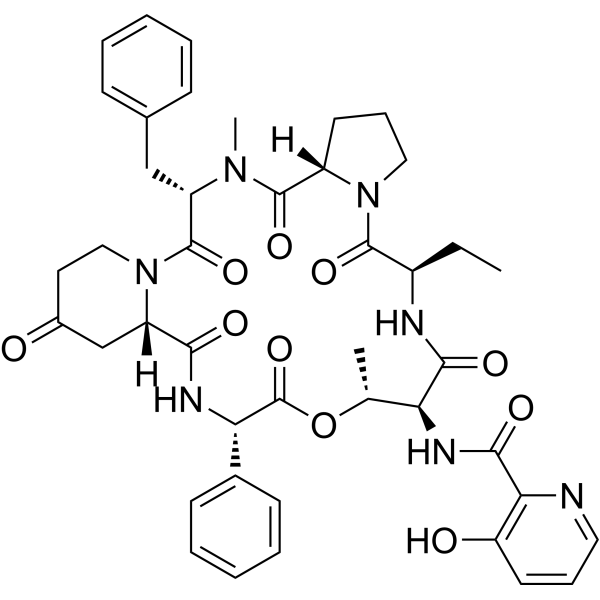
  • HY-N6680
    Virginiamycin S1
    1 Publications Verification

    Bacterial Antibiotic Infection
    Virginiamycin S1 is a cyclic hexadepsipeptide antibiotic, inhibits bacterial protein synthesis at the level of aminoacyl-tRNA binding and peptide bond formation. Virginiamycin S1 belongs to the type B compounds in the streptogramin family and is produced by Streptomyces virginiae, shows a strong bactericidal activity against a wide range of Gram-positive bacteria. Virginiamycin S1 together with virginiamycin M1 is more effective in treat multidrug-resistant bacterial infections [1][2].
    Virginiamycin S1
  • HY-N0717S4

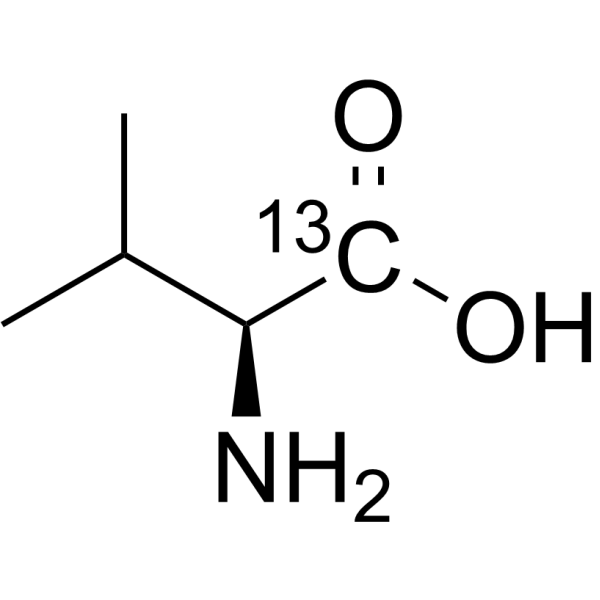
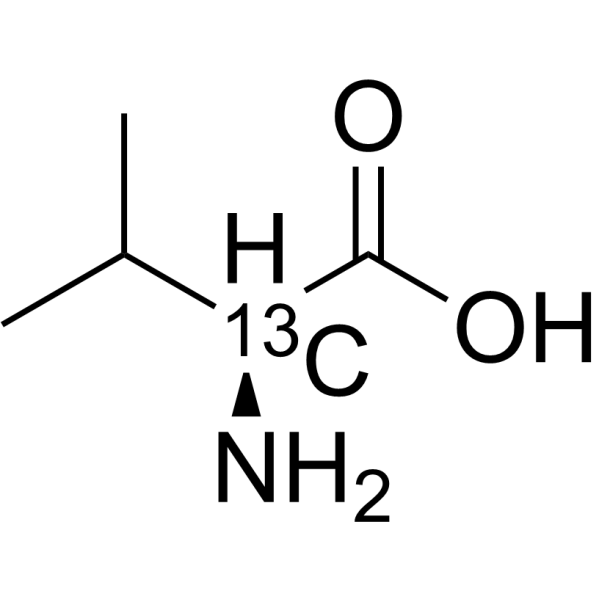
    (S)-Valine-1-13C

    Isotope-Labeled Compounds Arginase Akt Bacterial Infection
    L-Valine-1- 13C ((S)-Valine-1- 13C) is the 13C-labeled L-Valine (HY-N0717). L-Valine ((S)-Valine) is a nonlinear semiorganic material. L-Valine causes lipid peroxidation and accumulation of malondialdehyde (MDA), exhibits inhibitory activity against cyanobacteria. L-Valine inhibits multidrug-resistant bacteria through activation of PI3K/Akt signaling pathway and inhibition of arginase .
    L-Valine-1-13C
  • HY-P10233A

    Bacterial Infection
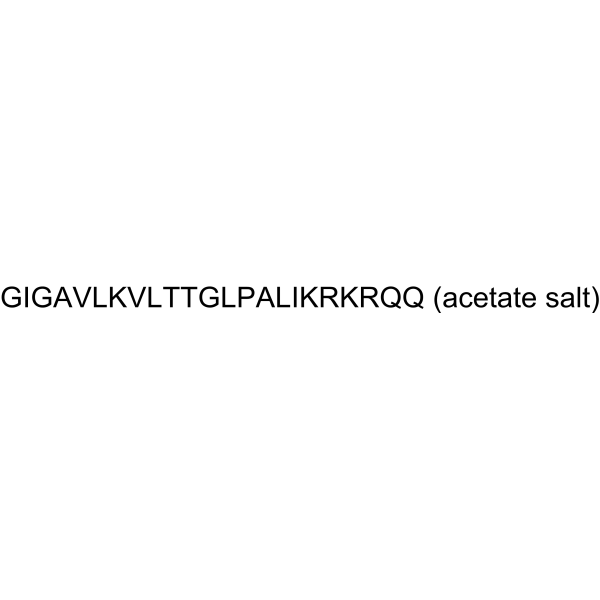
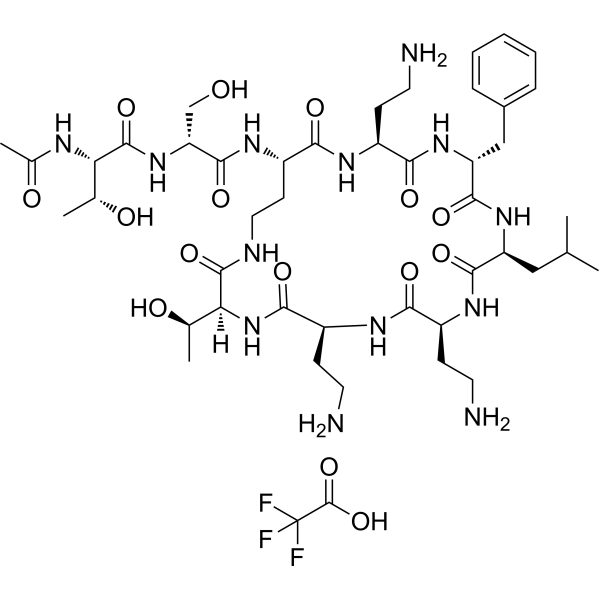
    SAAP 148 TFA is a synthetic antimicrobial peptide (bacteria) that interacts with and disrupts the lipid bilayer of bacterial cytoplasmic membranes, thereby inducing changes in membrane permeability and bacterial death. SAAP 148 TFA kills drug-resistant, multidrug-resistant and persister bacterial strains, inhibits biofilm formation, eliminates established biofilms, and blocks bacterial colonization on implant surfaces. SAAP 148 TFA retains its activity after modification or immobilization, exhibits variable cytotoxicity in different human cell models, and shows reduced efficacy in protein-rich environments. SAAP 148 TFA can be used in infection-related research .
    SAAP 148 TFA
  • HY-128773A
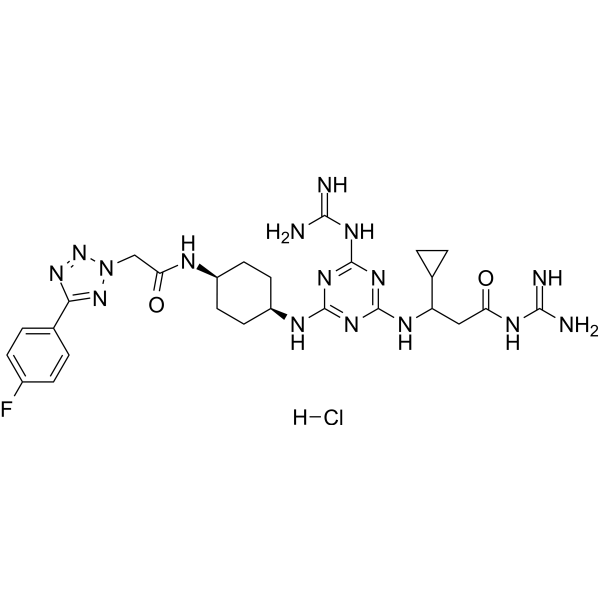
    MRL-494 hydrochloride
    1 Publications Verification

    Bacterial Infection
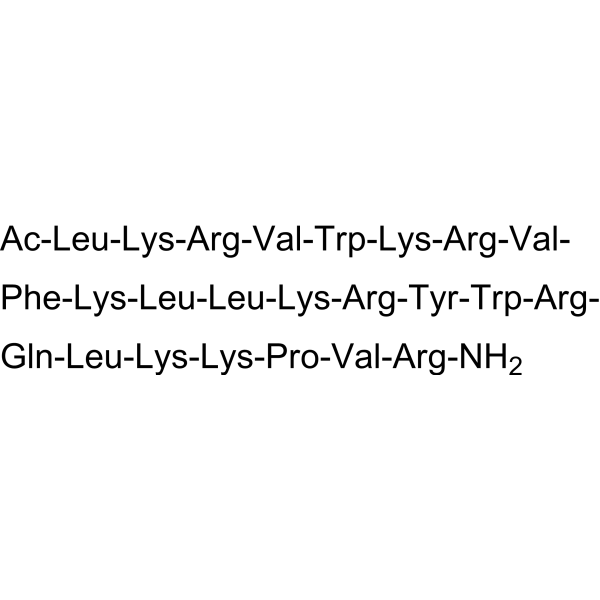
    MRL-494 hydrochloride, an antibacterial agent, is a inhibitor of β-barrel assembly machine A (BamA) impervious to efflux and the outer membrane permeability barrier. MRL-494 hydrochloride can inhibits Gram-positive (MIC of 12.5 μM for Staphylococcus aureus COL) and Gram-negative (MIC of 25 μM for E. coli JCM158) bacterias .
    MRL-494 hydrochloride
  • HY-16955A
    Plazomicin sulfate
    1 Publications Verification

    ACHN 490 sulfate

    Antibiotic Bacterial Infection
    Plazomicin (ACHN 490) sulfate is a semi-synthetic aminoglycoside Antibiotic. Plazomicin sulfate acts as a substrate for Aminoglycoside acetyltransferase and Aminoglycoside phosphotransferase. Plazomicin sulfaten is not modified by various common aminoglycoside-modifying enzymes. Plazomicin sulfate selectively inhibits MATE2-K. Plazomicin sulfate exhibits activity against multidrug-resistant bacteria, including carbapenem-resistant Enterobacterales .
    Plazomicin sulfate
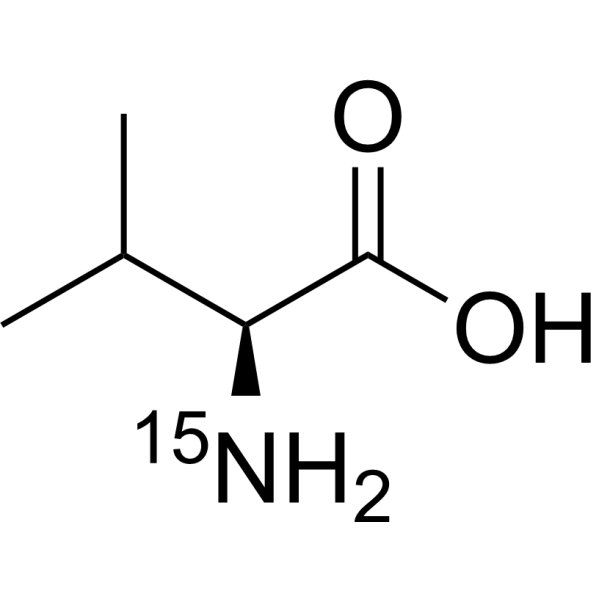
  • HY-N0717S

    (S)-Valine-15N

    Isotope-Labeled Compounds Arginase Akt Bacterial Infection
    L-Valine- 15N ((S)-Valine- 15N) is the 15N-labeled L-Valine (HY-N0717). L-Valine ((S)-Valine) is a nonlinear semiorganic material. L-Valine causes lipid peroxidation and accumulation of malondialdehyde (MDA), exhibits inhibitory activity against cyanobacteria. L-Valine inhibits multidrug-resistant bacteria through activation of PI3K/Akt signaling pathway and inhibition of arginase .
    L-Valine-15N
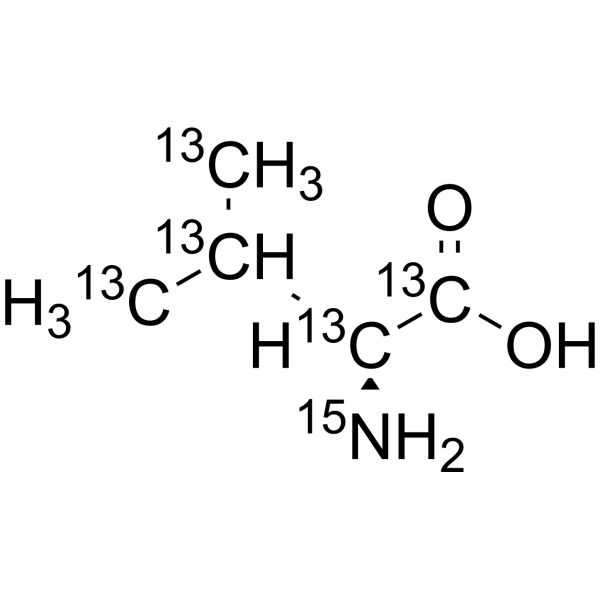
  • HY-N0717S1

    (S)-Valine-13C5,15N

    Isotope-Labeled Compounds Arginase Akt Bacterial Infection
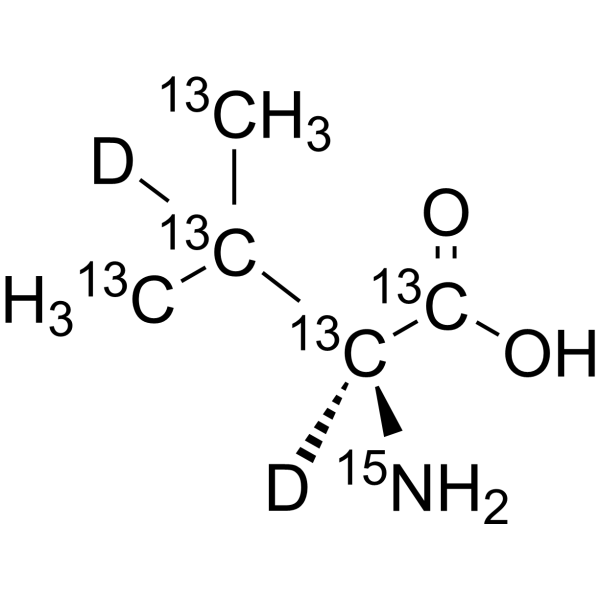
    L-Valine- 13C5, 15N ((S)-Valine- 13C5, 15) is the 13C- and 15N-labeled L-Valine (HY-N0717). L-Valine ((S)-Valine) is a nonlinear semiorganic material. L-Valine causes lipid peroxidation and accumulation of malondialdehyde (MDA), exhibits inhibitory activity against cyanobacteria. L-Valine inhibits multidrug-resistant bacteria through activation of PI3K/Akt signaling pathway and inhibition of arginase .
    L-Valine-13C5,15N
  • HY-P3328A

    Bacterial Infection
    MDP1 acetate, a Melittin-derived peptide, alters the integrity of both Gram-positive and Gram-negative bacterial membranes and kills the bacteria via membrane damages. MDP1 acetate has a high-antibacterial activity against multidrug resistant (MDR) and reference strains of S. aureus, E. coli, and P. aeruginosa .
    MDP1 acetate
  • HY-124679

    Bacterial Infection
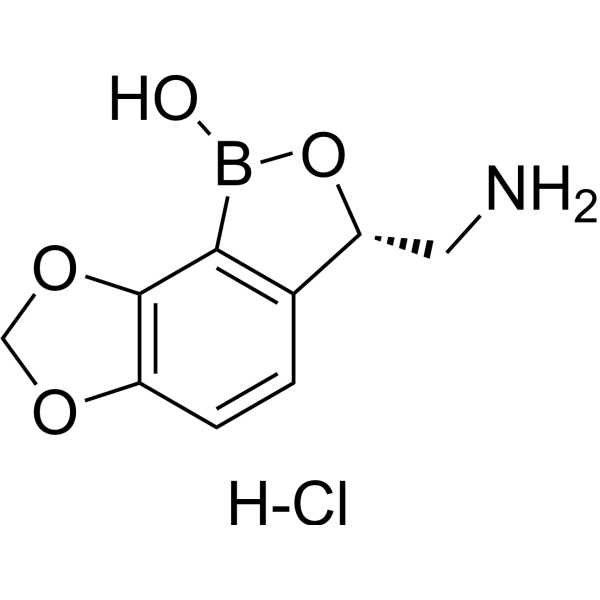
    DS86760016 is a potent leucyl-tRNA synthetase (LeuRS) inhibitor with activity against multidrug-resistant (MDR) Gram-negative bacteria, such as Escherichia coli, Klebsiella pneumoniae, and Pseudomonas aeruginosa. DS86760016 inhibits LeuRS enzymes from Escherichia coli, Pseudomonas aeruginosa, and Acinetobacter baumannii, with IC50s of 0.38, 0.62, and 0.16 μM, respectively .
    DS86760016
  • HY-108988

    Antibiotic Bacterial Topoisomerase DNA/RNA Synthesis Infection
    Albicidin is a peptide antibiotic with phytotoxic activity. Albicidin potently inhibits bacterial and plant DNA gyrase at nanomolar concentrations, blocks DNA replication, and exhibits excellent antibacterial efficacy against multidrug-resistant bacteria. Albicidin possesses bactericidal activity against Gram-positive and Gram-negative microorganisms, and acts as a virulence factor for the systemic plant infection by Xanthomonas albilineans. Albicidin can be used in studies related to bacterial infections and sugarcane leaf blight .
    Albicidin
  • HY-P10233

    Bacterial Infection
    SAAP 148 is a synthetic antimicrobial peptide (bacteria) that interacts with and disrupts the lipid bilayer of bacterial cytoplasmic membranes, thereby inducing changes in membrane permeability and bacterial death. SAAP 148 kills drug-resistant, multidrug-resistant and persister bacterial strains, inhibits biofilm formation, eliminates established biofilms, and blocks bacterial colonization on implant surfaces. SAAP 148 retains its activity after modification or immobilization, exhibits variable cytotoxicity in different human cell models, and shows reduced efficacy in protein-rich environments. SAAP 148 can be used in infection-related research .
    SAAP 148
  • HY-N15551

    Bacterial Infection
    Armeniaspirol C is a potent antibacterial agent targeting Gram-positive bacteria. Armeniaspirol C is is promising for research of infections caused by multidrug-resistant Gram-positive bacteria .
    Armeniaspirol C
  • HY-19915A

    MRX-4

    Bacterial Antibiotic Infection Inflammation/Immunology
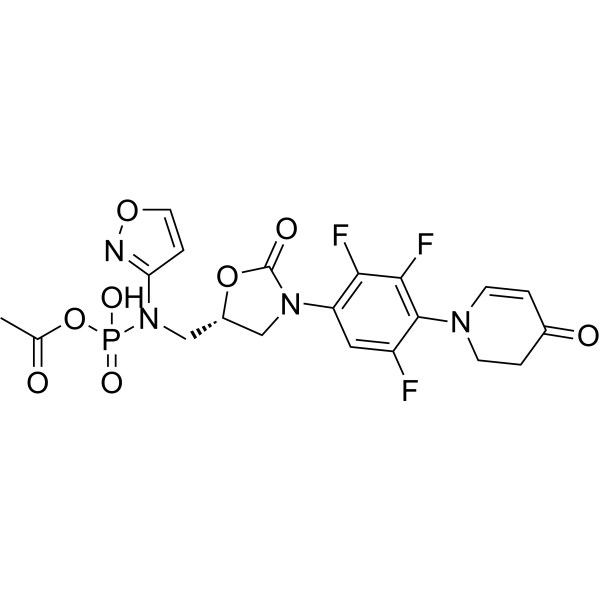
    Contezolid acefosamil (MRX-4) is the orally active proagent of the active antimicrobial metabolite Contezolid (MRX-I), an oxazolidinone which shows potent in vitro activity against various multidrug-resistant Gram-positive bacteria, including MRSA .
    Contezolid acefosamil
  • HY-128384

    Bacterial Infection
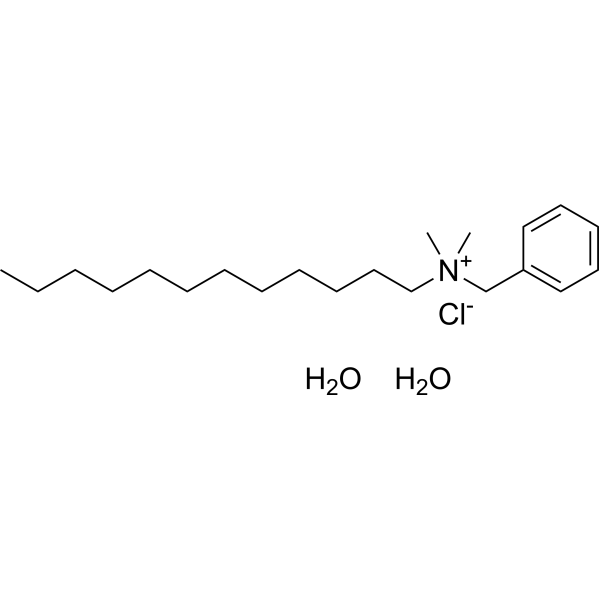
    Benzyldodecyldimethylammonium chloride dihydrate is a quaternary ammonium compound (QAC) and can be used as a biocide to target antibiotic-resistant bacteria, such as methicillin-resistant Staphylococcus aureus (MRSA), multidrug-resistant (MDR) P. aeruginosa et. al. Benzyldodecyldimethylammonium chloride dihydrate, an antimicrobial agent, bacteriostatic or bactericidal properties depending on the concentration.
    Benzyldodecyldimethylammonium chloride dihydrate
  • HY-16955

    ACHN 490

    Antibiotic Bacterial Infection Inflammation/Immunology
    Plazomicin (ACHN 490) is a semi-synthetic aminoglycoside Antibiotic. Plazomicin acts as a substrate for Aminoglycoside acetyltransferase and Aminoglycoside phosphotransferase. Plazomicin is not modified by various common aminoglycoside-modifying enzymes. Plazomicin selectively inhibits MATE2-K. Plazomicin exhibits activity against multidrug-resistant bacteria, including carbapenem-resistant Enterobacterales .
    Plazomicin
  • HY-139554

    KBP-7072

    Antibiotic Bacterial Infection
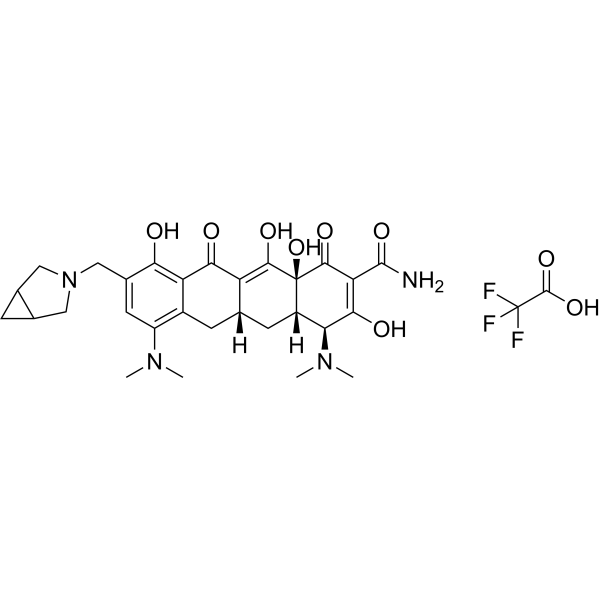
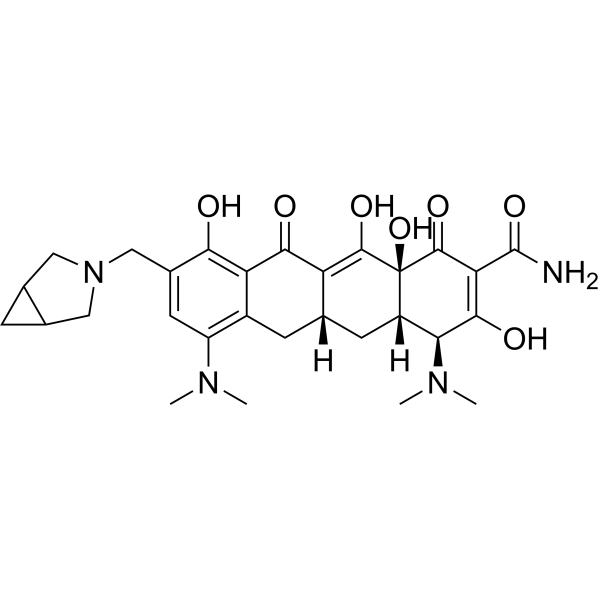
    Zifanocycline (KBP-7072) is a semisynthetic third-generation aminomethylcycline antibiotic that inhibits the normal function of the bacterial ribosome. Zifanocycline exhibits a broad spectrum of in vitro antibacterial activity against Gram-positive and Gram-negative bacteria, including many multidrug-resistant pathogens. Zifanocycline is available in both oral and injectable formulations. Zifanocycline can be used for the research of acute bacterial skin and skin structure infections, community-acquired bacterial pneumonia, and complicated intra-abdominal infections .
    Zifanocycline
  • HY-128773

    Bacterial Infection
    MRL-494, an antibacterial agent, is a inhibitor of β-barrel assembly machine A (BamA) impervious to efflux and the outer membrane permeability barrier. MRL-494 can inhibits Gram-positive (MIC of 12.5 μM for Staphylococcus aureus COL) and Gram-negative (MIC of 25 μM for E. coli JCM158) bacterias .
    MRL-494
  • HY-B0334AR

    CP45899 sodium (Standard)

    Reference Standards Bacterial Antibiotic Infection
    Sulbactam (sodium) (Standard) is the analytical standard of Sulbactam (sodium). This product is intended for research and analytical applications. Sulbactam (CP45899) sodium is a competitive, irreversible beta-lactamase inhibitor. Sulbactam sodium shows antimicrobial activity against multidrug-resistant (MDR) acinetobacter calcoaceticus--Acinetobacter baumannii (Acb) complex .
    Sulbactam sodium (Standard)
  • HY-P1720

    Antibiotic Bacterial Infection
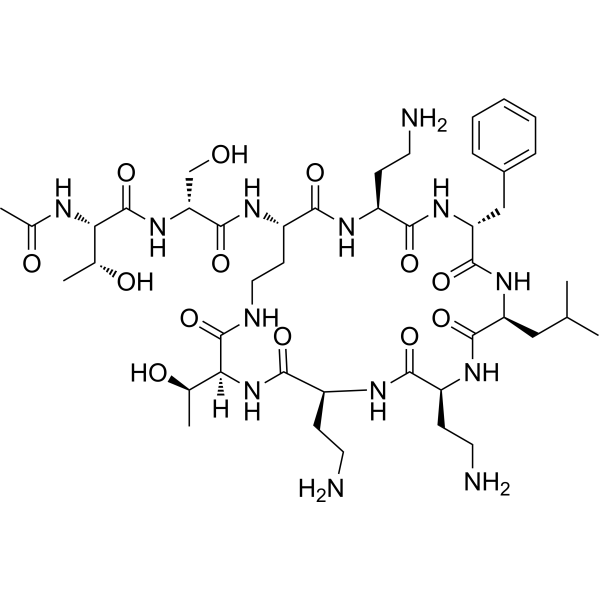
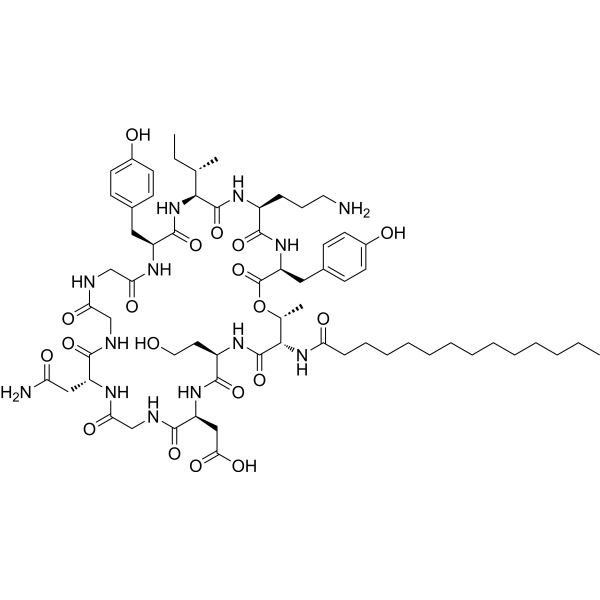
    Telomycin is a calcium-dependent antibiotic, which can be produced by Streptomyces. Telomycin inhibits gram-positive bacteria, including multidrug-resistant (MDR) pathogens .
    Telomycin
  • HY-N7047

    Bacterial Infection
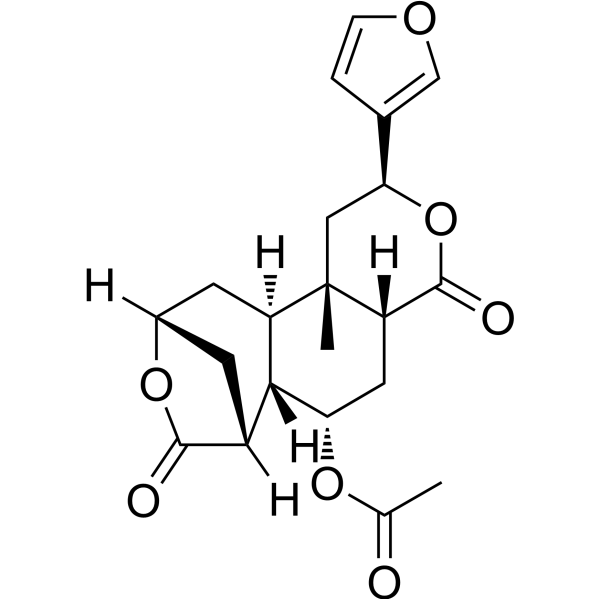
    8-Epidiosbulbin E acetate, a furanoid, is abundant in Dioscorea bulbifera L.. 8-Epidiosbulbin E acetate exhibits broad-spectrum plasmid-curing activity against multidrug-resistant (MDR) bacteria. 8-Epidiosbulbin E acetate induces liver injury in mice .
    8-Epidiosbulbin E acetate
  • HY-P11100

    Bacterial Infection
    PepW is a potent antimicrobial peptide targeting the capsule of multidrug-resistant Klebsiella pneumoniae (MIC=2-8 μM). PepW achieves bactericidal activity via capsule polysaccharide aggregation and structural disruption. PepW is promising for research of infectious diseases caused by Gram-negative bacteria (e.g., pneumonia, sepsis) .
    PepW
  • HY-B1075AS

    MK-0955 (benzylamine)-13C3

    Bacterial Antibiotic Infection
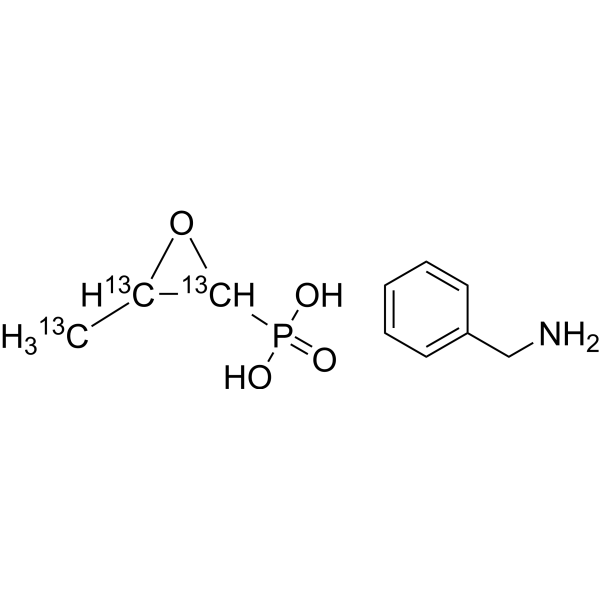
    (Rac)-Fosfomycin (benzylamine)- 13C3 is the 13C labeled Fosfomycin . Fosfomycin (MK-0955) is a broad-spectrum antibiotic. Fosfomycin can cross blood-brain barrier penetrating, and irreversibly inhibits an early stage in cell wall synthesis. Fosfomycin shows anti-bacteria activity for a range of bacteria, including multidrug-resistant (MDR), extensively drug-resistant (XDR), and pan-drug-resistant (PDR) bacteria .
    (Rac)-Fosfomycin (benzylamine)-13C3
  • HY-B1075R

    MK-​0955 calcium (Standard)

    Reference Standards Bacterial Antibiotic Infection Cancer
    Fosfomycin (calcium) (Standard) is the analytical standard of Fosfomycin (calcium). This product is intended for research and analytical applications. Fosfomycin (MK-0955) calcium is a blood-brain barrier penetrating, broad-spectrum antibiotic by irreversibly inhibiting an early stage in cell wall synthesis. Fosfomycin calcium shows both in vivo and in vitro activity against a wide range of bacteria, including multidrug-resistant (MDR), extensively drug-resistant (XDR), and pan-drug-resistant (PDR) bacteria .
    Fosfomycin calcium (Standard)
  • HY-121348

    U-47929

    Antibiotic Bacterial DNA/RNA Synthesis Infection
    Ficellomycin is a nitrogen-containing bicyclic antibiotic with strong activity against Gram-positive bacteria, including multidrug-resistant strains of Staphylococcus aureus. Ficellomycin works by inducing the formation of defective 34S DNA fragments, which interfere with the semi-conservative DNA replication process. These fragments lack the ability to integrate into larger DNA segments and eventually form a complete bacterial chromosome. Ficellomycin can be used in research for various bacterial diseases .
    Ficellomycin
  • HY-Y1826

    Bacterial Antibiotic Infection
    IITR01324 is an antimicrobial agent. IITR01324 has antimicrobial activity against Escherichia coli (MIC = 3.58 mg/L) and other Gram-negative bacteria (Shigella flexneri: MIC = 3.58 mg/L; Cronobacter sakazakii: MIC = 28.63 mg/L). IITR01324 exerts its antimicrobial activity by destroying bacterial DNA after activation of intracellular reductases. IITR01324 can be used to study the development of new antimicrobial drugs, especially against multidrug-resistant (MDR) pathogens .
    IITR01324
  • HY-169175

    Antibiotic Bacterial Infection
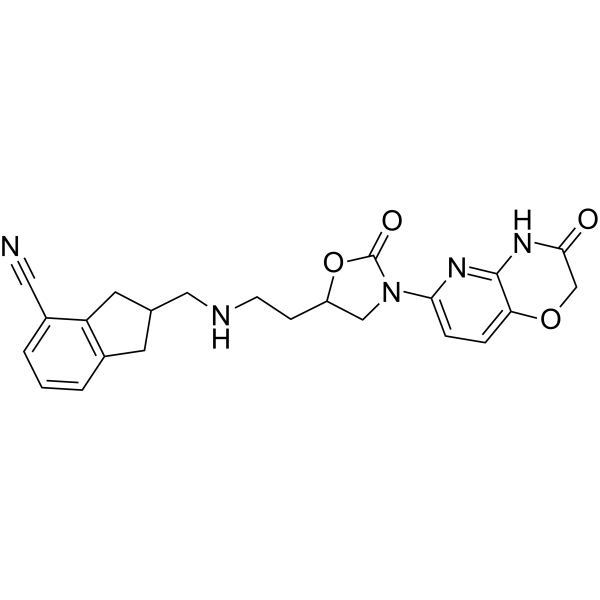
    CN-CC-861 is a broad-spectrum antibiotic. CN-CC-861 shows antibiotic activities for susceptible and multidrug-resistant bacteria. CN-CC-861 shows potent bactericidal activity in vivo .
    CN-CC-861
  • HY-149309

    Topoisomerase Infection
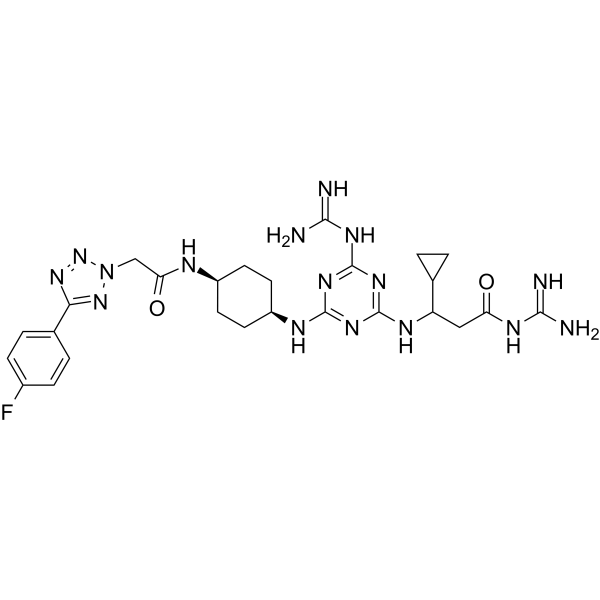
    Topoisomerase inhibitor 2 (18C) is a bacterial topoisomeraseinhibitor that exhibits potent broad-spectrum activity against multidrug-resistant Gram-negative bacteria .
    Topoisomerase inhibitor 2

Inquiry Online

Your information is safe with us. * Required Fields.

Salutation


Country or Region *

Applicant Name *


Organization Name *

Department *


Email Address *


Product Name *

Cat. No.


Requested quantity *

Phone Number *


Remarks

Inquiry Online

Inquiry Information

Product Name:
Cat. No.:
Quantity:
MCE Japan Authorized Agent: