



Sulbactam sodium
Based on 12 publication(s) in Google Scholar
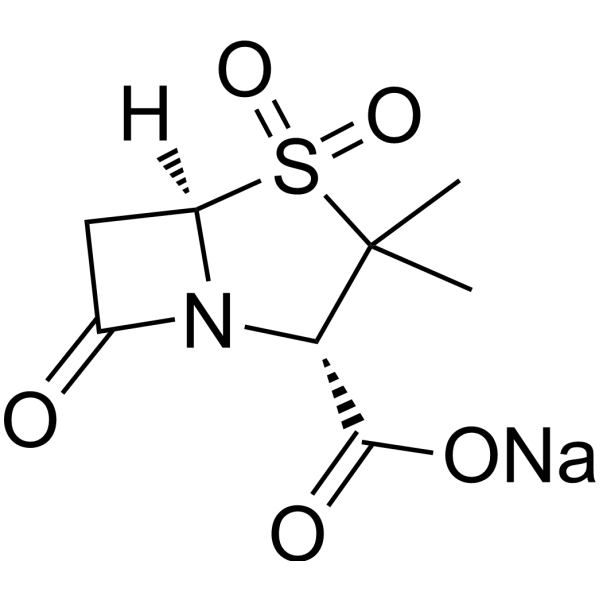
Sulbactam (CP45899) sodium is a competitive, irreversible beta-lactamase inhibitor. Sulbactam sodium shows antimicrobial activity against multidrug-resistant (MDR) acinetobacter calcoaceticus--Acinetobacter baumannii (Acb) complex.
For research use only. We do not sell to patients.
- Purity : 99.66%
- CAS No.: 69388-84-7
- Formula: C8H10NNaO5S
- Molecular Weight:255.23
-
Storage:
-20°C, protect from light, stored under nitrogen
* In solvent : -80°C, 6 months; -20°C, 1 month (protect from light, stored under nitrogen)

To place orders, for customer services and technical support, please contact: MedChemExpress USA
Tel: 609-228-6898 E-mail: [email protected] [email protected]


-
 Biological Activity
-
Chemical Information
-
Solvent & Solubility
- Protocols
- Purity & Documentation
- References
-
 Help & FAQs


-
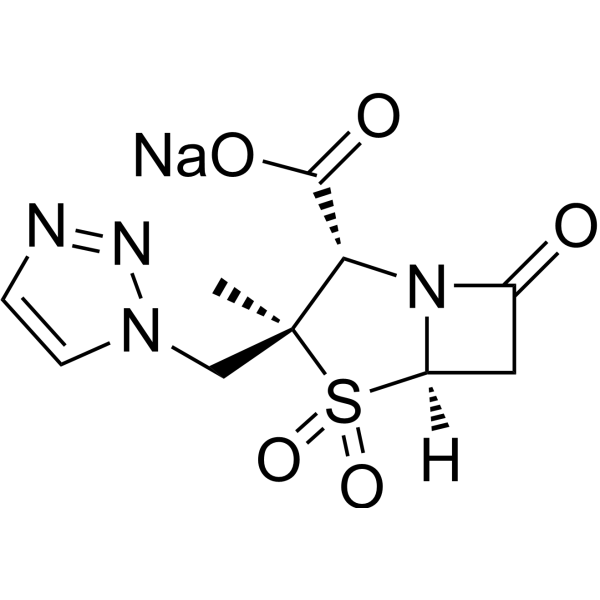
HY-W009168
Tazobactam sodiumBeta-lactamase Inhibitor -
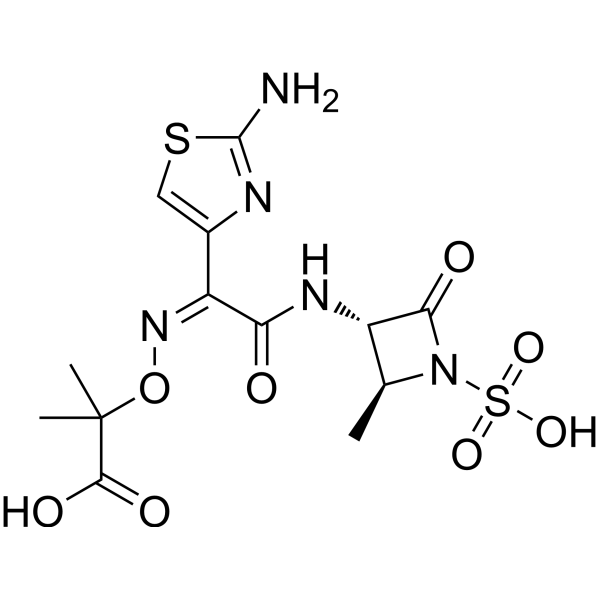
HY-B0129
AztreonamBacterial Inhibitor -
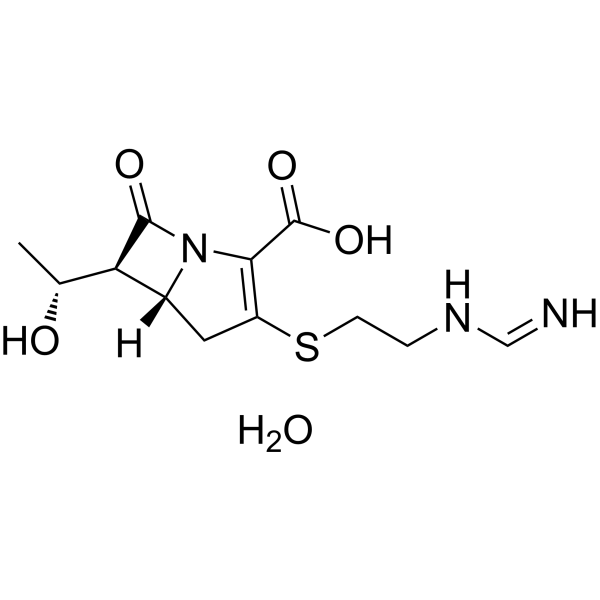
HY-B1369
Imipenem monohydrateAntibiotic -
HY-13678A
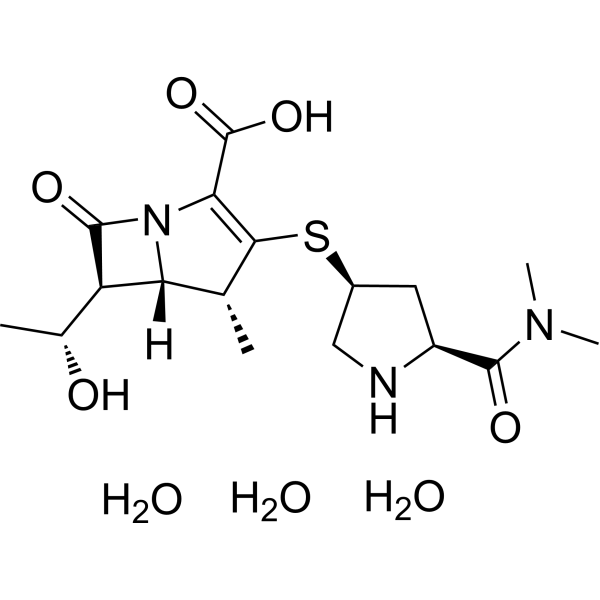
Meropenem trihydrateAntimicrobial Agent -
HY-B0522A
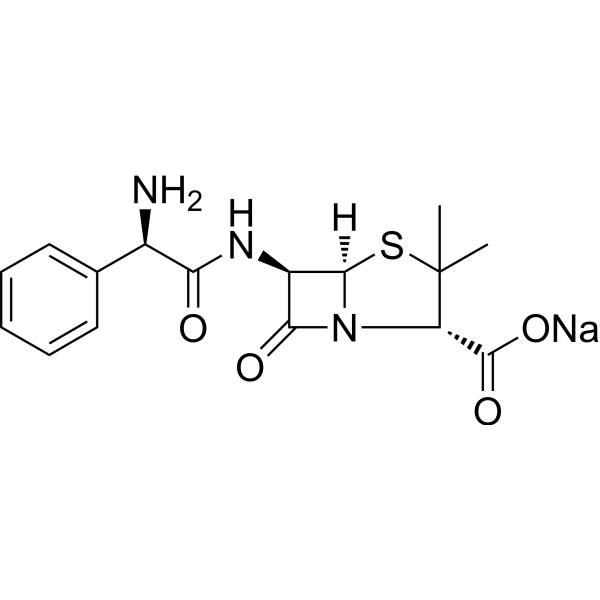
Ampicillin sodiumBacterial Inhibitor -
HY-117974
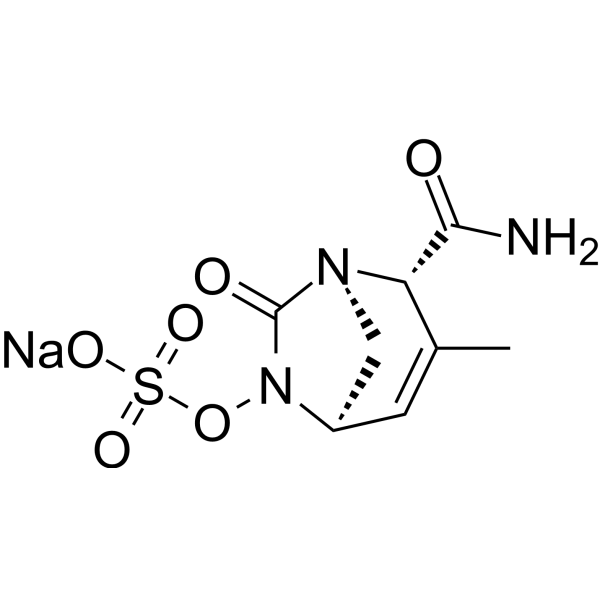
Durlobactam sodiumβ-lactamase Inhibitor -
HY-14879A
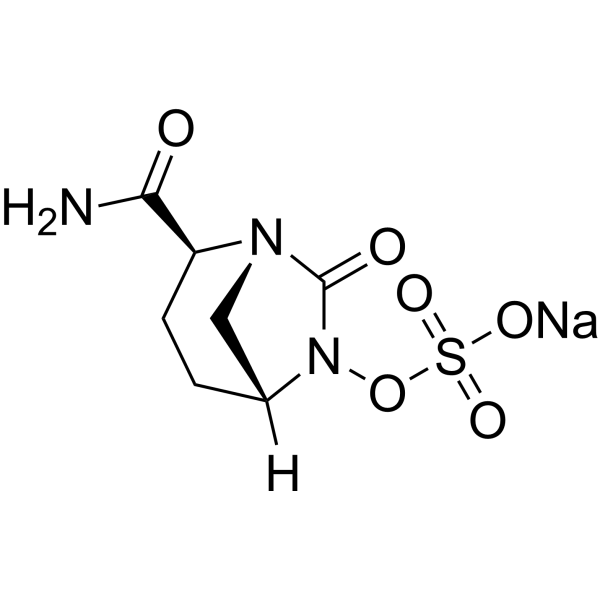
Avibactam sodiumBeta-lactamase Inhibitor -
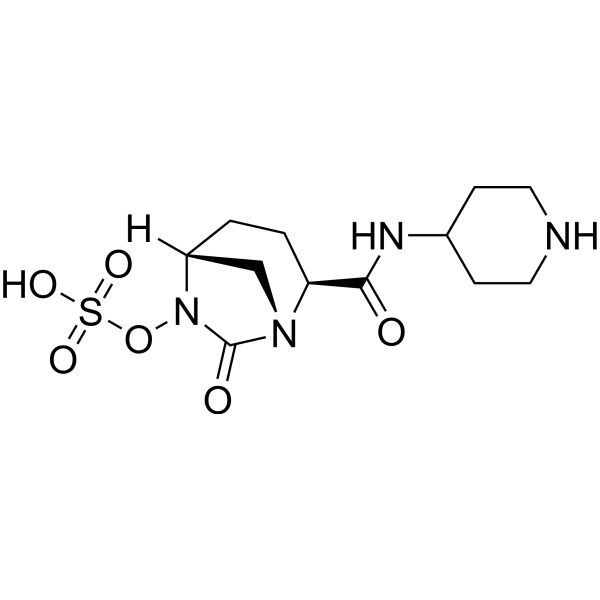
HY-16752
RelebactamBeta-lactamase Inhibitor -

HY-B0334AR
Sulbactam sodium (Standard)Beta-lactamase Inhibitor -
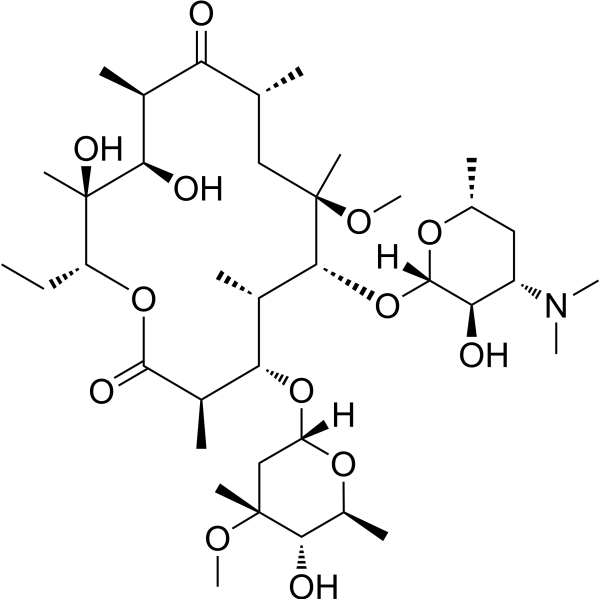
HY-17508
ClarithromycinAntimicrobial Agent -
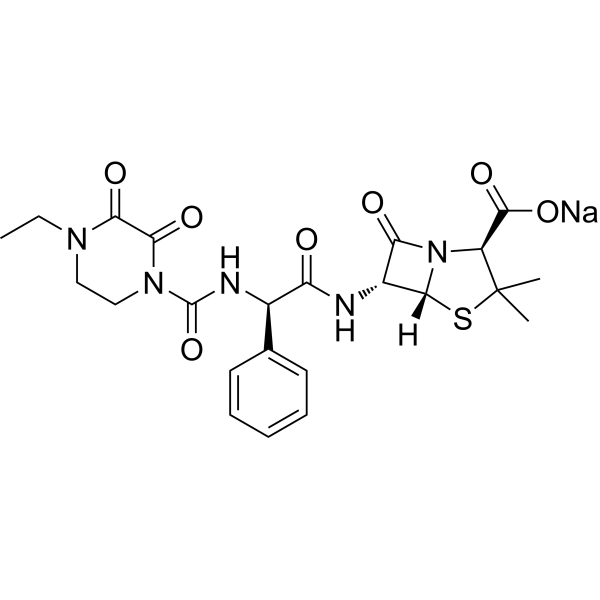
HY-B1286
Piperacillin sodiumBacterial Inhibitor -
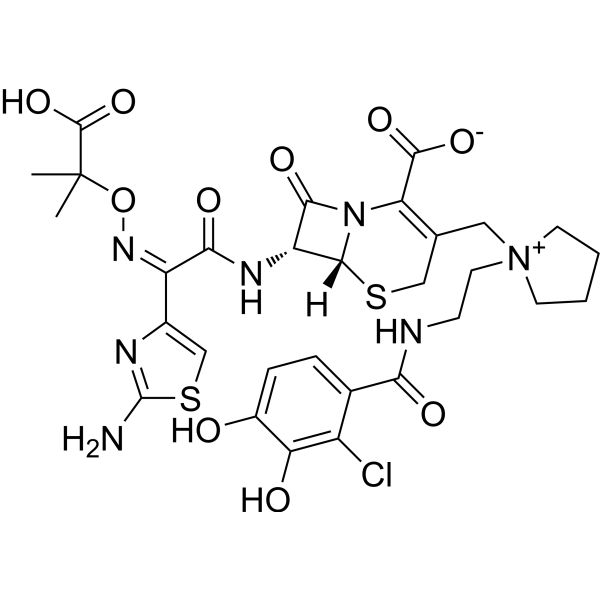
HY-17628
CefiderocolAntibiotic
Publications Citing Use of MedChemExpress (MCE) Sulbactam sodium
More- Nat Commun. 2022 Mar 2;13(1):1116. [Abstract]
- Virulence. 2026 Dec 31;17(1):2646808. [Abstract]
- Molecules. 2025 Mar 9;30(6):1224. [Abstract]
- Antimicrob Agents Chemother. 2023 Jun 15;67(6):e0160322. [Abstract]
- J Antimicrob Chemother. 2025 Nov 5:dkaf408. [Abstract]
- Microbiol Spectr. 2025 Jul;13(7):e0083225. [Abstract]
- Microbiol Spectr. 2023 Jun 15;11(3):e0069223. [Abstract]
- Microbiol Spectr. 2023 Feb 14;11(1):e0303822. [Abstract]
- Infect Drug Resist. 2020 Aug 18:13:2883-2890. [Abstract]
- Biomed Res Int. 2018 Jul 2:2018:3579832. [Abstract]
- Biochemistry. 2021 Jul 20;60(28):2236-2245. [Abstract]
- J Chromatogr B Analyt Technol Biomed Life Sci. 2025 Jul 1:1261:124654. [Abstract]
 Customer Validation & Images

-
WB
-
Microbiological Assay
-
Microbiological Assay
All Antibiotic Isoforms
More

Biological Activity
Description
IC50 & Target
|
β-lactam |
In Vitro
Ampicillin-Sulbactam has a wide range of antibacterial activity that includes Gram-positive and Gram-negative aerobic and anaerobic bacteria[3].
MedChemExpress (MCE) has not independently confirmed the accuracy of these methods. They are for reference only. Further protocols information, click here.


Chemical Information
-
CAS No. 69388-84-7
-
Appearance Solid
-
Molecular Weight 255.23
-
Formula C8H10NNaO5S
-
Color White to yellow
-
SMILES
O=C([C@@H](C(C)(C)S([C@]1([H])C2)(=O)=O)N1C2=O)O[Na]
-
Synonyms
CP45899 sodium
-
Shipping
Room temperature in continental US; may vary elsewhere.
-
Storage
-20°C, protect from light, stored under nitrogen
* In solvent : -80°C, 6 months; -20°C, 1 month (protect from light, stored under nitrogen)


Publications (12)
-
Journal Impact Factor
-
Most Recent
-
Nat Commun
Antimicrobial resistance and population genomics of multidrug-resistant Escherichia coli in pig farms in mainland China. [Abstract]2022 Mar 2;13(1):1116. PMID: 35236849 -
Virulence
Antibacterial efficacy and mechanism of the novel antimicrobial peptide lachnospirin-1 against Acinetobacter baumannii. [Abstract]2026 Dec 31;17(1):2646808. PMID: 41838520 -
Molecules
Seeking Correlation Among Porin Permeabilities and Minimum Inhibitory Concentrations Through Machine Learning: A Promising Route to the Essential Molecular Descriptors. [Abstract]2025 Mar 9;30(6):1224. PMID: 40142001 -
Antimicrob Agents Chemother
Penicillin-Binding Protein 5/6 Acting as a Decoy Target in Pseudomonas aeruginosa Identified by Whole-Cell Receptor Binding and Quantitative Systems Pharmacology. [Abstract]2023 Jun 15;67(6):e0160322. PMID: 37199612 -
J Antimicrob Chemother
Unravelling the triad of penicillin-binding proteins, β-lactamase activity, and mRNA dynamics in Pseudomonas aeruginosa AmpC induction. [Abstract]2025 Nov 5:dkaf408. PMID: 41206063 -
Microbiol Spectr
Susceptibility toward cefiderocol and sulbactam-durlobactam in extensively drug-resistant Acinetobacter baumannii detected from ICU admission screening in Hanoi, Vietnam, 2023. [Abstract]2025 Jul;13(7):e0083225. PMID: 40488459 -
Microbiol Spectr
Penicillin-Binding Protein Occupancy Dataset for 18 β-Lactams and 4 β-Lactamase Inhibitors in Neisseria gonorrhoeae. [Abstract]2023 Jun 15;11(3):e0069223. PMID: 37093051
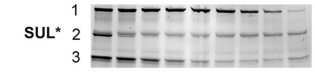
Sulbactam sodium purchased from MedChemExpress. Usage Cited in: Microbiol Spectr. 2023 Jun 15;11(3):e0069223. [Abstract]
Binding patterns of β-lactams in N. gonorrhoeae PBPs from strain ATCC 19424.The membrane preparations were incubated with the indicated β-lactams for 30 min before Bocillin FL labeling. Labeled PBPs were separated by SDS-PAGE and detected using a fluorimager. The range of concentrations tested was 0.015 to 2 mg/L. SUL, sulbactam.
-
Microbiol Spectr
PBP Target Profiling by β-Lactam and β-Lactamase Inhibitors in Intact Pseudomonas aeruginosa: Effects of the Intrinsic and Acquired Resistance Determinants on the Periplasmic Drug Availability. [Abstract]2023 Feb 14;11(1):e0303822. PMID: 36475840 -
Infect Drug Resist
Zinc Chelator N,N,N',N'-Tetrakis(2-Pyridylmethyl)Ethylenediamine Reduces the Resistance of Mycobacterium abscessus to Imipenem. [Abstract]2020 Aug 18:13:2883-2890. PMID: 32903882
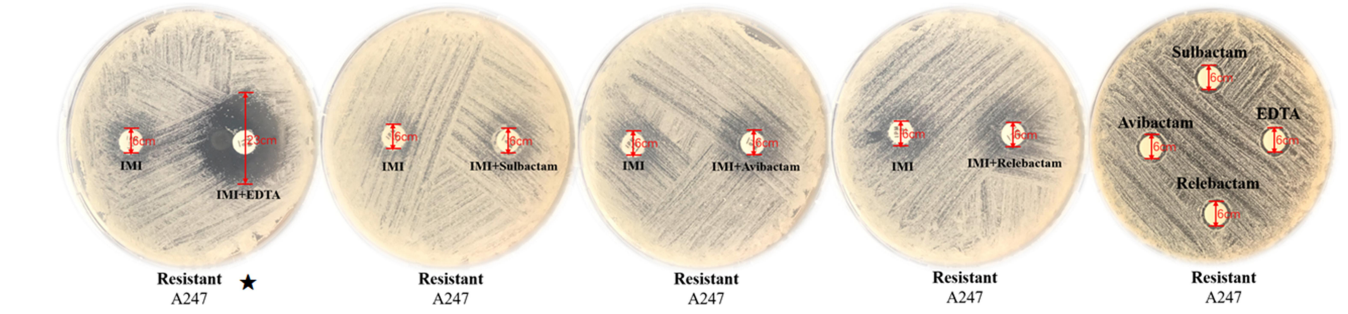
Sulbactam sodium purchased from MedChemExpress. Usage Cited in: Infect Drug Resist. 2020 Aug 18:13:2883-2890. [Abstract]
The abilities of EDTA, sulbactam, avibactam and relebactam to synergize with imipenem and inhibit the growth of imipenem-resistant (A247) M. abscessus were determined and compared.
-
Biomed Res Int
In Vitro Activity of β-Lactams in Combination with β-Lactamase Inhibitors against Mycobacterium tuberculosis Clinical Isolates. [Abstract]2018 Jul 2:2018:3579832. PMID: 30065936 -
Biochemistry
The G132S Mutation Enhances the Resistance of Mycobacterium tuberculosis β-Lactamase against Sulbactam. [Abstract]2021 Jul 20;60(28):2236-2245. PMID: 34250791
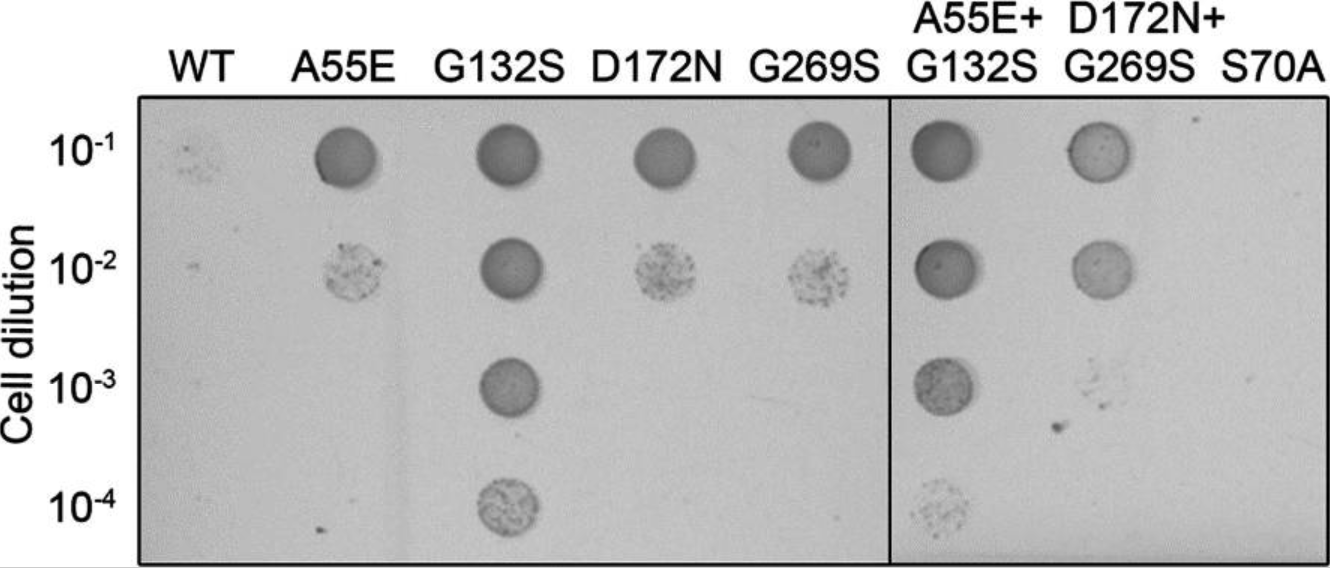
Sulbactam sodium purchased from MedChemExpress. Usage Cited in: Biochemistry. 2021 Jul 20;60(28):2236-2245. [Abstract]
In vivo activity of BlaC mutants in E. coli. Cultures of E. coli expressing the genes for wild-type BlaC or variants A55E, G132S, D172N, G269S, A55E/G132S, and D172N/G269S were spotted on a plate containing 10 μg/mL ampicillin and 8 μg/mL sulbactam. BlaC S70A cannot hydrolyze ampicillin and is used as a negative control. The two panels are pictures of details of a single LB-agar plate placed adjacently for easy comparability of the mutants.
-
J Chromatogr B Analyt Technol Biomed Life Sci
Quantification of sulbactam and durlobactam in saline and human plasma via ultra-performance liquid chromatography tandem mass spectrometry. [Abstract]2025 Jul 1:1261:124654. PMID: 40382829


Solvent & Solubility
In Vitro:
H2O : ≥ 100 mg/mL (391.80 mM)
DMSO : 50 mg/mL (195.90 mM; Need ultrasonic; Hygroscopic DMSO has a significant impact on the solubility of product, please use newly opened DMSO)
* "≥" means soluble, but saturation unknown.
Please refer to the solubility information to select the appropriate solvent. Once prepared, please aliquot and store the solution to prevent product inactivation from repeated freeze-thaw cycles.
Storage method and period of stock solution: -80°C, 6 months; -20°C, 1 month (protect from light, stored under nitrogen). When stored at -80°C, please use it within 6 months. When stored at -20°C, please use it within 1 month.
* Note: If you choose water as the stock solution, please dilute it to the working solution, then filter and sterilize it with a 0.22 μm filter before use.
Please refer to the solubility information to select the appropriate solvent. Once prepared, please aliquot and store the solution to prevent product inactivation from repeated freeze-thaw cycles.
Storage method and period of stock solution: -80°C, 6 months; -20°C, 1 month (protect from light, stored under nitrogen). When stored at -80°C, please use it within 6 months. When stored at -20°C, please use it within 1 month.
* Note: If you choose water as the stock solution, please dilute it to the working solution, then filter and sterilize it with a 0.22 μm filter before use.
Concentration (start) × Volume (start) = Concentration (final) × Volume (final)
In Vivo:
Select the appropriate dissolution method based on your experimental animal and administration route.
- For the following dissolution methods, please ensure to first prepare a clear stock solution using an In Vitro approach and then sequentially add co-solvents:
- To ensure reliable experimental results, the clarified stock solution can be appropriately stored based on storage conditions. As for the working solution for In Vivo experiments, it is recommended to prepare freshly and use it on the same day.
- The percentages shown for the solvents indicate their volumetric ratio in the final prepared solution. If precipitation or phase separation occurs during preparation, heat and/or sonication can be used to aid dissolution.
Add each solvent one by one: 10% DMSO 40% PEG300 5% Tween-80 45% Saline
Solubility: ≥ 2.08 mg/mL (8.15 mM); Clear solution
This protocol yields a clear solution of ≥ 2.08 mg/mL (saturation unknown).
Taking 1 mL working solution as an example, add 100 μL DMSO stock solution (20.8 mg/mL) to 400 μL PEG300, and mix evenly; then add 50 μL Tween-80 and mix evenly; then add 450 μL Saline to adjust the volume to 1 mL.
Preparation of Saline: Dissolve 0.9 g sodium chloride in ddH₂O and dilute to 100 mL to obtain a clear Saline solution.
Add each solvent one by one: 10% DMSO 90% (20% SBE-β-CD in Saline)
Solubility: ≥ 2.08 mg/mL (8.15 mM); Clear solution
This protocol yields a clear solution of ≥ 2.08 mg/mL (saturation unknown).
Taking 1 mL working solution as an example, add 100 μL DMSO stock solution (20.8 mg/mL) to 900 μL 20% SBE-β-CD in Saline, and mix evenly.
Preparation of 20% SBE-β-CD in Saline (4°C, storage for one week): 2 g SBE-β-CD powder is dissolved in 10 mL Saline, completely dissolve until clear.
In Vivo Dissolution Calculator
Please enter the basic information of animal experiments:
-
-
-
-
Recommended: Prepare an additional quantity of animals to account for potential losses during experiments.
Working solution concentration: 0.22 mg/mL
This product has good water solubility, please refer to the measured solubility data in water/PBS/Saline for details.

Protocols
-
Research Protocol for Infectious Diseases
Infectious-disease experiments test how pathogens interact with host barriers, innate immune receptors, inflammatory signaling, pathogen replication, and tissue injury; pattern-recognition receptors such as TLRs, RIG-I-like receptors, NOD-like receptors, and inflammasomes detect microbial molecules and activate NF-κB, interferon, and cytokine responses. The central hypothesis is that infection severity reflects the balance between pathogen burden and host response: protective inflammation restricts pathogen growth, whereas excessive or mislocalized inflammation contributes to tissue damage and disease phenotype. Unresolved questions include which host pathways are protective versus pathogenic, why some infection models fail to translate to human disease, and which combined readouts best predict clinically relevant infection outcomes.


Purity & Documentation
-
Data Sheet (283 KB)
-
SDS (419 KB)
- English - EN (419 KB)
- Français - FR (419 KB)
- Deutsch - DE (419 KB)
- Norwegian - NO (419 KB)
- Español - ES (419 KB)
- Swedish - SV (419 KB)
- Italian - IT (419 KB)
- Korean - KR (419 KB)
- Portuguese - PT (419 KB)
-
Handling Instructions (2659 KB)
References
[1]. Noguchi JK, et al. Sulbactam: a beta-lactamase inhibitor. Clin Pharm. 1988;7(1):37-51. [Content Brief]
[2]. Lin HS, et al. Sulbactam treatment for pneumonia involving multidrug-resistant Acinetobacter calcoaceticus-Acinetobacter baumannii complex. Infect Dis (Lond). 2015;47(6):370-378. [Content Brief]
[3]. Betrosian AP, et al. Ampicillin-sulbactam: an update on the use of parenteral and oral forms in bacterial infections. Expert Opin Drug Metab Toxicol. 2009;5(9):1099-1112. [Content Brief]


Complete Stock Solution Preparation Table
Please refer to the solubility information to select the appropriate solvent. Once prepared, please aliquot and store the solution to prevent product inactivation from repeated freeze-thaw cycles.
Storage method and period of stock solution: -80°C, 6 months; -20°C, 1 month (protect from light, stored under nitrogen). When stored at -80°C, please use it within 6 months. When stored at -20°C, please use it within 1 month.
| Optional Solvent | Concentration Solvent Mass | 1 mg | 5 mg | 10 mg | 25 mg |
|---|---|---|---|---|---|
| DMSO / H2O | 1 mM | 3.9180 mL | 19.5902 mL | 39.1803 mL | 97.9509 mL |
| 5 mM | 0.7836 mL | 3.9180 mL | 7.8361 mL | 19.5902 mL | |
| 10 mM | 0.3918 mL | 1.9590 mL | 3.9180 mL | 9.7951 mL | |
| 15 mM | 0.2612 mL | 1.3060 mL | 2.6120 mL | 6.5301 mL | |
| 20 mM | 0.1959 mL | 0.9795 mL | 1.9590 mL | 4.8975 mL | |
| 25 mM | 0.1567 mL | 0.7836 mL | 1.5672 mL | 3.9180 mL | |
| 30 mM | 0.1306 mL | 0.6530 mL | 1.3060 mL | 3.2650 mL | |
| 40 mM | 0.0980 mL | 0.4898 mL | 0.9795 mL | 2.4488 mL | |
| 50 mM | 0.0784 mL | 0.3918 mL | 0.7836 mL | 1.9590 mL | |
| 60 mM | 0.0653 mL | 0.3265 mL | 0.6530 mL | 1.6325 mL | |
| 80 mM | 0.0490 mL | 0.2449 mL | 0.4898 mL | 1.2244 mL | |
| 100 mM | 0.0392 mL | 0.1959 mL | 0.3918 mL | 0.9795 mL |
* Note: If you choose water as the stock solution, please dilute it to the working solution, then filter and sterilize it with a 0.22 μm filter before use.


Sulbactam sodium Related Classifications
HY-B0334A Related Classifications
 Powered by Bioz